Ceramic and Wooden Containers

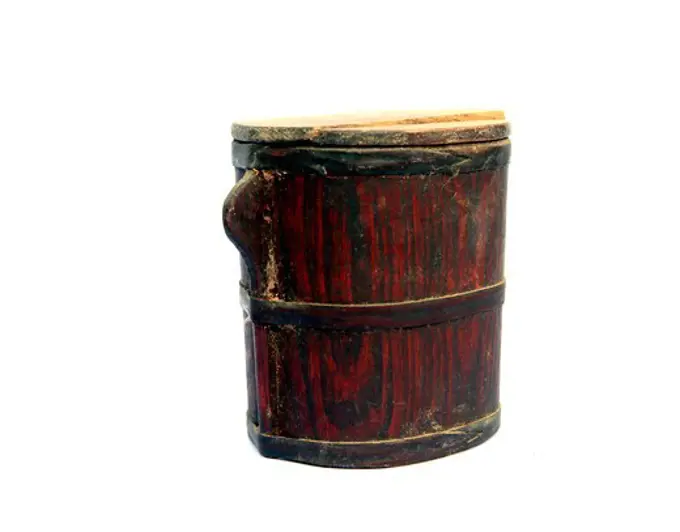
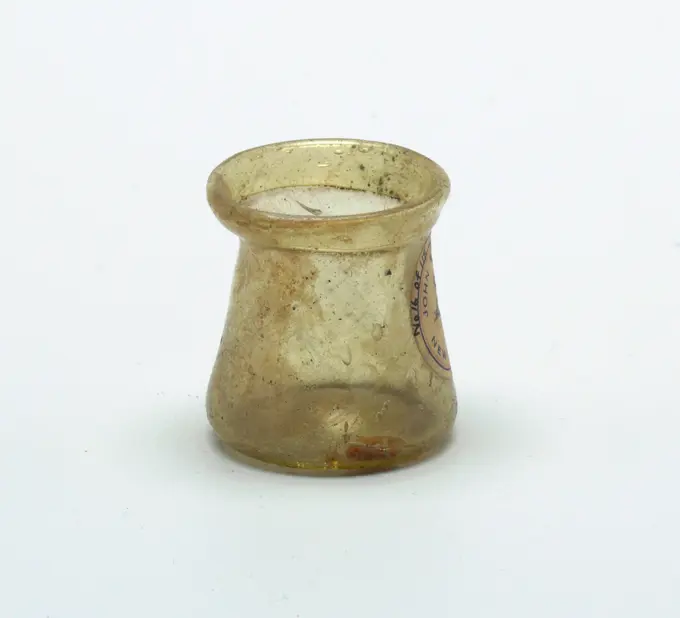
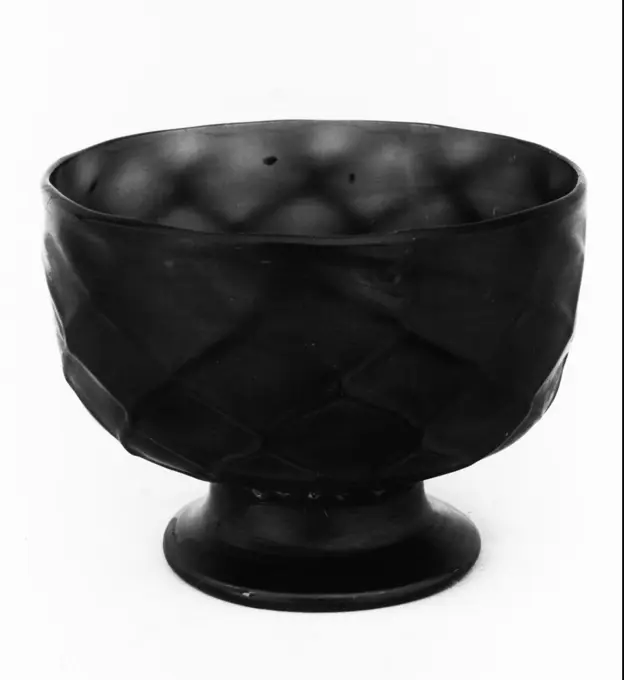
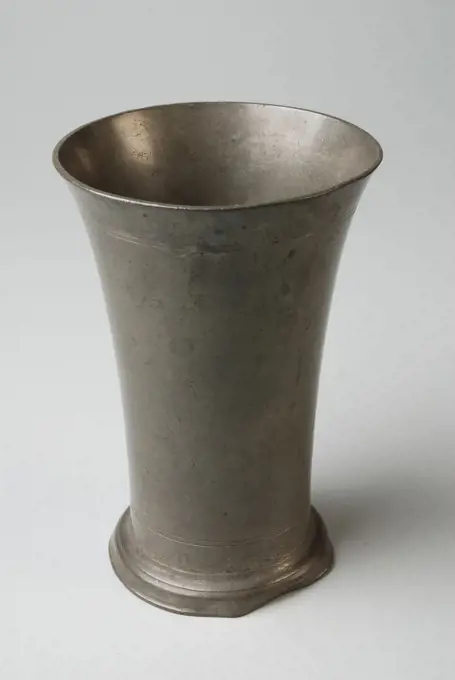
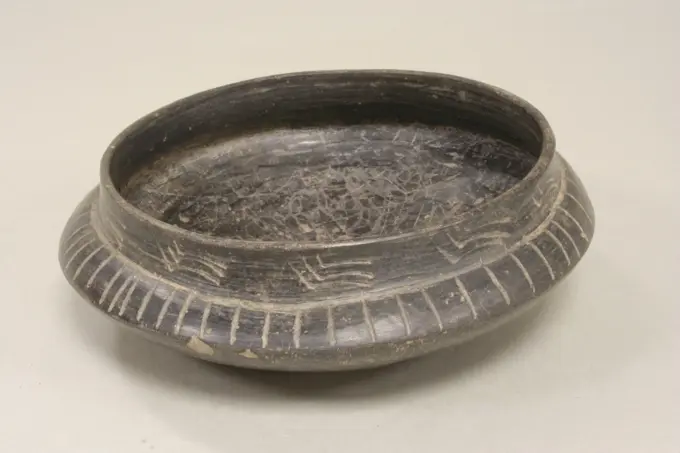
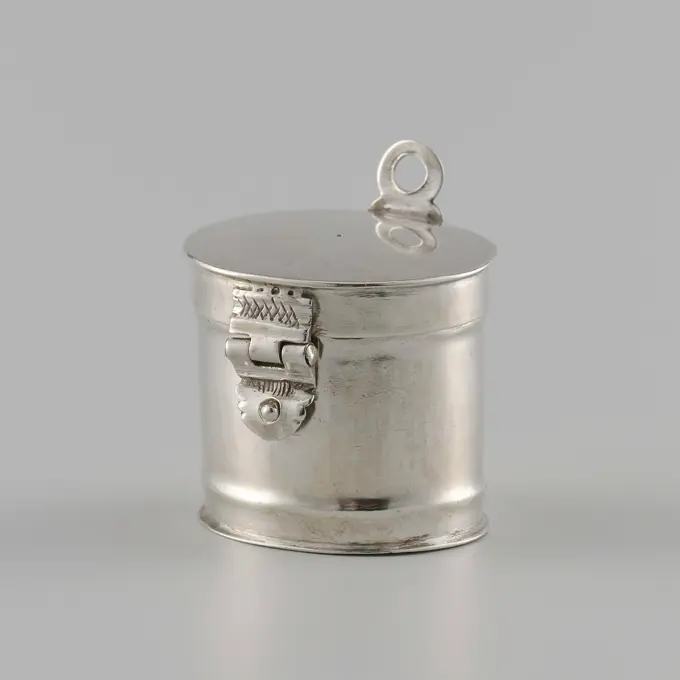
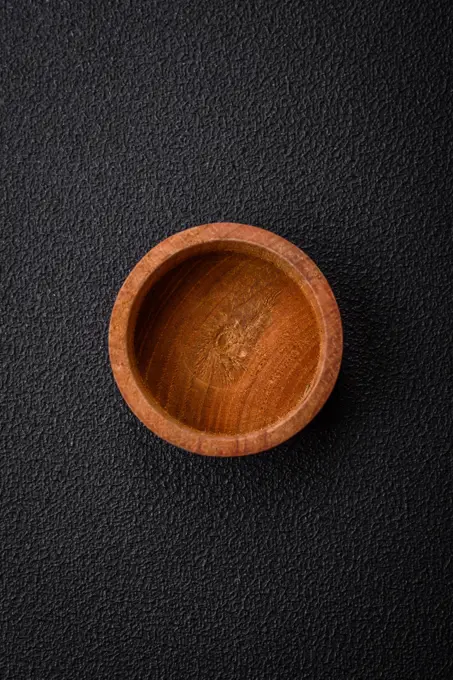
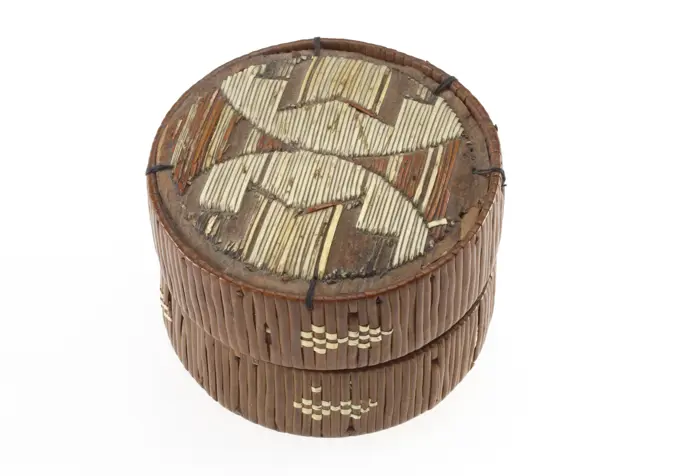
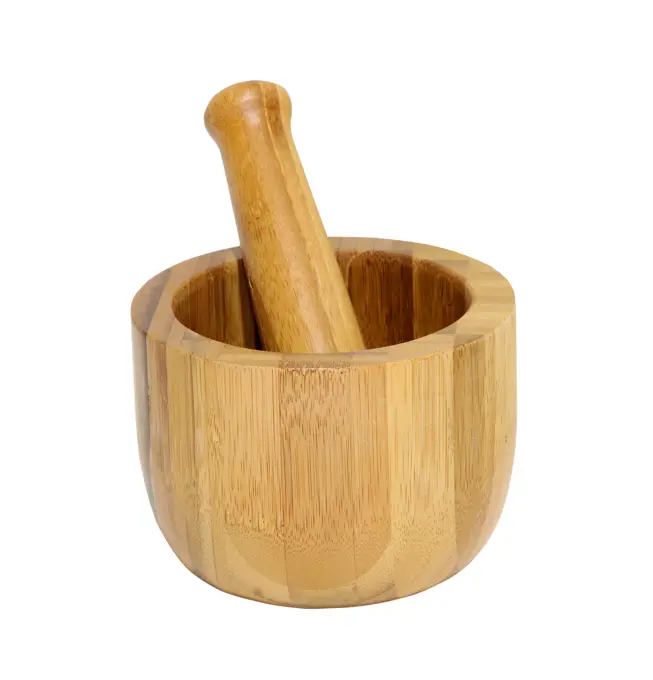
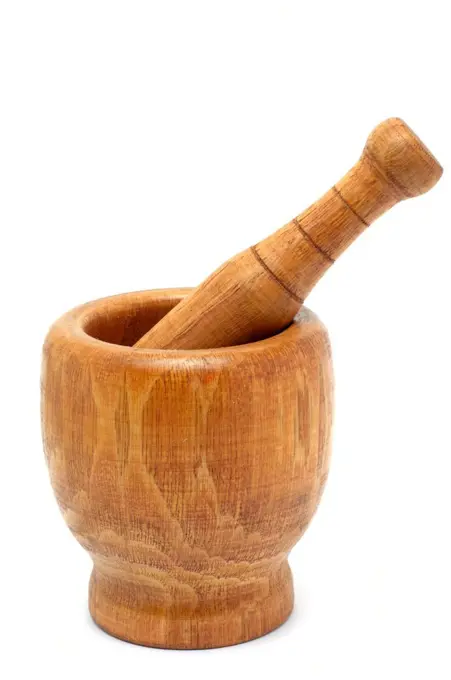
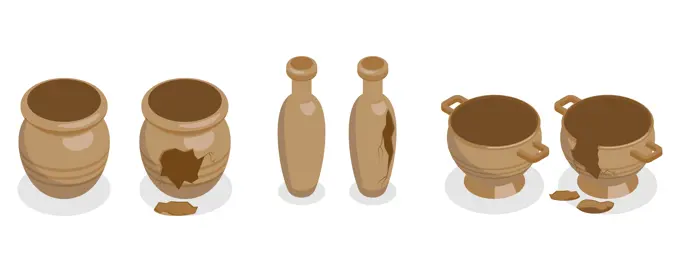
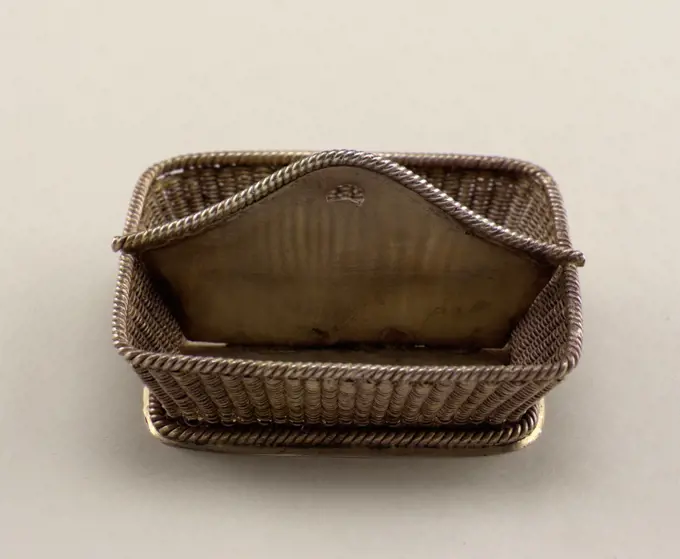
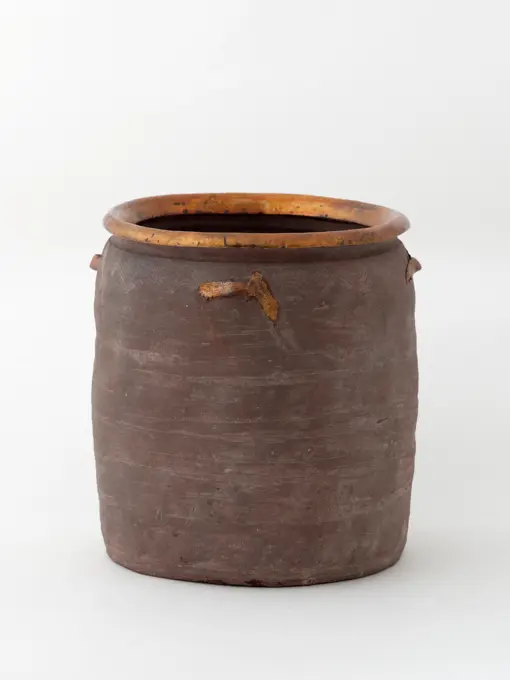
A collection of traditional jars and bowls made from wood and ceramic, highlighting various textures and shapes, evoking a sense of history and craftsmanship.
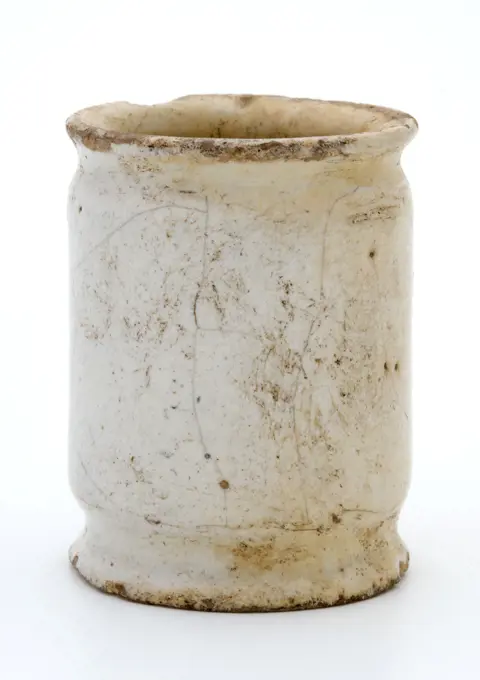
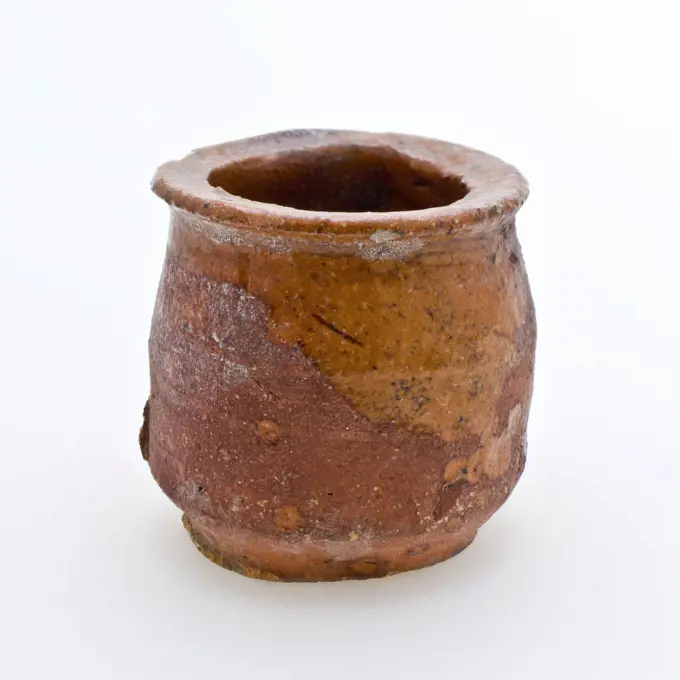
Pottery ointment jar, cylindrical, two shallow constrictions, white glazed, ointment jar pot holder soil finds ceramic earthenware glaze tin glaze, hand-turned baked 2x glazed Pottery ointment jar cylindrical two shallow constrictions Light inwardly directed upper edge Stand surface with light soul and traces of deduction. White glazed Delft pottery archeology health care indigenous pottery packing pharmacy store sell medicine drug craft
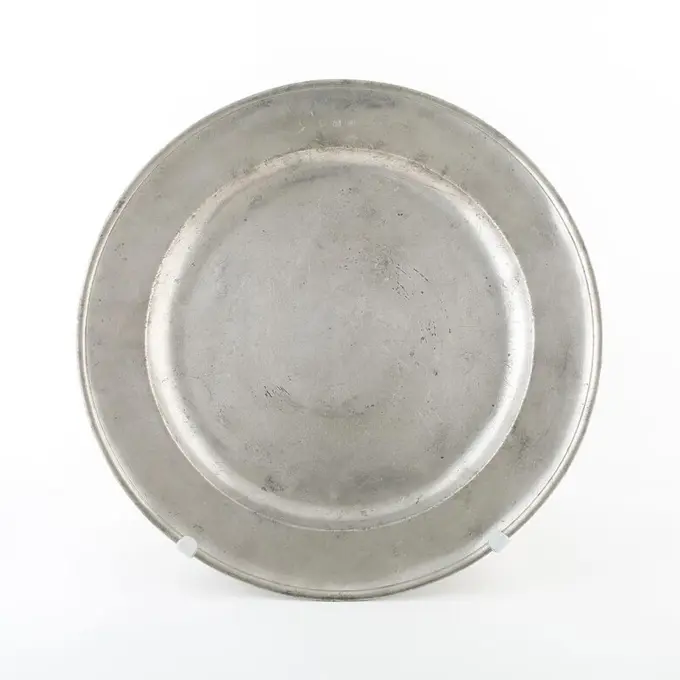
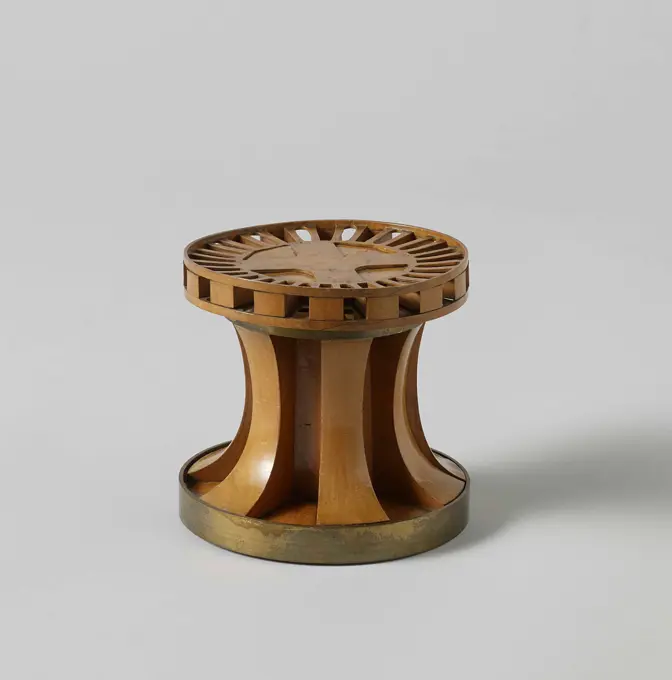
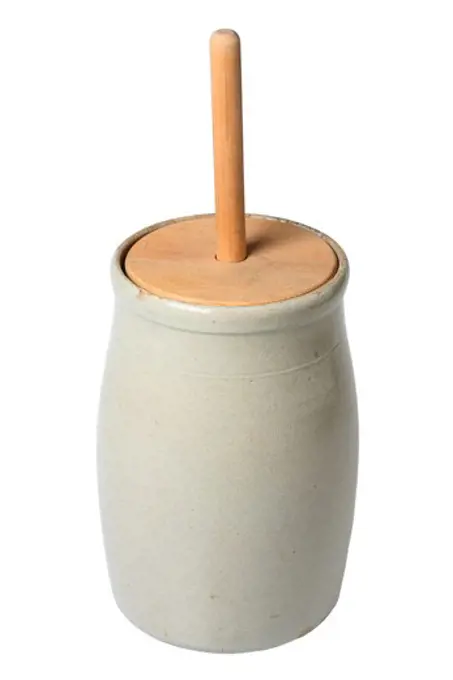
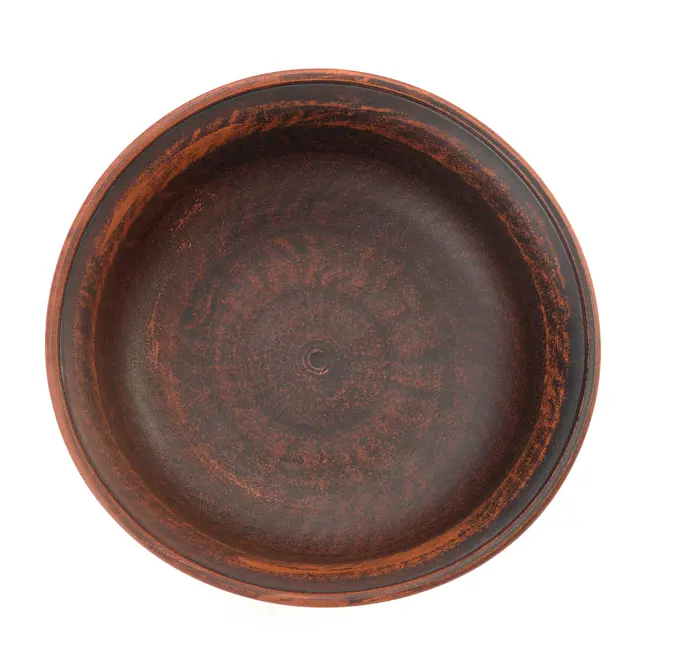
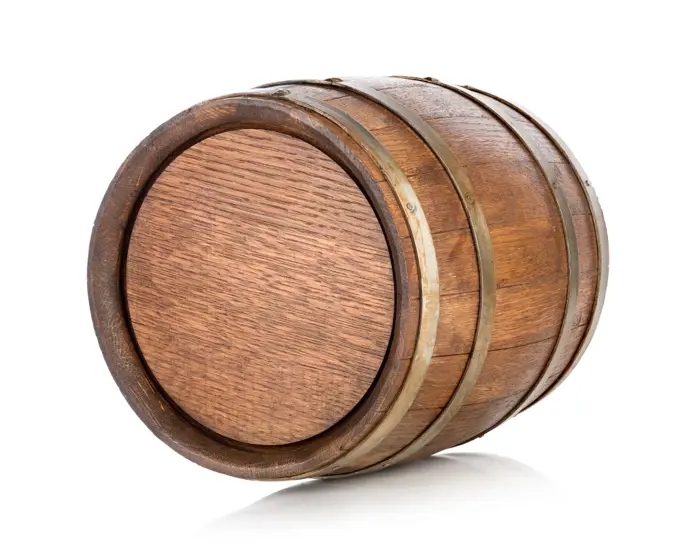
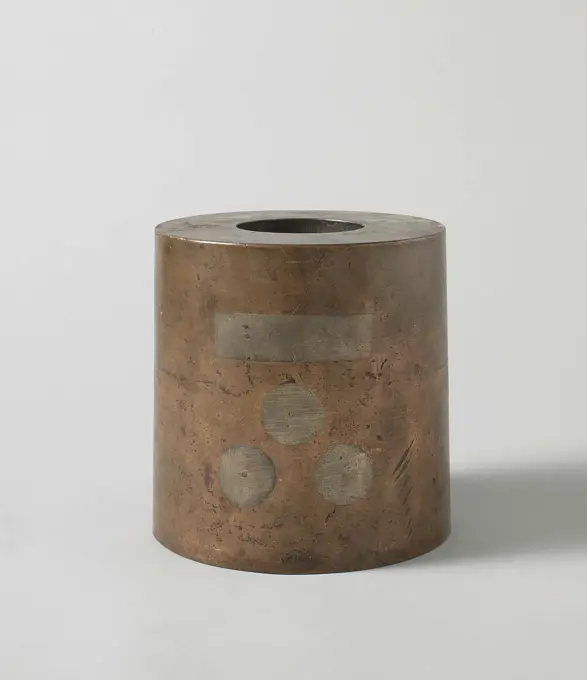
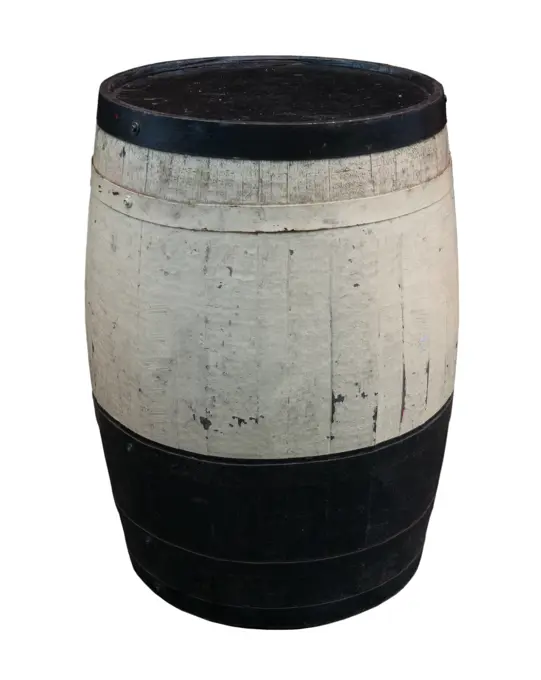
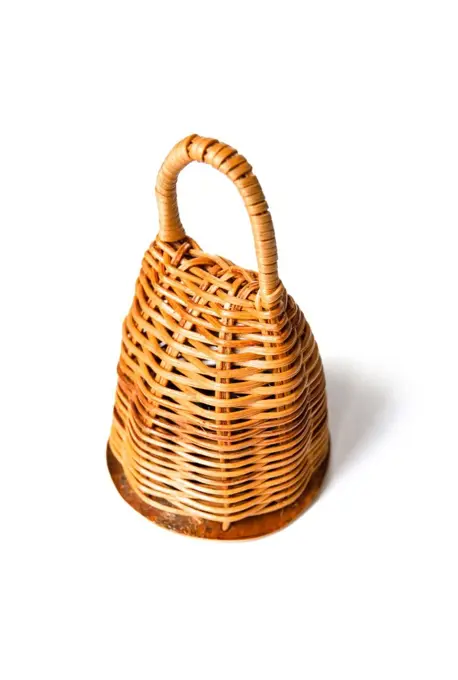
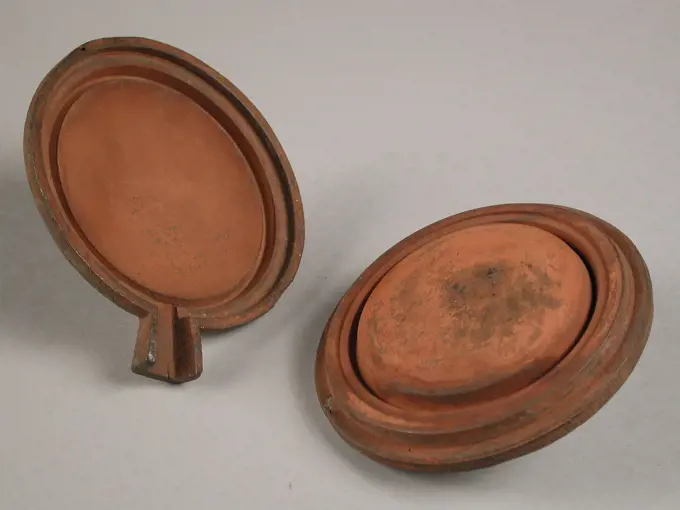
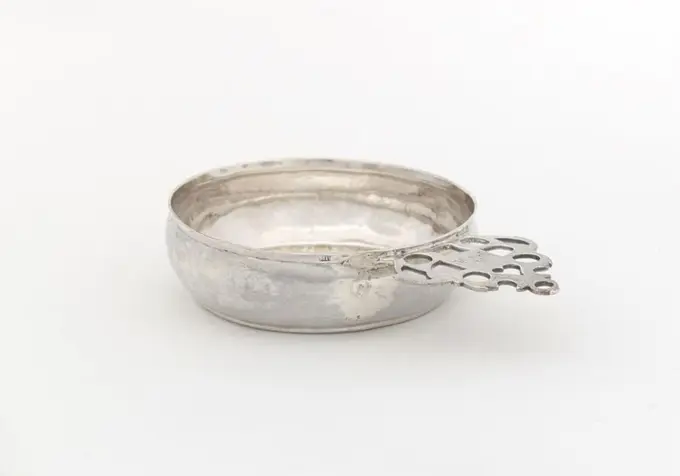
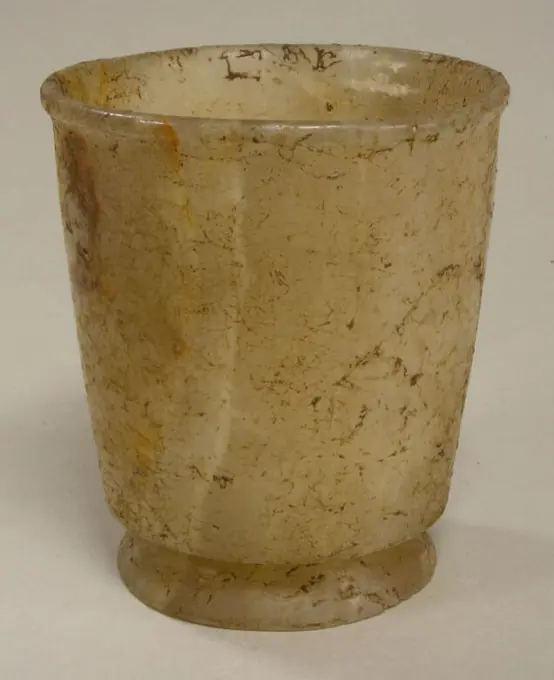
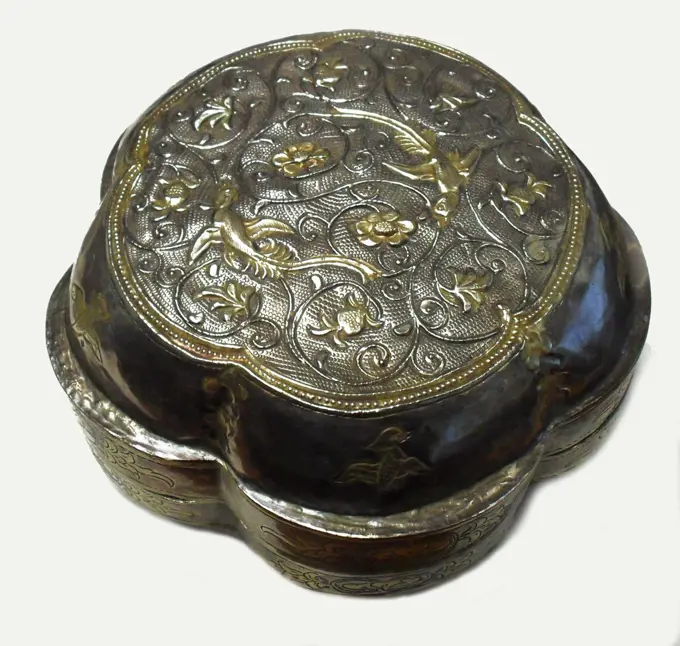
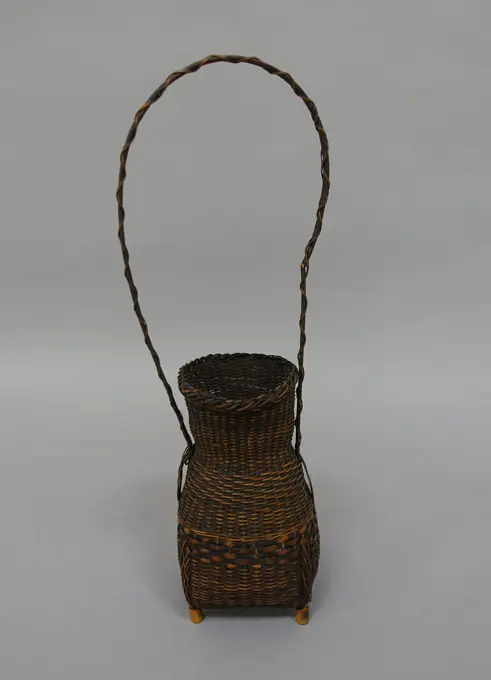
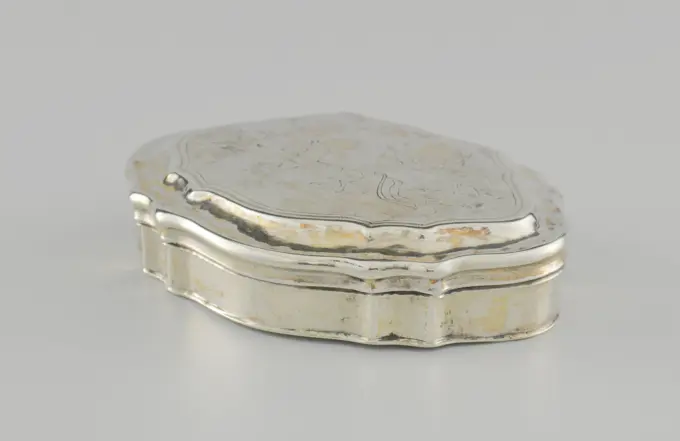
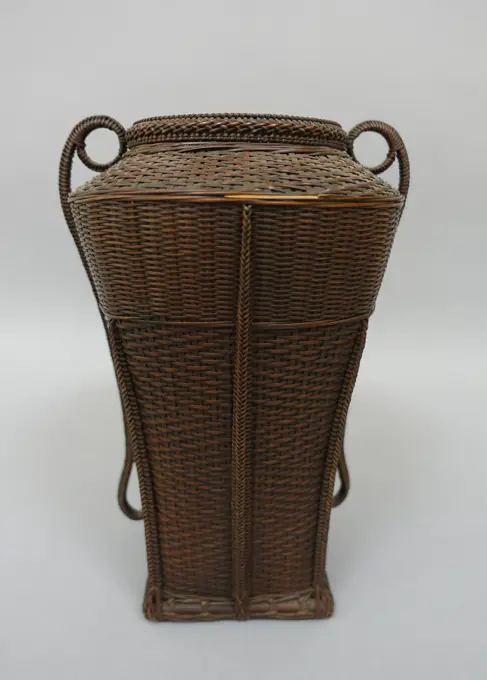
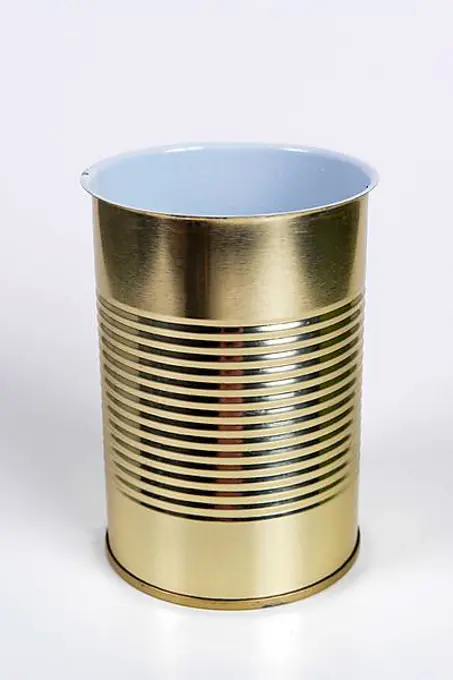
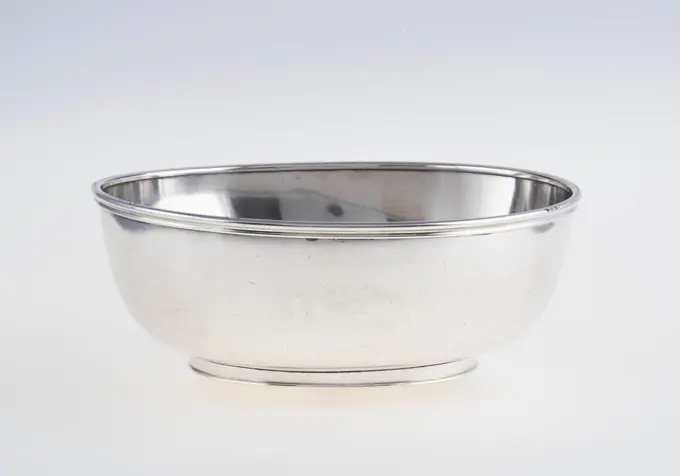
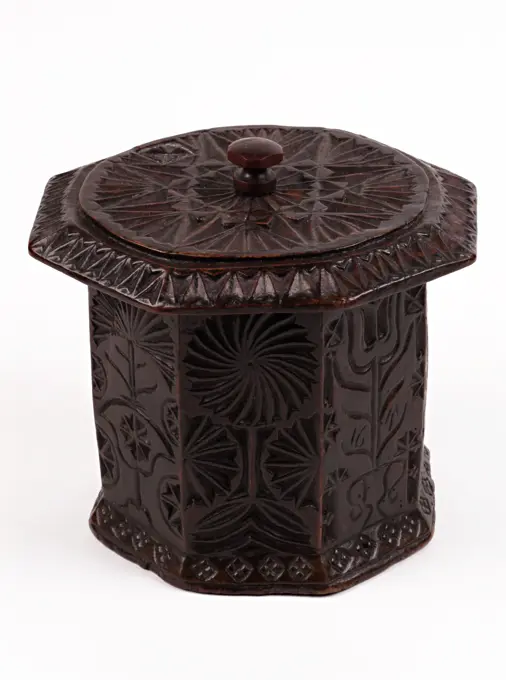
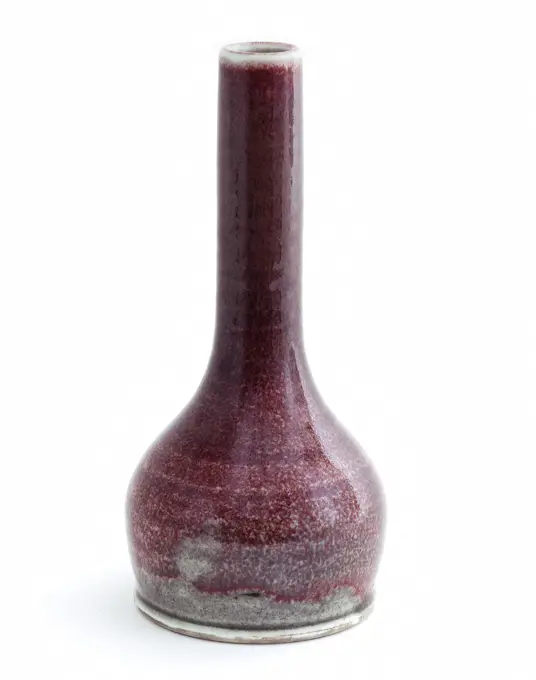
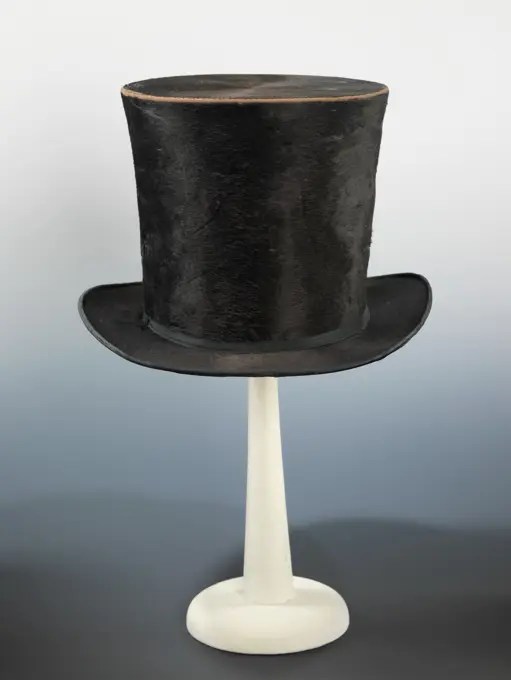
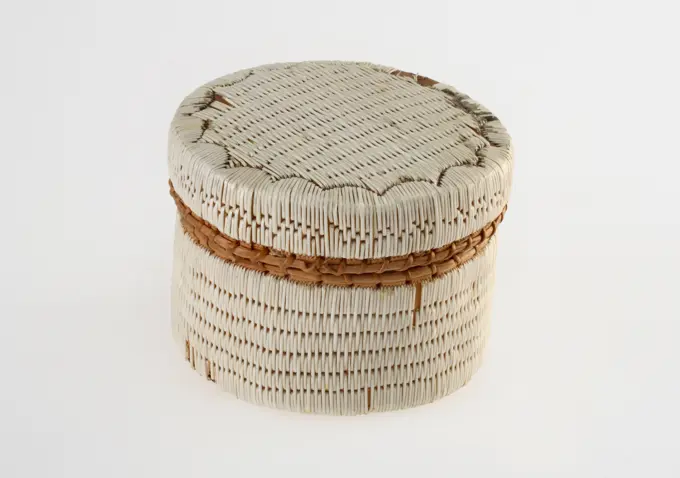
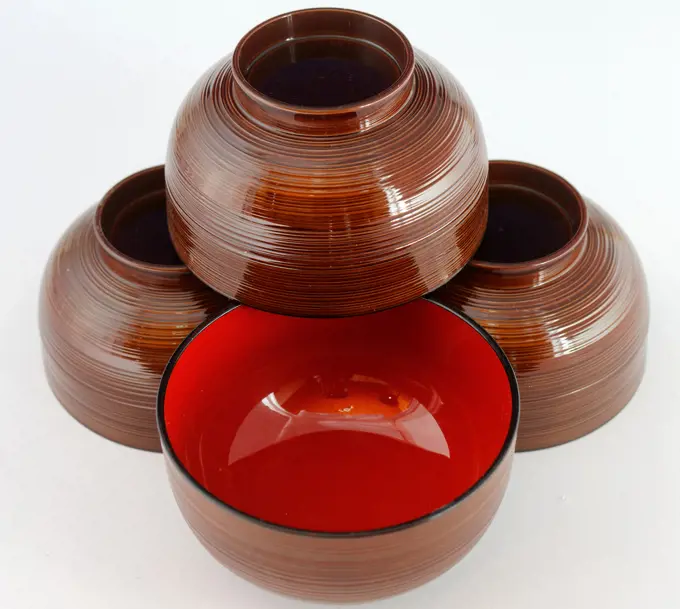
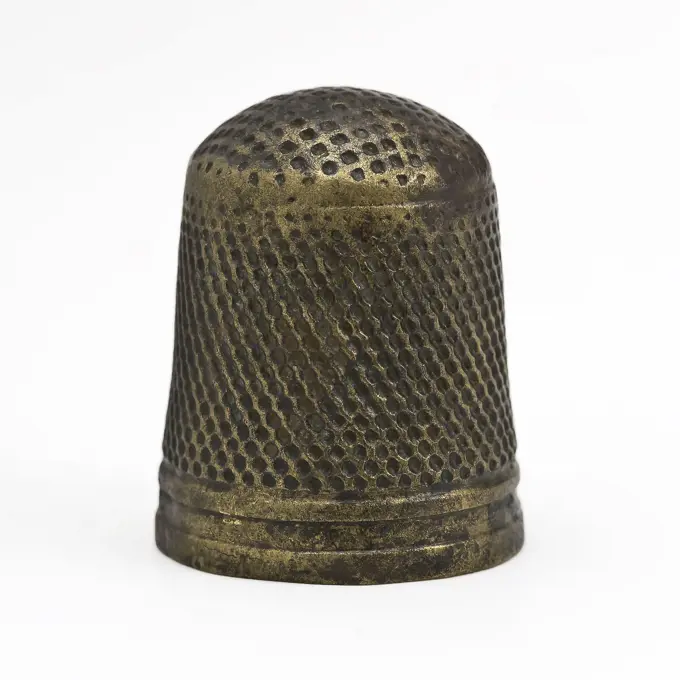
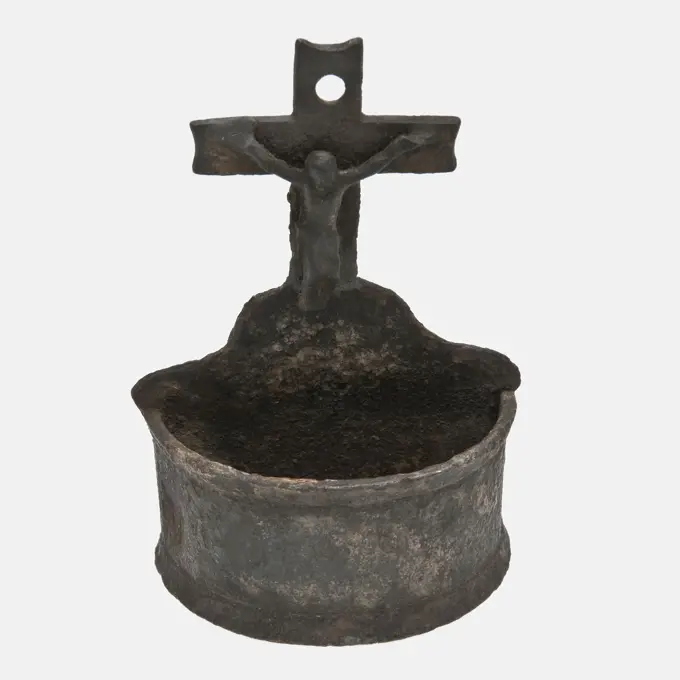
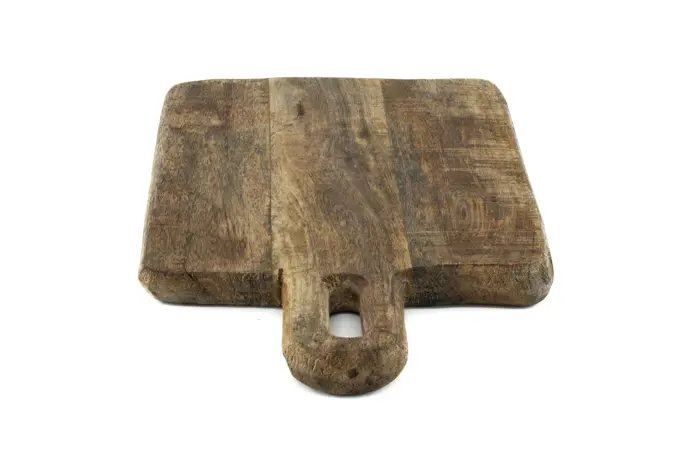
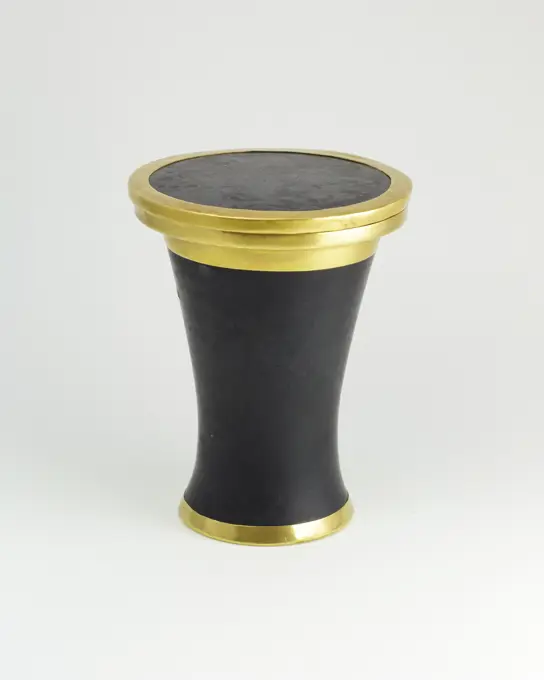
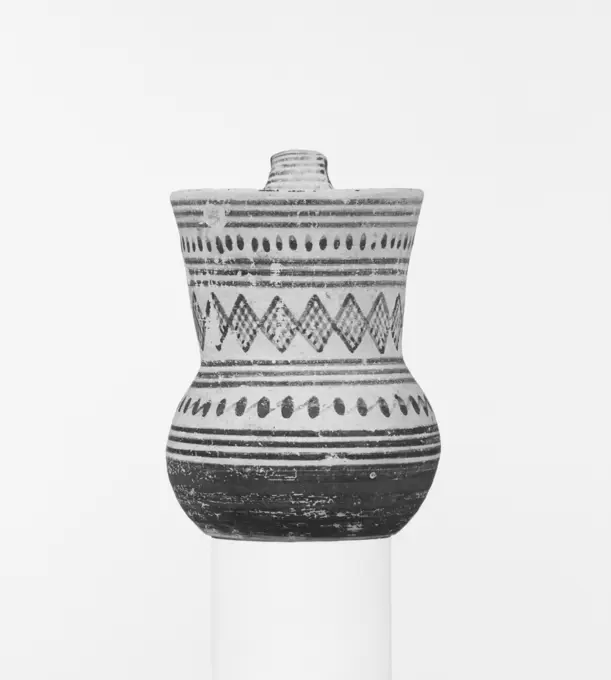
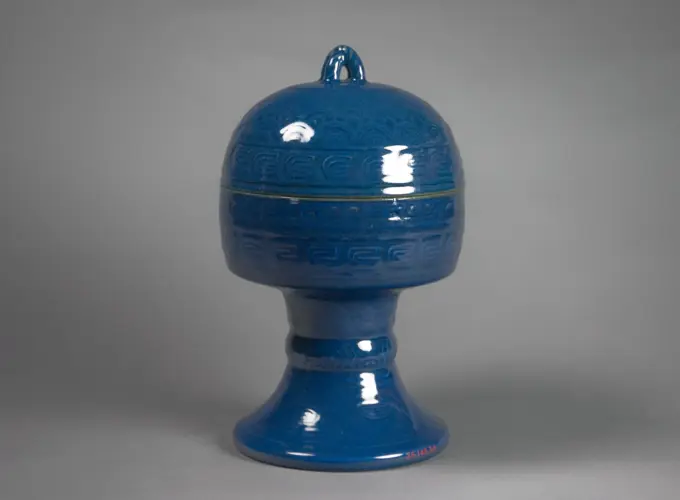
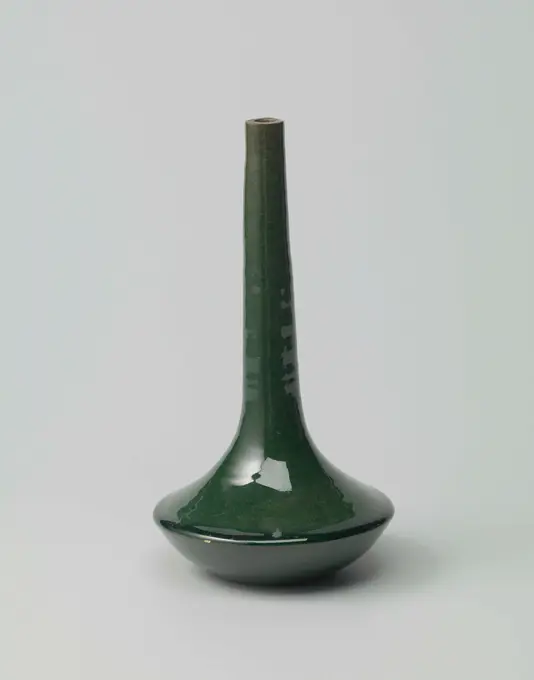
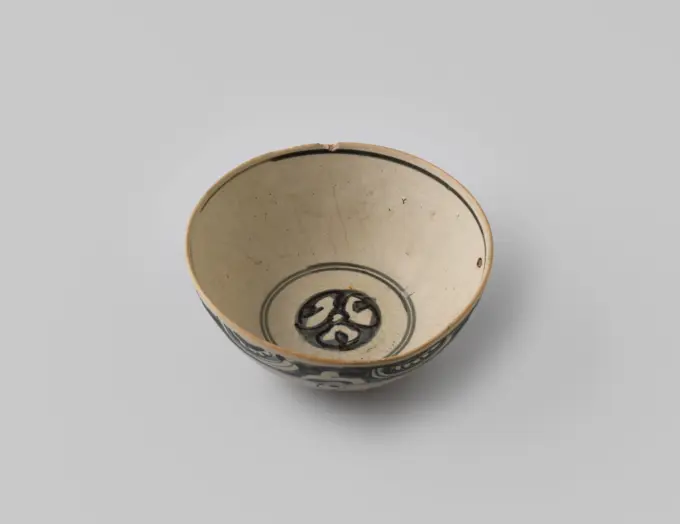
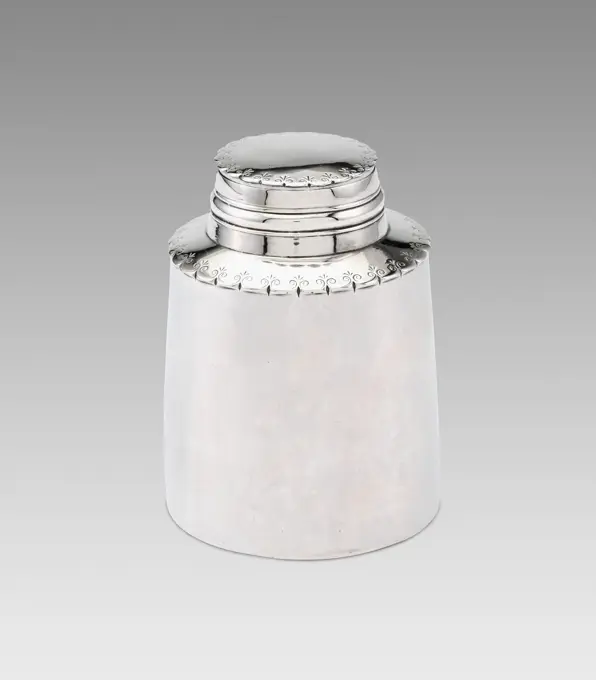
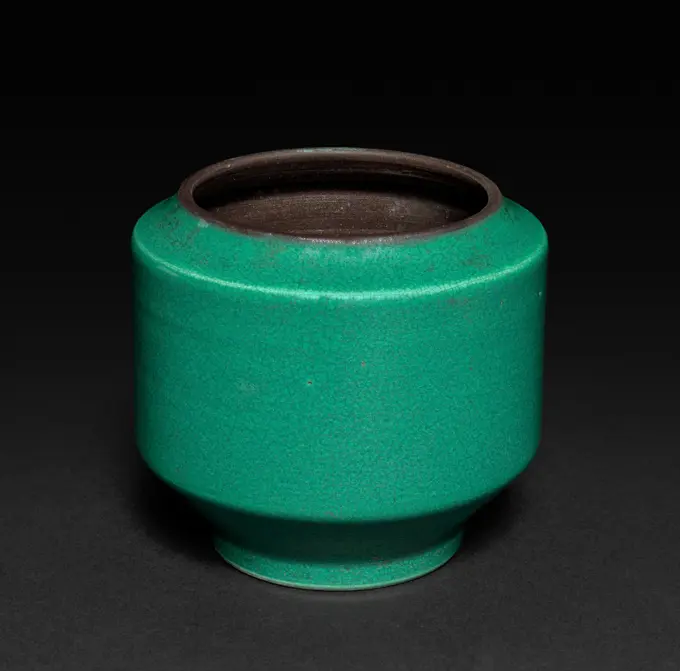
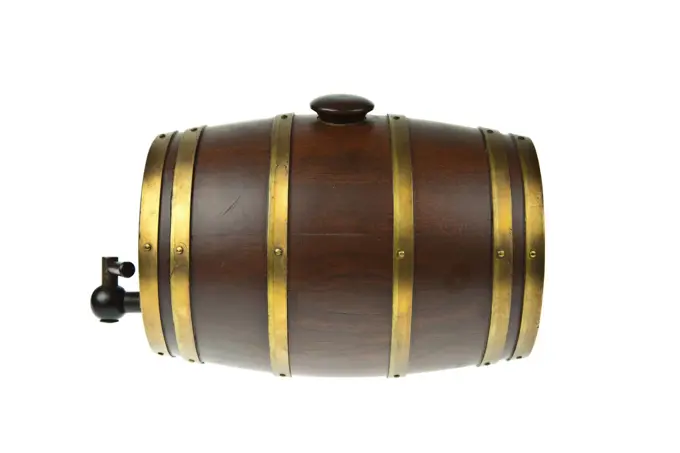
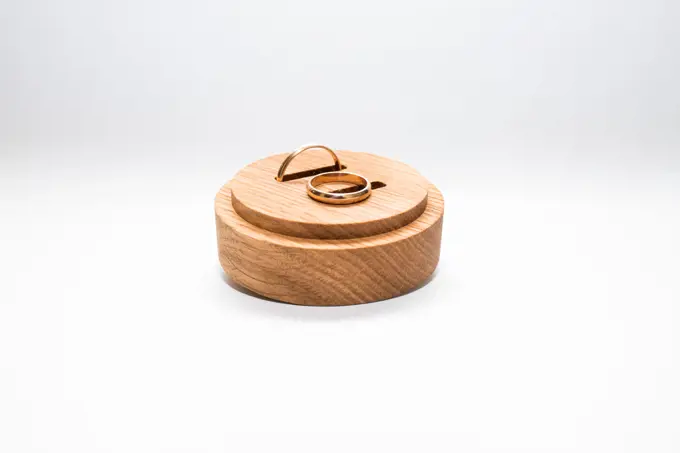
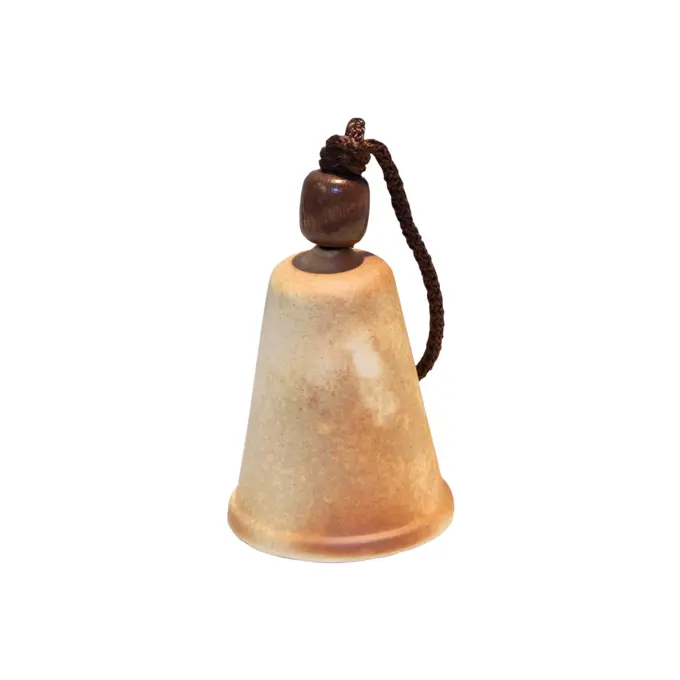
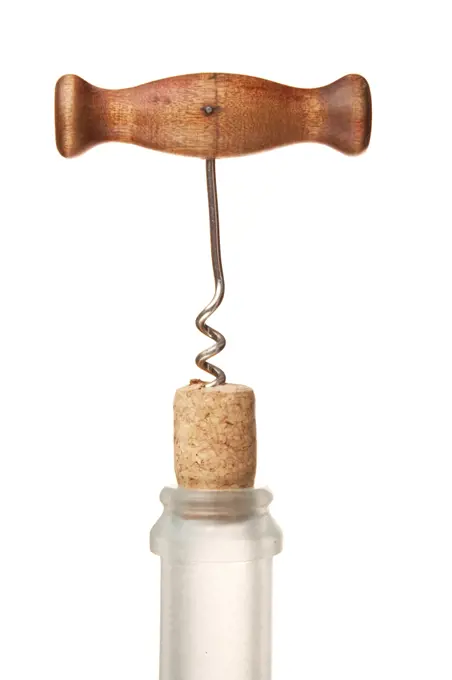
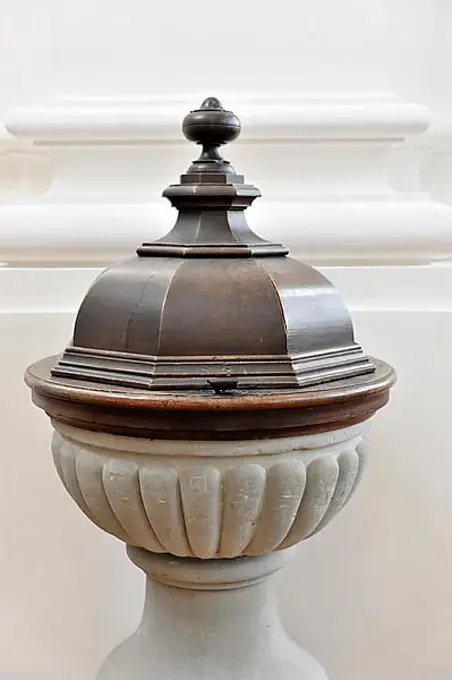
Jarre. "Gres. Vietnam-XE-Xive s. Paris, museum berne. 72187-20 Gres, jar, Vietnamese objectPottery ointment jar, cylindrical, two shallow constrictions, white glazed, ointment jar pot holder soil finds ceramic earthenware glaze tin glaze, hand-turned baked 2x glazed Pottery ointment jar cylindrical two shallow constrictions Light inwardly directed upper edge Stand surface with light soul and traces of deduction. White glazed Delft pottery archeology health care indigenous pottery packing pharmacy store sell medicine drug craftOld objects barrelCork from champagne bottle, isolated on the white background. Cork from champagne bottleOld wooden spool with leftover threads isolated on whiteVase; ochre-olive glassSugar Bowl 1780-1820 American. Sugar Bowl 7936Candlestick and socket, wood, turned, England, late 18th-early 19th century, Decorative Arts, Candlestick and socketOld fluted tube baking pan isolated on white with clipping pathTinsmith: Johannes Daniël Druy, Funnel-shaped sacrament cup, liturgical cup liturgical container holder tin, molded Two identical cups (1-2) with hollow arched foot cup-shaped body with outstanding top edge. Two concentric circles below and above on body mark under foot: angel with palm branch in oval above banderol in which Druy metal castor religion church supper Protestantism drink church eucharist religious ceremony ceremony Hillegersberg RotterdamCharger. Thomas Shakle; English, active 1680-1695; London, England. Date: 1680-1695. Dimensions: 3.2 x 38.1 cm (1 1/4 x 15 in.). Pewter. Origin: London. Museum: The Chicago Art Institute, Chicago, USA.Inkstand, Pewter, Cylindrical inkstand divided into three parts consisting of removeable wedge-shaped sand caster with pierced top; wedge-shaped compartment with fitted, knoped lid; semi-circular inkwell with hinged dome cover; rim with semi-circular flange having three holes., Netherlands, mid-19th century, metalwork, Decorative Arts, InkstandModel or a capstan. Construction model of a capstan with an iron head. The drum has six cleats and two additional cleats in two of the slits between the regular cleats. The head has sixteen holes for wind trees; It has the shape of a spoke wheel with a cross in the middle. The octagonal top of the drum has a cross-shaped in section, in which the crotch of the cup rests.Butter churnTobbe with profile edge, turned. A tub twisted maple wood with profile edge.Tin cup, cup drinking utensils tableware holder soil find tin, cast Hollow arched foot cup-shaped chalice Concentric circles at the base mark below soil: four standing left-looking lions arm of Schoonhoven archeology drinkPanorama old metal rough pots from two foreshortenings isolated on white background.empty plate isolated on white backgroundWooden barrel isolated on a white backgroundDrum, anonymous, 1650 - 1950 drum  metal drum  metalBowl; perhaps Italy; 1st century; Glass; 10.3 cm (4 1,16 in.)Charger 1680-1695 London. Pewter . Thomas Shaklezilversmid, Silver miniature horn, horn musical instrument sound medium doll toy relaxation medium miniature model silver, Horn that makes rounding twice from mouthpiece and ends in funnel shape reinspection character: play bee decorate music house interiorRussian Folk Container Wooden traditional Russian handmade container on isolated background Copyright: xZoonar.com/AndreyxSkatx 8079778Wooden box, turned wood with inside Rauws 1807, box holder wood, sawn turned Wooden box. Disc-shaped twisted wood. Decorated with few profiled rings in the middle of the lid. Cover with lid. Possible storage box for snuff or tooth powder Underneath the lid with the name of the owner in ink on the bottom of the lid: Rauws 1807 1C personal attribute personal equipment smokehouse snuff snuff tobacco sniffing save storePart of a cannon captured at the Battle of Shimonoseki. The coat of arms of the Prince of Nagato are inlaid on this piece of cannon barrel. The Prince was one of the leaders of the group that opposed the opening up of Japan to the West. His troops therefore blockaded the Strait of Shimonoseki between Japans two main islands. In 1864 a punitive Western expedition brought an end to this blockade. This fragment was taken as booty by the Dutch navy.Lacquered barrel with metal rings released on white background old wooden barrel made of oak in white and black with metal rings released on white background copyright: xzoonar.com/christianxlängerx 12390680Traditional braided caxixi isolated on white background. Traditional braided caxixi isolated on whitewooden fruit or bread basket on white background clay pot isolated on whiteTwo-piece bronze mold for lid of pot or jug, mold casting tool tools base metal bronze, cast twisted Two-piece bronze mold for lid of jug or pot top, Rotterdam tin tinker tin pewter dinnerware Meeuws Druy craft Shapes are from the van origins 18th century Rotterdam tinnegieter J Druy. The large molds that were not signed or dated were the property of the tinker guild and were rented to the small tin caster.Part of a Forearm Defense (Vambrace) Italian ca. 1450-70 This is part of a large find of medieval armor discovered in 1840 in the ruins of the fortress of Chalcis, on the Greek island of Euboea (then a Venetian colony called Negroponte). The fortress had been captured and destroyed by the Turks in 1470. Now divided largely between the Ethnological Museum, Athens, and The Metropolitan Museum of Art, the Chalcis hoard contains many rare and unusual elements of fourteenth- and fifteenth-century armor. Of particular importance are the variety of headpieces and the many fragments of brigandines (armor for the torso constructed of small plates riveted to layers of fabric), some of which retain portions of their original velvet covering. The Chalcis armor provides a unique picture of the armament used in the Aegean, one of the easternmost military outposts of the Venetian empire.Porringer. Moody Russell; American, 1694-1761; Barnstable, Massachusetts. Date: 1715-1730. Dimensions: 3.8 × 15.2 × 10.2 cm (1 1/2 × 6 1/4 × 4 1/4 in.); 117.9 grams. Silver. Origin: Barnstable. Museum: The Chicago Art Institute, Chicago, USA.Feuzen scale, Anonymous, 1550 - 1600 case Original oval wooden, with black leather -clad fedal, which is covered on the inside with red sheet consisting of two parts: the lower bold on the foot on which the arms of Bloys van Treslong is painted; the upper part flat. Confirmation places for a belt (that is missing). Fair for Geuzen scale (NG-372-A) of glass. Low Countries leather. cloth. wood (plant material) glassblowingFooted Vessel. Culture: Maya (). Dimensions: Height 4-7/8 in.. Date: 14th-15th century ().This vessel is carved from a translucent stone, commonly known in Mexico as tecali. Named for the town of Tecali de Herrera in southern Puebla where abundant sources are known, the stone is also found in central Oaxaca and in the southern Maya lowlands. Tecali is often referred to as Mexican onyx; it is, however, not agate but a calcite, a soft stone, similar in appearance to alabaster. It was a valued material throughout ancient Mesoamerica and many ritual and luxury items were made from it. At Teotihuacan, masks, statuary, and vessels of various shapes are fabricated from tecali. During the last centuries before the conquest, effigy vessels, often of substantial size, in the shape of deities and animals such as monkeys or coyotes, were carved from it in many parts of Mesoamerica. Elegant footed vessels of a shape similar to this example with slightly flared walls with a dIncense burner Incense burner for spiral incense sticks close-up isolated on the white background Copyright: xZoonar.com/RomanxSigaevx 21292601Tea cup from turned wood. Four cups turned from a dark hardwood.Sugar bowlPottery ointment jar, belly model, red shard, internally glazed, ointment jar pot holder soil find ceramic earthenware glaze lead glaze, hand turned glazed baked Pottery ointment jar model red shard internal glazed Flat little outstanding top edge. Narrowing of the boiler above the standing surface. Rotary beads on the bottom on the inside archeology health care indigenous pottery pharmacy store sell craft medicine drug packageMultillayered box decorated with flowers and birds. uncertain period, Tang dynasty (618-907 AD), the Five Dynasties (907-960 AD). Gold and silver box from North ChinaAlfred Parys, Red Glazed Preserve Jar, c 1938 Red Glazed Preserve JarCovered Box China. Covered Box. China. Porcelain with peachbloom glaze. Qing dynasty (1644-1911), Kangxi period (1662-1722). CeramicsWhite -baking earthenware ointment, on the outside with two tires in relief and yellow glaze, on the inside with white glaze, damaged, c. 1500 - c. 1899    earthenware. glazeBasket 19th century Japan. Basket. Japan. 19th century. Bamboo. Edo (1615-1868) or Meiji period (1868-1912). BasketrySnuifdoos, Anthony van der Heul, 1727 Silver sniff box in shell shape. On the lid a winter landscape is engraved with Arrenslede. Middelburg silver (metal) Silver sniff box in shell shape. On the lid a winter landscape is engraved with Arrenslede. Middelburg silver (metal)Bowl 12th-9th century B.C. Tlatilco. Bowl 310709. Oval bus with lid, closure and carrying eye. The bus has been marked: stk. = Haarlem, mt. = Foot 88g.A cylindrical empty container made of wood for spices or salt A cylindrical empty container made of wood for spices or salt. Kitchen utensils Copyright: xZoonar.com/TetianaxChernykovax 21728376Mortar isolated Mortar and pestle isolated included clipping path Copyright: xZoonar.com/Baloncicix 14246076Graanmaat van 1 Deciliter, Anonymous, 1808  Chips grain size from 1 deciliter, v.z.v. label. Wide chips lower tape (width 25 mm), also a foot edge. Label with number disappeared (presumably no. 30). Netherlands wood (plant material)   NetherlandsBox -flower pots for the garden used stone flower pots for the garden Copyright: xZoonar.com/IvonnexWierinkx 7197493Snuifdoos, anonymous, 1801 Silver sniff box, with a flame, hinged lid. On the lid a monogram of the letters a r o is engraved within a border with geometric motifs. Schoonhoven silver (metal) Silver sniff box, with a flame, hinged lid. On the lid a monogram of the letters a r o is engraved within a border with geometric motifs. Schoonhoven silver (metal)Basket 19th century Japan. Basket. Japan. 19th century. Bamboo. Edo (1615-1868) or Meiji period (1868-1912). BasketryTin can, tin can, tinplate canBowl;  19th century (1800-00-00-1895-00-00);Food Storage Box, 1611. Pinto Collection - Purchased from Edward H Pinto, 1965.. Made in Friesland or Netherlands / Holland This octagonal box was used to store food or possibly salt. It is hollowed out of the solid and decorated with chip-carved geometric and floral designs. An interesting feature is the carved 'X' on either side of the tulip. This marks the only spot where the lid will fit accurately.. .Ernest Chaplet (1835-1909). Vase. Flammed porcelain. 1909. Museum of Fine Arts of the City of Paris, Petit Palais. 60190-5 Flamee porcelain, vaseTop hat ca. 1850 Nash American The black "topper" quickly became the most common men's hat of the 19th century, evolving with some modifications in height and brim shape from the earliest versions that appeared in the 1800s. Initially appropriate for daily wear, the top hat was reserved for more formal occasions in the late 19th century, a tradition that continues in the 21st century. By the time this hat was made, silk plush had replaced beaver fur as the favored material for hatmakers. Coincidentally, the maker and retailer of this hat, Nash, operated from a shop on Astor Street in Manhattan, named in honor of John Jacob Astor (1763-1848), a man who built his fortune on the demand for beaver fur used to make hats in the late 18th century and early 19th century.. Top hat 156398Box -Oval silver seal stamp with (recent) wooden handle, with the coat of arms of Delft and Delft, seal stamp stamp kit silver wood head stamp, weapon Delft and Delft Delfshaven stamp print Rotterdam Used by secretary of Delfshaven.Still life of four Japanese lacquer bowls for miso soup or noodle soup, isolatedMortar Wooden mortar and pestle isolated with clipping path included Copyright: xZoonar.com/Baloncicix 7148963Gaming Piece (obverse), c.1700. Martin Brunner (German, 1659-1725). Wood; diameter: 6.1 cm (2 3/8 in.); overall: 1.3 cm (1/2 in.).Copper thimble with waffle patron, thimble sewing kit soil find copper brass metal, cast Copper thimble with square wells in lines waffle pattern passing with groove in the shaft with wheel punch and two grooves in the board archeology sewing textile machining clothing needle and thread repairAnonymous / 'Case for low vessel with cameos and a finial'. Last third of the XVII century. Leather, Wood, Fabric. Museum: Museo del Prado, Madrid, España.Ceramic mortar and pestle isolated on white background Tin tributary, above basin crucifix with Christ figure, holy vessel liturgical vessel holder soil found tin lead metal, cast archeology Rotterdam religious ceremony ceremony holy water religion Jesus Chistus Soil discovery after 1940.Wooden cutting board with a handle isolated on a white background Wooden cutting board with a handle, made from old, thick wood, and bears a rustic, vintage appearance characterized by cracks, scratches, isolated on a white background Copyright: xZoonar.com/NerijusxLiobex 21749521Ceramic Mayan drum from Jonuta, Tabasco, Mexico 600-900 ADCarving wooden spoon isolated on white background cutoutceramic vase isolated on white background. 3d illustrationOintment Jar of Sithathoryunet ca. 1887-1813 B.C. Middle Kingdom Used by both men and women, cosmetics were an important part of ancient Egyptian beautification and the hoped-for rejuvenation of the dead. This vessel likely contained a salve or ointment for the skin. Although vessels of this shape were common during the Middle Kingdom, the use of obsidian rimmed with gold identifies them as royal possessions. They were apparently originally housed in a small box.. Ointment Jar of Sithathoryunet 543972Attic Geometric One-Handled Mug. UnknownVessel for Ritual Offering (Dou) China These vessels (25.143.1-.3) were used in state rituals held in the first lunar month of the year, during which the emperor made offerings to heaven at the Altar for Bountiful Harvest (Qigutan), part of the Temple of Heaven in Beijing. In shape and decoration, these ceramic vesselsa gui and two douare modeled on bronze grain receptacles of the Eastern Zhou dynasty (770-256 B.C.), which would have formed part of a larger set of objects, employed in ritual offerings, that included containers for wine and meat. In later times, ceramic took the place of bronze, and vessels were color-coded according to one of four ritual altars at which the emperor conducted ceremonies: blue for heaven, yellow for earth, red for the sun, and white for the moon.. Vessel for Ritual Offering (Dou). China. Porcelain with low-relief decoration under dark blue glaze. Qing dynasty (1644-1911), Qianlong period (1736-95). CeramicsVase with green glaze. Vase of pottery with slender neck and covered with green glaze.Bowl of Chinese porcelain from the wreck of the Dutch East Indiaman Witte Leeuw, anonymous, before 1613 bowl Complete bowl from V.O.C. ship the 'Witte Leeuw'. The glaze is thick, knows Pinholes and baking cracks, has no shine, is irregularly cracked and has peeled off on the wall of the interior. The bowl has an outward wall and the foot ring is quite high. The bottom is unglazed and red. The foot ring has been completed. Little oven sand was found. The bowl is very sloppy gabaking and drawn. Jingdezhen porcelain   Sint-HelenaTea Caddy c 1801-1825 Newburyport. Silver . William Moulton, IV (Maker)Camellia-Leaf-Green Cylindrical Vase, 1661-1722. China, Qing dynasty (1644-1911), Kangxi reign (1661-1722). Porcelain; overall: 6.8 cm (2 11/16 in.).Shoe buckles 1795 British. Shoe buckles 125000Cricket Container, 4 x 1 15/16 x 1 15/16 in. (10.16 x 4.92 x 4.92 cm) (overall), Gourd, ivory, ChinaWooden spice mortar, kitchen utensil3D Isometrisches flaches Set antiker Töpferwaren, MuseumskeramikbrIsometrisches 3D-Flachbild antiker Töpferwaren, Museumskeramik 3D Isometric Flat Set of Antique Pottery, Museum Ceramic 3D Isometric Flat Set of Antique Pottery, Museum Ceramic Copyright: xZoonar.com/AnastasiiaxTorianykx 22295551basket, Silver, Straight-sided rectangle increasing in dimensions toward top. Sides are of basket-woven wire. Two compartments, the longitudinal dividing wall rising to accommodate a pierced handle. Cable trim., Holland, 19th century, miniatures, Decorative Arts, Miniature, Miniaturewooden cutting board on a white backgroundBox -Beaker.  Maker: John Will, American, 1696-1775Beer barrel isolated on white backgroundCity Riga, Latvian Republic. Hand made wood rings box with gold rings. 2019. 22. May. Travel photo.Bracelet: Crocodile Heads 17th-19th century Edo peoples The oba and chiefs of Benin wear pairs of ornate bracelets at palace festivals. Long and cylindrical, these cufflike ornaments may be made of either ivory or brass and display imagery reflecting the exalted status of their bearers. The spiral bands of incised, crosshatched half-ovals and dotted lines, set within raised, striated borders, terminate at either end in elongated crocodile heads. The artist has taken great care to evoke the appearance and character of these animals. Perpendicular lines along the snouts, as well as rows of bumps on the forehead, suggest the distinctive texture of crocodile skin, while the close-set eyes with contrasting pupils evoke the watchful gaze of this dangerous animal. The depictions of crocodiles, as with other forms of aquatic imagery, associates the ruler with Olokun, god of the sea. The ocean was conceived of as a major source of wealth and prosperity for the Benin kingdom, which benefited froBell Retro decorative bell isolated with clipping path includedb Copyright: xZoonar.com/Baloncicix 14195726The king. Wooden chess piece isolated on white backgroundVase depicting greyhounds, found in Susapulling corkscrew cork from the bottle isolated on a white  backgroundRussian National Wooden Tableware Russian national handmade wooden container on an isolated studio background Copyright: xZoonar.com/AndreyxSkatx 8079786Candlestick. Dimensions: H. 8 1/2 in. (21.6 cm); Diam. 6 1/8 in. (15.6 cm). Date: 1670-1700. Museum: Metropolitan Museum of Art, New York, USA.Interior view, baptismal font, pilgrimage church of St. Peter and Paul, built by the Brothers Zimmermann, 1728-1731, Steinhausen, Baden-Wuerttemberg, Germany, EuropeOnyx Cylinder Vessel before 16th century Mexican. Onyx Cylinder Vessel 317563Zamora pyxis (964). Cylindrical box with a conical lid attached by a silver hinge. It was commissioned by Caliph Al-Hakam II (915-976) for his concubine, Subh, mother of Prince 'Abd al-Rahman, as indicated in the Kufic script. The whole piece is decorated with arabesques, serrated, ringed leaves and palmettes, interspersed with pairs of peacocks, gazelles and birds. Made in the ivory workshops of Madinat al-Zahra in 353 after Hijra (964 AD), under the direction of Durri as-Saghir. Ivory. From the Cathedral of Zamora, Spain. National Archaeological Museum. Madrid. Spain.