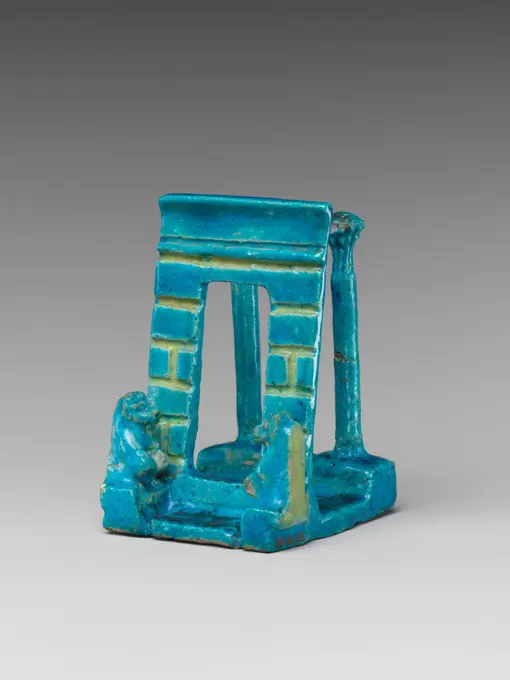
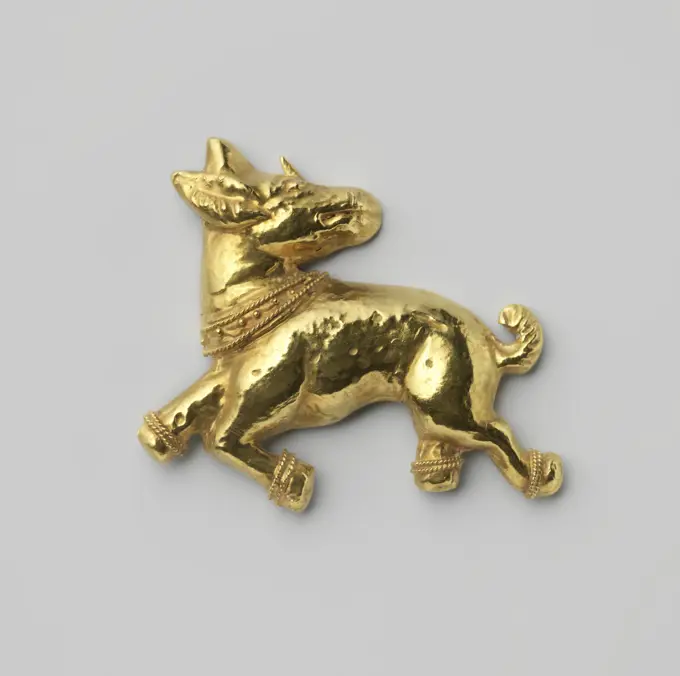
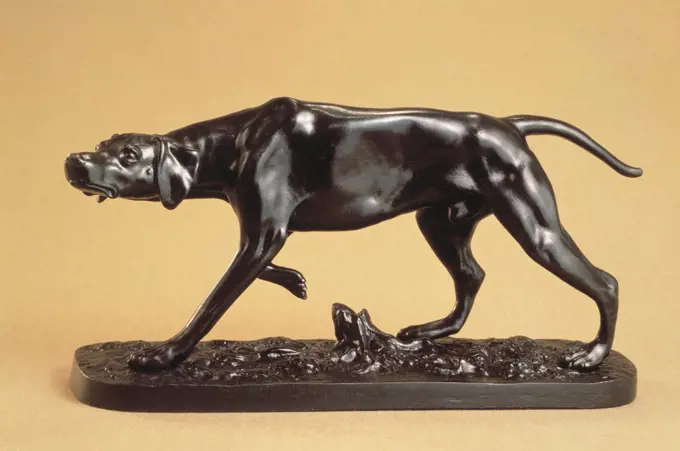
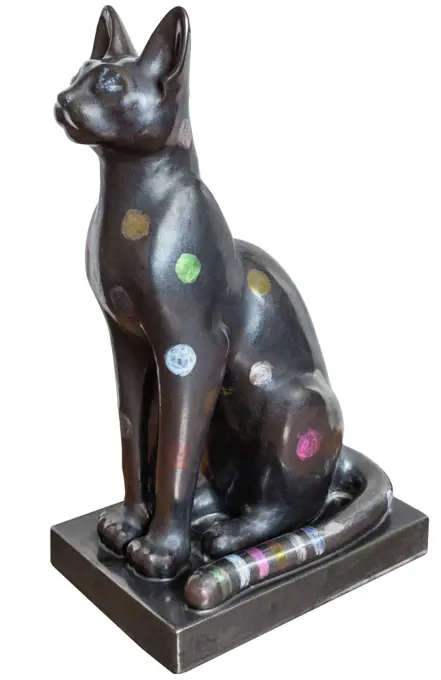
Ceramic Animal Figurines

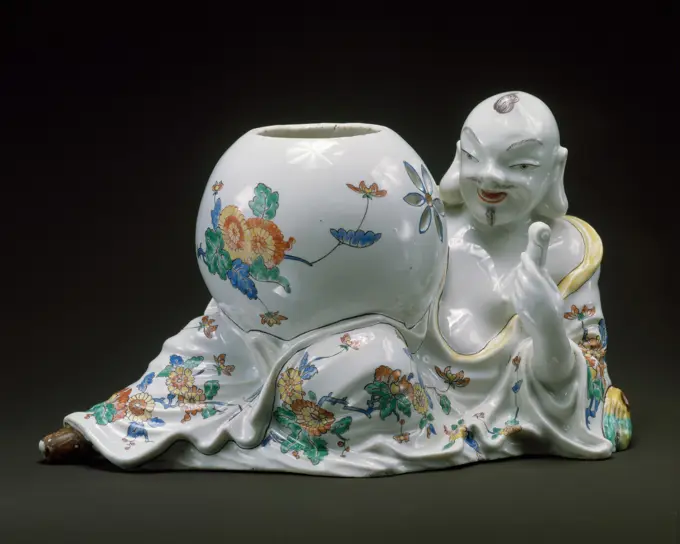
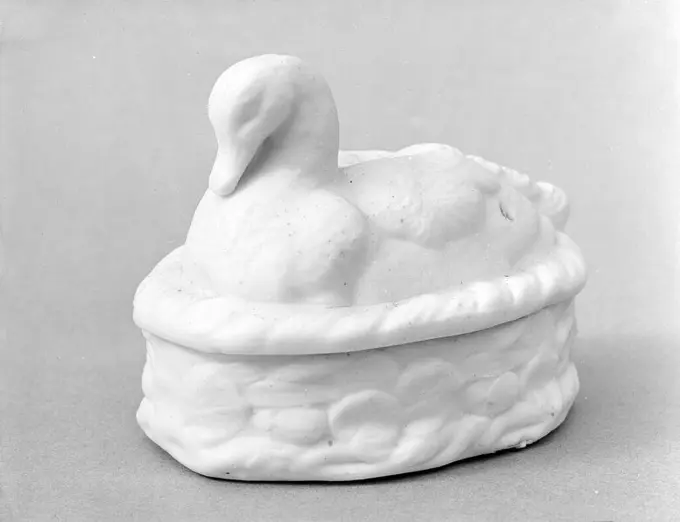
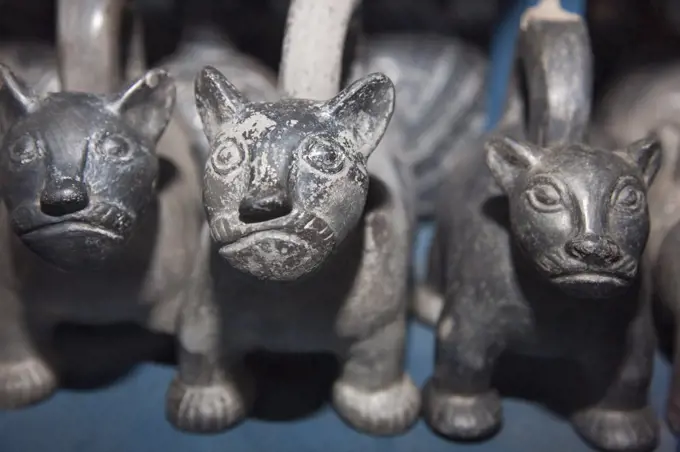
A collection of intricate ceramic animal figurines, including horses and dogs, reflecting cultural artistry and craftsmanship.

Aquamanila;  XII-XIII W (1101-00-00-1300-00-00);aquamanila, bulls, ceramics, Persian (culture), Islamic art, purchase (provenance)
Aquamanila; XII-XIII W (1101-00-00-1300-00-00);aquamanila, bulls, ceramics, Persian (culture), Islamic art, purchase (provenance)
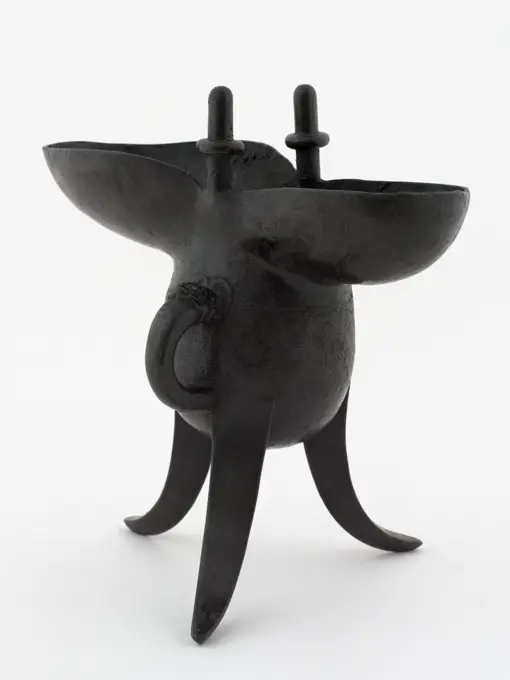
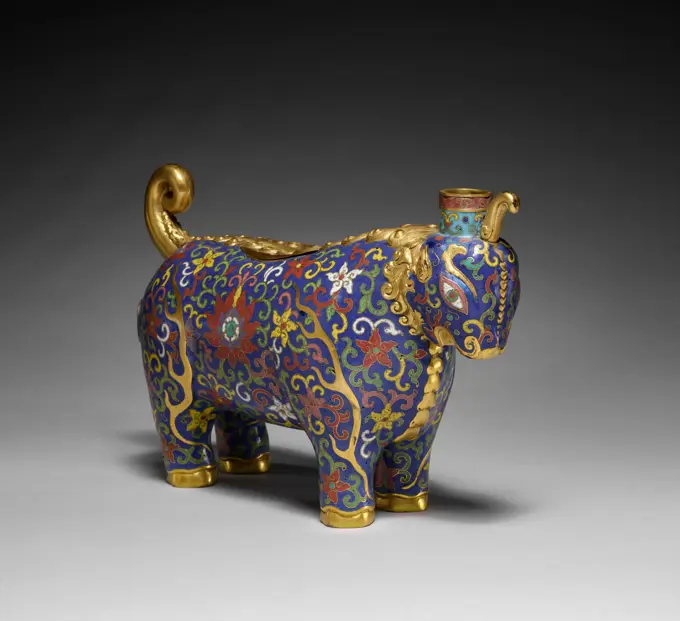
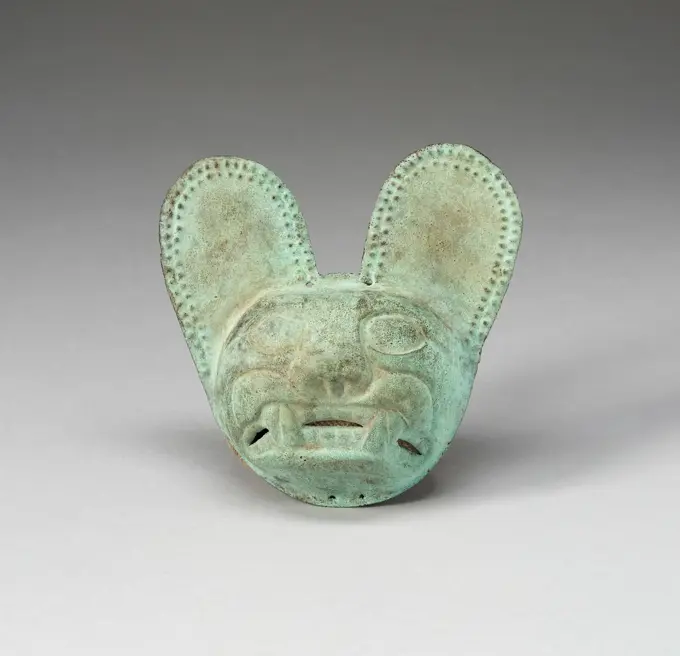
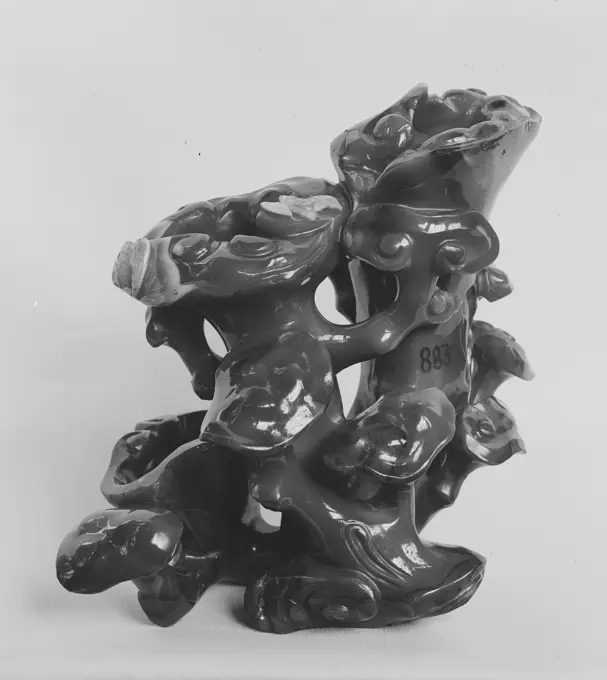
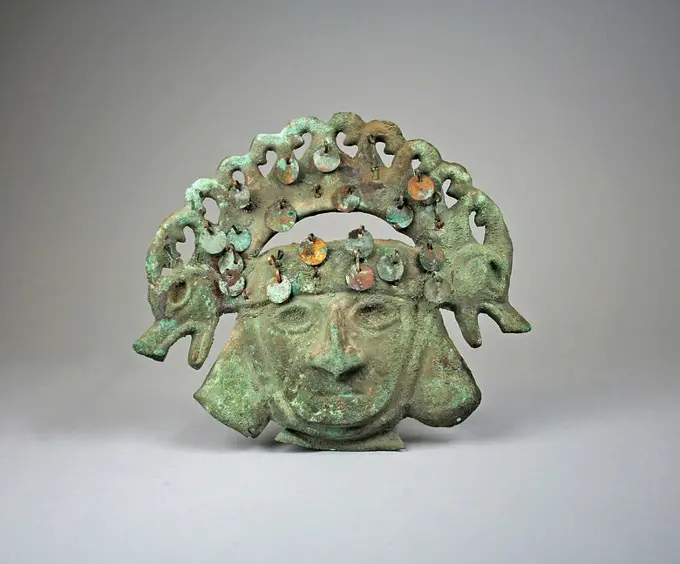
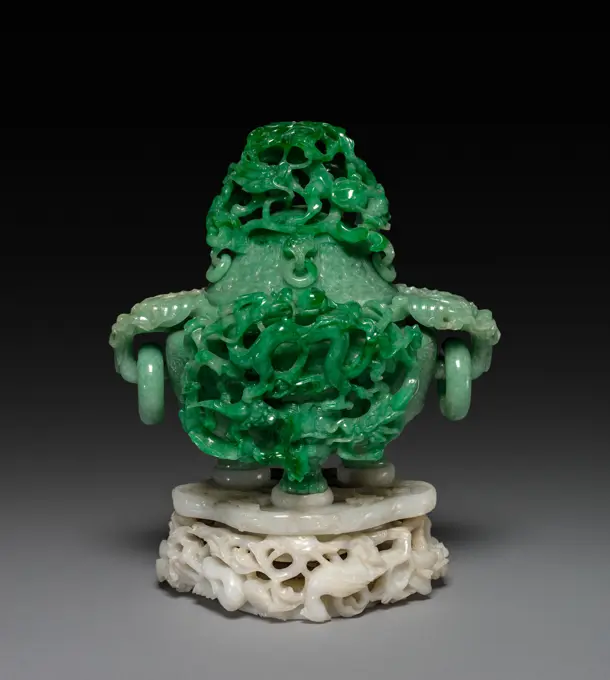
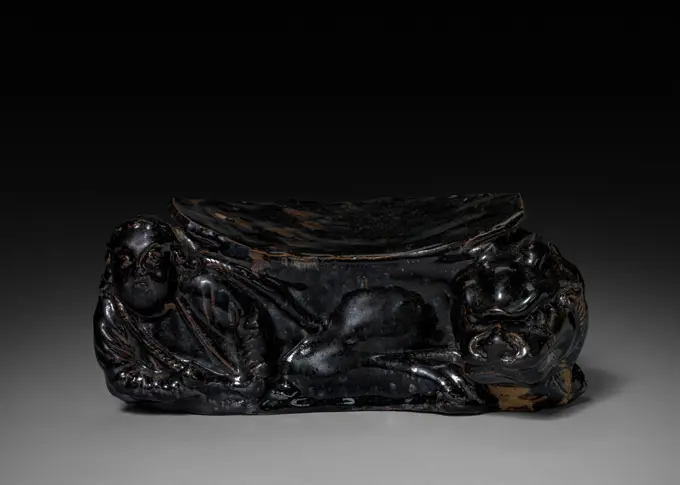
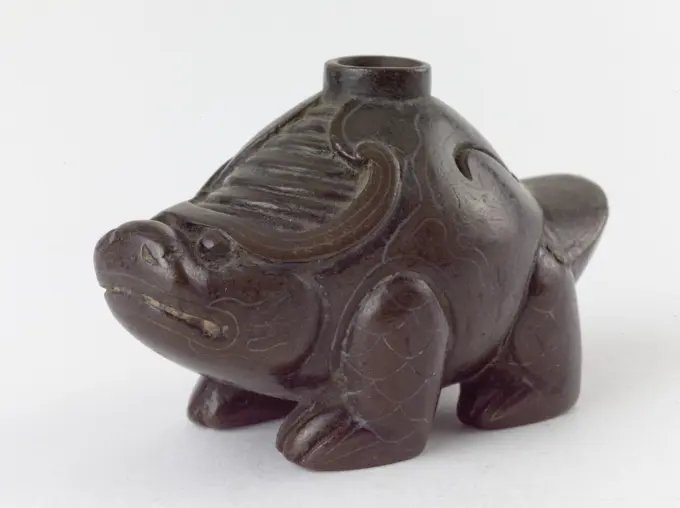
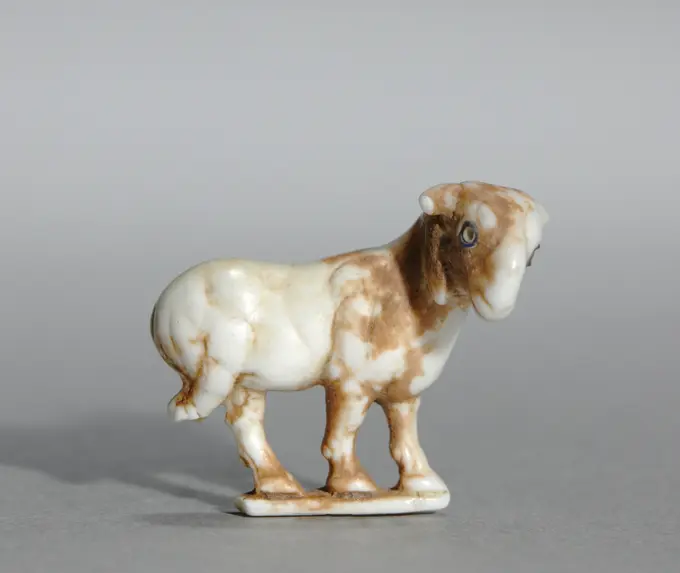
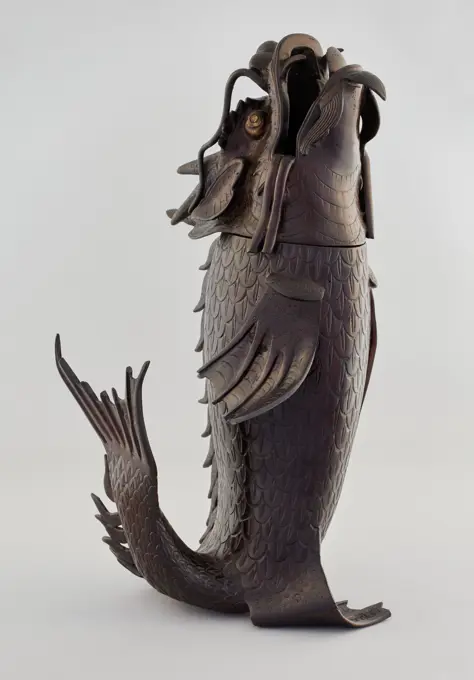
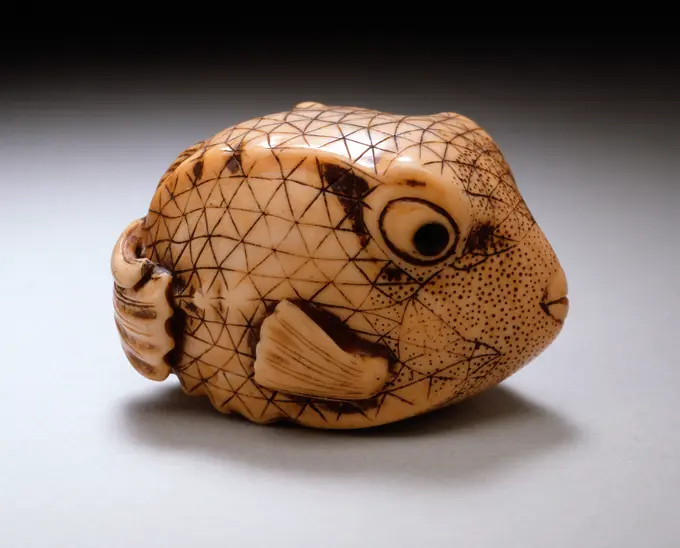
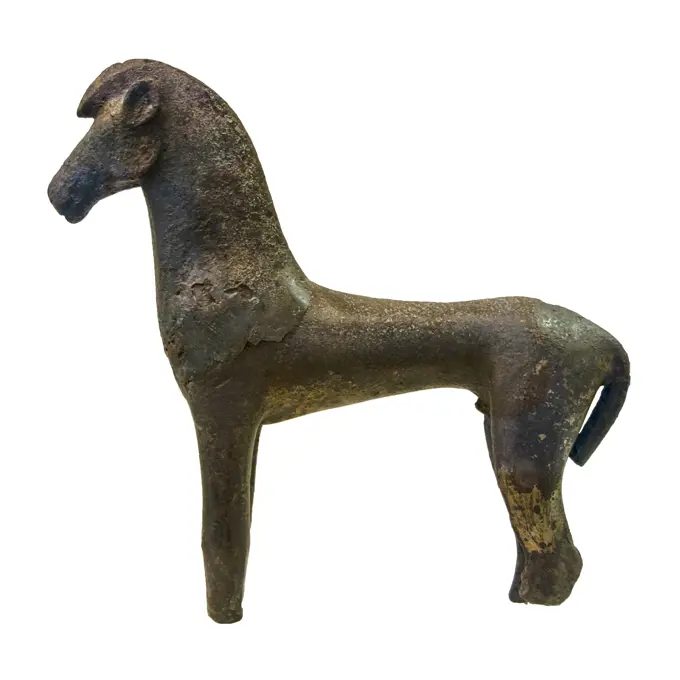
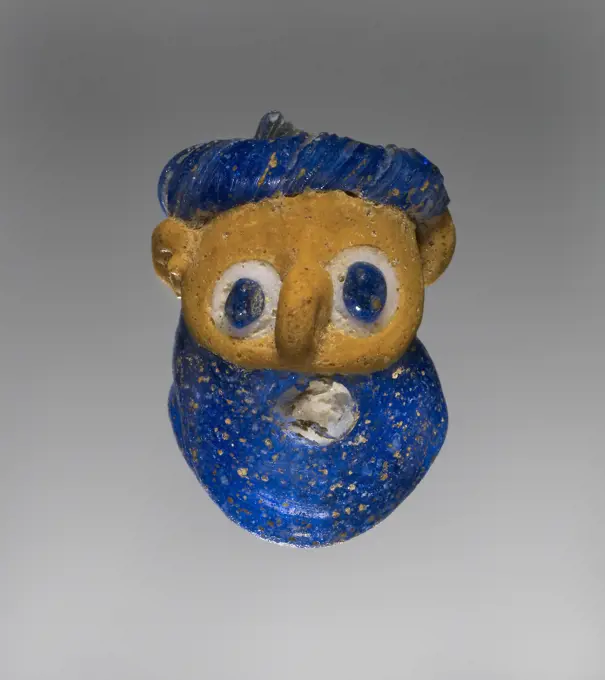
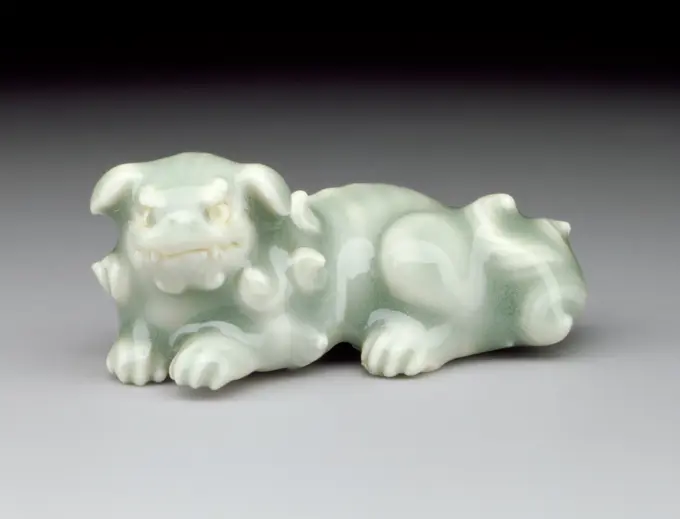
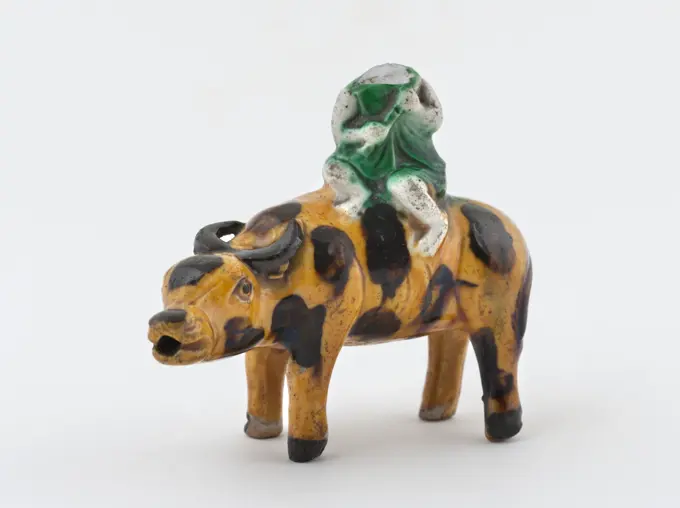
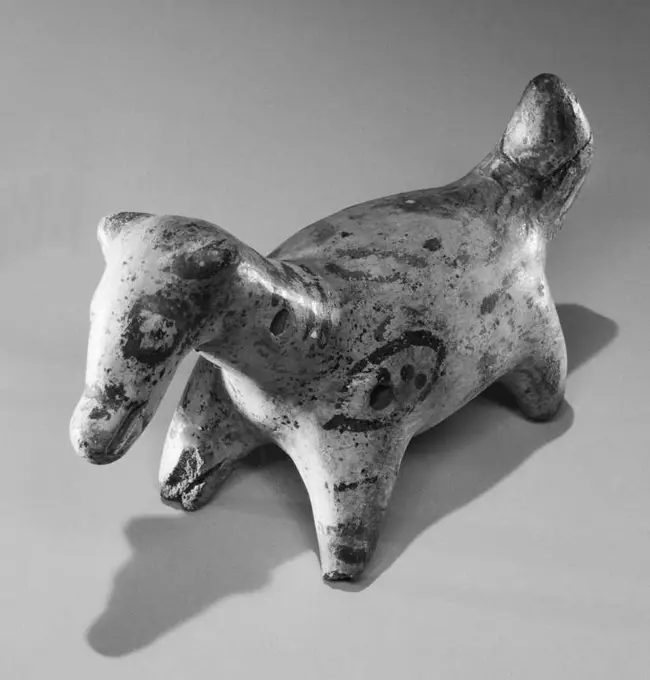
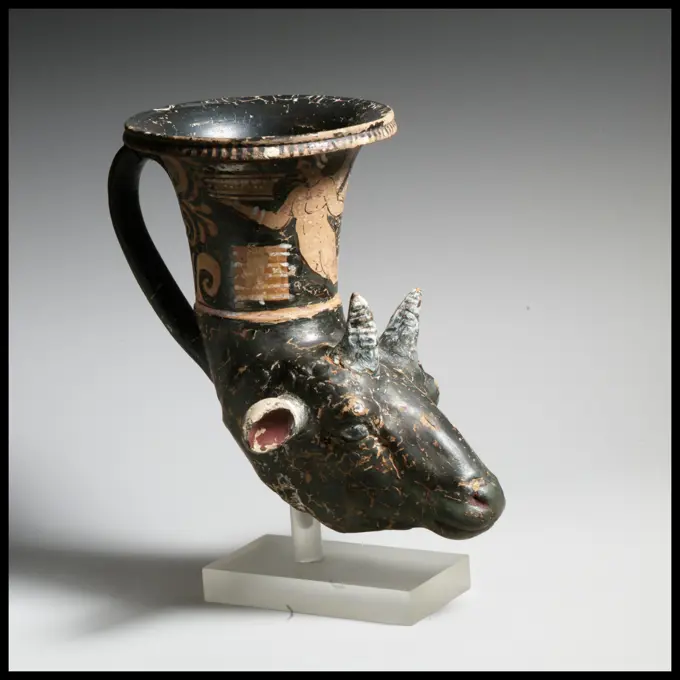
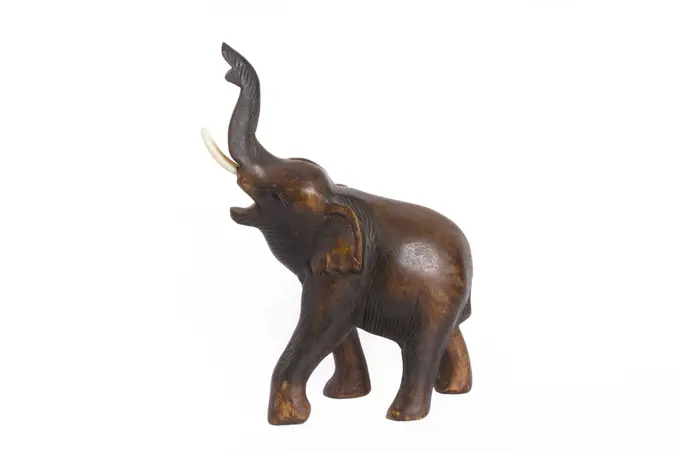
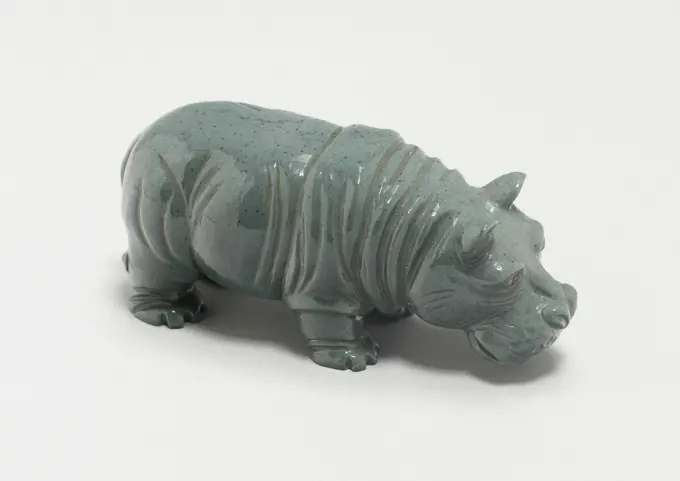
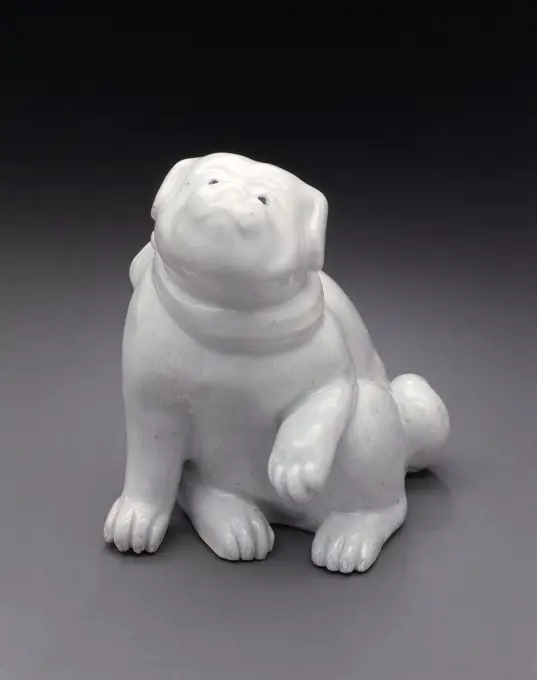
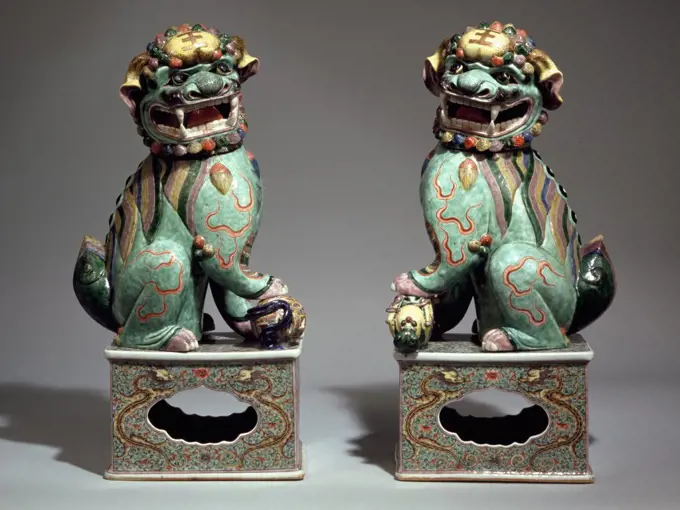
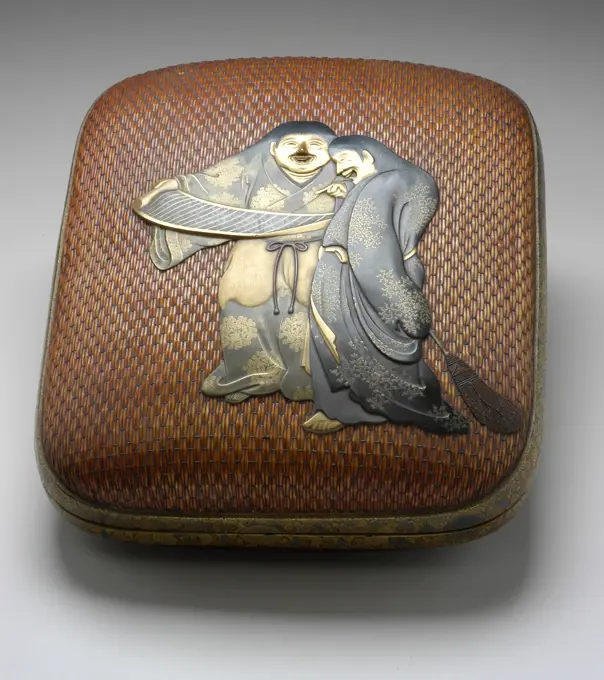
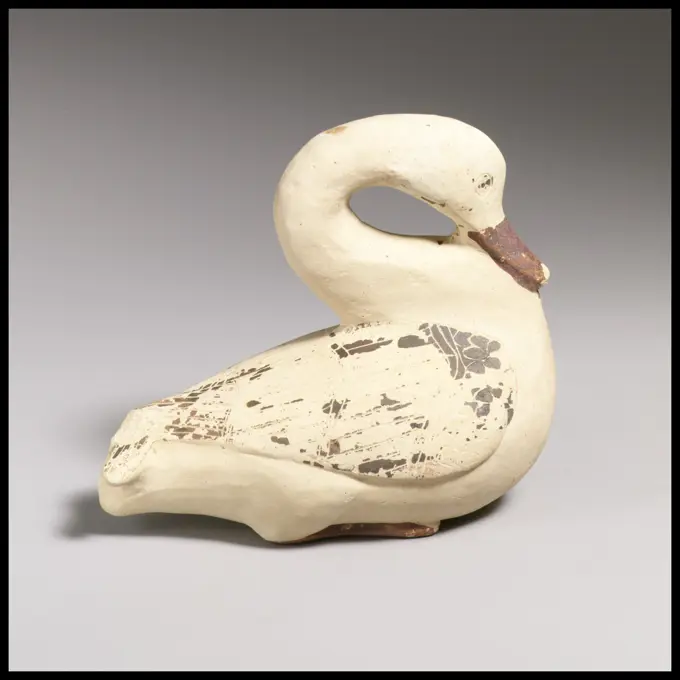
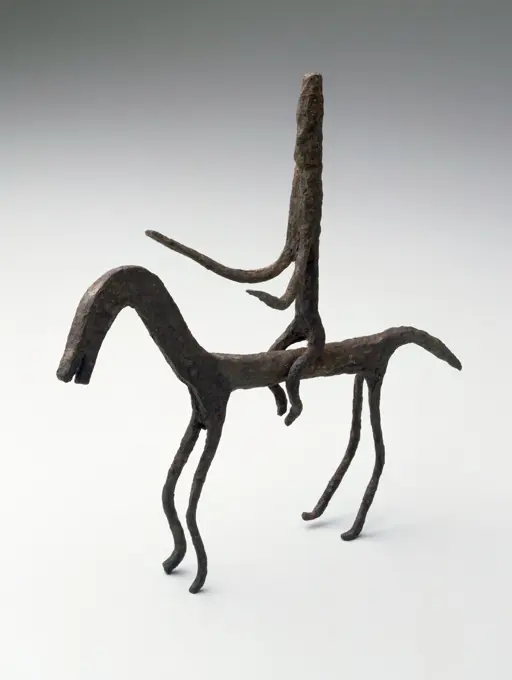
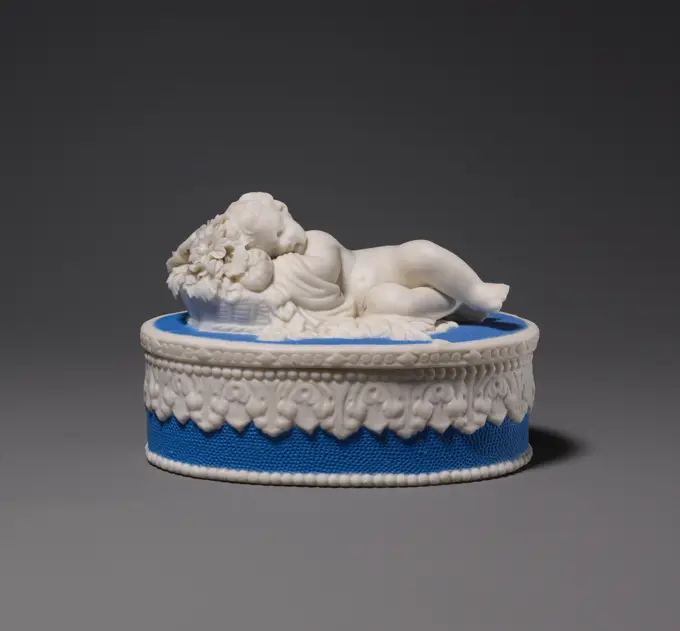
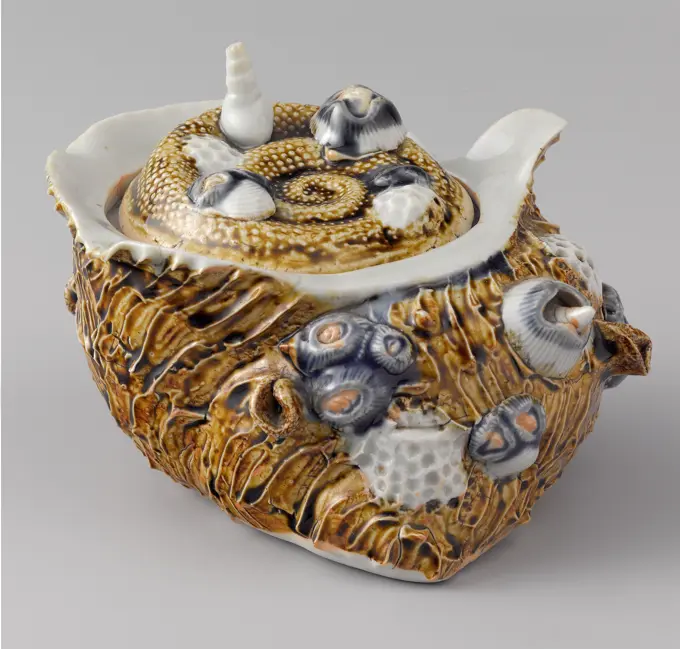
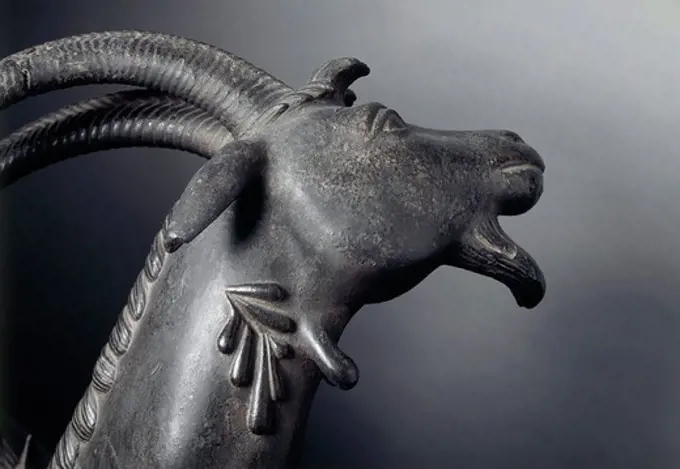
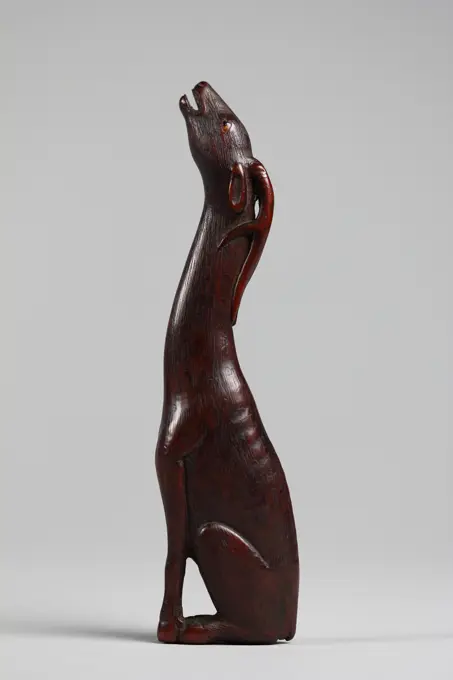
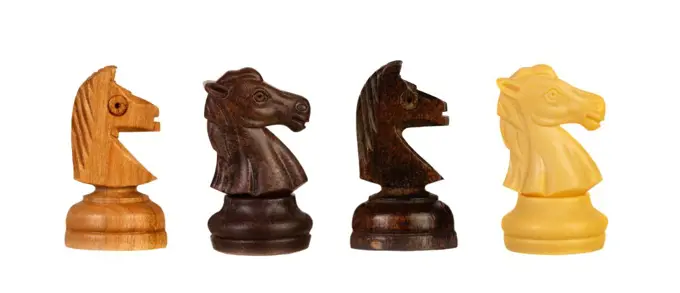
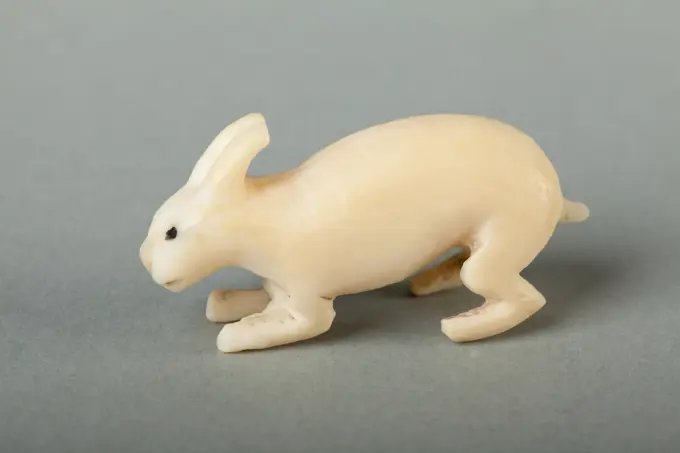
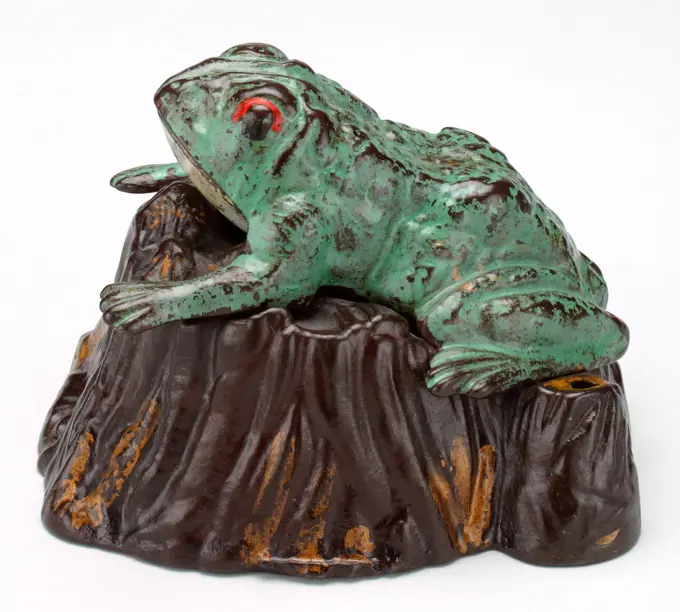
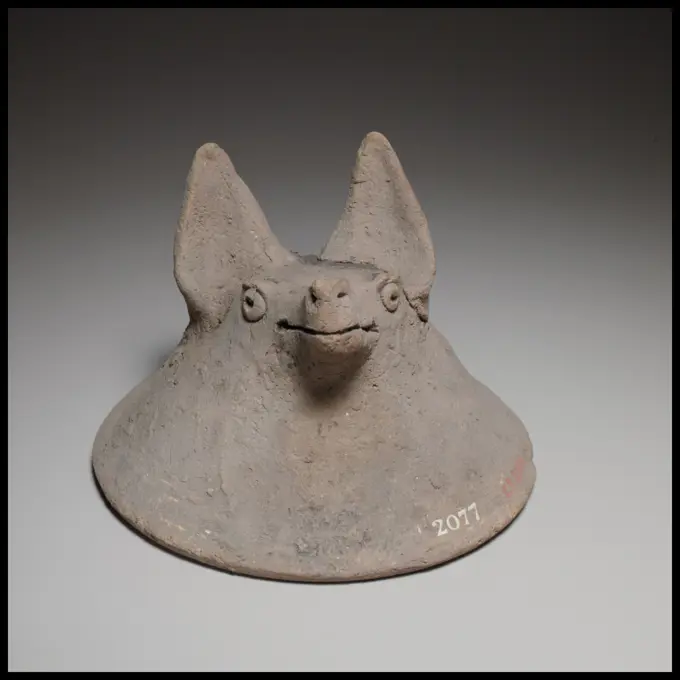
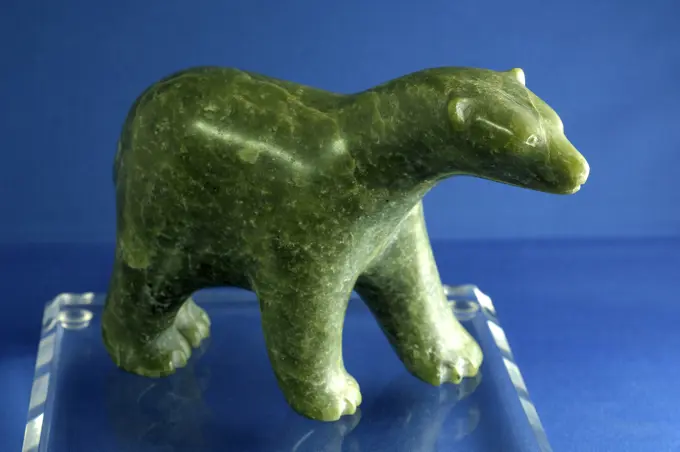
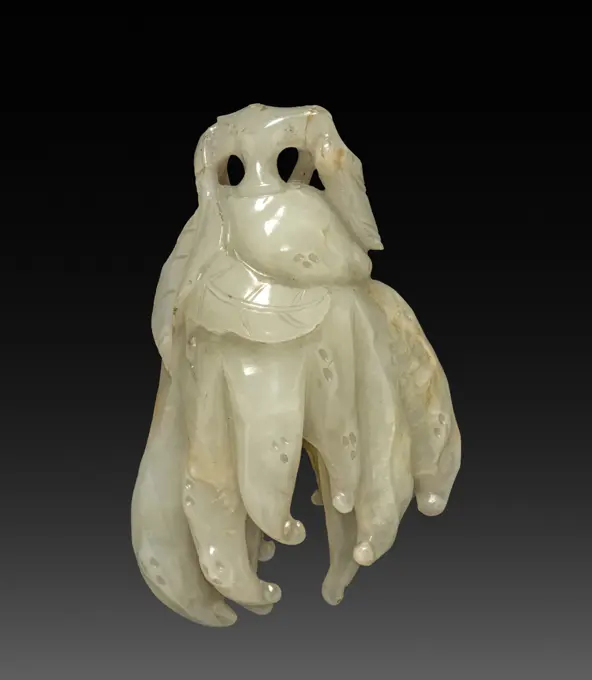
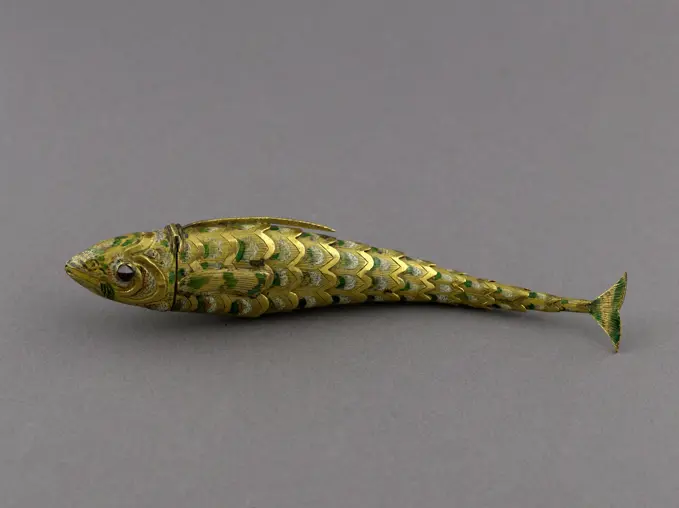
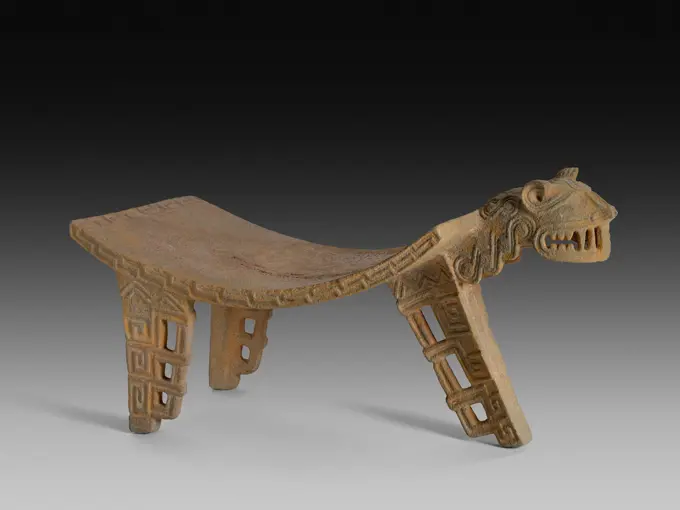
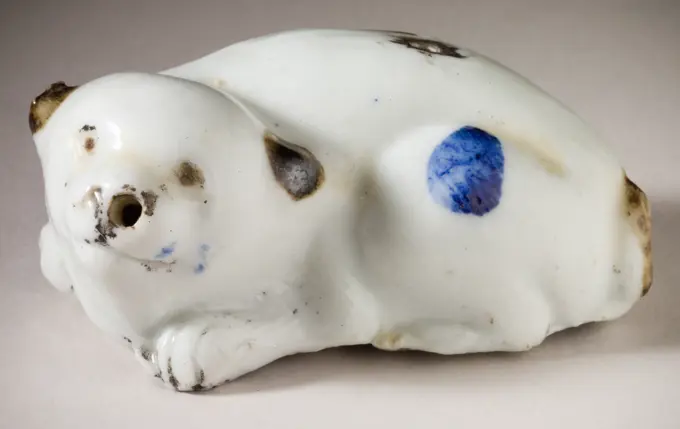
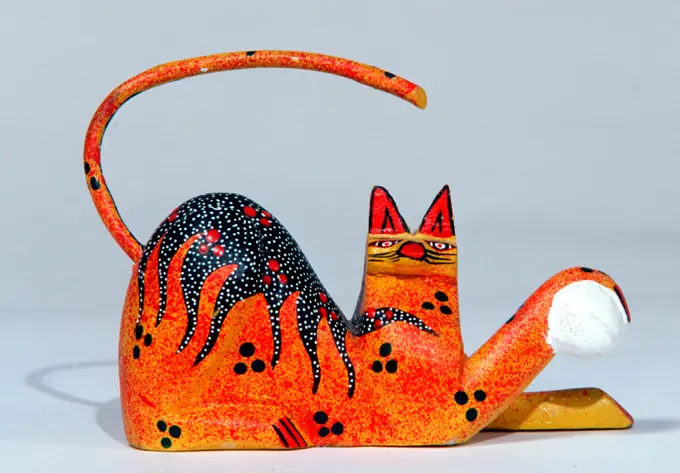
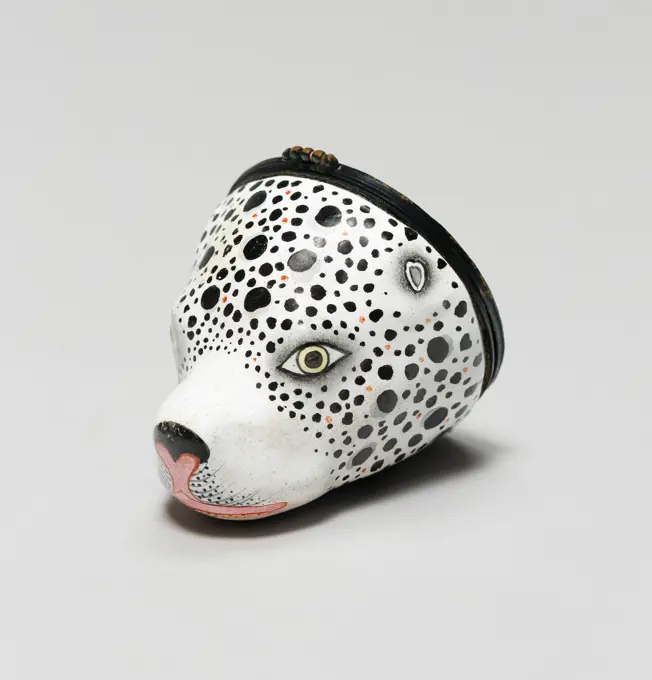
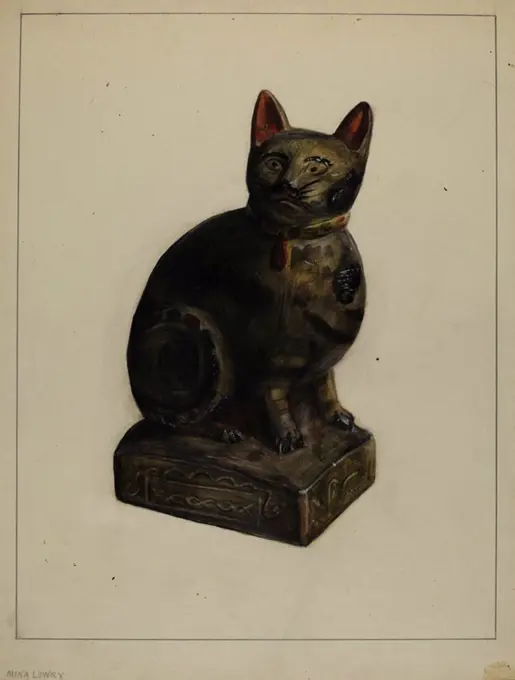
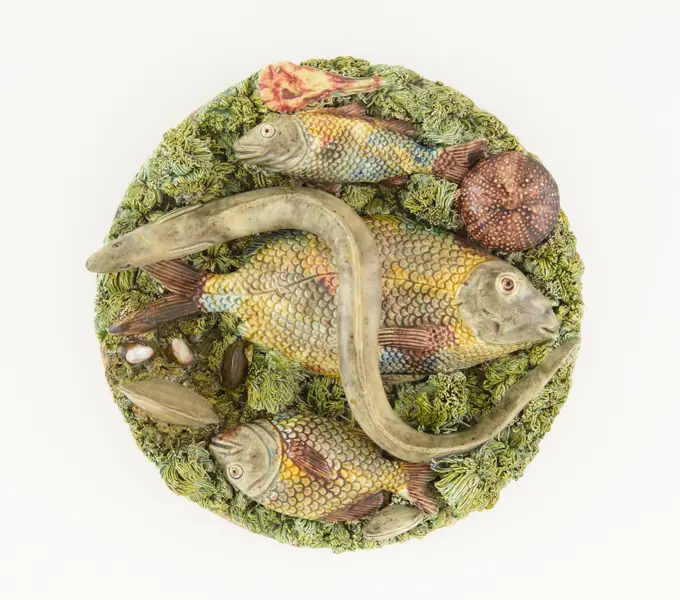
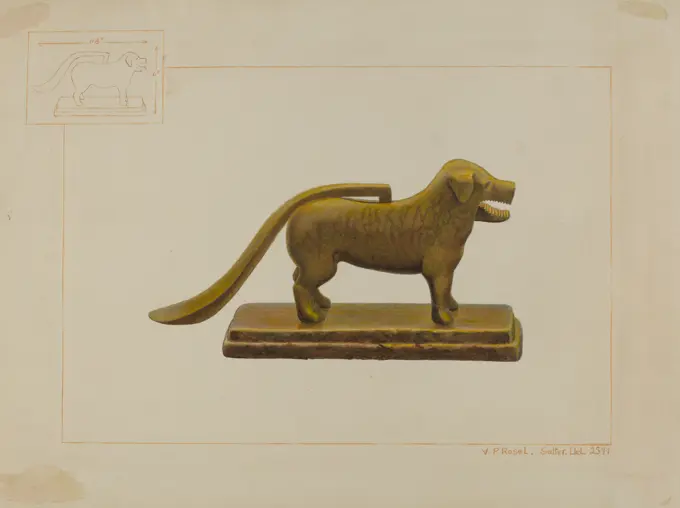
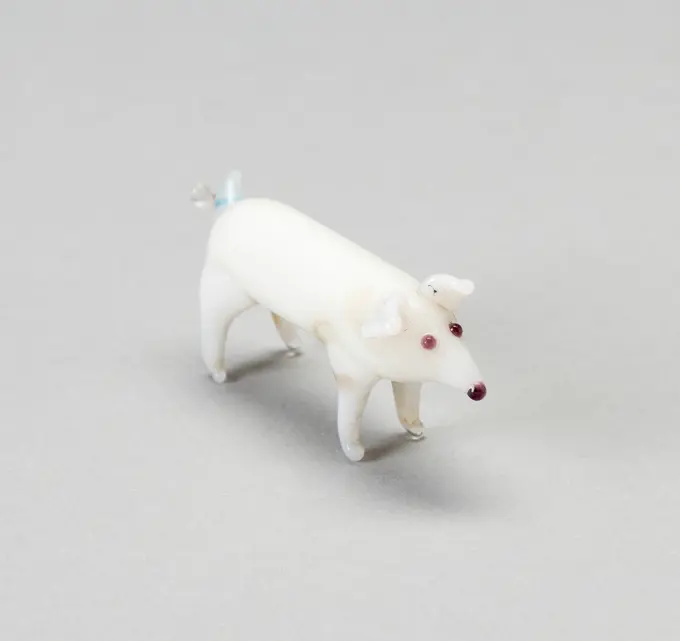
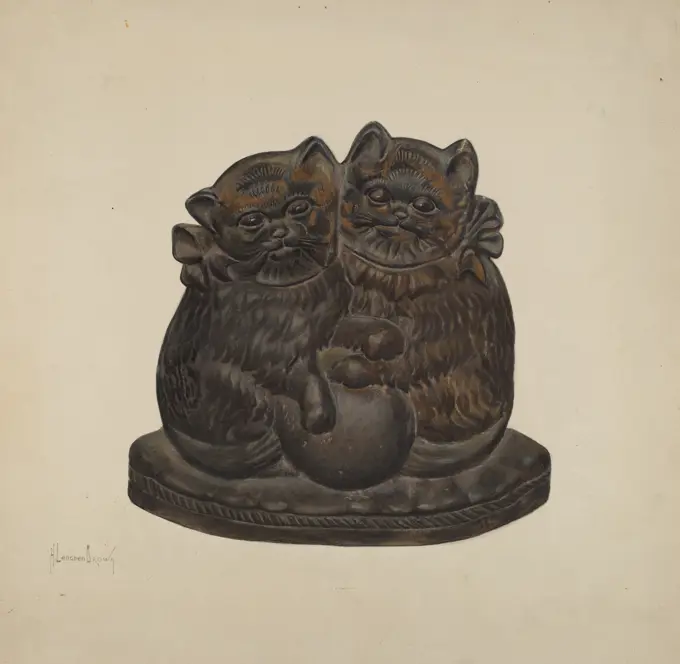
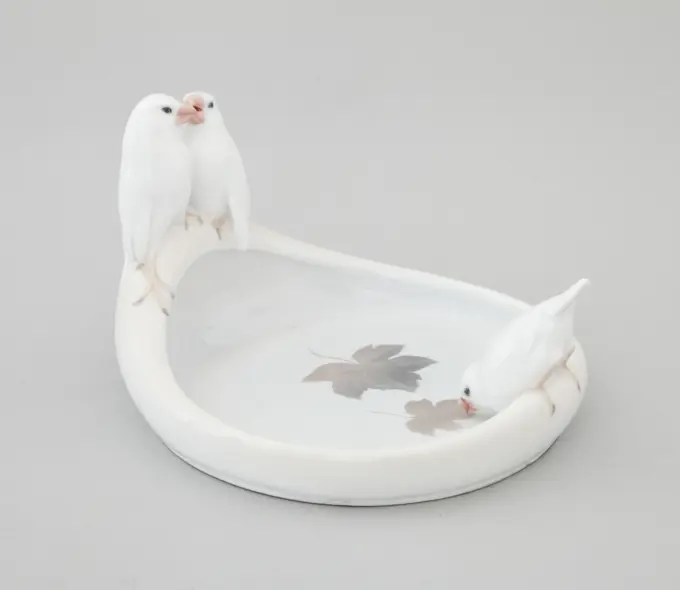
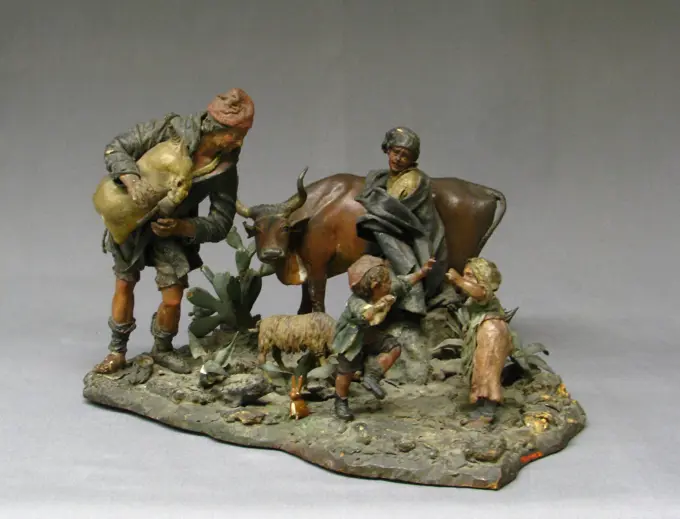
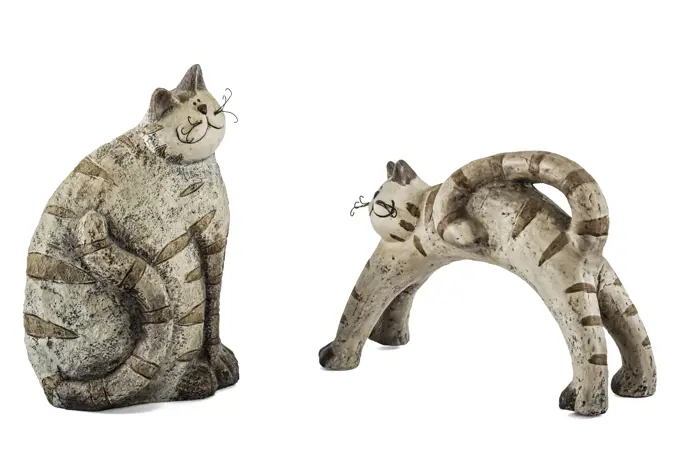
Ceramic figurine cats, isolated on white background Ceramic figurine cats, isolated on white background Copyright: xZoonar.com/OleksandrxKostiuchenkox 9786057Pipe Bowl 1815-20 Haida. Pipe Bowl 319091Barrel worn by a lion. Barrel of stoneware worn by a lion, sitting on a heart-shaped ring. Gray with glossy glaze. The vessel is decorated with insurgent line ornament.Tsio cut. Bronze. China. Paris, Cernuschi museum. 70002-21 Anse, Chinese art, bronze, tsio cut, feet, threeContainer in the Form of a Unicorn, 1736-95. China, Qing dynasty (1644-1911), Qianlong mark and reign (1736-95). Cloisonné enamel and gilt copper; overall: 16.1 x 25.2 cm (6 5/16 x 9 15/16 in.); lid: 0.9 x 5 cm (3/8 x 1 15/16 in.).Dog 5th-6th century China. Dog. China. 5th-6th century. Earthenware with traces of pigment. Northern Wei dynasty (386-534). Tomb PotteryFeline Mask 100 BCE-500 CE North Coast. Copper . MocheDouble vase 18th century China. Double vase. China. 18th century. Chalcedony. HardstoneTureen in the form of a duck, anonymous, c. 1760 - c. 1775 Terrine of Faïence, in the form of a duck. Multicolored painted. Delft . Terrine of Faïence, in the form of a duck. Multicolored painted. Delft .One of a Pair of Boxes in the Shape of Ducks. Culture: China. Dimensions: H. 2 3/4 in. (7 cm); W. 2 in. (5.1 cm); D. 4 1/2 in. (11.4 cm). Date: 18th century.Ducks, particularly in pairs, function as symbols of marital bliss in Chinese art, and it seems likely that this charming pair was once either a wedding gift or part of a dowry. Museum: Metropolitan Museum of Art, New York, USA.Face Mask Ornament. Culture: Moche (Loma Negra). Dimensions: H. 7 1/4 x W. 8 7/8 in. (18.4 x 22.5 cm). Date: 390-450. Museum: Metropolitan Museum of Art, New York, USA.Three-Sectional Altar Group: Koro with Lid and Base, 1644-1911. China, Qing dynasty (1644-1911). Jade ;Pillow, 1100s-1200s. China, Yuan dynasty (1271-1368). Glazed stoneware, Cizhou ware; overall: 13 x 30 cm (5 1/8 x 11 13/16 in.).Box Wi cki, Wojciech (1823 1873), factory: Minter KarolTortoise. Bronze. Paris, Cernuschi museum. Asian antique, Japanese antiquity, metalStriding Goat, c. 3200-3000 BC. Sumerian, Iraq, c. 3200-3000 BC. Limestone and Egyptian blue inlay; overall: 2.4 x 1.4 x 3.3 cm (15/16 x 9/16 x 1 5/16 in.).Dragon fish (shachi) (attributed title). Bronze. Cernuschi Museum, Asia Museum of Asia in the city of Paris.Baroque Pearl Mounted as a Cat Holding a Mouse 1600-1700 Spain. Gold, enamel, and baroque pearl .Blowfish. Masanao (Japan, active before 1781). Japan, 18th century. Costumes; Accessories. Ivory with staining, sumi, inlaysTroya Horse Scuplture Isolated Photo Side view famous mythologic troya horse sculpture isolated photo Copyright: xZoonar.com/DanielxFerreira-LeitesxCiccarinox 17826252Mask Bead; Olbia, Ukraine; 5th - 4th century B.C; Glass; 1.8 cm (11,16 in.)Oriental with Potpourri Jar ca. 1735-40 French, Chantilly. Oriental with Potpourri Jar. French, Chantilly. ca. 1735-40. Tin-glazed soft-paste porcelain. Ceramics-PorcelainChinese Lion. Anonymous. Japan, 19th century. Costumes; Accessories. Porcelain with celadon glazeChild on a bovid. "Three -colored" glaze porcelain. Paris, Cernuschi museum. 78838-5 Asian art, Chinese art, porcelainPottery Whistle ca. 800-1525 Costa Rican Whistle in the shape of a dog.Although numerous pottery instruments survive from pre-Conquest South and Central America, little is known of how they were used before Spanish invaders ravaged the native cultures. Whistles, trumpets and rattles in animal or human form probably had ceremonial functions or served as playthings. Smaller whistles in animal shapes, perhaps worn suspended from the neck, sometimes have fingerholes that allow variation of pitch.. Pottery Whistle. Costa Rican. ca. 800-1525. Pottery. Pre-Columbian. Diquis Region, Costa Rica. Aerophone-Whistle Flute-whistleTerracotta rhyton (vase for libations or drinking) ca. 350-300 B.C. Attributed to the Patera-Ganymede Workshop The rhyton is in the form of a sheep's head. On the cuff is Eros flying with a casket.. Terracotta rhyton (vase for libations or drinking) 246980Wooden elephant figurine from Thailand isolated on white backgroundMiniature Hippopotamus 1885-1905 Saint Petersburg. Kalgan jasper and faceted ruby . Dom FaberzheLingzhi mushrooms 18th century China. Lingzhi mushrooms 39845Puppy Figurine. Japan, late 19th century. Ceramics. Hirado Mikawachi ware; porcelain with clear glaze and black glaze detailsSet of four feet. Culture: French. Dimensions: Height (each): 5 in. (12.7 cm). Date: early 19th century.This winged lion, with its muscular body and curling tail, may have served as a foot ornament for a clock or a candelabrum. Museum: Metropolitan Museum of Art, New York, USA.Pair of jumping horses. Delftware figurines were made to adorn tables and mantlepieces. Jumping horses were always popular subjects. The horses here jump over fences, which serves to support them.Figurine of ahorseThe Lion-Dog of Buddha The Governing of Cansy, China, 1662-1722 Chinese Art Ceramic Hermitage Museum, St. Petersburg, RussiaFamille Verte, Buddhistic lions, statuettes, 17th century, Chinese ArtTerracotta askos with animal figures, from the Valle Trebba (Emilia Romagna region, Italy)Antique Finish Brass Bullock Cart SculptureBook Box with Kanzan and Jittoku. Anonymous. Japan, late Edo period, circa 1800-1868. Lacquer. Basket; lacquer with maki-e (sprinkled powder design)Terracotta vase in the form of a swan 6th century B.C. Greek, Corinthian This example possibly may be an Etruscan imitation of the Corinthian type.. Terracotta vase in the form of a swan 255702Yoke ornament in the shape of a deer 5th-4th century B.C. China. Yoke ornament in the shape of a deer. China. 5th-4th century B.C.. Bronze. SculptureHorse and Rider, early 20th century, 8 1/8 x 7 13/16 x 2 11/16 in. (20.64 x 19.84 x 6.83 cm), Iron, Mali, 20th centuryBox 1830-70 American. Box. American. 1830-70. Parian porcelain. Probably made in Bennington, Vermont, United StatesCovered box in the shape of a conch, anonymous, c. 1800 - c. 1825 Porcelain's box, covered with undermglaze brown and blue. Irregularly formed to a shell with smaller shells on it. Japan porcelain. glaze. cobalt (mineral) painting / vitrification Porcelain's box, covered with undermglaze brown and blue. Irregularly formed to a shell with smaller shells on it. Japan porcelain. glaze. cobalt (mineral) painting / vitrificationChimera of Arezzo, bronze sculpture, height 65 cm, 400-350 b.c. detail of a goats headNetsuke of Stag Squatting on its Haunches 18th century Japan. Netsuke of Stag Squatting on its Haunches. Japan. 18th century. Wood. Edo period (1615-1868). NetsukeKimono Blood Seal. Hōkyūdō Itsumin (Japan, active circa 1830-1870). Japan, mid-19th century. Costumes; Accessories. Wood with inlaysBronze Zoomorphic figure found i n SirakavanMetal elephant figurine isolated on white backgroundFour different chess knights isolated on a white backgroundRooster figurine;  19th century (1801-00-00-1900-00-00);Ox 7th-8th century China. Ox. China. 7th-8th century. Earthenware. Tang dynasty (618-907). Tomb PotteryFigurine hare Koriak folk productsBox in the shape of a duck. Box of painted porcelain, belly of the duck, with golden edge. The duck is partially painted in blue, brown, gray, violet and black. The box is unnoticed.Seal China. Seal. China. Jade. Song dynasty (960-1279). SealsTile-End Mask. Ryūkōsai Jugyoku (Japan, active early to mid-19th century). Japan, early to mid-19th century. Costumes; Accessories. Stag antlerEgyptian faience statuette of a sow and piglets. Artist: UnknownToad on Stump' mechanical bank, c. 1886, J. & E. Stevens Company, Cromwell, Connecticut, 1843-1950s, 3 x 4 x 3 11/16 in. (7.62 x 10.16 x 9.37 cm), Iron, pigment, 19th centuryTerracotta mask in the shape of the head of a fox, dog, or bat ca. 600-480 B.C. Cypriot The mask is handmade. It has a flaring, bell-shaped neck and pellet eyes.. Terracotta mask in the shape of the head of a fox, dog, or bat 241316Canada, First Nations Canadian art. Typical Inuit soapstone sculpture. (Editorial Usage Only)Snake and Frog in Pond' mechanical bank, c. 1910-1920, 3 5/8 x 5 1/4 x 2 9/16 in. (9.21 x 13.34 x 6.51 cm), Tin, pigment, Germany, 20th centuryBok or goat on profiled pedestal with beveled corners, anonymous, c. 1750 - c. 1780 Image of undecorated faience. On a rectangular, profiled pedestal with beveled corners is a goat or a goat. Delft earthenware. tin glaze. Image of undecorated faience. On a rectangular, profiled pedestal with beveled corners is a goat or a goat. Delft earthenware. tin glaze.Kadzielniczka - Quail;  19th century (1801-00-00-1900-00-00);Paderewski, Ignacy Jan (1860-1941), Paderewski, Ignacy Jan (1860-1941)-collection, qing (style), Chinese (culture), cloisonné, gift (provenance), Chinese art, bird imagesPendant, 1644-1911. China, Qing dynasty (1644-1911). Jade; overall: 7.7 cm (3 1/16 in.).Bridge and Spout Bottle 12th-14th century Lambayeque (Sicán). Bridge and Spout Bottle 310465Ornament, Christmas, Dough, Brown bear-like animal., USA, 1850-99, ornament, Decorative Arts, Ornament, ChristmasIncense Burner 12th century. Incense Burner 448235Fish -shaped case, gold and enamel. Paris, Cognacq-Jay museum. 35595-1 Email, Etui, shape, gold, fish, animalFrog on Pumpkin. Nobumasa (Japan, active early 19th century). Japan, mid-19th century. Costumes; Accessories. Wood with staining, inlaysWorld War II Teddy Bear, 1942. Home-made Teddy Bear made of khaki woollen army blanket.Trinket Box. Culture: American. Dimensions: 3 1/4 x 4 1/8 x 3 in. (8.3 x 10.5 x 7.6 cm). Date: 1830-70. Museum: Metropolitan Museum of Art, New York, USA.Ceremonial Grinding Table (Metate) in the Form of a Feline 500 CE-1000 Nicoya. In Central America, Mexico, and the southwestern United States, flat stone grinders (metates) were used to prepare cornmeal and corn dough for cooking. Sculptors in ancient Costa Rica developed elaborate metate forms as symbols of sustenance; large, finely carved examples often feature effigies as emblems of a ruler or religious official. Metates have been discovered in burials, where they served as biers for deceased leaders, but they were probably primarily intended as throne-like seats for chieftains, thereby linking rulersí political power to their obligation to ensure abundant harvests to sustain their communities.. Volcanic stone . NicoyaWater Dropper in the Form of a Piebald Puppy. Japan, 19th century. Ceramics. Hirado Mikawachi ware; porcelain with cobalt blue and iron glazesA Crab on a Toad. Dated: early 16th century. Dimensions: overall: 5.5 x 11.3 x 10 cm (2 3/16 x 4 7/16 x 3 15/16 in.). Medium: bronze. Museum: National Gallery of Art, Washington DC. Author: Probably Paduan 16th Century.North America, Mexico, Oaxaca, Tilcajete, San Martin. Traditional arts: alebrijes, figure carvings, made from copal wood.Mildred E Bent, Small Sheep Weather Vane, 1935 1942 Small Sheep Weather VaneGateway to a shrine, preceded by two baboons 332-30 B.C. Ptolemaic Period This delicate faience model depicts the essential elements of a shrine or entryway to a sacred space. Two baboons are placed at either side of a formal gateway, and, passing through the doorway, the inner room of a shrine is represented by two slender columns on a platform.The placement of the baboons at either side of the gateway strikingly recalls the possible original locations for the excavated baboon statue 1971.51 at the entry to the Baboon Catacombs at the Sacred Animal Necropolis in North Saqqara.. Gateway to a shrine, preceded by two baboons. 332-30 B.C.. Faience. Ptolemaic Period. Probably from EgyptUnicorn in jewelery box, anonymous, 1300 - 1500 Sculpture, Fabeldier, "Eenhoorn". In jewelry box (probably not original). Indonesia gold (metal) rejected Sculpture, Fabeldier, "Eenhoorn". In jewelry box (probably not original). Indonesia gold (metal) rejectedA pointer by Russian master  / Russian Museum of Folk arts and crafts, Moscow/ Russia, Kasli near Tchelyabinsk/ Casting/ Applied Arts/ Objects,Animals and Birdsmodern hand made ceramic replica of cat sculpture from Ancient Egypt isolated on white backgroundSunbonnet ca. 1890 American. Sunbonnet 169296Box with lid in the form of a duck on pedestal, Meissener Porzellan Manufaktur, c. 1750 Box of painted porcelain. The box has the shape of a duck. The duck is on a gilded bronze rococo footage. The duck is partially painted in blue, green, brown and black; The head in blue, purple and gray with a yellow beak. The box is unnoticed. Float porcelain. bronze (metal) gilding Box of painted porcelain. The box has the shape of a duck. The duck is on a gilded bronze rococo footage. The duck is partially painted in blue, green, brown and black; The head in blue, purple and gray with a yellow beak. The box is unnoticed. Float porcelain. bronze (metal) gildingGambling Dice, before 1917. California, Tulare, Unassigned. Hollow shell, resin, glass beads, mica/seashell fragment; overall: 1.5 x 2 cm (9/16 x 13/16 in.).Figure Dish 1880-90 McKee and Brothers. Figure Dish. American. 1880-90. Pressed opaque white glass. Made in Pittsburgh, Pennsylvania, United StatesHorse Walking. Dated: possibly early 1870s. Dimensions: overall without base: 21.6 x 8.7 x 27 cm (8 1/2 x 3 7/16 x 10 5/8 in.). Medium: pigmented beeswax, metal armature, cork, on wooden base. Museum: National Gallery of Art, Washington DC. Author: EDGAR DEGAS.Bonbonnière Dalmatian's Head 1760-1770 Bilston. Polychrome enamel on copper with metal mounts .Pa. German Chalkware Cat. Dated: c. 1937. Dimensions: overall: 29 x 22.6 cm (11 7/16 x 8 7/8 in.) Original IAD Object: 7 3/8" high. Medium: watercolor, graphite, and gouache on paperboard. Museum: National Gallery of Art, Washington DC. Author: Mina Lowry.Plate. Manuel Cipriano Gomes Mafra (Portugal, 1830-1905). Portugal, 1865-1887. Furnishings; Accessories. Glazed earthenwareSea horse made of metal and green glass on the parapet of the embankment in Fira. Greece. Santorini.. Metal statue of seahorse in Fira.Souvenirs Dutch cow and windmill Souvenirs Dutch cow and windmill isolated over white background Copyright: xZoonar.com/IvonnexWierinkx 20259640Mask of Three-Eyed Demon. Yamaji Naoharu. Japan, late 19th century. Costumes; Accessories. Ivory with staining, inlaysCoiled Dragon 1600-1699 China. Jade .Chines ornate bird with wings ceramic or porcelain vase, with cracked paint, isolated against a white background.Peru. An extensive collection of pre-Columbian art in the Rafael Larco Herrera Museum, these were Mochica funerary offerings.Old boat with wild animals and birds isolated on white backgroundVincent P Rosel and Gordon Saltar, Brass Dog Nutcracker, c 1938 Brass Dog NutcrackerPig 1700-1799 France. Glass; lampwork (verre de Nevers), metal armature .H Langden Brown, Door Stop, c 1937 Door StopLap Royal CopenhagenAztec arts and crafts of a painted clay whistle flute of a colorful parrot bird, Mexico.Group of rustic figures 18th century Italian, Sicily The nature of the Sicilian crèche technique is very different from that of the Neopolitan. The latter is the work of numerous hands not only in the production of the figures themselves but also in their orchestration within the assembled crèche. Sicilian figures, on the other hand, although rougher in finish are entirely made by the individual artists who not only mold their clothing but also control the grouping of the figures within separate vignettes.. Group of rustic figures 208166