Ceramic Animal Figurines

A collection of intricate ceramic animal figurines, including horses and dogs, reflecting cultural artistry and craftsmanship.

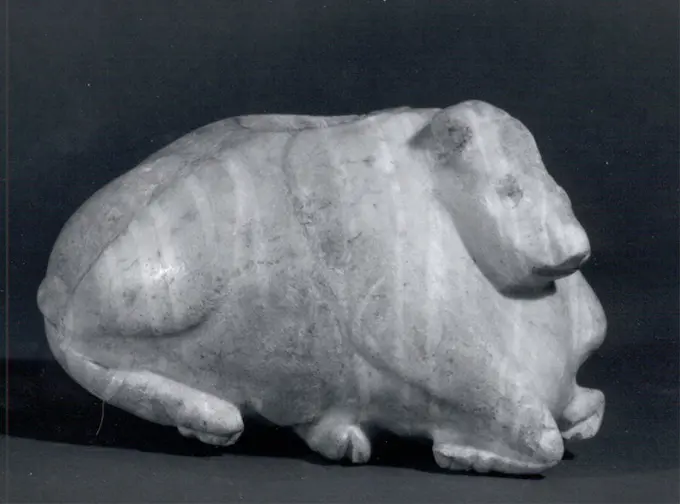
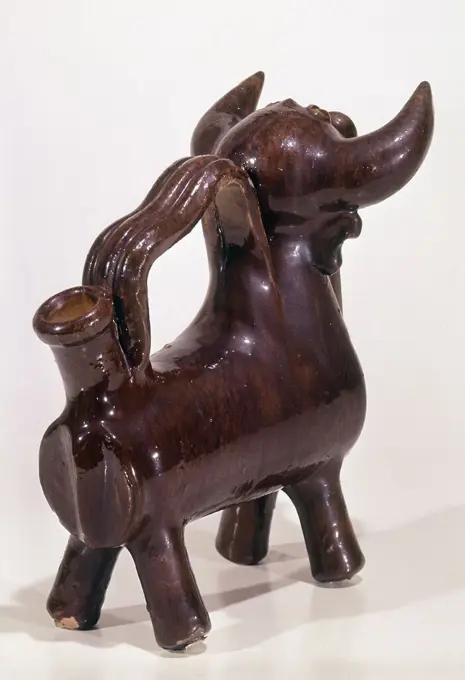
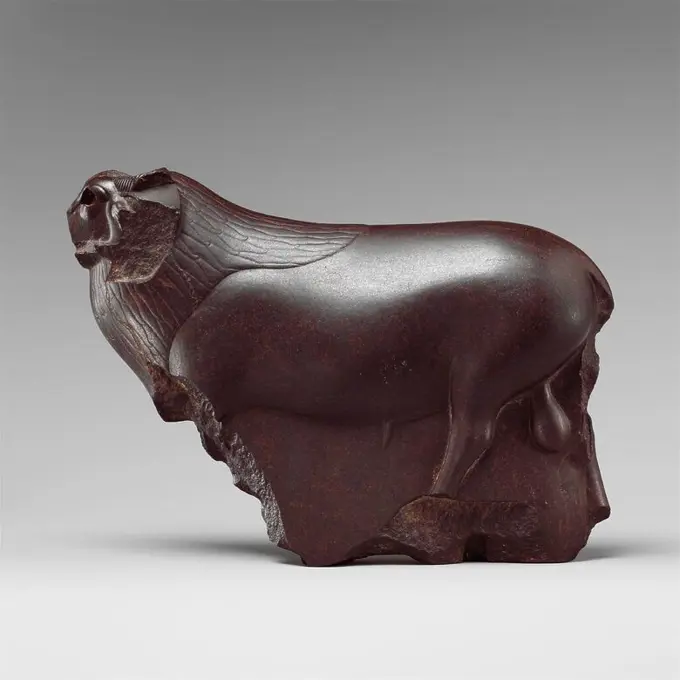
Aquamanila;  XII-XIII W (1101-00-00-1300-00-00);aquamanila, bulls, ceramics, Persian (culture), Islamic art, purchase (provenance)
Aquamanila; XII-XIII W (1101-00-00-1300-00-00);aquamanila, bulls, ceramics, Persian (culture), Islamic art, purchase (provenance)
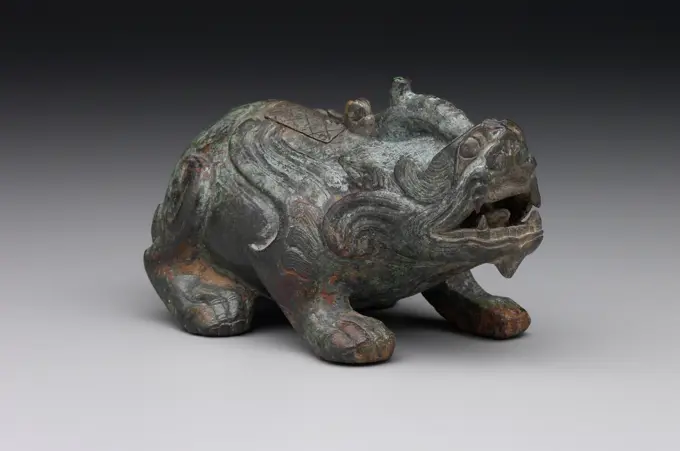
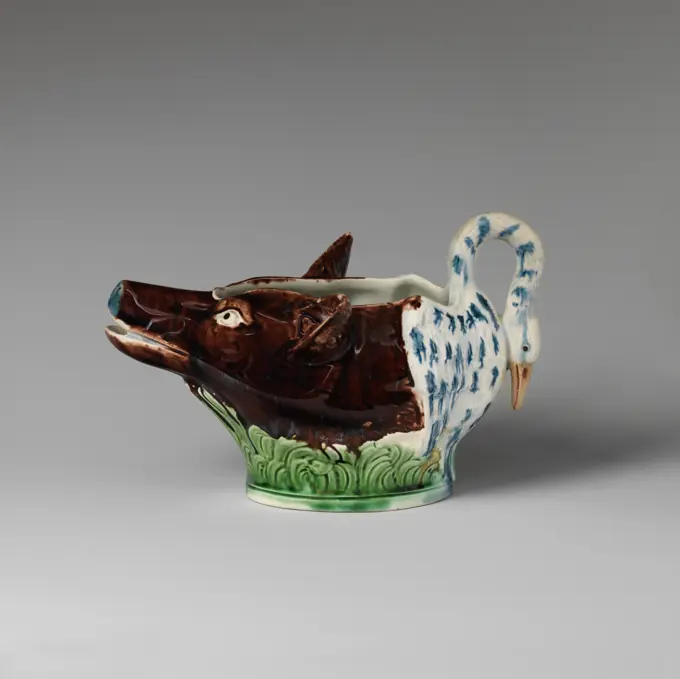
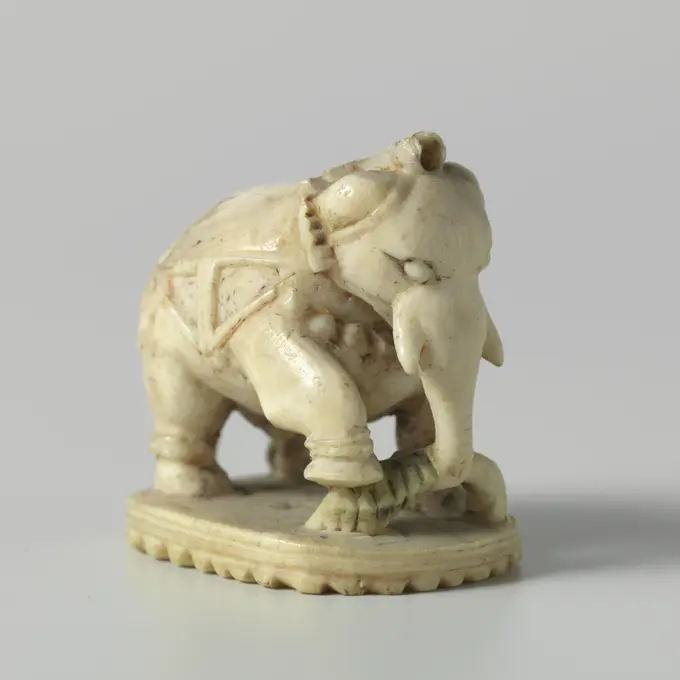
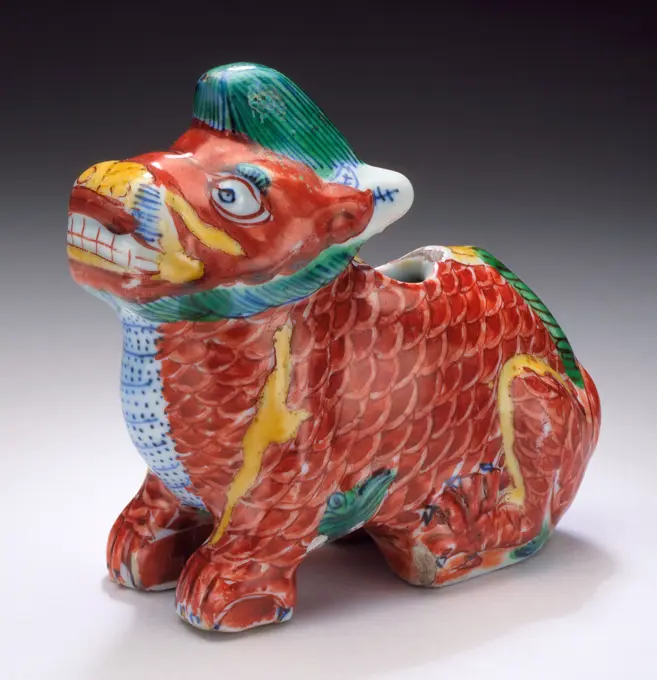
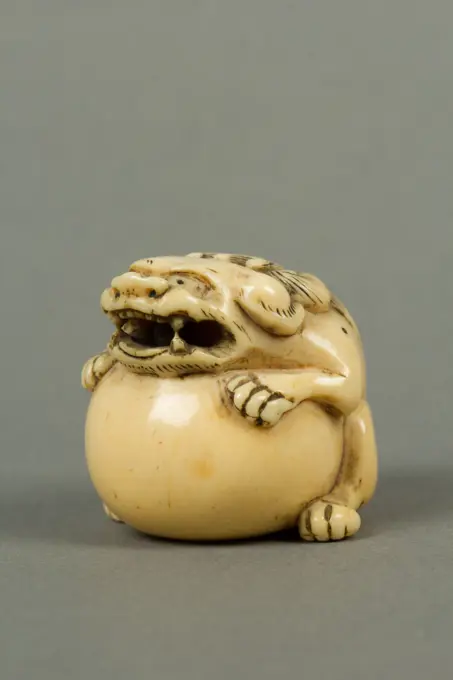
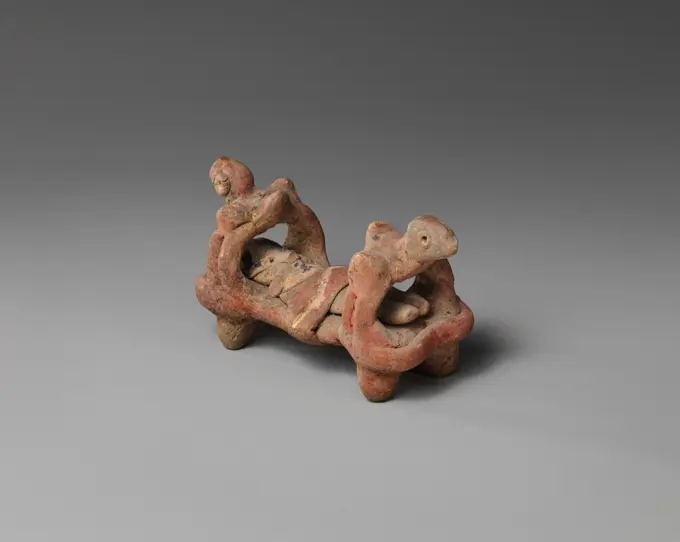
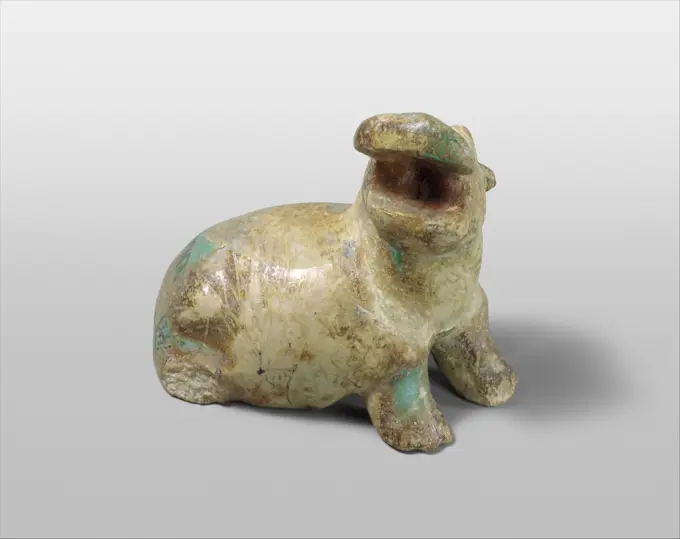
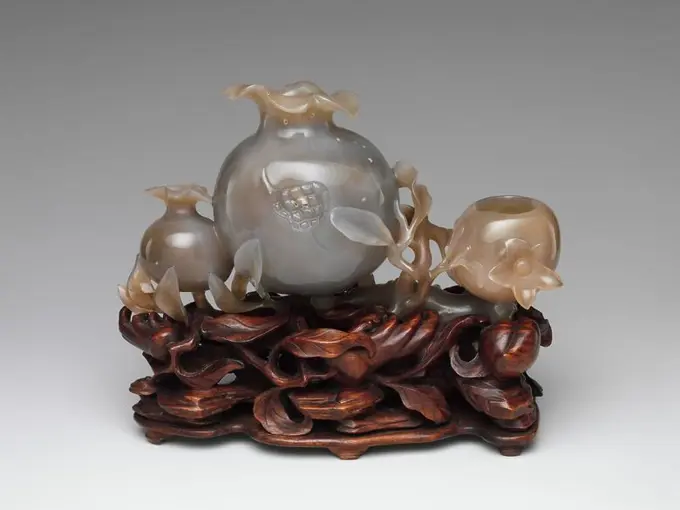
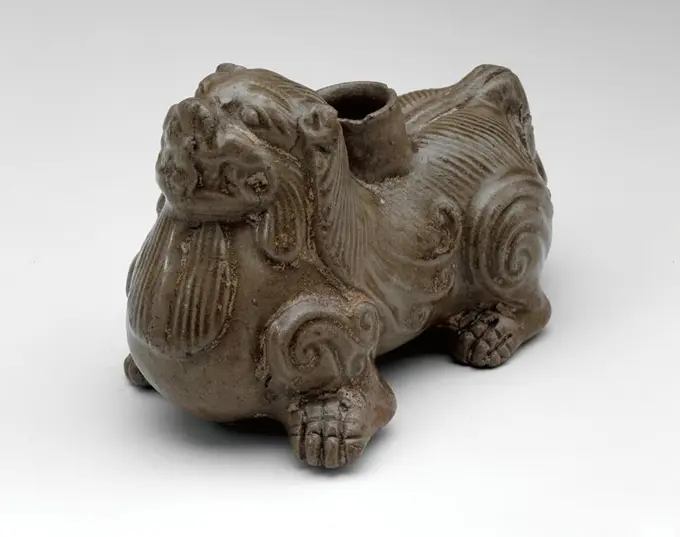
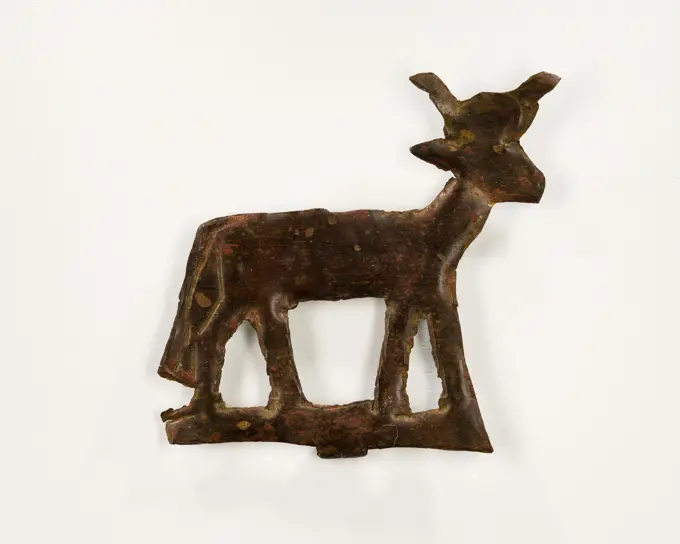
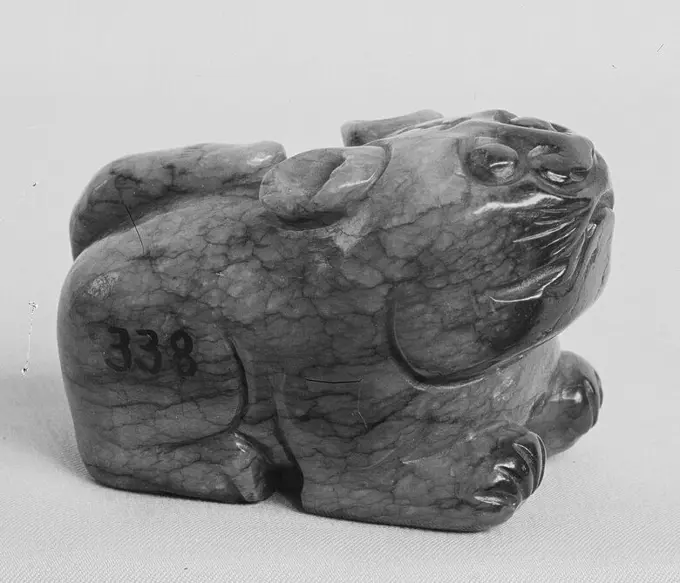
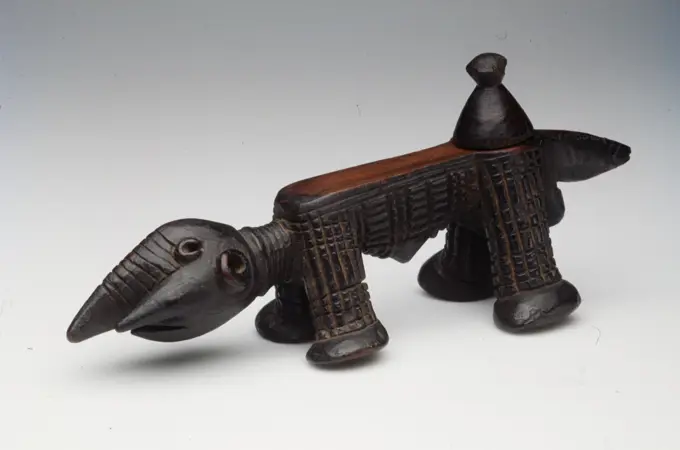
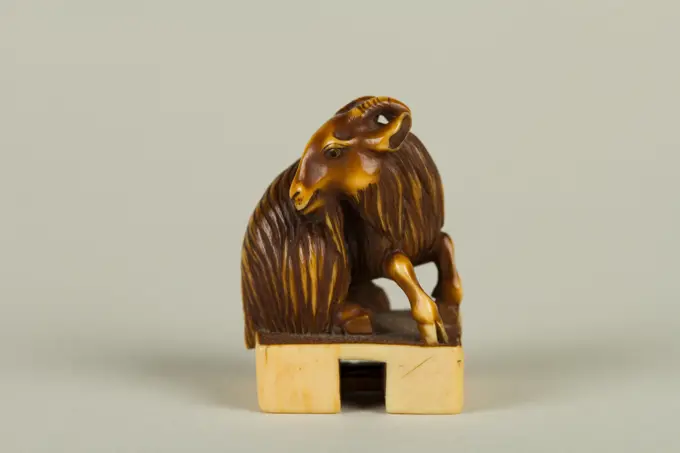
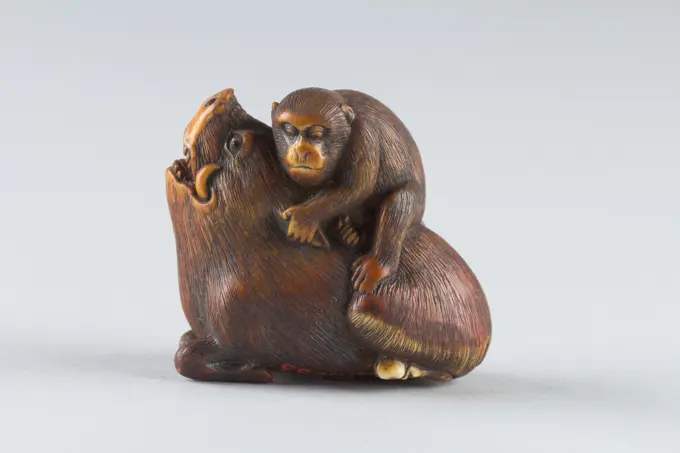
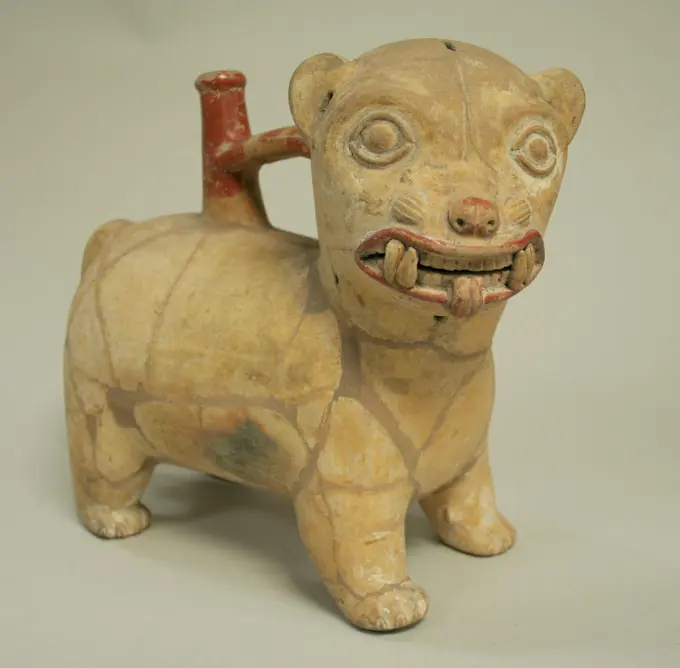
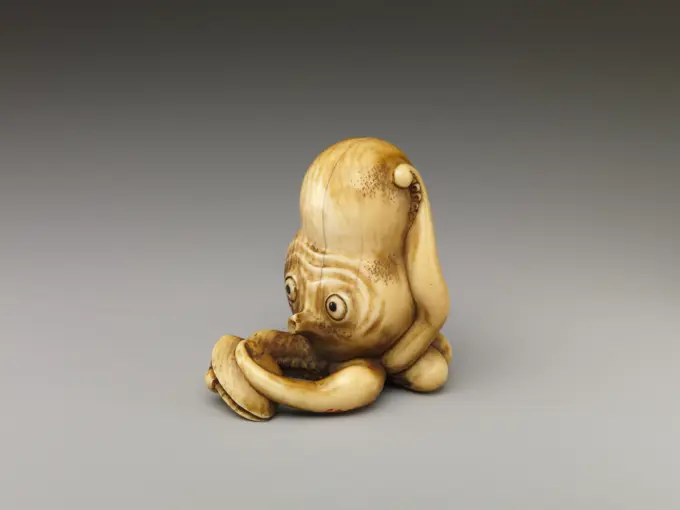
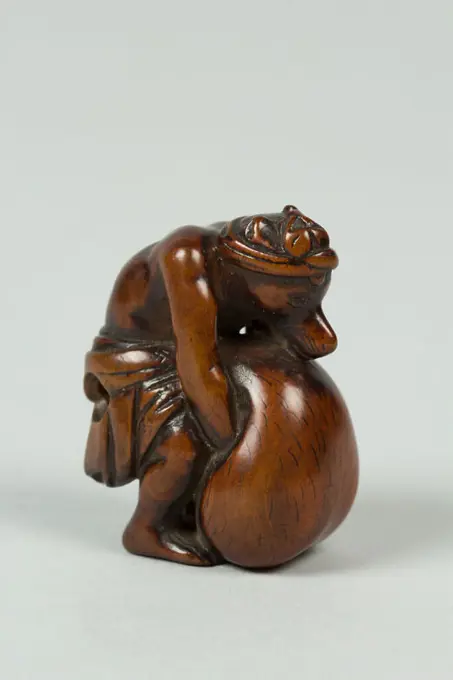
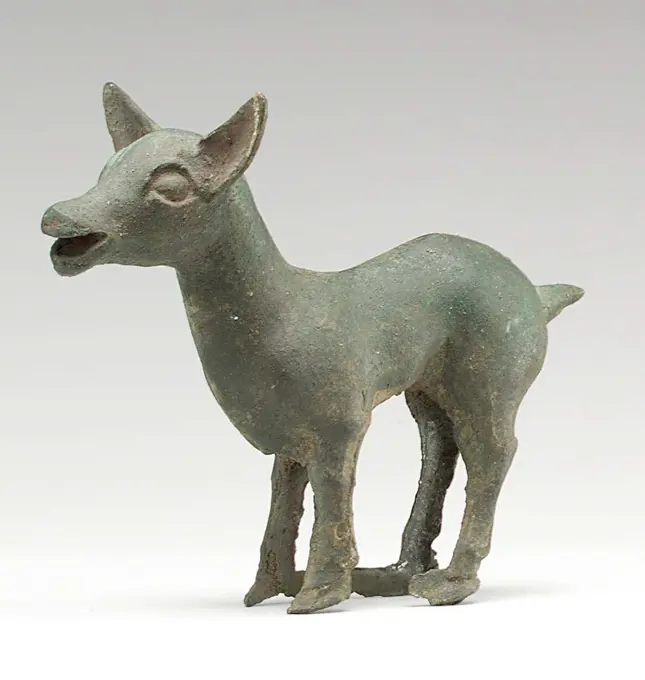
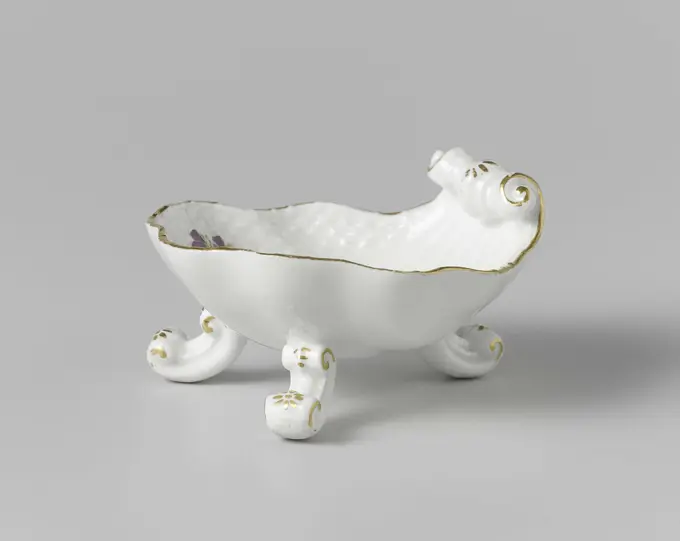
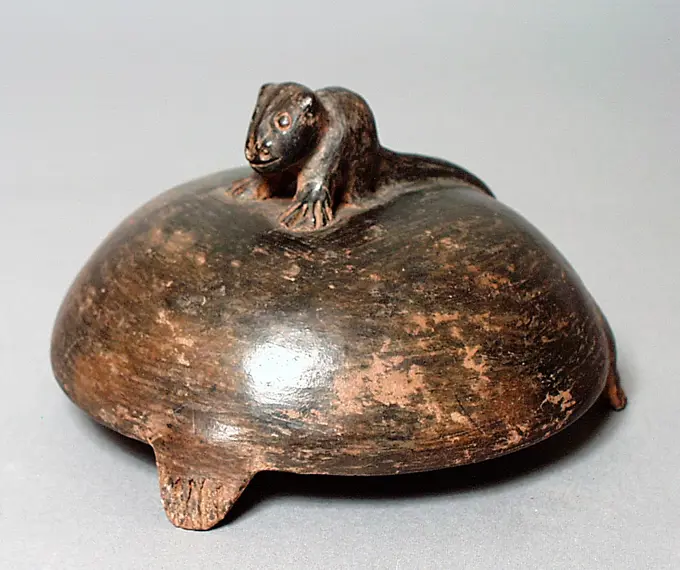
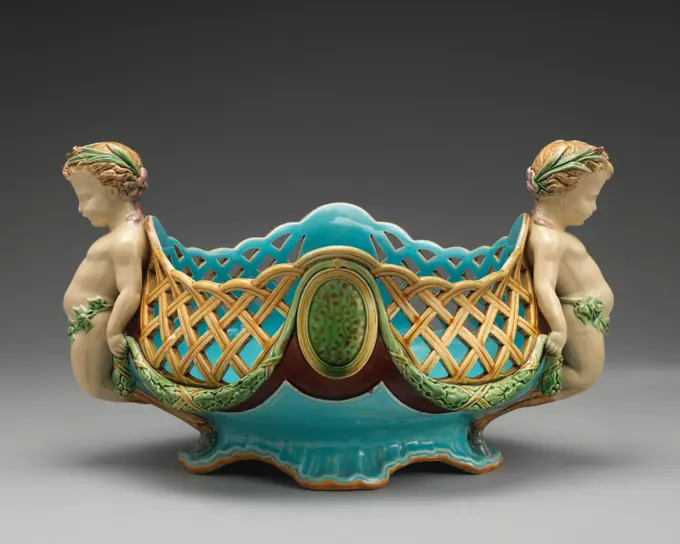
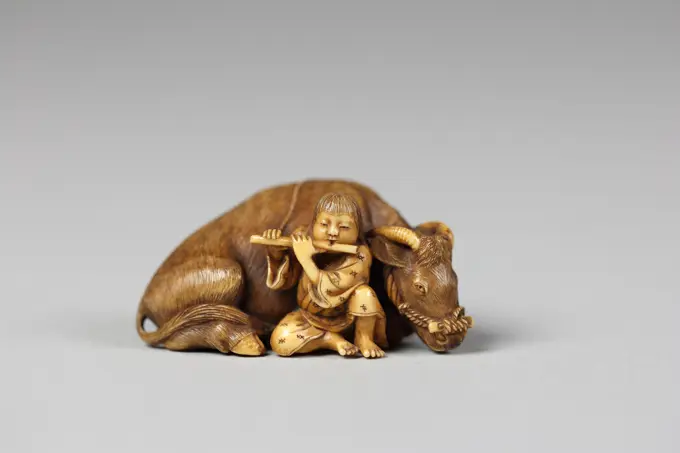
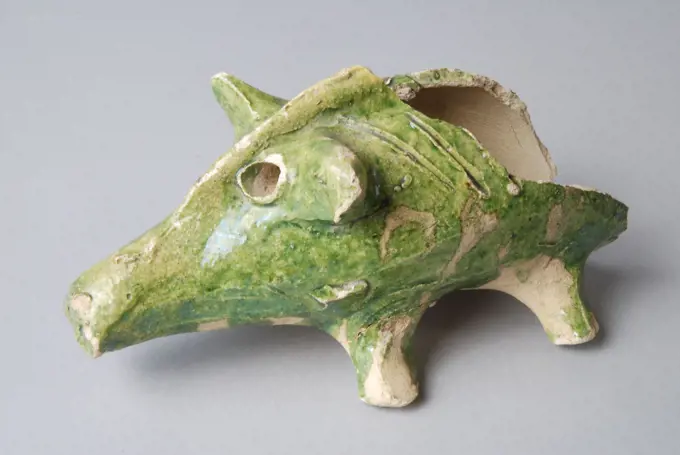
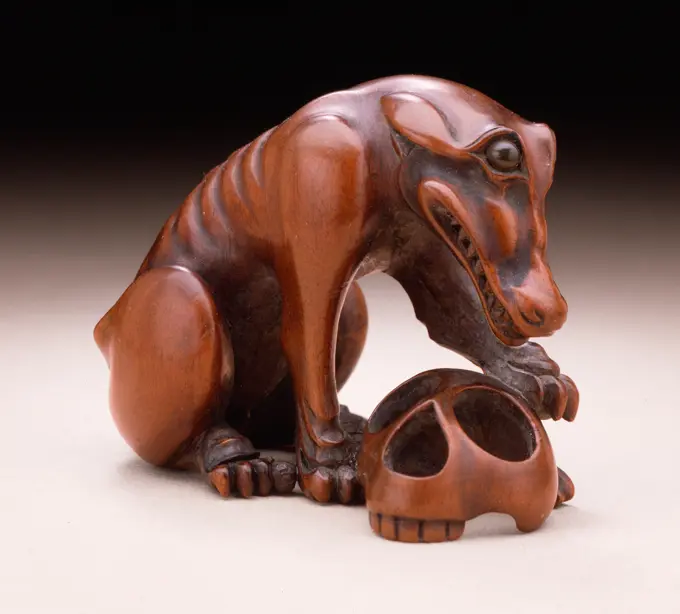
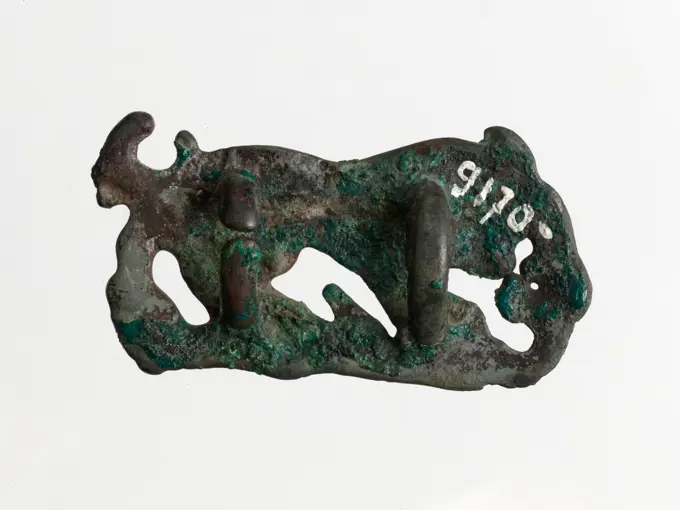
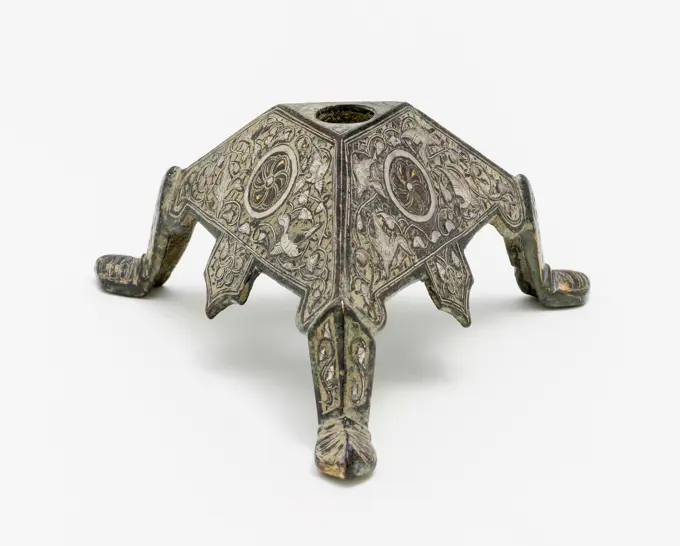
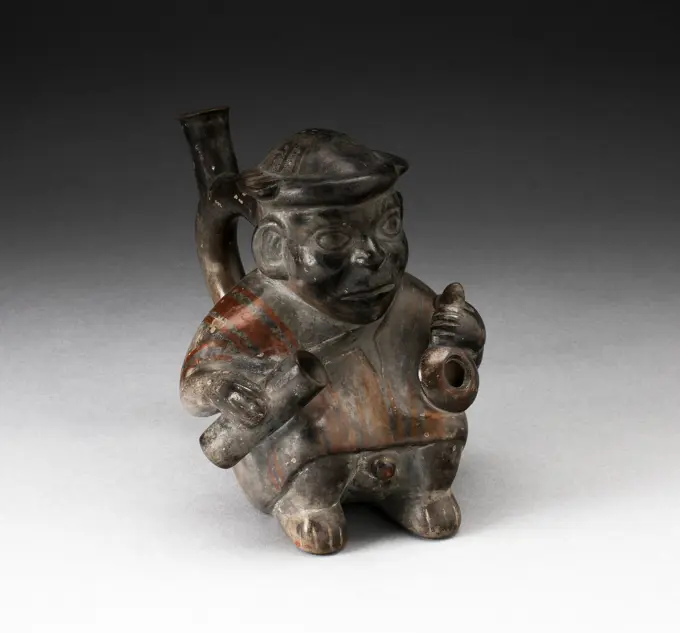
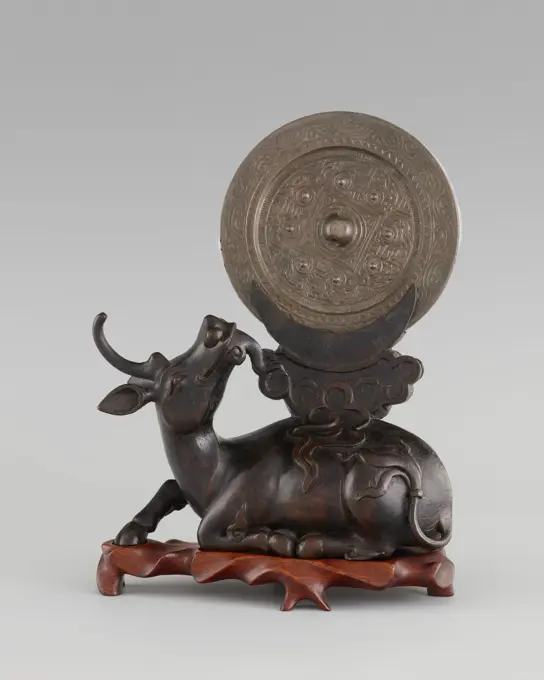
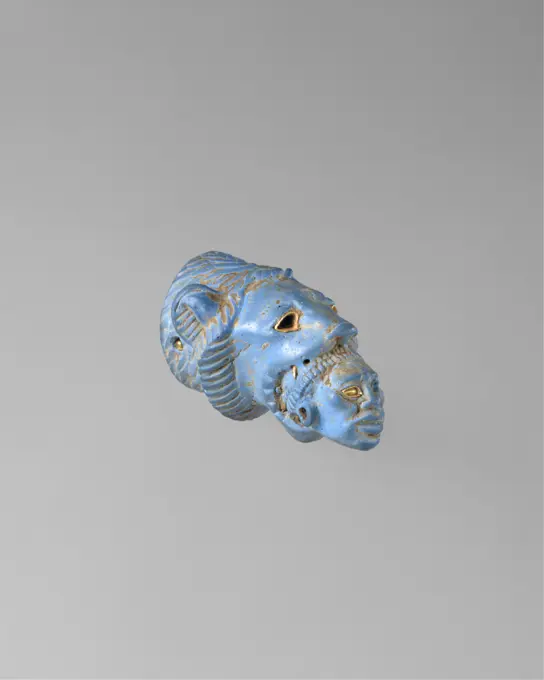
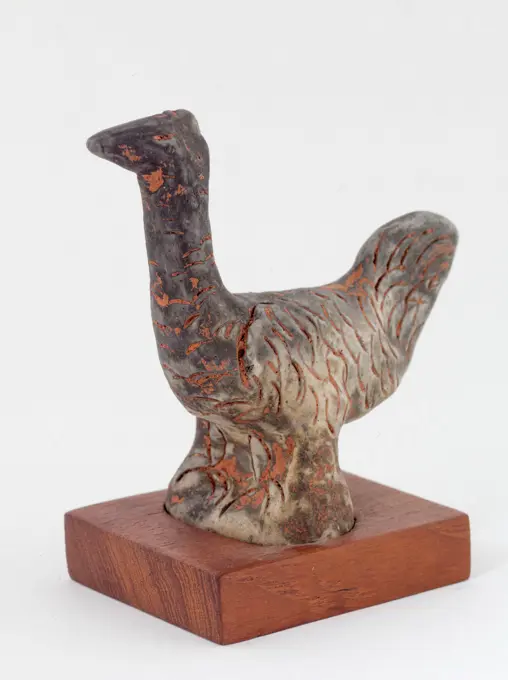
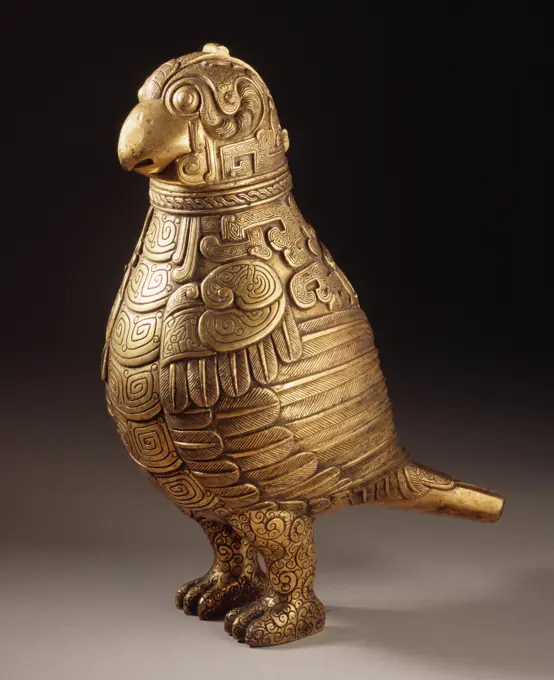
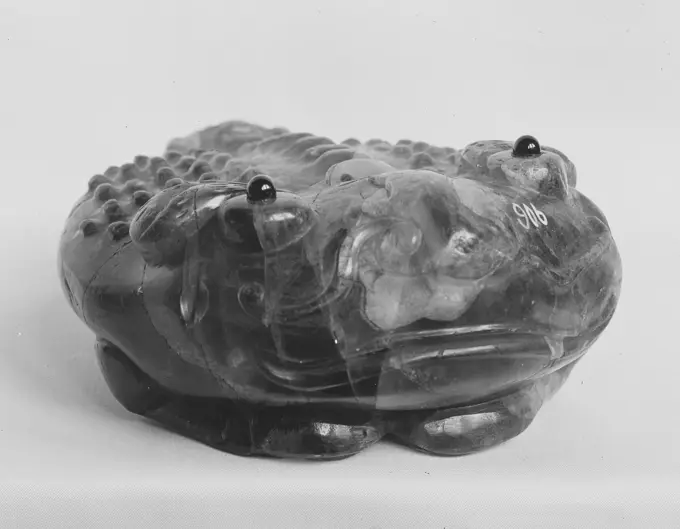
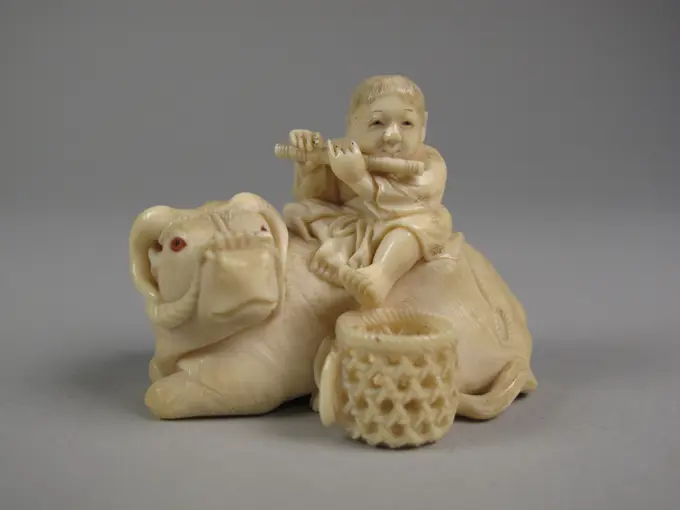
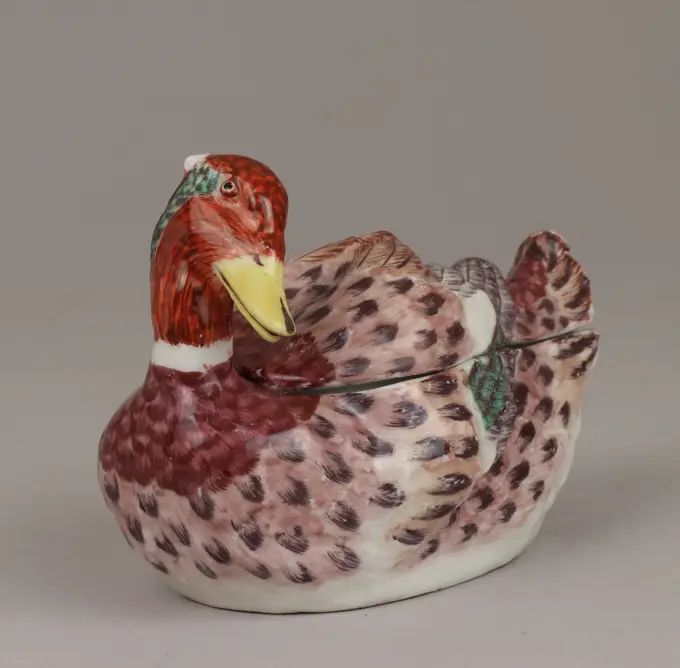
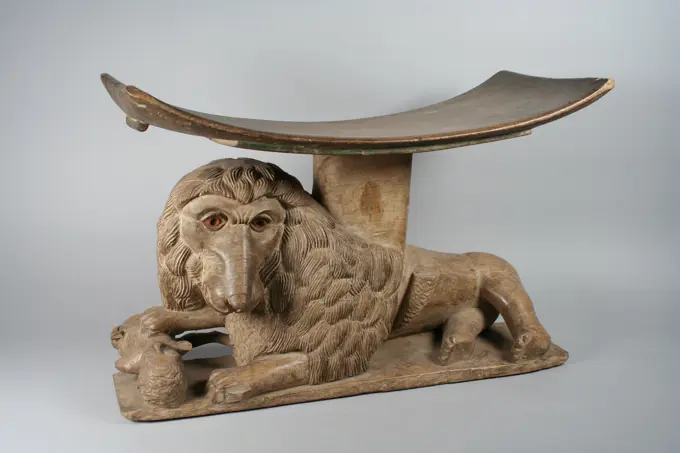
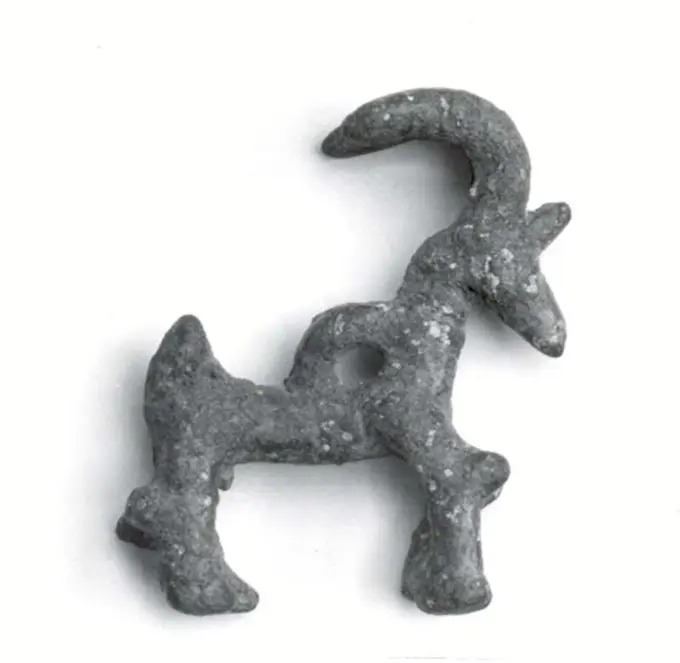
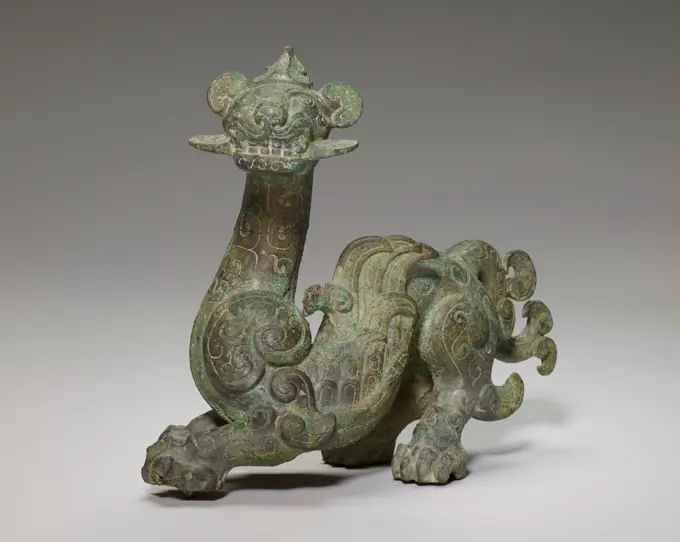
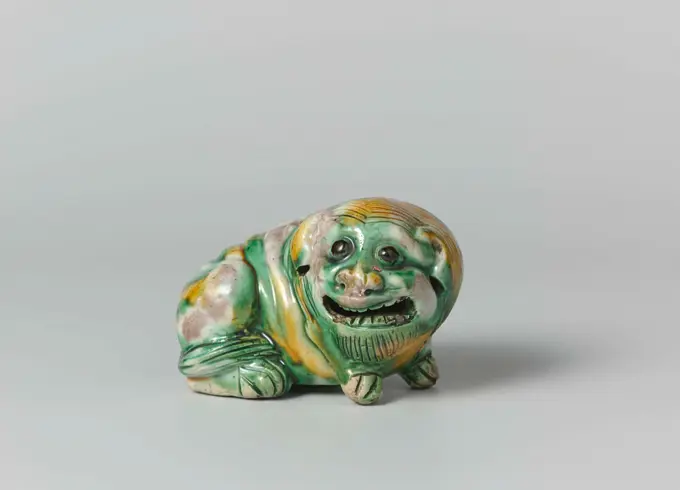
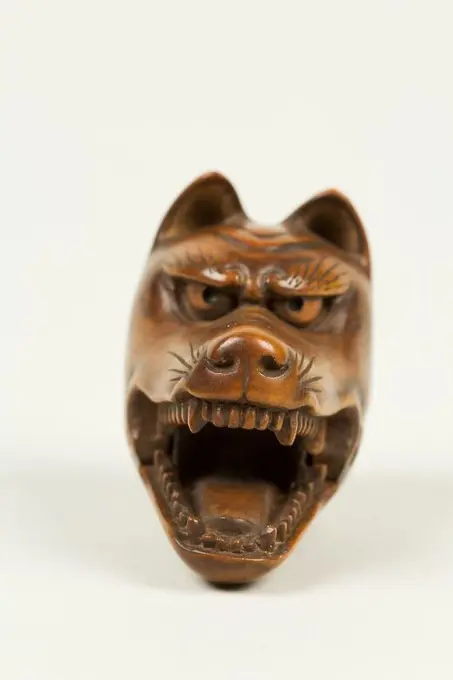
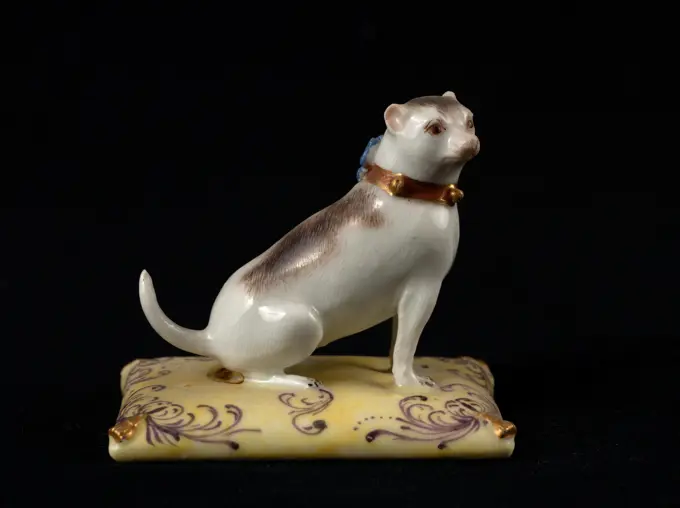
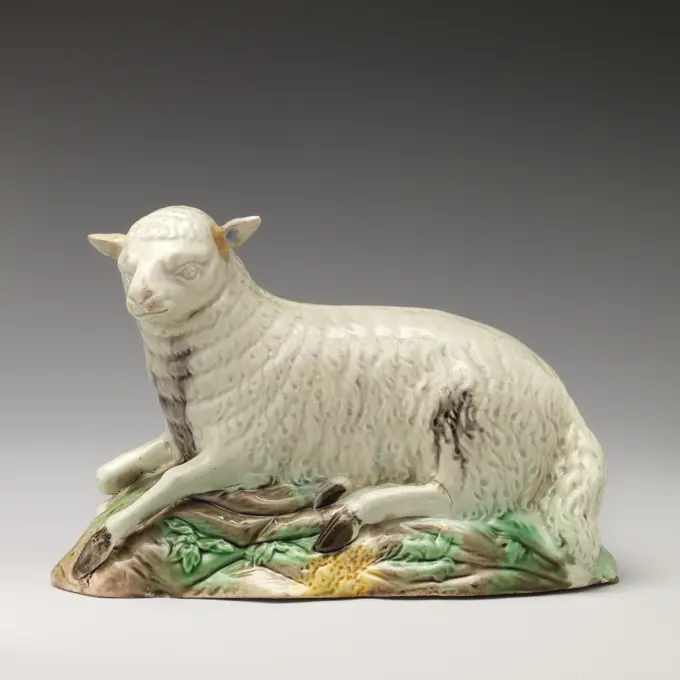
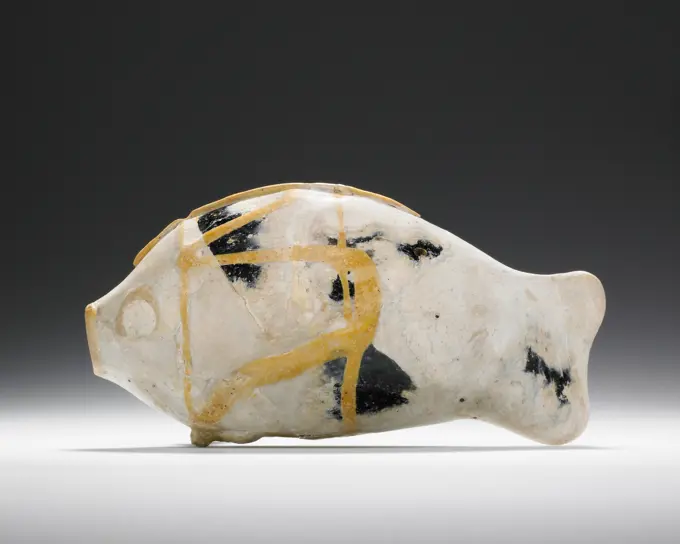
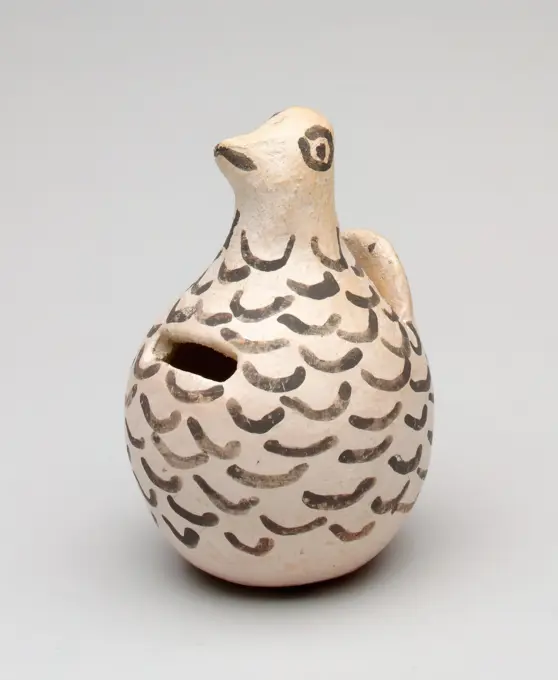
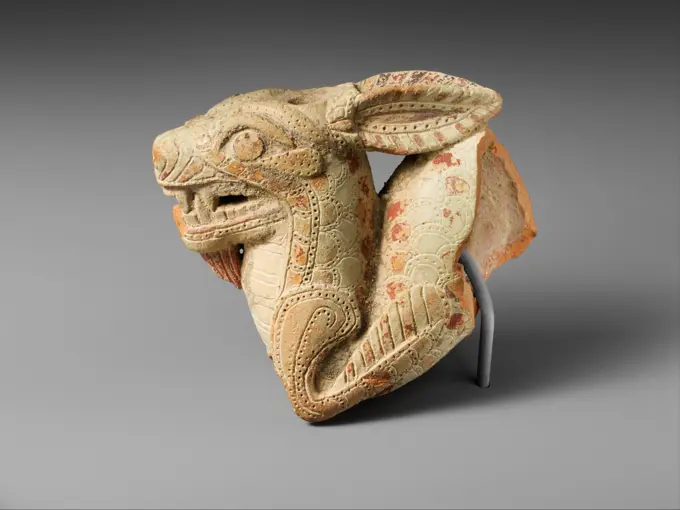
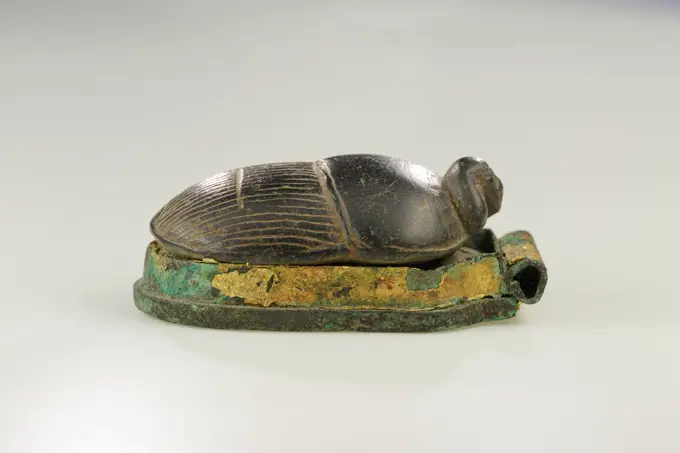
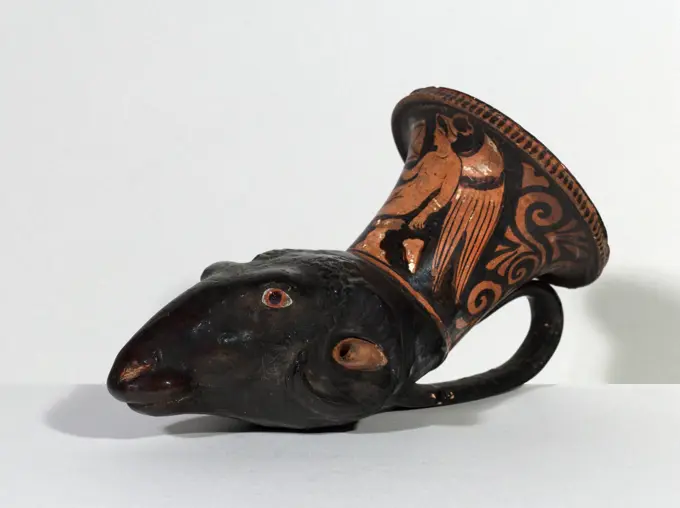
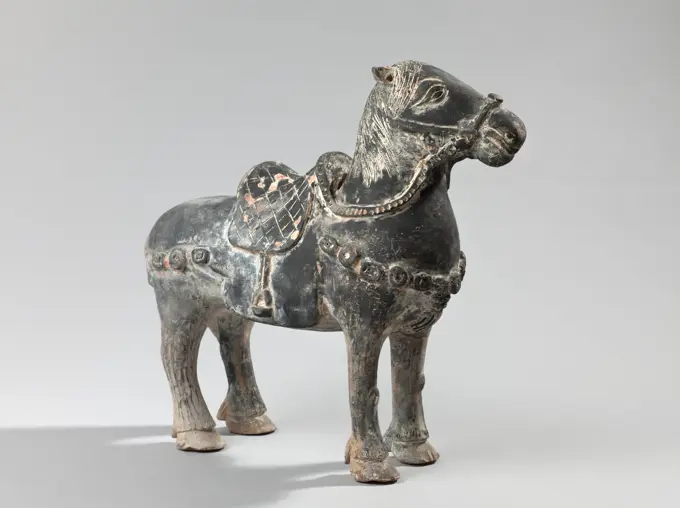
Mingqi: Horse. Painted terracotta. Paris, Cernuschi museum. 78845-15 Asian art, beyond, belief, figurine, mingqi, funeral object, model character, funeral rite, statuetteMastiff (Tomb Figurine) 25 CE-220 CE China. Tomb models such as this alert watchdog reflect an increasingly humanistic and mundane view of the afterlife. Its compact, hollow earthenware body has been molded in two halves, joined lengthwise along the head, chest, back, and rump. The lead glaze, colored green by the addition of copper oxide, has decomposed into thin layers that reflect light with silvery iridescence.. Brick-red earthenware with green lead glaze .Netsuke, japanese miniature sculpture. Museum: COLECCION PRIVADA.Aquamanila;  XII-XIII W (1101-00-00-1300-00-00);aquamanila, bulls, ceramics, Persian (culture), Islamic art, purchase (provenance)Lamp in the Shape of the MythicalTianluNetsuke in the Shape of a Pile of Turtles. Culture: Japan. Dimensions: H. 1 1/8 in. (2.9 cm); W. 1 1/8 in. (2.9 cm); D. 1 1/8 in. (2.9 cm). Date: 19th century. Museum: Metropolitan Museum of Art, New York, USA.Sauceboat ca. 1770-80 Ralph Wood the Younger. Sauceboat. probably British, Staffordshire. ca. 1770-80. Lead-glazed earthenware. Ceramics-PotteryElephant, c. 1760 - c. 1780 Statue of an elephant, perhaps a chess piece. The elephant is on an oval pedestal. He has a big branch in the trunk; He put his right leg on the branch. The elephant wears a decorative gear and rings around the legs, indicated in low relief. Remains of red and green painting. India (possibly) ivory cutting Statue of an elephant, perhaps a chess piece. The elephant is on an oval pedestal. He has a big branch in the trunk; He put his right leg on the branch. The elephant wears a decorative gear and rings around the legs, indicated in low relief. Remains of red and green painting. India (possibly) ivory cuttingCenser (Lu) in the Form of a Unicorn (Qilin). China, Jiangxi Province, Jingdezhen, Chinese, Ming dynasty, Wanli mark and period, 1573-1620. Tools and Equipment; containers. Molded porcelain with underglaze blue and overglaze painted enamel decoration (wucai)Dragon Artist's working dates 206 BCE-220 CE China. Bronze .Netsuke of Qilin and Ball 19th century Japan. Netsuke of Qilin and Ball. Japan. 19th century. Ivory. Edo (1615-1868) or Meiji period (1868-1912). NetsukeBed Figure 3rd century B.C.-A.D. 4th century Michoacan This figure features a modelled human figure complete with appliqued facial features, coiffure, and ear spools lying stretched out on a flat surface supported on four legs at the corners, hence the name bed figures. The figure appears to be strapped to the bed with a wide decorated band across the midsection. Across the top and bottom ends of the bed are arches. The bed has modelled and incised birds perched on the arches and remains of red and white pigment.. Bed Figure. Michoacan. 3rd century B.C.-A.D. 4th century. Ceramic. Mexico, Mesoamerica. Ceramics-SculptureHippopotamus figurine ca. 1850-1700 B.C. Middle Kingdom This seated hippopotamus is depicted with its head turned to the side and its mouth open. This could either indicate that the hippo is roaring, or baring its teeth, which hippos do when feeling threatened, to intimate their opponents. The inside of the hippos mouth is painted red.. Hippopotamus figurine. ca. 1850-1700 B.C.. Faience. Middle Kingdom. From Egypt, Memphite Region, Lisht North, Tomb of Senwosret (758), inside, Pit 805, MMA excavations, 1907-08. Late Dynasty 12-13Pomegranates. Culture: China. Dimensions: H. 4 1/2 in. (11.4 cm); W. 7 1/2 in. (19.1 cm). Date: 18th century.As the Chinese character for "seed" (zi) is the same as that for "son," the many-seeded pomegranate is viewed as a symbol for having multiple sons who are expected to continue the family line. The use of puns and rebuses to express wishes for good fortune, longevity, prosperity, and even academic success has been a common theme in Chinese art. Museum: Metropolitan Museum of Art, New York, USA.Amulet of a Seated Cat. Egypt, Old Kingdom - New Kingdom (2687 - 1081 BCE). Jewelry and Adornments; amulets. Faience with traces of blue-green glaze remaining (sculpted in the round)Stand in the Form of a Crouching Lion. China. Date: 265 AD-299 AD. Dimensions: 7.0 × 10.6 × 6.0 cm (2 3/4 × 4 3/16 × 2 3/8 in.). Yue ware; stoneware with underglaze molded decoration. Origin: China. Museum: The Chicago Art Institute, Chicago, USA.Base; jade with hardstone base(Farmer and Dog), late 19th century, Unknown Japanese, 1 7/16 x 1 7/16 x 3/4in. (3.7 x 3.7 x 1.9cm), Ivory, pigment, Japan, 19th centuryRabbit. Japan, 19th century. Costumes; Accessories. Bizen ware; stonewareCrouching Lion ca. 5th-3rd century B.C. Early or middle Roman Republican, probably Etruria. Crouching Lion. Early or middle Roman Republican, probably Etruria. ca. 5th-3rd century B.C.. Bronze. Metalwork-BronzeCow plaque ca. 1479-1458 B.C. New Kingdom This metal plaque depicts a cow with a sundisk between its horns, which is a common representation of the goddess Hathor. It was excavated at Deir el-Bahari, close to a shrine for this goddess. Most likely the plaque had been deposited at this shrine, as a donation to the deity. There are two elongated loops on the back of the plaque: one is in the center of the cows back, and the other is on the baseline. These were probably used for stringing this plaque together with a series of similar small pieces.. Cow plaque 547579Traditional day of the dead Xolo dog ceramic statue isolated. Traditional day of the dead Xolo dog ceramic statueThe Elephant of Sasta. India, Tamil Nadu, 12th-13th century. Sculpture. Copper alloyGirdle appendage. Culture: China. Dimensions: H. 2 in. (5.1 cm); W. 1 5/16 in. (3.4 cm); L. 1 1/4 in. (3.1 cm). Date: ca. 13th century. Museum: Metropolitan Museum of Art, New York, USA.Itwomba, 19th-20th century, 10 1/4 x 2 7/8 x 3 3/8 in. (26.0 x 7.3 x 8.6 cm) (elephant), Wood, Democratic Republic of the Congo, 19th-20th century, Itwomba are used in special divination rites to identify witches, thieves and adulterers, and to ascertain the cause of an illness or death. A diviner places a drop of oil or other liquid on the smooth, flat surface of the itwomba's back. He then proceeds to rub a small conical disc back and forth over the oil while chanting a sequence of names and formulas. When the disc sticks to the surface, the name that was spoken at that instant is the answer to the diviner's question. Itwomba are usually made in the form of an animal. This itwomba is an elephant.Netsuke of Goat 18th century Japan. Netsuke of Goat 59784Netsuke of Monkey Attacking a Boar 19th century Japan. Netsuke of Monkey Attacking a Boar. Japan. 19th century. Ivory-stained brown. Edo (1615-1868) or Meiji period (1868-1912). NetsukePaths ,, 1500 - 1600  Italy bronze (metal)  Italy bronze (metal)Jerboa figurine ca. 1850-1700 B.C. Middle Kingdom. Jerboa figurine. ca. 1850-1700 B.C.. Faience, blue. Middle Kingdom. From Egypt, Memphite Region, Lisht North, south of Tomb of Nakht (493), south cemetery, Pit 453, MMA excavations, 1913-14. Dynasty 12, late-13 to 1700 B.C.Limestone statuette of a lion late 6th-early 5th century B.C. Cypriot The lion may have been part of a group in which he was being subdued by Herakles.. Limestone statuette of a lion 242177Elephant Carrying Two Figures Seated on Hawda and Mahout Seated on Neck. Dimensions: H. 4 1/4 in. (10.8 cm)W. 2 1/2 in. (6.4 cm)D. 4 in. (10.2 cm)Wt. 8.1 oz. (229.7 g). Date: late 11th-12th century, with 20th century fills.A UV-fluorescence analysis shows 20th-century additions to this medieval work. Museum: Metropolitan Museum of Art, New York, USA.Amulet - VultureMingqi Turtle ". Terracotta. Han. Paris dynasty, Cernuschi museum. 157345-10 Asian artSpout and Bridge Vessel 9th-2nd century B.C. Chorrera. Spout and Bridge Vessel 315999Scent bottle ca. 1756 Chelsea Porcelain Manufactory. Scent bottle. British, Chelsea. ca. 1756. Soft-paste porcelain. Chelsea Porcelain Manufactory (British, 1745-1784, Red Anchor Period, ca. 1753-58). Ceramics-PorcelainNetsuke of Octopus Holding Clam late 19th-early 20th century Japan. Netsuke of Octopus Holding Clam. Japan. late 19th-early 20th century. Ivory. NetsukeNetsuke. Culture: Japan. Dimensions: H. 1 5/8 in. (4.1 cm); W. 1 in. (2.5 cm); D. 1 3/8 in. (3.5 cm). Date: 19th century. Museum: Metropolitan Museum of Art, New York, USA.Traditional day of the dead Xolo dog ceramic statue isolated. Traditional day of the dead Xolo dog ceramic statueChariot Yoke Ornament in the Shape of a Doe 4th century B.C. North China. Chariot Yoke Ornament in the Shape of a Doe 49439Pendant in the form of a Blunt Beaked Bird, 1027-775 BCE, 1 3/8 x 3 3/4 x 3/16 in. (3.49 x 9.53 x 0.48 cm), Translucent grey-brown jade with traces of red pigment, China, 11th-8th century BCE. Salt barrel of painted porcelain. The salt barrel has the shape of a shell with a scalloped edge and stands on three volutely legs. The salt barrel is painted with Deutsche Blumen, insects and fruits. The edge is decorated with the Neuozier pattern in relief. The salt barrel is marked and belongs to a tableware (BK-17474-1 to BK-17474-253).Lid with MouseBasket 1868 Model by Albert-Ernest Carrier-Belleuse French. Basket. British, Stoke-on-Trent, Staffordshire. 1868. Lead-glazed earthenware (Mintons "Majolica"). Ceramics-PotteryNetsuke of Ox with Bokudo 19th century Japan. Netsuke of Ox with Bokudo 60154Fragment of pottery piggy bank, gray shard, green glazed, piggy bank piggy bank holder earth discovery ceramic earthenware glaze lead glaze h 7.0, hand turned molded glazed baked sgraffito Fragment piggy bank Four outstanding legs and long muzzle Two pointed ears and two outstretched eyes. Curved lines across the back Savings slot next to the ridge over the back Gray shard of green glazed archeology Rotterdam IJsselmonde indigenous pottery save child duit games store Soil discovery: IJsselmonde Castle 2 Rotterdam, the Netherlands.Wolf and Skull. Japan, 19th century. Costumes; Accessories. Wood with inlays. All kinds of objects were included in grave goods, from utilitarian vessels, such as this little pot, to figures representing important aspects of the deceaseds surroundings during his lifetime. The little model of a bird shows that there was also room for cheerful elements.Figure in the form of a dolphin, c. 1700 - c. 1900 Figure in the form of a dolphin. China (possibly) ivory Figure in the form of a dolphin. China (possibly) ivoryStatuette of a swan . Culture: Roman. Dimensions: H. 3.20 cm.. Museum: Metropolitan Museum of Art, New York, USA.Vessel ca. 3000 B.C. Proto-Elamite. Vessel 325678Belt plate. Bronze. Southern center of interior Mongolia, 5th century BC Paris, Cernuschi museum. 59697-9 Animal art, bronze, inventory number, south, center, plaqueSeal 18th century China. Seal. China. 18th century. Soapstone (tianhuang type). Qing dynasty (1644-1911). SealsGlass mosaic bowl fragment late 1st century B.C.-early 1st century A.D. Roman Rim fragment.Translucent deep purple appearing black, cobalt blue, opaque white, yellow, and brick red.Outsplayed, horizontal rim with rounded edge; convex curving side.Composite mosaic pattern formed from polygonal sections of four canes: one in a purple ground with a yellow circle and a central yellow rod; another in a purple ground with a white circle and a central white rod; a third in a purple ground with an irregular scatter of white dots and a central white rod surrounded by a red circle, and the fourth in a blue ground with a white circle and a central white rod.Polished interior; pitting and weathering of surface bubbles on interior; deep pitting, iridescence, and creamy weathering on exterior, outer edge of rim, and jagged edges.. Glass mosaic bowl fragment 257319Base of Candlestand. Syria or Egypt, Late 13th century. Metal. Brass, inlaid with silver and goldHandle Spout Vessel in the Form of a Figure Holding Corn Popper and Rolled Mat Made 100 BCE-500 CE North Coast. Ceramic and pigment . MocheModel of slaughtered ox ca. 1850-1800 B.C. Middle Kingdom. Model of slaughtered ox. ca. 1850-1800 B.C.. Limestone, paint. Middle Kingdom. From Egypt, Memphite Region, Lisht North, Tomb of Nakht (493), south cemetery, Pit 428, north chamber, MMA excavations, 1913-14. Dynasty 12, lateMirror with decoration TLV on a pedestal in the form of Qilin on the base;  18th century (1701-00-00-1800-00-00);Handle Depicting a Lion Subduing a Nubian ca. 1279-1213 B.C. New Kingdom, Ramesside The image of a lion, which symbolizes the pharaoh, subjugating a Nubian, one of the traditional enemies of Egypt, is frequent in early Ramesside art, especially during the reign of Ramesses II. The usual rendition shows a bound Nubian kneeling before a lion that holds the back of the man's head in its jaws. Undoubtedly this protome shows the pose in an abbreviated form. Two fly whisks with gilded lion heads were found in the tomb of Tutankhamun, and this protome may also have decorated a royal fly whisk or whip handle. The lion's hollow neck has two small holes allowing the piece to be doweled in place.The piece has been dated to the reign of Ramesses II because there is no indication of lachrimal, or tear, lines beneath the lion's eyes, a common feature of late Dynasty 18 representations of felines that is often lacking in early Ramesside examples (see 35.1.23).. Handle Depicting a Lion Subduing a NubiInkstand ca. 1530-50 German. Inkstand. German. ca. 1530-50. Bronze. Sculpture-BronzeHen ". Terracotta painted in black. Han dynasty (206 BC-220 AD). Paris, Cernuschi museum.Contortionist. Japan, 19th century. Costumes; Accessories. Ivory with staining, sumiJug ca. 1740-50 British, Nottingham. Jug. British, Nottingham. ca. 1740-50. Salt-glazed stoneware. Ceramics-PotteryCow Creamer 1745-1755 Staffordshire. Lead-glazed earthenware (creamware)Lion Sejant Rampant ca. 1500 South Netherlandish (). Lion Sejant Rampant. South Netherlandish (). ca. 1500. Copper alloy. Metalwork-Copper alloyBOTIJO CON FORMA DE TORO-VISTA LATERAL-VIDRIADO-S XX CERAMICA POPULAR. Location: ALFARERIA. BASIN. CUENCA. SPAIN.Mounted Shell. Unknown makerNetsuke in The Shape of a Reclining Animal. Netsuke of porcelain in the shape of a landscape animal, painted on the glaze in blue, red and black. The animal has a collar around and the fur is shown by means of ingrangled lines. Arita.Lidded Vessel (Rongqi) in the Form of an Ancient Bronze Bird-Shaped Wine Jar (Zun). China, Chinese, Middle Qing dynasty, about 1700-1800. Furnishings; Serviceware. Cast copper with gildingDoll's canopy hat of braided straw, anonymous, c. 1830 - c. 1840 Doll canopy hat made of fine braided straw, edge lined with rose silk. Bol with a straight edge. A tuft of loops on both sides. The peripheral lining is trimmed with a cord of straw with loops. Outside on the sphere on both sides large bows with hanging ends. Under the edge a double volans. Bol fed with shiny linen. Together with Poppeluifelhoed BK-1983-68-B in a hat box (BK-1983-68-C). Netherlands silk braiding Doll canopy hat made of fine braided straw, edge lined with rose silk. Bol with a straight edge. A tuft of loops on both sides. The peripheral lining is trimmed with a cord of straw with loops. Outside on the sphere on both sides large bows with hanging ends. Under the edge a double volans. Bol fed with shiny linen. Together with Poppeluifelhoed BK-1983-68-B in a hat box (BK-1983-68-C). Netherlands silk braidingOwl still bank, c. 1915, 6 3/4 x 7 3/8 x 8 1/8 in. (17.15 x 18.73 x 20.64 cm), Ceramic, pigment, United States, 20th centuryBronze lion figure from Nepal. Artist: UnknownNetsuke in the shoe of Shôki and they;  1. PO. 19th century (1801-00-00-1868-00-00);Gilded wood mummified falcon, late periodFigure 18th century China. Figure. China. 18th century. Fluorite. HardstoneNetsuke of Ox with Bokudo late 19th century Japan. Netsuke of Ox with Bokudo. Japan. late 19th century. Ivory. Meiji period (1868-1912). NetsukeNetsuke. Culture: Japan. Dimensions: H. 1 1/4 in. (3.2 cm); W. 2 1/2 in. (6.4 cm). Date: 19th century. Museum: Metropolitan Museum of Art, New York, USA.Miniature tureen in the form of a duck (one of a pair) ca. 1752 Bow Porcelain Factory. Miniature tureen in the form of a duck (one of a pair). British, Bow, London. ca. 1752. Soft-paste porcelain. Bow Porcelain Factory (British, 1747-1776). Ceramics-PorcelainCosmetic Spoon in the Shape of Swimming Woman Holding a Dish. Dimensions: L. 22.5 cm (8 7/8 in). Dynasty: Dynasty 18. Reign: reign of Amenhotep III. Date: ca. 1390-1352 B.C..This cosmetic spoon depicts a swimming woman holding a container shaped like an antelope in front of her. The top of the container was originally attached with a peg that allowed it to swing open. The compartment inside would have held some sort of cosmetic. Museum: Metropolitan Museum of Art, New York, USA.Prestige Stool: Lion Base 19th century Akan peoples. Prestige Stool: Lion Base 310234Pendant ca. 8th-7th century B.C. Iran. Pendant 322582Winged Dragon, 5th-4th century BCE, 7 x 8 3/16 in. (17.8 x 20.8 cm), Bronze, China, 5th-4th century BCEFigure of A Dog. Image of porcelain in the shape of a seated dog, painted on the biscuit in green, yellow and eggplant. A couple with AK-MAK-568 forms. Email sur biscuit.Anonymous toad, 1400. Light green cover sandstone. Cernuschi Museum, Asia Museum of Asia in the city of Paris.Netsuke of Kyogen Mask; Kitsune. Culture: Japan. Dimensions: H. 1 3/8 in. (3.5 cm); W. 1 1/8 in. (2.9 cm); D. 1 5/8 in. (4.1 cm). Date: 19th century. Museum: Metropolitan Museum of Art, New York, USA.Horse. Japan, late 18th or early 19th century. Costumes; Accessories. Ivory with stainingStatuette of a ram. Dimensions: l. 23 cm (9in); h. 16.3 cm (6 3/8 in); d. 6.4 cm (2 1/2 in). Dynasty: Dynasty 26-4th century. Date: 570-300 B.C..This small sculpture probably represents the sacred ram of Amun. It would have been part of the cult equipment of a temple for display or use in ritual. Small ritual statuary was frequently made of precious metals or bronze. Absence of an integral base, traces of undercutting very rare in stone, and formerly inlaid eyes suggest that this statuette was intentionally modeled after a metal prototype. Stylistic details, most obviously the slight curl at the tip of the ram's shaggy locks, bear witness to the artistic influence of the Achaemenid Persians who ruled Egypt from 525-404 B.C. Museum: Metropolitan Museum of Art, New York, USA.Johann Friedrich Eberlein (1696-1749). Dog sitting on a cushion. Polychrome porcelain. Around 1745. Paris, Cognacq-Jay museum. 101701-25Stirrup Spout Bottle with Cat. Culture: Moche. Dimensions: H. 8 3/8 x W. 3 3/4 in. (21.3 x 9.5 cm). Date: 4th-7th century. Museum: Metropolitan Museum of Art, New York, USA.Seto (ceramic production center) brazier (hibachi) zoomorphic - hare (username), 1800. sandstone. Covered with feldspathetic, enhanced with rose. Cernuschi Museum, Asia Museum of Asia in the city of Paris. The complete work taking the form of a hare, the head and the members represented in relief.Figurine ca. late 3rd-early 2nd millennium B.C. Bactria-Margiana Archaeological Complex. Figurine 326675Sheep ca. 1770-80 Ralph Wood the Younger. Sheep. British, Burslem, Staffordshire. ca. 1770-80. Lead-glazed earthenware. Ceramics-PotteryFish-Shaped Container. UnknownCochiti bird still bank, c. 1890-1900, 2 13/16 x 1 15/16 x 1 7/8 in. (7.14 x 4.92 x 4.76 cm), Ceramic, pigment, United States, 19th-20th centuryTerracotta vase in the form of a ketos (sea monster) 2nd half of the 7th century B.C. Greek, Cretan or South Italian This spirited sculptural vase is among the earliest extant representations of a Greek ketos, or sea monster. The creature has a formidable leonine head with big eyes and a goatee, a striped belly, scales, and two flipperlike fins. With its long, furry ears pressed back and its large, prominent teeth bared, it gestures menacingly. A hole in the top of the head would have been used to fill the vase, and liquid would have poured out through the hole in the tongue between the large fangs. Except for the loss of the end of the body and tail, the vase is remarkably well preserved, with much added red paint on the ears, face, and alternating scales.The iconography of the Greek ketos was established in the Archaic period (ca. 600-480 B.C.) and remained amazingly consistent for centuries, long into Roman Imperial times. It is one of the creatures that after the conquests of AlexaTwo-headed cow figure 3rd-1st millennium B.C.. Two-headed cow figure 324172Heart Scarab with a Human Head 1550-1070 B.C. New Kingdom Heart scarabs were very popular amulets. Positioned on the chest of the mummy, they usually take the shape of a large scarab beetle (which was a symbol of regeneration). Occasionally, the beetles head is replaced with that of a human. For the ancient Egyptians the heart was not only the center of life, but also of thinking, memory, and moral values. After death the heart was thought to be weighed against maat - the principle of order and justice in order to determine if the deceased had lived a just life. Only if that was the case, was he or she allowed to live on in the afterlife.Understandably, the Egyptians feared a negative outcome and special amulets were used to ensure a positive judgment. The flat underside of a heart scarab is usually inscribed with chapter 30B of the Book of the Dead, the so-called heart scarab spell that magically “prevents the heart from creating opposition” and in which the deceaseds heart is direcComb with a horse. Dimensions: H. 3.5 cm (1 3/8 in), W. 3.3 cm (1 5/16 in). Dynasty: Dynasty 19. Reign: reign of Ramesses II possibly. Date: ca. 1295-1186 B.C.. Museum: Metropolitan Museum of Art, New York, USA.Chess business concept, leader teamwork & successRhyton in the shape of a ram head. Red figures. Taranto, 330 av. AD Museum of Fine Arts of the City of Paris, Petit Palais. 59533-18 Antiquity, Greek-Roman antiquity, ancient art, rail, ceramic, red figure, large Greece, decorative motif, molding, ancient period, wing character, pottery, container, rhyton, funeral rite, ritual, terracotta, head, vase to drink , Ancient vase, funeral vase, black varnish, wine, animal, ancientStatuette of a Comic Actor. Unknown