Ceramic Animal Sculptures

A range of ceramic animal figurines, including lions and horses, showcasing artistry and cultural significance from various eras.
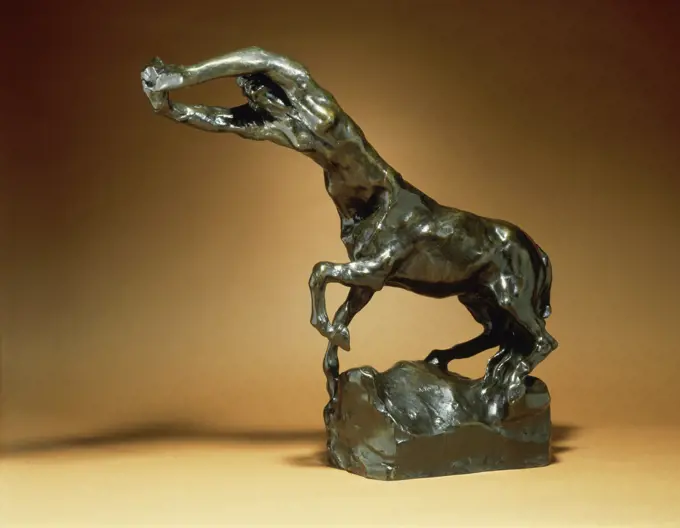
The Centaur  Auguste Rodin (1840-1917/French) Bronze
The Centaur Auguste Rodin (1840-1917/French) Bronze
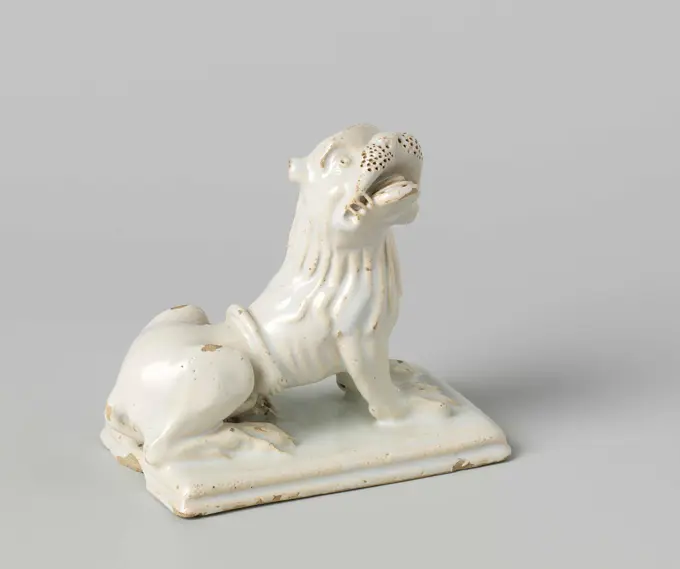
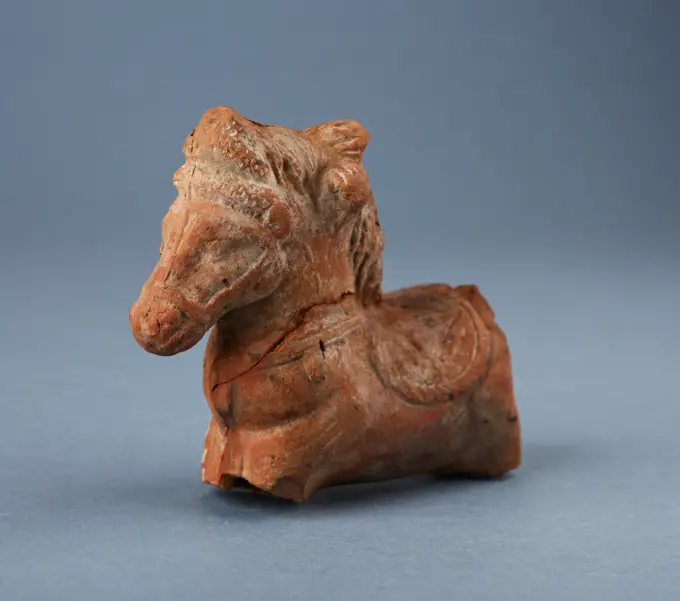
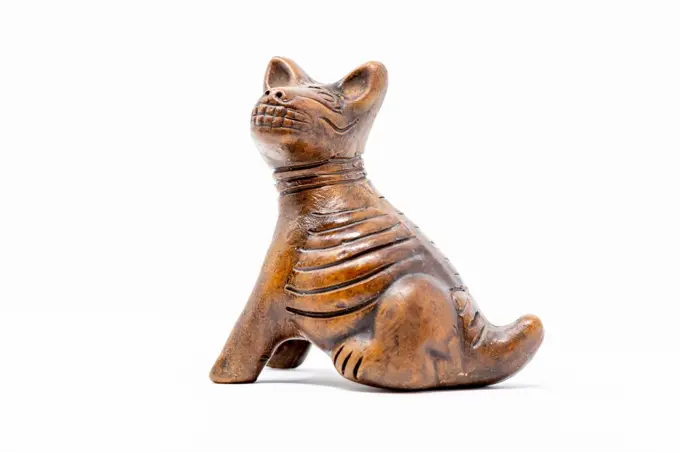
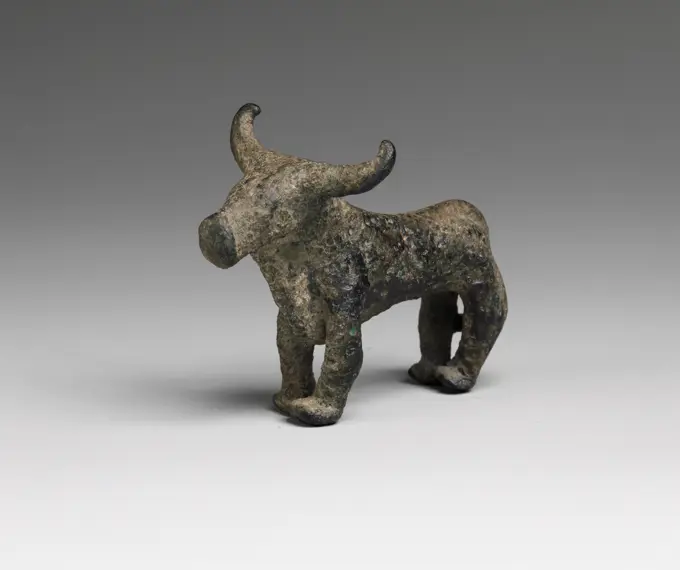
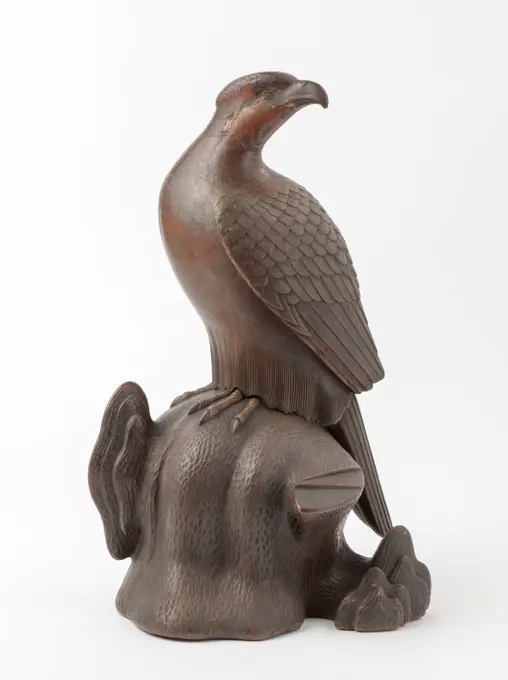
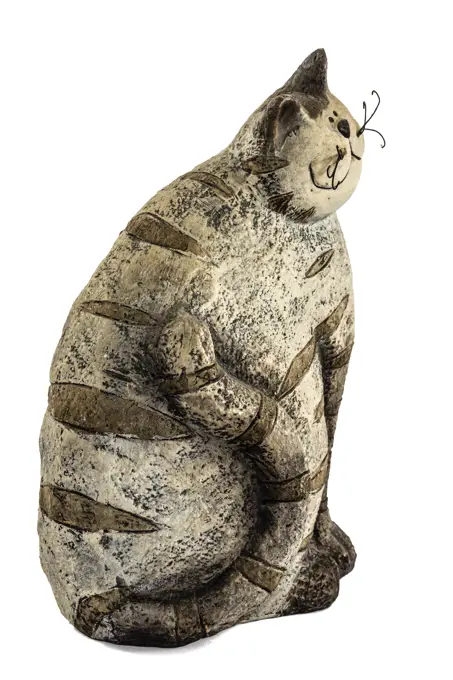
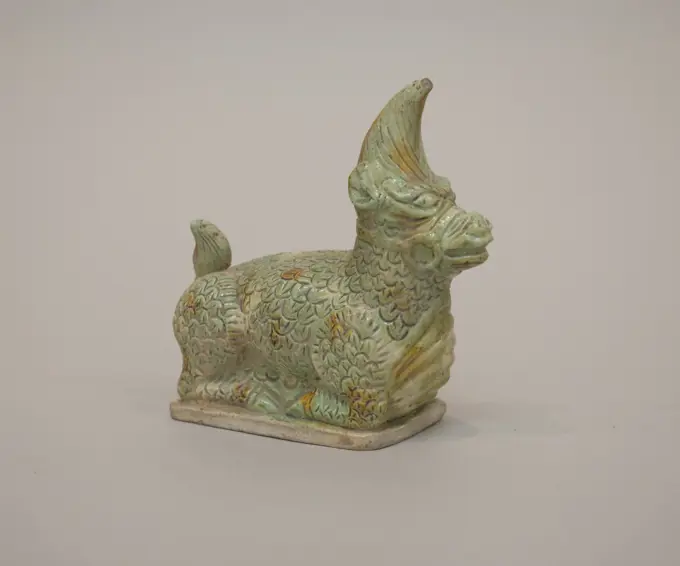
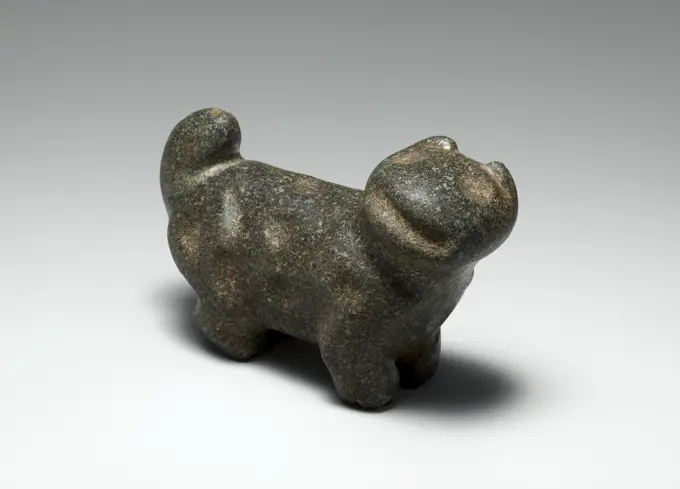
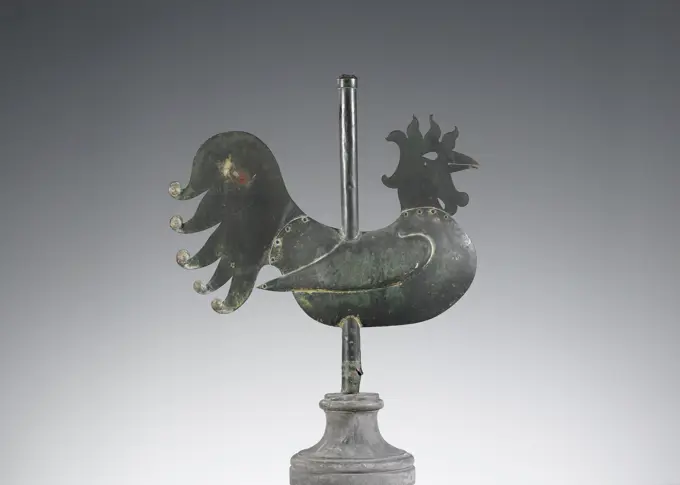
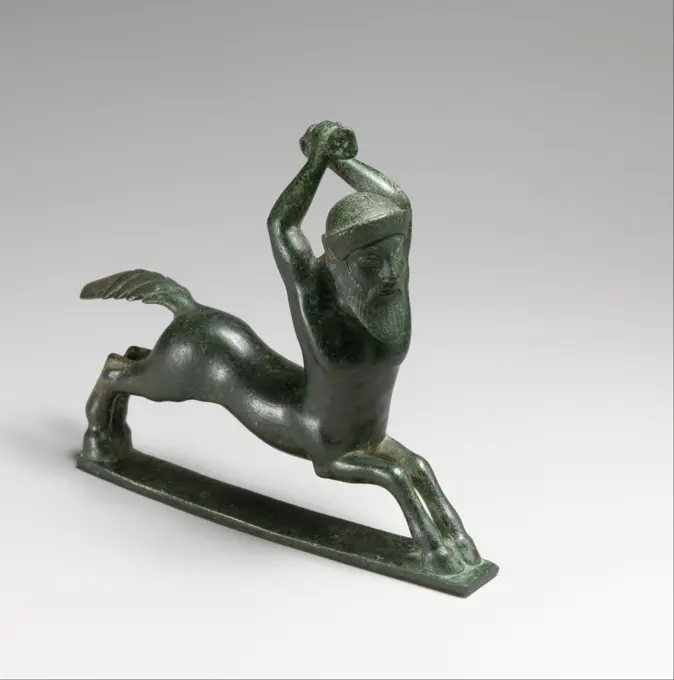
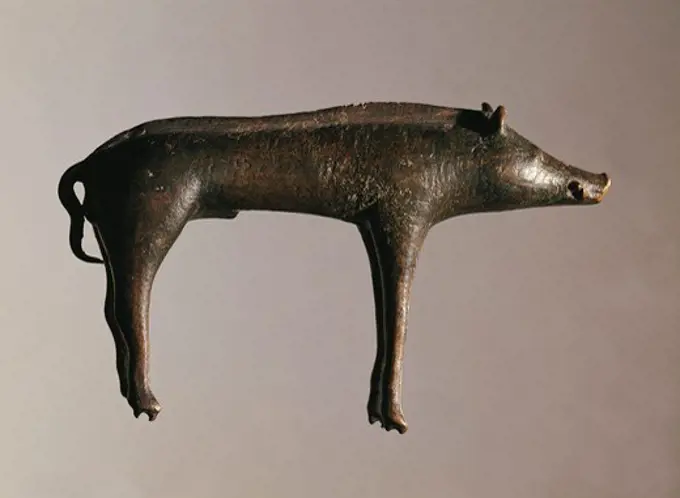
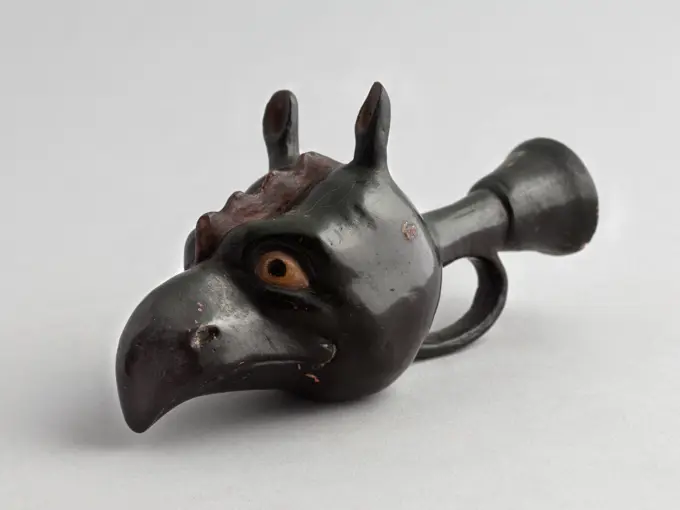
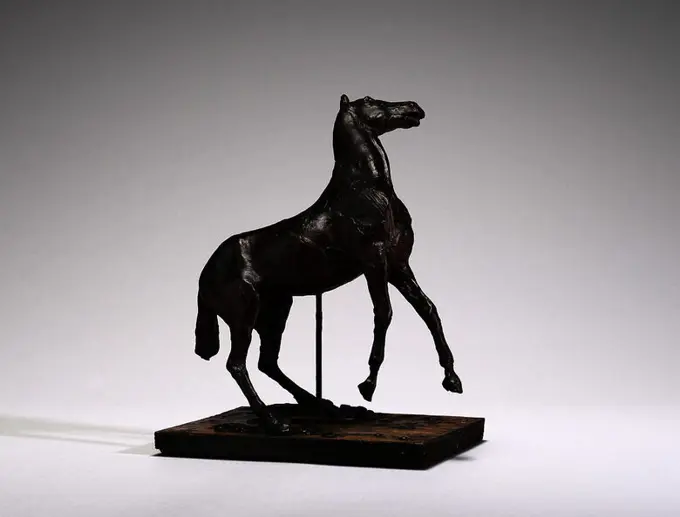
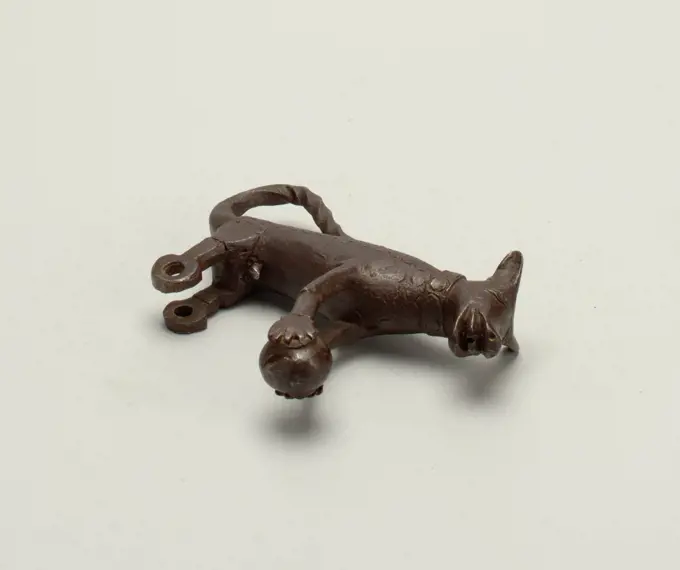
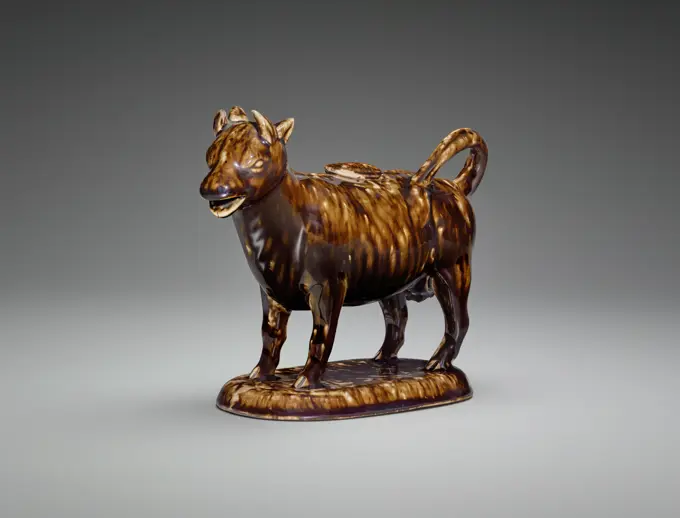
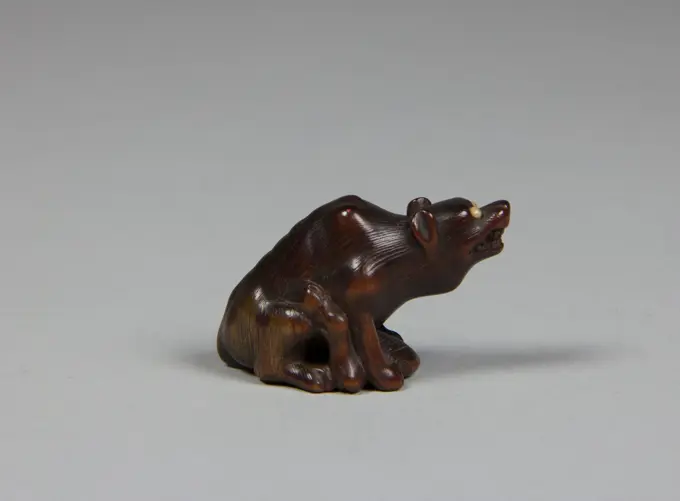
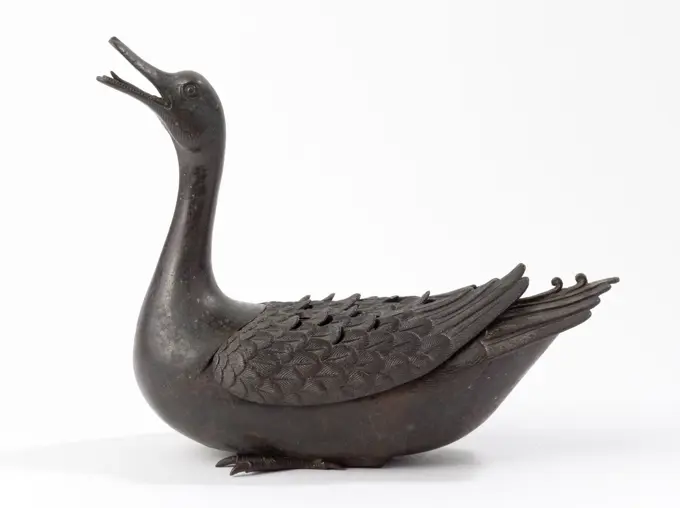
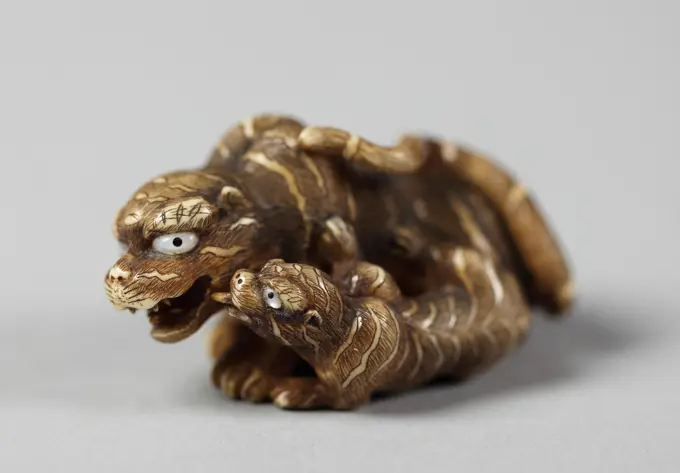
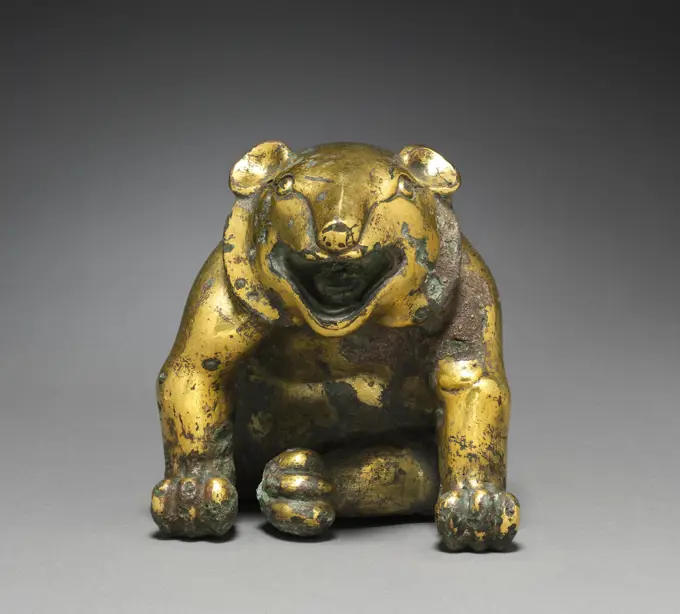
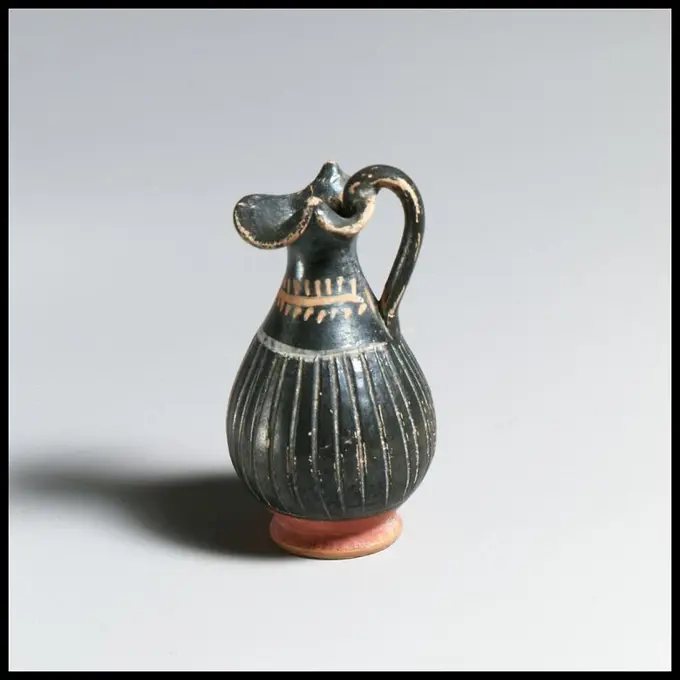
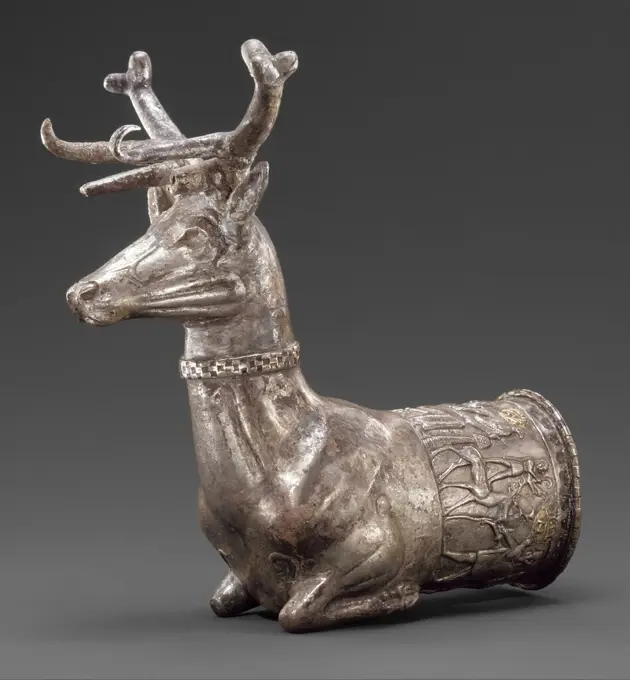
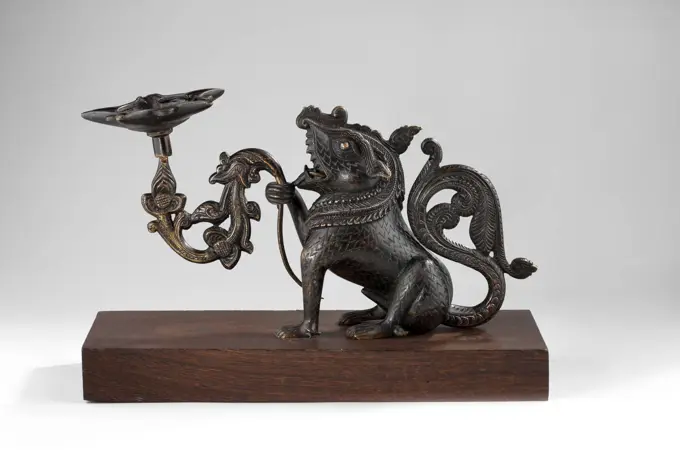
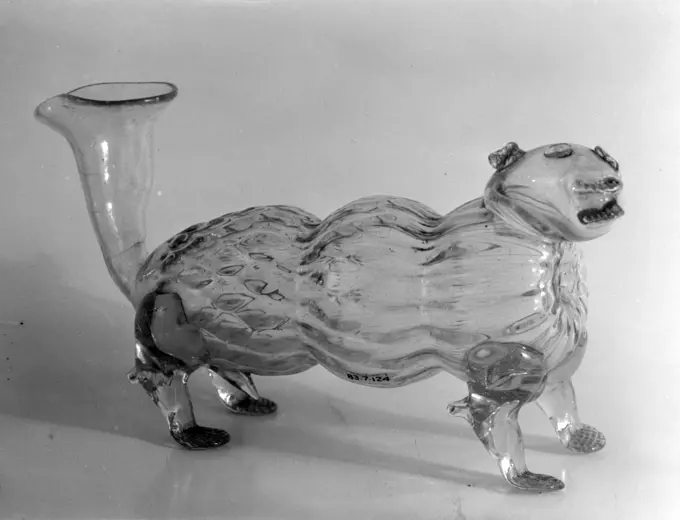
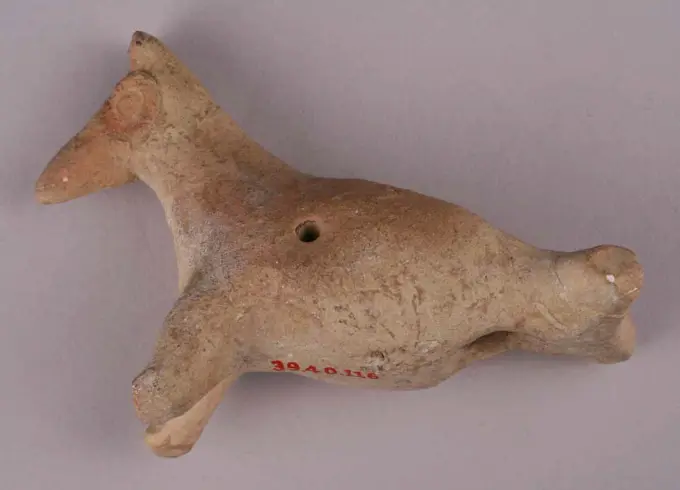
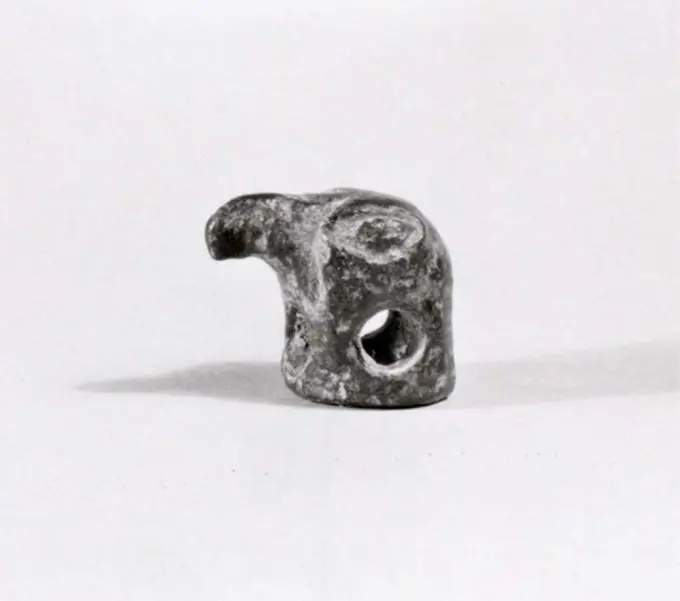
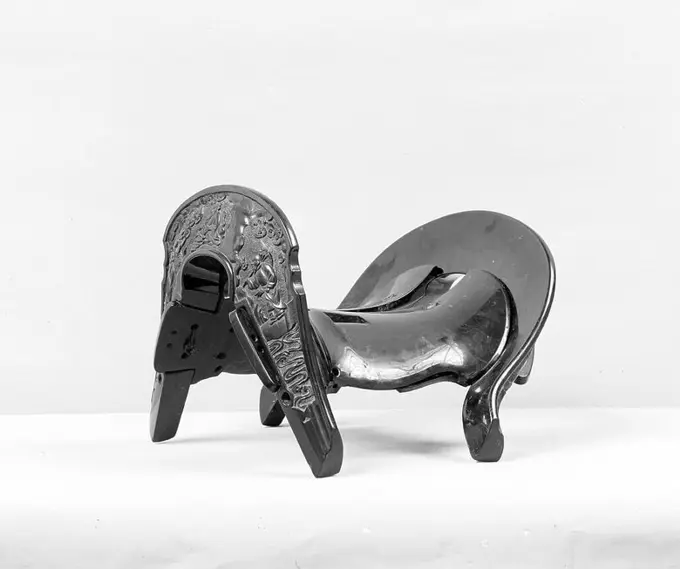
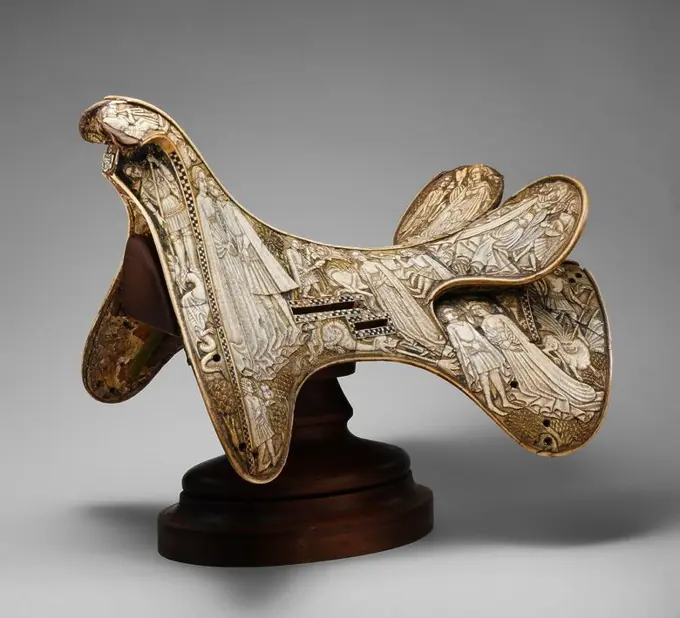
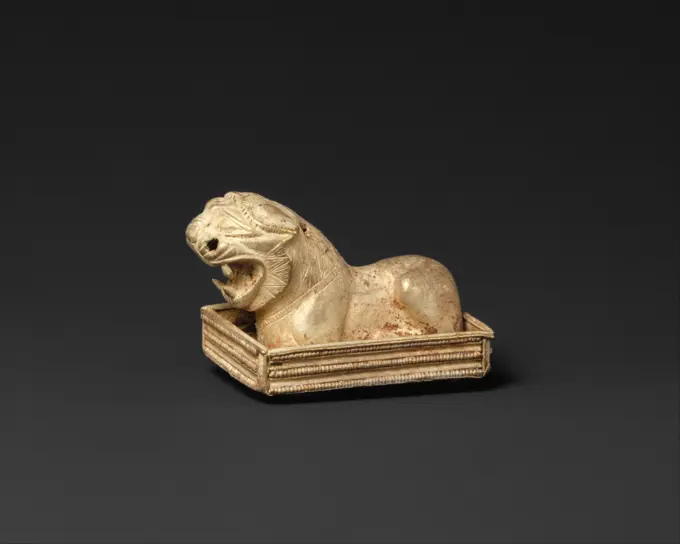
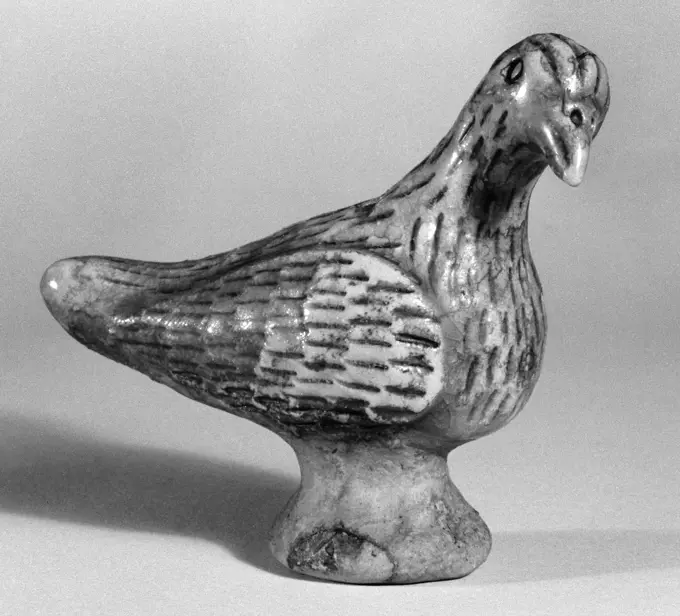
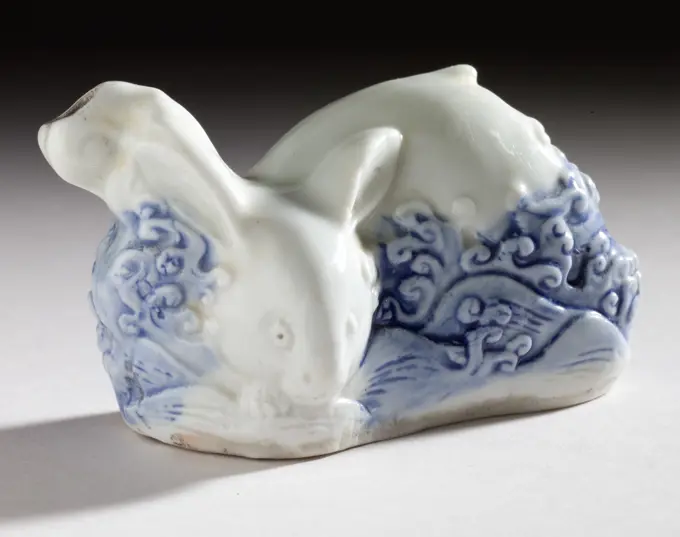
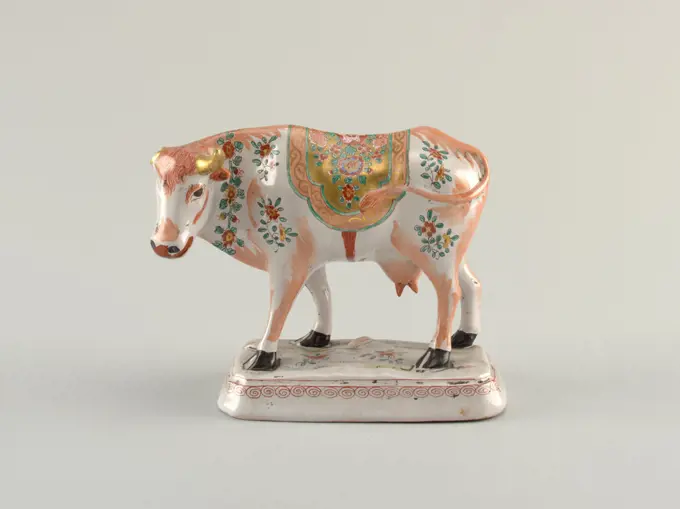
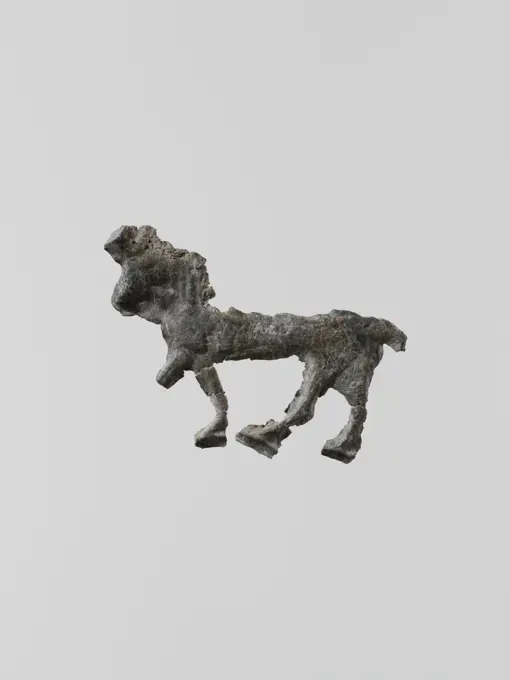
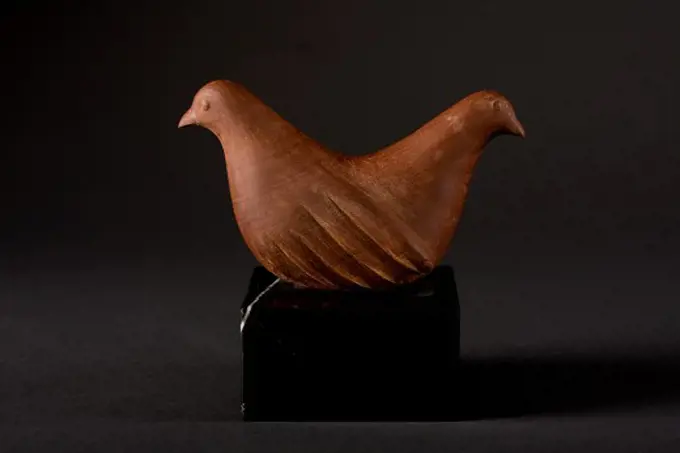
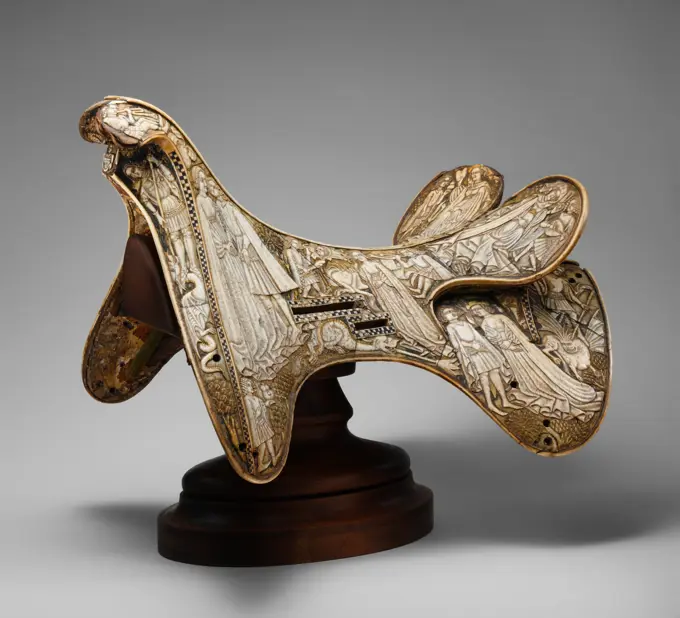
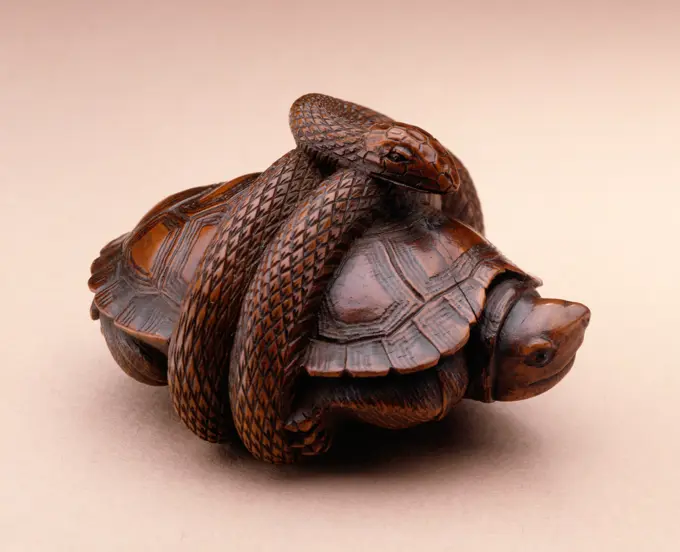
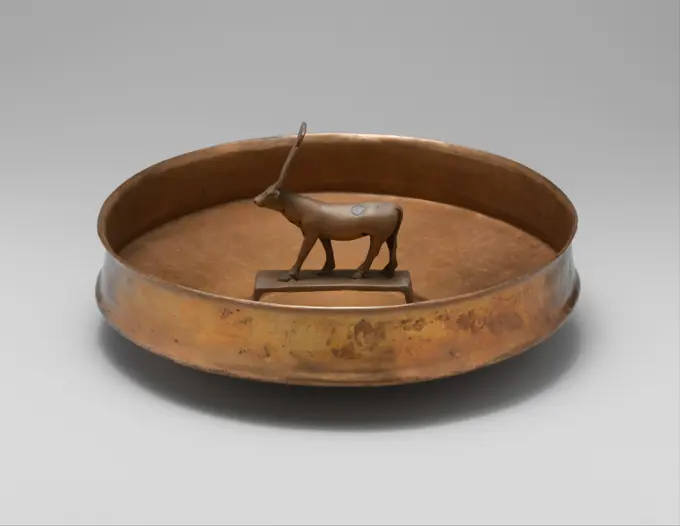
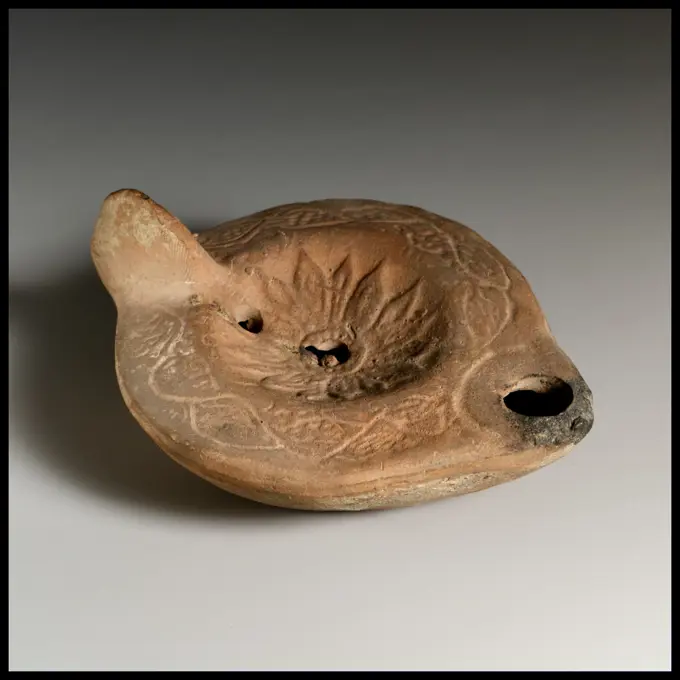
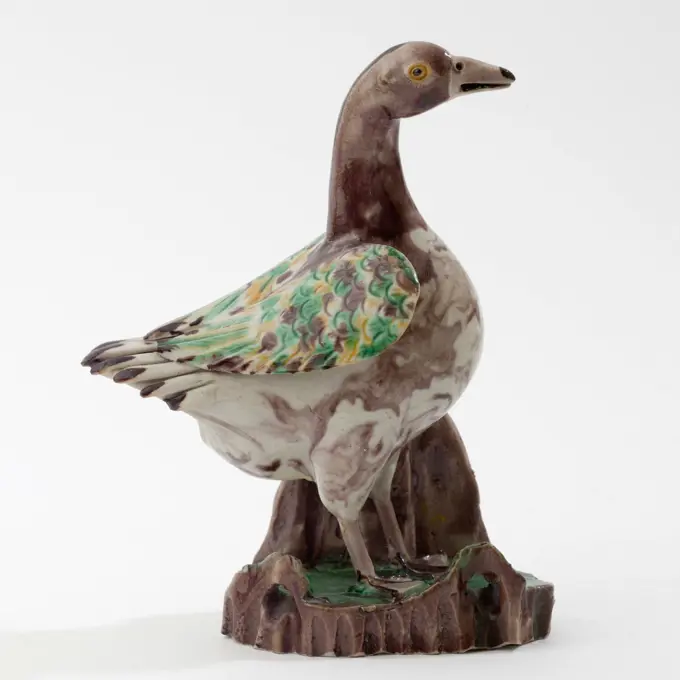
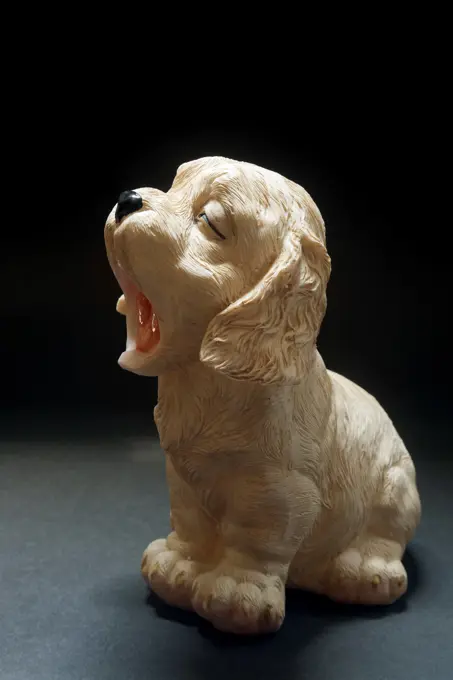
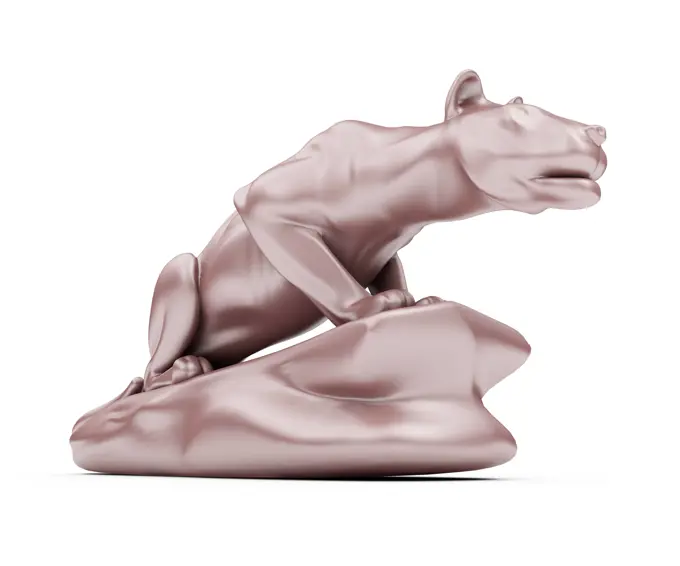
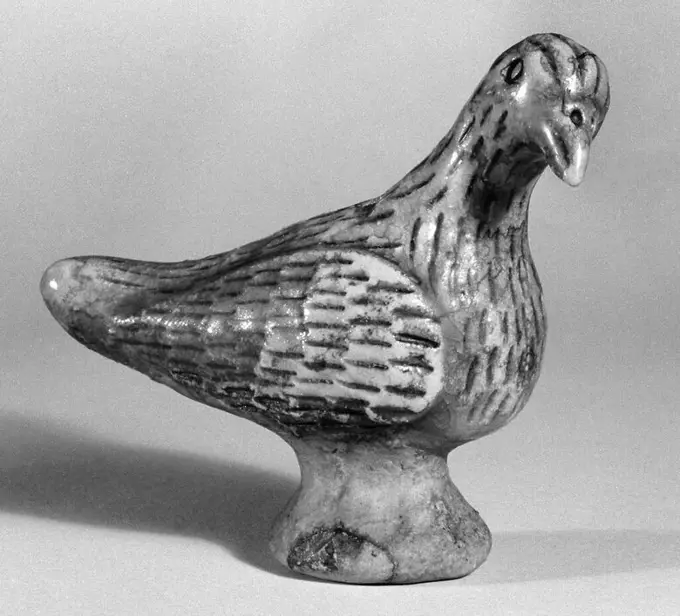
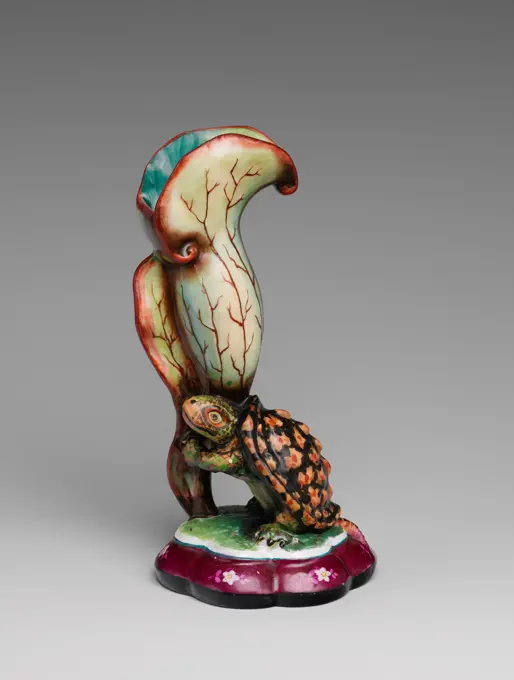
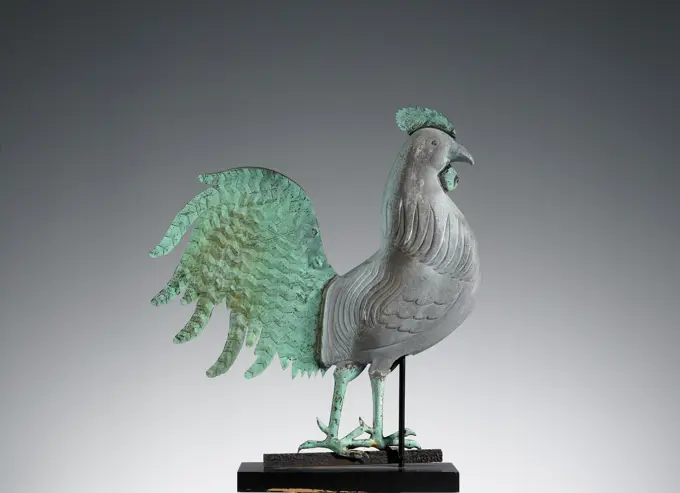
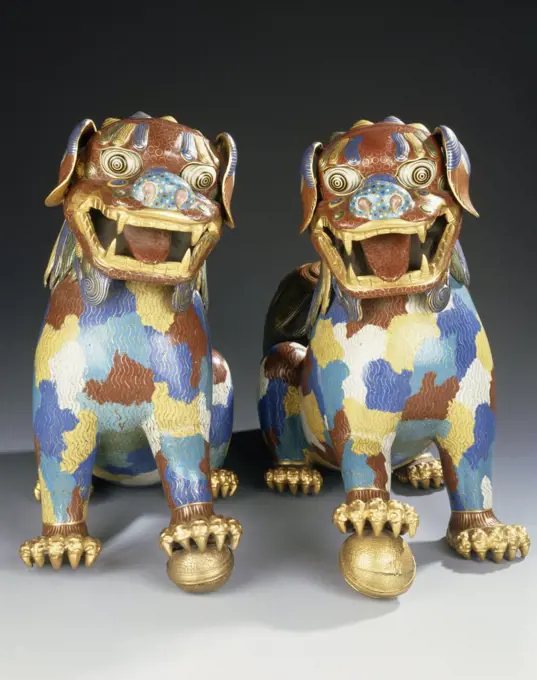
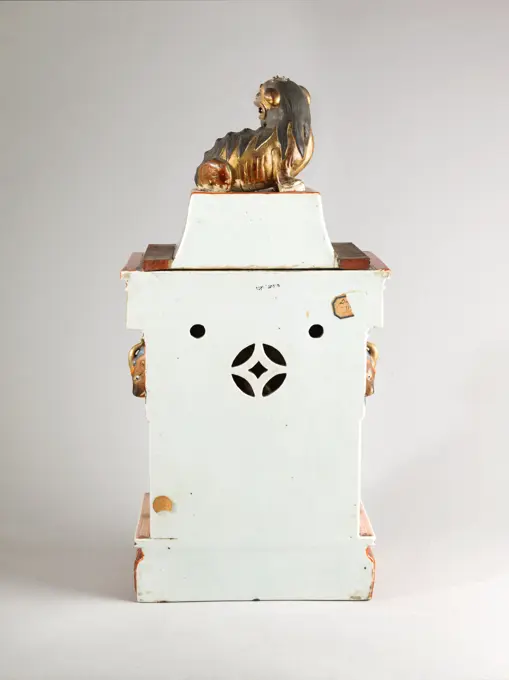
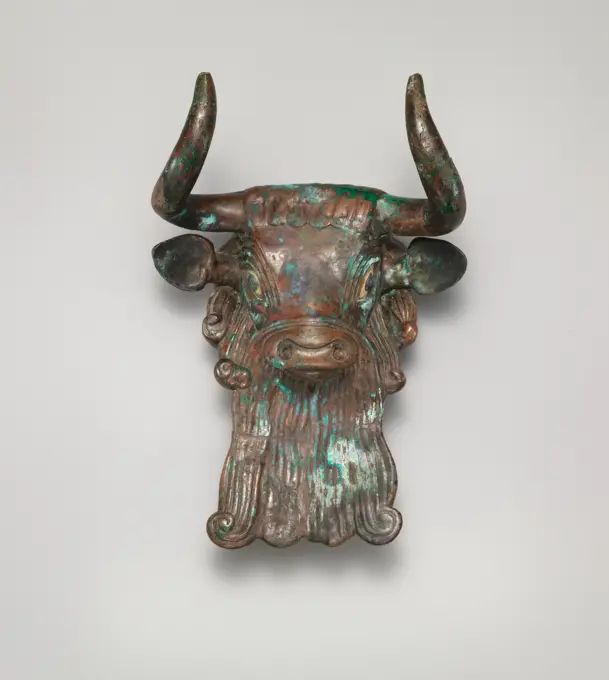
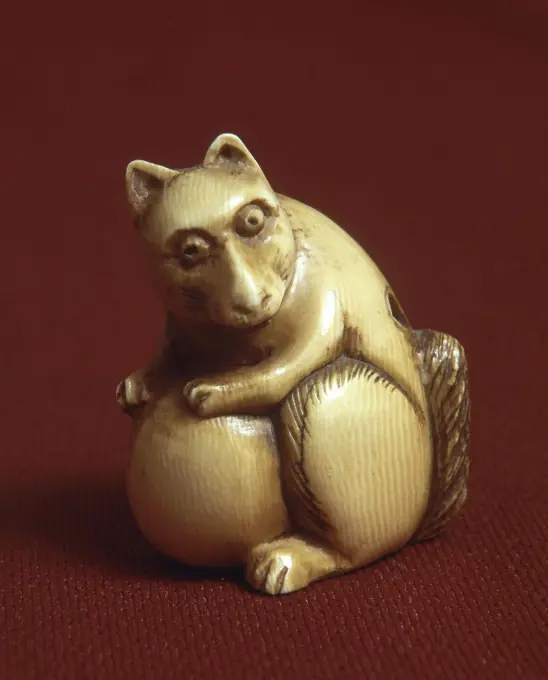
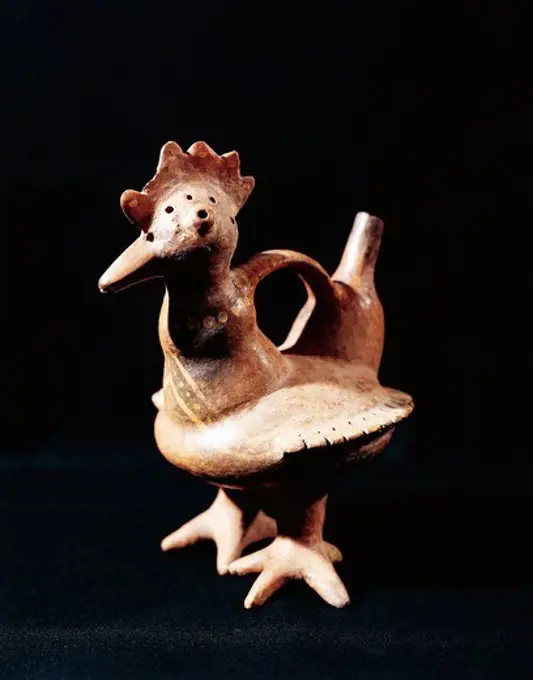
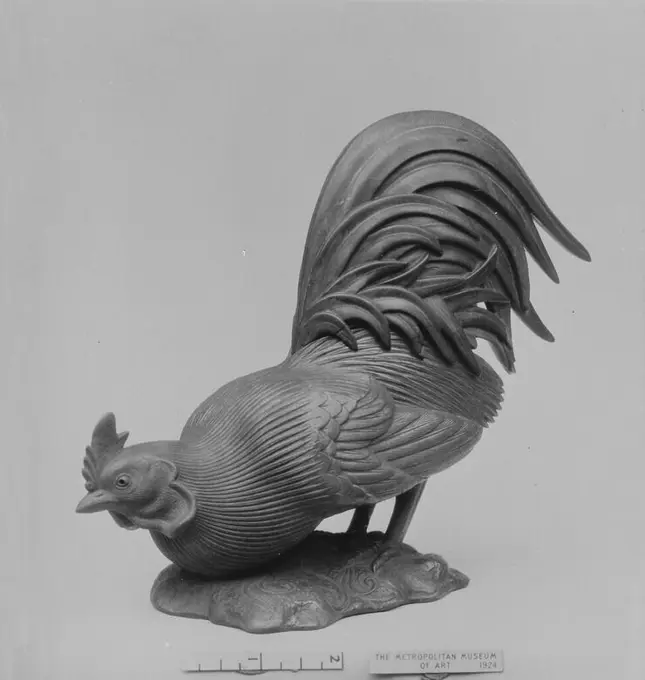
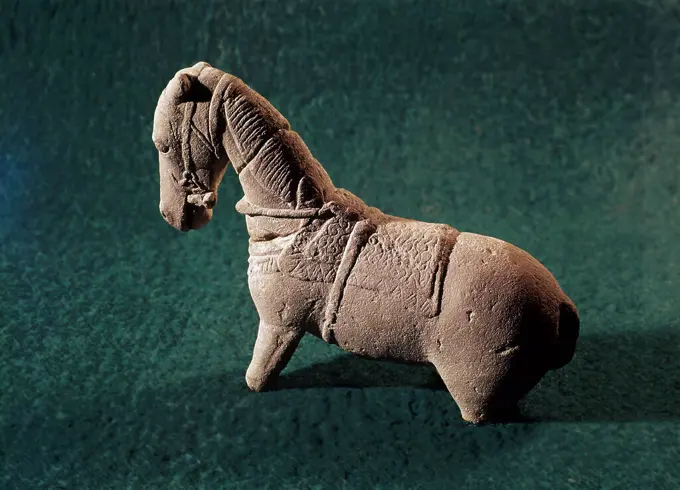
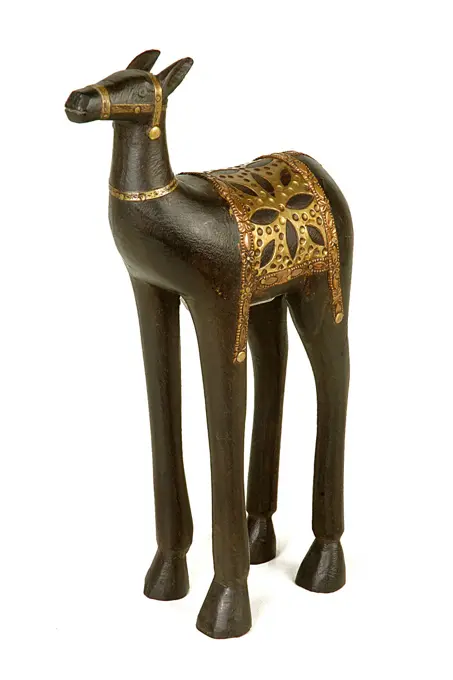
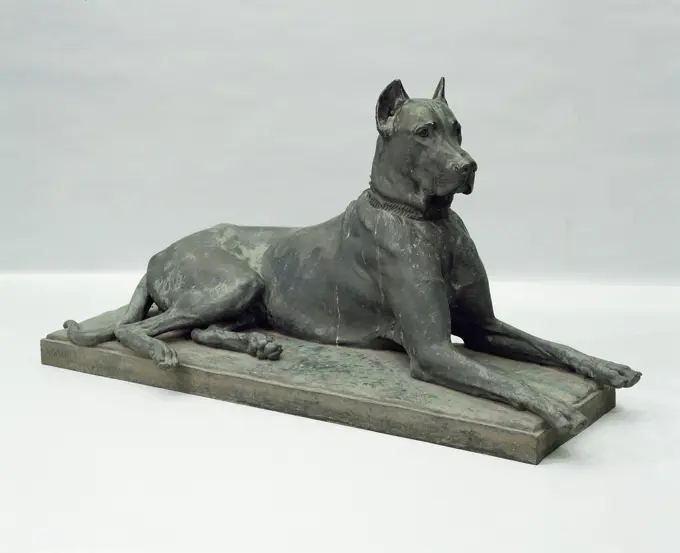
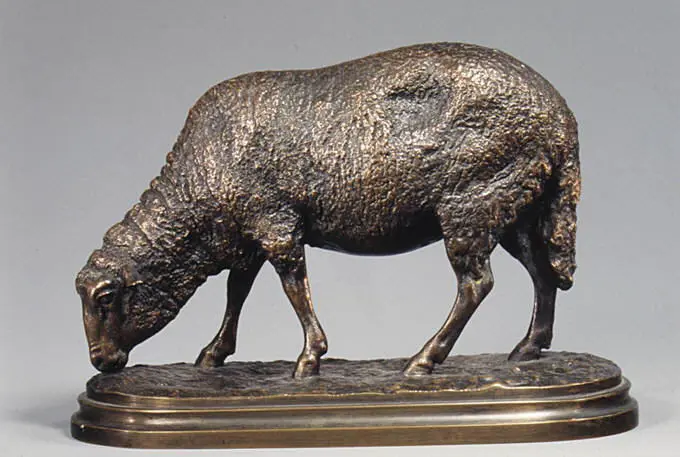
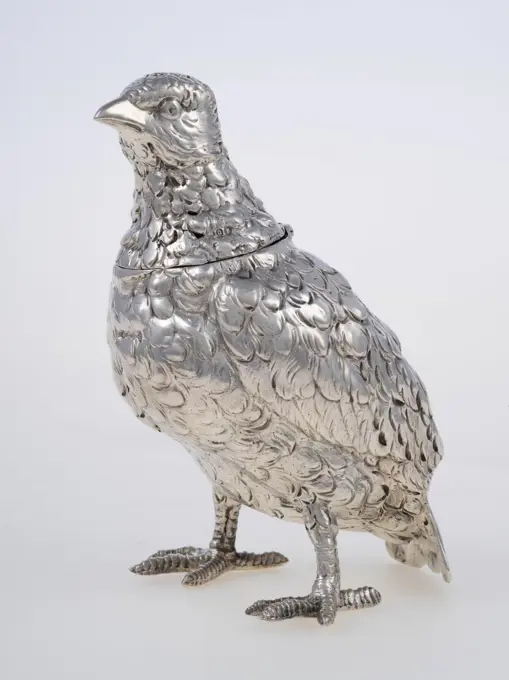
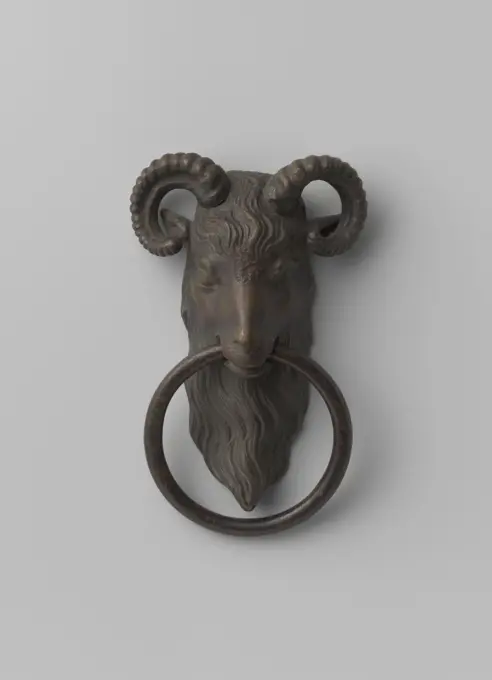
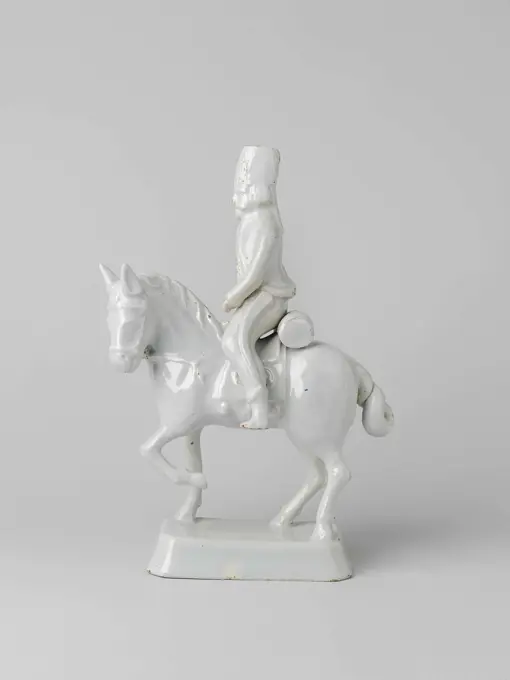
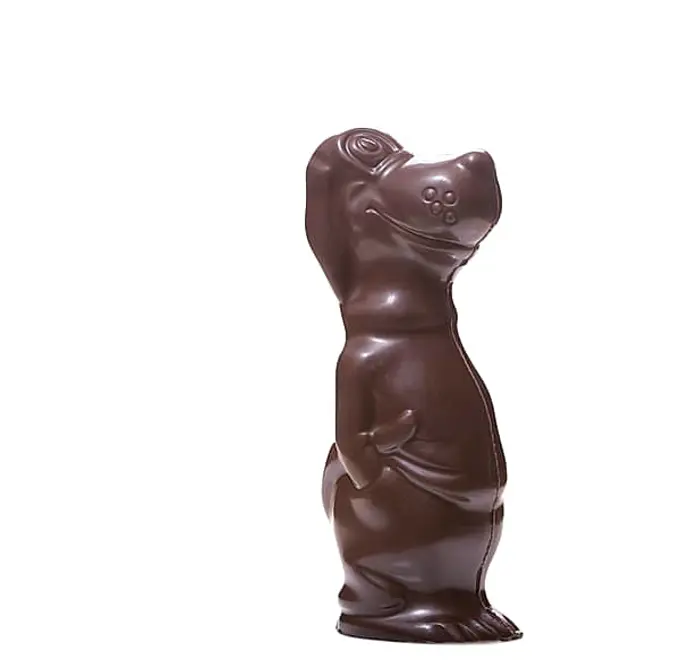
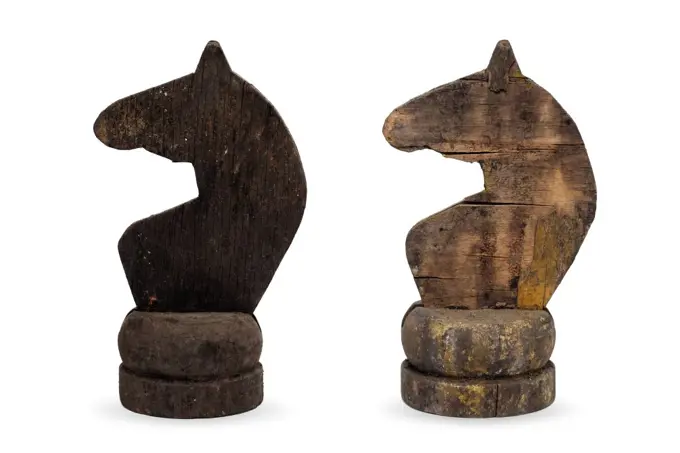
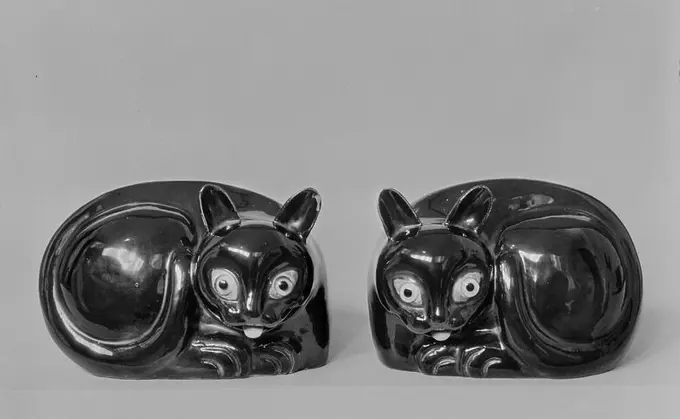
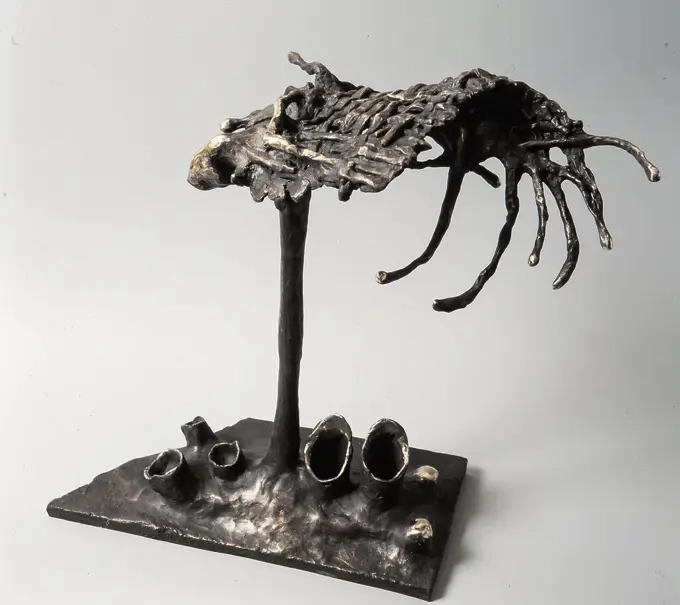
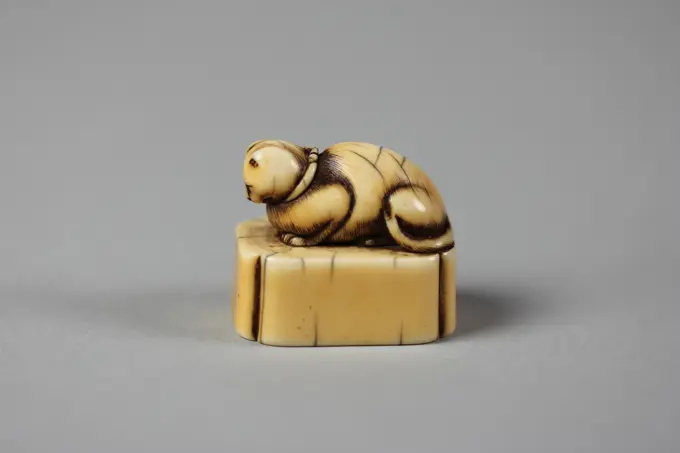
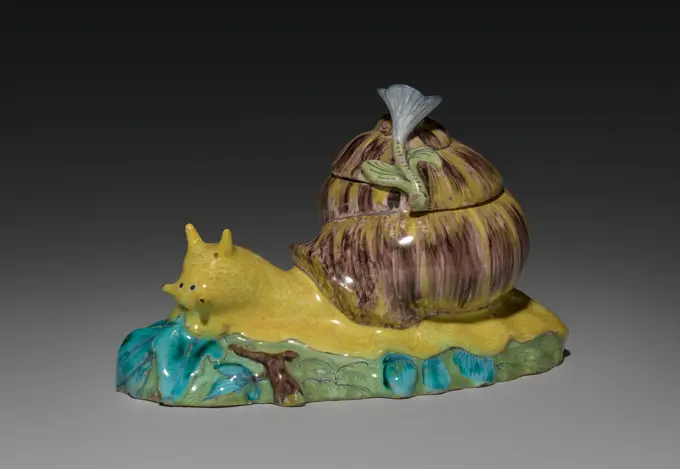
Coiled Feline Artist's working dates 206 BCE-221 CE China. Earthenware with traces of pigments .Lion on a rectangular profiled pedestal. Image of unforded faience. On a rectangular profiled pedestal is a temple lion with his tail beaten over his back. The lion has used his head to the right.Figurine of a HorseTraditional day of the dead Xolo dog ceramic statue isolated. Traditional day of the dead Xolo dog ceramic statueThe Centaur  Auguste Rodin (1840-1917/French) Bronze Bronze bull ca. 1400-1200 B.C. or later Minoan Statuette of a bull.. Bronze bull 252412 Minoan, Bronze bull, ca. 14001200 B.C. or later, Bronze, Overall: 2 3/16 x 2 5/16 in. (5.5 x 5.9 cm). The Metropolitan Museum of Art, New York. Bequest of Richard B. Seager, 1926 (26.31.492)Eagle on a rock. Red GRS, natural covered brown the exterior. Paris, Muse Cernuschi. Eagle on a rock Japanese art, Japanese ceramicCeramic figurine cat, isolated on white background Ceramic figurine cat, isolated on white background Copyright: xZoonar.com/OleksandrxKostiuchenkox 9786119Ewer in the Form of an Elephant 11th-12th century Vietnam. Ewer in the Form of an Elephant. Vietnam. 11th-12th century. Glazed pottery with incised and inlaid decoration. Ly dynasty (1009-1225). CeramicsRecumbent mythical beast 16th-17th century China. Recumbent mythical beast. China. 16th-17th century. Stoneware with green glaze. Ming dynasty (1368-1644). Tomb PotteryHorse, 1630s or later. Possibly cast after a model by Francesco Fanelli (Italian, 1661). Bronze; overall: 15.2 x 15.9 x 5.5 cm (6 x 6 1/4 x 2 3/16 in.).Sculpture in the shape of a feline 500 B.C.-A.D. 500 Condorhuasi This stone sculpture is in the form of a standing feline with its head turned upward and to its right. The tail is raised up and small, circular depressions on the body may indicate spots like thos of a jaguar or ocelot.The Condorhuasi-Alamito peoples were llama pastoralists in the area that is now the Catamarca province of Argentina. They were skilled artisans in a variety of media, including ceramic, metal, and stone. Archaeological evidence suggests that the Condorhuasi-Alamito peoples maintained extensive long-distance contacts with other regions, including the important site of Tiwanaku, near Lake Titicaca in what is now Bolivia.. Sculpture in the shape of a feline. Condorhuasi. 500 B.C.-A.D. 500. Stone. Argentina, Northwest Argentina. Stone-SculptureRooster weathervane, c. 1855, J. Howard & Company, West Bridgewater, Massachusetts, c. 1850-1868, 28 9/16 x 25 3/4 x 5 1/2 in. (72.55 x 65.41 x 13.97 cm) (including attached base), Copper, zinc, iron, United States, 19th century, Jonathan Howard & Company was one of the earliest weathervane manufacturers in the United States. Using hand-carved wooden molds and casting the entire front of each piece in zincnot just the head as most other makers didtheir factory made some of the most detailed weathervanes of the day. This one was originally covered in gold, but weathering by the elements has exposed the underlying metal.Bronze statuette of a centaur late 6th-early 5th century B.C. Etruscan or South Italian This small sculpture emanates considerable power through the treatment of the centaur's arms and legs, all in a position of maximum tension. The energy suffuses a form that is lithe and softly modeled. The figure is of a piece with its plinth, indicating that it may have been attached to a utensil.. Bronze statuette of a centaur. Etruscan or South Italian. late 6th-early 5th century B.C.. Bronze. Archaic. BronzesBird 1760-1770 Staffordshire. Lead-glazed earthenware (creamware) .BullRhytonKendi from the Wreck of the Witte Leeuw, anonymous, 1613  Kendi from V.O.C. ship De 'Witte Leeuw', 98 present. Kendi with a flat unggestive soil, in the form of an elephant with a handle on the back (now largely disappeared). Decorated in underlaze blue with a rug with swastikas and a field with flower branches on the back of the elephant, cloud motifs around the trunk of the handle and lucky symbols on the handle. The glaze has peeled off at the ears, nostrils and trunk. The shard is glassy white and has little ingrained dirt. The glaze is blue tinted. The bottom is glazed. No oven sand was found. Jingdezhen porcelain. bone china (material)   Sint-HelenaCzech Republic, Bohemia, Sarka, Votive statuette representing a wild boar, La Tene culture, bronzeLécythe in the shape of a Griffon head. Molded tower and terracotta, enhanced. Taranto (Italy), 4th century BC. AD Museum of Fine Arts of the City of Paris, Petit Palais. 59230-17 Fantastic animal, legendary animal, handle, ceramic, griffon, 4th 4th 4th 4th 4th 4 century AV.JC, lecythe, lecythe zoomorphic, molding, black, profile, terracotta, griffon, tower, ancient vase, three-quarter viewHorse Rearing. Dated: 1880s. Dimensions: overall without base: 31.2 x 20.4 x 26.7 cm (12 5/16 x 8 1/16 x 10 1/2 in.). Medium: pigmented beeswax, plastiline, metal armature, cork, on wooden base. Museum: National Gallery of Art, Washington DC. Author: EDGAR DEGAS.Door Knocker, Wrought iron, Figure of a collared dog with open mouth, twisted tail curved over back, and sphere between the forepaws. Body incised with markings simulating fur. Hind legs terminate in pierced circlets., Spain, 16th century, metalwork, Decorative Arts, Door KnockerDog. Japan, mid-19th century. Costumes; Accessories. Rhinoceros hornFox Carrying a Drum. Kaigyokusai Masatsugu (Japan, 1813-1892). Japan, mid- to late 19th century. Costumes; Accessories. Ivory with sumi, inlaysFinial (Dingshi) with Two Horses. Northwest China, 206 B.C. - A.D. 220. Architecture; Architectural Elements. Cast bronzeCowCreamer. Maker, attributed to: United States Pottery Company, 1849-1858Netsuke of a Wolf 19th century Japan. Netsuke of a Wolf 59138Standing crane unknownDuck. Bronze. Japan. Paris, Cernuschi museum. Animal, Japanese art, seated, bronze, duck, 19th 19th 19th 19th 19th 19th century, 18th 18th 18th 18th 18th 18th 18th century, animalNetsuke of Tiger and Cub 18th century Japan. Netsuke of Tiger and Cub. Japan. 18th century. Ivory. Edo period (1615-1868). NetsukeVessel in the Form of a BullMat Weight in the Form of a Bear, 202 BC-AD 9. China, Western Han dynasty (202 BC-AD 9). Gilt bronze; overall: 15.7 x 14.6 x 17.3 cm (6 3/16 x 5 3/4 x 6 13/16 in.).Cosmetic Spoon in the Shape of a Mouse ca. 1550-1295 B.C. New Kingdom This cosmetic spoon is a fine representation of a crouching mouse. The artist, working with a very thin piece of bone, has created the illusion of a sculpture in the round. The spoon side clearly represents the right side of the mouse, while the back of the spoon is the animal's left side. Another cosmetic spoon in the collection (10.130.2520) represents a dog in a similar fashion.. Cosmetic Spoon in the Shape of a Mouse. ca. 1550-1295 B.C.. Bone. New Kingdom. From Egypt. Dynasty 18Terracotta miniature oinochoe (jug). Culture: Greek, South Italian, Apulian. Dimensions: 3 1/16in. (7.8cm). Date: ca. 325-300 B.C..On the neck, a wreath. The body is ribbed. Museum: Metropolitan Museum of Art, New York, USA.Animal figurine on stand. unknown, craftsmanVessel terminating in the forepart of a stag. Culture: Hittite. Dimensions: H. 18 cm. Date: ca. 14th-13th century B.C..By 1700 B.C., people speaking Hittite--an Indo-European language--had founded a capital at Bogazköy (ancient Hattusha) and, under a series of powerful kings, established a state in central Anatolia. The Hittite army attacked and partly destroyed Babylon in 1595 B.C., and in 1285 B.C. fought a battle against the Egyptian king Ramesses II at Qadesh in Syria.This silver rhyton--a drinking vessel in the form of an animal with a pouring hole in its chest--in the form of a stag was hammered from one piece that was joined to the head by a checkerboard-patterned ring. Both the horns and the handle were attached separately. A frieze depicting a religious ceremony decorates the rim of the cup, suggesting the uses for which the cup was intended. A prominent figure, thought to be a goddess, sits on a cross-legged stool, holding a bird of prey in her left hand and a small cup in heSauskom in shell shape with three legs and ear, Hendrik Fortman, 1767 Sauskom of silver. The oval bowl rests on three legs in the form of crested motifs. In the longitudinal direction of the body, a pattern is driven from parallel ranging ripples with which the appearance of a shell was suggested. The corrugated top edge has a short incoming curl on one side, decorated with a rocaille. To this is a flat made of volutes, decorated with a helmeted Herm, confirm. On the other short side of the upper edge is a shallow snee -shaped mouth, which is decorated on the outside with curled volutes above a mask that runs into a crested motif. Leiden silver (metal) casting Sauskom of silver. The oval bowl rests on three legs in the form of crested motifs. In the longitudinal direction of the body, a pattern is driven from parallel ranging ripples with which the appearance of a shell was suggested. The corrugated top edge has a short incoming curl on one side, decorated with a rocaille. To this is aGoldweight Bird, 19th-20th century, 3 x 11/16 x 2 3/4 in. (7.62 x 1.75 x 6.99 cm) (without base), Brass, Ghana, 19th-20th centuryOil lamp in the shape of mythical creature. unknown, sculptorOil lamp or bottle 17th-18th century probably German. Oil lamp or bottle. probably German. 17th-18th century. Glass. GlassAnimal-Shaped Whistle 9th-10th century. Animal-Shaped Whistle 449647Harness or bridle fitting ca. 7th-6th century B.C. Scythian. Harness or bridle fitting 325095Saddle (Kura). Culture: Japanese. Dimensions: 11" x 14" 11 in. (27.9 cm). Date: 18th century. Museum: Metropolitan Museum of Art, New York, USA.Elephant toy isolated on the white backgroundHen on Nest' still bank, c. 1900, 3 7/16 x 2 15/16 x 3 11/16 in. (8.73 x 7.46 x 9.37 cm), Ceramic, United States, 19th-20th centuryBrass and copper design fitting on antique wooden cock, Jodhpur, Rajasthan, India Copyright: xSafatxAli/DinodiaxPhotoxSaddle. Culture: Central European. Dimensions: Overall ((a) Saddle): 13 5/16 × 20 1/2 × 13 5/8 in. (33.8 × 52.1 × 34.6 cm)Overall (b-blanket): 30 7/8 × 27 1/4 in. (78.4 × 69.2 cm). Date: ca. 1400-1420.This is one of about twenty known Medieval saddles decorated with bone plaques. The saddles vary somewhat in decoration, but certain motifs are common throughout. For instance, Saint George, standing over the defeated dragon, appears with elegant couples on most of the saddles. Used in parade, they were probably more ceremonial than utilitarian.The bone plaques used to create the saddle, probably from the pelvic bones of large animals such as cows, are attached to the core with bone pins and glue. The underside is lined with hide and birch bark. Museum: Metropolitan Museum of Art, New York, USA.Brooch with a lion ca. 6th-5th century B.C. Lydian. Brooch with a lion 327411Bird 14th-15th century Thailand. Bird. Thailand. 14th-15th century. Earthenware. CeramicsWater Dropper in the Form of a Rabbit amid Waves. Japan, 19th century. Ceramics. Hirado Mikawachi ware; porcelain with underglaze blueBase of a pillow in the form of a boy 11th-12th century China. Base of a pillow in the form of a boy. China. 11th-12th century. Porcelain with ivory white glaze (Ding ware). Northern Song dynasty (960-1127). CeramicsFeline Ornament 11th-16th century Costa Rica or Panama. Feline Ornament 309408Bull, Tin-glazed earthenware, Standing cow with head turned to the left. On an elongated octagonal base with beveled sides. Painted decoration including a blanket and sprays of flowers in green, pink, red and gold., Delft, Netherlands, ca. 1690, ceramics, Decorative Arts, Figure, FigureDuck-shaped Water Sprinkler, anonymous, c. 1100 - c. 1199 Waterdruppelaar van Steengoed in the form of a duck, covered with a crackle green glaze. Celadon. Korea stoneware. glaze vitrification Waterdruppelaar van Steengoed in the form of a duck, covered with a crackle green glaze. Celadon. Korea stoneware. glaze vitrificationStatuette of a horse, 3 Greek, Laconian. Statuette of a horse, 3 251669 Greek, Laconian, Statuette of a horse, 3, Lead, Height: 1 in. (2.6 cm). The Metropolitan Museum of Art, New York. Gift of A. J. B. Wace, 1924 (24.195.103)Statue of two birds on black backgroundSaddle ca. 1400-1420 Central European This is one of about twenty known Medieval saddles decorated with bone plaques. The saddles vary somewhat in decoration, but certain motifs are common throughout. For instance, Saint George, standing over the defeated dragon, appears with elegant couples on most of the saddles. Used in parade, they were probably more ceremonial than utilitarian. The bone plaques used to create the saddle, probably from the pelvic bones of large animals such as cows, are attached to the core with bone pins and glue. The underside is lined with hide and birch bark.. Saddle 467691FIBULA CON AVE. CELTIBERICO. (DEPOSITO: MUSEO ARQUEOLOGICO NACIONAL).Snake Encircling Turtle. Japan, early 19th century. Costumes; Accessories. Wood with inlaysVotive Bowl ca. 1479-1425 B.C. New Kingdom. Votive Bowl 544825Terracotta oil lamp ca. A.D. 200-350 Roman, Cypriot Loeschcke Type 8. Large unpierced handle. Mold-made. Discus; rosette with pointed, radiating petals around central filling hole; a second filling hole in front of handle. On broad, slightly sloping shoulder, stylized vine tendril with bunches of grapes. Slightly concave base inscribed in Greek letters: CYPI/WNOC.. Terracotta oil lamp. Roman, Cypriot. ca. A.D. 200-350. Terracotta. Late Imperial. TerracottasCanard ". Porcelainment. Ere Kangxi (1662-1723). Parior Museum Creams. Chinese art, duck, ere kangxi, porcelain, statuettePottery Whistle mid 19th-late 19th century Mexican. Pottery Whistle. Mexican. mid 19th-late 19th century. Clay, polychrome. Mexico. Aerophone-Whistle Flute-whistleCeramic Toy Young Dog Puppy India Asia Sept 2011 India Copyright: xNirmalaxMishra/DinodiaxPhotoxdecorative marquetry wooden turtle on black backgroundWaterdropper in the shape of an airplane, anonymous, c. 1931 - c. 1941 A stoneware Waterdruppelaar (, suiteeki) in the form of an airplane, driven by the cartoon character Norakuro . Decorated in green glaze with details in red, black and white, with the dog Norakuro in black and white and Japanese flags on the wings and sides of the plane. Japan stoneware vitrification A stoneware Waterdruppelaar (, suiteeki) in the form of an airplane, driven by the cartoon character Norakuro . Decorated in green glaze with details in red, black and white, with the dog Norakuro in black and white and Japanese flags on the wings and sides of the plane. Japan stoneware vitrificationParrot ca. 1760 Bow Porcelain Factory British. Parrot 192836isolated statue of lion over a white background isolated statue of lion over a white background Copyright: xZoonar.com/IgorxLubnevskiyx 1046058Bird. Culture: Thailand. Dimensions: H. 3 1/8 in. (7.9 cm); W. 1 1/8 in. (2.9 cm); L. 3 5/8 in. (9.2 cm). Date: 14th-15th century. Museum: Metropolitan Museum of Art, New York, USA.Vase 1879 Union Porcelain Works. Vase 9488Rooster weathervane, early 19th century, 25 1/2 x 19 1/4 x 7 13/16 in. (64.77 x 48.9 x 19.84 cm), Copper, zinc, England, 19th centuryPair of cloisonne enamel Buddhist Lions, Chinese ArtAnonymous. Covered fountain, decor. Porcelain. XVIIth-18th century. Museum of Fine Arts of the City of Paris, Petit Palais. 122742-11Bull's head ornament for a lyre ca. 2600-2350 B.C. Sumerian This bulls head, an object most likely made for attachment to a lyre, was cast in one solid piece. Its skilled craftsmanship complements the rich materials used in its manufacture, including pupils inlaid with lapis lazuli imported from northeastern Afghanistan. Wavy ridges ending in curls delineate the bulls beard, while the hair locks at the top of the head are perhaps worn smooth by long use. Above the eyes, stacked folds suggest wrinkled skin and highlight the expressiveness of the animals gaze. A ridge across the bulls nose may represent a strap, indicating the animal is shown wearing a false, ceremonial beard.Lyres with bovine heads of gold, silver, or bronze affixed to the front of the sound box have been found at several sites in Mesopotamia in contexts dating to the third millennium B.C. Most famous are the eight bull-headed lyres from six burials in the Royal Cemetery at Ur. Together with percussion and wind instNETSUKE EN MARFIL. Location: PRIVATE COLLECTION. MADRID. SPAIN.Zoomorphic polychrome terracotta vessel in shape of rooster, Peru, Vicus culture, Pre-Inca civilization, circa 100 B.C.Censer in Form of a Cock. Culture: Japan. Dimensions: H. 6 5/8 in. (16.8 cm); L. 8 1/2 in. (21.6 cm). Date: 1650. Museum: Metropolitan Museum of Art, New York, USA.Scent bottle in the form of a swan ca. 1755 Chelsea Porcelain Manufactory. Scent bottle in the form of a swan. British, Chelsea. ca. 1755. Soft-paste porcelain. Chelsea Porcelain Manufactory (British, 1745-1784, Red Anchor Period, ca. 1753-58). Ceramics-PorcelainEXVOTO DE CABALLO EN BARRO-ARTE IBERICO-PROC DE CIGARRALEJO(MURCIA). Location: PRIVATE COLLECTION. MADRID. SPAIN.Brass design fitting on antique wooden camel, Jodhpur, Rajasthan, India Copyright: xSafatxAli/DinodiaxPhotoxTurtle Pendant 11th-16th century Veraguas. Turtle Pendant. Veraguas. 11th-16th century. Gold. Panama. Metal-OrnamentsDeense dog, George Gardet, in or before 1904  Paris bronze (metal)  Paris bronze (metal)Terracotta statuette of a deer. Culture: Greek. Dimensions: H. 4 7/16 in. (11.3 cm)Base 1 7/8 x 3 7/8 in. (4.8 x 8.8 cm). Date: late 6th century B.C..Traces of paint can be seen on this statuette: yellow on the plinth and on the deer; red on all four feet, on the nose, and inside the ears. Museum: Metropolitan Museum of Art, New York, USA.Horse figurine;  III-II century BC () (-300-00-00--201-00-00);Isolated Lion Sculpture Perspective View Side view lion sculpture isolated against white background Copyright: xZoonar.com/DanielxFerreira-LeitesxCiccarinox 12636671Shorn Ewe (Brebis Tondue) modeled ca. 1842, cast probably before 1891 Rosa Bonheur French. Shorn Ewe (Brebis Tondue) 207574Scythian gold plaque from a shield or breastplate depicting a panther, 6th century BC Artist: UnknownPartridge - salt shaker; Neresheimer & Co.; 1899 (1899-00-00-1899-00-00);Bokkenkop with a ring through the mouth, anonymous, c. 1700 - c. 1800 The cast and additional object consists of four parts: the head, the horns and the ring. West-Europa brass (alloy) casting The cast and additional object consists of four parts: the head, the horns and the ring. West-Europa brass (alloy) castingPendant, 9th-15th century, 1 1/2in. (3.8cm), Gold, Costa Rica, Pre-Columbian Post ClassicHorse with loose rider. Rider of unfathy faience. The horse stands on a rectangular pedestal and the rider is separate. The rider carries a bear hat and a German uniform from the second half of the 18th century. The horse has lifted his left front leg. The rider includes an identical copy with Invnr. BK-1955-403-b.Dog figurine made of tasty milk chocolate, isolated on whiteWounded Leopard 1740-1750 Meissen. Hard-paste porcelain with polychrome enamels . Meissen Porcelain Manufactory (Manufacturer)vintage chess knight vintage chess knight on empty wooden chessboard Copyright: xZoonar.com/YuryxZapx 9760593Old white and black chess knights. Isolated objects: two very old wooden chess pieces, knights, or horses, black and whiteCat. Culture: China. Dimensions: H. 4 7/8 in. (12.4 cm); L. 4 5/8 in. (11.7 cm); D. 5 3/4 in. (14.6 cm). Museum: Metropolitan Museum of Art, New York, USA.Eduardo Arranz-Bravo / Bronze IV, 1997. Colección privada.Netsuke of Cat on a Seal-Shaped Base 19th century Japan. Netsuke of Cat on a Seal-Shaped Base. Japan. 19th century. Ivory; slight brown stain. Edo (1615-1868) or Meiji period (1868-1912). NetsukeCovered Box in the Form of a Snail, c. 1750. Strasbourg Factory (French). Faience; overall: 8 x 12.4 x 7 cm (3 1/8 x 4 7/8 x 2 3/4 in.).Selma Sandler, Weather Vane, c 1939 Weather VaneMount