Ceramic Bowls And Dishes

A variety of decorative ceramic bowls, each featuring unique designs, glazes, and cultural artistry, from ancient to modern times.
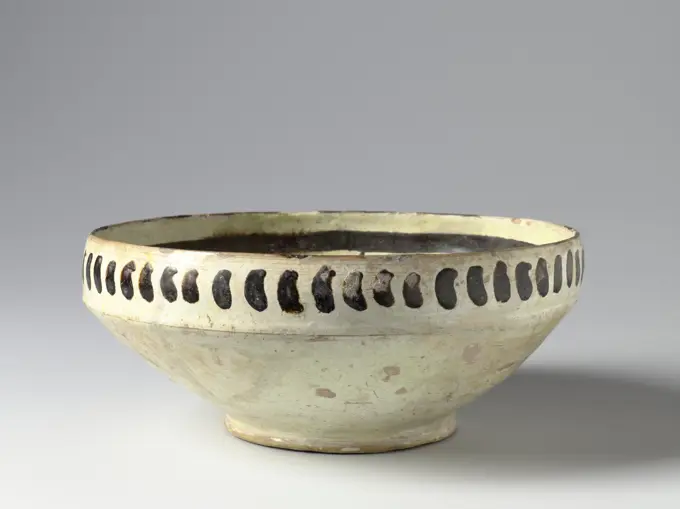
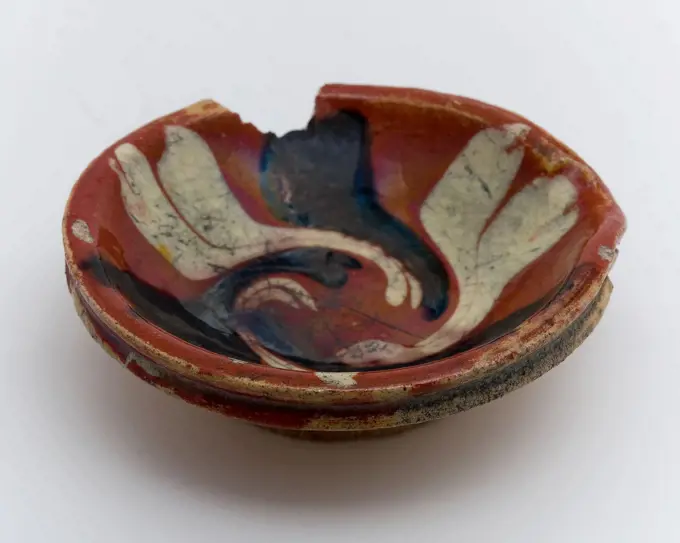
Bowl with a stylized bird and foliate scrolls, anonymous, c. 900 - c. 999 Come of earthenware with white sludge and a painting in black sludge under a transparent enamel. On the front a stylized bird surrounded by leaf vines. The outer edge with a decorative band. Nishapur (possibly) earthenware. glaze painting / vitrification Come of earthenware with white sludge and a painting in black sludge under a transparent enamel. On the front a stylized bird surrounded by leaf vines. The outer edge with a decorative band. Nishapur (possibly) earthenware. glaze painting / vitrification
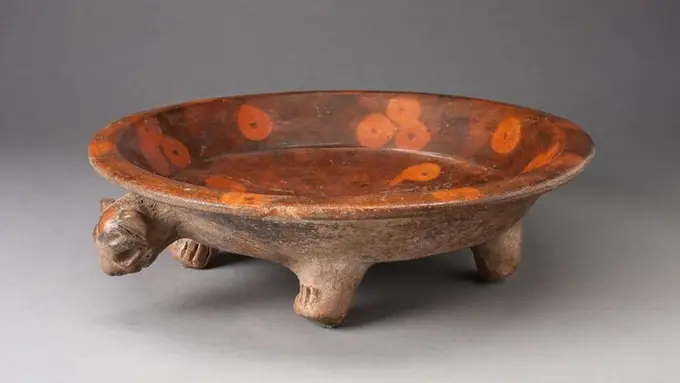
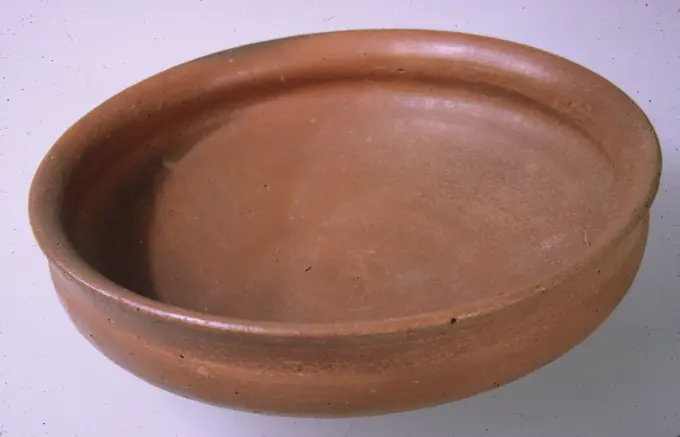
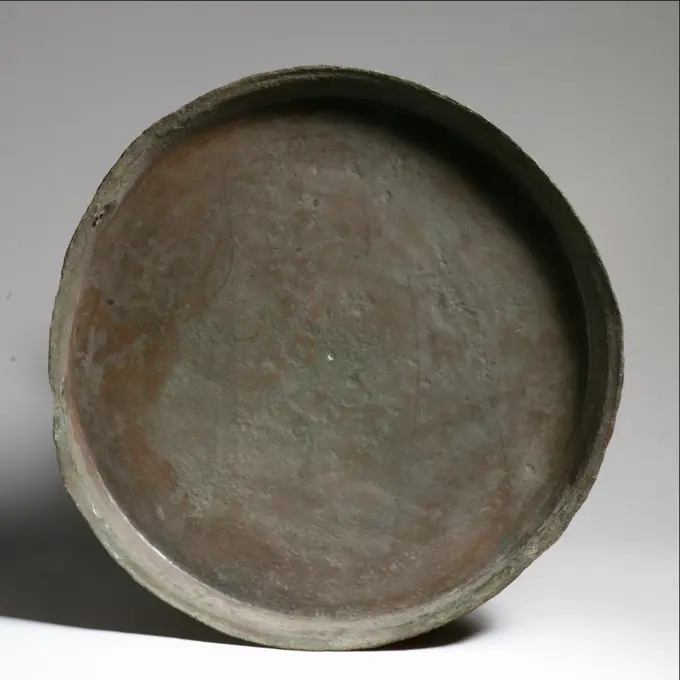
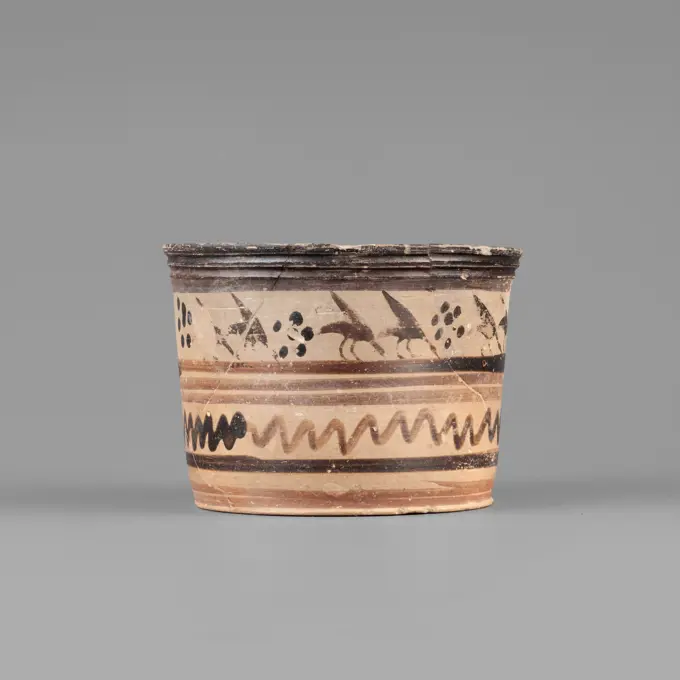
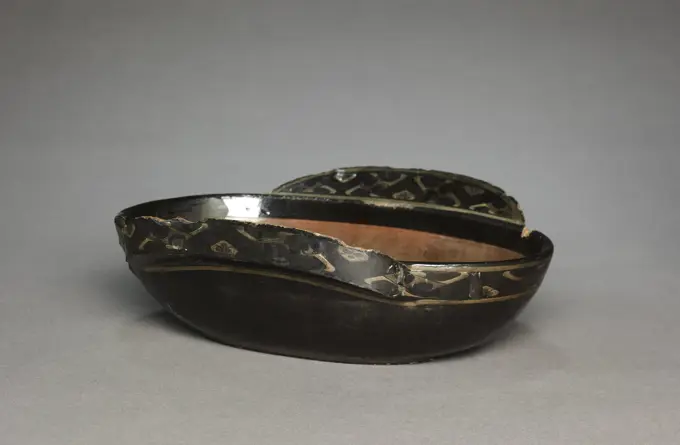
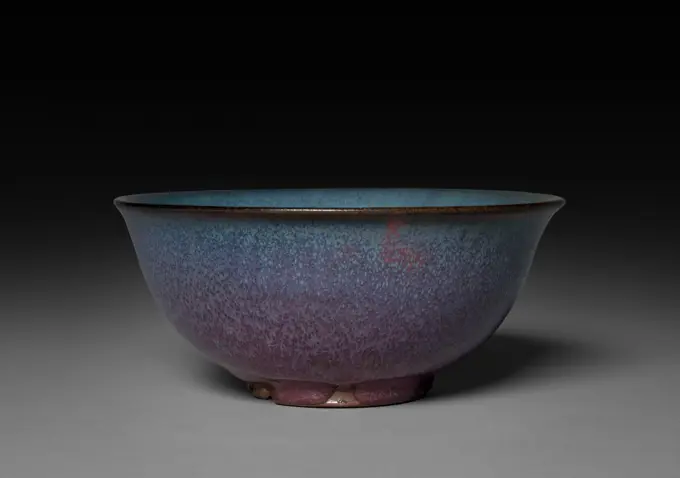
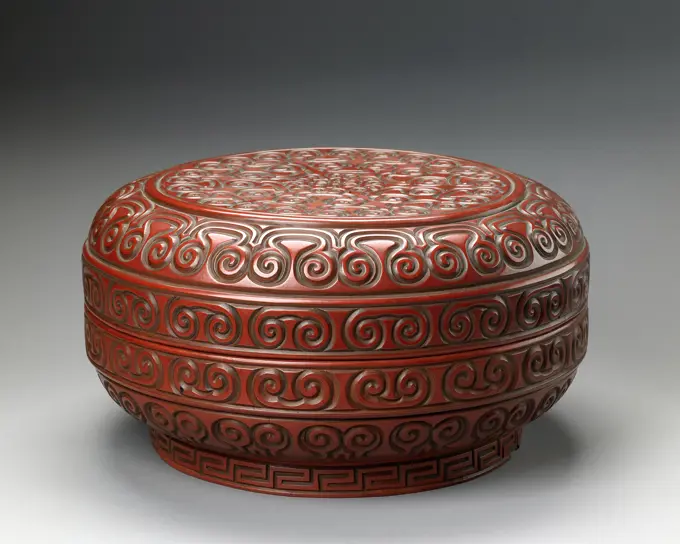
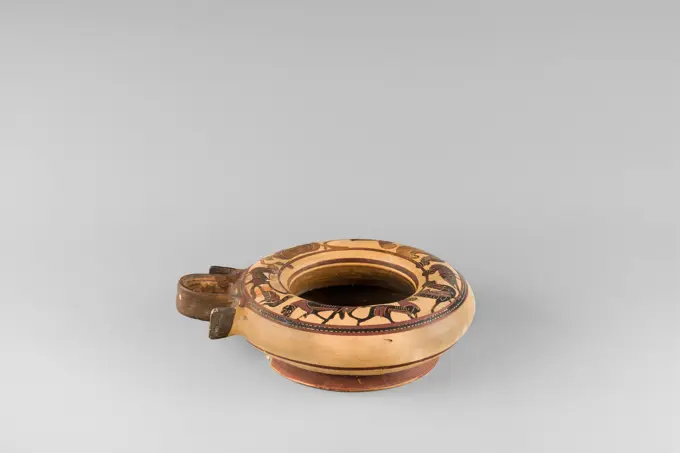
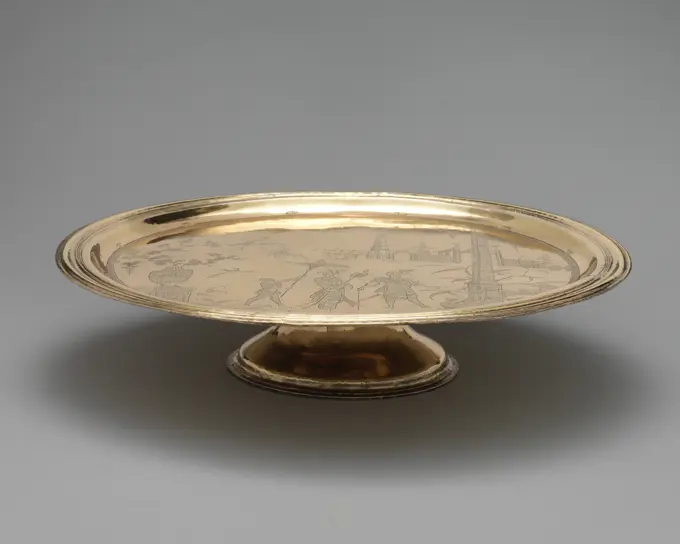
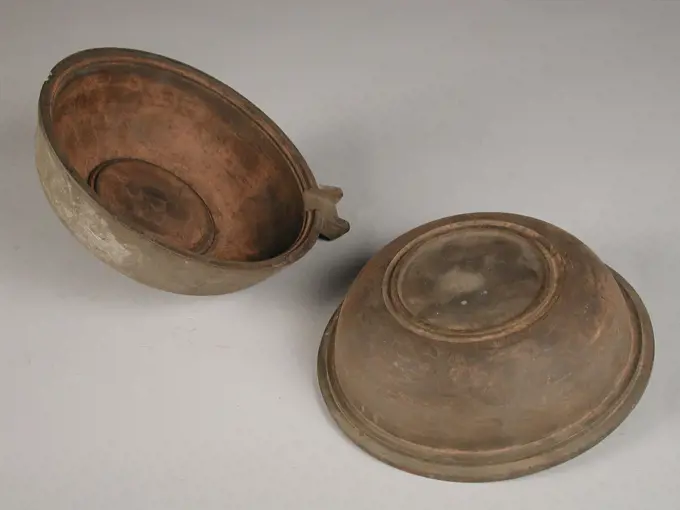
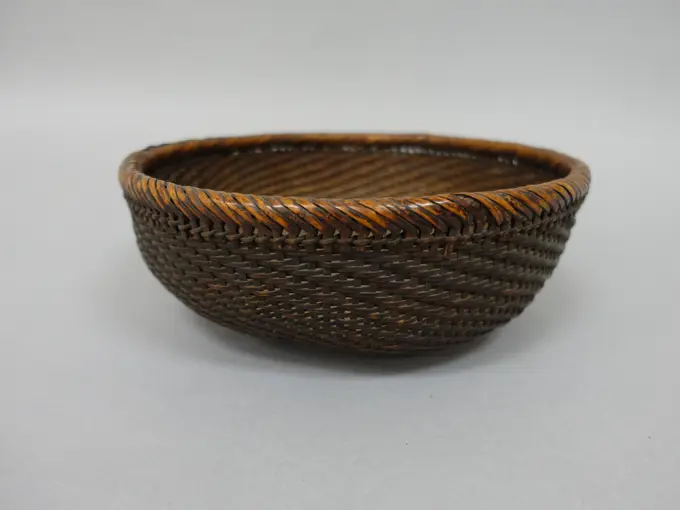
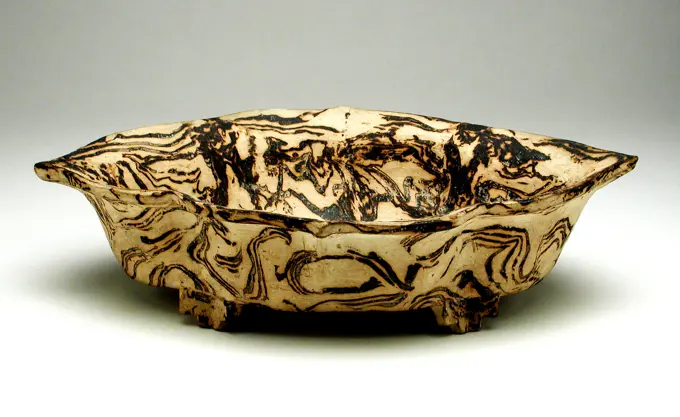
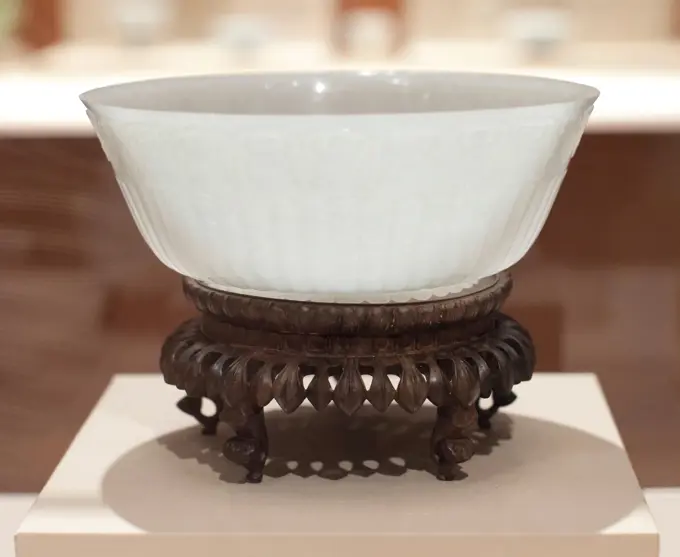
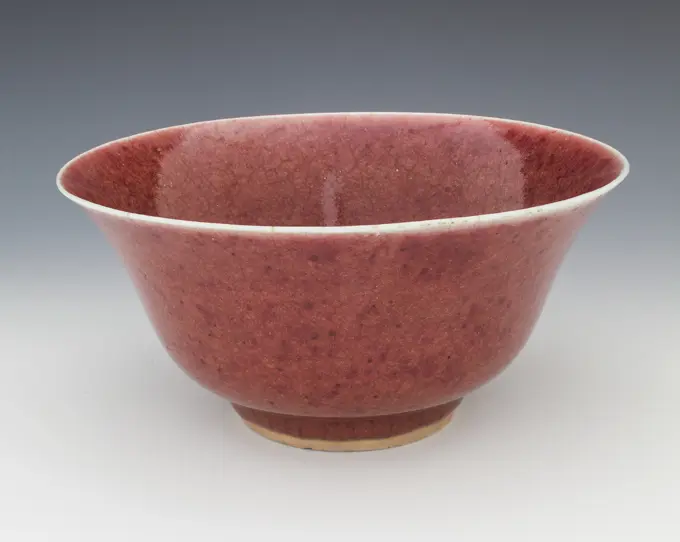
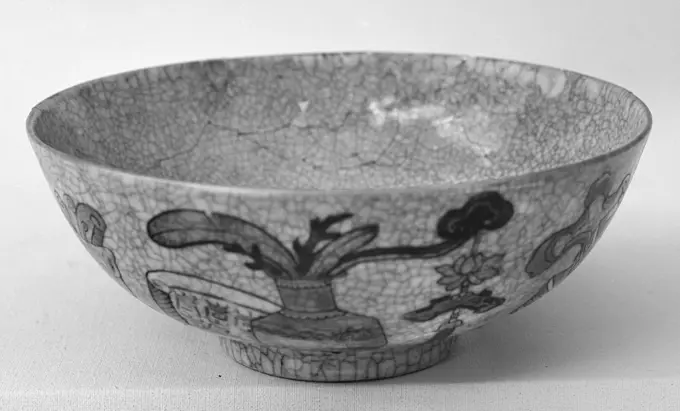
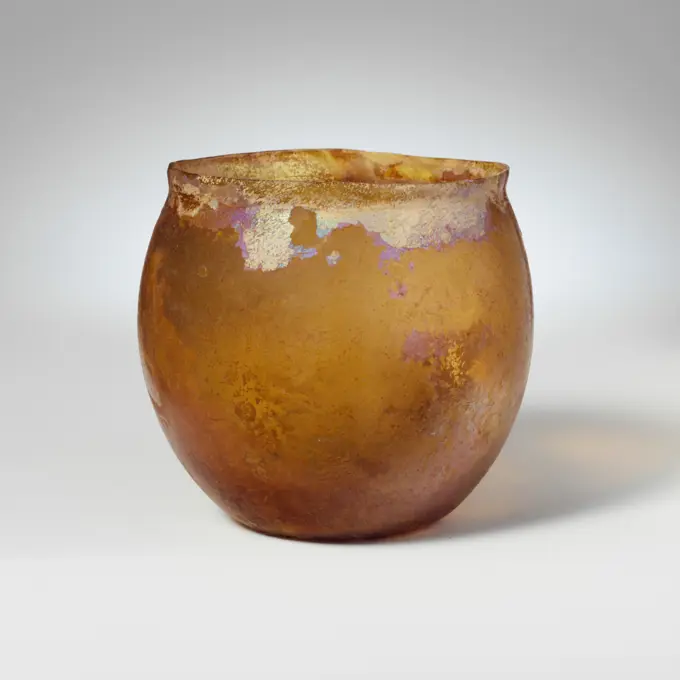
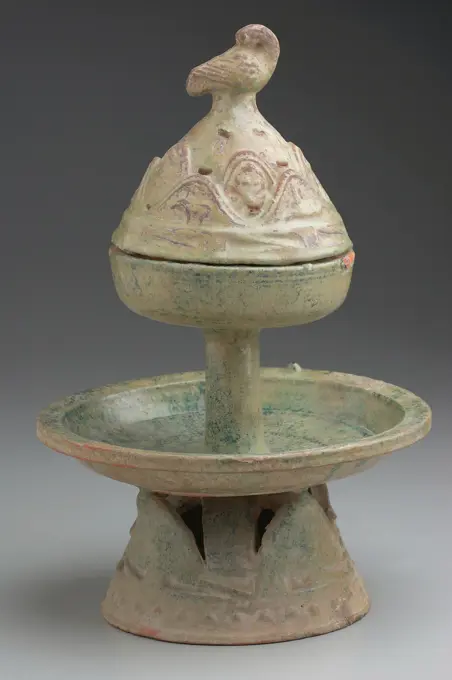
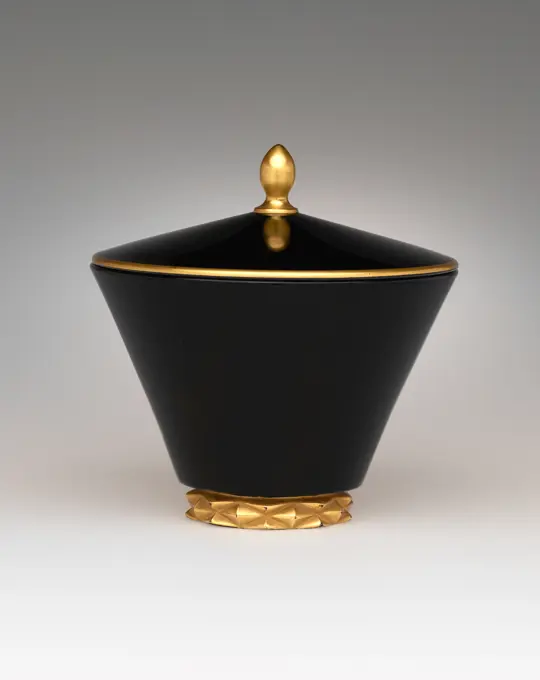
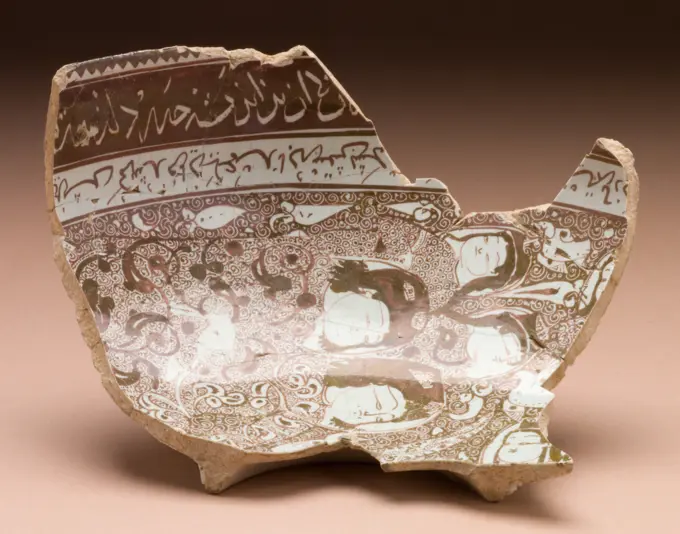
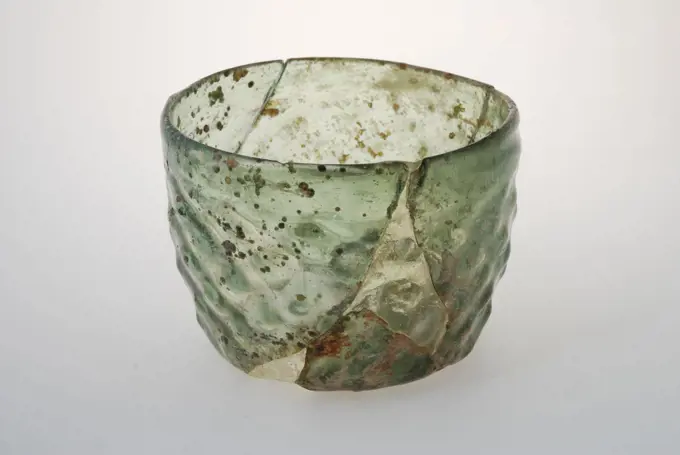
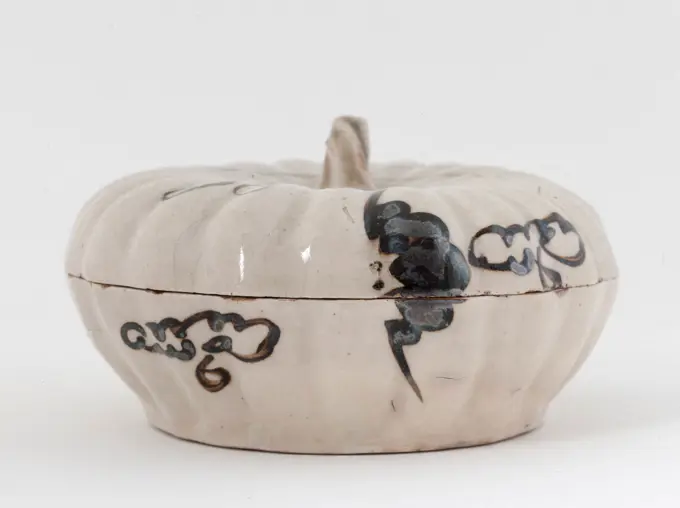
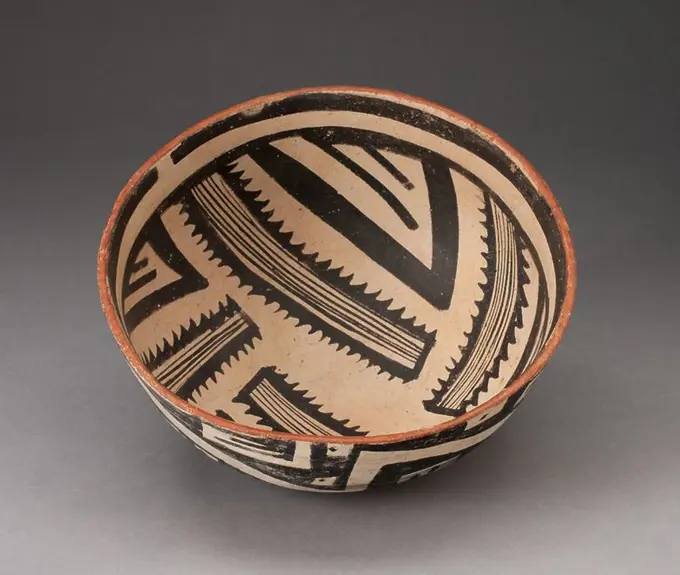
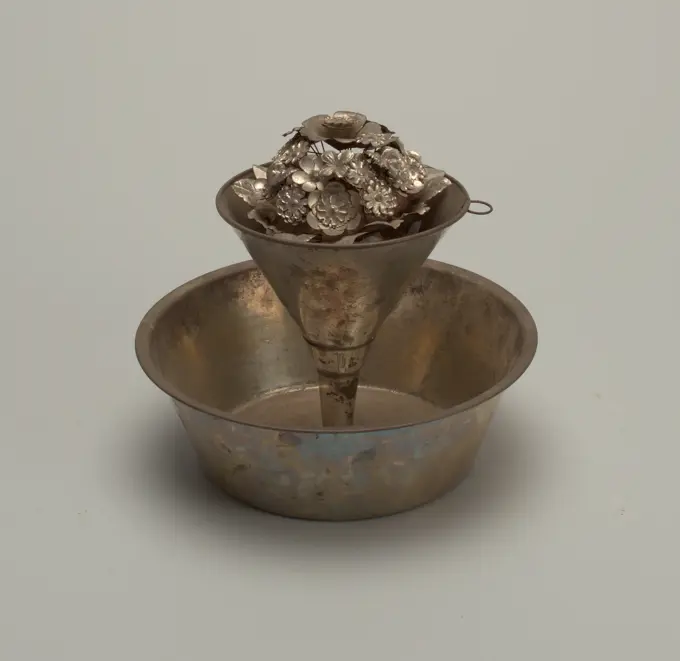
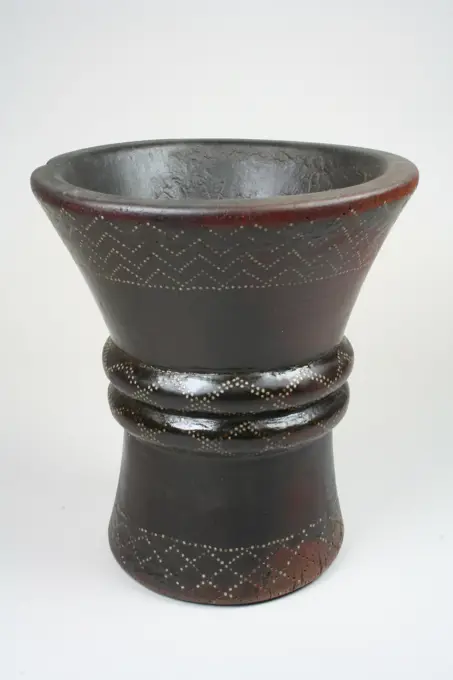
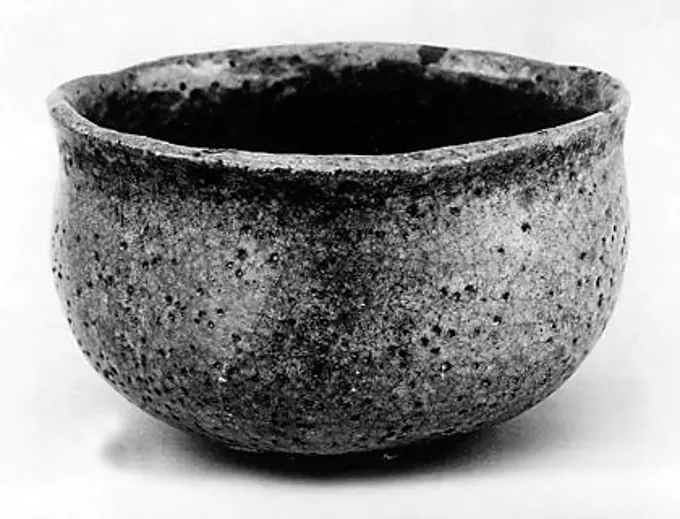
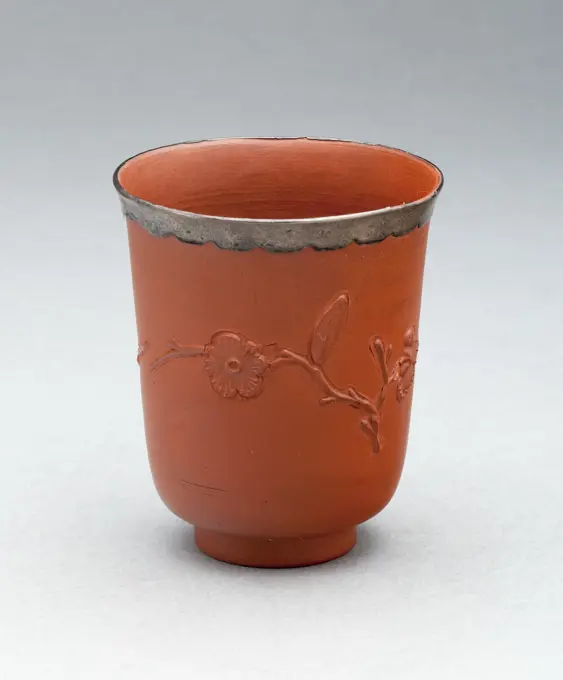
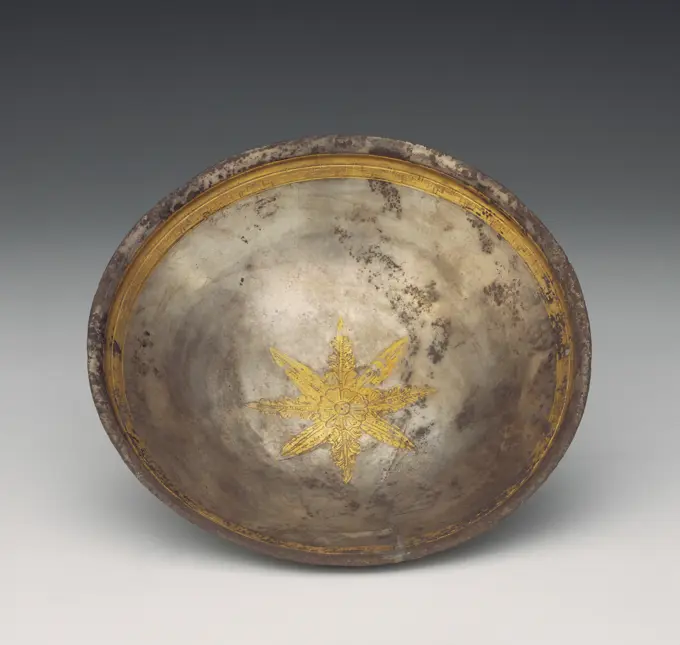
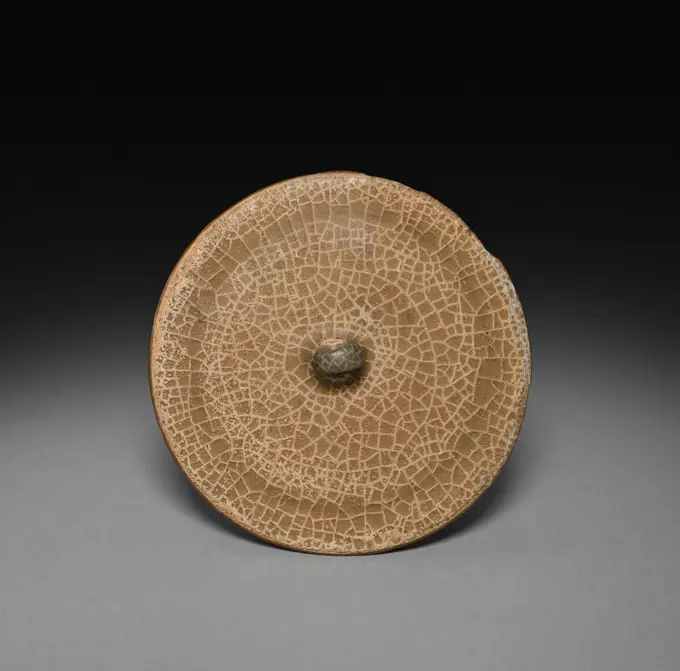
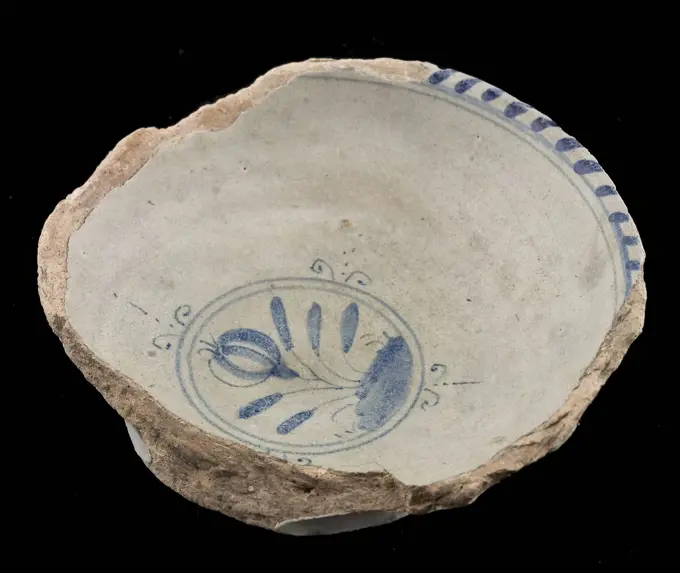
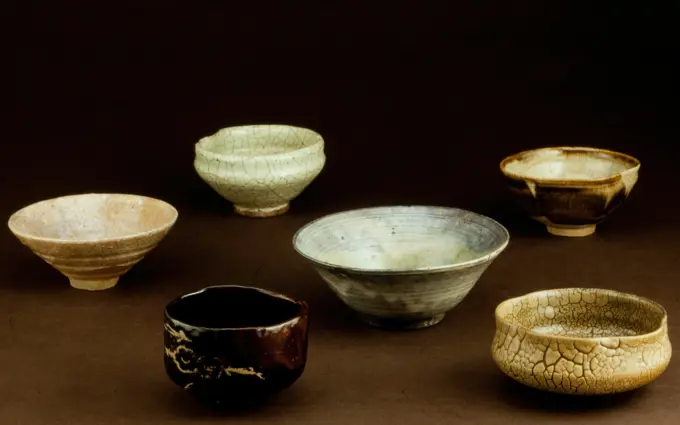
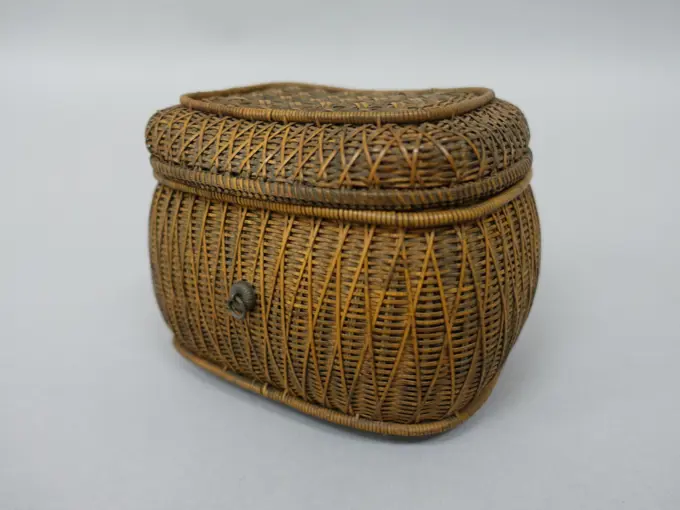
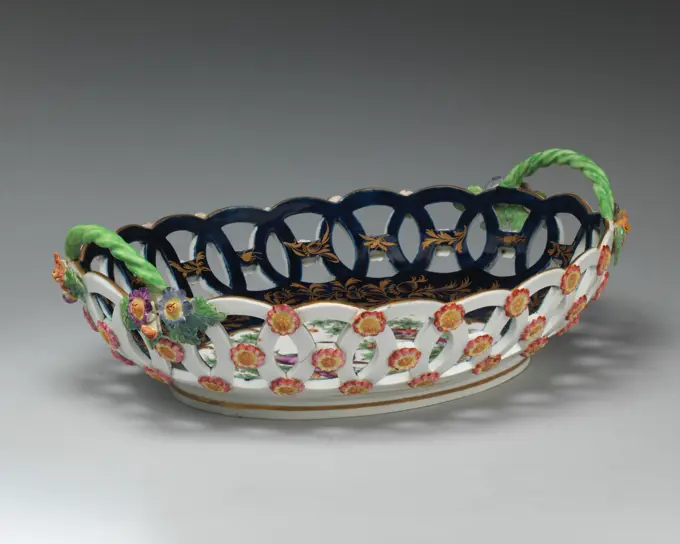
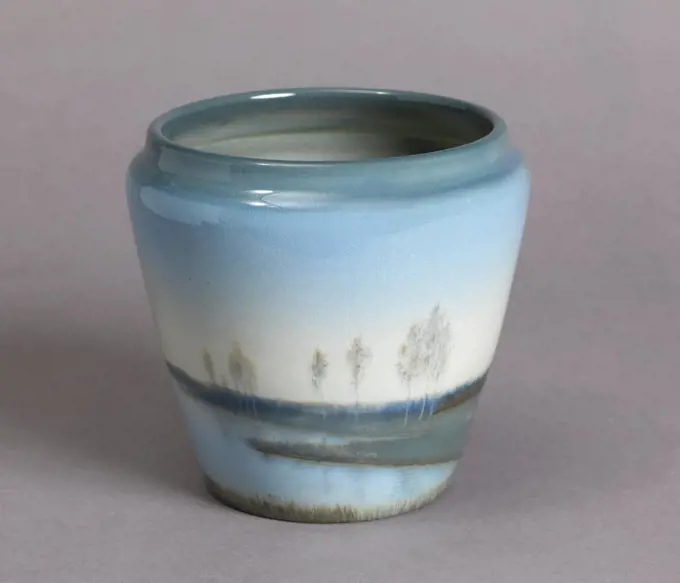
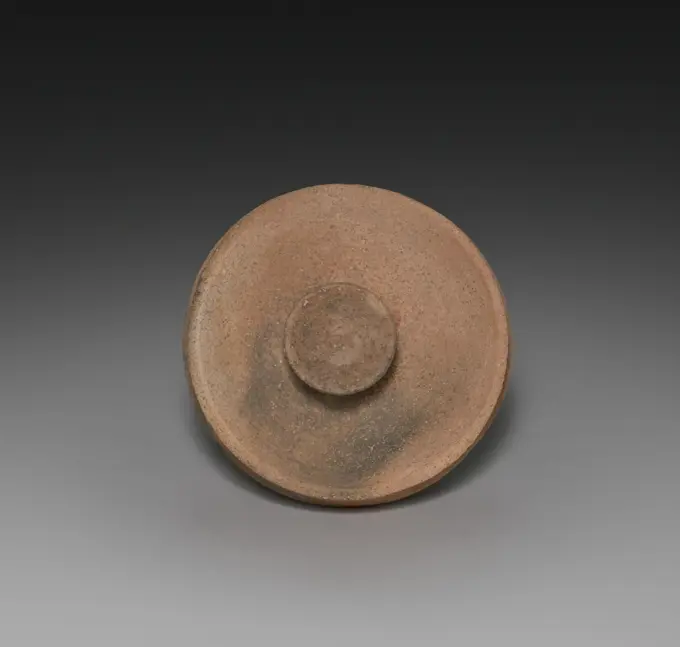
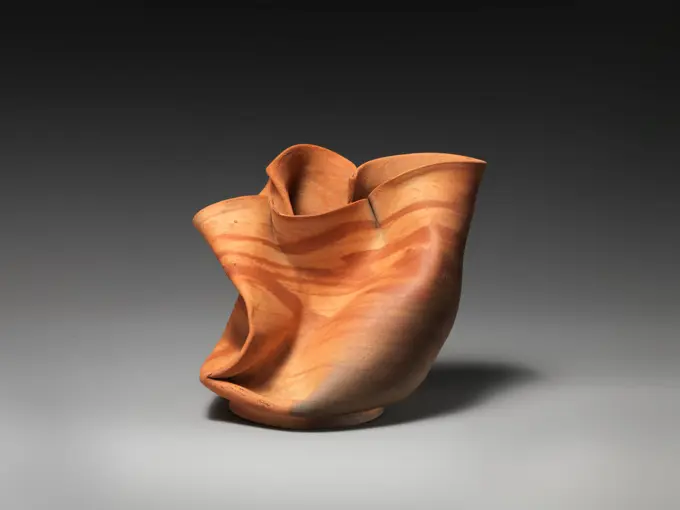
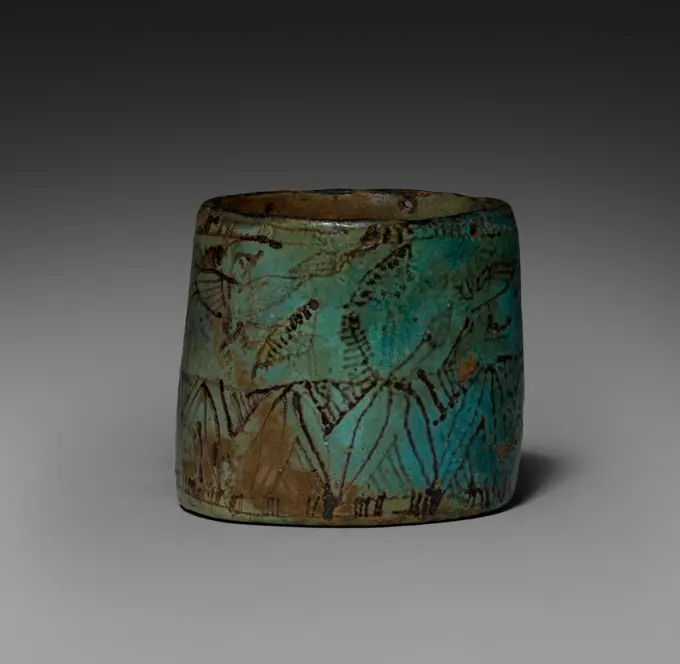
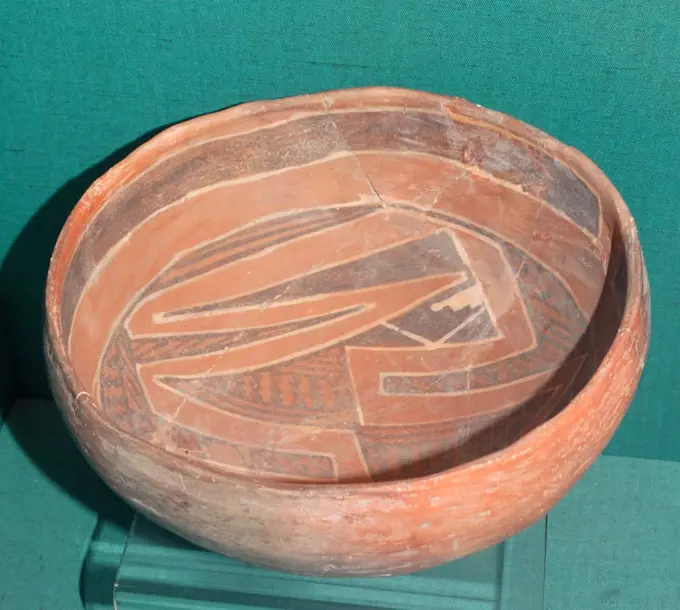
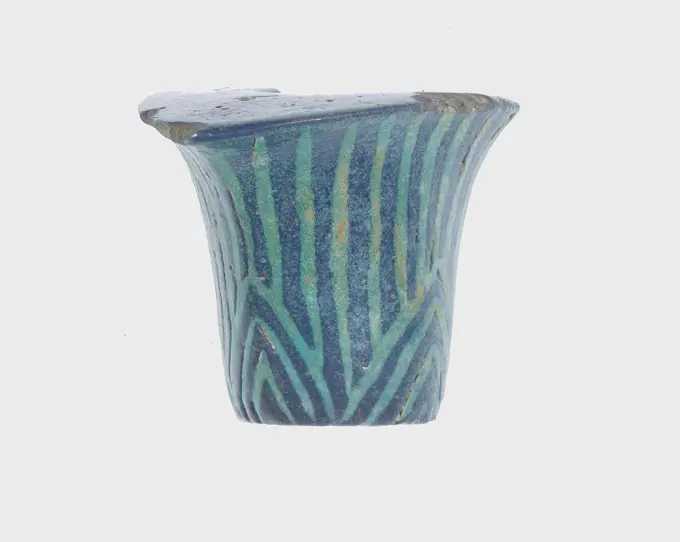
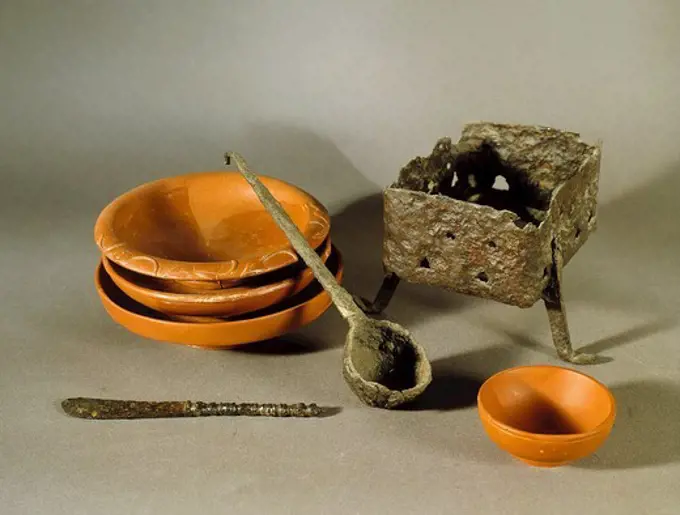
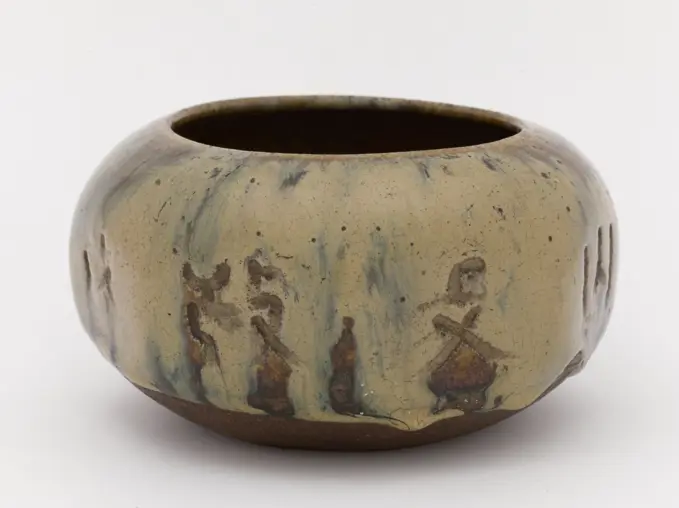
Jar. Sandstone, covered with ash. 1828. Paris, Cernuschi museum. Japanese art, ash, Japanese ceramic, gres, potGlass bowl. Culture: Roman. Dimensions: Overall: 1 1/4 x 2 7/8 x 1 3/8 in. (3.2 x 7.3 x 3.5 cm). Date: ca. 3rd century A.D..Colorless with pale greenish tinge.Thick, rounded rim, with inner lip; short, convex, curving sides to body; solid pad base; flat bottom, with small kick at center and pontil mark.Intact; many pinprick bubbles; pitting, dulling, and iridescent weathering on exterior, slight soil encrustation and creamy brown weathering on interior. Museum: Metropolitan Museum of Art, New York, USA.Plate in the Form of a Jaguar with Interior Painted with Floral-Like Motif. Maya; Mexico or Guatemala. Date: 200 AD-700 AD. Dimensions: 9.2 x 32.1 cm (3 5/8 x 12 5/8 in.). Ceramic and pigment. Origin: Mexico. Museum: The Chicago Art Institute, Chicago, USA.Bowl ca. 2465-2150 B.C. Old Kingdom. Bowl. ca. 2465-2150 B.C.. Red polished pottery. Old Kingdom. From Egypt; Said to be from Fayum Entrance Area, Meidum. Dynasty 5-6Rustic clay pot isolated on white background.Ceramic Cauldron (Thymaterium) used to burn perfumes in a ritual. (4 th CE ) - Roman period, from Archaeological site of Complutum in Alcalá de Henares ( Madrid ). SPAIN.Patera, trulla. Patera, trulla. Bronze. BronzesBowl ca. 3rd-7th century A.D. Sasanian. Bowl 323026ceramic pot isolated on white background Pyksis with duck motif;  early VII century BC (-610-00-00--601-00-00);Falkenhausen, Ernst von (1925) - collection, kingdom, thin -walled ceramics, toilet vesselsVessel with Pierced Designs ca. 700 Bronze was used extensively in the early Islamic period. Judging from the pierced decoration, this object might have been part of a lamp or an incense burner, its pierced surfaces perfect for allowing light and scented smoke to pass through. The exterior is decorated with a horizontal band with alternating, interlacing roundels containing birds and stylized plants. The bottom also features stylized plant designs arranged radially.. Vessel with Pierced Designs 453347Winged Cup (Erbei), c. 206-100 BC. China, Western Han dynasty (202 BC-AD 9). Lacquer; overall: 18.9 cm (7 7/16 in.).Pot 3rd millennium B.C. Iran. Pot 324803Bowl 18th century Japan. Bowl. Japan. 18th century. Clay with a crackled glaze. Edo period (1615-1868). CeramicsBowl: Jun ware, 14th-15th Century. North China, Yuan dynasty (1271-1368) - Ming dynasty (1368-1644). Glazed gray stoneware; diameter: 17.8 cm (7 in.); overall: 7.7 cm (3 1/16 in.).Covered Box, 19th century, 10 x 18 x 18 in. (25.4 x 45.72 x 45.72 cm), Lacquer, China, 19th centuryIncense Burner with Animal Handles 960 CE-1127 China. Guan ware; celadon-glazed stoneware .Pitcher, Earthenware, Pitcher or sauceboat of thin-walled, irregular form with flat circular base; sides pinched together at one side to form handle; opposite side pinched to create trilobe spout and lip. Unglazed; fired unevenly, creating pale/dark spots over surface., Biloxi, Mississippi, USA, 1895-1900, ceramics, Decorative Arts, PitcherEksaleiptron orientalizujący z przedstawieniami syren i zwierząt. Malarz Eksaleiptronu Gołuchowskiego (ok. 575-500 p.n.e.), authorFragment stoneware jug on pinched foot, salt glaze, with appliqué or pointed nose, jug holder soil find ceramic stoneware glaze salt glaze, hand turned decorated glazed baked Small stoneware jug. Pinched foot Probably pointed nose jar of minimal rinks of pointed nose on the shoulder present. Predominantly gray and brown speckled glazed. Convex jar. Turning loops over the entire height archeology underground pit Rotterdam Stadscentrum Stadsdriehoek Blaak indigenous pottery import drinking pouring table storage Soil discovery: underground pit at Blaakstation 1977.04.07.Oval patera; Hoensch, Gottfrid Wilhelm (Fl. 1780-1811); 1796-1804 (1796-00-00-1804-00-00);Krystall, Bronisław (1887-1983) - collection, classicism (style), flowers, plant ornaments, testamentary record (provenance), testamentary record of Bronisław KrystallTazza 1682-83 Thomas Jenkins This tazza is finely chased with figures in a Chinese landscape. This type of ornament was briefly popular in the 1680s and may have been the work of a single workshop in London that decorated wares obtained from other goldsmiths.. Tazza. British, London. 1682-83. Silver gilt. Metalwork-SilverBowl ca. 3rd-7th century A.D. Sasanian Plain unglazed ceramics, like this bowl, are the most common type of pottery found during the Sasanian period. These plain vessels were part of the everyday household materials. Excavated at Maaridh II in the Ctesiphon area, this small bowl is very well preserved, possibly due to its thickness and small size. A very similar bowl was found at the mound of Umm ez-Zatir (32.150.171). The city of Ctesiphon was located on the east bank of the Tigris River, 20 miles (32 km) south of modern Baghdad in Iraq. It flourished for more than 800 years as the capital of the Parthians and the Sasanians, the last two dynasties to rule the ancient Near East before the Islamic conquest in the seventh century. Systematic excavations in the Ctesiphon area were undertaken by an expedition in 1928-29 sponsored by the German Oriental Society (Deutsche Orient-Gesellschaft). The Metropolitan Museum of Art and the Staatliche Museen, Berlin, undertook a joint expedition foPottery toy bowl with shank, decorated in sludge technology, dish dish tableware holder toy relaxing device soil find ceramic earthenware glaze lead glaze, hand turned decorated glazed fried lemonade Pottery toy bowl with shaving clip on stand surface with traces of deduction. Decorated in sludge technology; white and black streaked together on dark brown background archeology Rotterdam rail tunnel exotic pottery import table food child toy play Soil discovery: rail tunnel Rotterdam.Johannis Nicolaas Meeuws, Two-piece mold for part pot or jug with I M, cast molding tool tools base metal bronze, cast turned Two-piece bronze mold for casting part of pot or pot side outside: IM (Joannis Nicolaes Meeuws) Rotterdam tin casting tin tin Meeuws Druy craft Forms come from the originally 18th century Rotterdam tinnegieter J Druy. The large molds that were not dated or signed were the property of the tinkering guild and were rented to the small tin caster.Spool Pyxis with Lid. UnknownBasket 19th century Japan. Basket 62186Bowl. Culture: Paracas. Dimensions: Overall: 1 1/2 in. (3.81 cm)Other: 5 15/16 in. (15.01 cm). Date: 7th-4th century B.C.. Museum: Metropolitan Museum of Art, New York, USA.Cup with two dragons in waves 17th century China The bodies of two dragons are carved on the exterior of this cup and their heads are found inside. It must have been extraordinary to see the dragons partially submerged when wine was poured into the cup and to watch them emerge as the beverage was drunk.. Cup with two dragons in waves 39857Bowl or Jardiniere. Thomas Whieldon (England, 1719-1795). England. Furnishings; Serviceware. StonewareBowl, 1736-1795, 2 3/4 x 7 3/8 x 7 3/8 in. (6.99 x 18.73 x 18.73 cm), White 'camphor' jadeite, China, 18th centuryA bowl bowl bowl unknownKyliks z przedstawieniem zabaw młodzieńców. Malarz Thalii, Ateny (czynny 520-510 p.n.e.), authorBowl;  2. PO. 19th century (1851-00-00-1900-00-00);Bowl first half of the 19th century China. Bowl. China. first half of the 19th century. Porcelain with polychrome enamels over crackled glaze. Qing dynasty (1644-1911). CeramicsGlass cup 1st century A.D. Roman Translucent yellowKnocked-off, uneven, and slightly flaring rim; short concave neck; globular body; plain concave bottom.One faint wheel-abraded horizontal line around neck; band of two lines on body, 2.6-2.8 cm below rim.Intact; many pinprick bubbles; pitting, dulling, and iridescent weathering.. Glass cup 239861Hammered Silver Rattle Beaker Fragment () 8th-mid-16th century Peru; north coast (). Hammered Silver Rattle Beaker Fragment () 309026Bowl ca. 3rd-7th century A.D. Sasanian. Bowl 322406Spool-Shaped Game Pieces from Neferkhawet's Tomb ca. 1504-1447 B.C. New Kingdom A family tomb, established by a man named Neferkhawet, was excavated by the Egyptian Expedition of the Metropolitan Museum of Art in 1935. One of the last people buried in the tomb was a woman whose name was not recorded on any of the objects in the tomb. Inside her coffin was an incomplete set of gaming pieces, five spool-shaped like this one and five conical. These would have been used to play the games senet and 20-squares. No trace of an accompanying game box was recorded by the excavators. The coffin itself was badly damaged by rot and insects, so remains of a wooden game box may have been indistinguishable from the coffin.The five conical game pieces are quite uniform in shape, size, and color. Four of the spool-shaped pieces are also quite similar, but the fifth is different enough that it may have been a replacement piece.. Spool-Shaped Game Pieces from Neferkhawet's Tomb. ca. 1504-1447 B.C.. FaiencBoshanlu censer, 1st-2nd century, 11 3/4 x 7 in. (29.85 x 17.78 cm), Earthenware with green glaze, China, 1st-2nd century, Censers were common to altar tables where special incenses were burned in a variety of rituals. Those made in the form of a sacred mountain like this one may have had Daoist connotations. Made of pottery, it imitates a more expensive bronze original.One of a Pair of Bowls with Textile-Like Pattern 180 BCE-500 CE Peru. Ceramic and pigment . NazcaCovered Candy Jar, Diadem” Pattern, Crown” Decoration.  Designer George Sakier, American, 1897-1988 Manufacturer: Fostoria Glass Company, American, 1887-1986Bowl Fragment. Iran, Kashan, circa 1200-1220. Ceramics. Fritware, underglaze and overglaze luster-painted and gildedBRONCE FUNDIDO PERSA - SIGLO XIV. Location: MUSEO ARQUEOLOGICO NACIONAL-COLECCION. MADRID. SPANIEN.Bowl. Syria, 14th century. Metal. Brass, incised and engraved, with traces of silver inlayLow drinking glass with crossed rib pattern, maigelein, maigelein drinking glass drinking utensils tableware holder soil find glass forest glass, blown in shape Low drinking glass maigelein in clear green glass (forest glass). Stuffed bottom with pontilemark and star pattern of polka dots or ridges continuous over wall archeology inn The Heart Geervliet Bernisse serving drinking wine Soil discovery: Geervliet Dorpsplein 1 demolition Trouw put 5 city inn 't Hart 1985.Box (2 parts) ". Sandstone sandstone and decor painted in brown under transparent cover. Paris, Cernuschi museum. Chinese art, Box, Chinese Ceramic, cover, painted decor, ENGOBE CREMEBowl with Radiating Striped Bands and Triangles and Interlocking Zigzag on Exterior. Salado, Gila Polychrome; Southeastern Arizona, United States. Date: 1300-1400. Dimensions: Diam. 19.1 cm (7 1/2 in.). Ceramic and pigment. Origin: Arizona. Museum: The Chicago Art Institute, Chicago, USA.Flower Holder (USA); tinBowl 270 B.C.-A.D. 320 Meroitic Period. Bowl. 270 B.C.-A.D. 320. Copper alloy. Meroitic Period. From Nubia (Sudan), Lower Nubia, Faras, Cemetery 1, Grave 975, University of Oxford Excavations in Nubia 1910-1912Bowl 1895-1905 Japan. Glazed stoneware . Kôzan MakuzuFragment earthenware dish with green and brown silt decoration on yellow ground, plate dish crockery holder soil find ceramic earthenware glaze lead glaze, lintel archeologyRound box with lid. It consists of a fry and a lid with soldered edges of red copper from Tomak. It was covered inside with a blue velvet. The container has a flat bottom and a right-standing wall that narrows itself to the edge. The lid, which has been raised to the center, has a driven and punched decor, consisting of a border with an ornament of two stylized pod and leaf motifs, which are repeated six times. In the middle, a coral is included in a rosette, which is formed from three leaves.Roman ceramic , monographic museum of Conimbriga, city of Conventus Scallabitanus, district of Coimbra, Portugal.Dish with Openwork Dome and Floral Scrolls. China. Date: 1401-1500. Dimensions: H. 5.8 cm (2 1/4 in.); diam. 23.3 cm (9 3/16 in.). Longquan ware; celadon-glazed stoneware with underglaze incised decoration. Origin: China. Museum: The Chicago Art Institute, Chicago, USA.CUENCO PINTADO Y VIDRIADO. Location: ALFARERIA. ALBOX. Almería. SPAIN.Bowl. Turkey, first half of 13th century. Ceramics. Fritware, underglaze-paintedFragmentary Attic Black-Figure Band Cup.Mirror Greek, Cypriot. Mirror 244286Box with lid, anonymous, 1800 - 1900 Silver box, round, spherical, driven. Riouw Archipelago silver (metal) Silver box, round, spherical, driven. Riouw Archipelago silver (metal)Finger Grip before 16th century Mexican. Finger Grip 317413Kero early 17th century Quechua. Kero 316846Fingerbowl, from a set of 12, c. 1929-1930, 1 5/8 x 4 11/16 x 4 1/2 in. (4.1 x 11.9 x 11.4 cm), Silver, Mexico, 20th centuryTeabowl 17th century Japan. Teabowl 62653Beaker Made 1690-1700 Staffordshire. Earthenware (redware), silver mount .Bowl with Leaf Calyx Medallion. UnknownNorth America, Mexico, Mexican Traditional Arts: black clay earthenware, from San Bartolo, Coyotepec.Covered Flat Jar (lid), 1127-1279. China, Hangzhou, Suburban Altar Kiln, Southern Song dynasty (1127-1279). Glazed buff stoneware, Guan ware;Empty wooden plate, knife, fork and cutting board Empty wooden plate, knife, fork and cutting board set on textured concrete background Copyright: xZoonar.com/TetianaxChernykovax 21413810Fragment majolica bowl or salt bowl, blue on white, one tulip in circle, cable edge, bowl crockery holder soil find ceramic earthenware glaze tin glaze, majolica baked archeology tulip tulip raspberryOld Silver BowlTea bowl (chawan) and stand, 19th century, Unknown Japanese, 3 1/2 x 5 1/4 x 5 1/4 in. (8.9 x 13.34 x 13.34 cm), Glazed earthenware; wood stand, Japan, 19th centuryDish from V.O.C.-ship De 'Witte Leeuw', Anonymous, Before 1613  Saucer from V.O.C. ship De 'Witte Leeuw', 60  present; Parts of the wall and the flat are missing. Large dish with a flat edge, a scalloped lip and an unglazed bottom; Decorated in underlaze blue. The foot ring is faceted, V-shaped and stands inside. In the flat a taoistic immortal on the waves, a pavilion in the background. The show is surrounded by a battery -shaped tire filled with geometric patterns. On the wall and edge alternating wide and narrow fields filled with feniksen, happiness symbols and jewelry. Jingdezhen porcelain. bone china (material)   Sint-HelenaCovered Basket 19th century Japan. Covered Basket 62234Vase, Rookwood Pottery, American, 1880 - 1967, Glazed earthenware, Grey-green ground with twelve underglaze vertical branches of brown leaves and muted red flowers. Tall, footless body, wider at shoulder than at base; vestigal neck, large mouth. Under-glaze brown bands at neck and base., Cincinnati, Ohio, USA, 1921, ceramics, Decorative Arts, VaseBowl 12th-13th centuryBasket ca. 1770-75 Worcester factory. Basket. British, Worcester. ca. 1770-75. Soft-paste porcelain. Worcester factory (British, 1751-2008). Ceramics-PorcelainJar. Culture: China. Dimensions: H. 3 in. (7.6 cm); W. 5 3/4 in. (14.6 cm); Diam. of rim: 3 3/4 in. (9.5 cm); Diam. of foot: 3 in. (7.6 cm). Date: 19th century. Museum: Metropolitan Museum of Art, New York, USA.Gabbro mace head ca. 2500-1900 B.C. Cypriot Spherical with a hole through the center.. Gabbro mace head. Cypriot. ca. 2500-1900 B.C.. Gabbro. Early Bronze Age. Miscellaneous-StoneVase, Rookwood Pottery, American, 1880 - 1967, Edward Timothy Hurley, American, 1869-1950, glazed stoneware, White clay body, cast. Wide flaring cylindrical body with truncated rim; no foot. Underglaze slip-decorated around body with landscape scene of lake, low hills and trees in background. On front is a cluster of birch trees in foreground. Colors range from blues to grays, with accents of browns in the trees. Allover clear high glaze; fine crazing. Interior and bottom glazed., Cincinnati, Ohio, USA, 1912, ceramics, Decorative Arts, vase, vaseFlower Pot with Stand China. Flower Pot with Stand. China. Cinnabar lacquer. Qing dynasty (1644-1911), Qianlong period (1736-95). LacquerCup. Egyptian. Date: 3000 BC-2498 BC. Dimensions: 7 × 6.4 × 6.4 cm (2 3/4 × 2 1/2 × 2 1/2 in.). Calcite. Origin: Egypt. Museum: The Chicago Art Institute, Chicago, USA. Author: Ancient Egyptian.Basket late 18th or early 19th century British. Basket. British. late 18th or early 19th century. Straw on wood, rose paper. Natural SubstancesBowl onPedestalwooden cup isolated on whiteFragment of bottom of bulbous bottle, belly bottle bottle holder soil find glass, free blown and shaped Fragment of bottom and part wall of bulbous bottle cat head in clear green glass. Pontil mark under raised bottom Body with up to 8.0 cm round wall archaeological packagingLidded Jar (lid), AD 400s-500s. Korea, Silla (57 BC-935) or Kaya (AD 42-562) period. Red earthenware with incised band designs; diameter of mouth: 7 cm (2 3/4 in.); overall: 11 x 12.8 cm (4 5/16 x 5 1/16 in.).Rippenschale Bowl; Eastern Mediterranean, Italy; second half of 1st century B.C; Glass; 6.5 x 8.1 cm (2 9,16 x 3 3,16 in.)Fragment of a Bowl. Dimensions: H. 2 5/8 in. (6.6 cm)Diam. (at base) 4 9/16 in. (11.6 cm). Date: 10th-11th century. Museum: Metropolitan Museum of Art, New York, USA.Cover; moulded and thrown unglazed stoneware (black basalt); 13.4 x 12.5 cm (5 1/4 x 4 15/16 in.); Bequest of Erskine Hewitt; 1938-57-311-a,bOld style frypan isolated on whiteBowl ca. 1898-1910 George E. Ohr In many ways George Edgar Ohr was the quintessential Arts and Crafts potter, combining artistic vision with extraordinary skill with his hands. Working in the seaside resort town of Biloxi, Mississippi, he dug the clay, processed and prepared it, threw the shape on the wheel, altered the piece according to his vision, mixed and applied his own glazes, fired the kiln, created his own style of advertising, and took his wares on the road. Ohrs personal mantra was "no two alike," and he was as eccentric as his work was individualistic, with its manipulated forms on ultra-thin thrown vessels, crimping, ruffling, off-centering, and twisting, to create unprecedented forms for the 1890s. To these forms, he applied his own completely new and unusual glazes, applied by sponging, splashing, and spattering, resulting in works that in many ways anticipated the abstract art movements that would find form decades later.With some objects, including this bowl, Ohr foldPyxis with Lid, c. 1901-1525 BC. Egypt, Late Middle Kingdom to early New Kingdom. Turquoise faience with black decoration; overall: 11 cm (4 5/16 in.); diameter of box: 8.3 cm (3 1/4 in.).Can with skyrocketed wall. Acquired by the artist on the Paris World Fair 1900Painted bowl, Aztec, Mexico, AD 1400-1520. Aztec bowls were often painted with simple, yet striking, geometric patterns using two different colours.. Porcelain lid of porcelain, painted on the glaze in red, green, black and gold. The wall is covered with a geometric leaf pattern with a decorative tire on the edge. The knop ring is green. Export material for Thailand in the bencharong style (five colors). Porcelain with email colors.Upper Part of Papyrus Stalk Mirror Handle ca. 1390-1353 B.C. New Kingdom. Upper Part of Papyrus Stalk Mirror Handle. ca. 1390-1353 B.C.. Faience. New Kingdom. From Egypt, Upper Egypt, Thebes, Malqata, Palace of Amenhotpe III, To S. and W. of Room 1, MMA excavations, 1910-11. Dynasty 18Sake bottleRalph Atkinson, Economite Bowl or Cake Mold, c 1937 Economite Bowl or Cake MoldKnife, spoon and brazier with terracotta plates and bowl (cooking equipment), 2nd century BC - 2nd century AD Gallo-Roman, from Vertillum, France