Ceramic Bowls And Dishes

A variety of decorative ceramic bowls, each featuring unique designs, glazes, and cultural artistry, from ancient to modern times.
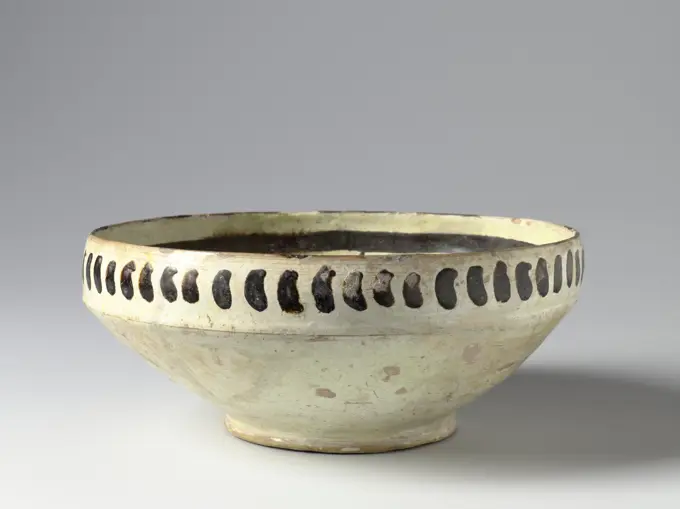
Bowl with a stylized bird and foliate scrolls, anonymous, c. 900 - c. 999 Come of earthenware with white sludge and a painting in black sludge under a transparent enamel. On the front a stylized bird surrounded by leaf vines. The outer edge with a decorative band. Nishapur (possibly) earthenware. glaze painting / vitrification Come of earthenware with white sludge and a painting in black sludge under a transparent enamel. On the front a stylized bird surrounded by leaf vines. The outer edge with a decorative band. Nishapur (possibly) earthenware. glaze painting / vitrification
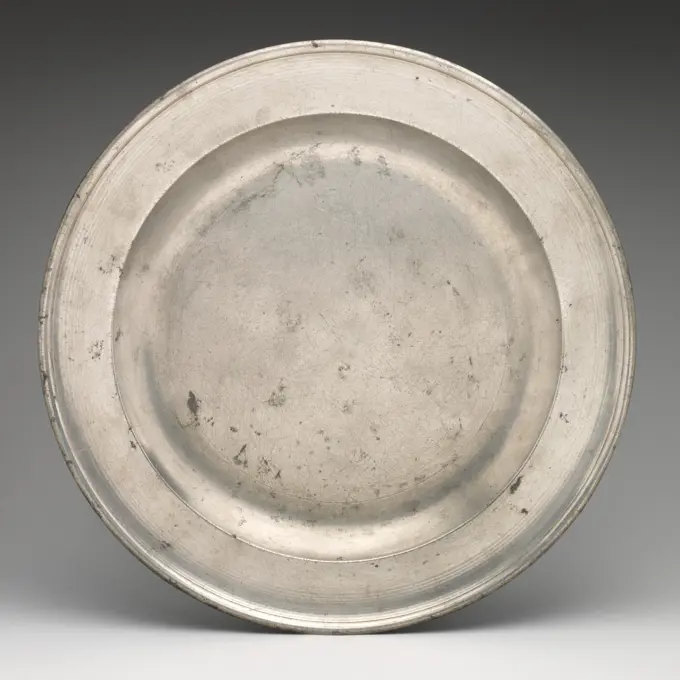
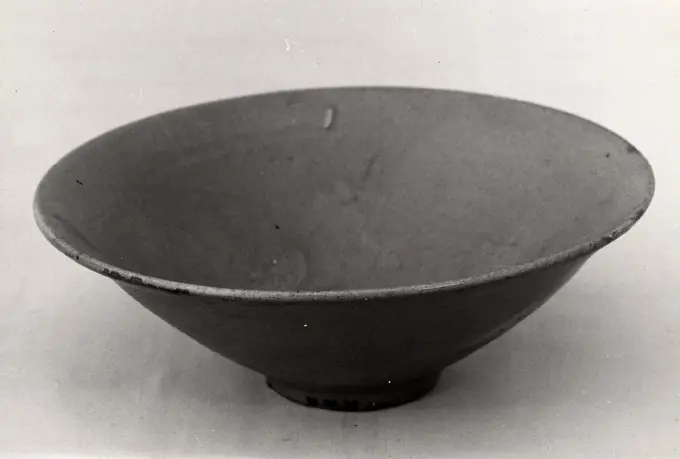
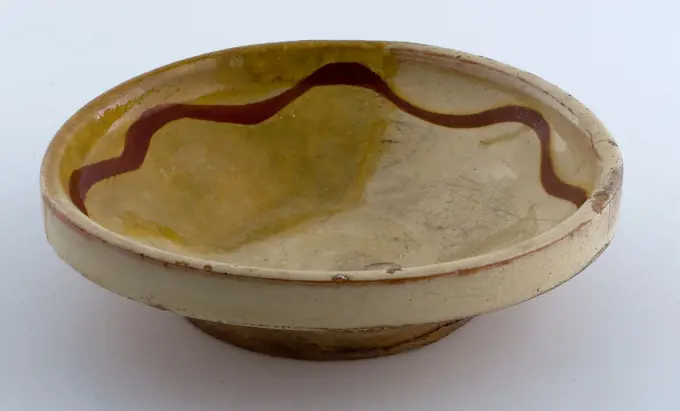
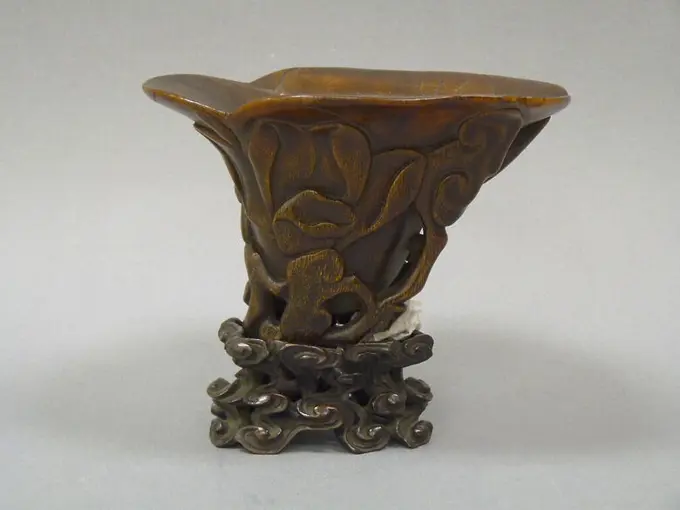
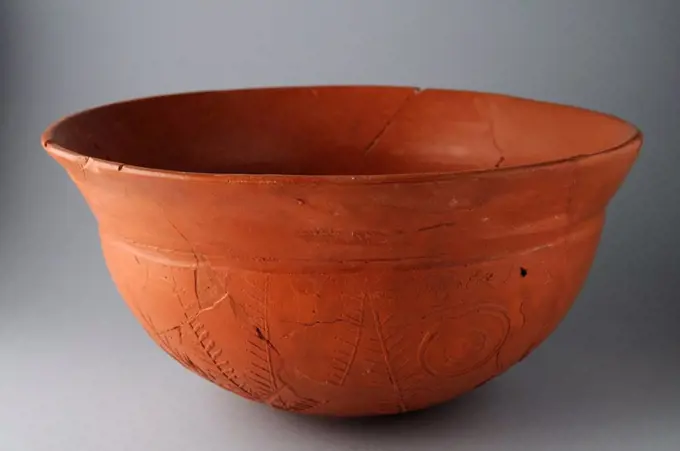
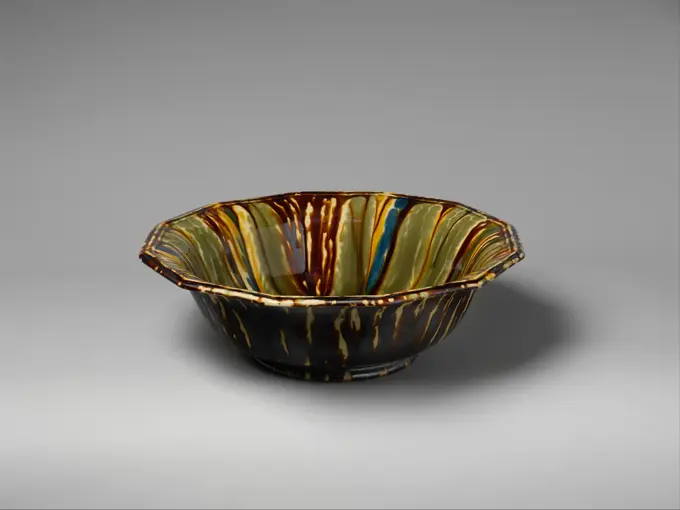
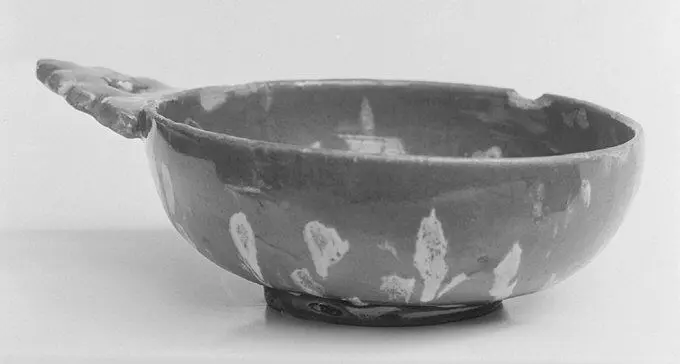
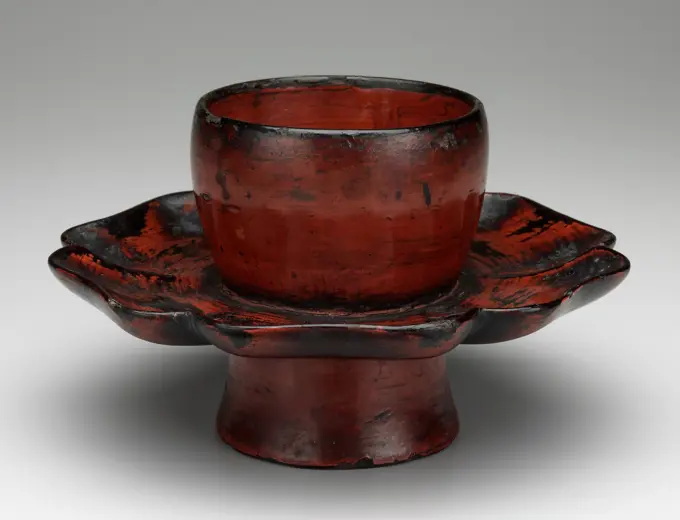
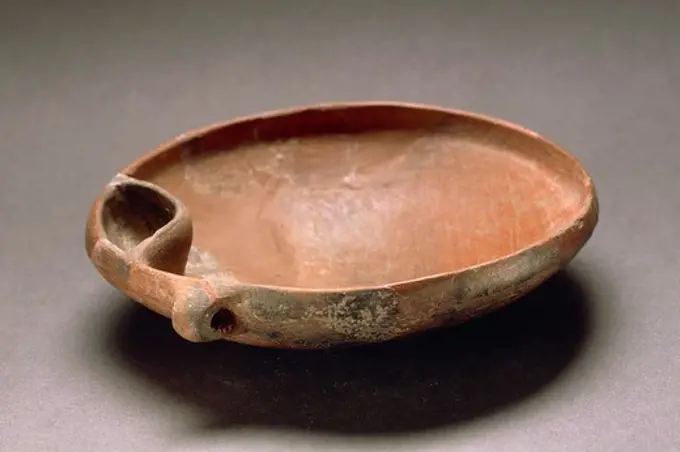
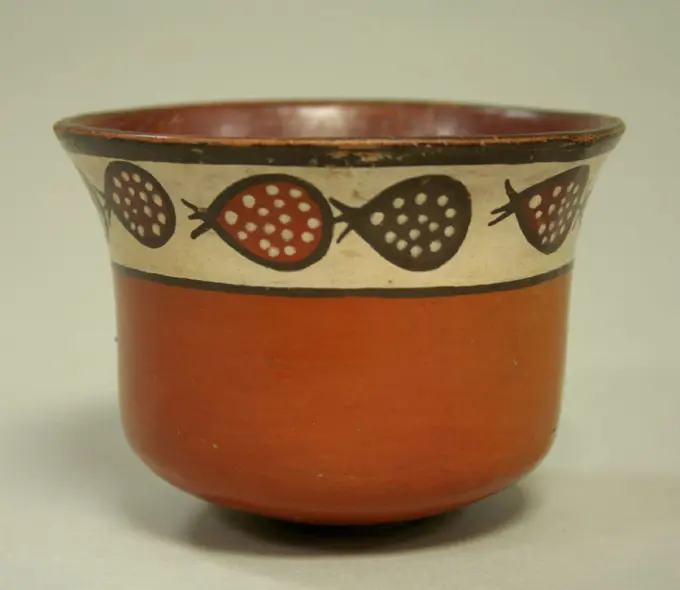
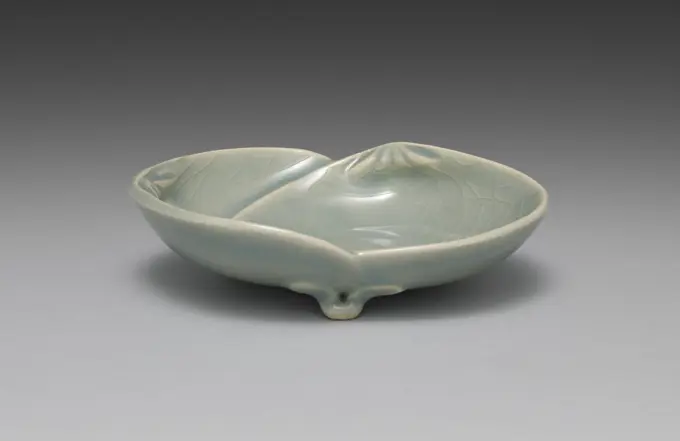
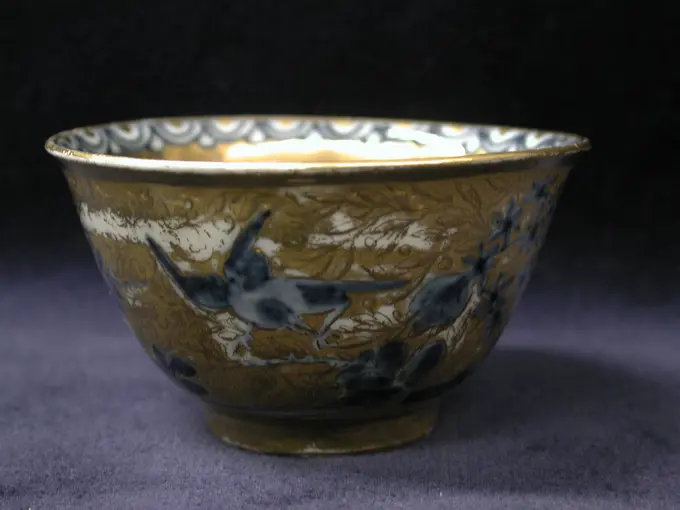
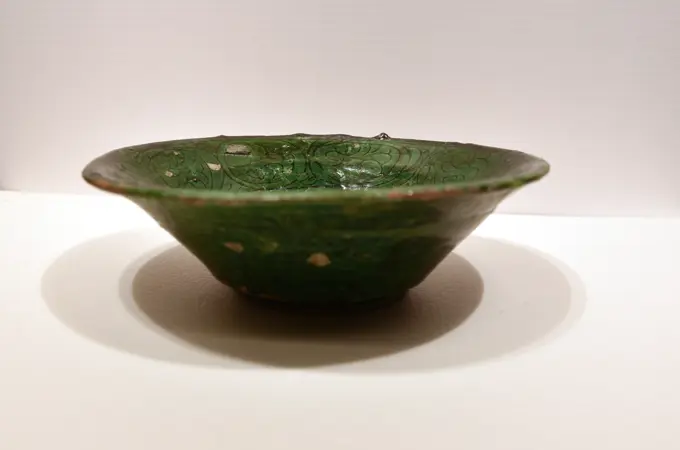
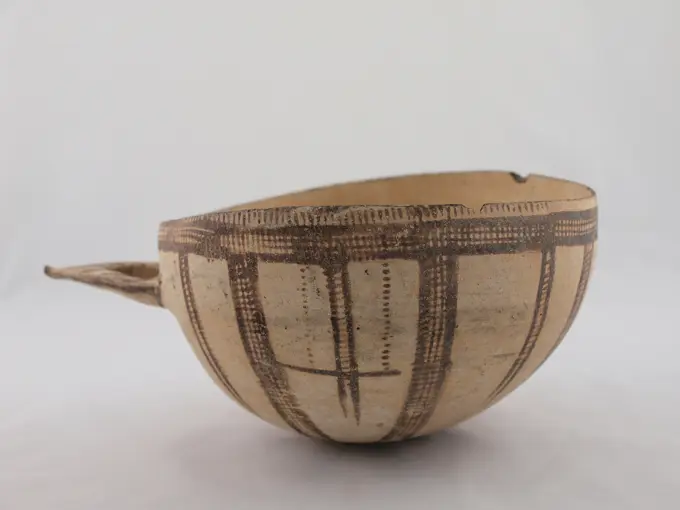
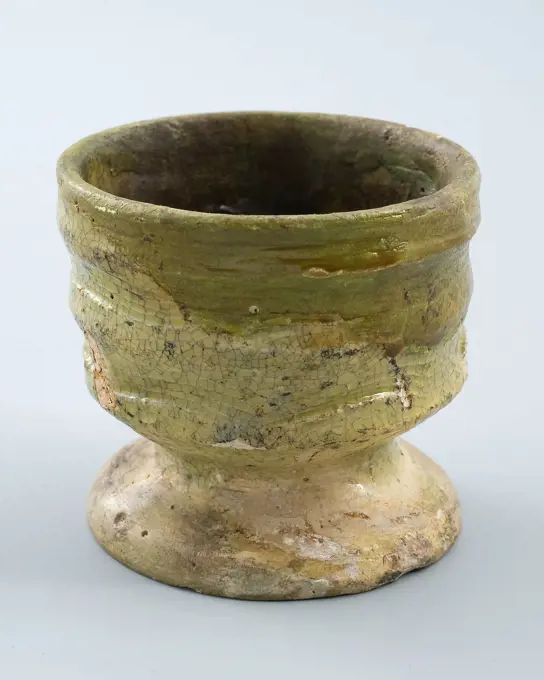
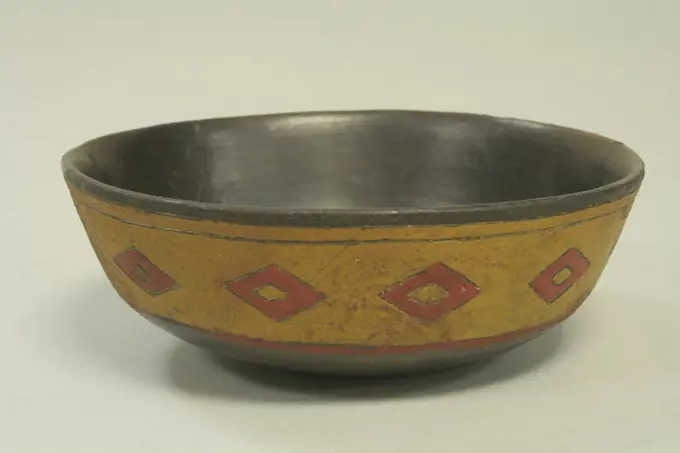
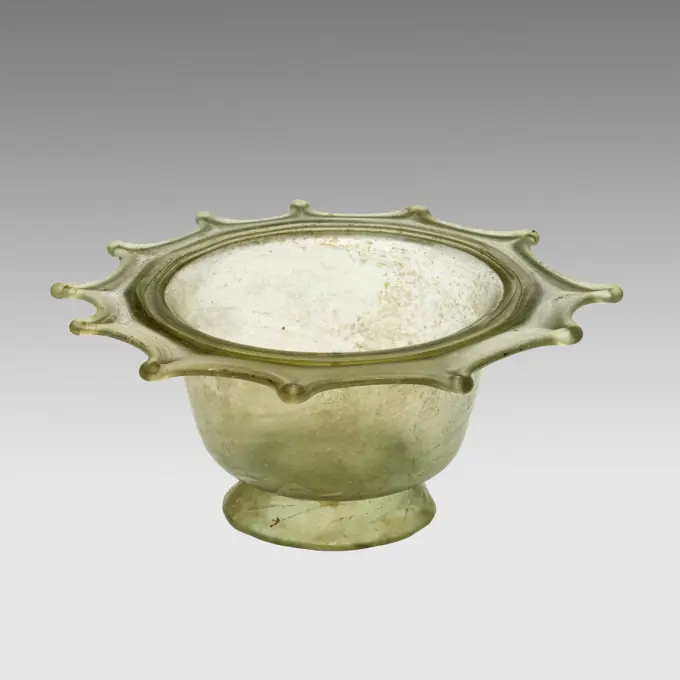
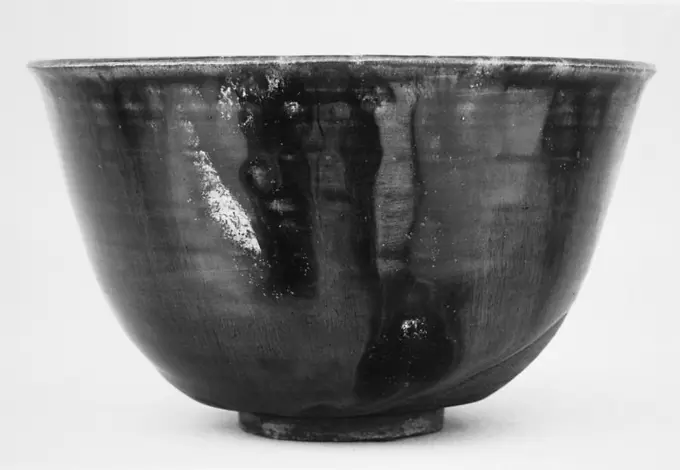
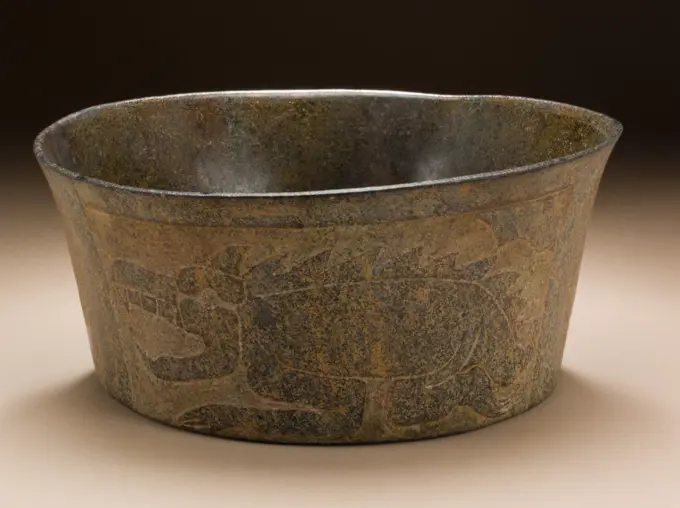
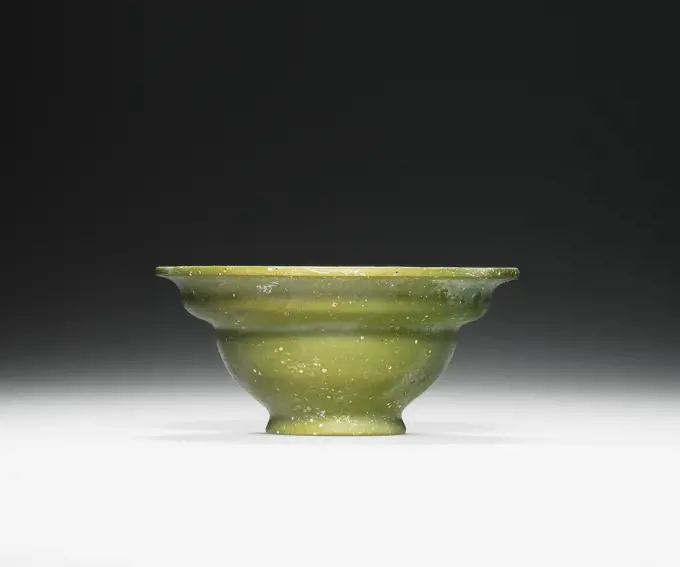
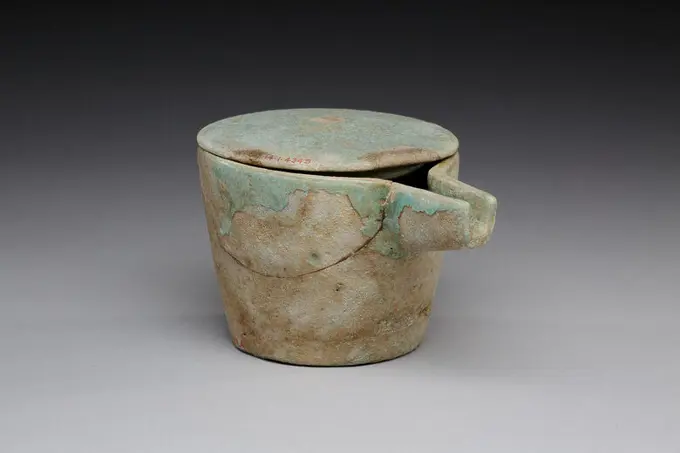
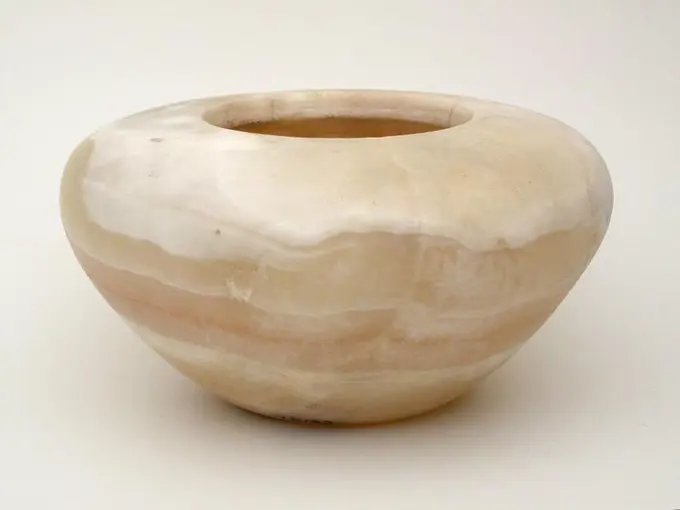
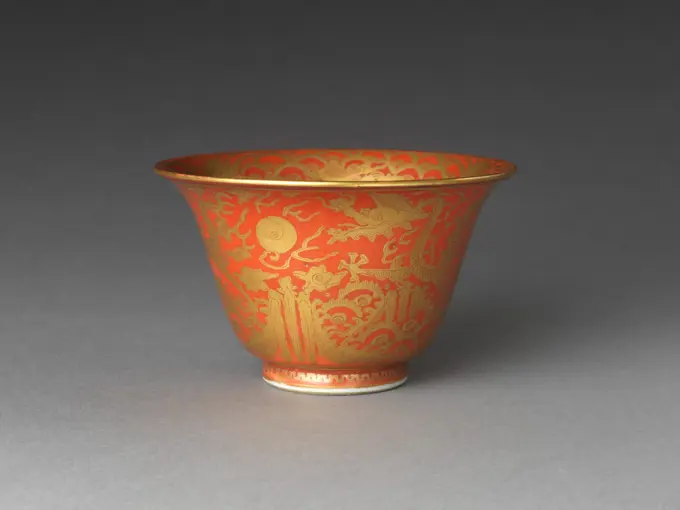
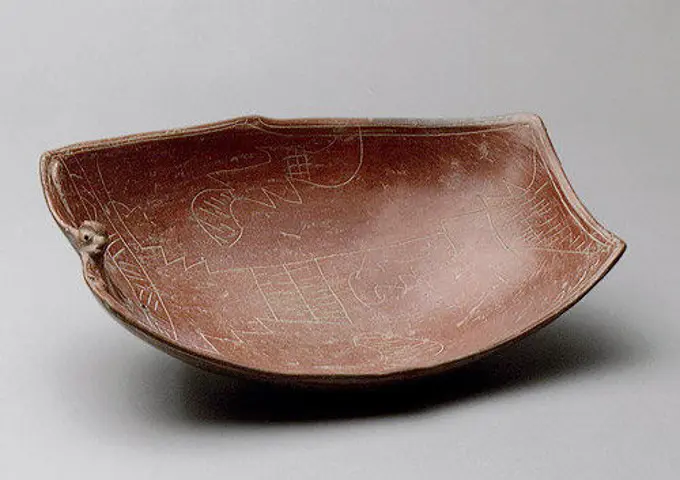
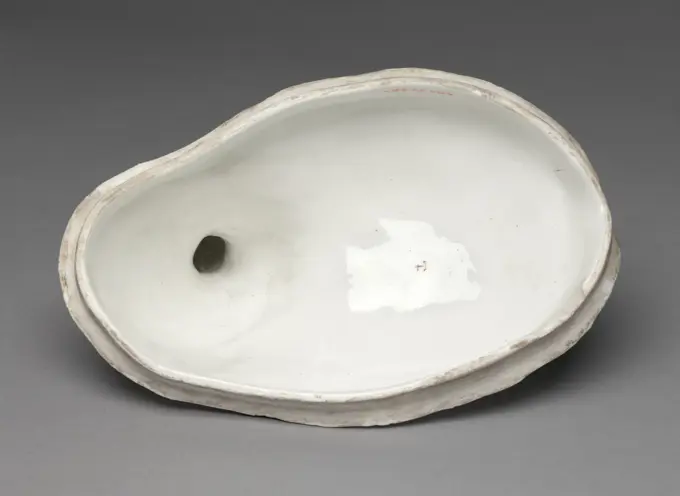
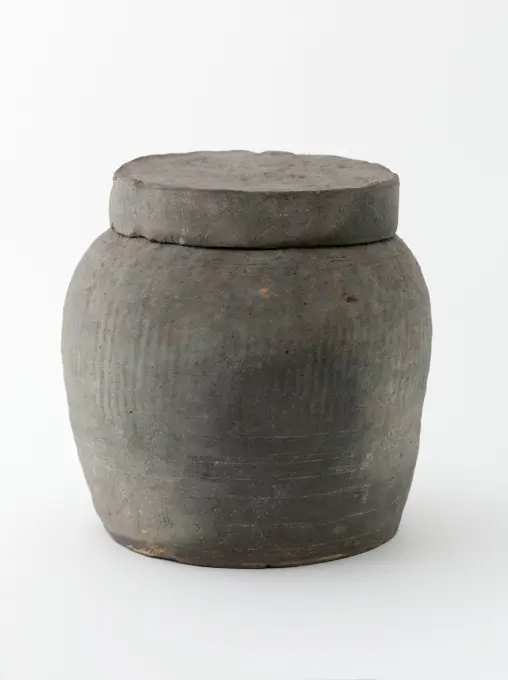
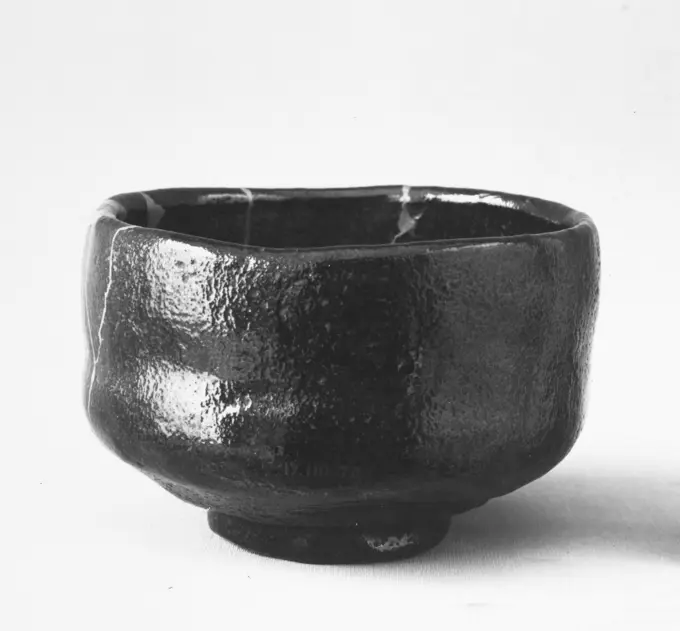
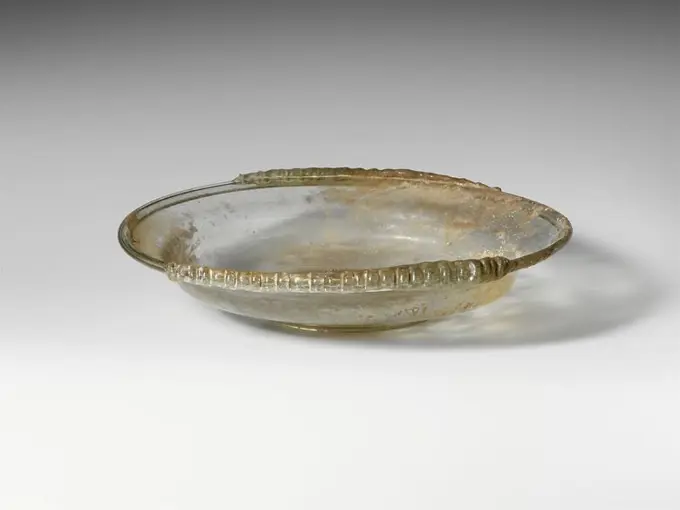
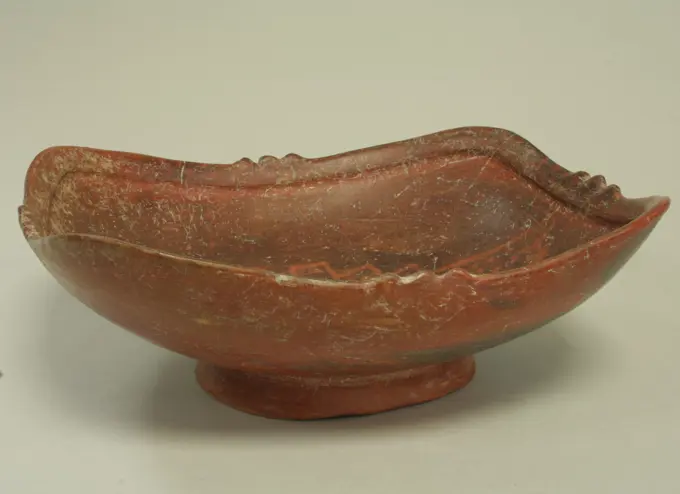
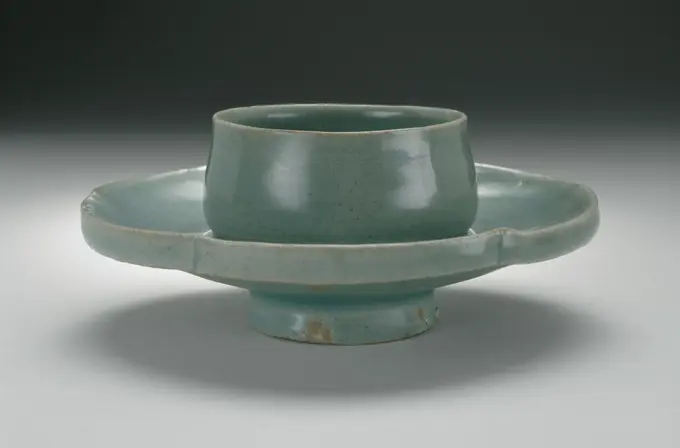
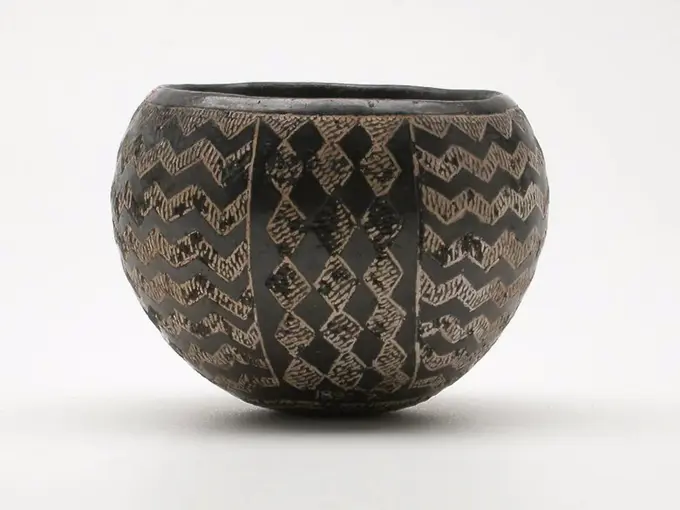
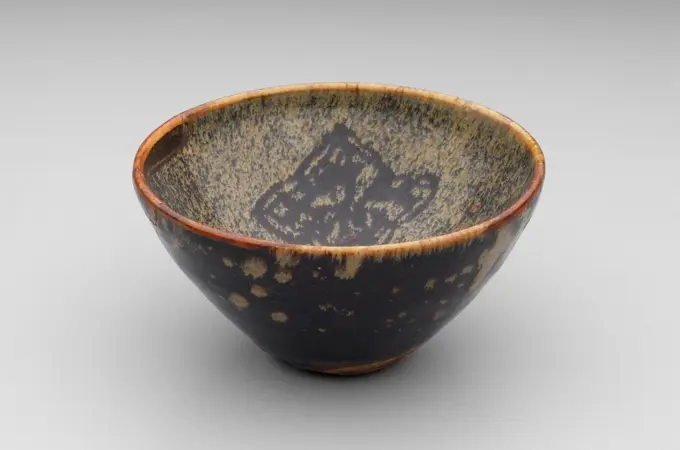
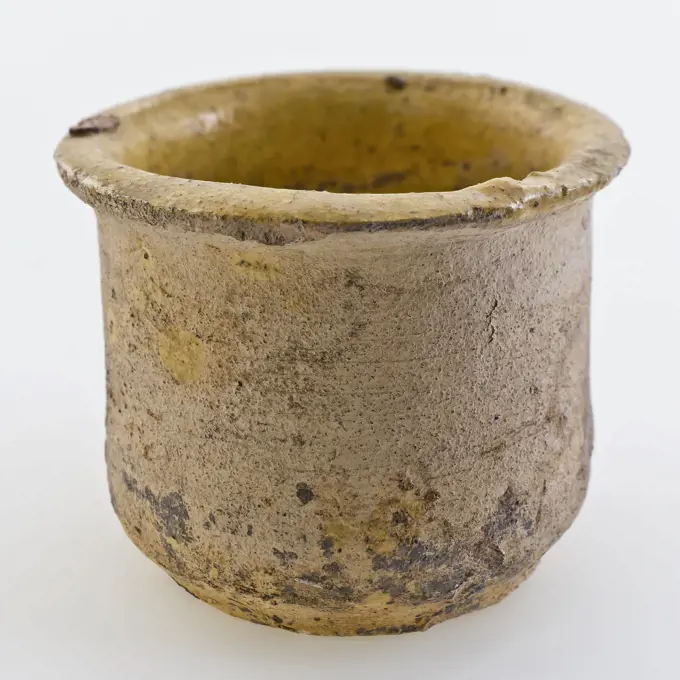
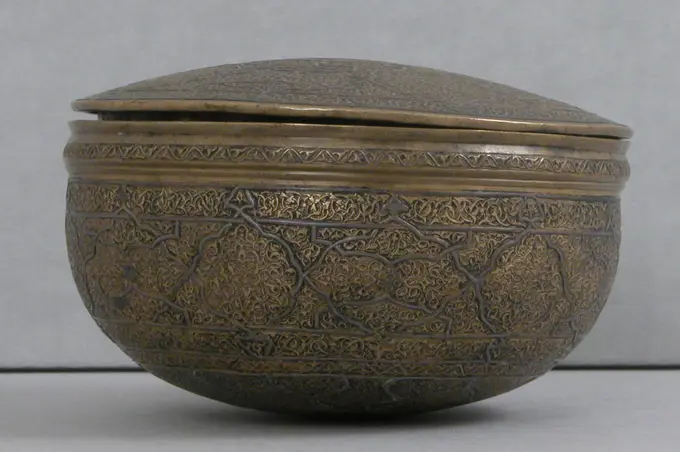
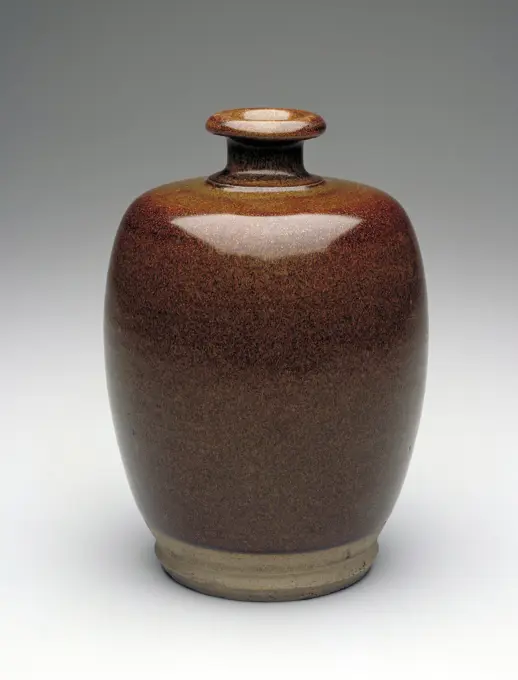
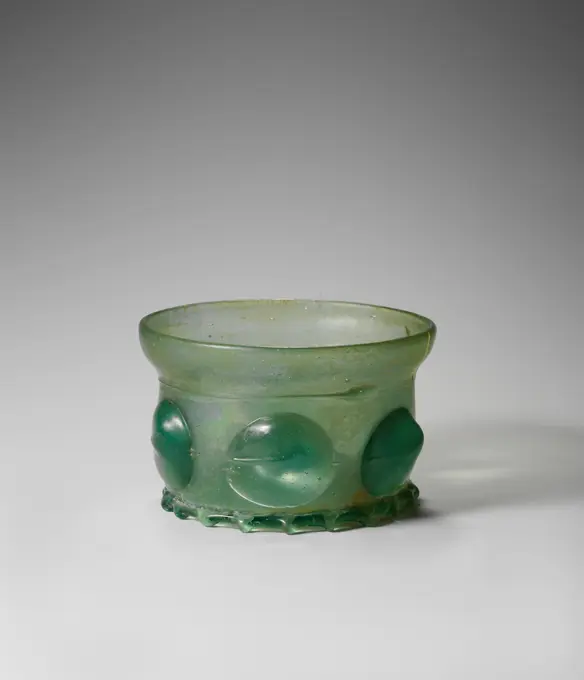
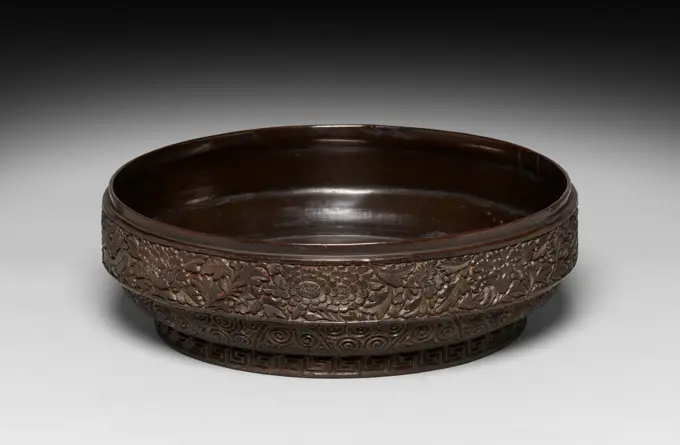
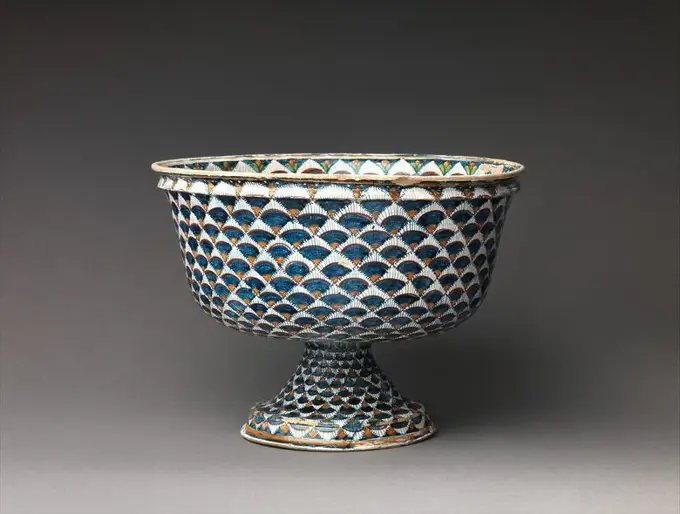
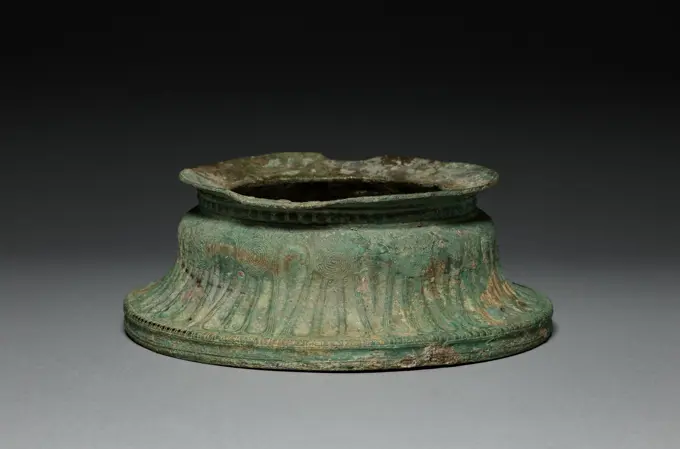
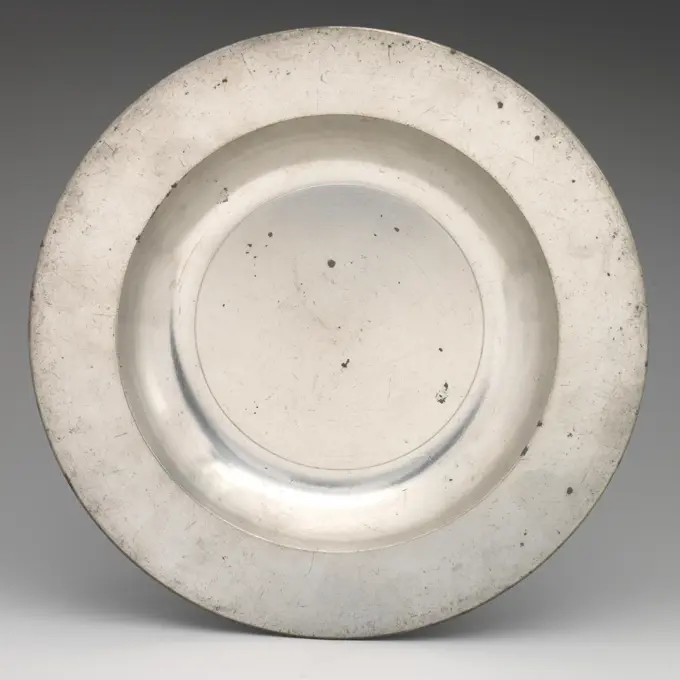
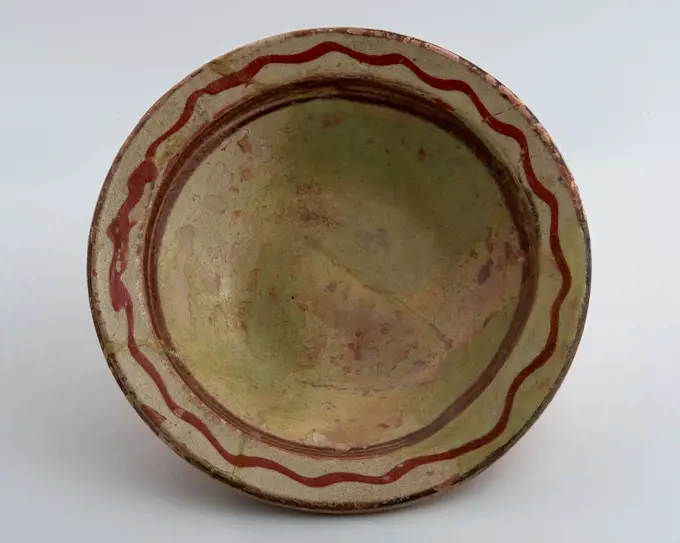
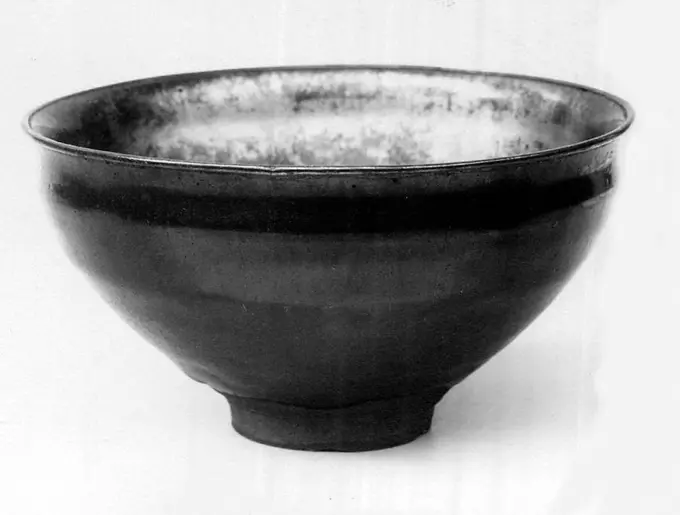
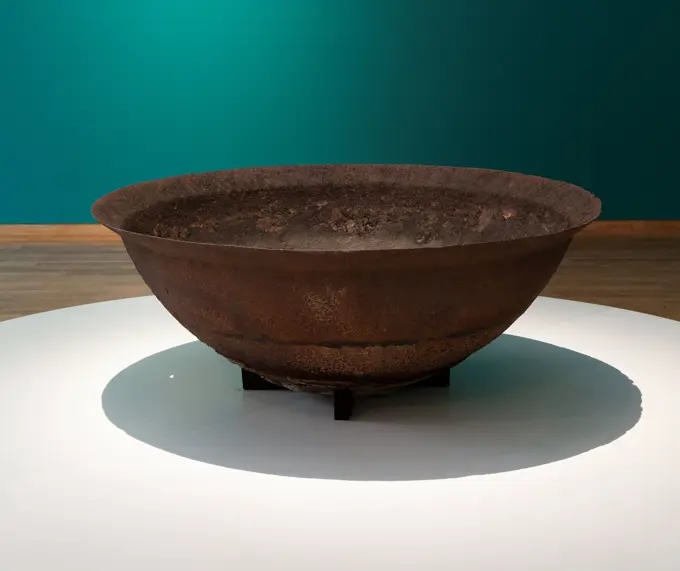
Incised Painted Bowl. Culture: Paracas. Dimensions: Diameter 6-1/2 in.. Date: 5th-3rd century B.C.. Museum: Metropolitan Museum of Art, New York, USA.Focolare bowl second half of 6th century B.C. Etruscan Undecorated.. Focolare bowl. Etruscan. second half of 6th century B.C.. Terracotta; bucchero. Archaic. VasesCeramic bowl , Hispanic Terra Sigillata with geometric decoration and plant, type Drag . 13 x 25 cm. (3rd - 4 th CE ) - Roman period, from the archaeological site of Complutum in Alcala de Henares (Madrid). SPAIN.Cup 1 CE-100 CE Mediterranean Region. Initially affordable only among the wealthy, glass was used in ancient Rome as containers for oils, perfume, and tablewares. The variety of glass-making techniques reveals the changing tastes and fashions over the centuries. During the 1st century CE, cast glass was a novel form that was a luxury for the Roman household, but by the end of the century, the innovation of blown glass allowed for less labor-intensive and less expensive production, which meant people of lesser means could afford it. Blown glass became so popular it nearly supplanted ceramic and even bronze wares in the home.. Glass, blown technique . Ancient MediterraneanBowl. China. Date: 618 AD-907 AD. Dimensions: H. 3.3 cm (1 5/16 in.); diam. 8.3 cm (3 1/4 in.). Earthenware with marbled slip. Origin: China. Museum: The Chicago Art Institute, Chicago, USA.Bowl. Iran, Sasanian period (225-650 A.D.). Furnishings; Serviceware. High-tin bronzeBasin 1849-58 Lyman, Fenton & Co.. Basin 345Bowl second half 17th century British, Lambeth. Bowl 198114Tenmoku teabowl stand, 15th century, Unknown Japanese, 3 7/8 x 6 7/8 x 6 7/8 in. (9.84 x 17.46 x 17.46 cm), Negoro ware; lacquer over wooden core, Japan, Negoro, Lacquered stands were often imported from China together with temmoku tea bowls. These beautifully fashioned stands were appreciated as independent art objects, but they also served the practical function of supporting narrow-footed bowls. Temmoku bowls with stands were preferred in early tea gatherings which were held in palatial audience halls. The use of temmoku bowls and stands continued in later eras as means of expressing respect for people of noble birth. This lacquer stand was crafted in Japan in red lacquer (negoro) in imitation of Chinese examples.Nuragic civilization. Fictile bowl with side compartment. From Sardinia Region.. Square tea cup of stoneware, covered with a gray and white sludge and painted in underglaze blue. On the inner and outer wall stylized grass shifts. The foot ring and the edge are unglazed. Above the foot marked with 'Roku-Ichi'. Some chips and a crack in the edge. Kyoyaki.Painted Jar 1st-6th century Nasca. Painted Jar 309721Dish from Saucers with Matching Shells, 1893-1914. Seifū Yohei III (Japanese, 1851-1914). Porcelain with molded design and green crackled glaze; overall: 3 x 12 x 8.5 cm (1 3/16 x 4 3/4 x 3 3/8 in.).Chawan.  Artist: Kat Shuntai, Japanese, 1799-1878Teabowl and saucer ca. 1730-40 German, Meissen. Teabowl and saucer 210149Bowl. Black cover sandstone animated by rust spots and drips. Paris, Cernuschi museum. 78845-30 Asian art, table art, bowl, old ceramic, container, dishesPottery test, square model with round bottom, on three legs, bandoor, test fire test earth discovery ceramic earthenware glaze lead glaze, hand turned hand shaped glazed baked Test of red earthenware brown glaze quadrangular with standing ear at an angle three legs of which one in gypsum rings Richel on the transition from side wall to bottom archeology Valckensteyn Poortugaal Albrandswaard indigenous pottery kitchen footstep hand warmer foot warmer Soil discovery: canal at kitchen castle Valckensteyn at Poortugaal now Albrandswaard 1962.Bowl 10th century. Bowl. 10th century. Earthenware; white slip, incised under dark green glaze. Excavated in Iran, Nishapur. Attributed to Iran, Nishapur. CeramicsBowlBowl 1450 BCE-1200 BCE Cyprus. Cyprus was an important center for trade and commerce throughout antiquity. By the Late Bronze Age (about 1600ñ1050BC), the island was producing large quantities of copper, which lured adventurous seafaring merchants to its shores in the hope of exchanging their cargo for the prized metal. Imported goods and migrant artists profoundly influenced Cypriot potters and painters, who began to create and decorate their wares differently. New products served the Cypriotsí domestic and ritual needs or made their way on outbound ships to distant lands, where they in turn inspired local artists.This hemispherical bowl has a single handle in the shape of a wishbone. Sometimes called a ìmilk bowl,î it is coated with white slip and painted with dark brown patterns. Cypriot vases decorated in this technique were widely exported around the Mediterranean.. terracotta . Ancient CyprioteBowl China. Bowl 53932Pijzel with French lilies, anonymous, 1600 - 1800 The cast round mortar extends upwards, has a round -protruding profiled edge and a flared foot. On the wall two button -shaped handles, three French lilies and the initials IB at the front, and three French lilies at the rear. France bronze (metal) casting The cast round mortar extends upwards, has a round -protruding profiled edge and a flared foot. On the wall two button -shaped handles, three French lilies and the initials IB at the front, and three French lilies at the rear. France bronze (metal) castingRibbed Bowl. UnknownLow earthenware cup on stand foot, profile rings, between which wave decoration, beaker crockery holder soil find ceramic earthenware glaze lead glaze, hand turned glazed baked White shard. Round standing foot level with soul On the outside three three-shaped rings Two tracks with corrugated grooves between the profile rings Completely green glazed. Restoration is repainted in color archeology Rotterdam Stadscentrum Stadsdriehoek Groenendaal underground pit serving pottery serving up soil founding area Rotterdam Groenendaal at 195 meters approximately 2 12 meters NAP.Incised Painted Bowl 7th-5th century B.C. Paracas. Incised Painted Bowl. Paracas. 7th-5th century B.C.. Ceramic, pigment. Peru, Ica Valley. Ceramics-ContainersAttic Black-Figure Droop Cup. Wraith Painter (Greek (Attic))Bowl 301 CE-500 CE Syria. Glass vessels were part of the luxurious domestic decoration displayed in wealthy households in both urban villas and rural estates in the later Roman and early Byzantine eras (about 300ñ725). Glass vessels were used for a variety of purposes, including cosmetic containers. In the kitchen and for dining, pitchers served water and wine, and small cups were used for drinking. Glass was also used for lamps to light the home.Byzantine glassmakers refined the techniques they inherited from their Roman predecessors, creating objects with increasingly elaborate forms and complex decorative elements to flaunt their skills. Cosmetic containers were often adorned with fine strands (trails) of glass that required a steady hand and rapid execution, while other vessels look quite complex yet were easily made. Glass continued to be used in objects of personal adornment such as jewelry, both as a material in its own right and to imitate precious stones, offering more affordaBowl 19th century Japan. Bowl 47139Bowl. Mexico, Guerrero, Mezcala, 900-600 BCE. Stone. Incised stone with pigmentBowl; Eastern Mediterranean or Italy; end of 1st century B.C. - beginning of 1st century A.D; Glass; 3.3 x 7.3 cm (1 5,16 x 2 7,8 in.)Elm Bowl, 1954. Made by George Lailey of Bucklebury Common, Berkshire.. Pinto Collection - Purchased from Edward H Pinto, 1965.. This elm wood bowl was made by George Lailey of Bucklebury Common, Berkshire in 1954. George Lailey was one of the last pole lathe workers to earn a living from making domestic utensils in England. This bowl was one of his last pieces which he made in 1954 when he was 85 years old. Although woods such as sycamore and beech were popular amongst wood turners, George Lailey preferred to use elm, which was in plentiful supply at that time. The outbreak of Dutch elm disease in the 1970s was a catastrophe for the English Elm. Only a handful of large elm trees have survived and it is now commonly. found only as a small tree in hedgerows.Cooking rebuilding. Blue decor sandstone under cover. Cernuschi Museum, Asia Museum of Asia in the city of Paris.Cup with lid. Dimensions: cup: 2 3/16 × 2 7/8 in. (5.5 × 7.3 cm)lid: 2 13/16 in. (7.2 cm). Date: 664-30 B.C..This spouted cup also has a lid. The color suggests a date in the Late Period to Ptolemaic Periods, and the use of faience suggests the vessel may have been intended for a ritual purpose, probably funerary. Museum: Metropolitan Museum of Art, New York, USA.Vessel. Egyptian. Date: 3000 BC-2613 BC. Dimensions: 6.4 × 12.4 × 12.4 cm (2 1/2 × 4 7/8 × 4 7/8 in.). Calcite. Origin: Egypt. Museum: The Chicago Art Institute, Chicago, USA. Author: Ancient Egyptian.Bowl with Dragons and Auspicious Motifs second half of the 19th century Eiraku Tokuzen. Bowl with Dragons and Auspicious Motifs. Eiraku Tokuzen (Japanese, 1853-1909). Japan. second half of the 19th century. Porcelain painted with cobalt blue under and red and gold over a transparent glaze (Kyoto ware, Eiraku type). Meiji period (1868-1912). CeramicsPlate second half 18th century Samuel Ellis. Plate. British, London. second half 18th century. Pewter. Metalwork-PewterBowl early 12th century Korea. Bowl 57398Small earthenware plate, yellow glazed with brown garland along the edge, plate crockery holder soil find ceramic earthenware glaze lead glaze, hand-turned glazed decorated fried lemonade Pottery plate simply decorated in sludge technique Sloping sidewall upright straight edge of board just above the standing surface widening of the bottom Internal yellow glazed along the edge winding brown line underside unglazed Standing surface with subtraction traces. Restoration is not painted on the correct color archeology underground pit Rotterdam City center Stadsdriehoek Oostplein Groenendaal indigenous pottery import food serve table room Soil discovery underground pit Groenendaal (direction Oostplein) 1976-07-28.Bowl 9th-4th century B.C. Chorrera Chorrera ceramics are distinguished by a variety of pleasing imaginative forms and well-finished surfaces. They come from over a wide geographic area, from the semi-arid Manabí Province to the humid Santa Elena Peninsula. The actual site of Chorrera, after which archaeologists named the cultural development, is located in the Babahojo River Valley northeast of Guayaquil in the Los Ríos Province.This shallow, round-bottomed bowl has an elongated shape; the elegantly curved walls, beveled along the top, rise gently to a point in the center of the long sides, while the short sides are slightly concave. Inside, on the short sides, a small modeled animal, probably a monkey, clings to the rim. Its three-dimensional, rounded head is thrown back; two frightened, wide-open eyes stare at the viewer. The animal's arms and legs and its long, curled tail are worked in relief. The bowl is surfaced with red slip and burnished to a gloss. Incised geometric designs emCover for a Hen and Chicks Tureen, c. 1755. Chelsea Porcelain Factory (Britain, London, 1745-84). Porcelain; overall: 24.8 x 34.9 x 25.7 cm (9 3/4 x 13 3/4 x 10 1/8 in.). The ceramic factory at Chelsea, located along the river Thames in western London, was Britains most renowned factory of decorative porcelain in the mid-1700s. Large tureens in the form of chickens or rabbits appealed to wealthy aristocrats, who took great care in developing specimen animal and poultry breeds on their country estates. The design for this particular tureen was taken from a popular seventeenth-century print by Francis Barlow depicting a farmyard.Small globular pot with small right collar ". Terracotta. Vietnam-Xe-Xive s. Paris, Cernuschi museum. 72186-31 Globular, Vietnamese object, small right neck, small pot, terracottaWine cup early 18th century Japan. Wine cup 52316Jar and lid ". Terracotta. Vietnam-Xe-Xive s. Paris, Cernuschi museum. 72187-31 Lid, jar, Vietnamese object, terracottaTeabowl ca. 1675 Ichinyu. Teabowl. Ichinyu (Japanese, died 1682). Japan. ca. 1675. Clay covered with a black glaze dappled with red (Raku ware). Edo period (1615-1868). CeramicsBowl 7th century China Although refined white clay with a high percentage of the silicate mineral kaolin(the primary element in porcelain) had been known in China since the Bronze Age, its use did not become widespread until after the late sixth century, when porcelain was first used to make goods for daily life and to be placed in tombs.. Bowl 44346Glass dish. Culture: Roman. Dimensions: H.: 1 5/8 in. (4.1 cm)Diam.: 8 x 3 3/8 in. (20.3 x 8.6 cm). Date: late 1st-early 3rd century A.D..Colorless with yellowish green tinge; trails in same color.Everted, flaring, tubular rim, folded round and down, with broad, sloping inner shoulder; short, almost vertical side to body, then curving sharply in to integral, oval tubular base ring; large kick in thick bottom with pontil scar; two long trails applied to outer edge of rim as handles, decorated with vertical crimping.Intact, but one internal crack in side; some bubbles; areas of dulling, pitting, limy weathering, and brilliant iridescence. Museum: Metropolitan Museum of Art, New York, USA.Mold. Syria, 1000-1250. Ceramics. Earthenware, carvedKylix. UnknownBowl 9th-2nd century B.C. Chorrera. Bowl 315998Bowl 4th-7th century Coptic. Bowl 478879Inkwell. UnknownVessel, 20th century, 12 x 14 3/4 x 14 3/4 in. (30.48 x 37.47 x 37.47 cm), Ceramic, Nigeria, 20th centuryPlayCup China. Cup. China. Pottery (Jian ware). Song dynasty (960-1279). CeramicsTea cup (chawan). unknown, craftsmanGlass cup. Culture: Roman. Dimensions: H.: 1 5/8 in. (4.1 cm)Diam.: 2 1/4 in. (5.7 cm). Date: 1st-2nd century A.D..Translucent pale blue.Short, slightly everted, knocked-off rim; straight side expanding downwards, then curving sharply inwards; small, concave bottom.On upper part of body, bands of horizontal wheel-abraded lines, extending from rim to undercurve.Intact; pinprick bubbles; dulling, deep pitting, and some iridescent weathering on exterior, large patch of soiled encrusted weathering and iridescence on interior. Museum: Metropolitan Museum of Art, New York, USA.Flower - shaped Cup Stand. Korea, Goryeo dynasty (918-1392), 12th century. Furnishings; Serviceware. Wheel-thrown and shaped stoneware with green glazeBowl with Stylized Face of Goggle-Eyed Deity. Mexico, Basin of Mexico, Teotihuacan, Teotihuacan, 200-500 CE. Ceramics. Ceramic with postfire applied pigmentConical Bowl with Peony Scroll and Leaves. China. Date: 901 AD-1099. Dimensions: H. 7.6 cm (3 in.); diam. 17.8 cm (7 in.). Yaozhou ware; celadon-glazed stoneware with underglaze carved (exterior) and incised (interior) decoration. Origin: China. Museum: The Chicago Art Institute, Chicago, USA.Bowl. Nubian. Date: 2000 BC-1750 BC. Dimensions: 6.4 × 8.9 × 8.9 cm (2 1/2 × 3 1/2 × 3 1/2 in.). Terra-cotta. Origin: Ancient Egypt. Museum: The Chicago Art Institute, Chicago, USA. Author: Ancient Egyptian.Tea Bowl withFlowersPie Dish. Culture: American. Dimensions: Diam. 10 7/8 in. (27.6 cm). Maker: Attributed to Hervey Brooks (1779-1873). Date: 1803-67. Museum: Metropolitan Museum of Art, New York, USA.Bowl. Egypt, Late Period - Roman Period (711 BCE - 395 CE). Furnishings; Serviceware. BronzePottery ointment jar, white shard, internally glazed yellow, ointment jar pot holder soil find ceramic earthenware glaze lead glaze, hand turned glazed baked Pottery white ointment jar internal yellow glazed on stand with light soul. Cylindrical model with narrowing above the foot archeology health care indigenous pottery pharmacy store sell craftBowl of Dates ca. 1479-1458 B.C. New Kingdom. Bowl of Dates. ca. 1479-1458 B.C.. Pottery. New Kingdom. From Egypt, Upper Egypt, Thebes, Deir el-Bahri, Tomb of Senenmut (TT 353), Foundation deposit, MMA excavations, 1926-27. Dynasty 18Glass ribbed bowl mid-1st century A.D. Roman Translucent light blue green.Knocked-off, uneven, ground rim; concave neck; globular body curving in to thick, flat bottom.Side tooled into fifteen irregular, vertical ribs, with arched projections around shoulder above tops.Intact; pinprick bubbles; dulling, patches of brownish weathering, and faint iridescence.Greenish ribbed bowl.. Glass ribbed bowl 249430Bowl with Lid 15th century. Bowl with Lid 451884Bottle, 12th-13th century, 8 x 5 1/2 in. (20.32 x 13.97 cm), Stoneware with 'tea-dust' glaze, China, 12th-13th century, This elegant jar is a rare descendant of wares developed in the Yaozhou area of Shansi province during the Tang period (618-907). Although the Yaozhou kilns are most famous for celadons produced during Northern Song (960-1127) and Jin (1115-1234), the region had a longer and more ancient history in the production of black and related wares. Northern 'tea-dust' glazes of this period are extremely rare and take their name from later porcelains in which a lighter glaze is peppered with specks of matte glaze blown onto the surface giving an appearance of powdered tea. The earlier glazes, like the one here, were achieved by slightly under firing the iron-rich glaze material.Bowl with Figure Eight. Culture: Paracas. Dimensions: Overall: 2 1/2 in. (6.35 cm)Other: 6 3/4 in. (17.15 cm). Date: 7th-4th century B.C.. Museum: Metropolitan Museum of Art, New York, USA.Terracotta saucer-shaped lamp. Culture: Cypriot. Dimensions: Length: 4 7/16 in. (11.3 cm), H. 1 9/16 in. (4 cm). Date: 4th century B.C..Wheelmade with edge folded in to form a narrow wick rest. Museum: Metropolitan Museum of Art, New York, USA.BowlBeaker (Krautstrunk) 1480-1510 German or Netherlandish In this beaker, the Krautstrunk ("cabbage stalk") decoration has been truncated, contracting the prunts to a single row.. Beaker (Krautstrunk) 479485Round Box with Decoration of Two Pheasants and Peonies, late 1200s. China, late Southern Song (1127-1279) - early Yuan dynasty (1271-1368). Carved lacquer; overall: 21 x 40.6 cm (8 1/4 x 16 in.); lid: 8.5 x 40.6 cm (3 3/8 x 16 in.); bottom: 12.5 x 40.6 cm (4 15/16 x 16 in.). This box is among the extremely rare and precious carved lacquer ware from the Song and early Yuan period and is arguably one of the most monumental and significant examples of the type. It exhibits extremely fine craftsmanship. To allow for the depth of carving, numerous layers of different colored lacquer were applied to a core of wood strengthened by a fabric covering impregnated with lacquer. Each layer was allowed to set before the next was applied, taking a long time to construct the lacquered body before the carving could begin.Carved on top with two birds in flight against a floral ground and a band of spiral scrolls, it is a bold manifestation of the naturalistic and abstract approaches to carved lacquer Small BowlTea bowl with green and red lines, anonymous, anonymous, c. 1800 - c. 1899 Theekom of stoneware, partially covered with a brown enamel and painted in green and red. The lower part of the bowl is unglazed. On the glaze a decoration of loose, sketchy lines. The bowl has been broken and repaired with gold lacquer. BIBEN. Japan stoneware. glaze painting / vitrification Theekom of stoneware, partially covered with a brown enamel and painted in green and red. The lower part of the bowl is unglazed. On the glaze a decoration of loose, sketchy lines. The bowl has been broken and repaired with gold lacquer. BIBEN. Japan stoneware. glaze painting / vitrificationCup first half of the 6th century B.C. Etruscan High, loop handle, without decoration.. Cup. Etruscan. first half of the 6th century B.C.. Terracotta. Archaic. VasesChow Bowl, 1700s. Siam, 18th century. Porcelain; diameter: 21.6 cm (8 1/2 in.); overall: 14 cm (5 1/2 in.).BowlBowl on foot with arms of the Ridolfi di Borgo family. Culture: Italian, Montelupo. Dimensions: Overall (confirmed): 9 3/8 × 12 1/2 in. (23.8 × 31.8 cm). Date: ca. 1480-1500.The center of this deep bowl is decorated with the arms of the Ridolfi di Borgo of Florence, many of whose leading families went to nearby Montelupo for their maiolica. The scale pattern of the decoration is related to that seen on Venetian glass. Museum: Metropolitan Museum of Art, New York, USA.Pottery ointment jar, cylindrical model, red shard, internally glazed, ointment jar pot holder soil find ceramic earthenware glaze lead glaze, hand turned glazed baked Pottery ointment jar cylindrical model red shard internally glazed. Flat, low-profile top edge Standing area Narrowing above the foot under slight widening of the boiler Heavy-duty archeology health care indigenous pottery store pharmacy selling craftLamp ca. 8th-7th century B.C. Assyrian. Lamp 324404Bronze Volute Krater Base, late 6th Century BC. Greece, Laconia, late 6th Century BC. Bronze; diameter: 29.6 cm (11 5/8 in.).Sugar Bowl Made 1765-1780 Staffordshire. Lead-glazed earthenware (creamware)Bowl 12th-13th century. Bowl. 12th-13th century. Stonepaste; luster-painted on opaque white glaze under transparent colorless glaze. Attributed to Iran, Rayy. CeramicsPlate first half 18th century Samuel Ellis. Plate. British, London. first half 18th century. Pewter. Metalwork-PewterBowl, Glass, Deep circular bowl with straight sides tapering slightly at the rim. Under-side concave. Resonant. Slightly incrusted. Dark green glass., 1st-4th century, glasswares, Decorative Arts, BowlEarthenware dish, red shard, internally glazed, decoration in yellow and brown, on stand, dish plate crockery holder earth discovery ceramics earthenware glaze lead glaze, hand-turned glazed decorated baked lemonade Pottery saucer ringelbord red shard internal glazed yellow with garland in brown on stand surface Decoration executed in sludge technology archeology Rotterdam City Center Stadsdriehoek Oudehaven indigenous pottery food kitchen serving table dinnerware archaeological find in the soil Oude Haven Rotterdam.Teabowl ca. 1820 Japan. Teabowl 63158Offering Tray (Talam) 10th-11th century() Indonesia (Java). Offering Tray (Talam). Indonesia (Java). 10th-11th century(). Bronze. MetalworkBowl with Fruit Designs 1st-6th century Nasca. Bowl with Fruit Designs 308581Kappa used on sugar plantation, unknown, 1800 - 1850  Iron cooking kettle in which Lika (sugar cane juice) was cooked into Surinamese sugar plantations. The Lika was purified by the addition of the delicate lime. During cooking, people in slavery scooped the thick gray -brown foam layer to keep the mass clear. If the Lika had thickened enough by cooking and started crystallizing, the kappa was emptied in phases. The solidified sugar in the form of cones of about half a meter high was packed in crates and transported to Paramaribo. In the Netherlands, the sugar breads in refineries were again melted, further purified and sold. England iron (metal) casting slavery; serfs and the enslaved SurinameBlick von oben auf eine einzelne leere braune Keramikschal High angle view of single empty brown ceramic bowl isolated on white background with clipping path. Copyright: xZoonar.com/VeeravongxxKomalamenax 22323734Jelly mold ca. 1750 British, Staffordshire. Jelly mold 197649Gift Basket, c. 1895. California, Pomo, late 19th- early 20th century. Bulrush, Sedge with Mallard and Meadowlak Feathers, and clam shells; Coiled (3 rods); diameter: 12.1 x 4.5 cm (4 3/4 x 1 3/4 in.).Jar, 12th-14th century, Unknown Chinese, 4 1/4 x 4 15/16 in. (10.8 x 12.54 cm), Ceramic with grey-green glaze, China, 12th-14th centuryFooted Bowl with Avian Design. Colombia, Nariño Highlands, or Ecuador, Carchi, Nariño or Carchi, 1250-1600 CE. Ceramics. Black, red, and cream resist-painted ceramicCup. Culture: China. Dimensions: H. 3 1/2 in. (8.9 cm); W. 5 1/2 in. (14 cm); D. 4 1/4 in. (10.8 cm). Date: 18th century. Museum: Metropolitan Museum of Art, New York, USA.Bowl with Wealth Character(Fu)Pottery cooking pot or stove pan on three legs, two lying ears, lid rim, cooking pot crockery holder kitchenware earth discovery ceramics earthenware glaze lead glaze, hand-turned glazed baked Pottery cooking pot red shard fully glazed two horizontal angled sausages three legs Low cooking pot with outstanding wide lid edge archeology indigenous pottery food prepare cooking kitchenBowl 7th-6th century B.C. Etruscan. Bowl. Etruscan. 7th-6th century B.C.. Terracotta. Archaic. Vases