Ceramic Bowls and Dishware

A variety of ceramic bowls with unique textures and colors, showcasing artistic craftsmanship in different styles and materials.
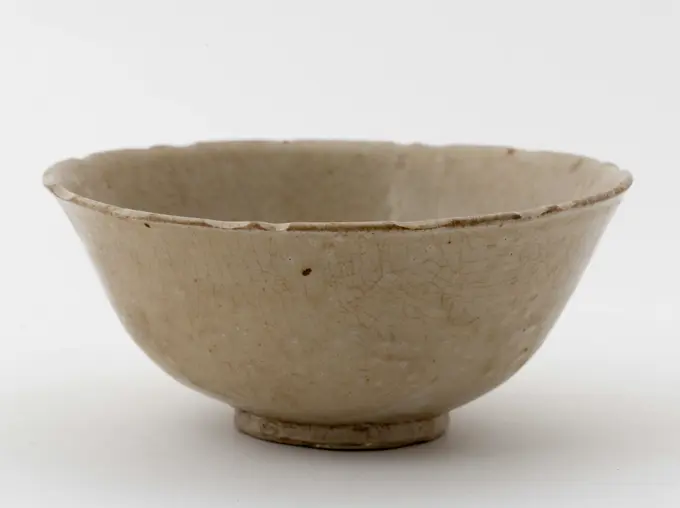
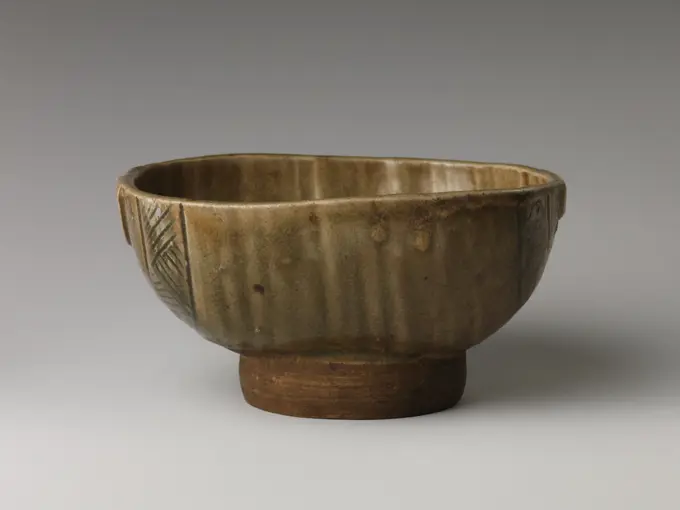
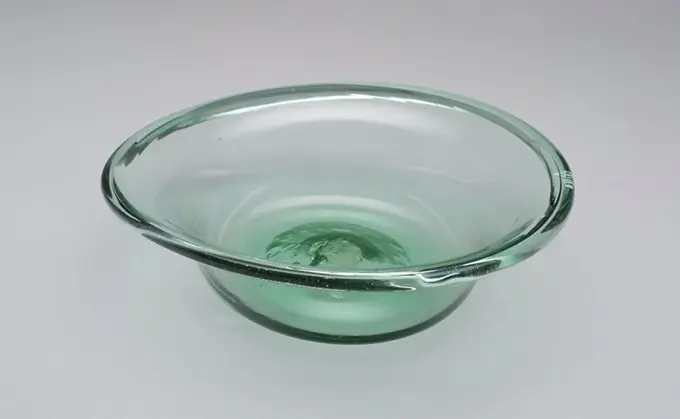
Cup ". GRS covered transparent green reflections. Paris, Muse Cernuschi. Coupe Asian art, extreme-East art, Vietnamese art, ceramic, cut, gres, dishes
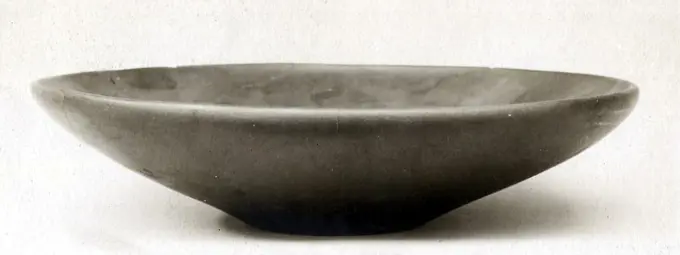
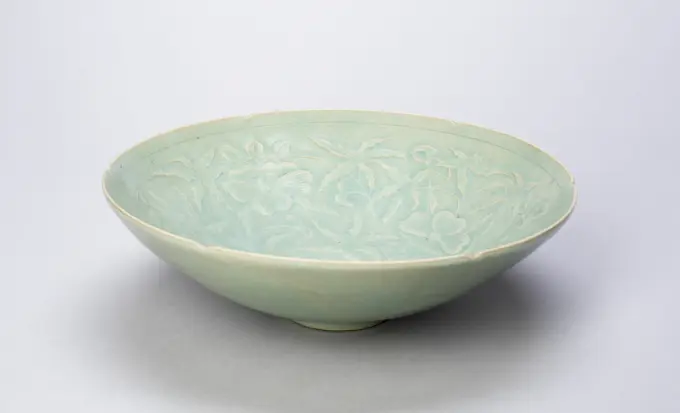
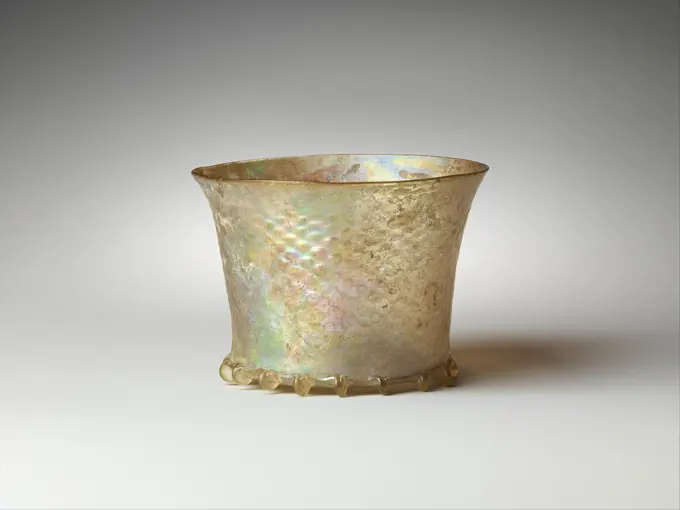
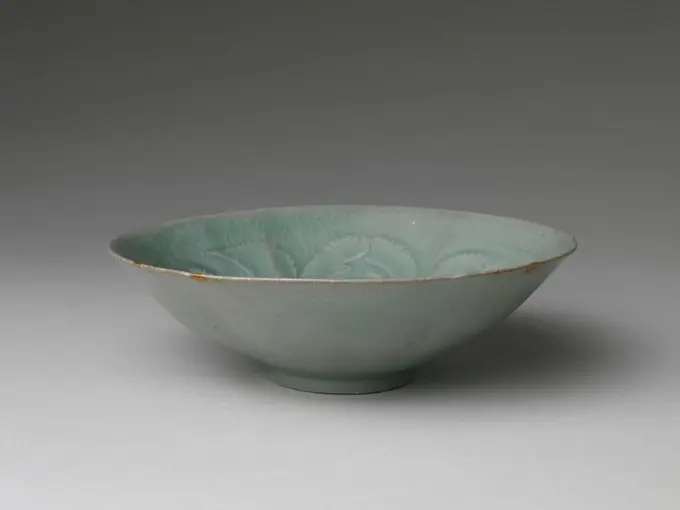
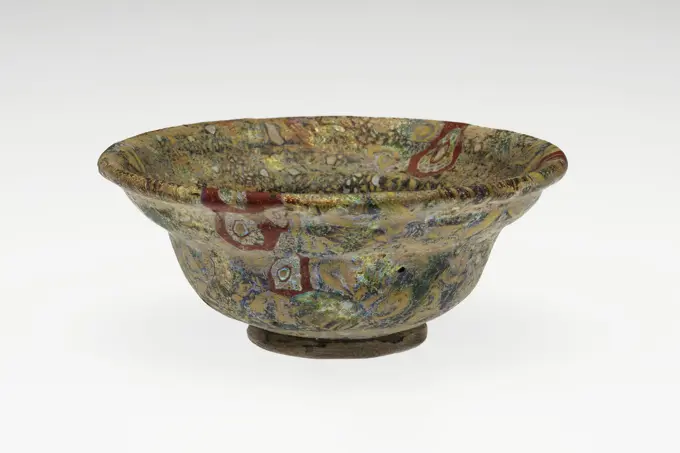
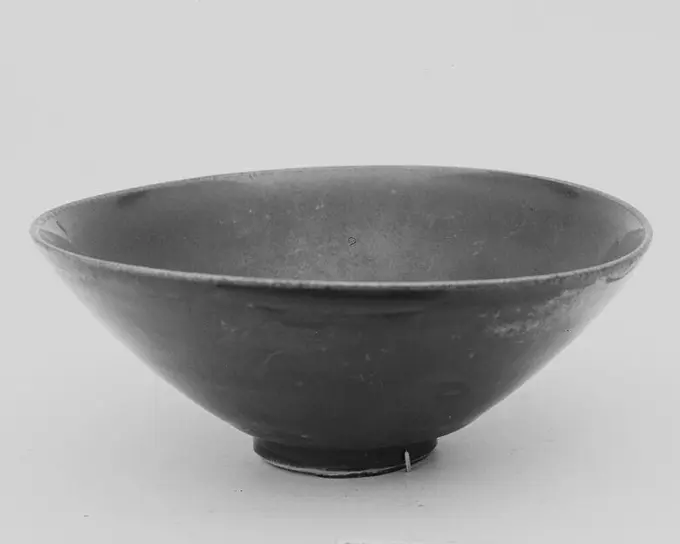
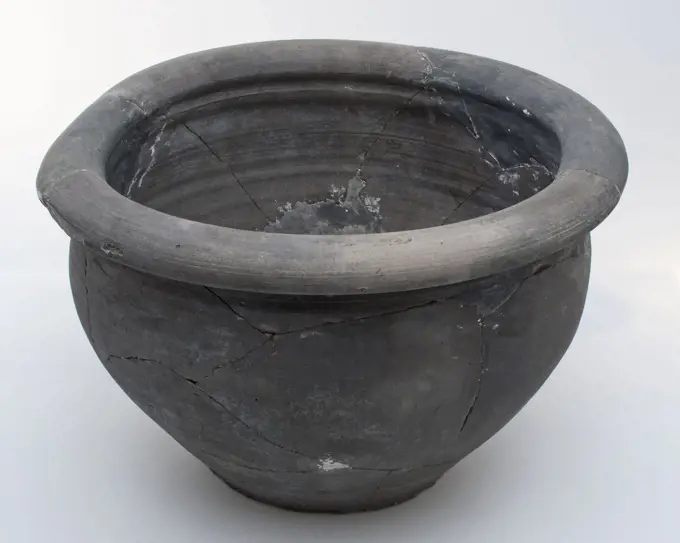
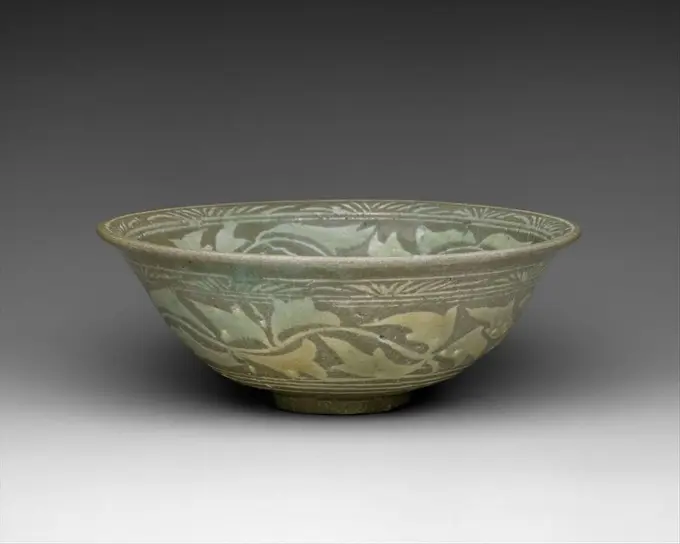
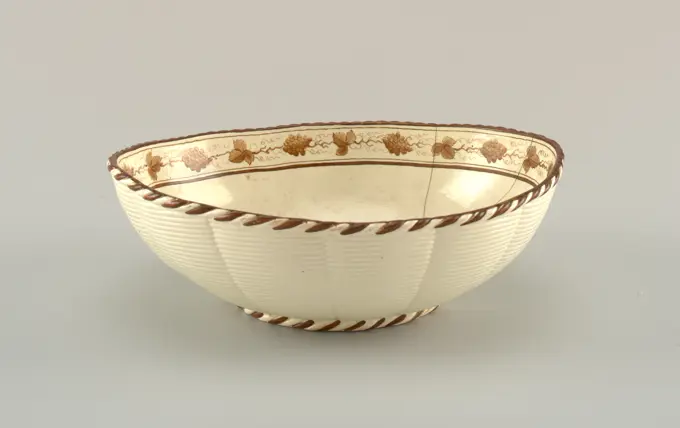
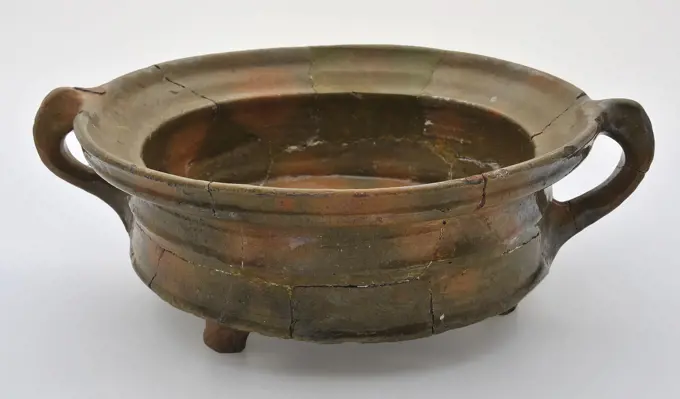
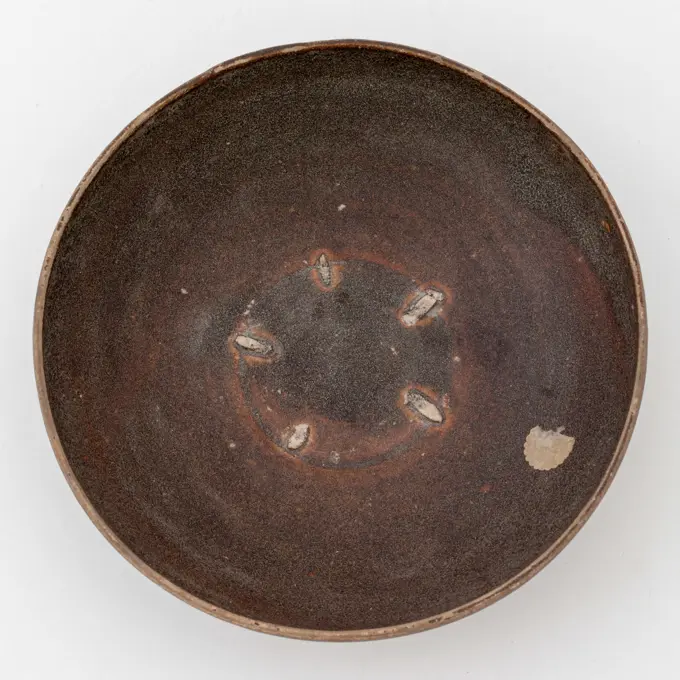
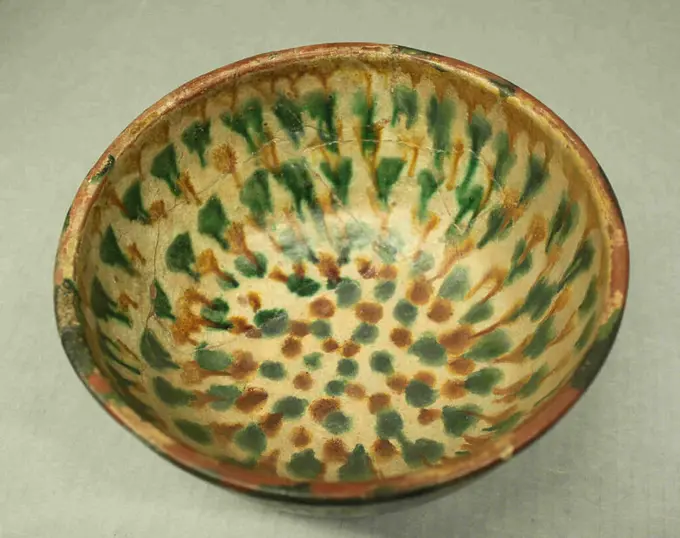
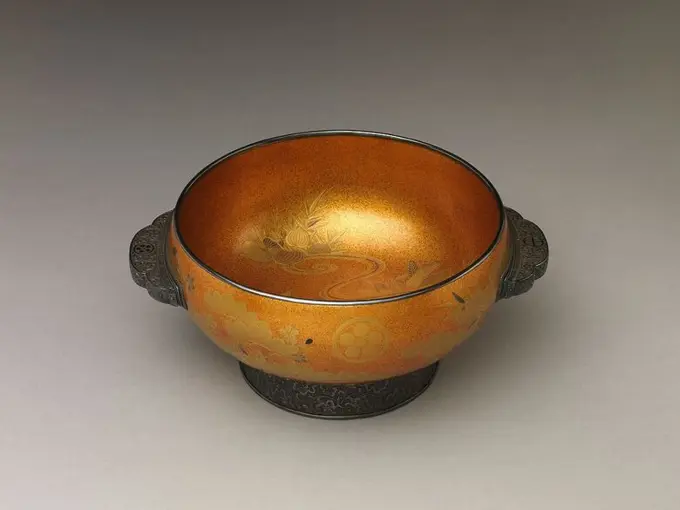
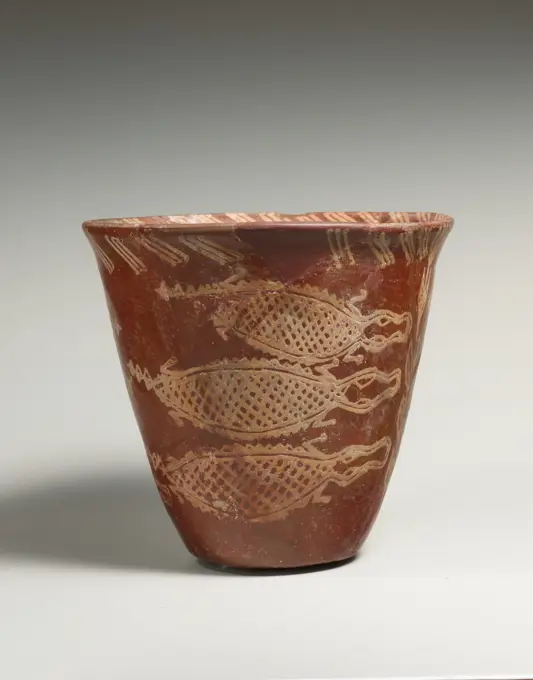
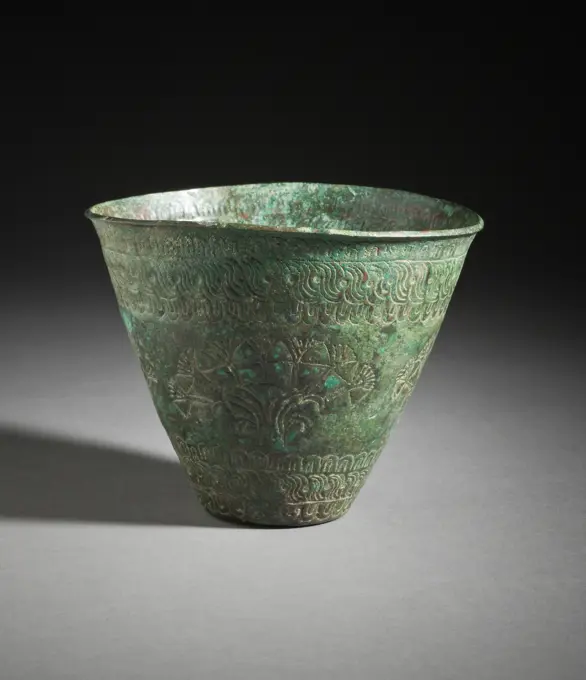
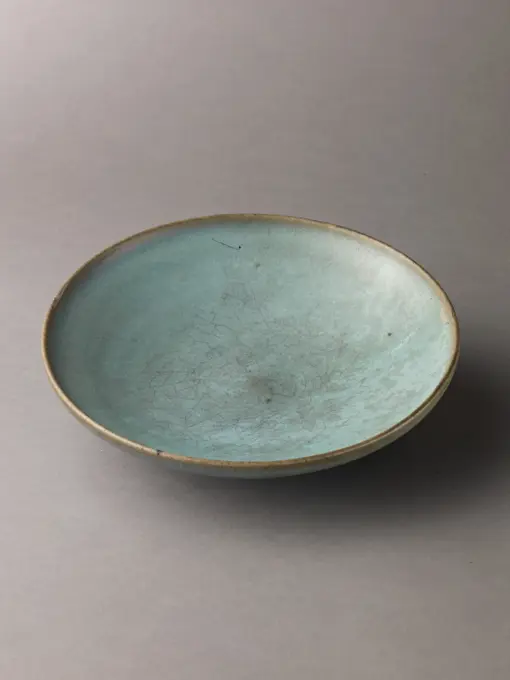
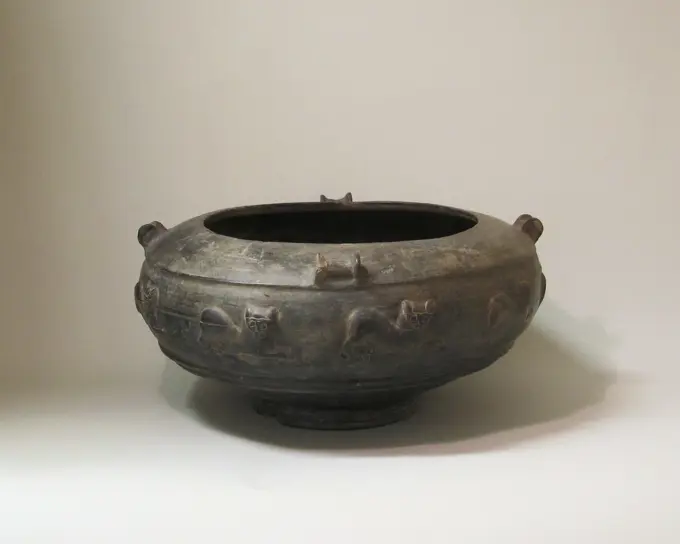
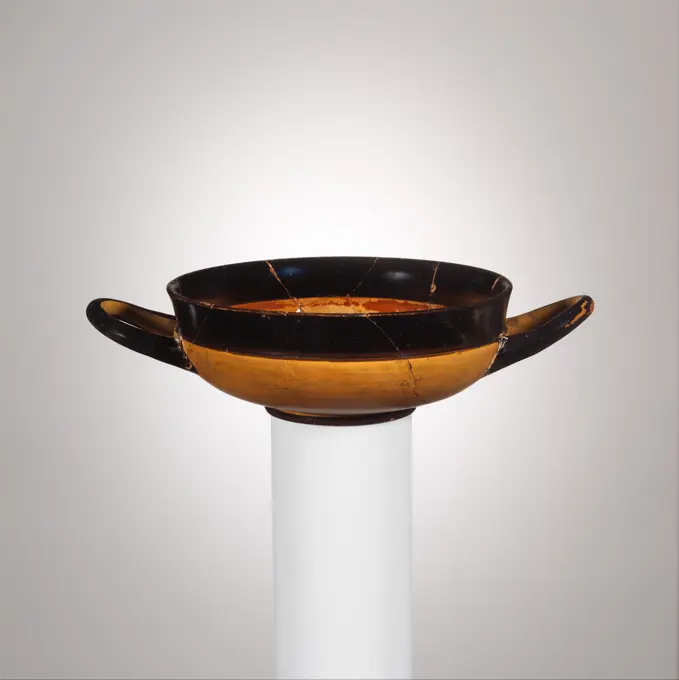
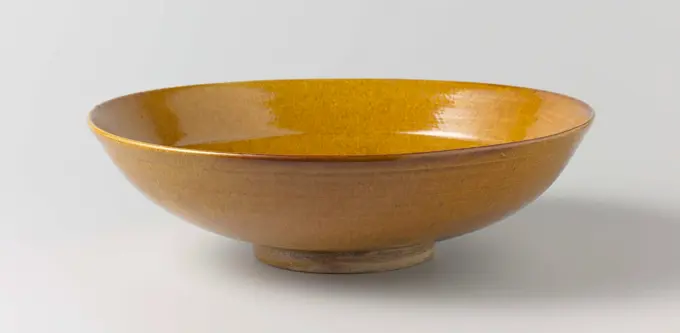
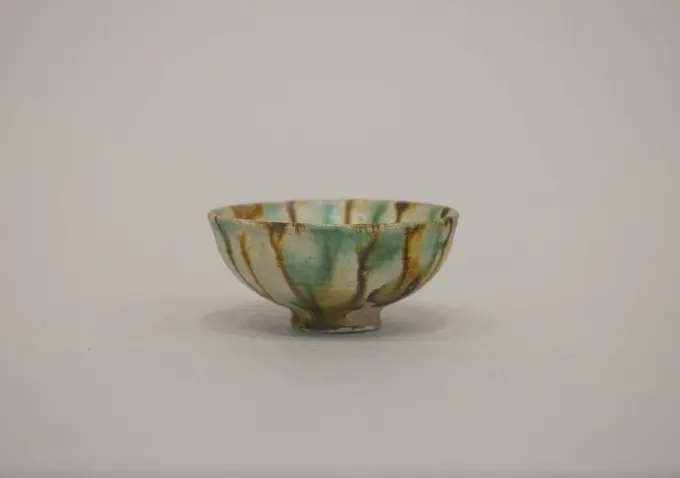
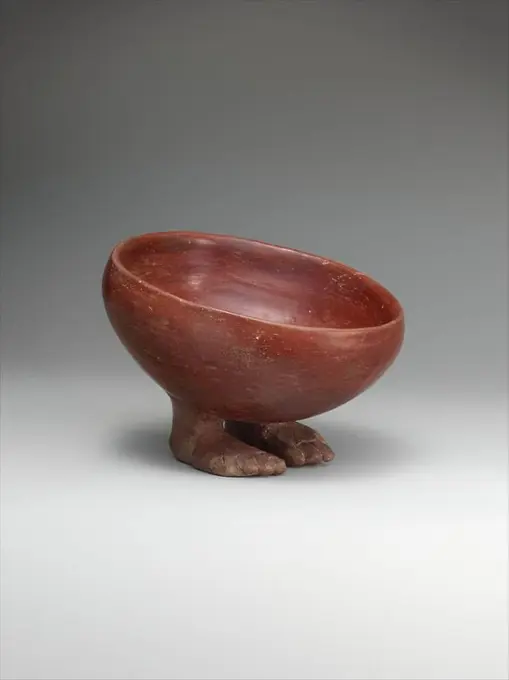
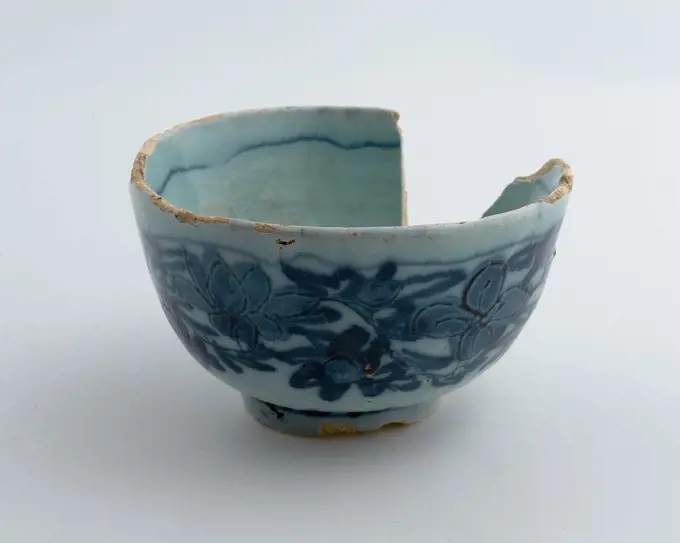
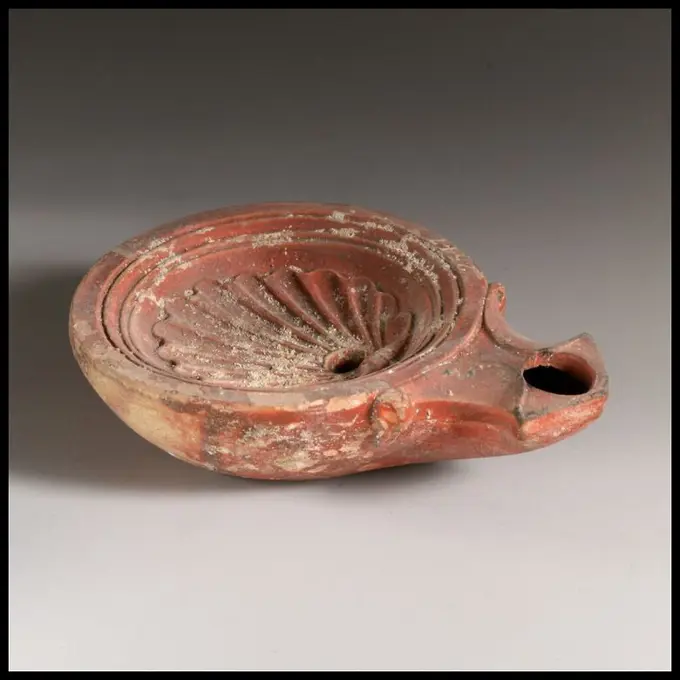
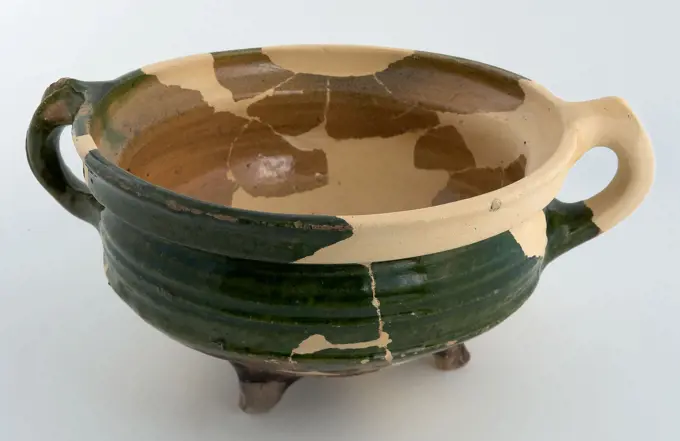
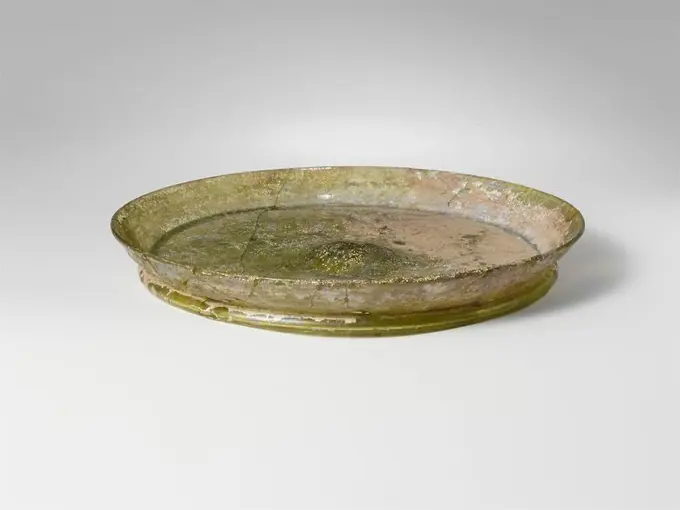
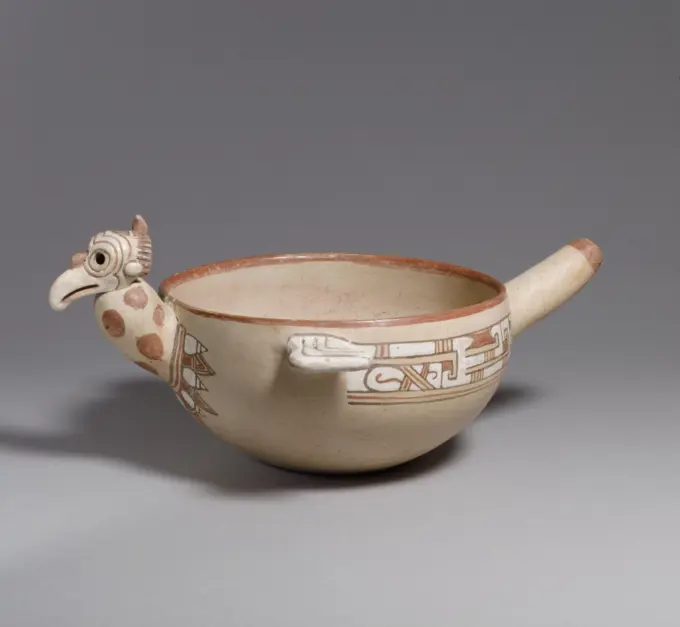
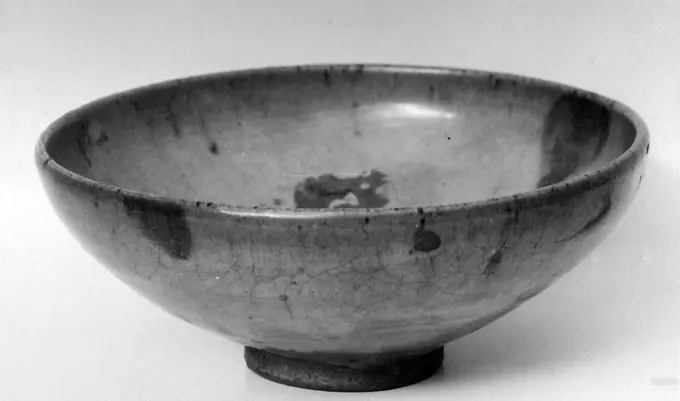
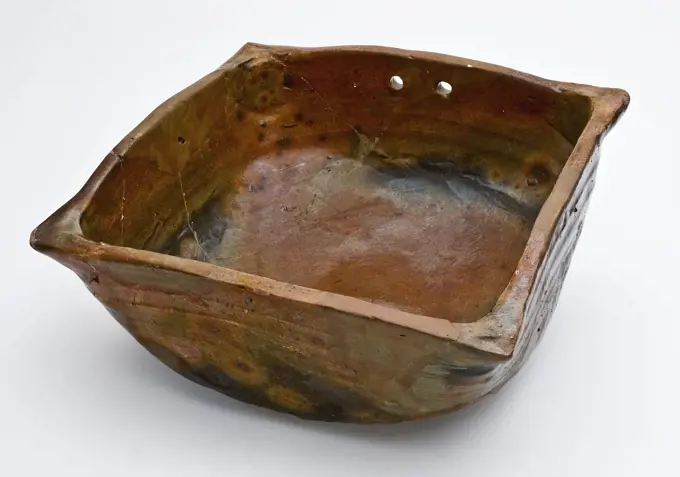
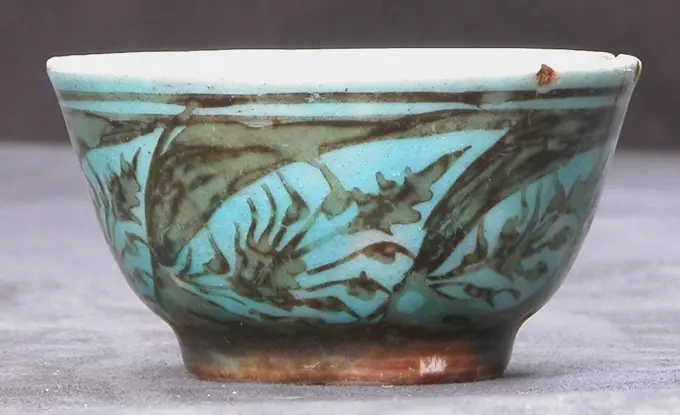
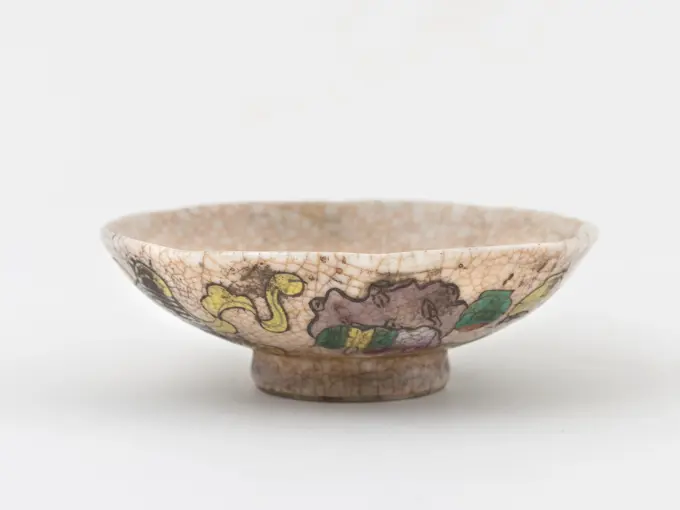
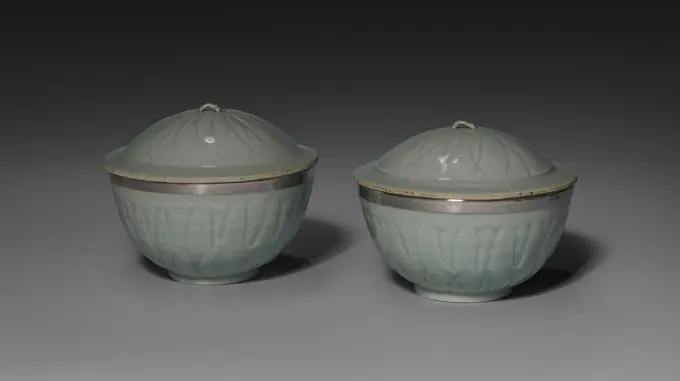
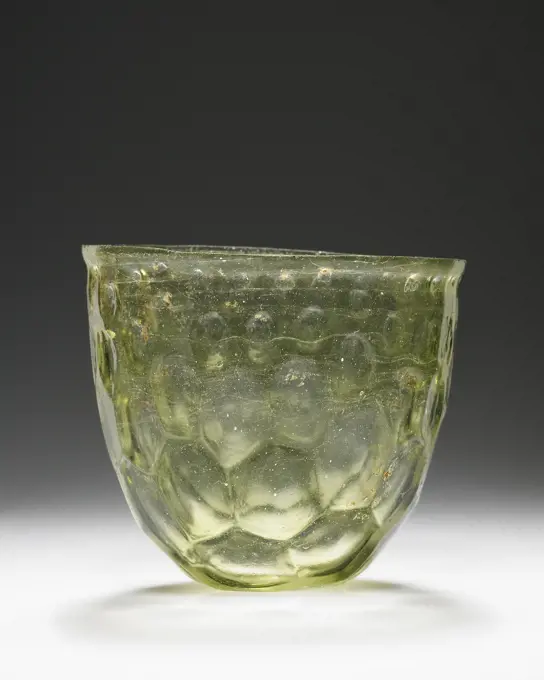
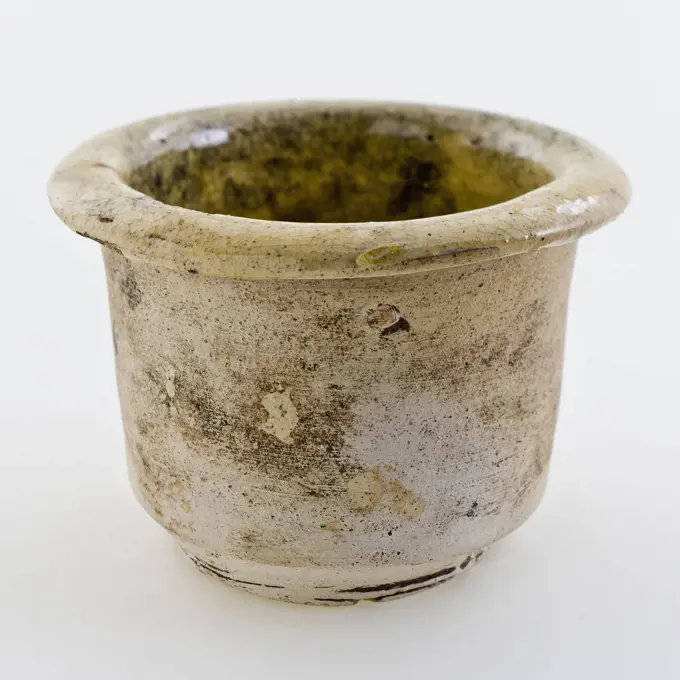
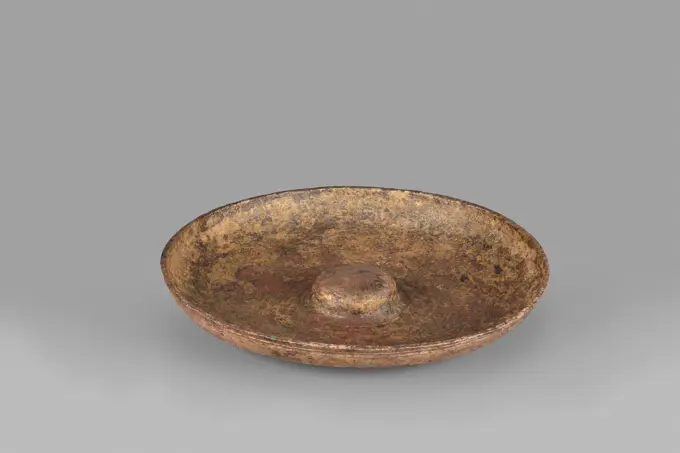
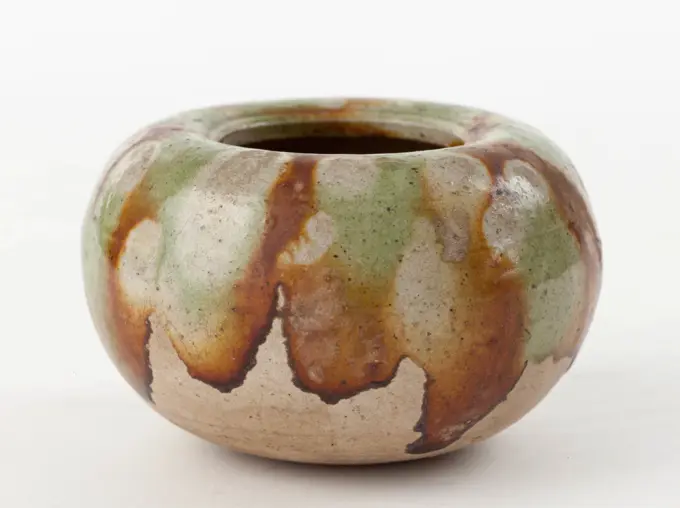
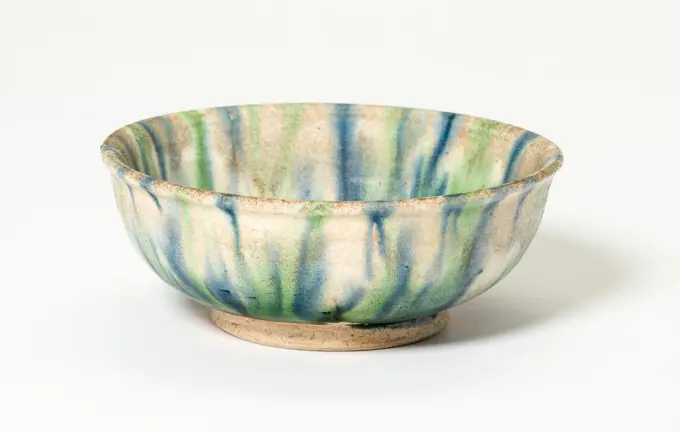
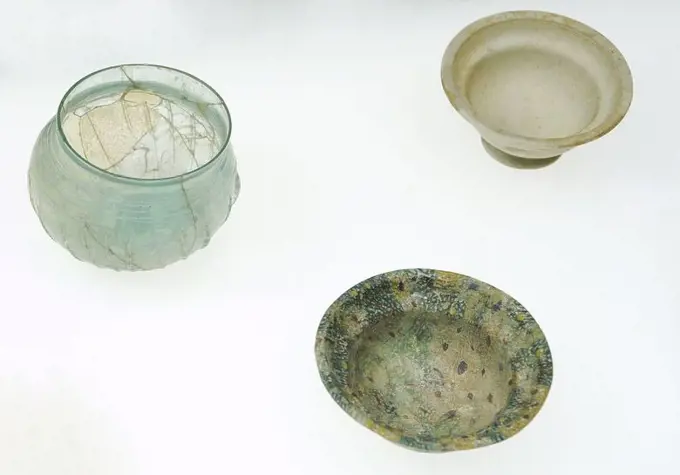
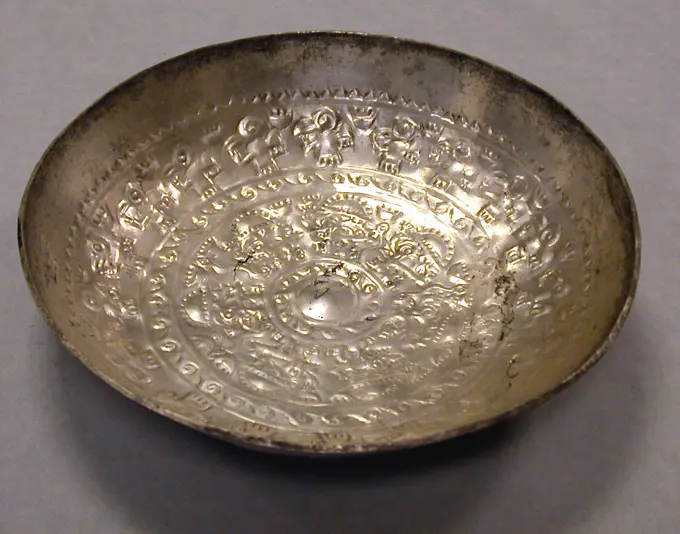
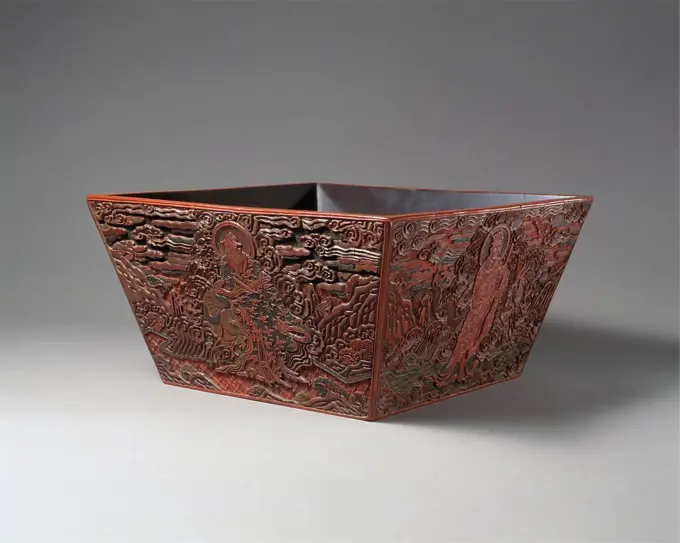
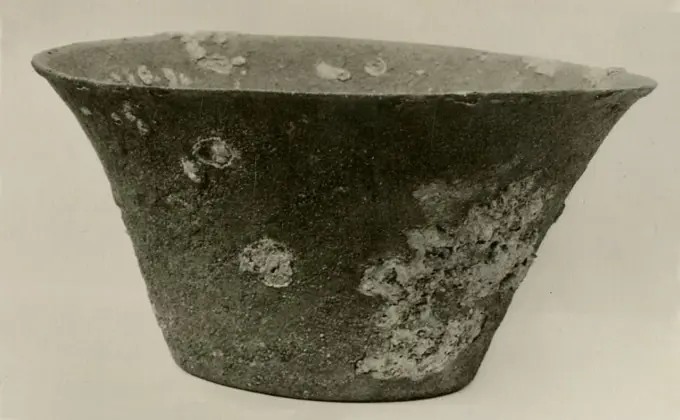
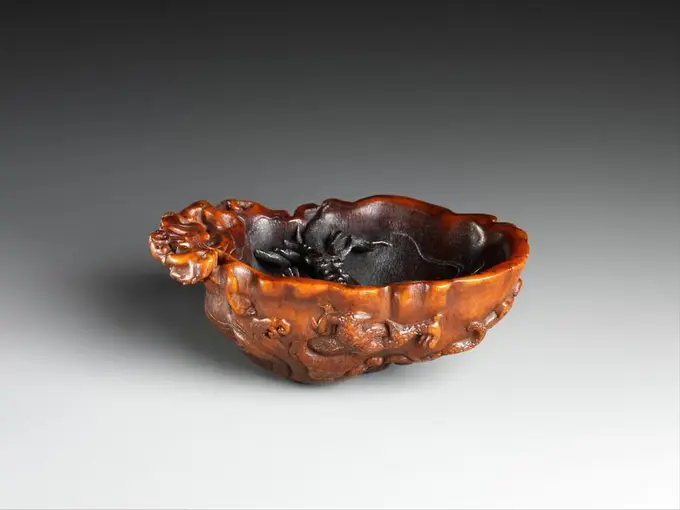
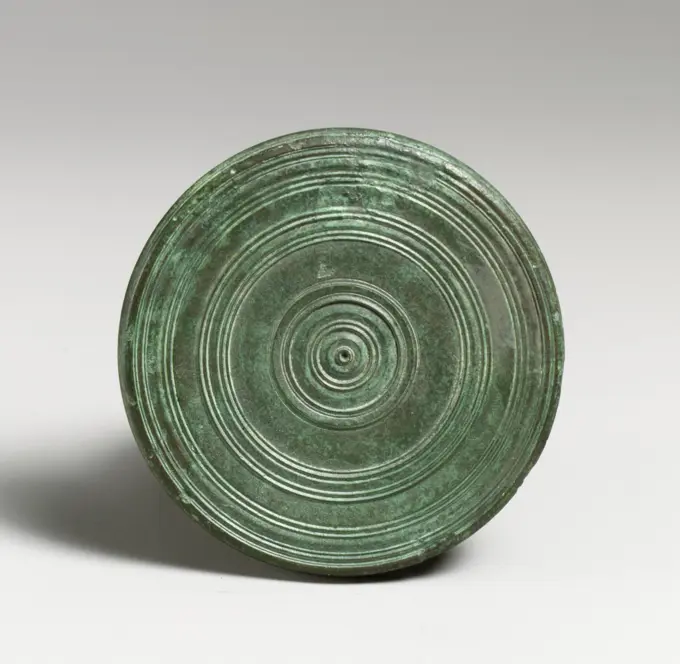
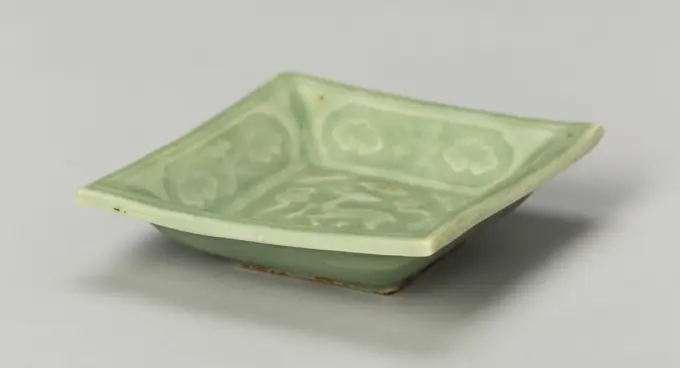
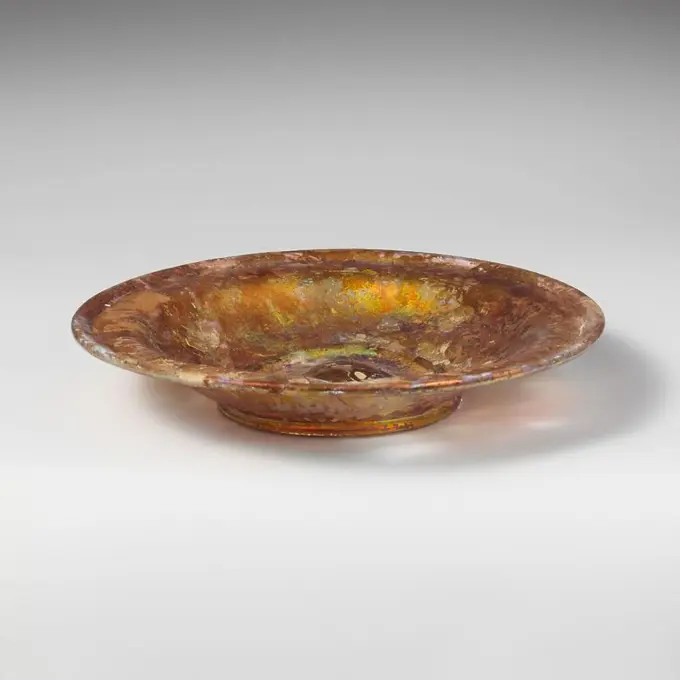
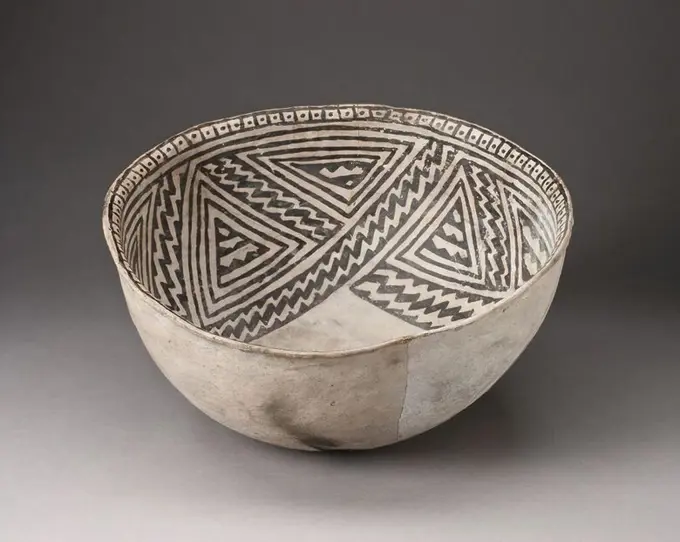
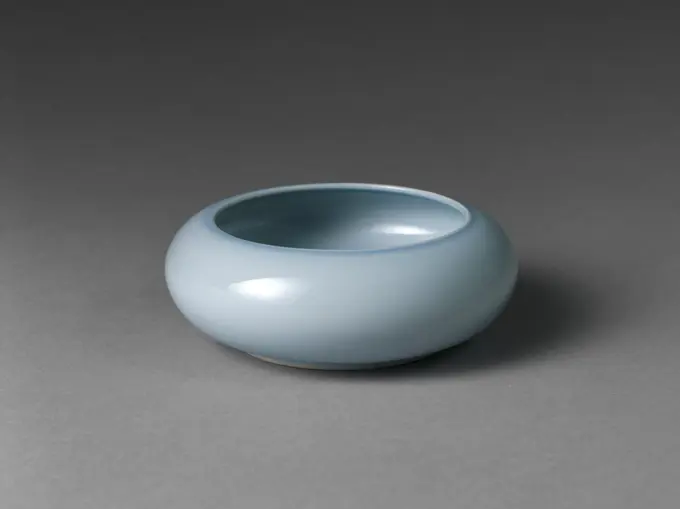
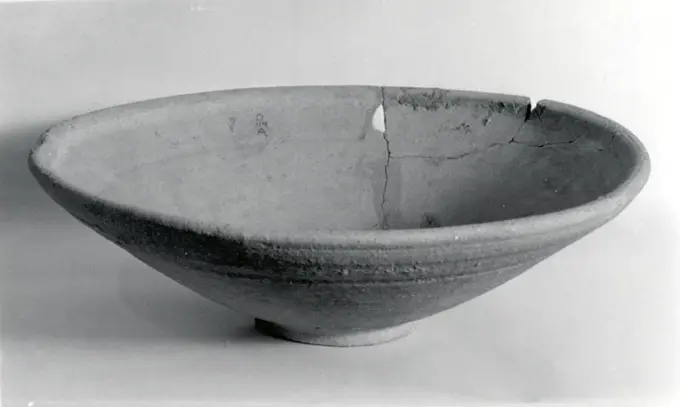
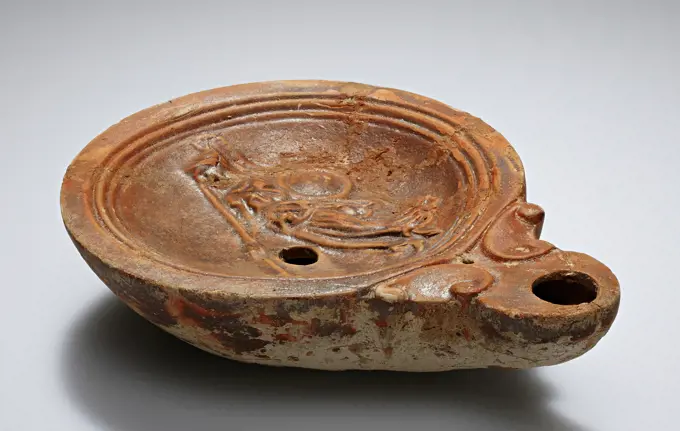
Lamp, Anatolia; 1st - 4th century; Terracotta; 3 x 9.6 x 12.2 cm (1 3,16 x 3 3,4 x 4 13,16 in.)Shallow bowl ca. 2960-2649 B.C. Early Dynastic Period. Shallow bowl. ca. 2960-2649 B.C.. Slate or volcanic ash. Early Dynastic Period. From EgyptLobed Bowl with Hibiscus and Floral Medallion 1100-1199 South Korea. Stoneware with underglaze molded design .Beaker late 13th or early 14th century French The truncated shape of this beakerbroader than it is tallis unusual, but the finesse of the patterning and the delicacy of the vessel is even rarer, if not unprecedented, in medieval glass. The maker impressed an overall pattern of raised circles into the glass wall.. Beaker 694560Chawan. Scale of stoneware with six times lobed edge, covered with a translucent, slightly gray glaze. The front with ingrangled flower reflections from the flat continuous on the wall. The outer wall is divided into six compartments. In the foot ring a reduction cross with a circle. Some chips in the edge. Thing.Bowl. Korea, Korean, Goryeo dynasty, 918-1392. Furnishings; Serviceware. Cast bronzeTerracotta kylix: band-cup (drinking cup) ca. 560-550 B.C. Attributed to the manner of Elbows Out Obverse and reverse, cockfightIn the treatment of shapes as well as decoration, Attic vase-painting offers an endless array of permutations. Here the cockfight appears on a band-cup, which would have been used at a symposium (drinking party). This artist uses less detail than Tleson, for instance, yet he effectively characterized the birds' bulk and their eager heads.. Terracotta kylix: band-cup (drinking cup). Greek, Attic. ca. 560-550 B.C.. Terracotta; black-figure. Archaic. VasesBowl with foliate rim and peony decoration. Culture: Korea. Dimensions: H. 2 1/4 in. (5.7 cm); Diam. of rim 7 5/8 in. (19.4 cm); Diam. of foot 2 /38 in. (6 cm). Date: first half of the 12th century. Museum: Metropolitan Museum of Art, New York, USA.Bowl or Cup 50 BCE-50 CE Syria. Initially affordable only among the wealthy, glass was used in ancient Rome as containers for oils, perfume, and tablewares. The variety of glass-making techniques reveals the changing tastes and fashions over the centuries. During the 1st century CE, cast glass was a novel form that was a luxury for the Roman household, but by the end of the century, the innovation of blown glass allowed for less labor-intensive and less expensive production, which meant people of lesser means could afford it. Blown glass became so popular it nearly supplanted ceramic and even bronze wares in the home.. Glass, mosaic glass technique . Ancient RomanBowl. Culture: China. Dimensions: Diam. 4 1/2 in. (11.4 cm). Date: 11th-12th century. Museum: Metropolitan Museum of Art, New York, USA.Large pottery storage pot with wide top edge and small stand, terra nigra, storage pot pot holder soil find ceramic earthenware, hand-turned baked Large storage pot on small stand surface Wide and round top edge. Terra nigra earthenware reduced fried. Internal spinning wheels externally smoothed archeology Spijkenisse indigenous pottery import store save Roman Soil discovery Spijkenisse Point road in ditch compartment E 5 1973.10.04.Old vintage copper bowl handmade isolated on whiteLimestone bowl Cypriot. Limestone bowl 244030Bowl decorated with peony leaves and chrysanthemum. Culture: Korea. Dimensions: H. 2 7/8 in. (7.3 cm); Diam. 7 9/16 in. (19.2 cm). Date: 15th century.This bowl's decoration highlights the peony plant's leaves; the blossom is absent. Museum: Metropolitan Museum of Art, New York, USA.Deep Bowl 19th century Shuntai Japanese Katō Shuntai, whose father was the famous potter Shunzan, ran the official Owari branch of the Tokugawa family kiln (goyōyama) at Ofukeyo from 1817until 1851, when he passed the operations on to his son. He is famous for his Oribe style renditions.. Deep Bowl 62608Dish; Manufactured by Wedgwood (United Kingdom); glazed earthenware (queen's ware) with overglaze decorationBowl with pseudo-inscription and stripes, anonymous, c. 1200 - c. 1299 Come from quartz fritry, painted with stripes in blue under transparent alarm laze and with an edge of black-engraved pseudo-script. Iran earthenware. glaze. cobalt (mineral) painting / engraving / vitrification Come from quartz fritry, painted with stripes in blue under transparent alarm laze and with an edge of black-engraved pseudo-script. Iran earthenware. glaze. cobalt (mineral) painting / engraving / vitrificationPottery cooking pot, wide model with straight side wall, three legs, two ears, grape cooking pot tableware holder utensils earthenware ceramics earthenware glaze lead glaze, hand turned set glazed baked Red shard in- and outside light brown green glaze rings two pinched ears three legs. Cooking pot with straight sidewall slightly curved bottom and sloping top edge Mottled glaze by staying in the soil archeology Valckensteyn Poortugaal Albrandswaard indigenous pottery kitchen cooking food nutrition food preparation Soil discovery: canal at castle Valckensteyn in Poortugaal now Albrandswaard 1961Cup ". GRS covered brown. Paris, Muse Cernuschi. Coupe Asian art, extreme-East art, Vietnamese art, ceramic, cut, gres, dishesBowl - Portneuf potteryBasket liner, Painted tôle, Bowl with straight sides and scalloped rim and chinoiserie decoration., France, ca. 1770, metalwork, Decorative Arts, Basket linerGlass mosaic hemispherical bowl. Culture: Greek, Eastern Mediterranean. Dimensions: 2 3/4in. (7cm)Other: 7 3/8in. (18.7cm). Date: 2nd-mid-1st century B.C..Colorless with a blue tinge, translucent pale purple and blue, and opaque white, yellow, and pale greyish blue.Vertical rim with rounded edge; convex curving side; convex bottom.Composite mosaic pattern formed from polygonal sections of a single composite cane in a colorless ground with a yellow spiral, small purple ring and central dot in greyish blue; interspersed with this cane are a small number of irregular segments, one in solid yellow, but others below rim in streaky yellow, and several others in streaky white stripes in combination with purple stripes; a colorless network cane wound spirally with yellow and greyish blue trails is attached unevenly as a rim.Broken and repaired, with many cracks and some small holes; dulling and some surface pitting of bubbles, and creamy brown weathering covering most of interior. Museum:Bowl 4th-7th century Coptic. Bowl 477348Bowl 1450 BCE-1200 BCE Cyprus. terracotta . Ancient CyprioteJar with Handles 3500 BCE-3200 BCE Egypt. This jar was carved from very hard stone using a simple drill fitted with a copper tip. The small lug handles allowed for it to be suspended by cords. Vessels like this one were probably used for the storage of ointment or liquids.. Breccia . Ancient EgyptianPedestal bowl (or fruit dish), Yayoi periodDeep Bowl. Artist: Shuntai (Japanese, 1799-1878). Culture: Japan. Dimensions: H. 4 in. (10.2 cm); Diam. 5 1/2 in. (14 cm). Date: 19th century.Kato Shuntai, whose father was the famous potter Shunzan, ran the official Owari branch of the Tokugawa family kiln (goyoyama) at Ofukeyo from 1817until 1851, when he passed the operations on to his son. He is famous for his Oribe style renditions. Museum: Metropolitan Museum of Art, New York, USA.Bowl - Bennington Potters Bennington PottersSix Vessels with Splashed and Incised Decoration (Sgraffito Ware). Dimensions: H. 1 9/16 in. (4 cm)Diam. 3 1/8 in. (8 cm). Date: 10th century.Two techniques of decoration were used on this bowl excavated from Nishapur in eastern Iran. In a technique known as sgraffito, a festoon and leaf-like motifs were etched into a white slip that had been applied to the earthenware body and allowed to dry. The etching reveals the body of the bowl, in this case an earthy red fabric, which then stands out in contrast to the white slip to showcase the motif. Next, blobs of green, brown and yellow glazes were applied to the surface with a thin coating of transparent glaze. When the bowl was fired, these colored glazes were allowed to run down the sides of the bowl in the kiln, producing dramatic streaks on the steep exterior sides of the bowl. The combination of the sgraffito and splashing techniques was very popular in the medieval Islamic lands and examples have been attributed to production centerBowl with Design of Pine, Bamboo, and Cherry Blossom. Culture: Japan. Dimensions: H. 5 3/8 in. (13.7 cm); W. 12 1/2 in. (31.8 cm). Date: 19th century.This bowl, part of a wedding trousseau, comprised of thirty-one pieces, represents late Edo-period maki-e (decoration in gold and/or silver sprinkled powder) art at its finest. The Shimazu family, lords of Satsuma in Kyushu, ordered this traditional trousseau most likely for Taka-hime, who was married to Matsudaira Sadakazu, lord of Kuwana (Ise Province), around 1830.The items of the wedding set are decorated with various auspicious motifs. The evergreen pine represents longevity and also symbolizes renewal. The fast-growing, springy, but at the same time very strong and enduring bamboo also stands for longevity and represents endurance and strength. The plum blossoms are the first flowers of spring, representing the renewal of nature. The combination of the "Three Friends of Winter"--originating from China--is associated with celebratiWhite cross-lined ware beaker with Nile River scene ca. 3650-3500 B.C. Predynastic, Naqada II. White cross-lined ware beaker with Nile River scene. ca. 3650-3500 B.C.. Pottery, paint. Predynastic, Naqada II. From EgyptBowl 7th-5th century B.C. Paracas. Bowl 310211The ivory and pink bowl by Seif Yohei IV show his father’s “bright-jewel white porcelain” technique. Sweets Bowl with Chrysanthemums, 1914-46. Seifū Yohei IV (Japanese, 1872-1951). Porcelain with molded and carved design, underglaze color, and cream glaze; height: 8.5 cm (3 3/8 in.); diameter: 18 cm (7 1/16 in.).Beaker. Iran, Iron Age II-III, about 1000-650 B.C.. Furnishings; Serviceware. Bronze, hammeredBowl on foot with arms of the Ridolfi di Borgo family ca. 1480-1500 Italian, Montelupo The center of this deep bowl is decorated with the arms of the Ridolfi di Borgo of Florence, many of whose leading families went to nearby Montelupo for their maiolica. The scale pattern of the decoration is related to that seen on Venetian glass.. Bowl on foot with arms of the Ridolfi di Borgo family. Italian, Montelupo. ca. 1480-1500. Maiolica (tin-glazed earthenware). Ceramics-PotteryShallow dish, Jun ware 11th-12th century Chinese. Shallow dish, Jun ware 461208Bowl mid 6th century B.C. Etruscan Decorated with lions in relief; on shoulder, four spool-like ornaments.. Bowl. Etruscan. mid 6th century B.C.. Terracotta; bucchero pesante. Orientalizing- Archaic. VasesErnest Chaplet (1835-1909). Vase. Flammed porcelain. 1894. Museum of Fine Arts of the City of Paris, Petit Palais. 60192-6 Flamee porcelain, vaseChalice. UnknownTerracotta stemless kylix (drinking cup) ca. 500-475 B.C. Greek, Attic Stemless cup with two handles and black band around the rim.. Terracotta stemless kylix (drinking cup). Greek, Attic. ca. 500-475 B.C.. Terracotta; black-glaze, coral red. Late Archaic. VasesOpen bowl. Culture: Nabataean. Dimensions: Diam. 8 5/8 in. (22 cm). Date: ca. 1st century B.C.-1st century A.D..This bowl was excavated at Tawilan ('Ain Musa), northeast of Petra. The interior decoration is divided into five segments, each marked with hatching, that meet at an X in the center. An abstract leaf is painted in the center of each segment, and large ovals are painted over the lines dividing the segments. The bowl has a rounded bottom and an inverted rim. Its shape, its dark red-orange color, and its decoration, a radial, rotational design limited to two abstract motifs set against a hatched background, all point to a date in the first century A.D.The very thin painted ware so closely identified with Nabataean culture began to appear in the first century B.C. It reflects the influence of Hellenistic wares, but because its shapes, colors, and decoration are unique, it forms a distinct type and was recognized early on as an accurate indication of Nabataean presence. Found pr. Scale of stoneware, covered with a white sludge and an ocher yellow glaze. Three preen on the front.Cup. Culture: China. Dimensions: H. 1 3/8 in. (3.5 cm); Diam. of rim 3 in. (7.6 cm); Diam. of foot 1 1/16 in. (2.7 cm). Museum: Metropolitan Museum of Art, New York, USA.Bowl with Human Feet. Dimensions: diam. 13.2 x W. 13.7 x D. 9.8 cm (5 3/16 x 5 3/8 x 3 7/8 in.). Date: ca. 3900-3650 B.C..In the Predynastic Period, potters created a wide variety of ceramic vessels. One unusual type is a bowl with supports shaped like human feet. This simple, round bowl, tipped slightly forward as if to offer its contents, has two such feet solidly attached to its underside. Made from Nile clay, the bowl has a smoothed, slipped, and polished surface, giving it a light sheen. The bowl standing on feet is very similar in form to the Egyptian hieroglyph meaning "to bring." Since none of the known bowls of this type comes from a well-understood context, archaeologists cannot interpret their original use. Perhaps vessels like this were placed above a tomb to present offerings from the living to the deceased, a practice that was an established part of funerary ritual in pharaonic Egypt. Alternatively, they may have held offerings to a deity in his shrine. Museum: MetropolitBowl with a scalloped rim and green glaze, anonymous, c. 1800 - c. 1825 Come from stoneware with a scalloped edge, covered with a green glaze. The underside is unglazed. Together with Sakefles (AK-NM-6605) forms a couple. Japan stoneware. glaze vitrification Come from stoneware with a scalloped edge, covered with a green glaze. The underside is unglazed. Together with Sakefles (AK-NM-6605) forms a couple. Japan stoneware. glaze vitrificationSmall faience bowl with floral decor, bowl crockery holder tea service crockery earthenware ceramics pottery glaze tin glaze h 4,6, hand turned fried glazed painted baked Small faience tea bowl on stand. Floral monochrome decor. Blue Flower figure in the mirror Leaf drinks and flower branches along the outside. Decors dissected to Chinese styles Yellow shard. The upper blue line on the inside has become somewhat shaky due to subsidence during baking. Rotterdam Stadscentrum Stadsdriehoek Nieuwehaven indigenous pottery tea tea drinking drinks serve Soil discovery New Haven Rotterdam 1979 or 1980.Bowl -Terracotta oil lamp. Culture: Roman. Dimensions: Length: 3 7/8 in. (9.8 cm)Height: 1 1/16 in. (2.7 cm). Date: 1st century B.C.-1st century A.D.. Museum: Metropolitan Museum of Art, New York, USA.Finger Bowl 1880-88 Possibly Boston & Sandwich Glass Company. Finger Bowl 3624Covered Bowl with Peony Scroll 1000-1099 China. Yaozhou ware; stoneware with underglaze carved decoration .Bowl with birds and an inscription, anonymous, c. 1170 - c. 1200 Come from quartz fritry decorated with a inscription and stylized birds on the inner wall and soil in Luster on the surface of white glaze on the inside and of blue glaze on the outside. is the earthenware. glaze. luster (textile) painting / vitrification Come from quartz fritry decorated with a inscription and stylized birds on the inner wall and soil in Luster on the surface of white glaze on the inside and of blue glaze on the outside. is the earthenware. glaze. luster (textile) painting / vitrificationTea Bowl with Cross Design early 19th century Japan. Tea Bowl with Cross Design 63114Pottery cooking pot, grape on three legs, two pinched standing ears, white shard, grape cooking pot tableware holder utensils earthenware ceramics earthenware glaze lead glaze, hand turned glazed baked Pottery cooking pot Wide neck opening with slanting top edge and lid edge Three legs and two standing pinched bands. Semi-circular bottom. Double conical in shape Twists between the edge and the bend on the outside White shard Internal yellow glazed exterior green glazed. Restoration is left empty archeology Rotterdam Stadscentrum Stadsdriehoek New harbor indigenous pottery cooking kitchen food preparation Soil discovery New Haven 2nd cesspool (square)Incised Painted Bowl 5th-2nd century B.C. Paracas. Incised Painted Bowl 308599Glass dish. Culture: Roman. Dimensions: Overall: 15/16 × 7 1/4 in. (2.4 × 18.4 cm). Date: 2nd half of the 1st century A.D..Translucent yellow green.Plain rounded rim; side tapers inward unevenly, with slight horizontal bulge below rim on exterior; broad, almost flat bottom, with central kick and circular pontil mark; tubular foot ring at junction of side and bottom.Broken and repaired, with some small holes in side; pitting of surface bubbles, creamy brown weathering, and brilliant iridescence. Museum: Metropolitan Museum of Art, New York, USA.Kylix (Drinking Cup). Greek; Corinth; Attributed to the Workshop of the "Bird-frieze Painter". Date: 560 BC-550 BC. Dimensions: 7 × 22.9 × 17.5 cm (2 3/4 × 9 × 6 7/8 in.). Terra-cotta, decorated in the black-figure technique. Origin: Corinth. Museum: The Chicago Art Institute, Chicago, USA. Author: ANCIENT GREEK.Vulture Bowl 13th-15th century Isla de Sacrificios This handsome bowl is in the shape of a vulture. Identified by the fleshy protuberance at the top of its big, curved beak, the bird's body forms the container to which the head, wings, and tail are attached. The head moves and is realistically rendered with round, hollow eyes that emerge from a strong, polka-dotted neck. A ruff of feathers painted on the wall of the vessel frames the neck as it joins the bowl. The bird's wings are worked in rudimentary fashion as grooved flanges projecting from opposite sides of the bowl, while the tail is an up-curving tube which could have served as a spout or handle. The bowl belongs to a distinctive localized ceramic style made on the Gulf Coast of Mexico during the last few centuries before the Spanish conquest in 1521. Identified with a small island situated at the entrance to the port of Veracruz, named Isla de Sacrificios by the Spaniards, who found victims of heart sacrifice there, the style tBowl sherds ca. 3rd-7th century A.D. Sasanian. Bowl sherds 322979Bowl 13th-14th century China. Bowl 48444Earthenware bowl with convex bottom and small soul, square, glazed, bowl bowl bowl kitchenware soil find ceramic earthenware glaze lead glaze, hand turned hand shaped glazed baked earthenware bowl. Red shard Completely glazed green spots in glaze by staying in the soil. Round bottom with small soul square upper edge with reinforced corners. Rotating beads along the outside. On one side two round holes under the upper edge archeology Capelle aan den IJssel House in Capelle castle indigenous pottery dinnerware tableware Soil discovery: house in Capelle cesspool north side 17th century house Capelle aan den IJssel.Glass dish. Culture: Roman. Dimensions: Height: 1 5/8 in. (4.1 cm)Diam.: 6 x 3 1/8 in. (15.2 x 7.9 cm). Date: 4th century A.D..Colorless with blue green tinge.Slightly inverted, rounded rim; short side to body, curving in to tubular, integral base ring; almost flat bottom, thickened at center and with trace of a central pontil scar.Intact; pinprick and a few large bubbles; some dulling, creamy weathering, and iridescence; patches of limy encrustation on interior.Stands lop-sided on base ring. Museum: Metropolitan Museum of Art, New York, USA.Cup 17th centuryCup. Crackled cream covered porcelain and "pink family" enamel decor. Paris, Cernuschi museum. 78840-24 Asian art, old ceramic, cut, cup, covered, email, porcelain, container, terracotta emailleeFooted Dish; glassPair of Qingbai Ware Bowls with Covers, 1100s-1200s. South China, Southern Song dynasty (1127-1279). Porcelain with pale bluish-white glaze, Qingbai ware; silver mount; each: 12.5 x 15.5 cm (4 15/16 x 6 1/8 in.).Sugar bowl Krosno Economic Huta, Kosia Ski, JanCup; Eastern Mediterranean (or Rhine area); about 4th century; Glass; 9.3 x 10.5 cm (3 11,16 x 4 1,8 in.)Shaving basin with scalloped edge, c. 1700 - c. 1800 Shaving basin from Tin. The edge is sculpted and profiled. Great Britain tin (metal) Shaving basin from Tin. The edge is sculpted and profiled. Great Britain tin (metal)Pottery ointment jar, white shard, internally glazed yellow, ointment jar pot holder soil find ceramic earthenware glaze lead glaze, hand turned glazed baked Pottery ointment jar white shard internal yellow glazed on stand with light soul. Cylindrical model slightly tapered with narrowing above the foot archeology health care indigenous pottery pharmacy store sell craftFiale. unknown, authorBowl. Culture: China. Dimensions: H. 2 1/8 in. (5.4 cm); Diam. 8 in. (20.3 cm); Diam. of foot 3 1/8 in. (7.9 cm). Date: 9th century. Museum: Metropolitan Museum of Art, New York, USA.Bowl 9th-10th century. Bowl 449820Bowl. American; Probably Pittsburgh, Pennsylvania. Date: 1830-1840. Dimensions: 7.3 × 22.5 cm (2 7/8 × 8 7/8 in.). Blown glass. Origin: Mount Clemens. Museum: The Chicago Art Institute, Chicago, USA. Author: Ebenezer Hall.Pot ". Terracotta with brown and green glaze (Sancai). China, Tang dynasty (618-907). Paris, Cernuschi museum. Chinese art, Chinese ceramic, container, tang dynasty, oval shape, green brown glacide, pot, container, terracottaBowl with Streak Pattern 700 CE-750 CE China. Slip-coated earthenware with cobalt blue and lead green streaks .Tray. 5th century Ad. Ceramics produced in North Africa. Tableware. Roman dump of Villa Romana street, Tarragona, Spain. National Archaeological Museum. Tarragona. Spain. Inside.Clay cup with tall stemmed footCorrugated shell, from Cologne; Bowl of Millefiori, probably from Rhineland and glass container, unknown origin. Roman-Germanic Museum. Cologne. Germany.Bowl. Culture: Nicaragua. Dimensions: Height 3-3/4 in.. Date: 12th-15th century. Museum: Metropolitan Museum of Art, New York, USA.Pair of bowls with repoussé work 14th-15th century Chimú. Pair of bowls with repoussé work 315337Jar 2nd century B.C.-A.D. 3rd century Colima. Jar. Colima. 2nd century B.C.-A.D. 3rd century. Ceramic, slip. Mexico, Mesoamerica, Colima. Ceramics-ContainersRice measure with four constellation deities. Culture: China. Dimensions: H. 6 1/2 in. (16.5 cm); W. 12 3/4 in. (32.4 cm); D. 12 7/8 in. (32.7 cm). Date: 16th century.This vessel's shape and pattern identify it as a rare example of a rice measure used in Daoist rituals. On each side is a figure in a Daoist robe with one of four animals (dragon, ox, dog, and goat). These animals represent constellation deities from the set of twenty-eight mansions in Chinese astronomy, which reflect the movement of the moon in a sidereal month. Museum: Metropolitan Museum of Art, New York, USA.Pap Boat 1775-1799 England. Pewter .Pail or cistern 18th century Italian, Venice (Murano). Pail or cistern. Italian, Venice (Murano). 18th century. Glass. GlassBasin ca. 2323-2150 B.C. Old Kingdom This basin was from a set that also included a ewer (see 26.2.15), and would have been used for hand washing. Since all excavated examples, including this one, come from tombs, it is likely that their primary purpose was for ritual purification. Illustrations of two such sets can be seen in the Tomb of Perneb (13.183.3), in a relief representing the funerary meal.. Basin. ca. 2323-2150 B.C.. Copper. Old Kingdom. From Egypt, Memphite Region, Saqqara, Teti Pyramid Cemetery, Tomb of Tjetji, Egyptian Antiquities Service excavations, 1920-21Jar (Ping) with Beast and Ring Handles. China, Jiangxi Province, Jingdezhen, Chinese, Qing dynasty, Qianlong mark and period, 1736-1795. Furnishings; Serviceware. Wheel-thrown ge-type porcelain with molded and applied decorationVessel in the shape of a bronze gui, 19th century, 3 × 6 1/4 × 3 1/2 in. (7.62 × 15.88 × 8.89 cm), Nephrite jade, China, 19th century, Small jade vessels carved like ancient ritual vessels were favorite objects in the scholar's study. The Gui and liting forms shown here were the most commonly imitated shapes during the Ming dynasty. These small bowls may have served as incense burners or water holders for the scholar's table. Their archaic shapes and decoration reflect the literati's interest in collecting and studying ancient Chinese art and literature.Cup with two dragons in waves. Culture: China. Dimensions: H. 2 3/4 in. (7 cm); W. 4 3/8 in. (11.1 cm); D. 3 in. (7.6 cm). Date: mid-to-late 17th century.The bodies of two dragons are carved on the exterior of this cup and their heads are found inside. It must have been extraordinary to see the dragons partially submerged when wine was poured into the cup and to watch them emerge as the beverage was drunk. Museum: Metropolitan Museum of Art, New York, USA.Mirror Greek, Cypriot. Mirror 244309Square Dish with Symbols of Longevity and Immortality 1279-1368 China. Longquan ware; stoneware with underglaze molded decoration .Glass dish. Culture: Roman. Dimensions: H.: 1 3/4 in. (4.4 cm)Diam.: 8 5/8 x 4 in. (21.9 x 10.2 cm). Date: 4th-5th century A.D..Colorless.Everted, flaring, tubular rim, folded round and down, with broad almost horizontal inner shoulder; irregular S-shaped side to body, curving in to uneven integral tubular base ring; large kick in bottom.Broken and repaired, with three holes in side; some pinprick and larger bubbles; deep pitting and brilliant iridescent weathering.Mis-shapen base ring, so does not stand securely. Museum: Metropolitan Museum of Art, New York, USA.Bowl with Interlocking Zigzag Motif in Four-Part Design on Interior Walls. Ancestral Pueblo (Anasazi), Kayenta Black-on-white; Kayenta area, north-east Arizona, United States. Date: 900 AD-1450. Dimensions: 14 × 29.2 cm (5 1/2 × 11 1/2 in.). Ceramic and pigment. Origin: Arizona. Museum: The Chicago Art Institute, Chicago, USA.Bowl. Culture: American. Dimensions: Diam. 7 1/2 in. (19.1 cm). Date: ca. 1800-1814. Museum: Metropolitan Museum of Art, New York, USA.Pair of Bowls, 1736-95. China, Qing dynasty (1644-1911), Qianlong mark and reign (1736-95). Jade; diameter: 16.4 cm (6 7/16 in.).Tea Bowl, Honan ware, 12th century, 2 1/8 x 4 3/4 x 4 3/4 in. (5.4 x 12.07 x 12.07 cm), Cizhou ware Stoneware with brown and white slip under clear glaze, China, 12th centuryBrush Washer ca. 1700-22 China. Brush Washer. China. ca. 1700-22. Porcelain with clair de lune glazes. Qing dynasty (1644-1911), Kangxi mark and period (1662-1722). CeramicsDish ca. 1780-1580 B.C. Canaanite. Dish 323124Iberian ceramic plate, V-II BC, Cerro Boyero, Valenzuela, Cordoba, Iberian Museum of Jaén, Andalusia, Spain.Bowl 18th century Italian, Venice (Murano). Bowl. Italian, Venice (Murano). 18th century. Glass. Glass