Ceramic Bowls and Dishware

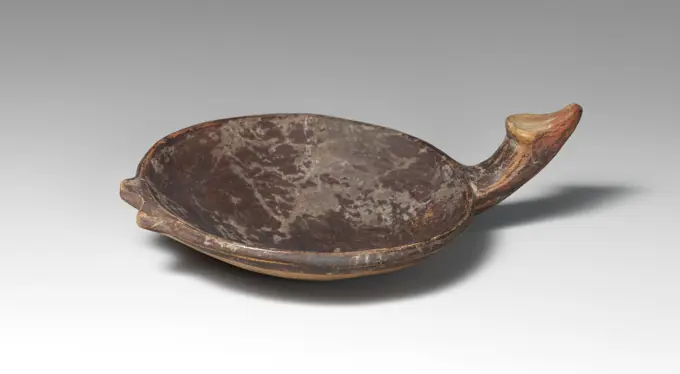
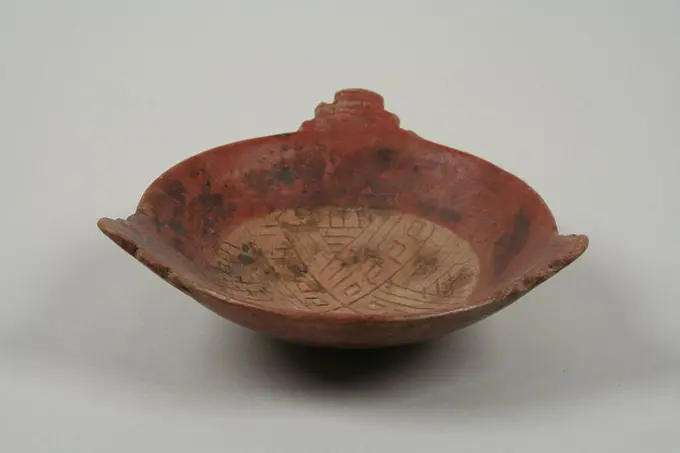
A variety of ceramic bowls with unique textures and colors, showcasing artistic craftsmanship in different styles and materials.
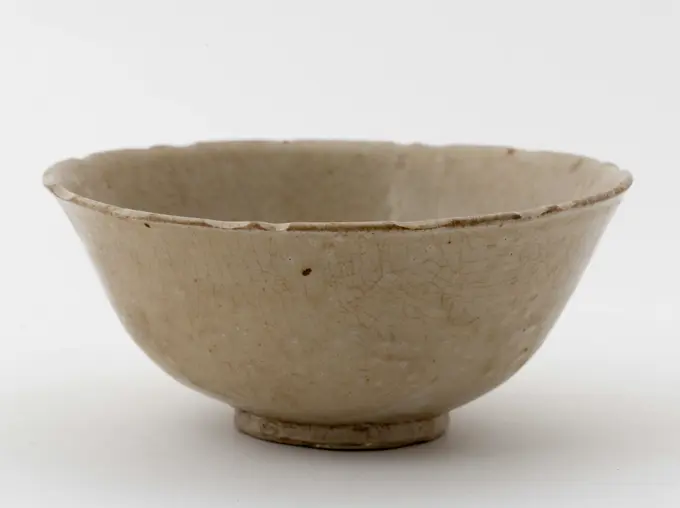
Cup ". GRS covered transparent green reflections. Paris, Muse Cernuschi. Coupe Asian art, extreme-East art, Vietnamese art, ceramic, cut, gres, dishes
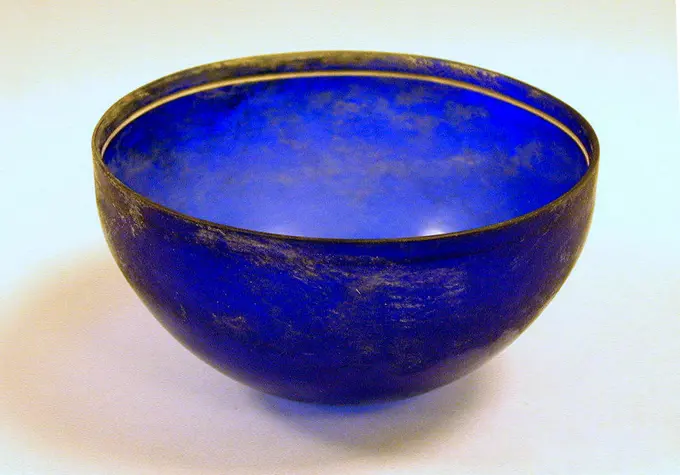
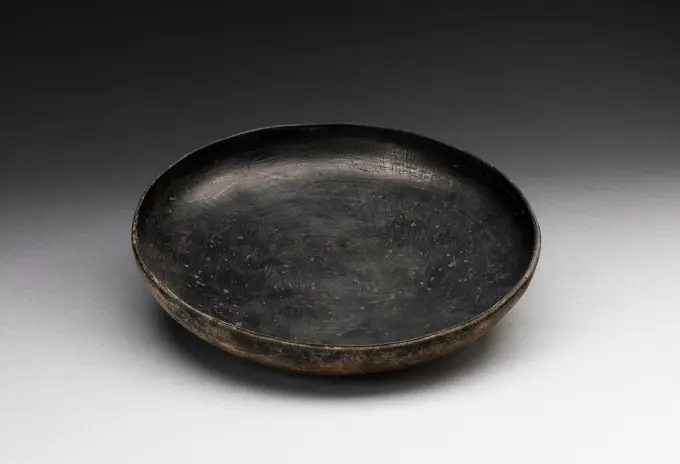
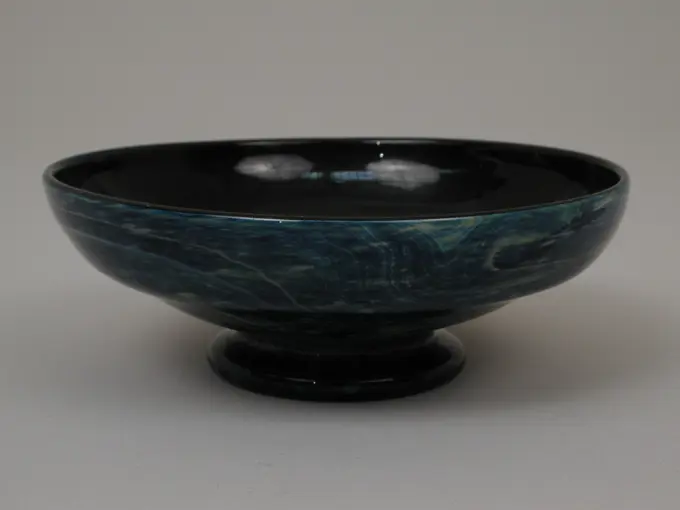
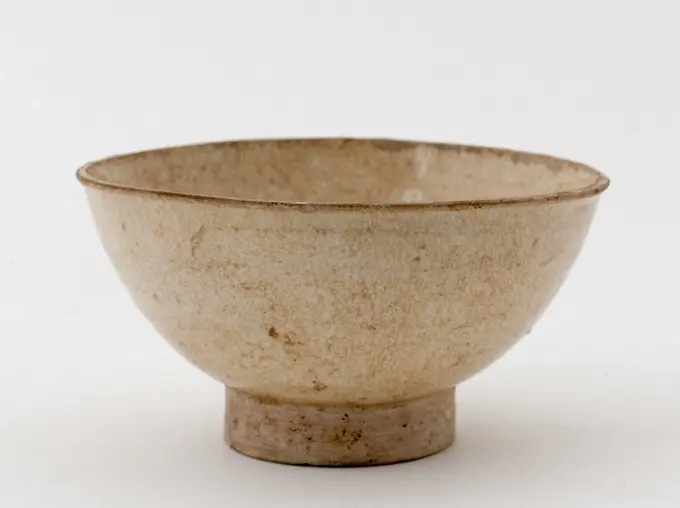
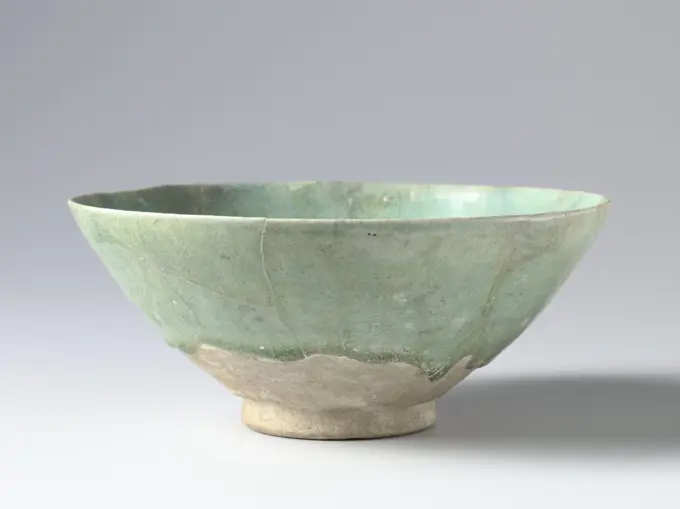
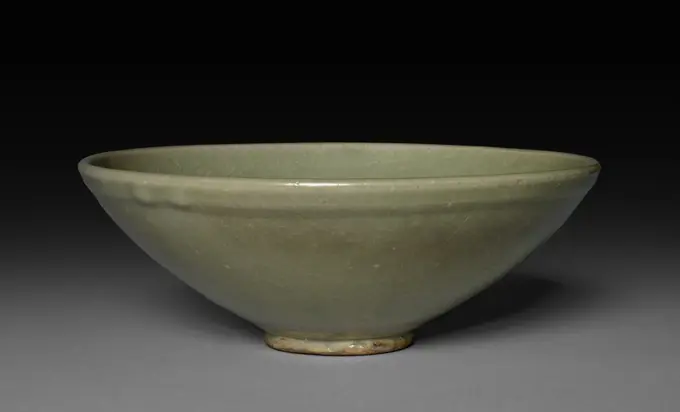
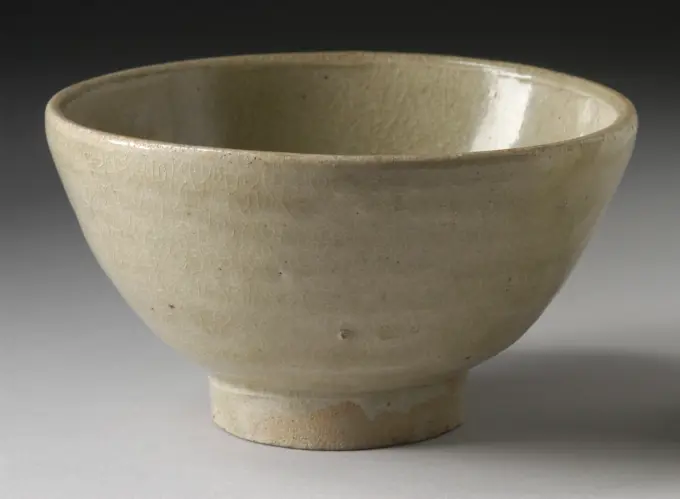
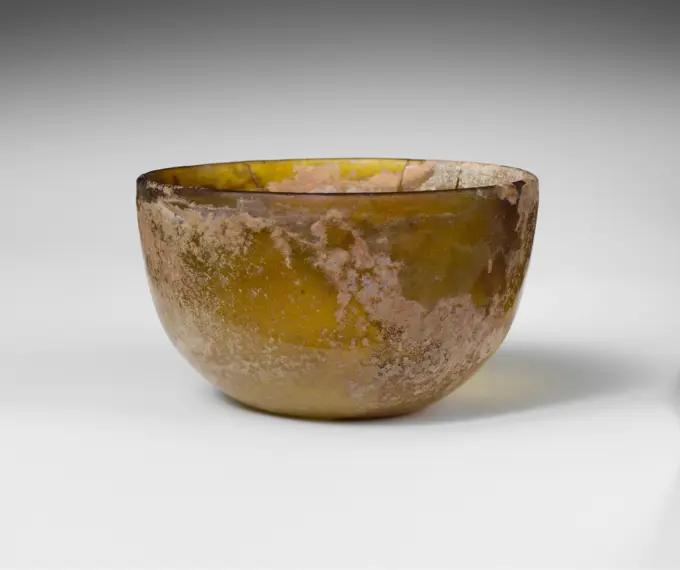
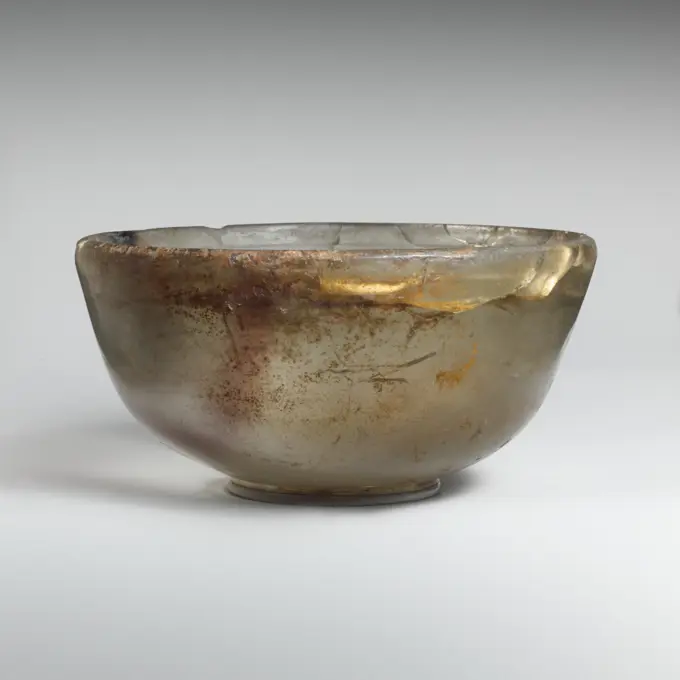
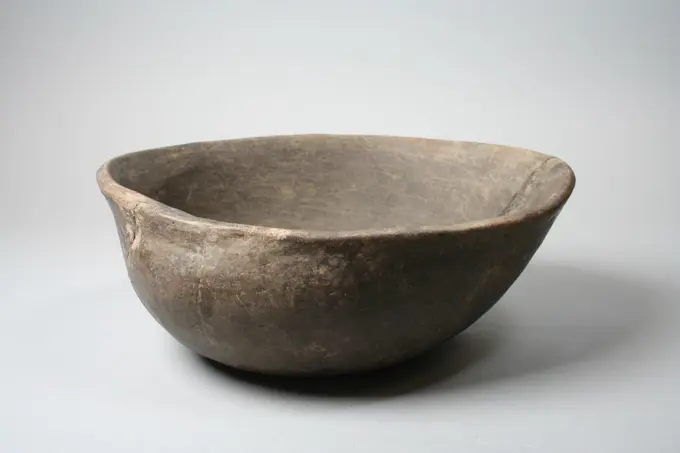
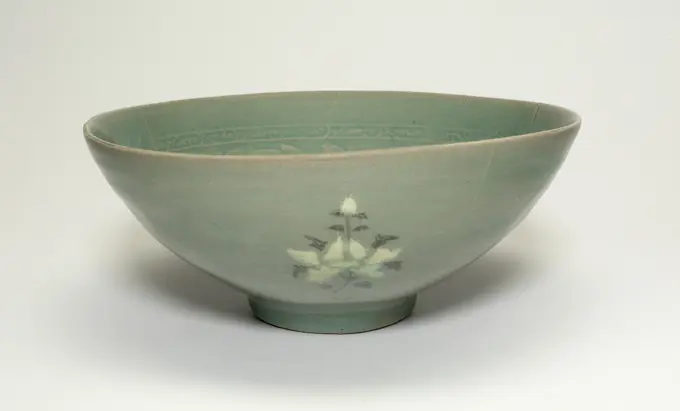
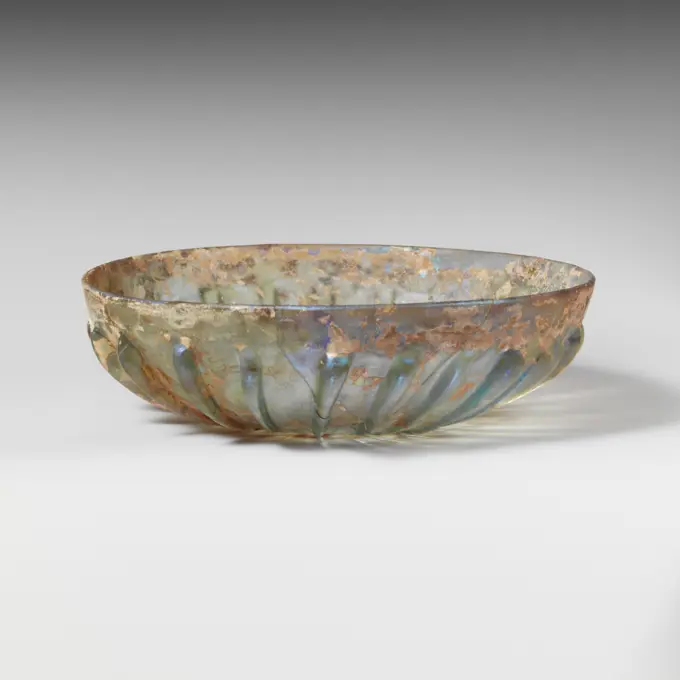
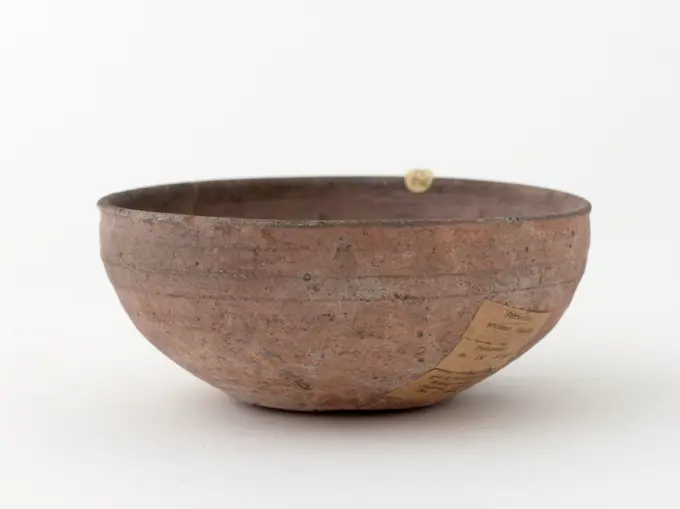
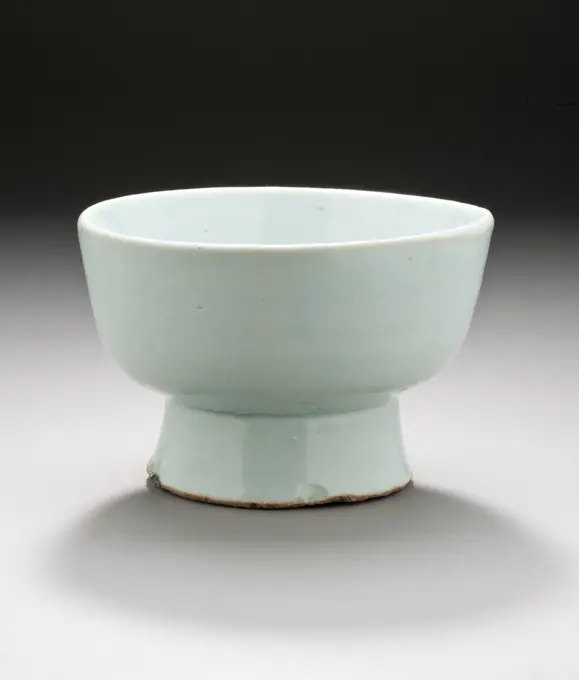
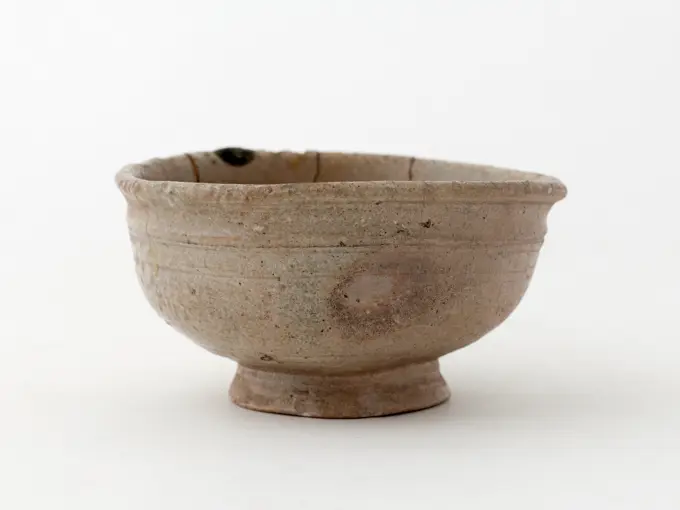
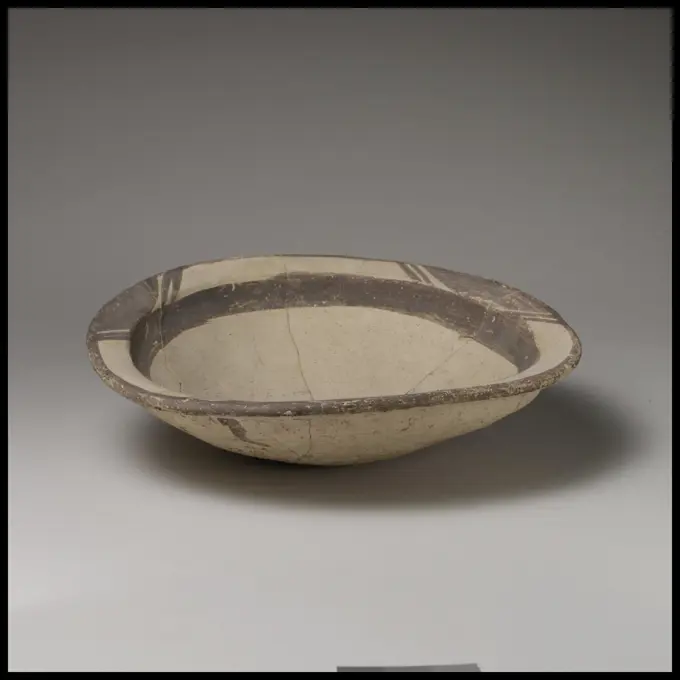
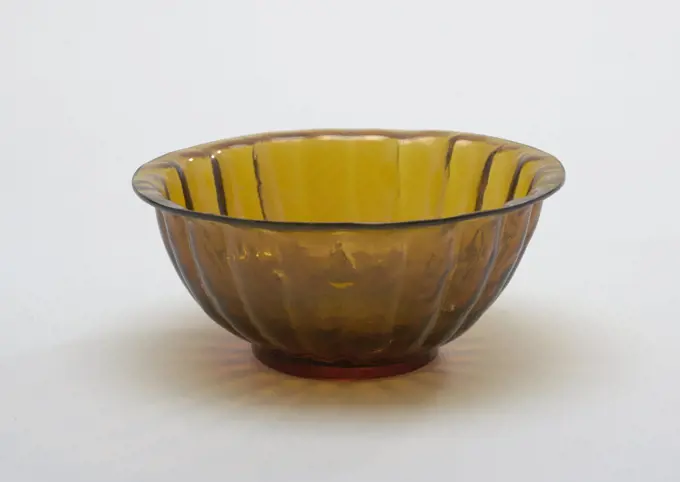
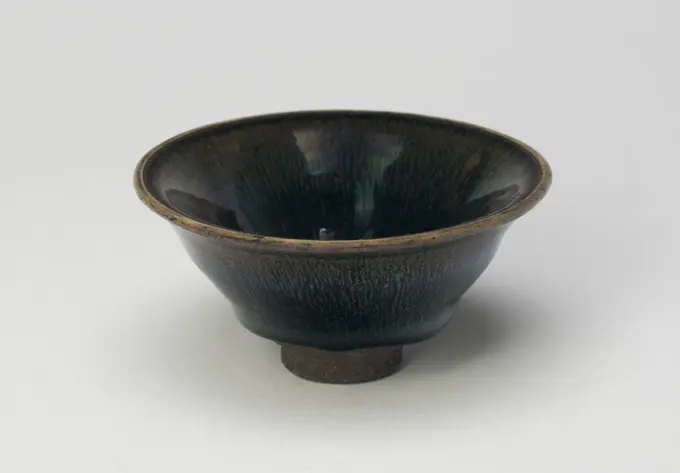
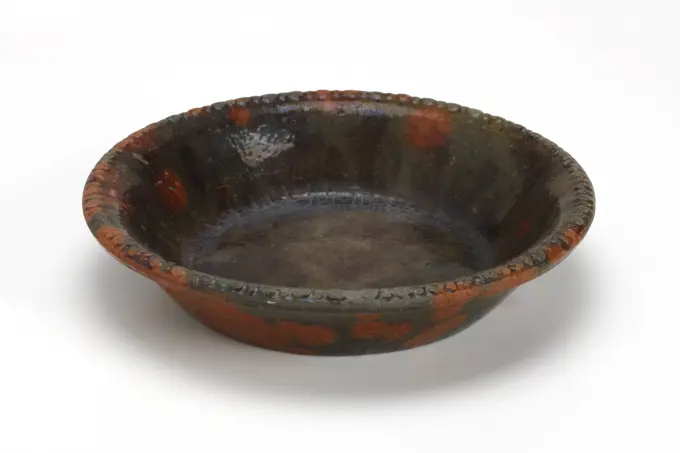
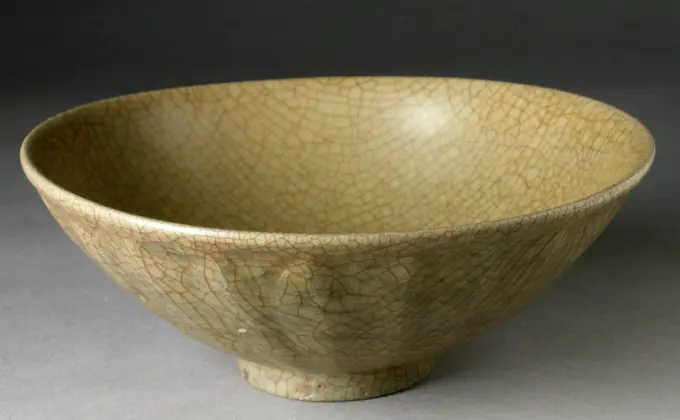
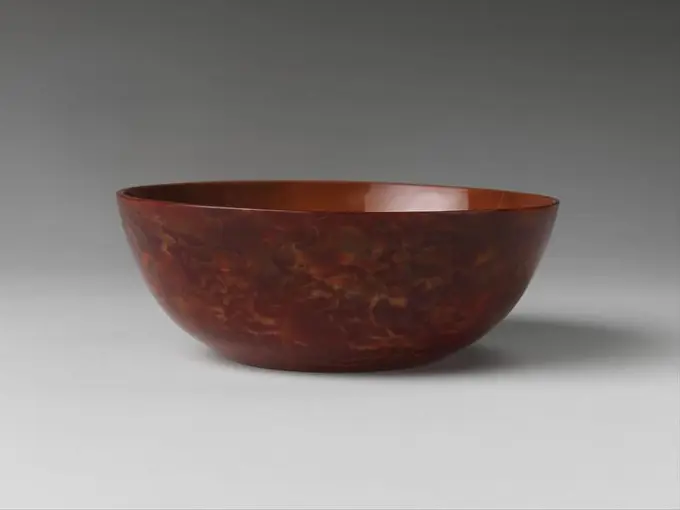
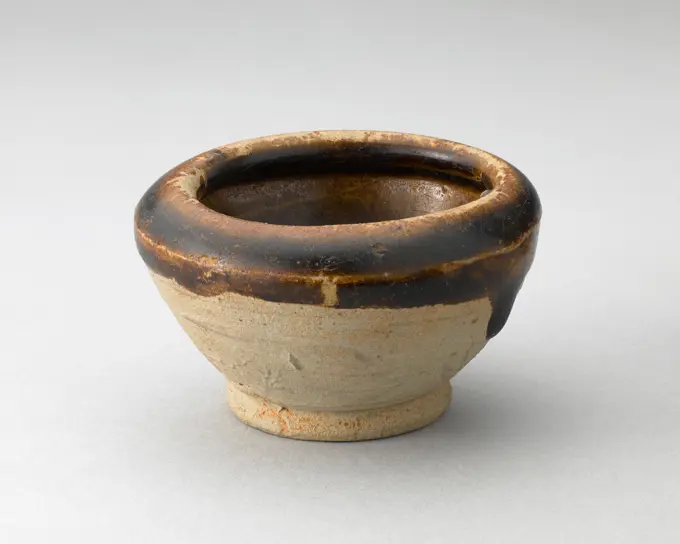
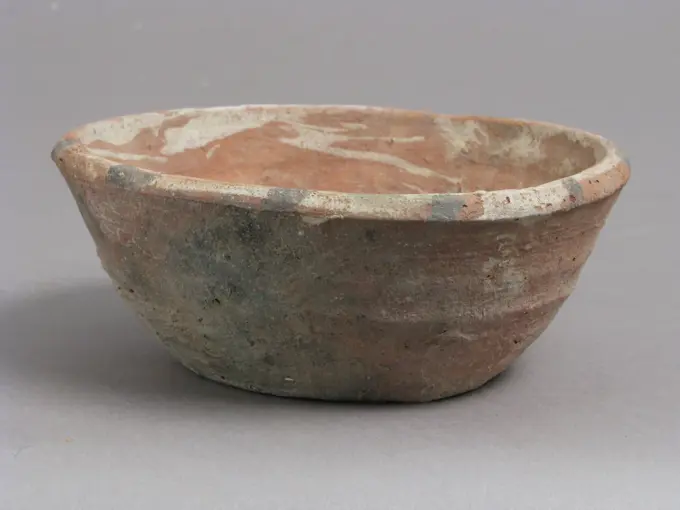
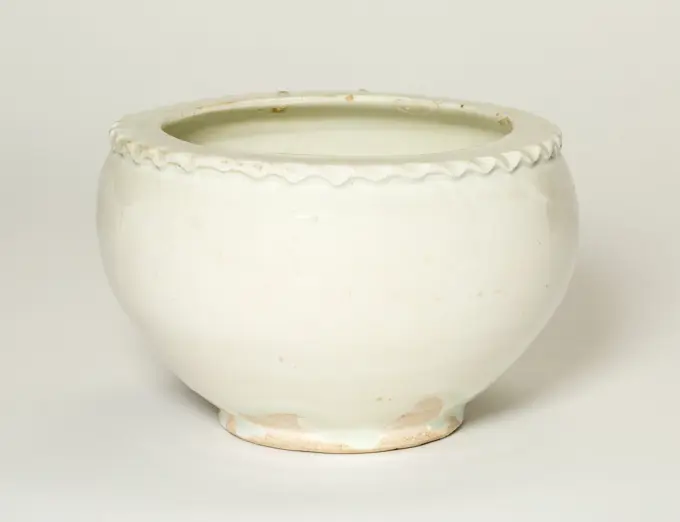
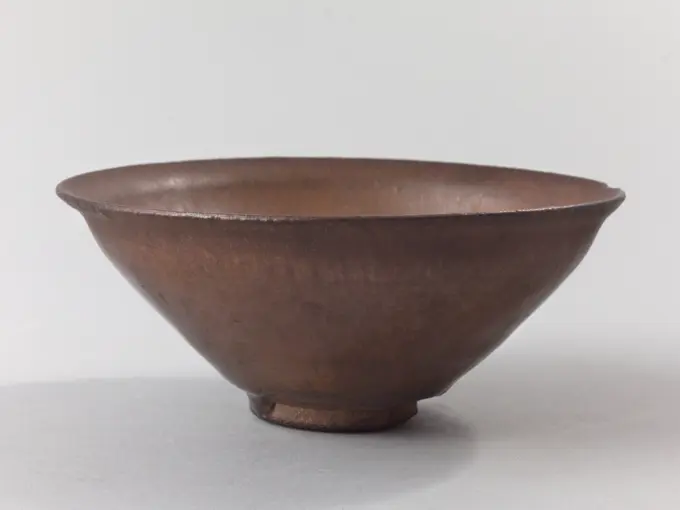
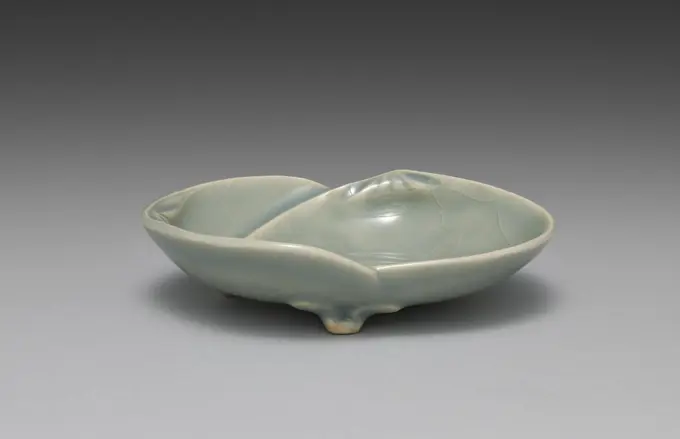
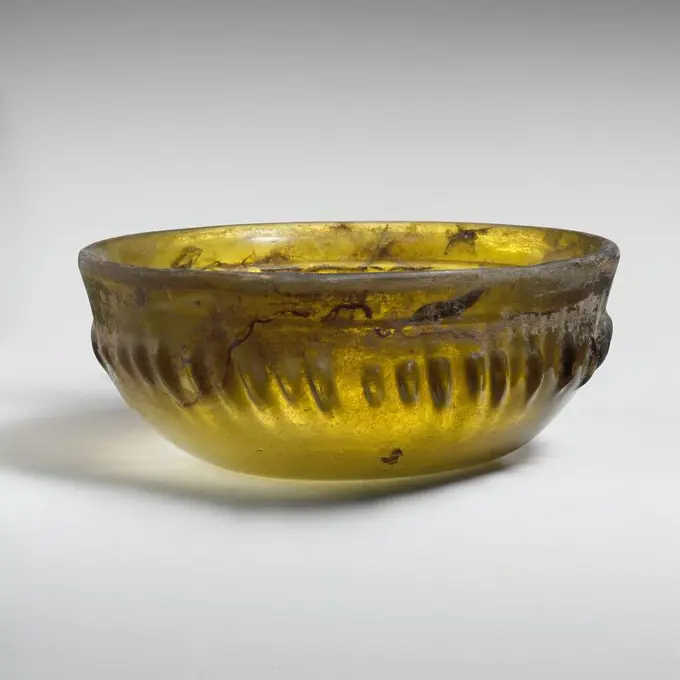
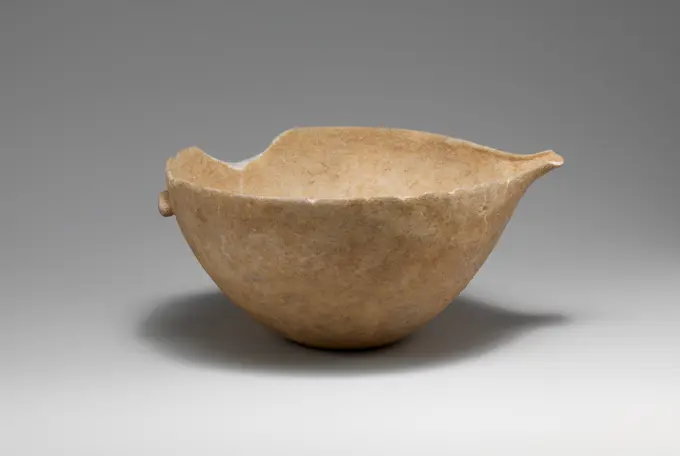
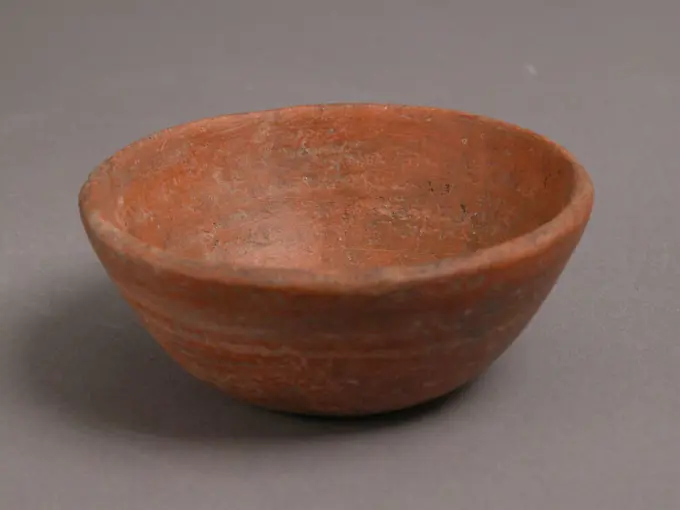
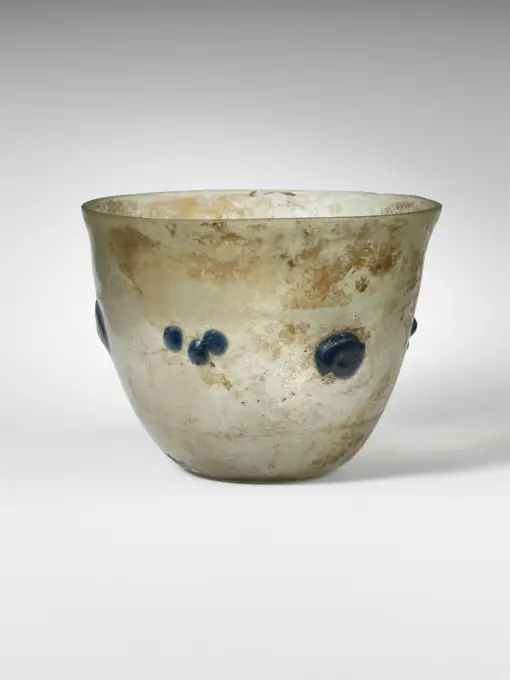
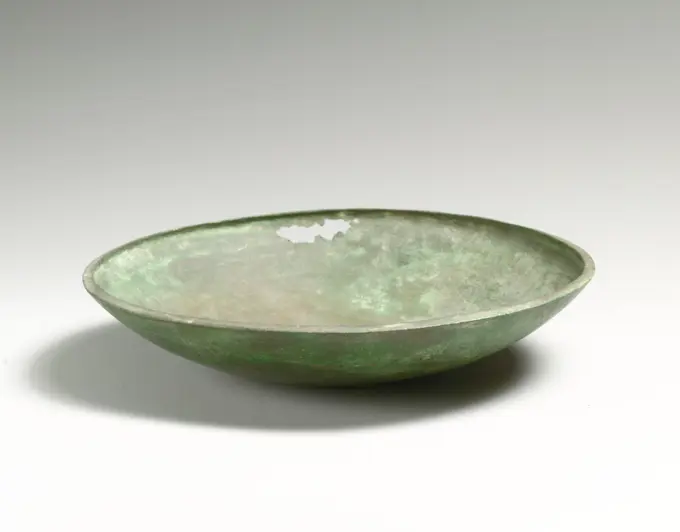
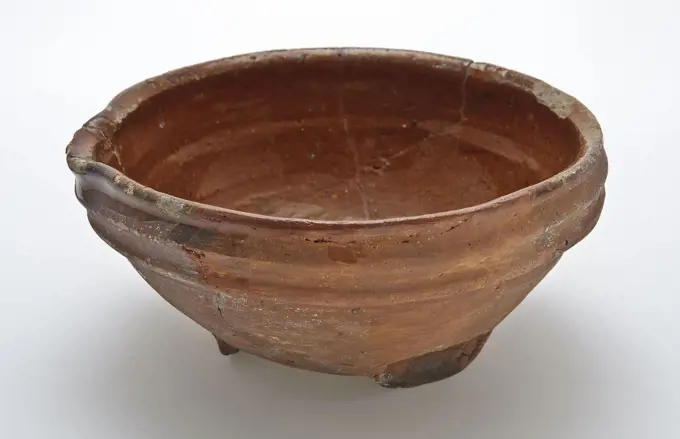
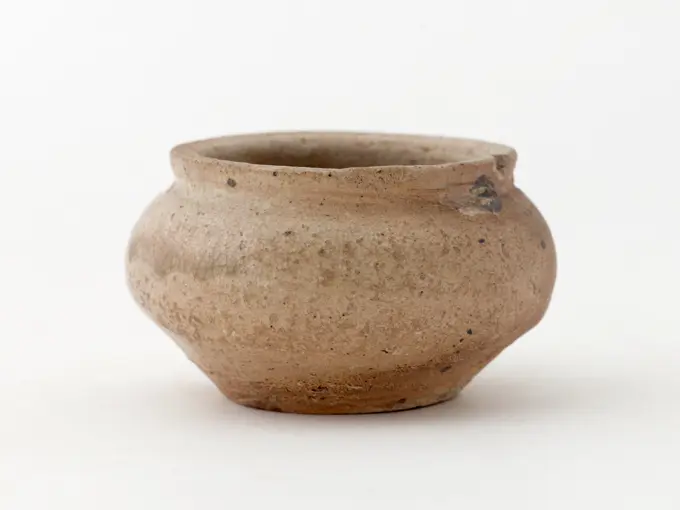
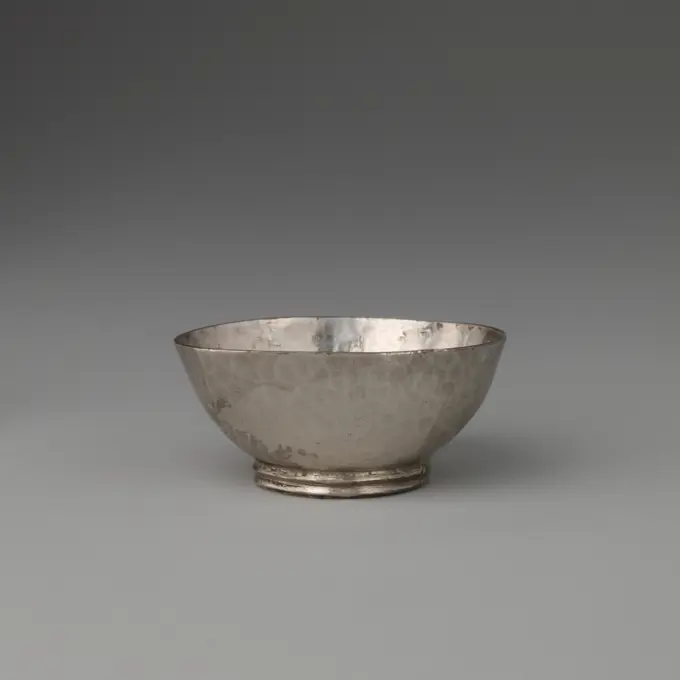
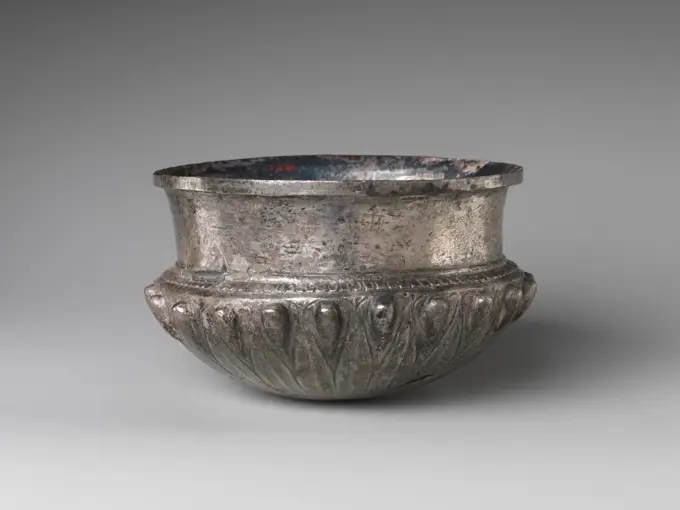
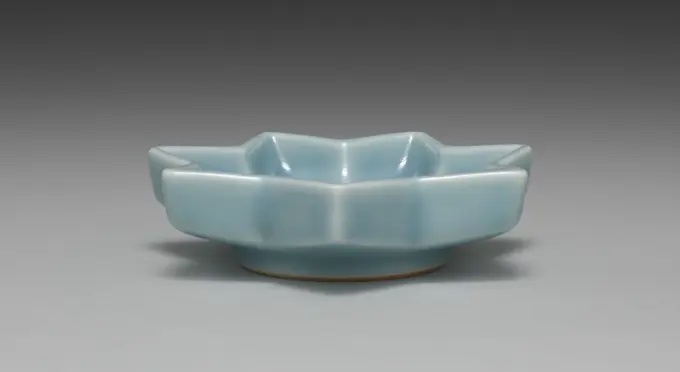
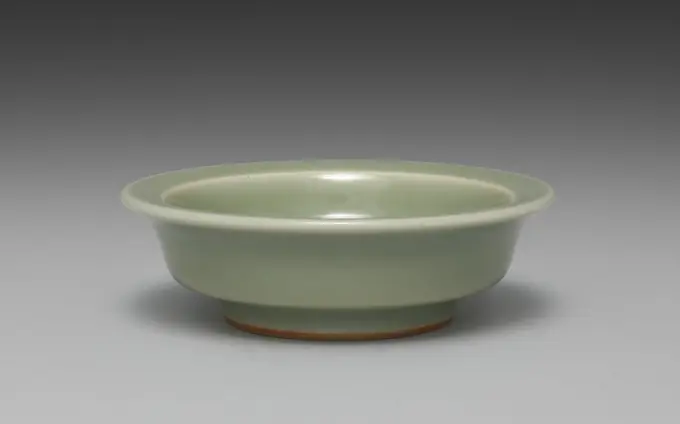
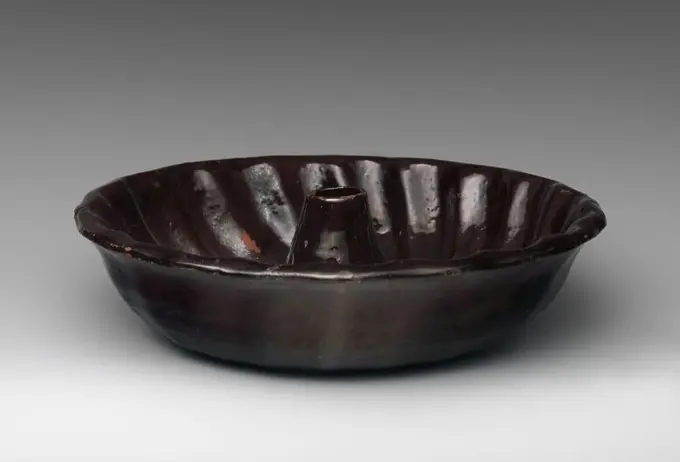
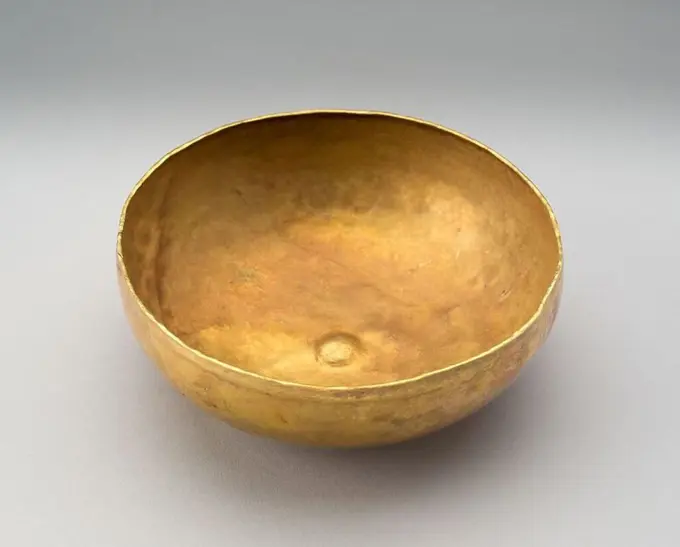
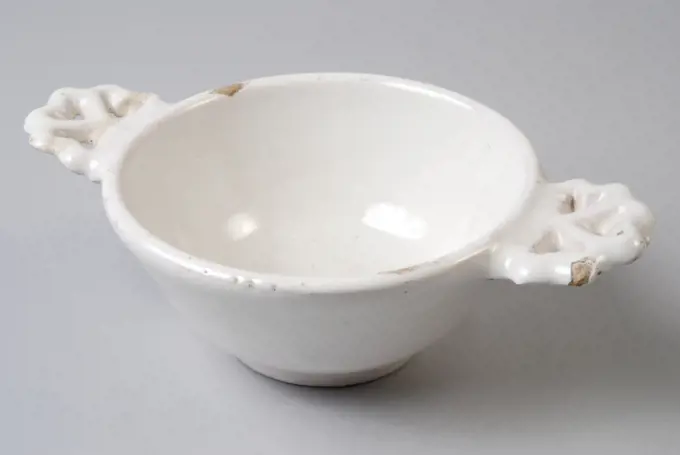
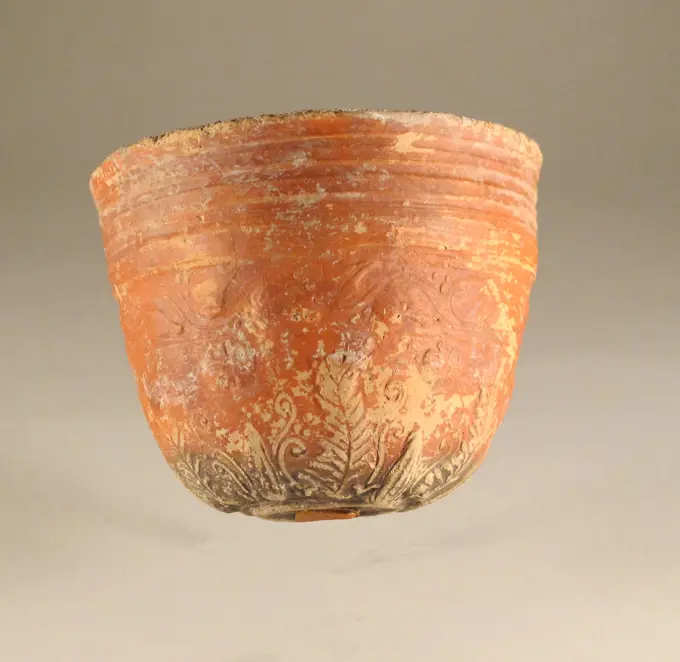
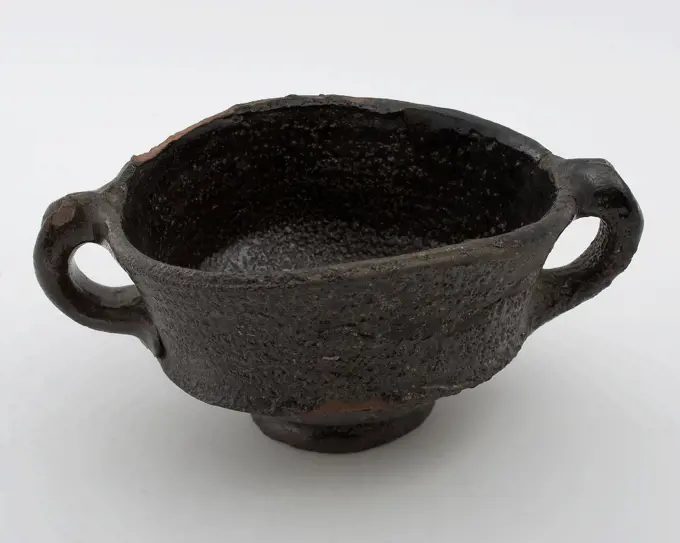
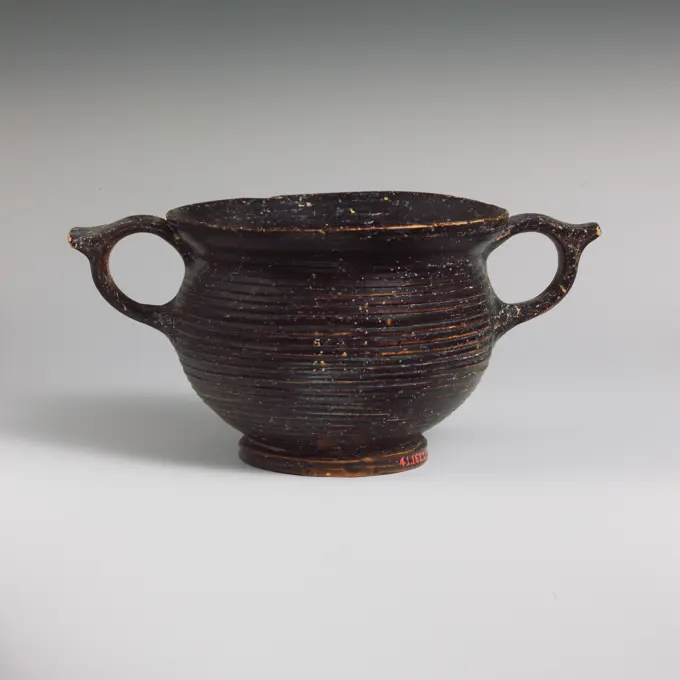
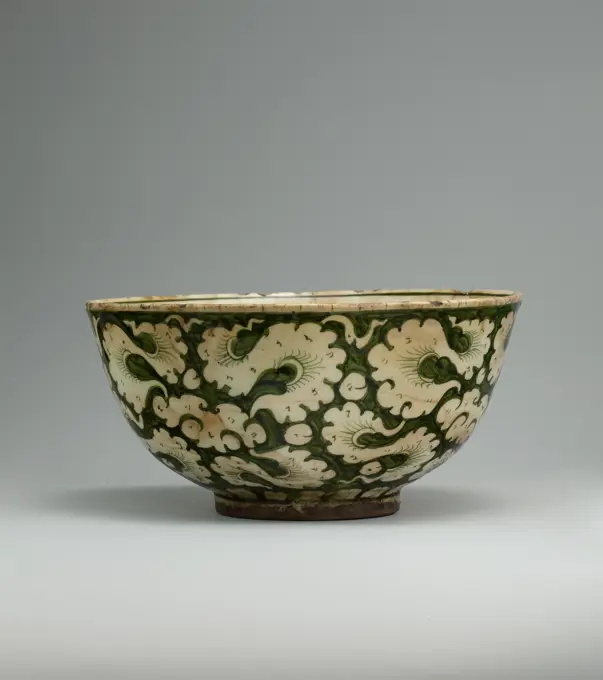
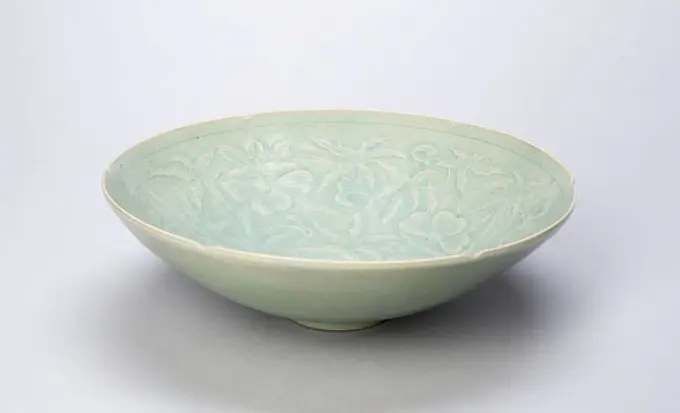
Bowl - St. Johns Stone Chinaware Company (founded 1873) St. Johns Stone Chinaware Company (founded 1873)Bol ". GRS covered ivory. Paris, Muse Cernuschi. He was Vietnamese art, bowl, Vietnamese collection, ivory covered, gres, archeological vestige. Jun glazed stoneware is often sturdy and coarsely potted. Although it was made for everyday use, its utilitarian character did not hinder the quality of its form and glaze. In later centuries, Jun ware became extremely popular: collectors hunted for old pieces, seeking out the finest gradations of lavender blue and most elegant accents of purple glaze.Bowl with a scroll border, anonymous, c. 1100 - c. 1299 Come of earthenware covered with a white sludge engobe from which a decoration is cut, covered with transparent alarm laze. On the inner wall a wide tire, divided into eight compartments with curls or leaf vines (pseudo-script). Garrus earthenware. glaze engraving / vitrification Come of earthenware covered with a white sludge engobe from which a decoration is cut, covered with transparent alarm laze. On the inner wall a wide tire, divided into eight compartments with curls or leaf vines (pseudo-script). Garrus earthenware. glaze engraving / vitrificationCup ". GRS covered transparent green reflections. Paris, Muse Cernuschi. Coupe Asian art, extreme-East art, Vietnamese art, ceramic, cut, gres, dishesBowl with a turquoise glaze, anonymous, c. 1175 - c. 1224 Come from quail fritry covered with a monochrome turquoise alkaledlaze. Iran earthenware. glaze vitrification Come from quail fritry covered with a monochrome turquoise alkaledlaze. Iran earthenware. glaze vitrification. Tea bowl of stoneware, partly covered with a dark brown glaze with golden brown stripes (hazel). The lower half of the bowl and the edge are unglazed. Jian.. Tea bowl of stoneware, partly covered with a green black glaze. The edge is caught in a metal band. The bottom and the foot ring are unglazed. Imitation of a Chinese temmoku. Seto.Bowl with carved floral decoration, 1100s. China, probably from the Yaozhou kilns, Shaanxi Province, Northern Song dynasty (960-1127). Glazed porcelain, Northern Celadon ware; diameter: 22.6 cm (8 7/8 in.); overall: 7.5 cm (2 15/16 in.).Bowl. Burma (Myanmar), circa 1450-1500. Furnishings; Serviceware. Stoneware with celadon glazeTea bowl. These bowls are decorated with engraved and stamped motifs. The semi-transparent white glaze has accumulatedin the grooves, highlighting the decoration. This free, spontaneous style originated in Korea and greatly appealed to Japanese lovers of ceremonial teawares. Korean models were thus soon imitated in Japan.Tea bowl with a brownish blue glaze, anonymous, c. 960 - c. 1279 Teaom of stoneware, covered with a brown -blue glaze. The underside is unglazed. Jian. China stoneware. glaze vitrification Teaom of stoneware, covered with a brown -blue glaze. The underside is unglazed. Jian. China stoneware. glaze vitrificationGlass bowl late 1st century B.C.-early 1st century A.D. Roman Translucent golden yellow.Rounded, slightly inverted flaring vertical rim; sides curving in to slightly concave bottom.Complete, but broken and repaired on one side; some pinprick bubbles and a few white gritty impurities; patches of dulling and pitting with iridescence and creamy brown weathering.Rotary grinding marks on interior and fire-polished surface on exterior, with one irregular tooling groove below rim.. Glass bowl 245673Glass bowl mid-2nd-early 1st century B.C. Greek, Eastern Mediterranean Colorless with translucent purple streak.Uneven, angular, and slightly inverted rim; hemispherical body with straight side, tapering diagonally downward and then curving in ; convex bottom.On interior, two horizontal grooves cut in a band below rim; on exterior, a band of two lightly abraded grooves around bottom with small circle at center.Intact, but many internal strain cracks around side below rim and in bottom; some pinprick bubbles; isolated patches of deep pitting and brownish iridescent weathering.Rotary grinding marks on interior.. Glass bowl. Greek, Eastern Mediterranean. mid-2nd-early 1st century B.C.. Glass; cast and cut. Late Hellenistic. GlassBowl, 4th-2nd century BCE, 3 7/8 x 8 1/2 x 6 1/2 in. (9.8 x 21.6 x 16.5 cm), Pottery, pigment, Mexico, 4th-2nd century BCEBowl 11th-14th century Mississippian. Bowl 318590Bowl with Stylized Peonies 1100-1199 Korea. Celadon-glazed stoneware with underglaze carved and inlaid decoration of black and white clays .Glass ribbed bowl late 1st century B.C.-mid 1st century A.D. Roman Translucent pale blue green.Plain rounded rim; sides curving in to slightly concave, uneven bottom.On exterior, twenty-two prominent ribs with rounded tops and tapering towards bottom, almost touching at center.Complete; broken and repaired around one side; very few bubbles; dulling, slight pitting, and numerous patches of iridescent creamy weathering.Rotary grinding marks on interior of bottom.. Glass ribbed bowl 239874Cup ". Terracotta. Vietnam-Xe-Xive s. Paris, Cernuschi museum. 72361-33 Cup, Vietnamese object, terracottaVeneto Islamic 16th Century, A Bowl, mid 16th century A BowlPedestal Bowl. Korea, Joseon dynasty (1392-1910), 19th century. Furnishings; Serviceware. Wheel-thrown porcelain with clear glazeBowl. "Hare fur" covered sandstone. Paris, Cernuschi museum. 78845-13 Asian art, table art, bowl, old ceramic, container, dishesBowl 17th century. Bowl 444558Bowl - Portneuf potteryBowl 4th-7th century Coptic. Bowl 478674. Bowl of earthenware decorated with stylized flower drinks in green, yellow and manganese black sludge on Engobe of white sludge.Cup ". Terracotta. Vietnam-Xe-Xive s. Paris, Cernuschi museum. 72187-2 Cup, Vietnamese object, terracottaBowl mid 6th-5th millennium B.C. Ubaid The usual pottery found in Ubaid graves at the southern Mesopotamian site of Eridu consisted of an upright jar, a dish or a plate like this one, and a cup lying inside the dish. They were placed in the corner of mud-brick coffins near the right foot of an outstretched body. Although the paint designs on Ubaid pottery do vary, this plate conforms to a general type consisting of two concentric rings close to or at the rim. Three equally spaced blocks of solid paint between the rings further accentuate the circumference of the plate. Each block has diagonal parallel lines on either side. This plate was excavated in the Ubaid Cemetery at Eridu (Grave 142).. Bowl 324088Bowl, Glass, Mold-blown bowl of amber colored glass with an inverted rim, a ring foot, low and flat; sloping sides of radiating petal shaped flutes. Interior of bowl is smooth while glass on exterior is rough. Base polished flat, parallel striations on exterior sides., China, 19th century, glasswares, Decorative Arts, BowlTeabowl with Everted Mouth Rim 1100-1199 China. Jian ware; dark-gray stoneware with dark-brown glaze and ìhareís furî markings in iron oxide .Pie pan - Dion Pottery  Dion Pottery. Tea bowl of stoneware, partly covered with a gray orange-burned glaze. The lower part of the bowl is unglazed. Two repairs in the edge. CHOJIRO style. Raku (red).Bowl. Northeastern Iran, circa 2000 B.C.. Furnishings; Serviceware. Calcite, carvedFlat bowl with an irregular thin layer unknownBowl (Wan). China, Yuan dynasty, 1279-1368. Furnishings; Serviceware. Longquan type ware, wheel-thrown stoneware with impressed decoration and celadon glazeBowl imitating realgar. Culture: China. Dimensions: H. 2 3/4 in. (7 cm); Diam. 7 3/8 in. (18.7 cm). Date: early 19th century.The mineral realgar, also known as ruby sulphur because of its red and yellow coloration, has long been understood as an antidote to various venoms and as a substance able to repel evil. It was used in Chinese traditional medicine and added to wine, possibly as a flavoring or to increase it medicinal properties. Museum: Metropolitan Museum of Art, New York, USA.Changsha (ceramic production center), miniature bowl (common name), 0618. sandstone. Brown covered. Cernuschi Museum, Asia Museum of Asia in the city of Paris.Single-Wick Oil Lamp. Israel, circa 700 B.C.. Furnishings; Lighting. CeramicGlass hemispherical bowl 2nd-1st century B.C. Greek Translucent cobalt blue.Rounded vertical rim; hemispherical body with convex curving side; convex bottom.On interior, a single deeo horizontal groove below rim.Intact, with one small internal crack near bottom; many pinprick bubbles; dulling, patches of creamy brown weathering, and faint iridescence on exterior.Rotary grinding marks on interior and exterior.The bowl was cast in a mold and then finished on a lathe.. Glass hemispherical bowl 249563Bowl 4th-7th century Coptic. Bowl 478878Jar with Fluted Rim 900 CE-999 CE China. Ding ware; glazed porcelain .Bowl. "Hare fur" covered sandstone. Paris, Cernuschi museum. 78845-5 Asian art, table art, bowl, old ceramic, container, dishesDish from Saucers with Matching Shells, 1893-1914. Seifū Yohei III (Japanese, 1851-1914). Porcelain with molded design and green crackled glaze; overall: 3 x 12 x 8.5 cm (1 3/16 x 4 3/4 x 3 3/8 in.).Bowl - Portneuf potteryBowl. Iraq, 9th century B.C.. Furnishings; Serviceware. BronzeRinse bowl, scalloped, with flowers and leaves embossed. Speelbowl of terracotta. The scalloped body with flowers and leaves in relief.. Come decorated decorated with a bird surrounded by a flower drink in polychrome sludge in color green, manganese brown, red-brown and white on white sludge Engobe.Pottery saucepan on three legs with scalloped handle and pouring lip, yellow glazed, saucepan pan tableware holder kitchenware soil find ceramics pottery glaze lead glaze, hand turned glazed baked Pottery saucepan white shard inside and part of the outside covered with yellow lead glaze and sparing green glaze Outstanding side wall profiled top edge with pouring clip Up curled and scalloped handle. Grating marks on the underside. Three legs placed widely apart archeology food prepare cooking cuisineGlass ribbed bowl. Culture: Greek, Eastern Mediterranean. Dimensions: H.: 2 3/16 in. (5.6 cm)Diam.: 5 3/8 in. (13.7 cm). Date: 1st century B.C..Translucent yellow green.Outsplayed rim, with upright rounded edge and plain inward-sloping band below; convex side curving in downwards; concave bottom.On interior, a single broad horizontal groove at junction of rim and side; on exterior, forty-three short, unevely-spaced ribs of varying length and width, arranged around bulging middle section of body, occasionally flanked by vertical tooling marks.Intact; some internal strain cracks; some pinprick and a few large bubbles; dulling on interior and around band below rim on exterior, and some small patches of iridescent brownish weathering.Rotary grinding marks on interior.Greenish cup with cut bands inside. Museum: Metropolitan Museum of Art, New York, USA.Marble spouted bowl ca. 2700-2200 B.C. Cycladic The artistry of Cycladic marble-workers is evident in the stone vases as well as in figures. This example is exceptional for the thinness of the walls, the finely articulated spout, and the large size.. Marble spouted bowl 256286Bowl. Culture: Coptic. Dimensions: Overall: 2 1/8 x 4 7/16 in. (5.4 x 11.2 cm). Date: 4th-7th century. Museum: Metropolitan Museum of Art, New York, USA.Bowl. Culture: Coptic. Dimensions: H: 1 3/8 in (3.5 cm); Diameter: 3 7/16 in. (8.8 cm). Date: 4th-7th century. Museum: Metropolitan Museum of Art, New York, USA.Glass beaker or lamp 4th century A.D. Roman Colorless with pale green tinge; translucent cobalt blue blobs.Thick, uneven rim, cracked off and ground, slightly outsplayed; convex side to body, tapering downwards; concave bottom.Midway down side band of applied blobs, comprising three sets of two alternating patterns, one being a single large and thick blob, the other three smaller blobs arranged in a triangular pattern; above and below blobs, a single broad horizontal wheel-abraded band.Intact, except for a small weathered chip in rim; a few bubbles in body, more pinprick bubbles and black impurities in blobs; dulling, faint iridescence, and patches of limy brown weathering.. Glass beaker or lamp 245321Bowl Cypriot. Bowl 244482Bowl of red earthenware on three stand fins, wide shank, internally glazed, bowl crockery holder soil find ceramic earthenware glaze lead glaze, hand-turned glazed fried Bowl with schenklip. Red shard internally covered with lead glaze Round bottom. Three stand fins. Profiled upper edge some groove along the outside archeology inn Het Hart Geervliet Bernisse indigenous pottery cooking kitchen food prepare mixing skimming Soil discovery: Geervliet Dorpsplein 1 demolition Trouw put 5 city inn 't Hart 1985.Gwicht;  XVIII W (1701-00-00-1800-00-00);Pot ". Terracotta. Vietnam-Xe-Xive s. Paris, Cernuschi museum. 72186-43 Vietnamese object, pot, terracottaNesting Bowl 4th-7th century Coptic. Nesting Bowl 478446Miniature bowl 1690-91 Probably by George Manjoy British. Miniature bowl. British, London. 1690-91. Silver. Metalwork-Silver-MiniatureBowl ca. 1635-1458 B.C. Second Intermediate Period-Early New Kingdom. Bowl. ca. 1635-1458 B.C.. Faience. Second Intermediate Period-Early New Kingdom. From Egypt, Upper Egypt, Thebes, Asasif, Carnarvon/Carter excavations. Dynasty 17-Early Dynasty 18Bowl with acorn bosses at shoulder, lotus pattern beneath, and rosette on bottom, and with inscribed weight 4th century B.C. Late Period-Ptolemaic Period The heavy silver vessels 18.2.13-18.2.17 are in created in a decorative style widespread in the Greek world, and can be dated to the fourth century BC. They are said to have been found together in the Egyptian Delta. Several of the vessels have small Demotic designations scored into the rim recording the weight of the silver, which correlated with the vessel's value. The larger weight unit was a deben (about 91 grams at this time) and this was divided into 10 kites..18.2.13 has an inscription that reads "...deben 4 kite." Its actual weight is 552.8 grams.. Bowl with acorn bosses at shoulder, lotus pattern beneath, and rosette on bottom, and with inscribed weight 551307These saucers shaped like maple leaves show Seif Yohei III’s “heavenly blue glaze.” Saucer from Maple Leaf-Shaped Saucers, 1893-1914. Seifū Yohei III (Japanese, 1851-1914). One of five dishes from a set of ten; porcelain with blue glaze and molded design; overall: 2.5 x 9 cm (1 x 3 9/16 in.).Tea bowl with a brownish black glaze, A.L. Hetherington, c. 1900 - c. 1968 Theekom van Steengoed, partially covered with a brown -black glaze. The lower half of the bowl is unglazed. The edge is caught in a metal band. English imitation of a Chinese Temmoku come. Great Britain stoneware. glaze. rand: metal vitrification Theekom van Steengoed, partially covered with a brown -black glaze. The lower half of the bowl is unglazed. The edge is caught in a metal band. English imitation of a Chinese Temmoku come. Great Britain stoneware. glaze. rand: metal vitrificationDomestic object, dishes, circular dish, in copper alloy. Gallo-Roman time, high-Empire. Paris, Carnavalet museum. The decoration consists of concentric circles incised on the bottom, the departure and the top of the paunch. On the edge and the paunch, the drafts treated upwards suggests the hinge of a shell. Copper alloy, Copper Alloy, Dish, Domestic, Early Roman Empire, Gallo-Roman time, Gallo-Roman Period, High Empire, Household Object, domestic object, circular dish, circular round, dishes, vesselFaience bowl ca. 1300-1200 B.C. Cypriot Interior, lotus flowerThis is probably a local, Cypriot imitation of an Egyptian faience lotus bowl. Here, the flower is on the interior. The exterior of metal phialai are often articulated with more or less stylized petals.. Faience bowl 243951Bowl. Culture: China. Dimensions: H. 2 1/8 in. (5.4 cm); Diam. 4 3/8 in. (11.1 cm). Date: 18th century. Museum: Metropolitan Museum of Art, New York, USA.Bowl with three figures and drie vogels, anonymous, c. 1175 - c. 1224 Come of earthenware covered with white tinglaze and painted with a polychrome figural decoration. On the bottom a person on a throne flanked by two people and three birds. The inner wall is divided into eight compartments with tiflen and a geometric pattern with a (psuedo) inscription. is the earthenware. tin glaze painting / vitrification Come of earthenware covered with white tinglaze and painted with a polychrome figural decoration. On the bottom a person on a throne flanked by two people and three birds. The inner wall is divided into eight compartments with tiflen and a geometric pattern with a (psuedo) inscription. is the earthenware. tin glaze painting / vitrification. Come from Quartz Fritgoed decorated with ribs and drop shapes containing a flower branch in relation to a monochrome turquoise glaze.These saucers shaped like maple leaves show Seif Yohei III’s “heavenly blue glaze.” Saucer from Maple Leaf-Shaped Saucers, 1893-1914. Seifū Yohei III (Japanese, 1851-1914). One of five dishes from a set of ten; porcelain with blue glaze and molded design; overall: 2.5 x 9 cm (1 x 3 9/16 in.).Miniature tumbler cup 1688-89 G. H.. Miniature tumbler cup. British, London. 1688-89. Silver. Metalwork-Silver-MiniatureBowl 4th-7th century Coptic. Bowl. Coptic. 4th-7th century. Earthenware, slip decoration. Made in Kharga Oasis, Byzantine Egypt. CeramicsTea Bowl with Hare’s-Fur” Glaze 12th century China. Tea Bowl with Hare’s-Fur” Glaze 42455Saucer, c. 1893-1914. Seifū Yohei III (Japanese, 1851-1914). One from a set of ten dishes; porcelain with green glaze; overall: 2.5 x 8 cm (1 x 3 1/8 in.).Large cut (common name). Sandstone with brown-black decoration under cover. Cernuschi Museum, Asia Museum of Asia in the city of Paris.Decorative Ladle with Dog Handle. Egypt, Roman Period (30 BCE - 395 CE) or later. Furnishings; Serviceware. Bronze. Come from quartz frying with a painting of flower drinks in lotus sheet-shaped compartments, separated by a wide stripe under a transparent alkali acid.Dish. Culture: American. Dimensions: H. 2 1/2 in. (6.4 cm); Diam. 10 in. (25.4 cm). Date: 1800-1830. Museum: Metropolitan Museum of Art, New York, USA.Miniature Bowl. Inca; South coast, Peru. Date: 1200-1450. Dimensions: 5.4 x 12.7 cm (2 1/8 x 5 in.). Gold. Origin: South Coast. Museum: The Chicago Art Institute, Chicago, USA.Miniature Dish with Handle 15th-early 16th century Inca. Miniature Dish with Handle. Inca. 15th-early 16th century. Ceramic. Peru. Ceramics-ContainersBowl. Syria, mid-12th century. Ceramics. Fritware, overglaze luster-painted. Come from quartz frying with a black painting and a transparent turquoise alkalilation. A tire with medallions on the inner wall.Earthenware bowl with two carved ears, white glazed, papkom bowl crockery holder soil find ceramic earthenware glaze tin glaze, hand turned baked glazed baked Pottery porridge bowl Two processed horizontal ears slightly tilted upwards. Three heart-shaped recesses per ear Stand ring. White glazed Dutch Delftware. One ear has been re-glued on and painted moderately executed archeology Rotterdam indigenous pottery porridge serving serve serving table archaeological find in the soil Rotterdam 1941.Bowl 2nd millennium B.C.. Bowl 324312Bowl with Three Lugs. Culture: Paracas. Dimensions: Overall: 2 in. (5.08 cm)Other: 5 1/2 in. (13.97 cm). Date: 7th-4th century B.C.. Museum: Metropolitan Museum of Art, New York, USA.Bowl ca. 1st century A.D. Nabataean. Bowl 325907Terracotta skyphos (deep drinking cup). Culture: Greek, Attic. Dimensions: H. 7.59 cm.. Date: 5th century B.C..This type of skyphos, with fine walls that taper to a narrow base, originated in Corinth during the seventh century B.C. and continued to be made in Athens into the fourth century B.C. Museum: Metropolitan Museum of Art, New York, USA.Terracotta Megarian bowl 1st century B.C. Greek, Pergamene Grooved ridges above a zone of heart-ivy with berries framed by bands; below, alternating lotus and acanthus leaves with tendrils, interspersed with seven-petal rosettes.Red-glazed bowls such as this were made in Pergamon between the 2nd-1st centuries B.C. In addition to their distinctive glaze, many of these bowls were characterized by their taller, more cylindical profiles, and the placement of the decorative motifs on the lower half of the bowl's exterior surface. Although worn, the free-style relief decoration is carefully rendered yet spontaneous, suggesting a date around the beginning of the 1st century B.C.; by contrast towards the end of the century, the designs on these bowls assume a stiff and more predictable character.. Terracotta Megarian bowl 250240Pottery dish (misbaksel), red shard, fully glazed, two bandors, on stand, pop bowl bowl crockery holder earth discovery ceramic earthenware glaze lead glaze, hand-turned glazed baked earthenware papkom (misbaksel) red shard entirely covered with dark brown lead glaze with blisters two pinched stand-up rings on the top. Turning twisted strongly deformed archeology native earthenware porridge eating food cooking food preparing kitchenTea bowl unknownTerracotta kantharos (drinking cup) with vertical ring handles 4th century B.C. Greek, Boeotian Black glaze kantharos without decoration.. Terracotta kantharos (drinking cup) with vertical ring handles 254404 Greek, Boeotian, Terracotta kantharos (drinking cup) with vertical ring handles, 4th century B.C., Terracotta, H. 2 15/16 in. (7.4 cm); diameter 3 3/4 in. (9.6 cm); width with handles 6 in. (15.3 cm). The Metropolitan Museum of Art, New York. Rogers Fund, 1941 (41.162.233)Saucer, c. 1893-1914. Seifū Yohei III (Japanese, 1851-1914). One from a set of ten dishes; porcelain with green glaze; overall: 2.5 x 8 cm (1 x 3 1/8 in.).Polychrome Bowl with Cloud Decoration late 17th-early 18th century Like so many ceramics produced in Iran during the Safavid period, the style and ornament of this dish shows an attempt to emulate the highly-regarded Chinese porcelain. The shape of this bowl and the scrolling cloud bands on its body illustrate the Chinese influences in this piece. However the use of mossy green instead of the typical blue, is an element of Persian innovation.. Polychrome Bowl with Cloud Decoration. late 17th-early 18th century. Stonepaste; polychrome painted under transparent glaze. Made in Iran. CeramicsGlass bowl with painted lid. Culture: Roman, Cypriot. Dimensions: H.: 3 in. (7.6 cm)Diam.: 3 3/4 in. (9.5 cm). Date: 2nd century A.D..Bowl (17.194.88a): Translucent blue green.Everted, knocked-off rim, with ground upper edge; narrow concave neck; sack-shaped body with side expanding downwards to rounded carination, then sloping inwards; small bottom, pushed in to form tall spike-like kick.On side above carination, two narrow wheel-abraded horizontal bands.Complete but one vertical crack from rim down side; few bubbles; soil encrustation, slight dulling, and creamy brown weathering.Lid (17.194.88b):Translucent blue green.Rim turned down and inwards with unworked inner lip; concave upper surface.Decoration in black lines on interior: woman seated to right but head turned to left with bare upper body and drapery below, flanked at bottom with flowers; objects in field to left (altar and offerings).Intact; few bubbles; patches of creamy weathering and brilliant iridescence.PainDish Etruscan ca. 550-500 BCE Shallow dish with foot; no decoration. View more. Dish. Etruscan. ca. 550-500 BCE. Terracotta; bucchero pesante. Archaic. VasesSmall qingbai bowl. unknown, craftsmanHispanic terra sigillata vessels, Roman Hispania, Valladolid Museum, Community of Castile and Leon, Spain.Rinse bowl, hexagonal, gres blanc, with cartouches with flowers in relief. Rinse bowl of glazed pottery, Gres Blanc. The hexagonal body is embossed decorated with six onion-shaped cartouches with flowers, against a matted soil. The inside is glazed.Blackware Plate with Fish Incised in Interior 500 BCE-150 BCE Peru. Ceramic . ParacasBowl 19th century Italian, Venice (Murano). Bowl. Italian, Venice (Murano). 19th century. Glass. GlassLobed Bowl with Hibiscus and Floral Medallion. Korean. Date: 1100-1199. Dimensions: H. 6.5 cm (2 9/16 in.); diam. 19.8 cm (7 13/16 in.). Stoneware with underglaze molded design. Origin: South Korea. Museum: The Chicago Art Institute, Chicago, USA.