Ceramic Figurines

A variety of historical ceramic figurines, showcasing intricate designs and vibrant colors, including shepherds, angels, and traditional attire.

Midnight Mass from the sheep; Koenigliche Porcellain Fabrique, Meissen (1710-1763), Kaendler, Johann Joachim (1706-1775); 19th/20th century according to the model from around 1750 (1890-00-00-1910-00-00);
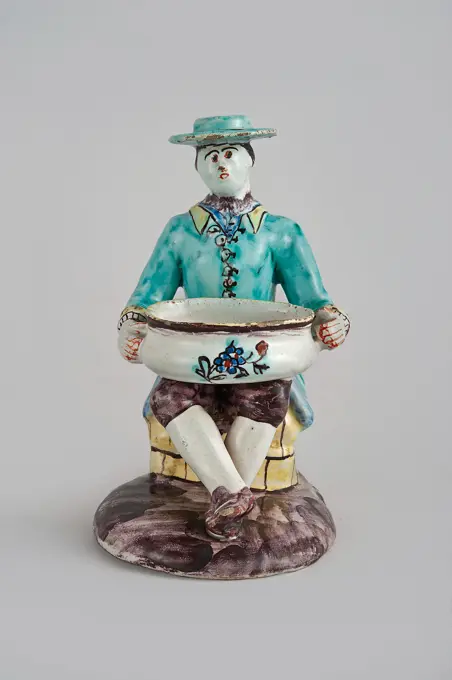
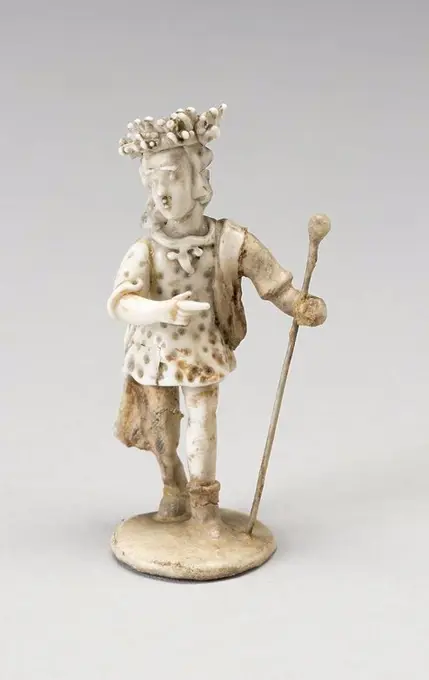
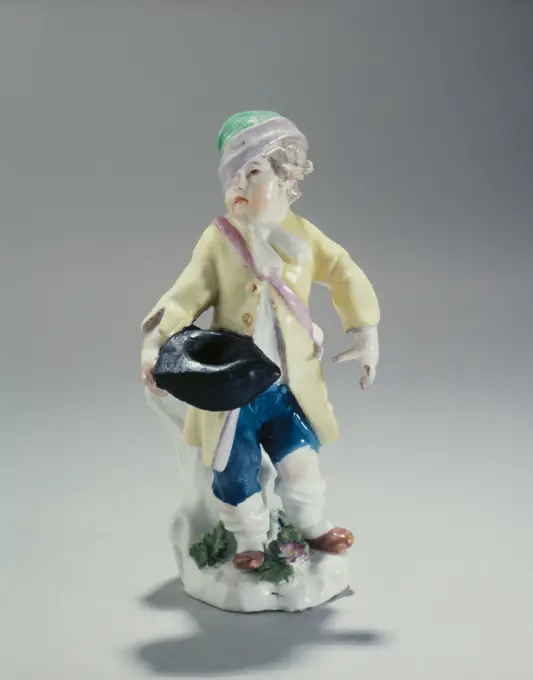
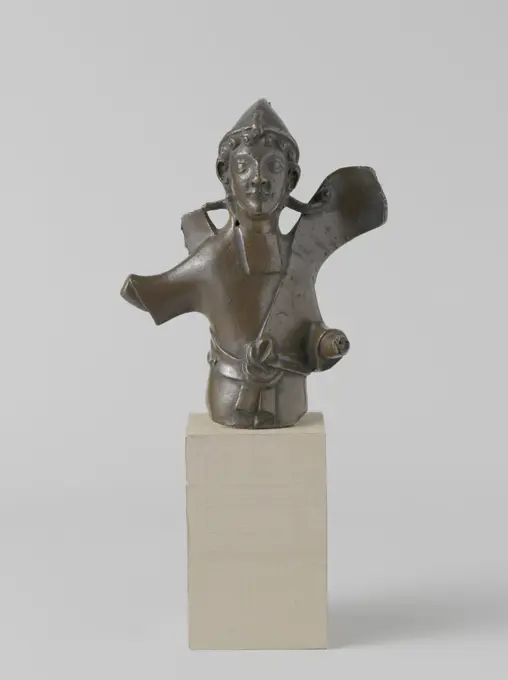
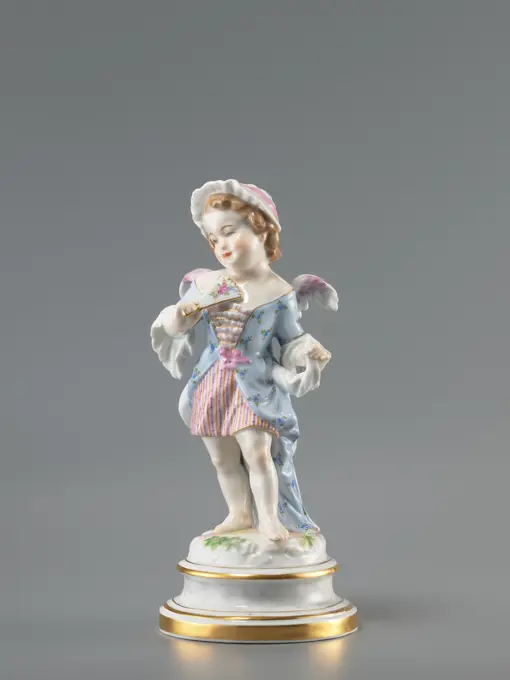
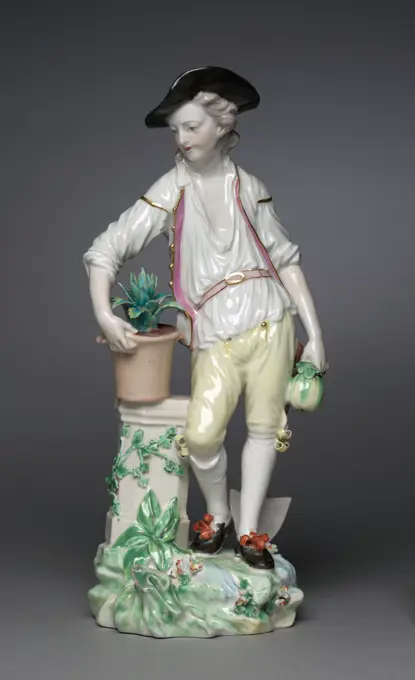
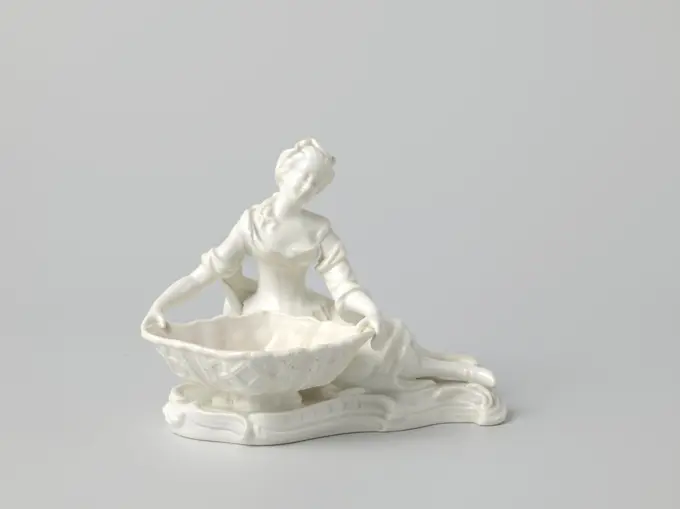
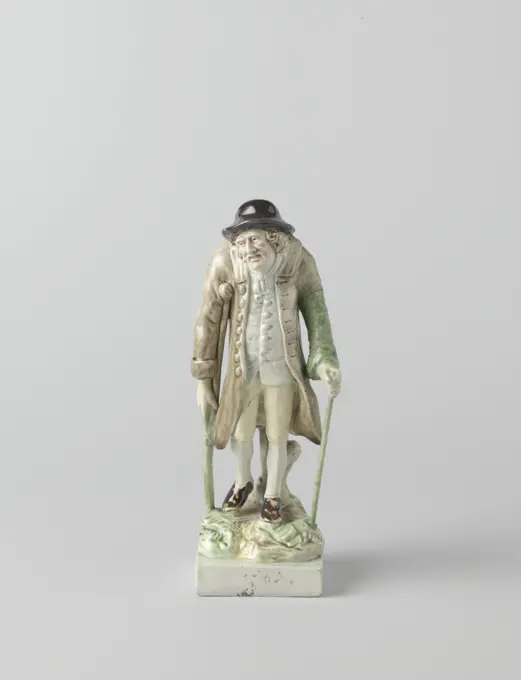
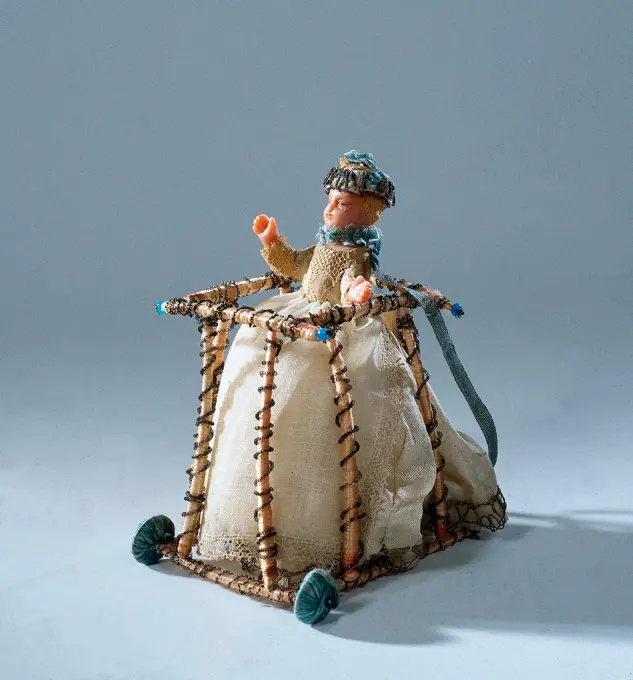
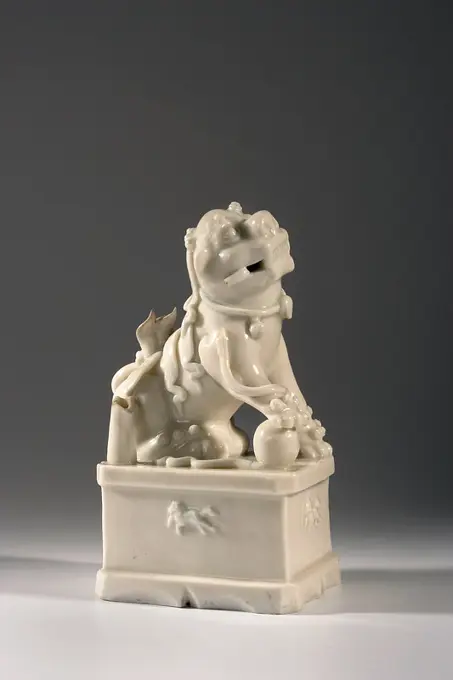
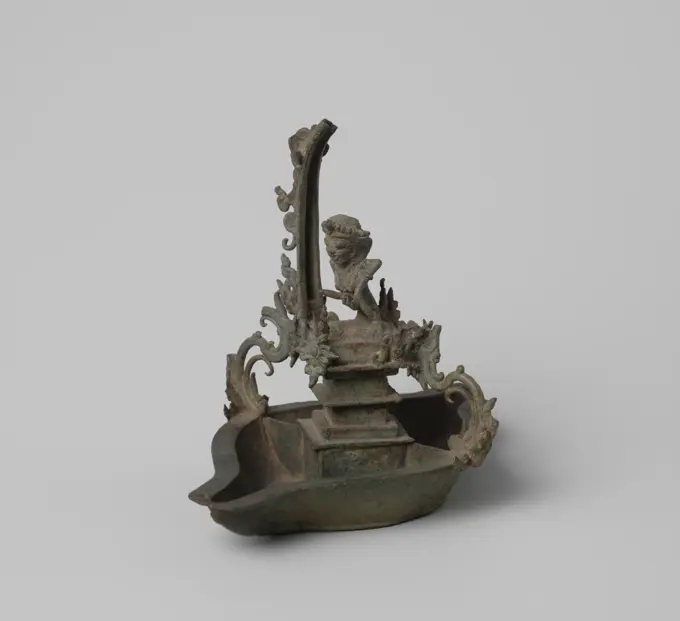
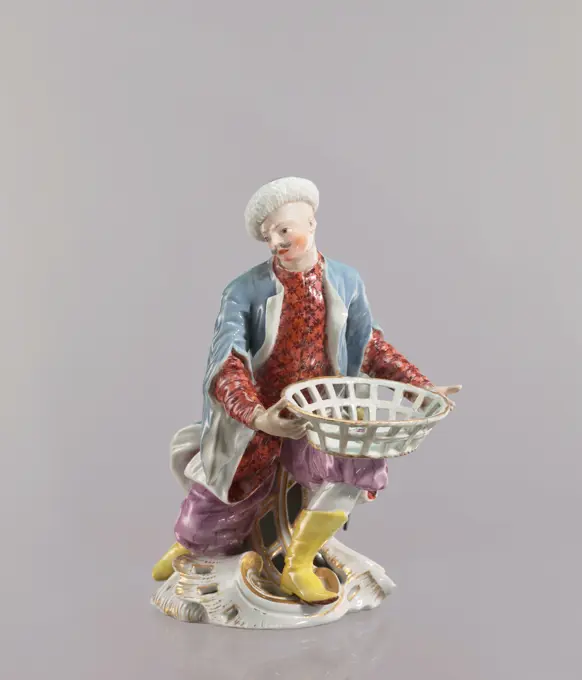
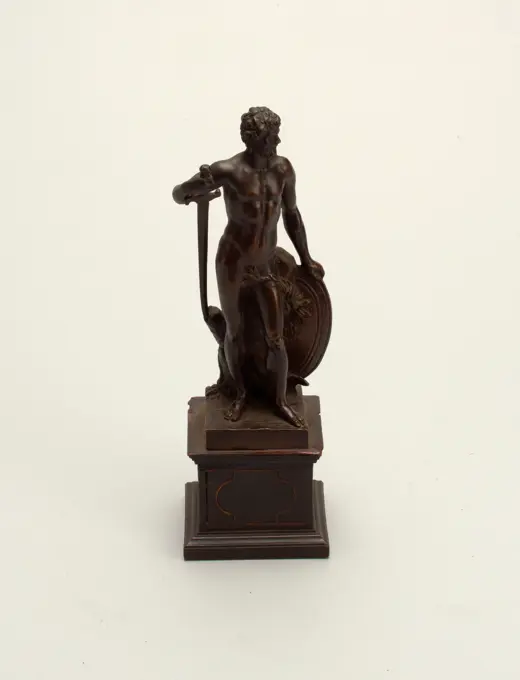
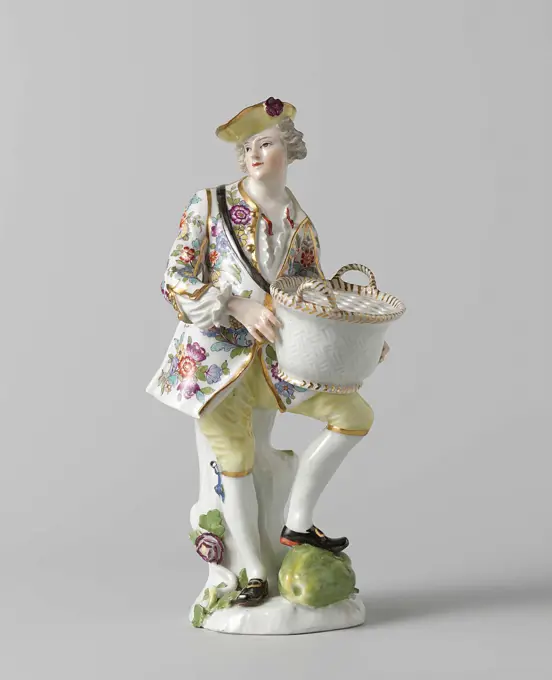
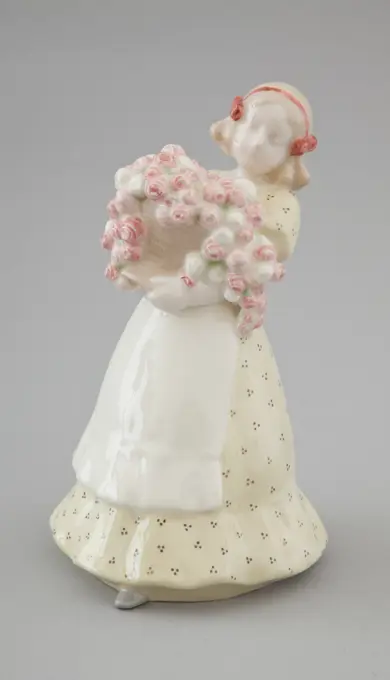
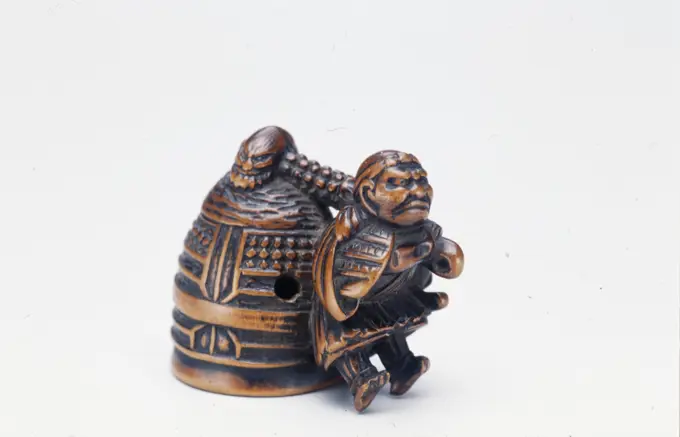
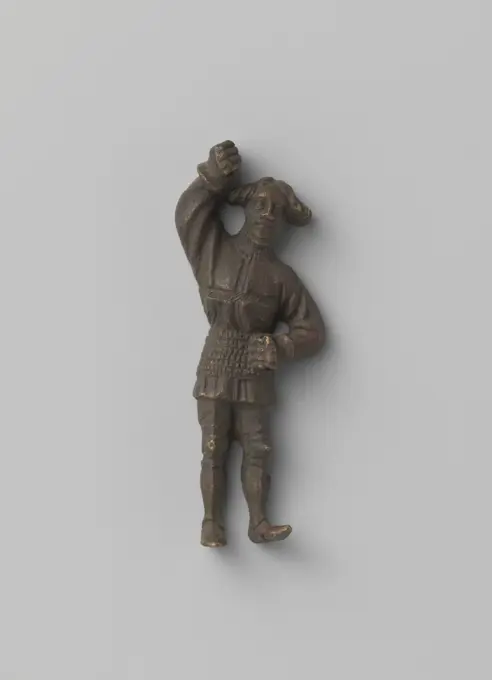
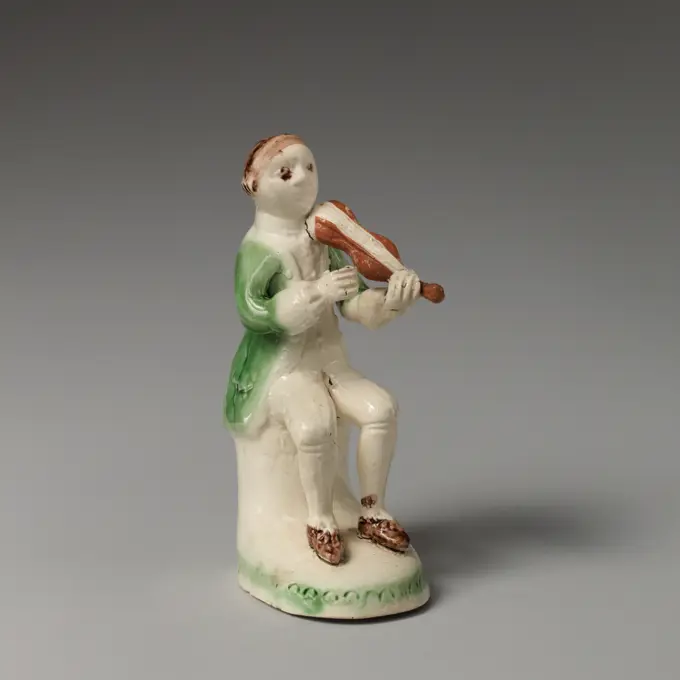
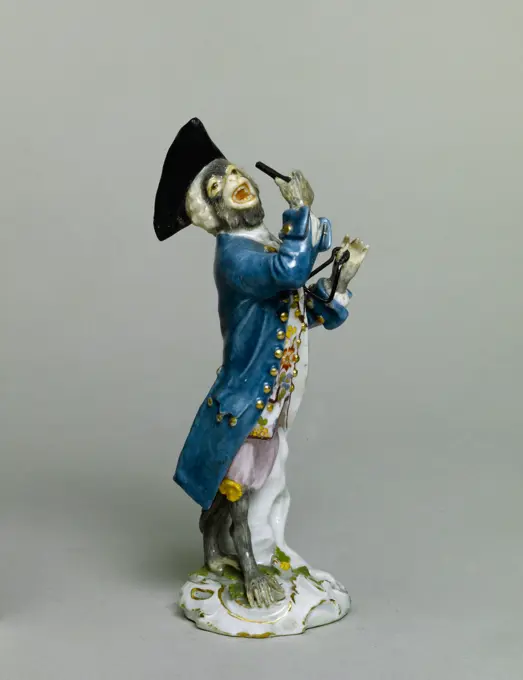
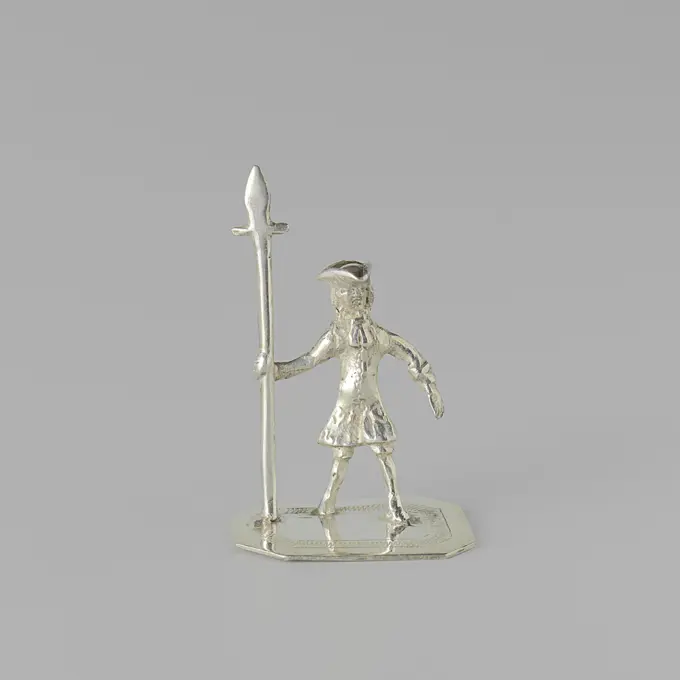
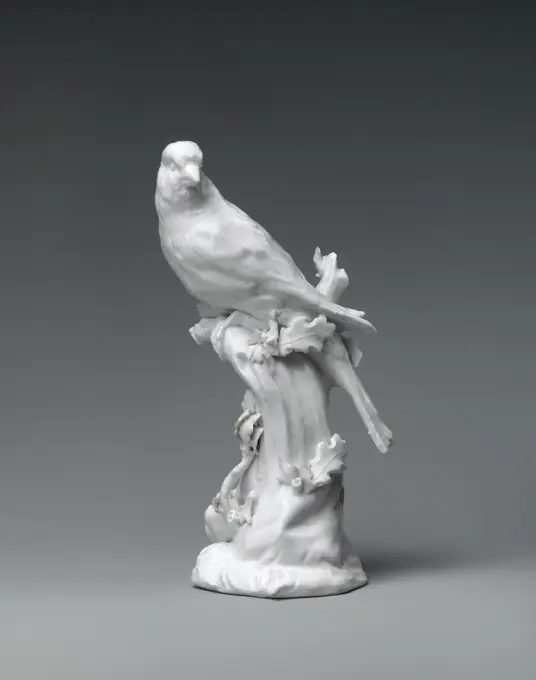
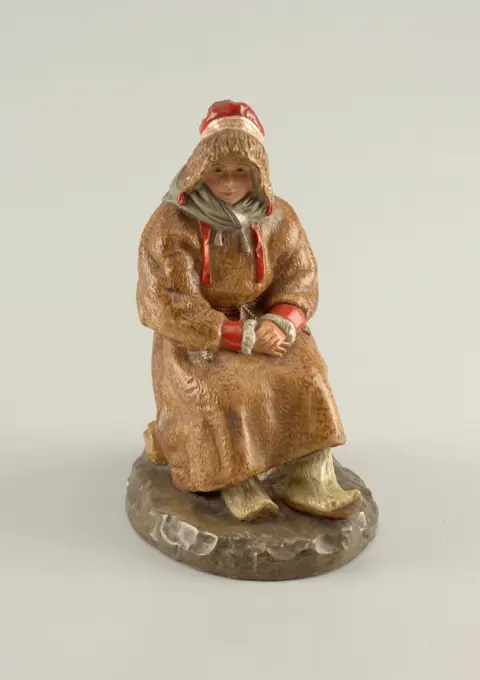
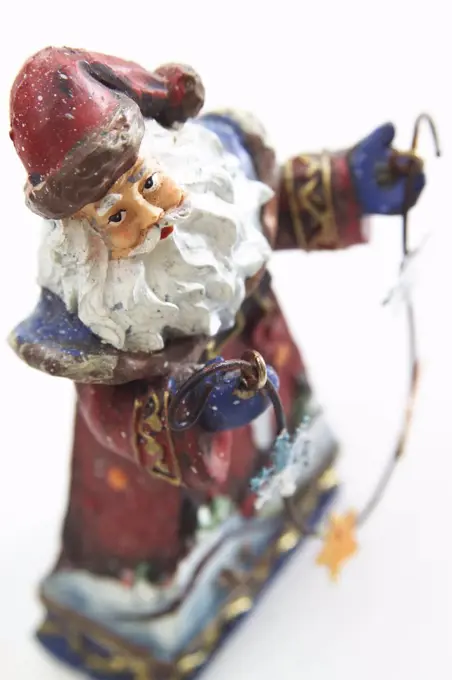
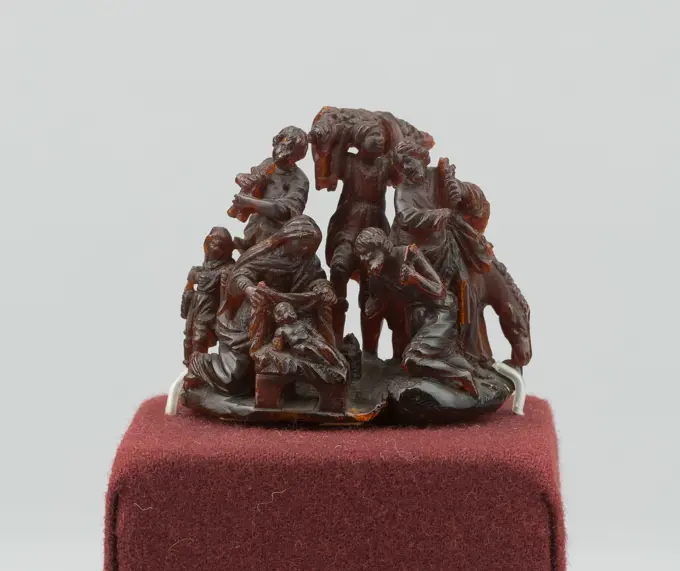
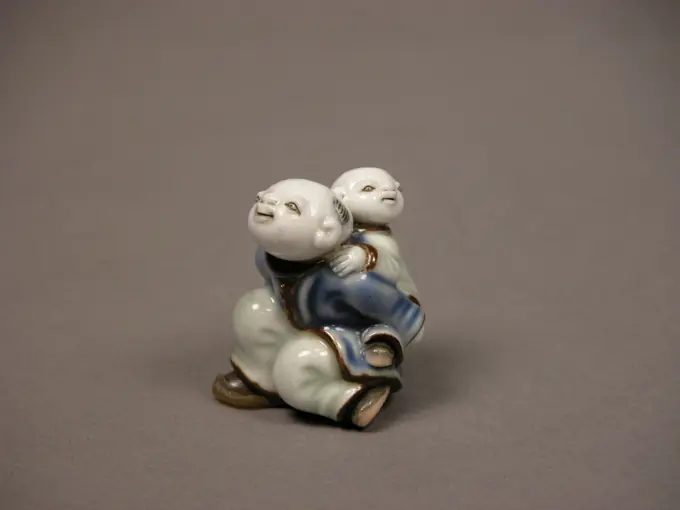
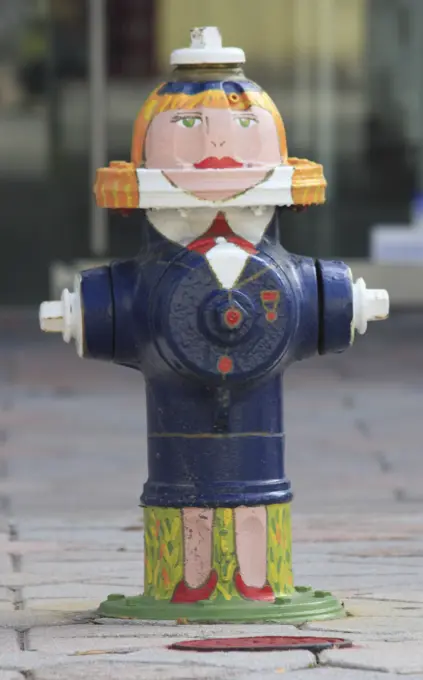
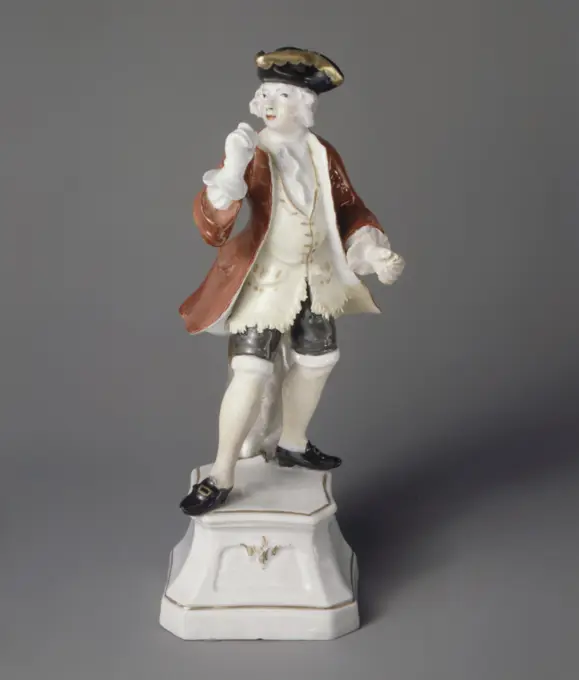
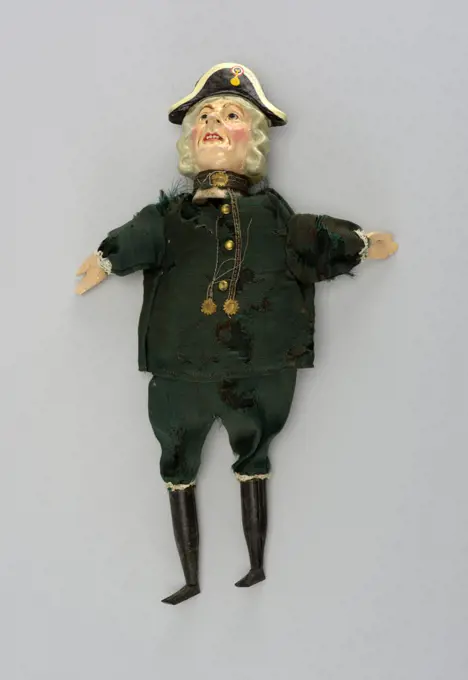
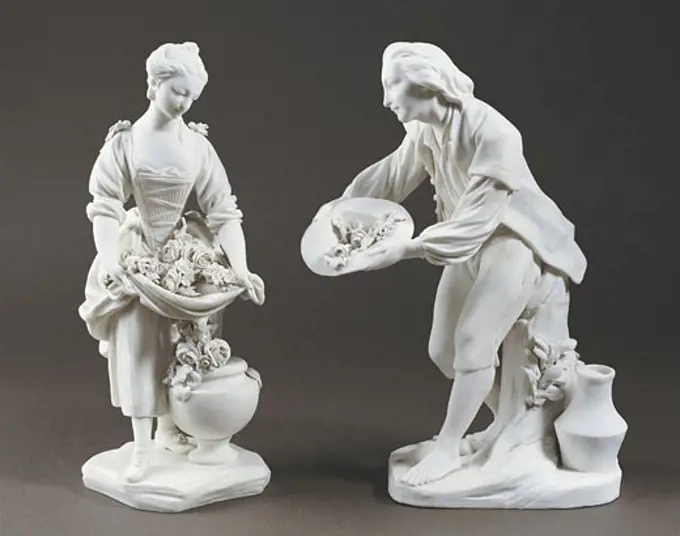
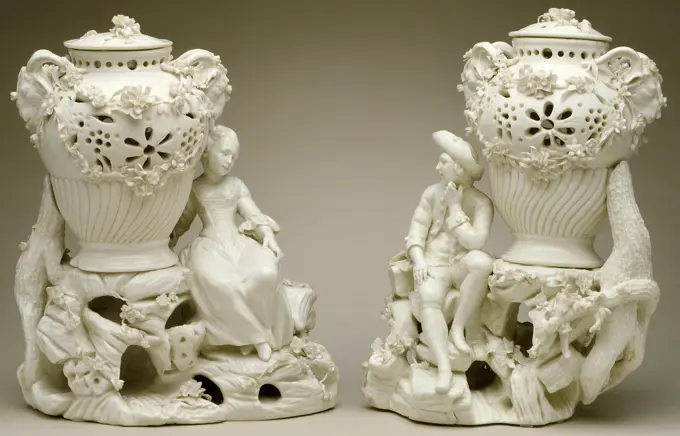
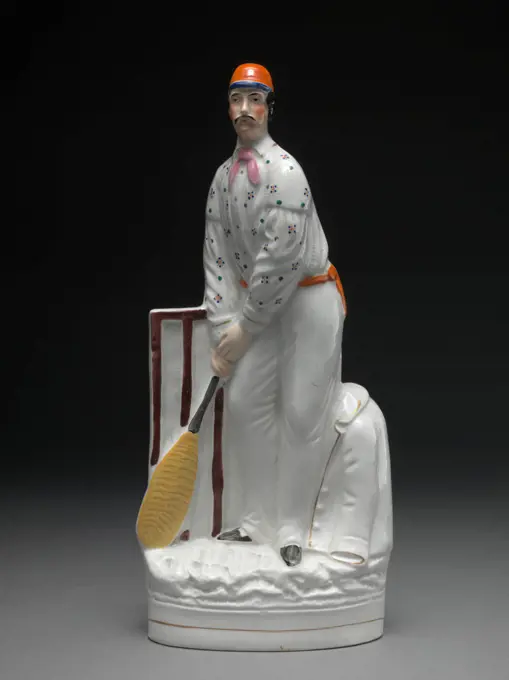
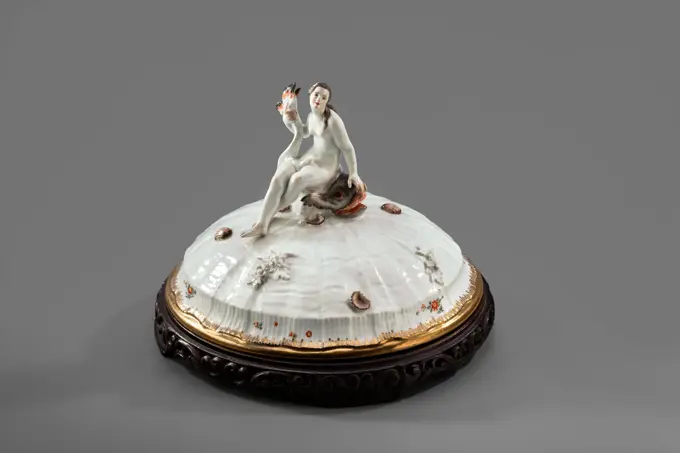
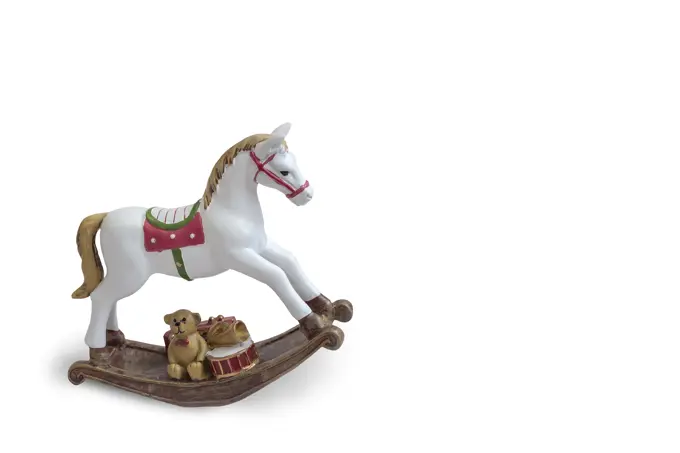
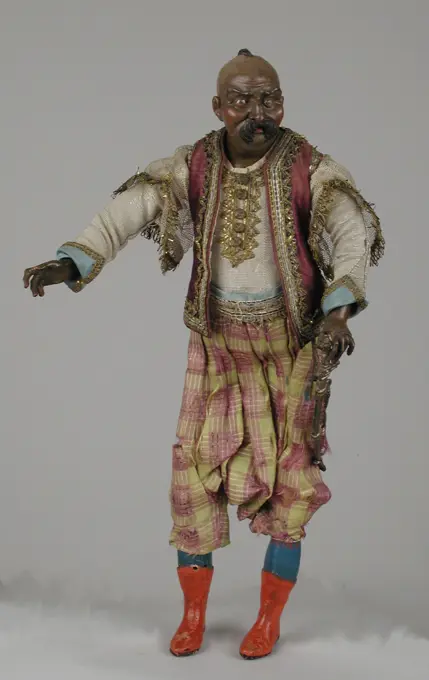
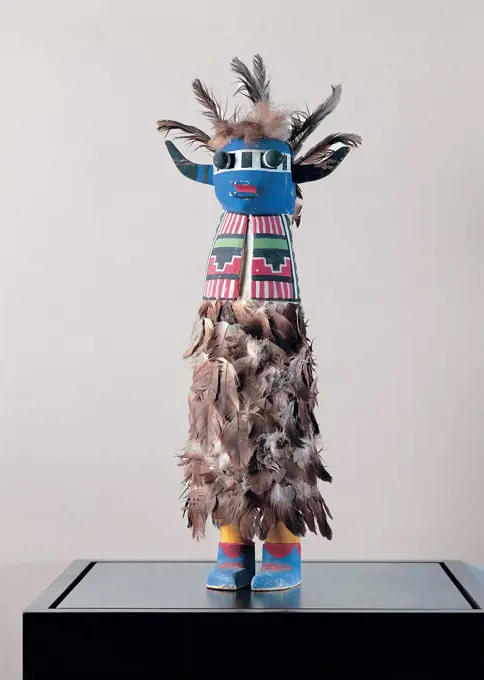
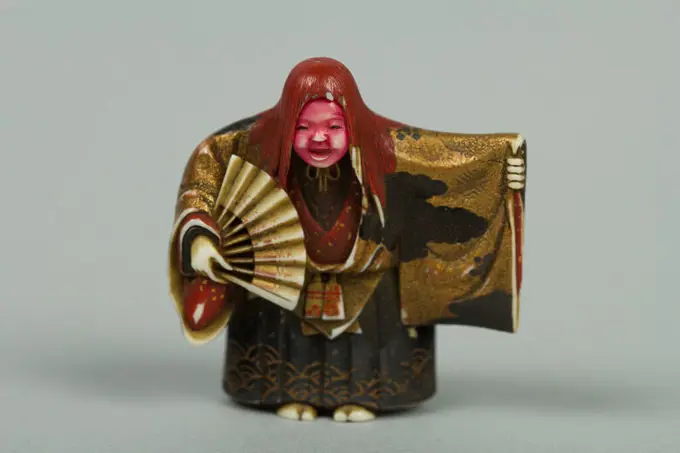
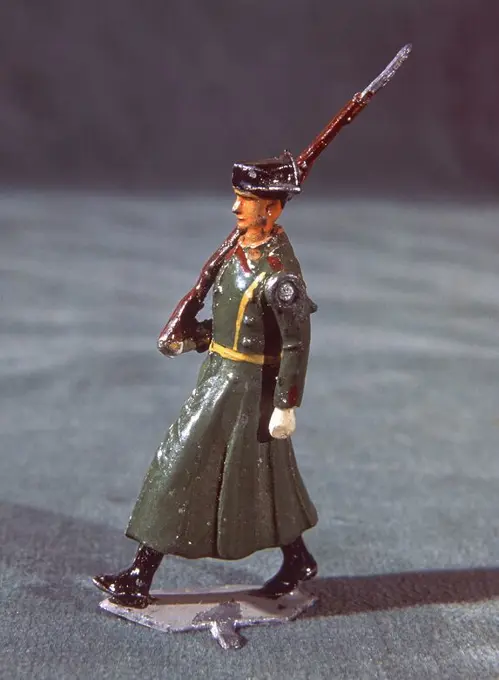
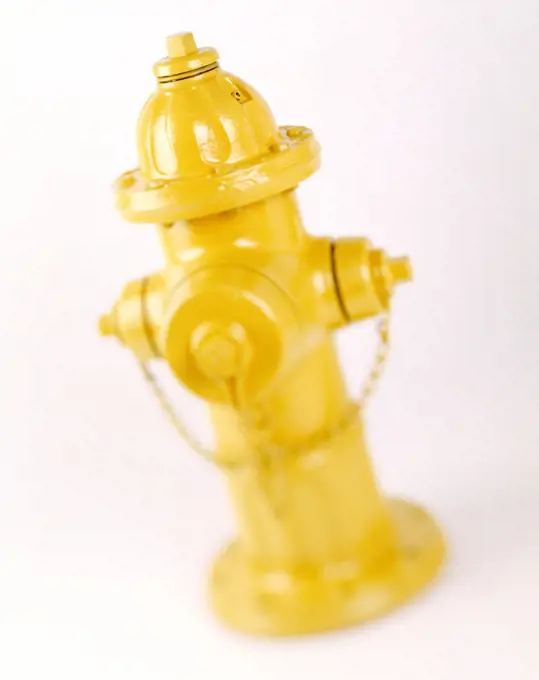
Cupid and devil in a group. Culture: British, Chelsea. Dimensions: 3 × 1 1/4 in. (7.6 × 3.2 cm). Factory: Chelsea Porcelain Manufactory (British, 1745-1784, Gold Anchor Period, 1759-69). Date: ca. 1765. Museum: Metropolitan Museum of Art, New York, USA.Figure of a shepherd. Sculpture, figure of a shepherd of white unglazed porcelain, z.g. biscuit.Salt cellar - a sitting man. Glinica (wytwórnia fajansu ; 1771-ok. 1870), factoryActor. Nevers, France. Date: 1700-1725. Dimensions: H. 5.6 cm (2 3/16 in.). Glass; lampwork (verre de Nevers), metal armature. Origin: France. Museum: The Chicago Art Institute, Chicago, USA.Midnight Mass from the sheep; Koenigliche Porcellain Fabrique, Meissen (1710-1763), Kaendler, Johann Joachim (1706-1775); 19th/20th century according to the model from around 1750 (1890-00-00-1910-00-00);Actor 1700-1725 France. Glass; lampwork (verre de Nevers), metal armature .Anonymous (Johann Johann's way Kändler and Peter Reinicke). Begging love. Polychrome porcelain statuette on terrace decorated with flowers and leaves. Manufacture of Meissen, around 1756. Paris, Cognacq-Jay museum. 79783-7 Brand, Manufacture of Meissen, begging, begging, begging, eye, polychrome porcelain, statuette, hold, 18th 18th 18th 18th 18th 18th 18th century, hatSitting begging figure. Seated beggar with legs crossed.Figure, from the Mariakerk in Utrecht, Anonymous, c. 1125 - c. 1175 The relatively thin -cast piece is the upper half of presumably a standing figure. It distinguishes itself by the special clothing, of which no other examples are known. This costume is equipped with a kind of BEF () And is held together by a knot at the height of the medicine. It forms one whole with the somewhat pointed hood on the head. This is deposited by a tire, which is crossed on the back of the head and whose ends end spiral -shaped at the height of the wing -shaped on the shoulders, which are still partially present. A decorative element () Has been applied to the tire in the middle of the head. The face is oval and has clearly profiled eyes, eyebrows, nose, mouth and chin. The ears and the locks end spiral -shaped. In the hull at the front and back one and two holes with copper have been closed, as well as a hole in the top of the hood. The figure is broken down at the height of the thighs. Furthermore, the Girl figurine; Koenigliche Porcellain Fabrique, Meissen (1710-1763); horse. XIX (1890-00-00-1900-00-00);Begging figure with stick, Simon Troger (School of), After 1693 - Before 1768 Beggar with stick  ivory Beggar with stick  ivoryEarth, c. 1775. Derby Porcelain Factory (Chelsea-Derby Period, 1770-84), Pierre Stèphan (Swiss, active 1760-98). Soft-paste porcelain; overall: 22.6 x 10.5 x 8.6 cm (8 7/8 x 4 1/8 x 3 3/8 in.).St Martin. The standing figure is poured from one piece and screwed up here and there. He wears huses, a jam and a cloak surrounded by a belt, of which he is busy cutting down. He wears a bonnet on his head. Two slots are applied to both sides to the upper arm in which other parts can be placed. The wooden pedestal with copper plate is from later time. The function of the figure is unknown.Bake, by a half -lying female figure with both arms held., Minton, c. 1840 - c. 1860 Baking of white porcelain: figure of a woman in eighteenth-century costume, in half-lying position, with both arms holding out a bin in front. The pedestal is decorated with rocailles. Marked: Minton MB 56 1.1 Stoke-on-Trent porcelain Baking of white porcelain: figure of a woman in eighteenth-century costume, in half-lying position, with both arms holding out a bin in front. The pedestal is decorated with rocailles. Marked: Minton MB 56 1.1 Stoke-on-Trent porcelainImage of hard baked pottery; "Old Age" by Ralph Wood, Ralph Wood, c. 1775 - c. 1790 Image of hard baked pottery, with a multicolored decoration. The image presents an old man with a stool under his right arm and a stick in his left hand. The image represents "The Old Age" and was made by Ralph Wood. Burst earthenware Image of hard baked pottery, with a multicolored decoration. The image presents an old man with a stool under his right arm and a stick in his left hand. The image represents "The Old Age" and was made by Ralph Wood. Burst earthenwareBegging figure with bag on his back., Simon Troger (School of), After 1693 - Before 1768 Beggar with a bag tied on his back. There is probably a walking stick in his hand.  ivory Beggar with a bag tied on his back. There is probably a walking stick in his hand.  ivory. POP, presenting a child in a walking rack, dressed in a foot-length coated crème-colored silk, about which a batisten apron. Hat child hangs in a walking rack on wheels.ABANDERADO DE LA LEGION EN PLOMO. Location: PRIVATE COLLECTION. MADRID. SPAIN.Figurine of fo lion. unknown, sculptorDollLamp. Bronze lamp.Hajduk with a basket - figure. Manufaktura porcelany elektora Karola Teodora (Frankenthal ; 1762-1795)Vliegeraar, W. Freen, c. 1856 - c. 1858 On an elongated plate is a man with the rope of a kite above his head in his right hand. The man is wearing a stitch. Along the edge of the plate is an engraved ZIG-Zag line. The image is marked with a sword and a master sign. Dordrecht silver (metal) On an elongated plate is a man with the rope of a kite above his head in his right hand. The man is wearing a stitch. Along the edge of the plate is an engraved ZIG-Zag line. The image is marked with a sword and a master sign. Dordrecht silver (metal)Figure of Hannah More, Derby Porcelain Factory, English, established 1756, biscuit, Figure of Hannah More seated on a chair and wearing a bonnet and shawl over her dress, in her right hand she holds a scent bottle, set on a scroll moulded base., England, 1830-1836, ceramics, Decorative Arts, figure, figureFigure; bronzeMars Figure; bronze; 30.5 cm (12 in. )Gardener with floral basket. Figure of painted porcelain. On an irregular around pedestal, overgrown with a flower and a branch with leaves is a man (gardener) against a tree stump. His left foot rests on a green gourd. On his left leg supports a basket that he wears a black belt around his shoulders. The figure carries traces of a brand.Little modelA girl with a basket of roses PackersNetsuke Benkei carrying the Bell of Miidera, 19th century, Sanko, Japanese, 1 1/8 x 1 7/16 x 13/16in. (2.9 x 3.7 x 2.1cm), Wood, Japan, 19th centuryRidder, anonymous, c. 1400 - c. 1500 The as one whole, at the back flat knight figure wears a harness. He holds his right arm up to be able to hold a lance with both hands. This is missing. The function of the object is unknown. West-Europa copper (metal) casting The as one whole, at the back flat knight figure wears a harness. He holds his right arm up to be able to hold a lance with both hands. This is missing. The function of the object is unknown. West-Europa copper (metal) castingFiddler ca. 1750 Style of Astbury-Whieldon. Fiddler. British, Staffordshire. ca. 1750. Lead-glazed earthenware. Ceramics-PotteryAnonymous after Johann-Joachim Kaendler. "Musician monkey at the triangle", around 1735-1756. German porcelain from Meissen. Museum of Fine Arts of the City of Paris, Petit Palais. Music instrument, playing, Meissen factory, musician, German porcelain, monkey, hold triangle, animalToby Jug Made 1780-1790 Staffordshire. Lead-glazed earthenware .Candelabra with Chinoiserie Figure Candelabra; Possibly by Mennecy Porcelain Manufactory (France); France; porcelain, vitreous enamel, bronze, goldPiekenier, Jan Embroidery, 1753 There is a man on an elongated plate. With his right hand, he holds a lance that is on the plate next to him. A ZIG-Zag line is engraved along the edge of the plate. The image is marked: stk. = Amsterdam, Jrl. = T (1753), Mt. = Jan Embroidery and a Zwijnskop. Amsterdam silver (metal) There is a man on an elongated plate. With his right hand, he holds a lance that is on the plate next to him. A ZIG-Zag line is engraved along the edge of the plate. The image is marked: stk. = Amsterdam, Jrl. = T (1753), Mt. = Jan Embroidery and a Zwijnskop. Amsterdam silver (metal)Finch ca. 1745 Chelsea Porcelain Manufactory The factory that was to dominate the high end of porcelain production in Britain for much of the eighteenth century was established in the London suburb of Chelsea around 1744.1 This location proved to be well suited for an enterprise that aimed to make luxury goods, since Chelsea was a fashionable residential area, and the factory site was close to the Ranelagh Gardens, which quickly became popular with the affluent classes after its founding in 1746. Unlike the majority of porcelain factories established on the Continent by royal or noble patrons, the Chelsea factory was founded by a silver-smith, designer,2 and entrepreneur, Nicholas Sprimont (Walloon, 1716-17713), who emigrated from Liège to London around 1742. While some of the silver made by Sprimont, or on which he collaborated, are among the most important works produced in England in the mid-eighteenth century,4 surviving works by him are rare, although he continued to work Chris Makrenos, Cigar Store Indian, c 1937 Cigar Store IndianSoviet Christmas toy on a black wooden background, retroA figurine from a monkey band, singer K trader, Jan Joachim, Miśnia (Meissen)Seated Woman, from Peoples of Russia series Figure; Designed by Pavel Kamensky (Russian, 1858-1922); Manufactured by Imperial Porcelain Manufactory (Russia); Russia; porcelain; 27 x 16.5 x 21.5 cm (10 5/8 x 6 1/2 x 8 7/16 in. )Decorative object. Men's figure of faience, representing a man in a long checkered blade. Painted multi-colored.A male bust, rear viewHorse with rider. Rider of unfathy faience. The horse stands on a rectangular pedestal and the rider is separate. The rider carries a breet of breet and a German uniform from the second half of the 18th century. The horse has lifted his left front leg. The rider includes an identical copy with Invnr. BK-1955-403-a.Beggar. The beggar stands on a pedestal and has trendy hands off. The man carries remains of clothing and a hat.Stabbone in the form of Mary with child. Driven and calculated, image of silver representing Mary. On the arm she has the crowned child with globe. On her feet the dragon with crescent nickel.Cast Iron Dobbie. Dated: c. 1936. Dimensions: overall: 36.9 x 22.7 cm (14 1/2 x 8 15/16 in.). Medium: watercolor and gouache on paper. Museum: National Gallery of Art, Washington DC. Author: Rex F. Bush.Christmas decoration, Santa ClausClose-up of three figurines on a tableAdoration of the Christ Child 1550-1600 Germany. Amber .Captain Kidd' (converted semi-mechanical) mechanical bank, c. 1901, 5 5/8 x 4 1/8 x 2 1/8 in. (14.29 x 10.48 x 5.4 cm), Iron, pigment, United States, 19th-20th centuryPuppet, Painted papier-mché, woven cloth, Peaked sugarloaf” hat, spotted with red brim. Shirt of cotton printed with a black foliate design against a red field, with white reserve. Blue ruff., Germany, late 19th century, theater, Decorative Arts, PuppetA souvenir pipe in the shape of a bust of Kościuszko GIERLAKChild Carrying an Infant Netsuke late 18th century Japan The fragility of porcelain and utilitarian function of the netsuke form an incongruous combination. Yet, ceramic netsuke such as this piece depicting a Chinese boy (karako) carrying an infant were extremely popular.. Child Carrying an Infant Netsuke 45559Seal Made 1750-1770 Chelsea . Chelsea Porcelain FactoryUSA, Texas, Fort Worth. Creative fire hydrant painting.High-shaped hat factor Anonymous. "High-shaped hat factor". Tin.Cynthio ca. 1750-55 Höchst Manufactory. Cynthio 199356The Admiral, Painted wood, cotton, other materials, Brightly painted head with black and white bicorn with tri colored cockade. Green uniform. Black hose and shoes. Gold buttons and decorations. Lace at knees and cuffs. Possible a caricature of Admiral Nelson., England, late 19th century, theater, Decorative Arts, Puppet, PuppetHelmet (Kawari-kabuto) Surmounted by a Dragonfly 18th century; restorations, 2015 Restored by Hiromichi Miura A favorite emblem of the samurai, the dragonfly was known as kachi-mushi ("victorious insect") and was respected for its hunting technique: flying directly forward toward its prey, never wavering from its path. Dragonflies most often appear as the crest on the front of the helmet (maedate). On this unusual example, a large and detailed rendition of the creature instead surmounts the helmets bowl, which is adorned with clouds, suggesting flight.. Helmet (Kawari-kabuto) Surmounted by a Dragonfly. Japanese. 18th century; restorations, 2015. Iron, copper, gold, silver, wood, lacquer, silk, linen, hemp. HelmetsAnonymous. "Applique figure: short coat man and Pan cap, a left hand bread". Bare wood. Between 1470 and 1500. Museum of Fine Arts of the City of Paris, Petit Palais. 71433-15 Bare wood, plum hat, man applique, man, short coat, breadPion 9, Saar de Swart, 1923 - 1925 Male looking up figure with cloak. sculptor: Capricaster: Naples bronze (metal). patina: cuprous oxide casting Male looking up figure with cloak. sculptor: Capricaster: Naples bronze (metal). patina: cuprous oxide castingTwo cooks ca. 1760 Bow Porcelain Factory British. Two cooks. British, Bow, London. ca. 1760. Soft-paste porcelain. Bow Porcelain Factory (British, 1747-1776). Ceramics-PorcelainNobleman Mi Nia (Meissen)Ramon Amadeu / Manger figure, 19th century. Museum: Museu de la Garrotxa.Bell, from a set of ten, 2nd century BCE - 2nd century CE, 7 1/4 x 3 1/2 x 3 in. (18.42 x 8.89 x 7.62 cm), Ceramic, China, 2nd century BCE - 2nd century CEChimera base for ten-piece bell set, 2nd century BCE - 2nd century CE, 8 3/16 x 17 x 11 in. (20.8 x 43.18 x 27.94 cm), Ceramic, pigment, China, 2nd century BCE - 2nd century CEChess figurine Mennecy VilleroyClose-up of a Santa Claus dollarcher bronze statuette and chieftain praying with cloak and stick fgurineClose-up of two figurines, FrancePair of Potpourri Vases. Lecreux (attributed to), Nicholas (Belgium, Tournai, active 1733-1799). Belgium, circa 1760. Furnishings; Accessories. Soft-paste porcelain with glazeSnuff Bottle, 19th century, 3 5/8 x 1 1/4in. (9.2 x 3.2cm), Ivory, China, 19th centuryCricketers - a pair: each in iron-red cap, spotted shirt and red sash, one bowling, one batting, Staffordshire pottery, 19th-mid-19th century, Staffordshire, Sheet: 13 1/2in. (34.3cm), cricket, cricketer, sporting artMelting wax candle of woman weight trainingVase cover,. Kaendler, Johann Joachim (1706-1775), sculptor, Eberlein, Johann Friedrich (1695-1749), sculptor, Koenigliche Porcellain Fabrique, Meissen (1710-1763), factoryChildren s toy: a white horse on a rocking chair Preschool toy : a white rocking horse made of ceramic . Isolated on a white background. An element of the interior of the children s and playroom. A traditional children s game. Copyright: xZoonar.com/GalinaxxTolochkox 18570317Figure of a man with a cane, Fulda, c. 1775 - c. 1780 Image of porcelain, painted on the glaze in email colors and gold. The image represents a man with a (broken) walking stick. Marked on the underside with the cross. Fulda porcelain. glaze. gold (metal) painting / gilding / vitrification Image of porcelain, painted on the glaze in email colors and gold. The image represents a man with a (broken) walking stick. Marked on the underside with the cross. Fulda porcelain. glaze. gold (metal) painting / gilding / vitrificationMan's Top Hat. Peck and Company (United States, Massachusetts, Boston, active 19th century). United States, Massachusetts, Boston, circa 1832. Costumes; Accessories. Beaver furThe knight. Wooden chess piece isolated on white backgroundPorcelain doll with brown dress, anonymous, c. 1850 - c. 1920 The feet of the doll have been demolished. Netherlands textile materials. porcelain The feet of the doll have been demolished. Netherlands textile materials. porcelainFigure of John Bull. Worcester Porcelain Factory; Worcester, England, founded 1751. Date: 1881. Dimensions: H. 17.5 cm (6 7/8 in.). Soft-paste porcelain with gilding. Origin: Worcester. Museum: The Chicago Art Institute, Chicago, USA. Author: Worcester Royal Porcelain Company.Close up of a figurine of a worker using a pick axe.G Luohana ();  19th century (1601-00-00-1700-00-00);King's attendant late 18th-early 19th century Italian, Naples. King's attendant. Italian, Naples. late 18th-early 19th century. Polychromed terracotta head; wooden limbs; body of wire wrapped in tow; silk garments with silver and gold thread and buttons; gilt-metal sword. CrècheChessman (King) Burmese 19th centuryKatchina Doll, by Unknown, 20th Century, wood, fabric and feathers. Italy, Lombardy, Milan, private collection. Whole artwork. Doll colors (blue yellow red) feathers horns eyes mouth.Money box, 19th Century. 19th century English pine and metal money box. It works by placing a coin on the soldier's head. As he swings backwards and forwards, the coin falls into the tower and rings a bell. Getting the coins out is also fun. The flag lifts up and a door at the back of the fort opens... Purchased from Edward H Pinto, 1965. .Doll from Eastern Europe,Netsuke of Noh Dancer. Culture: Japan. Dimensions: H. 1 1/2 in. (3.8 cm); W. 1 1/2 in. (3.8 cm); D. 3/4 in. (1.9 cm). Date: 19th century. Museum: Metropolitan Museum of Art, New York, USA.GUARDIA CIVIL CON CAPOTE EN PLOMO. Author: SANQUEZ. Location: PRIVATE COLLECTION. MADRID. SPAIN.Yellow Fire HydrantElmer Weise, King Saul Marionette, c 1937 King Saul MarionetteThe Old Man Skeleton  Franz Xaver Messerschmidt (1736-1783/German) Shirtless mannequin holding artificial bomb against gray backgroundStaff of a standing Chinese Knikpop (female), 1804 - 1808  Staff hiring with a kinking doll in the form of the wife of a Chinese dignitaries. China (possibly) loam. iron (metal). lead (metal). wood (plant material). porcelain. glass   ChinaChinese Child Playing a Game of Go late 18th century Japan. Chinese Child Playing a Game of Go 48870Painted cardboard advertising figure for Leibniz biscuits I Administration of Bahlsen GmbH & Co. KG I Podbielskistrasse 11 in 30163 Hanover I Hanover, Lower Saxony, Germany, EuropeToy cavalier