Ceramic History

Artifacts of ceramic vessels from various eras, showcasing unique shapes and textures, reflecting historical craftsmanship and cultural significance.

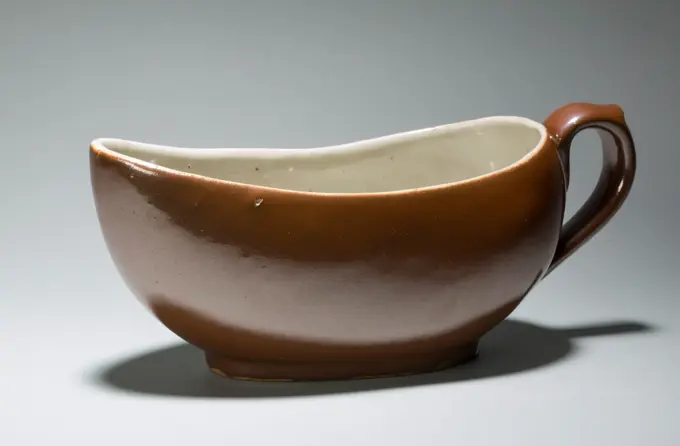
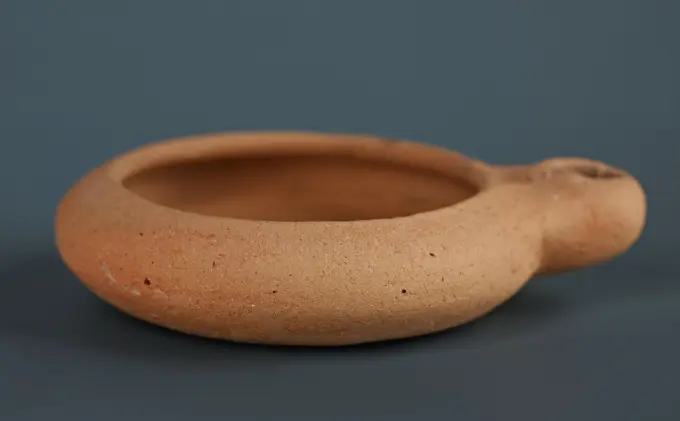
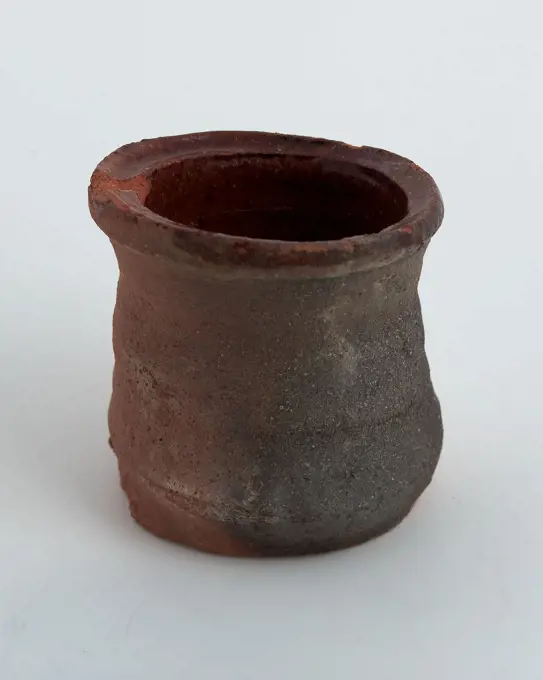
Ointment pot of yellow -baking earthenware, with glaze on the inside, anonymous, 1500 - 1799   earthenware. glaze   earthenware. glaze
Ointment pot of yellow -baking earthenware, with glaze on the inside, anonymous, 1500 - 1799 earthenware. glaze earthenware. glaze
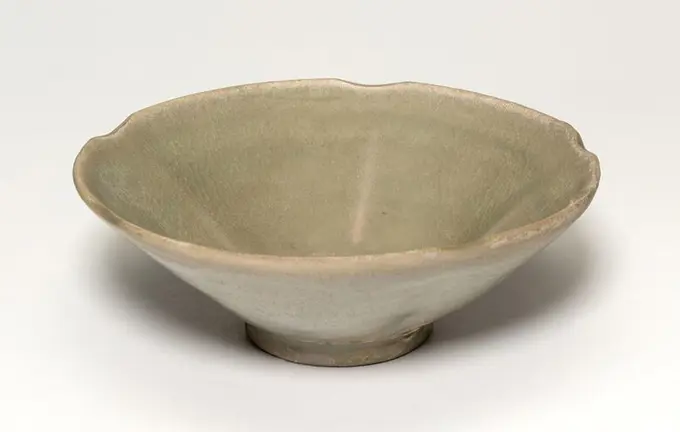
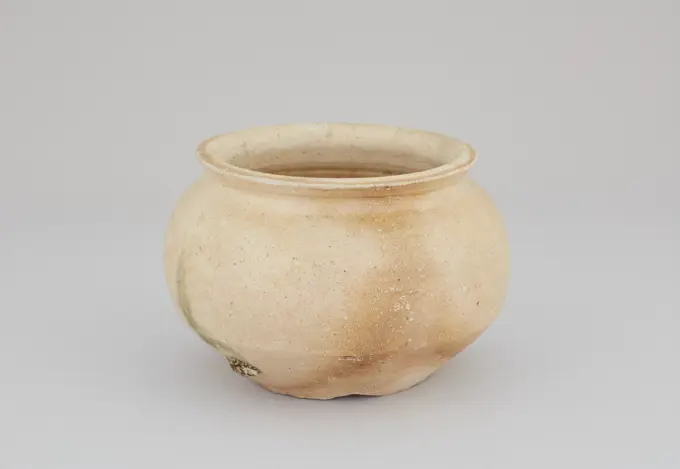
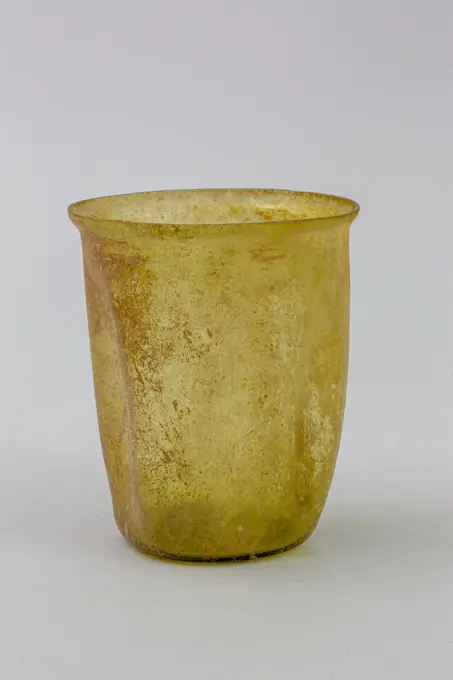
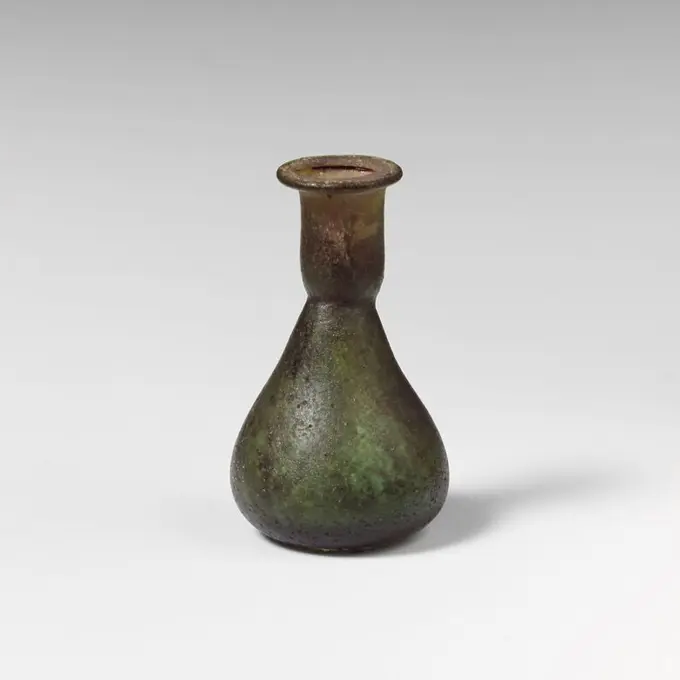
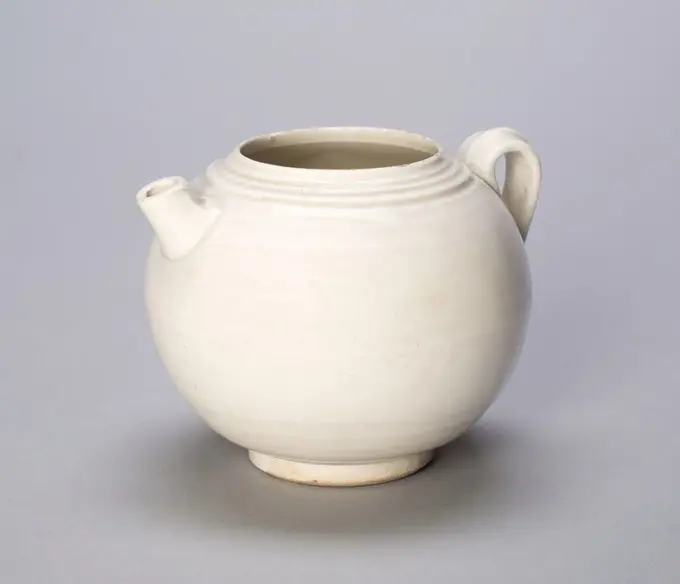
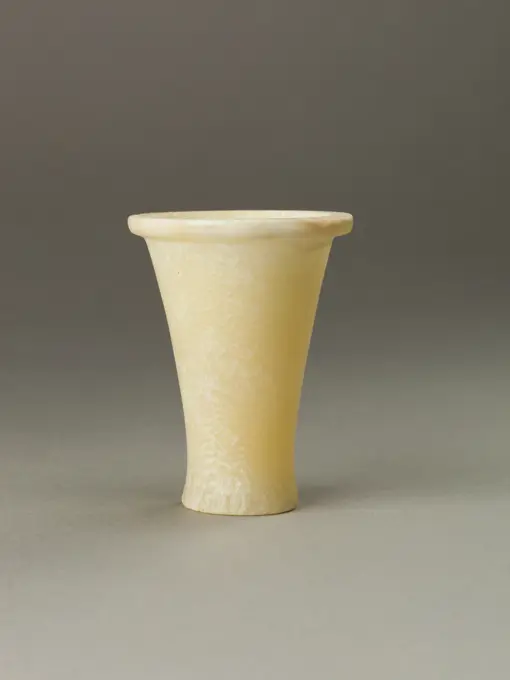
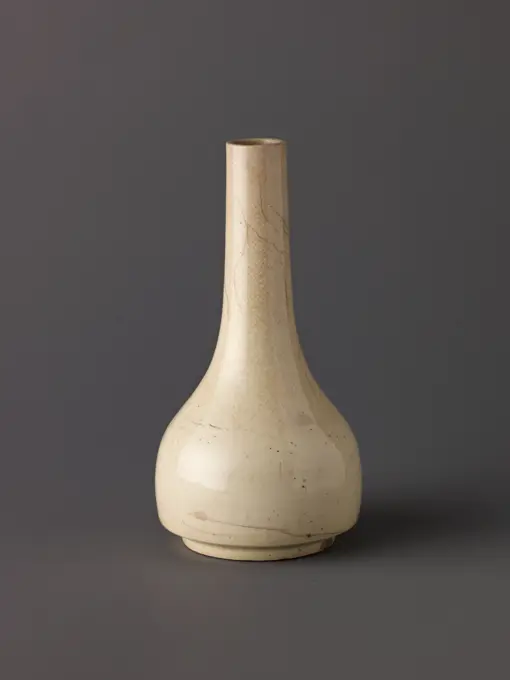
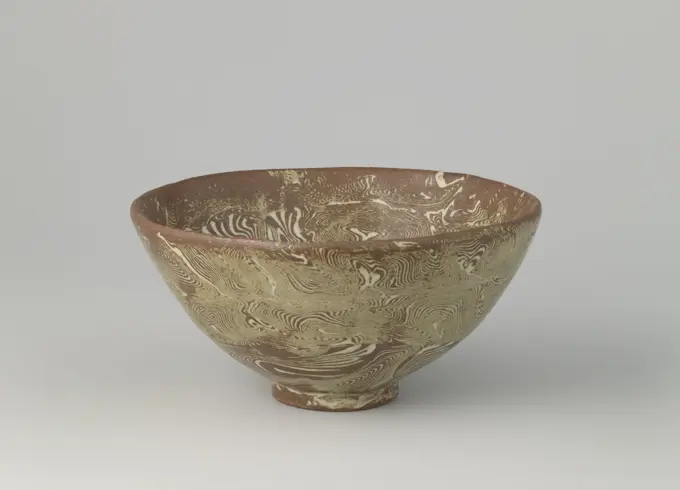
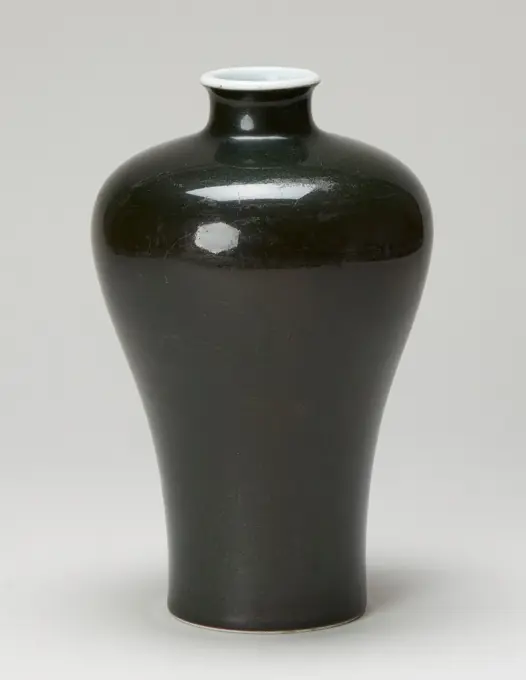
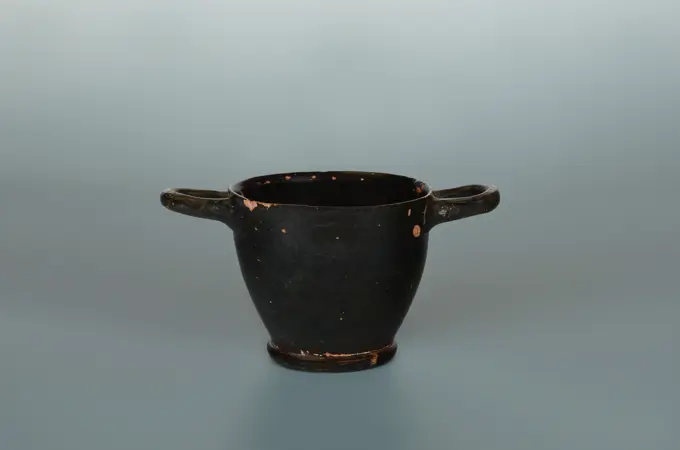
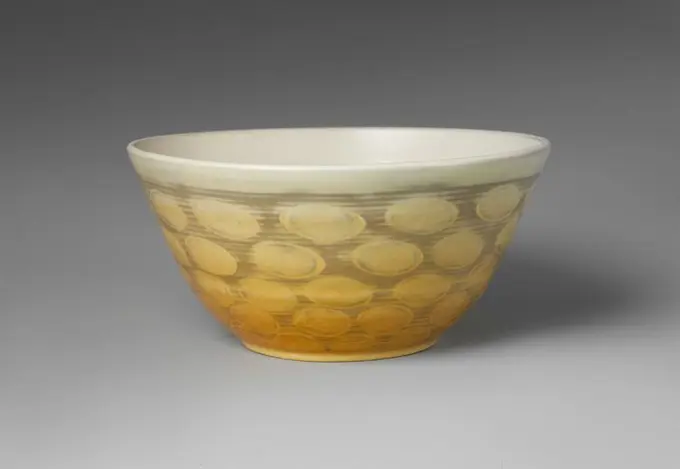
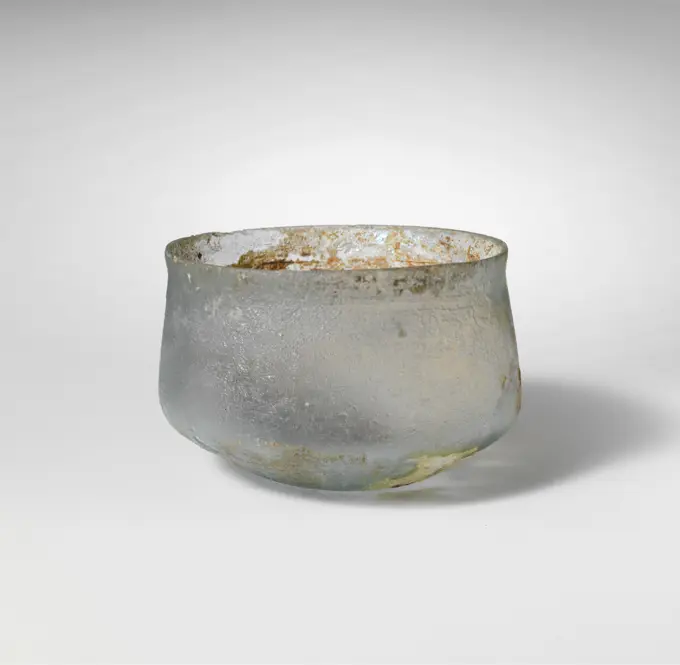
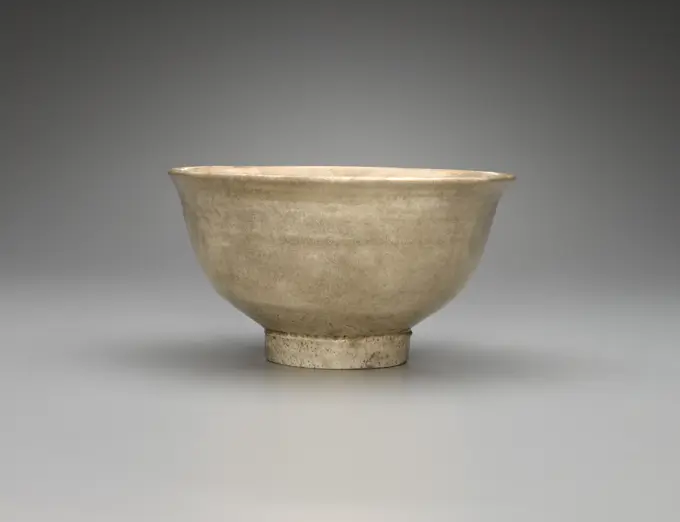
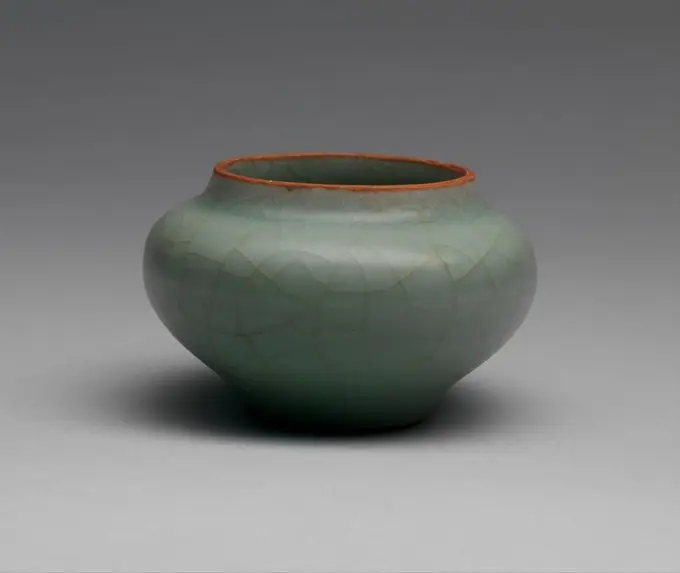
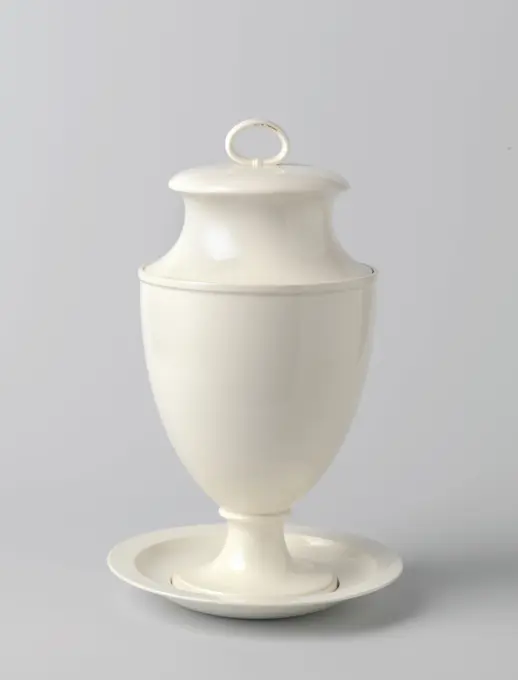
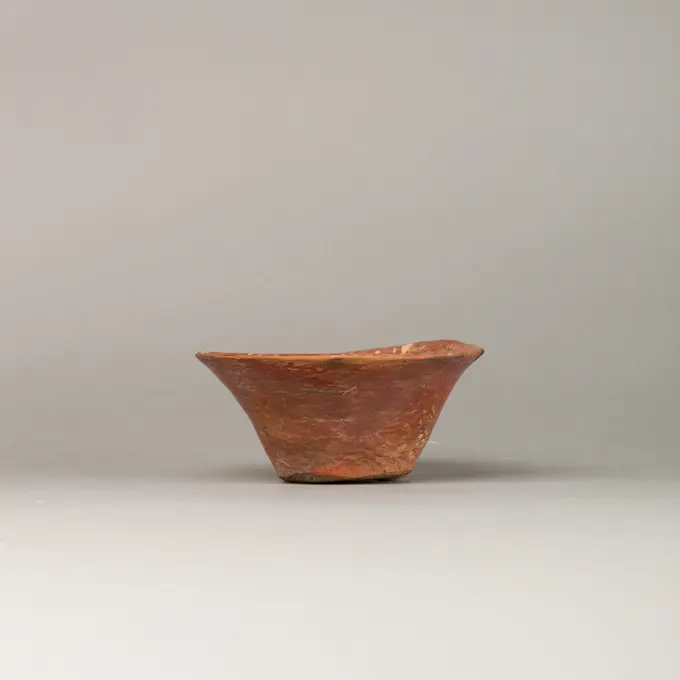
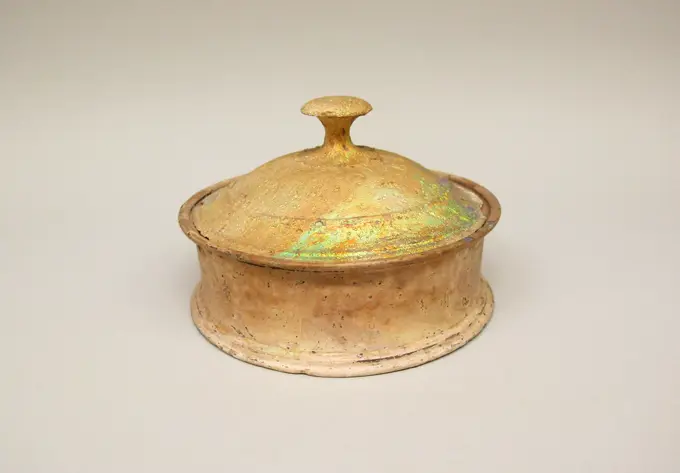
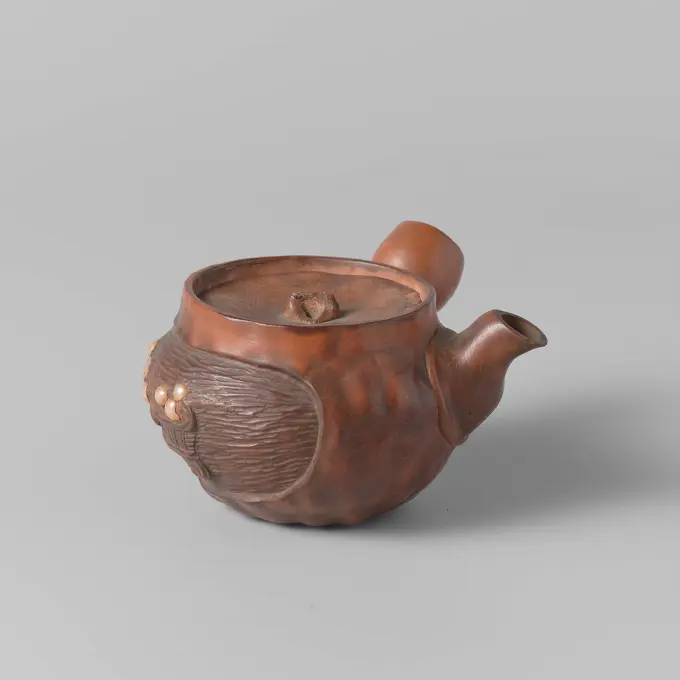
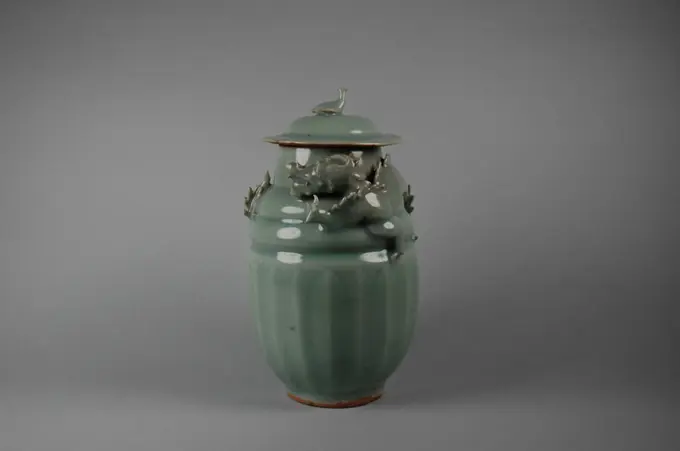
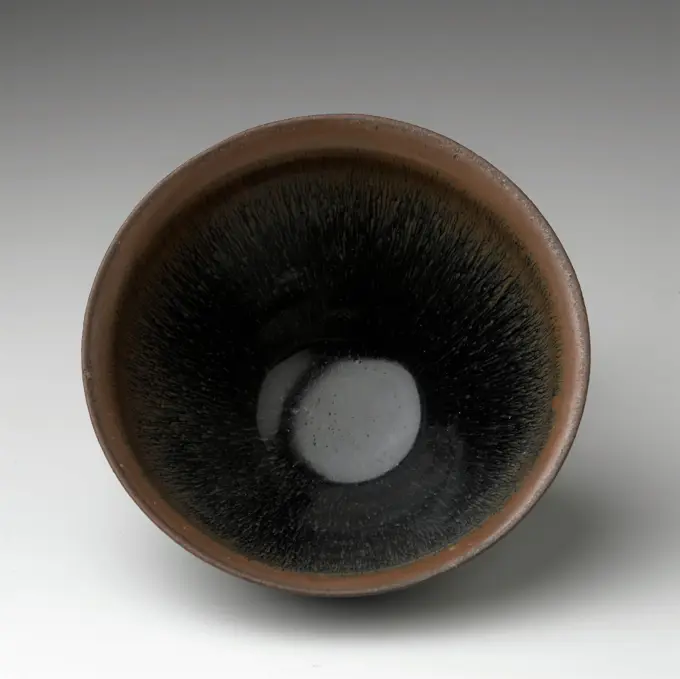
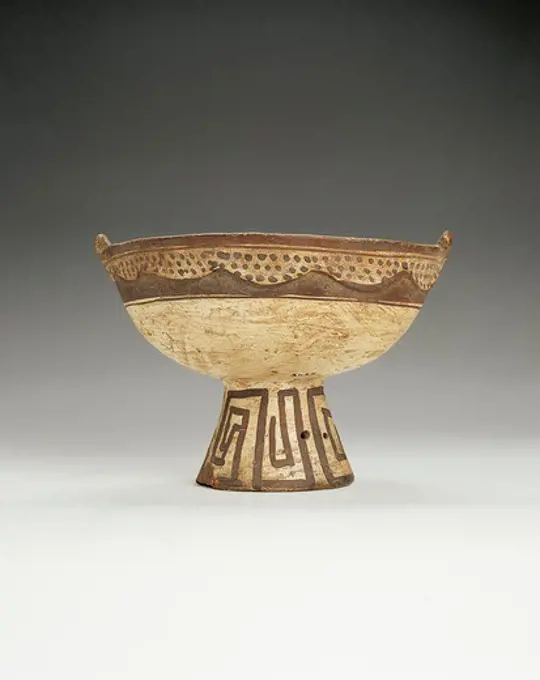
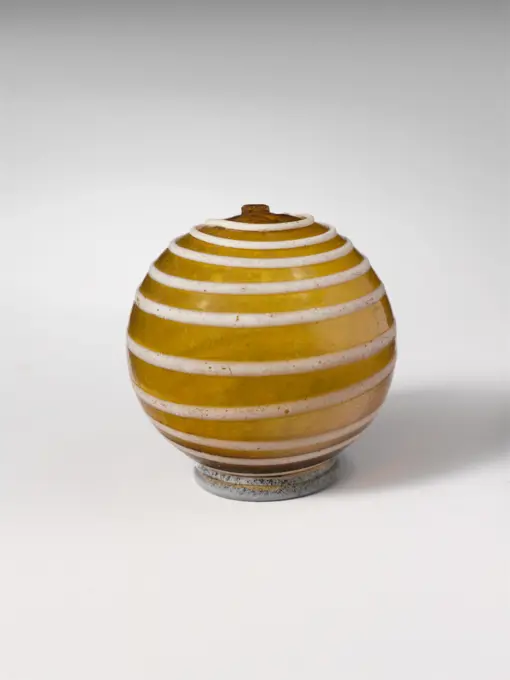
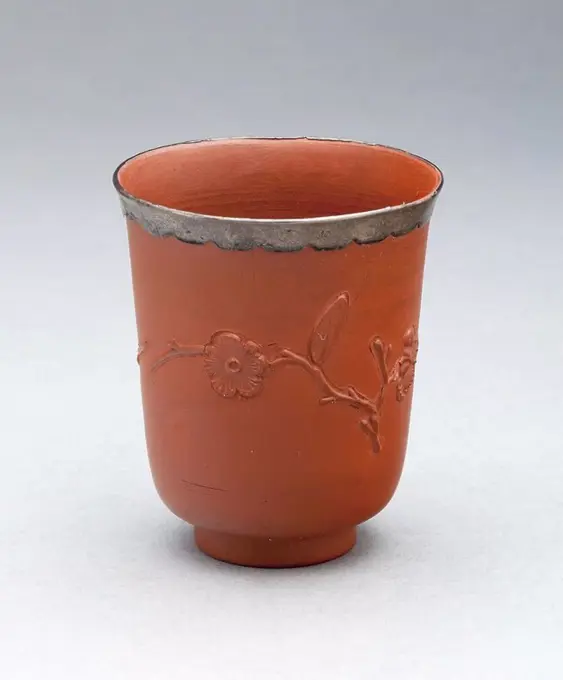
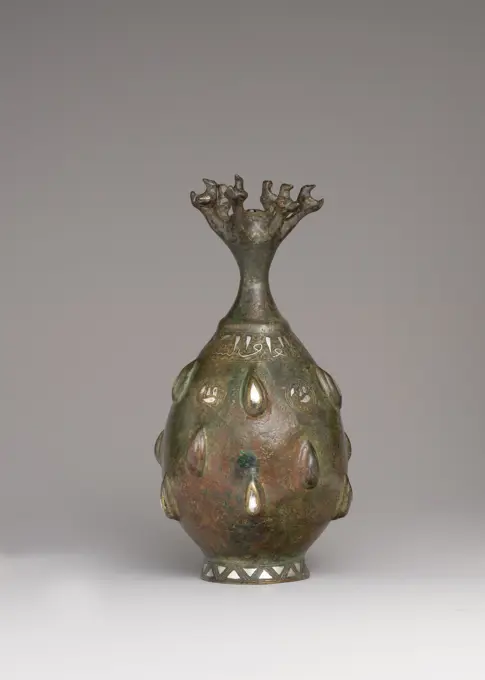
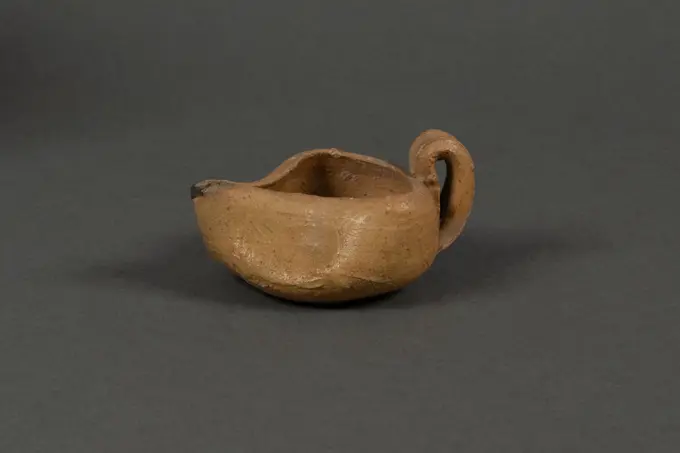
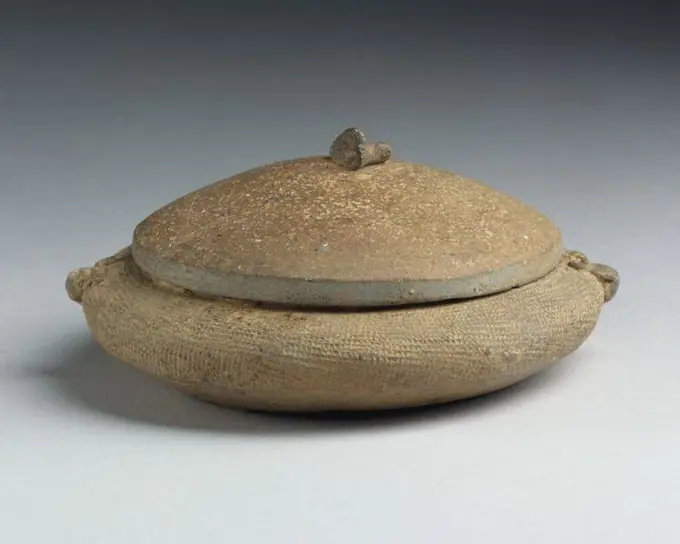
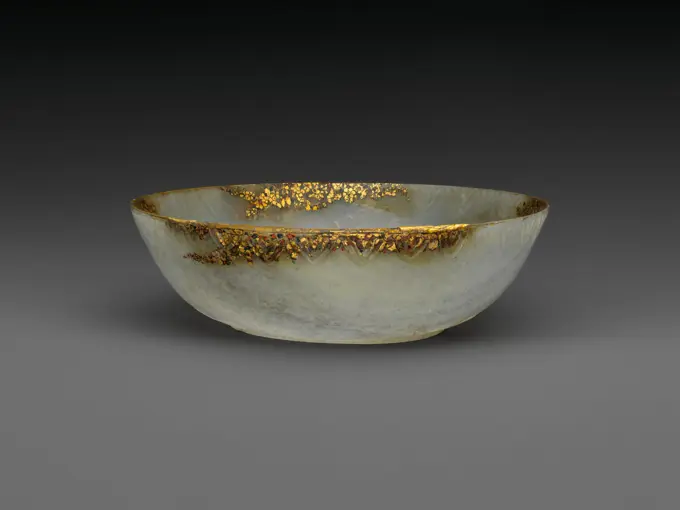
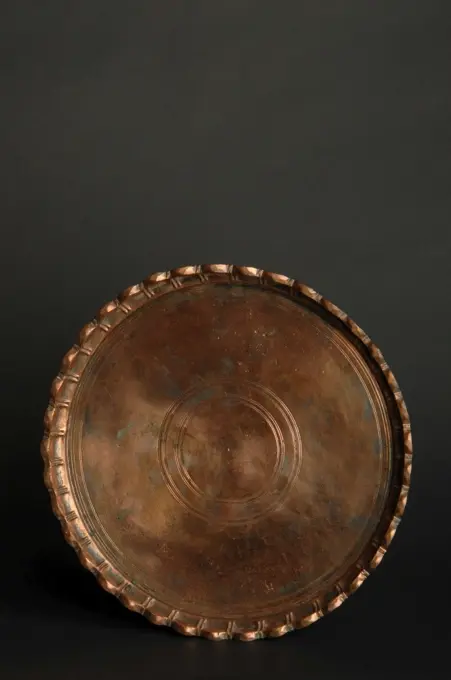
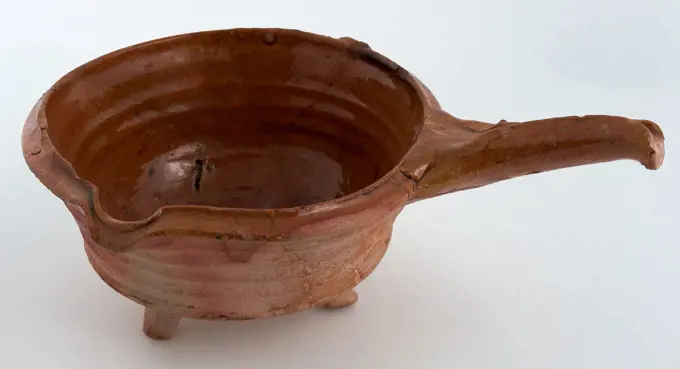
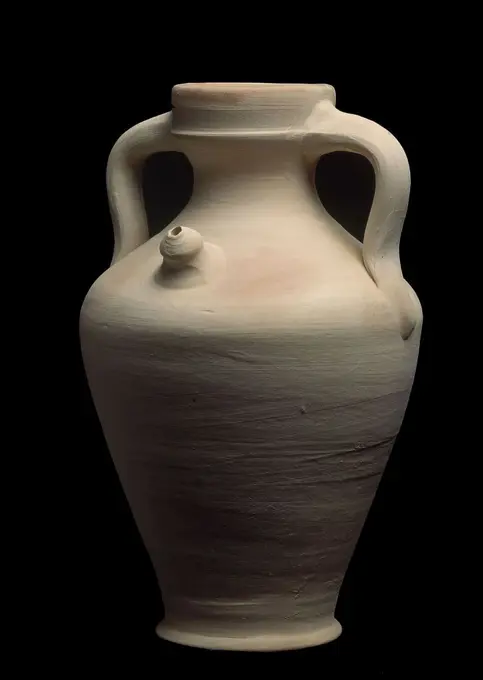
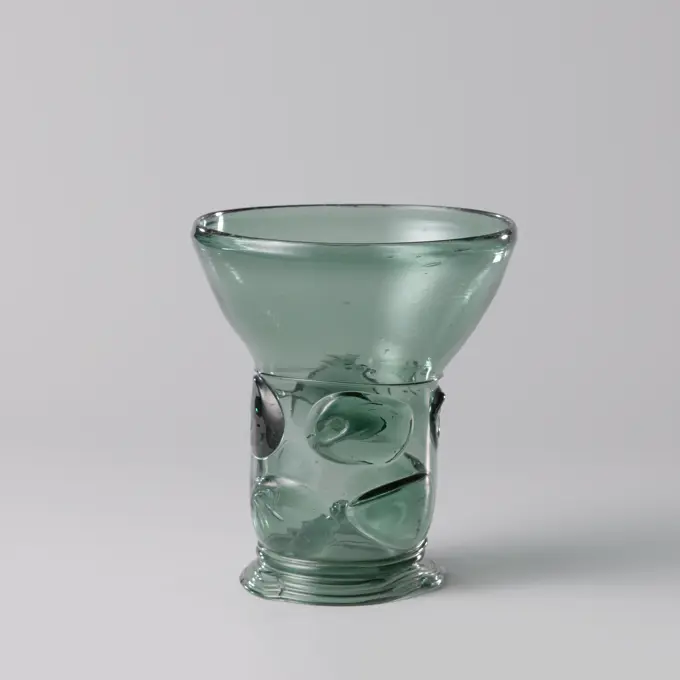
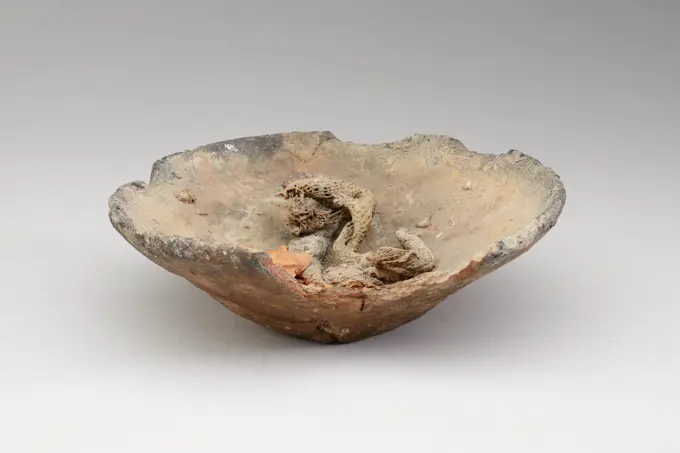
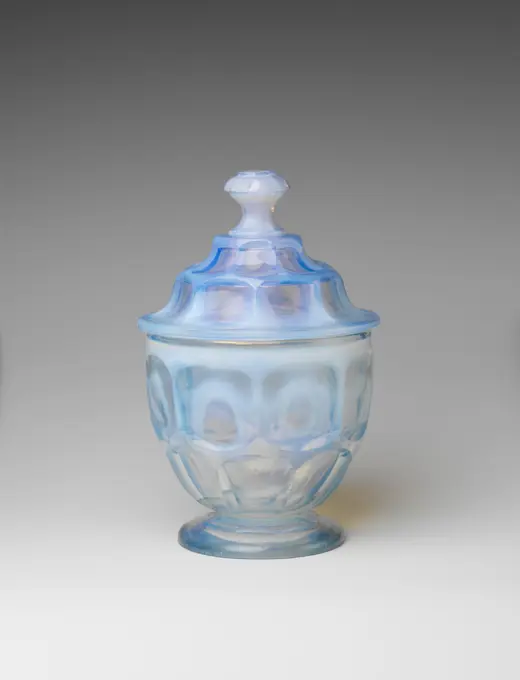
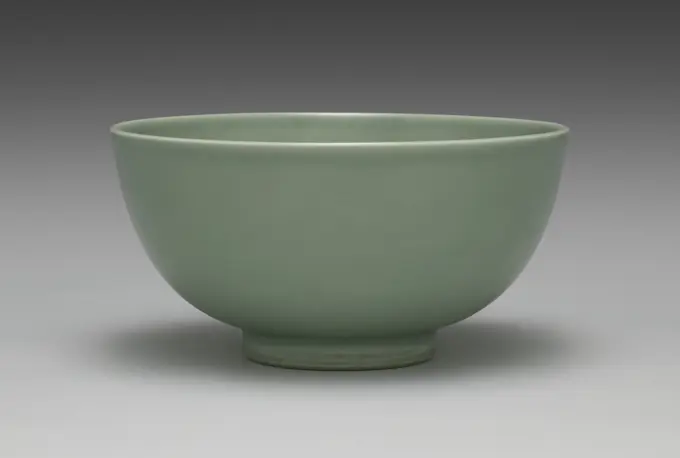
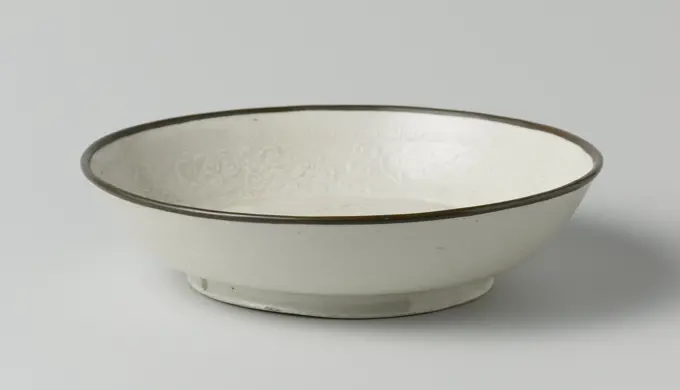
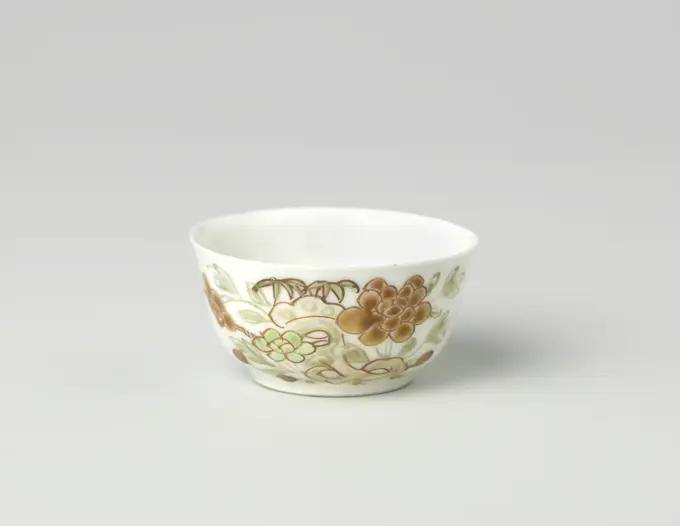
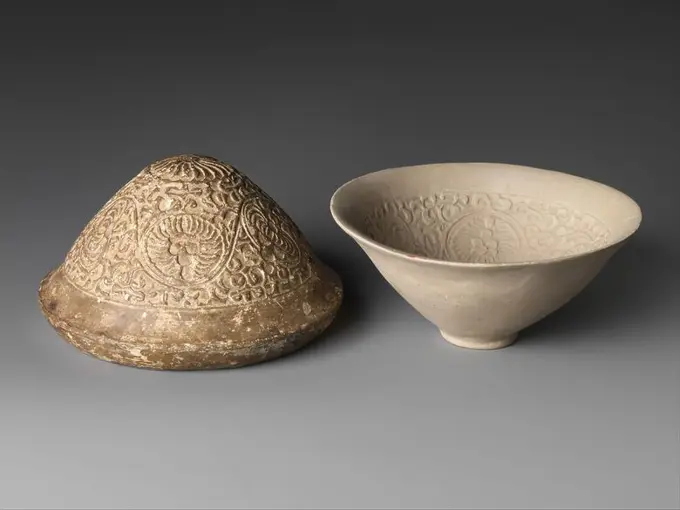
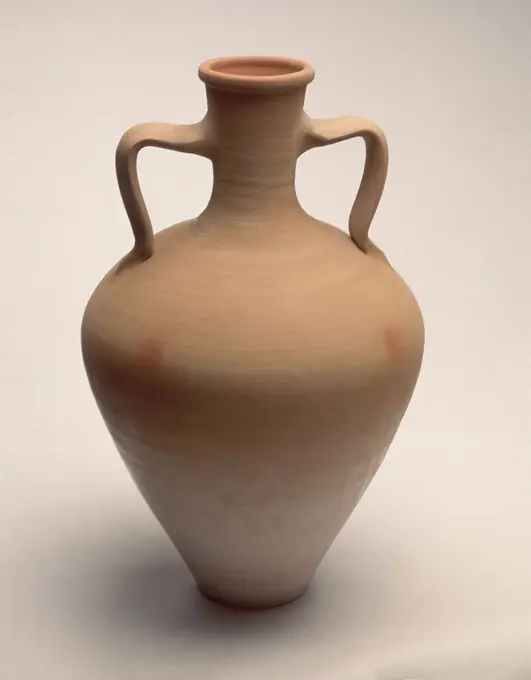
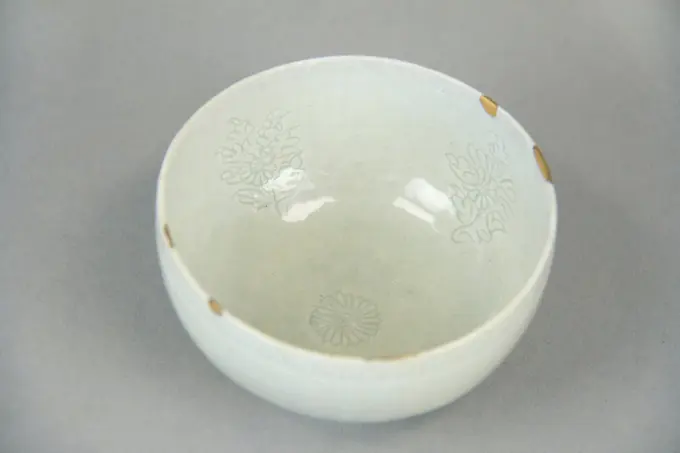
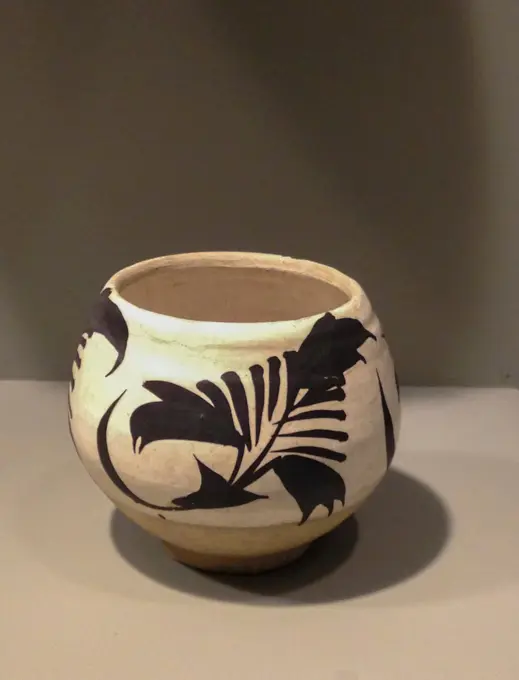
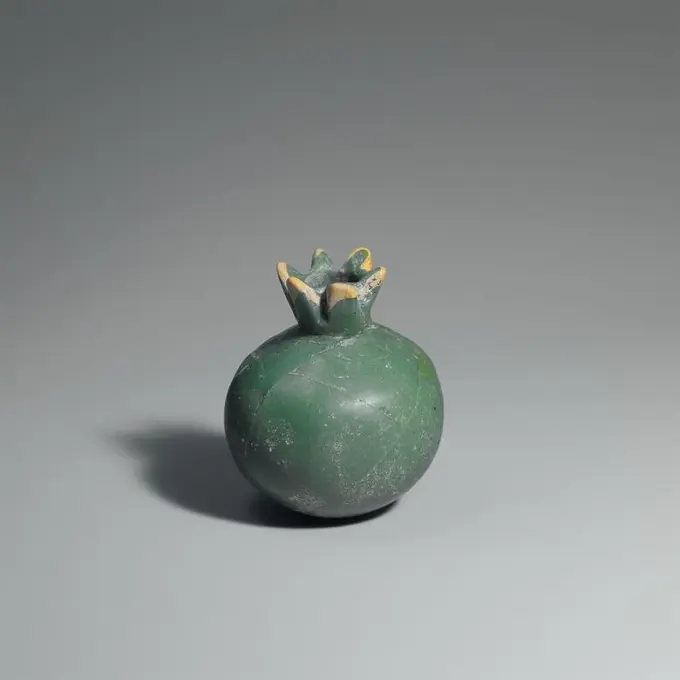
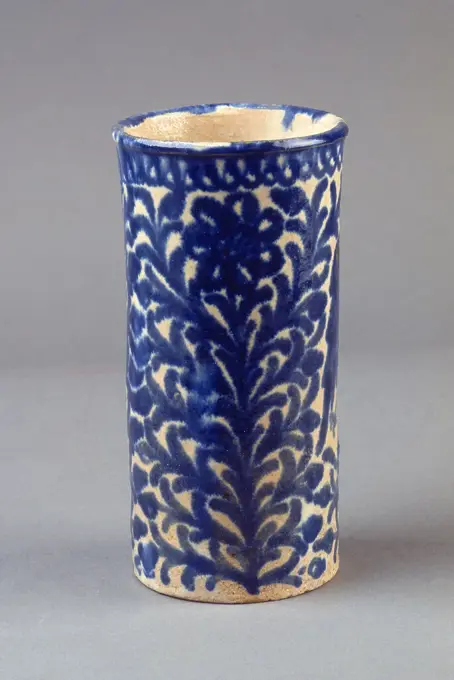
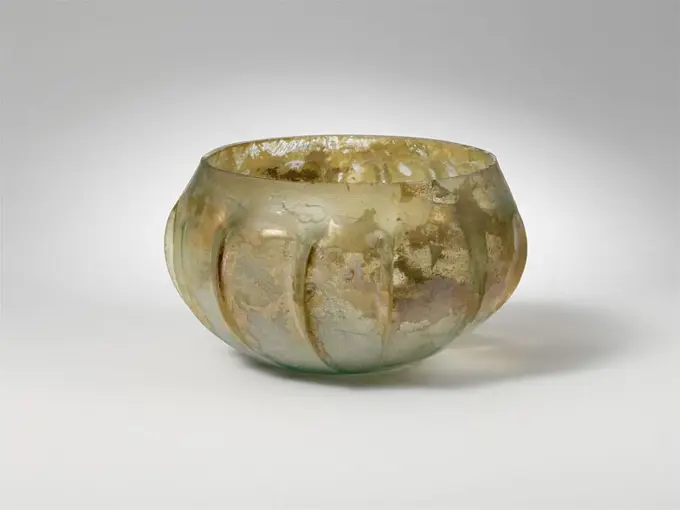
Bourdaloue ĆmielówLobed Bowl with Phoenix. China. Date: 850 AD-950 AD. Dimensions: H. 4.5 cm (1 3/4 in.); diam. 12.5 cm (4 15/16 in.). Yaozhou ware; celadon-glazed stoneware with underglaze molded decoration. Origin: China. Museum: The Chicago Art Institute, Chicago, USA.Globular pot with small flared collar. Terracotta. Cernuschi Museum, Asia Museum of Asia in the city of Paris.Ointment pot of yellow -baking earthenware, with glaze on the inside, anonymous, 1500 - 1799   earthenware. glaze   earthenware. glazeGlass indented beaker Roman mid-1st to 3rd century CE Translucent light yellowish green.Short, outsplayed rim with uneven, knocked-off lip; convex curving side; thick, concave bottom.On body, four large vertical oval indentations, giving a square shape to sides.Intact; few bubbles; patches of soil encrustation and limy weathering, with faint iridescence. View more. Glass indented beaker. Roman. mid-1st to 3rd century CE. Glass; blown and tooled. Imperial. GlassHead on high foot, anonymous, c. 1650 - c. 1750 Half -spherical head of undecorated faience, on a high base. England earthenware. tin glaze. Half -spherical head of undecorated faience, on a high base. England earthenware. tin glaze.Glass ribbed bowl late 1st century B.C.-mid-1st century A.D. Roman Translucent honey brown.Slightly outsplayed rim with almost pointed top edge and plain inward-sloping band below, deep convex side curving in to slightly concave bottom.On interior, a single broad and deep horizontal groove below rim, and a band of three () narrow, close-set shallow grooves around middle of body; on exterior, seventeen long, vertical ribs with flattened tops, tapering downwards, and extending to edge of bottom.Broken and repaired with numerous cracks and one chip missing from rim; many pinprick bubbles; dulling, deep pitting, and patches of brilliant iridescence.Rotary grinding marks on interior and on plain band below rim on exterior.. Glass ribbed bowl 248973Glass perfume bottle. Culture: Roman. Dimensions: H.: 1 3/16 in. (3.1 cm)Diameter: 2 1/16 × 3/8 in. (5.2 × 1 cm). Date: 1st century A.D..Miniature perfume bottleTranslucent green.Rim folded out, over, and in, and flattened around mouth; cylindrical neck, tooled in around base; piriform body; flat bottom.Intact; pinprick bubbles; dulling, pitting, and iridecsent weathering. Museum: Metropolitan Museum of Art, New York, USA.Bowl with lotus design 18th century China. Bowl with lotus design. China. 18th century. Jade (nephrite). Mughal period (1526-1858). JadeGlobular Ewer. China. Date: 907 AD-1099. Dimensions: H. 6.5 cm (2 9/16 in.); diam. 8.9 cm (3 9/16 in.). Ding-type ware; glazed porcelain. Origin: China. Museum: The Chicago Art Institute, Chicago, USA.Tea bowl, 12th-13th century, Unknown Korean, 2 3/4 x 7 x 7 in. (6.99 x 17.78 x 17.78 cm), Porcelaneous stoneware with celadon glaze, Korea, 12th-13th century, Even the Chinese, renowned for their great ceramic tradition, admired Korean celadons of the Goryeo dynasty for their beautiful translucent blue-green glaze. Japanese tea enthusiasts also admired the often imperfect, misshapen quality of Korean wares.Cosmetic jar ca. 1805 B.C. Middle Kingdom 26.7.1439-.1442 are ointment jars that were found scattered at the bottom of a tomb shaft at Thebes. Nearby was a box belonging to a man named Kemeni (26.7.1438). Kemeni's box has a drawer with spaces for eight small ointment jars, so it is assumed that the box and jars go together.. Cosmetic jar 543958Small bottle-vase probably 19th century Chinese. Small bottle-vase 461503Seif Yohei IV’s incense burner has a pale pink glaze named “dawn’s light.” Incense Burner with Peony and Cloud, 1914-46. Seifū Yohei III (Japanese, 1851-1914). Porcelain with molded and incised design, pale pink glaze; diameter: 13.5 cm (5 5/16 in.); height: 10.6 cm (4 3/16 in.).Marbled bowl, anonymous, c. 960 - c. 1127 Come from marbled stoneware in brown and cream. Cizhou . China stoneware Come from marbled stoneware in brown and cream. Cizhou . China stonewareMei-ping, Yongzheng period, 1723-1735, 9 7/8in. (25.1cm), Porcelain, China, 18th centurySkyphosBowl. Culture: American. Designer: Arthur E. Baggs (1886-1947). Manufacturer: Manufactured by Marblehead Pottery (1904-36). Date: ca. 1920-24. Museum: Metropolitan Museum of Art, New York, USA.Dish (usual name). Sandstone, celadon, molded and incised decor. Cernuschi Museum, Asia Museum of Asia in the city of Paris.Incense-burner, anonymous, c. 1650 - c. 1699 Incense burner of porcelain, covered with a translucent white glaze. The body is bulging at the bottom, becomes narrower upwards and runs slightly below the edge; The two ears are in the form of a lion's head. On the bottom a stamped unidentified seal brand. Blanc the Chine. China porcelain. glaze vitrification Incense burner of porcelain, covered with a translucent white glaze. The body is bulging at the bottom, becomes narrower upwards and runs slightly below the edge; The two ears are in the form of a lion's head. On the bottom a stamped unidentified seal brand. Blanc the Chine. China porcelain. glaze vitrificationGlass cup 1st-2nd century A.D. Roman Translucent pale blue.Short, slightly everted, knocked-off rim; straight side expanding downwards, then curving sharply inwards; small, concave bottom.On upper part of body, bands of horizontal wheel-abraded lines, extending from rim to undercurve.Intact; pinprick bubbles; dulling, deep pitting, and some iridescent weathering on exterior, large patch of soiled encrusted weathering and iridescence on interior.. Glass cup 245289Cup 18th-19th century Italian, possibly Venice (Murano). Cup. Italian, possibly Venice (Murano). 18th-19th century. Glass. GlassChawanBell-shaped bowl with a white glaze. Bell-shaped bowl of porcelain, covered with a white glaze. Marked on the underside with an unidentified seal brand. A chip in the edge. White porcelain.Bowl unknown Chinese (). Bowl 461212ancient metal bowl on dark background. antique bronze tableware. ancient metal utensilsJar. Culture: China. Dimensions: H. 2 3/8 in. (6 cm); Diam. 3 3/8 in. (8.6 cm). Museum: Metropolitan Museum of Art, New York, USA.Glass beaker. Culture: Roman. Dimensions: H.: 3 1/4 in. (8.3 cm). Date: 2nd-3rd century A.D..Translucent pale blue green.Thickened, flaring rim, with rounded lip; undulating side to body, tapering in to folded tubular foot ring; low, pointed kick at center of flat bottom, with large circular pontil scar.Intact; some dulling and iridescence but most of surfaces covered with creamy brown weathering. Museum: Metropolitan Museum of Art, New York, USA.Vase late 18th century China. Vase. China. late 18th century. Porcelain with light blue glaze (Jingdezhen ware). Qing dynasty (1644-1911), Qianlong period (1736-95). CeramicsDish, of hard baked earthenware, Wedgwood Creamware, Wedgwood, c. 1800 - c. 1830 Dish, of hard baked earthenware, Wedgwood Creamware. England earthenware Dish, of hard baked earthenware, Wedgwood Creamware. England earthenwareWhite Cross-lined Ware Bowl ca. 3850-2960 B.C. Predynastic Period. White Cross-lined Ware Bowl. ca. 3850-2960 B.C.. Pottery, paint. Predynastic Period. From EgyptCAZUELA CON VIDRIADO INTERIOR Y B0RDE - ARTE POPULAR S XX. Location: ALFARERIA. PERERUELA. Zamora. SPAIN.Glass pyxis (box with lid) 3rd-1st century B.C. Greek Both lid and pyxis in opaque white, but heavily devitrified.Lid domed, tapering downward to fine horizontal rim with flat edge on underside; integral circular knob handle at top, with convex upper surface and concave pedestal below. Outsplayed, slightly inward-sloping rim to pyxis, with inner recessed shoulder on which flat edge of lid rests; low, cylindrical body, with vertical sides and outsplayed bottom edge; almost flat bottom, with a broad, concave, concentric band around the edge.On exterior of lid, three fine concentric raised lines, one around base of knob handle, one on lower part of side, and the third towards edge. On exterior of pyxis, molding band at top and bottom of side, and on bottom, a raised circle around inner edge of concave band and another around dot at center.Both lid and pyxis intact, but some chips in rim to lid; deep pitting, brilliant iridescence, and patches of thick black weathering on underside of lid Bell-shaped cup with scrolls and stylised flowers, anonymous, c. 1700 - c. 1724 Bell -shaped head of porcelain with six times lobed edge, painted on the glaze in red, black and gold. A medallion with stylized flower and tifles; Around the medallion a band with connected stylized flowers, branches and tifles; The edge with six cartouches with flower branch. Milk and blood. China porcelain. glaze. gold (metal) painting / gilding / vitrification Bell -shaped head of porcelain with six times lobed edge, painted on the glaze in red, black and gold. A medallion with stylized flower and tifles; Around the medallion a band with connected stylized flowers, branches and tifles; The edge with six cartouches with flower branch. Milk and blood. China porcelain. glaze. gold (metal) painting / gilding / vitrification. Come from stoneware, covered with a yellow glaze. Modeled in the shape of a flower with two rows of eight leaves. Come has been broken. Old label on the underside with 'Eastern treasures Rijksmuseum 1954/183'.CircularbowlBrush Washer 1713-22 China. Brush Washer. China. 1713-22. Porcelain with moonlight glaze (Jingdezhen ware). Qing dynasty (1644-1911), Kangxi mark and period (1662-1722). CeramicsOil LampLamp. Hanging lamp with spout; Simple bracket, rear container decorated with upstring motif.Vase, 1644-1911. China, Qing dynasty (1644-1911). Glass; overall: 10.2 cm (4 in.).Dining Bowl, c. 1893-1914. Seifū Yohei III (Japanese, 1851-1914). Porcelain with green glaze; height: 9 cm (3 9/16 in.); diameter: 18.5 cm (7 5/16 in.).. Pottery vase with gold gloss blue glaze.Kohl Jar of Rennefer ca. 1504-1447 B.C. New Kingdom. Kohl Jar of Rennefer. ca. 1504-1447 B.C.. Travertine (Egyptian alabaster). New Kingdom. From Egypt, Upper Egypt, Thebes, Asasif, Tomb of Neferkhawet (MMA 729), west chamber A, Burial of Rennefer (II), in coffin, near head, MMA excavations, 1935-36. Dynasty 18, early. Gloves of stoneware, covered with a red-brown glaze. The can be in the form of a gourd. Two stamped brands on the outside wall.Czarka; Koenigliche Porcellain Fabrique, Meissen (1710-1763), Boettger, Johann Friedrich (1682-1719); around 1720 (1715-00-00-1720-00-00);Ding crap;  XVIII/19th century (1790-00-00-1810-00-00);Conical Cup. UnknownCovered jar 12th-13th century China. Covered jar 42480Bowl 1-100 Roman Period Most of the archaeological finds from the Tomb of Nespekashuty originate from the courtyard and first chamber of the tomb. While the relief finds can be assigned with confidence to the tomb, the other general finds and graffiti testify to a long usage life. This medium-sized bowl dates to the early Roman Period, probably first century AD, some seven hundred years after Nespekashuty's burial.The courtyard finds help to sketch the long life and various incarnations of the tomb. Nespekashuty had used for his tomb the courtyard and causeway of an earlier Dynasty 11 tomb of a high official of Mentuhotep II. That tomb's position in the northern cliffs of Deir el Bahri, and above the subsequently built temple of Hatshepsut made it suited for certain reuses. Already in the Third Intermediate Period the tomb was reused for a burial and seemingly for overflow off offerings from the Hathor Shrine in Hatshepsut's Temple. Possibly such a bond with the Hathor Shrine played a Tea Bowl (yan-kou wan), 12th-13th century, 2 15/16 x 5 1/4 in. (7.5 x 13.34 cm), Chien ware Dark-brown stoneware with dark-brown glaze and iron oxide markings, China, 12th-13th century, Highly respected items of the court during the reign of Emperor Hui Zong (r. 1101-1125), Jian ware tea bowls from Kiangsu province came in two sizes; this classic example can be considered the larger variety. Appearing bluish black, a deep brown glaze covers the bowl stopping in a thick welt above the foot. Because the molten glaze crawled downward in firing, the lip is left virtually unglazed. In the upper portions, a dense pattern of russet streaks known as 'hare's-fur' extend from the lip toward the vessel floor, both inside and outside the deep bowl. Northern Song (960-1127) texts suggest that these distinctly glazed bowls were used to prepare the white whipped tea then in vogue.Tripod Vessel 480 BCE-221 BCE China. Brick-red earthenware .Jar ca. 1550-1458 B.C. New Kingdom. Jar 546988Glass perfume bottle 1st century A.D. Roman Translucent pale blue green.Rim folded out, over, and in; flaring mouth; tall cylindrical neck with slight indent around base; elongated piriform body; bottom concave at center.Intact; many pinprick and a few larger bubbles; dulling and iridescence on exterior; patches of soil encrustation and iridescent weathering on interior.. Glass perfume bottle. Roman. 1st century A.D.. Glass; blown. Early Imperial. GlassChibcha (or Muisca) culture, terracotta vesselGlass spherical bottle early 1st century A.D. Roman Translucent honey brown, with opaque white trail.Sphere with small jagged solid knob at top, where the glass was twisted round to seal the mouth, and thicker wall around the bottom.Single trail wound round in a spiral eleven times from bottom, mostly marvered but left in relief at top.Intact; some bubbles; faint dulling and slight pitting on exterior, loose powder sealed inside.. Glass spherical bottle 245297Beaker. England, Staffordshire. Date: 1690-1700. Dimensions: 7 × 5.9 cm (2 5/16 × 2 3/4 in.). Earthenware (redware), silver mount. Origin: Staffordshire. Museum: The Chicago Art Institute, Chicago, USA.Bottle with Sprinkler Top second half 12th century Bottles of this form often contained bath oils. The knobs protruding from its sides (prunts) provided a grip should the bottle become slippery. The style of the birds around the top and the presence of inlaid decoration suggest a twelfth-century date. The inscription is formed of abbreviated words in Arabic, wishing the owner well.. Bottle with Sprinkler Top. second half 12th century. Quaternary alloy; cast, engraved, inlaid with silver and copper. Attributed to Iran, Khurasan. MetalLamp 9th-10th century This object was excavated at Nishapur.Nishapur was a vital city in the early and middle Islamic periods, located along one of the main trajectories that connected Iran and West Asia Islamic lands with Central Asia and China. These itineraries are often referred to by the term Silk routes’ but were in fact crucial to the movement of constellations of materials and objects, as well as people and ideas. The diverse population of Nishapur and its surroundings, from the better-researched elite groups of merchants, land-owning aristocracy, and literates, to the less-known artisans, farmers, miners, and servants, were instrumental in adapting global cultural trends to create their own distinctive visual languages. This is seen in the material remains of everyday life in medieval Nishapur - from pots and pans to lighting devices, inkwells, textiles and trimmings, jewelry, games and toys, talismanic devices, weapons, coins, and architectural fragments.Nishapur lost its poCovered Jar. Culture: China. Dimensions: Diam. 4 1/2 in. (11.4 cm). Date: 5th-mid-4th century B.C.. Museum: Metropolitan Museum of Art, New York, USA.Covered Bowl With Scrolls, Diaper Pattern and Scattered Flowers. Cover bowl of porcelain with ribbed wall and lobed edge, painted on the glaze in red, green, yellow, eggplant, turquoise, black and gold. The outer wall of the bowl is divided into elongated compartments with alternating napkin and flour rinks; Around the foot a bond with curl. A stylized flower on the bottom; The inner wall with five loose stylized flowers. The lid with the same decoration; Within the annular lid knob a prunus branch. Porcelain with emailing.Bowl 18th-19th century India (). Bowl. India (). 18th-19th century. Jade (nephrite) with painted decoration. Mughal period (1526-1858). Jadeancient oriental metal tray on dark background. antique bronze tableware. tray with engraving"Opening of the Mouth" vessel of Perneb ca. 2381-2323 B.C. Old Kingdom An essential rite performed during the funeral ceremonies was the "Opening of the Mouth." Thought to have evoked the rituals carried out at the birth of a child, this served to restore the senses of the newly deceased (resident in spirit within the mummified body or a statue), so that he or she could once again breathe, speak, eat, drink, see, and hear.This vessel is part of a set used for this ceremony. It would have held milk, or salt or fresh water (see also 14.7.92; 14.7.93; and 14.7.94).For a complete set of implements for this ritual, see 07.228.117a-h.. "Opening of the Mouth" vessel of Perneb 547080Dish from Dishes with Flowers, 1914-46. Seifū Yohei IV (Japanese, 1872-1951). One from a set of five dishes; porcelain with underglaze yellow and blue glaze; overall: 4 x 10.2 cm (1 9/16 x 4 in.).Bowl  white chrysanthemums on a pale yellow background unknownIncense Burner in the form of an archaic bronze vessel, 1600s. Chinese, Fujian province, Dehua, Ming dynasty (1368-1644). Glazed white porcelain, Dehua ware; diameter: 12 cm (4 3/4 in.); overall: 9.3 x 16.9 cm (3 11/16 x 6 5/8 in.).Vase with butterflies and plants and lust glaze, plateel bakery Haga, 1906 - 1907 Vase with painting of butterflies and plants in yellow and brown on green fond, with lust glaze. Purmerend earthenware Vase with painting of butterflies and plants in yellow and brown on green fond, with lust glaze. Purmerend earthenwarePottery saucepan on three legs, with pouring clip and handle, sloping sidewall with rings, saucepan pan holder kitchen utensils earthenware ceramics earthenware glaze lead glaze, hand turned molded glazed fried Saucepan with round bottom and sloping sidewall with revolving rings Double pouring clip and scalloped handle Handgrip slightly angled upwards. Internally glazed. Profiled edge slanted top edge Restoration is repainted archeology Rotterdam City triangle New harbor indigenous pottery cooking food preparation kitchen Soil discovery New Haven 2nd square cesspoolBOTIJA O RALLO CON CUELLO ANCHO Y DOS ASAS-CERAMICA POPULAR S XX. Location: ALFARERIA. SPAIN.Berkmeier with two rows of flat studs, anonymous, c. 1625 - c. 1675 Berkmeier with inserted bottom, on a low base of a wire. The light convex chalice blown as a whole with the trunk, which is occupied with two rows of very large flat studs. The transition from the chalice to the trunk indicated by a smooth thread. Low Countries glass glassblowing Berkmeier with inserted bottom, on a low base of a wire. The light convex chalice blown as a whole with the trunk, which is occupied with two rows of very large flat studs. The transition from the chalice to the trunk indicated by a smooth thread. Low Countries glass glassblowingPottery ointment jar, low belly, glazed inside, ointment jar holder soil find ceramic earthenware glaze lead glaze, hand-turned glazed fried ointment jar. Stand surface untidy finish. Conical in shape due to low stomach. Profiled top edge. Red shard internally glazed. Rotary arches over the entire height archeology Rotterdam City triangle New harbor indigenous pottery ointment care medication medicine pharmacy handicraft packaging Soil discovery Rotterdam Nieuwe Haven 2nd cesspoolLamp with a Rag Wick 1070-945 BC or earlier Third Intermediate Period or earlier This lamp has the remains of the linen rags that were soaked in flammable oil and lit. It was found in a pit dug into the Sankhare Temple site at Thebes. The pit had been used and reused from the Second Intermediate Period onward, with the final and only intact burial being that of Itamun (26.3.1a,b), which dates to Dynasty 21. The lamp might date either to workers at his burial or to those who had moved and removed burials over the long preceding period.. Lamp with a Rag Wick. 1070-945 BC or earlier. Pottery, cloth. Third Intermediate Period or earlier. From Egypt, Upper Egypt, Thebes, Unfinished Temple ("Seankhkare") Valley, Pit Tomb MMA 1008/1016 (Mond 8), MMA excavations, 1920-21. Dynasty 21Small vase - vial. unknown, craftsmanSugar bowl 1840-60 American This piece is pressed in Ashburton,” the earliest of the broad geometric patterns. Produced in numerous American factories, the pattern was given special interest here by the introduction of opalescent glass.. Sugar bowl 2489Miniature Vase China. Miniature Vase 51056Brazier from the Burial of Amenhotep New Kingdom ca. 1479-1458 B.C. In the small tomb of a boy named Amenhotep (36.3.153), a group of jars (36.3.161, 36.3.162, 36.3.164) and this small brazier were found on either side of the coffin. The gray ashy material inside the bowl of the brazier are the remains of incense or a burnt offering that was probably made during the burial ceremony as seen in a detail from one of the Museum's facsimiles (see photo above and 30.4.56). View more. Brazier from the Burial of Amenhotep. ca. 1479-1458 B.C.. pottery. New Kingdom. From Egypt, Upper Egypt, Thebes, Sheikh Abd el-Qurna, below the Tomb of Senenmut (TT 71), burial of Amenhotep, Brazier F, MMA excavations, 1935-36. Dynasty 18BowlSweets Bowl, c. 1893-1914. Seifū Yohei III (Japanese, 1851-1914). Porcelain with green glaze; h.: 10.5 cm (4 1/8 in.); diam.: 21 cm (8 1/4 in.).Bell-shaped cup with two figures in front of a pavilion and flower sprays, anonymous, c. 1775 - c. 1799 Klock -shaped head of porcelain, painted in underly glaze blue and on the glaze blue, red, pink, green, yellow, black and gold. A scalloped cartouche with two people at a table in front of a pavilion, in the background mountains and trees; Around the cartouche flower branches; A Fitzhugh edge on the edge. Famle Rose. China porcelain. glaze. cobalt (mineral). gold (metal) painting / gilding / vitrification Klock -shaped head of porcelain, painted in underly glaze blue and on the glaze blue, red, pink, green, yellow, black and gold. A scalloped cartouche with two people at a table in front of a pavilion, in the background mountains and trees; Around the cartouche flower branches; A Fitzhugh edge on the edge. Famle Rose. China porcelain. glaze. cobalt (mineral). gold (metal) painting / gilding / vitrificationSaucer-dish with two dragons among clouds, anonymous, c. 1115 - c. 1234 Scale of stoneware, covered with a translucent, slightly gray glaze. On the front a pressed decoration with two dragons between clouds on the flat. The inner wall with a band with flower vines and above it a band with a meander pattern. The edge is caught in a metal band. Thing. China stoneware. glaze. metal vitrification Scale of stoneware, covered with a translucent, slightly gray glaze. On the front a pressed decoration with two dragons between clouds on the flat. The inner wall with a band with flower vines and above it a band with a meander pattern. The edge is caught in a metal band. Thing. China stoneware. glaze. metal vitrificationCzarka;  18th century (1701-00-00-1800-00-00);Snuif box, oval, van turtpad, anonymous, c. 1675 - c. 1700 Snuif box, oval, from turtle, on which cut one with two arrows pierced winged heart and other ornaments.  . Snuif box, oval, from turtle, on which cut one with two arrows pierced winged heart and other ornaments.  .Cup with rock, peony and bamboo, anonymous, c. 1725 - c. 1749 Bell -shaped head of porcelain, painted on the glaze in red, pink, green and gold. A rock with peony and bamboo shown. Famle Rose. China porcelain. glaze. gold (metal) painting / gilding / vitrification Bell -shaped head of porcelain, painted on the glaze in red, pink, green and gold. A rock with peony and bamboo shown. Famle Rose. China porcelain. glaze. gold (metal) painting / gilding / vitrificationMold for a Bowl. Culture: China. Dimensions: Diam. 5 1/2 in. (14 cm). Date: 11th-12th century.Molds such as this one were widely used in ceramic production in north China, particularly after the eleventh century, and are thought to have become common in an attempt to meet the growing demands for ceramic of various types at the time. As can be seen in the model bowl made using this mold, the clay was fitted over the mold in order to impress a design prior to covering the bowl with clay and firing it. Use of molds allowed for faster production than the hand-shaped and hand-carved decoration used earlier. Museum: Metropolitan Museum of Art, New York, USA.Red -made earthenware ointment pot, on the inside with lead glaze, edge damaged, anonymous, 1500 - 1799   earthenware. glaze   earthenware. glazeAntique glass, stone items, 1898, Middle EastCzarka;  19th/20th century (1891-00-00-1910-00-00);CANTARO DE BARRO - CERAMICA PARA AGUA - ARTE POPULAR - S XX. Location: ALFARERIA. Bailén. JAEN. SPAIN.Bowl. Culture: China. Dimensions: H. 4 in. (10.2 cm); W. 8 in. (20.3 cm); Diam. of rim: 8 in. (20.3 cm); Diam. of foot: 3 1/2 in. (8.9 cm). Museum: Metropolitan Museum of Art, New York, USA.Small bowl decorated with chrysanthemum 12th century Korea This delicate bowl exemplifies white ware of the Goryeo periodwhat might be termed “soft” porcelain because of the type of clayof which there was limited production. Porcelain became the main type of ceramic on the peninsula from the fifteenth century under the Joseon dynasty.. Small bowl decorated with chrysanthemum. Korea. 12th century. Porcelain with incised design. Goryeo dynasty (918-1392). CeramicsFlask ca. 1400-1375 B.C. Cypriot Globular flask of vertical type with two handles, concentric circles and lattice-work.. Flask. Cypriot. ca. 1400-1375 B.C.. Terracotta. Late Bronze Age. VasesCricket Incubator with Cover, 19th century, Zhao Ziyu, 2 11/16 x 3 5/8 in. (6.8 x 9.21 cm), Ceramic, China, 19th centuryBowl, 12th-13th century, 4 5/8 x 5 11/16 x 5 11/16 in. (11.75 x 14.45 x 14.45 cm), Tz'u-chou ware Stoneware with painted black décor on white slip under a clear glaze, China, 12th-13th century, A group of deep globular bowls and lidded jars with painted iron pigment decoration of leaf sprays has been identified archaeologically with kilns in the Cizhou region. These vessels are datable to the twelfth-thirteenth centuries. The large leaf designs like those on this bowl are apparently derived from peony leaves. They are amongst the most common motifs on this small group of bowls, although spiral designs and feathery, frond-like leaf patterns, have also been found.Rosewater sprinkler or bottle with powder blue and light brown, anonymous, c. 1700 - c. 1724 Rose water dropper or porcelain porcelain with spherical body with a horizontal, brought-in line and thickenings in the long, narrow neck, covered with underly glaze blue and café-auit glaze. The body is covered with bleu poudré (powder blue); The neck is covered with a light brown glaze. Bleu Poudré with monochrome brown. China porcelain. glaze. cobalt (mineral) painting / vitrification Rose water dropper or porcelain porcelain with spherical body with a horizontal, brought-in line and thickenings in the long, narrow neck, covered with underly glaze blue and café-auit glaze. The body is covered with bleu poudré (powder blue); The neck is covered with a light brown glaze. Bleu Poudré with monochrome brown. China porcelain. glaze. cobalt (mineral) painting / vitrificationBottle in the Shape of a Pomegranate. Dimensions: H. 6.5 cm (2 9/16 in). Dynasty: Dynasty 19-20. Date: ca. 1295-1070 B.C..Pomegranate juice was prized as a drink, but it can also be used as an astringent to shrink tissues and reduce swelling in wounds. This jar depicts the fruit in its unripened state, when the juice is too sour to drink, and may have juice intended for medicinal purposes. Another jar in the collection (26.7.1180) probably held juice for consumption as a drink. Museum: Metropolitan Museum of Art, New York, USA.Tea caddy with and orange brown color and green glaze, anonymous, anonymous, c. 1800 - c. 1899 Dust bar or Chare van Steengoed with an ivory lid, partly covered with a green glaze. The bus has an orange -brown color with a gray -green glaze on the neck and shoulder. Old label on the inside with 'Iga/ 17th'. Shigaraki. Japan stoneware. glaze. deksel: ivory vitrification Dust bar or Chare van Steengoed with an ivory lid, partly covered with a green glaze. The bus has an orange -brown color with a gray -green glaze on the neck and shoulder. Old label on the inside with 'Iga/ 17th'. Shigaraki. Japan stoneware. glaze. deksel: ivory vitrificationTerracotta pulled-rim bowl. Culture: Mycenaean. Dimensions: H. 2 7/8 in. (7.3 cm.)Diameter 4 15/16 in. (12.5 cm.). Date: ca. 1400-1050 B.C..Small foot with no decoration. Museum: Metropolitan Museum of Art, New York, USA.TARRO VIDRIADO Y DECORADO EN AZUL CON FORMA VEGETAL. Location: ALFARERIA. FAJALAUZA. GRANADA. SPAIN.Glass ribbed bowl. Culture: Roman. Dimensions: 2 3/4in. (7cm)Other: 4in. (10.2cm). Date: mid-1st century A.D..Translucent pale blue green.Knocked-off, uneven vertical rim; body with bulging side, then curving in to thick, flat bottom.On body, fifteen irregular, vertical ribs.Complete but cracked; a few pinprick bubbles; dulling, pitting, iridescence, and patches of milky weathering, with one area of thick soil encrustation on interior.This is an unusual example of the so-called zarte Rippenschalen type of bowl since it does not have an outsplayed rim and concave neck. Museum: Metropolitan Museum of Art, New York, USA.close up wooden kitchenware