Ceramic Plates and Dishes

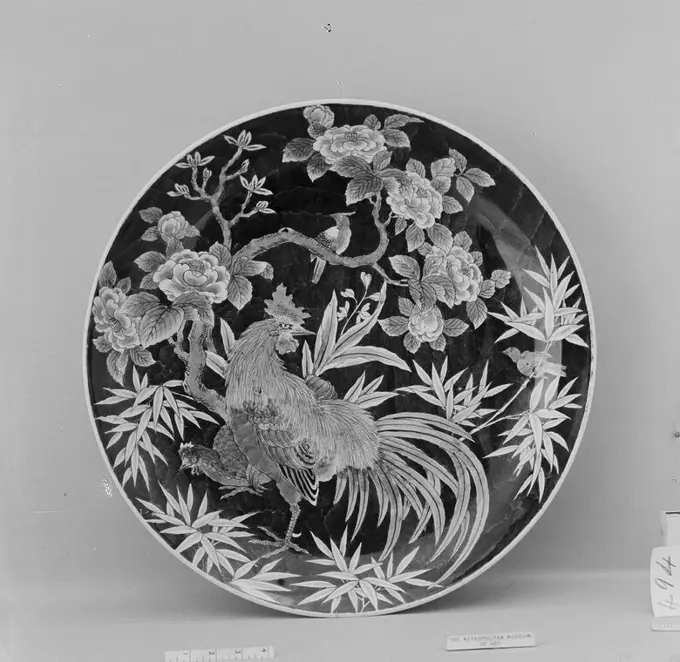
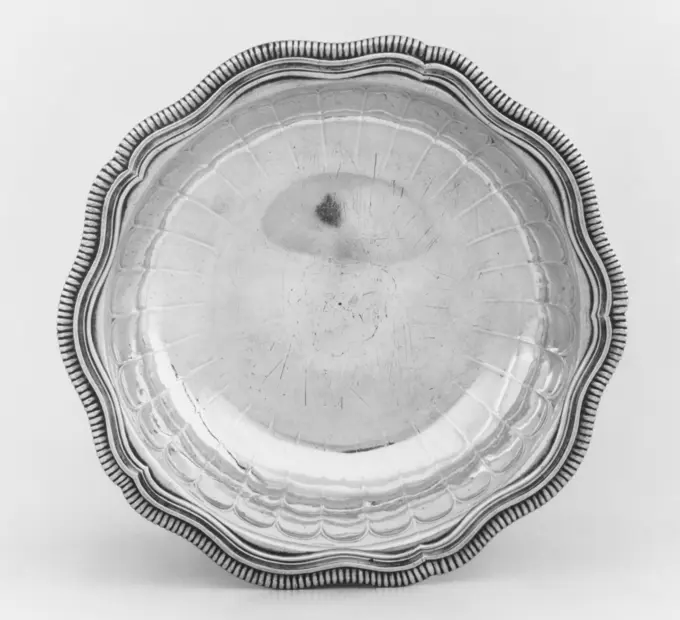
A selection of distinct plates and saucers, featuring patterns and materials from different cultures and centuries, including porcelain and pewter.

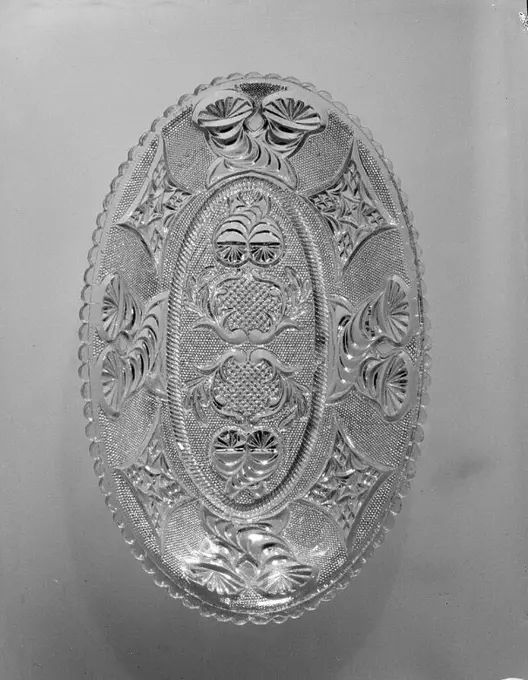
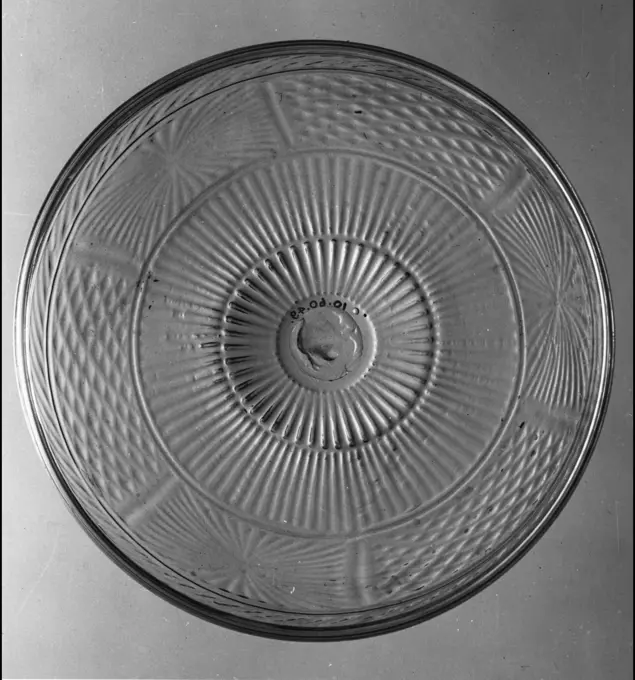
Dish 1613 Bohemian. Dish. Bohemian. 1613. Glass. Glass
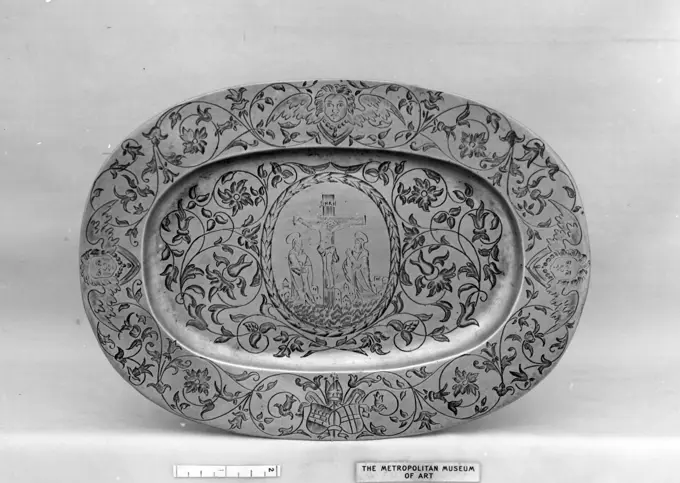
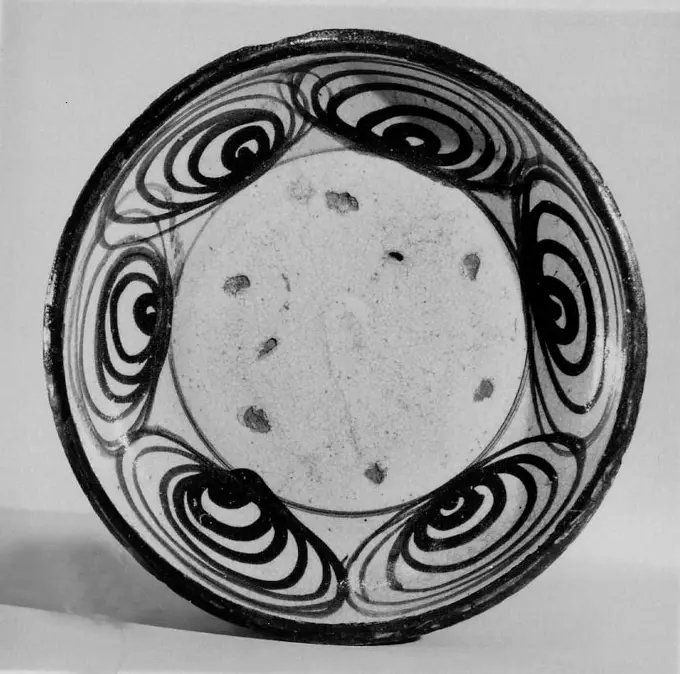
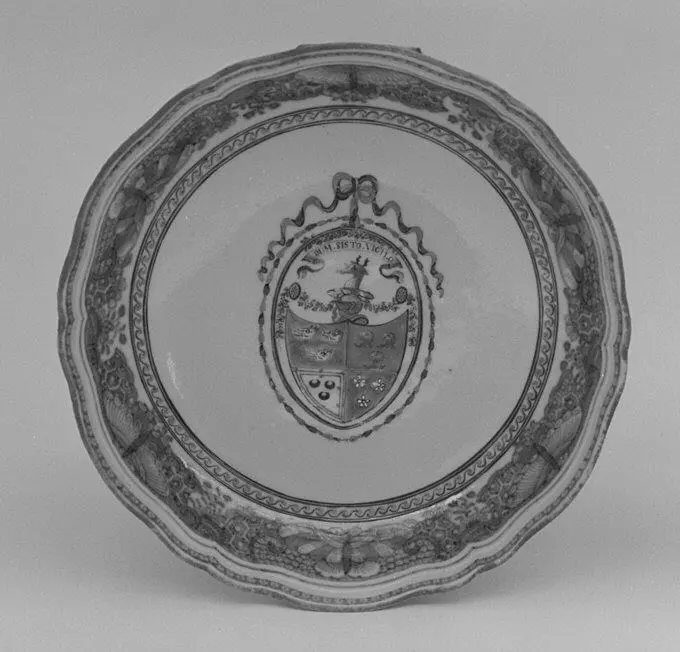
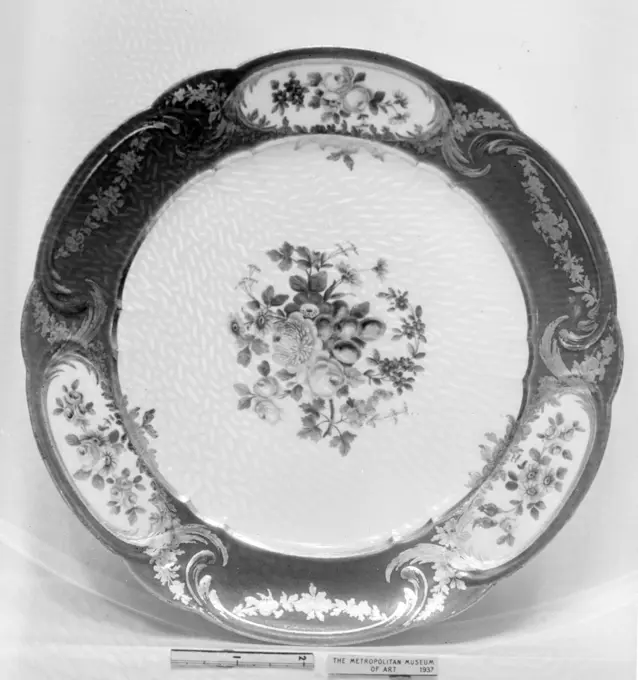
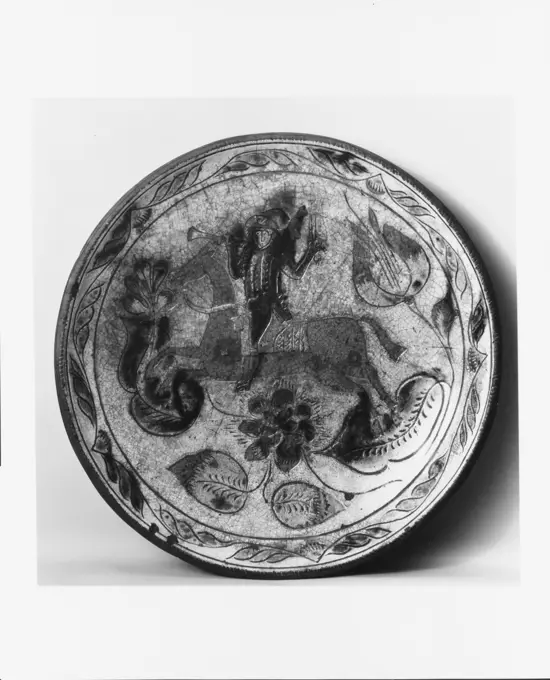
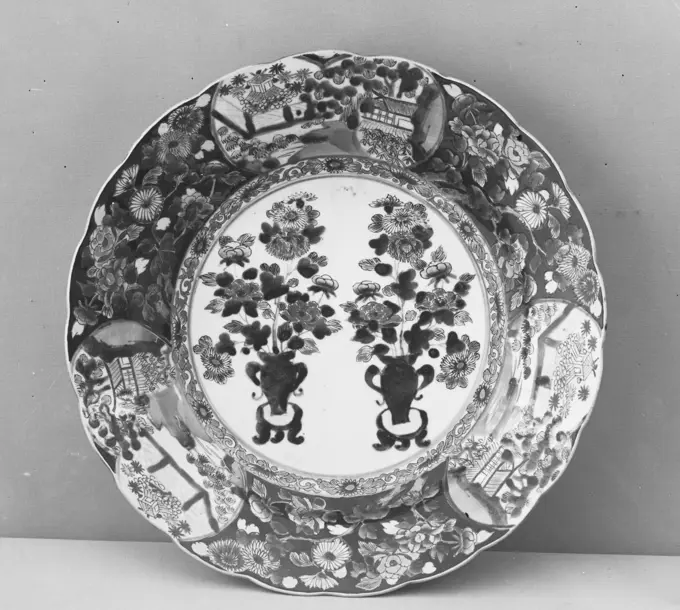
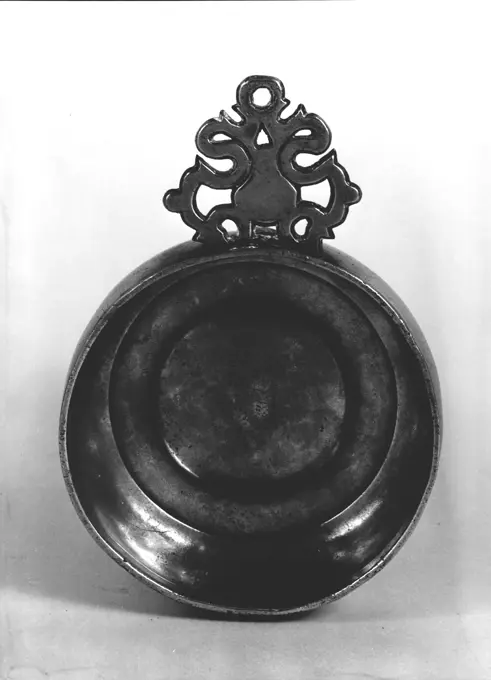
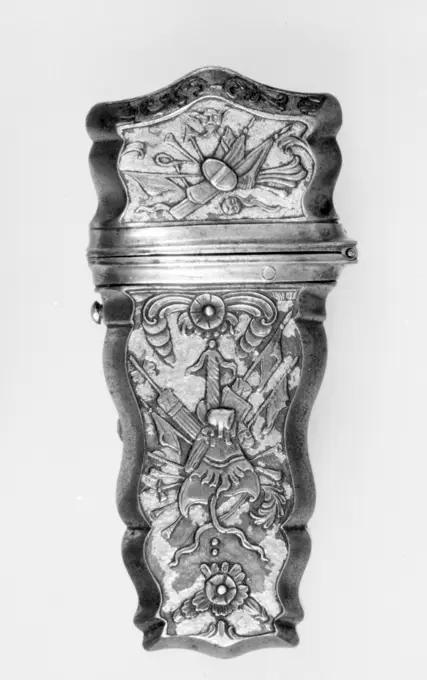
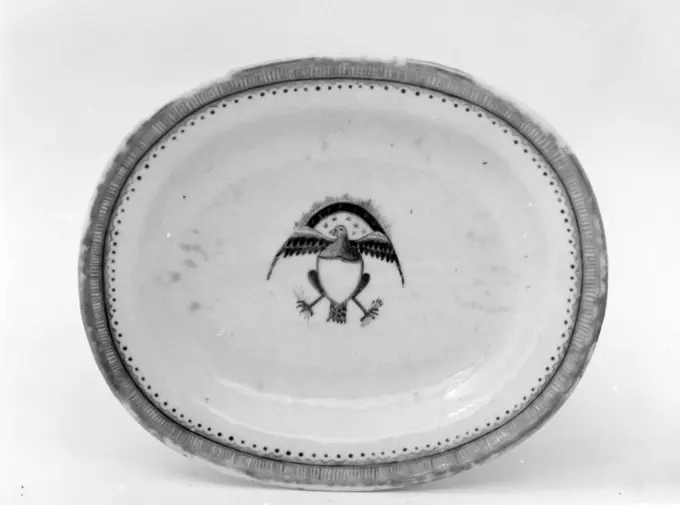
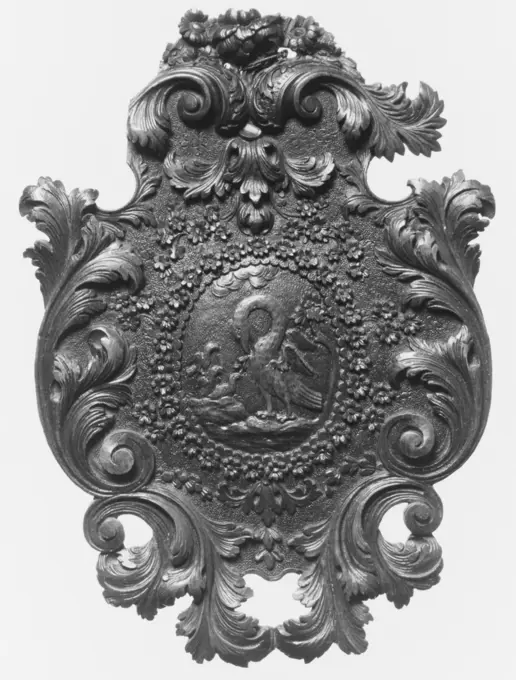
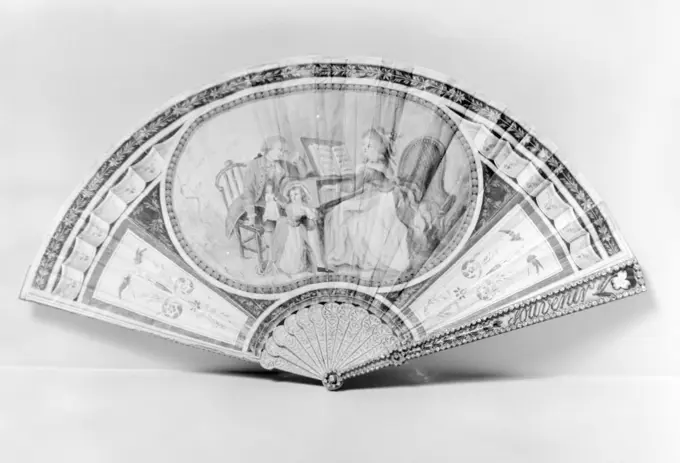
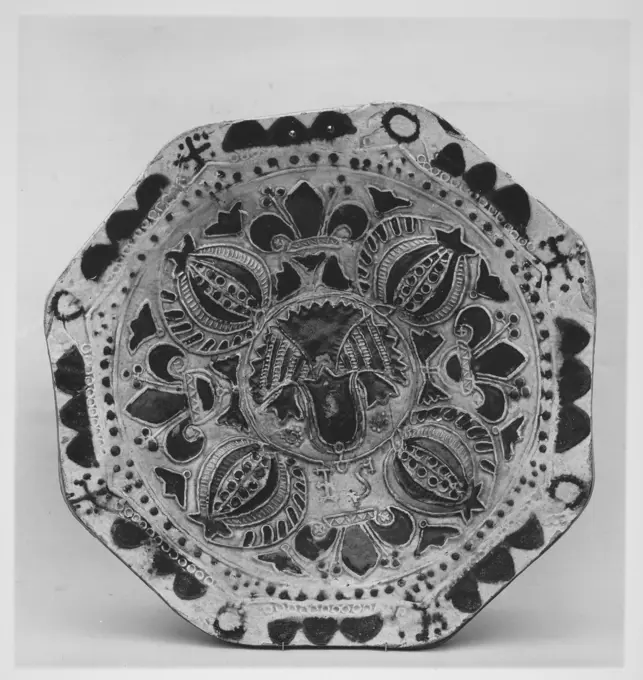
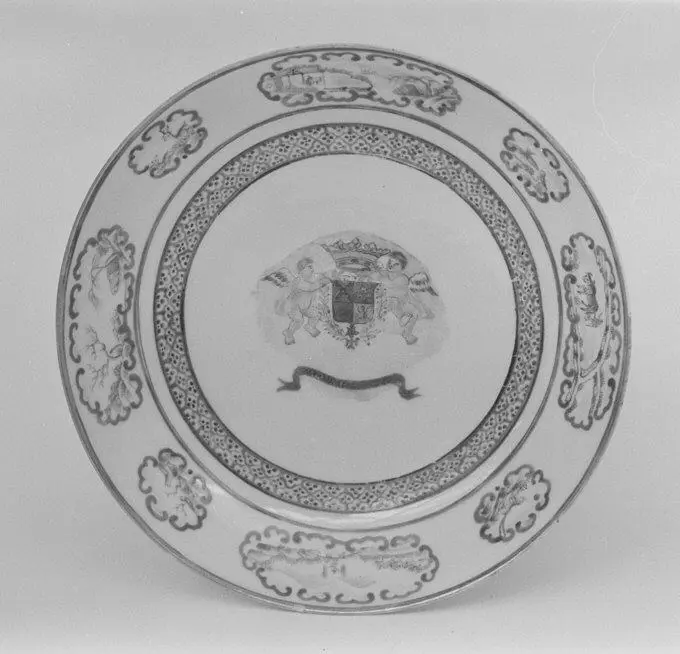
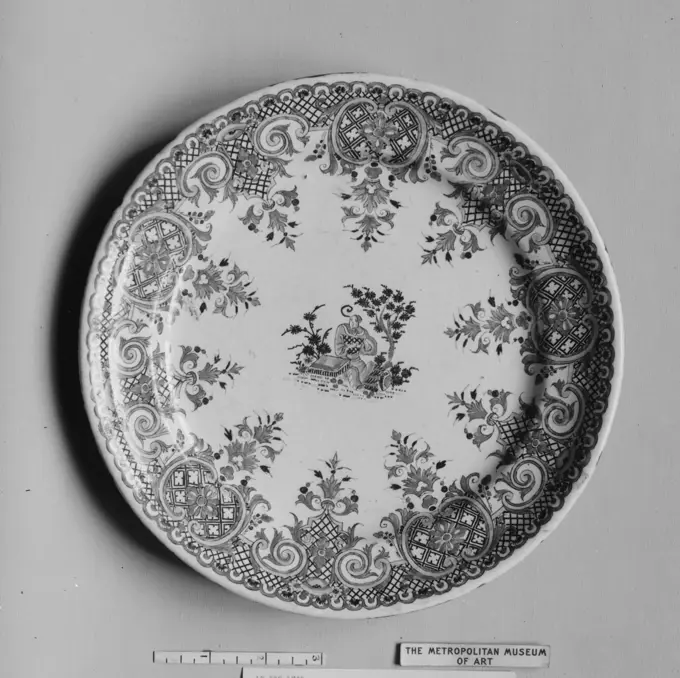
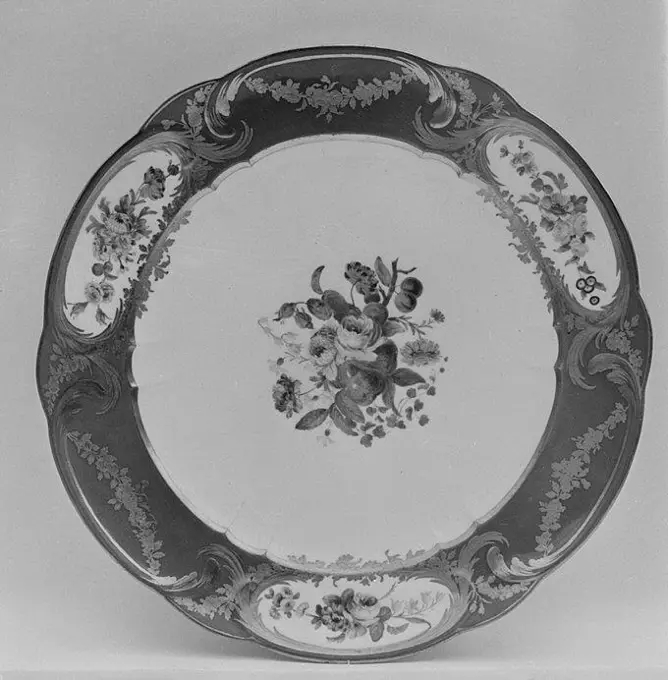
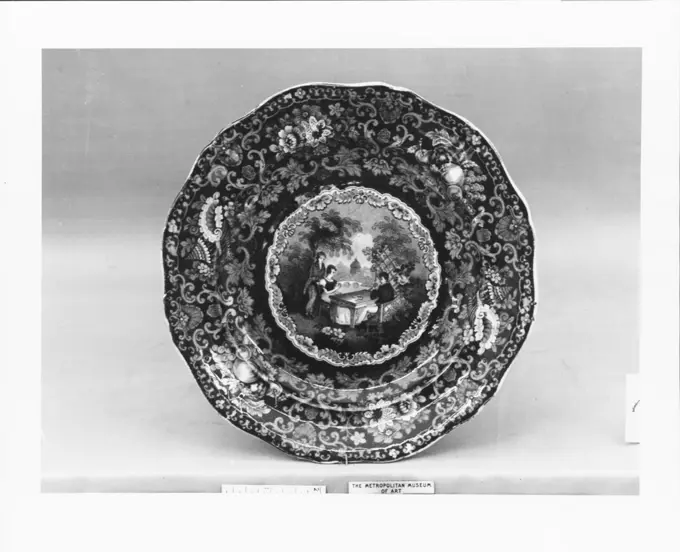
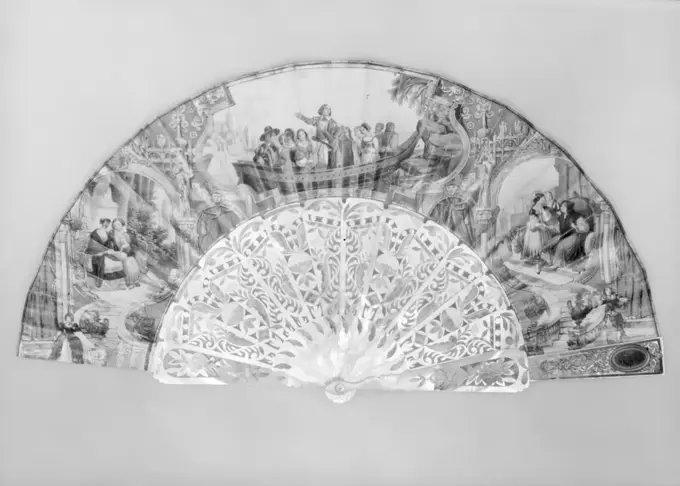
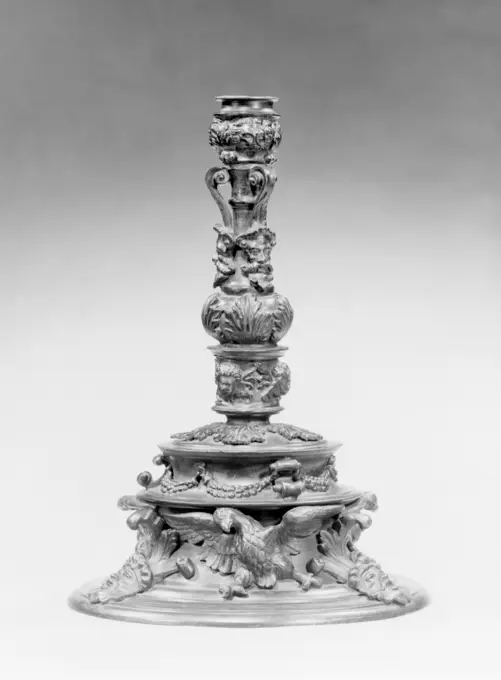
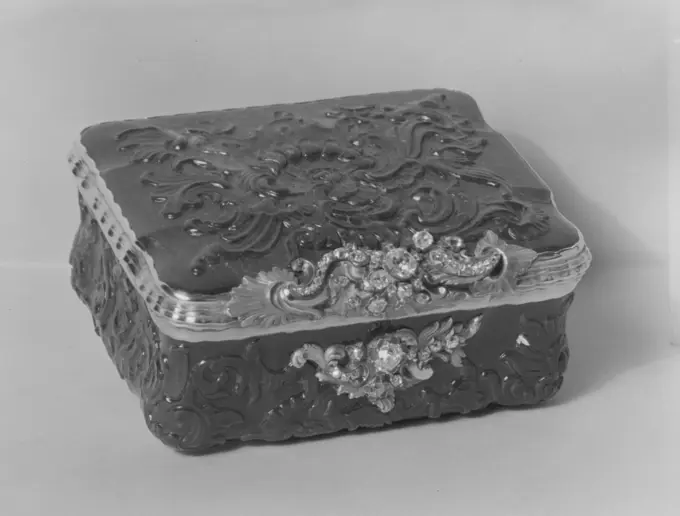
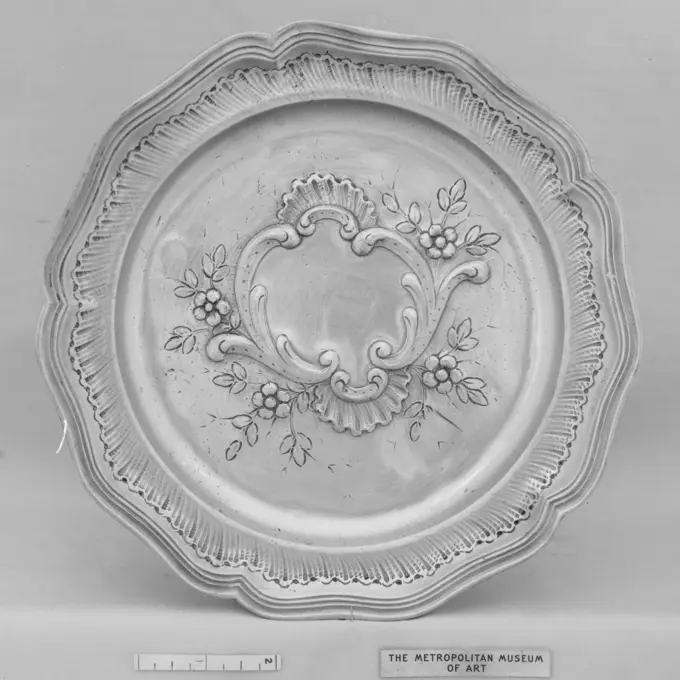
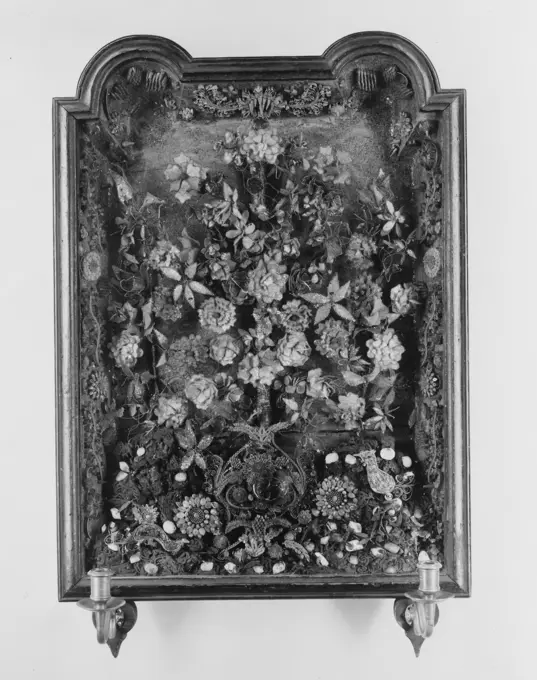
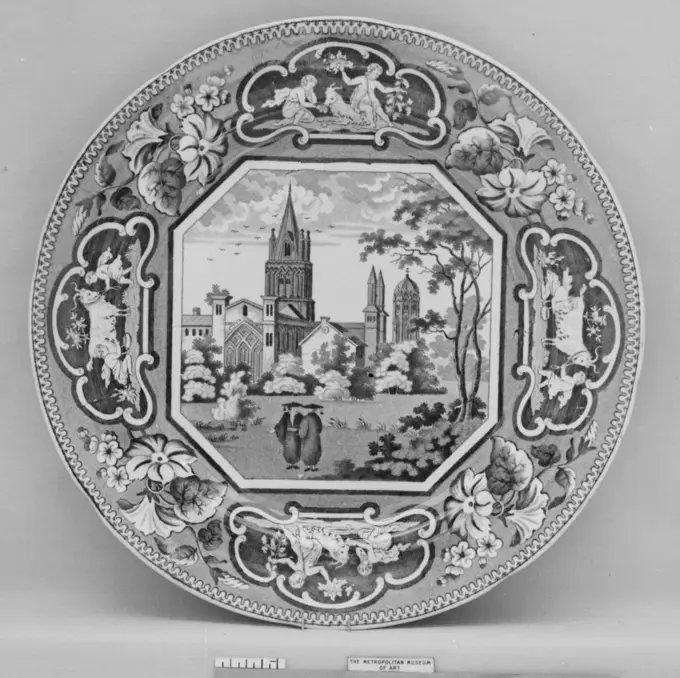
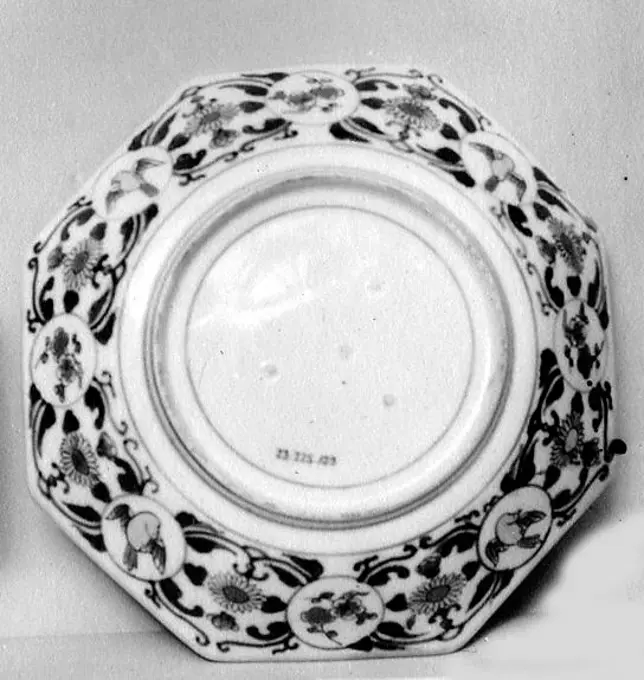
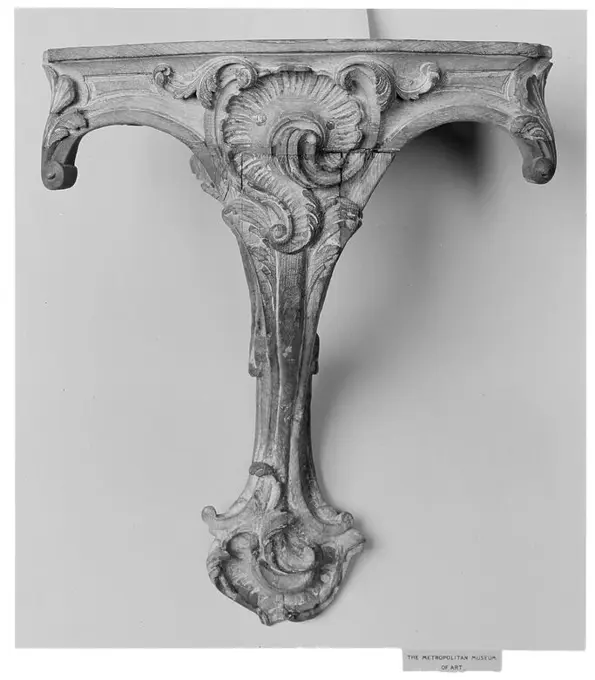
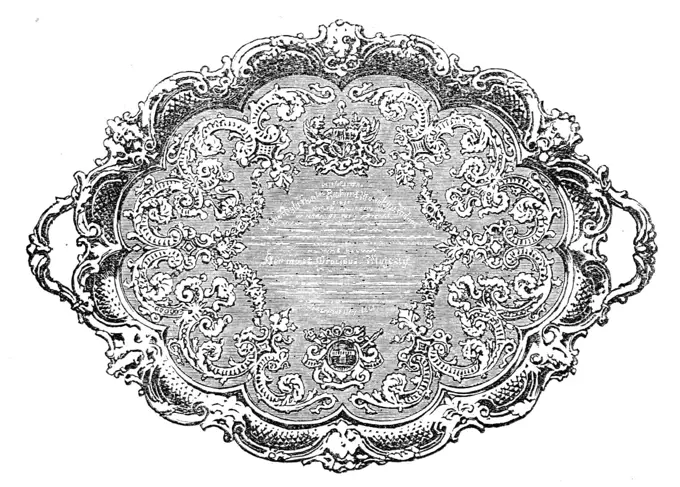
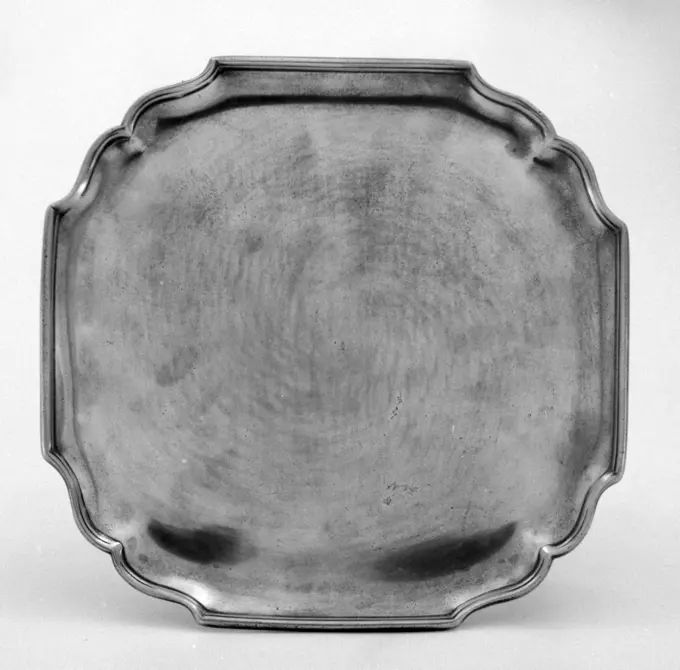
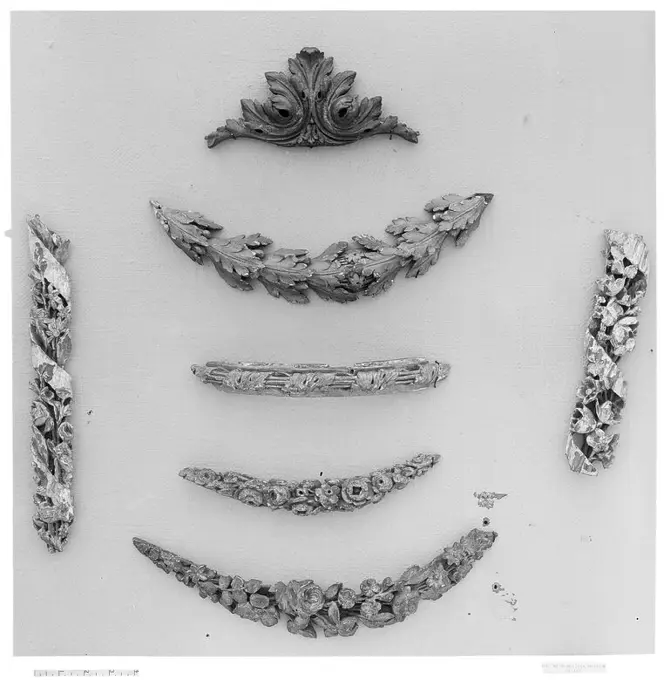
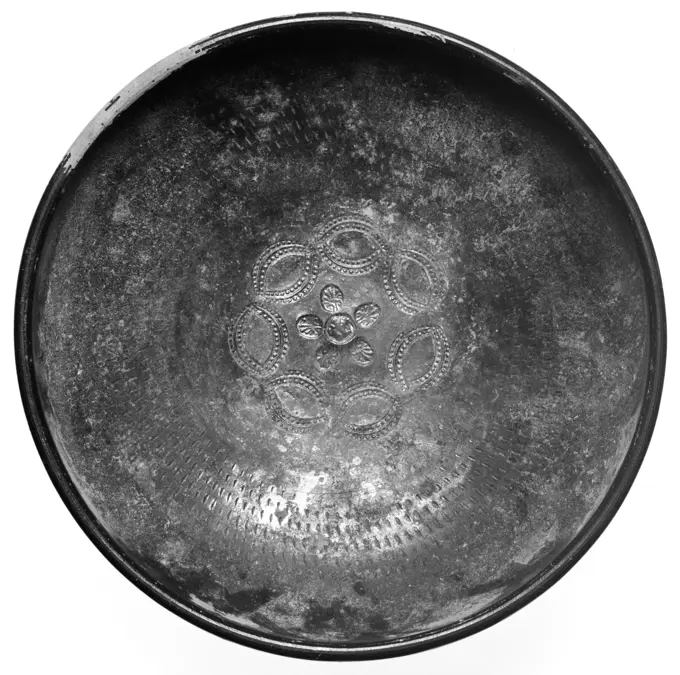
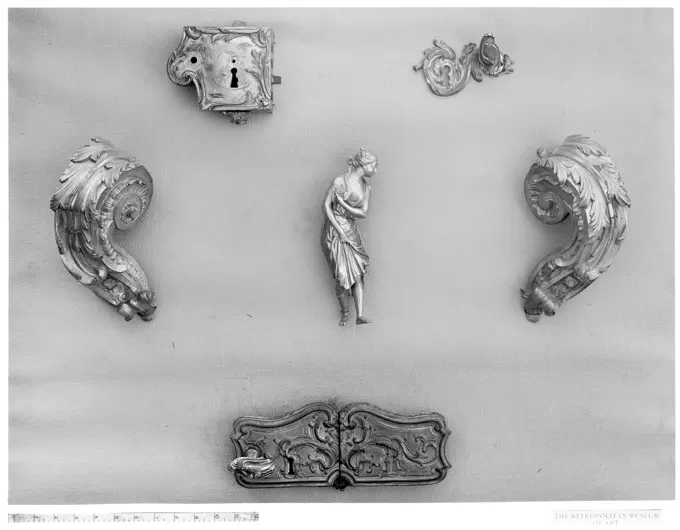
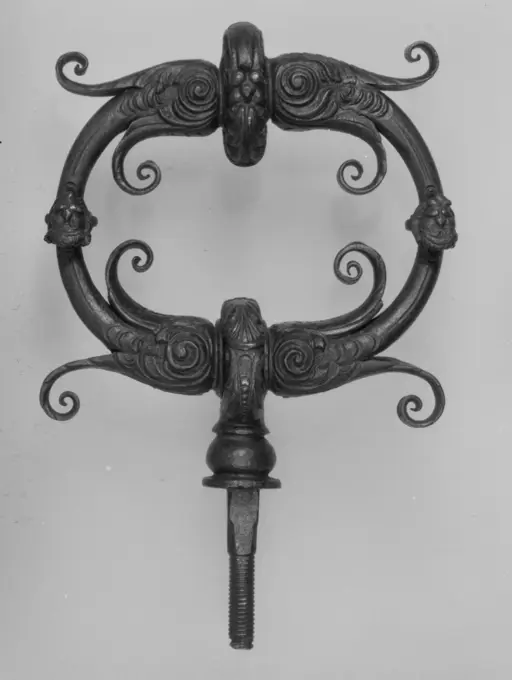
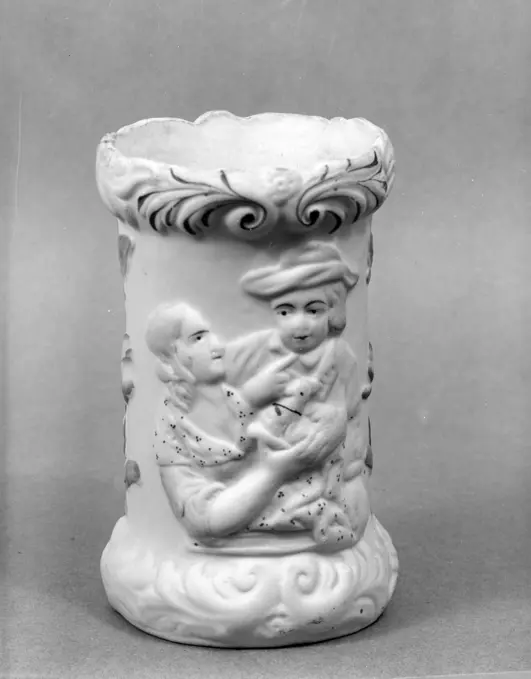
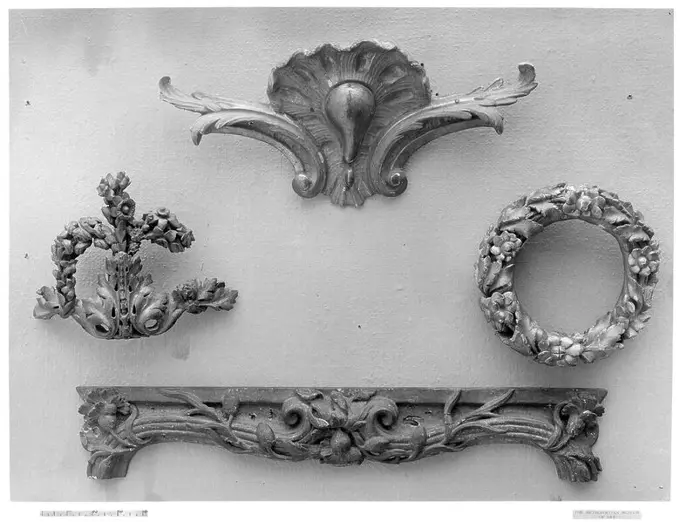
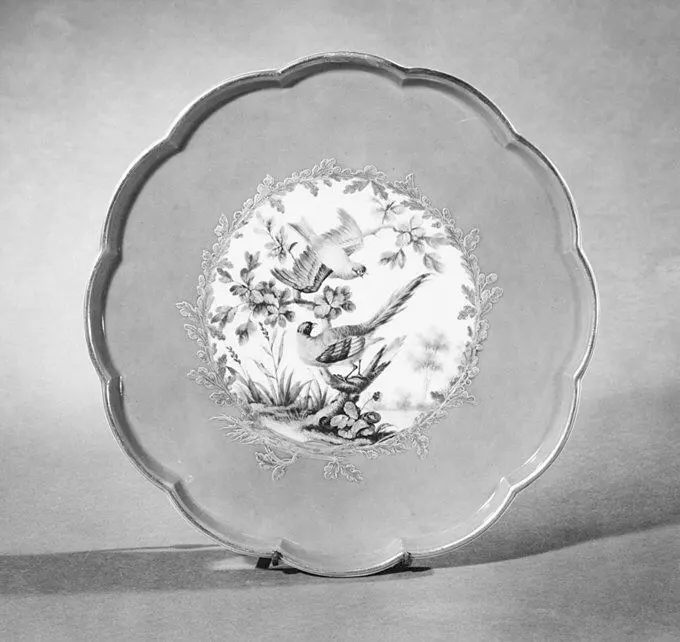
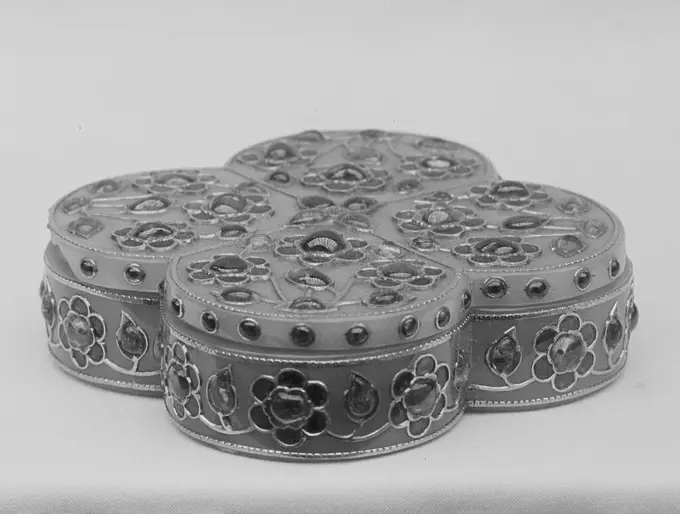
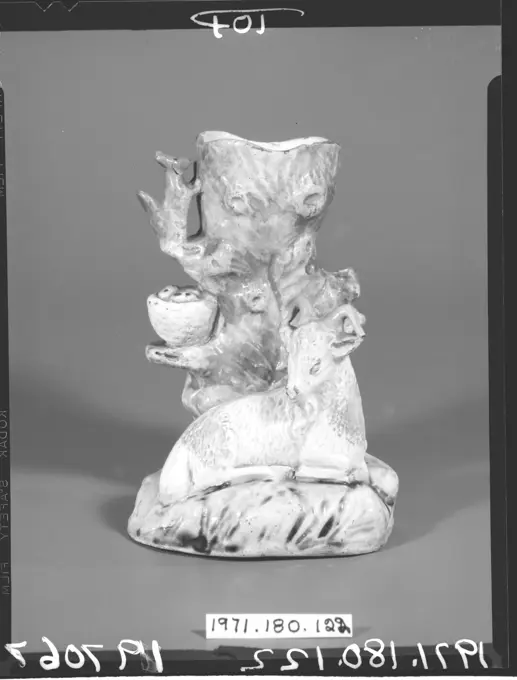
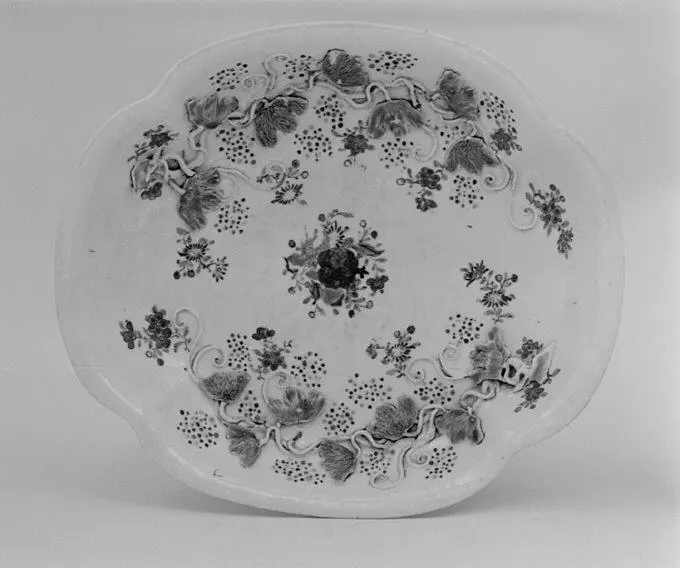
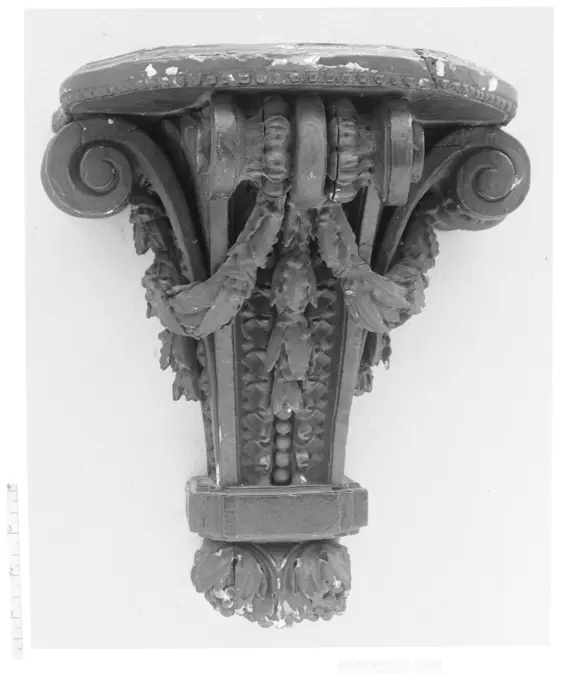
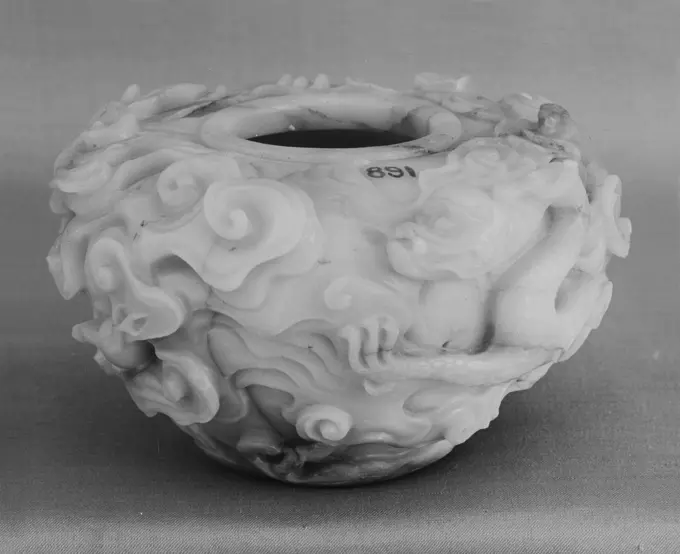
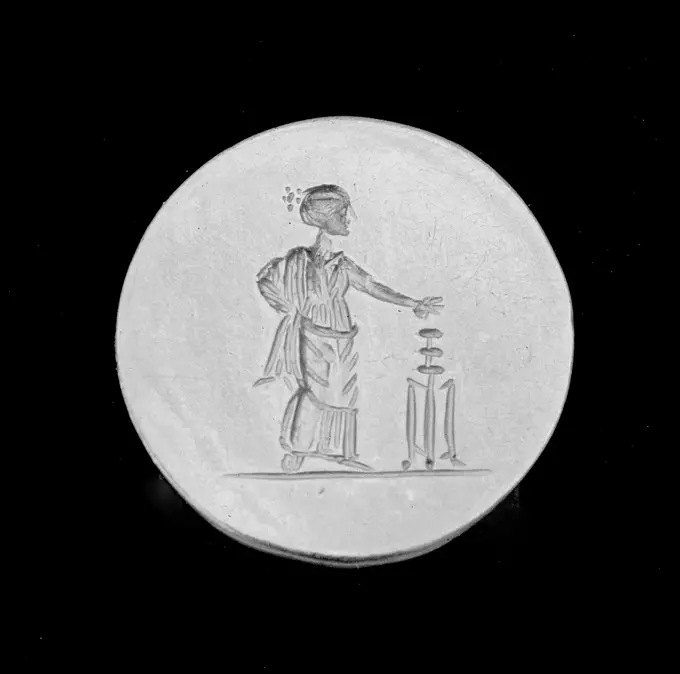
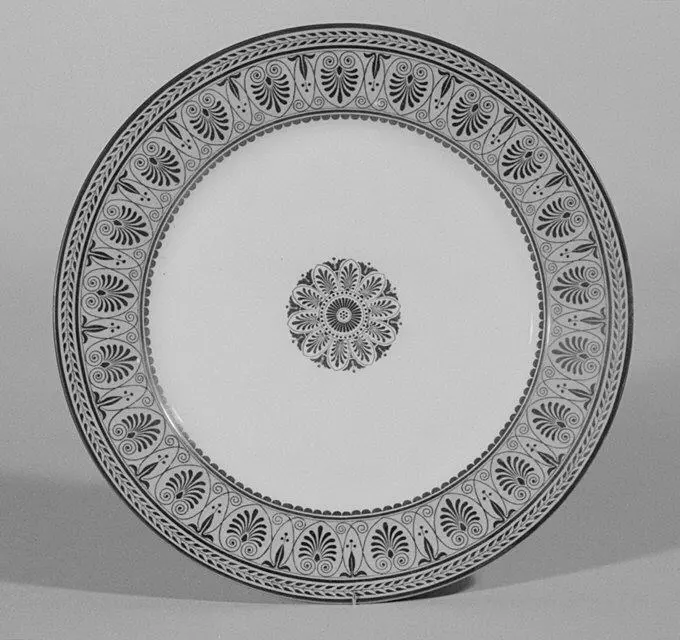
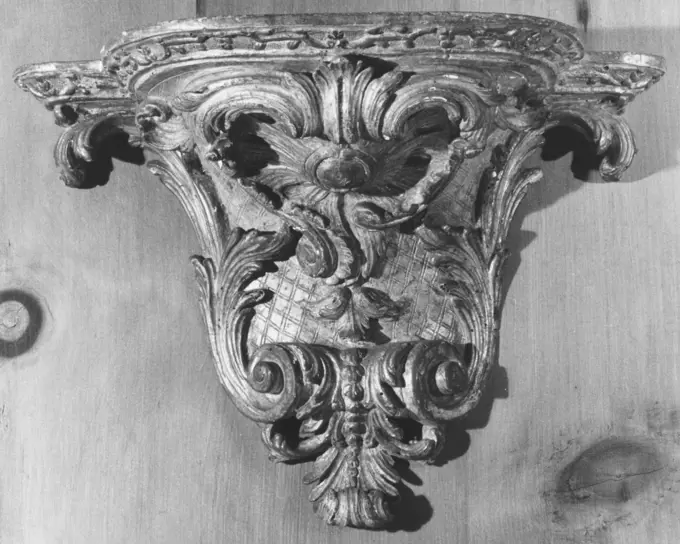
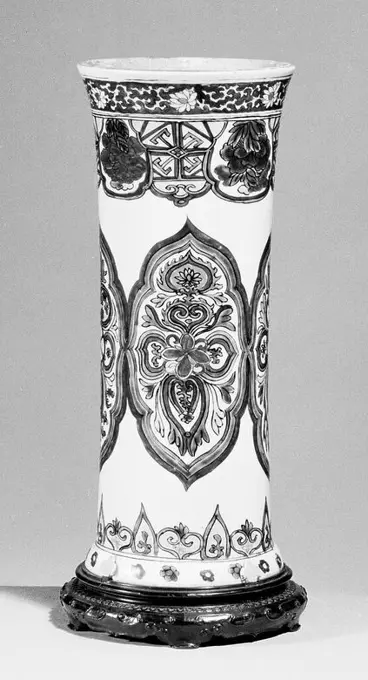
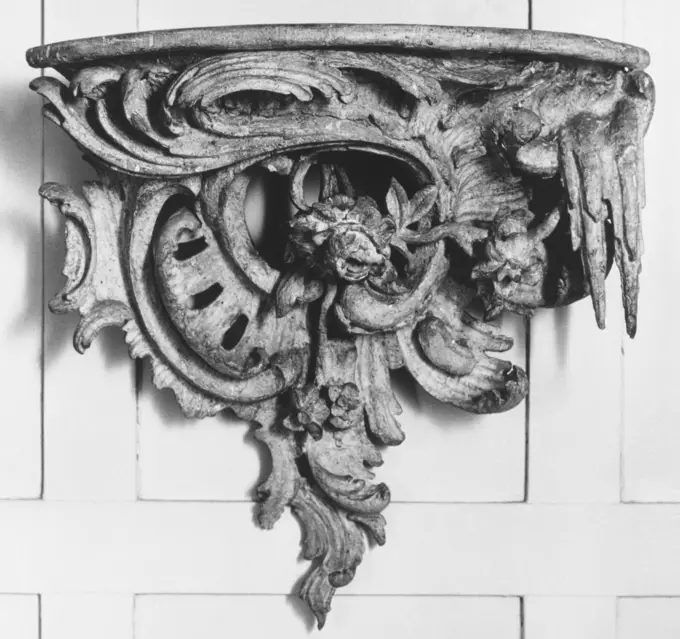
Saucer (part of a service) 1770-85 Chinese, for British market. Saucer (part of a service). Chinese, for British market. 1770-85. Hard-paste porcelain. Ceramics-Porcelain-ExportDish early 17th century French. Dish. French. early 17th century. Pewter. Metalwork-PewterDish 1613 Bohemian. Dish. Bohemian. 1613. Glass. GlassPlate 19th century Japan. Plate. Japan. 19th century. Pottery; design painted in iron glaze over white slip (Seto ware). Edo period (1615-1868). CeramicsSaucer (part of a service) 1770-85 Chinese, for British market. Saucer (part of a service) 201140Plate (Assiette à palmes) (1 of 102) (part of a service) 1786 Sèvres Manufactory French. Plate (Assiette à palmes) (1 of 102) (part of a service). French, Sèvres. 1786. Soft-paste porcelain. Ceramics-PorcelainPlate ca. 1800-1810 Attributed to John Neis. Plate 6165Dish early 16th century German. Dish. German. early 16th century. Brass. Metalwork-BrassPlate ca. 1831-ca. 1835 Job & John Jackson. Plate. British (American market). ca. 1831-ca. 1835. Earthenware, transfer-printed. Made in Staffordshire, Stoke-on-Trent, EnglandFan mid-19th century French. Fan 209793Large Dish with Flower Vases and Landscapes in Cartouches late 17th-early 18th century Japan. Large Dish with Flower Vases and Landscapes in Cartouches. Japan. late 17th-early 18th century. Porcelain with underglaze blue and overglaze polychrome enamels, gold (Arita ware, Imari type). Edo period (1615-1868). CeramicsPorringer 1736-88 Peter Kirby. Porringer. American. 1736-88. Pewter. Made in New York, New York, United StatesNecessaire mid-18th century Russian, Tula. Necessaire. Russian, Tula. mid-18th century. Steel, partly gilt. Metalwork-SteelTray (part of a service) late 18th-early 19th century Chinese, for American market. Tray (part of a service). Chinese, for American market. late 18th-early 19th century. Hard-paste porcelain. Ceramics-Porcelain-ExportPiety ca. 1700 probably French. Piety 206826Fan ca. 1780-85 French. Fan 200439Tray vermeil of the seventeenth century, vintage engraved illustration. Magasin Pittoresque 1873Dish ca. 1715 John Simpson III. Dish 191973Saucer (part of a service) ca. 1800-1805 Chinese, for Portuguese market. Saucer (part of a service) 201101Watch ca. 1830-40 Watchmaker: Firm of Vaucher Fréres. Watch 195654Fan ca. 1730 French. Fan 209957Fan ca. 1774-93 French. Fan 209965Plate ca. 1705-20 French, Rouen Faience, or tin-glazed and enameled earthenware, first emerged in France during the sixteenth century, reaching widespread usage among elite patrons during the seventeenth and early eighteenth centuries, prior to the establishment of soft-paste porcelain factories. Although characterized as more provincial in style than porcelain, French faience was used at the court of Louis XIV as part of elaborate meals and displays, with large-scale vessels incorporated into the Baroque garden designs of Versailles. Earlier examples of French faience attest to the strong influence of maiolica artists from Italy. Later works demonstrate the ways in which cities such as Nevers, Rouen, Lyon, Moustiers, and Marseille developed innovative vessel shapes and decorative motifs prized among collectors throughout Europe. While faience can be created from a wide mixture of clays, it is foremost distinguished by the milky opaque white color achieved by the addition of tin oxide Dish (part of a service) ca. 1740 After a design by Cornelis Pronk Dutch. Dish (part of a service) 202533Table screen China Ming dynasty (1368-1644), Wanli period (1573-1620) View more. Table screen. China. Nephrite, spinach-green. Ming dynasty (1368-1644), Wanli period (1573-1620). JadeMaker's Mark MC, Stand, c. 1730, silver gilt.Plate (assiette à palmes) (1 of 102) (part of a service) 1786 Sèvres Manufactory French. Plate (assiette à palmes) (1 of 102) (part of a service) 197906Plate (part of a service) 1784 Sèvres Manufactory French. Plate (part of a service) 197904Saucer (part of a service) Manufactory Sèvres Manufactory French ca. 1844-46Chair seat. Culture: British. Dimensions: Overall: 18 1/2 x 22 1/2 in. (47 x 57.2 cm). Date: 18th century. Museum: Metropolitan Museum of Art, New York, USA.Engraved Gem. UnknownPlate ca. 1820-60 Possibly Davenport British. Plate. British (American market). ca. 1820-60. Earthenware, transfer-printed. Made in Staffordshire, Stoke-on-Trent, EnglandLarge Dish. Culture: Japan. Dimensions: H. 3 1/2 in. (8.9 cm); Diam. 21 3/4 in. (55.2 cm). Date: 1800. Museum: Metropolitan Museum of Art, New York, USA.Fan ca. 1840 French. Fan 209755Plate (part of a service) ca. 1810 Chinese, for Portuguese market. Plate (part of a service) 200996Fan ca. 1780-85 possibly German. Fan 209958Museum of Cluny, Basin of the ewer, vintage engraved illustration. Magasin Pittoresque 1852Dish ca. 1735 French, Bayonne. Dish 200316Candlestick 19th century, after 16th century original British, after Italian original This electrotype is after a sixteenth-century original at the Imperial Armory, Tsarskoë-Selò, at the time of reproduction.. Candlestick 186594Dish. Culture: American. Dimensions: 5 3/16 x 8 1/16 in. (13.2 x 20.5 cm). Date: 1830-45. Museum: Metropolitan Museum of Art, New York, USA.Plate.   Maker: Thomas Danforth III, American, 1756-1840Tray. Culture: American. Dimensions: 2 3/8 x 31 x 19 7/8 in. (6 x 78.7 x 50.5 cm); 169 oz. 11 dwt. (5273 g). Maker: William Gale and Son (active ca. 1850-58 and 1863-66). Date: 1800-1900. Museum: Metropolitan Museum of Art, New York, USA.Mirror with handle 12th-14th century Indonesia (Java). Mirror with handle 50378Soup Plate ca. 1818-ca. 1846 Enoch Wood & Sons British. Soup Plate 6226Dish second half 17th century Manner of Bernard Palissy French. Dish 194437Snuffbox ca. 1730-50 possibly German. Snuffbox. possibly German. ca. 1730-50. Gold, heliotrope, diamonds. Metalwork-Gold and PlatinumPlate second half 18th century probably French. Plate. probably French. second half 18th century. Pewter. Metalwork-PewterTray Stand 19th century Japan. Tray Stand. Japan. 19th century. White porcelain decorated with blue under the glaze (Arita ware, Imari type). Edo (1615-1868) or Meiji period (1868-1912). CeramicsCantonnière in shape of draped curtain. unknown c. 1775-1800 Tapestry Materials/Techniques: unknown Culture: French Weaving Center: Beauvais Ownership History: French & Co. Arrow & torch trophy at top center, rinceau & flowers Window enframement, woven to shape. French & Co. stock sheet missing from archive, 79940-aWatch ca. 1830 Watchmaker: Firm of A. Meynadier et Cie. Watch. Swiss, Geneva. ca. 1830. Gold, enamel, silver, steel. HorologyQuillwork Sconce 1720-49. Quillwork Sconce 6838Plate 19th century J. and W. Ridgway, Cauldon, Stoke British. Plate. British, Staffordshire. 19th century. Pottery. J. and W. Ridgway, Cauldon, Stoke (British, Shelton, active ca. 1814-30). Ceramics-PotteryCoat of arms (model workshop).Sweden, Blekinge, Blekinge, Karlskrona, Karlskrona, External War Gogs (depicted, City)Watch ca. 1783 Watchmaker: C. Hallifax. Watch 193400Plate 1750 Japan. Plate 46983Dish (part of a service) 1844 Sèvres Manufactory French. Dish (part of a service) 201387Plate (part of a service) ca. 1790 Chinese, for British market. Plate (part of a service) 201194Corner console. Culture: French. Dimensions: 22 × 12 5/8 in. (55.9 × 32.1 cm). Date: 18th century. Museum: Metropolitan Museum of Art, New York, USA.Keman (Flower Garland” Temple Decoration) ca. 1725 Japan Keman (Sanskrit: kusumamala) literally means garland of flowers,” and refers to pendant decorative disks, usually made of bronze in the shape of a round fan (uchiwa), that are suspended from beams of inner sanctuary of a temple, above a Buddhist statue. They are thought to have their origin in the garlands of fresh flowers that were offered to nobles in ancient India.. Keman (Flower Garland” Temple Decoration) 60012Testimonial presented to Lord Houghton by the electors of Pontefract, 1864. 'We publish an Engraving of the handsome silver salver which the Liberal electors of that borough subscribed to give Lord Houghton, as a token of their esteem for this accomplished and popular gentleman, by whom they were lately represented in Parliament. This elegant piece of plate...bears the following inscription: " Presented to the Right Honourable Richard Monckton Milnes, first Baron Houghton, by many of his friends, to mark their high appreciation of the manner in which, for twenty-five successive years, hCampanian Black Bowl. UnknownSquare salver ca. 1735 Dutch. Square salver. Dutch. ca. 1735. Pewter. Metalwork-PewterWreath fragment. Culture: French. Dimensions: Overall: 13 1/4 × 2 3/8 in. (33.7 × 6 cm). Date: 18th century. Museum: Metropolitan Museum of Art, New York, USA.Campanian Black Bowl. UnknownBather ca. 1775-85 French Falconet's influence on sculptural work for decorative objects was pervasive. This was probably a clock ornament.. Bather. French. ca. 1775-85. Gilt bronze. Metalwork-BronzeFan. Culture: French. Dimensions: 10 5/8 x 19 1/4 in. (27.0 x 48.9 cm). Date: 1774-85. Museum: Metropolitan Museum of Art, New York, USA.Bowl 1820-40. Bowl 662Disk. Culture: China. Dimensions: Diam. 2 3/16 in. (5.6 cm). Date: 19th century. Museum: Metropolitan Museum of Art, New York, USA.Door knocker 17th century German. Door knocker. German. 17th century. Iron. Metalwork-IronSalver possibly ca. 1750 Possibly by D.I.I.. Salver 200329Spill Vase 1830-70 American. Spill Vase. American. 1830-70. Parian porcelain. Probably made in Bennington, Vermont, United StatesHearts and Arrows CupPlate. Maker, probably by: Boston and Sandwich Glass Works, American, 1826-88Vase China. Vase 61018Frame fragment. Culture: French. Dimensions: 20 1/2 × 3 3/4 in. (52.1 × 9.5 cm). Date: ca. 1715-23. Museum: Metropolitan Museum of Art, New York, USA.Fruit stand (soucoupe à pied) (one of four) (part of a service) 1772 Sèvres Manufactory French The table services produced at Sèvres in the eighteenth century were highly prized and extremely expensive. They were not only purchased by the Crown and members of the aristocracy but also given by the king as diplomatic gifts to foreign courts and visiting dignitaries, and the esteem in which they were held did much to enhance the factorys prestige and fortunes. Because the number of pieces composing a service was very large, the cost was enormous, but this did not deter many courtiers from ordering a dinner or dessert service, or both.One of the most celebrated services produced at Sèvres was delivered to Louis-René-Édouard, prince de Rohan-Guémenée (1734-1803), on September 7, 1772. All of the pieces were decorated with the rich turquoise ground color known as bleu céleste and with birds encircled by an elaborate gilt wreath of oak leaves and acorns. Many of the components of the servicePlate. Culture: French. Dimensions: Diameter: 9 1/2 in. (24.1 cm). Date: 18th century. Museum: Metropolitan Museum of Art, New York, USA.A barber's bowl. Phototype by C. Rosa & Cie.Pickle Dish 1850-70 Bakewell, Pears and Company. Pickle Dish. American. 1850-70. Pressed glass. Made in Pittsburgh, Pennsylvania, United StatesBox with Cover. Culture: India. Dimensions: H. 7/8 in. (2.3 cm); W. 2 11/16 in. (6.8 cm); D. 2 11/16 in. (6.8 cm). Date: 17th century. Museum: Metropolitan Museum of Art, New York, USA.Bough Vase 1775-1800 British (American market). Bough Vase. British (American market). 1775-1800. Earthenware. Made in Staffordshire, EnglandPair of swags (from a set of 4) French 18th century View more. Pair of swags (from a set of 4). French. 18th century. Gilt bronze. Metalwork-Gilt BronzePair of console supports early 18th century French. Pair of console supports. French. early 18th century. Wood, gilt. WoodworkPlate 1880-90. Plate. 1880-90. Pressed purple marble glass. Made in EnglandStand (part of a set) 1740-70 Chinese, for European market. Stand (part of a set) 201318Console d'applique 18th century French. Console d'applique. French. 18th century. Carved wood. Woodwork-FurnitureOne of two Phalerae. UnknownWatch 17th century German or Swiss. Watch 194136Water container 18th century China. Water container. China. 18th century. Agate. Qing dynasty (1644-1911). HardstonePlate 19th century William Adams British. Plate 193002Garland (part of a set) 18th century French. Garland (part of a set). French. 18th century. Wood, gilt. WoodworkGold ring 2nd half of the 4th century B.C. Greek Woman before thymiaterion (incense burner). Gold ring. Greek. 2nd half of the 4th century B.C.. Gold. Late Classical. GemsInsignia of the Supreme Order of the Chrysanthemum late 19th century Japan. Insignia of the Supreme Order of the Chrysanthemum 59636Plate 1846 Sèvres Manufactory French. Plate 202619Plate. Culture: British (American market). Dimensions: Diam. 10 1/2 in. (26.7 cm). Maker: Job & John Jackson (active 1831-35). Date: ca. 1831-ca. 1835. Museum: Metropolitan Museum of Art, New York, USA.Spoon last quarter 17th century possibly German, Nuremberg. Spoon 188229 possibly German, Nuremberg, Spoon, last quarter 17th century, Silver, parcel gilt, 5 3/4 in. (14.6 cm). The Metropolitan Museum of Art, New York. Gift of Mrs. Samuel P. Avery, 1897 (97.2.206)Flask 18th century probably Italian, Venice (Murano). Flask. probably Italian, Venice (Murano). 18th century. Glass, pewter. GlassWall bracket ca. 1730 French. Wall bracket 205770Vase. Culture: China. Dimensions: H. 10 1/8 in. (25.7 cm); Diam. 4 1/4 in. (10.8 cm). Museum: Metropolitan Museum of Art, New York, USA.Dish ca. 1835 British. Dish. British. ca. 1835. Earthenware, lusterware. Made in EnglandWall bracket ca. 1745 German. Wall bracket 205747