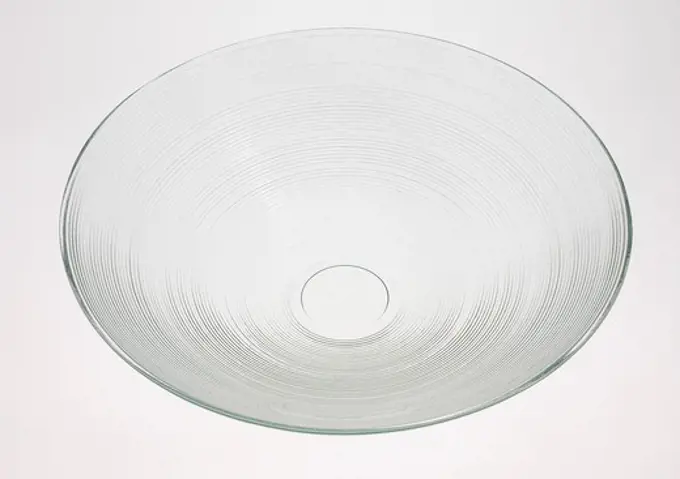
Ceremonial Dishware

A diverse array of ceremonial dishes and cups made from silver and porcelain, reflecting artistic styles from various historical periods.

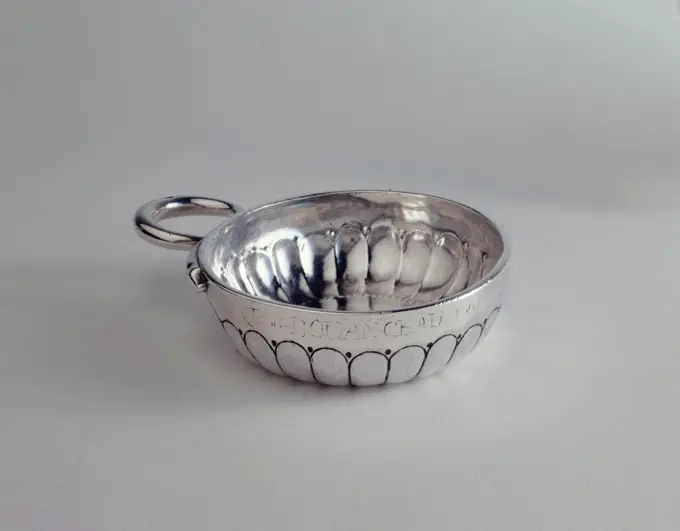
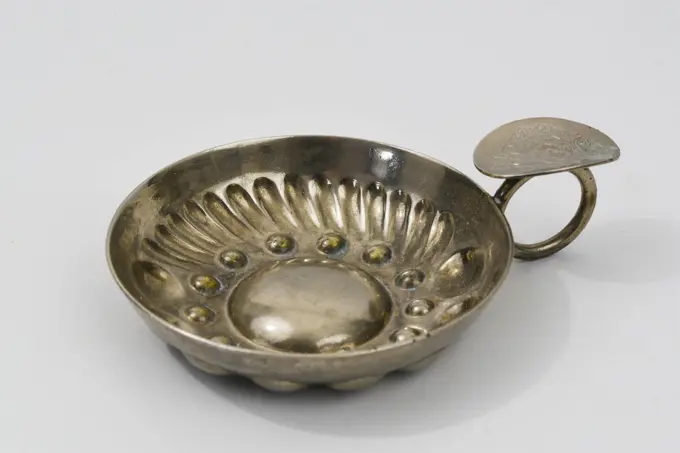
Wine testing; Segay, Charles-Louis (Fl. Ca 1783); 1783 (1783-00-00-1783-00-00);
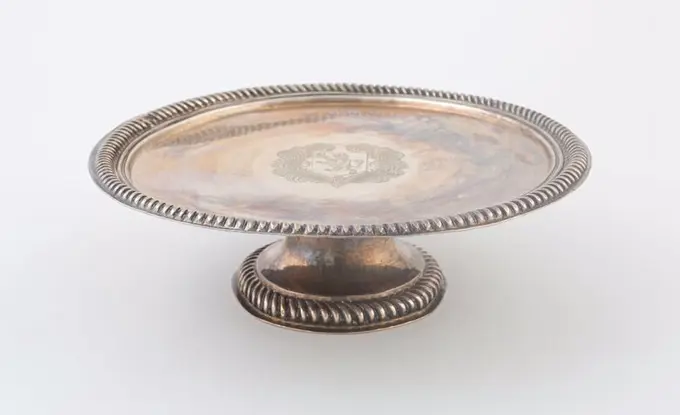
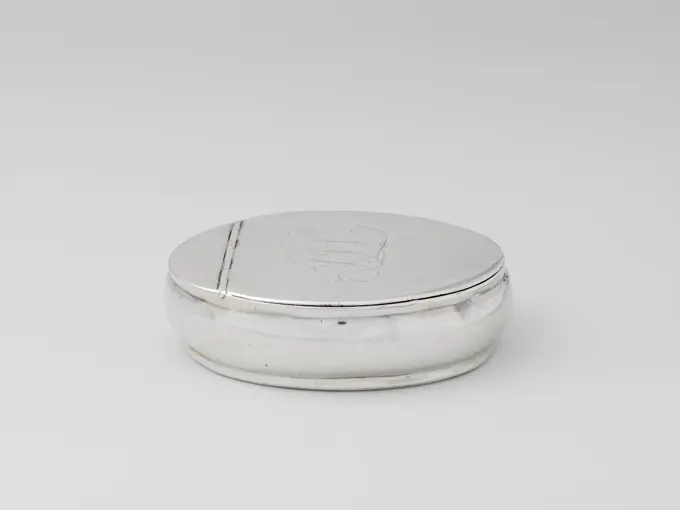
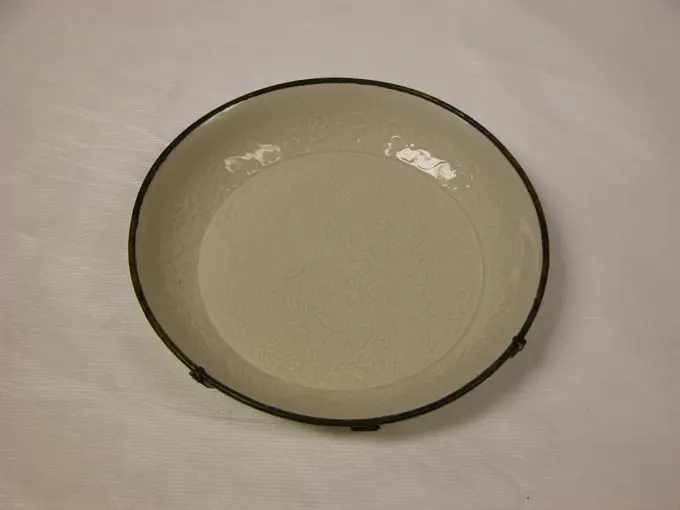
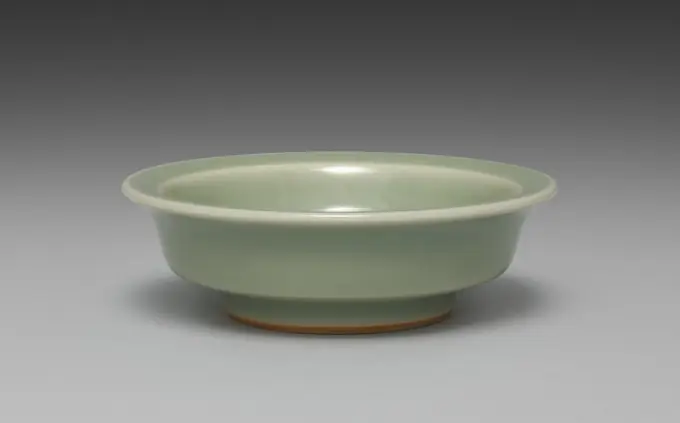
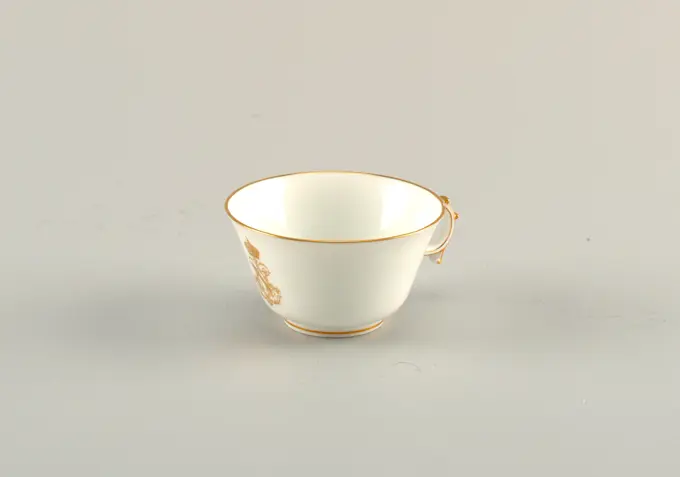
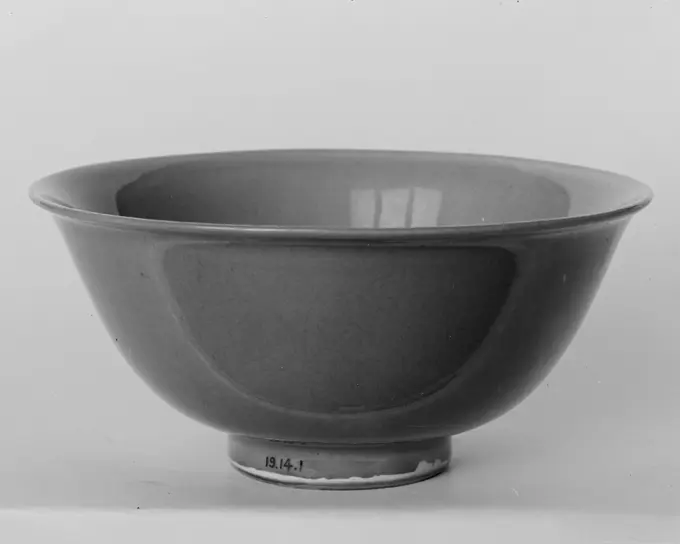
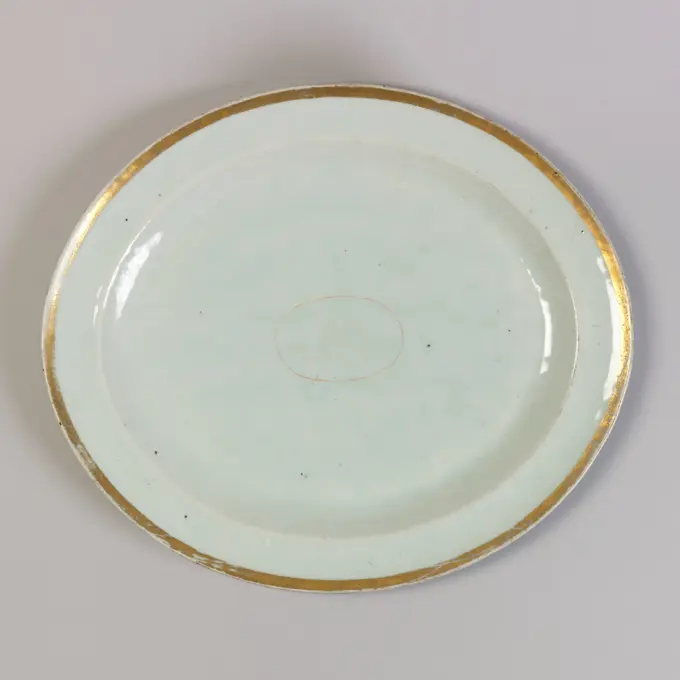
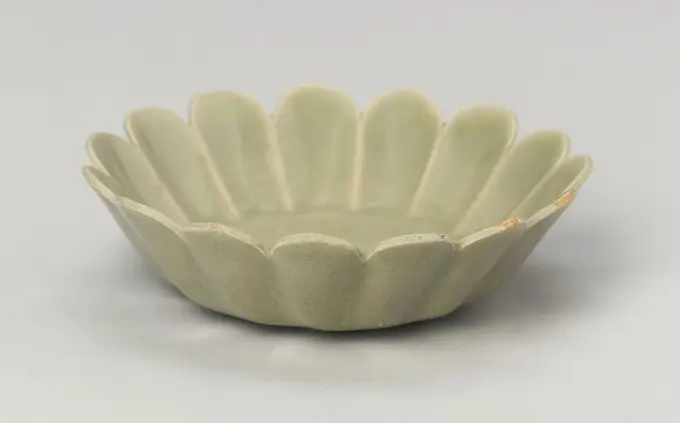
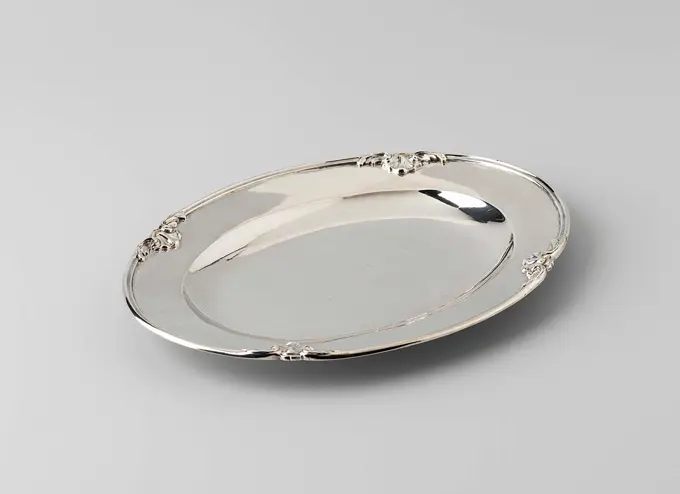
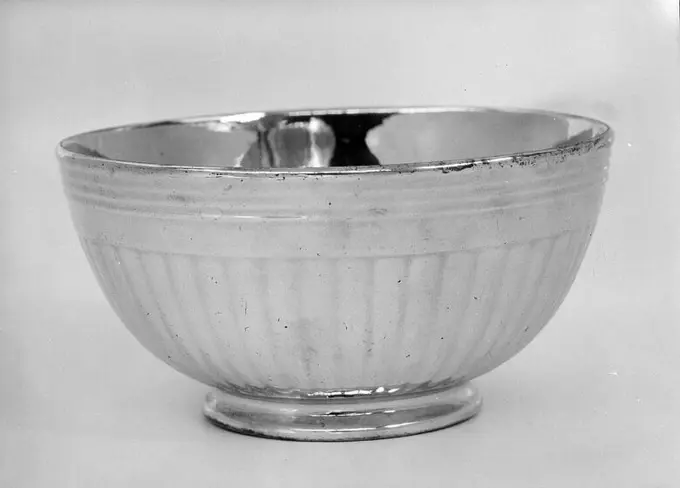
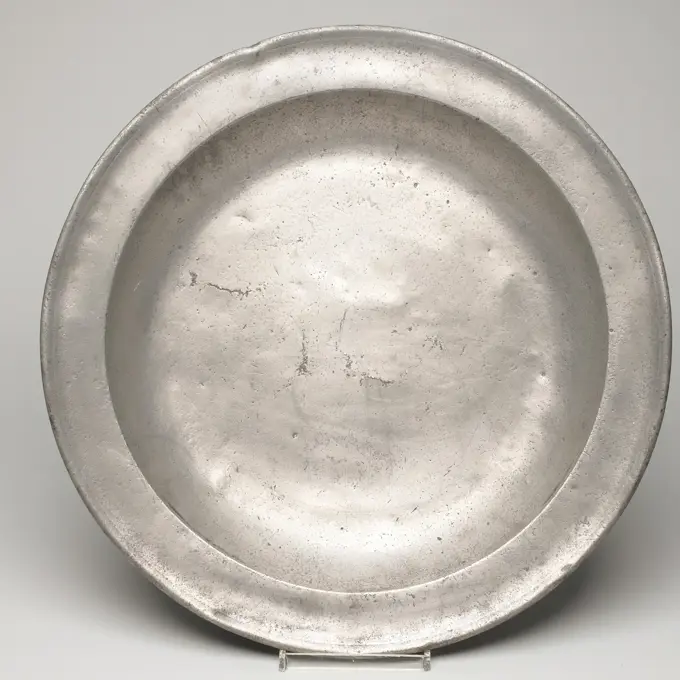
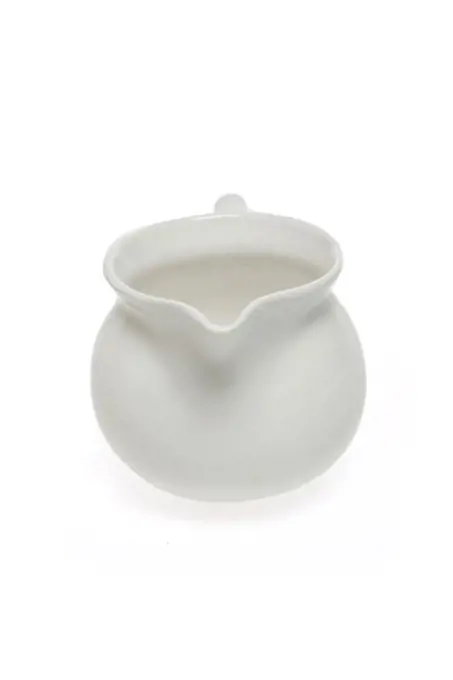
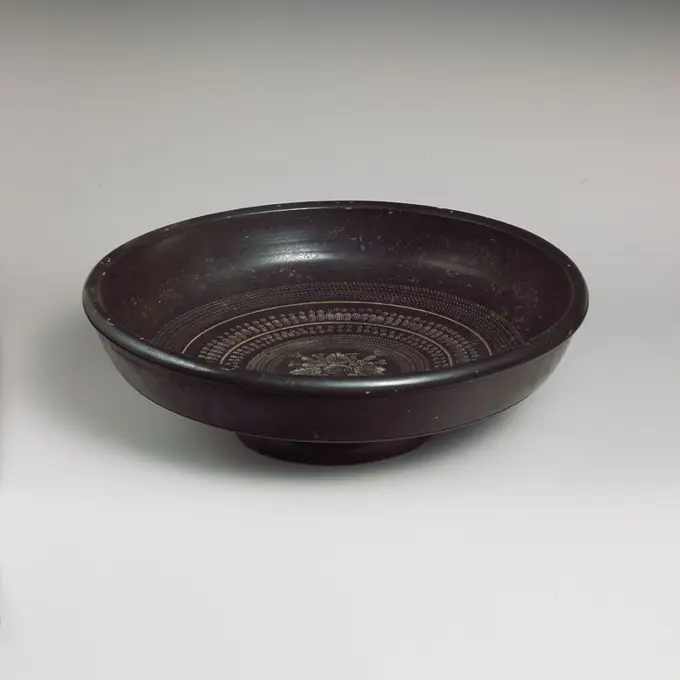
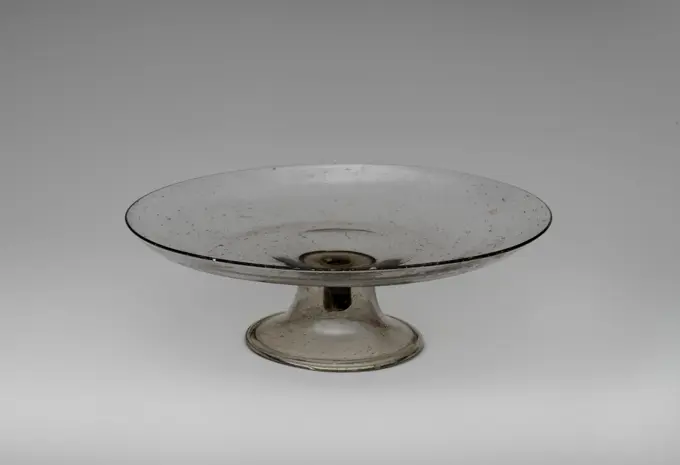
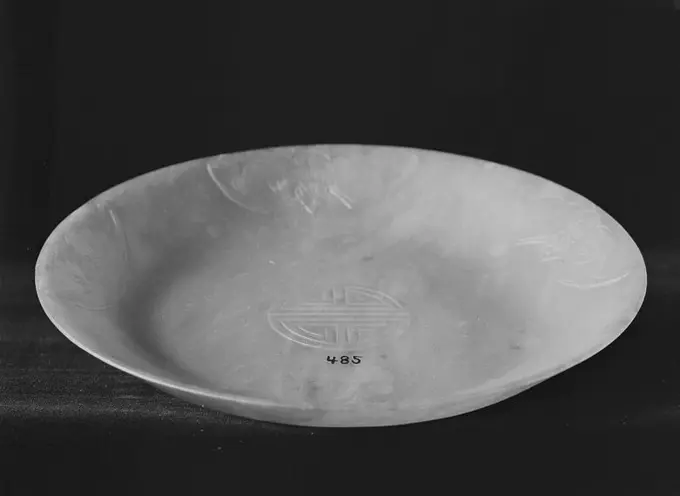
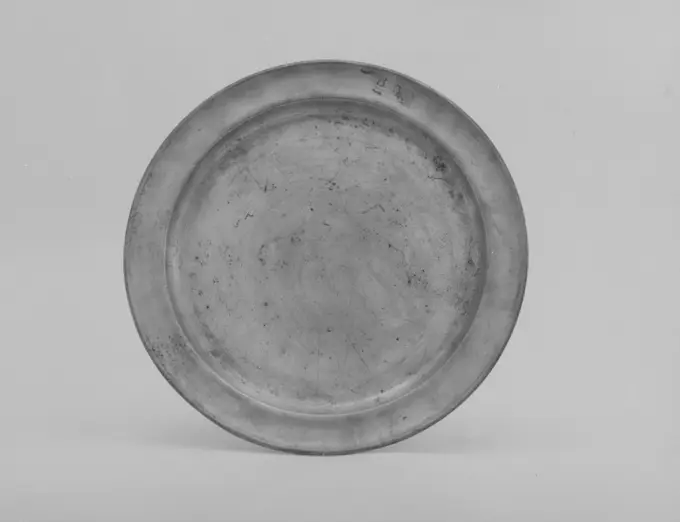
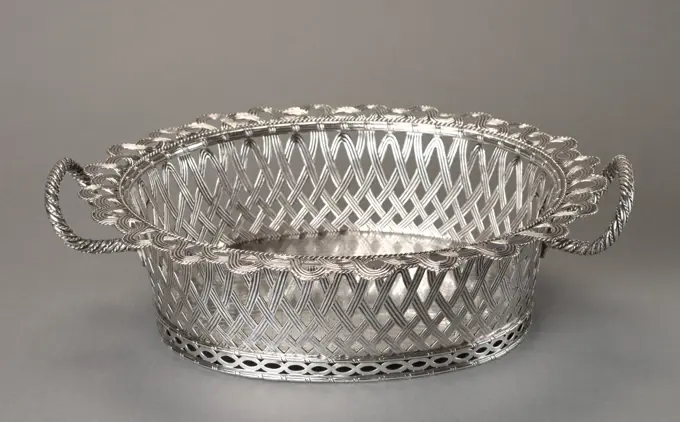
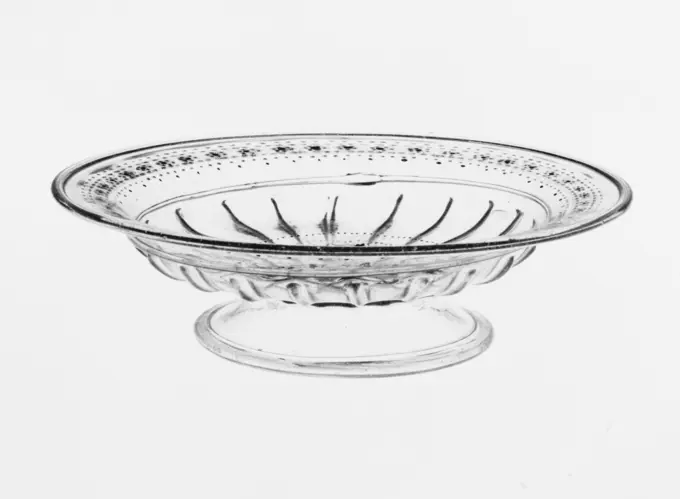
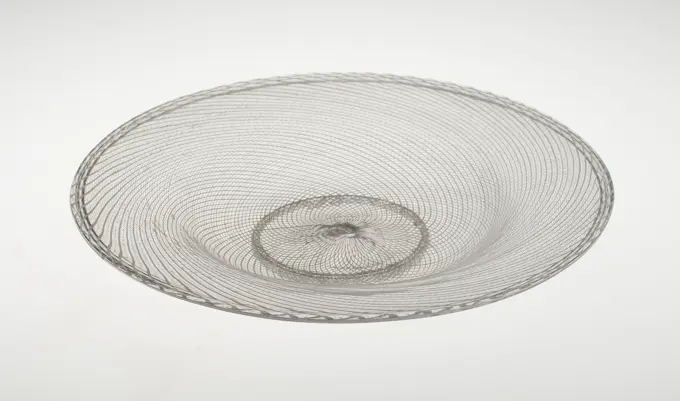
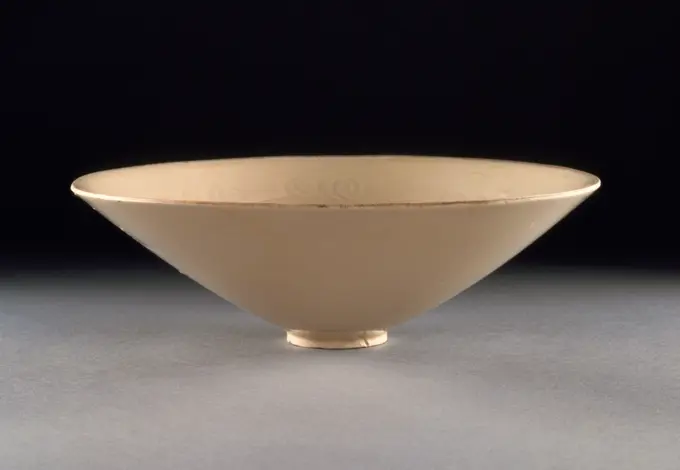
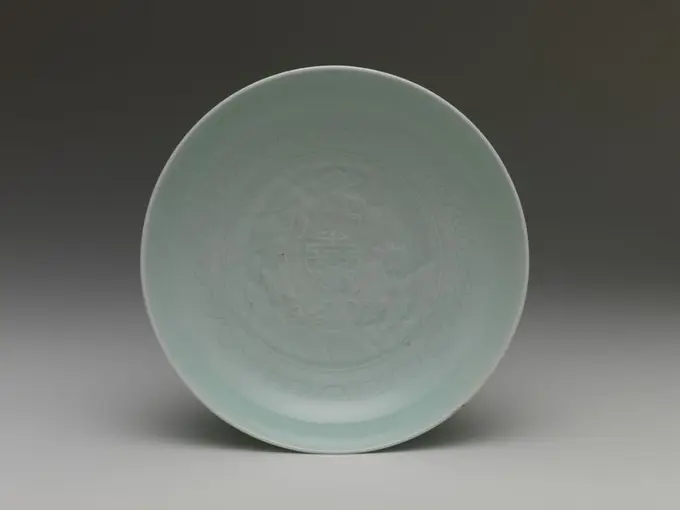
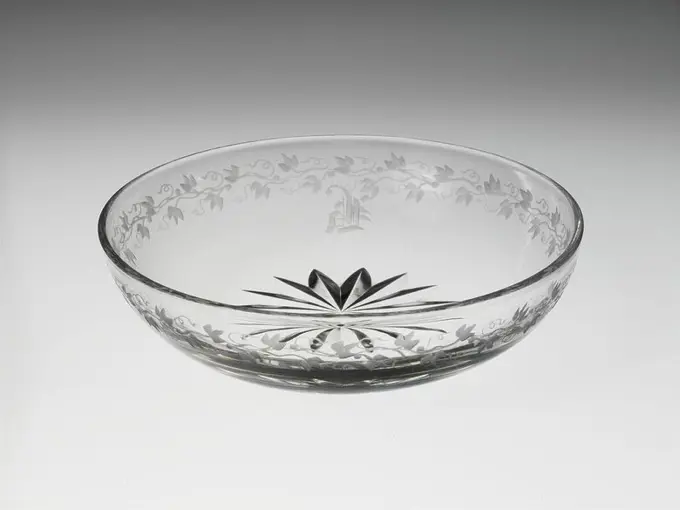
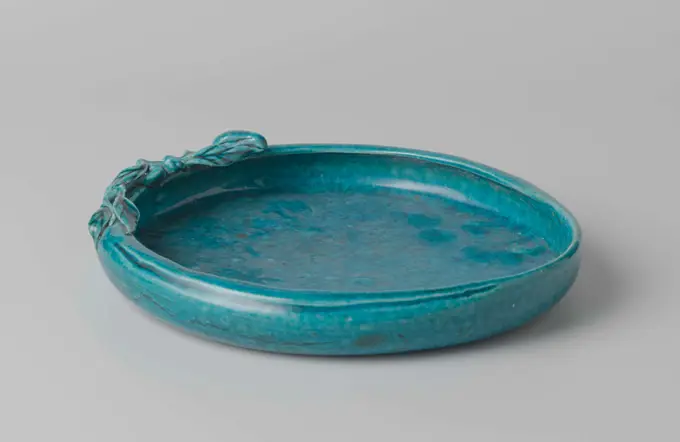
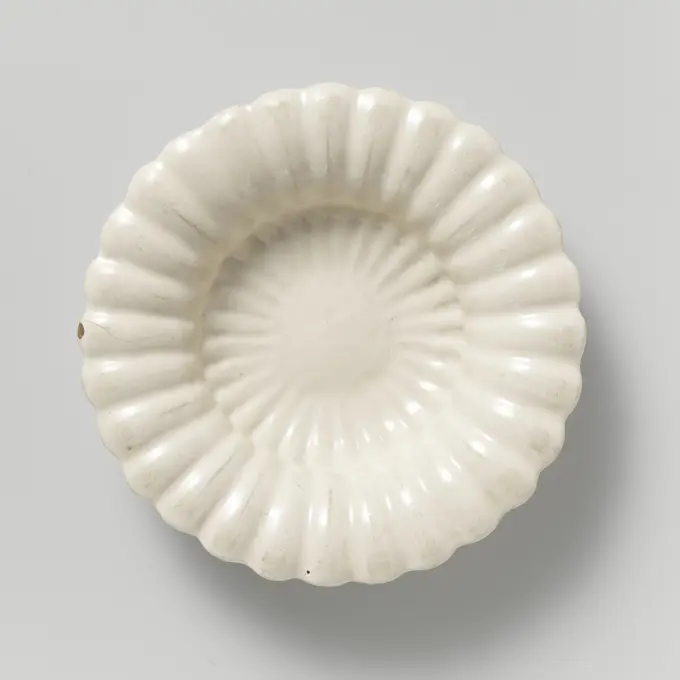
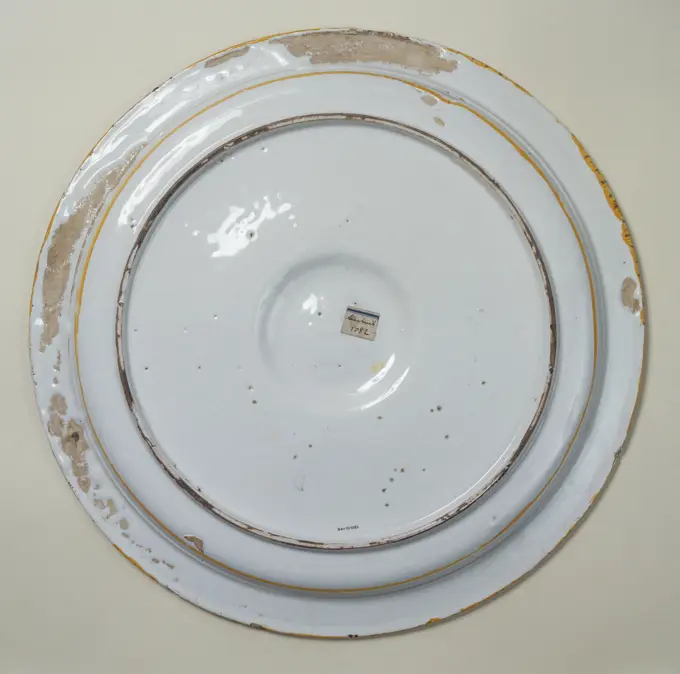
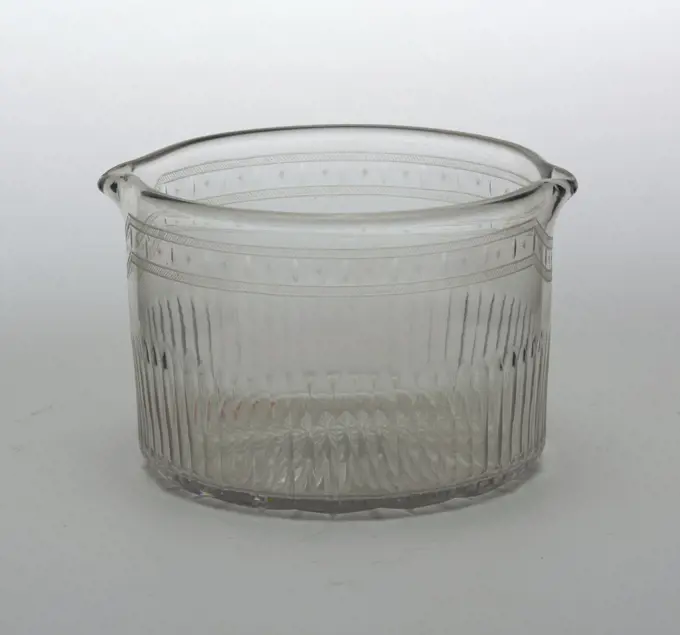
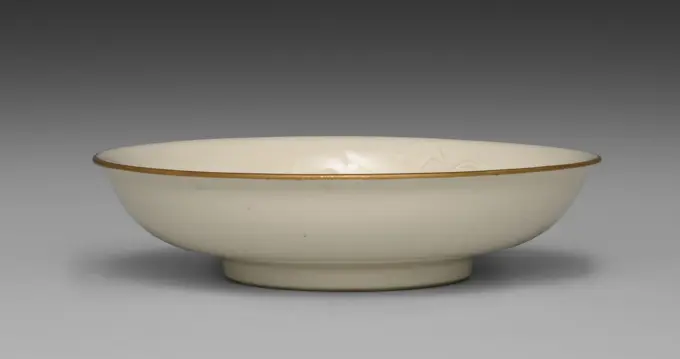
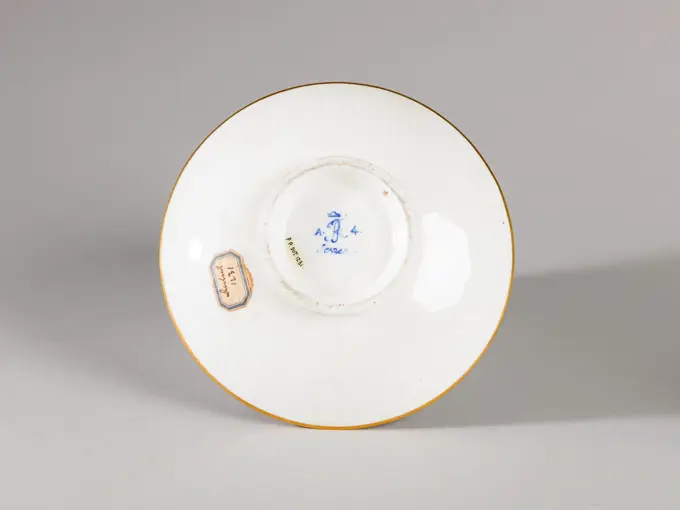
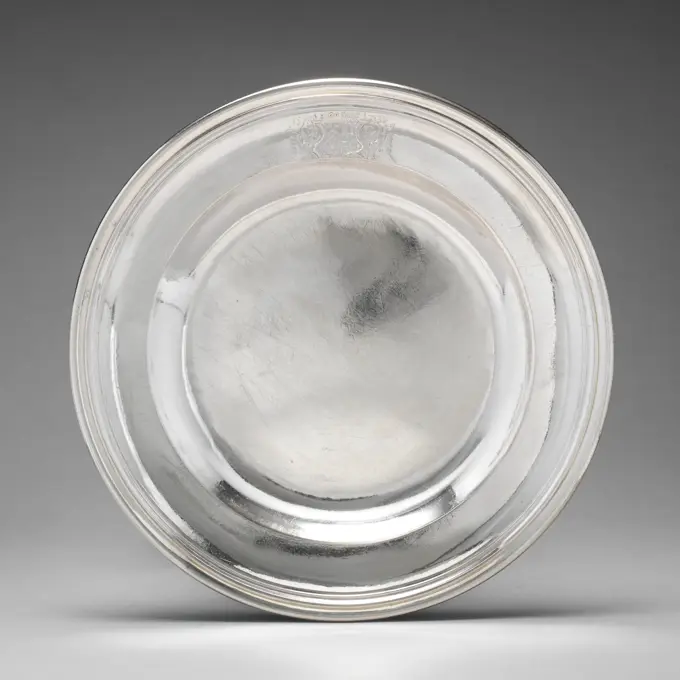
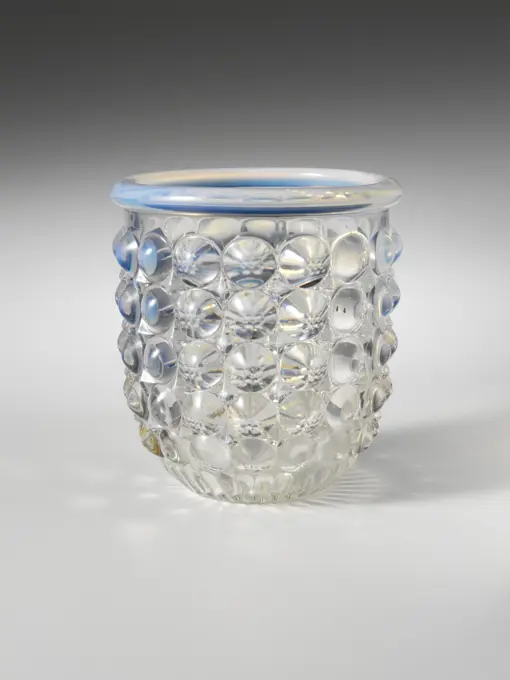
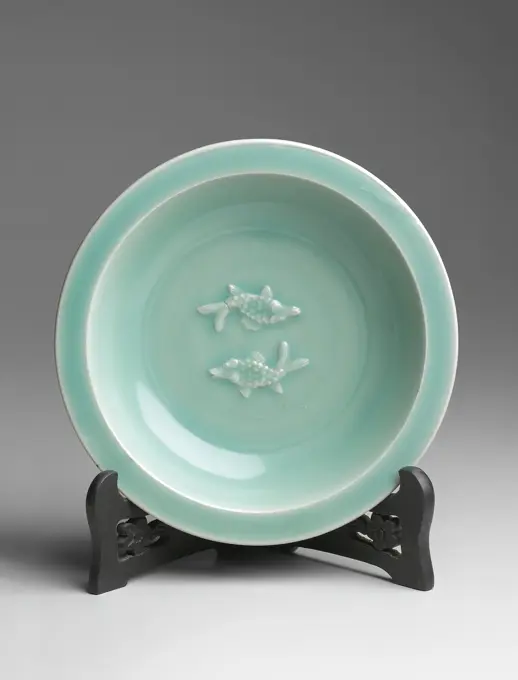
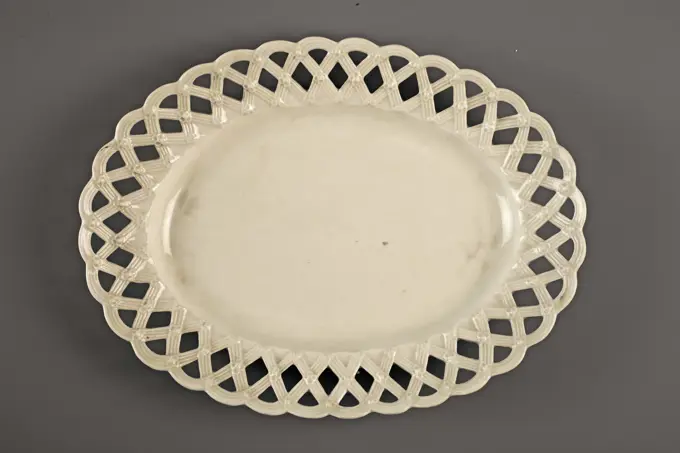
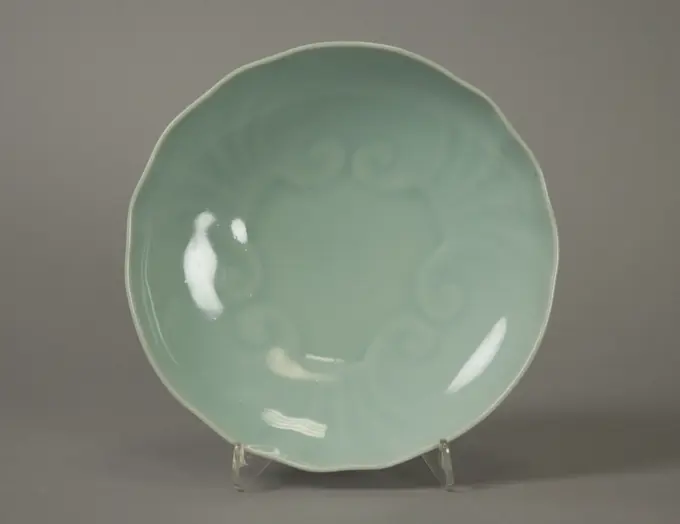
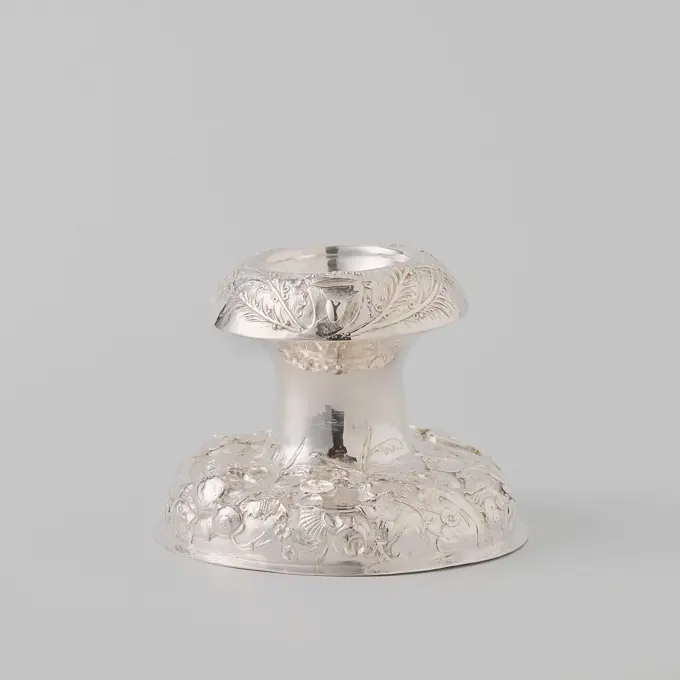
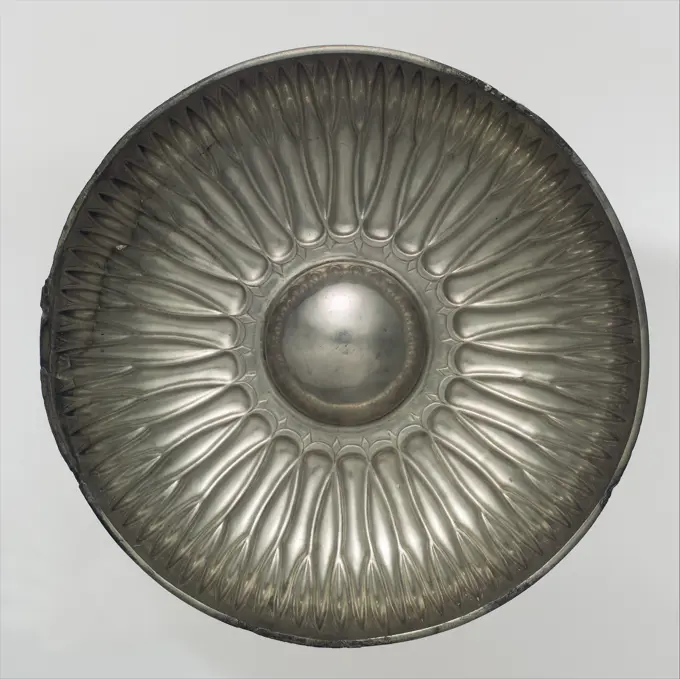
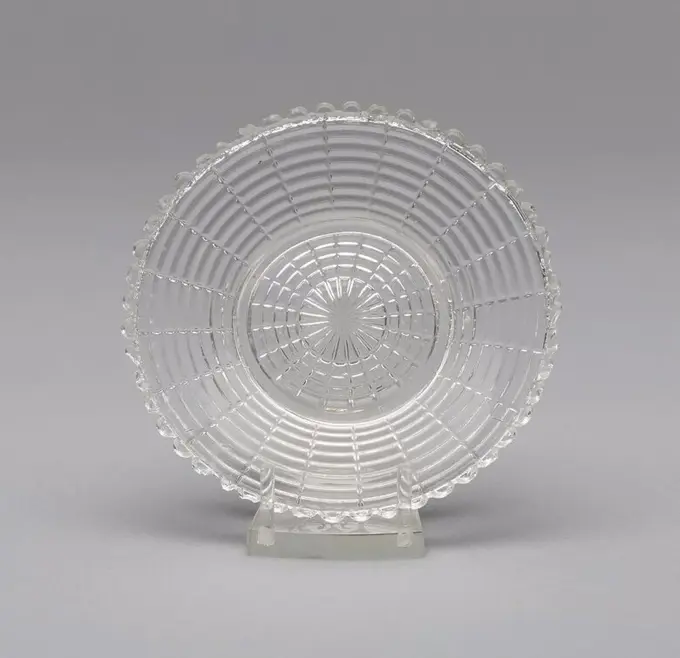
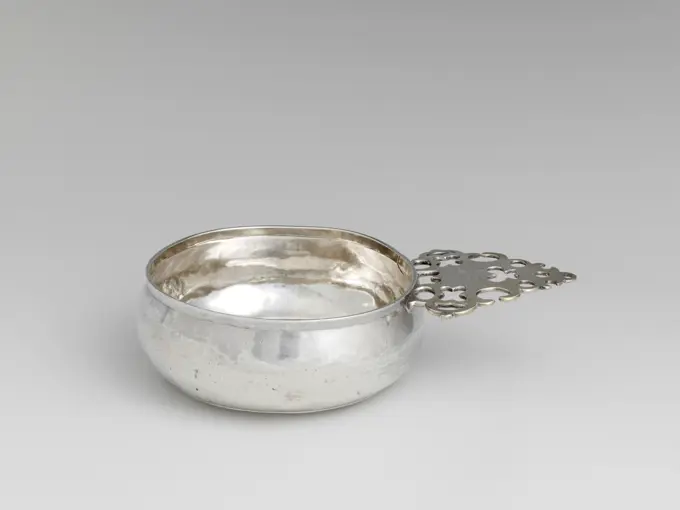
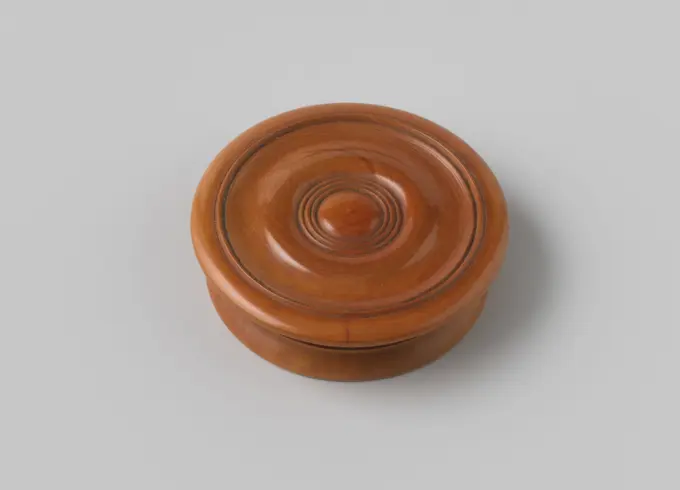
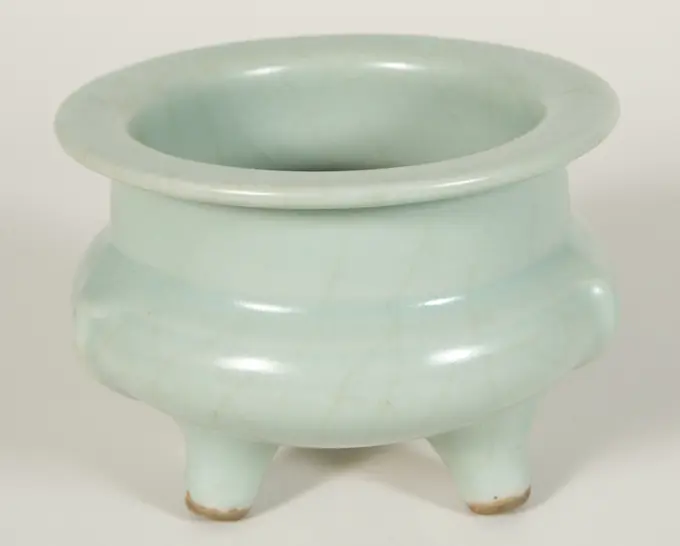
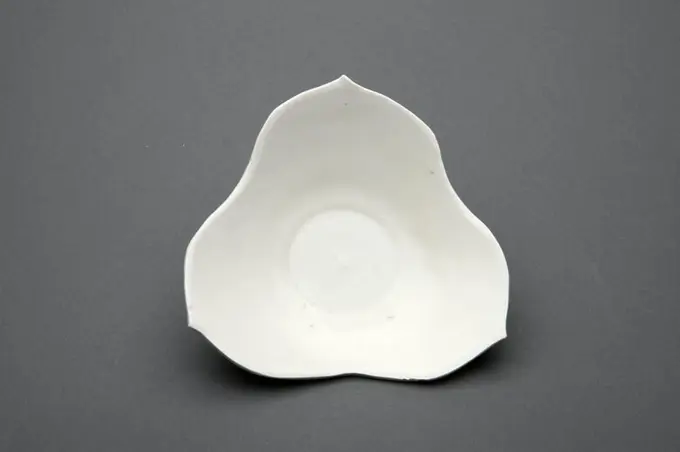
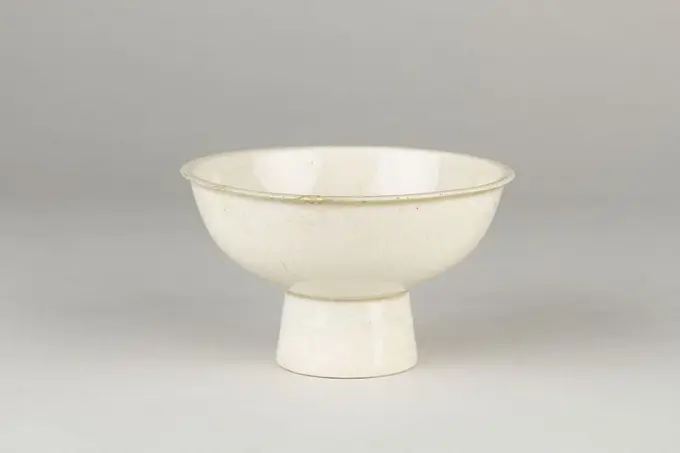
Sacrificial Cup on High Foot. Culture: Korea. Dimensions: H. 2 3/4 in. (7 cm); Diam. 4 3/4 in. (12.1 cm). Museum: Metropolitan Museum of Art, New York, USA.Tazza. Joseph Ward; English, active 1680-1726; London, England. Date: 1697-1698. Dimensions: 7.6 x 23.2 cm (3 x 9 1/8 in.). Silver. Origin: London. Museum: The Chicago Art Institute, Chicago, USA.Tobacco Box 1800-1830 Garret Forbes. Tobacco Box 8673Wine tasting bowl. Segay, Charles-Louis (fl. ca 1783), goldsmithDish with Lion among Chrysanthemums 12th-13th century China In an attempt to meet demand from the court and elsewhere, in the twelfth century potters at the Ding kilns began to use molds rather than hand carving for the decoration of ceramics. Vessels created with molds, which produce both shape and design, have denser and more intricate patterns.. Dish with Lion among Chrysanthemums 50232Saucer, c. 1893-1914. Seifū Yohei III (Japanese, 1851-1914). One from a set of ten dishes; porcelain with green glaze; overall: 2.5 x 8 cm (1 x 3 1/8 in.).Cup Cup; Manufactured by Sèvres Porcelain Manufactory (France); porcelain, goldBowl China. Bowl. China. Porcelain. Ming dynasty (1368-1644), Wanli period (1573-1620). CeramicsPlatter (China); porcelain, gildingWine testing; Segay, Charles-Louis (Fl. Ca 1783); 1783 (1783-00-00-1783-00-00);Dinner plate - St. Johns Stone Chinaware Company (founded 1873) St. Johns Stone Chinaware Company (founded 1873)Bread bowl of hard baked earthenware, Wedgwood Cream Ware., Wedgwood, c. 1800 - c. 1815 Oval bread bowl of hard baked pottery. The edge is decorated with ornament tires, consisting of a continuous blue branch with alternating blue and gold leaves between blue piping. The scale is marked. The scale belongs to a terrine (BK-1960-30-A) and a dish (BK-1960-30-C). England earthenware Oval bread bowl of hard baked pottery. The edge is decorated with ornament tires, consisting of a continuous blue branch with alternating blue and gold leaves between blue piping. The scale is marked. The scale belongs to a terrine (BK-1960-30-A) and a dish (BK-1960-30-C). England earthenwareDish, part of a tea set, Petrus Regout & Co., 1934 Dish of earthenware, part of a tea set. Brown distance on the outside, with red buttons, spouts, ears and edges. Marked with sphinx stamp; Petrus Regout & Co Maastricht in a lying rectangle; Made in Holland; Dishes: Insented AR and waxing moon. Maastricht earthenware Dish of earthenware, part of a tea set. Brown distance on the outside, with red buttons, spouts, ears and edges. Marked with sphinx stamp; Petrus Regout & Co Maastricht in a lying rectangle; Made in Holland; Dishes: Insented AR and waxing moon. Maastricht earthenwareThree Flowerpot Containers (Cache-Pots) and stands, Manufactuur Oud-Loosdrecht, c. 1778 - c. 1782 Subtotel of porcelain. Along the outer walls of the dishes, a very rich decoration in gold, consisting of braided flower and leaf cars. The inner sides of the dishes are painted with branches with leaves in green and brown. Loosdrecht porcelain Subtotel of porcelain. Along the outer walls of the dishes, a very rich decoration in gold, consisting of braided flower and leaf cars. The inner sides of the dishes are painted with branches with leaves in green and brown. Loosdrecht porcelainScalloped-Rimmed Dish. China. Date: 1279-1368. Dimensions: H. 2.7 cm (1 1/8 in.); diam. 9.6 cm (3 13/16 in.). Yaozhou ware; glazed stoneware. Origin: China. Museum: The Chicago Art Institute, Chicago, USA.Medium-sized Dish from Dining Set with Plum Blossoms and Cracked-Ice, c. 1875-78. Seifū Yohei II (Japanese, 1844-1878). Porcelain with molded designs; overall: 3.2 x 16.4 cm (1 1/4 x 6 7/16 in.).Oval lower part of silver for sauce bowl. Oval underfatio for sauce bowl. The dish has a deepened leaf. The edge is decorated with a profile that is interrupted in four places through a shell pattern. The dish has been marked.Bowl. Culture: British (American market). Dimensions: 2 3/4 x 5 1/4 in. (7 x 13.3 cm). Date: 1800-1830. Museum: Metropolitan Museum of Art, New York, USA.Basket (Germany); Designed by Adolf Behrmann (German, 1876 - 1942); Manufactured by Max Roesler Factory (Germany); glazed earthenwareDeep plate, 18th century, 2 1/8 x 16 3/8 x 16 3/8 in. (5.4 x 41.59 x 41.59 cm), Pewter, England or United States, 18th centuryClose-up of jugSubtotel, multi-colored painted with sprinkling flowers, Ouder-Amstel, c. 1784 - c. 1809 Subtotel. The flat of the dish is multi -colored with sprinkling flowers. Openwork rosettes on the edge of the dish. Marked: Amstel in blue under the glaze. Ouder-Amstel porcelain Subtotel. The flat of the dish is multi -colored with sprinkling flowers. Openwork rosettes on the edge of the dish. Marked: Amstel in blue under the glaze. Ouder-Amstel porcelainTerracotta bowl. Culture: Greek, South Italian, Campanian. Dimensions: H. 3 1/8 in. (8 cm); diameter 10 1/4 in. (26.1 cm). Date: 4th-3rd century B.C..Interior, stamped patterns. Museum: Metropolitan Museum of Art, New York, USA.Tazza ca. 1665-70 Attributed to the Glasshouse of the Duke of Buckingham Light, delicate and sparklingly clear, traditionally Venetian glassware- called "cristallo"- was exported in great quantities to northern Europe. However, in the 1660s, the fabulously wealthy British courtier and royal favourite, George Villiers, second Duke of Buckingham, led the vanguard of domestic production, sponsoring London-based workshops, often employing immigrant Venetian craftsmen, to create a cheaper British-made alternative, emulating the physical characteristics of Venetian glassware, and imitating Italian vessel shapes. This tazza is an exceedingly rare survival attributed to the Dukes Greenwich-based glasshouse; it was originally part of a set of tableware, produced for the top-end of the market.. Tazza. British, London. ca. 1665-70. Glass. GlassDish. Culture: China. Dimensions: H. 13/16 in. (2.1 cm); W. 5 5/8 in. (14.3 cm). Museum: Metropolitan Museum of Art, New York, USA.Bell-shaped cup with a white glaze, anonymous, c. 1600 - c. 1699 Bell -shaped head of porcelain, covered with a white glaze. Baking sand on the bottom. Marked on the underside with an unidentified seal brand. The wall has been broken. White porcelain. China porcelain. glaze. cobalt (mineral) vitrification Bell -shaped head of porcelain, covered with a white glaze. Baking sand on the bottom. Marked on the underside with an unidentified seal brand. The wall has been broken. White porcelain. China porcelain. glaze. cobalt (mineral) vitrificationCup and Saucer, hard paste porcelain, vitreous enamel, gold, a) Flaring cup without handle, on a small foot rim that is gilded. On one side a small sailing vessel with two men and cargo; opposite, a bird perching on branch. b) Plain saucer, painted with large sailing vessel, house-shaped cabin aft, and furled sails. On deck, three man and anchor., Germany, 1720-1725, ceramics, Decorative Arts, cup and saucer, cup and saucerDish ca. 1796-1813 Jacob Eggleston. Dish. American. ca. 1796-1813. Pewter. Possibly made in Middletown, Connecticut, United States; Possibly made in Fayetteville, North Carolina, United StatesFruit Basket, 1729. Paul Jacques de Lamerie (British, 1688-1751). Silver; overall: 9.1 cm (3 9/16 in.); center: 33 x 29 cm (13 x 11 7/16 in.). Silver fulfilled a prominent role in projecting wealth, status, and power in British life during the 1600s and 1700s. During this time, the arrival of silversmiths from continental Europe infused Dutch, French, and German influences within established English taste. For example, this basket was produced by Paul Jacques de Lamerie, who, despite being the preeminent silversmith in Britain during the early 1700s, was born in the Netherlands to minor French nobility. Unlike later designs, this work, with its rope-twisted handles, scalloped edges, and interweaving pattern, still closely resembles the straw baskets that inspired its shape and decoration.Tazza ca. 1500-1525 Italian (Venice). Tazza 460750Nappy - Early Nugget Pattern Sydenham Glass Company Sydenham Glass CompanyAnonymous. "Taste-vin". Money. 1773-1774. Museum of Fine Arts of the City of Paris, Petit Palais. 74385-8 Silver, silverware, bottleneck, TastevinDish 1550-1600 Venice. Colorless glass with spiral white glass canes .Oyster dish with six shell-shaped floors. The five-bubbed scale rests on three profiled volute legs. Six cast, round, shell-shaped floors are used in the flat top. The outer edge has an imposed decoration of stretched C-Volutes, which follow the contour of the lobes, with a flower celk, always surrounded by leaves.Dish, red dyed. Dish of wood, red gain.Bowl (Wan) with Floral Scrolls. China, Hebei Province, Quyang County, Northern Song or Jin dynasty, about 1100-1234. Furnishings; Serviceware. Ding ware, wheel-thrown stoneware with carved and incised decoration and transparent glazeDish 1760-61 Edme-Pierre Balzac. Dish 200201Dish with Carved Decoration of Character for Longevity (Shou). Culture: China. Dimensions: H. 1 3/8 in. (3.5 cm); Diam. of rim 6 3/8 in. (16.2 cm); Diam. of foot: 3 1/2 in. (8.9 cm). Date: 18th century. Museum: Metropolitan Museum of Art, New York, USA.Sauce Dish. Culture: American. Dimensions: Diam. 4 9/16 in. (11.6 cm). Maker: Boston & Sandwich Glass Company (American, 1825-1888, Sandwich, Massachusetts). Date: before 1867. Museum: Metropolitan Museum of Art, New York, USA.DishSupper dish for The Englisch Reformed Church, 1771 Supper dish with an engraved monogram ECA and comprehensive engraved inscriptions. Amsterdam silver (metal) Supper dish with an engraved monogram ECA and comprehensive engraved inscriptions. Amsterdam silver (metal)salver, copper, silver, tin, Oval, with applied up-curved rim, beaded at edge; four strap feet each stamped with losenge motif; underside of tray tinned., Sheffield, England, ca. 1800, metalwork, Decorative Arts, salverBrushwasher in The Shape of A Peach. Penseel bowl of porcelain, covered with a monochrome turquoise, blue glaze. In the form of a peach with a landscaped leaf branch with small fruit on the edge. Seven preen on the bottom. Monochromes.The helder, the Netherlands. December 15, 2024. A silver -plated dab, a tool of a sommelier. The helder, the Netherlands. December 15, 2024. A silver -plated dab, a tool of a sommelier.Porridge bowl (porrindger); Wakely & Wheeler Ltd (London; company Z Otnicz; Fl. 1791-1958); 1891/92 (1891-00-00-1892-00-00);Basin 1755/56 Abraham Portal British Although silver made by the Jewel Office for diplomatic officers was generally classical in inspiration, this ewer (68.141.316) and basin (68.141.317) represent a rare foray into the rococo style. They were part of a large service for three dozen guests made for Sir Charles Hanbury Williamss embassy to Russia in 1755.. Basin. British, London. 1755/56. Silver gilt. Metalwork-SilverPlooischotel, white glazed, anonymous, c. 1650 - c. 1700 Plooischotel, articulated, with twenty -eight lobes, white glazed. Stand ring. Netherlands earthenware Plooischotel, articulated, with twenty -eight lobes, white glazed. Stand ring. Netherlands earthenwareBasin d'Aiguière: Venus and Love, Italian Majolic of Pesaro, between 1575 and 1600 (reverse). Museum of Fine Arts of the City of Paris, Petit Palais. 27010-18 Acute, ceramic basin, faience, Italy, Italian majolica, Pesaro, reverseDish (one of a pair) 1763-64 Jean-Louis Morel. Dish (one of a pair) 200199Round bowl   isolated on white background with clipping pathToy soup plate - Georgeville D'après Francis Morley, 1845-1850Saucer with Two Hares and the Moon in Relief. Scalloped dish from porcelain, covered with a celagon glaze. On the flat of the dish embossed two hare in a landscape under the moon between clouds. Marked on the bottom. Monochromes.bowl isolated on white backgroundWine rinser, Cut and engraved glass, Basin shaped with vertical impressions along lower half, engraved asterisks near upper rim, with two spouts., England, 18th century, glasswares, Decorative Arts, Wine rinserFlutedDishSmall Dish from Dining Set with Plum Blossoms and Cracked-Ice, c. 1875-78. Seifū Yohei II (Japanese, 1844-1878). Porcelain with molded designs; overall: 2.9 x 11.5 cm (1 1/8 x 4 1/2 in.).Empty plastic, ceramics bowl.above view of green bowl on concrete plate above view of green bowl on gray concrete plate Copyright: xZoonar.com/ValeryxVoennyyx 9787777Jacob Lansing, Jr., Bowl, c. 1777, silver.White handmade ceramics bowl isolated on whiteIce glass cup, anonymous, c. 1550 - c. 1650 Small ice glass cup on inserted soil. Ribbed stand ring of clear glass. Cylindrical body. Low Countries glass glassblowing Small ice glass cup on inserted soil. Ribbed stand ring of clear glass. Cylindrical body. Low Countries glass glassblowingVase decorated with branched tree with leaves in relief. Porcelain vase, decorated with branched tree with leaves in relief, and painted in light blue and a little green in front of the fruits. TSB marked under the glaze in the blue. Mounted with: Scepter and TSB in underglazing blue and inserted J and C (= 1903), Model no. 6926 AND LF NO 14498 N 15, in red 84341.Manufacture of Sèvres. Cup saucer. Tender porcelain. 1796. Museum of Fine Arts of the City of Paris, Petit Palais. 122743-25Dinner plate with English arms (one of a group of four) 1715 Richard Bayley Set of four circular dinner plates with English arms, London 1715 with maker's mark of Richard Bayley, which are part of a larger set, of which The Met was given twelve by Mrs Charles Wrightsman in 2012 (2012.205.17). In the eighteenth century, dinner plates were often supplied in sets of 36 - enough to serve three courses to a table of twelve.. Dinner plate with English arms (one of a group of four). British, London. 1715. Silver. Metalwork-SilverScale or container, painted with the flügelmuster decor. Rectangular scale of painted porcelain, with rounded corners. The scale is painted in green and blue with the flügelmuster. The scale belongs to a tableware (BK-1976-65-1 to BK-1976-65-34) and has been labeled.Saucer with a roundel and ornamental borders, Fabriek Dominique Denuelle, in or after 1820 Porcelain dish on a high foot. Covered with gold. On the flat, grab in the gold, a medallion with a rosette. Around it, continuously on the wall, concentric circles with leaf vines and decorative tires. The outer wall, grinding into gold, twice a decorative tire. Gold tires on the outer edge and the foot. Marked on the underside with 'Denuelle Rue de Crussol a Paris' and '... the S.A.R/ ... de Berry'. Paris porcelain. glaze. gold (metal) painting / gilding / vitrification Porcelain dish on a high foot. Covered with gold. On the flat, grab in the gold, a medallion with a rosette. Around it, continuously on the wall, concentric circles with leaf vines and decorative tires. The outer wall, grinding into gold, twice a decorative tire. Gold tires on the outer edge and the foot. Marked on the underside with 'Denuelle Rue de Crussol a Paris' and '... the S.A.R/ ... de Berry'. Paris porcelain. glaze. golVigil Light ca. 1888 Richards and Hartley Flint Glass Co.. Vigil Light 9592Bowl China. Bowl. China. Porcelain with canary yellow glaze. Qing dynasty (1644-1911), Kangxi mark and period (1662-1722). CeramicsShallow bowl with double fish motif, 12th-13th century, 2 1/4 x 8 5/8 in. (5.72 x 21.91 cm), Longquan ware Porcelaneous stoneware with celadon glaze, China, 12th-13th century, The Southern Song dynasty was a period of relative peace, which allowed a refined and introspective atmosphere to permeate court taste. This is reflected in the tranquil shapes and muted glazes of such classic Southern Song wares as southern celadon, Guan, and Ge wares. Of those Song ceramics given court patronage, however, few are as admirable and popular as the celadon ware produced at the Longquan kilns, typified by their simple, well-proportioned forms and their thick, lustrous, blue-green glaze that approximates polished jade in its brilliance. The double-fish motif seen here is a traditional Chinese symbol of marital happiness.Birds of Paradise Plate; Designed by Ludwig Lobmeyr (Austrian, 1829 - 1917); Manufactured by J. & L. Lobmeyr GmbH (Austria); Austria; glassOval platter. Korzec (manufaktura porcelany ; 1790-1832), factoryBowl with Mandarin Ducks in a Lotus Pond 1001-1100 China. Ding ware; porcelain with underglaze carved decoration; metal rim .Dish Incised with Floral Design 1780 Japan. Dish Incised with Floral Design 52352. Round hole petile on three legs and with two lying C-shaped handles. The hole pecotel is labeled: STK. = Amsterdam and an unreadable master sign.Cake stand -Dish 12th-13th century China. Dish 48384Misa from Kryz;  VI-VII century (501-00-00-700-00-00);Salt barrel with driven fish, shells and marine animals. Silver pulley salt barrel. Fish, shells and sea animals are driven on the foot. On top of a weapon and a banderle with the name Catarina gaeijkema and the year 1689.Bowl with a radiating petal design ca. 8th-6th century B.C. Phrygian or Lydian The Phrygians ruled in Central Anatolia, from about 800 to 700 B.C., from their capital at Gordion. King Midas, known in myth to have turned all he touched to gold, may have been the person buried in the great tumulus at Gordion. That tomb contained many drinking bowls made of brass (which in antiquity would have had a bright golden color) with a raised knob in the center allowing it to be held comfortably from underneath.This silver bowl, with a fine petal design with graceful stems radiating from a central raised knob, is a variation on many of the drinking bowls from the Gordion excavations. Thus, there is a possibility that this vessel was made by the Phrygians. But the Lydians, who ruled in western Anatolia from 685 to 547 B.C., admired objects of Phrygian manufacture, and this silver vessel may have in fact been made by the Lydians.. Bowl with a radiating petal design 325835John Vernon, Porringer (One of a Pair), c. 1790-1800, silver.Fruit basket (part of a service) 1770-85 Chinese, for British market. Fruit basket (part of a service) 201011Compass of Louis de Boisot, anonymous, c. 1570 Round box of silver, in which a compass is stored. On the flat lid the weapon is engraved from Louis de Boisot (c. 1530-1576) with helmet, helmet and cover rugs, surrounded by a wreath of bay leaves. In addition, a silver cachet with the same weapon. Northern Netherlands silver (metal) engraving Round box of silver, in which a compass is stored. On the flat lid the weapon is engraved from Louis de Boisot (c. 1530-1576) with helmet, helmet and cover rugs, surrounded by a wreath of bay leaves. In addition, a silver cachet with the same weapon. Northern Netherlands silver (metal) engravingWhale Oil Lamp 1825-45. Whale Oil Lamp 5447Dish (Ireland); glass; 2.4 x 29.8 x 22.4 cm (15/16 x 11 3/4 x 8 13/16 in.); Bequest of Walter Phelps Warren; 1986-61-188Reporting National Building Cisalpine, 1797 Luigi Manarfredini (1771-1840). CISALPINE Corrubitry Corrubitry, 1797. Money. 1797.Cup plate. American. Date: 1830-1840. Dimensions: diam. 9.8 cm (3 7/8 in.). Pressed glass. Origin: United States. Museum: The Chicago Art Institute, Chicago, USA.Porringer 1700-1730 Samuel Vernon The shallow bowls with handles known as porringers were used for drinking liquids or dipped into stews, soups, porridges, and other staples of the colonial diet.. Porringer 6723Penningdoos, anonymous, c. 1846 - c. 1858 Pear wood box, with inside of red velvet. Corresponding medal BK-15215-1.  pear (wood). velvet (fabric weave) Pear wood box, with inside of red velvet. Corresponding medal BK-15215-1.  pear (wood). velvet (fabric weave)Fruit bowl -Spittoon -Cylindrical Tripod Censer (Incense Burner) with Cloud-Scroll Feet 1127-1279 China. Longquan ware; glazed stoneware with underglaze molded decoration .monochromatic still life arrangement with tableware 4Platter (one of a set, of graduated sizes) 1786-88 Jacques Bernier. Platter (one of a set, of graduated sizes) 200335opened sparat can with reflection on whiteGlass Fruit Bowl Against White BackgroundTri-Lobed Dish. China. Date: 907 AD-960 AD. Dimensions: 12.0 × 3.3 × 12.0 cm (4 3/4 × 1 5/16 × 4 3/4 in.). Ding-type ware; glazed porcelain. Origin: China. Museum: The Chicago Art Institute, Chicago, USA.Trencher Salt 1726-1727 London. Silver . Edward WoodGlasschale auf Leinentuch - Bowl of glass on linen Glasschale auf Leinentuch - Bowl of glass on linen Copyright: xZoonar.com/lantapixx 5713683Round plate with the Czartoryski family Pahonia coat of arms. Holke, Marcin (fl. ca 1765-ca 1792), goldsmithDish with stylized floral scrolls, anonymous, c. 1800 - c. 1810 Square bowl of porcelain with round corners and slightly pressed walls, painted on the glaze in gold. The flat with a single flower branch. On the inner edge a tire of stylized flower vines. Double foot ring. Marked on the underside with N . France porcelain. glaze. gold (metal) painting / gilding / vitrification Square bowl of porcelain with round corners and slightly pressed walls, painted on the glaze in gold. The flat with a single flower branch. On the inner edge a tire of stylized flower vines. Double foot ring. Marked on the underside with N . France porcelain. glaze. gold (metal) painting / gilding / vitrification