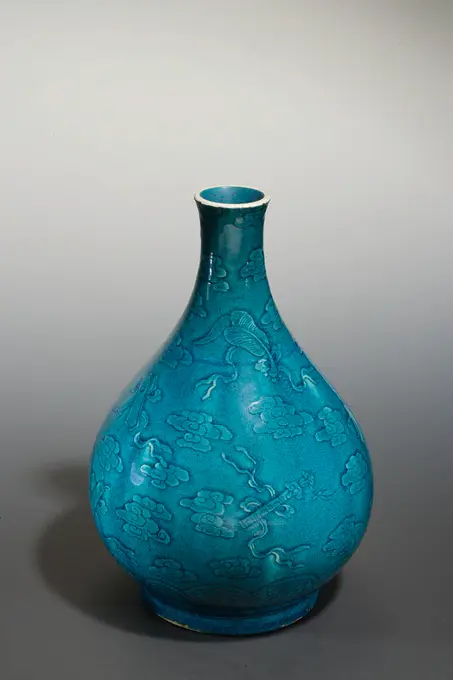
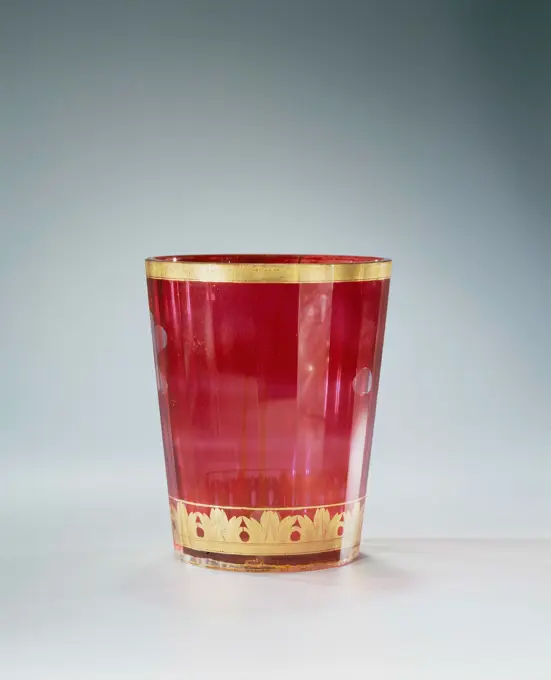
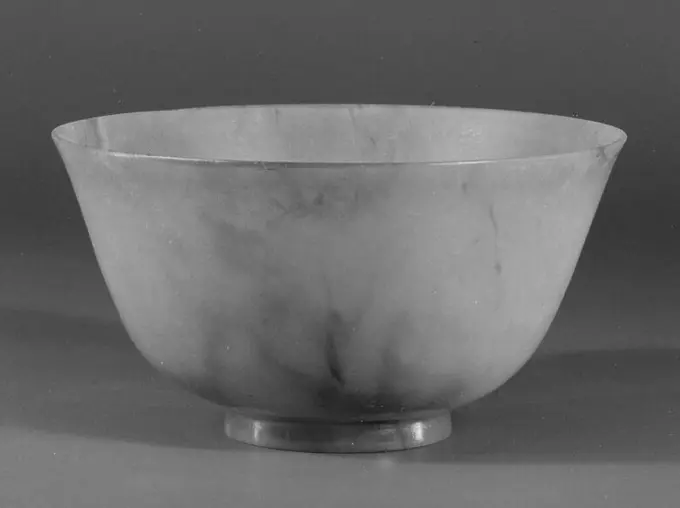
Chinese Ceramics

A collection of historic Chinese ceramic vessels showcasing intricate designs, different glazes, and various forms, emphasizing traditional craftsmanship.

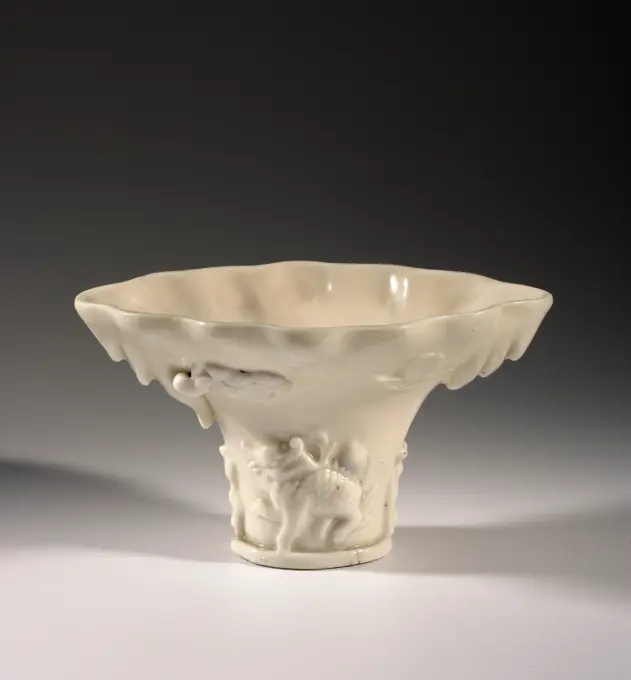
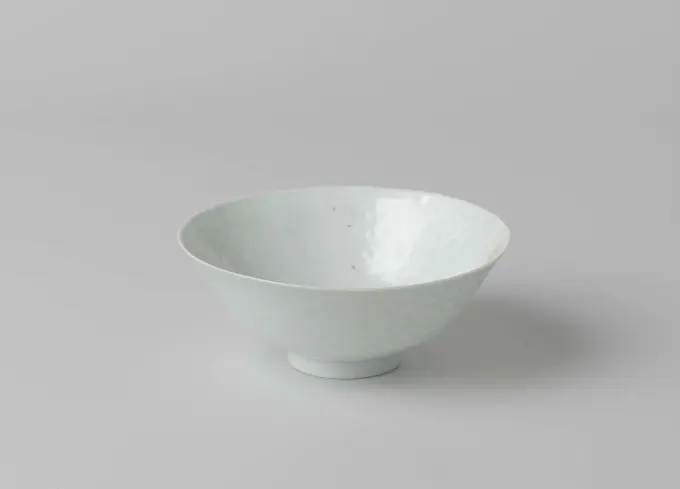
Wine Bowl with Stand, 11th-12th century, 3 3/8 x 5 3/8 in. (8.6 x 13.65 cm), Ch'ing-pai ware, China, 11th-12th century
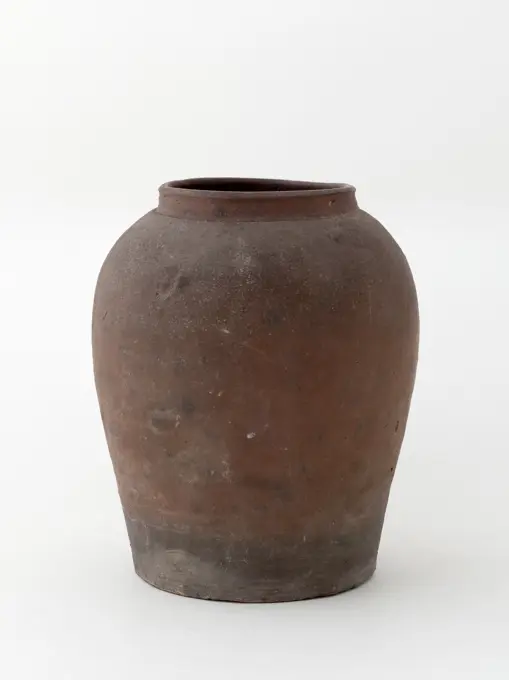
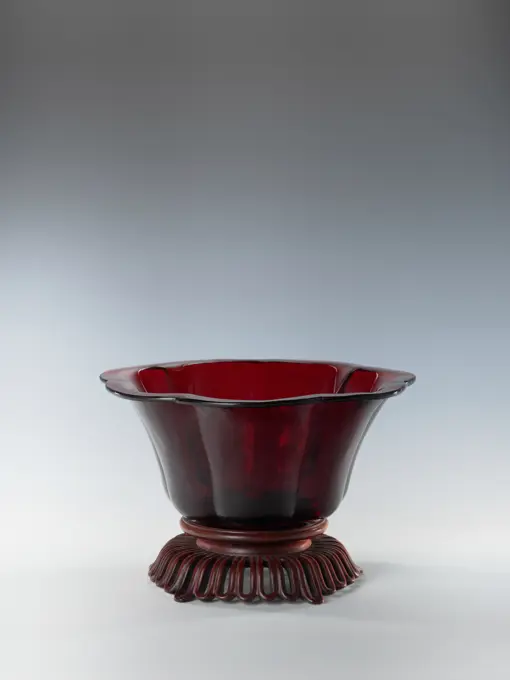
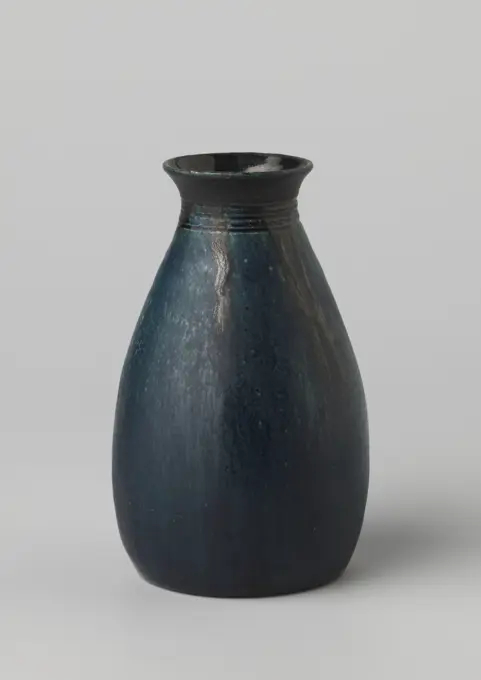
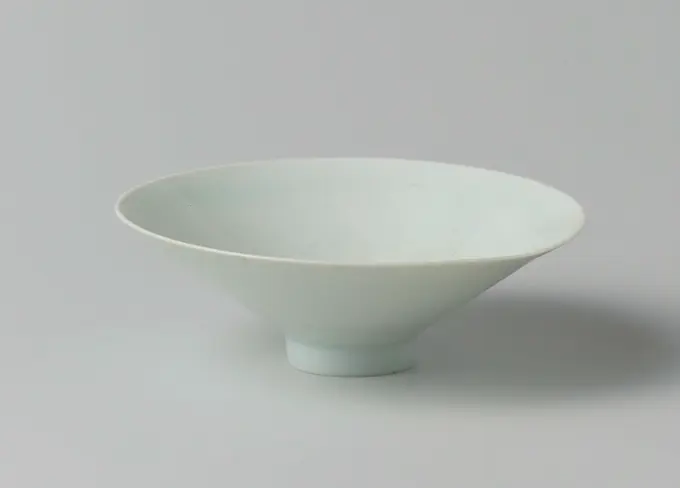
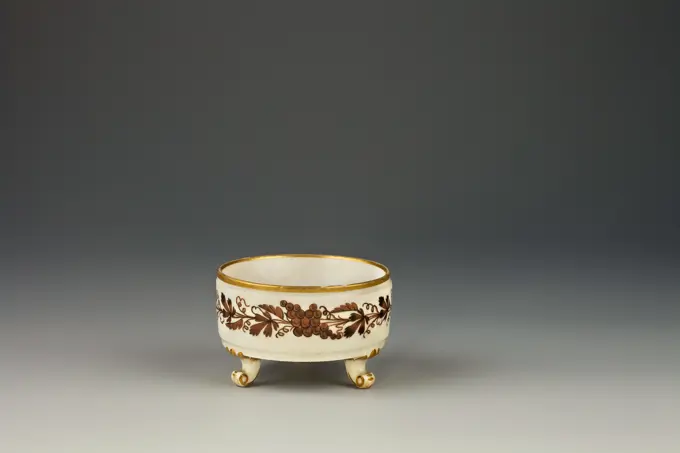
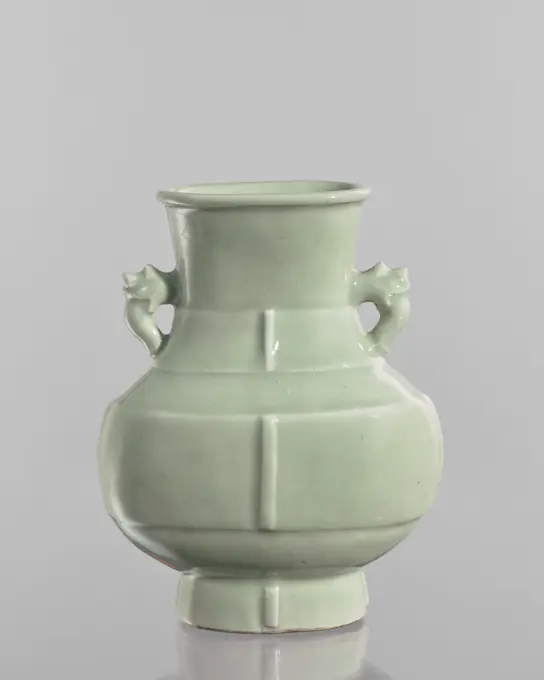
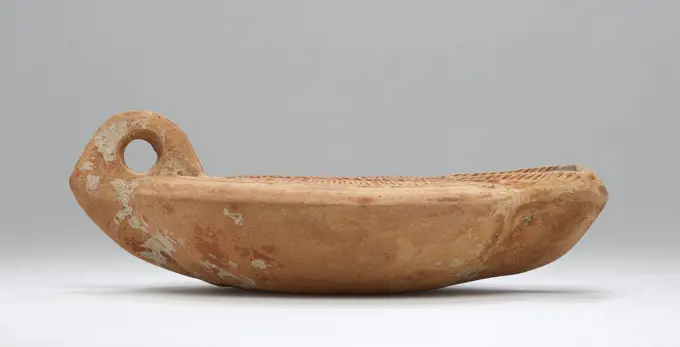
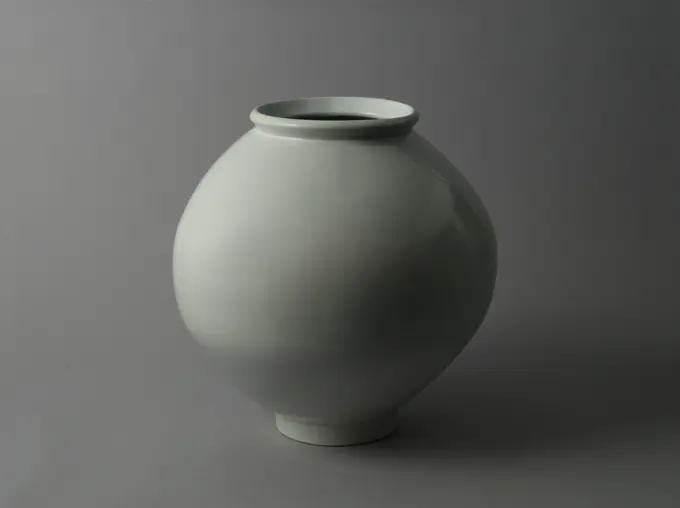
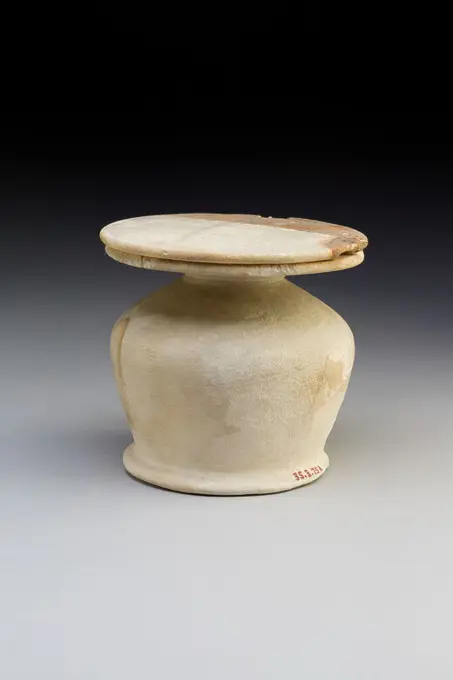
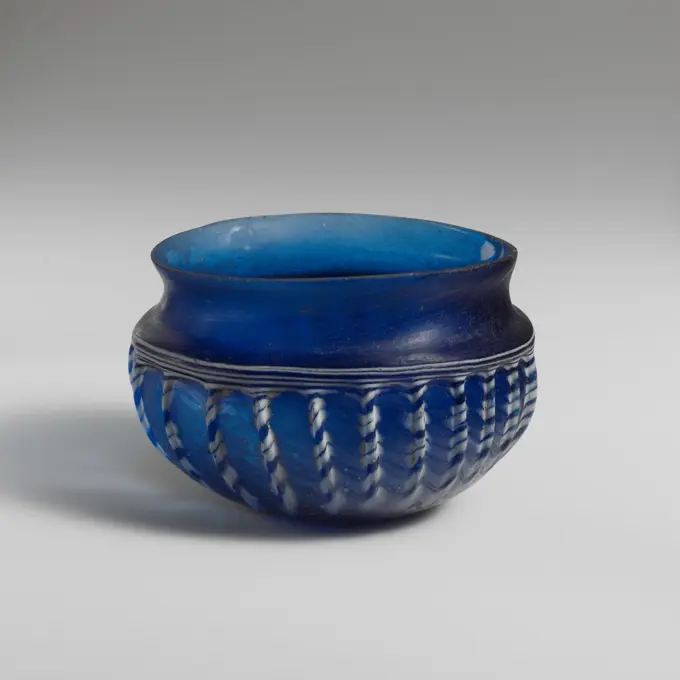
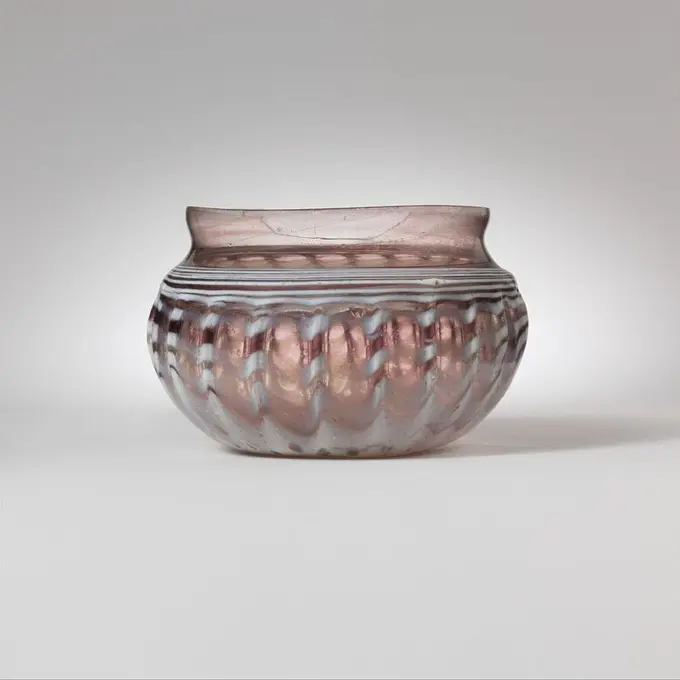
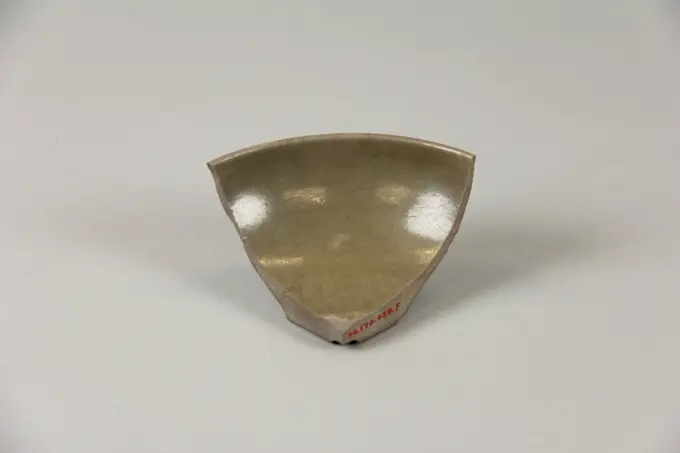
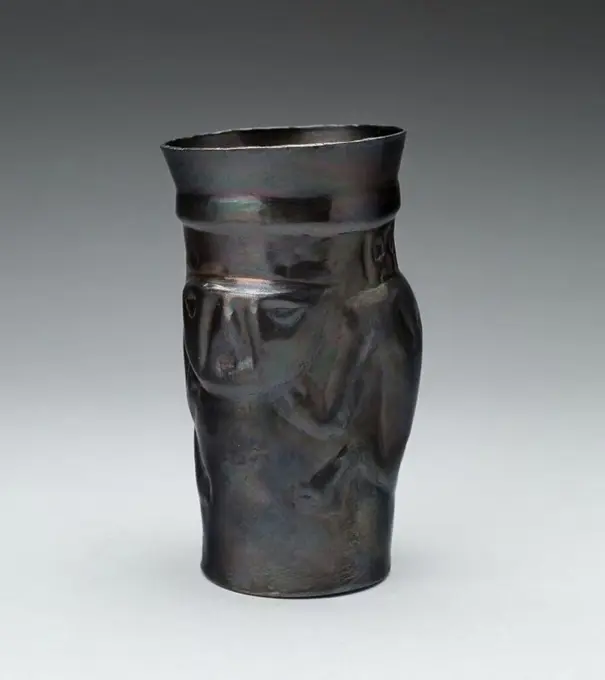
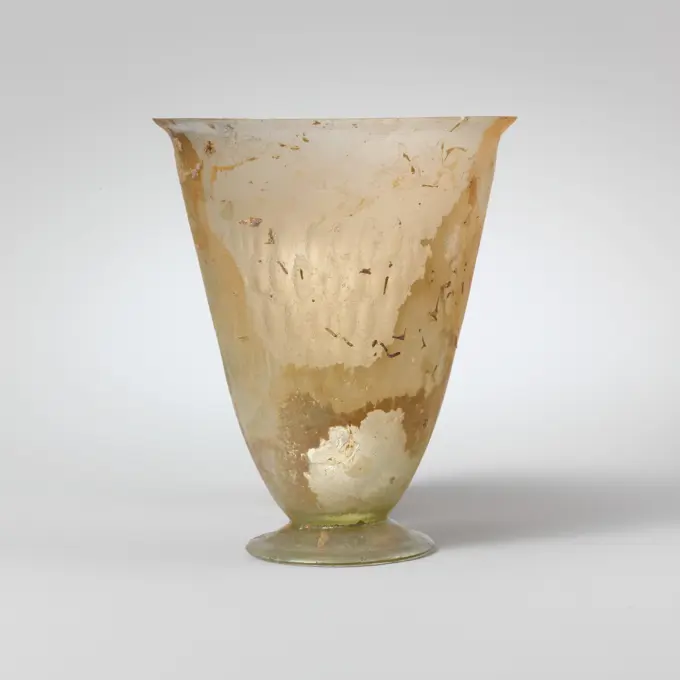
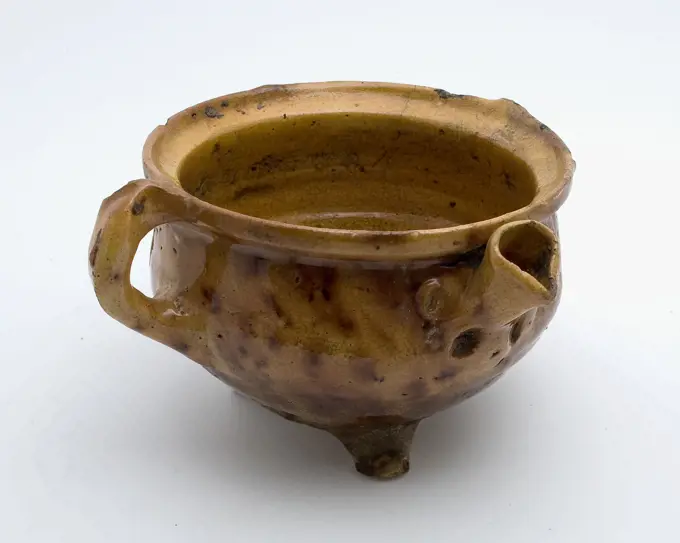
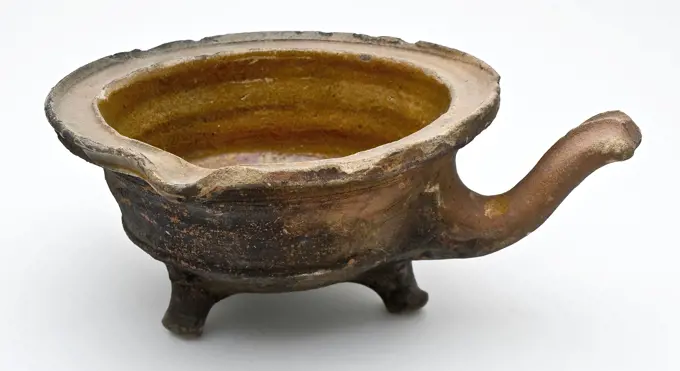
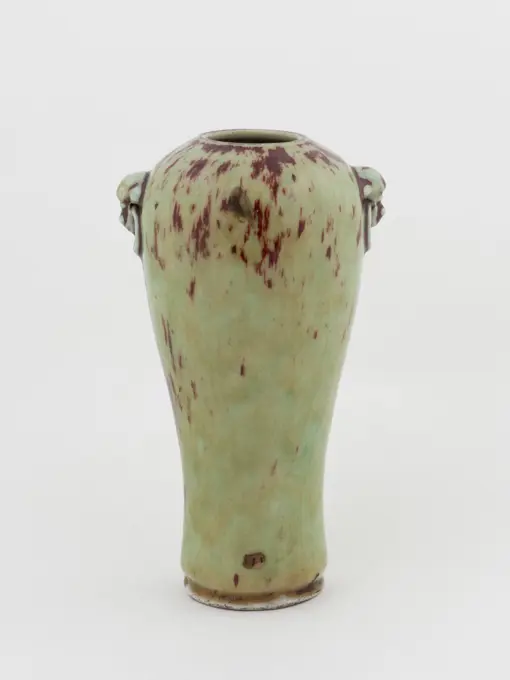
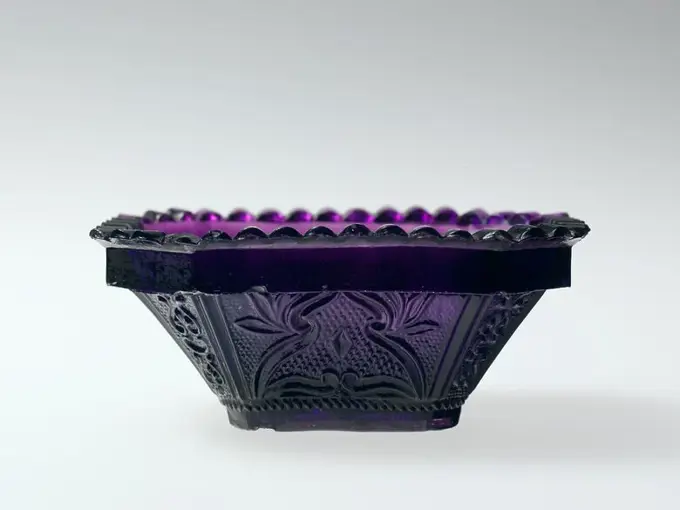
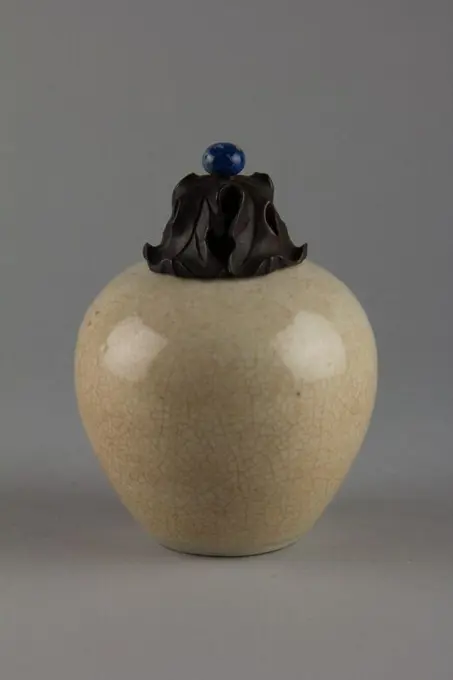
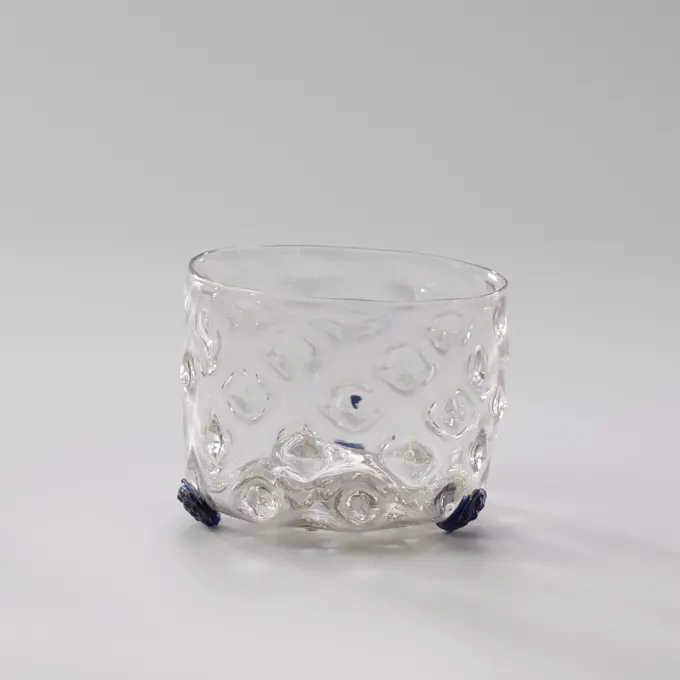
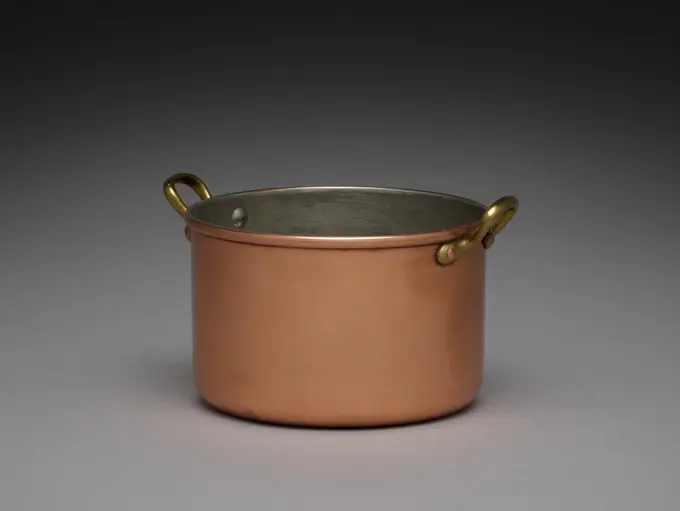
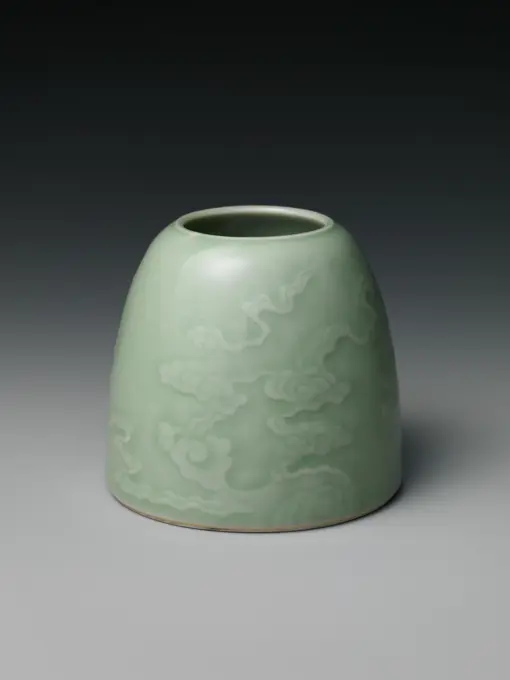
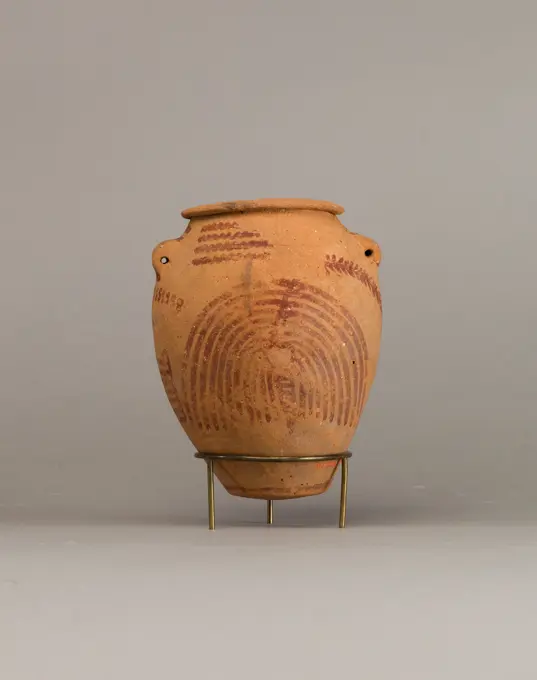
Library bowl referring to the vessel from the corner of the rhino;  18th century (1701-00-00-1800-00-00);Minc, Bronisław (1913-2004), MINC, Bronisław and Elżbieta-collection, minc-kawenoki, Elżbieta (1910-2008), Qing (style), ceramics, Chinese (culture), Czarki, Dar (provenance), unicorn, flowers , bats (iconogr.), Blanc de Chine porcelain, Chinese art. Fabric tea bus or chair of stoneware with an ivory lid, partially covered with a green-brown glaze. The lower part of the bus is unglazed. Shunkei Yaki.Flowerpot stand. unknown, craftsmanCup, 7th-10th century, 3 1/16 x 3 3/8 in. (7.78 x 8.57 cm), Porcelaneous stoneware with clear glaze, China, 7th-10th centuryWine Bowl with Stand, 11th-12th century, 3 3/8 x 5 3/8 in. (8.6 x 13.65 cm), Ch'ing-pai ware, China, 11th-12th centuryTall vase with a crackled cream-colored glaze, anonymous, c. 1700 - c. 1799 High, slender vase of stoneware (Dong-Khe-Good/Yiangnan thing), with a cylindrical body, slightly running upwards, round shoulder and spreading neck with a flat edge. Cream -colored, crackled glaze. Monochrome. China stoneware. glaze vitrification High, slender vase of stoneware (Dong-Khe-Good/Yiangnan thing), with a cylindrical body, slightly running upwards, round shoulder and spreading neck with a flat edge. Cream -colored, crackled glaze. Monochrome. China stoneware. glaze vitrificationJar ". Terracotta. Vietnam-Xe-Xive s. Paris, Cernuschi museum. 72185-21 Jar, Vietnamese object, terracottaMisa na podstawce. unknown, craftsmanBottle-Shaped Vase for Incense Sticks or Flowers 1665-1799 China. Dehua ware (blanc de chine); porcelain with underglaze molded decoration .Vase with a Blue Glaze, factory of Brouwer's earthenware, 1902 Vase of earthenware, pear -shaped with slightly outstanding mouth edge, including the only decorations three -carved piping are applied. The vase is completely covered with a blue glaze, the inside with green glaze. Leiddorp earthenware vitrification Vase of earthenware, pear -shaped with slightly outstanding mouth edge, including the only decorations three -carved piping are applied. The vase is completely covered with a blue glaze, the inside with green glaze. Leiddorp earthenware vitrification. Conical bowl of stoneware, covered with a transparent glaze with a light blue hue. The inside with a budget decoration of two boys between lotus drinks ?. Qingbai.Bowl. Porcelain sandstone with brown under cover. Cernuschi Museum, Asia Museum of Asia in the city of Paris.Salt-cellar. Korzec (manufaktura porcelany ; 1790-1832), factoryVase. unknown, craftsmanVaseJar, piriform New Kingdom ca. 1550-1458 B.C. View more. Jar, piriform. ca. 1550-1458 B.C.. Travertine (Egyptian alabaster). New Kingdom. From Egypt, Upper Egypt, Thebes, Asasif, Courtyard CC 41, Pit 2, Burial B 3, At foot of coffin, MMA excavations, 1915-16. Dynasty 18, earlyLamp, North Africa; 1st - 4th century; Terracotta; 2.3 x 8.2 x 11.6 cm (7,8 x 3 1,4 x 4 9,16 in.)Shin Chul (né en 1963). "Jarre-moon". Porcelainment et couverts. 2014. Penenis: sud capée. Par musée musée malée. Par musée musée malée. 144390-15 Asian art, coreen art, art of extreme-oral, ceramic, porcelain, dishesBowl with Translucent Flower Scrolls. Wide bowl of porcelain, covered with a translucent white glaze. The walls are opened (ajour work) with flour rinks, which the glaze is applied. Blanc De Chine.Kohl Jar of Rennefer. Dimensions: Overall height 8.7 cm (3 7/16 in.). Jar: H. 8.2 cm (3 1/4 in.); Diam. 8.6 cm (3 3/8 in.); Diam. of rim 9.2 cm (3 5/8 in.); Diam. of mouth 2.2 cm (7/8 in.); Diam. of foot 7.7 cm (3 1/16 in.). Lid: Diam. 9.3 cm (3 11/16 in.); Th. 0.7 cm (1/4 in.). Dynasty: Dynasty 18, early. Reign: reign of Thutmose I-early sole Thutmose III. Date: ca. 1504-1447 B.C.. Museum: Metropolitan Museum of Art, New York, USA.Small BowlGlass ribbed bowl mid-1st century A.D. Roman Translucent cobalt blue; trail in opaque white.Knocked-off, uneven rim; deep concave neck; narrow sloping shoulder; squat globular body curving in to flat bottom.Thick trail wound spirally around bottom, then becoming finer as it continues up side, ending on edge of shoulder; sides tooled into twenty-four, unevenly-spaced, vertical ribs.Intact; pinprick and some elongated bubbles; dulling, slight pitting, faint iridescence, and weathering of trail around side between ribs.Ribbed bowls like these, often decorated with opaque white trails, were very popular throughout the Roman world and may be seen as successors to the cast ribbed bowls of the first century B.C. to the early first century A.D. A major center of production was probably located in Northern Italy or the province of Pannonia along the main route to the Danube frontier.. Glass ribbed bowl. Roman. mid-1st century A.D.. Glass; blown, trailed, and tooled. Early Imperial. GlassGlass ribbed bowl. Culture: Roman. Dimensions: H.: 2 1/2 in. (6.3 cm). Date: 1st-3rd quarter of 1st century A.D..Translucent pale streaky purple; trail in opaque white.Knocked-off, uneven rim; short concave neck; squat globular body curving in to flat, thick bottom.Trail wound spirally around body, with large circular patch on bottom, ending in a fine trail on shoulder; side tooled into twenty-three irregular, vertical ribs.Intact, except for large chip in rim; some bubbles and a few gritty inclusions; dulling, faint iridescence and weathering, and pitting of broad trail around lower body.Reddish amethyst bowl with white wavy lines and bottom. Museum: Metropolitan Museum of Art, New York, USA.Vessel in the Form of an Ostrich Egg, c. 1540-1296 BC. Egypt, New Kingdom, Dynasty 18, 1540-1296 BC. Travertine; diameter: 8.2 cm (3 1/4 in.); diameter of mouth: 3.5 cm (1 3/8 in.); overall: 8.6 cm (3 3/8 in.).Vase (USA); Manufactured by Rookwood Pottery (United States); earthenwareJar, piriform ca. 1550-1458 B.C. New Kingdom. Jar, piriform 544025Fragment of a Bowl 9th-10th century. Fragment of a Bowl 454615Czarka with dark red Lang Yao (Sang de Boeuf) unknownVase. Daum Freres, glassmaking companyCup with Repoussé Figure. Chimú; North coast, Peru. Date: 1100-1470. Dimensions: H. 11.4 cm (4 1/2 in.). Silver. Origin: North Coast. Museum: The Chicago Art Institute, Chicago, USA.Glass beaker with facet-cut decoration 2nd century A.D. Roman Colorless with light green tinge.Thin, outsplayed, knocked-off rim; funnel-shaped body, tapering in at base; broad, low, conical, outsplayed foot, made from a separate paraison with a ground outer edge.On upper body, two fine horizontal lines; below, broad band of four overlapping rice-shaped vertical facets, arranged in a slight irregular pattern.Broken on one side of rim with part missing; pinprick bubbles; dulling, pitting, patches of brilliant iridescence, and creamy brown weathering.Similar beakers have been excavated in Denmark, Germany, Egypt, and Afghanistan. The type must have been made at several localities around the Mediterranean.. Glass beaker with facet-cut decoration 245730Rolling bowl of earthenware, E.J. Birch Black Basalt, Edmund John Birch, c. 1785 - c. 1800 Half -ball -shaped coil of earthenware, Black Basalt. The bowl is on a profiled foot, has an edge of imitated braid above and above it a Frisian with allegorical representations in relief (shepherd and shepherdin). The bowl is marked. Hanley earthenware Half -ball -shaped coil of earthenware, Black Basalt. The bowl is on a profiled foot, has an edge of imitated braid above and above it a Frisian with allegorical representations in relief (shepherd and shepherdin). The bowl is marked. Hanley earthenwareCup ca. 1136-1129 B.C. New Kingdom, Ramesside This faience vase is inscribed with the cartouches of Ramesses VII.. Cup. ca. 1136-1129 B.C.. Faience. New Kingdom, Ramesside. From Egypt, Upper Egypt, ThebesSmall bowl China. Small bowl 52660Martaban jar from the wreck of the Dutch East Indiaman Witte Leeuw, c. 1600 - before 1613  Martavaan from V.O.C. ship De 'Witte Leeuw', 95 present and recovered with plaster. Martavan with thin egg-shaped wall, high shoulder, almost no neck, small concave standing surface, small mouth with thickened lip, four lying loops high on the shoulder, small farming black contamination of cream-colored shard. The Martavaan is made with a clay hose on a turntable. Sepia-colored glaze, damaged on the shoulder during baking, unglazed lip edge, base with circular glaze rail, lower part of the wall is ribbed horizontally. Marked on the shoulder, between the ears. South China stoneware. porcelain   Sint-HelenaBox with hinged lid, anonymous, c. 1750 - c. 1800 Round box of heliotrope, with hinged lid. The box has a flat bottom, a vaulted wall and a slightly arched lid. Decorated with golden edges. Germany gold (metal). chalcedony Round box of heliotrope, with hinged lid. The box has a flat bottom, a vaulted wall and a slightly arched lid. Decorated with golden edges. Germany gold (metal). chalcedonyPottery spout pot, room pot, white shard, glazed, two vertical bands, spout, on three legs, spout pottery pottery pottery holder soil find ceramic earthenware clay engobe glaze lead glaze, hand turned glazed fried lemonade Pottery spout grape mold model white shard entirely covered with lead glaze two topped snipers short spout with pouring lip three legs. Yellow sludge layer on the inside brown-yellow speckled on the outside archeology indigenous earthenware food preparation cooking food kitchen servingJug of stoneware. The belly of the jug has the shape of two half spheres. Decorated with medallions and arabesque.Pitcher Made 1825-1835 Staffordshire. Earthenware with copper lustre decoration .Pitcher, Rookwood Pottery, American, 1880 - 1967, Thrown, glazed, and hand-painted stoneware, Thrown white stoneware body with applied handle, decorated with prunus blossoms and branches in white, enframing an overglaze-painted field of bright blue and gilded patterning. Upper portion of neck with field of Bristol blue and blue prunus blossoms against gilded patterning. Body painted in graduated tones from peach to pale celadon., Cincinnati, Ohio, USA, 1887, ceramics, Decorative Arts, PitcherWater vessel;  beginning of the 19th century (1801-00-00-1810-00-00);Kutyłowski, Roman (1895-1976), Kutyłowski, Roman (1895-1976)-collection, qing (style), ceramics, Chinese (culture), gift (provenance), Chinese artBroodmand, Jan Bonket, 1771 Openwork bread basket on four legs. The bread basket has two handles and is engraved on the outside with flowers. The bread basket is marked: stk. = Amsterdam, Jrl. = M (1771), Mt. = Jan Bonket. Amsterdam silver (metal) Openwork bread basket on four legs. The bread basket has two handles and is engraved on the outside with flowers. The bread basket is marked: stk. = Amsterdam, Jrl. = M (1771), Mt. = Jan Bonket. Amsterdam silver (metal)Bowl. UnknownCovered Bowl With Scrolls, Diaper Pattern and Scattered Flowers. Lid of lid cup made of porcelain with ribbed wall and lobed edge, painted on the glaze in red, green, yellow, eggplant, turquoise, black and gold. The outer wall of the bowl is divided into elongated compartments with alternating napkin and flour rinks; Around the button a band with curl work. A stylized flower on the inside; The inner wall with five loose stylized flowers. Within the annular lid knob a prunus branch. Porcelain with emailing.BEBEDERO DE AVES-ARCILLA BLANCA-SIN VIDRIAR-ARTE POPULAR. Location: ALFARERIA. Vera. Almería. SPAIN.Pottery saucepan with wide edge with clip and curled up handle, saucepan pan tableware holder kitchen utensils earthenware ceramics earthenware glaze lead glaze, hand-turned baked Pottery saucepan red shard inside covered with lead glaze pouring clip profiled S-shaped stem three legs. Flat outstanding top edge Stain tracks on the underside blackened and caked archeology indigenous pottery food prepare food cooking cuisineHandmade coffee dripper ceramic on  textile background.. Handmade coffee dripper ceramicVase. Porcelain with green covers enhanced with purple drips. Paris, Cernuschi museum. 78841-30 Asian art, container, vasePlateSalt. Culture: American. Dimensions: 1 1/2 x 2 5/8 x 3 3/4 in. (3.8 x 6.7 x 9.5 cm). Manufacturer: Probably Boston & Sandwich Glass Company (American, 1825-1888, Sandwich, Massachusetts). Date: 1830-40. Museum: Metropolitan Museum of Art, New York, USA.Covered bowl with scrolls, diaper pattern and scattered flowers, anonymous, c. 1700 - c. 1749 Porcelain lid bowl with ribbed wall and lobed edge, painted on the glaze in red, green, yellow, eggplant, turquoise, black and gold. The outer wall of the bowl is divided into elongated compartments with alternating service and flower vines; Around the foot a tire with curl. A stylized flower on the bottom; The inner wall with five loose stylized flowers. The lid with the same decoration; A prunus branch within the ring -shaped lid button. Porcelain with email choices. Japan porcelain. glaze. gold (metal) vitrification / gilding / vitrification Porcelain lid bowl with ribbed wall and lobed edge, painted on the glaze in red, green, yellow, eggplant, turquoise, black and gold. The outer wall of the bowl is divided into elongated compartments with alternating service and flower vines; Around the foot a tire with curl. A stylized flower on the bottom; The inner wall with five loose stylized flowerIncense Burner with Cover. Culture: China. Dimensions: H. 4 3/8 in. (11.1 cm). Date: first half of the 19th century. Museum: Metropolitan Museum of Art, New York, USA.Small BowlSaltcellar. Culture: American. Dimensions: H. 1 1/2 in. (3.8 cm); Diam. 2 1/2 in. (6.4 cm). Date: 1780-1825. Museum: Metropolitan Museum of Art, New York, USA.Glass bottle. Culture: Roman. Dimensions: Overall: 3 5/16 x 1 7/16 x 1 7/16 in. (8.4 x 3.7 x 3.7 cm)Diam.: 7/8 in. (2.2 cm). Date: 1st-3rd century A.D..Small, one-handled square bottle.Translucent yellow green; handle in same color.Rim folded out, round, and in, and pressed into sides of mouth; cylindrical neck, expanding downwards; sloping shoulder; square body with uneven sides and rounded lower corners; flat bottom; two-ribbed handle attached to shoulder, drawn up and out, turned in horizontally, and trailed on to outer edge of rim with loop above.On one side, raised pattern resembling lettering, and fainter raised lines on two other sides; on bottom, a square pattern in raised outline, flanked to one side by lettering ().Intact; some pinprick and larger bubbles; areas of creamy weathering and iridescence. Museum: Metropolitan Museum of Art, New York, USA.Bowl (common name). White and khaki enameled covered sandstone. Cernuschi Museum, Asia Museum of Asia in the city of Paris.Chlorite pestle ca. 1600-1050 B.C. Cypriot Grinder.. Chlorite pestle. Cypriot. ca. 1600-1050 B.C.. Chlorite. Late Bronze Age. Miscellaneous-StoneArchaic-style cup with ring handle 17th century China The abstract bodies of the two intertwined birds on the surface of this cup can be traced to the Bronze Age. The shape of the cup is based on similar jade cups of the Western Han dynasty (206 B.C.-A.D. 9), and so are the multiple raised dots in the background, which derive ultimately from the simulated granulation on the surface of metalwork of the late Eastern Zhou dynasty (770-256 B.C.).. Archaic-style cup with ring handle 39840Leerer Keramikteller auf einem monochromen braunen Hintergrund Empty ceramic plate on a monochrome brown background. Empty plate with cutlery on a dining table LicenseRF Copyright: xZoonar.com/TetianaxChernykovax 23279175Ladle. Maker, possibly by: George Ravenscroft, British, 1632-1683Jug with an inscription, c. 1780 - c. 1781 Jug of stoneware on stand ring with a cylindrical body, narrowing upwards, and a narrow, short neck. A small C-shaped ear is attached to the shoulder and abdomen. Profile on the neck. On the abdomen an Ingrift Cartouche with the inscription 'F.P./1781/Jacob Kampiings '. Below that a second inscription with 'Lie .../den Speldemes/1780/Reno Lie ...'. The rest of the jug is unadorned. Frechten. Frechen (possibly) stoneware. glaze vitrification Jug of stoneware on stand ring with a cylindrical body, narrowing upwards, and a narrow, short neck. A small C-shaped ear is attached to the shoulder and abdomen. Profile on the neck. On the abdomen an Ingrift Cartouche with the inscription 'F.P./1781/Jacob Kampiings '. Below that a second inscription with 'Lie .../den Speldemes/1780/Reno Lie ...'. The rest of the jug is unadorned. Frechten. Frechen (possibly) stoneware. glaze vitrificationFooted Dish 1883-90 Ott and Brewer. Footed Dish 15598Cup, painted with golden piping, manufacture Oud-Loosdrecht, c. 1778 - c. 1782 Porcelain cup, on high foot; The edges, also between foot and cup, decorated with piping in gold. Loosdrecht porcelain Porcelain cup, on high foot; The edges, also between foot and cup, decorated with piping in gold. Loosdrecht porcelainPeach-shaped wine pot or teapot. Artist: Chinese , Qing Dynasty. Culture: Chinese. Dimensions: Height: 5 1/2 in. (14cm.). Date: probably 18th century. Museum: Metropolitan Museum of Art, New York, USA.Strainer; Manufactured by Wedgwood (United Kingdom); lead-glazed earthenware ("cream ware"); 14.6 x 2.8 cm (5 3/4 x 1 1/8 in.); 1937-42-1Earthenware dish, on three fins, rim with yellow sludge decor, dish crockery holder soil find ceramic earthenware glaze lead glaze clay, hand-turned petal glazed baked Large dish red earthenware on rim yellow sludge decoration; hatched stripes waves and figure 2-form weighted slightly outward edge flawless rings below three pinched fins top glazed bottom soot attack archeology Valckensteyn Poortugaal Albrandswaard indigenous pottery serving cooking kitchen preparing food Soil discovery: canal at kitchen castle Valckensteyn at Poortugaal now Albrandswaard ± 1962.Vase (in pumpkin shape). Acquired 1893 by the artistChinese, Cup, jade.Kop from the coffee and tea set 'Saxonia', Meissener Porzellan Manufaktur, c. 1904 Porcelain head, painted in blue and gray. The head is part of the coffee and tea set Saxonia. The head is marked. Float porcelain. uranium oxide Porcelain head, painted in blue and gray. The head is part of the coffee and tea set Saxonia. The head is marked. Float porcelain. uranium oxideVase (France); Designed by Emile Gallé (French, 1846-1904); Manufactured by Gallé (France); glassOval patera; Hoensch, Johann Bernard (Fl. 1775-1813); approx. 1800 (1790-00-00-1810-00-00);Krystall, Bronisław (1887-1983) - collection, classicism (style), flowers, plant ornaments, testamentary record (provenance), testamentary record of Bronisław KrystallCUENCO EN BARRO ROJO SEMIVIDRIADO - ARTE POPULAR. Location: ALFARERIA. SPAIN.Guttus (Pouring Vessel) 330 BCE-300 BCE Cales. During the course of the 5th and 4th centuries B.C., black vessels (commonly called black-glaze vessels) were made with increasing frequency in both Greece and South Italy. Many of them replicate the shape of metal vessels. Others have detailing that is molded or incised. While the quality of these vessels varies greatly, all would have been less expensive than vessels decorated in other contemporary techniques, for example, in red-figure.. terracotta, decorated in the black-glaze technique . Ancient GreekThis water container for chanoyu, or Japanese-style tea practice, once belonged to the Hosokawa family, whose facilitator corresponded with Seif Yohei IV (1871-1951) about the piece. In a response in 1914, Yohei IV thanked them for their payment and requested that, despite Seif Yohei III’s death, they continue to favor the studio with their orders. The letter and its envelope, as well as an auction tag, remain with the object, as do its inner and outer boxes. Yohei IV wrote an inscription on the reverse of the inner box lid authenticating the work as one made by his father. Water Container with Peonies, 1900-1914. Seifū Yohei III (Japanese, 1851-1914). Porcelain with molded and carved design, green glaze; height: 16.2 cm (6 3/8 in.); diameter: 16 cm (6 5/16 in.); diameter of foot: 8 cm (3 1/8 in.).Red lacquered bowl of wood, with lid ,, 1700 - 1799 bowl. lid Deep wooden bowl on a foot ring, completely red -lacquered except inside the foot ring black. Decorated on the outside with three round medallions with Eastern man's portraits in color and gold; A single rank motif three times against the inner wall. With a lid. Gamron wood (plant material). lacquer (coating). oil paint (paint). lacquering  GamronCan of red hard baked earthenware, anonymous, c. 1870 - c. 1915 Pear -shaped can of red hard baked pottery. The jug has a spout and a channeled ear. The belly is decorated in relief with palmets, flanked by rosettes, the stems of which form a pointed arch -shaped frame. A palm with relief has been applied under the spout. The jug is marked. Germany earthenware Pear -shaped can of red hard baked pottery. The jug has a spout and a channeled ear. The belly is decorated in relief with palmets, flanked by rosettes, the stems of which form a pointed arch -shaped frame. A palm with relief has been applied under the spout. The jug is marked. Germany earthenwareLobble cup on legs, anonymous, c. 1600 - c. 1650 Small lump cup with inserted bottom. Cylindrical body blown into mold with diamond -shaped nodules, stands on three blue legs in the form of blackberry. Low Countries glass glassblowing Small lump cup with inserted bottom. Cylindrical body blown into mold with diamond -shaped nodules, stands on three blue legs in the form of blackberry. Low Countries glass glassblowing. The shape of this jug is based on that of pewter examples. This type of jug is represented frequently in paintings by Jan Steen and is thus also called a Jan Steen jug’. This one has an expensive silver lid, proof that stoneware was highly regarded at the time.Vase late 18th-first half of the 19th century China. Vase. China. late 18th-first half of the 19th century. Porcelain with yellow glaze. Qing dynasty (1644-1911). CeramicsWOODEN SALAD BOWLCup - small bowl. unknown, craftsmanSeif Yohei III (1851-1914) was a son of the Maruyama school painter Okada Ryhei (dates unknown). Though he studied painting, he ultimately succeeded his ceramics mentor, Seif Yohei II (1845-1878), in Kyoto. He distinguished himself as a remarkable porcelain artist, taking Qing dynasty Chinese wares as his inspiration. He experimented widely with new glazing techniques. In 1893, he became the first ceramicist to be appointed as an Imperial Household Artist under a system introduced by the Japanese government in 1890. He produced many works for use in Chinese-style tea gatherings called sencha. Chrysanthemum Shaped Dish, c. 1920. Seifū Yohei IV (Japanese, 1872-1951). Porcelain with yellow glaze and molded decoration; height: 2.5 cm (1 in.); diameter: 12.7 cm (5 in.).DiyasPot, 1914. Firm of Peter Carl Fabergé (Russian, 1846-1920). Copper with brass handles; overall: 12.7 x 13.4 cm (5 x 5 1/4 in.). As Russia entered the First World War, austerity and economy settled into the fabric of life even among wealthy aristocrats and nobility. Not only were precious materials such as gold, silver, and gemstones hard to procure, but such luxury seemed out of place when so many men were dying at the front. Fabergé contributed to the war effort by making shells, casings, and other munitions out of brass and copper. He also made cookware, such as this small soup pot, to be sent to the front lines with provisions tucked inside. However, these simple forms only looked affordable. They were still a luxury only the wealthiest families could afford to send to their sons.Four SaltDishes.   Maker: Charles Stewart, American, active ca. 1833 - 1850porcelain vasechinese green tea pot and cups chinese green tea traditional pot and cups over old wood board Copyright: xZoonar.com/keko64x 2621935JARRA MORA - BOCA CON CUATRO VERTEDEROS. Location: ALFARERIA. Vera. Almería. SPAIN.Water jar with clouds China. Water jar with clouds 42416TONELETE DE BARRO NEGRO BRUÑIDO - 2 ASAS CUELLO ESTRECHO Y BOCA ANCHA. Location: ALFARERIA. SPAIN.Bowl with Peonies. China. Date: 960 AD-1279. Dimensions: H. 7.7 cm (3 in.); diam. 21.0 cm (8 1/4 in.). Celadon-glazed stoneware with underglaze molded decoration. Origin: China. Museum: The Chicago Art Institute, Chicago, USA.Decorated ware jar illustrating plants ca. 3850-2960 B.C. Predynastic Period. Decorated ware jar illustrating plants. ca. 3850-2960 B.C.. Pottery, paint. Predynastic Period. From EgyptA can with a lid MieleówSmall flower vase. Nieokreślona manufaktura, factorySake Pourer, c. 1915-40. Seifū Yohei IV (Japanese, 1872-1951). Porcelain with yellow glaze;Pottery ointment jar, tapered, three constrictions, transparent white glazed, ointment jar pot holder soil find ceramic pottery glaze tin glaze, hand turned baked glazed baked Pottery ointment jar tapered three necking diameters neck and shoulder are smaller than the lower edge of the necking glazed transparent white so that partly the color of the underlying pottery through the glaze seems to stand with light soul. Delftware archeology indigenous pottery packing medicine drug craft ointmentVase in the shape of onion-like bottle. unknown, craftsman. Flat bottom, multi-faceted, funnel-shaped body. In the bottom in gold a medallion with a deer naated by two dogs, closed with a colorless disk, painted with transparent red paint. Along the edge of a border gold palmets, the top edge deposited with a smooth golden trim. The chalice is fully painted with transparent, red lacquer. Kit edges along the top edge and around the medallion in the soil.Vase fragment East Greek/Sardis, Lydian Rim fragment of a plate.. Vase fragment 252682 East Greek/Sardis, Lydian, Vase fragment, Terracotta, Overall: 4 13/16 x 4in. (12.2 x 10.1cm). The Metropolitan Museum of Art, New York. Gift of The American Society for the Excavation of Sardis, 1926 (26.199.114)Bowl. Culture: China. Dimensions: H. 2 3/16 in. (5.6 cm); Diam. 4 3/16 in. (10.6 cm). Date: 20th century. Museum: Metropolitan Museum of Art, New York, USA.