Chinese Ceramics and Vases

Ancient Chinese ceramic artifacts including vases, bottles, and cricket cages, highlighting traditional craftsmanship from the Qing dynasty.
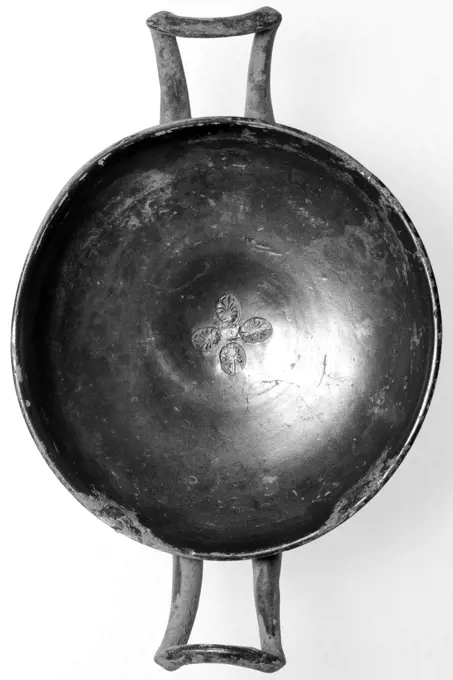
Campanian Black Kylix (Stemless); Campania, South Italy, Europe; 323 - 31 B.C; Terracotta; 6.4 x 19 x 12.4 cm (2 1,2 x 7 1,2 x 4 7,8 in.)
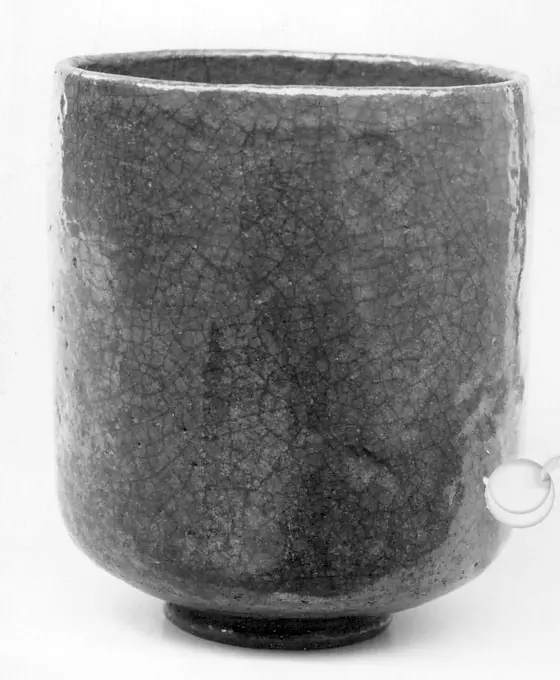
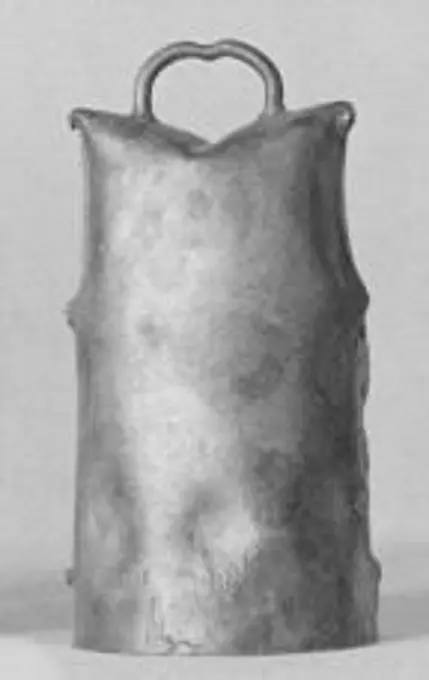
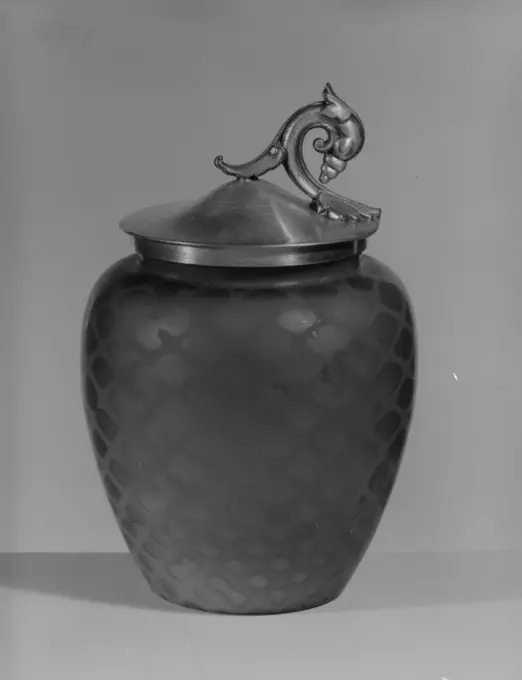
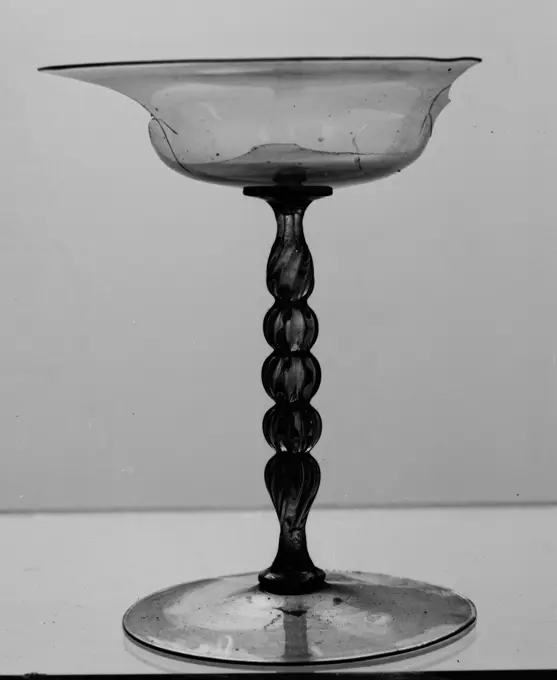
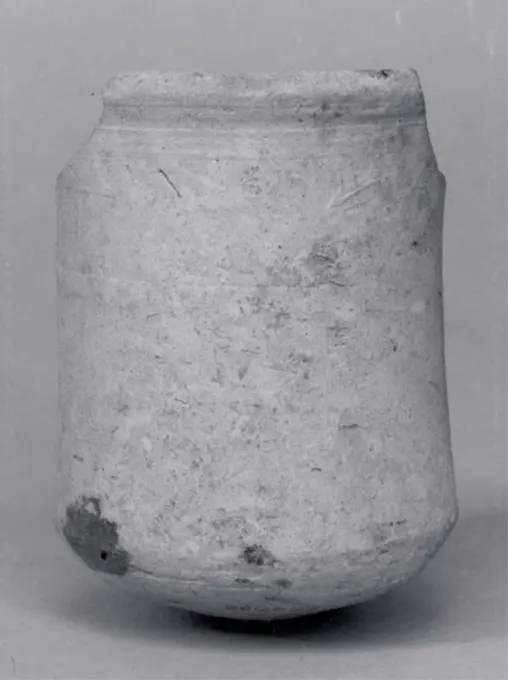
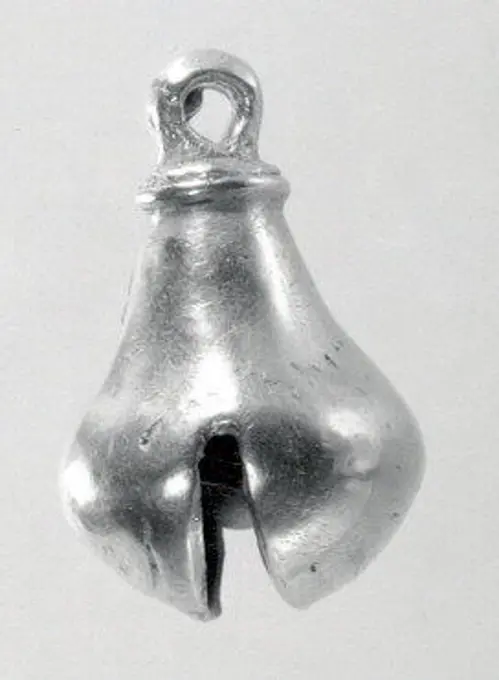
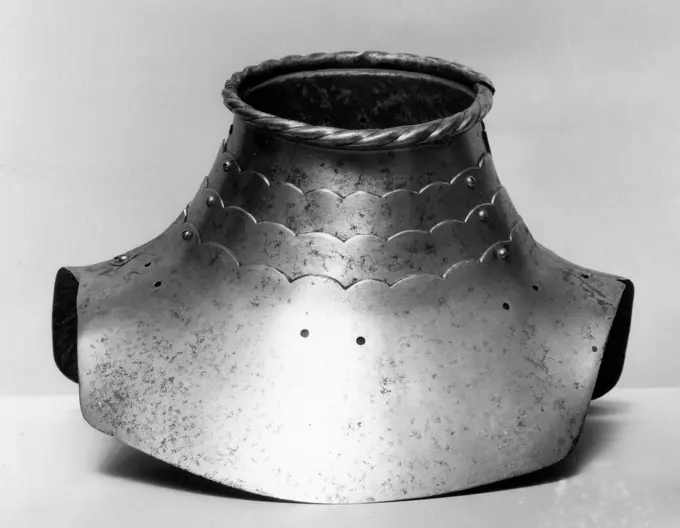
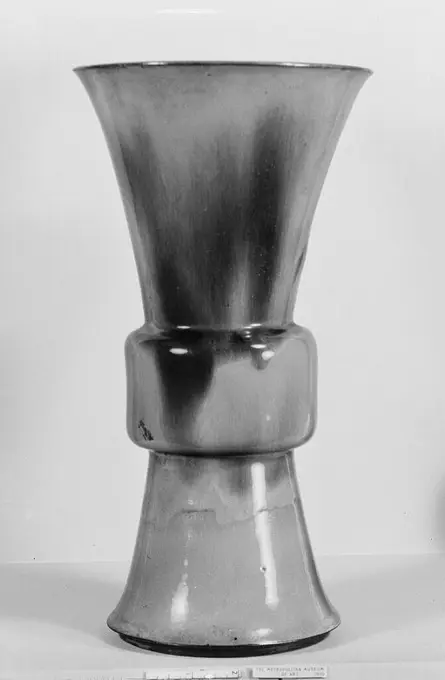
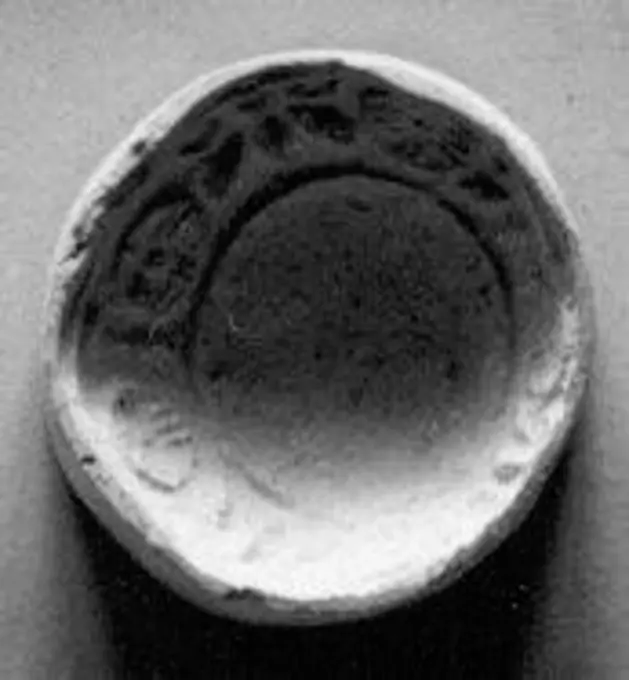
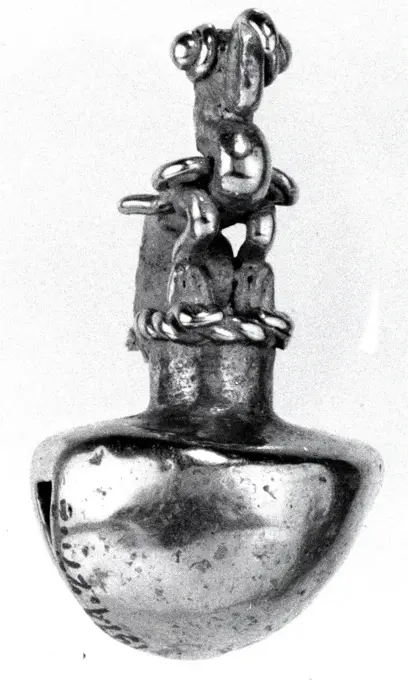
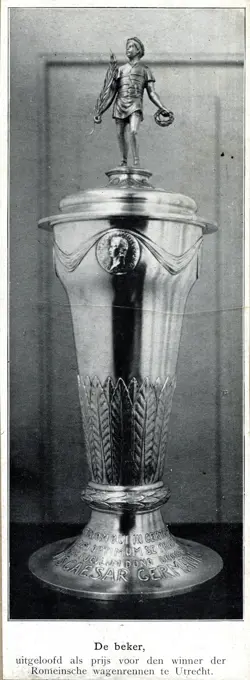
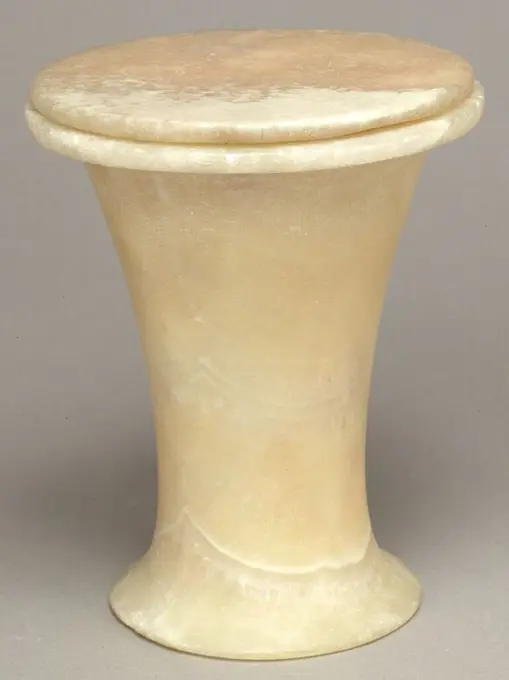
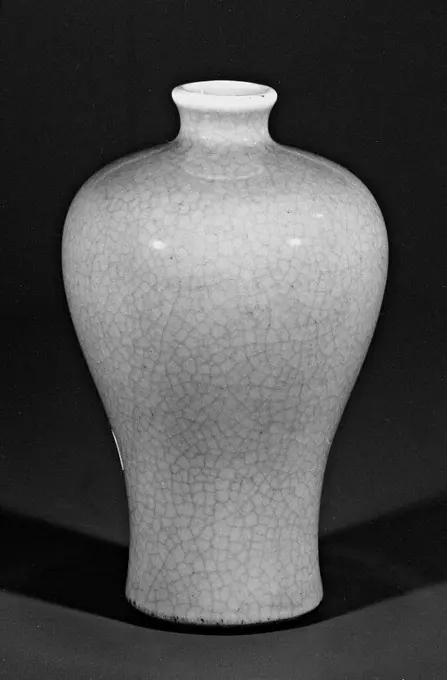
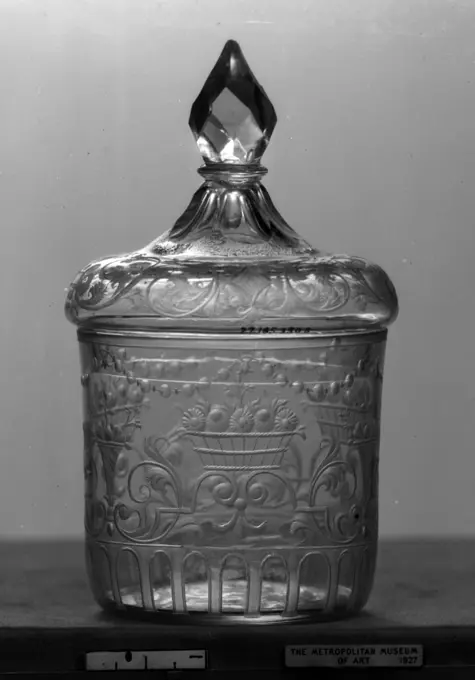
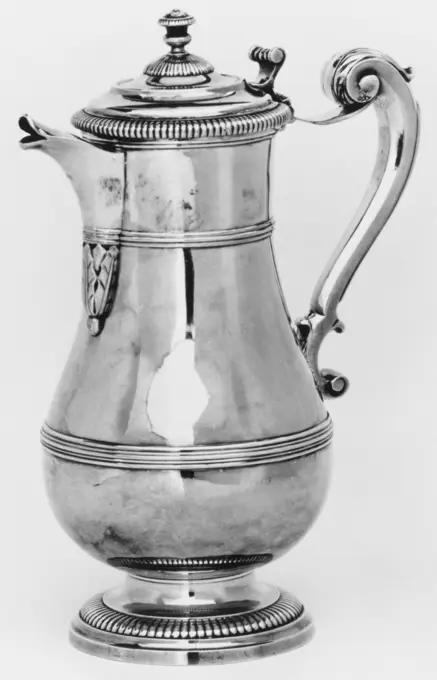
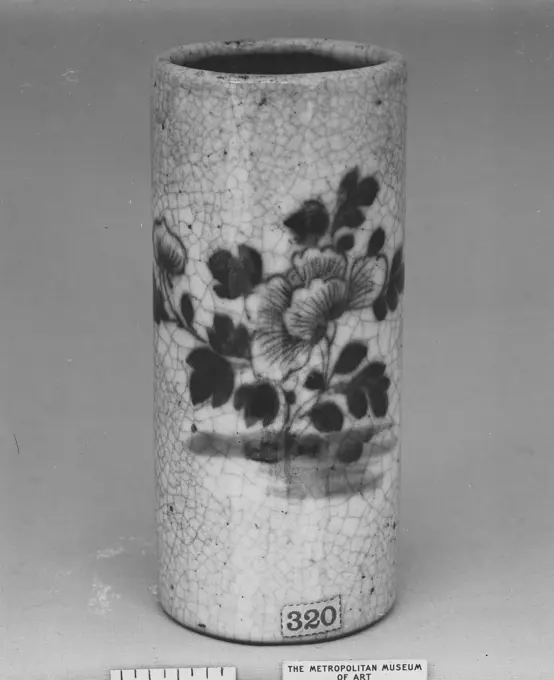
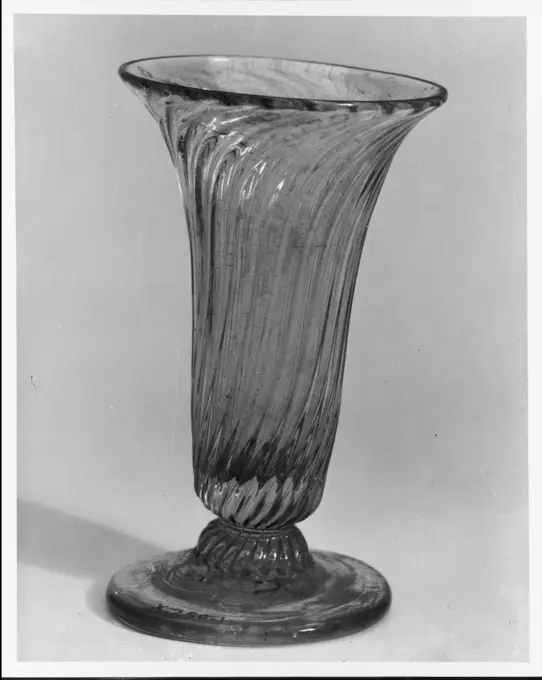
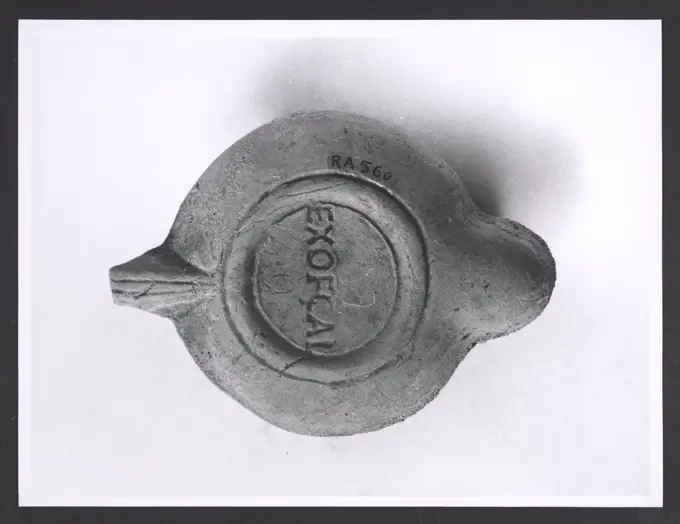
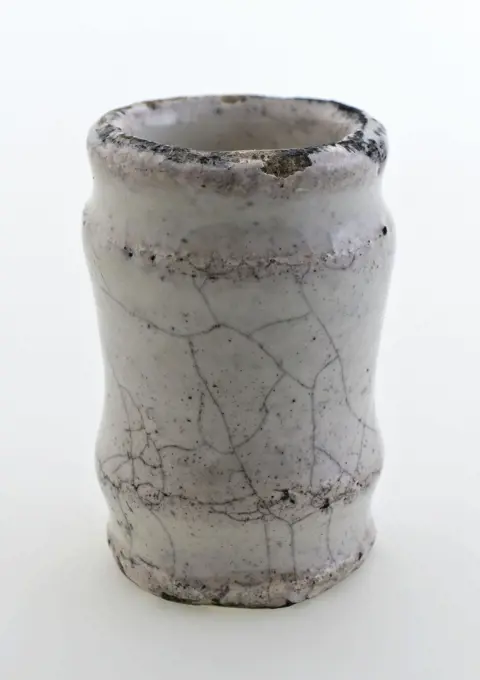
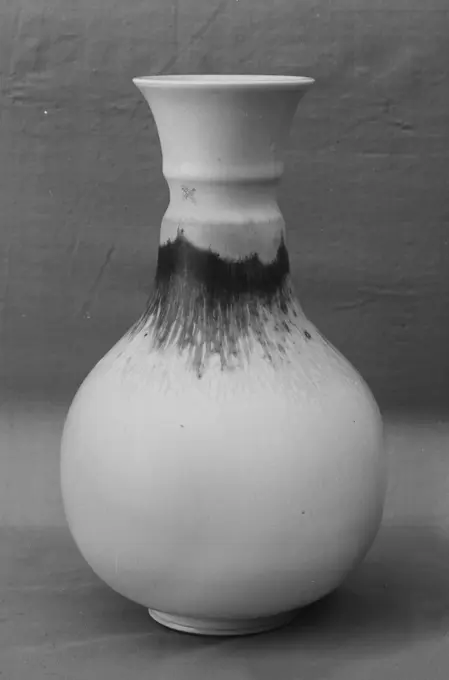
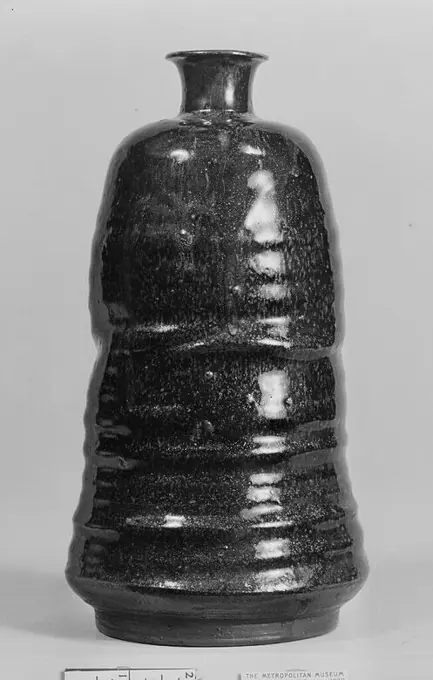
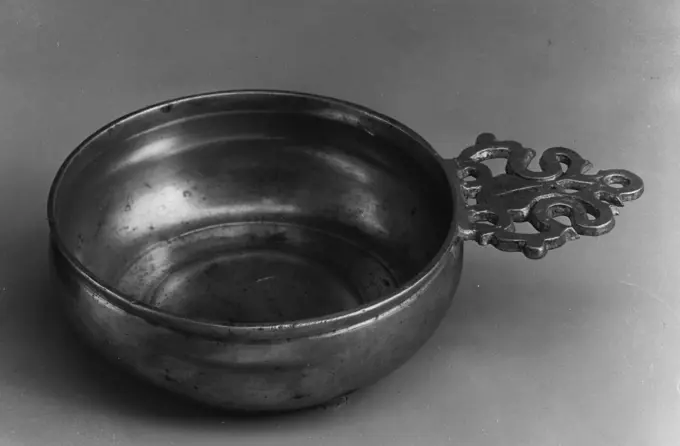
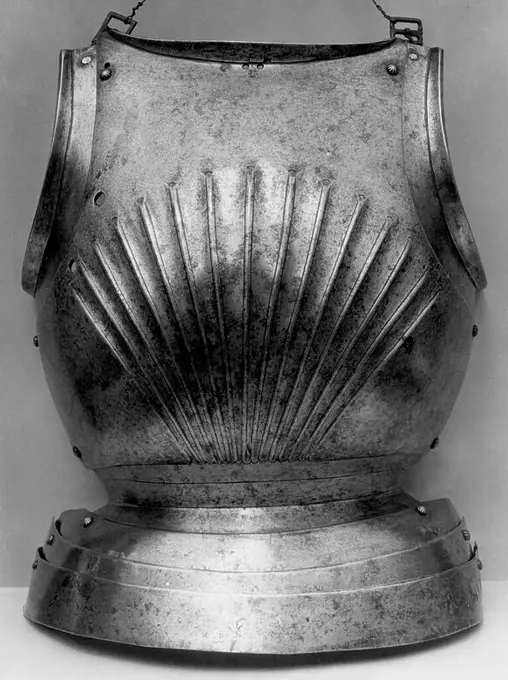
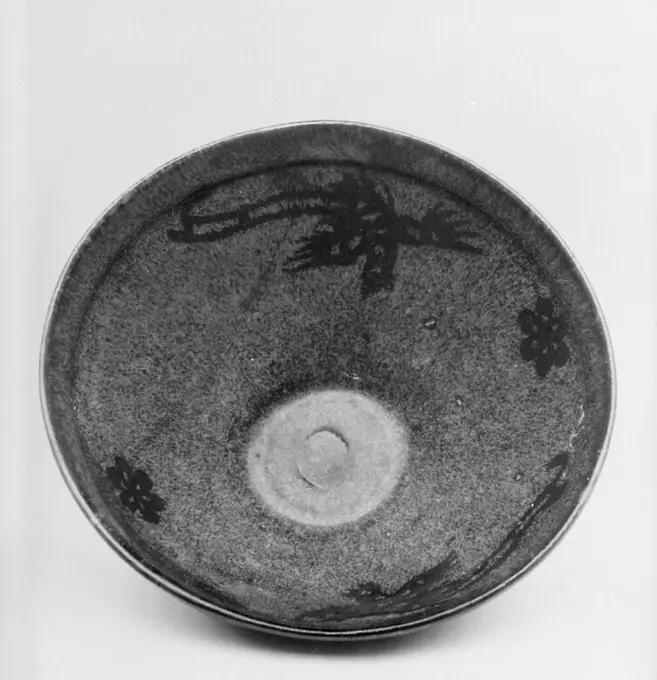
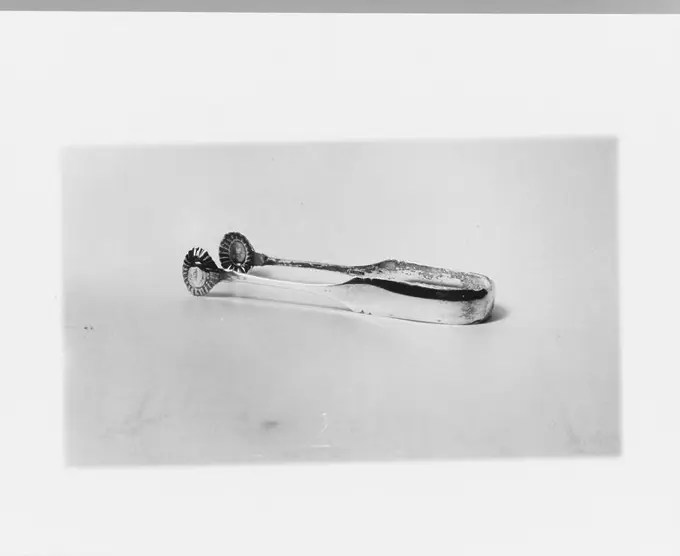
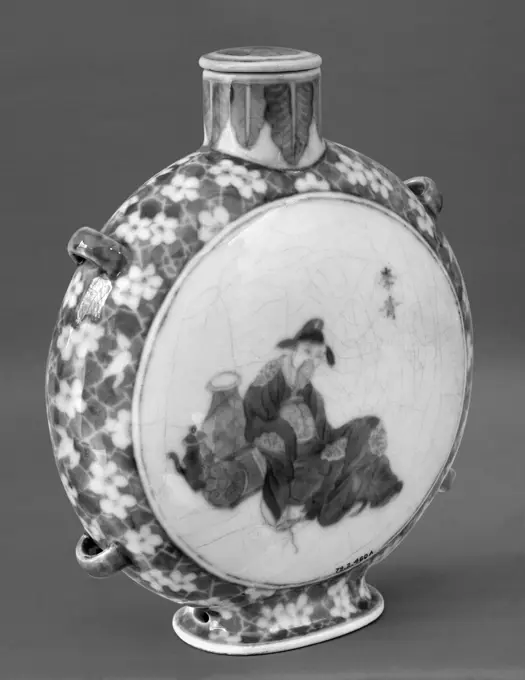
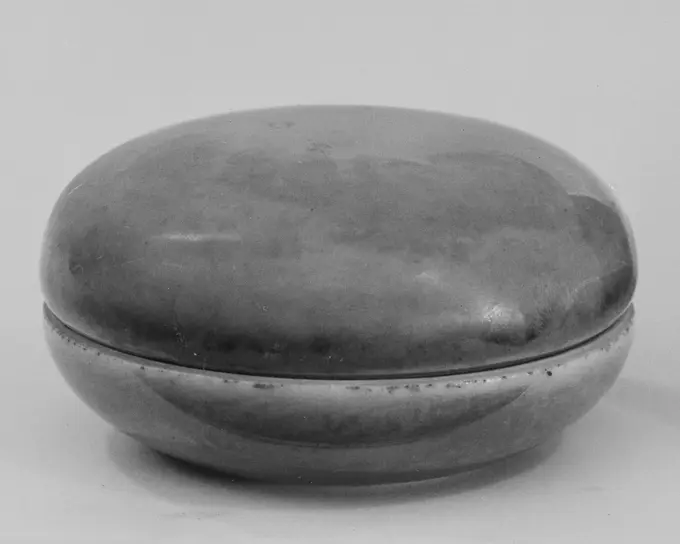
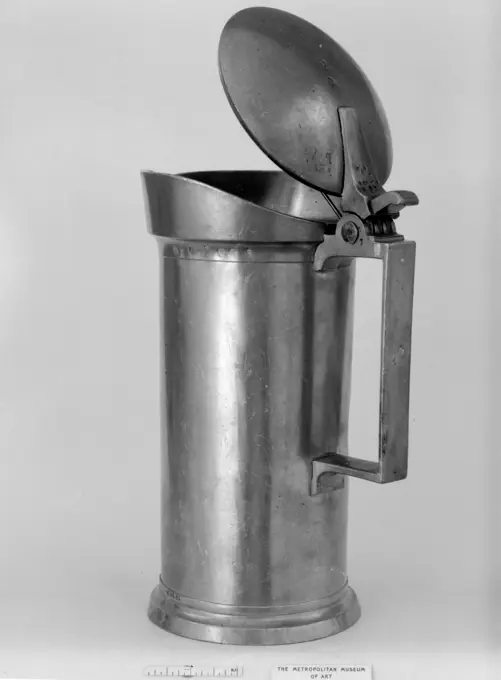
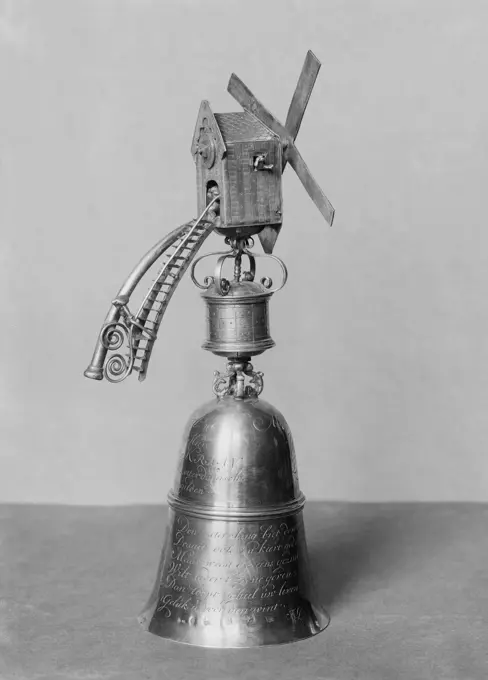
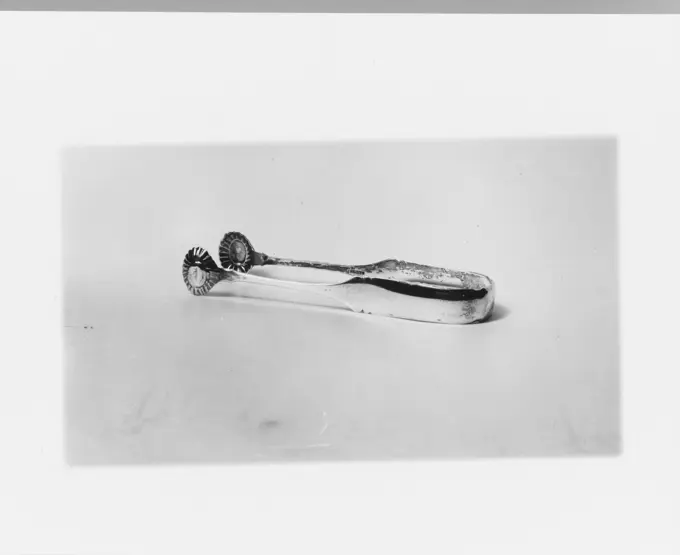
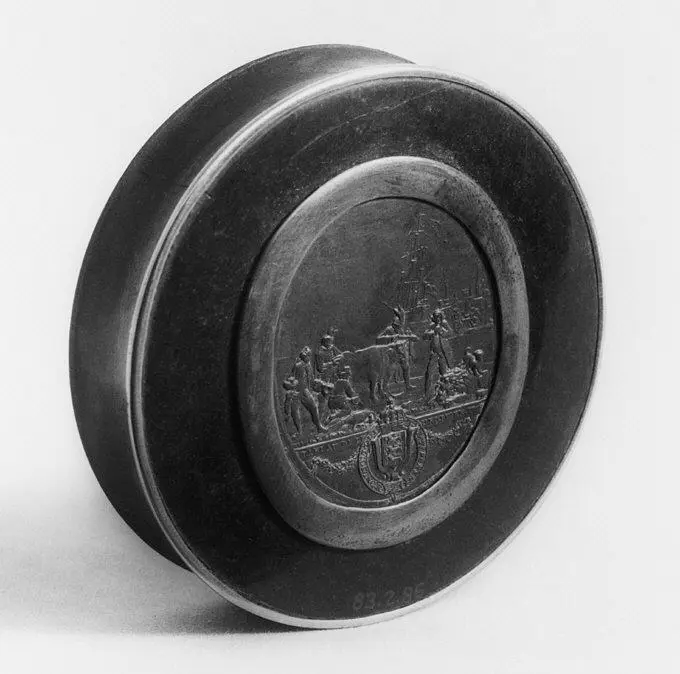
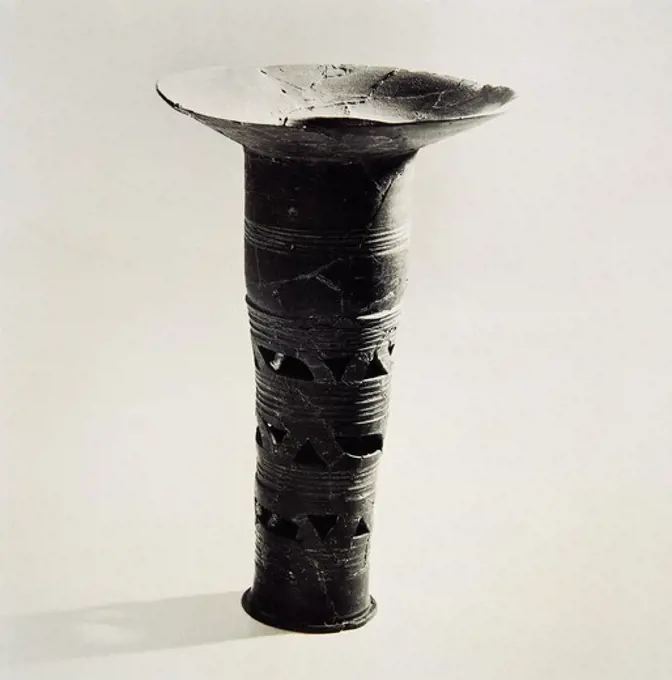
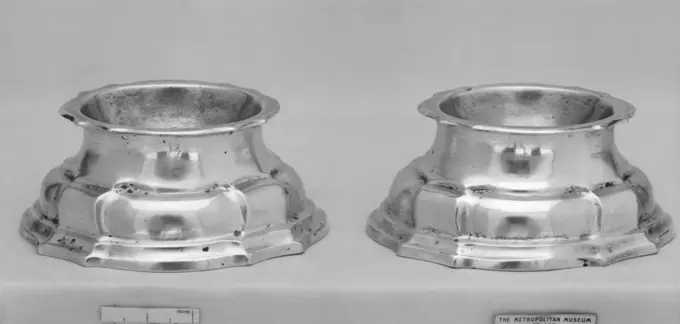
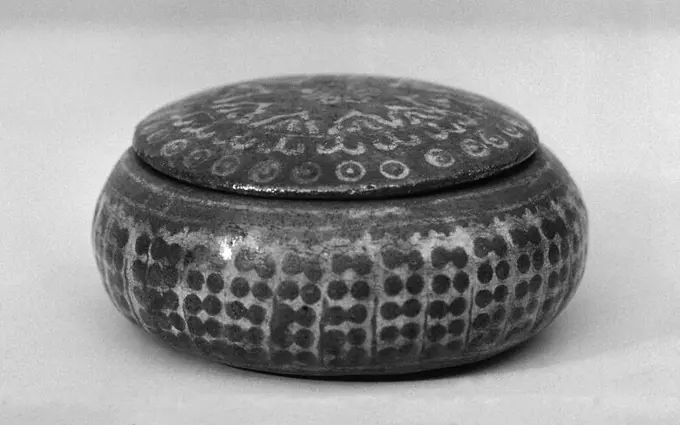
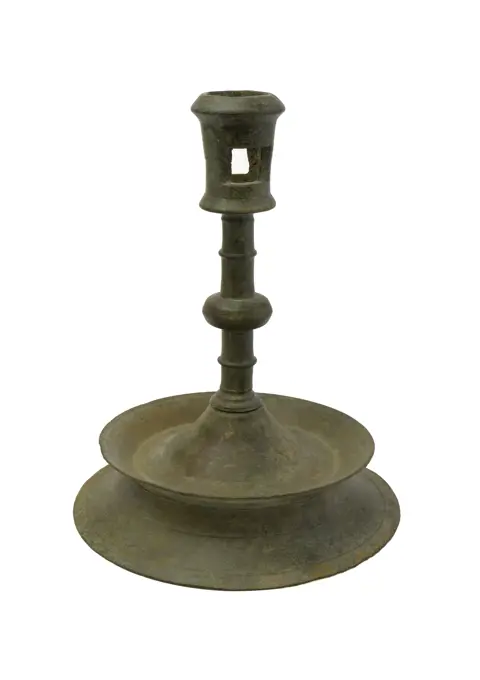
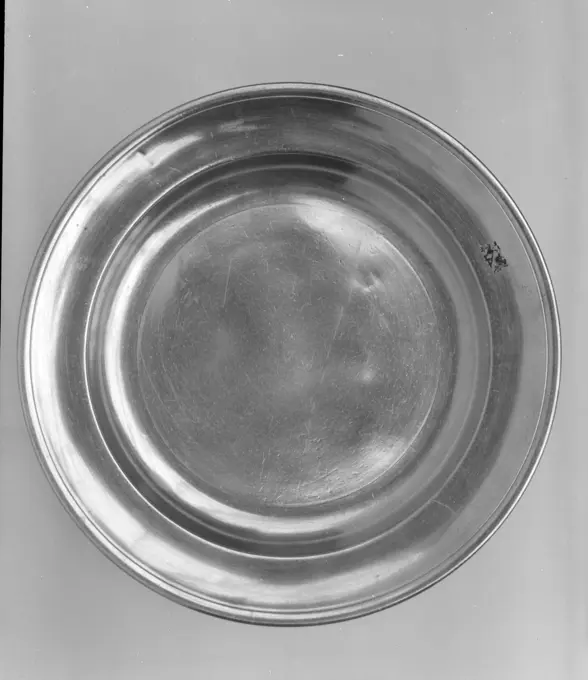
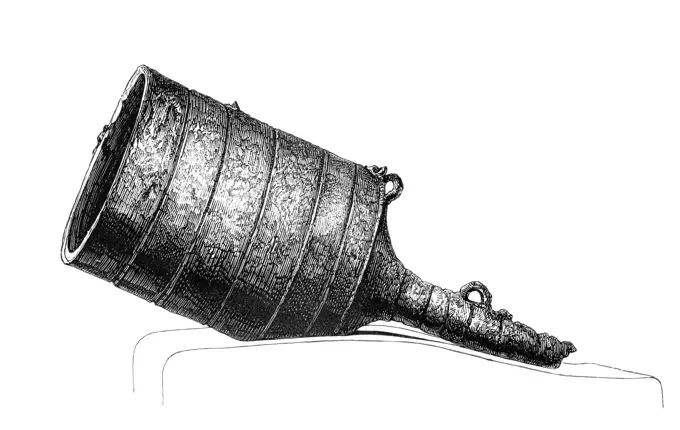
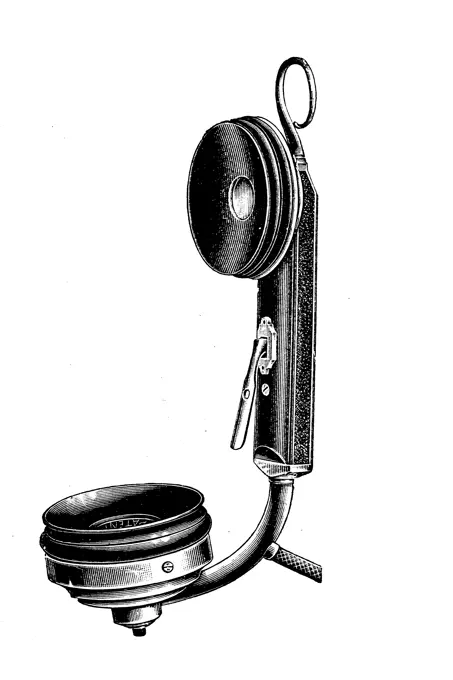
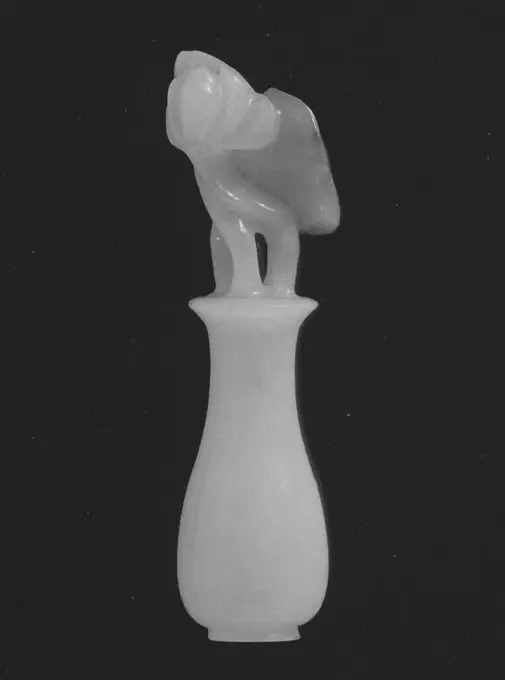
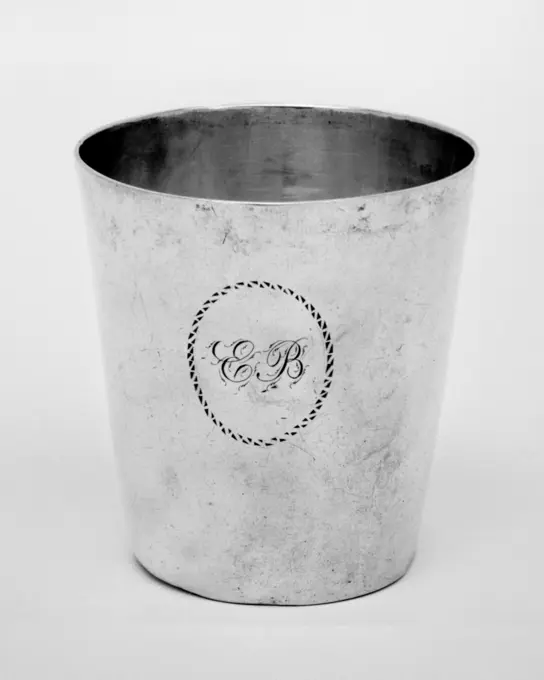
Cricket cage 18th-19th century China. Cricket cage. China. 18th-19th century. Gourd, jade. Qing dynasty (1644-1911). Cricket cagesUnguentarium. UnknownBottle vase 18th century China. Bottle vase. China. 18th century. Porcelain with yellow glaze (Jingdezhen ware). Qing dynasty (1644-1911). CeramicsGallipot. Culture: China. Dimensions: H. 4 5/8 in. (11.7 cm); Diam. 2 3/4 in. (7 cm). Museum: Metropolitan Museum of Art, New York, USA.Pair of vases with covers ca. 1750-60 Enameled by William Littler. Pair of vases with covers 200767Campanian Black Kylix (Stemless); Campania, South Italy, Europe; 323 - 31 B.C; Terracotta; 6.4 x 19 x 12.4 cm (2 1,2 x 7 1,2 x 4 7,8 in.)Gallipot 18th century China. Gallipot. China. 18th century. Porcelain with royal blue and opaque white glazes. Qing dynasty (1644-1911). CeramicsPrunus Vase. Culture: China. Dimensions: H. 7 in. (17.8 cm). Museum: Metropolitan Museum of Art, New York, USA.Vase China. Vase. China. Porcelain with ox-blood glaze. Qing dynasty (1644-1911), Kangxi period (1662-1722). CeramicsStanding cup with cover ca. 1700 Style of Master IH or HI. Standing cup with cover. German, Anstadt. ca. 1700. Glass. Style of Master IH or HI (active Anstadt). GlassGoblet with cover ca. 1675-1725 probably German. Goblet with cover. probably German. ca. 1675-1725. Glass. GlassMinature vase 18th century China. Minature vase. China. 18th century. Porcelain with copper red glaze (Jingdezhen ware). Qing dynasty (1644-1911). CeramicsVase. Culture: China. Dimensions: H. 5 5/8 in. (14.3 cm). Date: early 18th century. Museum: Metropolitan Museum of Art, New York, USA.Teabowl ca. 1830 Japan. Teabowl 63174Bowl and Cover. Artist: Minpei (active 19th century). Culture: Japan. Dimensions: H. 3 3/4 in. (9.5 cm); Diam. 5 1/2 in. (14 cm). Date: 1840. Museum: Metropolitan Museum of Art, New York, USA.Cow Bell ca. 1850-89 German. Cow Bell. German. ca. 1850-89. Brass plated iron, leather. Germany. Idiophone-Struck-bell-clapperCovered Jar 1885-90 American. Covered Jar. American. 1885-90. Blown satin red and cranberry glass. Probably made in United StatesWater Pot with Lid. Culture: Japan. Dimensions: H. 6 7/8 in. (17.5 cm). Date: 19th century. Museum: Metropolitan Museum of Art, New York, USA.Vase 18th century China. Vase. China. 18th century. Porcelain with brownish yellow glaze (Jingdezhen ware). Qing dynasty (1644-1911). CeramicsSnuff Bottle in the Shape of an Octagon 19th century China. Snuff Bottle in the Shape of an Octagon 41752Vase. Culture: China. Dimensions: H. 6 1/2 in. (16.5 cm). Date: late 18th century. Museum: Metropolitan Museum of Art, New York, USA.Flask 17th-18th century possibly French. Flask. possibly French. 17th-18th century. Glass. GlassCordial glasses (3) 18th century probably provincial British. Cordial glasses (3). probably provincial British. 18th century. Glass. Formerly considered made in United States; Probably made in EnglandWineglass 17th century Italian, Venice (Murano) During the Renaissance, Venetian glassmakers, working on the island of Murano, were celebrated across Europe for their fine and sparkling work. Called cristallo” emulating the clarity of rock crystal, in the hands of the most skilled glassblowers the medium could be delightfully manipulated, variously stretched paper-thin flat, or playfully twisted, or blown into molds with spectacular patterns.. Wineglass. Italian, Venice (Murano). 17th century. Glass. GlassBucchero Tripod Chalice; Etruria; 6th century B.C; Terracotta; 17.9 × 17 cm (7 1,16 × 6 11,16 in.)Tea Jar 18th century Japan. Tea Jar. Japan. 18th century. Clay covered with glaze (Seto ware). Edo period (1615-1868). CeramicsDrinking vessel ("istikan") ca. 9th-7th century B.C. Assyrian. Drinking vessel ("istikan"). Assyrian. ca. 9th-7th century B.C.. Ceramic. Neo-Assyrian. Mesopotamia, Nimrud (ancient Kalhu)Bell A.D. 500-1520 Greater Nicoya, Central Region (Costa Rica), Greater Chiriquí, or Greater Coclé This pear-shaped bell was fabricated through the process of lost-wax casting. Its top consists of a suspension loop that is 7.7 mm high. This loop, like the rest of the bell, originally was designed in wax. It was formed by joining two threads of waxthe distinction between the two has been partially preserved in the metal. The use of casting is confirmed by the dendritic appearancethe coarse grains evidence of slow cooling of the metal as it solidifiedseen at the base of the loop. This area also is pinker in color than the rest of the bell, suggesting it has higher copper content at least at the surface, likely due to the fact that someone cleaning or polishing the bellenriching the surface in gold through the oxidation of copperwould have had greater difficulty reaching this region. Indeed, there are scratches all over the resonator surface suggesting widespread polishing after the Hexagonal vase with two handles first half 19th century China. Hexagonal vase with two handles. China. first half 19th century. Porcelain with Ge-type crackled glaze (Jingdezhen ware). Qing dynasty (1644-1911). CeramicsGorget 16th century German. Gorget. German. 16th century. Steel. Armor Parts-ColletinsBridle Gauntlet. Culture: German. Dimensions: L. 13 in. (33 cm). Date: 16th century. Museum: Metropolitan Museum of Art, New York, USA.Vintage Grease oil white isolatedVase. Culture: Japan. Dimensions: H. 12 7/8 in. (32.7 cm); Diam. 6 5/8 in. (16.8 cm). Date: 19th century. Museum: Metropolitan Museum of Art, New York, USA.Cupola seal engraved on back and face ca. 1400-1200 B.C. Hittite. Cupola seal engraved on back and face. Hittite. ca. 1400-1200 B.C.. Black steatite. Hittite Empire. Syria or AnatoliaLazio Viterbo Viterbo Museo Civico34. Hutzel, Max 1960-1990 Views of paintings (Middle Ages through 18th c.), frescoes, a tabernacle, coffin, sculpture reliefs, portal fragments, busts, sculpture, tapestry found in the Pinacoteca, Second floor gallery and Second floor cloister sequences. Antiquities: Many views of Etruscan and Roman fragments, sculpture, sarcophagi, pottery, masks, jewelry and other objects found in the Storeroom sequence (inventory numbers on back of prints), and the Cloister, Second floor Cloister, Valle Giulia, Sala Romana and Sala Etrusca sequences. General Notes: There are eight separate numerical sequences for this location. The cloister as an architectural structure, rather than museum site, is documented in the record and file for S. Maria della Verita, Cloister, all views of which are stored in Medieval core collection. Five views from the Museo Civico Second floor cloister sequence are stored in Medieval. German-born photographer and scholar Max Hutzel (1911-Bell Pendant A.D. 900-1520 Greater Chiriquí This bell is made of cast metal and consists of a hemispherical resonator with an ornate finial. Metalworkers designed the entire object first in wax, and then melted out the wax to replace it with molten metal, which solidified into the form that is preserved today. The finial depicts a bird looking upward, in a crouched position, as if resting before or after flight. The bird is 1.8 cm high. Each eye is formed of a small circular loop of metal and a hemisphere that sits in the middle of the loop. The mouth or beak is curved, with the top part projecting slightly beyond the lower part. The wings are curved and point to the back of the bird. They are formed by two curved extensions of metal that create somewhat of a heart shape and cross over each other near the back. These elements were formed by joining two threads of wax when the objects model was fabricated. The birds tail is shown projecting at the back and has two incisions, likely adViolin Bottle 1840-50 American. Violin Bottle. American. 1840-50. Free-blown molded aquamarine glass. Made in Pennsylvania, United StatesGarrett & Schanck, Tea Spoon, c. 1770, silver.Pair of flower vases with a cover. Wolff, Karol (fl. ca 1800), company owner, Bielino (manufaktura fajansu ; 1779-1800), factoryLamp. Culture: American. Dimensions: H. 10 in. (25.4 cm). Maker: Allen Porter (active 1830-38). Date: 1830-38. Museum: Metropolitan Museum of Art, New York, USA.Anefo photo collection. Shooting Petroleum lamp firm Wijnstroot. October 5, 1951Minature vase 19th century China. Minature vase. China. 19th century. Porcelain with green and crackled grey glaze (Jingdezhen ware). Qing dynasty (1644-1911). CeramicsDe Beker,/ promised as a prize for the winner of the/ Roman wagen racing in Utrecht.Beaker 18th century D.-. Beaker 197437Jug 18th century French. Jug. French. 18th century. Glass. GlassVase ca. 1860 British, probably. Vase. British, probably. ca. 1860. Blown overlay glass. Made in EnglandLarge Ointment Jar with Lid. Dimensions: jar. h. 17.4 cm (6 7/8 in.); diam. 14.4 cm (5 11/16 in.); lid: diam. 13.9 cm (5 1/2 in.). Dynasty: Dynasty 18. Reign: reign of Thutmose III. Date: ca. 1479-1425 B.C..This flaring beaker is a type of jar used for ointments from the time of the earliest dynasties. It appears in the decoration and offering lists of Old Kingdom tombs as early as Dynasty 3. This is one of the vessel shapes associated with the seven sacred oils and is found in specially made boxed sets such as the one from the tomb of Princess Sithathoryunet of Dynasty 12 (16.1.33a, b-16.1.44), and in foundation deposits (see 25.3.46a, b; 25.3.47a, b). Museum: Metropolitan Museum of Art, New York, USA.Tumbler 1700-1800 American. Tumbler 8989Sweetmeat glass 1750 Bohemian. Sweetmeat glass. Bohemian. 1750. Glass. GlassGallipot. Culture: China. Dimensions: H. 5 in. (12.7 cm); Diam. 3 1/8 in. (7.9 cm). Museum: Metropolitan Museum of Art, New York, USA.Vase 18th century China. Vase. China. 18th century. Soft-paste porcelain (Jingdezhen ware). Qing dynasty (1644-1911), Qianlong period (1736-95). CeramicsConical Cup. UnknownDeep Vessel with Handles Japan. Deep Vessel with Handles 49259Jar with cover ca. 1730 German The engraving on the cover is in a much cruder technique than that on the bowl, indicating workmanship by a different artist or that they are not original to each other.. Jar with cover. German. ca. 1730. Glass. GlassEwer 1732-33 Claude-Alexis Moulineau. Ewer 200117Brush Holder 18th century China. Brush Holder. China. 18th century. Porcelain. Qing dynasty (1644-1911). CeramicsVase China. Vase. China. Porcelain. Qing dynasty (1644-1911), Qianlong period (1736-95). CeramicsSamuel Kirk and Son, Tea Spoon, c. 1860, silver.Jelly Glass 1785-1825 American or British. Jelly Glass. American or British. 1785-1825. Blown pattern-molded glass. Possibly made in England; Possibly made in United StatesEmilia-Romagna Ferrara Ferrara Museo Civico di Schifanoia79. Hutzel, Max 1960-1990 General Notes: INCOMPLETE RECORD--NEGATIVES PROCESSED, PRINTS FILED German-born photographer and scholar Max Hutzel (1911-1988) photographed in Italy from the early 1960s until his death. The result of this project, referred to by Hutzel as Foto Arte Minore, is thorough documentation of art historical development in Italy up to the 18th century, including objects of the Etruscans and the Romans, as well as early Medieval, Romanesque, Gothic, Renaissance and Baroque monuments. Images are organized by geographic region in Italy, then by province, city, site complex and monument.Body and Foot of Two Attic Black-Figure Little Master Cups. Xenokles (Greek, active late 5th - early 4th century B.C.)Pottery ointment jar, cylindrical model, white glazed, ointment jar pot holder soil find ceramic earthenware glaze tin glaze, hand turned baked glazed delft white High straight shape with smooth transitions at the necking at foot and neck. White shard. Gray-white. Stand area archeology indigenous pottery packing sell medicine drug craft store pharmacyFlower Vase 19th century Takemoto Japanese. Flower Vase. Takemoto (Japanese, 1845-1892). Japan. 19th century. White porcelain, faintly green, with a flambé collar. Edo (1615-1868) or Meiji period (1868-1912). CeramicsBottle. Culture: Japan. Dimensions: H. 9 1/2 in. (24.1 cm); Diam. 5 in. (12.7 cm). Date: ca. 1500. Museum: Metropolitan Museum of Art, New York, USA.Rose Bowl ca. 1885 British, probably. Rose Bowl. British, probably. ca. 1885. Blown satin red and green glass. Probably made in West Midlands, EnglandPorringer 1810-50 Thomas Danforth Boardman. Porringer 6658Breastplate. Armorer: Hans Maystetter (Austrian, Innsbruck, documented 1508-33). Culture: Austrian, Innsbruck. Dimensions: H. 17 1/2 in. (44.45 cm); Wt. 5 lb. 11 oz. (2580 g). Date: ca. 1510.The breastplate's rounded form and ribbed surface anticipate the appearance of a style of fluted armor popular in Germany and Austria during the early sixteenth century that is called the "Maximilian style.". Museum: Metropolitan Museum of Art, New York, USA.Lance door. Bronze. China. Paris, Cernuschi museum. 70003-34 Chinese art, bronze, launchesMaker's mark illegible, possibly I.R, Caster, 1805/6, silver.Bottle China. Bottle. China. Porcelain. Qing dynasty (1644-1911), Kangxi period (1662-1722). CeramicsBowl. Culture: China. Dimensions: H. 2 11/16 in. (6.8 cm); Diam. 5 1/16 in. (12.9 cm). Museum: Metropolitan Museum of Art, New York, USA.Tongs. Culture: American. Dimensions: L. 6 in. (15.2 cm). Maker: J. Cook (active ca. 1820). Date: 1815-25. Museum: Metropolitan Museum of Art, New York, USA.Spoon, 300s. Byzantium, Syria, early Byzantine period, 4th century. Silver; overall: 15.5 cm (6 1/8 in.).Covered flask with poet Li Bai and landscape 19th century China. Covered flask with poet Li Bai and landscape. China. 19th century. Porcelain painted in underglaze cobalt blue (Jingdezhen ware). Qing dynasty (1644-1911). CeramicsSaucer early 18th century China. Saucer 46801Bell 19th century Mexican. Bell. Mexican. 19th century. Copper. Mexico. Idiophone-Struck-bell-clapperCovered Box China. Covered Box. China. Porcelain with peachbloom glaze. Qing dynasty (1644-1911), Kangxi period (1662-1722). CeramicsApulian Red-Figure Epichysis. Attributed to the Menzies Group (South Italian (Apulian), active 330 - 310 B.C.)Campanian Black Kylix (Stemless). UnknownLink wheels.Chalice Cover 7th-9th century Byzantine or Avar (). Chalice Cover 464122 Byzantine or Avar (), Chalice Cover, 7th9th century, Gold, Overall: 13/16 x 5 3/16 in. (2 x 13.2 cm). The Metropolitan Museum of Art, New York. Gift of J. Pierpont Morgan, 1917 (17.190.1712b)Measure late 18th century E. Boulanget. Measure 193298Molenbeker van het molenaarsgilde te Rotterdam.Molenbeker Van Silver. A profiled tire runs around the center of the bell-shaped cup, including an engraved weapon with helmet mark and cover edges: the field cross-sections of gold and throat; The golden field loaded with three black crows, 2 and 1. The carling field loaded with a scepter and a threshing lone, crossed according to the direction of the St. Andrieskruis. The following verses have been engraved on either side: "The mill is grinding // and runs with all winds // that rich O Vrinden // your care and sweat pays // l happiness that fickle the starling beetroid in the back // Then stiffs and then stiffs "and" also turns and turns, but you would return to you; // want to give every 't giving; // then completely your life //' t lucky you wins. FG '. Above the band The following inscription: "Gift from the Lord Pieter Kraay. To the Rotterdamsche Molenaarsgilden. If Hooft Luyde, where: Jan van der Werf, Cornelis de Goeyer and LodewijWelded rails, 1907 and 1899 railsLadle. Culture: British (American market). Dimensions: H. 3 3/4 in. (9.5 cm). Date: 1720-50. Museum: Metropolitan Museum of Art, New York, USA.Samuel Pemberton, Caddy Spoon, 1808/9, silver.Tongs 1815-25 J. Cook. Tongs. American. 1815-25. Silver. Possibly made in Portland, Maine, United StatesBox with Medallion Top 1770-1800. Box with Medallion Top 896Longshan culture (Shandong). Black eggshell pottery goblet, China, Neolithic, PrehistorySaltcellar (one of a pair) 18th century German, Dresden. Saltcellar (one of a pair) 192071Heat or cooling benchCovered Incense Box. Culture: Korea. Dimensions: H. 1 in. (2.5 cm); Diam. 2 3/4 in. (7 cm). Date: 13th-14th century. Museum: Metropolitan Museum of Art, New York, USA.Brass candlestick with drip tray in diabolo shape, candlestick candlestick illumination soil founding copper, poured beaten sawn Copper candlestick Slim trunk decorated with few buds. Candle holder with slightly constricted side wall and two Sawn holes to be able to remove the stumps. Foot consists of hollow bowl shape on which high ledge as drip tray archeology House ten Donck Ridderkerk lighting illuminate candle evening night Soil discovery inside the dike opposite Huis Ten Donck near the coach house.Plate 1794-1830 Spencer Stafford. Plate. American. 1794-1830. Pewter. Made in Albany, New York, United StatesWrought iron bombard. Large-caliber. medieval muzzle-loading cannon or mortar. From the book *The British Army*. 1868. Historical. digitally restored reproduction from a 19th-century originalTelephone, stethoscope and speaking tube of the company Mix and Genest  /  Telefon, Hörrohr und Sprechrohr der Firma Mix und Genest, Historisch, historical, digital improved reproduction of an original from the 19th century / digitale Reproduktion einer Originalvorlage aus dem 19. Jahrhundert. Saltcellar () 18th-19th century Italian, Venice (Murano). Saltcellar (). Italian, Venice (Murano). 18th-19th century. Glass. GlassTieback 1810-25 American. Tieback. American. 1810-25. Bronze. Probably made in United StatesMiniature Vase. Culture: China. Dimensions: H. 2 in. (5.1 cm); W. 5/8 in. (1.6 cm). Date: 20th century. Museum: Metropolitan Museum of Art, New York, USA.Beaker late 18th century L. A.. Beaker 197420