Chinese Leaders of the 20th Century

Black and white photographs of pivotal Chinese historical figures, highlighting their roles in revolutionary politics and governance.

Mao Tze-Tung In Moscow -- Mao Tze-Tung, President of the Central People's Government of the Chinese People's republid, wears a broad smile in this picture received in London from Moscow today Feb 15.  It was announced early today that Russia and China have signed a 30-years alliance. March 8, 1950. (Photo by Associated Press Photo).
Mao Tze-Tung In Moscow -- Mao Tze-Tung, President of the Central People's Government of the Chinese People's republid, wears a broad smile in this picture received in London from Moscow today Feb 15. It was announced early today that Russia and China have signed a 30-years alliance. March 8, 1950. (Photo by Associated Press Photo).
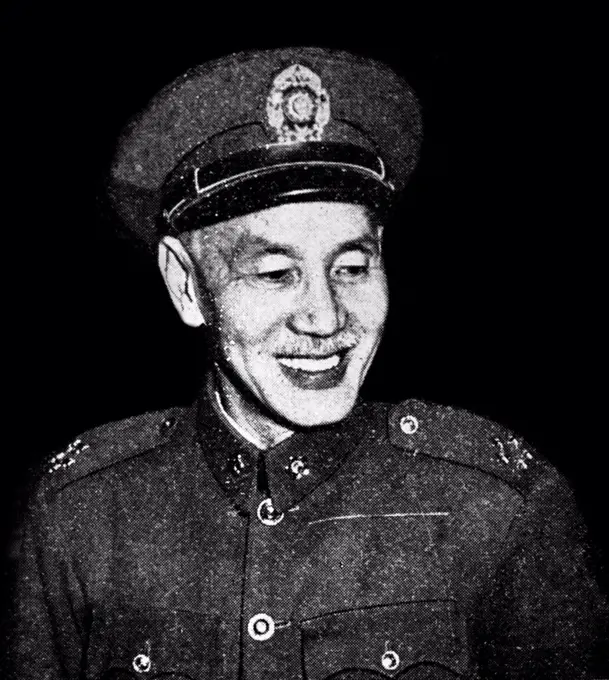
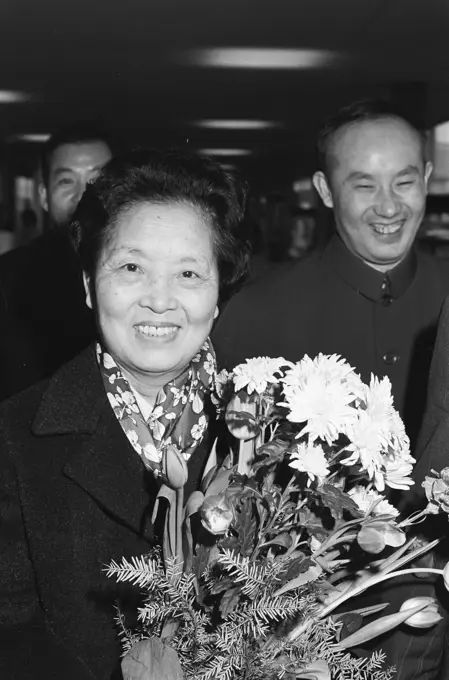
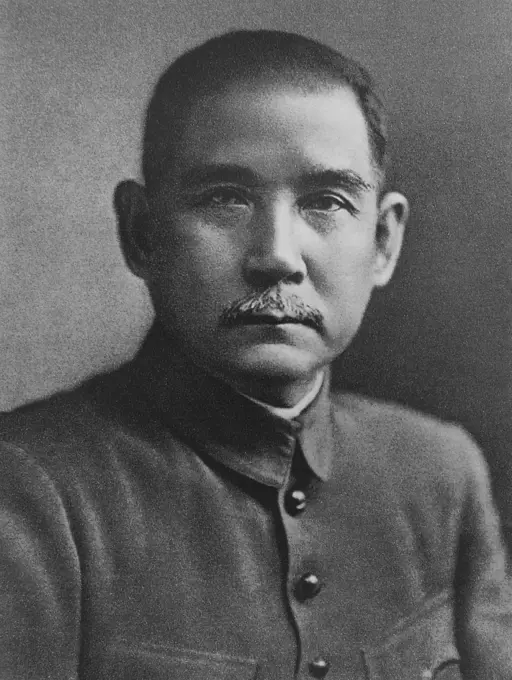
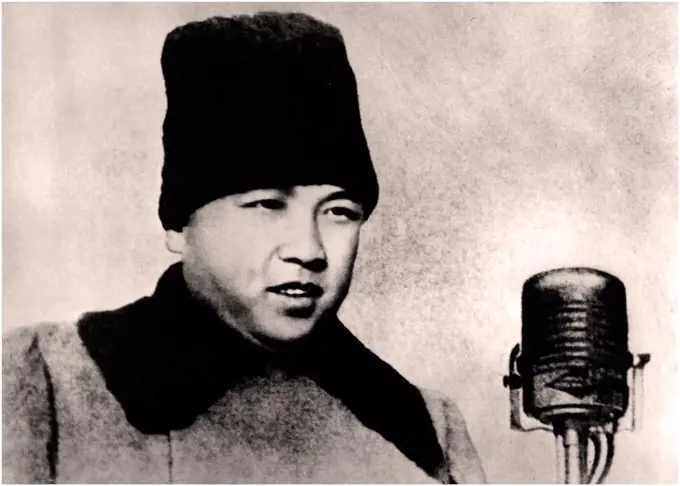
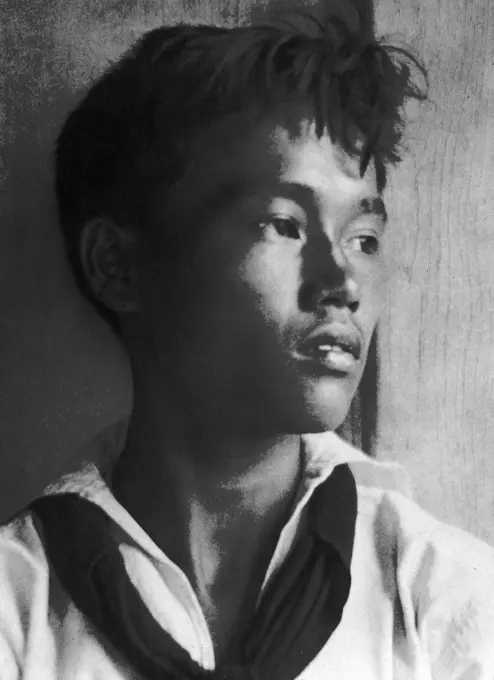
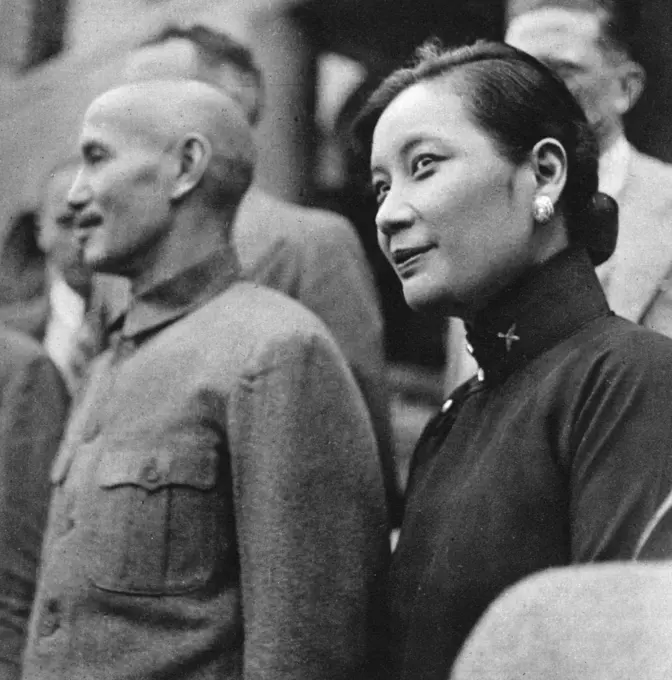
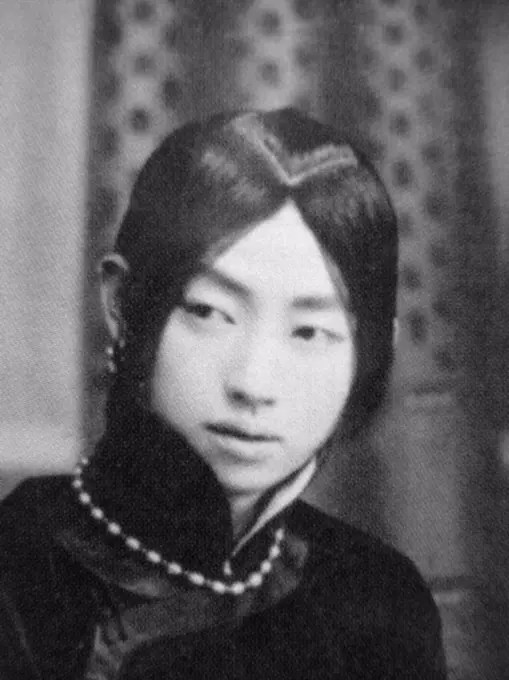
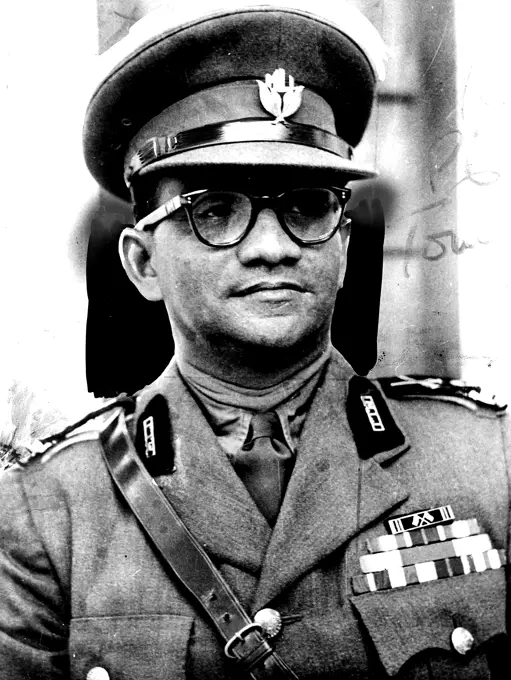
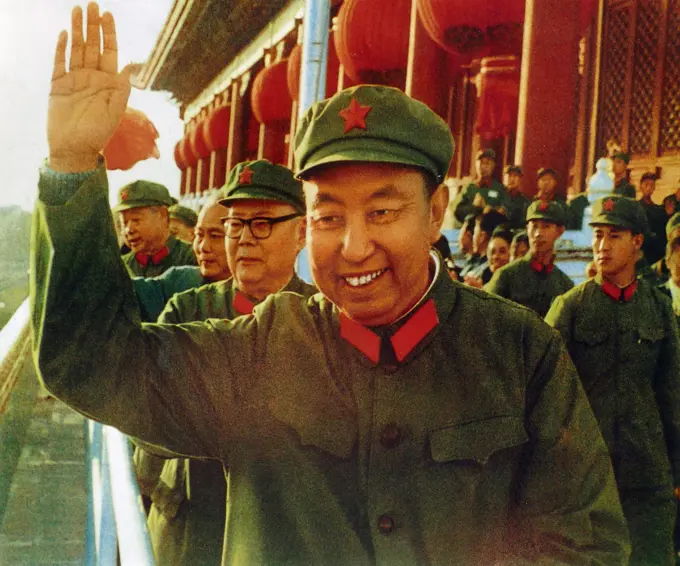
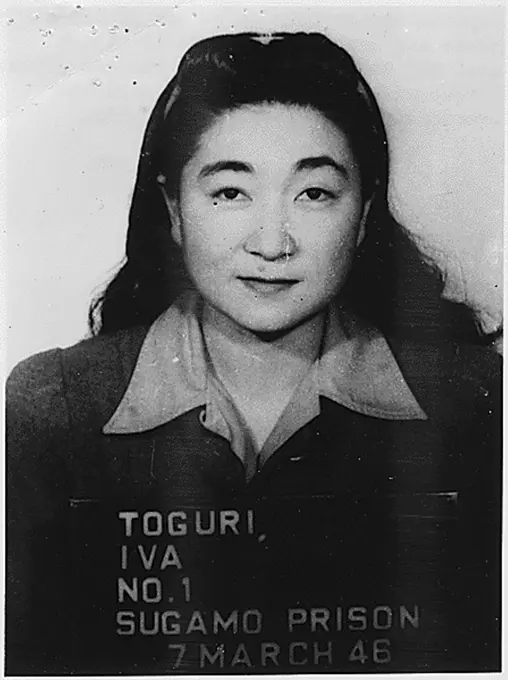
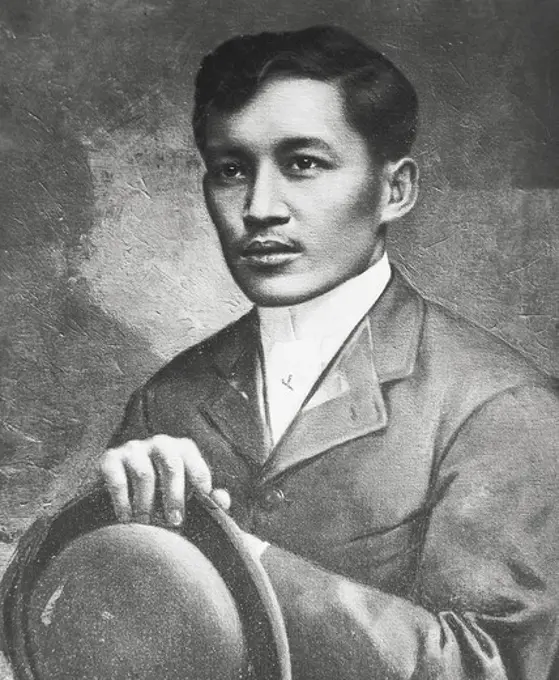
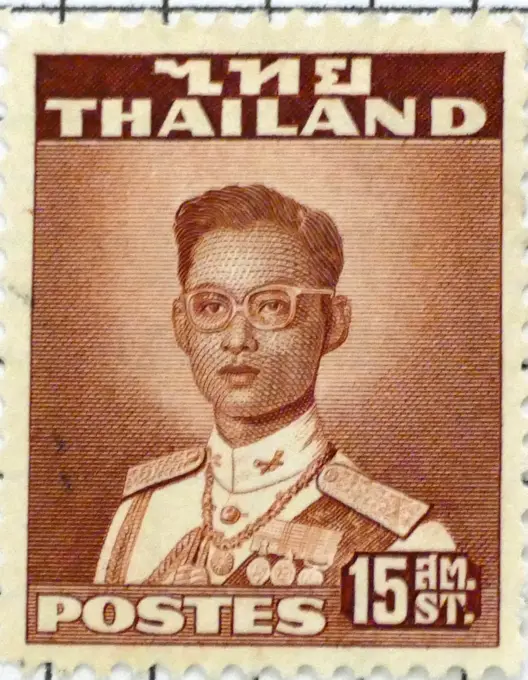
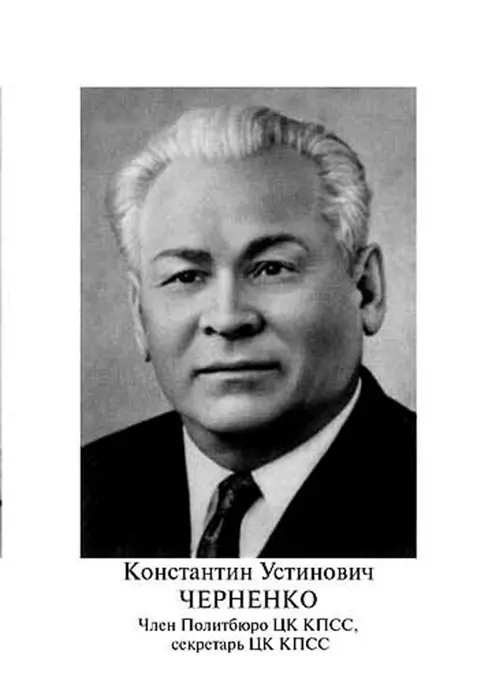
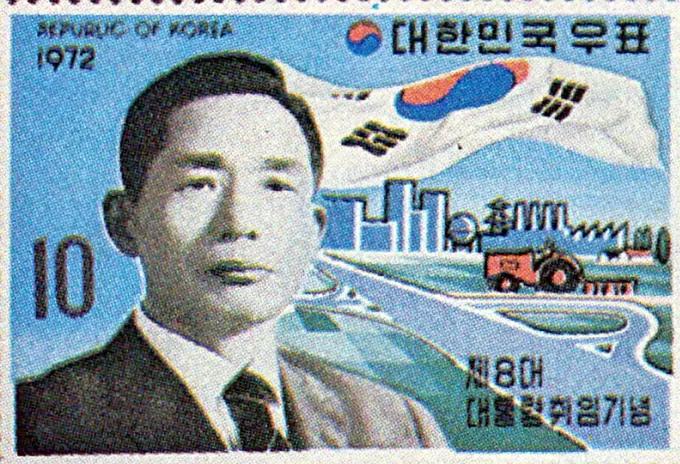
Zhu De was a Chinese Communist military leader and statesman. He is regarded as the founder of the Chinese Red Army (the forerunner of the People's Liberation Army) and the tactician who engineered the victory of the People's Republic of China during the Chinese Civil War.Mao Zedong, Chinese Communist revolutionary and leader, c1950s-c1960s(). Artist: UnknownMan, circa 1930s, Wellington, by Cuba Photographic Studio.Yoshihito (1879-1926), emperador del Japón. Retrato y bandera impresos sobre tela. Años 1920.Burma/Myanmar: U Thant (1909-1974), 3rd Secretary-General to the United Nations (1961-1971) at Schiphol Airport, Netherlands. Jac de Nijs, 1 July 1963Chairman Mao is at Yenan Airport. (1945). Mao Zedong (1893 - September 9, 1976), was a Chinese communist revolutionary who became the founding father of the People's Republic of China (PRC), which he ruled as the Chairman of the Communist Party of China from its establishment in 1949 until his deathSimone de Beauvoir, 1959.Generalissimo Chiang Kai-Shek (1887-1975), head of the Chinese Nationalists. He served as leader of the Republic of China between 1928 and 1975.Prince Masahito Yoshi -- H.I.H. Prince Masahito Yoshi, second son of their Majesties Emperor and Empress celebrates his highness' first birthday anniversary today. November 28, 1936. (Photo by The Domei News Photos Service).A scion of the Chao Chet Ton Dynasty that ruled Chiang Mai and the former Lan Na Kingdom as a tributary of the Siamese Chakri Dynasty in Bangkok from 1775 to 1939.This image shows: Norinaga Motoori. From a portrait kept by a family member. Motoori Norinaga (1730 -1801) was a scholar on Japanese classics, a philosopher, and a poet during the time of the Tokugawa Shogunate.Prince Itō Hirobumi, (藤 博文?, October 16, 1841 - October 26, 1909, also called Hirofumi / Hakubun and Shunsuke in his youth) was a samurai of Chōshū domain, Japanese statesman, four time Prime Minister of Japan (the 1st, 5th, 7th and 10th), genrō and Resident-General of Korea. Itō was assassinated by Korean independence activist An Jung-geun in 1909.Thailand: Field Marshal Sarit Thanarat (June 16, 1908 - December 8, 1963), Prime Minister of Thailand 1959 - 1963. Sarit Thanarat was a Thai career soldier who staged a coup in 1957, thereafter serving as Thailand's Prime Minister until his death in 1963.Chairman Mao proclaiming the establishment of the People's Republic of China 1st October, in Beijing. (1949). Mao Zedong (1893 - 1976), also known as Chairman Mao, was a Chinese communist revolutionary who became the founding father of the People's Republic of China (PRC), which he ruled as the Chairman of the Communist Party of China from its establishment in 1949 until his death in 1976.Bunkichi Hayashi. Ansel Adams's Photographs of Japanese-American Internment at Manzanar.Anefo photo collection. New Chinese ambassador arrived at Schiphol; Mrs. Ding Xue Sang after arrival. February 7, 1979Ferdinand Emmanuel Edralin Marcos Sr. (1917 - 1989) was a Filipino politician and lawyer who was the 10th president of the Philippines from 1965 to 1986.Sun Yat-sen (1866 - 1925) Chinese politician, physician and philosopher who provisionally served as the first president of the Republic of China; and the first leader of the KuomintangKim Il-sung (1912 ñ 8 July 1994) leader of the Democratic People's Republic of Korea, commonly referred to as North Korea, for 46 years, from its establishment in 1948 until his death in 1994David Leung 1911, by Fred Holland Day (1864--1933), American photographer and publisher. He was prominent in literary and photography circles in the late 19th century and was a leading Pictorialist. He was an early and vocal advocate for accepting photography as a fine art. David G. Leung was born in San Francisco in 1893.Nguyn Vn Thiu (1923 - 29 September 2001) president of South Vietnam from 1965-75.Mao Tse Tung.Madame Chiang Kai-Shek(also known as Soong May-ling or Soong Mei-ling)(1898- 2003), pictured with her husband General Chiang Kai-Shek at Chungking, China.     Date: 1941Mei was born in Taizhou, Jiangsu(1894), into a family of Beijing Opera and Kunqu performers. He made his stage debut at the Guanghe Theatre in 1904 when he was 10 years old. In his 50-year stage career, he maintained strong continuity while always working on new techniques. His most famous roles were those of female characters; skillful portrayal of women won him international acclaim. He also played an important part in continuing the performance tradition of Kunqu. In July 1937, the Marco Polo Bridge Incident occurred. The Imperial Japanese Army soon occupied Beijing. The commander of the Japanese Army ordered Mei to perform for them and appointed Mei to a high ranking official position. But Mei refused to sing throughout the duration of the war and endured an impoverished lifestyle until the war ended in 1945. Mei was the first artist to spread Beijing Opera to foreign countries, participating in cultural exchanges with Japan, the United States, and other regions. After 1949 he servMohamed Farid Didi. March 31, 1954.Anefo photo collection. Assignment Brabant Press: Columbiaan Jose De Dios. November 2, 1976Hua Guofeng with Ye Jianying (behind him). 1976. Hua Guofeng (1921 - 2008) served as Chairman of the Communist Party of China and Premier of the People's Republic of China. He was forced out of major political power by more influential party leaders by June 1981. Ye Jianying (1897 - 1986) was a Chinese communist general. As the chairman of the Standing Committee of the National People's Congress from 1978 to 1983, Ye was the head of state of the People's Republic of China.Liu Shaoqi (Liu Shao-ch'i, 24 November 1898 - 12 November 1969) was a Chinese revolutionary, statesman, and theorist. He was Chairman of the People's Republic of China, China's head of state, from 27 April 1959 to 31 October 1968, during which he implemented policies of economic reconstruction in China. He fell out of favour in the later 1960s during the Cultural Revolution because of his perceived 'right-wing' viewpoints and, it is theorised, because Mao viewed Liu as a threat to his power. He disappeared from public life in 1968 and was labelled China's premier 'Capitalist-roader' and a traitor. He died under harsh treatment in late 1969, but he was posthumously rehabilitated by Deng Xiaoping's government in 1980 and given a state funeral. Wang Guangmei (26 September 1921 - 13 October 2006) was a respected Chinese politician, philanthropist, and First Lady, the wife of Liu Shaoqi, who served as the President of the People's Republic from 1959-1968.Korean film star and dancer Cho Jong Jae, David Ketel, 1951 - 1953 color slide  Korea  slide  KoreaMao by Warhol, Andy (1928-1987) / Private Collection / 1972 / The United States / Silkscreen ink on synthetic polymer paint on canvas / Portrait / 91,4x91,4Ichiyo Higuchi (1872-1896) on 5000 Yen 2004 banknote from Japan. Japan’s first prominent woman writer of modern times.Mao Zedong, Chinese Communist leader, 1960. Artist: UnknownIva Toguri D'Aquino, the real Tokyo Rose. Tokyo Rose was a name given by Allied troops in the South Pacific during World War II to all female English-speaking radio broadcasters of Japanese propaganda. Several female broadcasters operated using different aliases and in different cities throughout the territories occupied by the Japanese Empire, including Tokyo, Manila, and Shanghai. Tokyo Rose ceased to be merely a symbol during September 1945 when Iva Toguri D'Aquino was accused of being the "real" Tokyo Rose, arrested, tried, and became the seventh person in U.S. history to be convicted of treason. Toguri was eventually paroled from prison in 1956, but it was more than 20 years later that she received an official presidential pardon for her role in the warAhmed Sukarno (1901  21 June 1970), first President of Indonesia. Sukarno was the leader of his country's struggle for independence from the Netherlands and was Indonesia's first president, from 1945 to 1967.Bogyoke (General) Aung San (13 February 1915 - 19 July 1947) was a Burmese revolutionary, nationalist, and founder of the modern Burmese army, the Tatmadaw. He was a founder of the Communist Party of Burma and was instrumental in bringing about Burma's independence from British colonial rule, but was assassinated six months before its final achievement. He is recognized as the leading architect of independence, and the founder of the Union of Burma. Aung San was the father of Nobel Peace laureate and opposition leader Aung San Suu Kyi.Ho Chi Minh (1890-1969), Vietnamese Nationalist Leader, PortraitSukarno was born on 6 June 1901 in Blitar, eastern Java, to a Javanese schoolteacher and a Balinese mother. His name was Kusno Sosrodihardjo, but he was renamed, as per Javanese custom, after surviving a childhood illness. His name is frequently spelled Soekarno after the Dutch spelling. Graduating with a degree in engineering in 1926, Sukarno became an accomplished architect in Bandung, western Java. His peers considered him modern and highly intelligent reputedly endowed with a photographic memory and he was fluent in nine languages. On 4 July, 1927, Sukarno and some friends founded the Partai Nasional Indonesia (PNI) with a view to fighting for Indonesian independence. Sentenced as a political prisoner in 1930, Sukarno's cause was widely reported in the Dutch East Indies and abroad, and, as a result, he was freed in 1931. Forever a thorn in the Dutch side, Sukarno continued to agitate. In 1942, the invading Japanese drove the Europeans from the islands, and turned to Sukarno and othRIZALY ALONSO, Jos_ Protasio (1861-1896). Filipino patriot and writer.In 1926, Young Companion Pictorial (Liang You, literally 'good friend') was established in Shanghai as the first colored variety magazine. During the 1920s and 30s, when printed news was rare and precious, Companion was already a pioneer in providing pictorial reports to the public. It quickly became the publication that chronicled and provoked Chinas passion for decades to come. Throughout the epic of war and peace, readers could see and read from Companion the faces and thoughts of influential politicians such as Sun Zhongshan (Sun Yat-sen), Jiang Jieshi (Chiang Kai-shek), Feng Yuxiang, Zhang Xueliang, Mao Zedong, Zhu De and Zhou Enlai. Influential thinkers and writers such as Lu Xun, Lao She, Yu Dafu and Lin Yutang all contributed their works to Companion. In addition, Companion published a series of autobiographies, written exclusively for its readers by the celebrities themselves. They inspired many Chinese not only with their successful stories but also their wisdom and attitudeStamp depicting Bhumibol Adulyadej 1927  2016, King Bhumibol of Thailand 1946 - 2016.Portrait of U.S. Army Gen. Colin L. Powell Chairman of the Joint Chiefs of Staff (Uncovered) (Official U.S. Army photograph).Historic stamp, Vietnam, image of Ho Chi Minh, 1985, AsiaPortrait Ban Ki-moon, former Secretary-General of the United Nations, United Nations Headquarters, United Nations Headquarters, United Nations, New York City, New York State, USA, North AmericaKonstantin Ustinovich Chernenko in 1984. ( 1911  10 March 1985). Soviet Russian statesman during the Cold War. General Secretary of the Communist Party of the Soviet Union. He led the Soviet Union from 13 February 1984 until his death thirteen months later, on 10 March 1985. Chernenko was also Chairman of the Presidium of the Supreme Soviet from 11 April 1984 until his death.Ahmed Sukarno 1901-1970. first President of Indonesia, serving in office from 1945 to 1967. Sukarno was the leader of his country's struggle for independence from the NetherlandsSouth Korean stamp commemorating the Inauguration of President Park Chung Hee, for his 4th TermSoong May-ling or Mei-ling, also known as Madame Chiang Kai-shek (Song Meiling, 1898-2003), First Lady of the Republic of China (ROC) and wife of President Chiang Kai-shek. She was a politician and painter. The youngest and the last surviving of the three Soong sisters, she played a prominent role in the politics of the Republic of China and was the sister in law of Song Qingling, wife of President Sun Yat-sen, the founder of the Chinese Republic (1912).U Thant ( January 22, 1909 - November 25, 1974) was a Burmese diplomat and the third Secretary-General of the United Nations from 1961 to 1971. A native of Pantanaw, Thant was educated at the National High School and at Rangoon University. In the days of tense political climate in Burma, he held moderate views positioning himself between fervent nationalists and British loyalists. He was a close friend of Burma's first Prime Minister U Nu and served various positions in Nu's cabinet from 1948 to 1961. He was appointed as Secretary-General in 1961 when his predecessor, Dag Hammarskjöld died in an air crash. In his first term, Thant facilitated negotiations between U.S. President John F. Kennedy and Soviet premier Nikita Khrushchev during the Cuban missile crisis, thereby narrowly averting the possibility of a global catastrophe. In December 1962, Thant ordered the Operation Grand Slam which ended secessionist insurgency in Congo. He was reappointed as Secretary-General on 2nd December 1