Chinese Porcelain

Exquisite Chinese porcelain pieces from the Qing dynasty including vases and cricket cages, characterized by elegant forms and rich glazes.
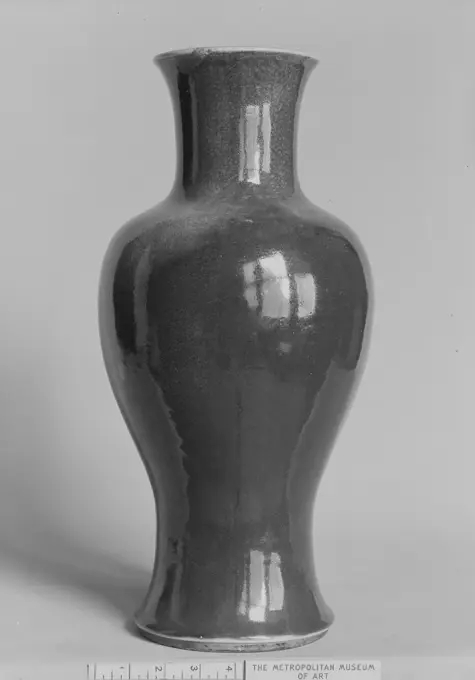
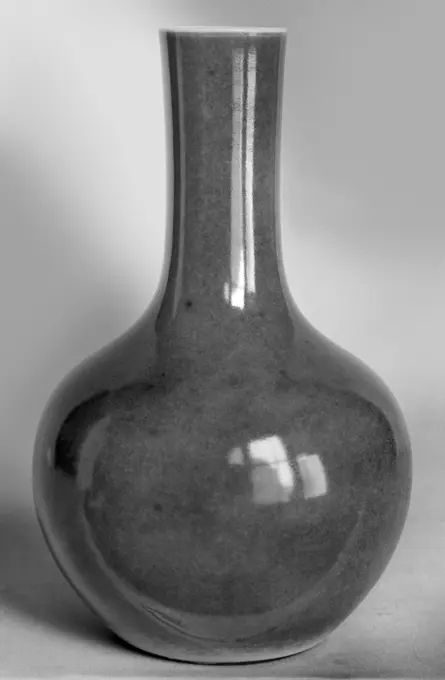
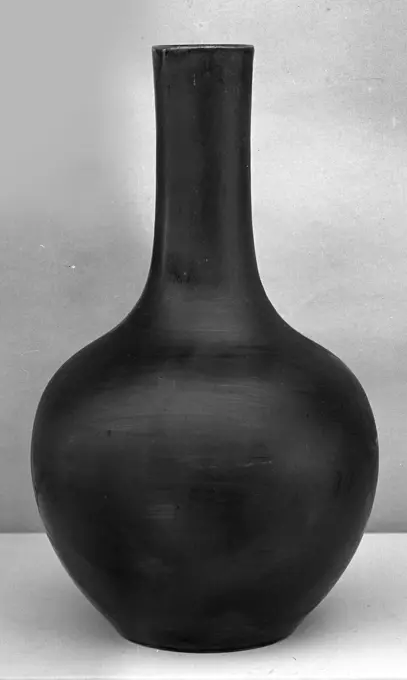
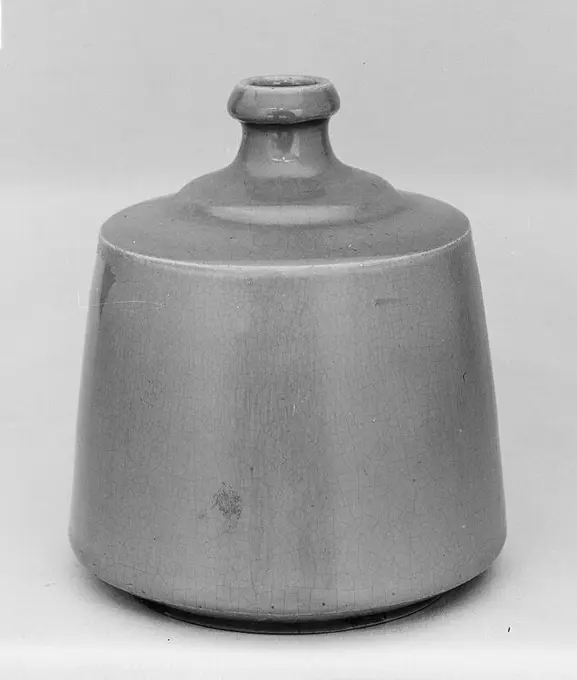
Vase China. Vase. China. Porcelain painted in sang-de-boeuf enamels. Qing dynasty (1644-1911), Kangxi period (1662-1722). Ceramics
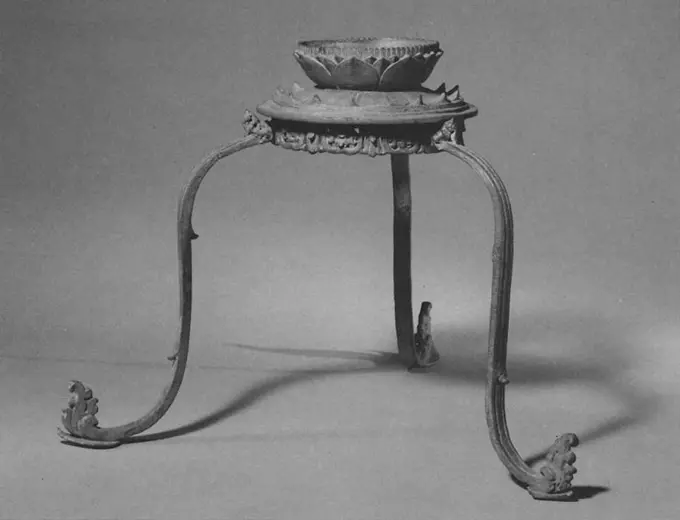
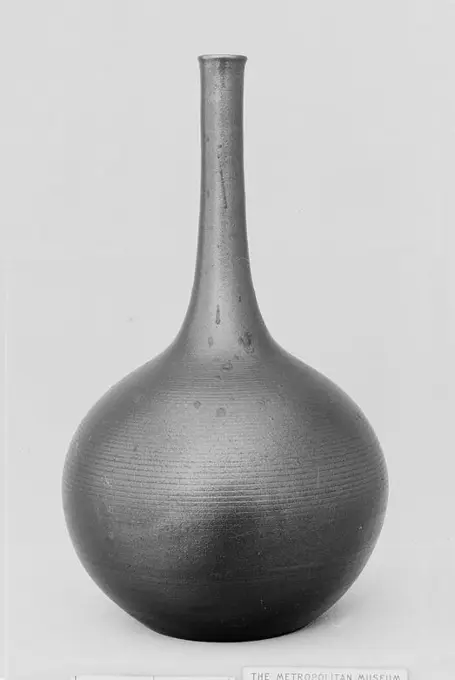
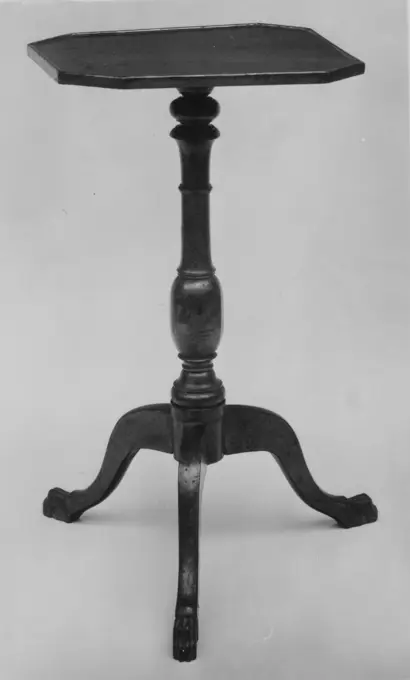
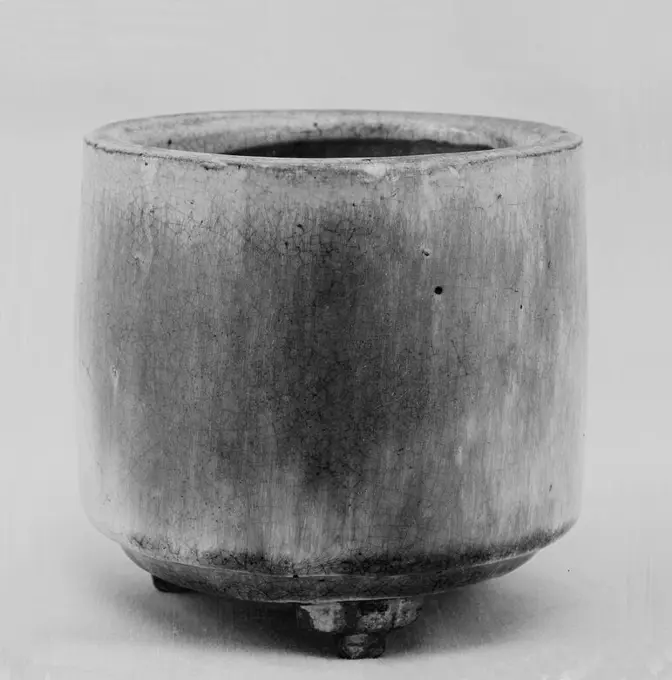
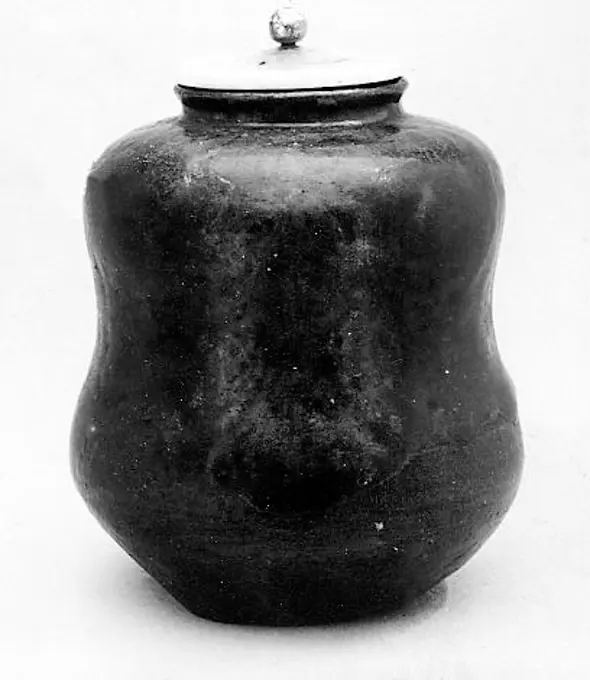
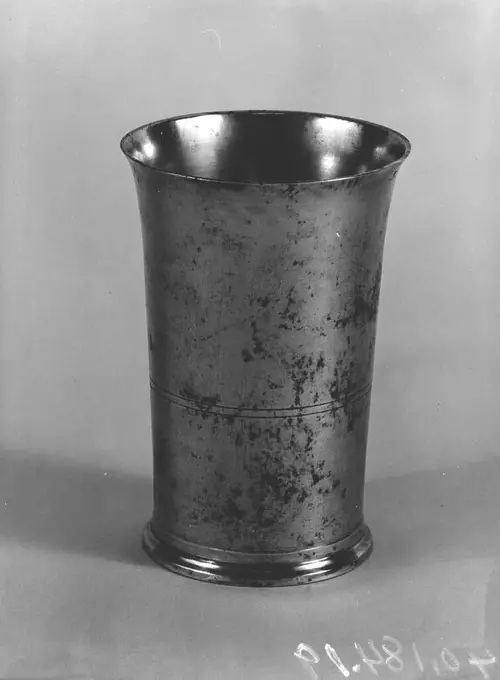
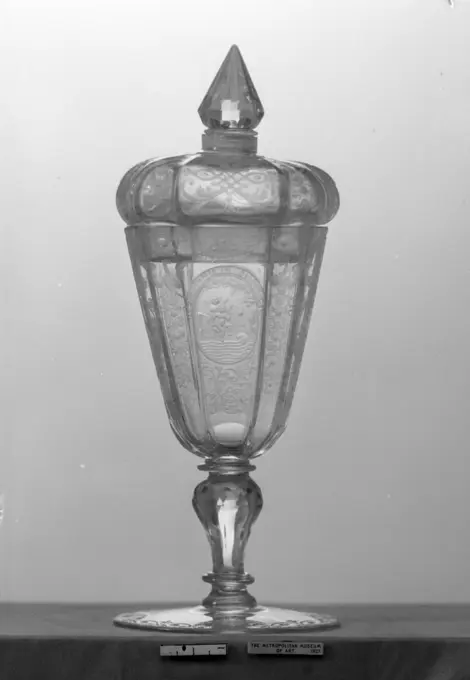
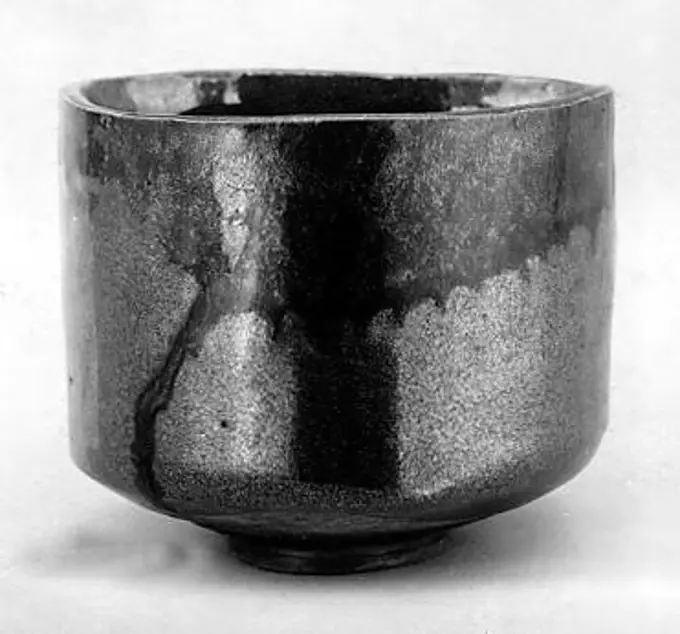
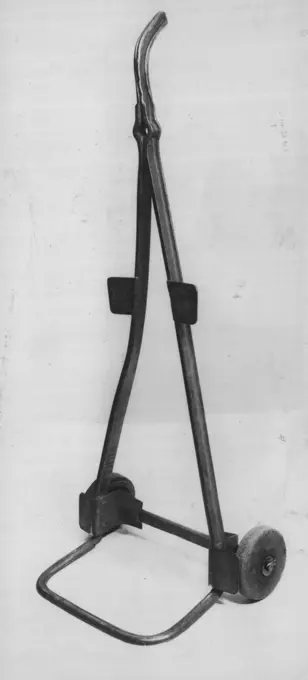
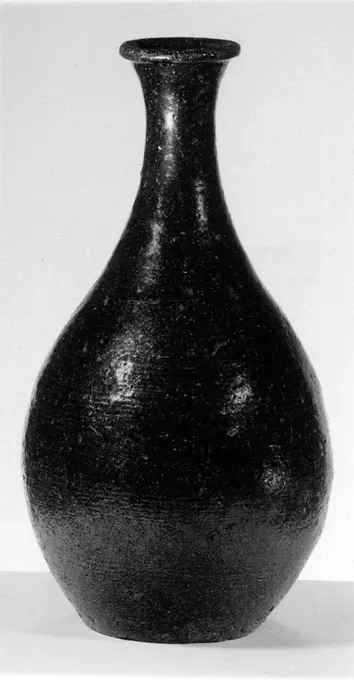
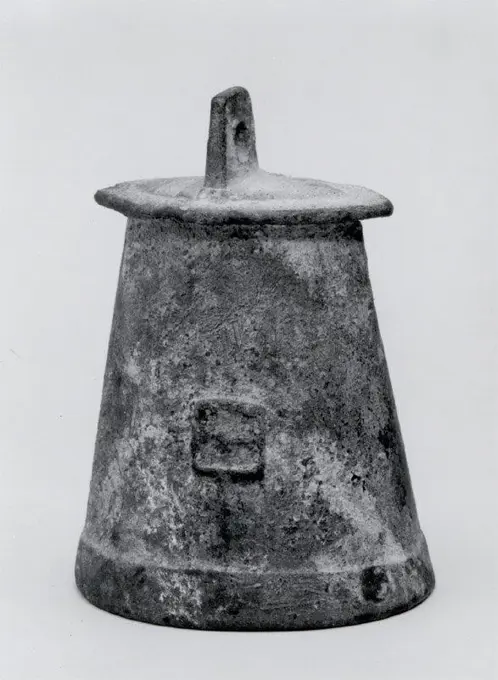
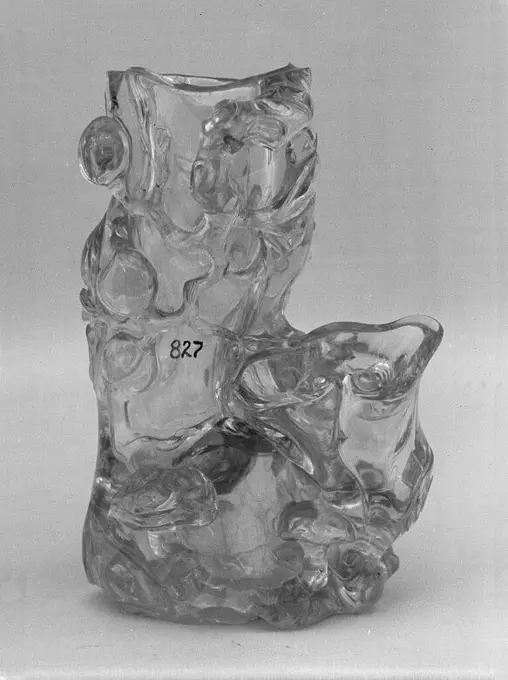
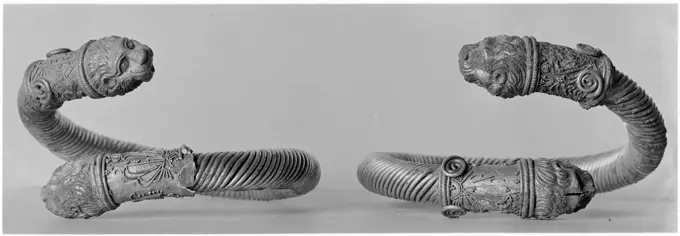
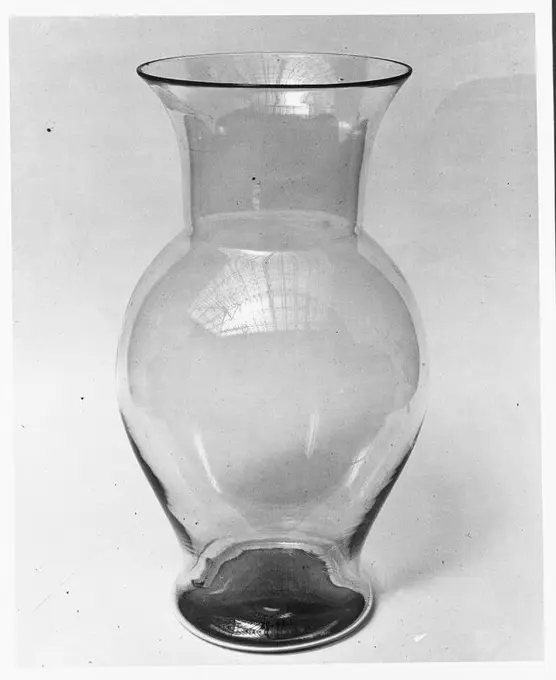
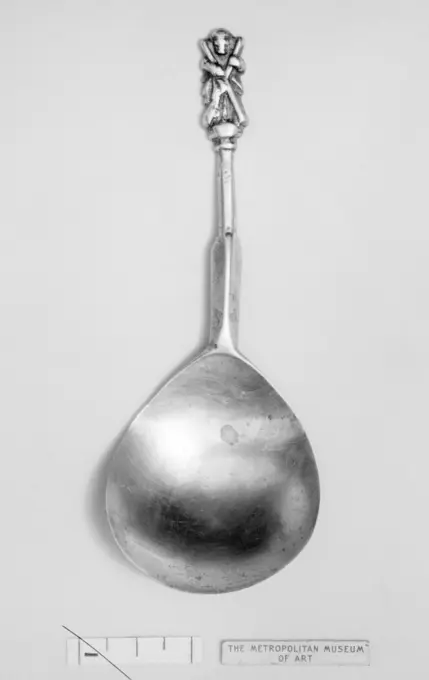
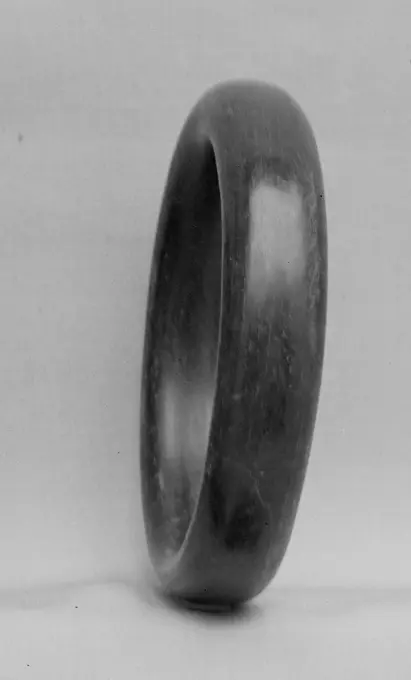
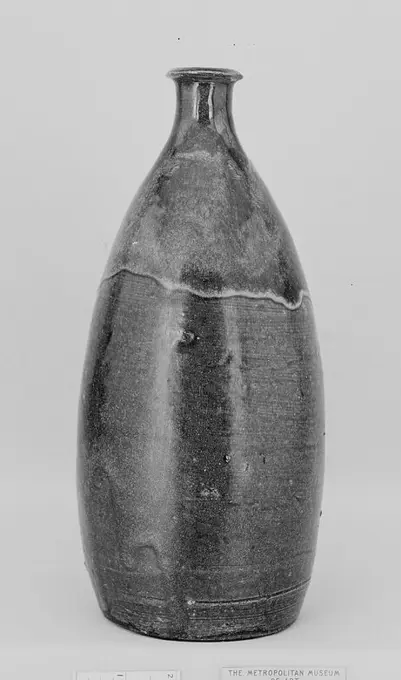
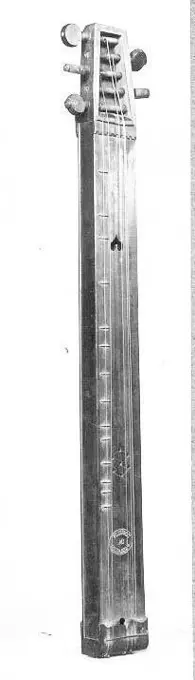
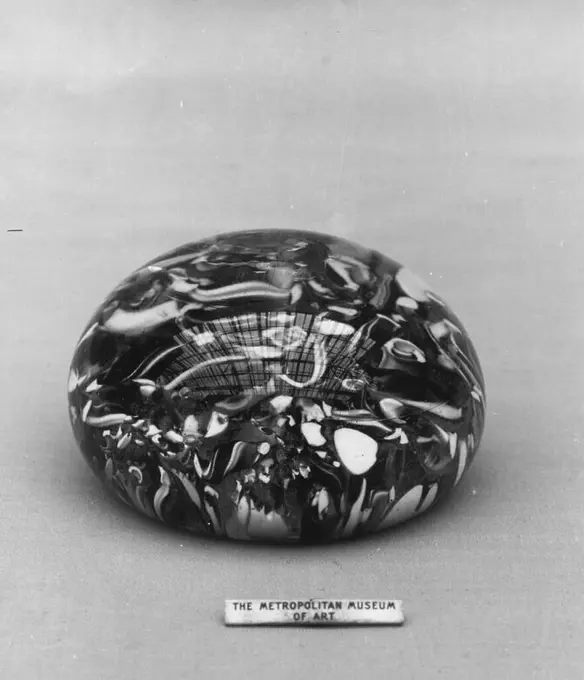
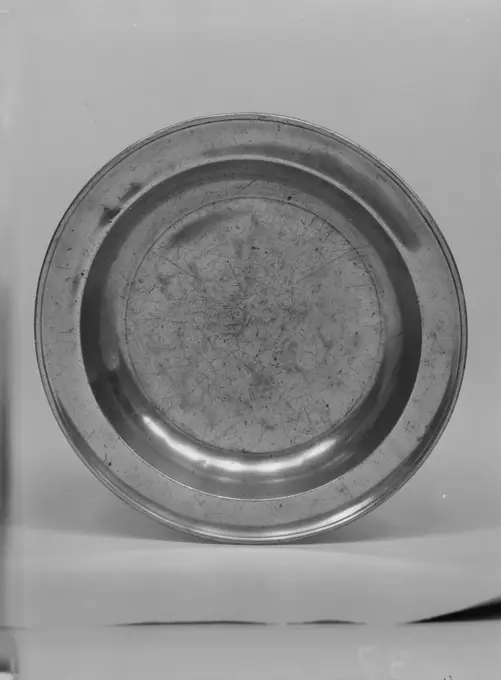
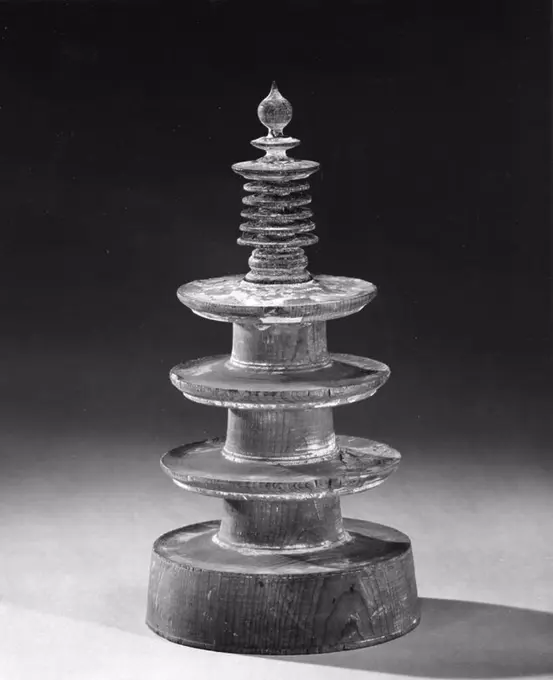
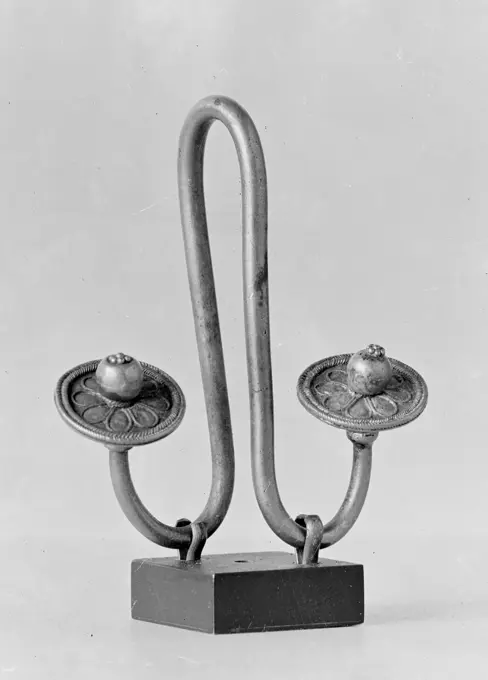
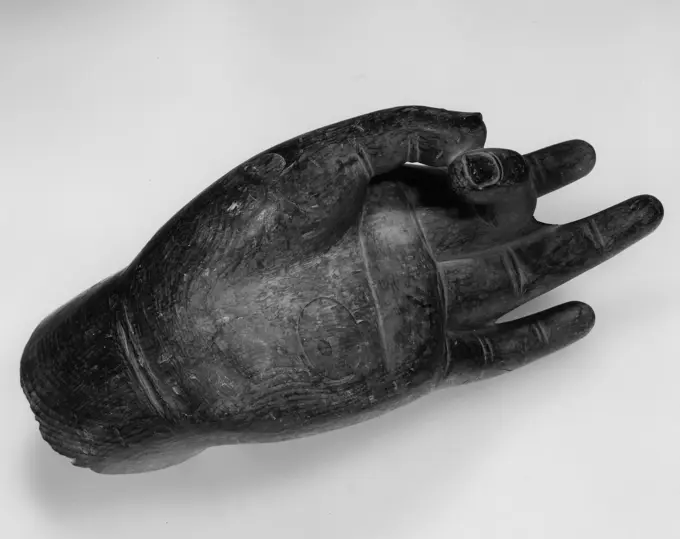
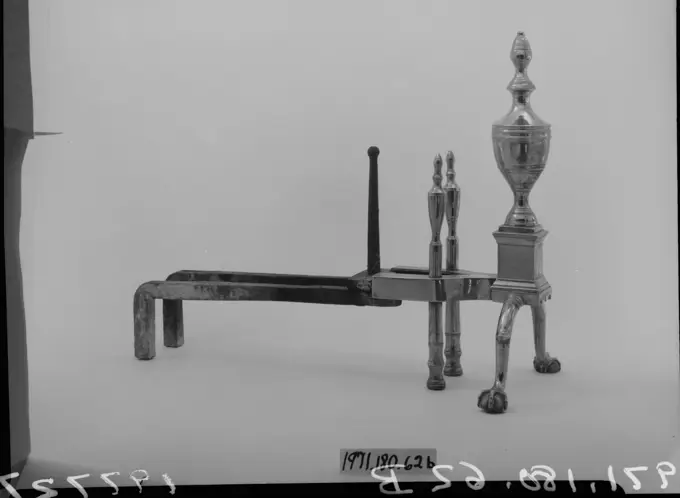
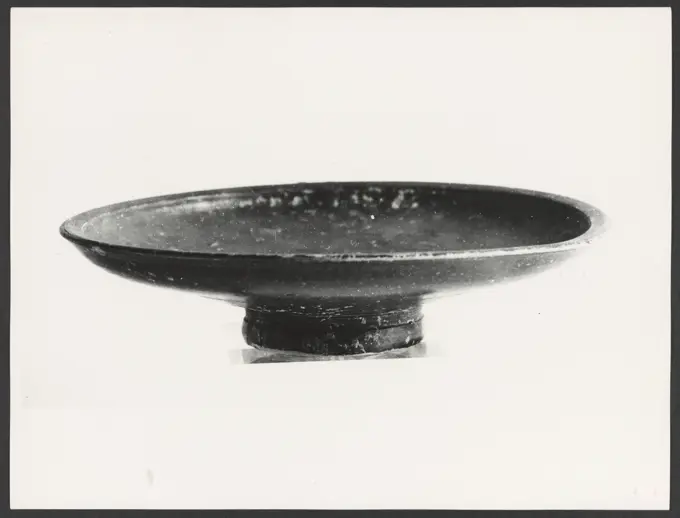
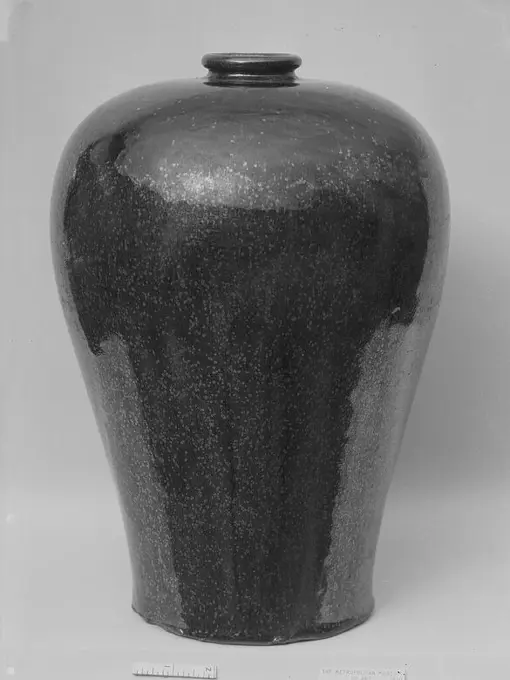
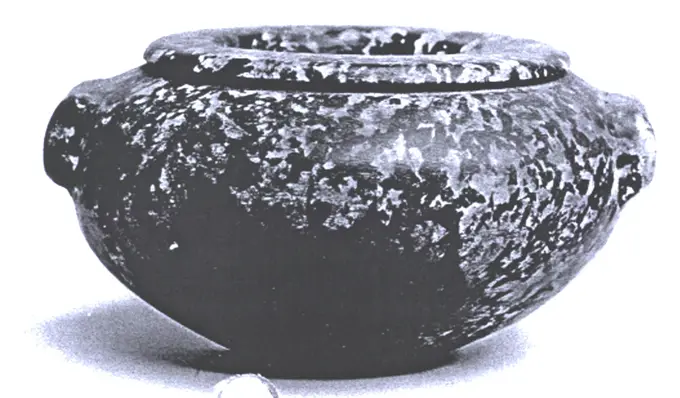
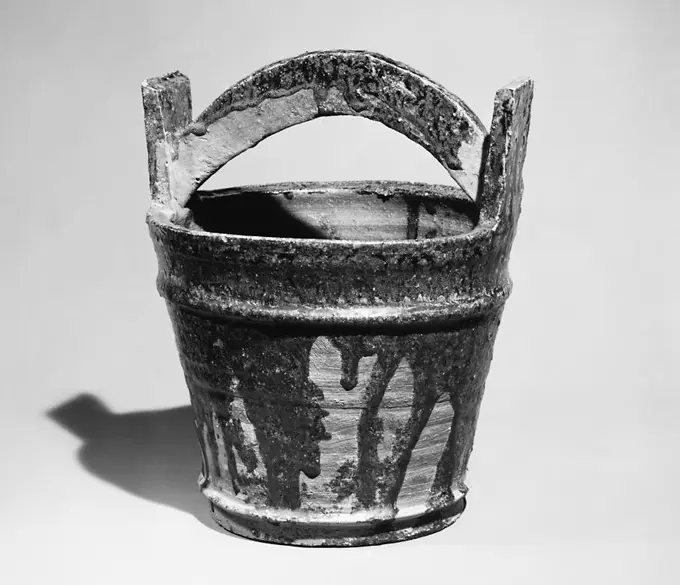
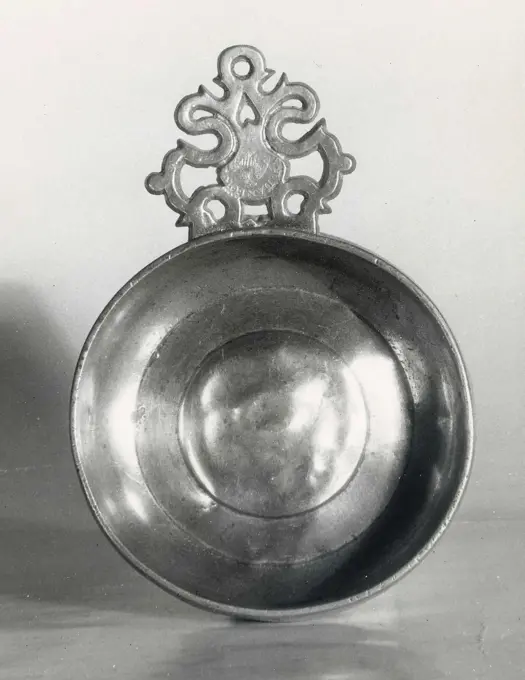
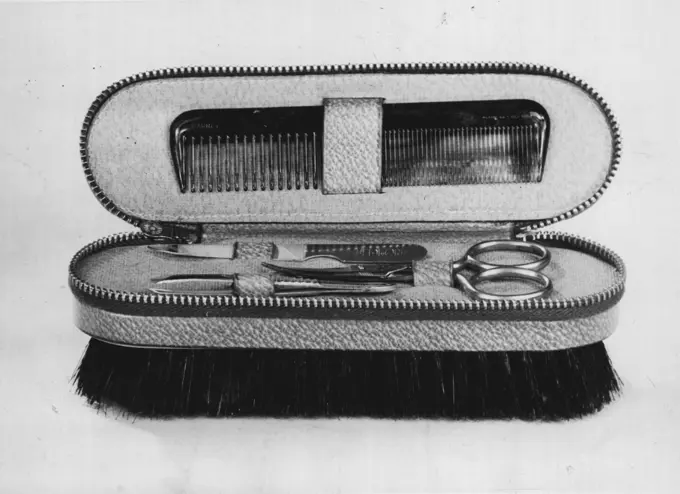
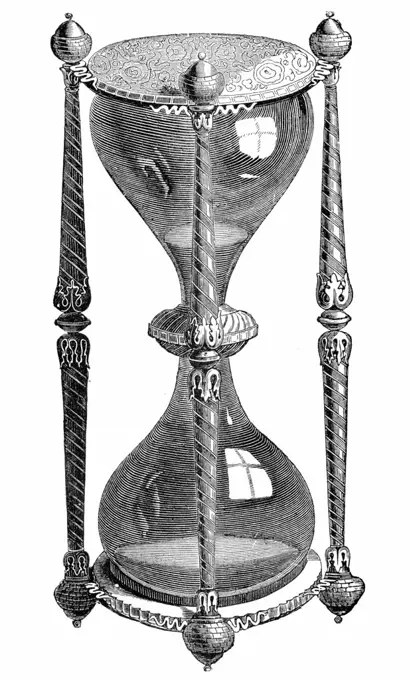
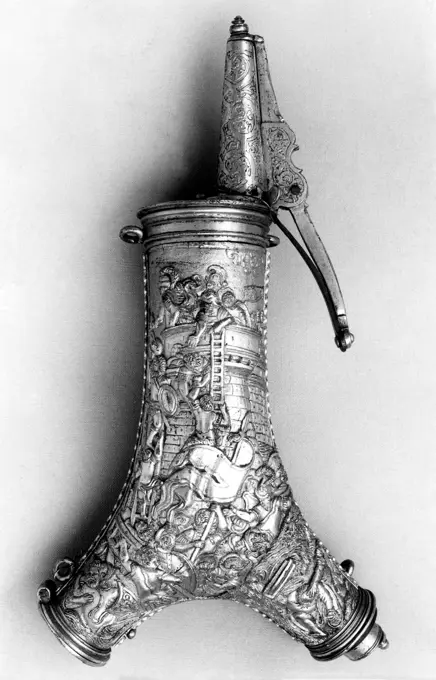
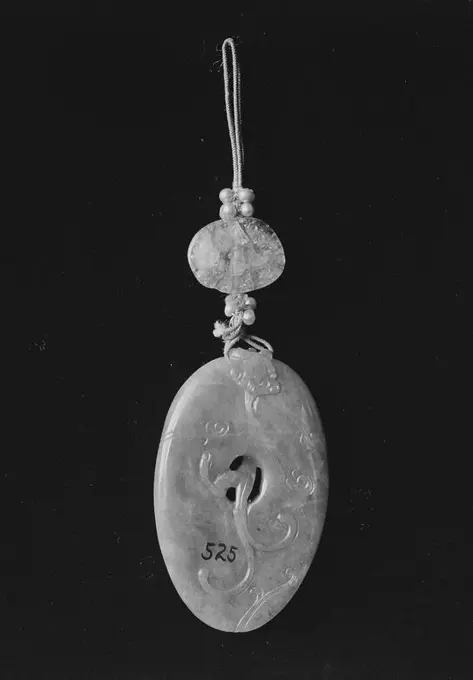
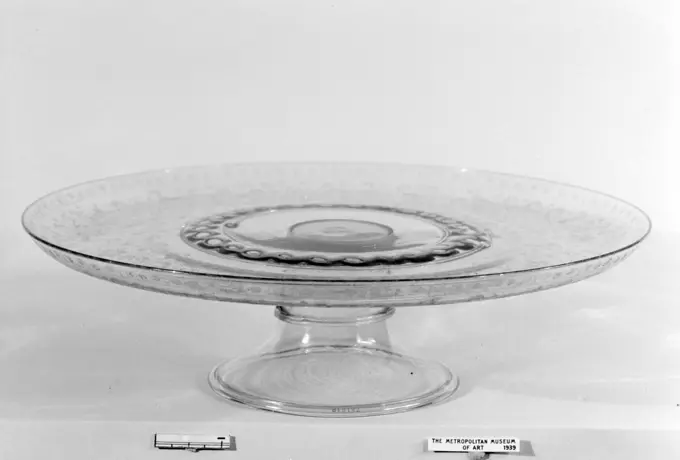
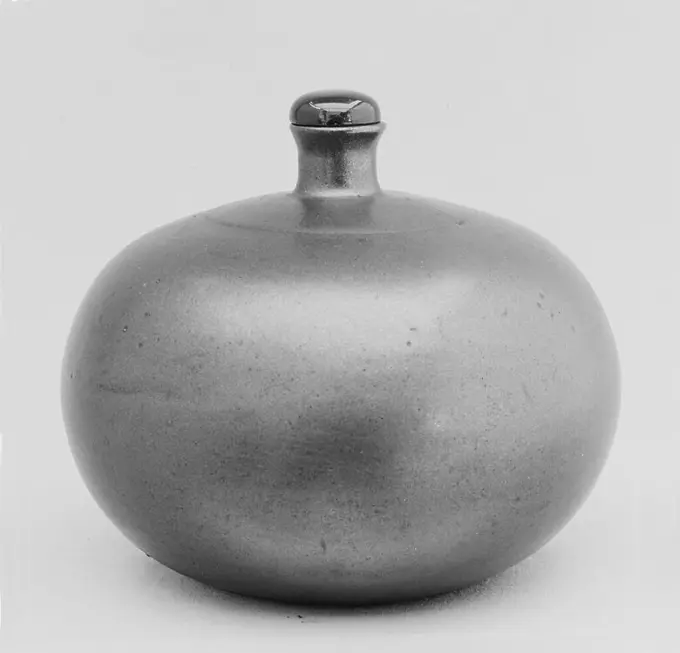
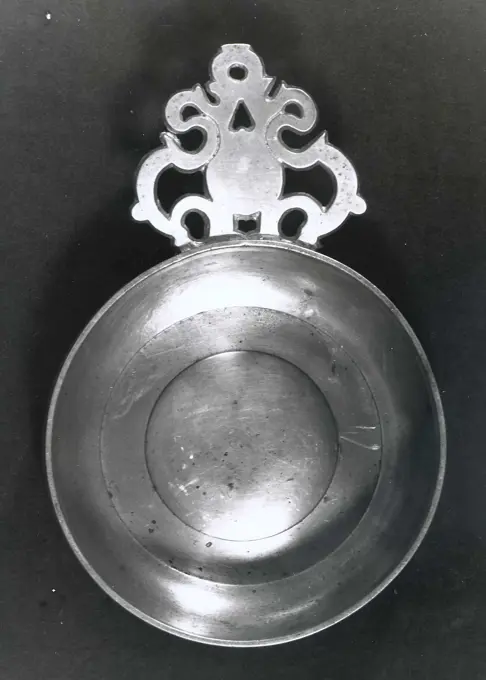
Cricket cage 18th-19th century China. Cricket cage 60748Beaker China. Beaker 52914Vase early 18th century China. Vase. China. early 18th century. Porcelain with copper red glaze (Jingdezhen ware). Qing dynasty (1644-1911), Yongzheng period (1723-35). CeramicsCricket cage 18th-19th century China. Cricket cage. China. 18th-19th century. Gourd, ivory. Qing dynasty (1644-1911). Cricket cagesVase China. Vase. China. Porcelain painted in sang-de-boeuf enamels. Qing dynasty (1644-1911), Kangxi period (1662-1722). CeramicsKOKARE.Swinging Lamp 1858-67 Yale and Curtis. Swinging Lamp. American. 1858-67. Pewter. Made in New York, New York, United StatesPottery Bell ca. 1889 Mexican. Pottery Bell 504749Tripod Support ca. 10th-early 11th century Indonesia (Java). Tripod Support 37718Wine Bottle. Culture: Japan. Dimensions: H. 7 7/8 in. (20 cm). Date: 18th century. Museum: Metropolitan Museum of Art, New York, USA.Candlestand ca. 1800 Chinese, for American market. Candlestand 1171Fire Bowl. Culture: Japan. Dimensions: H. 4 1/8 in. (10.5 cm); Diam. 4 1/2 in. (11.4 cm). Date: 19th century. Museum: Metropolitan Museum of Art, New York, USA.Tea Jar 18th century Japan. Tea Jar 62715Bottle vase 18th century China. Bottle vase. China. 18th century. Porcelain with dark yellow glaze (Jingdezhen ware). Qing dynasty (1644-1911). CeramicsBeaker. Culture: American. Dimensions: H. 5 1/8 in. (13 cm). Maker: Thomas Danforth Boardman (1784-1873); Sherman Boardman (1787-1861). Date: 1810-50. Museum: Metropolitan Museum of Art, New York, USA.Pendant. Culture: China. Dimensions: H. 2 in. (5.1 cm); W. 1 1/8 in. (2.9 cm); L. 5/8 in. (1.6 cm). Museum: Metropolitan Museum of Art, New York, USA.Bottle. Culture: China. Dimensions: H. 5 in. (12.7 cm). Museum: Metropolitan Museum of Art, New York, USA.Canosan Polychrome Stand. UnknownSnuff bottle with stopper 18th-19th century China. Snuff bottle with stopper 41116Candlestick. Culture: American. Dimensions: H. 6 in. (15.2 cm). Maker: Rufus Dunham (1815-1882). Date: 1837-60. Museum: Metropolitan Museum of Art, New York, USA.Standing cup with cover ca. 1720 Bohemian, Riesengebirge (Krkonoše). Standing cup with cover. Bohemian, Riesengebirge (Krkonoše). ca. 1720. Glass. GlassTeabowl 18th century Kiyomizu Rokubei I Japanese. Teabowl 62670This "Python" brand trolley, stolen by thieves, was taken to a Yagoona jewellery shop on Monday, for the purpose of wheeling away a safe, but the intruders were disturbed and left empty handed. Det. Sgt. Kelly and Det. Wild, of CIB Safe Squad, are anxious to trace the owner. August 26, 1955.Bottle early 17th century Japan. Bottle 63550Goblet (Roemer) 17th century German. Goblet (Roemer). German. 17th century. Glass. GlassFoot Scraper 1700-1800. Foot Scraper 957Bell 1st millennium B.C. () Iran. Bell 326604Link wheels.Vase. Culture: China. Dimensions: H. 8 1/4 in. (21 cm). Museum: Metropolitan Museum of Art, New York, USA.Telesect.rotor.Sweden, Blekinge, Blekinge, Karlskrona, Karlskrona, External War Gogs (depicted, City)Maker's Mark SC or SG, Caddy Spoon, 1834, silver.Jar 1800-1870 American. Jar 4489Double vase. Culture: China. Dimensions: H. 6 1/4 in. (15.9 cm). Date: 18th century. Museum: Metropolitan Museum of Art, New York, USA.Water Bottle 19th century Japan. Water Bottle 59856Pair of silver bracelets 4th century B.C. Greek These bracelets could well have been worn by men.. Pair of silver bracelets. Greek. 4th century B.C.. Silver. Late Classical. Gold and SilverVase. Culture: American. Dimensions: H. 10 1/2 in. (26.7 cm); Diam. 4 in. (10.2 cm). Maker: Jersey Glass Company of George Dummer (1824-1862). Date: 1825-50. Museum: Metropolitan Museum of Art, New York, USA.Apostle spoon 16th century German. Apostle spoon 188127 German, Apostle spoon, 16th century, Bronze-gilt, Length: 4 7/8 in. (12.4 cm). The Metropolitan Museum of Art, New York. Gift of Mrs. Samuel P. Avery, 1897 (97.2.92)Vase first half of the 14th century Korea. Vase 57489Bead China. Bead 43119Vase. Culture: China. Dimensions: H. 16 1/2 in. (41.9 cm); Diam. 5 in. (12.7 cm). Museum: Metropolitan Museum of Art, New York, USA.Milk jug 1728-29 British, London. Milk jug. British, London. 1728-29. Silver. Metalwork-SilverBottle 19th century Japan. Bottle 47567Linga Altar with Four Faces of Shiva dated 1045 Nepal (Kathmandu Valley) Shiva linga are variously represented as an unadorned pillar or with one, four, or five heads of Shiva. This linga altar has a four-faced form (chaturmukha). It is banded, likely with munja grass holy to Shiva, alluding to the taming of Shivas phallic energies through his supreme asceticism achieved by yogic practices (tapas). The Newari inscription states that King Bhaskaradeva gave the altar in the year Samvat 166.. Linga Altar with Four Faces of Shiva. Nepal (Kathmandu Valley). dated 1045. Copper alloy. Thakuri period. MetalworkThomas Phipps & Edward Robinson II, Caddy Spoon, 1803/4, silver.Bracelet China. Bracelet 42850Bottle. Culture: Japan. Dimensions: H. 4 3/4 in. (12.1 cm); Diam. 4 1/8 in. (10.5 cm). Date: 19th century. Museum: Metropolitan Museum of Art, New York, USA.Porringer.   Maker: Thomas Melville II, American, w. 1791-1824Bells 1st millennium B.C. Iran. Bells 326594Large Bottle. Culture: Japan. Dimensions: H. 11 1/2 in. (29.2 cm). Date: 18th century. Museum: Metropolitan Museum of Art, New York, USA.Épinette des Vosges late 19th century August Fleurot French. Épinette des Vosges 501600Paperweight. Culture: French, probably. Dimensions: H. 1 5/16 in. (3.3 cm); Diam. 2 3/8 in. (6 cm). Date: ca. 1850. Museum: Metropolitan Museum of Art, New York, USA.Dish 1814-39 Samuel Kilbourn. Dish. American. 1814-39. Pewter. Made in Baltimore, Maryland, United StatesShield-top spoon second half 19th century probably Dutch. Shield-top spoon 188114One of the "One Million Pagodas" (Hyakumanto) and Invocation. Culture: Japan. Dimensions: a. H. 8 3/8 in. (21.3 cm)b. H. 2 1/4 in. (5.7 cm); L. 17 3/4 in. (45.1 cm)c. H. 3 1/4 in. (8.3 cm). Date: ca. 764-70.This miniature wooden pagoda (to) is one of one million (hyakuman) commissioned by the Empress Shotoku (718-770) and distributed to Japan's ten major temples. It originally was created to commemorate and offer thanks to Buddhist deities for their help in suppressing the Emi Rebellion in 764. This example belonged to the temple Horyuji in Nara, where three thousand of the one million pagodas were given away in 1908 to those contributing to an appeal for funds. Each pagoda was painted white and contained a printed Buddhist text called a darani (Sanskrit: dharani), or invocation. The text displayed here came from the pagoda on known as the Jishin'in darani, the invocation is one of four from the sacred text Mukujokokyo (Sanskrit: Vimala Mirbhasa Sutra) found in the pagodas. These prBaya late 19th century Indian. Baya. Indian. late 19th century. Metal, skin. Northern India, India. Membranophone-single-headed / cylindro-conicalCampanian Black Glazed Skyphos. UnknownLazio Latina Sezze Antiquarium Comunale11. Hutzel, Max 1960-1990 German-born photographer and scholar Max Hutzel (1911-1988) photographed in Italy from the early 1960s until his death. The result of this project, referred to by Hutzel as Foto Arte Minore, is thorough documentation of art historical development in Italy up to the 18th century, including objects of the Etruscans and the Romans, as well as early Medieval, Romanesque, Gothic, Renaissance and Baroque monuments. Images are organized by geographic region in Italy, then by province, city, site complex and monument.Bowl probably 18th century Spanish, Catalonia. Bowl. Spanish, Catalonia. probably 18th century. Glass. GlassElectrum earring in the form of a double hook 7th-6th century B.C. Greek With disks and balls.. Electrum earring in the form of a double hook. Greek. 7th-6th century B.C.. Electrum. Archaic. Gold and SilverEmblem of Earth. Culture: China. Dimensions: W. 3 in. (7.6 cm); L. 5 1/2 in. (14 cm); D. 1/4 in. (.6 cm). Museum: Metropolitan Museum of Art, New York, USA.Hand of a Buddha Japan One of the most common mudras in Japanese Buddhist sculpturean open hand with an inflected index or third finger touching the thumbsymbolizes peace and the exposition of Buddhist teaching. It is most often associated with Shakyamuni, the historical Buddha, or Amida (Sanskrit: Amitabha), the Buddha of the Western Paradise. The modeling of this carving suggests the sensuous forms of religious sculpture of the early Heian period, when the styles and iconography of Tang-dynasty Esoteric Buddhist art were introduced to Japan from China.. Hand of a Buddha. Japan. Fragment of a wooden sculpture. Heian period (794-1185). SculptureCow Bell 19th century () D. Christen. Cow Bell. Swiss. 19th century (). Bronze. Thun, Switzerland. Idiophone-Struck-bell-clapperAndiron 1790-1820. Andiron. 1790-1820. Brass, ironLazio Latina Sezze Antiquarium Comunale34. Hutzel, Max 1960-1990 German-born photographer and scholar Max Hutzel (1911-1988) photographed in Italy from the early 1960s until his death. The result of this project, referred to by Hutzel as Foto Arte Minore, is thorough documentation of art historical development in Italy up to the 18th century, including objects of the Etruscans and the Romans, as well as early Medieval, Romanesque, Gothic, Renaissance and Baroque monuments. Images are organized by geographic region in Italy, then by province, city, site complex and monument.Vase China. Vase 60614Whale Oil Lamp 1830-40. Whale Oil Lamp. 1830-40. Pressed and free-blown lead glassCup with cover 18th century China. Cup with cover. China. 18th century. Jade (nephrite. Qing dynasty (1644-1911). JadeGallipot. Culture: China. Dimensions: H. 14 1/2 in. (36.8 cm); Diam. 9 1/2 in. (24.1 cm). Museum: Metropolitan Museum of Art, New York, USA.Unknown, Teapot, c. 1730, silver.Tablespoon late 18th century German. Tablespoon 188117 German, Tablespoon, late 18th century, Silver, 8 3/4 in. (22.2 cm). The Metropolitan Museum of Art, New York. Gift of Mrs. Samuel P. Avery, 1897 (97.2.82)Vase from metal brass, Martin Rulech Jun, In , Foufgraphs, Josechmann , ArtistSquat jar with two lugs ca. 2649-2630 B.C. Old Kingdom. Squat jar with two lugs. ca. 2649-2630 B.C.. Probably pegmatitic quartz diorite. Old Kingdom. From Egypt. early Dynasty 3Girdle ornament China. Girdle ornament 42996Seal China. Seal 40974Purse 19th century China. Purse 70467Water Pot for Tea Ceremony (Mizusashi) Japan Made in the shape of a wooden bucket, this pot, used to bring water into the tea room, reflects the sophistication of taste and ceramic technique that developed in the practice of tea in the Edo period. The shape, though providing an appreciated element of novelty, demanded finesse on the part of its user, who would draw water from it with a long-handled wooden ladle. Its manufacture required considerable skill in molding and firing. The splashed glaze enhances the rustic effect and reflects the potter's control of the effects of ash falling on the vessel in a wood-fired kiln.. Water Pot for Tea Ceremony (Mizusashi) 56168Porringer.   Maker: Josiah Danforth, American, 1803-1872Archer's Shield (Pavise). Culture: Austrian, Klausen. Dimensions: H. 41 1/4 in. (104.8 cm); W. 21 1/2 in. (54.6 cm); D. 5 in. (12.7 cm). Date: 15th century. Museum: Metropolitan Museum of Art, New York, USA.Zippered-Topped clothes brush is fully fitted with a manicure set. It costs £2/16/6. December 8, 1953.Switch in bakelite16th century hourglass: 19th century engravingTongs. Culture: American. Dimensions: L. 7 in. (17.8 cm). Maker: Isaac Hutton (American, New York 1766-1855 Albany, New York). Date: ca. 1800. Museum: Metropolitan Museum of Art, New York, USA.Sweden, Blekinge, Blekinge, Karlskrona, Karlskrona, external marina (depicted, town).Sweden, Blekinge, Blekinge, Karlskrona, Karlskrona, External War Gogs (depicted, City)Powder Flask with Bullet Box, Clock, Compass, and Sundial ca. 1570-1600 German, Augsburg or Nuremberg The flask is cast in relief with a scene of the Roman general Scipio storming the walls of New Carthage. The scene is based on a 1539 engraving by Georg Pencz (1500-1550) of Nuremberg.. Powder Flask with Bullet Box, Clock, Compass, and Sundial 22391Pendant. Culture: China. Dimensions: H. 2 3/16 in. (5.6 cm); W. 1 3/8 in. (3.5 cm); L. 1/4 in. (0.6 cm). Museum: Metropolitan Museum of Art, New York, USA.Tieback 1810-25 American. Tieback. American. 1810-25. Bronze. Probably made in United StatesLazio Roma Rome Museo degli Strumenti Musicali63. Hutzel, Max 1960-1990 German-born photographer and scholar Max Hutzel (1911-1988) photographed in Italy from the early 1960s until his death. The result of this project, referred to by Hutzel as Foto Arte Minore, is thorough documentation of art historical development in Italy up to the 18th century, including objects of the Etruscans and the Romans, as well as early Medieval, Romanesque, Gothic, Renaissance and Baroque monuments. Images are organized by geographic region in Italy, then by province, city, site complex and monument.Tazza ca. 1600 Italian, Venice (Murano). Tazza. Italian, Venice (Murano). ca. 1600. Glass. GlassHobnail celery vase after 1886 Probably Hobbs, Brockunier and Company. Hobnail celery vase. American. after 1886. Pressed colorless and opalescent glass. Made in Wheeling, West Virginia, United StatesBowl Lyre 19th century East African. Bowl Lyre 501046Bottle. Culture: Japan. Dimensions: H. 4 1/4 in. (10.8 cm). Date: 18th century. Museum: Metropolitan Museum of Art, New York, USA.Porringer.   Maker: Frederick Bassett, American, 1740-1800Vase 19th century Japan. Vase. Japan. 19th century. Clay covered with crackled glaze. Edo (1615-1868) or Meiji period (1868-1912). CeramicsFigure of a lady ca. 1720-40 British, Staffordshire. Figure of a lady 205864Lyre 19th century East African Decorative lyre made for export. Lyres have two wood or horn arms that project from the body and carry a crossbar to which the upper ends of the strings are fastened. The strings lie nearly parallel to the soundtable. African lyre bodies are made of wood, gourds, tortoise or coconut shells. Most African lyres lack bridges allowing the strings vibrate against the soundtable to create a buzzing sound.. Lyre 501157Beaker.   Maker: Merriman and Bradley, American, active 1817-26Richard Morton & Co., Basket, 1791/92, silver.Portable lamp 17th century possibly French. Portable lamp 188509 possibly French, Portable lamp, 17th century, Iron, H. 8 5/8 in. (21.9 cm). The Metropolitan Museum of Art, New York. Gift of Henry Victor Burgy, 1901 (01.23.67)Detail picture of rails in rail.Lea & Co., Caddy Spoon, 1811/12, silver.