Chinese Porcelain Plates

A collection of ornate Chinese porcelain plates from different eras, featuring intricate blue and white designs, floral motifs, and historical significance.

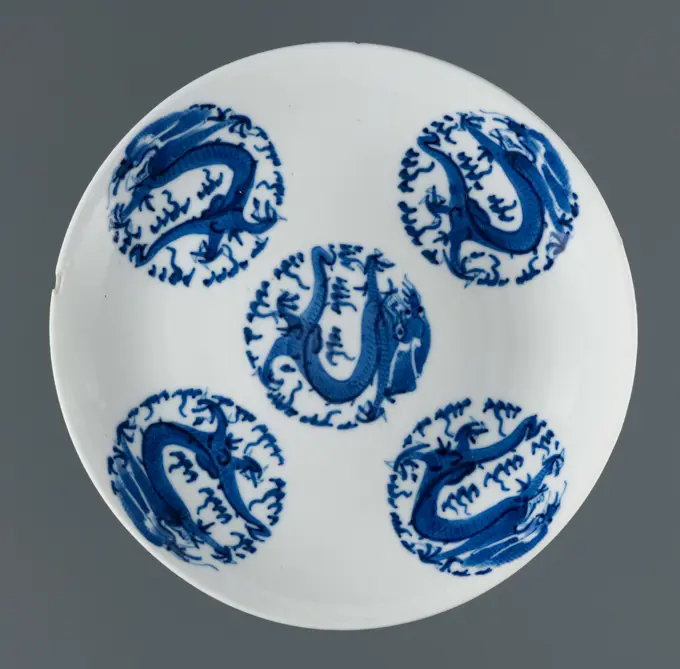
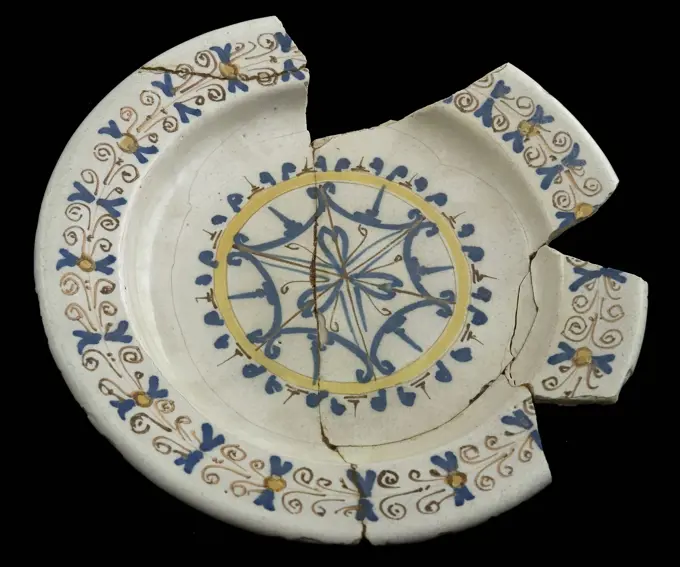
Faience plate on stand with blue decor in Wanli style, plate crockery holder soil find ceramic earthenware glaze tin glaze, hand-turned baked decorated glazed fried Low dish on standing surface smooth curved plate edge at the top with shallow shoulder. Yellow-orange shard. Blue decor on white background with Chinese garden and cassetterand in the style of the period wanli Cooked archeology Valckensteyn Poortugaal Albrandswaard indigenous pottery decorate serving food archaeological find in the soil Poortugaal Valckensteyn
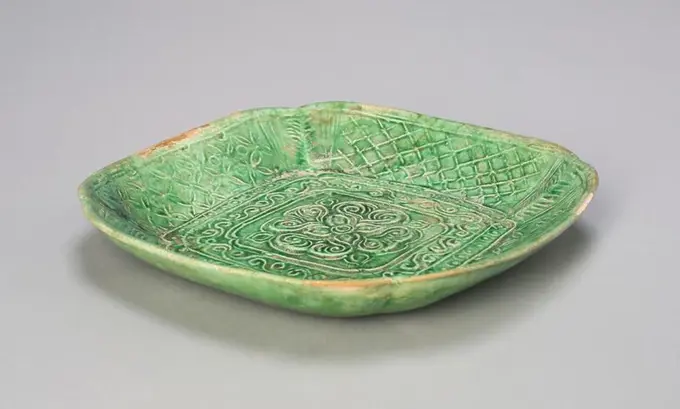
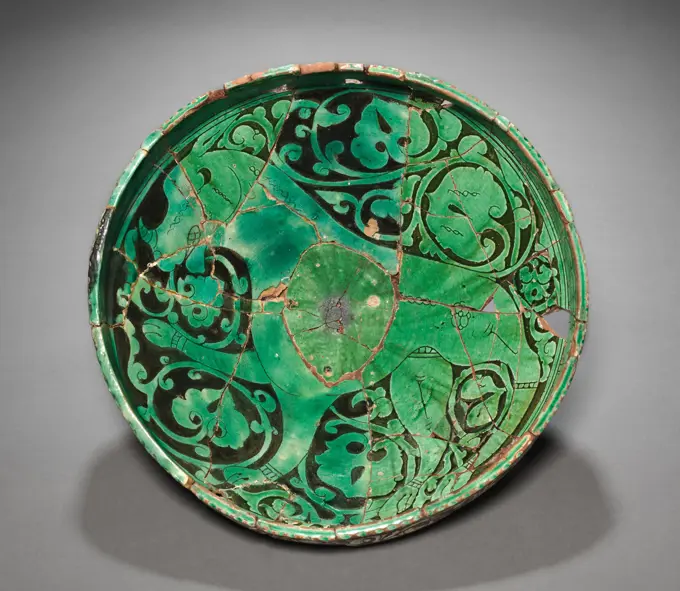
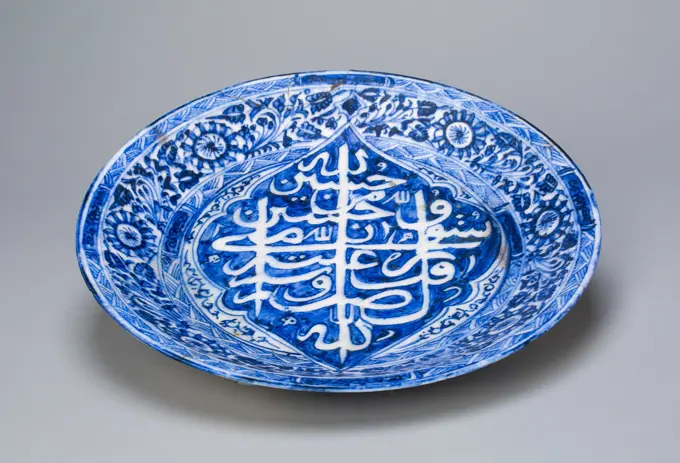
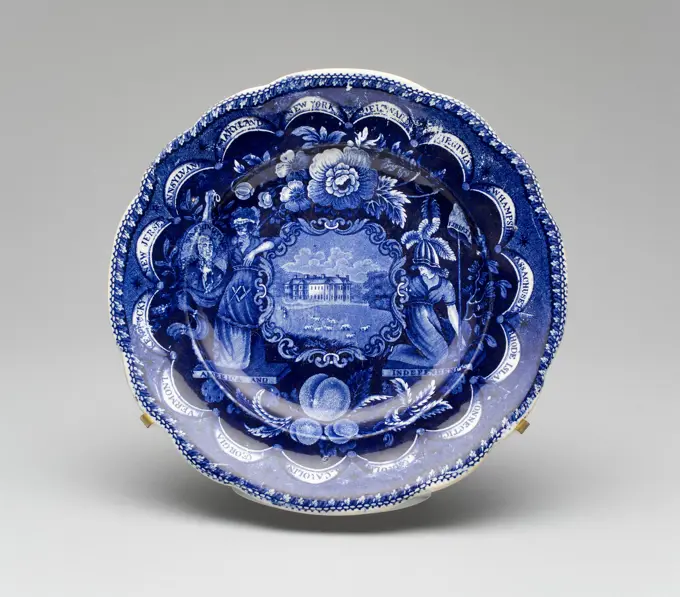
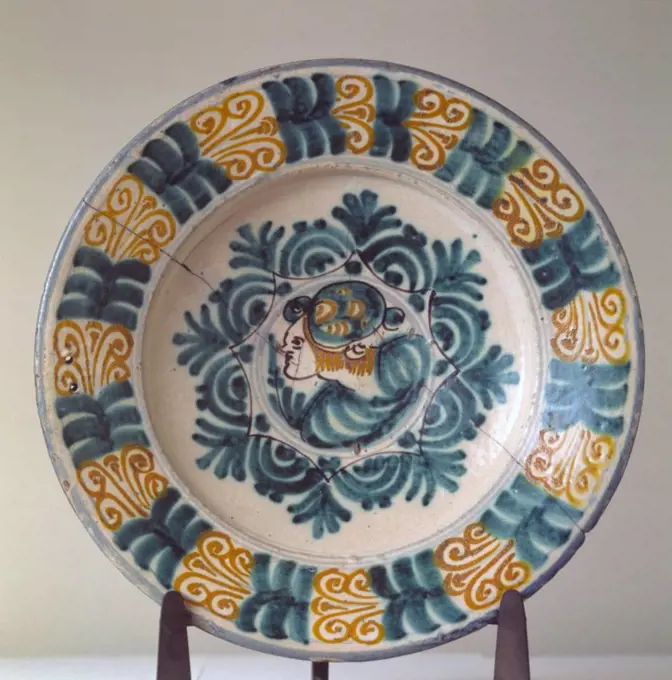
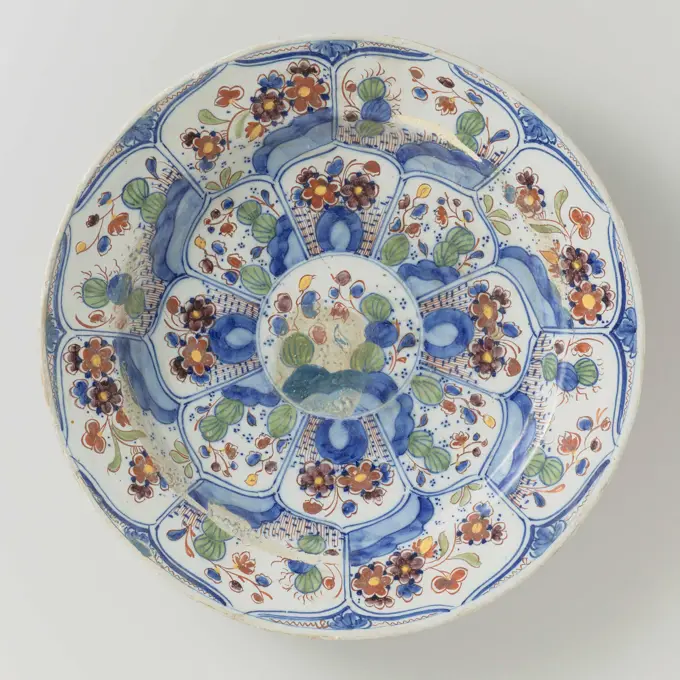
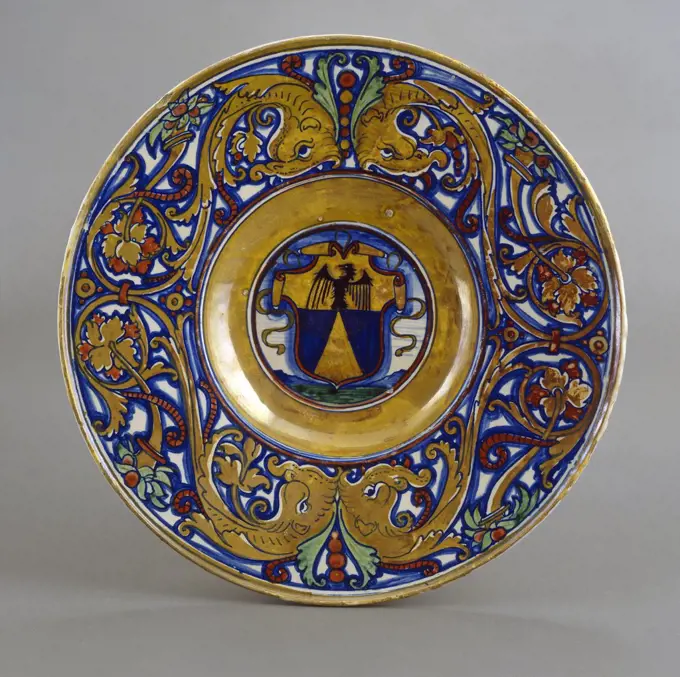
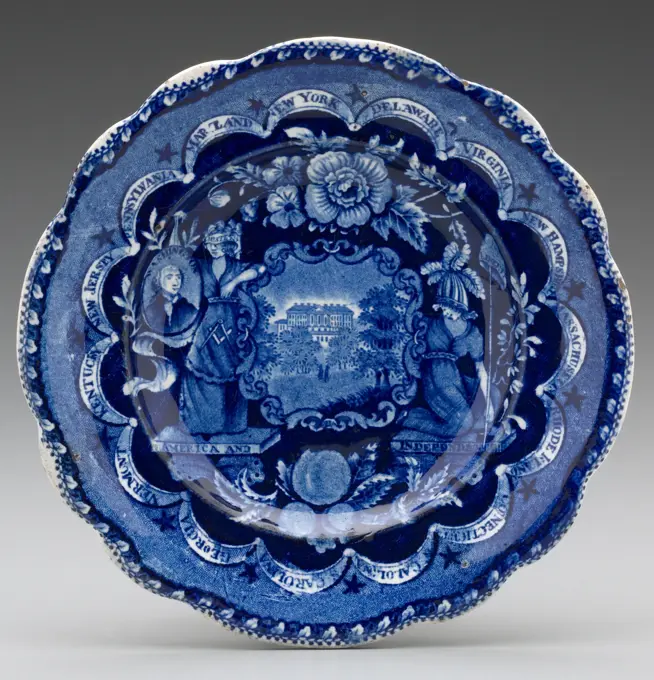
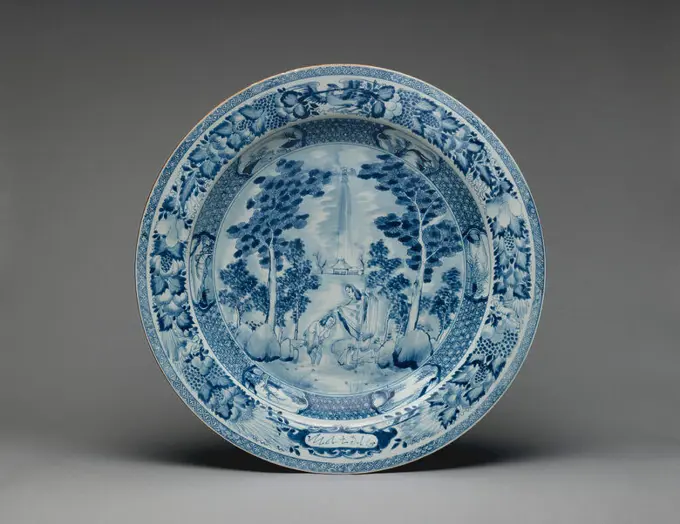
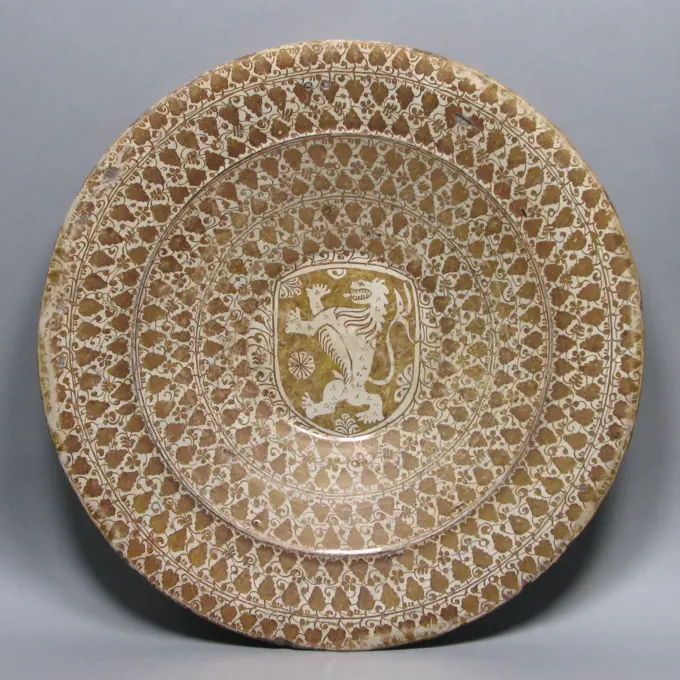
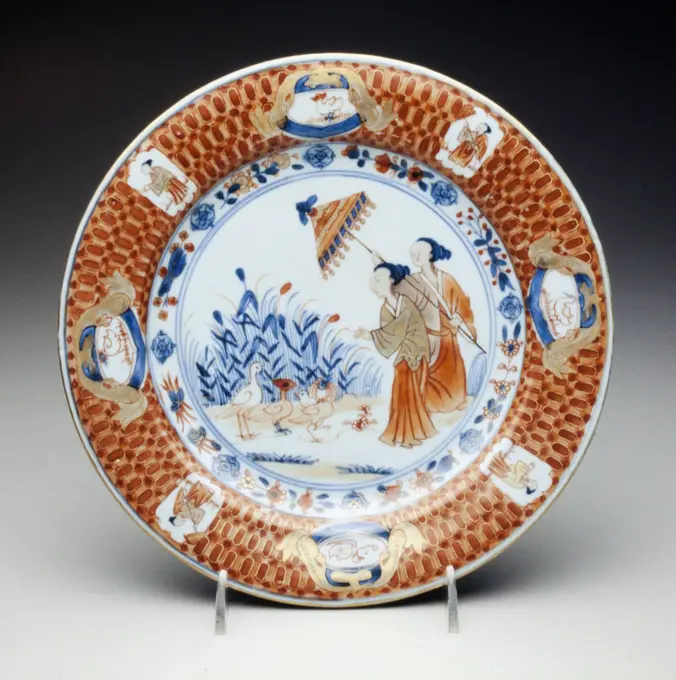
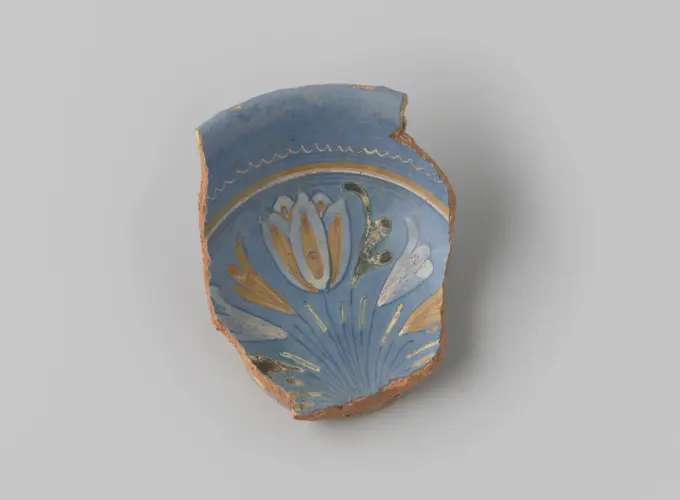
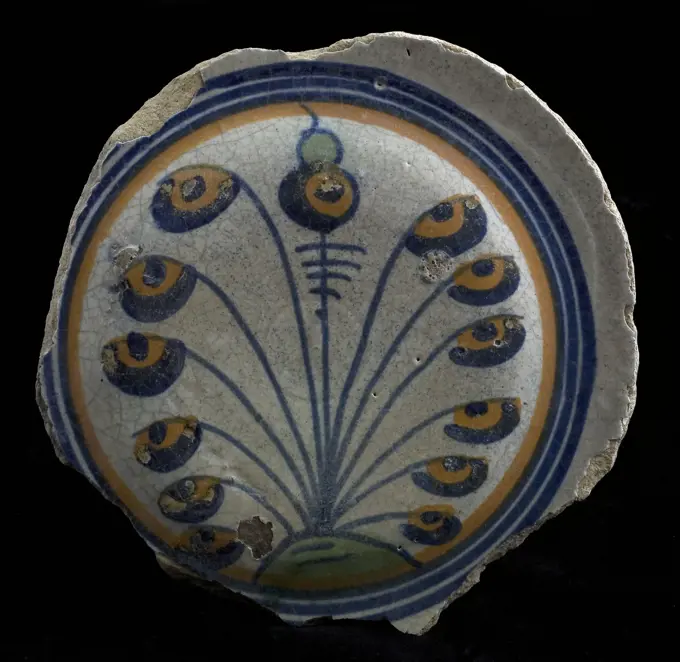
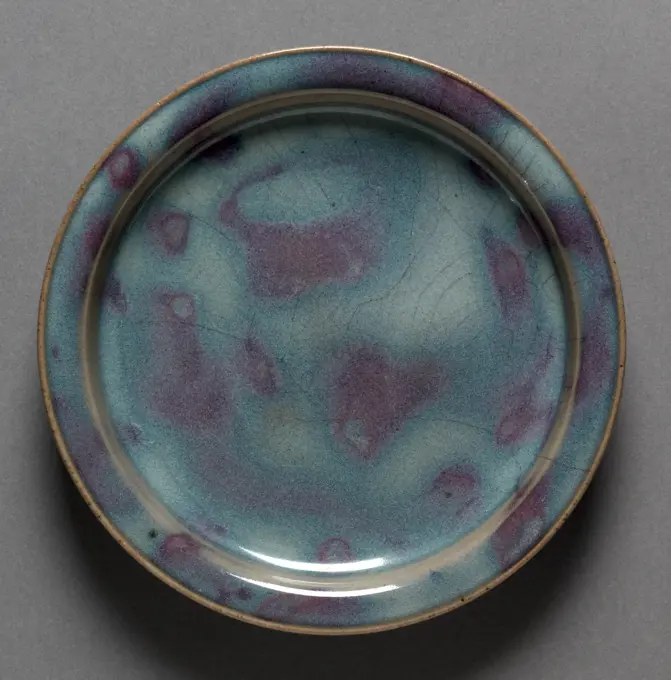
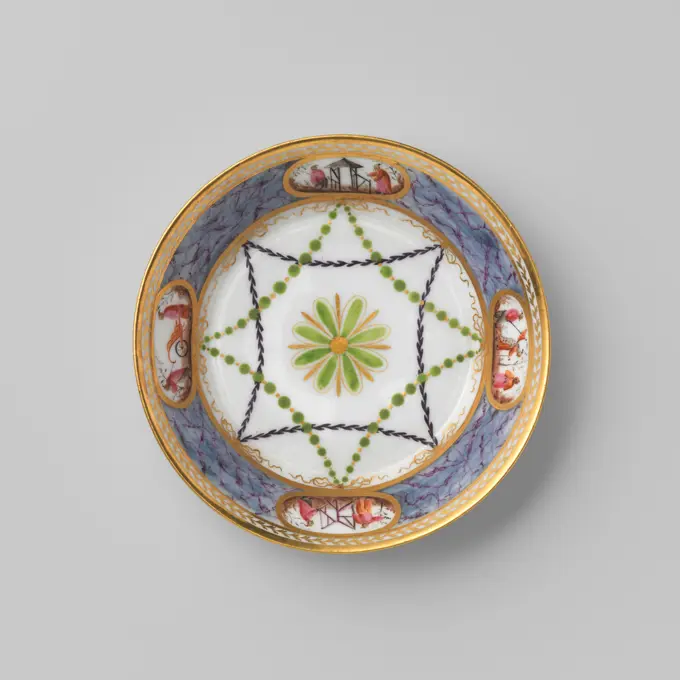
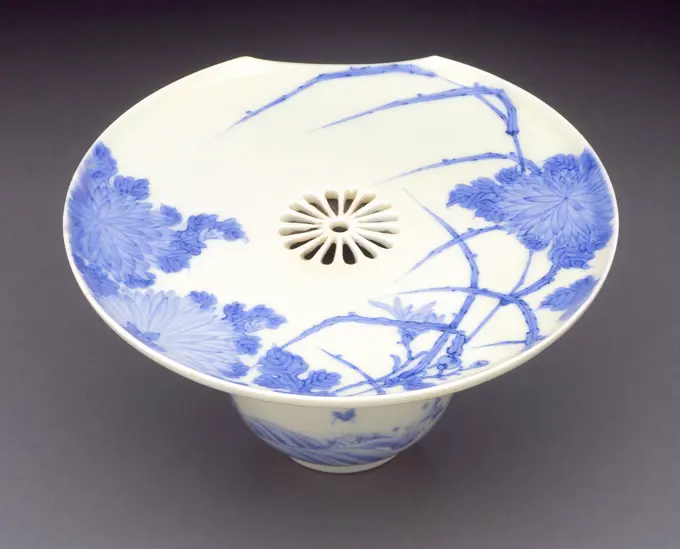
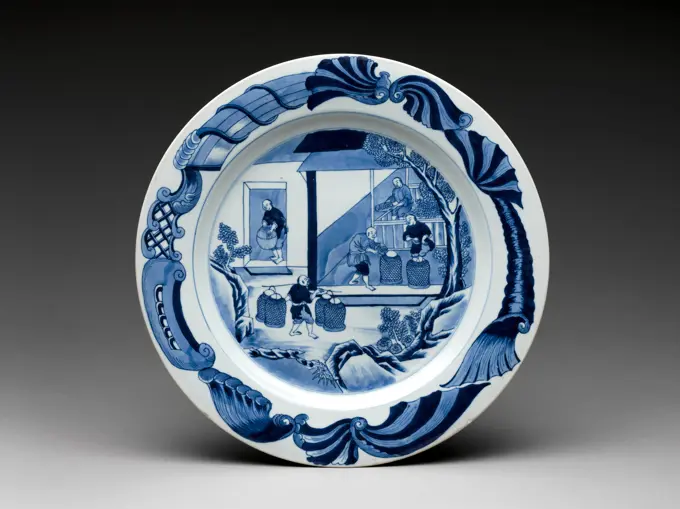
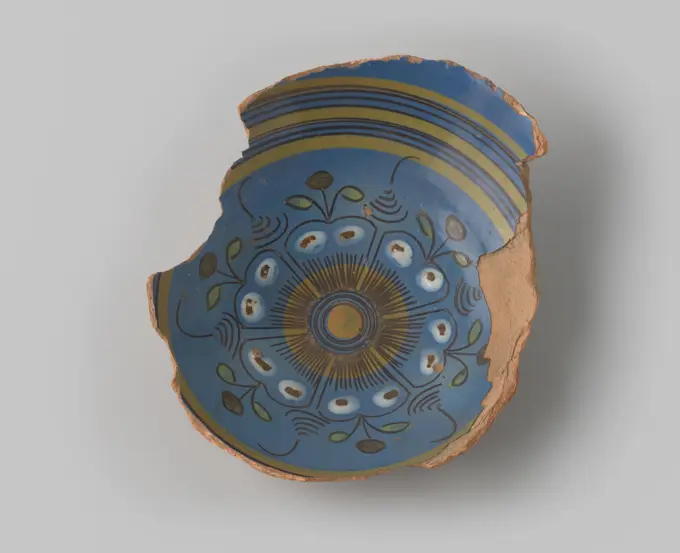
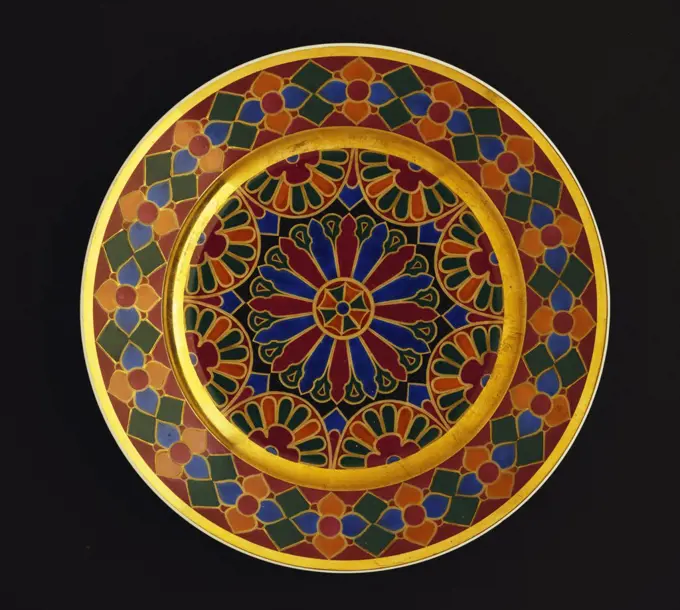
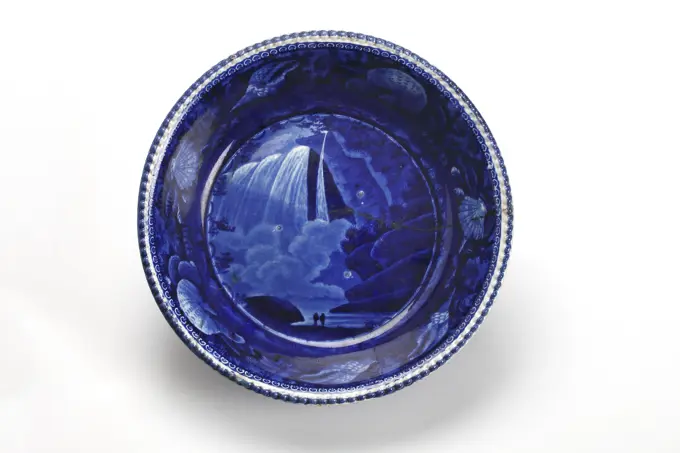
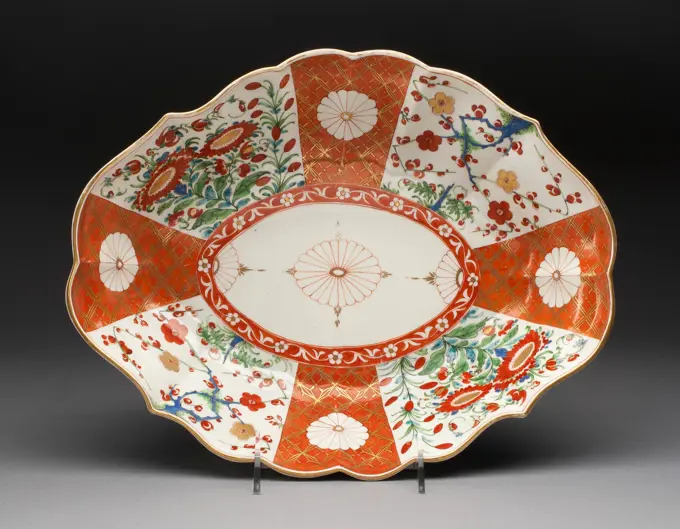
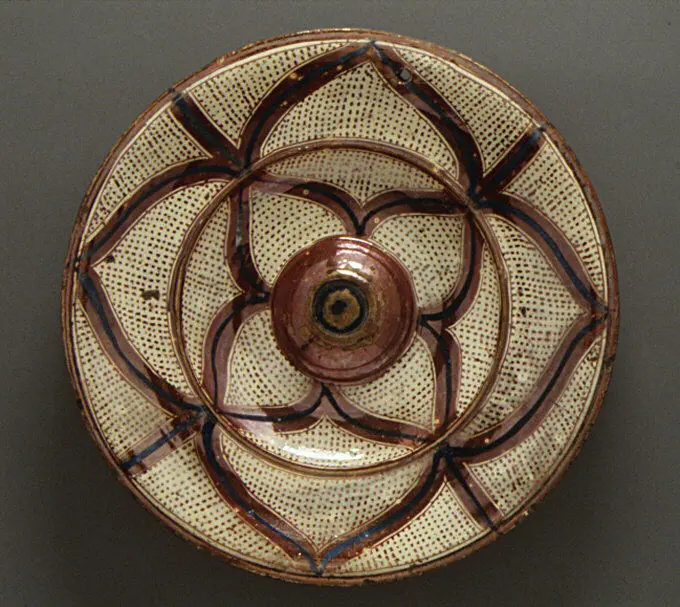
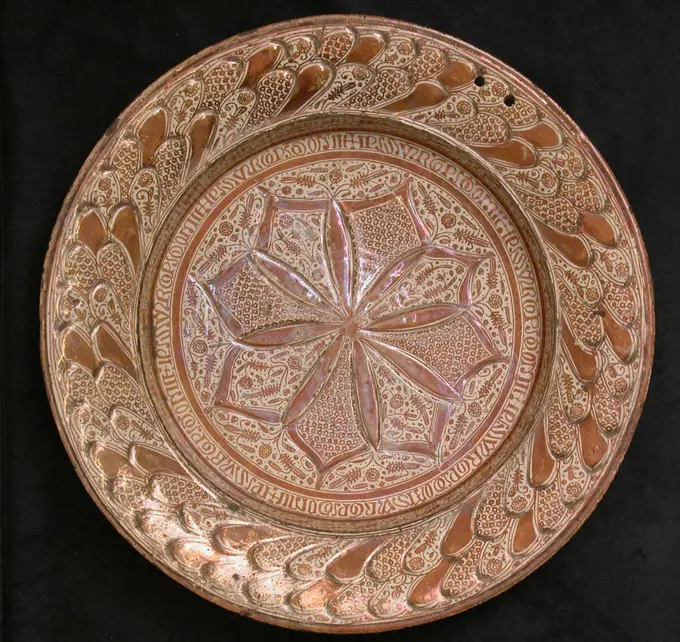
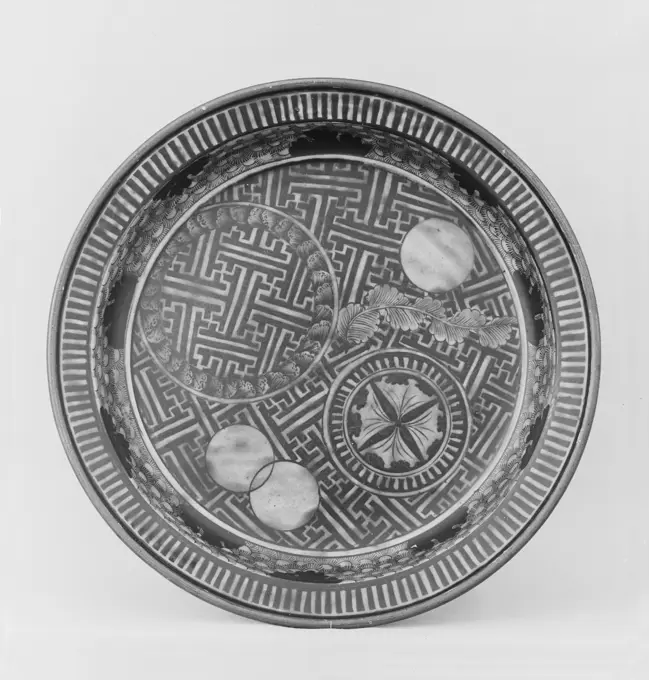
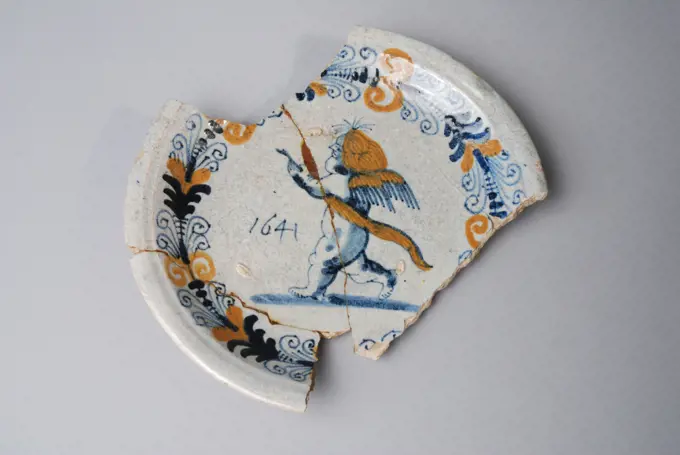
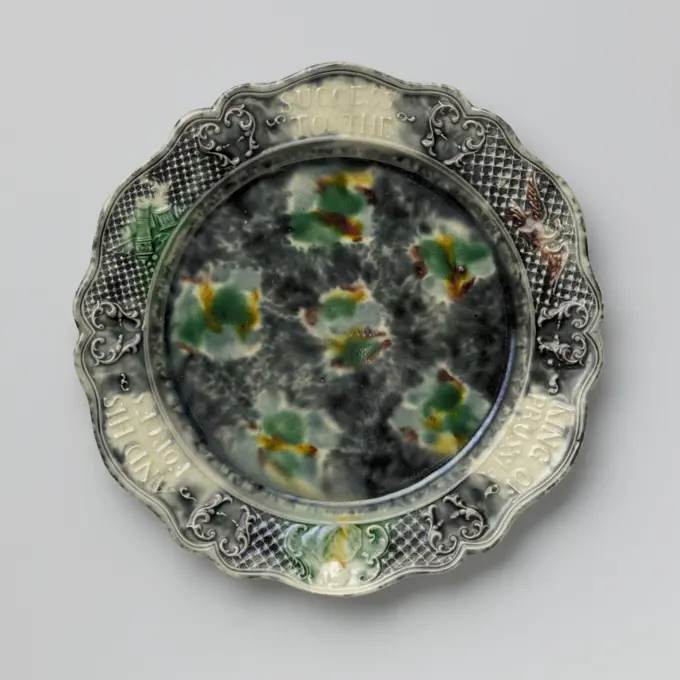
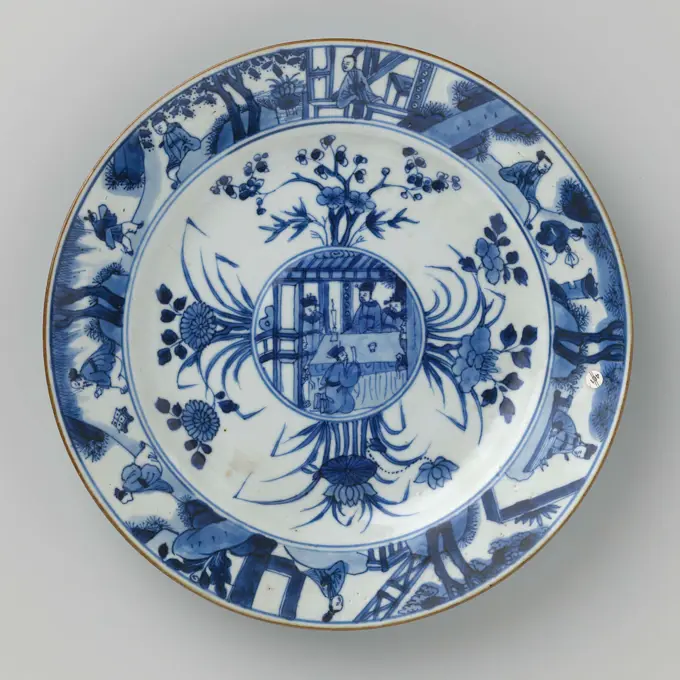
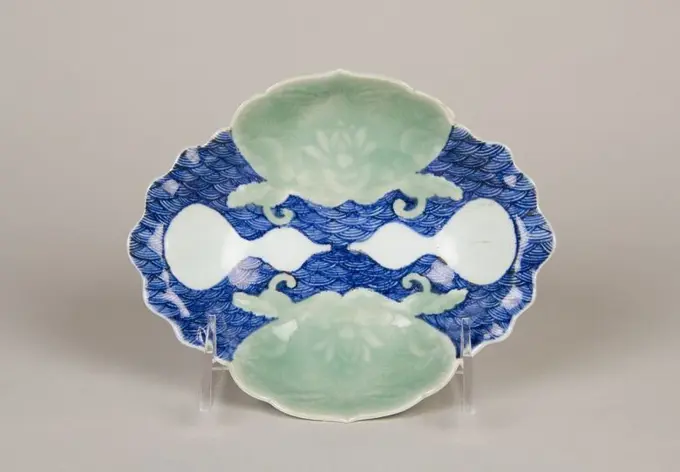
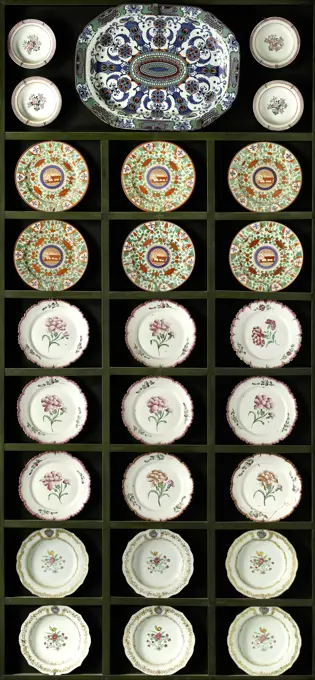
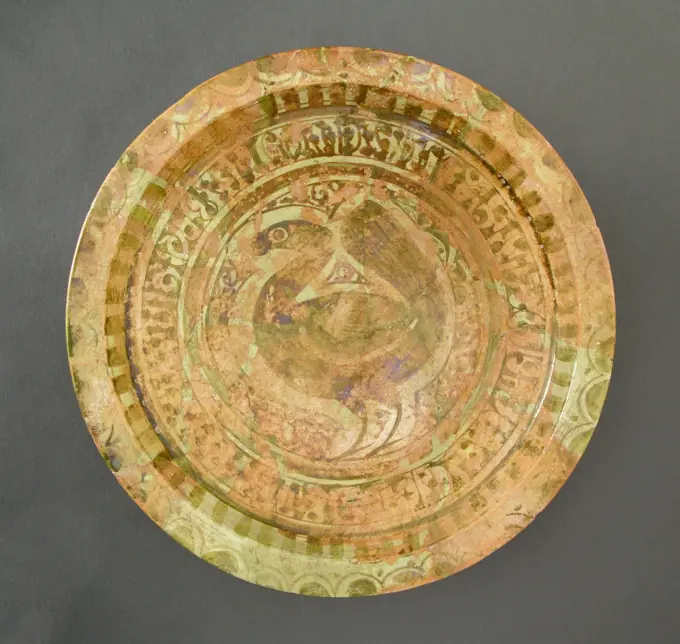
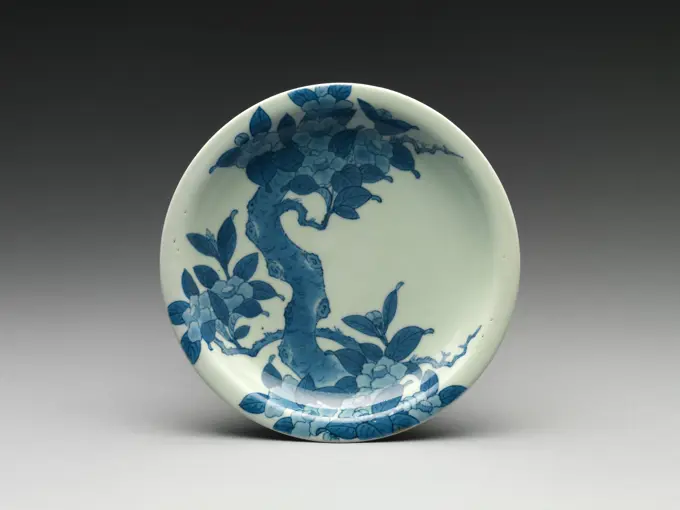
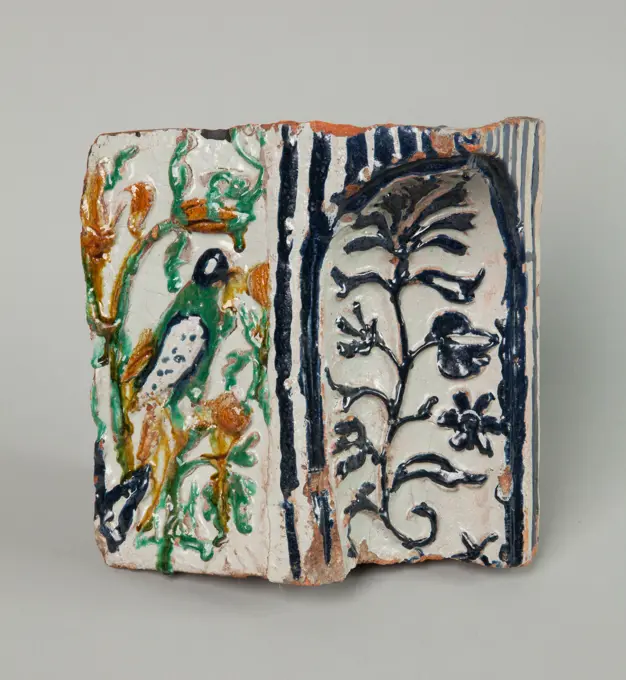
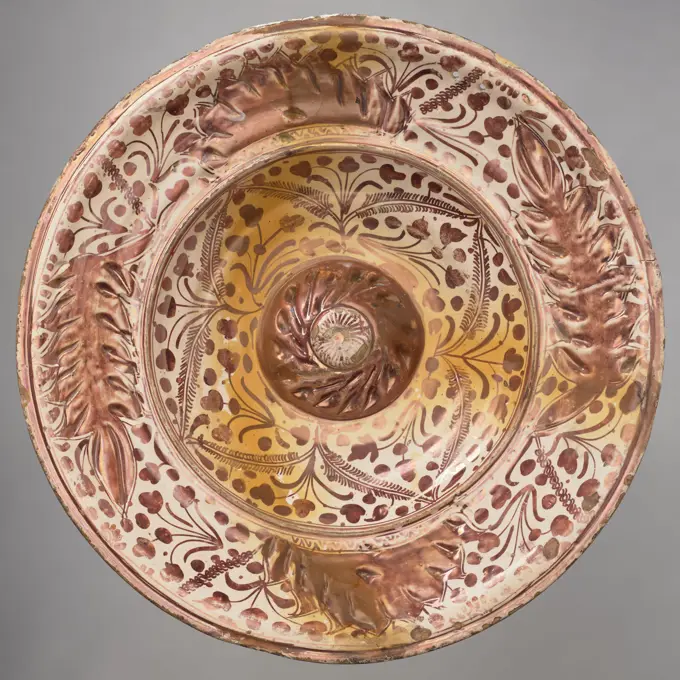
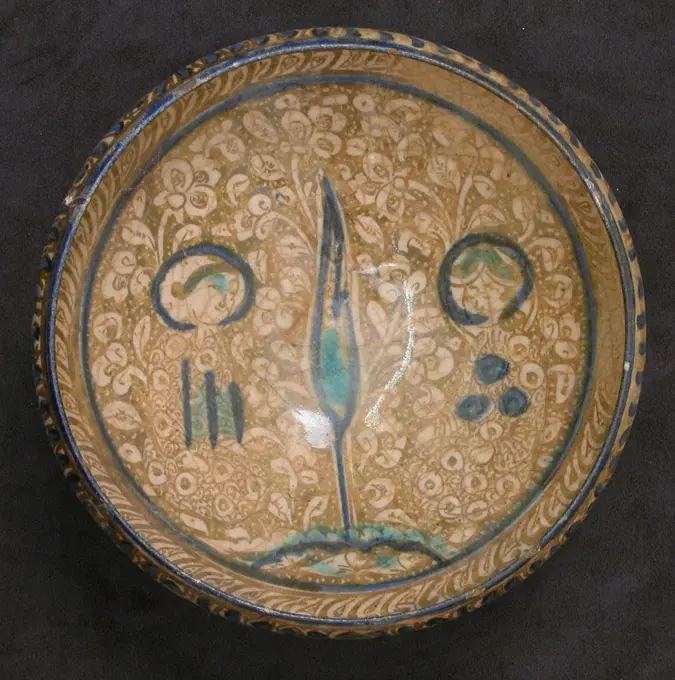
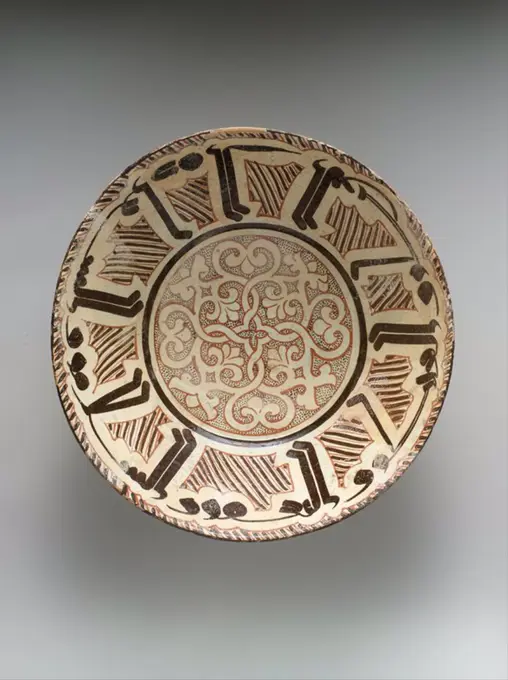
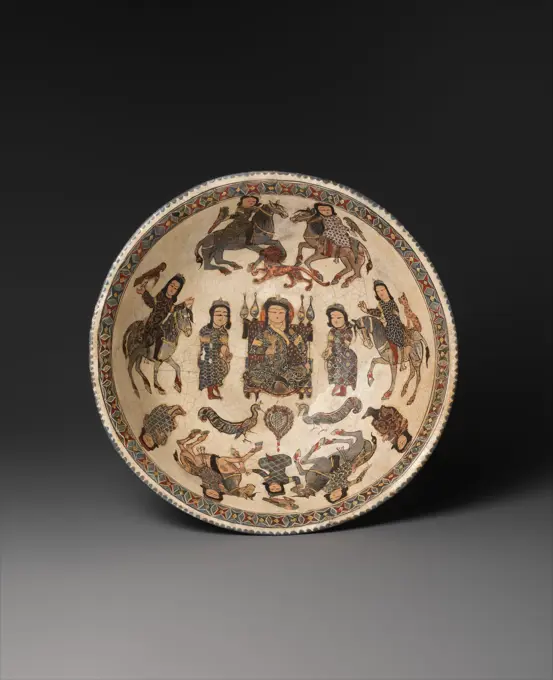
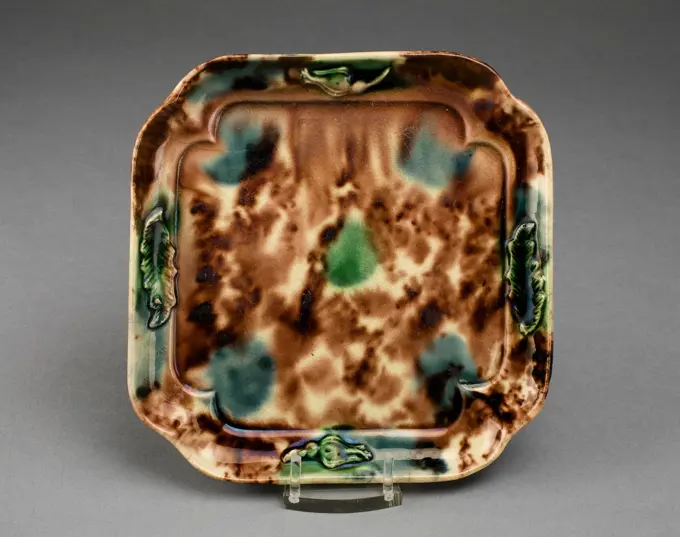
Plate. unknown, craftsmanPlate with chrysanthemums and peonies 15th century China. Plate with chrysanthemums and peonies. China. 15th century. Porcelain painted with cobalt blue under a transparent glaze (Jingdezhen ware). Ming dynasty (1368-1644). CeramicsSquare Dish with Flared, Scalloped Sides and Floral and Butterfly Design. China. Date: 1000-1099. Dimensions: 2.1 × 13.5 × 13.3 cm (13/16 × 5 5/16 × 5 1/4 in.). Earthenware with lead green glaze and underglaze molded decoration. Origin: China. Museum: The Chicago Art Institute, Chicago, USA.Anonymous, Rouen. Flat. Great fire earthenware, polychrome enamels. 1st half of the 18th century. Museum of Fine Arts of the City of Paris, Petit Palais. Faience, table service, dishes, 18th 18th 18th 18th 18th 18th 18 century, dishCharger, c. 1690, 2 9/16 x 13 7/8 in. (6.51 x 35.24 cm), Tin-glazed earthenware, England, 17th-18th centuryPlate 1430-1465 Spanish. Plate 468514Bowl, 1100s-1200s. Northwest Iran, Garrus district, late Saljuq Period, 12th-13th Century with 20th Century replacement fragments. Earthenware with underglaze slip-painted decoration;Dish 1822-1823 Iran. The color palette and naturalistic designs of this dish are a testament to the enduring influence of Chinese porcelain on ceramics of the Islamic world. This dish features floral decorations in a naturalistic Chinese style and the traditional blue-and-white color scheme. The central calligraphic motif of the dish, offering pious sayings, is written in Arabic script, but its shape recalls Chinese characters. Chinese influence on Islamic ceramics can be seen as early as the 9th century, and it continued well into the 19th century, as evidenced by this dish. On the exterior of the dish, the artist, Ibn Hajj ëImad Ali, signed his name and provided a date, 1822/1823 (converted from the given date of the Islamic calendar, 1238).. Fritware, painted in blue under a transparent glaze . IslamicDish with Gardenia late 16th century China Pomegranate, persimmon, grapes, and lotus surround the gardenia in the center of this dish. All of the flowers are auspicious: the gardenia symbolizes honor and happiness because its Chinese name, furong, is a homonym for these virtues.. Dish with Gardenia. China. late 16th century. Porcelain painted with cobalt blue under and colored enamel over transparent glaze (Jingdezhen ware). Ming dynasty (1368-1644). CeramicsPlate c 1826 England. Earthenware . James ClewsPolychrome plate, 17th century.. Round dish of multi-colored padded faience, with a circle on the flat in which flowers painted on a ground and eight surfaces with flowers and plants around it. The edge is divided into eight courses within which flowers and plants. The colors used are: blue, green, red, purple and yellow. The dish has been marked. Five identical copies with Invnrs are part of the dish. BK-NM-13347-A, BK-NM-13347-B, BK-NM-13347-C, BK-NM-13347-D and BK-NM-13347-F. The glaze completely released.Workshop of Maestro Giorgio Andreoli of Gubbio, Plate with border of foliate scrollwork with dolphin heads and cornucopias; in the center, shield of arms of Vigerio of Savona, 1524, tin-glazed earthenware (maiolica)Dish of multicolored painted Majolica, Anonymous, c. 1575 - c. 1650 Round dish of multi -colored painted majolica. The dish is on a foot. On the flat, a man's portrait is painted from a man desired to the left. The edge is lobed and corrugated and is painted with courses in which a leaf or a flower. Concentric circles are painted on the back. Italy earthenware. tin glaze. lead glaze majolica Round dish of multi -colored painted majolica. The dish is on a foot. On the flat, a man's portrait is painted from a man desired to the left. The edge is lobed and corrugated and is painted with courses in which a leaf or a flower. Concentric circles are painted on the back. Italy earthenware. tin glaze. lead glaze majolicaDish. Iran. Date: 1822-1823. Dimensions: H. 4.6 cm (1 13/16 in.); Diam. 28 cm (11 1/16 in.). Fritware, painted in blue under a transparent glaze. Origin: Iran. Museum: The Chicago Art Institute, Chicago, USA. Author: Islamic.Plate. Manufacturer probably: James and Ralph Clews, British, active 1817-35Plate with a cross surrounded by flowers, Wedgwood, c. 1400 - c. 1950 Plate of earthenware with flow blue and orange transfer decor, painted with orange and gold. The flat is divided into four by means of a cross and is decorated with flowers. The edge of the board is also decorated with flowers. England earthenware Plate of earthenware with flow blue and orange transfer decor, painted with orange and gold. The flat is divided into four by means of a cross and is decorated with flowers. The edge of the board is also decorated with flowers. England earthenwareCovered Box. China, 16th century. Furnishings; Accessories. Stoneware with brown and green glazeDish with John the Baptist. Culture: Chinese, made for export. Dimensions: Overall (confirmed): 3 1/4 × 20 in. (8.3 × 50.8 cm). Date: ca. 1715-25.Christian symbols appear on Chinese porcelain as early as the early sixteenth century, but this unusually large plate is one of the first known works with a biblical scene. The composition depicting John the Baptist and Christ in the Jordan River is based on a passage from the Gospel of Saint Matthew, as indicated by the inscription ("MAT. 3, 16"). The plate may have been intended for export to Europe or for use by recently converted Christians in China. Museum: Metropolitan Museum of Art, New York, USA.Faience plate, polychrome, star-shaped decor with aigrette border, dish plate crockery holder soil find ceramic earthenware glaze, total, Cookery archeology Soil discovery after 1940.Arita (Ceramic Production Center), Bol cover, Imari decor (common name). Ceramics, porcelain, polychrome enamels: cobalt blue under glaze, iron red on glaze, gilding. Petit Palais, Museum of Fine Arts of the City of Paris.Plate Mexican ca. 1820 View more. Plate. Mexican. ca. 1820. Earthenware. Made in MexicoMirror with Phoenixes, Birds, Butterflies, and Floral Sprays, 700s. China, Tang dynasty (618-907). Bronze with silver and gold inlaid lacquer; diameter: 19.2 cm (7 9/16 in.).Plate - Samuel Alcock & Company Samuel Alcock & CompanyDish of blue painted Majolica, Anonymous, c. 1730 - c. 1780 Round dish of blue painted majolica. A landscape is painted on the dish with a clock -shaped roof on stilts in the middle. To the left of this is a cow. Concentric circles are painted along the edge of the dish. Delft earthenware. tin glaze. lead glaze majolica Round dish of blue painted majolica. A landscape is painted on the dish with a clock -shaped roof on stilts in the middle. To the left of this is a cow. Concentric circles are painted along the edge of the dish. Delft earthenware. tin glaze. lead glaze majolicaDish 1430-1470 Spanish. Dish. Spanish. 1430-1470. Tin-glazed earthenware. Made in probably Manises, Valencia, Spain. CeramicsLa Dame au Parasol' plate, c. 1736-1738, Cornelius Pronk, Dutch, 1691-1759, 13/16 x 9 1/4 in. (2.06 x 23.5 cm), Porcelain, China, 18th century. Round dish of blue painted faience. On the flat is a circle painted within which flour rinks. On the edge, six compartments are painted by leaves, within which a flower branch. The dish is marked and belongs to two identical dishes with Invnr. BK-14968-A and BK-14968-C.Dish 17th century. Dish 448444Faïence brush, Anonymous, c. 1725 - c. 1750 Faïence brush Delft . Faïence brush Delft .Sharf of red -baking earthenware, with stand ring, with blue glaze at the front, on which a bunch of flowers in yellow, white, blue, green and orange, around it, stripes and a corrugated edge, anonymous, 1600 - 1650  Northern Netherlands earthenware. glaze majolica  Northern Netherlands earthenware. glaze majolicaFragment majolica dish, polychrome, flower with buds on fan-shaped stalks, plate crockery holder soil find ceramic earthenware enamel, baked underside covered with lead glaze. Polychrome waised soul of pancake dish or salad dish archeology decorate food serve tulip varietyBowl 14th-15th century. Bowl 445476Dish fragment with a yellow, green and brown glaze, anonymous, c. 900 - c. 999 Fragment of the bottom of a dish of soft creamy earth with flamed yellow, green and brown enamel. Sraking decoration. Imitation of Chinese ceramics. Iran earthenware. glaze painting / vitrification Fragment of the bottom of a dish of soft creamy earth with flamed yellow, green and brown enamel. Sraking decoration. Imitation of Chinese ceramics. Iran earthenware. glaze painting / vitrificationTympanum of a Pejeng-Type Drum. Culture: Indonesia (Sumba). Dimensions: Diam. 27 15/16 in. (71 cm). Date: ca. 500 B.C.-A.D. 300.A distinctive style of drum was made in Indonesia that was hourglass-shaped with separately cast and soldered tympanum that overhang the body. In this fragmentary example, the central star design of the top seems to be bordered by stylized feathers and the large outer band of decoration, comprised of a series of interlocking meanders, probably represents birds. Museum: Metropolitan Museum of Art, New York, USA.Bowl 13th century. Bowl. 13th century. Stonepaste; glazed. Attributed to Iran. CeramicsPlaque, De Blompot (attributed to), 1736 Faïence plate with medallion portraits Rotterdam . Faïence plate with medallion portraits Rotterdam .Sharf of white -baking earthenware, with a backdrop of flowers in blue at the front, c. 1500 - c. 1899 fragment   earthenware. glazeReflection plate, 17th century.Plate: Jun Ware, 1100s-1200s. Northern China, Northern Song dynasty (960-1127) - Jin dynasty (1115-1234). Stoneware with mottled glaze; diameter: 18.1 cm (7 1/8 in.); overall: 2.5 cm (1 in.).Dish with marbled edge and vignettes with chinoiseries. Dish of porcelain with blue marbled edge in which vignettes with multicolored chinoiseries.Shaving Bowl with Designs of Chrysanthemums and Reeds, Plovers amid Waves. Japan, late 18th-early 19th century. Ceramics. Hirado Mikawachi ware; porcelain with underglaze bluepottery plate An image of a nice blue pottery plate Copyright: xZoonar.com/magannx 3211940Dish with a scene of tea cultivation (one of a pair) ca. 1740-45 Chinese, for European, probably Dutch, market One of a pair of dishes belonged to a table service decorated with scenes of the cultivation of tea. This one depicts rattan being applied to the outside of a container, while on the right a man is packing tea by stomping it down. These cylindrical containers were used to transport the tea to Canton, where it was repacked in metal-lined wooden chests for shipment to Europe and elsewhere. Chinese potters' borrowing of French pottery motifs for the border design speaks to the stylistic cross-currents enabled by the extensive trade in the eighteenth century.. Dish with a scene of tea cultivation (one of a pair). Chinese, for European, probably Dutch, market. ca. 1740-45. Hard-paste porcelain painted with cobalt blue under transparent glaze (Jingdezhen ware). Ceramics-Porcelain-ExportShard of yellowish pottery, with a foot ring, with blue glaze on the front, with a painting with leaves and flowers on the flat in brown, blue, orange, yellow and white, and around circles in brown and yellow, anonymous, 1600 - 1650  Northern Netherlands earthenware. glaze majolica  Northern Netherlands earthenware. glaze majolicaNicholas I Imperial porcelain dinner-plate. Imperial Porcelain Fact., St. Petersburg, (1825-1855). Enhanced with gilt. 22cm Diam.Cushion Cover for Chair Pad China. Cushion Cover for Chair Pad 70594Dish (piatto) ca. 1515-20 Italian, Deruta. Dish (piatto) 460167Bowl - Table Rock, Niagara D'après Enoch Wood & Sons, 1818-1845. Soft-paste porcelain, polychrome enamels . Worcester Royal Porcelain Company (Manufacturer)Przeszo Przyszoci unknownFooted Dish; wood, lacqueredDish 17th century Spanish, Paterna or Manises The unified design spreading over the surface represents an open flower.. Dish. Spanish, Paterna or Manises. 17th century. Tin-glazed and luster-painted earthenware. Ceramics-PotteryDish 16th century Spanish, Valencia Tin-glazed earthenware, of which lusterware is one type, was developed in the Middle East in the ninth and tenth centuries to imitate the porcelains produced in China. The opaque white glaze concealed the clay body, which could range from pale buff to brick red, allowing for brilliant effects created by painting the white surface with metal oxides that fired to a range of colors. This technique, as well as the use of metallic lusteran iridescent, coppery painted glazespread throughout the Muslim world, arriving among the potters of Valencia in the thirteenth century. The so-called Hispano-Moresque lusterware, with its fusion of Islamic and Gothic styles and motifs, often in shaped imitating those of metal vessels, was treasured by the elite in Spain during the fifteenth century and exported to the courts of Europe. The Valencian industry declined in the late sixteenth century, as colorful Italian Renaissance maiolica gained in popularity among the Plate 18th century Japan. Plate. Japan. 18th century. Pottery with decorations (Hizen ware, Kutani type). Edo period (1615-1868). CeramicsDish with Peonies and Leaves 960 CE-1279 China. Qingbai ware; stoneware with underglaze carved and incised decoration .Majolica plate, yellow and blue on white, Cupid with sash, aigrette border, dated 1641, plate crockery holder soil find ceramic earthenware glaze, total, baked underside covered with lead glaze. Dated. Polychrome. Aigretterand year glazed on the plate: 1641 archeology decorate serving foodFragment faience plate, blue on white, stylized floral pattern on mirror, plate dish crockery holder soil find ceramic earthenware glaze tin glaze, In tube baked archeologyPlate. Artist: Possibly Daniel Dry , active ca. 1820-80. Culture: American. Dimensions: Diam. 11 1/2 in. (29.2 cm). Date: 1820-80. Museum: Metropolitan Museum of Art, New York, USA.Round plate of hard baked pottery; Staffordshire, Anonymous, c. 1756 Round plate of hard baked earthenware, covered with blue-black lead glaze with spots in light blue, green, yellow-brown and manganese. The edge is decorated in relief with fields alternately smooth and filled with grille. On the razes alternately an eagle, a trophy and the portrait of Frederik the Great. On the slippery fields, the inscriptions are successful to the king, king of prussia, and his forces. The sign is part of five plates (BK-1987-40-A to BK-1987-40-F). England earthenware. lead glaze Round plate of hard baked earthenware, covered with blue-black lead glaze with spots in light blue, green, yellow-brown and manganese. The edge is decorated in relief with fields alternately smooth and filled with grille. On the razes alternately an eagle, a trophy and the portrait of Frederik the Great. On the slippery fields, the inscriptions are successful to the king, king of prussia, and his forces. The sign is part ofPlate With Flower Sprays and Figures in an interior and in a Landscape. Porcelain plate with raised wall and sloping edge, painted in underglaze blue. On the flat one raised medallion in the center with six people in an interior to a table; four times a flower branch (prunus, peony, lotus, chrysanthemum); the edge with a continuous landscape with scholars and their servants; the back of the edge with flower drinks; The back of the wall with four times a flower branch (prunus, peony, lotus, chrysanthemum). Blue White.Basin with classicizing head Italian, Montelupo ca. 1500-1510 As diners ate mainly with their hands during the Renaissance, a ewer and basin were often kept on the sideboard for washing. The companion to this basin has been lost. In its center is a roundel with a raised rim, which would have secured the ewers hollow foot. The portrait profile modeled after ancient Roman coins becomes visible when the ewer is removed.Small Dish with Waves, Shells, and Gourds. Culture: Japan. Dimensions: Diam. 6 1/4 in. (15.9 cm). Date: ca. 1660-90. Museum: Metropolitan Museum of Art, New York, USA.Fragment dish from v.O.c.-ship the 'white lion'. Fragment dish from v.O.c.-ship the 'white lion', 40%% present; made up of three shards. Fragment of a large dish with a flat edge and a scalloped lip, and an unglazed bottom; Decorated in underglaze blue. The entire flat is painted with bamboo, chrysanthemums, rocks and clouds. In the wall and edge alternately wide and narrow fields filled with lucky symbols, flowering plants and polka dots. The shard is glassy and white and has little ingrained dirt. The glaze has been cracked. The foot ring is V-shaped, faceted and stands inside. Little oven sand has been found. Type 1.1.1.Tray with fish chime, treasures, and clouds. Culture: China. Dimensions: 1 3/4 × 8 11/16 × 12 3/16 in. (4.4 × 22 × 31 cm).The two fish on this tray are suspended from a pendant in the shape of an ancient stone chime, which represents wishes for happiness and abundance (yuqing). The twin fish is also one of the eight Buddhist treasures--the other seven are arranged in the foreground: a wheel, conch shell, umbrella, parasol, flower, jar, and double knot. Shown with bats and clouds, these symbols convey auspicious wishes beyond religious meaning. Museum: Metropolitan Museum of Art, New York, USA.Box and Cover, 17th century, 4 1/4 x 14 3/16 x 14 3/16 in. (10.8 x 36.0 x 36.0 cm), Painted red lacquer with 'filled-in' and engraved gold decoration (tian-ch'i), China, 17th century, Shaped and decorated to resemble a drum, this large circular box and cover were created with the tian-ch'i or 'filled-in' technique. It has contrasting color fields of red, green, black, and reddish-brown lacquer. After the surface was polished, the outlines and details were engraved and gilded. The fine gold powder in the grooves was held in place with a clear lacquer adhesive.Tile with vase with flowers and in the corners a gengence ornament .. tile with a blue painted vase with flowers on a console and in the corners of the Régence ornament.Bowl late 8th-first half 9th century. Bowl 449114Tray. unknown, craftsmanBowl 13th century. Bowl 447148Victor Hugo (1802-1885). Chinese decor from Juliette Drouet's house in Guernsey, West Wall. Green wooden record containing plates and dishes, composed of twenty-seven compartments (right side of the west wall). Painted wood. 1857-1864. Paris, house of Victor Hugo. 78171-18 Asian art, decorative arts, painted wood, green wood, Chinese cabinet, locker, chinoiserie, compartment, decor, faience, storage, Chinese living room, dishes, 19th XIX 19th 19th 19th 19th century, plate, dishVictor Hugo (1802-1885). Chinese decor from Juliette Drouet's house in Guernsey, West Wall. Green wooden record containing plates and dishes, composed of twenty-seven compartments (right side of the west wall). Painted wood. 1857-1864. Paris, house of Victor Hugo. 78171-18 Asian art, decorative arts, painted wood, green wood, Chinese cabinet, locker, chinoiserie, compartment, decor, faience, storage, Chinese living room, dishes, 19th XIX 19th 19th 19th 19th century, plate, dishA plate;  18th century (1701-00-00-1800-00-00);Animal tile, flying swan in water to the left between balusters in blue on white, corner pattern french lily, wall tile tile sculpture ceramic earthenware glaze, baked 2x glazed painted Square. Blue on white fond swimming swan. Baluster ornament with french lilies.Dish. Syria, mid-12th century. Ceramics. Fritware, overglaze luster-paintedDish early 18th century Japan. Dish. Japan. early 18th century. Porcelain with underglaze blue (Nabeshima ware). Edo period (1615-1868). CeramicsTalam, Anonymous, 800 - 900 Talam, quoter, copper, decorated with a horizontal horn shell. Green patina. Indonesia copper (metal) Talam, quoter, copper, decorated with a horizontal horn shell. Green patina. Indonesia copper (metal)Plooischotel, eight -lobbig. In the middle of relief a bacchanal with four children in a landscape., Nicolaas Mensma, 1677 Plooischotel of silver, eight -lobbig. In the middle in relief a children's bacchanal with four children in a landscape. Leeuwarden silver (metal) Plooischotel of silver, eight -lobbig. In the middle in relief a children's bacchanal with four children in a landscape. Leeuwarden silver (metal)Bowl 10th century This ceramic bowl was excavated at the site of Tepe Madrasa in Nishapur.Nishapur was a vital city in the early and middle Islamic periods, located along one of the main trajectories that connected Iran and West Asia Islamic lands with Central Asia and China. These itineraries are often referred by the term Silk routes’ but were in fact crucial to the movement of constellations of materials and objects, as well as people and ideas. The diverse population of Nishapur and its surroundings, from the better-researched elite groups of merchants, land-owning aristocracy, and literates, to the less-known artisans, farmers, miners, and servants, were instrumental in adapting global cultural trends to create their own distinctive visual languages. This is seen in the material remains of everyday life in medieval Nishapur - from pots and pans to lighting devices, inkwells, textiles and trimmings, jewelry, games and toys, talismanic devices, weapons, coins, and architectural fraSmall Dish with Waves, Shells, and Gourds ca. 1660-90 Japan. Small Dish with Waves, Shells, and Gourds 52343Octagonal Saucer With Lotus Scrolls. Octagonal dish of porcelain, painted in underglaze blue. On the flat a lotus in a double medallion; to them eight radiating compartments with lotus drinks; The edge with a bond with leaf raft. The outside with eight compartments with a lotus branch. A chip in the edge. Blue White.Corner tileSaucer with acanthus leaves. Koenigliche Porzellanmanufaktur, Meissen (1807/14-1918), factoryFor a long time; Manises (ceramic family; Ca 1400-); XVI/XVII century (1591-00-00-1610-00-00);Fragment majolica dish, blue on white, Italian style tendrils on the mirror, plate crockery holder soil find ceramics pottery glaze, majolica Cooked on prunes. Italian decor archeology Italy serve decorate foodHat first quarter 19th century Swiss. Hat 156528Fragment of a dish of earthenware decorated with a Cupido, Anonymous, 1600 Fragment of a dish of earthenware, covered with white tinglaze and decorated with a cupido in blue, yellow and orange. Found under the Walmuur aan de Raampoort: +/- 1.30 m-ap. Netherlands (possibly)Italy (possibly) earthenware Fragment of a dish of earthenware, covered with white tinglaze and decorated with a cupido in blue, yellow and orange. Found under the Walmuur aan de Raampoort: +/- 1.30 m-ap. Netherlands (possibly)Italy (possibly) earthenwareBowl early 14th century. Bowl 445637Bowl with Arabic Inscription, "Blessing, Prosperity, Well-being, Happiness". Dimensions: Max Diam. 14 in. (35.6 cm)H. 4 1/4 (10.8 cm). Date: late 10th-11th century.Many ceramics from the Nishapur region are decorated with calligraphy. The writing on these objects often relates to their use (i.e., "Eat with appetite") or repeat a familiar proverb. The writing on this bowl expresses good wishes for the owner: "Blessing, felicity, prosperity, well-being, happiness." Curiously, the inscription includes the start of an additional word, al, meaning "the," but not the rest of the word. The tall vertical strokes of these letters must have been included to make the overall visual effect of the inscription more harmonious. This bowl is thought to come from Samarqand, because the central motif of interlacing straps is also found on metal objects made there. Museum: Metropolitan Museum of Art, New York, USA.Crespina plate;  around 1535-40 (1530-00-00-1540-00-00);Silversmith: Johannes Jansen, Salt container: silver holder with blue glass tray, salt barrel tableware holder silver glass, cast sawn engraved Spitsoval holder (boat shaped) on four small twisted legs blue glass inner box edge bottom (debossed) servingDish ca. 1885 Emile Gallé French. Dish 207851Terracotta lekanis (dish) ca. 340-330 B.C. Attributed to the Phrixos Group Interior, dolphin surrounded by marine creaturesExterior, women and youthsMarine life figures prominently in the subject matter of South Italian vase-painting. Here, a dolphin swims above a sea-bream; the surrounding band contains a hornshell, spotted torpedo, sea bream, stargazer, and red mullet. The fish are framed by a vine tendril and the reverse includes bunches of grapes.. Terracotta lekanis (dish) 255938Table Stand with Chrysanthemum Design. Culture: Japan. Dimensions: H. 5 1/2 in. (14 cm); W. 8 1/2 in. (21.6 cm); D. 7 in. (17.8 cm). Date: 18th century. Museum: Metropolitan Museum of Art, New York, USA.Sharf of earthenware decorated with geometric ornaments, anonymous, c. 1700 - c. 1750 Fragment of blue painted faience. A geometric ornament is painted on the fragment. Excavated in London. England earthenware. tin glaze. Fragment of blue painted faience. A geometric ornament is painted on the fragment. Excavated in London. England earthenware. tin glaze.Reproduction of Taifa -Ataifor plate ( Original in the National Archaeological Museum of Madrid 11 th CE , found in the arab castle of Alcalá la Vieja - Madrid ) Glazed dish decorated with a dove or partridge partial dry rope and enameled black background . Mouth diameter 17 cm Diameter base 5 cm Height 5,5 cm.- Hispanic-Muslim period belonging of the " Burgo de Santiuste Museum" in Alcalá de Henares. (Madrid). SPAIN.Bowl with Enthroned Figure and Horsemen late 12th-early 13th century The enthroned ruler is a favorite theme in late Seljuq and post-Seljuq art. Surrounding him here are attendants and horsemen hunting with falcons and trained cheetahsimagery associated with kingship and aimed at augmenting its potency. Peacocks were also considered regal because of the astral symbolism of their feathers’ “eyes” and were commonplace in royal gardens due to their presumed presence in Paradise. A popular belief associating rulers with blessings may explain the appeal of such imagery on objects used beyond the realm of the court.. Bowl with Enthroned Figure and Horsemen 451378Pair of lustreware dishes Spanish, Valencia 18th-19th centuryFragment majolica dish, orange and blue on white, revolving decor with fluttering feathers, dish plate crockery holder earth discovery ceramics pottery glaze, archeology serving decorate foodStand Made 1760-1770 Staffordshire. Lead-glazed earthenware (creamware) .