Chinese Porcelain Vases

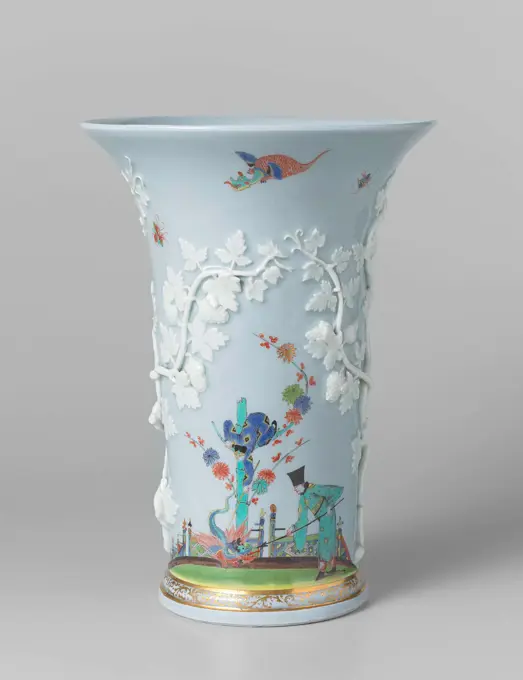
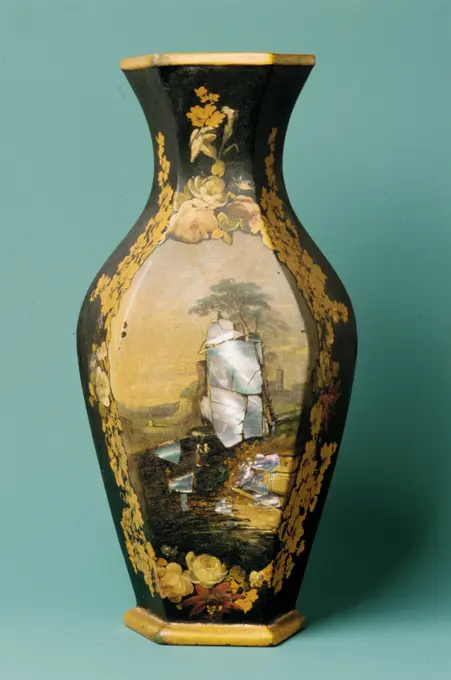
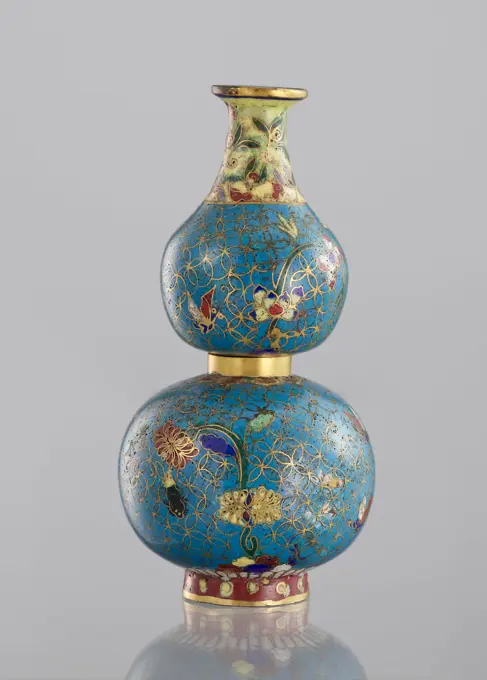
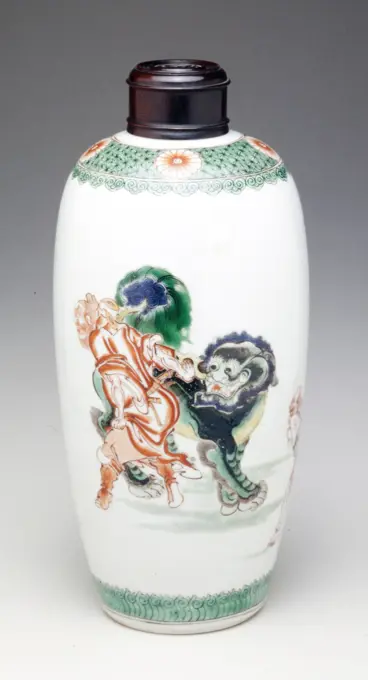
Elegant porcelain vases in varied shapes and designs, decorated with colorful floral motifs and intricate patterns reflecting Chinese artistry.

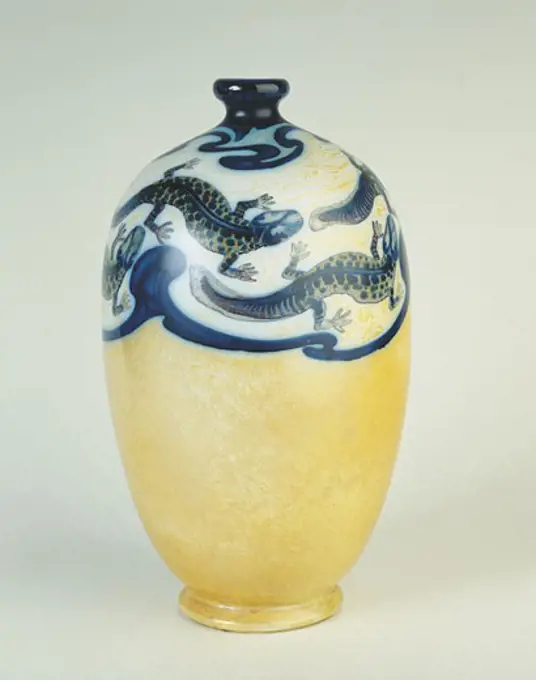
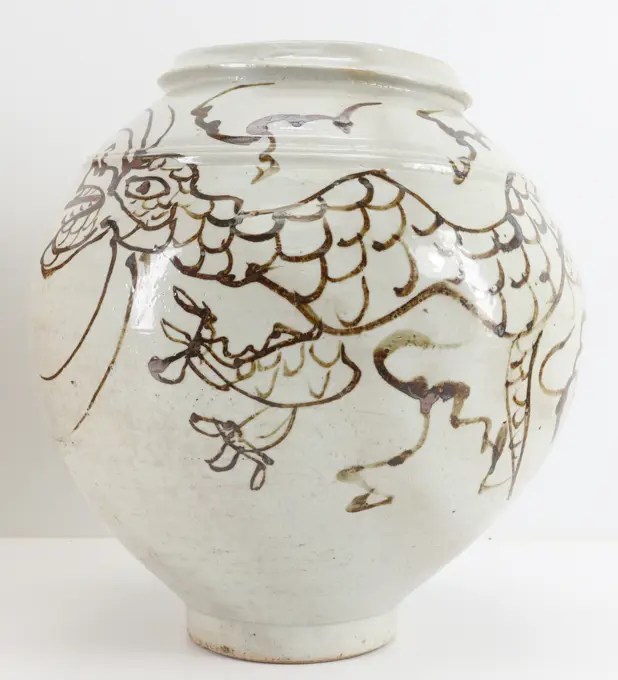
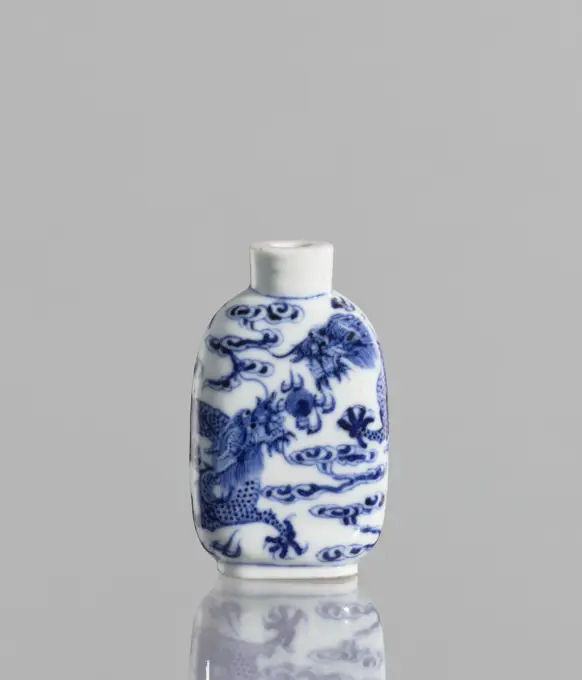
Bottle with dragons, 19th century, Unknown Korean, 10 5/8 × 6 15/16 × 7 in. (26.99 × 17.62 × 17.78 cm), Porcelain with underglaze cobalt blue decor, Korea, 19th century
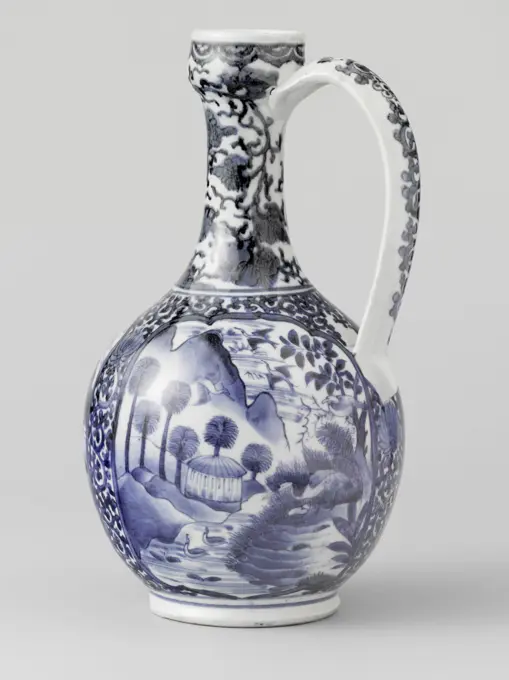
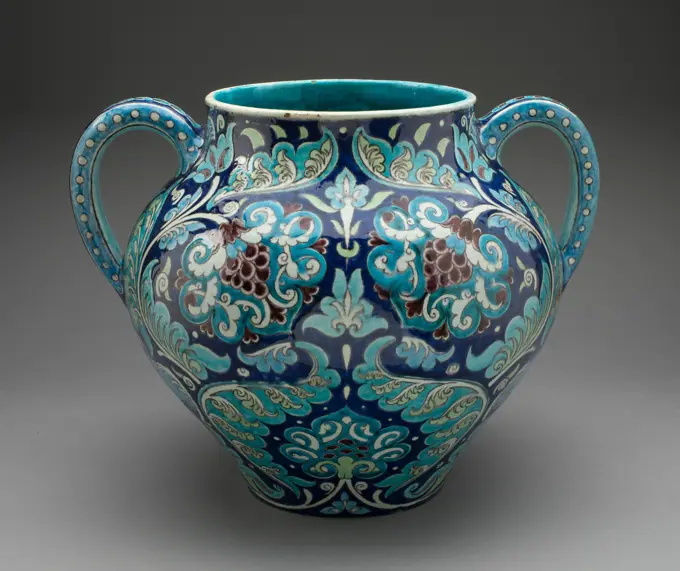
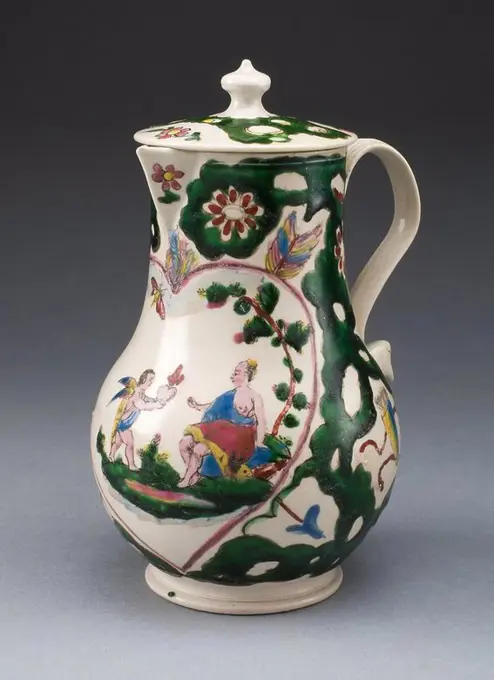
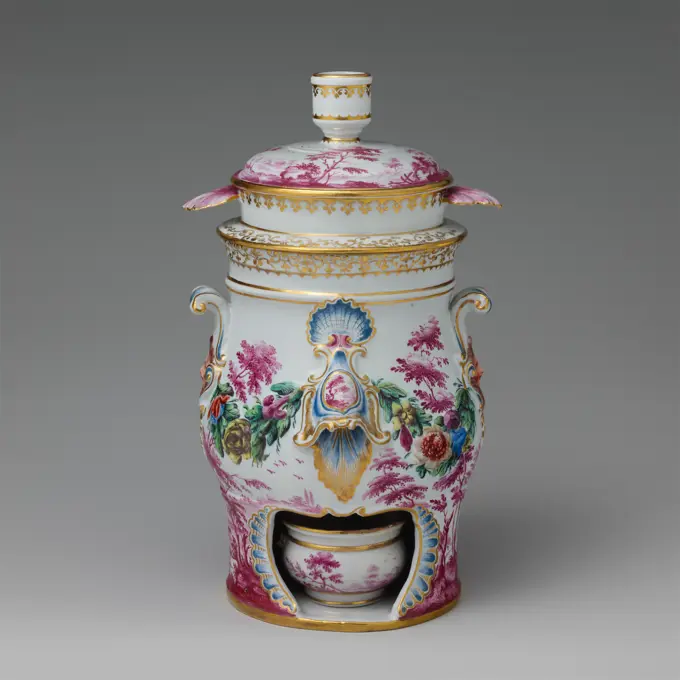
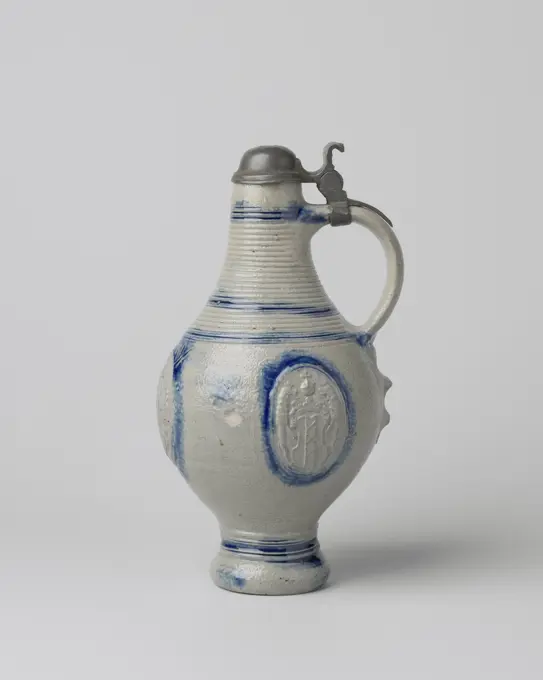
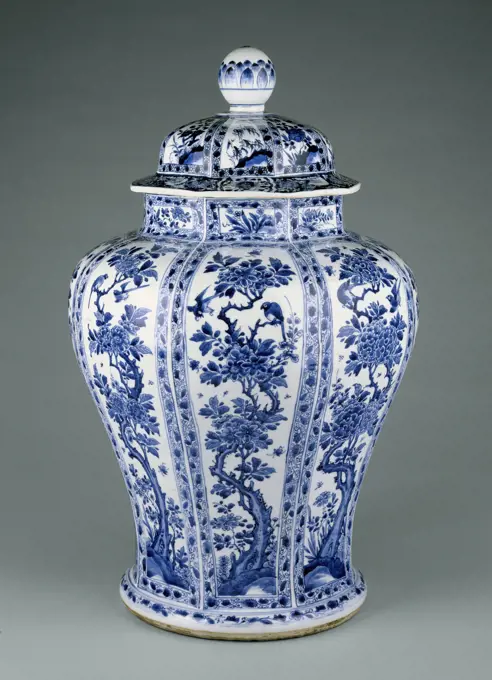
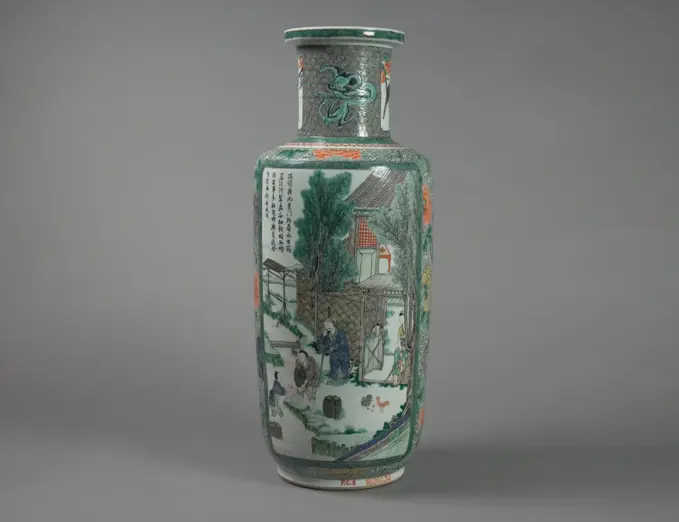
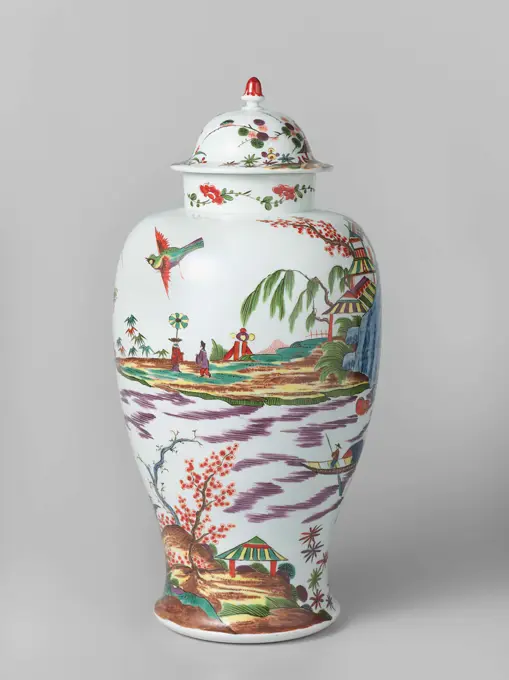
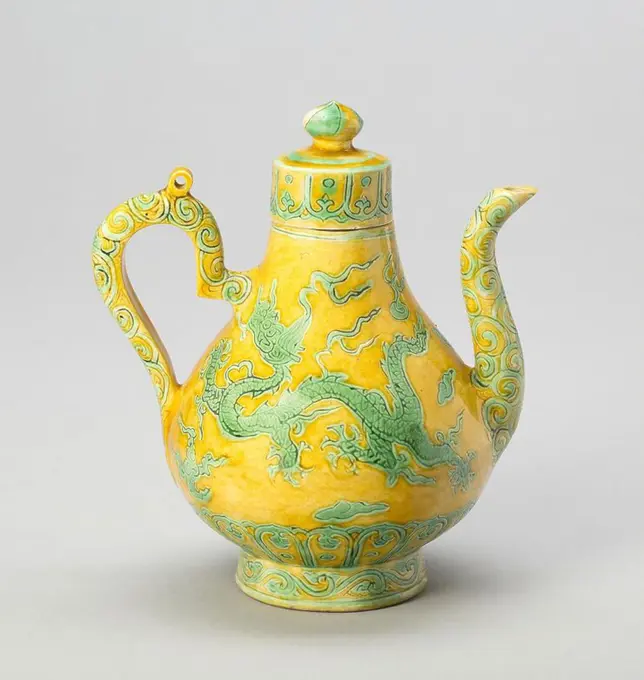
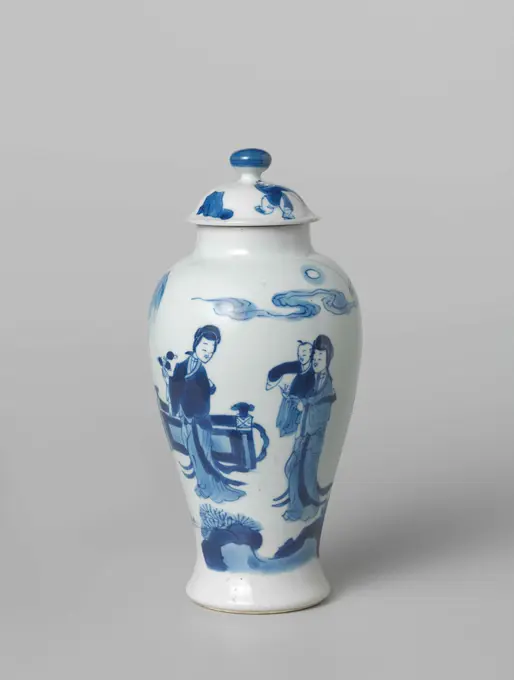
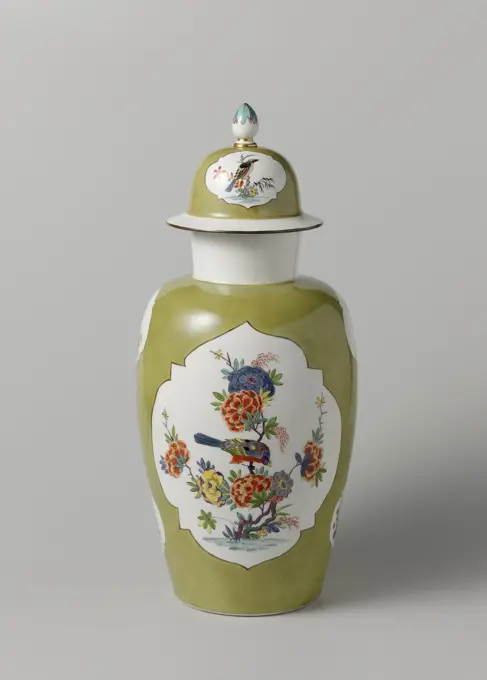
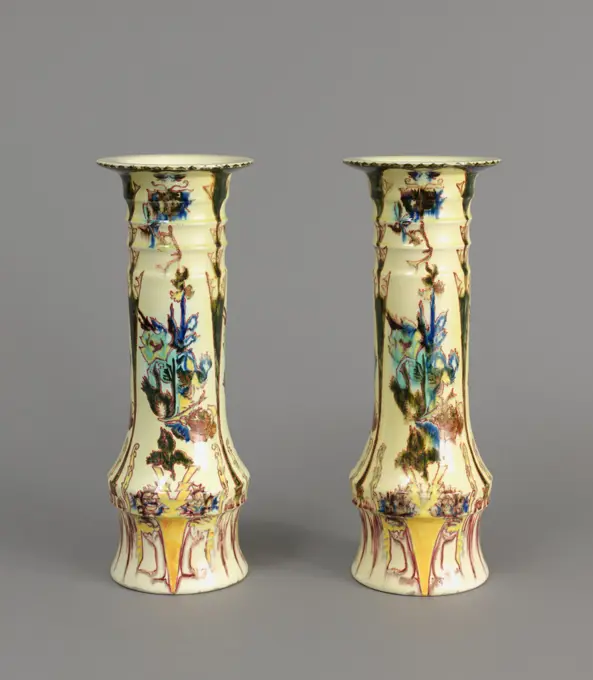
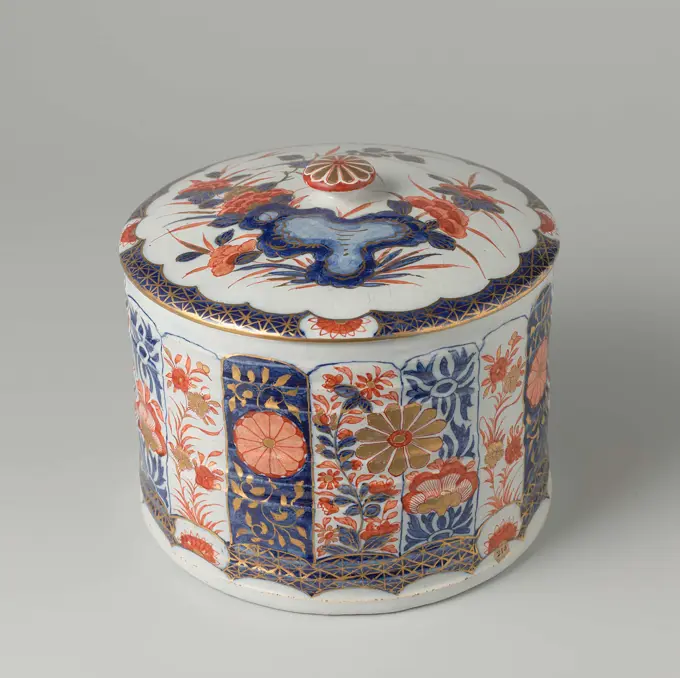
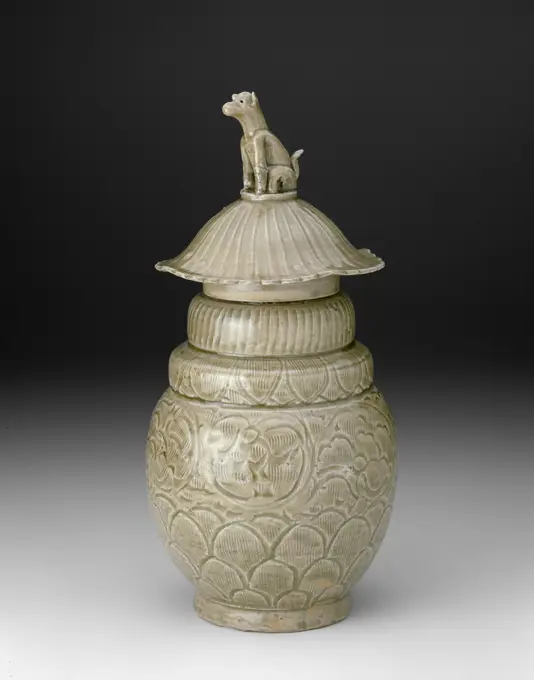
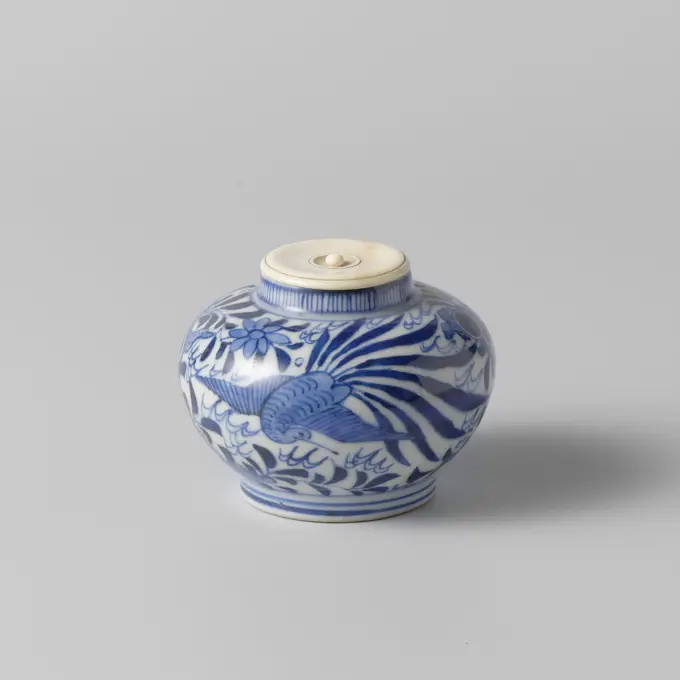
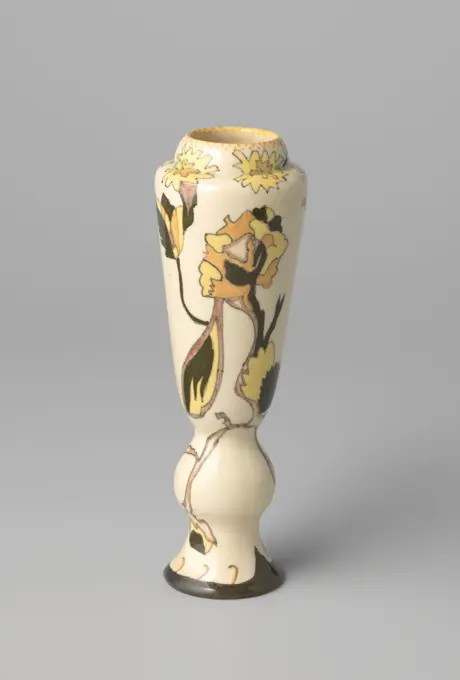
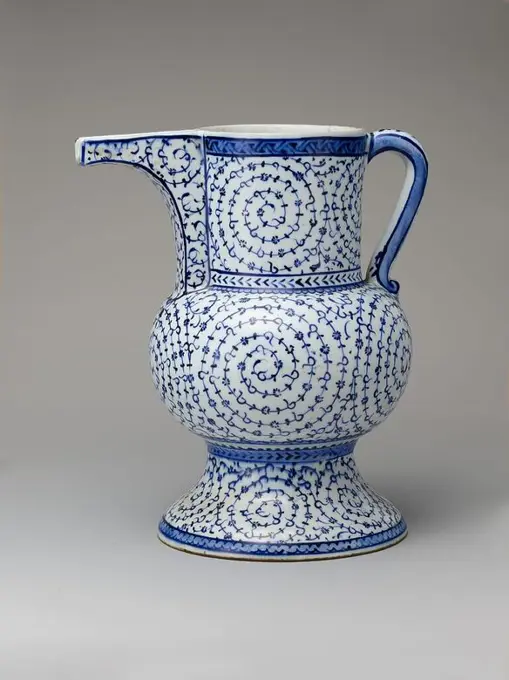
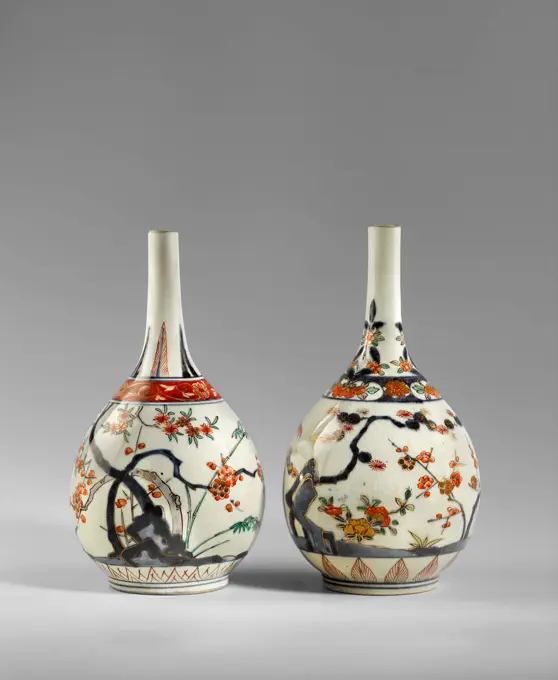
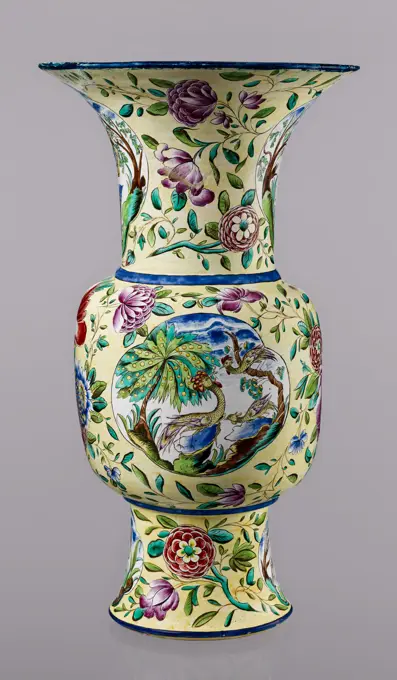
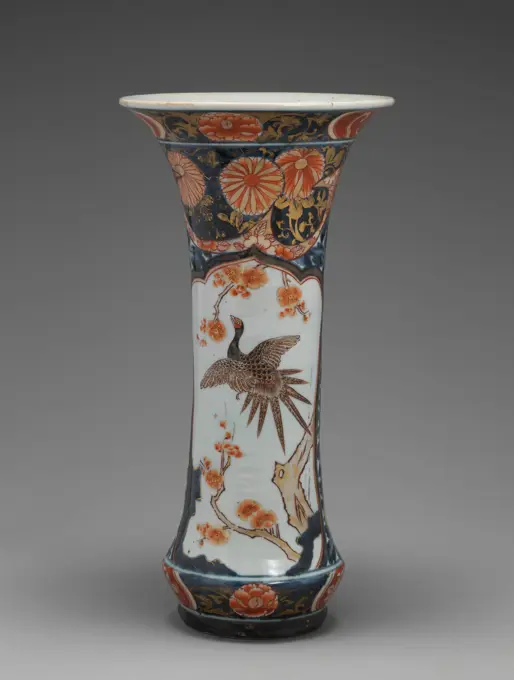
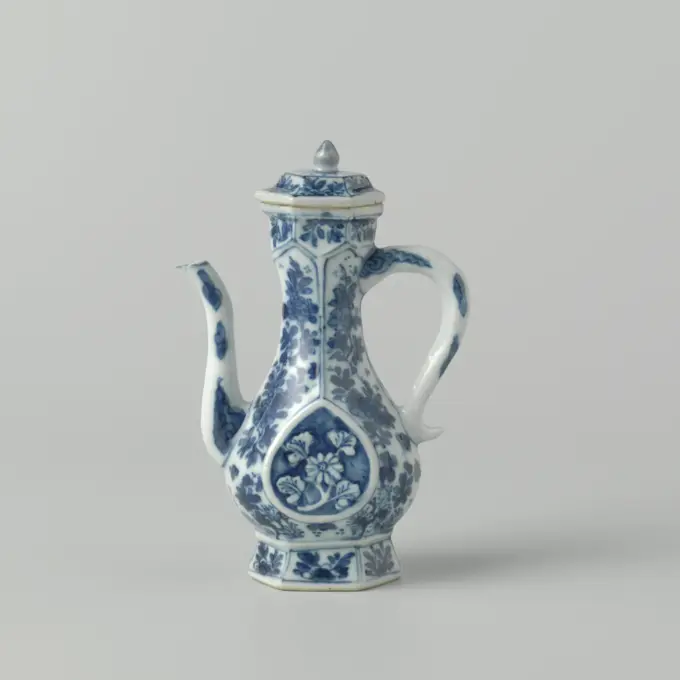
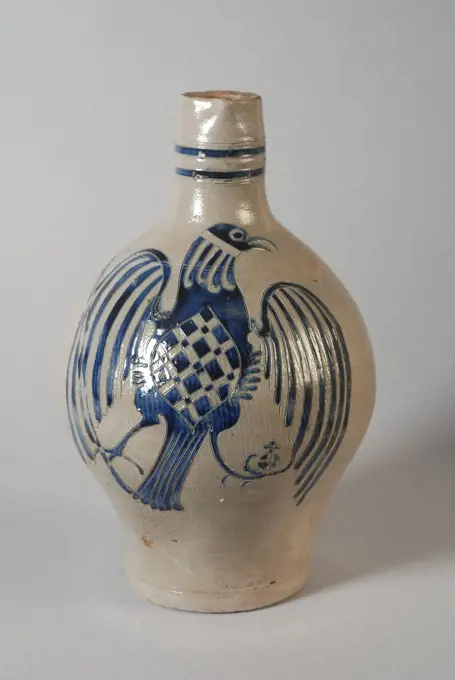
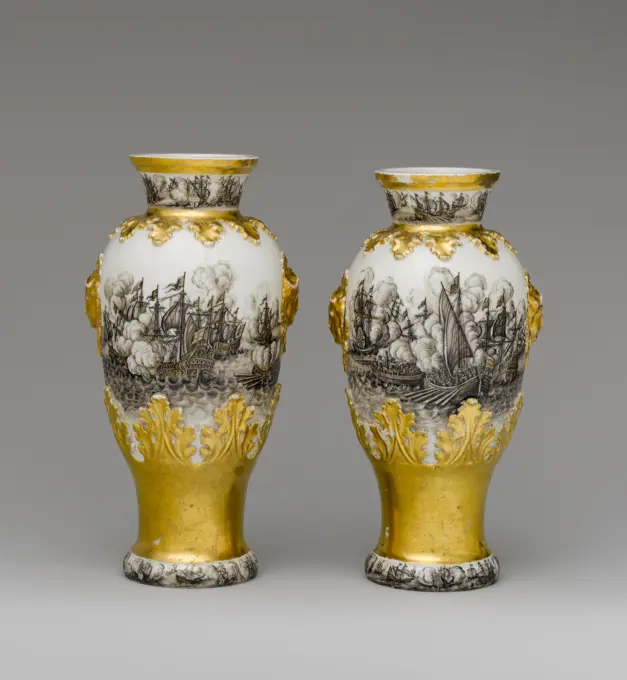
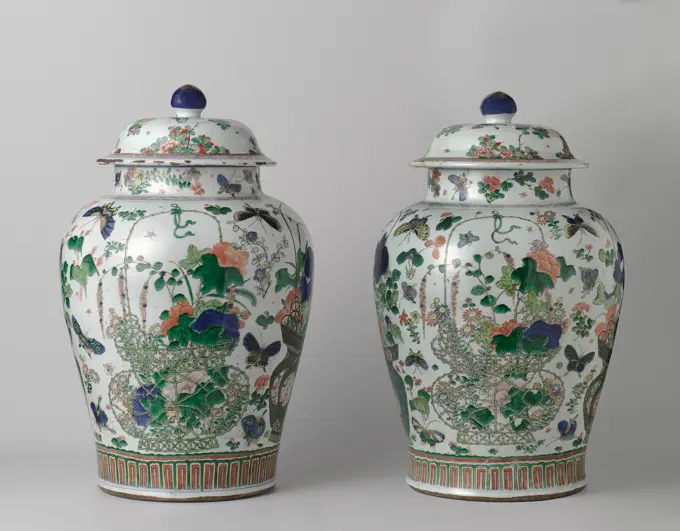
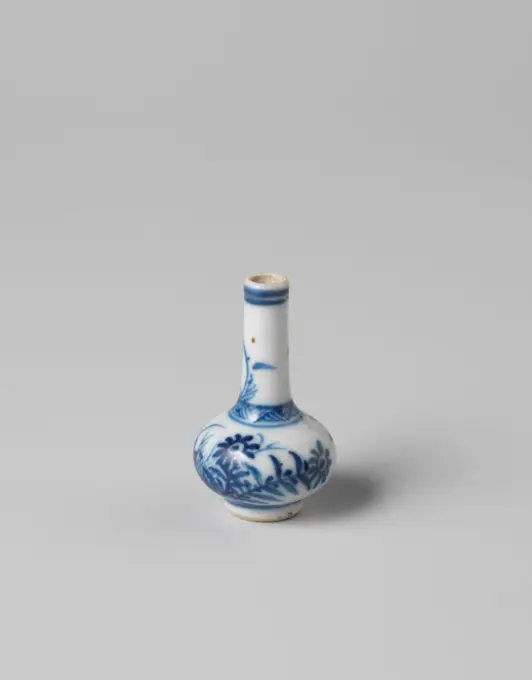
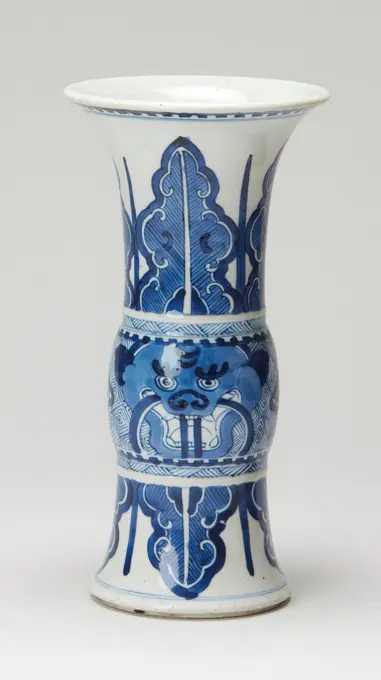
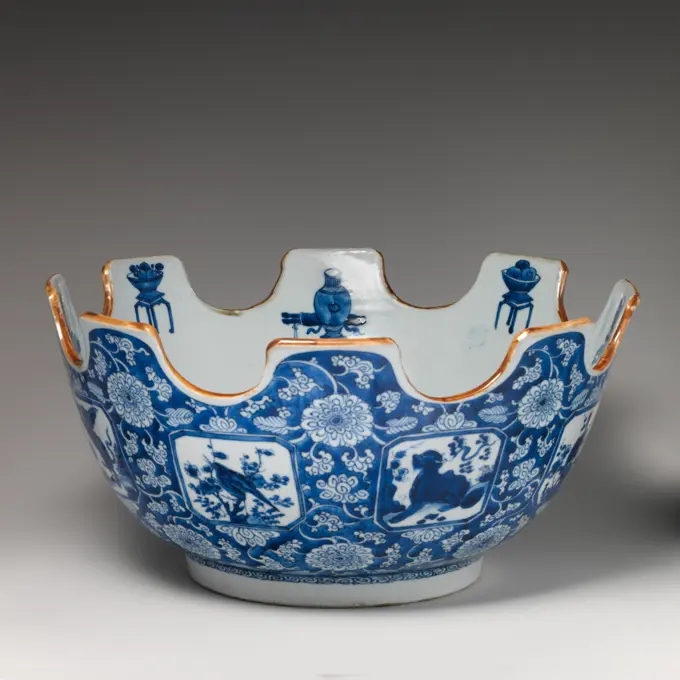
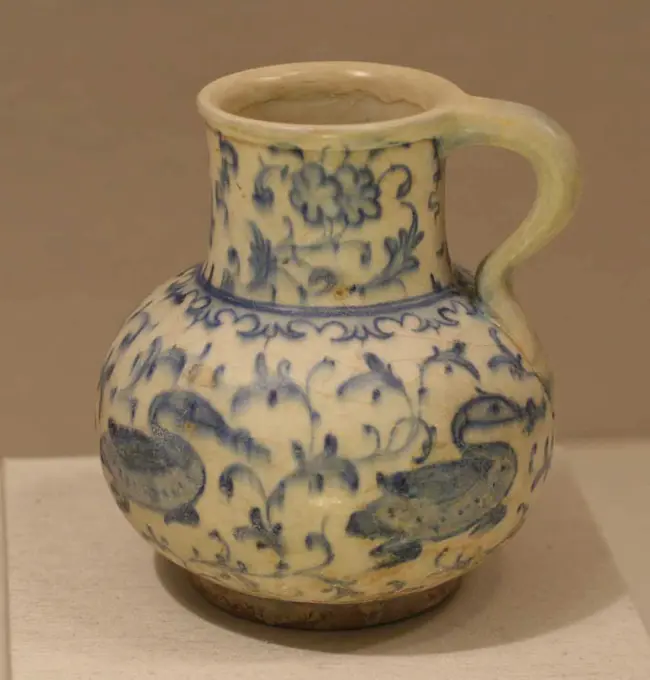
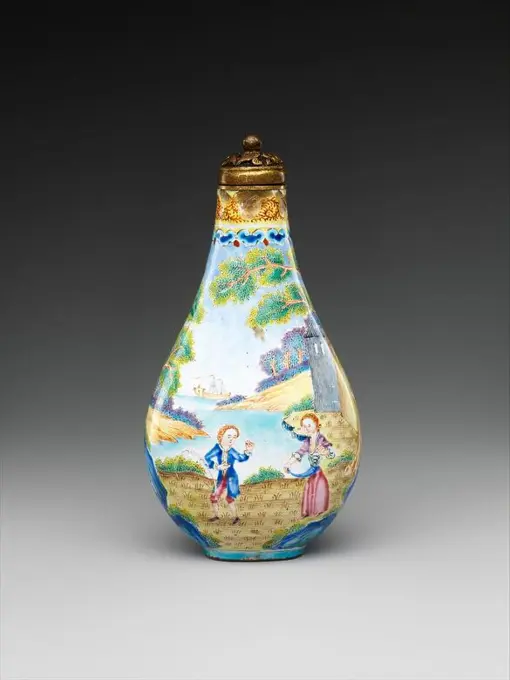
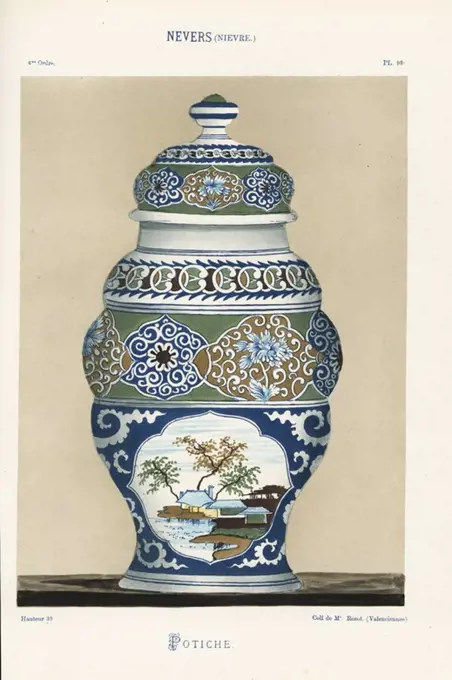
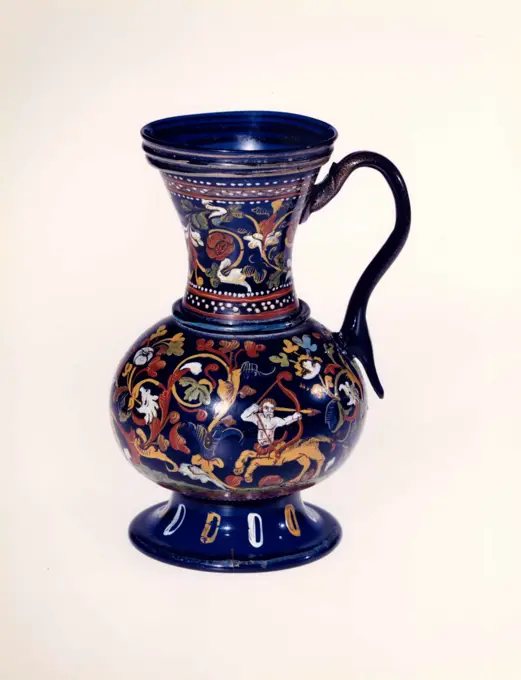
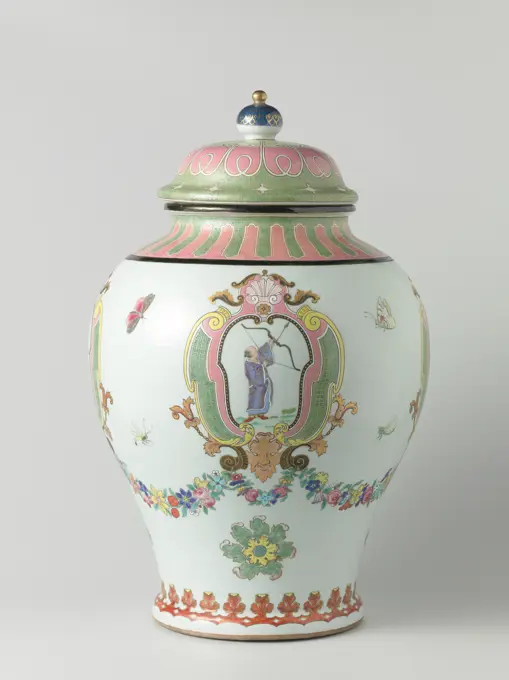
. Lid of fountain pot in the shape of a baluster-shaped lid vase or rack of porcelain, painted on the glaze in blue, red, pink, green, yellow, purple, black and gold. On the lid three decorative tires with napkin against a (light) green or pink background. The lid knob with a golden stylized flower on a dark blue background. Decoration possible based on a design by Cornelis Pronk (1691-1754). European performance in email colors.Sprinkler mid-15th century China. Sprinkler. China. mid-15th century. Porcelain painted in underglaze cobalt blue (Jingdezhen ware). Ming dynasty (1368-1644). CeramicsOvoid covered jar with women in pavillions among flowering plants, anonymous, c. 1700 Egg -shaped lid pot of porcelain, painted in underly glaze blue and on the glaze red, black and gold. On the belly a continuous representation of various pavilions with women surrounded by a rock and large flowering plants (peony, carnation, prunus, chrysanthemum) in a fenced garden. On the shoulder a wide band with peony ranks interrupted by book -shaped cartouches with landscapes or flowering plants. Around the neck a band with leaf vines interrupted by groups of three prunus flowers. Around the foot and on the neck a tire with alternately a stylized flower livel and chrysanthemums in courses. The foot with a band with a cloud motif. Imari. Japan porcelain. glaze. cobalt (mineral). gold (metal) painting / gilding / vitrification Egg -shaped lid pot of porcelain, painted in underly glaze blue and on the glaze red, black and gold. On the belly a continuous representation of various pavilions with womeCan, part of an oil and vinegar, anonymous, c. 1705 - c. 1725 Can with the lid of an oil and vinegar set from Faïence. Multicolored painted. The KAN is part of an oil and vinegar set. Delft . Can with the lid of an oil and vinegar set from Faïence. Multicolored painted. The KAN is part of an oil and vinegar set. Delft .Snuff Bottle with Figures in a Garden China. Snuff Bottle with Figures in a Garden 41725Ovoid covered jar with flower sprays and narrative scenes in medallions, anonymous, c. 1680 - c. 1720 Egg -shaped porcelain lid jar with a ribbed wall, painted in underlaze blue. On the wall a wide, ribbed band with four medallions with scenes saved: two women (long lips) on a terrace at a table 'go' playing; Two women, one with a flowerpot, and a boy (crazy) in an interior with a Qin on a table; Two women on a terrace, one standing with a fan, the other sitting at a table on which a book is located; Two women on a terrace, one dancing, the other looks sitting next to a table on which a book is located. On the shoulder a band with flower branches (Prunus, peony). Around the foot a band with flowering plants (Pauwlonia, Orchid, peony, peach, prunus, beautifulanjer). On the lid a scene of three men on a terrace with a servant who offers one of them a bowl. On the edge of flower branches. Marked on the underside with the six-character brand of Keizer Chenghua in a double circle. Glue resiEwer with landscapes in panels and floral scrolls, anonymous, c. 1655 - c. 1680 Can be made of porcelain with spherical body, C-shaped ear and small, triangular spout from the edge, painted in underlaze blue. The belly is covered with 'Karakusa' vines containing three scalloped cartouches. The middle catouche with two men in a landscape, one with a parasol and a fan, the other with a closed parasol and a dog. To the left of this a cartouche with cranes in a landscape with trees and rocks. The third cartouche with different birds in a landscape with a pavilion, mountains and a pond. The neck and ear with flower vines. A hole in the top of the ear. Arita, Blauw-Wit. Japan porcelain. glaze. cobalt (mineral) painting / vitrification Can be made of porcelain with spherical body, C-shaped ear and small, triangular spout from the edge, painted in underlaze blue. The belly is covered with 'Karakusa' vines containing three scalloped cartouches. The middle catouche with two men in a landscape, oWater jug; Manufacture Nationale de Porcelaine de Sevres (1756-); 1757 (1757-00-00-1757-00-00);Vase 1880-1890 England. Tin-glazed earthenware . William De MorganSnuff bottle in the shape of a gourd China A popular decorative motif, the gourd is synonymous of progeny, or multiple children, because the image of numerous gourds growing on a single vine is viewed as a symbol of many children in one family line.. Snuff bottle in the shape of a gourd 41581Vessel for spices. unknown, craftsmanJar, 1522-1566, 4 3/4 in. (12.07 cm), Porcelain with underglaze blue decor, China, 16th centuryJug with Cover. Staffordshire, England. Date: 1755-1765. Dimensions: 14.6 x 9.5 x 8.3 cm (5 3/4 x 3 3/4 x 3 1/4 in.). Salt-glazed stoneware, polychrome enamels. Origin: Staffordshire. Museum: The Chicago Art Institute, Chicago, USA.Close-up of a vase, Florence, ItalyBarrel-shaped réchaud ca. 1760 Doccia Porcelain Manufactory Italian. Barrel-shaped réchaud 206061Snuff Bottle, 19th century, 3 1/4 x 2in. (8.3 x 5.1cm), Ivory, China, 19th centuryOvoid jar with floral scrolls, anonymous, c. 1400 - c. 1499 Egg -shaped pot of porcelain, painted in undermglaze blue. On the belly a tire with flower vines with a slender four times underneath. On the shoulder a band with leaf motifs. Blue White. Vietnam porcelain. glaze. cobalt (mineral) painting / vitrification Egg -shaped pot of porcelain, painted in undermglaze blue. On the belly a tire with flower vines with a slender four times underneath. On the shoulder a band with leaf motifs. Blue White. Vietnam porcelain. glaze. cobalt (mineral) painting / vitrificationAnonymous,. Pot, green family decor. Hard porcelain, moufle fire enamels. 1st quarter of the 18th century. Museum of Fine Arts of the City of Paris, Petit Palais. Faience, pot, container, 18th 18th 18th 18th 18th 18th 18 centuryJug with the coat of arms of Amsterdam, anonymous, c. 1640 - c. 1670 Jug of stoneware on a high foot with an egg -shaped body and a tapered neck. The C-shaped ear is attached to the neck and shoulder. A broad bond with lines on the neck, some closely. Partly covered with cobalt blue. On the abdomen three times printed and imposed medallion with the weapon of Amsterdam in relief. A pewter frame with lid is attached to the ear. On the inside, a rose with the letters 'Alb' has been beaten. Westerwald. Westerwald (possibly) Stoneware. Glaze. Cobalt (Mineral). frame: tin (metal) vitrification Jug of stoneware on a high foot with an egg -shaped body and a tapered neck. The C-shaped ear is attached to the neck and shoulder. A broad bond with lines on the neck, some closely. Partly covered with cobalt blue. On the abdomen three times printed and imposed medallion with the weapon of Amsterdam in relief. A pewter frame with lid is attached to the ear. On the inside, a rose with the letters 'Alb'Jar with Dragon and Clouds. Korea, Joseon (1392-1910), 19th century. Furnishings; Serviceware. Wheel-thrown porcelain with cobalt painted decoration under clear glazeLidded Vase; China; about 1662 - 1722; Hard-paste porcelain; 59.7 cm (23 1,2 in.)Jug 1668 Hungary. Tin-glazed earthenware (Habaner ware), pewter mounts .Can be made of stoneware with blue glaze. Can be from stoneware. Decorated with blue glaze. The spout is formed by a lion's head. The ear and the top of the neck have disappeared.Snuff bottle. unknown, craftsmanVase with dragons late 18th century China. Vase with dragons. China. late 18th century. Porcelain with relief decoration under white glaze (Jingdezhen ware). Qing dynasty (1644-1911). CeramicsVase with scenes and poems from Farming and Weaving China Rice farming and silk production, both represented here, were cornerstones of agrarian society in premodern China. Woodcuts made after imperial court paintings based on the twelfth-century text Farming and Weaving (Geng Zhi Tu) were widely used as models for artworks in other media, such as this vase. The headings of the texts on the front and back sides of the vase are soaking rice seeds” (jinzhong) and harvesting silkworm cocoons” (xiacu).. Vase with scenes and poems from Farming and Weaving. China. Porcelain painted with overglaze polychrome enamels (Jingdezhen ware). Qing dynasty (1644-1911), Kangxi period (1662-1722). CeramicsSmall vase. Gonda Hirosuke ( 1865-1937), craftsmanA handle for articles; Korzec (Porcelain and faience manufacture; 1790-1832); 19th century (1801-00-00-1900-00-00);Lidded vase.This teapot with begonias combines underglaze blue with subtle use of yellow and white enamels. Teapot with Begonias, 1897-1914. Seifū Yohei III (Japanese, 1851-1914). Porcelain with underglaze and overglaze colors; height with lid: 7.5 cm (2 15/16 in.); width with handle: 10.5 cm (4 1/8 in.); diameter: 9 cm (3 9/16 in.).Vial. unknown, craftsmanEwer with Paired Dragon amid Cloud Scrolls. China. Date: 1506-1521. Dimensions: H. 13.2 cm (5 3/16 in.); diam. 8.6 cm (3 3/8 in.). Porcelain painted in overglaze green and yellow enamels. Origin: China. Museum: The Chicago Art Institute, Chicago, USA.Jug with scenes from the life of Judith and Holofernes, anonymous, c. 1610 - c. 1630 Can of stoneware on high foot with a cylindrical body, round shoulder and narrow neck with pinched spout. The C-shaped ear is attached to the neck and shoulder. Profiles on the neck, belly and foot. Partly covered with cobalt blue. On the cylindrical part of the abdomen nine performances, the first three of which are double, from the life of Judith and Holofernes. Above that a poorly readable inscription 'D: BVM.GBV Tytr: D: PK: Tue: Stat: D: Schlaf: DRVN: Den Kop: AF: Derkop: HIR: AVS: D: AVS: D: BVM: GBV' . The lower part of the abdomen with canelures and the shoulder is divided into courses with alternating core cut and a stamped flower rosette. On the neck a lion's head in relief. Attached to the ear a pewter frame with lid. The inside of the lid is marked. Westerwald. Westerwald Stoneware. Glaze. Cobalt (Mineral). frame: tin (metal) vitrification Can of stoneware on high foot with a cylindrical boVase With (Mythological) Animals in landscapes. Cylindrical vase of porcelain with a wide neck and raised edge, painted on the glaze in blue, red, green, yellow, eggplant, black and gold. On the wall a landscape with (mythological) animals (Feng Huang, Shishi, Dragon, Qilin, Tiger), interrupted by two cartouches with river landscapes with pine and pavilions and two peach-shaped cartouches with a bird on a flower branch (Prunus, Magnolia). On the shoulder a band napkin interrupted by blooming plants in cartouches. The neck with loose flower branches and two fan-shaped cartouches with antiques (books, role, ruyi skeptic, qin, objects of a scholar, go plate, artemisiablad). The outer edge with a band curl. Famille Verte.Covered Jar With Chinese Ladies And Boys in a Fenced Garden. Porcelain lid pot, painted in underglaze blue. On the wall two Chinese ladies (long likes) and two boys (oceans), one of which dancing, in a fenced garden with a job plant and a willow. The lid with two dancing boys separated by rocks. Blue White.Vase with lid, multicolored painted with Indianic blums in saved four passes in a moss green stock, Meissener Porzellan Manufaktur, c. 1725 - c. 1730 Vase of painted porcelain. The vase is almost completely covered with a moss -green stock in which two large and four small four -pass -out four passes in which Indianic Blumen with one or two birds. The lid is high and has a slanted edge. The lid also has a green stock with two saved four passes. The pointed button of the lid is painted with a multicolored rosette. The vase is marked. Float porcelain Vase of painted porcelain. The vase is almost completely covered with a moss -green stock in which two large and four small four -pass -out four passes in which Indianic Blumen with one or two birds. The lid is high and has a slanted edge. The lid also has a green stock with two saved four passes. The pointed button of the lid is painted with a multicolored rosette. The vase is marked. Float porcelainVase Vase; Designed by Theodorus Adriaan Christiaan Colenbrander (Dutch, 1841 - 1930); Manufactured by Rozenburg Pottery and Porcelain Factory (Netherlands); Netherlands; earthenware; 44 x 16.1 diameter cm (17 5/16 x 6 5/16 in.)Small cylindrical vase with two Chinese ladies and auspicious Symbols. Small, cylindrical vase of porcelain with a short neck and flat edge, painted in underglaze blue. Two Chinese ladies (long likes) on the wall at a flowering aster in a pot. On the other side antiques and valuables (vase with peacock feathers, incense burner, pearl and mirror). On the shoulder three valuables (pearl, diamond, music stone). On the neck a band with spiral work and dots. Marked on the underside with the four-character mark of Emperor Chenghua in a double circle. Blue White.Lidded Box. Round box of faïence. Painted multi-colored with an Imari decoration.Vase late 14th century China. Vase 44740. Silver tea bus, with hexagonal baluster-shaped body. The bus is decorated at the top and bottom with acanthus sheet imposed in Cut Card technique. The round lid fits over the cylindrical neck.Covered Jar with a Seated Dog 950 CE-1050 China. Longquan ware; stoneware with underglaze mold-impressed and carved decoration .Tea caddy with hoo-birds among trees, anonymous, c. 1800 - c. 1899 Dust bar or porcelain Chare with a printed, egg -shaped body and ivory lid, painted in under glaze blue. On the belly twice a flying Hoo-Vogel between trees and clouds. On the neck a bond with shadowing. The flat lid has a sunken button. Blue White. Japan porcelain. glaze. cobalt (mineral). deksel: ivory painting / vitrification Dust bar or porcelain Chare with a printed, egg -shaped body and ivory lid, painted in under glaze blue. On the belly twice a flying Hoo-Vogel between trees and clouds. On the neck a bond with shadowing. The flat lid has a sunken button. Blue White. Japan porcelain. glaze. cobalt (mineral). deksel: ivory painting / vitrificationVase with multi -colored flower decor on light yellow stock, Theo Colenbrander, c. 1910 - c. 1930 Vase of earthenware with flower decor in dark green, manganese and brown orange on light yellow stock. Marked: Monogram, The Hague, C, D3, and a line with two slanted arms, all with sphere pattern (in black). The Hague earthenware Vase of earthenware with flower decor in dark green, manganese and brown orange on light yellow stock. Marked: Monogram, The Hague, C, D3, and a line with two slanted arms, all with sphere pattern (in black). The Hague earthenwareEwer with 'Tughra-Illuminator' Style Decoration. Dimensions: Pitcher (a): H. 8 13/16 in. (22.4 cm)W. 7 7/16 in. (18.9 cm)Max. diam. 5 1/2 in. (14 cm)Lid (b): H. 1 9/16 in. (4 cm) Diam. 3 7/16 in. (8.7 cm) Wt. 1.9 oz (53.9 g). Date: 1525-40. Museum: Metropolitan Museum of Art, New York, USA.Sake bottle Imari decorated with plant motifs: the 'three friends of the cold season'. unknown, ceramistKuan vase. Wolff, Karol (fl. ca 1800), company owner, Bielino (manufaktura fajansu ; 1779-1800), factoryMoon Flask 1878-1880 Stoke-on-Trent. Bone china, enamel, and gilding .Tureen c 1825-1830 Staffordshire. Earthenware . William WoodBeaker vase (part of a five-piece garniture) ca. 1690-1720 Japanese, for export market (Hizen ware, Imari type) Japanese porcelain vases made for export were avidly sought by aristocratic and royal patrons to decorate their stately homes and palaces in the late seventeenth and early eighteenth centuries. While Chinese porcelains were exported to Europe and Britain in larger quantities during this period, Japanese porcelains were prized for their boldly patterned and richly-colored decoration. The popularity of works such as these changed European taste for Asian porcelain, with a more vivid palette preferred over the blue and white decoration which once defined imported porcelains.. Beaker vase (part of a five-piece garniture). Japanese, for export market (Hizen ware, Imari type). ca. 1690-1720. Hard-paste porcelain with underglaze blue and overglaze enamel and gilding. Ceramics-Porcelain-ExportKadzielniczka - bowl with a cover;  XVIII/19th century (1790-00-00-1810-00-00);Parakeets Vase. Designed by René Lalique (French, 1860-1945); Manufactured by Lalique et Cie (French, founded 1885). Date: 1919. Dimensions: 25.7 x 23.7 cm (10 1/8 x 9 5/16 in.). Glass; mold blown, acid finished with green oxide. Origin: Paris. Museum: The Chicago Art Institute, Chicago, USA.Waza typu rożek, zdobiona feniksami, peoniami, zającami. unknown, ceramistTriple gourd vase (one of a pair) 18th century Chinese with French mounts. Triple gourd vase (one of a pair). Chinese with French mounts. 18th century. Hard-paste porcelain, gilt-bronze mounts. Metalwork-Gilt BronzeHexagonal ewer with flowering plants and floral scrolls, anonymous, c. 1680 - c. 1720 Hexagonal can of porcelain with a pear-shaped body, long, s-shaped spout and s-shaped ear, painted in under-glaze blue. On the belly flowering plants interrupted by a modeled cartouche with a modeled flower branch saved in blue. The foot, edge and lid are divided into six compartments with flower areas. Cloud motifs on the spout and the ear. Blue White. China porcelain. glaze. cobalt (mineral) painting / vitrification Hexagonal can of porcelain with a pear-shaped body, long, s-shaped spout and s-shaped ear, painted in under-glaze blue. On the belly flowering plants interrupted by a modeled cartouche with a modeled flower branch saved in blue. The foot, edge and lid are divided into six compartments with flower areas. Cloud motifs on the spout and the ear. Blue White. China porcelain. glaze. cobalt (mineral) painting / vitrificationStoneware jug be with large blue eagle on the belly, crockery holder soil find ceramic stoneware glaze salt glaze, hand turned baked glazed stoneware jug. Spherical abdominal neck with shaving clip with ear on standing surface On the neck some rings of which two blue colored Gray shard archeology import pottery serving Rotterdam education Academy of Fine Arts and Technical Sciences Cool Coolvest Dijkzigt G.J. de Jonghweg City Triangle Blaak Academy of Fine Arts and Technical Sciences Rotterdam.Vase (one of a pair) ca. 1720-25 Meissen Manufactory German During the first several decades of operation, the Meissen factory sold undecorated porcelain to independent porcelain painters known as Hausmalers, or literally painter/s [working at home.”[1 The factory may have been motivated to make these sales for several reasons; chiefly, they generated revenue and provided a means of disposing of seconds,” or slightly flawed objects, as well as models no longer deemed fashionable. In turn, the Hausmalers must have anticipated that they could decorate the porcelains in their small, independent workshops and sell the completed products for lesser sums than those commanded by factory- decorated objects. In general, the Meissen blanks” painted by Hausmalers exhibit a wide range of individual styles that distinguish them from works decorated at Meissen, which tended to adhere to the factory style promulgated at any given moment. While the work of some Hausmalers can appear less accompliVase with two handles, Italian majolica of Montelupo, between the end of the 16th century and early 17th centuryOvoid vase with floral scrolls and figural scenes in panels. Egg-shaped vase of porcelain with a short, slightly spiny neck, painted on the glaze in blue, red, pink, brown, green, yellow, black and gold. On the wall floral drinks and cartouches; Two large cartouches with ladies, men and children in a landscape with trees and pavilion, two smaller cartouches with a woman with a child on the back of an ox in a landscape; above and under cartouches with landscape; around the neck a meander band. Neck has been broken. Famille Rose / Mandarin.Baluster covered jar with flower baskets, flower sprays and insects.Baluster-shaped lid pot of porcelain, painted on the glaze in blue, red, green, yellow, eggplant, black and gold. On the belly four times a flower basket with aster, peony, prunus, blue rain, lotus, chrysanthemum and iris. One basket with shishi and ruyi motifs and one basket with feng huangs and chinese characters. Between the baskets loose flower branches and insects. Above the foot a tire with stylized leaf motifs. On the shoulder a band with arrearing. The neck with flower branches and butterflies. The lid with piping branches, butterflies and a band with arcing on the edge, the round lid knob with a stylized flower. A crack in the edge of the pot; Some chips in the edge of the lid. Famille Verte.Candlestick, one of a pair, 20th century, 6-7/8 x 3-1/16 x 3-1/16 in. (17.5 x 7.8 x 7.8 cm), Cloisonné, China, 20th centuryVase from a five-piece altar set (wugong) mid-19th century China. Vase from a five-piece altar set (wugong) 48615Two vases (rolwagens or sleeve vases), De Metaale Pot, c. 1690 - c. 1700 Faience roller car with Tudor-Roos, Distel and Harp (for England, Scotland and Ireland). Delft .   England. Scotland. Ireland Faience roller car with Tudor-Roos, Distel and Harp (for England, Scotland and Ireland). Delft .   England. Scotland. IrelandMiniature bottle vase with flowering plants and an insect near a rock, anonymous, c. 1675 - c. 1724 Miniature bottle -shaped vase of porcelain with spherical body, painted in undermglaze blue. Plants flowering on the abdomen (aster, splendidanjer) and an insect in a rock; On the shoulder a band with zigzag work; The neck with twice a plant. Blue White. China porcelain. glaze. cobalt (mineral) painting / vitrification Miniature bottle -shaped vase of porcelain with spherical body, painted in undermglaze blue. Plants flowering on the abdomen (aster, splendidanjer) and an insect in a rock; On the shoulder a band with zigzag work; The neck with twice a plant. Blue White. China porcelain. glaze. cobalt (mineral) painting / vitrificationVase. Culture: China. Dimensions: H. 8 5/8 in. (21.9 cm). Date: late 18th-first half of the 19th century. Museum: Metropolitan Museum of Art, New York, USA.Snuff Bottle, 19th century, 3 3/4 x 2 1/8in. (9.5 x 5.4cm), Ivory, China, 19th centuryBeaker vase with birds, flowering plants, floral scrolls and antiquities in panels, anonymous, c. 1700 - c. 1724 Porcelain cup, painted on the glaze in blue, red, green, yellow, eggplant and black. On the wall a wide band with elongated, scalloped cartouches with flowering plants (prunus, bamboo, peony, aster) and birds or antiques (flower vase, vase with peacock springs and coral, books, image of a shishi). Below and above a band with standing or hanging leaf -shaped cartouches with flower vines or a flower branch. Above the foot a band with prunus blossom on 'Crackled Ice'; The edge with a tire servetwork. Famle Verte. China porcelain. glaze. painting / vitrification Porcelain cup, painted on the glaze in blue, red, green, yellow, eggplant and black. On the wall a wide band with elongated, scalloped cartouches with flowering plants (prunus, bamboo, peony, aster) and birds or antiques (flower vase, vase with peacock springs and coral, books, image of a shishi). Below and above a band Punch Pot 1755-1765 Staffordshire. Considerably larger than a teapot, this vessel was probably used for punch, a hot drink made with red wine and spices that was a popular beverage in 18th-century England. The naturalism of the handle and spout, modeled in the form of crabapple branches, contrasts with the imaginative freedom of the colorful painted figures. The unknown artist took these vignettes from a series of prints engraved after the work of the French artist FranÁois Boucher (1703ñ1770).. Salt-glazed stoneware, polychrome enamels .Ku-shaped Vase, 18th century, 10in. (25.4cm), Porcelain, China, 18th centuryDragon Vase. R.W. Martin & Brothers (England, London, circa 1873-1914). England, 1899. Furnishings; Accessories. StonewareMonteith ca. 1715-20 Chinese, for British market This vessel, which was intended for chilling wine glasses, does not bear a British coat of arms, but its form derives from an English silver example, suggesting it was intended for an English client.. Monteith. Chinese, for British market. ca. 1715-20. Hard-paste porcelain. Ceramics-Porcelain-ExportCylindrical vase with powder blue and landscapes with figures or animals. Cylindrical vase of porcelain with a wide, straight neck and raised edge, painted in underglaze blue. The vase is covered with bleu poudré (powder blue) with different cartouches shaped in this. On the belly two elongated cartouches with a lady in the window of a pavilion with a man on a dragon over swirling waves in one lady. In the other a river landscape with a fishing man on the edge of a cliff. Between the elongated cartouches two round cartouches with a bird on a branch and one with a hare. On the other side an insect in flowering plants and a rock and a shrimp between aquatic plants. Bleu poudré with blue and white.Vase. Culture: China. Dimensions: H. 27 in. (68.6 cm). Museum: Metropolitan Museum of Art, New York, USA.Vase;  around 1910-1920 (1910-00-00-1920-00-00);Vase. Meissen porcelain manufactory ice cream, c. 1725-1730Hard Paste PorcelainVase with symmetrical pattern of flower and leaf motifs, N.V. Haagsche Plateel Factory Rozenburg, 1886 Vase of earthenware, cylindrical shape, painted in green, yellow, blue and purple with a symmetrical pattern of flower and leaf motifs. The mouth edge is profiled. Marked with: w v with flag g / hedge / b. (in black). The Hague earthenware Vase of earthenware, cylindrical shape, painted in green, yellow, blue and purple with a symmetrical pattern of flower and leaf motifs. The mouth edge is profiled. Marked with: w v with flag g / hedge / b. (in black). The Hague earthenwareJar decorated with dragons Korea 17th century This jar is decorated with two dragons pursuing a flaming jewel. The dragons are whimsically and dynamically rendered through energetic brushwork using iron-brown pigments rather than cobalt blue or copper redcolorants that were less readily available during the Joseons recovery after repelling invasions in the late 16th and early 17th centuries. The jars buoyant, slightly asymmetrical silhouette is similar to that of so-called moon jars, undecorated white porcelain jars popular in the17th and 18th centuries. View more. Jar decorated with dragons. Korea. 17th century. Porcelain with underglaze iron-brown design. Joseon dynasty (1392-1910). CeramicsTwo beaker vases and a vase, part of a garniture, De Klaauw, c. 1760 - c. 1800 Powence pot. Blue painted with floral decorations. lid is missing Delft . Powence pot. Blue painted with floral decorations. lid is missing Delft .Vase 1851 Ralph Bagnall Beech. Vase 9316Vase in a dual gourd;  19th century (1801-00-00-1900-00-00);Paderewski, Ignacy Jan (1860-1941), Paderewski, Ignacy Jan (1860-1941)-collection, qing (style), Chinese (culture), cloisonné, gift (provenance), flowers, butterflies, Chinese artJar 18th century. Jar 446935BOTE VIDRIADO Y PINTADO EN BLANCO Y DORADO-CERAMICA POPULAR S XX. Location: ALFARERIA. BURGO DE EBRO. Saragossa Zaragoza. SPAIN.Onion-shaped vase. unknown, craftsmanVase Necel, Franciszek (1868 1935)Roll trolley, trolley tumbler holder ceramic porcelain glaze, baked painted glazed cabinet set (1-4). Cylindrical body with band-shaped thickening at the middle height. Trumpet-shaped neck decorate home interiorAncient China: Cylindrical jar with dragon decorations; Qing Dynasty, 1644 - 1912 AD. Blue-and-white ceramic.Hanging Ornament 19th century Though this mosque ornament, probably meant to hang in conjunction with a mosque lamp, looks like Iznik ware at first glance, the discrepancies in color and design point to the regional center of Kütahya as its place of production. The blues and green of the decorative medallions appear runny and washed-out, the black arabesques are an anomaly not found in Iznik pottery, and the painting of the motifs seems more fussy and strenuous than comparable sixteenth-century wares. Nonetheless, this piece is a well-crafted copy and follows almost exactly the design of an Iznik mosque ornament now in the Benaki Museum in Athens.. Hanging Ornament 446647Octagonal bottle vase with a flowering tree, anonymous, c. 1680 - c. 1690 Octagonal, bottle -shaped vase of porcelain, painted on the glaze in red, green, eggplant, black and gold. On the belly a flowering tree (prunus), plants and a cloud. Curling on the edge. A crack in the edge. Arita, Kakiemon style. Japan porcelain. glaze. gold (metal) painting / gilding / vitrification Octagonal, bottle -shaped vase of porcelain, painted on the glaze in red, green, eggplant, black and gold. On the belly a flowering tree (prunus), plants and a cloud. Curling on the edge. A crack in the edge. Arita, Kakiemon style. Japan porcelain. glaze. gold (metal) painting / gilding / vitrificationEwer late 15th century The pot-bellied form of this stonepaste ewer originated in Central Asia and spread to Ming China during the Timurid period. Made of metal, jade, or stonepaste, these objects incorporated elements borrowed from Chinese art, including, in this example, the blue-and-white color scheme and the decoration of long-necked ducks. Many of these ewers were also given dragon-shaped handles.. Ewer 452036Snuff bottle with European figures. Culture: China. Dimensions: H. 2 7/8 in. (7.3 cm); W. 1 1/2 in. (3.8 cm); D. 1 in. (2.5 cm).This snuff bottles illustrates the frequent contact between China and the West during the Qing dynasty (1644-1911), when not only the technique, painted enamel, but also the decorative motifs, Western figures in a landscape setting, were introduced from Europe. Museum: Metropolitan Museum of Art, New York, USA.Potiche or vase with lid from Nevers, France, with oriental landscape and foliage patterns. Hand-finished chromolithograph from Ris Paquot's General History of Ancient French and Foreign Glazed Pottery, Chez l'Auteur, Paris, 1874.Owl vase 1868 Minton(s) Minton was the most important ceramics factory during the Victorian period and began exhibiting products at the first Great Exhibition of 1851. Founded in 1793 by Thomas Minton at Stoke-on-Trent, the firm initially specialized in transferware pottery before expanding under the ownership of Thomass son Herbert Minton, beginning in 1836. Under the ownership of Colin Minton Campbell, who succeeded his uncle in 1858, the factory became recognized as a specialist producer of Aesthetics movement porcelain, which were inspired by a rich array of exotic and eclectic decorative motifs. Listen to experts illuminate this artwork's story Listen Play or pause #418. Christopher Dresser and the Birth of Industrial Design Supported by Bloomberg Philanthropies We're sorry, the transcript for this audio track is not available at this time. We are working to make it available as soon as possible.. Owl vase. British, Stoke-on-Trent, Staffordshire. 1868. Bone china. Ceramics-PorcelJug ca. 1500-1510 Italian (Venice). Jug. Italian (Venice). ca. 1500-1510. Transparent dark blue nonlead glass. Blown, enameled, gilt.. GlassUnknown (n. - d.), Roll of black family decor, 1662. Porcelain, cookie, polychrome enamels. Petit Palais, Museum of Fine Arts of the City of Paris.Vase, cloisonné enamel, Slender gallipot shape, with green and white dragon pursuing the flaming pearl, in aventurine enamel, on a blackground of blue, scrolled with silver wire. Neck and foot mounted in brass. Yellow counterenamel., Japan, Late 19th century, enamels, Decorative Arts, VaseVase with Stopper, mid 18th century, 9 1/4 x 4 1/4 in. (23.5 x 10.8 cm), Porcelain with enamel decoration and wood stopper, China, 18th centuryJug with roundels, anonymous, c. 1650 - c. 1724 Jug of stoneware on stand ring with a bullet -shaped belly and short, wide neck. The C-shaped ear is attached to the neck and belly. Some of the lines of the foot and the neck. Partly covered with cobalt blue. Printed and imposed rosettes are placed in relief in blue in blue. A pewter frame is attached to the ear with the beaten inscription 'I K' in a double circle. Westerwald. Westerwald Stoneware. Glaze. Cobalt (Mineral). frame: tin (metal) vitrification Jug of stoneware on stand ring with a bullet -shaped belly and short, wide neck. The C-shaped ear is attached to the neck and belly. Some of the lines of the foot and the neck. Partly covered with cobalt blue. Printed and imposed rosettes are placed in relief in blue in blue. A pewter frame is attached to the ear with the beaten inscription 'I K' in a double circle. Westerwald. Westerwald Stoneware. Glaze. Cobalt (Mineral). frame: tin (metal) vitrificationFlakonik - tabakierka. unknown, craftsmanPair of candlesticks, De Metaale Pot (attributed to), c. 1760 - c. 1775 FaaMence candlestick, blue painted in the glaze. Delft . FaaMence candlestick, blue painted in the glaze. Delft .Oil pot ca. 1737 Meissen Manufactory German. Oil pot 203188