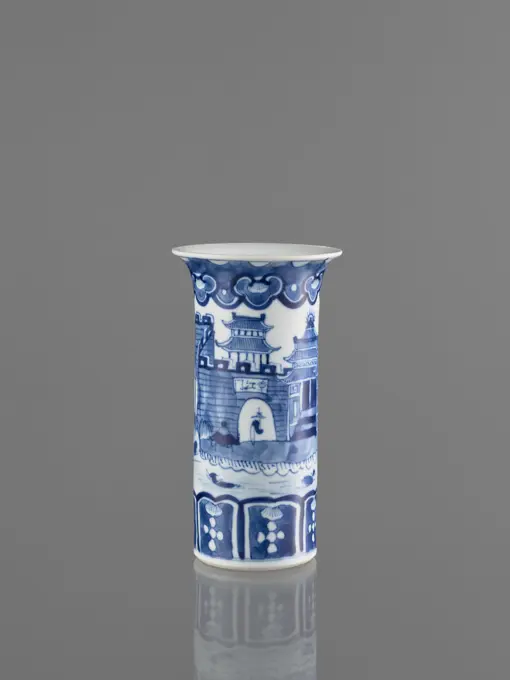
Chinese Porcelain Vases

Elegant porcelain vases in varied shapes and designs, decorated with colorful floral motifs and intricate patterns reflecting Chinese artistry.

Bottle with dragons, 19th century, Unknown Korean, 10 5/8 × 6 15/16 × 7 in. (26.99 × 17.62 × 17.78 cm), Porcelain with underglaze cobalt blue decor, Korea, 19th century
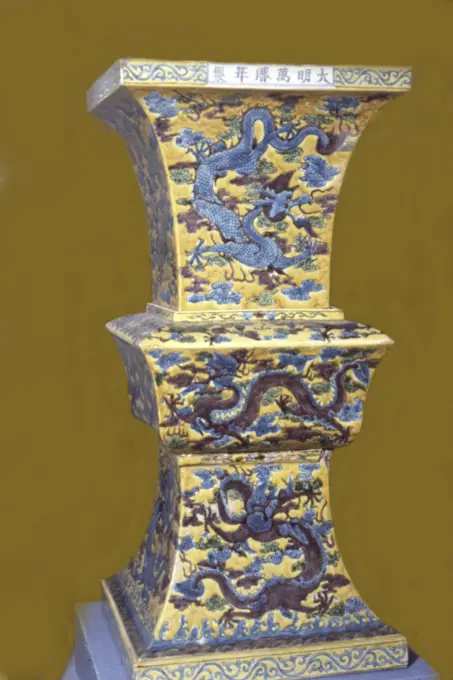
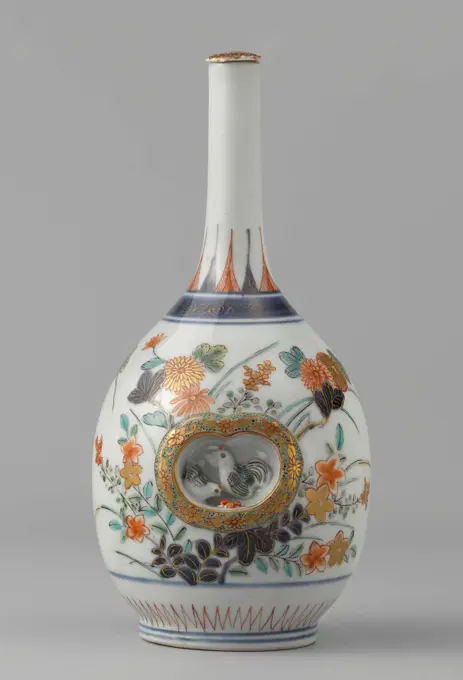
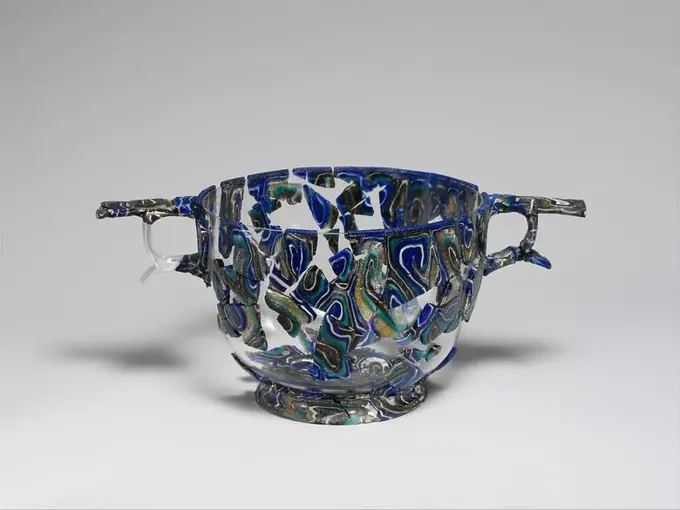
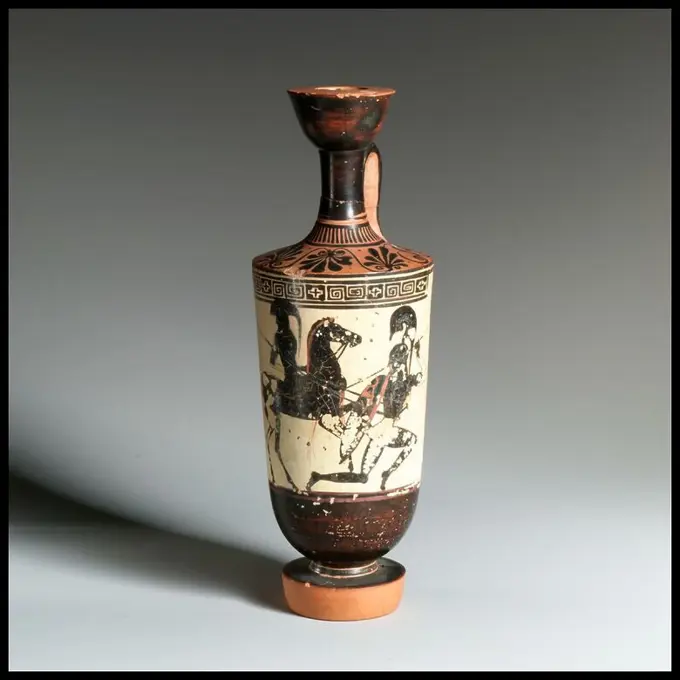
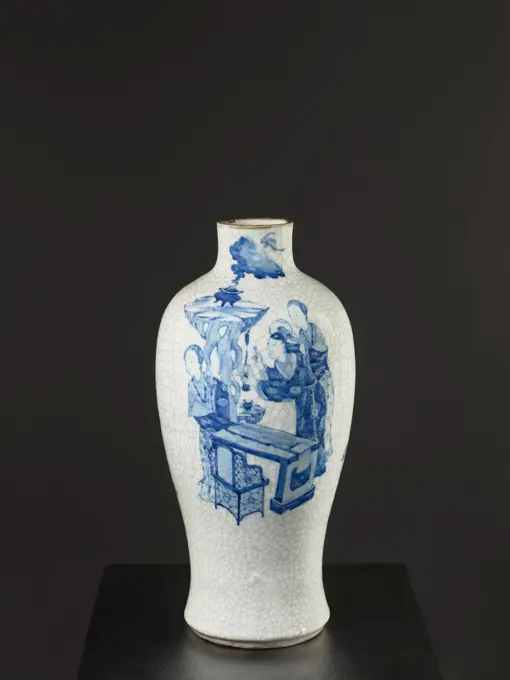
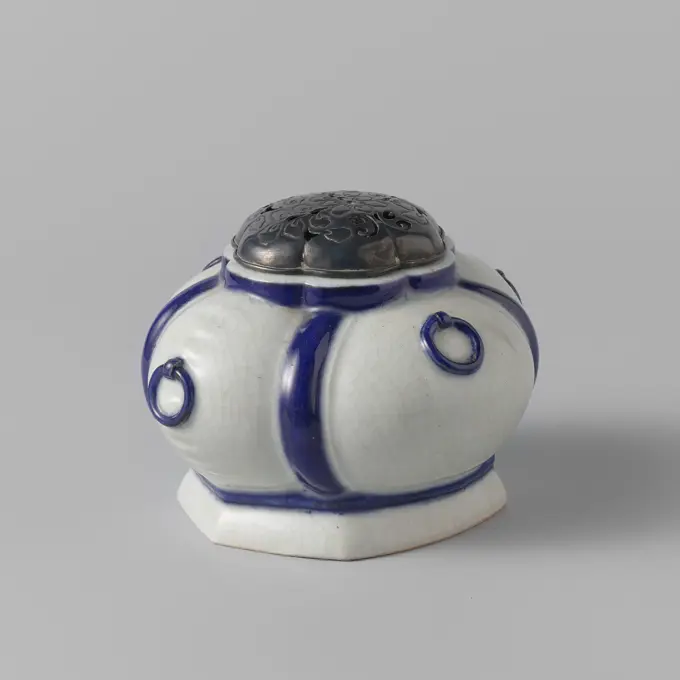
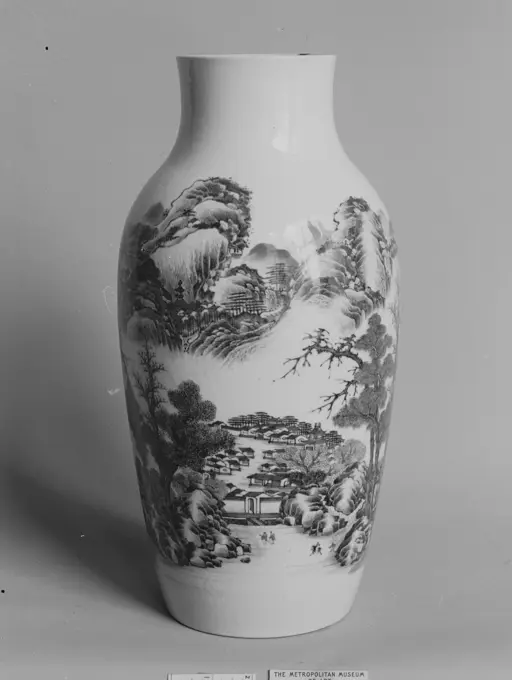
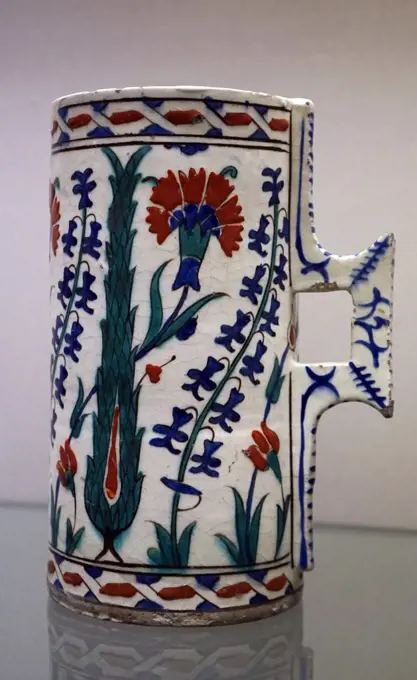
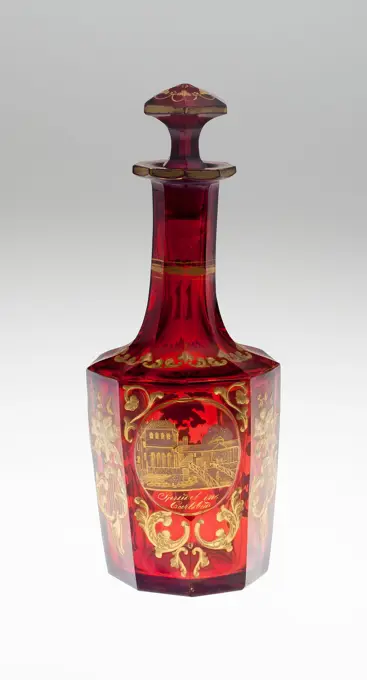
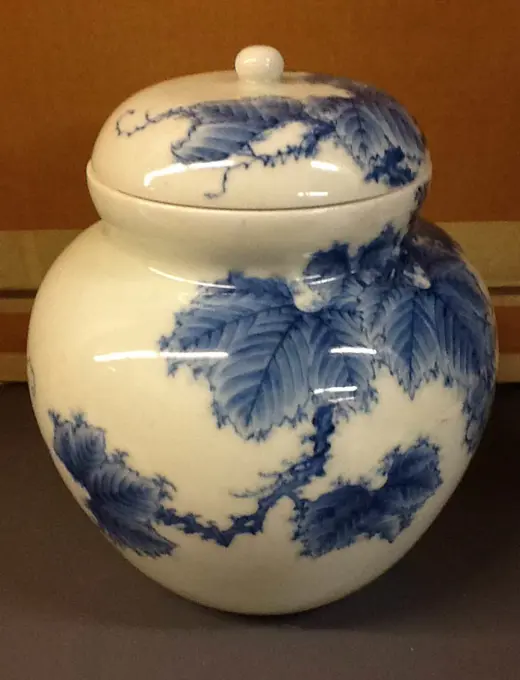
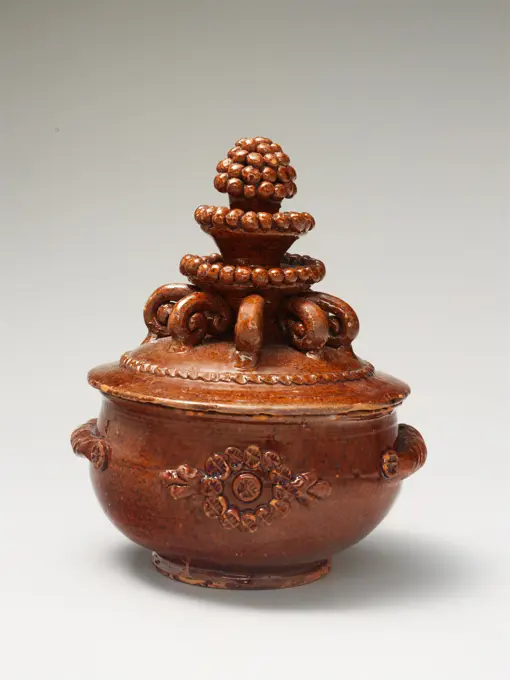
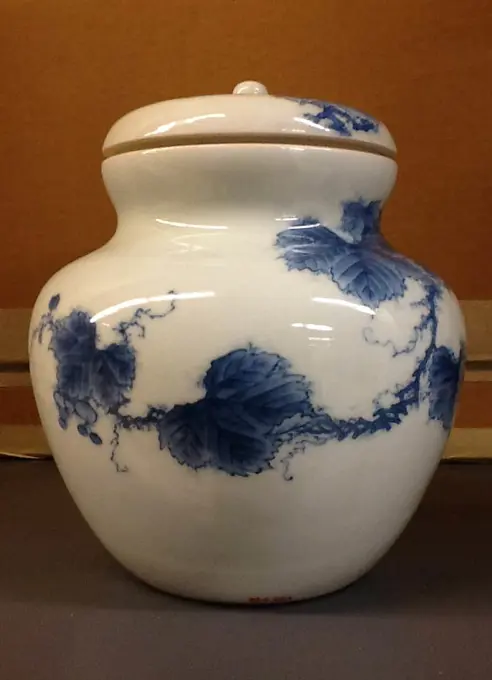
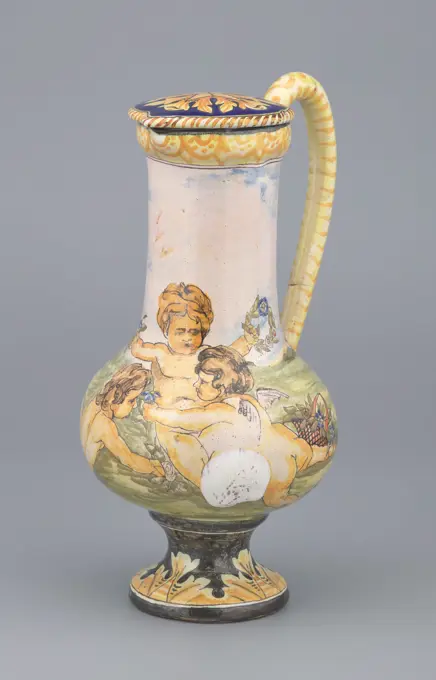
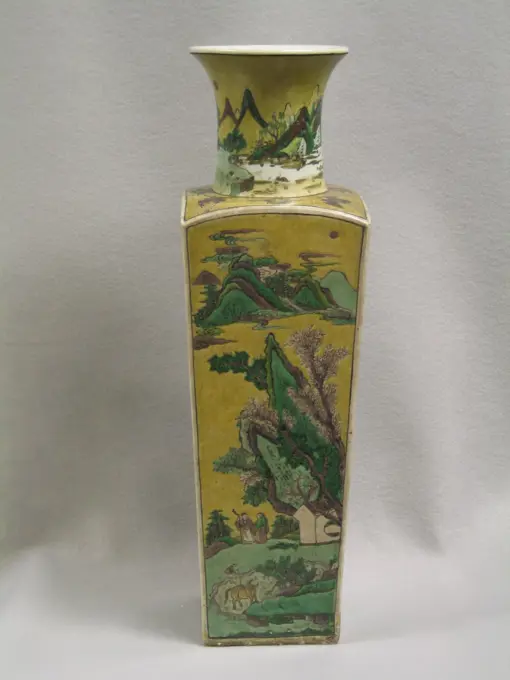
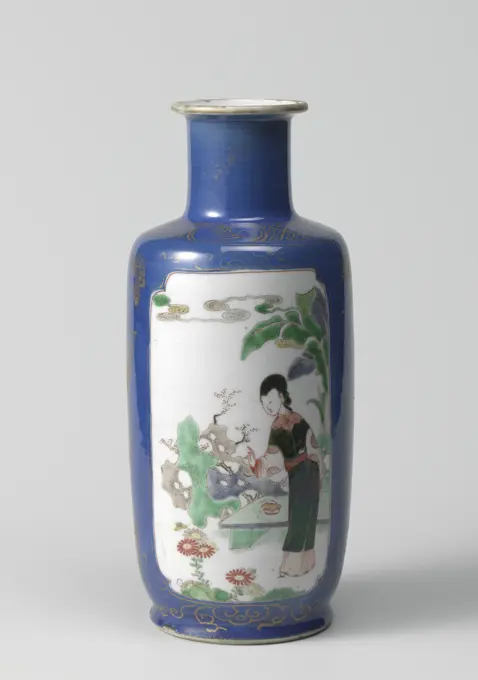
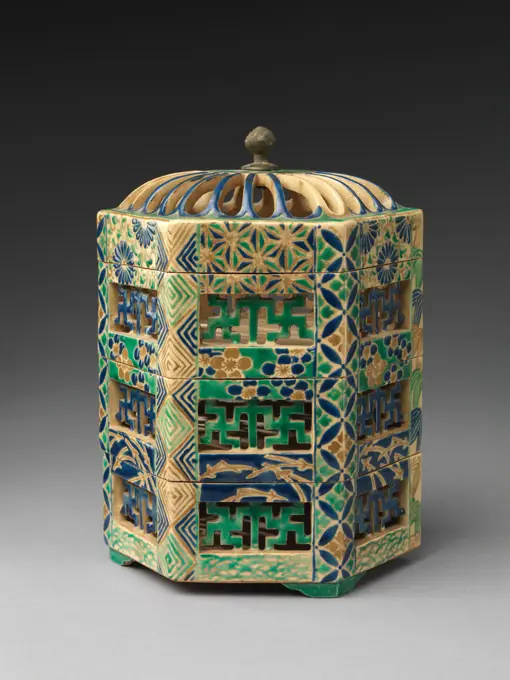
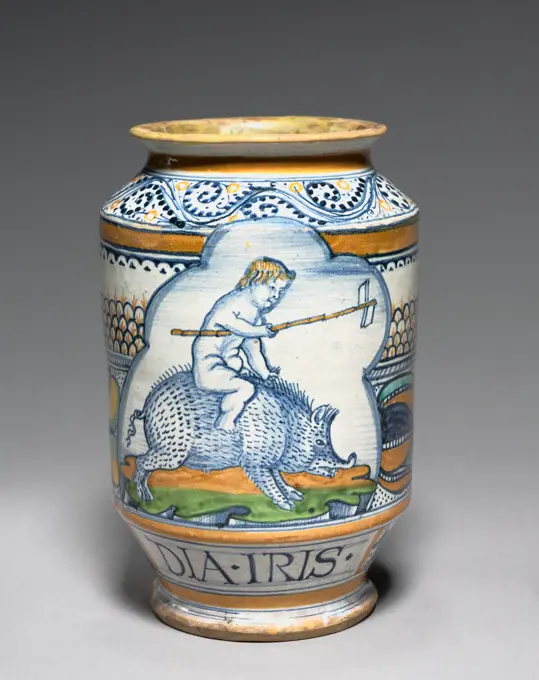
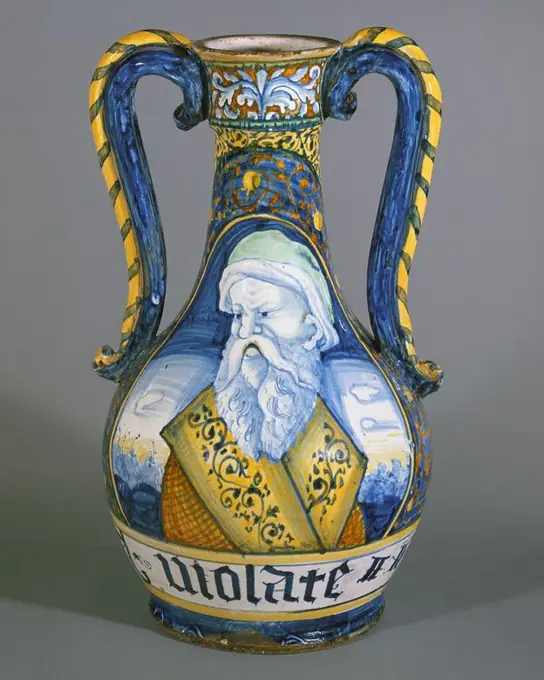
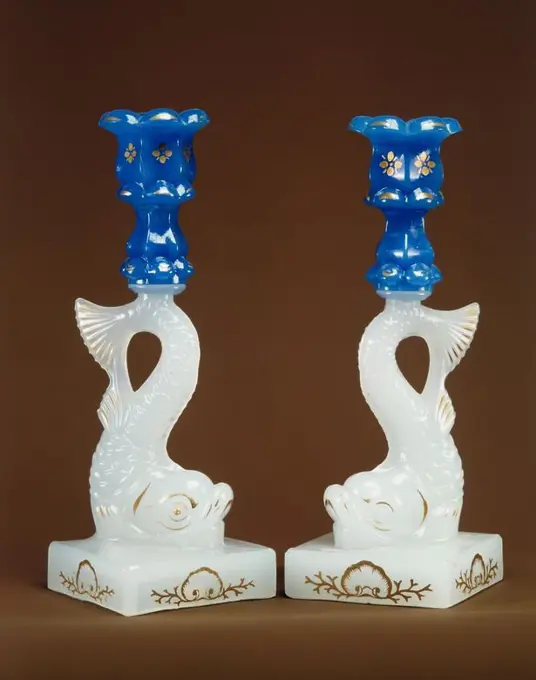
Vase. Culture: British. Dimensions: H. 9 3/8 in. (23.8 cm). Date: 1760-65. Museum: Metropolitan Museum of Art, New York, USA.Vase, 1850-1899. Meissen Porcelain Factory (German). Porcelain; overall: 81 x 39.1 x 39.4 cm (31 7/8 x 15 3/8 x 15 1/2 in.).Vase from the cover; Bielino (Manufaktura Fajansu; 1779-1800), Wolff, Karol (fl. Ca 1800); End of the 18th century (1780-00-00-1799-00-00);Ming Dynasty Vase. Dragon decoration. CHINA.Vase. Artist: Attributed to Hu Wenming (Chinese, active late 16th-early 17th century). Culture: China. Dimensions: H. 3 7/8 in. (9.8 cm). Date: 16th-17th century.Implements commonly used for burning incense included a box, a burner, a flat-bowled spoon and tongs, and a vase for storing these utensils. The burners are often modeled after archaic bronze vessels. Although it is not clear if the three Chinese objects displayed here (2015.500.6.22-.24) originally formed a set, all are inscribed with the name of the artist, Hu Wenming, and exhibit the same decorative technique. Museum: Metropolitan Museum of Art, New York, USA.. Bottle of porcelain with a spherical body and a narrow neck, painted in underglaze blue and on the glaze red, green, black and gold. Two recessed boxes on the belly containing a flower branch or a chicken and a rooster. The courses are surrounded by a raised band with floral drinks. To flower branches. The shoulder with a bond with curlwork with standing, pointed leaf motifs on it. A decorative band around the foot. A crack in the bottom. Imari.Snuff bottle with European figures China This snuff bottle illustrates the frequent contact between China and the West during the Qing dynasty, a time when not only the technique (painted enamel) but also the decorative motifs (Western figures in a landscape setting) were introduced from Europe.. Snuff bottle with European figures 41336Glass gold-band mosaic scyphus (drinking cup). Culture: Roman. Dimensions: H.: 4 1/2 in. (11.5 cm), W: 9 13/16 (25 cm), Diam.: 7 1/16 in. (18 cm). Date: late 1st century B.C.-early 1st century A.D..Translucent cobalt blue, deep honey brown, turquoise green, opaque white, and colorless enclosing gold leaf.Applied vertical coil rim, with slightly rounded top edge; convex curving side tapering downward; applied splayed base ring with flat bottom edge; slightly convex bottom; two ring handles, applied in carved back rectangular pads on upper side and below rim, with flat thumb-rests above rings and projecting wings above and below.Gold-band mosaic pattern formed from polygonal sections of serpentine layered canes in combinations of blue with white central line, brown with white central line, colorless with gold leaf, and green; the length is wound three times round body, being fused together across bottom; a blue network cane wound spirally with a white thread is attached as a rim.ReasLekythos. Culture: Greek, Attic. Dimensions: Overall: 8 1/8in. (20.6cm)Diameter: 2 3/4 × 1 3/4 × 1 15/16 in. (7 × 4.5 × 4.9 cm). Date: 1st quarter of 5th century B.C.. Museum: Metropolitan Museum of Art, New York, USA.Vase;  XVIII/19th century (1797-00-00-1820-00-00);. Charcoal burner (hiire) of porcelain in the shape of a bronze pot with a four times led wall separated by four ribs, painted in underglaze blue. A modeled ring on each wall. The foot is hexagonal; The edge is six times lobed. Blue White.. Pharmacist spot from faience. With ear and spout and blue painted label with inscription: S, / mytrin.Cylindrical vase with powder blue and a chinese lady on a terrace. Trolley vase of porcelain with flat shoulder, straight neck and flat edge, painted in underglaze blue and on the glaze blue, red, green, yellow, eggplant, black and gold. The wall is covered with bleu poudré (powder blue) with two rectangular fields with squeezed corners, filled with a Chinese lady with a fan or cloth next to a stool on a terrace with rocks and plants; To the courses a decoration in gold, between the boxes a flower vase, around the foot curling, on the shoulder a Swastika pattern interspersed with boxes filled with antiques, on the neck flower branches. Bleu poudré with famille verte.Snuff Bottle China. Snuff Bottle. China. Soft paste porcelain. Qing dynasty (1644-1911), Qianlong period (1736-95). Snuff BottlesBottle. India, Gujarat, Kathiawar Peninsula, circa 1725-1750. Furnishings; Accessories. Clear glass mold-blown with enamel and gildingVase with Village Scene China. Vase with Village Scene. China. Porcelain painted with cobalt blue under a transparent glaze (Jingdezhen ware). Qing dynasty (1644-1911), Qianlong period (1736-95). CeramicsVase (France); glazed earthenware, transfer printed decorationMango-Shaped Flask. Dimensions: H. 2 1/2 in. (6.5 cm). Date: mid-17th century.In spite of its modest size, this flask in the shape of a mango, adorned with gold, gems, and enameling, eloquently demonstrates the artistic standards and tastes of seventeenth-century Mughal India. Likely to have been created during the reign of Shah Jahan, the emperor who built the famous Taj Mahal, the flask expresses the Mughal love of natural forms and precious materials. The finely balanced, elegantly drawn, and relatively spacious network of scrolling vines in gold, inset with gemstones, recalls the Mughal debt to Safavid Iran, where similar networks of scrolling vines with palmettes, blossoms, and leaves were in vogue in the sixteenth century. Museum: Metropolitan Museum of Art, New York, USA.Tankard with a painted underglaze with cypresses and flowers from, Iznik, Turkey. Dated 16th CenturyBottle 1875-1899 Bohemia. Ruby glass, cased in colorless glass; blown, tooled and, gilded .Vases,close-upSnuff Bottle, 1750-1850, 3 x 1 1/4in. (7.6 x 3.2cm), Cloisonne, China, 19th centuryCovered Jar 1820 Japan. Covered Jar. Japan. 1820. White porcelain decorated with blue under the glaze (Hirado ware). Edo period (1615-1868). CeramicsSugar bowl ca. 1830 Attributed to John Nice. Sugar bowl 7966Close-up of a decorative urn on a wooden deskJar with Cover 1820 Japan. Jar with Cover. Japan. 1820. White porcelain decorated with blue under the glaze (Hirado ware). Edo period (1615-1868). CeramicsJug on the leg; Manufaktura Majoliki in Nieborów (Nieborów; Wytwórnia; 1881-1899); 1881-1886 (1881-00-00-1886-00-00);Vase China. Vase 50816Rectangular Tea Caddy With Flower Scrolls and Bats. Rectangular tea bus from porcelain, painted in underglaze blue. Styled flower reflections on the wall; to the foot a band blue with a pattern in reserve; To the top edge a band blue with Ruyi motif and flowers in reserve; On the shoulder bats between clouds; The neck with two flower drinks. There is a cork in the neck. Blue White.Sake bottleVase. Culture: China. Dimensions: H. 8 1/8 in. (20.6 cm). Date: late 18th-first half of the 19th century. Museum: Metropolitan Museum of Art, New York, USA.Rectangular tea caddy with flower scrolls and bats, anonymous, c. 1875 - c. 1899 Cover of rectangular porcelain tea lanes, painted in underlaze blue. Decorated with flower vines. Blue White. China porcelain. glaze. cobalt (mineral) painting / vitrification Cover of rectangular porcelain tea lanes, painted in underlaze blue. Decorated with flower vines. Blue White. China porcelain. glaze. cobalt (mineral) painting / vitrificationSleeve Vase, anonymous, c. 1700 - c. 1724 Cylindrical vase of porcelain with a flat shoulder, straight neck and flat edge, decorated in underly glaze blue and on the glaze blue, red, green, yellow, eggplant, black and gold. The vase is covered with bleu poudré (powder blue) with two saved, rectangular cartouches with squeezed corners. In one woman (long lijs) in a garden for a low table at a rock, banana plant and flowering plants (aster). The other cartouche with a woman in a fenced garden with a Ruyi-Scepter in her hands near a rock with bamboo and flowering plants. A flower vase between the courses; Curling above the foot. On the shoulder a band with a Swastika pattern interrupted by cartouches with antiques (books, Ruyi-Spretter). On the neck flower branches. Bleu Poudré with Famle Verte. China porcelain. glaze. cobalt (mineral). gold (metal) painting / gilding / vitrification Cylindrical vase of porcelain with a flat shoulder, straight neck and flat edge, decorated in underly glazReticulated Tiered Box with Pine Needles, Plum Blossoms, and Chrysanthemums second half of the18th century Japan. Reticulated Tiered Box with Pine Needles, Plum Blossoms, and Chrysanthemums. Japan. second half of the18th century. Stoneware with polychrome enamels over a transparent glaze (Kyoto ware, Ko-Kiyomizu type). Edo period (1615-1868). CeramicsMosque lamp. Iznik, Turkey. Glazed. From Sokollu Mehmed Pasha Mosque. 16th century. Istanbul Archaeology Museums. Museum of Islamic Art.Pharmacy Jar (Albarello), c. 1510. Italy, Siena, 16th century. Tin-glazed earthenware (maiolica); overall: 22.6 cm (8 7/8 in.).Apothecary vase (vaso da farmacia). Culture: Italian, Castelli. Dimensions: Height: 14 11/16 in. (37.3 cm). Date: ca. 1520-30. Museum: Metropolitan Museum of Art, New York, USA.Candlestick. Culture: American. Dimensions: H. 10 3/8 in. (26.4 cm). Maker: Probably Boston & Sandwich Glass Company (American, 1825-1888, Sandwich, Massachusetts). Date: 1845-65. Museum: Metropolitan Museum of Art, New York, USA.Pedestal Made 1765-1775 Venice. Porcelain with polychrome enamels and gilding .GlassSmall flute-type vase. unknown, craftsmanVase. "Rose family" porcelain. Paris, Cernuschi museum. 78847-5 Asian art, container, vaseSnuff Bottle, 17th-19th century, 3 3/8 x 2 1/4in. (8.6 x 5.7cm), Glass, China, 17th-19th century