Classic Chairs Collection

Collection of vintage chairs including armchairs and side chairs, featuring detailed woodwork and upholstery from various historical periods.

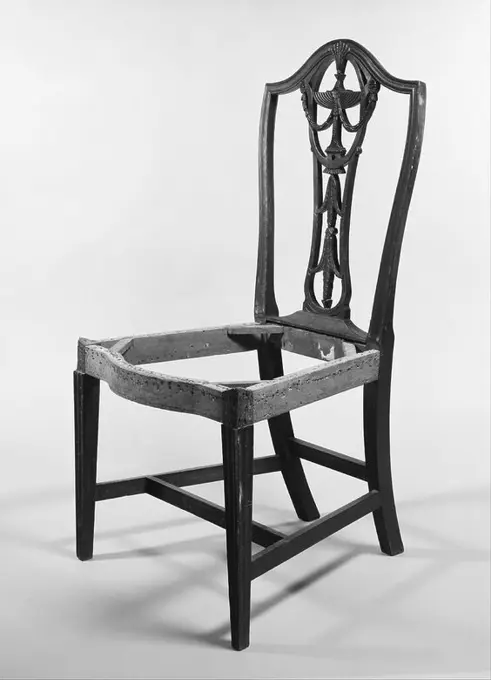
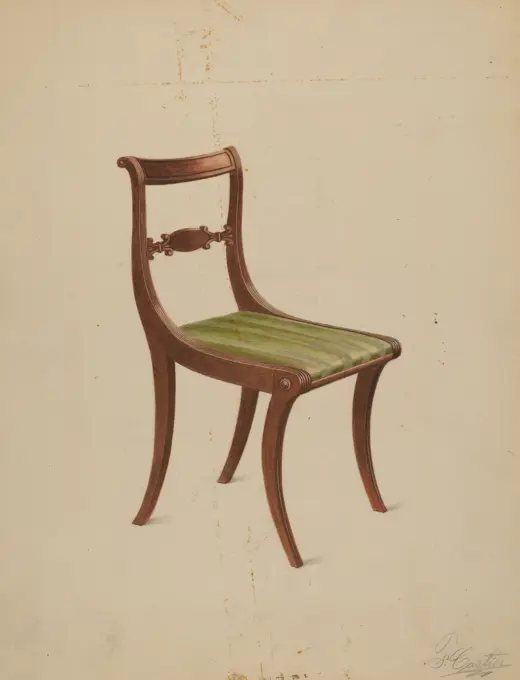
Lyre-back Sheraton side chair, c. 1800, 36 1/2 x 20 1/2 x 17 1/2 in. (92.71 x 52.07 x 44.45 cm), Mahogany with modern upholstery, United States, 18th-19th century
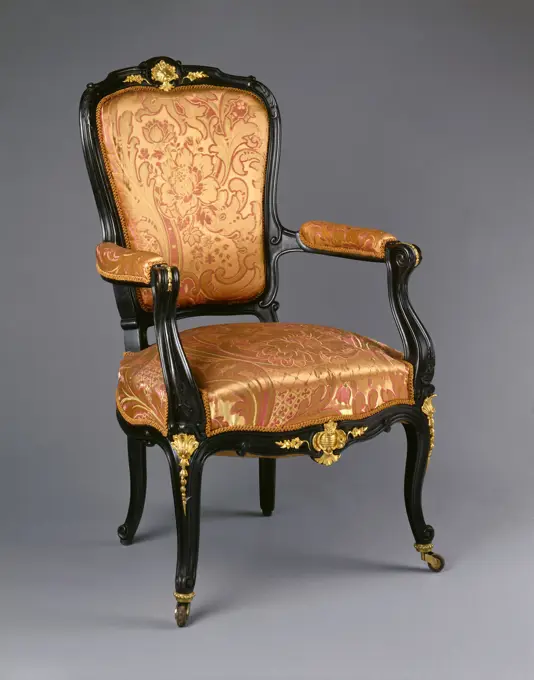
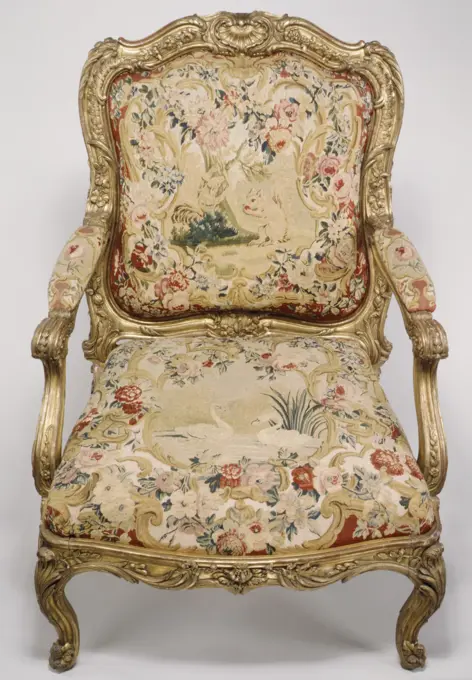
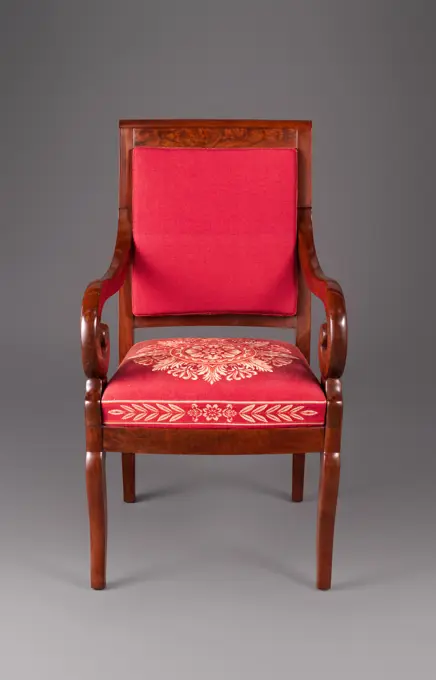
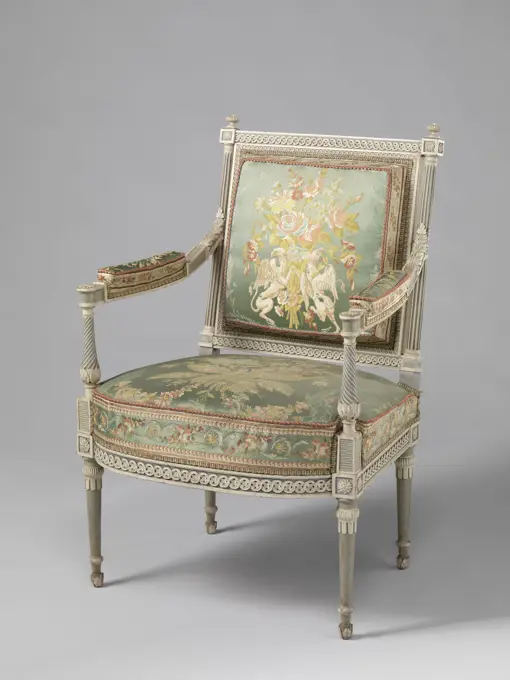
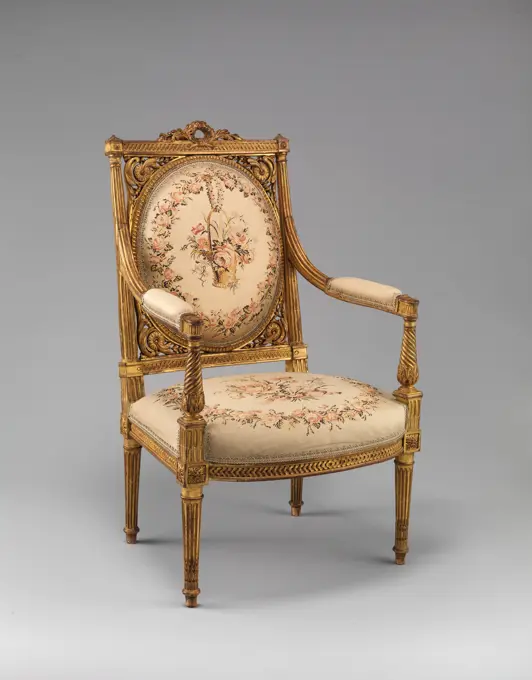
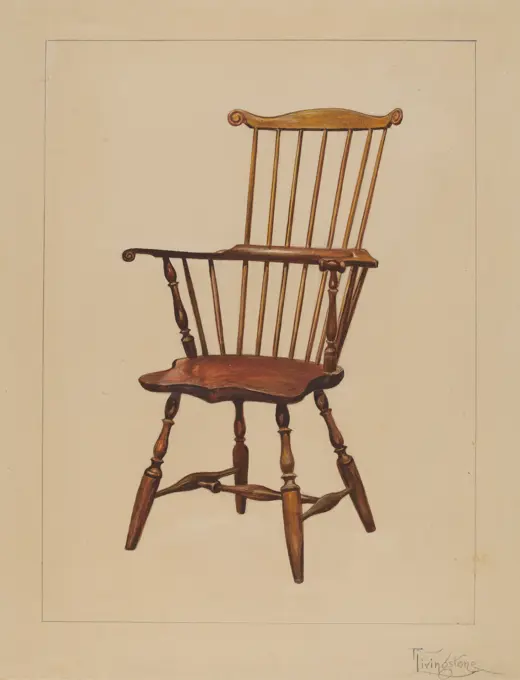
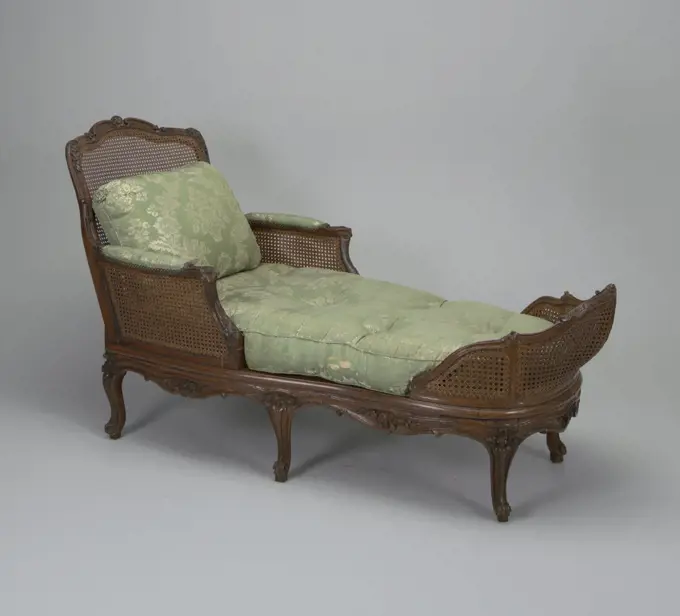
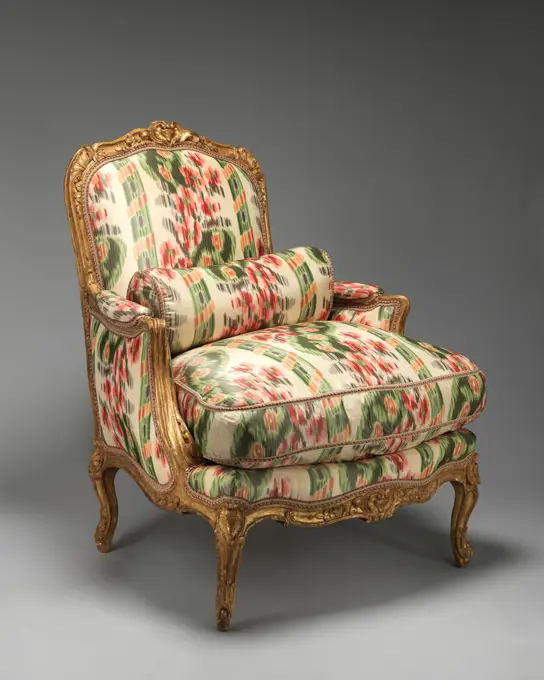
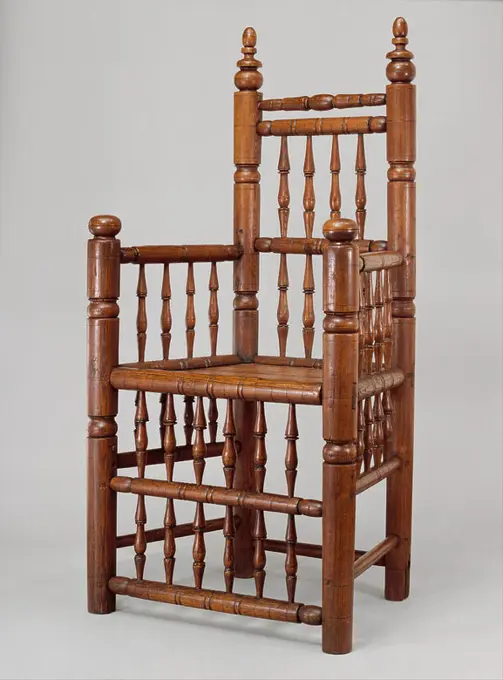
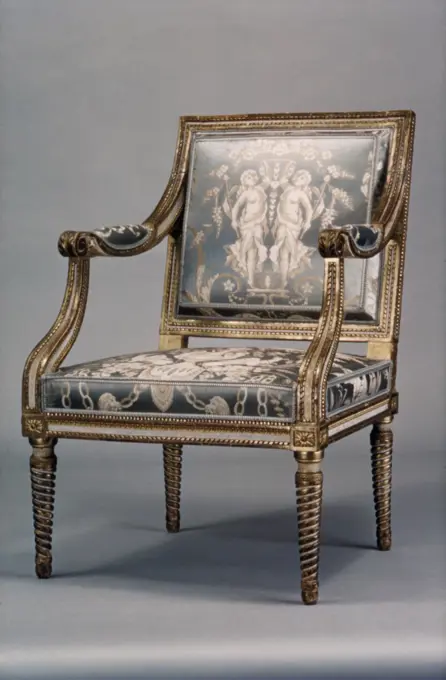
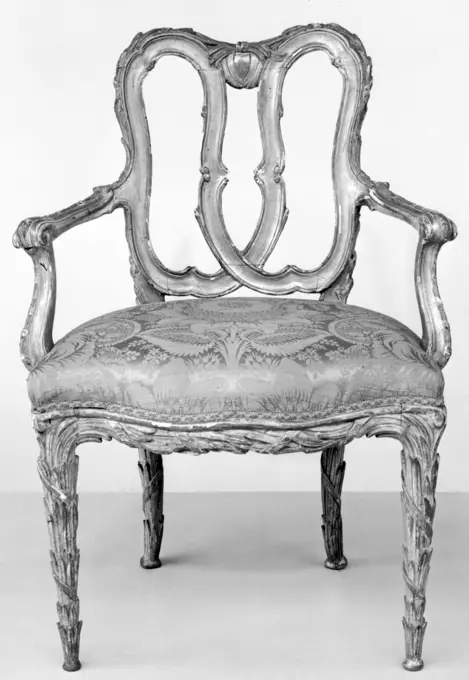
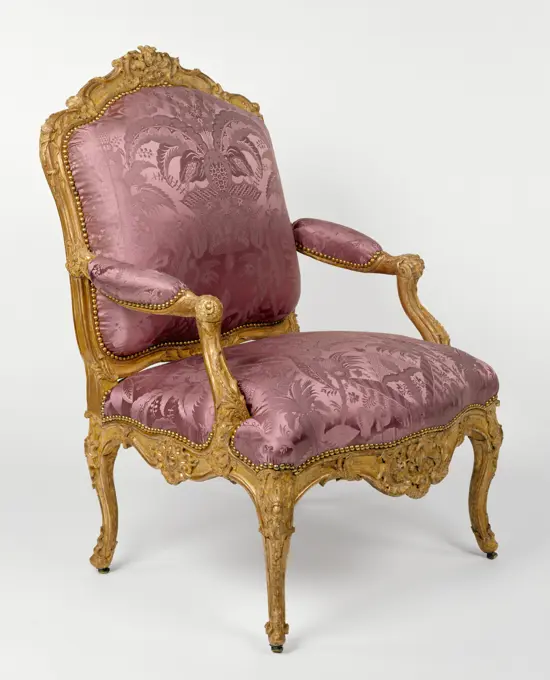
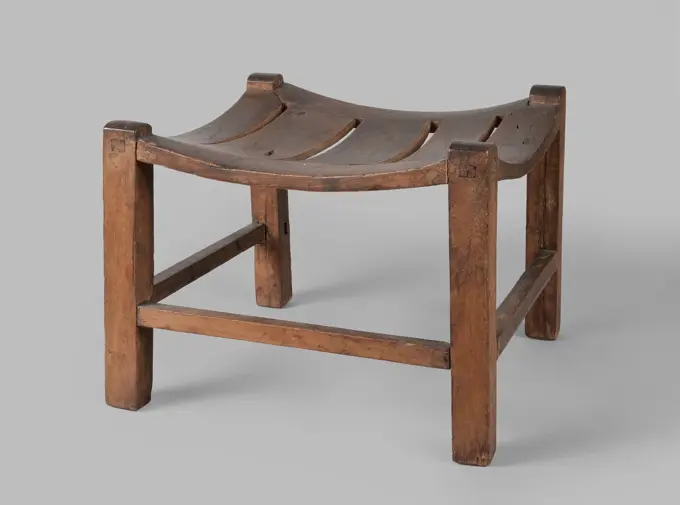
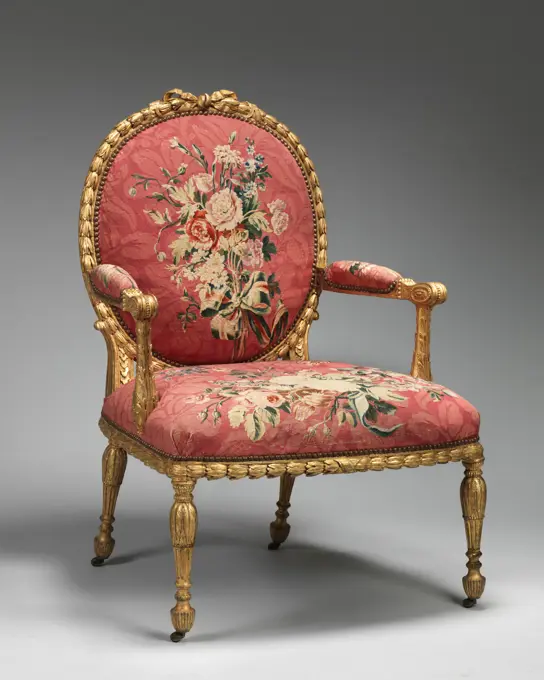
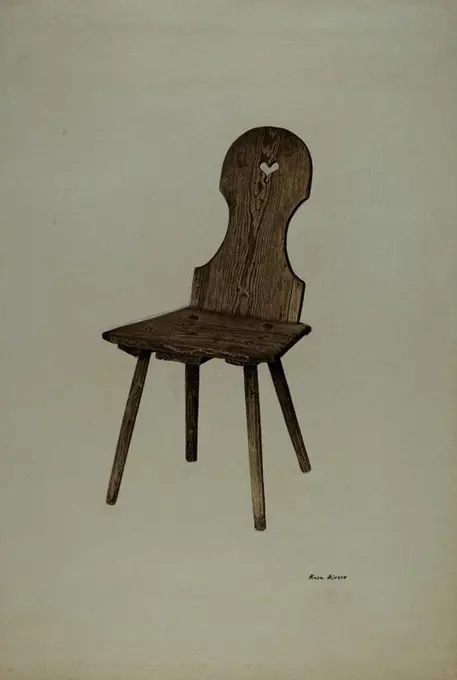
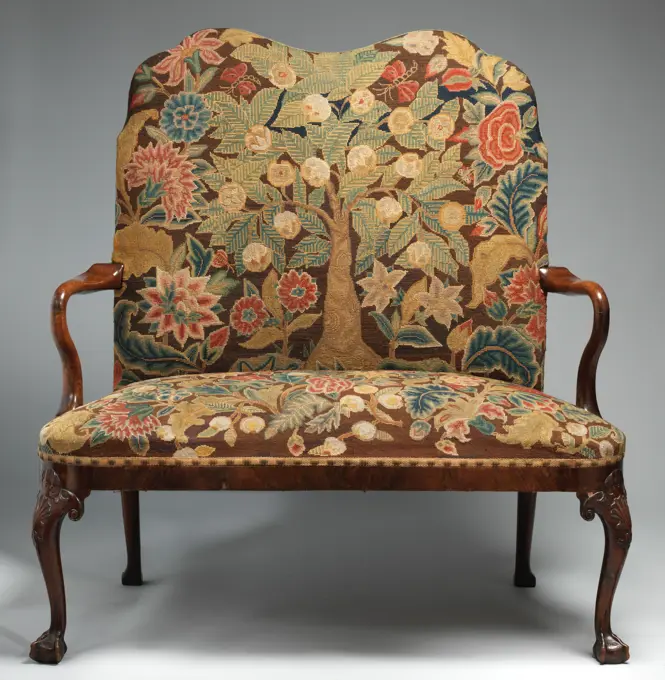
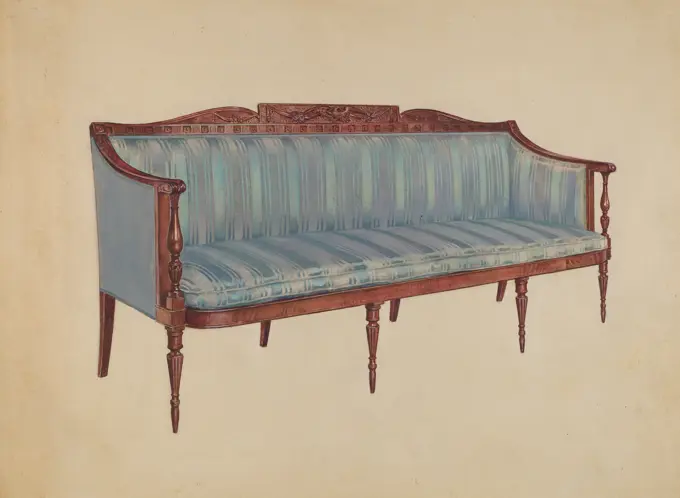
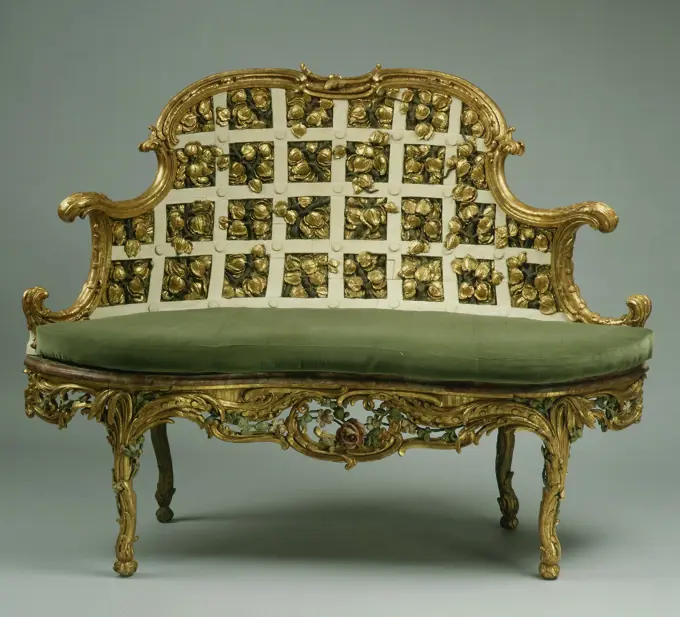
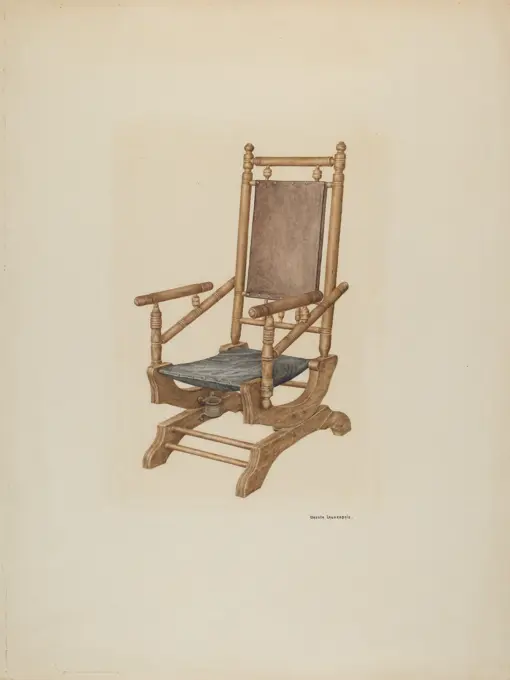
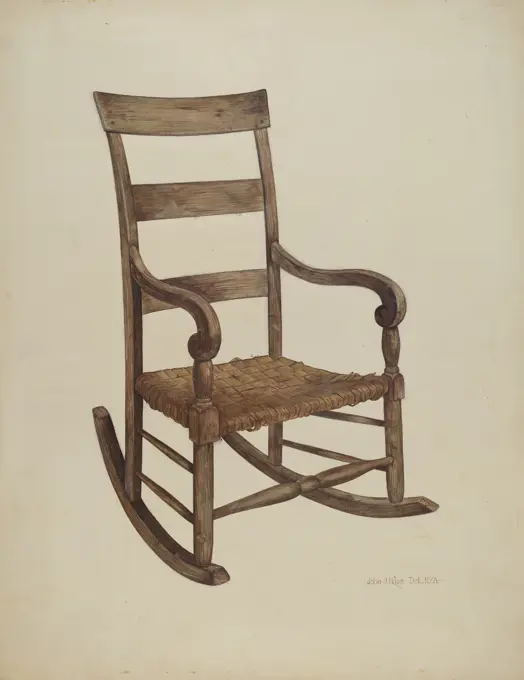
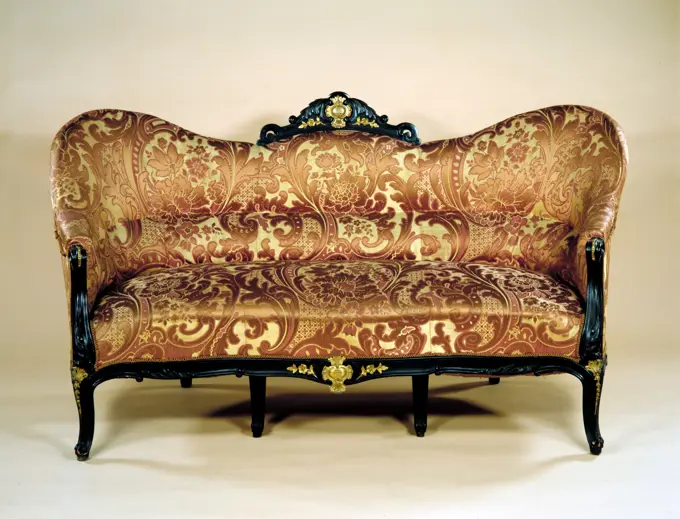
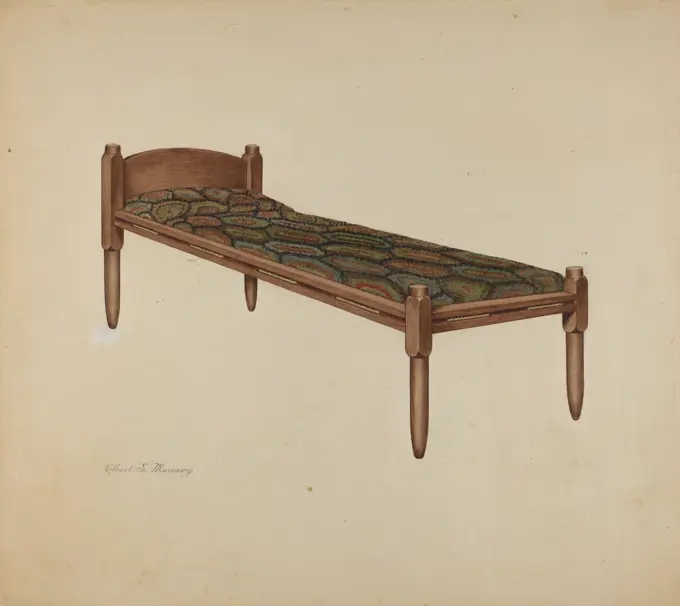
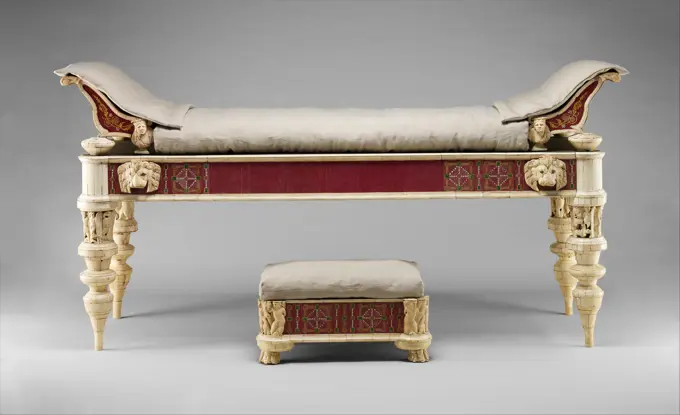
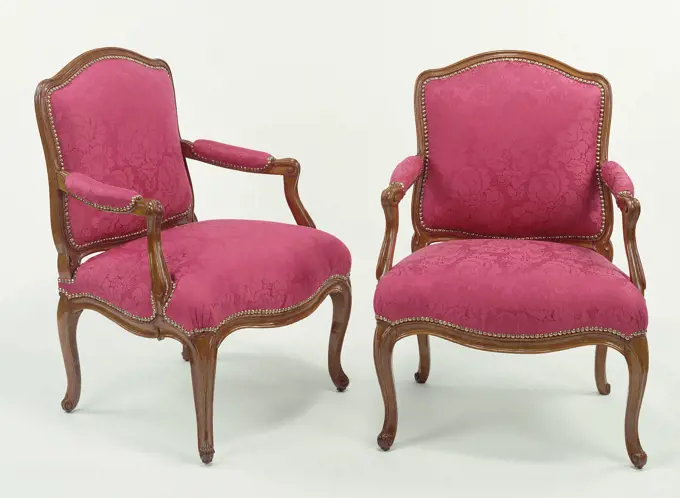
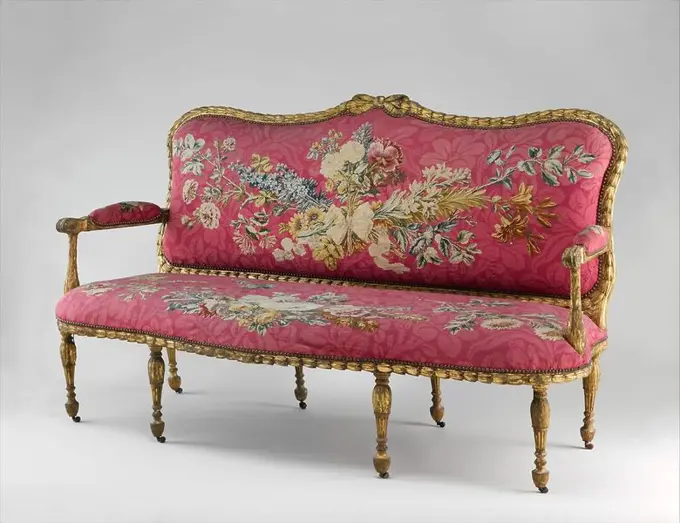
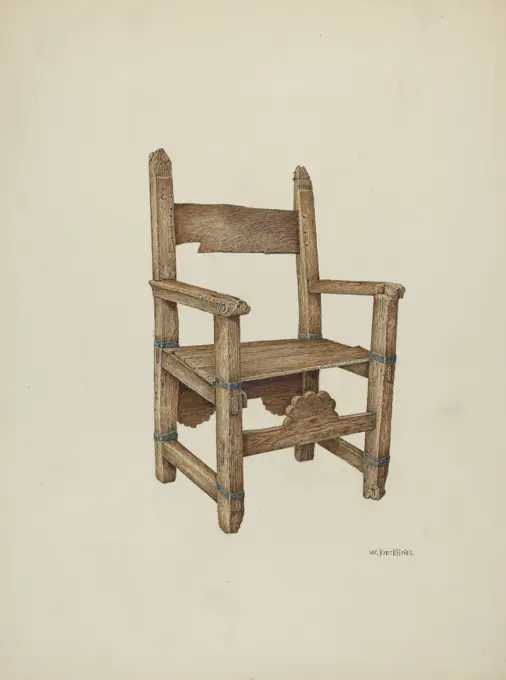
ArmchairArmchair ca. 1843 Auguste-Emile Rinquet-Leprince French In the 1840s, many well-to-do New Yorkers preferred French furniture to that made in their native city. In 1844, Mrs. Samuel Jaudon of New York wrote to her friend Mrs. James C. Colles that "we on this side feel as if everything is so much handsomer, and better, and desirable that comes from Paris." Upon orders from New York clients, Parisian cabinetmaker and decorator Ringuet-Leprince shipped entire rooms of furniture, carpets, looking glasses, wallpapers, decorative objects, and sculpture. This armchair is part of a formal drawing room suite that was custom-made by Ringuet-Leprince as part of a suite for the abovementioned Colles family. The suite includes a pair of sofas, four armchairs, four side chairs, a firescreen, and a table (see 69.262.1-10). In 1850, the Colles' daughter, Frances, married John Taylor Johnston, a New York railroad executive who later served as the first president of The Metropolitan Museum of Art from Chair with upholstery of black striped browned Trijp, Jacob Pieter van den Bosch, c. 1900 - c. 1915 Chair of mahogany resting on four legs. The slanted, rejuvenating and profiled front legs protrude with their heads slightly above the seat rules. The hind legs continue in the backstyles. The partly profiled backstyles are narrower and contain collected dots on the top and bottom. Both the seat and the backrest are covered with black striped browned trijp trimmed with a beige piping. Amsterdam mahogany (wood). Chair of mahogany resting on four legs. The slanted, rejuvenating and profiled front legs protrude with their heads slightly above the seat rules. The hind legs continue in the backstyles. The partly profiled backstyles are narrower and contain collected dots on the top and bottom. Both the seat and the backrest are covered with black striped browned trijp trimmed with a beige piping. Amsterdam mahogany (wood).Side Chairs, set ofeightChair back 1754-56 Beauvais This tapestry panel is part of a set of twelve armchairs and two settees ordered in Paris in 1753 by Baron Johann Ernst Bernstorff, Danish ambassador to the court of Versailles between 1744 and 1751. After returning to Denmark, Bernstorff commissioned this seat furniture for the tapestry room of his new residence in Copenhagen that was hung with four wall tapestries of the Amours des Dieux series woven at the Beauvais Manufactory. The tapestry covers are woven with animal and bird subjects after designs by the painter Jean-Baptiste Oudry (1686-1755). For a fuller description of the entire set, see, e.g., MMA 35.145.1.. Chair back 232288Chair. Culture: American. Dimensions: 10 1/4 x 21 1/4 x 20 in. (26 x 54 x 50.8 cm). Date: 1790-1810. Museum: Metropolitan Museum of Art, New York, USA.Armchair (fauteuil) 18th century French. Armchair (fauteuil). French. 18th century. Carved and painted walnut, caning. Woodwork-FurnitureArmchair 1790-1800 American. Armchair. American. 1790-1800. Mahogany. Made in United StatesArmchair 1830-35 Attributed to Workshop of Duncan Phyfe Scottish The plush high back with crotch-veneered tablet and sweeping scrolled arms of this sleek, mahogany chair illustrate the Phyfe workshops experimentation with variations of French fauteuils. The Phyfes inspiration may have emerged from the popular designs by Pierre de la?Mésangère in his serial Collection de Meubles et Objets de Goût (1820-1831). The armchair bears resemblance to number 638 "Fauteuil de Salon" in volume one of Meubles…(1802-1807) and number 320 "Fauteuil dAppartament" in volume one (1810-1812). According to family tradition this chair, one of a pair (see 1971.128.1), stood in Duncan Phyfe's house on Fulton Street before descending to his great-granddaughter, Emma Phyfe Purdy (b. 1855), then to subsequent owners.. Armchair. American. 1830-35. Mahogany, cherry, ash. Made in New York, New York, United StatesArmstoel Kops-Amoublement, Anonymous, c. 1793 - C. 1795 Covered armchair from the Kopseublement, from white and blue gray painted beech wood and resting on conical legs. The seating rules and sills of the back window, with Tuscan -canaled columns as backstyles, tones stabbed braid tire with rosettes. Finish with rosettes and acanthus leaves. The upholstery shows floral motifs on light blue satin soil, held on the back by griffins. Ordered for building Nieuwe Gracht 74, Haarlem. See: BK-15614, 15615-A/P and 15616-A/B. furniture worker: Netherlandsdesigner: Amsterdam wood (plant material). beech (wood). silk. paint (coating) Covered armchair from the Kopseublement, from white and blue gray painted beech wood and resting on conical legs. The seating rules and sills of the back window, with Tuscan -canaled columns as backstyles, tones stabbed braid tire with rosettes. Finish with rosettes and acanthus leaves. The upholstery shows floral motifs on light blue satin soil, held on the back by Michael Riccitelli, Chair, c 1938 ChairChair. unknown, creatorWindsor Chair. Dated: 1935/1942. Dimensions: overall: 35.2 x 24.1 cm (13 7/8 x 9 1/2 in.) Original IAD Object: none given. Medium: watercolor, colored pencil, and graphite on paper attached to paperboard. Museum: National Gallery of Art, Washington DC. Author: Florence Neal.Armchair (Fauteuil) ca. 1785-90 French The oval back is inscribed within a rectangular frame and has openwork carving of flowers and leaf scrolls in the four corners. A carved laurel wreath surmounts the crest rail and four turned and fluted tapering legs support the seat. This armchair was part of the model collection of woodwork, paneling and seat furniture of Maison Leys, a successful decorating business, located at the Place de la Madeleine in Paris. Since 1885 the business was directed by Georges Hoentschel who installed the collection in 1903 in a museum-like display at Boulevard Flandrin, Paris. Three years later, Hoentschel sold the collection to J. Pierpont Morgan who gave the chair with the rest of the decorators seventeenth and eighteenth century objects to the Metropolitan Museum of Art in 1907.. Armchair (Fauteuil) 189392 French, Armchair (Fauteuil), 18th century, Carved and gilded beechwood, Overall: 39 3/8 ? 26 3/8 ? 23 5/8 in. (100 ? 67 ? 60 cm). The Metropolitan MuseOak chair, chair furniture furniture interior design oak wood without wood, Semi-circular seat and backrest on three legs.Spindle-back armchair. Culture: American. Dimensions: 41 3/4 x 23 x 18 in. (106 x 58.4 x 45.7 cm). Date: 1660-1700.Seventeenth-century chairs of this type were produced by turners. The chair's components were quickly fashioned on a lathe, easily assembled, and finished with seats woven from rush or another inexpensive fiber. This armchair is one of a minority of seventeenth-century turned chairs with posts ornamented below the seat and it represents a rare occurrence of turnings on both the rear and front legs. Museum: Metropolitan Museum of Art, New York, USA.SidechairChaise Lounge (Stool), c. 1890-1940. France, style of Louis XV, 20th century. Carved wood frame upholstered in needlework; part 2: 67.7 x 83.2 x 78.8 cm (26 5/8 x 32 3/4 x 31 in.).Chair (England); molded papier-mché, inlaid with mother-of-pearl, painted and gilt woodRolland Livingstone, Chair, 1935 1942 ChairSteer Horn Armchair c 1870-1880 Texas. Although furniture made from the horns of steer, elk, and deer is rooted in European traditionóit is known to have been used in 16th-century German hunting lodgesóit reached the height of its popularity in America in the 1880s. Not only did chairs like this one evoke the romanticism and pioneering spirit of the American West, they also employed innovative, exotic materials that were prized during the Aesthetic movement. Lavishly upholstered, this diminutive example was most likely intended for a parlor.. Horn, silk, brass . Artist unknownArmchair with tapestry upholstery, Anonymous, Abraham AGeorge Nelson, Straw Bottom Chair, c 1936 Straw Bottom ChairFerdinand Cartier, Side Chair, c 1936 Side ChairCharles Henning, Settee Sheraton Style, c 1939 Settee--Sheraton StyleRocking Chair 1903 Eastwood. Oak with copper and bronze inlays . Harvey EllisArmchair 1800-1810 Attributed to Henry Connelly. Armchair 218Sofa 1853 Julius Dessoir German (Prussian). Sofa. American. 1853. Rosewood, replacement showcovers. Made in New York, New York, United StatesPainted Chair. Dated: 1938. Dimensions: overall: 50.8 x 40.8 cm (20 x 16 1/16 in.) Original IAD Object: 34 1/2"high; 19 3/4"wide; 20"deep.. Medium: watercolor, colored pencil and pen and ink on paperboard. Museum: National Gallery of Art, Washington DC. Author: Kurt Melzer.Frank Wenger, Side Chair, c 1940 Side ChairChaise longue, carved walnut, beechwood, caning, (upholstered cushions later), Carved and caned; the frame elaborately carved with clusters of blossoms, frilled scrolls, and trailing leaves, the arm pads, black and seat cushions in green brocade., France, ca. 1750, furniture, Decorative Arts, Chaise longueArthur Johnson, Side Chair, 1936 Side ChairArmchair (bergère à la Reine) (one of a pair) 18th century Jean-Baptiste I Tilliard The stamp Tilliard,” indicates that these armchairs were made by one of the important families of joiners or menuisiers working in Paris during the eighteenth century. Jean-Baptiste Tilliard I opened a furniture shop on rue de Cléry in 1730, which produced many pieces for the royal apartments at Versailles. When Tilliard I retired in 1764, his son Jacques-Jean-Baptiste Tilliard assumed control of the family workshop. The gilded beechwood frames are richly decorated with scrolls, floral sprays, acanthus leaves, and the for this workshop characteristic heart-shaped motifs on the crest rail and in the center of the sea trail. The backsides of the frames are incised indicating that these chairs were not meant to be placed against the wall but intended to be seen in the round.. Armchair (bergère à la Reine) (one of a pair). French. 18th century. Frame of beechwood carved and gilded; upholstered in ikat. WooSpindle-back armchair. Culture: American. Dimensions: 44 3/4 x 23 1/2 x 15 3/4 in. (113.7 x 59.7 x 40 cm). Date: 1640-80.The rarest and grandest of the early turned chairs are those with rows of spindles below the seat as well as above it. Although its boxlike form may look simple at first glance, this chair is a complex composition with subtle variations in the shaping of the rungs and in the spacing of its horizontal and vertical members. Museum: Metropolitan Museum of Art, New York, USA.Pair ofArmchairsSofa ca. 1855 American. Sofa. American. ca. 1855. Rosewood. Made in United StatesHip-joint armchair (Dantesca type, associated with 1975.1.1975 a,b). Culture: Italian. Dimensions: H. 93.5 cm, W. 68 cm, D. 51 cm.Back: 26 x 74 cm.; Seat: 31 x 74 cm.. Date: 15th or 16th century (textiles); 20th century (cushion). Museum: Metropolitan Museum of Art, New York, USA.Chair Wyspiały, Stanis Aw (1869 1907), Sydor, AndrzejSgabello probably 18th century Swiss. Sgabello. Swiss. probably 18th century. Oak. Woodwork-FurnitureWooden chair Arabic style chair isolated with clipping path included Copyright: xZoonar.com/Baloncicix 7107889Side Chair. Dated: 1935/1942. Dimensions: overall: 30.2 x 22.6 cm (11 7/8 x 8 7/8 in.). Medium: watercolor and graphite on paperboard. Museum: National Gallery of Art, Washington DC. Author: Gilbert Sackerman.ChairSide Chair 1840-50 American. Side Chair 1631Armchair (one of a pair) last quarter 17th century French. Armchair (one of a pair). French. last quarter 17th century. Carved and gilded beechwood. Woodwork-FurnitureArmchair 18th century Sulpice Brizard. Armchair 198815Side chair ca. 1725-35 British. Side chair. British. ca. 1725-35. Gilded gesso on walnut. Woodwork-FurnitureAustin L Davison, Doll Settee, c 1938 Doll SetteeArmchair third quarter 18th century Italian The interlaced scrolls that form the back of these chairs were a popular feature of eighteenth-century Venetian seating furniture.. Armchair. Italian. third quarter 18th century. Walnut, painted and gilded; damask. Woodwork-Furnitureisolated classic leather chair isolated classic leather chair made in 3d Copyright: xZoonar.com/StanislavxRishnyakx 2952308Armchair. Attributed to Pottier and Stymus; American, active 1859-1888; Ormolu mounts by Pierre E. Guerin; American, founded 1857. Date: 1870-1875. Dimensions: 98 × 64 × 58 cm (38 1/2 × 25 1/4 × 22 3/4 in.). Rosewood with ash, juniper and burl maple veneer, ormolu mounts, original woven tapestry fabric. Origin: New York City. Museum: The Chicago Art Institute, Chicago, USA. Author: Pottier and Stymus.Chair with blue upholstery and straight back with openwork middle style, anonymous, c. 1775 - c. 1800 Chair of mahogany with a straight back, straight open work and tight tapered legs. The loose seat is covered with blue silk damask. Amsterdam (possibly) mahogany (wood). silk. paper. cardboard Chair of mahogany with a straight back, straight open work and tight tapered legs. The loose seat is covered with blue silk damask. Amsterdam (possibly) mahogany (wood). silk. paper. cardboardPair of Armchairs. Unknown. Oak chair. The front and hind legs are interconnected by means of an H-shaped cross with pin and hole compounds, the pins of which are stitching through the legs. The sloping slinked back styles end up in bird cups and rest on the cross. The handrail rests on props at the session and these also serve as hind legs. The backrest is both above and under connected by an intermediate rule. The upper rule contains a sliced star shape in the middle. Between the rules there is a panel that is coated with brown leather and secured with copper nails. The seat is also covered with brown leather and secured with copper nails.Stool;  around 1550 1295 BC ; New PALouvr (Paris) - collection, scenes.gal.g., Tyszkiewicz, Michał (1828-1897), Tyszkiewicz, Michał (1828-1897) - collectionsChair. Dated: c. 1937. Dimensions: overall: 30.4 x 23.3 cm (11 15/16 x 9 3/16 in.) Original IAD Object: 35 1/2"high; 22 1/2"wide at arms. See data sheet for details.. Medium: watercolor, colored pencil, graphite and gouache on paper. Museum: National Gallery of Art, Washington DC. Author: Florence Truelson.Armchair (one of a set of six) 1769-71 John Mayhew British The Museum's set of six armchairs and two settees from the Tapestry Room at Croome Court, Worcestershire, formerly the seat of the earls of Coventry, is among the best documented of all English Neoclassical furniture.¹ It was executed by the leading London cabinetmakers, John Mayhew and William Ince² who in 1769 billed the owner of Croome, George William, the sixth earl (1721-1809), for "6 Large Antique Elbow Chairs, with oval Backs, Carv'd with Double husks & ribbon, knot on top, Gilt in the Best Burnish'd Gold, Stuff'd with Besthair, in Linen, Backt with Fine Crimson Tammy, proper for Covering with Tapistry in the Country, the patterns included. 2 Settees for Each Side the Chimney, richly Carv'd & Gilt, Stuff'd & Cover'd to match the chairs. 10 Setts of Castors, with Screws, & fixing to the Chairs & Sofas."³ The floral cartoons for the furniture covers were executed from 1760 to 1767 at the Gobelins Manufactory in Paris by MaStudio, empty chair and isolation for mental health asylum with mockup space on black background. Seat, vintage and wooden furniture for confinement on backdrop, psychology and antique with cushionChair. unknown, authorGothic Chair. Dated: c. 1940. Dimensions: overall: 35.4 x 23.9 cm (13 15/16 x 9 7/16 in.) Original IAD Object: 37 1/2"high; 20"wide; 17"deep. Medium: watercolor, colored pencil, pen and ink, and graphite on paperboard. Museum: National Gallery of Art, Washington DC. Author: Rosa Rivero.Settee ca. 1710 British or Irish. Settee. British or Irish. ca. 1710. Frame: walnut; cover: wool tent stitch on canvas. Woodwork-FurnitureFlorence Choate, Sofa, c 1936 SofaSettee (one of a pair) (part of a set) ca. 1763-64 Attributed to Johann Michael Bauer German (born Westheim) Part of a larger set, this remarkable corner settee and its pair, also in the Museum, were commissioned by one of the most powerful figures in eighteenth-century Franconia, Adam Friedrich von Seinsheim (1708-1779). Prince-bishop of Würzburg and, after 1757, also of Bamberg, Seinsheim divided his time between two official residences in those cities and his three summer castles, Veitschöchheim, Werneck, and Seehof.1 Preferring the country to the city, Seinsheim spent about three months a year outside Bamberg, at Seehof, where he enjoyed walking and hunting. He was fond of gardens and did much to embellish the late-seventeenth-century castle and especially its park, where he ordered that a maze, a theater, and a cascade with grotto and trelliswork arcades be constructed.In 1761 he also resumed work on one of the ancillary buildings at Seehof, the Franckenstein Schlösschen. This gUrsula Lauderdale, Platform Rocker, c 1940 Platform RockerJohn Price and Marin J Bright, Rocking Chair, c 1942 Rocking ChairChildren's sofa. unknown, creatorStoel Kops-Amouublement, Anonymous, c. 1793 - C. 1795 Covered chair, part of the KopsEublement, of white and blue gray painted beech wood and resting on conical legs. The seating rules and sills of the back window, with Tuscan -canaled columns as backstyles, show stabbed braid tire with rosettes. Finish with rosettes and acanthus leaves. The upholstery shows floral motifs on light blue satin soil; Held on the back by griffins. Ordered for the Nieuwe Gracht 74 building, Haarlem. See: BK-15615-A/P; BK-15614; BK-15616-A/B. furniture worker: Netherlandsdesigner: Amsterdam wood (plant material). beech (wood). silk. paint (coating) Covered chair, part of the KopsEublement, of white and blue gray painted beech wood and resting on conical legs. The seating rules and sills of the back window, with Tuscan -canaled columns as backstyles, show stabbed braid tire with rosettes. Finish with rosettes and acanthus leaves. The upholstery shows floral motifs on light blue satin soil; Held on the back byTaboret. unknown, authorChair. Dated: c. 1936. Dimensions: overall: 35.5 x 24.1 cm (14 x 9 1/2 in.) Original IAD Object: 32"high, height of seat, 18", 16"wide. Medium: watercolor, colored pencil and graphite on paperboard. Museum: National Gallery of Art, Washington DC. Author: Marcus Moran.Rolland Livingstone, Wing Chair, c 1940 Wing ChairChairWhite painted straight rococo chair, chair furniture furniture interior design wood elm paint leaf gold rattan damask, Rattan seat and back cawio legs carving gilded with loose gray damask cushion rococoSide chair ca. 1725-35 British. Side chair. British. ca. 1725-35. Gilded gesso on walnut. Woodwork-FurnitureJames Fisher, Rocking Chair, c 1942 Rocking ChairChair (Jack Knife Type). Dated: c. 1937. Dimensions: overall: 50.4 x 37.9 cm (19 13/16 x 14 15/16 in.) Original IAD Object: 32 3/4"high; 17 3/4"wide; 13"deep.. Medium: watercolor, gouache, pen and ink, and graphite on paperboard. Museum: National Gallery of Art, Washington DC. Author: Rex F. Bush.Dorothy Johnson, Rawhide bottom Chair, c 1939 Rawhide-bottom ChairSofa ca. 1843 Auguste-Emile Rinquet-Leprince French In the 1840s, many well-to-do New Yorkers preferred French furniture to that made in their native city. In 1844, Mrs. Samuel Jaudon of New York wrote to her friend Mrs. James C. Colles that "we on this side feel as if everything is so much handsomer, and better, and desirable that comes from Paris." Upon orders from New York clients, Parisian cabinetmaker and decorator Ringuet-Leprince shipped entire rooms of furniture, carpets, looking glasses, wallpapers, decorative objects, and sculpture. This sofa is part of a formal drawing room suite that was custom-made by Ringuet-Leprince as part of a suite for the abovementioned Colles family. The suite includes a pair of sofas, four armchairs, four side chairs, a firescreen, and a table (see 69.262.1-10). In 1850, the Colles' daughter, Frances, married John Taylor Johnston, a New York railroad executive who later served as the first president of The Metropolitan Museum of Art from 1870 to Kitchen Chair. Dated: c. 1940. Dimensions: overall: 41.1 x 31.9 cm (16 3/16 x 12 9/16 in.) Original IAD Object: none given. Medium: watercolor, colored pencil, graphite and pen and ink on paperboard. Museum: National Gallery of Art, Washington DC. Author: Edward Bashaw.Armchair (one of a pair) ca. 1768-70 Claude Chevigny. Armchair (one of a pair) 236106. Bank van Essenhout, inlaid with hard-shaped motifs in ivory. The nails that meet the pen and hole compounds are also from ivory. The couch is covered with tripe.Armchair; Z. Szczerbi Ski and S-ka. Society for the Warsaw Stylish Furniture Factory (1902-1939); the beginning of the 20th century (1902-00-00-1915-00-00);Rosa Rivero, Gothic Chair, c 1940 Gothic ChairFoldable reader of walnut. Foldable reader of walnut. The stringing legs are rectangular from cross-section, to below conically handing and connected to the intersections by a cross rule. At the top, the legs are also connected by transverse rules, which are decorated with a inserted attachment formed by a leaf motif flanked by degenerated volutes. At the top, the rules are connected by a leather sheet.Corner Chair. Dated: 1941. Dimensions: overall: 43.5 x 35.5 cm (17 1/8 x 14 in.) Original IAD Object: none given. Medium: watercolor, colored pencil, and graphite on paperboard. Museum: National Gallery of Art, Washington DC. Author: Rolland Livingstone.Side Chair ca. 1780 American. Side Chair. American. ca. 1780. Mahogany, maple, red oak. Made in Rhode Island, United StatesElbert S Mowery, Shaker Bed, 1935 1942 Shaker BedCouch and footstool with bone carvings and glass inlays 1st-2nd century A.D. Roman These pieces of furniture have been reassembled from fragments, some of which may come from the imperial villa of Lucius Verus (co-emperor, A.D. 161-169), on the Via Cassia outside Rome. It is not certain that the square glass panels are original to the bed frame and stool, but the carved bone inlays are paralleled on other Roman couches. On the couch legs are friezes of huntsmen, horses, and hounds flanking Ganymede, the handsome Trojan youth who was abducted by Zeus in the guise of an eagle to serve as his wine steward; on the footstool are scenes of winged cupids and leopards; and on the sides of the bed frame, the striking lion protomes have eyes inlaid with glass. Listen to experts illuminate this artwork's story Listen Play or pause #1207. Couch and footstool with bone carvings and glass inlays Supported by Bloomberg Philanthropies We're sorry, the transcript for this audio track is not available aArmchair late 17th century French. Armchair 189336 French, Armchair, late 17th century, Carved and gilded walnut, 47 1/4  26 3/4  21 1/4 in. (120  67.9  54 cm). The Metropolitan Museum of Art, New York. Gift of J. Pierpont Morgan, 1906 (07.225.50)ChairArmchair (one of a pair); Nicolas-Quinibert Foliot (French, 1706 - 1776); Paris, France; 1762; Beech; modern silk upholstery; 93.3 x 67.6 x 55.6 cm (36 3,4 x 26 5,8 x 21 7,8 in.)Carved Chair. Dated: 1935/1942. Dimensions: overall: 42.8 x 33.9 cm (16 7/8 x 13 3/8 in.) Original IAD Object: none given. Medium: watercolor, colored pencil, graphite, and some heightening on paperboard. Museum: National Gallery of Art, Washington DC. Author: Joseph Sudek.Settee (one of a pair). Culture: British and French. Designer: Tapestry designed by Maurice Jacques (French, 1712-1784). Dimensions: 44 × 75 × 32 1/2 in. (111.8 × 190.5 × 82.6 cm). Factory: Tapestry woven at Manufacture Nationale des Gobelins (French, established 1662). Maker: Workshop of Jacques Neilson (French, 1714-1788); John Mayhew (British, 1736-1811); and William Ince (British, active ca. 1758/59-1794, died 1804). Patron: Commissioned for George William Coventry, 6th earl of Coventry (Croome Court, Worcestershire, England). Date: 1769-71.This settee and its mate (58.75.22) were made for the room in 1769 by Mayhew and Ince. The covers en suite with the tapestries were designed at the Gobelins by Maurice Jacques and Louis Tessier. The 1769 invoice indicates that the settees were meant to be placed on either side of the fireplace. Museum: Metropolitan Museum of Art, New York, USA.Two chairssofa furniture weave bamboo chairisolated classic golden chair isolated classic golden chair made in 3D Copyright: xZoonar.com/StanislavxRishnyakx 2952208Settee. Dated: 1935/1942. Dimensions: overall: 23.3 x 35.4 cm (9 3/16 x 13 15/16 in.) Original IAD Object: none given. Medium: watercolor, colored pencil, and graphite on paperboard. Museum: National Gallery of Art, Washington DC. Author: David S. De Vault.Doll dining chair - Renwal RenwalWilliam Kieckhofel, Sanctuary Chair, 1941 Sanctuary ChairArmchair (one of a pair) ca. 1760 Possibly by Louis I Cresson French Armchairs with a flat (rather than a curved) back were known as « fauteuils à la reine » for the French Queen Marie Leszczynska (1703-1768) who allegedly favored them during the mid-eighteenth century. They are part of the same set as the two bergères (1971.206.5 and 1971.206.6) also in the Mets collection. In contrast to the bergères, however, intended to be used in the center of the room, these armchairs were most likely placed against the paneling (meublant) and considered as part of the wall decoration.Made around 1760, these chairs bear the mark L.CRESSON underneath their frames which probably refers to the joiner (menuisier) Louis I Cresson. It is difficult, however, to attribute this stamp with certainty to a particular member of the Cresson family since ten of them were masters of the Parisian Corporation des Menuisiers-Ébénistes (Parisian guild of furniture makers) in the eighteenth century, four of whom werSide chair, one of a pair, c. 1750, 40 1/4 x 20 x 16 1/2 in. (102.24 x 50.8 x 41.91 cm), Mahogany, white pine secondary wood, United States, 18th centuryTurned chair ca. 1600 British. Turned chair. British. ca. 1600. Ash, velvet. Woodwork-Furniture