Classic Chairs Collection

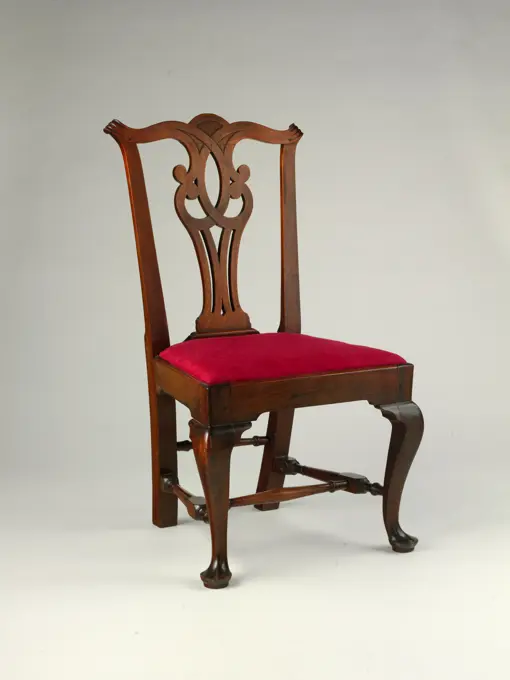
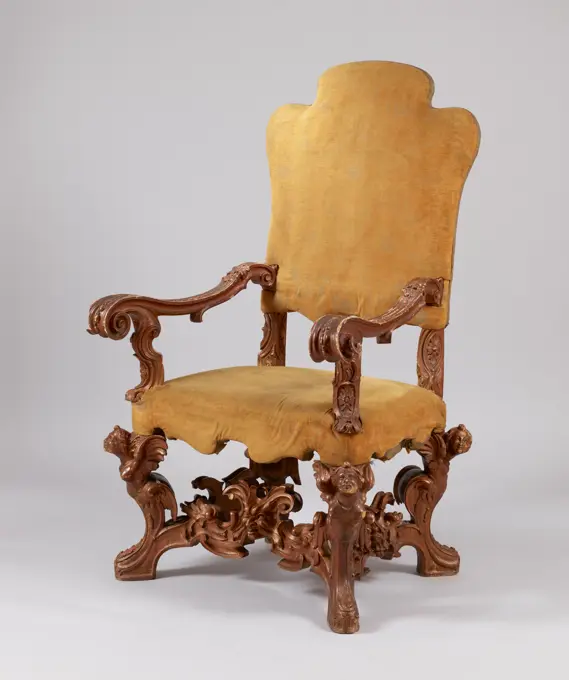
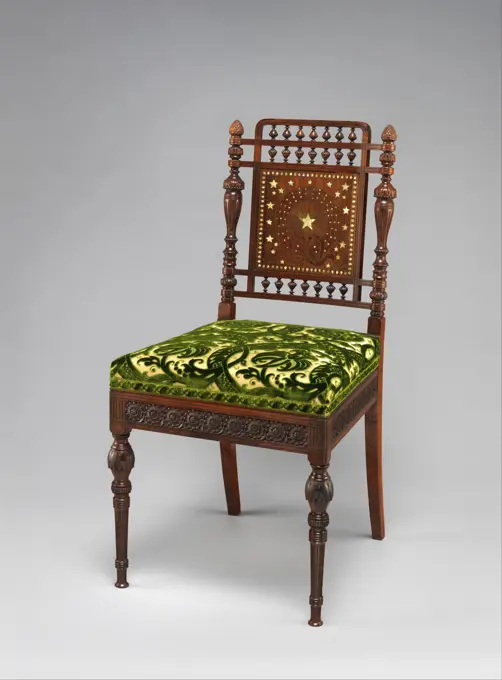
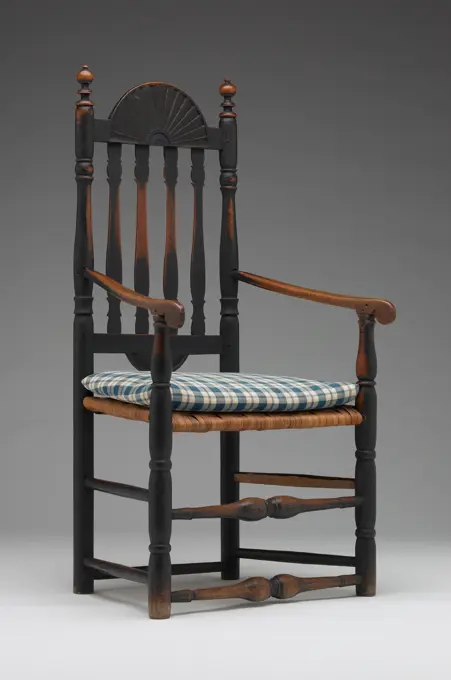
Collection of vintage chairs including armchairs and side chairs, featuring detailed woodwork and upholstery from various historical periods.

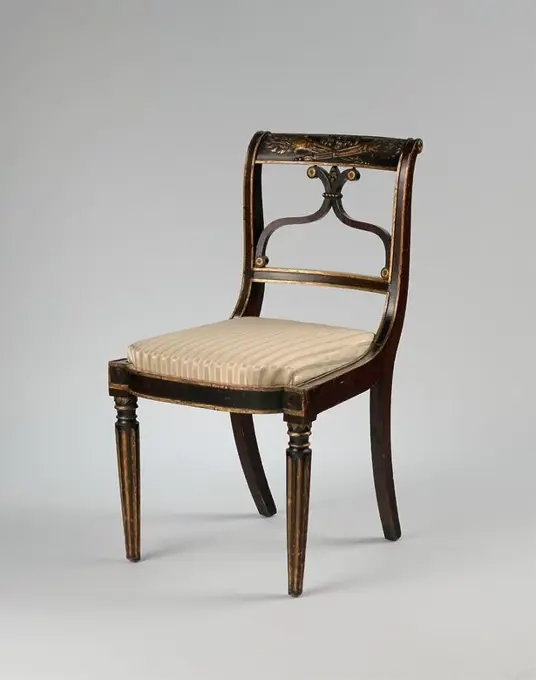
Lyre-back Sheraton side chair, c. 1800, 36 1/2 x 20 1/2 x 17 1/2 in. (92.71 x 52.07 x 44.45 cm), Mahogany with modern upholstery, United States, 18th-19th century
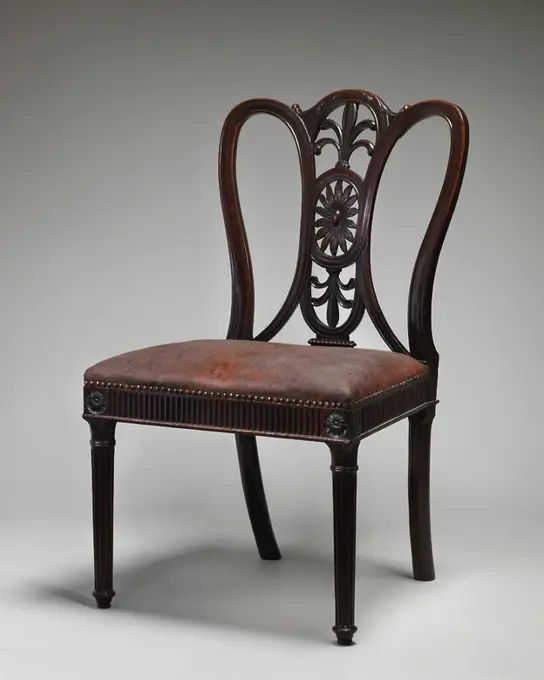
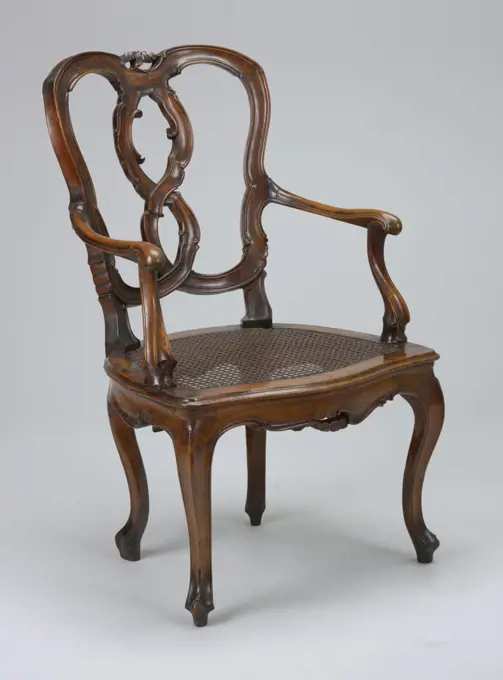
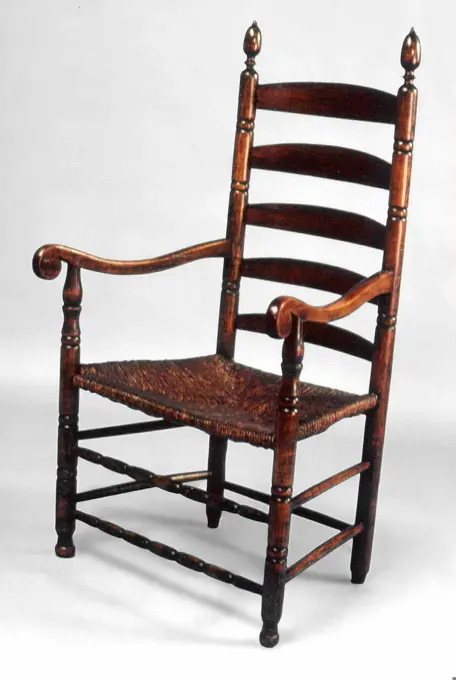
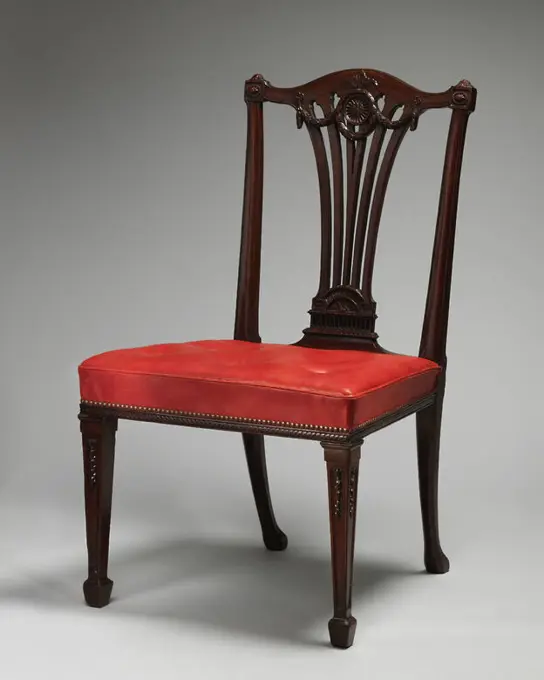
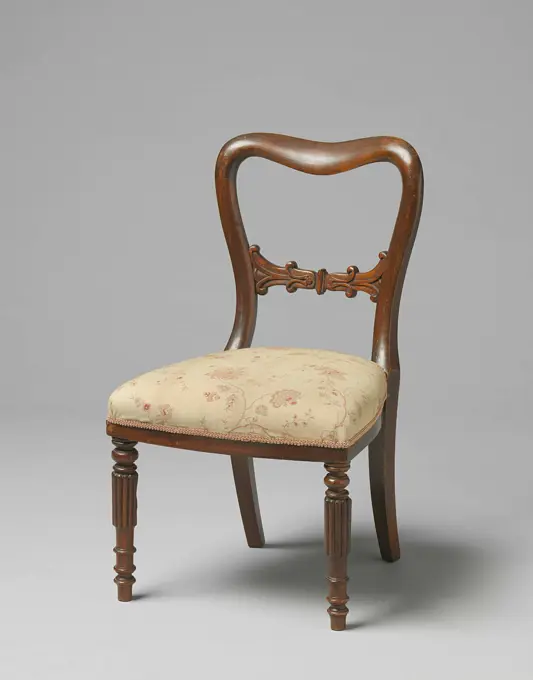
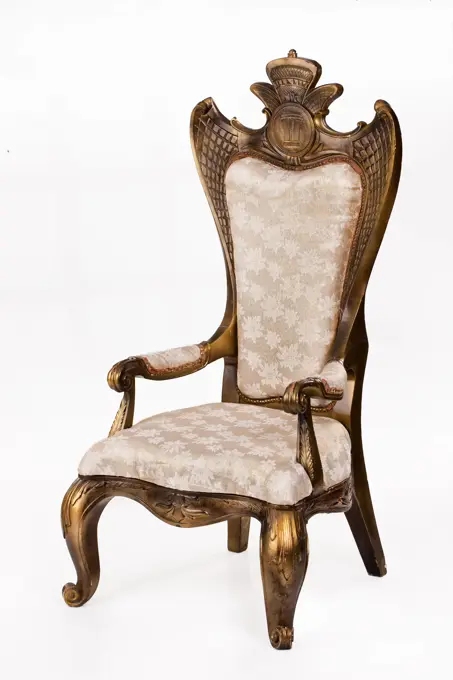
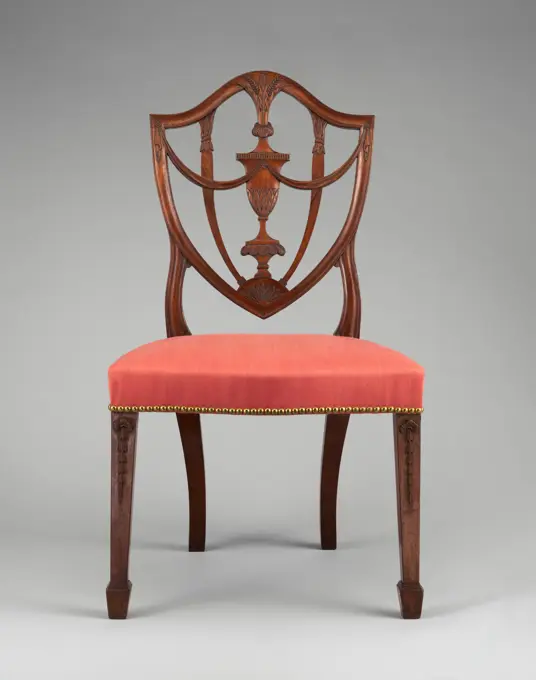
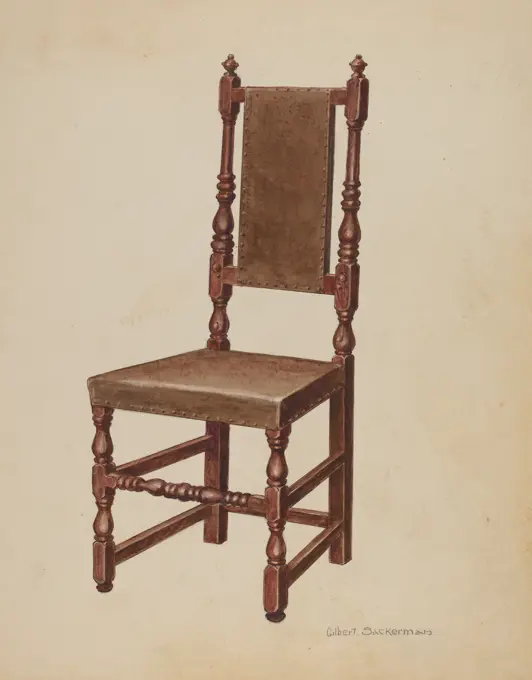
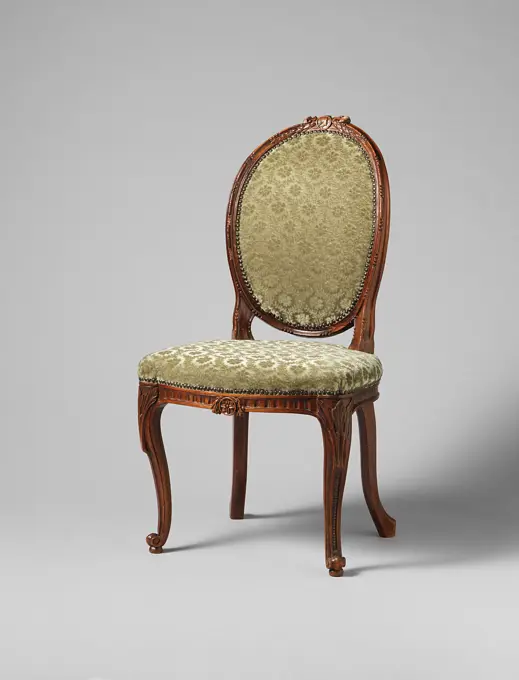
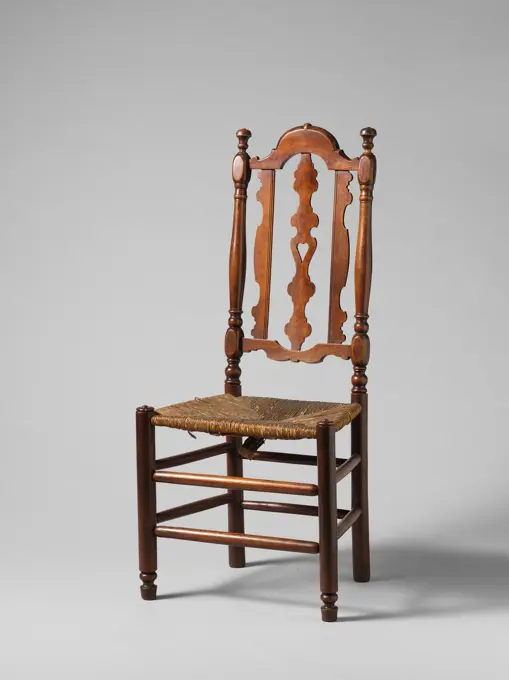
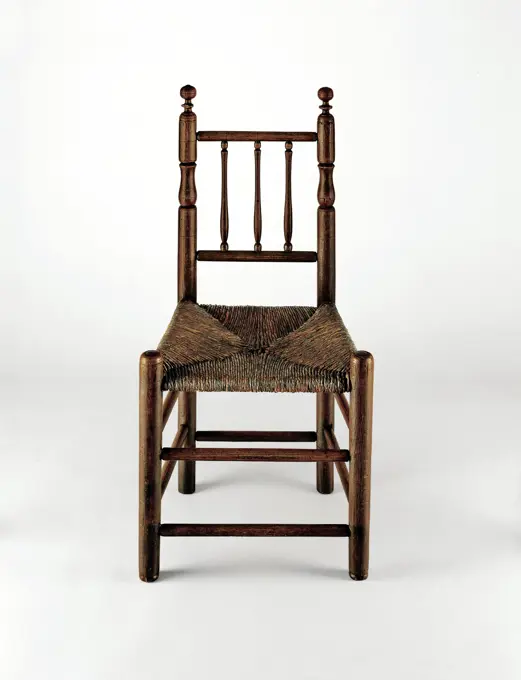
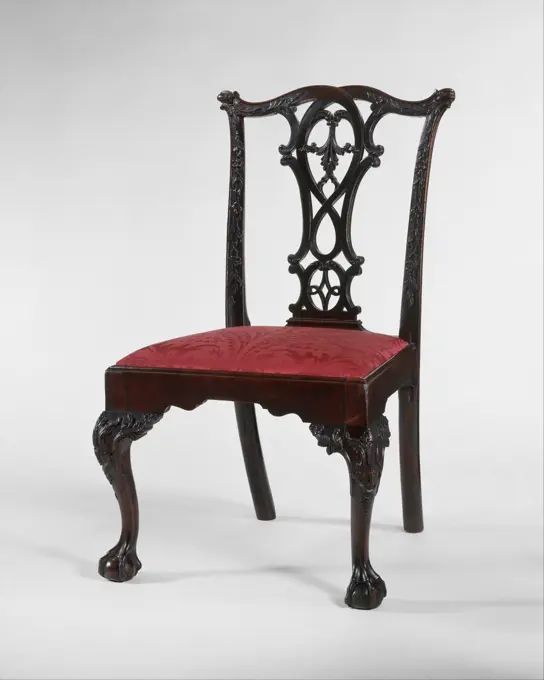
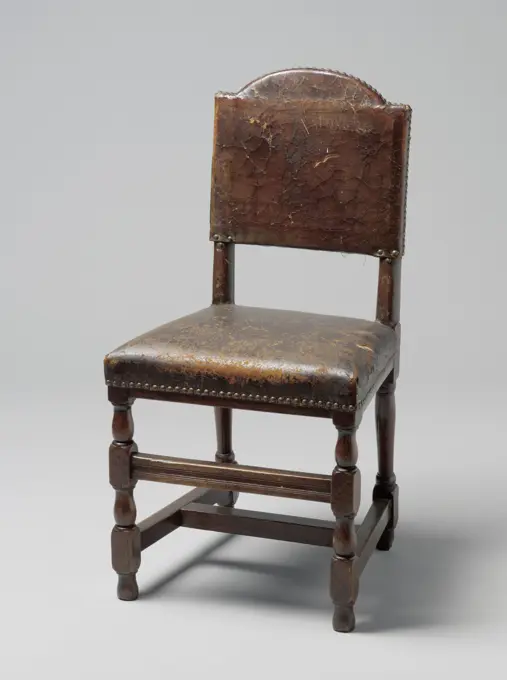
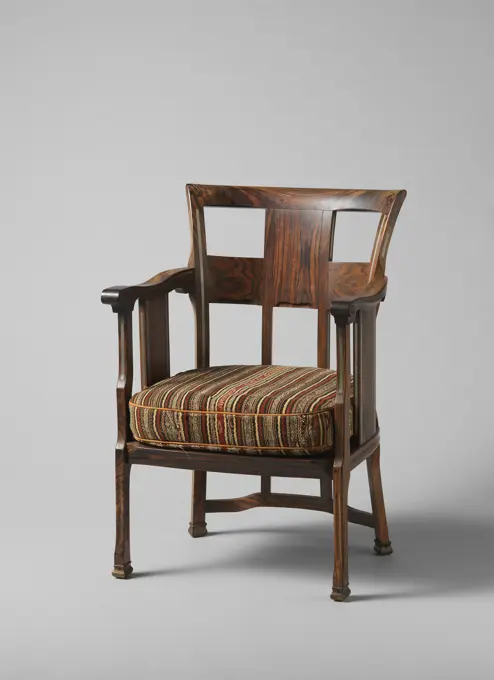
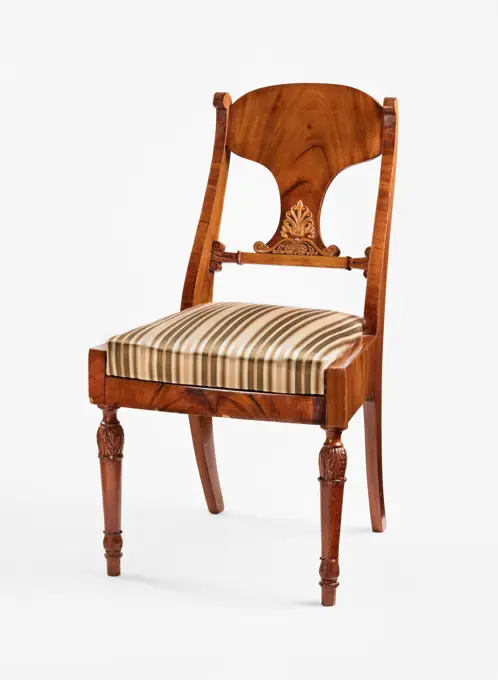
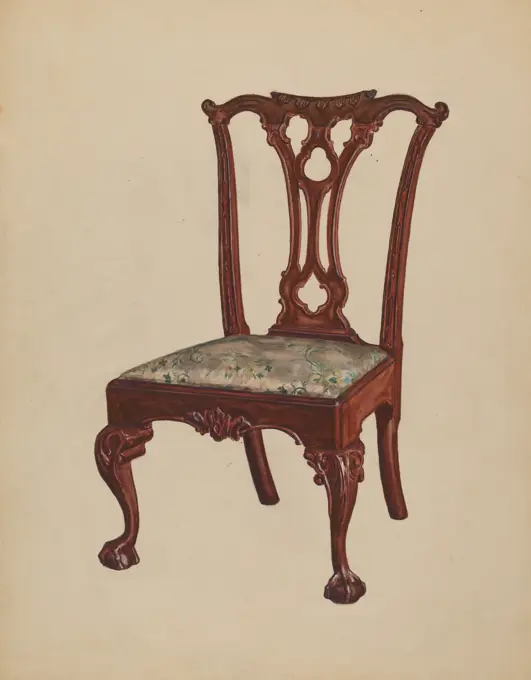
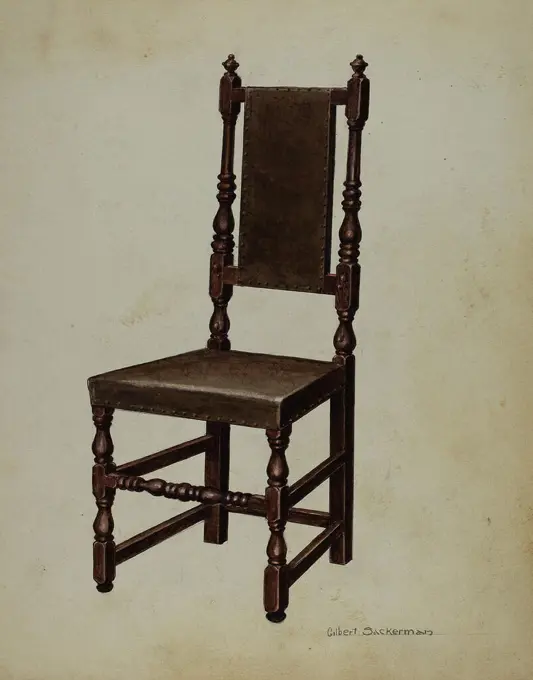
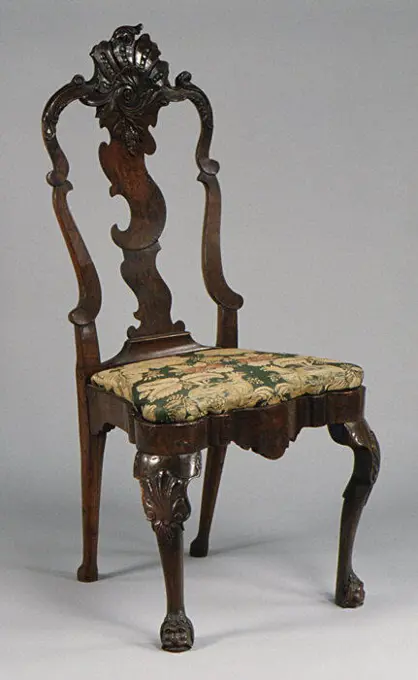
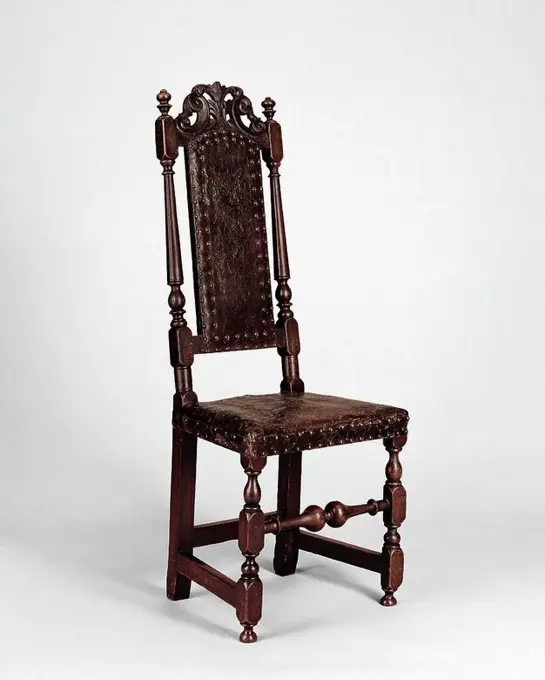
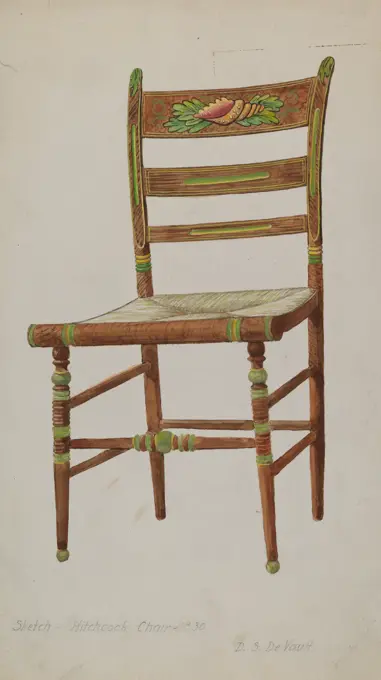
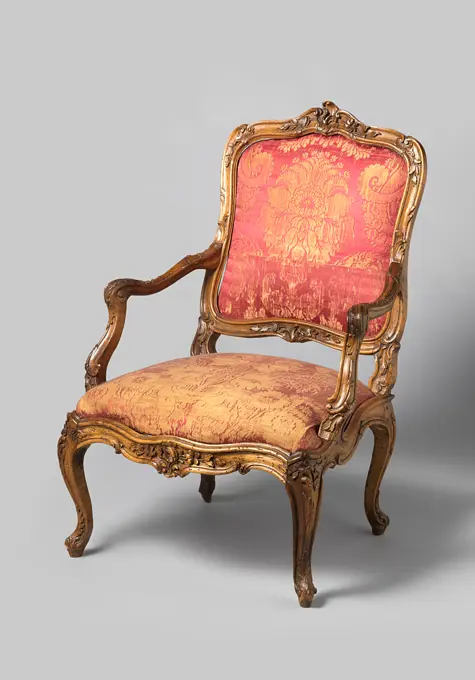
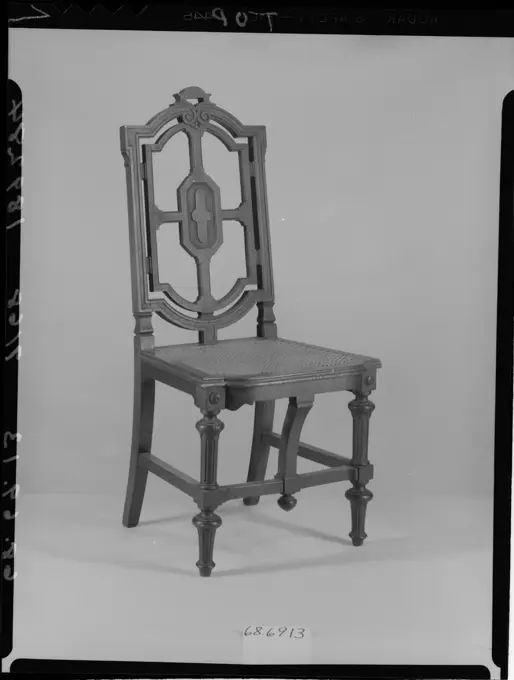
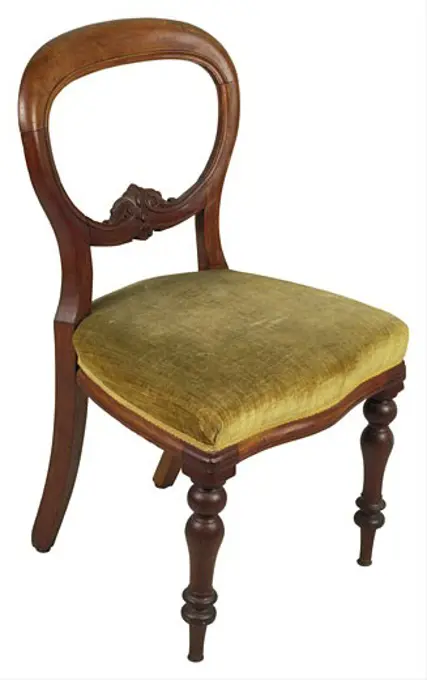
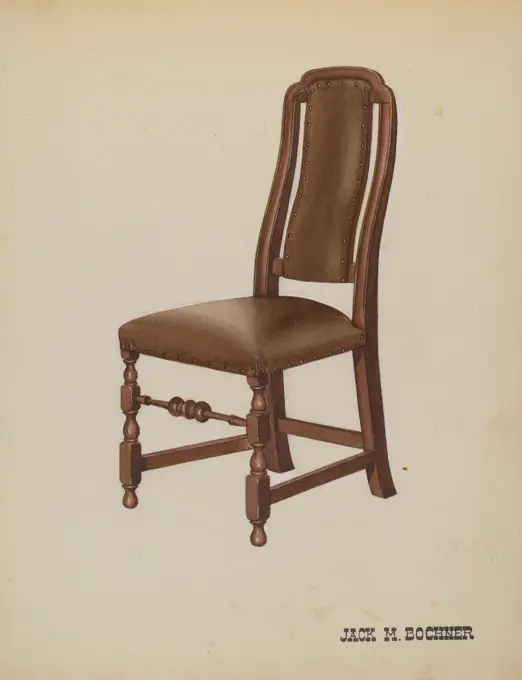
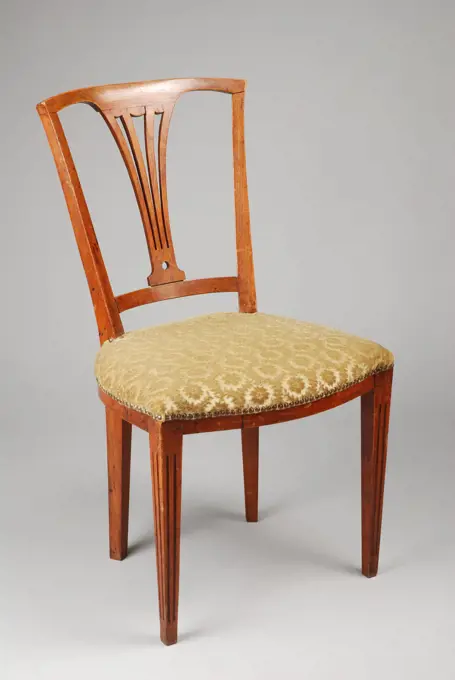
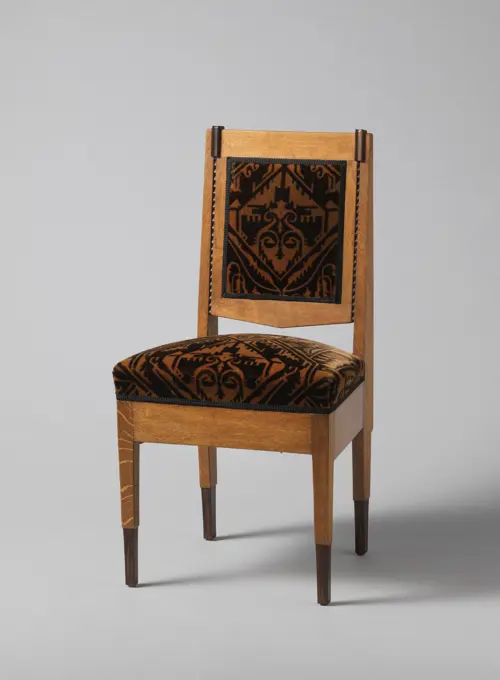
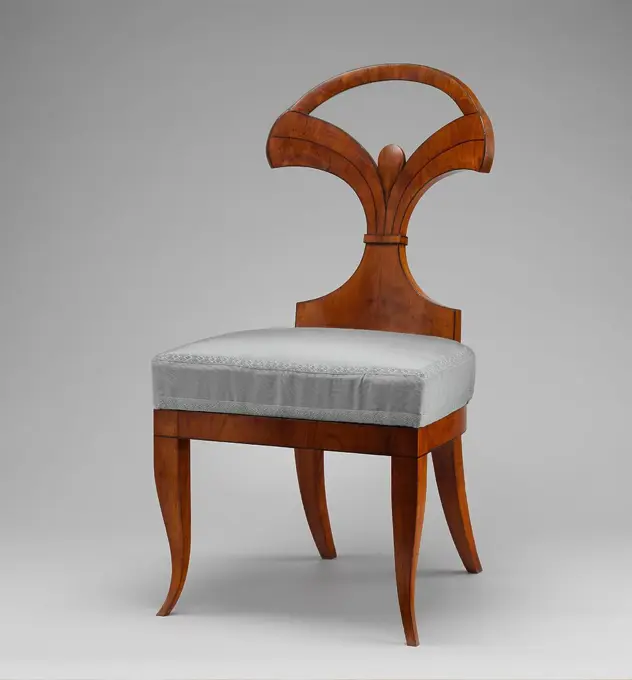
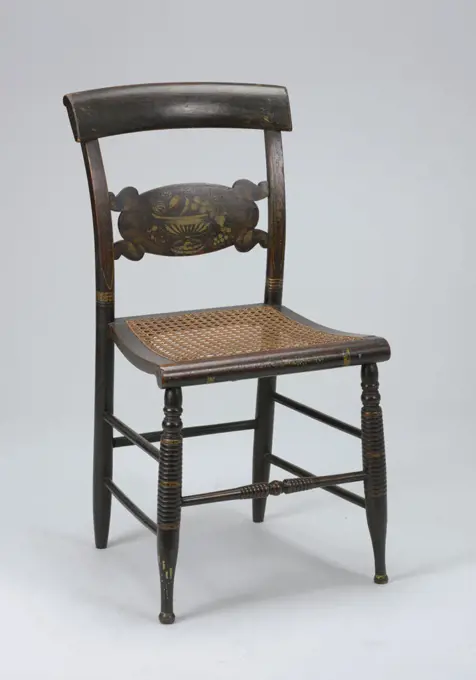
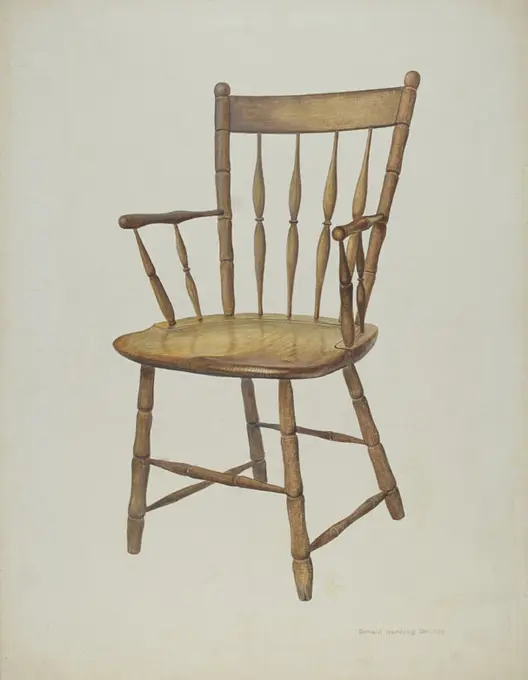
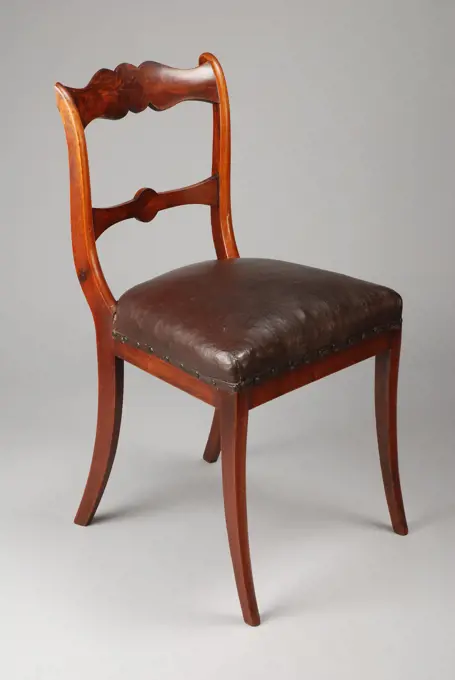
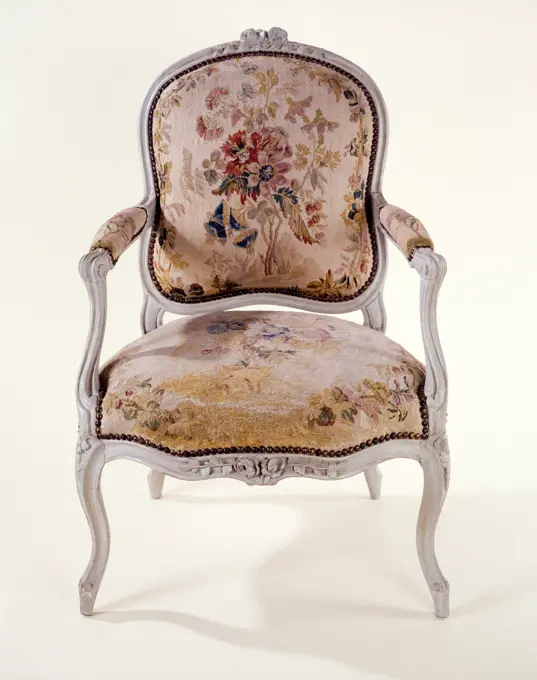
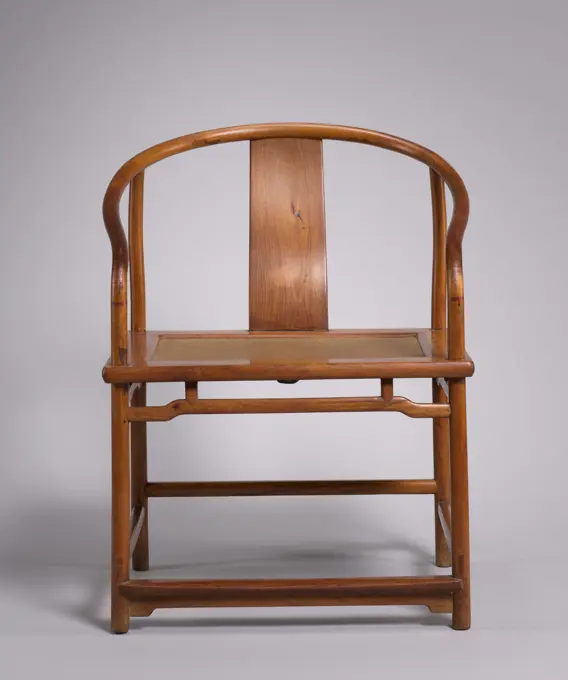
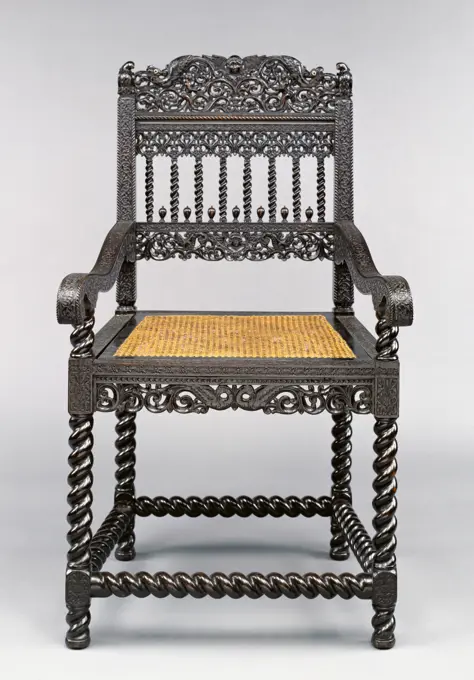
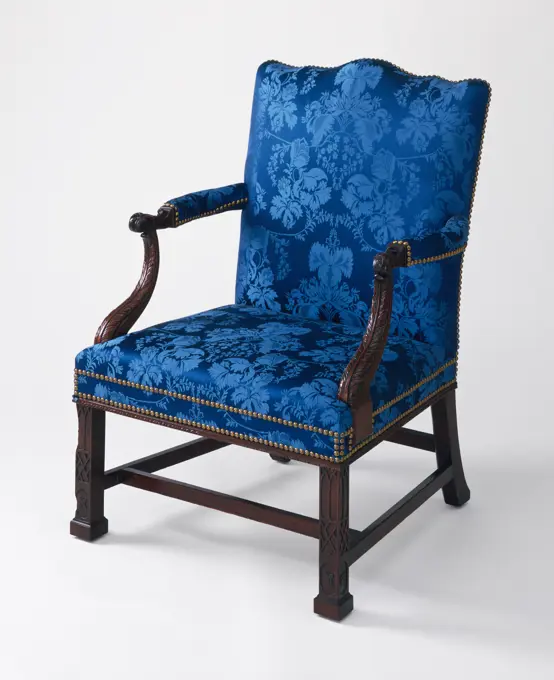
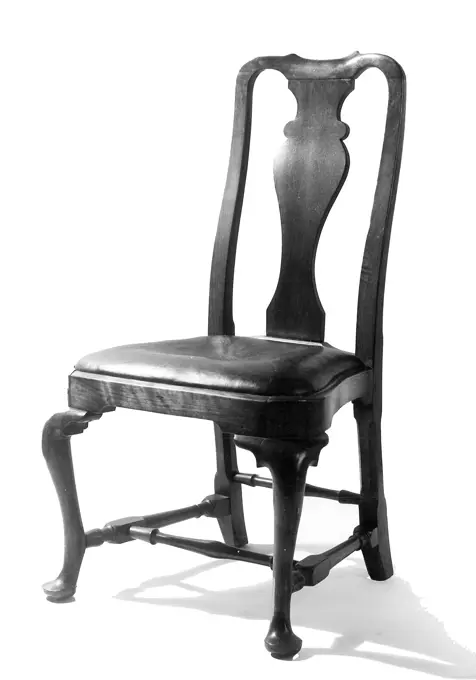
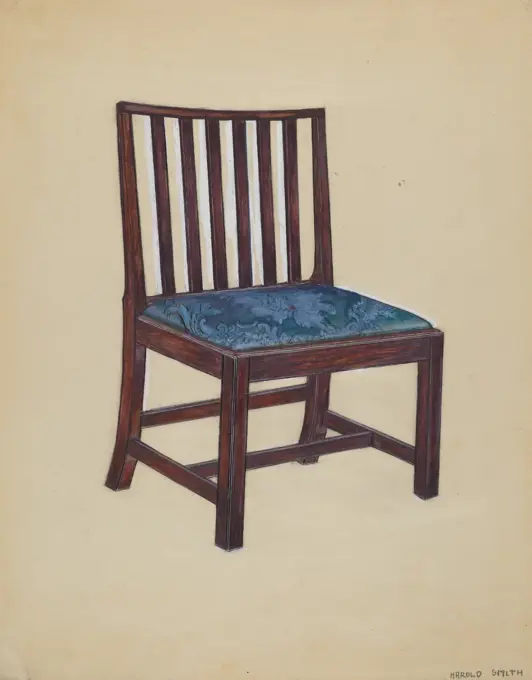
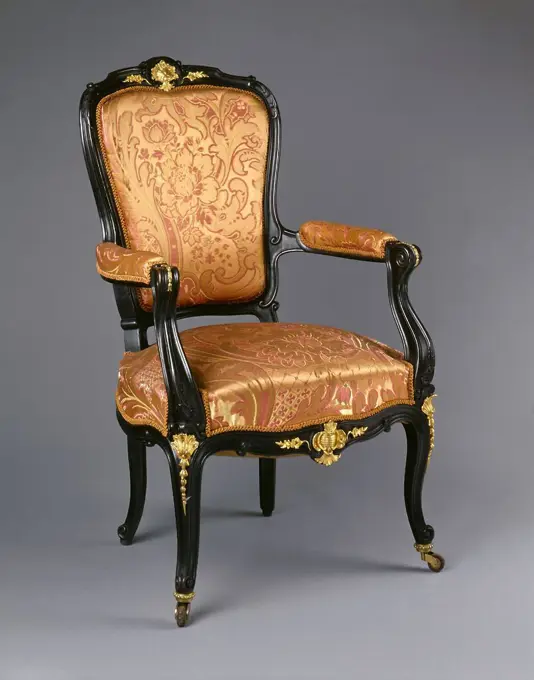
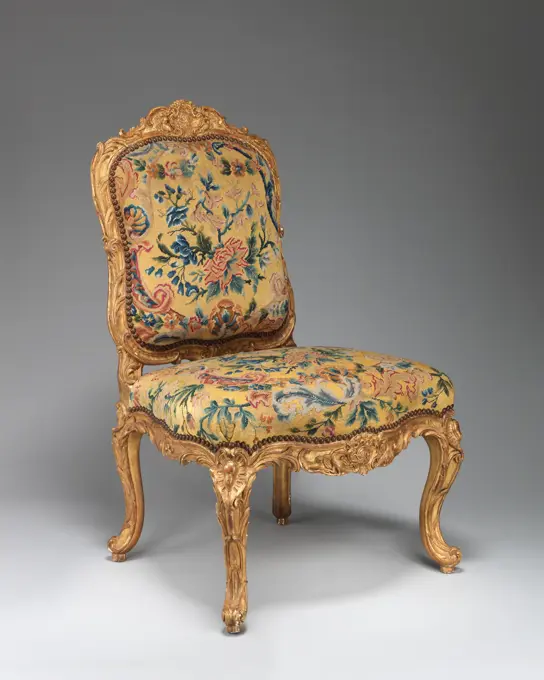
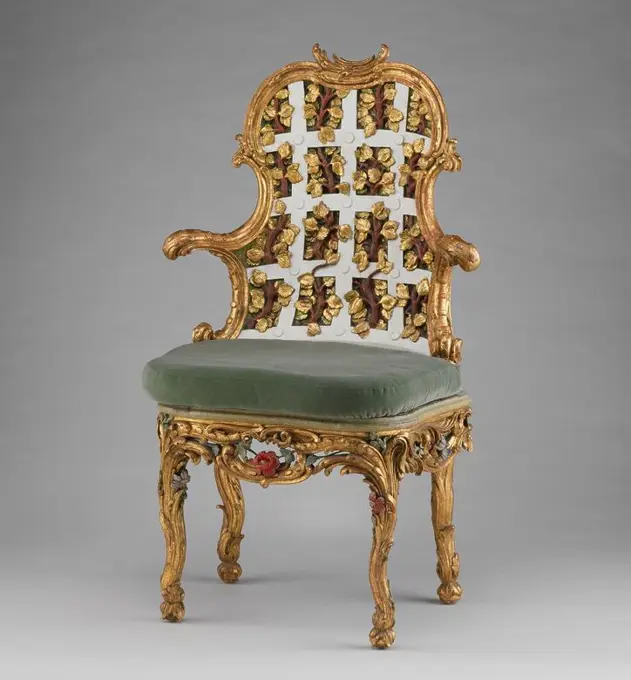
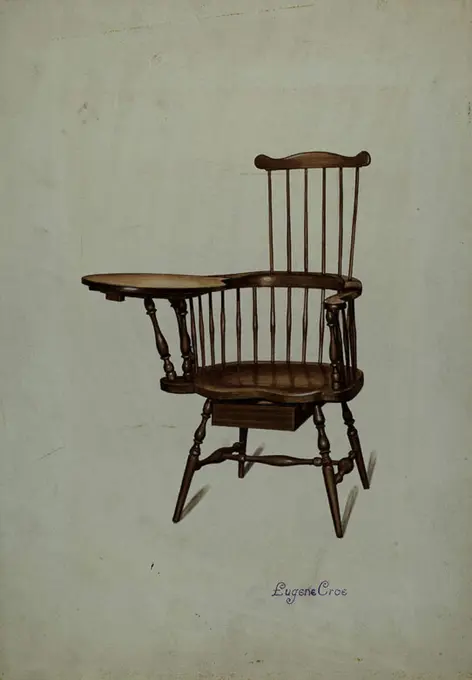
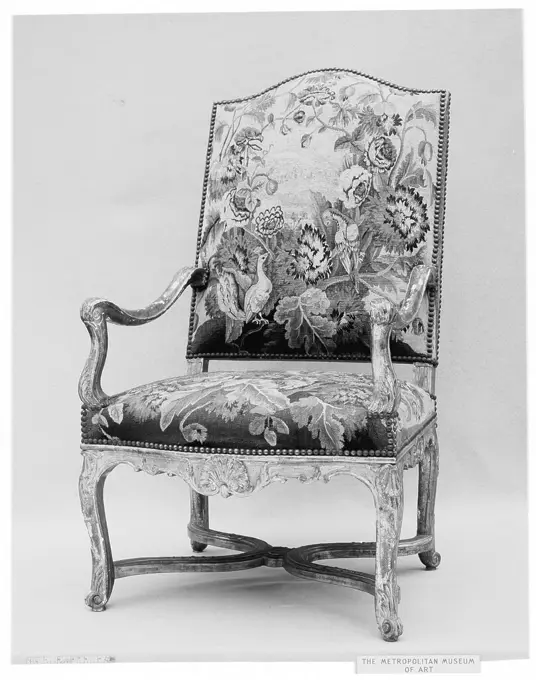
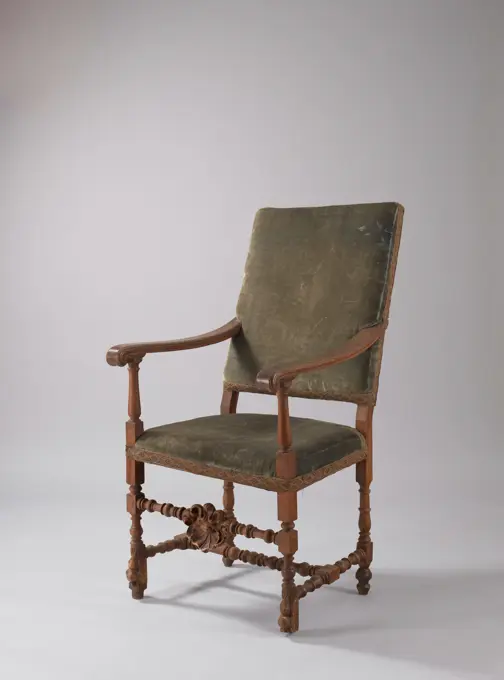
Armchair. unknown, creatorSide chair. Culture: American. Dimensions: 33 x 19 x 20 in. (83.8 x 48.3 x 50.8 cm). Date: 1810-20. Museum: Metropolitan Museum of Art, New York, USA.Chair, Anonymous, 1700 - 1750 Chair of cherry wood with mats seat. The legs and eight sports are turned. The corner styles of the back are column -shaped articulated with thickening in the middle. The lower and upper sill are symmetrically sawn out, as well as the middle track that shows an open heart as a middle part and both styles on either side. Vases have been applied as a crowning styles. Northern NetherlandsNetherlands wood (plant material). cherry (wood) Chair of cherry wood with mats seat. The legs and eight sports are turned. The corner styles of the back are column -shaped articulated with thickening in the middle. The lower and upper sill are symmetrically sawn out, as well as the middle track that shows an open heart as a middle part and both styles on either side. Vases have been applied as a crowning styles. Northern NetherlandsNetherlands wood (plant material). cherry (wood)Chair. Culture: British. Designer: James Wyatt (British, Weeford, Stafforshire 1746-1813 near Marlborough, Wiltshire). Dimensions: Overall: 37 1/2 × 22 × 22 3/8 in. (95.3 × 55.9 × 56.8 cm). Date: ca. 1775. Museum: Metropolitan Museum of Art, New York, USA.Armchair, Carved fruitwood, The open back and splat are formed by two intertwined curvate members moulded with scrolls. Curved arms and arm stumps. Cabriole front and rear legs. seat caned., Venice, Italy, ca. 1750, furniture, Decorative Arts, ArmchairArmchairNutenhouten chair whose backs are decorated in the middle with cutting, anonymous, 1700 Nutruted chair, resting on articulated legs, connected by an H-shaped cross. The front legs are articulated vase and extra connected by a highly sculpted sport. The trapezoidal seat window is covered with modern green velvet. The flooded back window stabs support the reed back window, flanked by detached, at the top articulated and rejuvenating, columnar back styles. The scalloped back in the middle is crowned by broken S-shaped cutting, between which a shell motif. Great Britain walnut (hardwood). oak (wood). rattan. velvet (fabric weave) Nutruted chair, resting on articulated legs, connected by an H-shaped cross. The front legs are articulated vase and extra connected by a highly sculpted sport. The trapezoidal seat window is covered with modern green velvet. The flooded back window stabs support the reed back window, flanked by detached, at the top articulated and rejuvenating, columnar back stylLyre-back Sheraton side chair, c. 1800, 36 1/2 x 20 1/2 x 17 1/2 in. (92.71 x 52.07 x 44.45 cm), Mahogany with modern upholstery, United States, 18th-19th centurySet of fourteen side chairs. Culture: British. Dimensions: Overall (each): 38 1/4 × 22 × 22 1/2 in. (97.2 × 55.9 × 57.2 cm). Maker: Thomas Chippendale (British, baptised Otley, West Yorkshire 1718-1779 London). Date: ca. 1772.Chippendale executed this set of Neoclassical mahogany dining chairs for Goldsborough Hall, in Yorkshire, which belonged to Daniel Lascelles, younger brother of Chippendale's most extravagant patron, Edwin Lascelles, of nearby Harewood House. The set, which originally included fifteen chairs, remained at Goldsborough until 1929, when it was removed to Harewood House, from whence it was sold in 1976. The chairs represent one of Chippendale's most elegant designs: their tapering backs have arched top rails and molded sides headed by beaded paterae and leaf finials; fan-shaped splats with a central patera are encircled and flanked by pendent bellflower swags; and the square, tapering paneled legs are decorated with pendent husks. He produced several sets of these chFurniture. Chair from mahogany children's family celebration consisting of three chairs and two armchairs. The round front legs are decorated with turning and with a border of semicircular profiles. The label-shaped hind legs run over in the back window with curved styles and upper spray and with an intermediate rule, decorated with symmetrically placed leaf classes, between which a vertically profiled lock piece. The S-shaped armrests and struts end in a volute; The underside of the struts wear semicircular profiles. Clad seat.Chair with sitting and back of rattan. Mold decorated with carved winged angel character. Chair of ebony with a carved decoration of a winged angel on the subsequent. Seat and back of reeds.Ancient Throne On White Ancient armchair on a white isolated background Copyright: xZoonar.com/AndreyxSkatx 9883513Armchair with swatched legs, covered with bronze floral tripe. Armchair of walnut, covered with bronze-colored floral tripe. The furniture rests on killed legs that are connected by a H-shaped cross and for-medium sport, which also hurled; A bead has been laid between the pendulum. The houses have stabbed rosettes. The armrest tricks have been rolled, walk up in the back window and end in volutes, which are decorated with acanthus leaf with scaly meter.Arm chair, with reeds stretched; Back window and pre -sport open worked with acanthus curls with in front sport and upper rule in the middle a royal crown, anonymous, 1685 - 1700 Armchair of walnut. The furniture is stretched with reeds and has flung legs, which are connected by an H-shaped window. The armrests rest on slimed armrest stars, are rolled and end in a volute, decorated with acanthus leaf. The detached corner styles are hurled. The back window and the forsport show openwork acanthus curls with a royal crown in the middle in the upper rule and in the forth. In the sitting window, a tire of window braids is engraved upstairs and side. Northern Netherlands wood (plant material). walnut (hardwood). Armchair of walnut. The furniture is stretched with reeds and has flung legs, which are connected by an H-shaped window. The armrests rest on slimed armrest stars, are rolled and end in a volute, decorated with acanthus leaf. The detached corner styles are hurled. The back window and. The flourishing of civic militia companies testifies to the growing power of ordinary citizens. Each guild had its own building, the doelen. This chair stood in the doelen of a guild of crossbowmen, as can be seen from the crossbow depicted on its back. From which town it came is unknown. The patron saint of crossbowmen was Saint George.Furniture, Anonymous, 1850 - 1875 Arm chair from mahogany children orulement consisting of three chairs and two arm chairs. The round front legs are decorated with turning and with a border of semicircular profiles. The saber -shaped hind legs run into the back window with bent styles and upper sill and with an intermediate rule, decorated with symmetrically placed leaf skins, between which a vertically profiled final piece. The S-shaped armrests and struts end in a volute; The underside of the struts wear semi -round profiles. Covered session. Northern NetherlandsNetherlands wood (plant material). mahogany (wood). textile materials Arm chair from mahogany children orulement consisting of three chairs and two arm chairs. The round front legs are decorated with turning and with a border of semicircular profiles. The saber -shaped hind legs run into the back window with bent styles and upper sill and with an intermediate rule, decorated with symmetrically placed leaf skins, between whichSide Chair 1794-99 Attributed to Samuel McIntire This chair and another in the collection (37.81.2) belong to a large group of seating furniture with carved ornament attributed to Samuel McIntire, a highly skilled architect and carver in Salem, Massachusetts. The bellflowers on the front legs and the urn with draped fabric on the backstandard motifs of the neoclassical style in the United Statewere borrowed from decoration found on ancient Greek and Roman ceramics. The design for this vase-back chair was based on plate IId in Hepplewhite and Company's "The Cabinet-Maker and Upholsterer's Guide" (London, 1788).. Side Chair. American. 1794-99. Mahogany, ash, birch, white pine. Made in Salem, Massachusetts, United StatesGilbert Sackerman, Side Chair, 1935 1942 Side ChairSide Chair c 1851-1867 New York City. Rosewood . John Henry Belter and CompanyChair with back of the back A woman head cut in profile inside a medallion with on both sides Lauwerslings. Chair of mahogany, covered with green tripe (not original). The two light S-shaped curved legs are decorated with a ribbed band that is crowned by a large motif an acanthus leaves. The powerfully curved hind legs are unfinished. The straight sitting rule shows in front and sides of cannelures, interrupted in the middle of the front by a round medallion with rosette, which depends on bays of bays in both sides. Along the oval, slightly hollow back and the high, C-shaped curved supports, a list of alternating bars and three pearls. This is interrupted at the top by a round locket with a women's head in profile, used to the right, hanging on a bow and flanked on either side by depending louwer pendants.Chair. Cherry of cherry wood with mats seat. The legs and the eight sports are rotated. The corner styles of the back are column-shaped with thickenings in the middle. The lower and upper spray are symmetrically cut off, as well as the middle coaster that shows a cut-away heart as a center piece and both styles on either side. Vaarjes are arranged if award of the corner styles.SideChairChair, back with vase-shaped middle leaf, the seat with burgundy velvet. Chair of mahogany. The back is open with a vase-shaped middle leaf. The chair has a trapezoidal open seating window with a loose seat with burgundy velvet.Side Chair 1670-1710 American. Side Chair 1543Side Chair 1765-75 American With its perfect proportions, elegantly integrated crest and splat design, and unsurpassed carving, this is perhaps the best of all Philadelphia Chippendale chairs. The splat pattern, its dominant figure-eight motif flowing from the crest rail, is a free adaptation from plate 16 of the third edition of Thomas Chippendale's Gentleman and Cabinet-Maker's Director (1762) (see 1982.1133).. Side Chair 1618Armchair;  IIPO .Xviiw. (1751-00-00-1800-00-00);Eikhout chair with a seat and back of leather, anonymous, 1675 - 1700 Eight oak seats with leather seat and back. The legs show house and suffered and are connected by an H-shaped cross. At the front is, between two houses, a wide forecution. The hind legs turn back. The back rests high on the struts and is bent from above. Northern NetherlandsNetherlands wood (plant material). elm (wood). oak (wood). leather Eight oak seats with leather seat and back. The legs show house and suffered and are connected by an H-shaped cross. At the front is, between two houses, a wide forecution. The hind legs turn back. The back rests high on the struts and is bent from above. Northern NetherlandsNetherlands wood (plant material). elm (wood). oak (wood). leatherArmpool. Armstoel.Banister-back armchair 1720-40 American The carved crest rails on top of tall-back William and Mary-style chairs imparted an aura of importance to the sitter by providing a background of flourishes. The large scale and verve of the carving on this chair, with its stylized central leafage and play of repeating C-scrolls, are particularly effective.. Banister-back armchair 147Chair (USA); Designed by George Jakob Hunzinger (1835 - 1898); maple, cord, cloth-covered metalChair. unknown, creatorChair;  1730-1760 (1730-00-00-1760-00-00);Roszkowska, Teresa (1904-1992), Roszkowska, Teresa (1904-1992)-collection, baroque (style), gift (provenance), plant decorations, shells (ornament)Armchair No 8 1898-1899 Austria. Polished walnut, motherñofñpearl, and brass with leather seat . Otto Wagner (Designer)Brown Royal classical style Armchair sofa couch in vintage room Side Chair ca. 1805 American. Side Chair. American. ca. 1805. Mahogany. Made in Philadelphia, Pennsylvania, United StatesAmerican 20th Century, None Recorded, 1935 1942 None RecordedChair (Canada); wood; 87.4 x 42 x 44.5 cm (34 7/16 x 16 9/16 x 17 1/2 in. )Armchair;  around 1900 (1890-00-00-1910-00-00);Anonymous, the queen's armchair (main title). Wood, green velvet. Petit Palais, Museum of Fine Arts of the City of Paris.David S De Vault, Side Chair, 1935 1942 Side ChairArm chair covered with green -colored Trijp with leaf motifs, Theo Nieuwenhuis, c. 1910 Arm chair of mahogany resting on four legs. The legs run over from the bottom sill in the armrests. The lower sill contains cut floral motifs. The armrests are outside. The hind legs run into the backstyles. The backstyles contain cut leaves on a long stem on the front and are inlaid with a dot of ebony. The seat, handrail, armresters and side walls are covered with green -colored trijp with leaf motifs Amsterdam mahogany (wood). ebony (wood). beech (wood). velvet (fabric weave). wool Arm chair of mahogany resting on four legs. The legs run over from the bottom sill in the armrests. The lower sill contains cut floral motifs. The armrests are outside. The hind legs run into the backstyles. The backstyles contain cut leaves on a long stem on the front and are inlaid with a dot of ebony. The seat, handrail, armresters and side walls are covered with green -colored trijp with leaf motifs Amsterdam mahogSide Chair. Dated: 1935/1942. Dimensions: overall: 28.9 x 22.8 cm (11 3/8 x 9 in.) Original IAD Object: none available. Medium: watercolor, colored pencil, and graphite on paperboard. Museum: National Gallery of Art, Washington DC. Author: Gilbert Sackerman.Pair of side chairs ca. 1725-50 German. Pair of side chairs 192772. Coromandany chair resting on four legs. The front and hind legs are connected to each other by means of intermediate rules, which are connected in the middle by a panel. The hind legs run over in the back styles that are crowned by monkey heads. The backrest is open at the bottom and closed at the top. The closed part consists of a panel protruding in the middle at the top in a semicircular form with panels open on either side that connect the semicircular shape to the back styles. The semicircular shape is glued along the inner edge with ambo-rootelhout. Both the backrest and the seat are covered with beatict parchment in red, white and black checkered motifs inside a white border. The back of the back cover shows the letter H in the four corners, probably the first letter of the name of the original owner.Side Chair. Culture: American. Dimensions: 48 x 18 x 15 in. (121.9 x 45.7 x 38.1 cm). Date: 1700-1720.Tall, stately, and covered in its original "Russia" leather, this high-back chair is a fine example of the fully developed William and Mary style. It is crowned with a characteristic Boston-school crest rail featuring C-scrolls and foliage. The calfskin leather is of the type made near Saint Petersburg in the seventeenth and eighteenth centuries. Usually dyed red and embossed with a tiny lattice pattern, it was tanned and dressed with bark extracts and oils to make it supple and less subject to decay and insect infestation. Museum: Metropolitan Museum of Art, New York, USA.Side Chair 1760-70 Attributed to John Townsend American The subtle tilt of the chair back afforded minimal comfort while prompting the sitter to employ respectable posture. As mercantile wealth and social status increased in the colonial period, so did entertaining customs and the hierarchical distance between those perched in these chairs and those serving them. When entertaining subsided, chairs lined the edge of a room allowing the abstract wonderment of the skillfully sawn, puzzle-like back to enrich the interior design.. Side Chair. Attributed to John Townsend (1732-1809). American. 1760-70. Mahogany, maple, chestnut, white pine. (none assigned) Newport, Rhode Island, United StatesChair of nut and beech wood with S-shaped overhoeks placed legs; X-shaped cross with rosette; Cut flower and leaf work, back and seat of reeds, with loose pillow, anonymous, c. 1750 Chair of nut and beech wood (ameblement) with s-shaped overhoeks placed legs, connected by a flung X-shaped cross with rosette. Rules and sills and legs are decorated with cut flower and leaf motifs. Back and seat of braided reeds. Loose pillow of green Shaved Trijp (Modern). France wood (plant material). walnut (hardwood). beech (wood). Chair of nut and beech wood (ameblement) with s-shaped overhoeks placed legs, connected by a flung X-shaped cross with rosette. Rules and sills and legs are decorated with cut flower and leaf motifs. Back and seat of braided reeds. Loose pillow of green Shaved Trijp (Modern). France wood (plant material). walnut (hardwood). beech (wood).SideChairSide chair, 1810-1820, attributed to Slover and Taylor, 35 x 20 x 17 1/2 in. (88.9 x 50.8 x 44.4 cm), mahogany, cloth, United States, 19th centuryFurniture, Anonymous, 1700 - 1800 Six mahogany seats with leather seats. The S-shaped front legs placed overhoek ends in claw and ball and wear leaf work on the swelling ending in a volute; The hind legs are bent backwards. The back shows a two-part open-up vertical connecting piece, which shows a braid tape motif, among other things made up of C-shaped volutes. The backstyles show cords of chalice clocks. The scalloped upper sill carries leaf work in the middle; The corners are upstairs. Great Britain wood (plant material). mahogany (wood). leather Six mahogany seats with leather seats. The S-shaped front legs placed overhoek ends in claw and ball and wear leaf work on the swelling ending in a volute; The hind legs are bent backwards. The back shows a two-part open-up vertical connecting piece, which shows a braid tape motif, among other things made up of C-shaped volutes. The backstyles show cords of chalice clocks. The scalloped upper sill carries leaf work in the middle; The cornerArmchair;  1880-1900 (1880-00-00-1900-00-00);Baroque (style), plant decorations, fantastic characters, message (provenance)Mahogany rococo chair, chair furniture furniture interior design wood mahogany velvet brass, Bolcovian legs and green velvet upholstery with sunflowers Rotterdam City Triangle Hoogstraat Heilige Geesthuis Oudemannenhuis Old man house Heiligegeesthuis rococoSide chair 1879 Herter Brothers William H. Vanderbilt, son of Cornelius Commodore” Vanderbilt, inherited a vast fortune and a lucrative transport business, which he expanded exponentially, becoming one of the wealthiest men in America. In 1879, to mark his elevated social and economic status, he built a mansion that spanned an entire city block on Fifth Avenue, between Fifty-First and Fifty-Second Streets. He commissioned Herter Brothers, one of the premier cabinetmaking firms in New York City, to decorate and furnish his home. In devising distinct decorative schemes for each room of the mansion, Herter Brothers drew inspiration from a wide range of historical styles and utilized expensive, exotic materials. Vanderbilt’s library was conceived as a masculine, solemn, and quiet space to house antique works of art and bound volumes. The woodwork and furnishings were rosewood carved in a Renaissance style and inlaid with brass and mother-of-pearl swags utilizing a graduated pearl motif, rRocking chair -Pair of side chairs ca. 1700 Dutch. Pair of side chairs 203708ArmchairDavid S De Vault, Hitchcock Side Chair, 1935 1942 Hitchcock Side ChairArmchair from Nuthout. Window armchair, covered by removable window. The S-shaped legs, ending in Acanthus sheet, go into the scalloped rules. The legs, front seat, armrests and armrest struts, the back framework and back fragrances are decorated with pelleted leaf and floral motifs; Striking on the upper sprinkle is the stained robocone pigeon with flour branches. The seating frame is trapezoidal. The contour emphasizes profile lists, continuous or with C and S volutes. See also: BK-15591.Mahogany rococo chair, chair furniture furniture interior design wood mahogany velvet, Seat and backrest covered with light green velvet decorated with carving flowers cogwheels Rotterdam City Triangle Hoogstraat North Oude Noorden Gerard Scholtenstraat Heilige Geesthuis Oudemannenhuis Old man house Heiligegeesthuis rococo Object was until 1972 part of the inventory of the Heiligegeesthuis at the Gerard Scholtenstraat From 1898 to 1972 the 'Heiligegeesthuis' was located in this building.Side Chair ca. 1865 American. Side Chair. American. ca. 1865. Walnut. Made in New York, New York, United StatesChair of light green painted beech wood, on round conical -canling legs and struts, back and seat of braided reeds, decorated with dark painted leaf work, anonymous, c. 1765 - c. 1785 Chair of light green painted beech wood, resting on four round conical -canling legs. The slightly back -leaning rectangular back, resting on scanned struts, is, like the hind legs, connected to a widening at the sitting window. The seating rules are profiled three times around. The back and the seat consist of braided reed. The houses at the top of the legs and the crowning of the backstyles are decorated with a stabbed, dark painted, leaf ornament. France wood (plant material). beech (wood). Chair of light green painted beech wood, resting on four round conical -canling legs. The slightly back -leaning rectangular back, resting on scanned struts, is, like the hind legs, connected to a widening at the sitting window. The seating rules are profiled three times around. The back and the seat consist of braiChair;  beginning of the 19th century (1800-00-00-1810-00-00);Chair with coal paws, covered with beef leather, anonymous, 1600 - 1650 Chair of nuthout, covered with beef leather. The furniture has colompen with four rectangular underputing. The in the back are also covered with leather between seat and back. The back of the back shows a pinewood bottom layer. The copper nails used to be gilded. Northern Netherlands wood (plant material). walnut (hardwood). spruce (wood). leather. copper (metal) Chair of nuthout, covered with beef leather. The furniture has colompen with four rectangular underputing. The in the back are also covered with leather between seat and back. The back of the back shows a pinewood bottom layer. The copper nails used to be gilded. Northern Netherlands wood (plant material). walnut (hardwood). spruce (wood). leather. copper (metal)Jack Bochner, Side Chair, c 1937 Side ChairArmchair. Armchair of walnut, lined with modern red pressed velvet with floral motifs. The furniture rests on legs with house and articulation, connected by an H-shaped cross. A sport with a large acanthus sheet is applied at the front. The articulated armrests also supported the lightly hold, at the front to bubbling armrests, ending in stabbed leaf motifs.Eggshade Louis Seize chair, upright chair seat furniture furniture interior design wood elm wood velvet, Curved backrest with openwork backsheet with moss green velvet upholstery Louis XVI Louis XVI Louis Seize. Chair of walnut with petit point upholstery and oak back styles and hind legs. The seats rest on overhoeks placed, S-shaped legs, which proceed in the seating window. The front legs have a plot with a standing leaf motif and above the swelling a shell pattern. The front seat and side seat rules are decorated with a shell and acanthus sheet. The armrest tricks are about in malted armrests, ending in Acanthus. The upholstery shows motifs from flower vases and booklets.Button chair, the backrest with two cross rules, the seat of braided piping. Four button chairs from dark brown pickled wood; backrest with two transverse rules; Low model with seat of braided piping.Chair covered with light brown Trijp, Anonymous, 1920 - c. 1930 Chair of oak and coromandel wood resting on four legs. The legs are rejuvenated at the bottom; The lower part is made of Coromandelhout. The hind legs continue in the widened backstyles and rejuvenate upwards. There are wide seating rules between the four legs. At the front, along the backstyles there is a Robbell list that is crowned by a rectangular block of coromandel wood. The back cover is contained between two side styles, a lower and an upper sill. The sill runs out at the bottom in a triangle shape. Both the back and the seat are covered with light brown trijp with a black symmetrical ornament and jumping deer.  wood (plant material). oak (wood). Chair of oak and coromandel wood resting on four legs. The legs are rejuvenated at the bottom; The lower part is made of Coromandelhout. The hind legs continue in the widened backstyles and rejuvenate upwards. There are wide seating rules between the four legs. At the fronSidechairSide Chairs (USA); Attributed to John Henry Belter (American, b. Germany, 1804 - 1863); laminated rosewood, hardwood, cotton upholstery, metalSide chair (one of a pair). Culture: Austrian, Vienna. Dimensions: 37 1/8 x 22 1/8 x 19 in. (94.3 x 56.2 x 48.3 cm). Maker: Circle of Josef Danhauser 's K.K. Priv. Möbel-Fabrik, Vienna. Date: ca. 1815-20.The years between 1815 and 1848 in Germany and Austria were characterized by a conservative political and cultural climate. The period and its style of interior decoration are both called Biedermeier, after a fictional character invented by the poet Ludwig Eichrodt (1827-1892) in the 1850s. Although the term invokes qualities typical of the German bourgeoisie (unpretentiousness, thrift, domesticity), the origin of the Biedermeier furniture style was totally aristocratic. The simple, elegant forms with their clean lines and light-colored wood veneer derived from the ornamentally restrained furniture that had been made for the royal and princely households of Germany, Austria, and France beginning in the late eighteenth century.1 For this market, even Parisian ébénistes, such as Canabas,Hitchcock chair, Painted, stencilled and gilded maple wood, caning, Rolled pillow back and front seat rail; so-called 'turtle' slat stencilled with design of footed bowl of fruits. Turned straight front legs on button feet. Four lateral and two longitudinal turned stretchers. Caned seat. Gilt bandings on black ground., USA, 1820-40, furniture, Decorative Arts, Armchair, ArmchairWindsor Armchair. Dated: c. 1940. Dimensions: overall: 45.7 x 35.5 cm (18 x 14 in.) Original IAD Object: 31"high, 17 1/2"wide. See data sheet for details.. Medium: watercolor, gouache, colored pencil, and graphite on paperboard. Museum: National Gallery of Art, Washington DC. Author: Donald Harding.Armchair 1670-1700 American. Armchair 1552Mahogany Biedermeier chair, chair furniture furniture interior design wood mahogany elm wood textile tarpaulin, veneered and scalloped hood and tassel leg sable-shaped legs and rear pillars ending in volutes covered with dark brown canvas BiedermeierJean-Baptiste Lelarge (1743-1802). Archair at the Queen in carved beech and painted in white, Beauvais tapestry with large bouquets of flowers on a creamy background (overview on a light background), around 1765-1770. Paris, Cognacq-Jay museum. Armchair at the Queen, Fleur, Cream background, Grand Bouquet, Hetre sculpt, Manufacture de Beauvais, furniture, white paint, Louis XV style, tapestry, 18th century, wood, furnitureRoundback Armchair: Lohan Type, 1600s-1700s. China, Ming dynasty (1368-1644) or Qing dynasty (1644-1911). Rosewood (huanghuali); overall: 85.4 x 58.4 cm (33 5/8 x 23 in.). Following the tradition of sitting cross-legged on an elevated platform, this armchair allows the sitter to rest their feet on the stretcher between the front legs, or to pull their legs up resting their shoes on the stretcher. The existence of such chairs in pairs suggests that they were used in more formal settings reserved for important guests and family members of age and high status. Similar chairs with low, straight backs were presumably used by women or in a less formal context.Armchair c 1860-1865 New York City. Ebonized cherry and ormolu . Leon MarcotteArmchair. Armchair from walnut, partially plated. The front legs end as a struts, which are decorated at the top of leaf consoles, and supports the armrests, ending in volutes. The most outward prosposal, preside and back sports are decorated with, among other things, browse motifs, rosettes and volutes. The back styles, awarded with leaf motifs, tilting backwards. The upper sport of the back carries a coat of arms with flowers, bullets and star. The legs are square. See also BK-16646-B / D.Armchair. UnknownChair, anonymous, c. 1700 - c. 1725 Chair of Notenhout. The furniture has a covered seat and tranquility on baluster-shaped legs with ribbed ball feet, which are connected by a hurled X-shaped cross. The front legs are decorated with acanthus leaf and chalice leaves. The high, openwork and sculpted back rests on articulated struts. The corner styles are bent at the top. Inside the window, the back in relief shows a female breast image and Profil within the C-Voluten with a shell motif and surrounded by broken volutes and acanthus leaf. Netherlands wood (plant material). walnut (hardwood). velvet (fabric weave) Chair of Notenhout. The furniture has a covered seat and tranquility on baluster-shaped legs with ribbed ball feet, which are connected by a hurled X-shaped cross. The front legs are decorated with acanthus leaf and chalice leaves. The high, openwork and sculpted back rests on articulated struts. The corner styles are bent at the top. Inside the window, the back in relief shows aArmchair. Attributed to Thomas Affleck (Scotland, active United States, 1740-1795). United States, Philadelphia, 1765-1775. Furnishings; Furniture. Mahogany, white oak, upholstery (replaced)SideChairAgnes Karlin, Armchair, c 1936 ArmchairHarold Smith, Chair, 1935 1942 ChairArmchair. Culture: American or French. Dimensions: 38 1/2 x 23 1/4 x 26 1/8 in. (97.8 x 59.1 x 66.4 cm). Maker: Auguste-Émile Rinquet-Leprince (1801-1886). Date: ca. 1843.In the 1840s, many well-to-do New Yorkers preferred French furniture to that made in their native city. In 1844, Mrs. Samuel Jaudon of New York wrote to her friend Mrs. James C. Colles that "we on this side feel as if everything is so much handsomer, and better, and desirable that comes from Paris." Upon orders from New York clients, Parisian cabinetmaker and decorator Ringuet-Leprince shipped entire rooms of furniture, carpets, looking glasses, wallpapers, decorative objects, and sculpture. This armchair is part of a formal drawing room suite that was custom-made by Ringuet-Leprince as part of a suite for the abovementioned Colles family. The suite includes a pair of sofas, four armchairs, four side chairs, a firescreen, and a table (see 69.262.1-10). In 1850, the Colles' daughter, Frances, married John Taylor JohnstM Rosenshield von Paulin, Side Chair, 1936 Side ChairChair (chaise à la Reine) (one of a set of four) ca. 1745-1750 Probably by Jean-Baptiste I Tilliard This chair probably belonged to a larger set by Jean-Baptiste I Tilliard, the master of an important workshop in eighteenth-century Paris. The rich carving on each chaise à la Reine indicate that they may have been part of an important commission. Throughout the frame, elegant scrolls, reeds, acanthus leaves, shells, and bosses are carved and gilded. At the center of the top rail, exotic birds flank a prominent cartouche and a pattern of scrolling ribbons. Similarly, the seat-rail displays a cartouche in front that echoes this design element.. Chair (chaise à la Reine) (one of a set of four). French, Paris. ca. 1745-1750. Beechwood unusually richly carved and gilded; previously upholstered with coral colored velvet attached with brass-headed nails, now upholstered in yellow petit point. Woodwork-FurnitureGerald Bernhardt, Baluster Back Chair, c 1936 Baluster Back ChairArmchair;  XVI/XVII century (1580-00-00-1620-00-00);Armchair ca. 1880 Follower of Henry Hobson Richardson. Armchair. American. ca. 1880. Oak. Made in New England, United StatesFunerary gold chair of Queen Hetepheres from GizaArmchair (one of a pair) (part of a set). Culture: German, Würzburg. Dimensions: 44 x 26 x 21 in. (111.8 x 66 x 53.3cm). Maker: Attributed to Johann Michael Bauer (German, Westheim 1710-1779 Bamberg). Date: ca. 1763-64.The settees and chairs illustrated here (see 1974.356.114-.121) were made for the Franckenstein Pavilion in the gardens of Seehof Castle near Bamberg, one of the three summer residences in Southern Germany used by Adam Friedrich von Seinsheim, prince bishop of Würzberg and Bamberg. A true garden enthusiast, it was under von Seinsheim that the gardens of Seehof were embellished, which must have resembled the still extant Rococo gardens completed by von Seinsheim at Veitshöchheim. His love for gardens and garden imagery also carried over into the interior decoration and furnishings of his castles, as the Seehof furniture demonstrates. A unique example of German Rococo furniture executed in a more flamboyant style than its French prototypes, the ensemble was designed speci. Armchair of gold-plated beech wood, resting on conical-shaped legs. The armchair belongs to an amele. On the coated curved sitting window and the coated oval back window are applied to a pink-part shows within flower wreaths (Tapisserie de Beauvais).Arm chair with a dark back panel, anonymous, c. 1900 - c. 1925 Arm chair made of oak wood resting on four legs. The front and hind legs are interconnected by means of intermediate rules. The front legs rest on narrower feet of dark colored wood and continue in the army tits. The hind legs continue in the backstyles. From the middle of the backstyles, armresters walk off who broaden and rest on the arms. The backrest consists of a wide upper sill with rounded corners with a back panel underneath that is veneered in the middle with a dark colored wood. The seat is covered with a light green, salmon -colored and white cladding of wool.  oak (wood). wool Arm chair made of oak wood resting on four legs. The front and hind legs are interconnected by means of intermediate rules. The front legs rest on narrower feet of dark colored wood and continue in the army tits. The hind legs continue in the backstyles. From the middle of the backstyles, armresters walk off who broaden and rest on the armWindsor Desk Armchair. Dated: c. 1937. Dimensions: overall: 35.5 x 24.6 cm (14 x 9 11/16 in.) Original IAD Object: 47"high, 24"wide. See data sheet for dets.. Medium: watercolor, colored pencil, graphite and heightening on heavy paper. Museum: National Gallery of Art, Washington DC. Author: Eugene Croe.Armchair. Culture: French. Dimensions: 46 1/2 × 26 3/8 × 22 1/2 in. (118.1 × 67 × 57.2 cm). Date: late 17th-early 18th century. Museum: Metropolitan Museum of Art, New York, USA.Armchair, wood, metal, tapestry, This set of chairs (2) consists of two antique Aubusson tapestry covered armchairs of the Louis XV period. The armchairs' curved backs and seats are upholstered in reddish-blue floral fabric. The wooden armrails are upholstered on their upper side. The fabric is attached via metallic buttons. The frontal part of the seat bottom is decorated in a wood, in a carved floral motif., France, 18th century, furniture, Decorative Arts, Armchair