Classic Wooden Chairs

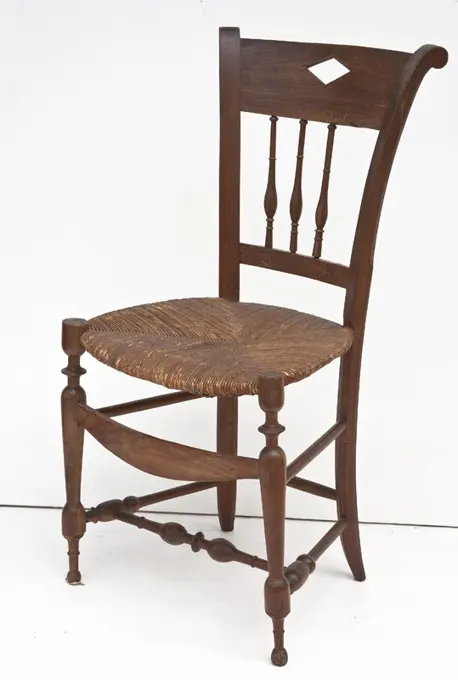
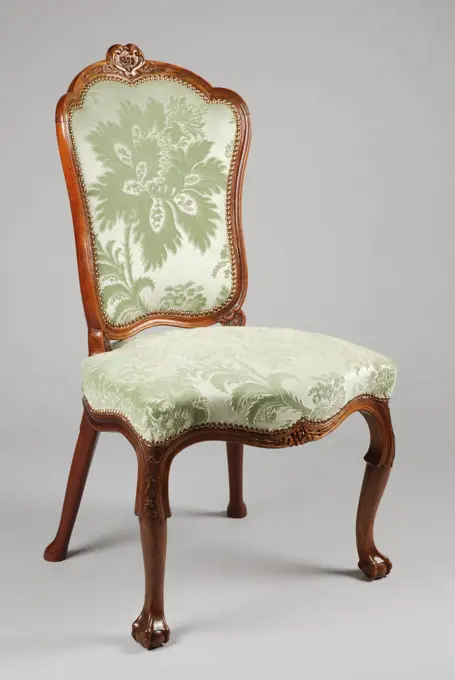
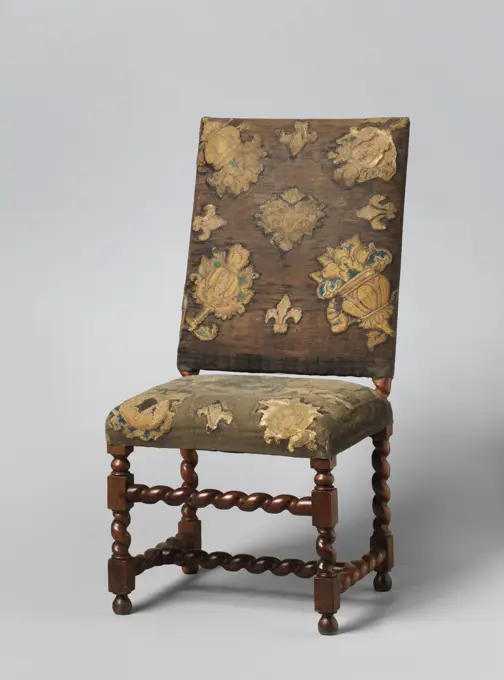
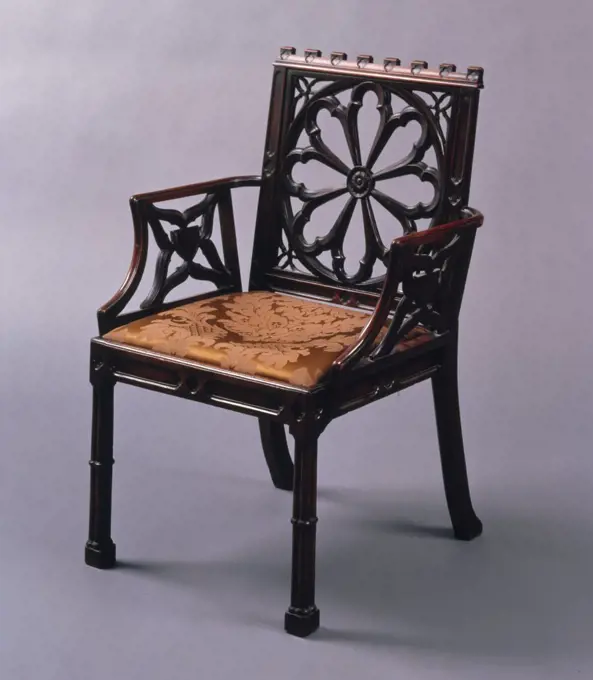
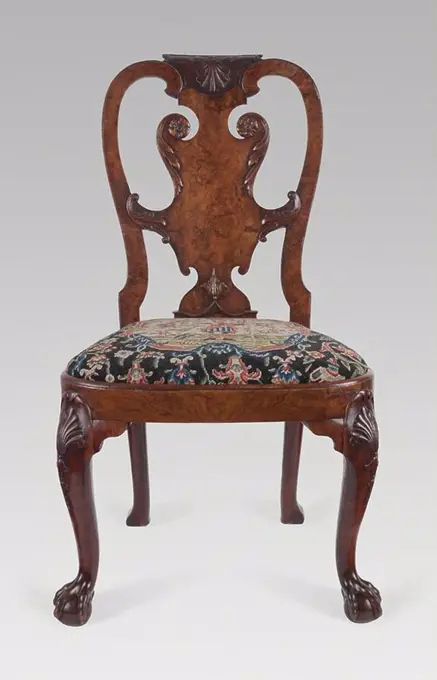
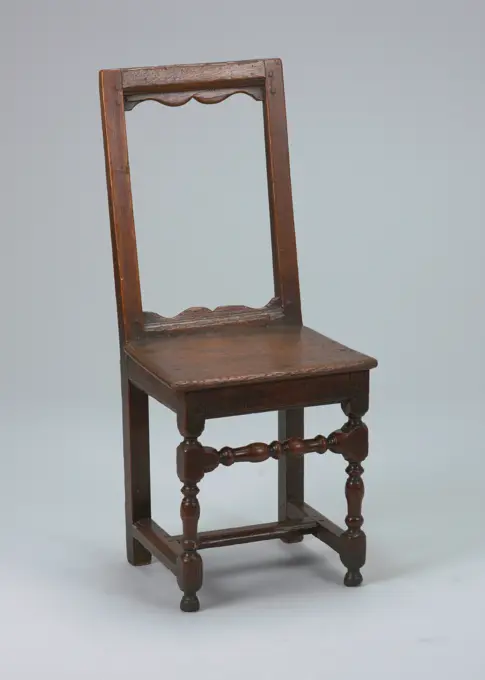
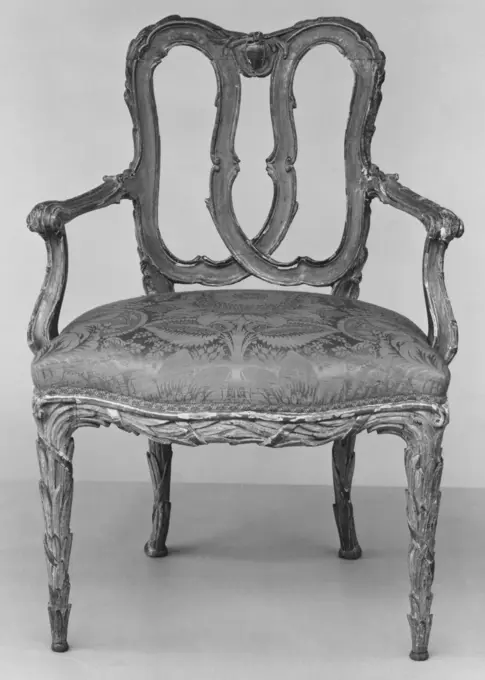
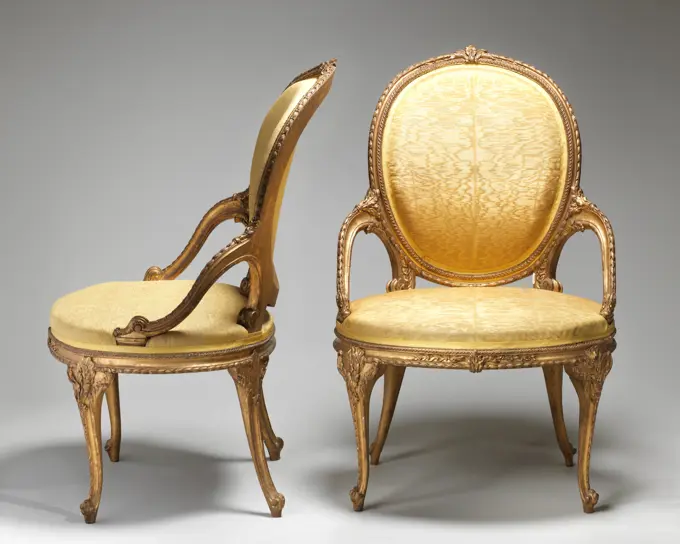
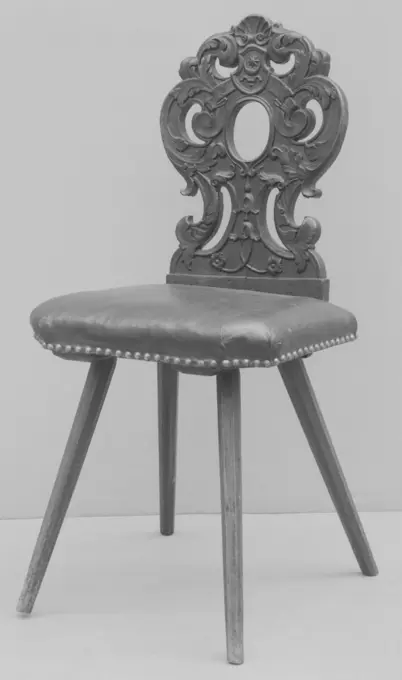
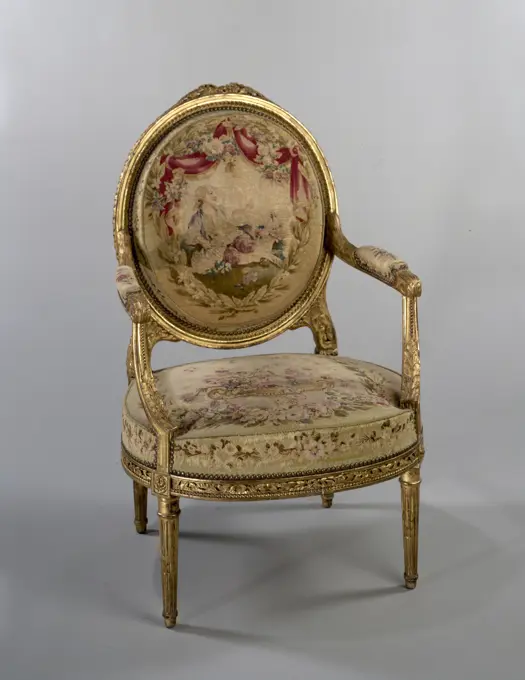
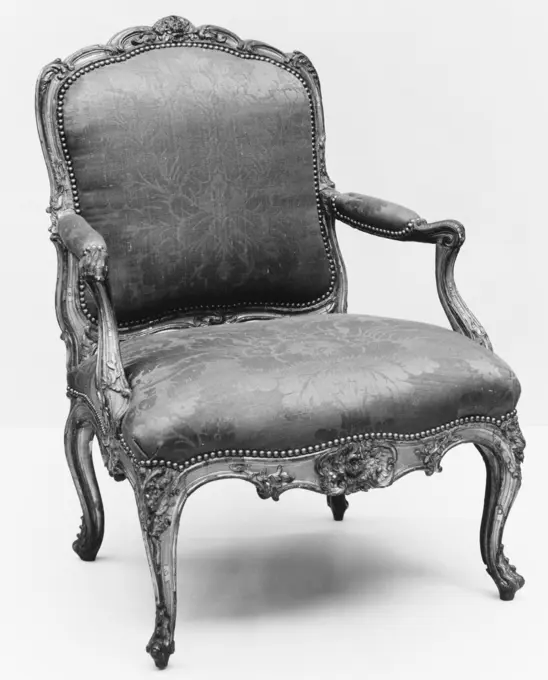
An array of intricately designed wooden chairs from various periods, highlighting craftsmanship with unique features, textures, and upholstery.

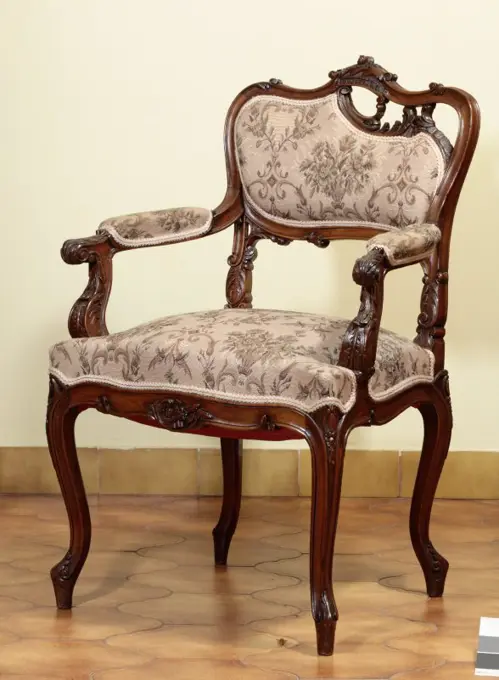
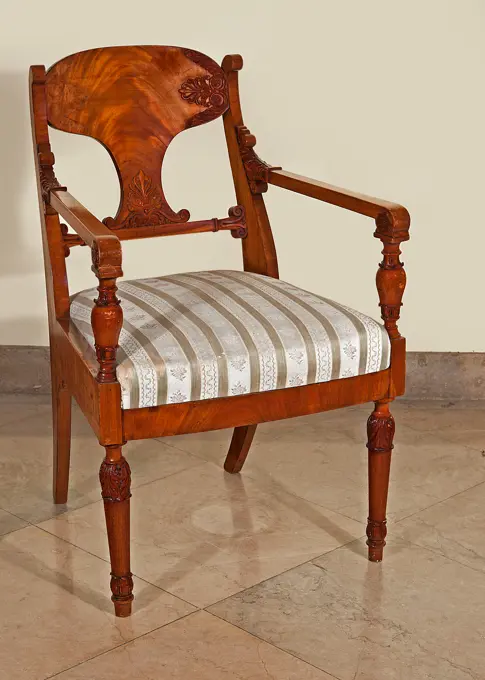
Old Viennese Armchair Old wooden Viennese armchair on an isolated studio background Copyright: xZoonar.com/AndreyxSkatx 8602098
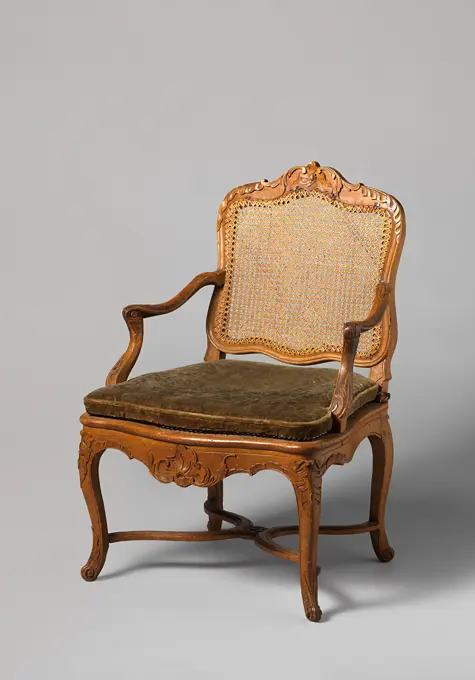
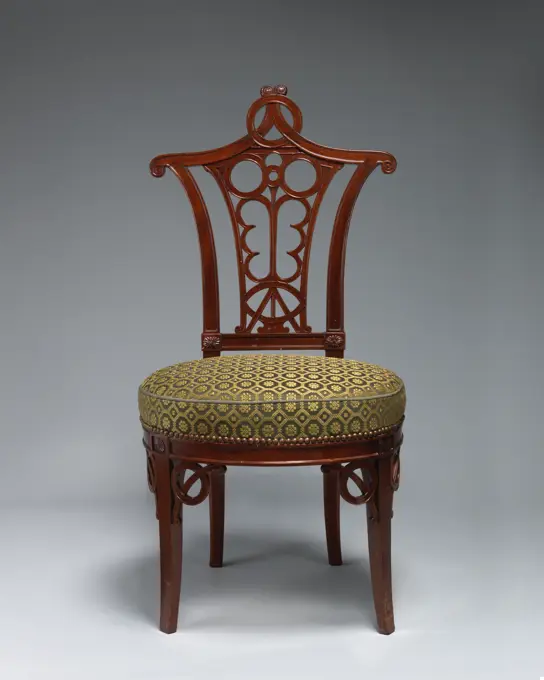
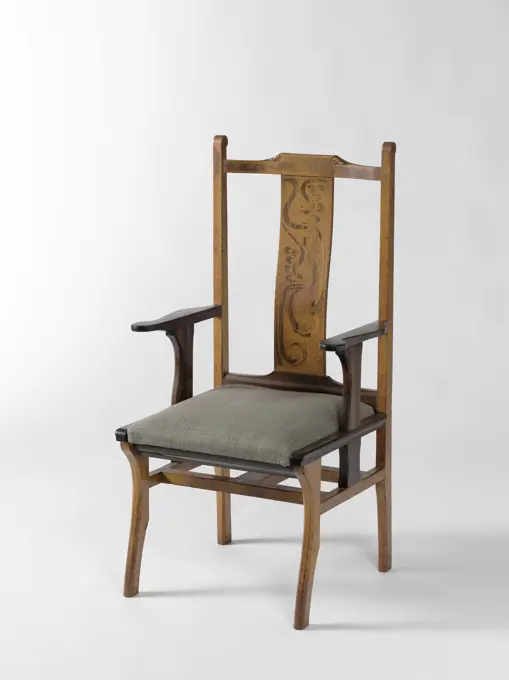
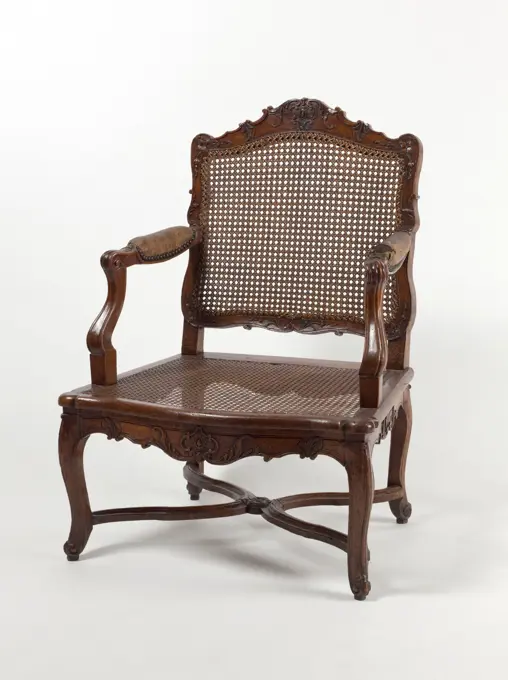
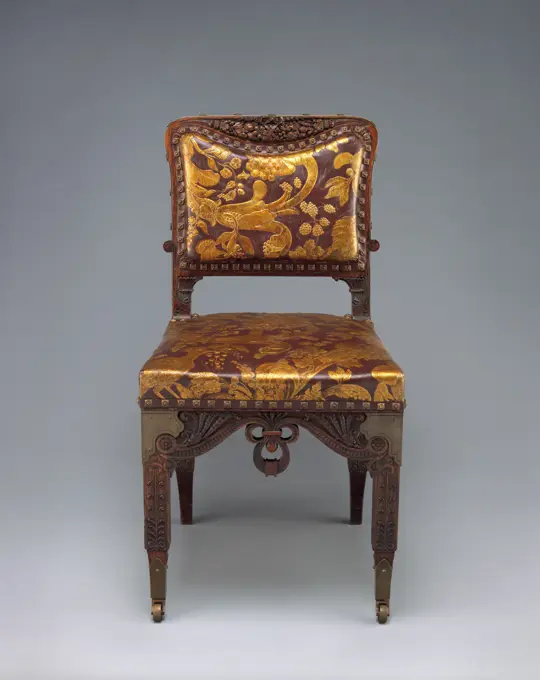
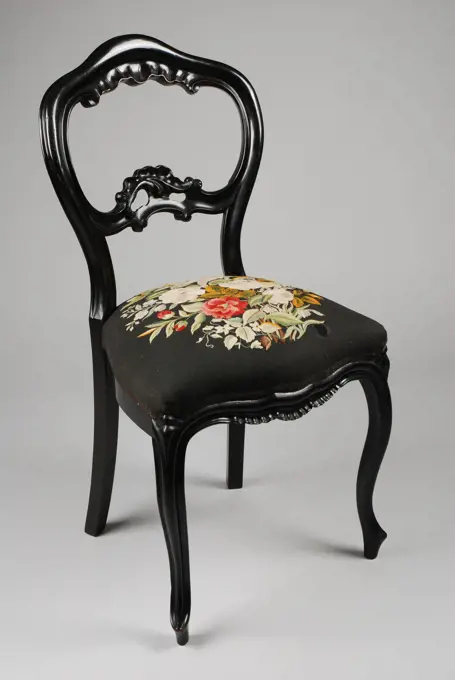
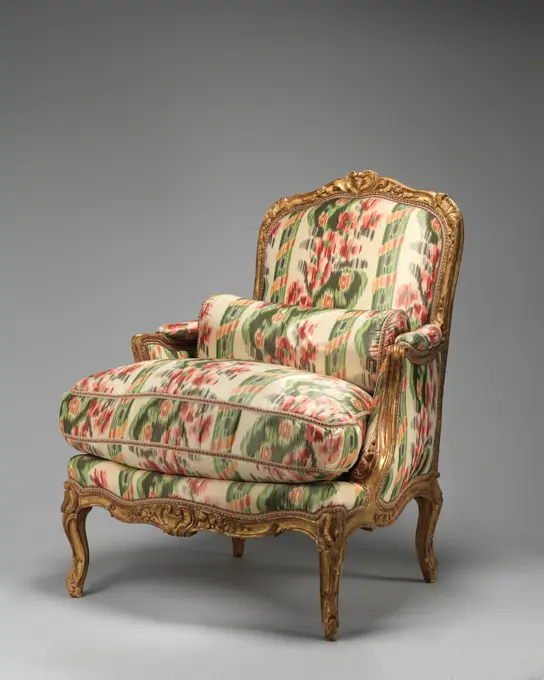
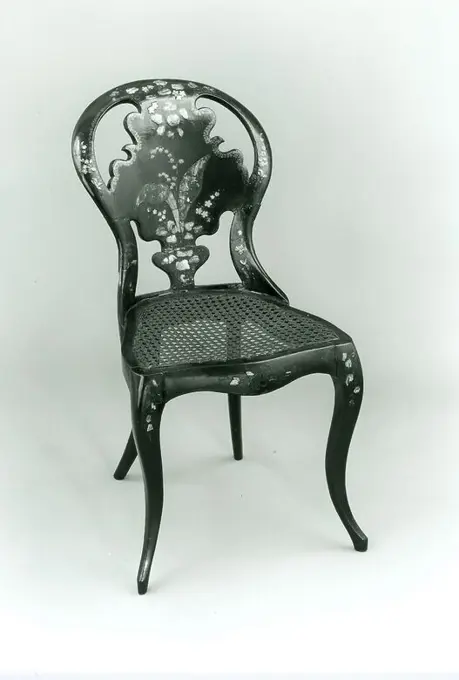
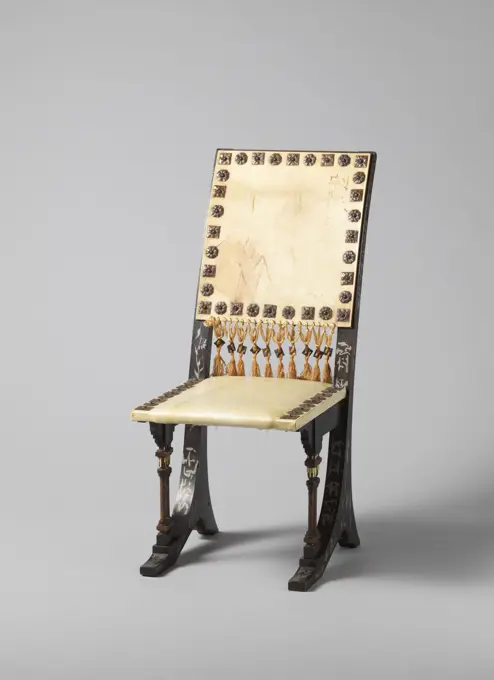
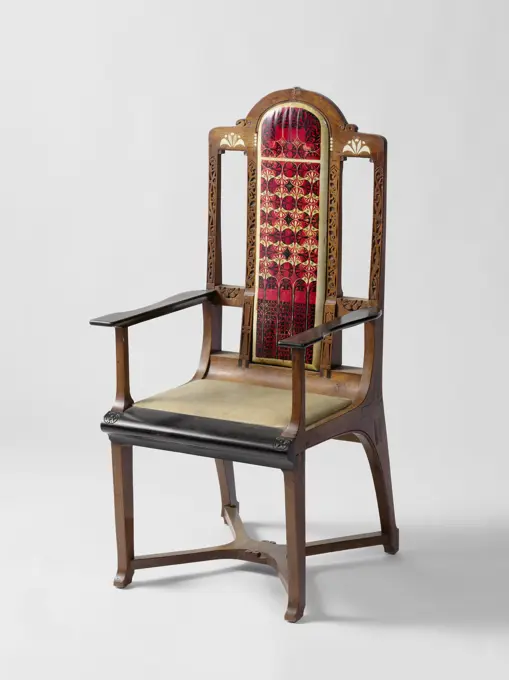
. This armchair was made in China after a model that was popular in England at the end of the 18th century. The Chinese furniture-maker probably relied on a print as his source of inspiration. It was commissioned by Van Braam Houckgeest, whose initials are on the back of the chair.Chair (Netherlands); fruit wood and elmSide Chair (England); satinwood with painted decoration, ivory, caned seatArmstoel, anonymous, 1725 - 1750 Arm chair made of brown lacquered beech wood, with reeds stretched. The S-shaped legs, connected by a flung X-shaped cross, turn into the seating rules. Various components wear stabbed decorations. The trapezoidal sitting window is sculpted at the front and arched on the sides. The armrest tuts are placed backwards and cross-in the outward-facing armrests, ending in a volute. The stupid back window, scumbed at the top and bottom, has stretched S-shaped styles. France wood (plant material). beech (wood). leather Arm chair made of brown lacquered beech wood, with reeds stretched. The S-shaped legs, connected by a flung X-shaped cross, turn into the seating rules. Various components wear stabbed decorations. The trapezoidal sitting window is sculpted at the front and arched on the sides. The armrest tuts are placed backwards and cross-in the outward-facing armrests, ending in a volute. The stupid back window, scumbed at the top and bottom, has stretched S-Arm chair covered with red Trijp, Pierre Joseph Hubert Cuypers, 1860 Arm chair in light gothic style, covered with red trijp. NOTE: Original upholstery: Green Trijp. Roermond oak (wood) Arm chair in light gothic style, covered with red trijp. NOTE: Original upholstery: Green Trijp. Roermond oak (wood)Armchair of nut and beech wood with S-shaped overhoeks places placed; X-shaped cross with rosette; Sliced flower and leaf motifs, back and seat of reeds, with loose cushion. Motor chair from nut and beech wood (Ameublement) with S-shaped overhoeks places placed, connected by a swapped X-shaped cross with rosette. Rules and sills and legs are decorated with sliced flower and leaf motifs. Back and seat of braided reeds. Loose kisses from green shaved tripe (modern). See also: BK-16852-A T / M C.Four chairs. The shape of these chairs was common in the Neo-classical period in the Netherlands. At that time, it was usual for the decoration to be carved on the chair. In the case of these four chairs, however, the decora-tion is carried out in marquetry. This suggests that they were not made by a chairmaker, but rather by a cabinetmaker, who usually made cabinets, com-modes and other such furniture.Openwork side chair (one of a pair) ca. 1785-90 Georges Jacob Although French styles influenced the arts of other European countries, these unusual chairs illustrate that foreign fashions also had an impact in France. The openwork back splat and brackets between the legs clearly show an interest in the anglo-chinese style propagated by the British architect William Chambers in the third quarter of the eighteenth century. The duc de Penthièvre to whom Georges Jacob supplied this seat furniture, must have had a penchant for this style: in 1785 he acquired the chteau de Chanteloup where the duc de Choiseul, the previous owner, had created Chinese gardens and built a pagoda.. Openwork side chair (one of a pair). French, Paris. ca. 1785-90. Mahogany, modern horsehair upholstery. Woodwork-FurnitureChair. unknown, authorOld Viennese Armchair Old wooden Viennese armchair on an isolated studio background Copyright: xZoonar.com/AndreyxSkatx 8602098Side chair, one of a pair, c. 1710, 32 1/2 x 21 1/2 x 18in. (82.6 x 54.6 x 45.7cm), Walnut, England, 18th centuryFurniture, Anonymous, 1700 - 1750 Chair of Notenhout, first half of the 18th century, embroidered seat, wicker braided back. Legs connected by scaly piece. Rotten from above. Quite a lot of cutting. Northern Netherlands walnut (hardwood). elm (wood). Chair of Notenhout, first half of the 18th century, embroidered seat, wicker braided back. Legs connected by scaly piece. Rotten from above. Quite a lot of cutting. Northern Netherlands walnut (hardwood). elm (wood).Arm chair with a vertical leaf with abstract decoration in the open backrest, art dealership E.J. van Wisselingh, c. 1910 Arm chair of oak, beech and coromandel wood with a vertical leaf with abstract decoration in the open backrest. Modern upholstery. Amsterdam oak (wood). beech (wood). textile materials Arm chair of oak, beech and coromandel wood with a vertical leaf with abstract decoration in the open backrest. Modern upholstery. Amsterdam oak (wood). beech (wood). textile materialsChair;  1850-1860 (1850-00-00-1860-00-00);Armchair of nut and beech wood with S-shaped overhoeks places placed; X-shaped cross with rosette; Sliced flower and leafwork, back and sitting of reeds, with loose pillow. Low-knit of nut and beech wood (Ameublement) with S-shaped overhoeks places placed, connected by a roared X-shaped cross with rosette. Rules and sills and legs are decorated with sliced flower and leaf motifs. Back and seat of braided reeds. Loose cushion of green shaved triap (modern). See also: BK-16852-A, C, D.Anonymous. Armchair. Natural wood, cane, leather, 1701. Paris, Carnavalet museum. 77641-6 Natural wood, leather, Louis XIV time, armchair, marker, furniture, Louis XIV style, seat, 18th century, cane, furnitureSide Chair, c. 1770. America, Pennsylvania, Philadelphia, 18th century. Mahogany; overall: 97 x 60 x 56.9 cm (38 3/16 x 23 5/8 x 22 3/8 in.).Side Chair. Dated: 1937. Dimensions: overall: 30.1 x 22.5 cm (11 7/8 x 8 7/8 in.) Original IAD Object: 47"high; seat 14"deep; width at seat front, 18 1/2. Seat 18"high. Medium: watercolor, colored pencil, and gouache on paperboard. Museum: National Gallery of Art, Washington DC. Author: Louis Annino.Armchair. Armchair of painted indonesian wood with wicker diamond-shaped seat, resting on overhoeks placed s-shaped legs, connected by an X-shaped cross and ending in upbrushing claws. Above the swellings a standing acanthus sheet. The chairman is decorated with acanthus drinks. The corner styles, back style and the cross have twisted sections with houses. Between the styles of the back, a wide-sacrificed middle coaster is arranged, decorated with seedill motifs and a crown. See: BK-16025-b.Chair. unknown, authorArmchair. unknown, authorMahogany rococo chair, chair furniture furniture interior design wood mahogany velvet, Seat and backrest covered with light green velvet decorated with carving flowers cogwheels Rotterdam City Triangle Hoogstraat North Oude Noorden Gerard Scholtenstraat Heilige Geesthuis Oudemannenhuis Oude mannenhuis Heiligegeesthuis rococo Object was until 1972 part of the inventory of the Heiligegeesthuis at the Gerard Scholtenstraat From 1898 to 1972 the 'Heiligegeesthuis' was located in this building.Furniture, Anonymous, 1650 - 1700 Chair of walnut, covered with black velvet and cracking tie risles. The furniture has flung legs, which are connected by an H-shaped cross and an upper sport, all also hurled. The tapisserie decoration on the upholstery shows flowers and lilies in green, salmon color, liver color and blue. The lining of the backs is yellow damask. The canals are old. One chair from a series of six (inv.no. BK-KOG-1797-A to -F). Northern Netherlands wood (plant material). walnut (hardwood). velvet (fabric weave) tapestry / damask Chair of walnut, covered with black velvet and cracking tie risles. The furniture has flung legs, which are connected by an H-shaped cross and an upper sport, all also hurled. The tapisserie decoration on the upholstery shows flowers and lilies in green, salmon color, liver color and blue. The lining of the backs is yellow damask. The canals are old. One chair from a series of six (inv.no. BK-KOG-1797-A to -F). Northern Netherlands wood (plant Armchair. Dated: 1936. Dimensions: overall: 28.7 x 22.8 cm (11 5/16 x 9 in.) Original IAD Object: 37"high, 24"wide, 19"deep. Medium: watercolor, graphite, colored pencil, and some heightening on paper. Museum: National Gallery of Art, Washington DC. Author: Lorenz Rothkranz.George III Mahgany Gothic Open Armchair in the manner of Robert Manwaring Antiques Christie's, London Child's Armchair. American. Date: 1690-1710. Dimensions: 59.1 × 37.5 × 24.1 cm (23 1/4 × 14 3/4 × 9 1/2 in.). Maple. Origin: United States. Museum: The Chicago Art Institute, Chicago, USA.Pair of side chairs. Culture: Dutch. Dimensions: Each: H. 54-3/4 x W. 22-1/2 x D. 19 in. (139.1 x 57.1 x 48.3 cm). Date: ca. 1700. Museum: Metropolitan Museum of Art, New York, USA.Chair covered with golden yellow velvet, anonymous, c. 1600 - c. 1650 Cherry wood chair. The furniture is covered with golden yellow velvet and tranquility on legs, which show house and section and are connected by eight sports, the top of which have four offices, the lower four on the underside are accolade -shaped. The backstyles are decorated with cherub heads at the top. Northern Netherlands wood (plant material). cherry (wood). velvet (fabric weave) Cherry wood chair. The furniture is covered with golden yellow velvet and tranquility on legs, which show house and section and are connected by eight sports, the top of which have four offices, the lower four on the underside are accolade -shaped. The backstyles are decorated with cherub heads at the top. Northern Netherlands wood (plant material). cherry (wood). velvet (fabric weave)Side Chair (England); walnut with walnut veneer on poplar seat railSide Chair. Giles Grendey (English, 1693-1780); London, England. Date: 1735-1745. Dimensions: 97 × 52.1 × 45.7 cm (38 3/16 × 20 1/2 × 18 in.). Walnut and 18th-century replacement upholstery. Origin: England. Museum: The Chicago Art Institute, Chicago, USA.Side Chair (France); wood (oak)Beukenhout chair, painted with chinoiseries in gold on a black surface., Anonymous, 1700 - 1725 Beech wood chair, painted with chinoiseries in gold on a black surface. High openwork backrest; The front legs are bent and end horseshoe. Loose seat of leather, also decorated with ornament in gold. England wood (plant material). beech (wood). teak (wood). leather Beech wood chair, painted with chinoiseries in gold on a black surface. High openwork backrest; The front legs are bent and end horseshoe. Loose seat of leather, also decorated with ornament in gold. England wood (plant material). beech (wood). teak (wood). leatherArmchair third quarter 18th century Italian The interlaced scrolls that form the back of these chairs were a popular feature of eighteenth-century Venetian seating furniture.. Armchair 232239Canapé in Neo-Rococo style of Djatihout and with reeds stretched seat and backrests, Anonymous, 1825-1849 Canapé of Djatihout, the seat and the three backrests stretch with reeds. In Neo-Rococo style, with S-shaped bent fored with leaf motifs and a scalloped pre-line, cut with a shell in the midst of leaf motifs. Strongly bent out, the arms built up from two volutes, made up of three openwork handrails, a lying oval flanked by two pear -shaped, resting on volute -shaped struts, connected by volutes and crowned with flowers in the midst of leaf fillets. Indonesia wood (plant material). Canapé of Djatihout, the seat and the three backrests stretch with reeds. In Neo-Rococo style, with S-shaped bent fored with leaf motifs and a scalloped pre-line, cut with a shell in the midst of leaf motifs. Strongly bent out, the arms built up from two volutes, made up of three openwork handrails, a lying oval flanked by two pear -shaped, resting on volute -shaped struts, connected by volutes and crowneSide chair 1879-82 Herter Brothers This is one of several side chairs known to survive from the dining room Christian Herter designed for William H. Vanderbilt's (1821-1885) house at 640 Fifth Avenue, New York. An iconography of bounty governed the room, drawn from Renaissance precedents as was popular during the period. The lush swag of flowers, nuts, and berries sculpted on the chairs crest rail was one of several such motifs unifying the rooms carved oak furnishings and paneling: contemporary photographs show that on either side of the built-in buffet pairs of plump putti held similar swags aloft. The legs and stretchers, however, bear no relationship to European precedents and distinguish this chair as one of Herter's most original designs. The stretcher is a complex composition of interlocking parts held in taut balance by equal forces of vertical and horizontal tension. A pendant bow-shaped loop is connected to a pair of square rings mounted on a rod, which is braced against thChair Retro black chair isolated with clipping path included Copyright: xZoonar.com/Baloncicix 7323590Side Chair. Culture: American. Dimensions: 32 3/4 x 17 5/16 x 18 3/16 in. (83.2 x 44 x 46.2 cm). Maker: Possibly from the Workshop of Duncan Phyfe (1770-1854); Duncan Phyfe & Sons (1837-1840, active New York). Date: ca. 1830.As craftsmen transitioned from the Early to the Late Grecian style (the latter is also referred to as the Grecian Plain Style), they began to incorporate more curvilinear shapes and new motifs. With a scrolled stay rail and an inverted lotus-shaped splat, this design is more abstract than the clearly delineated lyre-back chair attributed to Phyfe (65.188.2). This example is thought to come from Phyfe's shop based on the quality of the workmanship and a close stylistic connection to a set of chairs manufactured for Phyfe's daughter, Eliza Phyfe Vail (1801-1890). Museum: Metropolitan Museum of Art, New York, USA.Chair. unknown, creatorArmchair c 1680-1710 Connecticut. Ash or maple . Artist unknownWalnut baroque armchair, armchair chair seating furniture furniture interior design wood walnut textile, Modern embroided upholstery with fans in red gray and black spun down legs styles and lines armrests with volutes baroqueArmchair. unknown, authorPiano chair of rosewood lined with red velour. Piano chair of rosewood lined with red velour. The chair has a brand M.Side Chair. Culture: Bermudian, possibly. Dimensions: 44 1/2 x 18 x 15 in. (113 x 45.7 x 38.1 cm). Date: 1700-1725. Museum: Metropolitan Museum of Art, New York, USA.Side chair (Chaise à la reine) (part of a set) 1786-87 Jean Baptiste Boulard Various games of cards and chance, such as lansquenet, faro, quadrille, piquet, and cavagnole, had long been popular entertainment at the French court, where the stakes were high and entire fortunes could be won or lost at the gaming table. Reporting to Empress Maria Theresa on March 18, 1777, the Austrian diplomat Florimond-Claude de Mercy-Argenteau declared: "The gambling of the Queen grows more and more unrestrained. The public know that the identical games, strictly prohibited to them by the laws of Paris, are played nightly and to excess by the Queen."1 To accommodate all those who might wish to participate in the play, a large set of furniture consisting of thirty side chairs, six voyeuses, or spectators' chairs, and a fire screen was ordered on August 12, 1786, for Louis XVI's Salon des Jeux (Gaming Room) at the Chateau de Fontainebleau. A label pasted underneath the seats of the Museum's three chairsSideChairChair. unknown, creatorArm chair on overhoeks placed front legs in the form of broken S-Voluten, decorated with acanthus leaf. Back window resting on struts with rosettes, anonymous, c. 1695 - c. 1705 Armchair of walnut. The furniture is covered and rests on overhoeks placed front legs in the form of broken S-Voluten, decorated with acanthus leaf. The legs are connected by an X-shaped cross, also with broken S-Voluten and Acanthus leaf. The armrest stars are S-shaped; The armrests are slightly walked and end in a volute with Acanthus leaf. The high back window rests on struts with rosettes. Netherlands (possibly) wood (plant material). walnut (hardwood) Armchair of walnut. The furniture is covered and rests on overhoeks placed front legs in the form of broken S-Voluten, decorated with acanthus leaf. The legs are connected by an X-shaped cross, also with broken S-Voluten and Acanthus leaf. The armrest stars are S-shaped; The armrests are slightly walked and end in a volute with Acanthus leaf. The high back wiArmchair. Culture: French. Dimensions: 47 1/2 × 26 3/4 × 20 7/8 in. (120.7 × 67.9 × 53 cm). Date: late 17th century. Museum: Metropolitan Museum of Art, New York, USA.Armchair (bergère). Culture: French. Dimensions: Overall: 37 3/8 × 29 1/2 × 27 1/2 in. (94.9 × 74.9 × 69.9 cm). Date: 18th century. Museum: Metropolitan Museum of Art, New York, USA.Chippendal chair (attributed title). Carved wood. House of Victor Hugo - Hauteville House.Armchair. Luigi Frullini; Italian, 1839-1897; Florence, Italy. Date: 1876. Dimensions: 88.9 × 93.9 cm (35 × 37 in.). Walnut and cut velvet upholstery. Origin: Florence. Museum: The Chicago Art Institute, Chicago, USA.Egyptian Chair, 1857. Designer: William Holman Hunt. Manufacturer: J G Craceantique armchair made of cherry wood from the biedermeier time antique armchair made of cherry wood from the biedermeier time Copyright: xZoonar.com/BorisxZerwannx 7005863Pair of armchairs (part of a set) ca. 1770-80 British These are from a set of two armchairs, two window stools, and a settee in the French taste supplied to Edward Morant for Brockenhurst Park, Hampshire.. Pair of armchairs (part of a set). British. ca. 1770-80. Carved and gilt beech, moiré silk not original to the frames. Woodwork-Furniture. Almost all the chairs produced in France were made of painted or gilded wood. This one, however, is different. It is a rare example of a chair veneered with tropical woods and ornamented with gilt-bronze mounts. Its style is entirely in keeping with that of the desk on view next to it.Windsor Chair. Dated: 1936. Dimensions: overall: 35.5 x 26 cm (14 x 10 1/4 in.) Original IAD Object: none given. Medium: watercolor, gouache, colored pencil, and graphite on paper.. Museum: National Gallery of Art, Washington DC. Author: Dana Bartlett.Chair ca. 1740 Swiss. Chair. Swiss. ca. 1740. Walnut (back), pine (seat), oak (front legs), walnut (back legs). Woodwork-FurnitureSquare-back Sheraton side chair, one of a pair, c. 1790, 34 1/2 x 20 1/2 x 17 1/4in. (87.6 x 52.1 x 43.8cm), Mahogany, United States, 18th centuryArmchair. Culture: French. Dimensions: 46 1/2 × 26 5/8 × 22 in. (118.1 × 67.6 × 55.9 cm). Date: late 17th-early 18th century. Museum: Metropolitan Museum of Art, New York, USA.Chair with swans. Chair from a set of ten seats and four armchairs from partially solid and partly glued mahogany on moors wood core. Loose coated seats. The square hind legs deviate backwards. Nine chairs and an armchair have square, slightly rounded, front legs; The rest has rounded front legs. The stretched S-shaped backs have a sculpted intermediate rule with a palmet flanked by two degrees, with the biods of doubling swans. The flat filler-shaped armrests run high in the back.Three-legged chair late 16th-early 17th century British. Three-legged chair. British. late 16th-early 17th century. Ash with oak seat. Woodwork-FurnitureChair;  1835-1845 (1835-00-00-1845-00-00);Armchair of walnut with a lining of gros and petitpoint. Armchair (of a pair), with a lining of gros and petitpoit. The overhoeks placed stretched s-shaped legs finish in flat boxing hooves and carry decorations of sliced acanthus leaf on the swellings. The same motive occurs on the S-shaped curved armrest tricks, which supports the faint arched armrests, ending in a volute. Trapezoidal sitting room. The upholstery shows birds and a men's and women's figure. See: BK-1955-43-B; Modern chairs.Side chair, c. 1810, attributed to Duncan Phyfe, 33 x 19 x 21 1/4 in. (83.82 x 48.26 x 53.98 cm), Mahogany, United States, 19th centuryArmchair (France); parcel-gilt mahogany; yellow silk/cotton (present upholstery)Hospital (bud chair) with armrests of hardwood with smooth turned styles and cross rules, front legs and rear styles ending in finely turned buttons. Sick chair; The chair itself a knob chair with armrests made of hardwood with smooth turned styles and transverse rules, front legs and rear styles ending in finely twisted buttons; sloping backwards with four flat cross sports; Flat armrests ending in thickening, resting on baluster-shaped strut. Seat of braided piping, turned on top, under duty. Seat, back, armrests and front completely covered with a padded cushion deck of waltacht (moiré) red silk, deposited with passement with brushes of yellow and red silk; The deck (excluding the patch of the front) is filled with feather shafts and polygoted with red-knotted corded cords on the front. The kisseneck is secured to the chair with yellow thin strict straps around the legs, seat and buttons.Armchair. unknown, creatorAnonymous. Headquarters at the carved and golden wood queen, Beauvais tapestry (overview on a light background), 19th century. Paris, Cognacq-Jay museum. Bois sculpte, countryside, gilding, armchair, seated man, Beauvais manufacture, furniture, queen seat, tapestry, 19th century, furnitureSide chair, wood, poplar (), Chair has an open rectangular back. Upper panel is pierced and carved with perspective view of avenue of poplars leading to an arch. Moulded seat rails receive slip seat. Front legs are straight, flat, square, and tapered. Two transverse and two longitudinal stretchers., Lombardy, Italy, ca. 1810, furniture, Decorative Arts, Side chairSide Chair 1760-90 American. Side Chair. American. 1760-90. Mahogany, maple. Made in Massachusetts, United StatesSeat, belonging to an eleven-part am family. Chair, made from walnut, belonging to an eleven-part ambulance, consisting of a bank and ten seats. The seat of downtime with leaf and floral motifs in silk on linen grid, with a soft filling.Armchair (one of a pair) ca. 1689-1702 British. Armchair (one of a pair). British. ca. 1689-1702. Walnut, cane. Woodwork-FurnitureSide Chair. London. Date: 1690-1705. Dimensions: 134.9 × 56.2 cm (53 1/8 × 22 1/8 in.). Painted and gilded beechwood, modern upholstery. Origin: London. Museum: The Chicago Art Institute, Chicago, USA.Decorated for Christmas this stripped oak chair originally from a ChurchYokeback armchair 17th century China. Yokeback armchair. China. 17th century. Wood (huanghuali, Dalbergia odorifera). late Ming (1368-1644)-early Qing (1644-1911) dynasty. FurnitureArmchair ca. 1745-50 Louis I Cresson French. Armchair. French, Paris. ca. 1745-50. Carved and gilded wood; velvet upholstery. Woodwork-FurnitureArmchair. unknown, creatorChair. unknown, creatorSide Chair. Culture: American. Dimensions: 37 3/4 x 20 3/4 x 17 1/2 in. (95.9 x 52.7 x 44.5 cm). Maker: Léon Marcotte (1824-1887). Date: ca. 1860.This side chair is part of a suite of Louis XVI-style furniture that John Taylor Johnston (1820-1893) purchased from the firm of Ringuet-Leprince and L. Marcotte in about 1856. This international firm had showrooms in both Paris and New York, and it is believed that at least some of the pieces of the suite were made in Paris for the New York commission. Johnston, a railroad executive and the first president of The Metropolitan Museum of Art, used the furniture in the music room of his residence at 8 Fifth Avenue. The suite (68.69.1-68.69.11, 68.165.1-68.165.6) includes two sofas, two armchairs, a table, two matching cabinets, a third large cabinet, six matching side chairs, a pair of lyre-back side chairs, and a firescreen. After Ringuet-Leprince retired in 1860, the firm became known as L. Marcotte and Company. Léon Marcotte was New York's M Rosenshield von Paulin, Armchair, c 1937 ArmchairArmchair (fauteuil) second quarter 18th century French. Armchair (fauteuil) 194610. Arch chair from oak resting on four legs. The front and hind legs are interconnected by means of an H-shaped cross with pin and hole compounds, the pins of which are stitching through the legs. The slightened front legs run through in the arm struts. The armrests end on the front in a flat round shape that dies through the sliced lines as a curl. The sloping slinked back styles end up in bird cups and rest on the cross. The handrail rests on props at the session and these also serve as hind legs. The handrail is both above and under connected by an intermediate rule. The upper rule runs through the back stitches with pin and hole compounds and contains a carved star shape in the middle. Between the rules there is a panel that is coated with brown leather and is secured with copper nails. Below there is an open space. Both the seat and the armrests are coated with the same brown leather and is secured with copper nails.Handmade Arm Chair. Dated: c. 1937. Dimensions: overall: 37.3 x 28.4 cm (14 11/16 x 11 3/16 in.). Medium: watercolor, colored pencil, and graphite on paper. Museum: National Gallery of Art, Washington DC. Author: Wilbur M Rice.Hip-joint armchair (Dantesca type, associated with 1975.1.1976 a,b) 16th century, partly; late 19th or early 20th century Italian, American (United States). Hip-joint armchair (Dantesca type, associated with 1975.1.1976 a,b) 460609Side chair 1840-50 American. Side chair 1657Chair 1815-1820 Vienna. This chair is an elegant example of the style of furniture made during the quarter century following the end of the Napoleonic Wars in 1815. During this period it was thought that a citizenís principal duty was to live a quiet life the home became a sanctuary where domestic values and family-centered activities were elevated and cherished. These virtues were exemplified in the popular press by a comic fictional character whose name, Biedermeier, eventually came to identify the period and its art. Biedermeier style began in courtly and aristocratic circles before becoming popular with the newly prosperous middle classes.Made in Vienna of native walnut, this side chair was designed to be comfortable, durable, easily portable, and adaptable to a variety of uses. Designated design no. 89 in the archives of Joseph Danhauserís factory, Viennaís most famous and prolific furniture and furnishings factory of the era, it is an exercise in spare, flattened, curvilinear shaAnonymous (n. - d.), Armchair with high backrest, 1801. Wood and tapestry. Museum of Romantic Life.Fa. Johann Diedrich Schmidt & Co. en Cord Heinrich Schmidt, Straight neo-rococo chair, straight-seat chair furniture furniture interior design wood mahogany elmwood shellac textile, Black polished mahogany with black upholstery embroided with multicolored flowers on the hood and the front line rocailles and other rococo carvings Rotterdam City Center Cool Schiedamsesingel neorococo Supposedly delivered to the Polak-Rosenthal couple in front of their house Schiedamsesingel 143 Rotterdam.Armchair, anonymous, c. 1615 - c. 1625 Arm chair made of rosewood, decorated with ebony. The furniture is covered and rests on legs, which are connected by underpasses and wide, flat, sawn -out top sports with a rolling work pattern. The armrest stars are articulated vase. The armrests end in volutes with a fish -shaped sample and acanthus leaf. On the ionic capitals of the backstyles, lions are stuck as shield holders. The sports and houses are decorated with ebony. The green velvet upholstery is perhaps originally. Netherlands wood (plant material). rosewood (wood). ebony (wood). velvet (fabric weave). copper (metal). leather Arm chair made of rosewood, decorated with ebony. The furniture is covered and rests on legs, which are connected by underpasses and wide, flat, sawn -out top sports with a rolling work pattern. The armrest stars are articulated vase. The armrests end in volutes with a fish -shaped sample and acanthus leaf. On the ionic capitals of the backstyles, lions are stucArmchair (bergère à la Reine) (one of a pair) 18th century Jean-Baptiste I Tilliard The stamp Tilliard,” indicates that these armchairs were made by one of the important families of joiners or menuisiers working in Paris during the eighteenth century. Jean-Baptiste Tilliard I opened a furniture shop on rue de Cléry in 1730, which produced many pieces for the royal apartments at Versailles. When Tilliard I retired in 1764, his son Jacques-Jean-Baptiste Tilliard assumed control of the family workshop. The gilded beechwood frames are richly decorated with scrolls, floral sprays, acanthus leaves, and the for this workshop characteristic heart-shaped motifs on the crest rail and in the center of the sea trail. The backsides of the frames are incised indicating that these chairs were not meant to be placed against the wall but intended to be seen in the round.. Armchair (bergère à la Reine) (one of a pair). French. 18th century. Frame of beechwood carved and gilded; upholstered in ikat. WooWithouten renaissance chair, chair furniture furniture interior design wood without leather metal, Leather seat and backrest end backrest two lion heads renaissancebrown Royal Vintage retro style Chair with lampPapier-mché side chair. Culture: British (). Dimensions: H. 79.8 cm, W. 41.8 cm, D. 38 cm. Date: ca. 1830-60. Museum: Metropolitan Museum of Art, New York, USA.. Oak chair resting on four legs. The legs are interconnected by means of an H-shaped cross. The front legs have a sloping side on both the top and top. The hind legs continue in the back styles to the top. The backrest consists of a wide plush with a narrow rule below. There is an open space in between and below. The loose seat rests on four lines that connect the legs at the top. The seat is covered with green wool.Josephine Miller, Rocking Chair, 1942 Rocking ChairSide Chair. Culture: American. Dimensions: 37 x 21 x 18 in. (94 x 53.3 x 45.7 cm). Date: 1795-1810. Museum: Metropolitan Museum of Art, New York, USA.Armchair;  2. W. XVII century (around 1635) (1630-00-00-1640-00-00);Stadtholders chair. This chair was used by William IV when he presided over the Court of Justice in the Binnenhof at The Hague. The chairmaker Hutte and the woodcarver Van Dijck chose the most extreme Rococo style for this ceremonial chair. The back is crowned by the arms of Zeeland, Holland and West-Friesland and is embroidered with the stadtholders coat of arms.Chair, art nouveau, with parchment -covered back and seat., Carlo Bugatti, c. 1900  Italy parchment (animal material). pine (wood). walnut (hardwood). tin (metal). copper (metal). ivory. silk  Italy parchment (animal material). pine (wood). walnut (hardwood). tin (metal). copper (metal). ivory. silkArm chair, covered with batikt parchment, art dealership E.J. Van Wisselingh, 1904 Arm chair of oak and ebony, covered with batikt parchment. Amsterdam oak (wood). ebony (wood). parchment (animal material). ivory Arm chair of oak and ebony, covered with batikt parchment. Amsterdam oak (wood). ebony (wood). parchment (animal material). ivory