Classic Wooden Chairs

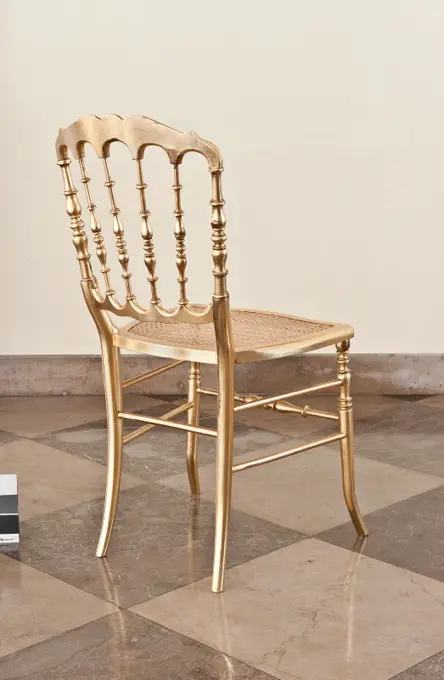
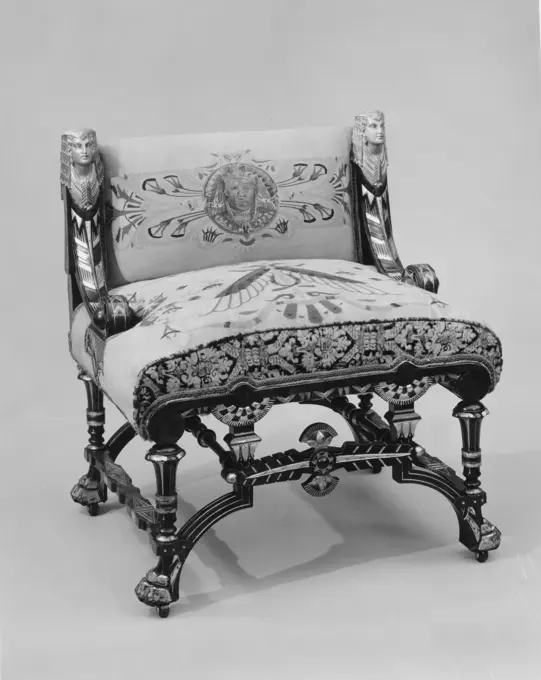
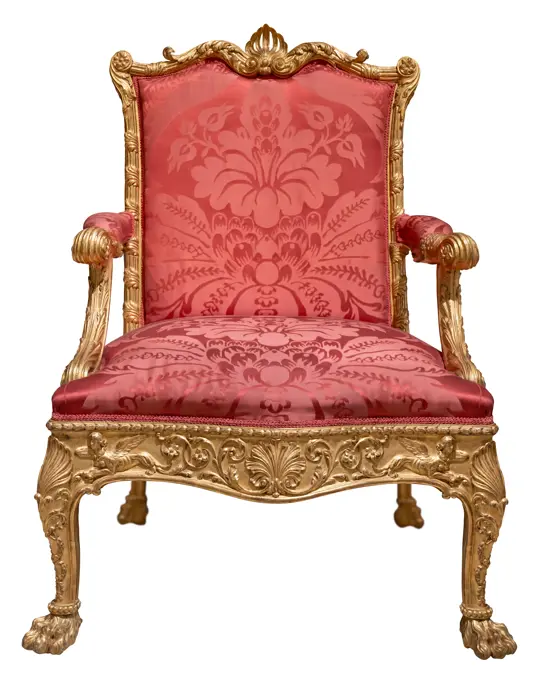
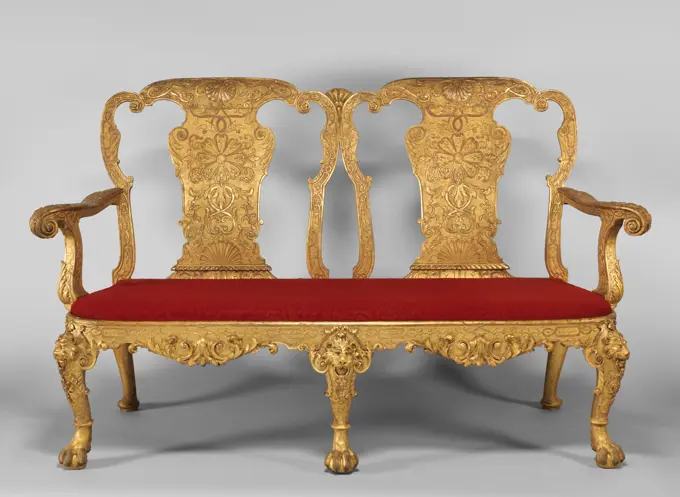
Stylish antique chairs featuring elegant woodwork and upholstery, highlighting craftsmanship from various historical periods.
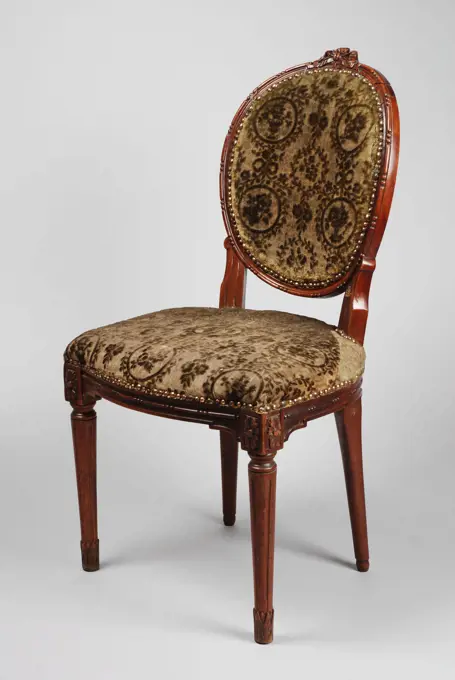
Mahogany Louis Seize medallion chair, medallion chair seat furniture furniture interior design wood mahogany velvet metal, With bow as crest and dark green ropes with medallions round rejuvenated legs with cannelures Louis XVI Louis XVI Louis Seize
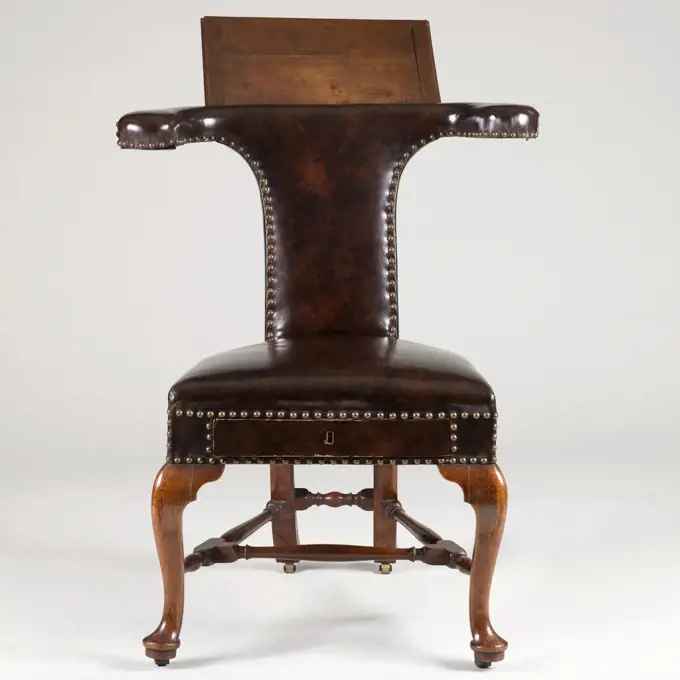
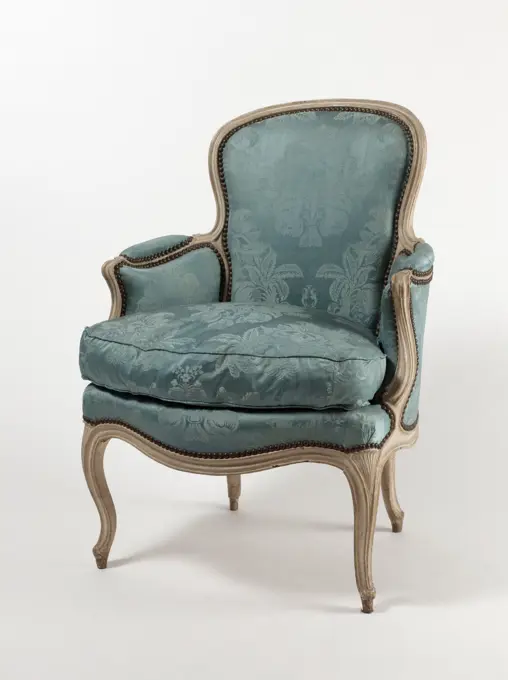
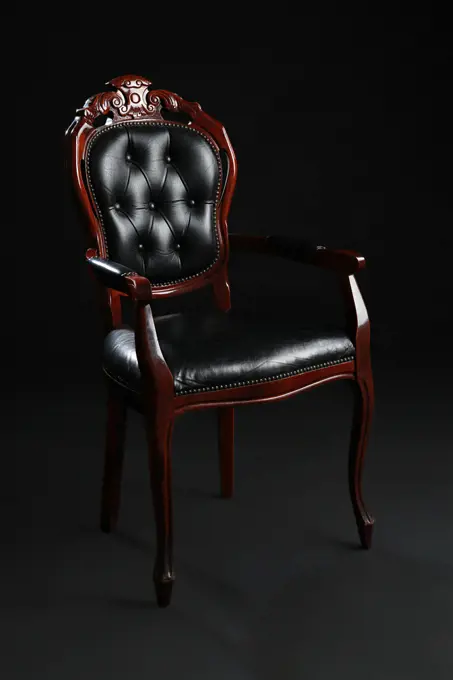
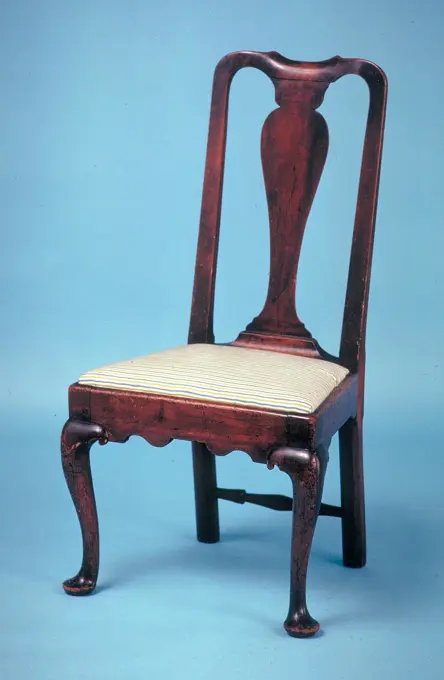
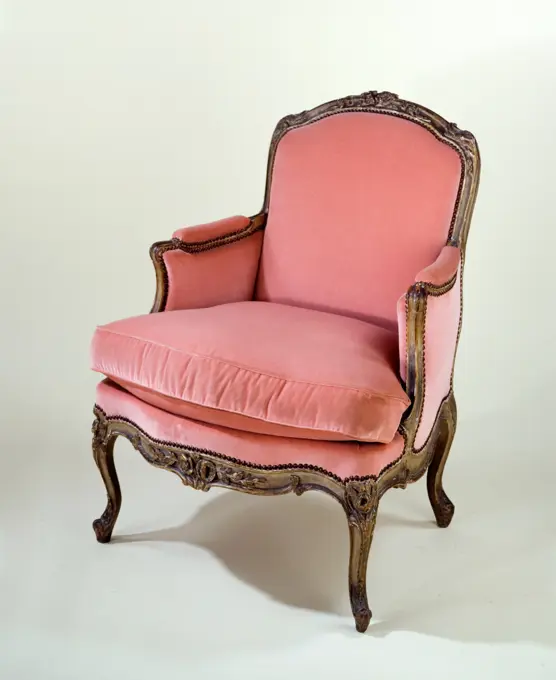
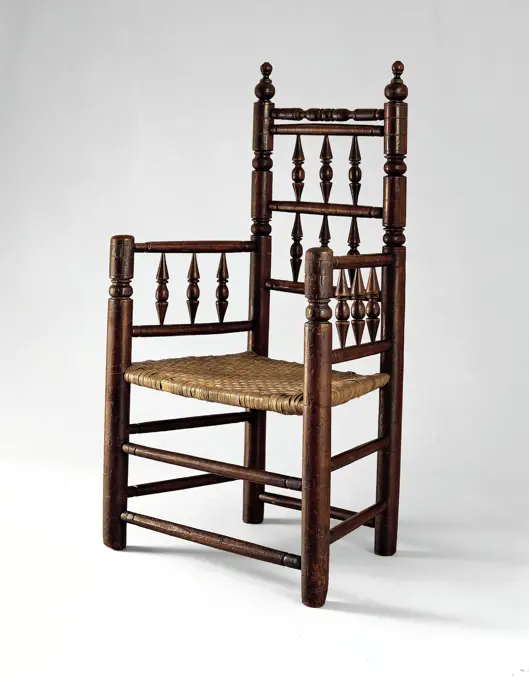
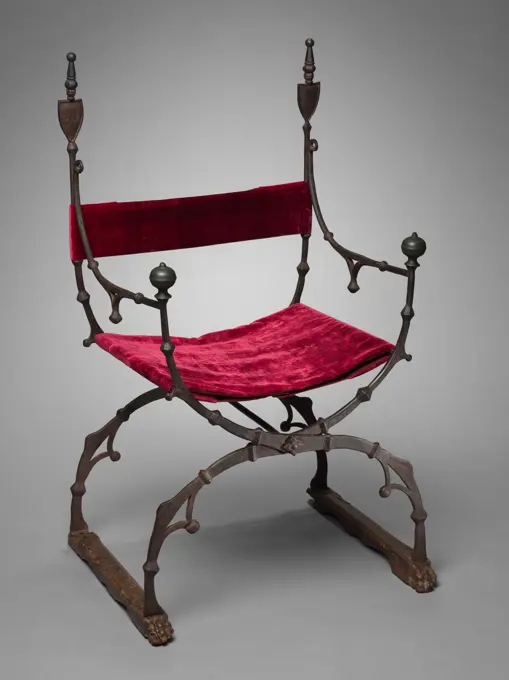
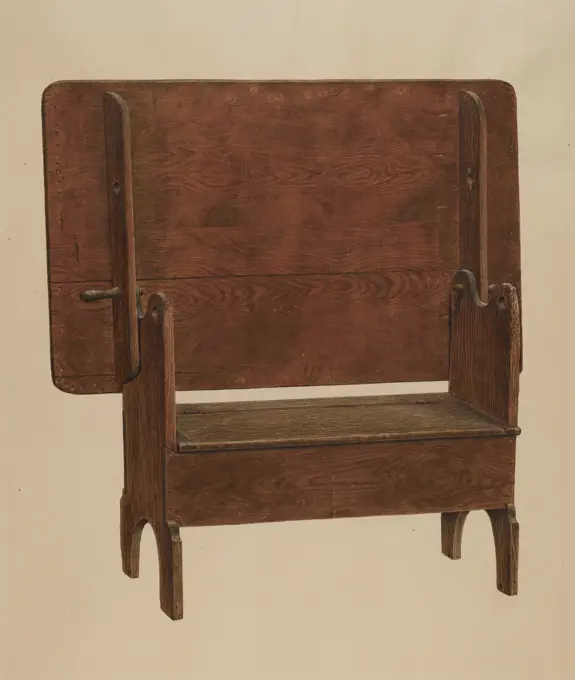
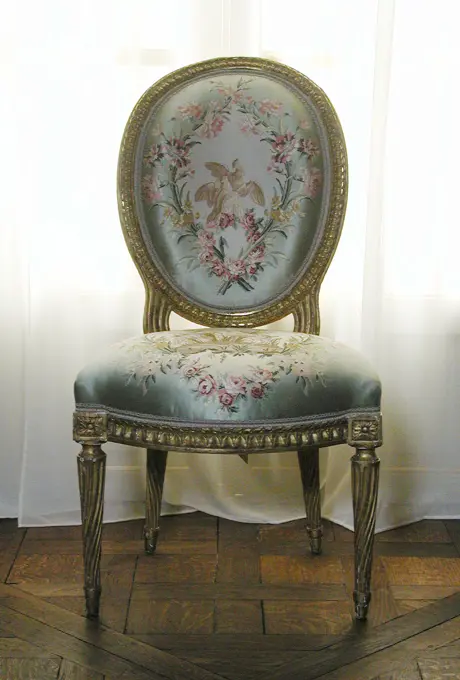
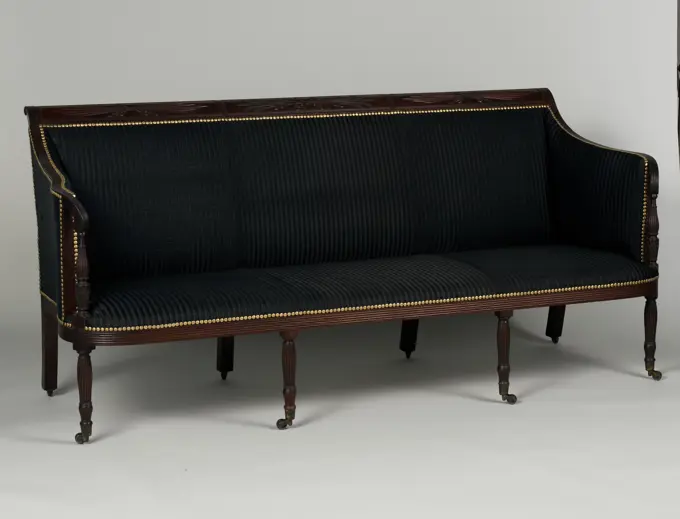
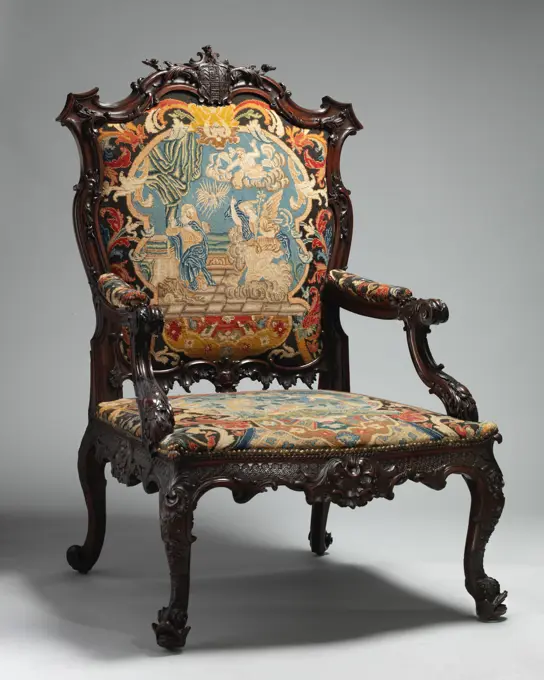
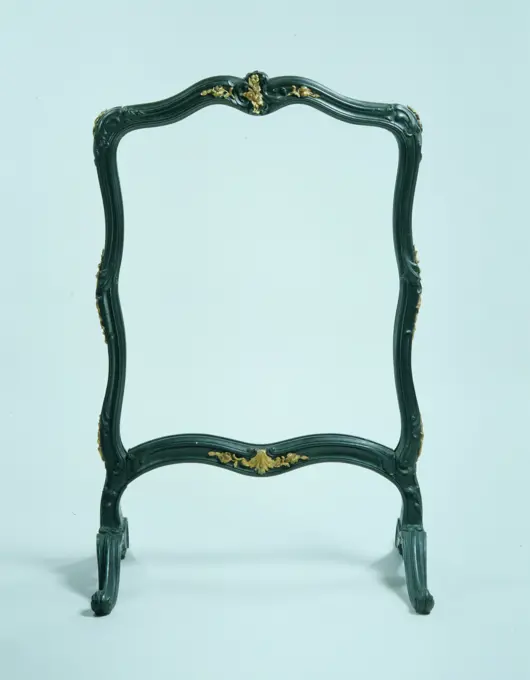
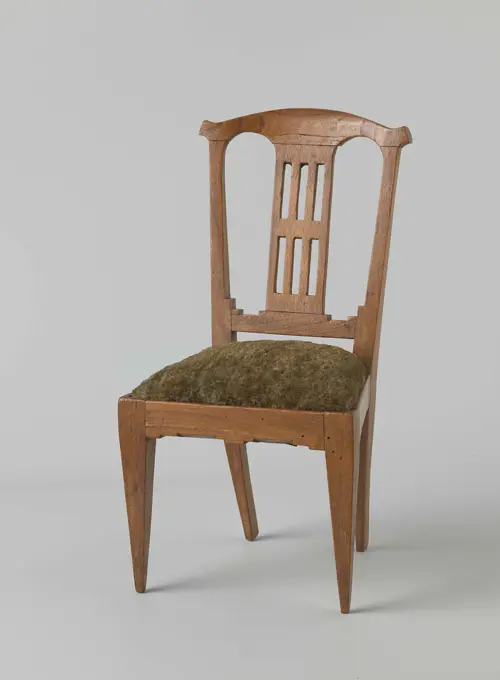
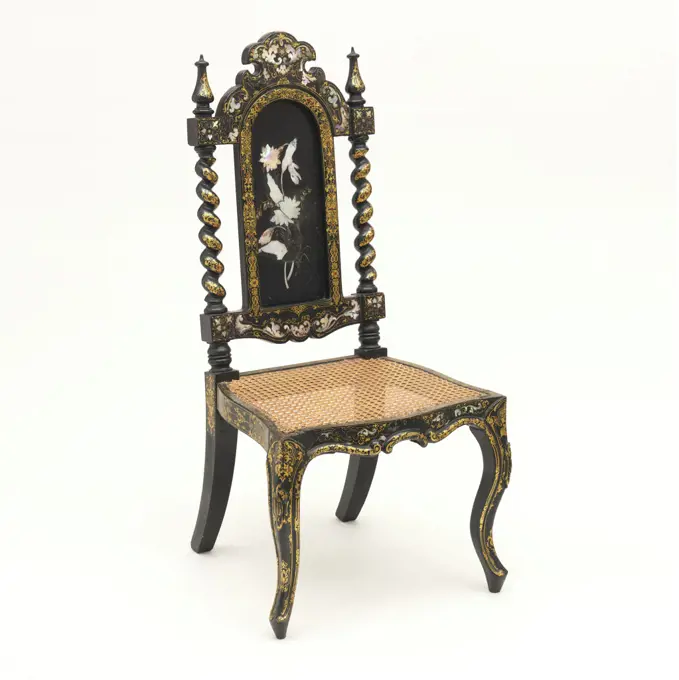
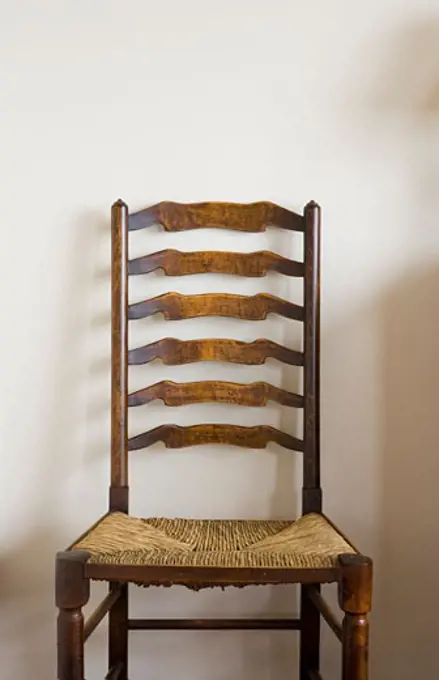
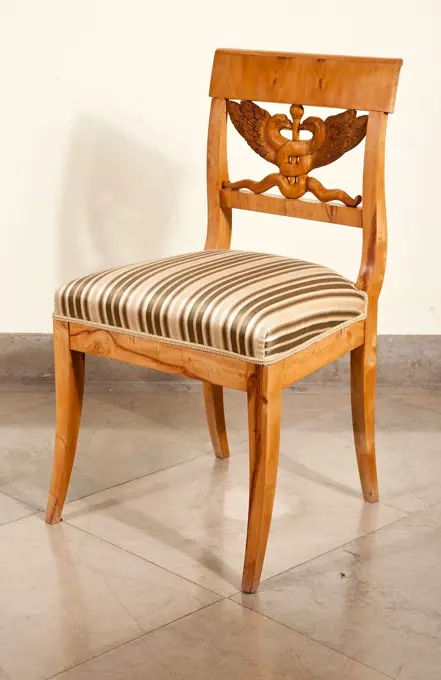
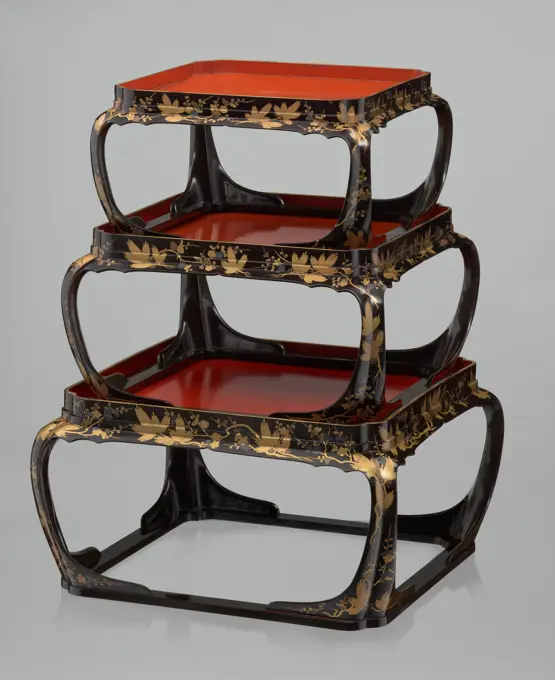
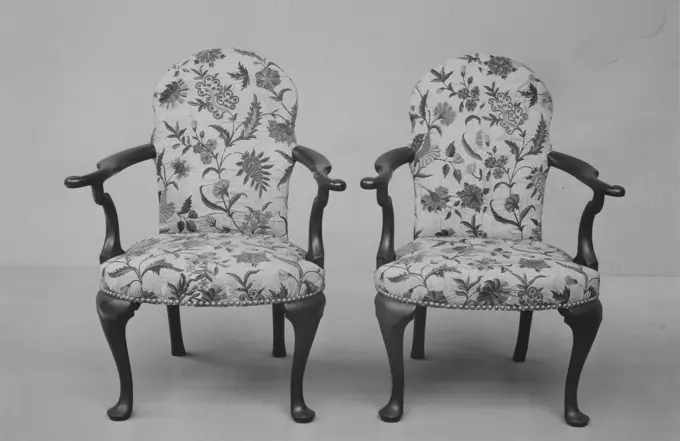
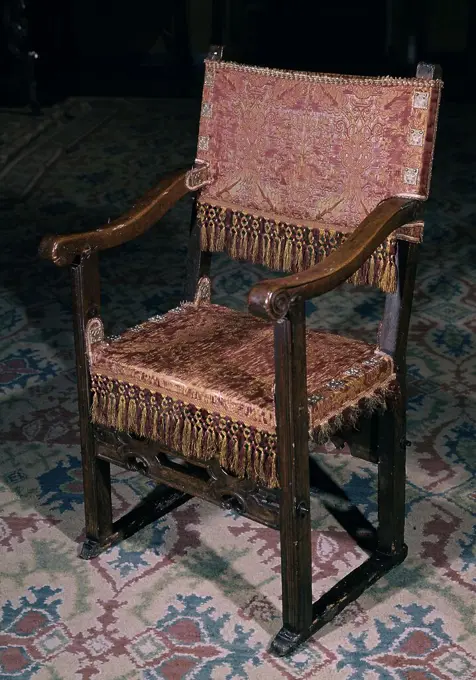
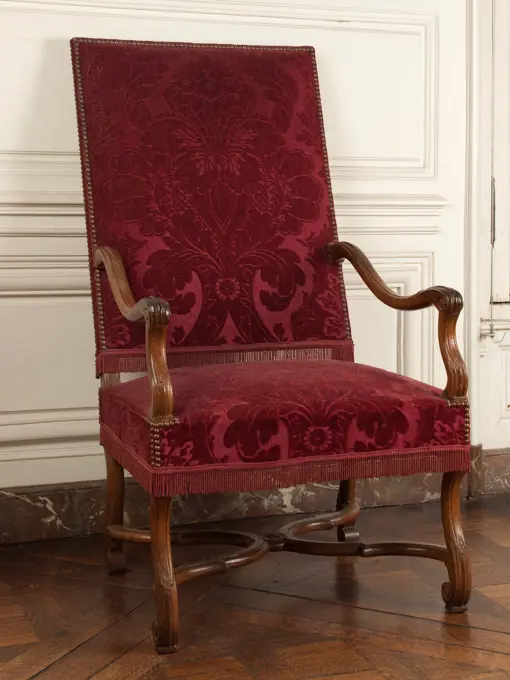
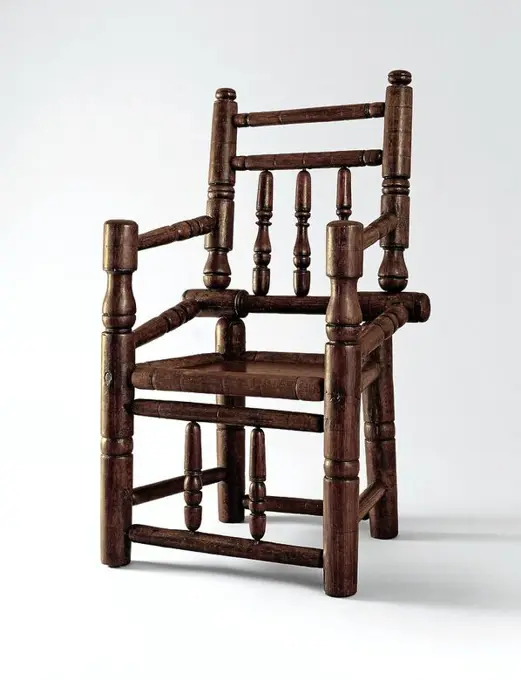
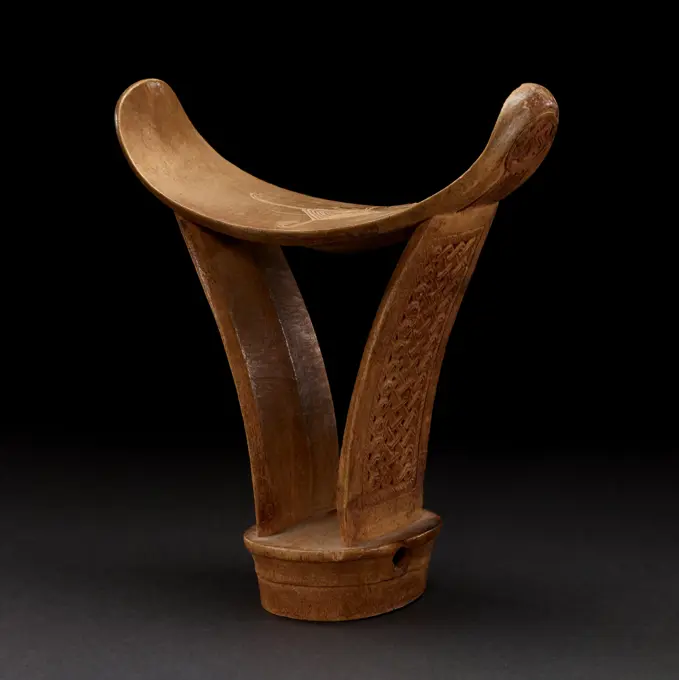
Chair Luxurious golden chair with crocodile leather isolated Copyright: xZoonar.com/Baloncicix 14637884'Cockfight chair', Turned and joined walnut, leather, brass, tin, Form with square tapering seat and tall narrow back upholstered in dark brown nailed leather; back with horizontal U-curved arms at top fitted with hinged, adjustable wooden book rest on back; retractable tin candleholder in left arm, small retractable sectioned tray in right arm; drawer in seat; cabriole front legs with pad feet, turned stretchers, rear feet square in section; small brass caster on each foot., A) chair, B) drawer, C) bookrest support, England, ca. 1720-30, furniture, Decorative Arts, Reading Chair, Reading ChairClaude-Etienne Michard. Shepherdess. Holded wood and painted in white, covered with old blue damask, 1701. Paris, Carnavalet museum. 77642-1 Bergere, old blue, wood molding, damas, Louis XIV time, armchair, marker, furniture, painted, covered, Louis XIV style, Siege, 18th century, furnitureSide chair. Culture: British. Dimensions: Overall: 42 1/2 × 24 × 26 1/2 in. (108 × 61 × 67.3 cm). Date: ca. 1725-35. Museum: Metropolitan Museum of Art, New York, USA.Side Chair c 1660-1700 New England. Maple and birch . Artist unknownStadtholder's chair, Gerrit Hutte, Pieter van Dijck, 1747Arm chair of walnut with petit-point upholstery, anonymous, c. 1700 - c. 1725 Arm chair of walnut with petit-point upholstery and oak rurug styles and hind legs. The seats rest on overhoeks placed S-shaped legs. The front legs have a volute with a leaf motif at the bottom and a shell motif above the swelling. The armrest stars turn into hold armrests, ending in Acanthus volute. The upholstery shows motifs of flower vases and bouquets. Part of an ameblement of six arm chairs (inv.no. BK-16024-A to -F), from Castle Eerde (O.). Northern Netherlands wood (plant material). walnut (hardwood) embroidering Arm chair of walnut with petit-point upholstery and oak rurug styles and hind legs. The seats rest on overhoeks placed S-shaped legs. The front legs have a volute with a leaf motif at the bottom and a shell motif above the swelling. The armrest stars turn into hold armrests, ending in Acanthus volute. The upholstery shows motifs of flower vases and bouquets. Part of an ameblement of six arm Chair. unknown, creatorOld black chair, upholstered in leather on black background.Side chair, one of a pair, 1730, 41 x 18 3/4 x 14 in. (104.1 x 47.6 x 35.6 cm), Maple or beech with rush seat, United States, 18th centurySidechairSide Chair. Culture: American. Dimensions: 39 x 21 5/8 x 22 in. (99.1 x 54.9 x 55.9 cm). Date: 1760-90. Museum: Metropolitan Museum of Art, New York, USA.Arm chair with wide side walls and covered with red -colored wool, Hendrik Wouda, c. 1924 Arm chair of oak-wood resting on four wide flat legs with chasing top and bottoms. The front and hind legs are connected by means of wide side walls. The front legs continue in the army tits and the hind legs continue in the backstyles. The arms and the backstyles are connected to each other by means of a rule on which the armrests who are entered in the backstyles rest. Both the seat and the handrail are covered with red -colored wool. The Hague oak (wood). beech (wood). wool Arm chair of oak-wood resting on four wide flat legs with chasing top and bottoms. The front and hind legs are connected by means of wide side walls. The front legs continue in the army tits and the hind legs continue in the backstyles. The arms and the backstyles are connected to each other by means of a rule on which the armrests who are entered in the backstyles rest. Both the seat and the handrail are covered with red -cSofaJean-Baptiste Tillard. Shepherdess known as the Queen, in beech, in apricot velvet with mobile cushion and decorative nails (overview on a light background), around 1760. Paris, Cognacq-Jay museum. Bergere to the queen, sculptic wood, decorative nail, mobile cushion, armchair, stretch, furniture, Louis XV style, fabric, apricot velvet, 18th century, furnitureSet of SixChairsChair Vintage chair isolated with clipping path included Copyright: xZoonar.com/MarkoxBericx 6807636Side Chair (England); papier mché, parcel gilt black lacquer, mother of pearl; 94.8 x 44.3 x 43 cm (37 5/16 x 17 7/16 x 16 15/16 in. )Antique chairArmchair with angular armrests and covered with blue tripe. Armchair of black varnished wood resting on four square legs. The front legs are straight and the hind legs are slightly bent and run through in the back styles. The seat is caught in four rules whose two side rules are straight and the front and rear rule bent. The stamp of the backrest is also bent. From the middle of the backrest, flat angular armrests run down on the front, not in line with the front legs, resting on flat struts that are partially attached to and partly against the seat. Both the handrail and the seat is covered with blue tripe. The seat cover is trimmed with a beige trim.Chair. unknown, authorBlack genuine leather classical style chairChair;  beginning of the 17th century; 4. W. 19th century (1600-00-00-1630-00-00);vegetable decoration, volutes, animalsTaboo with coated seat, resting on legs that are connected by an H-shaped cross. Process opened with Palm with Volutes and Acanthus sheet. Taboeret Van Notenhout. He is covered and rest on legs, which, as well as the H-shaped cross and the back sports, show home and articulation. The flat for-medium sport has an openwork palm with broken S volutes with acanthus leaf flanked.Hitchcock chair Armchair; USA; painted, stencilled and gilded maple wood, caningSide chair (one of a pair) mid-19th century German With their crisp and elegant design, these chairs (see also 1991.85.2) are reminiscent of mid-eighteenth-century Rococo furniture. The chairs have been regilded.. Side chair (one of a pair) 236032Chair with trapezoidal open space in the backrest. Oak chair resting on four legs. The front legs are chamfered and rested on black-stained discs with convex sides. The hind legs run through in the back stamps and widen from below, after which they narrow up at the height of the center. The backrest is composed of three panels. These are formed in such a way that a trapezoidal shape is created on the top a trapezoidal shape on the underside. The two outer panels are connected to the black-stained central panel by means of five beads on each side. The seat is covered with striped dust in beige, red and purple.Josep Mainar i Pons / Silla, 1924. Colección privada.Lawrence Phillips, Armchair, c 1936 ArmchairTurned Armchair 1630-1700 American. Turned Armchair 201Armchair ca. 1785 French This armchair, a so-called fauteuil en cabriolet, has a slightly curved medallion-shaped back to fit the human form. Made of beech wood, like most French seat furniture of this period, the chair was originally gilded and may have been part of a larger set. Existing records document the making of seat furniture and illustrate the typical eighteenth-century division of labor in such projects. According to strict French guild regulations a menuisier (or joiner) would cut the wood to shape for the frames of the chairs and assemble them: he was not allowed to embellish the frames with more than plain moldings or simple ornament. The decorative carving, here including rosettes, acanthus, pearl motifs and coiling ribbon, characteristic for the neoclassical style, would have been done by specialist carvers or sculptors. The gilding added substantially to the overall cost while the upholstery was generally the most expensive element. If a chair bears a makers mark, it Chair. unknown, creatorArmchair. Brion, Pierre-Gaston (1767-1855), joinerBrown Royal classical style Armchair sofa couch in vintage room Stoel Kops-Amouublement, Anonymous, c. 1793 - C. 1795 Covered chair, part of the KopsEublement, of white and blue gray painted beech wood and resting on conical legs. The seating rules and sills of the back window, with Tuscan -canaled columns as backstyles, show stabbed braid tire with rosettes. Finish with rosettes and acanthus leaves. The upholstery shows floral motifs on light blue satin soil, held on the back by griffins. Ordered for the Nieuwe Gracht 74 building, Haarlem. See: BK-15615-A/P; BK-15614; BK-15616-A/B. furniture worker: Netherlandsdesigner: Amsterdam wood (plant material). beech (wood). silk. paint (coating) Covered chair, part of the KopsEublement, of white and blue gray painted beech wood and resting on conical legs. The seating rules and sills of the back window, with Tuscan -canaled columns as backstyles, show stabbed braid tire with rosettes. Finish with rosettes and acanthus leaves. The upholstery shows floral motifs on light blue satin soil, held on the back byArmchair. Jean Avisse (French, 1723 - after 1796, master 1745)Curule (Folding) Chair, c. 1450-1500. Italy, Florence, 15th century. Forged iron; overall: 106.7 x 63.5 x 54.6 cm (42 x 25 x 21 1/2 in.).Harry Eisman, Settle table, c 1940 Settle-tableSide chair (one of a pair) ca. 1775 Jean-Jacques Pothier Made by Jean-Jacques Pothier around 1775, these chairs are known as cabriolets. Introduced around 1760, their name derives from a new light one-horse driven carriage, called cabriolet”. Pothier became master in Paris in 1750. In his workshop, first located in the rue Mazarine and then in the rue de Bourbon, he executed his best pieces in the neoclassical style which are very close to the works by Georges Jacob.This type of light chair, first mostly used in the apartments of women, was easy to move. The oval-shape back is reminiscent of antique medallions. The straight legs carved with twisted flutes, terminating in peg-top feet and connected to the seat by cubical blocks, are characteristic of the neoclassical taste which was in vogue during Louis XVI’s reign.. Side chair (one of a pair) 236104Chair. unknown, authorSide Chair 1870-75 Possibly Pottier and Stymus Manufacturing Company. Side Chair 1683Isolated Golden Throne A Beautiful Ornate Throne In Gold With Red Upholstery, Isolated On A White Background Copyright: xZoonar.com/RoyxHendersonx 21804250Settee ca. 1730 Possibly made by Benjamin Goodison This piece is from a large set of at least eight side chairs, four settees, four stools, and two side tables formerly attributed to James Moore (ca. 1670-1726) and said to have been made for Stowe, Buckinghamshire, a provenance now questioned.. Settee. British. ca. 1730. Gilded gesso on walnut; previously covered in eighteenth-century blue silk damask not original to the settee. Woodwork-FurnitureChair. unknown, authorMiniature side chair late 17th-early 18th century David Clayton British. Miniature side chair. British, London. late 17th-early 18th century. Silver. Metalwork-Silver-MiniatureFolding chair, Edward W. Vaill, American, active 1861-92, Carved, joined and turned wood or mahogany, woven wool upholstery, metal tacks, Curved front legs rise to form back supports; curved back legs rise to form front seat rail. Chair folds at crossing of front and back legs. Legs have two turned stretchers, one front, one back. Back of chair has arched crestrail with two turned ball knobs (top metal tack finial missing on one side) and two back slats. Red, tan and cream wool pile upholstery panel stretches from crest rail to front seat rail., Worcester, Massachusetts, USA, 1863-75, furniture, Decorative Arts, Folding chairSide Chair 1755-65 American. Side Chair. American. 1755-65. Walnut, yellow pine. Made in Philadelphia, Pennsylvania, United StatesSofa, c. 1866, John Henry Belter Factory, American, New York City, 1844-1860, 74 x 42 in. (188 x 106.7cm), Rosewood, United States, VictorianSofa 1805-15 Attributed to the Workshop of Duncan Phyfe Scottish In its quality and condition, this scroll-back sofa is among the finest known examples of this classic New York form. The modern black horsehair and gilded tacks that cover the original period upholstery foundations replicate the look of the sofa when it first came out of the workshop.. Sofa. American. 1805-15. Mahogany, white pine, tulip poplar. Made in New York, New York, United StatesArmchair ca. 1755 After a design by Thomas Chippendale In Chippendale's designs, chairs in the style of this particularly extravagant example were dubbed "French," although they far exceed their models in erratic contour and multiplication of carved ornament. Listen to experts illuminate this artwork's story Listen Play or pause #411. The Gentleman and Cabinet-Maker's Director Supported by Bloomberg Philanthropies We're sorry, the transcript for this audio track is not available at this time. We are working to make it available as soon as possible.. Armchair. British. ca. 1755. Mahogany, needlework. Woodwork-FurnitureSide chair ca. 1820-30 Austrian. Side chair. Austrian. ca. 1820-30. Solid beech wood (front and side rails), solid pine wood (back splat, supporting middle seat rail and corner blocks), solid walnut (legs), walnut veneer. Upholstery materials: drop-in seat frame of plywood, webbing, modern black enameled springs, cotton wadding, jute spring cover cloth, filling, a cover cloth and the show-cover, blued tacks. (The seat is a recent fabrication.). Woodwork-FurnitureSILLON FRAILERO DE MADERA Y CUERO. Location: UNIVERSIDAD BIBLIOTECA. SALAMANCA. SPAIN.Firescreen ca. 1843 Auguste-Emile Rinquet-Leprince French In the 1840s, many well-to-do New Yorkers preferred French furniture to that made in their native city. In 1844, Mrs. Samuel Jaudon of New York wrote to her friend Mrs. James C. Colles that "we on this side feel as if everything is so much handsomer, and better, and desirable that comes from Paris." Upon orders from New York clients, Parisian cabinetmaker and decorator Ringuet-Leprince shipped entire rooms of furniture, carpets, looking glasses, wallpapers, decorative objects, and sculpture. This fire screen is part of a formal drawing room suite that was custom-made by Ringuet-Leprince as part of a suite for the abovementioned Colles family. The suite also includes a pair of sofas, four armchairs, four side chairs, and a table (see 69.262.1-10). In 1850, the Colles' daughter, Frances, married John Taylor Johnston, a New York railroad executive who later served as the first president of The Metropolitan Museum of Art from 1870ArmChairTwo chairs 02Askowska, MariaHigh chair of Ebony with sculpted flower and leaf vines and with a seat of braided reeds, anonymous, 1650 - 1700 High chair of Ebony with sculpted flower and leaf vines and with a seat of braided reeds. Note: Traces at the rear indicate originally present armrests. Seat renewed. Coromandelkust (possibly) ebony (wood). cutting High chair of Ebony with sculpted flower and leaf vines and with a seat of braided reeds. Note: Traces at the rear indicate originally present armrests. Seat renewed. Coromandelkust (possibly) ebony (wood). cuttingFurniture. Chair of elm wood with square, towards bottom, rejuvenating legs. The back is open with two arches; The center web has rectangular interruptions. The chair wears a loose kissing of green tripe.Side chair, papier mché, parcel gilt black lacquer, mother of pearl, Shaped rectangular back with an arched splat inlaid with a flower-filled basket between barley-twist turned stiles headed by finials and a serpentine caned seat, on cabriole legs with scroll feet., England, mid-19th century, furniture, Decorative Arts, Side chairSeat of Queen Emma, used in the inauguration of Wilhelmina, H.F. Jansen (after), 1898  Decorated seat of the throne of Queen Emma, used in the inauguration of Wilhelmina. A golden crown on the back. Fringe on armrests and seat. AmsterdamThe Hague mahogany (wood). linden. velvet (fabric weave) cutting / embroidering  new churchStoel Kops-Amouublement, Anonymous, c. 1793 - C. 1795 Covered chair, part of the KopsEublement, of white and blue gray painted beech wood and resting on conical legs. The seating rules and sills of the back window, with Tuscan -canaled columns as backstyles, show stabbed braid tire with rosettes. Finish with rosettes and acanthus leaves. The upholstery shows floral motifs on light blue satin soil, held on the back by griffins. Ordered for the Nieuwe Gracht 74 building, Haarlem. See: 15615-A/P, BK-15614, BK-15616-A/B. furniture worker: Netherlandsdesigner: Amsterdam wood (plant material). beech (wood). silk. paint (coating) Covered chair, part of the KopsEublement, of white and blue gray painted beech wood and resting on conical legs. The seating rules and sills of the back window, with Tuscan -canaled columns as backstyles, show stabbed braid tire with rosettes. Finish with rosettes and acanthus leaves. The upholstery shows floral motifs on light blue satin soil, held on the back by grSide Chair; fruitwoodDetail of wood chair on white wall.Bed Model 1770-1800. Bed Model. 1770-1800. Wood; MapleSettee. Culture: American. Dimensions: 45 1/4 x 63 1/2 x 27 1/2 in. (114.9 x 161.3 x 69.9 cm). Maker: Joseph Cox (active ca. 1756-1773). Date: 1757-60. Museum: Metropolitan Museum of Art, New York, USA.Newspaper rack. unknown, authorStoel, Arnoldus van Geffen, 1735 Chair on four turned legs, between which turned sports. The backstyles are also turned. There is an openwork, rectangular back between the backstyles. The seat can be seen in the photo, but is no longer present. The chair is marked: stk. = Amsterdam, Jrl. = A (1735), Mt. = Arnoldus van Geffen and an ax. Amsterdam silver (metal) Chair on four turned legs, between which turned sports. The backstyles are also turned. There is an openwork, rectangular back between the backstyles. The seat can be seen in the photo, but is no longer present. The chair is marked: stk. = Amsterdam, Jrl. = A (1735), Mt. = Arnoldus van Geffen and an ax. Amsterdam silver (metal)Chair, by Genoan workmanship, 18th Century, wood carved and gilded, padded seat and back covered with crosscut velvet. Italy: Piemonte: Turin: Royal Palace. Whole artwork. Chair back seat padding/upholstery gold volutes rinceaux velvetSPAIN - Barcelonés (district) - Catalonia - Barcelona. Parc / Güell park, (by Gaudí); furniture / chair designed by the artist at the Museum / houseChair with ivy decoration in the back panel, Gerrit Willem Dijsselhof, 1900 Seat of oak, inlaid with mahogany. The square legs are connected to a square with double pen and hole connections, for the top of the top. The loose pillow is covered with green velvet. Corner pieces have been installed under the seating rules. The backrest on high struts is except for two side strips with a wooden panel, which shows a stylized ivy tree, to the left and right. The excellent top sill ends in Voluten; mahogany nails. designer: Northern NetherlandsAmsterdam (possibly) wood (plant material). mahogany (wood). oak (wood). velvet (fabric weave) inlay (process) Seat of oak, inlaid with mahogany. The square legs are connected to a square with double pen and hole connections, for the top of the top. The loose pillow is covered with green velvet. Corner pieces have been installed under the seating rules. The backrest on high struts is except for two side strips with a wooden panel, which shows a stylized . Oak chair, inlaid with mahogany. The square legs are connected to double pen and hole compounds on a square, sitting window at the top. The loose cushion is covered with green velor. Corner pieces are arranged under the seat rules. The backrest on high struts is on two side strips after closed with a wooden panel, which shows a stylized, top to the left and right fanning ivy tree. The vintage upper spray ends in volutes; Mahogany nails.Chair. Schinkel, Karl Friedrich (1781-1841), designer, unknown, creatorBlack genuine leather classical style sofa in vintage roomChair (one of a pair) early 19th century Tapestry upholstery by Beauvais. Chair (one of a pair) 230982Antique armchair near wallTaboeret, anonymous, c. 1750 Taboeret of beech wood, glued with walnut. The overhoeks placed legs are S-shaped and decorated with an as-symmetrical shell motif. The sitting window is sculpted, as well as the bottom of the rules of the front and back. The loose removable seat is missing. Northern Netherlands wood (plant material). beech (wood). walnut (hardwood) Taboeret of beech wood, glued with walnut. The overhoeks placed legs are S-shaped and decorated with an as-symmetrical shell motif. The sitting window is sculpted, as well as the bottom of the rules of the front and back. The loose removable seat is missing. Northern Netherlands wood (plant material). beech (wood). walnut (hardwood)A set of three trays on legs (kakeban);  early XIX century (1800-00-00-1809-00-00);Black genuine leather classical style chair with lampObjects, Washington's furniture, chairs, Danversport, Cheever Street , Chairs, Washington, George, 1732-1799. Frank Cousins Glass Plate Negatives CollectionArmchair 1740-60 American. Armchair 253Cage Chair (Callinera), c. 1880, 37 x 23 3/4 x 20 1/2in. (94 x 60.3 x 52.1cm), Narra wood, Philippines, 19th centuryLadder back chair ca. 1760-70 possibly British. Ladder back chair. possibly British. ca. 1760-70. Mahogany. Woodwork-FurnitureSILLON DE TERCIOPELO FRAILERO ROJO S XVI. Location: MUSEE D'ARTS DECORATIFS. MADRID. SPANIEN.Church chair, Michiel Maenbeeck, c. 1662 - c. 1666 Foldable church chair with openwork backrest and sports. The chair has a red velvet seat. The letters E and C are engraved in one of the styles. The chair is marked: Mt. = Michiel Maanbeeck. Amsterdam silver (metal). velvet (fabric weave) Foldable church chair with openwork backrest and sports. The chair has a red velvet seat. The letters E and C are engraved in one of the styles. The chair is marked: Mt. = Michiel Maanbeeck. Amsterdam silver (metal). velvet (fabric weave)Square armchair ". Wooded, velvet. XVIIth century. Paris, Carnavalet museum. 72593-4 Carreed armchair, furniture, wax walnut, red, velvet, 17th century, furnitureTurned armchair. Culture: American. Dimensions: 39 1/2 x 24 x 17 in. (100.3 x 61 x 43.2 cm). Date: 1665-90.The unusual construction of this armchair has antecedents in sixteenth- and seventeenth-century British three- and four-legged turned chairs that have a rectangular, raked back rail that overhangs the rear legs. The history of the chair points to an owner in Manhattan or one of the early towns of Kings County (now Brooklyn). Museum: Metropolitan Museum of Art, New York, USA.SILLA DE NOGAL MALLORQUINA S XVII. Location: MUSEE D'ARTS DECORATIFS. MADRID. SPAIN.White Vintage retro style Chair with lampSpherical teapot. Plated spherical teapot of multi-colored painted porcelain, with a spout, an S-shaped ear and a lid. The pot is on the ear and the spout after covered with a blue fond with a decor in gold. On the abdomen, a band has been painted from alternately standing torches and leaf wreaths, connected by thin leaf refines. A leaf wreath has been painted on the lid and the lid has a golden button. The teapot has been marked.Close-up of yellow floral silk upholstered antique chairHeadrest, Unknown Somali, 7-1/4 x 6-5/16 x 2-3/4 in. (18.4 x 16.0 x 7.0 cm), Wood, SomaliaModel of a marine connection, William May, 1785Carved wood throne, Detail of back, from Verucchio (Emilia Romagna region, Italy)Brown Chair Classic brown wooden chair in kitchen Copyright: xZoonar.com/MarkoxBericx 14242772classic chair in the dark made in 3DOld Chair ; The Archiepiscopal Palace ; Built In 16th Century ; UNESCO World Heritage Site ; Old Goa ; Velha Goa ; IndiaMiniature chair (one of three) (part of a set) 1675-1700 Southern German Part of set of silver miniature furniture, 31.37.1-.22, and a box, 31.37.23.. Miniature chair (one of three) (part of a set) 196825Sidechair. Decorator: Abigail Porter, died 1798Model of A Round-Headed Rudder, Rijkswerf Vlissingen (Possibly), c. 1829 demonstration model Model of the top of a rudder with rear stern and a wulf construction, on a ground board. The Roerkop, which is very long and extends to the upper deck, where the hole is in front of the stirring pen, jumps forward and is round. The brass of the rudder has been completed, that of the stern is sharp at the bottom, but becomes hollow where the Roerkop starts. The hennegat is closed with a separate part in the Wulf. One stirrer and the care tire have been scratched. model maker: Flushing (possibly)after design by: Netherlands wood (plant material). brass (alloy)Wooden vintage chair with carved back. Painted with silver color. Wooden vintage chair with carved back. Painted with silver color. Copyright: xZoonar.com/AleksandrsxTihonovsx 4624936Canopy Bed, anonymous, c. 1775 - c. 1800 Hamping heavenly bed with red woolen fabric, with passions and fringes. The white painted woodwork is decorated with reddish colored "running dog motifs", rosettes, chalice clocks and in the sky with a block edge. The upper sills of the coated bulkheads are bent in the middle and end in rising volutes; There is a festoon on the rear shot and there is a vase with Festoen on the advance. Lambrequins with brushes hang under the bottom rules and heaven; There are vases and bows in the sky. Netherlands wood (plant material). pine (wood). linden. wool. iron (metal). linen (material). silk. cardboard. paint (coating) Hamping heavenly bed with red woolen fabric, with passions and fringes. The white painted woodwork is decorated with reddish colored "running dog motifs", rosettes, chalice clocks and in the sky with a block edge. The upper sills of the coated bulkheads are bent in the middle and end in rising volutes; There is a festoon on the rear shot a