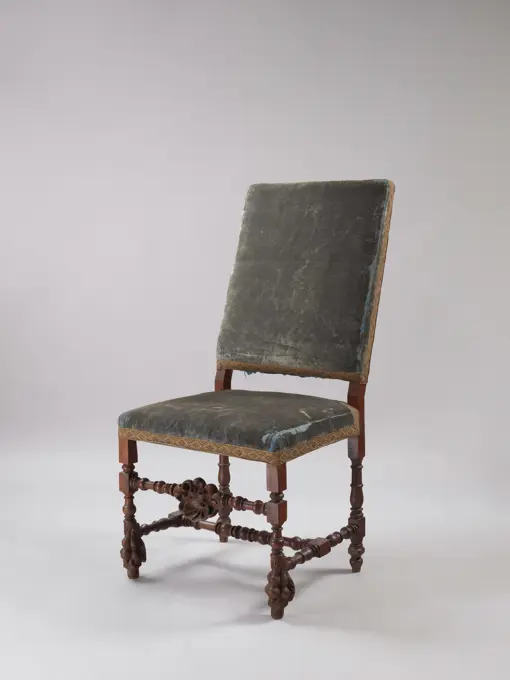
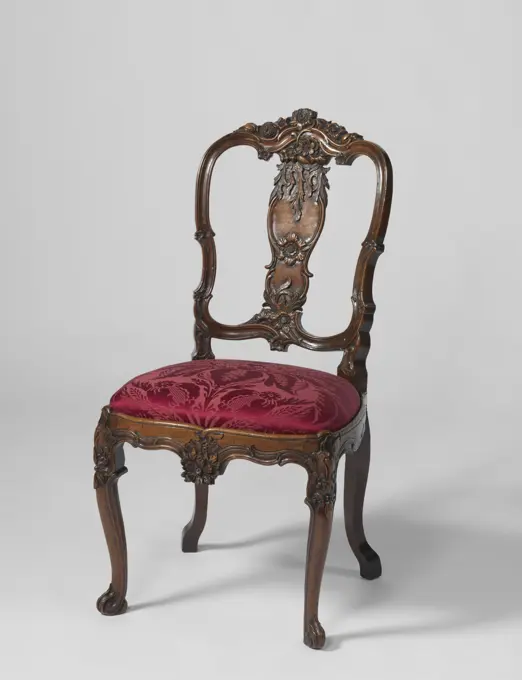
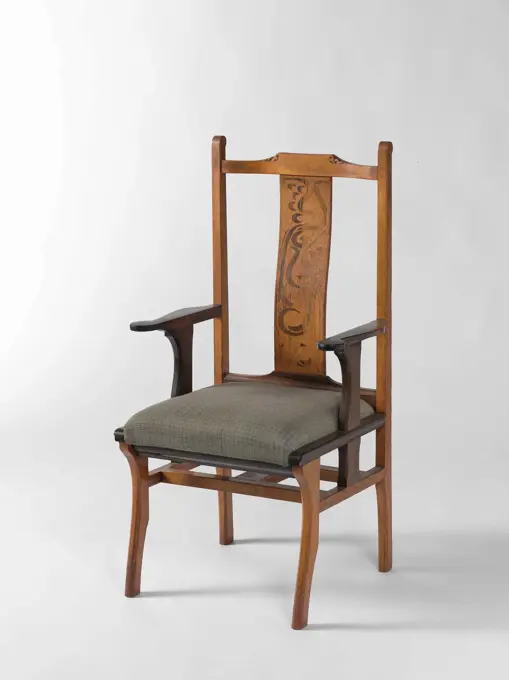
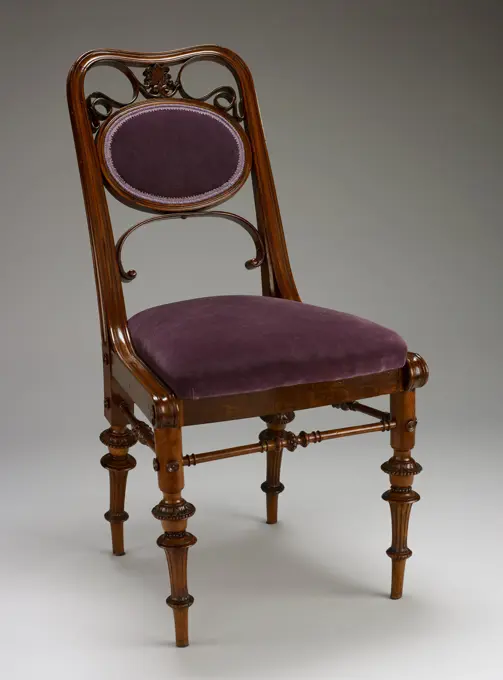
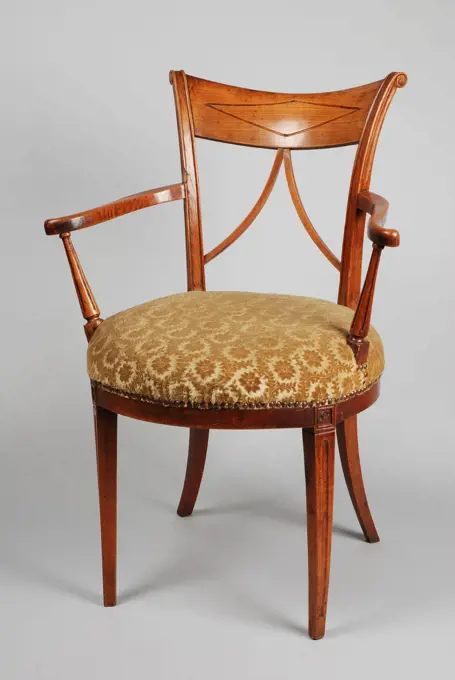
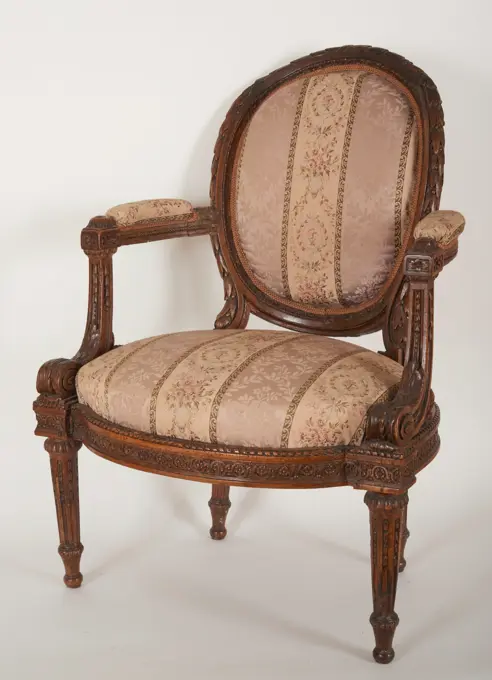
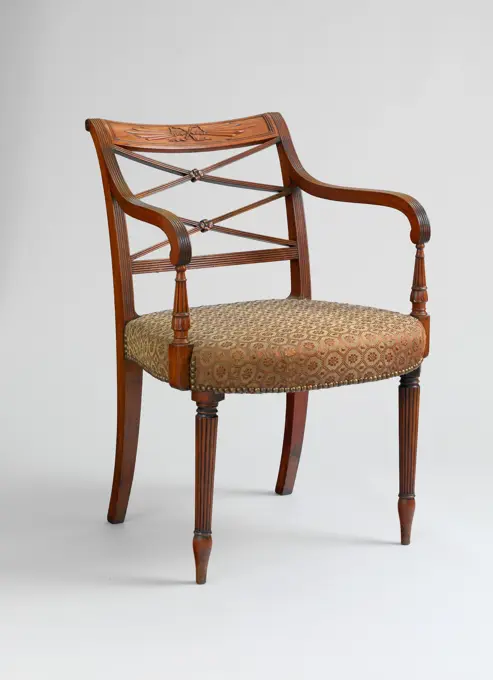
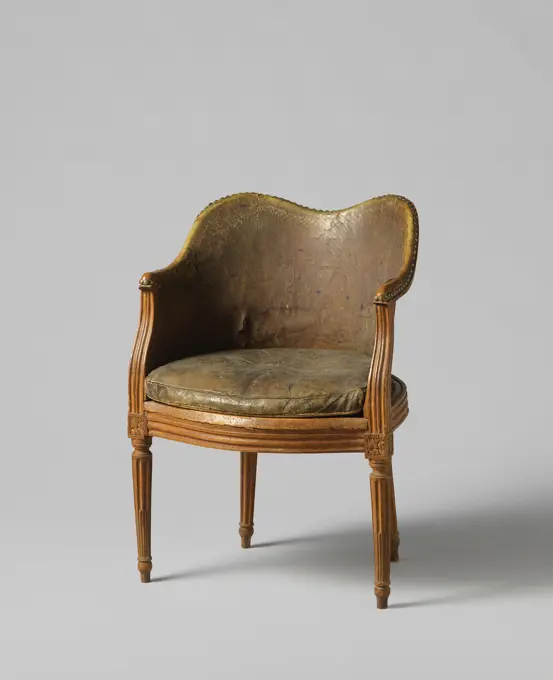
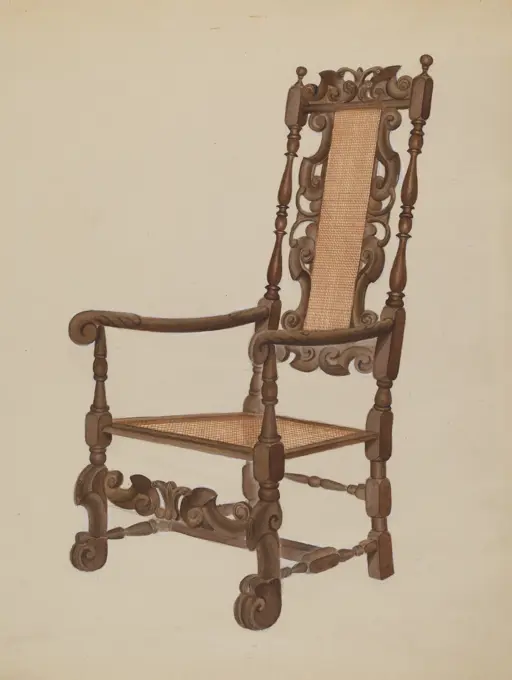
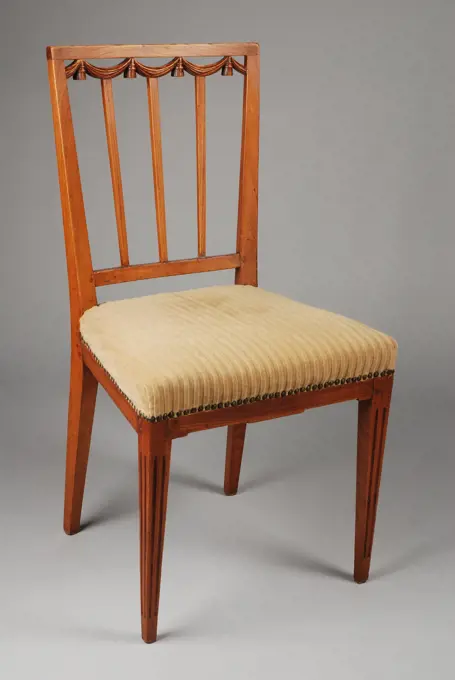
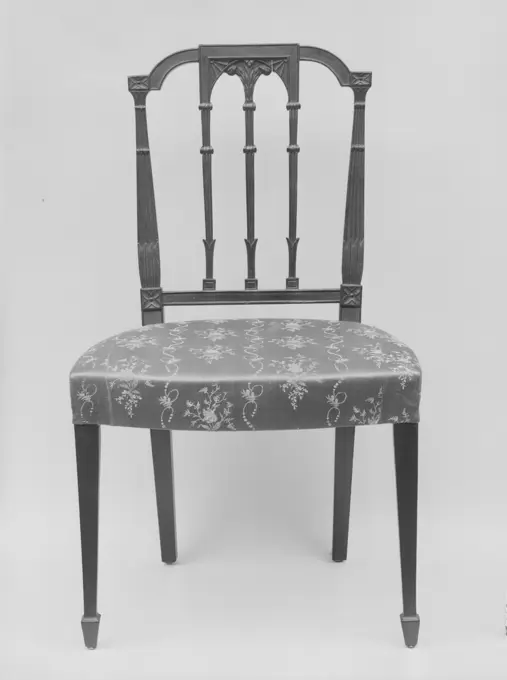
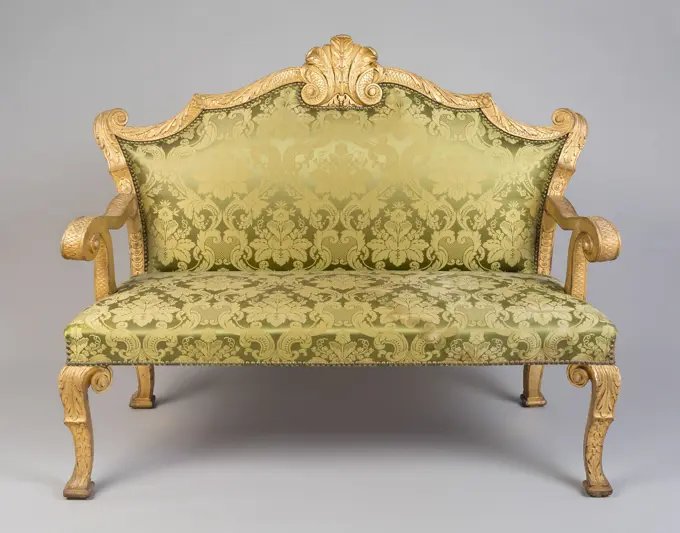
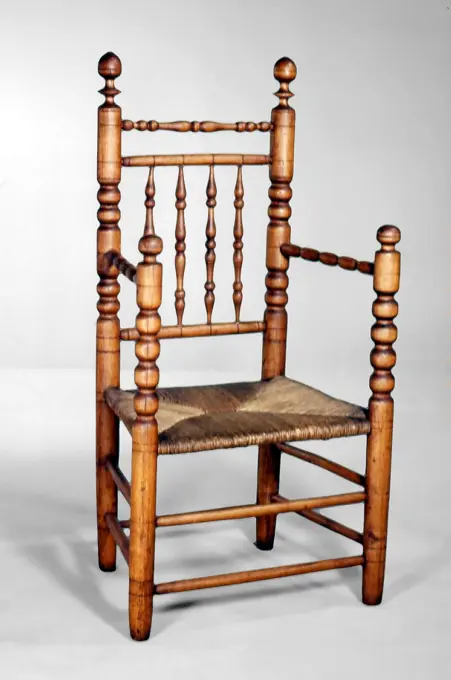
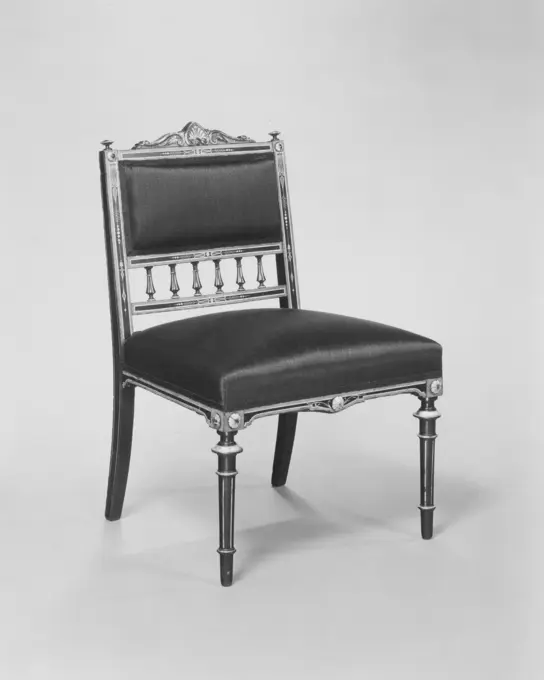
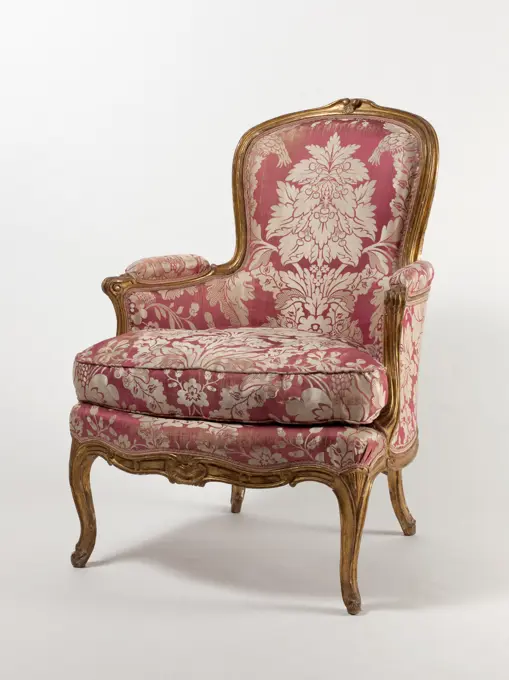
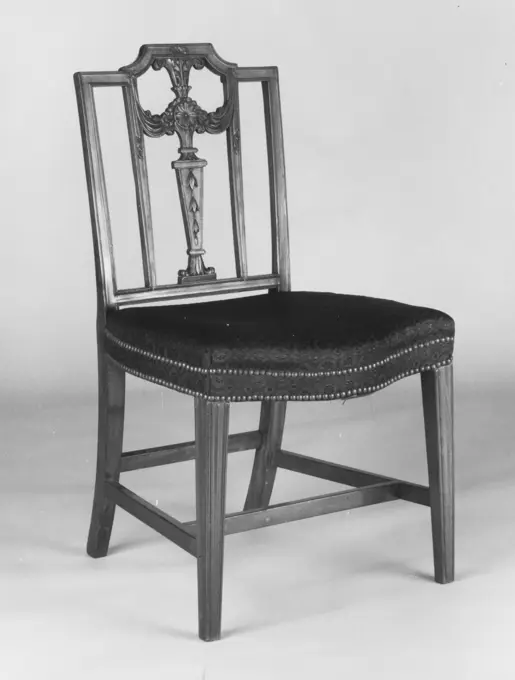
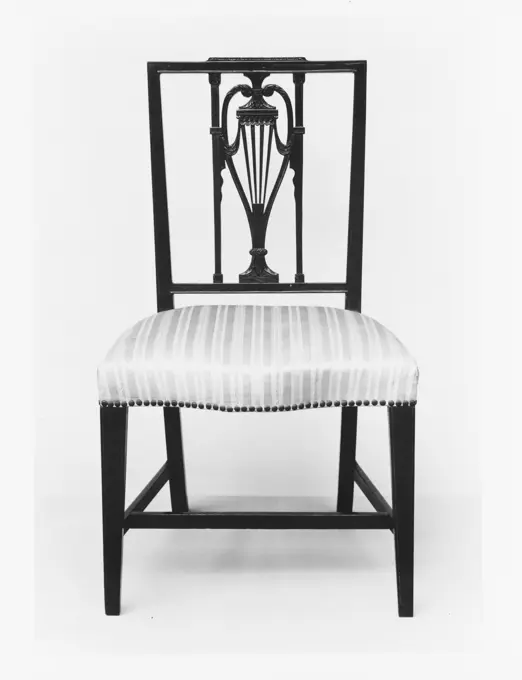
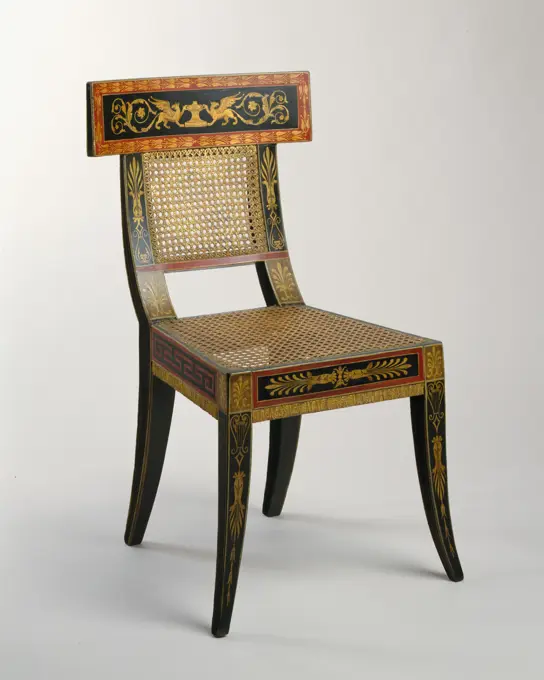
Classic Wooden Chairs

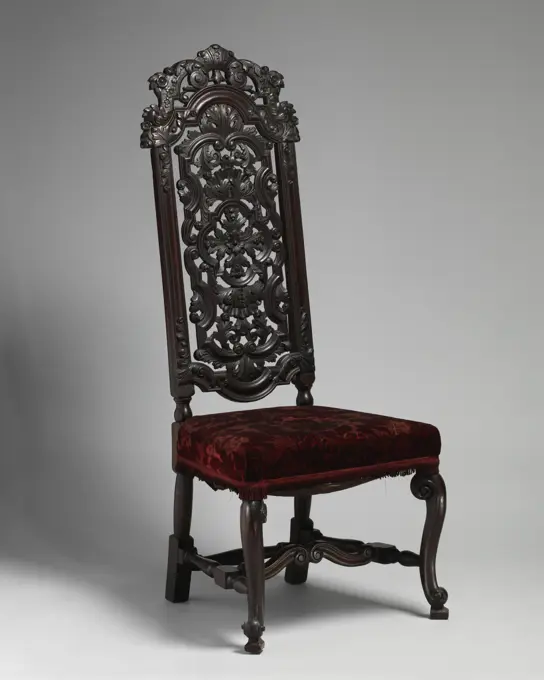
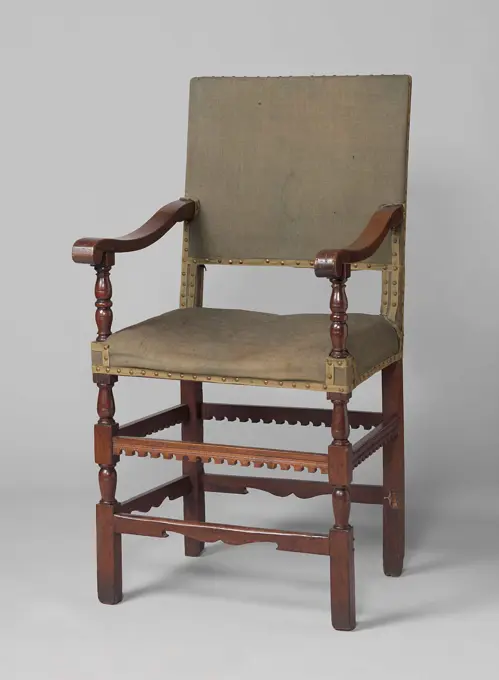
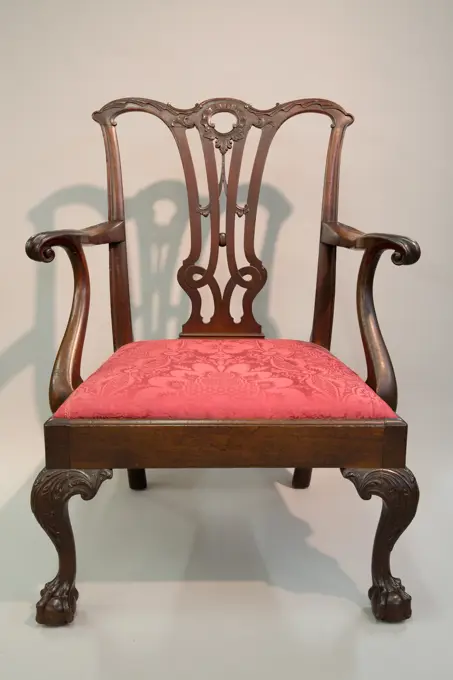
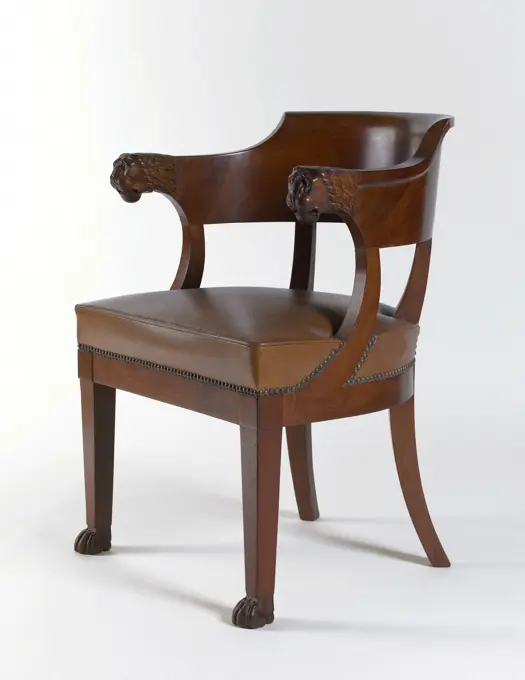
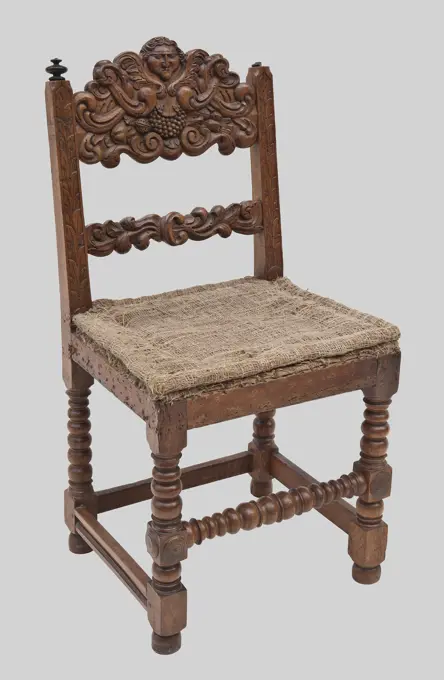
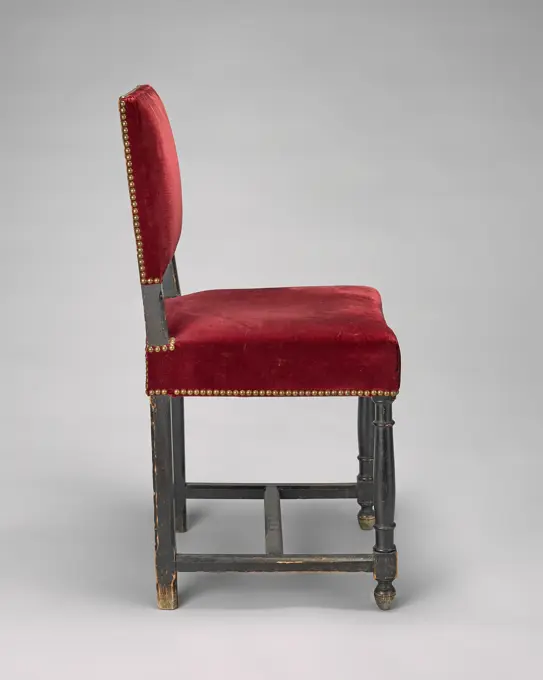
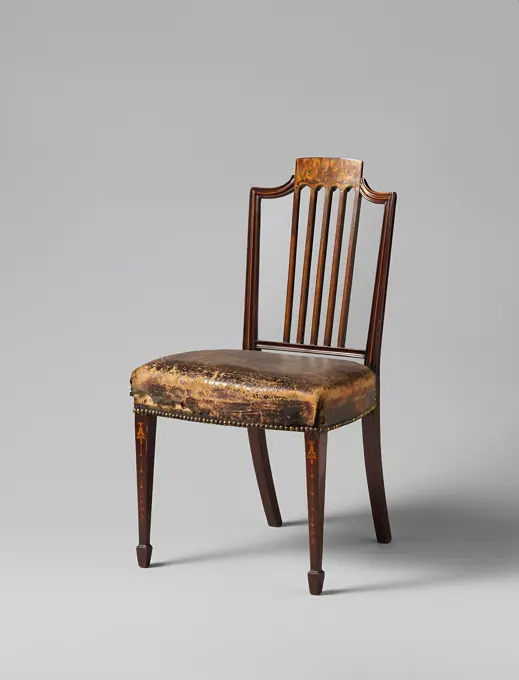
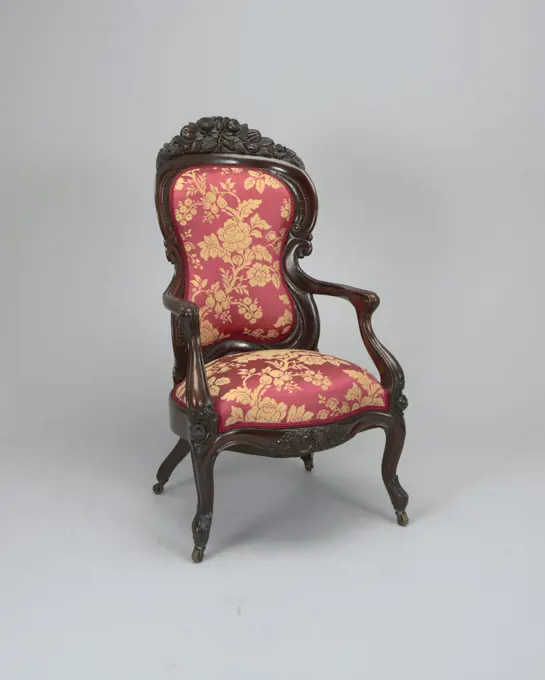
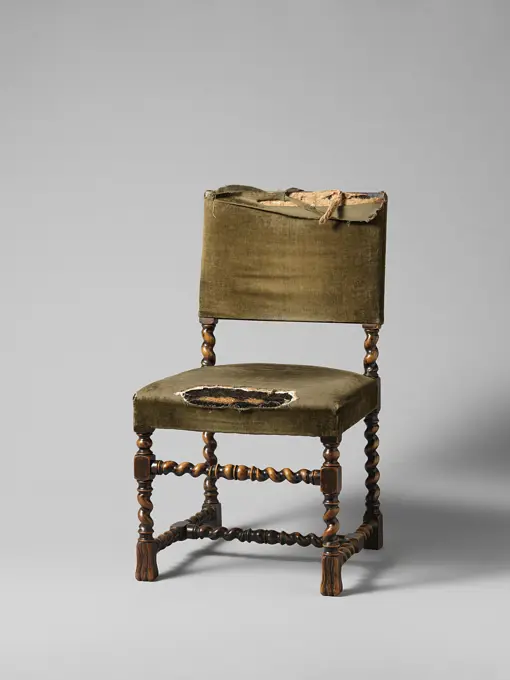
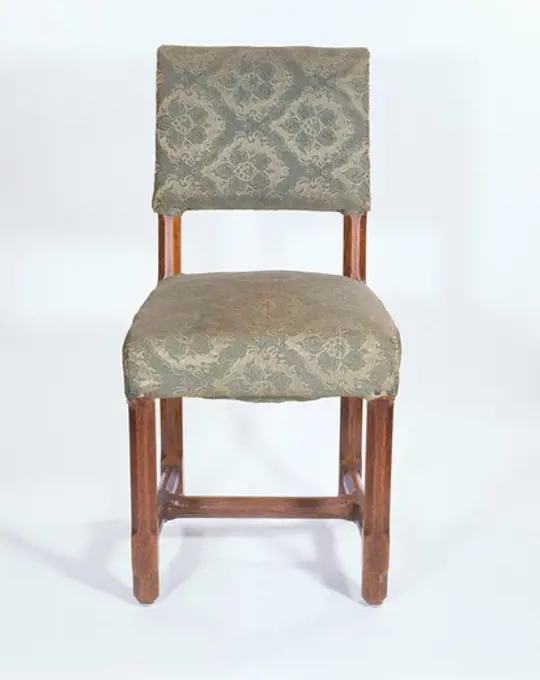
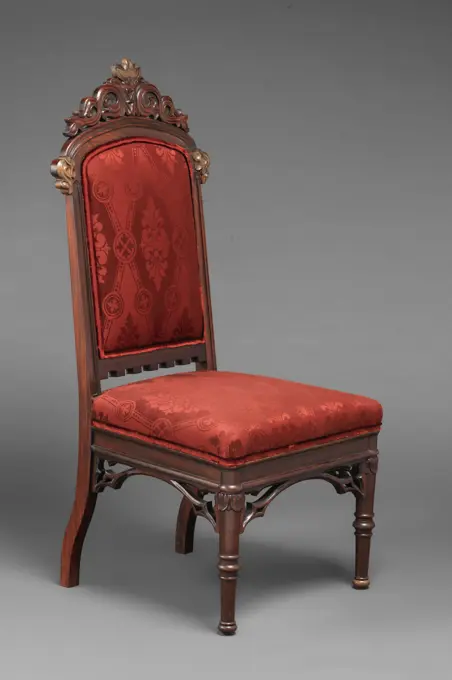
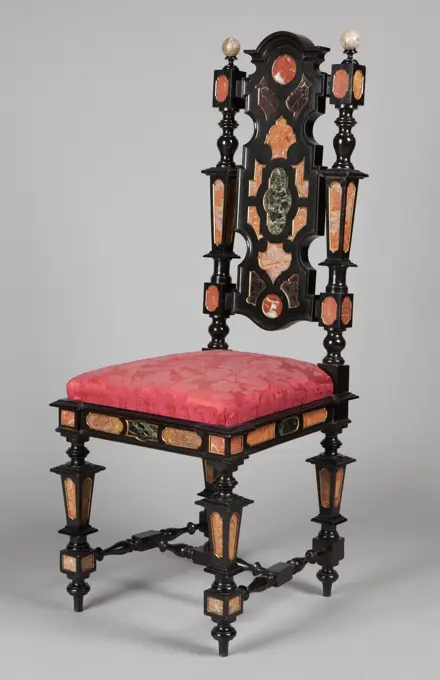
Stylish antique chairs featuring elegant woodwork and upholstery, highlighting craftsmanship from various historical periods.
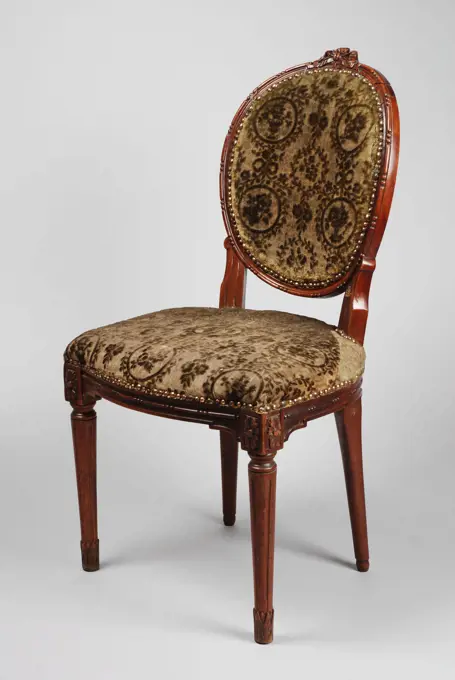
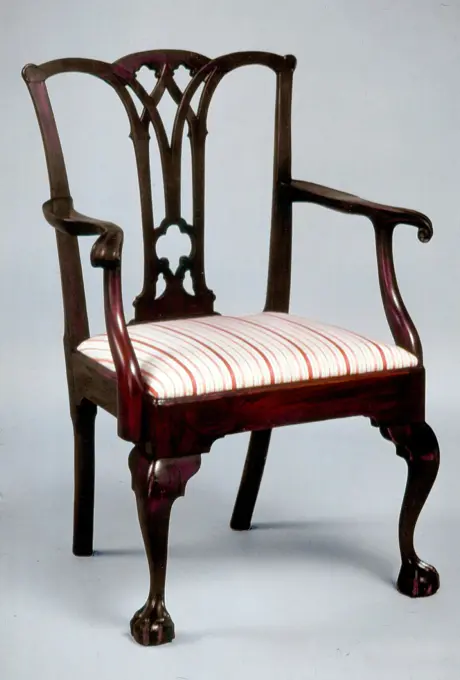
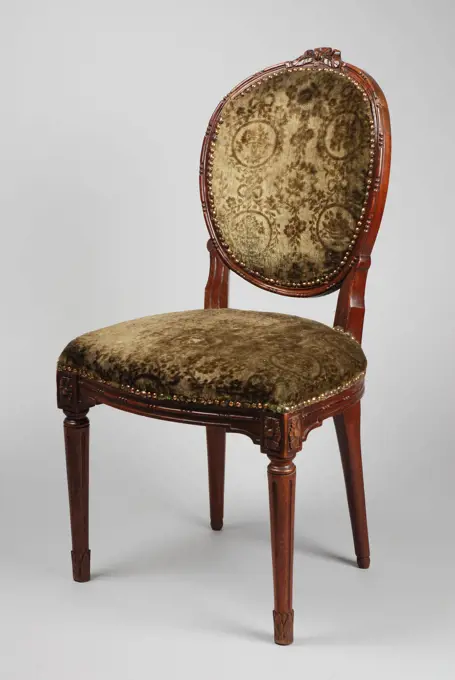
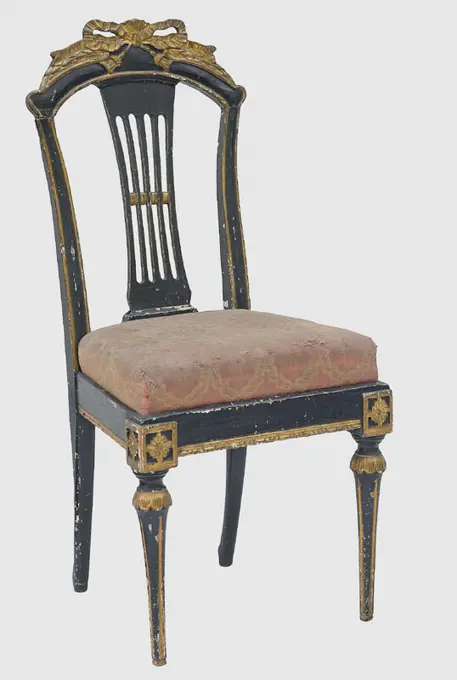
Mahogany Louis Seize medallion chair, medallion chair seat furniture furniture interior design wood mahogany velvet metal, With bow as crest and dark green ropes with medallions round rejuvenated legs with cannelures Louis XVI Louis XVI Louis Seize
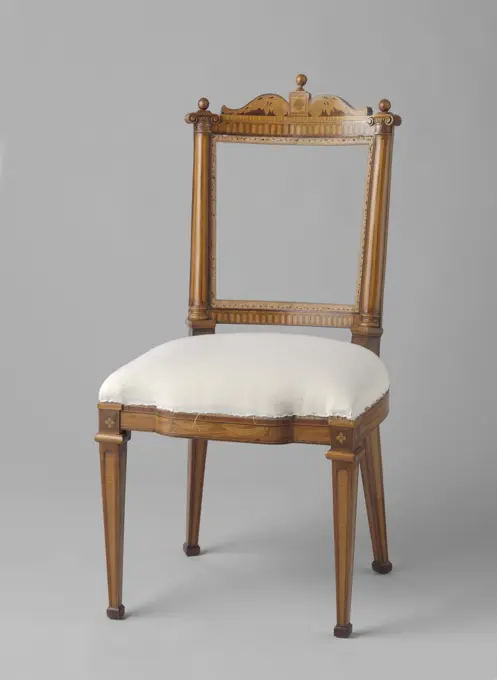
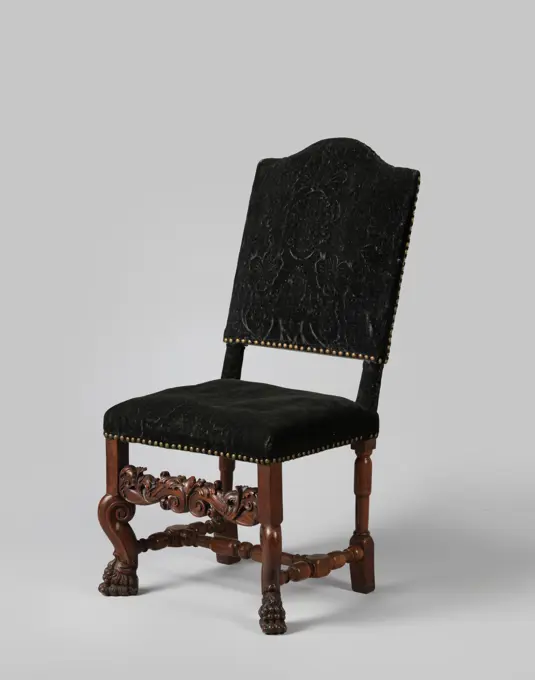
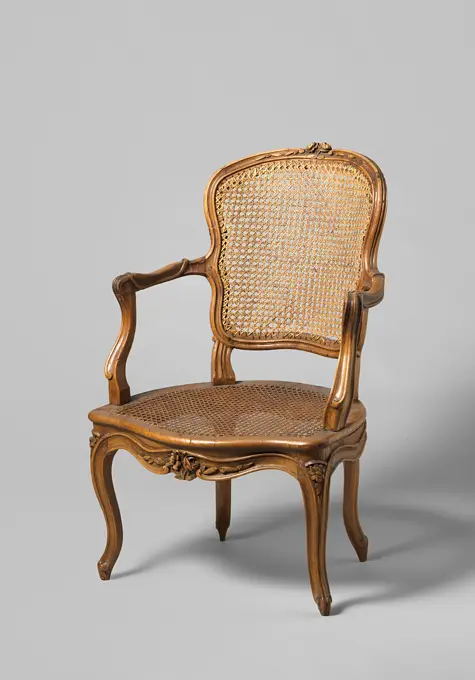
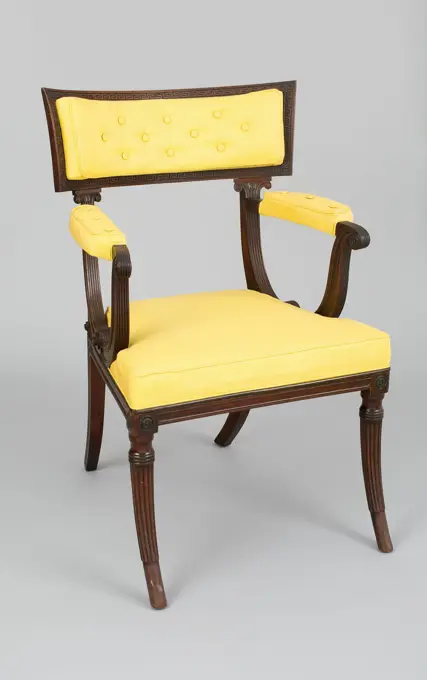
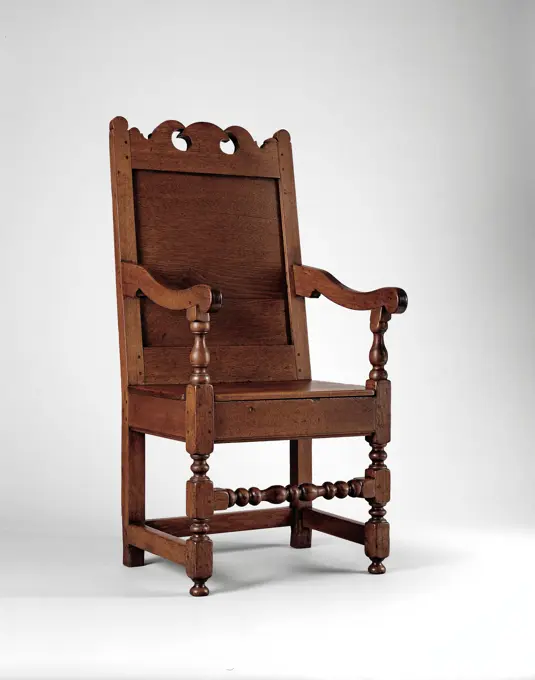
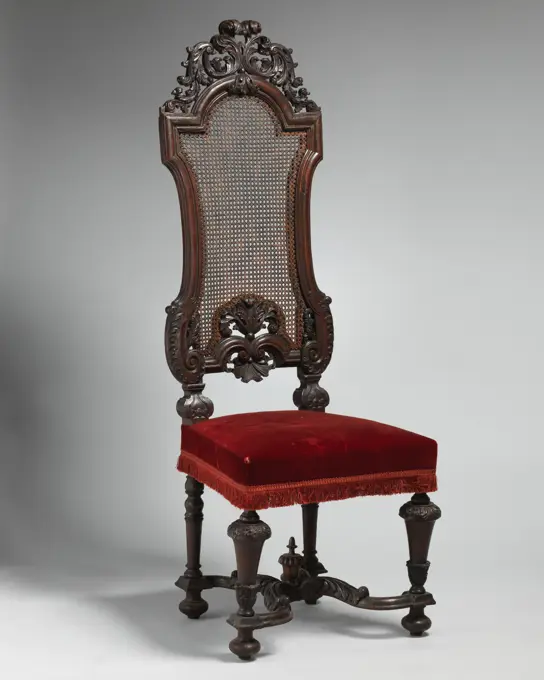
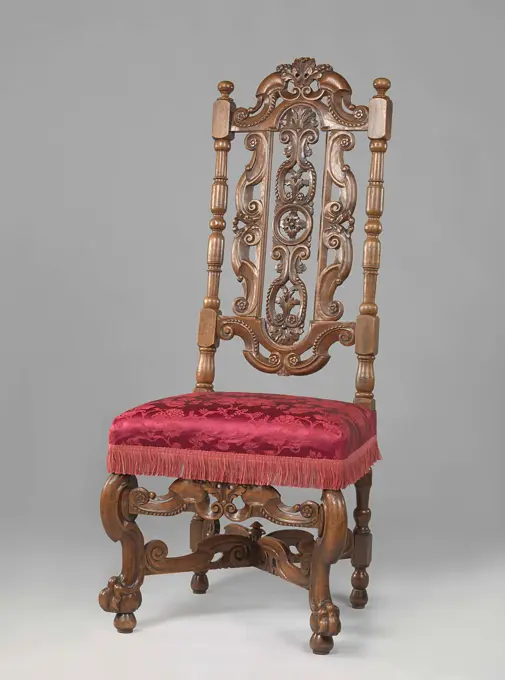
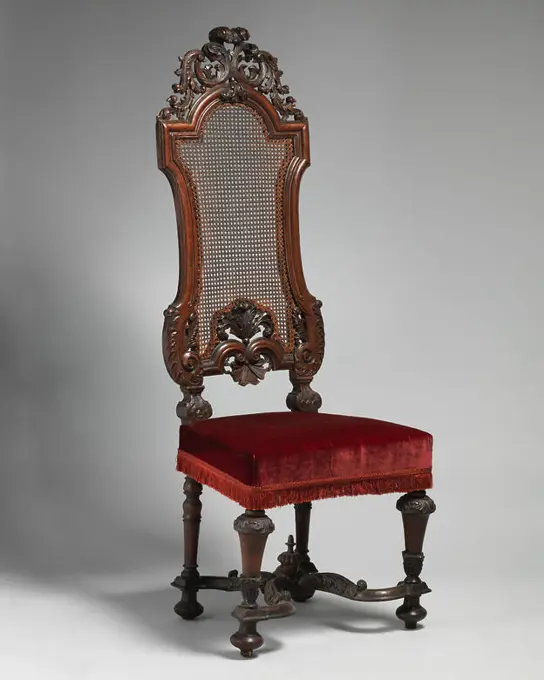
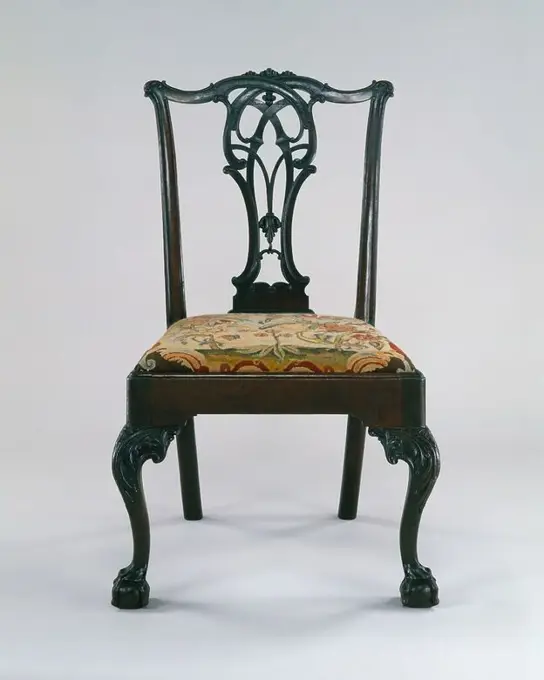
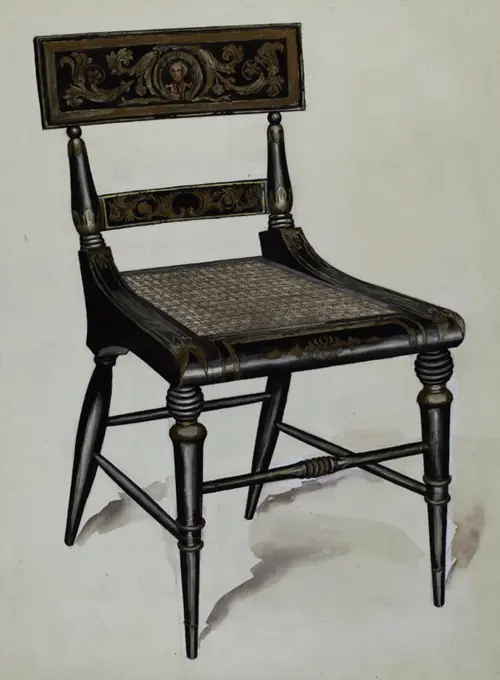
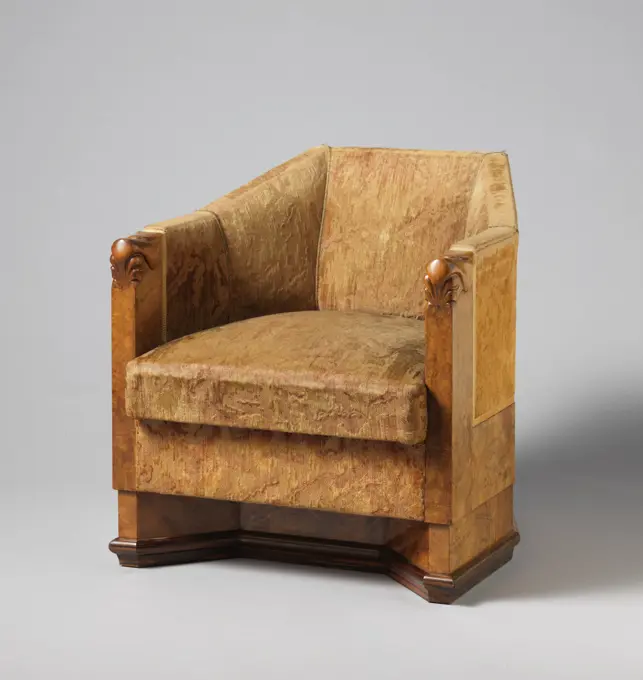
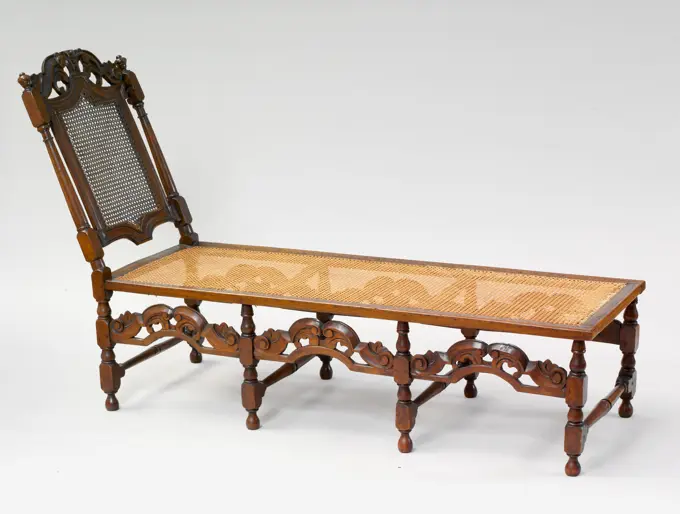
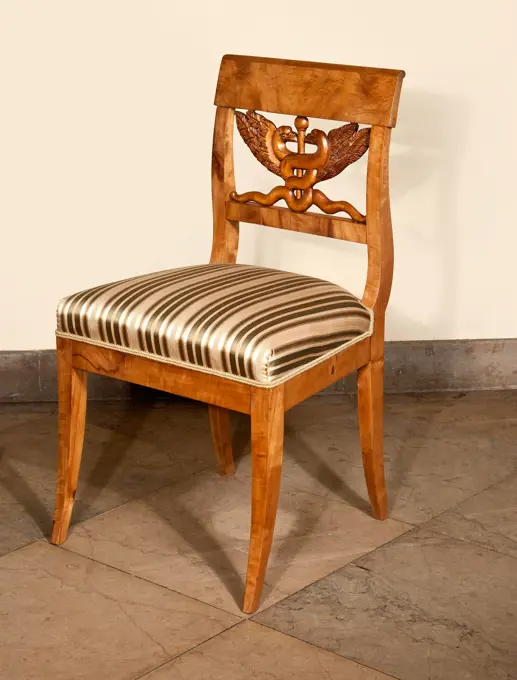
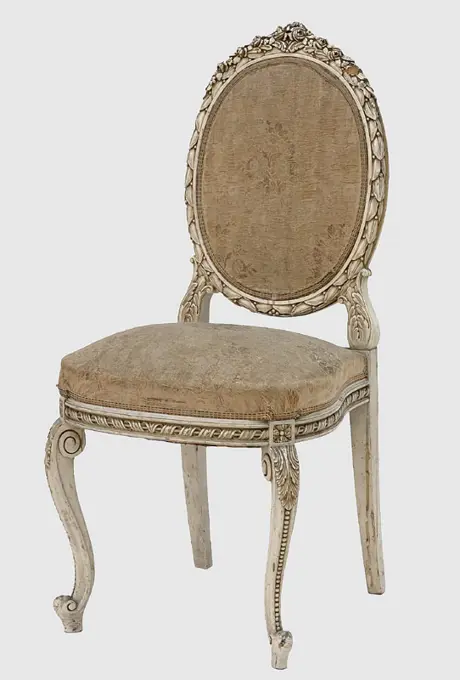
ArmchairSide Chair And Slip Seat (USA); Made by John Hewitt (American, 1777-1857); mahogany,poplar,horse hair. Chair of Iepenhout (series of six pieces: A to F). With the exception of the back completely decorated with marqueterie work in satin, palm and ebony. Upper coating.Mahogany Louis Seize medallion chair, medallion chair seat furniture furniture interior design wood mahogany velvet metal, with bow as crest and dark green ropes with medallions round rejuvenated legs with cannelures Louis XVI Louis XVI Louis SeizeFour chairs, anonymous, c. 1780 - c. 1790 Chair of elm wood (series of six pieces: A to F). With the exception of the back completely decorated with marquetery work in satin, palm and ebony. Upholstery modern. Netherlands elm (wood). satinwood (wood). boxwood. ebony (wood). maple (wood). purpleheart (wood). rosewood (wood). textile materials Chair of elm wood (series of six pieces: A to F). With the exception of the back completely decorated with marquetery work in satin, palm and ebony. Upholstery modern. Netherlands elm (wood). satinwood (wood). boxwood. ebony (wood). maple (wood). purpleheart (wood). rosewood (wood). textile materialsMahogany Louis Seize medallion chair, medallion chair seat furniture furniture interior design wood mahogany velvet metal, With bow as crest and dark green ropes with medallions round rejuvenated legs with cannelures Louis XVI Louis XVI Louis SeizeChair in Neo Renaissance style with raised parts and with coated seat .. Chair belonging to a set of three chairs and an armchair of walnut with a coated seat. The swapped legs are connected by a hurryed H-shaped cross and a prescribed presence. The coated back window rests on articulated struts. The armchair has circled armrests and armrests. See: BK-1959-116-a / d.Side Chair (USA); Made by John Hewitt (American, 1777-1857); wood (mahogany), wood (poplar), horse hair (seat); L x W x D: 85 x 46 x 49 cm (33 7/16 x 18 1/8 x 19 5/16 in.)Furniture, Anonymous, 1700 Chair of Notenhout. The furniture is covered and rests on overhoeks placed, volute -shaped front legs with high houses at the top, stabbed lion's trees at the foot and articulated hind legs. The legs are also connected by a, also articulated, H-shaped cross; The forefine sport shows openwork, lying S-Voluten with a symmetrical acanthus leaf. The back is sculpted at the top. Northern Netherlands wood (plant material). walnut (hardwood) Chair of Notenhout. The furniture is covered and rests on overhoeks placed, volute -shaped front legs with high houses at the top, stabbed lion's trees at the foot and articulated hind legs. The legs are also connected by a, also articulated, H-shaped cross; The forefine sport shows openwork, lying S-Voluten with a symmetrical acanthus leaf. The back is sculpted at the top. Northern Netherlands wood (plant material). walnut (hardwood)Armchair of walnut with s-shaped overhoeks. Paws set with carving of flowers and leaves. Back and seat of braided reeds. With loose cushion .. Nut wood (Ameublement) with back and seat of braided reeds. The stretched S-shaped overhoeks places places set with profiling go without interruption in the seating frame and are decorated with stabbed flowers. Scalloped front seat with flower and leaf work. Backwards placed armrest tricks S-shaped; Holded armrests ending in Volutes. Top rule window with scalloped volutes. With loose cushion. See also: BK-16851-A to H.Chair. unknown, creatorChair, anonymous, c. 1750 - c. 1760 Chair of sculpted walnut; The loose seat is covered with red velvet. The overhoeks placed, profiled and stretched S-shaped front legs wear acanthus leaf at the bottom and at the top of rocaille and flower arrangements; Rear -placed hind legs. The backstyles show, as well as the curved seating rules, a hollow profile with C and S-shaped edge profiles, interspersed with flower arrangements. The upper sill wears a sculpted flower edge; The scalloped center leaf and the struts are decorated with a lot of flower arrangements. Amsterdam (possibly) wood (plant material). elm (wood). walnut (hardwood). velvet (fabric weave) Chair of sculpted walnut; The loose seat is covered with red velvet. The overhoeks placed, profiled and stretched S-shaped front legs wear acanthus leaf at the bottom and at the top of rocaille and flower arrangements; Rear -placed hind legs. The backstyles show, as well as the curved seating rules, a hollow profile with C and S-shaped edArm chair of candle or plumwood, anonymous, 1685 - 1700 Arm chair of cherry or plum wood. The furniture has a mats seat and tranquility on legs that show house and section and are connected by an H-shaped cross and a rear sport. The upper front sport is flattened along a symmetrical wave line. The arms and backstyles are decorated like the legs. Three back sports have been cut out. The lightly hooked armrests end in a volute that is decorated with an acanthus leaf. The back sports are made of walnut. Northern NetherlandsNetherlands wood (plant material). cherry (wood) Arm chair of cherry or plum wood. The furniture has a mats seat and tranquility on legs that show house and section and are connected by an H-shaped cross and a rear sport. The upper front sport is flattened along a symmetrical wave line. The arms and backstyles are decorated like the legs. Three back sports have been cut out. The lightly hooked armrests end in a volute that is decorated with an acanthus leaf. The back sp. Armchair of oak, beech and coromandany with a vertical leaf with abstract decoration in the open backrest. Modern upholstery.Side chair, c. 1870, Theophil Hansen, Austrian (born Denmark), Austrian (born Denmark), 1813 - 1891, 35 × 19 1/2 × 18 in. (88.9 × 49.53 × 45.72 cm), Walnut and beech with modern velvet upholstery, Austria, 19th centuryFour chairs, anonymous, c. 1780 - c. 1790 Chair of elm wood (series of six pieces: A to F). With the exception of the back completely decorated with marquetery work in satin, palm and ebony. Upholstery modern. Netherlands elm (wood). satinwood (wood). boxwood. ebony (wood). maple (wood). purpleheart (wood). rosewood (wood). textile materials Chair of elm wood (series of six pieces: A to F). With the exception of the back completely decorated with marquetery work in satin, palm and ebony. Upholstery modern. Netherlands elm (wood). satinwood (wood). boxwood. ebony (wood). maple (wood). purpleheart (wood). rosewood (wood). textile materialsElders armchair by Charles Rochussen (1814-1894), armchair chair furniture furniture interior design wood elm wood velor, EYE wood armchair round seat (with upholstery of much later date) open back strongly curved handrails standing on oblique bars in the form of fluted and pillar-shaped pillars rejuvenating legs pivoting hind legs; cut rosette on the front front legs. In the open back an inverted V or inverted half-pane; decoration on top back carved long elongated pane on the underside in white paint Chair of Ch Rochussen catnrs 1254 1261 profane relic Charles Rochussenjoiner, Rococo chair with bird and sea monster in the back, chair furniture furniture interior design wood walnut elmwood burr walnut silk, cm cut put veneered Above the seat in the backrest snake on the left and fish right Pendant of 804811 debossed number below the session: XII home interior rococo agricultureArmchair. Delanois, Louis (1731-1792), joinerSide Chair ca. 1769 Attributed to Benjamin Randolph This magnificently carved chair is part of a suite of furniture made for the Second Street house of General John Cadwalader (1742-1786), which was reputed to have the richest parlor furnishings in pre-Revolutionary Philadelphia. In its ample proportions, saddle seat, and scalloped skirts, the chair is English, but its construction and naturalistic carving are pure Philadelphia.. Side Chair. American. ca. 1769. Mahogany, northern white cedar. Made in Philadelphia, Pennsylvania, United StatesAnonymous, chippendal chair (lined seat) (dummy title). Sculpted wood, seat covered with tapestry. House of Victor Hugo - Hauteville House.Armchair with swans. Armchair from a set of ten seats and four armchairs of partially solid and partly glued mahogany on moors wood core. Loose coated seats. The square hind legs deviate backwards. Nine chairs and an armchair have square, slightly rounded, front legs; The rest has round turned front legs like this. The stretched S-shaped backs have a sculpted intermediate rule with a palmet flanked by two degrees, with the biods of doubling swans. The flat filler-shaped armrests run high in the back.Furniture. Wostenhout chair, covered with black velvet and choppages of tapestry. The piece of furniture has swapped legs that are allocated by an H-shaped cross and an upper sport. The tapestry decoration on the upholstery shows flowers and lilies in green, salmon color, liver color and blue. The lining of the back is yellow damask. The webbing are old. One from a series of seats of six (inv.no. BK-KOG-1797-A to -F).Armchair. unknown, authorArmchair ca. 1810 Charles-Honoré Lannuier This unusually wide scroll-back armchair is in the style of Duncan Phyfe (1768-1854) but bears a fragment of the bilingual printed label of the French-émigré cabinetmaker Charles- Honoré Lannuier. It is the only scroll-back chair among the many known New York examples that is documented to a specific shop by a label or signature.. Armchair 233Arkchair of beech wood with four fluted legs, semi-circular sitting room and S-shaped curved fluted arm struts, back and sitting of reeds, with loose cushion of leather. Arkchair from beech wood, resting on four conical scanned legs. The seating window is semi-circular and has profiled rules. The stretched S-shaped arm struts are channeled. The healed back window is urged at the top. The back and seat are covered with modern reeds; The back has a nailed leather upholstery and the seat has a loose leather pillow.Armchair 1805-1815 England. Carved mahogany, modern upholstery .Furniture. Chair of walnut. The sitting room and the back are glued on the front with carrot nut wood. The seating frame is scalloped and carries a window-tense loose cushion with silk upholstery. The chair is in curved legs. The light careed back is flat and has a symmetrical scaled outline.Joined armchair 1690-1720 American The use of black walnut characterizes furniture made in southeastern Pennsylvania in this period. Unlike New England-paneled chairs, which were carved, this chair is ornamented only by its sawn crest rail featuring partial crescents flanking a mushroom-shaped motif. The design is similar to that of crest rails on chairs produced in Cheshire and southern Lancashire in England, suggesting the influence of immigrant craftsmen.. Joined armchair 9602Chair, George Jakob Hunzinger, 1835 - 1898, Maple, cord, cloth-covered metal, Patented chair with black incised bamboo-look frame, with woven cord seat, vertical slat pierced back, the underseat frame of two demi-lune arches descending to the stretcher., Brooklyn, New York, USA, ca. 1869, furniture, Decorative Arts, ChairSide Chair 1740-60 American. Side Chair 1628Chair (one of a set of six) ca. 1695 British. Chair (one of a set of six). British. ca. 1695. Walnut, caning; velvet not original to frame. Woodwork-FurnitureChair with overhoeks placed front legs, x-shaped cross, lined with tripe with floral pattern. Woodwood chair, lined with bronze-colored, squeezed tripe with floral pattern. The chair has overhangs placed front legs in the form of broken S-volutes and resting on lion crafts that include spheres. The X-shaped cross has broken S volutes, as well as advance. There is a button at the intersection. The high, openwork back also shows S volutes. The elongated center piece is decorated with circle and rosette in the middle and above and below with acanthus leaf and rosettes.Chair covered with light brown tripe. Eiken and Coromandany chair resting on four legs. The legs are rejuvenated at the bottom; The lower part is made of coroland wood. The hind legs run through in the widened back styles and rejuvenate upwards. Between the four legs are wide seated rules. On the front, a robble list is awarded by a rectangular block of coroland wood along the back styles. The back cover is caught between two side styles, a downstairs and an upper sprin. The sills of the underside runs out in a triangle shape. Both the back and the seat is covered with light brown tripe with a black symmetrical ornament and jumping deer.Solid-Splat Side ChairChair (one of a pair) ca. 1688-1702 British. Chair (one of a pair). British. ca. 1688-1702. Walnut, cane. Woodwork-FurnitureArmchair, lined with green boring. Among other things decorated with tooth lists. Process brace-shaped scalloped .. Armchair of walnut, lined with green boring. The front legs have houses and squinted sections. The upper front and back sport and the right side sport exhibit healed teeth at the bottom; Process at the bottom is bracelet-shaped scalloped. The other three sports are flat. The armrests have been slightly rolled and end up in a voluntarily with rosettes on the side. The armrest tricks have a double reason. The upholstery is nailed. Horse with the same armchair (inv.no. BK-KOG-601).Furniture. Woodwood chair, lined with tripe. The chair has swapped legs, which are also connected by an H-shaped cross and middle sport. The tripe shows a pattern of red and green grenades on a shaved pool shaved. The frills has small raised tassels above a frills. The rear styles are covered. One from a series of three (inv.no. BK-KOG-1443-A T / M -C).ArmchairStraight cherry rococo chair, chair furniture furniture interior design wood cherry wood trim, braided piping seat asymmetrical openwork backrest rococoAnonymous. "Jules Michelet office chair". Beech and mahogany. Garnish: Modern leather. 1815. Paris, Carnavalet museum. 99384-11 Furniture, furnitureChair. unknown, authorChair;  2. PO. XVII century (1651-00-00-1700-00-00);Purchase (provenance)Chair (fauteuil de toilette).Anonymous, right chair with low file (main title). Downword, red velvet. Petit Palais, Museum of Fine Arts of the City of Paris.Furniture. Chair of mahogany, gloved locally with different types of wood, resting on two conical front legs and two backpened back legs. The chair is part of an amele. The back that consists in the middle of five, connected by boocks, bars is raised in the middle of the upper solid. The leather upholstery of the seat is nailed. A letter is stamped under the sitting room of several seats. See also: BK-16144-A / I and K / N.Chair with baluster -shaped legs, covered with floral green trijp. High openwork and sculpted back with a window with scalloped sills and local rosette and acanthus decorations with a flower vase in the middle of which volutes, anonymous, 1700 Chair of Notenhout, covered with floral green trijp. The furniture has round baluster-shaped legs, connected by a flung X-shaped cross. The high, openwork and sculpted back has a window with scalloped sills and local rosette and acanthus decorations. Inside the window, the back has a filling of volutes, symmetrically grouped a flower vase. In the scums fan -shaped motifs and between the Voluten Acanthus leaf. As a crowning of the window volutes and acanthus leaf. Northern Netherlands (possibly)Netherlands (possibly) wood (plant material). walnut (hardwood) Chair of Notenhout, covered with floral green trijp. The furniture has round baluster-shaped legs, connected by a flung X-shaped cross. The high, openwork and sculpted back has a window with scRosalie, Laminated rosewood, cotton upholstery, metal, A) Upholstered, laminated rosewood back, topped by carved flowers-and-fruit garland. Back frame formed of inverted U-shaped scroll at top and serpentine section at bottom. Serpentine arms join back frame with scroll. Upholstered spring seat on rosewood frame; serpentine seat front with carved flowers in center and at join of arms and forelegs. Cabriole forelegs with carved acanthus leaf between small scrolls on foot; reverse curve back back legs; casters. B) The same., New York, New York, USA, design: 1850; Crest decoration design: 1849, furniture, Decorative Arts, Armchair, ArmchairArm chair, covered with velvet. Decorated with braid tires, tooth lists, acanthus leaf and rosettes, anonymous, c. 1600 - c. 1640 Armchair of walnut. The furniture is covered and has legs with houses and stocks. The four medium sports have floods and braid tires and tooth lists held from below. The four underports are accolade -shaped scumpled. The armrest stars are baluster -shaped; The armrests are slightly walked and end up at the head in Voluten with a flat acanthus leaf and rosettes aside. Netherlands wood (plant material). walnut (hardwood). velvet (fabric weave) Armchair of walnut. The furniture is covered and has legs with houses and stocks. The four medium sports have floods and braid tires and tooth lists held from below. The four underports are accolade -shaped scumpled. The armrest stars are baluster -shaped; The armrests are slightly walked and end up at the head in Voluten with a flat acanthus leaf and rosettes aside. Netherlands wood (plant material). walnut (hardwood). . A.W.N. Pugin was one of the most important designers of the English Gothic Revival, which became the leading style throughout Europe. This chair is a variation on a design created by Pugin for Scarisbrick Hall in Lancashire. The remodelling and refurbishment of this house was one of the first commissions that allowed the designer to apply his Gothic Revival style on a large scale.Oak chair with coated seat. Patched parts. Chair belonging to a set of three chairs and an armchair of walnut with a coated seat. The swapped legs are connected by a hurryed H-shaped cross and a prescribed presence. The coated back window rests on articulated struts. The armchair has circled armrests and armrests. See: BK-1959-116-a / d.Stoel, Carel Adolph Lion Cachet, c. 1915 - c. 1925 Chair. Netherlands . Chair. Netherlands .Chair, the back with vase -shaped center leaf, the seat with burgundy velvet, anonymous, c. 1800 - c. 1899 Chair of mahogany. The back is open with a vase -shaped center leaf. The chair has a trapezium-shaped open sitting window with a loose seat with burgundy velvet. Amsterdam (possibly) mahogany (wood). velvet (fabric weave) Chair of mahogany. The back is open with a vase -shaped center leaf. The chair has a trapezium-shaped open sitting window with a loose seat with burgundy velvet. Amsterdam (possibly) mahogany (wood). velvet (fabric weave)Arm chair of walnut with Petit-Point upholstery, originally from Castle Eerde, Anonymous, c. 1700 - c. 1725 Arm chair of walnut with petit-point upholstery and oak backstyles and hind legs. The seats rest on overhoeks placed S-shaped legs. The front legs have a volute with a leaf motif at the bottom and a shell motif above the swelling. The armrest stars turn into hold armrests, ending in Acanthus volute. The upholstery shows motifs of flower vases and bouquets. Part of an ameblement of six arm chairs (inv. No. BK-16024-A to F), from Castle Eerde (O.). Northern Netherlands wood (plant material). walnut (hardwood) Arm chair of walnut with petit-point upholstery and oak backstyles and hind legs. The seats rest on overhoeks placed S-shaped legs. The front legs have a volute with a leaf motif at the bottom and a shell motif above the swelling. The armrest stars turn into hold armrests, ending in Acanthus volute. The upholstery shows motifs of flower vases and bouquets. Part of an ameblemenMiniature arm chair, anonymous, c. 1660 - c. 1680 Miniature chair of mahogany with twisted sports and legs. The connections between the load -bearing elements are decorated with a sliced floral pattern. The arms are equipped with accantus sheets, ending in a rosette. The red velvet upholstery is original. Northern Netherlands walnut (hardwood). velvet (fabric weave) cutting Miniature chair of mahogany with twisted sports and legs. The connections between the load -bearing elements are decorated with a sliced floral pattern. The arms are equipped with accantus sheets, ending in a rosette. The red velvet upholstery is original. Northern Netherlands walnut (hardwood). velvet (fabric weave) cuttingChair (one of a set of six). Culture: British. Dimensions: Overall: 55 1/4 × 20 1/4 × 17 in. (140.3 × 51.4 × 43.2 cm). Date: ca. 1695. Museum: Metropolitan Museum of Art, New York, USA.Two sidechairs. Maker, possibly by: Thomas Tufft, AmericanSide Chair. Culture: American. Dimensions: 39 1/4 x 22 3/8 x 22 1/4 in. (99.7 x 56.8 x 56.5 cm). Maker: Attributed to Thomas Affleck (1740-1795). Date: 1770-75.Among the most ambitious of all early Queen Anne side chairs, this example has stiles with compound curves that conform to the design of the splat and a deeply undercut shell flanked by flowering vines in the crest rail. The overall design was borrowed directly from a popular English chair pattern. Museum: Metropolitan Museum of Art, New York, USA.Anonymous. Cabriolet armchair with a gendarme hat. Wood painted and covered with beige silk with stripes and garlands of flowers. 1785. Paris, Carnavalet museum. Painted wood, gendarme hat file, convertible chair, flower garland, scratch, covered, beige silk, 18th 18th 18th 18th 18th 18th centuryChair. Dated: c. 1936. Dimensions: overall: 30.6 x 22.8 cm (12 1/16 x 9 in.) Original IAD Object: 31"high, 18"wide. Medium: watercolor, colored pencil, gold ink and graphite on paper. Museum: National Gallery of Art, Washington DC. Author: Lillian Causey.Arm chair with cladding of pressed pink velvet, Jan de Meijer, c. 1930 Arm chair of carrot nut and rosewood on white wooden core, with the original cladding of pressed pink velvet. Netherlands rosewood (wood). velvet (fabric weave). wool Arm chair of carrot nut and rosewood on white wooden core, with the original cladding of pressed pink velvet. Netherlands rosewood (wood). velvet (fabric weave). woolChair in Neo Renaissance style with raised parts and with coated seat. Chair belonging to a set of three chairs and an armchair of walnut with a coated seat. The swapped legs are connected by a hurryed H-shaped cross and a prescribed presence. The coated back window rests on articulated struts. The armchair has circled armrests and armrests. See: BK-1959-116-a / d.Chair with Swans, Anonymous, 1830 Chair from a set of ten chairs and four arm chairs of partly solid and partly glued mahogany on elm core. Loose covered seats. The square hind legs areas backwards. Nine chairs and an armchair have square, slightly rounded at the front, front legs; The rest has round articulated front legs. The stretched S-shaped backs have a sculpted intermediate rule with a palmet flanked by two swans bending back with the necks. The flat volute -shaped armrests run high in the back. Northern NetherlandsNetherlands wood (plant material). mahogany (wood). oak (wood). textile materials Chair from a set of ten chairs and four arm chairs of partly solid and partly glued mahogany on elm core. Loose covered seats. The square hind legs areas backwards. Nine chairs and an armchair have square, slightly rounded at the front, front legs; The rest has round articulated front legs. The stretched S-shaped backs have a sculpted intermediate rule with a palmet flanked by two swans Paul Farkas, Side Chair, 1935 1942 Side ChairClose-up of traditional dining-chair with brocade-upholstered seat and backChair. Chair of walnut. The furniture is stretched with cane and has cuited legs connected by an H-shaped cross. The back has detached styles and the back window shows as well as the advering acanthus leaf with open flower cages. In addition, both as in the upper rule of the back, two amorets are also applied to either side of an eagle. The houses of the legs and styles have rosettes, the sitting room bay leaves.Side Chair ca. 1848 Designed by Alexander Jackson Davis American. Side Chair. American. ca. 1848. Rosewood. Made in New York, New York, United StatesVenetian furniture suit chairCane couch 1690-1710 American Although referred to by the English as a couch, this one-ended caned seat was a form favored in France and sometimes referred to as a "lit de repose," or daybed. It probably served a dual purposeas an extra bed at night and extra seating during the day. The seat is softened by a “squab,” or generously stuffed mattress. Cane couches often were accompanied by sets of cane chairs, as in the Wentworth Room. In 1717, a New England man named John Welland noted that his principal room held “a Cane Couch[, Squab & pillow” along with [an “Elbow & 6 small cane chairs.”. Cane couch 2277Turkey-work chair 1680-1700 American The great rarity of this chair lies in the original wool Turkey-work that covers its seat and back. Turkeywork” refers to a type of woven fabric with a knotted-and-cut wool pile that was made in England in imitation of Turkish carpets. Used for chairs, cushions, and table coverings, the fabric was exported in matching sets for chairs. Decorative fringe once covered the row of nails around the seat and back. Simple chair frames of this sort were also commonly upholstered in leather or plain wool fabric.. Turkey-work chair 1619Arm chair of Beukenhout, S. Canot, 1750 Arm chair of beech wood, covered and light green and gold painted. The S-shaped legs that are placed overhoek turn into the scalloped seating rules. Multiple parts wear stabbed decorations. The struts and heared armrests are stretched S-shaped; The struts run backwards in a continuous movement, from the sitting window to the armrests who give way out. The stupid back window is scumed on the upper and sides. Contour reinforced by profile tires with volutes. Marked on the inner back. France wood (plant material). beech (wood). textile materials. paint (coating) Arm chair of beech wood, covered and light green and gold painted. The S-shaped legs that are placed overhoek turn into the scalloped seating rules. Multiple parts wear stabbed decorations. The struts and heared armrests are stretched S-shaped; The struts run backwards in a continuous movement, from the sitting window to the armrests who give way out. The stupid back window is scumed on the Chair, the back with vase -shaped center leaf, the seat with burgundy velvet, anonymous, c. 1800 - c. 1899 Chair of mahogany. The back is open with a vase -shaped center leaf. The chair has a trapezium-shaped open sitting window with a loose seat with burgundy velvet. Amsterdam (possibly) mahogany (wood). velvet (fabric weave) Chair of mahogany. The back is open with a vase -shaped center leaf. The chair has a trapezium-shaped open sitting window with a loose seat with burgundy velvet. Amsterdam (possibly) mahogany (wood). velvet (fabric weave)Armchair;  19th/20th century (1890-00-00-1915-00-00);Chair. Schinkel, Karl Friedrich (1781-1841), designer, unknown, authorChair. Chairs of this type, with a tall, richly worked back, were placed in rows against a wall. They were part of the decoration of a room. The carving of the back of this chair is French in style and was based on decorative prints by Daniël Marot. A Roman emperoris represented in the middle.Settee (part of a set). Culture: British. Dimensions: Overall: 43 1/4 × 40 1/2 × 82 1/2 in. (109.9 × 102.9 × 209.6 cm). Date: 1751-52. Museum: Metropolitan Museum of Art, New York, USA.. Chair of walnut, covered with bone leather. The furniture has columns with four rectangular muses. The rear styles are also covered with leather between seat and back. The back of the back exhibits a sprouting wooden underlay. The coating has been updated (after 1952).Chair. unknown, authorArmchair (chaise à bras, pair with 1975.1.2000) 16th century, second half (woodwork), 16th or 17th century (textiles) French, Italian or Spanish. Armchair (chaise à bras, pair with 1975.1.2000) 460624Chair. unknown, authorFurniture, Anonymous, 1600 - 1650 Armchair of oak, covered with leather. The furniture has square legs, connected from the front and aside by two flat sports. The legs and sports are decorated at the front with an ornament of braid tire. The sitting window carries circle palmets. The armrest stars are baluster -shaped. The armrests end in a volute. The back has a double with copper nails attached on plate paper. Five diamond -shaped stamps with moresken and a climbing lion in the middle stamp. Northern Netherlands wood (plant material). oak (wood). leather. copper (metal) Armchair of oak, covered with leather. The furniture has square legs, connected from the front and aside by two flat sports. The legs and sports are decorated at the front with an ornament of braid tire. The sitting window carries circle palmets. The armrest stars are baluster -shaped. The armrests end in a volute. The back has a double with copper nails attached on plate paper. Five diamond -shaped stamps with moreskAmerican 20th Century, Armchair, c 1936 ArmchairArmchair and sidechairEgg-wood Louis Seize chair, chair furniture furniture interior design wood elm wood velvet, Three bars in the back above garlands with tassels light green striped velvet upholstery Louis XVI Louis XVI Louis SeizeSide Chair 1795-1810 American. Side Chair. American. 1795-1810. Mahogany, ash, cherry. Made in New York, New York, United StatesSettee (one of a pair) Made 1725-1735 England. Carved and gilded beechwood, modern upholstery .Armchair c 1750-1800 Rhode Island. White pine, hickory, maple, and mahogany . Artist unknownArmchairChair with loose on the window covered cushion and overhoeks placed S -shaped legs that end in Bokhoeven, Anonymous, 1700 - 1725 Chair of Notenhout. The furniture has applied a loose on a window, covered pillow. The rest on overhoeks placed, s-shaped front legs that end in boxing farm. The cross is H-shaped and scalloped. The high back is slightly horizontal and has an open -up center leaf with a scalloped circumference and a profiled window. The styles of this window are stretched in the upper part; The sill shows stolen volutes with a shell, the upper sill is scalloped and opened in the middle. Northern NetherlandsNetherlands wood (plant material). walnut (hardwood) Chair of Notenhout. The furniture has applied a loose on a window, covered pillow. The rest on overhoeks placed, s-shaped front legs that end in boxing farm. The cross is H-shaped and scalloped. The high back is slightly horizontal and has an open -up center leaf with a scalloped circumference and a profiled window. The sSlipper Chair 1870-80 American. Slipper Chair. American. 1870-80. Beech. Made in New York, New York, United StatesArmchair (ber Era); Blanchard, Jean Nicolas (fl. Post 1771); 4. W. 18th century (1776-00-00-1800-00-00);Side Chair 1755-65 American. Side Chair. American. 1755-65. Walnut, tulip poplar. Made in Philadelphia, Pennsylvania, United StatesAnonymous. Shepherdess. Holded, sculpted and golden wood, raspberry lampas with large cream patterns, around 1750. Paris, Carnavalet museum. 77641-8 Bergere, brown, gilding, Louis XV time, armchair, foliage, leaf, flower, garnish, raspberry lampas, marker, furniture, cream pattern, mill, sculpter, Louis XV style, Siege, wood, furnitureHigh backrest armchair and lined with a beige fabric with a brown diamond pattern. Armchair of dark tinted oak resting on four low legs. The legs are interconnected both at the front and rear by means of a broad rule with a wavy edge at the bottom. The armchair has wide cheeks on which the armrests lie. The armrests widen to the front. The cheeks curved on the outside widen to the front and top. The armchair has a low backrest. The seat and a loose cushion are covered with a beige fabric with a brown diamond pattern.Fan-Back Windsor Chair. American; Philadelphia, Pennsylvania. Date: 1760-1770. Dimensions: 102.4 × 49.1 × 44.5 cm (40 3/8 × 19 3/8 × 17 1/2 in.). Tulip seat, maple legs, hickory spindles, and oak arms. Origin: Philadelphia. Museum: The Chicago Art Institute, Chicago, USA.Side Chair 1795-1810 Possibly by Henry Ingle American Furniture historians debate whether this chair and its companion (1971.180.17) originated in Pennsylvania, Maryland, Virginia, or South Carolina. Although the molded front legs, stretchers, and serpentine-front saddle seats are more frequently found in Philadelphia seating furniture, the secondary woods used in the seat frame-yellow pine and oak-are more typical of a southern locale. The design of this chair's back was taken directly from George Hepplewhite's "The Cabinet-Maker and Upholsterer's Guide" (1788). Carved chairs with upholstery over the rail were formal enough for a parlor setting, but the durable horsehair cover made them suitable for use in the dining room as well. This chair and its companion form a set with ten straight-front side chairs (1971.180.18-.27).. Side Chair 1757Couch 1851-56 American. Couch. American. 1851-56. Oak, chestnut, cedarVintage classical style Chair in white roomSide Chair ca. 1805 American. Side Chair 1601Side Chair ca. 1808 Benjamin Henry Latrobe American, born England In the early nineteenth century, no form of ancient furniture was imitated as successfully as the Greek klismos. Known through its depiction on Greek vases and fragments of relief-carved marbles, the chair is distinguished by its spare, elegant lines and sweeping, curved rear stiles surmounted by a broad, deeply curved tablet. Reflecting on the perfection of Greek works of art in 1812, the British furniture designer George Smith wrote that every attention was evidently given to produce a flowing and correct outline; and so to arrange the parts in masses, that the whole should appear clear and distinct.. and it is this happy relief, this rejection of little parts, that gives their works so chaste and pleasing an effect.” At their best, nineteenth century American klismos chairs strive for such perfection. This beautiful red-and-black chair with Greek key decoration on the seat rail is among the earliest and finest surviv