Classic Wooden Side Chairs

A collection of elegant wooden side chairs featuring intricate designs, varying seat materials, and classic American craftsmanship.

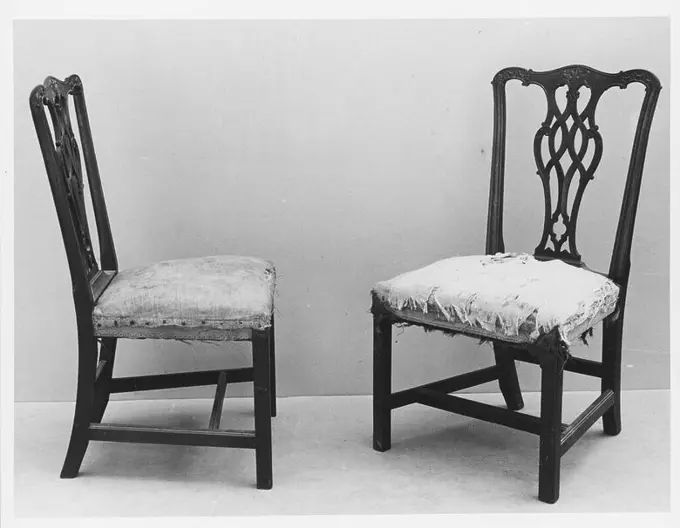
Side Chair with Scroll Splat and Stretchers. United States, Massachusetts, 1765-1775. Furnishings; Furniture. Mahogany wood, pine wood and replaced upholstery
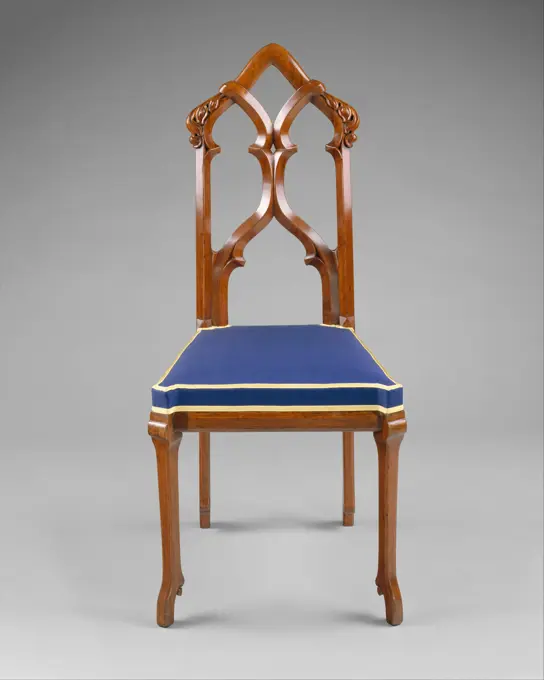
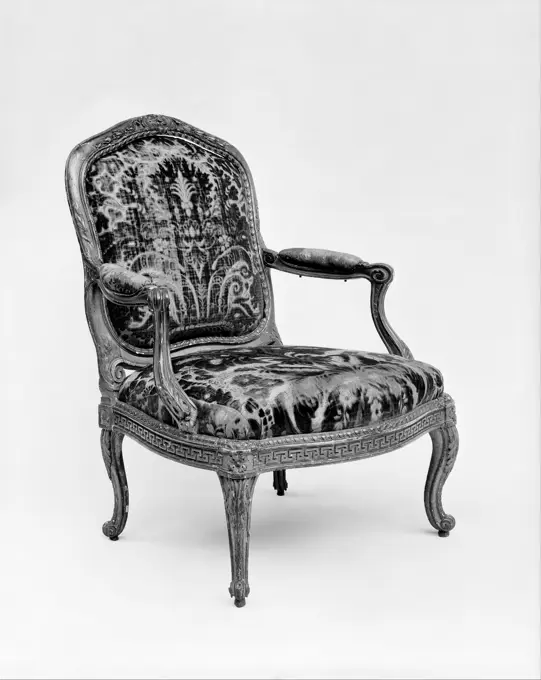
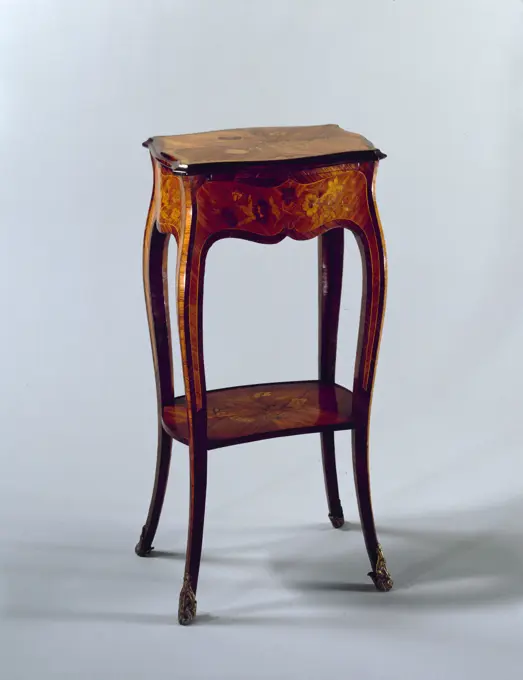
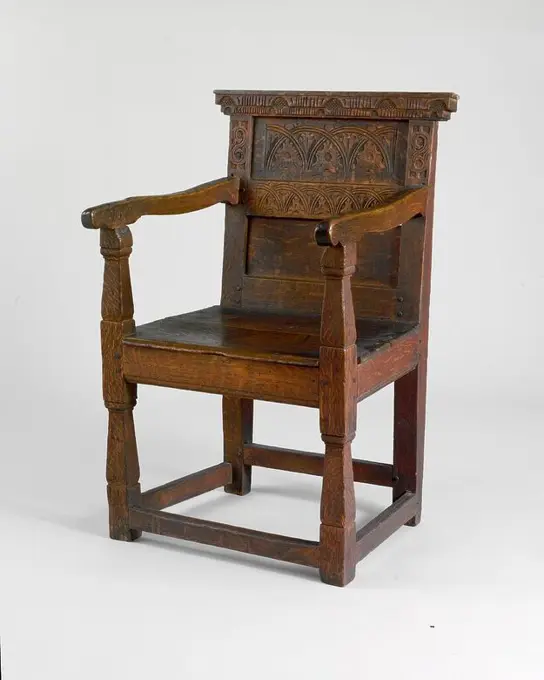
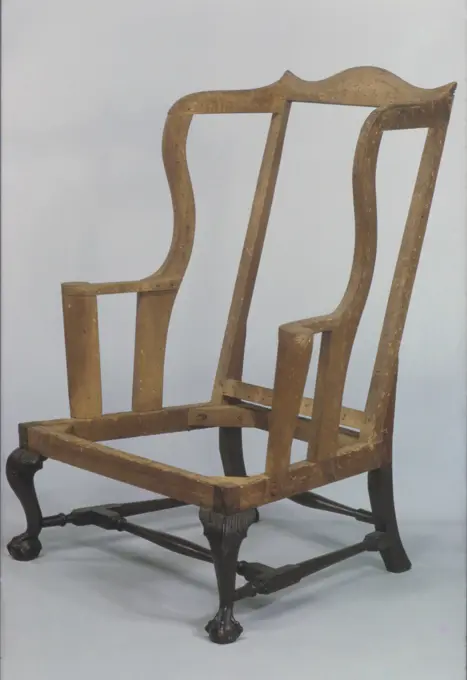
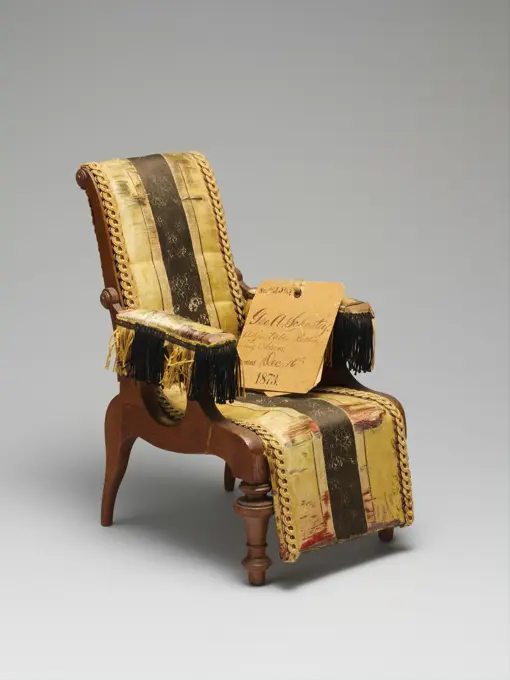
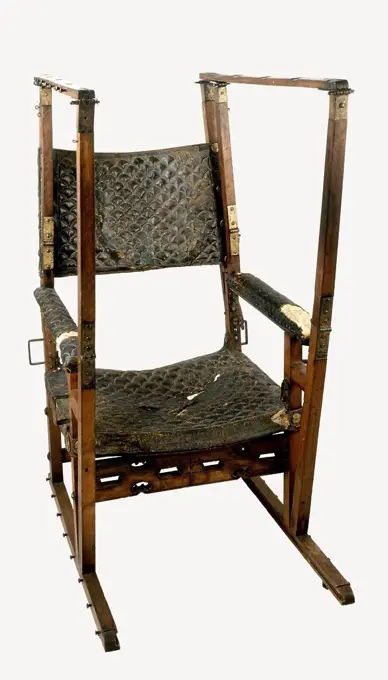
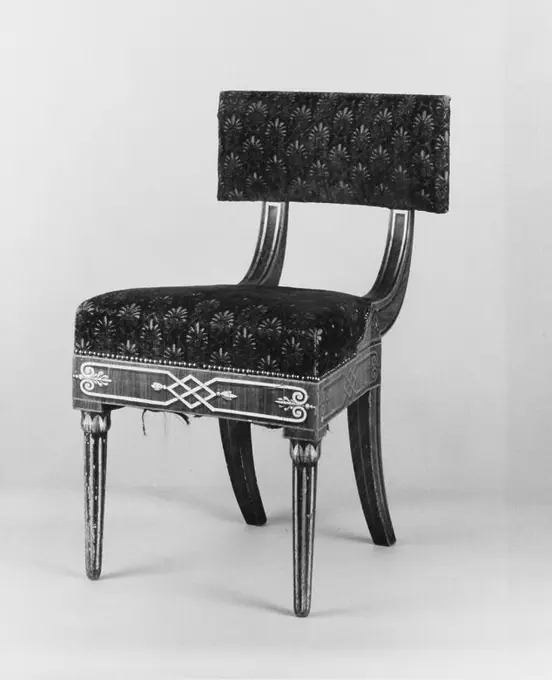
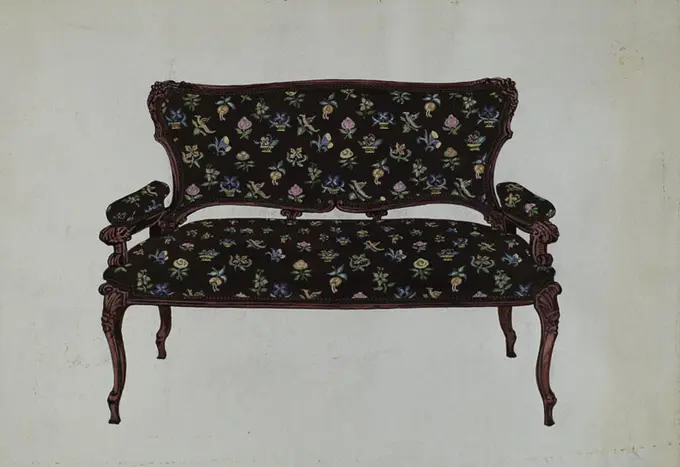
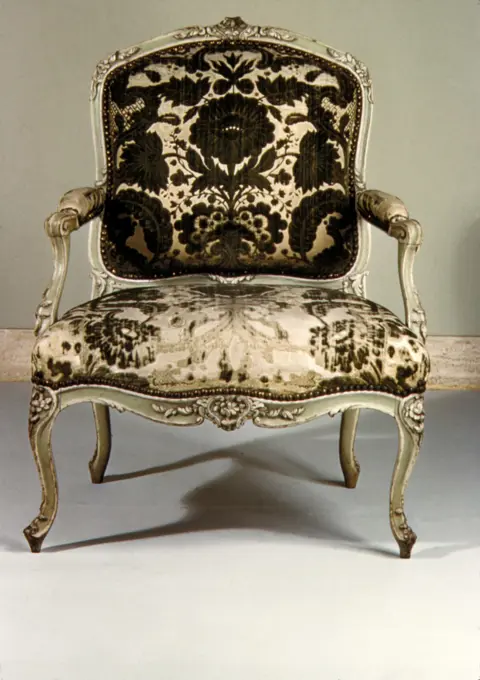
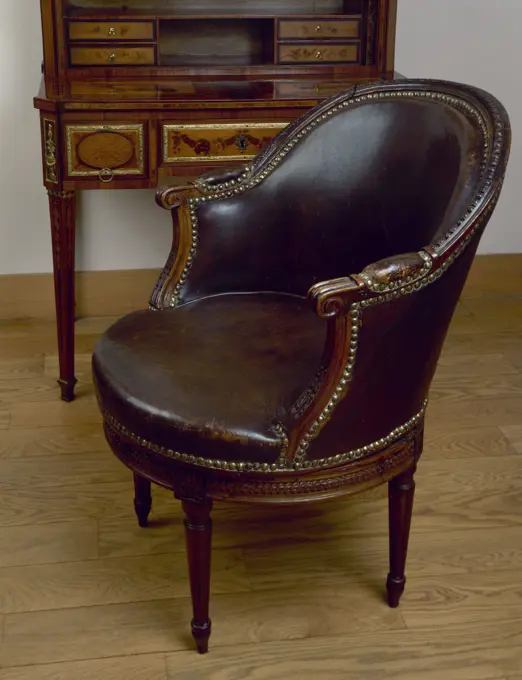
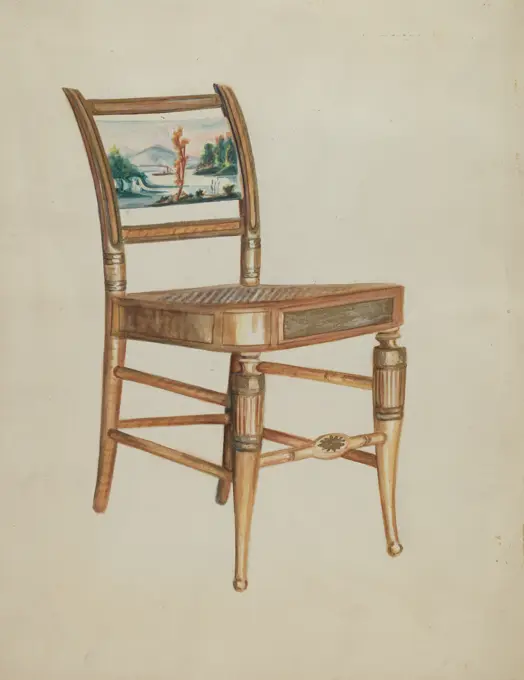
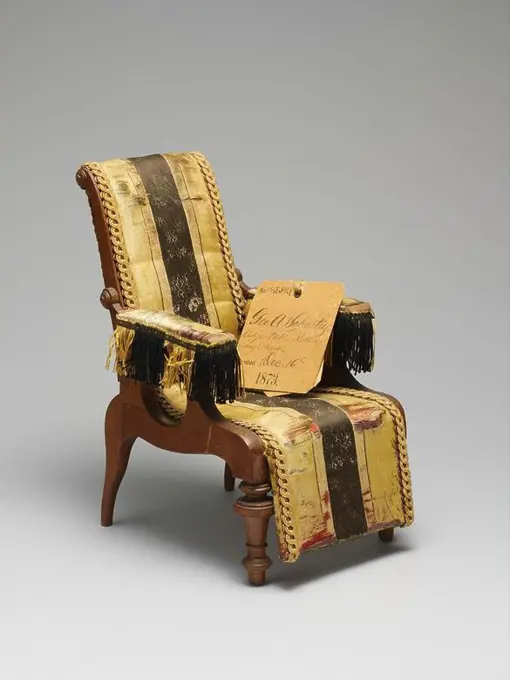
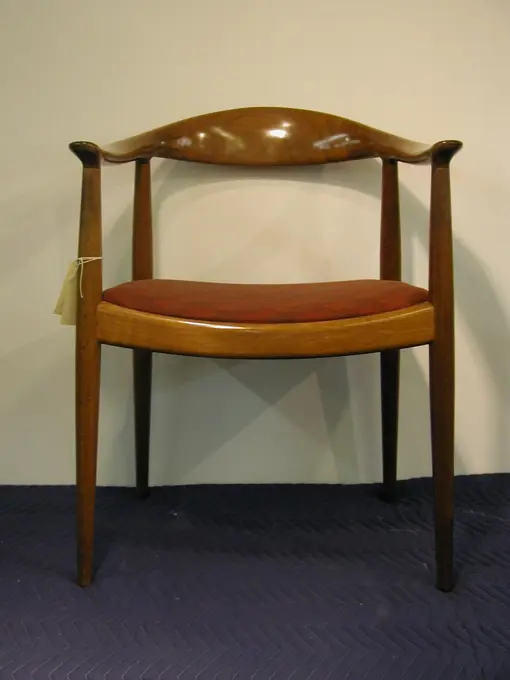
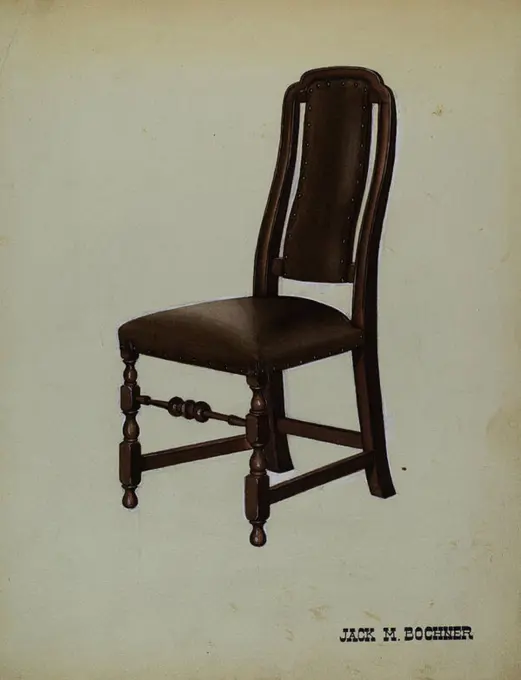
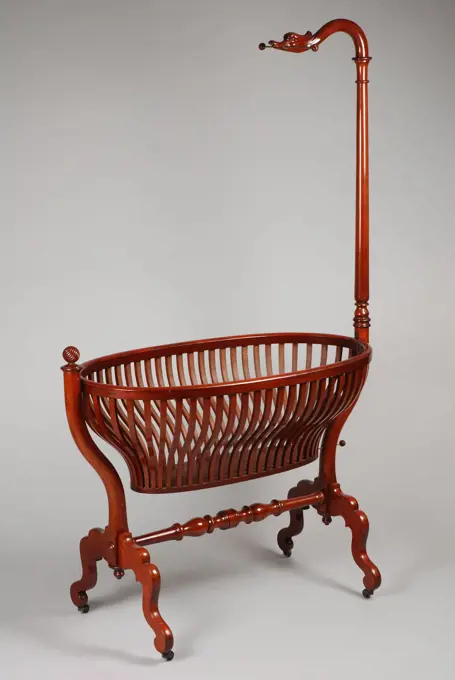
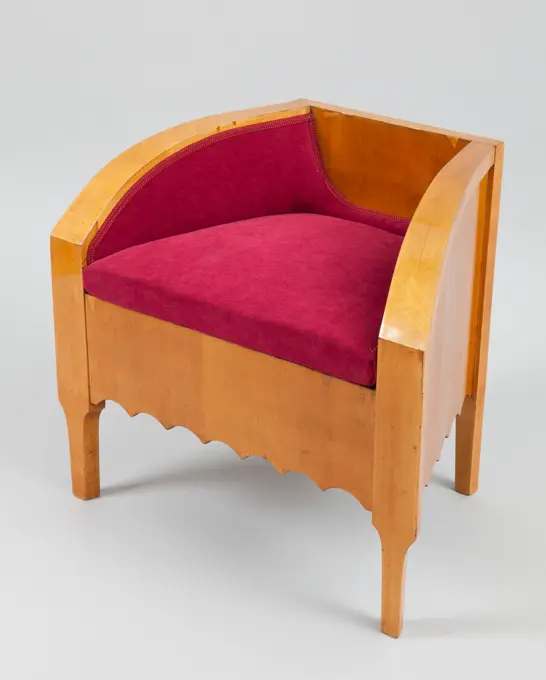
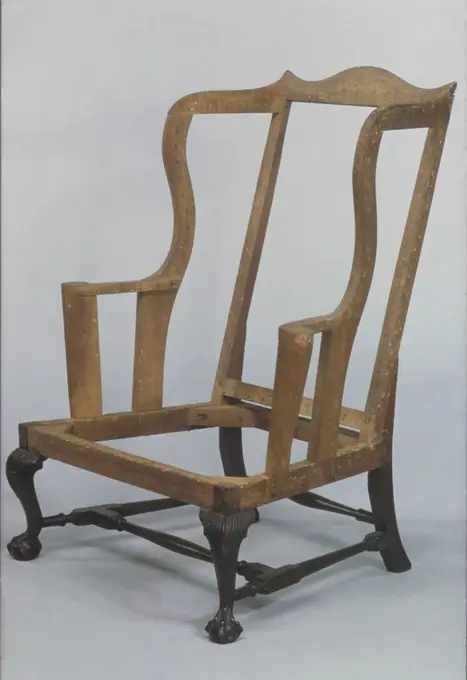
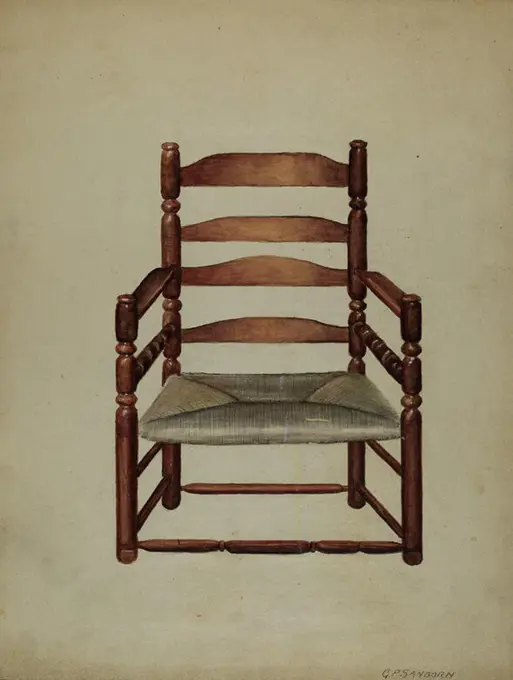
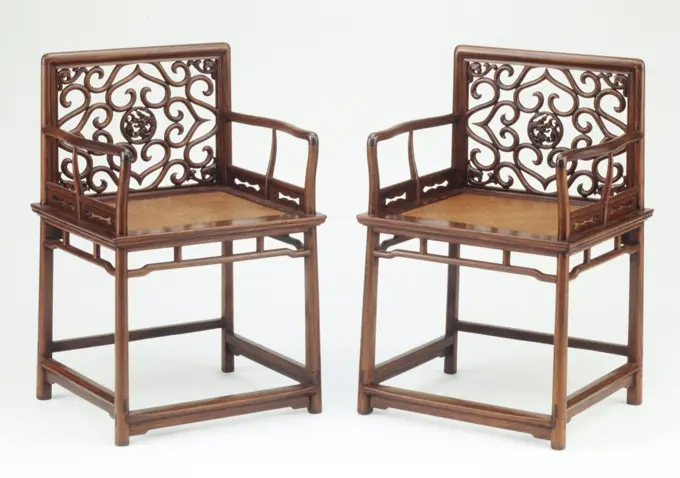
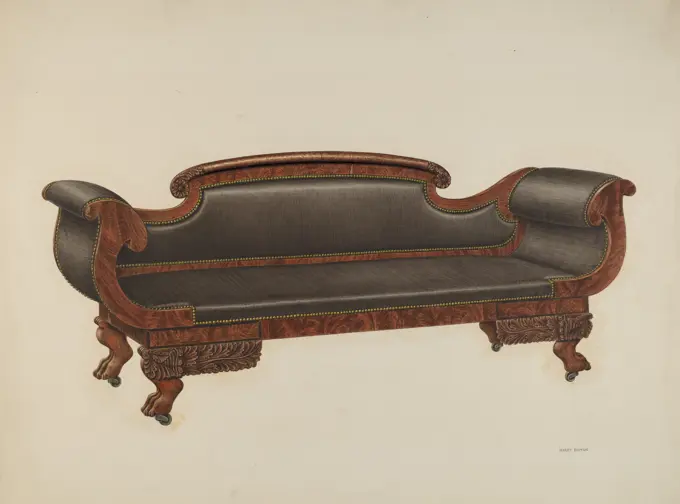
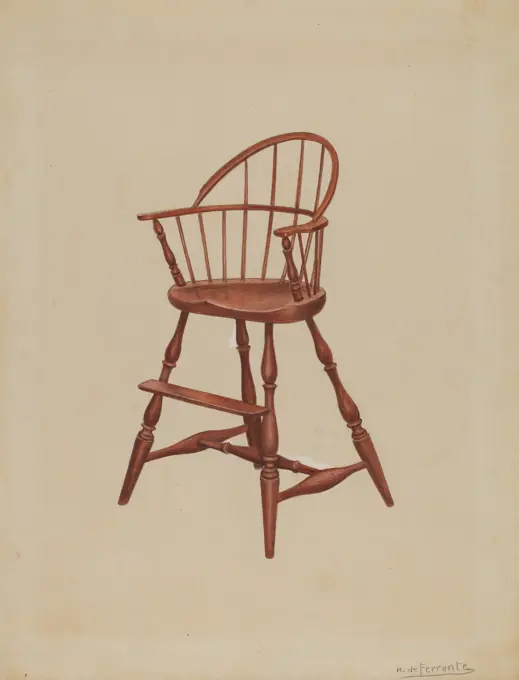
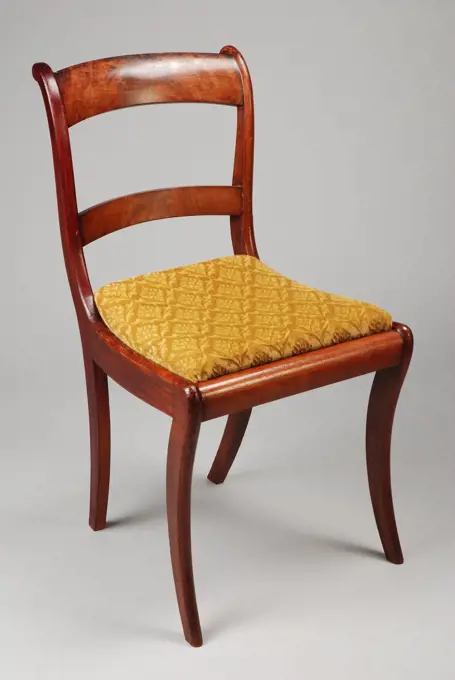
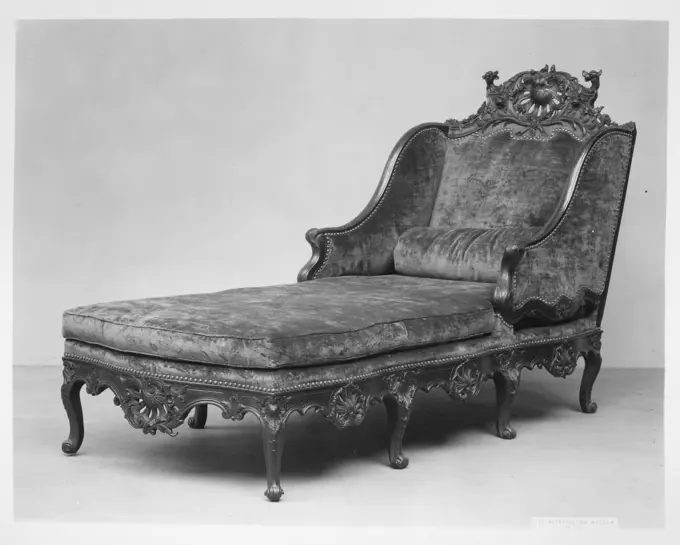
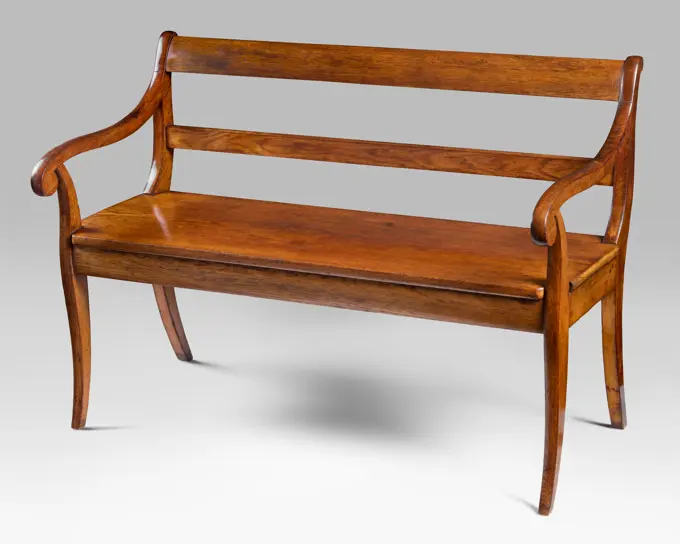
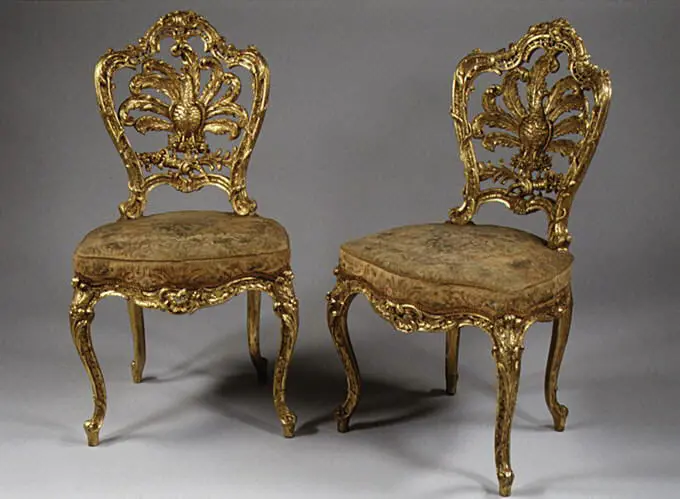
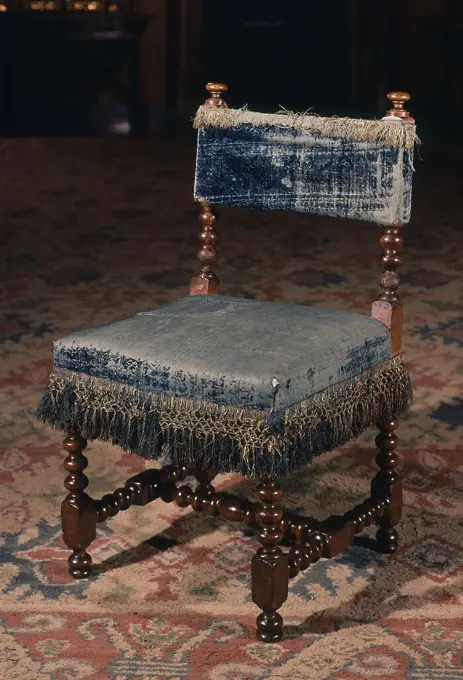
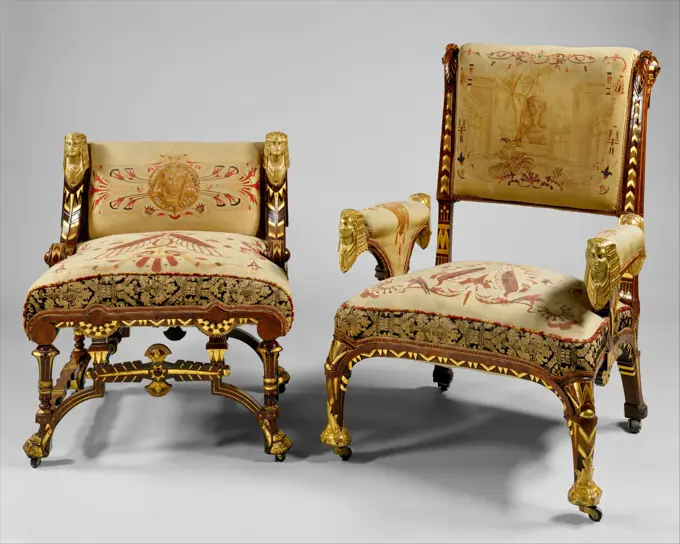
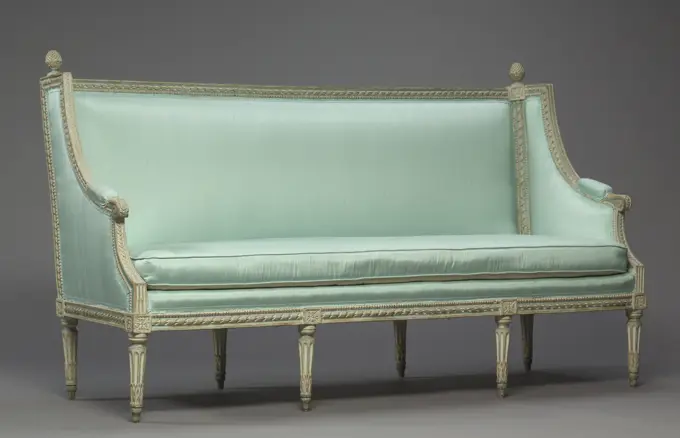
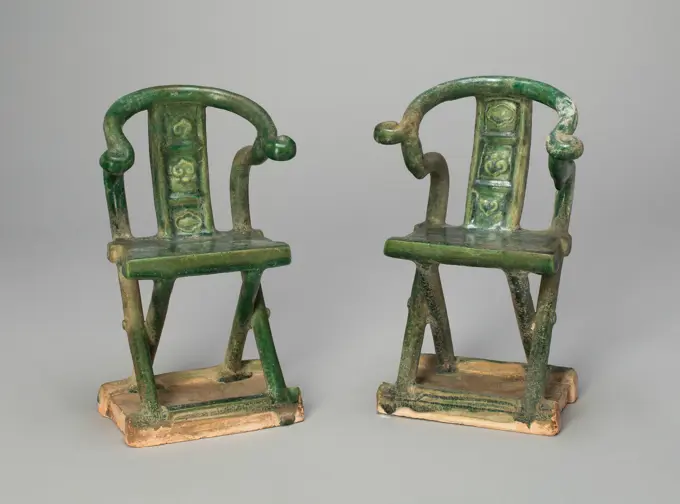
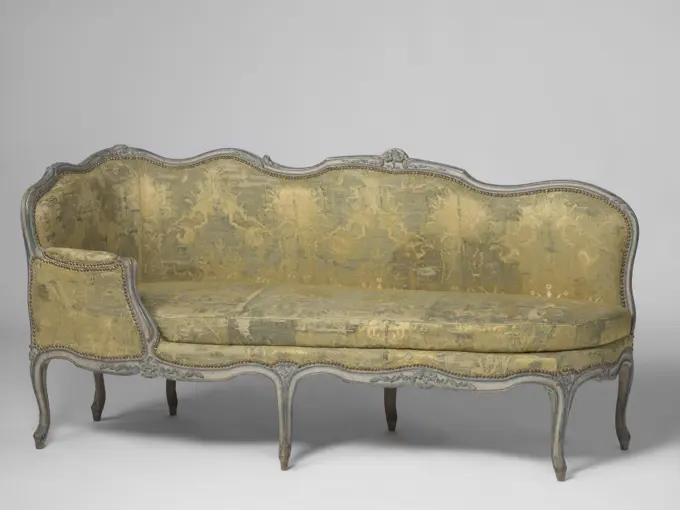
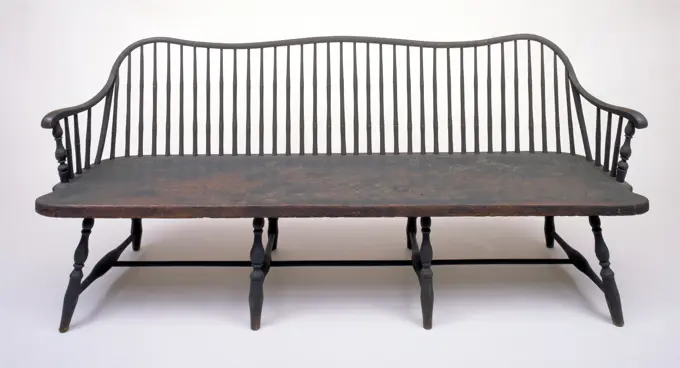
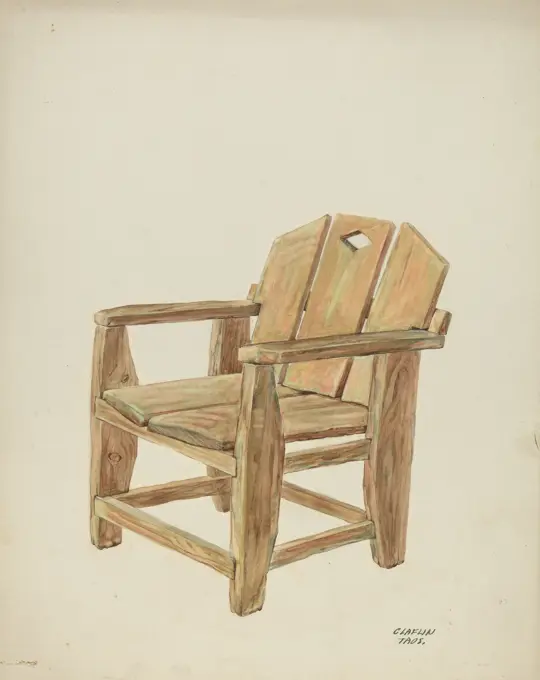
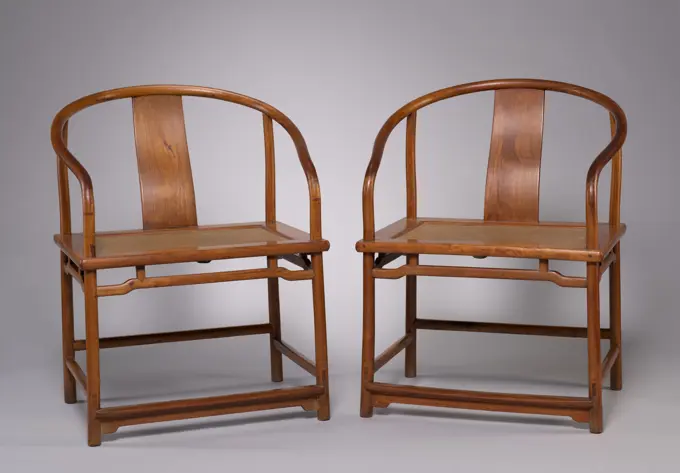
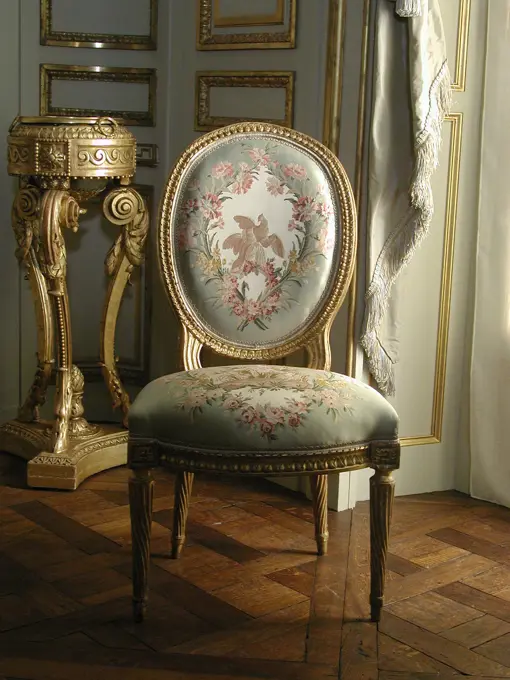
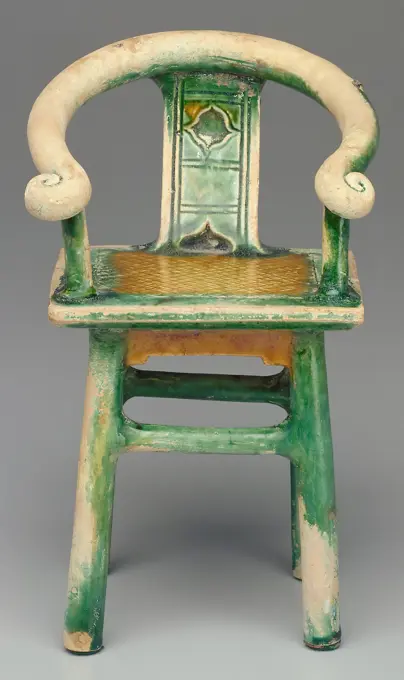
Side chair 1810-30 American. Side chair 1571Folding X-chair, anonymous, c. 1620 - c. 1650 Folding chair of walnut with leather seat and back. The hinged front and back styles are of the same contour; The front are at the front decorated with cutting work in deepened relief, consisting of rankwork, dolphins, a triton left and a najade on the right. A disk with lion's head has been installed for the hinge. The armrests run high in a hollow arch and are crowned with shield -bearing lions on ionic capitals and are decorated with rosettes at the front ends. STIPS AND LACKS have been widened from below to load-bearing feet. They are also interconnected by simply cut rules. The leather is attached with large copper nails. The back styles are glued at the back with modern veneer. Northern Netherlands walnut (hardwood). leather. copper (metal) Folding chair of walnut with leather seat and back. The hinged front and back styles are of the same contour; The front are at the front decorated with cutting work in deepened relief, consisting oSide Chair ca. 1857 Designed by Alexander Jackson Davis American This delicate yet animated side chair is a masterful example of the Gothic Revival style. It has a beautifully composed back of open tracery and slender legs that spring from feet that resemble diminutive deer's hooves. Davis, one of the preeminent architects of nineteenth-century America, worked in other revival styles as well as Gothic. Sometimes he provided the interior and the exterior details of a house and, unlike most architects of the period, Davis also occasionally supplied furniture designs to select clients. This walnut chair is a version of a design he made about 1857 for John J. Herrick, the owner of a castle by Davis that once stood in Tarrytown, New York. A few chairs have survived that can be firmly documented to Herrick's castle; all of them are of the same design as ours but are made of oak and are slightly heavier in scale. Our chair my have been made for the same house or by the same furniture maker foPair of Chairs. Jennens and Bettridge; Birmingham and London, England, 1815-1864. Date: 1844. Dimensions: 91.1 × 60.3 × 59.1 cm (35 7/8 × 23 3/4 × 23 1/4 in.). Papier-mché, wood, gilded and inlaid with mother-of-pearl; modern upholstery. Origin: Birmingham. Museum: The Chicago Art Institute, Chicago, USA. Author: Jennens and Bettridge.Writing-ArmChair.  Maker: Ebenezer Tracy, American, 1744-1803Armchair ca. 1765 Jean-Jacques Pothier. Armchair 189345 Maker: Jean-Jacques Pothier, master 1750, working until ca. 1780, Armchair, ca. 1765, Carved and gilded beechwood; cut velvet upholstery, Overall: 39  27 1/2  25 1/4 in. (99.1  69.9  64.1 cm). The Metropolitan Museum of Art, New York. Gift of J. Pierpont Morgan, 1906 (07.225.60)Chair (Samuel Chase). Dated: 1935/1942. Dimensions: overall: 45.8 x 35.7 cm (18 1/16 x 14 1/16 in.) Original IAD Object: none given. Medium: watercolor, gouache, and colored pencil on paperboard. Museum: National Gallery of Art, Washington DC. Author: James Fisher.Anonymous. Small writing table in oak and fir trees, marquetry with floral decor, shelf of between legs, golden bronzes (overview on a light background), around 1760. Paris, Cognacq-Jay museum. Bronze dore, oak, floral decor, decoration, flower, marquetry, furniture, small table to write, fir, louis xvi style, between legs, 18th century, wood, furnitureJoined armchair. Culture: American. Dimensions: 36 1/2 x 23 x 16 3/4 in. (92.7 x 58.4 x 42.5 cm). Date: 1650-1700.The most imposing chairs in seventeenth-century New England were the joined-oak armchairs with panel-and-frame backs carved in the same manner as chests. Based on English Renaissance and Mannerist designs, this example, with its solid, vigorous form enlivened by carving, has a commanding presence. Its massive rear posts taper on the front surface toward the crest and foot, resulting in a back that slants to accommodate the human form and in legs that are lightened. The carving, which consists of a double arcade, intersecting lunettes with stylized foliage, and S-scrolls, creates a lively interplay of semicircles, circles, and vertical accents. The square pillars, used instead of turnings to ornament the front posts (part of the vocabulary of Mannerist decoration), are an unusual feature in New England furniture of the period known primarily on this and five related chairs.Easy Chair 1760-90 American. Easy Chair 3491Patent model for adjustable reclining chairs 1873 George A. Schastey George A. Schastey (1839-1894) headed one of the principal cabinetmaking and decorating firms of Americas Gilded Age. Born in Merseburg, Germany, he immigrated to New York as a young boy in 1849. After fighting for the Union in the Civil War, Schastey took up work in New Yorks expanding furniture trade with several of the citys leading cabinetmakers and decorators before opening his own business in 1873.The late nineteenth century was a period of great innovation in American cabinetmaking. In keeping with contemporary notions of technology as a means to improve comfort, Schastey filed a patent for a new kind of reclining chair, submitting this model as well as drawings. The United States Patent Office eventually removed the requirement to submit a working model as part of the patent submission and the accumulated collection was dispersed. Remarkably, Schasteys patent model survives with its original upholstery andSILLA DE MANOS-1596-131X68X87,5CM-NOGAL TALLADO,HIERRO FORJADO Y SOBREDORADO,VAQUETA. Location: MONASTERIO-INTERIOR. SAN LORENZO DEL ESCORIAL. MADRID. SPAIN.ChairSide Chair. Culture: American. Dimensions: 23 1/8 x 18 1/4 x 21 1/4 in. (58.7 x 46.4 x 54 cm). Date: 1815-30.In the early nineteenth century, no form of ancient furniture was imitated as successfully as the Greek klismos. Known through its depiction on Greek vases and fragments of relief-carved marbles, the chair is distinguished by its spare, elegant lines and sweeping, curved rear stiles surmounted by a broad, deeply curved tablet. Reflecting on the perfection of Greek works of art in 1812, the British furniture designer George Smith wrote that every attention "was evidently given to produce a flowing and correct outline; and so to arrange the parts in masses, that the whole should appear clear and distinct . and it is this happy relief, this rejection of little parts, that gives their works so chaste and pleasing an effect." At their best, nineteenth century American klismos chairs strive for such perfection. Museum: Metropolitan Museum of Art, New York, USA.Pair of armchairs 16th century possibly Spanish. Pair of armchairs. possibly Spanish. 16th century. Walnut. Woodwork-FurnitureSide Chair 1850-60 Attributed to John Henry Belter. Side Chair 1624Detail shot of traditional dining chair upholstered in a pale yellow and blue fabricSide chair ca. 1725-35 British. Side chair. British. ca. 1725-35. Gilded gesso on walnut. Woodwork-FurnitureChair;  the beginning of the 19th century (1800-00-00-1824-00-00), the beginning of the 20th century (1901-00-00-1920-00-00);Barani Łeb (ornament), Empire (style), dumplings (animal legs), Palmeta (ornament), abundance horns (ornament), plant decorationisolated classic leather chair made in 3dSettee. Dated: c. 1936. Dimensions: overall: 24.8 x 35.5 cm (9 3/4 x 14 in.) Original IAD Object: 35"high; 48"long; 22 1/2"deep. Medium: gouache, watercolor, colored pencil, and graphite on paper. Museum: National Gallery of Art, Washington DC. Author: Florence Huston.Armchair ca. 1760 Michel Gourdin. Armchair 195505Anonymous. Office armchair turning in sculpted walnut, leather and golden nails (overview in the room, without bottom), around 1785. Paris, Cognacq-Jay museum. Dore nail, leather, office armchair, furniture, cognacq-jay museum, walnut sculpt, secretary, Louis XVI style, turning, 18th century, wood, furnitureArmchair, Carved and painted wood, velvet upholstery (modern), Open-armed, wide chair (a); rectangular back, blue-and-gray painted frame carved with twisted ribbon band and bead-and-reel band; arms terminate in scroll and acanthus leaf; acanthus leaf on knees; stop-fluted legs with rosette in square on two sides above each front leg. X in square on two sides above each rear leg. Boxed back, arm rests and loose seat cushion (b) upholstered in light blue velvet., France, ca. 1780, furniture, Decorative Arts, ArmchairEdna C Rex, Settee Sofa, c 1937 Settee-SofaSamuel Fineman, Hepplewhite Chair, c 1936 Hepplewhite ChairChair. unknown, contractorSeat, belonging to an eleven-part am family. Chair, made from walnut, belonging to an eleven-part ambulance, consisting of a bank and ten seats. The seat of downtime with leaf and floral motifs in silk on linen grid, with a soft filling.Chair. unknown, authorElla Josephine Sterling, Chair  with Hudson River Scenes, c 1936 Chair - with Hudson River ScenesGerald Transpota and Harry Mann Waddell, Arm Chair (Ecclesiastical), 1937 1940 Arm Chair (Ecclesiastical)Patent model for adjustable reclining chairs. Culture: American. Dimensions: 10 x 6 x 7 in. (25.4 x 15.2 x 17.8 cm). Maker: George A. Schastey (1839-1894). Date: 1873.George A. Schastey (1839-1894) headed one of the principal cabinetmaking and decorating firms of America's Gilded Age. Born in Merseburg, Germany, he immigrated to New York as a young boy in 1849. After fighting for the Union in the Civil War, Schastey took up work in New York's expanding furniture trade with several of the city's leading cabinetmakers and decorators before opening his own business in 1873.The late nineteenth century was a period of great innovation in American cabinetmaking. In keeping with contemporary notions of technology as a means to improve comfort, Schastey filed a patent for a new kind of reclining chair, submitting this model as well as drawings. The United States Patent Office eventually removed the requirement to submit a working model as part of the patent submission and the accumulated col. Arch chair from oak resting on four legs. The legs are interconnected by means of an H-shaped cross. The front legs have a beveled silk on both the top and top and walk through in the arm struts. The hind legs continue in the back styles to the top. The backrest consists of a wide plush with a narrow rule below. There is an open space in between and below. The armrests are embedded in the back styles and are rounded to all sides. The loose seat rests on four lines that connect the legs at the top. The seat is covered with green wool.chair Armchair.  Designer Hans Wegner, Danish, 1914-2007 Manufacturer: Johannes HansenPair of armchairs ca. 1780-85 British. Pair of armchairs. British. ca. 1780-85. Satinwood, modern silk. Woodwork-FurnitureArmchair 1877-97 North American Iron Works. Armchair. American. 1877-97. Cast iron. Made in New York, New York, United StatesSide Chair. Dated: c. 1937. Dimensions: overall: 29 x 22.5 cm (11 7/16 x 8 7/8 in.) Original IAD Object: 42 1/2"high, 19 1/2"high at seat, 18"wide at seat.. Medium: watercolor, pen and ink, and some heightening on paperboard. Museum: National Gallery of Art, Washington DC. Author: Jack Bochner.Arthur Johnson, Easy Chair, 1937 Easy ChairArmchair 1877-80 American. Armchair 245Fauteuil, e.g.c. Shrudad, 1910 - 1927  Netherlands oak (wood). rosewood (wood). wool  Netherlands oak (wood). rosewood (wood). woolMahogany Biedermeier cradle, cradle bed mahogany oak wood brass iron pockwood wood, Mahogany wood Biedermeier cradle on rocaill-shaped legs; the cradle itself consists of curved bars encased in an oval bottom and edge; back style with swan head as suspension point for the textile furniture BiedermeierLollingchairFurniture set: chair Wyspiały, Stanis Aw (1869 1907), Sydor, AndrzejEasy Chair. Culture: American. Dimensions: 47 3/4 x 35 1/2 x 28 1/8 in. (121.3 x 90.2 x 71.4 cm). Date: 1760-90. Museum: Metropolitan Museum of Art, New York, USA.Gothic Style Chair with Dark Wood Frame and Maroon Upholstery 19th century Anonymous, British, 19th century British. Gothic Style Chair with Dark Wood Frame and Maroon Upholstery 386551Chair. Dated: 1935/1942. Dimensions: overall: 29.2 x 22.9 cm (11 1/2 x 9 in.). Medium: watercolor and graphite on paperboard. Museum: National Gallery of Art, Washington DC. Author: Gordon Sanborn.Chair. unknown, authorArmchair (meiguiyi), one of a pair, 18th century, 34 3/4 x 22 1/2 x 19 1/8in. (88.3 x 57.2 x 48.6cm), Huang hua-li, cane seat, China, 18th centuryvintage armchair Antique orange armchair isolated on white background Copyright: xZoonar.com/MariaxKraynovax 22114017Armchair (part of a set) ca. 1785 Georges Jacob French. Armchair (part of a set) 236075Pair of windsor typestoolsTableArmchair. .Harry Eisman, Sofa, c 1940 SofaSide chair ca. 1808-25 Samuel Gragg. Side chair 13367Side chair (set of four) ca. 1750-60 Southern German. Side chair (set of four) 237992Armchair Jean Baptiste Gourdin, 1723-1781, Manufacture Royale des Gobelins, Paris FranceMario De Ferrante, Infant's High Chair, c 1937 Infant's High ChairMahogany Biedermeier chair, chair furniture furniture interior design wood mahogany beech wood velvet, Veneered hood and lining saber legs and ocher yellow velor upholstery on the seat backstyles ending in volutes BiedermeierChair. Dated: c. 1938. Dimensions: overall: 37.1 x 28.4 cm (14 5/8 x 11 3/16 in.) Original IAD Object: none given. Medium: watercolor, colored pencil, and graphite on paperboard. Museum: National Gallery of Art, Washington DC. Author: Michael Riccitelli.Daybed second quarter 18th century Attributed to School of Toulon. Daybed 194934Children's bench. unknown, joinerHigh Chair ca. 1700 American. High Chair 4274Vintage classical style Chair in white roomSide chair (one of a pair) mid-19th century German With their crisp and elegant design, these chairs (see also 1991.85.1) are reminiscent of mid-eighteenth-century Rococo furniture. The chairs have been regilded.. Side chair (one of a pair). German. mid-19th century. Gilt wood. Woodwork-FurnitureSILLA DE TERCIOPELO AZUL. Location: MUSEE D'ARTS DECORATIFS. MADRID. SPANIEN.Armchair ca. 1870-75 Attributed to Pottier and Stymus Manufacturing Company The nineteenth-century taste for Egyptian subjects, which developed first in Europe and America in the wake of Napoleon's Egyptian campaign of 1798, achieved widespread popularity in America in the 1870s. Americans embraced the Egyptian style: Verdi's "Aïda", commissioned to celebrate the opening of the Suez Canal in 1869, had its first American performance in New York in 1873; the 1872 memorial to the Union dead in Mount Auburn Cemetery, Cambridge, Massachusetts was a sphinx; and Egyptian products were deemed suitable for inclusion in the Philadelphia Centennial Exhibition in 1876. While a number of New York cabinetmakers produced Egyptian revival furniture with motifs such as sphinx heads, animal feet, palmettes, and lotus leaves during the 1870s, the firm of Pottier and Stymus is most often associated with the style. This armchair and a matching side chair (1970.35.2) are not marked or labeled, but the attriStool. Dimensions: l. 41.5 cm (16 5/16 in); w. 40.5 cm (15 15/16 in); h. 39.5 cm (15 9/16 in). Dynasty: Dynasty 12-Dynasty 13. Date: ca. 1850-1640 B.C.. Museum: Metropolitan Museum of Art, New York, USA.Side Chair 1675-1700 American, probably. Side Chair 1541Settee, c. 1780. Philippe-Joseph Pluvinet (French, 1793). Painted wood and upholstery; overall: 162.5 cm (64 in.).Chair of Rosherman wood, Horrix brothers, c. 1850  Chair of Rosherman wood. The Hague rosewood (wood)High back chair covered with orange velor. Oak chair, partly glued with rosewood, resting on four legs. Rejuvenate the short round front legs and are painted black; The hind legs have one sloping side. The high trapezoidal seat is located just above the ground and is completely covered with orange velor. The high back runs up narrower and has been caught in two styles that protrude. The back is also covered with orange velor and is deposited with a beige trim on the sides.AMeublement van Padukhout, decorated with entry patterns and inlaid with a tropical wood, 1899 Ameblement van Padukhout, decorated with entry patterns and inlaid with a tropical wood, consisting of a table, six chairs and a footstool. Amsterdam padouk (wood)   Amsterdam Ameblement van Padukhout, decorated with entry patterns and inlaid with a tropical wood, consisting of a table, six chairs and a footstool. Amsterdam padouk (wood)   AmsterdamClose-up of a giraffe-style pianoMiniature Folding Chair (Mingqi) Artist's working dates 1368-1644 China. Earthenware with green glaze and underglaze molded decoration .Tutankhamun's gold Throne, EGYPT.Black genuine leather classical style sofa in vintage roomCanapé covered with silk with pattern of Chinese figures on yellow stock., Jean Nadal, c. 1750 - c. 1760 Canap of beech wood, gray with blue painted and covered with silk, with Chinese figures on yellow stock; A loose pillow on the seat. The couch rests on seven S-shaped legs that turn into the sitting window. The long S-shaped curve of the front passes with a round corner in the right-hand side; The straight back and left side are connected by a round corner. The left corner is enclosed. The army passes into the back window. The scalloped rules and the scalloped back window have stabbed decorations. J.Nadal stamped twice on the inside of the rear seat rule furniture worker: Francefurniture worker: Paris wood (plant material). beech (wood). silk Canap of beech wood, gray with blue painted and covered with silk, with Chinese figures on yellow stock; A loose pillow on the seat. The couch rests on seven S-shaped legs that turn into the sitting window. The long S-shaped curve of the front Armchair (fauteuil en cabriolet) (one of a pair) (part of a set) ca. 1785 Jean-Baptiste-Bernard Demay. Armchair (fauteuil en cabriolet) (one of a pair) (part of a set) 236105White Vintage classical farbirc style ChairChilds Windsor Side ChairRocking Chair. Dated: c. 1942. Dimensions: overall: 46 x 35.8 cm (18 1/8 x 14 1/8 in.) Original IAD Object: 41 1/2"high; 21 1/2"wide; rockers, 33 1/2"long. See data sh. for dets.. Medium: watercolor, gouache, colored pencil, and pen and ink on paperboard. Museum: National Gallery of Art, Washington DC. Author: James Fisher.Windsor settee, c. 1800, 35 1/4 x 81 1/2 x 22in. (89.5 x 207 x 55.9cm), Painted wood, modern leather upholstery, United States, 18th-19th century, Windsor chairs trace their name back to Windsor Castle, where they were used in the early 1700s. During the eighteenth and early nineteenth centuries in England and America, they served as seating furniture in parlors, porches, and gardens, as well as in public buildings.Retro dining chair Elegant decorative dinning chair isolated with clipping path included Copyright: xZoonar.com/Baloncicix 7167958Slat-back Chair. Dated: c. 1936. Dimensions: overall: 29 x 23.1 cm (11 7/16 x 9 1/8 in.) Original IAD Object: 34"high, 20"wide. Medium: watercolor, gouache, colored pencil, and graphite on paper. Museum: National Gallery of Art, Washington DC. Author: George Kirschner.Chair ca. 1510-30, with later elements French. Chair 197165Majel G Claflin, Chair, c 1938 ChairPair of Roundback Armchairs: Lohan Type, 1600-1700s. China, Ming dynasty (1368-1644) or Qing dynasty (1644-1911). Rosewood (huanghuali); overall: 85.4 x 58.4 cm (33 5/8 x 23 in.); chair: 86 x 63.5 x 47 cm (33 7/8 x 25 x 18 1/2 in.). Following the tradition of sitting cross-legged on an elevated platform, these armchairs allow the sitter to rest their feet on the stretcher between the front legs, or to pull their legs up resting their shoes on the stretcher. The existence of such chairs in pairs suggests that they were used in more formal settings reserved for important guests and family members of age and high status. Similar chairs with low, straight backs were presumably used by women or in a less formal context.Ancient chairs with upholstered antique chairs with upholsteredSide Chair. Culture: American. Dimensions: 37 1/8 x 21 x 20 3/4 in. (94.3 x 53.3 x 52.7 cm). Date: 1760-90. Museum: Metropolitan Museum of Art, New York, USA.Armchair (one of a pair). England. Date: 1765-1785. Dimensions: 95.9 × 59.1 × 51.8 cm (37 3/4 × 23 1/4 × 20 3/8 in.). Painted beech, modern upholstery. Origin: England. Museum: The Chicago Art Institute, Chicago, USA.Folding chair late 15th century Spanish, Granada. Folding chair 196346Furniture around the turn of the century 1900, Carved early Chippendale chairman's chair (1910, 1911), Carved early Chippendale chairman's chair (1910, 1911) .jpgtwo large and one childs chair in an empty room two large and one childs chair in an empty room UK Copyright: xZoonar.com/davidxridleyx 15402126Side Chair. Dated: 1936. Dimensions: overall: 29 x 23 cm (11 7/16 x 9 1/16 in.) Original IAD Object: none given. Medium: watercolor, gouache, colored pencil, and graphite on paper. Museum: National Gallery of Art, Washington DC. Author: Joseph Rothenberg.Side chair (one of a pair) ca. 1775 Jean-Jacques Pothier Made by Jean-Jacques Pothier around 1775, these chairs are known as cabriolets. Introduced around 1760, their name derives from a new light one-horse driven carriage, called cabriolet”. Pothier became master in Paris in 1750. In his workshop, first located in the rue Mazarine and then in the rue de Bourbon, he executed his best pieces in the neoclassical style which are very close to the works by Georges Jacob.This type of light chair, first mostly used in the apartments of women, was easy to move. The oval-shape back is reminiscent of antique medallions. The straight legs carved with twisted flutes, terminating in peg-top feet and connected to the seat by cubical blocks, are characteristic of the neoclassical taste which was in vogue during Louis XVI’s reign.. Side chair (one of a pair) 205527François Reuze. Chair. Beech, around 1750. Paris, Carnavalet museum. 50254-9 Chair, Hetre, furniture, floral motif, furnitureChair, 14th-17th century, 6 15/16 x 4 5/16 x 4 1/4 in. (17.62 x 10.95 x 10.8 cm), Glazed earthenware, China, 14th-17th century