Classical and Historical Sculptures

A collection of diverse sculptures including busts, figurines, and statuettes, showcasing varying styles and historical significance.
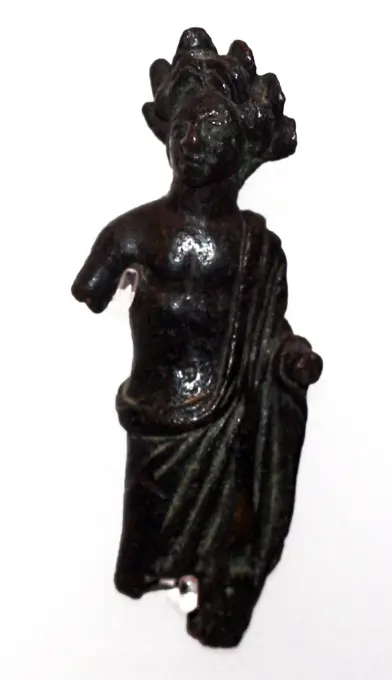
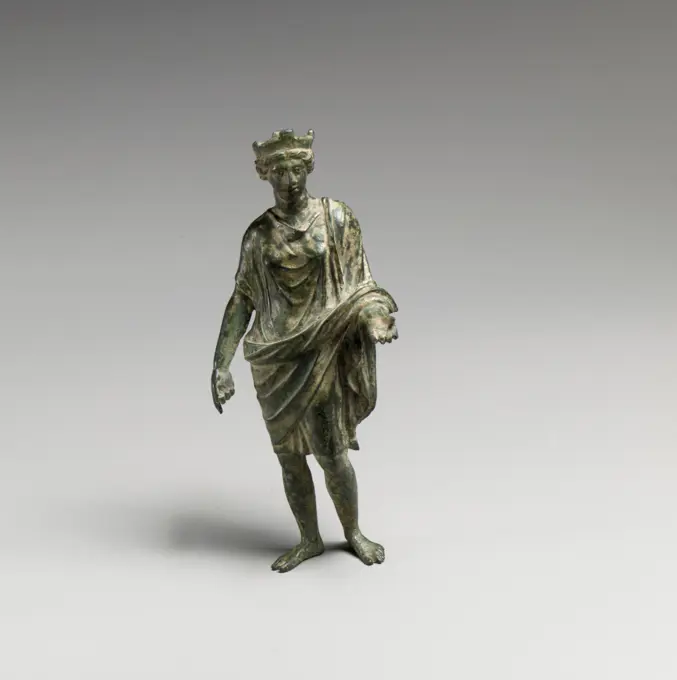
Small figurine of a household God. Penates, (Gods protecting the household and family) became popular ornaments in Roman households. Roman, circa 1st-4th century AD.
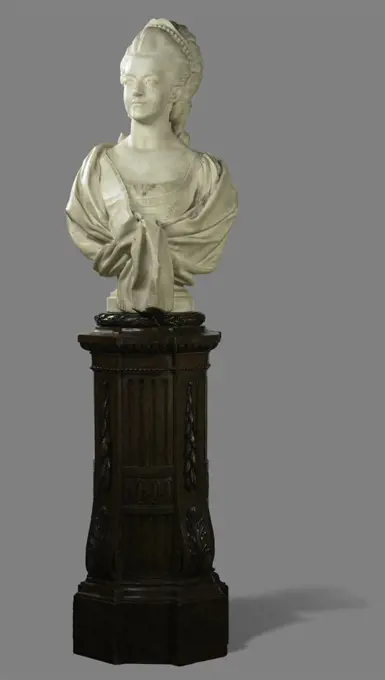
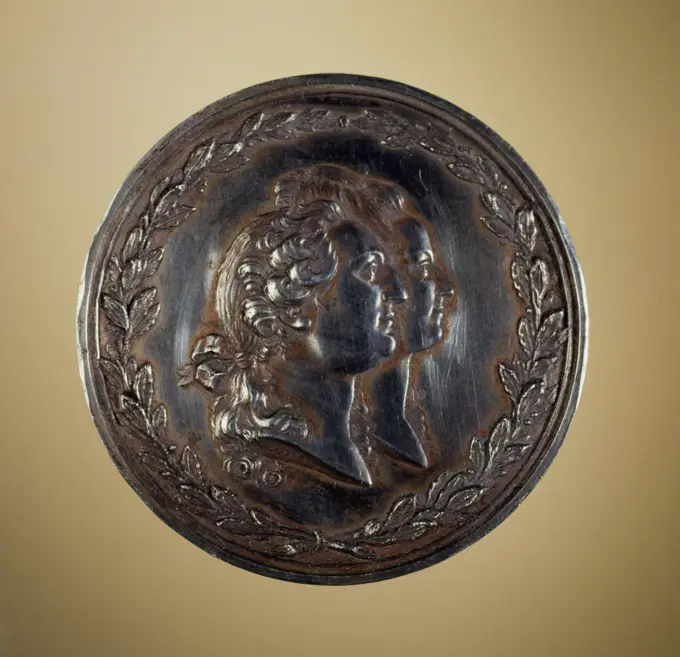
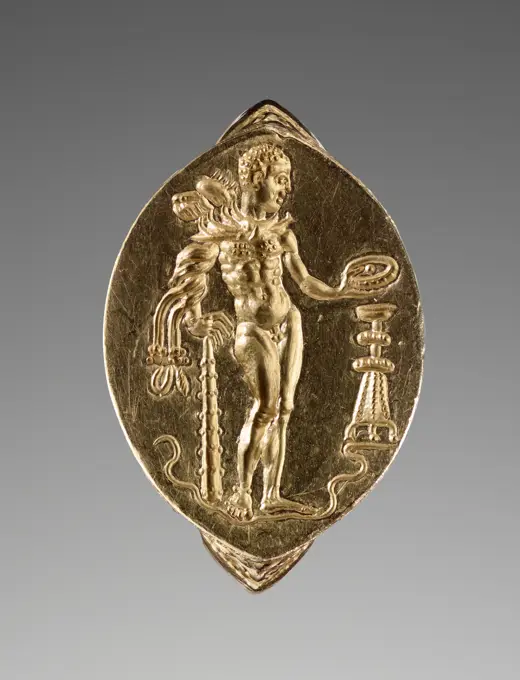
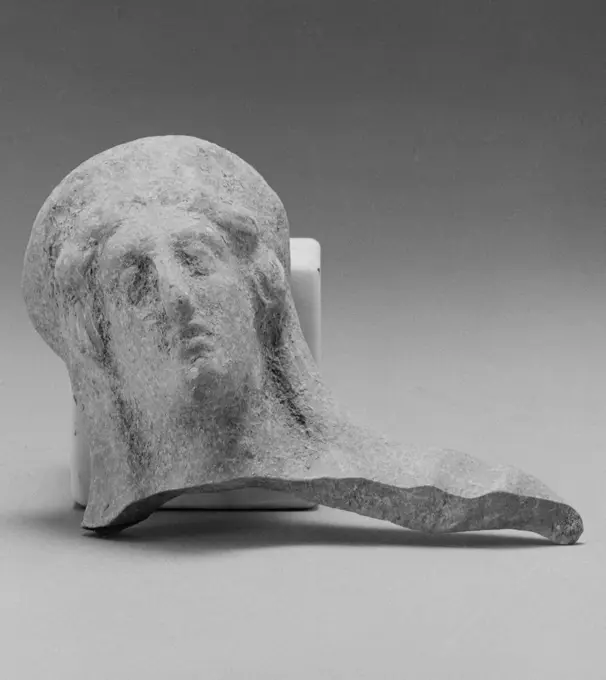
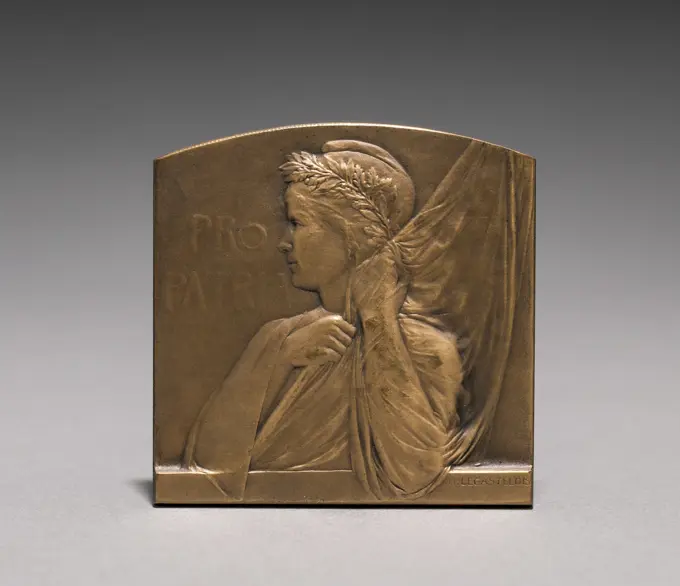
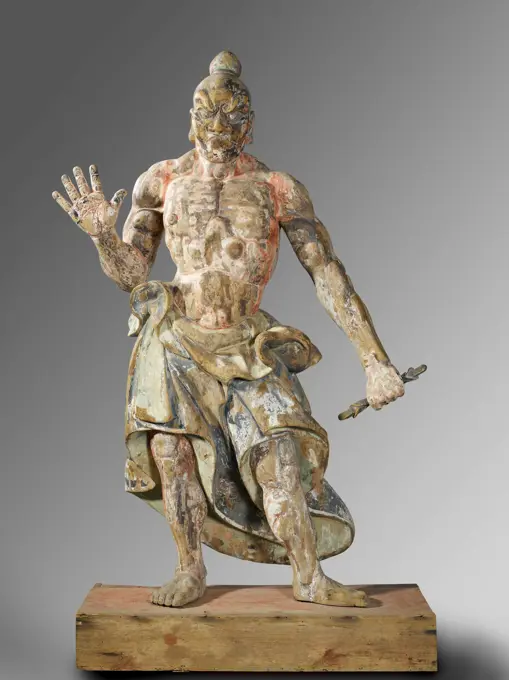
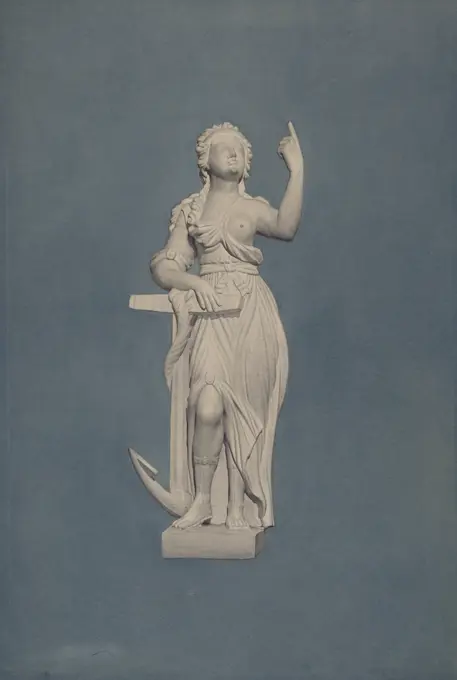
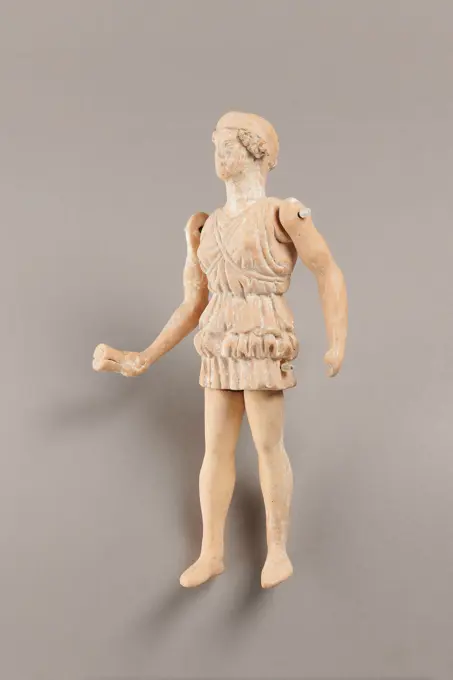
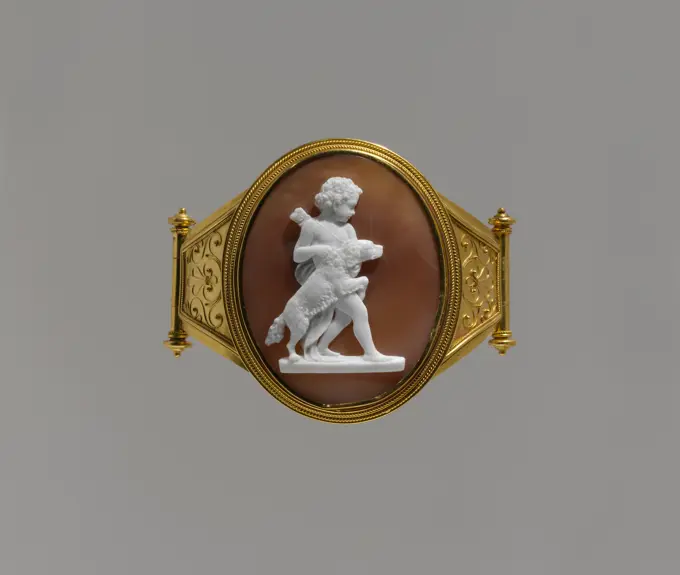
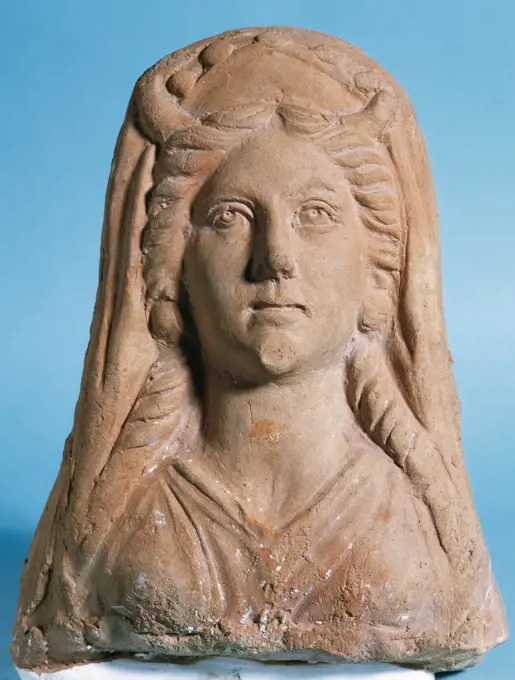
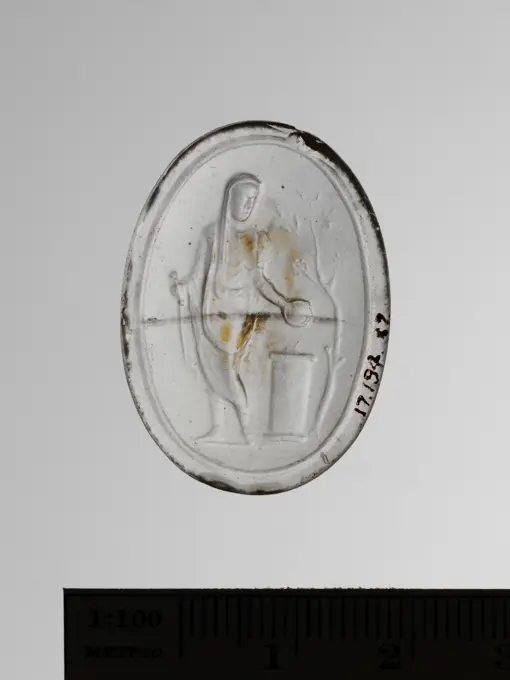
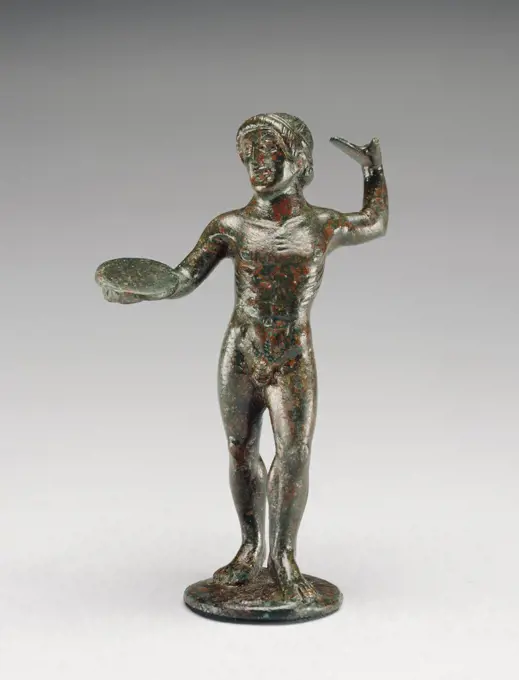
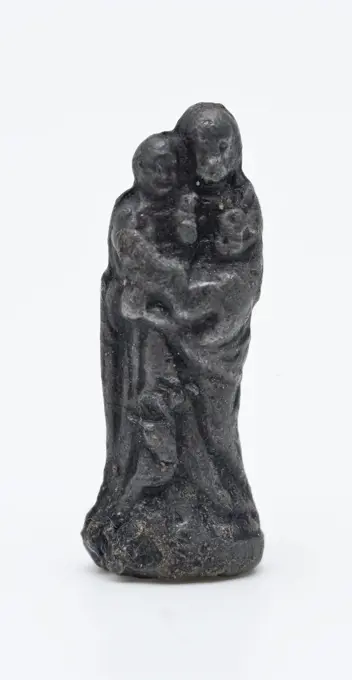
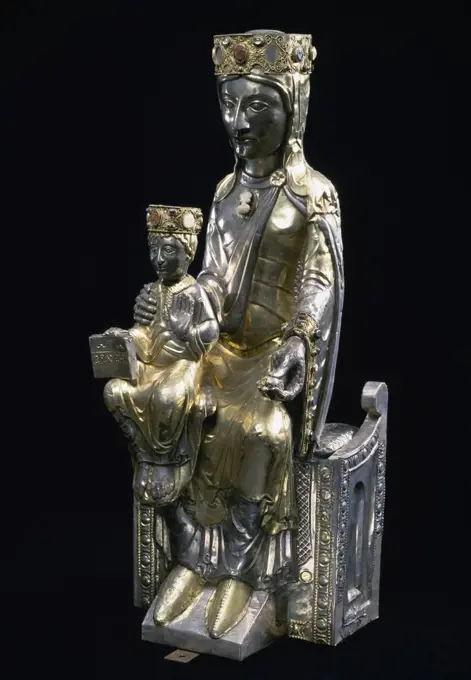
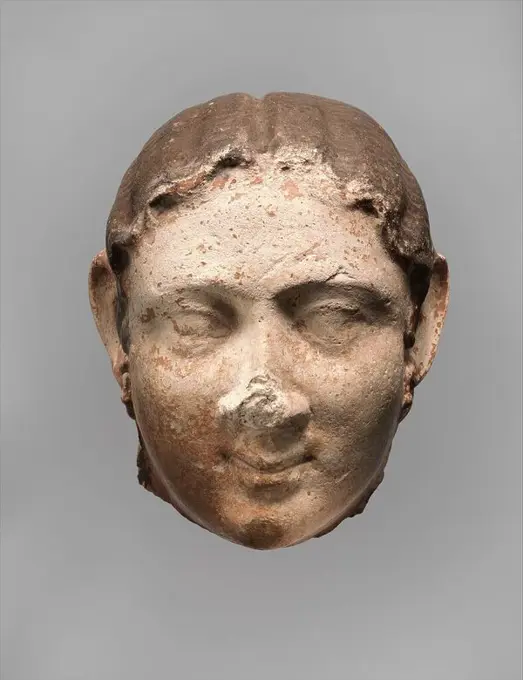
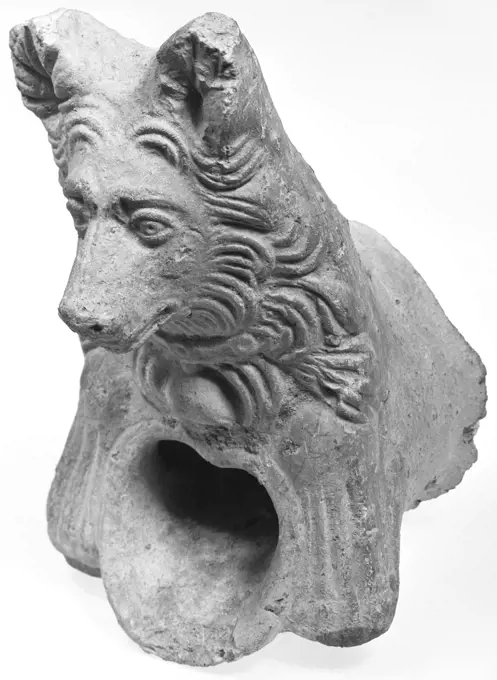
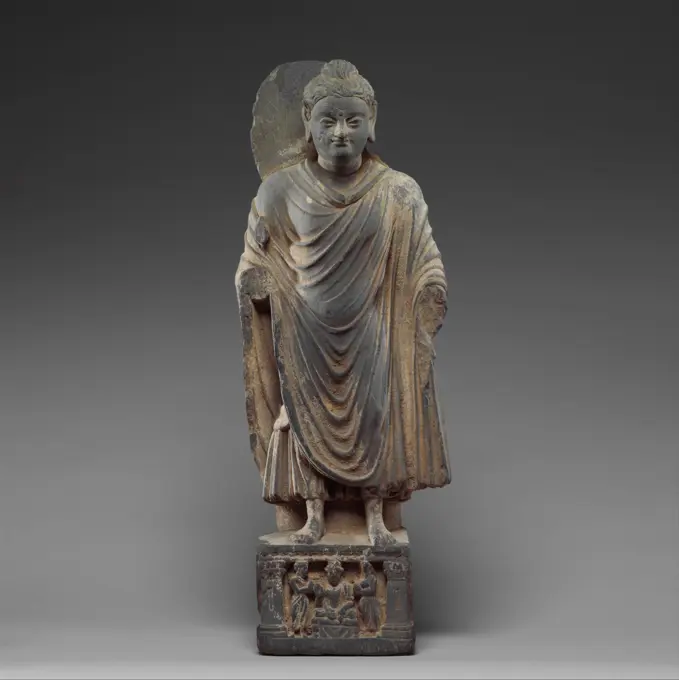
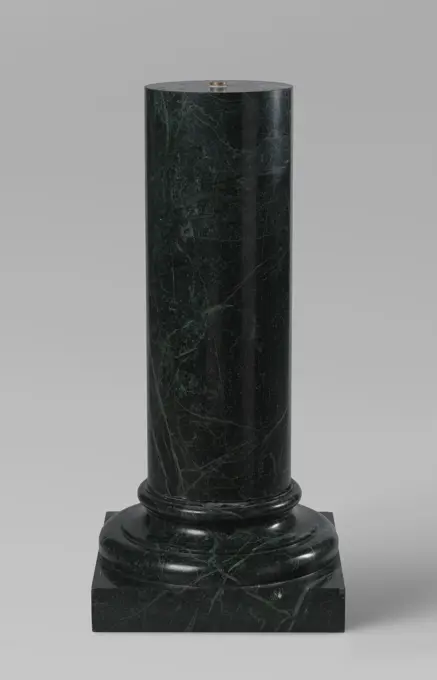
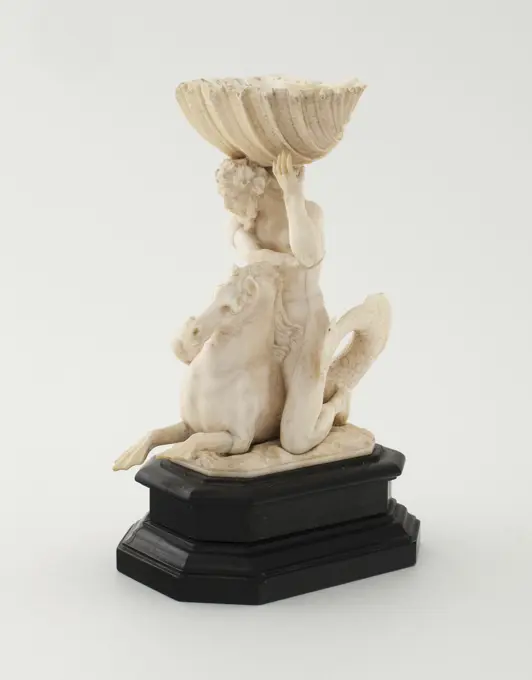
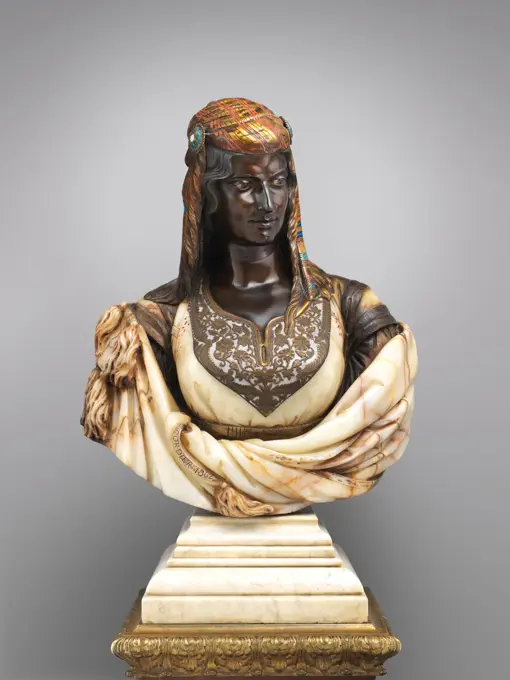
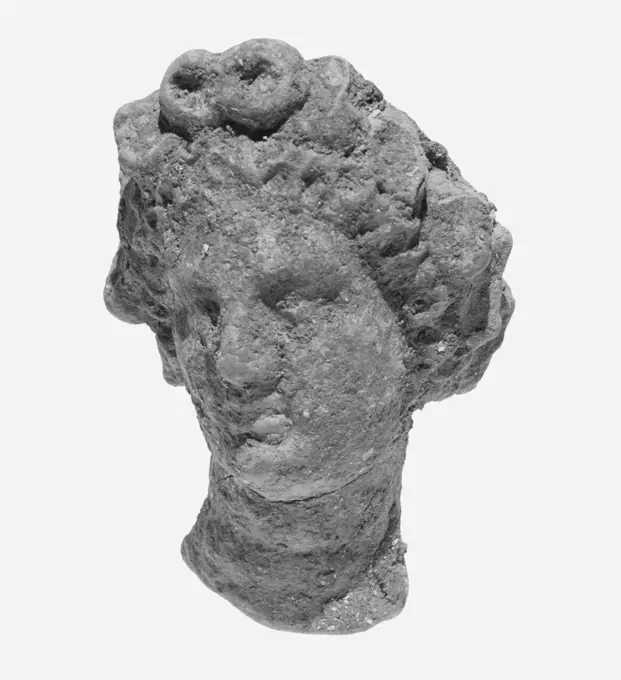
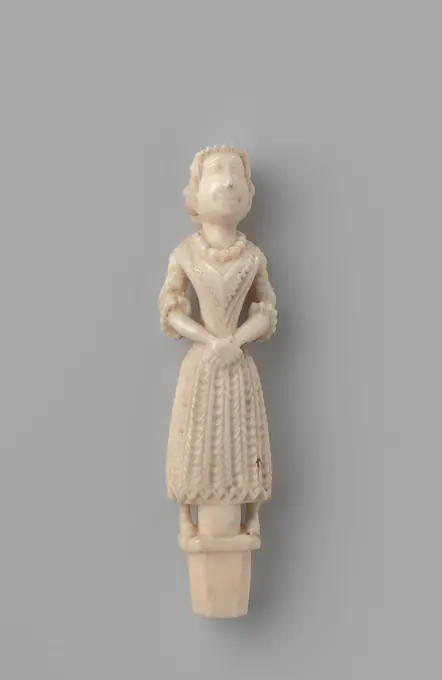
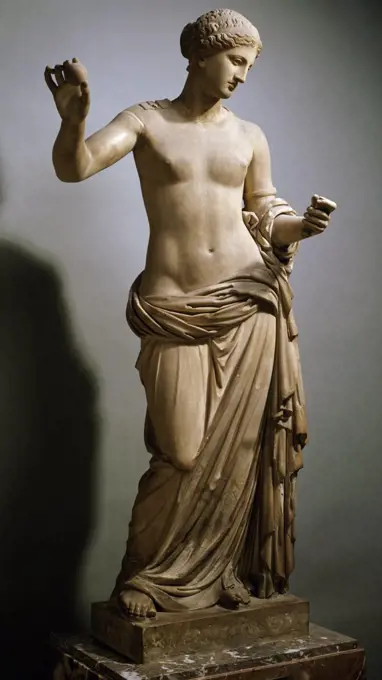
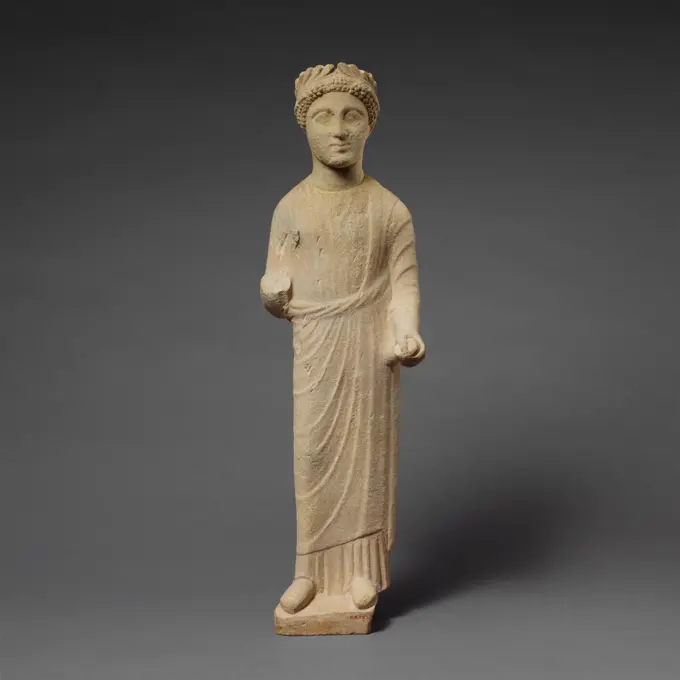
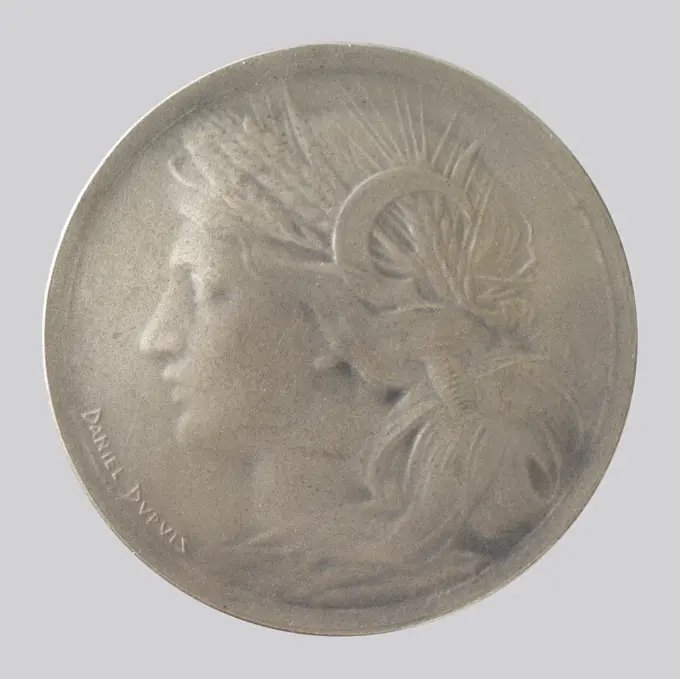
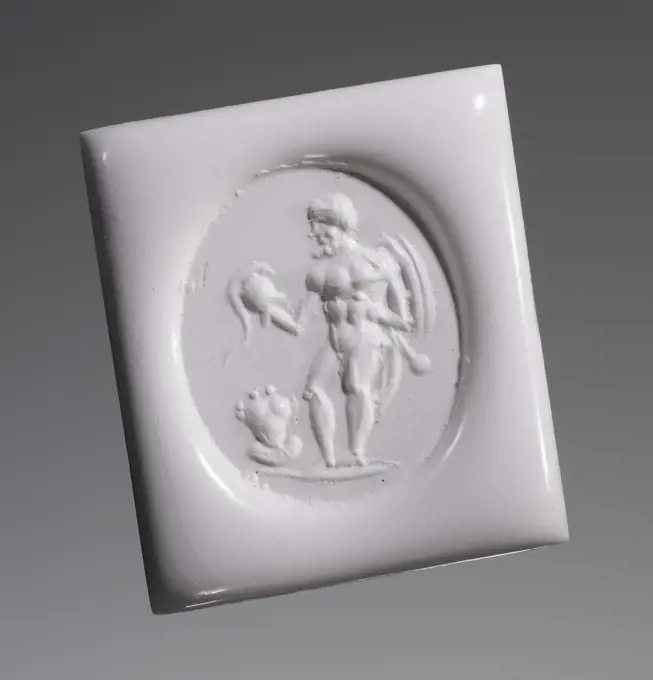
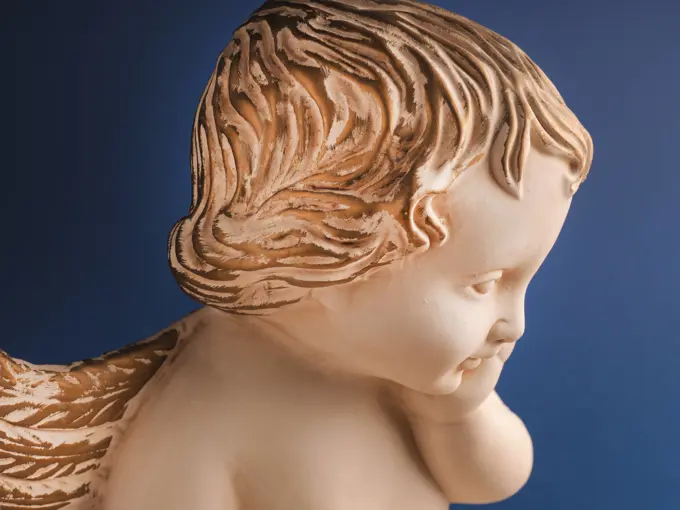
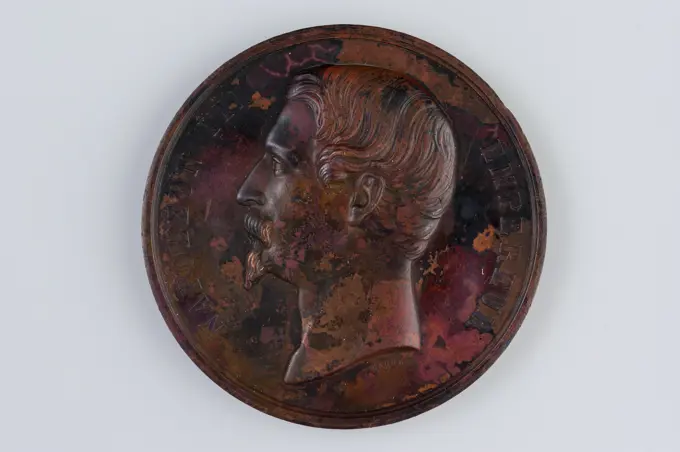
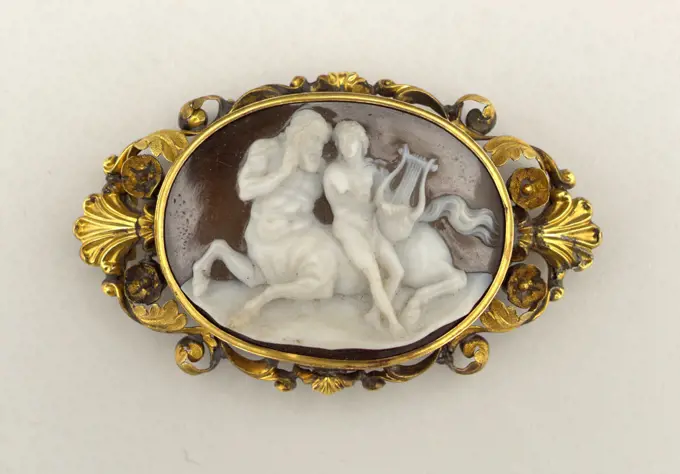
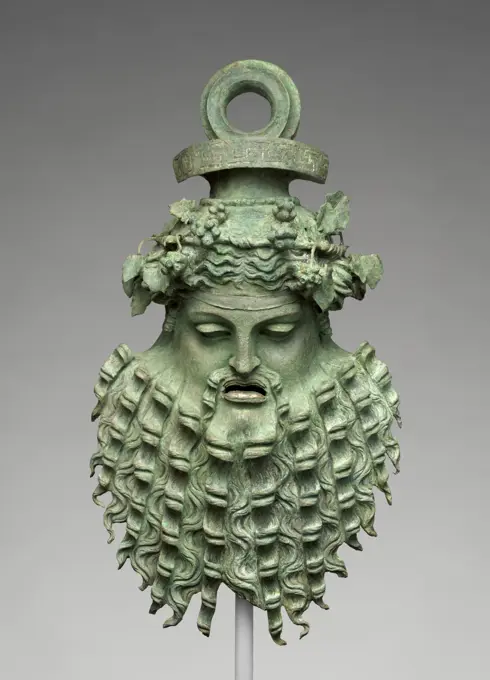
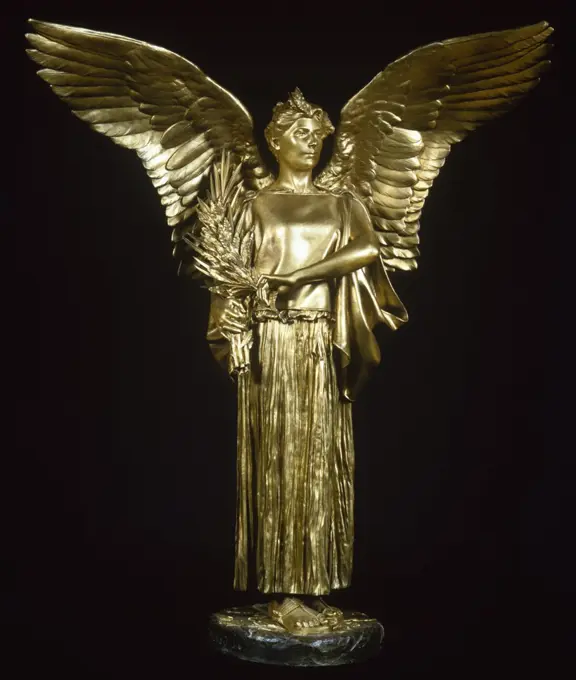
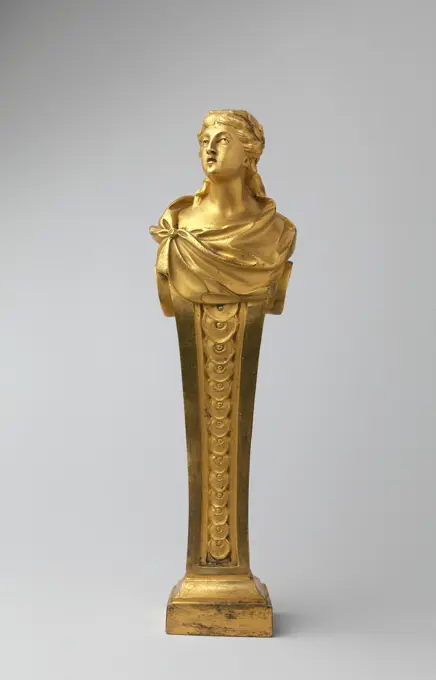
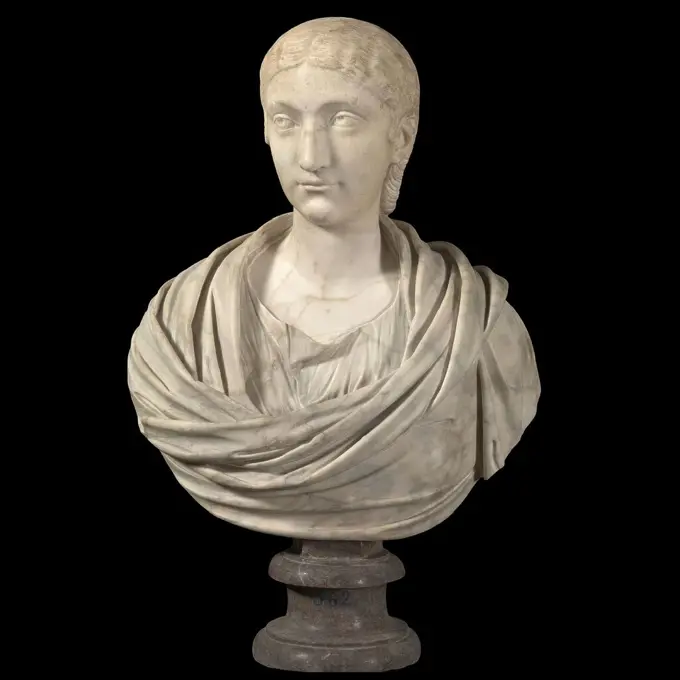
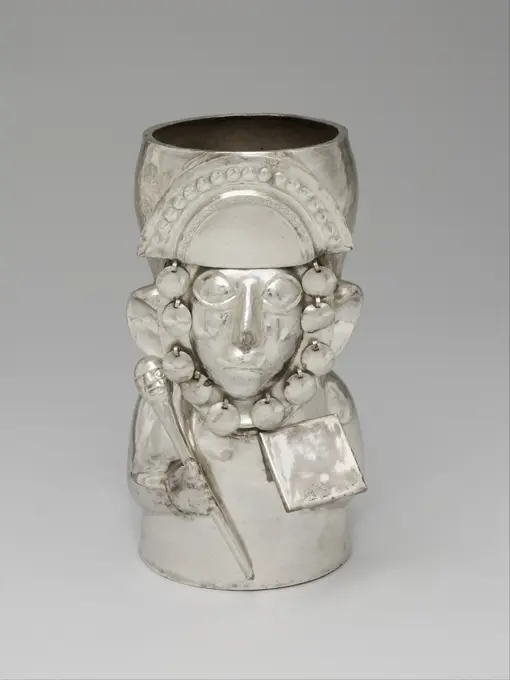
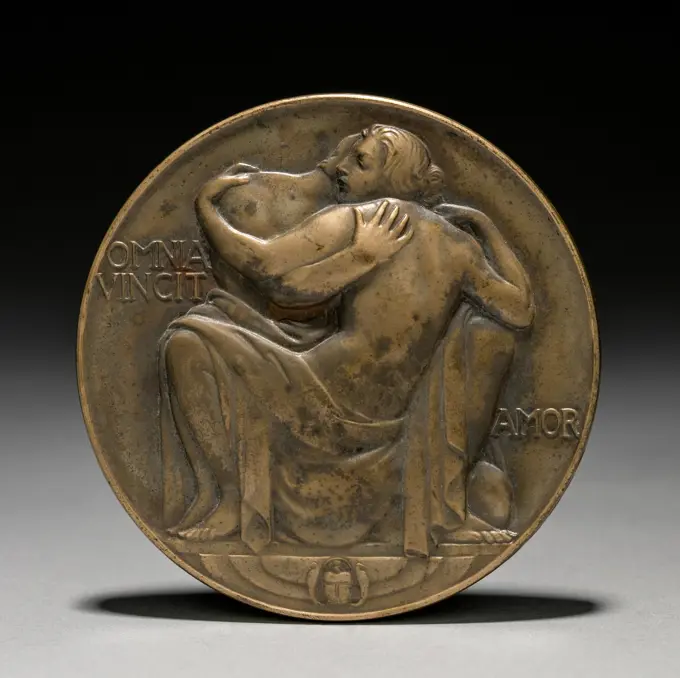
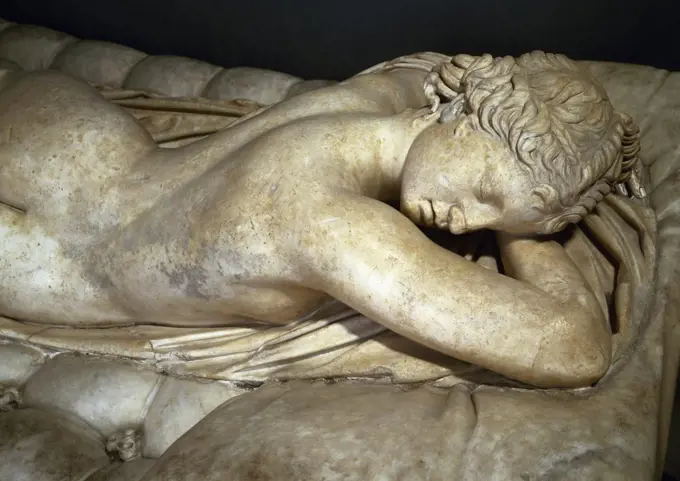
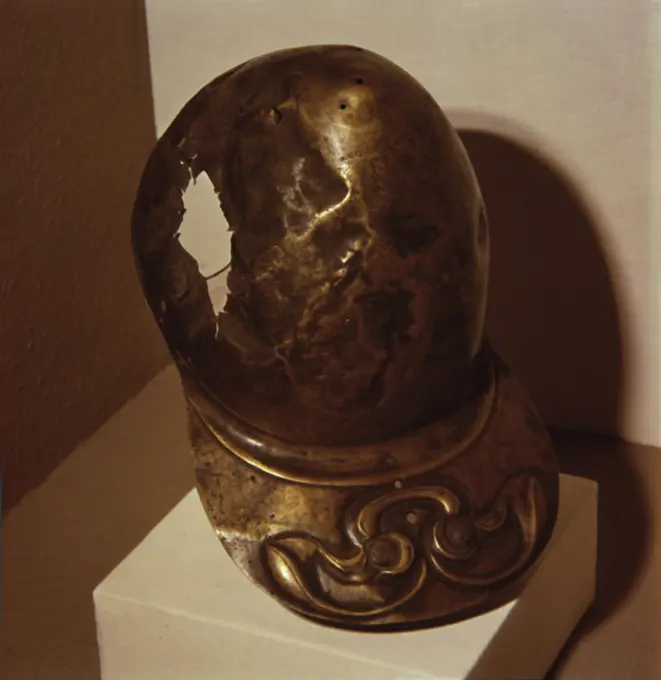
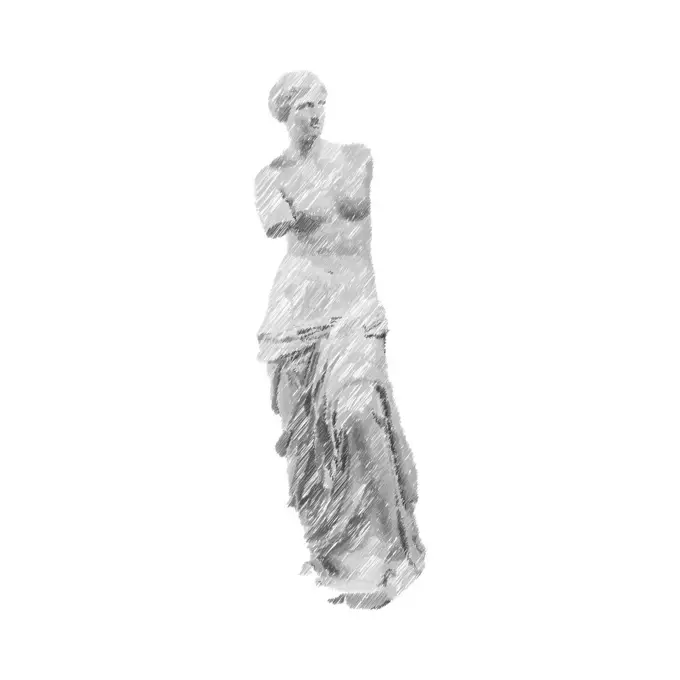
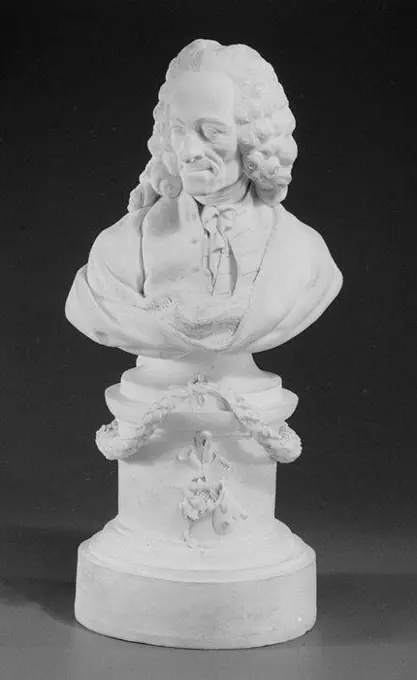
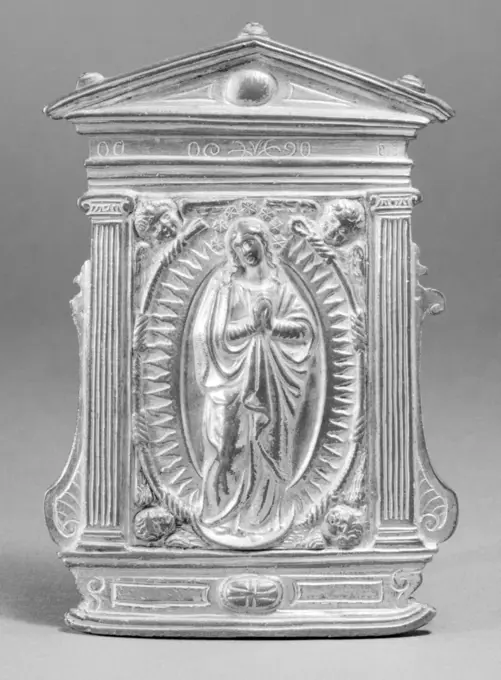
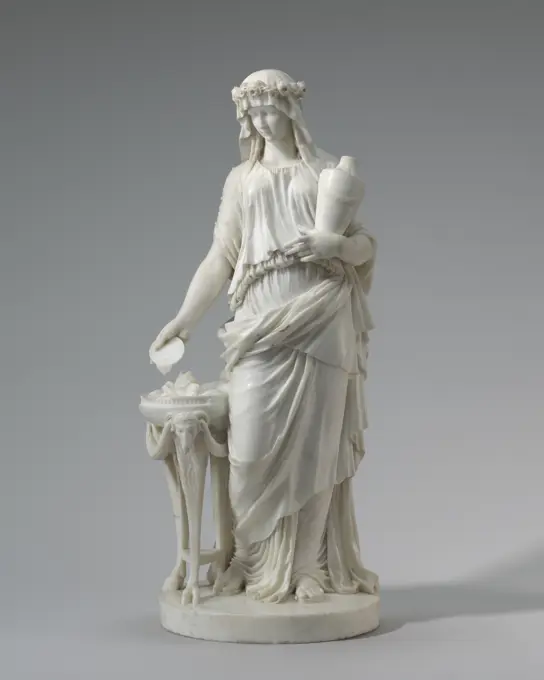
Clodion, A Vestal, 1770 A Vestaltitle QS:P1476,en:A Vestal label QS:Len,A Vestal label QS:Lde,VestalinBust of Princess Frederika Sophia Wilhelmina 1751-1820, née Collot, Marie-Anne Falconet, 1782Small figurine of a household God. Penates, (Gods protecting the household and family) became popular ornaments in Roman households. Roman, circa 1st-4th century AD.Proof of law Augustin Dupr� (1748-1833). Medal: Birth of Madame First (1778); Lamice test). Silver tin, trace of bronze patina, back paper, around 1778.Crown of the bed from the hospital of St. John of God in Warsaw; Redler, Jan Chrysostom (Fl. Ca 1743-1773), Fontana, Jakub (1710-1773); around 1757-1760 (1757-00-00-1760-00-00);Gold Ring with Herakles Pouring a Libation. UnknownIzida figurine with Harpokrates;  around 747-332 BC ; Half period (-747-00-00--332-00-00);Female Torso. UnknownAngel head. White marble angel head with strong curly hair and feathers, lying like a collar against the neck.Medal (obverse). Jules Prosper Legastelois (French, 1855-1931). Bronze; overall: 4.8 x 4.8 cm (1 7/8 x 1 7/8 in.).. Temple guardians are placed at the entrance to a temple to ward off evil. Each of these figures holds a vajra for crushing ignorance. Their open and closed mouths represent a and un, the first and final syllables of Siddham (a script used to write Sanskrit): these syllables symbolize all spoken sounds and scripts, thus all knowledge. Worshippers who enter the templeprecinct through the guardians gate symbolically acquire this knowledge.John W Kelleher, Architectural Carving Hope, c 1939 Architectural Carving HopeDoll with movable church;  4th century BC (-400-00-00--301-00-00);Cupid with a Dog 1860-70 Luigi Saulini Italian Luigi Saulini was a hardstone carver of great dexterity. He more frequently produced cameos of shell, for which he charged a tenth the price. Much of his output was based on statuary by his contemporaries. The model here was an as yet unidentified marble group in the round (indicated by the plinth at the bottom). The bracelet, together with another displaying a micromosaic circlet of Italian peasant girls, was bequeathed by a colorful Irishwoman, Maria Morgan, whose knowledge of horses led King Victor Emmanuel of Italy to entrust her with his stables. According to her, the bracelets were the kings parting gift before she left for the United States, where she became a newspaper reporter on equine matters, eventually retiring to Staten Island.. Cupid with a Dog 187492 Maker: Luigi Saulini, Italian, 1819?1883, Cupid with a Dog, 1860?70, Shell, gold, Overall: 2 3/16 x 2 3/4 x 2 5/8in. (5.6 x 7 x 6.7cm); visible cameo (confirmed): 48.3 x 38 mMedal: Abdul Baha (reverse), 1912. Louis McClellan Potter (American, 1873-1912). Bronze; overall: 7.7 x 5.1 cm (3 1/16 x 2 in.).Figurine: Cupid with a church; Koenigliche Porcellain Fabrique, Meissen (1710-1763), Schwabe, Heinrich (1847-); Kon. XIX century (1890-00-00-1900-00-00);Bronze Tragic Mask, 4th cent. BC, GREECE.'Shepherdess'. Italy, 1852. Dimensions: h. 95 cm. Museum: State Hermitage, St. Petersburg.Head reliquary, Aachen around 1170, contains relics of St Candidus or VitalisBlowjob head without lid in the form of a bust of a Greek warrior. Bearded warrior carries a casque, the front cover of which consists of a lion mask. Below the comb is a nikè at the front. Signed on the right side on the plinth: M. Kessels FECIT.Plaster throne decorated with a good ascore;  Kon. XVIII century (1791-00-00-1800-00-00);Roman antefix. Terracotta. Figure of god Diana. From Tarragona. 1st century. Episcopal Museum of Vic. Catalonia. Spain.Hunting knife handleColorless glass ring stone ca. 1st century B.C.-3rd century A.D. Roman Priest pouring a libation at an altar.. Colorless glass ring stone. Roman. ca. 1st century B.C.-3rd century A.D.. Glass, transparent paste. Late Republican or Imperial. GemsGold wall lamp shaped as Medusa's head, from the Royals Tombs at Vergina, GreeceStatuette of a Diskobolos; Unknown; Etruria; 480 B.C.; Bronze; Object: H: 8.5 x W: 5.5 x D: 2.5 cm (3 3/8 x 2 3/16 x 1 in.)Statuette of a woman Greek. Statuette of a woman 255404Child bust;  beginning of the 16th century (1500-00-00-1510-00-00);children, busts, renaissance (style), purchase (provenance)Silversmith's art, 19th century. Silver statue of angel with its arms folded, attributed to Italian artist.Cast miniature statue Saints with Child, figurine soil find tin metal, cast Small sculpture miniature plastic representing two people Saints of which one carries child on the arm archeology Rotterdam City Triangle Spaarbankstraat Market Binnenrotte holy devotion religion worship Soil discovery Inner rotte between former Savings bank and Markt corner Spaarbankstraat.Virgin and Child Enthroned, sculptureFunerary Mask. Dimensions: h. 19 cm (7 1/2 in); w. 11 cm (4 5/16 in). Date: A.D. 1st-4th century. Museum: Metropolitan Museum of Art, New York, USA.Vessel (sand vessel) carried by a lion, anonymous, c. 1700 - c. 1799 Vat (sand barrel) of stoneware on a heart -shaped base with a tire browse. The shallow vessel with sloping lines are supported by a roaring lion. Westerwald. Westerwald stoneware. glaze vitrification Vat (sand barrel) of stoneware on a heart -shaped base with a tire browse. The shallow vessel with sloping lines are supported by a roaring lion. Westerwald. Westerwald stoneware. glaze vitrificationFunerary practices. Eastern provinces of Roman Empire. Near Eastern. Gold mask. Levantine tombs. Imperial period. Recall the Phoenician tradition of placing a gold mask. Tartus, Syria. 1st-4th century AD. Louvre Museum. Paris. France.Bell crater;  3. W. 4th century BC (-350-00-00--326-00-00);Cameo with the Fasting of Saint Nicholas ca. 1200-1250 South Italian In this rare scene from his infancy, Saint Nicholas refuses his mothers milk. Theimage served as an exemplar for fasting and abstinence, especially for monasticcommunities. The relics of Saint Nicholas resided at Bari, in southern Italy, wherethe protection of this popular saint had wide appeal.The court of Frederick II Hohenstaufen (r. 1215-50) actively promoted the creation and collection of works, such as these cameos, linking Fredericks reign with the imperial past.. Cameo with the Fasting of Saint Nicholas 473206Bronze Tragic Mask. Theatre Mask. 4th cent BC.. .Water Spout Fragment in the Shape of a Dog; Italy, Europe; 1st century B.C; Terracotta; 15.6 cm (6 1,8 in.)Pakistan: Standing Buddha, Gandhara, 3rd to 4th century. Metropolitan Museum of Art, New York. Gandhara is noted for the distinctive Gandhara style of Buddhist art, which developed out of a merger of Greek, Syrian, Persian, and Indian artistic influence. This development began during the Parthian Period (50 BCE - 75 CE). Gandharan style flourished and achieved its peak during the Kushan period, from the 1st to the 5th century.Chess Figure The ensign Skirmuntt, Helena (1827 1874)Ivory box in the form of a winged lion, anonymous, 1800 - 1900 Offer box in the form of a winged lion, on the back there is a square lid. On wooden pedestal. Bali ivory. wood (plant material) Offer box in the form of a winged lion, on the back there is a square lid. On wooden pedestal. Bali ivory. wood (plant material)Bronze finial with the head of Medusa. Culture: Roman. Dimensions: Overall: 4 3/8 x 3 13/16 x 3 13/16 in. (11.1 x 9.7 x 9.7 cm). Date: 1st century A.D..This heavy bronze finial originally encased a piece of timber, made of cedar wood. It probably comes from a ship. Museum: Metropolitan Museum of Art, New York, USA.Furniture Hardware 1820-30 Henry Kellam Hancock. Furniture Hardware 5253Engraved Gem with Cassandra. UnknownNetsuke,, 1700-1900 Imagination of four figures, perhaps scene in two parts on two sides of the Netsuke. Inscription on the bottom. Hole through the middle. Japan ivory Imagination of four figures, perhaps scene in two parts on two sides of the Netsuke. Inscription on the bottom. Hole through the middle. Japan ivoryBasement of dark green marble, 1927 Basement of dark green marble. Together with a shaft, the base for a bust of Mr. M.P. Voûte. Rome marble (rock) Basement of dark green marble. Together with a shaft, the base for a bust of Mr. M.P. Voûte. Rome marble (rock)Salt Cellar 1625-1675 Belgium. This elaborately decorated salt holder, crafted from precious materials, once graced the tables at lavish European banquets and, at the same time, served a useful function. Indeed, this work is a proper tribute to salt, a highly desirable commodity that made perishable food more palatable and was also a sign of great wealth.. Ivory .Woman of Algiers originally titled "The Jewish Woman of Algiers" 1862 Charles-Henri-Joseph Cordier French In his unpublished memoirs Charles Cordier cites the law of April 27, 1848 that abolished slavery in France and its colonies, writing: "My art incorporated the reality of a whole new subject, the revolt against slavery and the birth of anthropology." In pioneering ethnography as a subject for sculpture in the nineteenth century, Cordier aimed to illustrate what he described as "the idea of the universality of beauty." His busts often paired couples of the opposite sex but of the same race. This rare instance of matched busts of women (see also La Capresse des Colonies, 2006.112) was desired by the purchaser, a gaming club in Marseilles, that also commissioned the sumptuous Second-Empire pedestals from Cordier. The busts revel in the period taste for polychromy in sculpture, an international phenomenon sparked by artistic debates about the painting of ancient statuary and inspiredFunerary practices. Eastern provinces of Roman Empire. Near Eastern. Gold mask. Levantine tombs. Imperial period. Recall the Phoenician tradition of placing a gold mask. Byblos, Lebanon. 2nd-3rd century AD. Louvre Museum. Paris. France.Shaft of a dark green marble base. Shank from dark green marble. Together with a basement, forms the base for a bust of Mr. M.P. Voûte.Head with Wreath. UnknownIvory Messenheft Maria Stuart. Ivory knife lift presenting Maria Stuart standing with hands on her belly folded and a small cap on the head. Note: Pendant van Moessenheft Inv.nr. NG-NM-569.Bronze mask helmet from Bulgaria, Stara Zagora, CatalkaTerracotta female head 3rd-2nd century B.C. Greek Wearing a sphendone.. Terracotta female head 248386Grahal-Manzara. Carnavalet 2013-2016 collection sites. Numismatics.Christ. 12th century. Lombardy, Italy. Chased and gilded bronze. Calouste Gulbenkian Museum. Lisbon, Portugal.Head of a King, Gilded silver, Iran. Sasanian period, 4th century A.D.Head with Thick Wreath and Stephane. UnknownVenus Of Arles, marble, 1st century B.C., France, Paris, Musee du Louvre, high 1, 94 mLimestone statuette of a beardless male votary with a wreath of leaves 2nd half of the 5th or early 4th century B.C. Cypriot Figure holding incense box.. Limestone statuette of a beardless male votary with a wreath of leaves 242262Dupuis, Daniel (n.1849-02-15-D.1899-11-14), medal test, allegory of the Republic, crown of oak and laurel (title awarded), 1900. Silver. Carnavalet Museum - History of Paris.Engraved Gem; Europe; 20th century; Carnelian; 1.3 x 1.5 cm (1,2 x 5,8 in.)Head Flask. Near East, Syria-Palestine, 100-200. Tools and Equipment; flasks. Mold-blown glassTerracotta female head 4th-3rd century B.C. Greek Wearing a phendone.. Terracotta female head 248384Head of Ceres mid-19th century Italian or French. Head of Ceres 198610Love Catching a Butterfly  (Amour Attrapant un Papillon)  Antoine Denis Chaudet 1763-1810/French Sculpture   Musee du Louvre, Paris engelsfigur,engel,engelfigur ** angel figurine,angel figurines ly0-n07Carnavalet museum, medal collectionBrooch, Carved shell, gold, Shell cameo (white on brown) representing Apollo and Chiron, surrounded by a gold frame in design of scrolls with leaves and flowers., Italy, mid-19th century, jewelry, Decorative Arts, BroochGold medallion from Volos (Greece). Goldsmith art, Greek Civilization, 10th Century BC.Terracotta eros figurine with more;  2. PO. 1st century BC (-50-00-00-1-00-00);Bronze handle attachment in the form of a mask 1st century B.C.-1st century A.D. Greek or Roman The meander ornament and fillet have silver inlays, and the lips preserve some traces of copper inlay.. Bronze handle attachment in the form of a mask. Greek or Roman. 1st century B.C.-1st century A.D.. Bronze, copper, silver. Late Hellenistic or Early Imperial. BronzesAngel. Japan, late 19th century. Costumes; Accessories. Ivory with staining, sumi; manjū typeNike by Jean Lon Greme, bronze sculpture, (1824-1904)Marble greek kore statuette isolated over whitePair of caryatids 18th century French. Pair of caryatids 190063 French, Pair of caryatids, 18th century, Gilt bronze, Overall (.a confirmed): 8 1/8 x 2 1/8 x 1 3/8 in. (20.6 x 5.4 x 3.5 cm); Overall (.b confirmed): 8 1/8 x 2 3/8 x 1 1/2 in. (20.6 x 6 x 3.8 cm). The Metropolitan Museum of Art, New York. Gift of J. Pierpont Morgan, 1906 (07.225.510.317a, b)Engraved Gem. UnknownRoman Sculptor / 'Young Roman Woman'. 225 - 250. White marble. Museum: Museo del Prado, Madrid, España. Author: TALLER ROMANO.Warrior Vessel 14th-15th century Chimú. Warrior Vessel 310611Winged Sphinx 18th or 19th century Italian. Winged Sphinx. Italian. 18th or 19th century. Copper alloy with light brown natural patina. Metalwork-BronzeChess figure spah wounded dying Skirmuntt, Helena (1827 1874)Foot of chocolate can of faience, anonymous, c. 1775 - c. 1820 Foot of chocolate cane from Faience. Delft . Foot of chocolate cane from Faience. Delft .Cover of chocolate can of faience, anonymous, c. 1775 - c. 1820 Faaence chocolate cane lid. Delft . Faaence chocolate cane lid. Delft .Medal (obverse), 1900s. Robert Ingersoll Aitken (American, 1878-1949). Bronze; diameter: 7.4 cm (2 15/16 in.).Disc earrings with pendants in gold, Italy. Goldsmith art. Greek civilization, Magna Graecia.Necklace Figurine Bead, 1-700. Colombia, 1st-8th century. Cast gold; overall: 3.4 cm (1 5/16 in.).Begging figure with two sticks. Beggar with a walking stick in every hand. On the back he wears jugs and pots.Hermaphroditus Asleep  Greek Art  Musee du Louvre, Paris Bracket hook in the shape of a couple. The object consists of four parts: the front of the hook in the shape of a pair, the pin, which has been put down at the bottom, and the two small pieces of the missing bracket. The hook has been demolished.British Celtic Bronze Helmet, 1st century. Artist: Unknown.Heads Greek ancient sculpture, mystic. Vector hand drawn illustrations of antique classic statues in trendy bohemian style. Heads Greek ancient sculpture, mystic. hand drawn illustrations of antique statues in trendy bohemian styleSaint Joseph with Christ Child and Cross 16th century German. Saint Joseph with Christ Child and Cross. German. 16th century. Boxwood. Sculpture-MiniatureStatue of Nero as child wearing bullaBust of Voltaire 1769-77 Paul-Louis Cyfflé. Bust of Voltaire 204840Virgin on Crescent Moon 1630 Spanish. Virgin on Crescent Moon. Spanish. 1630. Gilt bronze. Medals and PlaquettesComb with Saints. UnknownVase in the Form of a Woman's Head, c. 1895. Emile Muller (French, 1889). Stoneware; overall: 20 cm (7 7/8 in.).Statuette representing a Lar (protective roman deity), bronzeProfile Of A Woman's Head  Greek Art