Classical and Historical Sculptures

A collection of diverse sculptures including busts, figurines, and statuettes, showcasing varying styles and historical significance.
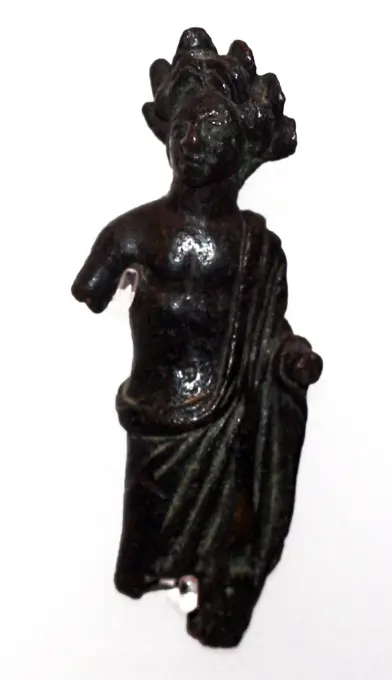
Small figurine of a household God. Penates, (Gods protecting the household and family) became popular ornaments in Roman households. Roman, circa 1st-4th century AD.
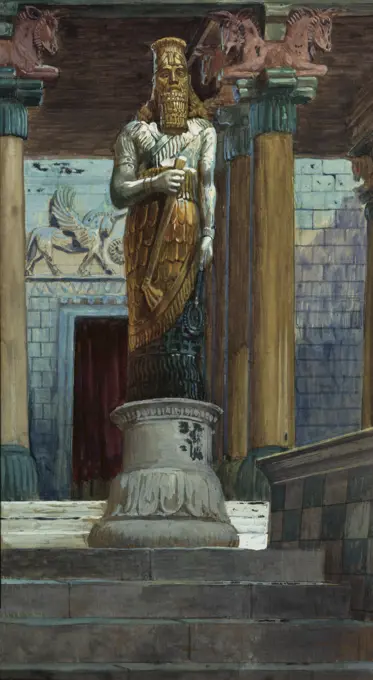
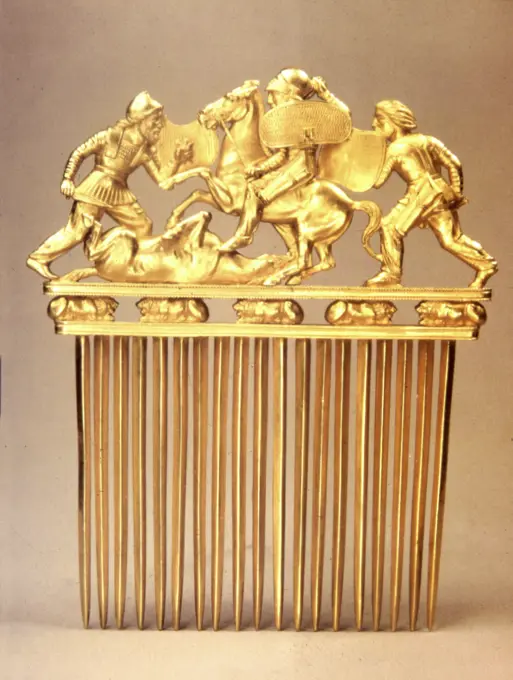
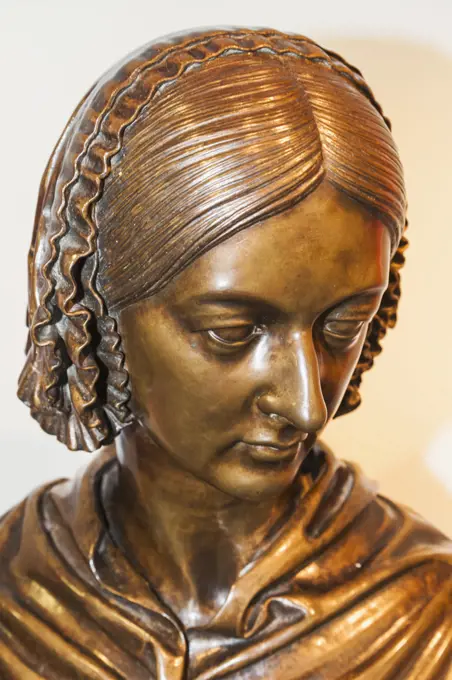
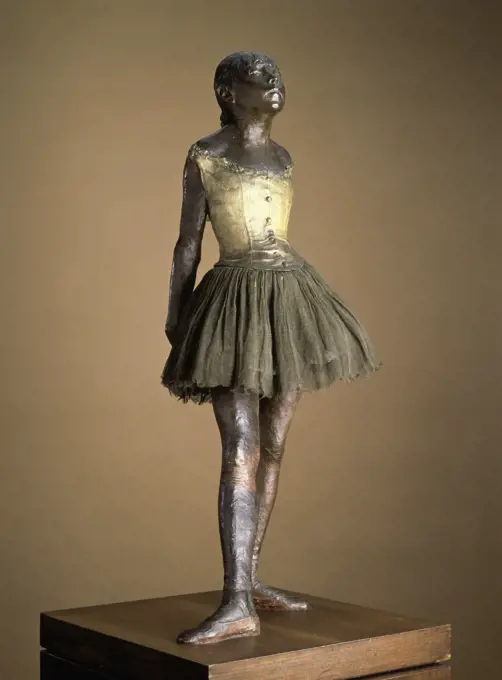
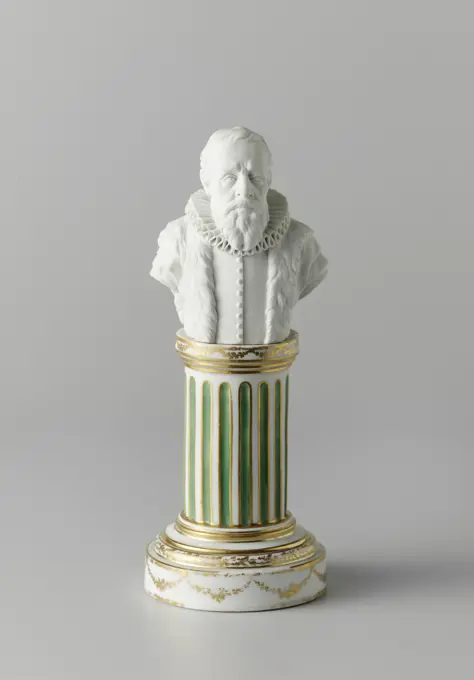
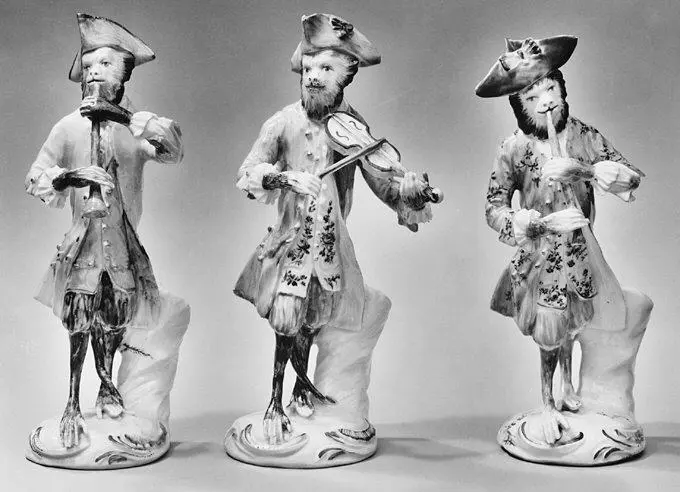
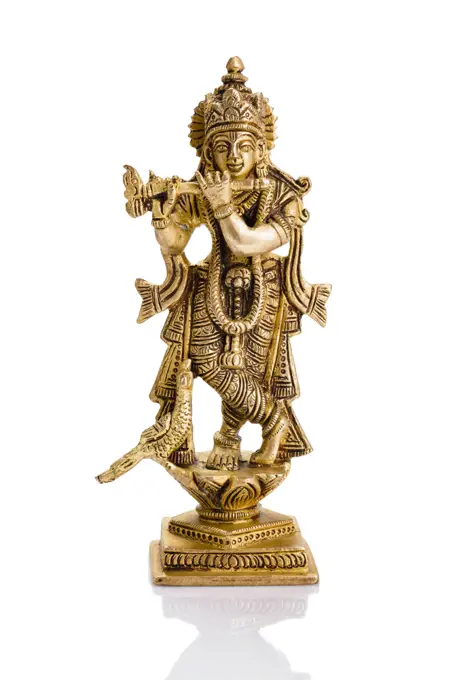
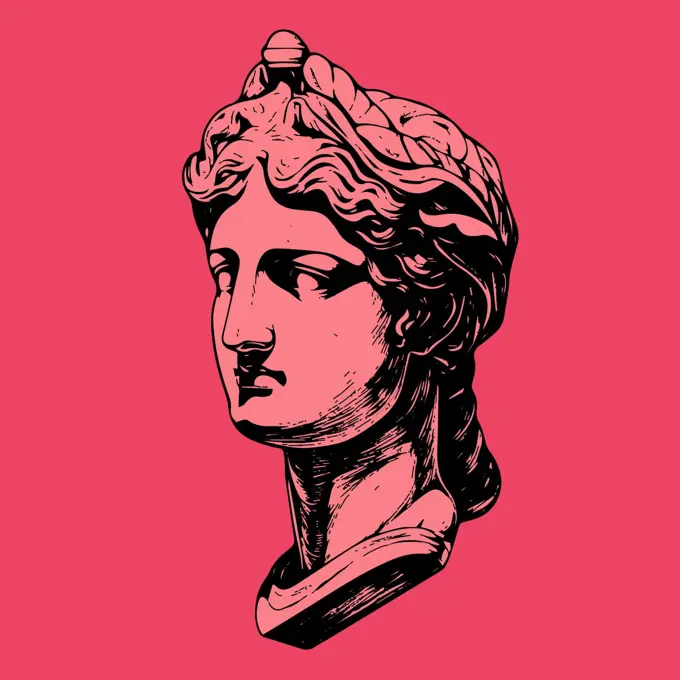
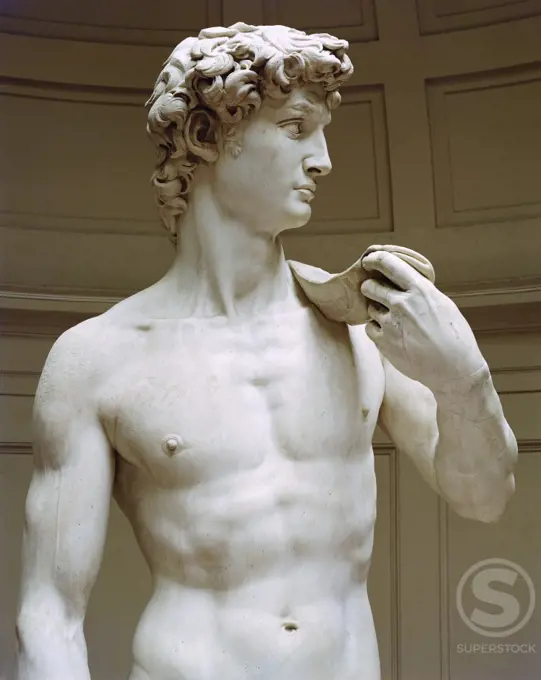
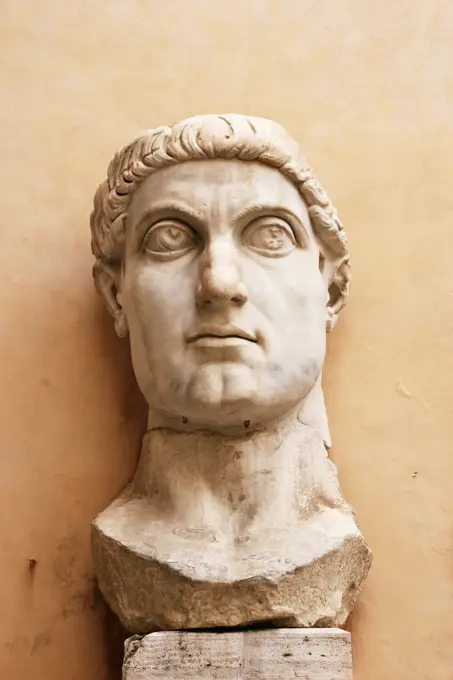
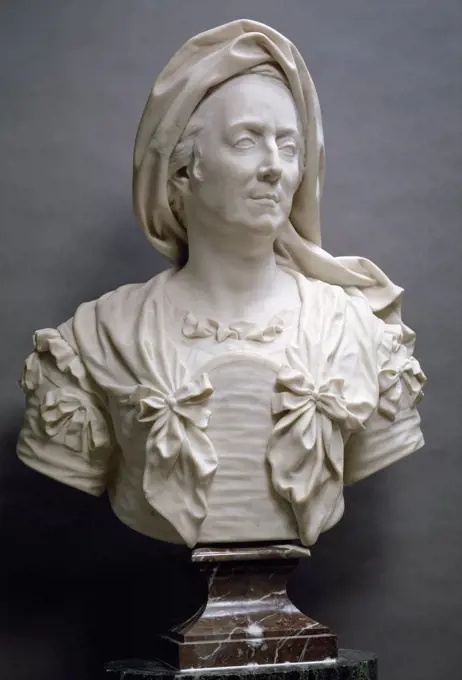
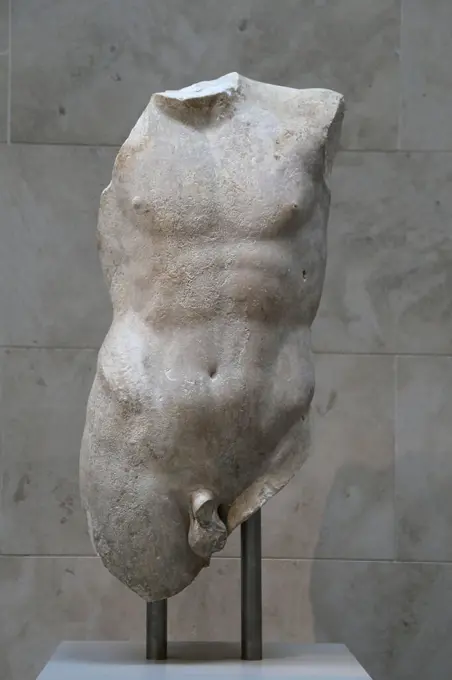
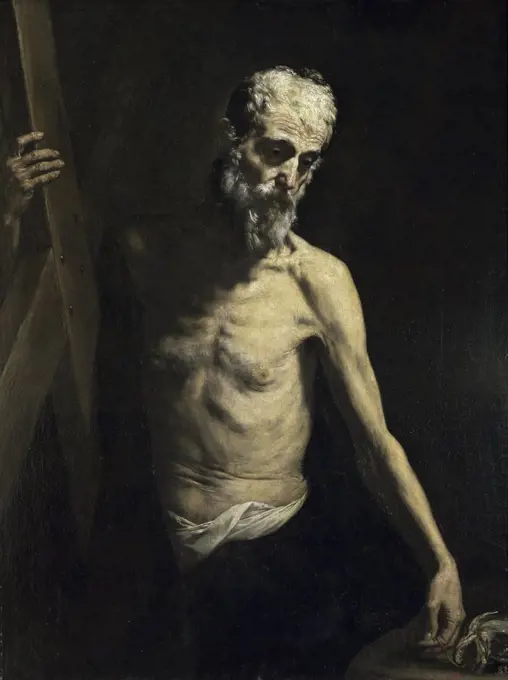
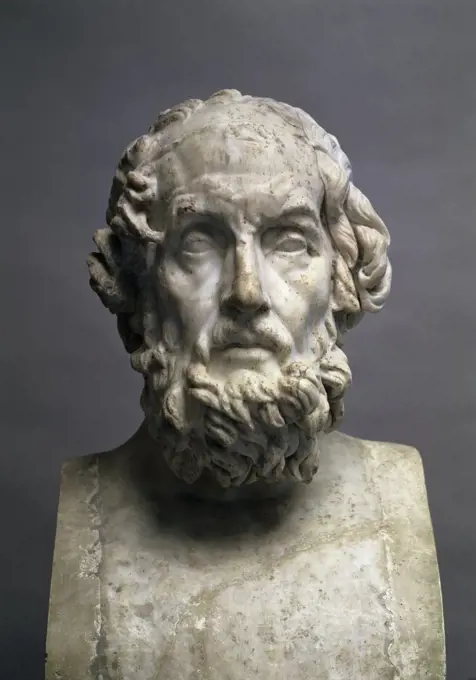
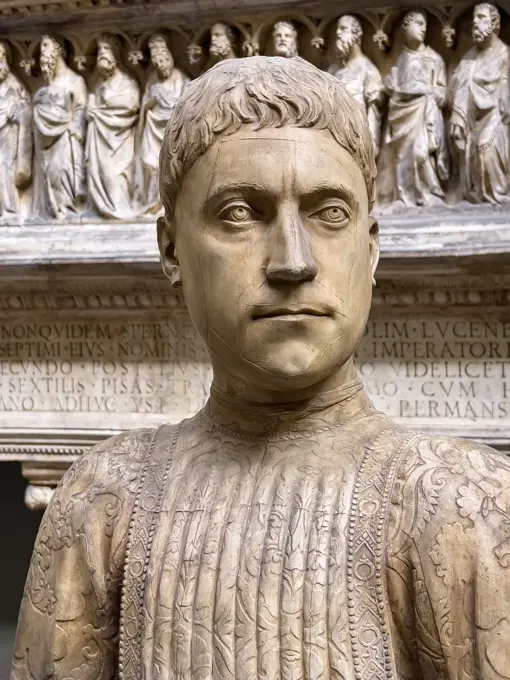
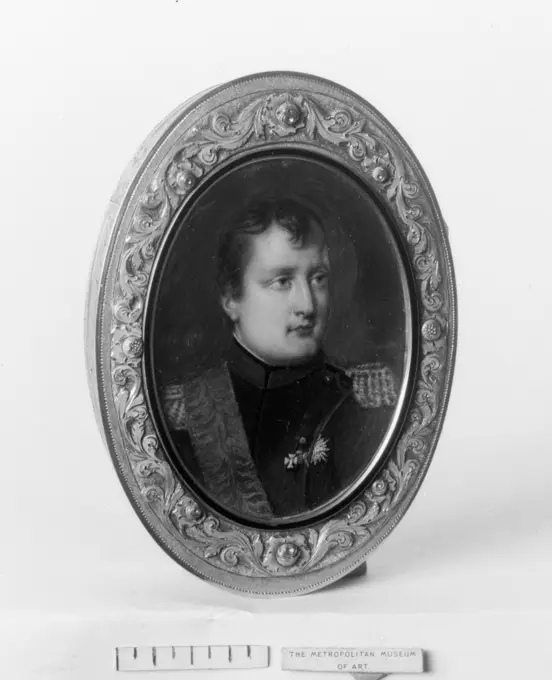
Marble portrait of an unidentified Hellenistic ruler. Roman  of the 2nd Century AD, from  lost Hellenistic original, probably of the 2nd Century BCThe Statue of Nebuchadnezzar James Tissot (1839-1902/French) Jewish Museum, New YorkSilver Plaquette from Belgium of UBSSA.  Artist: Jean-Baptiste de Keyser, Belgian, born 1867 Manufacturer: Paul Fisch, BelgianCracked statue head of greek sculpture hand drawn engraving style sketch. Vector illustration. Image for print, tattoo, and your design.Corpus from a crucifix Possibly Italian or French 18th century This exquisite corpus is fitted with a separate silver loincloth that attaches neatly to the body. The exceptionally fine cast is well finished on both sides and in very good condition (only a fracture on the left leg to be noted). The figure is very light (the walls are less than a millimeter thick), there are no traces of chasing, and it was probably cast in one piece. The artist lavished attention on the beautiful head and its individualized locks of hair. The precise execution suggests that the bronze was cast after a prototype. Usually identified as early seventeenth-century Italian, the corpus has also been considered a German product of about 1600.Scythian gold comb showing warriors. Solokha Barrow. Russia- Central Asia.Campania Napoli Naples S. Lorenzo Maggiore61. Hutzel, Max 1960-1990 Medieval: Sculpture, architecture, architectural sculpture (including Roman spolia) 13-14th century Chapter house; sarcophagi, gravestones; wall painting. Fragment of mosaic; sculptural fragments in the Sala Capitolare. Post-medieval: Architecture, architectural sculpture, ceiling painting fresco cycle; prints depicting Venice c. 1845 (4), sculpture; life-size creche figures dressed in original Neapolitan costume Church restored in 1882, 1926, 1944; excavations under the transept undertaken between 1958-1962, and in the cloister in 1976, have revealed remains of a Roman macellum (market), street, and the paleochristian basilica of the 6th c. AD. Antiquities: Pottery: black-glazed, archaic banded, domestic wares, bucchero; architectural terracottas, statuettes, lamps, sculpture fragments Object Notes: 3 color negatives with no prints at the end. General Notes: Most objects/paintings/frescoes unidentified. Three batches England, London, St.Thomas's Hospital, Florence Nightingale Museum, Bronze Bust of Florence NightingaleYoung Dancer of Fourteen Cast 1921 Edgar Degas (1834-1917/French) Polychromed bronzeMedieval document seals from monasteries in the Coventry area of England,13th centuryBust Admiraal De Ruyter. Bust of biscuit, representing Admiraal de Ruyter in harness with admiral chain.Johan van Oldenbarnevelt (1547-1619), Manufactuur Oud-Loosdrecht, After Jacob Houbraken, After Aert Schouman, c. 1782 - c. 1784 Bust van Johan van Oldenbarnevelt (1547 -1619), biscuit, on glazed column with cannelures in green and gold, standing on round -profiled plinth, decorated with piping, crossing leaf garlands and leaf guighes in gold. Loosdrecht porcelain. biscuit (porcelain, material) Bust van Johan van Oldenbarnevelt (1547 -1619), biscuit, on glazed column with cannelures in green and gold, standing on round -profiled plinth, decorated with piping, crossing leaf garlands and leaf guighes in gold. Loosdrecht porcelain. biscuit (porcelain, material)Statue of the Greek goddess Aphrodite, discovered on the island of MelosStatue head of greek sculpture hand drawn engraving style sketch. Vector illustration. Image for print, tattoo, and your design.Medieval art treasures, religious jewelry and measuring utensils, Bavarian National Museum, Prinzregentenstrasse 3, Munich, Bavaria, Germany, EuropeMonkey musician (part of a set) ca. 1760 Derby Porcelain Manufactory. Monkey musician (part of a set) 204680England, London, The City, Museum of London, Exhibit of Roman Medical and Cosmetic InstrumentsSarcophagus with a Greek Physician. Culture: Roman. Dimensions: 21 3/4 x 23 1/4 x 84 7/8 in. (55.2 x 59.1 x 215.6 cm). Date: early 300s.The tomb's owner is shown seated with an open scroll, the pose of a philosopher, demonstrating that he is a learned man. His profession can be identified by the open case containing surgical tools on the cabinet top. Other scrolls and a basin for bleeding patients within the cabinet offer further proof of his profession. The style of his dress and the language of the inscription indicate that he was one of the many Greeks living in Italy. Beginning in the 300s, Christians would adopt in their art the philosopher pose and the undulating motifs, or strigils, that appear on the sides of the sarcophagus. Museum: Metropolitan Museum of Art, New York, USA.Model of a British Royal Air Force Blackburn Roc Turret Fighter used during World War Two. Dated 20th CenturyBust of woman, stone antique sculpture, element of exhibition, portrait view of lady monument, goddess female, goddess model, statue for museum vector. Museum Object, Stone Sculpture of Woman VectorKrishna god Vishnu avatar brass statue isolated on white with reflection. Krishna statue on whiteRed antique statue head of greek sculpture sketch engraving style vector illustration.David (Detail)  ca.1501-04 Michelangelo Buonarroti (1475-1843 Italian) Marble  Galleria dell'Accademia, FlorenceConstantine I, The Great (272-337). Roman Emperor. Best known for being the first Christian Roman emperor. Head of Constantine's colossal Statue at the Capitoline Museums. Rome, Italy.Mary Serre by Antoine Coysevox, (1640-1720), France, Paris, Musee du LouvreRoman copy. AD. 130-161. Marble torso of the so-called Apollo Lykeios. Original Greek attributed to Praxiteles. The Met. NY. USA.St. Andrew the Apostle  17th C. Jusepe de Ribera (1591-1652/Spanish) Bust of Homer  Sculpture  Musee du Louvre, Paris TORRIGIANO , PIETRO. TORRIGIANI. ESCULTOR ITALIANO. 1472 - 1528. " SAN JERONIMO PENITENTE " ( DETALLE ). MUSEO BELLAS ARTES. SEVILLA.Various Antique statues. Heads of woman. Branch, amphora, hand. Mythical, ancient greek style. Isolated elementsPlaster cast of Piero di Cosimo de Medici in the cast room of the Victoria and Albert Museum in central London, United Kingdom. The original marble bust dates from 1453.Roman male bust (epoch of Emperor Augustus), 1st century BC, in the Roman Villa of Torre Llauder or Can Llauder, Mataró, Barcelona, Catalonia, Spain. Museum: Museo de Mataró, Mataró, Barcelona, Cataluña, España.Austrian Parliament ViennaRotated to right, American Express Logo 1951, Finance, Old Logo from 1951Esculturas procedentes del templo funerario de Hatshepsut. Museum: Metropolitan Museum of Art, New York.INFANTE DORMIDO O INFANTE MUERTO - 1853 - ESCULTURA EN MARMOL - ROMANTICISMO ESPAÑOL. Author: JOSE PIQUER DUART (1806-1871). Location: MUSEO DEL ROMANTICISMO-ESCULTURA. MADRID. SPAIN. ISABEL II DE ESPAÑA-HIJO. ISABEL II DE ESPAÑA-HIJA.Illustration to Jean Desmarets' "L'Ariane". Dated: published 1639. Medium: etching and engraving. Museum: National Gallery of Art, Washington DC. Author: Abraham Bosse after Claude Vignon.Bust of President Thiers 1883 Sèvres. Unglazed hard-paste porcelain (biscuit) . Manufacture nationale de Sèvres (Manufacturer)Close-up of thirties pewter statue of cricketer bowlerSnuffbox ca. 1810 Victoire Boisot (widow of Etienne Lucien Blerzy) In eighteenth-century Europe, Paris led the production of high-quality luxury goods. Parisian goldsmiths made a wide range of small, personal articles such as snuffboxes; étuis to hold sealing wax, tweezers, or utensils for sewing; souvenirs, which contained thin ivory tablets for note taking; and shuttles for knotting lace. Gold snuffboxes and boxes decorated with portrait miniatures were prized and frequently given as royal gifts, often to ambassadors or members of the court in lieu of cash payments for their services. Coveted and admired, these boxes were produced from a variety of materials. The best were skillfully made of gold and embellished with diamonds, enameled decoration, lacquer, and other luxurious materials. By the middle of the century, the taking of snuff had become an entrenched social ritual, and the snuffbox, too, had become an important social prop. Snuffboxes were considered highly fashionable acce