Classical String Instruments

Close-up images of violins and cellos, highlighting their craftsmanship and details, embodying the essence of classical music.
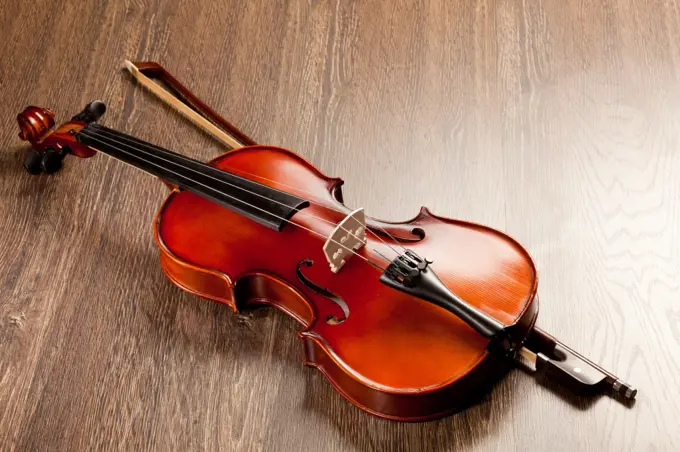
Red roses and a violin. Red roses and a violin on the table
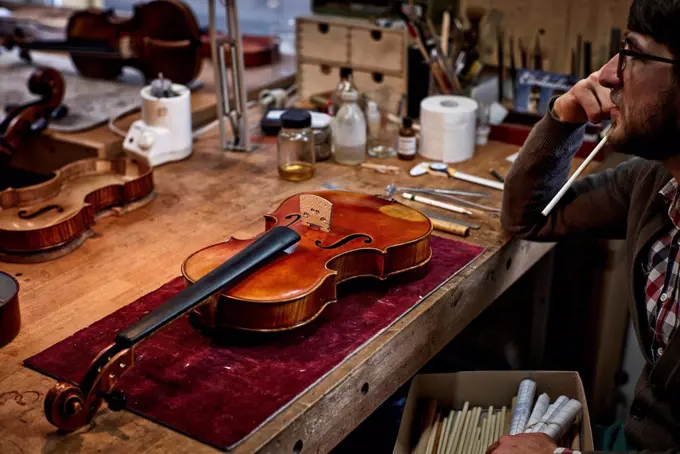
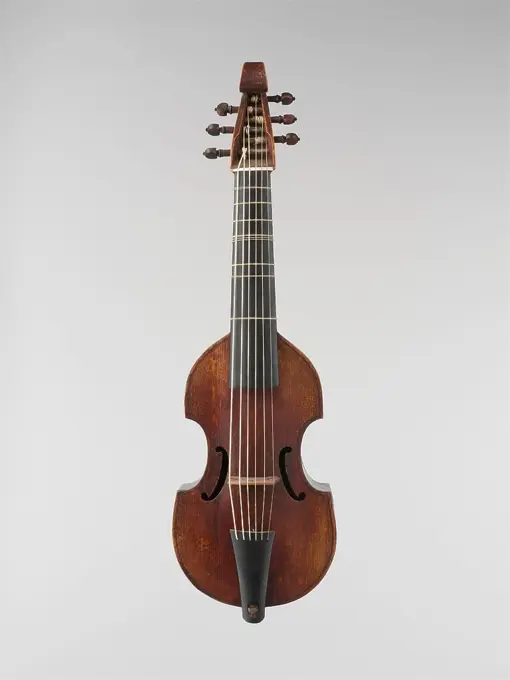
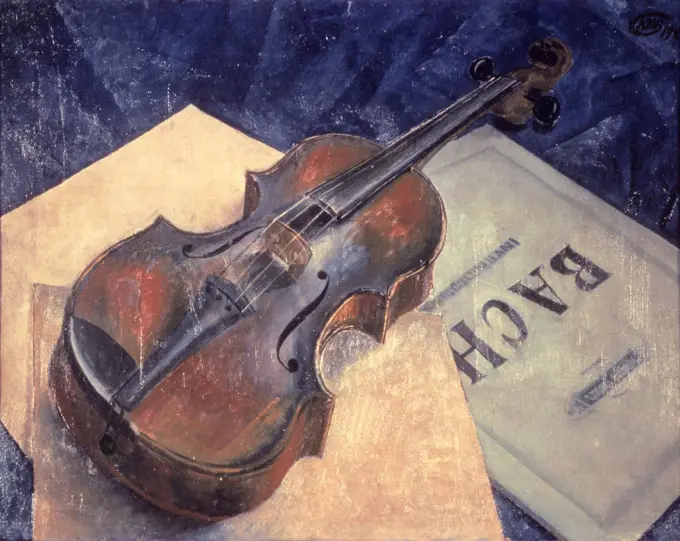
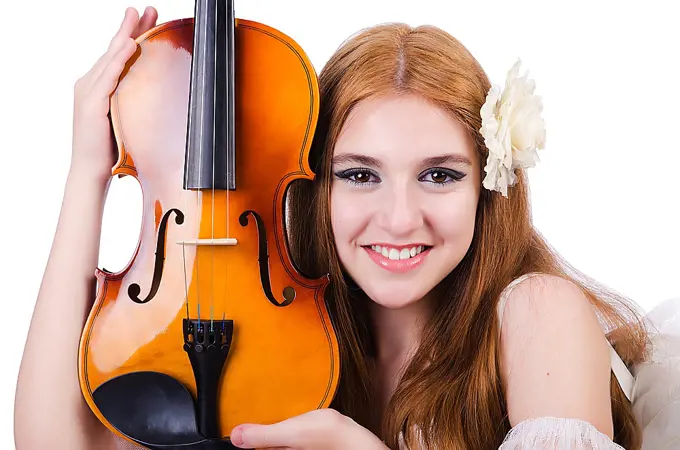
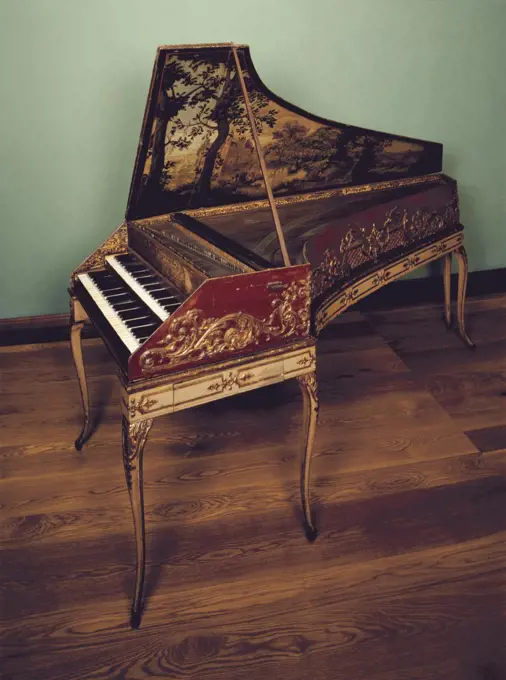
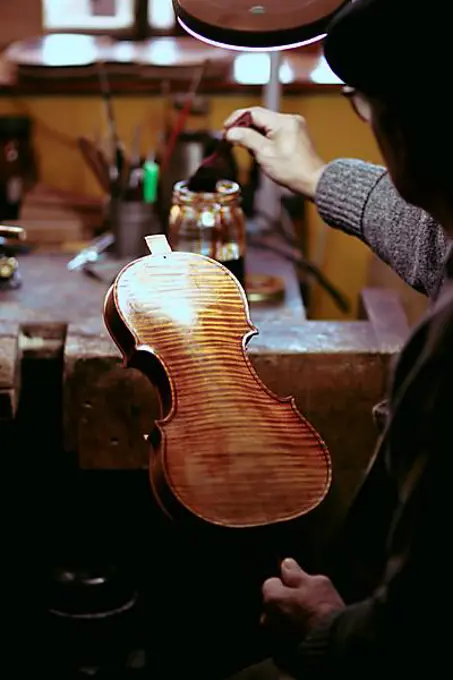
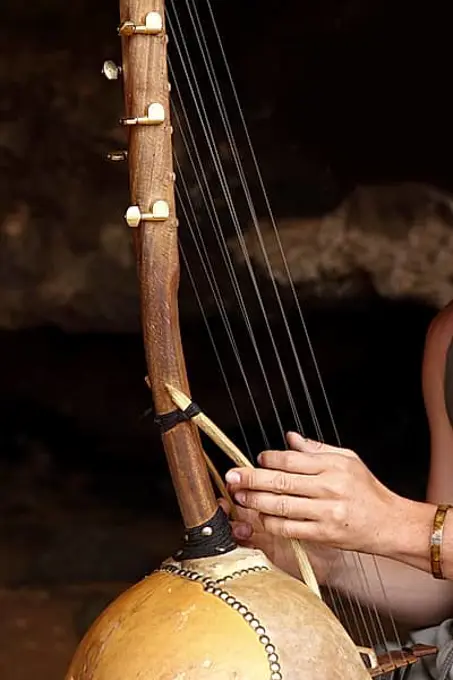
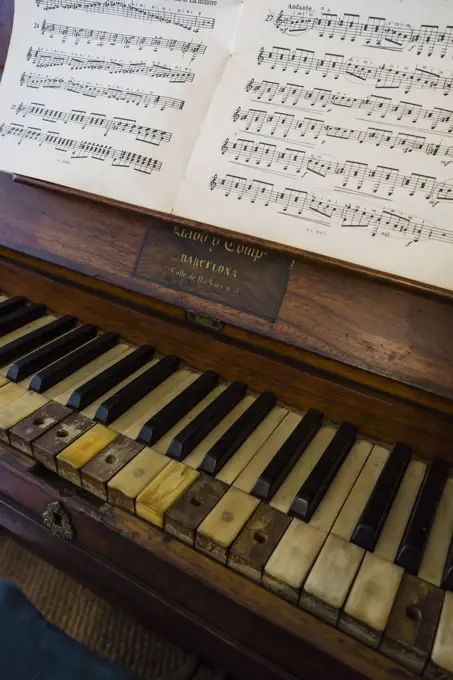
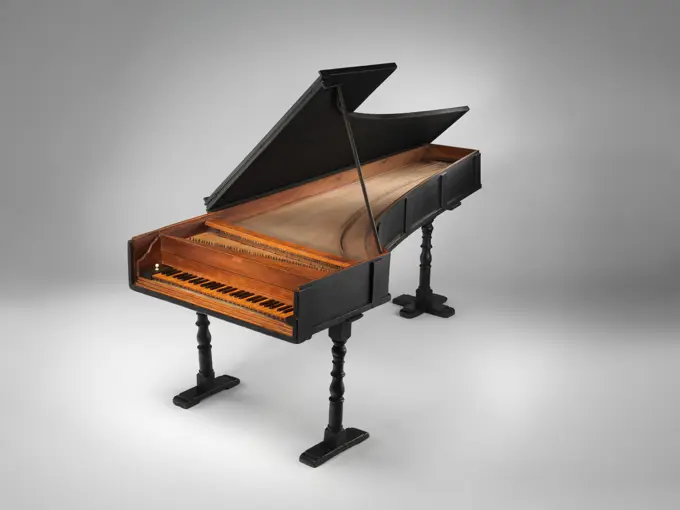
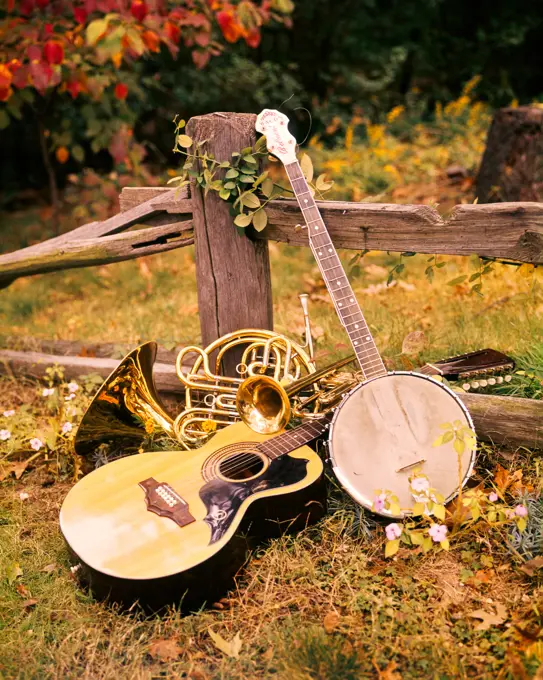
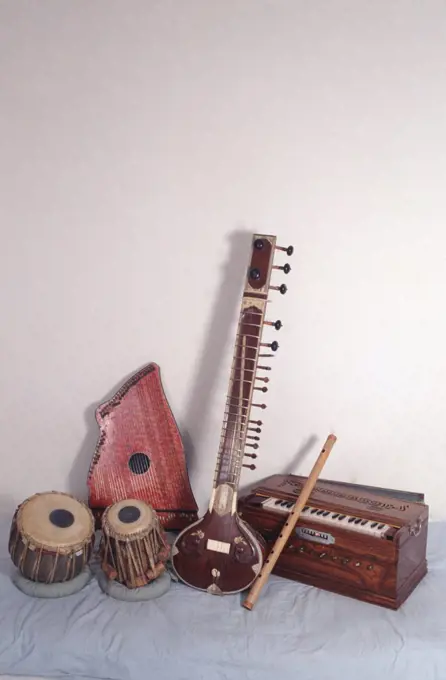
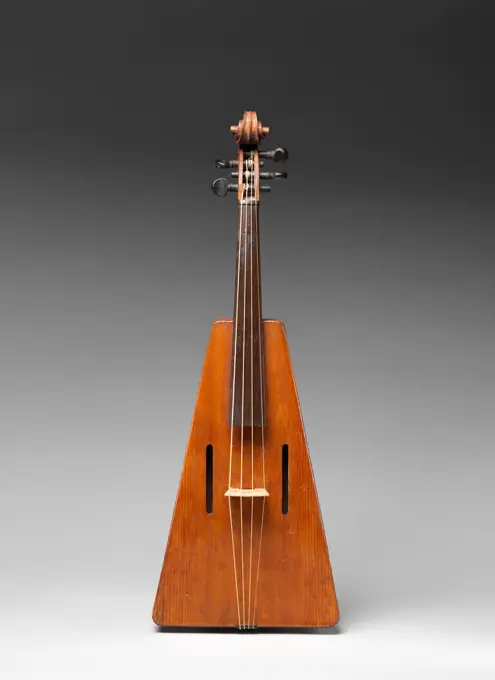
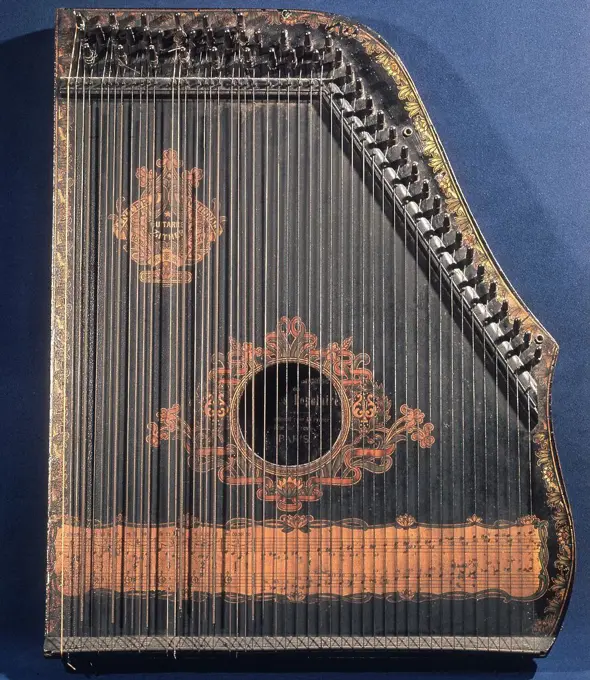
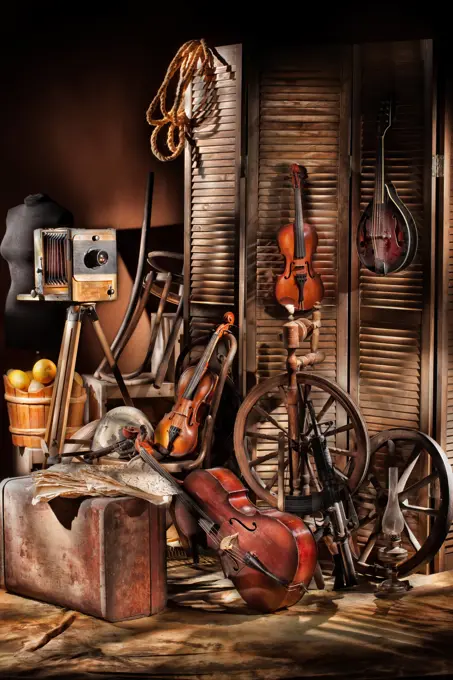
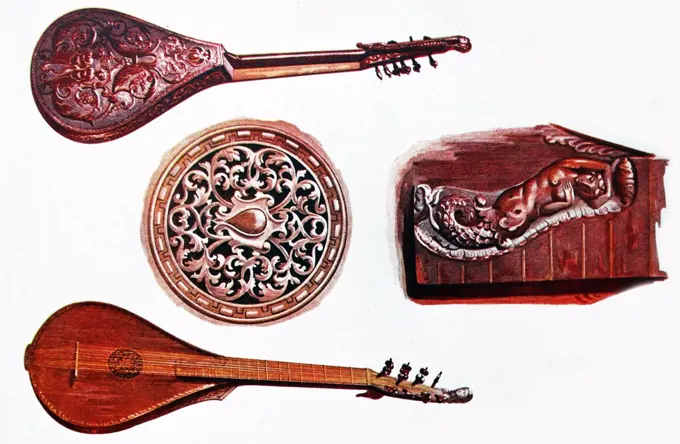
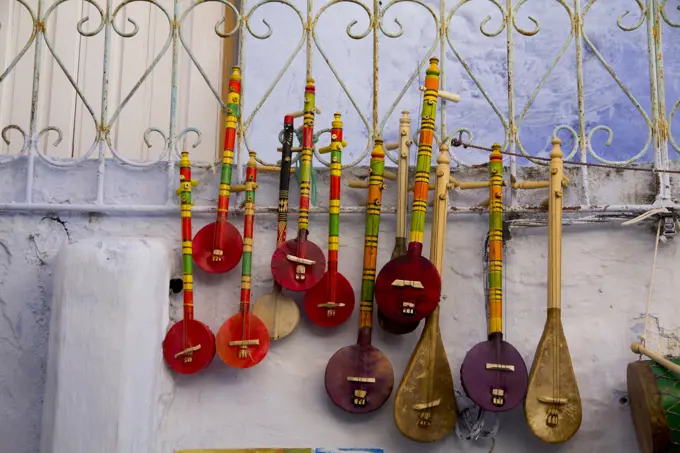
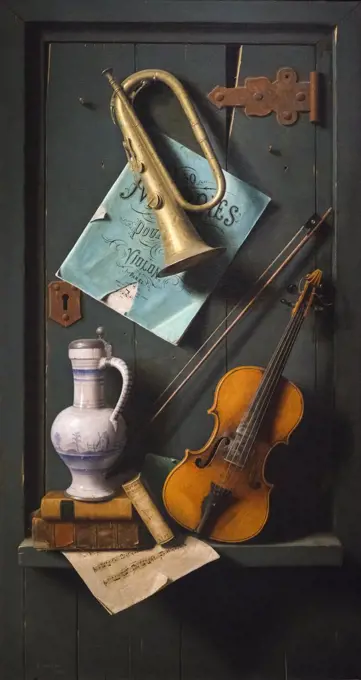
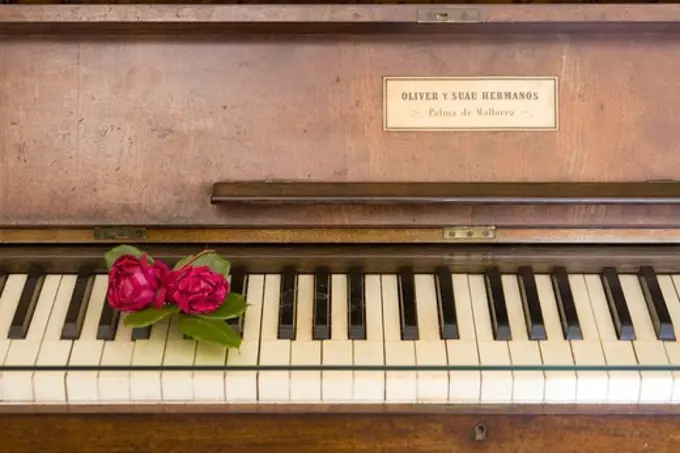
FOTOGRAFIA BLANCO Y NEGRO AÑOS 60.Vintage composition with violin and lavenderViolin maker at workbench in his workshopRed roses and a violin. Red roses and a violin on the tableViolin and tulip flowers on whiteRed roses and a violin. Red roses and a violin on the tableKorean Traditional InstrumentRed roses and a violinPixel art vector violin iconVintage carnival mask. View from above, close-up, nobody. Preparing for the holidays. Vintage carnival mask. View from above, close upViolin with christmas tree, violin with christmas treeviolin scroll isolated on white backgroundTreble Viol. Culture: French. Dimensions: Body length: 34.5 cm.Body width: upper bout 16.5 cm.  center bout 11.2 cm. lower bout 19.5 cm.Rib height: top block: 5.4 cm.center bout 6.95 cmbottom block 7/15 cm.String length: 37.0 cm.. Maker: Jean Ouvrard (French, Paris ca. 1720-1748 Paris). Date: 1726.This treble viol retains its original neck, fingerboard, and tailpiece, and is a rare example of a professional musician's instrument in unaltered condition. Viols were the most esteemed bowed instruments of the late Renaissance, and only gradually displaced by the violin family in the eighteenth century. Viols feature flat backs, sloping shoulders, and six or seven strings, all features which distinguish them from members of the violin family. All viols are played in an upright position between the knees, or da gamba ("at the leg"), and the bow is held palm upwards. Their sound is quieter and less brilliant than that of the violin family, yet considered more pleasing to the ear bStill Life with Violin  1921  Kuzma Petrov-Vodkin (1878-1939/Russian)  Private Collection Double Bass 1734 Johann Ulrich Eberle Austrian. Double Bass 504228open piano strings and notesancient Asian stringed musical instrument on black background with backlight. national musical instrument of AsiaAncient Traditional Thai Wooden musical instruments close upYoung violin player isolated on whiteDamaged violin with a frayed bowNorth America, Mexico, Guanajuato state. Ceramics on display in a shop on the road to Dolores Hildago. (Editorial Usage Only)Harpsichord  1599 Ruckers family (17th C. Flemish) Handelhaus, Halle, GermanySenior expert violin maker luthier varnish with brush classic handmade violin paint natural ingredient recipe in Cremona Italy home of best artisan of this kind, selective focus, bokehEthnic african ten strings instrument similar bolon ngonis kamelteclado Llado y Camp, Sa granja, municipio de Esporlas,Majorca, Balearic Islands, SpainAndrea Mosconi maintains the city of Cremona's precious violin collection, many of them Stradivarius violins, by playing them foGrand Piano 1720 Bartolomeo Cristofori Italian Bartolomeo Cristofori was the first person to create a successful hammer-action keyboard instrument and, accordingly, deserves to be credited as the inventor of the piano. This example is the oldest of the three extant pianos by Cristofori. About 1700 he began to work on an instrument on which the player could achieve changes in loudness solely by changing the force with which the keys were struck. By 1700 he had made at least one successful instrument, which he called "gravicembalo col piano e forte" (harpsichord with soft and loud). His instrument still generally resembles a harpsichord, though its case is thicker and the quill mechanism has been replaced by a hammer mechanism. Cristofori's hammer mechanism is so well designed and made that no other of comparable sensitivity and reliability was devised for another seventy-five years. In fact, the highly complex action of the modern piano may be traced directly to his original conception.1970s ARRANGEMENT OF MUSICAL INSTRUMENTS GUITAR BANJO FRENCH HORN AND TROMBONE LEANING AGAINST WOODEN SPLIT RAIL FENCE OUTDOORSIndia. Indian Musical Instruments: Tabla, Sitar, Harmonium, Flute, Zither"Savart model" Violin ca. 1819 Ch. Michel The builder of this instrument is presumed to be Ch. Michel whose name appears written in pencil on the inside of the instrument, visible through the treble sound hole. This unknown maker followed the unusual and radical instrument design of French physicist Félix Savart. The unusual trapezoidal-shaped violin design introduced by Savar, was based on the acoustical theories of the German scientist Ernst Chladni, who had studied vibrating plates. In addition to its unusual shape, the Savart design has a flat top and back. Savart published his design in 1819 in the hope that violin builders would make instruments of this type, undoubtedly, Michel used these plans to build this instrument. Technical description: Savart model violin with flat top and back and a trapezoidal-shaped body; top and back of wide-grain spruce;, slot-shaped sound hoes with rounded ends; edge of top and back flush with the ribs; plain maple ribs and neck; neck steeply angledARPA DEL SIGLO XVIII.The artifacts pictured here date from 1000 to 1100 A.D. They are from left to right, top to bottom: two musical instruments from 1000 A.D. and eight musical instruments from 1100 A.D. The illustration dates to 1882.Red roses and a violin. Red roses and a violin on the tableStill Life With Musical Instruments Old photocamera, violins on a studio background Copyright: xZoonar.com/AndreyxSkatx 9731202Cetera. Also known as 'Cistre' and 'Cither', this musical instrument is a type of guitar. Thought to have been created in the early Sixteenth century.Musical instrument, souvenir shops in the Kasbah, Chefchaouen (Chaouen), Tangeri-Tetouan Region, Rif Mountains, Morocco.tamborino and flabiol, flute and drum, Mallorca, Balearic Islands, Spain, Europe.Christmas, House music, Decoration, Germany, EuropeOld Models; 1892 Oil on canvas William Michael Harnett American born in Ireland; 1848-1892Kartause Valmossa, Chopin Museum, piano, Rosen, MallorcaWoman with violin isolated on white