Collectible Antique Figures

Intricate collectibles such as netsuke and historic pottery, showcasing artful craftsmanship from different periods and cultures.

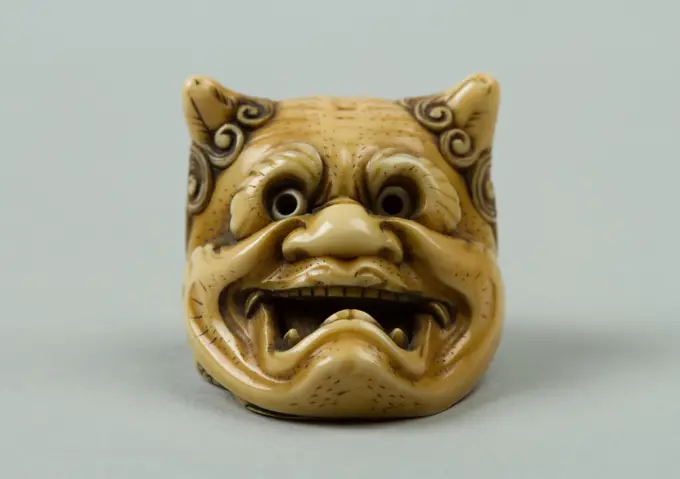
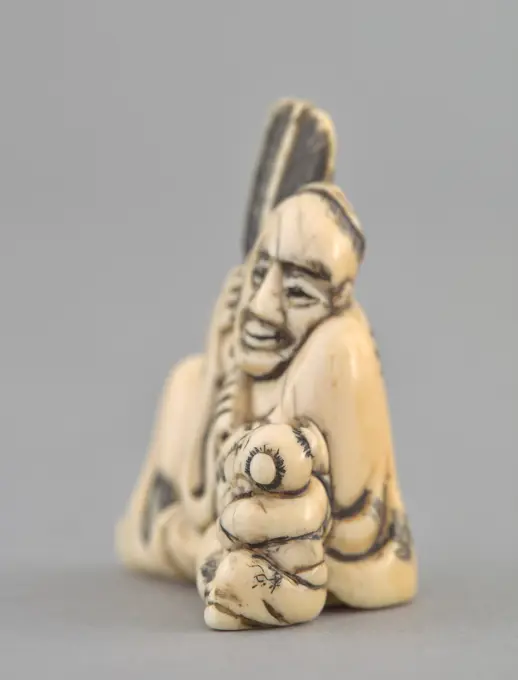
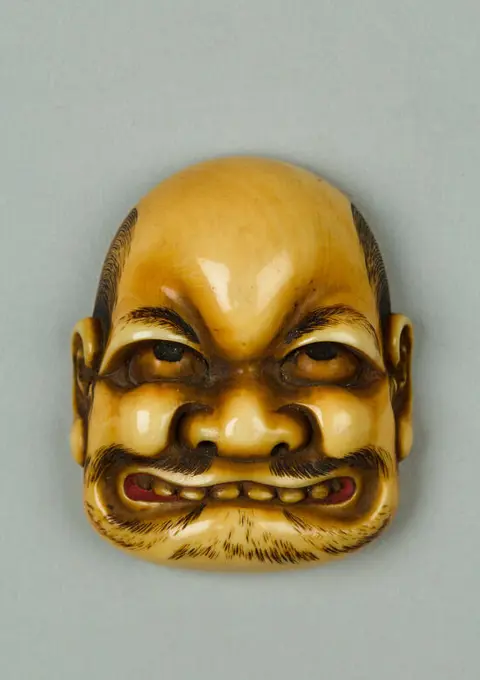
Netsuke Jurojin, early 19th century, Unknown Japanese, 1 1/16 x 1 3/16 x 1/2in. (2.7 x 3 x 1.3cm), Ivory, Japan, 19th century
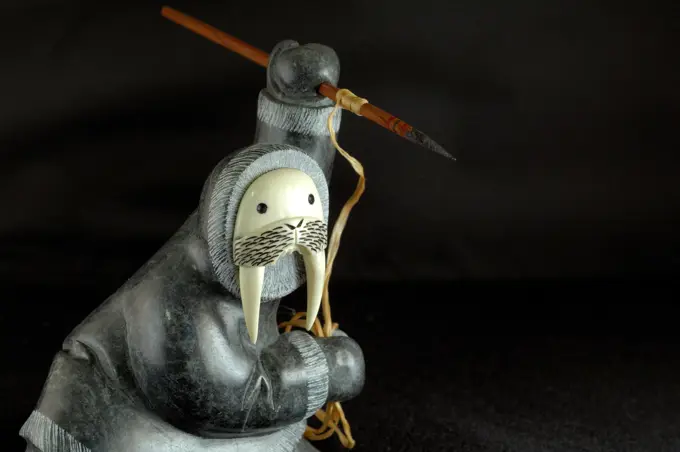
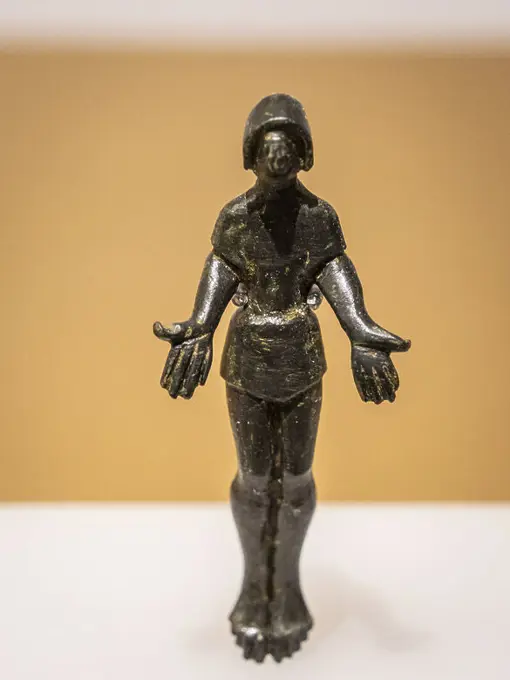
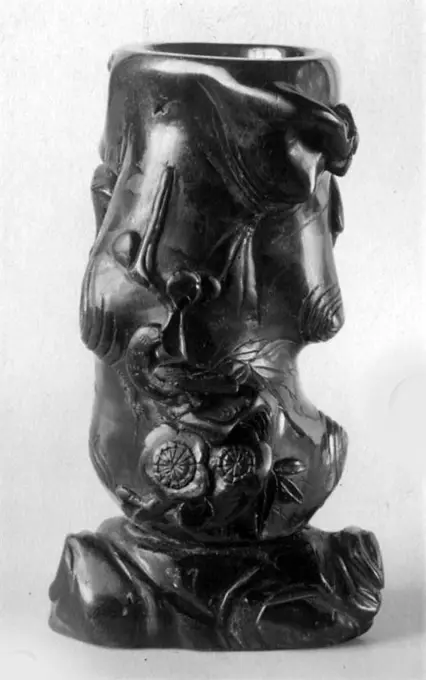
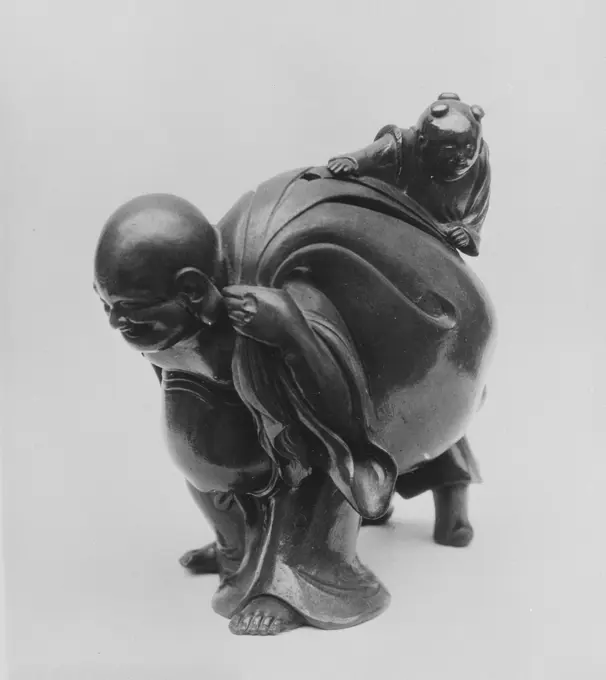
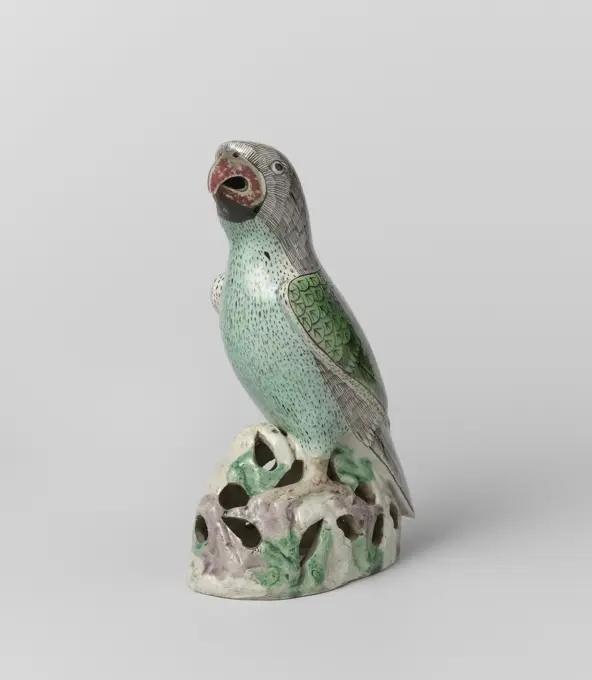
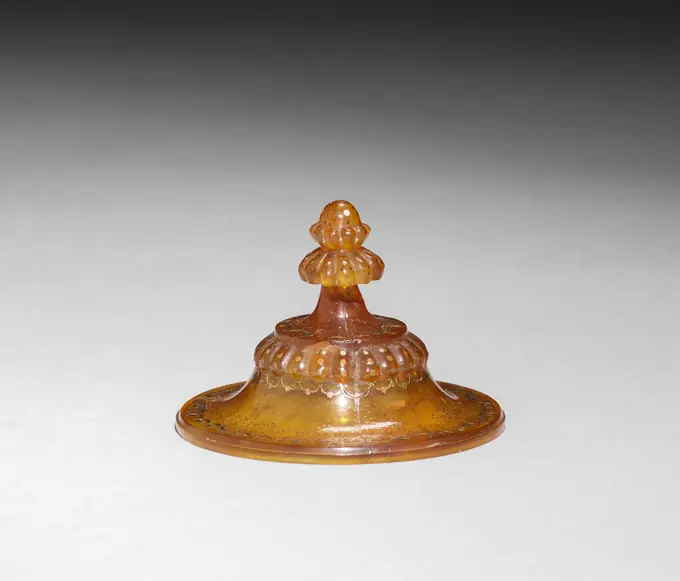
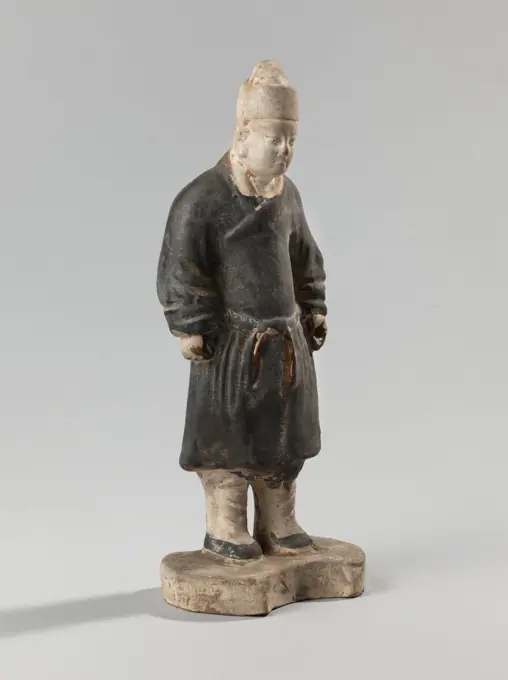
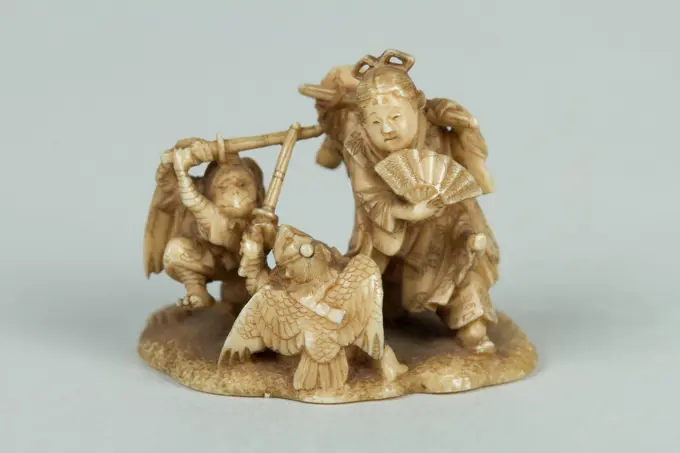
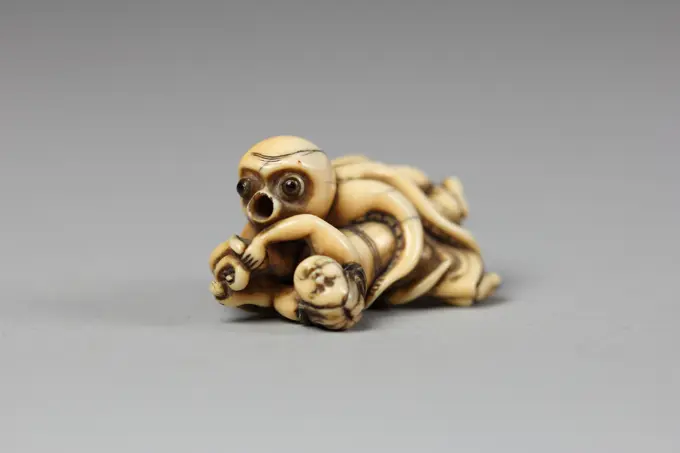
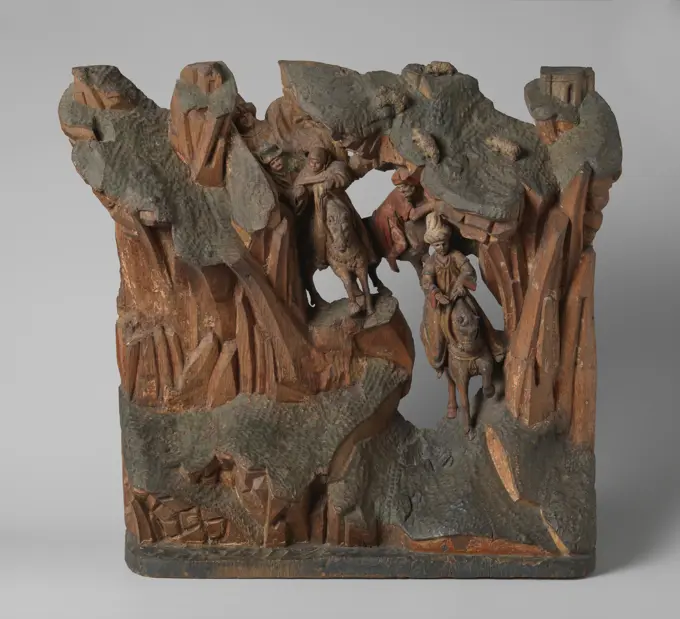
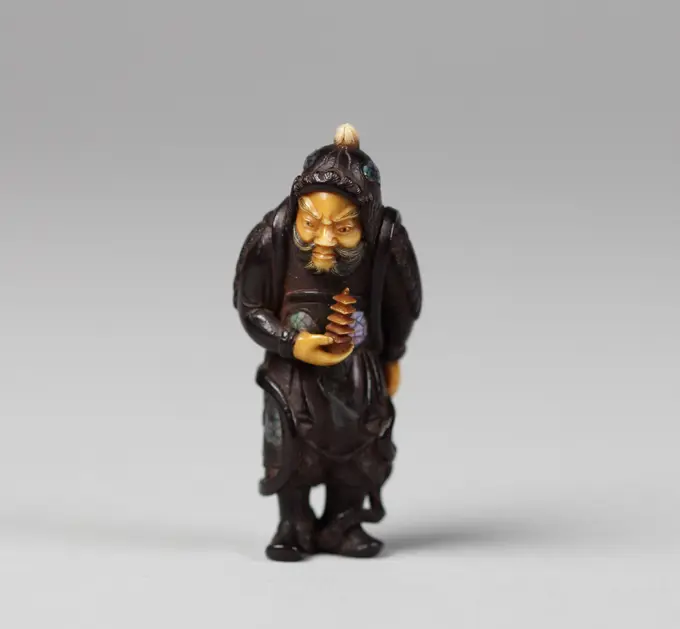
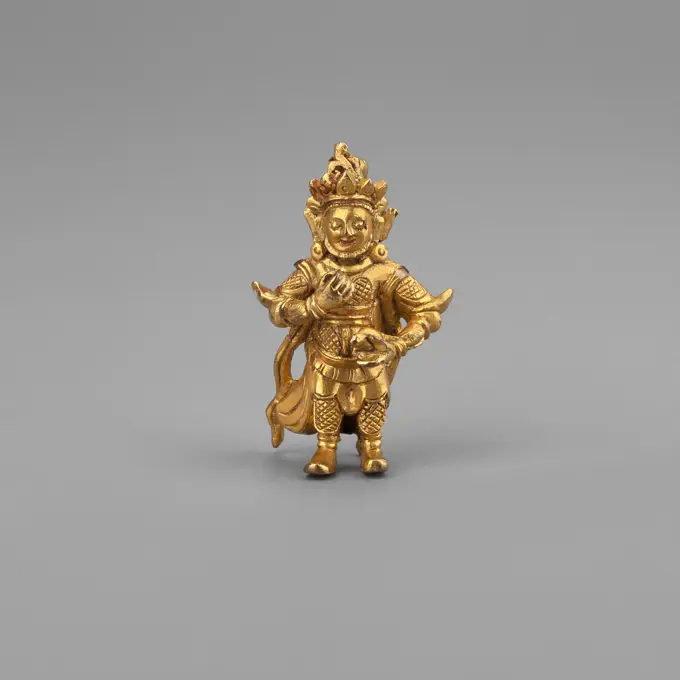
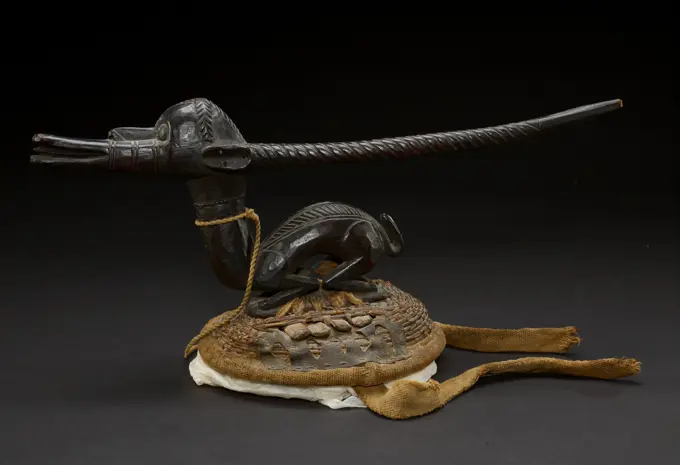
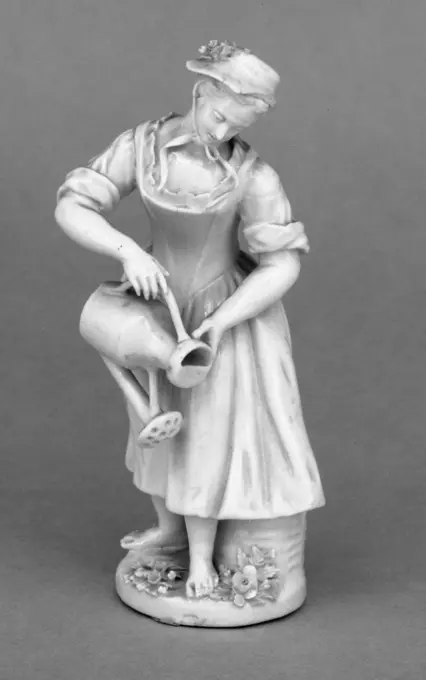
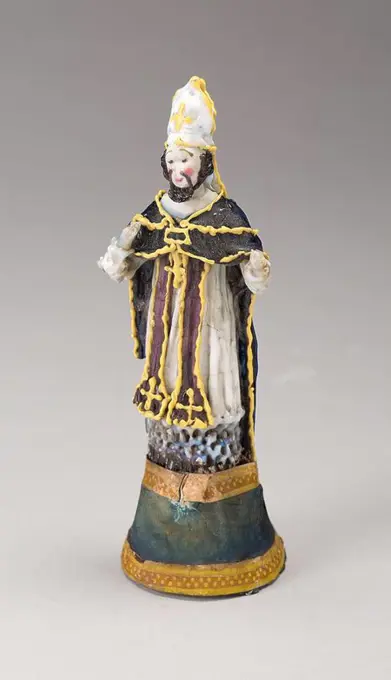
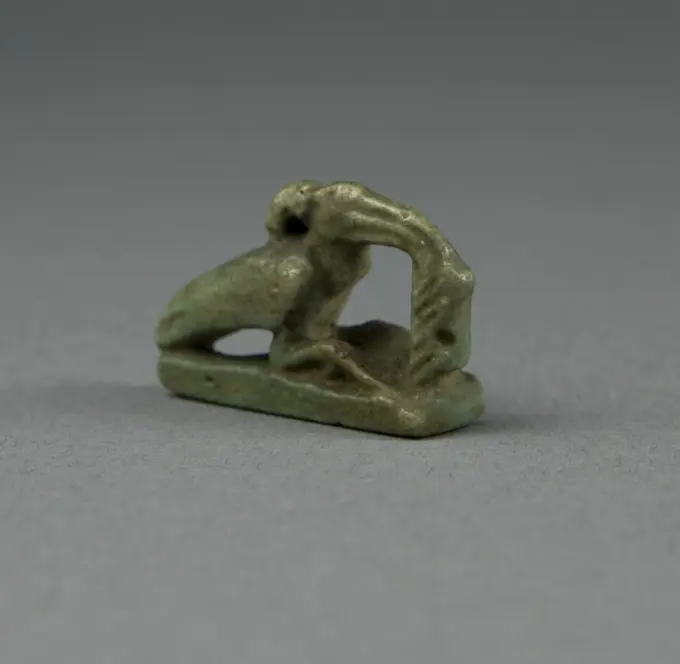
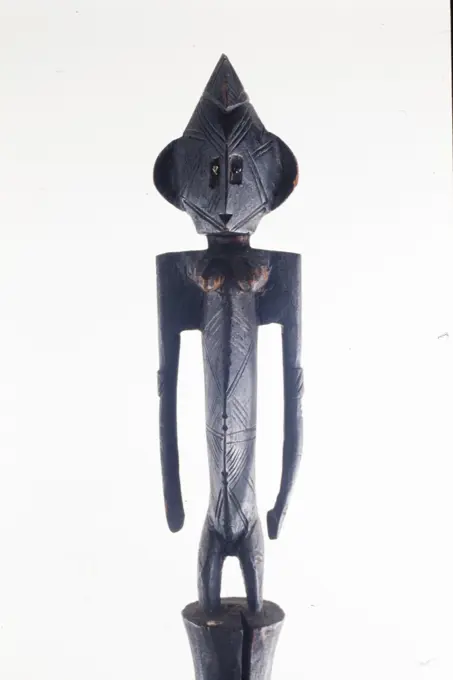
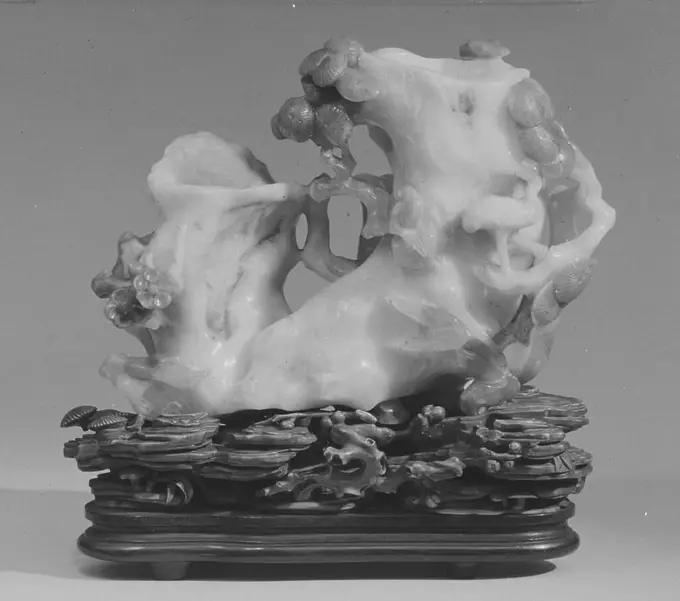
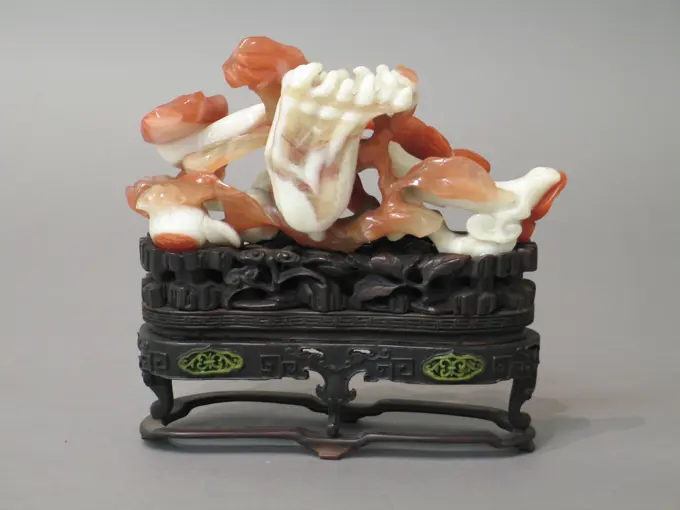
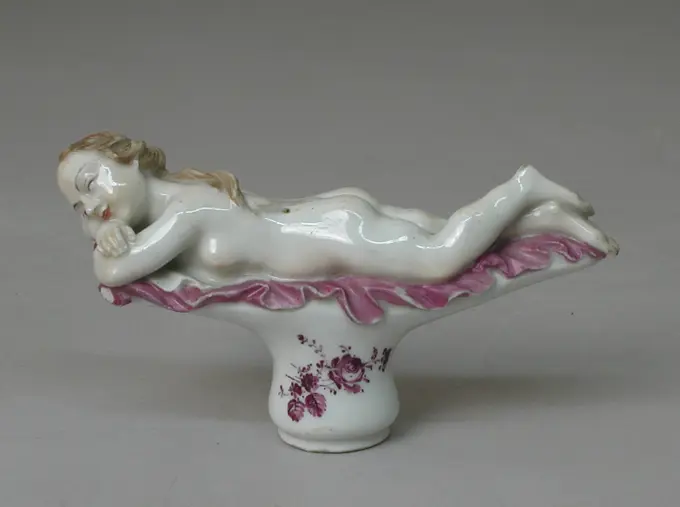
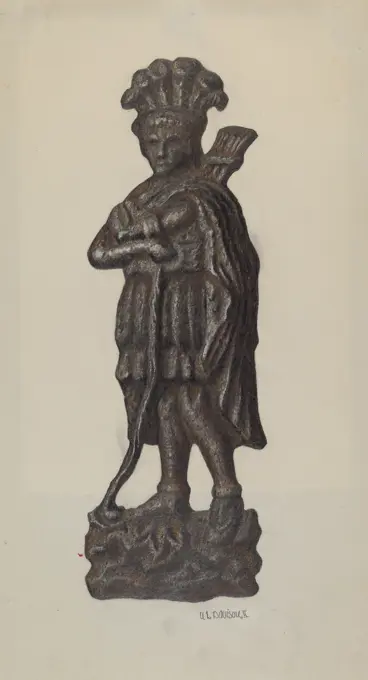
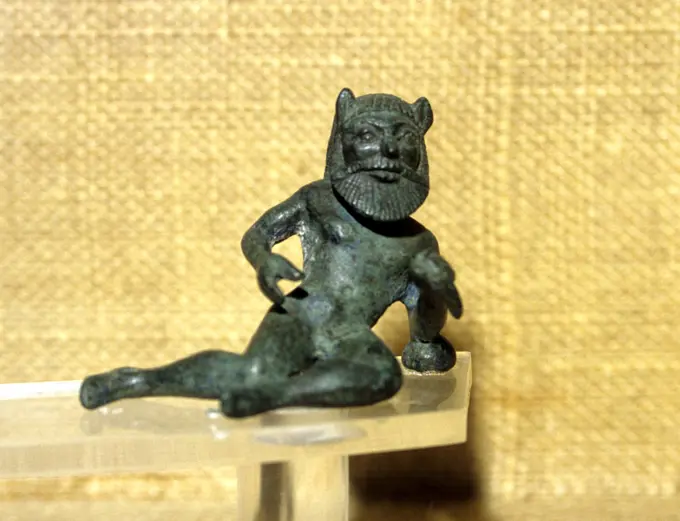
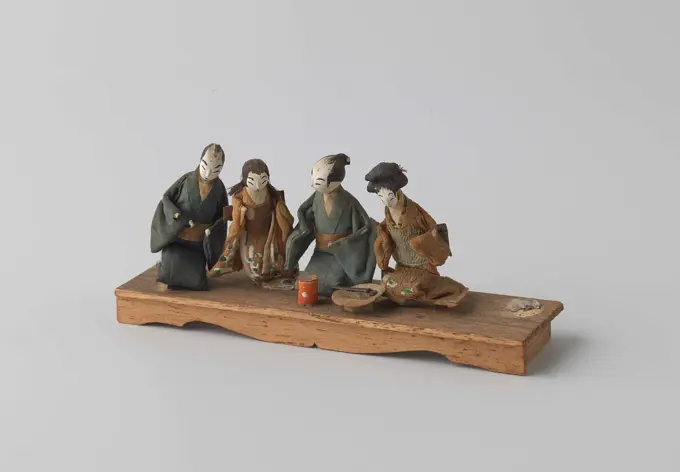
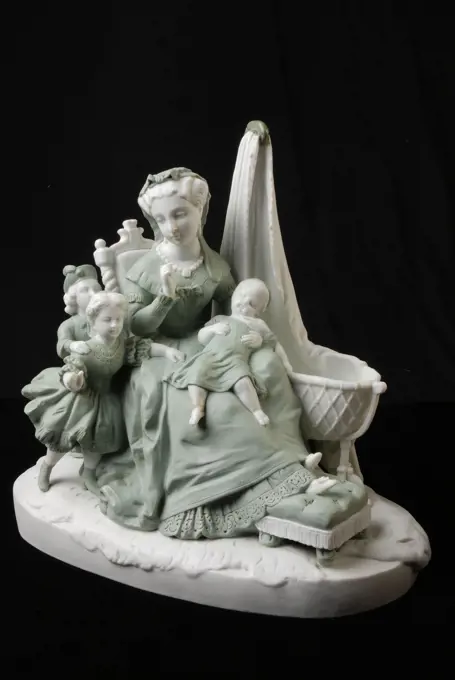
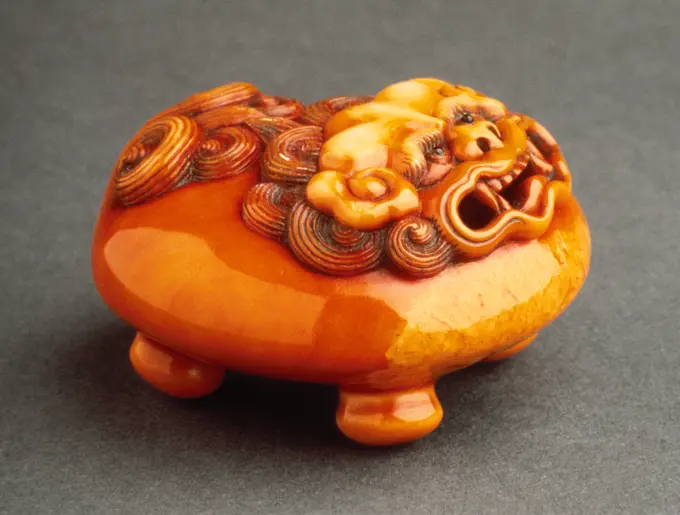
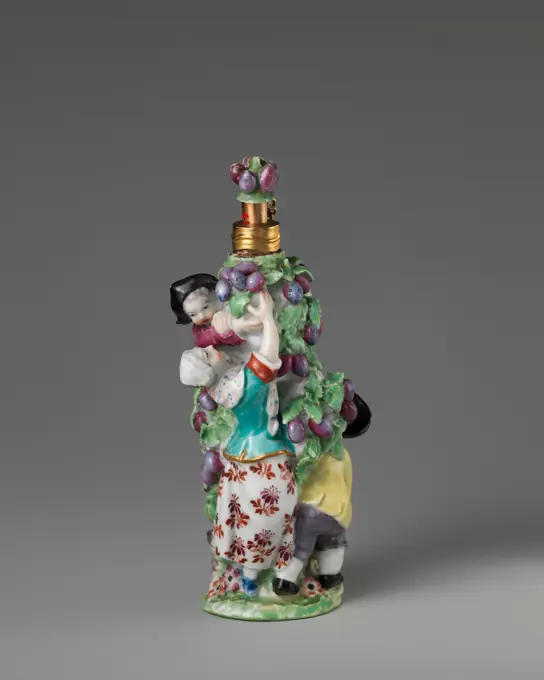
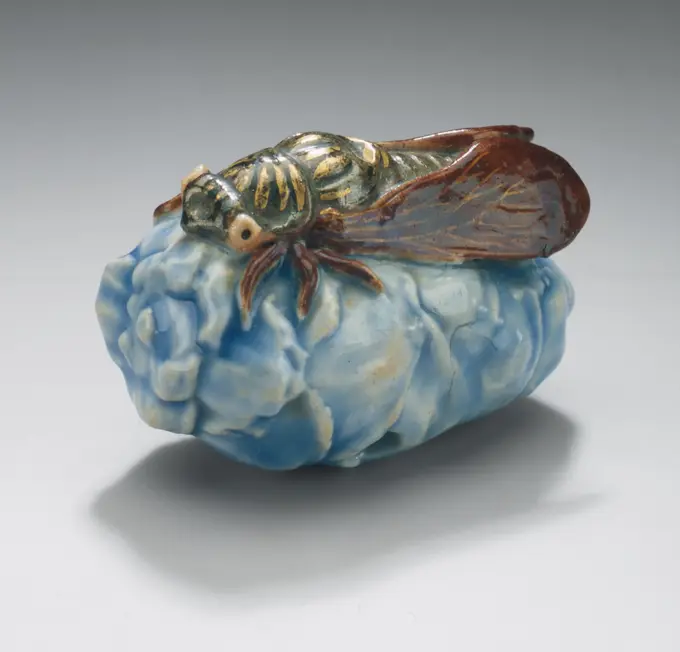
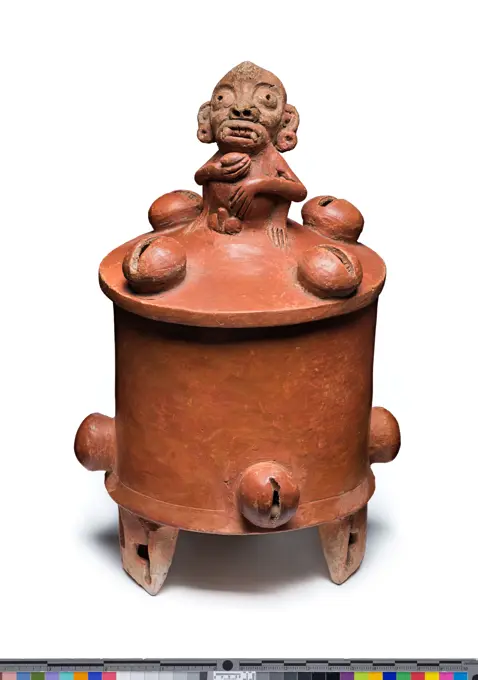
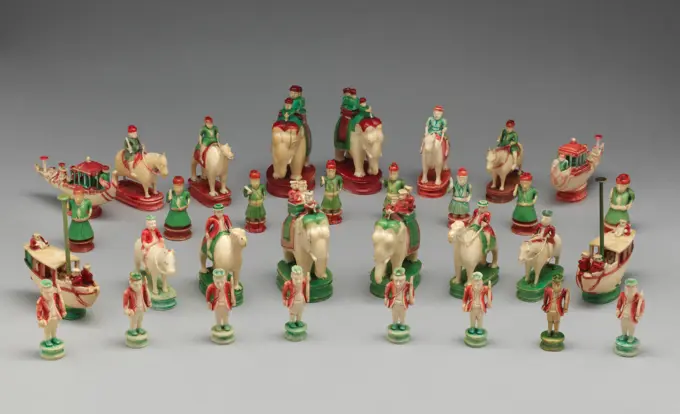
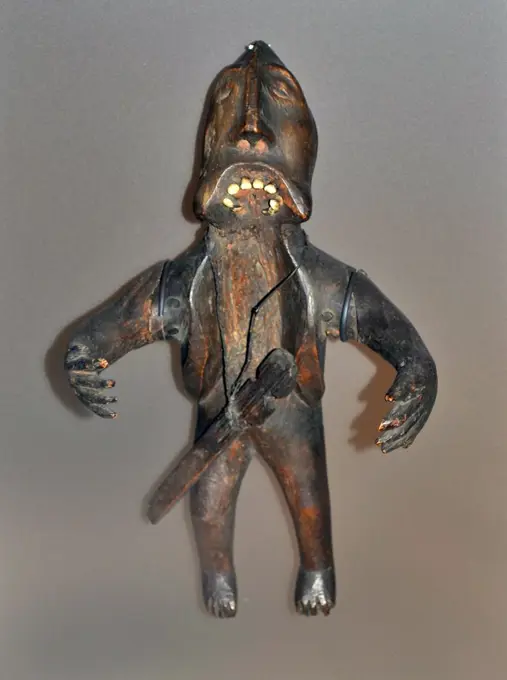
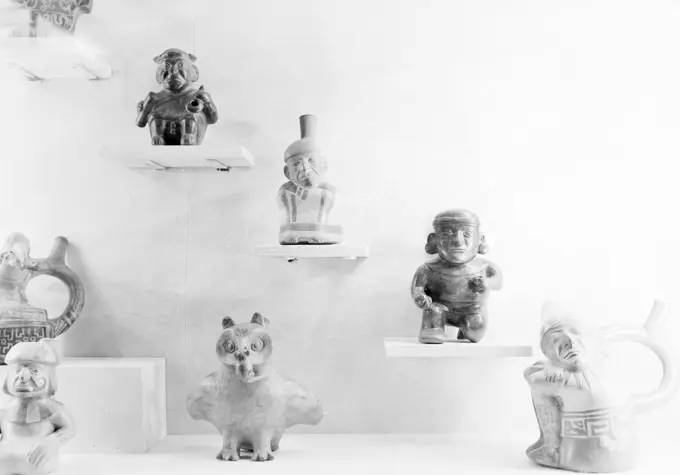
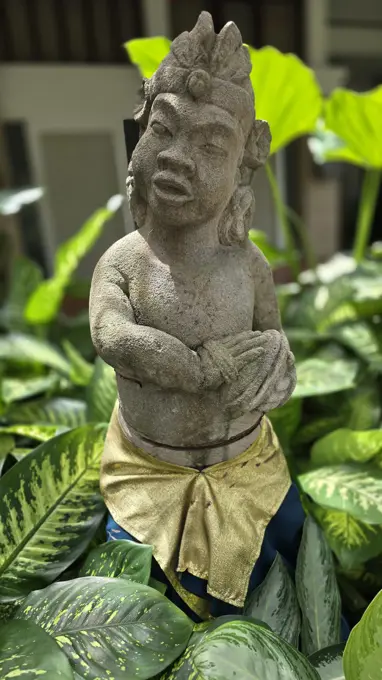
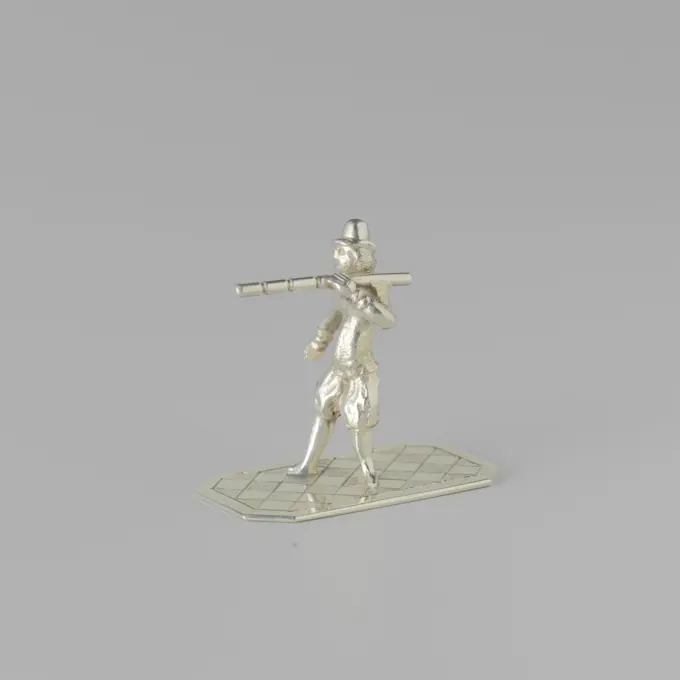
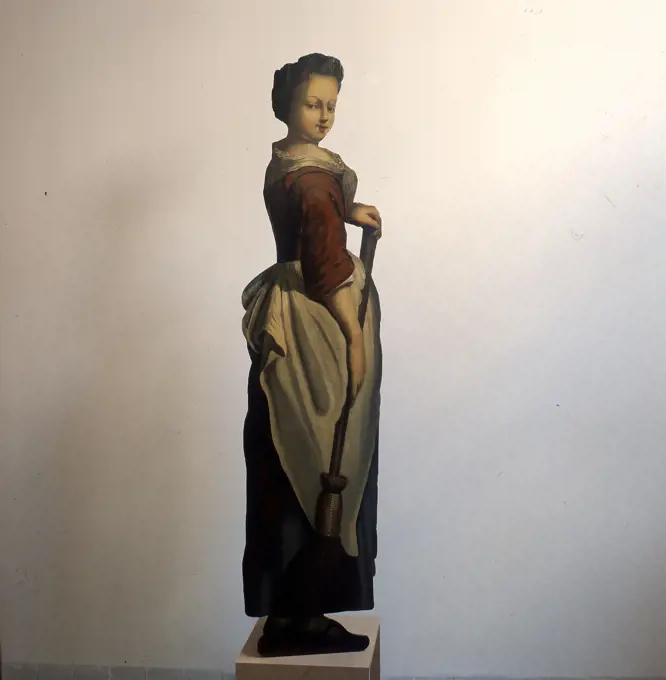
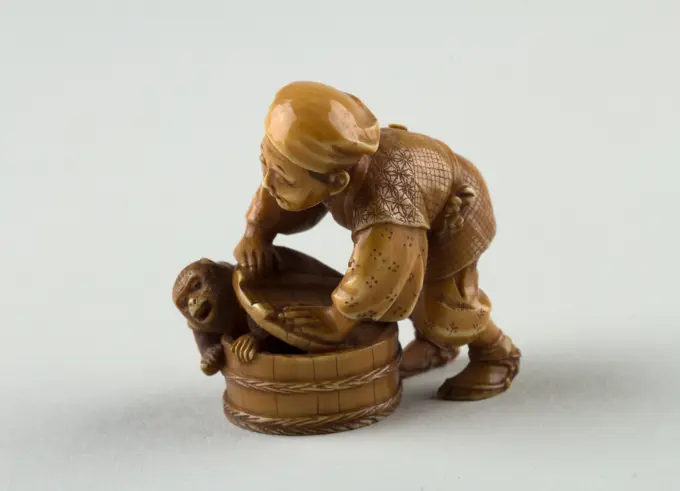
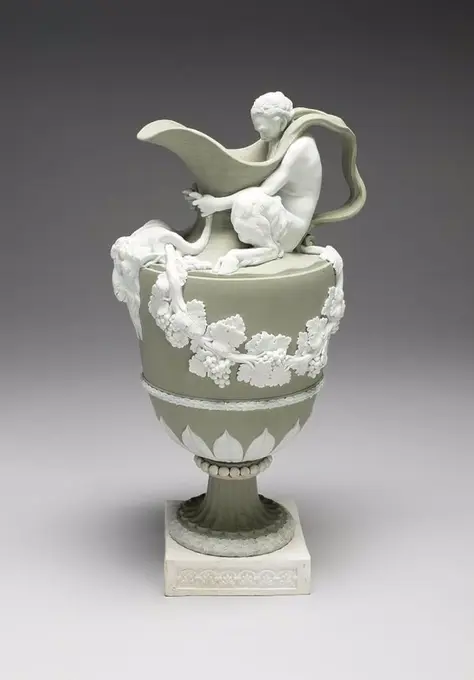
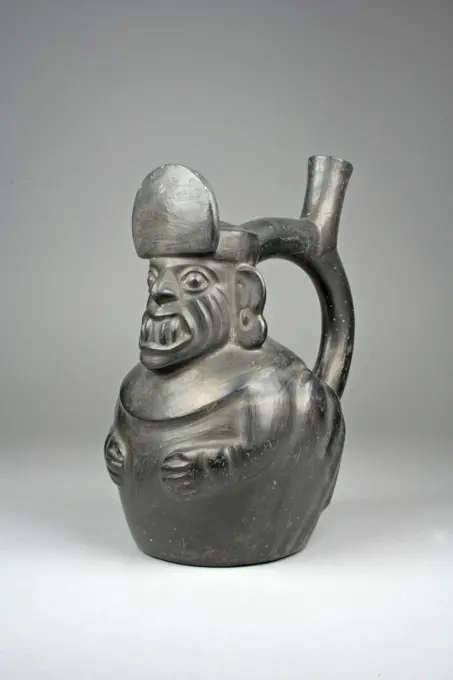
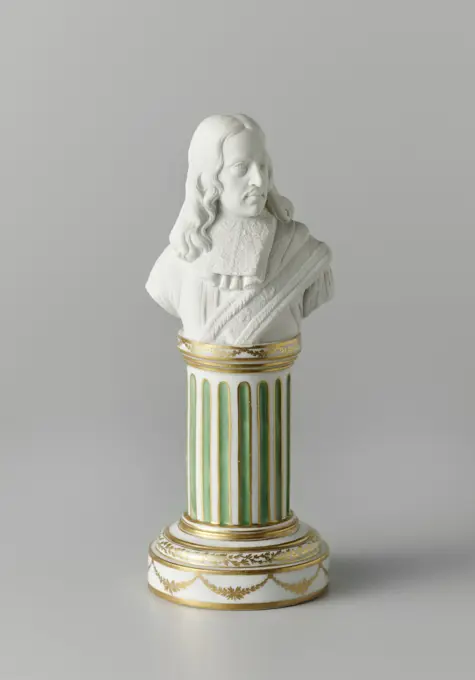
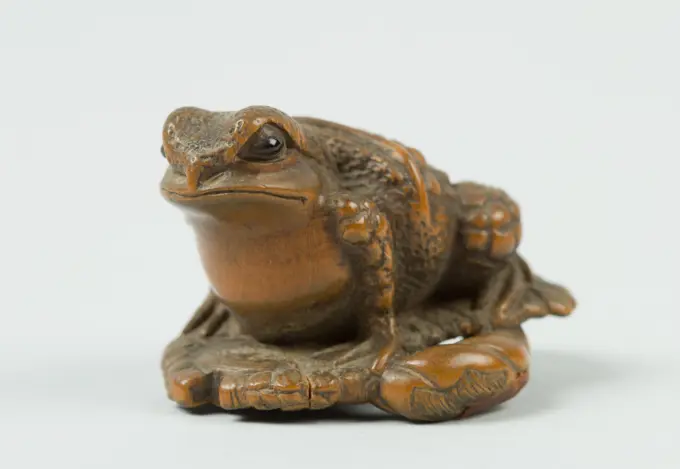
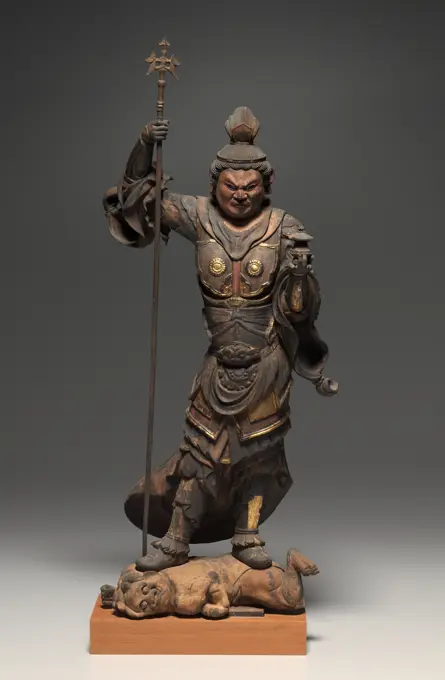
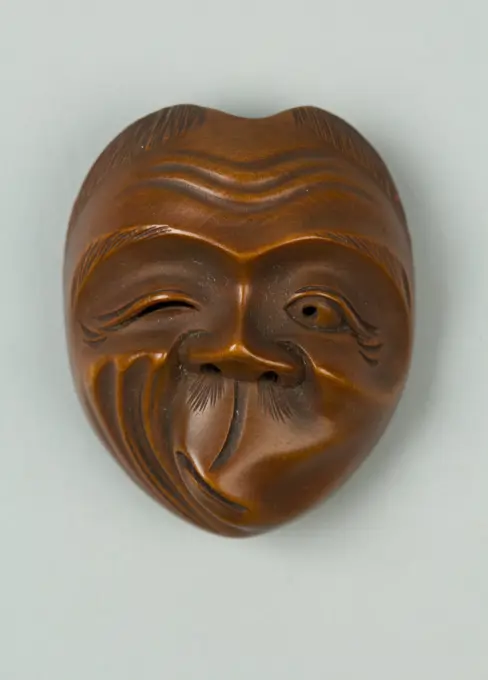
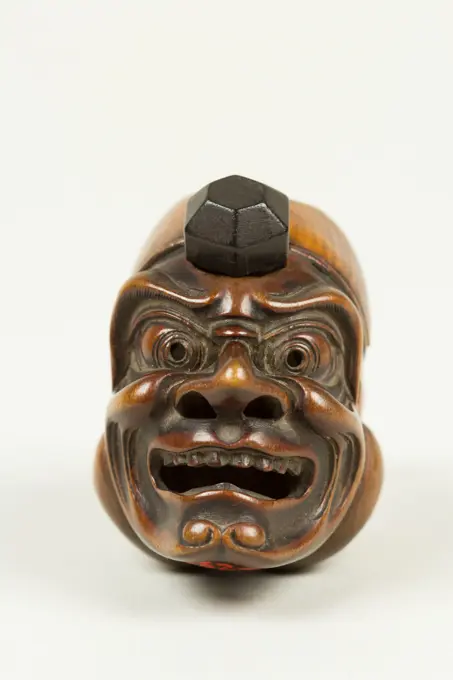
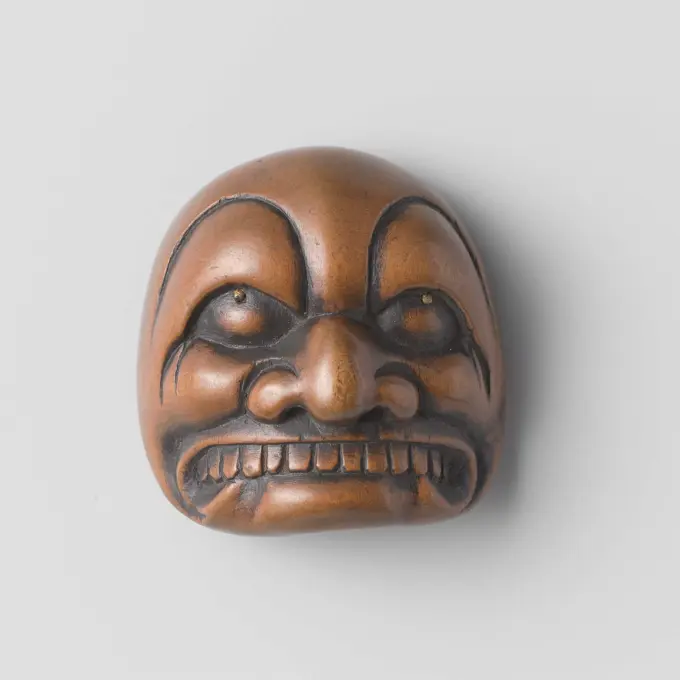
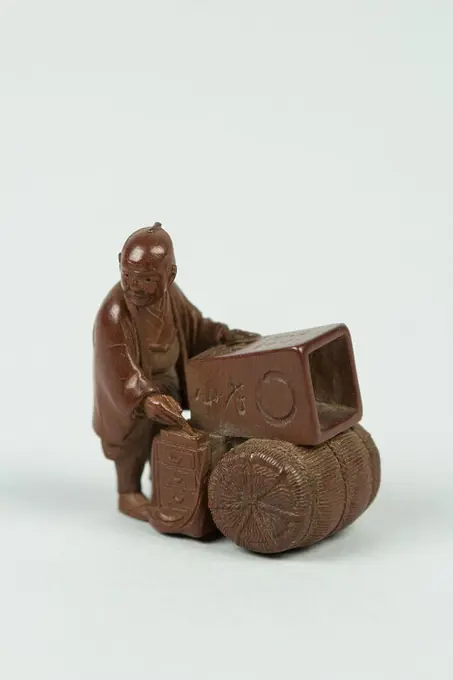
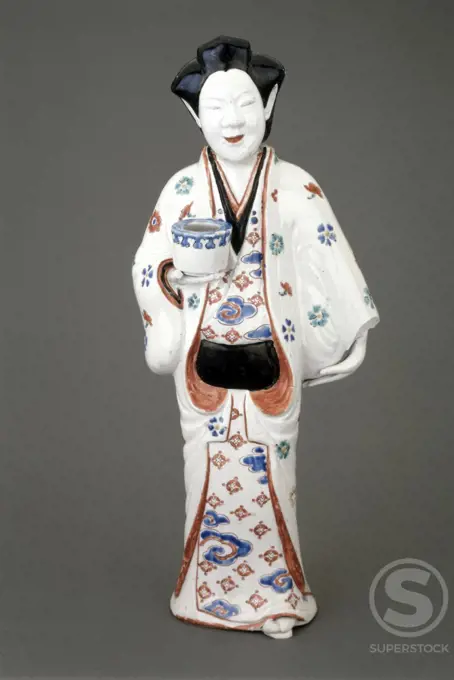
Netsuke of a Man Holding a Mermaid. Culture: Japan. Date: 18th century. Museum: Metropolitan Museum of Art, New York, USA.Two Asian Women with Children, Meissener Porcelain Manufaktur, c. 1750 Greetings from painted porcelain. On an irregular oval pedestal is an Asian woman with two children. The woman wears a kettle with two spouts in her right hand and pours her left hand from a jug in a head. The head stands on a dish that is worn by a boy. For the woman, a boy kneels a basket with yellow fruits. The image is marked. Float porcelain Greetings from painted porcelain. On an irregular oval pedestal is an Asian woman with two children. The woman wears a kettle with two spouts in her right hand and pours her left hand from a jug in a head. The head stands on a dish that is worn by a boy. For the woman, a boy kneels a basket with yellow fruits. The image is marked. Float porcelainPaperweight. Culture: American. Dimensions: W. 4 in. (10.2 cm). Maker: Charles Cartlidge and Company (1848-1856). Date: 1848-56. Museum: Metropolitan Museum of Art, New York, USA.Canada, First Nations Canadian art. Typical Inuit stone sculpture, by Master Sculptor Eddie Lee, made of soapstone (steatite) and fossilized walrus bone & ivory. (Editorial Usage Only)male Iberian bronze votive offering, Altos del Sotillo, Castellar, Iberian Museum of Jaén, Andalusia, Spain.Freyr statuette. Rallinge, Sweden. VIKING.MonkeyTrainerVase China. Vase 60659Censer with cover 1750 Japan. Censer with cover. Japan. 1750. Stoneware covered with glaze (Bizen ware). Edo period (1615-1868). CeramicsFigure of a parrot on a rock, anonymous, c. 1700 - c. 1724 Image of porcelain, painted on the biscuit in blue, red, green, eggplant and black. Hollow image, the parrot is on a pedestal in the form of an openwork rock; The red painting on the beak and legs is worn out. Email sur biscuit with family distance colors. China porcelain. glaze. painting / vitrification Image of porcelain, painted on the biscuit in blue, red, green, eggplant and black. Hollow image, the parrot is on a pedestal in the form of an openwork rock; The red painting on the beak and legs is worn out. Email sur biscuit with family distance colors. China porcelain. glaze. painting / vitrificationCover for a Cup, c. 1730. France, 18th century. Amber decorated with inlaid gold and mother-of-pearl; overall: 6.7 cm (2 5/8 in.).Bull figurine. Culture: Cypriot. Dimensions: H. 3 1/2 in. (8.9 cm). Date: ca. 600-480 B.C..The figurine is handmade and solid. It has a short cylindrical body, upward curving horns, and a tail attached to the left hind leg. Museum: Metropolitan Museum of Art, New York, USA.Netsuke, japanese miniature sculpture. Museum: COLECCION PRIVADA.Empire sauce boat. Lilpop, Karol Jerzy (fl. 1820-1833), goldsmithMale character mingqi. Terracotta, brown glaze, traces of polychromy. Paris, Cernuschi museum. 78843-15 Beyond, belief, figurine, mingqi, funeral object, male character, model character, funeral rite, statuetteNetsuke of Old Man with a Tiger. Culture: Japan. Dimensions: H. 1 1/4 in. (3.2 cm); W. 1 5/8 in. (4.1 cm); D. 1 1/4 in. (3.2 cm). Date: 19th century. Museum: Metropolitan Museum of Art, New York, USA.Netsuke: Group of Figures 19th century Japan. Netsuke: Group of Figures. Japan. 19th century. Ivory. Edo (1615-1868) or Meiji period (1868-1912). NetsukeNetsuke of Octopus Attacking a Woman 19th century Japan. Netsuke of Octopus Attacking a Woman 59896Canada,  First Nations Canadian art. Typical carved caribou antler figure,  Clyde River drummer. Property release.Landscape with riders. In a landscape, consisting of two mountain meadows lying above each other, connected by vertical rock formations, five riders descend from a gap. Of the two backs, only the upper bodies are visible, the third, which keeps the rein with the left hand, apparently in conversation with the rider's next. Allen long robes, the middle a monk tria, the front and rear a turban, the two other a hat. On the top mountain meadow on the left a building and a castle on the right, between which some sheep.Ear Clip with Lotus Bud Motif Second half of the 8th-second half of the 10th century Indonesia (Java). Ear Clip with Lotus Bud Motif 50050Netsuke of Bishamon 19th century Japan. Netsuke of Bishamon. Japan. 19th century. Black wood with ivory face and hands and inlaid ornamentation. Edo (1615-1868) or Meiji period (1868-1912). NetsukeWaj Rawan;  2. PO. 18th-19th century (1751-00-00-1900-00-00);figurines, art of Tibetan Buddhism, purchase (provenance)Starving Wolf Eating Its Own Paw. Kanō Tomokazu (Japan, active circa 1764/1771-circa 1830/1843). Japan, early 19th century. Costumes; Accessories. Wood with inlaysChrist child, fragment of a Maria with child. Christ child, fragment of a Maria with childLong-Nosed Mask. Japan, Late Edo period (first half of 19th century). Jewelry and Adornments; masks. Wood, lacquer, calcium carbonate (gofun)Yarn reel on round foot, anonymous, c. 1700 - c. 1799 Garen reel with a round bottom of walnut. The reel is eroded all around. The other parts are made of twisted maplehout. Germany (possibly) maple (wood). walnut (hardwood) Garen reel with a round bottom of walnut. The reel is eroded all around. The other parts are made of twisted maplehout. Germany (possibly) maple (wood). walnut (hardwood). Women's figure of faience, in the form of a shepherd girl with a bird cage. White glazed.Dance staff for Èṣù (Ògò Èlẹ́gba), 1800s. Africa, West Africa, Nigeria, Yorùbá-style maker. Wood, leather, cowrie shells, seeds, and natural fiber; 62 cm (24 7/16 in.). Èù (also called Èlgba) embodies the most complex deity in the Yorùbá pantheon of gods. The messenger of the Yorùbá gods, Èù is also the bearer of sacrifices, guardian of the ritual way of life, and is associated with highly significant places including crossroads, markets, and home entrances. As seen here, Èù's power is often visually represented in Ògò Èlgba (dance staffs); in this example, the unusual paired man and woman reference his ability to switch between the two genders, turn death into life (through childbirth), and to overcome the tension between the sexes. The male character bears a ritual flute reserved for this god. The abundance of cowrie shells means that Èù brings wealth.A Turkey.Tiger and Monkey. Japan, 18th century. Costumes; Accessories. Wood with inlaysDance headpiece, 20th century, 8 × 7 × 19 1/2 in. (20.32 × 17.78 × 49.53 cm), Wood, plant fibers, metal, Mali, 20th centuryModel or a round-headed rudder. Model of the upper top of a stir with stern and wulf construction, in poor condition. The Roerkop jumps forward and is around. The brass of the rudder has been completed, that of the stern is sharp down, but becomes hollow where the stirring head starts. The main advantage of this stirred was the conclusion of the hennegat by applying a round stirring king.Vase (Austria); Manufactured by Alexandra Porcelain Works (Austria); porcelain, enamel, gildingNetsuke of Usume under a Noh Mask 18th century Japan. Netsuke of Usume under a Noh Mask. Japan. 18th century. Ivory. Edo period (1615-1868). NetsukeCozzi Porcelain Factory, Small Sculpture, c. 1775, Hybrid paste porcelain.Bishop. Nevers, France. Date: 1700-1750. Dimensions: H. 12.1 cm (4 3/4 in.). Glass; lampwork (verre de Nevers), metal armature. Origin: France. Museum: The Chicago Art Institute, Chicago, USA.Gold Decoration from Tela Tehe Excavations,1987 Artist Unknown/Afghanistan Sculpture  Amulet of the God Thoth 1070 BCE-656 BCE Egypt. Faience . Ancient EgyptianStaff, 19th-20th century, 63 1/16 x 2 9/16 x 3 1/8 in. (160.2 x 6.5 x 7.9 cm), Wood, metal, Democratic Republic of the Congo, 19th-20th centuryItaly, Liguria, Venus of Grimaldi, green steatite figurine from Balzi Rossi cavesThe Lansdowne Throne of ApolloCeramic vessel, erotic art Moche culture 100 AC-800 AC Perú.Hussar mounted on white stallion 1755-60 Meissen Manufactory German. Hussar mounted on white stallion 205966Flower holder. Culture: China. Dimensions: Gr. H. 7 5/8 in. (19.4 cm); Gr. W. 7 1/2 in. (19.1 cm). Date: 19th century. Museum: Metropolitan Museum of Art, New York, USA.Vase 18th century China. Vase 44127Scarab. UnknownCane handle ca. 1770 Ansbach Pottery and Porcelain Manufactory. Cane handle. German, Ansbach. ca. 1770. Hard-paste porcelain. Ceramics-PorcelainAustin L Davison, Cast Iron Ornament, c 1940 Cast Iron Ornamentstatue of a pharaoh kneeling , bronze, late period, Egypt, collection of the British Museum.Europe, Greece. Bronze reclining Silenus with drinking horn, Olympia. 6th cent. BC.Elongated shelf on which four squatted dolls (a standing doll is missing). Elongated shelf on which four squirting dolls and originally - a standing in Japanese clothing. The standing doll is missingLight green and white colored image of mother with children, on oval floor plan, entitled Maternité, sculpture ceramics porcelain biscuit paint, cast baked In scratched and underside J 78 and stamped L & M mothers joy child blessing mother love childhoodSweetmeat Dish. Plymouth Porcelain Factory; English, 1768-1782. Date: 1765-1775. Dimensions: H. 8.9 cm (3 1/2 in.). Hard-paste porcelain with polychrome enamel decoration. Origin: Plymouth, City of. Museum: The Chicago Art Institute, Chicago, USA.Incense Burner in the form of a Chinese Lion. Ishikawa Rensai (Japan, active mid- to late 19th century, born circa 1832). Japan, mid- to late 19th century. Costumes; Accessories. Narwhal tusk with inlaysChildren gathering fruit ca. 1765 Chelsea Porcelain Manufactory. Children gathering fruit. British, Chelsea. ca. 1765. Soft-paste porcelain. Chelsea Porcelain Manufactory (British, 1745-1784, Gold Anchor Period, 1759-69). Ceramics-PorcelainCicada on Pine Cone. Japan, 18th or early 19th century. Costumes; Accessories. Hirado ware; porcelain with blue and brown glazes and gold enamelStatuette of Lion China. Statuette of Lion. China. Wood. Song dynasty (960-1279). SculptureTripod Vessel with Monkey and Cacao Pods. Guatemala, Petén, Maya, 450-550 CE. Ceramics. Slip-painted ceramicChessmen (32) late 18th-early 19th century Indian The British have red jackets and green bases, the Indians green jackets and red bases. Both kings consist of an elephant with mahout, and a rajah with a second figure in an open howdah. The queens are similar, except that neither figure is a rajah. On the camels, as bishops, are a Hindu on the red side and a John Bull-like figure on the green. The knights are horses, and the rooks are boats, an Indian one with a pagoda-like awning and a British cutter with mast and rudder, both with small figures. The Hindu pawns hold swords and wear pleated skirts; the British pawns are infantrymen with muskets.The use of boats instead of chariots is a somewhat late innovation in Indian chess, found in a few other Oriental countries, Siam and Annam, for example. The only European country in which it occurs is Russia, a phenomenon for which no very convincing explanation has yet been produced. Trade connections with India were, however, established in tShamanic Mask 1890. These mask were used to make Shamans more powerful and ordinary people could invoke animal spirits. . Figure, woman with flowers around the headdress and a basket with fruits and flowers (spring). On a cut-away low pedestal.Cummings' Columbian Art Tresures Exhibit. Photographs of Marshall Plan Programs, Exhibits, and PersonnelPrzeszo Przyszoci unknownWWI TrenchDigger. Modeler: Paul Ducuing, French, 1867-1949 Manufacturer: Sèvres Porcelain Manufactory, French, founded 1745Scarab. UnknownGarden Gnome traditional stone statue situated in a tranquil tropical garden, surrounded by vibrant foliage and artistic decor, harmonizing with the natural beauty of its environment Garden Gnome traditional stone statue situated in a tranquil tropical garden, surrounded by vibrant foliage and artistic decor, harmonizing with the natural beauty of its environment Copyright: xZoonar.com/AntokxSenax 22871453Funny condom isolated on a white backgroundNachtwacht, Johannes Adrianus van Geffen (attributed to), 1791 There is a man on an elongated plate. With his left hand he holds a stick that lies over his left shoulder. The man wears a knee pants and a round hat. A diamond pattern is engraved in the plate. The image is marked: stk. = Amsterdam, Jrl. = G (1791), Mt. = John van Geffen and a Zwijnskop. Amsterdam silver (metal) There is a man on an elongated plate. With his left hand he holds a stick that lies over his left shoulder. The man wears a knee pants and a round hat. A diamond pattern is engraved in the plate. The image is marked: stk. = Amsterdam, Jrl. = G (1791), Mt. = John van Geffen and a Zwijnskop. Amsterdam silver (metal)Painted with young lady or servant using broom, doll wood spruce paint oil paint, sawn painted From wooden plank sawn figure household housework cleaning hygiene hair doll maid servantSnuff Bottle China. Snuff Bottle 41329Figurine (China); soapstoneSeal with head of Bes on the back, crocodile and Bes on the base Third Intermediate Period or later ca. 1070-664 BC View more. Seal with head of Bes on the back, crocodile and Bes on the base. ca. 1070-664 BC. Limestone. Third Intermediate Period or later. From EgyptNetsuke of Man Forcing Monkey into a Basket 19th century Japan. Netsuke of Man Forcing Monkey into a Basket 59877Cameo, Shell, gold, Oval brooch of carved shell mounted to gold frame. Design shows female figure carved in relief., Italy, ca. 1900, jewelry, Decorative Arts, CameoWine Ewer. Wedgwood Manufactory; England, founded 1759; Etruria, Staffordshire, England. Date: 1785-1790. Dimensions: 38.1 × 18.4 cm (15 × 7 1/4 in.). Stoneware (jasperware). Origin: Burslem. Museum: The Chicago Art Institute, Chicago, USA.Bottle, Anthropomorphic Crab 14th-15th century Inca-Chimú. Bottle, Anthropomorphic Crab 310205Songoku, Monkey King, running and staring ahead; netsuke inserted into a wooden stand. unknown, sculptorSpice box ca. 1737 Meissen Manufactory German. Spice box 205633Francesco Fanelli, born 1577, Italian, active in Britain (from ca. 1632), St. George and the Dragon, ca. 1635. Bronze, on a later wooden base with tortoiseshell veneer and gilt bronze mounts.Cornelis de Witt (1623-1672), Manufactuur Oud-Loosdrecht, After Jacob Houbraken, After Aert Schouman, c. 1782 - c. 1784 Bust van Cornelis de Witt (1623-1672), biscuit, on glazed column with cannelures in green and gold, standing on round-profiled plinth, decorated with piping, intersecting leaf garlands and leaf guirlandes in gold. Loosdrecht porcelain. biscuit (porcelain, material) Bust van Cornelis de Witt (1623-1672), biscuit, on glazed column with cannelures in green and gold, standing on round-profiled plinth, decorated with piping, intersecting leaf garlands and leaf guirlandes in gold. Loosdrecht porcelain. biscuit (porcelain, material)Punch, Painted wood, cotton, other materials, Brightly painted head in a tall striped bicorn hat. Black boots. Flowered suite with half white and half striped vest. Rosy cheeks and exposed teeth., England, late 19th century, theater, Decorative Arts, Puppet, PuppetRabbit. Blue enamel earthenware. Cernuschi Museum, Asia Museum of Asia in the city of Paris.Weihnachtsmann Studio Copyright: xZoonar.com/Teamarbeitx 144575Netsuke of Toad on a Sandal 19th century Japan. Netsuke of Toad on a Sandal. Japan. 19th century. Wood. Edo (1615-1868) or Meiji period (1868-1912). NetsukeGuardian King of the North (Bishamonten), 1185-1333. Japan, Kamakura period (1185-1333). Wood with gold polychromy; overall: 76.8 x 28.6 cm (30 1/4 x 11 1/4 in.); base: 5.2 cm (2 1/16 in.).Netsuke of Noh Mask; One-Eyed Hyottoko 19th century Japan. Netsuke of Noh Mask; One-Eyed Hyottoko. Japan. 19th century. Wood. Edo (1615-1868) or Meiji period (1868-1912). NetsukeGardener 1763-70 Niderviller. Gardener 196543Cornelis de Witt (1623-1672).Netsuke of Double (Noh and Kyōgen) Masks; Okame and Tenjin 19th century Japan. Netsuke of Double (Noh and Kyōgen) Masks; Okame and Tenjin 59598. Mask of a demon. Signed "Ransen".plaque with a lioness-headed goddess nursing a king, Blue Faience, Third Intermediate Period, Egypt,collection of the British Museum.Netsuke of Artist Marking a Box. Culture: Japan. Dimensions: H. 1 1/4 in. (3.2 cm); W. 1 1/8 in. (2.9 cm). Date: 19th century. Museum: Metropolitan Museum of Art, New York, USA.Netsuke of Mask of a Man. Culture: Japan. Dimensions: H. 1 5/8 in. (4.1 cm); W. 1 3/8 in. (3.5 cm). Date: 19th century. Museum: Metropolitan Museum of Art, New York, USA.A Kakiemon Figure of a Lady  Late 17th. C.  Japanese Art Ball Court Model. Mexico, Nayarit, 200 BCE-500 CE. Ceramics. Slip-painted ceramic and pigmentsAngel paper statue of an gold angel isolated on white background.This is a Buddhism Symbol and home decoration object. Very special wire bending art.A statue of a little boy in the garden of Little Whale House, Little Whale CayWatch. Culture: French, Blois. Dimensions: Overall: 1 5/8 × 1 1/8 × 1 3/8 in. (4.1 × 2.9 × 3.5 cm);Diameter (back plate): 13/16 in. (2.1 cm). Maker: Watchmaker: Pierre Landré (born 1610, recorded 1637). Date: ca. 1630-40. Museum: Metropolitan Museum of Art, New York, USA.