Collectible Antique Figures

Intricate collectibles such as netsuke and historic pottery, showcasing artful craftsmanship from different periods and cultures.

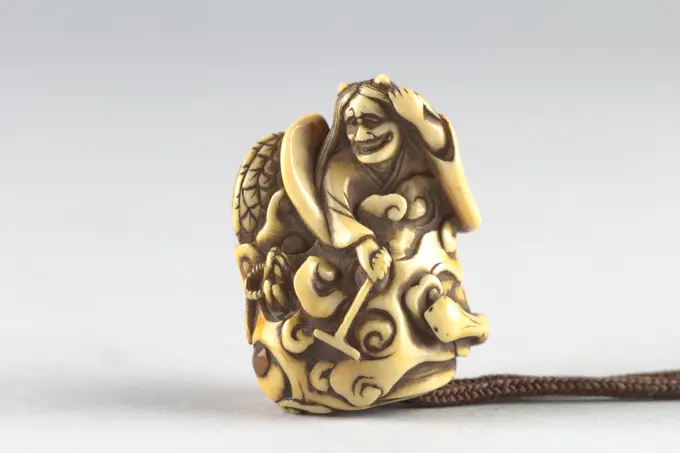
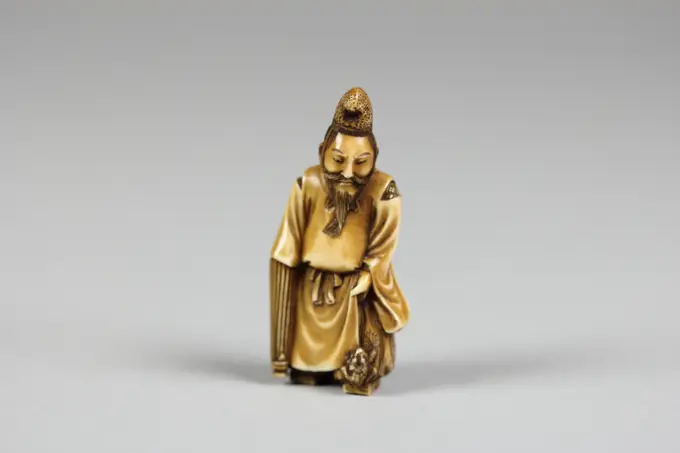
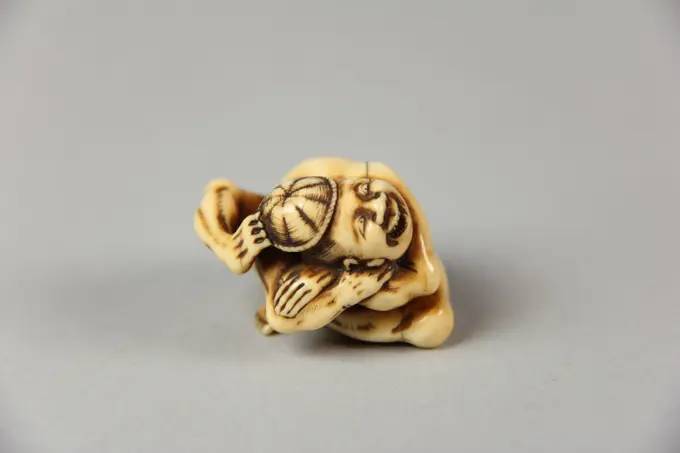
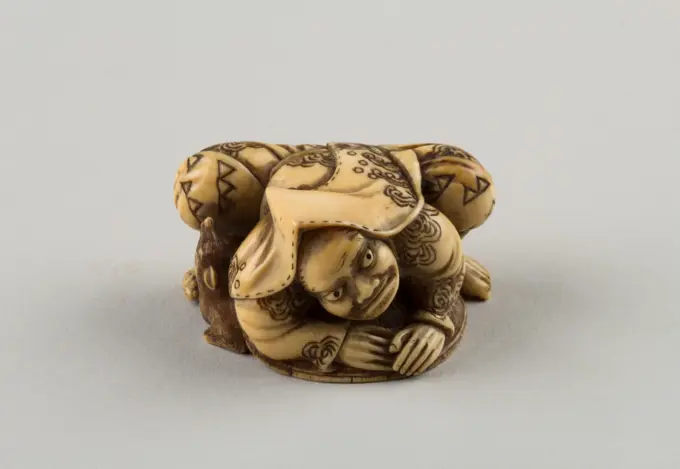
Netsuke Jurojin, early 19th century, Unknown Japanese, 1 1/16 x 1 3/16 x 1/2in. (2.7 x 3 x 1.3cm), Ivory, Japan, 19th century
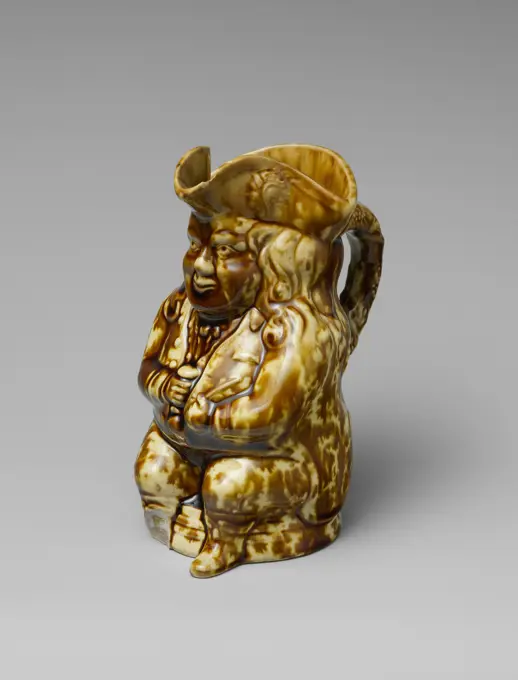
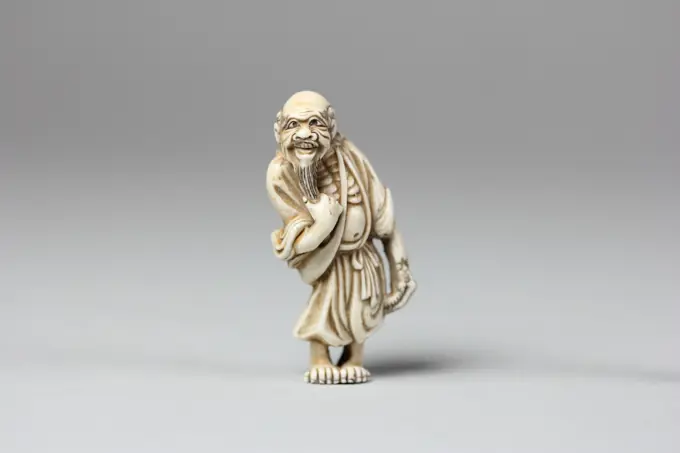
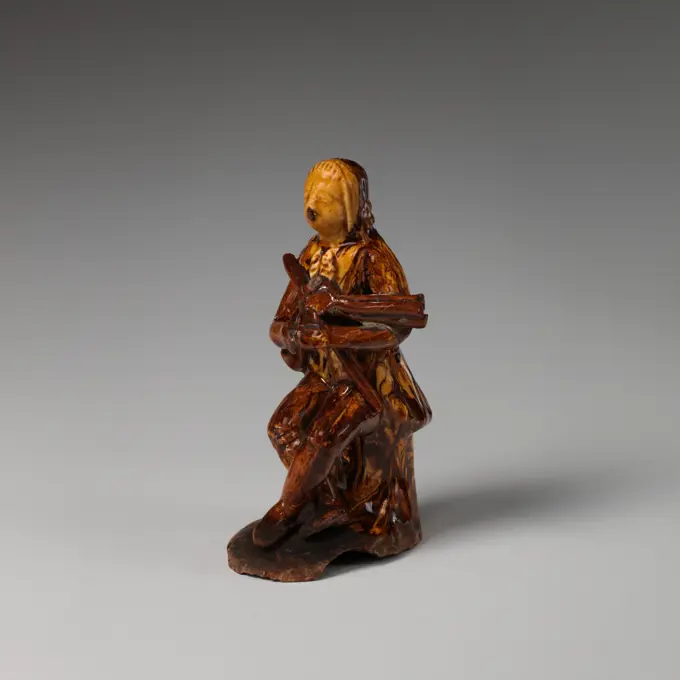
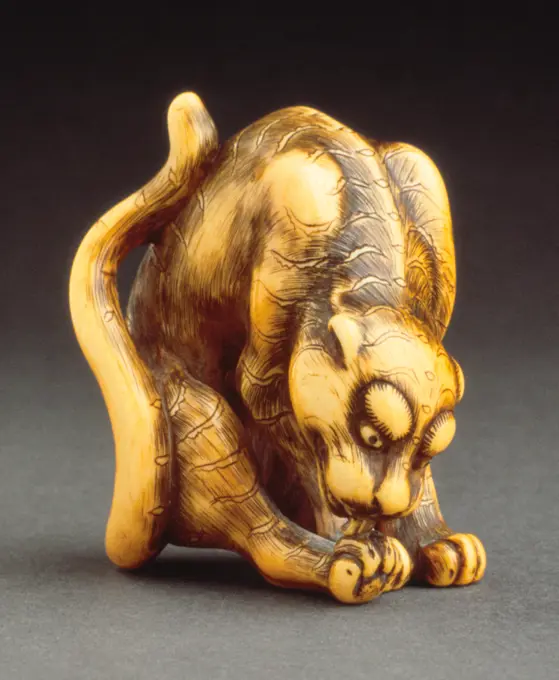
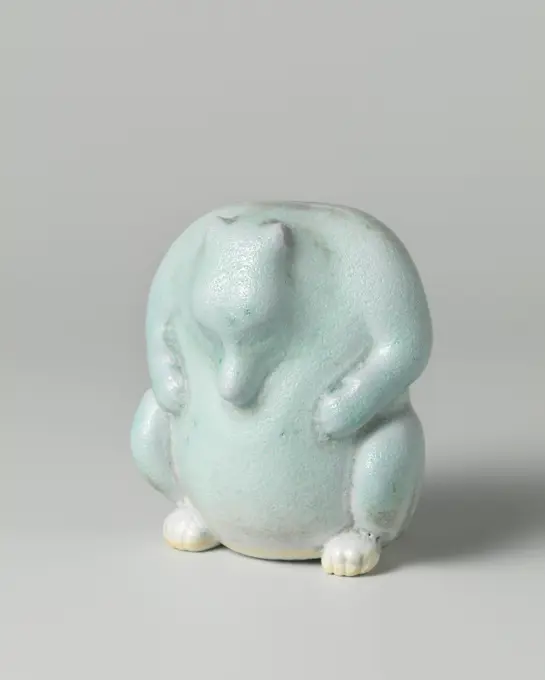
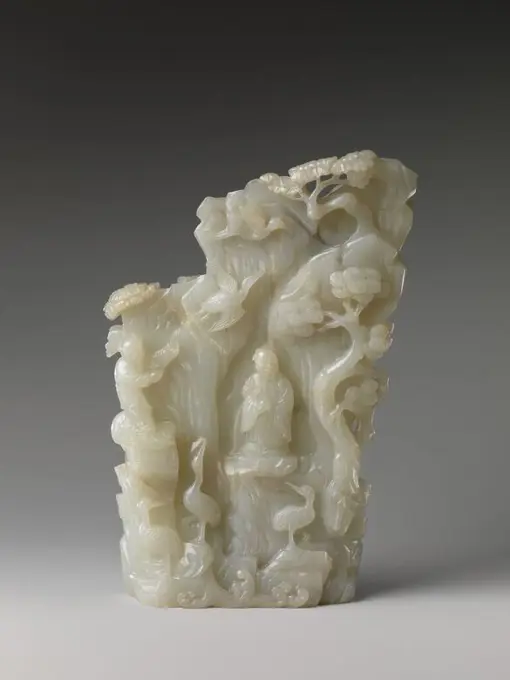
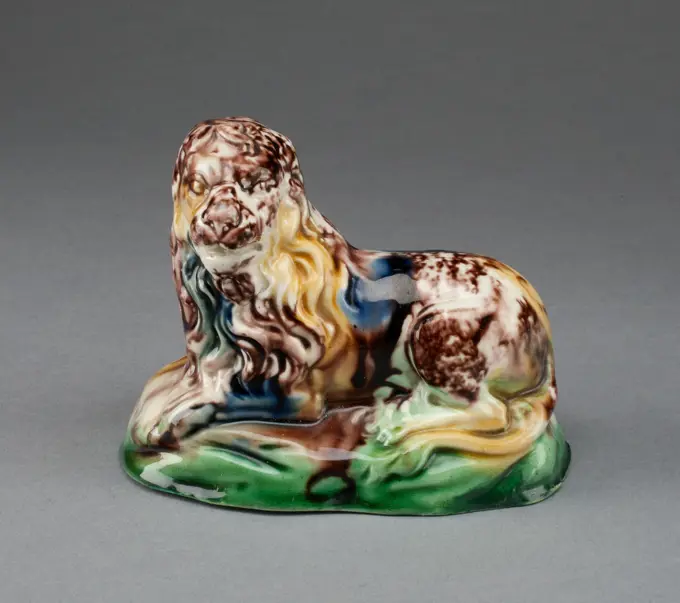
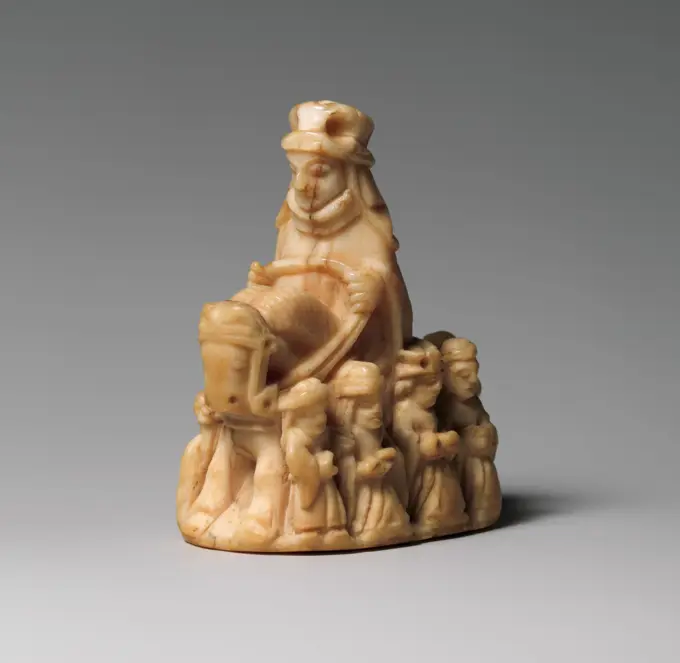
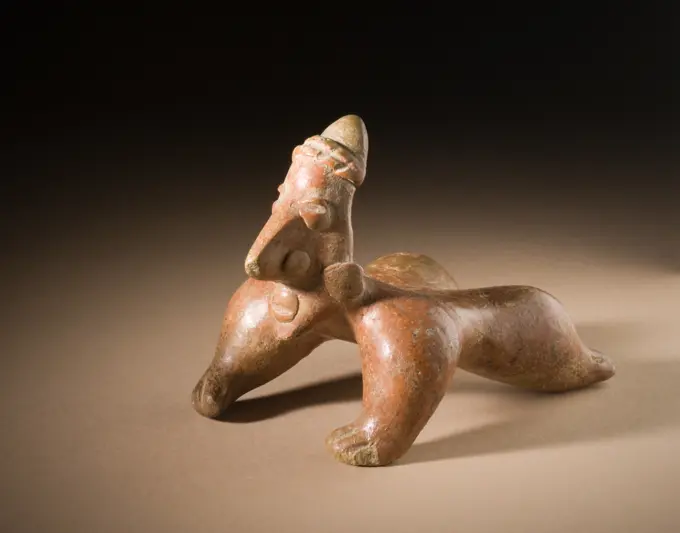
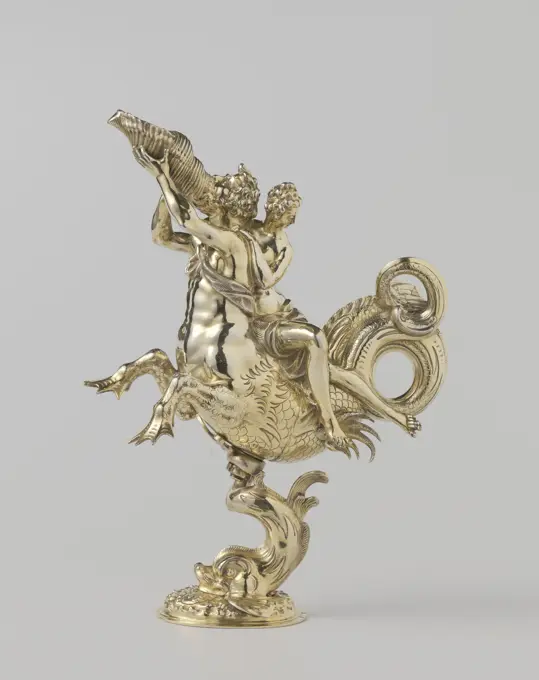
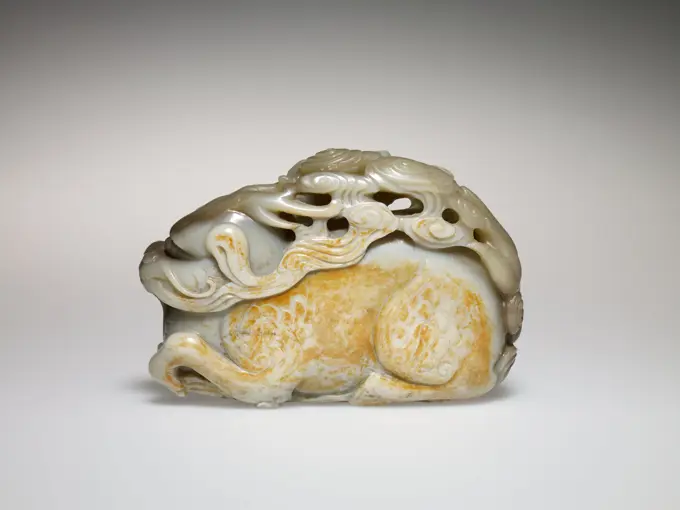
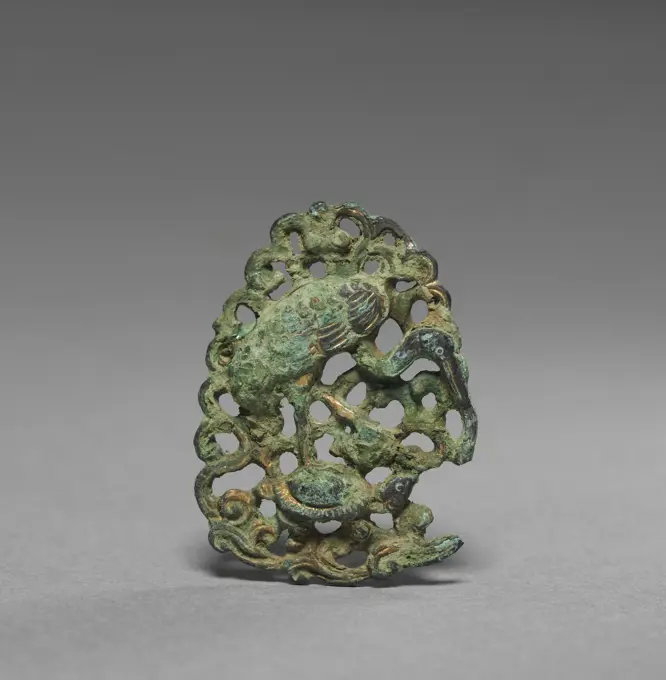
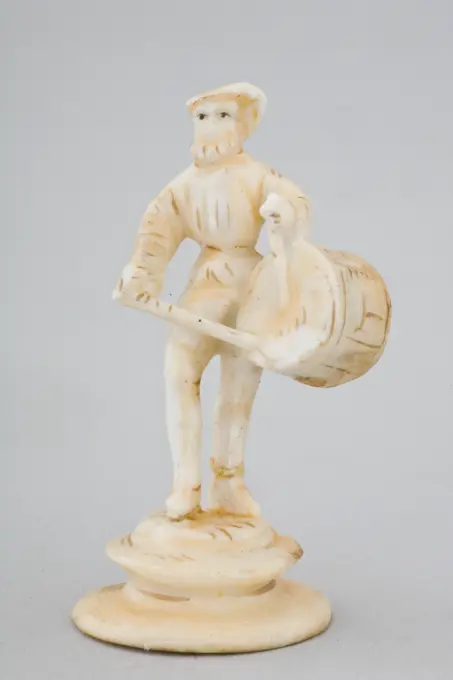
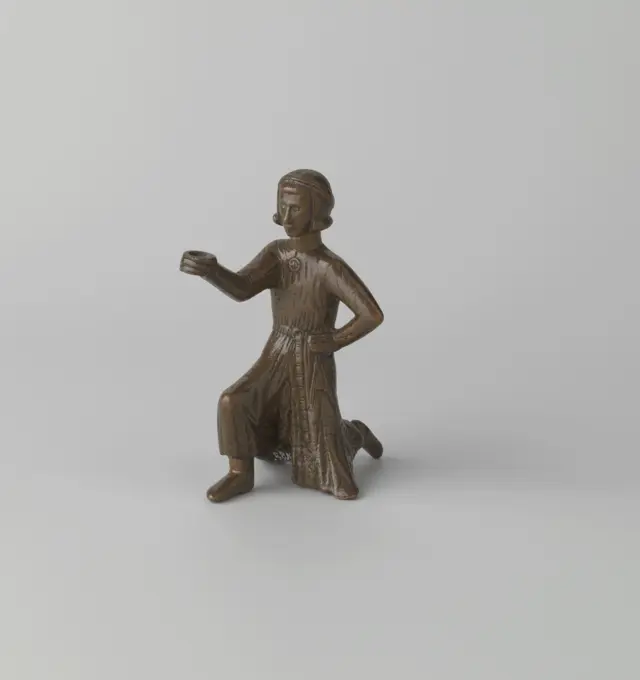
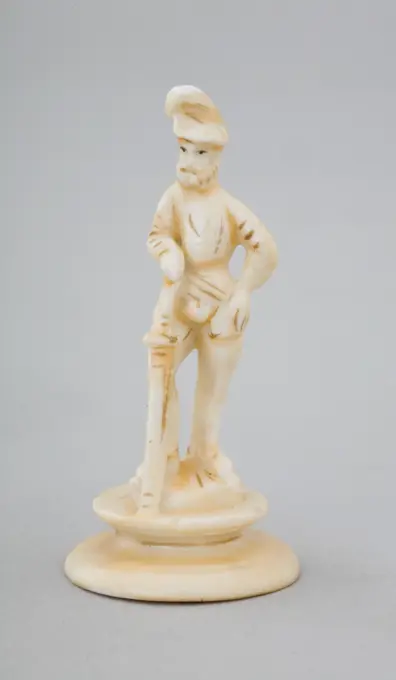
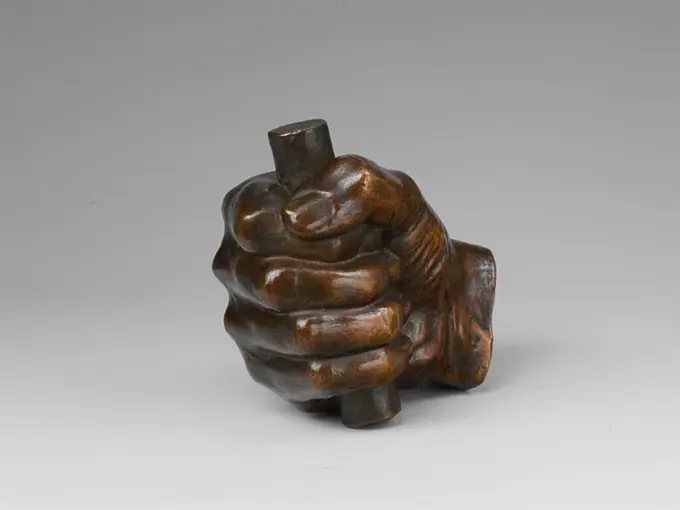
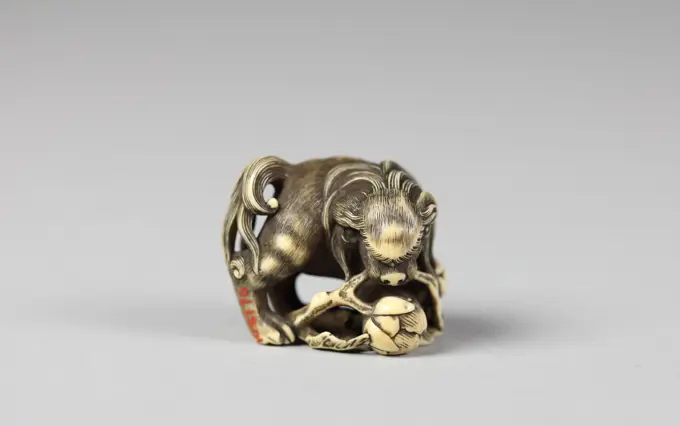
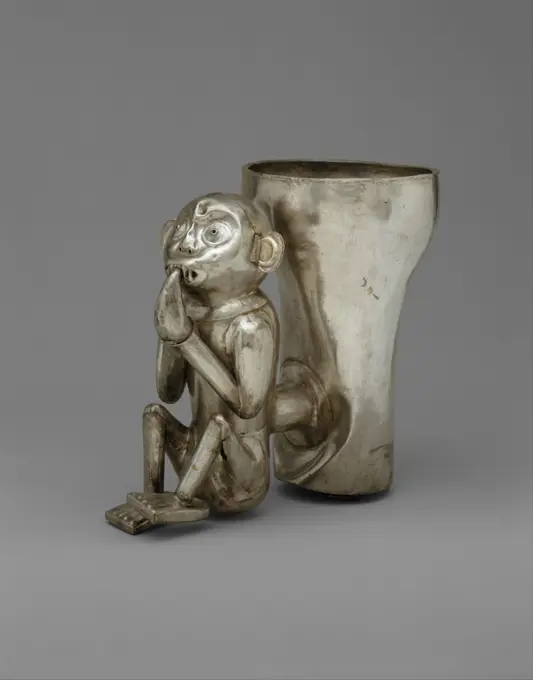
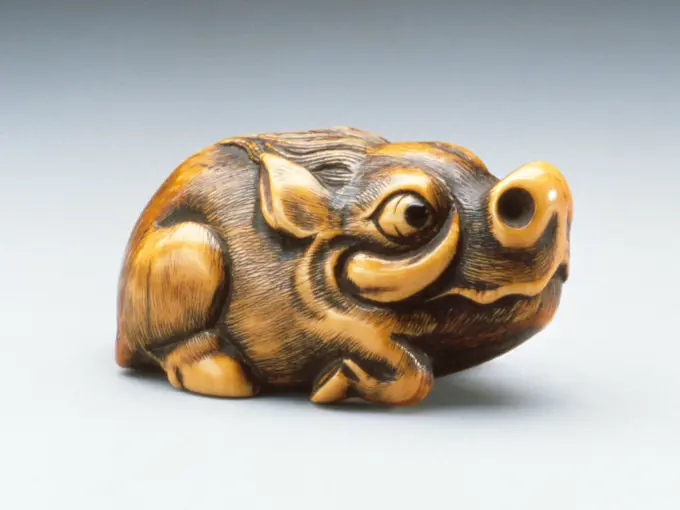
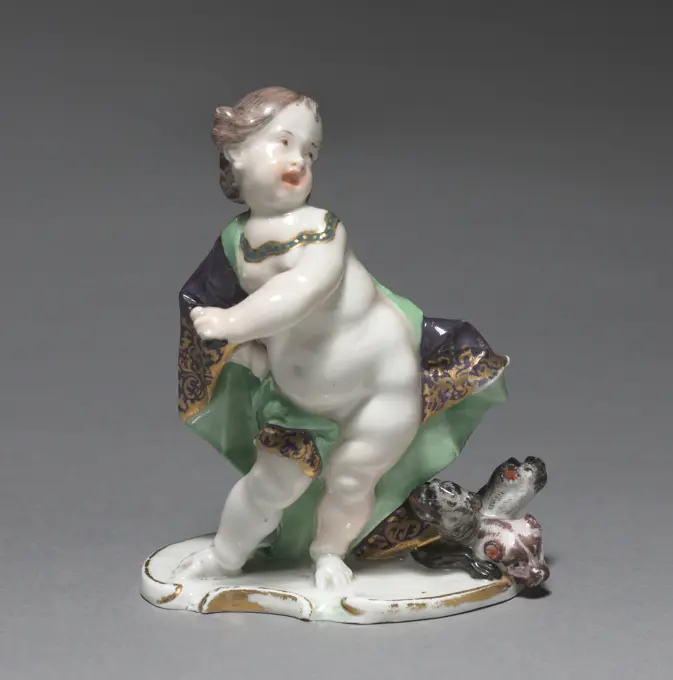
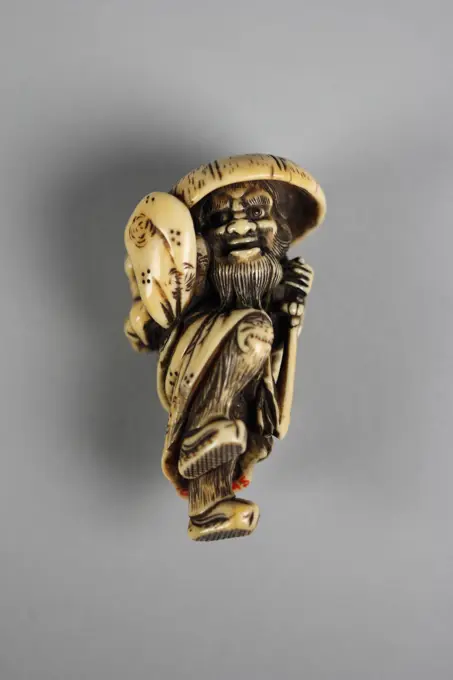
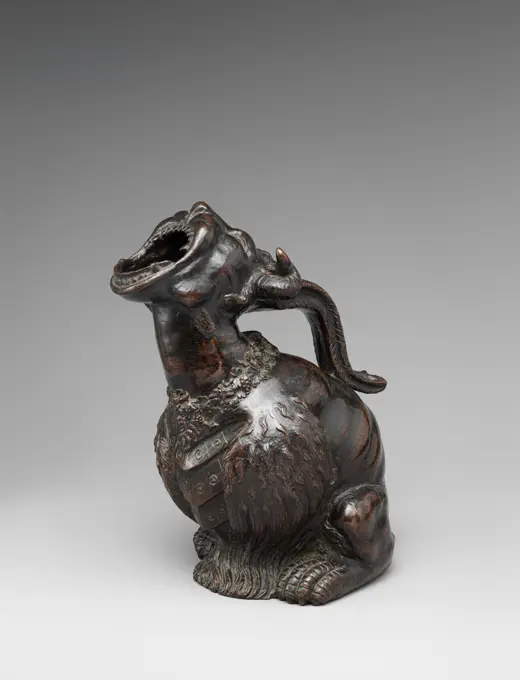
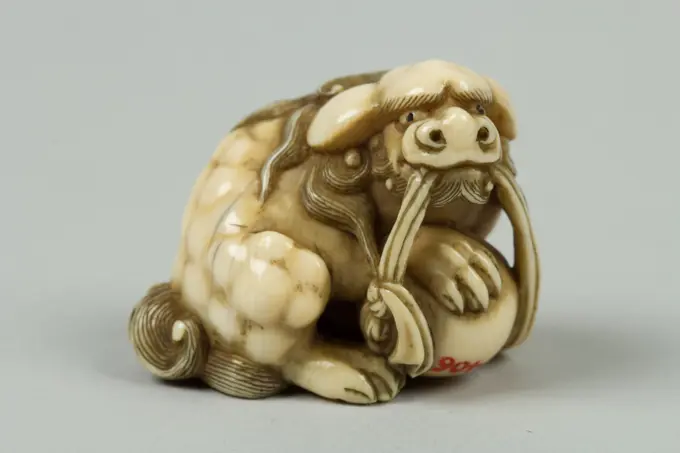
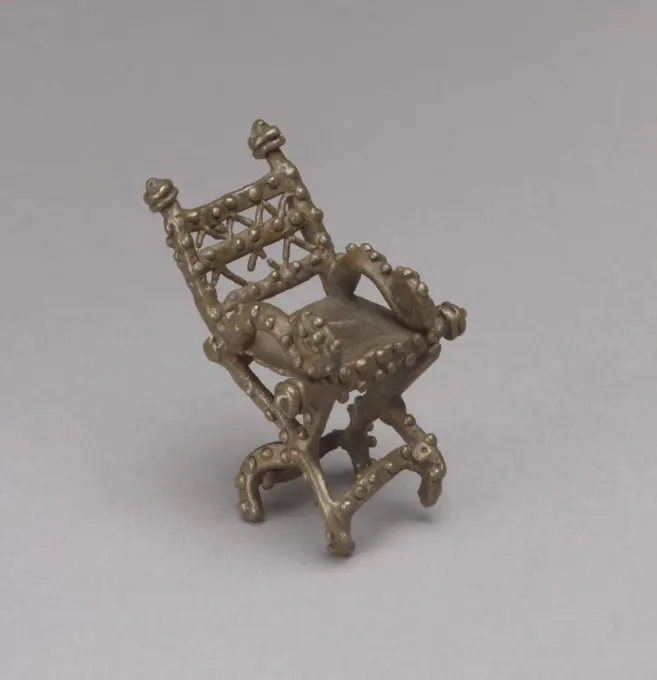
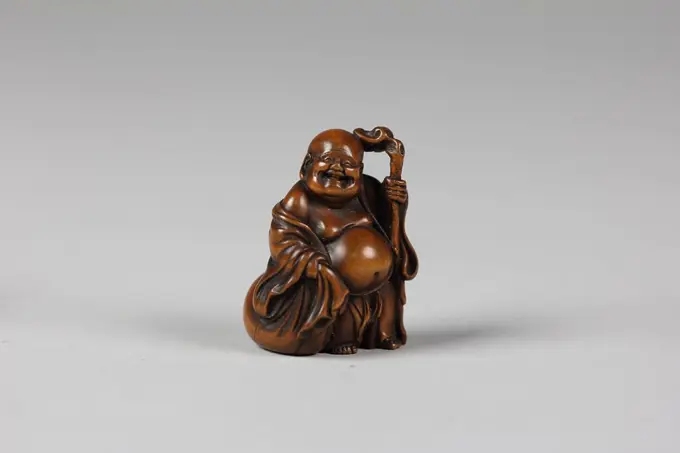
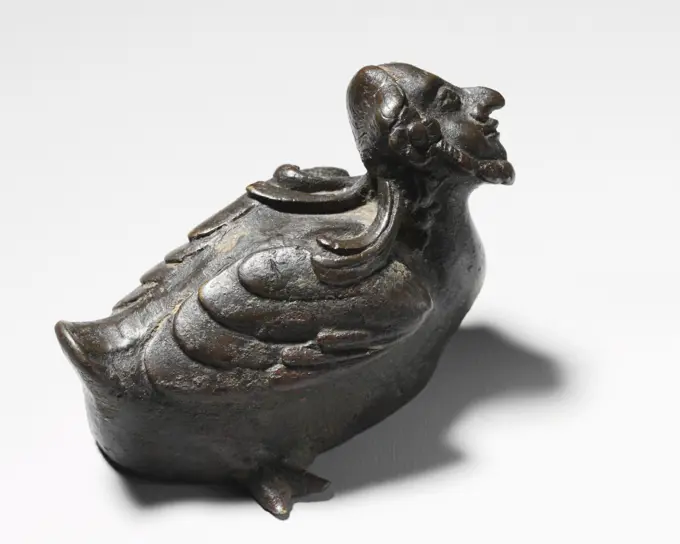
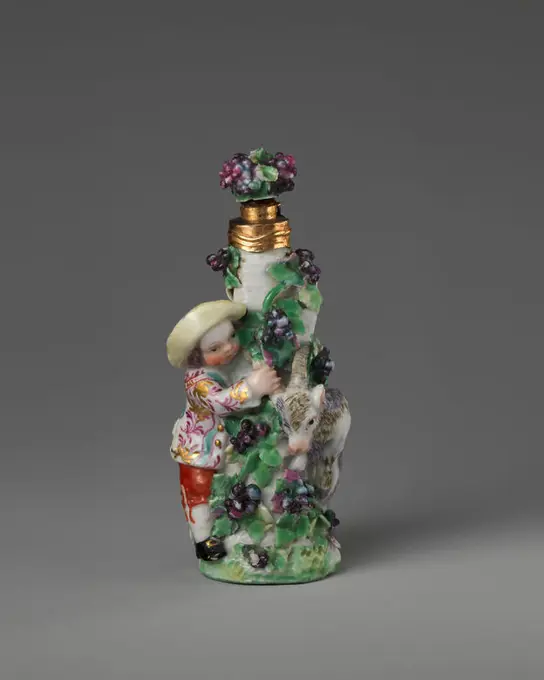
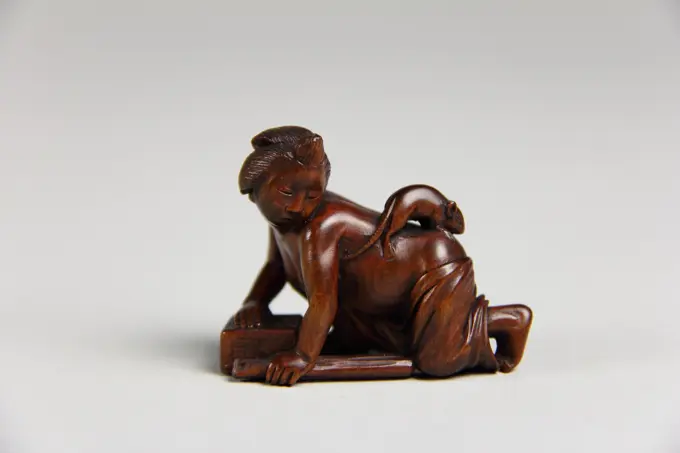
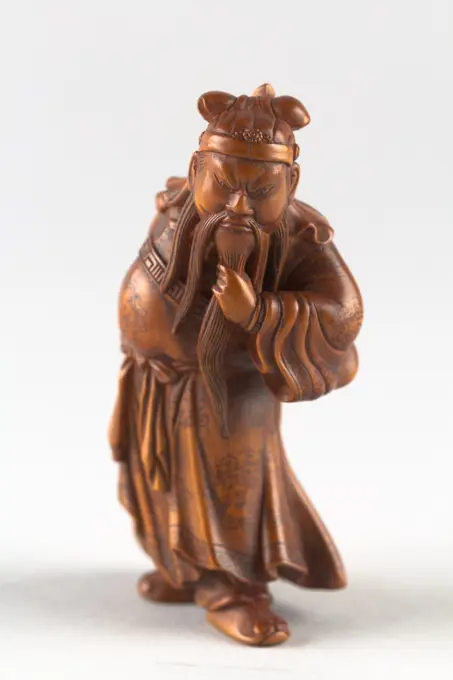
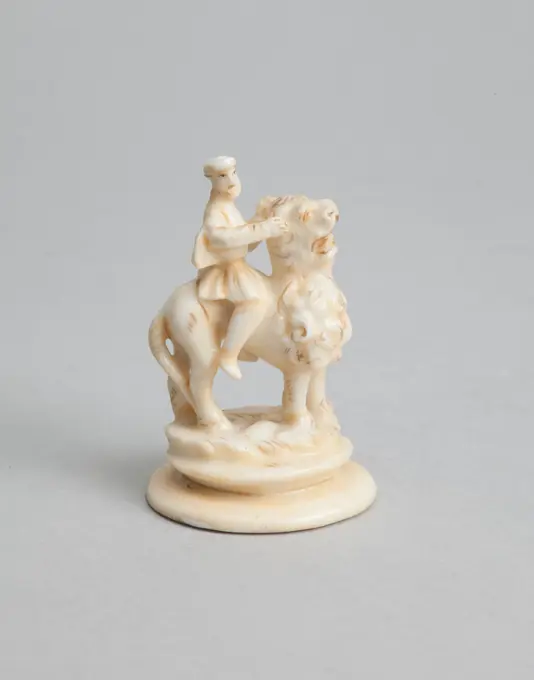
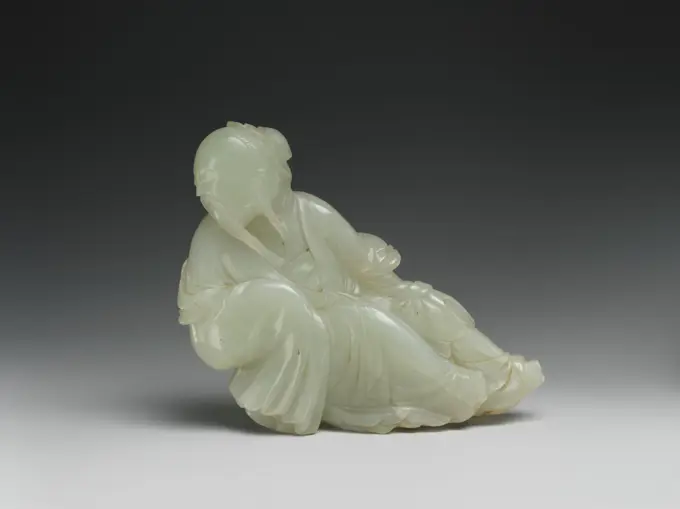
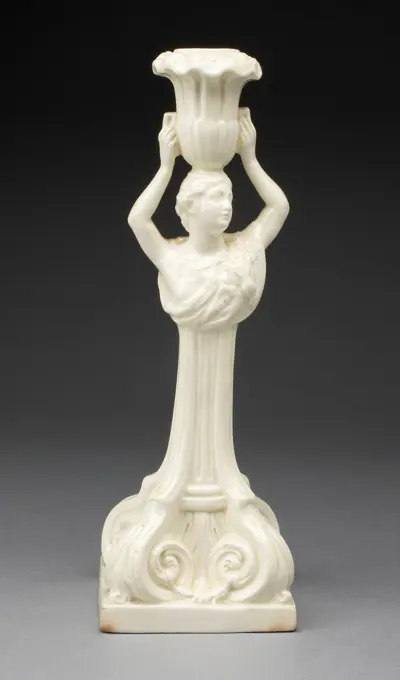
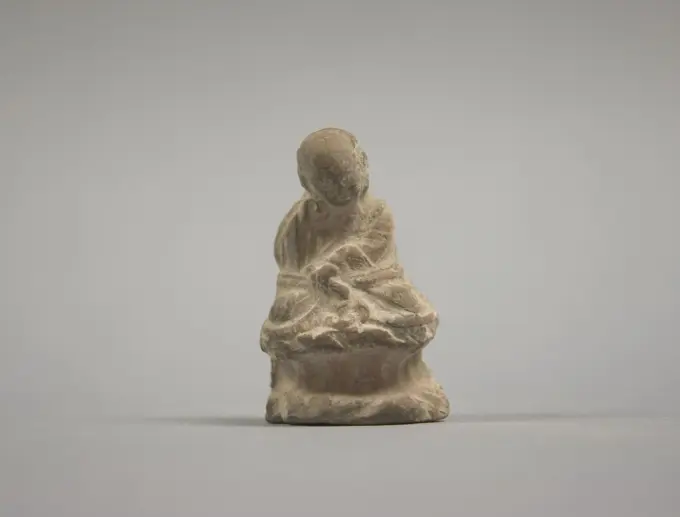
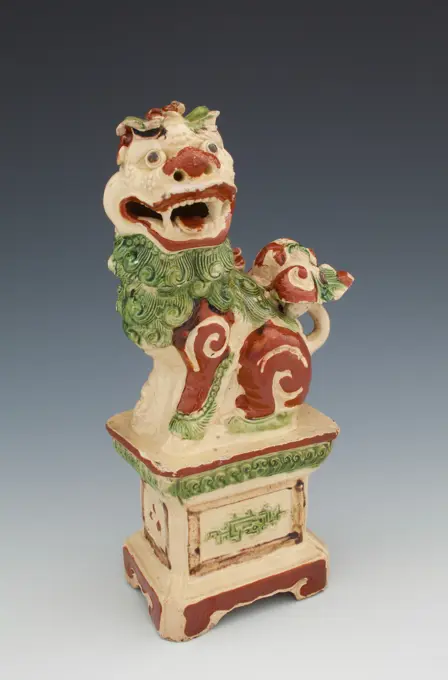
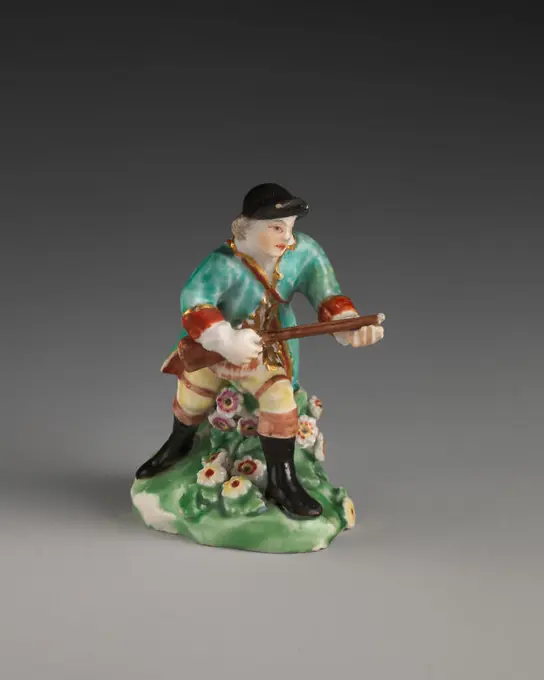
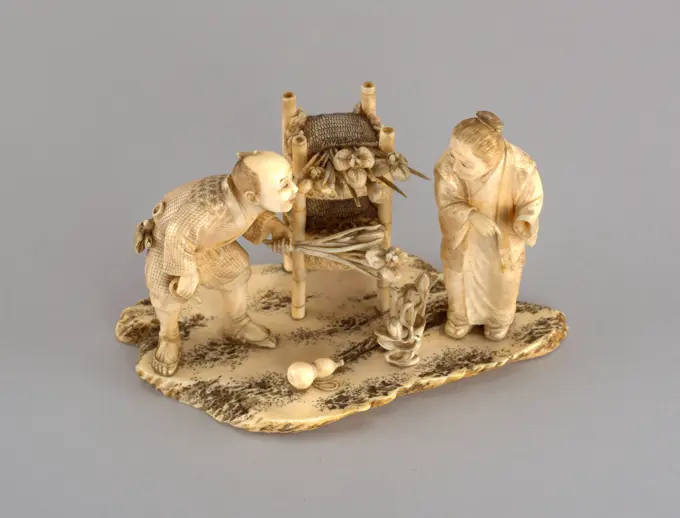
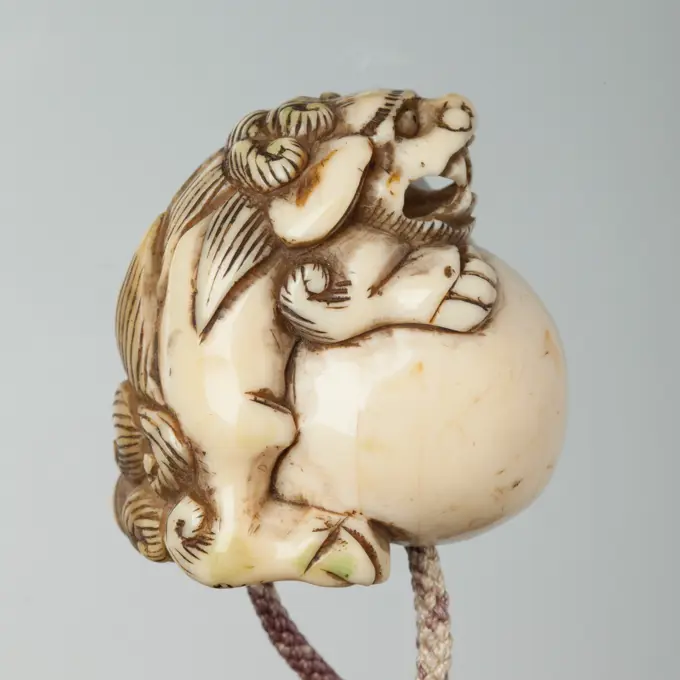
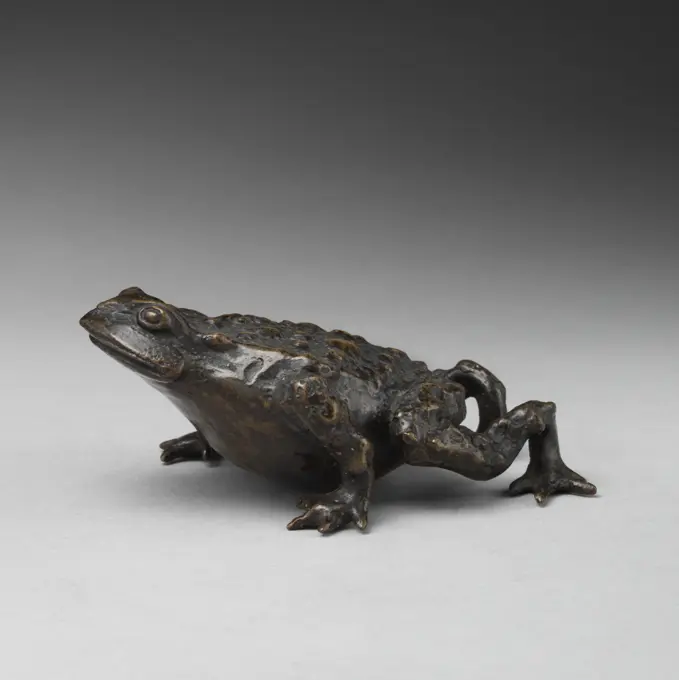
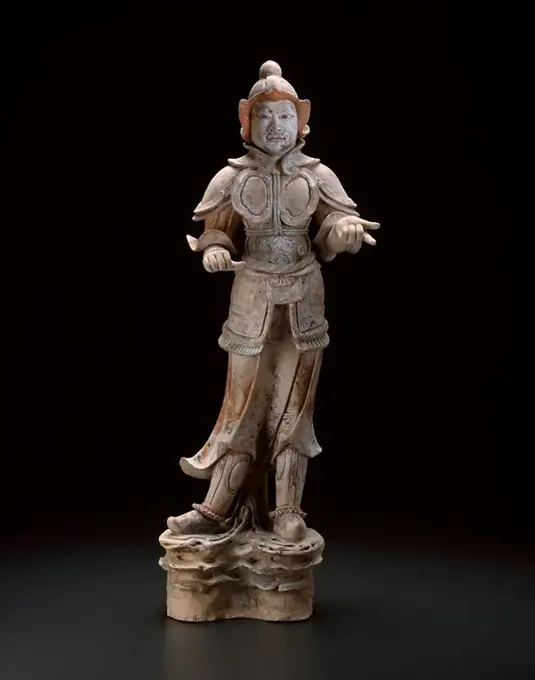
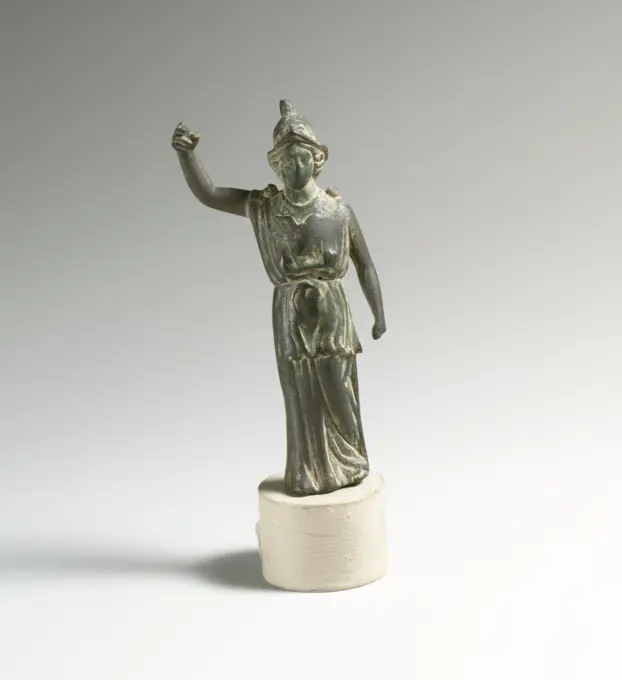
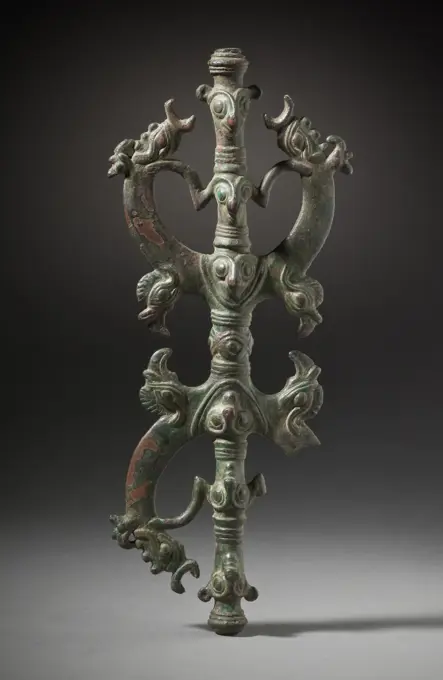
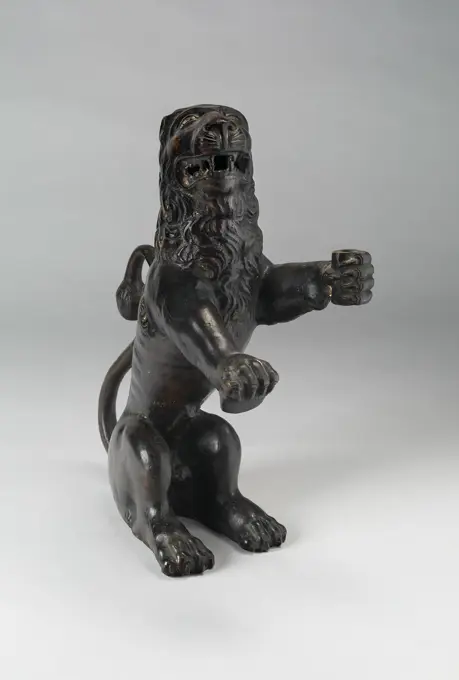
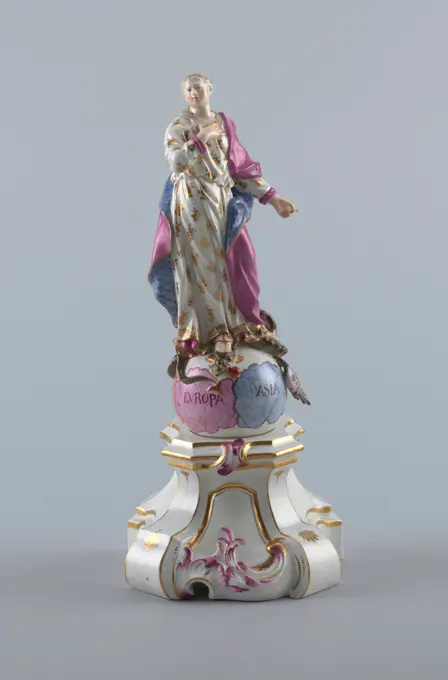
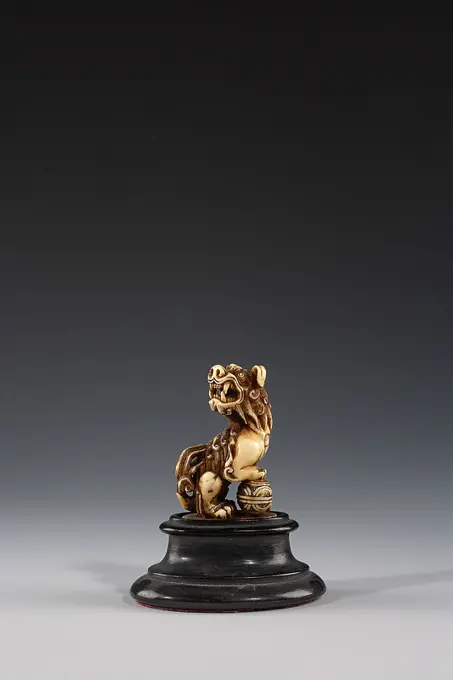
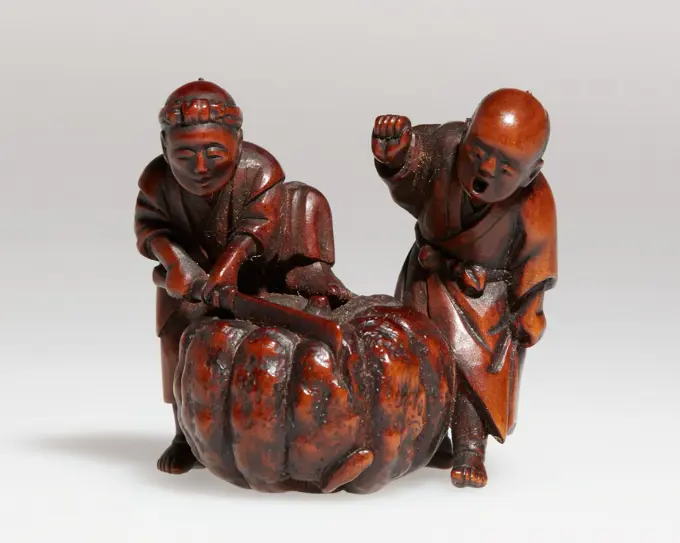
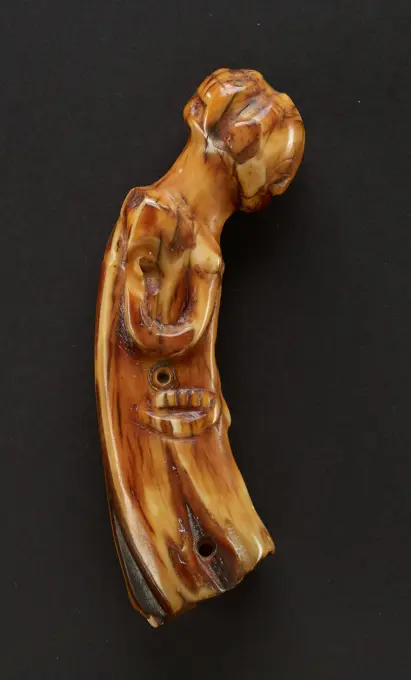
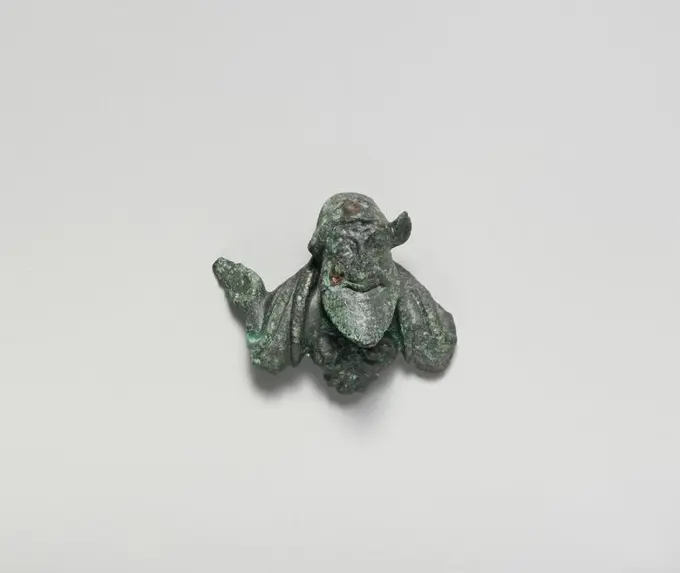
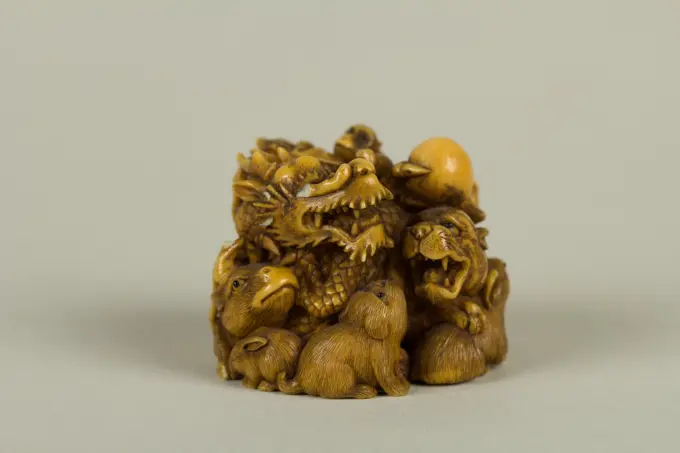
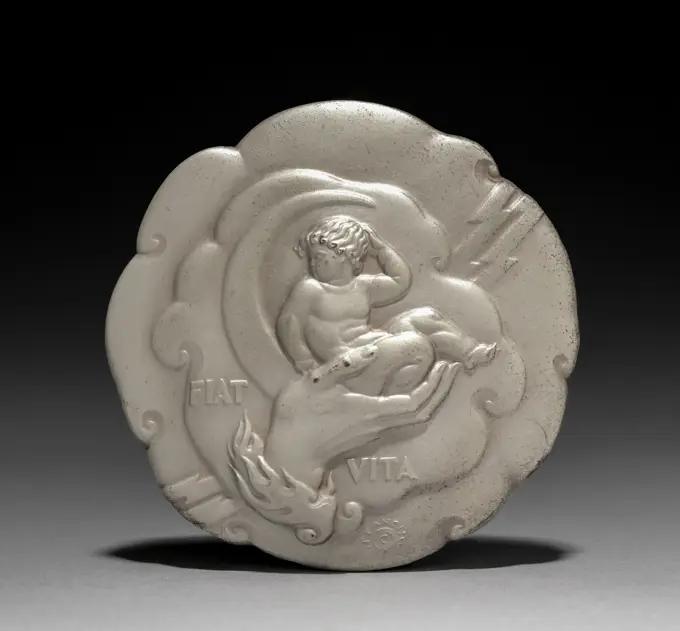
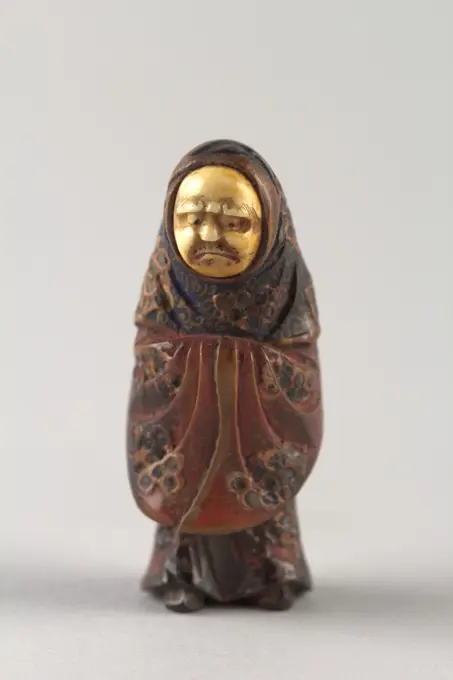
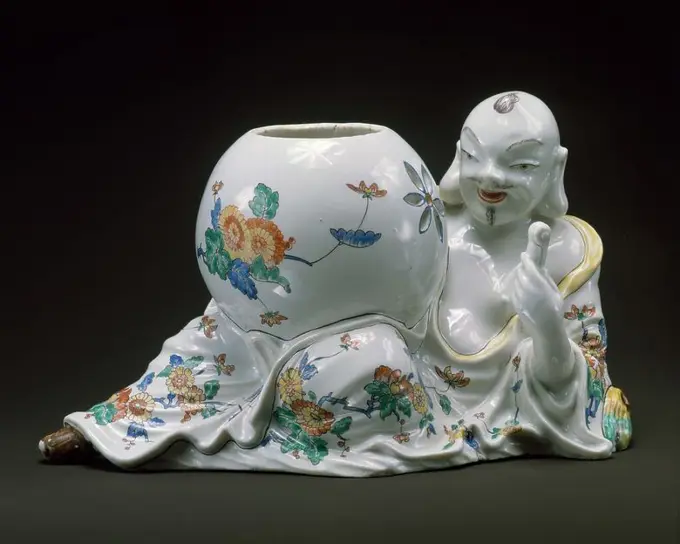
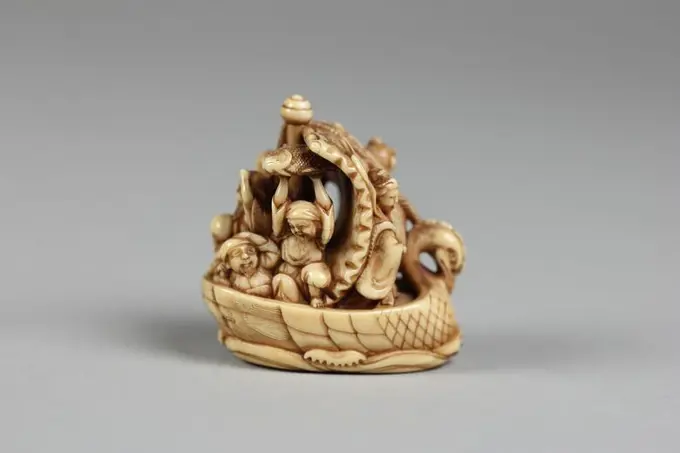
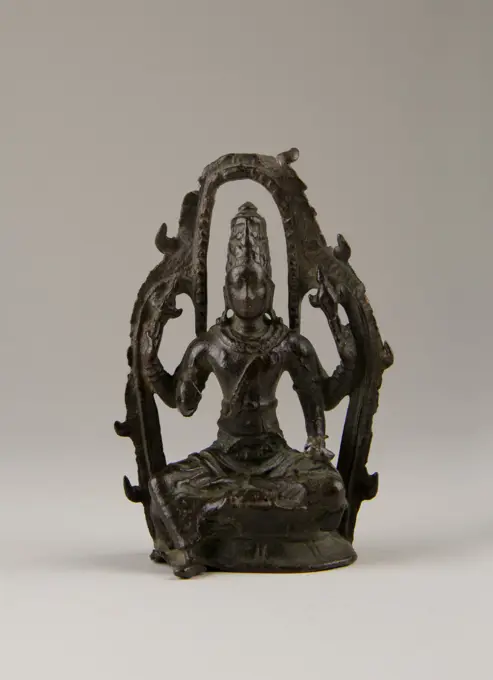
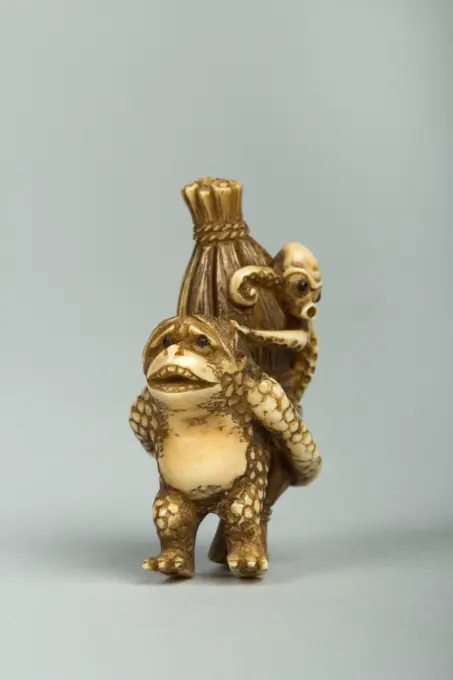
Netsuke of Monkey Carrying an Octopus Bound in Bamboo on His Back 19th century Japan. Netsuke of Monkey Carrying an Octopus Bound in Bamboo on His Back. Japan. 19th century. Ivory. Edo (1615-1868) or Meiji period (1868-1912). NetsukeToby Pitcher 1830-70 Lyman, Fenton & Co.. Toby Pitcher 8679Netsuke of Old Man 18th-19th century Japan. Netsuke of Old Man 60302Netsuke Jurojin, early 19th century, Unknown Japanese, 1 1/16 x 1 3/16 x 1/2in. (2.7 x 3 x 1.3cm), Ivory, Japan, 19th centuryBagpiper ca. 1745 Style of John Astbury. Bagpiper. British, Staffordshire. ca. 1745. Lead-glazed earthenware. Ceramics-PotteryTiger Licking Its Paw. Japan, 18th century. Costumes; Accessories. Ivory with staining, sumiTurning Doodle player, c. 1700 - c. 1710 The beggar is seated on a stump or rocky base and lets his hur was rested on his left thigh. His left hand plays the tests of his instrument, while he crashes the instrument with his right hand. The man turns to the left while singing, while he looks to the right. Between his legs is a dog with crossed front legs. Strikingly refined details such as buckles, buttons and the holes and frayers in his clothing. The image consists of two parts: the figure itself and the basis with the dog on it. The parts are attached to each other with the help of rivets, one of which is missing, and a screw to the, completely hollow, inside. There are two weathered Lakpatinas on the bronze. A black patina has been applied over a yellow-ross patina. On the hat, the shoulders, the back and the knees, the patina is strongly worn. There is some green oxidation under the pouch and in the folds around the left knee and hip. Antwerp bronze (metal) The beggar is seated on Snuff Bottle with Stopper China. Snuff Bottle with Stopper 41407Figure of a bear, Ernest Chaplet, c. 1891 - c. 1895 Porcelain bear with a matte, light turqoise glaze. Maker: Choisy-le-Roidesigner: France glaze. stoneware Porcelain bear with a matte, light turqoise glaze. Maker: Choisy-le-Roidesigner: France glaze. stonewareMountain Scene with Pine, Cranes, and an Immortal. Culture: China. Dimensions: H. 9 1/16 in. (23 cm); W. 6 1/8 in. (15.5 cm); D. 2 in. (5.1 cm). Date: 18th-19th century. Museum: Metropolitan Museum of Art, New York, USA.Lion 1775-1785 Staffordshire. Lead-glazed earthenware (creamware) .Queen Chess Piece 13th century Scandinavian Few medieval pieces in the form of Bishops, Kings, or Queens survive. The Queen was one of medieval Europes key contributions to the game of chess as it is known today. Beginning in the twelfth century, Queens gradually replaced the Viziers (male advisers to the king) of the Islamic and Persian chess tradition. Astride her horse and poised for battle, this Queen is surrounded by an entourage; some members of the group seek her aid.. Queen Chess Piece 479682Netsuke in the Shape of a Demon 19th century Japan. Netsuke in the Shape of a Demon. Japan. 19th century. Carved ivory in the shape of a demon. Edo (1615-1868) or Meiji period (1868-1912). NetsukeCrawling Figure. Mexico, Jalisco, 200 BCE-500 CE. Ceramics. Slip-painted ceramicNetsuke of Old Man Carrying a Woman on His Back. Culture: Japan. Dimensions: H. 2 3/4 in. (7 cm); W. 1 in. (2.5 cm); D. 1 3/8 in. (3.5 cm). Date: 19th century. Museum: Metropolitan Museum of Art, New York, USA.Ewer in the shape of a triton and a nereid, Johannes Lencker, c. 1620 Can of gilded silver in the form of a nereid driving on a triton that blows into a Schelphoorn. The pedestal is formed by a dolphin with tail raised. Augsburg silver (metal) gilding Can of gilded silver in the form of a nereid driving on a triton that blows into a Schelphoorn. The pedestal is formed by a dolphin with tail raised. Augsburg silver (metal) gildingRecumbent Figure of an Auspicious Mythical Beast (Qilin), 17th century, 4 1/2 x 5 1/8 x 1 3/4in. (11.4 x 13 x 4.4cm), Nephrite (jade), China, 17th centuryOrnament with Heron and Turtle Design, 1100s. Korea, Goryeo period (918-1392). Bronze; overall: 3.5 x 2.6 cm (1 3/8 x 1 in.).Chess figurine Mennecy VilleroyNetsuke. Culture: Japan. Dimensions: H. 1 7/8 in. (4.8 cm). Date: late 18th century. Museum: Metropolitan Museum of Art, New York, USA.Kneeld young man, possibly a candlestick, anonymous, c. 1200 - c. 1325 The object is cast, then seconded and provided with stabbed details. The figure supports his left knee, holds his left arm in the side and stretches his right arm forward. The hair, which ends in a roll and reaches the neck, is held together by a band. The young man wears a tunica reaching above the ankles with a spang at the neck and a long narrow belt with buckle around the hips. There is a pouch on his left hip and a pair of gloves on the back. He wears simple shoes with a split on the inside at the height of the ankles. France (possibly) bronze (metal) casting The object is cast, then seconded and provided with stabbed details. The figure supports his left knee, holds his left arm in the side and stretches his right arm forward. The hair, which ends in a roll and reaches the neck, is held together by a band. The young man wears a tunica reaching above the ankles with a spang at the neck and a long narrow belt wiDragon Seal. Japan, 18th century. Costumes; Accessories. WoodNetsuke, anonymous, 1850 - 1900 A rider who puts his horse with the four legs on a go sign. Signed "Miwa". Japan wood (plant material) A rider who puts his horse with the four legs on a go sign. Signed "Miwa". Japan wood (plant material)Seal Carved as Kirin. Japan, 18th century. Costumes; Accessories. Ivory with staining, sumi, red pigment, inlaysChess figurine Mennecy VilleroyRight Hand of Abraham Lincoln. Artist: Leonard Wells Volk (1828-1895); Augustus Saint-Gaudens (American, Dublin 1848-1907 Cornish, New Hampshire). Dimensions: L. 6 1/4 in. (15.9 cm). Date: 1860; cast 1886.In 1860 Volk made molds of the face and hands of Abraham Lincoln (1809-1865). The life mask (2007.185.2) reproduces Lincoln's beardless face as it appeared during his first presidential campaign. The hand grips a broomstick, a prop that Lincoln improvised upon Volk's suggestion that he hold something cylindrical resembling a document. In 1886 Saint-Gaudens, the collectors Thomas B. Clarke and Erwin Davis, and the journalist Richard W. Gilder together purchased the original plaster casts to present to the Smithsonian Institution. To finance the donation, they sold bronze and plaster casts after Volk's originals, with production supervised by Saint-Gaudens. Museum: Metropolitan Museum of Art, New York, USA.Bronze statuette of a youth 5th century B.C. Etruscan Perhaps a finial of a candelabrum; raising his right hand, holding a knife in his left.. Bronze statuette of a youth 251528 Etruscan, Bronze statuette of a youth, 5th century B.C., Bronze, H.: 3 13/16 in. (9.7 cm). The Metropolitan Museum of Art, New York. Fletcher Fund, 1924 (24.97.100)Land;  Kon. XIXW. (1870-00-00-1880-00-00);Netsuke of Lion 18th-19th century Japan. Netsuke of Lion. Japan. 18th-19th century. Ivory. Edo (1615-1868) or Meiji period (1868-1912). Netsuke. Men's figure of faience, in the shape of a shepherd with a bird. White glazed.Double Vessel, Monkey 14th-15th century Chimú Elaborate and refined vessels of gold and silver were produced in the last centuries before the rise of the Inca Empire by metalsmiths in the kingdoms of Perus north coast. Most likely made to hold chicha, a maize beer, drinking such beverages was at the heart of ceremonial activities in the ancient Andes. This example is composed of two parts: a plain, round-shouldered beaker connected by a cylindrical tube to a figure in the shape of a seated monkey with legs drawn up and holding a fruit to its mouth. Created from twenty-four pieces of silver sheet of uniform thickness joined together both mechanically and with solder, the vessel is hollow throughout (see x-ray image below). This meant that when liquid was poured in and out of it, air would be forced out through a sphere inside the head, creating a whistle. The sound would emanate from holes pierced in the monkeys mouth, nose, and eyes. Thus, as the vessels liquid contents were tilted Wild Boar. Japan, 18th century. Costumes; Accessories. Ivory with staining, sumi, inlaysSculpted console from oak from the Z.G. House of Alva, Warmoestraat in Amsterdam. Sculpted oak console, from the Z.G. House of Alva, Warmoestraat in Amsterdam. In total it concerns two consoles, three wide and three narrow styles (BK-KOG-755-A to F, H). See also BK-KOG-754-1 to 7, these are 6 painted styles that come from the same house.Pluto, c. 1760. Nymphenburg Porcelain Factory (German, founded 1747), Franz Anton Bustelli (Swiss, 1723-1763). Porcelain with enamel and gilt decoration; overall: 10.2 x 8.3 cm (4 x 3 1/4 in.).Shki the Demon Queller and a Small Demon 18th century Japan. Shki the Demon Queller and a Small Demon. Japan. 18th century. Ivory. Edo period (1615-1868). NetsukeEuropean Sitting on a Lion late 17th-early 18th century China. European Sitting on a Lion. China. late 17th-early 18th century. Porcelain with colored glazes and vermilion pigment on the biscuit (Jingdezhen ware). Qing dynasty (1644-1911), Kangxi period (1662-1722). CeramicsEwer in the shape of a chimera first quarter 16th century Italian, Venice or Padua. Ewer in the shape of a chimera. Italian, Venice or Padua. first quarter 16th century. Bronze. Sculpture-BronzeNetsuke of Daikoku and Bag on Rice Bale 19th century Japan. Netsuke of Daikoku and Bag on Rice Bale. Japan. 19th century. Wood. Edo (1615-1868) or Meiji period (1868-1912). NetsukeRamNetsuke of Onono Tofu 18th-19th century Japan. Netsuke of Onono Tofu 59990Netsuke of Qilin with a Ball 19th century Japan. Netsuke of Qilin with a Ball. Japan. 19th century. Ivory. Edo (1615-1868) or Meiji period (1868-1912). NetsukeGold Weight: Chair 18th-19th century Akan peoples Beginning in the fourteenth century, the Akan engaged in extensive trade with both the Portuguese and Spanish along the west coast of Africa, which subsequently came to be known as the "Gold Coast." The Akan used differing and complicated systems of measurement for trade with European and Islamic traders. In Akan society, gold was intimately associated with authority, royalty, and the sacred. Its lavish use in regalia and ornament was a prominent feature of Akan court ceremony. These three gold weights reflect the wealth and breadth of Akan metallurgic virtuosity and take the form of a chair, a bird with its head turned back to its tail, known as Sankofa, and a chicken head.In Akan society, a great deal of importance is placed on verbal eloquence and the artful interpretation of proverbs in expression. Proverbs are the source of imagery for many forms of Akan visual art, including gold weights. The Sankofa image is derived from the AkanNetsuke of Hotei with Bag. Culture: Japan. Dimensions: H. 1 1/2 in. (3.8 cm). Date: 19th century. Museum: Metropolitan Museum of Art, New York, USA.Netsuke of Daikoku and Mallet on Coin. Culture: Japan. Dimensions: H. 3/4 in. (1.9 cm); W. 1 3/8 in. (3.5 cm); D. 1 in. (2.5 cm). Date: 19th century. Museum: Metropolitan Museum of Art, New York, USA.Figurine, lion Roman Period 30 B.C.-A.D. 364 View more. Figurine, lion. 30 B.C.-A.D. 364. Yellow brown glazed earthenware. Roman Period. From EgyptFigure of a European Merchant, Porseleinc Center Tê hua, c. 1700  White figure of a European (presumably Dutch) dressed man (merchant) with 'tropical hat' on. It sits on a block -shaped seat whose foot is decorated with birds and flower branches. The left leg folded on the seat; A monkey climbs up along the judge. He holds something in the left (a fruit). A few residues of red paint and gilding. Porcelain is Blanc de Chine. China . vitrificationBird with Human Head, possibly Hermes, c. AD 200s-300s. Pakistan, Gandhara, Kushan Period (1st century-320). Bronze; overall: 5 cm (1 15/16 in.).Boy with goat. Culture: British, Chelsea. Dimensions: 3 × 1 1/8 in. (7.6 × 2.9 cm). Factory: Chelsea Porcelain Manufactory (British, 1745-1784, Gold Anchor Period, 1759-69). Date: ca. 1765. Museum: Metropolitan Museum of Art, New York, USA.Incense Burner in Shape of Lion (one of a pair) early 14th century China. Incense Burner in Shape of Lion (one of a pair). China. early 14th century. Porcelain with brown and raised decoration under celadon glaze (Jingdezhen Qingbai ware). Yuan dynasty (1271-1368). CeramicsNetsuke of Girl with a Mouse on her Back 19th century Japan. Netsuke of Girl with a Mouse on her Back 59314Horse, Saar de Swart, 1923 - 1925 Sitting helmet figure behind a shield. sculptor: Capricaster: Naples bronze (metal). patina: cuprous oxide casting Sitting helmet figure behind a shield. sculptor: Capricaster: Naples bronze (metal). patina: cuprous oxide castingNetsuke 19th century Japan. Netsuke. Japan. 19th century. Wood. Edo (1615-1868) or Meiji period (1868-1912). NetsukeChess figurine Mennecy VilleroyFigure of a scholar 18th century China. Figure of a scholar. China. 18th century. Jade (nephrite). Qing dynasty (1644-1911). JadeNetsuke of Acrobat Removing his Hat with His Foot 19th century Japan. Netsuke of Acrobat Removing his Hat with His Foot 60202Candlestick Made 1780-1800 Yorkshire. Lead-glazed earthenware (creamware) .Figure of Luohan China. Figure of Luohan 61576Pre-Columbian art. Mesoamerica. Western Mexico coast. Nayarit culture. 200 BC-500 AD. Figurine. Terracotta. 13 x 18 cm. Private collection.Figure of a Buddhist Monk (Budai Hoshang) 1695-1705 Delft. Tin-glazed earthenware (Delftware) . Grieksche A Factory (Maker)Figurine  FO (Buddha) dog on the pedestal unknownFigure of a Lion China. Figure of a Lion 48674Huntsman. Culture: British, Chelsea-Derby. Dimensions: 2 1/4 × 2 1/8 in. (5.7 × 5.4 cm). Factory: Derby Porcelain Manufactory (British, 1751-1785). Date: ca. 1765-68. Museum: Metropolitan Museum of Art, New York, USA.Demon with Spiked Club. Japan, 18th century. Costumes; Accessories. Red and black Negoro lacquer with inlaysStanding tambourine player ca. 600-480 B.C. Cypriot The figurine, of uncertain gender, is handmade and solid. The cylindrical body flares to a concave base. The arms are bent forward, the hands supporting a tambourine between them.. Standing tambourine player 241230Figural Group; ivoryCDK unknownToad possibly 16th century Italian, Padua. Toad. Italian, Padua. possibly 16th century. Bronze. Sculpture-BronzeArmored Guardian (Tomb Figure). China. Date: 675 AD-725 AD. Dimensions: 96.5 cm (38 in.). Buff earthenware with polychromy and gilding. Origin: China. Museum: The Chicago Art Institute, Chicago, USA.Bronze statuette of Athena ca. 2nd-3rd century A.D. Roman Weight on right leg; right arm raised holding a spear; wearing an Ionic chiton with aegis and helmet.. Bronze statuette of Athena 244457Finial in the form of "Master of Animals". Iran, Luristan bronzes, circa 1000-650 B.C.. Architecture; Architectural Elements. Bronze, castStatuette of Herakles with the lion Greek. Statuette of Herakles with the lion 248159Heraldic Lion 1445-1455 Italian. Bronze, black-brown patina .Vase with cover China. Vase with cover. China. Jadeite. Ming dynasty (1368-1644). JadeFigure of the "Immaculate Virgin" Figure And Pedestal; Possibly by Wenzel Neu; Manufactured by Fulda porcelain factory; Germany; porcelain, vitreous enamel, goldChinese Carved Fu Lion Dog or Chimera on a Stand,  Qing Dynasty, 19th centuryNetsuke of a Hunter Trying to Catch a Fox Beneath a Straw Hat early 19th century Shūōsai Japanese. Netsuke of a Hunter Trying to Catch a Fox Beneath a Straw Hat 59659Figuring of roaring lion resting on a sphere. unknown, sculptorTwo men carving a pumpkin, 1880s, Minko (), 1 1/2 × 1 1/2 × 1 1/16 in. (3.81 × 3.81 × 2.7 cm), Boxwood, Japan, 19th centuryHelmet (Italy); bronzeArmenian merchant with monkey, anonymous, c. 1700 - c. 1725 Image of gold, baroque pearls and precious stones, representing an armeen sitting on a pearl as a chair. A brown monkey holds him a diamond. The scene is on a pedestal decorated with precious stones. Germany gold (metal). precious stone (material). diamond (mineral). pearl Image of gold, baroque pearls and precious stones, representing an armeen sitting on a pearl as a chair. A brown monkey holds him a diamond. The scene is on a pedestal decorated with precious stones. Germany gold (metal). precious stone (material). diamond (mineral). pearlAmulet, late 19th century, 4 3/4 × 7/8 × 2 in. (12.07 × 2.22 × 5.08 cm), Hippopotamus ivory, Democratic Republic of Congo, 19th centuryBronze attachment with satyr head. Culture: Etruscan. Dimensions: H.: 1 1/16 in. (2.7 cm). Date: late 6th century B.C..Helmet attachment that depicts Acheloos, a river god who can change into a serpent or a bull. Thus, he is often shown with bovine ears. Museum: Metropolitan Museum of Art, New York, USA.Button - putto with a dog;  2 In the 19th century (1825-00-00-1850-00-00);Curiosity, c. 1770-1775. France, Lunéville, 18th century. Pipe clay; overall: 18.5 cm (7 5/16 in.).Snuff Bottle China. Snuff Bottle 41390Whistle ca. 1790 British, Staffordshire. Whistle. British, Staffordshire. ca. 1790. Slipware. Ceramics-PotteryTieback; bronze (gilt)Quail, early 1900s. Japan, Meiji period (1868-1912). Ivory; overall: 1.9 cm (3/4 in.).Pedimator with amphitrite on a dolphin, anonymous, c. 1730 - c. 1750 Human figure, representing Amphitrite, standing on a dolphin, on an ebony pedestal. Germany gold (metal). pearl. precious stone (material) Human figure, representing Amphitrite, standing on a dolphin, on an ebony pedestal. Germany gold (metal). pearl. precious stone (material)Netsuke 19th century Japan. Netsuke 60463Netsuke of Group of Animals 19th century Japan. Netsuke of Group of Animals 60067Medal: Creation (obverse), 1900s. Anthony de Francisci (American, 1887-1964). Metal; diameter: 7.4 cm (2 15/16 in.).Netsuke of an Old Woman 19th century Japan. Netsuke of an Old Woman. Japan. 19th century. Lacquered wood, ivory. Edo (1615-1868) or Meiji period (1868-1912). NetsukeOriental with Potpourri Jar. Culture: French, Chantilly. Dimensions: Length: 9 5/16 in. (23.7 cm). Date: ca. 1735-40. Museum: Metropolitan Museum of Art, New York, USA.Figure of the 'Immaculate Virgin' ('Immaculata') on Pedestal, Fulda Pottery and Porcelain Manufactory, German, 1764 - 1789, hard paste porcelain, vitreous enamel, gold, Figure of the Virgin of the immaculate conception (a) treading on a serpent, standing on a globe inscribed with the names of the four continents; figure wears gold-flowered gown and purple mantle with blue diapered lining., Scrolled pedestal (b)., Germany, 1770-1780, ceramics, Decorative Arts, figure and pedestal, figure and pedestalNetsuke of Shichi Fukujin 19th century Japan. Netsuke of Shichi Fukujin. Japan. 19th century. Ivory. Edo (1615-1868) or Meiji period (1868-1912). NetsukeNetsuke of Pleasure Boat (Takarabune). Culture: Japan. Dimensions: H. 1 3/4 in. (4.4 cm); W. 1 3/4 in. (4.4 cm); D. 1 1/8 in. (2.9 cm). Date: early 19th century. Museum: Metropolitan Museum of Art, New York, USA.Halabardnik M RzenickiSeated Vishnu 9th century India (Tamil Nadu). Seated Vishnu. India (Tamil Nadu). 9th century. Copper alloy. Pallava or early Chola period (880-1279). MetalworkBronze statuette of Cupid ca. 1st-2nd century A.D. Roman Statuette of Cupid.. Bronze statuette of Cupid 250787 Roman, Bronze statuette of Cupid, ca. 1st2nd century A.D., Bronze, H. 2 1/8 in. (5.4 cm). The Metropolitan Museum of Art, New York. Rogers Fund, 1919 (19.192.54)