Colorful Porcelain Dish Collection

A variety of round porcelain dishes and plates painted with floral and insect designs, featuring embossed edges and vibrant colors.

Plate with a cock on a rock near flowering plants, anonymous, c. 1800 - c. 1899 Porcelain plate, painted on the glaze in blue, red, pink, green, yellow and black. On the flat a rooster on a rock with flowering plants (peony, aster) and a butterfly; On the edge a decorative band with curl work, dingetwork, flower branches and stylized lotus vines. Famle Rose. China porcelain. glaze. painting / vitrification Porcelain plate, painted on the glaze in blue, red, pink, green, yellow and black. On the flat a rooster on a rock with flowering plants (peony, aster) and a butterfly; On the edge a decorative band with curl work, dingetwork, flower branches and stylized lotus vines. Famle Rose. China porcelain. glaze. painting / vitrification
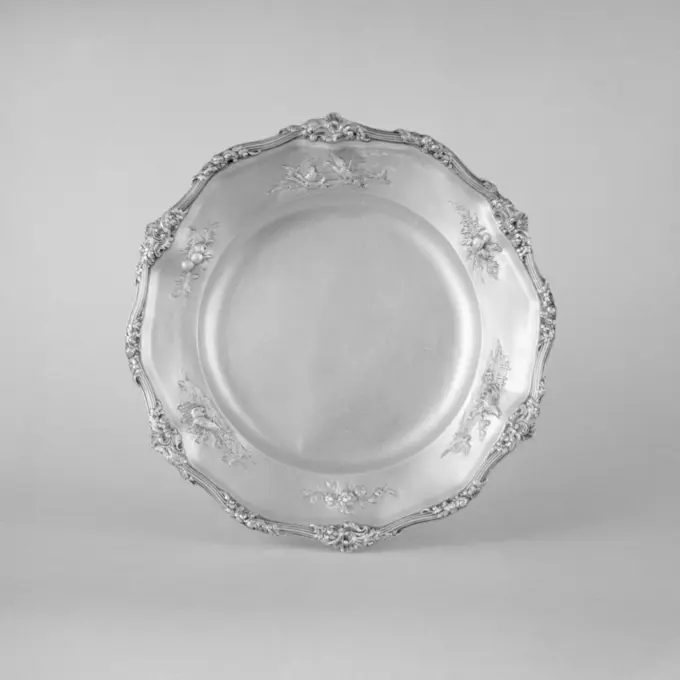
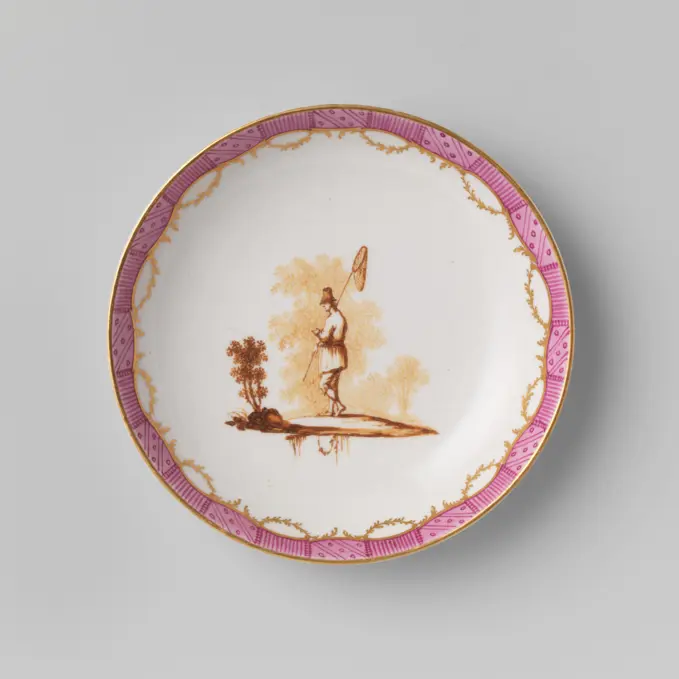
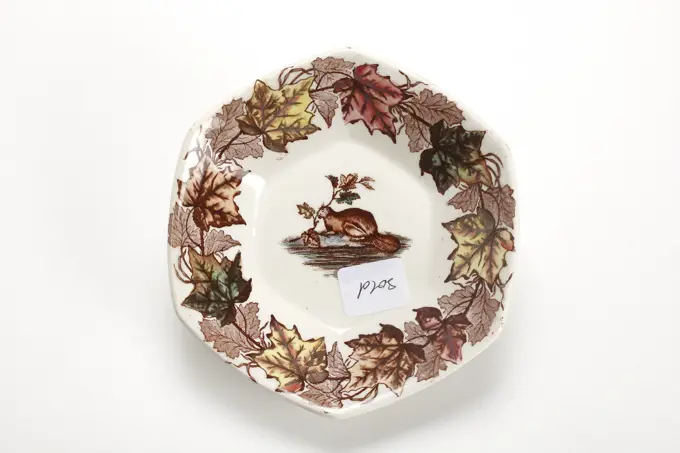
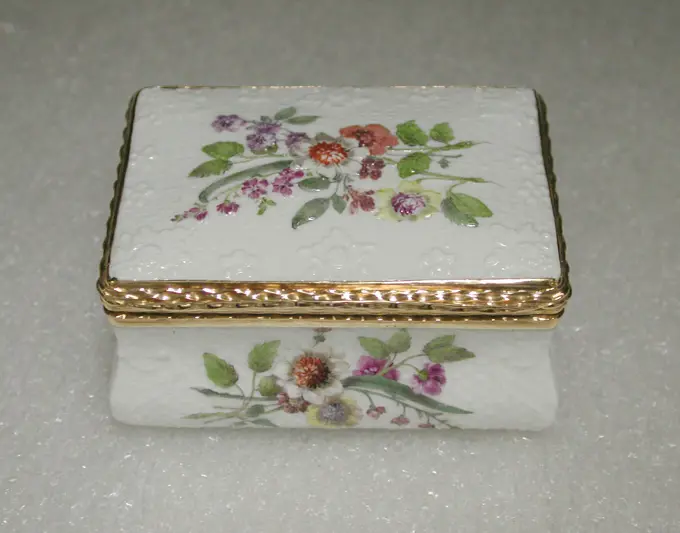
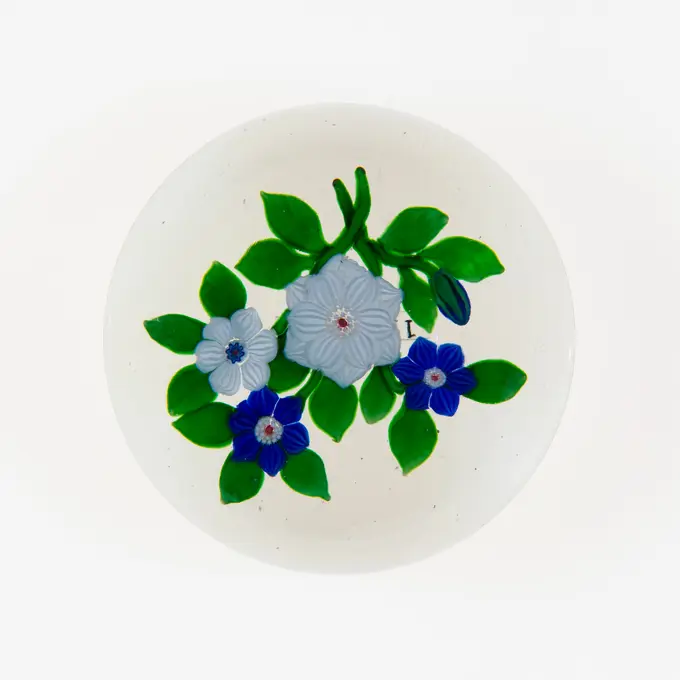
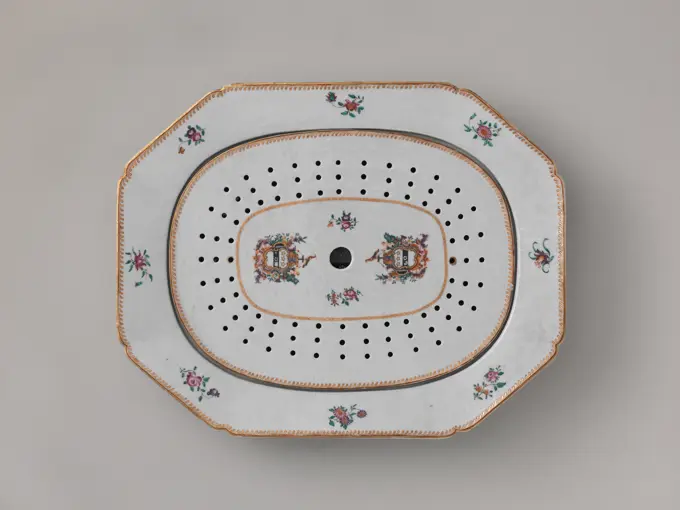
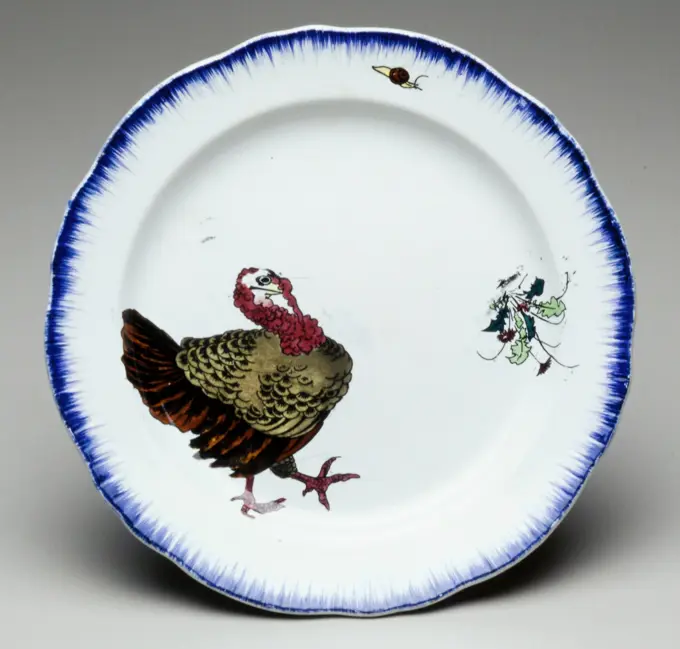
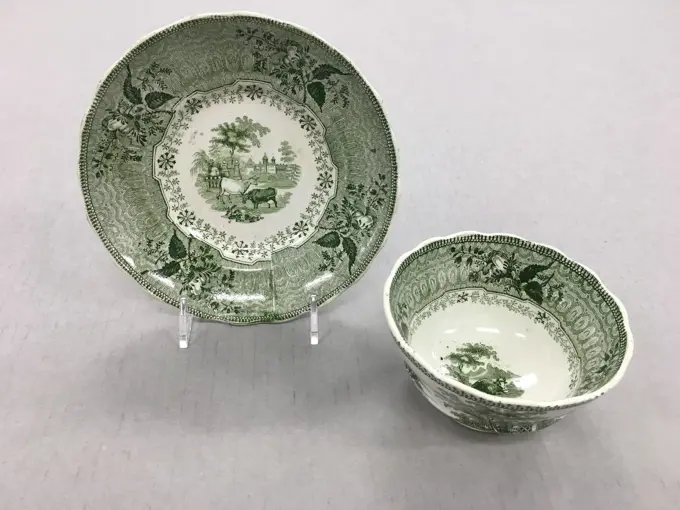
Famille Rose Dish, One of a Pair, 1723-1735, 6 1/2 x 6 1/2 in. (16.51 x 16.51 cm), Porcelain, China, 18th centuryBread plate - L. Bernardaud & Company L. Bernardaud & CompanyDish, Round, Petrus Regout, 1867 Dish of earthenware, round, with blue continuous flower decor, belonging to a children's service. Maastricht . Dish of earthenware, round, with blue continuous flower decor, belonging to a children's service. Maastricht .PlateFélix Bracquemond (1833-1914). "Crêtes" service. Flat plate. Ceramics, earthenware. Museum of Fine Arts of the City of Paris, Petit Palais. ART MENAGER, PLAT, CERAMIC PATTER, Faience, Flower, Bird, Papillon, Cretes service, Table service, Service, Crockery, PlateLimoges Porcelain Factory, Cup and Saucer, c. 1860, hard-paste porcelain.Plate with a representation of dancers, Peter Regout, c. 1850 - c. 1875 Plate of earthenware with red transfer decor. On the flat a performance of dancers, accompanied by a guitar player and some spectators. The edge is decorated with flowers, garlands and leaf motifs. Maastricht . Plate of earthenware with red transfer decor. On the flat a performance of dancers, accompanied by a guitar player and some spectators. The edge is decorated with flowers, garlands and leaf motifs. Maastricht .Saucer (1 of 6) (part of a service) ca. 1720 Meissen Manufactory German. Saucer (1 of 6) (part of a service) 231646Ice Cream Plate from Mackay Service Tiffany & Co. 1878 This silver ice cream dish and accompanying plates are part of one of the most renowned and lavish dinner services ever created in America. Commissioned in 1877 by John W. (1831-1902) and Marie Louise Hungerford (1843-1928) Mackay, the dinner service for twenty-four consisted of over 1,250 pieces. A poor Irish immigrant with little education, John W. Mackay became one of the wealthiest men in America when he and three partners, James Fair, James Flood, and William OBrien, struck a silver deposit known as "The Big Bonanza" at Nevadas Comstock Lode in 1873. During a visit to the mine, Marie Louise asked her husband for a silver dinner service "made by the finest silversmith in the country." Her husband responded, "You shall have it. I like the notion of eating off silver brought straight from the Comstock." He proceeded to have a half ton of silver delivered from the mine to Tiffany & Co., where two hundred men worked for almost two Plate, c. 1735, 1 1/8 x 10 3/8 in. (2.9 x 26.35 cm), Porcelain, China, 18th century, Chinese porcelain painters copied this floral decoration from an illustration by Dutch botanist Maria Sybilla Merian (1647-1717).Niderviller Porcelain Manufactory, Cup and Saucer, 1770-93, hard-paste porcelain.Plate 1769-71 Abraham Drentwett IV. Plate. German, Augsburg. 1769-71. Silver gilt. Metalwork-SilverSaucer with flowering plants near a rock and scrolls, anonymous, c. 1725 - c. 1749 Porcelain dish with C-shaped ear, painted on the glaze in blue, red, green, yellow, black and gold. On the flat of the dish flowering plants (chrysanthemum) in a rock; On the wall a bond with branches; On the edge small, angular cartouches with servetwork and flowers. Famle Rose. China porcelain. glaze. gold (metal) painting / gilding / vitrification Porcelain dish with C-shaped ear, painted on the glaze in blue, red, green, yellow, black and gold. On the flat of the dish flowering plants (chrysanthemum) in a rock; On the wall a bond with branches; On the edge small, angular cartouches with servetwork and flowers. Famle Rose. China porcelain. glaze. gold (metal) painting / gilding / vitrification"Hans Sloane" Botanical Plate Plate; Manufactured by Chelsea Porcelain Manufactory (United Kingdom); soft paste porcelain, vitreous enamelDish, Manufactuur Oud-Loosdrecht, c. 1774 - c. 1778 Porcelain dish. Painted in sepia with figures in a landscape. Along the edge a lilac fries between golden piping. Loosdrecht porcelain Porcelain dish. Painted in sepia with figures in a landscape. Along the edge a lilac fries between golden piping. Loosdrecht porcelainJoseph Sudek, Dinner Platter, c 1937 Dinner PlatterSoup board, painted with the Flügelmuster decor. Painted porcelain plate. The plate is painted in green and blue with the flügelmuster. The sign belongs to a tableware (BK-1976-65-1 to BK-1976-65-34) and has been marked.Paperweight 1840-1865 France. Technological improvements to optical scientific instruments in the mid-nineteenth century spurred a veritable obsession across Europe with identifying and classifying the natural world. Amateur botanists were eager to collect and preserve floral specimens, which they intently researched and catalogued. In response to this broad appeal, French glassmakers made paperweights that portrayed the very botanical subjects that were so enthusiastically sought. Many weights represented specimens with horticultural correctness, but others were entirely fanciful creations. Paperweights like this example speak to the periodís fascination with taxonomic systems.From the late 1840s to early 1860s, French manufacturers of fine glass and crystalósuch as Baccarat (Alsace), Clichy (Paris), and Saint-Louis (Lorraine)ócatered to the vast public enthusiasm for beautiful yet functional desk accessories. Paperweights, which were designed to secure loose papers against drafts, weBread plate - Thomas Furnival & Sons Thomas Furnival & SonsLid, elongated, with button, belonging to a tableware with swirled ribbon motif with leaf branches, flower bouquets and sprinkled flower branches. Lid, elongated, with button, belonging to a porcelain crockery with roared motif in purple and gold with green leaf branches, flower bouquets and scattered flower branches. Edges lightly waved with decoration in gold with purple leaf motif. Since green crossed leaf motif. Signature: M.O.L. and Amstel.Snuffbox German 19th centuryDessert plate - Maple Thomas Furnival & Sons Thomas Furnival & SonsSet of six small heart-shaped dishes. Delft, c. 1735-1755tin-glazed earthenware (faience)Paperweight 1843-1860 Lunéville. Technological improvements to optical scientific instruments in the mid-nineteenth century spurred a veritable obsession across Europe with identifying and classifying the natural world. Amateur botanists were eager to collect and preserve floral specimens, which they intently researched and catalogued. In response to this broad appeal, French glassmakers made paperweights that portrayed the very botanical subjects that were so enthusiastically sought. Many weights represented specimens with horticultural correctness, but others were entirely fanciful creations. Paperweights like this example speak to the periodís fascination with taxonomic systems.From the late 1840s to early 1860s, French manufacturers of fine glass and crystalósuch as Baccarat (Alsace), Clichy (Paris), and Saint-Louis (Lorraine)ócatered to the vast public enthusiasm for beautiful yet functional desk accessories. Paperweights, which were designed to secure loose papers against drafts,Platter with Drainer 1785-90 Chinese, for American market This object belongs to a large dinner service (10.149.1-.248) bearing the Townley family coat-of-arms. The service, probably ordered by Justice Samuel Chase (1741-1811) of Annapolis, Maryland, displays the enamel-painted arms of Margaret Townley, Chase's aunt.. Platter with Drainer 6597Plate from the Rousseau service, 1868, Félix Bracquemond; Manufacturer: Lebeuf, Milliet & Co., Creil; Retailer: Eugène Rousseau, French, 1833-1914, 1 x 9 1/2 in. (2.54 x 24.13 cm), Faience (tin-glazed earthenware), France, 19th century, After making his name as a painter and printmaker, Braquemond petitioned Napoleon III in hopes of decorating porcelain for Sèvres, one of the highest regarded roles for a French artist at the time. After finding Sèvres too restrictive, Braquemond designed this service for the ceramic dealer Eugène Rousseau. Also known as 'le Service Japonais,' its decoration directly from inspired by Japanese print sources. Félix Bracquemond and his close friends Édouard Manet, James McNeill Whistler were among the first Parisians to collect Japanese prints.Teabowl and Saucer, Park Scenery” Pattern.  Manufacturer: George Phillips, British, 1834-1847Napkin Ring from Childs Dinner Set.  Designer Louis Comfort Tiffany, American, 1848-1933 Manufacturer: Tiffany and Company, American, founded 1837