My Boards
View Pictures
  • My Boards

Coptic Ostraka

Ancient pottery fragments with Coptic inscriptions, providing insight into historical communication from the 7th century.

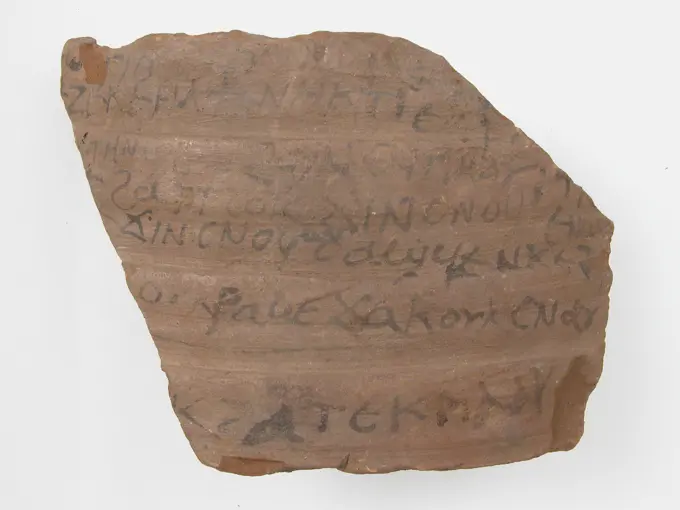
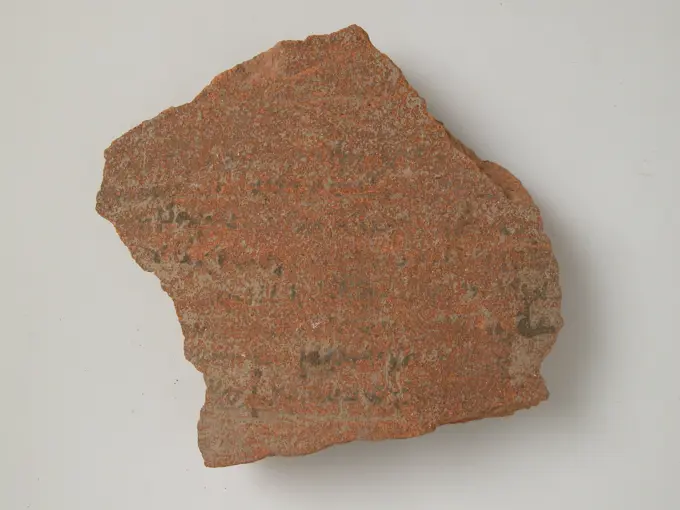
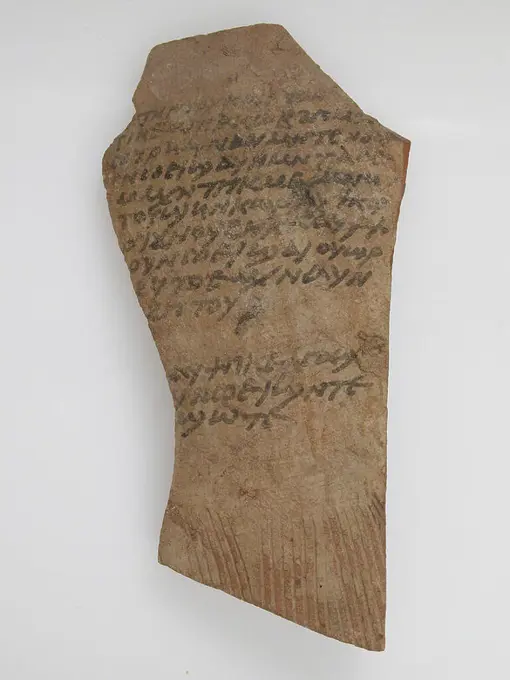
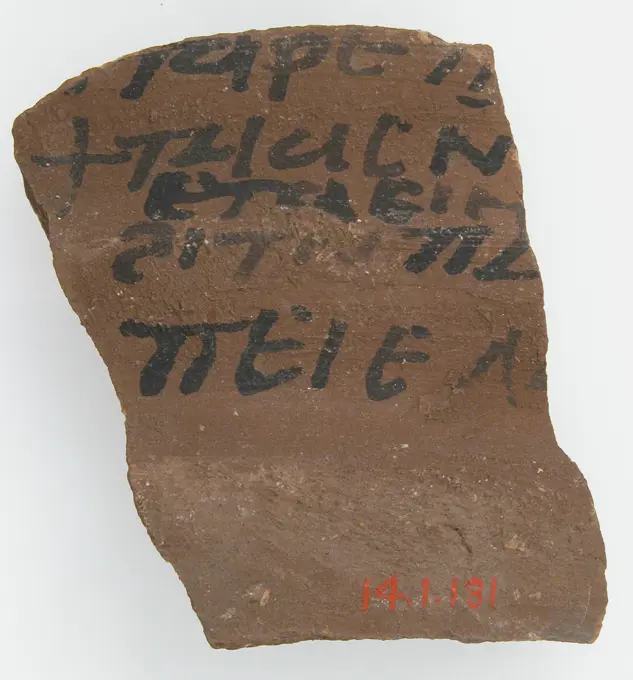
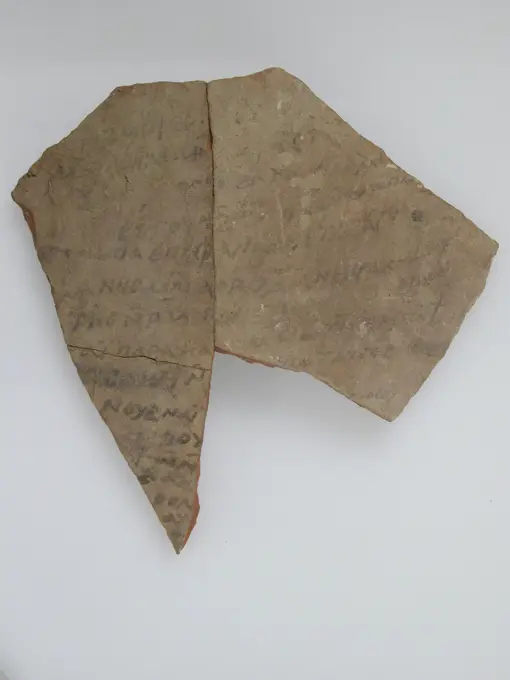
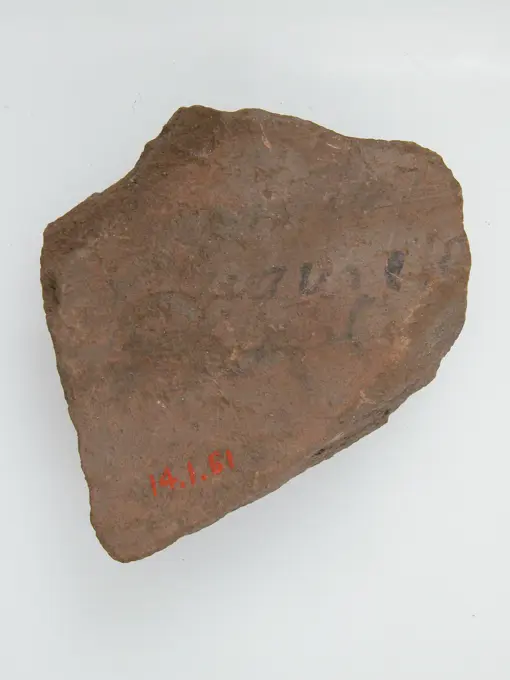
Ostrakon 7th century Coptic. Ostrakon 474561
156 assets in this story
6145-29820612
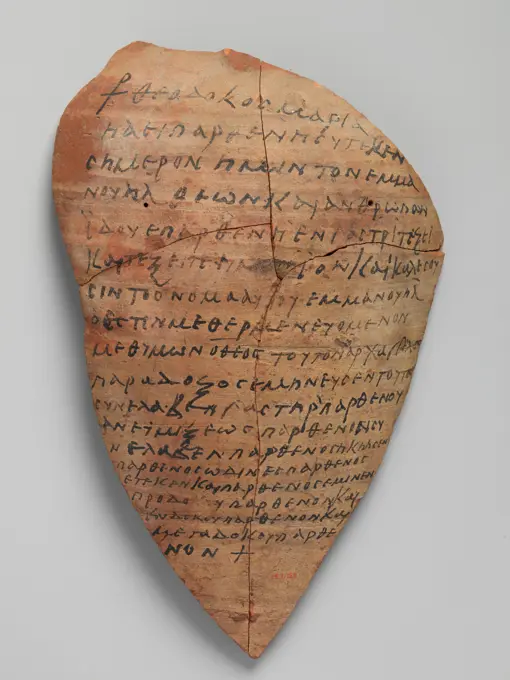
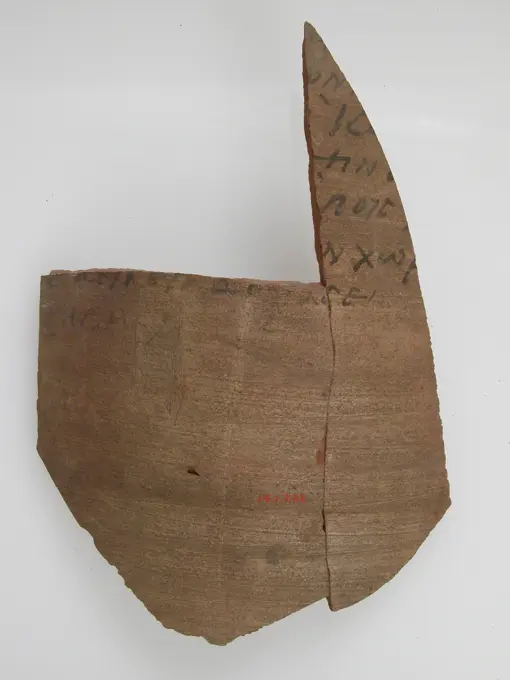
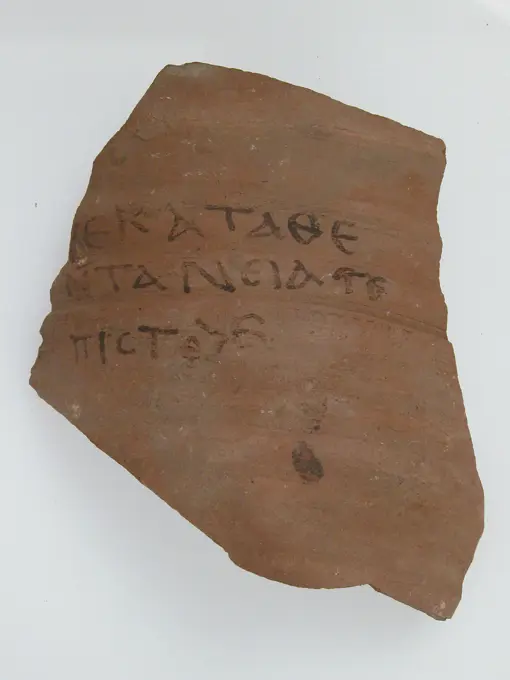
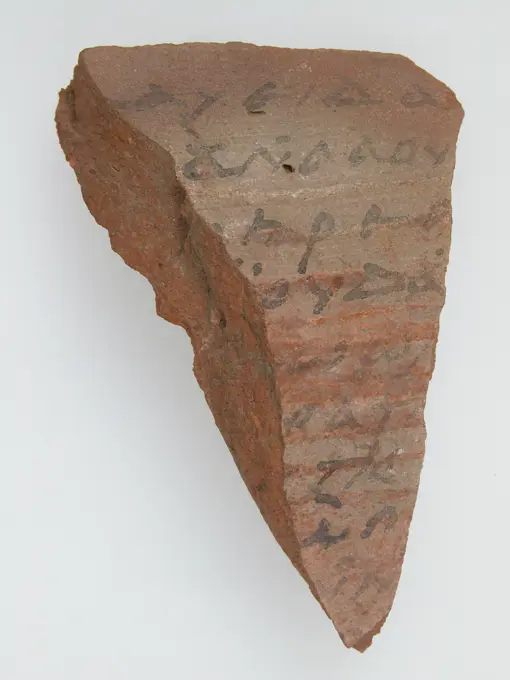
Ostrakon with a Troparion (Early Hymn) 580-640 Coptic Ostraca are texts written on broken pottery, which were employed when parchment was unavailable or too expensive. At Epiphanius a large number of ostraca were discovered in the monastery, including in its rubbish heaps; they record biblical verses, legal documents, sermons, financial accounts, school texts, and letters requesting assistance and prayers. Some reveal that, even at the southernmost border of the Empire, people were still aware of events in the capital, Constantinople.Ostracon with a Troparion (Early Hymn)+Mary the Mother of God, the ever virgin, has borne for us today Emmanuel, both God and Man. Lo the virgin shall conceive and bear us a son, and they shall call His name Emmanuel, which is, being interpreted, God with us.” Him did an archangel suddenly announce; Him did a virgin’s womb conceive without intercourse. A virgin conceived, a virgin was with child, a virgin was in travail, a virgin brought forth, and remain
6145-29809305
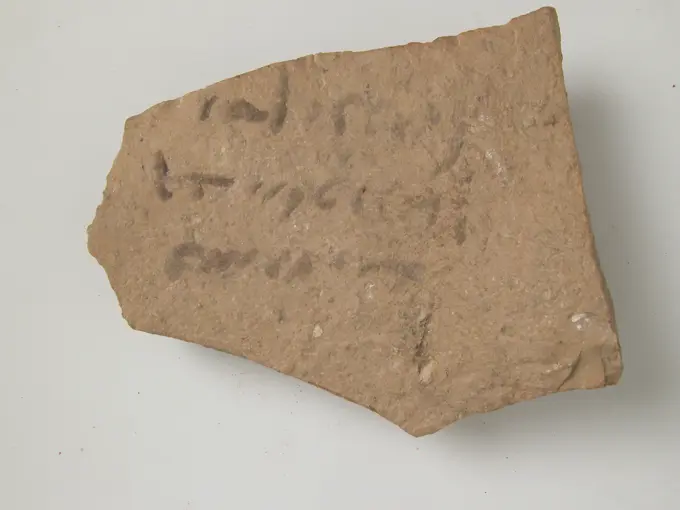
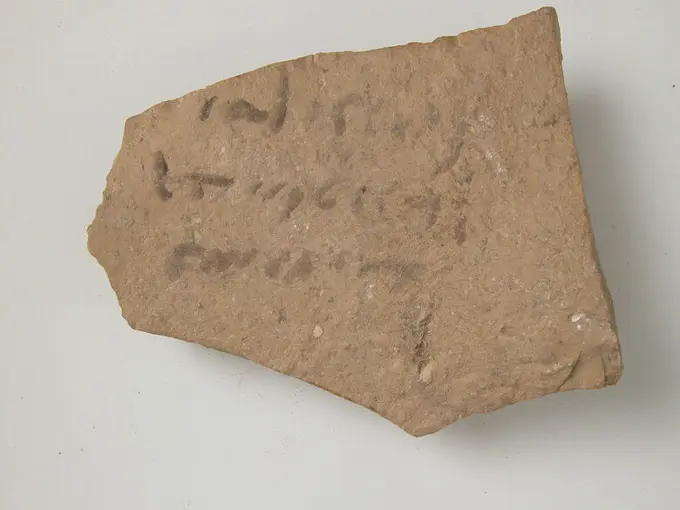
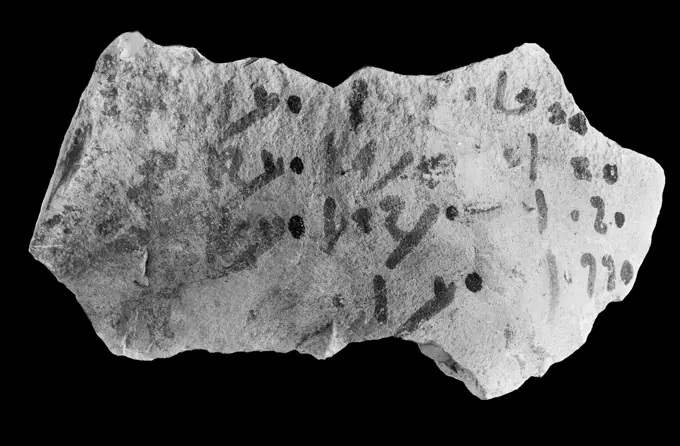
Ostracon 400-30 B.C. Late Period-Ptolemaic Period. Ostracon 588361
4409-17411996
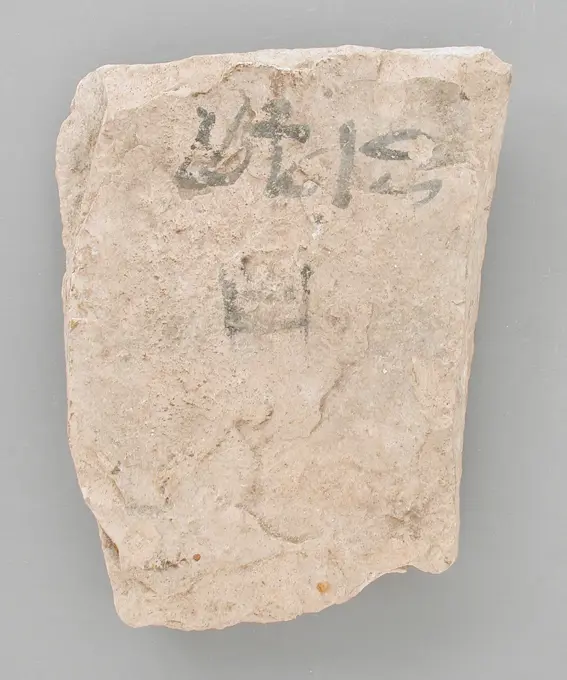
Ostracon. Dimensions: 7.1 x 8.7 x 2.5 cm (2 13/16 x 3 7/16 x 1 in.). Date: 400-30 B.C.. Museum: Metropolitan Museum of Art, New York, USA.
6145-54681690
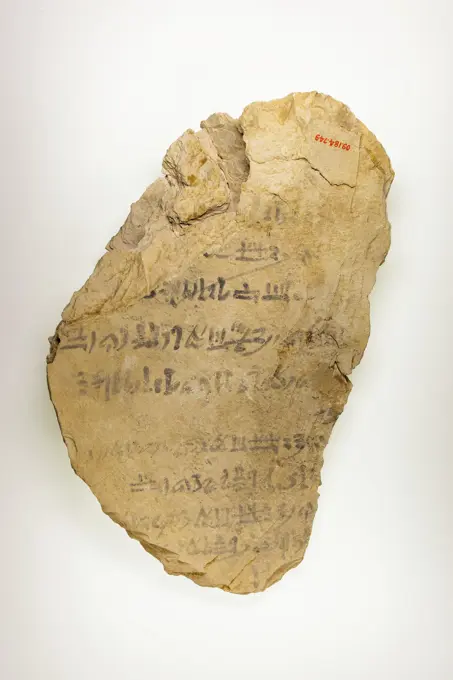
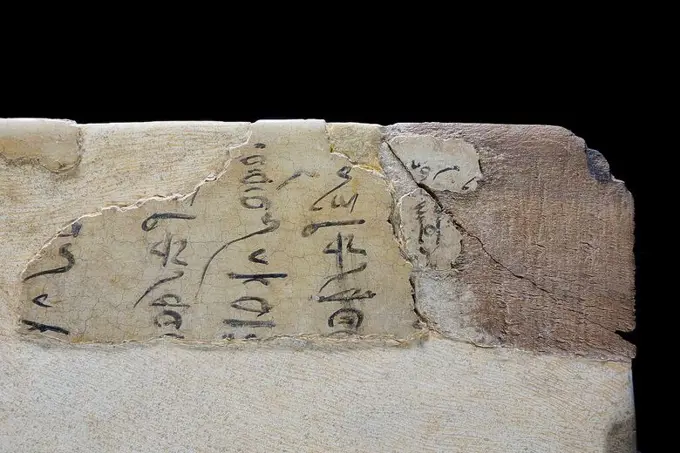
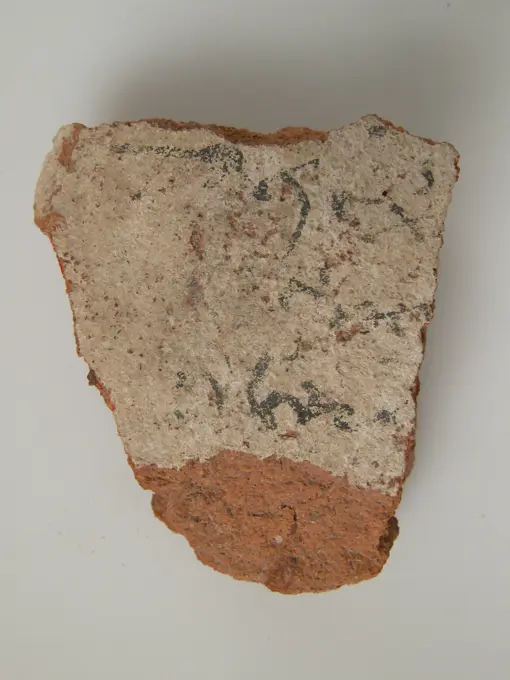
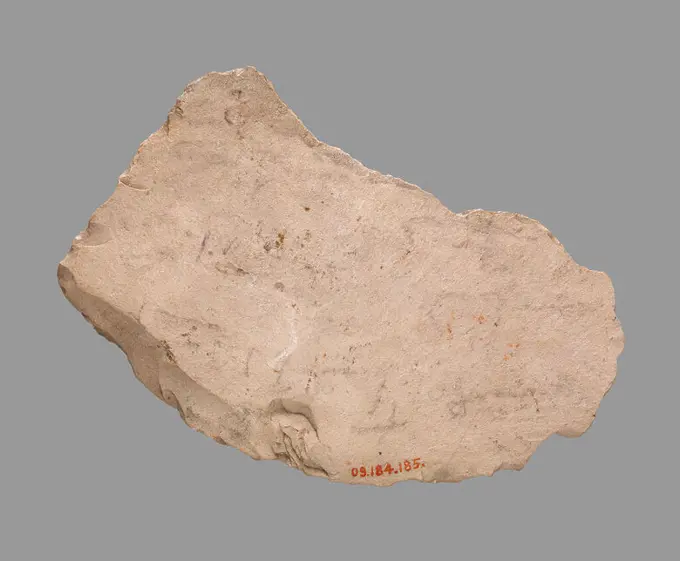
Ostracon with hieratic inscription New Kingdom, Ramesside-Late Period ca. 1295-525 B.C. View more. Ostracon with hieratic inscription. ca. 1295-525 B.C.. Limestone, ink. New Kingdom, Ramesside-Late Period. From Egypt, Upper Egypt, Thebes, Southern Asasif, Royal Cache Valley, higher up the valley than 22.3.22, MMA excavations, 1919-20. Dynasty 19-26
6145-29739942
Papyrus Fragment of a Letter 580-640 Coptic. Papyrus Fragment of a Letter 475011
6145-29788330
Ostrakon 4th-7th century Coptic. Ostrakon 478524
6145-59086213
Herois epitaph;  I-II century (1-00-00-200-00-00);
6145-29756348
Ostrakon 4th-7th century Coptic. Ostrakon 475132
6145-29135682
Ostracon with Brief Hieratic Inscription of a Personal Name. Egypt, New Kingdom, 19th or 20th Dynasties (1315 - 1081 BCE). Tools and Equipment; ostraka. Limestone
6145-29737911
Ostrakon with Troparion () 580-640 Coptic. Ostrakon with Troparion (). Coptic. 580-640. Pottery fragment with ink inscription. Made in Thebes, Byzantine Egypt. Ceramics
6145-29232239
Ostracon inscribed with identity marks ca. 1126-1070 B.C. New Kingdom, Ramesside Ostraca (plural for ostracon) are potsherds used as surfaces on which to write or draw. The term is used, by extension, to refer to chips of limestone, which were employed for similar purposes. Despite their humble appearances, ostraca bear a wide range of images and texts, including administrative documents, literary texts, and depictions of royal and divine figures. The texts were mostly written with reed pen and ink of two colors, red and black, and inscribed in Hieratic, the cursive script of ancient Egypt throughout most of its periods. This ostracon bears identity markers referring to royal necropolis workmen.. Ostracon inscribed with identity marks. ca. 1126-1070 B.C.. Limestone, ink, paint. New Kingdom, Ramesside. From Egypt, Upper Egypt, Thebes, Valley of the Kings. Dynasty 20
4409-53518509
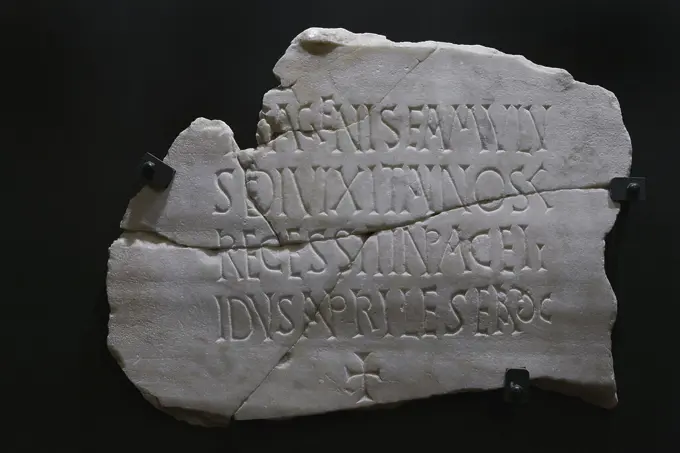
Tombstone of Sagenis. Inscription referring to Sagenis, who died at the age of 50. Text: "SAGENIS FAMVLV/S DEI VIXIT ANNOS L / RECESSIT IN PACE II / IDVS APRILES ERA DC" (Sagenis, a servant of God, lived for 50 years. He died peacefully on 12th April 600 of the Spanish Era). Marble. 562 AD. Provenance unknown. Museum of Visigoth Councils and Culture. Toledo, Castile-La Mancha, Spain.
6145-29135382
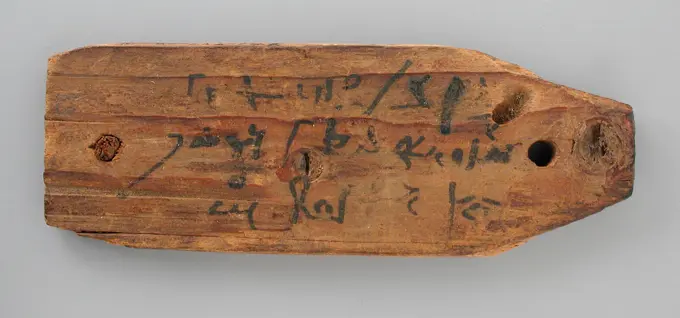
Mummy Label with Demotic Inscription. Egypt, late Ptolemaic Period - early Roman Period (100 BCE - 100 CE). Tablets. Wood
4409-17382697
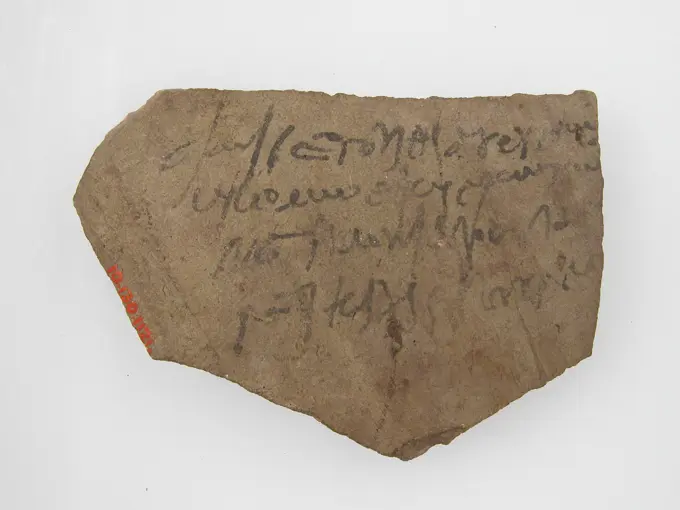
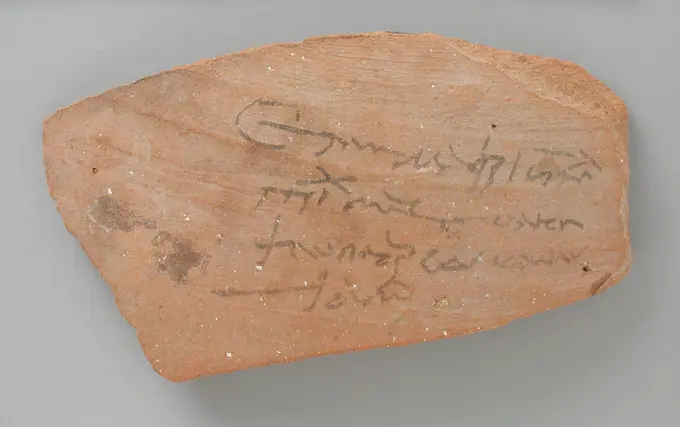
Ostrakon. Culture: Coptic. Dimensions: 3 7/8 x 8 1/4 in. (9.9 x 21 cm). Date: 7th century. Museum: Metropolitan Museum of Art, New York, USA.
6145-54681694
Ostracon with hieratic inscription New Kingdom, Ramesside-Late Period ca. 1295-525 B.C. View more. Ostracon with hieratic inscription. ca. 1295-525 B.C.. Limestone, ink. New Kingdom, Ramesside-Late Period. From Egypt, Upper Egypt, Thebes, Asasif, East of Pabasa, Radim, MMA excavations, 1918-19. Dynasty 19-26
6145-52956384
Hieratic ostracon New Kingdom, Ramesside, later than ca. 1295-1070 B.C., later than View more. Hieratic ostracon. ca. 1295-1070 B.C., later than. Limestone, ink, paint. New Kingdom, Ramesside, later than. From Egypt, Upper Egypt, Thebes, Valley of the Kings, Davis excavations. Dynasty 19-20
6145-29809496
Ostrakon 7th century Coptic. Ostrakon 474496
6145-29738989
Hieratic ostracon ca 1186-1070 B.C. New Kingdom, Ramesside Ostraca (plural for ostracon) are potsherds used as surfaces on which to write or draw. The term is used, by extension, to refer to chips of limestone, which were employed for similar purposes. Despite their humble appearances, ostraca bear a wide range of images and texts, including administrative documents, literary texts, and depictions of royal and divine figures. The texts were mostly written with reed pen and ink of two colors, red and black, and inscribed in Hieratic, the cursive script of ancient Egypt throughout most of its periods. This ostracon is inscribed with journal notes recording distribution of lamps/torches and oil.. Hieratic ostracon. ca 1186-1070 B.C.. Limestone, ink, paint. New Kingdom, Ramesside. From Egypt, Upper Egypt, Thebes, Valley of the Kings, Davis excavations 1909. Dynasty 20
6145-29193990
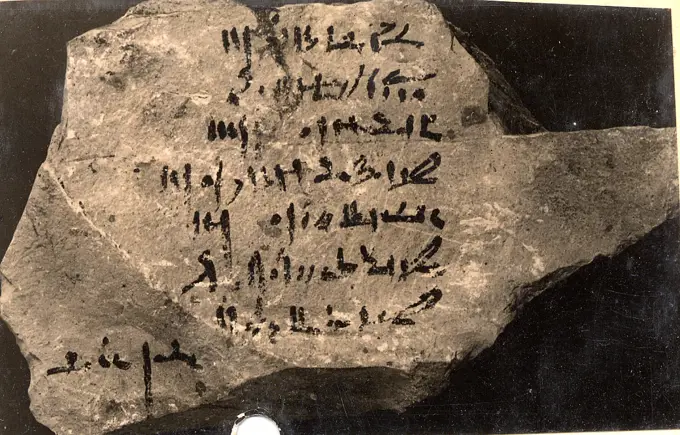
Hieratic ostracon with three columns of accounts 525-404 BC Late Period, Persian Period A series of ostraka from the excavation of tomb of Nespekashuty have been examined in a forthcoming study: they seem to have been left by a single not particularly skilled scribe, who mixed cursive hieroglyphic and hieratic scripts. The texts include practice lists, random jottings, dated accounts and even the beginning of a New Kingdom literary text, "The Wisdom of Amenemope."The texts postdate the tomb, probably to the Persian Period according to palaeography (handwriting style).. Hieratic ostracon with three columns of accounts. 525-404 BC. Limestone, ink. Late Period, Persian Period. From Egypt, Upper Egypt, Thebes, Deir el-Bahri, Tomb of Nespekashuty (TT 312, MMA 509), MMA excavations, 1922-23. Dynasty 27
6145-29154434
Ostracon ca. 525 B.C. or later Late Period-Roman Period. Ostracon. ca. 525 B.C. or later. Pottery, ink. Late Period-Roman Period. From Egypt, Northern Upper Egypt, Abydos, Osiris Temple precinct, Egypt Exploration Fund excavations, 1902
6145-29829175
Ostrakon 4th-7th century Coptic Pottery fragments with ink inscriptions are called Ostraka. Written in Greek, ostraka represent a Hellenized and elite Christian community in Kharga. This wooden tablet contains a Homeric reference from the Iliad on one side: The tutor of Achilles, Phoinix, and a Trojan archer, Pandaros, are both mentioned. Although the line is fragmentary, these characters are in books 9 and 4 of the Iliad, respectively. A school text on the other side, which suggests that the tablet was used to practice and teach Greek grammar.. Ostrakon 478513
6145-29801127
Ostrakon 600 Coptic. Ostrakon 474824
6145-59275006
Love scene of Krishna and Radha in the forest, Anonymous, 1800 - 1900 Indian miniature. drawing On the irregular piece of cardboard, Krishna and Radha walk into a forest from the left in which all kinds of animals can be seen between the branches of the trees. Irregular piece of cardboard with punch hole left and ending on the left in a narrower point. Orissa cardboard brush
4409-21486310
Museo de Luxor.
6145-29820605
Papyrus Fragment 4th-7th century Coptic. Papyrus Fragment 479305
6145-29806371
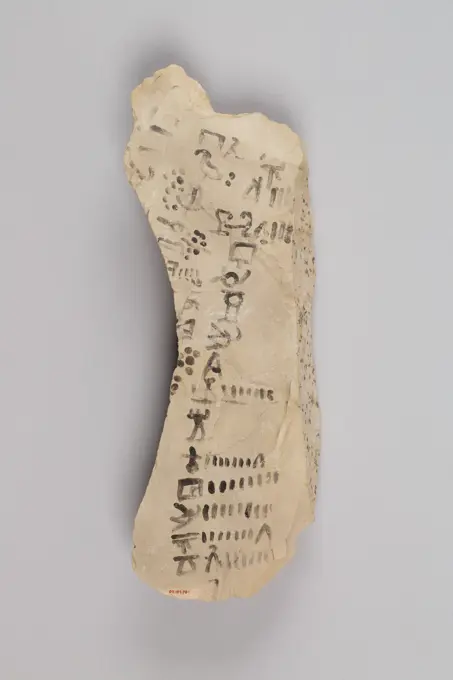
Bone Fragment 4th-7th century Coptic. Bone Fragment 478664
6145-51833384
Papyrus Fragments Inscribed in Greek or Coptic Papyrus Fragments Inscribed in Greek or Coptic, 395-642 C.E. Papyrus, ink, Glass: 8 7/16 x 11 1/4 in. (21.5 x 28.5 cm).   Egyptian, Classical, Ancient Near Eastern Art 395-642 C.E.
6145-52955487
Hieratic ostracon New Kingdom, Ramesside, later than ca. 1295-1070 B.C., later than Ostraca (plural for ostracon) are potsherds used as surfaces on which to write or draw. The term is used, by extension, to refer to chips of limestone, which were employed for similar purposes. Despite their humble appearances, ostraca bear a wide range of images and texts, including administrative documents, literary texts, and depictions of royal and divine figures. The texts were mostly written with reed pen and ink of two colors, red and black, and inscribed in Hieratic, the cursive script of ancient Egypt throughout most of its periods. This ostracon is inscribed with fragmentary lines of hieratic text, some of which recording names. View more. Hieratic ostracon. ca. 1295-1070 B.C., later than. Limestone, ink, paint. New Kingdom, Ramesside, later than. From Egypt, Upper Egypt, Thebes, Valley of the Kings, Davis excavations. Dynasty 19-20
4409-61066
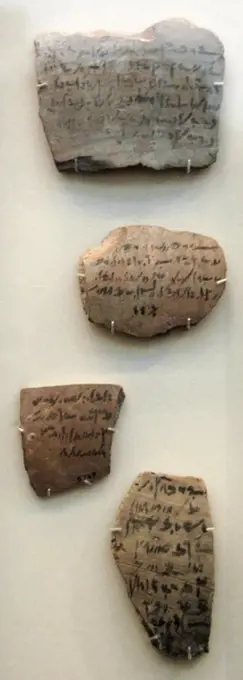
Egyptians ceramic ostraca in demotic script with references to the mummification and burial. Ptolemaic era. Middle Demotic period. 400-30 BC. From Thebes and Asyut. British Museum. London. United Kingdom.
6145-29720646
Ostracon with hieratic inscription ca. 1295-525 B.C. New Kingdom, Ramesside-Late Period. Ostracon with hieratic inscription. ca. 1295-525 B.C.. Limestone, ink. New Kingdom, Ramesside-Late Period. From Egypt, Upper Egypt, Thebes, Asasif, East of Pabasa, Radim, MMA excavations, 1918-19. Dynasty 19-26
6145-29790003
Ostrakon 600 Coptic. Ostrakon 474756
6145-29757314
Cuneiform tablet: unidentified fragment ca. late 1st millennium B.C.. Cuneiform tablet: unidentified fragment 321836
6145-29798938
Cuneiform tablet: fragment of a text containing incantations ca. late 1st millennium B.C.. Cuneiform tablet: fragment of a text containing incantations 322070
6145-52955485
Ostracon with hieroglyph and hieratic New Kingdom, Ramesside ca. 1295-1070 B.C. Ostraca (plural for ostracon) are potsherds used as surfaces on which to write or draw. The term is used, by extension, to refer to chips of limestone, which were employed for similar purposes. Despite their humble appearances, ostraca bear a wide range of images and texts, including administrative documents, literary texts, and depictions of royal and divine figures. The texts were mostly written with reed pen and ink of two colors, red and black, and inscribed in Hieratic, the cursive script of ancient Egypt throughout most of its periods. This ostracon is inscribed with one incomplete line of hieratic text in black ink, probably of the same ostracon as 09.184.762-63. View more. Ostracon with hieroglyph and hieratic. ca. 1295-1070 B.C.. Limestone, ink, paint. New Kingdom, Ramesside. From Egypt, Upper Egypt, Thebes, Valley of the Kings, Davis excavations. Dynasty 19-20
6145-29831729
Cuneiform tablet: fragment of an exercise tablet ca. late 1st millennium B.C.. Cuneiform tablet: fragment of an exercise tablet 322095
6145-29787144
Ostrakon 7th century Coptic. Ostrakon 474587
6145-52953921
Mummy label of the woman Trempsaeis, age 65 Roman Period A.D. 3rd century View more. Mummy label of the woman Trempsaeis, age 65. A.D. 3rd century. Wood, ink. Roman Period. Possibly from Upper Egypt, Thebes; From Egypt
6145-59210987
Abruzzo L'Aquila S. Giuliano (L'Aquila environs) Museo06. Hutzel, Max 1960-1990 Views of the four collections housed in museum: Roman coins; Pre-Columbian art brought from Central America in 17th century; Greek and Roman sculpture; Egyptian sculpture and minor arts. Museum Roman coins; Greek and Roman sculpture; Egyptian sculpture and minor arts; Pre-Columbian sculpture. German-born photographer and scholar Max Hutzel (1911-1988) photographed in Italy from the early 1960s until his death. The result of this project, referred to by Hutzel as Foto Arte Minore, is thorough documentation of art historical development in Italy up to the 18th century, including objects of the Etruscans and the Romans, as well as early Medieval, Romanesque, Gothic, Renaissance and Baroque monuments. Images are organized by geographic region in Italy, then by province, city, site complex and monument.
6145-29715652
Ostrakon with Biblical Text 600 Coptic. Ostrakon with Biblical Text 474802
6145-29743886
Ostrakon with a Letter to Pesenthius 600 Coptic. Ostrakon with a Letter to Pesenthius 474763
1788-19311
Ostraka with hieratic writing about apparition of a ghost
6145-29136381
Ostracon with Greek Inscription. Egypt, Roman Period (332 BCE - 400CE). Tools and Equipment; ostraka. Terracotta
1746-21112242
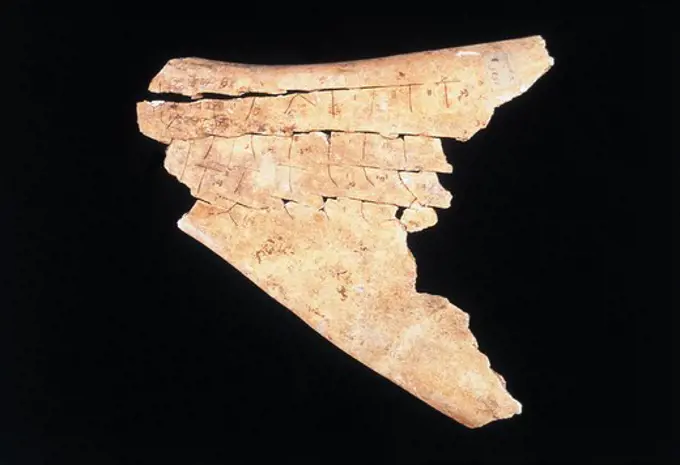
Specimen of early Chinese writing characters engraved on a bone. Sang Period 1000-1500 BC, Hunan Province
6145-59011522
Grahal-Manzara. Carnavalet 2013-2016 collection sites. Numismatics.
6145-29164004
Ostrakon 4th-7th century Coptic. Ostrakon 478544
6145-43653792
Etykietka mumiowa. unknown, author
6145-29789136
Cuneiform tablet: fragment, content uncertain ca. late 1st millennium B.C.. Cuneiform tablet: fragment, content uncertain. ca. late 1st millennium B.C.. Clay. Mesopotamia
6145-29801647
Cuneiform tablet: fragment of Syllabary B ca. late 1st millennium B.C.. Cuneiform tablet: fragment of Syllabary B 322068
4409-17416147
Hieratic Ostracon. Dimensions: h. 11.4 cm (4 1/2 in); w. 6 cm (2 3/8 in). Dynasty: Dynasty 20. Date: ca. 1186-1070 B.C..Ostraca (plural for ostracon) are potsherds used as surfaces on which to write or draw. The term is used, by extension, to refer to chips of limestone, which were employed for similar purposes. Despite their humble appearances, ostraca bear a wide range of images and texts, including administrative documents, literary texts, and depictions of royal and divine figures. The texts were mostly written with reed pen and ink of two colors, red and black, and inscribed in Hieratic, the cursive script of ancient Egypt throughout most of its periods. This ostracon bears on both of its sides traces of workmen's identity markers in chorcoal. Museum: Metropolitan Museum of Art, New York, USA.
6145-50510781
Fragment malowidła ściennego: część nimbu Chrystusa i fragment postaci i anachorety Melasa (z nr. inw. 234035 MNW). unknown, painter
1788-18420
Animal Oracle bone with inscripted ideograms, from China
6145-52953922
Mummy label of Tsenpachom, daughter of Panahib Roman Period A.D. 3rd century View more. Mummy label of Tsenpachom, daughter of Panahib. A.D. 3rd century. Wood, ink. Roman Period. From Egypt; Possibly from Northern Upper Egypt, Akhmim (Khemmis, Panopolis)
6145-29136069
Mummy Label with Greek Inscription. Egypt, late Ptolemaic - early Roman Period (100 BCE - 100 CE), perhaps reign of Augustus (30 BCE - 41 CE). Tablets. Limestone
4409-62580
Cuneiform writing. Clay tablets written with prayers and rituals against the "evil eye" and the vision of the underworld. 9th-7th Centuries B.C. Pergamon Museum. Berlin. Germany.
6145-29774378
Cuneiform tablet: fragment, Ebabbar archive ca. 7th-4th century B.C. Babylonian or Achaemenid. Cuneiform tablet: fragment, Ebabbar archive 322107
6145-29794661
Cuneiform tablet: fragment of a witness list and date formula ca. 7th-4th century B.C. Babylonian or Achaemenid. Cuneiform tablet: fragment of a witness list and date formula. Babylonian or Achaemenid. ca. 7th-4th century B.C.. Clay. Neo-Babylonian or Achaemenid. Mesopotamia, probably from Babylon (modern Hillah)
PREVIOUS
of 2
NEXT
2401 S. Ervay, Suite 206
Dallas, Texas 75215
United States
Get Started
Free ResearchMy BoardsMy Cart
For Creators
How To License Your ContentContributor PortalFrame of Mind
Resources
API accessPricing
Contact
+1 866 236 0087help@viewpictures.co.uk Contact form
©2026 View Pictures. All Rights Reserved. -B
This site is protected by reCAPTCHA and Google Privacy Policy and Terms of Service apply.