Cultural Artifacts

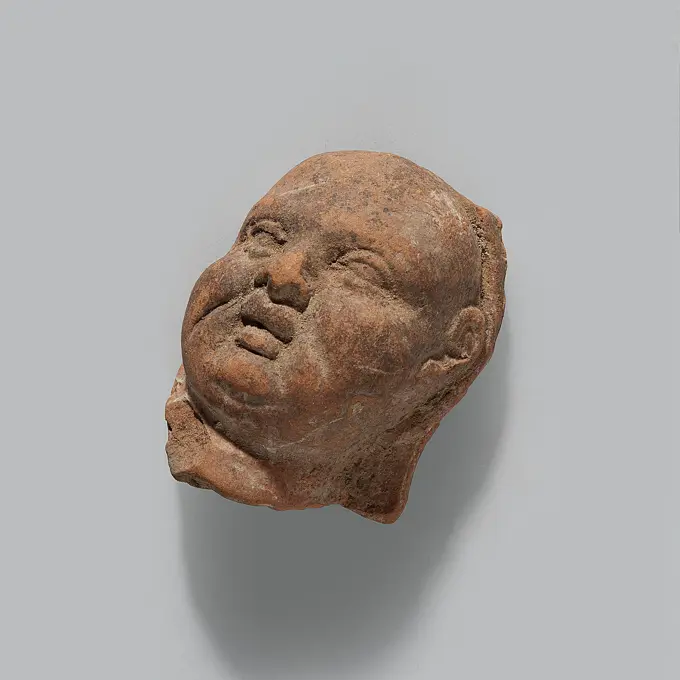
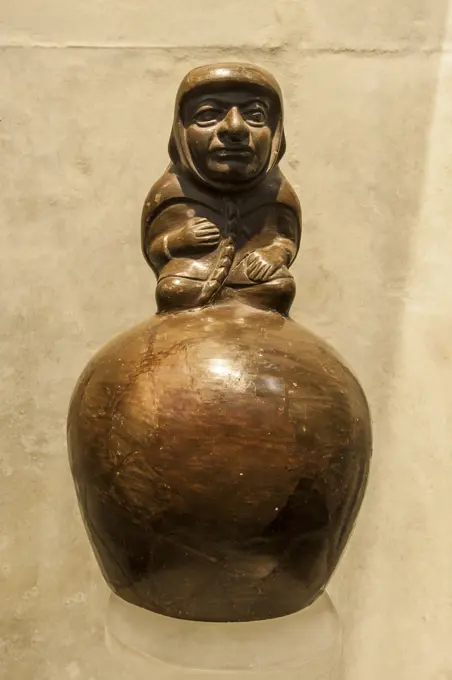
Unique art pieces from ancient cultures, including clay figurines and vessels, each reflecting intricate craftsmanship and historical significance.

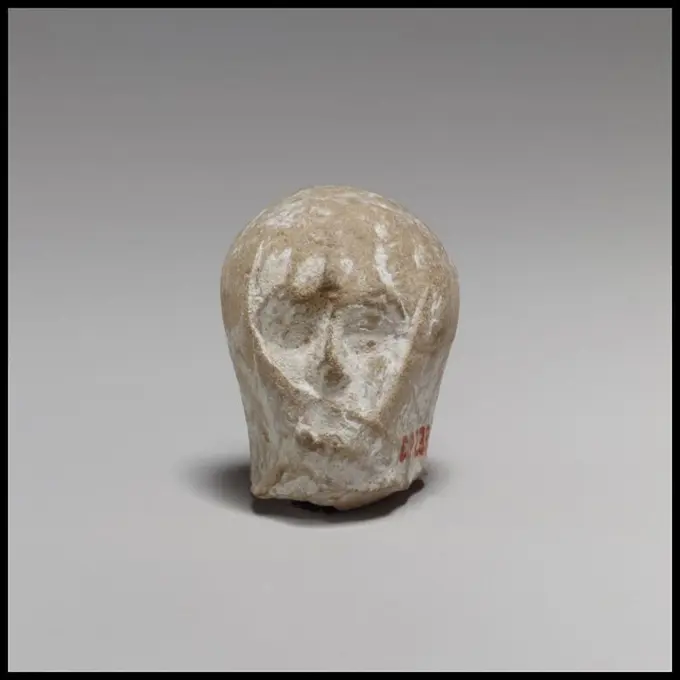
Male Head, perhaps from a Pair Statue, 1401-1391 BC. Egypt, New Kingdom, Dynasty 18, reign of Amenhotep II to Tuthmosis IV. Gray granite; overall: 7.6 x 11.1 x 12.8 cm (3 x 4 3/8 x 5 1/16 in.).
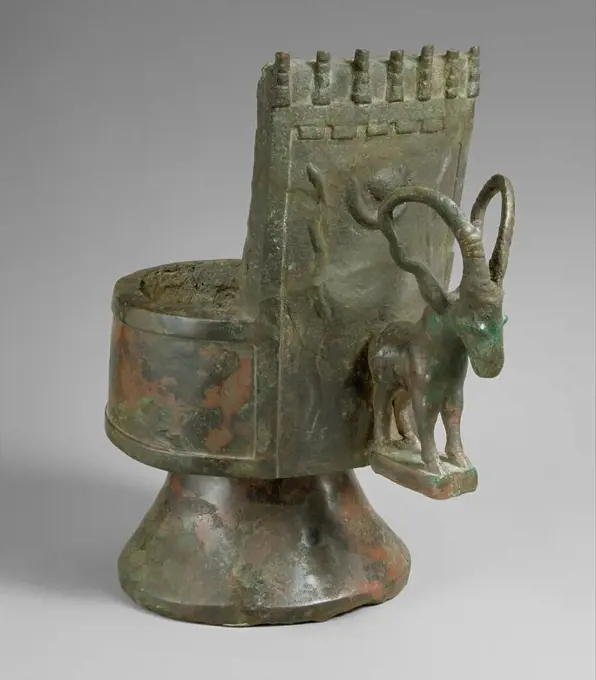
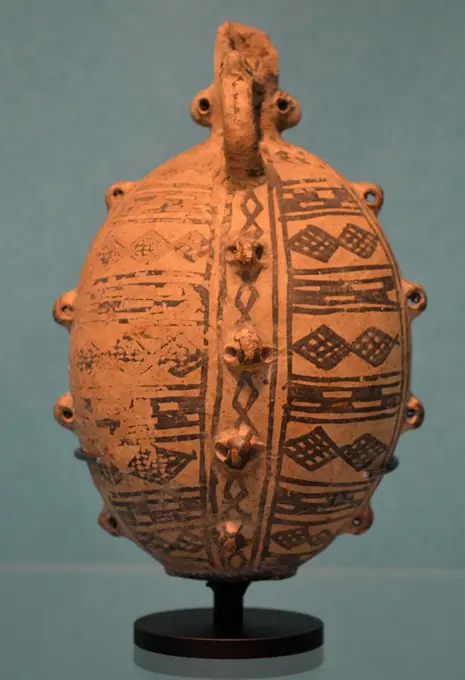
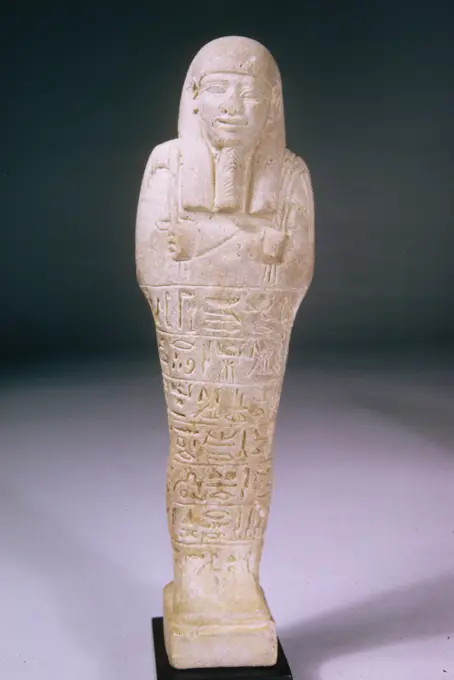
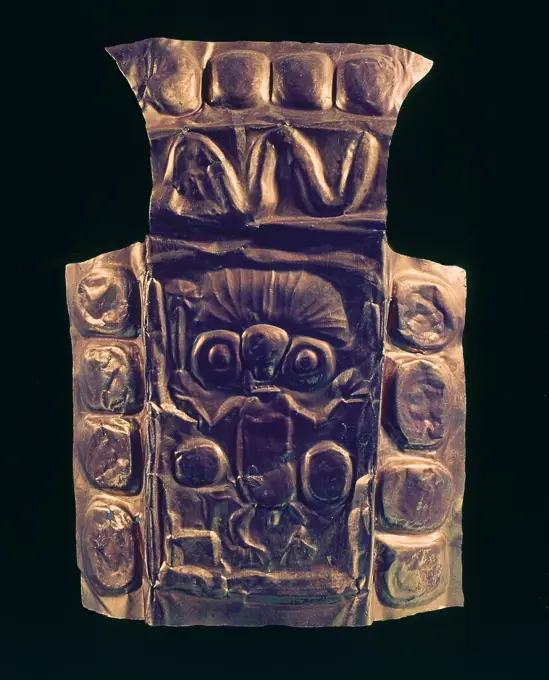
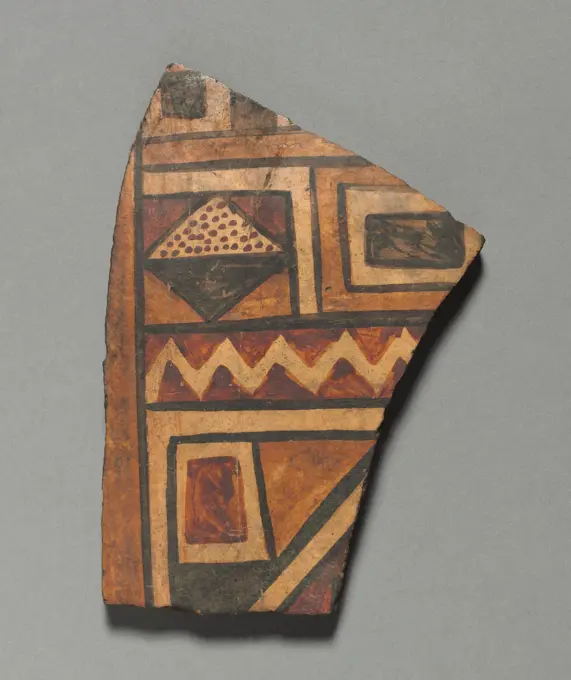
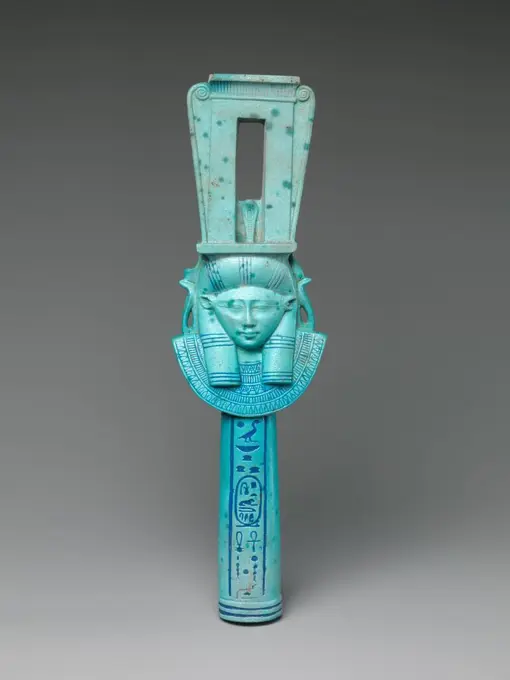
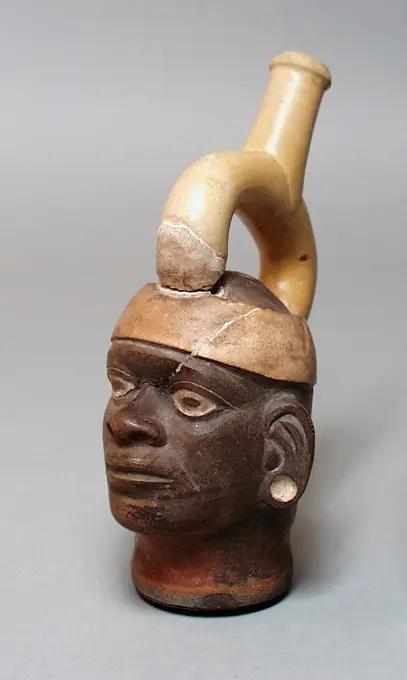
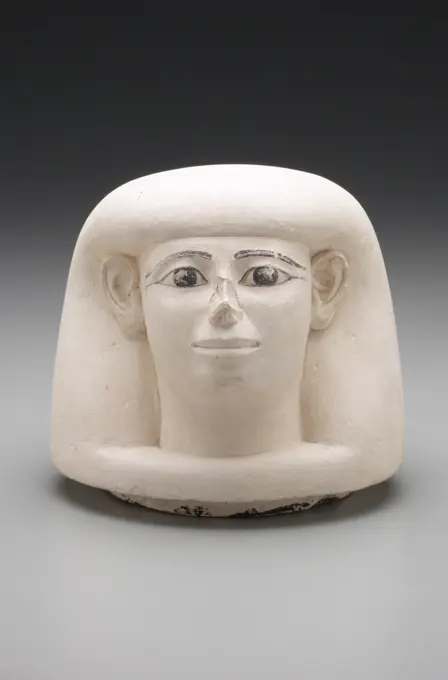
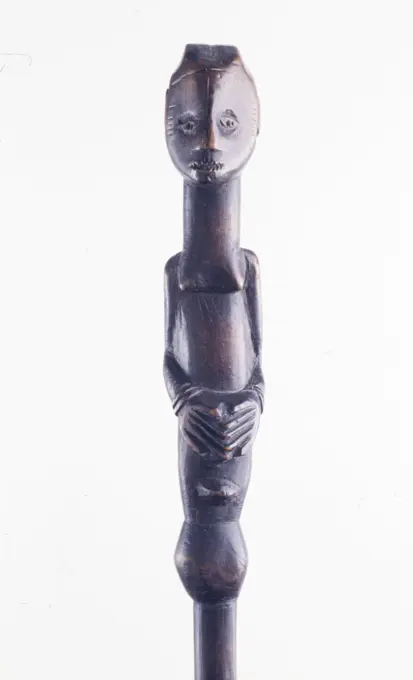
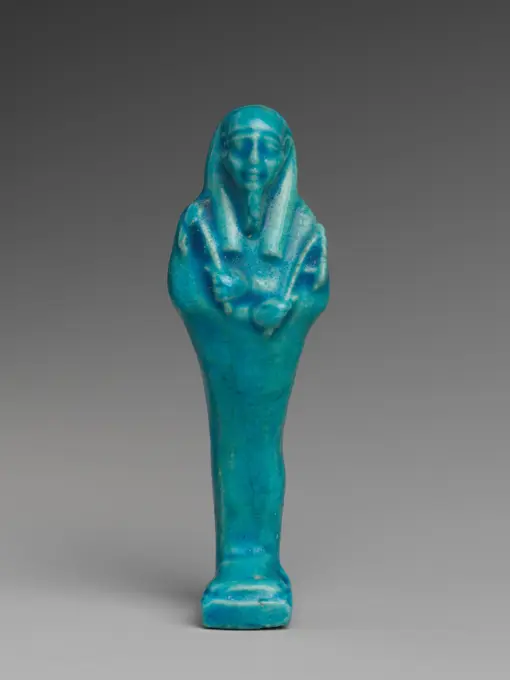
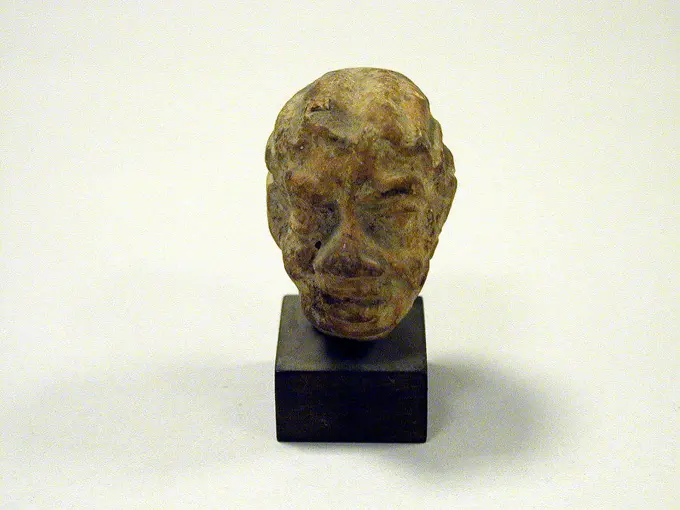
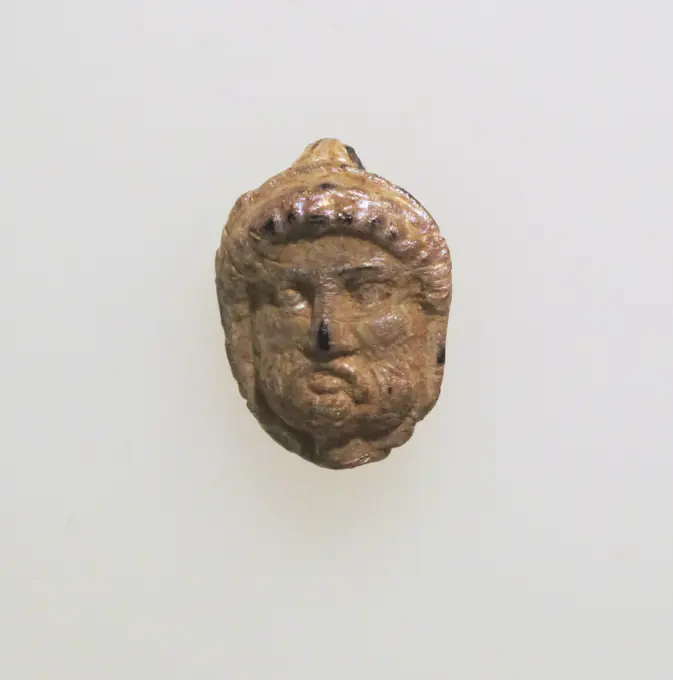
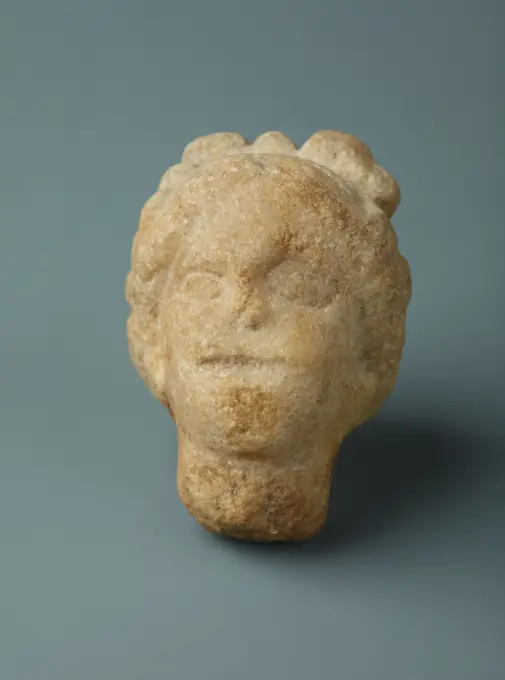
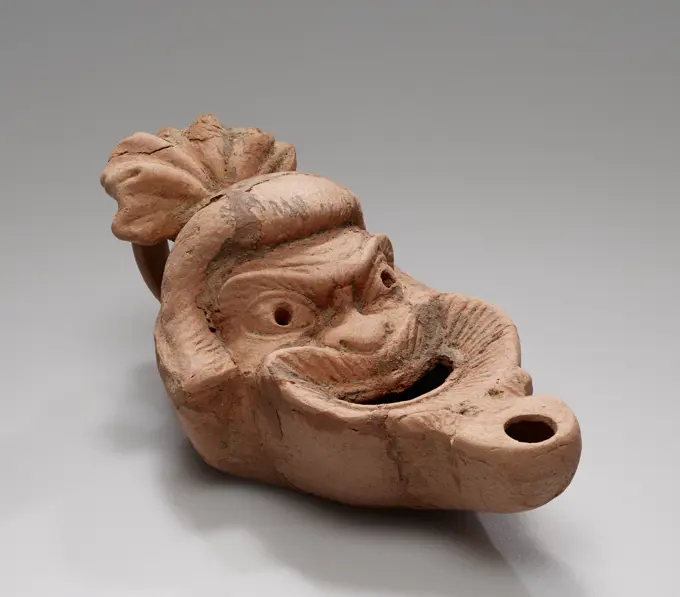
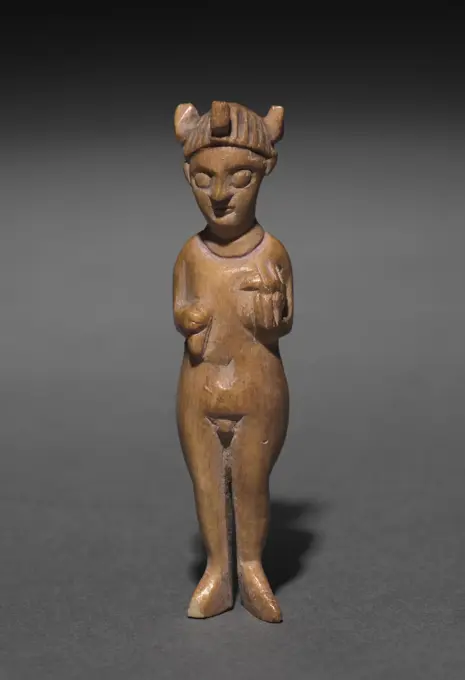
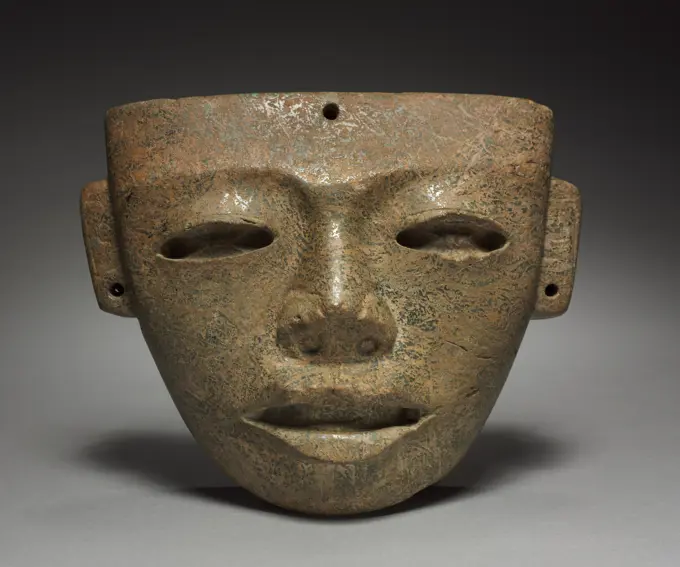
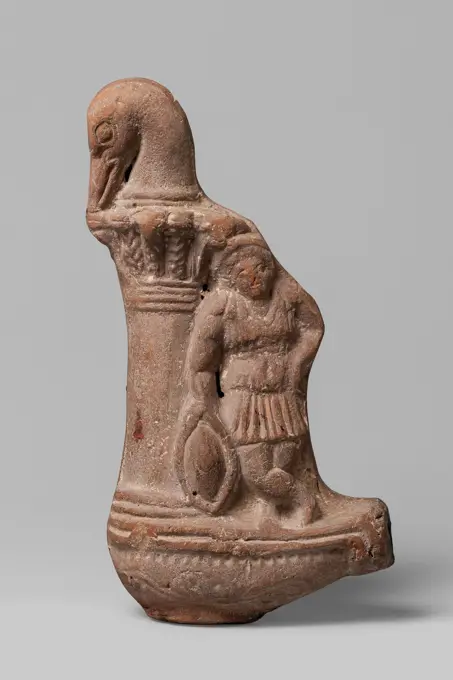
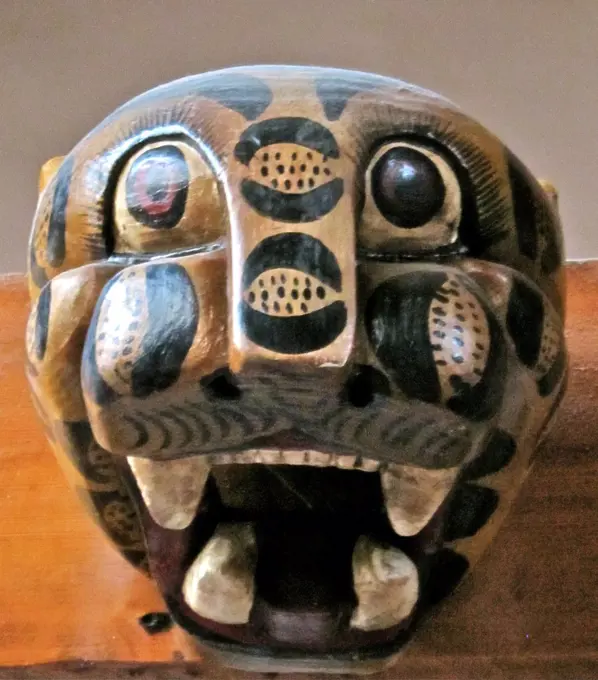
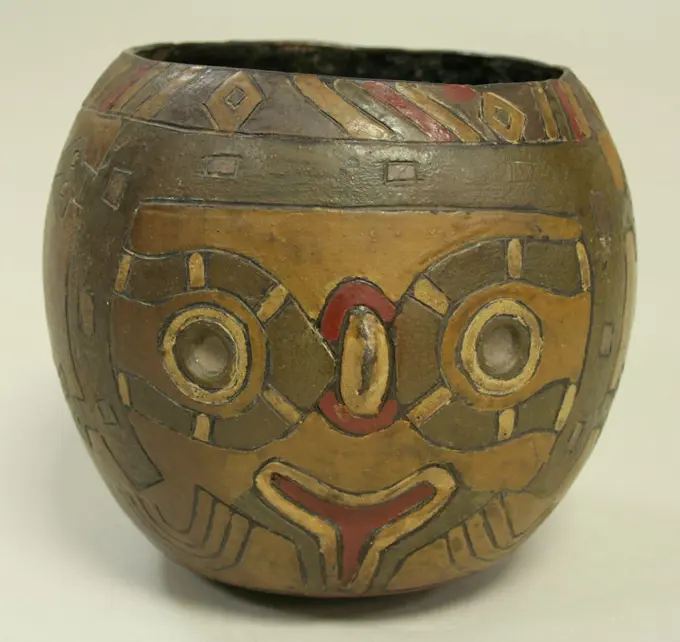
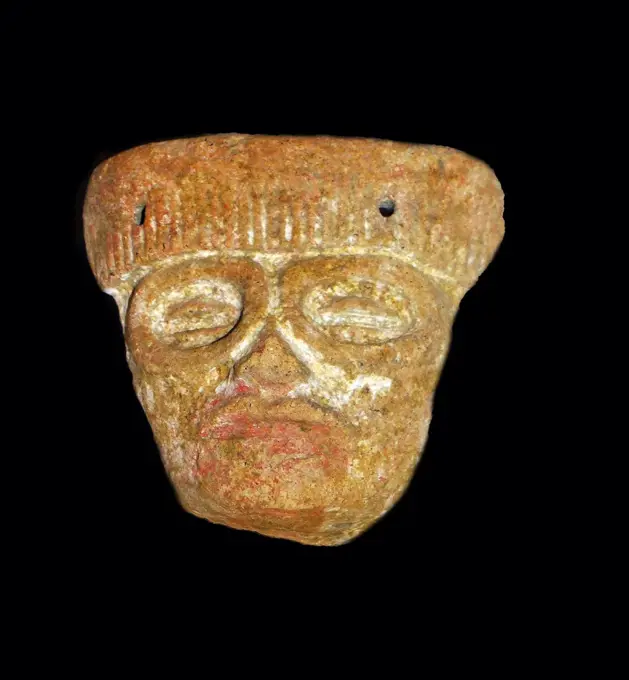
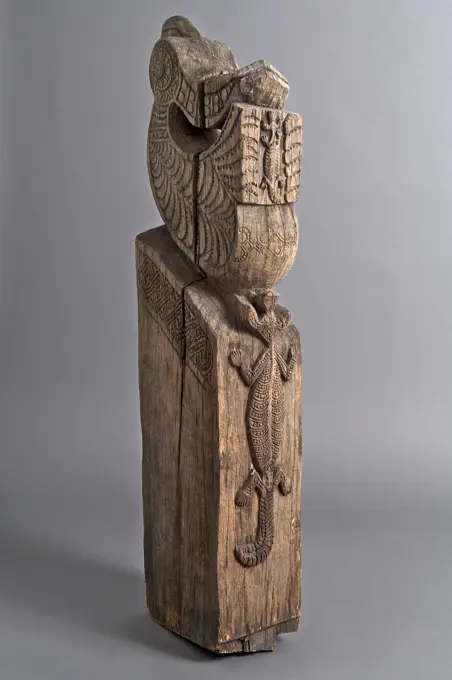
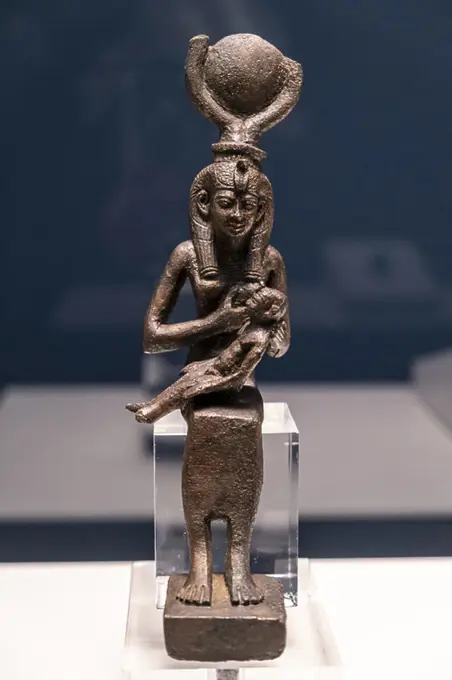
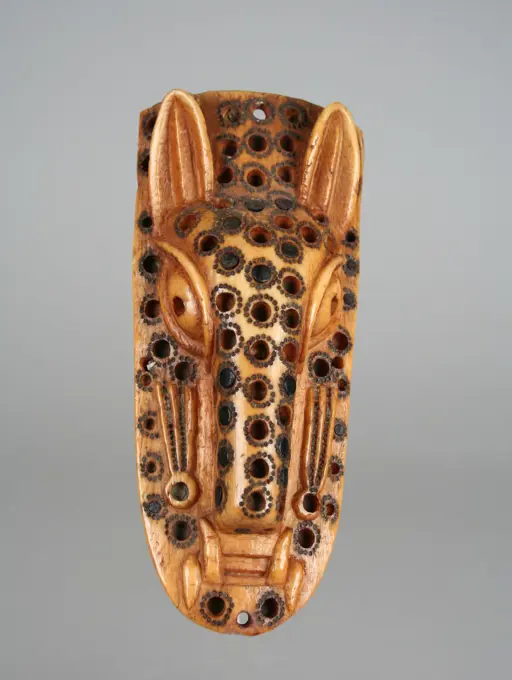
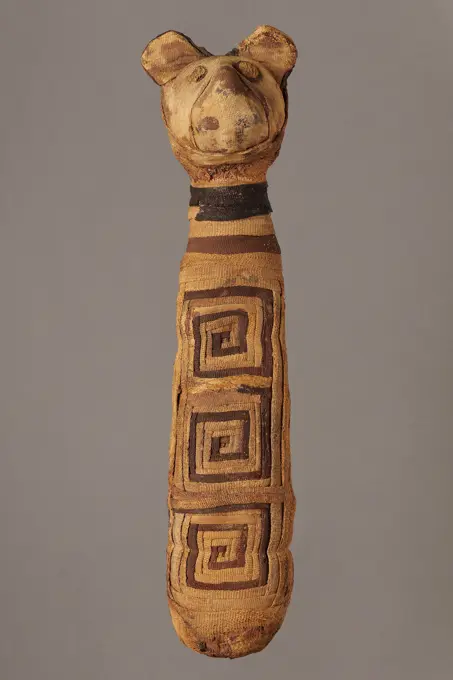
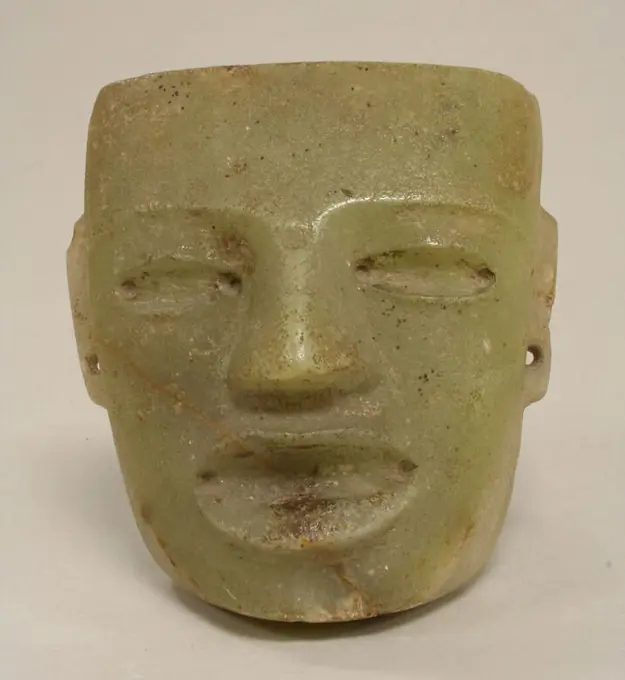
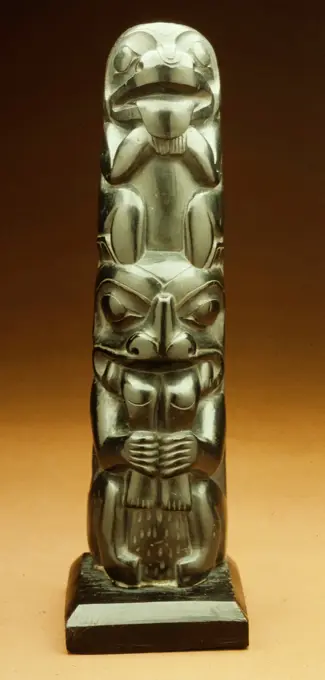
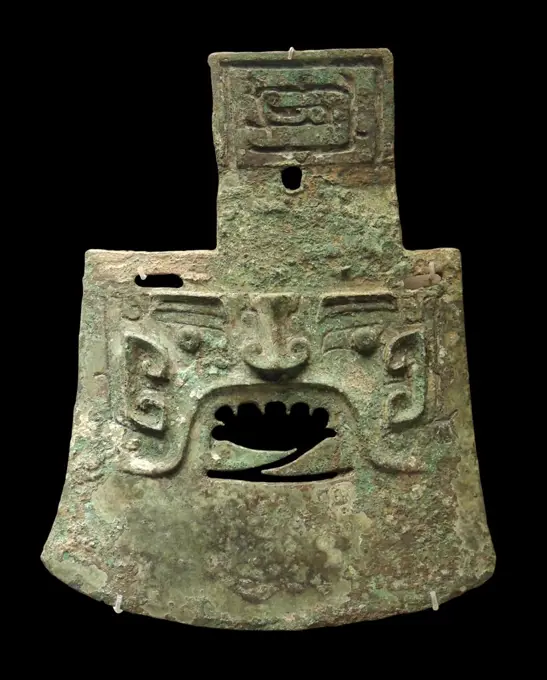
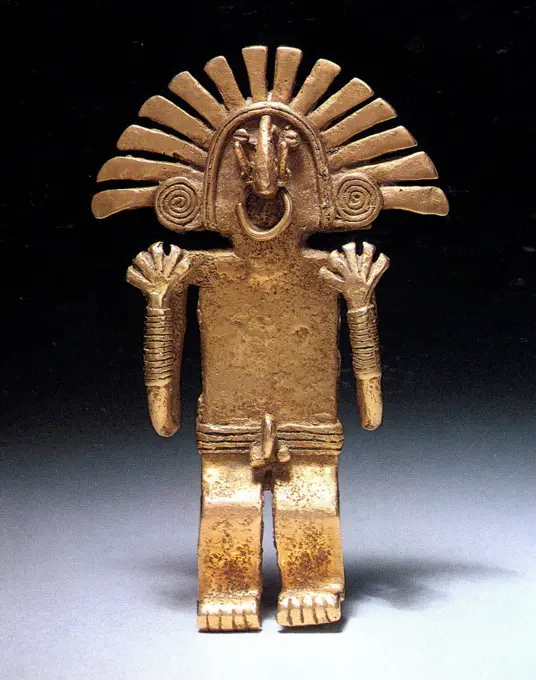
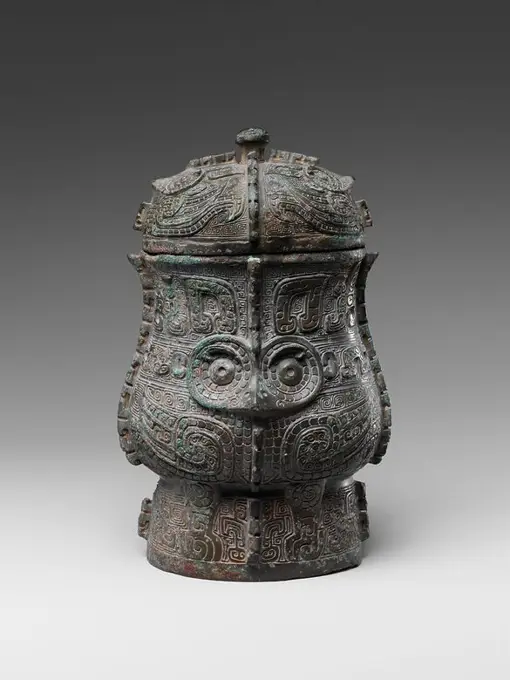
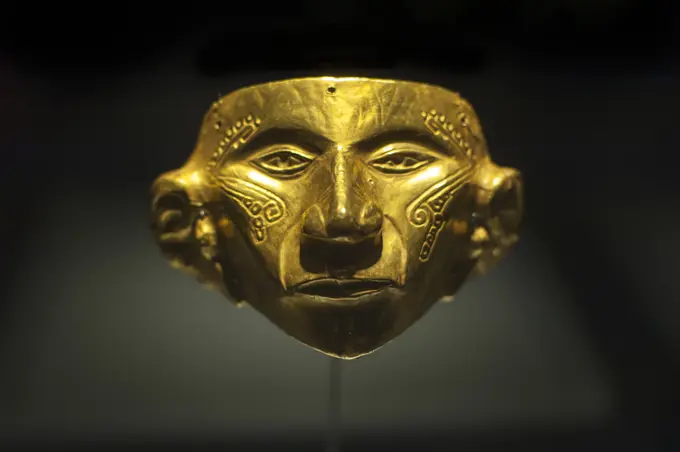
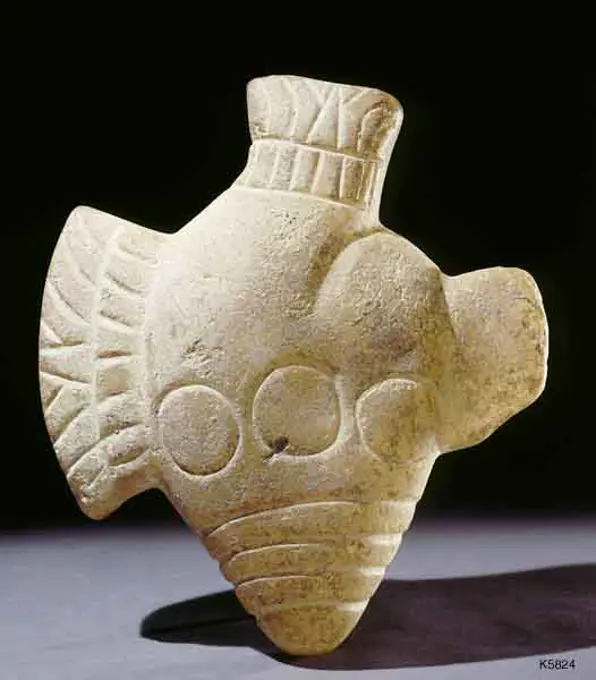
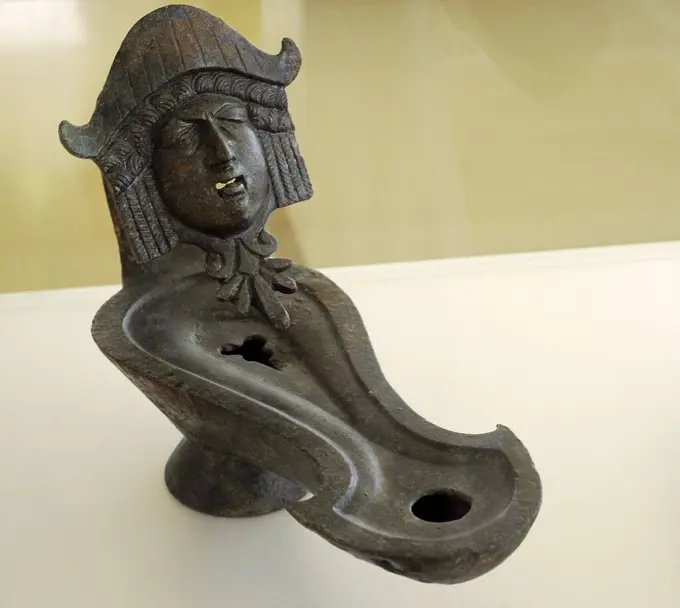
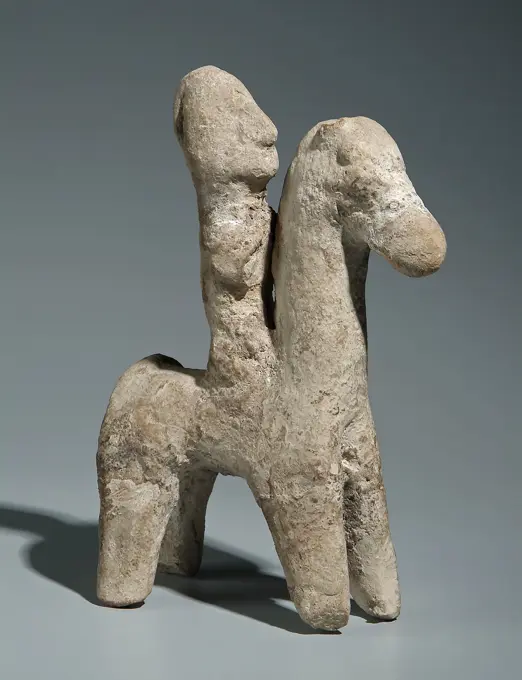
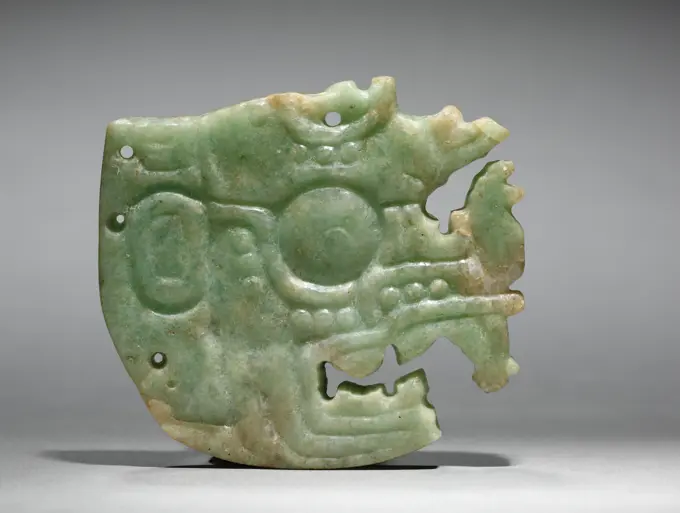
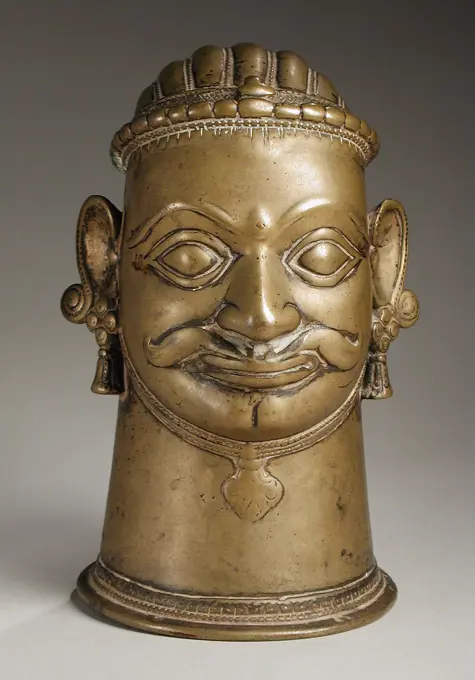
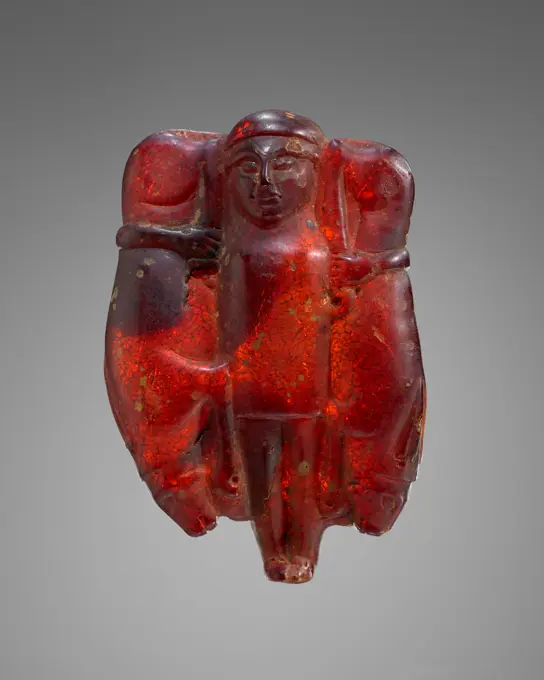
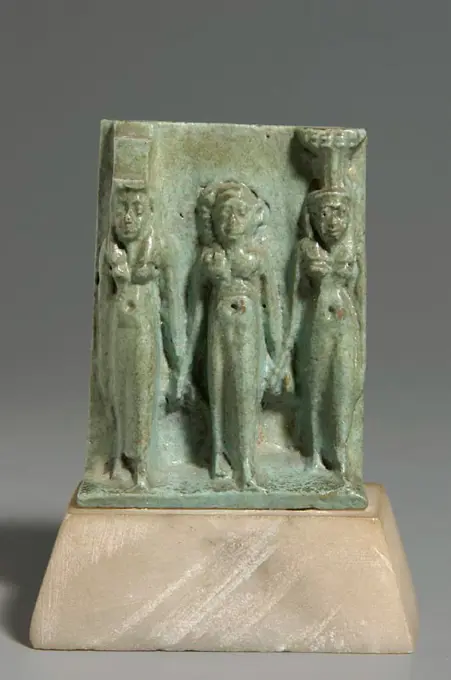
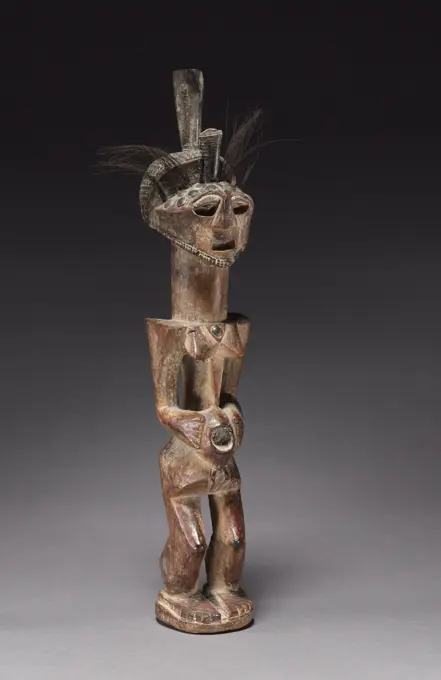
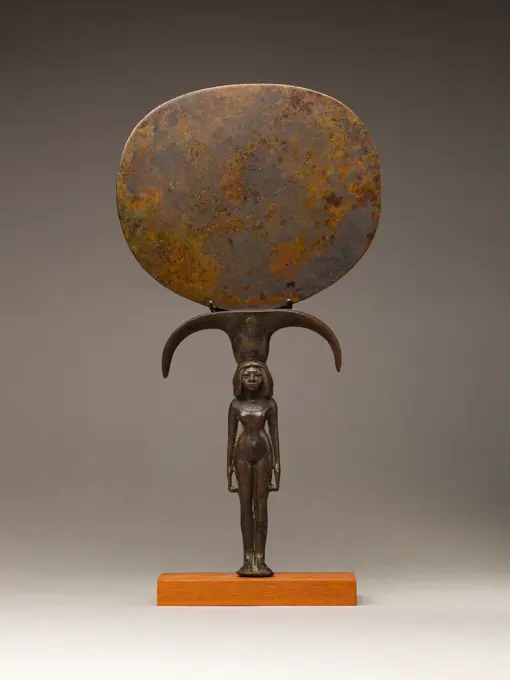
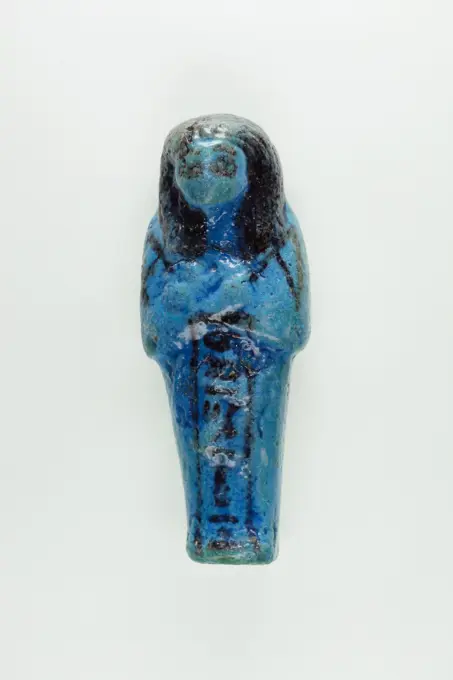
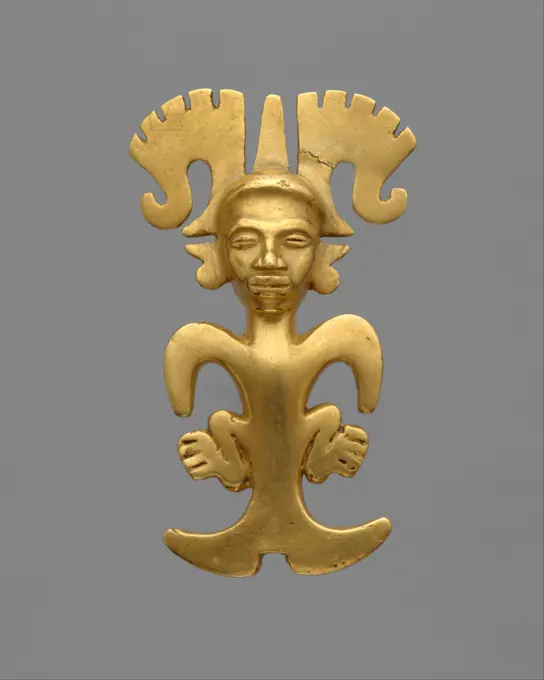
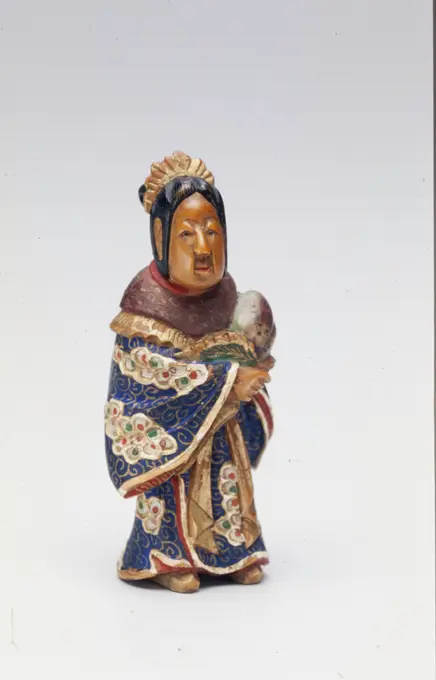
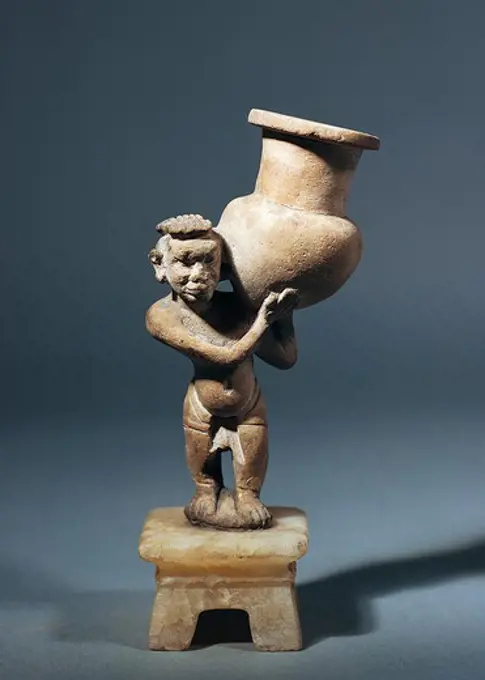
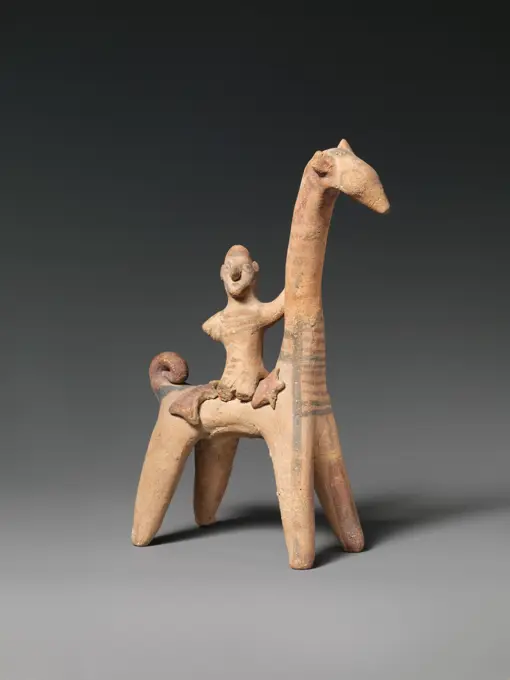
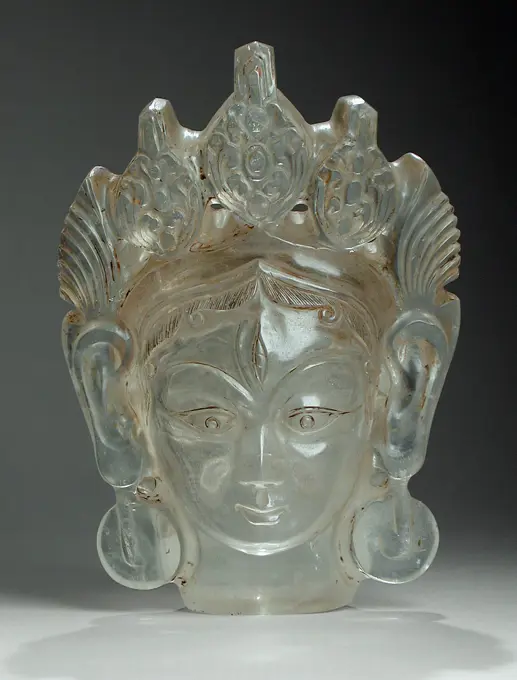
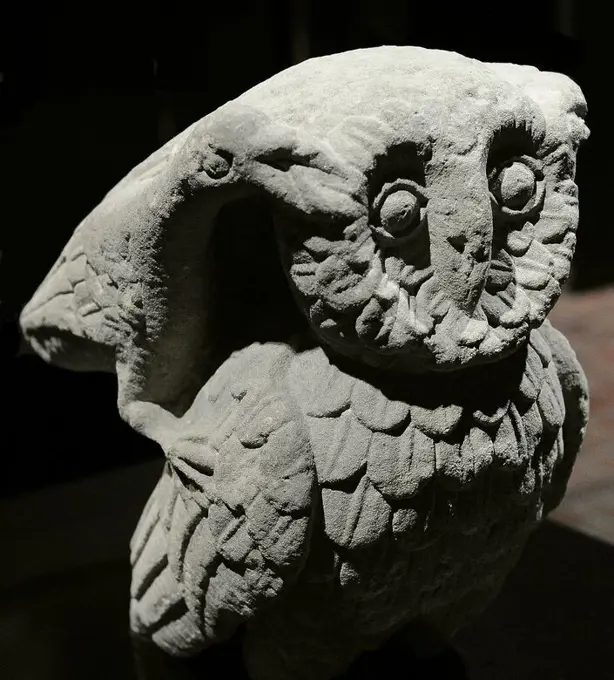
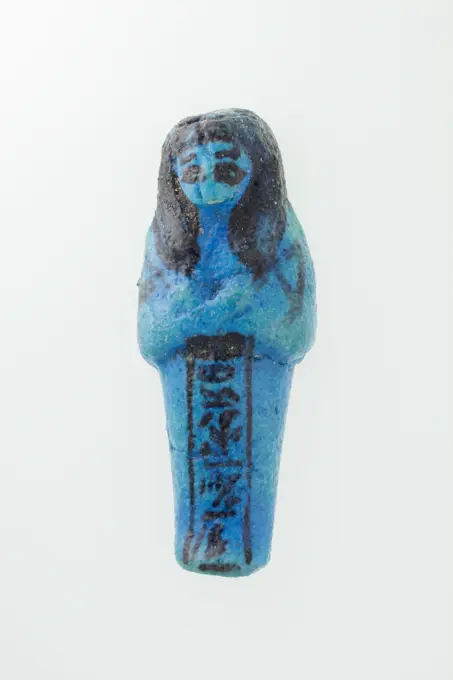
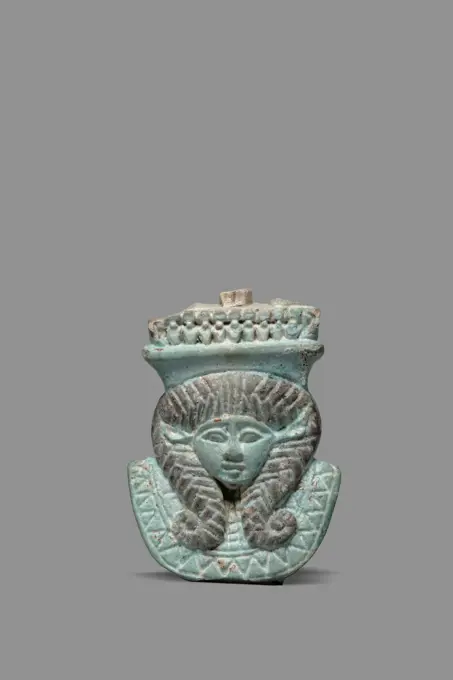
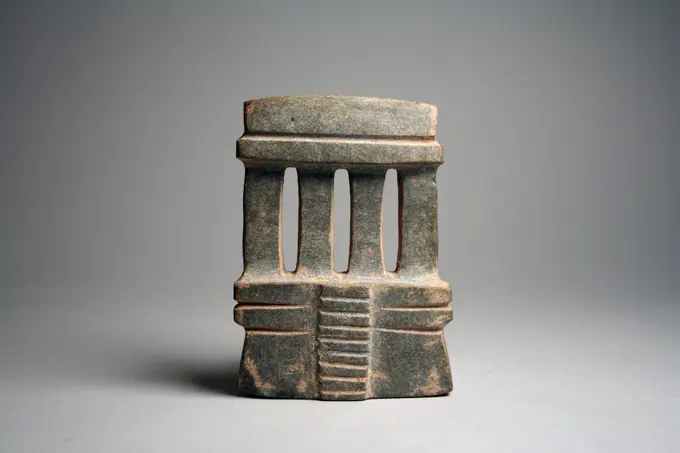
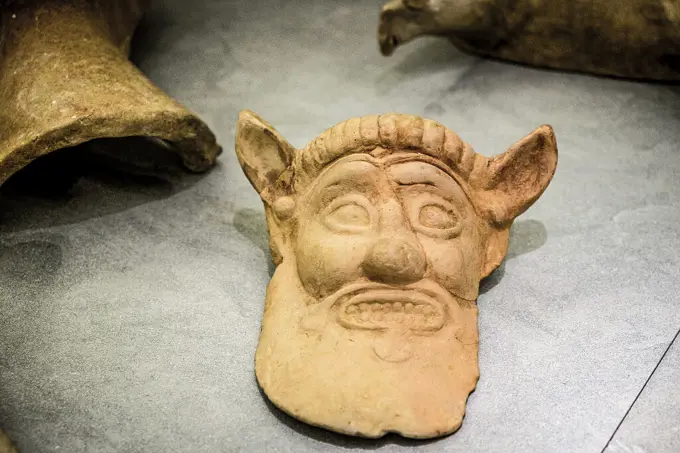
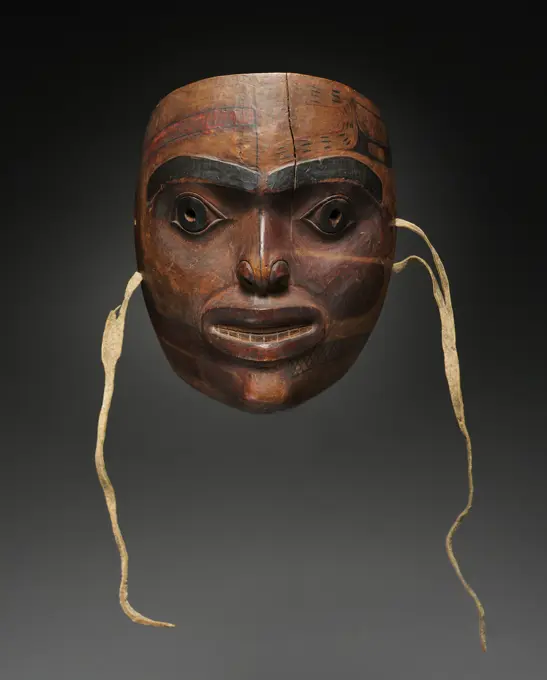
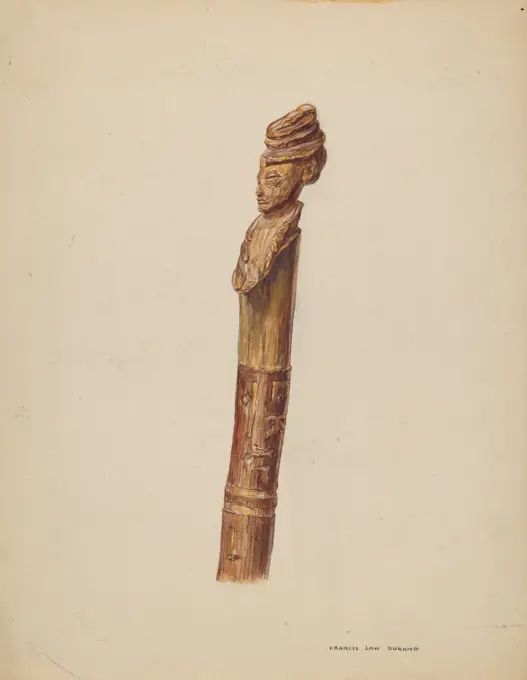
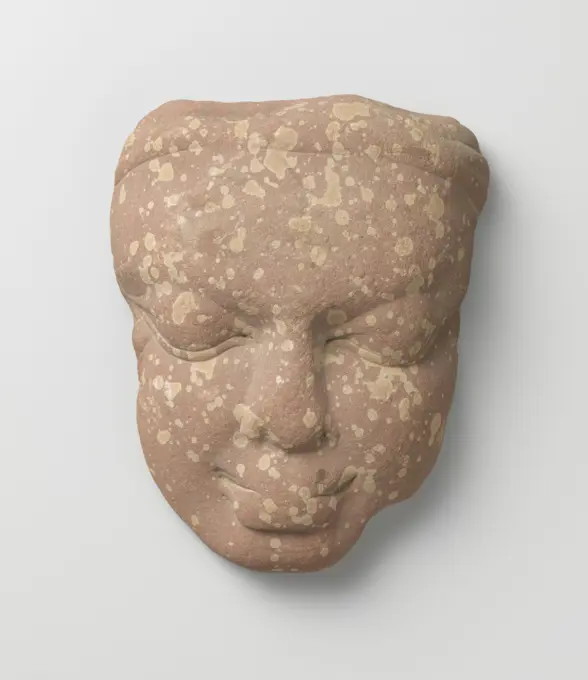
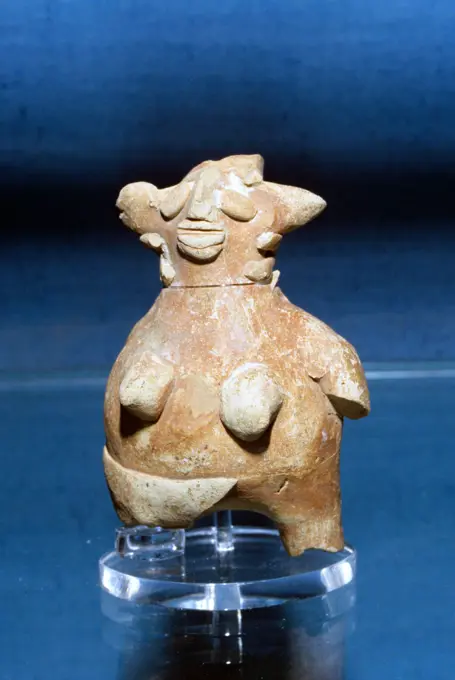
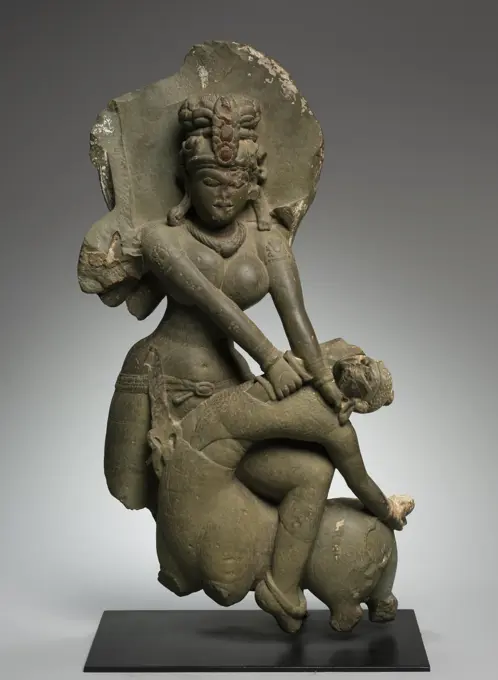
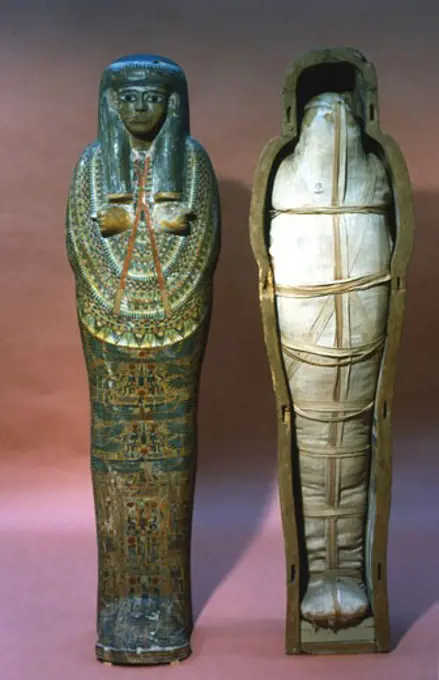
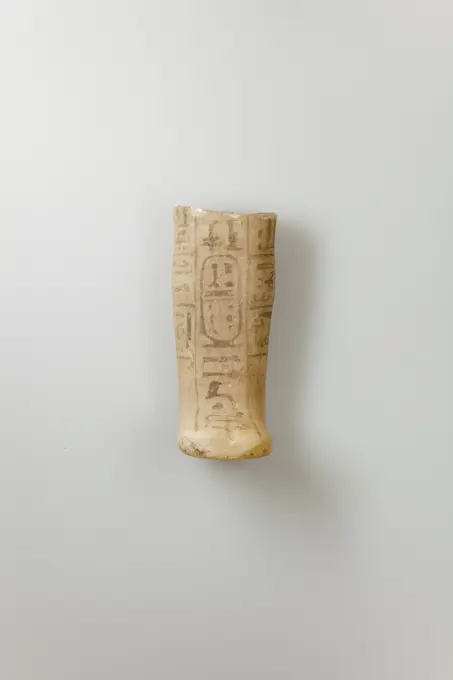
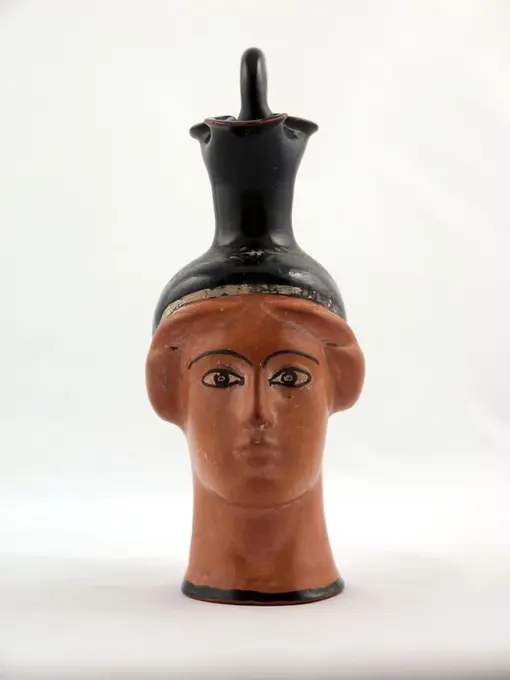
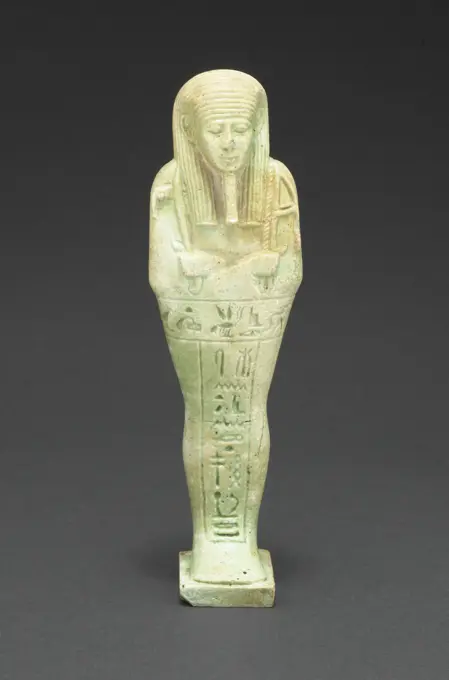
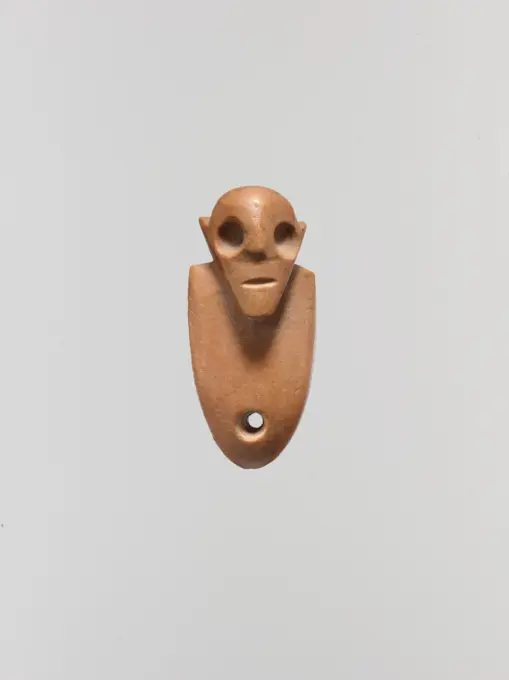
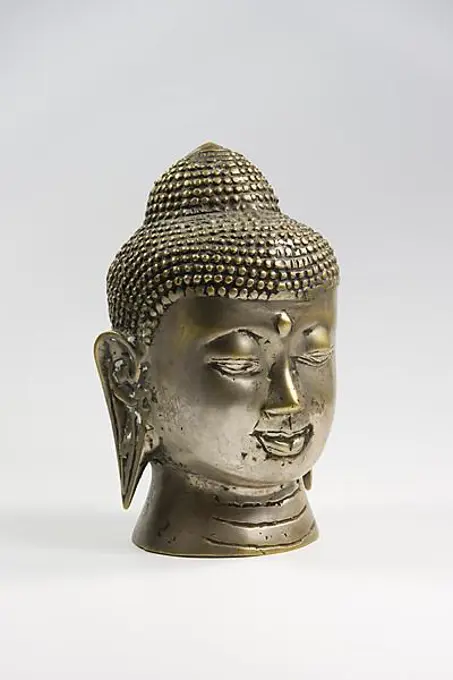
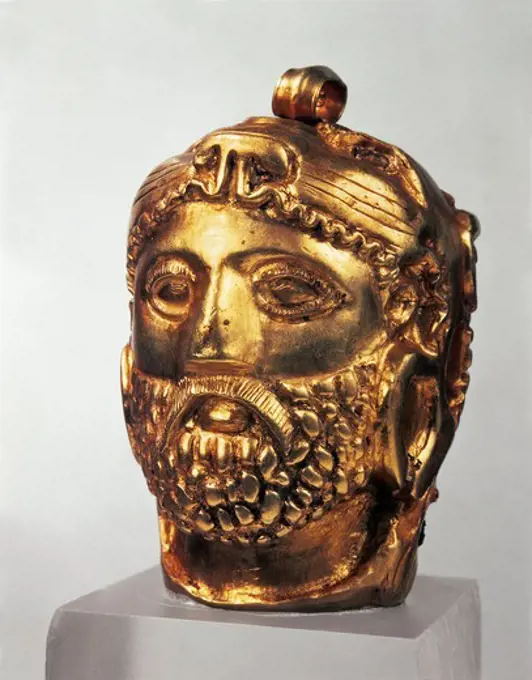
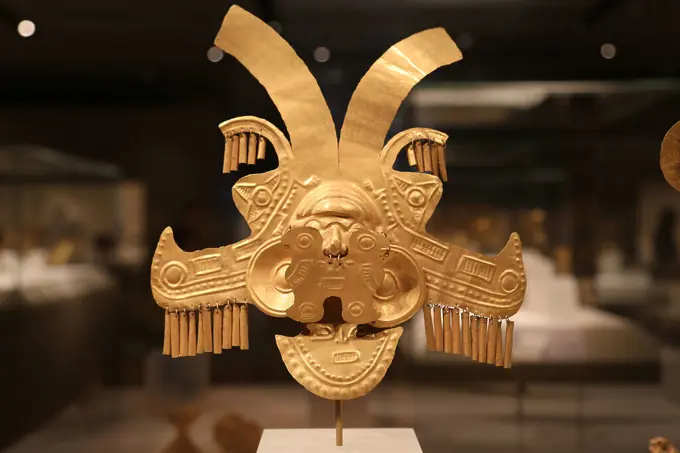
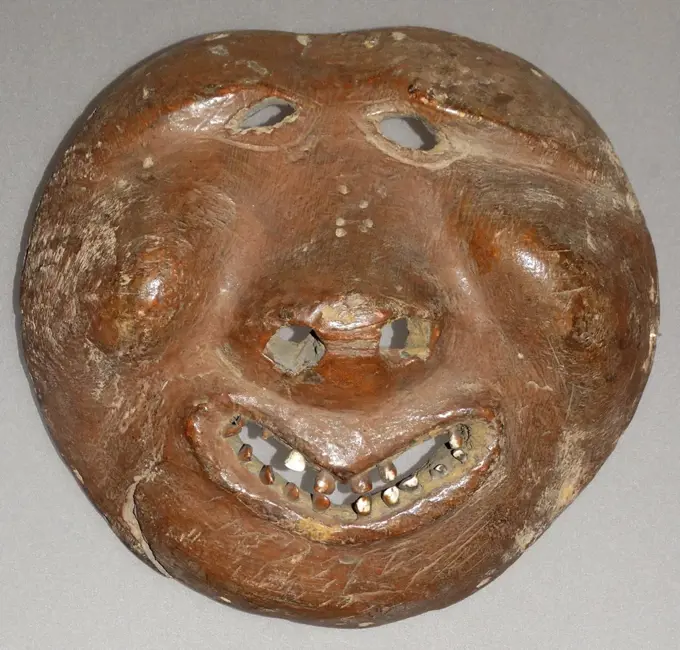
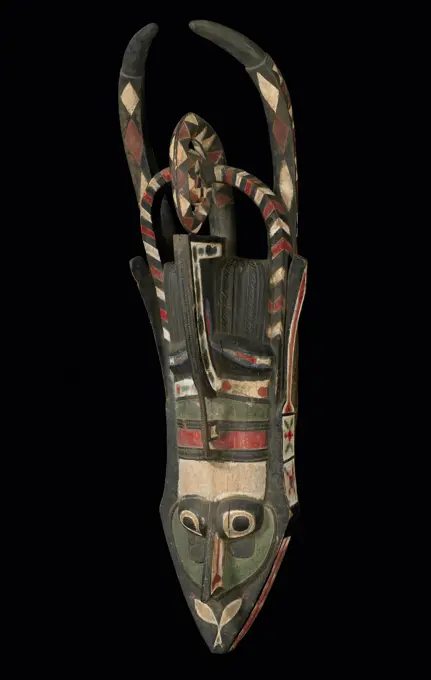
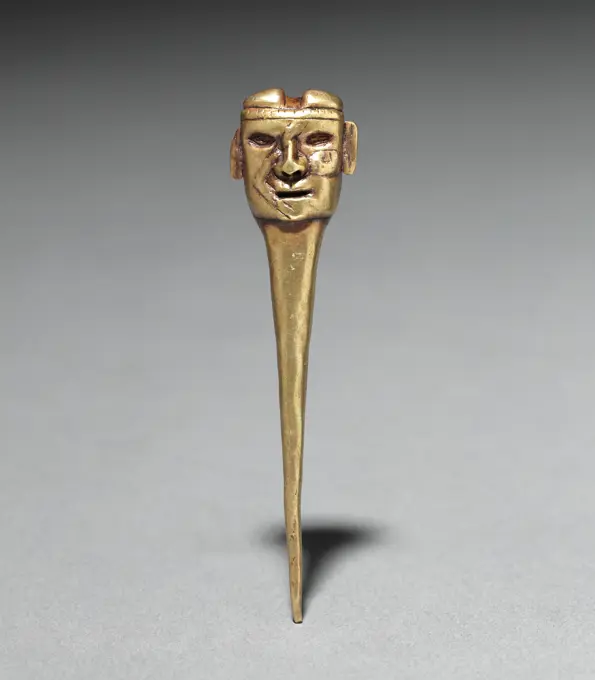
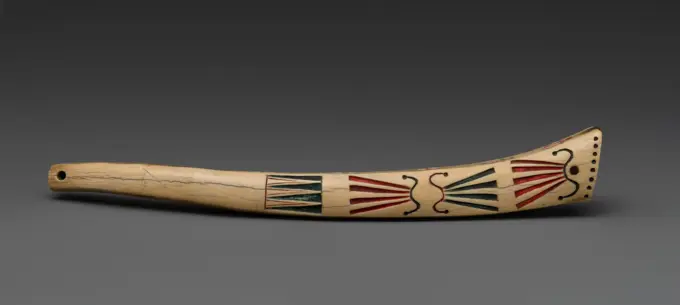
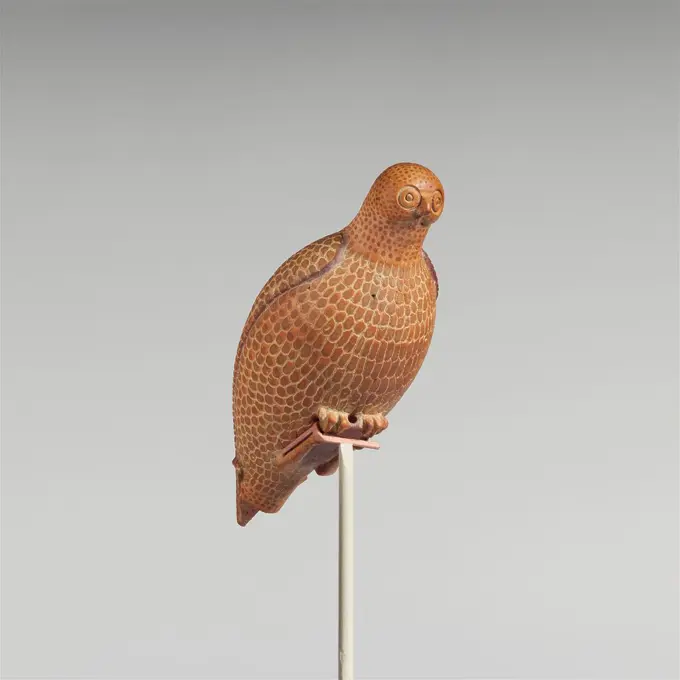
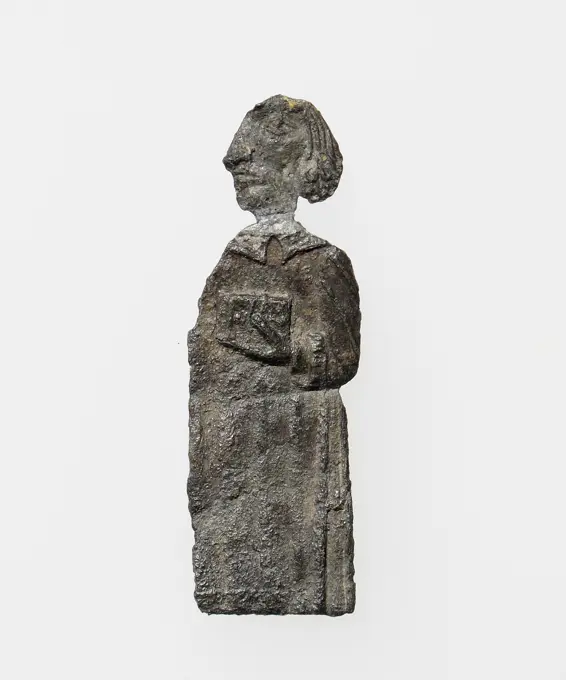
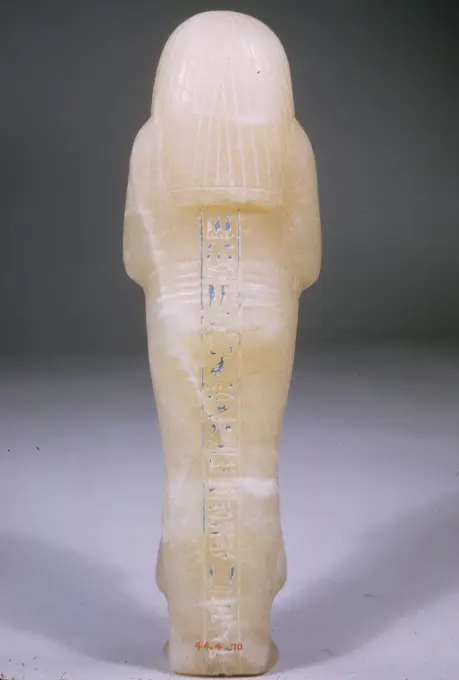
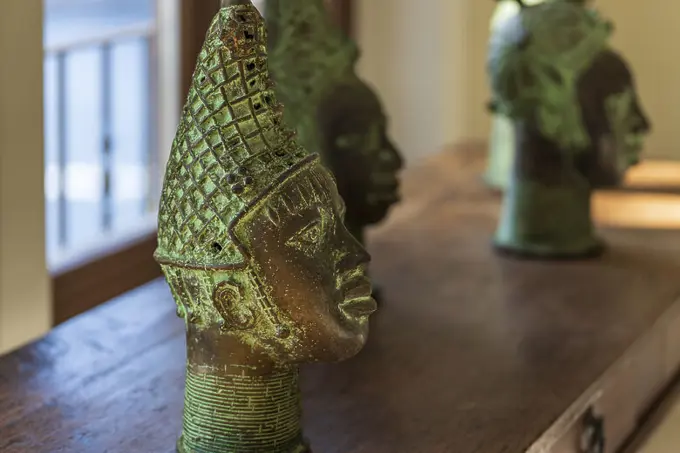
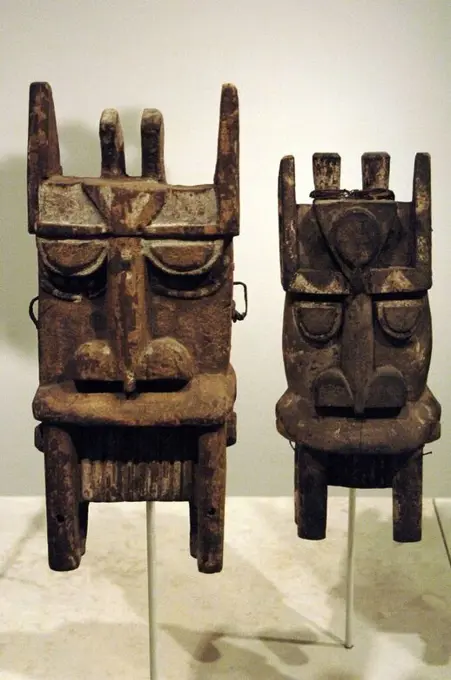
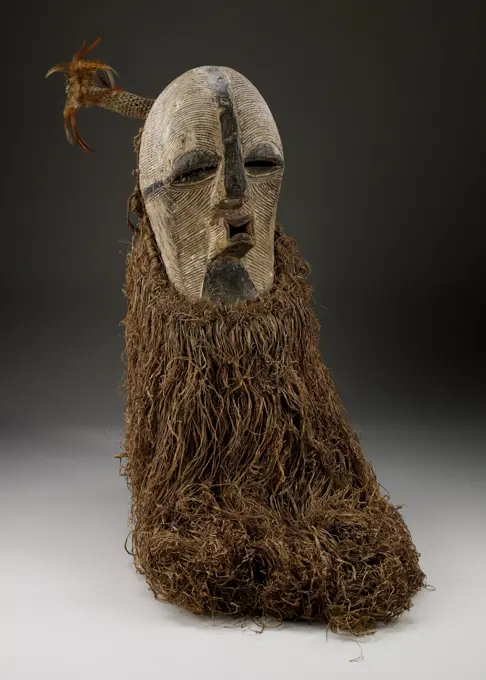
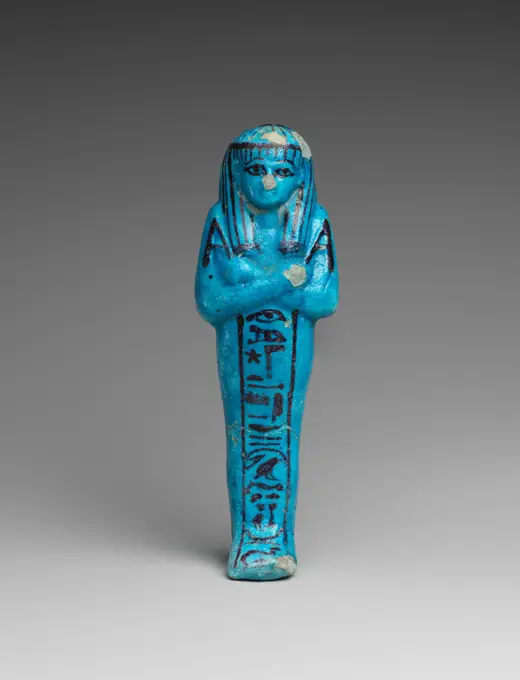
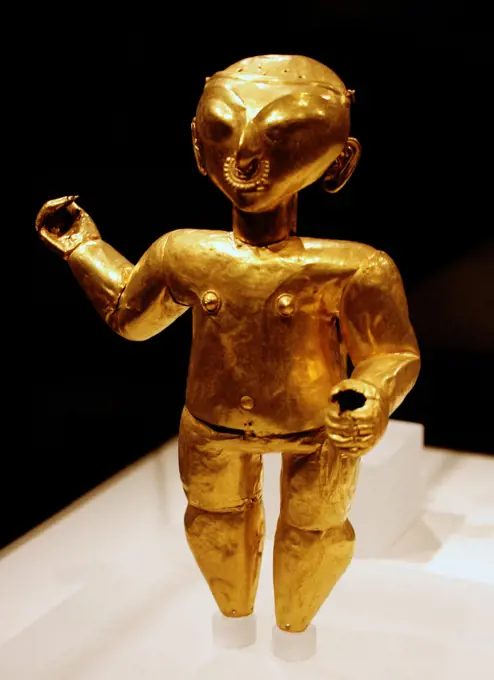
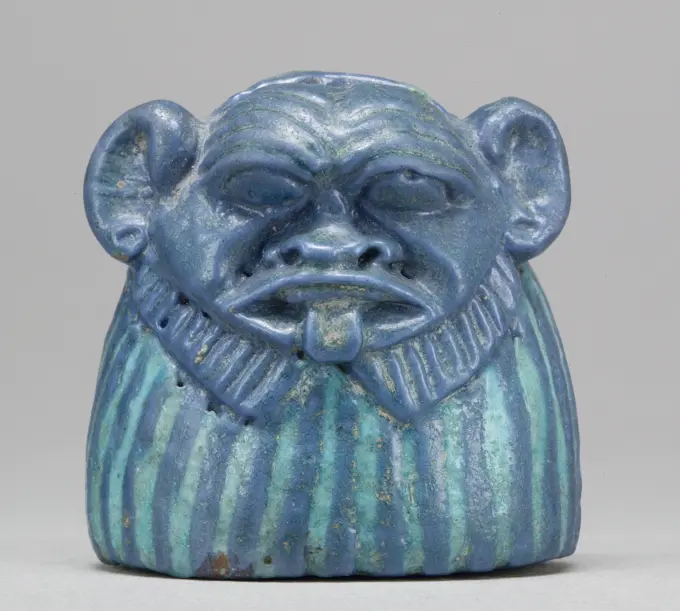
Part of a Mirror Handle depicting Bes ca. 1550-1295 B.C. New Kingdom. Part of a Mirror Handle depicting Bes. ca. 1550-1295 B.C.. Faience. New Kingdom. From Egypt. Dynasty 18Incense burner. Dimensions: H. 10 7/8 × W. 9 5/16 × D. 9 1/8 in. (27.7 × 23.7 × 23.2 cm)Base: 5 13/16 in. (14.8 cm)Lip diameter: 6 9/16 in. (16.6 cm). Date: ca. mid-1st millennium B.C..This bronze incense burner from southwestern Arabia consists of a cylindrical cup set on a conical base. A rectangular architectural form suggesting a facade extends upward from the cup's front. Its face is decorated with two serpents flanking a round disk set within a crescent, all in low relief. Cast separately, an ibex standing on a plinth projects from the front of the incense burner and may serve as a handle.From the middle of the first millennium B.C. until the sixth century A.D., the kingdoms of southwestern Arabia gained considerable wealth and power through their control of the trade in incense between Arabia and the lands of the Mediterranean seacoast. Frankincense and myrrh, gum resins that are native to southern Arabia, were widely valued in the ancient world for the preparation of incensBronze age red pottery from Cyprus, circa 1900-1600 BCShabti of Harnakht ca. 688-332 B.C Late Period. Shabti of Harnakht. ca. 688-332 B.C. Pale green faience. Late Period. From Egypt. Dynasty 26-30OBJETO DE ORO REPUJADO - COLECCION LARREA - ORFEBRERIA INCA - ARTE PRECOLOMBINO. Location: MUSEO DE AMERICA-COLECCION. MADRID. SPAIN.Fragment, 1400-1532. Peru, Inca, 1400-1532 AD. Pottery; overall: 1.2 x 10.5 x 7.5 cm (1/2 x 4 1/8 x 2 15/16 in.).Faience Sistrum Inscribed with the Name of Ptolemy I. Dimensions: H. 26.7 cm (10 1/2 in.); W. 7.5 cm (2 15/16 in.); D. 3.7 cm (1 7/16 in.). Date: 305-282 B.C..Sistra were musical instruments associated especially with the cult of great goddesses, including Hathor, Isis, Bastet, and others. Faience examples bearing a royal name appear to have been temple offerings. Museum: Metropolitan Museum of Art, New York, USA.Single Spouted Jar in form of Male HeadCanopic jar lid in form of humanheadStaff, 19th-20th century, 36 1/2 x 1 15/16 x 2 3/16 in. (92.7 x 4.9 x 5.6 cm), Wood, metal, Democratic Republic of the Congo, 19th-20th centuryShabti of Petosiris, son of Djedhor Late Period-Ptolemaic Period ca. 360-300 BC View more. Shabti of Petosiris, son of Djedhor. ca. 360-300 BC. Faience. Late Period-Ptolemaic Period. From Egypt, Northern Upper Egypt, Abydos, Cemetery G, Petrie Tomb 50 (Djedhor), Egypt Exploration Fund excavations. Dynasty 30 or laterTerracotta head of an old woman 2nd-1st century B.C. Greek, Asia Minor, Smyrna Head of an old woman, grotesque.. Terracotta head of an old woman. Greek, Asia Minor, Smyrna. 2nd-1st century B.C.. Terracotta. Late Hellenistic. TerracottasTheater Mask. Egypt, 305 BCE - 337 CE. Jewelry and Adornments; masks. TerracottaGlass double-headed pendant late 4th-3rd century B.C. Punic Translucent cobalt blue, with loop in same color.Oval disk; applied small suspension loop trailed on at top on one side of mold with horizontal hole. Vertical mold seams visible at sides. Vertical hole driven into disk from below.On each face of disk, identical male head in relief facing front, with crown of hair, drooping moustache, and thick beard extending onto cheeks.Intact; almost completely covered with creamy weathering and faint iridescence.. Glass double-headed pendant. Punic. late 4th-3rd century B.C.. Glass; cast in a two-part mold and trailed. Early Hellenistic. GlassHead of a WomanLamp. UnknownFigurine, 1-200. Parthian, 1st-2nd Century. Bone; overall: 5.8 cm (2 5/16 in.).Mask, AD 1-550. Central Mexico, Teotihuacán, Classic Period. Greenstone; overall: 19 x 23.2 x 9.8 cm (7 1/2 x 9 1/8 x 3 7/8 in.).Uszebti. unknown, authorHead and Neck of a femalestatuetteLamp with the presentation of Athens-Neith ();  I -III century AD (1-00-00-300-00-00);Attys (Mitol.), Mitra (Mitol.), Phrygian hats, figurines, columns, figural lamps, Roman legionariesMexican folk art: Jaguar head mask in carved and painted wood.Women's head - a fragment of the figurine;  III-II century BC () (-300-00-00--201-00-00);Bowl, Face 5th-4th century B.C. Paracas. Bowl, Face 308496Mayan Stone mask, Teotihuacan, Mexico 150 BC - AD 750House Post or DoorJambstatuette of the goddess Isis with her son Horus, bronze, late period, Egypt, collection of the British Museum.Orufanran Costume Attachment: Leopard Head 17th-19th century Yoruba peoples, Owo group The influence of Benin royal art is particularly apparent in Owo, a Yoruba kingdom that came under Benin control in the fifteenth century and again in the eighteenth. Located on the eastern edge of Yorubaland, Owo is almost equidistant from Benin and Ife, the Yoruba cultural and religious center from which the reigning dynasty in Benin traces its origin. Although some Owo artworks resemble the highly naturalistic brass and terracotta sculptures of Ife, the regalia of Owo's kings and chiefs is most like that of their counterparts in Benin. Owo is renowned for its ivory carving, and many of the ivory ornaments and cups made for Owo's rulers are similar in form or imagery to objects from Benin. The highest-ranking chiefs of Owo used ivory costume elements to demonstrate their exalted status. An interest in pattern and texture is seen in the many ivory ornaments such as this one attached to the Owo rulerCat's mummy;  30 B.C.-395 CE ; Roman period (395-00-00-395-00-00);Mask. Culture: Teotihuacan. Dimensions: Overall: 5 1/4 x 4 3/4 in. (13.34 x 12.07 cm)Other: 4 3/4 in. (12.07 cm). Date: 4th-8th century.There was no tradition of portraiture at the great central Mexico city of Teotihuacan, but masks depicting the human face are abundant in the style associated with the site. With its geometrically rendered horizontal brow, triangular nose, and oval mouth and eyes, this mask depicts the idealized facial type that seems to function as a symbol, similar to other standardized motifs present in the art of Teotihuacan. The depressions of the eyes and the mouth suggest that this mask, like many of its counterparts, might have originally possessed inlaid shell or stone for the depiction of eyes and teeth. Although the mask is carved out of onyx marble, a precious stone, in its original state it may have been painted like other masks of this type. Perforations at the sides suggest that it was intended to be attached to another object, but given the weight of Miniature Totem Pole, late 19th century, 10 1/2 x 3 x 3 in. (26.7 x 7.6 x 7.6 cm), Argillite, United States, 19th centuryCeremonial weapons. Bronze Axe, late Shang period, China 11th Century BCFigure Pendant 5th-10th century Tolima. Figure Pendant 316688Wine Cup (Zhi). Culture: China. Dimensions: H. 7 in. (17.8 cm); W. 4 1/4 in. (10.8 cm); D. 3 3/4 in. (9.5 cm). Date: 13th century B.C..The principal decor on this vessel is a standing owl. Back-to-back owls also decorate the lid. Museum: Metropolitan Museum of Art, New York, USA.An ancient gold mask at the Museo Del Oro, Bogota, Colombia, South AmericaSculpture of Feathered Conch ShellLamp. 1st-2nd century. Italic bronze imports, with geometric and figurative decorations. Piece from the Roman villa of La Llosa (Cambrils). Spain. National Archaeological Museum. Tarragona. Catalonia, Spain.Figurine eating on a horse;  750-600 BC (-750-00-00--600-00-00);Sharing, CYPRCrown Ornament (Huunal), Maya style (250-900). Mexico or Central America, Maya style (250-900). Jadeite-albitite; overall: 6.7 x 0.7 x 7.5 cm (2 5/8 x 1/4 x 2 15/16 in.).Shivalinga. India, Maharashtra, 17th century. Sculpture. BrassPendant: Divinity Holding Hares. UnknownAmulet - plakietka z przedstawieniem Horusa dziecko, Izydy i Neftydy. unknown, authorFemale Figure, late 1800s-early 1900s. Africa, Democratic Republic of the Congo, Songye people. Wood, upholstery studs, antelope horns, and animal hair; overall: 34.8 x 6.2 x 14.5 cm (13 11/16 x 2 7/16 x 5 11/16 in.).Mirror with a Handle in the Shape of a Young Woman ca. 1550-1391 B.C. New Kingdom. Mirror with a Handle in the Shape of a Young Woman 545895Worker Shabti of Nany ca. 1050 B.C. Third Intermediate Period See 30.3.26.1a, b. Worker Shabti of Nany 625749Stylized Figure Pendant 5th-7th century International Style Cast in gold over a core, this stylized anthropomorphic figure fluidly integrates human and animal traits. A realistic human face capped by a sweeping headdress extends forward from the abstract body. The generalized depictions of crouching legs, outspread wings, and notched fishtail may connote earth, sky, and sea. The pendant is part of a group of ornaments of uniform style and technology. Both the puzzling combination of elements from different creatures and the superbly finished surfaces set the pendants in the group apart from other Central American goldwork. The group is widely distributedthey are known from Colombia in the south to the Yucatán Peninsula in the northwhich has led to their "International Style" designation.. Stylized Figure Pendant 309422Head of a WomanNetsuke Seiobo, early 20th century, Unknown Japanese, 2 3/16 x 1 x 3/4in. (5.6 x 2.5 x 1.9cm), Wood, pigment, Japan, 20th centuryEgyptian civilization. Ointment container in alabaster in form of burdened Nubian servantTerracotta mounted figure ca. 600 B.C. Cypriot Though conventionally identified as a horse, the animal here shows quite different features: a long, maneless neck (that has been repaired), a compact head, and a short curled-up tail. The rider is sitting sidesaddle on a blanket or seat of some kind. The group may, in fact, show a child riding a dog.. Terracotta mounted figure 241327Vettonian culture. Verraco (pig). 3rd-1st centuries BC. Granite. Avila province, Castile and Leon, Spain. National Archaeological Museum. Madrid. Spain.Ancient terracotta trophy heads, from the Pre-Hispanic regions of Central America, Costa Rica. Dated 10th CenturyTurquoise Face Mask Ornament 6th-7th century Moche (Loma Negra). Turquoise Face Mask Ornament 315130Two terracotta roundels with theatrical masks 1st century B.C. Greek A pair of terracotta roundels with theater masks (hetaira and slave).. Two terracotta roundels with theatrical masks 257407Terracotta head of a veiled woman. Culture: Greek, Cypriot. Dimensions: H. 1 1/4 in. (3.2 cm). Date: 3rd century B.C..The head is mold-made and solid. The back is handmade and rounded. The features are indistinct, the right eye lacking. Museum: Metropolitan Museum of Art, New York, USA.Head of a Deity. Nepal, 16th century. Sculpture. Rock crystalZoomorphic VesselEgyptian figurine; Manufaktura Majoliki in Nieborów (Nieborów; Wytwórnia; 1881-1899); 1881-1886 (1881-00-00-1886-00-00);Owl shaped corbel. 12th century. Sandstone. From France. National Museum. Warsaw. Poland.Worker Shabti of Nany ca. 1050 B.C. Third Intermediate Period See 30.3.30.1a, b. Worker Shabti of Nany. ca. 1050 B.C.. Faience. Third Intermediate Period. From Egypt, Upper Egypt, Thebes, Deir el-Bahri, Tomb of Meritamun (TT 358, MMA 65), first corridor, burial of Nany, MMA excavations, 1928-29. Dynasty 21Fragment sistrum z głową bogini Hathor. unknown, authorStone Temple Model 1st-8th century Mezcala. Stone Temple Model 317495Potter's moulds and stamps, 425-100 BC, Archaeological Museum of Ibiza and Formentera, Ibiza, Spain.Face Mask, mid-1800s. Northwest Coast, Tlingit, 19th century. Alderwood; overall: 21.4 x 17.2 x 8.9 cm (8 7/16 x 6 3/4 x 3 1/2 in.).Harpokrates;  Hellenistic or Roman period (0-00-00-0-00-00);Daszewski, Wiktor A. (1936-), Daszewski, Wiktor A. (1936-)-collection, gift (provenance)Francis Law Durand, Cane Head or Handle, 1935 1942 Cane Head or HandleHead, Anonymous, 200 - 300 Front part of a head in red and yellow dotted sandstone. Mathura sandstone Front part of a head in red and yellow dotted sandstone. Mathura sandstoneFigurine from Mohenjo Daro. 2500 BC.Durga Destroying the Buffalo Demon, 800s-900s. Northern India, Kashmir or Himachal Pradesh, 9th-10th Century. Schist; overall: 76.2 cm (30 in.).Mummy and mummy case of a princess. 21st Dynasty. Thebes. British Museum, London,Amulet of Re-Harakhty squatting 525-30 BC Late Period-Ptolemaic Period Starting in the later Late Period and continuing through the Ptolemaic Period, a type of glass amulet cast by pressing the glass into a shallow open mold appears. The back was left rough, and the amulets may look ragged because glass overflowed the mold around the edges. The earlier amulets are monochrome, bi- or multicolor amulets supplement the repertoire during the Ptolemaic Period. Some of the amulets can be specifically tied to spells of the Book of the Dead - for example, acc. no. 17.194.2526 - and most are clearly funerary amulets, presumably meant to be wrapped between the bandages of the mummy where the presence of the amulet would do its job irrespective of its degree of finish.. Amulet of Re-Harakhty squatting. 525-30 BC. Glass. Late Period-Ptolemaic Period. From EgyptVotive Tablet. Culture: China. Dimensions: H. 4 1/2 in. (11.4 cm); W. 2 1/4 in. (5.7 cm). Museum: Metropolitan Museum of Art, New York, USA.Masker, anonymous, 1600 - 1699 Dance mask in the form of a carasu tengu, belonging to the group of Kagura masks. Perhaps a Kyogen mask. Japan wood (plant material). dye Dance mask in the form of a carasu tengu, belonging to the group of Kagura masks. Perhaps a Kyogen mask. Japan wood (plant material). dyeShabti of Siptah ca. 1194-1188 B.C. New Kingdom, Ramesside. Shabti of Siptah. ca. 1194-1188 B.C.. Travertine (Egyptian alabaster). New Kingdom, Ramesside. From Egypt, Upper Egypt, Thebes, Valley of the Kings, Tomb of Siptah (KV 47), Davis excavations, 1912. Dynasty 19Oinochoe (Pitcher) in the Shape of a Female Head. Greek; Athens; Attributed to the Canessa Class. Date: 450 BC. Dimensions: 14 × 6.7 × 8.9 cm (5 1/2 × 2 5/8 × 3 1/2 in.). Terra-cotta, decorated in the red-figure technique. Origin: Athens. Museum: The Chicago Art Institute, Chicago, USA. Author: ANCIENT GREEK.Shabti of Horu 664 BCE-525 BCE Egypt. To assure themselves a comfortable afterlife, Egyptians stocked their tombs with at least one figurine called an ushabti, who acted as a servant in the afterlife. The message carved on each of the figurines explained that if the deceased is called on to do any work in the afterlife, the ushabti will respond with ìHere I amî and will do the job. Some tombs had as many as one ushabti for every day of the year and another 36 overseers to keep order. All but the poorest citizens provided themselves with some kind of funerary furnishings. Products for burial and the labor to produce them made up a large industry in Egypt.. Faience . Ancient EgyptianAmuletic figure ca. 3650-3300 B.C. Predynastic, Naqada II. Amuletic figure. ca. 3650-3300 B.C.. Limestone (pink). Predynastic, Naqada II. From EgyptBuddha head made of metal, ca. 15 cm, shot from the leftGold pendant in shape of Heracles' head, from Derveni, Macedionia, GreeceMask for the TsuinaServiceCenser, early classic, museum of the central square, Chichicastenango, municipality of the department of El Quiché, Guatemala, Central America.vessel, Chimu culture, Andean area, Peru, 1000-1470, clay, Anthropology National Museum, Madrid, Spain.Headdress Ornament. Colombia. Yotoco (Calima), 1st-7th century. Gold. Metropolitan Museum of Art. Ny. Usa.Miniature mask, 1500 BCE, Earthenware, Mexico, Pre-ClassicMasks from the Arctic used to reveal inner truth of the wearer, used by Shamans. Dated 19th CenturyMask (Banda), 19th-20th century, 56 1/2 x 17 1/2 x 15 1/2 in. (143.51 x 44.45 x 39.37 cm), Wood, pigment, Guinea, 19th-20th centuryPin Ornament, c. 500-200 BC. Peru, North Highlands, Chavín de Huantar(), Chavín style (1000-200 BC). Hammered and cut gold; overall: 7.2 cm (2 13/16 in.).BASTON DE MANDO - HUESO Y PIEDRAS - PROCEDENTE DE LOS INDIOS DEL NOROESTE AMERICA.Quirt handle ca. 1860 Eastern Plains, probably Meskwaki, Native American An artist preserved the natural curve of an elks antler for the basic shape of this quirt (riding whip) handle. He enhanced it with carvings of feathers, headdresses, and buffalo hooves, filling each with red or black pigment. The object exemplifies the beauty of many of the small tools produced on the Plains in the 1800s. The quirt originally had a wrist strap and a heavy lash.. Quirt handle. Eastern Plains, probably Meskwaki, Native American. ca. 1860. Elk antler and pigment. Made in Iowa, United Statespendant in the shape of a female head, from Carthage, 4th-3rd cent. BCE, Carthage National museum, The Coliseum , Rome, Lazio, Italy ,.Bronze Spartan Helmet from Ancient Greece. Dated 10th Century BCTerracotta vase in the form of a bird. Culture: Greek, Corinthian. Dimensions: H. 6 1/4 in. (15.9 cm). Date: mid-7th century B.C..Compact form, with wings and legs kept close to the body. The feathers are indicated by incisions on the body and wings, by dots on the head and neck and the beginning of the tail. The orifice is concealed by the tail and the legs pierced for the insertion of a string, so the bird could hang upside down, fitting well into the palm of a hand. Museum: Metropolitan Museum of Art, New York, USA.Pilgrim's Badge 14th-16th century French. Pilgrim's Badge. French. 14th-16th century. Lead. Metalwork-LeadShabti ca. 1400-1295 B.C. New Kingdom, Ramesside. Shabti. ca. 1400-1295 B.C.. Travertine (Egyptian alabaster). New Kingdom, Ramesside. From Egypt. Dynasty 18african head, Majorca, Balearic Islands, Spain.Kalabari masks. Ijo peoples (hippo, water spirit mask). Nigeria, Africa. Early 20th century. Wood. British Museum. London, England, United Kingdom.Kifwebe Mask, 20th century, 44 x 6-3/4 x 10 in. (111.8 x 17.1 x 25.4 cm), Wood, raffia, feathers, string, pigment, Democratic Republic of the Congo, 20th centuryShabti of the Divine Consort Mutemhat Mehytenweskhet Third Intermediate Period ca. 945-924 B.C. View more. Shabti of the Divine Consort Mutemhat Mehytenweskhet. ca. 945-924 B.C.. Faience. Third Intermediate Period. From Egypt, Upper Egypt, Thebes, Valleys south of Deir el-Bahri, Meketre Valley, Pit 1103, MMA excavations, 1920-22. Dynasty 22Standing figure. Ecuador or Colombia, Tolita-Tumaco. 1st-4th century, hammered gold. Three dimensional figures in the Tolita-Tumaco style are among the most unusual Precolumbian gold objects. The figure displayed here is distinguished by its decorated nose ornament. The Tolita-Tumaco style area is located on the Ecuador-Colombian border along the Pacific coast.Peru, Trujillo. Pottery in the Cao Museum in the El Brujo Archaeological Complex near Trujillo, Peru.