Cultural Artifacts

Unique art pieces from ancient cultures, including clay figurines and vessels, each reflecting intricate craftsmanship and historical significance.

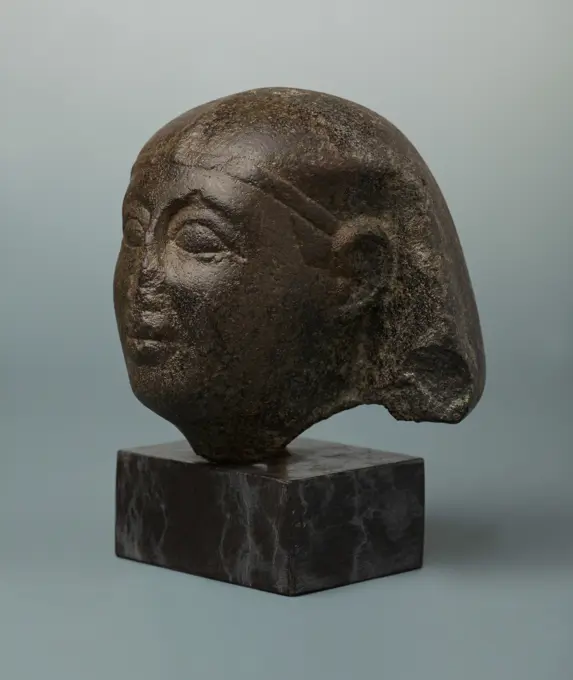
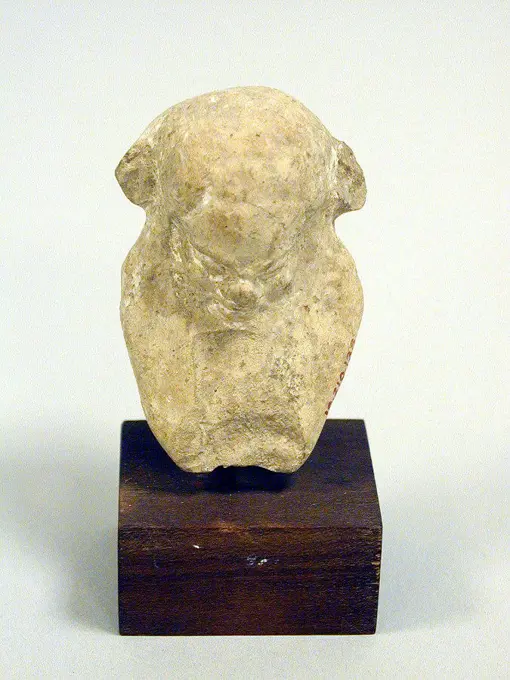
Male Head, perhaps from a Pair Statue, 1401-1391 BC. Egypt, New Kingdom, Dynasty 18, reign of Amenhotep II to Tuthmosis IV. Gray granite; overall: 7.6 x 11.1 x 12.8 cm (3 x 4 3/8 x 5 1/16 in.).
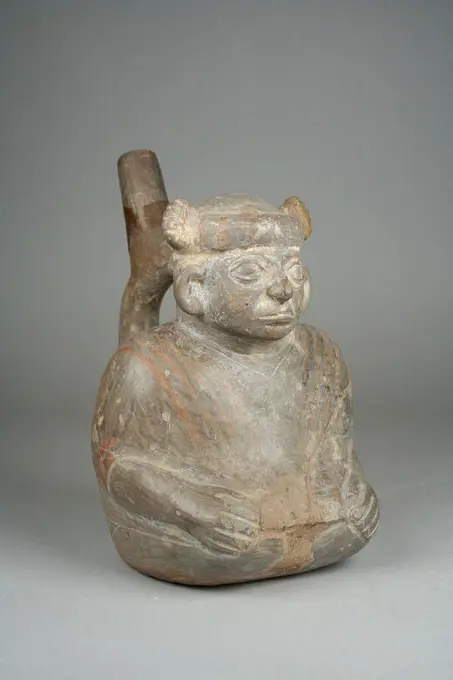
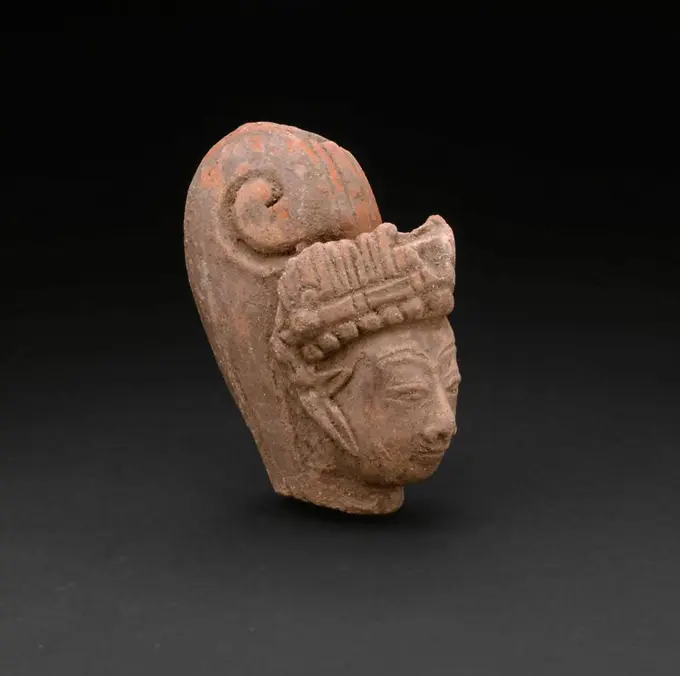
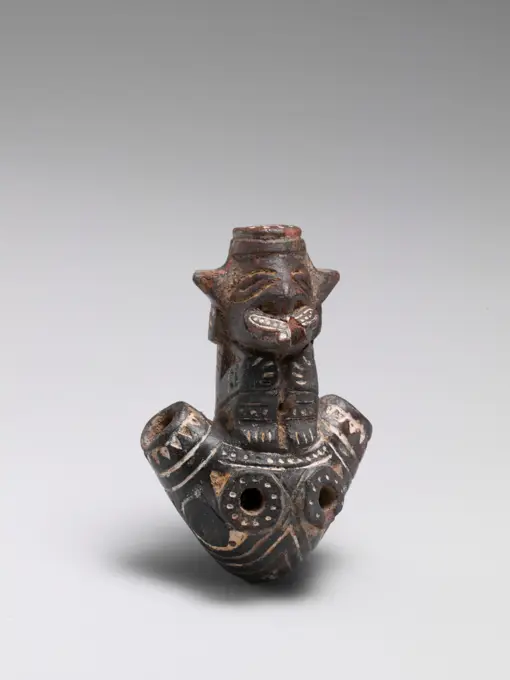
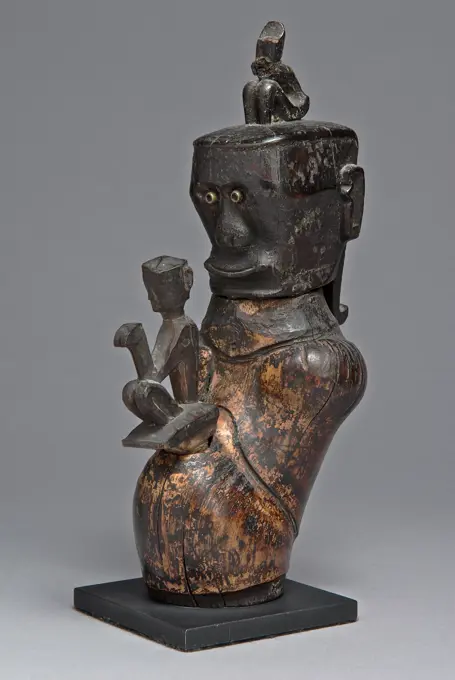
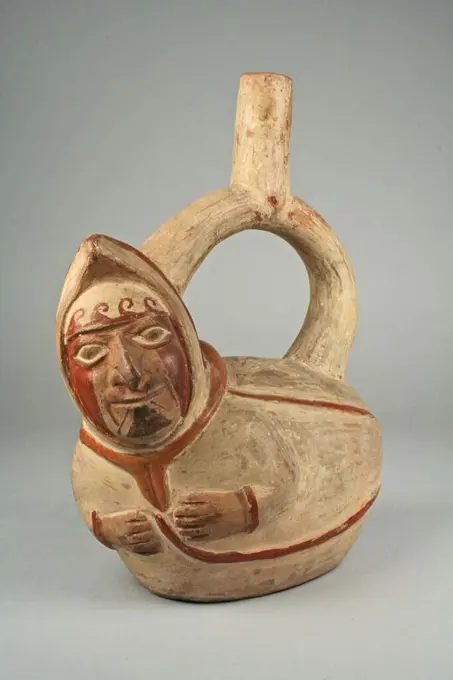
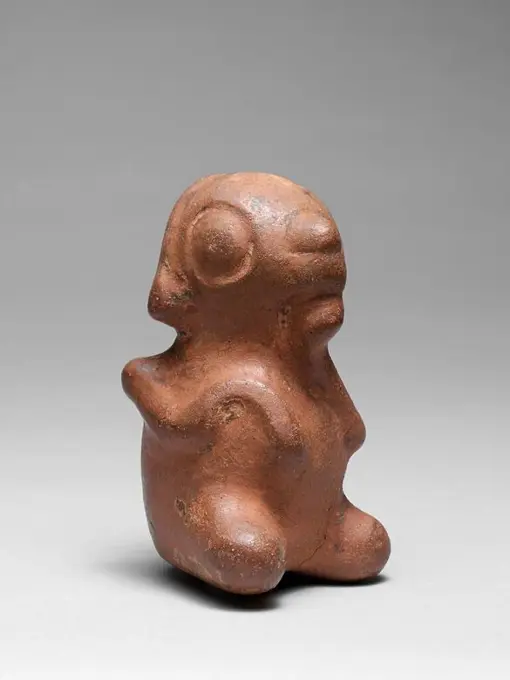
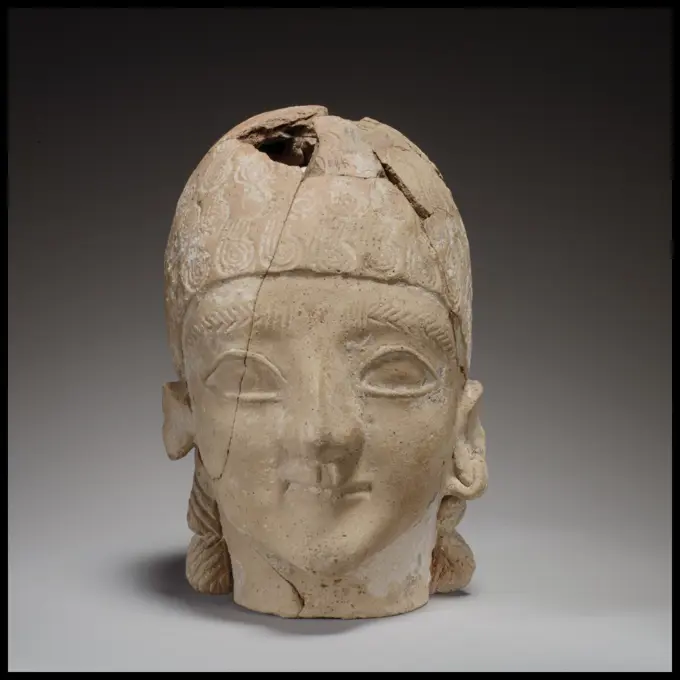
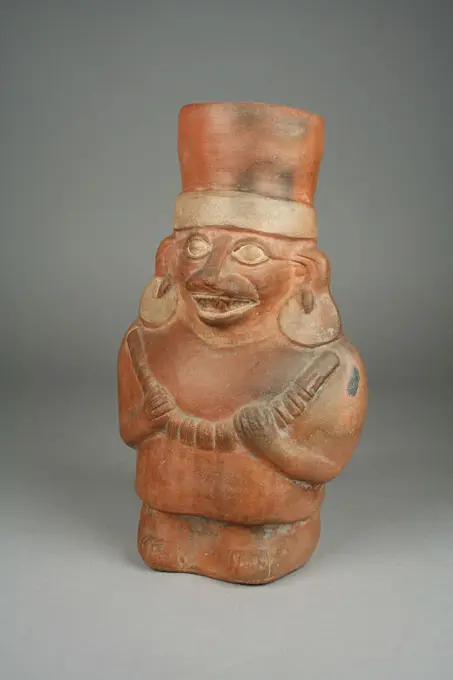
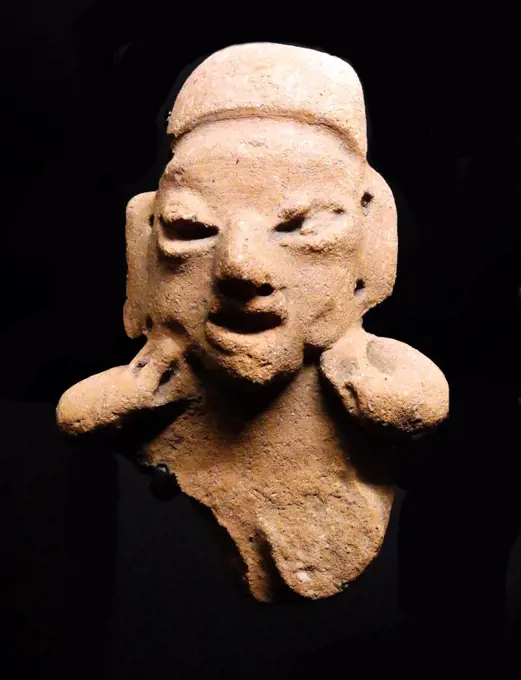
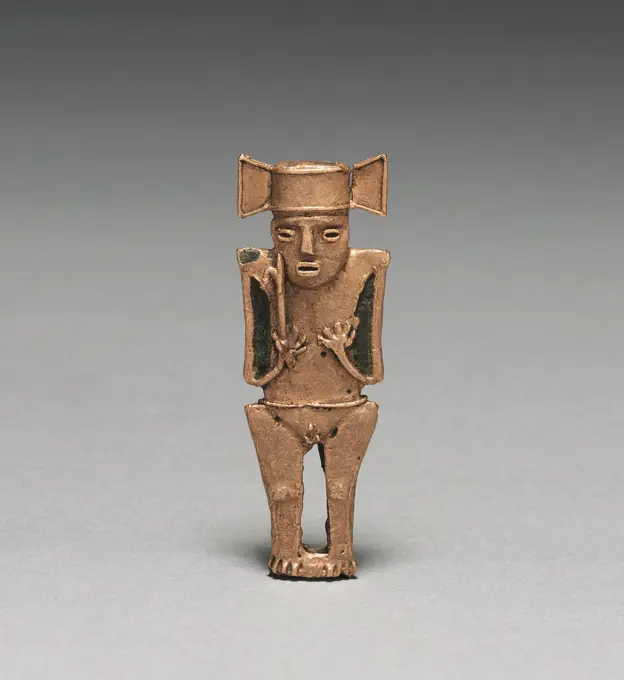
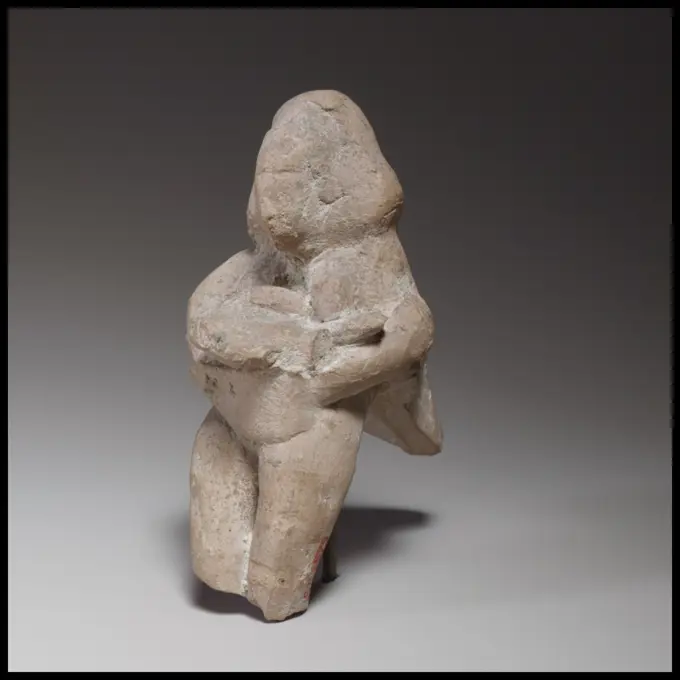
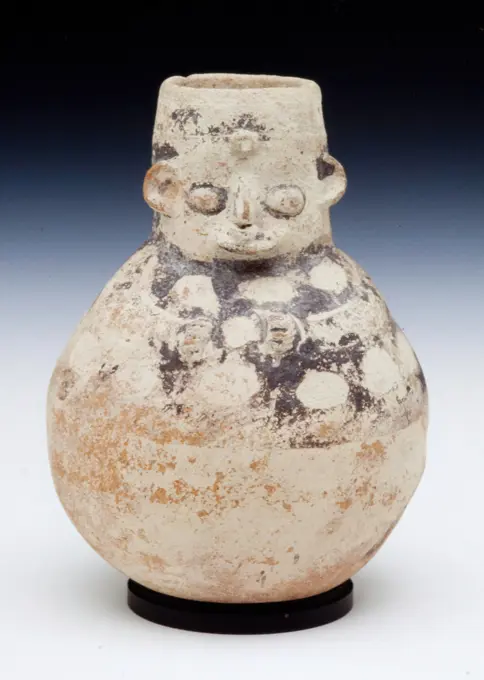
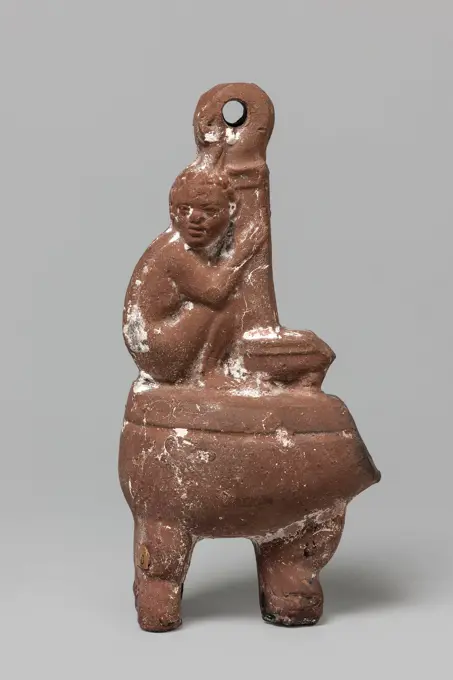
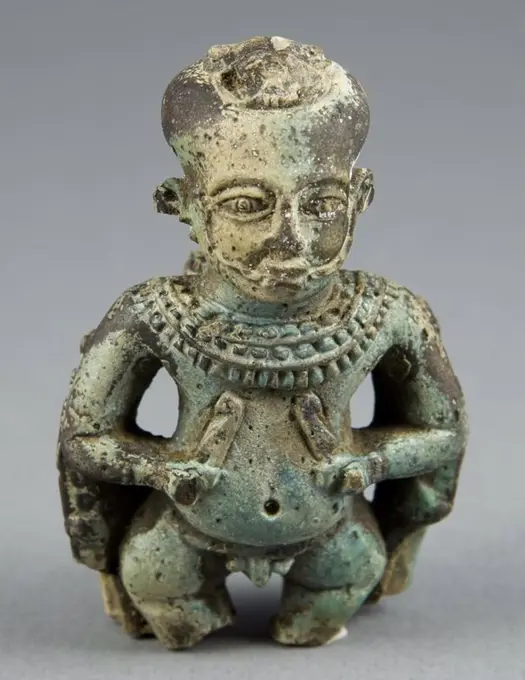
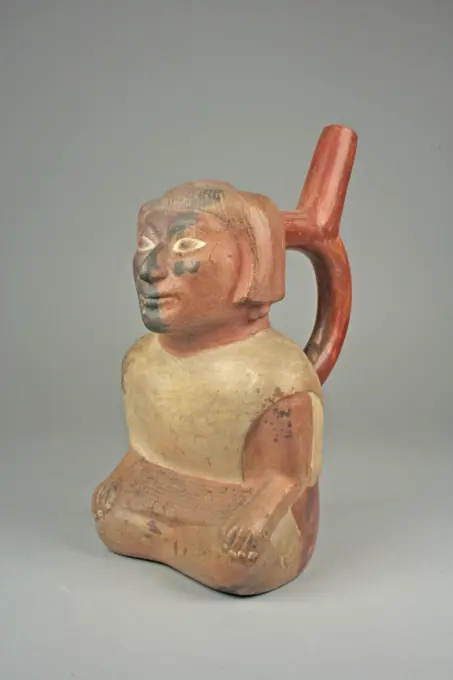
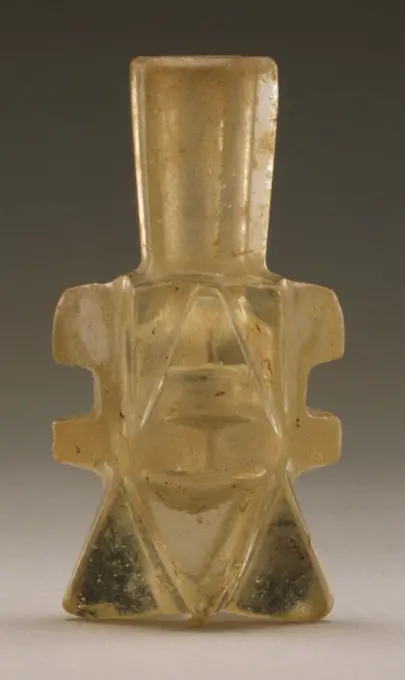
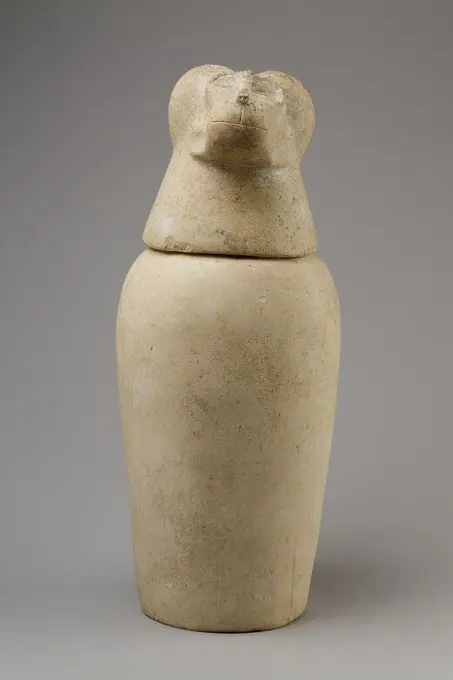
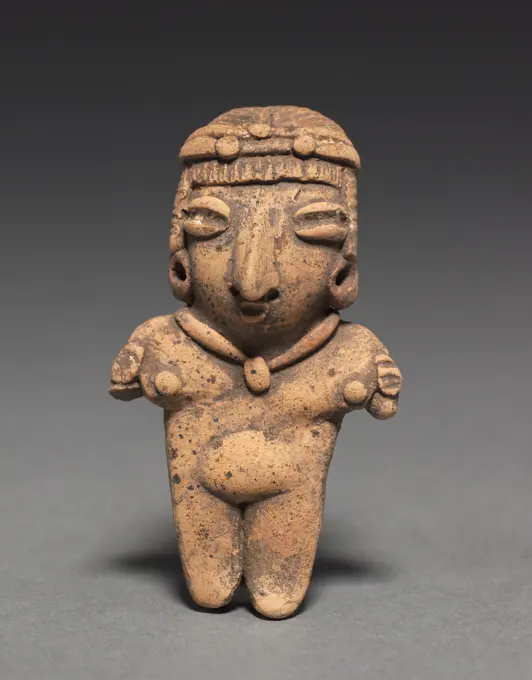
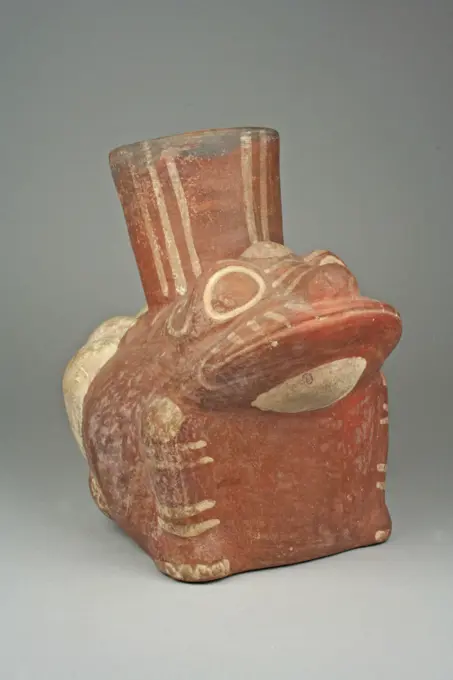
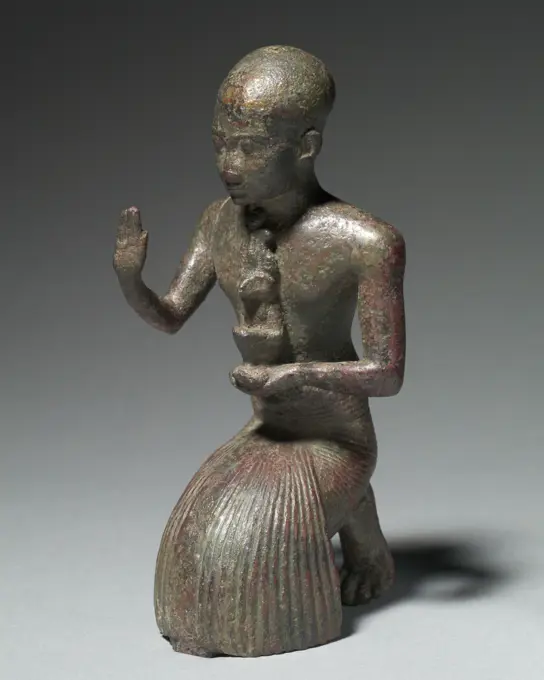
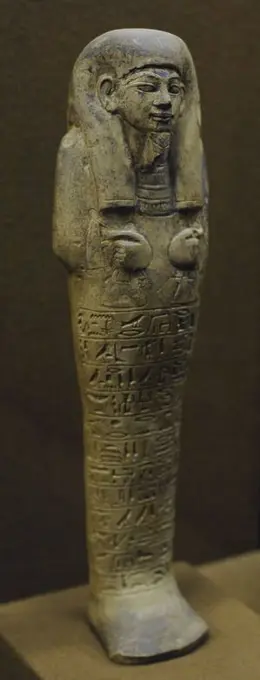
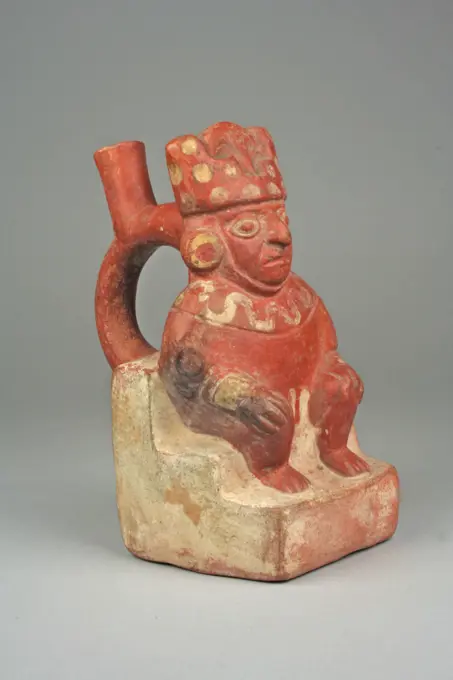
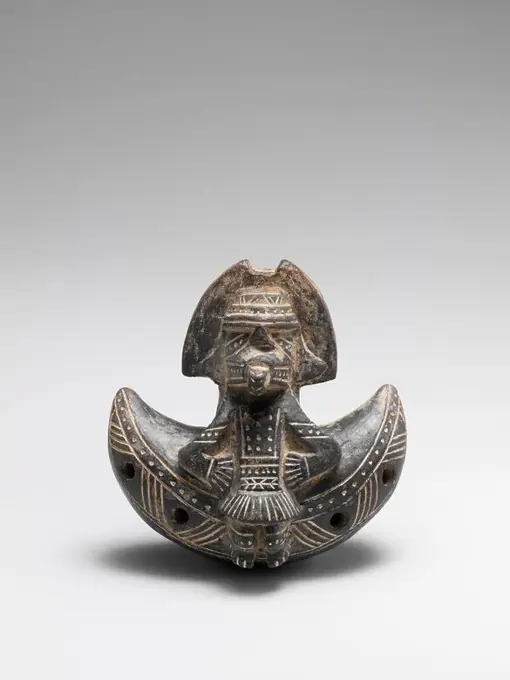
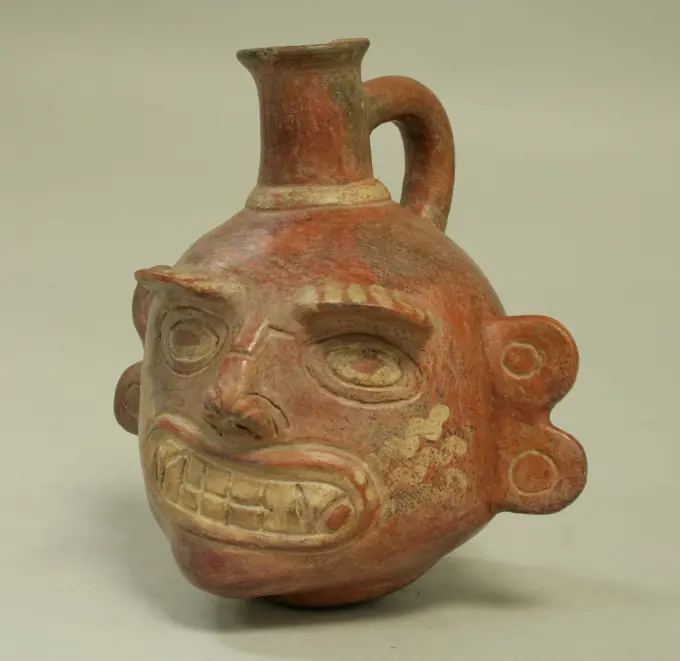
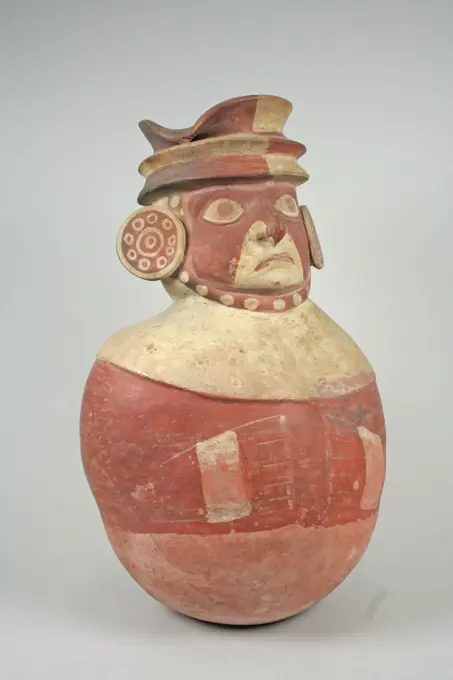
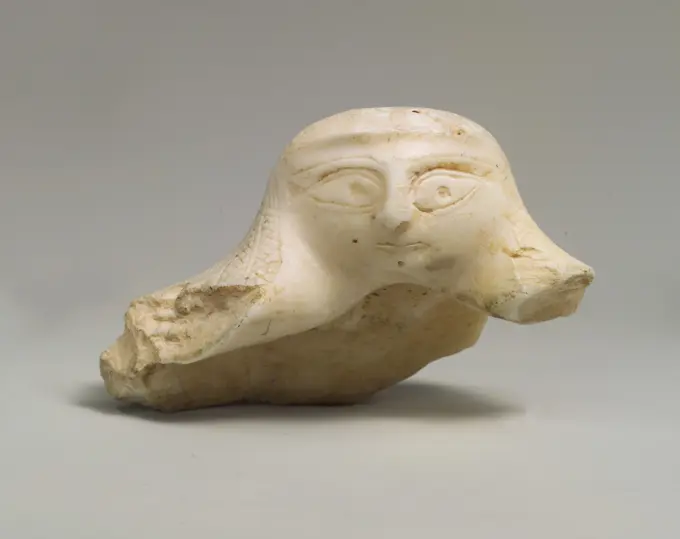
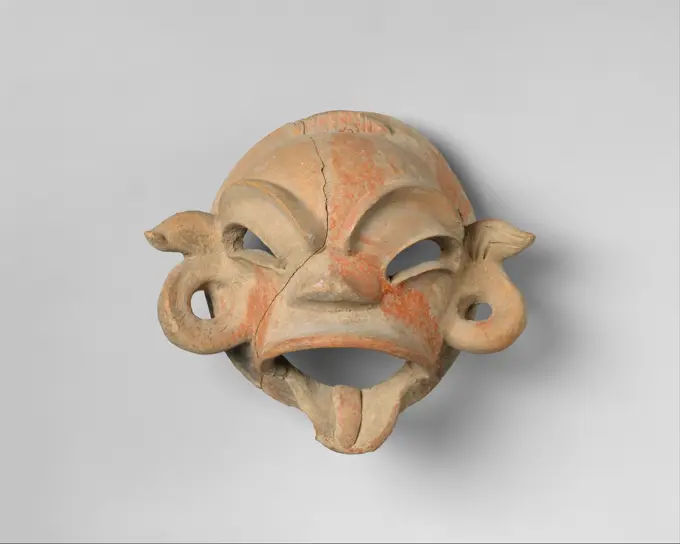
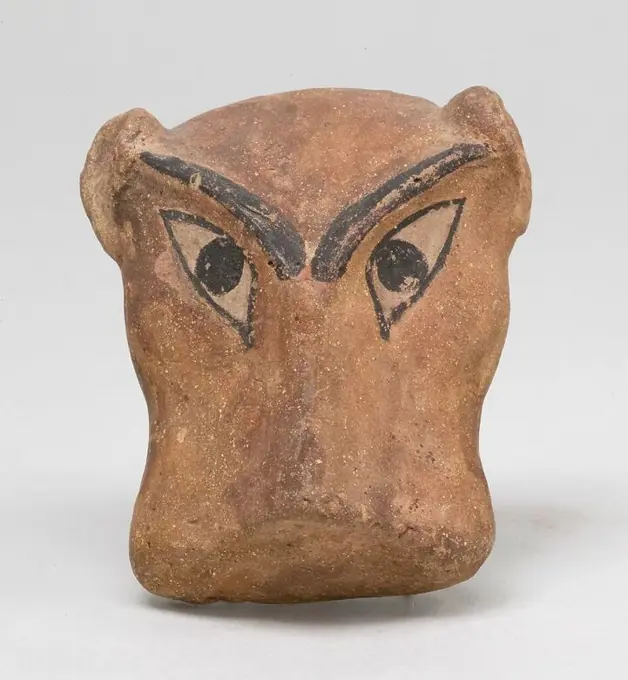
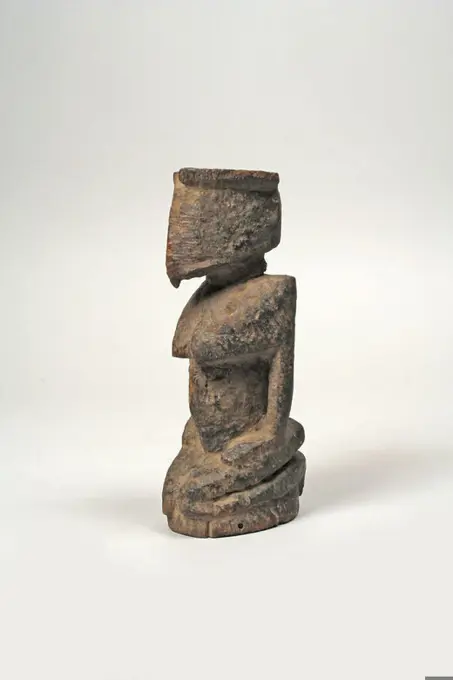
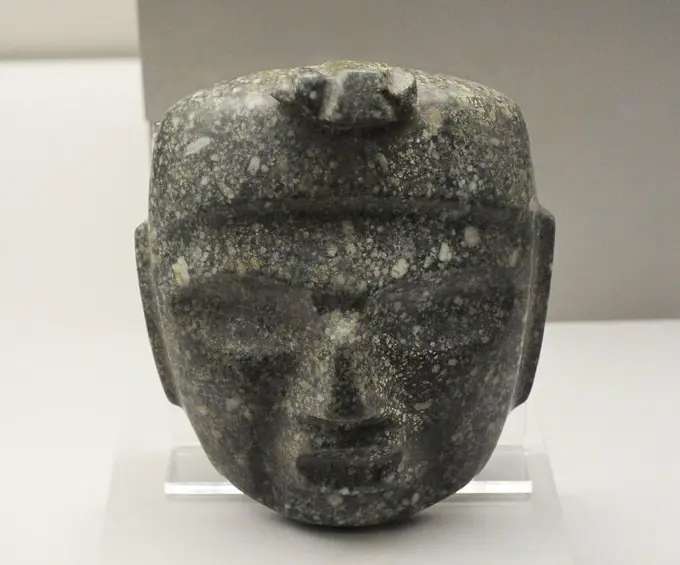
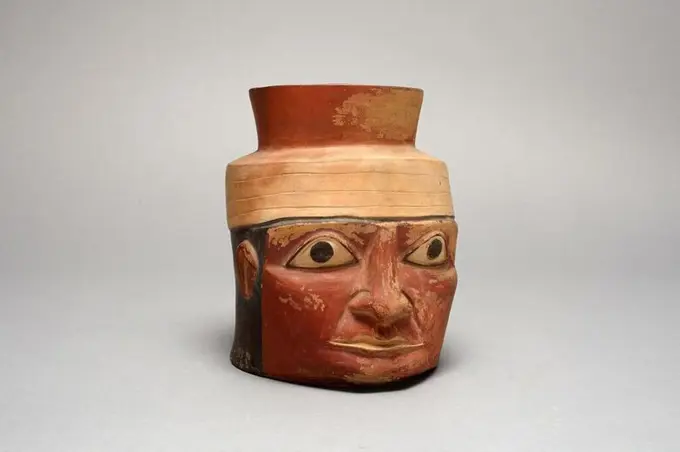
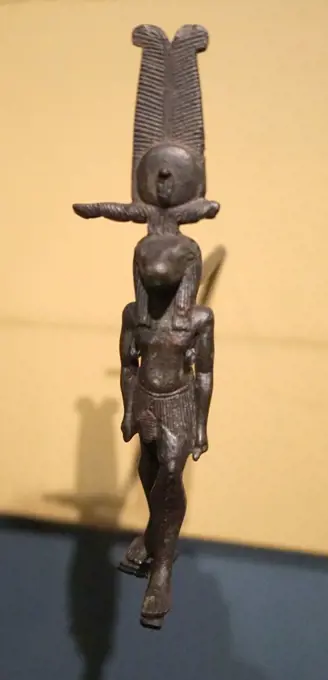
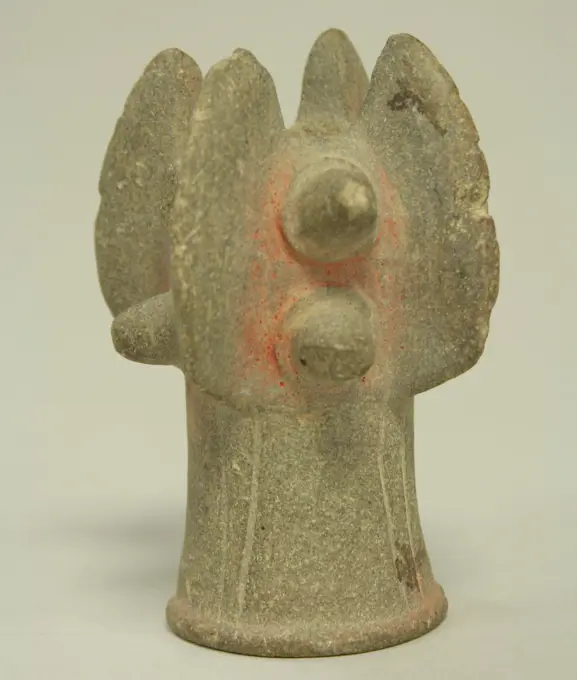
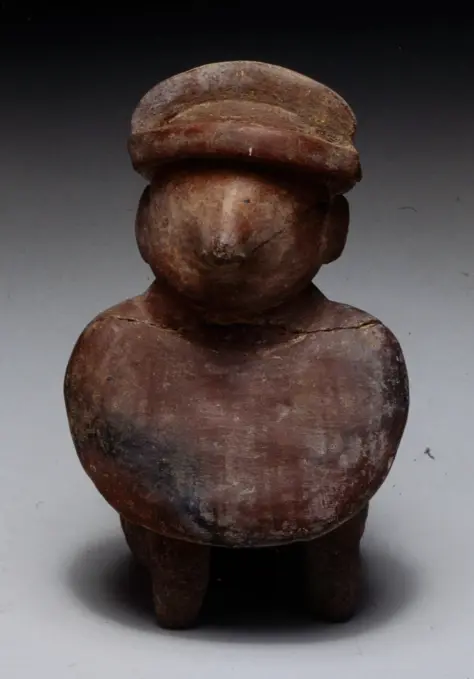
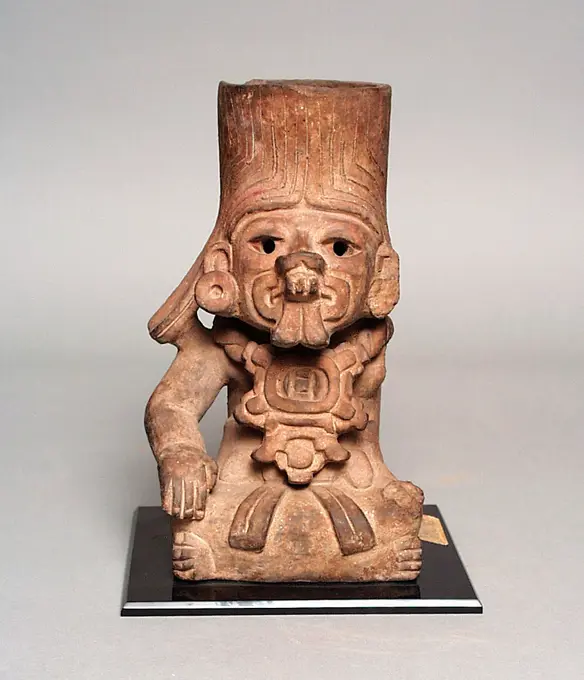
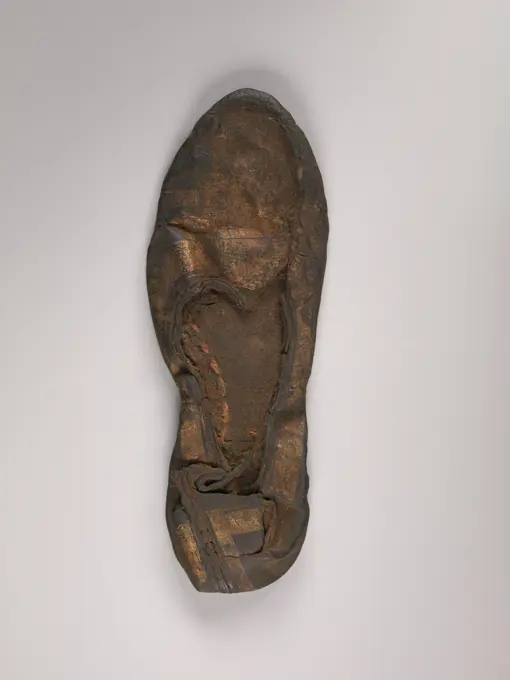
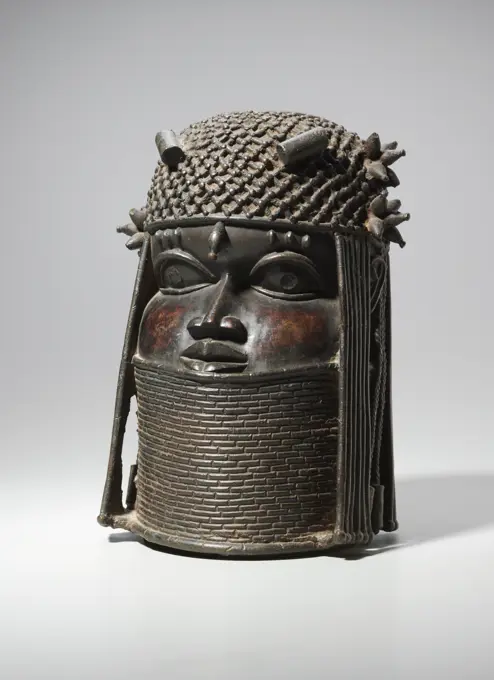
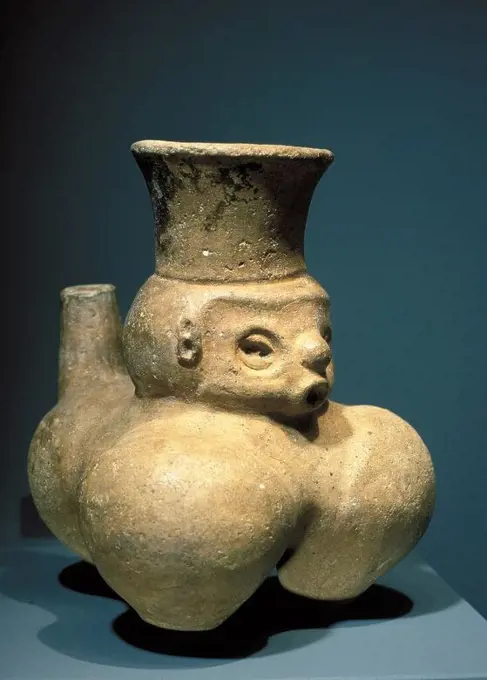
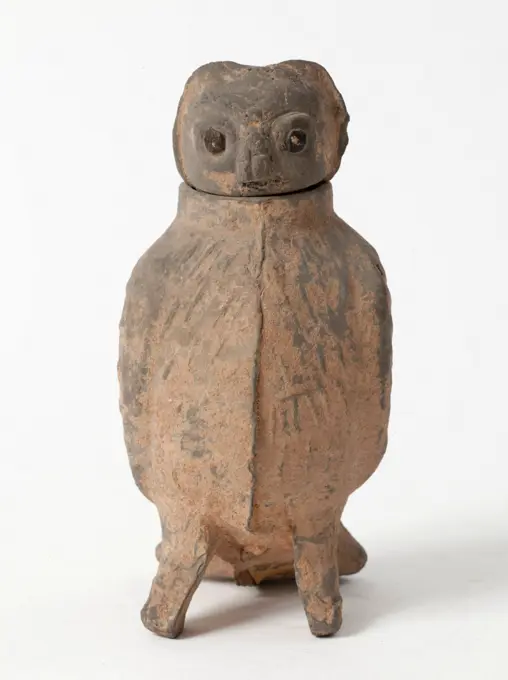
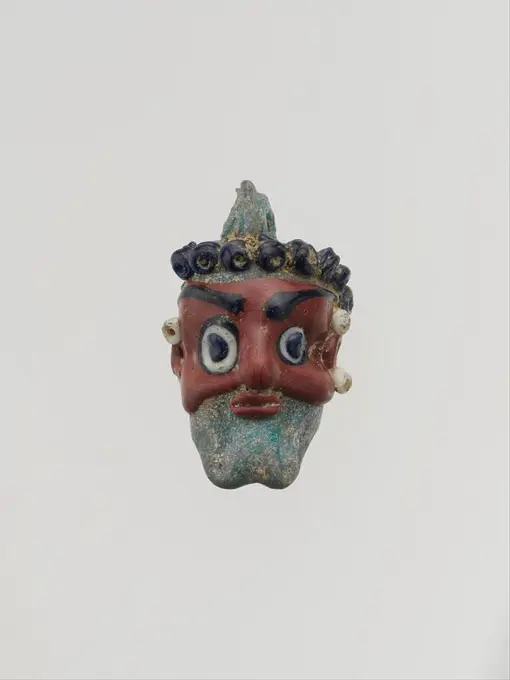
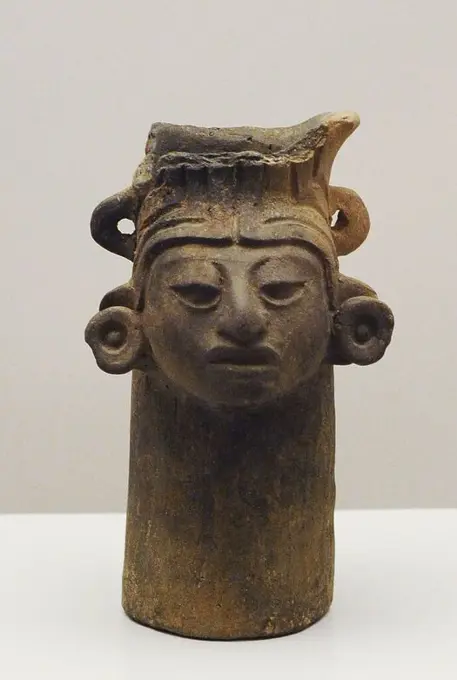
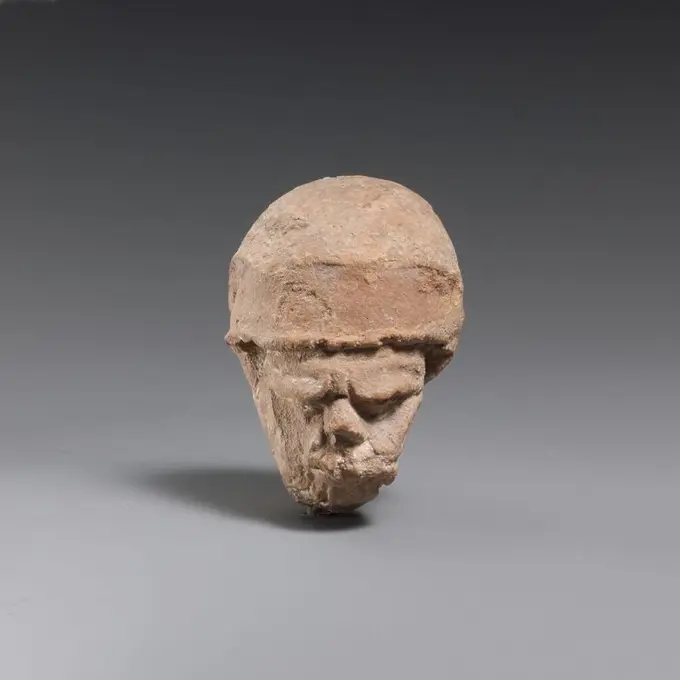
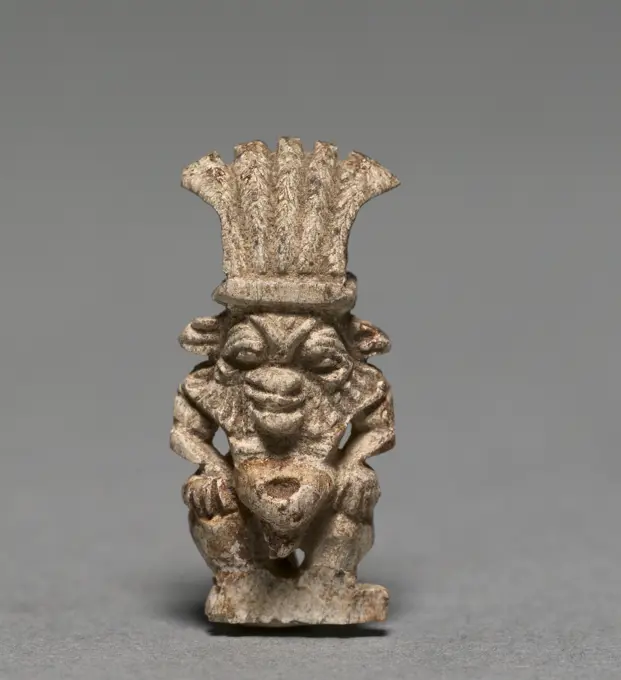
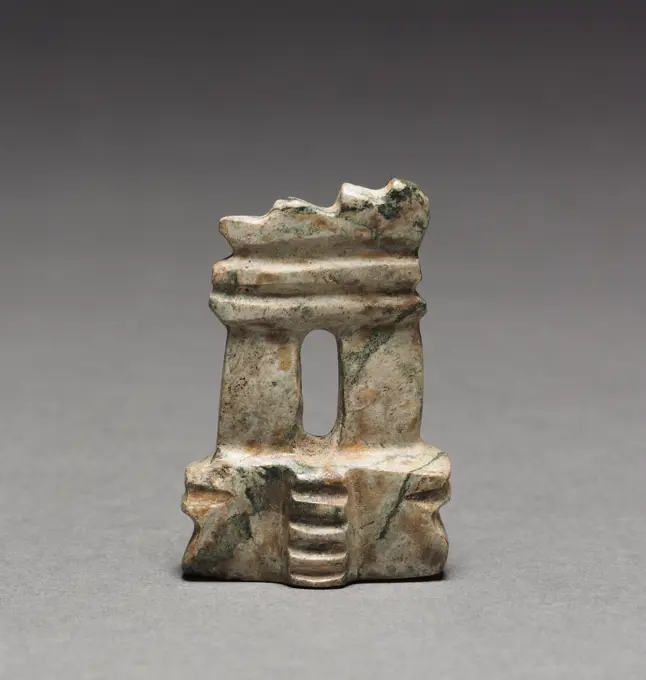
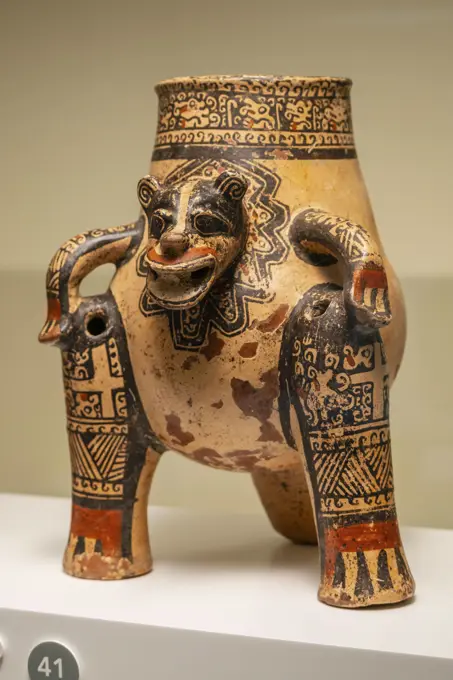
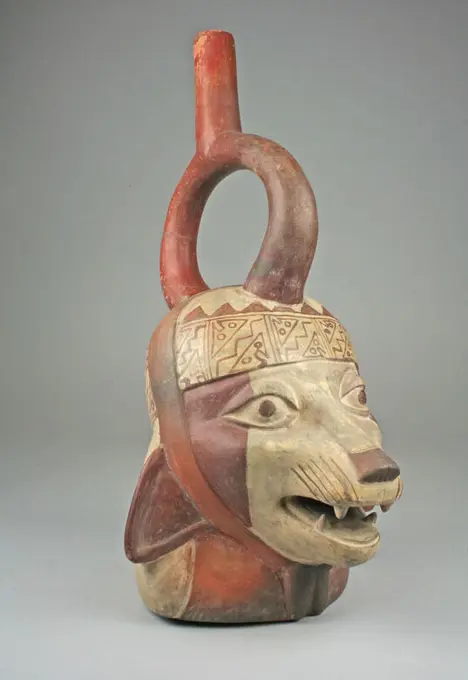
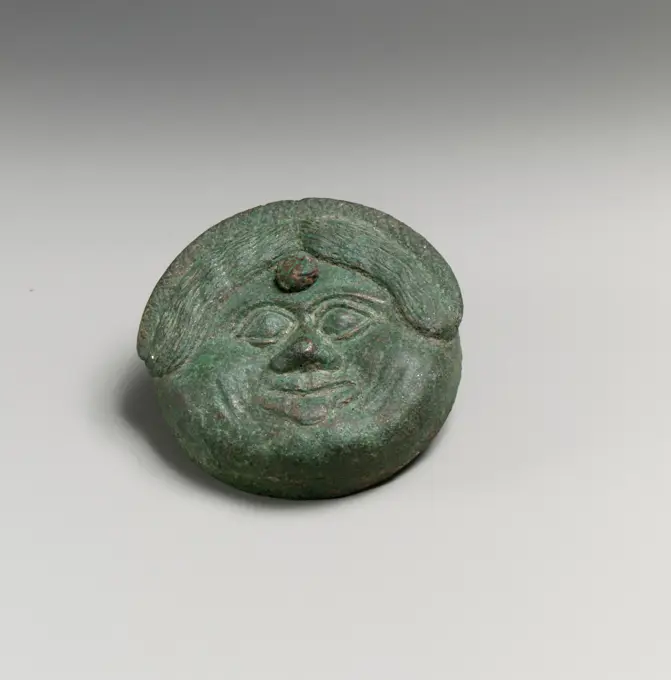
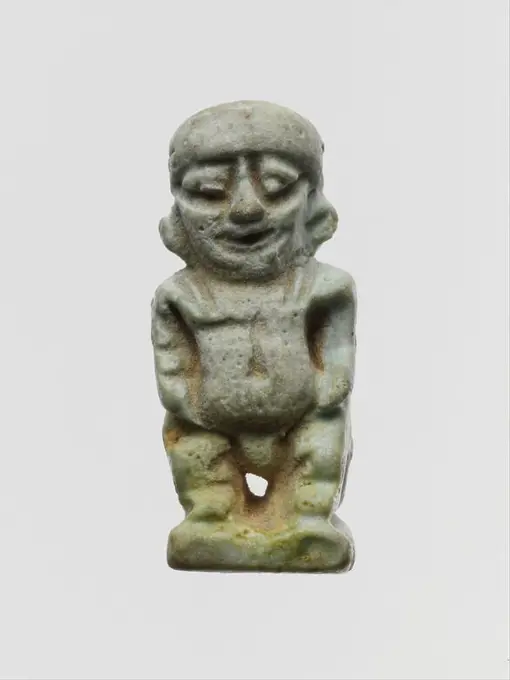
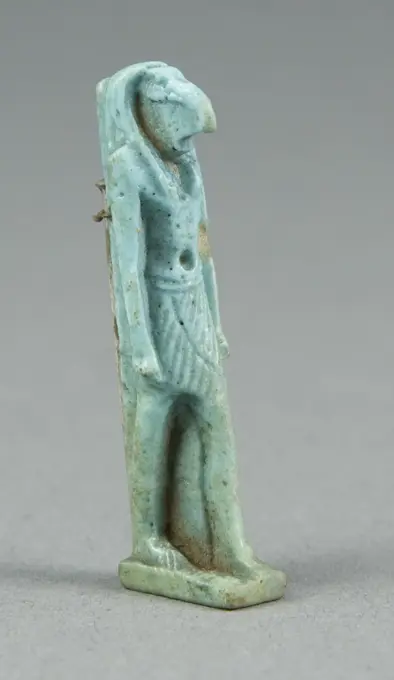
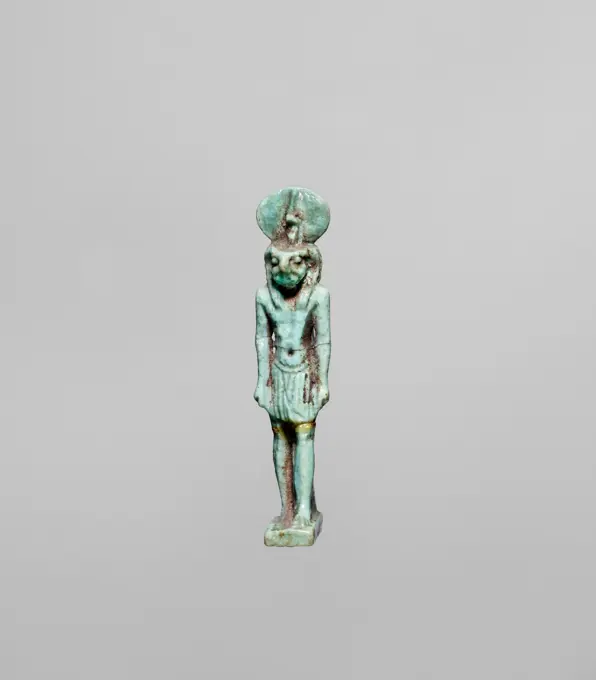
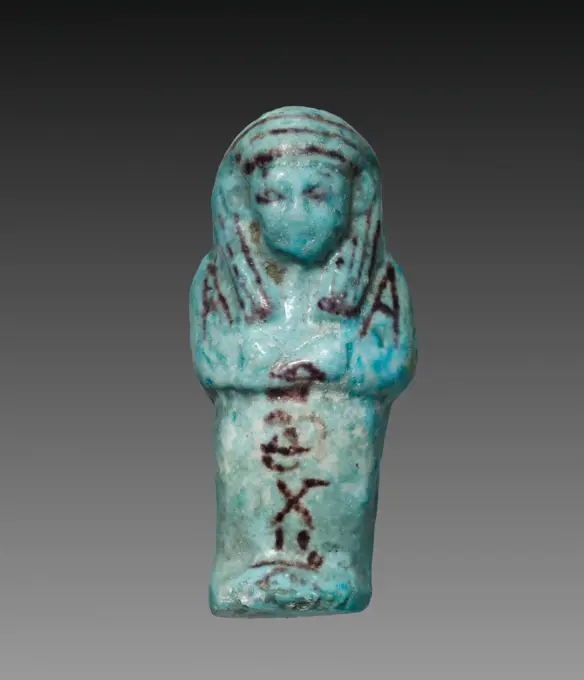
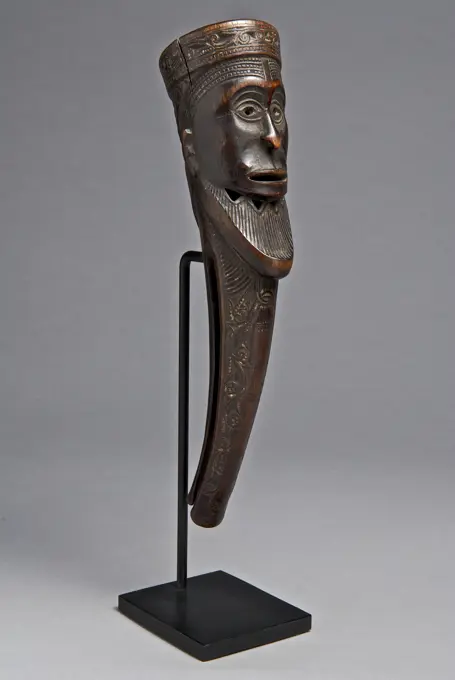
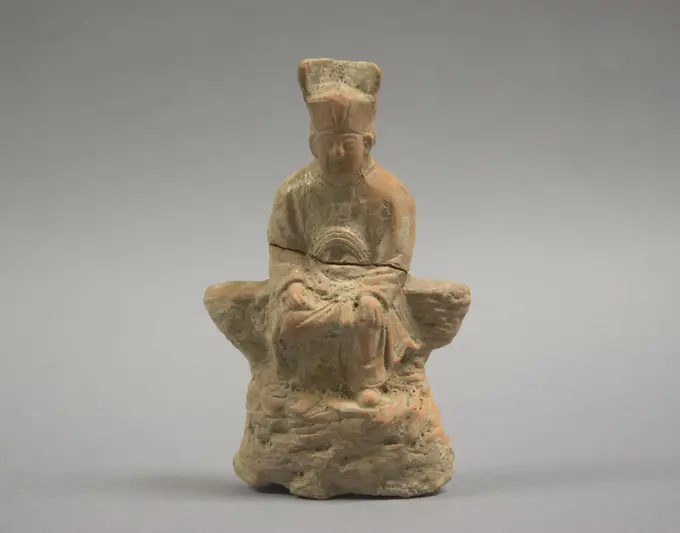
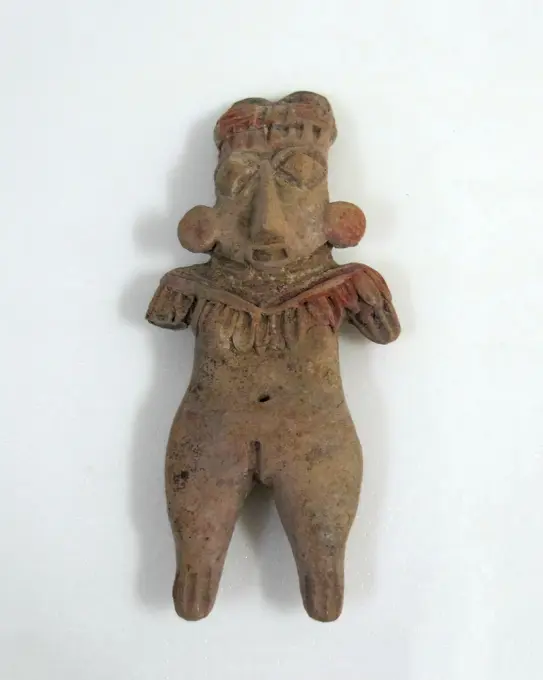
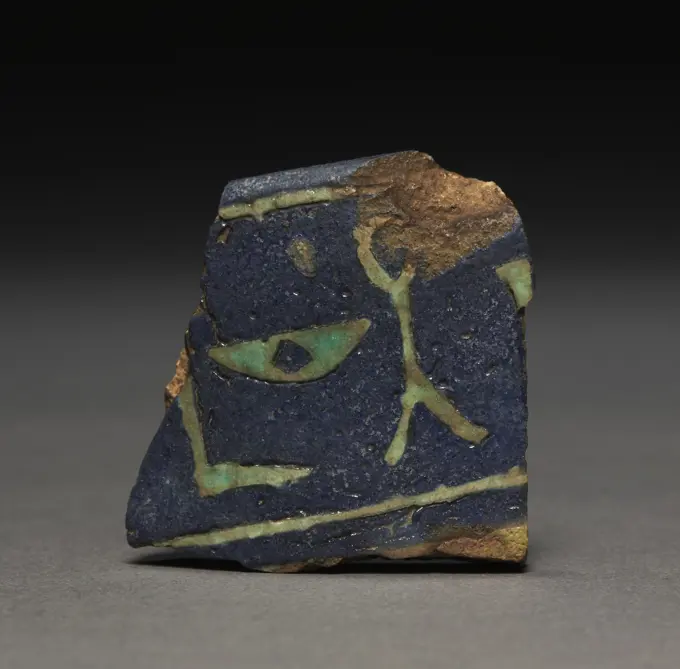
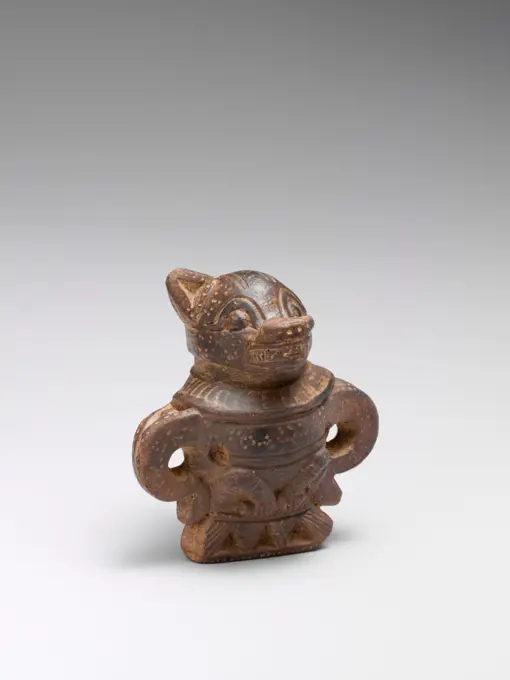
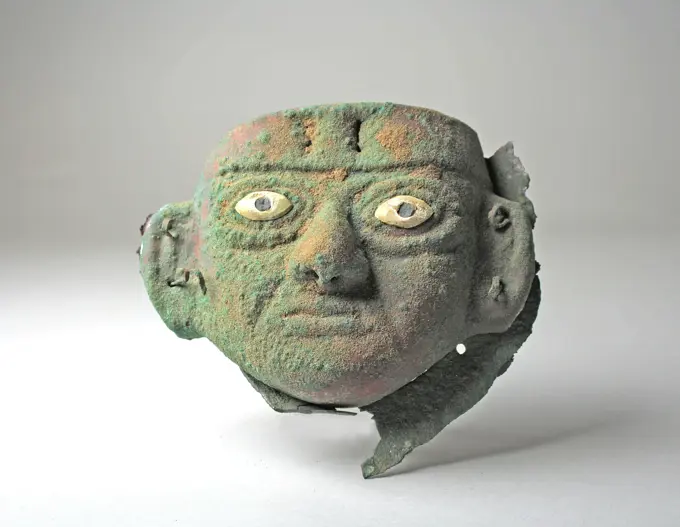
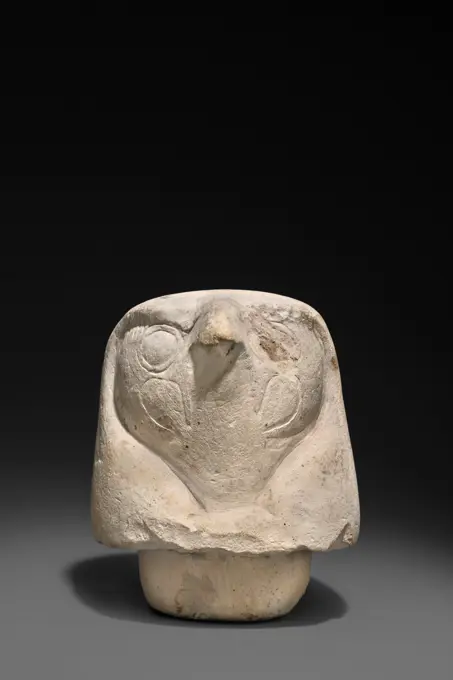
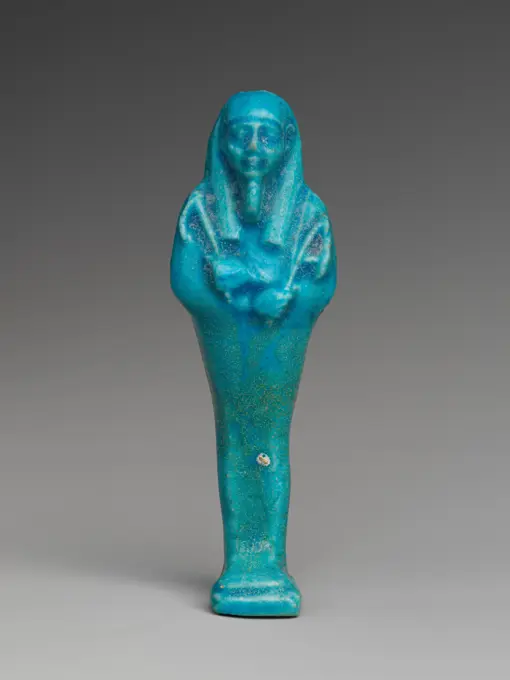
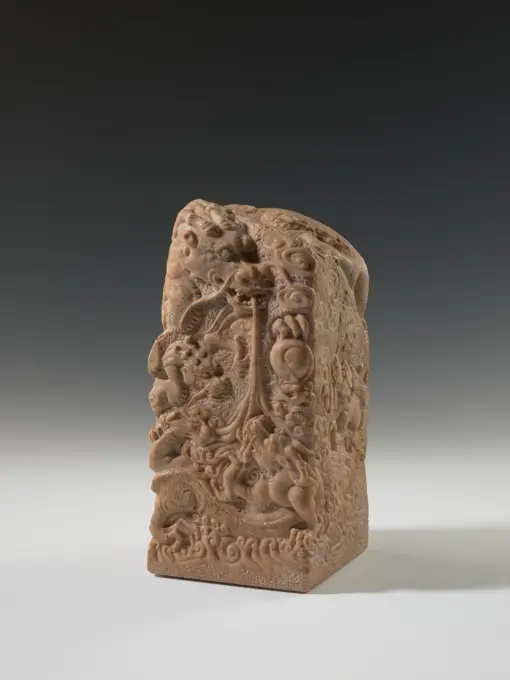
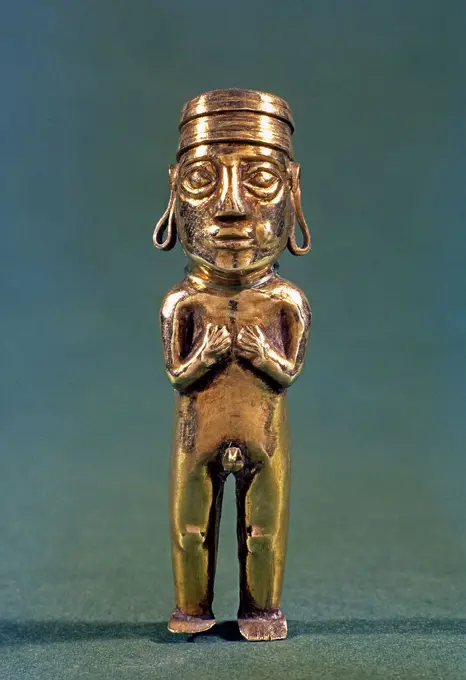
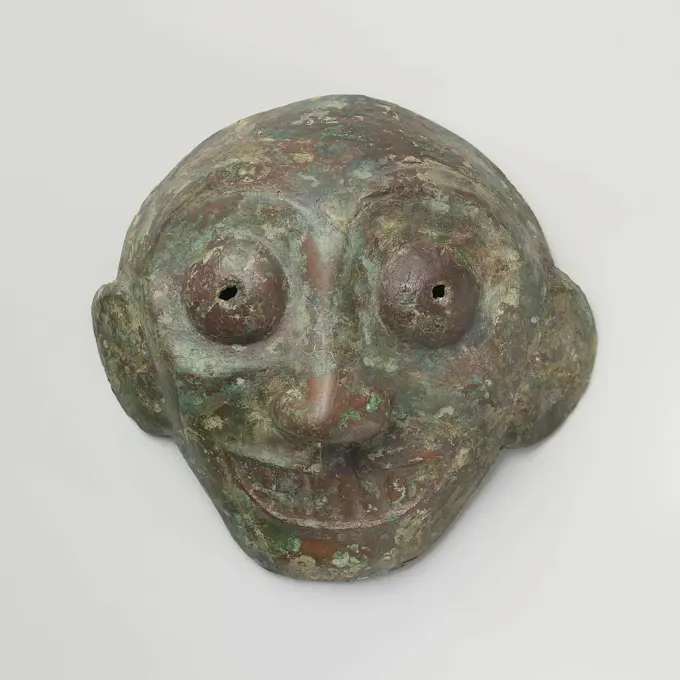
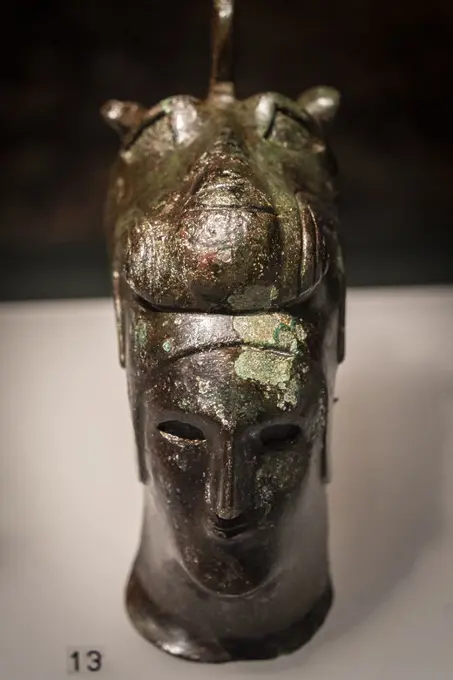
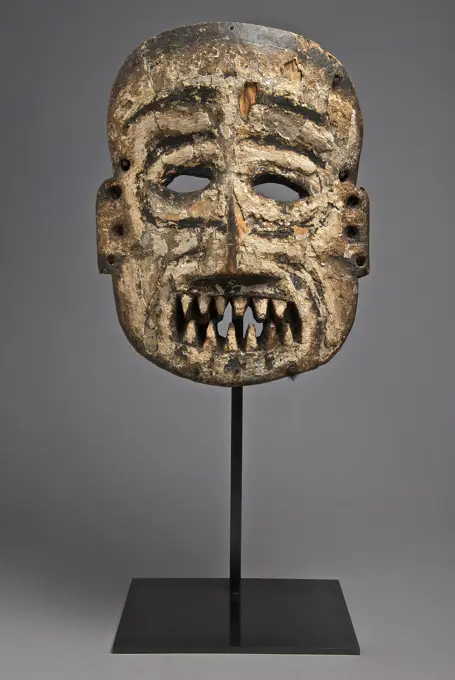
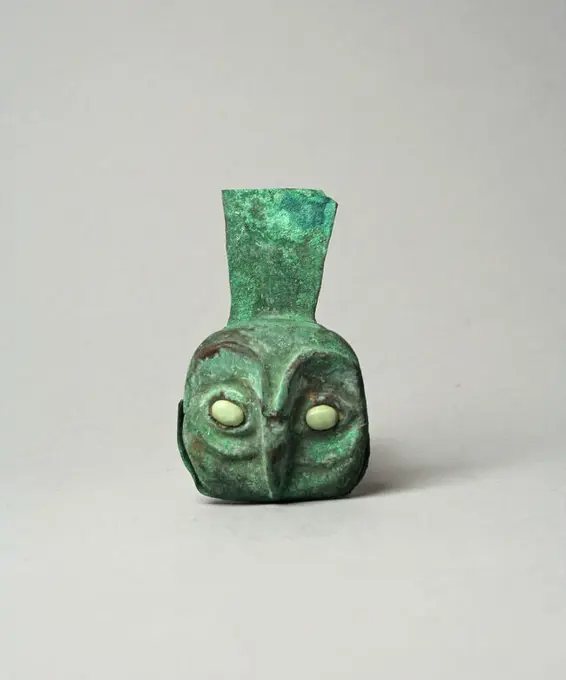
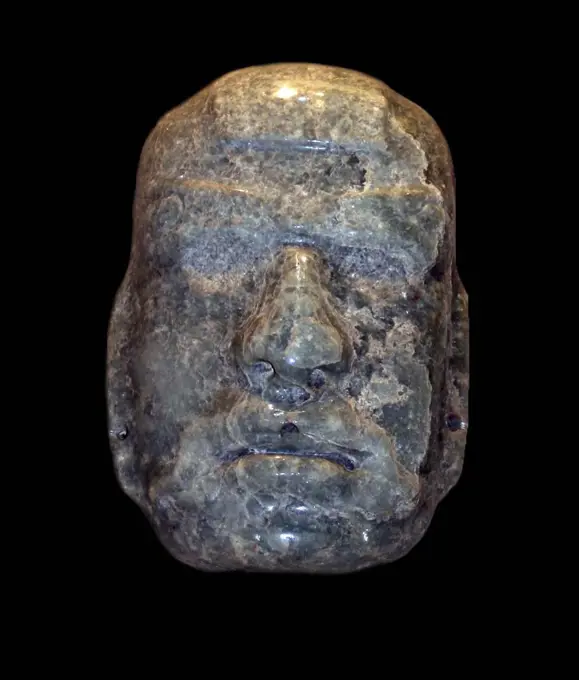
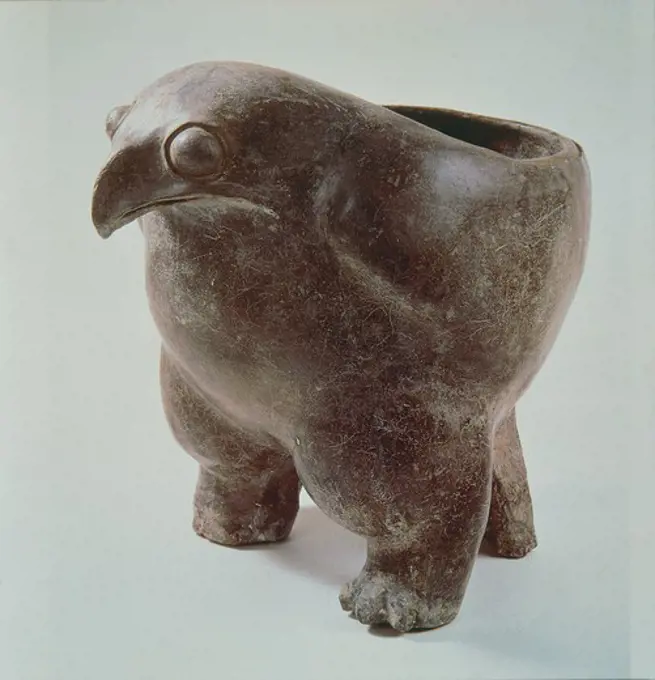
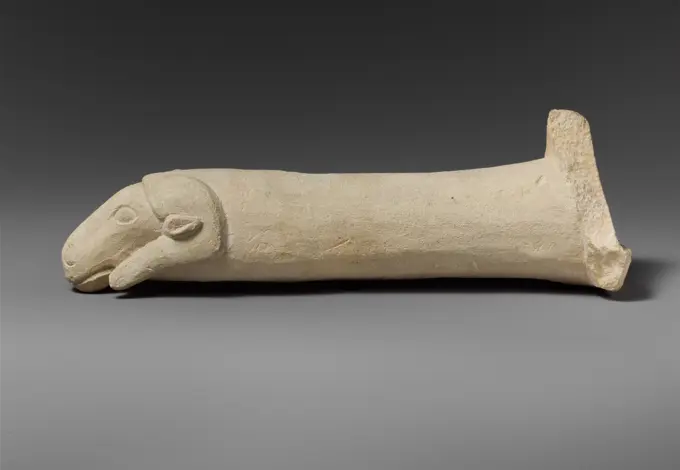
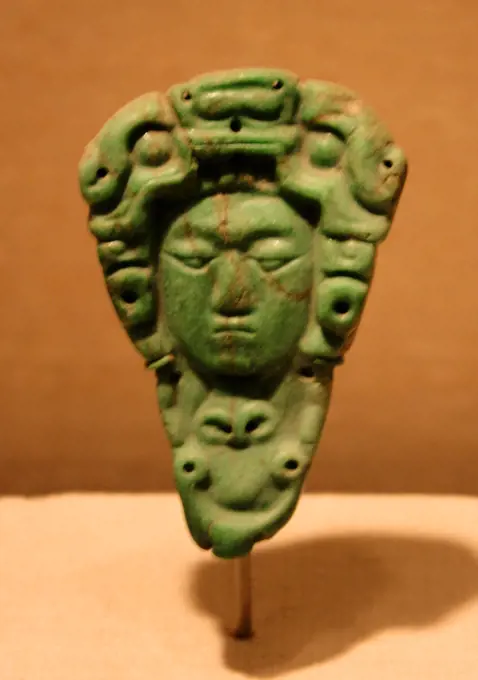
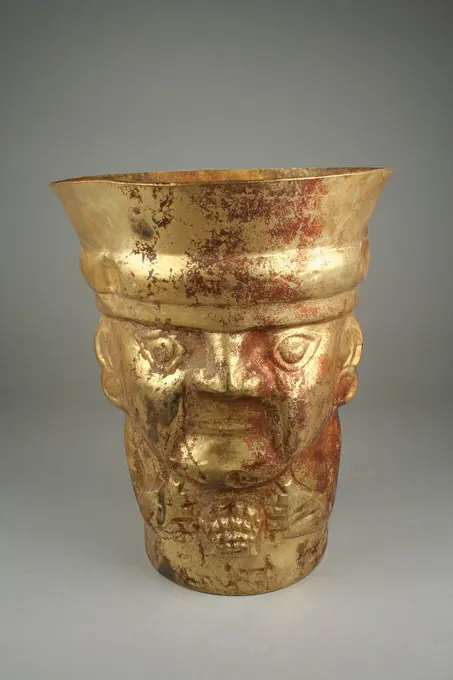
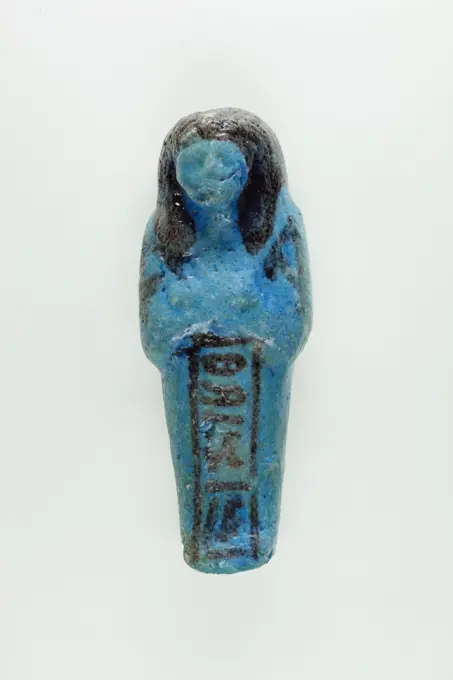
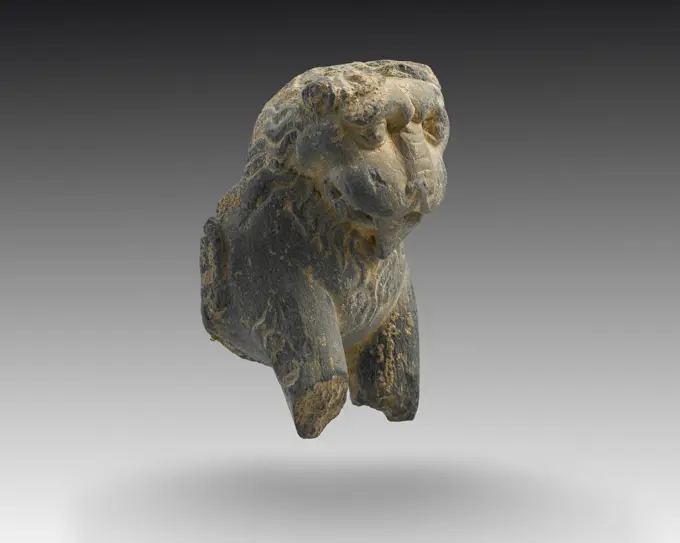
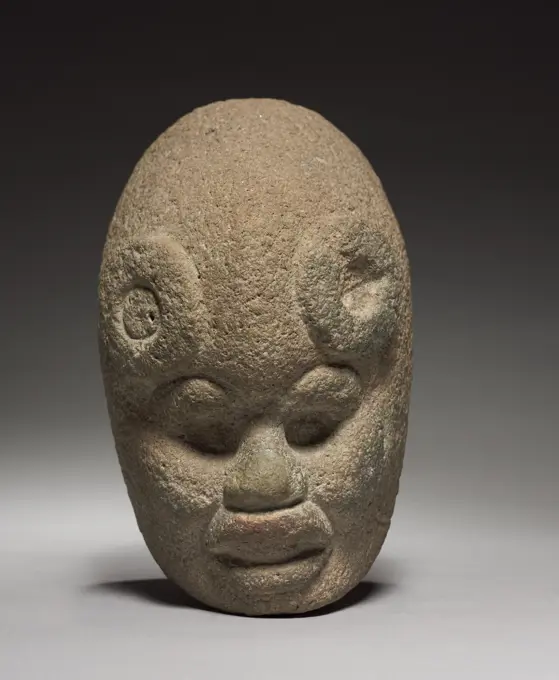
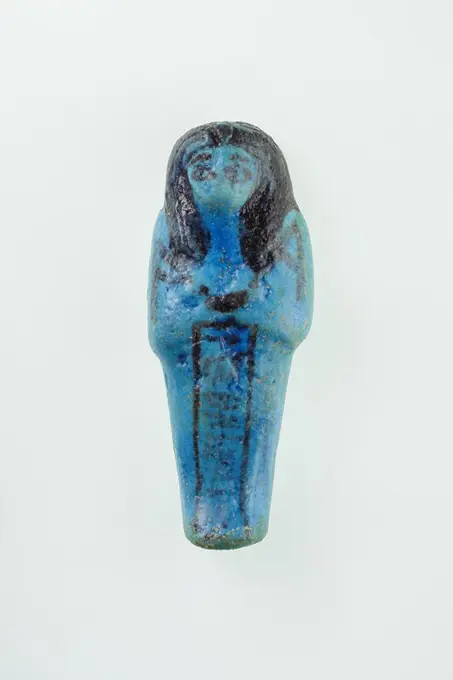
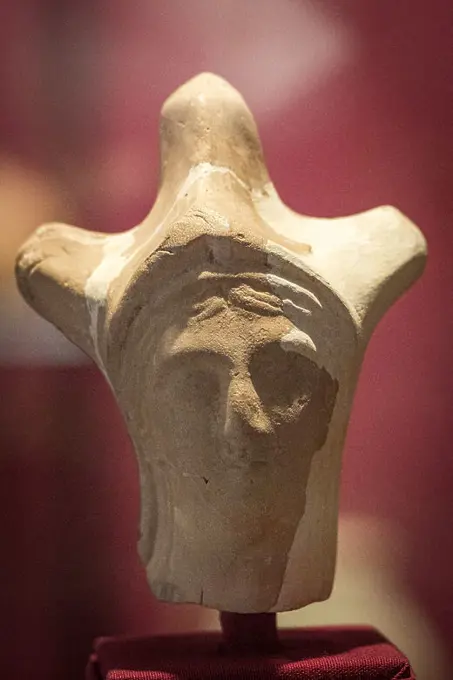
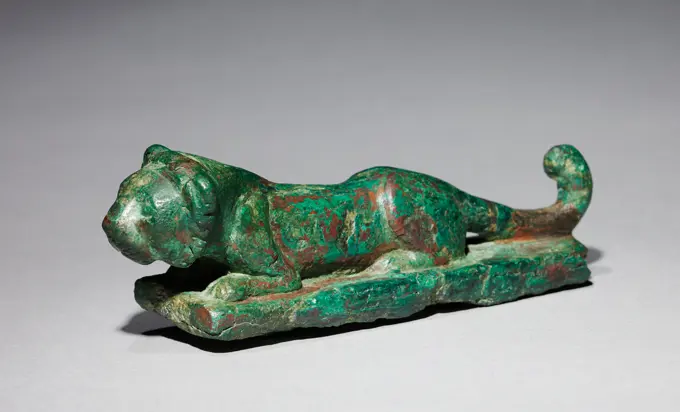
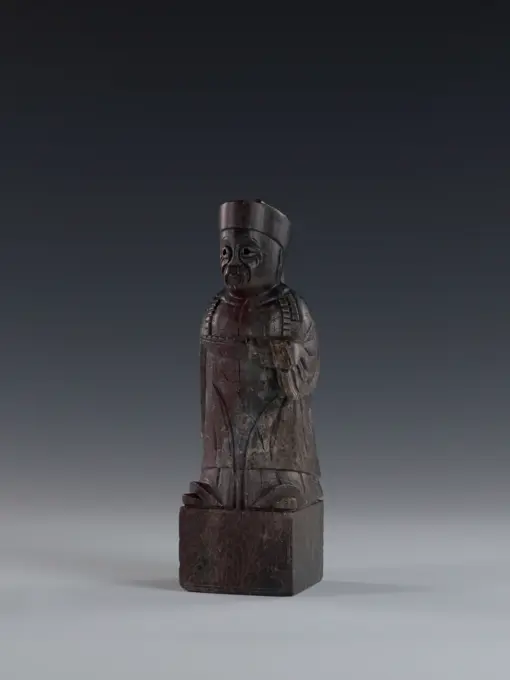
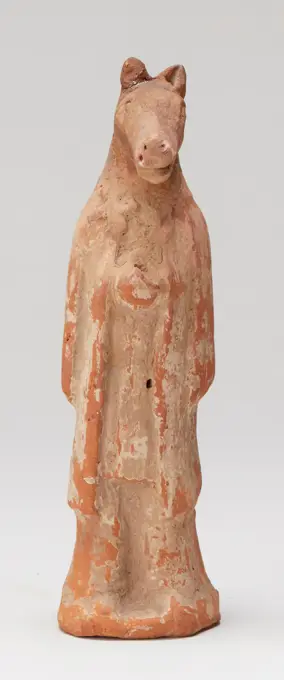
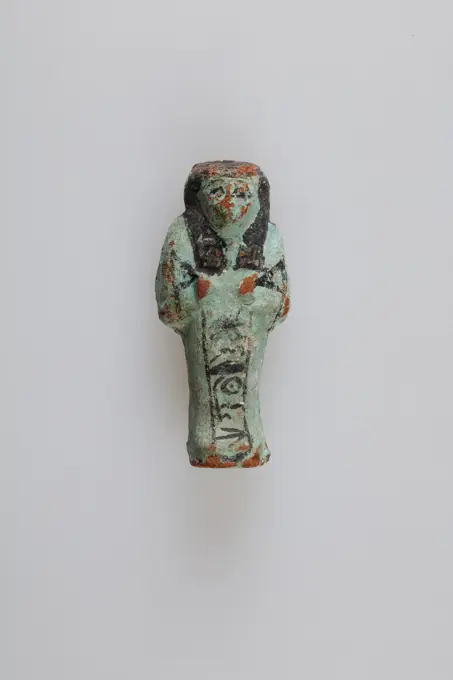
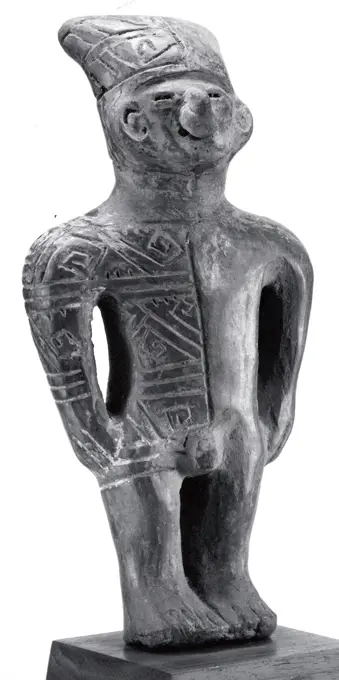
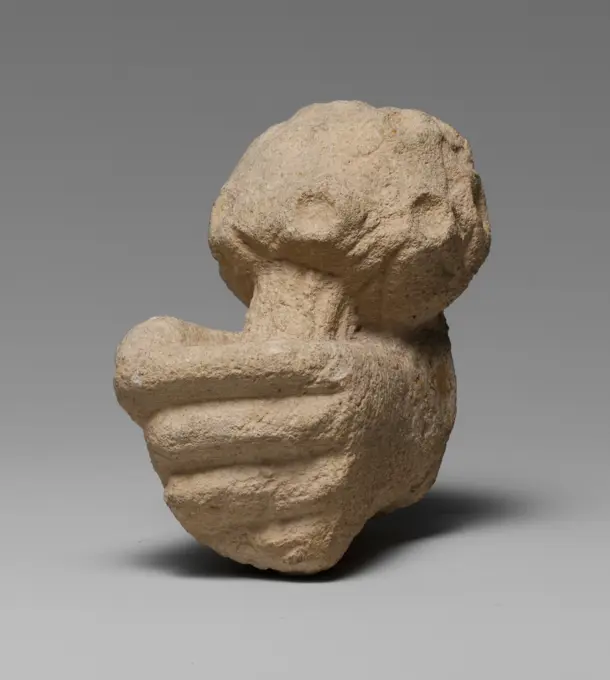
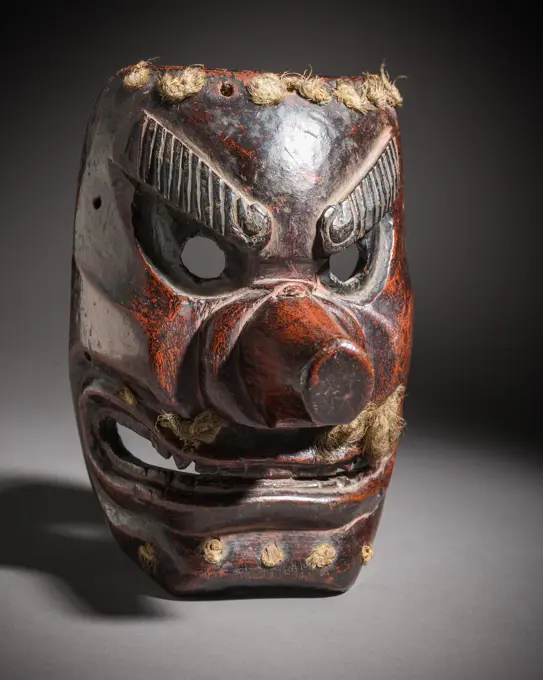
Vinca Idol, 4th millennium BC. Serbia, Vinça culture, Neolithic Era. Fired clay with paint; overall: 9.5 cm (3 3/4 in.).Stirrup Spout Bottle with Seated Figure. Culture: Moche. Dimensions: H x W: 7 7/8 x 5 3/8in. (20 x 13.7cm). Date: 2nd-1st century B.C.. Museum: Metropolitan Museum of Art, New York, USA.Head from a Figurine of a Female. Indonesia; Eastern Java. Date: 1301-1500. Dimensions: 8.2 × 4.6 × 6 cm (3 3/16 × 1 13/16 × 2 3/8 in.). Terracotta. Origin: Eastern Java. Museum: The Chicago Art Institute, Chicago, USA.Ocarina 1300-1500 Tairona People; Gayraca style. Ocarina. Tairona People; Gayraca style. 1300-1500. Ceramic. Pre-Columbian. Sierra Nevada de Santa Marta, Colombia. Aerophone-Whistle Flute-vessel flutePriests BoxStirrup Spout Bottle. Culture: Moche. Dimensions: H. 9 5/8 x W. 6 3/4 x D. 4 1/4 in. (24.4 x 17.2 x 10.8 cm). Date: 1st century B.C.-A.D. 7th century. Museum: Metropolitan Museum of Art, New York, USA.Pottery Whistle. Culture: Costa Rican. Dimensions: H. 105 mm.; W. 58 mm.; D. 65 mm.; Wt. 219 g.. Date: ca. 800-1100. Museum: Metropolitan Museum of Art, New York, USA.Head 750 CE-1450 Veracruz state. Ceramic and pigment . HuastecMale Head, perhaps from a Pair Statue, 1401-1391 BC. Egypt, New Kingdom, Dynasty 18, reign of Amenhotep II to Tuthmosis IV. Gray granite; overall: 7.6 x 11.1 x 12.8 cm (3 x 4 3/8 x 5 1/16 in.).Standing Ceramic Figure 3rd-5th century Moche. Standing Ceramic Figure 309321Male head Cypriot ca. 600 BCE The hollow, mold-made head has a small hole at the top, probably for venting.Jar, Anthropomorphic Fox. Culture: Moche. Dimensions: H x W: 9 1/8 x 5 1/2in. (23.2 x 14cm). Date: 3rd-6th century. Museum: Metropolitan Museum of Art, New York, USA.Olmec figurine, made from terracotta. From Mexico or Guatemala. 1500-600 BCTunjos (Votive Offering Figurine), c. 900-1550. Colombia, Muisca style, 10th-16th century. Cast gold; average: 6.9 x 2.6 cm (2 11/16 x 1 in.). Unlike the other gold ornaments in this gallery, tunjos were not worn; instead, they served as offerings that were deposited in sacred places, such as lagoons and caves. They often depict humans who hold something-here a container with a head (1947.22), a spear thrower (1947.19), and a bird-tipped (1957.25). The subject must have corresponded to a benefit being asked from the gods. Perhaps because they were not meant for display, tunjos were not finished after lost-wax casting. Flaws remain uncorrected, surfaces are unpolished, and gold that backed into the sprue (pouring channel) was left in place, creating the button-like form at the bottoms of 1947.24 and 1947.17, which were cast upside down.Seated female figurine ca. 600-480 B.C. Cypriot The figurine is handmade and solid. The face was made from a worn mold. The figure is not fully seated, but is oriented obliquely, leaning backward.. Seated female figurine 241110Anthropomorphic vessel, 12th-15th century, 5 1/2 x 4 x 4 in. (14 x 10.2 x 10.2 cm), Ceramic, polychrome, Peru, 12th-15th centuryLampka z figurką chłopca. unknown, authorAmulet of Pataikos. Egyptian. Date: 1069 BC-664 BC. Dimensions: 7 × 5.1 × 1.9 cm (2 3/4 × 2 × 3/4 in.). Faience. Origin: Egypt. Museum: The Chicago Art Institute, Chicago, USA. Author: Ancient Egyptian.Bottle, Seated Figure 5th-7th century Moche. Bottle, Seated Figure 310202Stirrup Spout Bottle with Tattoed Head 2nd-5th century Moche. Stirrup Spout Bottle with Tattoed Head 308530Molar Flask. Syria or Iran, 9th-10th century. Glass. Glass, relief cutCanopic jar with head of baboon (Hapy). Dimensions: Jar: H. 26.7 cm (10 1/2 in.); d. 18.1 cm (7 1/8 in.); diam. of mouth 8.5 cm (3 3/8 in.); diam. of base 11.8 cm (4 5/8 in.); circ. 47.8 cm (19 3/16 in.); Lid: H. 14.2 cm (5 9/16 in.); w. 12.3 cm (4 13/16 in.); d. 14 cm (5 1/2 in.); diam. of foot 7 cm (2 3/4 in.); Jar with Lid: H. 39.6 cm (15 9/16 in.); greatest diam. 15.7 cm (6 3/16 in.); Jar with Lid: H. 39.6 cm (15 9/16 in.); greatest diam. 15.7 cm (6 3/16 in.). Date: ca. 800-650 BC.This canopic is part of a set (13.180.1--.4) found in a Ptolemaic cemetery at Thebes. Use of canopics had gone out of fashion at that period, however, so these are certainly reused. Their style suggests they were originally created in the late Third Intermediate Period. Museum: Metropolitan Museum of Art, New York, USA.Ornament, wood, carved, England / Germany, 17th century, Decorative Arts, OrnamentFemale Figurine, 400-100 BC. Mexico, Guanajuato, Chupícuaro. Pottery with traces of white and red pigment; overall: 7.9 x 4.4 x 1.8 cm (3 1/8 x 1 3/4 x 11/16 in.).Frog Bottle 4th-7th century Moche. Frog Bottle 309486Statuette of Eros ca. 2nd-3rd century A.D. Roman Winged Eros with upraised arms.. Statuette of Eros 256822Figure Pendant 13th-15th century Mixtec. Figure Pendant 313081Statuette of a Kneeling Priest, 1186-1069 BC. Egypt, New Kingdom, Dynasty 20, 1279-1213 BC. Tin-bronze alloy, probably leaded, hollow cast; overall: 15.8 x 6.2 x 6.5 cm (6 1/4 x 2 7/16 x 2 9/16 in.).Ba Bird. Egypt, 2061 - 333 BCE. Sculpture. Wood with polychromeAncient Egypt. Ushabti. Funerary figurine. Limestone. The State Hermitage Museum. Saint Petersburg. Russia.Stirrup Spout Bottle with Figure on Throne 2nd-4th century Moche. Stirrup Spout Bottle with Figure on Throne 308550Ocarina. Culture: Tairona People; Gayraca style. Dimensions: L. 7.1 cm (2-7/16 in.); W. 6.9 cm (2-11/16 in.). Date: 1300-1500. Museum: Metropolitan Museum of Art, New York, USA.Single Spout Bottle with Fanged Face 3rd century B.C.-A.D. 2nd century Vicús. Single Spout Bottle with Fanged Face 315677Warrior Head Jar 2nd-5th century Moche. Warrior Head Jar 308534Fragment of a shell with a sculpted female head ca. 7th century B.C. The shell of a species of large clam (Tridacna squamosa), native to the Indian Ocean, the Red Sea, and the Persian Gulf, was used to carve a distinctive type of cosmetic container during a short period from the late seventh to the early sixth century B.C. More than a hundred containers of this type survive, and have been found throughout the Near East and Mediterranean, as far east as Iran and as far west as Italy. Unworked shells have been found in Palestine and Transjordan, suggesting that the workshops where these containers were manufactured were located in these regions. This fragment of a cosmetic container preserves the thick hinge of the shell, which was carved as the three-dimensional head of the figure whose body was incised on the shells outer surface. The figures very large eyes are outlined with double incised lines, and the pupils are highlighted with drilled holes. The other features are simplified, sWarrior Figure 6th-7th century Moche (Loma Negra). Warrior Figure 313480Mask 12th-9th century B.C. Tlatilco Masks in ancient Mexico came in all shapes and sizes and ranged from those that clearly depict human faces to those that appear bizarre and/or supernatural. This mask, stylistically associated with the site of Tlatilco in the Basin of Mexico, shows a twisted, simianlike face with simple, serpentine curves for ears, bulging eyesockets with crisply outlined eyelids, and exaggeratedly prominent eyebrows. While the eyes and mouth are pierced, the mask is too small to have covered the entire face. Paired holes at the temples and below the ears suggest that it could have been tied on the lower face or onto a bundle or sculpture, thereby representing a state of transformation.. Mask 313266Mask. Dimensions: l. 8.8 cm (3 7/16 in); w. 7.2 cm (2 3/16 in). Dynasty: Dynasty 18. Date: ca. 1550-1295 B.C.. Museum: Metropolitan Museum of Art, New York, USA.Figure: Kneeling Female. Culture: Dogon or Tellem peoples (). Dimensions: H. 7 5/8 x W. 3 1/2 in. (19.4 x 8.9 cm). Date: 16th-19th century. Museum: Metropolitan Museum of Art, New York, USA.Blue Faience Shabti.. Late PeriodMask. Culture: Moche. Dimensions: H x W x D: 7 1/2 x 6 7/8 x 2 3/4 in. (19.1 x 17.5 x 7 cm). Date: 1st century B.C.-A.D. 7th century. Museum: Metropolitan Museum of Art, New York, USA.Stirrup Spout Bottle 1st century B.C.-A.D. 7th century Moche. Stirrup Spout Bottle 313305Mask depicting a human face. Stone. Mezcala style. Late Preclassic Period (400 BC-100 AD). Western Mexico. Museum of the Americas. Madrid, Spain.Neck of a Large Ceremonial Jar in the Form of a Head. Tiwanaku-Wari; South coast, Peru. Date: 700 AD-800 AD. Dimensions: 19.4 × 15.9 cm (7 5/8 × 6 1/4 in.). Ceramic and pigment. Origin: Bolivia. Museum: The Chicago Art Institute, Chicago, USA.Head of an Egyptian RulerBronze statuette of Sobek as a Man, from Egypt. Dated 4th Century BCMace Head 2nd century B.C.-A.D.1st century Cupisnique This gracefully crafted mace head has four fan-like projections, each separated by two nub or spike-like elements. Two vertical inscribed lines extend down from each flange to the bottom of the mace head. The stone has a hollow central core that originally held a wooden shaft. At the bottom a slight lip extends around the circumference. Traces of red cinnabar remain in the recesses between the projecting surfaces. The combination of flanges and nubs yields an object of power and deadly effectiveness. The narrow edges of the projections provide points of contact that would have exerted much more force than when struck than a simple round stone, similar to the way in which being stepped upon by a stiletto heel is much more painful than being stepped upon by a wider heel.The proper cultural attribution of stone mace heads of this type is unclear. Carved stone mace heads were made as early as the middle of the first millennium B.C. in tSeated warrior, 250 BCE - 300 CE, 6 1/2 in. (16.5 cm), Earthenware, Mexico, 3rd century BCE - 4th century CEAnthropomorphic UrnSandal 3rd-12th century. Sandal. 3rd-12th century. Leather and papyrus. Made in Egypt. LeatherAncestral Commemorative Head (uhunmwun-elao), possibly mid-1500s or early 1600s. Nigeria, Benin Kingdom, Ẹdo peoples, members of the Igun Eronmwon (royal brasscasters) guild. Copper alloy and iron; overall: 29.9 x 21.6 x 20.4 cm (11 3/4 x 8 1/2 x 8 1/16 in.).Maya Candeleros vase, anthropomorphic terracota tripod from Colon, Honduras. Pre Classical Antique period. Museum: Instituto Tegucigalpa, Tegucigalpa, HONDURAS.Hibou-shaped container ". Han Dynasty (206 BC-220 AD). Paris, Cernuschi Museum. Chinese art, Chinese ceramic, cover, head cover, han dynasty, han time, owl, container, terracottaGlass head pendant. Culture: Phoenician or Carthaginian. Dimensions: 1 7/16 × 7/8 × 3/4 in. (3.6 × 2.3 × 1.9 cm). Date: 5th century B.C..Semi-opaque turquoise blue, with additions in opaque white and brownish red, and translucent cobalt blue.Cylindrical with large rod hole at bottom, flattened on back and indented on top; horizontal rounded edge at back, front projecting downwards; applied suspension loop on top of head.Applied row of small curls across forehead in cobalt blue; upper half of face in red, with long blue eyebrows and blue and white stratified eyes; forked beard in turquoise blue with lips and ears in red, and earrings above and below ear in white.Intact, but missing curls on proper right side of forehead and lower blob of right earring; dulling, slight pitting, and some encrustation. Museum: Metropolitan Museum of Art, New York, USA.Vase decorated with human head. Ceramics, Zapotec culture (Monte Alban III). Early and Middle Classic Period (100-700 AD). Mexico. Museum of the Americas. Madrid, Spain.Terracotta head of a grotesque man. Culture: Greek. Dimensions: H. 1 1/2 in. (3.8 cm). Date: 3rd-1st century B.C..With heavy brow and head-covering cap. Museum: Metropolitan Museum of Art, New York, USA.Amulet of Bes, 525-332 BC. Egypt, Late Period, Probably Dynasty 27--Second Persian Period. Gray steatite; overall: 2.8 cm (1 1/8 in.).Mask of a satyr Greek. Mask of a satyr 248425Architectural Model, 100 BC - 300. Mexico, Guerrero, Mezcala. Serpentine; overall: 4.9 x 3.2 x 1.1 cm (1 15/16 x 1 1/4 x 7/16 in.).Bronze handle attachment 2nd century A.D. Roman The handle once decorated the side of a situla (wine bucket), and the wreathed mask in high relief may be identified as that of Dionysus.. Bronze handle attachment 246912Dreibeinige Vase mit moderater Katze Tripod vase with moderate feline, great Nicoya, polychrome Pataki style, Nicaragua 11400 AD, polychrome ceramic, MuEC, Barcelona, Catalonia, Spain LicenseRF Copyright: xZoonar.com/Tolox 23171203Fox Head Bottle. Culture: Moche. Dimensions: Overall: 12 1/4 x 6 1/2 in. (31.12 x 16.51 cm)Other: 6 1/2 in. (16.51 cm). Date: 5th-7th century. Museum: Metropolitan Museum of Art, New York, USA.Fragments of a cart or chariot, sockets with Medusa masks ca. 500-480 B.C. Etruscan Large collection of bronze and iron attachments once belonging to a chariot.. Fragments of a cart or chariot, sockets with Medusa masks 253010 Etruscan, Chariot fragments, sockets with Medusa masks, ca. 500480 B.C., Bronze, Body diameter (1): 2 5/16 in. (6 cm) Body diameter (2/3): 1 7/8 in. (4.8 cm). The Metropolitan Museum of Art, New York. Fletcher Fund, 1929 (29.131.3d1d3)Faience two-sided amulet in the form of the dwarf god Pataikos. Culture: Egyptian. Dimensions: H.: 1 5/16 in. (3.3 cm). Date: ca. 1090-900 B.C..Amulet, Ptah-seker. Museum: Metropolitan Museum of Art, New York, USA.Amulet of the God Thoth 1070 BCE-656 BCE Egypt. Faience . Ancient EgyptianAmulet - bóg Re-Harachte. unknown, authorShawabty of Payefadjer, 1000-945 BC. Egypt, Third Intermediate Period, late Dynasty 21 (1096-945 BC). Turquoise faience with purple decoration; overall: 9.2 x 4.1 x 2.4 cm (3 5/8 x 1 5/8 x 15/16 in.).Bullet Holder (Paru-Paru or Baba NiOnggang)Figure of Seated Official China. Figure of Seated Official 61574Standing female figure, 200-700, 4 5/8 x 2 1/8 x 1 in. (11.7 x 5.4 x 2.5 cm), Polychromed earthenware, Mexico, 3rd-8th centuryFragment of a Bowl, Middle Kingdom or later. Egypt, Middle Kingdom or later. Faience; overall: 4.5 cm (1 3/4 in.).Ocarina 1300-1500 Tairona People; Gayraca style. Ocarina. Tairona People; Gayraca style. 1300-1500. Ceramic. Pre-Columbian. Sierra Nevada de Santa Marta, Colombia. Aerophone-Whistle Flute-vessel fluteFace Mask Ornament 6th-7th century Moche (Loma Negra). Face Mask Ornament 314348Pokrywa urny kanopskiej - głowa sokoła. unknown, authorShabti of Petosiris, son of Djedhor Late Period-Ptolemaic Period ca. 360-300 BC This small funerary figure (shabti) comes from the tomb of the Djedhor family, which contained the burials of Djedhor, his wife Nebtaihet, and their three sons. Petosiris, the owner of this shabti, was in one of the vaulted chambers along with his two brothers. The three coffins had been covered with sand, and the inhabitants canopic chests had been placed on top. Three of Petosiriss three hundred and eighty-five shabtis were in his coffin and the rest were scattered over the sand. All of Petosiriss shabtis are mummiform, and hold agricultural tools (a distinctively curved pick in the left hand, a hoe in the right, and a basket, held by a rope in the right hand, over one shoulder). Most were uninscribed, but thirty-six (for example, 02.4.110 bore his name, titles, and the name of his father Djedhor, along with lines from Spell 6 of the "Book of the Dead." This text promised that the shabti would carry out mOk, baked;  XVIII-XIX century (1701-00-00-1900-00-00);Pre-Columbian Art - Inca culture. High-ranking Peruvian dignitary or Inca Nobleman . 15th-16th centuries. Gold . Madrid, Museum of America, Larrea Collection. Location: MUSEO DE AMERICA-COLECCION. MADRID. SPAIN.Ornament for a shield. Bronze human masks were affixed to shields as ornaments. Some are realistic in appearance, while others are more stylized, with grinning mouths and bulging eyes. The latter form came from south China and was adopted in the north as an exotic element.bronze parades with the head of a warrior with a wolf head headdress, necropolis of Piquia, Arjona, Iberian Museum of Jaén, Andalusia, Spain.Mask(Hudoq)MaskOwl Tab Ornament. Culture: Moche (Loma Negra). Dimensions: Length 2-9/16 in. (6.6 cm). Date: 390-450. Museum: Metropolitan Museum of Art, New York, USA.Jade mask of an anthropomorphic god, Mayan , Mexico AD 50-300Prehistory, China, Neolithic. Yangshao culture. Tripod ding, black pottery food vessel shaped as an owl.Limestone handle of a patera or a fire shovel ending in a rams head 5th century B.C. ? Cypriot Handle ending in a ram's head, with Cypriot inscription, "Heros dedicated it to Apollo.". Limestone handle of a patera or a fire shovel ending in a rams head 241921Head Pendant. Mexico or Guatemala; Maya 5th-6th century. Jade.Beaker, Figure with Shell. Culture: Lambayeque (Sicán). Dimensions: H. 10 x Diam. 8 in. (25.4 x 20.3 cm). Date: 9th-11th century.Gold beakers, both plain and ornamented with embossed designs, were markers of status and authority on Peru's north coast in the centuries before the rise of the Inca Empire. This vessel was sculpted in the shape of the torso and head of an individual wearing a cap and holding a shell. One side of the beaker features the embossed face and hands, while the other side is rendered as the back of the individual's head. The figure wears round ear ornaments, and the hair, on the back of the vessel, is rendered in two layers; the longer layer is decorated at the bottom with a row of disks. Two wide bands with a chevron pattern hang down from the cap over the hair, meeting in a central medallion of two concentric circles surrounded by seven smaller ones. The shell depicted between the hands of the figure is most likely Spondylus, a bivalve found in the warm tropicaWorker Shabti of Nany ca. 1050 B.C. Third Intermediate Period See 30.3.26.1a, b. Worker Shabti of Nany 625752Lion protomed (common name), 0100. Dense black stone. Cernuschi Museum, Asia Museum of Asia in the city of Paris.Head, 600-1100. Mexico, Classic Veracruz (Totonac or Tajin). Stone; overall: 25 x 15.8 x 16.5 cm (9 13/16 x 6 1/4 x 6 1/2 in.).Stamp Depicting a Plant-like Motf. Possibly Zapotec or Aztec (Mexica); Mexico. Date: 1000-1500. Dimensions: 5.7 × 2.9 cm (2 1/4 × 1 1/8 in.). Ceramic with pigment. Origin: Mexico. Museum: The Chicago Art Institute, Chicago, USA.Worker Shabti of Nany. Dimensions: H. 8.7 × W. 3.4 × D. 2.2 cm (3 7/16 × 1 5/16 × 7/8 in.). Dynasty: Dynasty 21. Reign: reign of Psusennes I. Date: ca. 1050 B.C..See 30.3.27.1a, b. Museum: Metropolitan Museum of Art, New York, USA.Terracotta votive offering, Ibero-Roman culture, probably from the middle of the 1st century AD. Castellar de Santisteban, Iberian culture, Archeological Museum. Úbeda, Jaén province, Andalusia, Spain.Lioness, c. 2100 BC. Sumerian, Iraq, c. 2100 BC. Copper alloy, lost-wax cast; overall: 4.2 x 3.1 x 13.3 cm (1 5/8 x 1 1/4 x 5 1/4 in.).Dostojnik. unknown, craftsmanTomb Figure, c. 600, 7 3/8 x 2 1/8 x 2 1/2in. (18.7 x 5.4 x 6.4cm), Polychromed earthenware, China, 6th-7th centuryShabti of Shedkhonsu Third Intermediate Period ca. 1070-664 B.C. View more. Shabti of Shedkhonsu. ca. 1070-664 B.C.. Pottery, paint. Third Intermediate Period. From Egypt, Upper Egypt, Thebes, Sheikh Abd el-Qurna, Tomb of Senimen (TT 252), MMA excavations, 1930-31Standing Ceramic Male Figure 6th-11th century Manteño. Standing Ceramic Male Figure 314172Limestone statue fragment of a left hand holding a bunch of daisies ca. 500-450 B.C. Cypriot The small left hand holds a bunch of narcissus.. Limestone statue fragment of a left hand holding a bunch of daisies 242268Long-nosed Mask. Japan, Edo period (1615-1868). Jewelry and Adornments; masks. Wood, red and black lacquer, hemp palm fiber