Cultural Artifacts and Decor

An assortment of unique cultural items, including decorative brushes and ancient jewelry, reflecting artistic traditions and craftsmanship from various eras.
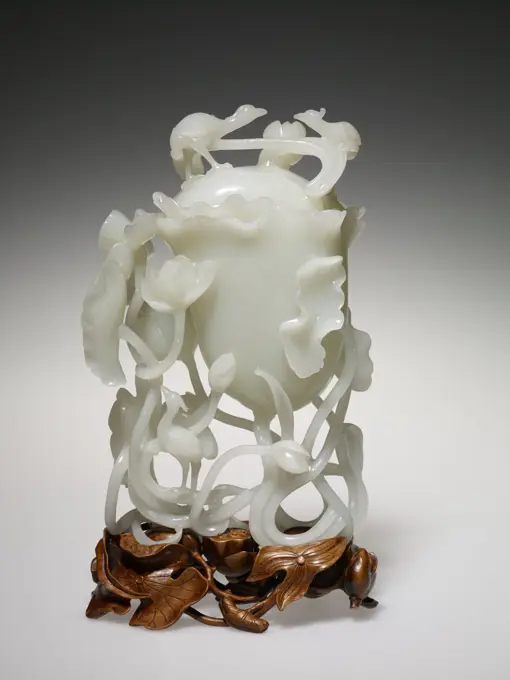
Covered Vase, 18th-19th century, 8 in. (20.32 cm), White jadeite, China, 18th-19th century, This exquisite vase consists of a large lotus flower delicately supported by stems and leaves carved in the full round. As with many jade objects of this era, the wooden stand relates both in theme and style to the stone it supports. This work vividly demonstrates the technical virtuosity and artistry achieved in jade carving during the eighteenth and nineteenth centuries. As more showy, brightly colored jadeite was imported from Burma, a penchant for elaborately worked carvings developed. Despite the incredible hardness of jade and the enormous patience required to fashion it, the maker of this piece has created a delicate rhythm of plant forms with flawless artistry.
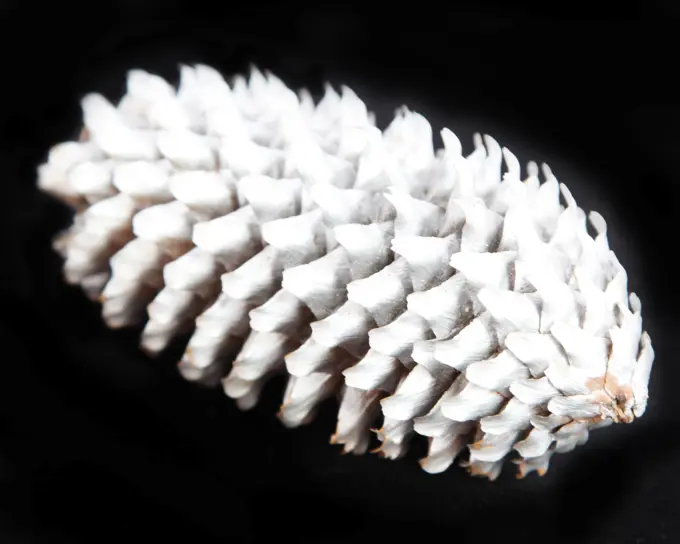
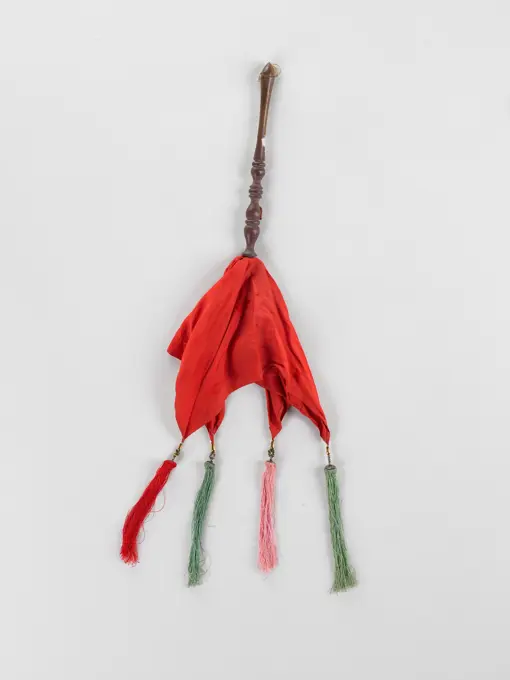
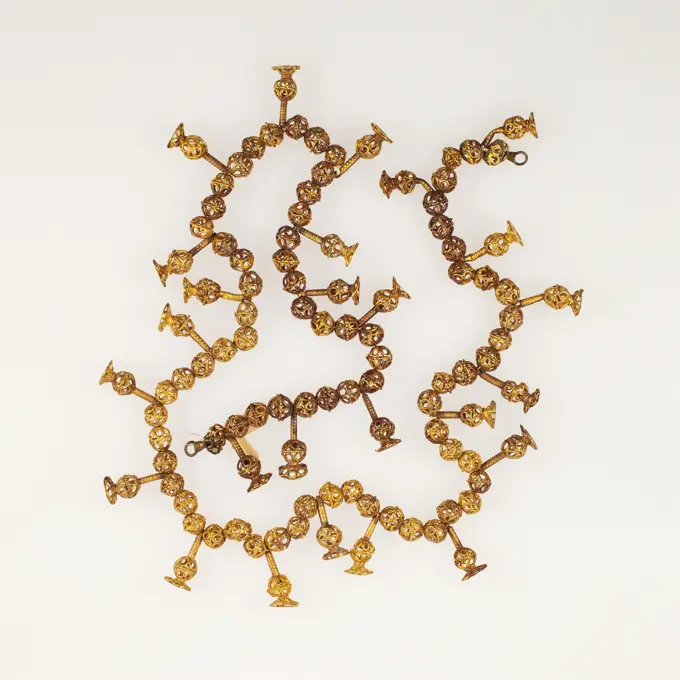
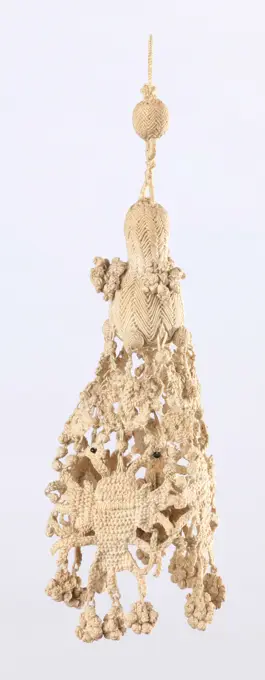
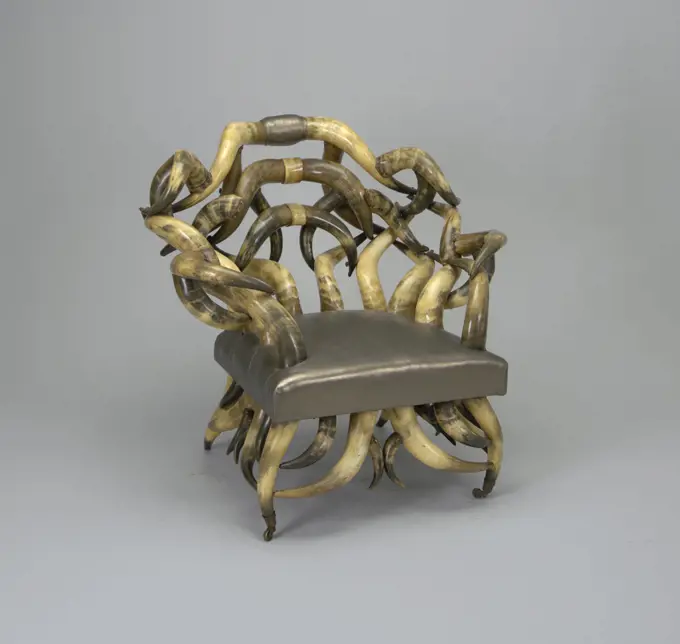
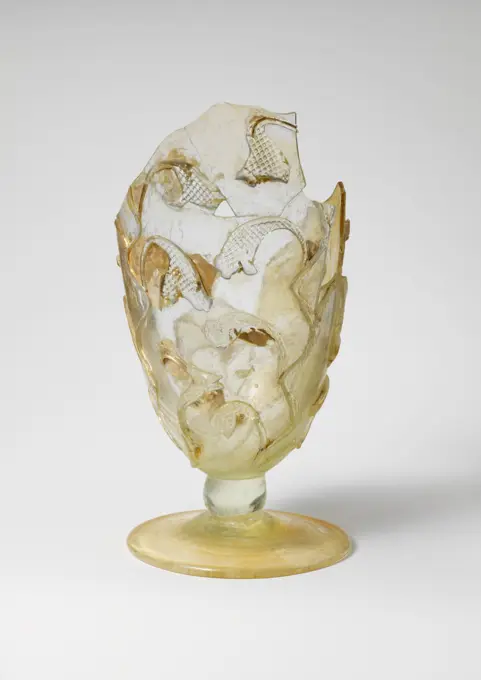
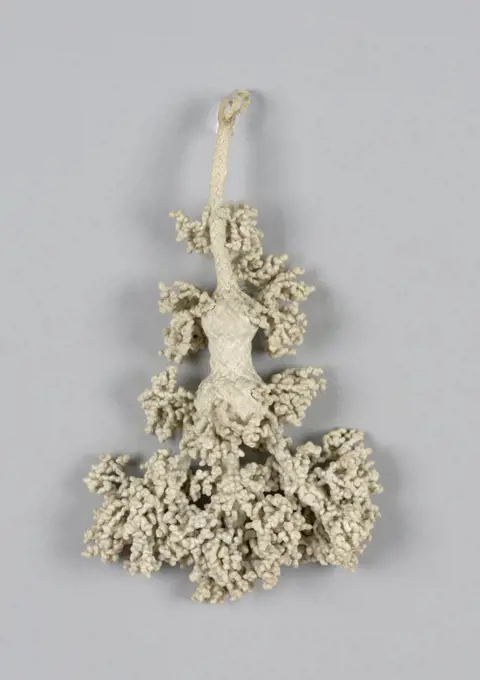
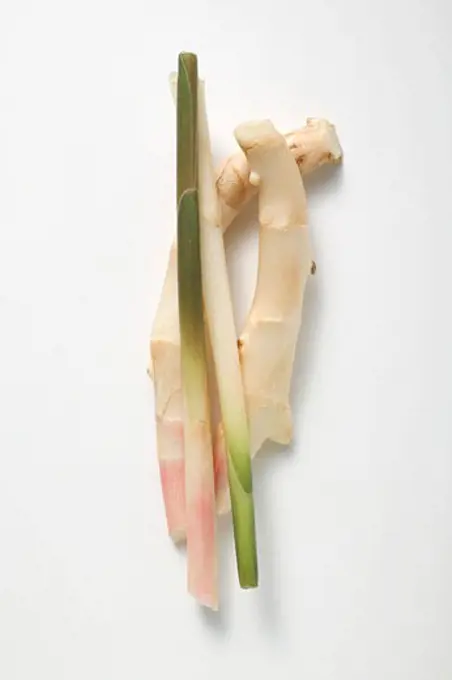
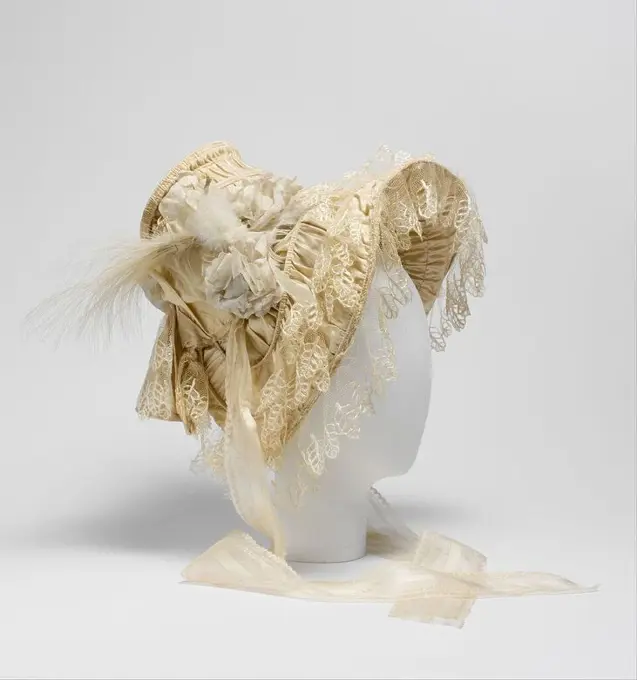
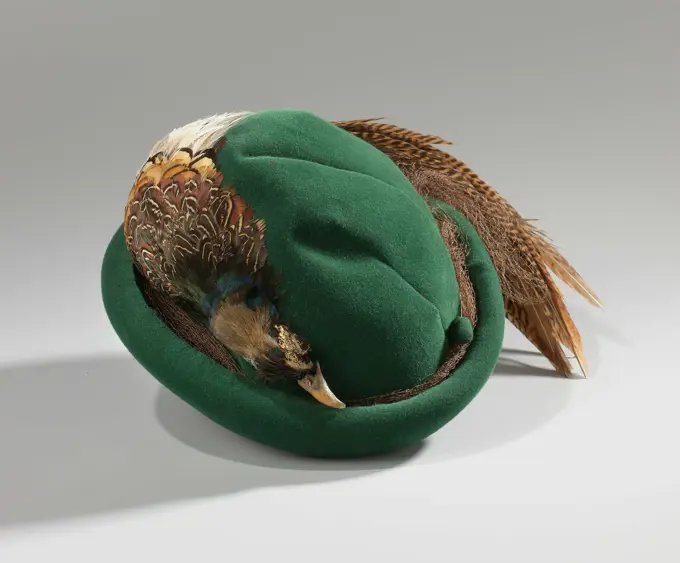
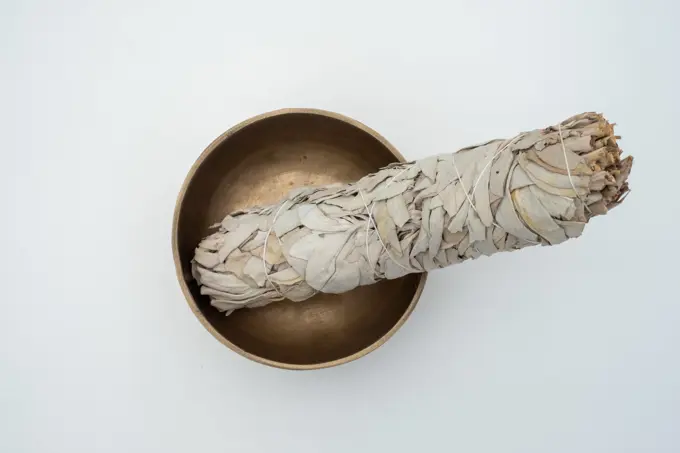
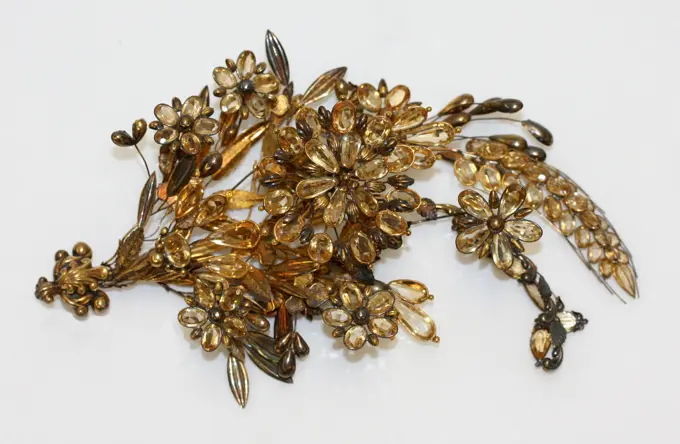
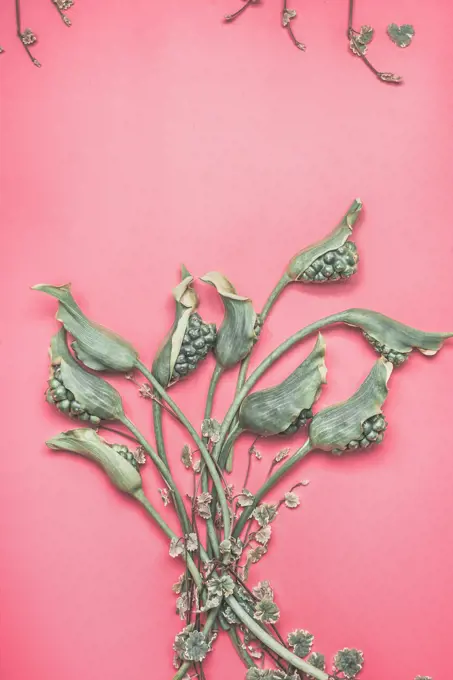
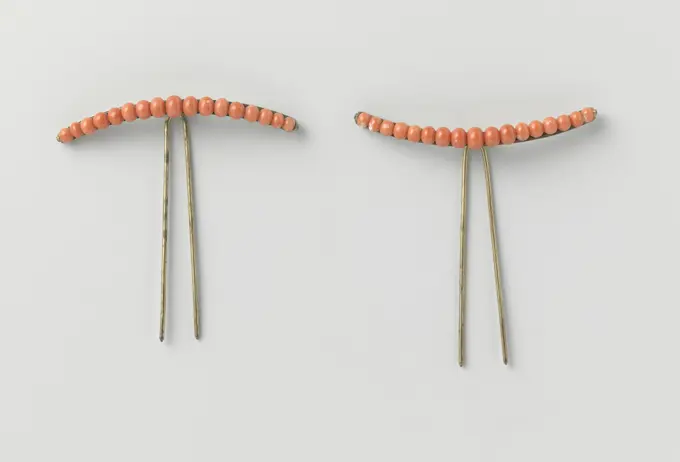
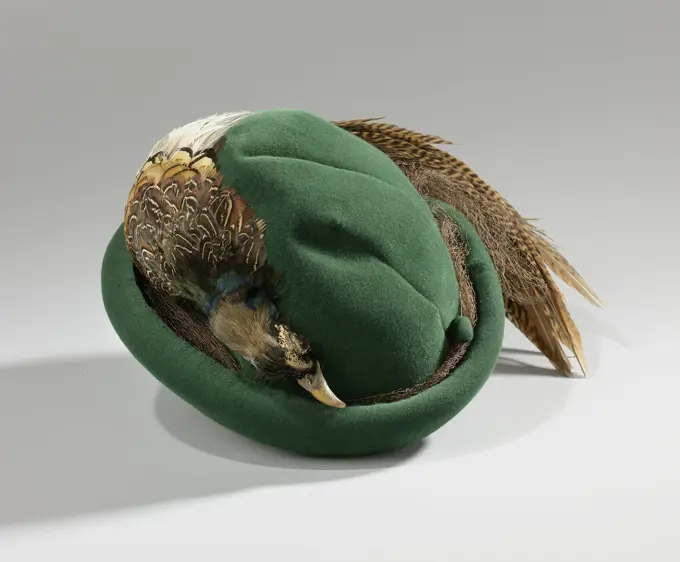
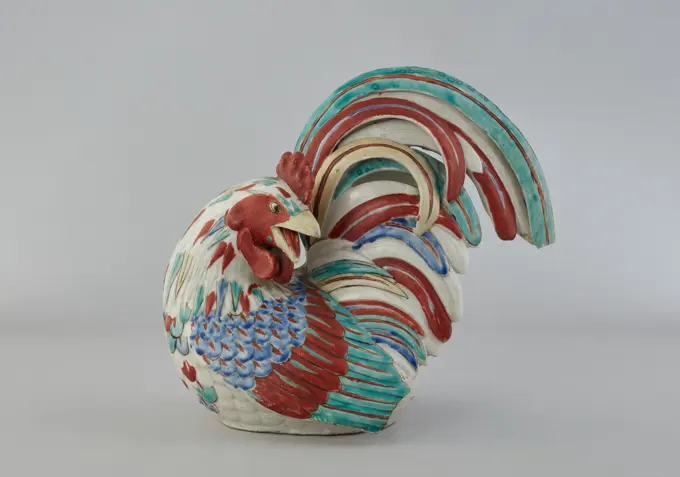
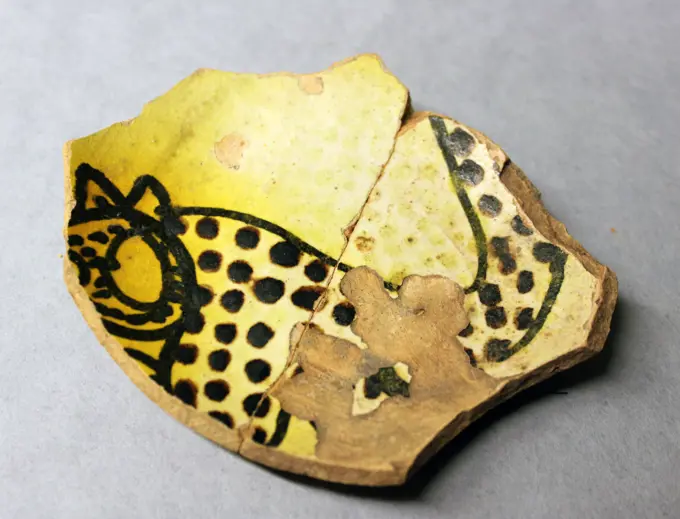
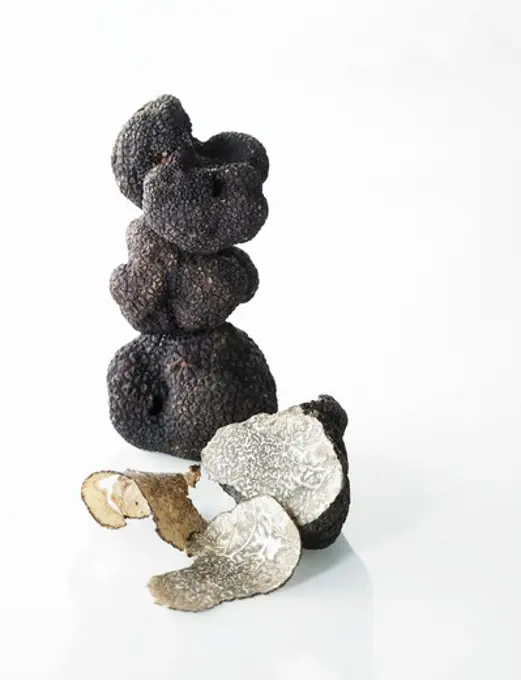
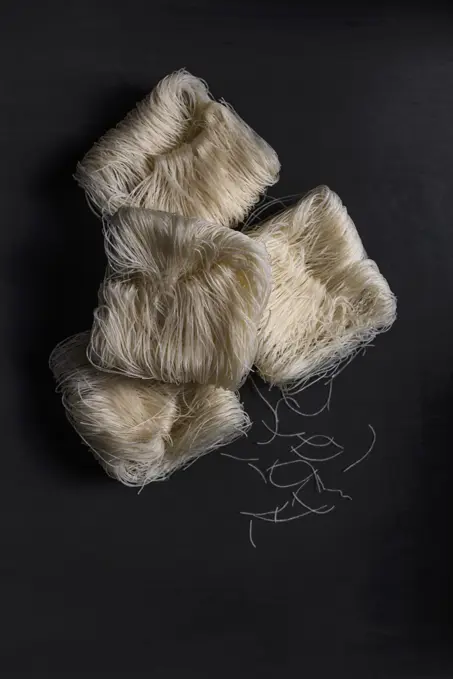
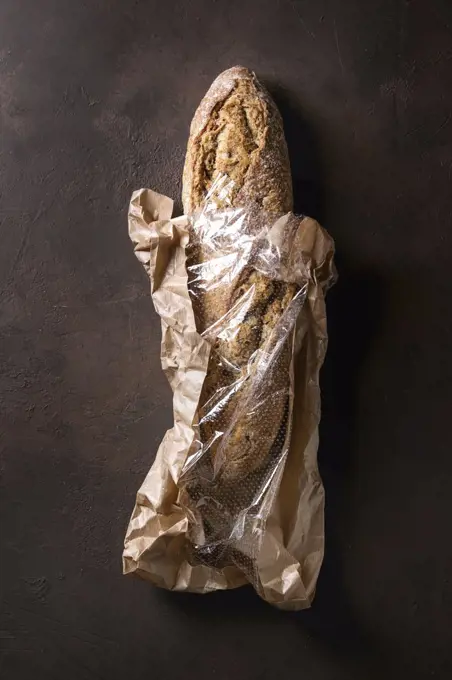
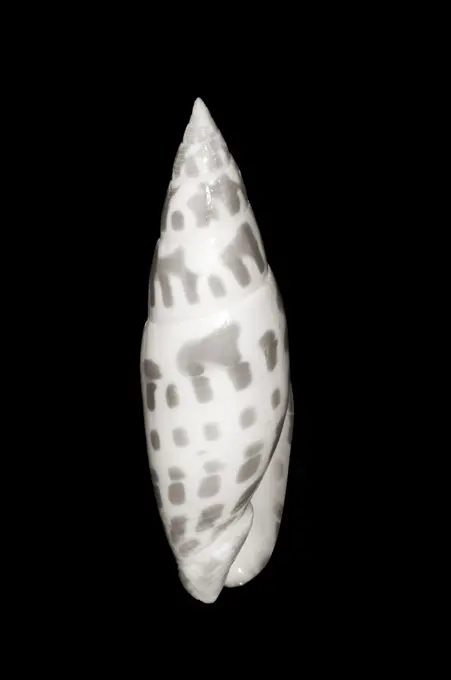
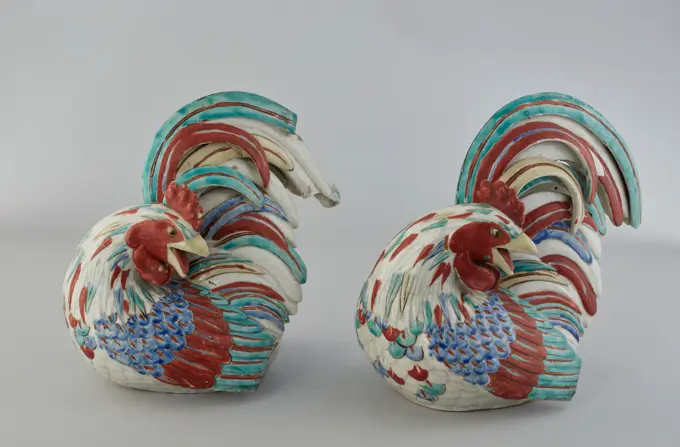
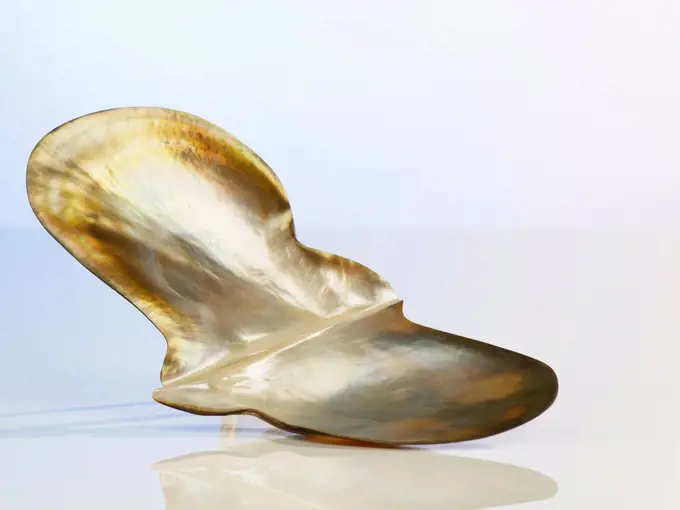
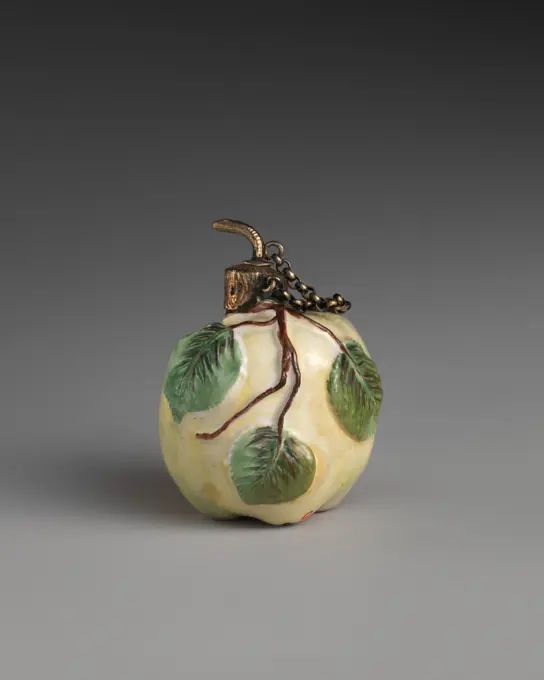
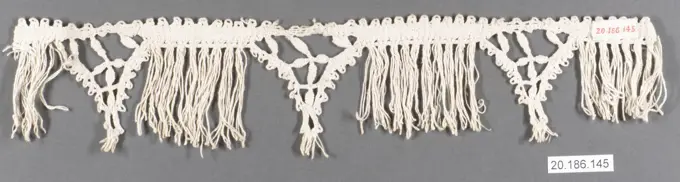
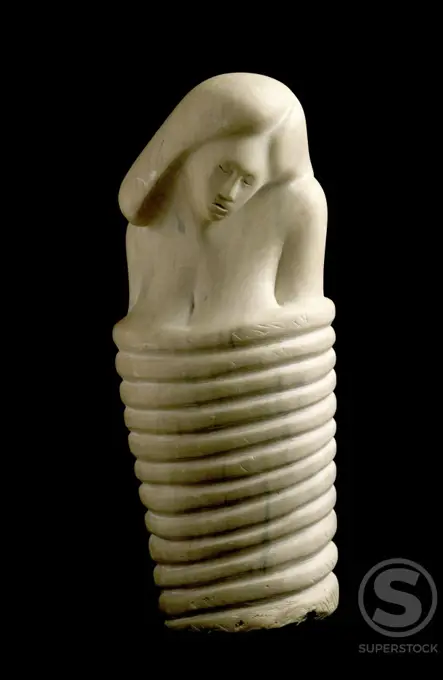
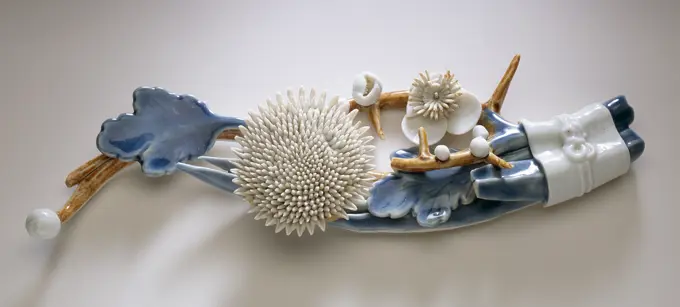
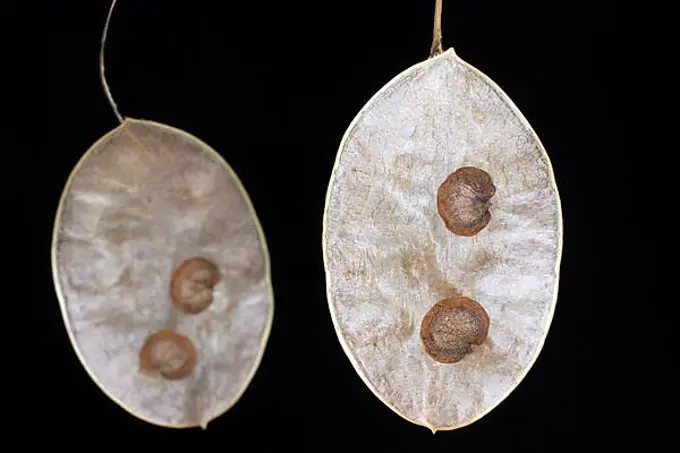
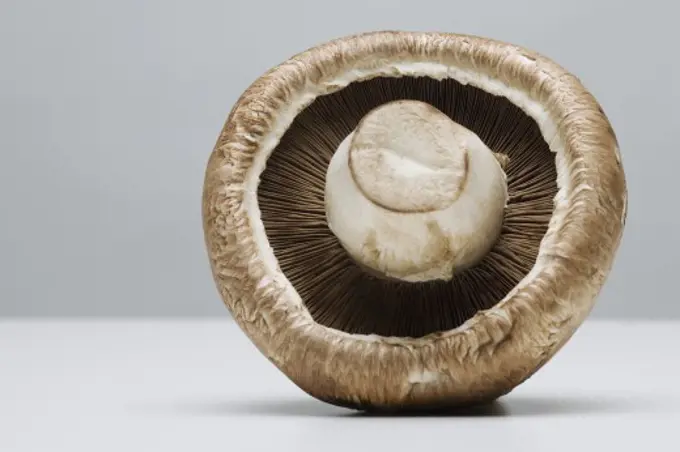
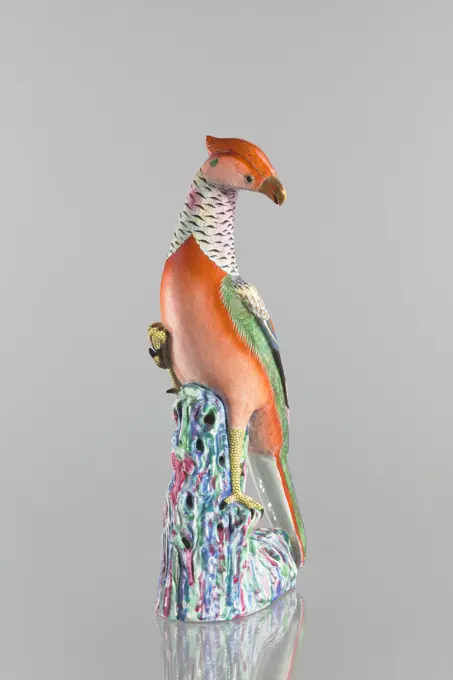
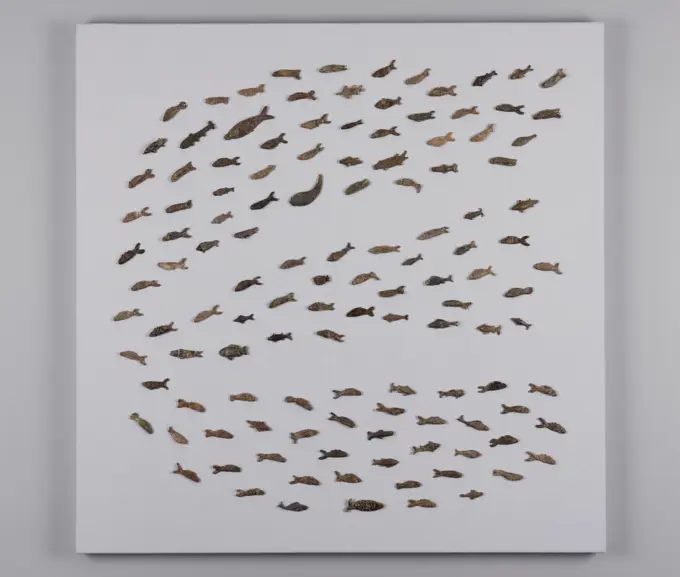
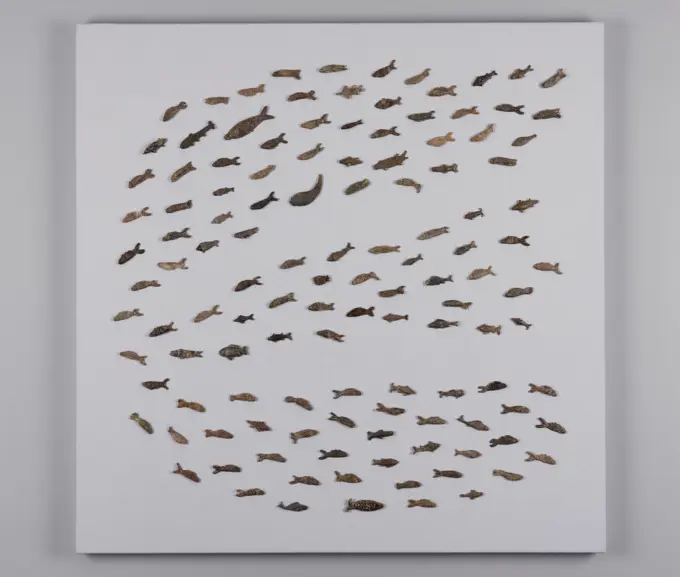
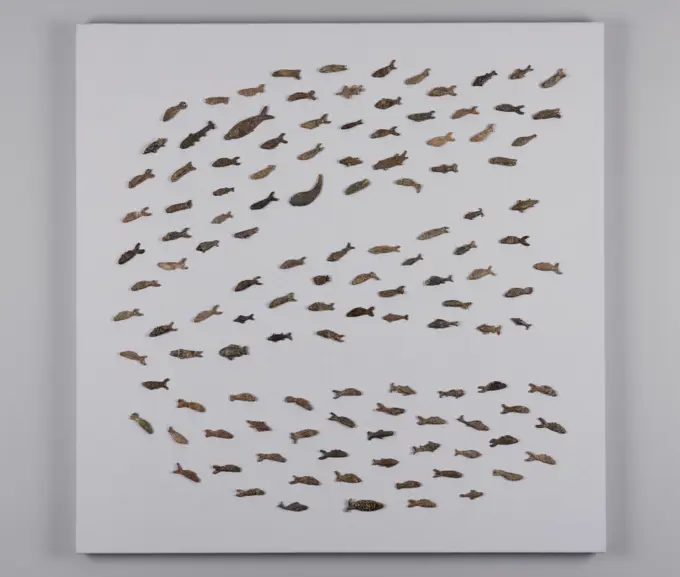
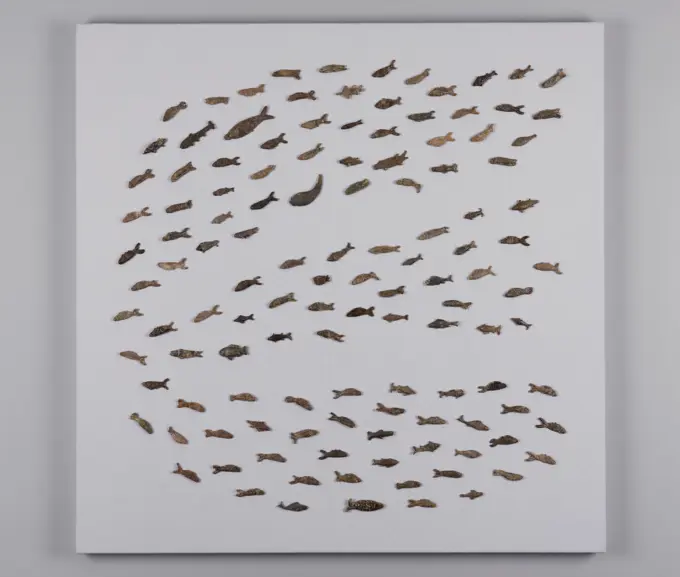
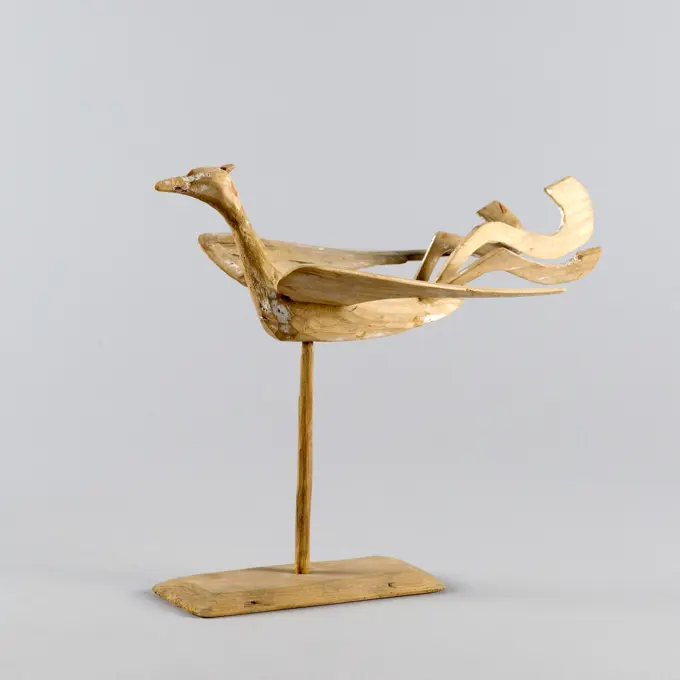
End of the stick to rushing reindeer Koriak folk products. Aker or decorative brush, belonging to fifteen Akers or decorative brushes, including three pairs of stuck or knotted on cords with round flat binding. The brushes are different from size and manufactured linen thread that is stretched into numerous strands of buttons and is reinforced with a stiff. The brushes are composed of several layers of "bundles" with strands of buttons. BK-NM-5448-5-A T / M O.Necklace in Gold Filagree of Queen Tausret ca. 1200-1186 B.C. New Kingdom, Ramesside The cornflower and ball beads in this necklace were made by soldering wire rings of several different diameters into the desired forms. The piece is an early example of the technique known as filagree. Discovered with a cache of jewelry in the Valley of the Kings, the necklace is thought to have belonged to Tawosret, wife of the Seti II and regent for her husband's successor Siptah. Tawosret, who reigned Egypt in her own right for several years at the end of Dynasty 19, was one of the few female rulers of Egypt, the most famous of whom are Hatshepsut and Cleopatra VII.. Necklace in Gold Filagree of Queen Tausret. ca. 1200-1186 B.C.. Gold. New Kingdom, Ramesside. From Egypt, Upper Egypt, Thebes, Valley of the Kings, Tomb KV 56 ("The Gold Tomb"), Davis/Ayrton excavations 1908. Dynasty 19Vanilla pod and vanilla sugarWhite ink swirling waterTassel (Italy); linenShell, possibly a Bursa rubeta, from the wreck of the Dutch East India ship Witte Leeuw, before 1613  Shell from v.o.c. ship De 'Witte Leeuw'  .  molluscs (+ shell, snail-shell etc.) Sint-HelenaGolden leaves styled stock scene, rich earth tones. Golden leaves styled stock sceneTakarabune. Mid 19th century. From Japan. Ivory carving depicting the legend of the Seven Lucky Gods that, at the beginning of the New Year, take to the skies in the Takarabune (treasure ship) to bring fortune to mortals. Naval Museum. Madrid. Spain.Covered Vase, 18th-19th century, 8 in. (20.32 cm), White jadeite, China, 18th-19th century, This exquisite vase consists of a large lotus flower delicately supported by stems and leaves carved in the full round. As with many jade objects of this era, the wooden stand relates both in theme and style to the stone it supports. This work vividly demonstrates the technical virtuosity and artistry achieved in jade carving during the eighteenth and nineteenth centuries. As more showy, brightly colored jadeite was imported from Burma, a penchant for elaborately worked carvings developed. Despite the incredible hardness of jade and the enormous patience required to fashion it, the maker of this piece has created a delicate rhythm of plant forms with flawless artistry.Boutonnière British 1625-49Tassel 18th century French. Tassel. French. 18th century. Silk and metal thread. Textiles-TrimmingsArmchair, Assembled and pinned steer horn, cut and shaped horn sheets, wood, metal, brass, glass, leatherette upholstery (modern), Bow-shaped joined crest rail above similarly shaped shoulders, over a back support of twisting horns. Similarly composed arm supports, centering a leather upholstered seat on four twisting cow-horn legs terminating in brass claw-and-glass ball feet. The front feet enclose opposing twisting horn returns. Part of group with ottoman 1986-39-2., probably San Antonio, Texas, USA, ca. 1885, furniture, Decorative Arts, ArmchairBasket Firma: Pietremont H.Glass beaker with snake-thread decoration ca. 3rd century A.D. Roman Colorless with pale green tinge; trails in same color.Tall beaker or goblet, with side tapering downwards and curving in at base; stem consists of a solid, slightly convex knob; broad, shallow foot, made from a separate gather is concave, with rounded, thickened edge, and small central pontil scar.On body, three vertical abstract floral sprays, comprising stems and broad, down-turned leaves, applied as separate trails, all flattened and decorated with crisscross patterns, and one small additional spray near bottom on one side.Broken and repaired, with some weathered broken edges; all of rim and much of body missing, but foot intact; a few bubbles; slight dulling and patches of brilliant iridescent weathering.. Glass beaker with snake-thread decoration. Roman. ca. 3rd century A.D.. Glass; blown, trailed, and tooled. Late Imperial. GlassTassel, Medium: linen Technique: braided and knotted, Linen tassel, braided and knotted. Double loops attached to cord which terminates in a small pear-shaped center unit from which hang elaborately knotted elements., Italy, Europe, 17th century, trimmings, TasselWreath. UnknownAkpaka pods, TaruYoung gingersmall piece of cut wood log used for  wood texture backgroundCorsage, Orchid of Violet Velvet, with short stem, anonymous, c. 1930 - c. 1950 Flower corsage, orchid of Violet Velvet, with short handle. Netherlands bloem: velvet (fabric weave). steel: paper Flower corsage, orchid of Violet Velvet, with short handle. Netherlands bloem: velvet (fabric weave). steel: paperParasol third quarter 19th century American or European. Parasol 121827Christmas decor closeup on a white background. Isolated - ImageRuya's prosperity scene unknownBonnet. Culture: French. Date: 1830-35.In the 1830s the fashionable coiffeur was hair pulled back in a high single- or double-looped chignon with dense grapelike bunches of curls at the temples. This hairstyle influenced the profile of hats of the period, which were characterized by narrow, deep, cylindrical crowns that were angled upward, and wide, face framing, halolike brims. Hat trims were particularly lavish, with the interiors of the brims, because they were exposed, also treated decoratively. This example is particularly rich in ornamentation and rare for the survival of all its embellishments. Museum: Metropolitan Museum of Art, New York, USA.. From 1945 hats became smaller in reaction to the large models that had been fashionable during World War II. This hat, made by the Legroux Soeurs (Legroux sisters), famous Paris modistes, is an early example of this trend. Mrs Brusse-Urtebise bought her hats in Paris. The same model can be seen in a French magazine of October 1945.Three bows tied to a person's fingerFlat lay composition of dried white sage and wholistic healing Tibetan singing bowls Flat lay composition of dried white sage and ancient hand crafted traditional Tibetan meditation and healing singing bowls made from 7 sacred metals which are typical accessories used in buddhism, yoga and meditation Copyright: xZoonar.com/BjornxBeheydtx 14176807Christmas tree decoration, fir cone and fir branch, close_upHat of white satin with pink flowers and light blue ribbons decorated, slightly oval, flat model, anonymous, c. 1895 - c. 1900 Cat of white satin with pink flowers and light blue ribbons decorated. Something oval, flat model. Large sphere with a small border. Gaas is applied as an interior on a frame of wire work. A border of light pink roses runs around the ball. At the rear, under the edge, a row of small pink flowers has been installed, over which the ribbon has been laid in numerous strikes. Brussels whole: Satin. Framework: Metal. Flowers: Cotton (textile) Cat of white satin with pink flowers and light blue ribbons decorated. Something oval, flat model. Large sphere with a small border. Gaas is applied as an interior on a frame of wire work. A border of light pink roses runs around the ball. At the rear, under the edge, a row of small pink flowers has been installed, over which the ribbon has been laid in numerous strikes. Brussels whole: Satin. Framework: Metal. Flowers: Cotton (Hair accessory ca. 1830 French. Hair accessory 104838crumpled paperWreath Greek. Wreath. Greek. Gold. Gold and SilverQuails with Branches of 'Buddha's Hand' (Foshou) and Flowers. China, Middle Qing dynasty, about 1700-1800. Sculpture. Abraded jadeClose-up of whipped creamKnop (), anonymous, c. 1100 - c. 1200 The cast, openwork object has the shape of a nodus. In the middle a hollow axle, trimmed on both sides with a cord edge. Forming a double cord edge, a braid motif. The connection between these parts consists of rings with buttons on the points of contact. A quarter of part is missing. The function is unknown. Probably a soil find. West-Europa bronze (metal) casting The cast, openwork object has the shape of a nodus. In the middle a hollow axle, trimmed on both sides with a cord edge. Forming a double cord edge, a braid motif. The connection between these parts consists of rings with buttons on the points of contact. A quarter of part is missing. The function is unknown. Probably a soil find. West-Europa bronze (metal) castingBowl fragment ca. 1981-1640 B.C. Middle Kingdom. Bowl fragment 556913silver cone silver cone on a black background Copyright: xZoonar.com/OleksandrxPakhayx 3183573Fly Whisk, late 20th century, 17 in. (43.18 cm), Cotton, wood, plastic beads, synthetic fringe attachments, embroidery, China, 20th centuryCap ca. 1860 American. Cap 168454Green calla flowers bunch on pink background, floral flat layHair comb with a curved edge on which seventeen round blood corals beads and hinged, double copper -colored pen, c. 1870 Hair comb consisting of a two -way metal hairpin, on which a curved metal tire with seventeen blood corals. Netherlands (possibly) pen: copper (metal). decoratie: red coral (material) forging / basting Hair comb consisting of a two -way metal hairpin, on which a curved metal tire with seventeen blood corals. Netherlands (possibly) pen: copper (metal). decoratie: red coral (material) forging / bastingFragment of soil, trunk and onset of calyx of small berkemeier with sharply thorned buds, drinking glass drinking utensils tableware holder soil find glass forest glass, hand-blown glass application Fragment of bottom stem and starter chalice of small birch leier in clear green glass (forest glass) Upwards open cylindrical stem with two rows of five each sharply thorned buds Narrow smooth glass wire imposed between the trunk and the goblet Mounts the calyx from archeology Rotterdam rail tunnel drink Soil discovery: rail tunnel Rotterdam.Golden angel wings, cutoutHat with a Pheasant Decoration, c. 1945  Paris felt (textile).  Paris felt (textile).seashell isolated on white backgroundUnknown, rooster (main title), 1736. Porcelain, polychrome enamels. Petit Palais, Museum of Fine Arts of the City of Paris.Fragment of a Bowl 9th-10th century. Fragment of a Bowl. 9th-10th century. Earthenware; white slip, yellowish-black and brown-black decoration under glaze. Excavated in Iran, Nishapur. CeramicsBlack truffles, stacked, one partly slicedTassel 17th century Italian. Tassel. Italian. 17th century. Linen. Textiles-TrimmingsTassel (Spain); metal foil, metallic thread, and silk on wood coreFibula Cypriot. Fibula 242636Small hat of stitched red rip side with flat sphere and slightly raised edge, decorated with brown grosgrain and brown voile, rose valois (attributed to), c. 1941 - c. 1942 Small hat made of stitched red rip side with flat sphere and light upright edge, decorated with brown grosgrain and brown voile. Model: loose sphere and edge. The sphere, which tapered from top to bottom, consists of two parts with a seam all around. The bulb is reinforced with horsehair, the edge with laiton. In the edge a seam in the middle. Unsurbed. Brown rip ribbon. Decoration: Around the ball a 3 cm wide ribbon of brown grosgrain, which is stricted on the right in a double flat bow. At the front a coarse -meshed voile, at the back a hanging strip of the same tulle. Paris whole:. Hat band :. Voile :. Small hat made of stitched red rip side with flat sphere and light upright edge, decorated with brown grosgrain and brown voile. Model: loose sphere and edge. The sphere, which tapered from top to bottom, consists Painted pine cone in hand on a white backgroundPacket glass noodles against a black background (top view)Group of Shimeji mushrooms isolated white background Brown beech mushrooms arranged on black stone plate over white background, Shimeji Hypsizygus tessellatus mushrooms Copyright: xZoonar.com/NerijusxLiobex 21745257Nice elegant necklace isolated on white backgroundTassel, Medium: linen Technique: braided and knotted Label: Braided and knotted linen, wood, White linen tassel with three balls connected to one another by a braided stem to create a three-tiered base. All three balls are covered with tiny knotted balls., Italy, 17th century, trimmings, TasselPlanets-manager. Cornalet Collection Sites 2013-2016. Numismatic.Pearl necklace is placed on white backgroundOvertop-handled Pot in the Shape of an Egret and Lotus Bloom, Greenish-white Jade, (1644 - 1911 AD) The Capital Museum, Beijing, ChinaLoaf of fresh baked artisan rye bread in market paper bag over dark brown texture background. Top view, copy space.Hair comb made of turtle with an unadorned round back, put on the teeth, anonymous, c. 1800 - c. 1850 Hair comb made of turtle with an unadorned round back, which is opposed to the thirteen teeth. Netherlands (possibly) . sawing / bending / filing / polishing Hair comb made of turtle with an unadorned round back, which is opposed to the thirteen teeth. Netherlands (possibly) . sawing / bending / filing / polishingStrip needle side with curly tendrils and multi-part flowers. Natural coniferous strip, Venise flat. Pattern with rich branched curly tendrils with small large flowers on an irregular open ground with one-sided picoted bars. Full work with twisted feston stitches containing various motifs through recesses. The top was originally trimmed with a border of clamping side, causing damage to this finish. The underside is finished with a straight picro edge with arcs.fishing net fishing net isolated over white background Copyright: xZoonar.com/IvonnexWierinkx 7997931Close_up of long skinny shell on black background Sepia photograph.Snail Group. Hideharu (Japan, active late 19th century). Japan, late 19th century. Costumes; Accessories. WoodTumbler after 1886 Probably Hobbs, Brockunier and Company. Tumbler. American. after 1886. Pressed cranberry and opalescent glass. Made in Wheeling, West Virginia, United StatesUnknown. Petit Palais, Museum of Fine Arts of the City of Paris.Close up of Mussel on white backgroundDecorative UmbrellaCeiling lampA smear of cream scrub on a green background. Texture of a cosmetic product. A smear of cream scrub on a green background. Texture of a cosmetic product. High quality photo. Copyright: xZoonar.com/MAREVGENNAx 21863052Apple ca. 1755 Chelsea Porcelain Manufactory. Apple. British, Chelsea. ca. 1755. Soft-paste porcelain. Chelsea Porcelain Manufactory (British, 1744-1784). Ceramics-PorcelainHand holding brown pod or capsule in hand on a white backgroundEdging second half 16th century Italian, Genoa. Edging 220955Polished Turquoise Nautilus Shell Polished Turquoise Nautilus Shell Copyright: xZoonar.com/SerhiixZarevx 22546409Round white podium with golden tropical leaves on white background. Podium for product, cosmetic presentation. Mock up. Pedestal or platform for beauty products. Empty scene. 3D rendering. Round white podium with golden tropical leaves on white background. Podium for product, cosmetic presentation. Mock up. Pedestal or platform for beauty products. Empty scene. 3D rendering.Two fragments of bottom, foot and part wall of smooth cup, drinking cup drinking vessel holder soil find glass, hand-blown glass application Two fragments of part bottom foot and part wall of smooth cup in clear colorless and blue glass Around continuous serrated glass thread in blue glass as stand ring of which just under half is missing. Approximately one quarter of the raised soil (2.4 cm) is missing. Part of horizontally ascending smooth wall archeology Rotterdam rail tunnel drinking beer Soil discovery: rail tunnel Rotterdam.Dessert scale in the form of a grape leaf, Petrus Regout, c. 1860 - c. 1890 Dessert scale of white -glazed earthenware, in relief in the form of a grape leaf. Maastricht . vitrification Dessert scale of white -glazed earthenware, in relief in the form of a grape leaf. Maastricht . vitrificationElegant and Colorful Wine GlassesBound Woman  1975 Pablo Rivera (b. 1936/American)  Sculpture  Private Collection Weight (noshi-osae) in the Form of Chrysanthemums and Plum Blossoms. Japan, 19th century. Ceramics. Hirado ware; porcelain with underglaze brown and blueShimeji mushroomGarlic bulbPenning, anonymous, c. 1800 - c. 1920  Metal carrying pin with a crown on hinge, on which button, ring and ribbon. Coat of arms, surrounded by a banner and deleted by a hinged crown.  penning: metal. lint: textile materialsAnnual honesty (Lunaria annua) with seeds, studio photograph with black backgroundBuilt in 2008 by architects HPP, interior design by UKW, Jochen Usinger and Martin Klein-Wiehle, book art object by Hubertus GojowczykLaces, 17th-18th century. Flat or royal stitch (Punto Piatto or Punto Reale) needle lace shaw, ending with a bobbin lace scalloped embroidery, end 1600's-beginning 1700's.The underside of a mushroomFigurine of pheasant. unknown, craftsmanVotive Fish. UnknownVotive Fish. UnknownVotive Fish. UnknownVotive Fish. UnknownVotive Fish. UnknownLluis Ventós / "Goddess", 2006, Sculpture, 20,3 x 9,3 x 13,7 cm.A small decorative dolphin sculpture made from crude glass. Glass is made through the process of heating silica and sodium carbonate and is made water-resistant by adding calcium carbonate. Dated 21st CenturyHands of Buddha (red and white), 1736-1795, 4 1/4 x 5in. (10.8 x 12.7cm), Jade, China, 18th centuryMingqi Bird-Phenix. Wood with traces of polychromy. China, Han dynasty. Paris, Cernuschi museum. DYNASTIE HAN, FIGURINE FUNERAIRE, FUNERARY FIGURINE, HAN DYNASTY, MINGQI, MINGQIS, OISEAU-PHENIX, PARTYL POLYCHROMED, PHOENIX, POLYCHROME, TRACE POLYCHROMIE, animal, bird, bois, wood