Cultural Artifacts and Decor

Historical items including buttons, tsubas, ceramics, and decorative mirrors reflecting cultural craftsmanship and artistry.

Mirror decorated with four monkeys, Anonymous, -400 - -200
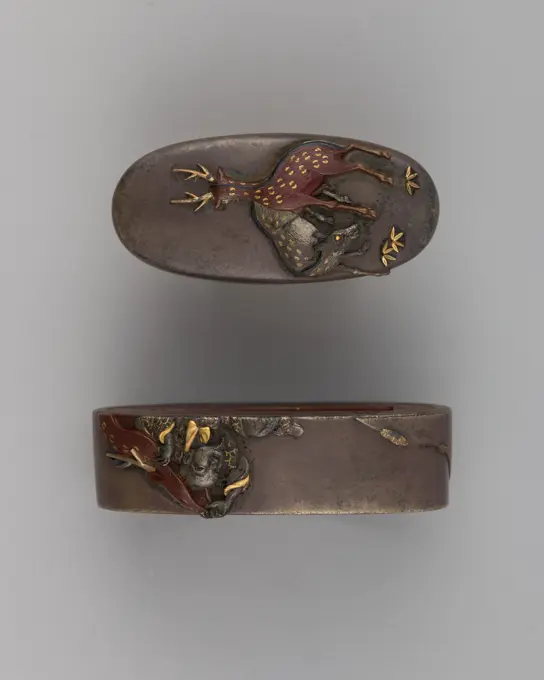
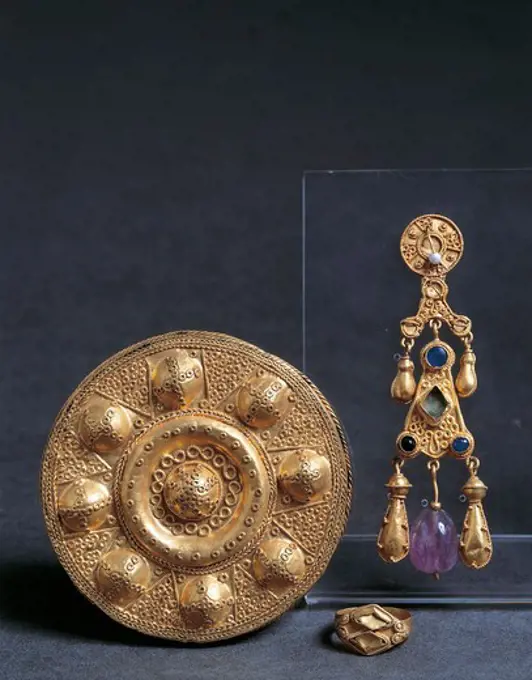
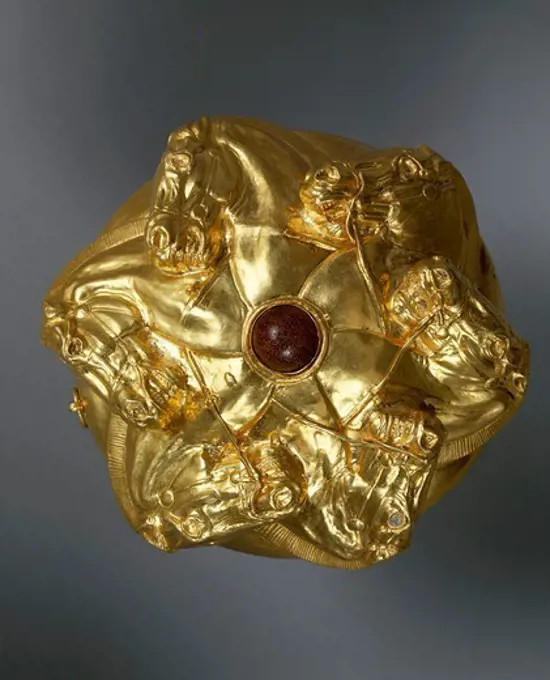
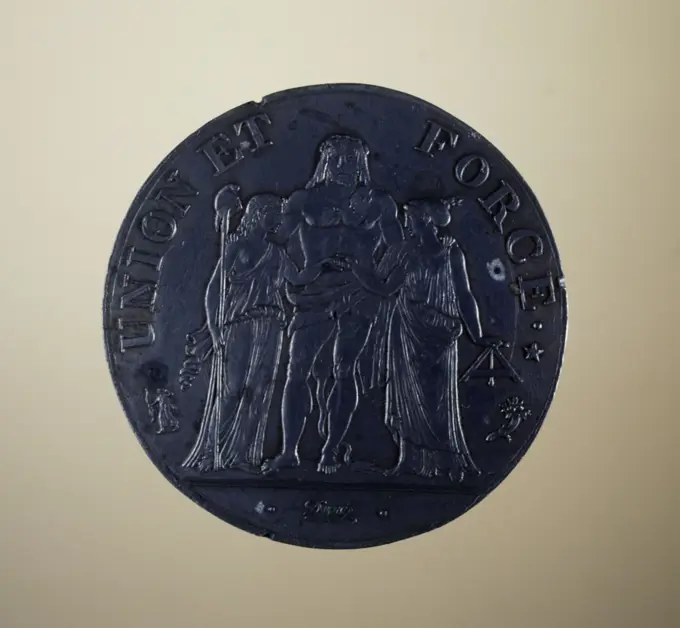
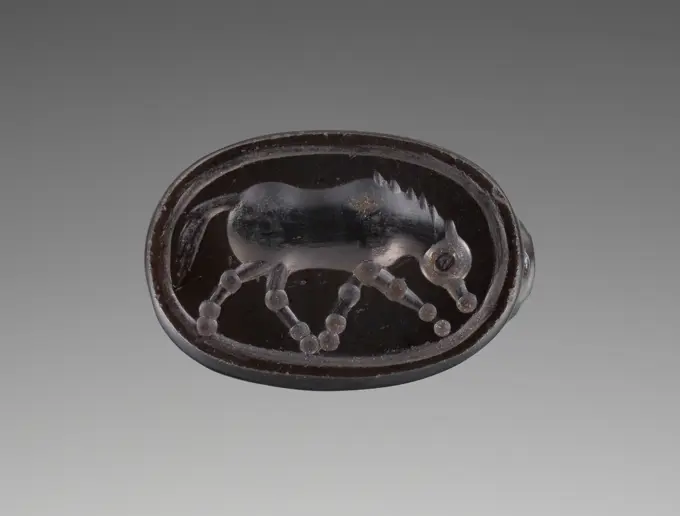
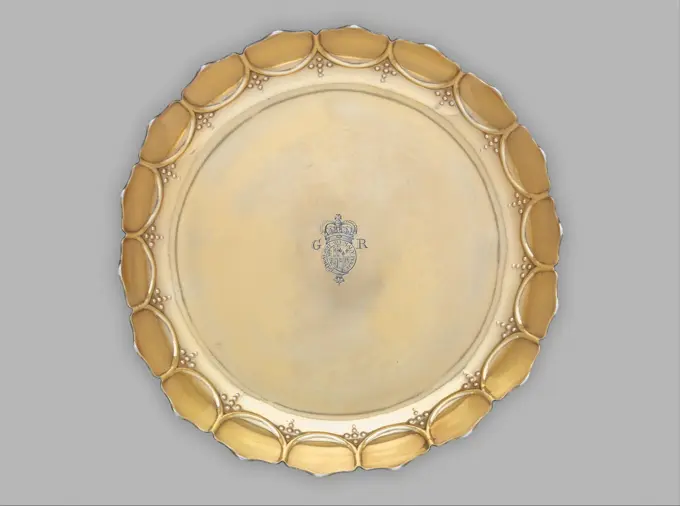
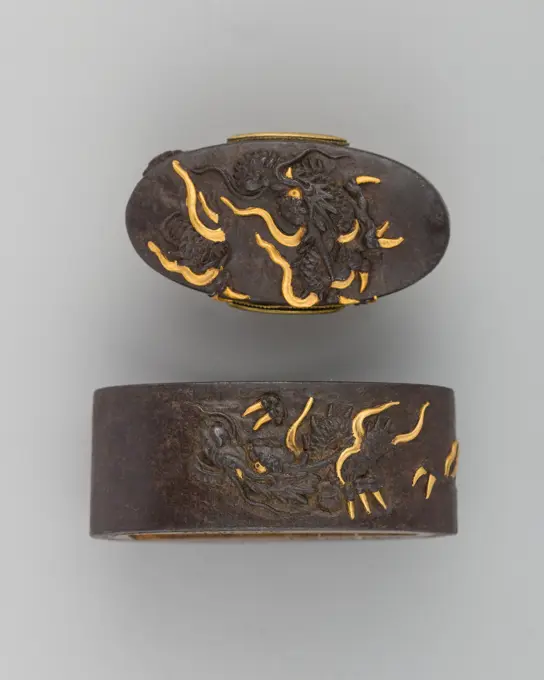
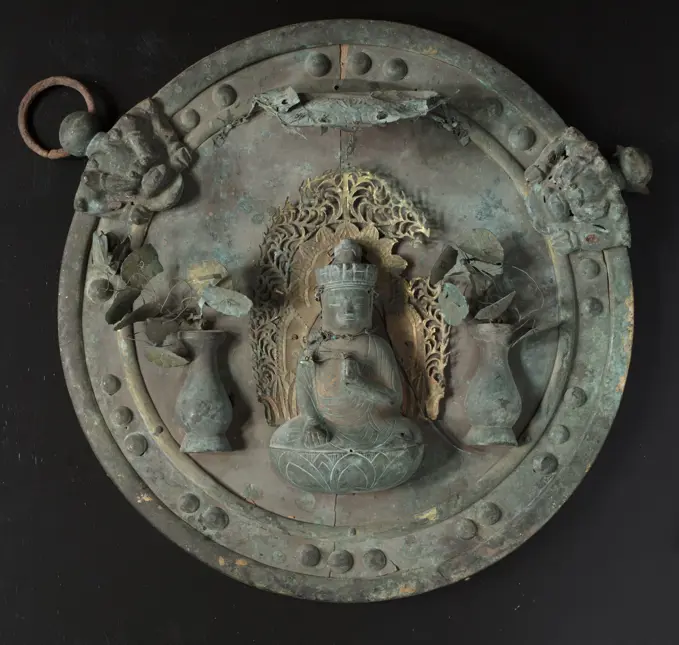
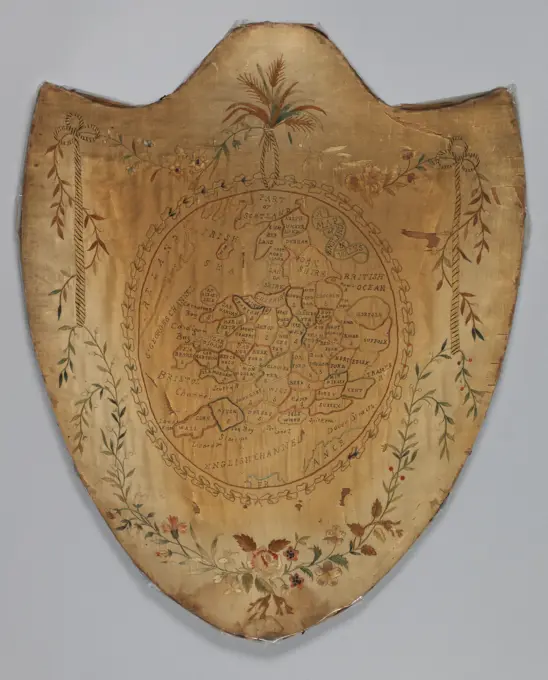
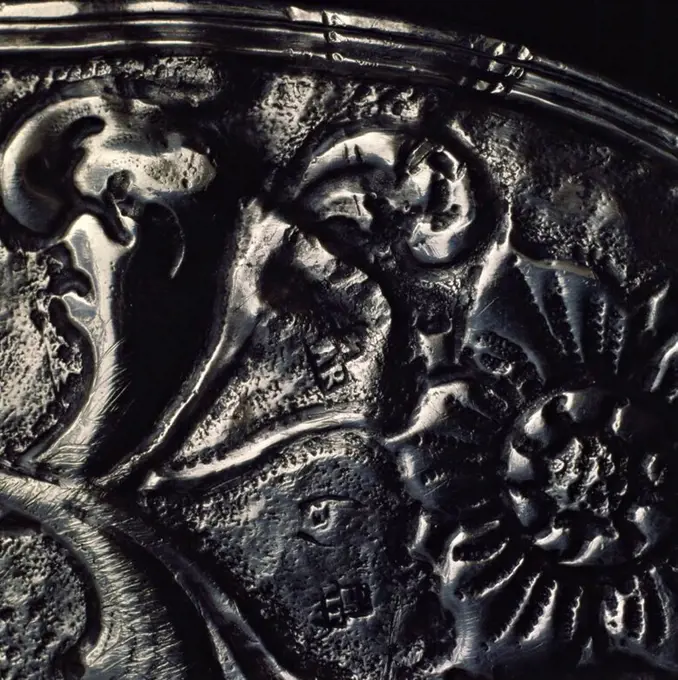
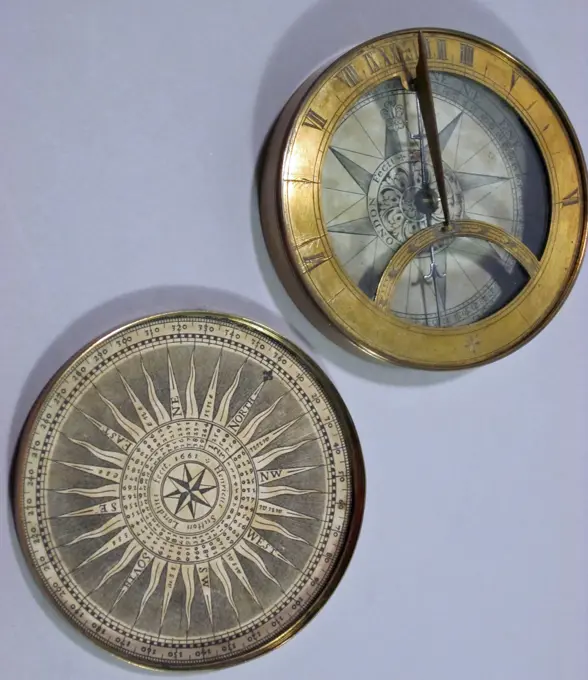
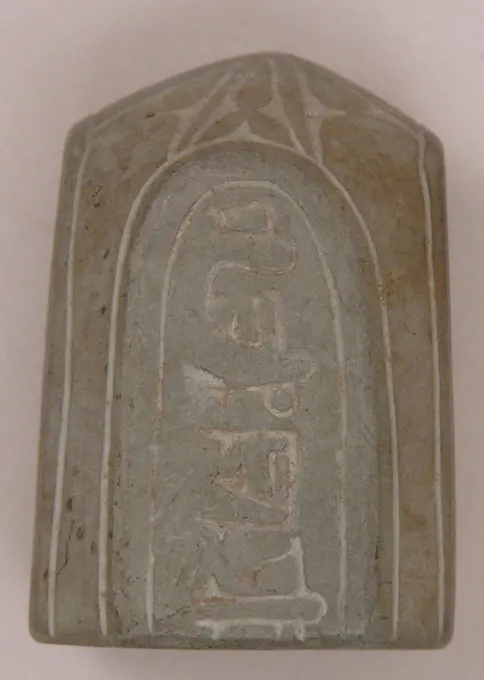
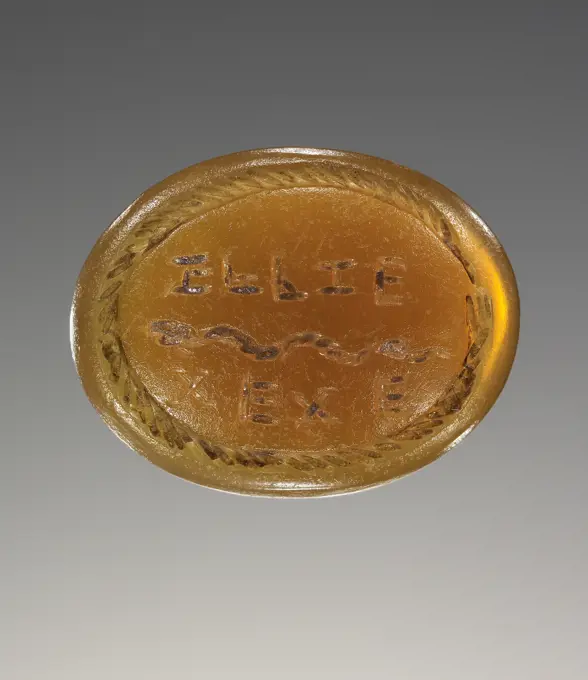
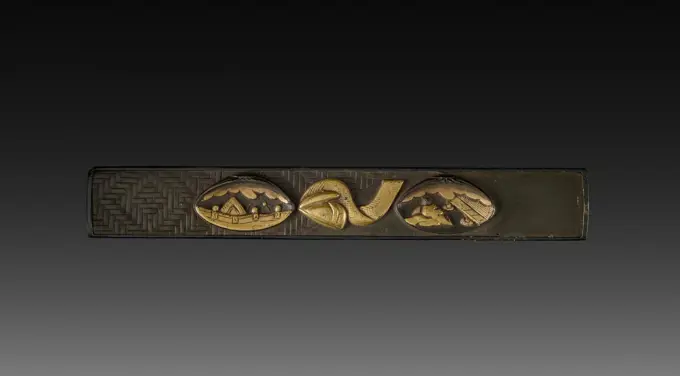
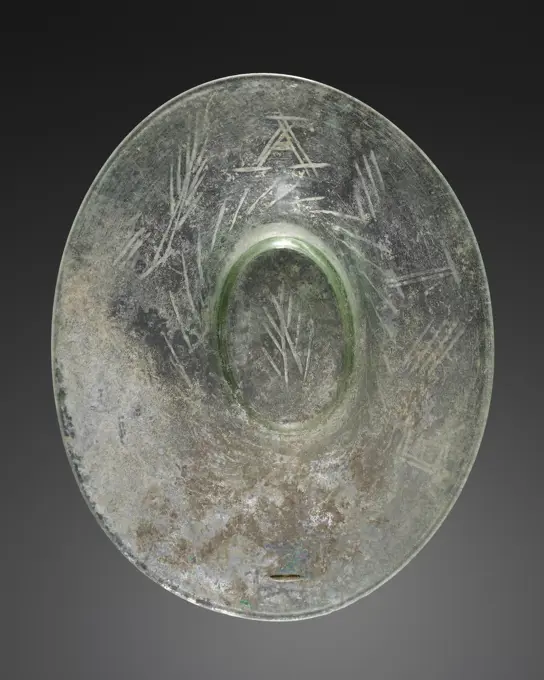
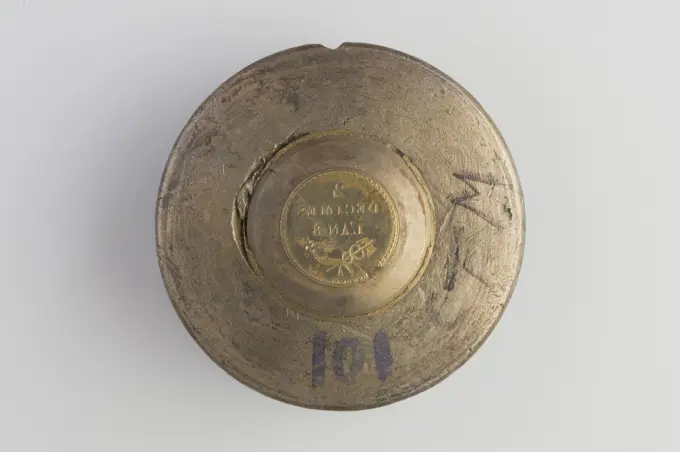
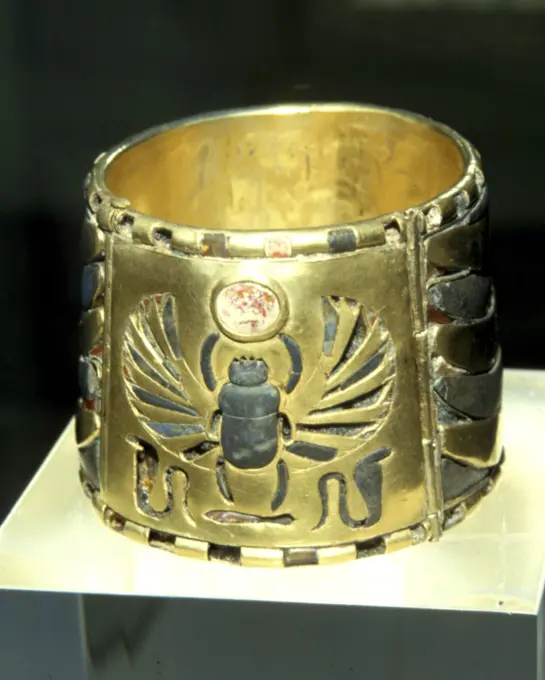
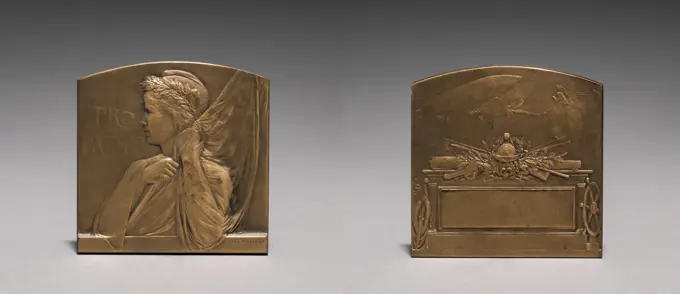
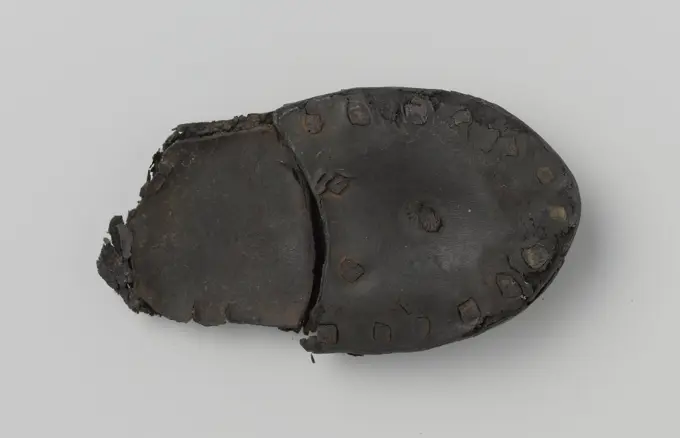
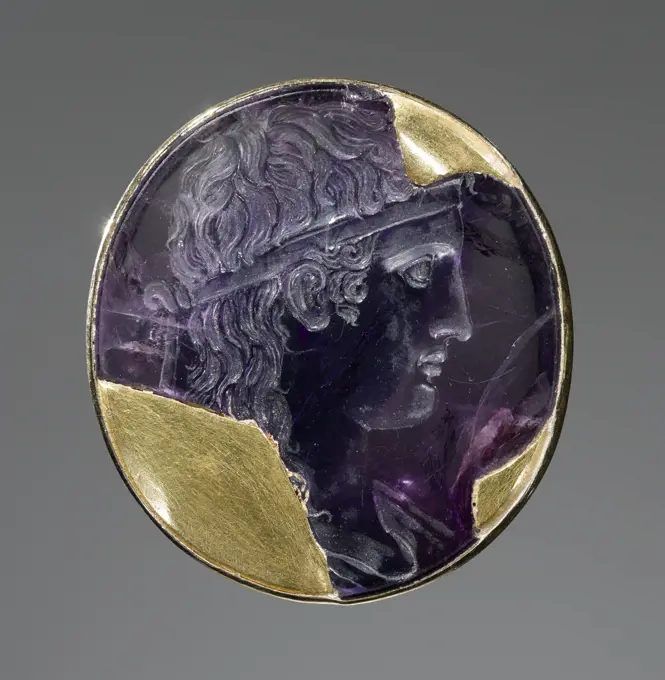
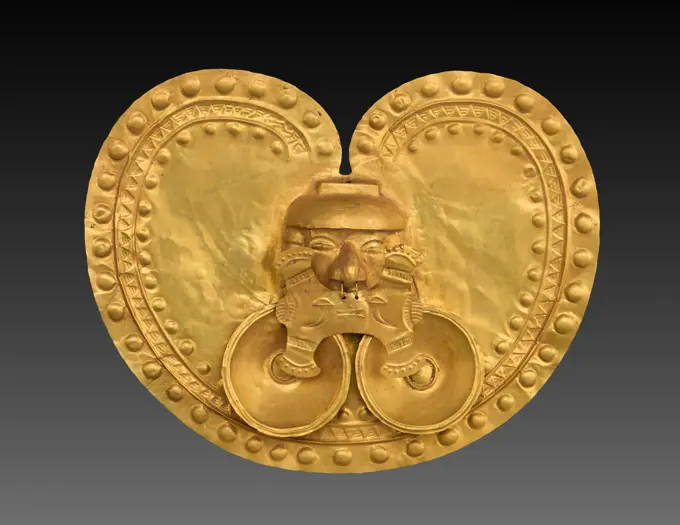
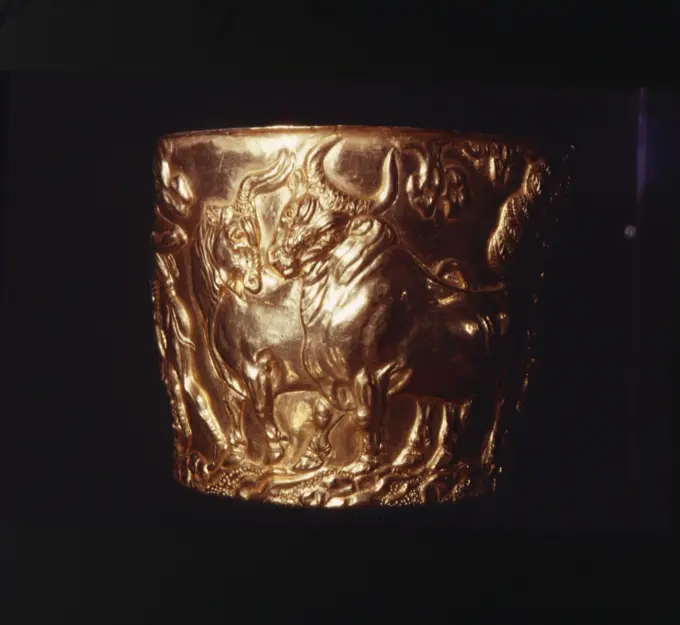
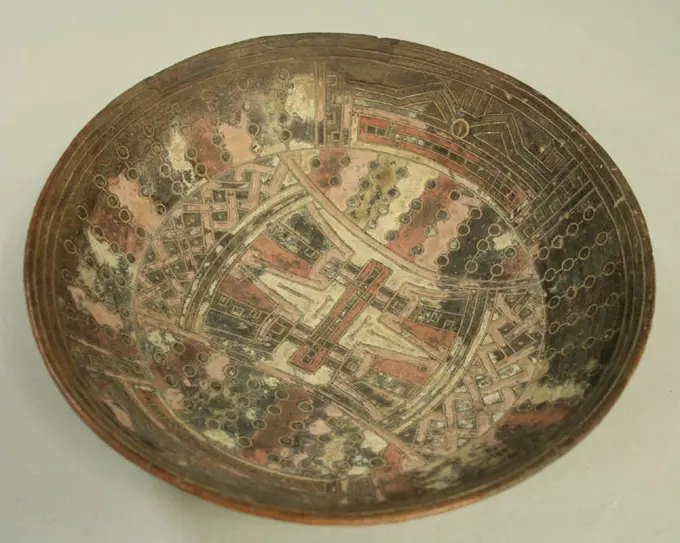
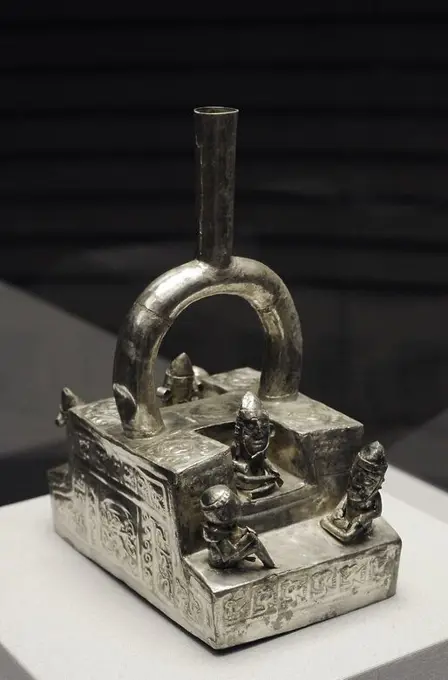
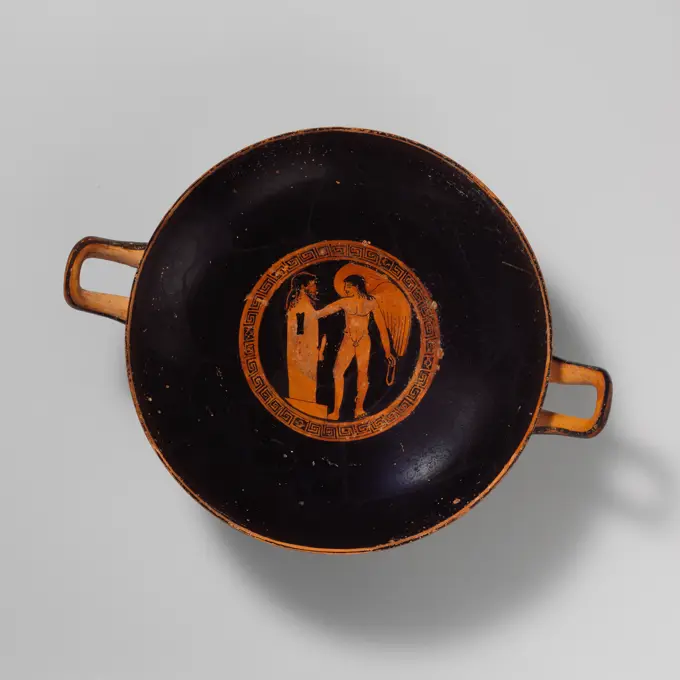
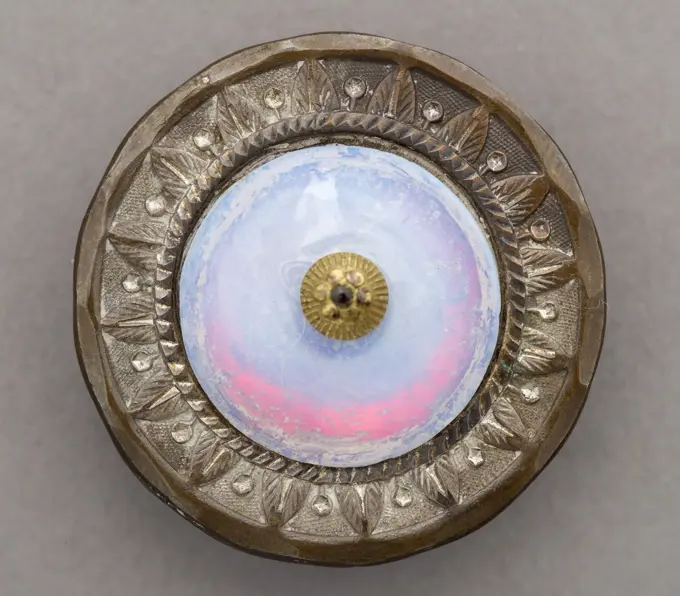
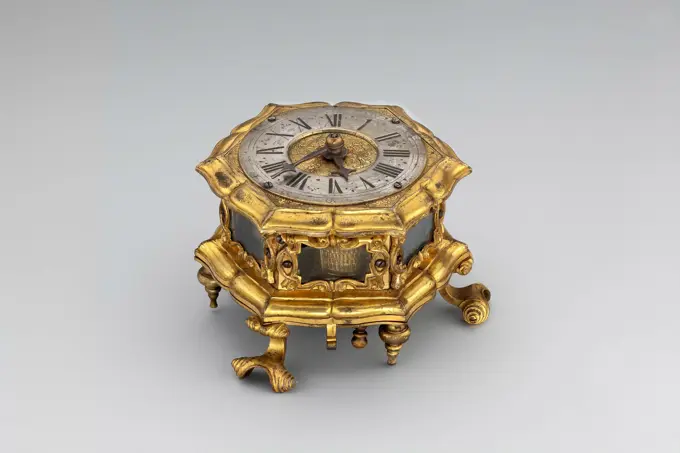
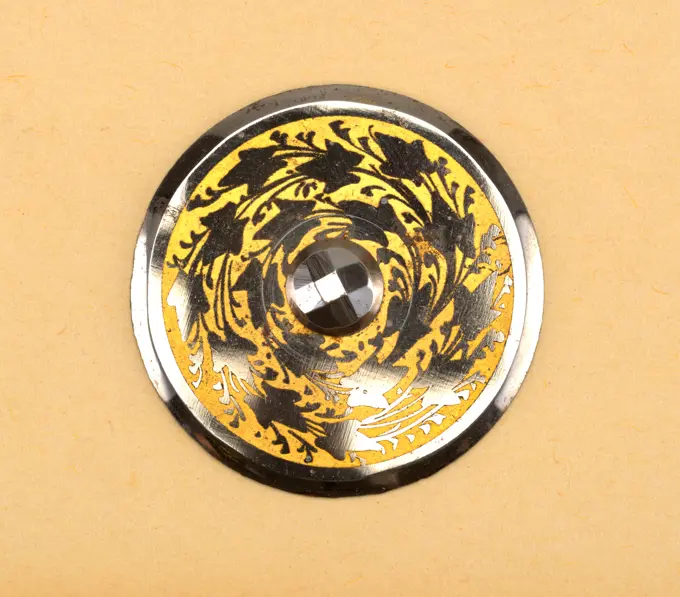
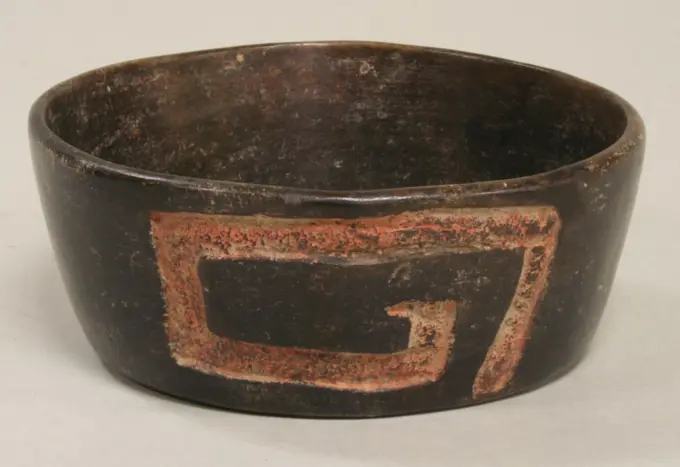
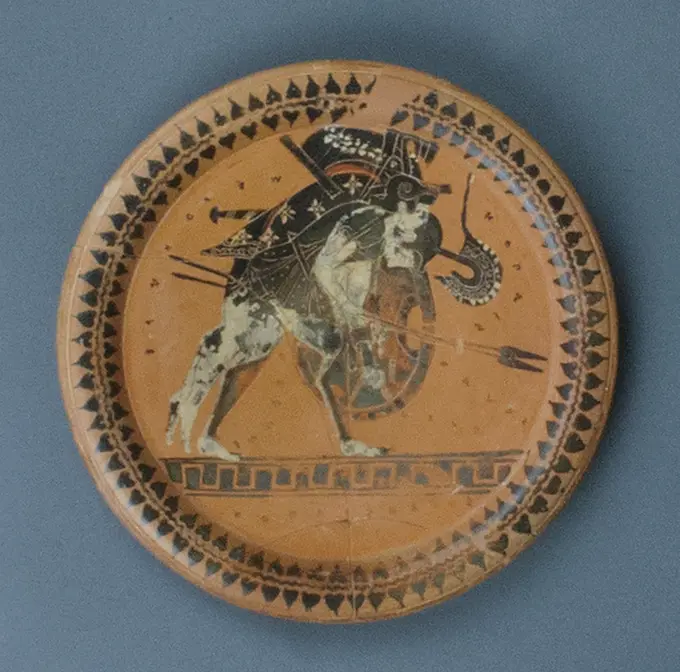
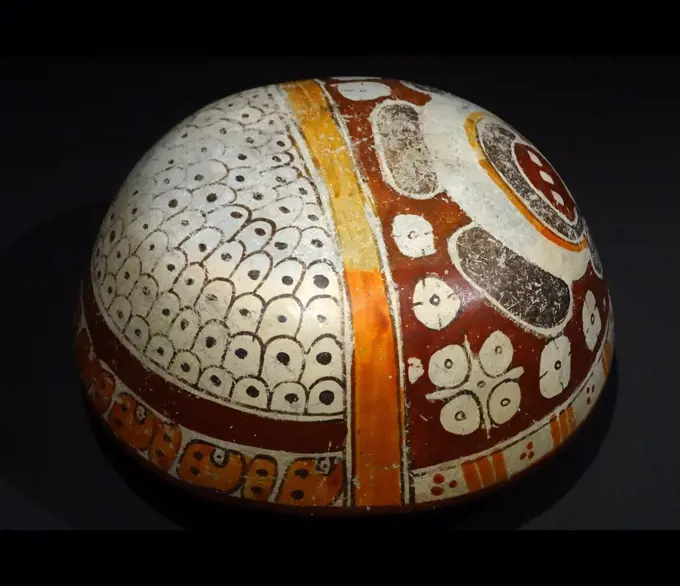
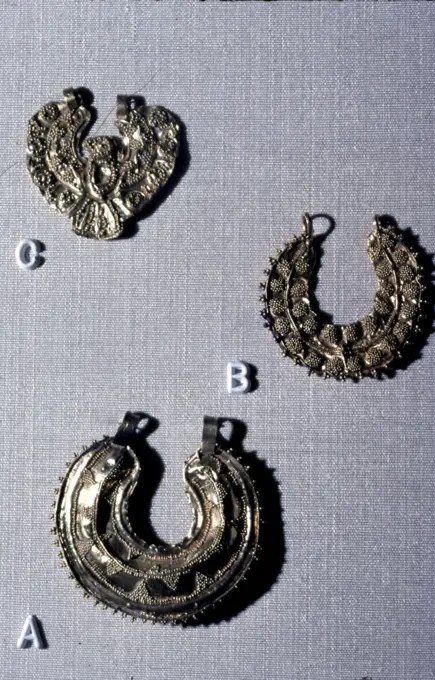
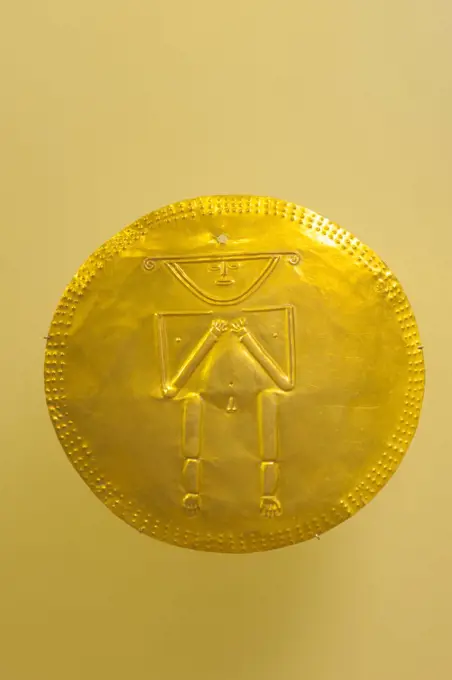
Przeszo Przyszoci unknownPrehistory, Spain, Bronze Age. Gold comb. From Caldas de Reyes.Koma-style five-case inro with decor of waterfall, 19th century, Unknown Japanese, 3 3/16 x 3 1/8 x 3/8 in. (8.1 x 7.9 x 1 cm) (without cord), Wood, silver, cord, Japan, 19th centurySword-Hilt Collar and Pommel (Fuchigashira) ca. 1615-1868 Japanese A fuchigashira is a pair of matching sword fittings comprising the fuchi (collar at the base of the grip of the sword hilt) and kashira (pommel cap at the end of a sword hilt).. Sword-Hilt Collar and Pommel (Fuchigashira). Japanese. ca. 1615-1868. Copper-silver alloy (shibuichi), copper, gold. Sword Furniture-Fuchi-KashiraBronze mitra (belly guard). Culture: Greek, Cretan. Dimensions: Overall: 6 1/16 x 9 9/16in. (15.4 x 24.2cm). Date: late 7th century B.C..These three mitrai were found on Crete with the two helmets exhibited above. They were suspended from belts to protect the lower abdomen. One, with a depiction of the foreparts of horses, is inscribed "Synenitos, the son of Euklotas, took this." Another, with the foreparts of winged horses, is inscribed "Aisonidas, the son of Kloridios, took this." The third mitra is decorated with two sphinxes. Such heraldic representations of fantastic animals were derived from Near Eastern prototypes. Museum: Metropolitan Museum of Art, New York, USA.Ear Pendant (Kathija) 19th century India (Tamil Nadu and Kerala) The pendant ear ornament of four-faceted form, with applied decoration and hinged fixture, is most associated with Hindu communities in Kerala.. Ear Pendant (Kathija). India (Tamil Nadu and Kerala). 19th century. Gold. JewelryItaly, Marche, Castel Trosino, Fibula, earring and ring, goldsmitheryPhiale (ritual cup) in gold, amber and glass, with a horse head in high relief. Goldsmith art. Scythian Civilization, 5th Century BC.Proof of the Law of the Piece of 5 Francs, 1794 Augustin Dupr� (1748-1833). Proof of the right of the room of 5 francs, 1794. Etain.CUENCO. Location: MUSEO DE AMERICA-COLECCION. MADRID. SPAIN.Scarab. UnknownSword Pommel (Kashira) ca. 1615-1868 Japanese A kashira is a pommel cap mounted at the end of a sword hilt, usually made as part of a set with a matching fuchi (hilt collar).. Sword Pommel (Kashira). Japanese. ca. 1615-1868. Iron, gold, copper-silver alloy (shibuichi). Sword Furniture-Fuchi-KashiraPlate. Culture: American. Dimensions: Diam. 13 in. (33 cm). Date: 1806. Museum: Metropolitan Museum of Art, New York, USA.Dish (one of a set) 1714/15 Lewis Mettayer British When Sir Paul Methuen embarked on his ambassadorial mission to Spain in 1714, he ordered a set of seventeen fruit dishes, of which these five survive (68.141.288-.292). They were used during the dessert service, when they were piled high with candied fruits, sweetmeats, and pastries and arranged in a perfectly symmetrical pattern on the table.. Dish (one of a set) 205047Sword-Hilt Collar and Pommel (Fuchigashira) early 19th century Japanese A fuchigashira is a pair of matching sword fittings comprising the fuchi (collar at the base of the grip of the sword hilt) and kashira (pommel cap at the end of a sword hilt).. Sword-Hilt Collar and Pommel (Fuchigashira). Japanese. early 19th century. Iron, gold, copper. Sword Furniture-Fuchi-KashiraKakebotoke, 14th century, Unknown Japanese, 12 7/8 × 14 1/8 × 2 3/4 in. (32.7 × 35.88 × 6.99 cm), Bronze with traces of gilding; wood, Japan, 14th century, A kakebotoke is a round votive plaque with three-dimensional figural applications that was suspended from rafters and beams or hung on walls of Buddhist temples and Shinto shrines. Originated in the late Heian period (7941185), this kind of religious decoration was popular in the Kamakura (11851333) and Muromachi (13331575) periods and is considered a form of Buddhist art unique to Japan. These objects functioned as offerings to safeguard prosperity and to ensure the flourishing of Buddhist faith.Anonymous, Eagle of a Reichsbahn wagon/locomotive taken at Berchtesgaden station (usual name), 1933, alloy, Paris Liberation Museum - General Leclerc Museum - Jean Moulin Museum.Wallet Bead, 1540-1296 BC. Egypt, New Kingdom, probably Dynasty 18. Gold; overall: 0.9 cm (3/8 in.).Silver buckle. Polybarm for 1788.Buttons (France); wood and steelAnonymous. "Verwundten-Abzeichen, Schwarz". Metal. 1939-1945. General Leclerc Museum of Hauteclocque and the Liberation of Paris, Jean Moulin Museum. 158813-19Button, Copper, brass, Convex button in the design of a crown on which is a crowned lion sitting between crowns. Back and shank are brass., On card E, 19th century, costume & accessories, Decorative Arts, ButtonEmbroidered map sampler late 18th-early 19th century British. Embroidered map sampler. British. late 18th-early 19th century. Silk on silk. Textiles-EmbroideredBowl Cypriot Shallow bowl with concentric circles and hole for suspension.. Bowl. Cypriot. Terracotta. Iron Age. VasesDish Fragment 14th-15th century. Dish Fragment 445144Photograph of a silver plate showing Władysław Jagiełło with royal insignia. unknown, photographerRiells Cross (detail), 12th century.Silver object called naveta (detail). Baroque, 18th century. Museum: Museo Arqueológico Nacional, Madrid. Author: CASAMITJANA.Sword Guard, early 1800s. Japan, Edo period (1615-1868). Iron; diameter: 6.8 cm (2 11/16 in.).Rolling staircase with balustrade and gallery, anonymous, c. 1600 - c. 1650 Rolling staircase with balustrade and gallery. The intermediate balusters are turned and have square central pieces. The main baluster is equipped with a capital and has a flinged shaft, wounded with wine brove. The outdoor tree is mirrored and decorated with lobe ornament, cherubs, pearl necklace and braid. The inner tree has the shape of a drilled pivot, in which the well -considered profile has been taken. Cologne (possibly) wood (plant material). pine (wood). oak (wood). paint (coating). gypsum Rolling staircase with balustrade and gallery. The intermediate balusters are turned and have square central pieces. The main baluster is equipped with a capital and has a flinged shaft, wounded with wine brove. The outdoor tree is mirrored and decorated with lobe ornament, cherubs, pearl necklace and braid. The inner tree has the shape of a drilled pivot, in which the well -considered profile has been taken. ColognePurse fourth quarter 17th century probably German. Purse 156866Great cross of the Order of the Reunion of I.J.A. Gogel, Martin Guillaume Biennis, c. 1811  Copper carrier in the form of an eight -pointed star built from arrows bundles, on which a crowned eagle with order (of the legion of honor) around the neck, covered his whole body with a shield on which a throne lies with two kneeling children and inscription Vertical on either side. Reverse covered with green leather, two silver -plated hooks and an iron clip. Paris copper (metal). iron (metal). leather striking (metalworking) / forgingSundial - John Urings John UringsSword Guard, late 1600s. Japan, Edo period (1615-1868). Iron (Nara type); average: 6.7 x 6.4 cm (2 5/8 x 2 1/2 in.).Mount; brassBox 1781-82 François-Nicolas Chevance Beginning in the 1750s French goldsmiths introduced subtle colors into their gold boxes by using various types of gold. This box as well as the one for rouge and patches on display nearby has applied ornament in greenish and reddish gold, achieved by the addition of metal oxides to the alloy. This bonbonnière, used for sweets, is decorated with incised and applied dots that play on the shape of the circular box. The finely incised lines were created by turning the box against a cutting edge while it was mounted on a lathe.. Box 200435Chess Piece, Pawn 9th-11th century Caliphal decrees prohibited the playing of chess (the pieces of which are customarily figural) for iconoclastic reasons as early as the eighth century. It is likely that chess pieces of the abstract type, such as those exhibited here, replaced the figural ones in order to circumvent those decrees.. Chess Piece, Pawn 452397Shield from Halland, Sweden, Prehistory, Bronze AgeSword Guard (Tsuba) with Horses under Pine, c. 1615-1868. Japan, possibly Edo period (1615-1868). Iron; diameter: 7.7 cm (3 1/16 in.).Engraved Gem, Roman Empire; 2nd - 4th century; Chalcedony; 1.2 x 1.5 x 0.4 cm (7,16 x 5,8 x 3,16 in.)Bracelet, 14th-16th century, 1 7/8 x 3 3/4 in. (4.76 x 9.53 cm), Bronze, Mali, 14th-16th centuryLid to the chest;  1 19th century (1801-00-00-1830-00-00);Knife Handle (Kozuka), early to mid-1800s. Japan, Edo period (1615-1868). Inlaid bronze; overall: 1.4 cm (9/16 in.).Sword Guard (Tsuba), c. 1615-1868. Japan, possibly Edo period (1615-1868). Iron witih brass inlay; diameter: 8.3 cm (3 1/4 in.).Plate. UnknownNAUTICAL CASE OF FELIPE II-COMPASS. Location: MUSEO NAVAL / MINISTERIO DE MARINA. MADRID. SPAIN.Planets-manager. Cornalet Collection Sites 2013-2016. Numismatic.MountGold bracelet with a scarab, c.1040 BC. EGYPT.Round Plaque. Culture: Vicús. Dimensions: Diameter 3-1/8 in. (7.9 cm). Date: 3rd century B.C.-A.D. 2nd century. Museum: Metropolitan Museum of Art, New York, USA.MirrorMedal. Jules Prosper Legastelois (French, 1855-1931). Bronze; overall: 4.8 x 4.8 cm (1 7/8 x 1 7/8 in.).Fragment of IInen  medalIIons with griffins and goats unknownIslamic coins, 8th-13th centuries, silver, bronze and copper, Evora Museum, Evora, Alentejo, Portugal, Europe.Excerpt shoe sole with heel from the wreck of the East Indians Hollandia, Anonymous, 1700 - in or before 1743  Shoe; fragm, four-tiered heel with square pins and part of sole. Netherlands leather. pinnen: wood (plant material)   SecondBrass Compass. Iranian, 1800-75. The magnetic compass, a Chinese invention, had arrived in the Middle East by the 13th century. Originally employed in navigation, it was soon adapted for religious use to establish the direction of the Ka'bah in Mecca.Engraved Gem; Attributed to Solon (active 70 - 20 B.C.); 30 - 20 B.C; Amethyst in a modern gold mount; 3.3 × 3 cm (1 5,16 × 1 3,16 in.)PLATO CON DOS PALOMAS EN PLATA REPUJADA. Location: CONVENTO DE LAS CLARISAS / MUSEO DE ARTE SACRO. MONFORTE DE LEMOS. LUGO. SPANIEN.Anonymous. Round box forming drum, in gold lacquer imitating wood; Interior containing tray and 8 small perfume boxes in gold lacquer. Together. Lacquer. Museum of Fine Arts of the City of Paris, Petit Palais. Round box, wood imitation, lacquer object, gold, perfume, drumAnonymous. Round box forming drum, in gold lacquer imitating wood; Interior containing tray and 8 small perfume boxes in gold lacquer. Together. Lacquer. Museum of Fine Arts of the City of Paris, Petit Palais. Round box, wood imitation, lacquer object, gold, perfume, drumAnonymous. Round box forming drum, in gold lacquer imitating wood; Interior containing tray and 8 small perfume boxes in gold lacquer. Together. Lacquer. Museum of Fine Arts of the City of Paris, Petit Palais. Round box, wood imitation, lacquer object, gold, perfume, drumCeremonial Uniform: Back Metal Plate, 1644-1911. China, Qing dynasty (1644-1911). Metal (brass); lined in blue silk; overall: 14.6 x 14.6 x 2.9 cm (5 3/4 x 5 3/4 x 1 1/8 in.).Pectoral (Chest Ornament), 1-800. Isthmian Region (Colombia), Calima, Yotoco period. Gold, hammered; overall: 22.7 x 28.5 x 2.9 cm (8 15/16 x 11 1/4 x 1 1/8 in.). Bilobed pectorals are some of the most flamboyant objects created by artists in Colombias Calima region. Chiefs apparently wore such pectorals—among the largest torso adornments ever created in the ancient Americas—with other gold objects, including bracelets, dramatic headdress adornments, and ear and nose ornaments like those shown on the pectoral itself. Thus, they armored themselves in gold, which likely had complex symbolism; for instance, it may have been associated with the sun and thereby with nourishing cosmic energies and positive moral behavior.Lady's Stirrup. Culture: French. Dimensions: H. 3 7/8 in. (9.8 cm); W. 3 3/4 in. (9.5 cm); D. 5 1/2 in. (14 cm); Wt. 5 oz. (141.7 g). Date: late 18th-19th century.Ladies' side saddles of the 18th and early 19th century were made with only one stirrup on the left side of the horse, which were shaped up as slippers that would give more stability and elegance to the rider. Here it consists of a small leather slipper is sewn on a regular iron stirrup. Museum: Metropolitan Museum of Art, New York, USA.Sword Guard (Tsuba), c. 1615-1868. Japan, possibly Edo period (1615-1868). Iron; diameter: 6.8 cm (2 11/16 in.).Vapheio Cup- Minoan Bronze Age gold cup. Capture of bulls. GREECE.Bowl 7th-4th century B.C. Paracas. Bowl 307861Bottle. Throne with figures. Chimu culture (Northern Peru). Pre-Inca. 1300-1500 AD. Embossed silver (23,5 x 11,1 x 16,5 cm). The Michael C. Rockefeller Memorial Collection. Metropolitan Museum of Art. New York, United States.Terracotta kylix (drinking cup) mid-5th century B.C. Attributed to the Painter of Würzburg 487 Interior, Eros at a hermExterior, obverse and reverse, banquetersThe earliest herms were square stone pillars terminating in a bearded head of Hermes, the god of boundaries. They were introduced in Athens about 520 B.C by Hipparchos, the son of the tyrant Peisistratos, to mark points midway between the various Attic villages and the Athenian Agora. Soon herms stood before private houses and sanctuaries, as well.. Terracotta kylix (drinking cup) 254959 : Attributed to the Painter of Wrzburg 487, Terracotta kylix (drinking cup), mid-5th century B.C., Terracotta, width 11 3/4in. (29.9cm); diameter 9in. (22.9cm). The Metropolitan Museum of Art, New York. Gift of Ernest Brummer, 1957 (57.12.21)Retro styled pocket watch with fake gold coins aroundButtons; shell with composition ornament, brassEngraved Gem. UnknownLoop Band of stones bordered on the inside and outside by a small golden and engraved band, 2 open -knit nodes high and low.Sword-Hilt Collar and Pommel (Fuchigashira). Culture: Japanese. Dimensions: Fuchi (a); H. 1 1/2 in. (3.8 cm); Wt. 1 oz. (28.3 g); kashira (b); H. 1 5/16 in. (3.3 cm); Wt. 0.6 oz. (17 g). Date: ca. 1615-1868. Museum: Metropolitan Museum of Art, New York, USA.MOLDE DE FORMA - SIGILATA ROSADA HISPANICA - SIGLO II. Location: MUSEO ARQUEOLOGICO-COLECCION.Bronze and lead plaques hanging against a fabric background; Silver cabinet ..Gilt Button, 1790-1800. Made in Birmingham, maker unknownTile clock (frog" style). Piexa, Michael (fl. ca 1750), watchmakerRELOJ DE BOLSILLO NUERMBURGES DEL SIGLO XVI. Location: PRIVATE COLLECTION. MADRID. SPAIN.Pair of earrings, 4 7/8 x 4 1/4 x 3/8 in. (12.38 x 10.8 x 0.95 cm), Silver, ChinaButton (France); steelGolden Artifact From Yotoco Malagana Tribe In The Gold Museum In La Candelaria, The Old Town Of Bogota, ColombiaBell Nowak (inscription: NNUS EC / E)  Silver bell tower, Wawel Cathedral, KrakowButton (France); pearl, shell, bronzeBowl 12th-9th century B.C. Olmec. Bowl 316625Cloak Pin (Knob or Tieback) 1791 England. Transfer printed and polychrome enamels on copper, brass and iron .Loop . Small strip with decoration engraved with garlands of flowers and leaves. Worn decor.very old watch on the grungde post card and photoShield. Date/Period: Ca. 1850. Painting. Buffalo rawhide, native leather and native pigment Buffalo rawhide, native leather and native pigment. Author: UNKNOWN ARTIST.Terracotta plate ca. 510 B.C. Greek, Attic Amazon carrying dead comrade, with this inscription:Melo is fair. Karone is fair. the boy is fair.The weight of the wounded or dead Amazon is beautifully conveyed by the lowered spears and shield carried by her companion.. Terracotta plate. Greek, Attic. ca. 510 B.C.. Terracotta; black-figure. Archaic. VasesMayan, ceramic polychrome feeding bowl. Yucatan, Mexico. 600-900 AD. The decoration carries themes associated with cosmic and seasonal changeButton (France); paper, metal foil, thread, paillettesMetal Vessels 500 B.C. Selection of shallow silver and bronze vesselsGold pendants, 1600 BC, Israel.Badge of the dignity of the Head of the Sójki Commune Lipczy Ski, Stanis AW (1867 1939)Button (France); brassBell on the stand in the shape of the Paifang Gate;  19th century (stand) (1801-00-00-1900-00-00);Silver Bowl from a Sarmatian Tomb, 4th-5th century. Artist: Unknown.Golden Artifact From Tardio Tribe In The Gold Museum In La Candelaria, The Old Town Of Bogota, ColombiaTABAQUERAS TERJETEROS Y MONEDEROS S XIX. Location: MUSEE D'ARTS DECORATIFS. MADRID. SPAIN.