Cultural Artifacts and Decor

Historical items including buttons, tsubas, ceramics, and decorative mirrors reflecting cultural craftsmanship and artistry.

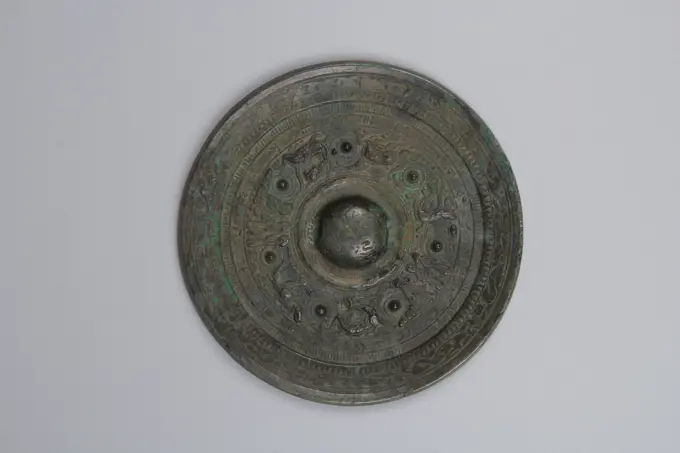
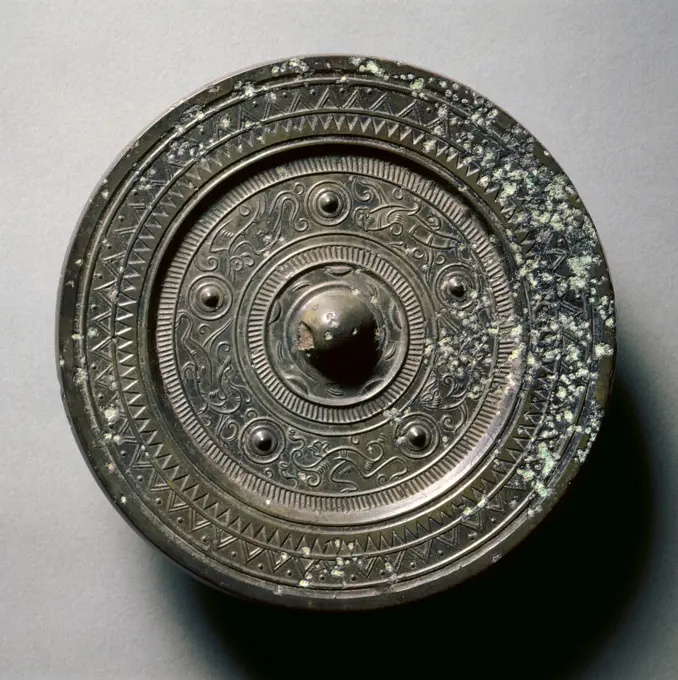
Mirror decorated with four monkeys, Anonymous, -400 - -200
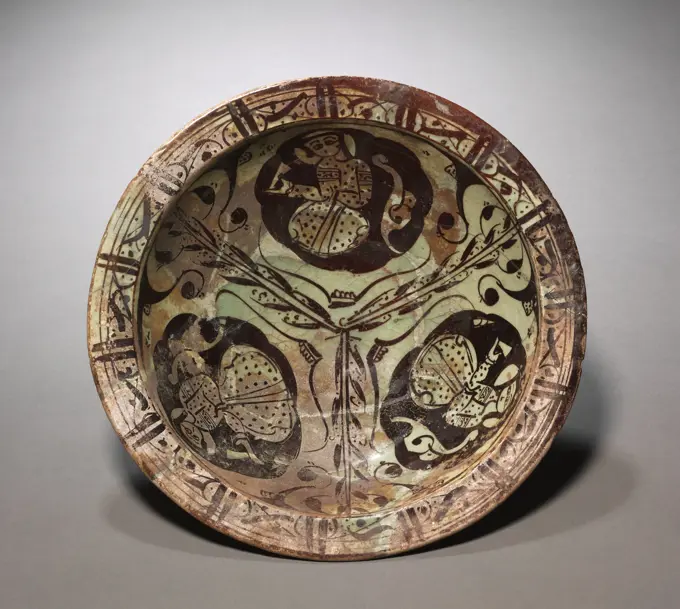
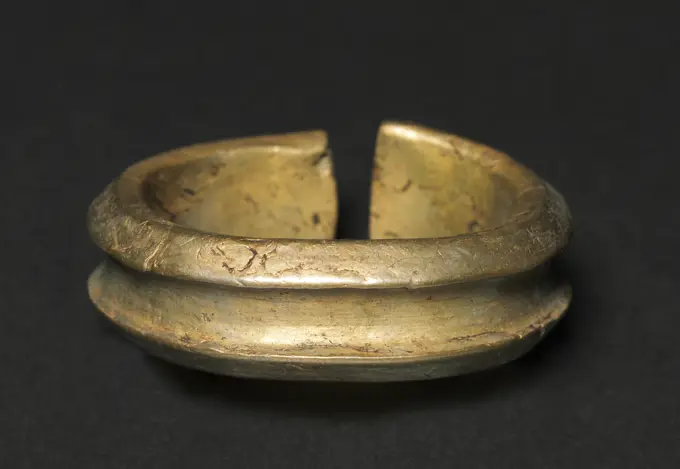
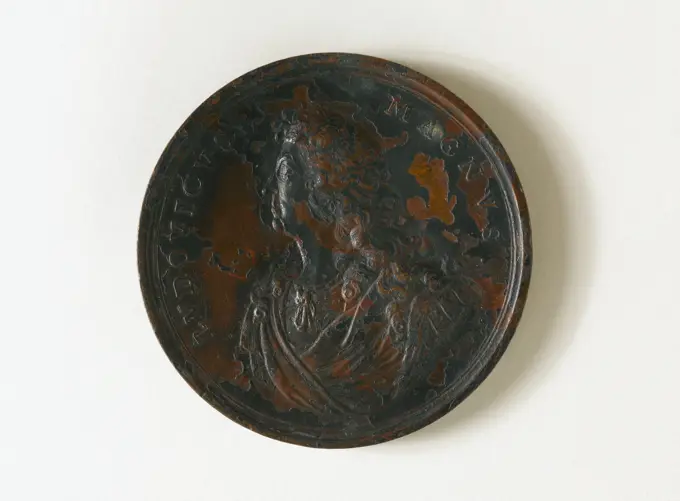
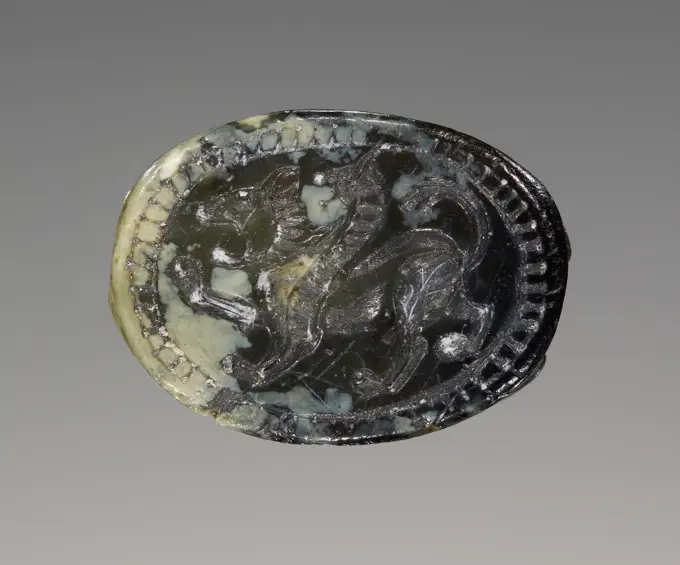
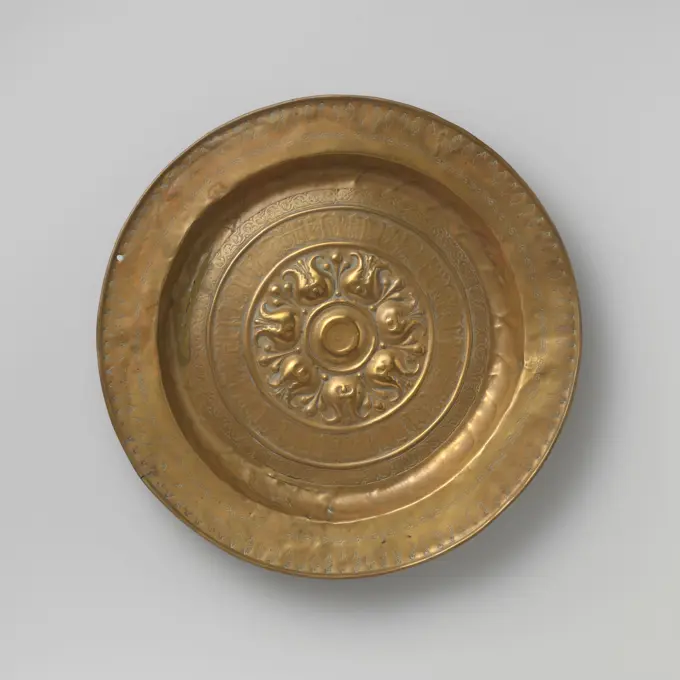
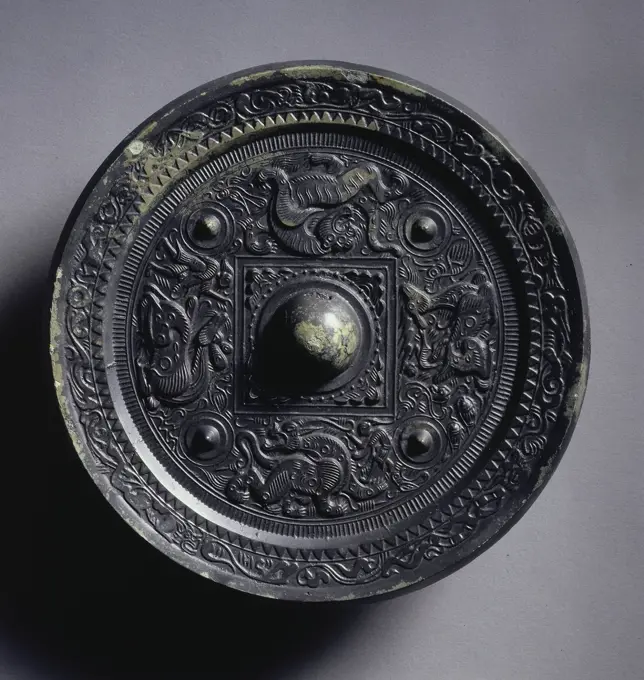
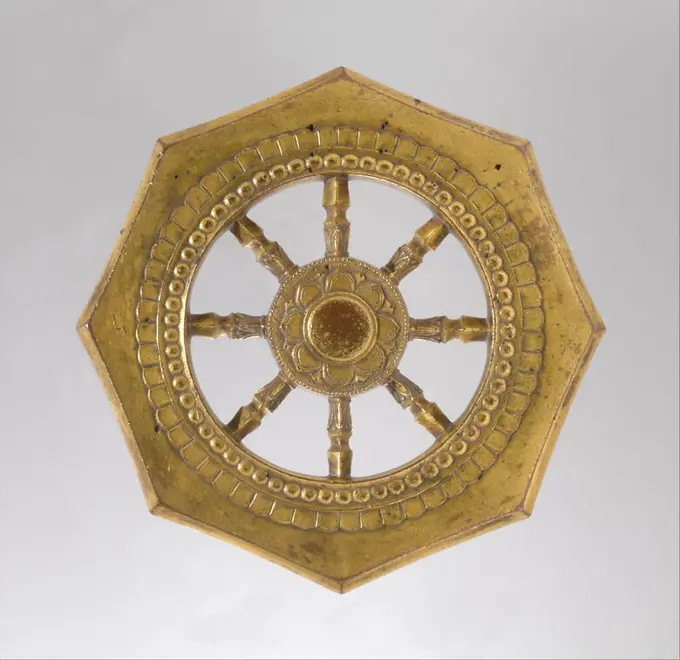
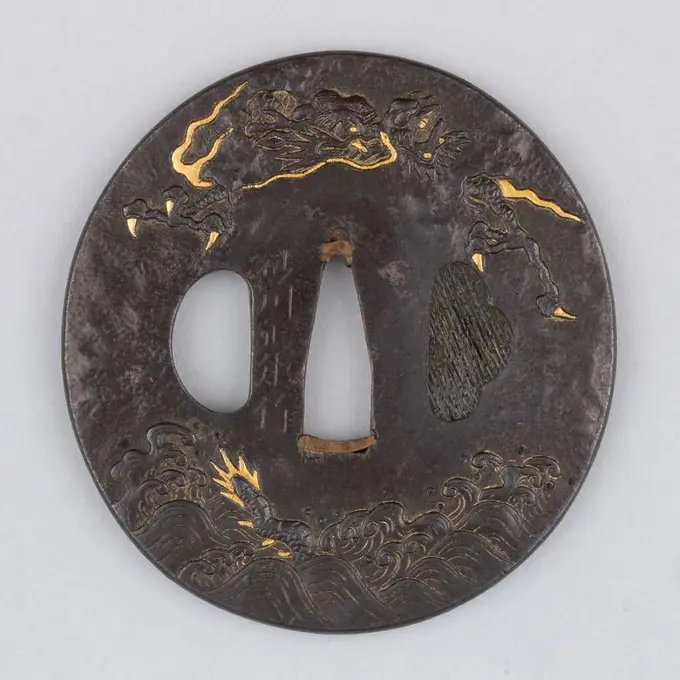
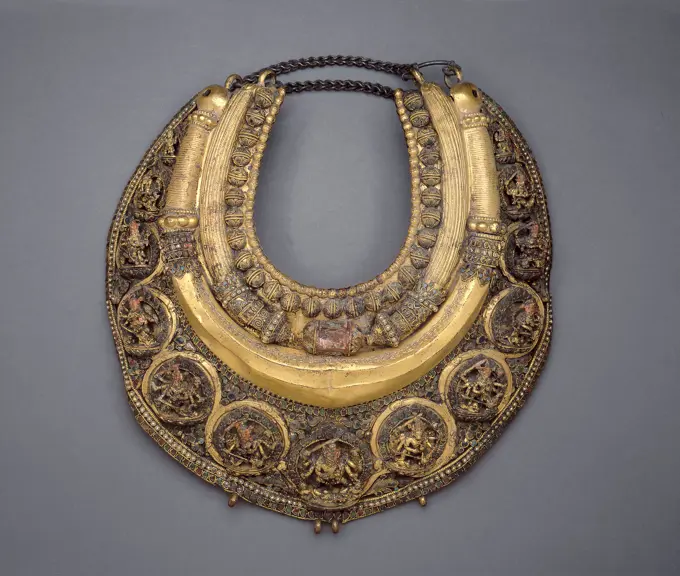
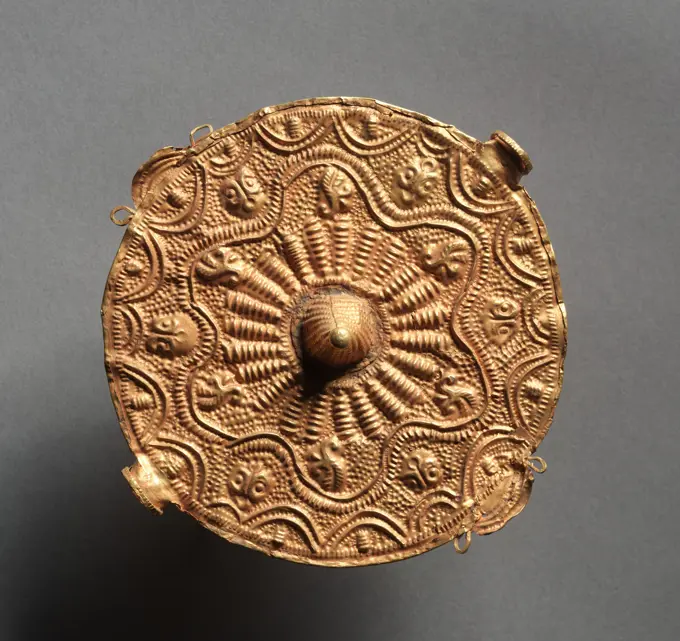
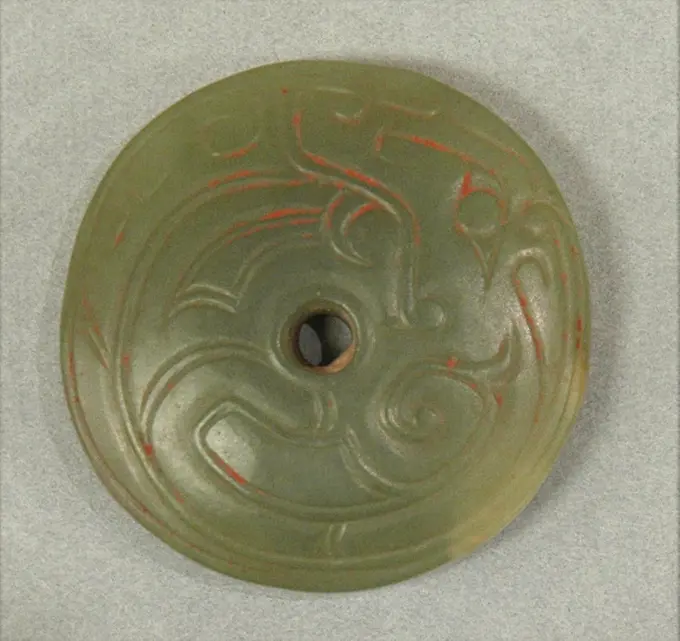
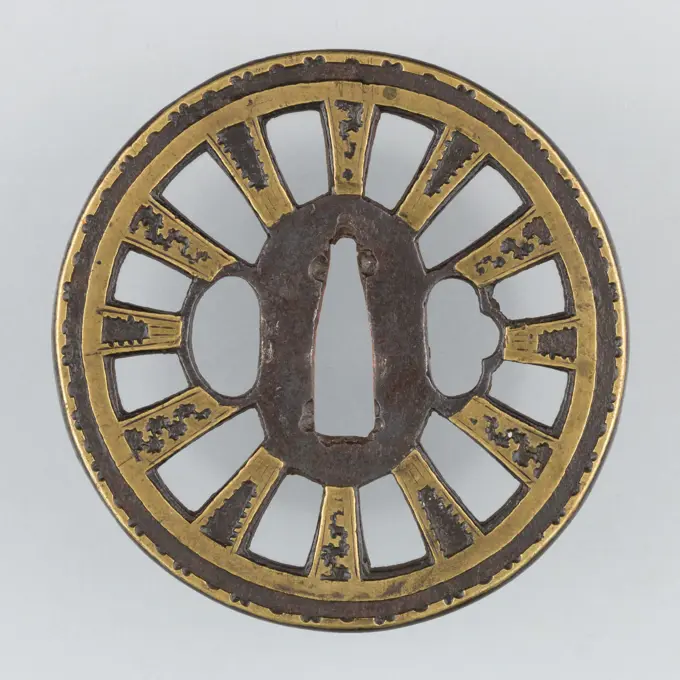
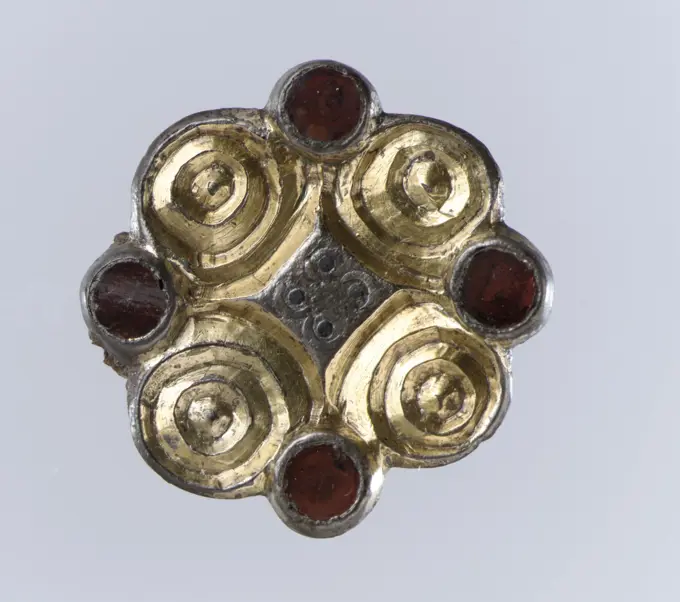
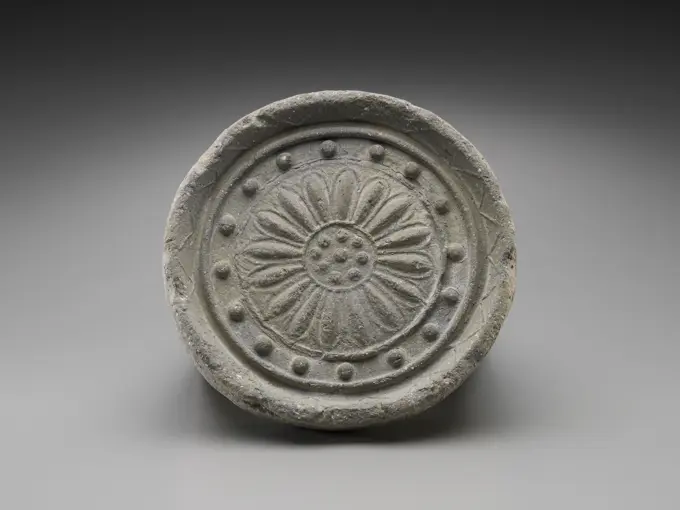
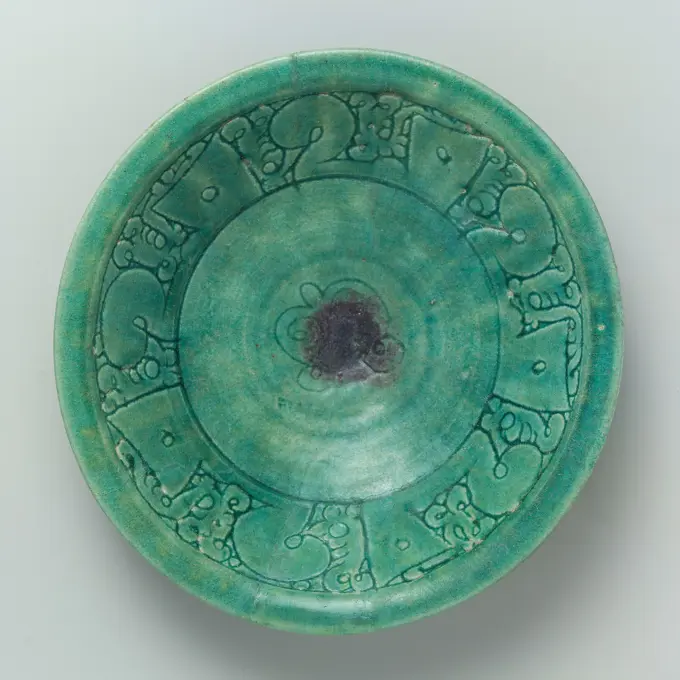
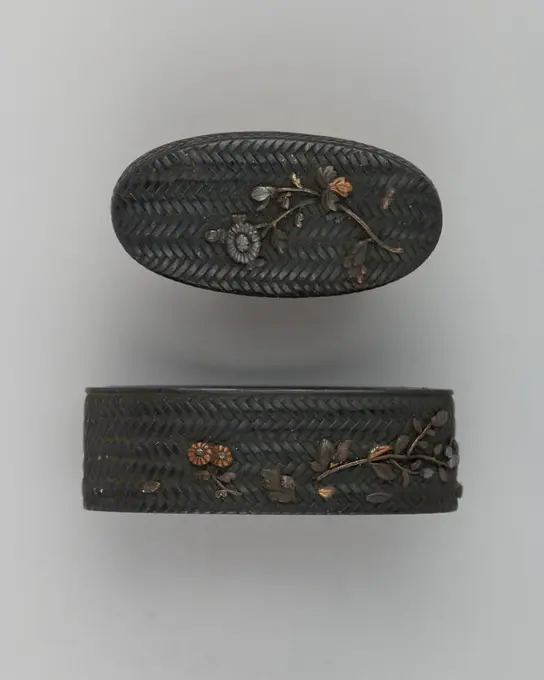
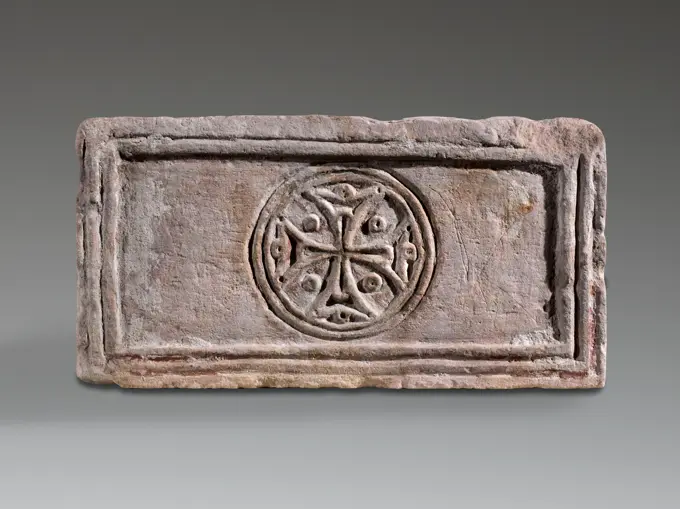
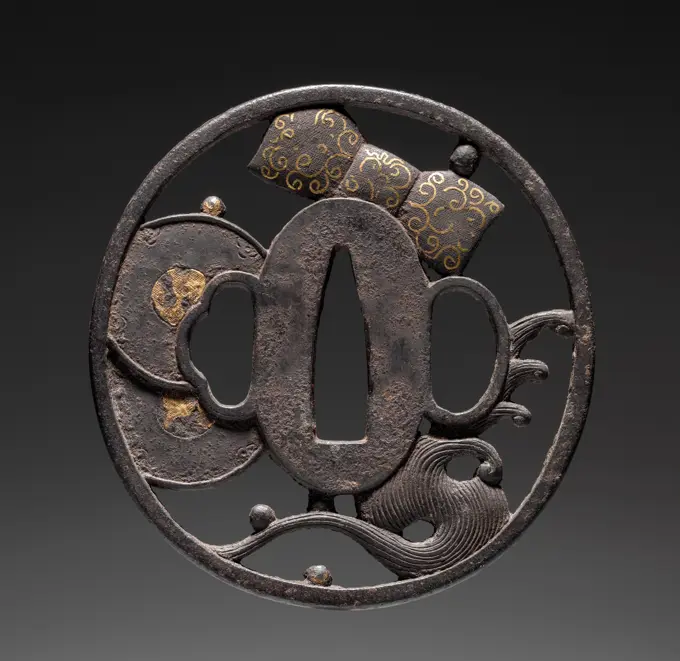
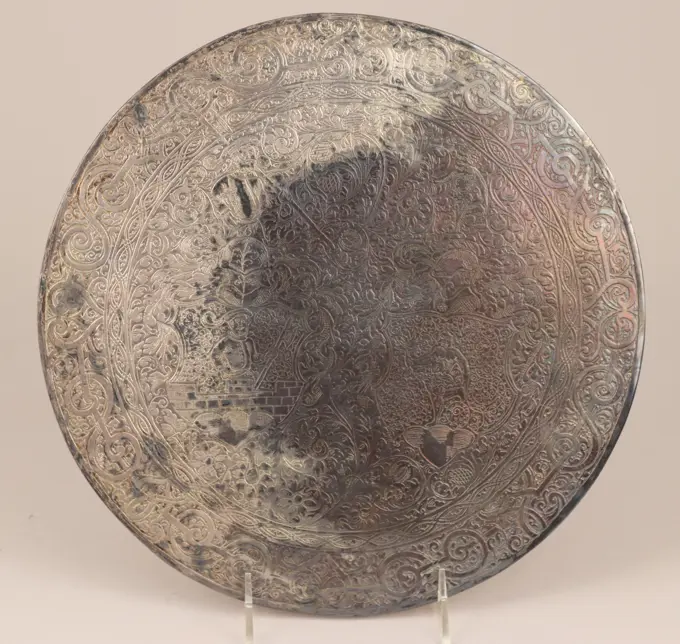
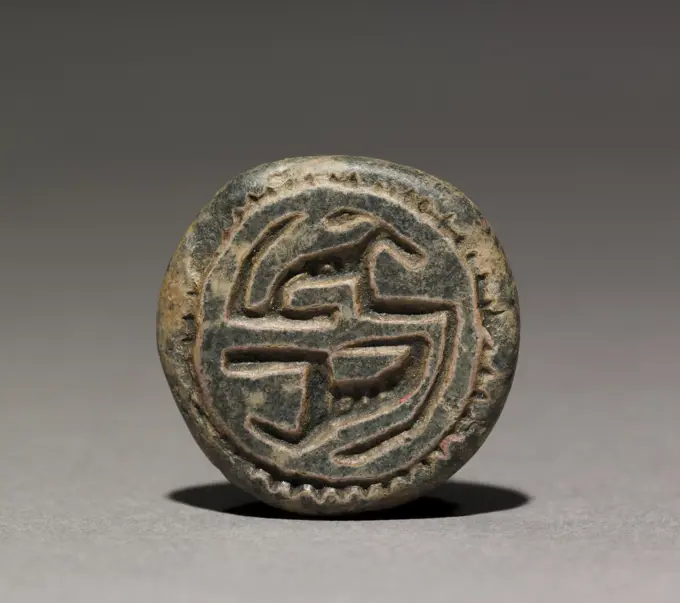
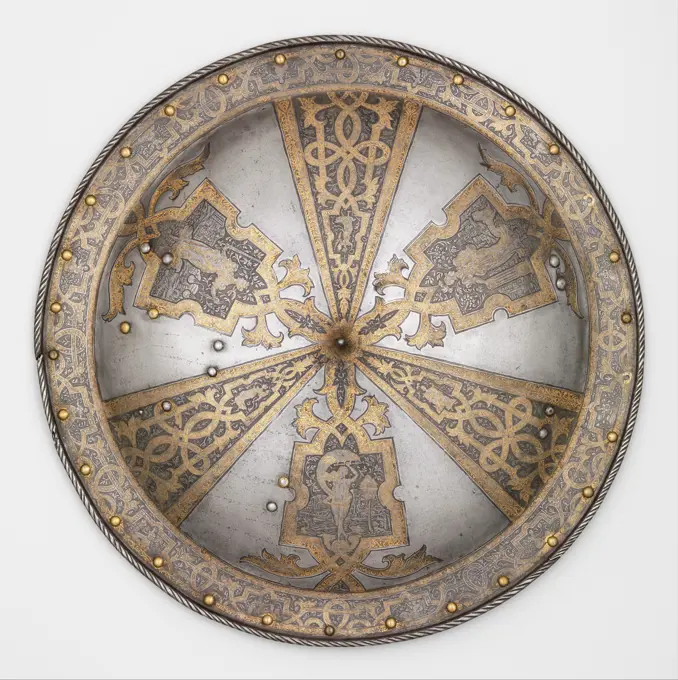
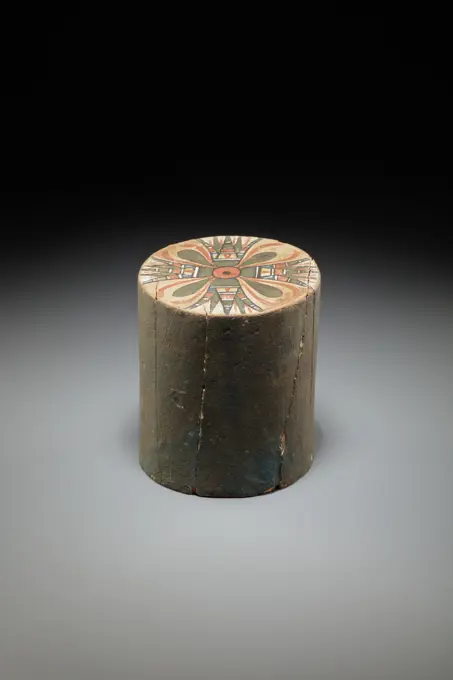
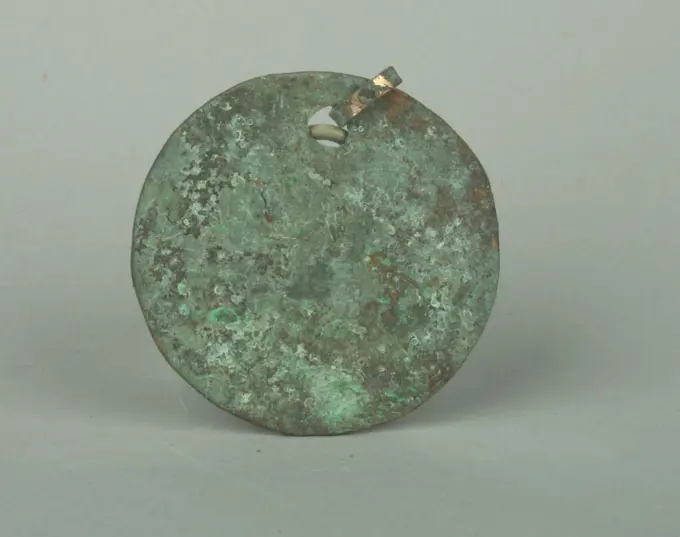
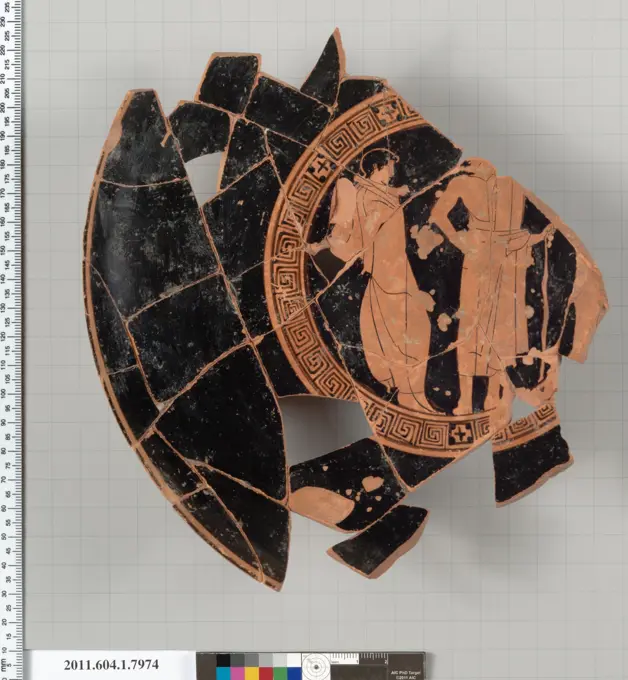
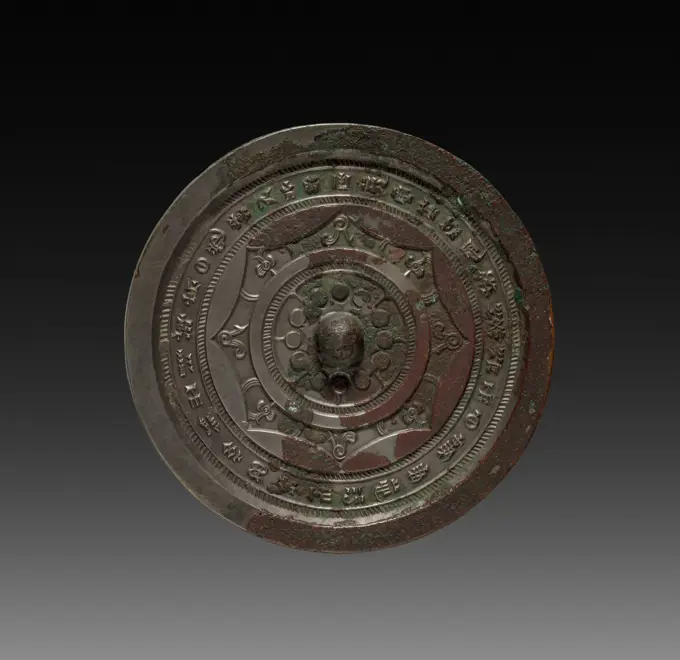
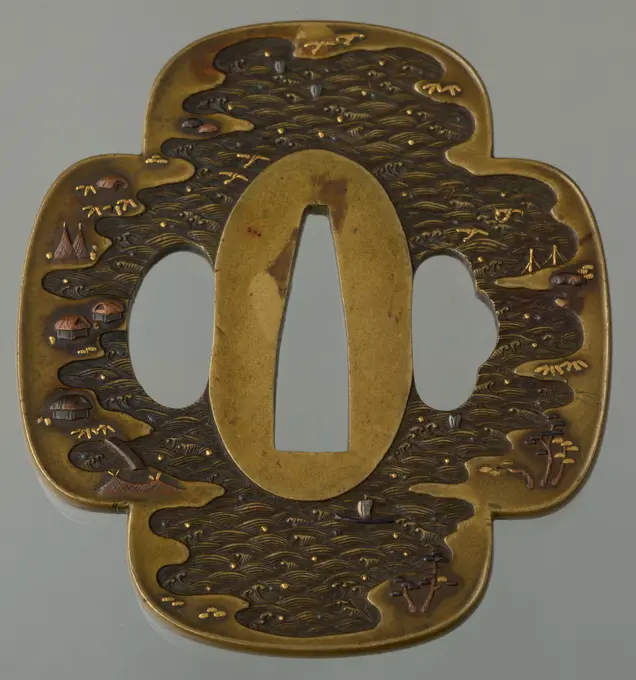
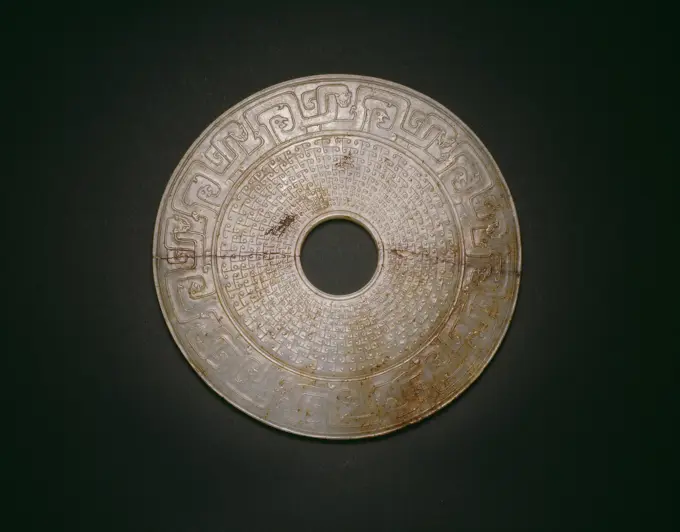
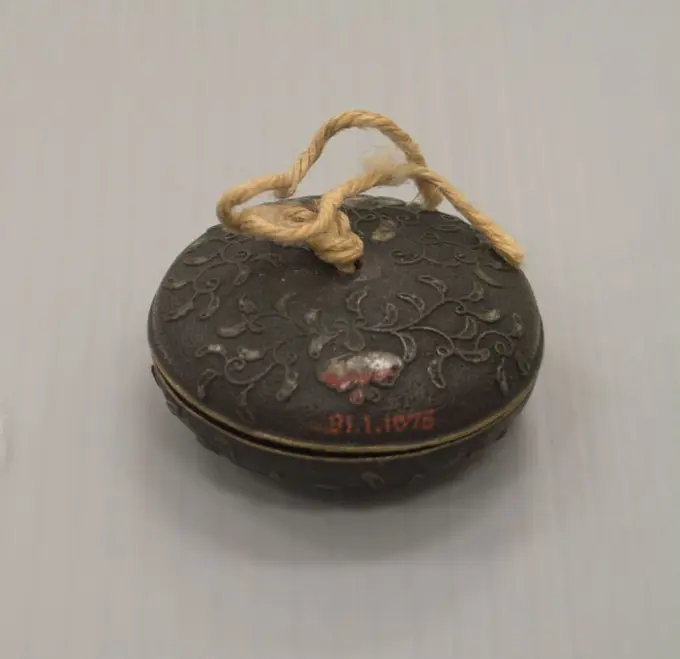
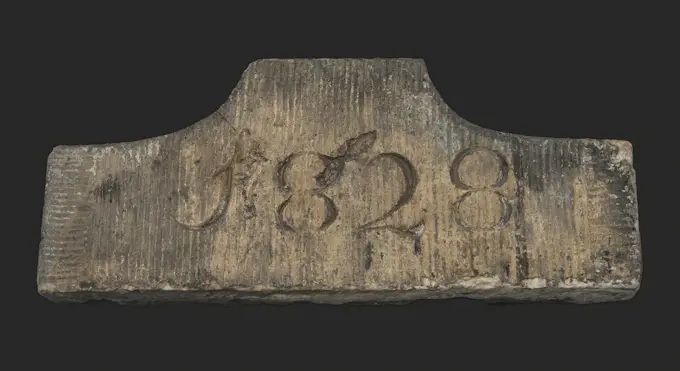
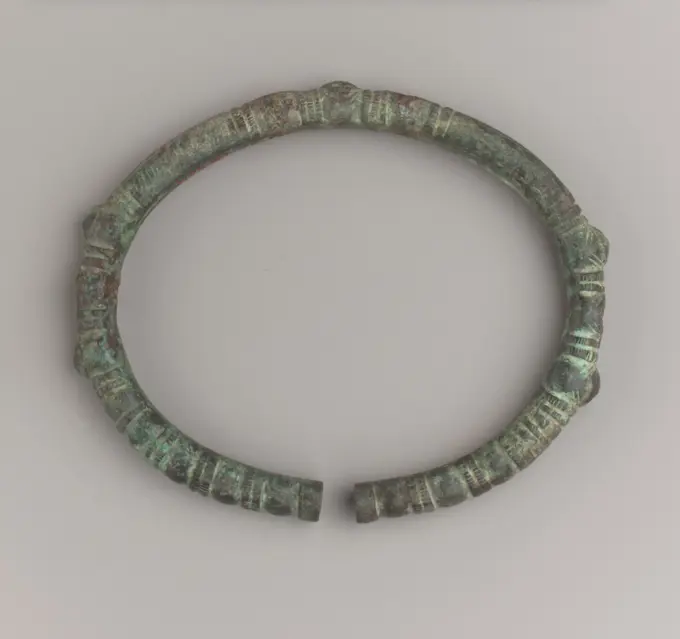
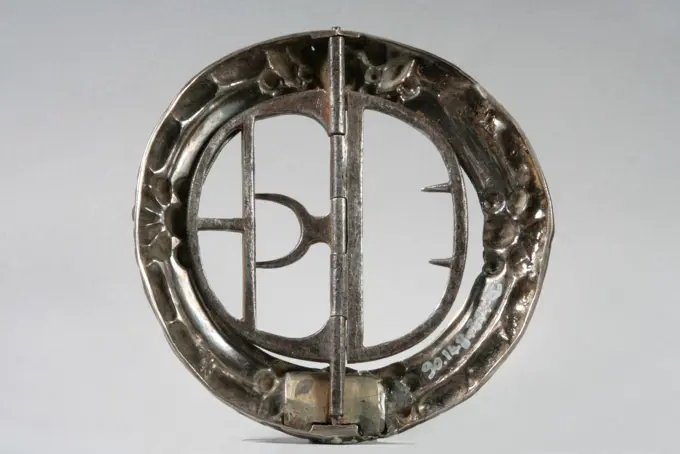
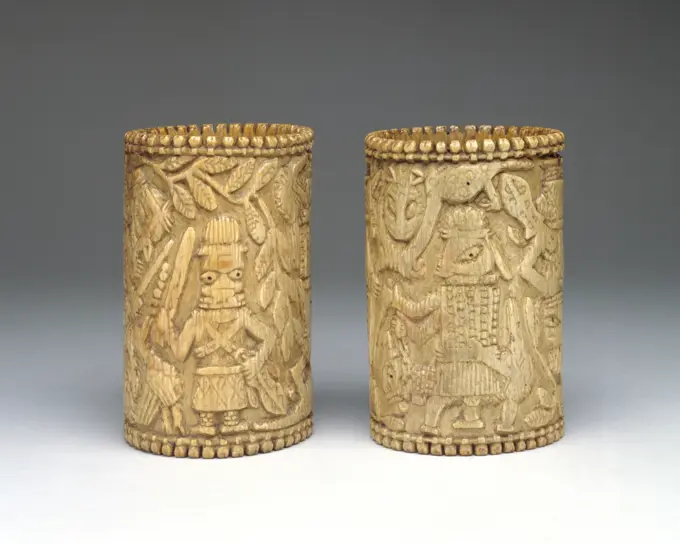
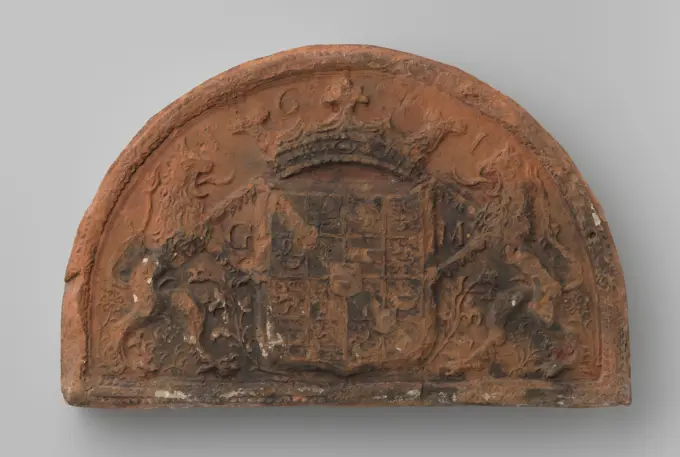
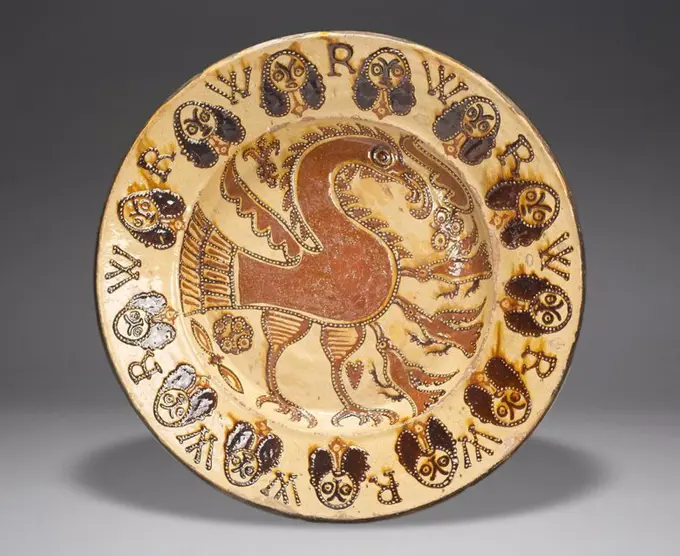
Gilt Button, 1770-1800.  Copper-gilt button with concentric designs including a pierced & chased inner ring. Copper wire soldered shank.Tsuba; pierced iron, engraved brass inlayBowl, late 1100s-early 1200s. Ayyubid Syria, Rusapha. Fritware with luster-painted design; overall: 10.2 x 36 cm (4 x 14 3/16 in.).Animal-and-Grape Mirror, early 12th Century-mid 13th Century. China, Jin dynasty (1115-1234). Bronze; diameter: 12.1 cm (4 3/4 in.); overall: 1.2 cm (1/2 in.); rim: 1.2 cm (1/2 in.).Bracelet, 1900s. Equatorial Africa, Gabon, Fang. Copper alloy;Mirror decorated with four monkeys, Anonymous, -400 - -200Silver Bowl from Sutton Hoo Ship Burial, Anglo-Saxon, c7th century. Artist: Unknown.Dish. Culture: German. Dimensions: Overall: 10 1/2 x 1 1/2 in. (26.7 x 3.8 cm). Date: early 16th century. Museum: Metropolitan Museum of Art, New York, USA.Fragment of a Bowl 14th-15th century. Fragment of a Bowl 445451Bowl with inscription and chrysanthemums and tortoiseshell decoration mid-15th century Korea The stamped inscription indicates that this bowl was made for Naeseom-si, a court bureau that supervised, among other things, tributary products sent to the royal palace from the provinces.. Bowl with inscription and chrysanthemums and tortoiseshell decoration 72307Final plate for a sabel couple for Hunters on horseback, c. 1800 - c. 1850  Limburg's contingent, first half of the nineteenth century. Worn by lieutenant (later colonel) Erzey of the 1st Regiment Dragonders.     NetherlandsLouis XIV / City Hotel Banquet, January 30, 1687 R�gnier arrests (17th century). Louis XIV / Banquet of the City Hall, January 30, 1687. Medal, 1687.Scarab. UnknownSaucer chalice -shaped flowers, anonymous, c. 1475 - c. 1525 In the Plat de Schotel, which has the center point in the middle, are punched with the help of stamp shapes: a umbo, which is surrounded by a repetition of seven times the motifs of a chalice -shaped flower and a stylized bunch with three fruits or leaves, forest An edge with the Gott Sei mit Uns () (repeated four times). 25 fish blowing are driven in the wall of the dish. Furthermore, the board of the dish is decorated with a ring of punched ornament consisting of rosettes and leaves in the middle and from leaves against the edge. The edge of the dish has been beaten for iron wire. The hole in the edge was applied later. The center point has become a small opening. Neurenberg (possibly) brass (alloy). casting In the Plat de Schotel, which has the center point in the middle, are punched with the help of stamp shapes: a umbo, which is surrounded by a repetition of seven times the motifs of a chalice -shaped flower and a stylizSeal Box 2nd-3rd century Roman. Seal Box 465843 Roman, Seal Box, 2nd3rd century, Champlev enamel, bronze, Overall: 1 9/16 x 7/8 x 1/4 in. (4 x 2.2 x 0.7 cm). The Metropolitan Museum of Art, New York. Gift of J. Pierpont Morgan, 1917 (17.194.1917)Dish. Culture: China. Dimensions: H. 1 1/2 in. (3.8 cm); Diam. 5 1/8 in. (13 cm).The crisply rendered feline sprawled in spread-eagle position with head regardant, the ring of pearl beading, the design of scrolling leaves alternating with outstretched animals, the wreathlike motif, and the band of concave radiating lotus petals on this celadon dish all demonstrate the very strong influence of Western metalwork on Chinese ceramics in the sixth century. Museum: Metropolitan Museum of Art, New York, USA.Miniature Litter Section 11th-late 15th century Chimú or Chancay. Miniature Litter Section 309215Mirror with a Central Square, Immortals, and Auspicious Animals, AD 100s. China, Eastern Han dynasty (AD 25-220). Bronze; diameter: 18.4 cm (7 1/4 in.); overall: 2 cm (13/16 in.); rim: 0.7 cm (1/4 in.).Carnavalet Museum, Medals CollectionPlate Depicting a Female Figure Riding a Fantastic Winged Beast probably 8th century Like Sasanian examples, this plate depicts a female figure riding a fantastic winged beast with a feline head, feathered body, and canine legs. Her figure is unnaturalistically twisted, a quality seen on late seventh and early eighthcentury Central Asian wall paintings from Panjikent. The lower part of the plate contains a symbolic representation of earth, water, and sky.. Plate Depicting a Female Figure Riding a Fantastic Winged Beast. probably 8th century. Silver; gilded, chased, and engraved, with applied elements. Attributed to Iran. MetalWheel of the Buddhist Law (Rinpo). Culture: Japan. Dimensions: Diam. 5 in.(12.7 cm); Th. 3/8 in. (11 cm); Wt. approx. 1.2 lbs (530 g.). Date: late 13th century.This bronze ritual object connected with Esoteric Buddhism symbolizes the Wheel of the Law (Sanskrit: dharmachakra). In Buddhist texts and rituals, the phrase "turning the wheel of the law" refers to the act of teaching by the Buddha Shakyamuni. Each of the eight spokes and eight corners represents one of the moral admonitions of the Noble Eightfold Path, and the central section depicts a lotus flower with eight petals. Museum: Metropolitan Museum of Art, New York, USA.Sword Guard (Tsuba). Culture: Japanese. Dimensions: H. 2 3/4 in. (7 cm); W. 2 7/8 in. (7.3 cm); thickness 3/16 in. (0.5 cm); Wt. 4.4 oz. (124.7 g). Date: possibly 17th century. Museum: Metropolitan Museum of Art, New York, USA.Bronze spectacle fibula (safety pin) 8th-7th century B.C. Italic The spectacle fibula was widely distributed from the Balkans and northern Greece to southern Italy.. Bronze spectacle fibula (safety pin) 253537 Italic, Bronze spectacle fibula (safety pin), 8th7th century B.C., Bronze, length 5 15/16in. (15cm). The Metropolitan Museum of Art, New York. Fletcher Fund, 1937 (37.11.18)Mirror 3rd century B.C. or 14th-17th century China. Mirror. China. 3rd century B.C. or 14th-17th century. Bronze. Han dynasty (206 B.C.-A.D. 220) or Yuan or Ming dynasty. MirrorsTwenty Stuiver, emergency coin from Amsterdam, beaten during the siege from the urban silver, Anonymous, 1578 coin. siege coin diamond -shaped. Front: two stamps above each other; From bottom to top: mint masters: fire iron; city coat of arms: crowned coat of arms in cartouche between the year; Left and right of Kroon Letter X Inside Round Pearl Edge. Reverse: inscription Inside Lauwerkrans Amsterdam silver (metal) striking (metalworking)  AmsterdamGrahal-Manzara. Carnavalet 2013-2016 collection sites. Numismatics. Corner of 1791. Two abundance horns surmounted by a crown.MountMirror with Double Quatrefoils, Dragons, and Phoenixes, 200s BC. China, Eastern Zhou dynasty (771-256 BC), Warring States period (475-221 BC). Bronze; diameter: 23.2 cm (9 1/8 in.); overall: 1.2 cm (1/2 in.); rim: 0.5 cm (3/16 in.).Sword Guard (Tsuba), c. 1615-1868. Japan, possibly Edo period (1615-1868). Iron; overall: 8 x 8.4 cm (3 1/8 x 3 5/16 in.).Bowl late 12th-13th century. Bowl 447955Bowl 14th century. Bowl. 14th century. Stonepaste; underglaze painted. Attributed to Iran. CeramicsBronze Mirrors (221 BC - AD 581) at the Capital Museum, Beijing, ChinaPlate late 15th century German. Plate. German. late 15th century. Brass. Metalwork-BrassRound trayNecklace Inscribed with the Name of King Pratapamalladeva 1645-1655 Kathmandu Valley. This ornament may have been given by King Pratapamalla (r. 1641ñ74), ruler of the Malla dynasty of Nepal, to Taleju Bhavani, the revered patron goddess of the old palace in Kathmandu and the chief protective deity of Nepal and its royal family. King Pratapamalla may also have worn this collar when he participated in rituals. This complex piece is composed of five principal strands and bears the inscription ìVictory to the Mother-Goddess Bhagavati devi Janani. Hail! This is the necklace of the king of kings, lord of kings, lord of the poets, the victorious Pratapamalladeva (may it be) auspicious!îThe two innermost strands resemble rudraksha beads, made from the seeds of a large evergreen tree whose berries are commonly made into rosaries of 108 beads. Such prayer beads are most often worn by Shaivite ascetics, either around the neck or woven into their topknots. The third and fourth strands consistDisk Pendant (akrafokɔnmu), 1800s. Africa, West Africa, Ghana, Asante goldsmith. Gold; diameter: 11 cm (4 5/16 in.). Shared by different Akan and Akan-related peoples, including the Asante and Baule, gold ornaments indicate status and wealth and are worn at public festivals by titleholders, chiefs, and kings. Most pectoral disks are suspended over the chest by a white, pineapple-fiber cord. They are owned by the akrafo, a young official who purifies the chiefs soul—hence, the name akrafokonmu, meaning “soulwashers badges” or “soul disks.”Circular plaque with incised decoration ca. 10th century B.C. China. Circular plaque with incised decoration 73363Sword Guard (Tsuba) 17th century Japanese A tsuba is a sword guard and part of a sword mounting. It is mounted between the swords blade and grip to protect the users hands.. Sword Guard (Tsuba) 29982Bliżej Kultury Galmet Factory of Metal GalanteriaRosette Brooch 550-600 Frankish Garnets, worked in the cloisonné technique, featured prominently in the luxury jewelry of the Franks. Jewelers would solder small compartments arranged in geometric patterns onto the surface of a metal disk. In those cells, or cloisons, they would place a textured piece of gold foil, which would show through the thin translucent garnet that would then be set on top.. Rosette Brooch 464851 Frankish, Rosette Brooch, 550600, Silver-gilt, niello, garnet, Overall: 1 x 5/16 in. (2.6 x 0.8 cm). The Metropolitan Museum of Art, New York. Gift of J. Pierpont Morgan, 1917 (17.191.158)Sword Guard (Tsuba). Culture: Japanese. Dimensions: H. 3 in. (7.6 cm); W. 2 7/8 in. (7.3 cm); thickness 3/16 in. (0.5 cm); Wt. 6.3 oz. (178.6 g). Date: ca. 1615-1868. Museum: Metropolitan Museum of Art, New York, USA.RoofTileNorway, Oslo. Historical Museum of Oslo, The Viking Collection, ornate metal Viking brooch or fastener.Bowl. Culture: Mimbres. Dimensions: H. 6 1/8 x Diam. 12 3/8 in. (15.6 x 31.5 cm). Date: 8th-10th century. Museum: Metropolitan Museum of Art, New York, USA.Engraved Gem with Cupid holding a Butterfly; first half of 1st century; Banded agate; 1.5 × 1.2 × 0.4 cm (5,8 × 7,16 × 3,16 in.)Sword Guard, c. 1800. Japan, Edo period (1615-1868). Iron (Chosu type); diameter: 7 cm (2 3/4 in.).Bowl 11th-12th century. Bowl. 11th-12th century. Stonepaste; incised and glazed. Made in Egypt. CeramicsSword-Hilt Collar and Pommel (Fuchigashira). Culture: Japanese. Dimensions: Fuchi (a); H. 1 1/2 in. (3.8 cm); Wt. 0.8 oz. (22.7 g); kashira (b); H. 1 5/16 in. (3.3 cm); Wt. 0.4 oz. (11.3 g). Date: ca. 1615-1868. Museum: Metropolitan Museum of Art, New York, USA.Block with a cross sign; Unknown Nubian workshop; VII-VIII century (690-00-00-710-00-00);Faras (Sudan), geometric decorations, relief decorations, crosses, Nubian art, Polish excavations in Faras (Sudan)Cone-shaped engraved seal. UnknownMirror with Constellation and Cloud Design. Culture: China. Dimensions: Approx. diam. 6 1/8 in. (15.6 cm). Date: 1st century B.C.. Museum: Metropolitan Museum of Art, New York, USA.One of a pair of epaulettes of a uniform of Division General in the Corps of the Duchy of Warsaw unknownJapanese koban with a stamp (coat of arms of Holland) applied in Batavia, anonymous, 1690 coin Golden Japanese currency in the form of an oval plate. Front: Four in Japan -applied allocation and a commitment applied in Batavia in the middle, a coat of arms of Holland (climbing lion to the left). Reverside: Round alligations applied by merchants, among others, a signature in the middle. Smooth edge. Batavia gold (metal) striking (metalworking)Jelec (Tsuba); Minamoto, Ichiô, Meetada; 1. PO. 19th century (1801-00-00-1868-00-00);Roundel with griffins. Gilded silver, inlaid with stones, iron backing. Central Asia. Sarmatian, 3rd-2nd century BC. Metropolitan Museum of Art. Ny. USA.Bronze Mirror, Desborough. Roman-Celtic ENGLAND.Bronzeteller; Bronzeteller.. Prints. 1912. The Miriam and Ira D. Wallach Division of Art, Prints and Photographs: Art & Architecture CollectionFood Plate, 19th century, 15 in. (38.1 cm), Wood, Papua New Guinea, 19th centuryBoss and Nail 15th-16th century European. Boss and Nail. European. 15th-16th century. Iron. Metalwork-IronGrahal-Manzara. Carnavalet 2013-2016 collection sites. Numismatics. Women's bust right, formerly identified wrongly with that of Empress Joséphine, on the right.Sword-Hilt Collar and Pommel (Fuchigashira). Culture: Japanese. Dimensions: Kashira (a); H. 1 3/8 in. (3.5 cm); Wt. 0.5 oz. (14.2 g); fuchi (b); H. 1 1/2 in. (3.8 cm); Wt. 0.8 oz. (22.7 g). Date: 19th century. Museum: Metropolitan Museum of Art, New York, USA.Sword Guard (Tsuba) with Birds in Bamboo, c. 1615-1868. Japan, possibly Edo period (1615-1868). Bronze; diameter: 7.5 cm (2 15/16 in.).Sword Guard, c. 1615-1868. Japan, possibly Edo period (1615-1868). Iron; diameter: 7 cm (2 3/4 in.).Covered vessel dated 1724 China. Covered vessel 61020Plaque Manufacturer Elkington & Co. British 19th century, after 17th century original This electrotype is after a seventeenth-century original in a private collection at the time of reproduction. View more. Plaque. British, Birmingham, after German original. 19th century, after 17th century original. Pewter. Metalwork-ElectrotypeSeal Amulet, 2311- 2140 BC. Egypt, Old Kingdom, Dynasty 6, 2311-2140 BC. Glazed steatite; diameter: 2 cm (13/16 in.).PALANGANA Y TAPADERA CON FIGURA HINDU. Location: VICTORIA AND ALBERT MUSEUM. LONDON. ENGLAND. AVALOKITECVARA.Pake After Edmund RóżyckiPendant. UnknownSmall funerary urn, Han dynasty, terracottaShield of Sir John Smythe (1534-1607) ca. 1575-85 German, Augsburg This beautifully decorated shield belonged to a small garniture made for the Elizabethan courtier Sir John Smythe (1534-1607). Most of the garniture appears to have been made in Augsburg, though additional pieces were made later in the English royal workshops at Greenwich. The interior of the shield is stamped with a mark consisting of the letter A within a pearled circle. Its extremely fine etched and gilt decoration includes large cartouches with allegorical figures representing Fortune, Justice, and Fortitude. Elements for a light cavalry armor and other portions of the Smythe garniture are preserved in the Royal Armouries, Leeds.. Shield of Sir John Smythe (1534-1607) 25413Inverse-Face Beaker 10th-11th century Lambayeque (Sicán). Inverse-Face Beaker. Lambayeque (Sicán). 10th-11th century. Gold. Peru. Metal-ContainersHearing stone with a representation of two man's heads in windows, c. 1575 - c. 1625 Highstone with a representation of two man's heads in windows Southern Netherlands (possibly) earthenware Highstone with a representation of two man's heads in windows Southern Netherlands (possibly) earthenwareCoffin knob () ca. 1981-1550 B.C. Middle Kingdom-Early New Kingdom This object of painted wood has been identified as a “knob” that would have protruded from one of the short sides of the lid of a rectangular coffin and used to lower it into place during the funerary ceremonies. After the burial, the projecting part of the knob would have been sawn off, leaving a cylindrical shape, as can be seen on a number of Middle Kingdom coffins (see for example, 32.3.427. For a clear example of such a knob, belonging to the steward Wah and found in his tomb, see 20.3.202c.The cylindrical surface of this object is painted a solid blue. One end shows lotus flowers enhanced with geometric patterns and green leaves arranged symmetrically around a central disc in red. This iconography would be suitable for a funerary object, as the lotus is associated with the regeneration or rebirth of the deceased. However, Wah’s knob and other known examples of this type are unpainted, and it is difficult to find Round Plaque 3rd century B.C.-A.D. 2nd century Vicús. Round Plaque 315576Terracotta fragment of a kylix (drinking cup) 460-450 B.C. Greek, Attic Interior, draped youth to right; mouth, chin, neck, frontal torso and legs of youth with his right hand on his hip, holding a knobby stick in his left hand; Obverse, draped woman, with a sakkos, to right; part of a winged figure to right (Eros); legs of a draped, seated figure; Reverse, legs of a draped, seated woman, wearing a chiton and himation; draped youth to right, holding a staff in his left hand; left handle root; handle patch, preserved to rim; right handle attachment; below, circumscribed palmette with tendrils and volutes. Terracotta fragment of a kylix (drinking cup). Greek, Attic. 460-450 B.C.. Terracotta; red-figure. Classical. VasesMirror, 25-220. China, Eastern Han dynasty (25-220). Bronze; diameter: 16 cm (6 5/16 in.).CDK unknownA decorative detail from a ritual object with scenes of fighting between animals. Detail. Goldsmith art. Scythian Civilization, 5th Century BC.K coin. siege coin Unilateral, diamond -shaped emergency coin of Zierikzee with rounded corners. Front: three stamps above each other; From bottom to top: state weapon: coat of arms within oval edge of the pearl; city coat of arms: coat of arms in Cartouche in pearl edge; year in cartouche. Reverse: Blanco Netherlands silver (metal) striking (metalworking)  ZierikzeeThe Lomellini Ewer and Basin, 1618-1620. Made in ItalyDisc (bi) 1701-1800 China. Jade .Netsuke with Ivy and Flower Design. Culture: Japan. Dimensions: H. 3/4 in. (1.9 cm); Diam. 2 in. (5.1 cm). Date: 19th century. Museum: Metropolitan Museum of Art, New York, USA.Facing brick with date 1828, facing brick building component sandstone stone, minced Pressed bell-shaped stone with vertical ridges. Year in bas-relief. 1828 RotterdamBracelet 11th-16th century Middle Niger civilization A copper-alloy adornment, this armlet, was created in the ancient center of Jenne. Jenne's central location on numerous pivotal trade routes contributed to its prosperity and the development of a complex and highly urbanized social structure. Copper metallurgy is believed to be an important antecedent to the iron technologies that were transforming West Africa and the Mande kingdom during this period. Terracotta figures from the thirteenth and fourteenth centuries from this region depict individuals wearing similar items of jewelry.In West Africa, jewelry is worn for multiple purposes beyond mere adornment. It can be used to indicate one's role in society, as having a particular profession or rank, as well as to indicate belonging to a specific family, clan, or village. A form of wealth, it is also intrinsically valuable and therefore worn by itinerants who must travel with all their worldly possessions. Often there are particular reSoulier or bell loop, round, round hat, 2 claws, Ardillon, 2 teeth on screed.Terracotta fragments of a kylix (drinking cup) 470-460 B.C. Attributed to the Painter of Munich 2676 Interior, Nike holding object over altar. Terracotta fragments of a kylix (drinking cup). Greek, Attic. 470-460 B.C.. Terracotta; red-figure. Classical. VasesBowl 7th-3rd century B.C. Paracas. Bowl 310548Disk Brooch 7th century Frankish. Disk Brooch 465825 Frankish, Disk Brooch, 7th century, Copper alloy, coated with gold overlay, glass or stone, Diam. 1 9/16 x 13/16 inches (diam. 3.9 x 2.0 cm). The Metropolitan Museum of Art, New York. Gift of J. Pierpont Morgan, 1917 (17.193.97)Round BezelRingMedal of Bryan Dollar Coin from NewYork. Engraver: Spaulding & Co.Empty wooden plate, knife, fork and cutting board Empty wooden plate, knife, fork and cutting board set on textured concrete background Copyright: xZoonar.com/TetianaxChernykovax 21413651Commemorative badge graduates of the female household and agricultural seminary in Snopków near LvivMirror with Concentric Circles, an Immortal, and Auspicious Animals, 100 BC-100 AD. China, Western Han dynasty (202 BC-AD 9). Bronze; diameter: 13.8 cm (5 7/16 in.); overall: 1 cm (3/8 in.); rim: 0.5 cm (3/16 in.).Carnavalet Museum, Medals CollectionBracelet: Equestrian and Standing Figures 1815-97 Edo peoples The oba and chiefs of Benin wear pairs of ornate bracelets at palace festivals. Long and cylindrical, these cufflike ornaments may be made of either ivory or brass and display imagery reflecting the exalted status of their bearers. This bracelet is a pair with 1991.17.77.. Bracelet: Equestrian and Standing Figures. Edo peoples. 1815-97. Ivory, wood or coconut shell inlay. Nigeria, Court of Benin. Bone/Ivory-OrnamentsRoman silver plate decorated with a child on a dolphin. Asia Minor. Roman-Germanic Museum. Cologne. Germany.Scarab: Amun-Ra and Hieroglyphs. Egyptian. Date: 1550 BC-1069 BC. Dimensions: 1 × 0.6 × 0.5 cm (3/8 × 1/4 × 3/16 in.). Faience, gold. Origin: Egypt. Museum: The Chicago Art Institute, Chicago, USA. Author: Ancient Egyptian.Hearing Coverstone With The Wapen Of Prince Maurits Of Orange Nassau., Anonymous, 1611  Semi -round hairstone with weapon of Prince Maurits; Above Schild Kroon and 1611, on either side lions - left with letter g between front legs, right with m between front legs - and plant motifs, decorated edge in relief; Very worn out, broke in the middle of black. Netherlands brick (clay product)Dish. Staffordshire, England. Date: 1690-1710. Dimensions: Diam. 46.4 cm (18 1/4 in.). Lead-glazed earthenware with slip decoration. Origin: Staffordshire. Museum: The Chicago Art Institute, Chicago, USA. Author: Staffordshire Potteries.