Cultural Artifacts and Figures

Artifact images from various cultures, including netsuke, figurines, and ceremonial pottery, showcasing intricate designs and historical significance.
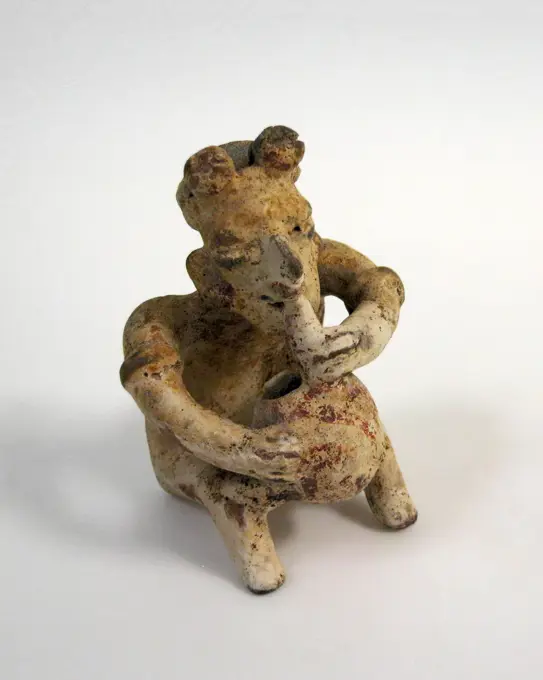
Ceremonial jug player, 3rd-5th century, 3 5/8 x 2 3/4 x 2 in. (9.2 x 7 x 5.1 cm), Earthenware with white slip, Mexico, 3rd-5th century
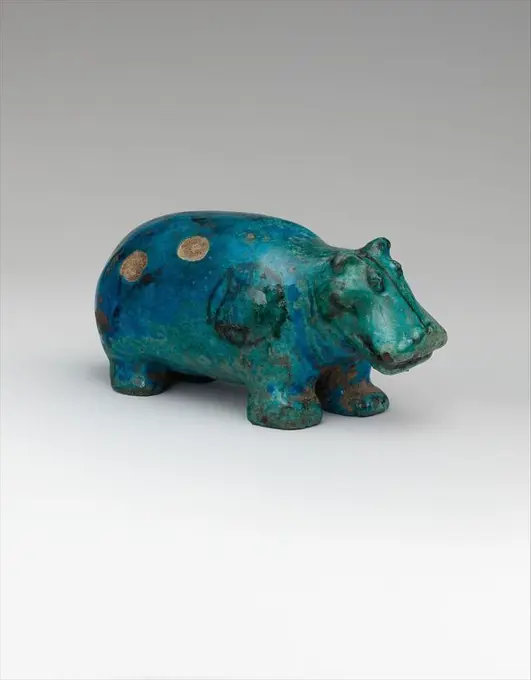
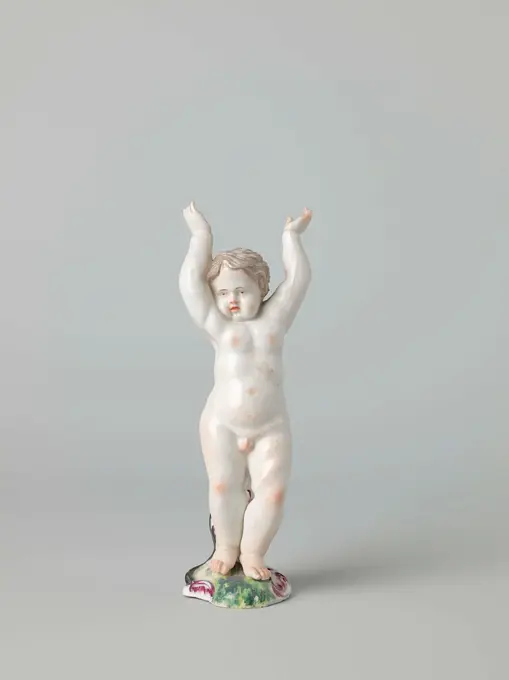
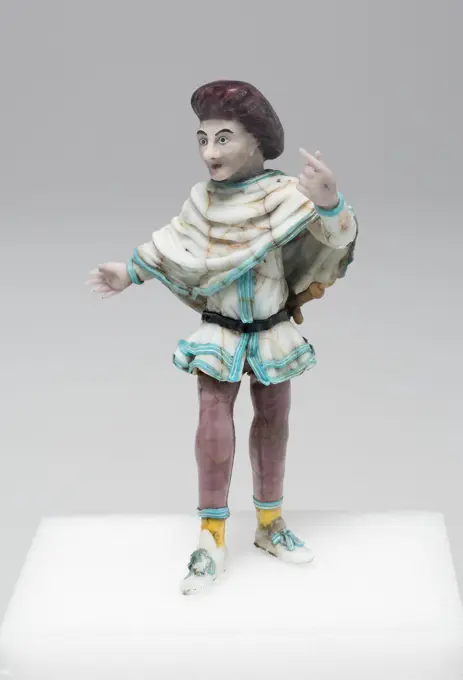
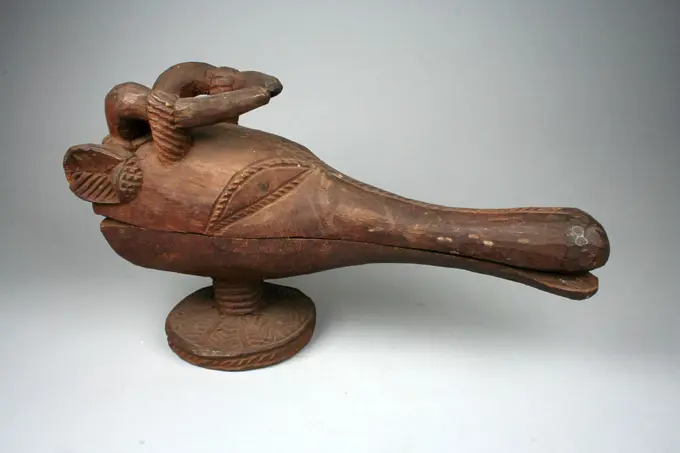
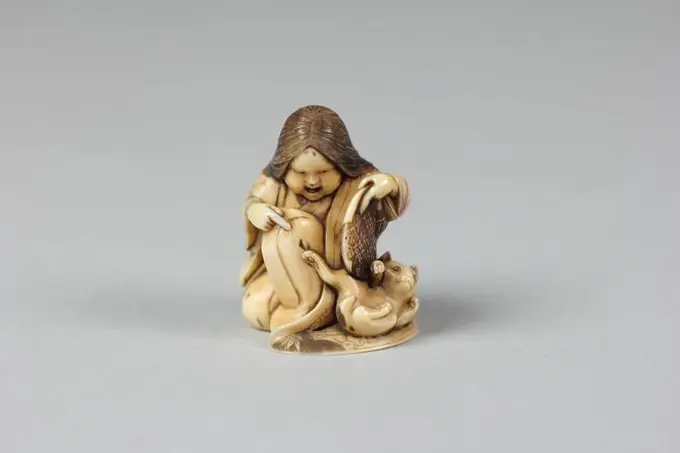
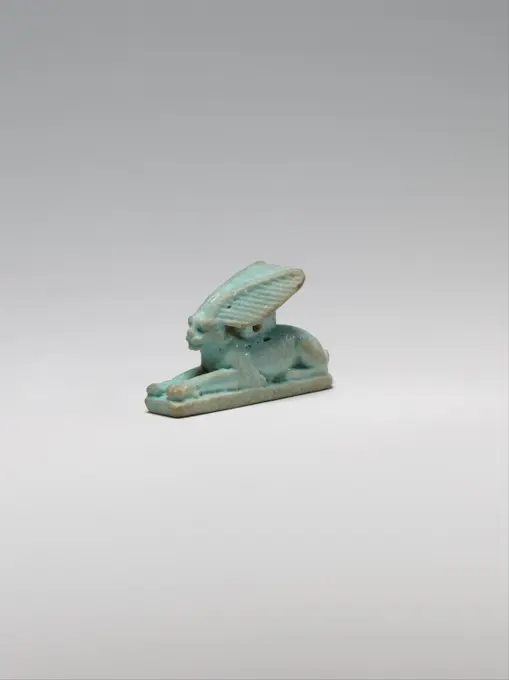
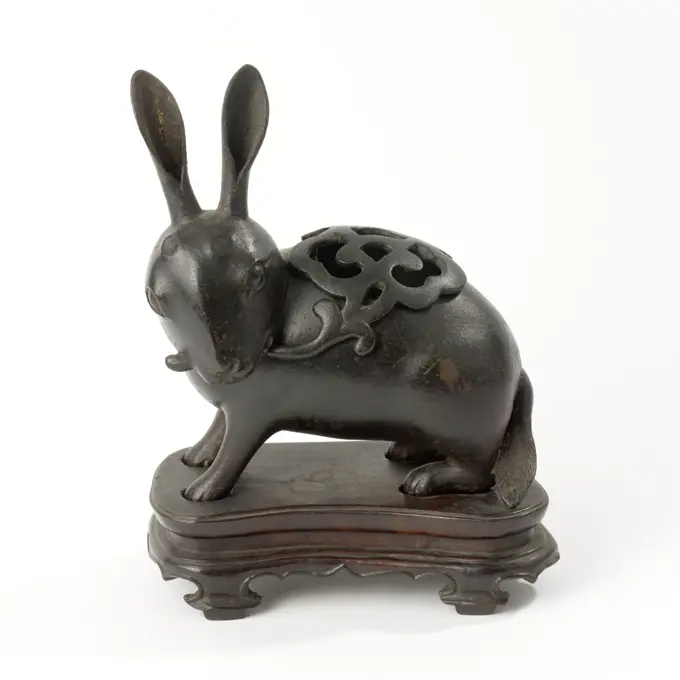
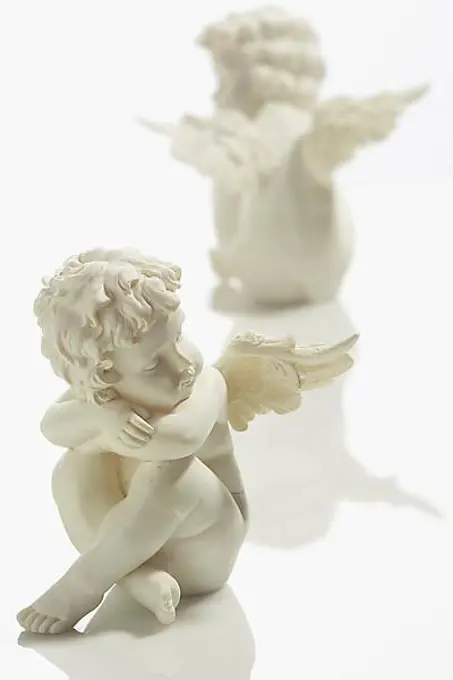
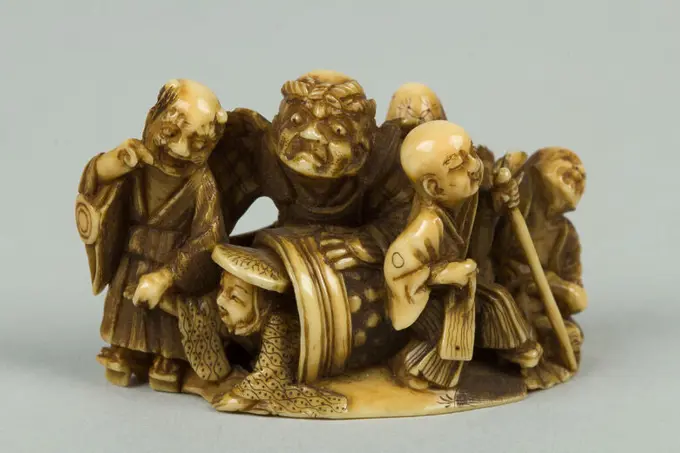
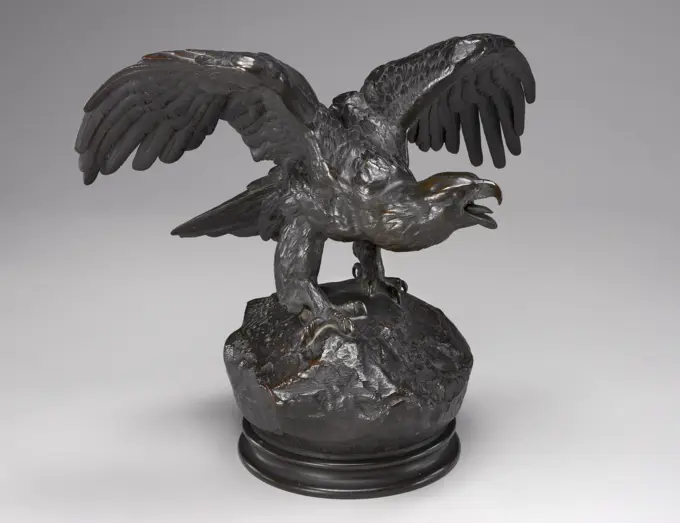
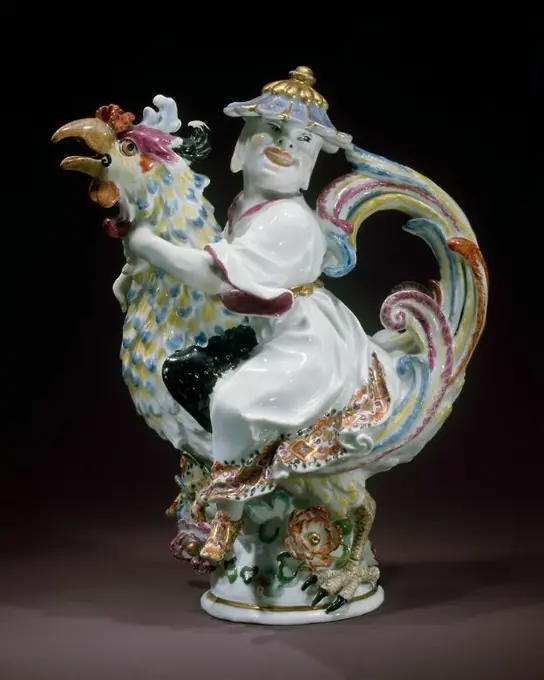
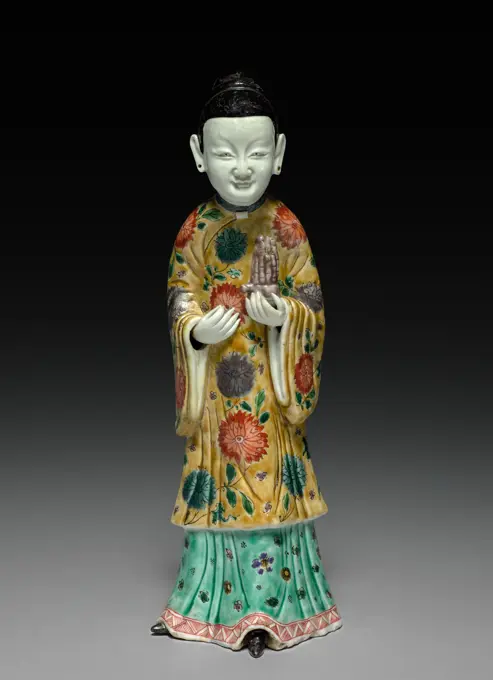
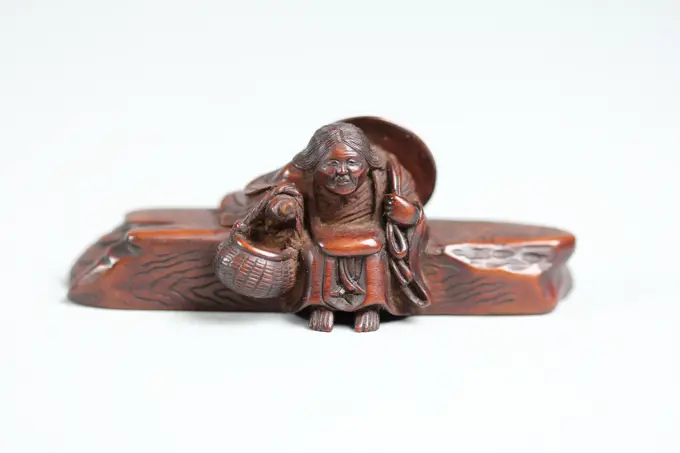
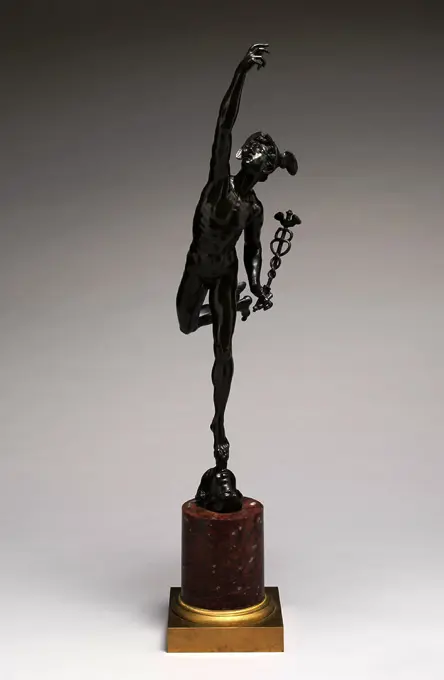
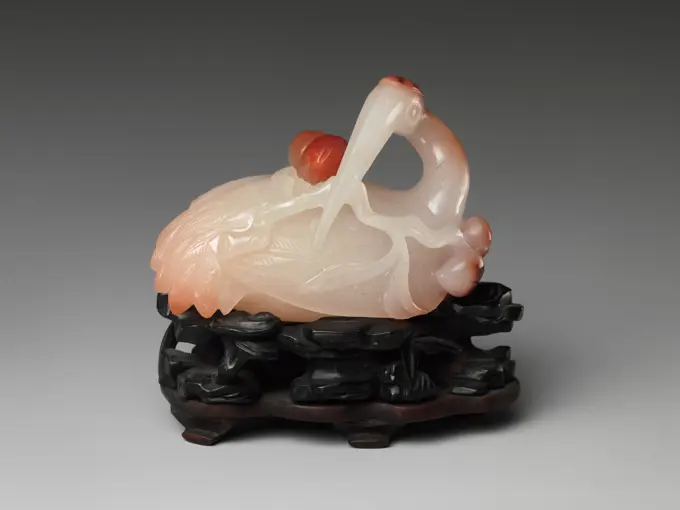
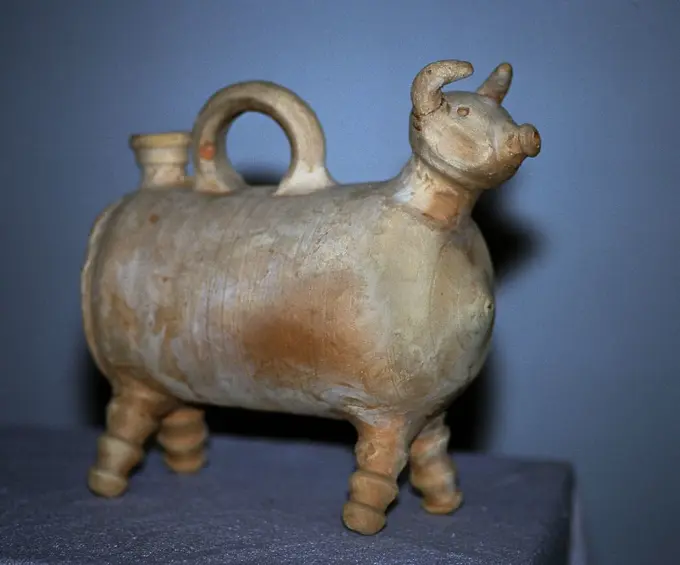
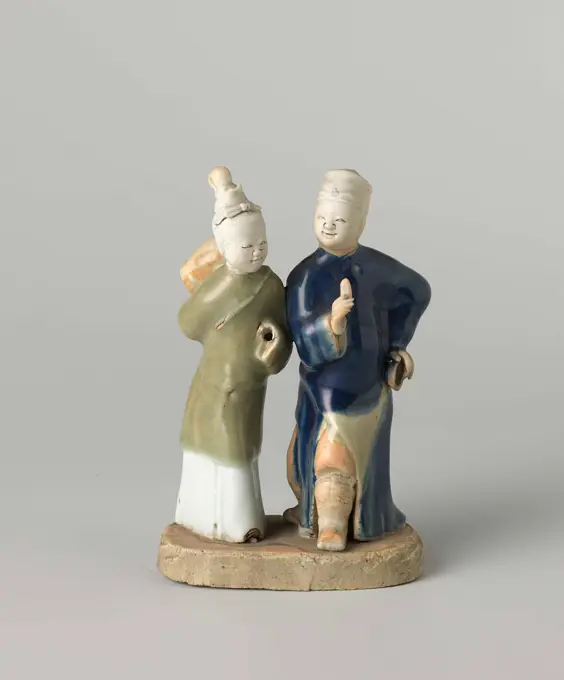
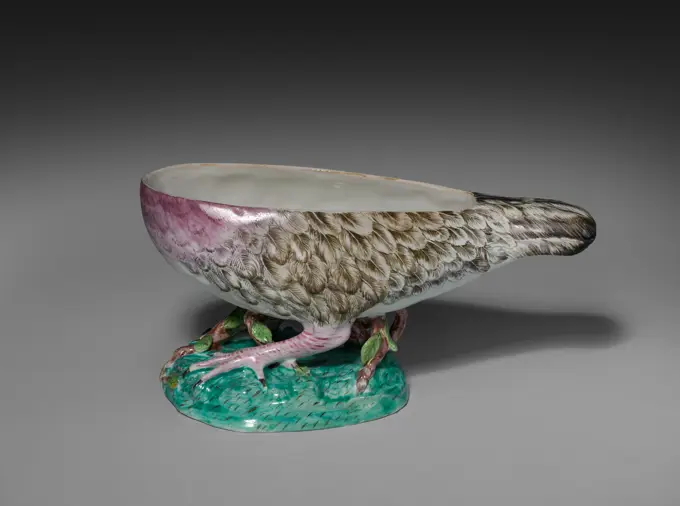
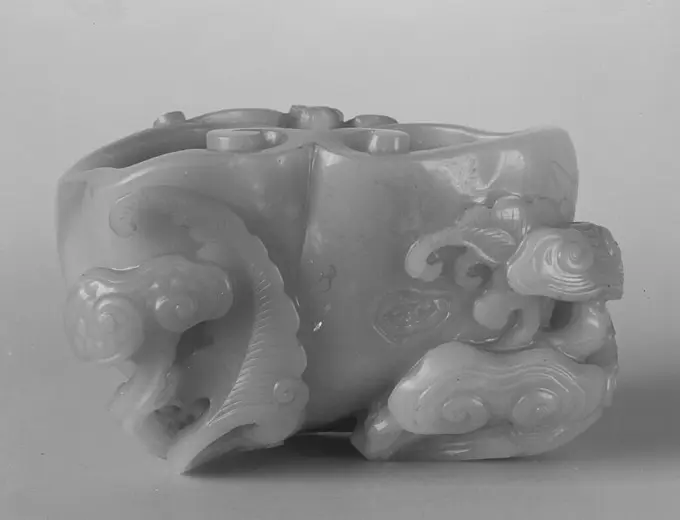
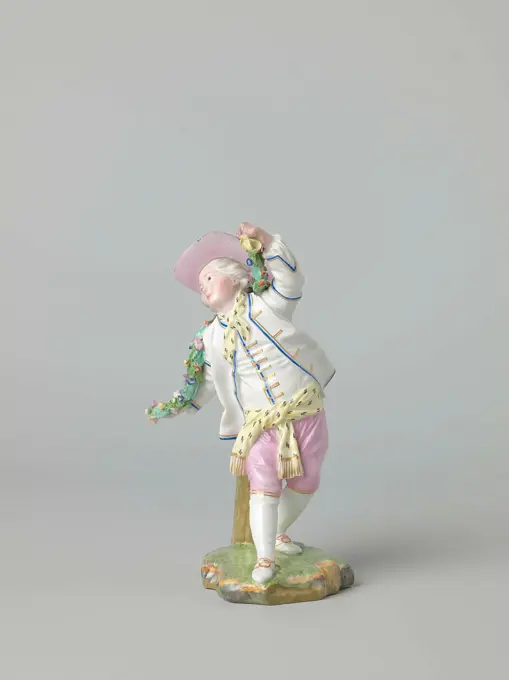
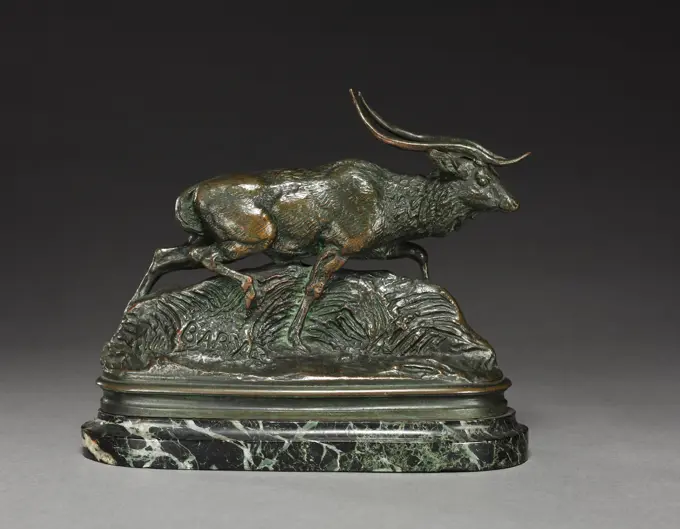
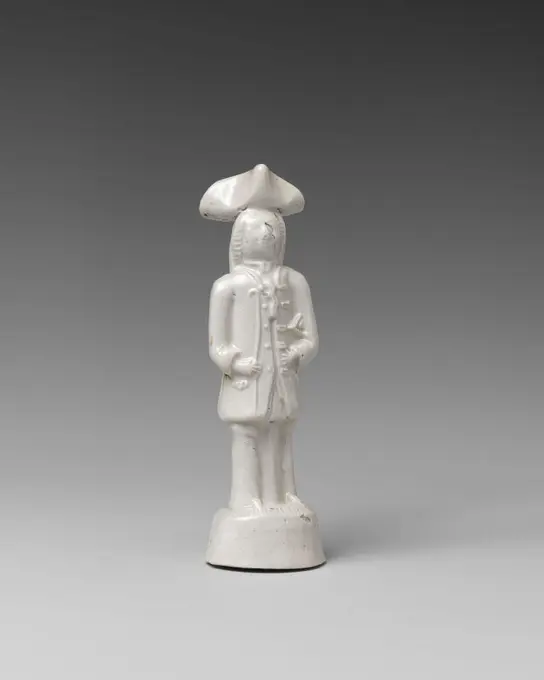
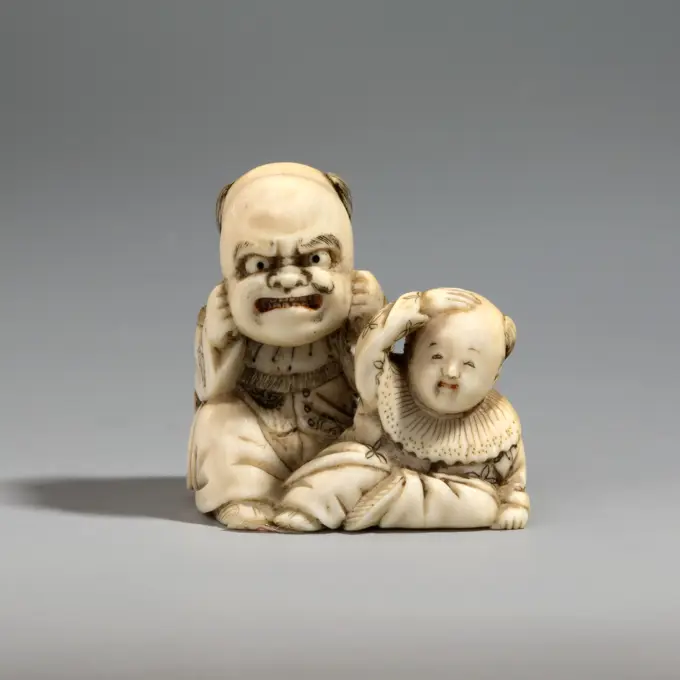
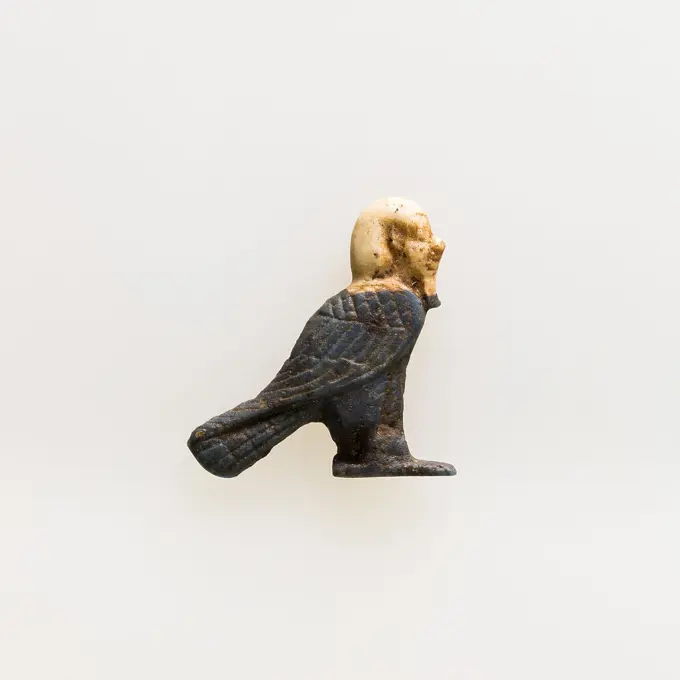
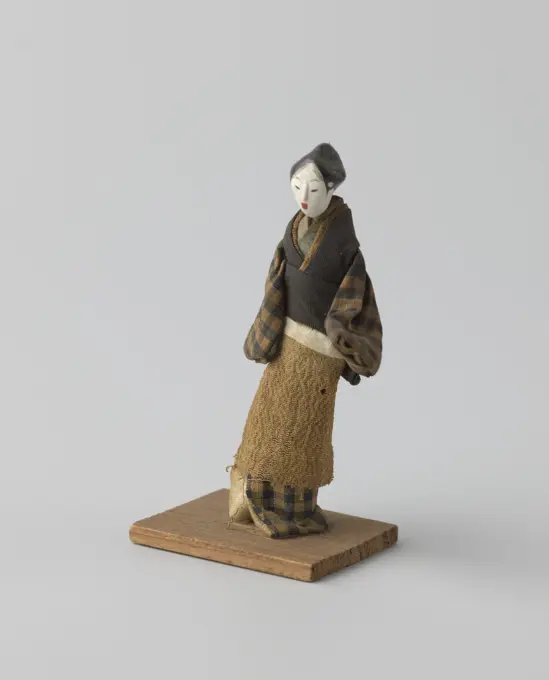
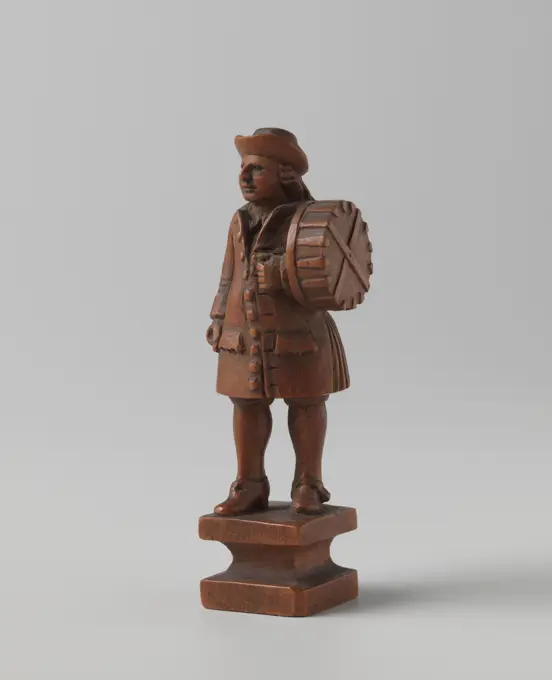
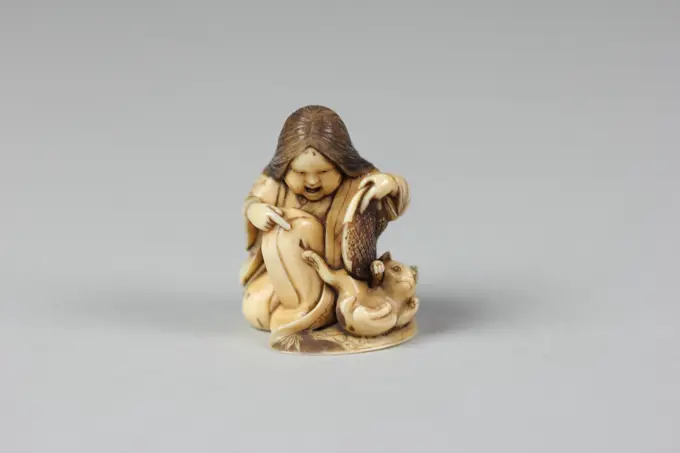
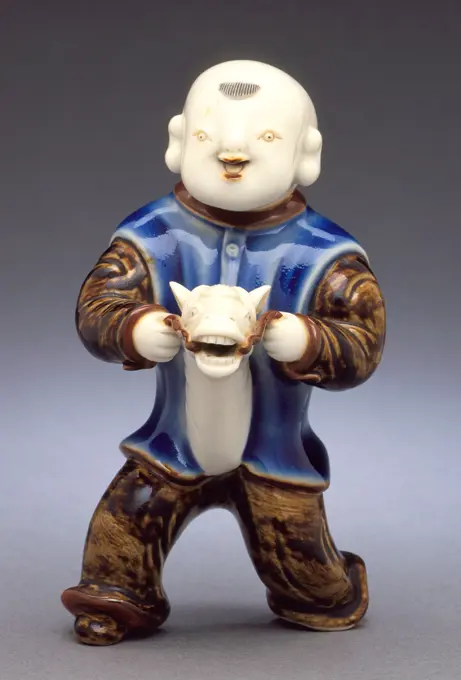
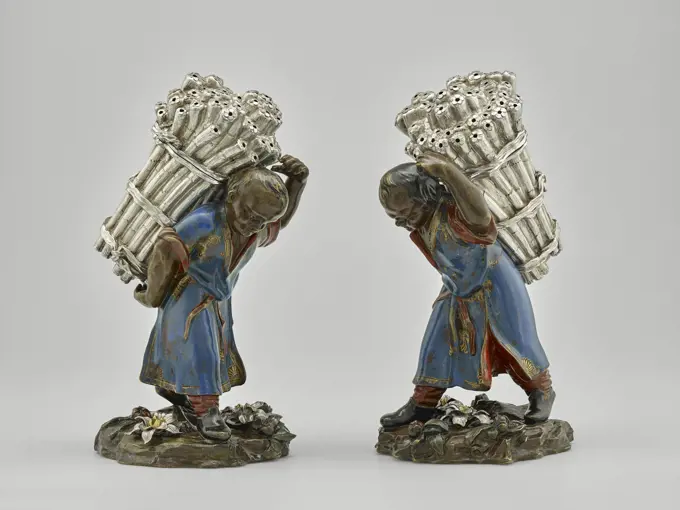
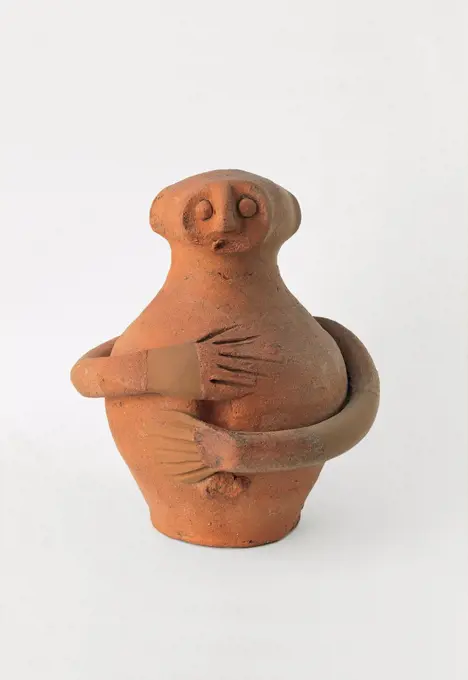
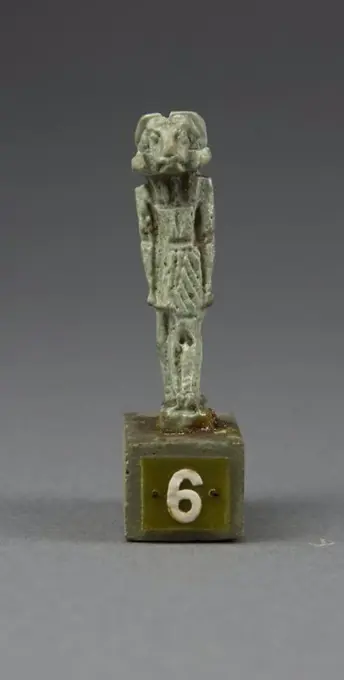
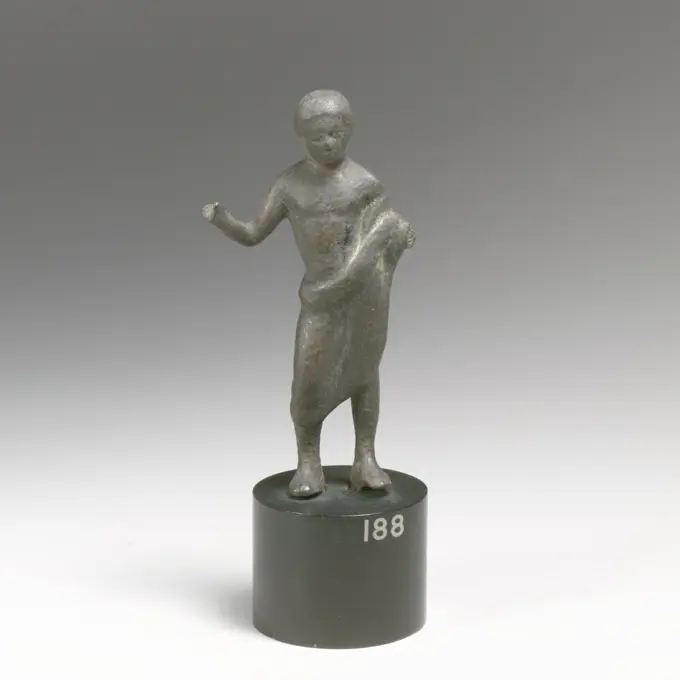
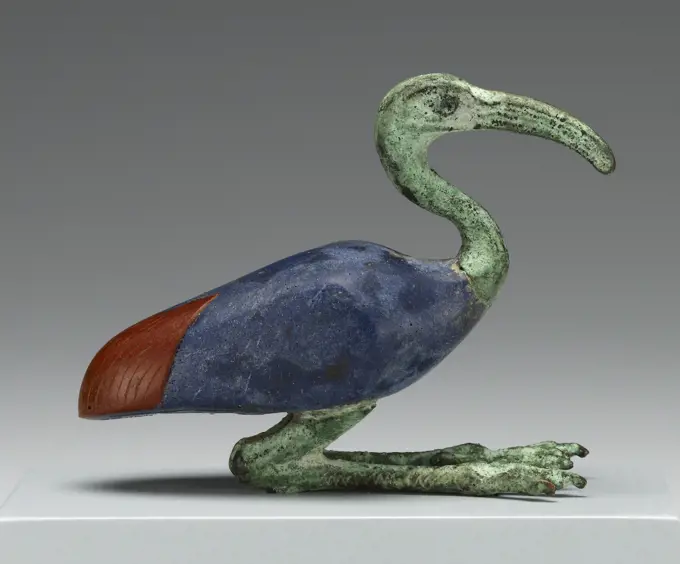
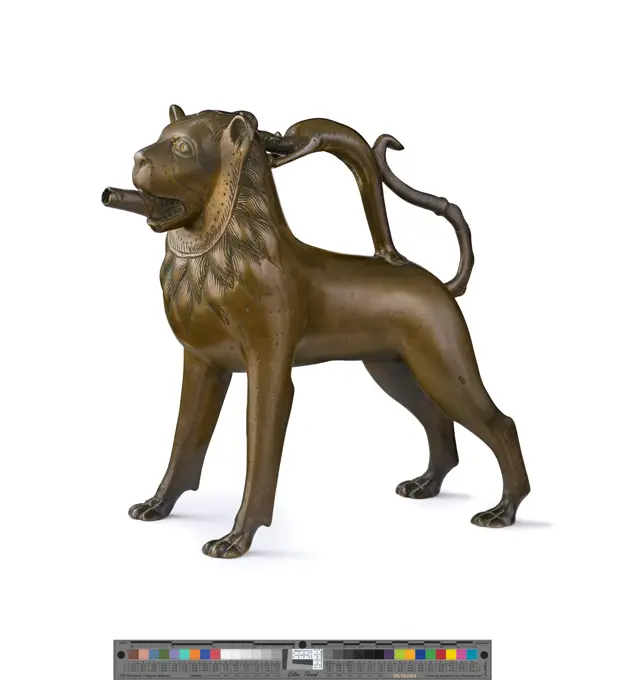
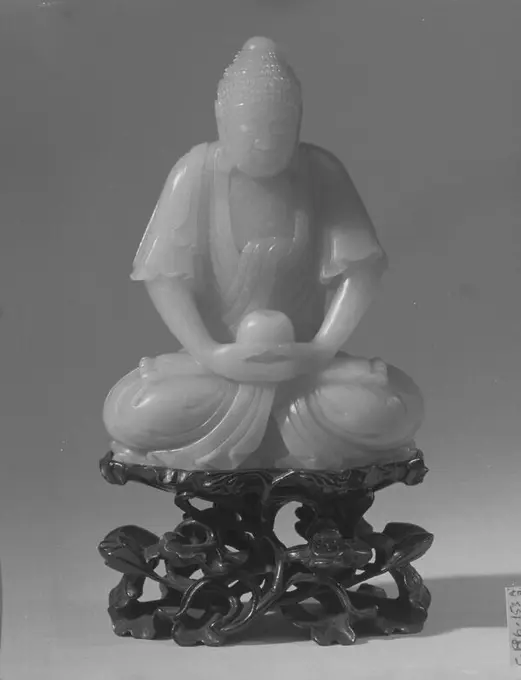
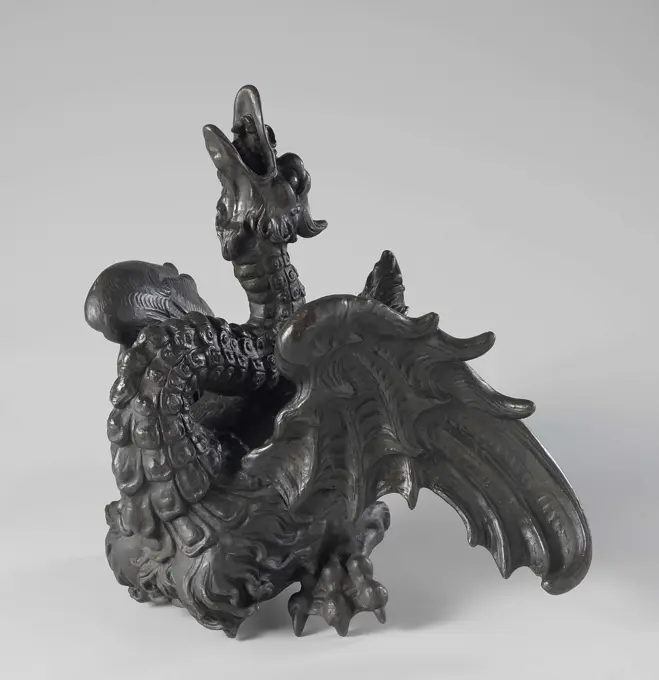
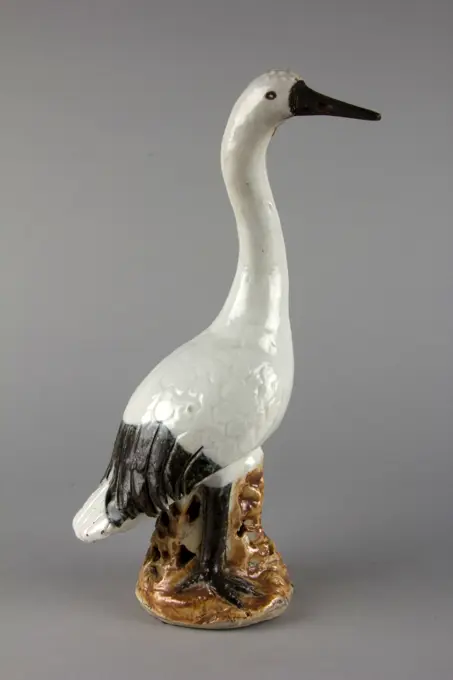
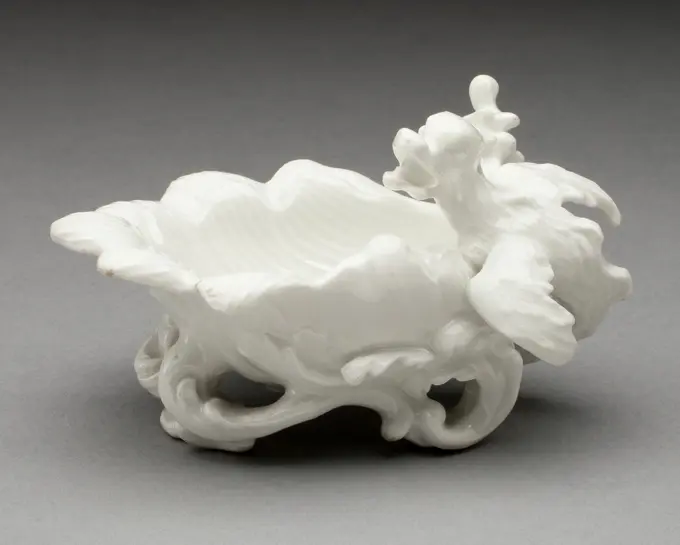
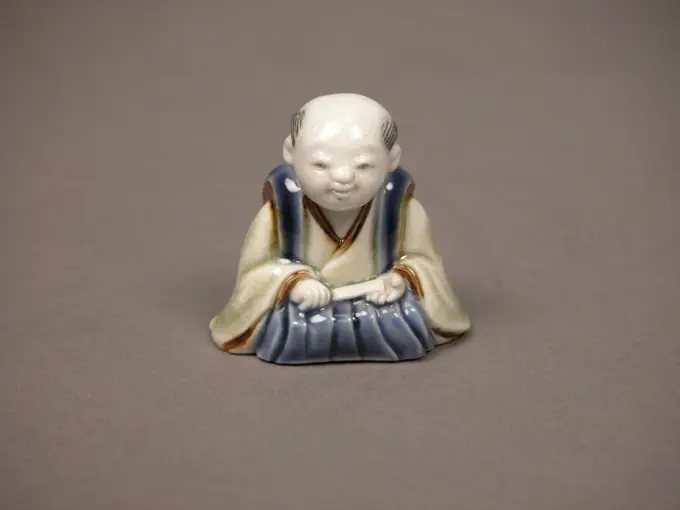
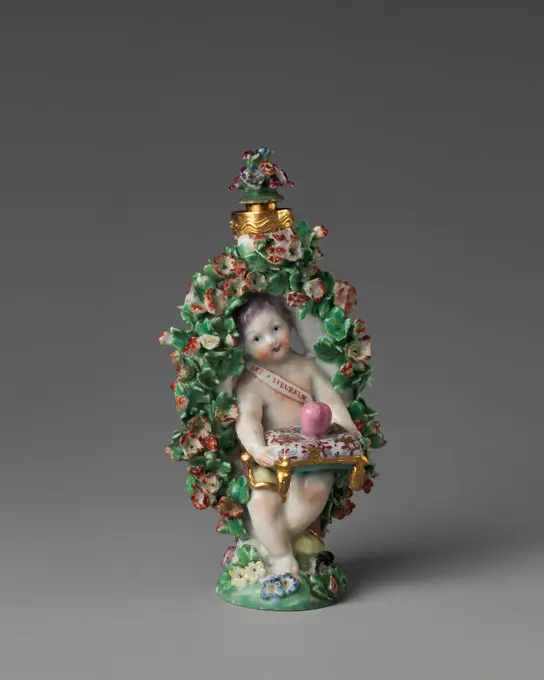
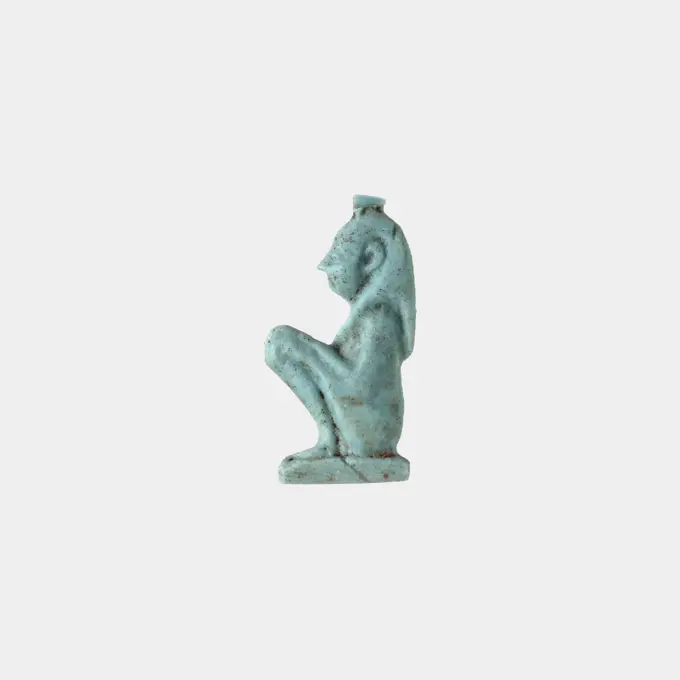
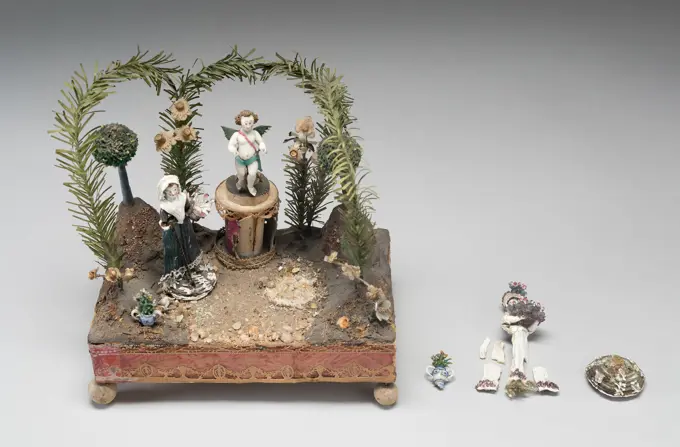
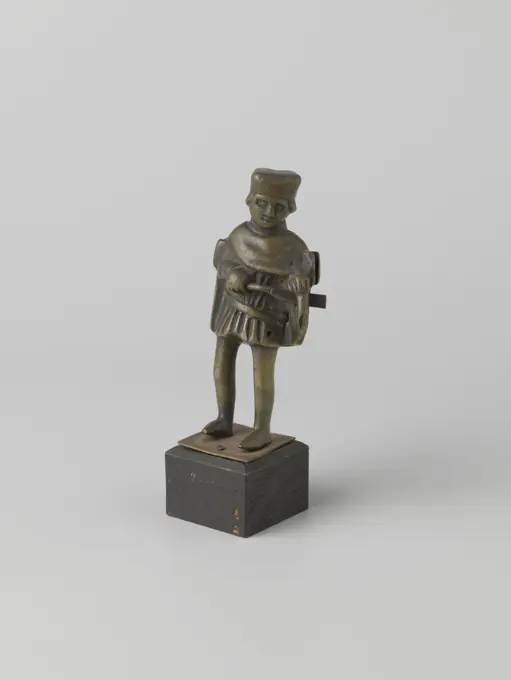
Sint Maarten, Anonymous, c. 1500 The standing figure is cast from one piece and added here and there. He wears Huzen, a Wambuis enclosed by a belt and a cloak, of which he is busy cutting off a piece. He wears a bonnet on his head. Two slots have been applied to the upper arm on both sides in which other parts can be placed. The wooden pedestal with the copper plate is from a later time. The function of the figure is not known. Northern Netherlands (possibly) beeld: brass (alloy) casting The standing figure is cast from one piece and added here and there. He wears Huzen, a Wambuis enclosed by a belt and a cloak, of which he is busy cutting off a piece. He wears a bonnet on his head. Two slots have been applied to the upper arm on both sides in which other parts can be placed. The wooden pedestal with the copper plate is from a later time. The function of the figure is not known. Northern Netherlands (possibly) beeld: brass (alloy) castingStanding Hippopotamus. Dimensions: L. 11.7 cm (4 5/8 in.); H. 5.7 (2 1/4 in.); W. 5 cm (1 15/16 in.). Dynasty: Dynasty 12-13. Date: ca. 1810-1700 B.C..Among the faience animals found in Middle Kingdom tombs, the best known is undoubtedly the hippopotamus, rendered in a variety of poses that represent this fearsome animal in its natural state, and decorated with images of the plants and animals found in its marshy habitat. This small faience hippopotamus was found in the wrappings of Renisnenb's mummy at the small of the back. Also in the wrappings were a mirror (26.7.1351), a necklace (26.7.1349), and a shen amulet (26.7.1347). Museum: Metropolitan Museum of Art, New York, USA.Boy with arms upright up. Porcelain boy figure with arms stretched up, standing on a pedestal with purplish red Rocaille ornaments. The hairs of the child are colored gray, as well as the eyebrows and eyes.Netsuke of Demon. Culture: Japan. Dimensions: H. 1 3/8 in. (3.5 cm); W. 1 3/8 in. (3.5 cm); D. 1 3/8 in. (3.5 cm). Date: 19th century. Museum: Metropolitan Museum of Art, New York, USA.SWUNG FORM 1937 ACERO FIRMADO. Author: DAVID SMITH. Location: THE ESTATE OF DAVID SMITH. NEW YORK.Actor 1675-1725 France. Glass; lampwork (verre de Nevers), metal armature .Chelsea Porcelain Manufactory, Two Candlesticks with Birds and Flowers, 1760-65, soft-paste porcelain.Vessel: Ram's Head. Culture: Edo peoples. Dimensions: H x W x D: 6 9/16 x 4 1/4 x 11 13/16in. (16.7 x 10.8 x 30cm). Date: 18th-19th century. Museum: Metropolitan Museum of Art, New York, USA.Cover in the shape of a child with a rabbit, anonymous, c. 1750 - c. 1850 Cover  From porcelain in the form of a child with a rabbit on the arm. Europe porcelain. glaze vitrification Cover  From porcelain in the form of a child with a rabbit on the arm. Europe porcelain. glaze vitrificationNetsuke of Girl Playing with a Cat. Culture: Japan. Dimensions: H. 1 1/2 in. (3.8 cm); W. 1 in. (2.5 cm); D. 1 1/4 in. (3.2 cm). Date: 19th century. Museum: Metropolitan Museum of Art, New York, USA.Melanesian with Drum. Attributed to Miwa (Japan, active 18th century). Japan, 18th century. Costumes; Accessories. Red sandalwood with inlaysStone Vessel in the form of a Monkey 1521 A.D.Business card holder; Horace Woodward & Co (Birmingham; Ca.1850-1919); 1912 (1912-00-00-1912-00-00);Hare amulet 664-30 B.C. Late Period-Ptolemaic Period The amulets 44.4.23-44.4.28 have a uniformity of size and detailing that constitutes a stylistic relationship. Possibly they were made in related workshops.. Hare amulet. 664-30 B.C.. Faience. Late Period-Ptolemaic Period. From EgyptZoomorphic burn. Bronze. Japan. XVIII-XIXth century. Paris, Cernuschi museum. Animalier, Japanese art, bronze, burn-burn, Japanese object, 19th 19th 19th 19th 19th 19th 19th century, 18th 18th 18th 18th 18th 18th 18th century, Zoomorph, animal, animalSitting angelsA couple of wiars - winter; ChurfuerStliche Porcellain Fabrique, Meissen (1763/74-1814); XVIII/19th century (1790-00-00-1820-00-00);Netsuke with Group of Six Men. Culture: Japan. Dimensions: H. 1 1/8 in. (2.9 cm); W. 1 3/4 in. (4.4 cm). Date: 19th century. Museum: Metropolitan Museum of Art, New York, USA.Anonymous. Lyvilier lying (belonging to a pair). Bronze, black patina and gilded bronze. Between 1774 and 1791. Paris, Cognacq-Jay museum. 101701-17Antoine Louis Barye, Eagle with Wings Outstretched and Open Beak, model date unknown, cast after 1862 Eagle with Wings Outstretched and Open Beak. Glass; lampwork (verre de Nevers), metal armature .Goat-Cornucopia; Italy (); 1st century; Bronze; 4.6 × 7.7 cm (1 13,16 × 3 1,16 in.)Sink Błotnicki, Tadeusz (1858 1928)Oil or vinegar cruet. Culture: German, Meissen. Dimensions: Height: 8 3/16 in. (20.8 cm). Factory: Meissen Manufactory (German, 1710-present). Modeler: Johann Joachim Kändler (German, Fischbach 1706-1775 Meissen). Date: ca. 1737. Museum: Metropolitan Museum of Art, New York, USA.Figure Ornament 6th-7th century Moche (Loma Negra). Figure Ornament 314877Mingqi chien ". Terre Cuitifies pulch plumbs plumbs. Dynasty Han (226 AP. J.-C.). J.- Museer Corner Knorki. Chinese art, Han dynasty, Han time, mingqi, Chinese object, funeral substitute, terracotta, animal, dogCourt Lady Holding a Sheng, 1662-1722. China, Jiangxi province, Jingdezhen kilns, Qing dynasty (1644-1911), Kangxi reign (1662-1722). Porcelain with famille verte overglaze enamel decoration; overall: 30.3 cm (11 15/16 in.).Netsuke of Woman Sitting on a Log 19th century Japan. Netsuke of Woman Sitting on a Log. Japan. 19th century. Wood. Edo (1615-1868) or Meiji period (1868-1912). NetsukeParrot. Culture: British, London. Dimensions: Height: 7/8 in. (2.2 cm). Maker: Saint James's Factory (British, ca. 1748/49-1760). Date: ca. 1750-55. Museum: Metropolitan Museum of Art, New York, USA.Female Monkey Holding Its Baby. Dimensions: H. 3.5 cm (1 3/8 in). Dynasty: Dynasty 12. Date: ca. 1981-1802 B.C..The monkey sits holding her baby (head missing) close to her chest. The piece is exquisitely carved and a hole has been drilled just below the shoulders for suspension.Monkeys, not native to Egypt, were imported as exotic pets and frequently appeared as decoration on cosmetic equipment. The pose of this pair is first seen in Old Kingdom cosmetic jars (see 30.8.134, 1992.338) that also depict mother monkeys with their young. This example probably dates to Dynasty 12 of the Middle Kingdom when amethyst was frequently used as a material for miniature representations of animals. The image of a mother and infant of any species is often interpreted as symbolizing rebirth. However, small chips and signs of wear around the edges of the suspension hole and the base suggests that the piece was used by a living owner and not designed specifically as an amulet for the dead. Museum: MetMercury. Dated: 19th century. Dimensions: height without base: 65.4 cm (25 3/4 in.) height with base: 83.2 cm (32 3/4 in.). Medium: bronze. Museum: National Gallery of Art, Washington DC. Author: French 19th Century.Snarling Feline Bottle. Culture: Moche. Dimensions: H. 8 x W. 4 1/8 in. (20.3 x 10.5 cm). Date: 4th-7th century. Museum: Metropolitan Museum of Art, New York, USA.Toby Jug Made 1780-1790 Staffordshire. Lead-glazed earthenware .Water dropper in the shape of a crane 18th century China A crane holding a branch of peaches symbolizes longevity. The crane is believed to live for more than a thousand years and has been associated with immortals who would ride on its back. The peach is understood to have more potent life-extending power. In Chinese legend, the fruit grows on sacred trees in the garden of the Queen Mother of the West and ripens every three thousand years; a person who eats it will live forever.. Water dropper in the shape of a crane 44137Decorative object, the metal pot, c. 1756 - c. 1775 Faaience female, representing a woman in a long checkered chamber gown. Multicolored painted. Delft . Faaience female, representing a woman in a long checkered chamber gown. Multicolored painted. Delft .BOTIJO CON FORMA DE TORO - BARRO BLANCO ARTE POPULAR -S XX. Location: ALFARERIA. Segorbe. Castellón. SPAIN.Double-Animal Pendant 5th-10th century International or Initial. Double-Animal Pendant 309980Crafts of horseFigure of A Walking Man and Woman with Musical Instruments. Image of porcelain of a running man and woman on a pedestal, painted on biscuit in blue and celadong green. The running man and woman both wear a musical instrument, the woman a kind of drum. The man keeps the instrument against his left hip, another object in his right hand. Heads and hands unglazed. The hands are missing with the woman and the head has been broken down. Email sur biscuit.Tureen in the Form of a Pigeon, c. 1760. Sceaux Factory (French, active 1748-66). Tin- glazed earthenware (faience) wth enamel decoration; overall: 26.7 x 29.9 x 14.8 cm (10 1/2 x 11 3/4 x 5 13/16 in.).Amulet of the God Anubis. Egyptian. Date: 700 BC-1 BC. Dimensions: 2 x 3 x 1 cm (3/4 x 1 1/8 x 3/8 in.). Faience. Origin: Egypt. Museum: The Chicago Art Institute, Chicago, USA. Author: Ancient Egyptian.Poland, Wroclaw, Wrocaw's dwarfs (Pol. Krasnale) are a tourist attraction in Wroclaw and distributed all over the cityMeiwijnvat Van Steengoed. Meiwijnvat of stoneware with tin tap. The barrel is worn by two suggests, each with a Meerman and a more woman and a dolphin (C and D). On the Stop an earthenware barrel with a drinking floor (B).Chinese lion standing on the front legs (common name). Bronze. Cernuschi Museum, Asia Museum of Asia in the city of Paris.Cup. Culture: China. Dimensions: H. 5 in. (12.7 cm); W. 3 in. (7.6 cm). Museum: Metropolitan Museum of Art, New York, USA.Dancing boy. Figure in the form of a dancing boy painted multi-colored with a garland of flowers around his shoulder, in 18th century costume. Marked with a rad and brass S.Figurine of a Seated Man 2055 BCE-1650 BCE Egypt. Faience . Ancient EgyptianAxis Deer, 19th century. Antoine-Louis Barye (French, 1796-1875). Bronze; overall: 14.3 x 6.3 cm (5 5/8 x 2 1/2 in.).Figure of four playing boys, La Courtille Parijs, c. 1800 - c. 1814 Image of porcelain. Four playing boys are shown in Biscuit. The boys tumbles over each other and one has lost his clog. A legend leg has been restored. Marked on the underside with the crossed arrows and the letter H . porcelain company: Parisporcelain company: Courtille, La porcelain Image of porcelain. Four playing boys are shown in Biscuit. The boys tumbles over each other and one has lost his clog. A legend leg has been restored. Marked on the underside with the crossed arrows and the letter H . porcelain company: Parisporcelain company: Courtille, La porcelainHead of a comic figurine. Culture: Cypriot. Dimensions: H. 1 1/8 in. (2.9 cm). Date: Late 4th-3rd century B.C..The head is mold-made and solid. The back is handmade and roughly finished. The masked head and a small part of the neck are preserved. Museum: Metropolitan Museum of Art, New York, USA.Figure of a man. Culture: British, Staffordshire. Dimensions: Height: 4 in. (10.2 cm). Date: ca. 1750. Museum: Metropolitan Museum of Art, New York, USA.Base, 1392-1897. Korea, Joseon dynasty (1392-1910). Wood; This wooden base for a musical instrument, possibly a set of bells or drums, was acquired in Korea in 1916 by Langdon Warner, who once served as the field agent for Asian art for the Cleveland Museum of Art. At the time of acquisition, it was mistaken as a part of a clothing stand related to a set of military uniform (1918.560.1) probably because the wooden base and a set of military uniform were purchased at the same antique shop.Candy shape of pear wood in the shape of a nude child. Candy shape of pear wood in the shape of a nude child.Two children with mask from the theater, showing Sennin Ikkaku; Netsuke; Homin, Fukumoto (Fl. Ca 1860-1890); around 1860-1890 (1868-00-00-1912-00-00);figurines, netsuke, Japanese art, images of children, purchase (provenance)Ba-bird amulet. Dimensions: H. 2.6 × W. 2.5 cm (1 × 1 in.). Date: 400-30 BC.Starting in the later Late Period and continuing through the Ptolemaic Period, a type of glass amulet cast by pressing the glass into a shallow open mold appears. The back was left rough, and the amulets may look ragged because glass overflowed the mold around the edges. The earlier amulets are monochrome, bi- or multicolor amulets supplement the repertoire during the Ptolemaic Period.Some of the amulets can be specifically tied to spells of the Book of the Dead - for example, acc. no. 17.194.2526 - and most are clearly funerary amulets, presumably meant to be wrapped between the bandages of the mummy where the presence of the amulet would do its job irrespective of its degree of finish. Museum: Metropolitan Museum of Art, New York, USA.Crib figurine from Presepe Strapaesano by Tullio Mazzotti (also known as Tullio d'Albisola, 1899-1971)Hout doll in Japanese clothing, 1900 - 2000 Poppet made of wood in Japanese clothing on a wooden board. Japan wood (plant material) Poppet made of wood in Japanese clothing on a wooden board. Japan wood (plant material)Figure of a man, Inuit culture, Arctic Canada, 1968, soapstone and walrus tusk ivory, Anthropology National Museum, Madrid, Spain.The black knight. Chess pieces on the chessboardRocking Horse, 1850-1900Pair of lions 19th century Mary Atwood. Pair of lions. Mary Atwood. British. 19th century. Lustreware. Ceramics-PotteryTin Wood industryCorn-Measurer, anonymous, 1717  Northern Netherlands boxwood (hardwood) cutting  Northern Netherlands boxwood (hardwood) cuttingYoung man Vienna (Pałowowa Manufaktura)Cup China. Cup 52887Netsuke of Girl Playing with a Cat 19th century Japan. Netsuke of Girl Playing with a Cat 59903Water Dropper for Calligraphy in the Form of a Chinese Boy on a Hobby Horse. Japan, 19th century. Ceramics. Hirado Mikawachi ware; porcelain with brown and black glazes, blue underglaze and ironBoy and girl on a rock at a tree stump. Group of porcelain presenting a boy and a girl sitting on rocks at a tree stump. No brand.Crafts of horsePair of Decorative Bronzes; Painting attributed to Étienne-Simon Martin (French, 1703 - 1770), and Guillaume Martin (French, 1689 - 1749); Paris, France; silver 1738-1750; bronze 1745-1749; Painted bronze; silver;Basket with donkey by Nino Strada (1904-1968)Figure of a hawk (one of a pair) late 18th century China. Figure of a hawk (one of a pair) 46646Terracotta Female Idol, VII- Century, terracotta,Amulet of the God Khnum. Egyptian. Date: 1070 BC-656 BC. Dimensions: 5.4 × 2.5 × 1.6 cm (2 1/8 × 1 × 5/8 in.). Faience. Origin: Egypt. Museum: The Chicago Art Institute, Chicago, USA. Author: Ancient Egyptian.Ornament with deer 10th-12th century China. Ornament with deer 41746Statuette of a man 4th-1st century B.C. Etruscan Partly draped.. Statuette of a man 246400Statuette of an Ibis; Egypt; 3rd century B.C. - 1st century A.D; Glass and bronze; 6.3 x 8 cm (2 1,2 x 3 1,8 in.)Aquamanile (Ewer). Northern Germany, Lower Saxony, Hildeshiem (), circa 1250. Furnishings; Serviceware. Brass (copper alloy)Seated Buddha. Culture: China. Dimensions: H. 5 11/16 in. (14.4 cm); H. (with stand) 7 15/16 in. (20.2 cm); W. 4 1/2 in. (11.4 cm). Date: 18th century. Museum: Metropolitan Museum of Art, New York, USA.Harriet Goodhue Hosmer, Clasped Hands of Robert Browning and Elizabeth Barrett Browning, model 1853 Clasped Hands of Robert Browning and Elizabeth Barrett Browning. Dragon, which simplified with a thrown head and scalyed neck rests on its large claws and spread, non-wing-like wings.Figure of a stork (one of a pair) late 18th century China. Figure of a stork (one of a pair). China. late 18th century. Porcelain painted with overglazed polychrome enamels (Jingdezhen ware). Qing dynasty (1644-1911), Qianlong period (1736-95). CeramicsDove (one of a pair) ca. 1750 Chelsea Porcelain Manufactory. Dove (one of a pair). British, Chelsea. ca. 1750. Soft-paste porcelain. Chelsea Porcelain Manufactory (British, 1744-1784). Ceramics-PorcelainWoman with child on knee of red stoneware, anonymous, c. 1680 - c. 1720 Female figure of red stoneware with a child on her knee. Delft . Female figure of red stoneware with a child on her knee. Delft .French Horn Player 1755-1775 Vienna. Hard-paste porcelain, polychrome enamels, and gilding . Vienna State Porcelain Manufactory (Manufacturer)Bracket (England); carved mahoganySalt Cellar 1730-1735 Meissen. Hard-paste porcelain . Meissen Porcelain Manufactory (Manufacturer)Figurine: Diana; Volkstedt-Rudolstadt (Porcelain Factory; 1762-XX century); horse. 18th century (1790-00-00-1800-00-00);Chinese child with musical instrument late 18th century Japan. Chinese child with musical instrument. Japan. late 18th century. Porcelain, modeled and glazed with enamels (Hirado ware). Edo period (1615-1868). CeramicsGeorges Despret (1862-1952). Child bust. Glass, glass paste. XIXth-XXth century. Museum of Fine Arts of the City of Paris, Petit Palais. 19th XIXth XIX 19th 19th 19th century, XXth XXth XX 20th 20th 20th centuryFemale HeadCupid in a bower. Culture: British, Chelsea. Dimensions: Overall: 3 3/4 × 2 in. (9.5 × 5.1 cm). Factory: Chelsea Porcelain Manufactory (British, 1745-1784, Gold Anchor Period, 1759-69). Date: ca. 1765. Museum: Metropolitan Museum of Art, New York, USA.Amulet - goddess MAAT;  332-30 BC ; Ptolemean period (-332-00-00--30-00-00);Maat (mitol.), Scene.gal.eg., Egyptian deitiesThe Shrine of Love 1700-1799 France. Glass; lampwork (verre de Nevers), metal armature .Dragon probably ca. 1550 Italian, Urbino. Dragon. Italian, Urbino. probably ca. 1550. Maiolica (tin-glazed earthenware). Ceramics-PotteryMourning cap made of black quilted silk, anonymous, c. 1700 - c. 1800 Mourning cap made of black quilted silk with black voile. The sphere is sculpted at the front, a strip at the back that falls over the neck and shoulder. Netherlands silk. Mourning cap made of black quilted silk with black voile. The sphere is sculpted at the front, a strip at the back that falls over the neck and shoulder. Netherlands silk.Sculpture of fighting tiger and dragon from scythian art, gold, 7th century BC, Russia, St. Petersburg, Collection of Peter the Great State Hermitage, 16, 8x9, 9Burnt-Parfum (common name). Sandstone, molding, celadon, molded decor. Cernuschi Museum, Asia Museum of Asia in the city of Paris.Horse tamer (Cheveaux de Marly), c. 1850 - c. 1900 Group of bronze with dark green patina, representing an antique warrior trying to tame a prancing horse. Signed in the base: Coustou; Stamped Société des Bronzes de Paris. Paris bronze (metal) casting Group of bronze with dark green patina, representing an antique warrior trying to tame a prancing horse. Signed in the base: Coustou; Stamped Société des Bronzes de Paris. Paris bronze (metal) castingScent bottle. Culture: British, Chelsea. Dimensions: Height (with stoppers): 4 3/16 in. (10.6 cm). Factory: Chelsea Porcelain Manufactory (British, 1745-1784, Red Anchor Period, ca. 1753-58). Date: ca. 1756. Museum: Metropolitan Museum of Art, New York, USA.