Cultural Artifacts and Figures

Artifact images from various cultures, including netsuke, figurines, and ceremonial pottery, showcasing intricate designs and historical significance.
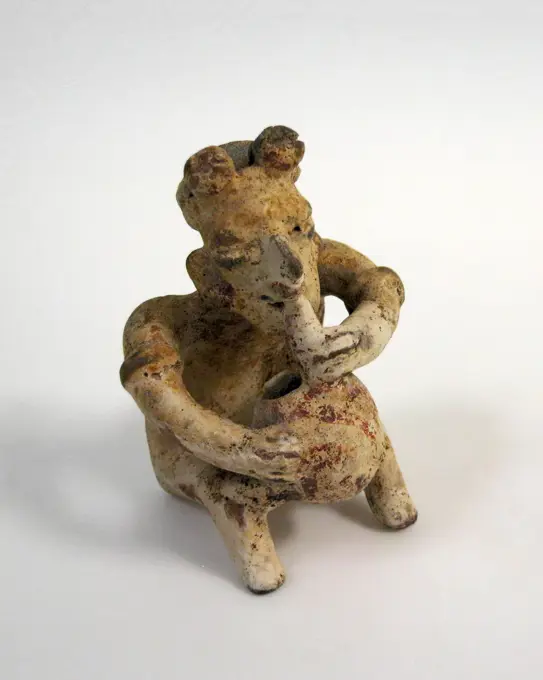
Ceremonial jug player, 3rd-5th century, 3 5/8 x 2 3/4 x 2 in. (9.2 x 7 x 5.1 cm), Earthenware with white slip, Mexico, 3rd-5th century
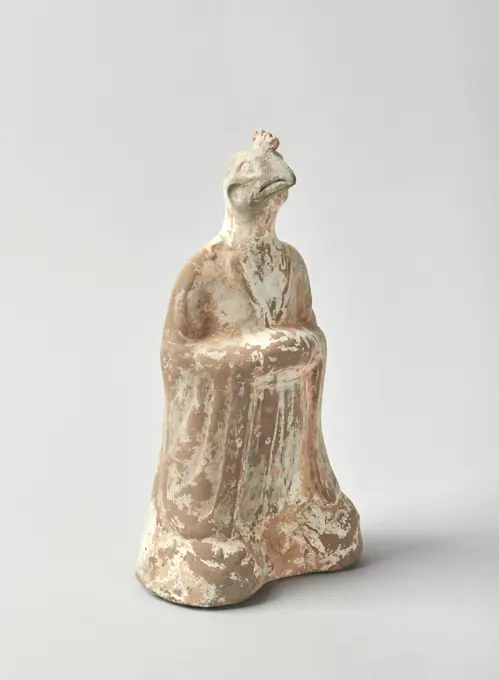
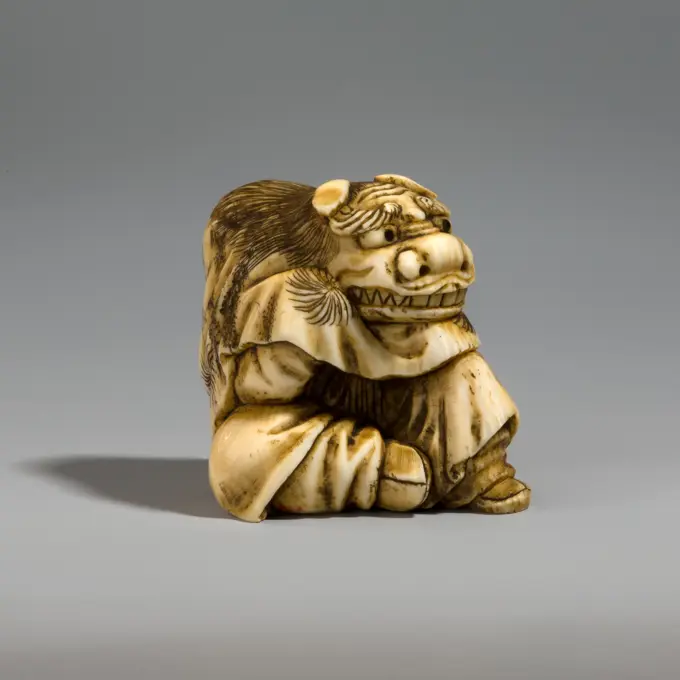
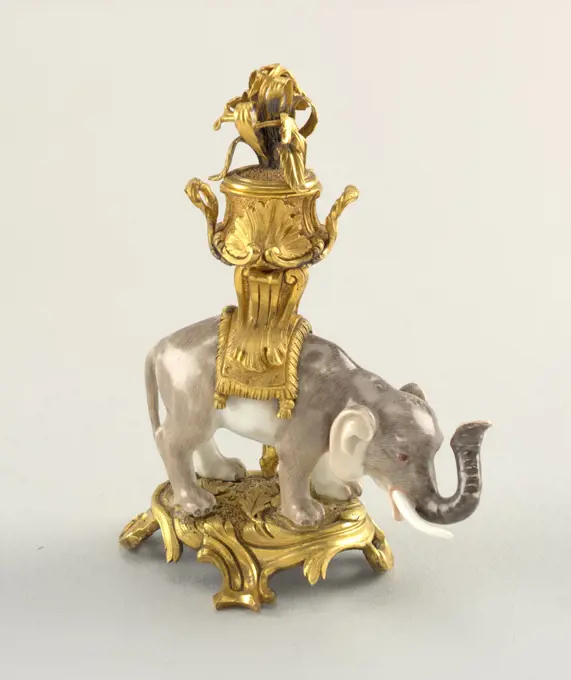
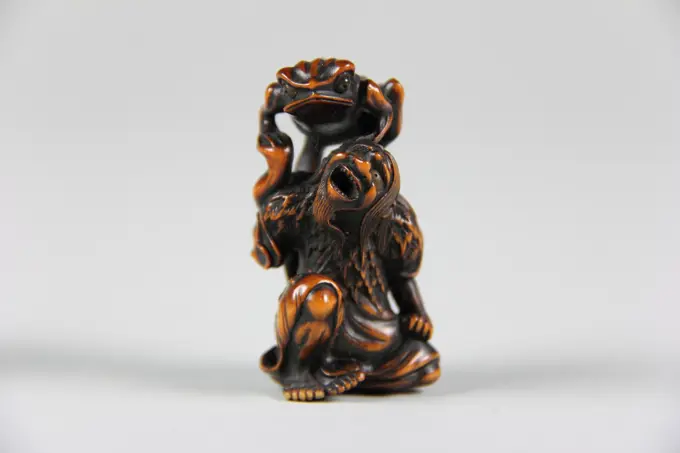
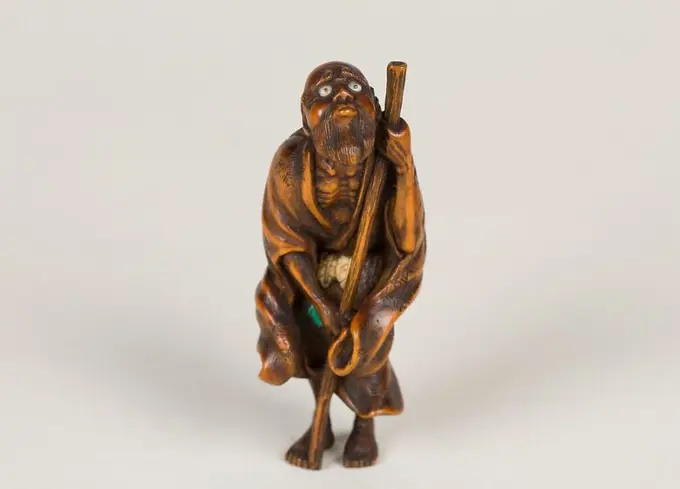
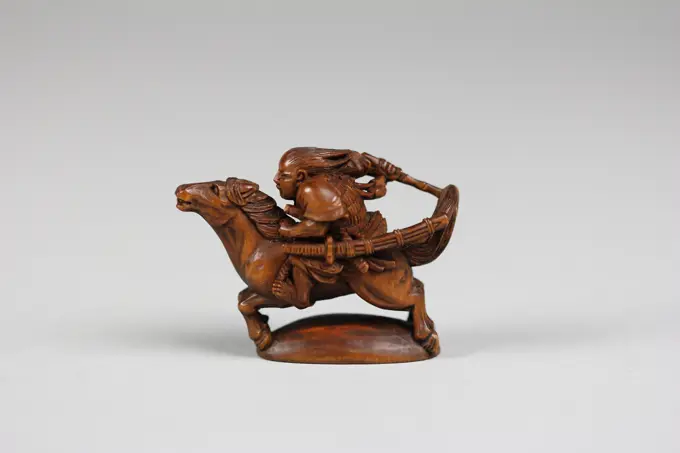
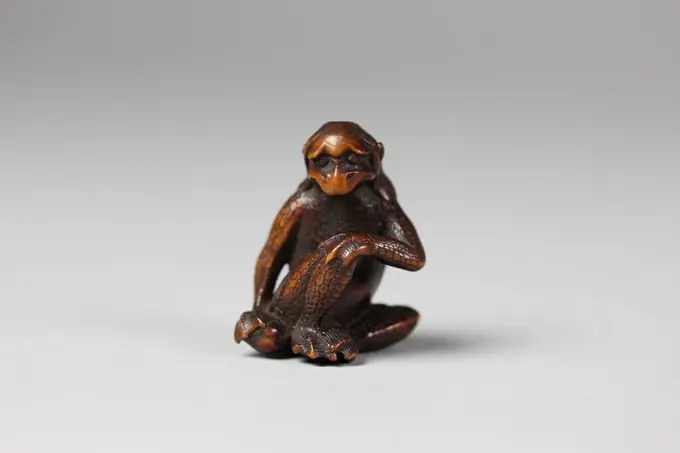
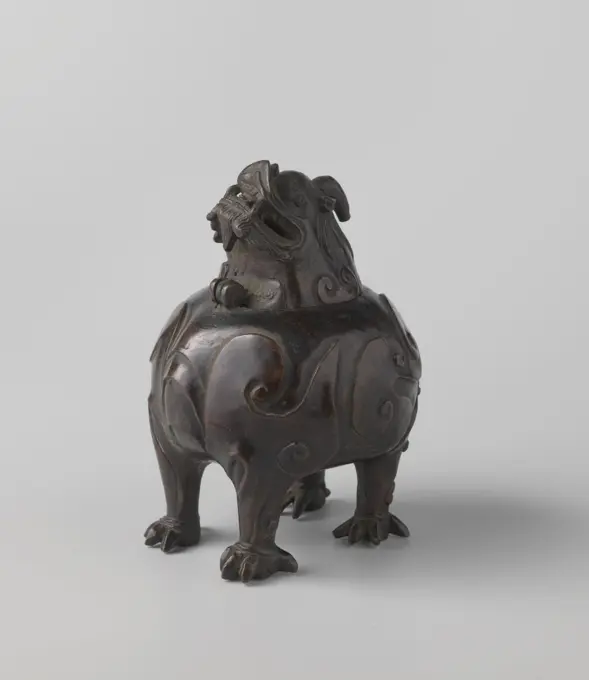
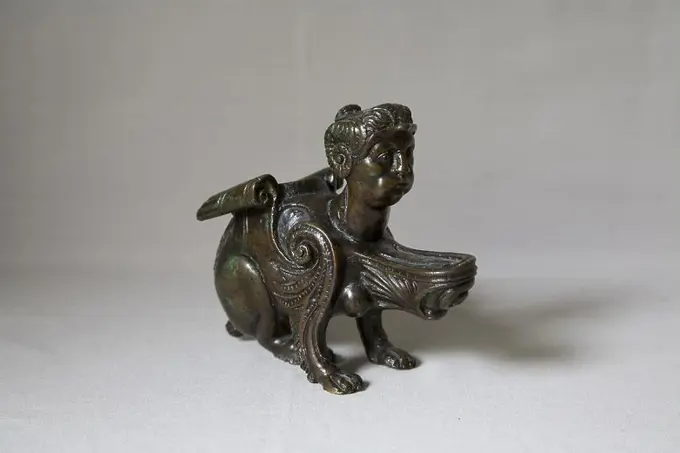
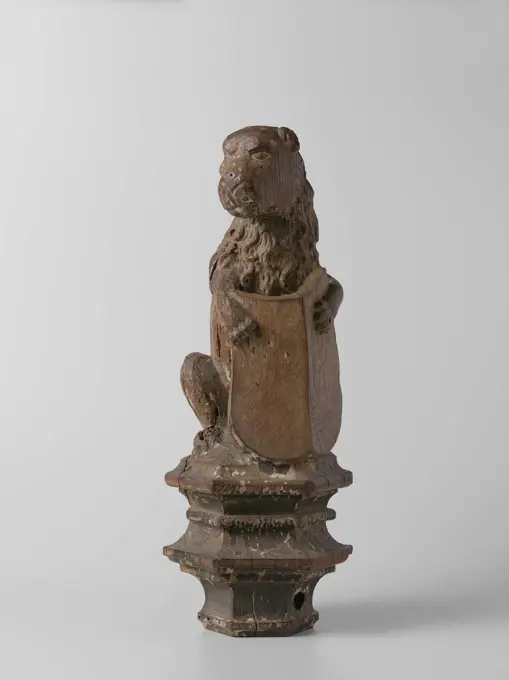
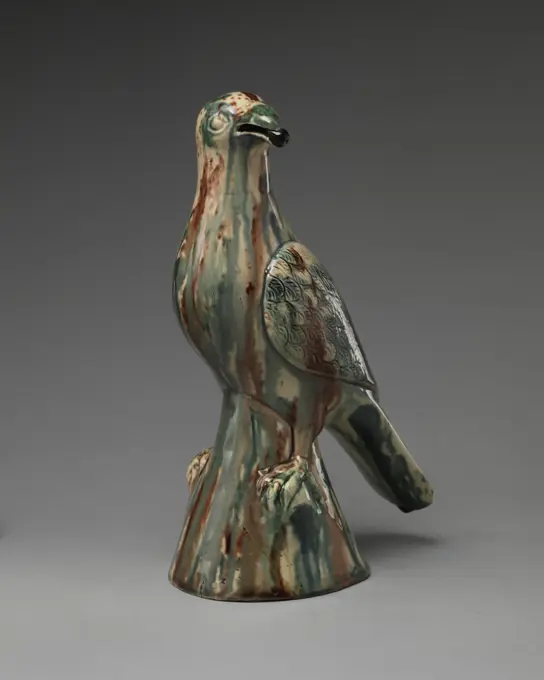
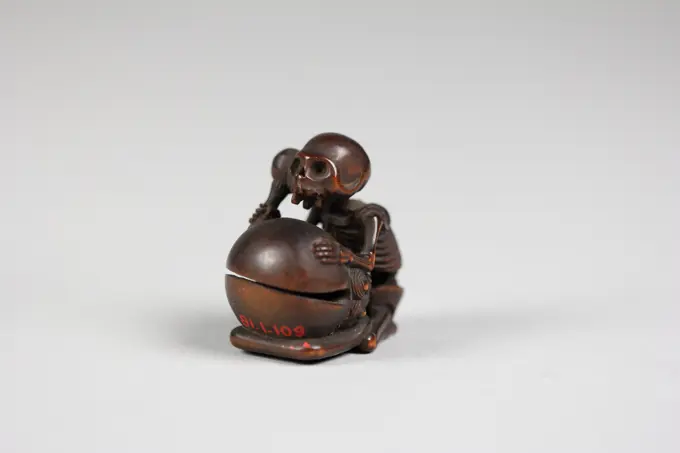
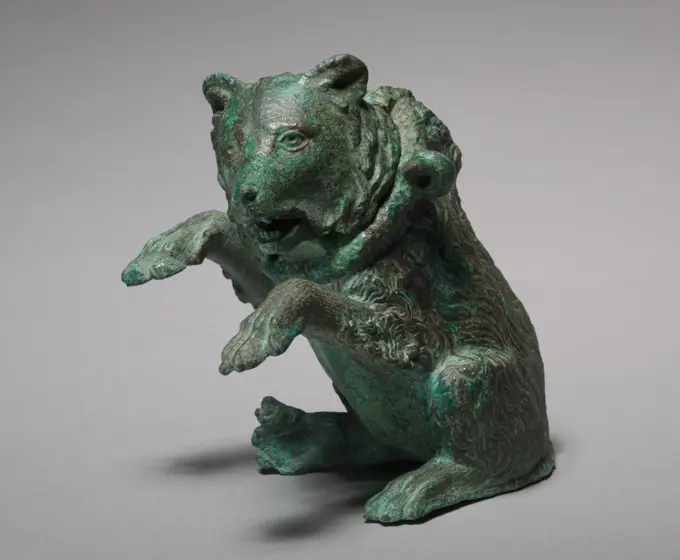
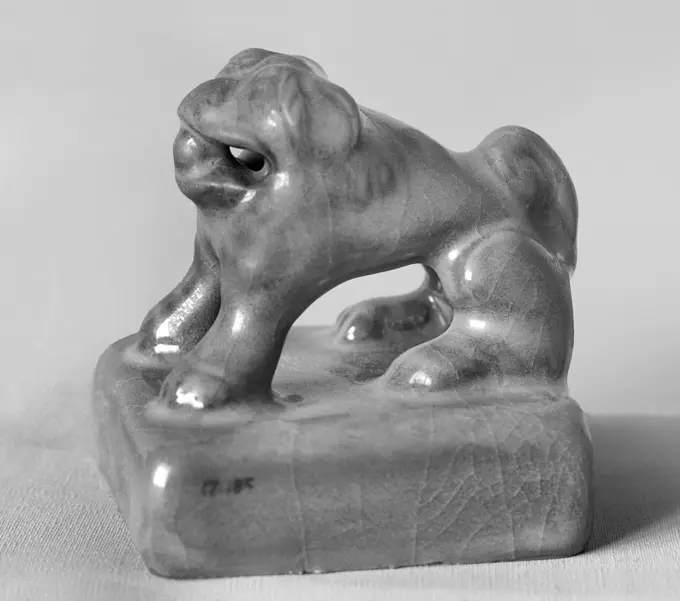
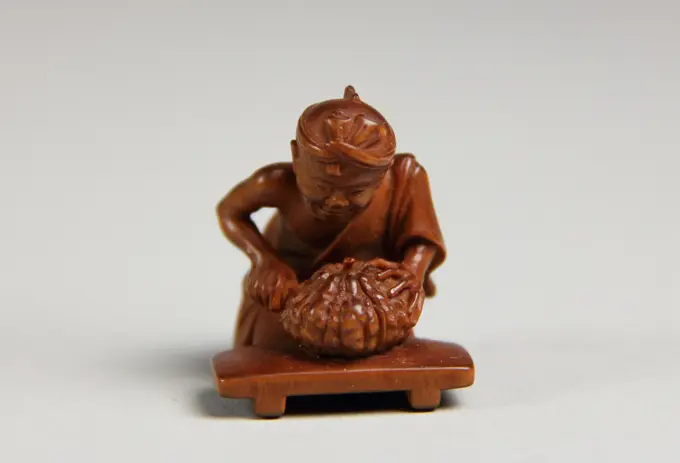
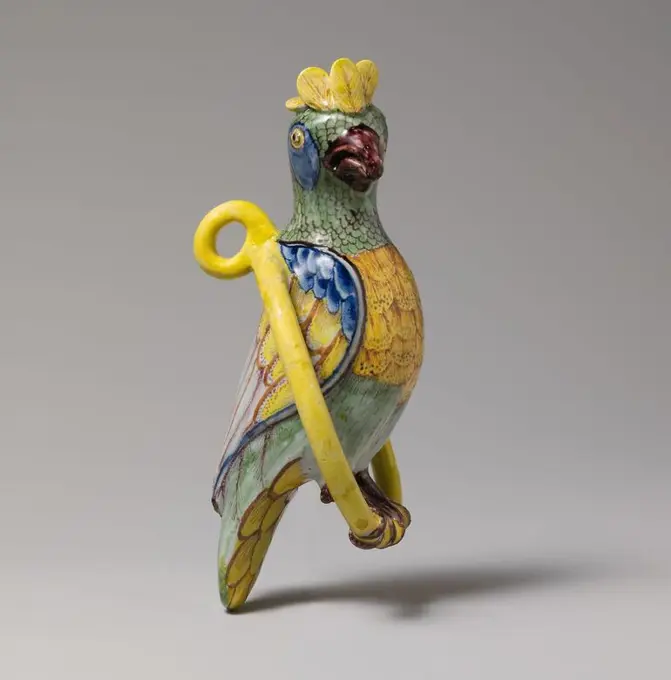
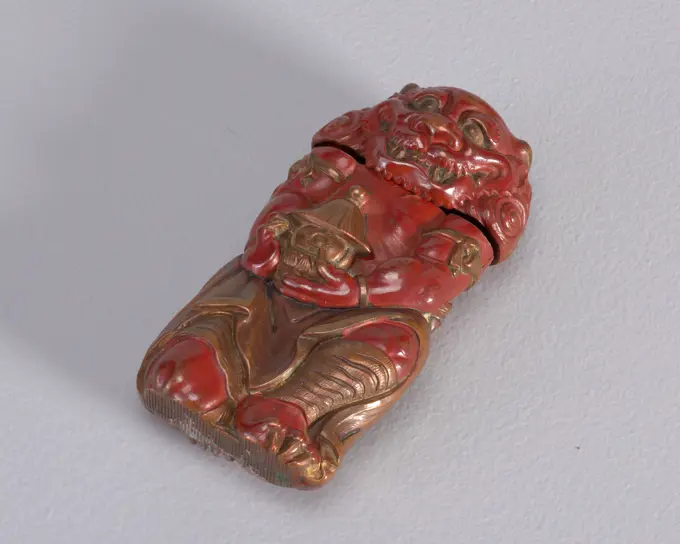
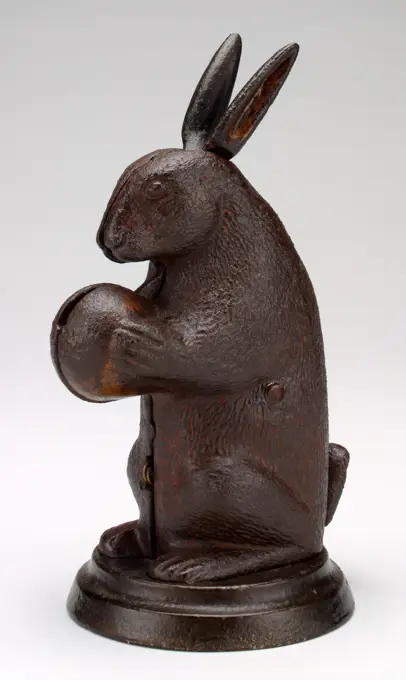
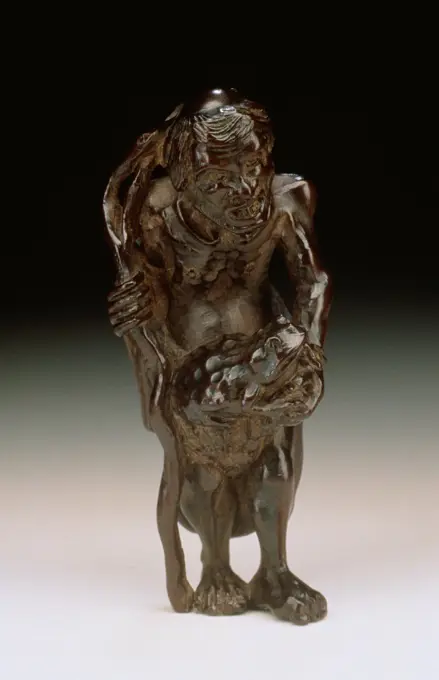
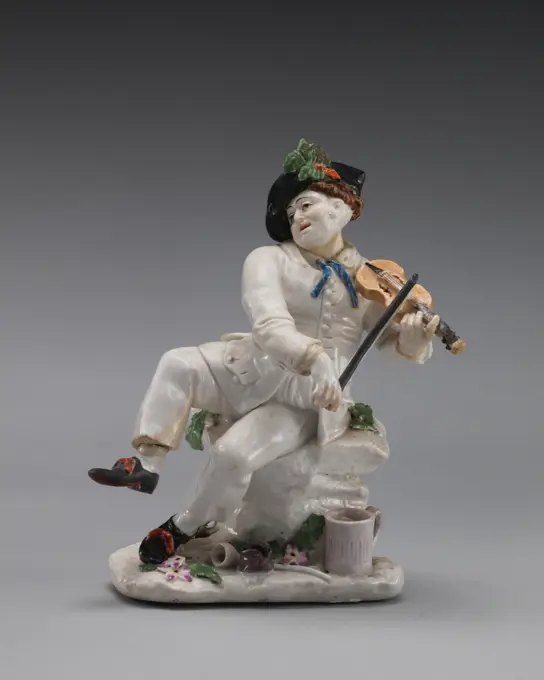
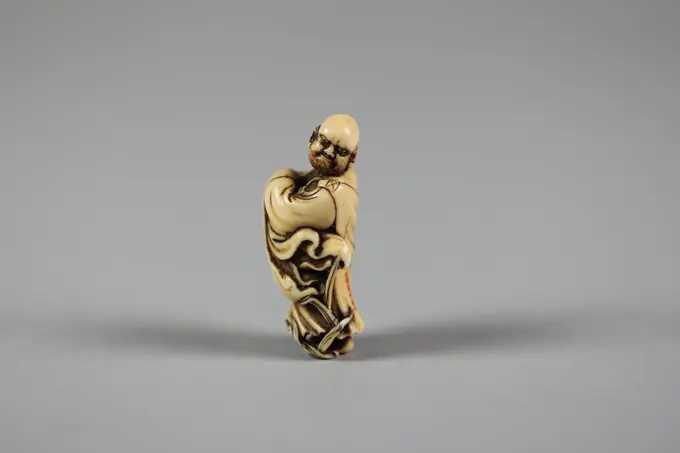
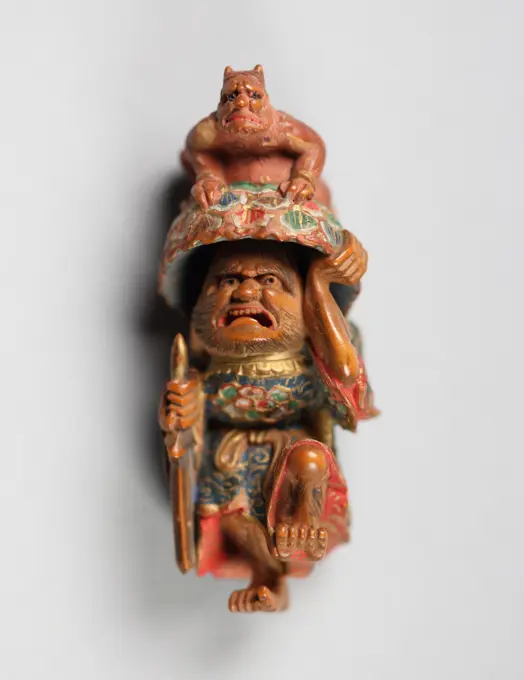
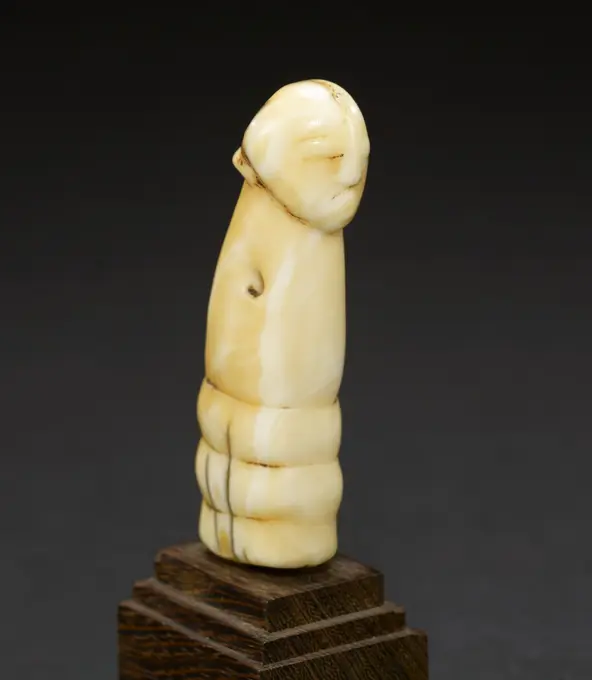
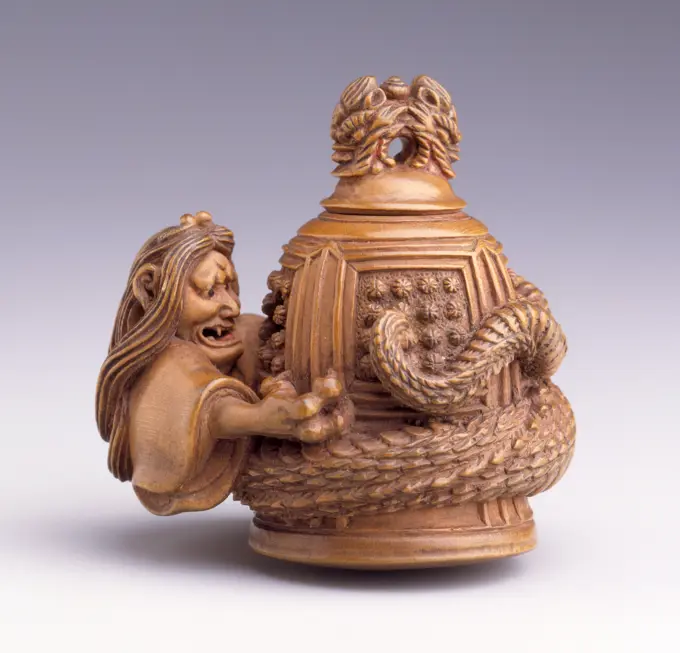
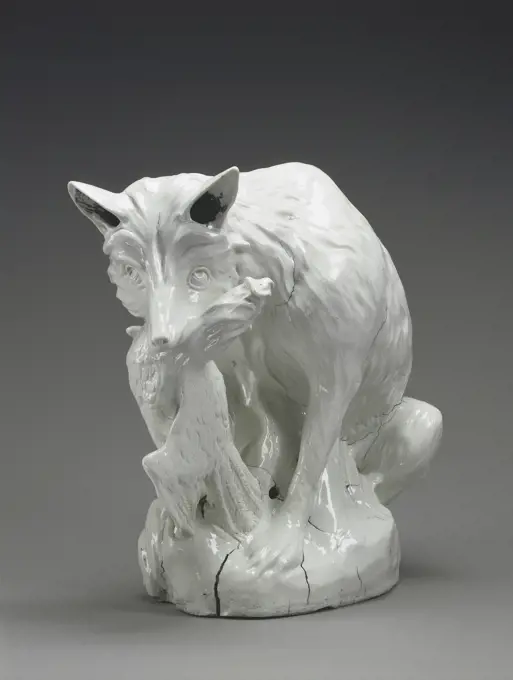
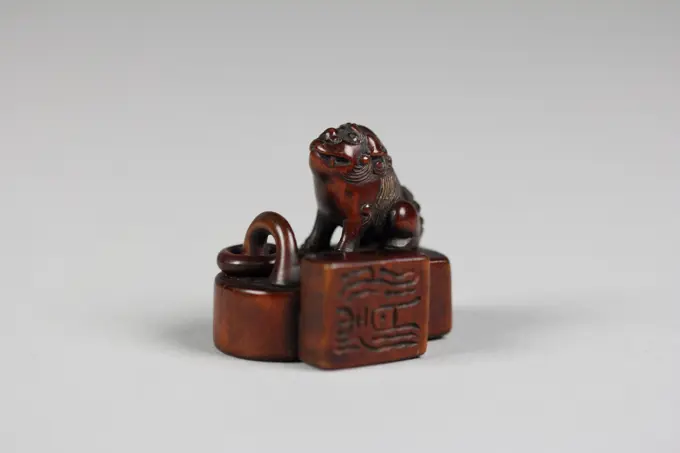
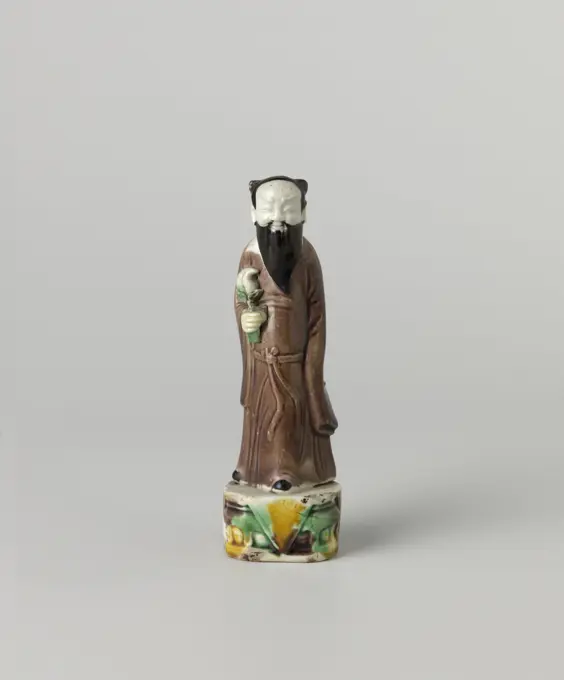
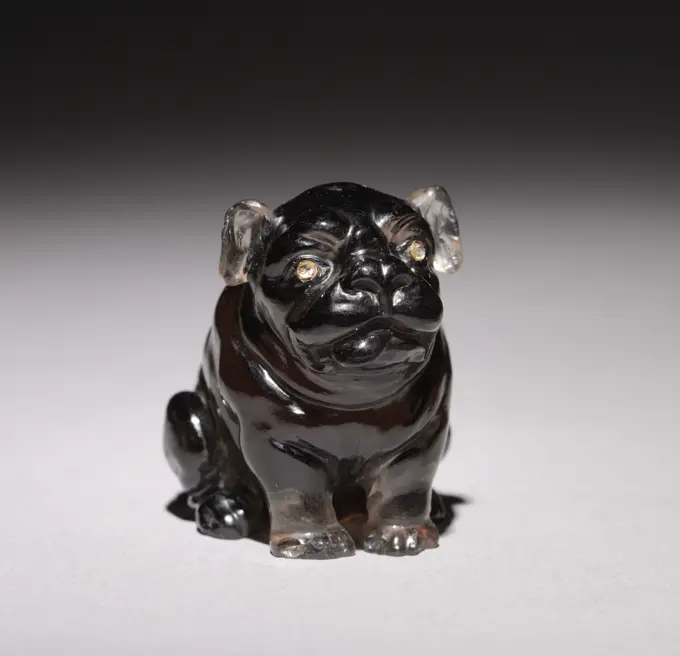
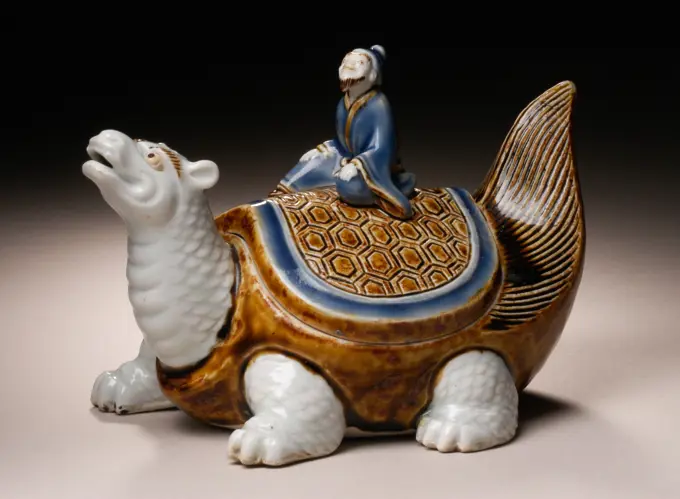
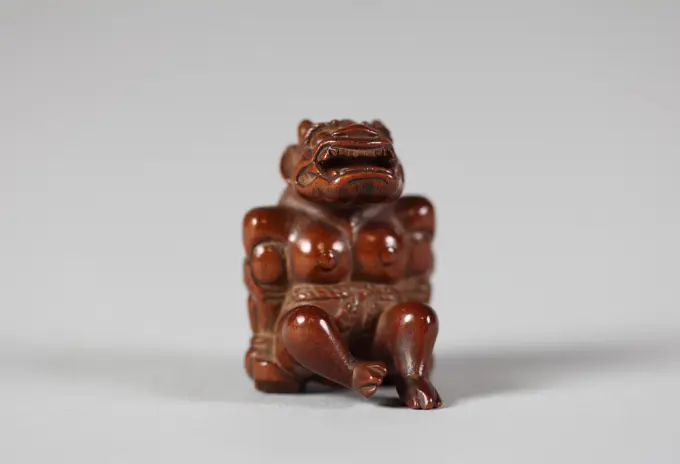
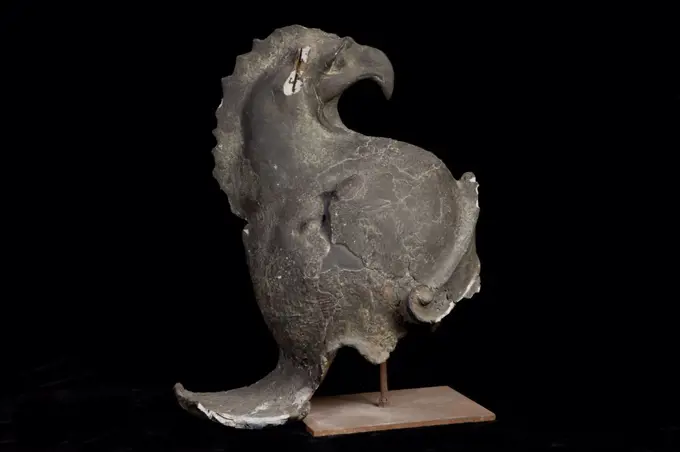
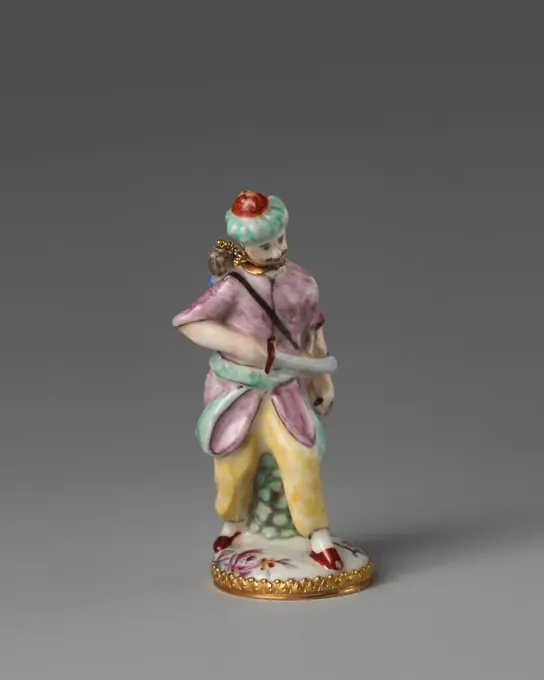
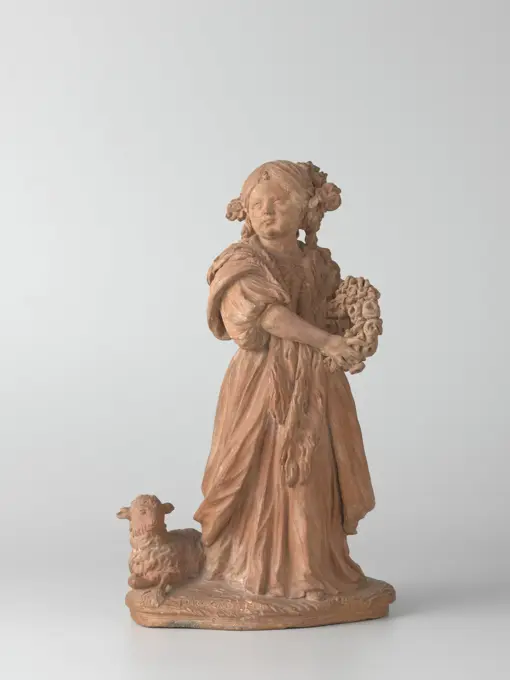
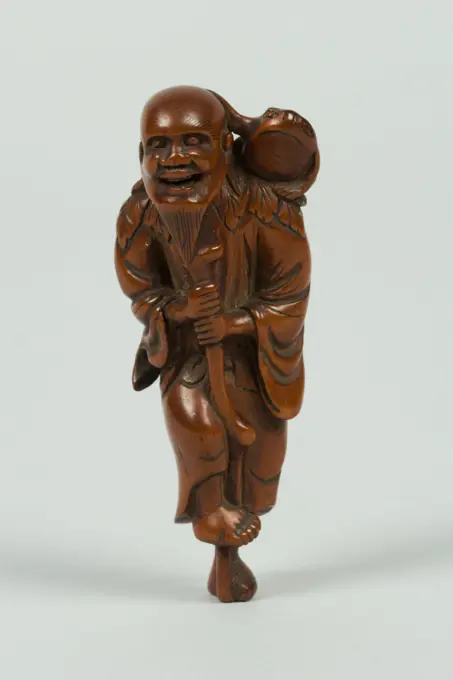
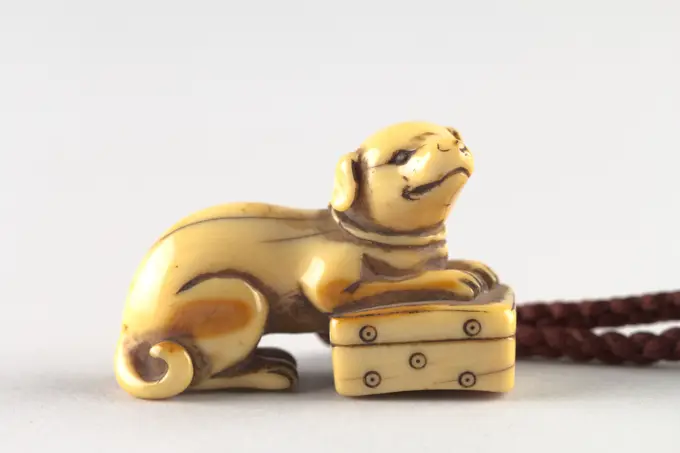
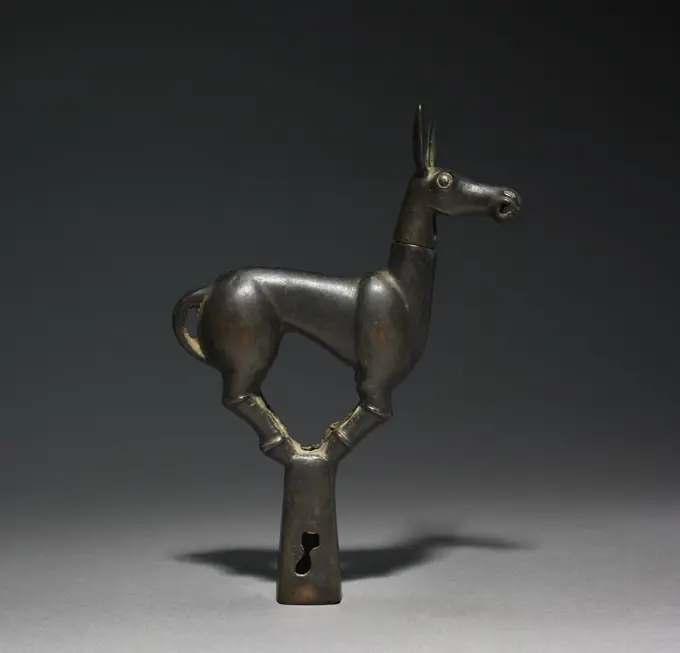
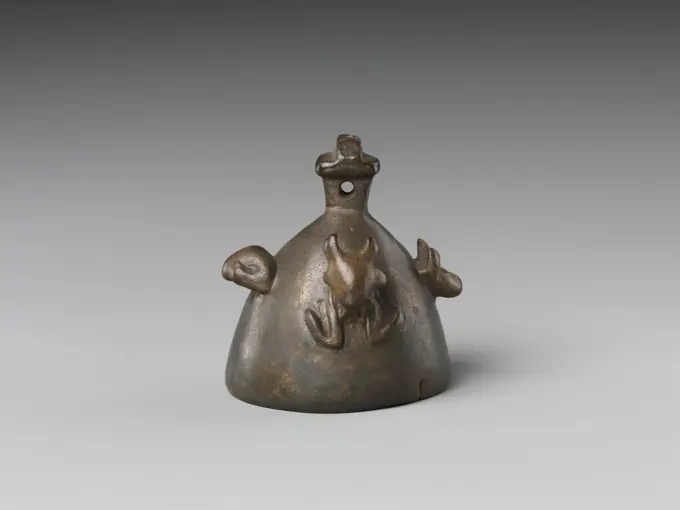
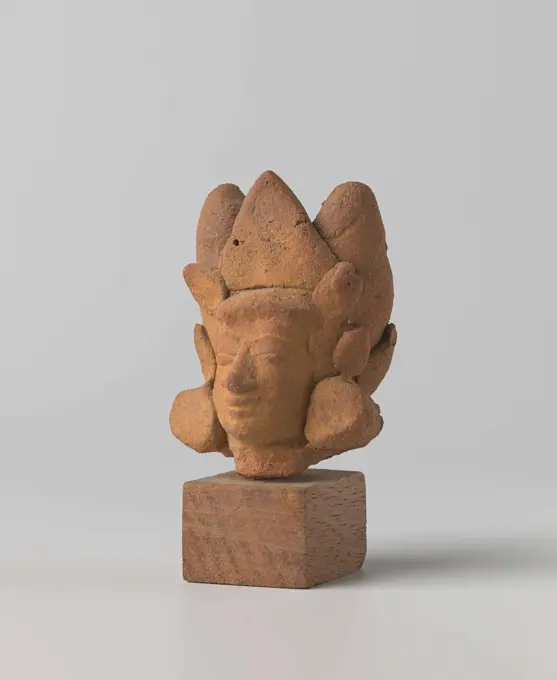
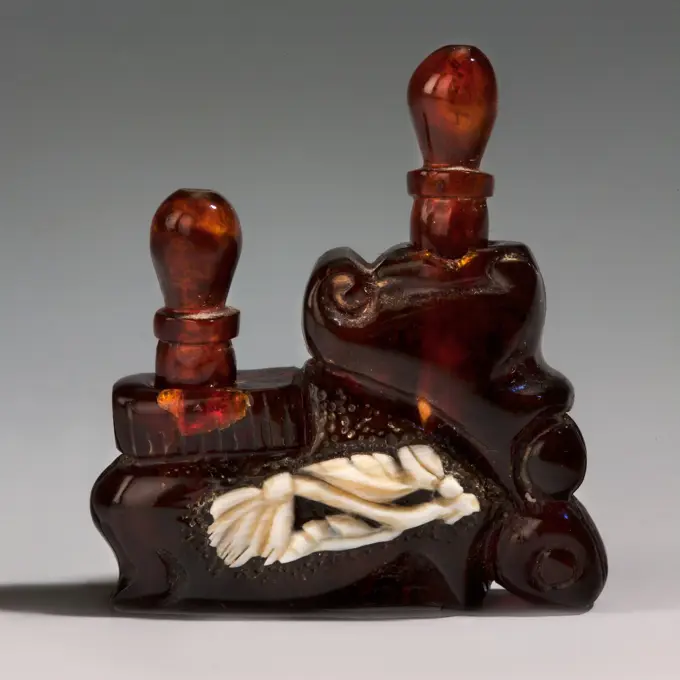
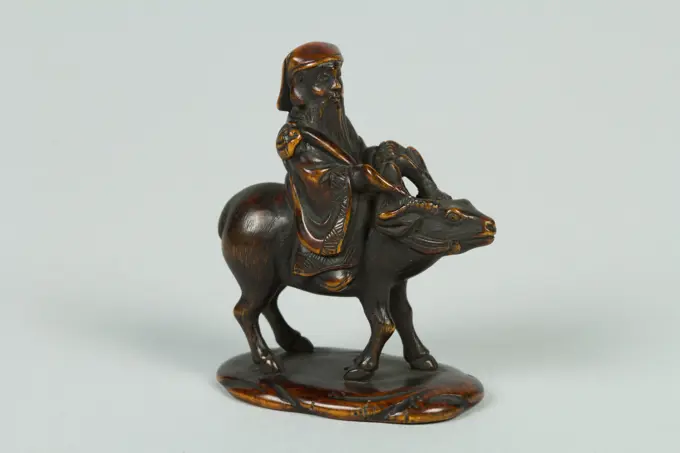
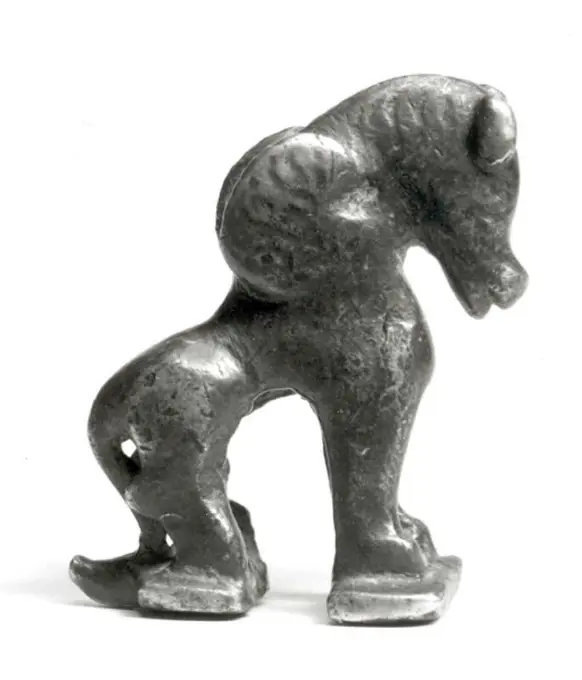
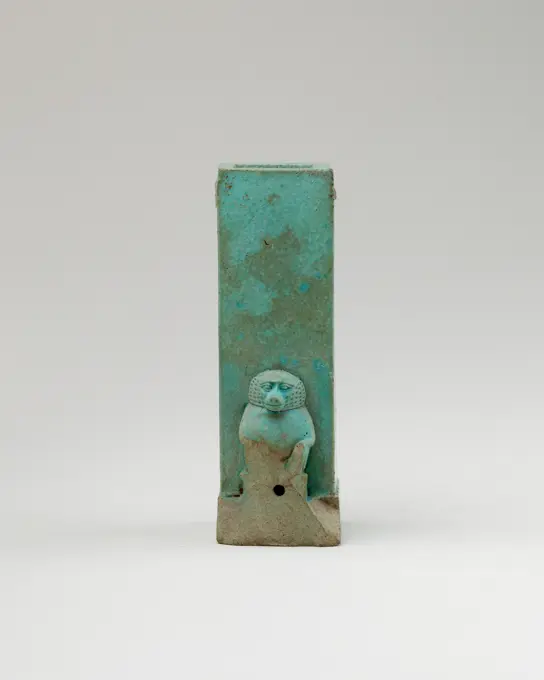
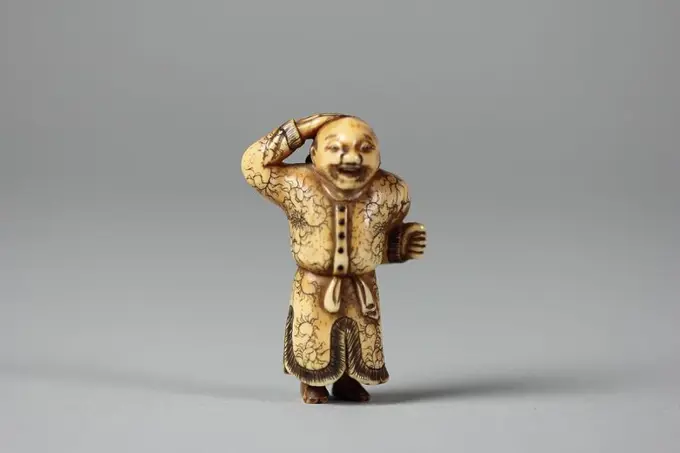
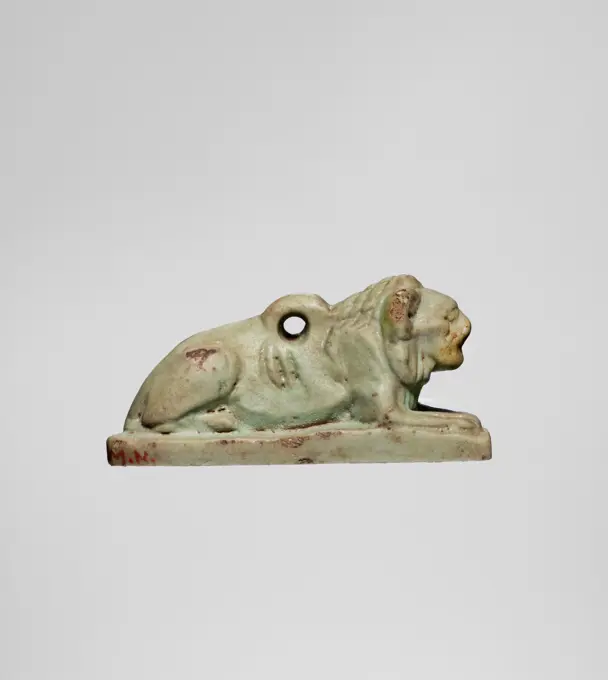
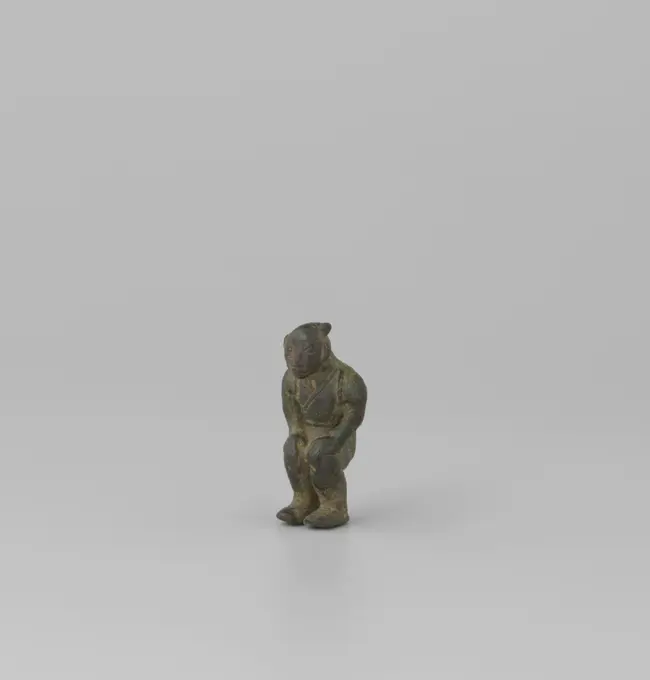
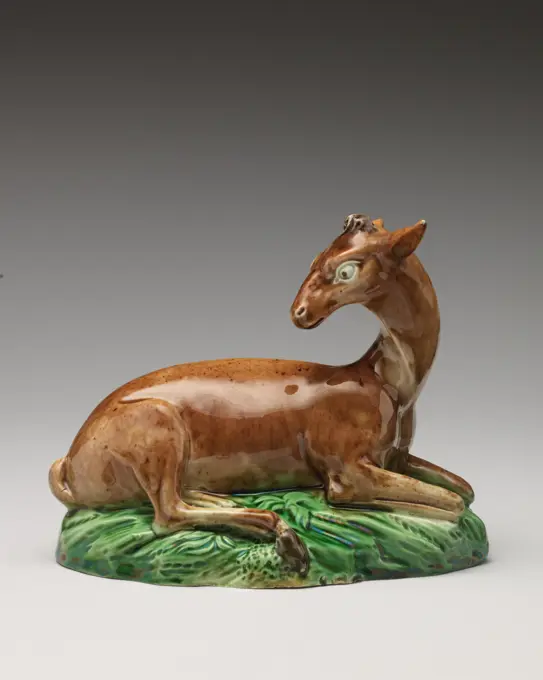
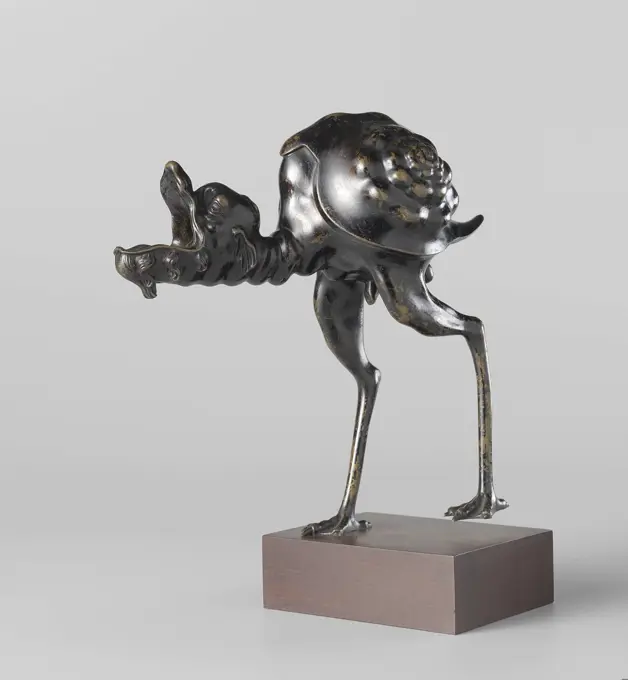
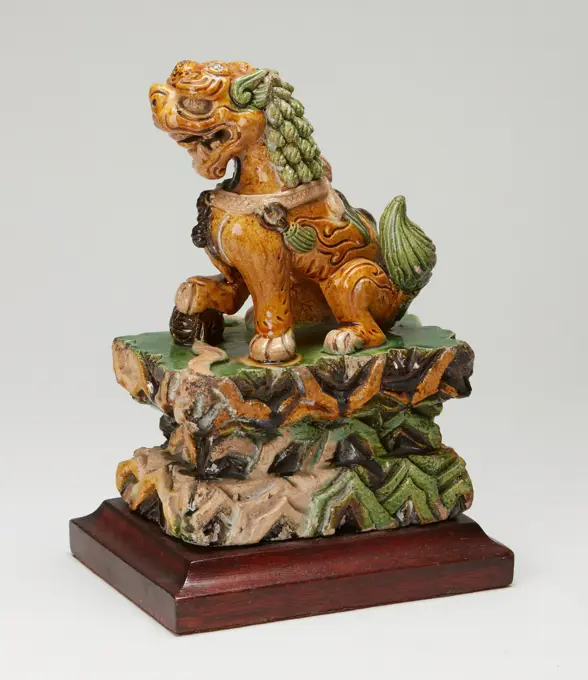
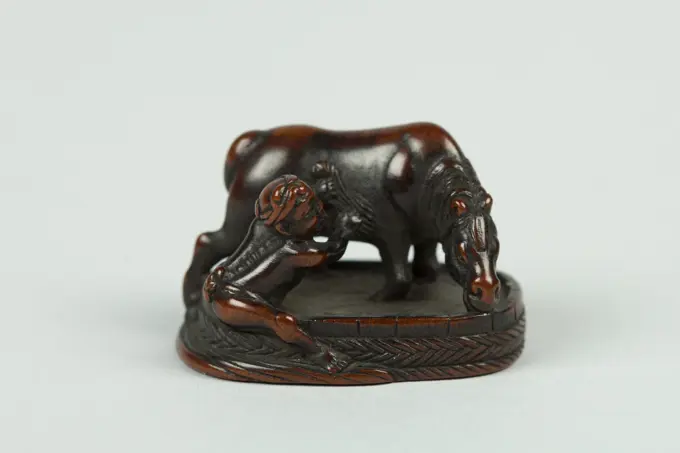
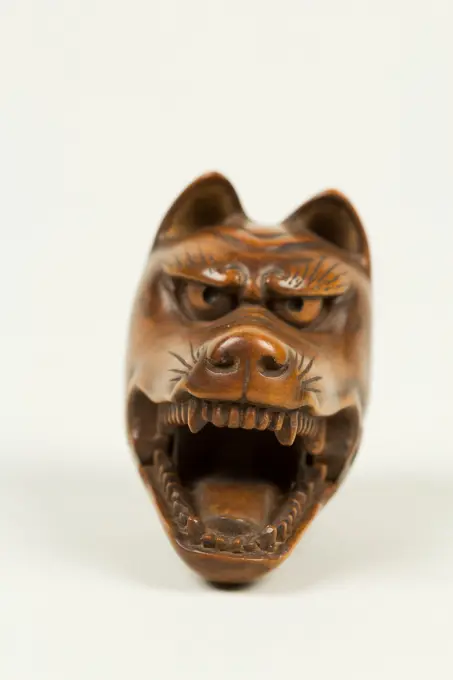
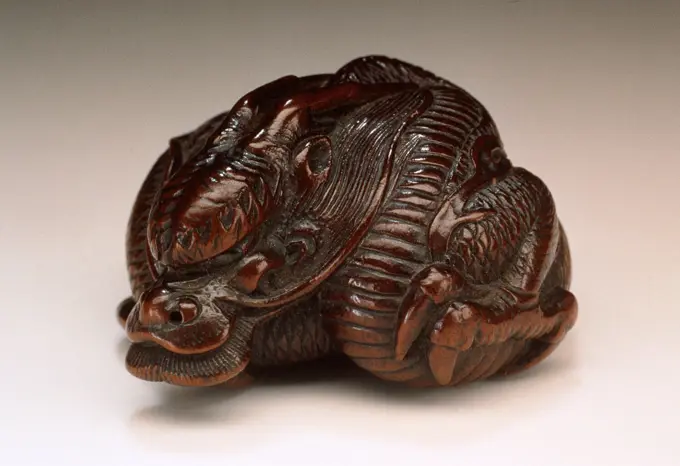
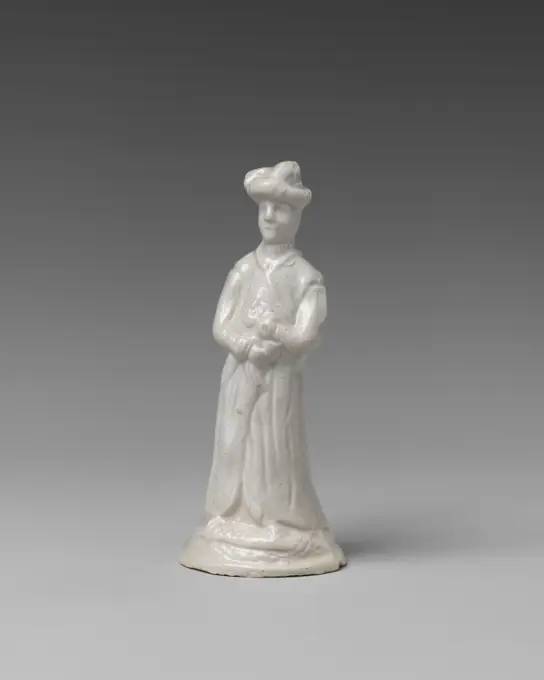
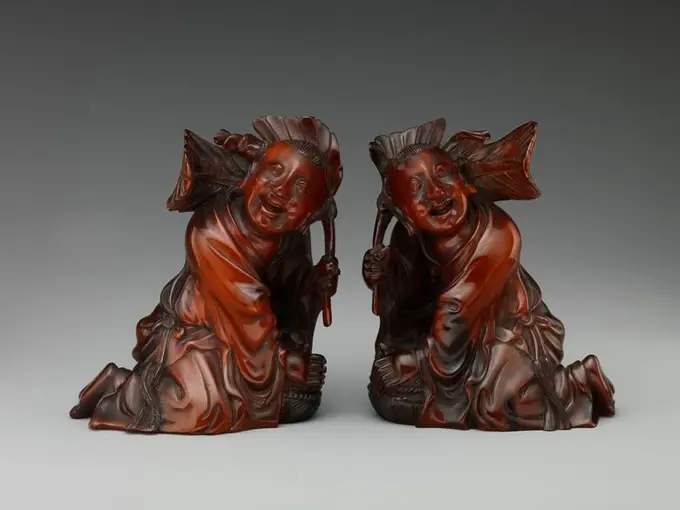
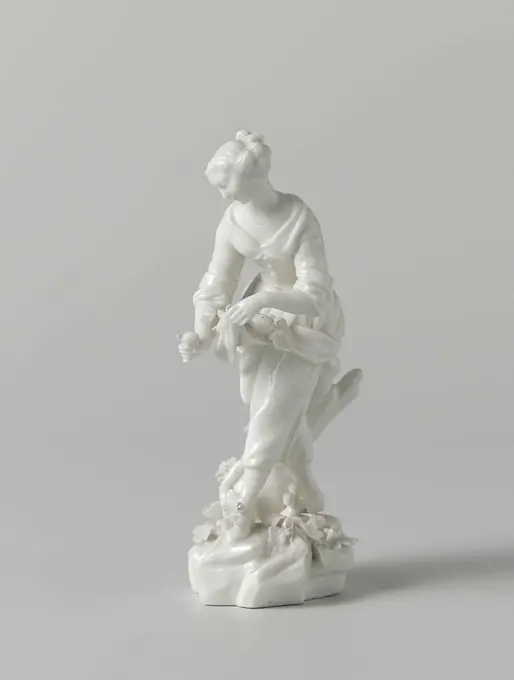
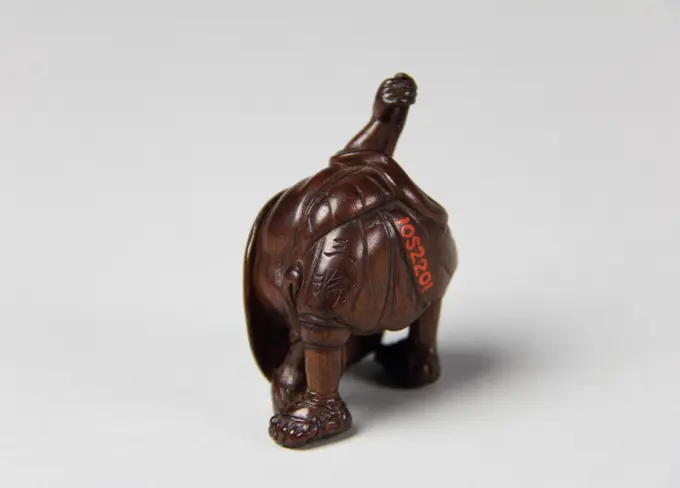
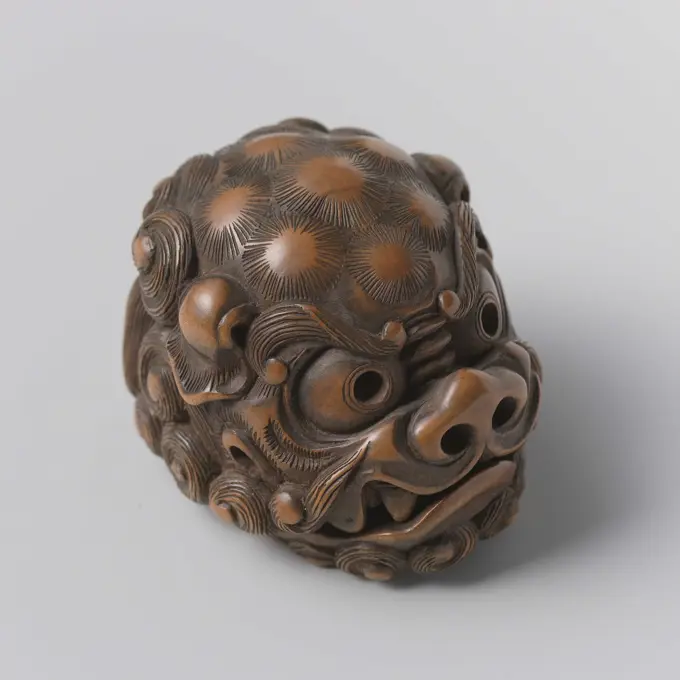
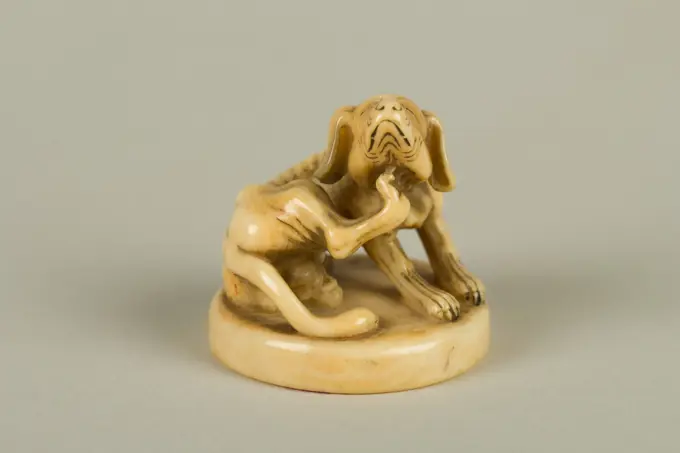
Netsuke of Dog 19th century Japan. Netsuke of Dog. Japan. 19th century. Ivory. Edo (1615-1868) or Meiji period (1868-1912). NetsukeCeremonial jug player, 3rd-5th century, 3 5/8 x 2 3/4 x 2 in. (9.2 x 7 x 5.1 cm), Earthenware with white slip, Mexico, 3rd-5th centuryIthyphallic Horus Figurine Standing on a Crocodile Syncretized with a Lion Goddess. Egypt, probably Ptolemaic Period (323 - 30 BCE). Sculpture. BronzeCoq -headed hourly animal (common name). Cernuschi Museum, Asia Museum of Asia in the city of Paris.Netsuke in the form of a dancer in a lion outfit (outfit for this shishimai);  after. 19th century (1801-00-00-1900-00-00);Bersohn, Mathias (1824-1908) - collection, Society for the Encouragement of Fine Arts (Warsaw - 1860-1940) - collection, actors, figurines, lion (iconogr.), Masks, Netsuke, Japanese artElephants Mounted with Candlesticks, hard paste porcelain, vitreous enamel, bronze, gold, Pair of porcelain elephants mounted as candlesticks (parts a and c) with covers (parts b and d). Standing Elephants with dark gray raised trunks, white tusks; skin painted with short gray lines, denser on backs. Each elephant on a scrolled gilt bronze base with attached urn-shaped, handled nozzle on a fringed cushion resting on animal's back. Each circular cover, with finial of curling leaves and tendrils, fits snuggly into nozzle., Germany, France, mid- 18th century, ceramics, Decorative Arts, candlesticks, candlesticksNetsuke of The Daoist Immortal, Gama Sennin with Frog 19th century Toyomasa Japanese. Netsuke of The Daoist Immortal, Gama Sennin with Frog 59113Netsuke of Horse in a Boat 19th century Japan. Netsuke of Horse in a Boat. Japan. 19th century. Ivory. Edo (1615-1868) or Meiji period (1868-1912). NetsukeNetsuke of Daikoku and Mallet on Bale 19th century Japan. Netsuke of Daikoku and Mallet on Bale. Japan. 19th century. Wood. Edo (1615-1868) or Meiji period (1868-1912). NetsukeDaoist Immortal Tekkai. Artist: Chikusai (Japanese, active late 18th-early 19th century). Culture: Japan. Dimensions: H. 2 3/4 in. (7 cm); W. 1 in. (2.5 cm); D. 1 1/4 in. (3.2 cm). Date: late 18th-early 19th century. Museum: Metropolitan Museum of Art, New York, USA.Man with FaaMence fire, Anonymous, c. 1750 - c. 1780 Man with Faience fire pot. Multicolored painted. Delft . Man with Faience fire pot. Multicolored painted. Delft .Netsuke of Equestrian Figure 19th century Japan. Netsuke of Equestrian Figure 59243Seated Figure, 1800-1916. China, Qing dynasty (1644-1911) or Republican period (1912-49). Silver; overall: 3.6 cm (1 7/16 in.).Bronze bust of Artemis 1st half of the 1st century A.D. Roman The goddess of the hunt is represented with her quiver on her back.. Bronze bust of Artemis 254618 Roman, Bronze bust of Artemis, 1st half of the 1st century A.D., Bronze, H. 3 3/8 in. (8.5 cm). The Metropolitan Museum of Art, New York. Gift of Rupert L. Joseph, 1949 (49.21.2)Netsuke of a Kappa. Culture: Japan. Dimensions: H. 1 5/8 in. (4.1 cm); Diam. 1 3/8 in. (3.5 cm). Date: 18th century. Museum: Metropolitan Museum of Art, New York, USA.Lion, c. 1700 - c. 1800 Leeuw van Brons, probably an incense holder. China bronze (metal) Leeuw van Brons, probably an incense holder. China bronze (metal)Netsuke of Old Man Carrying a Very Large Acorn 19th century Japan. Netsuke of Old Man Carrying a Very Large Acorn. Japan. 19th century. Wood. Edo (1615-1868) or Meiji period (1868-1912). NetsukeOil Lamp in the Form of a Sphinx. Follower of Andrea Briosco, called Riccio; Italian, 1470-1532. Date: 1520-1530. Dimensions: 14.6 × 13.3 cm (5 3/4 × 5 1/4 in.). Bronze. Origin: Padua. Museum: The Chicago Art Institute, Chicago, USA.. Sculpture of animal or man with arm board, sitting on a column. The image belongs to eleven images (BK-NM-144-1 to BK-NM-144-12).Figure of A Shishi. Image of porcelain on pedestal, covered with a translucent white glaze. A shishi (lion dog) with the right leg on a ball on a rectangular pedestal; With holder for an incense stick. Plated in Europe. Old label on the bottom with 'Loudon collection'. Blanc De Chine.Netsuke of Hotei Seated in an Armchair. Culture: Japan. Dimensions: H. 1 3/8 in. (3.5 cm); W. 1 1/8 in. (2.9 cm); D. 1 in. (2.5 cm). Date: 19th century. Museum: Metropolitan Museum of Art, New York, USA.Magelhaengans, Joseph Mendes da Costa (1863-1939), 1900 Image of stoneware in the form of a Magelhaengans and painted in blue and brown. Marked with monogram of the artist and dated. Netherlands stoneware Image of stoneware in the form of a Magelhaengans and painted in blue and brown. Marked with monogram of the artist and dated. Netherlands stonewarePigeon ca. 1755-60 Style of Whieldon type. Pigeon. British, Staffordshire. ca. 1755-60. Lead-glazed earthenware. Ceramics-PotteryStatuette of an Ape. UnknownSkeleton beating a Drum 18th century Japan. Skeleton beating a Drum. Japan. 18th century. Wood. Edo period (1615-1868). NetsukeToby jug ca. 1780 British, Staffordshire. Toby jug. British, Staffordshire. ca. 1780. Lead-glazed earthenware. Ceramics-PotteryOil Ampulla in the Form of a Dancing Bear, AD 200s. Italy, Roman, 3rd century. Bronze; overall: 14.6 x 10.4 x 9.5 cm (5 3/4 x 4 1/8 x 3 3/4 in.).Lion Korea. Lion. Korea. Grey clay covered with a celadon glaze. Modern period. CeramicsBagpipe player of multicolored painted Faïence, the Porceleyne Byl, c. 1760 - c. 1785 Faïence bagpipe player. Multicolored painted. Delft . Faïence bagpipe player. Multicolored painted. Delft .Netsuke of Man Cutting Pumpkin late 19th century Japan. Netsuke of Man Cutting Pumpkin. Japan. late 19th century. Wood. Meiji period (1868-1912). NetsukeParrot on a ring perch. Culture: Dutch, Delft. Dimensions: Height: 6 7/8 in. (17.5 cm). Date: ca. 1750-75. Museum: Metropolitan Museum of Art, New York, USA.Knight on horseback, possibly St. Joris. The knight dressed in harness, consisting of kuras, skirt, leggings and knee pieces, is on an untangled horse. Both are poured separately, then screwed up and equipped with inserted details. The horse is wearing a bridle with two reins and has a chest and tummy. It has a short tail. The knight has a haircut, of which the crown is beveled and that reaches the ears and behind until the neck. The figure is placed on the horse with an iron pin. The lance is missing. The hind legs of the horse are bent. A hole is closed in the belly. The iron pin of the figure has been updated.Lamp in the shape of a lion;  19th century (1801-00-00-1900-00-00);Zaleski, Władysław (1852-1925) - collection, gift (provenance), Indian (culture), South Asian (culture), Indian art, purchase (provenance)Oni Demon Matchsafe; Japan; patinated copper; 7.3 x 3.7 x 2.2 cm (2 7/8 x 1 7/16 x 7/8 in. )Vase China. Vase. China. Nephrite. Qing dynasty (1644-1911), Kangxi period (1662-1722). JadeLamp pedestal - a woman's figurine;  19th century (1801-00-00-1900-00-00);Dog, Glazed stoneware, a) On grey-white cloud-shaped base, the animal stands with mouth open, one foreleg raised with lion cub as support. A small vertical tube at rear of animal for joss stick. Predominantly yellow glaze, with brown, green and black details., b) Almost identical; raised foreleg is supported by a rod from which ball is missing. Read vertical tube missing., China, 1662-1722, ceramics, Decorative Arts, Figure, FigureRabbit Standing, Small' mechanical bank, late 19th century, Henry S. Lockwood; Manufacturer: Lockwood Manufacturing Company, South Norwalk, Connecticut, 6 x 2 3/4 x 2 3/4 in. (15.24 x 6.99 x 6.99 cm), Iron, pigment, 19th centuryDoorstop c 1840-1860 Ohio. Earthenware . Artist unknownGama, the Immortal with Toad. Miwa (school of) (Japan, late 18th-19th century). Japan, late 18th century. Costumes; Accessories. WoodFiddler ca. 1755 Chelsea Porcelain Manufactory. Fiddler. British, Chelsea. ca. 1755. Soft-paste porcelain. Chelsea Porcelain Manufactory (British, 1744-1784). Ceramics-PorcelainNetsuke of Daruma Crossing the Yangzi River on a Reed 19th century Japan. Netsuke of Daruma Crossing the Yangzi River on a Reed. Japan. 19th century. Ivory. Edo (1615-1868) or Meiji period (1868-1912). NetsukeNetsuke of Man with an ni on His Hat 19th century Japan. Netsuke of Man with an ni on His Hat. Japan. 19th century. Lacquered wood. Edo (1615-1868) or Meiji period (1868-1912). NetsukeCircumcision knife handle, 20th century, 4 1/2 × 1 1/8 × 1 1/2 in. (11.43 × 2.86 × 3.81 cm) (with base), Hippopotamus ivory, Democratic Republic of Congo, 20th centuryScene from the Noh Play "Dōjōji". Minkō School (Japan, 19th century). Japan, mid- to late 19th century. Costumes; Accessories. BoxwoodA Fox with a Chicken; Meissen Porcelain Manufactory (German, active 1710 - present), Model by Johann Gottlieb Kirchner (German, born 1706); Meissen, Germany; 1732; Hard-paste porcelain with traces of oil paint; 46 × 34 × 20 cm (18 1,8 × 13 3,8 × 7 7,8 in.)Dragon Artist's working dates 206 BCE-220 CE China. Bronze .Keizan, vase (username), 1700. Cernuschi museum, Asia Museum of Asia in the city of Paris.Funerary Sculpture of a RamNetsuke of Three Seals 19th century Japan. Netsuke of Three Seals 59134Figure of a bearded man holding a flower, anonymous, c. 1700 - c. 1724 Image of a man on a pedestal of porcelain, painted on biscuit in green, yellow, eggplant and black. The statue shows a standing bearded man with a flower in his right hand. A chip in the pedestal. Email sur Biscuit. China porcelain. glaze. painting / vitrification Image of a man on a pedestal of porcelain, painted on biscuit in green, yellow, eggplant and black. The statue shows a standing bearded man with a flower in his right hand. A chip in the pedestal. Email sur Biscuit. China porcelain. glaze. painting / vitrificationBulldog, c. 1895-1915. House of Fabergé (Russian, 1842-1918). Amethystine quartz, diamonds; overall: 4.4 x 5.1 x 3.5 cm (1 3/4 x 2 x 1 3/8 in.).Box in the Form of Urashima Tarō Riding on the Long-Tailed Turtle. Japan, 19th century. Ceramics. Hirado Mikawachi ware; porcelain with iron and blue glazesVIDRIO DE CADALSO DE LOS VIDRIOS LEON REAL. Location: MUSEO ARQUEOLOGICO NACIONAL-COLECCION. MADRID. SPAIN.Harlequin with barrel ca. 1755 Saint James's Factory. Harlequin with barrel. British, London. ca. 1755. Soft-paste porcelain. Ceramics-PorcelainNetsuke of Demon 19th century Japan. Netsuke of Demon. Japan. 19th century. Wood. Edo (1615-1868) or Meiji period (1868-1912). NetsukePlaster copy of a helmet-shaped decoration from the Nemi ships. Roman civilization.Turk. Culture: British, London. Dimensions: 2 1/2 × 1 1/8 in. (6.4 × 2.9 cm). Maker: Saint James's Factory (British, ca. 1748/49-1760). Date: ca. 1750-55. Museum: Metropolitan Museum of Art, New York, USA.Flora, Pieter Xaveri, 1673 She stands on an oval ground with left leg forward and right of a lying lamb. In both hands she holds a wreath of roses against the left side. The head, used to three -quarters to the left, shows separate hair in the middle, which hangs down on the back on either side of the shoulders in pipe curls.; A garland of flowers about the back of the head that runs to the sleep; On the forehead against the divorce to Kleinood. A dress, which falls down to the shoe point, a dress, the skirt is taken backwards. Pof sleeves appear from the short wide sleeves of the keys. From the shoulders, an ermine stola hangs to the knees. Leiden terracotta (clay material) She stands on an oval ground with left leg forward and right of a lying lamb. In both hands she holds a wreath of roses against the left side. The head, used to three -quarters to the left, shows separate hair in the middle, which hangs down on the back on either side of the shoulders in pipe curls.; A garland of fJug in the form of a bear holding a caricature of Napoleon Bonaparte, c. 1813, Lead-glazed earthenware.Cat ca. 1745 British, Staffordshire. Cat. British, Staffordshire. ca. 1745. Salt-glazed stoneware. Ceramics-PotteryNetsuke of Old Man Leaning on a Stick; Frog on His Shoulder 19th century Japan. Netsuke of Old Man Leaning on a Stick; Frog on His Shoulder. Japan. 19th century. Wood. Edo (1615-1868) or Meiji period (1868-1912). NetsukeNetsuke in the Shape of a Dog 19th century Japan. Netsuke in the Shape of a Dog. Japan. 19th century. Ivory. Edo period (1615-1868). NetsukePossibly candlestick: Mounted knight, anonymous, c. 1275 - c. 1300 The figure is cast, then with citized and provided with stabbed and punched details. The knight is dressed in Maliënkolder and weapon skirt, and with leg juices, traces, helmet with antlery helmet sign, and sits on a sadded horse. His feet are stabbed in the stirrups, he keeps the reins around his left wrist. The bridle and the leg caps are decorated with rosettes. Reteling and brimem have round openings. On his top left arm a round mounting point. Lans and shield are completely lacking, the hind legs, the tail and one part of the helmet mark partially. The latter is soldered. Holes in the stomach between front legs and at the front of the horse. Lower Saxony copper alloy casting The figure is cast, then with citized and provided with stabbed and punched details. The knight is dressed in Maliënkolder and weapon skirt, and with leg juices, traces, helmet with antlery helmet sign, and sits on a sadded horse. His feet are Pole Top as a Wild Ass, Han dynasty (206 BC-AD 220). China, Ordos Region, Han dynasty (202 BC-AD 220). Bronze; overall: 17.8 x 12.4 cm (7 x 4 7/8 in.).Bell with heads of a ram, a jackal, and a bovine wearing a yoke ending in uraei 332-30 B.C. Ptolemaic Period Bells began to appear in Egypt about the 8th century BC. This elaborate bell is decorated with heads of animals: a bovine wearing a yoke ending in uraei, a ram, a jackal, and a snake. The clapper is missing. Similarly shaped bells with heads of mythological animals were found in the cemetery at Naukratis, where they must have had some kind of amuletic function for the deceased.. Bell with heads of a ram, a jackal, and a bovine wearing a yoke ending in uraei 551320Sculpture. Men's head with pointed headdress, in the form of two large horns against which one-wearing plaque is. On base.Dąbek, Teresa, Dąbek, Teresa and Wacław - collection, Dąbek, Wacław, Dar (provenance), containersNetsuke of Octopus 19th century Japan. Netsuke of Octopus. Japan. 19th century. Ivory. Edo (1615-1868) or Meiji period (1868-1912). NetsukeNetsuke 19th century Japan. Netsuke. Japan. 19th century. Wood. Edo (1615-1868) or Meiji period (1868-1912). NetsukeTwo Puppies. Japan, early 19th century. Costumes; Accessories. Ivory with staining, sumi, inlaysMirror handle ca. 3rd-7th century A.D. Sasanian. Mirror handle. Sasanian. ca. 3rd-7th century A.D.. Bronze. Sasanian. IranModel or a figureehead. Model of red wax of a sheek image on a sheam, on a pedestal. The image represents the torso of a man in classical traditional costume, with a volute under the torso. It proposes the Rhine for the Rhijn ship.Clepsydra or water clock with squatting babooon 4th century B.C. Late Period This piece is considered to be a model of a water clock. Water within could drain from a hole between the baboons legs over a measured time. This object was likely a temple offering to the god Thoth in his role as overseer of knowledge and measurement.. Clepsydra or water clock with squatting babooon 549190Netsuke of Man. Culture: Japan. Dimensions: H. 1 7/8 in. (4.8 cm). Date: 19th century. Museum: Metropolitan Museum of Art, New York, USA.Chinese ancient jade carving art on a black backgroundFrog on Mushroom. Matsuda Sukenaga (Japan, 1800-1871). Japan, mid-19th century. Costumes; Accessories. Wood with inlaysAmulet - lew. unknown, authorZodiac Figure: Dragon China. Zodiac Figure: Dragon. China. Porcelain, in the biscuit and with turquoise and aubergine glazes. Qing dynasty (1644-1911). CeramicsServant, anonymous, -475 - -221 The man is in a curved position with his hands on his knees; He wears a short jacket that is closed over the chest, pants and low shoes; His hair is bound in a bun on the left side of the head. China bronze (metal) casting The man is in a curved position with his hands on his knees; He wears a short jacket that is closed over the chest, pants and low shoes; His hair is bound in a bun on the left side of the head. China bronze (metal) castingDoe (one of a pair) ca. 1780 Ralph Wood the Younger. Doe (one of a pair). British, Burslem, Staffordshire. ca. 1780. Lead-glazed earthenware. Ceramics-Pottery. The body of a snail, the legs of an ostrich, a head that is birdlike yet human: the silversmith Arent van Bolten was fascinated by such bizarre monsters, as is evidenced by his numerous design drawings and prints. This statuette may have once served as an incense burner or an oil lamp.Foo Dog, one of a pair, 1368-1644, 8 5/8 x 5 3/8 in. (21.84 x 13.65 cm), Pottery, glaze, China, 14th-17th centuryNetsuke of Boy Washing a Horse 18th century Japan. Netsuke of Boy Washing a Horse. Japan. 18th century. Wood. Edo period (1615-1868). NetsukePendant 12th-13th century. Pendant. 12th-13th century. Gold, jade. Attributed to Iran. JewelryNetsuke of Kyōgen Mask; Kitsune 19th century Japan. Netsuke of Kyōgen Mask; Kitsune 59600Halding. Bracelaine's bloodless. Par musée musée malée. 78841-27Coiled Dragon. Japan, first half of 19th century. Costumes; Accessories. Wood with inlaysPendant in the Form of a Frog 1000-1500 Panama. Gold . VeraguasFigure of a Turk ca. 1750 British, Staffordshire. Figure of a Turk. British, Staffordshire. ca. 1750. Salt-glazed stoneware. Ceramics-PotteryCentaur Abducting a Nymph 1645-1655 Italy. Bronze . Francesco FanelliBoys with leaves and boxes. Culture: China. Dimensions: H. inc. base 3 1/2 in. (8.9 cm); W. 2 3/4 in. (7 cm); D. 1 1/2 in. (3.8 cm). Date: 19th century.Two boys holding a lotus or leaf and a box are popular New Year's images symbolic of harmony and union. Known as the hehe twins, in reference to the characters for these virtues both of which are read he, this pair is also thought to have been inspired by the legendary Tang dynasty (618-907) Buddhist monks Hanshan and Shide. Museum: Metropolitan Museum of Art, New York, USA.Statuette of a Dead Swordsman; Greece; about 475 B.C; Bronze with inlaid copper; 13.3 × 7.3 × 4 cm (5 1,4 × 2 7,8 × 1 9,16 in.)Amulet of a Cobra 1070 BCE-656 BCE Egypt. Faience . Ancient EgyptianS O;  End of the 19th century / early 20th century () (1891-00-00-1900-00-00);Girl with fruits. Girl with fruits of unpainted porcelain, standing on a rocky pedestal with plants. No brands.The Fortune-teller Figure; Designed by Natalya Yakovlevna Danko (Russian, b. Georgia, 1892-1942); Manufactured by State Porcelain Factory (Russia); glazed porcelain; 18.7 cm (7 3/8 in.); The Henry and Ludmilla Shapiro Collection; Partial gift and partial purchase through the Decorative Arts Association Acquisition and Smithsonian Collections Acquisition Program Funds; 1989-41-147Pair Of Candlesticks; gilt bronze, marbleNetsuke 18th century Japan. Netsuke. Japan. 18th century. Wood. Edo period (1615-1868). Netsuke. Mask of a shishi. Signed "Tomotada".