Cultural Artifacts and Tsuba

A range of traditional artifacts including jade discs and sword guards, reflecting historical craftsmanship and significance.
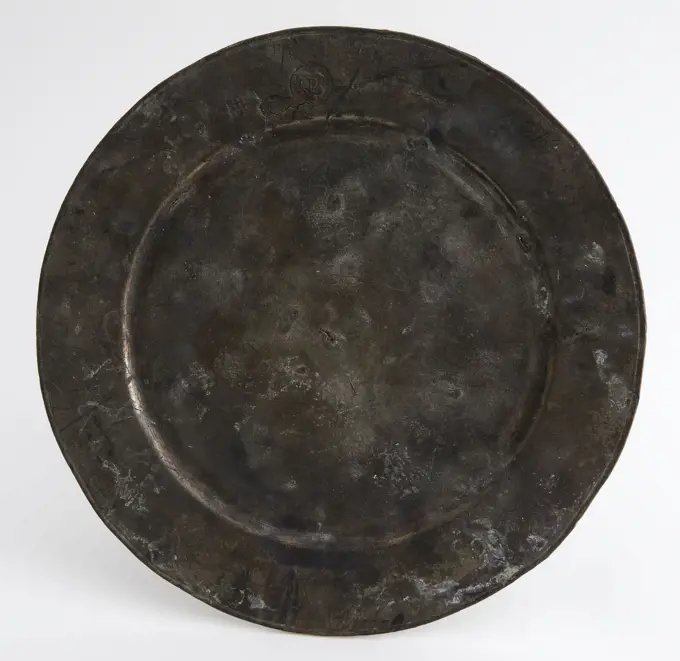
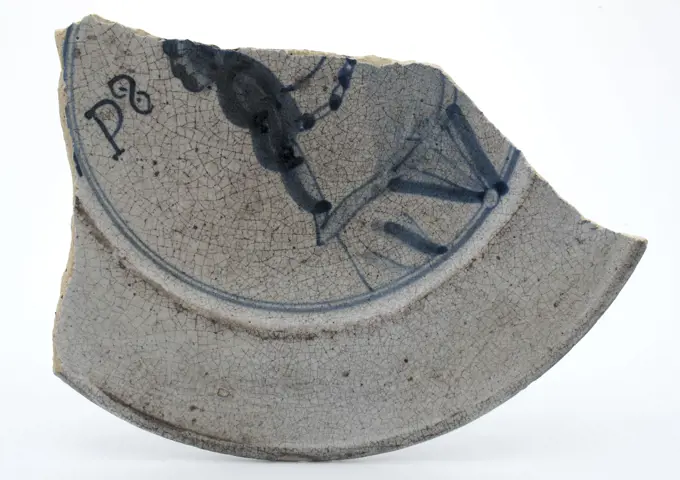
Tin plate, with at least four marks, plate crockery holder soil find tin metal, cast Pewter plate Flat flat short shoulder and flat edge. Four times stamped tin marks and master brands, private label With arrowhead and initials CG Crowned Tudorroos circle with pearl border containing an apple And the initials; BW Archeology food serve serving table Rotterdam Soil discovery Rotterdam.
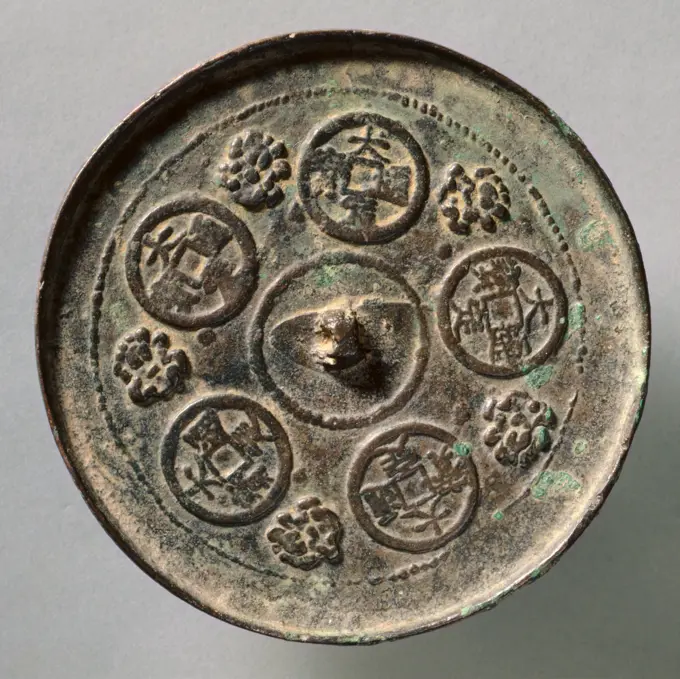
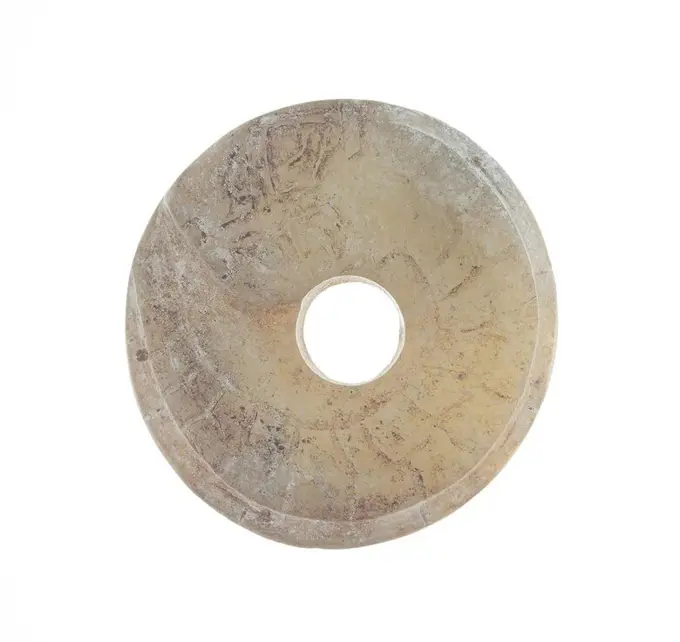
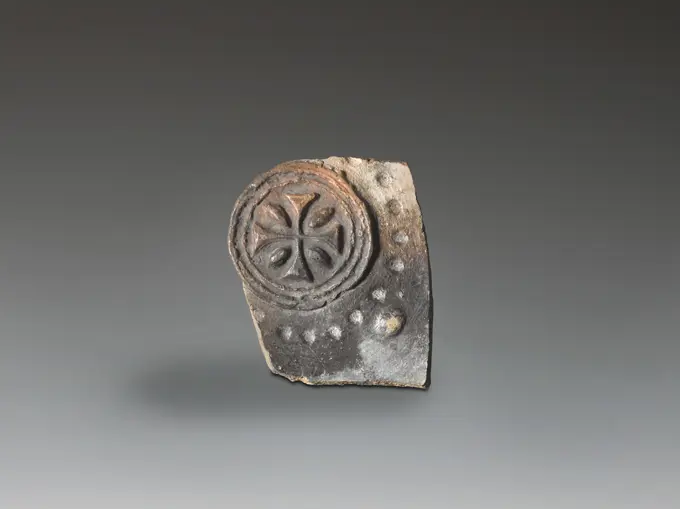
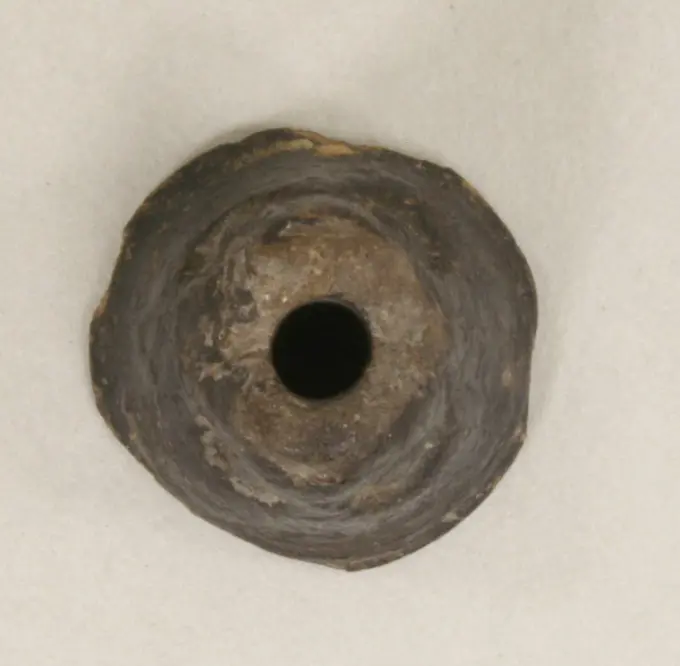
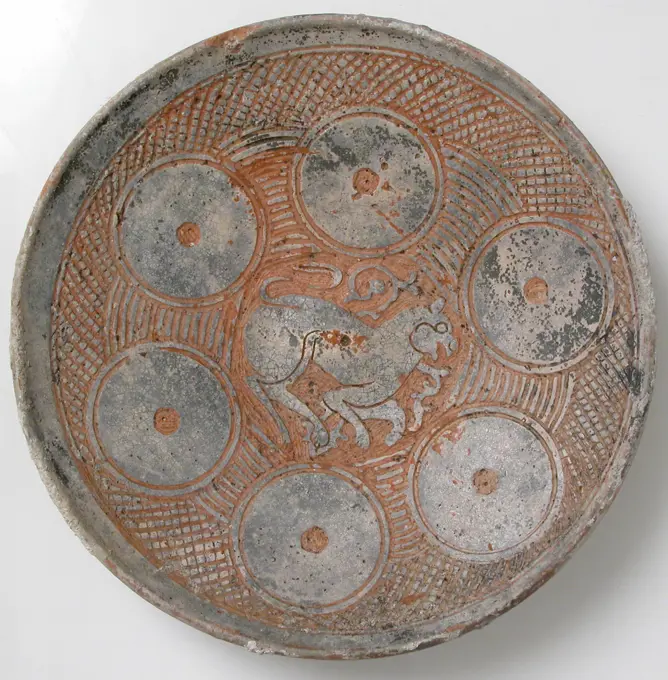
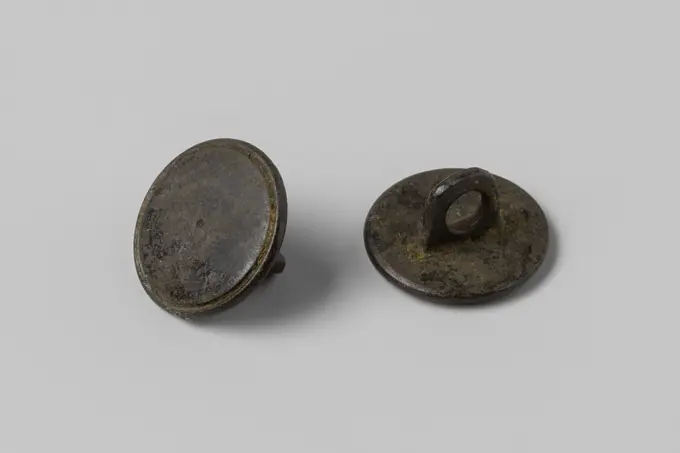
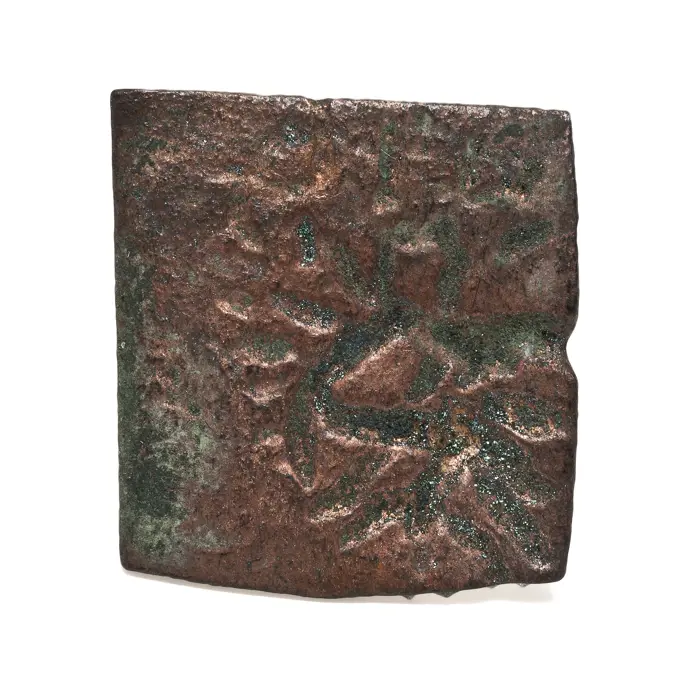
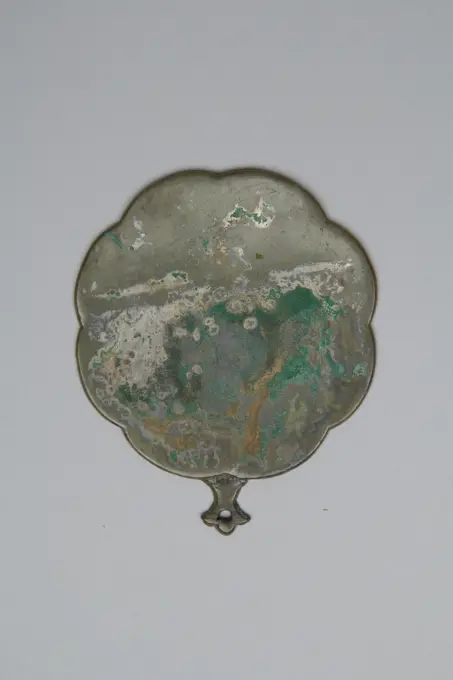
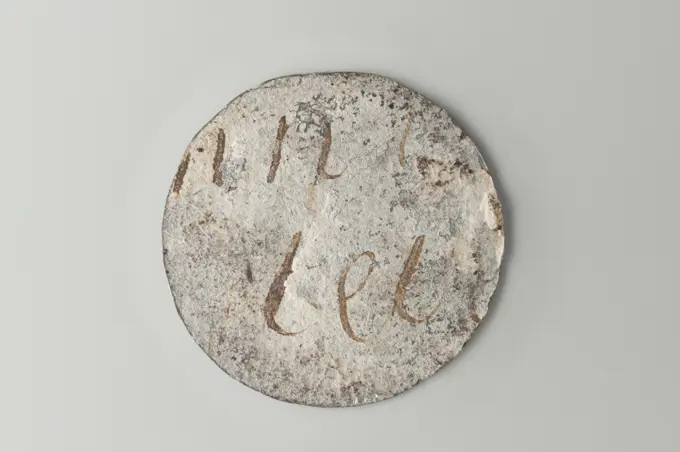
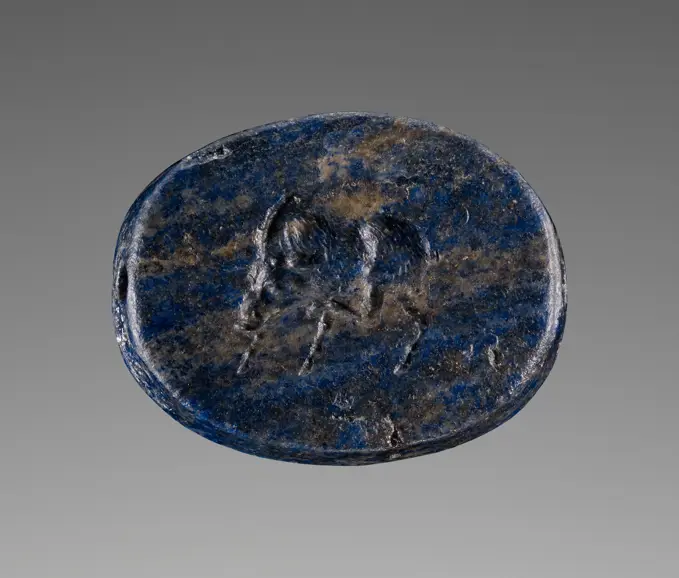
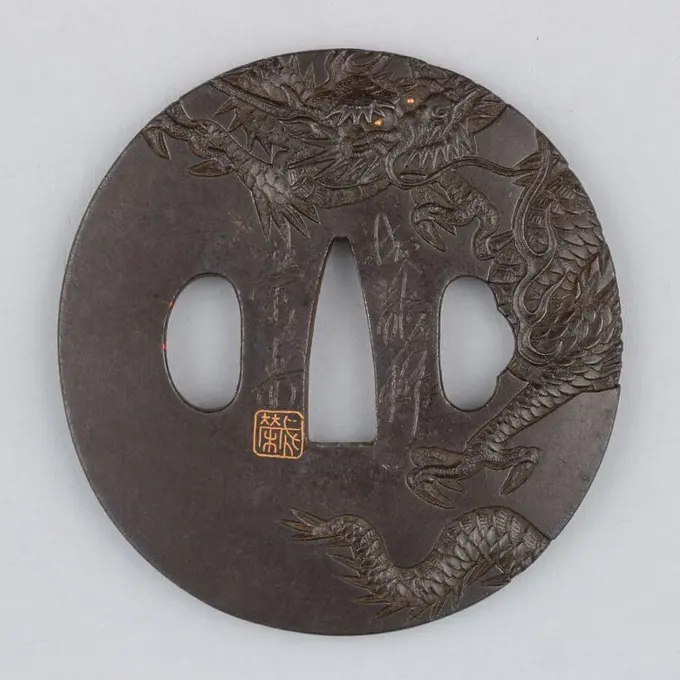
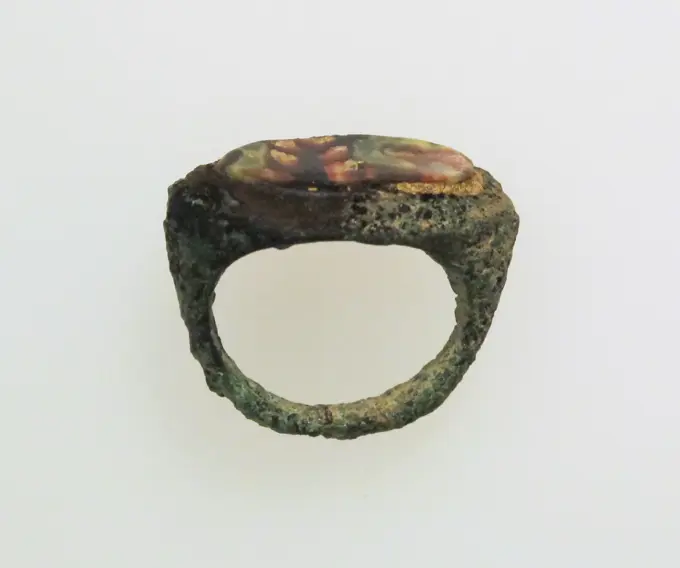
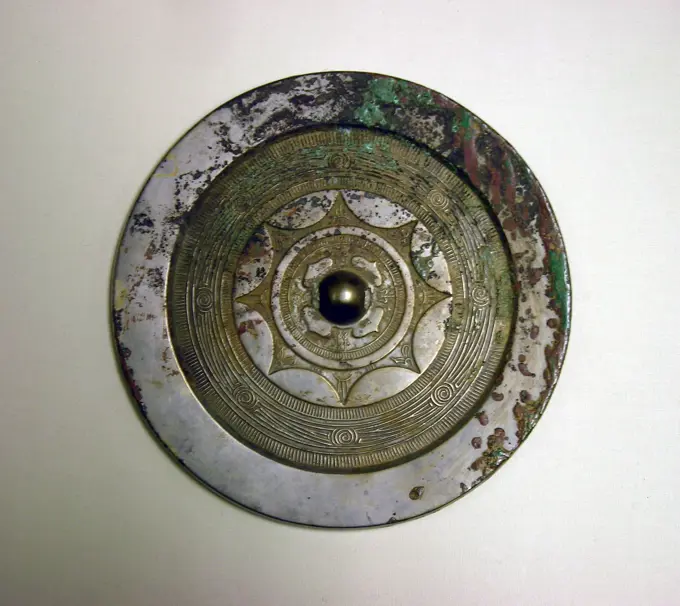
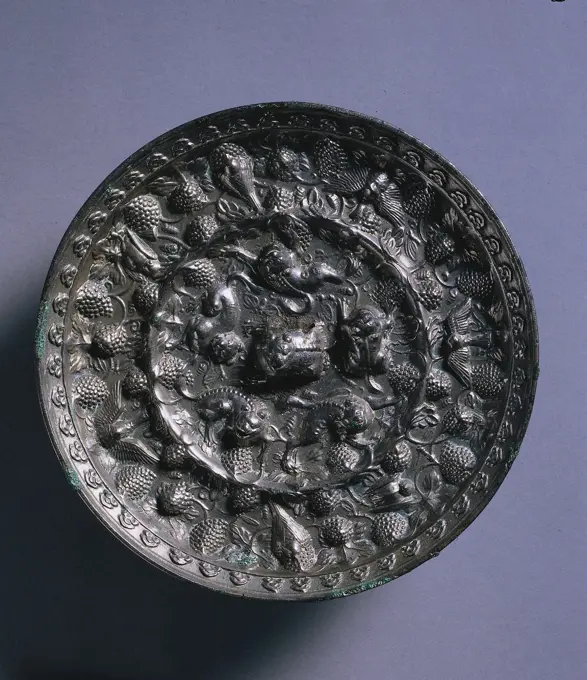
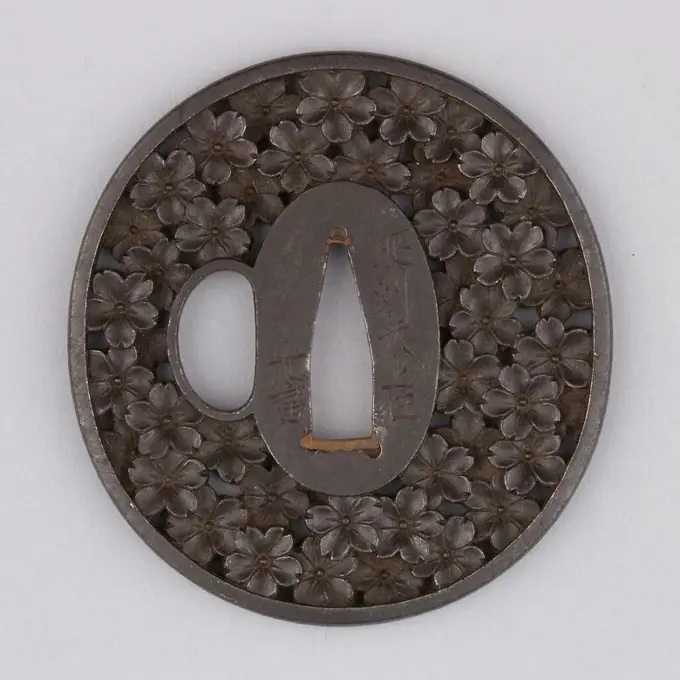
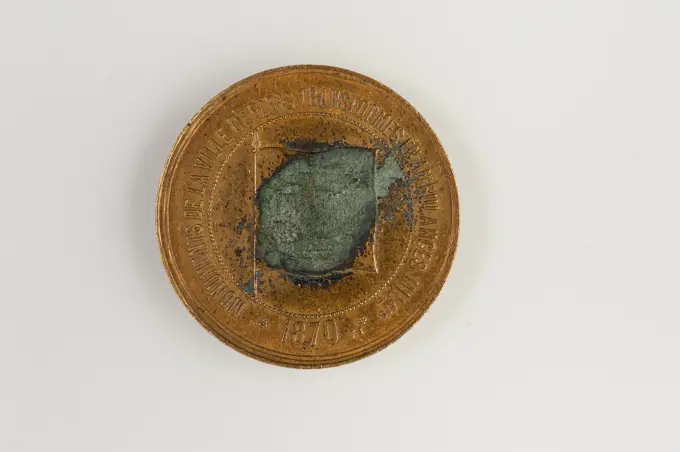
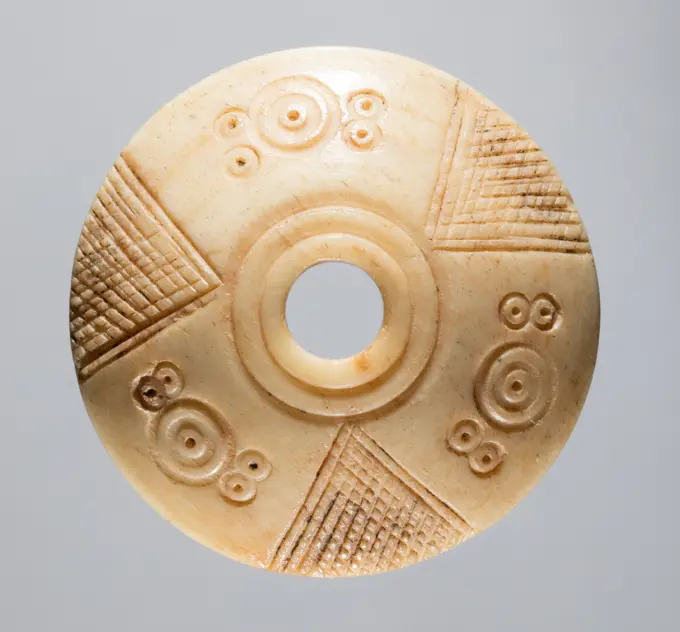
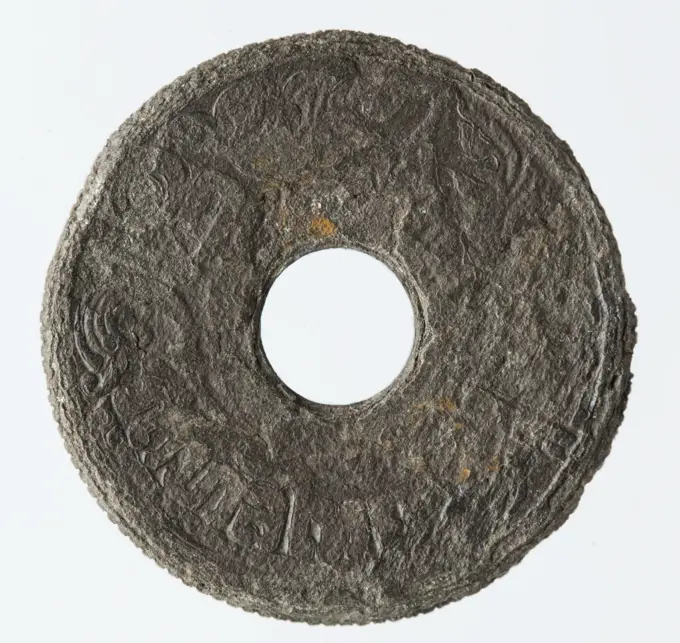
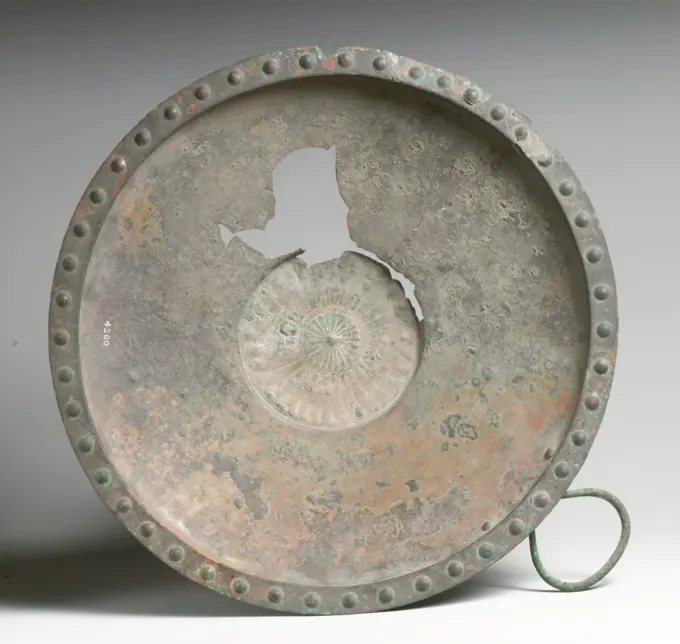
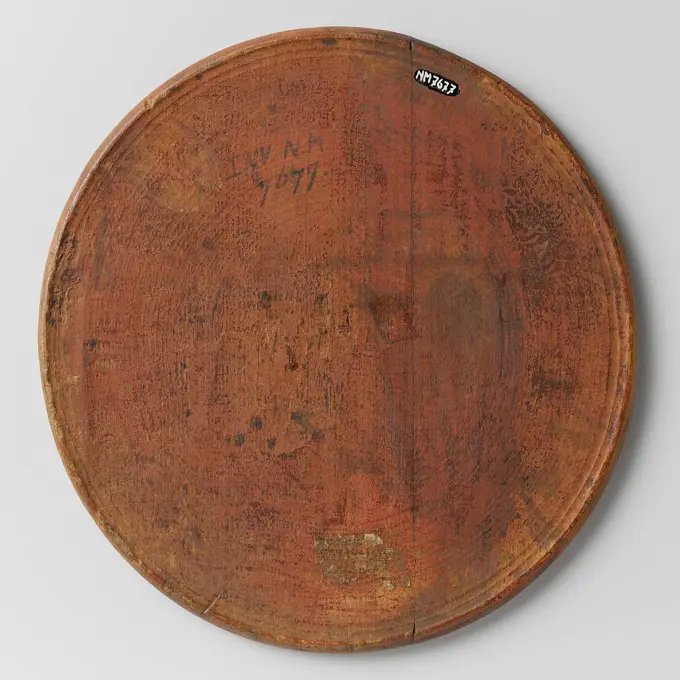
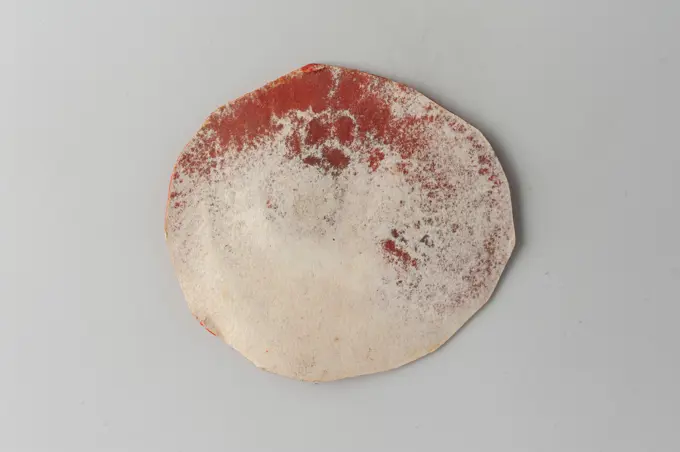
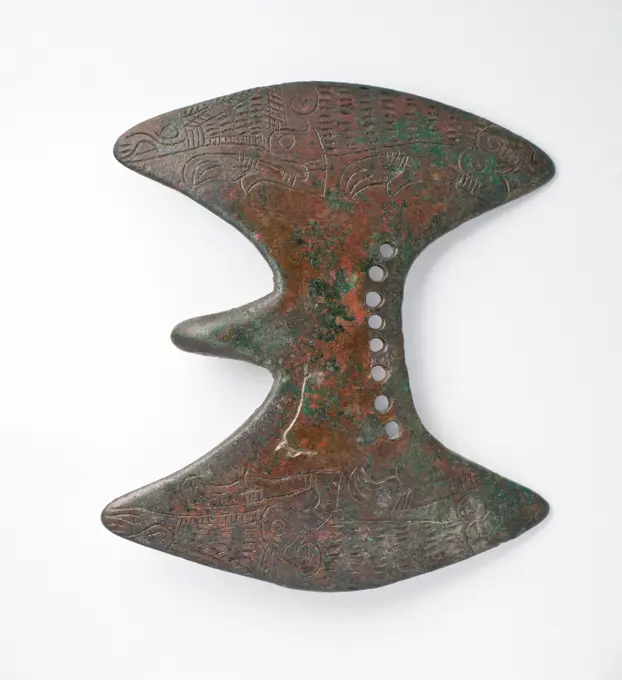
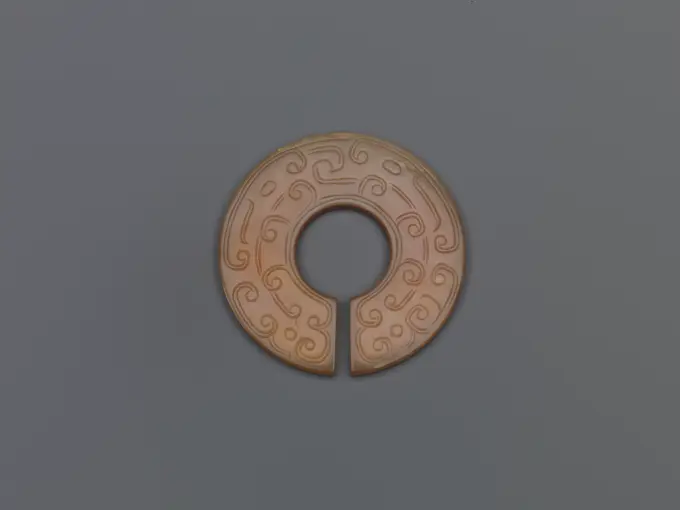
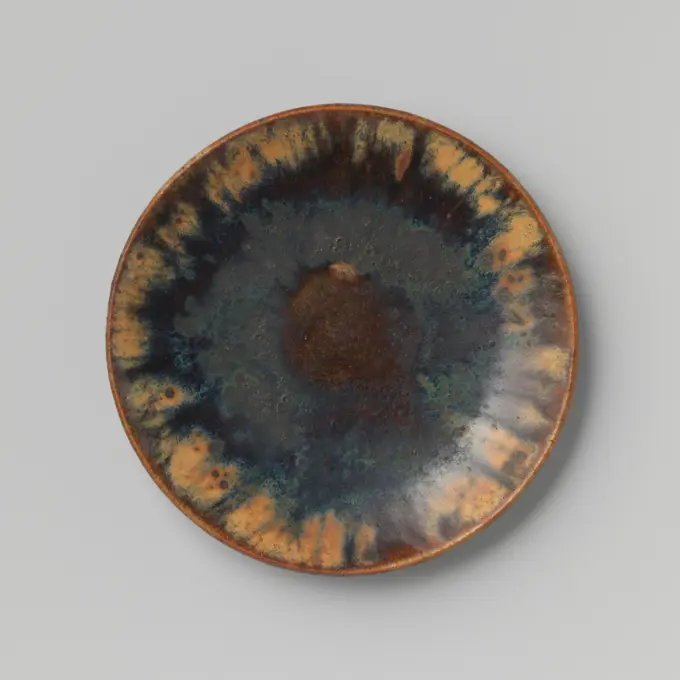
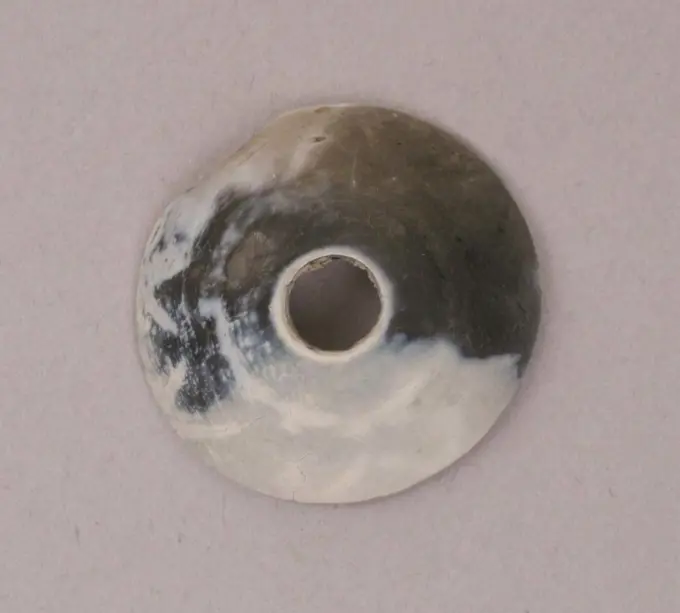
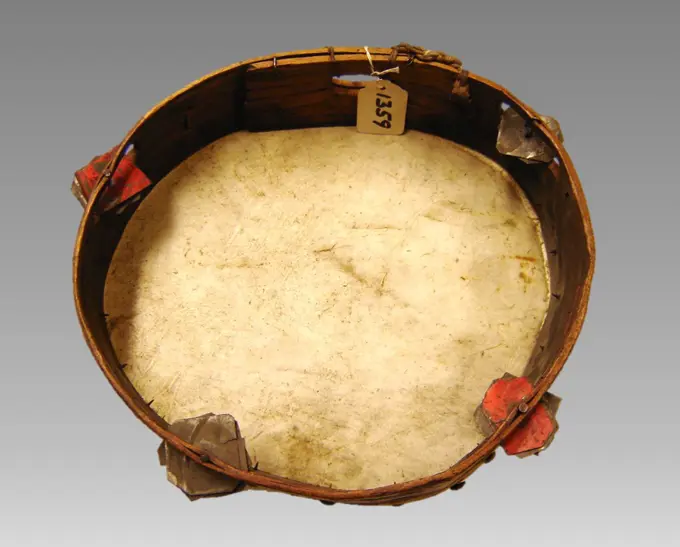
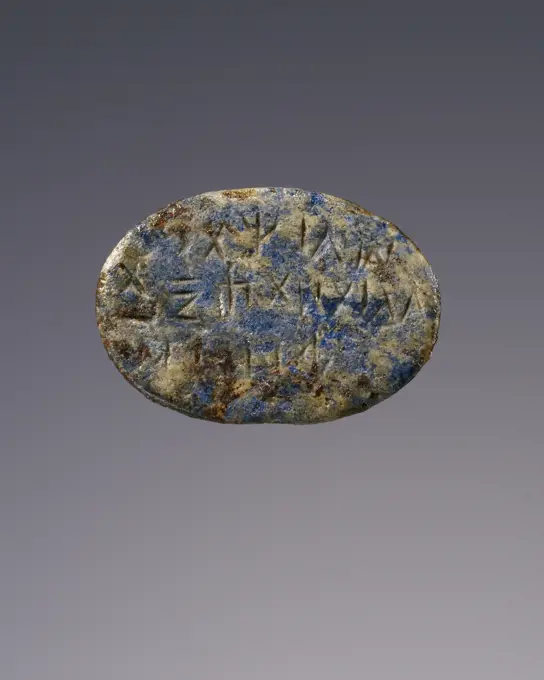
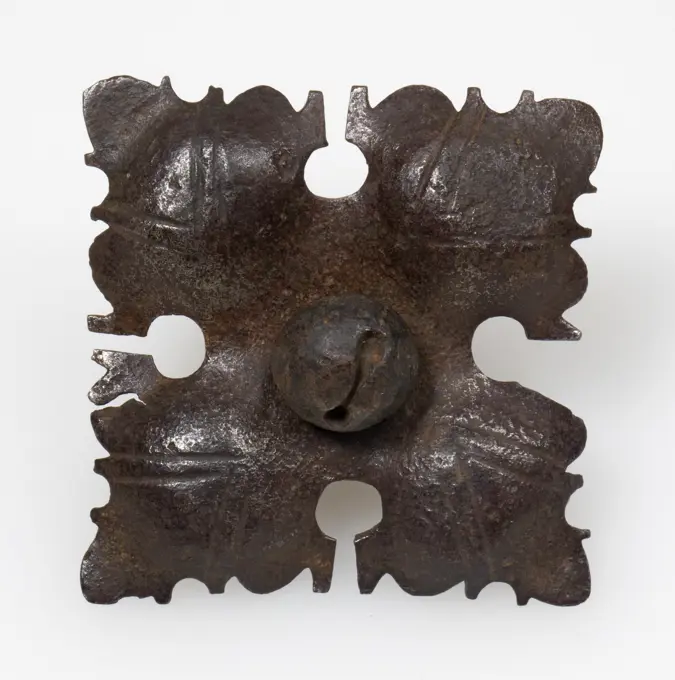
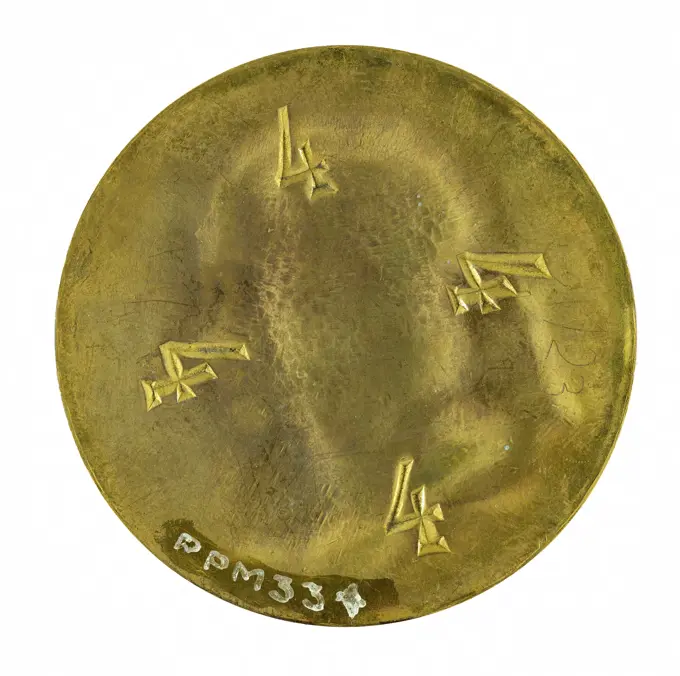
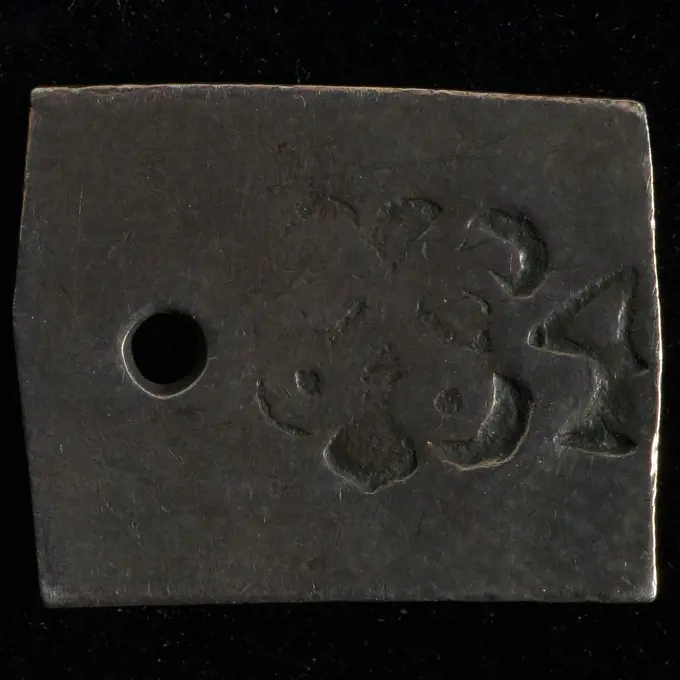
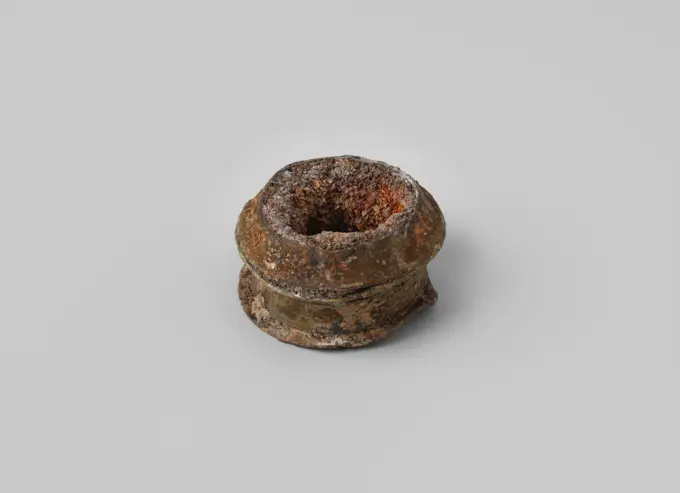
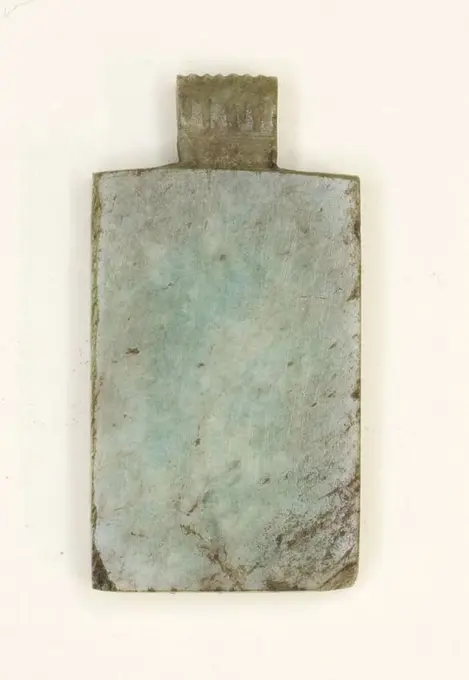
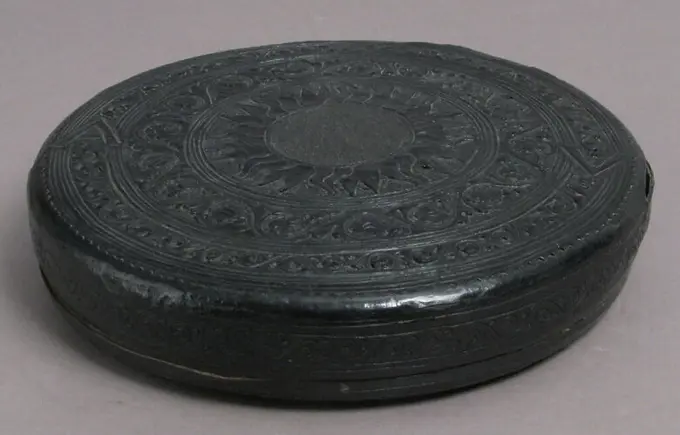
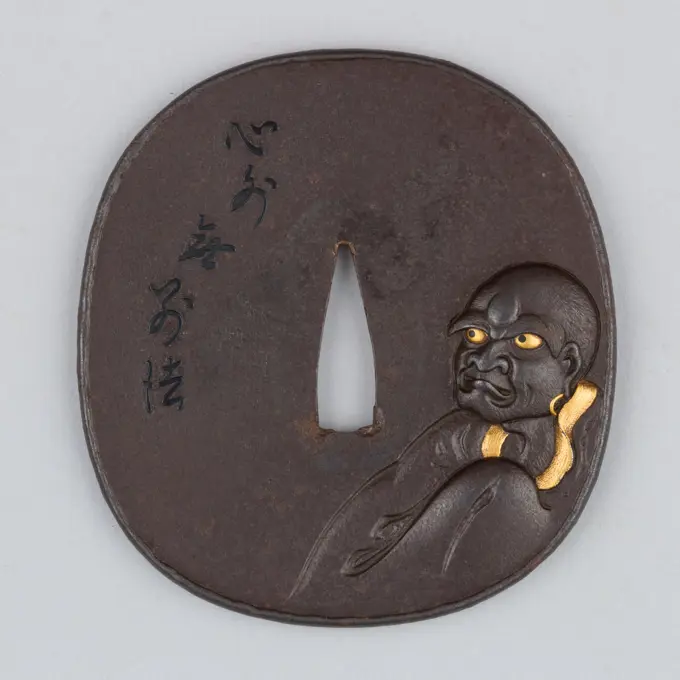
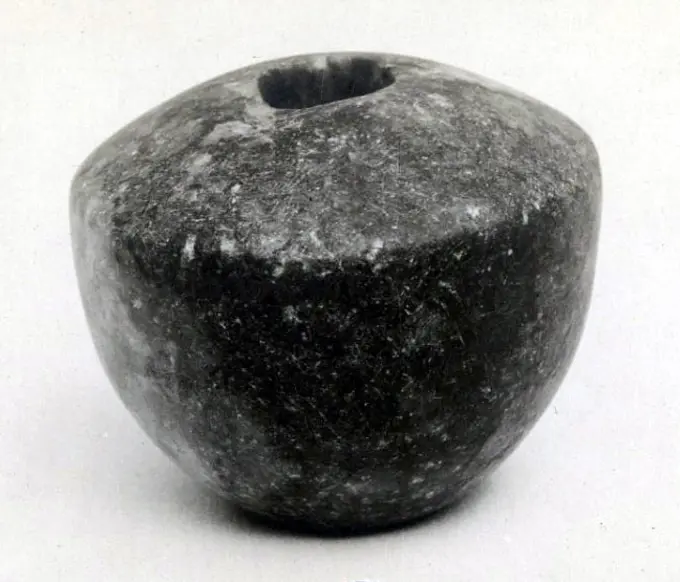
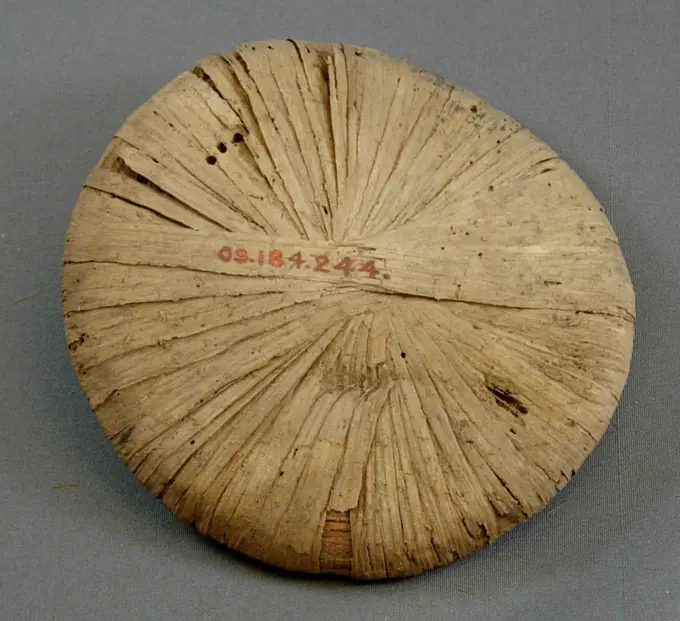
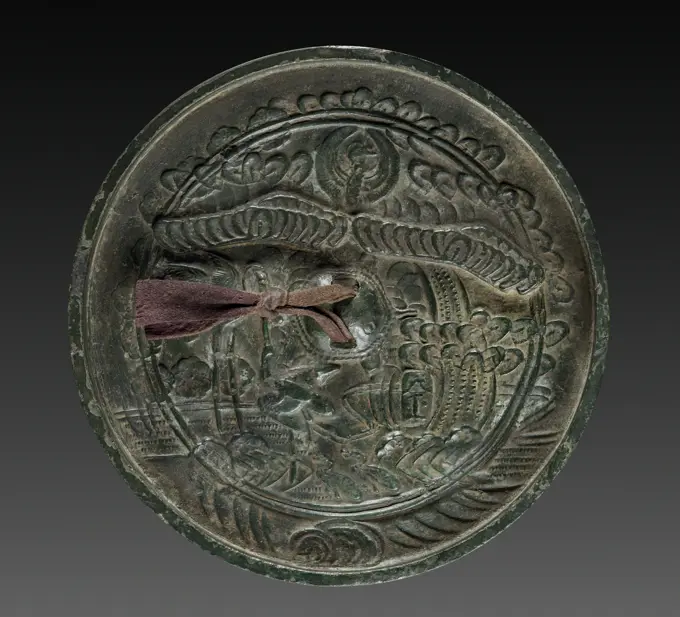
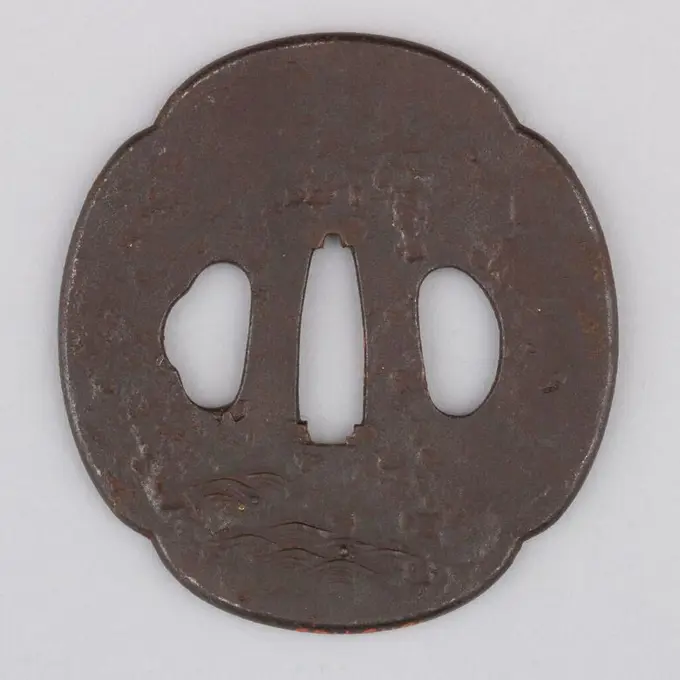
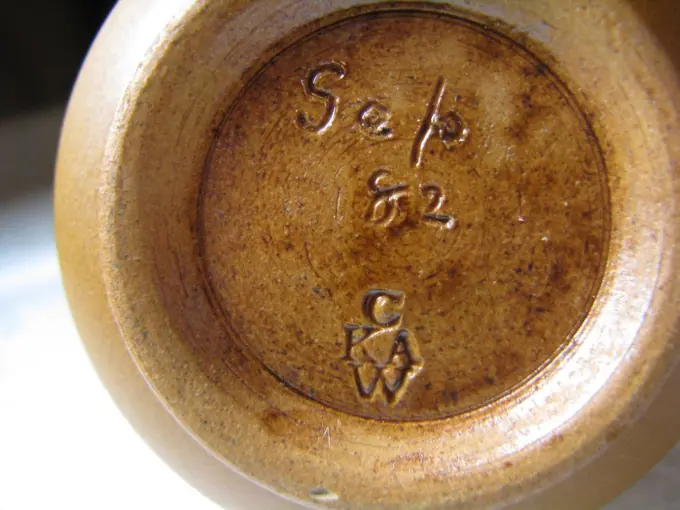
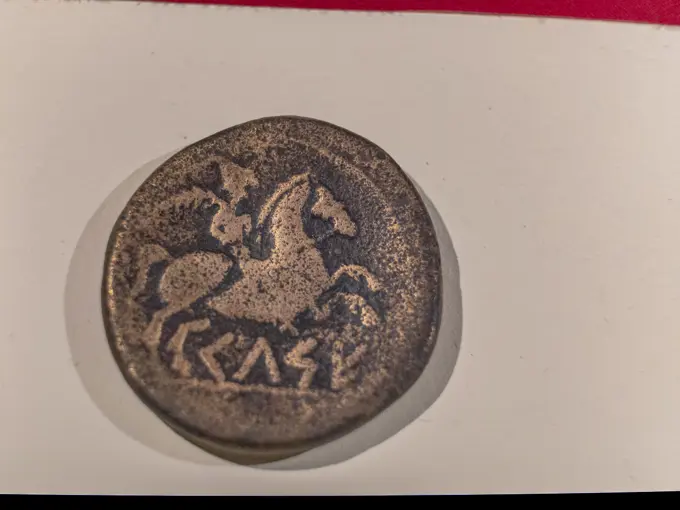
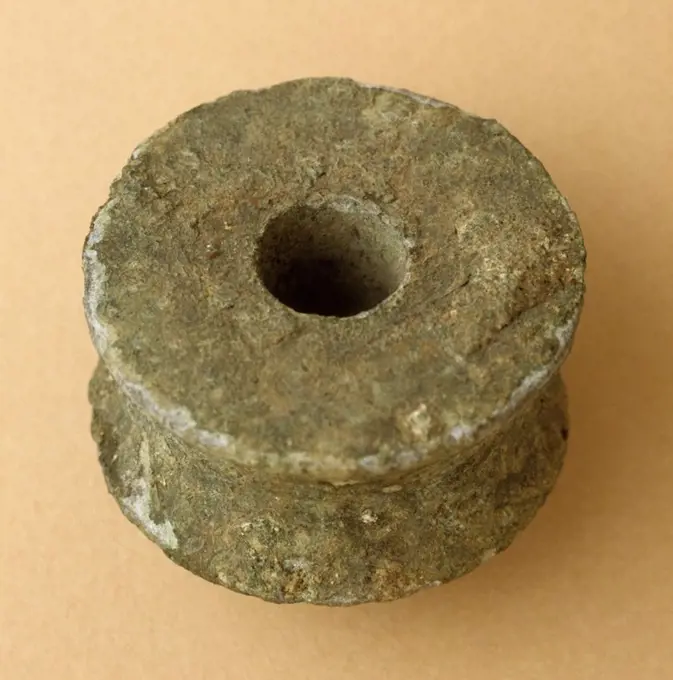
BRONZE PULLEY FROM BAELO CLAUIA. ROMAN ENGINEERING. (LOCATION: NATIONAL ARCHAEOLOGICAL MUSEUM).Mirror Featuring Dading Coins, c. 1178-1234. China, Jin dynasty (1115-1234). Bronze; diameter: 11.9 cm (4 11/16 in.); overall: 0.8 cm (5/16 in.); rim: 0.4 cm (3/16 in.).Disc with Coiled Dragon. China. Date: 1100 BC-900 BC. Dimensions: Diam. 1 7/8 in.; W. 3/8 in. Jade. Origin: China. Museum: The Chicago Art Institute, Chicago, USA.Fragment małej misy bez stopki. warsztat nubijski, workshopSpindle Whorl 10th-early 16th century Mexican. Spindle Whorl 307727Bowl with Lioness 1100-1300 Byzantine Images of lions were popular throughout the medieval world. Although lions were rare in Byzantium, they appear frequently in artfrom illuminated manuscripts and elegant silver to everyday objects, such as ceramics and copper-alloy jewelryand in literature, both secular and religious. The boldly stylized pose of the lioness, which suggests the beast’s power, is also seen on Islamic metalwork.. Bowl with Lioness 465953Oudezijds Armhuis in Amsterdam, a lead that gave the right to peat from the Turfhuis, Anonymous, 1698  One -sided brass octagonal arms shed. Front: in round pearl edge: monogram of letters O, A and H Inside Cover. Reverse: Blanco. Amsterdam brass (alloy) striking (metalworking)  AmsterdamAnimal Ornament 6th-7th century Moche (Loma Negra). Animal Ornament. Moche (Loma Negra). 6th-7th century. Copper. Peru. Metal-OrnamentsPhiale mesomphalos (libationsaucer)Two buttons from the wreck of the East Indiesman Hollandia. Two buttons. (2) Flat, Plain, Stepped Rim (1.3D, 0.1T), Key-ShankPlate and Nail 15th-16th century European. Plate and Nail. European. 15th-16th century. Iron. Metalwork-IronBoard knot from the wreck of the East Indieschief Hollandia. Board knot. Stud; (1) Squashed, Circular, Flat Top, Relieved Flower-Head Motif Eroded, Lead-Filled (1.8D, 1.1H).Flat, square and copper coinweight, marked, coin weight weight soil find copper metal, casted Irregular almost rectangular plate of red metal. Unrecognizable. Current weight: 1,482 gr On one side an unclear depiction of archaeological activity Rotterdam railroad tunnel roads Soil discovery: trajectory Rotterdam rail tunnel.Carnavalet museum, tokens collectionBeads 9th-12th century. Beads 854507Decorative door boss and nail, Steel-plated wrought iron, Square type, pierced and embossed with wrought lines. Quadrant leaf design based on old examples. Collared square domed nail head with four engraved circles, on square shank., Spain, ca. 1550-1700, metalwork, Decorative Arts, Decorative door boss and nailMirror Korea. Mirror. Korea. Bronze. Goryeo dynasty (918-1392). MirrorsCarnavalet museum, tokens collectionEngraved Scaraboid with Lion and Boar. UnknownStone Temple Model 1st-8th century Mezcala. Stone Temple Model 317548Sword Guard (Tsuba). Culture: Japanese. Dimensions: H. 3 1/8 in. (7.9 cm); W. 3 in. (7.6 cm); thickness 1/4 in. (0.6 cm); Wt. 6.2 oz. (175.8 g). Date: late 18th century. Museum: Metropolitan Museum of Art, New York, USA.Ring with millefiori. Ring with millefiori. Bronze, glass. Gold and SilverButton or Bead 9th-10th century The dot-in-circle motif recalls designs presumed to be of magical significance, most likely an abstract eye to ward off the evil-eye, which serves an apotropaic function. Easily reproduced with a tool and visible in many cultures and times, this symbol may have lost its meaning, and become simply a decorative pattern, or may have one that we have not yet discovered. Button or Bead 455200Grahal-Manzara. Carnavalet 2013-2016 collection sites. Numismatics.Mirror with eight-point design 1st century B.C. China. Mirror with eight-point design. China. 1st century B.C.. Bronze. Western Han dynasty (206 B.C.-A.D. 9). MirrorsAnimal-and-Grape Mirror with a Variety of Birds, late 600s. China, Tang dynasty (618-907). Bronze; diameter: 13.9 cm (5 1/2 in.); overall: 1.4 cm (9/16 in.); rim: 1.4 cm (9/16 in.).Sword Guard (Tsuba). Culture: Japanese. Dimensions: H. 2 13/16 in. (7.1 cm); W. 2 11/16 in. (6.8 cm): thickness 3/16 in. (0.5 cm); Wt. 3.5 oz. (99.2 g). Date: late 18th century. Museum: Metropolitan Museum of Art, New York, USA.Paten 18th century Portuguese. Paten 192000Carnavalet museum, medal collection Droit flag decorated with the Cross of Geneva line; Reverse inscription on five lines framed by a snake biting its tail.Spindle Whorl, 700s - 900s. Iran, early Islamic period, 8th - 10th century. Bone, incised; overall: 0.5 x 2.4 x 2.4 cm (3/16 x 15/16 x 15/16 in.).Sword Guard (Tsuba) 18th century Japanese A tsuba is a sword guard and part of a sword mounting. It is mounted between the swords blade and grip to protect the users hands.. Sword Guard (Tsuba) 29978Bliżej Kultury Royal thai mintBox with cover China. Box with cover 60966Mirror with Deities and Animals in Concentric Circles, late 6th-early 7th century. China, Sui dynasty (581-618). Bronze; diameter: 33.4 cm (13 1/8 in.); overall: 1.6 cm (5/8 in.); rim: 0.9 cm (3/8 in.).Bronze shield boss 8th-7th century B.C. Italic Slightly convex with patterns arranged in concentric bands.. Bronze shield boss 248657Playing Task from the wreck of the East India Hollandia. Rectangular, Square, Flat, Engraved Diagonal Cross on One Side, Game token.Fragment of a Dish 11th-12th century. Fragment of a Dish 454744Stone Earflare before 16th century Mexican. Stone Earflare 317327Sword Guard (Tsuba) ca. 3rd century-710 Japanese A tsuba is a sword guard and part of a sword mounting. It is mounted between the swords blade and grip to protect the users hands.. Sword Guard (Tsuba) 35124Bronze bowl 7th century B.C. Cypriot In the tondo, four wild goats in a stand of papyrusThe large bowl has a pair of handles and a rim ornamented with small knobs. The central, slightly recessed tondo is decorated with a rosette framed by a guilloche on which stand four wild goats. Behind them appears a stylized stand of papyrus. This is one of a group of chased metal bowls in which Egyptianizing motifs are particularly evident.. Bronze bowl 244495Sword Pommel (Kashira) ca. 1615-1868 Japanese A kashira is a pommel cap mounted at the end of a sword hilt, usually made as part of a set with a matching fuchi (hilt collar).. Sword Pommel (Kashira). Japanese. ca. 1615-1868. Iron, enamel, gold. Sword Furniture-Fuchi-KashiraBowl 9th-10th century. Bowl. 9th-10th century. Earthenware; white slip, black decoration tinges the glaze yellow. Excavated in Iran, Nishapur. CeramicsHousehold effects. Among the remnants from the Safe House’ were many utilitarian household objects, such as plates, cutlery andbrushes. The taps originally were attached to wooden barrels containing water or wine. The spike candleholders’, which could be hammered into a wooden beam, were particularly convenient.Grahal-Manzara. Carnavalet 2013-2016 collection sites. Numismatics.Buckle. Eastern Caucasus, 7th-6th century B.C.. Costumes; Accessories. Bronze, castSword Guard (Tsuba) ca. 1615-1868 Japanese A tsuba is a sword guard and part of a sword mounting. It is mounted between the swords blade and grip to protect the users hands.. Sword Guard (Tsuba) 33426Symbol of Singapore, lion head on bronzeBronze mirror with ivory handle late 4th century B.C. Etruscan Minerva (Etruscan: Menrva) flanked by Thalna (a nymph) and Sime (a satyr). Bronze mirror with ivory handle 246693Slit Ring (Jue) 4th-3rd century B.C. China. Slit Ring (Jue). China. 4th-3rd century B.C.. Jade (nephrite). Eastern Zhou-Western Han dynasty (770 B.C.-A.D. 9). JadeBacchanal. Round, lead plaque. In the middle Bacchus surrounded by a grouped group of Satyrs and a bacchante with tambouter. In the foreground five putti, playing with a goat, jumping through a hoop.Ax fragment (attributed title). Bronze. Carnavalet museum, history of Paris.Sword guard (Tsuba) Depicting Swallowtail Butterflies (羽蝶図鐔) ca. 1800-1870 Japanese This polished shibuichi tsuba shows three swallowtail butterflies (ageha-chō) which are subtly highlighted with nunome-zōgan. The rim is raised and partially folded over.. Sword guard (Tsuba) Depicting Swallowtail Butterflies (羽蝶図鐔) 25730Plate 1670-1730. Plate. 1670-1730. Wood; MapleBracelet. Western Iran, circa 800 - 650 B.C.. Arms and Armor; armor. Bronze, hammeredButton with embossed floral decor, knot clothing accessory clothing soil find brass metal, cast drilled Quarter ball pierced rod arch archeology Rotterdam rail tunnel fastening carpets Soil discovery: trajectory rail tunnel Rotterdam.Goldweight Geometric, 20th century, 5/8 x 11/16 in. (1.59 x 1.7 cm), Bronze, Ghana, 20th centurySpindle Whorl 10th-early 16th century Mexican. Spindle Whorl 307557Bowl 17th century. Bowl 450088Set of Two Cups and Saucers, Pierre Adrien Dalpayrat, c. 1900 Dishes of earthenware with a flamed reddish -brown and yellow enamel. Bourg-la-Reine earthenware vitrification Dishes of earthenware with a flamed reddish -brown and yellow enamel. Bourg-la-Reine earthenware vitrificationRing. China. Date: 400 BC-200 BC. Dimensions: Diam. 3 3/16 in.; 15/16 in. flesh; 1/4 in. greatest thickness. Jade. Origin: China. Museum: The Chicago Art Institute, USA.Button or Bead 9th-10th century This object was excavated at Nishapur.Nishapur was a vital city in the early and middle Islamic periods, located along one of the main trajectories that connected Iran and West Asia Islamic lands with Central Asia and China. These itineraries are often referred to by the term Silk routes’ but were in fact crucial to the movement of constellations of materials and objects, as well as people and ideas. The diverse population of Nishapur and its surroundings, from the better-researched elite groups of merchants, land-owning aristocracy, and literates, to the less-known artisans, farmers, miners, and servants, were instrumental in adapting global cultural trends to create their own distinctive visual languages. This is seen in the material remains of everyday life in medieval Nishapur - from pots and pans to lighting devices, inkwells, textiles and trimmings, jewelry, games and toys, talismanic devices, weapons, coins, and architectural fragments.Nishapur lDalpayrat, Pierre-Adrien (n.1844-04-14-D.1910-08-10), circular dish (main title). Dark green sandstone, yellow and brown. Petit Palais, Museum of Fine Arts of the City of Paris.Tar late 19th century Morrocan. Tar 501925Tile- Brown with Yellow Central Motif, c 1500s. Holland/ Netherlands, 16th century. Glazed ceramic; overall: 14.6 x 14.9 cm (5 3/4 x 5 7/8 in.).Engraved Gem; Roman Empire; 2nd - 4th century; Lapis Lazuli; 1.7 x 1.2 cm (11,16 x 1,2 in.)Plate and Nail 15th-16th century European. Plate and Nail. European. 15th-16th century. Iron. Metalwork-IronDisc (bi). China. Date: 4000 BC-2000 BC. Dimensions: Diam. 2 1/4 in.; W. 1/8 in. Jade. Origin: China. Museum: The Chicago Art Institute, Chicago, USA.Jean-Bertrand Andrieu (1763-1822). Medal avec. Recovery of worship. Metal, gilded bronze. 1st quarter of the 19th century. Museum of Fine Arts of the City of Paris, Petit Palais. 58764-4 1st quarter, bronze gilded, medal, metal, numero inventory, numismatics, 19th centuryInspection lead used by the steel masters in Leiden, quality mark silver, printed with coat of arms of Leiden and number 4 4 W. van Rede Rotterdam Collection W of Rede Rotterdam.Fragment of a Bowl 15th century. Fragment of a Bowl 445175Fragment of faience plate decorated with blue decor, portrait, plate crockery holder fragment earthenware ceramics pottery glaze tin glaze, hand turned fried glazed painted baked Fragment of faience plate with blue decor What remains is part of portrait to the left of it two letters. Level plane Shoulder on the transition from mirror to flag only at the top. Two blue piping in the shoulder. BRIT fond In cassette fried yellow shard in the mirror: PS de S is mirrored archeology Rotterdam Heliport terrain indigenous pottery decorate serving food Soil discovery: Heliport site Rotterdam June 1978.Stone Earflare before 16th century Mexican. Stone Earflare 317330Bliżej Kultury unknownScrew cap from the wreck of the East Indies Princesse Maria, Anonymous, 1670 - 1686 screwcap Round pewter screw cap for a basement bottle, black corroded. Screw Cap. Netherlands tin (metal)Copper Openwork Mace Head 3rd century B.C.-A.D. 2nd century Vicús. Copper Openwork Mace Head. Vicús. 3rd century B.C.-A.D. 2nd century. Copper (cast). Peru. Metal-ImplementsKultrun ritual drum from the Mapuche culture, Chile and Argentina. Created from wood, leather, hair and pigment. Dated 20th CenturyGeometric Feng Shui compass. Chinese, made from glass, metal and wood, 19th Century.Pottery, in-line, round lid with complemented ear, lid closure soil find ceramic earthenware glaze lead glaze, hand turned set insulated glazed lid Red earthenware brown glaze one ear restoration in gypsum turnings in the lid. Free high model with deep turns on the sides archeology Valckensteyn Poortugaal Albrandswaard indigenous pottery kitchen cooking nutrition food preparation close close Soil discovery: canal at kitchen castle Valckensteyn at Poortugaal now Albrandswaard 1961Elizabethan period wooden plate with recess for salt or seasoning; Tudor period; English circa 1550Decorative door boss and nail, Wrought iron, Hemispherical boss with six applied serrated lugs dividing it into six triangular sections which are further divided by pairs of parallel lines. Nail head is a spherical bell bounded by a serrated band, on a square shank., Spain, 15th century, metalwork, Decorative Arts, Decorative door boss and nailAmulet of a Writing Tablet. Egyptian. Date: 664 BC-332 BC. Dimensions: 2.2 × 1.3 × 0.3 cm (7/8 × 1/2 × 1/8 in.). Faience. Origin: Egypt. Museum: The Chicago Art Institute, Chicago, USA. Author: Ancient Egyptian.Hammered Silver Arc Ornament 12th-15th century Chimú. Hammered Silver Arc Ornament. Chimú. 12th-15th century. Silver (hammered), copper () gilt. Peru. Metal-OrnamentsGrahal-Manzara. Carnavalet 2013-2016 collection sites. Numismatics.Carnavalet Museum, Medals CollectionRound Box. Culture: Italian. Dimensions: Overall: 1 3/4 x 8 1/4 in. (4.5 x 21 cm). Date: 15th-16th century. Museum: Metropolitan Museum of Art, New York, USA.Sword Guard (Tsuba) 17th century Japanese A tsuba is a sword guard and part of a sword mounting. It is mounted between the swords blade and grip to protect the users hands.. Sword Guard (Tsuba) 29535Labret before 16th century Mexican. Labret 317399Lyly sown account token with cross Prince of Blood?, Stockings Middle Ages Anonymous. "Lily's sown account token with cross Blood Prince?, Stock Middle Ages". Copper.Marriage of Frederik, Prince of the Netherlands and Louise, princess of Prussia in Berlin, Leonhard Posch (attributed to), 1825  Plaquette on wear eye. Front: breastpiece woman to the left. Road side: inscription: "Luise Auguste Wilhelmine Amalie / Gemahlin des Prinzen / Friedrich / der Niederlande / born 1tn February 1808 Berlin iron (metal) casting  BerlinGlass Fragments 4th-early 5th century Coptic. Glass Fragments 477091Macehead ca. 3850-2960 B.C. Predynastic Period. Macehead. ca. 3850-2960 B.C.. Stone (dark green). Predynastic Period. From EgyptPapyrus Lids from the Embalming Cache of Tutankhamun ca. 1336-1327 B.C. New Kingdom. Papyrus Lids from the Embalming Cache of Tutankhamun. ca. 1336-1327 B.C.. Papyrus fiber. New Kingdom. From Egypt, Upper Egypt, Thebes, Valley of the Kings, Embalming Cache of Tutankhamun (KV 54), Davis/Ayrton excavations, 1907-08. Dynasty 18Mirror, 1185-1333. Japan, Kamakura period (1185-1333). Bronze; diameter: 11.5 cm (4 1/2 in.).Pair of Slit Disc Earrings, c. 6th-2nd century BCE, 1-1/4 x 7/8 x 3/16 in. (3.2 x 2.2 x 0.5 cm), Stone, Thailand, 7th-1st century BCESword Guard (Tsuba). Culture: Japanese. Dimensions: H. 2 7/8 in. (7.3 cm); W. 2 11/16 in. (6.8 cm); thickness 1/8 in. (0.3 cm); Wt. 2.9 oz. (82.2 g). Date: late 17th century. Museum: Metropolitan Museum of Art, New York, USA.Fragment of Coptic fabric unknownBliżej KulturyVase ca. 1882-89 Chelsea Keramic Art Works Steeped in ceramics from birth, Hugh C. Robertson pursued his craft with fierce devotion and a passion for experimentation. From a family of trained English ceramists, he honed his skills in New Jersey before settling in Massachusetts as one of the founders of Chelsea Keramic Art Works and later, Dedham Pottery. Robertsons lifelong explorations in glazes, particularly their color and texture, make him one of the key figures of American art pottery at the turn of the twentieth century.Glazes, an important aspect of the ceramists profession, gradually assumed a dominant role in Hugh Robertsons career and even more so in a series of long-neck vases in the Ellison Collection. He often relied on transparent glazes in a limited range of colors — tertiary olive greens, blue greens, and blues — in a palette popular among Aesthetic and Arts and Crafts movement artists such as James McNeill Whistler and Arthur Wesley Dow. Robertsons orchestration ofCese-Münze Cese coin, Museum of Romanization, Calahorra, La Rioja, Spain, Europe Copyright: xZoonar.com/BartomeuxBalaguerxRotgerx 22946326Grahal-Manzara. Carnavalet 2013-2016 collection sites. Numismatics.