Cultural Artifacts and Tsuba

A range of traditional artifacts including jade discs and sword guards, reflecting historical craftsmanship and significance.
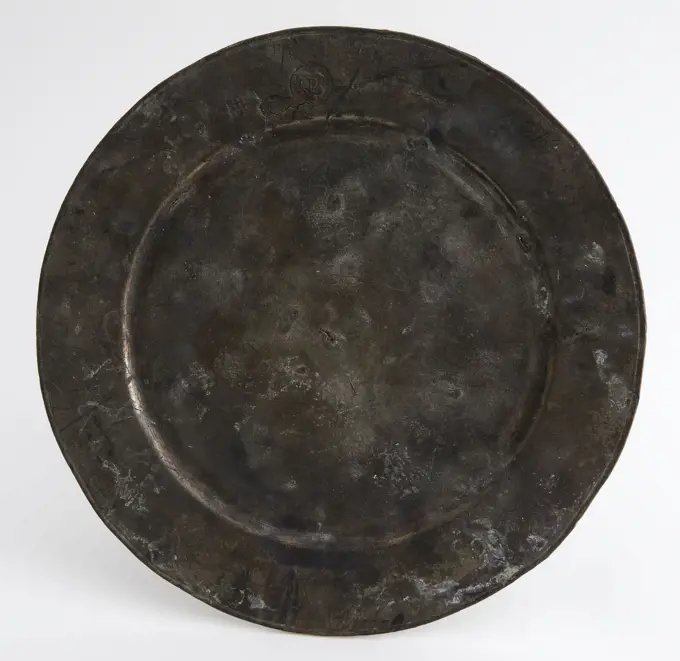
Tin plate, with at least four marks, plate crockery holder soil find tin metal, cast Pewter plate Flat flat short shoulder and flat edge. Four times stamped tin marks and master brands, private label With arrowhead and initials CG Crowned Tudorroos circle with pearl border containing an apple And the initials; BW Archeology food serve serving table Rotterdam Soil discovery Rotterdam.
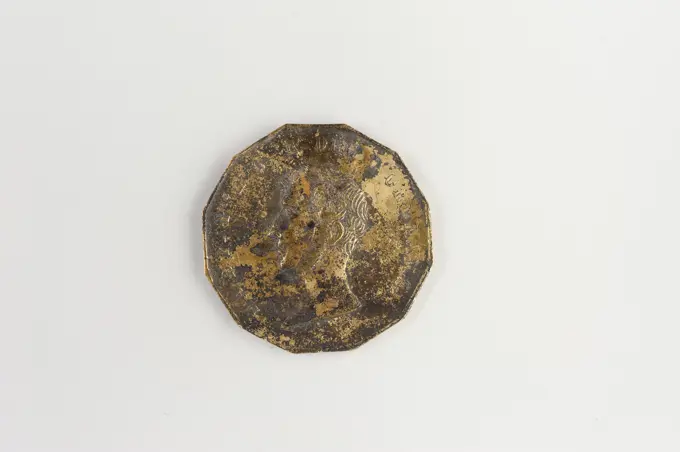
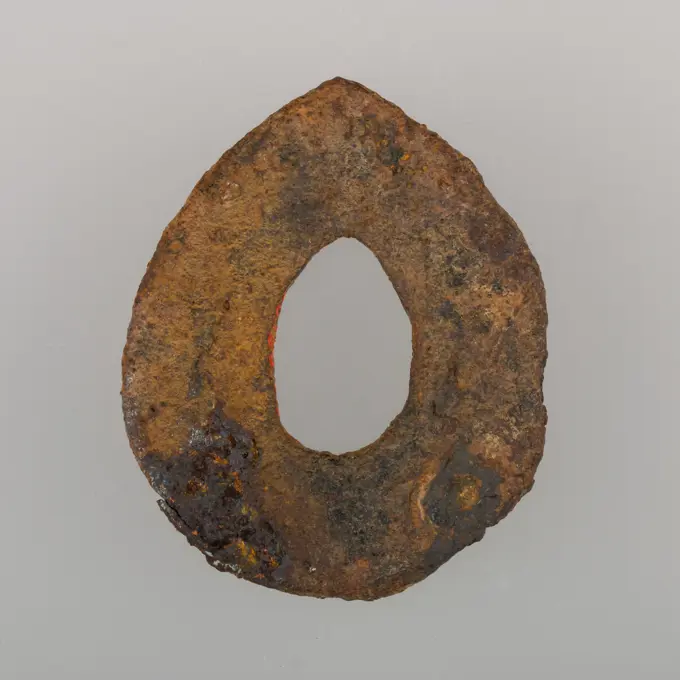
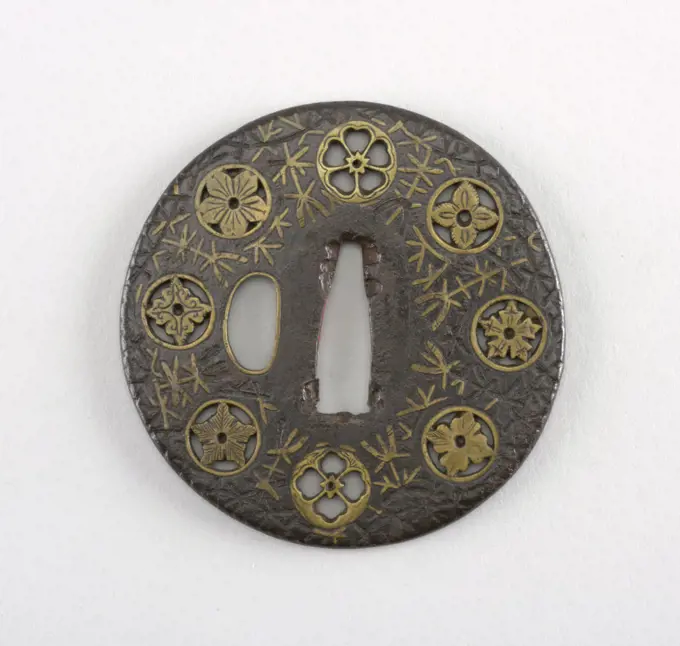
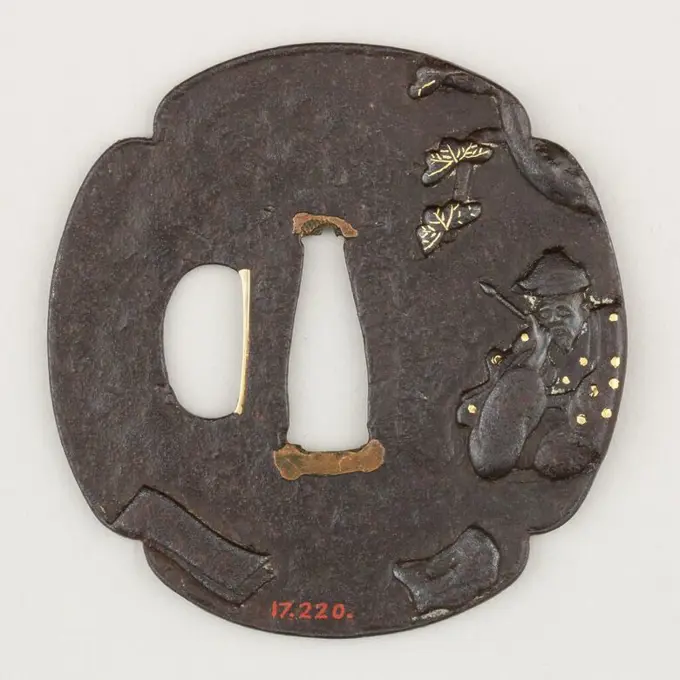
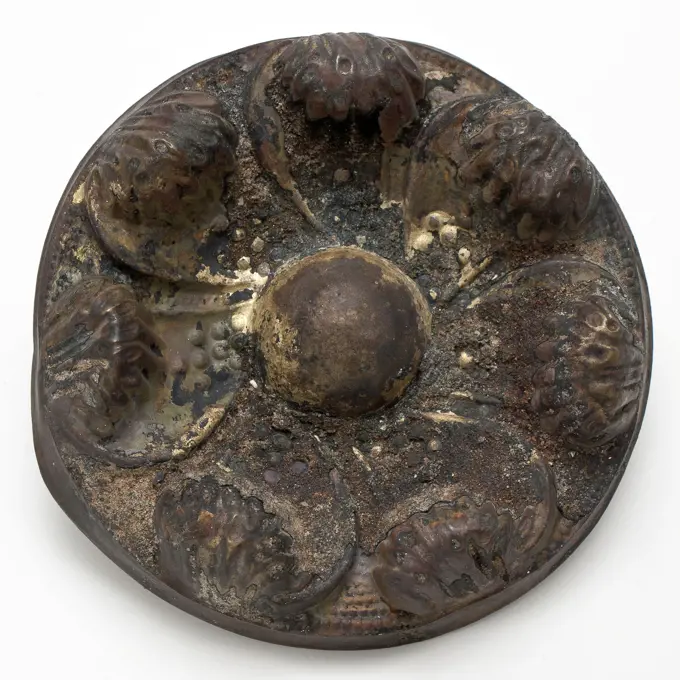
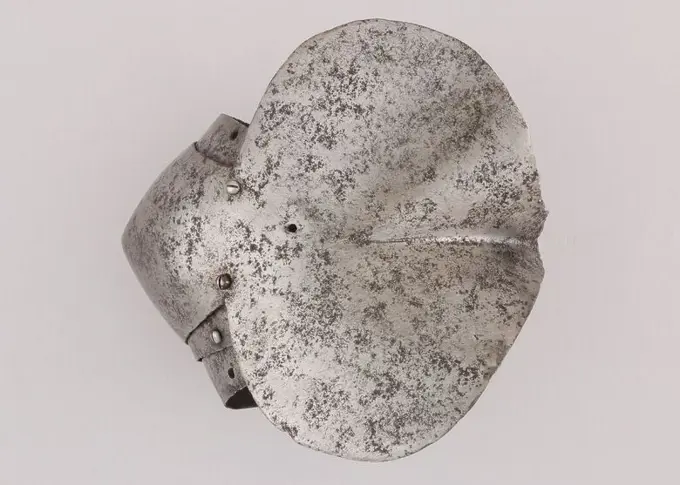
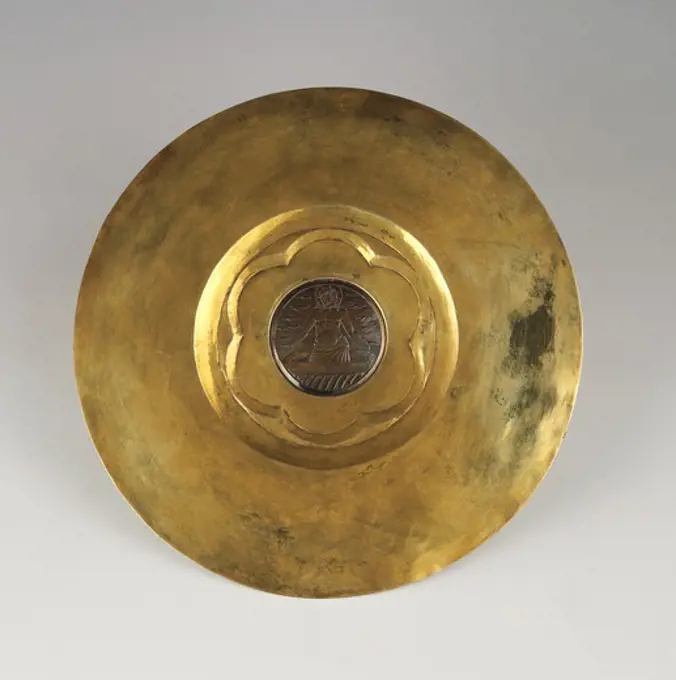
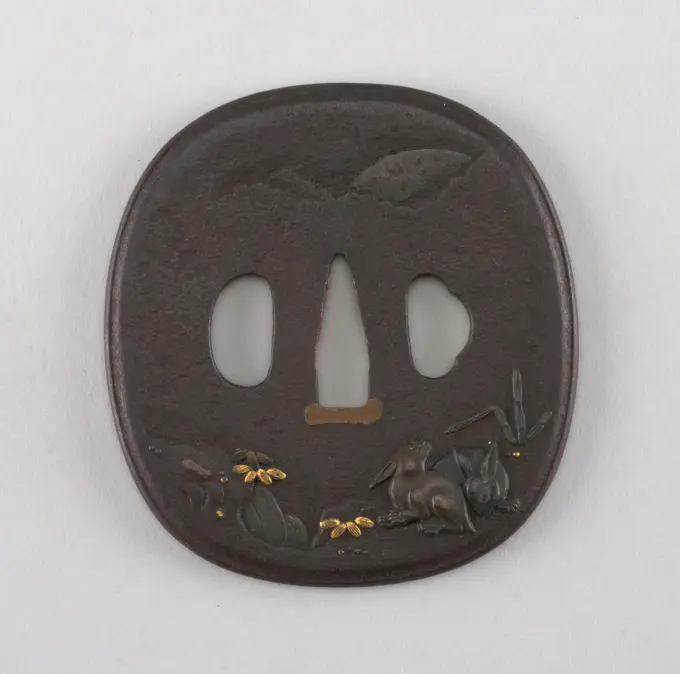
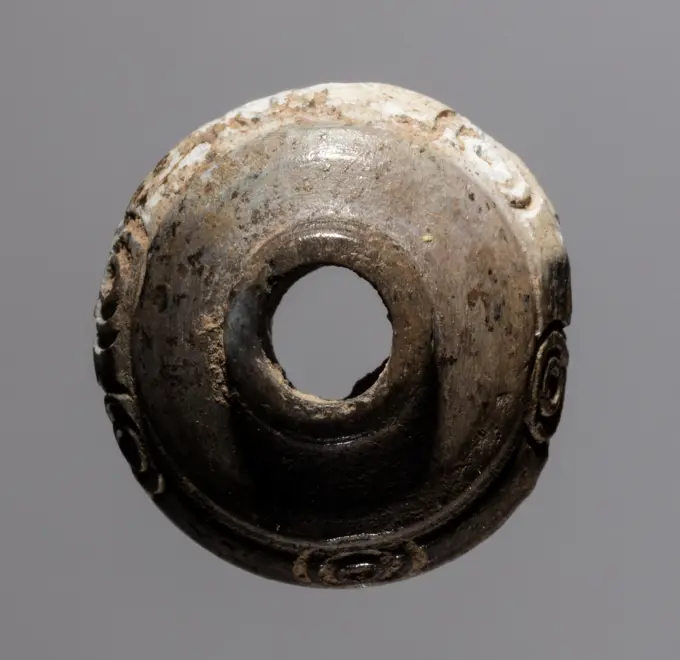
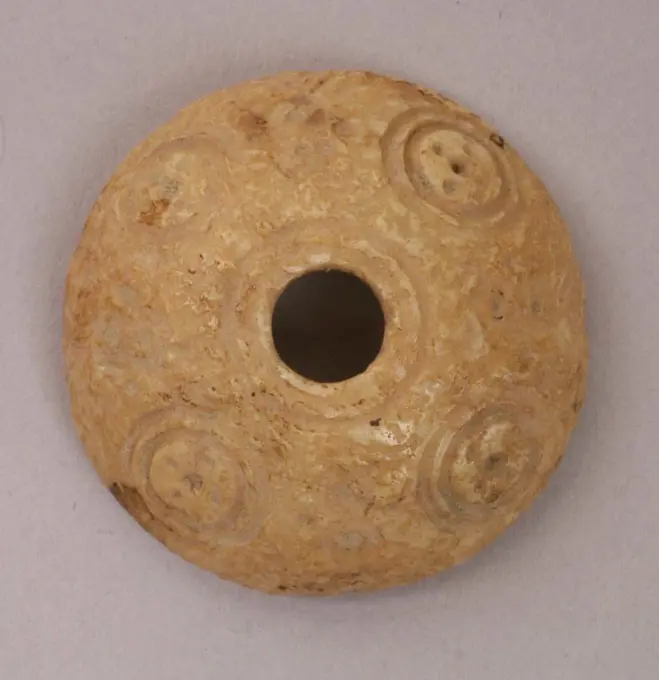
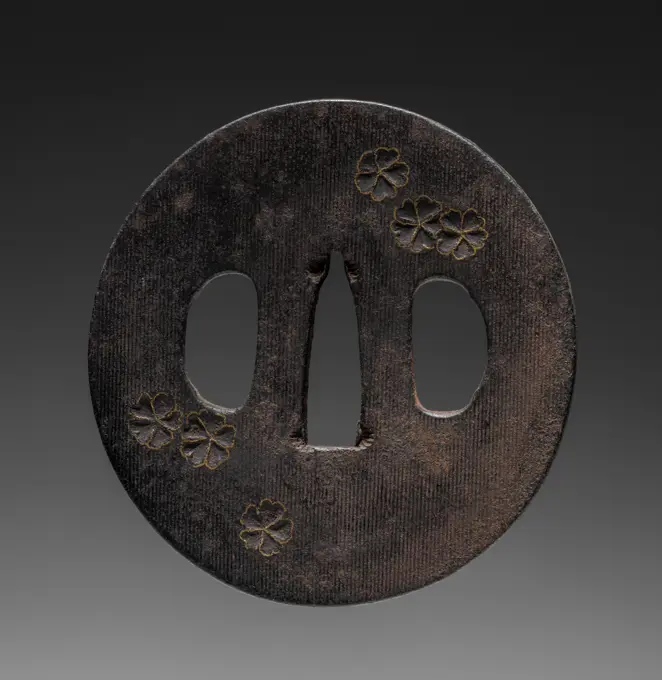
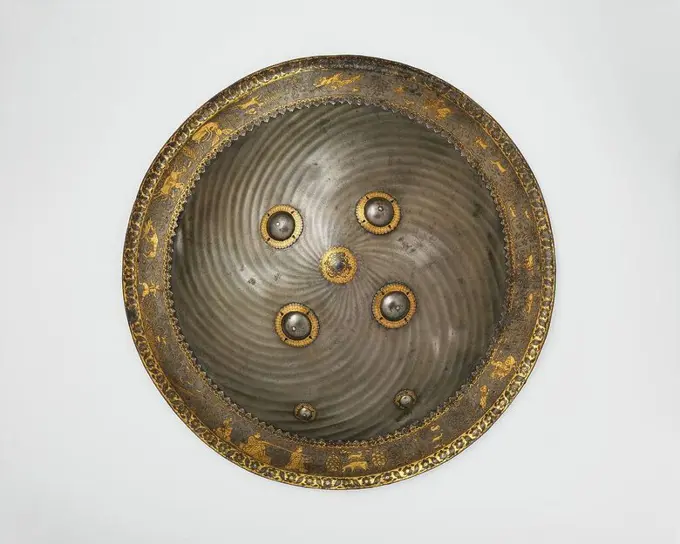
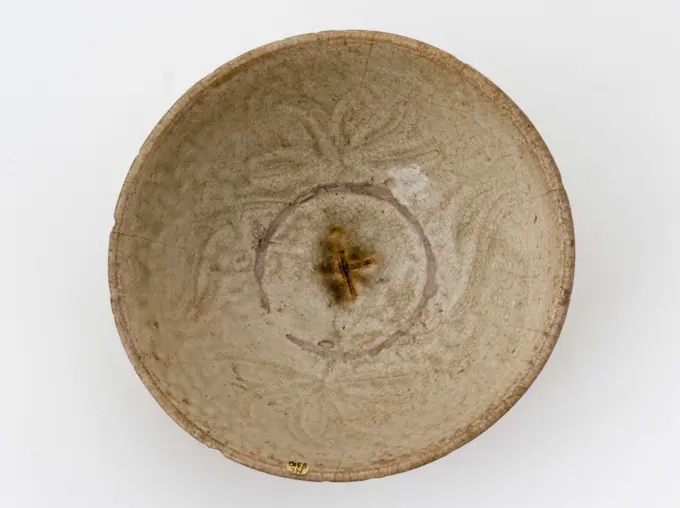
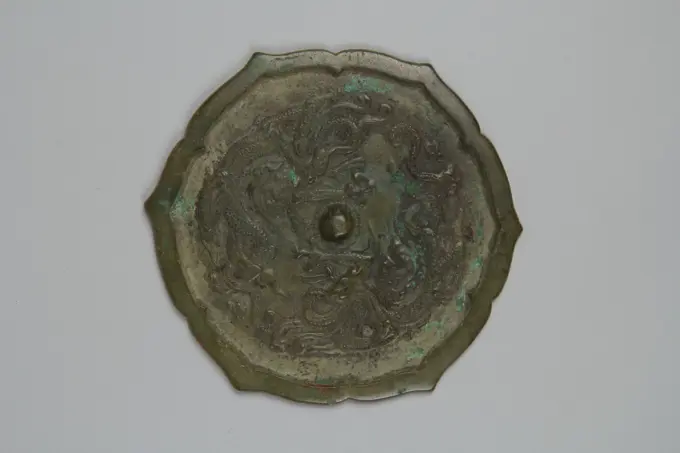
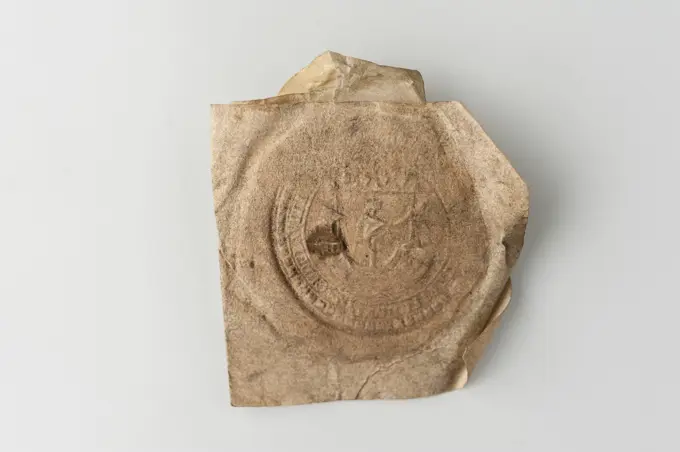
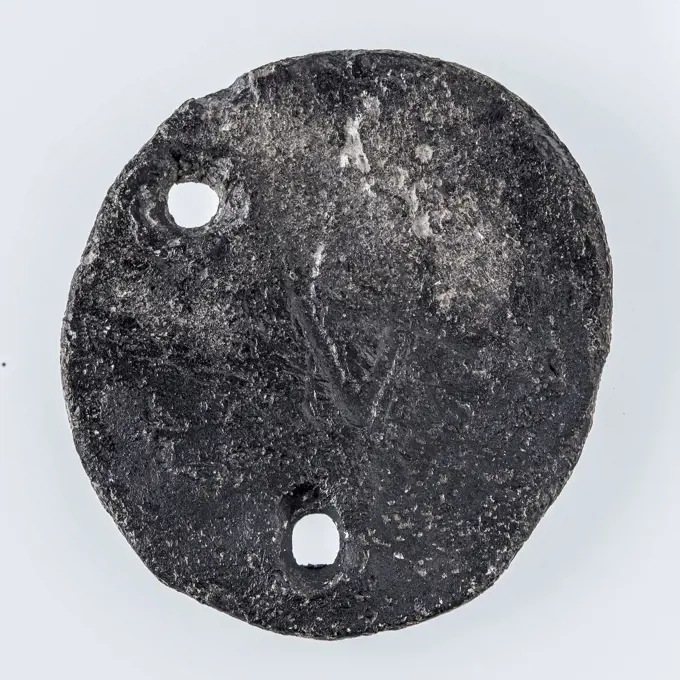
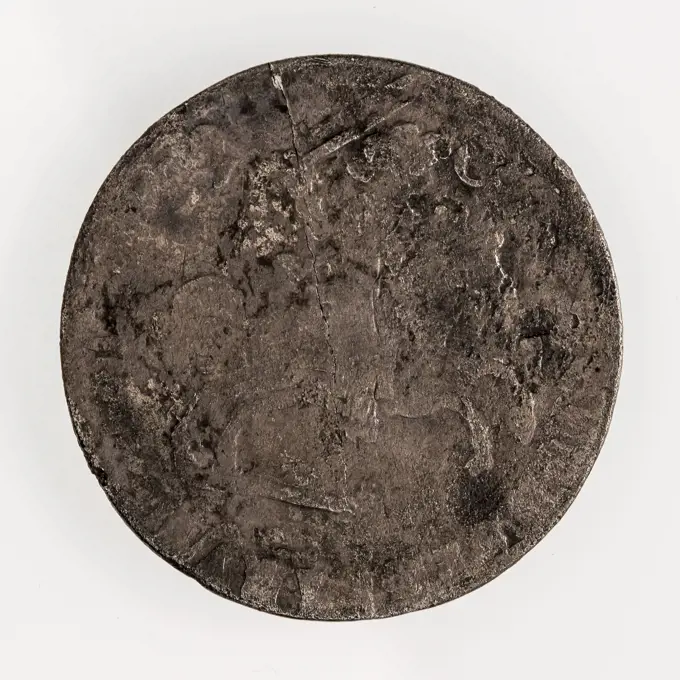
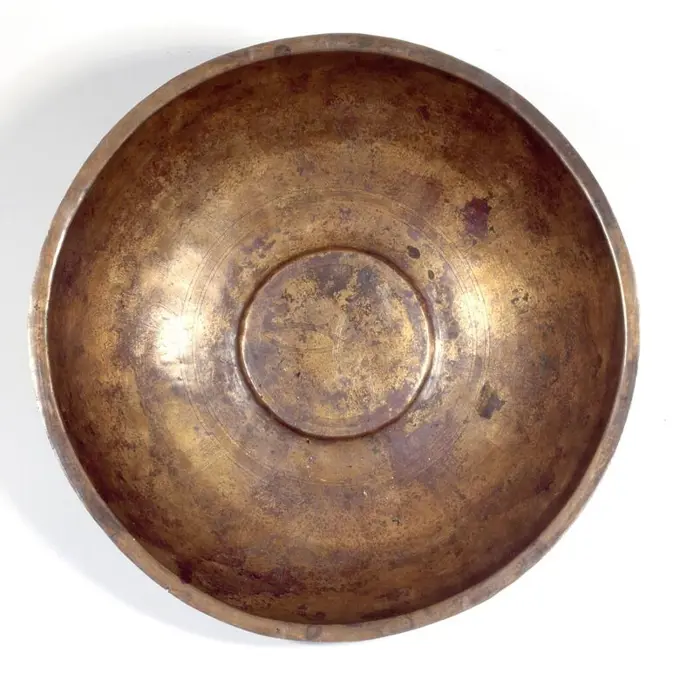
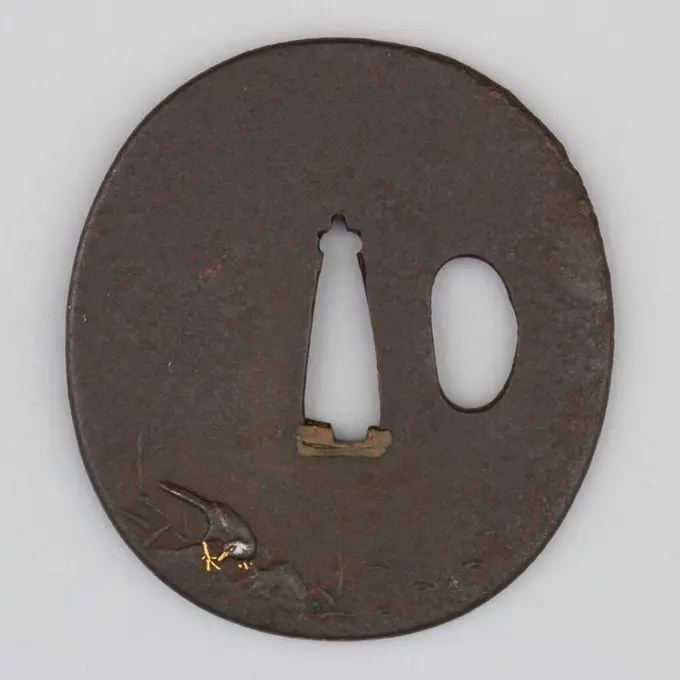
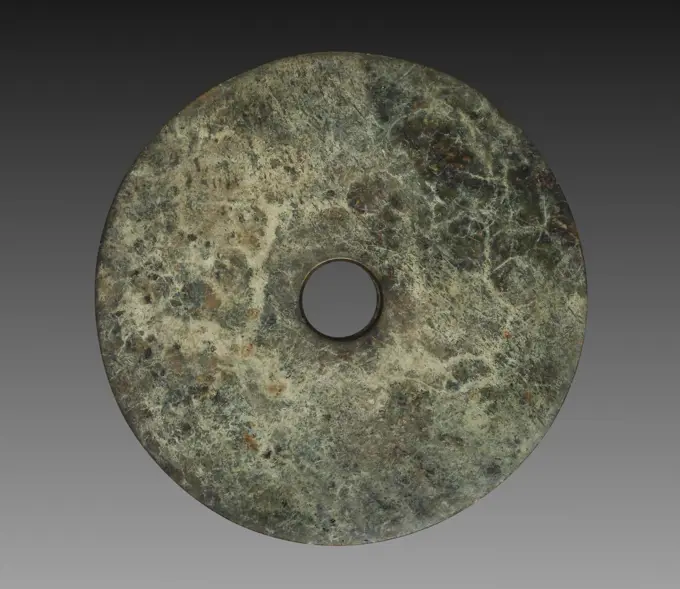
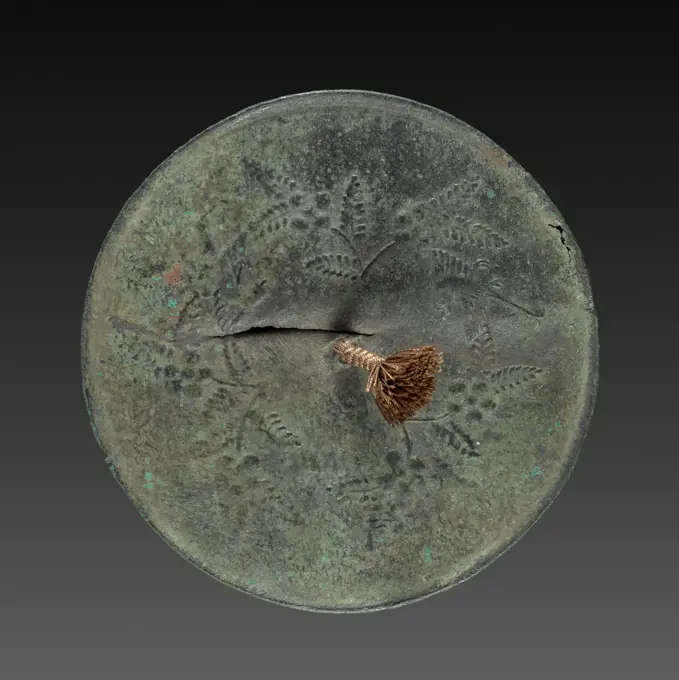
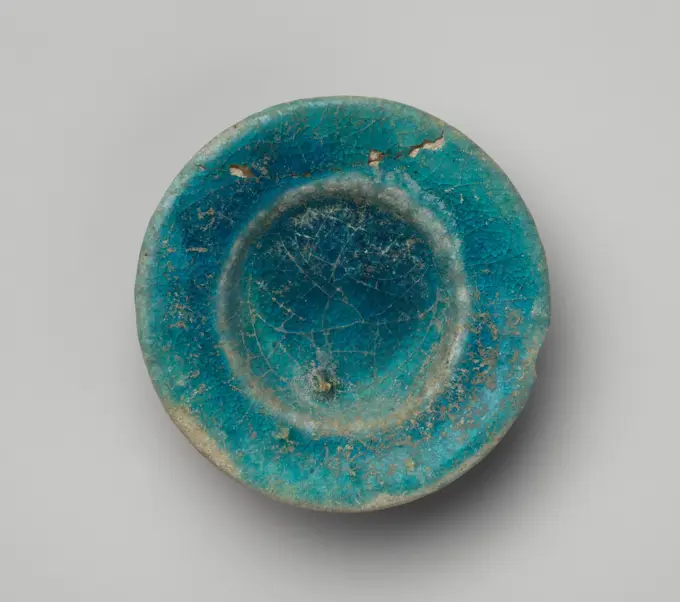
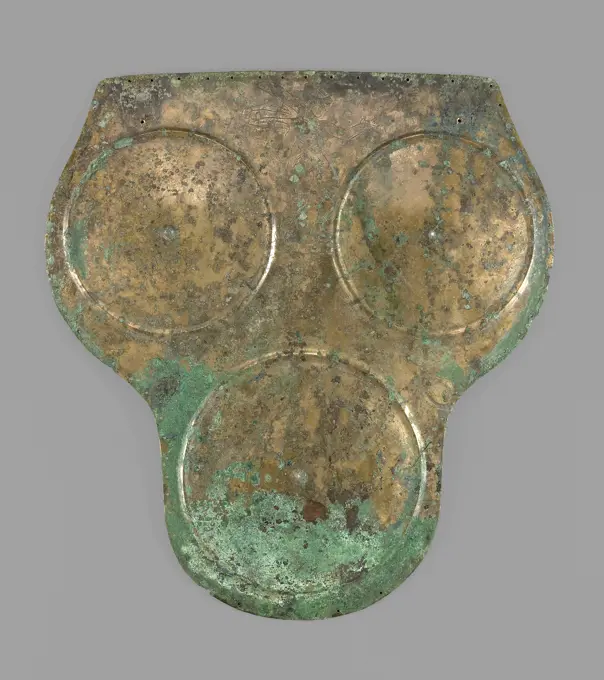
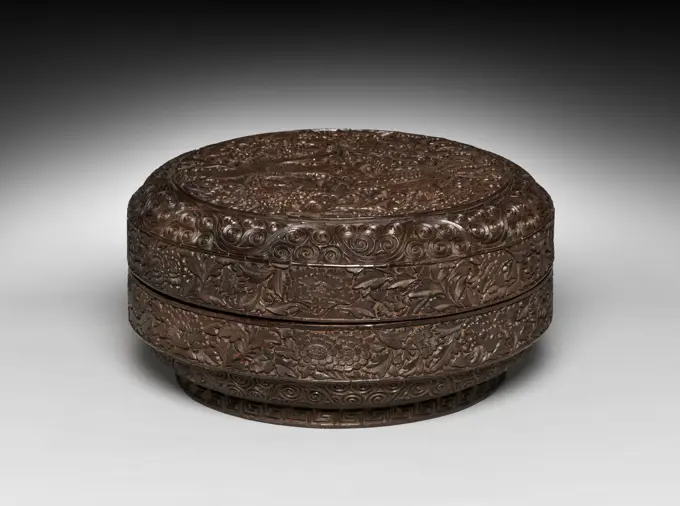
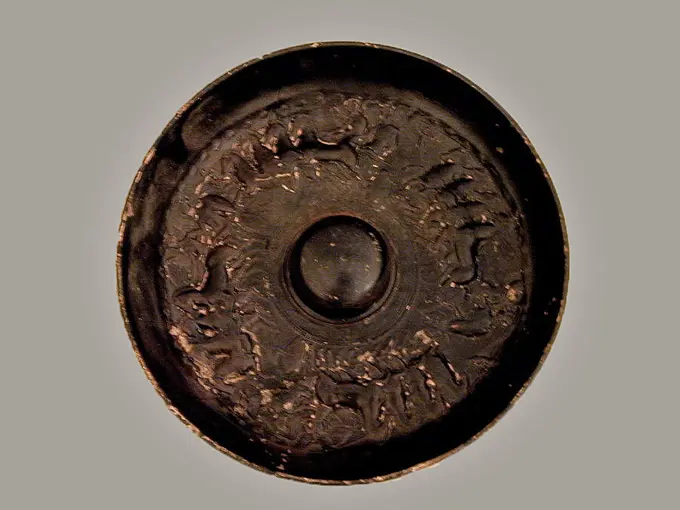
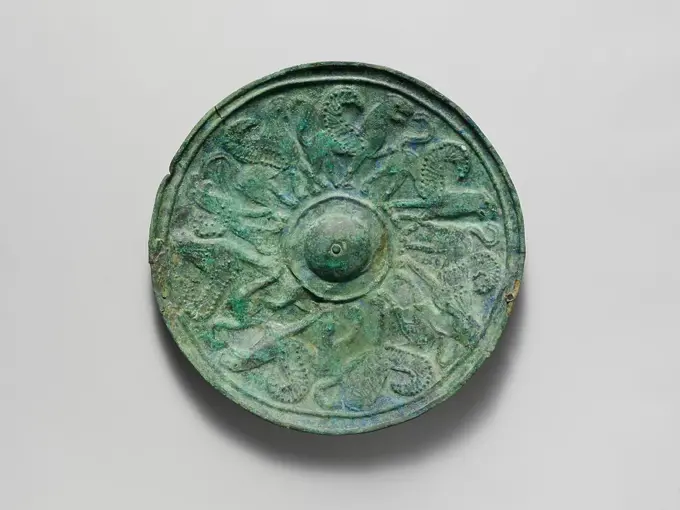
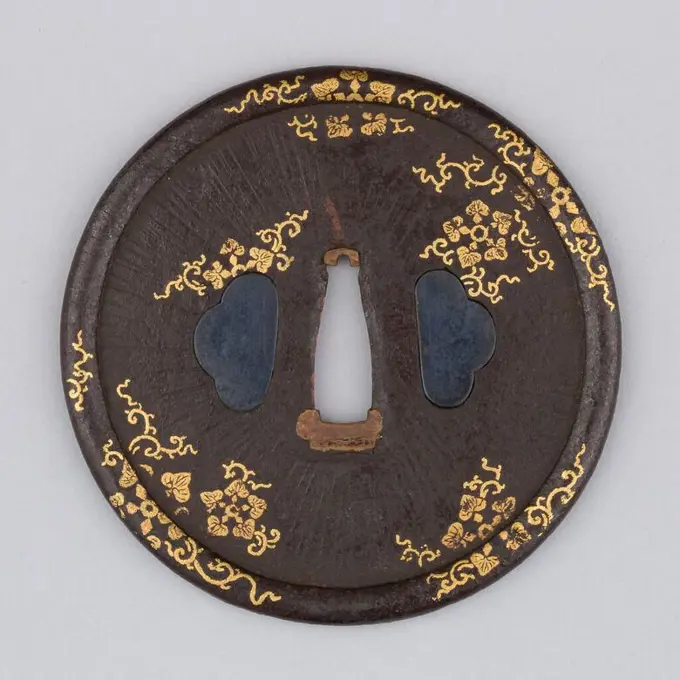
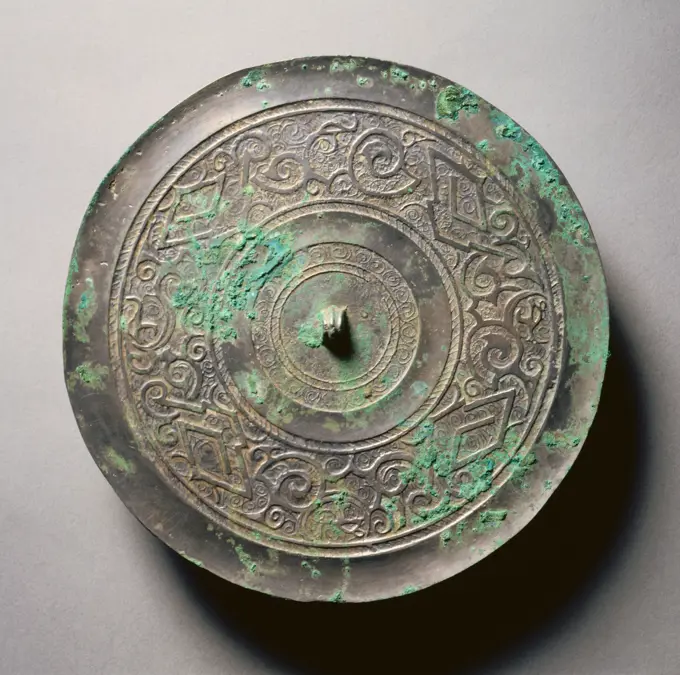
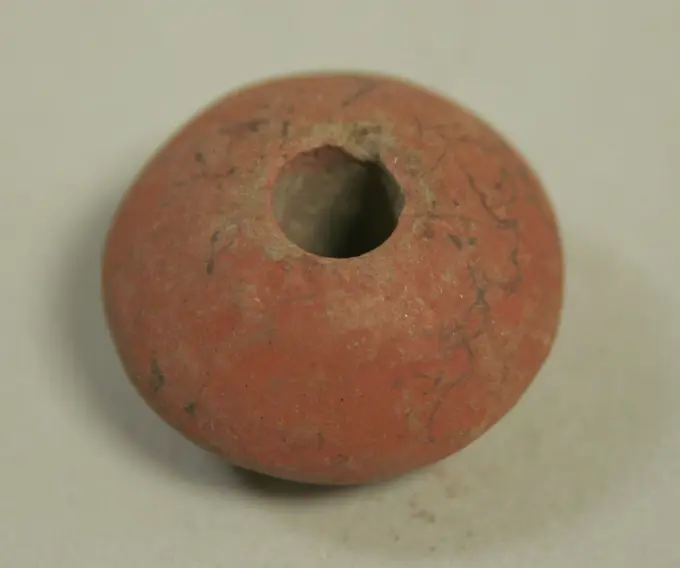
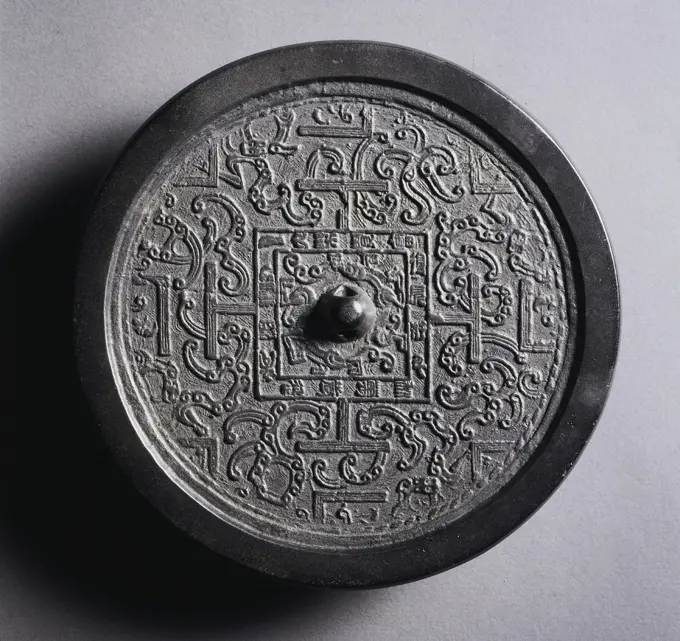
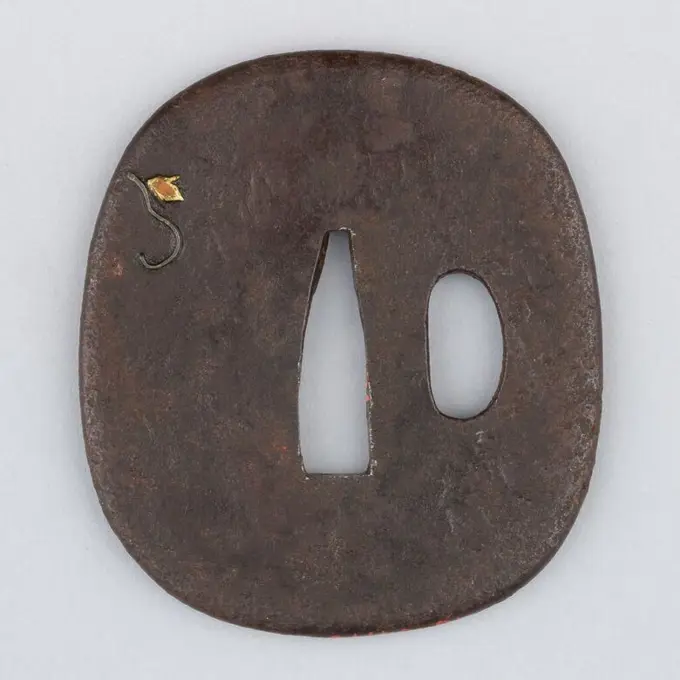
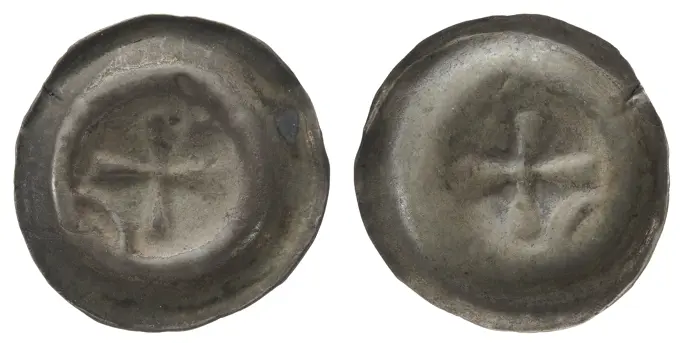
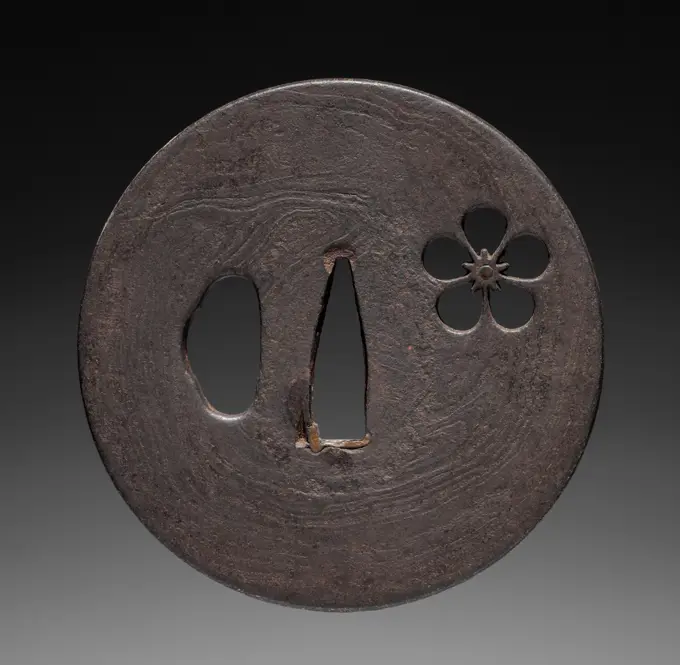
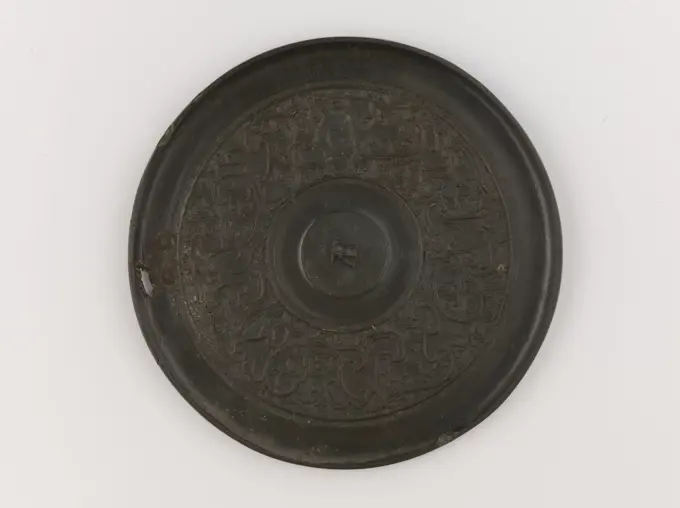
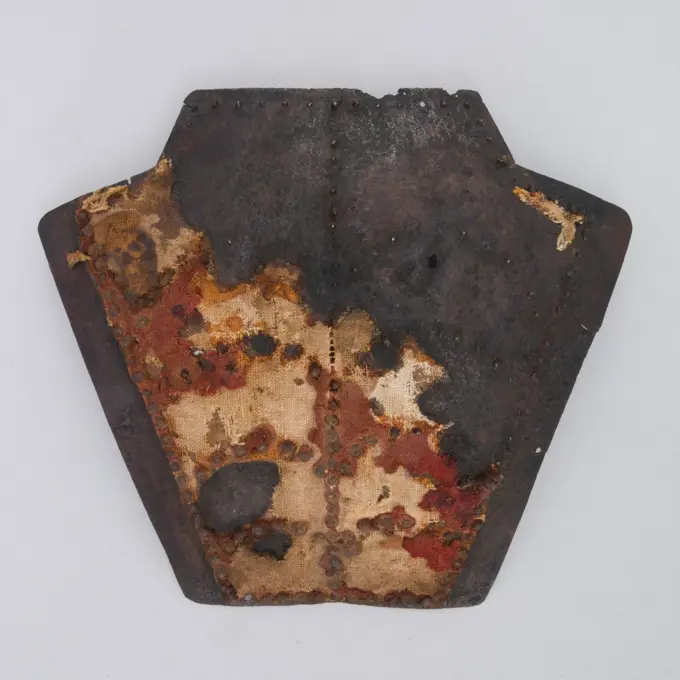
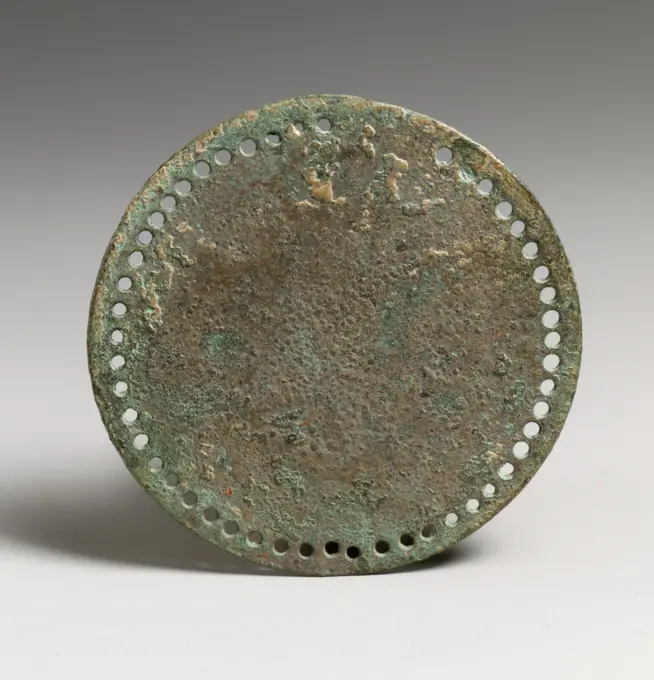
Disc (bi) 300 BCE-100 BCE China. Jade .. Round tsuba with on both sides in potted and smooth polished shirome bundles noshi (bars smoked meat from the awabi snail); Along the exterior of the edge remains of gold and silver Nunome-Zogan; Signed "Hazama".Bit Boss. Culture: Italian. Dimensions: Diam. 3 7/16 in. (8.7 cm); Wt. 4 oz. (114 g). Date: late 16th - early 17th century.Bit bosses were ornamental elements decorating both sides of a horse bit. The decoration of this very popular kind of Italian bit boss imitates traditional Venetian filigree. Museum: Metropolitan Museum of Art, New York, USA.Carnavalet museum, medal collection Right head of the Duke of Orleans on the left; Reverse registration on six lines.Sword Guard (Tsuba) ca. 3rd century-538 Japanese A tsuba is a sword guard and part of a sword mounting. It is mounted between the swords blade and grip to protect the users hands.. Sword Guard (Tsuba) 30009Bowl. Phoenicia, second half of 8th century B.C.. Furnishings; Serviceware. Bronze, hammeredTsuba, Pierced iron, engraved brass inlay, The iron tsuba is round in shape, with sukashi (openwork), and has hon zogan (true inlay) decoration of shinchu hira (flat brass) showing mon-jirushi ni mogosa (various crests with waterweed). This Bizen Yoshiro style of inlay does not stand above the surface of the iron, and was a specialty of the Fushimi Yoshiro, Takahashi school., At the center is the nakago-ana, an opening through which the sword passes. At left is sashi ura, the side which faces the blade. Its opening takes the hangetsu-kei (half moon) shape and has shinchu fukurin (brass rim) covers. Surrounding these openings, is the seppadai, a flat oval area that is migaki (burnished). The rim of the tsuba is round, or maru-mimi., Japan, 1596-1615, metalwork, Decorative Arts, TsubaSword Guard (Tsuba) ca. 1615-1868 Japanese A tsuba is a sword guard and part of a sword mounting. It is mounted between the swords blade and grip to protect the users hands.. Sword Guard (Tsuba) 25806Cymbal 30 B.C.-A.D. 364 Roman Period. Cymbal 551062Tin plate, with at least four marks, plate crockery holder soil find tin metal, cast Pewter plate Flat flat short shoulder and flat edge. Four times stamped tin marks and master brands, private label With arrowhead and initials CG Crowned Tudorroos circle with pearl border containing an apple And the initials; BW Archeology food serve serving table Rotterdam Soil discovery Rotterdam.Sword Guard (Tsuba). Culture: Japanese. Dimensions: H. 2 15/16 in. (7.5 cm); W. 2 13/16 in. (7.1 cm); thickness 3/16 in. (0.5 cm); Wt. 1.9 oz. (53.9 g). Date: late 17th century. Museum: Metropolitan Museum of Art, New York, USA.False Coin, Władysław Jagiełło (1386 1434), Kwartalnik Mały (Ternar); 1399/1400 unknownMirror. Culture: China. Dimensions: Diam. 6 7/8 in. (17.5 cm). Museum: Metropolitan Museum of Art, New York, USA.Mirror with three dragons.Mirror, Anonymous, -500 --200 Decor with four birds and star -shaped middle area with peak -shaped foothills; Fond consisting of spirals, dots, etc. The patina is clear green and brown. China bronze (metal) Decor with four birds and star -shaped middle area with peak -shaped foothills; Fond consisting of spirals, dots, etc. The patina is clear green and brown. China bronze (metal)Sword Guard (Tsuba). Culture: Japanese. Dimensions: H. 2 9/16 in. (6.5 cm); W. 2 7/16 in. (6.2 cm); thickness 1/8 in. (0.3 cm); Wt. 2 oz. (56.7 g). Date: ca. 1615-1868. Museum: Metropolitan Museum of Art, New York, USA.Meesing, round ornamented ornament or batter, ornament batter soil found copper brass metal, whipped driven brass ornament batter or lid Machined in high relief. Around central bulge seven-bladed flower just thistle-like elevation along the edge Puntdecor on all surfaces pieces of archeology Rotterdam Hillegersberg-Schiebroek Terwegge Stoopweg rail tunnel adorn close Soil discovery Rotterdam found on the Stoopweg in the dump from the route of the rail tunnel.False Coin, Władysław Jagiełło (1386 1434), Kwartalnik Mały (Ternar); 1399/1400 unknownRound Plaque 3rd century B.C.-A.D. 2nd century Vicús. Round Plaque 315582Elbow Defense (Couter). Culture: Italian. Dimensions: H. 7 in. (17.8 cm); W. 5 in. (12.7 cm); D. 7 1/8 in. (18.1 cm); Wt. 12.6 oz. (357.2 g). Date: ca. 1430-40. Museum: Metropolitan Museum of Art, New York, USA.Ornamental dish of tin with tires decorated with tifes, insects and birds, Hans Zatzer, c. 1600 - Before 1618 Sier dish from Tin. The slightly vaulted flat is surrounded from the inside to the outside by a double egg list, a band with birds in the midst of rank motifs and an egg list. The rise from flat to edge is unadorned. The edge is decorated from the inside to the outside with an egg list, a bond with insects in the middle of rank motifs, and four egg lists of different width. Nuremberg tin (metal) Sier dish from Tin. The slightly vaulted flat is surrounded from the inside to the outside by a double egg list, a band with birds in the midst of rank motifs and an egg list. The rise from flat to edge is unadorned. The edge is decorated from the inside to the outside with an egg list, a bond with insects in the middle of rank motifs, and four egg lists of different width. Nuremberg tin (metal)Grahal-Manzara. Carnavalet 2013-2016 collection sites. Numismatics.Pair of Ear Spools 1100-1470 North Coast. Silver . ChimúDisc-shaped lead weight with embossed stamps, weight ground find lead metal, gram cast Disc-shaped stamps stamped on both flat sides, probably one gauge Top-stamped mark in circle: S archeology Rotterdam rail tunnel roads Soil discovery: rail tunnel Rotterdam.Goldsmith's art, Italy, 15th century. Paten. Roman manufacture.Mirror with scalloped edge, four birds and arabesques, anonymous, -500 - -200 Four birds in midfield, combined with elegant arabesks; scalloped edge. The patina is light green and lead. China bronze (metal) Four birds in midfield, combined with elegant arabesks; scalloped edge. The patina is light green and lead. China bronze (metal)Tsuba; iron, shakudo (copper and gold alloy)Spindle Whorl, 700s - 900s. Iran, early Islamic period, 8th - 10th century. Bone, incised; overall: 0.7 x 1.6 x 1.6 cm (1/4 x 5/8 x 5/8 in.).Ewer 8th-9th century. Ewer 448995Spindle Whorl 8th-10th century The dot-in-circle motif recalls designs presumed to be of magical significance, most likely an abstract eye to ward off the evil-eye, which serve an apotropaic function. Easily reproduced with a tool and visible in many cultures and times, this symbol may have lost its meaning, and become simply a decorative pattern, or may have one that we have not yet discovered.. Spindle Whorl 454683Disk Brooch 7th century Frankish. Disk Brooch 464854 Frankish, Disk Brooch, 7th century, Gold, wire, paste, copper alloy rim, iron pin, Overall: 7/8 x 5/16 in. (2.3 x 0.8 cm). The Metropolitan Museum of Art, New York. Gift of J. Pierpont Morgan, 1917 (17.191.160)Temperance-Schotel Van Tin, François Briot, 1585 - 1590 Temperatia dish from Tin. The flat has an elevation in a middle with a representation of moderation. On the low part of the flat, the four elements are depicted in Ovalen, separated by Hermen in Rolwerk. Clockwise: fire, air, water and earth. The rise from flat to edge is undecorated. The edge is decorated with Ovalen, separated by Grotesken in Rolwerk, the Seven Free Arts and Minerva. Clockwise: Astrologia, Minerva, Grammar, Dialectics, Rhetorica, Musica, Arithmetics and Geometria. A medallion portrait of François Briot has been installed on the bottom. France tin (metal) casting Temperatia dish from Tin. The flat has an elevation in a middle with a representation of moderation. On the low part of the flat, the four elements are depicted in Ovalen, separated by Hermen in Rolwerk. Clockwise: fire, air, water and earth. The rise from flat to edge is undecorated. The edge is decorated with Ovalen, separated by Grotesken in Rolwerk, Cut. Cream covered sandstone inside, brunette outside. Provenance: Vietnam. Paris, Cernuschi museum. 78819-30 Cut, archeological object, dishesButton from the wreck of the East India hollandia.knoop. (1) Eroded, Flat Base, Beaded Rim (1.3D, 0.2T), (Stone) Setting Missing, Key-ShankCymbal, 1825 - 1832 musical instrument. percussion instrument Round cimbal (brass) with a spherical elevation with a hole in the middle. Netherlands copper (metal)Sword Guard (Tsuba) with Cherry Blossoms, c. 1615-1868. Japan, possibly Edo period (1615-1868). diameter: 7 cm (2 3/4 in.).Bronze shield boss. Culture: Etruscan. Dimensions: diameter 9 1/8in. (23.2cm). Date: 7th century B.C..Convex bronze discs, often with punched or incised ornament, were frequently attached to wooden, leather, or bronze shields. Many of the shields found in seventh century B.C. Italic and Etruscan chamber tombs were made for ceremonial or funerary purposes; they were too fragile to have had any practical use in combat. Museum: Metropolitan Museum of Art, New York, USA.Jewellery buried with a woman. From the Anglo-Saxon, Beckford grave; part of the Staffordshire Hoard, excavated at Beckford, Worcestershire, in the 1950s. burials dating to around 475-550 ADSpindle Whorl 10th-early 16th century Mexican. Spindle Whorl 307553Shield with Hunting and Landscape Vignettes. Dimensions: Diam. 21 11/16 in. (57.7 cm). Date: second half 17th century.The Mughal aesthetics are reflected in its weaponry. This shield, which belongs to the first quarter of eighteenth century, is ornately decorated with inlaid gold decoration on its rim and knob. The subject depicted on the border of the rim shows the ruler who is accompanied by his attendants' aims with his rifle, gallops on a horse with a lance in his hand or attacks a furious lion. The hunting scene depicts dynamic movement with dogs and tiger jumping on their prey and an aggressive elephant trampling with a broken chain in its rear foot. The outer border contains stylized floral and leaf motifs characteristic of the period of Mughal Emperor Aurengzeb Alamgir. The central knob of the shield bears an intricately engraved landscape with architecture and rock formation. The profuse ornamentation of this shield suggests that it was likely a royal object. Museum: MetropolMicaceous schist spindle whorl ca.1200-1050 B.C. Cypriot. Micaceous schist spindle whorl 243881Mirror with Images of Daoist Deities 100 CE-299 CE China. Mirrors of the Han dynasty were designed to procure blessings of longevity for the living and to guide the soul of the deceased toward immortal bliss. The images cast on the back of this mirror figured prominently in the quest for immortality that pervaded Han China. Two venerated deities that were later incorporated into the Taoist pantheonóthe Queen Mother of the West (Xi Wang Mu) and the King Father of the East (Dong Wang Kong)óare seated opposite the central knob. Each is attended by immortals, identified by their whisks. Horse-drawn chariots may be interpreted as vehicles to escort the soul on its journey between this world and the next.. Bronze .Disk Brooch 6th century Frankish. Disk Brooch 465232 Frankish, Disk Brooch, 6th century, Copper alloy, glass paste, remnants of iron pin, Overall: 1 x 1/2 in. (2.5 x 1.3 cm). The Metropolitan Museum of Art, New York. Gift of J. Pierpont Morgan, 1917 (17.192.171)Mirror, 4th-3rd century BCE, 6 1/4 × 1/4 in., 0.7 lb. (15.88 × 0.64 cm, 0.3 kg), Bronze, China, 4th-3rd century BCETsuba (common name). SUKI - Dashi - Bori - Taka - Zôgan (Relief inlay). Cernuschi Museum, Asia Museum of Asia in the city of Paris.Disc. UnknownCup ". GRS covered ivory green reflections. Paris, Muse Cernuschi. Coupe Asian art, extreme-East art, Vietnamese art, ceramic, cut, gres, dishesMirror 10th-14th century Korea. Mirror. Korea. 10th-14th century. Bronze. probably Goryeo dynasty (918-1392). MirrorsRound Plaque 3rd century B.C.-A.D. 2nd century Vicús. Round Plaque 315578Grahal-Manzara. Carnavalet 2013-2016 collection sites. Numismatics.Disc (bi) 300 BCE-100 BCE China. Jade .Loden penny with two holes and 4 smashed, penning image material soil finding lead metal, Oval with two holes 4 (debarked front) archeology Rotterdam City Triangle Kralingen-Crooswijk Struisenburg Admiraliteitskade Soil discovery: Admiraliteitskade Rotterdam.Sword Guard (Tsuba) ca. 3rd century-538 Japanese A tsuba is a sword guard and part of a sword mounting. It is mounted between the swords blade and grip to protect the users hands.. Sword Guard (Tsuba) 35188Button or Bead or Spindle Whorl 9th-10th century The dot-in-circle motif recalls designs presumed to be of magical significance, most likely an abstract eye to ward off the evil-eye, which serves an apotropaic function. Easily reproduced with a tool and visible in many cultures and times, this symbol may have lost its meaning, and become simply a decorative pattern, or may have one that we have not yet discovered.. Button or Bead or Spindle Whorl 449253sesterce; Julia Domna (Ca 160-217; Roman Empress 193-211); 196-209 (177-00-00-177-00-00);Openwork Plaque last half of 6th and first half of 7th century Frankish. Openwork Plaque 465541 Frankish, Openwork Plaque, last half of 6th and first half of 7th century, Copper alloy, Overall: 2 1/4 x 1 15/16 x 1/16 in. (5.7 x 5 x 0.1 cm). The Metropolitan Museum of Art, New York. Gift of J. Pierpont Morgan, 1917 (17.193.220)Iron padlock, triangular in shape, padlock lock closing device soil find iron metal, forged Triangular iron padlock with flat bracket. Keyhole in imposed semi-circular strip at the front archeology Rotterdam rail tunnel close security theft prevention property Soil discovery: trajectory rail tunnel Rotterdam.Driving slope of Nijmegen, driving chute currency money swap ground find silver, minted, city coat of arms Nijmegen with crown year edge lettering, 1691 MO. NO. ARG. CIV. NOVIOMAGENSIS (New silver money from the city of Nijmegen) Mintmaster's mark: Negro head archeology Rotterdam Kralingen-Crooswijk Struisenburg Oostmaaslaan pay heraldry Soil discovery: Oostmaaslaan at the site of the Schieland pumping station.AGUAMANILES DE SAN JUAN DE LA PEÑA DE LA CATEDRAL DE SAN SALVADOR (DEPOSITO: MUSEO DIOCESANO) . JACA, HUESCA, ARAGON, ESPAÑA.Sword Guard (Tsuba). Culture: Japanese. Dimensions: H. 2 7/8 in. (7.3 cm); W. 2 5/8 in. (6.7 cm); thickness 3/16 in. (0.5 cm); Wt. 3.5 oz. (99.2 g). Date: 17th century. Museum: Metropolitan Museum of Art, New York, USA.Sword Guard (Tsuba) 17th-18th century Japanese A tsuba is a sword guard and part of a sword mounting. It is mounted between the swords blade and grip to protect the users hands.. Sword Guard (Tsuba) 34948False coin, button bracteate, twelfth thirteenth centuriesMunt from V.O.C.-ship De 'Witte Leeuw', Before 1613 coin Mint from V.O.C. ship the 'Witte Leeuw'. Chinese red copper mint from a barrel. China copper (metal)   Sint-HelenaSpindle Whorl 10th-early 16th century Mexican. Spindle Whorl 307713Ceremonial Disk (Bi), 3300-2200 BC. East China, Neolithic period, Liangzhu culture (3300-2200 BC). Jade (nephrite); diameter: 32 cm (12 5/8 in.); overall: 1 cm (3/8 in.); inner diameter: 5.4 cm (2 1/8 in.).Mirror, 794-1185. Japan, Heian period (794-1185). Bronze; diameter: 8.6 cm (3 3/8 in.).Miniature Dish 11th-12th century This bowl was unearthed at Nishapur in excavations carried out by the MET in the 1930s and 1940s and was acquired by the Museum through a division of finds with the Iranian government at the time.The dish was most probably made in the 11th or 12th century, when potters were experimenting with new technologies such as stonepaste. Early stonepaste vessels were mostly monochrome-glazed, in turquoise, purple, white, blue, with an occasional splash of a different color. They displayed a range of inventive shapes, such as small bowls and dishes with scalloped, lobed, and variably decorated rims, including miniature ones like this object.. Miniature Dish. 11th-12th century. Stonepaste; glazed. Excavated in Iran, Nishapur. CeramicsTrilobate Cuirass; Italy; 4th century B.C; Bronze;Round Plaque. Culture: Vicús. Dimensions: Diam. 2 15/16 in. (7.5 cm). Date: 3rd century B.C.-A.D. 2nd century. Museum: Metropolitan Museum of Art, New York, USA.Sword Guard (Tsuba). Culture: Japanese. Dimensions: Diam. 2 7/8 in. (7.3 cm); thickness 3/16 in. (0.5 cm); Wt. 4.7 oz. (133.2 g). Date: ca. 1615-1868. Museum: Metropolitan Museum of Art, New York, USA.Grahal-Manzara. Carnavalet 2013-2016 collection sites. Numismatics.Round Box with Decoration of Two Pheasants and Peonies, late 1200s. China, late Southern Song (1127-1279) - early Yuan dynasty (1271-1368). Carved lacquer; overall: 21 x 40.6 cm (8 1/4 x 16 in.); lid: 8.5 x 40.6 cm (3 3/8 x 16 in.); bottom: 12.5 x 40.6 cm (4 15/16 x 16 in.). This box is among the extremely rare and precious carved lacquer ware from the Song and early Yuan period and is arguably one of the most monumental and significant examples of the type. It exhibits extremely fine craftsmanship. To allow for the depth of carving, numerous layers of different colored lacquer were applied to a core of wood strengthened by a fabric covering impregnated with lacquer. Each layer was allowed to set before the next was applied, taking a long time to construct the lacquered body before the carving could begin.Carved on top with two birds in flight against a floral ground and a band of spiral scrolls, it is a bold manifestation of the naturalistic and abstract approaches to carved lacquer Terracotta phiale (libation bowl) 3rd century B.C. Greek, South Italian, Campanian, Calenian Frieze of chariots and divinities.. Terracotta phiale (libation bowl). Greek, South Italian, Campanian, Calenian. 3rd century B.C.. Terracotta; black-glaze. Hellenistic. VasesSpindle Whorl 9th-15th century Mexican. Spindle Whorl. Mexican. 9th-15th century. Ceramic. Mexico, Mesoamerica. Ceramics-ImplementsSword Guard (Tsuba). Culture: Japanese. Dimensions: H. 2 7/8 in. (7.3 cm); W. 2 9/16 in. (6.5 cm); thickness 3/16 in. (0.5 cm); Wt. 3.9 oz. (110.6 g). Date: ca. 1615-1868. Museum: Metropolitan Museum of Art, New York, USA.Button from the wreck of the East India hollandia. Button. (1) Concentric Molding (2.1D, 0.5T)Sword Guard (Tsuba) ca. 1615-1868 Japanese A tsuba is a sword guard and part of a sword mounting. It is mounted between the swords blade and grip to protect the users hands.. Sword Guard (Tsuba) 33479Bronze shield boss with griffin and sphinx frieze. Culture: Etruscan. Dimensions: diameter 4 5/16in. (11cm). Date: ca. 650 B.C..In repoussé, a procession of winged monsters. Museum: Metropolitan Museum of Art, New York, USA.Carnavalet Museum, Medals CollectionRod. Medal. The Count of Paris. Plaster. Nineteenth century. Museum of Fine Arts of the City of Paris, Petit Palais. 58763-4 Medal, inventory, numismatics, plaster, reverseSpindle Whorl, 700s - 900s. Iran, early Islamic period, 8th - 10th century. Bone, incised; overall: 0.6 x 2.5 x 2.5 cm (1/4 x 1 x 1 in.).Sword Guard (Tsuba). Culture: Japanese. Dimensions: Diam. 3 1/4 in. (8.3 cm); thickness 3/16 in. (0.5 cm); Wt. 3.5 oz. (99.2 g). Date: 18th century. Museum: Metropolitan Museum of Art, New York, USA.Sword Guard (Tsuba) ca. 1615-1868 Japanese A tsuba is a sword guard and part of a sword mounting. It is mounted between the swords blade and grip to protect the users hands.. Sword Guard (Tsuba) 33422Sword Guard (Tsuba). Culture: Japanese. Dimensions: H. 3 1/2 in. (8.9 cm); W. 3 1/4 in. (8.3 cm); thickness 3/16 in. (0.5 cm); Wt. 5.9 oz. (167.3 g). Date: late 16th century. Museum: Metropolitan Museum of Art, New York, USA.Mirror with Serpentine Interlaces and Angular Meanders, early 5th-late 3rd century BC. China, Eastern Zhou dynasty (771-256 BC), Warring States period (475-221 BC). Bronze; diameter: 17.9 cm (7 1/16 in.); overall: 0.9 cm (3/8 in.); rim: 0.2 cm (1/16 in.).Spindle Whorl 10th-16th century () Peruvian. Spindle Whorl 308371Button 8th-9th century The dot-in-circle motif recalls designs presumed to be of magical significance, most likely an abstract eye to ward off the evil-eye, which serves an apotropaic function. Easily reproduced with a tool and visible in many cultures and times, this symbol may have lost its meaning, and become simply a decorative pattern, or may have one that we have not yet discovered.TLV Mirror with Serpentine Interlaces, 125-1 BC. China, Western Han dynasty (202 BC-AD 9). Bronze; diameter: 14 cm (5 1/2 in.); overall: 1 cm (3/8 in.); rim: 0.5 cm (3/16 in.).Sword Guard (Tsuba). Culture: Japanese. Dimensions: H. 2 1/2 in. (6.4 cm); W. 2 1/4 in. (5.7 cm); thickness 3/16 in. (0.5 cm); Wt. 2.9 oz. (82.2 g). Date: ca. 1615-1868. Museum: Metropolitan Museum of Art, New York, USA.Spindle Whorl 10th-early 16th century Mexican. Spindle Whorl 307700bracteate denarius. Zakon krzyżacki (1190-), issuerSword Guard (Tsuba) with Plum, c. 1615-1868. Japan, possibly Edo period (1615-1868). Iron; diameter: 7.4 cm (2 15/16 in.).Mirror. Bronze, China, Han dynasty (206 BC AP.J.-C.). Paris, Cernuschi museum. Asian art, Chinese art, beauty, bronze, han dynasty, mirror, daily lifeBackplate from a Brigandine 15th century Italian This plate would have protected the area at the top of the wearer's back at the base of the neck and between the shoulder blades. It retains large sections of its original textile covering.. Backplate from a Brigandine 23151Morocco (French protectorate 1921-1924), 25 cents, poiss, without date (1924) Patey, Henri Auguste (1855 1930), Mennica PoissyJacobstaf's sight from the wreck of the East India Hollandia. Navigation, Cross Staffs' Vizor; ID. NG 1980-27H102, Squashed, Lugs.Mirror Roman, Cypriot. Mirror 244300Sword Guard (Tsuba) 1700-1750 Japanese A tsuba is a sword guard and part of a sword mounting. It is mounted between the swords blade and grip to protect the users hands.. Sword Guard (Tsuba) 33386Fragments sheet metal from the wreck of the East India hollandia.parts or artifacts; eroded fragments: Materials; Copper.Bliżej Kultury Constantine 2, Menna Antioch