Cultural Artifacts from Mexico

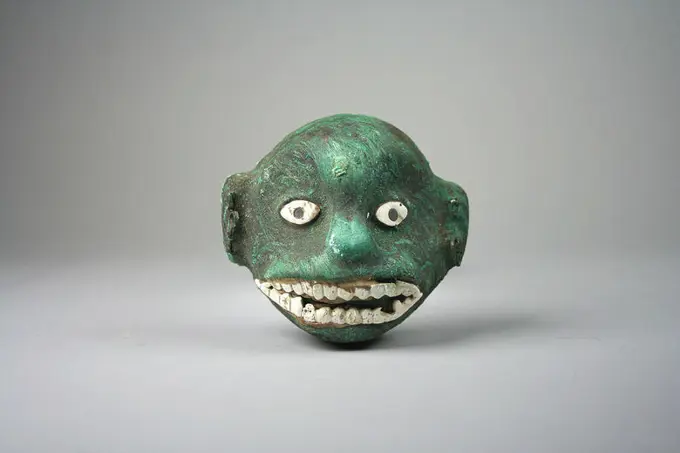
Numerous historical figures and masks from Mexico, including ceramic censer, wooden figures, and jade masks, highlighting indigenous artistry from ancient civilizations.
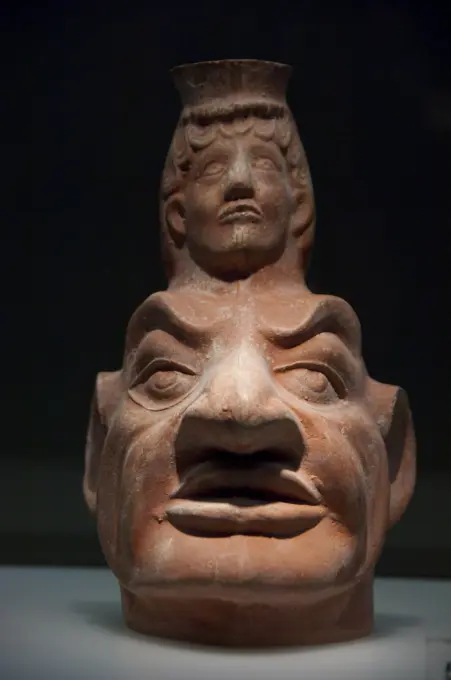
Germany, Cologne. Roman Germanic Museum (aka Romisch-Germanisches), ancient pottery container with face.
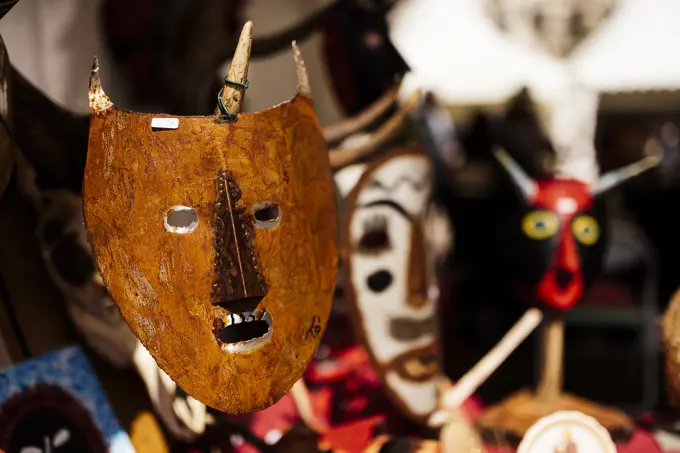
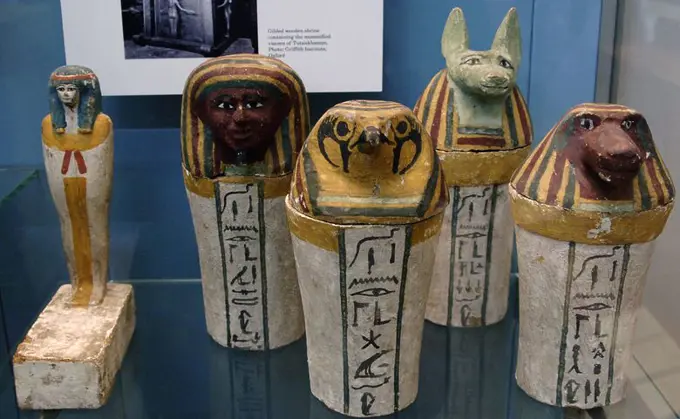
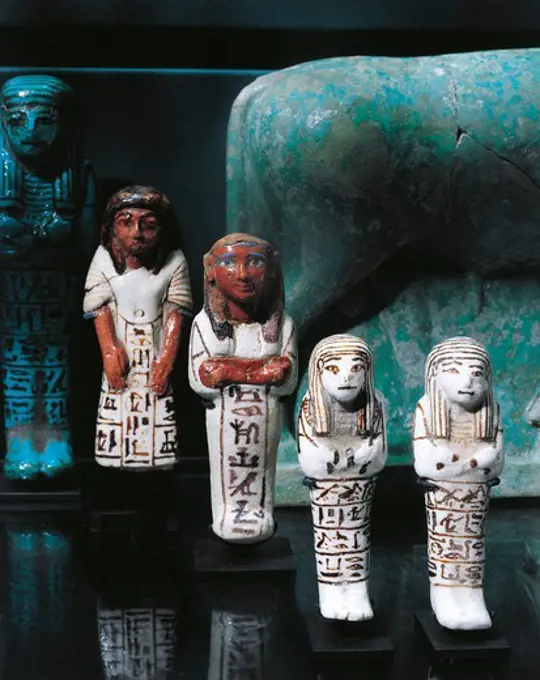
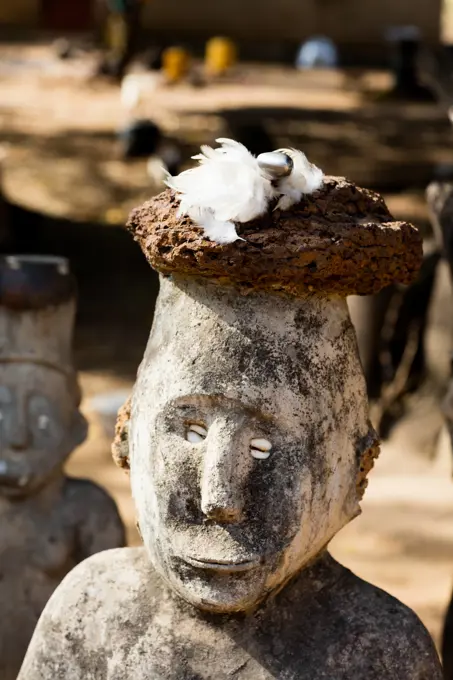
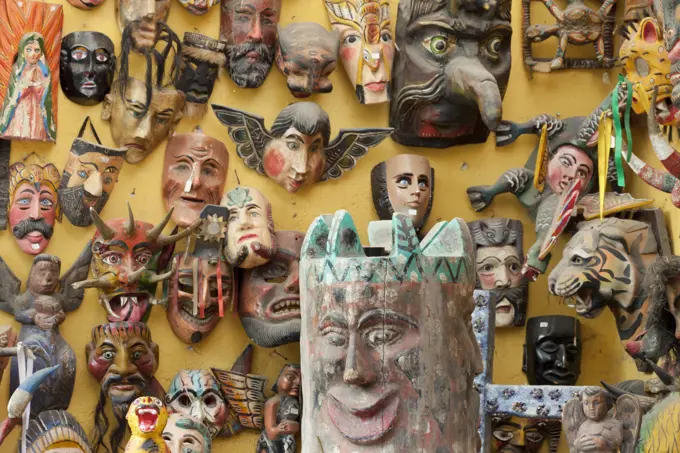
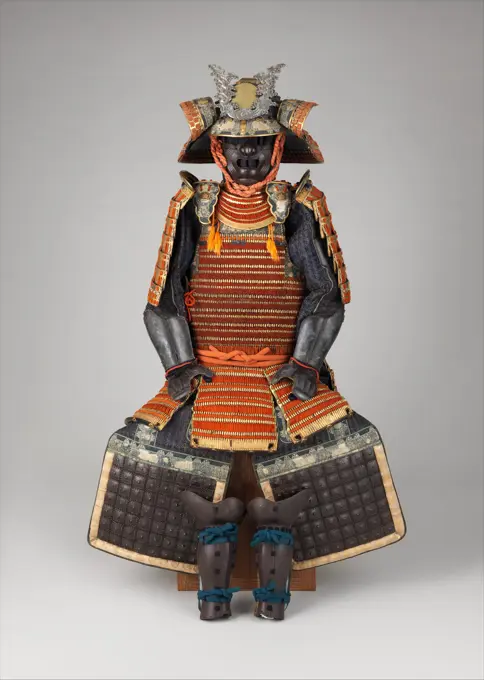
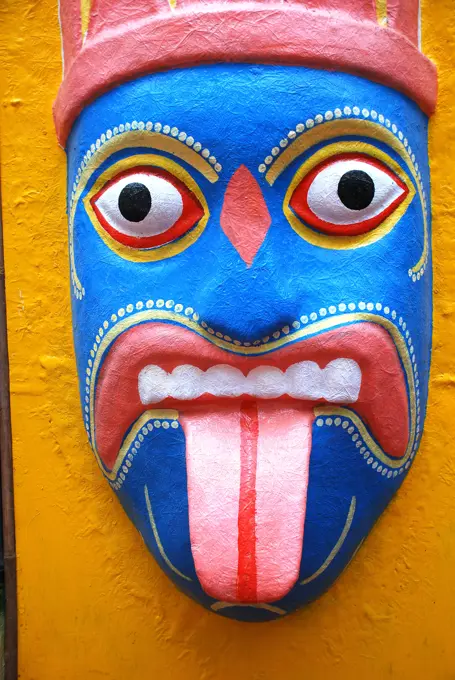
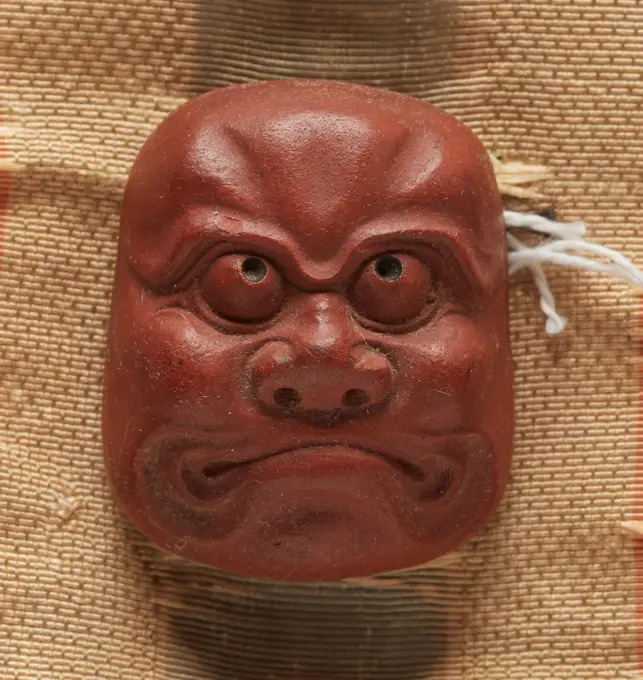
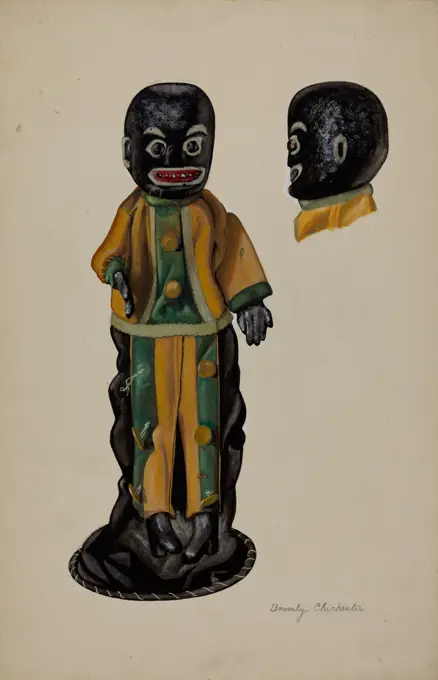
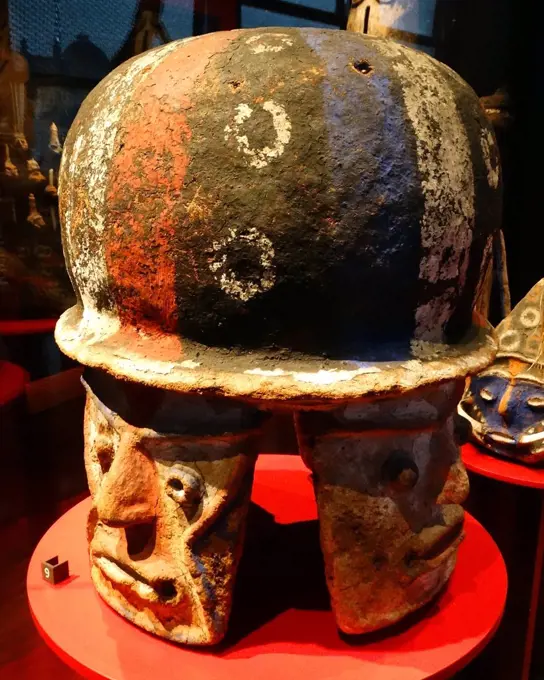
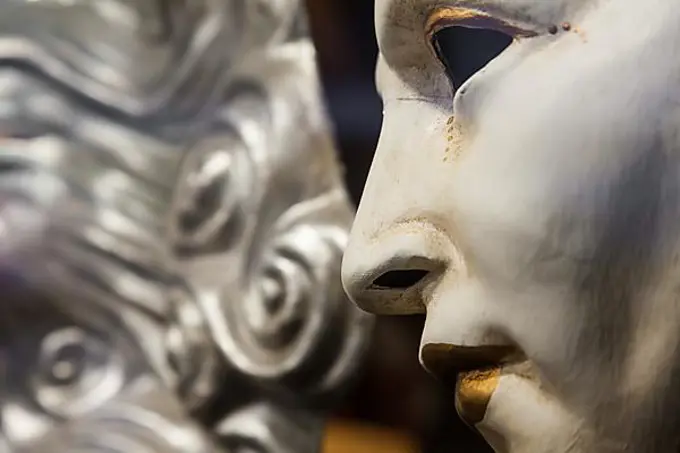
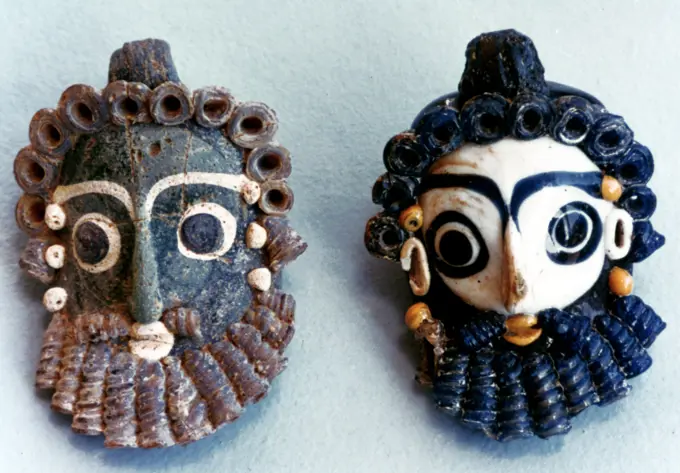
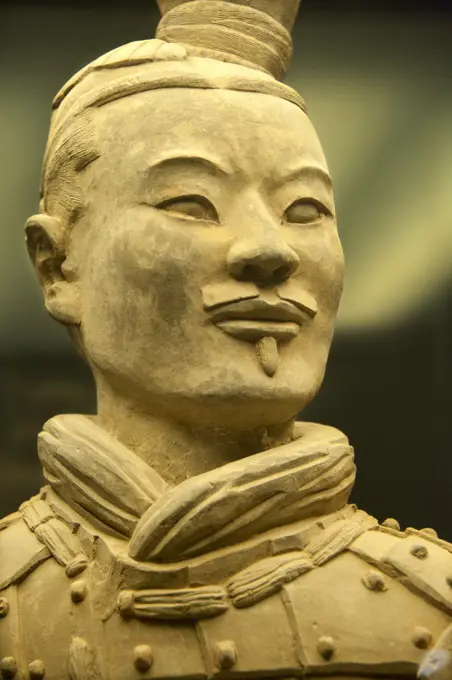
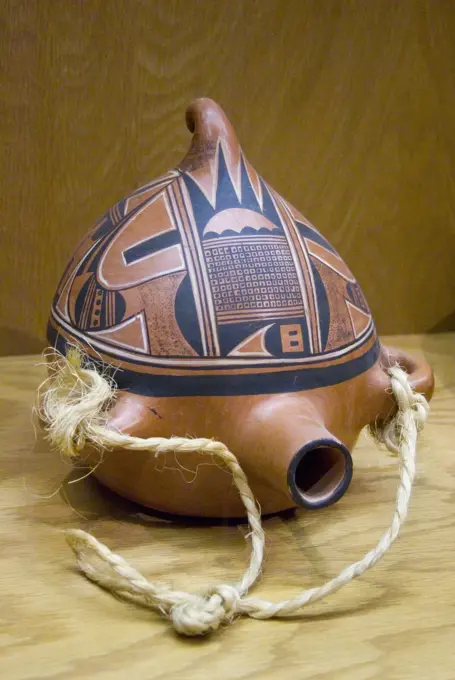
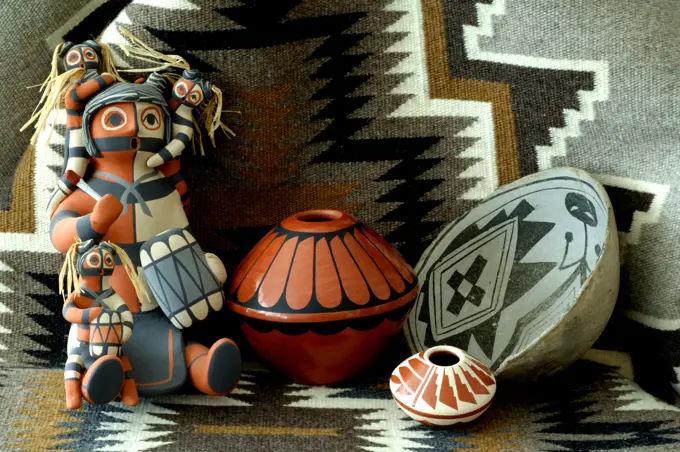
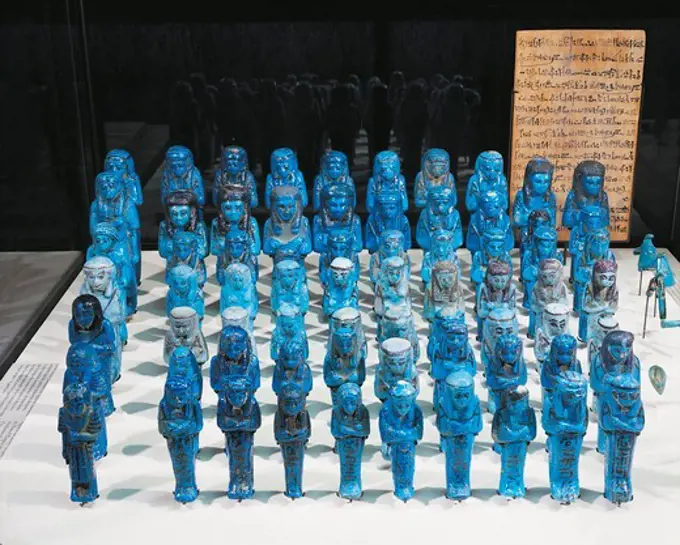
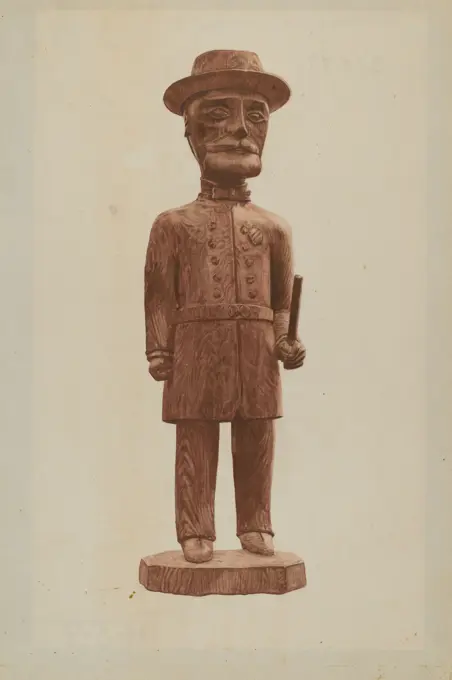
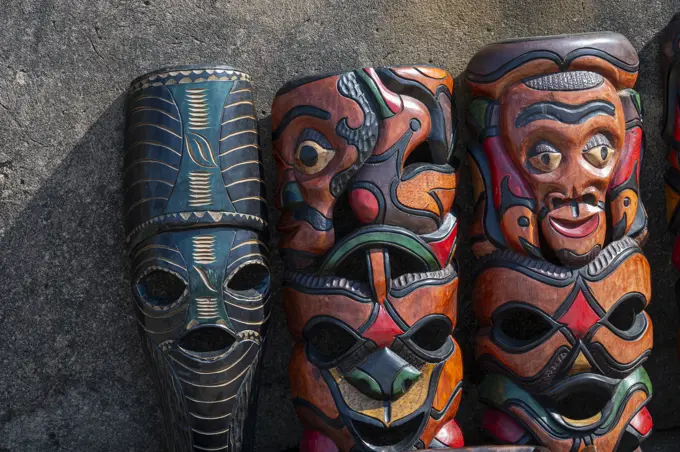
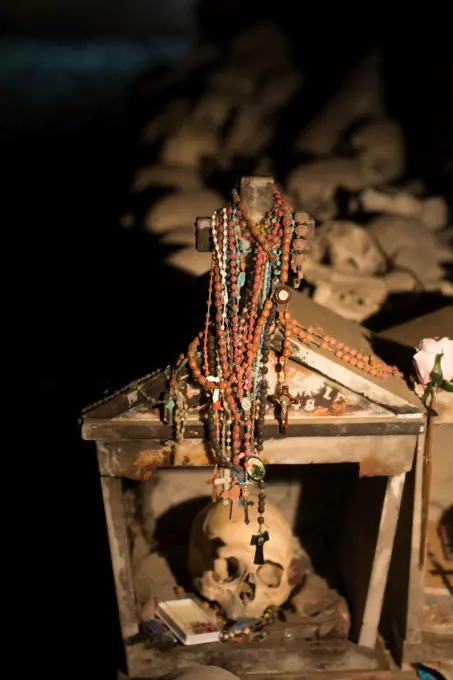
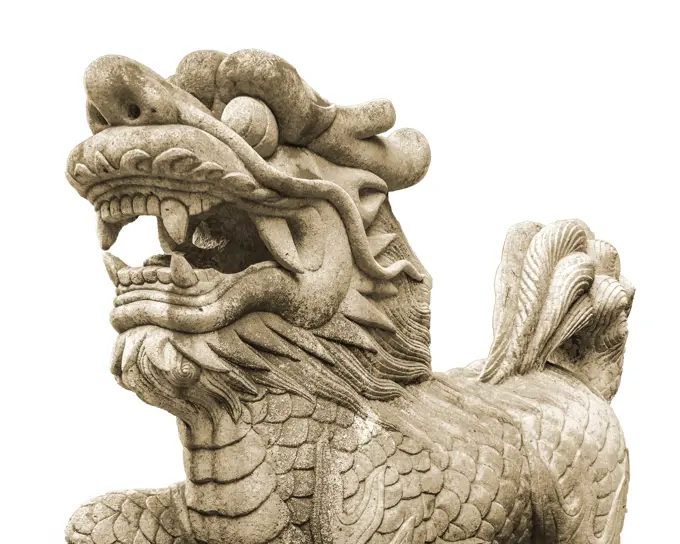
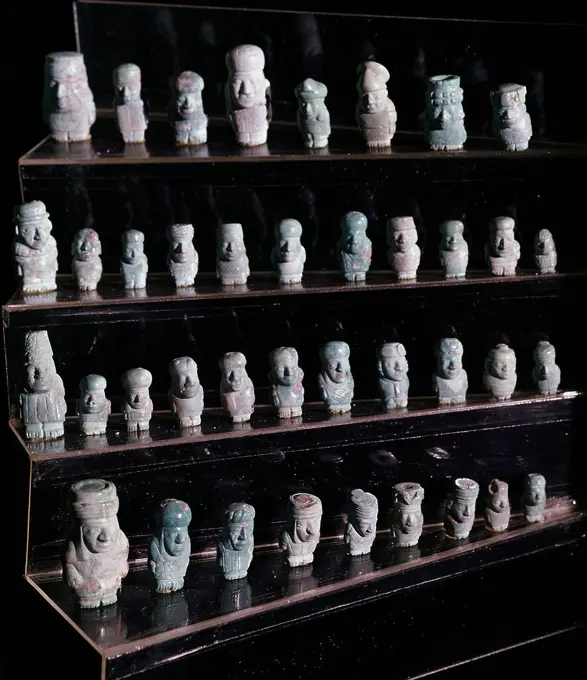
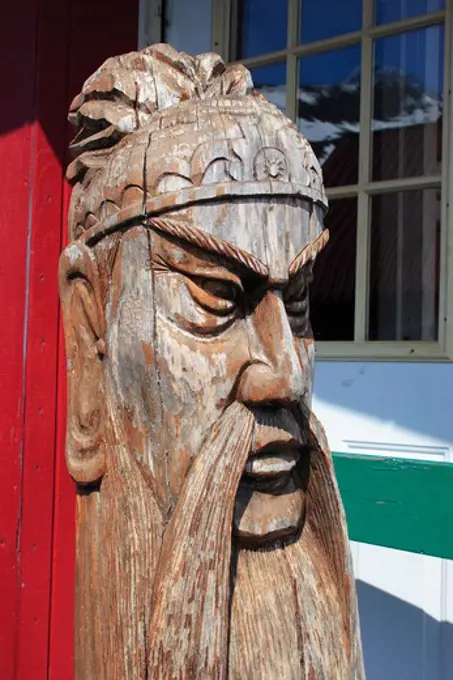
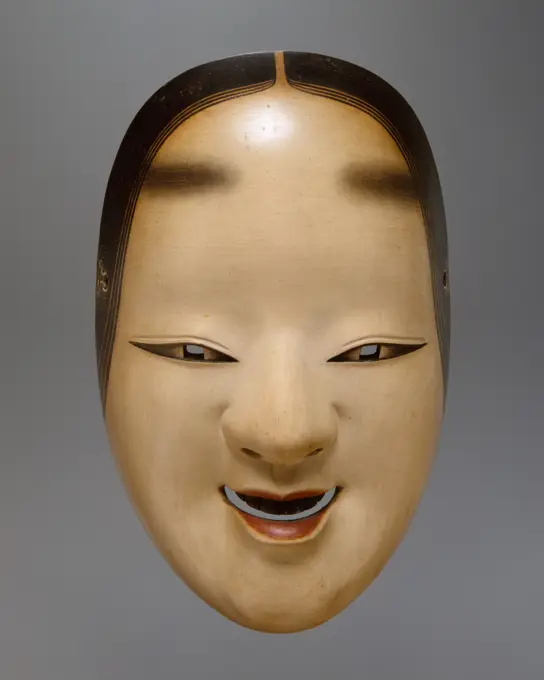
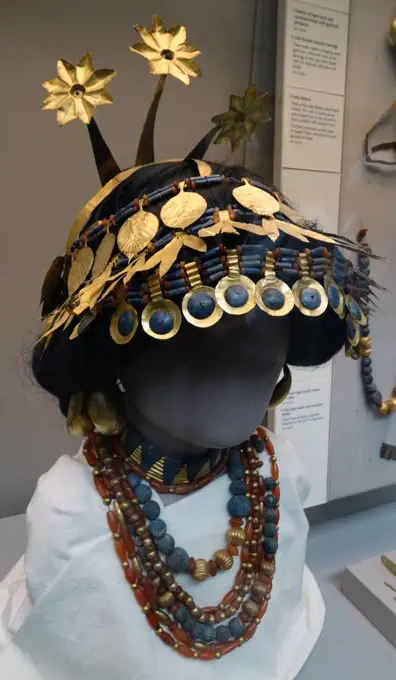
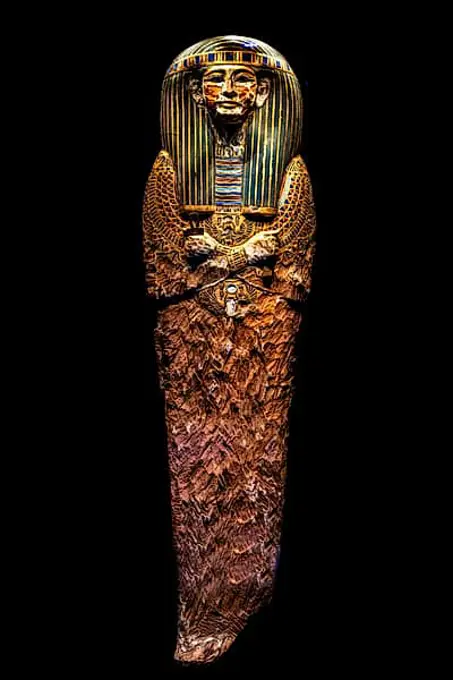
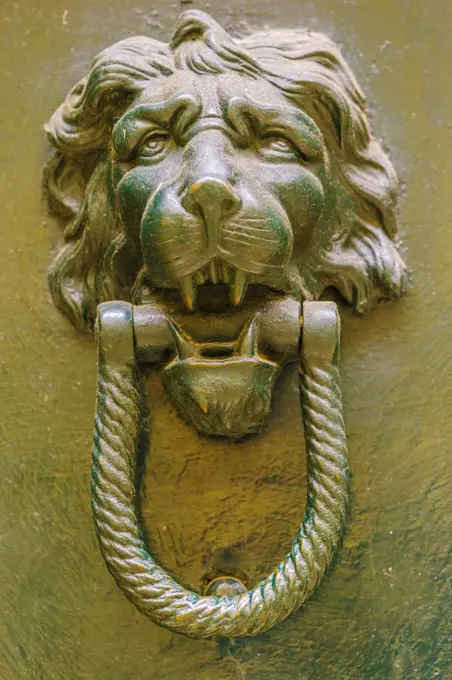
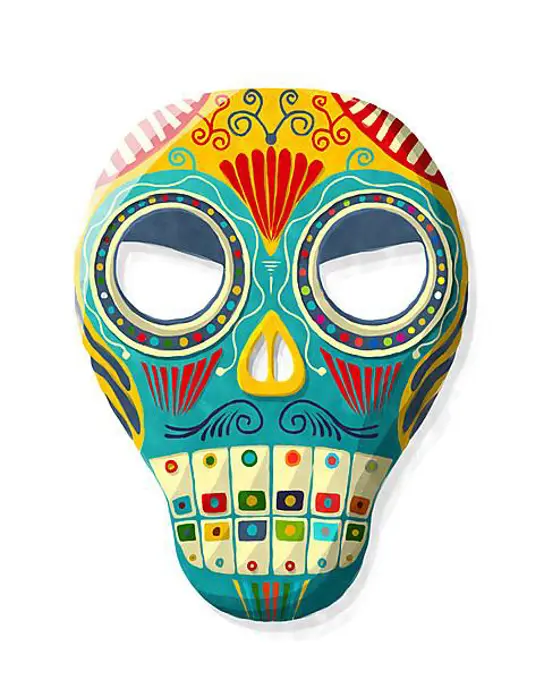
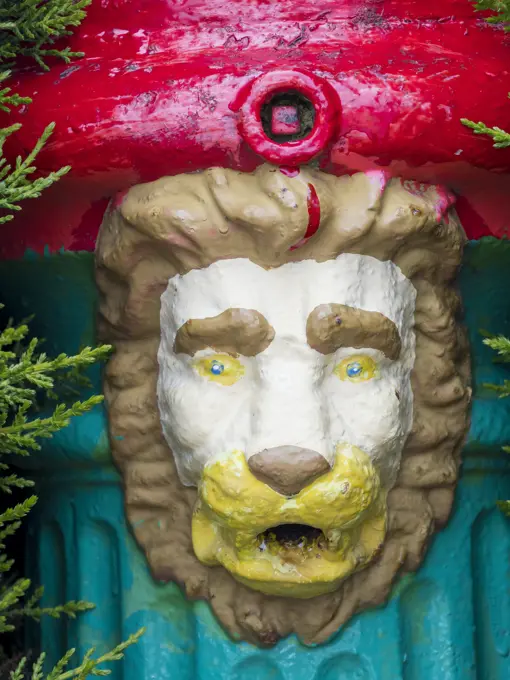
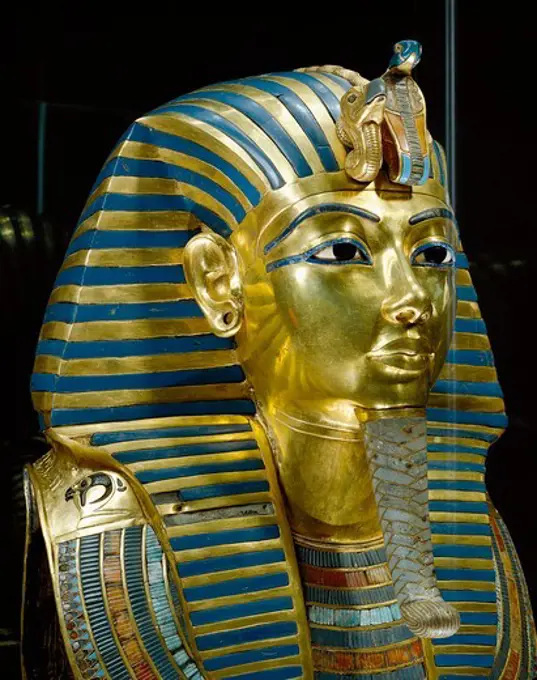
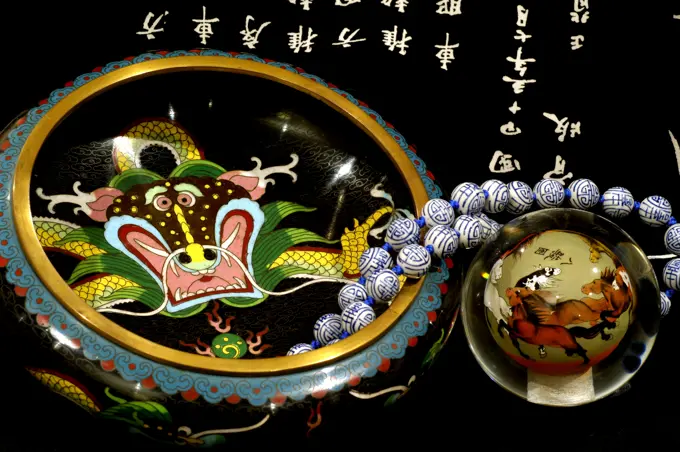
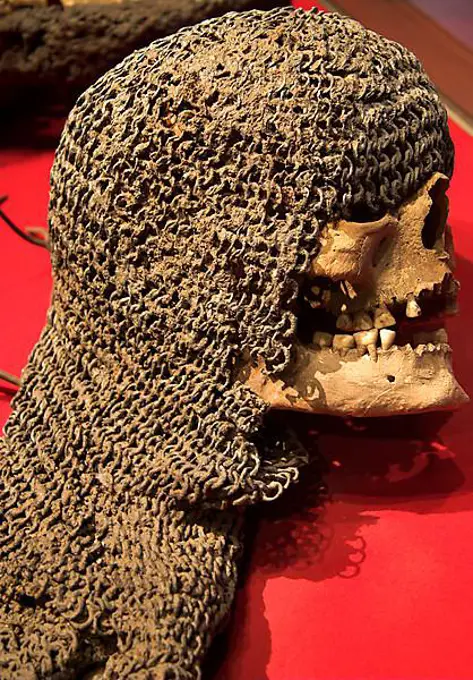
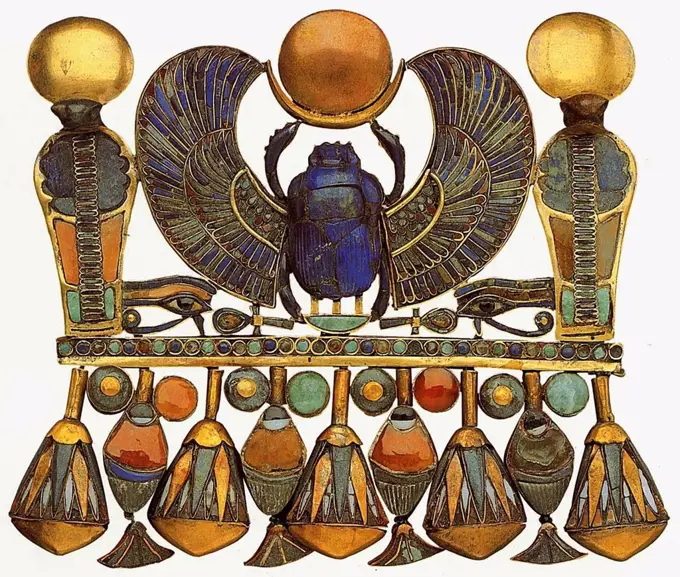
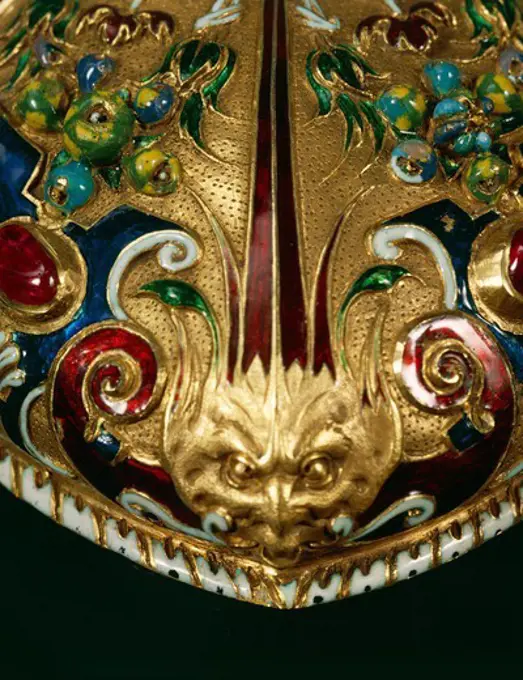
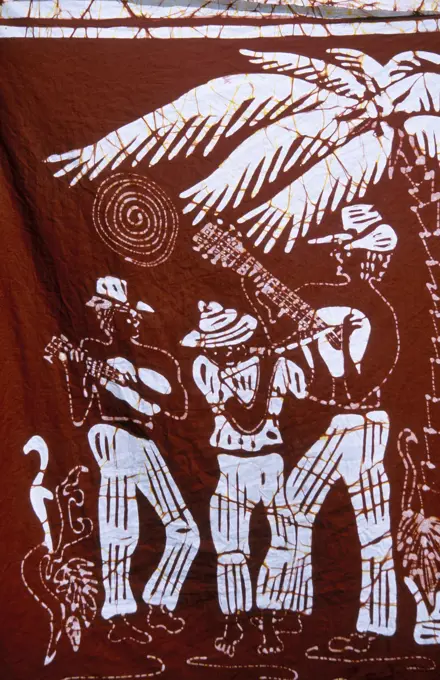
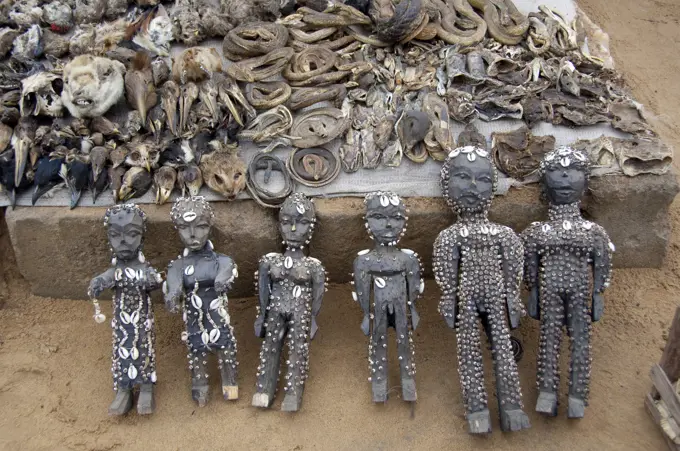
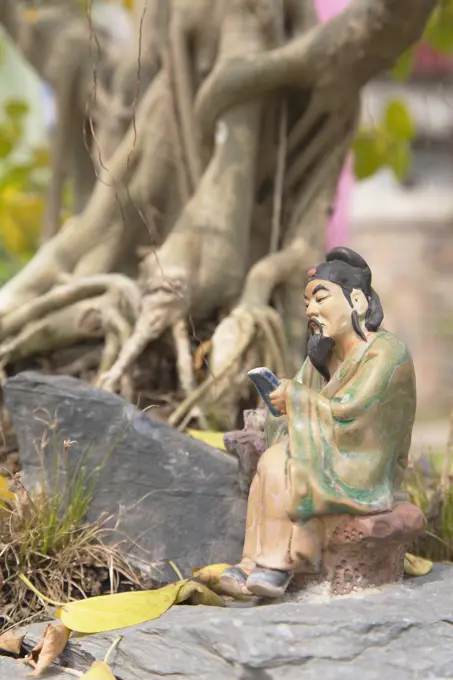
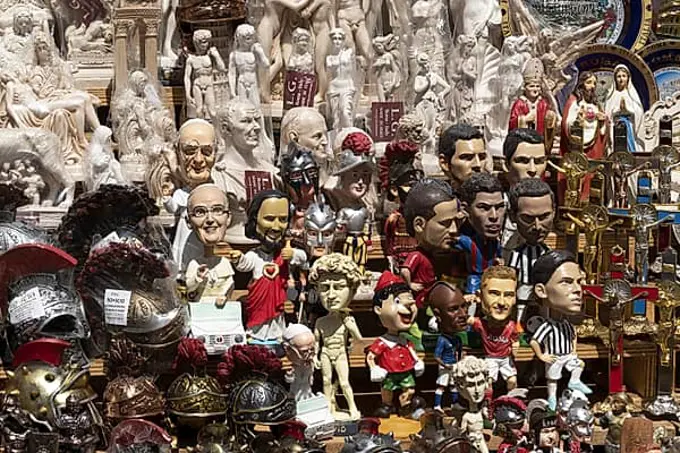
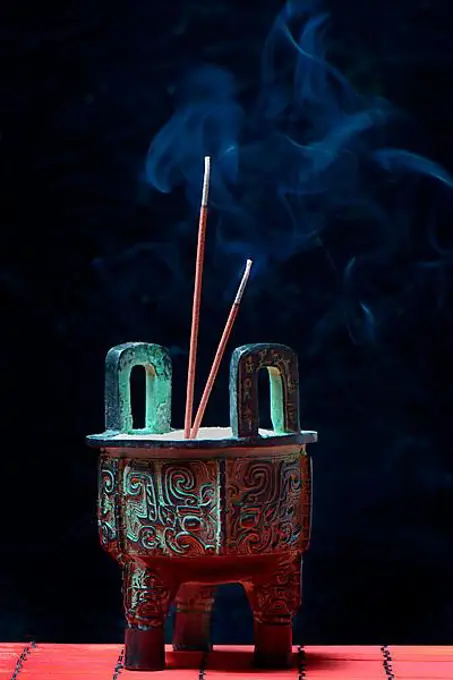
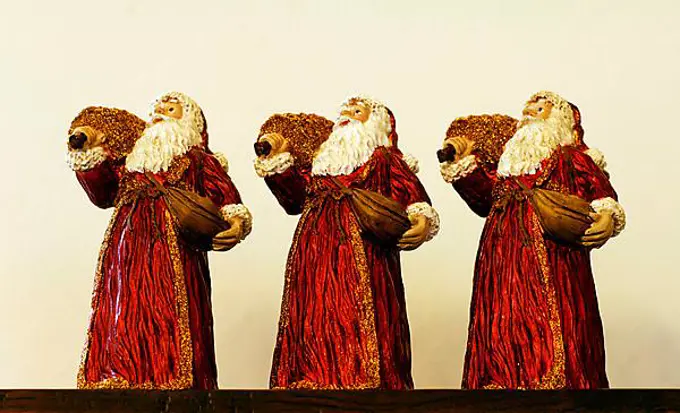
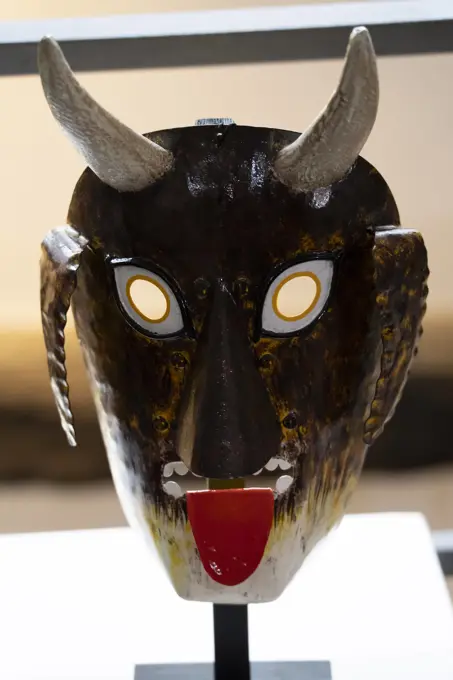
Typische handwerkliche Maske für ein traditionelles Maskenfest Typische handwerkliche Maske für ein traditionelles Maskenfest Copyright: xZoonar.com/BartomeuxBalaguerxRotgerx 22630768Traditional mask stall in Praca do Rossio, Lisbon, Portugal, EuropePolychormed canopic jars. Used by the egyptians during the mummification to preserve the viscera. British Museum. London. United Kingdom.Greenland, capitol city of Nuuk. Greenland National Museum. Late Thule culture artifacts, c. 1700's. Carved wooden figures.Ushabti of Pindjem I, faience, Dynasty XXI, 1069-1032 BC, tomb DB 320, Dehir el-Bahari, Thebes, Egypt, collection of the British Museum.Stylish necklaces jewellery sculpted in the stone, Fine arts, vintage, fashion, trend, style, ornaments, Andhra PradeshMajolica statues of funerary servants of vizier PaserWatercolor tribal mask on white backgroundFetish in Lobi village Fetish used to protect Lobi village, Burkina faso Copyright: xZoonar.com/MassimoxLamax 8818360Mexico, San Miguel de Allende. Masks on display in shop.Traditional wooden mask made of Swiss pine wood, Wiler, Loetschental, Valais, Switzerland, EuropePassport' mask, 3 1/4 x 2 3/8 x 1 5/16 in. (8.26 x 6.03 x 3.33 cm), Wood, LiberiaArmor (Gusoku) 18th century Japanese The helmet crest (maedate) has a gilt-copper moon flanked by rising silver waves. The shoulder guards (sode) are decorated in gold lacquer with the image of a rabbit springing from seafoam, possibly a reference to Chikubushima, a popular Noh play.. Armor (Gusoku). Japanese. 18th century. Iron, lacquer, gold, silver, copper alloy, leather, silk. Armor for ManMantle Tlingit, Native American ca. 1800 View more. Mantle. Tlingit, Native American. ca. 1800. Tanned leather and pigment. Made in Alaska, United StatesClay mask Copyright: xDebasishxBanerjee/DinodiaxPhotoxNetsuke (mask), 19th century, Unknown Japanese, 1 11/16 × 1 1/2 × 15/16 in. (4.29 × 3.81 × 2.38 cm), Stoneware, Japan, 19th centuryVintage style doorknocker of an Egyptian head Vintage style doorknocker of an Egyptian head, a door in Italy Copyright: xZoonar.com/imagoDensx 21274248Figurines, The Capital Museum, Beijing, ChinaMasks, shop, Venice, ItalyCloseup of a brass handle from a water vat in Beijing, Forbidden City.King Tutankhamun, the Golden King and Great Pharaohs exhibition, Seattle Center, Washington StateMask (Japan); wood, carved and paintedBeverly Chichester, Negro Hand Puppet, c 1936 Negro Hand PuppetPainted vessels,Empires of the Sun, Peru, Wari, Huari, National Museum of PeruEngland, Devon, Exeter, Royal Albert Memorial Museum and Art Gallery aka RAMM, Japanese Samurai Armour dated after 1500Wooden tribal mask from Malekula Island the second-largest island in the nation of Vanuatu, in the Pacific Ocean region of Melanesia.Detail of a traditional Venetian Mask - Venice, Italy, Europebearded head, pendants, worn as protective amulets. Sand-core glass (4th-3rd BCE) from Carthage, TunisiaHearing aids in Melsungen Hearing aids in MelsungenMelanesian Tamake mask from the Island of Ambrym in Vanuatu in the PacificChina, Shaanxi, Lintong District, Xian. Detail of one of 160 kneeling armored archers found in the Terracotta Army pits.1940 Hopi redware clay pottery canteen with nose made by Hopi potter Lena (Chio) Charlie Hano on display at the Museum of Northern Arizona, Flagstaff AZSouthwest, American Indian art & handicrafts. Jemez Clown Storyteller, Jemez pottery, 12 century Anasazi Mimbres bowl all on a Navajo Two Grey-Hills style blanket.Close-up of funny Chinese decorationAncient Egyptian faience shabtis (funerary figurines), New Kingdom, XX Dynasty2 Textile Fragments, undetermined Nasca. , 200-600 C.E. Cotton, camelid fiber, a: 5 7/8 x 4 3/4 in. (15.0 x 12.0 cm).   Arts of the Americas 200-600 C.E.Pendant in the shape of a bearded male, from Carthage, 4th-3rd cent. BCE, Carthage National museum, The Coliseum, Rome, Lazio, Italy, EuropeMildred E Bent, Carved Policeman, 1935 1942 Carved PolicemanTiki Idol Carved Wooden Laughing Totem Ink Vector. Mayan Mystery Tribal Indigenous Sculpture Idol God. Ritual Object Template Hand Drawn In Vintage Style Black And White Illustration. Tiki Idol Carved Wooden Laughing Totem Ink VectorColourful wooden carved Canadian totem pole against white backgroundSouth Africa, wooden masks on display at market.. (Editorial Use Only)Female Doll, 20th century, 15 3/8 x 10 1/16 x 2 3/8 in. (39.1 x 25.6 x 6.0 cm), Animal hide, beads, animal hair, metal, wood, bone, pigment, United States, 20th century, Among the Plains Indians, it was often the grandmother's responsibility to construct a child's first doll. The materials ranged from as basic as a carved stick and buckskin to highly decorated beaded leather. It was common to see Plains Indian girls carrying dolls in miniature cradleboards on their backs, learning traditional female roles from their mothers. This particular doll was probably not used for play but rather for show.Skull and bones in ancient ossuary, NaplesCuckoo clocks on a wallGold inlaid dragon hand puppet in Jinshow Zhuang puppet store and museum, Quanzhou, Fujian Province, China Chinese Lion Sculpture Isolated Photo Mythologic chinese stone lion sculpture isolated on white background Copyright: xZoonar.com/DanielxFerreira-LeitesxCiccarinox 13564265Village girl doll Copyright: xDebasishxBanerjee/DinodiaxPhotoxMetal lion headCase of the inner coffin of Nespamal, showing the goddess Nut. 27 Dynasty, 500 years BCFace Mask Ornament. Culture: Moche (Loma Negra). Dimensions: H x W: 3 1/8 x 3 7/16in. (7.9 x 8.7cm). Date: 390-450. Museum: Metropolitan Museum of Art, New York, USA.Old African wooden mask sculptures over a white wallVoodoo Dolls On The Akodessewa Fetish Market, In Lome, Togo, Known As The World'S Largest Voodoo MarketThe Museum is a treasure house of aborginal exhibits and artifactsFIGURAS INCAS DE TURQUESA - PROCEDEN DE PIKILLACTA (CUZCO) - CULTURA HUARI - 600-1000 DC. Location: MUSEO DE AMERICA-COLECCION. MADRID. SPAIN.Masks with theatre conceptThe golden throne of King Tutankhamen was discovered by Howard Carter in the tomb of the King. The style was common for royal chairs of the Eighteenth Dynasty. Carved in wood, the armchair is extended in gold and silver overlay. Calcite, Colored glass, faience and semi-precious stones are used for the inlays.Wooden mask ; Whittier ;  Alaska ; U.S.A. United States of AmericaBlue glazed composition shabti with anthropoid coffin inscribed for Amenmes. Nineteenth Dynasty, found in Thebes, Egypt.Carnival mask shop in Venice, ItalyVenetian shop window with masks and sovereignsKo-omote Mask for a Noh Drama 18th century Japan Ko-omote (literally, "little mask") conveys the beauty of a girl not yet twenty. A skilled actor can imbue an impassive expression with subtle emotion according to his movements; this is the prototype for more than twenty other masks for female roles, each varying subtly from the innocence of this mask to convey sensuous, passionate, demented, or supernatural characteristics.. Ko-omote Mask for a Noh Drama. Japan. 18th century. Painted cypress wood. Edo period (1615-1868). MasksSouthwest, Indian art. Indian handicrafts representing major tribes: Black & white Acoma pot, Navajo blanket & bead work necklaces, Hopi plate, San Ildefonso vase.Skull on the tableHanakobu Akujō. Kimura Ryūmin (Japan, active mid- to late 19th century). Japan, mid- to late 19th century. Costumes; Accessories. WoodFeather headdress, Chancay culture, 13th centuryEcuador, Saquisili, painted masks on display at weekly food and crafts market which draws indigenous people and tourists from surrounding villagesFunerary Mask 250-300 Roman Period. Funerary Mask 547850Colourful painted face mask for sale outside shop, Venice, ItalyReconstructed Sumerian headgear necklaces found in the tomb of Queen Puabi.Inner coffin lid, or mummy board of Pinudjem I from the exhibition: Ramses the Great and the Gold of the Pharaohs, Cologne, North Rhine-Westphalia, Germany, EuropeGas masks, Unit 731, Japanese Germ Warfare Experimental Base, Harbin, Heilongjiang, China, Asia Copyright: MichaelxRunkel 1184-11496A plaster mask sculpture of a half moon as a face hanging on a yellow fence.Theatre masksIndian and Egyptian plastic figures, Auer Dult, Munich, Bavaria, Germany, EuropeDoor Knocker, VeniceDia de los Muertos sugar skull mask in watercolor style over whiteOld fire hydrant with a lions head, the old town of Stanley, capital of the Falkland Islands. (Editorial Use Only)Pharaonic art jewelery from Tutankhamon's collectionVector tribal masks set, isolated objects over white backgroundGolden funerary mask of Tutankhamen (1347/1338 b.c.) inlaid with lapis lazuli, obsidian and turquoiseAsia, China. Chinese handicrafts. Hand painted horse globe painted from the inside, blue & white Chinese bead necklace, dragon cloisonne bowl.Skull in chain mail, Medieval relic in Visby´s museum "Fornsal", Visby, Gotland, Sweden, EuropeFashion accessories, Gold, Carnelian Turquoise, Feldspar, Lazurite, 14th century BC, Egypt, Cairo, The Egyptian Museum,Art object as a display in a shop window, Cortina dAmpezzo, Dolomites, South Tyrol, Italy, EuropeGoldsmith's art, France, 16th century. Heliotrope bowl with enamelled gold lid set with rubies. Height 10.9 cm. Detail of the lid decoration.Caribbean, St. Kitts, Romney Gardens, Example of Caribelle Batik FabricAfrica, Togo. Lome Voodoo Fetish Market. Local market where animal bone, skin, and body parts are used in voodoo rituals. Voodoo dolls with nails & shells in front of animal parts.England, London, The Wellcome Collection, Exhibit of 18th century European VanitasWooden masks on display at the Pasar Triwindu (Antique Market) in Solo (Surakarta), a city on Java, Indonesia.masks carved into a treeSmall porcelain ornament at base of a bonsai tree, Hanoi, VietnamThe golden throne of King Tutankhamen was discovered by Howard Carter in the tomb of the King. The style was common for royal chairs of the Eighteenth Dynasty. Carved in wood, the armchair is extended in gold and silver overlay. Calcite, Colored glass, faience and semi-precious stones are used for the inlays.Souvenirs from Rome, Italy, EuropeGiant's Hall in the Dresden Residential PalaceRhea feathers being sold as feather dusters on street in Santiago, Chile, South AmericaCostume EmbroideryIncense burner with burning incense sticksSanta Claus figures for Christmas decoration, Villa Ambiente, Nuremberg, Middle Franconia, Bavaria, Germany, EuropeCarnival mask harlequin. Mardi gras. Holidays background. Symbol of venetian mask festivalStill life with a human skull with desert plants, cactus, roses and dried flowers in a vase beside the timber.