Cultural Artifacts from Mexico

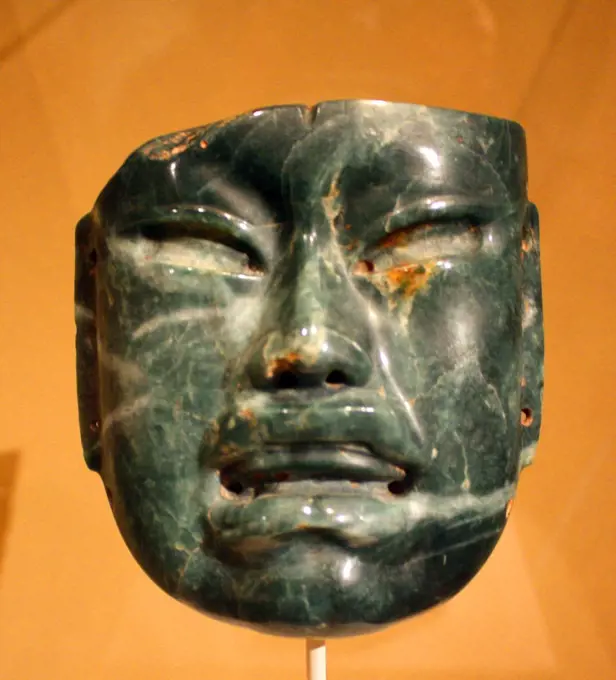
Numerous historical figures and masks from Mexico, including ceramic censer, wooden figures, and jade masks, highlighting indigenous artistry from ancient civilizations.
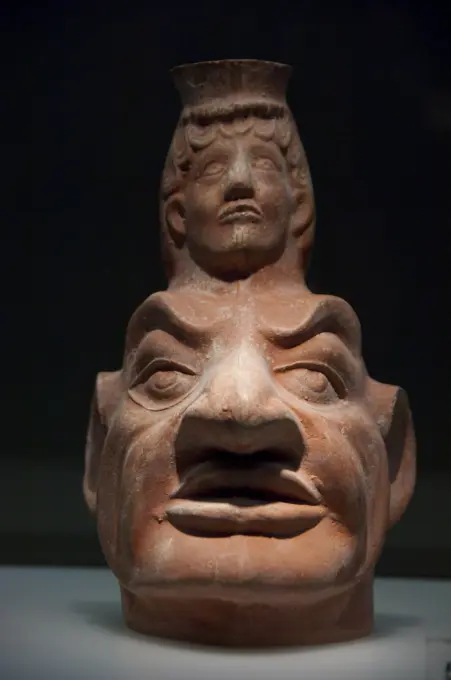
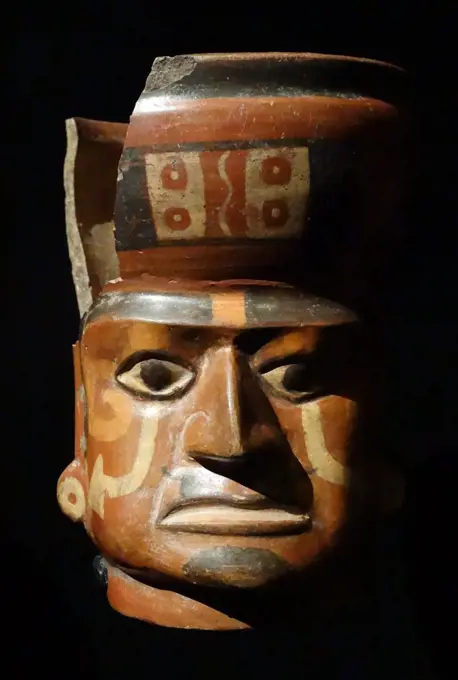
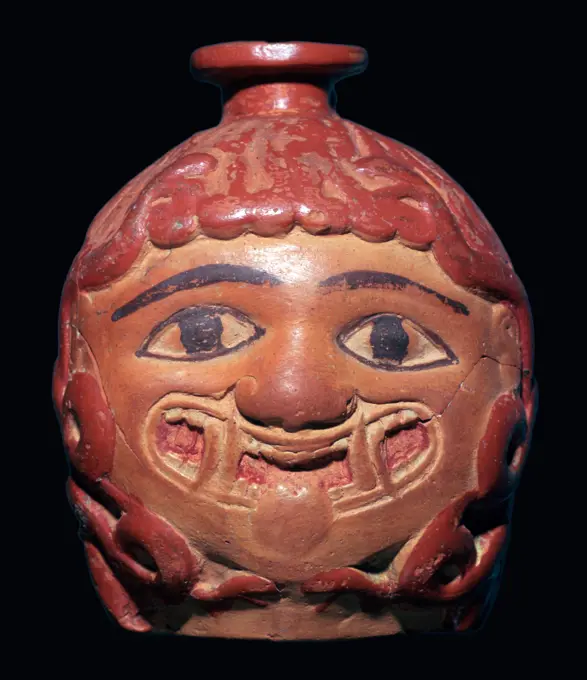
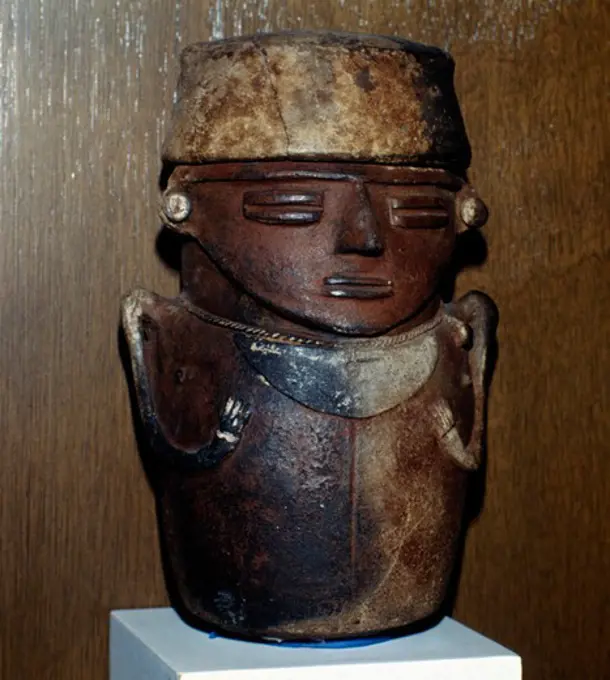
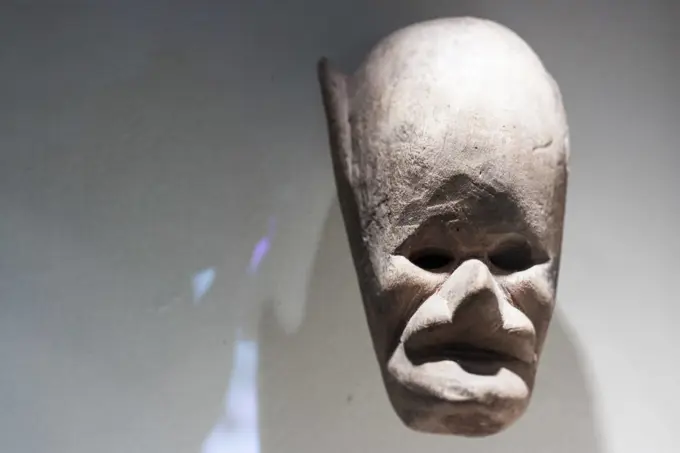
Germany, Cologne. Roman Germanic Museum (aka Romisch-Germanisches), ancient pottery container with face.
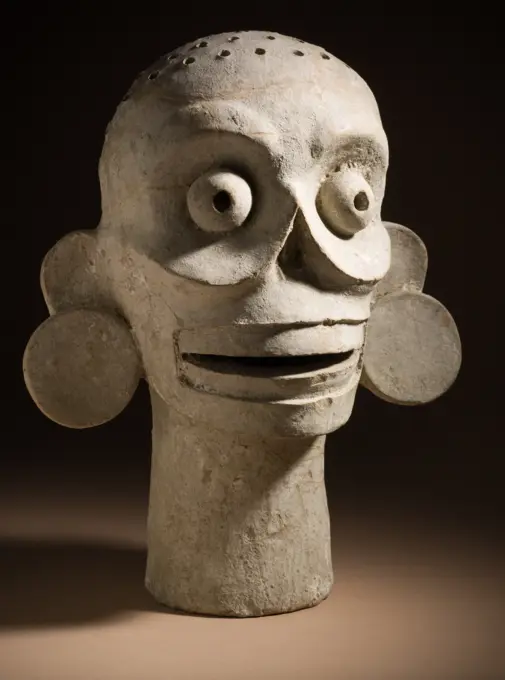
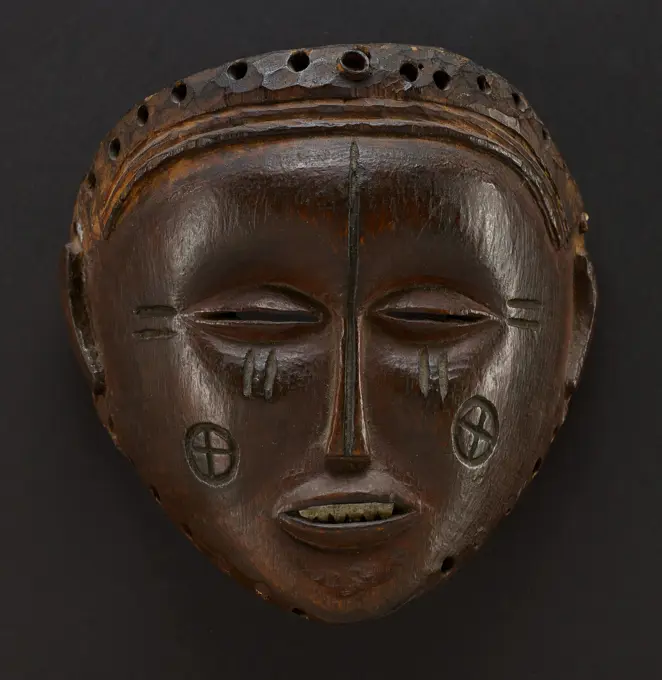
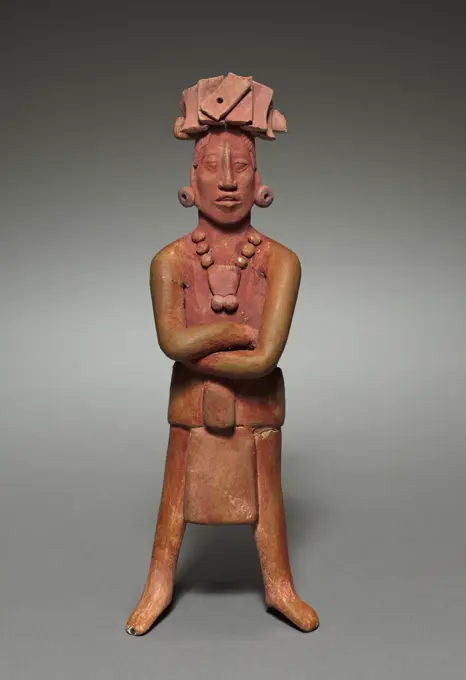
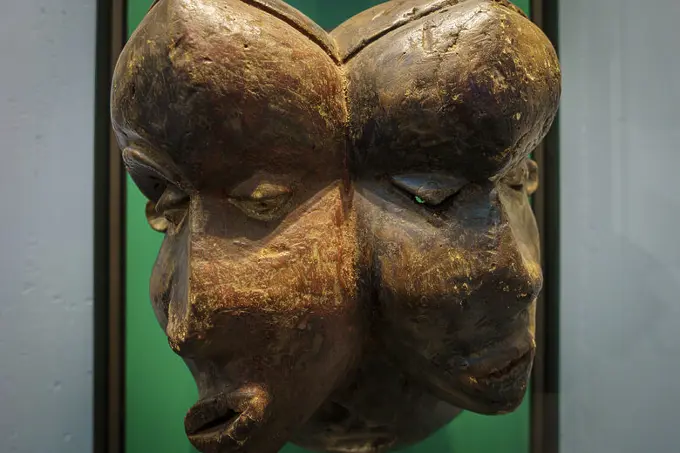
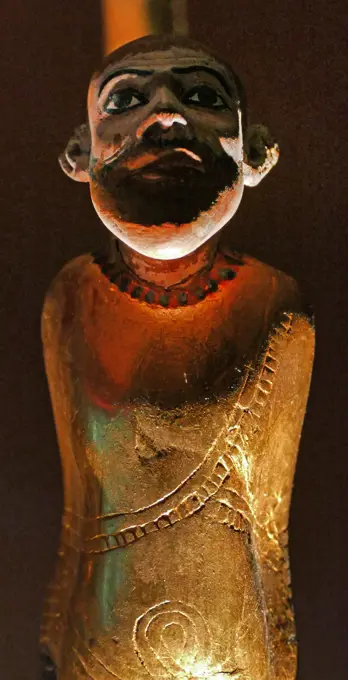
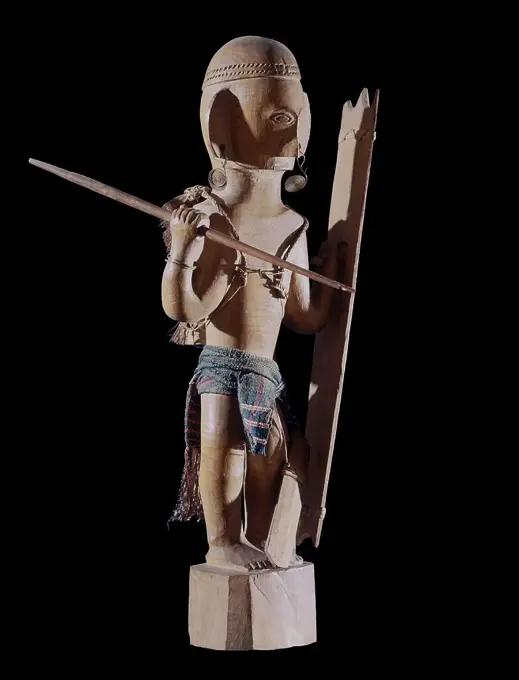
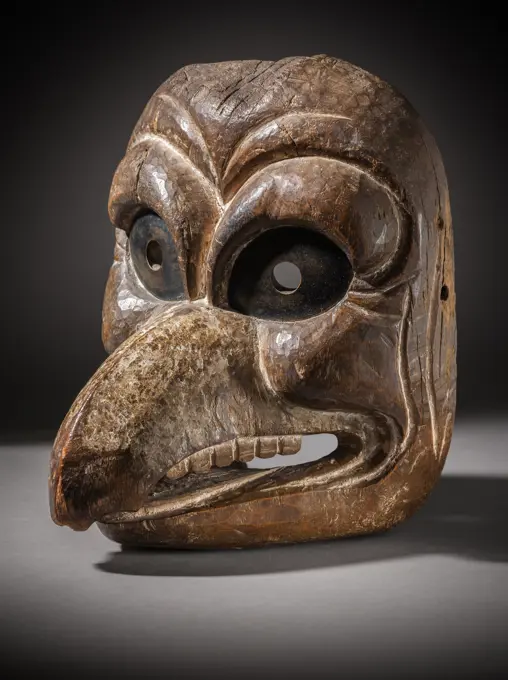
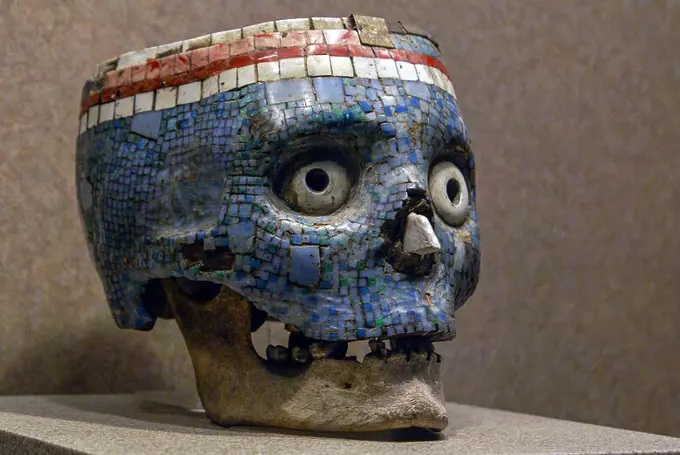
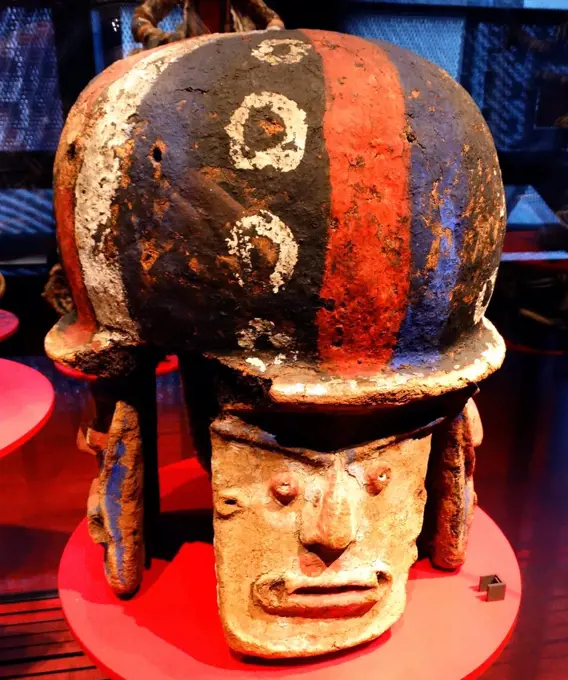
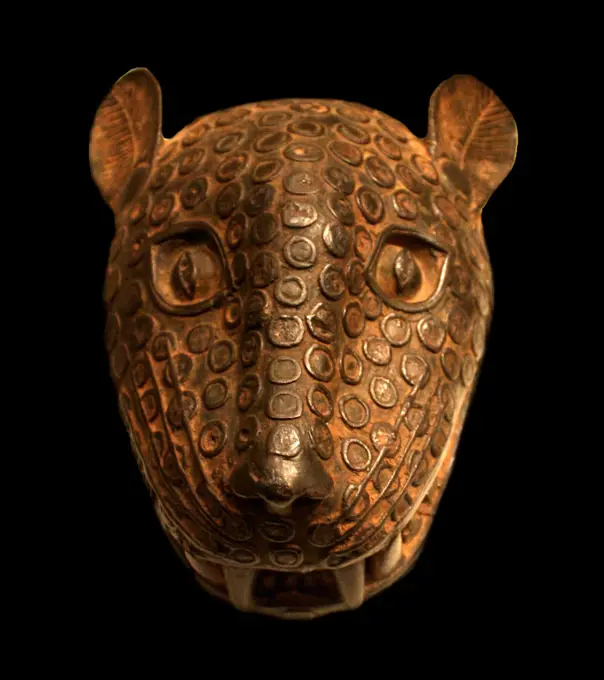
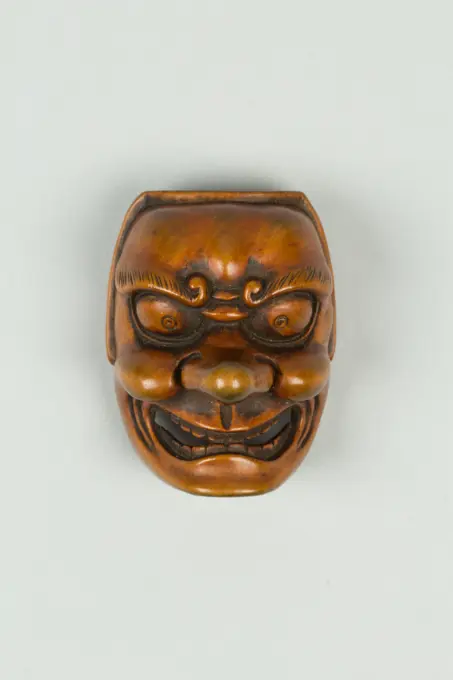
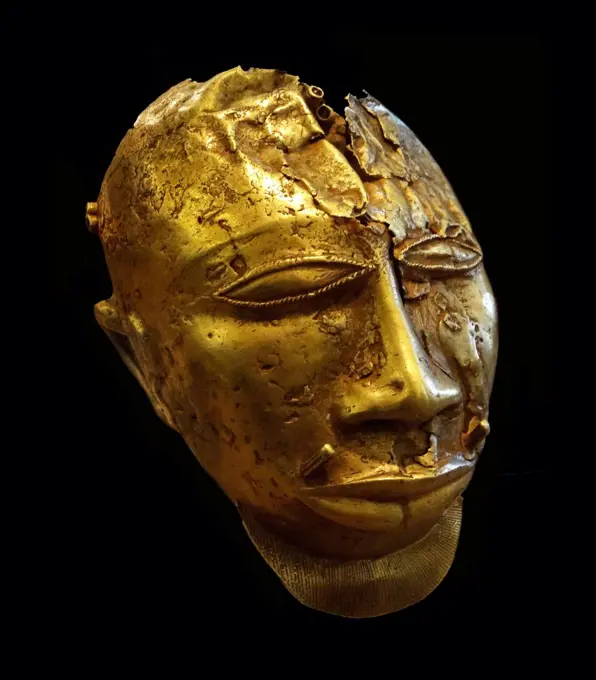
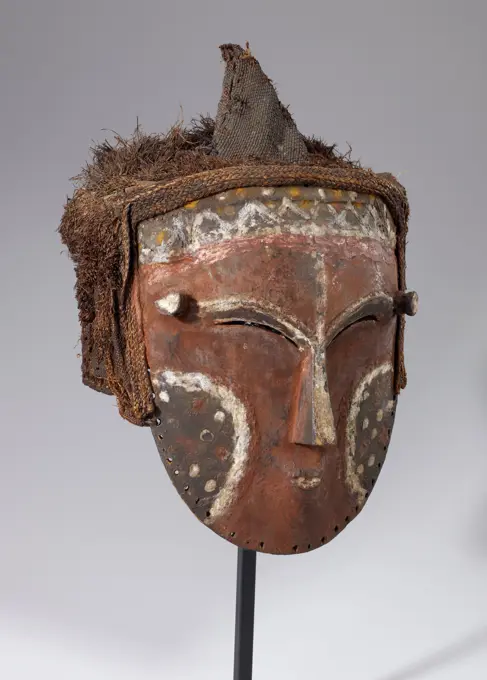
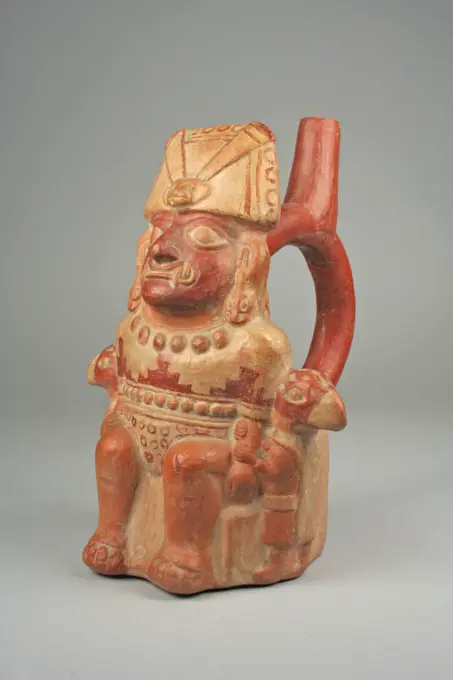
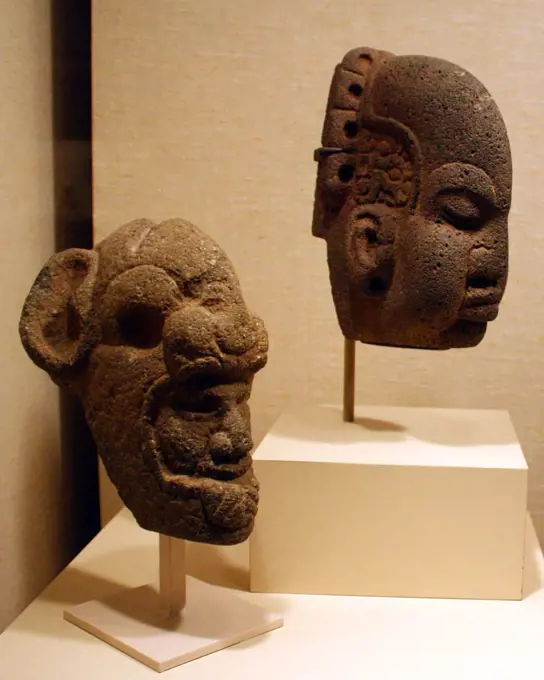
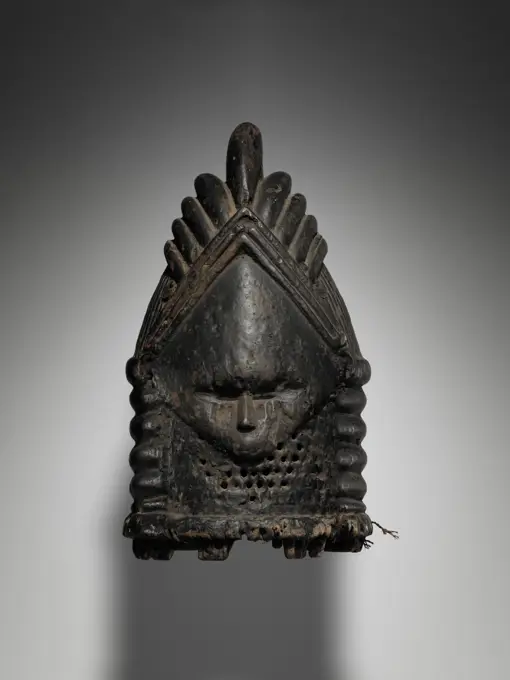
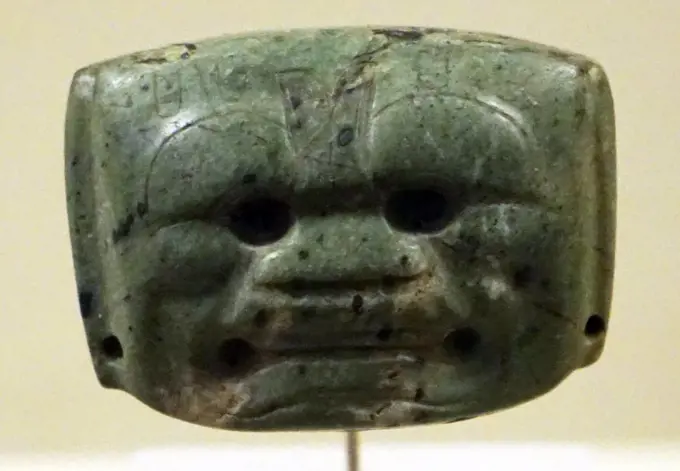
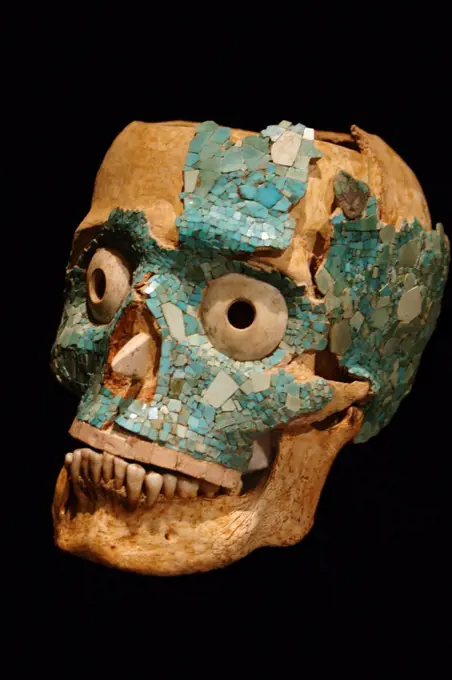
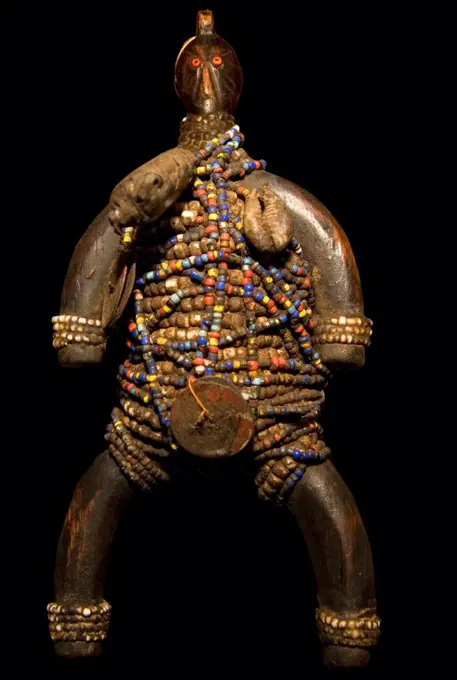
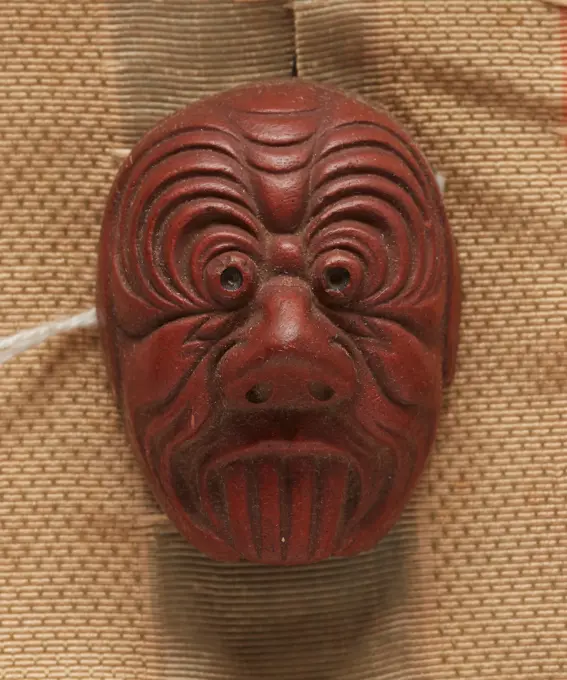
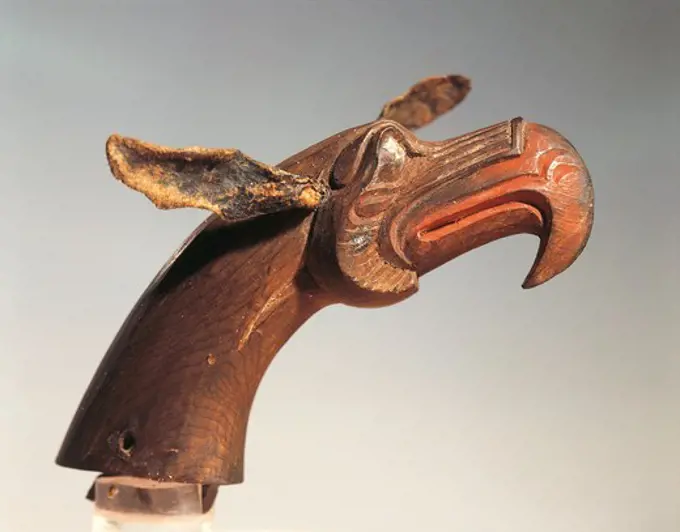
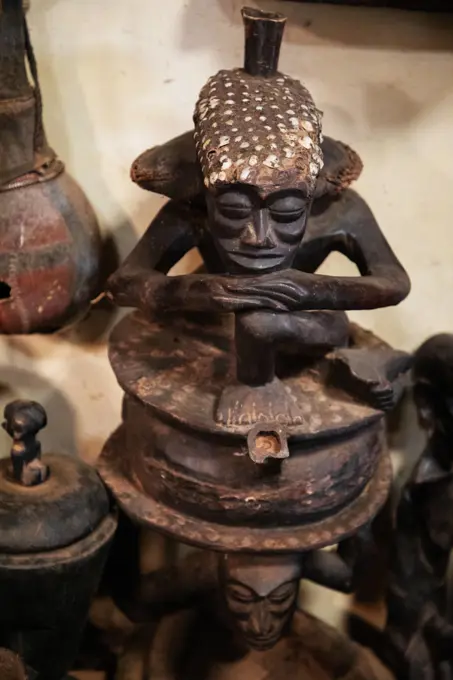
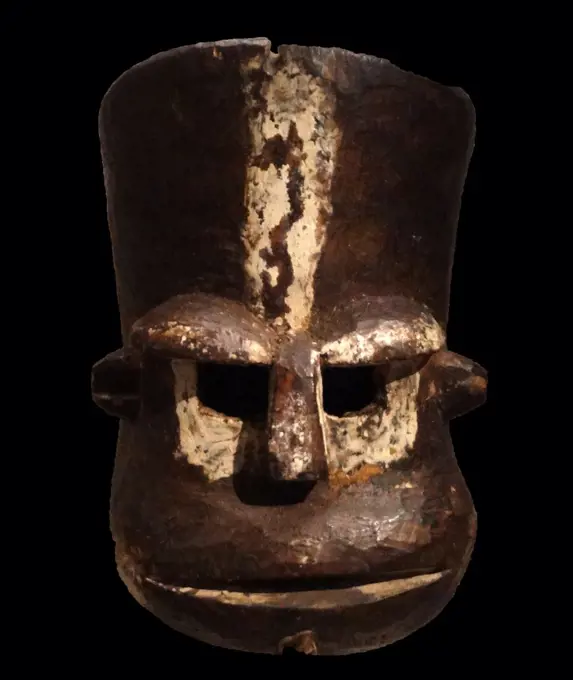
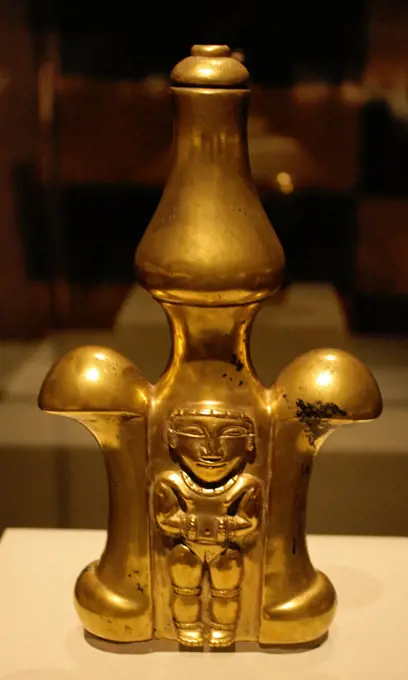
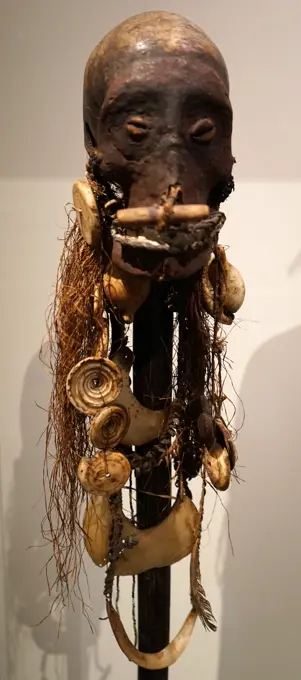
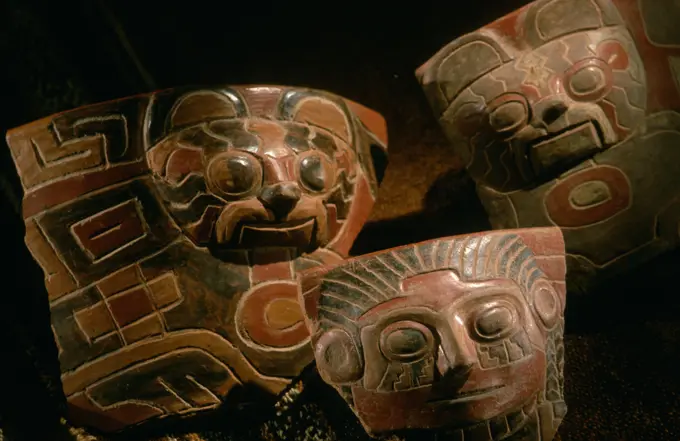
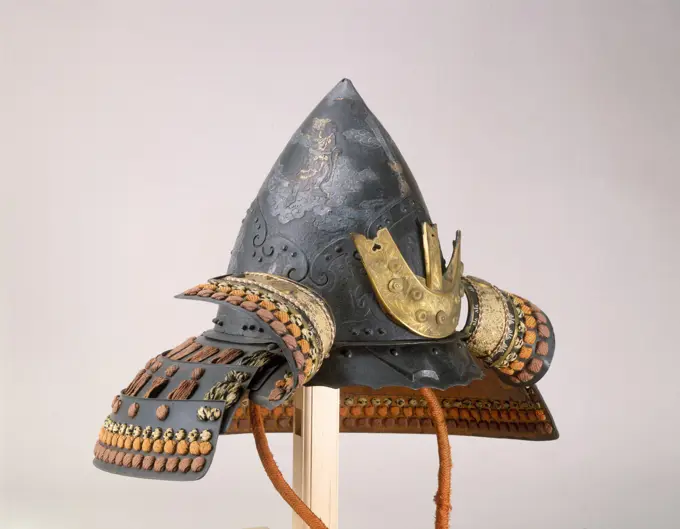
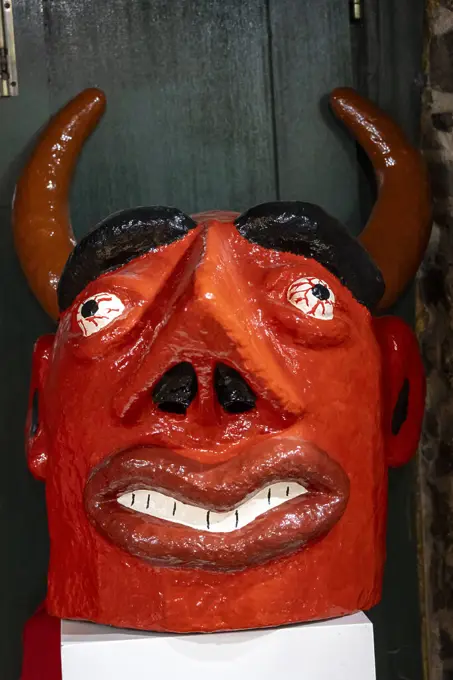
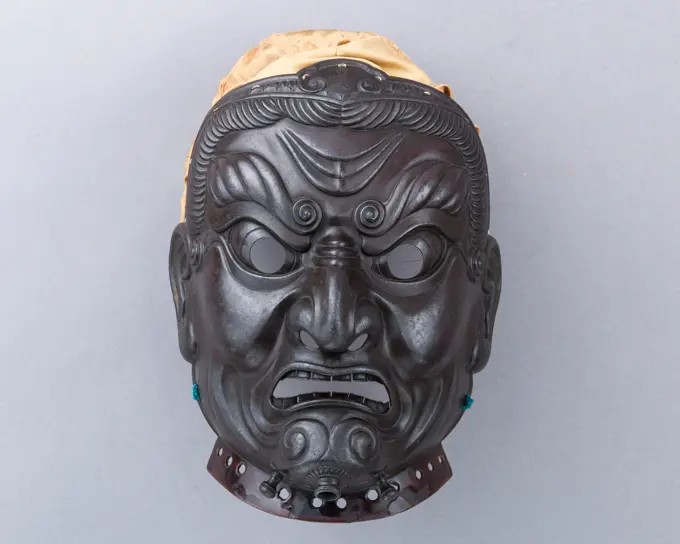
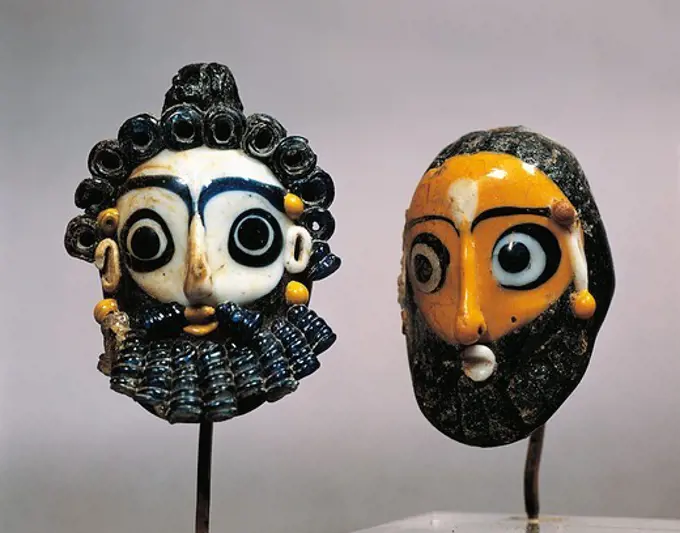
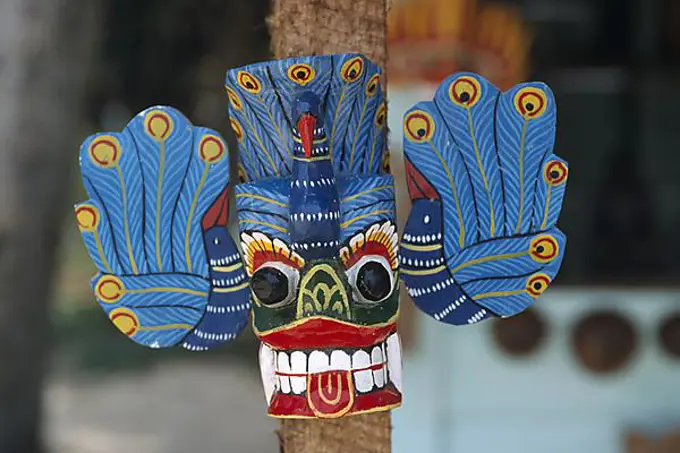
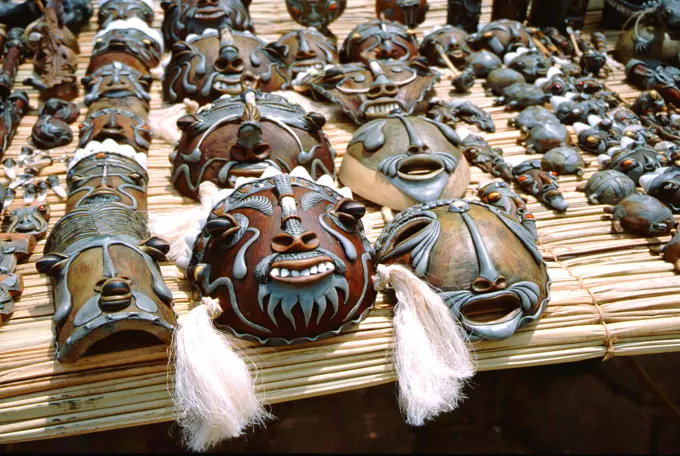
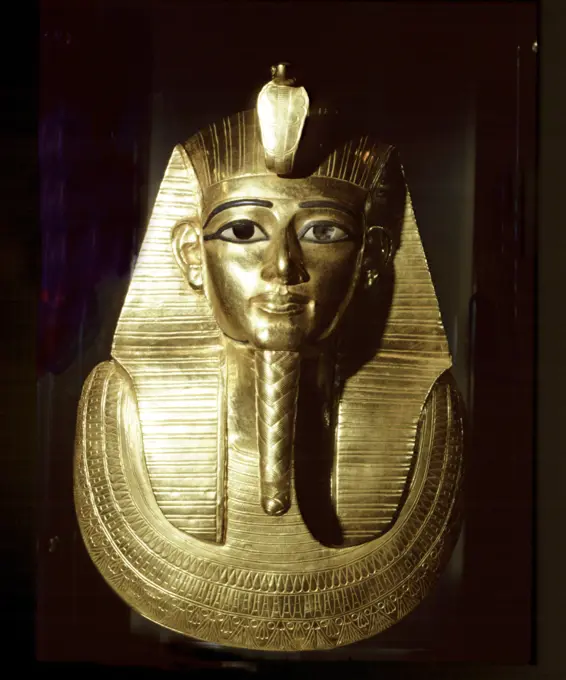
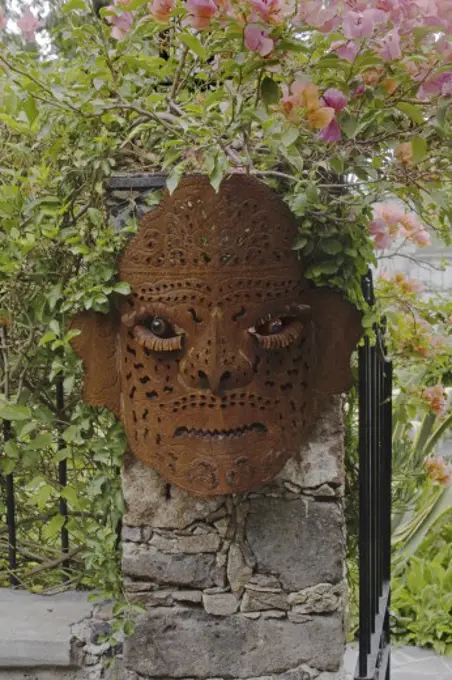
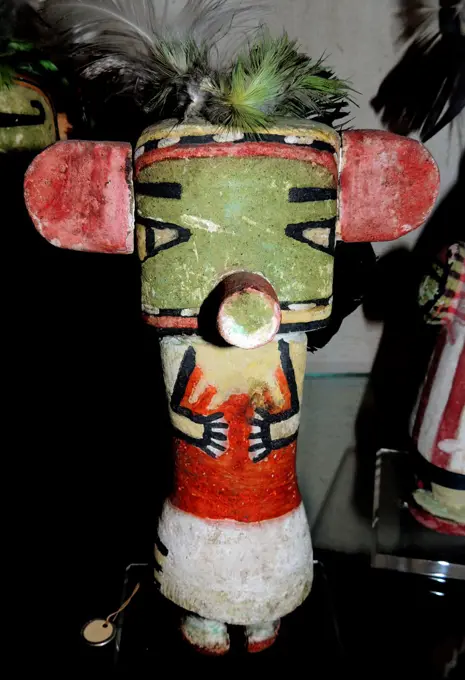
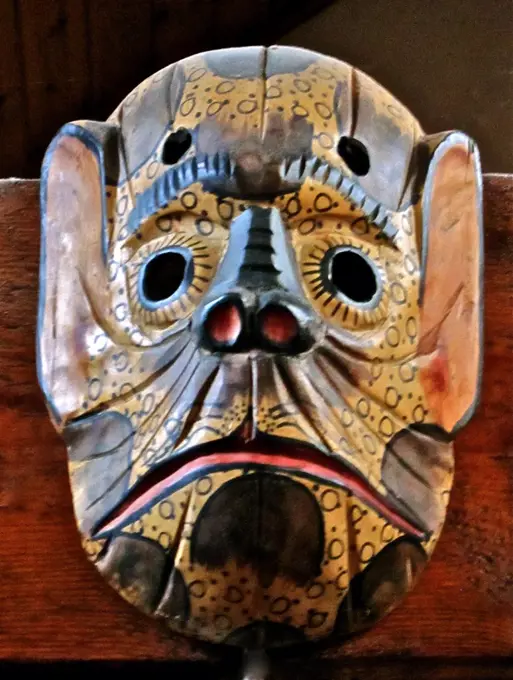
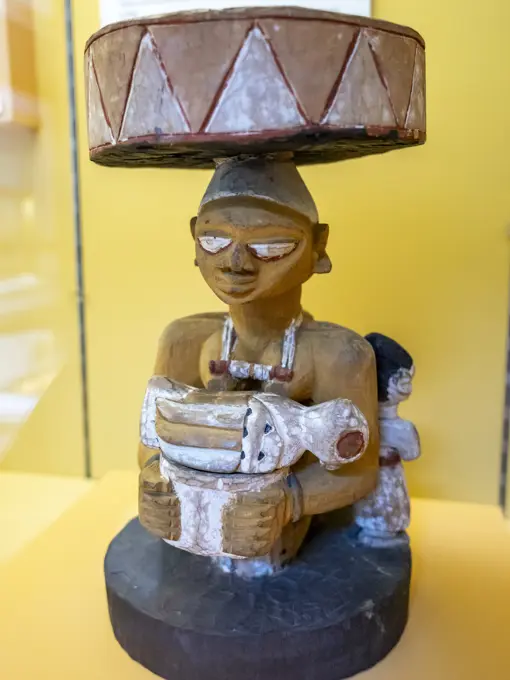
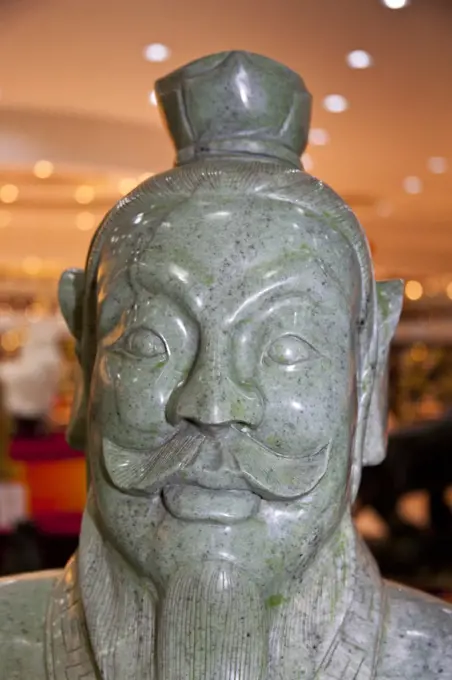
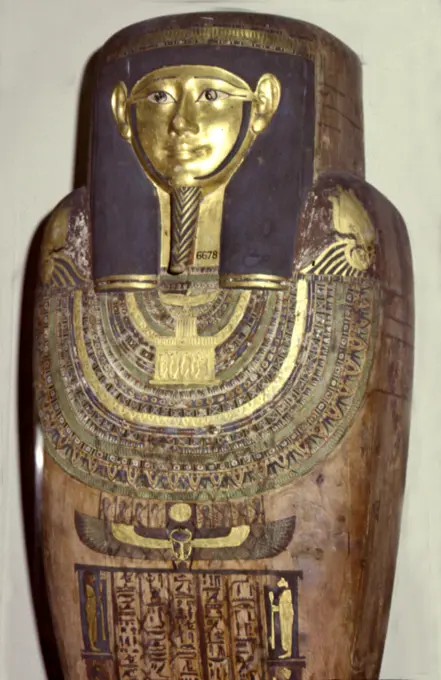
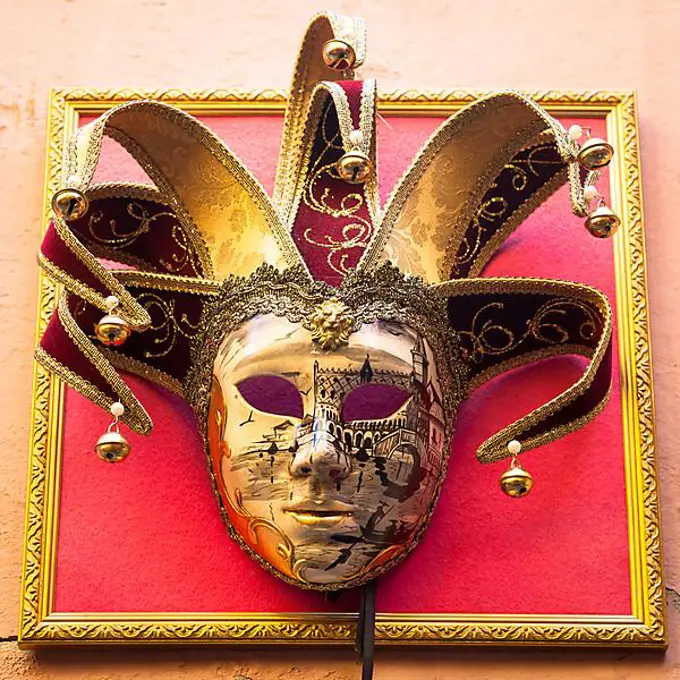
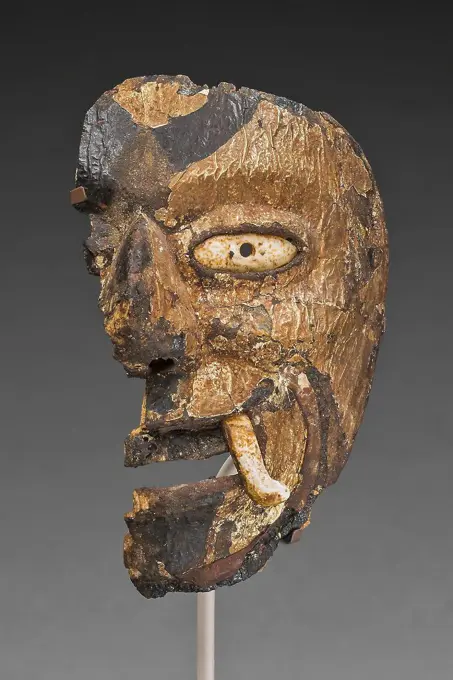
Germany, Cologne. Roman Germanic Museum (aka Romisch-Germanisches), ancient pottery container with face.Miniature Mask. Possibly Mixtec; Possibly northern Oaxaca, Mexico. Date: 1300-1400. Dimensions: H. 14 cm (5 1/2 in.). Wood, gold foil, and shell with pigment and resin. Origin: Mexico. Museum: The Chicago Art Institute, USA.Male Figure, early 1900s. Central Africa, Democratic Republic of the Congo, Suku, early 20th century. Wood, upholstery studs, and plant fiber; overall: 30.5 cm (12 in.).Olmec Mask. Mexico, Olmec. 10th-6th century B C. Jade (jadeite). This mask, with its harmonious proportions and smooth, highly polished planes of cheek, forehead and chin has an almost fleshy quality of nose and lips that belies the incredible hardness of the jadeite cobble from which it is made.Pre-Columbian Art. Moche Culture (100-900 B.C.). Moche portrait stirrup spout vessel. Archaeological Museum. Cusco. Peru.Skull-Shaped Censer. Mexico, Mixtec-Puebla, 1400-1521. Ceramics. Slip-painted ceramicCeramic vessel, Slaughterer God Moche culture 100 AC-800 AC Perú.Native Indian wooden mask, Eskimo, (Inuit). Canada 1916Mask, 20th century, 7 × 7 × 4 in. (17.78 × 17.78 × 10.16 cm), Wood, white metal, cane, red earth, Angola, 20th centuryMeed by Pablo Picasso, painted ceramic, 1881-1973, Russia, Moscow, Museum of Fine ArtsLisbon, Portugal. Antique Portuguese mask. (Editorial Use Only)Wooden mask from Yoruba, Nigeria, National Museum of Culture, Pretoria, South Africa, AfricaAndean Pre-Hispanic native: Tiwanaku culture painted wooden, drinking goblet; 4th -12th century AD.Lisbon, Portugal. Antique colorful mask. (Editorial Use Only)Figure, 317-987. Mexico, Jaina, Campeche, Maya, 4th-10th Century. Terracotta; overall: 23.5 x 10.5 x 7.5 cm (9 1/4 x 4 1/8 x 2 15/16 in.).Dancing Doll. Dated: c. 1940. Dimensions: overall: 31.5 x 22.9 cm (12 3/8 x 9 in.) Original IAD Object: 11 1/4" high. Medium: watercolor, graphite, and pen and ink on paperboard. Museum: National Gallery of Art, Washington DC. Author: Selma Sandler.double African sick mask, Pende del Zaire ethnicity, 19th century,. polychrome wood, Bassa Blanca Museum (msbb). Yannick Vu and Ben Jakober , Alcudia, Majorca, Spain.Mask. Korea, Joseon dynasty (1392-1910), 19th century. Jewelry and Adornments; masks. Carved wood with stringDeija. Kimura Ryūmin (Japan, active mid- to late 19th century). Japan, mid- to late 19th century. Costumes; Accessories. WoodAndean Pre-Hispanic native wooden funerary mask; 10th -13th century AD. Panchacamac culture, ;Gilded wooden stick with a crook in form of Asiatic Prisoner and Blue Faience Ferrule. Reign of Tutankhamun. Tutankhamun, commonly referred to as King Tut, was an ancient Egyptian pharaoh who was the last of his royal family to rule during the end of the 18th Dynasty during the New Kingdom of Egyptian historyANITO - FIGURA ANTROPOMORFA - MADERA/TEJIDO/FIBRA VEGETAL - 43 CM - 1800-1900 - PROCEDENTE DE ISLA DE LUZON (FILIPINAS). Location: MUSEO DE AMERICA-COLECCION. MADRID. SPANIEN.Seated Figure (Xantil) 13th-15th century Eastern Nahua. Seated Figure (Xantil) 312588Congolese mask in Bukavu, DRCMask with Bird Beak. Japan, Edo period (1615-1868). Jewelry and Adornments; masks. Wood, traces of pigment, brassbronze votive offering, 4th-3rd centuries BC, archaeological museum of Seville, Andalusia, Spain.Greek terracotta scent bottle in the shape of a gorgon's head made in Rhodes. Artist: UnknownMask on a childs skull, coming from an offering in the main temple of Mexico. National Museum of anthropology. State of Mexico D.F. Mexico.France, Paris, Musee du Quai Branly museum, Gable mask, New Guinea, 20th centuryWooden tribal mask from Malekula Island the second-largest island in the nation of Vanuatu, in the Pacific Ocean region of Melanesia.Leopard Head. Nigeria, Kingdom of Benin. Edo peoples. 16th-19th century. BrassNetsuke of Demon Mask 19th century Japan. Netsuke of Demon Mask. Japan. 19th century. Wood. Edo (1615-1868) or Meiji period (1868-1912). NetsukePre-Columbian pottery in the Museum of Archaeology, Trujillo, Peru, South AmericaPottery Urn, Zapotec, Mexico AD 500-800.Part of the Treasure of Kofi-Karikari, King of Ashanti, present-day GhanaTraditional helmet mask from the West Cameroon Highlands, Yaounde, Centre Region, Cameroon, AfricaMask, 20th century, 16-1/4 x 10-1/4 x 9 in. (41.3 x 26.0 x 22.9 cm), Wood, raffia, vegetable fiber cloth, cane, pigment, Democratic Republic of the Congo, 20th centurySkull created from wood, glass beads and vegetable fibres, from Cameroon, Republic of Cameroon, Africa. Dated 1870Ritual Axe carved in basalt rock; Mayan, Vera Cruz, Mexico. Gulf of Mexico 600-900 AD. StoneArtifact from Muisca Culture, Colombia, Bogota, Museo del Oro, Pre-Columbian ArtA Benin Bronze Head, Uhunmwun-Elao, Early Middle Period, 23cm high.Bottle, Enthroned Figure 1st-4th century Moche. Bottle, Enthroned Figure 308560Pre-Columbian Jewelry Chimú culture 1100 AC-1470 AC Perú.Brazil, Amazon, Alter Do Chao. Typical souvenir handicraft masks made from latex from local rubber trees and adorned with fish scales, real animal bones and teeth. (Large format sizes available)Hacha, Head in feline mask. Mexico, Veracruz. 7th-10th century. Andesite.Bondo Society Mask(Nòwo)Carved wooden cup in female form from Central Africa. Dated 20th CenturySingle Spout Bottle with Fanged Face. Culture: Vicús. Dimensions: Height 7-1/8 in. (18 cm). Date: 3rd century B.C.-A.D. 2nd century. Museum: Metropolitan Museum of Art, New York, USA.Jade head from the Olmec period. Dated 4th Century BCA human skull decorated in mosaic fashion with turquoise, found at the Zapotec/Mixtec ruins of Monte Alban near Oaxaca, Mexico dates back to 600-900 C.E.Double Spout Bottle, Feline-Otter 1st-6th century Nasca. Double Spout Bottle, Feline-Otter 308569African carved figurine with beadsFigure, 300-799, 5 1/2 x 4 in. (13.97 x 10.16 cm), Ceramic, Costa Rica, 4th-8th centuryCorn-Carrier, anonymous, 1717  Northern Netherlands boxwood (hardwood) cutting  Northern Netherlands boxwood (hardwood) cuttingNetsuke, 19th century, Unknown Japanese, 1 7/8 × 1 3/8 × 1 in. (4.76 × 3.49 × 2.54 cm), Stoneware, Japan, 19th centuryMask worn by the circumcised. From the Congo. Made from wood, sticks and raffia fibres, pigments, clay and resin plant.Head of an oba, Edo bronze sculpture from the court of Benin, Nigeria, 16th century. The Benin Empire (1440-1897) was a pre-colonial African state in what is now modern Nigeria. It is not to be confused with the modern-day country called Benin (and formerly called Dahomey).Traditional mexican mask used for dance and ritual. Zacatecas Traditional mexican mask used for dance and ritual. Zacatecas, ZAC. Mexico Copyright: xZoonar.com/Pascopixx 22082353Censer Lid with a Figure in a Bird Costume and a SeparateBase.  Artist: UnknownOmoni Akujō. Kimura Ryūmin (Japan, active mid- to late 19th century). Japan, mid- to late 19th century. Costumes; Accessories. WoodLion's Head, 500-400 BC. Greece, 5th Century BC. Terracotta; overall: 24.3 cm (9 9/16 in.).Griffin headAlert Bay, U´mista Cultural Center, masks from the Potlach Collection, British Columbia, CanadaARTE PRECOLOMBINO. PERU. VASO DE ORO. DECORACION EN RELIEVE. ARTE CHIMU. MUSEO ORO DEL PERU. LIMA.Scary masks on sale in Kathmandu Nepalfigurines made of wood, handmade national style of Africa. figurines made of wood, handmade in the national style of Africa. African national culture. Copyright: xZoonar.com/ELENxMARLENx 20997997Okorosia Masquerade mask from the Niger Delta region. Dated 1890Pre-Columbian Jewelry Moche culture 100 AC-800 AC Perú.Italy, Sardinia, Mamoiada. A hand carved wooden mask on display.Lime container (Poporo) Colombia; Quimbaya 5th-10th century, cast gold. The gold bottles of extraordinary 'shoulder shape' made during Quimbaya times are as spectacular as any object produced in the Precolumbian world.Symbiotic representation of the face and phallus of Shiva, 18th century, Bronze, Maharashtra, India, South Asia, Anthropology National Museum, Madrid, Spain.Enemy skull from Papua New Guinea. Dated 20th CenturyZoomorphic Mayan pot from Tabasco, Mexico. (600-900 AD). The feline images are very frequent in the Mayan sculpture.Wari pottery sherds, Empires of the Sun, Peru, Wari, Huari, Universidad Nacional de San Antonio Abad del Cusco, PeruArmor (Gusoku) early-mid-19th century Helmet signed by Saotome Ietada Japanese This armor reflects several waves of Western influence in Japan. The helmet, modeled on a late sixteenth-century Dutch cabasset, is by the Japanese armorer Saotome Ietada, whose signature is found inside the bowl. The cuirass appears to be of early nineteenth-century European manufacture. These older elements, completed by more modern ones, were decorated with Buddhist divinities and literary figures by a Japanese craftsman using etching, which is a Western process. The helmet bears the badge of the Arima family, daimyo (lords) of Kurume.. Armor (Gusoku). Japanese and European. early-mid-19th century. Iron, silk, copper, gold. Armor for ManTypical artisan mask for traditional masquerade celebration, Iberian Museum of Masks and Costume, Braganza (Bragança),Trás-os-Montes and Alto Douro, Portugal.Mask dated 1745 Inscribed by Mychin Muneakira Japanese Muneakira's masterpiece, this mask by Muneakira was already famous when it was first published in 1763. It represents Jikokuten, guardian of the East, one of the Four Kings of Heaven. The mask is also one of the few to retain its original silk head covering sewn to the upper edges. Listen to experts illuminate this artwork's story Listen Play or pause #4420. Mask Supported by Bloomberg Philanthropies We're sorry, the transcript for this audio track is not available at this time. We are working to make it available as soon as possible.. Mask. Japanese. dated 1745. Iron, lacquer, textile (silk). Armor Parts-MasksCeramic terracotta head big moustache ; IndiaTraditional Venetian Mask on old wall background17th century Samurai warrior helmetTunisia, Carthage, Glass paste punic masksMaskSouvenirs for sale at Unawatuna Beach, Sri Lanka, South Asia, AsiaSouth America, Brazil, Amazon, Amazon River, Alter do Chao located near Santarem. Local handcrafted masks for sale made with fish scales and animal teeth.Gold mask of Psusennes I, 1040-999 BC. EGYPT.Close_Up Of A Head On The Fountain In Plaza De Espana The Main Square, Grazalema Cadiz Andalusia SpainA metal mask in the garden of the bed and breakfast Casa Lisa located in the historic town of San Miguel de Allende - MEXICO A Chinese Terracotta Krieger a Chinese Terracotta Krieger, looking to the left and illuminated from left, in portrait format.Hopi katsina figures (Katina dolls), are figures carved, typically from cottonwood root, by the native American Hopi people, to instruct young girls and new brides about katsinas or katsinam, the immortal beings that bring rain, control other aspects of the natural world and society, and act as messengers between humans and the spirit world.Folk art: Mono Monkey Mask from Guatemala.Pottery stamps used to imprint designs on textiles. From the Island of Sacrifices Mexico, AD 900.Yoruba culture altar, Nigeria, 19th century, wood and pigments,, Anthropology National Museum, Madrid, Spainmasks and feathers of venice carnival on white backgroundArtefacts in the gold museum, Bogota, Colombia, South AmericaLion handle on a bronze urn at the Forbidden City, Xicheng District, Beijing, ChinaJade carving of a Chinese man, in a jade shop, Beijing, ChinaPendant, late 1800s. Central Africa, Democratic Republic of the Congo, Pende, 19th century. Ivory; overall: 3.8 cm (1 1/2 in.).Mummy case with hieroglyphics. EGYPT.Artefacts in the gold museum, Bogota, Colombia, South AmericaTraditional Venetian Mask on old wall background