Cultural Figurines and Artifacts

Various intricate figurines from different cultures, including netsuke, snuff bottles, and monastic figures, emphasizing artistic craftsmanship and cultural heritage.
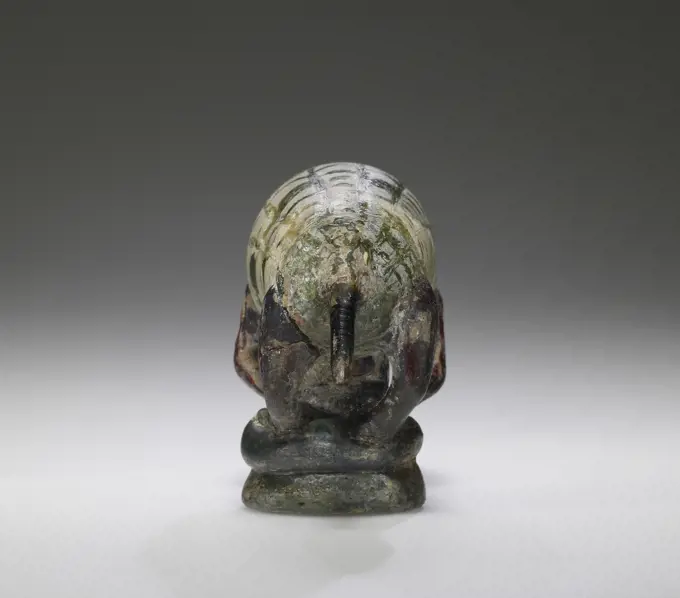
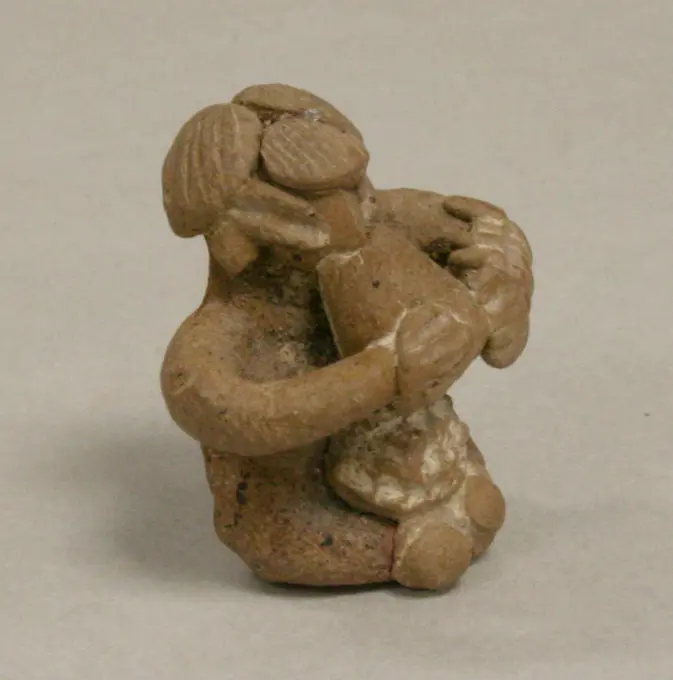
Statuette of an Ape; Eastern Mediterranean; 8th - 11th century; Glass; 8.6 x 5.4 cm (3 3,8 x 2 1,8 in.)
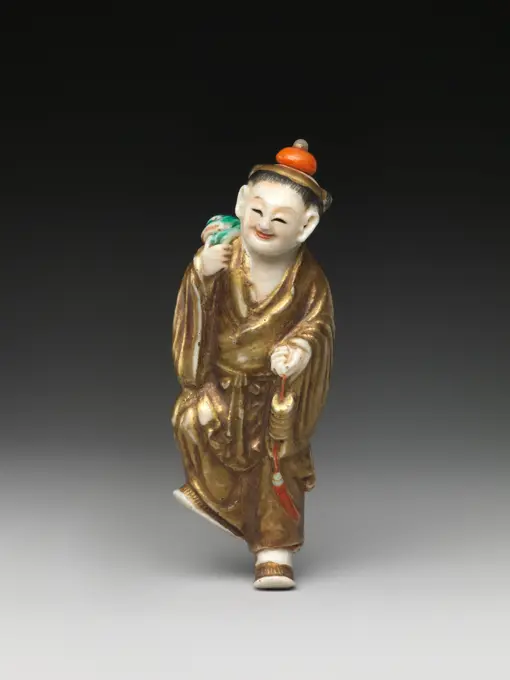
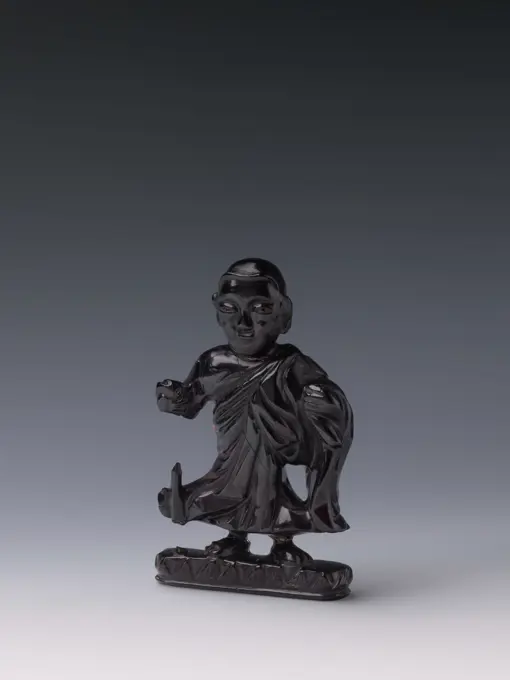
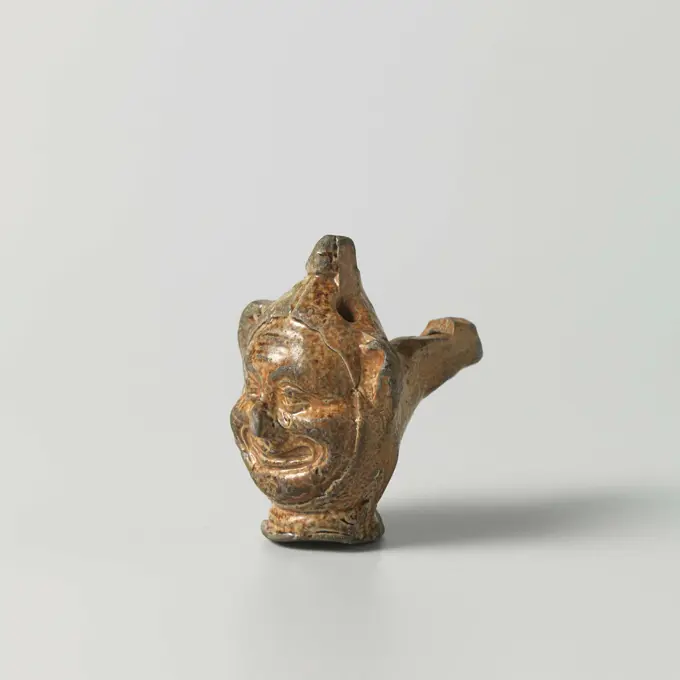
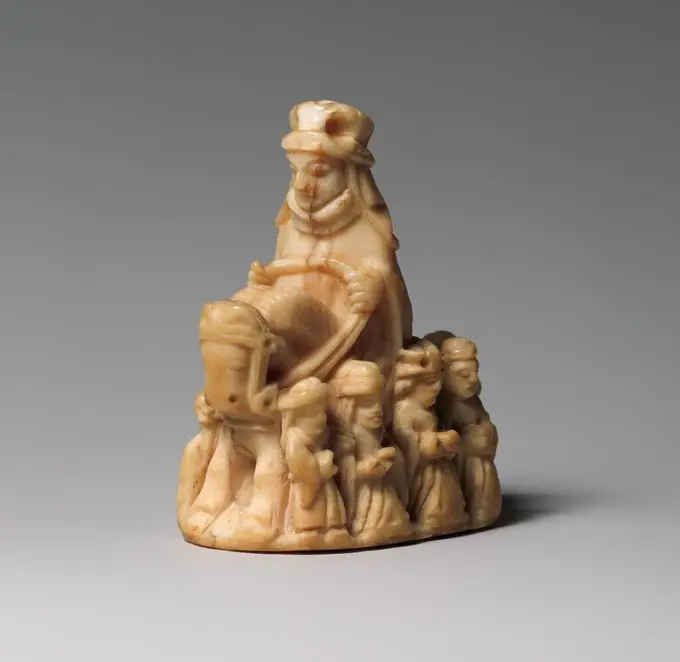
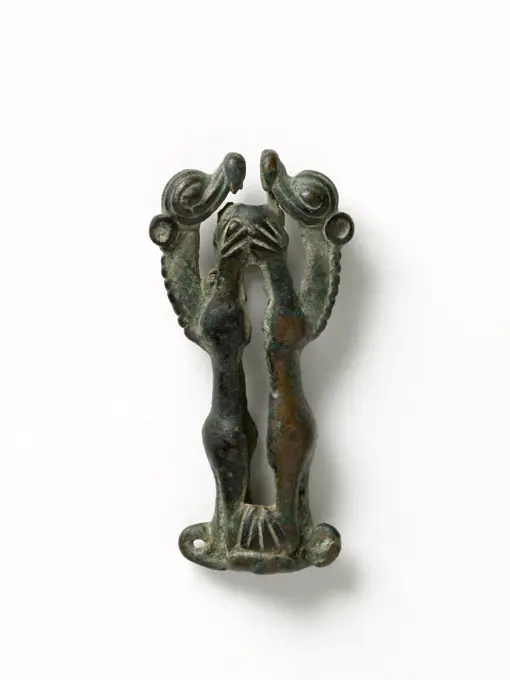
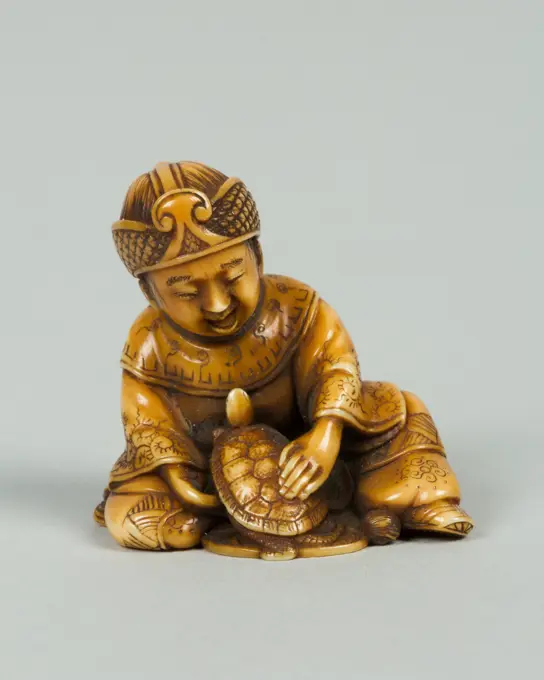
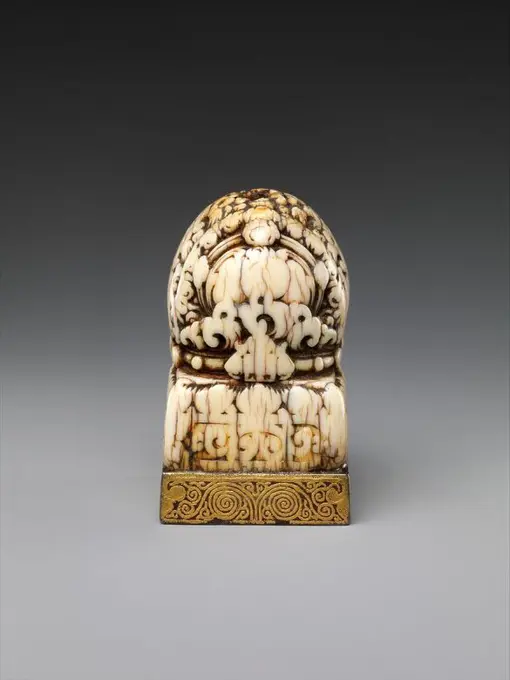
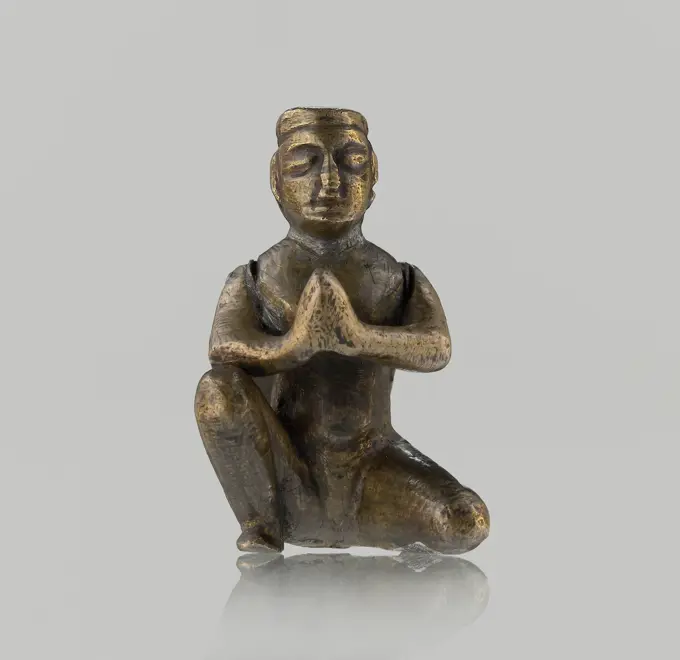
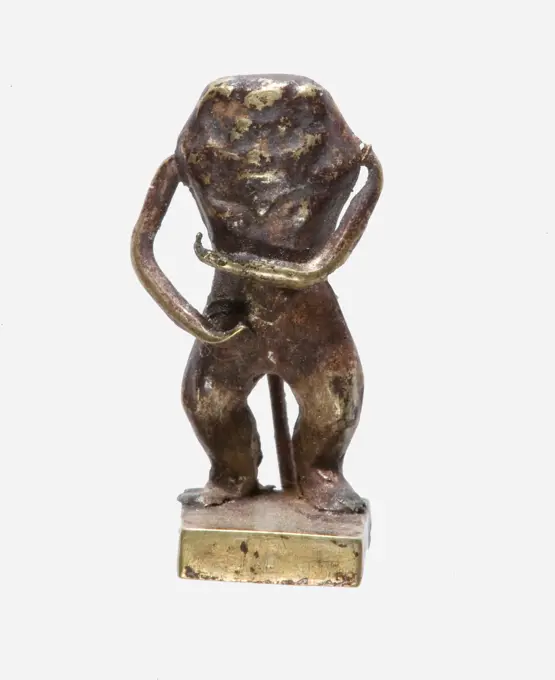
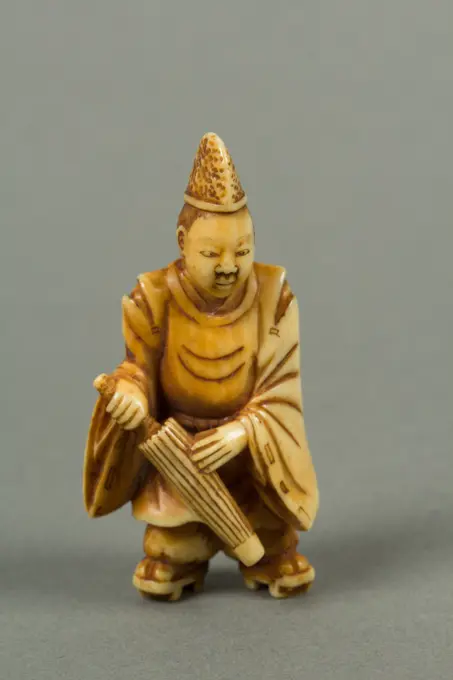
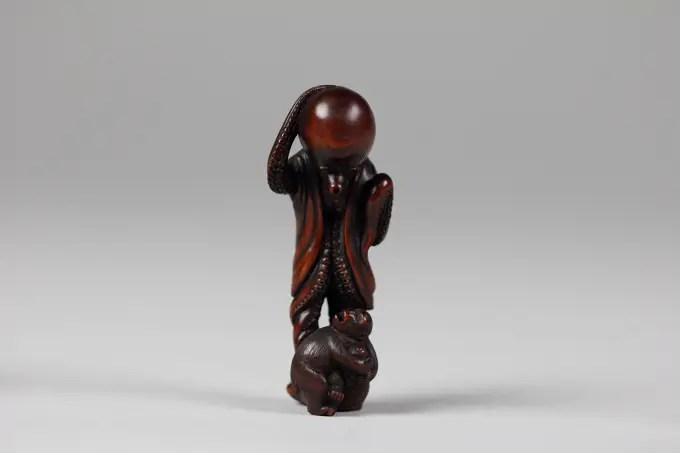
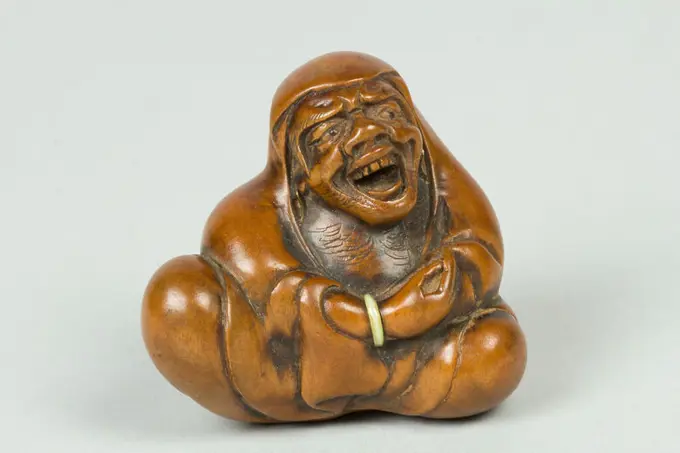
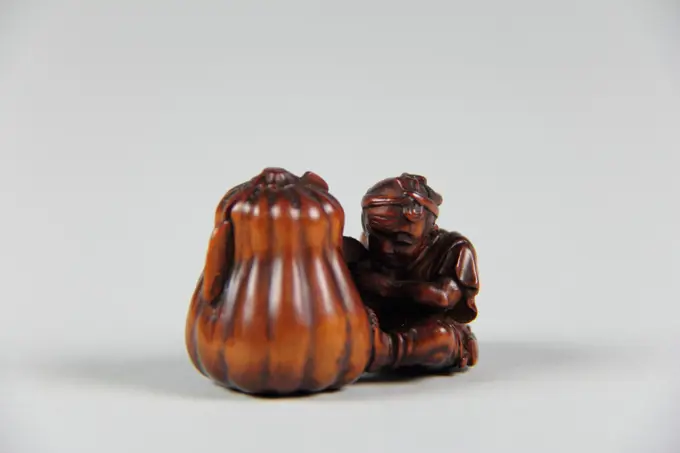
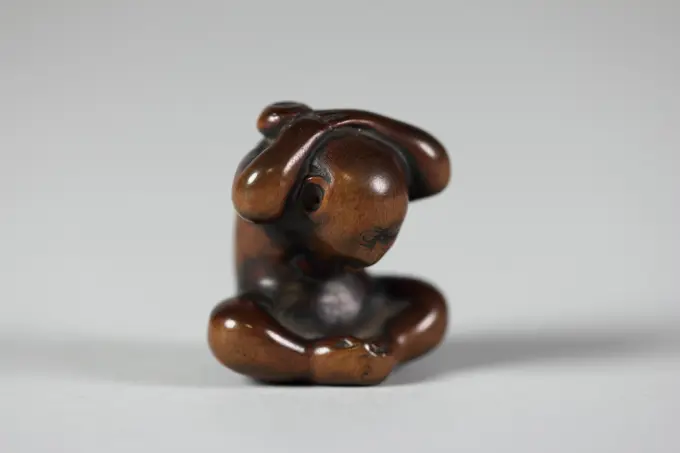
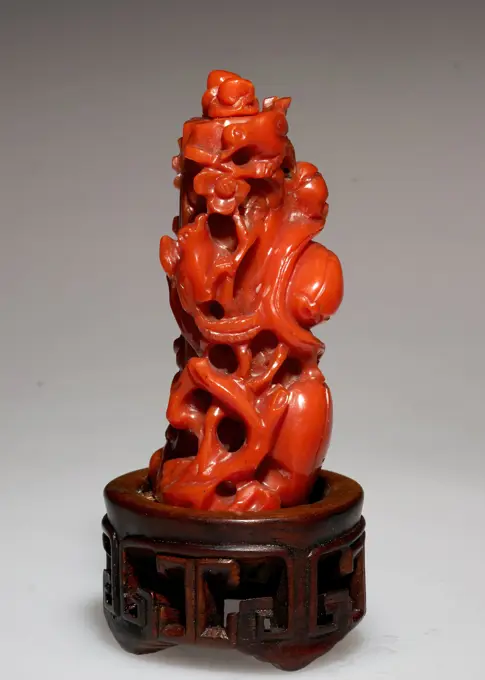
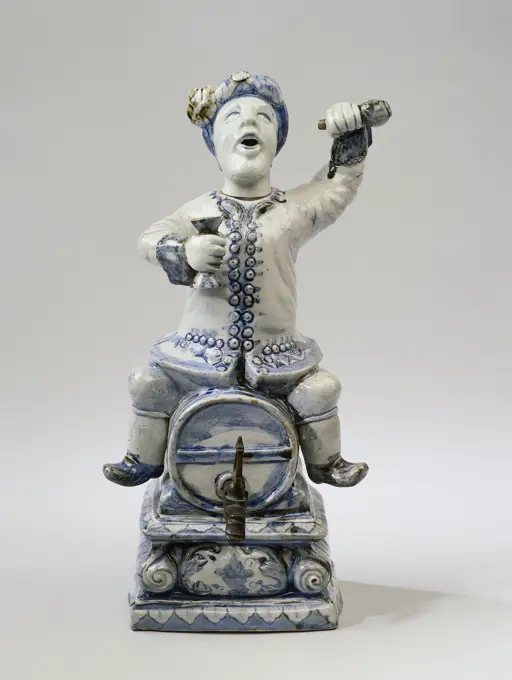
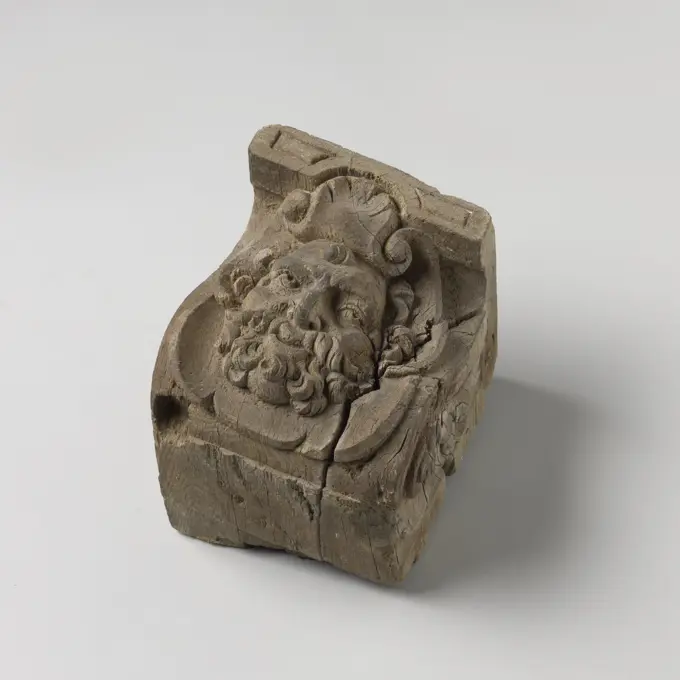
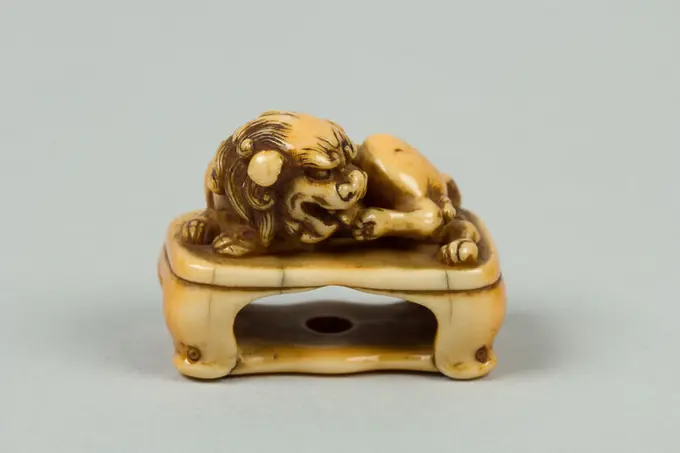
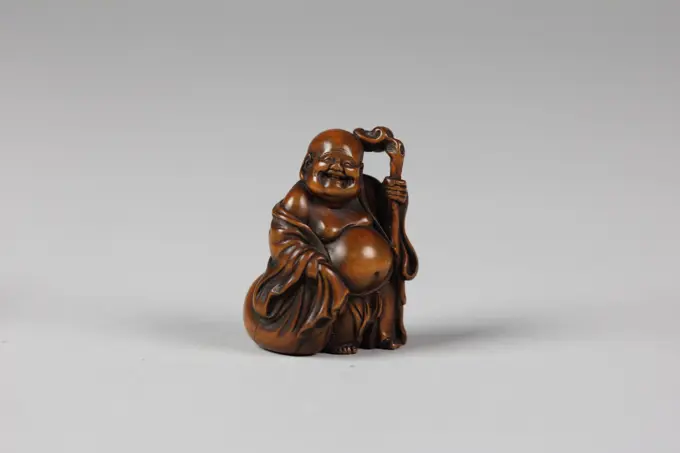
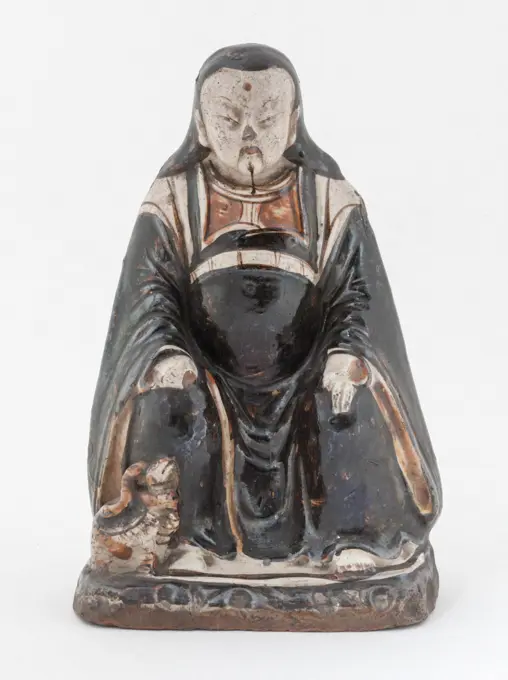
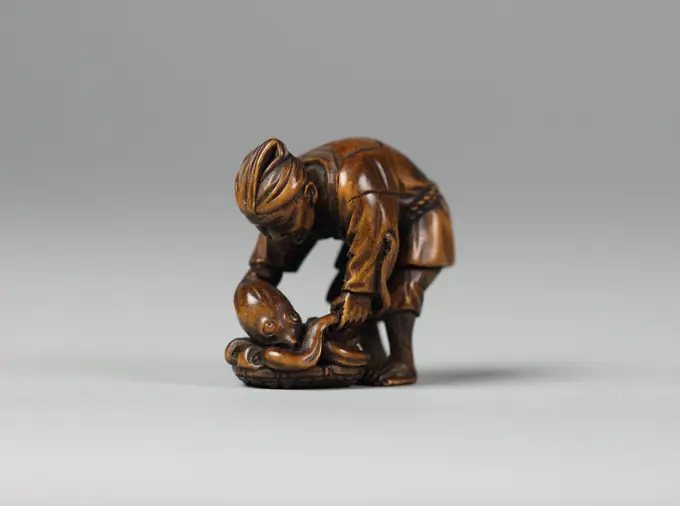
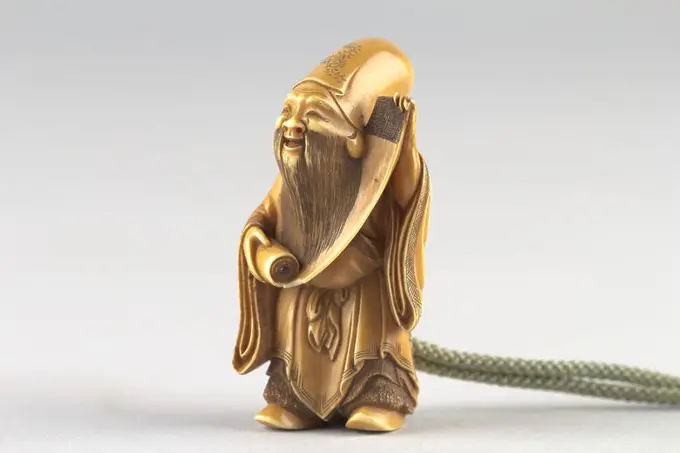
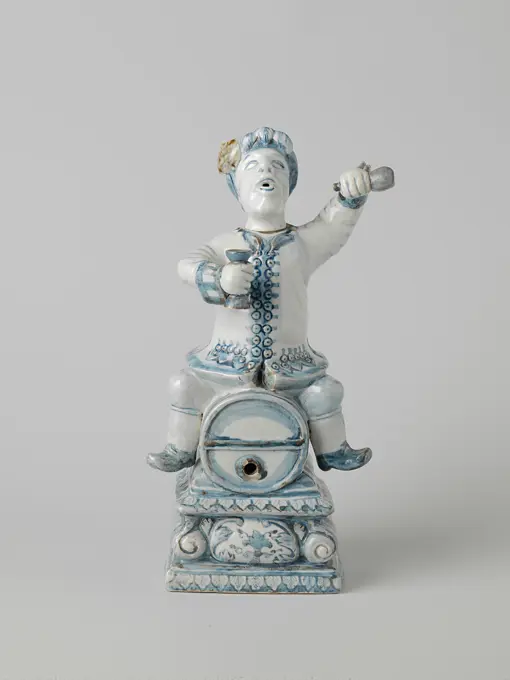
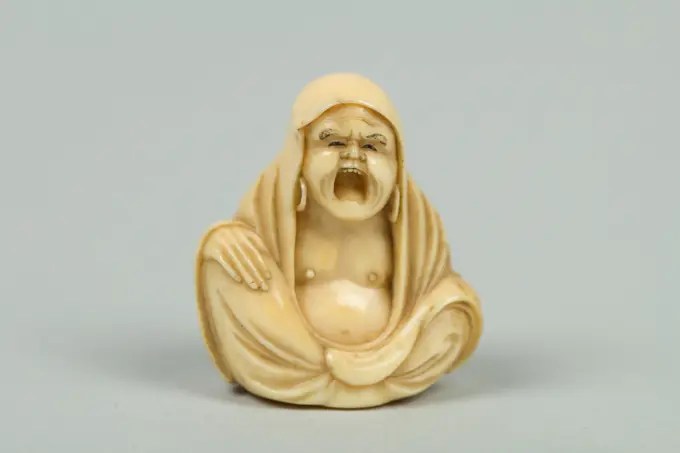
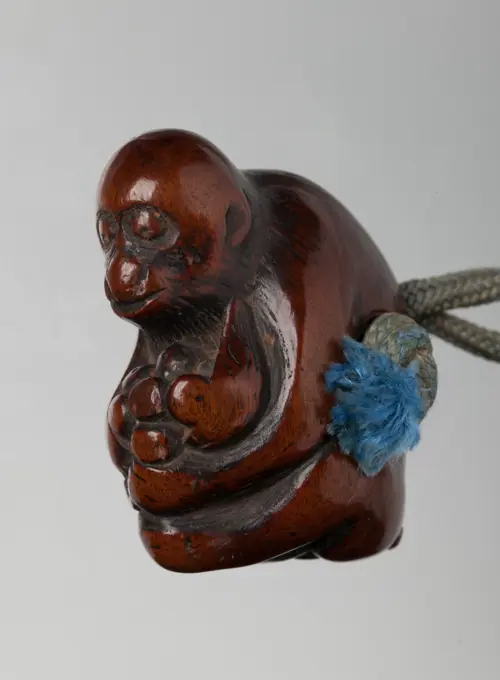
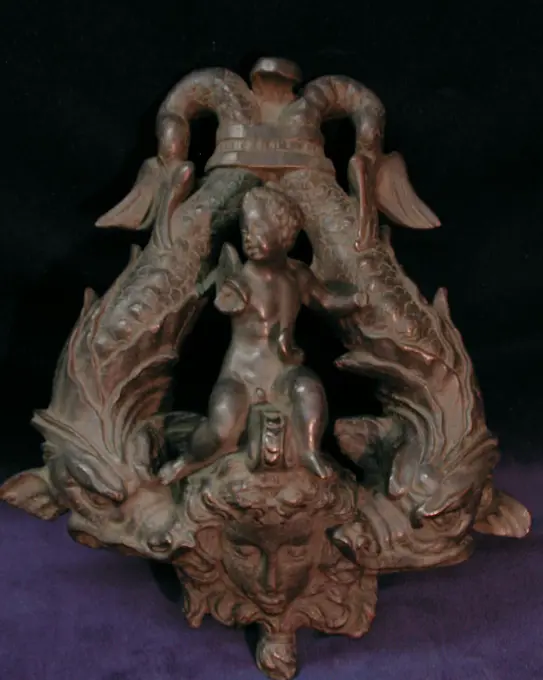
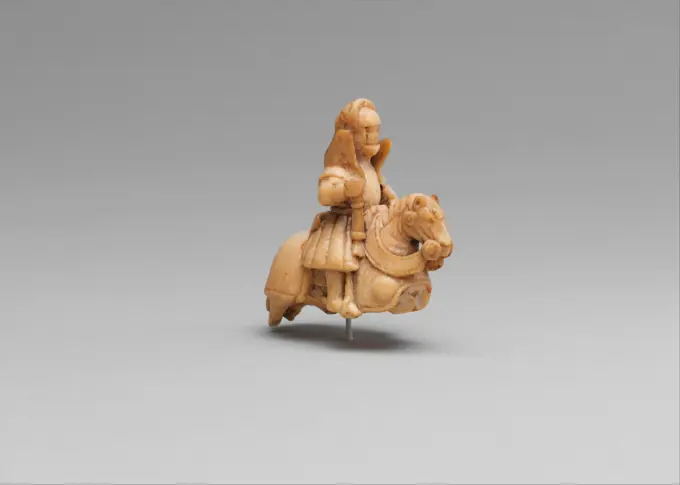
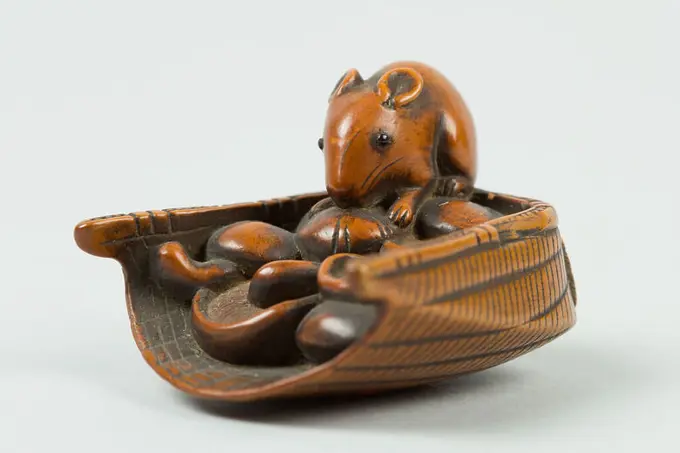
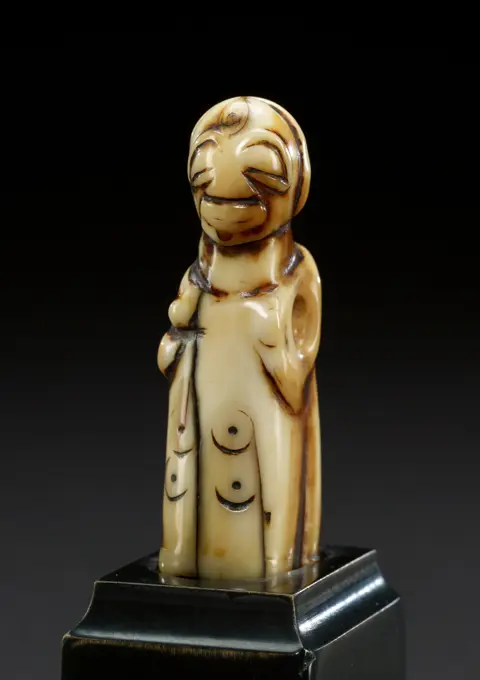
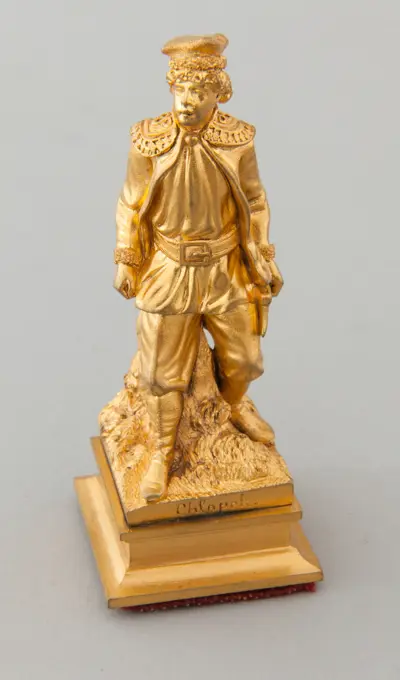
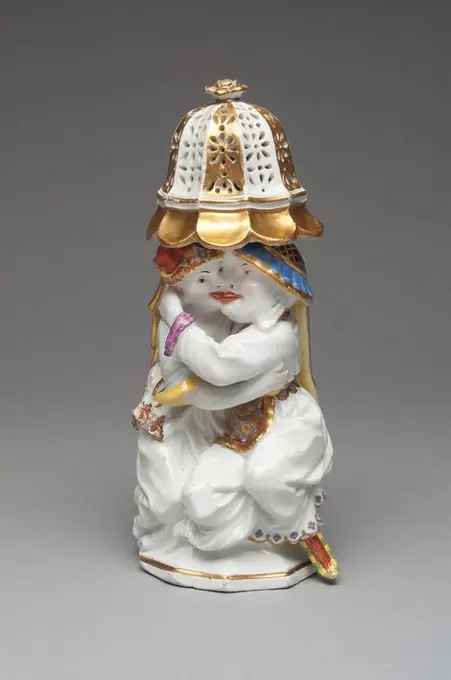
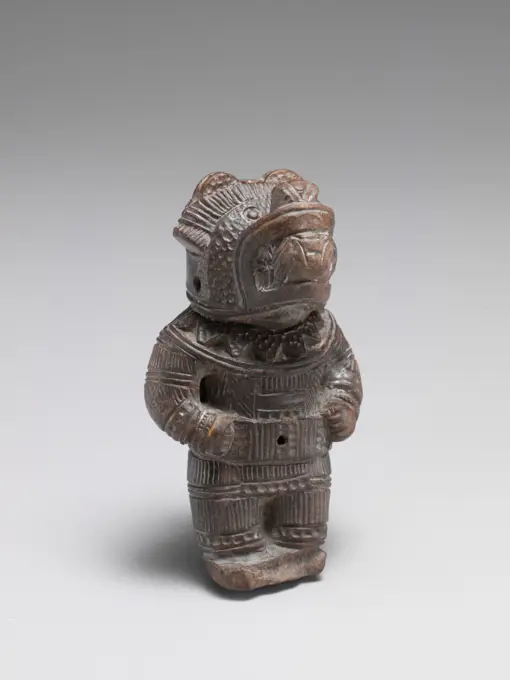
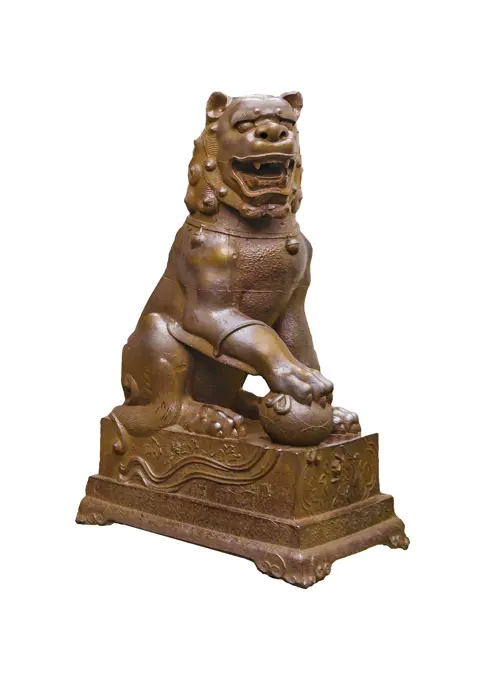
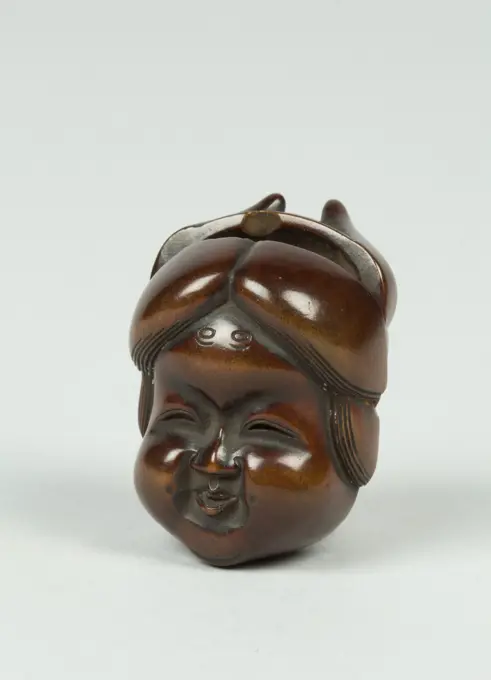
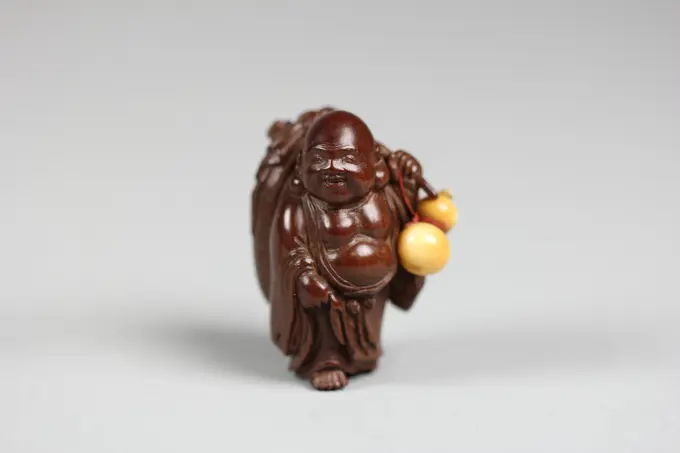
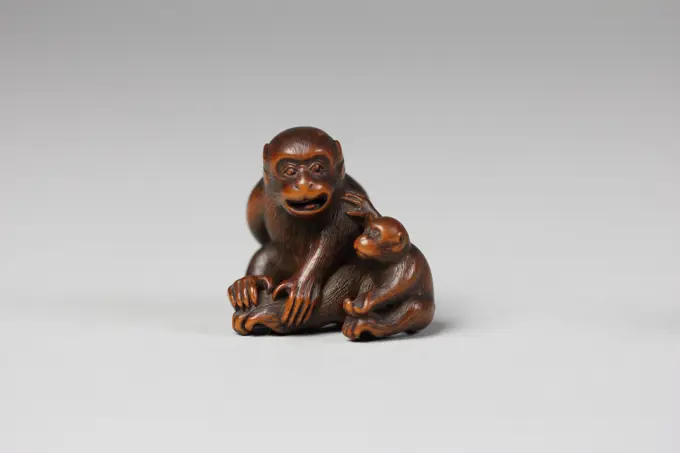
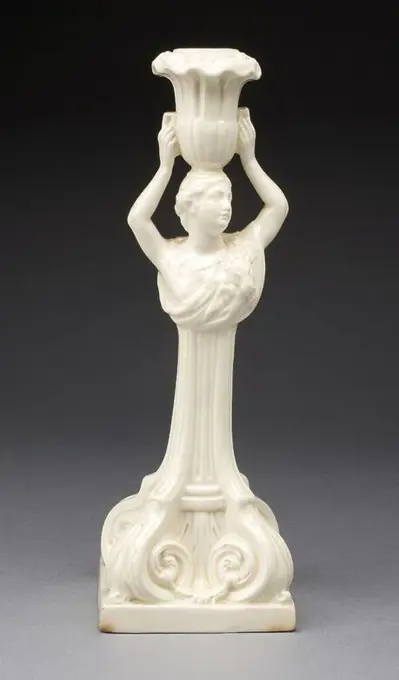
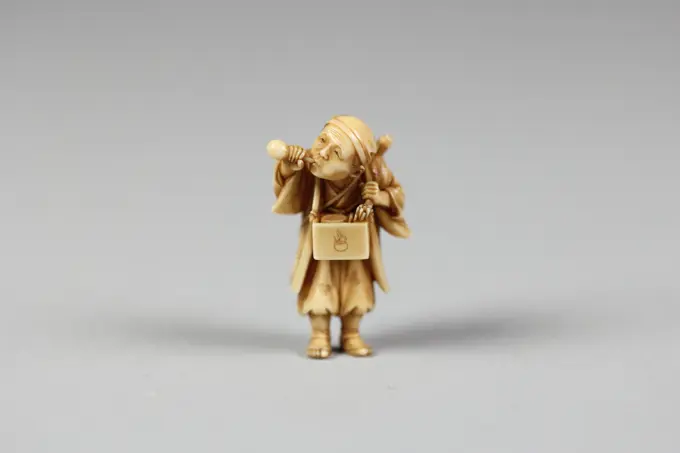
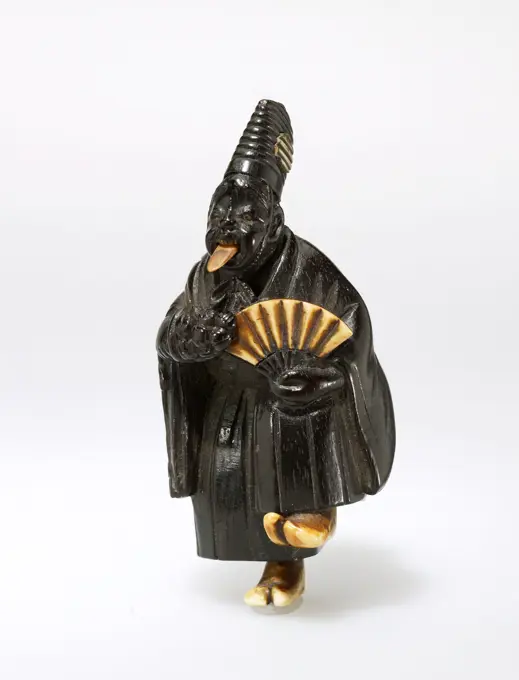
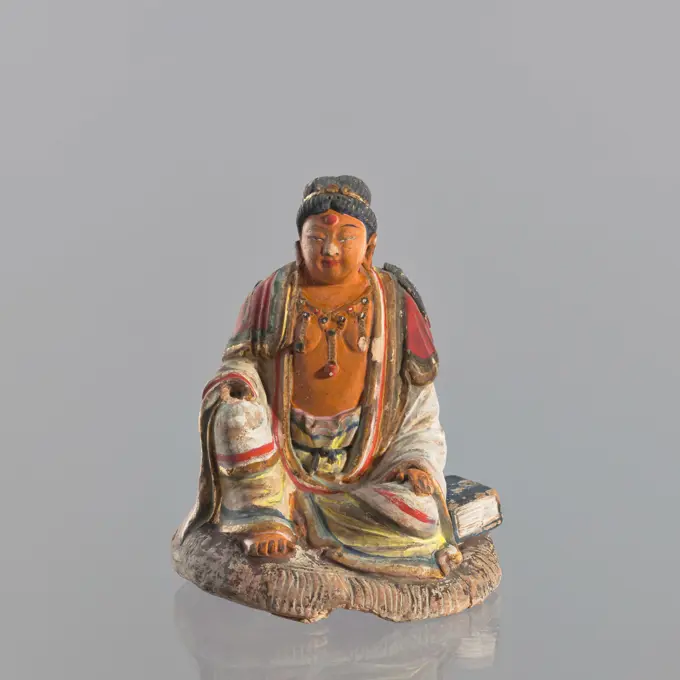
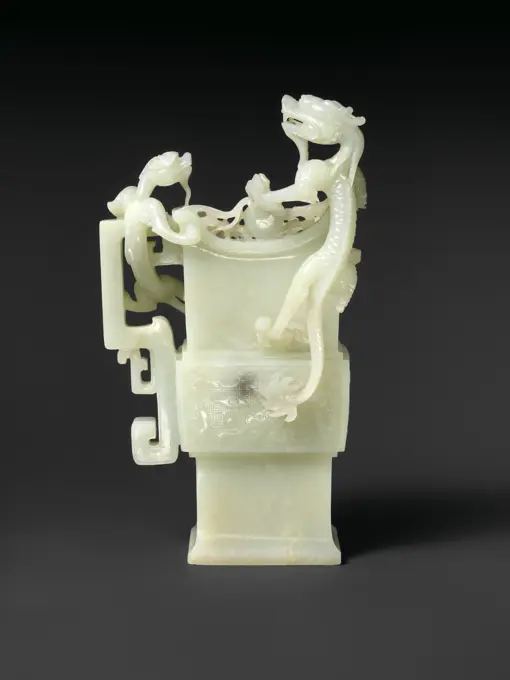
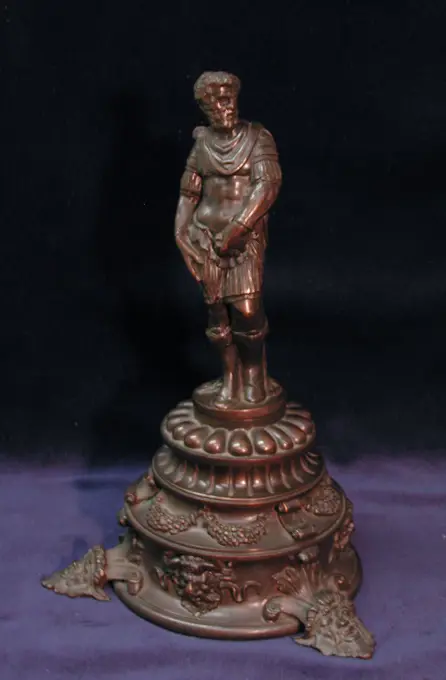
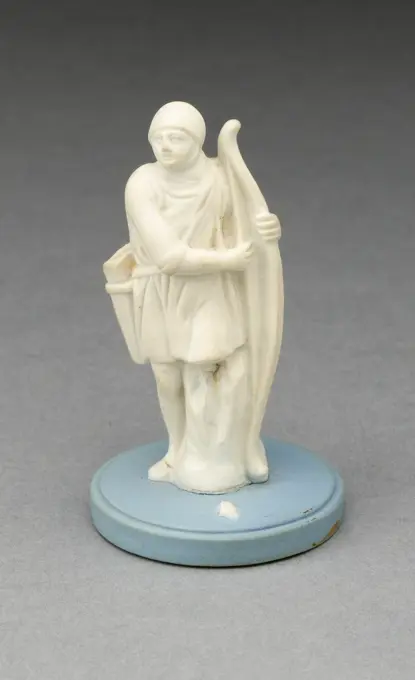
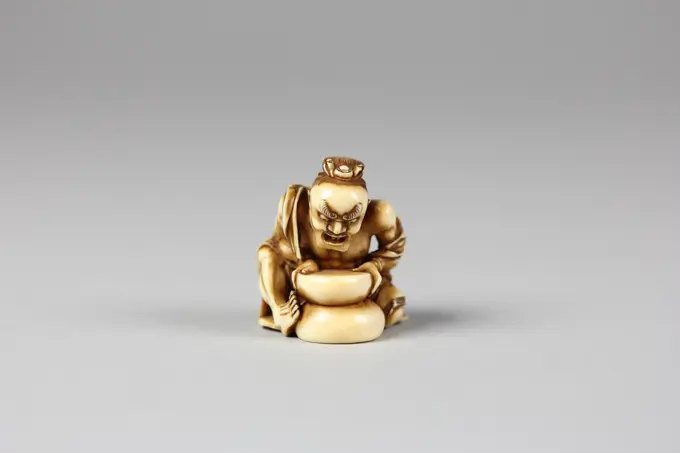
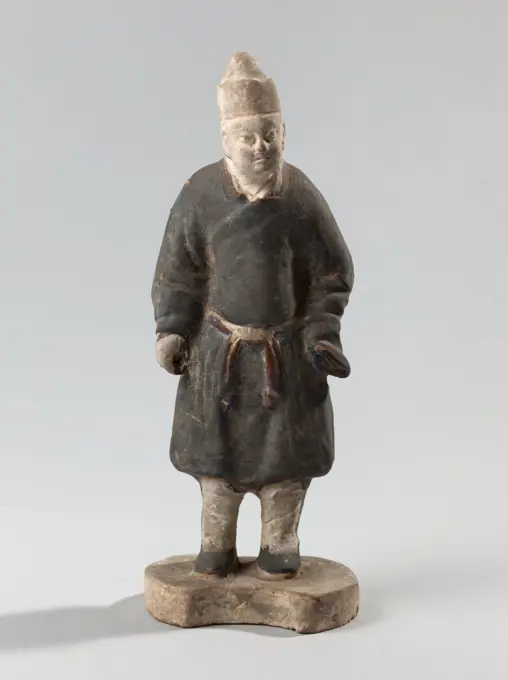
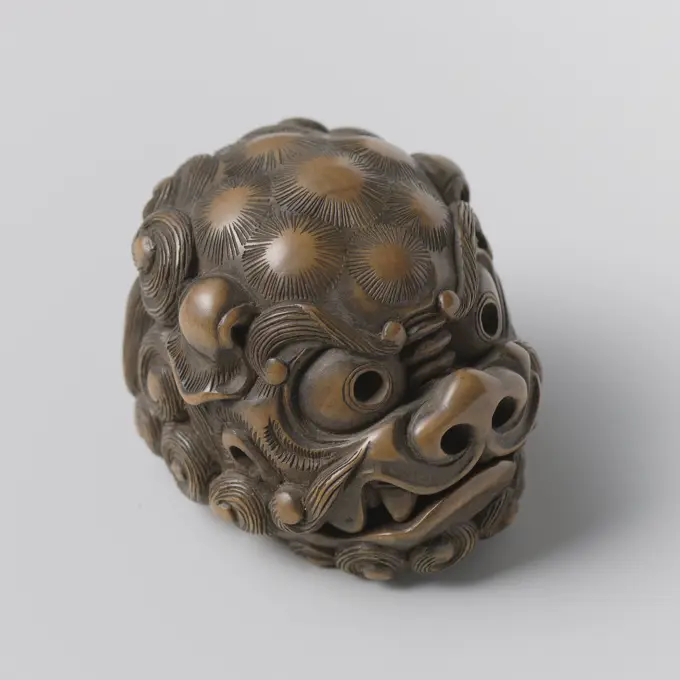
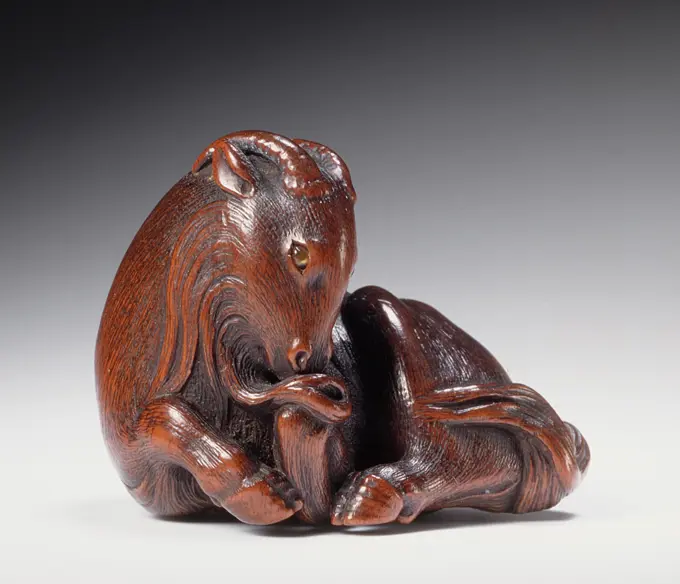
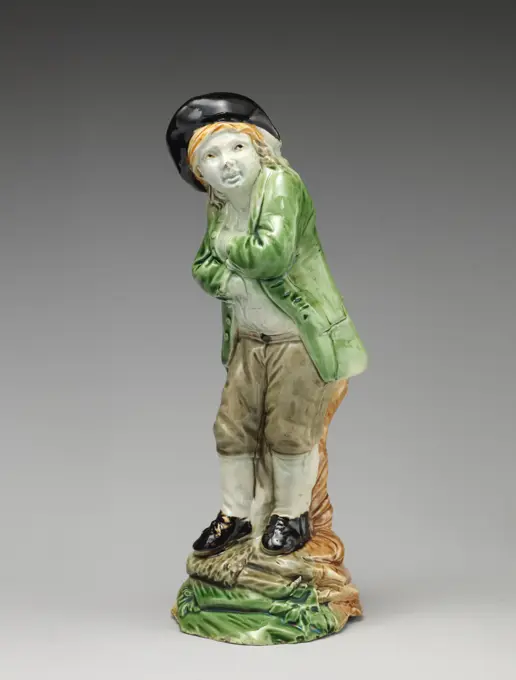
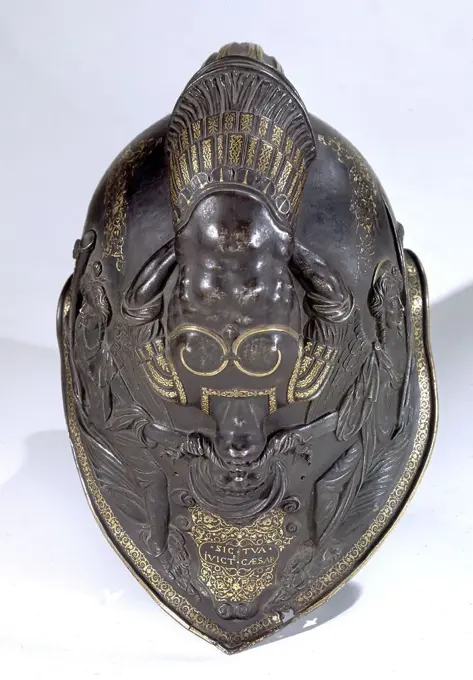
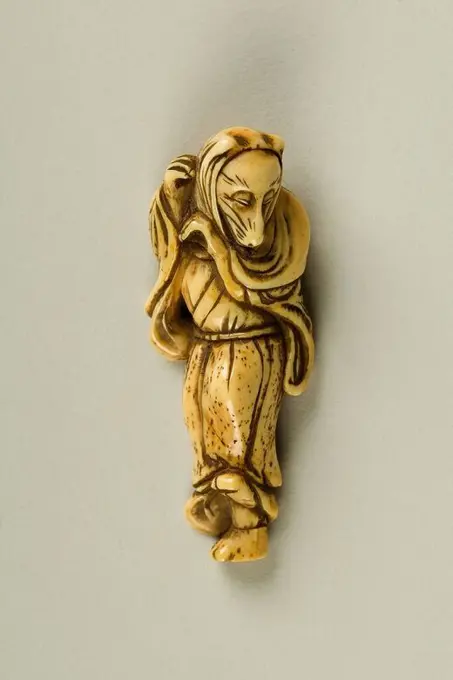
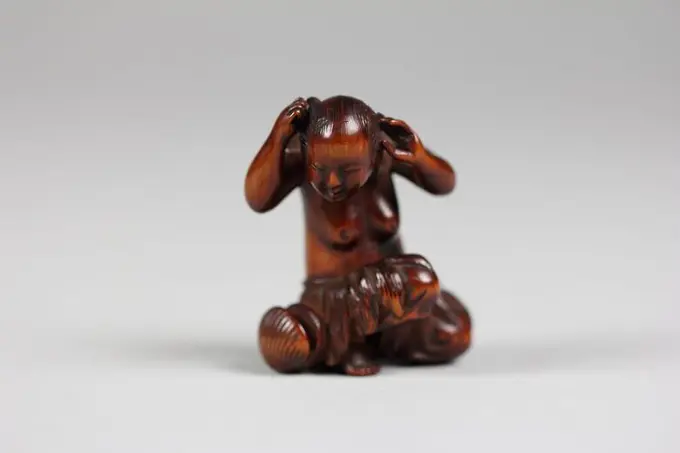
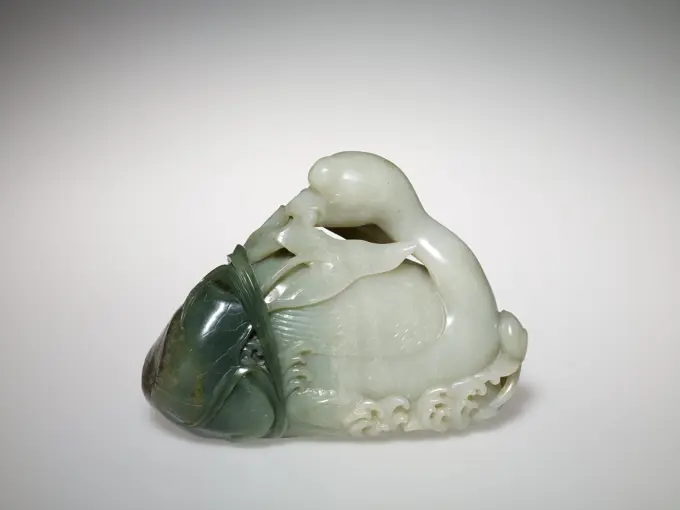
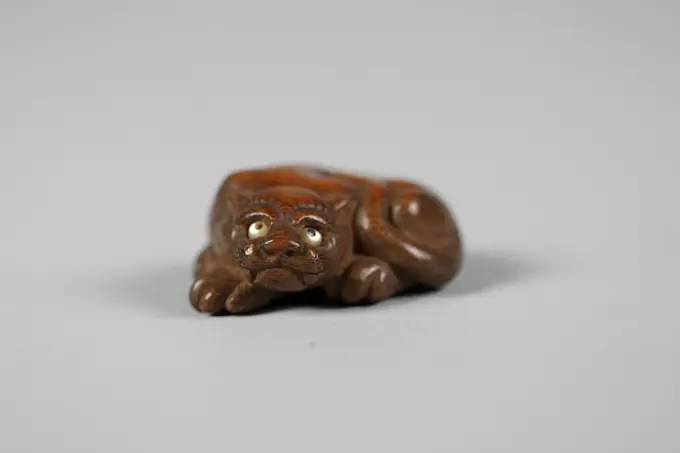
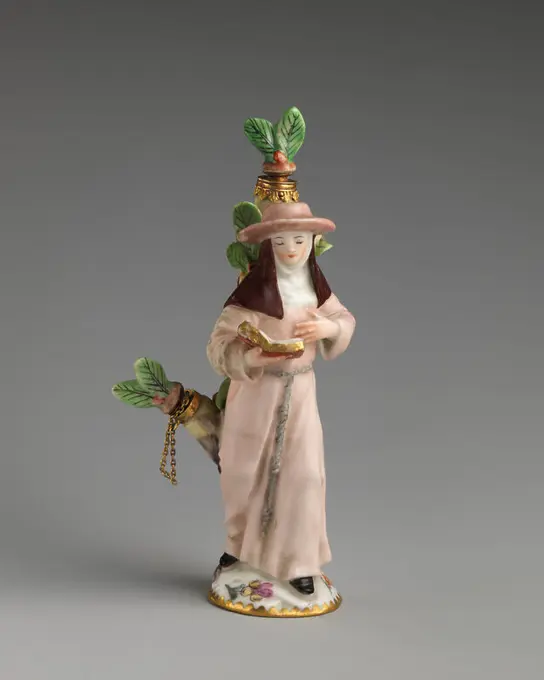
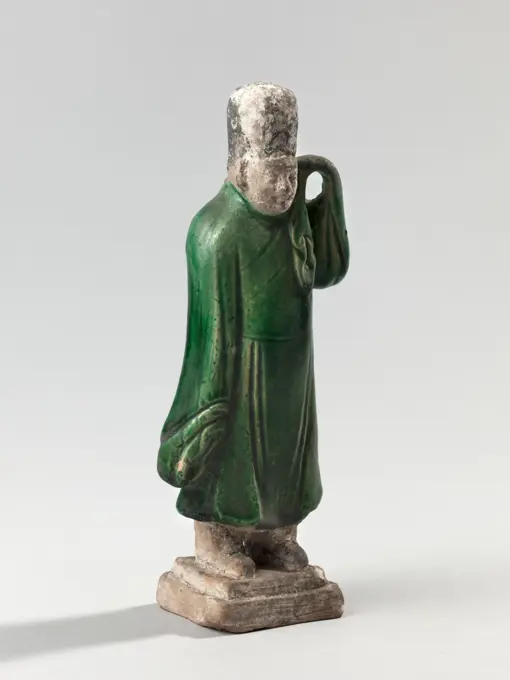
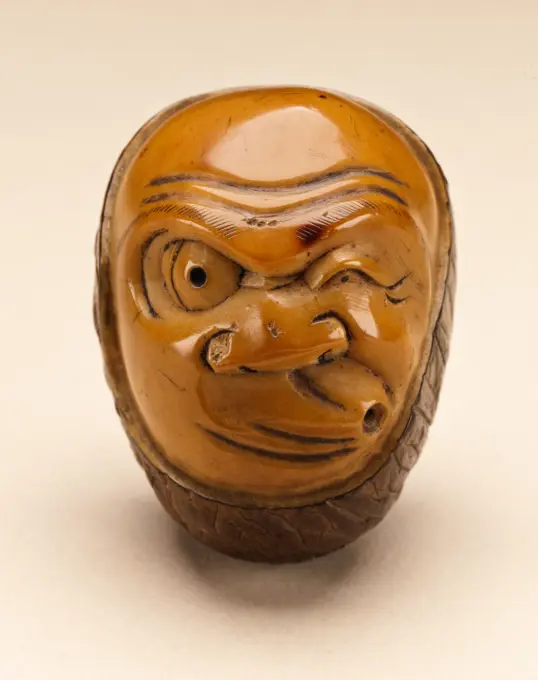
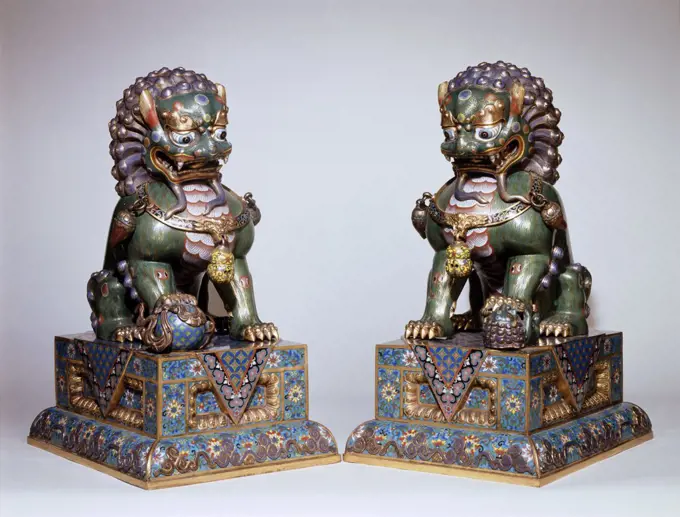
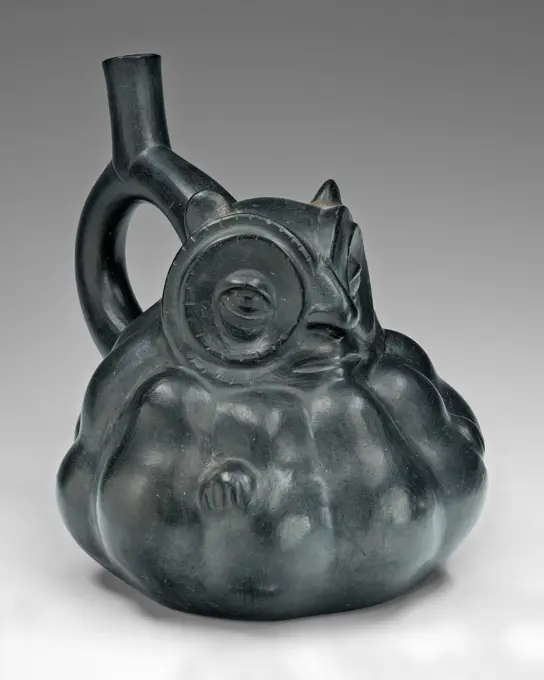
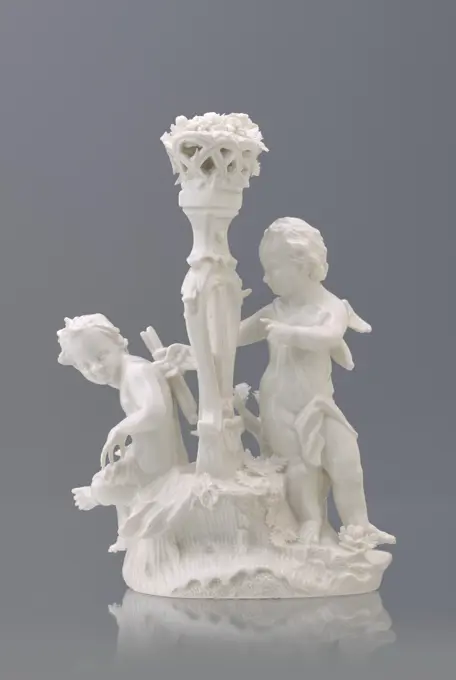
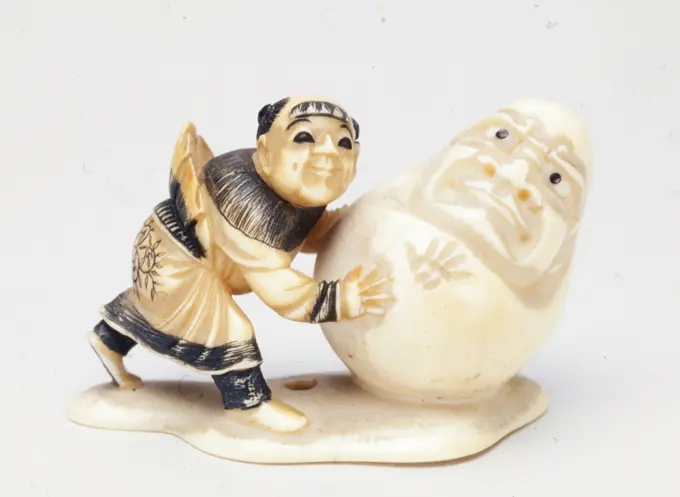
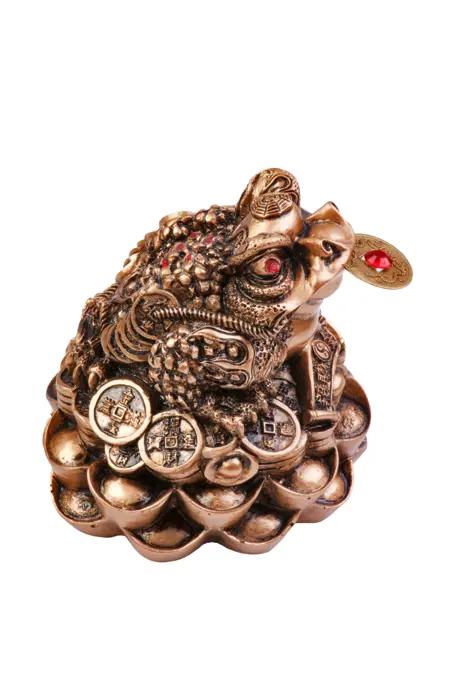
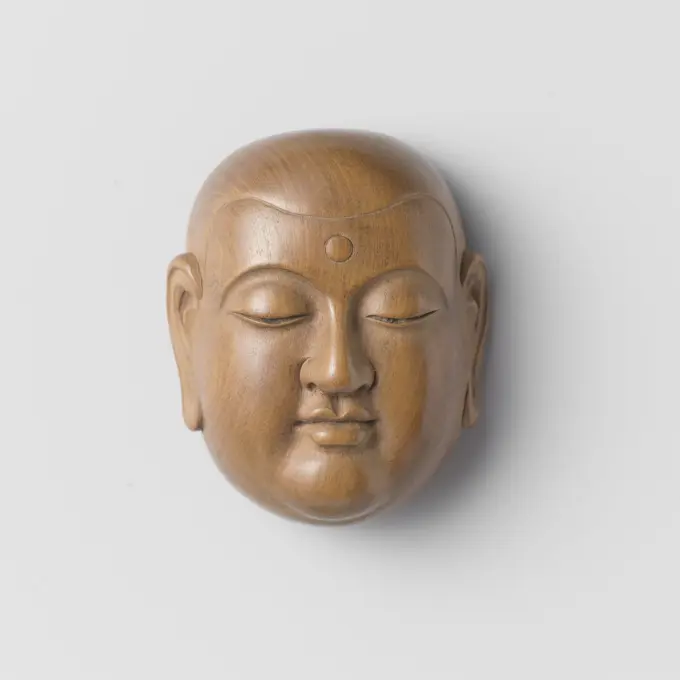
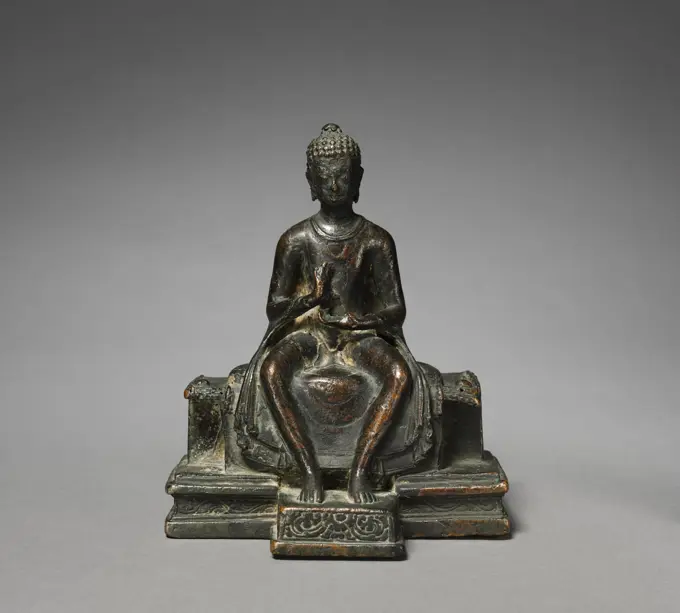
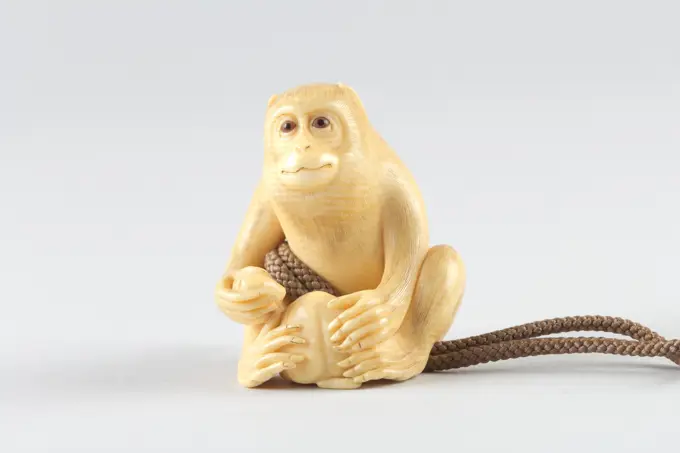
Netsuke, anonymous, c. 1700 - c. 1900 The God Daikoku. Polychromed wood. Japan wood (plant material) The God Daikoku. Polychromed wood. Japan wood (plant material)Snuff Bottle Depicting the Immortal Liu Hai late 18th-early 19th century China. Snuff Bottle Depicting the Immortal Liu Hai 41328Mnich buddyjski. unknown, craftsmanStatuette of an Ape; Eastern Mediterranean; 8th - 11th century; Glass; 8.6 x 5.4 cm (3 3,8 x 2 1,8 in.)Tanuki in a Lotus Leaf 18th century Matsuda Sukenaga In Japanese folklore, the tanuki is a mischievous master of disguise and shape shifting. Here it has enveloped himself in a lotus leaf as a priestly disguise.. Tanuki in a Lotus Leaf 59281Balic kris handle. Krisgeel in the shape of a man figure.Flute in the shape of a narring head. Flute in the shape of a jester head of gray stoneware. To the head a hat, which is topped from above and is provided from an extension of an extension, in which two holes. A hole has also been applied in the head so that this object can serve as a flute.Queen Chess Piece. Culture: Scandinavian. Dimensions: 2 5/8 × 2 3/8 × 1 7/16 in. (6.7 × 6.1 × 3.6 cm). Date: 13th century.Few medieval pieces in the form of Bishops, Kings, or Queens survive. The Queen was one of medieval Europe's key contributions to the game of chess as it is known today. Beginning in the twelfth century, Queens gradually replaced the Viziers (male advisers to the king) of the Islamic and Persian chess tradition. Astride her horse and poised for battle, this Queen is surrounded by an entourage; some members of the group seek her aid. Museum: Metropolitan Museum of Art, New York, USA.Ewer with a lion-formed handle late 17th-early 18th century China. Ewer with a lion-formed handle. China. late 17th-early 18th century. Porcelain painted with polychrome enamels over the biscuit (Jingdezhen ware). Qing dynasty (1644-1911), Kangxi period (1662-1722). CeramicsTaught. Two animals faced. LURISTAN. 1000-750 BC. Paris, Cernuschi museum. 35388-6 Face, Iron Age, Brand, AnimalNetsuke of Boy with Tortoise 19th century Japan. Netsuke of Boy with Tortoise. Japan. 19th century. Ivory. Edo (1615-1868) or Meiji period (1868-1912). NetsukeSeal with mantra in vartu script. Culture: China. Dimensions: H. 2 in. (5.1 cm); W. 1 1/8 in. (2.9 cm).Vartu is one of the scripts developed in India for writing religious texts. It was also used in Tibet. The invocation on this Chinese seal reads a ra pa ca na. It is dedicated to one the forms of the bodhisattva Manjushri (Wenshu), who symbolizes wisdom. Museum: Metropolitan Museum of Art, New York, USA.Decorative element - winged Adorant ();  1. PO. 19th century (1801-00-00-1850-00-00);Miniature seal in the form of Cupid ca. 1770 Derby Porcelain Manufactory. Miniature seal in the form of Cupid. British, Chelsea-Derby. ca. 1770. Soft-paste porcelain. Derby Porcelain Manufactory (British, Chelsea-Derby period, 1769-1784). Ceramics-PorcelainA standing figure of a Bes-image ca. 1950-1850 B.C. Middle Kingdom-Early New Kingdom. A standing figure of a Bes-image. ca. 1950-1850 B.C.. Gold. Middle Kingdom-Early New Kingdom. From Egypt, Memphite Region, Lisht North, cemetery south of pyramid, between Houses A1:1 & A2:3, Pit 367, MMA excavations, 1920-22. Dynasty 12, early-midNetsuke of a Boy Carrying an Umbrella 18th century Japan. Netsuke of a Boy Carrying an Umbrella. Japan. 18th century. Ivory. Edo period (1615-1868). NetsukeNetsuke of Octopus and Monkey 19th century Japan. Netsuke of Octopus and Monkey. Japan. 19th century. Wood. Edo (1615-1868) or Meiji period (1868-1912). NetsukeFigurine of arhat on a lion on stand. unknown, sculptorNetsuke. Culture: Japan. Dimensions: H. 1 3/4 in. (4.4 cm); W. 1 7/8 in. (4.8 cm). Date: 18th century. Museum: Metropolitan Museum of Art, New York, USA.Netsuke of Boy Cutting a Gourd 19th century Japan. Netsuke of Boy Cutting a Gourd 59198Netsuke of Monkey 18th century Japan. Netsuke of Monkey 60436Snuff Bottle, 1662-1722, 2 1/2 x 7/8in. (6.4 x 2.2cm), Coral, China, 17th-18th centuryGin Jug, anonymous, c. 1750 Jeneverbank of porcelain, painted in under -glaze blue. The jug is sitting on a barrel in the form of a jolly Dutch man, a bottle of persistent in his raised left hand and a glass in his other hand. The head is separate from the body and serves as a cap; A suspended hat on the head. In the front of the barrel is a hole made for a brass tap. The barrel rests on a pedestal with with volute ornaments in European style; The pedestal is decorated with leaf vines. Blue White. Japan (possibly) porcelain. glaze. cobalt (mineral). kraan: brass (alloy) painting / vitrification Jeneverbank of porcelain, painted in under -glaze blue. The jug is sitting on a barrel in the form of a jolly Dutch man, a bottle of persistent in his raised left hand and a glass in his other hand. The head is separate from the body and serves as a cap; A suspended hat on the head. In the front of the barrel is a hole made for a brass tap. The barrel rests on a pedestal with with volute ornamenCarved Console van Eikenhout, from the so -called Huis van Alva, Warmoestraat in Amsterdam, c. 1500 - c. 1699 Familiar oak console, from the so -called house of Alva, Warmoestraat in Amsterdam. In total it concerns two consoles, three wide and three narrow styles (BK-KOG-755-A to F, H). See also BK-KOG-754-1 to 7, these are 6 painted styles that come from the same house. Northern Netherlands (possibly) oak (wood) Familiar oak console, from the so -called house of Alva, Warmoestraat in Amsterdam. In total it concerns two consoles, three wide and three narrow styles (BK-KOG-755-A to F, H). See also BK-KOG-754-1 to 7, these are 6 painted styles that come from the same house. Northern Netherlands (possibly) oak (wood)Netsuke of Lion on a Stand. Culture: Japan. Dimensions: H. 1 in. (2.5 cm); W. 1 1/4 in. (3.2 cm); D. 3/4 in. (1.9 cm). Date: 19th century. Museum: Metropolitan Museum of Art, New York, USA.Netsuke of Hotei with Bag 19th century Japan. Netsuke of Hotei with Bag 59129Netsuke Sambaso dancer, 19th century, Unknown Japanese, 1 3/4 x 1 1/16 x 1 3/16in. (4.4 x 2.7 x 3cm), Wood, ivory, Japan, 19th centuryStatuette ". Trentires à couvere brunette et crem. Paris, eerus museum. Chinese art, gres, statuetteNetsuke of Snake Catcher 19th century Japan. Netsuke of Snake Catcher. Japan. 19th century. Wood. Edo (1615-1868) or Meiji period (1868-1912). NetsukeFigure 3rd century B.C.-A.D. 4th century Chupicuaro. Figure 313179Netsuke of a Chinese sage. Culture: Japan. Dimensions: H. 1 7/8 in. (4.8 cm). Date: 18th century. Museum: Metropolitan Museum of Art, New York, USA.Spirit Keg in the shape of a dutchman sitting astride a barrel. DOP in the form of a head for gin jar of porcelain, painted in underglaze blue. On the head a sprung hat. Blue White.Netsuke 19th century Japan. Netsuke 59410Netsuke 19th century Japan. Netsuke. Japan. 19th century. Ivory. Edo (1615-1868) or Meiji period (1868-1912). NetsukeCDK unknown. Hanging clock with bull as a top piece.Seal early 20th century China. Seal. China. early 20th century. Gray green jade. SealsDoor knocker 19th century, after 17th century original British, after Italian original This electrotype is after a seventeenth-century original in the Botkine collection, St. Petersburg, at the time of reproduction.. Door knocker. British, after Italian original. 19th century, after 17th century original. Bronze. Metalwork-ElectrotypeAmerica, Glazed porcelain, gilding, Female figure dressed in feather skirt, knee bands, eppaulets and headdress, seated on alligator; right hand holding aladle, left resting on back of a cockatoo; on her back a quiver with arrows, and on the ground a severed human head; marbled socle., Spain, ca. 1770, ceramics, Decorative Arts, Figure, FigureChess Piece in the Form of a Knight ca. 1510-30 Western European, possibly Germany or England This ivory chessman--like a similar chess piece also in the Metropolitan Museum's collection (acc. no. 68.95), the only survivor of an otherwise vanished set--nevertheless gives a good impression of a complete armor for both man and horse as worn throughout Europe during the early sixteenth century.Despite the somewhat stylized representation of the armor, several elements of the figure are noteworthy. As part of a complete armor, the man-at-arms wears a helmet of armet type, shoulder defenses (pauldrons) with large, upright flanges for additional protection of the neck (haute-pieces), and a textile skirt. Of the lance, which formerly rested on the side of the saddle, only the part below the rider's right hand survives.The bard comprises a light, open shaffron fitted with a rondel or escutcheon plate but without ear or eye guards; a crinet of several plates, probably fitted with an additional Netsuke of Mouse in a Basket of Mushrooms. Culture: Japan. Dimensions: H. 1 3/4 in. (4.4 cm); W. 1 5/8 in. (4.1 cm); D. 1 1/8 in. (2.9 cm). Date: 19th century. Museum: Metropolitan Museum of Art, New York, USA.Pendant, 19th century, 5 × 1 3/4 × 1 3/4 in. (12.7 × 4.45 × 4.45 cm) (with base), Ivory, Democratic Republic of Congo, 19th centuryChess figure Chładek Skirmuntt, Helena (1827 1874)Sugar Caster with Cover (one of a pair). Meissen Porcelain Manufactory; German, founded 1710; Modeled by Johann J. Kandler (German, 1706-1775). Date: 1732-1742. Dimensions: H. 7 11/16 in. (19.5 cm). Hard-paste porcelain, polychrome enamels, and gilding. Origin: Meissen. Museum: The Chicago Art Institute, Chicago, USA.Flute 1300-1500 Tairona People; Gayraca style. Flute. Tairona People; Gayraca style. 1300-1500. Ceramic. Pre-Columbian. Sierra Nevada de Santa Marta, Colombia. Aerophone-Whistle Flute-recorderChinese Style Antique Lion Sculpture Isolated Mythologic chinese stone lion sculpture isolated on white background Copyright: xZoonar.com/DanielxFerreira-LeitesxCiccarinox 13564256Netsuke of Mask; Fat-Faced Girl and Demon 18th century Japan. Netsuke of Mask; Fat-Faced Girl and Demon. Japan. 18th century. Ivory. Edo period (1615-1868). NetsukeNetsuke of Hotei with Bag and Gourd 19th century Japan. Netsuke of Hotei with Bag and Gourd 59084Figurine: July. Germany, Berlin. Date: 1765-1775. Dimensions: H. 10.3 cm (4 1/16 in.). Hard-paste porcelain, polychrome enamels, and gilding. Origin: Berlin. Museum: The Chicago Art Institute, Chicago, USA.Netsuke of Monkey and Young 19th century Japan. Netsuke of Monkey and Young 59743Close-up of a figurine of Laughing Buddha against white backgroundGirl with Urn 1775-1799 France. Glass; lampwork (verre de Nevers), metal armatureCandlestick. Leeds Pottery; English, founded 1756. Date: 1780-1800. Dimensions: 25.6 x 8.9 x 8.9 cm (10 1/16 x 3 1/2 x 3 1/2 in.). Lead-glazed earthenware (creamware). Origin: Yorkshire. Museum: The Chicago Art Institute, Chicago, USA.Netsuke 19th century Japan. Netsuke 59989(Sanbaso Dancer), mid 19th century, Ran Tei, Japanese, 2 1/4 x 1 x 1 1/8in. (5.7 x 2.5 x 2.9cm), Ebony, ivory, Japan, 19th centuryFigurine of seated man. unknown, craftsmanArchaic-style vase with dragons 18th-19th century China This vessel takes the form of an ancient bronze ritual wine container (fanggu). The dragons, a contemporary addition, enliven the classical model with a new sensibility. The Qing dynasty vessel would not have been used for wine, like its ancient inspiration, but was a decorative object designed to display the owners learned taste.. Archaic-style vase with dragons. China. 18th-19th century. Jade (nephrite). Qing dynasty (1644-1911). JadeInkstand or perfume burner 19th century, after 15th century original British, after Italian original This electrotype is after a fifteenth-century original in the Victoria and Albert Museum, London, at the time of reproduction.. Inkstand or perfume burner. British, after Italian original. 19th century, after 15th century original. Bronze. Metalwork-ElectrotypeChess Piece Pawn 1800-1899 Burslem. Stoneware (jasperware) . Wedgwood Manufactory (Manufacturer)Seated lion, figurine, Chinese ArtBronze statuette of a draped youth Etruscan 5th century BCE Draped; perhaps a lighting utensil attachment.Netsuke 19th century Japan. Netsuke 60043Male character mingqi. Terracotta, brown glaze, traces of polychromy. Paris, Cernuschi museum. 78843-16 Beyond, belief, figurine, mingqi, funeral object, male character, model character, funeral rite, statuetteCandlestick Vienna (Pałowowa Manufaktura)Okame. Japan, 19th century. Costumes; Accessories. Banko ware; ceramic with overglaze enamel and colored glazeNetsuke, Tomotada, 1800-1850 Mask of a shishi. Signed "Tomotada". Japan wood (plant material) Mask of a shishi. Signed "Tomotada". Japan wood (plant material)Water Dropper in the Shape of a Youth Seated on a Drum and Holding a Gourd on His Back 17th century Japan. Water Dropper in the Shape of a Youth Seated on a Drum and Holding a Gourd on His Back 52381Goat. Ikkan (Japan, 1817-1893). Japan, mid- to late 19th century. Costumes; Accessories. Wood with double inlaysSweep boy ca. 1770-80 Ralph Wood the Younger. Sweep boy. Probably after a model by Paul-Louis Cyfflé (French, Bruges 1724-1806 Brussels). British, Burslem, Staffordshire. ca. 1770-80. Lead-glazed earthenware. Ceramics-PotteryCASCO DE CARLOS V FRONTAL SUPERIOR - SIGLO XVI. Location: PALACIO REAL-REAL ARMERIA DE MADRID. MADRID. SPAIN.Monkey Trainer, late 19th century, Josō, Japanese, 1855 - 1910, 1 1/2 x 1 1/2 x 1in. (3.8 x 3.8 x 2.5cm), Ivory, Japan, 19th centuryNetuske with Fox from the Kyogen Play "Hakuzosu". Culture: Japan. Dimensions: H. 2 1/2 in. (6.4 cm); W. 1 in. (2.5 cm); D. 3/4 in. (1.9 cm). Date: 19th century. Museum: Metropolitan Museum of Art, New York, USA.Netsuke. Culture: Japan. Dimensions: H. 1 7/8 in. (4.8 cm); W. 1 3/8 in. (3.5 cm); D. 1 1/4 in. (3.2 cm). Date: 18th century. Museum: Metropolitan Museum of Art, New York, USA.Goose, 16th century, 5 3/4 x 7 1/2 in. (14.61 x 19.05 cm), Gray-green nephrite with brown markings, China, 16th century, Auspicious animals carved in the round, often following the contours of the jade pebble from which they were formed, were extremely popular during the Ming dynasty (1368-1644). This image of a goose grasping a lotus flower is remarkable for its size, as well as for the colors of the stone. Although the surface is finely worked in meticulous detail, there remains a strong sense of the Ming preference for natural, organic shapes and an understated carving technique. Pieces such as this, popular since the Tang dynasty (618-906), were displayed as decorative objects. Impressive in both size and color, this carving would have attracted attention in any jade cabinet.Europe, Portugal, Lisbon, Estrela, National Museum of Ancient Art, ivory salt cellarMandarin Duck with Scrolls. China, Chinese, Yuan or early Ming dynasty, about 1279-1450. Sculpture. Abraded jadeNetsuke of Recumbent Tiger 19th century Japan. Netsuke of Recumbent Tiger. Japan. 19th century. Boxwood. NetsukeFruit Shaped Water Pot, c. 1830, H.2-5/8 x W.4-1/2 x D.4-1/4 in., porcelain, China, 19th centuryScent bottle. Culture: British, Chelsea. Dimensions: Height (with stoppers): 4 3/16 in. (10.6 cm). Factory: Chelsea Porcelain Manufactory (British, 1745-1784, Red Anchor Period, ca. 1753-58). Date: ca. 1755. Museum: Metropolitan Museum of Art, New York, USA.Mingqi: offer of offerings. Terracotta with glaze. Paris, Cernuschi museum. Asian art, beyond, belief, figurine, mingqi, funeral object, model character, funeral rite, statuetteHyottoko Comic Mask. Gyokkō (Japan, dates unknown). Japan, mid-19th century. Costumes; Accessories. NutWrist Rest with Text and Illustration of Su Shis Ode on the Red CliffCloisonne Enamel Figures of Buddhistic Lions Chinese ArtHandle Spout Vessel in the Form of an Owl with a Gourd-Like Body Made 100 BCE-500 CE Peru. Ceramic . MocheGroup: Music Putta; Manufacture de Porcelaine de Berlin (1751-1757); 1751-1757 (1751-00-00-1757-00-00);. Lead-glazed earthenware (creamware and redware) .Netsuke of a Hunter Trying to Catch a Fox Beneath a Straw Hat. Artist: Shuosai. Culture: Japan. Dimensions: H. 9/16 in. (1.4 cm); W. 1 1/2 in. (3.8 cm). Date: early 19th century. Museum: Metropolitan Museum of Art, New York, USA.Netsuke man rolling Daruma doll, late 19th century, Shigemasa, Japanese, 1 1/16 x 1 13/16 x 13/16in. (2.7 x 4.6 x 2.1cm), Ivory, Japan, 19th centuryNetsuke 19th century Japan. Netsuke 60157isolated object on white -  money FrogNetsuke, Sogyoku, C. 1800 --c. 1900 Mask from Buddha. Signed "Sogyoku". Japan wood (plant material) Mask from Buddha. Signed "Sogyoku". Japan wood (plant material)Toby jug - Joseph Bourne, 1819-1850  Joseph Bourne, 1819-1850Seated Figure of Lan Caihe, One of the Eight Immortals. Image of porcelain on pedestal, painted on biscuit in green, yellow, eggplant and black. The image represents the seated Lan Caihe, one of the eight immortals, in a floral robe. Attribute, the flower basket is on his left. The hexagonal pedestal is decorated on the front with napkin with a medallion with a flower, on the back two loose flowers and a window. Floral basket flowers and handle have been aborted. Email sur biscuit with famille verte colors.Wet Nurse Sitting with a Baby  Egyptian Art  Musee du Louvre, Paris Ceramic Pitcher. Dated: 1935/1942. Dimensions: overall: 40.8 x 36.4 cm (16 1/16 x 14 5/16 in.). Medium: watercolor, graphite, and colored pencil on paper. Museum: National Gallery of Art, Washington DC. Author: Ray Price.Seated Maitreya, late 600s-early 700s. Nepal, late Gupta style, late 7th - early 8th century. Bronze; overall: 16.4 x 13.3 cm (6 7/16 x 5 1/4 in.).Chess figurine Mennecy VilleroyStatuette probably 18th century Italian, Venice (Murano). Statuette. Italian, Venice (Murano). probably 18th century. Glass. GlassThree-Sectional Altar Group, 1644-1911. China, Qing dynasty (1644-1911). Jade; with base: 24.2 cm (9 1/2 in.); part 1: 16.5 cm (6 1/2 in.); part 2: 19.4 cm (7 5/8 in.); part 3: 7 x 6.7 cm (2 3/4 x 2 5/8 in.); part 4: 10.8 cm (4 1/4 in.); part 5: 21.4 x 8 x 4.5 cm (8 7/16 x 3 1/8 x 1 3/4 in.).Netsuke of Seated Monkey with Persimmon 19th century Japan. Netsuke of Seated Monkey with Persimmon. Japan. 19th century. Ivory. Netsuke