Cultural Portraits of Asia

A diverse collection of historical portraits showcasing traditional attire and theatrical costumes from various Asian cultures, highlighting the rich cultural heritage.
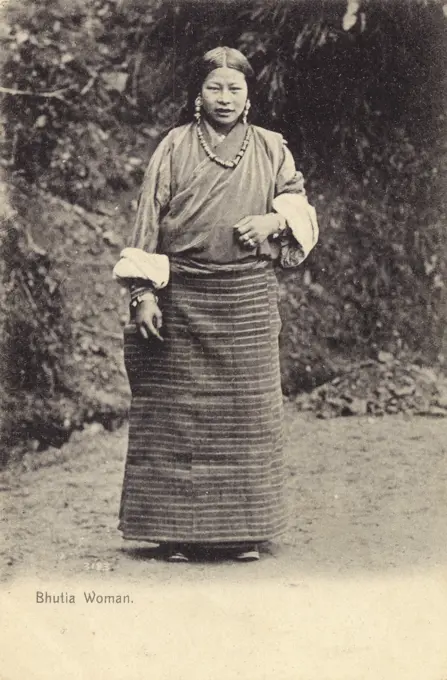
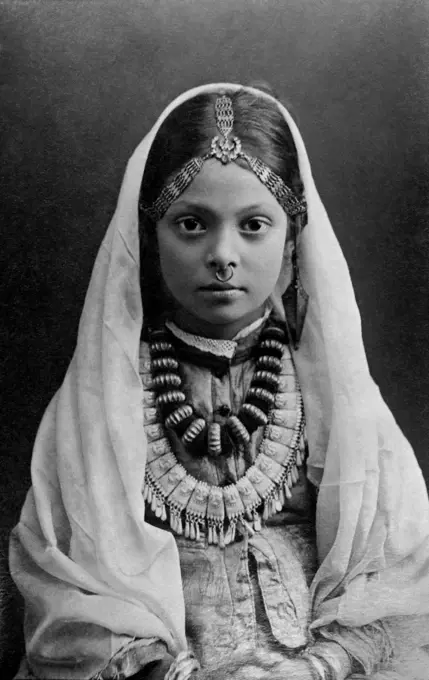
A Woman from the ethnic Tibetan Bhutia tribe from Sikkim, a landlocked Indian state nestled in the Himalayas.     Date: circa 1908
A Woman from the ethnic Tibetan Bhutia tribe from Sikkim, a landlocked Indian state nestled in the Himalayas. Date: circa 1908
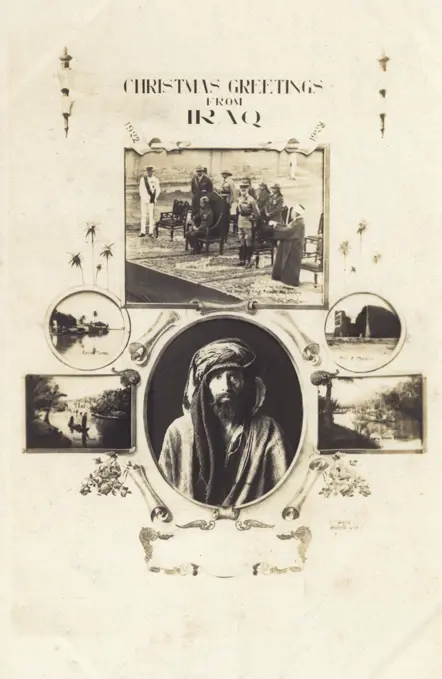
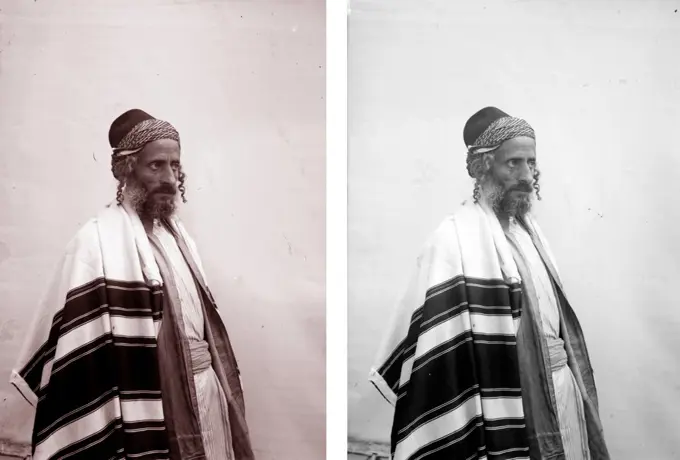
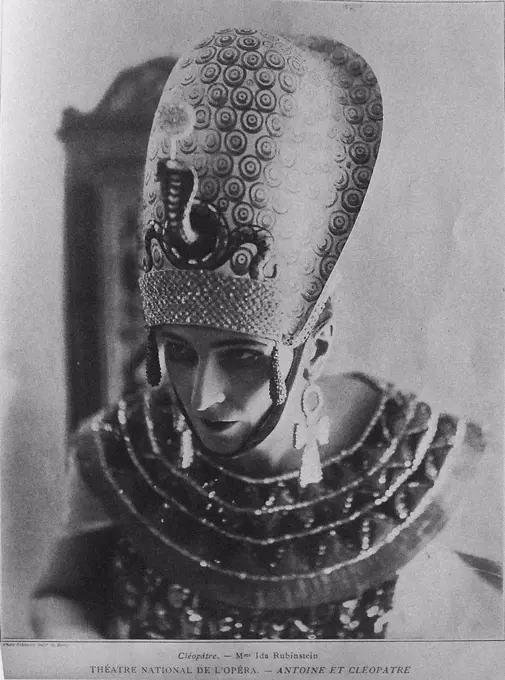
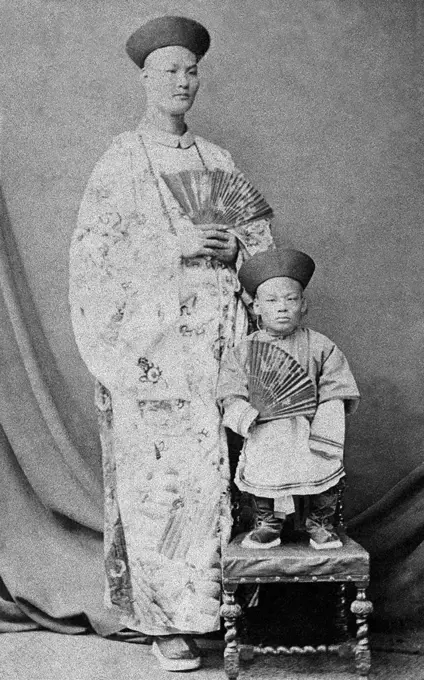
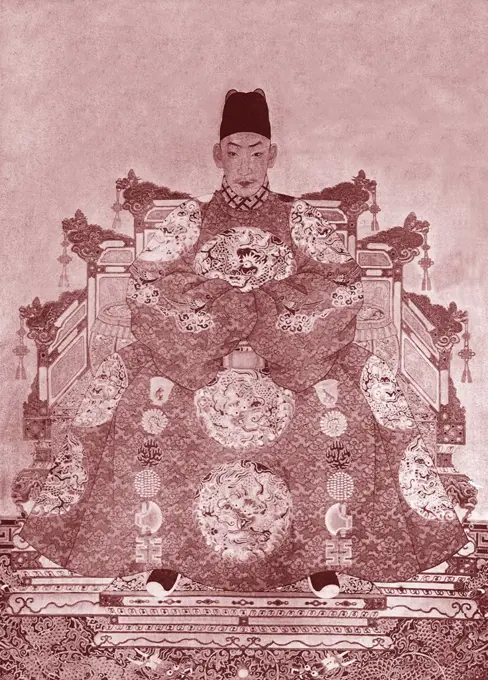
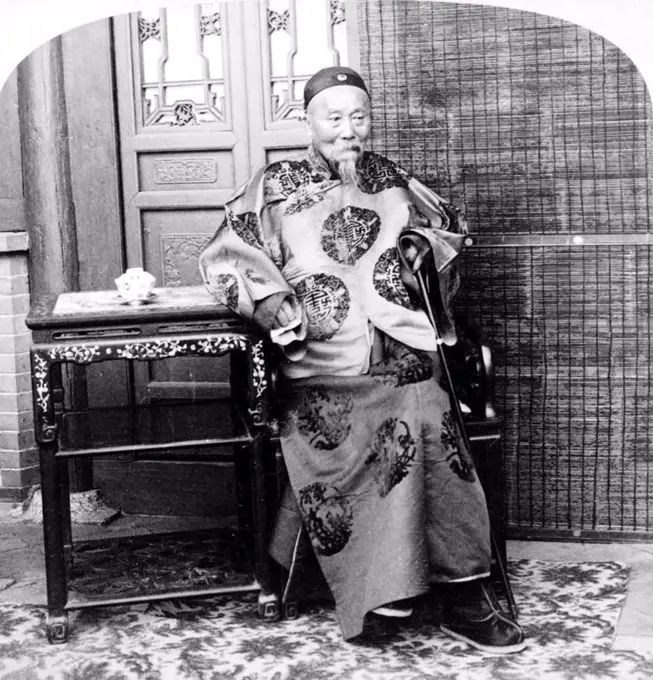
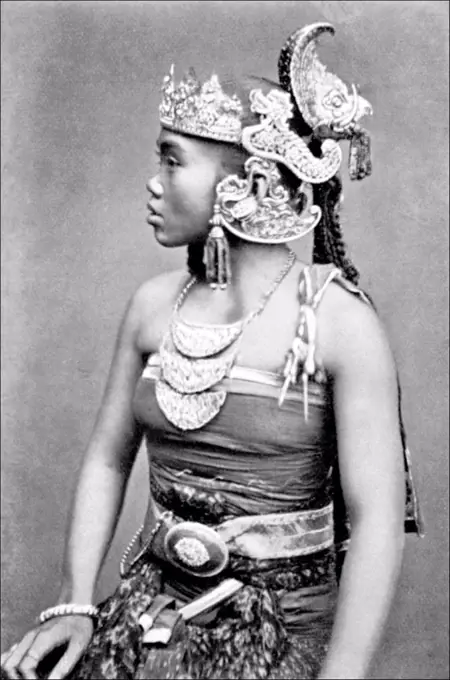
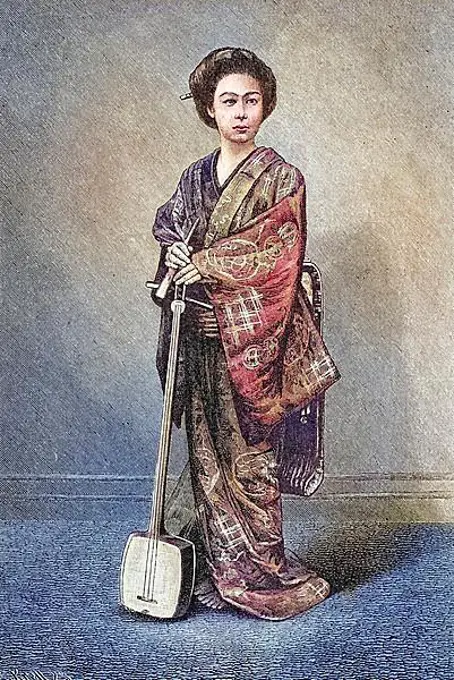
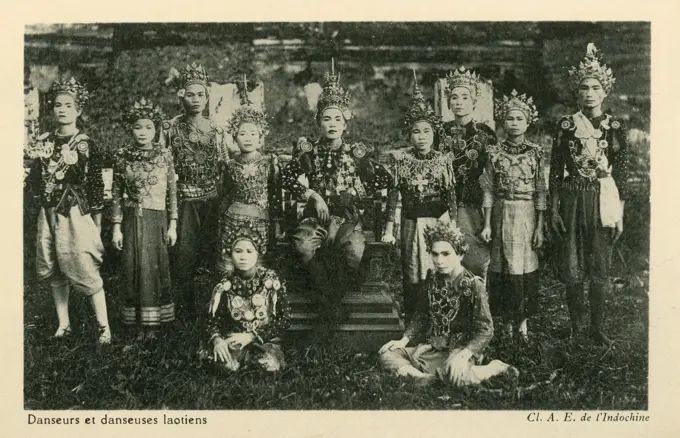
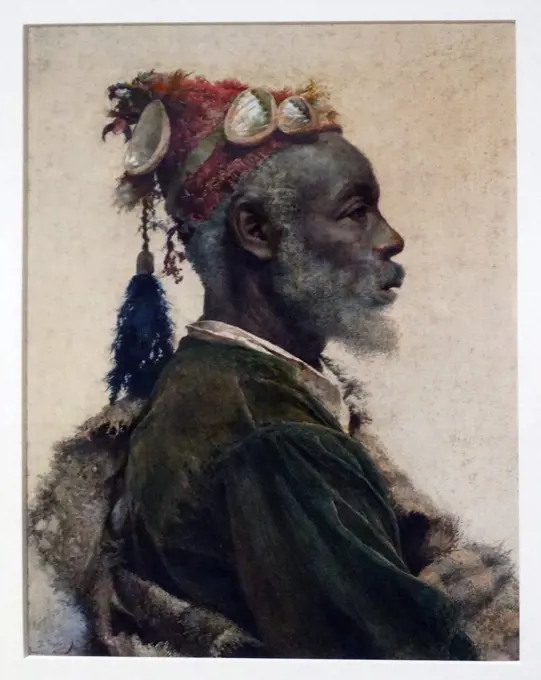
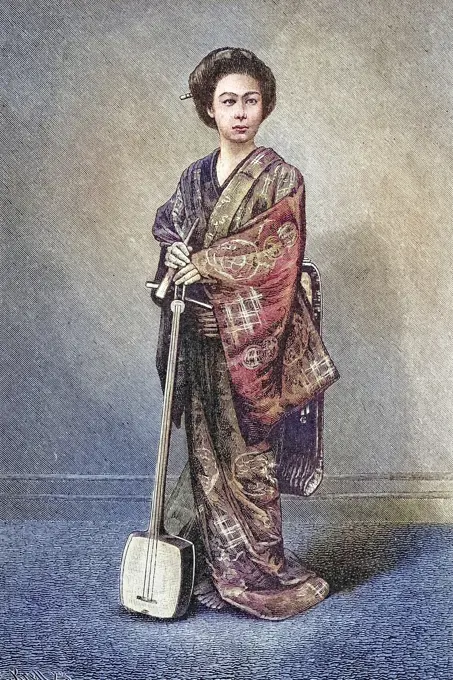
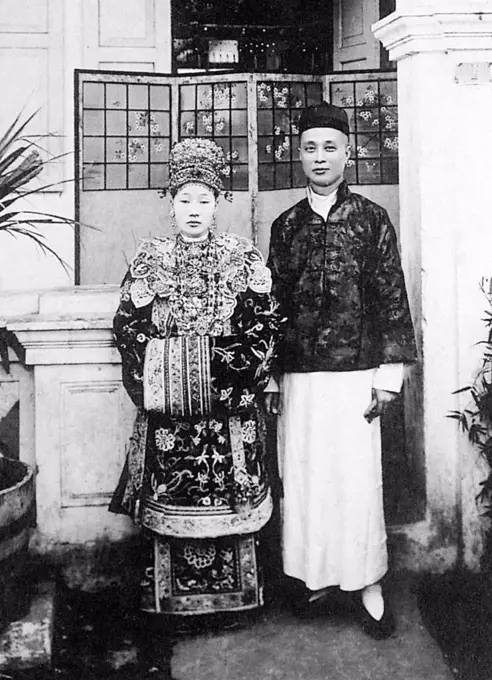
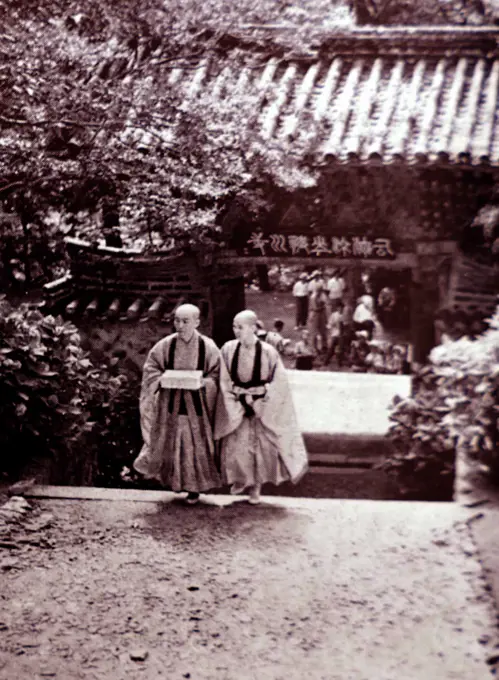
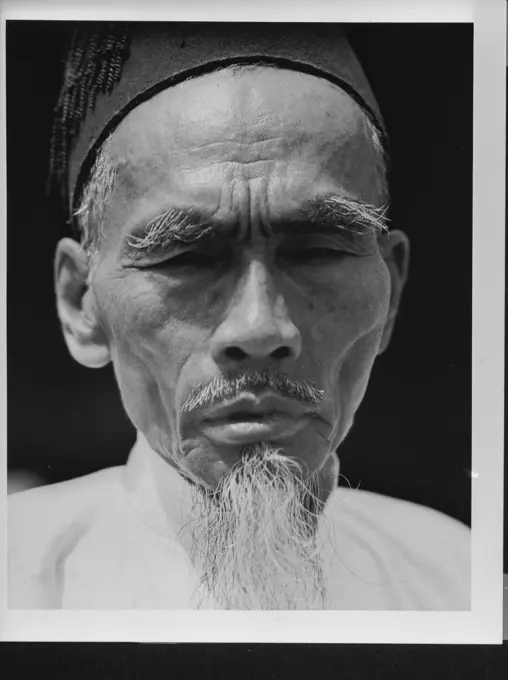
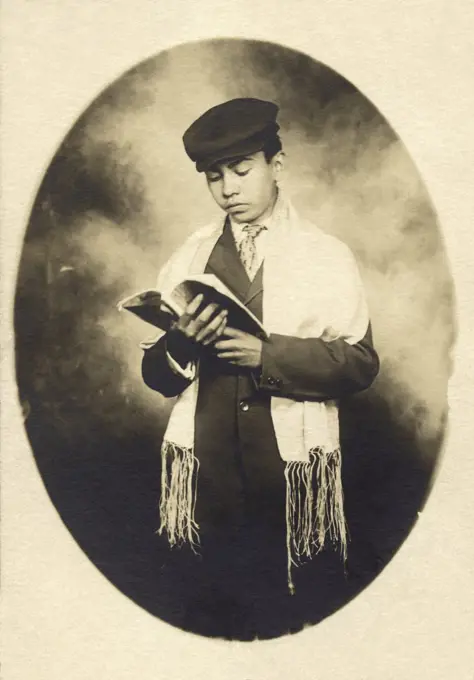
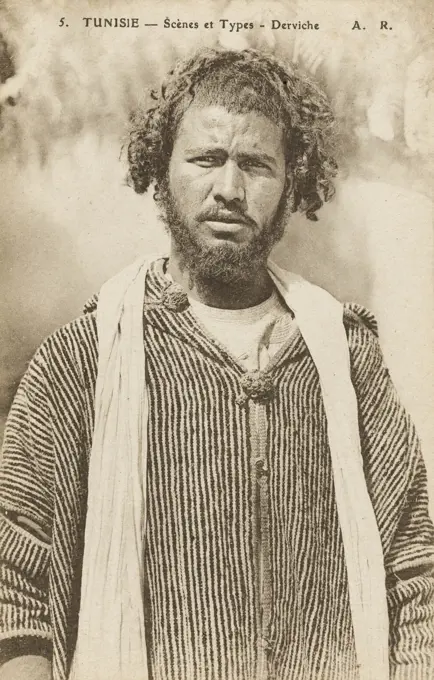
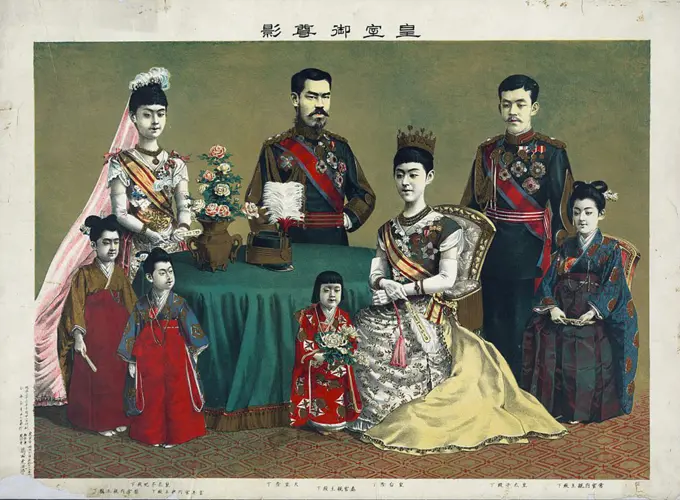
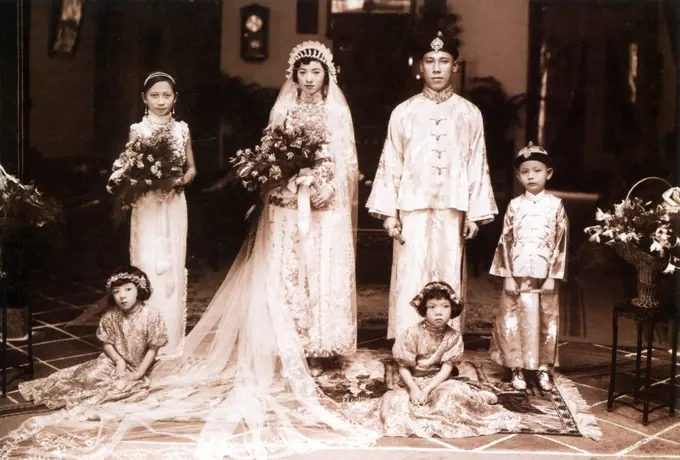
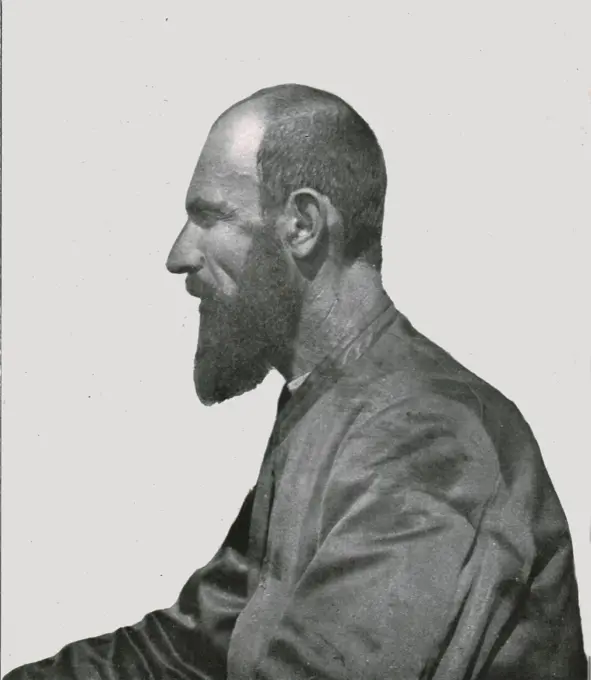
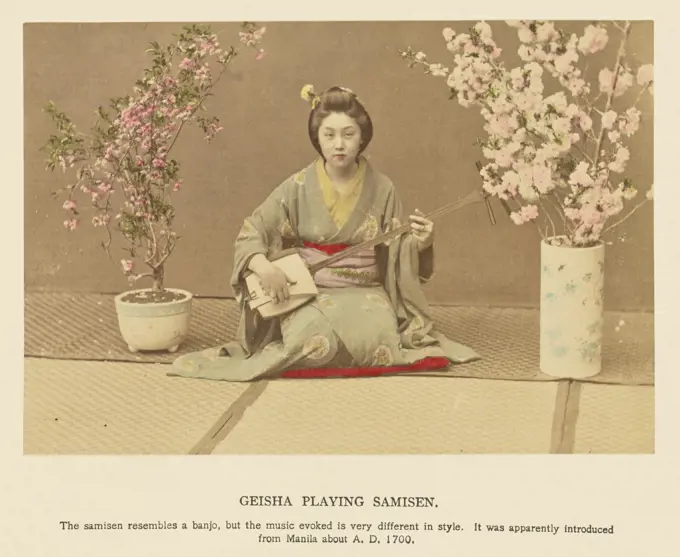
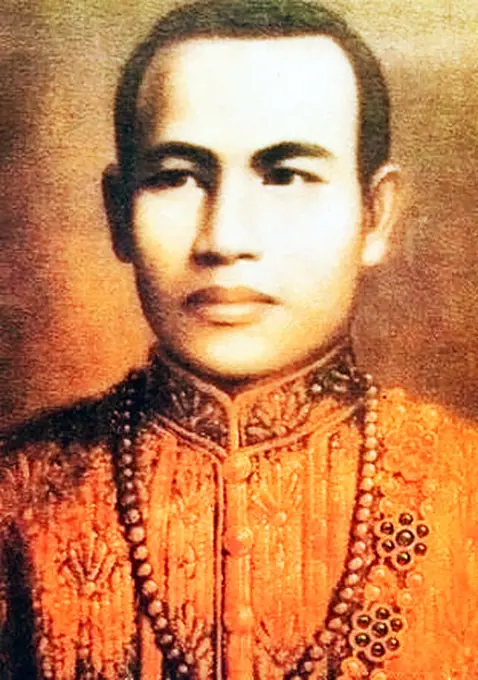
Four unknown men from the Sadh believe for a facade with a hatch; Sadhs. Hindoo Sect. Rajpootana. .Coronation of Faisal I of Iraq (1883 - 1933) on the 23rd August 1921 (at 6am in the morning!) depicted on a Christmas Greetings card! Pictured are: Sir Percy Cox (British High Commissioner), Kinahan Cornwallis, Sir Aylmer Haldane (British Commanding Officer), Tahsin Qadri (the King's Aide de Camp), Sayied Hussain Afnan (Secretary of the Council of Ministers)     Date: 1921L 'Eglise St. Pierre et paul. Intérieur Vilnius. Church In. Piotr and Paw Grassland; Photography in the album "Vilnius", volume 2; Bu Hak, Jan (1876-1950); 1912 (1912-00-00-1913-00-00);Known to the central Siamese as the Lao States at the turn of the 20th century, the northern region of what is now Thailand was an independent region known as the Lanna kingdom. The main city, Chiang Mai, was built in 1296 by King Mengrai. The city was abandoned in 1776 91 due to Burmese invasions, but became an acknowledged part of Siam around the same time. The north was linked to Bangkok only by river, a journey which could take some six months, until in 1922, a railway was completed which connected Bangkok and Chiang Mai.Photograph of a Yemeni Jew in Jerusalem. Dated 1935Oberlausitz. Evangelical WendinGiliachka v kostiume iz ryb'ei kozhi.  | Library of CongressIda Rubinstein as Cleopatra in the ballet Antoine et Cleopatre by Florent Schmitt / Anonymous   / Photograph / c. 1920/ Private Collection / Opera, Ballet, TheatreTHE MANIPUR REBELSMrs. Salzman Stevens as "Brunhilde"China: 'Chang Yu-sing Zhan Shichai, his wife Kin Foo and the dwarf Chung Mo', c. 1870Emperor Zhengde, 11th ruler of the Ming Dynasty (r. 1505-1521). Personal Name: Zhu Houzhao, Zhu Hòuzhào. Posthumous Name: Yidi, Yìdì. Temple Name: Wuzong, Wuzong. Reign Name: Ming Zhengde, Ming Zhèngdé. The Zhengde Emperor was 11th emperor of China (Ming Dynasty) between 1505-1521. Born Zhu Houzhao, he was the Hongzhi Emperor's eldest son. His era name means 'Rectification of Virtue'. Though bred to be a successful ruler, Zhengde thoroughly neglected his duties, beginning a dangerous trend that would plague future Ming emperors. The abandoning of official duties to pursue personal gratifications would slowly lead to the rise of powerful eunuchs that would dominate and eventually ruin the Ming Dynasty.Li Hongzhang or Li Hung-chang (simplified Chinese: ; traditional Chinese: ; pinyin: Li Hóngzhang), Marquis Suyi of the First Class (Chinese: , p Yideng Sù Yì Hóu), GCVO, (February 15, 1823 - November 7, 1901) was a leading statesman of the late Qing Empire. He quelled several major rebellions and served in important positions of the Imperial Court, including the premier viceroyalty of Zhili. Although he was best known in the West for his generally pro-modern stance and importance as a negotiator, Li antagonized the British with his support of Russia as a foil against Japanese expansionism in Manchuria and fell from favor with the Chinese after their loss in the 1894 Sino-Japanese War. His image in China remains controversial, with criticism on one hand for political and military mistakes and praise on the other for his success against the Taiping Rebellion, his diplomatic skills defending Chinese interests in the era of unequal treaties, and his role pioneering China's indusKisaeng (also spelled gisaeng), sometimes called ginyeo, were female official prostitutes or entertainers. Kisaeng are artists who work to entertain others, such as the yangban aristocracy and kings. First appearing in the Goryeo Dynasty, kisaeng were legally entertainers of the government, required to perform various functions for the state. Many were employed at court, but they were also spread throughout the country. They were carefully trained, and frequently accomplished in the fine arts, poetry, and prose, although their talents were often ignored due to their inferior social status. Women of the kisaeng class performed various roles, although they were all of the same low status in the eyes of yangban society. Aside from entertainment, these roles included medical care and needlework. In some cases, such as at army bases, kisaeng were expected to fill several such roles. Kisaeng, both historic and fictional, play an important role in Korean conceptions of the traditional cultureJavanese dance comprises the dances and art forms created and influenced by Javanese culture. Javanese dance is usually associated with courtly, refined and sophisticated culture of the Javanese kratons, such as the Bedhaya and Srimpi dance. However, in a wider sense, Javanese dance also includes the dances of Javanese commoners and villagers such as Ronggeng, Tayub, Reog, and Kuda Lumping. Javanese dance is usually associated with Wayang wong, and the palaces of Yogyakarta and Surakarta due to the nature of dance being a pusaka or sacred heirloom from ancestors of the palace rulers. These expressive dances are more than just dances, they are also used for moral education, emotional expression, and spreading of the Javanese culture.Two Buddhist monks on their way to the monastery, Buddhism, priest, c. 1870, Japan, Historic, digitally restored reproduction from an original of the time, AsiaJapanese female life, Geisha with shamisen, musical instrument, stringed instrument, around 1885, Historical, digitally restored reproduction from a 19th century original, Japanese female life, Geisha with shamisen, musical instrument, stringed instrument, around 1885, Historical, digitally restored reproduction from a 19th century originalCarvings of serpentsLaos - Laotian Traditional Dancers     Date: circa 1930sWoman of Nazareth. 1898, Israel, NazarethMuslim Women, Mohamedan Women in City Costume, Holy Land, today Israel, Historical, digitally restored reproduction from a 19th century original, Record date not statedPortrait of a Greek Orthodox priest, Anonymous, 1904 - 1905 photograph This photo is part of an album.  photographic support gelatin silver print historical persons. priest ~ Greek religionRev. K. Kimura, the Pastor and Converts of Kyoto, JapanView of the big Buddha of Kamakura at the Kōtoku -in, Anonymous, 1851 - c. 1900 photograph This photo is part of an album. Kamakura paper albumen print temple, shrine ~ Hinduism, Buddhism, Jainism Window-inBurma/Myanmar: Queen Supayalat in the royal palace at Mandalay c.1880French Sister and converts, KoreaPainting of the Darcawi Holy Man from Marrakesh by Josep Tapiró (1836-1913) Catalan painter. Dated 1895Syrian Women - in traditional costume     Date: circa 1910sJapanese women's life, Geisha with shamisen, musical instruments, string instrument, around 1885, historical, digitally restored reproduction of a 19th century original.MENELIK II  Emperor of Ethiopia (1889-1913)Praying woman, Byrne & Co., c. 1895 - in or before 1900 photomechanical print   paper  one person prayingMalietoa Tanu, King of Samoa, New Zealand, by Muir & Moodie."Tears from the depth of some divine despair Rise in the heart, and gather to the eyes". Julia Margaret Cameron (British, born India, 1815 - 1879)''Fortune teller and seer, Inari temple, Kyoto, Japan', 1904. Artist: Unknown.Photograph of a Photograph of Mozaffar al-Din Shah in Coronation Regalia, One of 274 Vintage Photographs , late 19th-early 20th century. Gelatin silver printing out paper, 4 5/8 x 3 1/4 in. (11.7 x 8.3 cm).   Arts of the Islamic World late 19th-early 20th centuryPeranakan Chinese and Baba-Nyonya are terms used for the descendants of late 15th and 16th-century Chinese immigrants to the Malay-Indonesian archipelago of Nusantara during the Colonial era. Members of this community in Malaysia identify themselves as 'Nyonya-Baba' or 'Baba-Nyonya'. Nyonya is the term for the females and Baba for males. It applies especially to the ethnic Chinese populations of the British Straits Settlements of Malaya and the Dutch-controlled island of Java and other locations, who adopted partially or in full Malay-Indonesian customs to become partially assimilated into the local communities. While the term Peranakan is most commonly used among the ethnic Chinese for those of Chinese descent also known as Straits Chinese, it may also be applied to the Baba-Yaya community in Phuket and other provinces of southern Thailand.Bhikkhuni (Pali) or bhiksuni female nuns at a Buddhist Temple in South Korea. Circa 1954 -1960.The Five Foolish Virgins. Julia Margaret Cameron (British, born India, 1815 - 1879)Anefo photo collection. WI West Indies / Anefo London series. Desa Santihole. Javanese Mohammedan priest. {1940-1945}. SurinameMr. Thiers / Decorated with the Order of the Lion and Sun (IT)Dolgan native people encampment, Yenisei river. Arctic Ocean, Russia. Europe, 19th century Old engraving illustration trip to the North Pole, from Novaya Zemlya to Yenisei river by Adolf Erik Nordenskiold 1875Monastery in Soochow. Monastery in Soochowasia, cina, ritratto di bambina tibetana, 1920 1930Close-up of a bar mitzvah reading a torah, c. 1915Albon, Jacques of Lord of St. Andrew.Young Tunisian Dervish. Dervish or Darvesh in Persian usually refers to a person who is a seeker of the truth i.e.  universal truth. Within the Islamic tradition such people are often known as Sufis, Sufi, people of the way or mystics and they come from every strata of society; here monetary considerations are inapplicable since the situation is that of a deep personal inner spiritual longing. There are in existence a number Sufi Orders many of which bear the name of a great saint and within theThe Meiji Emperor of Japan, standing centre, with the Japanese imperial family, May 1900. After Torajiro Kasai, Japanese artistKasturba Gandhi at Sevagram Ashram, 1939 NO MR Copyright: xVithalbhaixJhaveri/DinodiaxPhotoxPeranakan Chinese and Baba-Nyonya are terms used for the descendants of late 15th and 16th-century Chinese immigrants to the Malay-Indonesian archipelago of Nusantara during the Colonial era. Members of this community in Malaysia identify themselves as 'Nyonya-Baba' or 'Baba-Nyonya'. Nyonya is the term for the females and Baba for males. It applies especially to the ethnic Chinese populations of the British Straits Settlements of Malaya and the Dutch-controlled island of Java and other locations, who adopted partially or in full Malay-Indonesian customs to become partially assimilated into the local communities. While the term Peranakan is most commonly used among the ethnic Chinese for those of Chinese descent also known as Straits Chinese, it may also be applied to the Baba-Yaya community in Phuket and other provinces of southern Thailand.'Armenian Priest at Dibneh', c1906-1913, (1915). Portrait of a an orthodox Christian priest in the village of Dibneh, (Iraq). From "The Caliphs' Last Heritage, a short history of the Turkish Empire" by Lt.-Col. Sir Mark Sykes. Macmillan & Co, London, 1915A Hindu Marriage - India.      Date: circa 1910sBalinese dance is a very ancient dance tradition that is a part of the religious and artistic expression among the Balinese people, native to Bali island, Indonesia. Balinese dance is dynamic, angular and intensely expressive. The Balinese dancers express the story of dance-drama through the whole bodily gestures; fingers, hands and body gestures to head and eyes movements. There is a great richness of dance forms and styles in Bali; and particularly notable are those ritualistic dance dramas which involve Rangda, the witch, and the great beast Barong. Most dances in Bali are connected to Hindu rituals, such as the Sanghyang Dedari sacred dance that invoke hyang spirits that are believed to possess the dancers in trance state during the performance. Other Balinese dances are not linked to religious rituals and created for certain purposes, such as the Pendet welcoming dance and the Joged dance, a social dance for entertainment. In Bali there are various categories of dance, including ePriest sitting. India. 189-. India, Frank and Frances Carpenter Collection , No. 234.Geisha Playing Samisen; Kazumasa Ogawa (Japanese, 1860 - 1929); 1897; Hand-colored Albumen silver printA Siamese priest. Postcards, Portrait photographs. 1901 - 1907. The Miriam and Ira D. Wallach Division of Art, Prints and Photographs: Picture Collection. Thais, Buddhist monks, Parasols, RobesTaksin (Somdet Phra Chao Taksin Maharat; Thai: มเด็จพระเจ้าตากินมหาราช; Chinese: 鄭昭; pinyin: Zhèng Zhāo; Teochew: Dênchao; Vietnamese: Trịnh Quốc Anh) ; (April 17, 1734 - April 7, 1782) was the only King of the Thonburi Kingdom. He is greatly revered by the Thai people for his leadership in liberating Siam from Burmese occupation after the Second Fall of Ayutthaya in 1767, and the subsequent unification of Siam after it fell under various warlords. He established the city Thonburi as the new capital, as the city Ayutthaya had been almost completely destroyed by the invaders. His reign was characterized by numerous wars, fought to repel new Burmese invasions and to subjugate the northern Tai kingdom of Lan Na, the Laotian principalities, and Cambodia. He was succeeded by the Chakri dynasty and the Rattanakosin Kingdom under his long time friend King Buddha Yodfa Chulaloke (Rama I). Although warfare took up most of King Taksin's time, he paid a great deal of attention to politics, admiSubhadra kumari chauhan, postage stamps, india, asia Copyright: xAnilxDave/DinodiaxPhotox