Cultural Statuettes and Netsuke

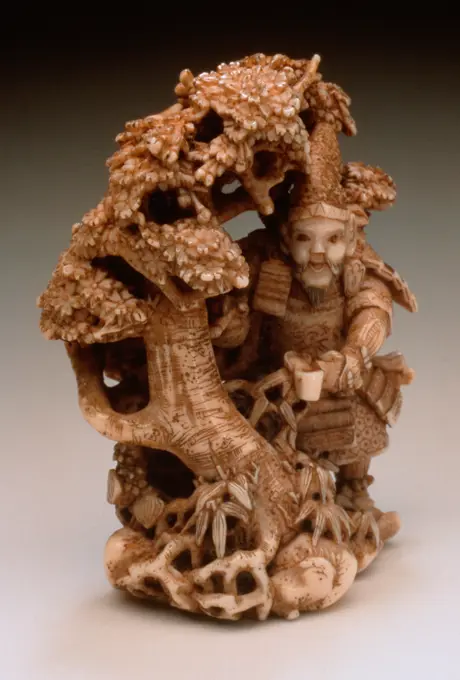
A variety of intricate statuettes and netsuke from different cultures, featuring animals and figures, showcasing fine craftsmanship in materials like bronze and ivory.

Seated figure of a Man with Dog 19th century Japan. Seated figure of a Man with Dog 59184
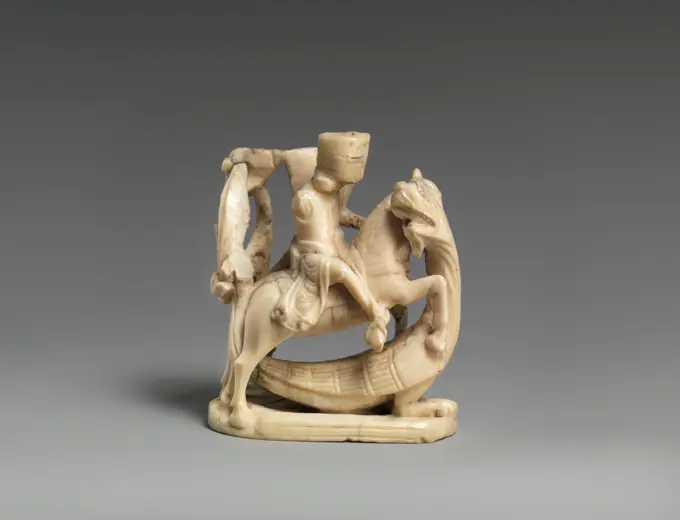
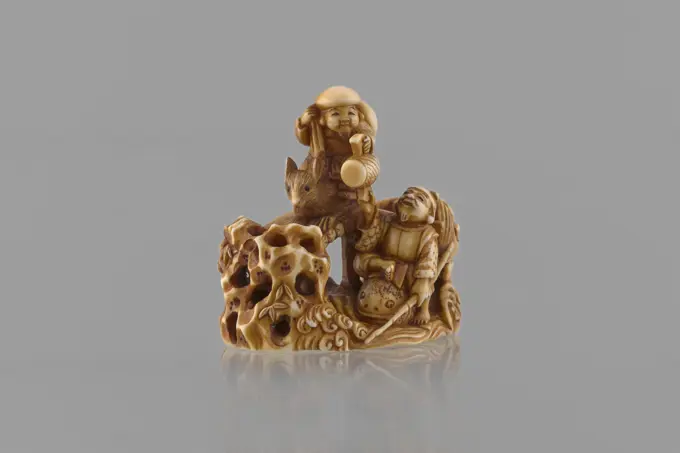
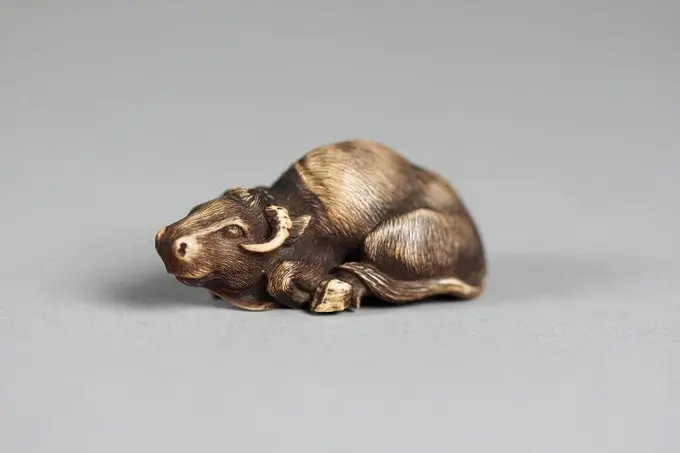
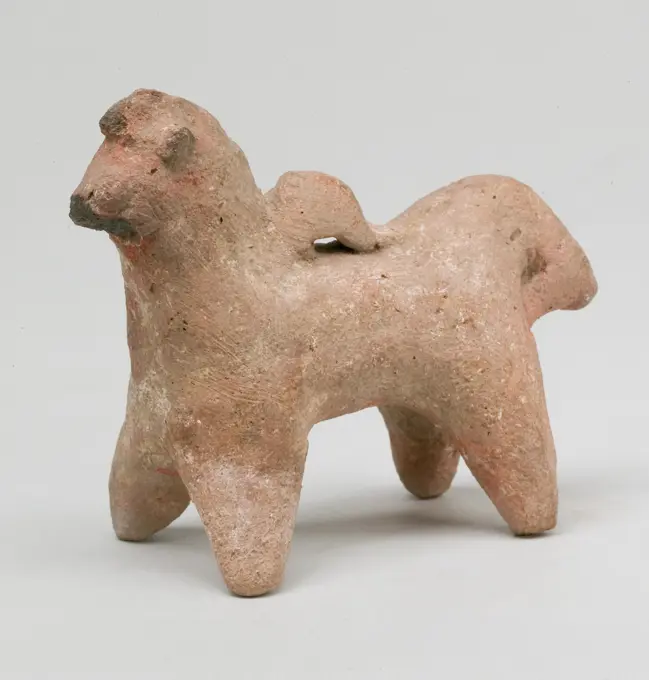
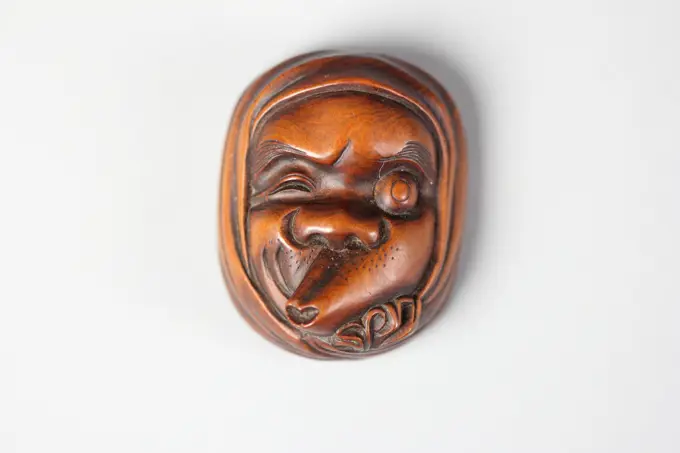
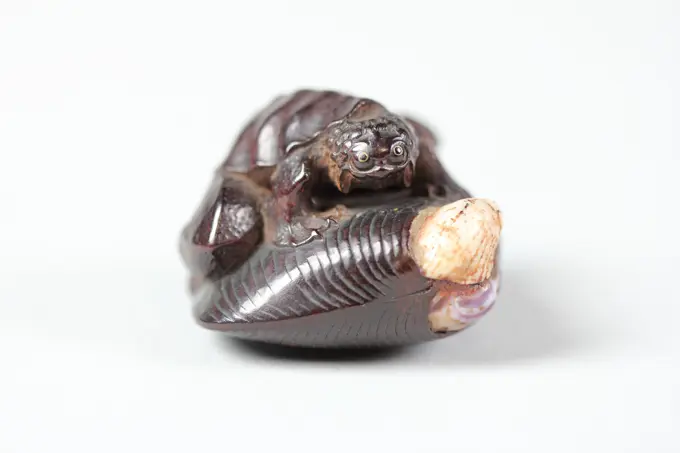
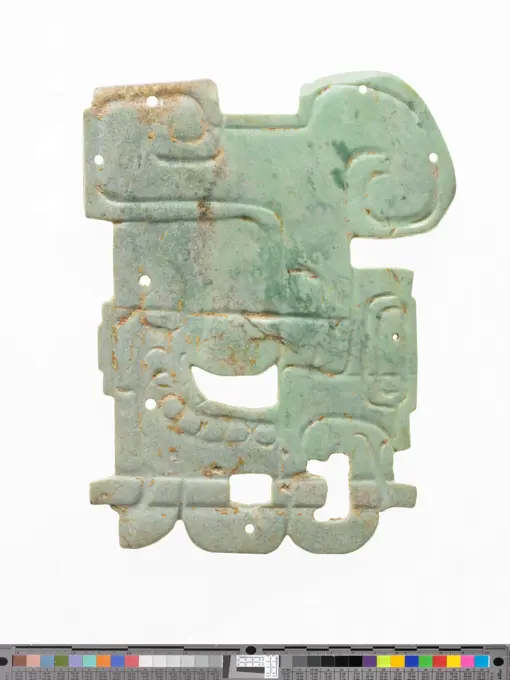
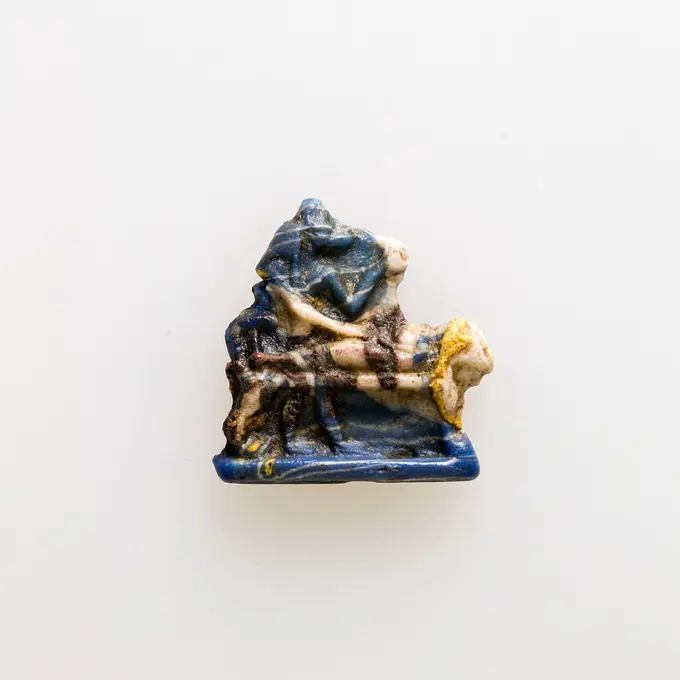
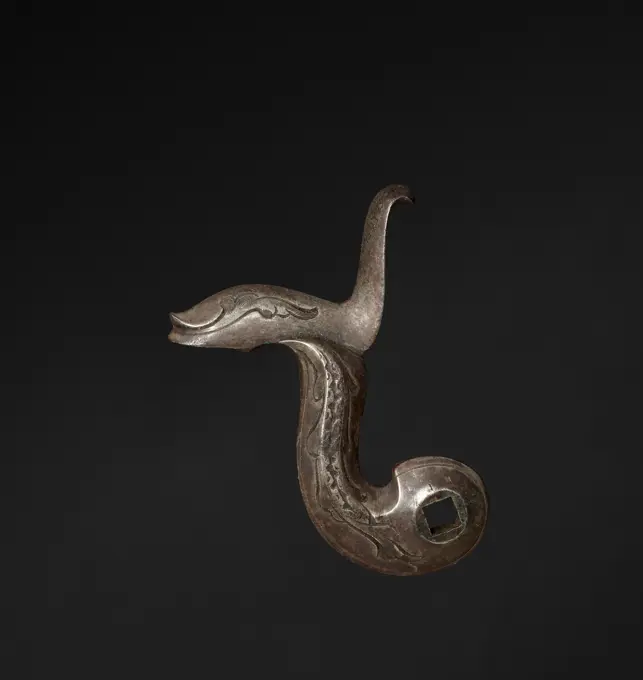
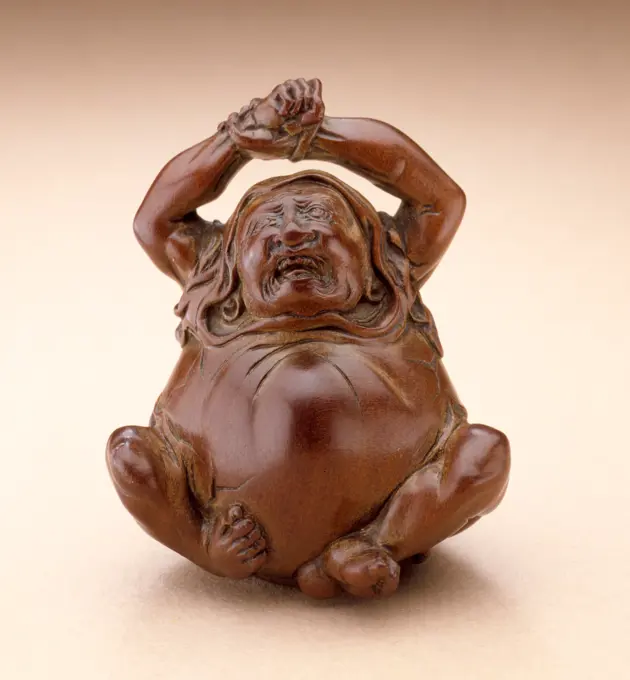
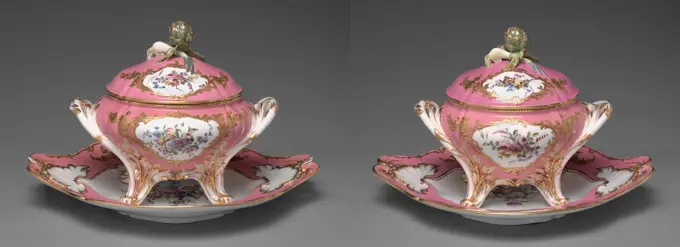
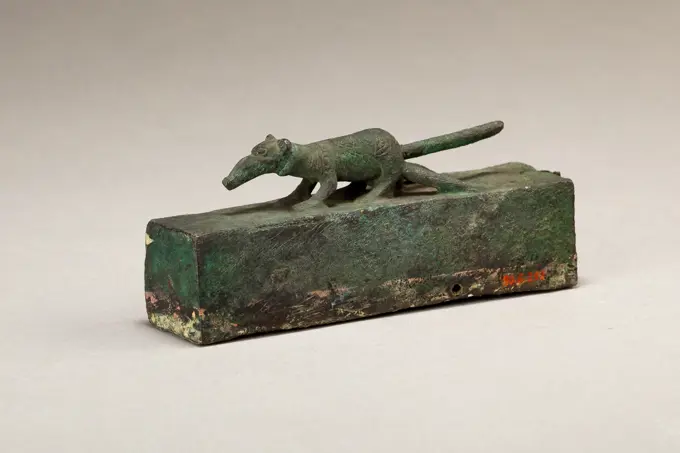
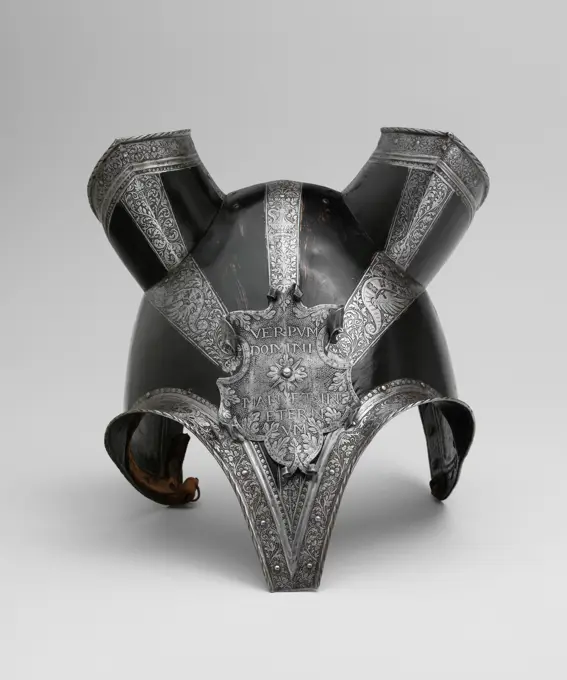
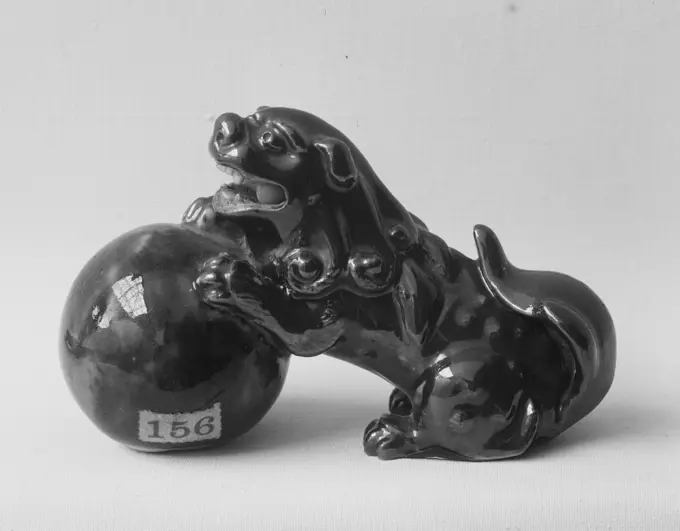
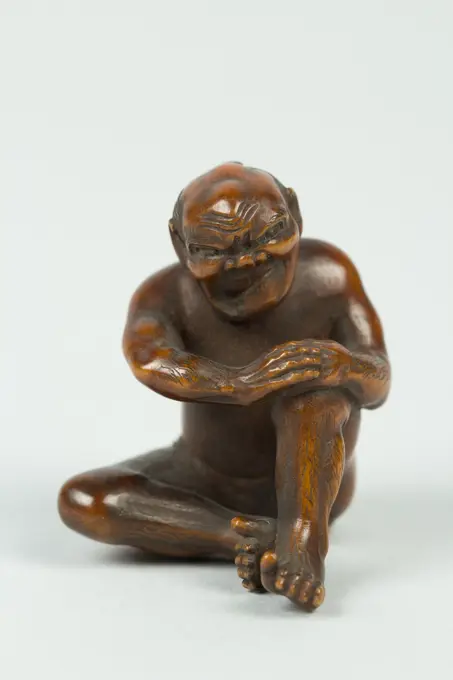
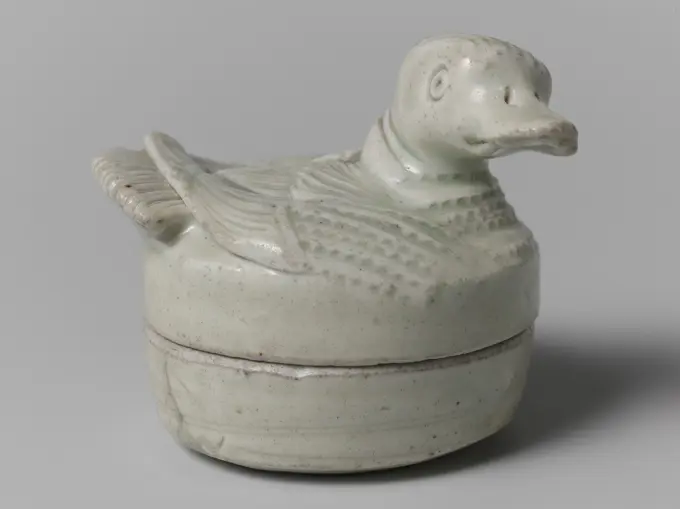
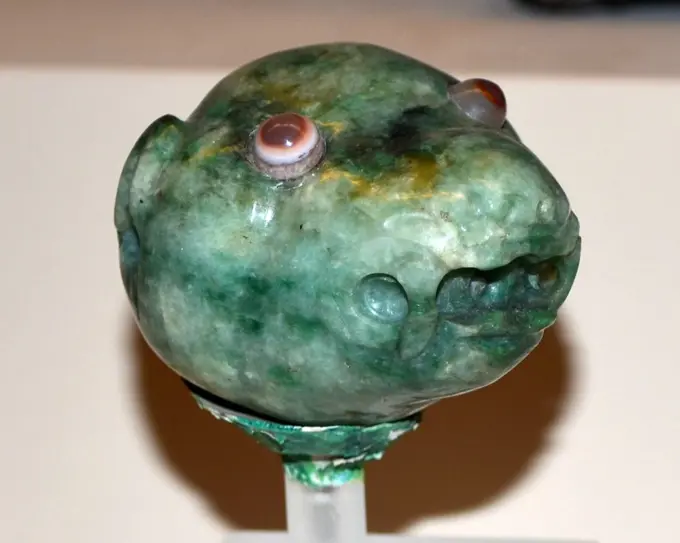
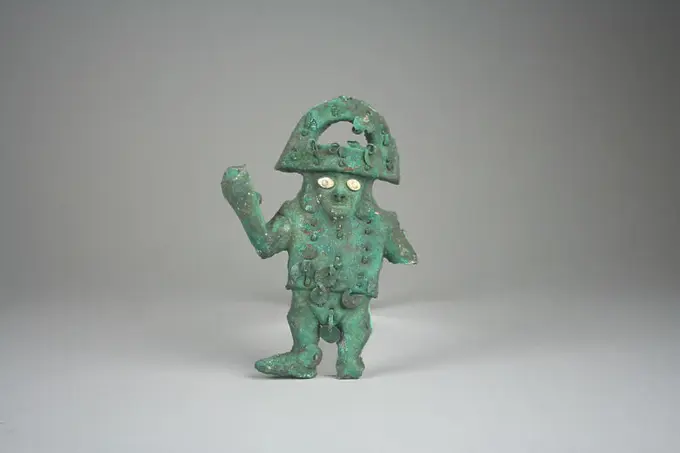
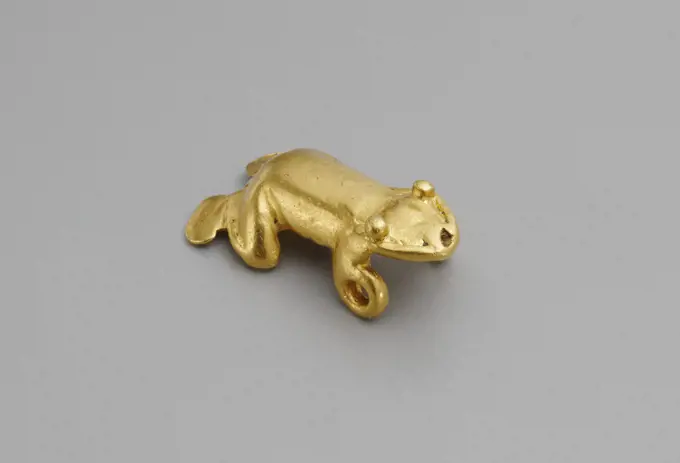
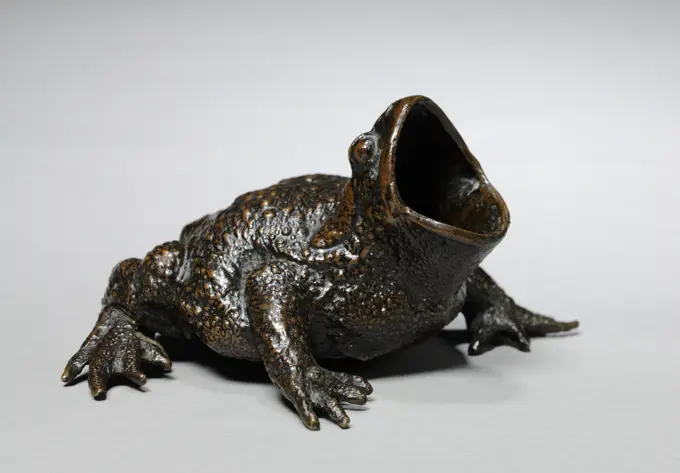
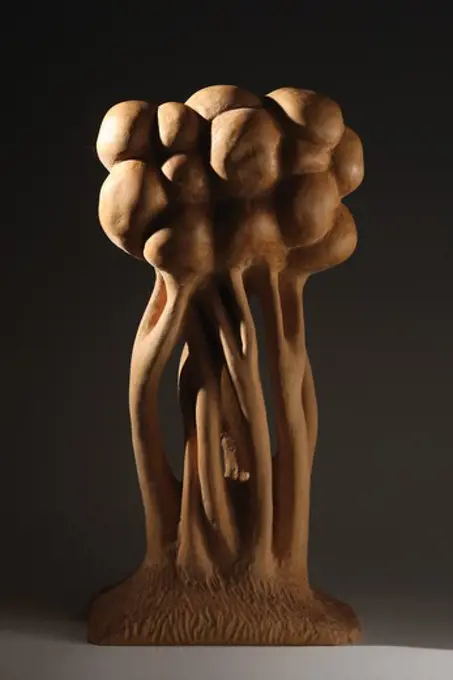
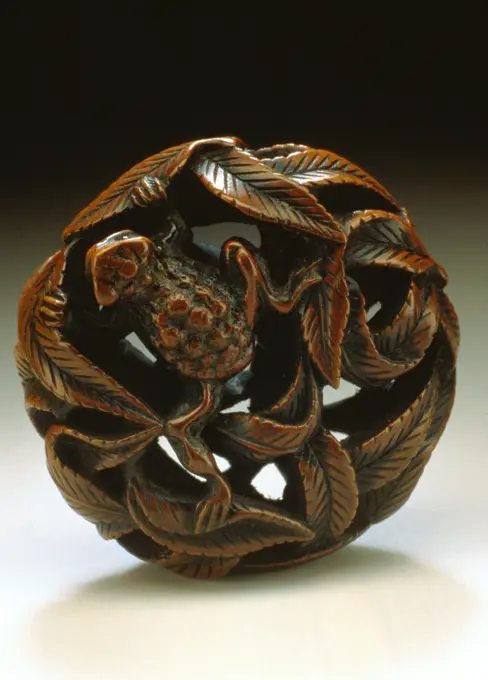
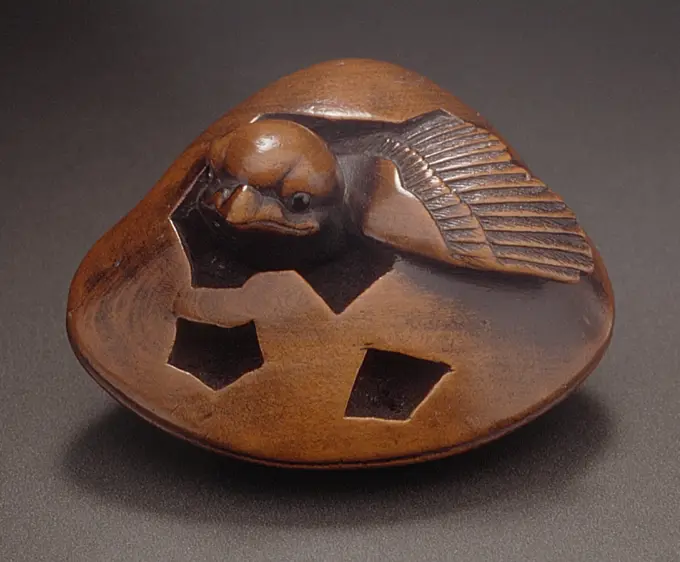
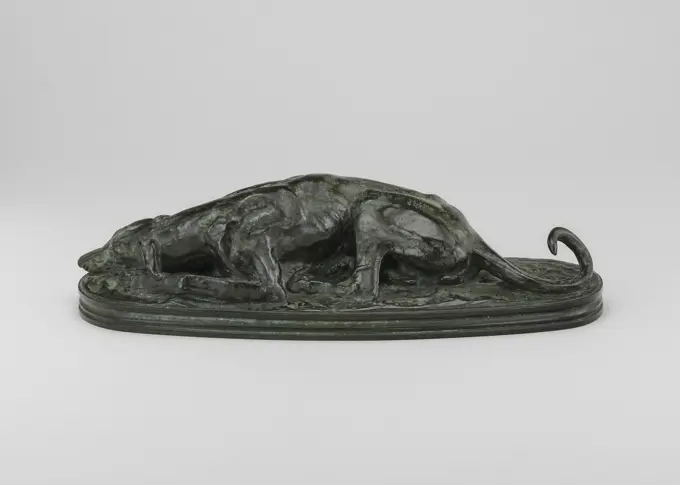
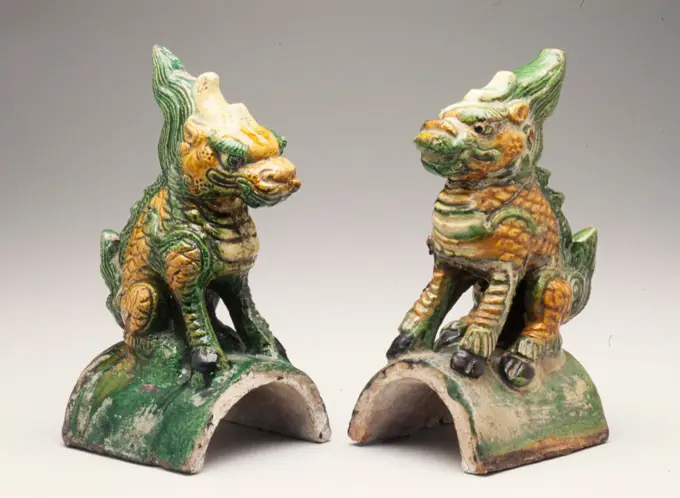
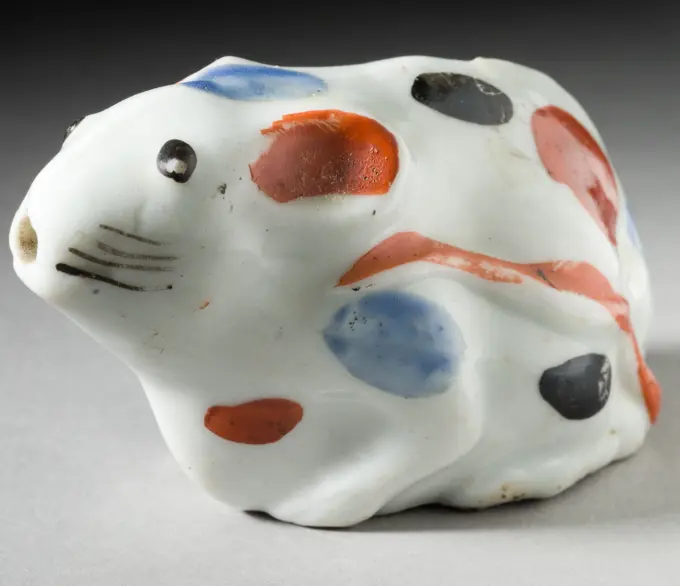
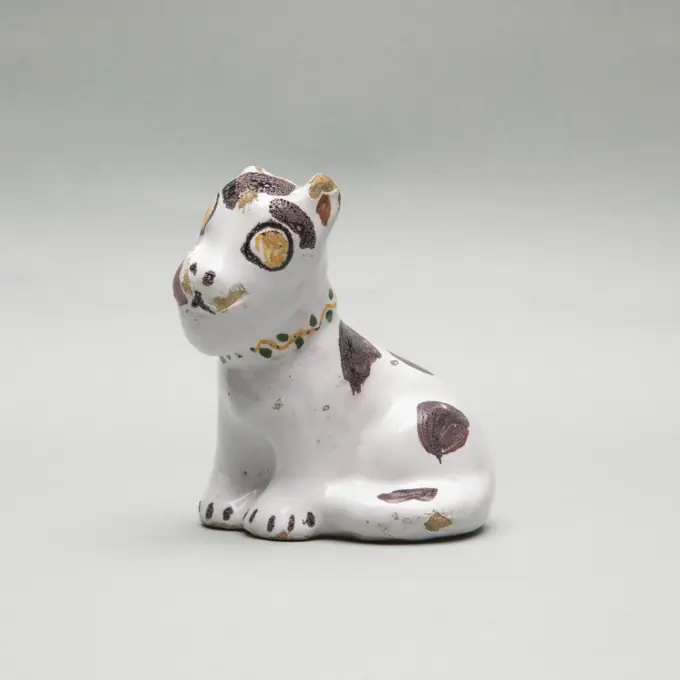
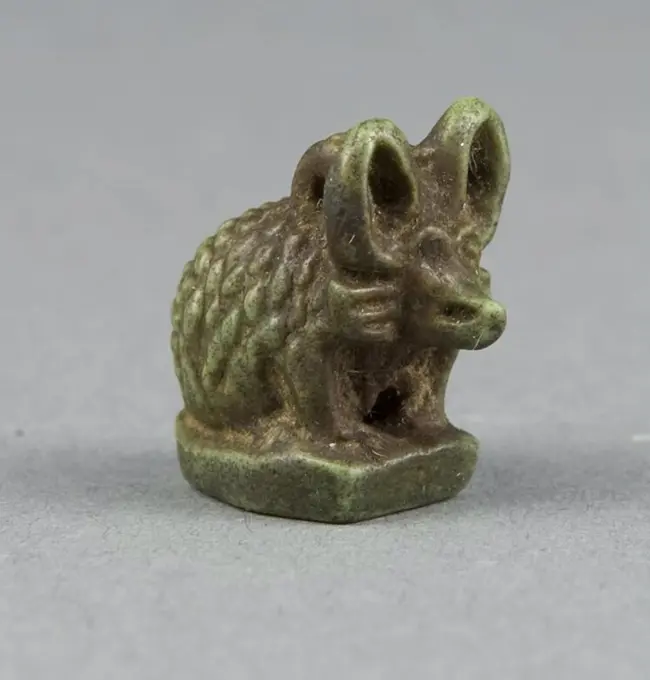
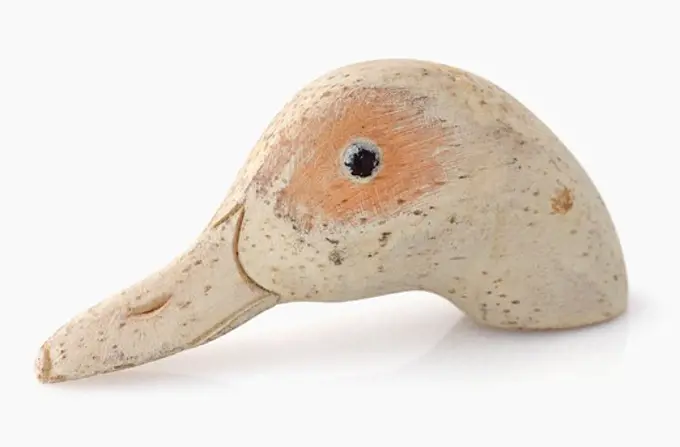
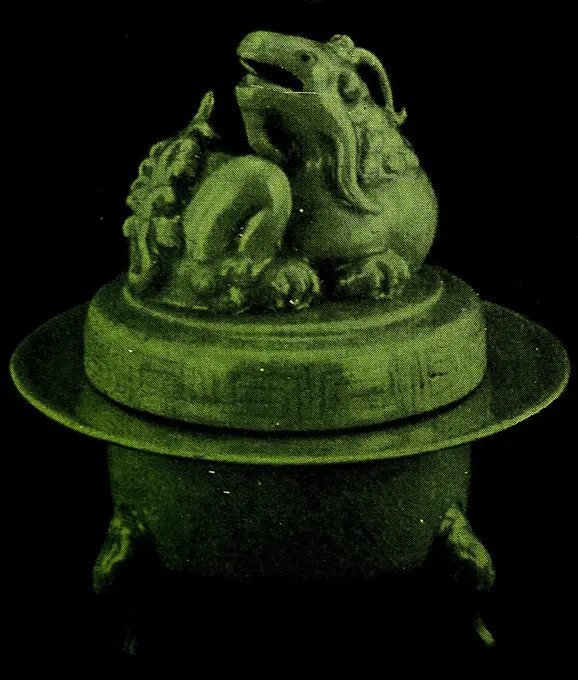
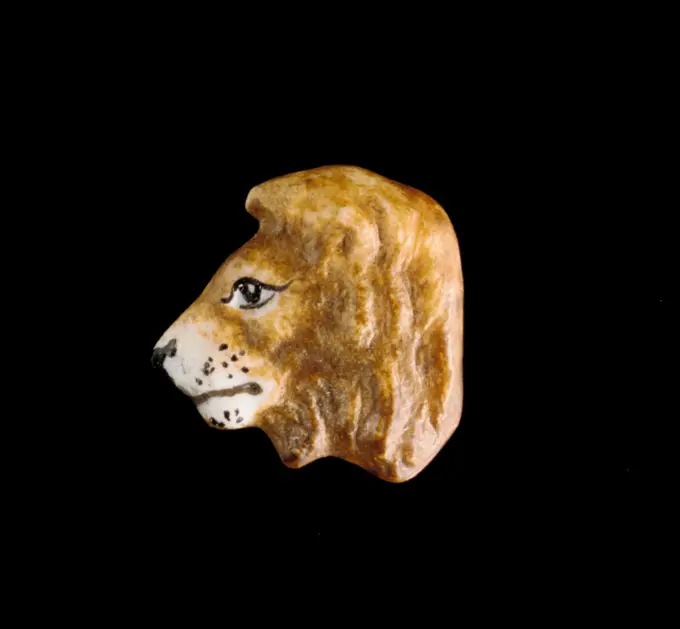
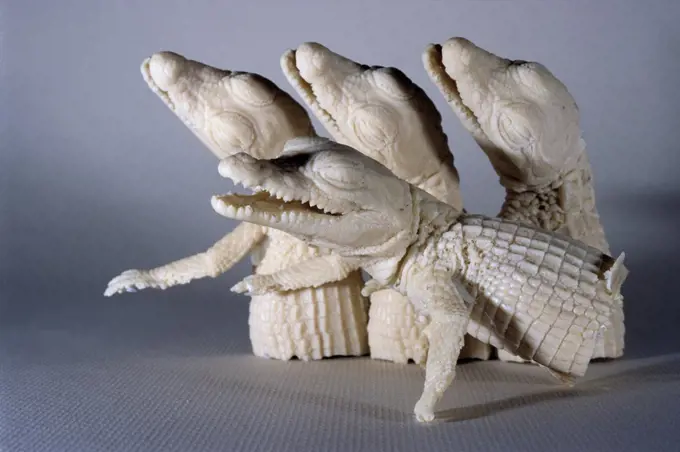
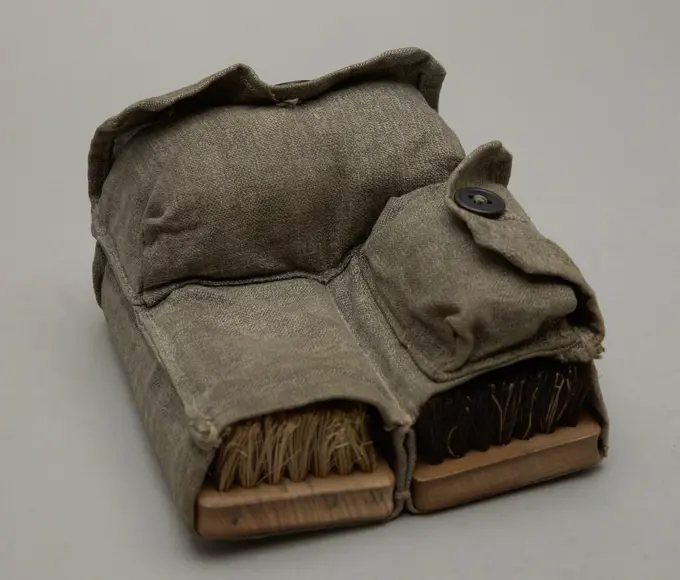
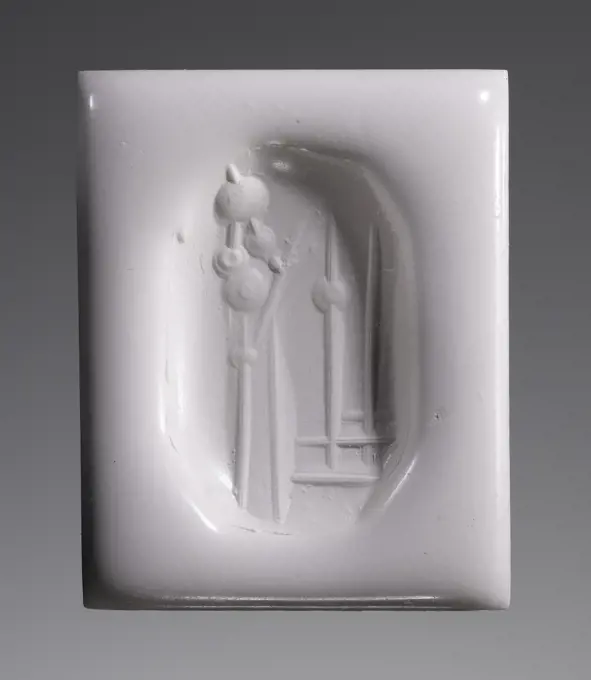
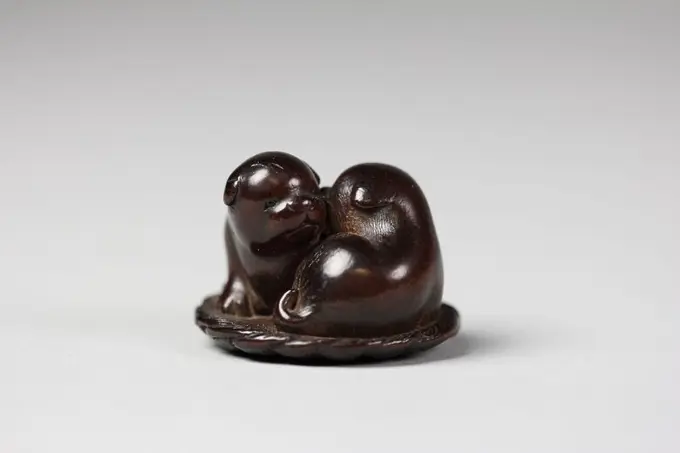
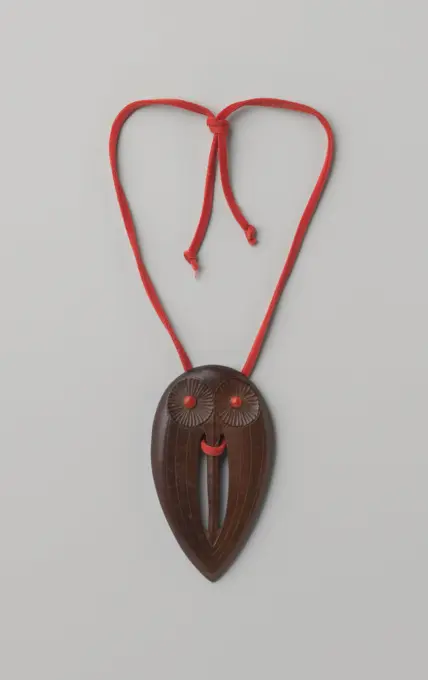
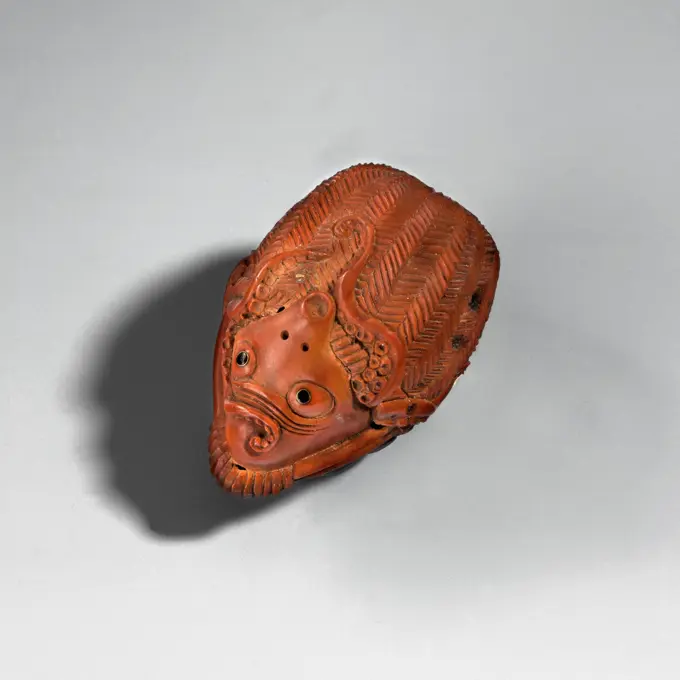
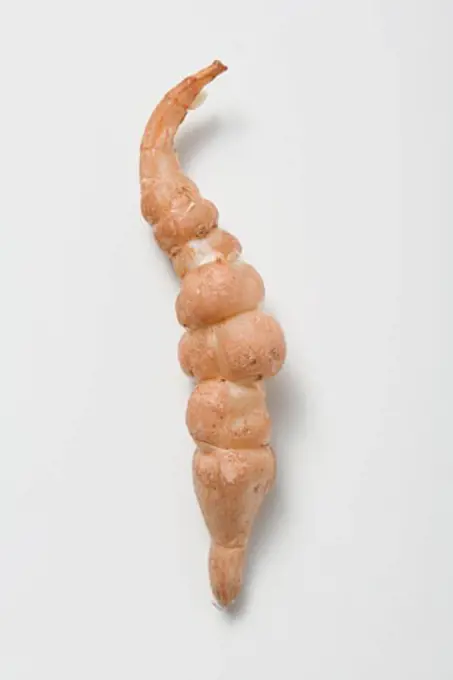
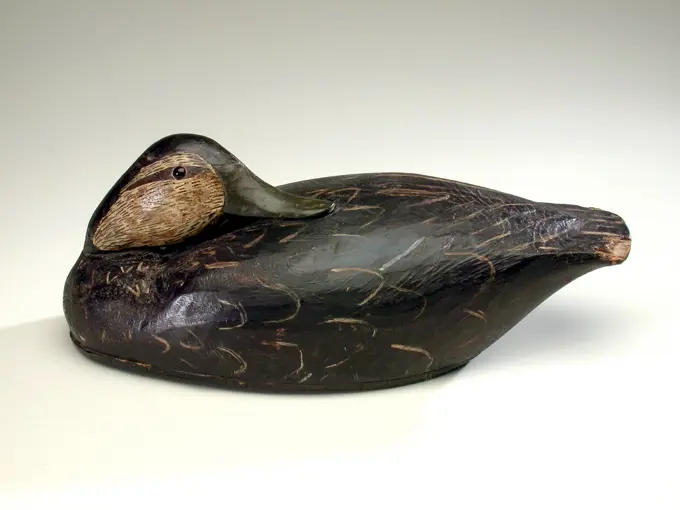
Decoy -Knight Chess Piece ca. 1250 British Although the number of Knights and Bishops on the chessboard is the same, more medieval chess pieces in the form of Knights survive. This example, perfectly poised on his fine horse, battles a dragon, a symbol of evil. But for the lack of a halo and a princess in need of rescue standing nearby, he might be mistaken for Saint George, who, according to legend, slayed a dragon.. Knight Chess Piece. British. ca. 1250. Walrus ivory. Made in probably London, England. Ivories-WalrusNetsuke in the Form of Daikoku and Ebisu. Ryôji (act. c.1886-1900), sculptorNetsuke of Ox. Culture: Japan. Dimensions: H. 7/8 in. (2.2 cm); W. 2 in. (5.1 cm); D. 1 in. (2.5 cm). Date: 19th century. Museum: Metropolitan Museum of Art, New York, USA.Figurine, donkey ca. 1550-1295 B.C. New Kingdom. Figurine, donkey. ca. 1550-1295 B.C.. Pottery, paint. New Kingdom. From Egypt, Upper Egypt, Thebes, Dra Abu el-Naga, Carnarvon/Carter excavations, before 1911. Dynasty 18Lion figurine fragment ca. 9th century B.C. Iran. Lion figurine fragment 324992Oval Buckle Plaque with Dragon and Ruyi Scrolls. China, Yuan dynasty, 1279-1368. Costumes; Accessories. Abraded jade or carved soapstoneA pair of women's clogs on the stands unknownElephant' mechanical bank, c. 1900, 4 3/4 x 8 x 2 1/4 in. (12.07 x 20.32 x 5.72 cm), Brass, 19th-20th centuryTerracotta vase in the form of a pig. Culture: Greek, probably Corinthian. Dimensions: Overall: 2 1/8 x 1 11/16 x 3 3/4 in. (5.4 x 4.3 x 9.6 cm). Date: 6th century B.C..Figural vases in the form of animals were produced particularly in Corinth and in Rhodes. These objects were also exported to Etruria and adapted by local artists. Their place of origin is, therefore, often difficult to establish. The articulation of the pig with glaze dots is a feature often found on Corinthian examples. Museum: Metropolitan Museum of Art, New York, USA.Scarab Finger Ring of Ramesses II ca. 1295-1070 B.C. New Kingdom, Ramesside. Scarab Finger Ring of Ramesses II. ca. 1295-1070 B.C.. Bronze or copper alloy, steatite. New Kingdom, Ramesside. From Egypt. Dynasty 19Seated Humpty Dumpty' still bank, 20th century, 5 1/2 x 3 9/16 x 2 1/2 in. (13.97 x 9.05 x 6.35 cm), Metal, United States, 20th centuryNetsuke of Noh Mask: One-Eyed Hyottoko 19th century Japan. Netsuke of Noh Mask: One-Eyed Hyottoko. Japan. 19th century. Wood. Edo (1615-1868) or Meiji period (1868-1912). NetsukeNetsuke of Frog-like Tortoise on a Shell 18th century Japan. Netsuke of Frog-like Tortoise on a Shell. Japan. 18th century. Wood. Edo period (1615-1868). NetsukeAmulet of a Uraeus with Sun Disk 664 BCE-332 BCE Egypt. Faience . Ancient EgyptianHunal Plaque. Guatemala, Northern Petén, Maya, 450-750 CE. Stone. JadeiteAmulet showing Anubis standing over mummy on bier. Dimensions: H. 2.7 × W. 2.6 cm (1 1/16 × 1 in.). Date: 400-30 BC.Starting in the later Late Period and continuing through the Ptolemaic Period, a type of glass amulet cast by pressing the glass into a shallow open mold appears. The back was left rough, and the amulets may look ragged because glass overflowed the mold around the edges. The earlier amulets are monochrome, bi- or multicolor amulets supplement the repertoire during the Ptolemaic Period. Some of the amulets can be specifically tied to spells of the Book of the Dead like this one: the vignette associated with Book of the Dead spell 151 shows Anubis placing his hands on the mummy. And most are clearly funerary amulets, presumably meant to be wrapped between the bandages of the mummy where the presence of the amulet would do its job irrespective of its degree of finish. Museum: Metropolitan Museum of Art, New York, USA.Figure of a Lion China. Figure of a Lion 48675Gun-Lock Hammer, c. 1800-1825. England, early 19th century. overall: 6.4 x 3.8 cm (2 1/2 x 1 1/2 in.).Daruma, First Patriarch of Zen. Tanaka Minkō (Japan, 1735-1816). Japan, late 18th-early 19th century. Costumes; Accessories. WoodPair of Covered Tureens on Stand (Paire de pots-à-oille du roi et plateaux), 1757. Sèvres Porcelain Factory (French, est. 1756). Soft-paste porcelain with enamel and gilt;Famille Verte figures of seated Buddhist Lions, Chinese ArtBox for animal mummy 664-30 B.C. Late Period-Ptolemaic Period The shrew mouse was an animal sacred to the solar deity Horus of Letopolis, but was honored all over Egypt, particularly in the Delta. The mouse was considered to be the blind eye of Horus, which was miraculously healed, thereby symbolizing resurrection and rebirth. The shrew has a long narrow snout, rounded ears, and a thin body. It stands in a slightly crouched position on a long rectangular box. Struts extend from the back legs to the base, an unusual feature. In the lost wax casting process, which was used to make this piece, channels called gates and vents allow for the release of gases during casting and ease the flow of the bronze. These channels fill with bronze in the final step of casting and then are usually cut away by the artist afterward. It is likely that these struts are leftovers from the casting process. The box opens at the back for the insertion of an animal mummy. The piece is heavy and the back is closeAnonymous. "White enameled cookie dog". White enameled cookie. 1701-1800. Paris, Carnavalet museum. 101428-30Figure of A Seated Boy. Image of porcelain in the shape of a seated boy (ocean), painted in underglaze blue. Blue White.Terracotta figures for domestic ritual use. Human representation of the spirit of the owner of the house and his wife " Dominus and Domina. " Left Figure Height 4, 8 cm Width, 3 1 cm Right Figure Height 6 cm Width 3 cm (4 th CE ) - Roman period, from Archaeological site of Complutum in Alcalá de Henares ( Madrid ). SPAIN.Half-Shaffron (Horse's Head Defense) ca. 1553 German, possibly Brunswick The shaffron is constructed of a main plate that tapers to a deep, blunt point in the middle of the nose, with bold flanges over the eyes and deeply arched sides. The ear guards are separate, as is the escutcheon plate; the poll plate is missing. The edges are turned and roped. The etched decoration, organized in bands around the edges and in three bands converging down the center of the main plate to the escutcheon, consists of scrolling foliage, cornucopias, vases, and a distinctive grotesque motif that comprises a slotted scroll with wings and a monstrous, leafy face, all set against a dotted and blackened ground. The undecorated surfaces are blackened (modern). The escutcheon plate has scrolled edges and is etched with foliage on a dotted ground against which is set the Latin inscription VERPUM DOMINI MANET IN ETERNVM ("The Word of the Lord endureth forever" I Peter 1:25).Compact and powerfully formed, this Engraved Scarab. Sphinx and Youth Group IOrnament 19th century Japan. Ornament. Japan. 19th century. Porcelain (Hirado ware). Edo (1615-1868) or Meiji period (1868-1912). CeramicsFox. Shōmosai Masamitsu (Japan, active late 18th-early 19th century). Japan, early 19th century. Costumes; Accessories. Wood with silver lacquerFigure of a Dove 1830-70 American. Figure of a Dove. American. 1830-70. Parian porcelain. Probably made in Bennington, Vermont, United StatesIraq, Uruk, Panther in ivory and lapis lazuli, from Eanna sanctuaryHalf Coat  Bishop coat of arms Jana Rzeszowski  a zwornik (condition with a damaged curved pastoral and the missing mitra ribbon on the right)  treasury, Wawel cathedral, KrakowPalanquin Hook, 1175-1230. Cambodia, Bayon style, 12th-13th century. Bronze; overall: 17.4 cm (6 7/8 in.).Daruma;  End of the 19th century (1890-00-00-1900-00-00);Walter Hochstrasser, Toy Bank  Elephant, c 1939 Toy Bank: ElephantRabbit. unknown, ceramistSnail. Seiyōdō Tomiharu (Japan, 1733-1811). Japan, late 18th-early 19th century. Costumes; Accessories. Ivory with dark staining, sumiNetsuke 18th century Japan. Netsuke. Japan. 18th century. Wood. Edo period (1615-1868). NetsukeFigure of A Dog. Image of porcelain in the shape of a seated dog, painted on the biscuit in green, yellow and eggplant. A couple with AK-MAK-568 forms. Email sur biscuit.Clasped Hands of Robert and Elizabeth Barrett Browning. Artist: Harriet Goodhue Hosmer (1830-1908). Dimensions: 3 1/4 x 8 1/4 x 4 1/4 in. (8.3 x 21 x 10.8 cm). Date: 1853, cast after 1853.One of America's first professional female sculptors, Harriet Hosmer met Robert and Elizabeth Barrett Browning in Rome in 1853. The Brownings, both well-known English poets, had eloped to Italy seven years earlier. Shortly after meeting the couple, Hosmer approached them about modeling their hands. Mrs. Browning consented to the sculptor's idea on the condition that Hosmer do the casting herself. Hosmer later explained that these hands were left exactly as they came from the mold because she wanted to preserve the textural quality of the work. The identity of each clasped hand is discernible by the differences in size as well as the treatment of the cuff at each wrist. Museum: Metropolitan Museum of Art, New York, USA.Box in the shape of a duck, anonymous, c. 960 - c. 1279 Round box of stoneware, covered with a transparent enamel with a light blue tint. The lid is modeled in the form of a duck. Brown discoloration upside down. Qingbai. China porcelain. glaze vitrification Round box of stoneware, covered with a transparent enamel with a light blue tint. The lid is modeled in the form of a duck. Brown discoloration upside down. Qingbai. China porcelain. glaze vitrificationAztec Nefrite Head of a Jaguar 1326 A.D.Profile Warrior Ornament. Culture: Moche (Loma Negra). Dimensions: Height 5-1/8 in. (13 cm). Date: 390-450. Museum: Metropolitan Museum of Art, New York, USA.Figure in the form of a whale, c. 1700 - c. 1900 Figure in the form of a whale. China (possibly) ivory Figure in the form of a whale. China (possibly) ivoryFrogpendant, A.D.700-1550, Gold, 2.4 × 1.4 cm (15/16 × 9/16in.), Made in Costa Rica, Costa Rica,Diquis, 8th-16thcentury, JewelryToad, c. 1500-1550 or later. Italy, possibly Padua, 16th century. Bronze; overall: 8.3 x 13 cm (3 1/4 x 5 1/8 in.).Watch stand. Culture: possibly Belgian, Tournai. Dimensions: 10 × 8 7/16 in. (25.4 × 21.4 cm). Factory: Possibly Tournai (Belgian, established ca. 1750). Date: ca. 1750-60.When not being worn on an individual, a pocket watch could be placed on a stand, transforming it from a personal item into a household one, like a mantel clock. Watch stands were produced at porcelain and pottery factories throughout Europe and were also made in other materials, such as gilded bronze and wood. First appearing in the seventeenth century, they gained popularity in the eighteenth and nineteenth centuries when watch ownership became more common. Museum: Metropolitan Museum of Art, New York, USA.Stand of Trees, sculptureFrog Crawling through Leaves. Naitō Toyomasa (Japan, 1773-1856). Japan, first half of 19th century. Costumes; Accessories. Wood; ryūsa typeBuffalo Pendant. China. Date: 1100 BC-900 BC. Dimensions: 1 3/4 × 2 1/16 × 1/4 in. Jade. Origin: China. Museum: The Chicago Art Institute, Chicago, USA.Plover in Clamshell. Naitō Toyomasa (Japan, 1773-1856). Japan, first half of 19th century. Costumes; Accessories. Wood with inlaysGreat Crested Grebe, anonymous, c. 907 - c. 1125 Giring pin in the form of a grebe. China jade (rock) Giring pin in the form of a grebe. China jade (rock)Antoine Louis Barye, Reclining Greyhound, model nd, cast c 1845 1874 Reclining GreyhoundKylin Roof Tile, one of a pair, 17th century, 10 1/8 x 5 x 5 1/2in. (25.7 x 12.7 x 14cm), Ceramic, green and ochre glaze, China, 17th centuryWater Dropper in the Form of a Piebald Rat. Japan, second half 18th century - 19th century. Ceramics. Hirado Mikawachi ware or Arita ware; porcelain with blue underglaze, black and red overglaze, sumi inkAnimal Head Ornament before 16th century Mexican. Animal Head Ornament 313083Little dog Czechowski Wojnacki (ceramic studio)Amulet of a Hedgehog. Egyptian. Date: 1550 BC-664 BC. Dimensions: 1.9 x 1.6 x 1 cm (3/4 x 5/8 x 3/8 in.). Steatite. Origin: Egypt. Museum: The Chicago Art Institute, Chicago, USA. Author: Ancient Egyptian.Bes amulet ca. 1070-664 B.C. Third Intermediate Period or later. Bes amulet. ca. 1070-664 B.C.. Carnelian. Third Intermediate Period or later. From Egypt. Dynasty 21-25Netsuke of Seated Figure; Daruma 19th century Japan. Netsuke of Seated Figure; Daruma 59038KERO INCA DE MADERA - COLECCION LARREA - CABEZA DE JAGUAR - S XV Y XVI. Location: MUSEO DE AMERICA-COLECCION. MADRID. SPAIN.Seated Cat, c 1890. 19th century. Agate, gem stones; overall: 3.8 x 4.5 cm (1 1/2 x 1 3/4 in.).Netsuke. Culture: Japan. Dimensions: H. 1 3/4 in. (4.4 cm); W. 1 1/8 in. (2.9 cm); D. 1 in. (2.5 cm). Date: 19th century. Museum: Metropolitan Museum of Art, New York, USA.Coffee pot, from a five-piece coffee and tea set, c. 1904, Paul Follot; Retailer: Christofle, Paris, France, est. 1845, 8 x 12 x 5 in. (20.32 x 30.48 x 12.7 cm), Silver-plated brass, France, 19th-20th centuryBrush washer in the shape of a plum blossom late 18th-early 19th century China. Brush washer in the shape of a plum blossom. China. late 18th-early 19th century. Jade (nephrite). Qing dynasty (1644-1911). Jade2008.0217.. Sea Turtle. Sea turtle remains - from the natural history museum collection in Aston Hall, 1858Wolf and Skeleton. Suganoya Shōko (Japan, active circa 1840-1880)Eguro Suketada (Shōko) (Japan, 1851-1915). Japan, late 19th-early 20th century. Costumes; Accessories. Wood with inlaysBrass design fitting on antique wooden elephants, Jodhpur, Rajasthan, India Copyright: xSafatxAli/DinodiaxPhotoxSimplified Gull. Japan, 19th century. Costumes; Accessories. Ivory with staining, sumi, inlaysFrere et Soeur  Auguste Rodin (1840-1917 French)  Christie's,New York Kojima no Takanori Inscribing the Cherry Tree. Hasegawa Ikko (Japan, mid- to late 19th century). Japan, late 19th century. Costumes; Accessories. Ivory with staining, sumi, inlaysRock crystal Statuette of a Lion 3rd-4th century Roman or Byzantine A groove on the bottom suggests that this tiny lion was formerly mounted onto another object, possibly a scepter. Five rock crystal works found in a cistern in Carthage (now in Tunisia, North Africa) demonstrate the quality of the arts of that great city as the Roman world became Byzantine. The Roman naturalist Pliny, describing its beauty, believed crystal to come from snow. It was thought to protect against kidney ailments and other diseases.. Rock crystal Statuette of a Lion. Roman or Byzantine. 3rd-4th century. Rock crystal. Lapidary Work-CrystalStudio shot of a the wooden head of a duck decoy.FIGURA DE UN ERIZO. FAYENZA. ÌMPERIO MEDIO HACIA 1800 A.C. LONGITUD 9 CM. Location: NEUES MUSEUM. BERLIN. DEUTSCHLAND.Wooden Cat Toy on White BackgroundSculpted console from oak from the Z.G. House of Alva, Warmoestraat in Amsterdam. Sculpted oak console, from the Z.G. House of Alva, Warmoestraat in Amsterdam. In total it concerns two consoles, three wide and three narrow styles (BK-KOG-755-A T / M E, G to H). See also BK-KOG-754-1 to 7, these are 6 painted styles that come from the same house.African Art Slingshot Baule African figural slingshot used in tribal hunting of rodents and birds from the Cote d Ivoire Africa Copyright: xZoonar.com/StephenxFarhallx 9703572Incense Burner, Koryo. Celadon glaze; modelled, incised and underglaze iron decoration. A mythological beast is seated on the cover. Koryo (Goreyo) (Goreyo) Dynasty, 12th centuryFigure of Saigyo, anonymous, c. 1800 - c. 1899 Image of stoneware, covered with a red -brown glaze, representing the sitting priest Saigyo. Old label on the bottom with 'W841'. BIBEN. Businessry stoneware. glaze vitrification Image of stoneware, covered with a red -brown glaze, representing the sitting priest Saigyo. Old label on the bottom with 'W841'. BIBEN. Businessry stoneware. glaze vitrificationSleeve Button ca. 1876 Union Porcelain Works. Sleeve Button. American. ca. 1876. Porcelain. Made in Brooklyn, New York, United StatesOrnament, Christmas Tree (USA); doughPig still bank, mid 20th century, 2 5/8 x 4 1/4 x 2 1/4 in. (6.67 x 10.8 x 5.72 cm), Ceramic, United States, 20th centuryDoor Pull in the Form of a Lion's Head. Dated: c. 1500. Dimensions: diameter: 26.67 cm (10 1/2 in.). Medium: brass. Museum: National Gallery of Art, Washington DC. Author: South German 16th Century.Spider on Boar Tusk. Seiyōdō Gansui (Japan, 1809-1848). Japan, second quarter of 19th century. Costumes; Accessories. Boar tusk with sumiOrnament, Christmas, Dough, Rabbit with pink eyes., USA, 1850-99, Decorative Arts, Ornament, ChristmasPolyurethane casts of a hatching crocodileA complete set of cleaning shoes and uniform of the Swiss army unknown labelStone statue. Guardian Lion Foo Fu dog guard. Buddhist sculpture.Faceted Pendant Stamp; United States; 20th century; Chalcedony; 2 x 1.3 x 2.6 cm (13,16 x 1,2 x 1 in.)fancy mouse in running wheelNetsuke of Two Dogs. Culture: Japan. Dimensions: H. 1 1/8 in. (2.9 cm); W. 1 5/8 in. (4.1 cm); D. 1 1/2 in. (3.8 cm). Date: 18th-19th century. Museum: Metropolitan Museum of Art, New York, USA.VASO DE AGATA CON LA REPRESENTACION DE BACO PROCEDENTE DE MERIDA - 127 mm de diametro. Location: MUSEO ARQUEOLOGICO NACIONAL-COLECCION. MADRID. SPAIN. BACCHUS. Silenus.Amitajus holding a spell from Ambrosia;  19th century (1801-00-00-1900-00-00);Crafts of horseBuckle 'owl' of carvings, blood coral and red paste to red elastic cord, c. 1930 - c. 1950 Buckle 'Owl' of carvings, blood coral and red paste (imitation coral) of red elastic cord. The buckle has the shape of an inverted drop. The eyes of the owl are indicated with blood coral. The right eye is of blood coral, the left was probably replaced later and is of red paste. The buckle is not signed. NetherlandsAmsterdam wood (plant material). red coral (material) cutting / gluing Buckle 'Owl' of carvings, blood coral and red paste (imitation coral) of red elastic cord. The buckle has the shape of an inverted drop. The eyes of the owl are indicated with blood coral. The right eye is of blood coral, the left was probably replaced later and is of red paste. The buckle is not signed. NetherlandsAmsterdam wood (plant material). red coral (material) cutting / gluingJapanese (culture), Netsuke, octopus, Japanese art, purchase (provenance)Bird head figure ca. 6th-5th century B.C. Achaemenid (). Bird head figure 323034Pirate treasure two oval cut blue topaz set as eye and one radiant cut blue topaz set in the nose of a wooden skull Copyright: xZoonar.com/YannxPoirierx 2290379Chinese artichoke