Cultural Statuettes and Netsuke

A variety of intricate statuettes and netsuke from different cultures, featuring animals and figures, showcasing fine craftsmanship in materials like bronze and ivory.

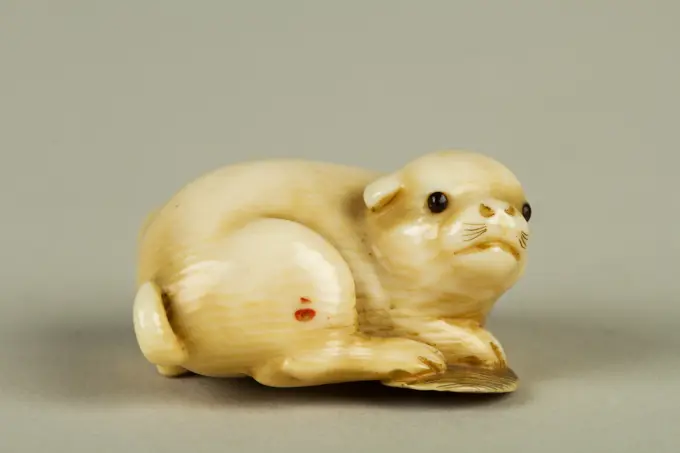
Seated figure of a Man with Dog 19th century Japan. Seated figure of a Man with Dog 59184
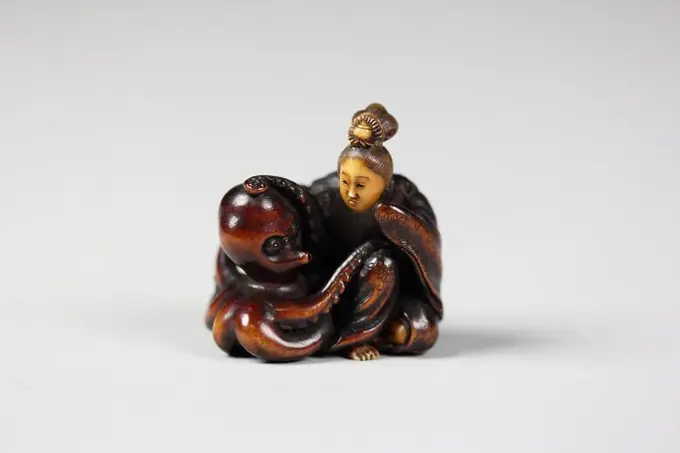
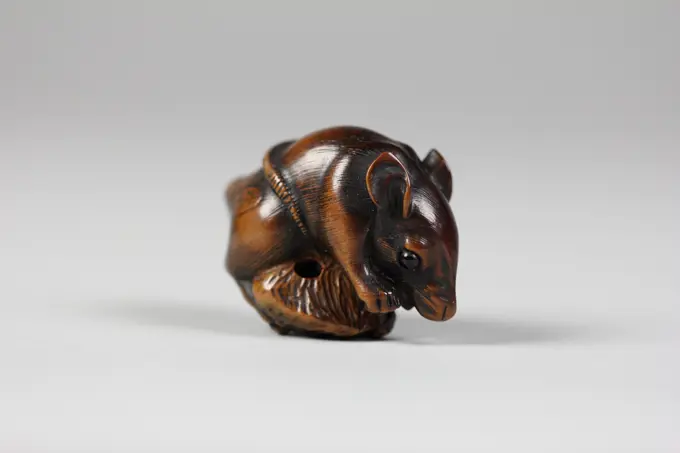
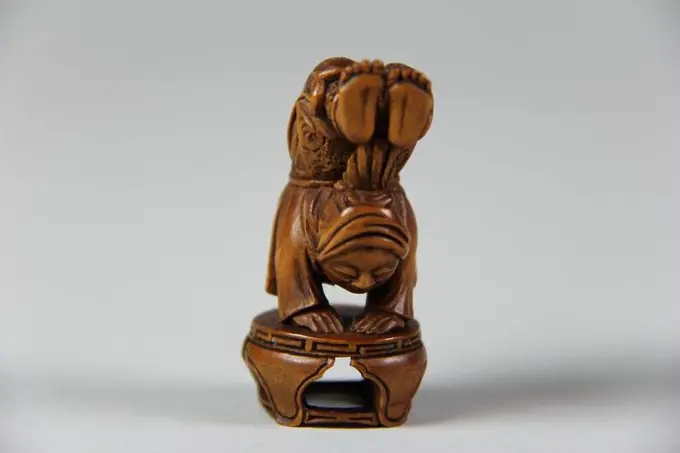
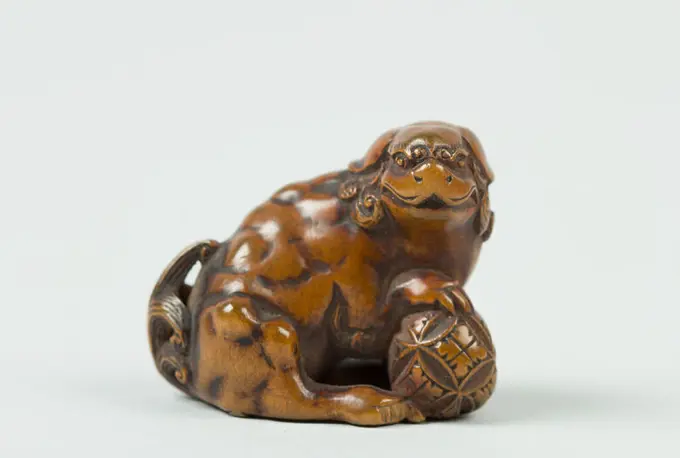
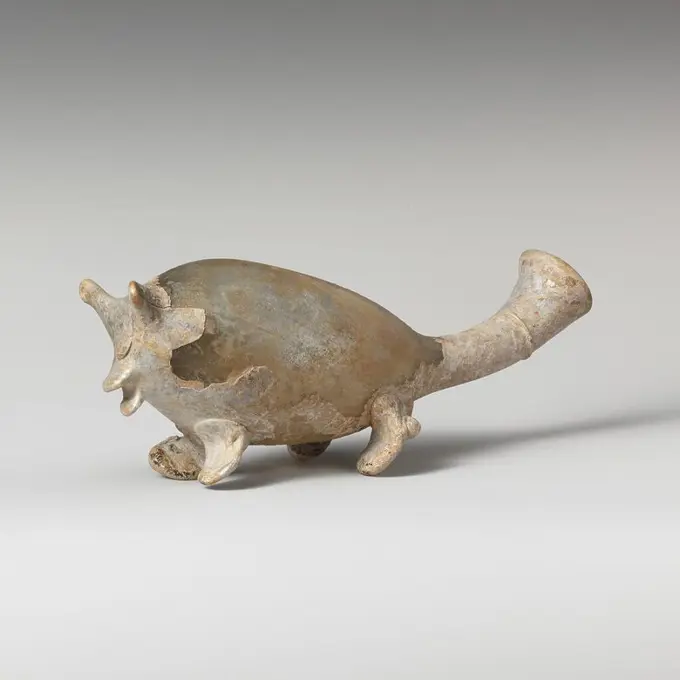
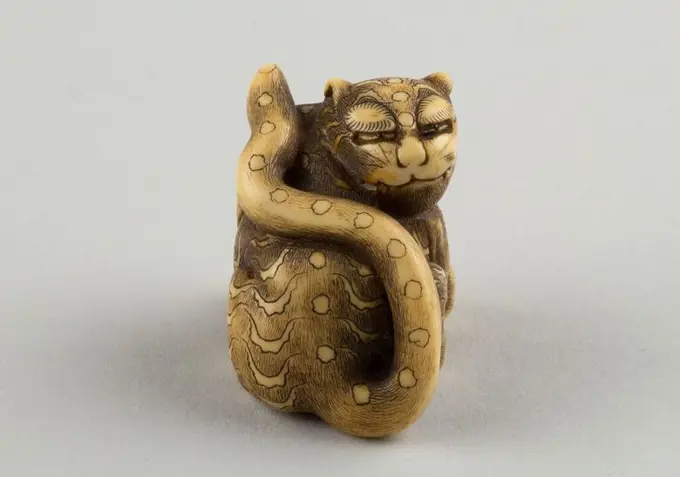
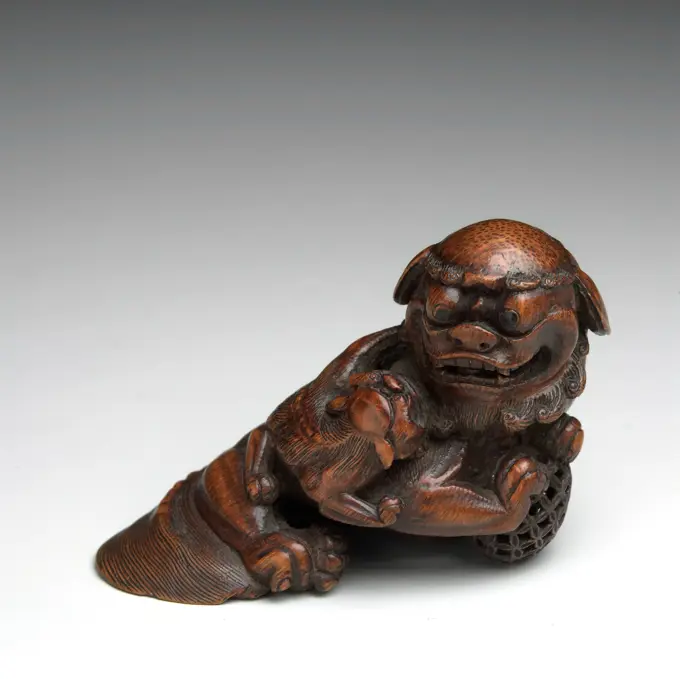
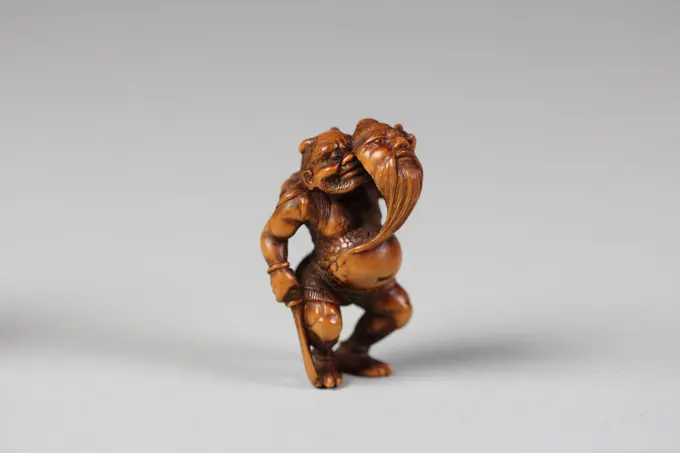
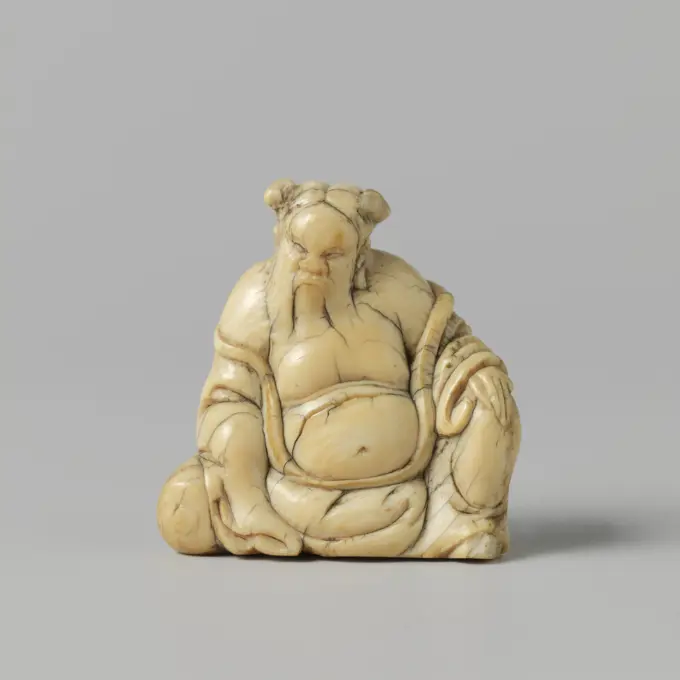
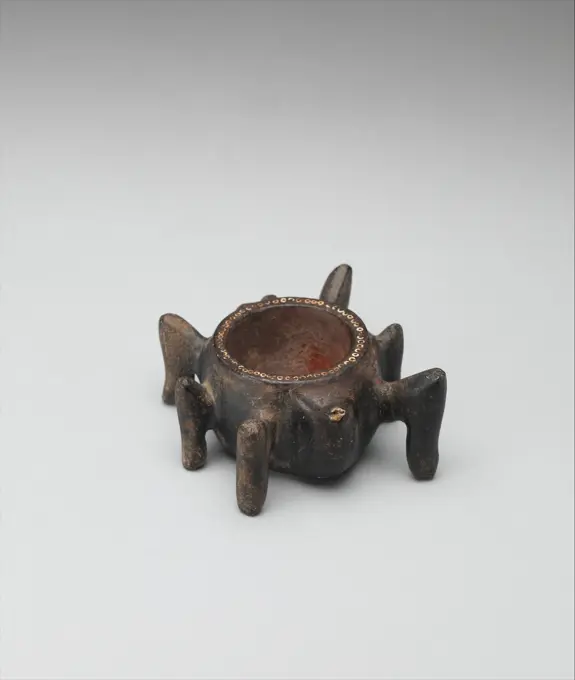
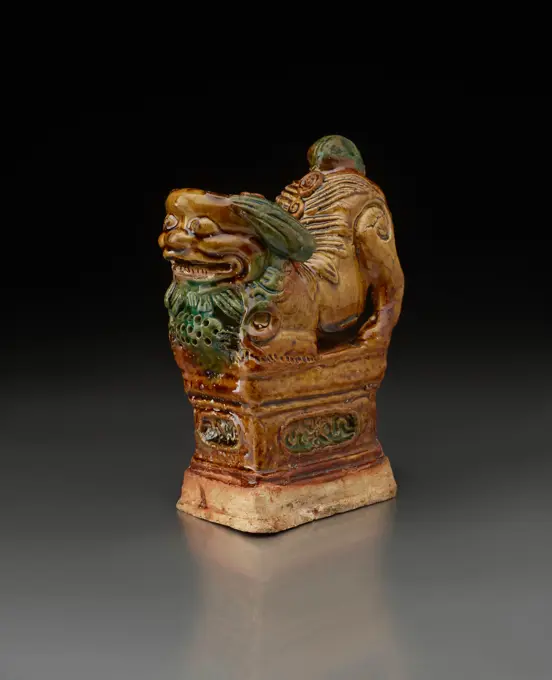
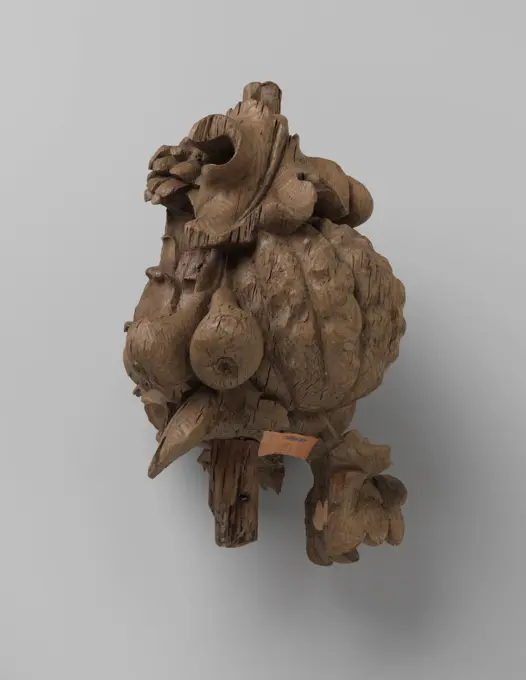
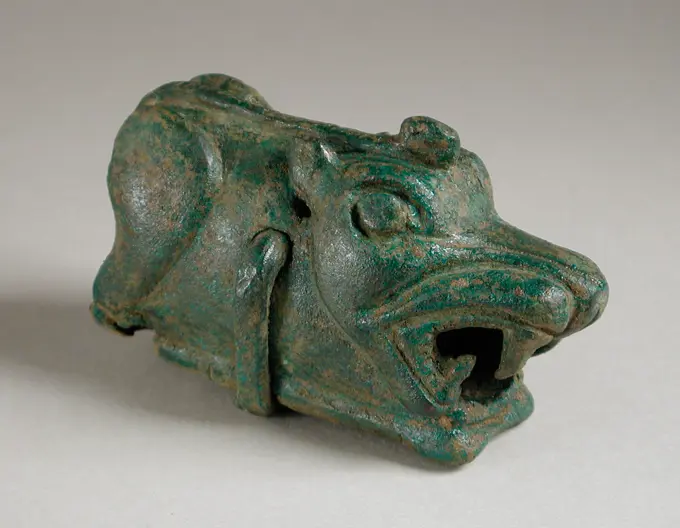
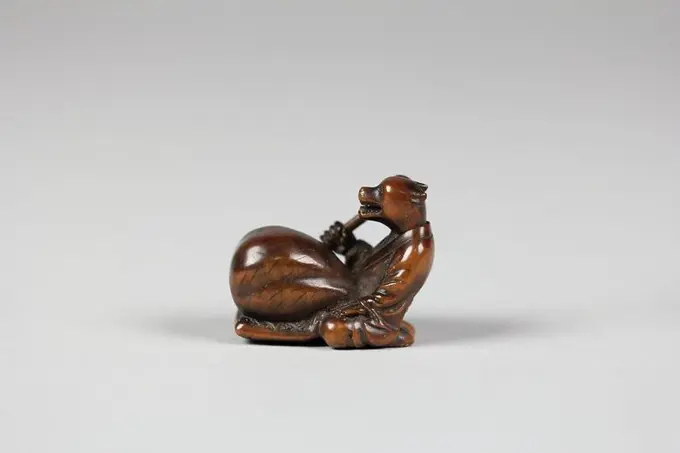
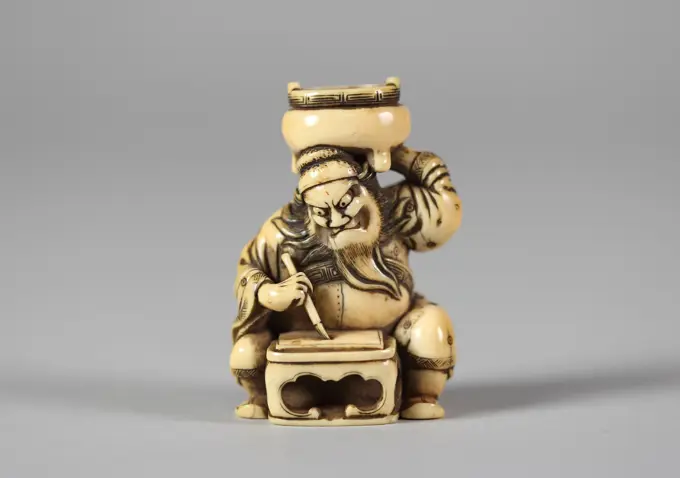
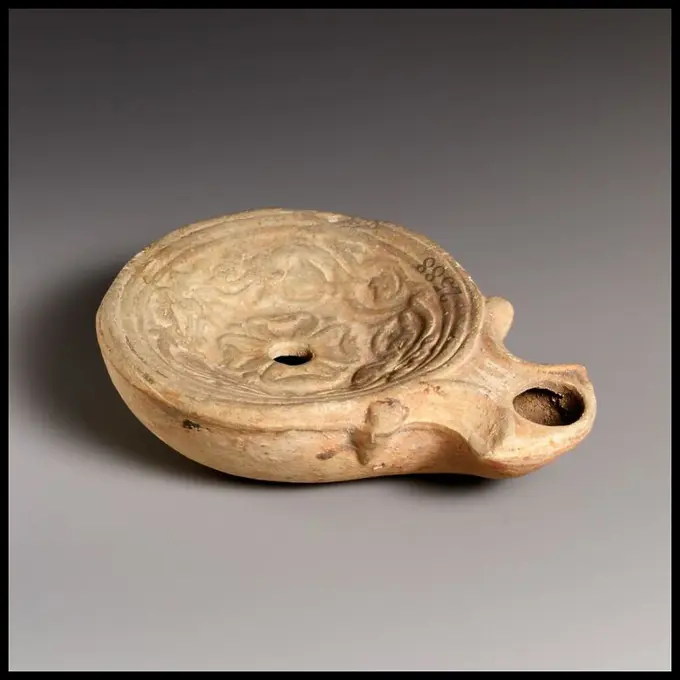
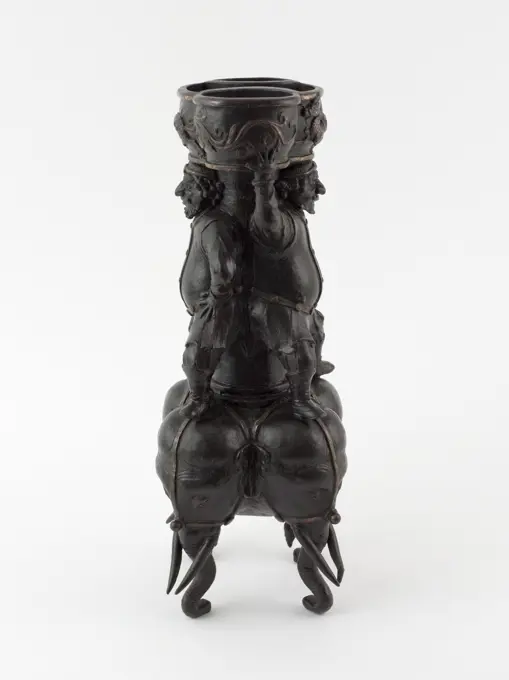
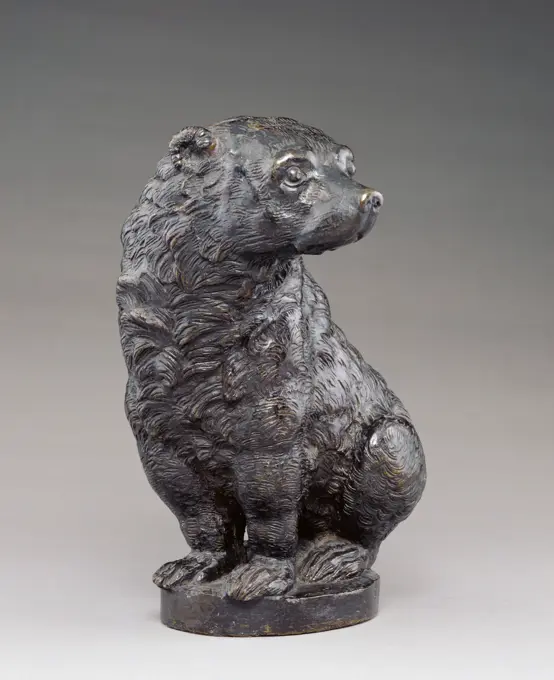
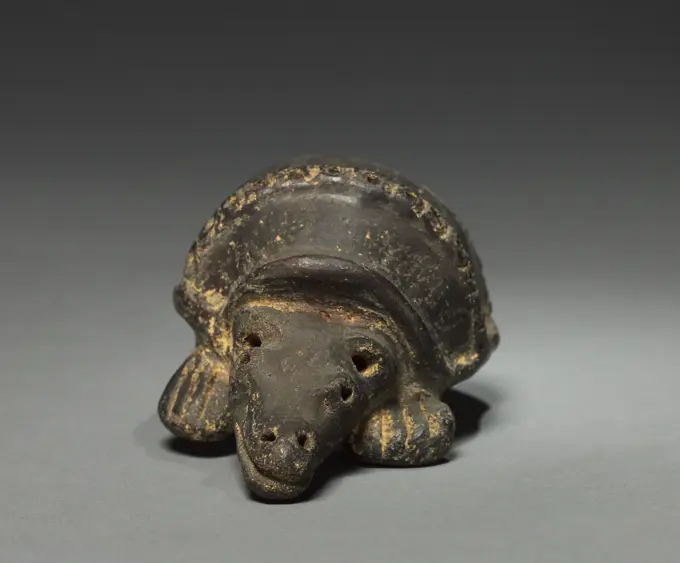
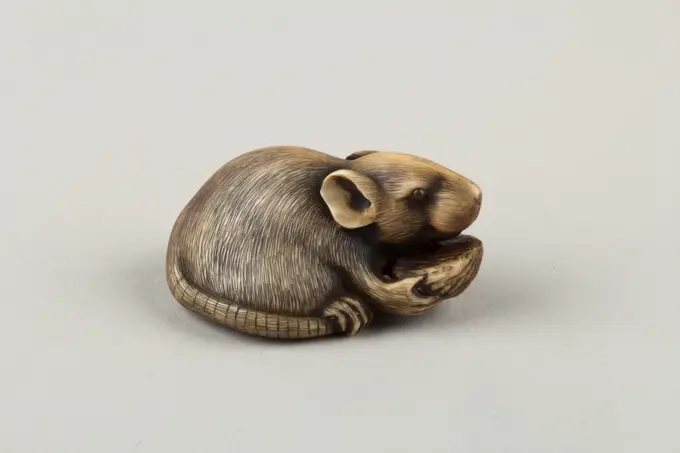
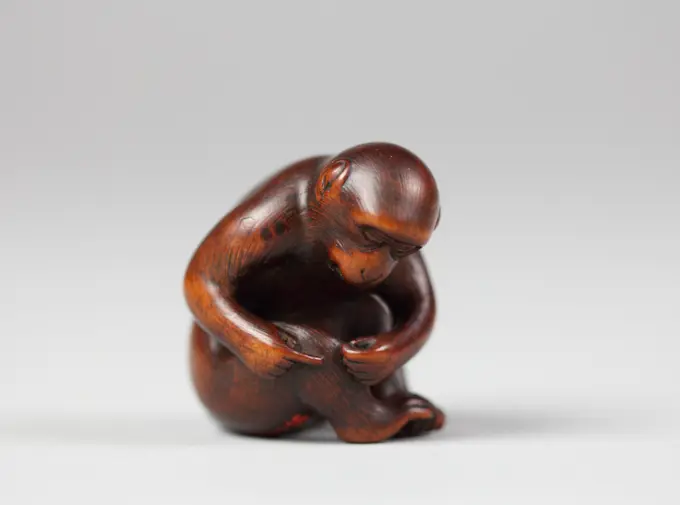
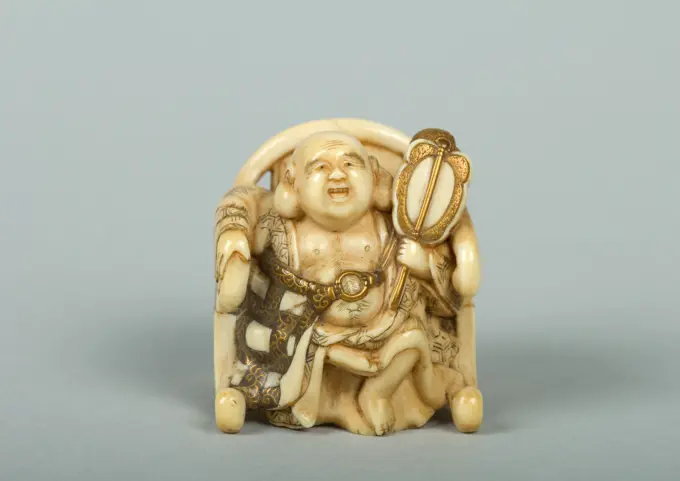
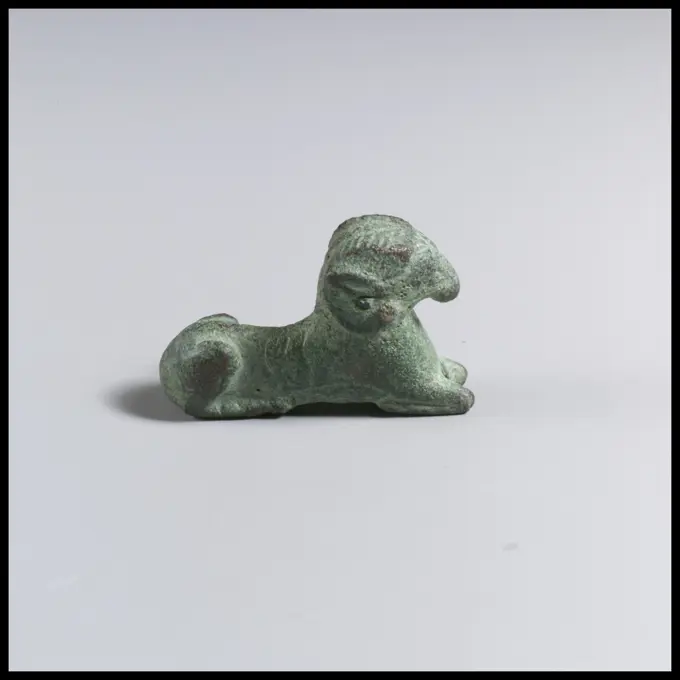
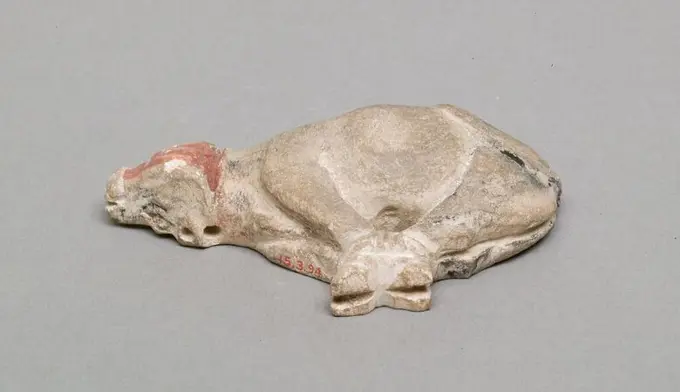
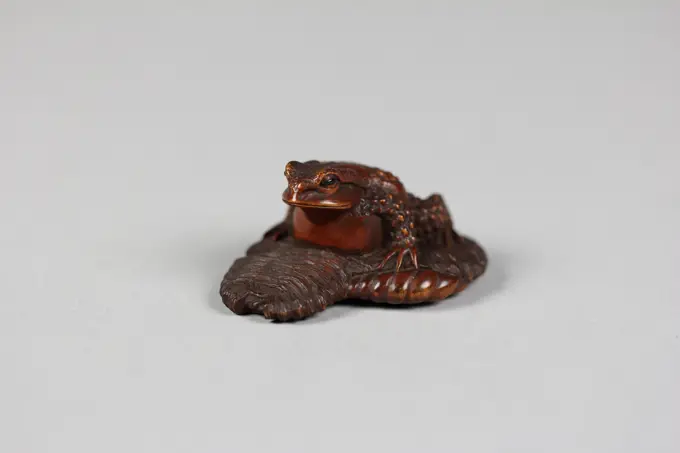
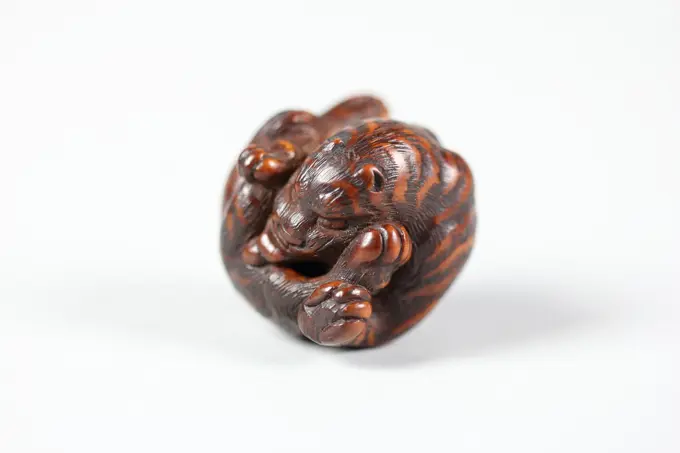
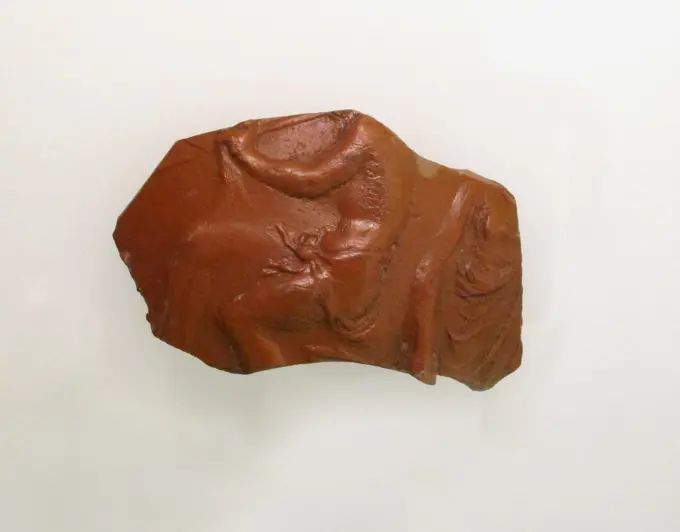
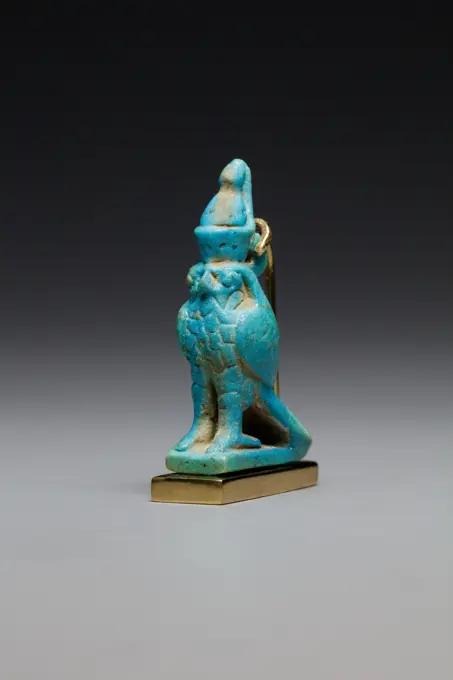
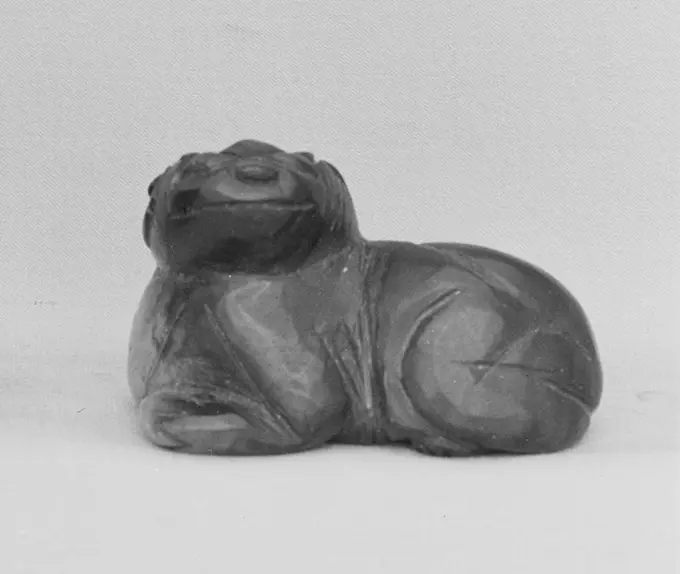
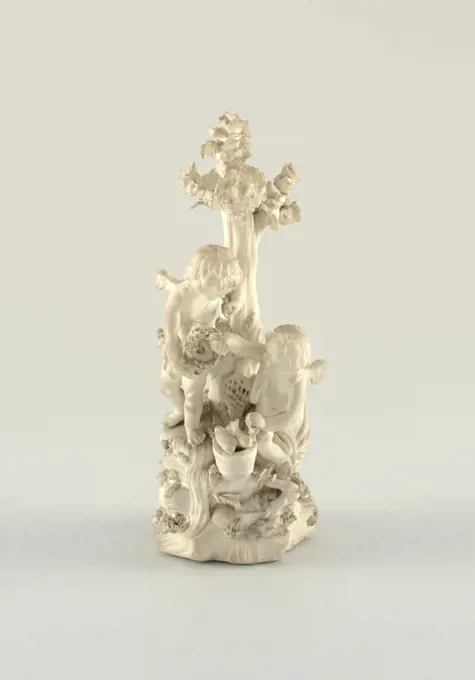
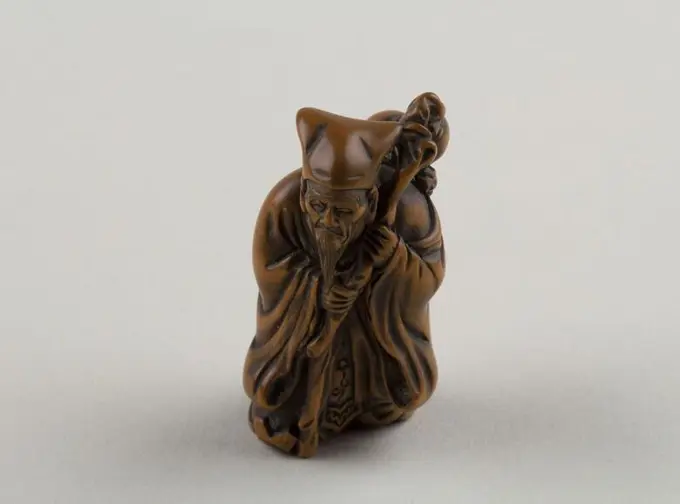
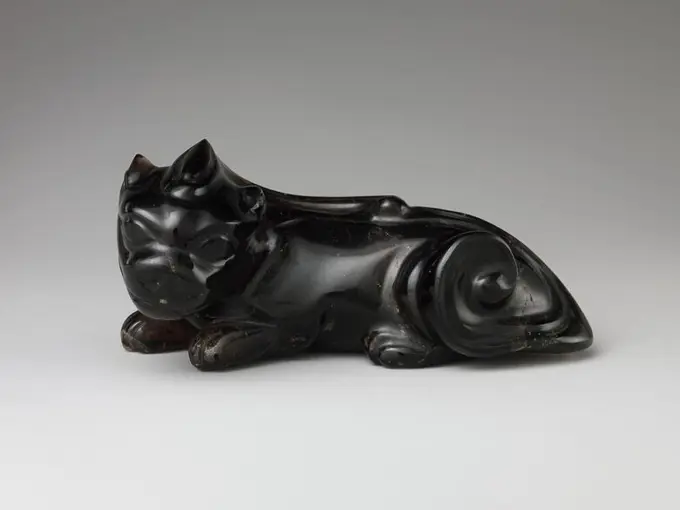
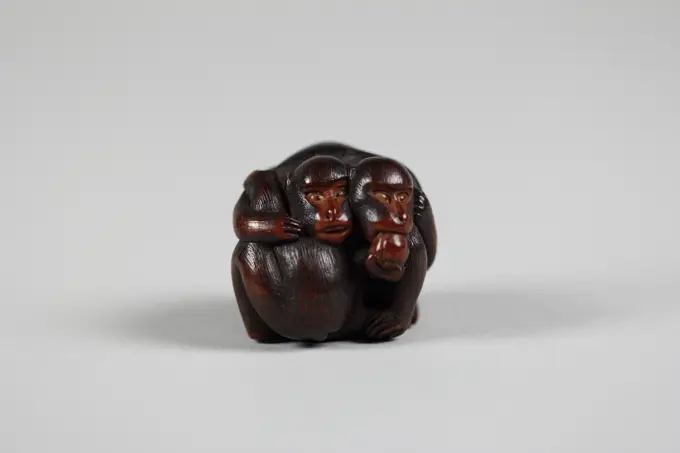
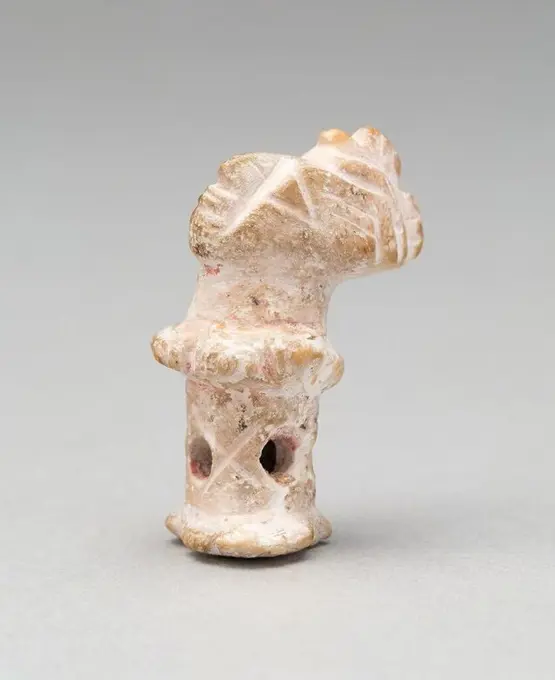
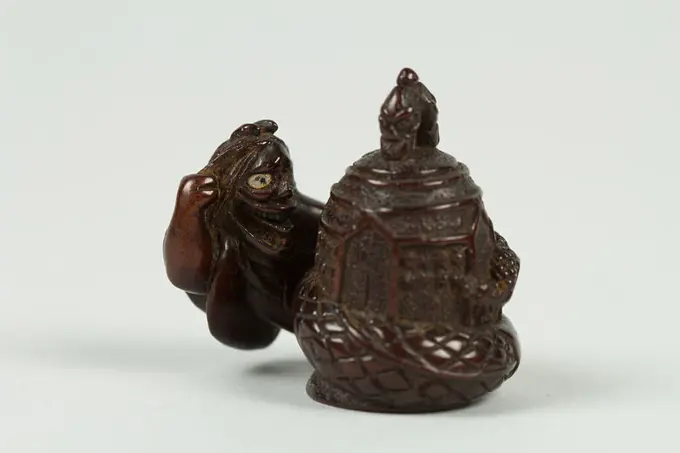
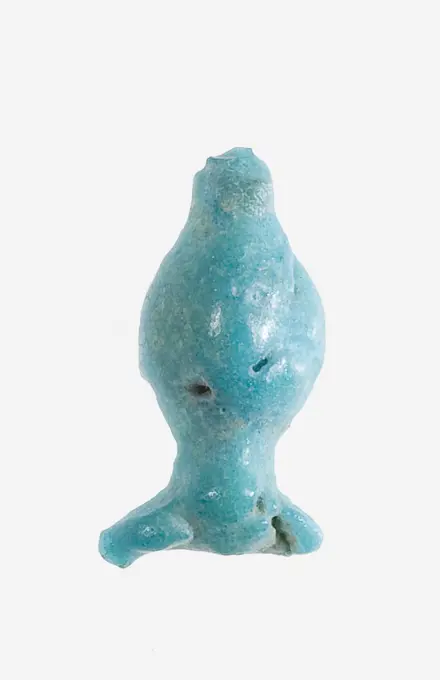
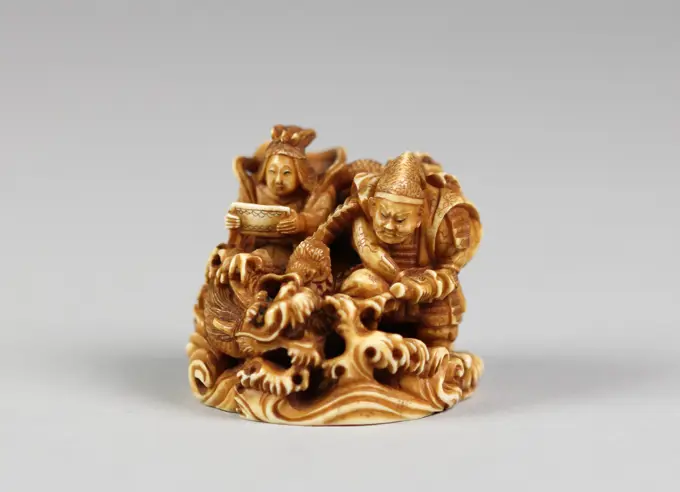
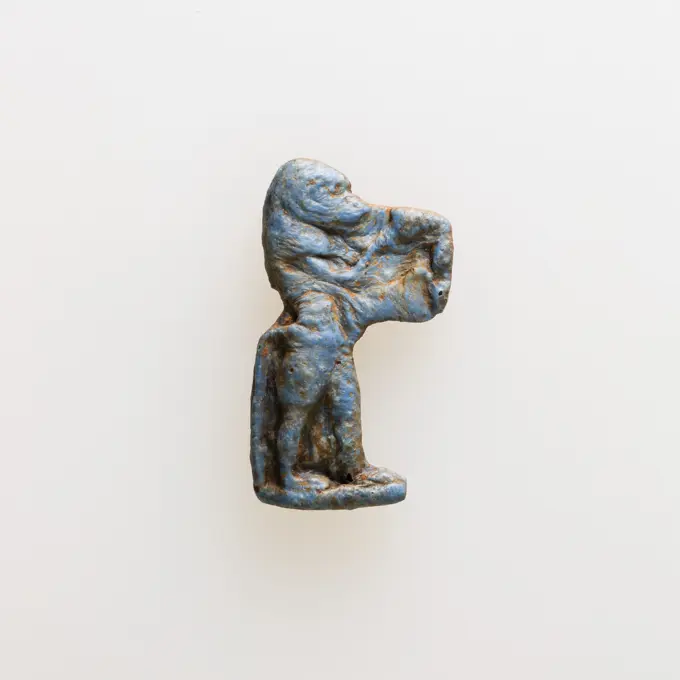
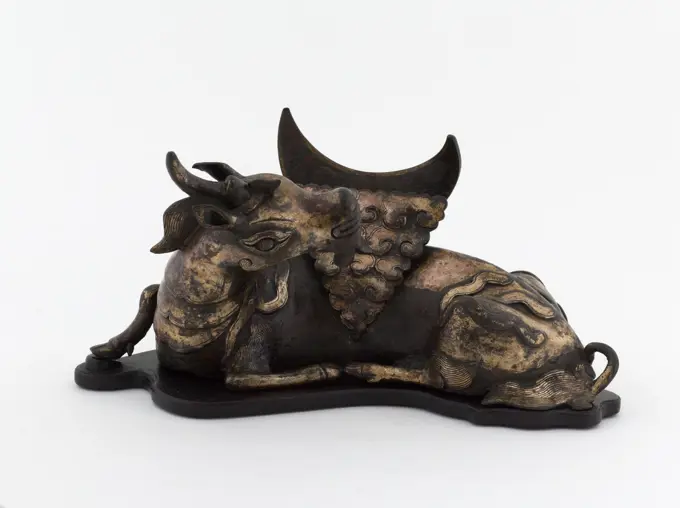
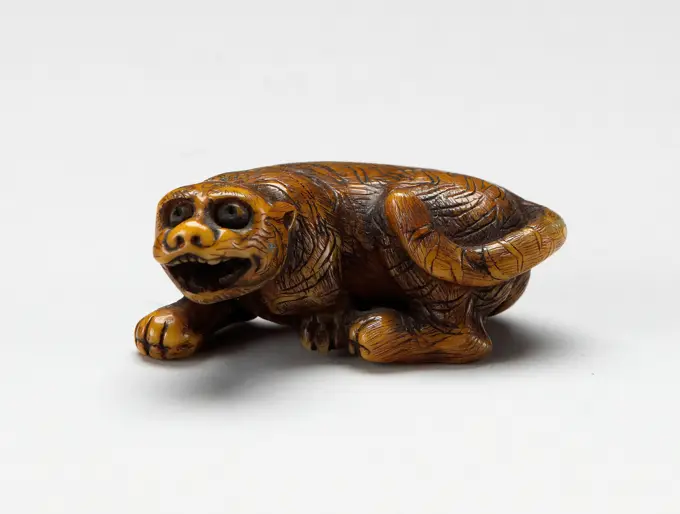
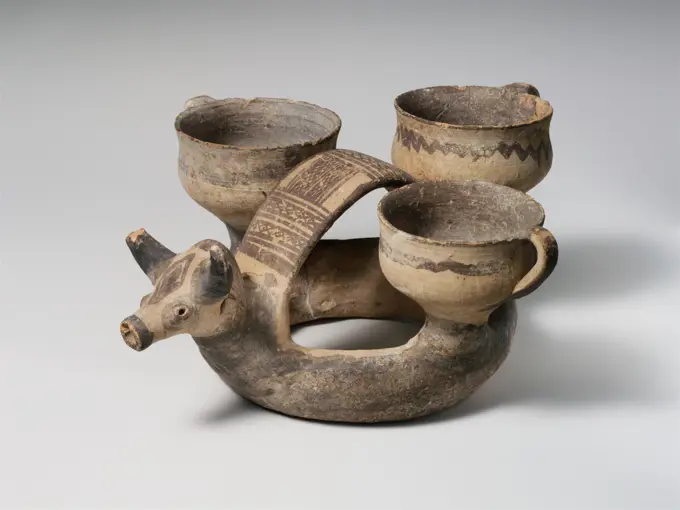
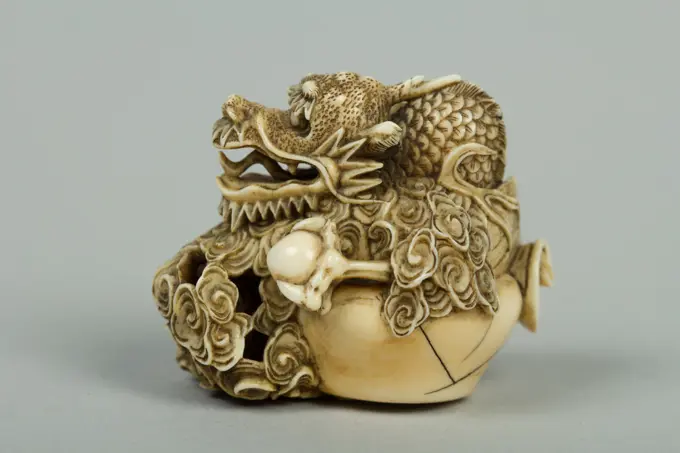
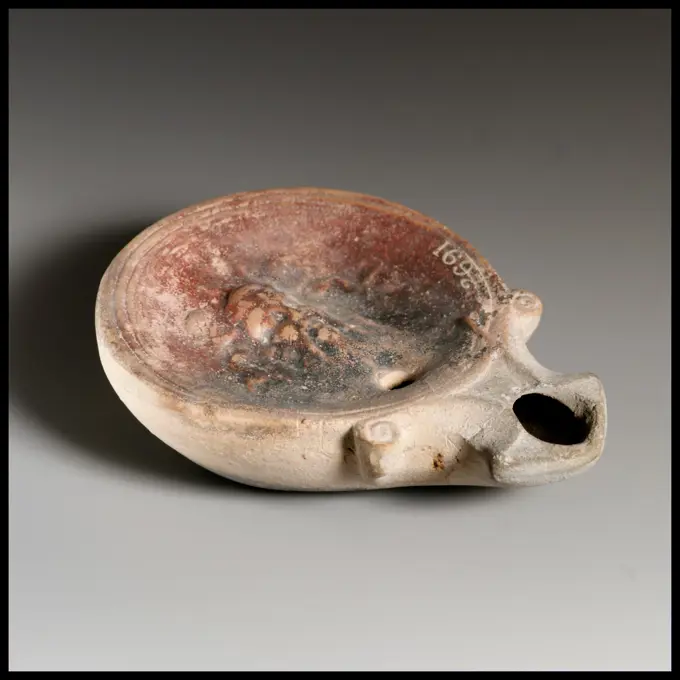
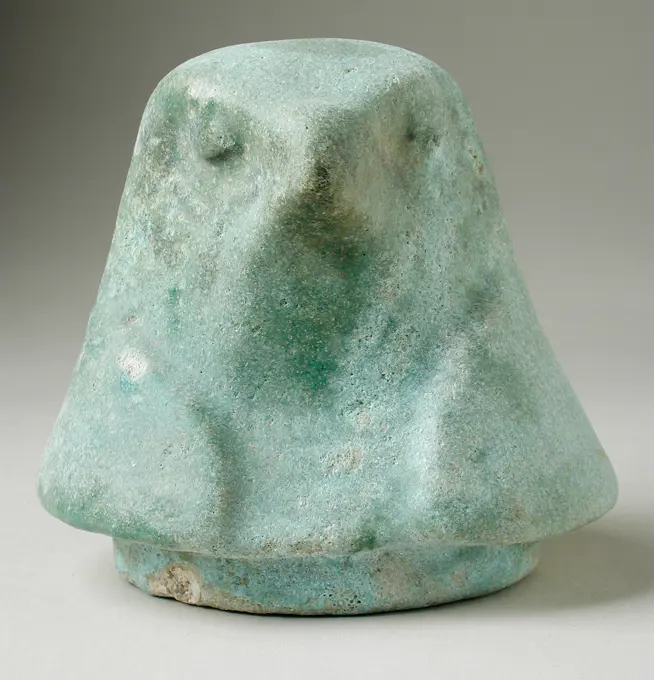
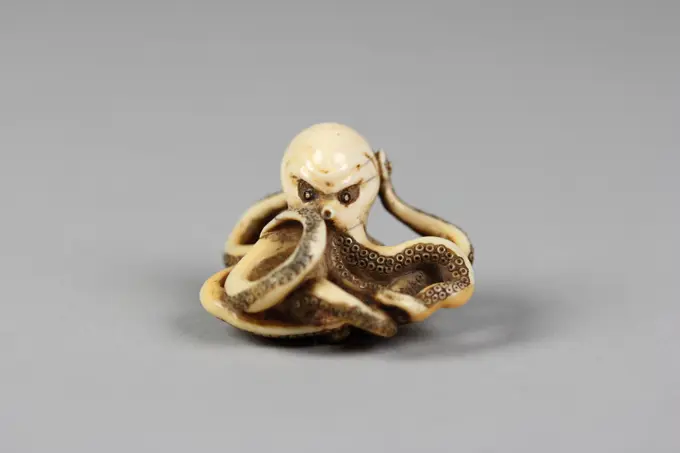
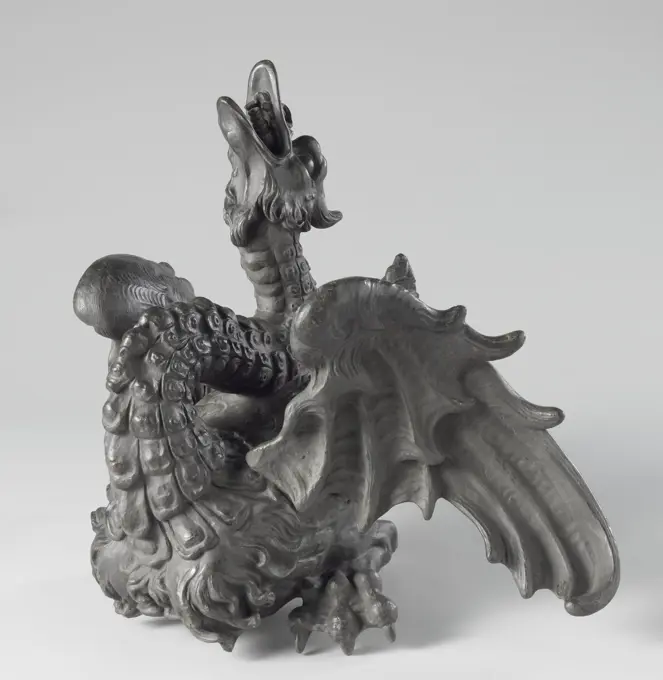
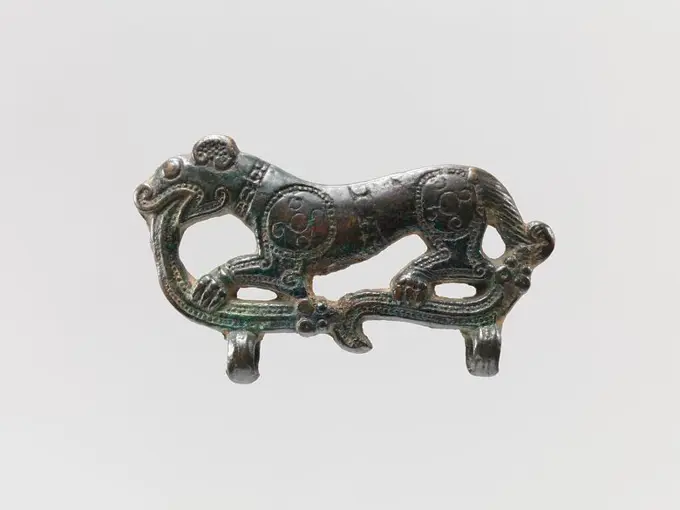
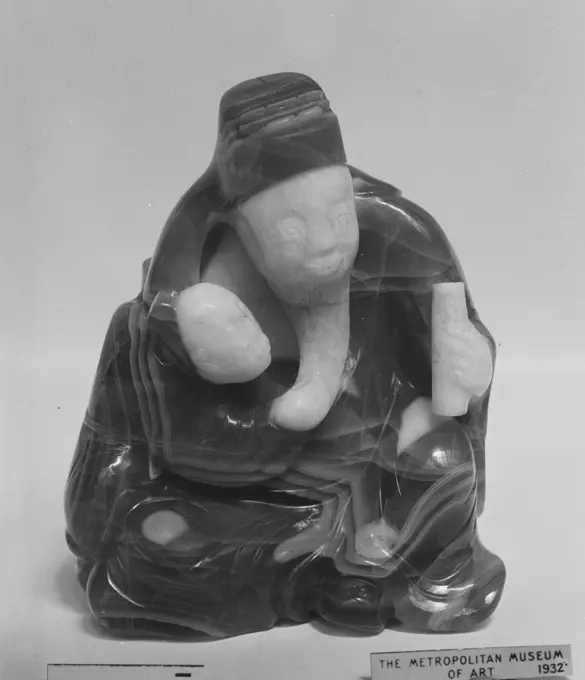
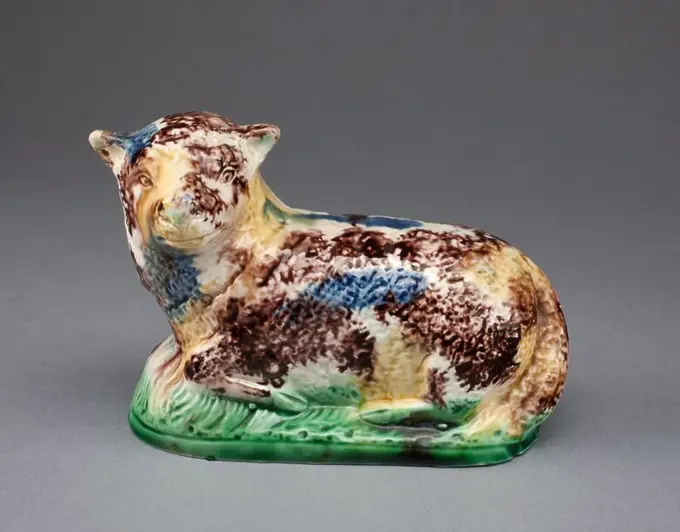
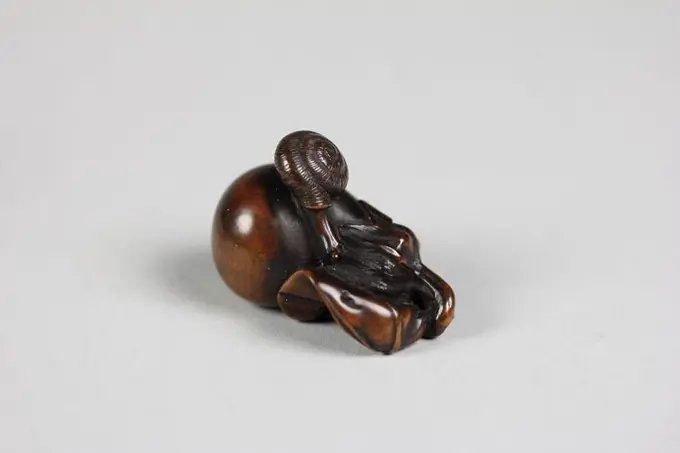
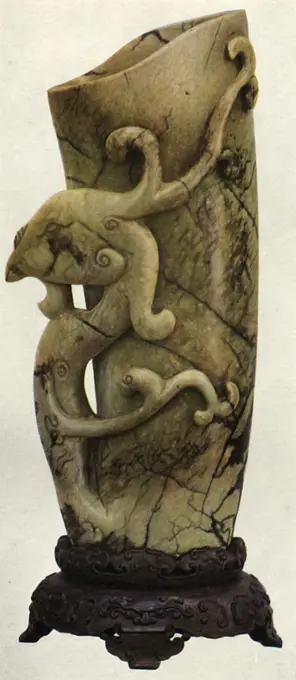
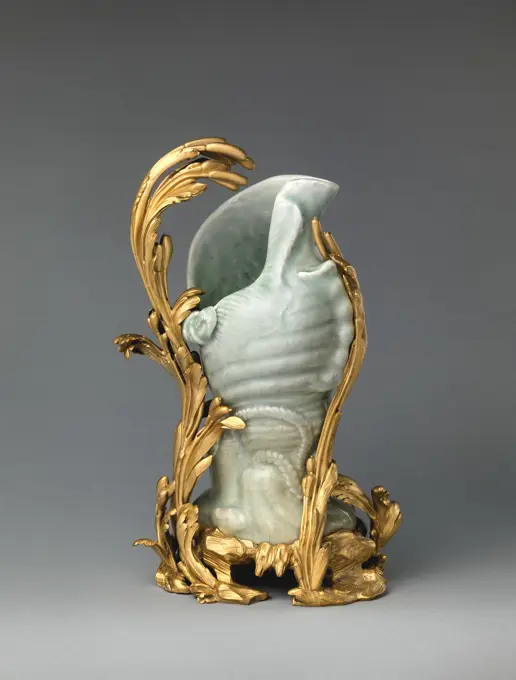
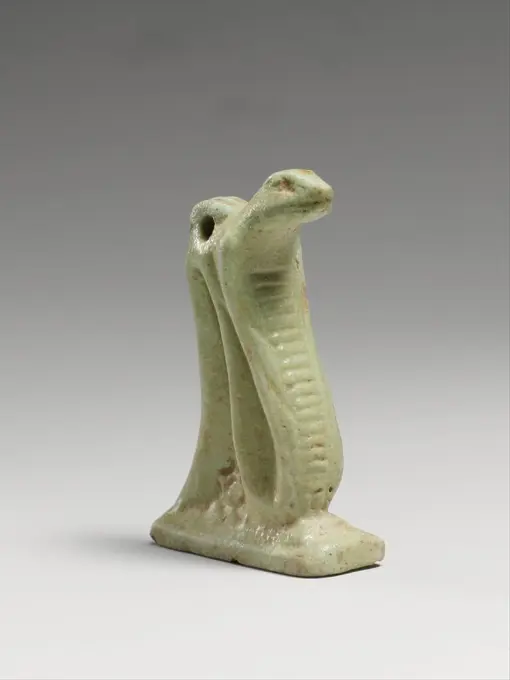
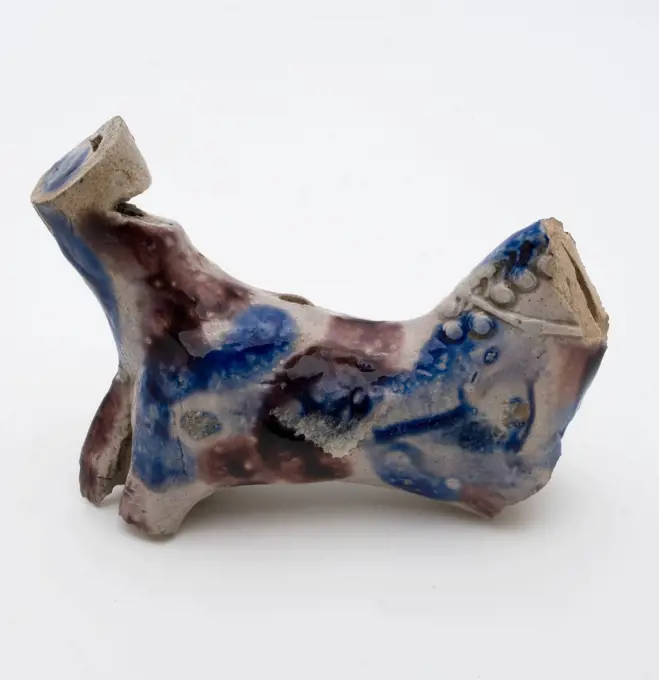
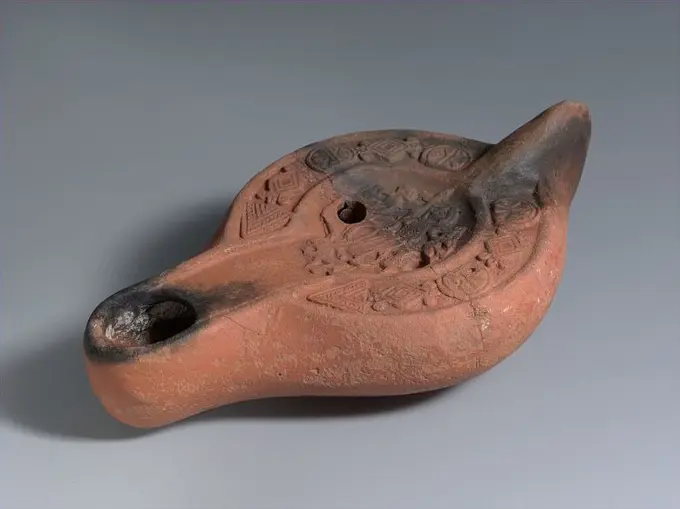
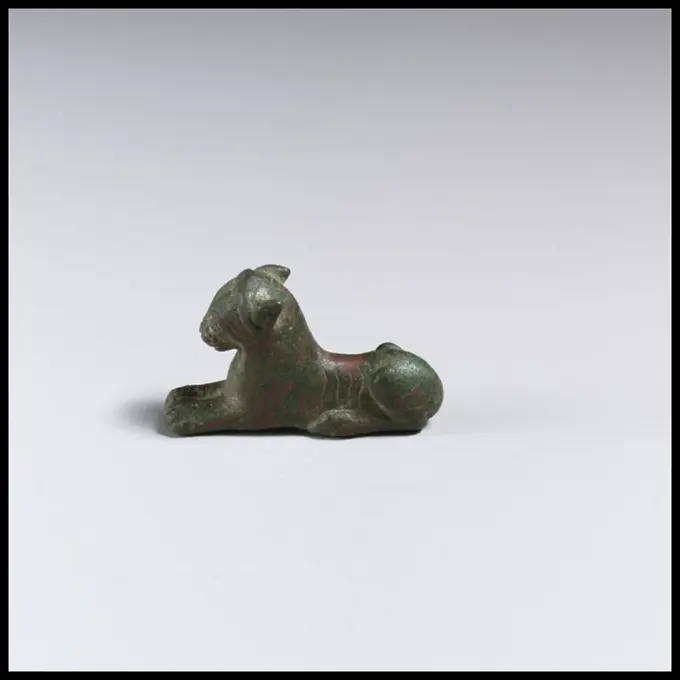
Bronze statuette of a lion. Culture: Etruscan. Dimensions: H. 31/32 in. (2.45 cm)Length 2 5/8 in. (4.1 cm). Date: 6th century B.C..Recumbent lion. Museum: Metropolitan Museum of Art, New York, USA.Netsuke of Octopus and Woman. Culture: Japan. Dimensions: H. 1 1/2 in. (3.8 cm); W. 1 3/8 in. (3.5 cm); D. 1 1/4 in. (3.2 cm). Date: 19th century. Museum: Metropolitan Museum of Art, New York, USA.Seated figure of a Man with Dog 19th century Japan. Seated figure of a Man with Dog 59184Netsuke of Rat Eating 19th century Japan. Netsuke of Rat Eating 59614Netsuke of Acrobat. Culture: Japan. Dimensions: H. 1 7/8 in. (4.8 cm). Date: 19th century. Museum: Metropolitan Museum of Art, New York, USA.Netsuke of Qilin. Culture: Japan. Dimensions: H. 1 3/16 in. (3 cm); W. 1 7/8 in. (4.8 cm); D. 7/8 in. (2.2 cm). Date: 19th century. Museum: Metropolitan Museum of Art, New York, USA.Bronze frog ca. 575-550 B.C. Etruscan This solid-cast frog was probably one of three that once ornamented the adjacent iron tripod (03.23.53).. Bronze frog. Etruscan. ca. 575-550 B.C.. Bronze. Archaic. Miscellaneous-IronMiniature seal in the form of Cupid 1753-58 Chelsea Porcelain Manufactory. Miniature seal in the form of Cupid. British, Chelsea. 1753-58. Soft-paste porcelain, copper gilt. Chelsea Porcelain Manufactory (British, 1745-1784, Red Anchor Period, ca. 1753-58). Ceramics-PorcelainGlass bottle in the shape of an animal. Culture: Roman. Dimensions: width 6 5/16in. (16cm). Date: ca. 3rd century A.D..Colorless with yellowish tinge; trail and applied feet in same glass.Thick rim, folded over and in, with flattened upper lip; tubular neck, turned upwards; elongated ovoid body; pontil pad on bottom between ears and mouth; four broad pads applied in pairs on underside of body, tooled and pinched to look like feet.Single trail wound once around neck; around bottom, side pinched out to form two ears and projecting mouth.Intact; many pinprick bubbles and blowing striations; dulling, pitting, thick creamy weathering, and iridescence.The animal is probably to be identified as a mouse. Museum: Metropolitan Museum of Art, New York, USA.Cerf. Bronze. Par musée musée malée. Asian antique, Japanese antiquity, metalNetsuke of Seated Tiger with a Curled-up Tail Across its Back. Culture: Japan. Dimensions: H. 1 1/4 in. (3.2 cm); W. 1 5/16 in. (3.3 cm). Date: late 18th-early 19th century. Museum: Metropolitan Museum of Art, New York, USA.Netsuke Shishi with brocaded ball, 19th century, Unknown Japanese, 1 3/8 x 1 1/2 x 1 5/16in. (3.5 x 3.8 x 3.3cm), Wood, Japan, 19th centuryNetsuke of Demon with a Mask 18th century Japan. Netsuke of Demon with a Mask 59289Terracotta hanging lamp in the form of a comic actor 2nd century A.D. Roman With two nozzles, shape of reclining comic actor wearing mask; orange clay.. Terracotta hanging lamp in the form of a comic actor. Roman. 2nd century A.D.. Terracotta; mold-made. Imperial. TerracottasBudai, Anonymous, c. 1600 - c. 1699 Image of a sitting fat man with a beard, one hand on the raised knee; The cloak has dropped, so that the belly and shoulders are bare. The back is only roughly worked. (burst into the belly; nose worn out). China ivory Image of a sitting fat man with a beard, one hand on the raised knee; The cloak has dropped, so that the belly and shoulders are bare. The back is only roughly worked. (burst into the belly; nose worn out). China ivoryTerracotta boar figurine ca. 2000-1800 B.C. Cypriot Terracotta figurines of animals usually appear as part of the decoration on the rims of large bowls or the shoulders of vases. Freestanding figurines such as this one are rare.. Terracotta boar figurine 240422Spider Vessel 16th-17th century Chumash. Spider Vessel 312618Figurine  Shi IIon (Foo Dog) unknownSeal: Lion and Cub, 1700s. China, Qing dynasty (1644-1911). Stone; overall: 4.2 cm (1 5/8 in.).Harness Jingle with Stag 7th-6th century B.C. Northeast China. Harness Jingle with Stag 59458Fruits of wood, anonymous, c. 1675 - c. 1699 Wooden group of fruits, probably from a garden fence. Northern Netherlands (possibly)Netherlands (possibly) wood (plant material) Wooden group of fruits, probably from a garden fence. Northern Netherlands (possibly)Netherlands (possibly) wood (plant material)Cadel from the cover - Aba (toad) book;  19th century (1801-00-00-1900-00-00);Koro in Form of a Lion. Culture: Japan. Dimensions: H. 3 3/8 in. (8.6 cm). Date: 18th century. Museum: Metropolitan Museum of Art, New York, USA.Whetstone Socket. Iran, Luristan, Iron Age I-II, about 1350-800 B.C.. Tools and Equipment; sockets. Bronze, castNetsuke: Tanuki no Hara Tsutsumi. Culture: Japan. Dimensions: H. 1 1/4 in. (3.2 cm); W. 1 1/2 in. (3.8 cm); D. 7/8 in. (2.2 cm). Date: 18th century. Museum: Metropolitan Museum of Art, New York, USA.Amulet of the Goddess Bastet as a Seated Cat 664 BCE-332 BCE Egypt. Faience . Ancient EgyptianNetsuke 19th century Japan. Netsuke. Japan. 19th century. Ivory. Edo (1615-1868) or Meiji period (1868-1912). NetsukeTerracotta oil lamp. Culture: Roman. Dimensions: Overall: 1 1/8 x 3 7/8 in. (2.9 x 9.8 cm). Date: 1st century B.C.-1st century A.D..Loeschcke Type 1A. Mold-made. Discus: a central rosette with four large petals, surrounded by a frieze of tendrils with buds and flowers; a single filling hole at center, with a band of lines and grooves at edge. Volutes flanking angular nozzle, with a large wick hole. Raised base ring, with a narrow raised circle within, and a flat base.Intact. Museum: Metropolitan Museum of Art, New York, USA.Medusa Head Figurine. Egypt, Roman Period (30 BCE - 395 CE) or later. Sculpture. BronzeURNE. Bronze. Chine. Par musée musée malée. 71127-10 Chinese art, bronze, standing, character, foot, profile, elephant head, urnWeight in the Shape of aLeopardBear. Unknown maker, ItalianArmadillo, before 1921. Colombia. Pottery; overall: 6.4 cm (2 1/2 in.).Mouse Eating a Pit 19th century Japan. Mouse Eating a Pit 59193Netsuke of Monkey Catching Fleas 18th-19th century Japan. Netsuke of Monkey Catching Fleas. Japan. 18th-19th century. Wood. Edo (1615-1868) or Meiji period (1868-1912). NetsukeNetsuke of Hotei Seated in an Armchair 19th century Japan. Netsuke of Hotei Seated in an Armchair. Japan. 19th century. Ivory ornamented with lacquer. Edo (1615-1868) or Meiji period (1868-1912). NetsukeEwer (Suichu), early 1600s. Japan, Momoyama period (1573-1615). Glazed stoneware with iron oxide underglaze slip (Mino ware, Oribe type); diameter of mouth: 12.7 cm (5 in.); container: 21 cm (8 1/4 in.).Bronze statuette of a ram 1st-2nd century A.D. Roman Represented lying down, with head raised and fore feet bent inward.. Bronze statuette of a ram 256657Tobacco Pouch 1850-80 Japan. Tobacco Pouch 58496Model of slaughtered ox. Dimensions: l. 7.8 cm (3 1/16 in). Dynasty: Dynasty 12, late. Date: ca. 1850-1800 B.C.. Museum: Metropolitan Museum of Art, New York, USA.Netsuke of Frog on a Leaf 19th century Japan. Netsuke of Frog on a Leaf. Japan. 19th century. Wood. Edo (1615-1868) or Meiji period (1868-1912). NetsukeNetsuke of Tiger 19th century Japan. Netsuke of Tiger. Japan. 19th century. Wood. Edo (1615-1868) or Meiji period (1868-1912). NetsukeShield carrier with a coat of arms with double -headed eagle, anonymous, 1600 - 1699 Shielding oak sitting lion, placed on a square pedestal. The coat of arms shows a crowned double -headed eagle in black on a golden stock; The heart shield shows a lion in gold in a dark stock. The back of the shield is red, the lion is brown and the pedestal is painted black. Coat of arms of Rijnland () Northern Netherlands wood (plant material). oak (wood) Shielding oak sitting lion, placed on a square pedestal. The coat of arms shows a crowned double -headed eagle in black on a golden stock; The heart shield shows a lion in gold in a dark stock. The back of the shield is red, the lion is brown and the pedestal is painted black. Coat of arms of Rijnland () Northern Netherlands wood (plant material). oak (wood)Vase Fragment Roman Satyr playing double flutes; woman.. Vase Fragment 250291Horus amulet 664-332 B.C. Late Period. Horus amulet. 664-332 B.C.. Faience, blue. Late Period. From Egypt. Dynasty 26-30Lamp. UnknownBowl and cover, Lead-glazed earthenware ('cream ware'), Melon-shaped bowls with molded leaf-shaped saucers. Stem handles. Covers have pierced lattice figures and applied decoration in form of wavy lines terminating in fruit and leaves., Leeds, England, late 18th century, ceramics, Decorative Arts, Bowl and coverGirdle pendant China. Girdle pendant 42903Fibula, fragment. Fibula, fragment 251443 Fibula, fragment, Bronze, H.: 1 x 2 1/8 x 1 in. (2.5 x 5.4 x 2.5 cm). The Metropolitan Museum of Art, New York. Rogers Fund, 1923 (23.160.109)Faience figurine of a lion. Culture: Egyptian. Dimensions: Overall: 1 x 1 3/4 in. (2.5 x 4.4 cm). Date: 664-323 B.C..With pale blue glaze. Museum: Metropolitan Museum of Art, New York, USA.Figure of Cupids Fishing Representing Water, from a Group Called 'The Elements', Derby Porcelain Factory, English, established 1756, biscuit, Two cherubs under a tree on a mound of rocks with a waterfall and sea life. The seated cherub transfers fish from a small bucket to a net held by the standing figure., England, 1790-1796, ceramics, Decorative Arts, figure, figureNetsuke. Culture: Japan. Dimensions: H. 1 1/2 in. (3.8 cm); W. 3/4 in. (1.9 cm); D. 3/4 in. (1.9 cm). Date: 19th century. Museum: Metropolitan Museum of Art, New York, USA.Figure of a fantastic animal. Culture: China. Dimensions: H. 4 1/2 in. (11.4 cm); W. 2 1/8 in. (5.4 cm). Museum: Metropolitan Museum of Art, New York, USA.Netsuke of Three Monkeys Intertwined 19th century Japan. Netsuke of Three Monkeys Intertwined. Japan. 19th century. Wood. Edo (1615-1868) or Meiji period (1868-1912). NetsukeFigure of a shishi, anonymous, c. 1700 - c. 1799 Image of porcelain on pedestal, covered with a translucent white glaze. A shishi (lion dog) with the right leg on a ball on a rectangular pedestal; With holder for an incense stick. Gilded in Europe. Old label on the bottom with 'Loudon collection'. Blanc the Chine. China porcelain. glaze vitrification Image of porcelain on pedestal, covered with a translucent white glaze. A shishi (lion dog) with the right leg on a ball on a rectangular pedestal; With holder for an incense stick. Gilded in Europe. Old label on the bottom with 'Loudon collection'. Blanc the Chine. China porcelain. glaze vitrificationFigure of a Man Killing a Demon 19th century Japan. Figure of a Man Killing a Demon 59187Labret. Maya; Mexico or Guatemala. Date: 200 AD-700 AD. Dimensions: L. 3.8 cm (1 1/2 in.). Stone and pigment. Origin: Mexico. Museum: The Chicago Art Institute, Chicago, USA.Netsuke of Kiyohime with the Bell. Culture: Japan. Dimensions: H. 1 1/2 in. (3.8 cm); W. 1 3/4 in. (4.4 cm0; D. 1 1/4 in. (3.2 cm). Date: 19th century. Museum: Metropolitan Museum of Art, New York, USA.Cornflower Pendant ca. 1390-1353 B.C. New Kingdom. Cornflower Pendant. ca. 1390-1353 B.C.. Faience. New Kingdom. From Egypt, Upper Egypt, Thebes, Malqata, Palace of Amenhotep III, MMA excavations, 1910-11. Dynasty 18Netsuke of Two Seated Figures and a Dragon 18th-19th century Japan. Netsuke of Two Seated Figures and a Dragon. Japan. 18th-19th century. Ivory. Edo (1615-1868) or Meiji period (1868-1912). NetsukeAmulet of a baboon holding an unrecognizable object 525-30 BC Late Period-Ptolemaic Period Starting in the later Late Period and continuing through the Ptolemaic Period, a type of glass amulet cast by pressing the glass into a shallow open mold appears. The back was left rough, and the amulets may look ragged because glass overflowed the mold around the edges. The earlier amulets are monochrome, bi- or multicolor amulets supplement the repertoire during the Ptolemaic Period. Some of the amulets can be specifically tied to spells of the Book of the Dead - for example, acc. no. 17.194.2526 - and most are clearly funerary amulets, presumably meant to be wrapped between the bandages of the mummy where the presence of the amulet would do its job irrespective of its degree of finish.. Amulet of a baboon holding an unrecognizable object. 525-30 BC. Glass. Late Period-Ptolemaic Period. From EgyptZoomorphic carrier. Bronze. China. Paris, Cernuschi museum. 70002-8 Chinese art, bronze, mirror holder, zoomorphic, animalFlower holder in the shape of a peach tree 18th-19th century China. Flower holder in the shape of a peach tree 42143Eagle Pendant. Culture: Chiriquí. Dimensions: H. 5 5/8 x W. 5 3/4 x D. 2 1/8 in. (14.3 x 14.6 x 5.4 cm). Date: A.D. 800-1519.These pendants combine physical characteristics of several birds, including double crests reminiscent of harpy eagles. Sometimes, these pendants functioned as bells: there are tiny clappers within the bulbous eyes of the two smaller eagles. One of the last kings of the Bribris of Costa Rica, Antonio Saldaña, was photographed around the turn of the century wearing a cluster of such pendants.Estos colgantes combinan características físicas de varias aves; aquellas con doble cresta evocan las águilas harpías. Muchas veces estos colgantes también eran utilizados como cascabeles. Así lo demuestran las pequeñas claquetas situadas en los ojos bulbosos de las dos águilas. Antonio Saldaña, uno de los últimos reyes de los Bribris de Costa Rica, fue fotografiado a finales del siglo XIX o principios del siglo XX llevando varios de estos colgantes. Museum: Metropolitan MusCrouching tiger, early 19th century, 3/4 x 1 3/4 x 1 1/4 in. (1.91 x 4.45 x 3.18 cm), Stained ivory, China, 19th centuryNetsuke of Dog 19th century Japan. Netsuke of Dog 59762Tripod vase. terracotta. Cernuschi Museum, Asia Museum of Asia in the city of Paris.Terracotta ring-kernos (offering vase) ca. 1050-950 B.C. Cypriot There are small holes in the bull's head and the cups that allowed liquid to flow into the hollow, horizontal ring.. Terracotta ring-kernos (offering vase) 240246Jewel-Holding Dragon 18th century Japan The dragon is the only mythical beast included in the zodiac. A cosmological symbol of Chinese origin, the dragon is associated with water and is often depicted emerging from vapor and clouds to produce rain. Represented here is the dragon of Handaka Sonja (one of the sixteen special disciples of Buddha), shown emerging from an alms bowl and holding a jewel (tama).. Jewel-Holding Dragon. Japan. 18th century. Ivory. Edo period (1615-1868). NetsukeTerracotta oil lamp 1st century B.C.-1st century A.D. Roman Loeschcke Type 1A. Mold-made. Discus: head of Helios (Sol), bearded. Single filling hole at bottom near nozzle, with a band of lines and grooves around edge. Volutes flanking angular nozzle. Raised base ring, and uneven base.Intact, but some loss of surface on and around base ring.. Terracotta oil lamp. Roman. 1st century B.C.-1st century A.D.. Terracotta. Early Imperial. TerracottasGreen Faience Canopic Jar Lid of Qebehsenuef. Egypt, probably Late Period (724 - 333 BCE). Furnishings; Serviceware. Green faienceFragment of a cart or chariot, plaque with socket ca. 500-480 B.C. Etruscan Large collection of bronze and iron attachments once belonging to a chariot.. Fragment of a cart or chariot, plaque with socket 253026 Etruscan, Chariot fragments, plaque with socket, ca. 500480 B.C., Bronze, 5 1/8  6 1/8 in. (13  15.6 cm). The Metropolitan Museum of Art, New York. Fletcher Fund, 1929 (29.131.3q)Netsuke of Octopus 19th century Japan. Netsuke of Octopus 59690Waterpuwer in the form of a dragon, part of a fountain, anonymous, c. 1500 - c. 1600 Dragon, who joined with head and scaly neck, rests on its large claws and spread out, vincible wings. Italy bronze (metal) Dragon, who joined with head and scaly neck, rests on its large claws and spread out, vincible wings. Italy bronze (metal)Plaque or Buckle. Culture: China. Dimensions: H. 2 7/8 in. (7.3 cm); W. 1 5/8 in. (4.1 cm). Date: ca. 5th century B.C.. Museum: Metropolitan Museum of Art, New York, USA.Lady's head ca. 1760 Chelsea Porcelain Manufactory. Lady's head. British, Chelsea. ca. 1760. Soft-paste porcelain. Chelsea Porcelain Manufactory (British, 1745-1784, Red Anchor Period, ca. 1753-58). Ceramics-PorcelainBouwfragment. Kraagstuk van eikenhout of drager van een der muurstijlen van de kap over het koor van de kerk te Rumpt, voorstellende een grijnzende mannenkop. Zie tevens: BK-NM-11079, 11080 en 11081.Camel Pair. Japan, late 19th century. Costumes; Accessories. WoodClose-up of a glass statue of a human head, ItalyLidded vase, 1736-1795, 4 1/4 x 4 1/4in. (10.8 x 10.8cm), Jade, China, 18th centuryFigure China. Figure. China. Carnelian. Qing dynasty (1644-1911), Qianlong period (1736-95). HardstoneDutchman, 18th century, Unknown Japanese, 3 1/8 x 1 x 7/8in. (7.9 x 2.5 x 2.2cm), Ivory, Japan, 18th centuryEwe. Staffordshire, England. Date: 1775-1785. Dimensions: 8.9 x 12.7 x 7 cm (3 1/2 x 5 x 2 3/4 in.). Lead-glazed earthenware (creamware). Origin: Staffordshire. Museum: The Chicago Art Institute, Chicago, USA.Animal 4th-7th century Nayarit. Animal 312624Netsuke of Snail on Eggplant. Culture: Japan. Dimensions: H. 1 1/8 in. (2.9 cm); W. 1 5/8 in. (4.1 cm); D. 1 1/8 in. (2.9 cm). Date: 19th century. Museum: Metropolitan Museum of Art, New York, USA.A Jade sacrificial wine cup. Chinese Sung Dynasty.      Date: C. 1920sChess Piece, Rook. Dimensions: H. 1 3/4 in. (4.5 cm)W. 3/4 in. (1.9 cm). Date: 11th-12th century. Museum: Metropolitan Museum of Art, New York, USA.Tadamori and the Oil Thief. Japan, 19th century. Costumes; Accessories. BoxwoodJar in the Shape of a Fruit (Lid), 1100s. Cambodia, Northeast Thai kiln, Khmer Ware, Angkor Wat/Bayon period, 12th century. Glazed pottery with brown slip; diameter: 15.2 cm (6 in.); overall: 24 cm (9 7/16 in.).Ewer in the form of a conch shell porcelain ca. 1700, mounts ca. 1750 Japanese with French mounts The Museum has a large and distinguished collection of Chinese celadon-glazed ceramics with eighteenth-century French gilt-bronze mounts. Both Chinese and Japanese porcelains were highly prized in eighteenth-century France, and imported porcelains were frequently mounted in gilt bronze to enhance their importance and value. While this porcelain shell has been attributed to China, it is now thought more likely to be Japanese in origin. This example of mounted porcelain is unusual due to the shell-shaped form of the porcelain, which is rare in Asian ceramics. The design of the gilt-bronze mounts accentuates the asymmetry of the shell and reflects the basic characteristics of the French rococo style - naturalistic motifs combined with C-scrolls employed in an asymmetrical design.. Ewer in the form of a conch shell. Japanese with French mounts. porcelain ca. 1700, mounts ca. 1750. Hard-paste pAmulet, cat. Amulet, cat. Clay, glazed. Gold and SilverSacred Bull, 618-906, Di.5-3/4 in., Earthenware; glaze, China, 7th-10th centuryNetsuke Daruma, 19th century, Unknown Japanese, 1 3/4 x 1 1/4 x 1 3/8in. (4.4 x 3.2 x 3.5cm), Wood, horn, Japan, 19th centuryPuppy. unknown, ceramistReclining Horse 18th century China. Reclining Horse 44259Faience snake amulet. Culture: Egyptian. Dimensions: H.: 1 9/16 in. (4 cm). Date: 664-30 B.C..Amulets representing animals were attributed to a deity: a hawk for Ra, the Sun God, a lion for Sakhmi, the War Goddess, a ram for Khnum and a cat for Bast. Snakes were symbols of royalty. Museum: Metropolitan Museum of Art, New York, USA.Stoneware flute in the shape of horse, flute musical instrument sound medium toy relaxation medium soil find ceramic stoneware glaze salt glaze, hand-formed glazed baked stoneware flute in the shape of horse light gray shard with salt glaze. With cobalt blue and manganese purple decoration archeology import pottery play child's play flutes music childTeapot in the form of a monkey ca. 1745 British, Staffordshire Listen to experts illuminate this artwork's story Listen Play or pause #407. Teapots Supported by Bloomberg Philanthropies We're sorry, the transcript for this audio track is not available at this time. We are working to make it available as soon as possible.. Teapot in the form of a monkey. British, Staffordshire. ca. 1745. Salt-glazed stoneware. Ceramics-PotteryBrush Washer in the Shape of a Blossom. Culture: China. Dimensions: H. 1 5/8 in. (4.1 cm); W. 2 3/4 in. (7 cm). Date: 18th century. Museum: Metropolitan Museum of Art, New York, USA.Lamp with Christ Trampling the Beasts. Dimensions: L. 5 3/4 in. (14.6 cm)W. 3 1/4 in. (8.3 cm). Date: 5th century.Small earthenware lamps, made from double molds, were the most commonly used source of light in North Africa during the early Byzantine period. A wick produced from plant fiber or linen fabric was placed in a reservoir filled with oil, generally castor or sesame oil, and illuminated. The disc of this lamp depicts the standing figure of Christ holding a cross-staff and treading underfoot the lion, the dragon, the asp, and the basilisk. He is nimbed and flanked by flying angels. The image is enclosed by a broad rim decorated with circles enclosing the christogram (monogram for Christ's name), foliated lozenges, and chevrons. Religious images used as decoration were thought to offer protection for the lamp's owner. Museum: Metropolitan Museum of Art, New York, USA.