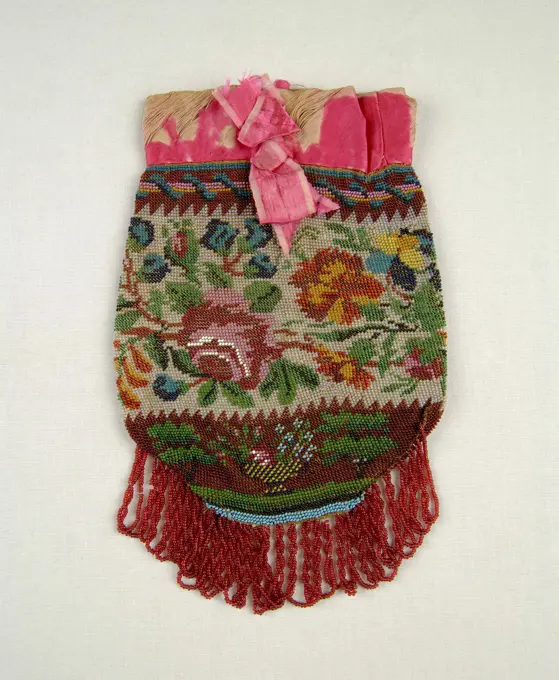
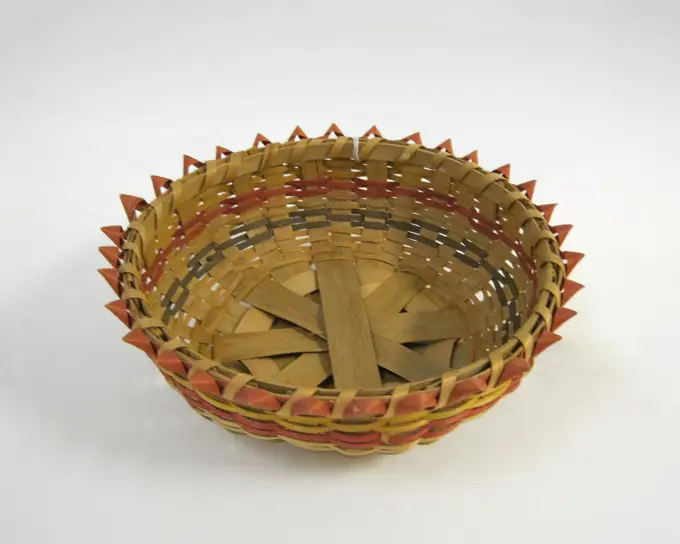
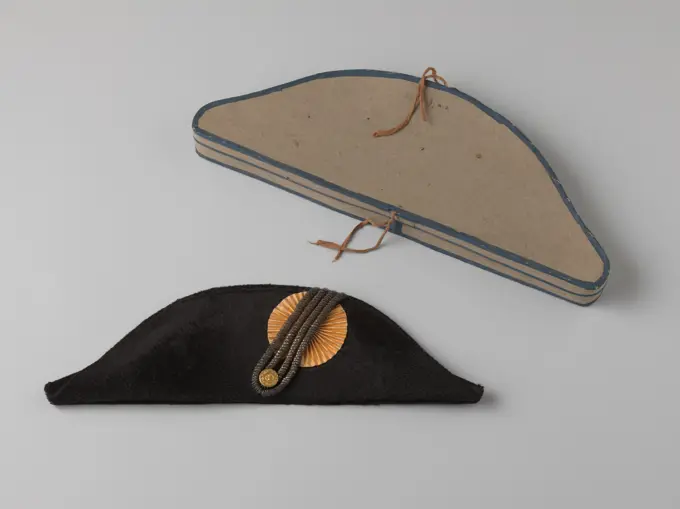
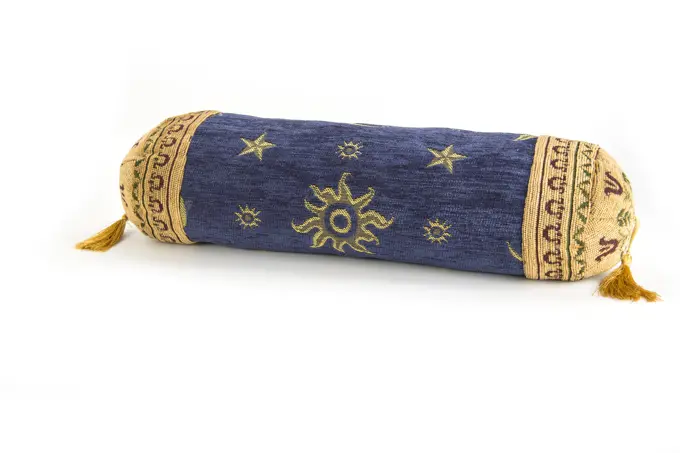
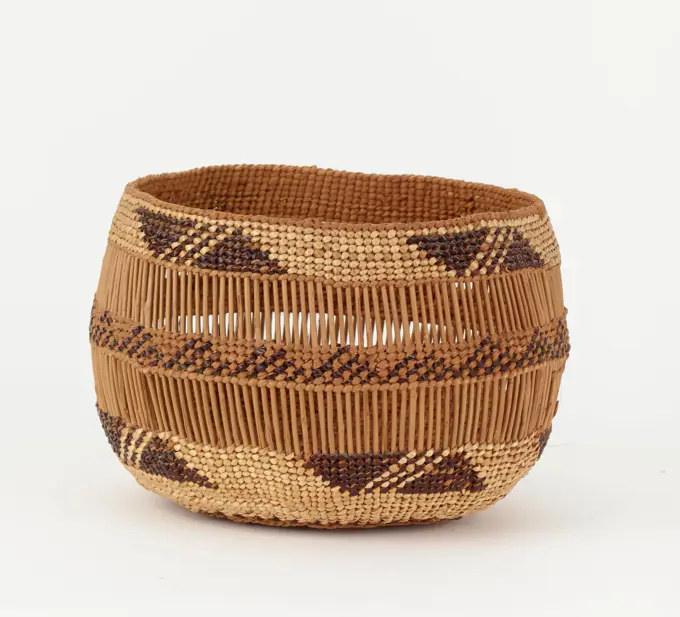
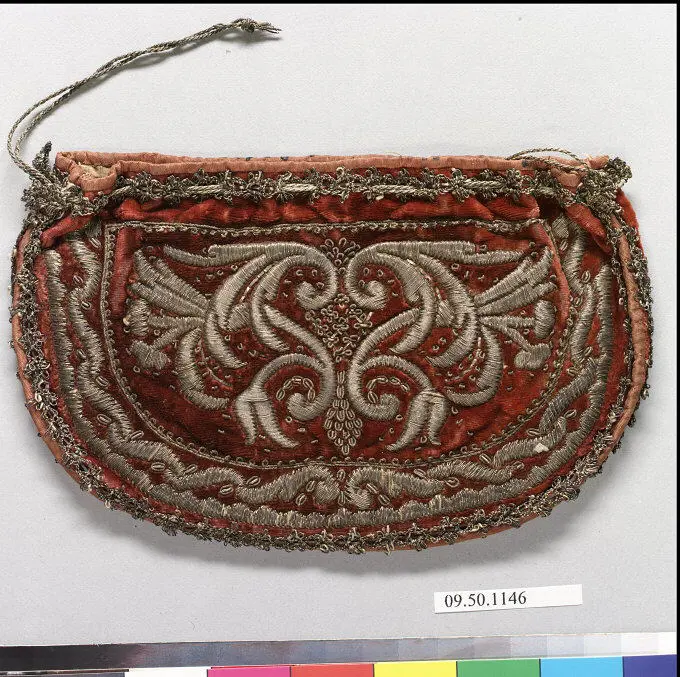
Cultural Textiles and Accessories

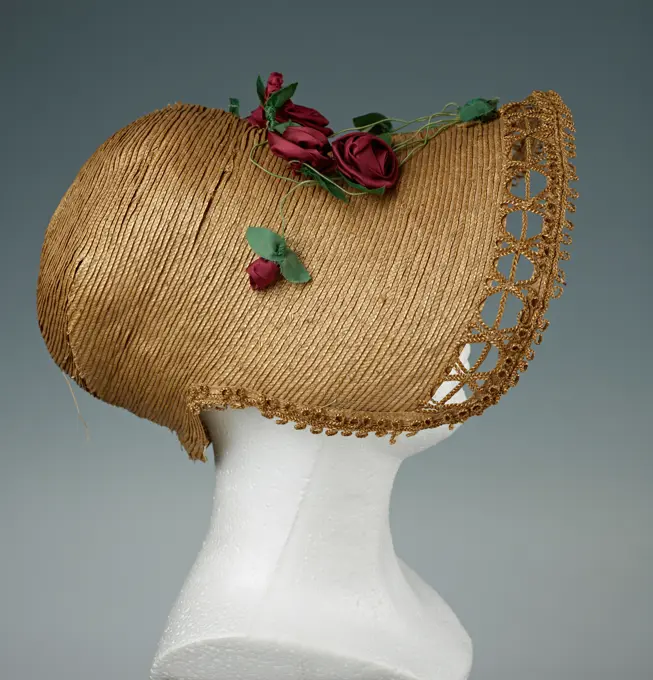
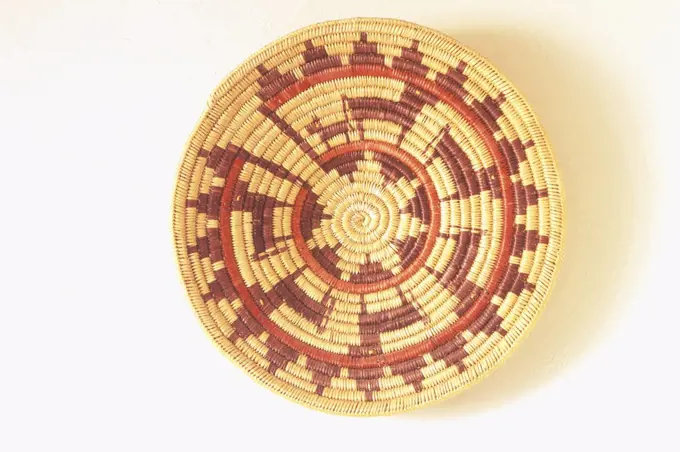
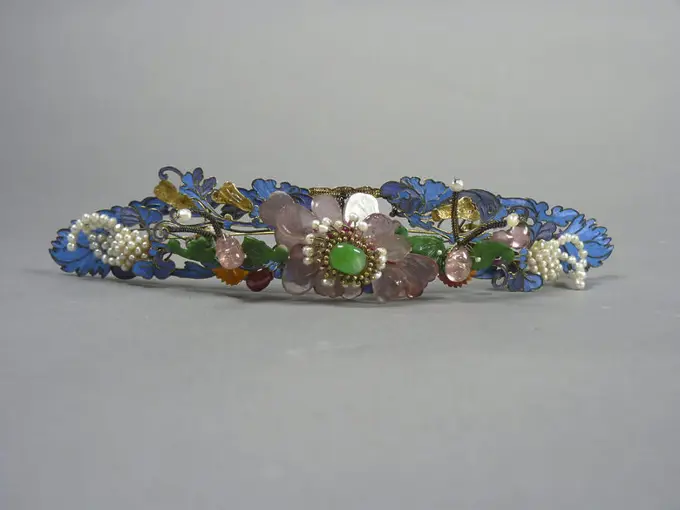
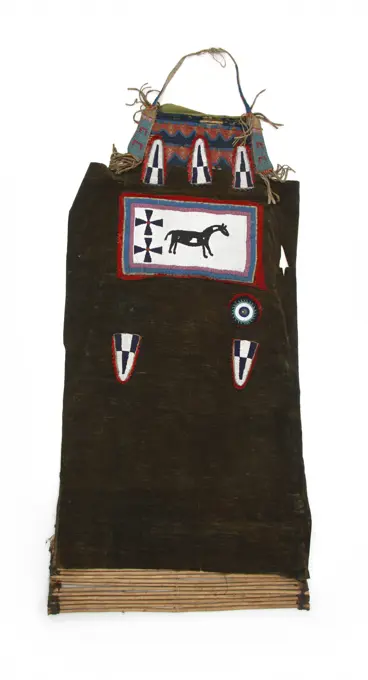
A range of traditional textiles including bonnets, bags, and headdresses from various cultures, highlighting craftsmanship and ethnic heritage.
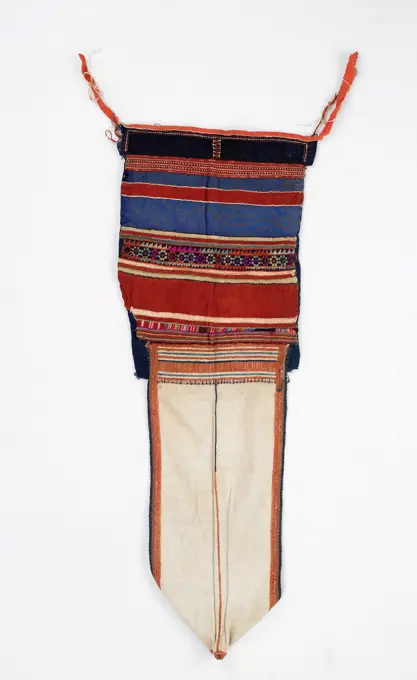
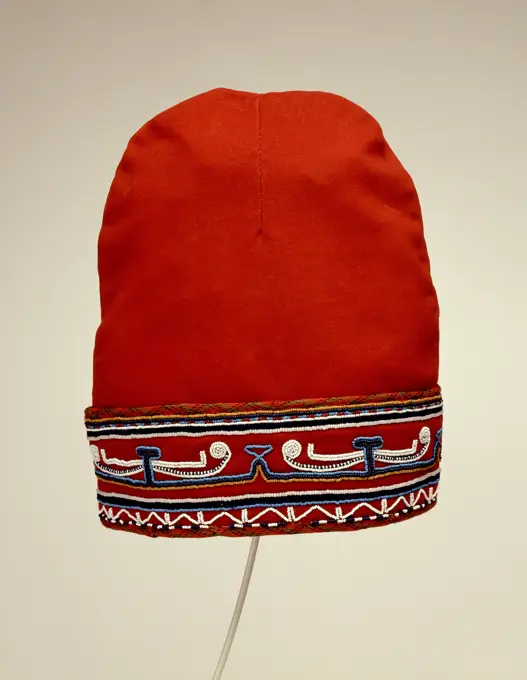
Headdress, c. 1970, 29 1/4 x 11 1/8 in. (74.3 x 28.26 cm) (without ties), Cotton, China, 20th century
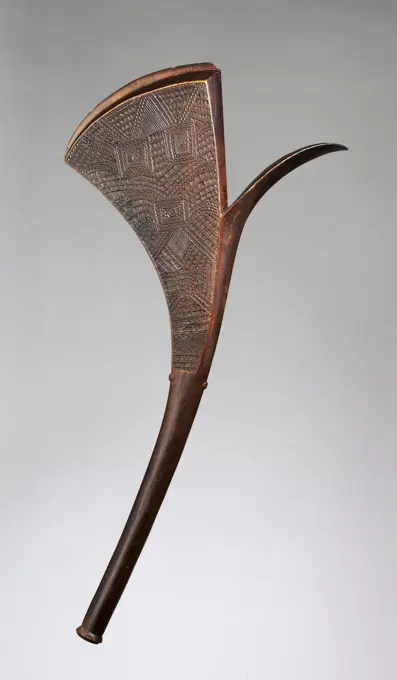
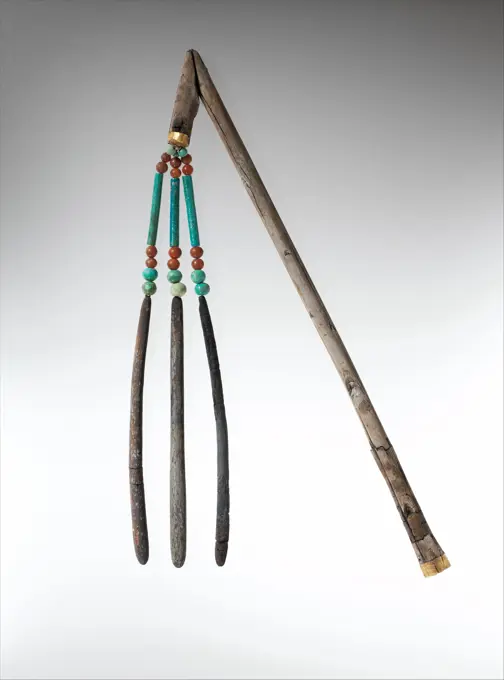
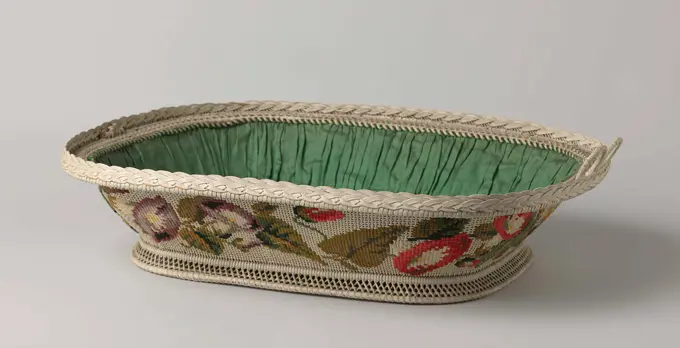
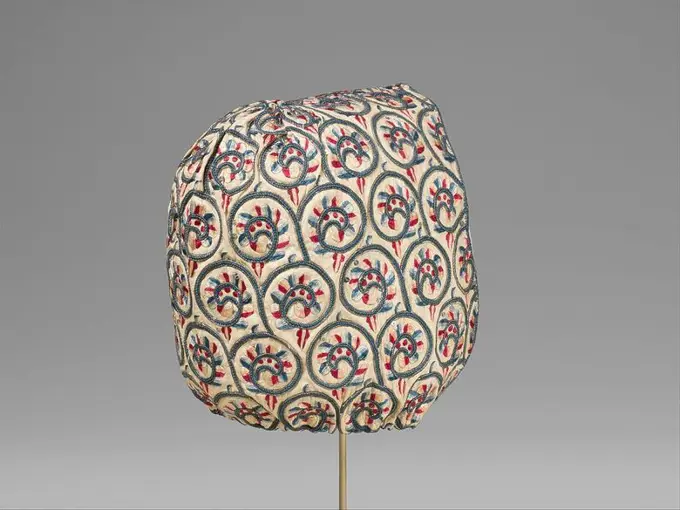
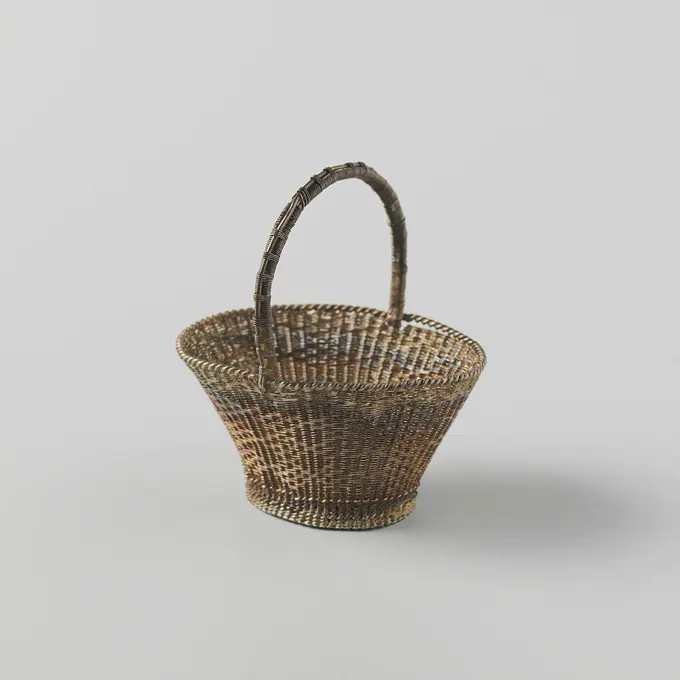
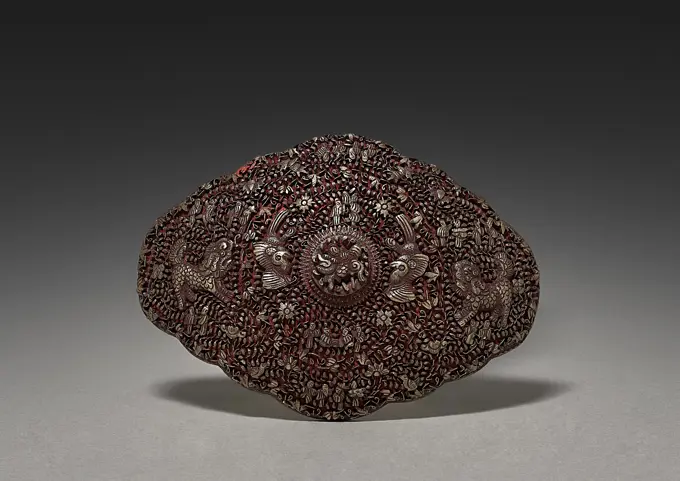
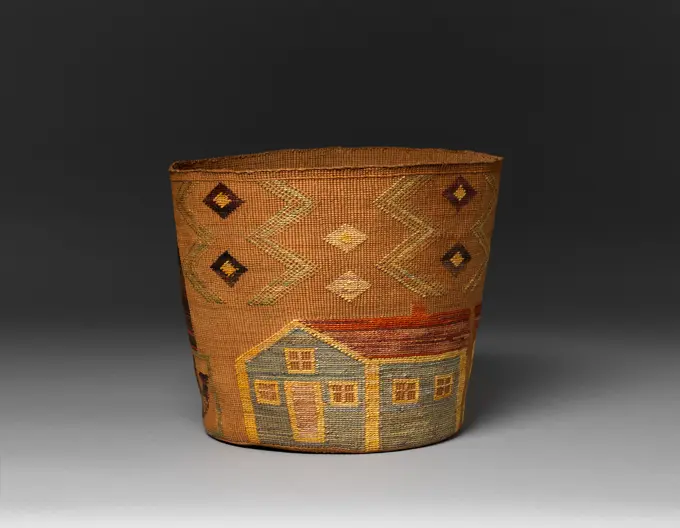
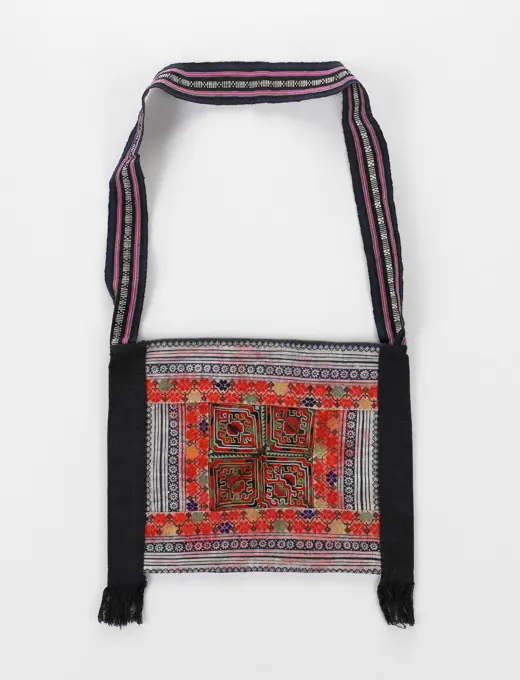
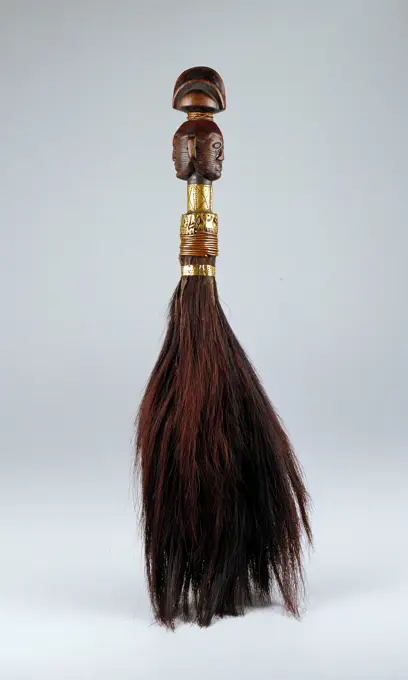
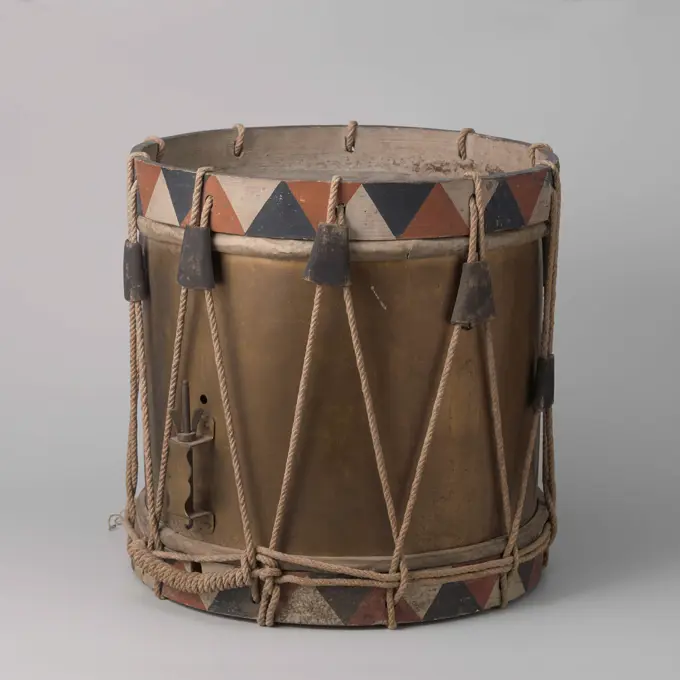
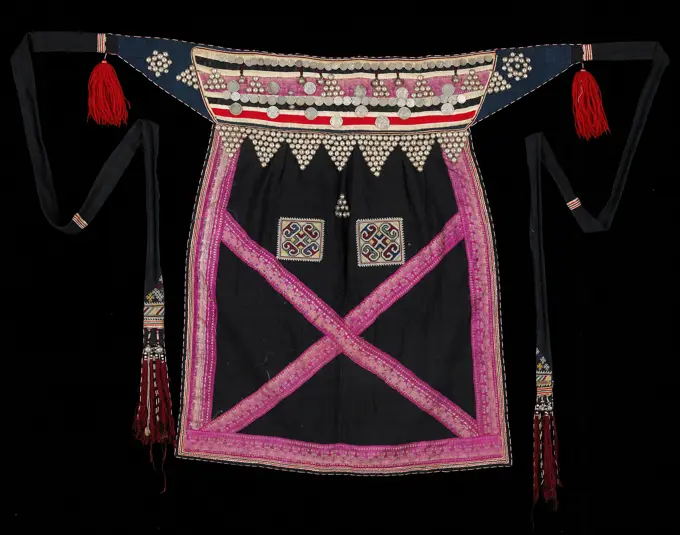
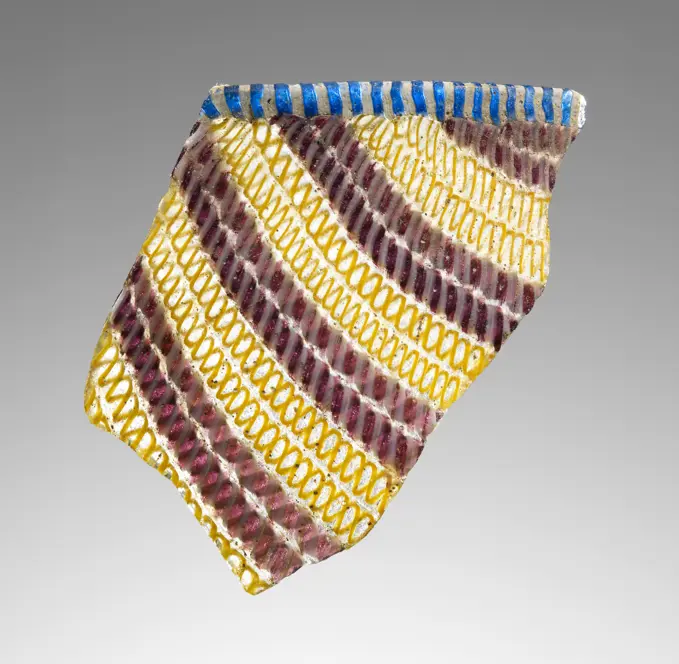
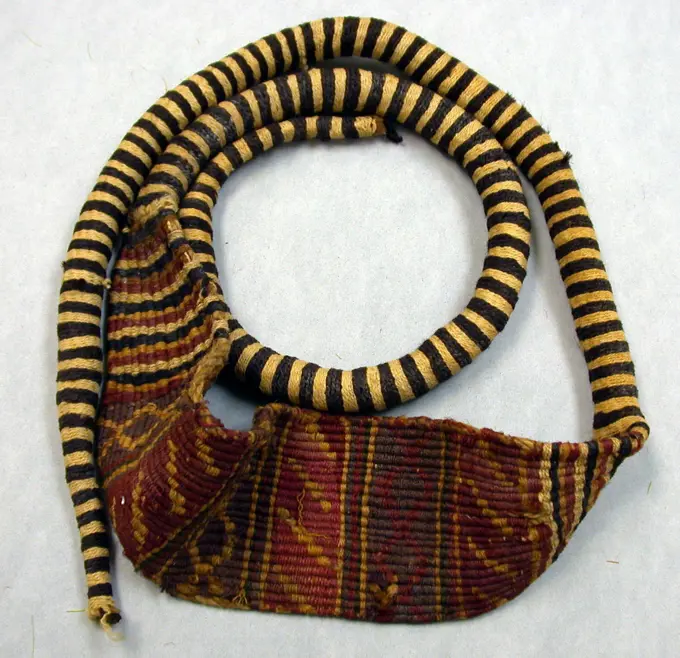
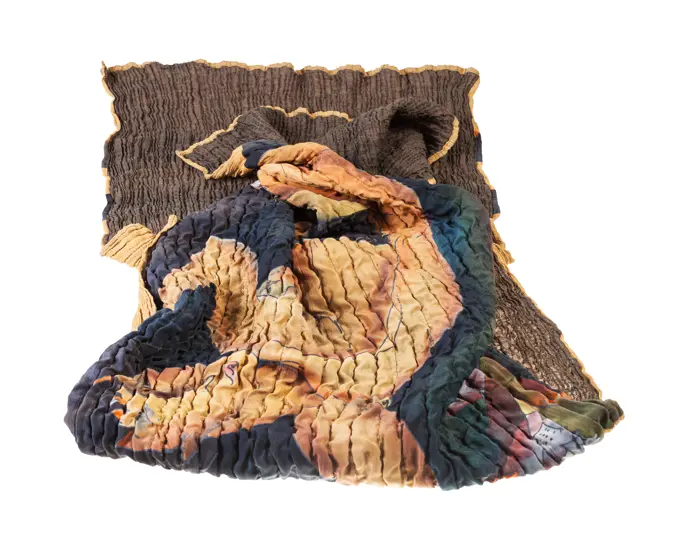
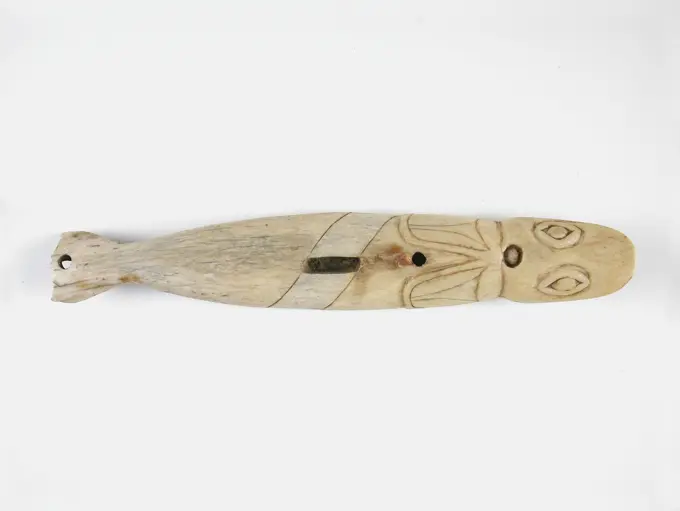
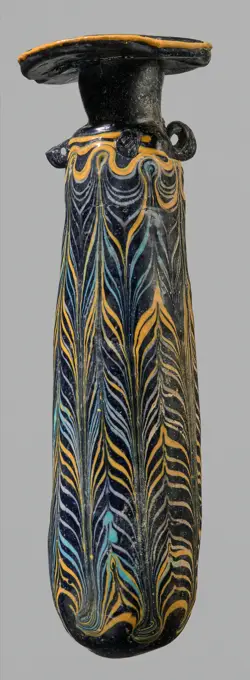
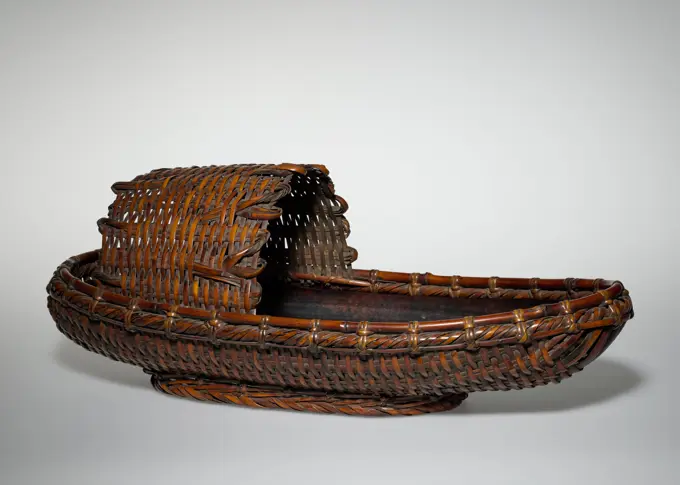
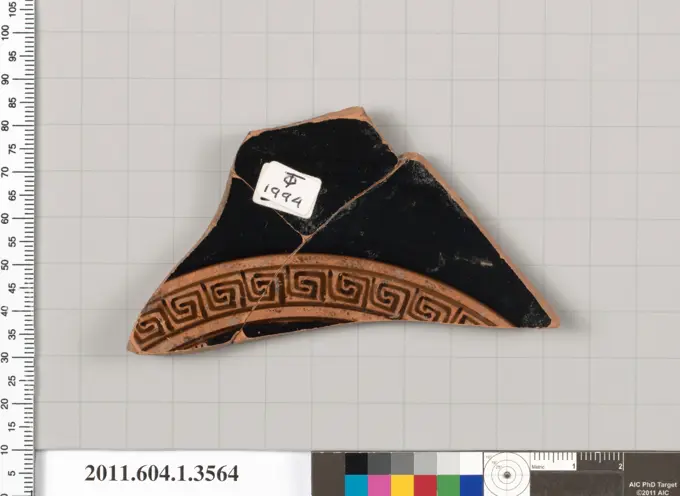
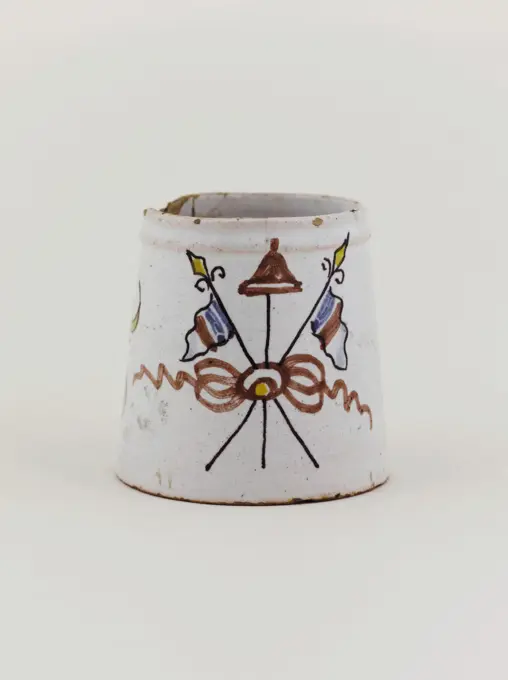
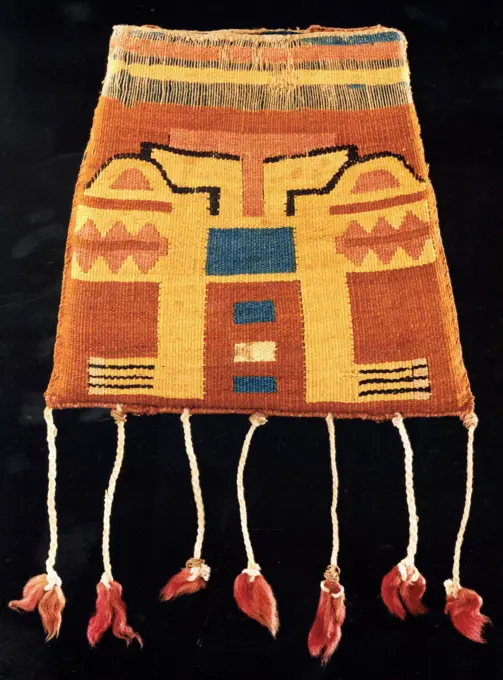
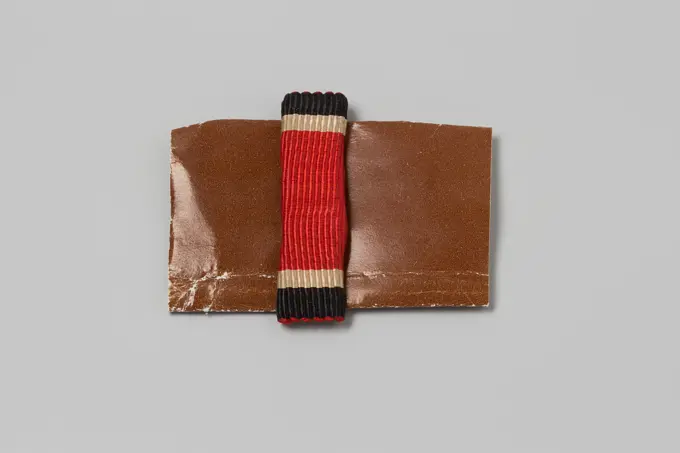
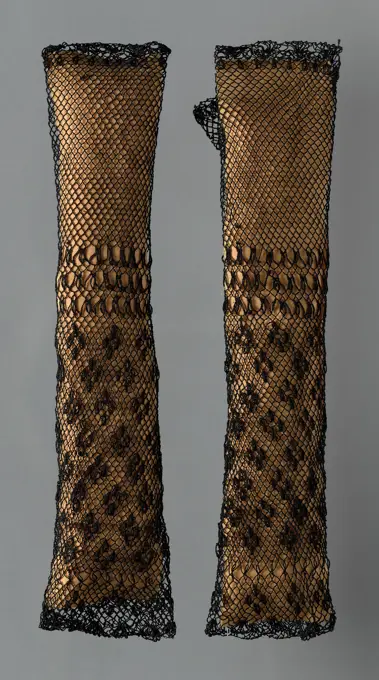
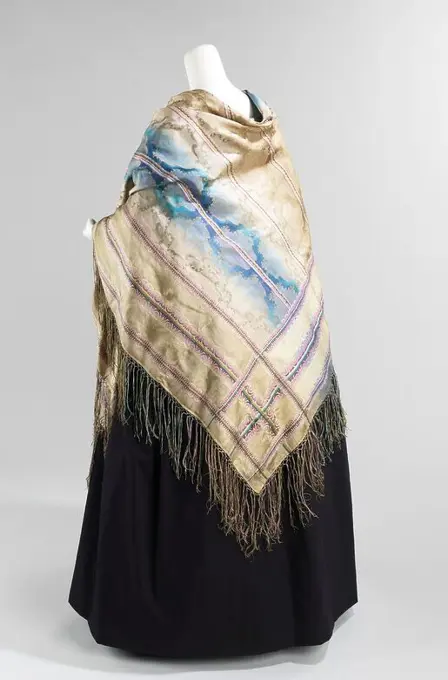
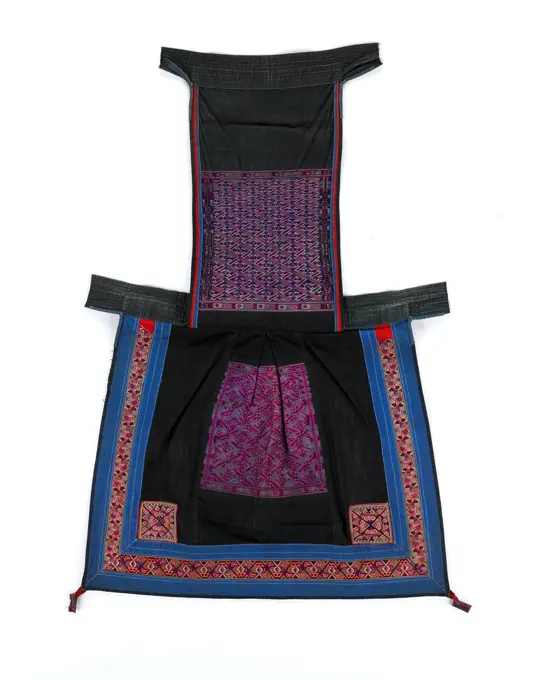
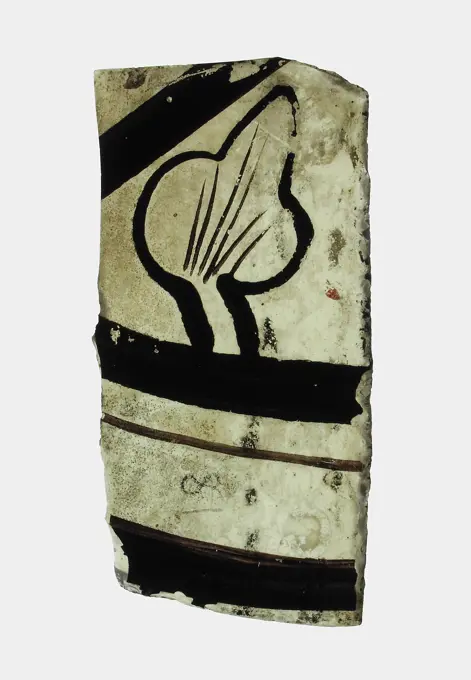
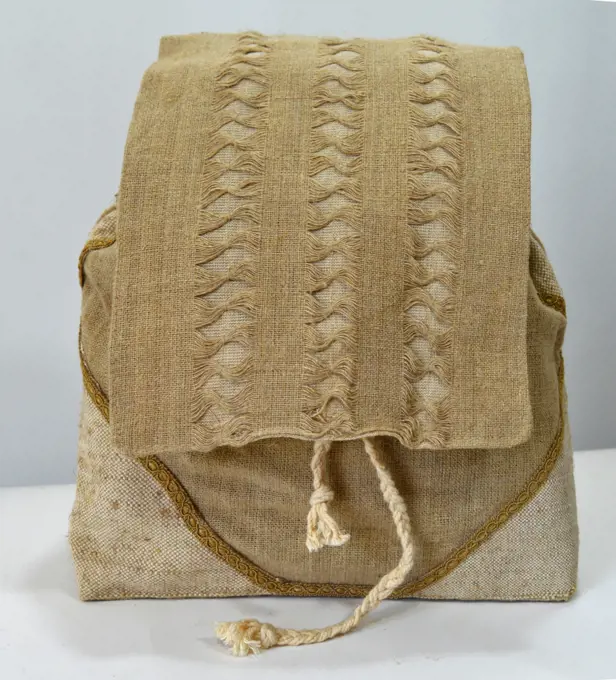
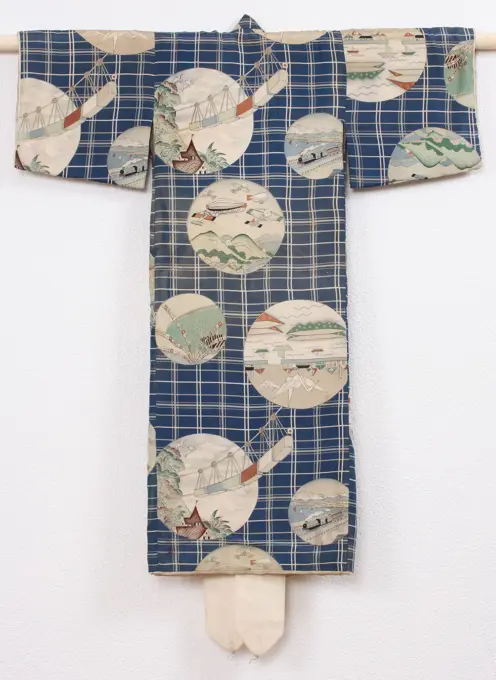
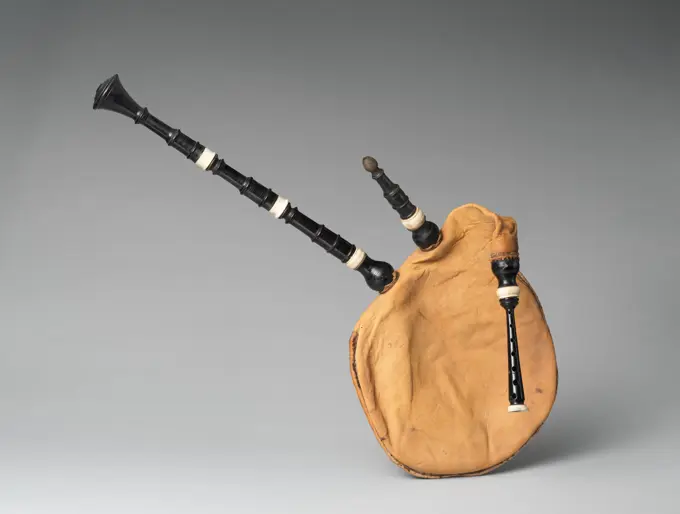
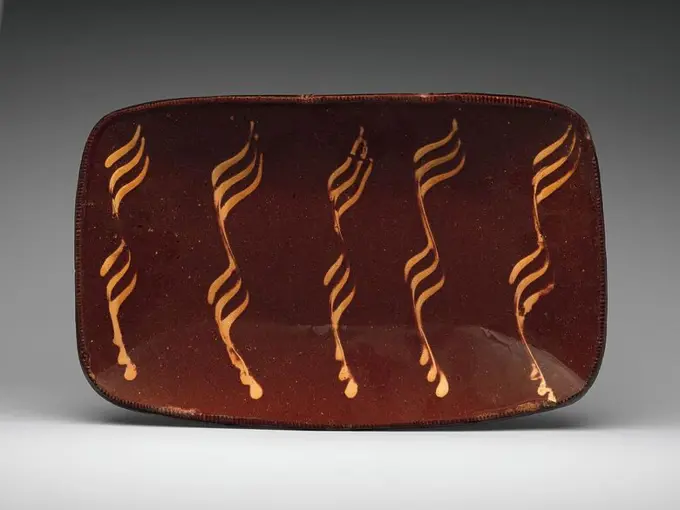
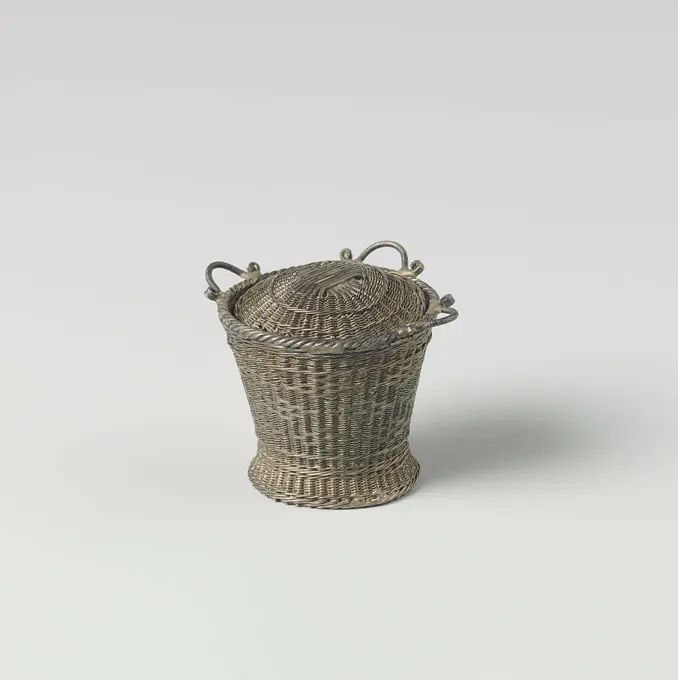
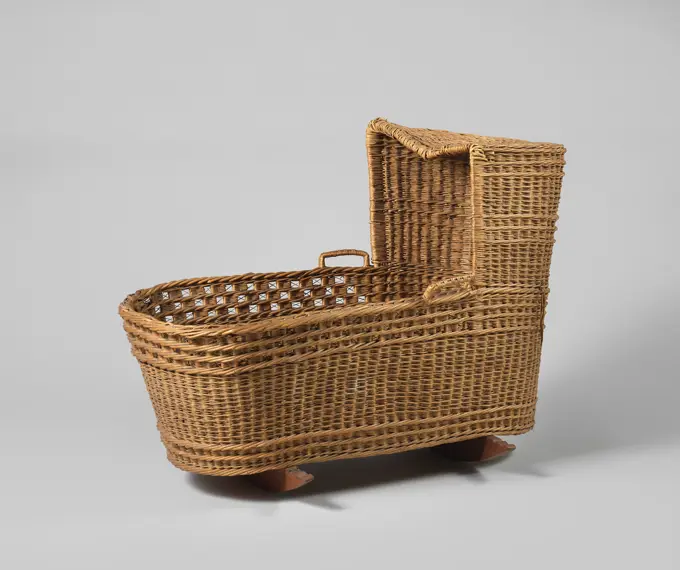
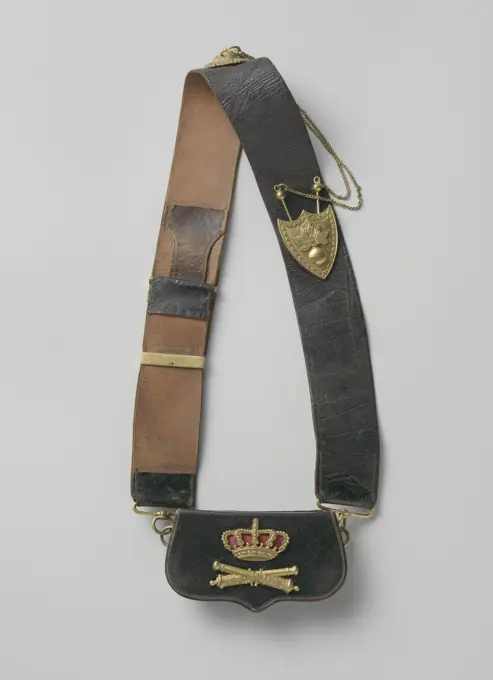
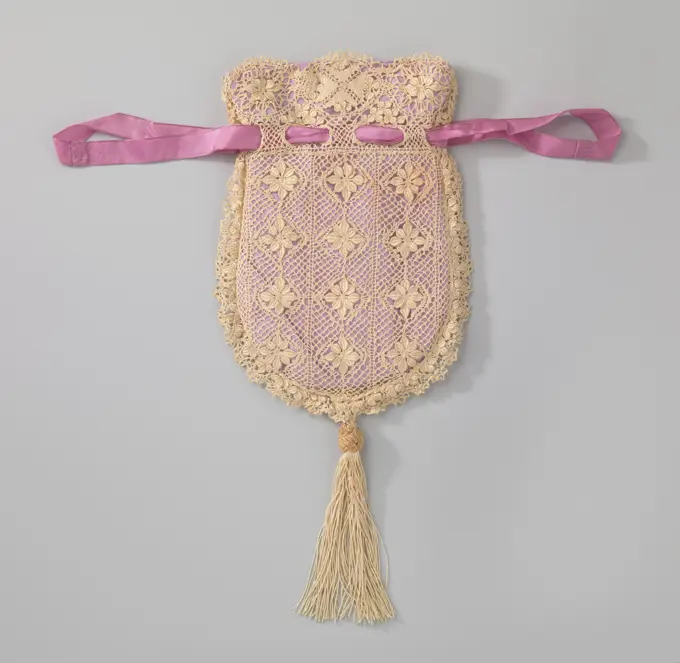
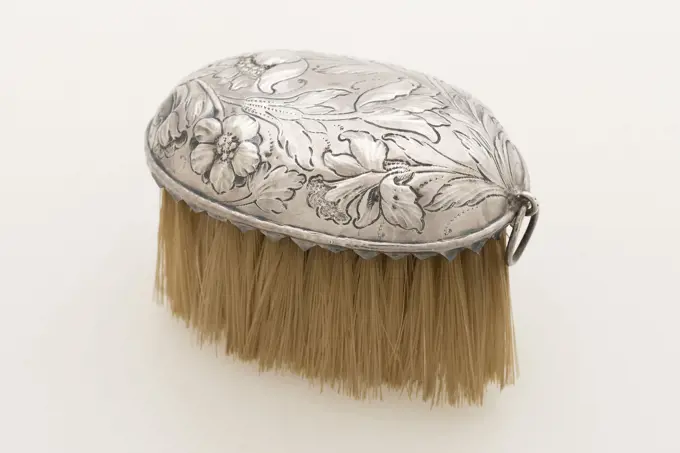
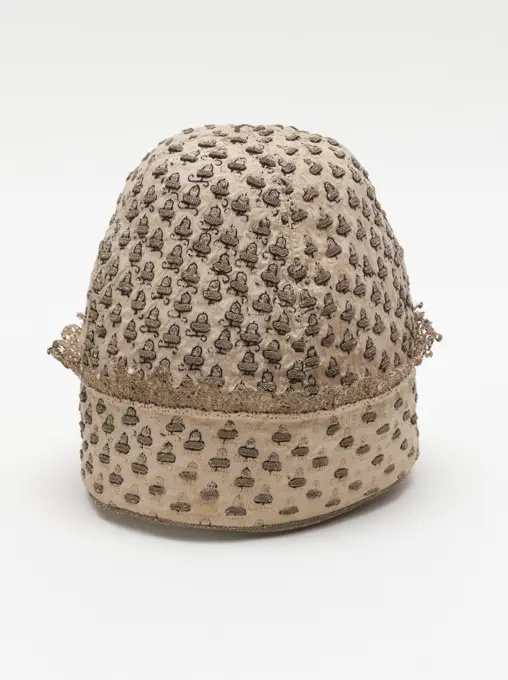
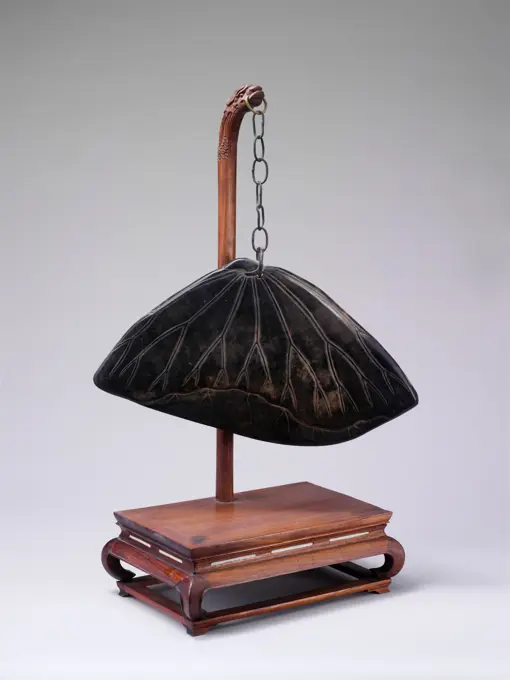
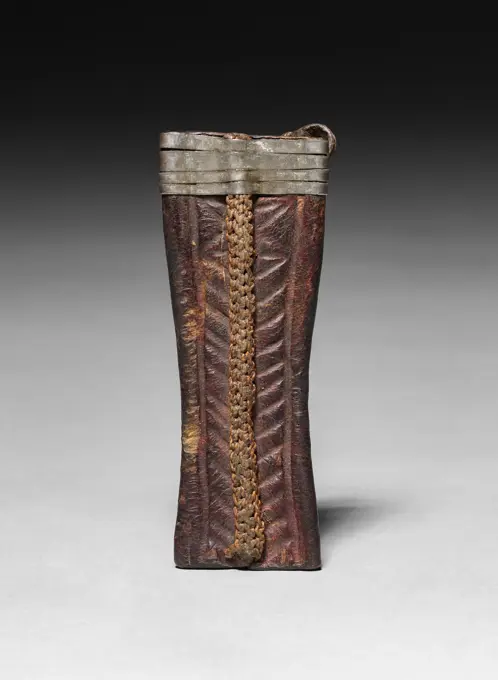
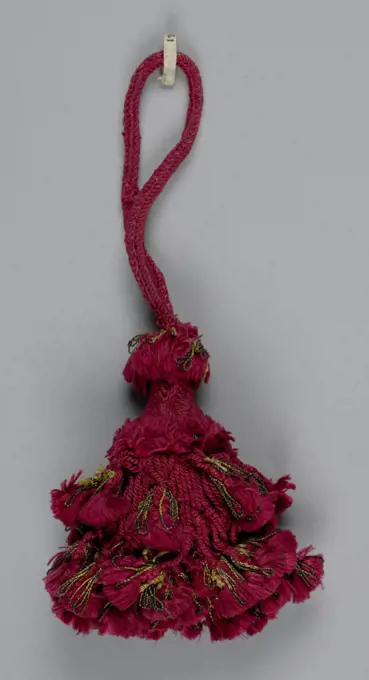
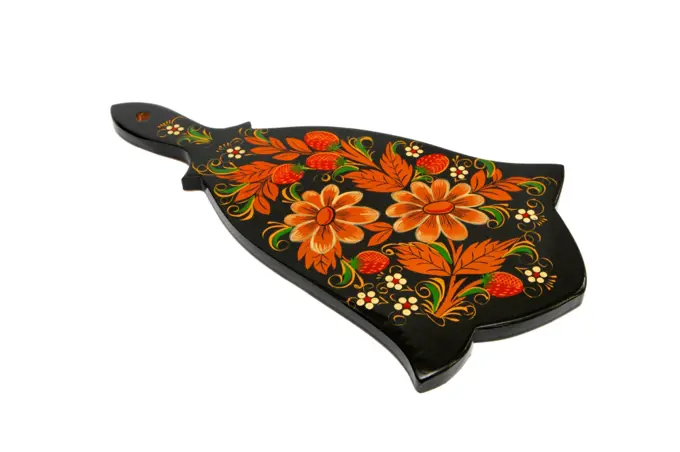
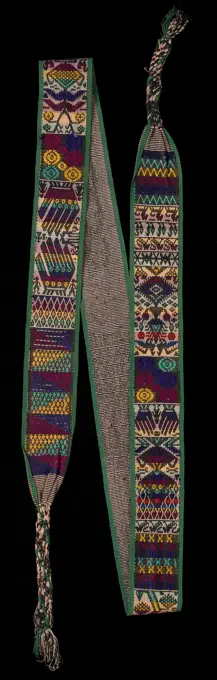
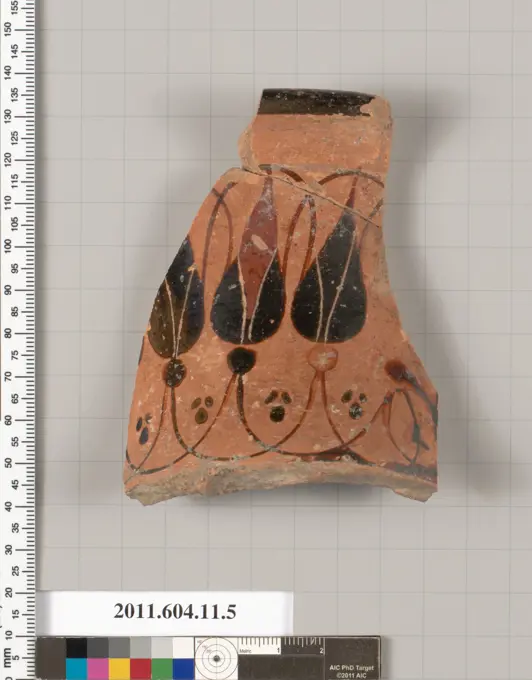
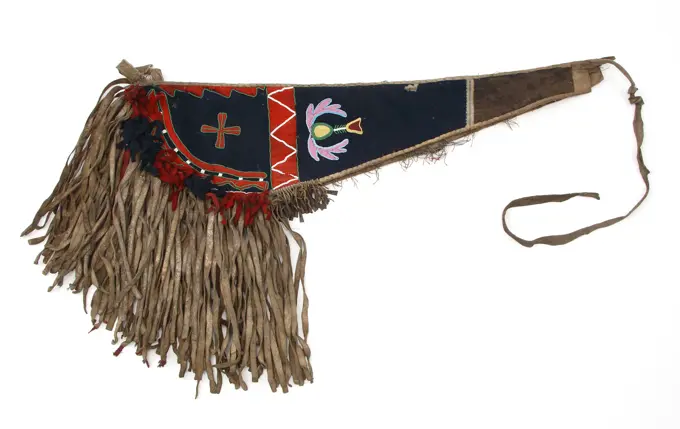
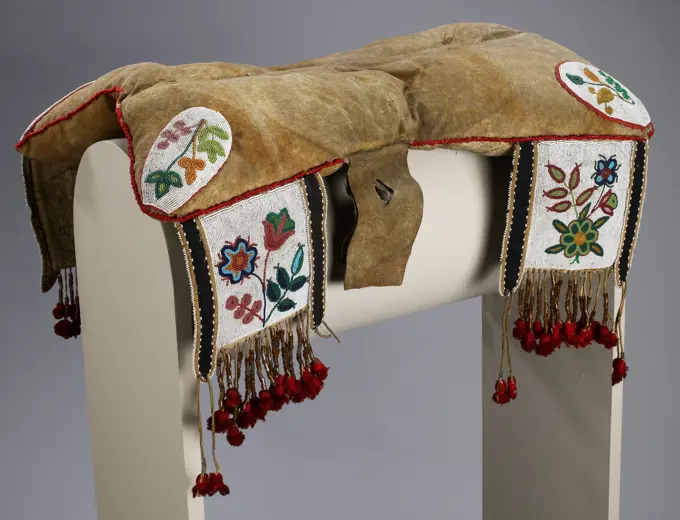
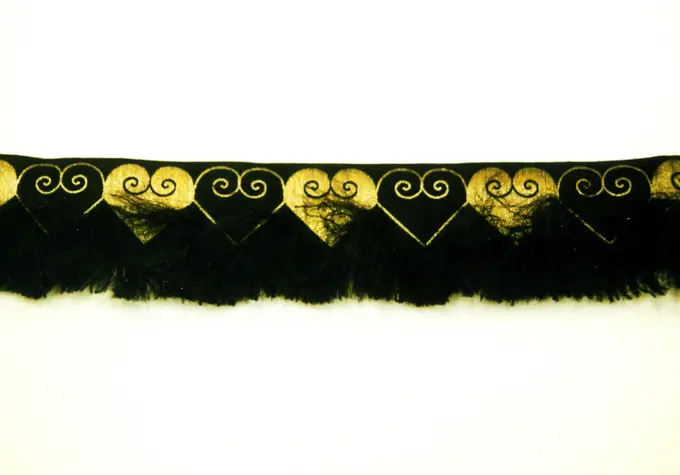
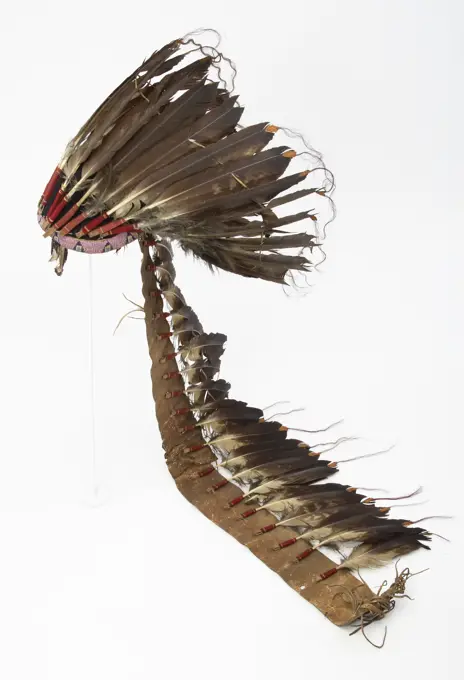
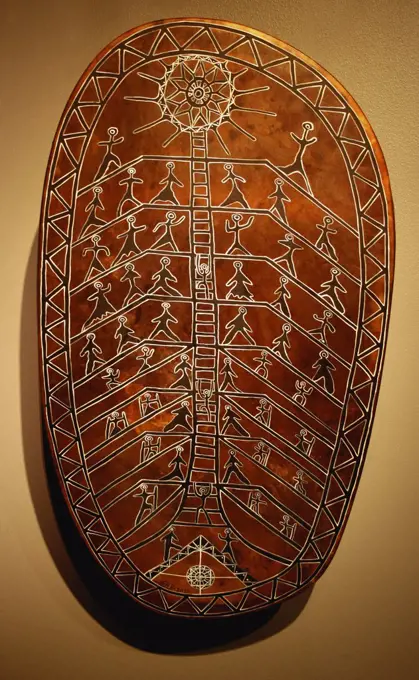
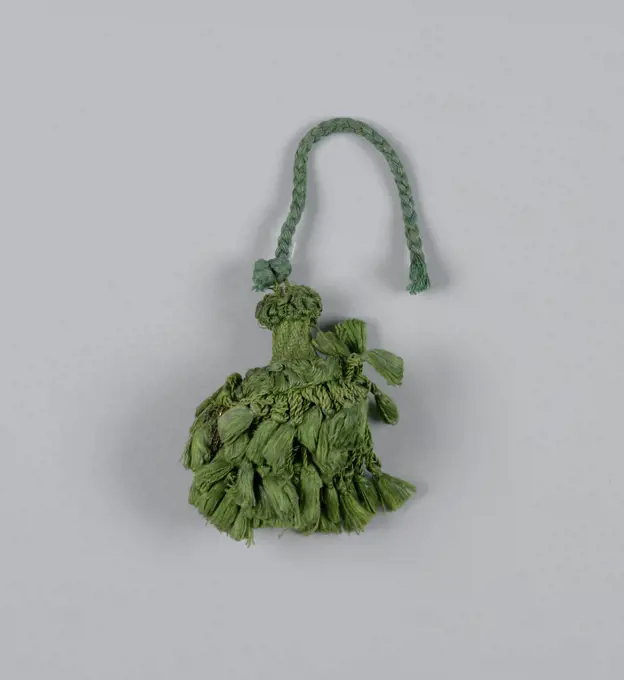
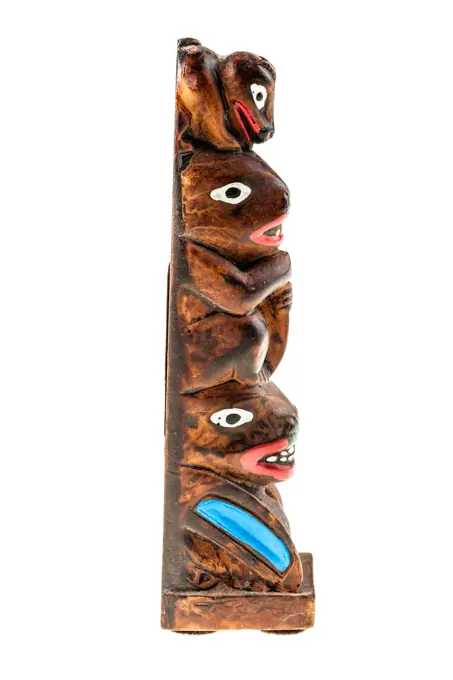
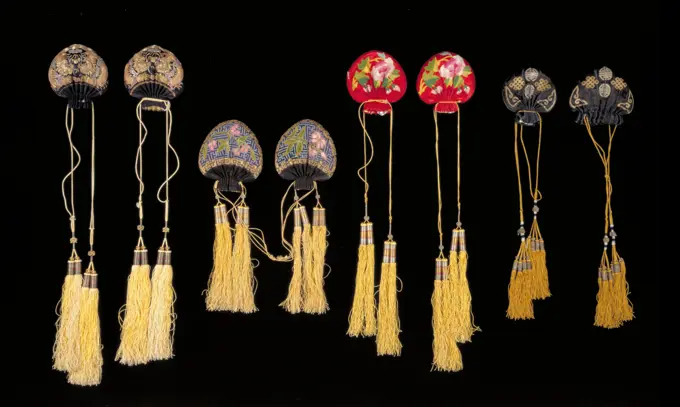
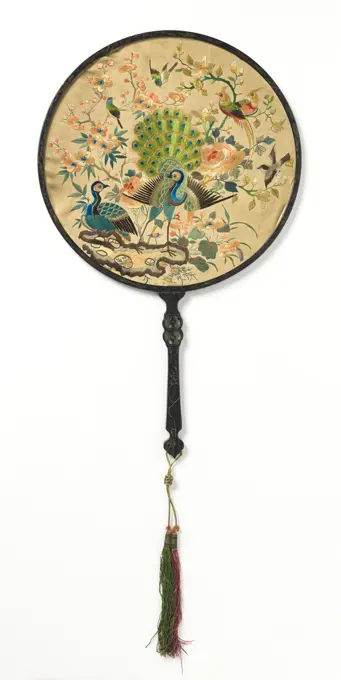
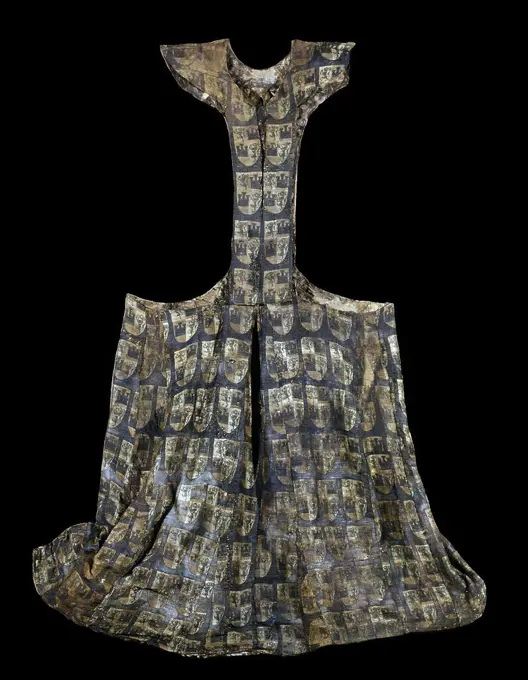
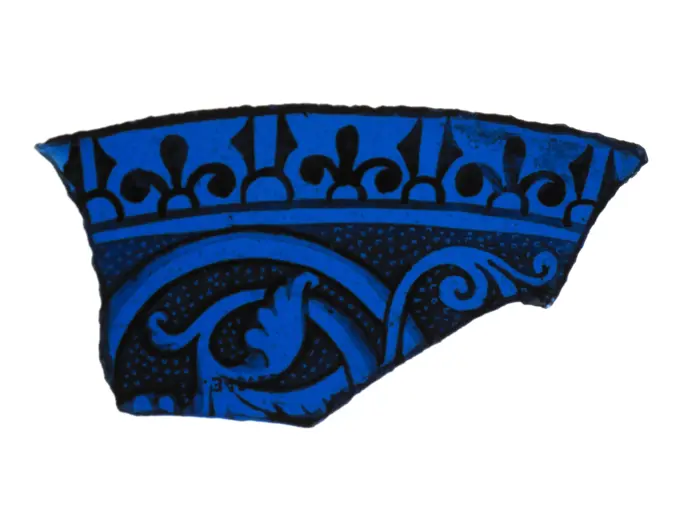
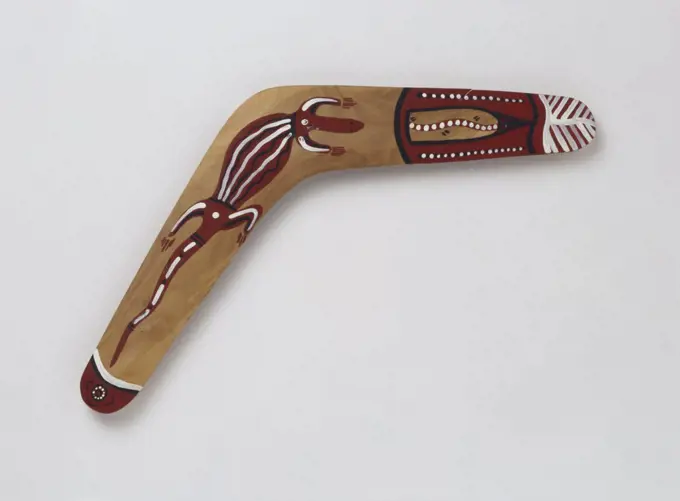
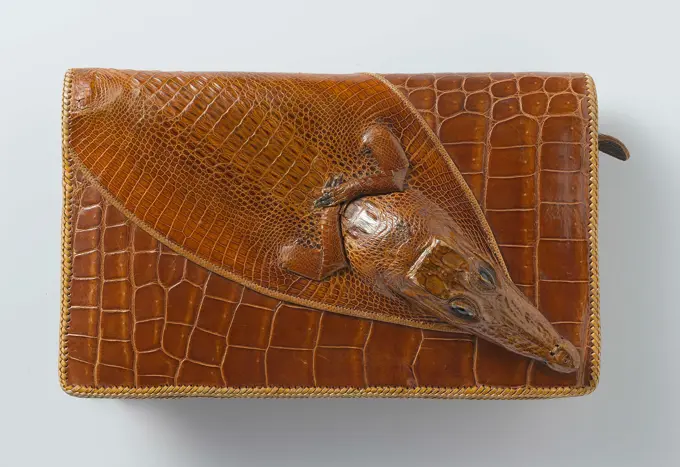
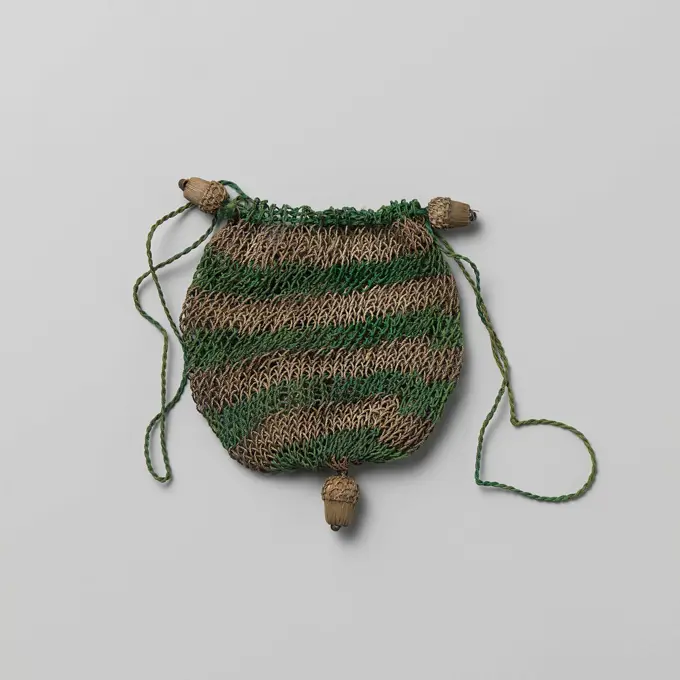
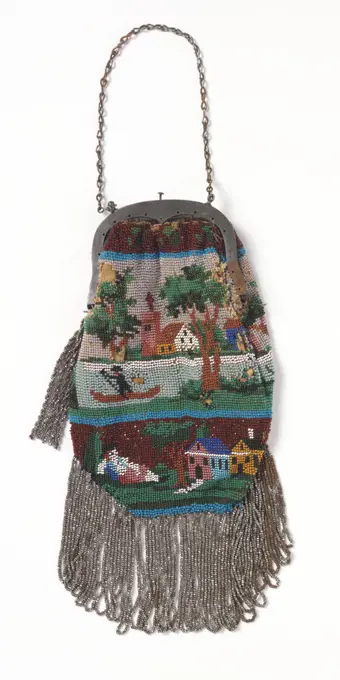
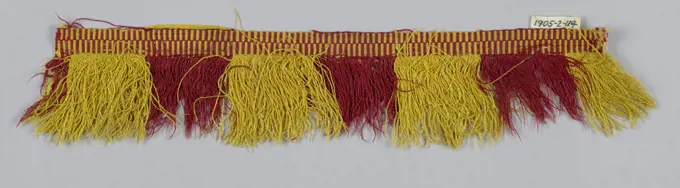
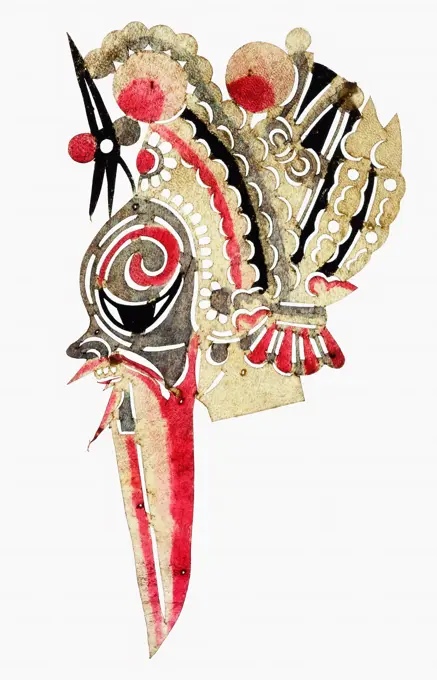
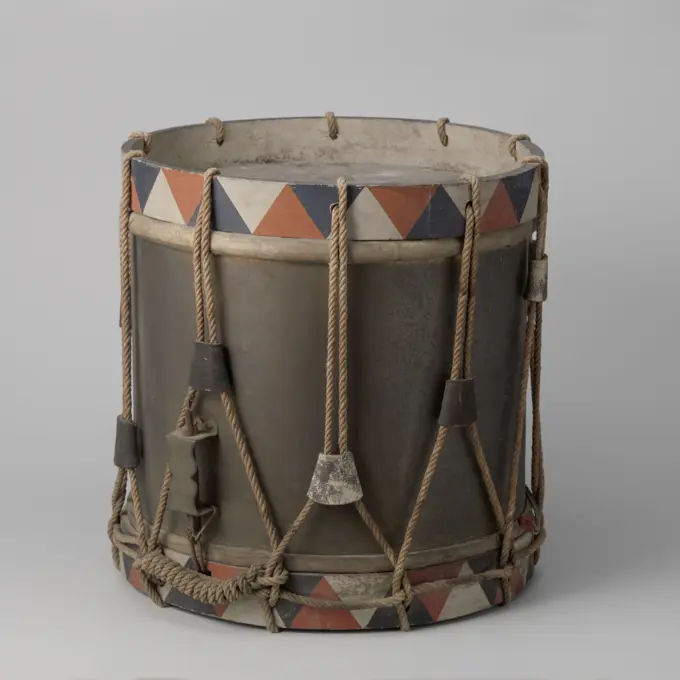
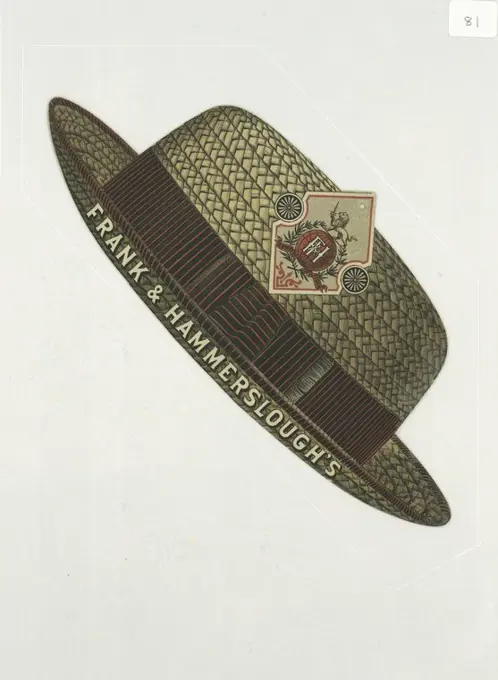
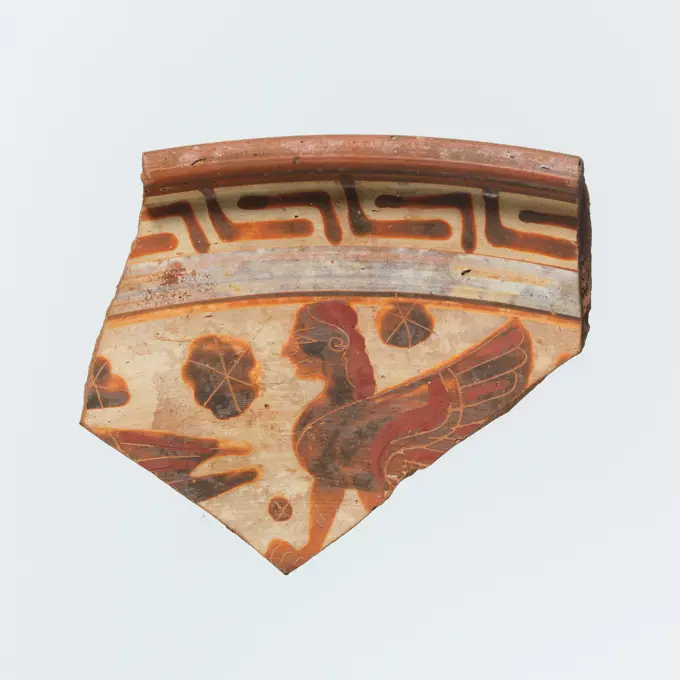
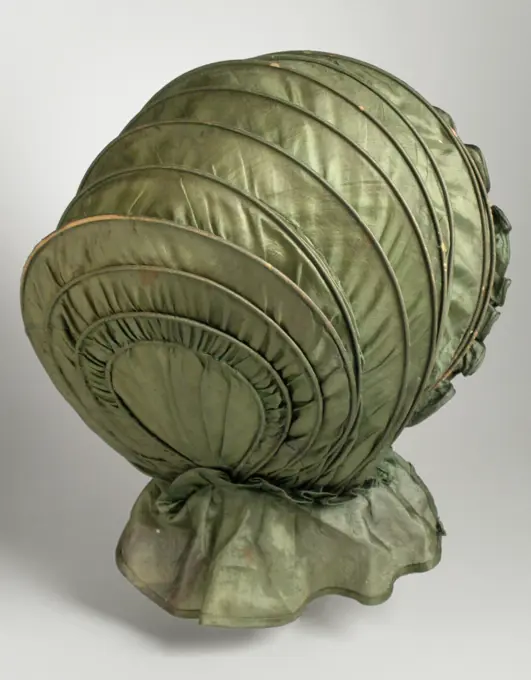
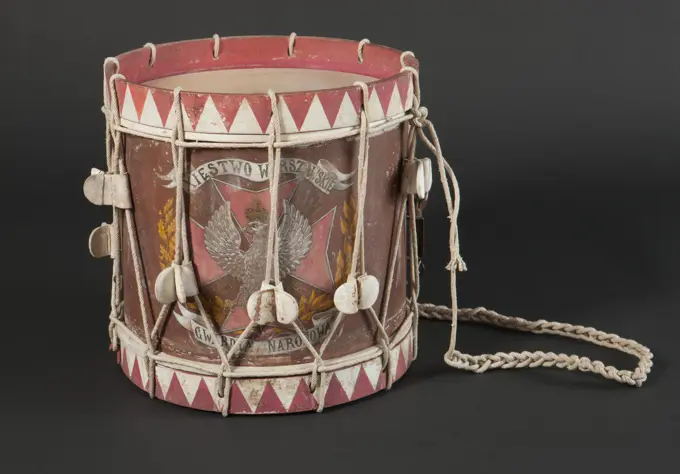
Drum of a drummer of the National Guard of the Duchy of Warsaw unknownClub (Sali) Fijian mid to late 19th century View more. Club (Sali). Fijian. mid to late 19th century. Wood. Fiji. Wood-ImplementsFlail of Hapiankhtifi ca. 1981-1802 B.C. Middle Kingdom One of the complete burial groups excavated at Meir belonged to the Steward Hapiankhtifi. When the mummy was unwrapped in the Museum numerous objects were discovered: a model dagger and sheath, two mirrors, a bat amulet and jewelry. A ceremonial flail, an emblem of Osiris with whom the deceased wanted to be identified, was found broken and scattered throughout the coffin. The flail has a wooden handle tipped with gold leaf at either end and three pendants. The long end pendants are connected to the handle by three long cylindrical blue faience beads with two carnelian and one green faience bead toward the handle and two carnelian and two green faience beads toward the pendants.. Flail of Hapiankhtifi 546288White diaper basket decorated with Berlin's cross-stitch embroidery in wool; Green lining. .Coif. Culture: British. Dimensions: Coif: H. 9 x W. 8 1/2 inches (22.9 x 21.6 cm); Forehead cloth: H. 7 x W. 17 1/2 inches (17.8 x 44.4 cm). Date: 1600-1630. Museum: Metropolitan Museum of Art, New York, USA.Strand ofBeads, Flameworked soda-lime and potash-lime glass, 20 1/2 in. (52.07cm), Probably made in Venice, Italy, Venetian, 17thcentury, JewelryChildren's sleeve of sits with a white stock, with blue linen bow tire and trimmed with green -white passion; lining of white linen, anonymous Sleeves with green passion (part of a Frisian children's costume). Coming from Schiermonnikoog.  cotton (textile). linen (material). chintz chintz Sleeves with green passion (part of a Frisian children's costume). Coming from Schiermonnikoog.  cotton (textile). linen (material). chintz chintzHandle basket. Oval handle basked silver thread. The basket has a solid handle. The basket walks upwards wide and is not noticed.Belt Buckle, 1800s. Siam, 19th century. Brass; overall: 12.2 x 7.4 cm (4 13/16 x 2 15/16 in.).Basket Tlingit, Native American ca. 1900 View more. Basket. Tlingit, Native American. ca. 1900. Spruce root and dyed and undyed beach or rye grass. Made in Alaska, United StatesWall pocket whimsey, 8 3/16 x 7 3/4 x 1 9/16 in. (20.8 x 19.69 x 3.97 cm) (without dangles or hanger), Beads, cotton, sequins, United StatesPurse, 20th century, 25 x 12 1/4 in. (63.5 x 31.1 cm), Cotton, China, 20th centuryFly Whisk, 20th century, 7 1/8 in. (18.1 cm), Wood, copper and animal hide, Democratic Republic of Congo, 20th centuryDrom, old model of the arches. Groom of the militia. The brass boiler is provided with a veal sheet on both sides, held by a hoop and tense by means of a tensioner with tractors and screws. Both hoops are decorated with a motif of triangles in the colors red, white and blue. With engraved numbers: 1861-5-1846.Ornaments (USA); Made by Margaret Brantley Pell; silk; 1942-59-1-a/dCeremonial apron, 20th century, 33 x 37 in. (83.82 x 93.98 cm) (excluding ties)63 x 1 3/4 in. (160.02 x 4.45 cm) (object part, 2 apron ties), Cotton, metal, silk; needlework, Laos or Northern Thailand, 20th centuryCast Fragment. UnknownBasket ca. 1525-1504 B.C. New Kingdom. Basket. ca. 1525-1504 B.C.. Palm Leaf. New Kingdom. From Egypt, Upper Egypt, Thebes, Deir el-Bahri, Tomb of Meritamun (TT 358, MMA 65), corridor, MMA excavations, 1928-29. Dynasty 18Painted and Gilded Mummy Case of Taminis, Daughter of Spemminis 18th Dynasty. Sling A.D. 1450-1532 Inca (). Sling 316928crumpled stitched scarf from brown silk batik crumpled stitched scarf from brown silk batik isolated on white background ,property released Copyright: xZoonar.com/ValeryxVoennyyx 13807961 ,model released, Symbolfoto ,property releasedAmulet -Pouch 1840-60 American. Pouch 168404Bowl, 3 1/4 x 9 5/16 x 9 5/16 in. (8.26 x 23.65 x 23.65 cm), Plant fibers, United StatesAlabastron. unknown, authorTrailing Rings, second half 19th century, Wada Waichisai, Japanese, 1851 - 1901, 9 × 20 1/4 × 8 5/8 in. (22.86 × 51.44 × 21.91 cm), Bamboo (hōbichiku or susudake), rattan, lacquer, Japan, 19th century, Wada Waichisai I (1851-1901) was a pioneering bamboo artist active in the city of Osaka in the second half of the 1800s. While much remains unknown about his life and practice, the lineage of bamboo art that he establishedand which continues todayis considered one of Japan’s most distinguished. The first-generation Wada Waichisai, a specialist of Chinese-style bamboo basketry, catered to a clientele made up largely of members of the literati in Osaka, who practiced a type of Chinese-style tea ceremony called sencha, requiring a variety of vessels fashioned from bamboo. In addition to Wada Waichisai II (1877-1933) and Wada Waichisai III (1899-1975), heirs to the lineage name, Wada Waichisai I’s students included Tanabe Chikuunsai, who established his own prominent lineage of bamboo artiTerracotta fragment of a kylix (drinking cup) 500-480 B.C. Greek, Attic Interior, bit of hair; Exterior, bent left arm and frontal torso of male with a himation wrapped around his waist and lower body; lower body of a reclining symposiast with a himation draped around his waist and legs. Terracotta fragment of a kylix (drinking cup) 693158Anonymous. Flag cup. Earthenware. . Paris, Carnavalet museum. 72437-44 Phrygian cap, painted decor, tricolor flag, re -realizational faience, object, pique, revolution 1789, French revolution, cup, daily life, 18th 18th 18th 18th 18th centuryCeremonialBag.  Artist: UnknownStriped ribbon from wide red between white and black piping. Striped ribbon from wide red between white and black piping. Possible day of Légion d'Honneur Orderint.Basket, 20th century, 2 7/8 x 8 1/2 x 8 1/2 in. (7.3 x 21.6 x 21.6 cm), Plant fiber, United States, 20th centuryPair of Mittens Made 1825-1875 Europe. Silk, bands of bunch, Valenciennes, spider netting, square netting, and square netting with looped tufts (lacis) .Shawl. Culture: probably American. Date: 1840-49.This is a characteristic shawl textile of the 1840s with a good combination of weaving techniques, including monochrome patterning in the ground paired with stripes that look like ribbons applied to the borders. The polychrome fringe picks up the colors used in the textile, showing fine attention to detail. Museum: Metropolitan Museum of Art, New York, USA.Fringe, Medium: silk Technique: plain weave, Pink and brown fringe with a band in a trellis pattern above silk threads., Greece, 16th century, trimmings, FringeBaby carrier, c. 1970s-1980s, 32 13/16 x 22 in. (83.34 x 55.88 cm) (without corner tabs/ties), Cotton; needlework, China, 20th centuryGlass Fragment 14th century French. Glass Fragment. French. 14th century. Colorless glass. Made in Chartres, France. Glass-StainedTerracotta fragments of an amphora (jar) 540 B.C. Greek, Attic Three fragments from the same side of an amphora: at the top of the panel a red glaze line; below, a palmette-lotus festoon; head of a filleted, draped youth to right and part of the head of a bearded male, both of whom are riding in a chariot; behind the chariot, part of the lower drapery of a male to right; heads of four horses; head of a filleted youth to left (groom). Terracotta fragments of an amphora (jar). Greek, Attic. 540 B.C.. Terracotta; black-figure. Archaic. VasesRetro handmade natural flax backpackBoys Miyamairi Kimono with trains, air and shipping, 1920 - 1940 Formal Kimono for a boy for the first visit to a Shinto shrine (Miyamairi Kimono), with a decoration of five crickel -shaped images against a background of a diamond pattern in blue: a power train in a coastal landscape; ships and houses with cranes above, everything in origami form; a mountain landscape with zeppelins and planes; A mountain landscape with a cable car that comes from the plane above buildings; A racing track with a pole on which lines with flags. Blue silk with a stenciled Yuzen decoration. White silk lining. Japan silk painting Formal Kimono for a boy for the first visit to a Shinto shrine (Miyamairi Kimono), with a decoration of five crickel -shaped images against a background of a diamond pattern in blue: a power train in a coastal landscape; ships and houses with cranes above, everything in origami form; a mountain landscape with zeppelins and planes; A mountain landscape with a cable car that comes fBinioù kozh (bagpipe) French 19th century The binioù khoz is a Breton bagpipe. Its name, binioù khoz, means old bagpipe’, differentiating them from the later Great Highland Pipes, which were introduced in Brittany in the early 20th century. The latter were named binioù nevez (new bagpipe), and then binioù braz (large bagpipe). The binioù khoz is sometimes referred to as binioù bihan (small bagpipe) due to its small size (Le Gonidec 2013:97). One of the particularities of this instrument is the fact that it plays one octave above the bombarde, a Breton shawm that it the binioù khoz is traditionally paired with. This duet is called a couple de sonneurs’, or just sonneurs’. The binioù has a long history in Brittany, but it is in the late eighteenth and early nineteenth century that the practice becomes ubiquitous and starts appearing regularly in local iconography (Le Troadec 2013:10). From then on, the sonneurs are well-known figures called upon to play at all sorts of celebrations, ebucket isolated on whiteBeaded Tab, c. 1900, 5 x 1 3/8 in. (12.7 x 3.49 cm), tanned leather, glass beads, United States, 19th-20th centuryPlatter. Culture: British. Dimensions: 12 3/8 x 7 3/4 in. (31.4 x 19.7 cm). Date: 1800-1830. Museum: Metropolitan Museum of Art, New York, USA.. Round basket of braided silver wire. The basket has a massive soil and stands on a foot. The basket has three handles and a lid. The basket has not been marked.Bonnet ca. 1875 American. Bonnet 169875Cradle of Eikentenen. .Pattern bag on carrying strap worn by Graaf van Limburg Stirum, captain of the field artillery, anonymous, c. 1800 - c. 1850 cartridge pouch Pattern bag with giberneriem. The bag is made of iron, half curved and covered with black leather. On the bag there are two gilded crossed cannon plots covered by a royal crown lined with red. Black leather belt, back of natural, with fire -gaunted copper buckle. Netherlands gold (metal). copper (metal). iron (metal). leather. wool cutting / soldering / sawing / casting / gildingReticule in a rounded form of ecrinkligious side consisting of a pattern of twelve rosettes on both sides, at the bottom a brush, anonymous, c. 1900 Reticule in a rounded form of ecrinkligious side consisting of a pattern of twelve rosettes, each in a diamond pattern. The front and back have the same pattern. Along the top edge a track of three oval medallions, with a Malteser cross and four small rosettes in the middle. Below that openings for a purple pink ride on ripszijde. A brush at the bottom of the bag. The lining is made of light -purple artificial side. Malta whole: Silk. whole:. Lining: Silk. Lint: Silk bobbin lace Reticule in a rounded form of ecrinkligious side consisting of a pattern of twelve rosettes, each in a diamond pattern. The front and back have the same pattern. Along the top edge a track of three oval medallions, with a Malteser cross and four small rosettes in the middle. Below that openings for a purple pink ride on ripszijde. A brush at the bottom of the bag. Silversmith: Johannes Pot, Brush back, coat brush brush silver wood hair, driven sawn, driven oval silver flower ornament detail: trumpet narcis tulip poppy sawn zigzag edge along the outer edge with hanging ring underlay (debossed) clean clothes careMan's At-home Cap. England, 1550-1600. Costumes; Accessories. Linen plain weave with silk and metallic-thread embroidery, metallic lace, and metal sequinsGoqing 19th century Chinese Carefully incised veins suggest a downwardly curving lotus leaf of dark nephrite jade. The goqing once sounded to announce the arrival and rank of a guest or to denote the length of a pause following the completion of a musical piece. The great importance of sonorous substances, such as wood and stones, among the percussion instruments of the Far East stems from the religious belief that nature itself speaks to the human ear through this vibrating matter.. Goqing 500637Glass Fragment 15th century European. Glass Fragment. European. 15th century. Pot metal glass. Glass-StainedGift Bowl, c. 1905. California, Pomo, Late 19th- Early 20th century. Sedge with mallard, meadowlark, and quail feathers, and shells; coiled (3 rods); overall: 3.5 x 17.5 cm (1 3/8 x 6 7/8 in.).Justo Gómez / 'Gala hat'. 1861. Museum: Museo del Prado, Madrid, España.Basket, 11 5/16 × 11 3/4 × 11 3/4 in. (28.73 × 29.85 × 29.85 cm), Plant fibers, United StatesSheath, 1900s. Central Africa, Democratic Republic of the Congo, Mangbetu, 20th century. Leather and tin;Tassel, Medium: silk, metal thread, wooden core, Skirt of red silk threads, knotted and twisted and ornamented with two rows of tassels of red silk and gilt thread. Head covered with red silk in chevron pattern. Loop of red silk cord., Italy or Spain, late 17th century, trimmings, TasselRussian traditional black cutting board painted with flowers isolatedWoman's sash, c. 1960, 89 x 3 1/16 in. (226.06 x 7.78 cm) (without braids), Cotton, silk; supplementary weft patterning, Guatemala, 20th centuryTerracotta fragment of a neck-amphora (jar) 530-510 B.C. Attributed to the Phineus Painter Bit of the mouth of a neck-amphora, and, part of the neck, with upright lotus buds and dot rosettes in the interstices. Terracotta fragment of a neck-amphora (jar). Greek, Chalcidian. 530-510 B.C.. Terracotta; black-figure. Archaic. VasesCrupper -Pad Saddle, 19th century, 25 1/2 x 20 x 3 5/8 in. (64.77 x 50.8 x 9.21 cm) (without flaps or center tabs), Animal hide, beads, wool, cotton, Canada, 19th centuryRibbon Made 1840-1850 England. Silk, cotton, and gilt-metal-strip-wrapped cotton, warp-float faced 7 1 satin weave with secondary binding warps and supplementary brocading wefts, and extended weft cut fringe .Black stitch with orange cooked, anonymous, c. 1800 - c. 1900 Black stitch of long -haired with orange cooked. Label with "Melvil". Paris whole: Felt (textile). Lining: Satin. Decoration: Metal Black stitch of long -haired with orange cooked. Label with "Melvil". Paris whole: Felt (textile). Lining: Satin. Decoration: MetalMiser's Purse (France); silk, steelOriental neck roll pillow on the white background Oriental neck roll pillow on the white background Copyright: xZoonar.com/OttoxxPleskax 19548479Basket, 3 3/4 × 5 15/16 × 5 15/16 in. (9.53 × 15.08 × 15.08 cm), Quills, plant fibers (), United StatesPurse 17th century Italian. Purse 216313Womans bonnet unknownNavajo Indian wedding basket, Navajo Indian Reservation, ArizonaOrnaments for a Woman's Hat. Culture: China. Dimensions: a) W. 7 in. (17.8 cm)b) H. 1 3/4 in. (4.4 cm); W. 5 3/4 in. (14.6 cm)c) H. 1 1/2 in. (3.8 cm); W. 4 3/4 in. (12.1 cm)d) H. 1 1/2 in. (3.8 cm); W. 4 3/4 in. (12.1 cm)e-k) each: H. 1 5/8 in. (4.1 cm); W. 2 3/8 in. (6 cm). Date: 18th-19th century.Ornaments such as these, which were most likely part of a larger set, would have been attached to a hat made of silk thread on wire and worn by women at court. Unlike more formal headdresses decorated with gold ornaments, hats of this type were widely used. One of the Qianlong Emperor's daughters received thirty such hats as part of her dowry. Museum: Metropolitan Museum of Art, New York, USA.Backrest -Tassel, Medium: silk on linen core, Tassel with a skirt of gold-colored silk threads partly covered by a trellis of twisted threads of same color; collar of cut threads topped by a knob covered with silk threads in twill pattern. Cord of braided silk threads., Spain, 17th century, trimmings, TasselHeaddress -Close-up of a traditional drum, Lapland, NorwayTassel, Medium: silk, metal thread, wooden core, Skirt of green silk threads in two lengths, twisted and looped and each supporting a tassel ornamented with gilt thread. Head, cylindrical and broadening toward the base, is wrapped in green silk thread. Collars, at top and bottom, are green silk loops. Cord of braided green silk threads., Spain, 18th century, trimmings, Tassela wooden canadian totem miniature isolated over a white backgroundHandbag. End of second empire.Pair of scent pouches, 19th century, 3 3/4 x 3 1/2 in. (9.5 x 8.9 cm), silk, canvas, China, 19th centuryHatGun Scabbard, c. 1890-1910, 6 1/2 x 41 3/16 in. (16.51 x 104.62 cm) (main panel only), Animal hide, beads, felt, cotton, United States, 19th-20th centuryHandscreen; silk leaf embroidered with silk in satin stitch, carved and pierced wood frame and handle, silk tasselPELLOTE DE INFANTE FERNANDO DE LA CERDA 1125-1275. Location: MONASTERIO DE LAS HUELGAS-MUSEO DE RICAS TELAS. BURGOS. SPAIN.Glass Fragment 12th-14th century French. Glass Fragment. French. 12th-14th century. Pot-metal glass, vitreous paint. Glass-StainedWooden boomerang, close-upNumber 2022 Zentangle with a Christmas ball. Vector decorative object for decoration. Envelopes of crocodile leather, elongated with a crocodile head on the dependent valve. The bag has an elongated model with a dependent valve. The bag consists of two compartments with narrow middle compartment with metal zipper. In the front box a compartment with a mirror, a fair on the back cover. The closure under the valve by push button. On the back of the bag a handle of crocodile leather. The bag is trimmed with braided bars leather. Lining of roughly leather and against the flap solid, brown leather.Fair of crocheted dark green side, interspersed with horizontal drilling paths, with locking cord to which two fucks of silver wire. Stock market in the shape of a globe of crocheted dark green side, interspersed with horizontal knife of silver wire. Two fucks of silver thread are attached to the twisted green locking cord. A jerk of silver wire is also on the rounded bottom of the fair.Jewelry from Indian Arts and Crafts Board displayHat -Armband -Bag, Medium: glass beads, silk, steel Technique: knitted with beads, Unevenly shaped bag fringed with silver beads with tassel of silver beads attached to each end of the rounded steel frame. Same scene on each side: houses and trees beside a river on which a man rows a boat. Lined with gray silk., England, mid-19th century, costume & accessories, BagFringe, Medium: silk Technique: woven, Red and yellow fringe with a heading in a checkerboard pattern. Skirt threads are arranged in stripes., Spain, 16th-17th century, trimmings, FringeShadow Puppet Head, 20th century, 5 in. (12.7 cm), China, 20th centuryStraw hat, from the Novelties series (N228, Type 5) issued by Kinney Bros. 1889 Issued by Kinney Brothers Tobacco Company Trade cards from the "Novelties" series (N228), issued in 1889 to promote Kinney Tobacco Company. There are five types of card within the series. Type 1 cards are round. Type 2 cards are round with colored borders. Type 3 cards are die cut to the shape of a novelty item. Type 4 are also die cut with embossing. Type 5 depict novelties on a rectangular card. Finally, Type 6 are die cut in the shape of an egg.. Straw hat, from the Novelties series (N228, Type 5) issued by Kinney Bros.. 1889. Commercial color lithograph. Issued by Kinney Brothers Tobacco CompanyDrum, 1854 musical instrument. percussion instrument. drum Trom of the militia. The brass kettle is equipped with a veal sheet on both sides, held by a hoop and tense by means of a tension with tractors and screws. Both hoops are decorated with a motif of triangles in the colors red, white and blue. With engraved numbers: 1854-8. Netherlands Kettle: Brass (Alloy). Hoop: Wood (Plant Material). Team resorts: RopeA trade card replicating a hat.. Trade cards. 1876 - 1890. The Miriam and Ira D. Wallach Division of Art, Prints and Photographs: Print Collection. HatsHat, 20th century, 9 x 7 x 7 in. (22.9 x 17.8 x 17.8 cm), Cotton, silk, beads, China, 20th centuryFragment of a terracotta plate 6th century B.C. East Greek, Clazomenian Siren and sphinx.. Fragment of a terracotta plate 254835 East Greek, Clazomenian, Fragment of a terracotta plate, 6th century B.C., Terracotta, 3 3/16  3 1/2  7/16 in. (8  9  1.1 cm). The Metropolitan Museum of Art, New York. Acquired by exchange from The University Museum, Philadelphia, 1955 (55.71.10)Woman's Calash. Europe, circa 1825. Costumes; Accessories. Silk