Cultural Textiles and Accessories

A range of traditional textiles including bonnets, bags, and headdresses from various cultures, highlighting craftsmanship and ethnic heritage.
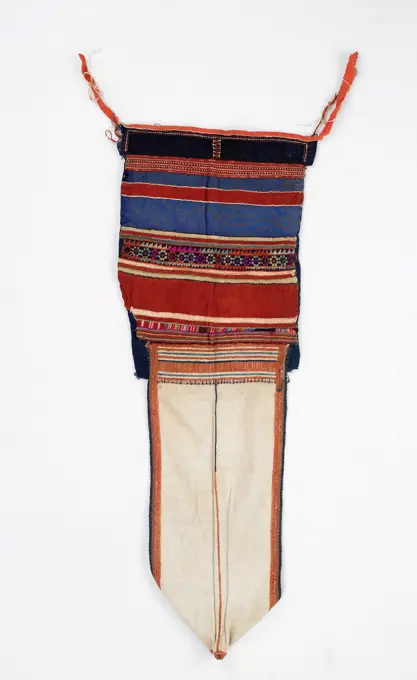
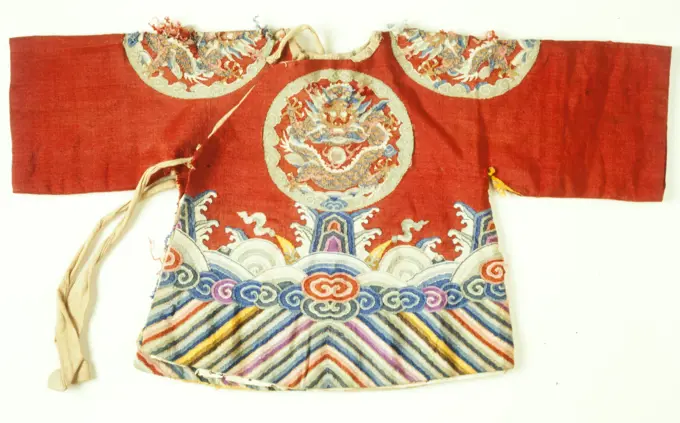
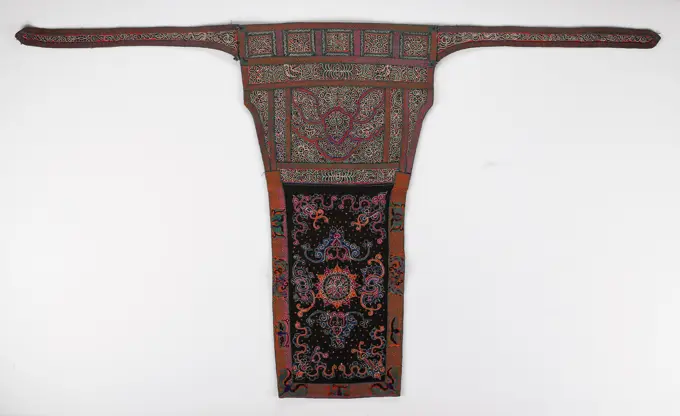
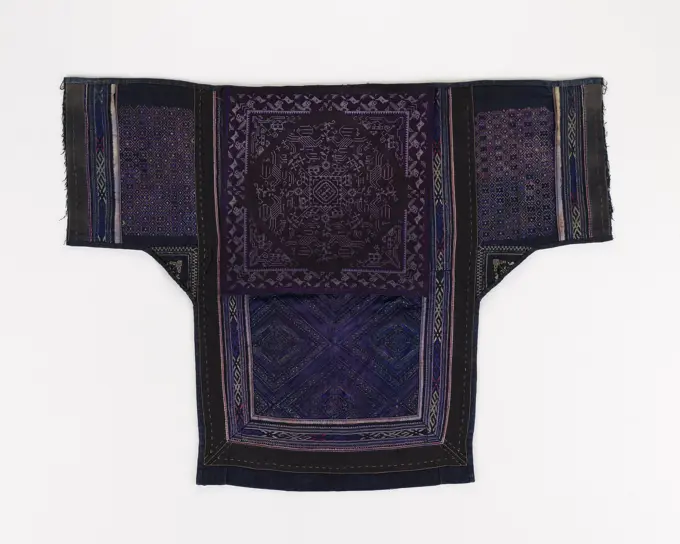
Headdress, c. 1970, 29 1/4 x 11 1/8 in. (74.3 x 28.26 cm) (without ties), Cotton, China, 20th century
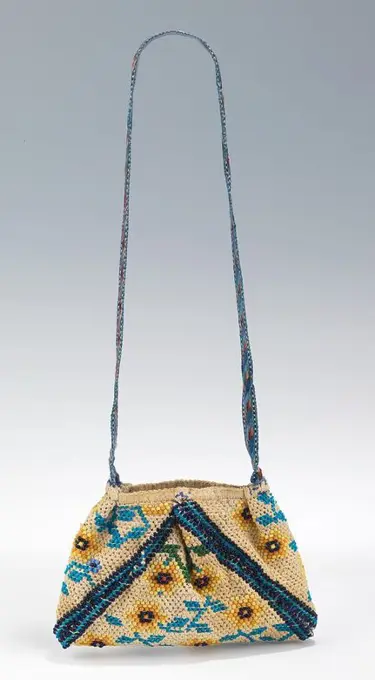
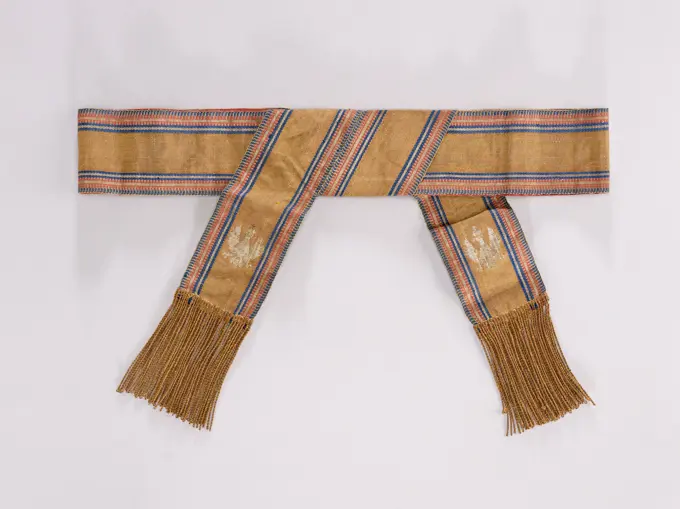
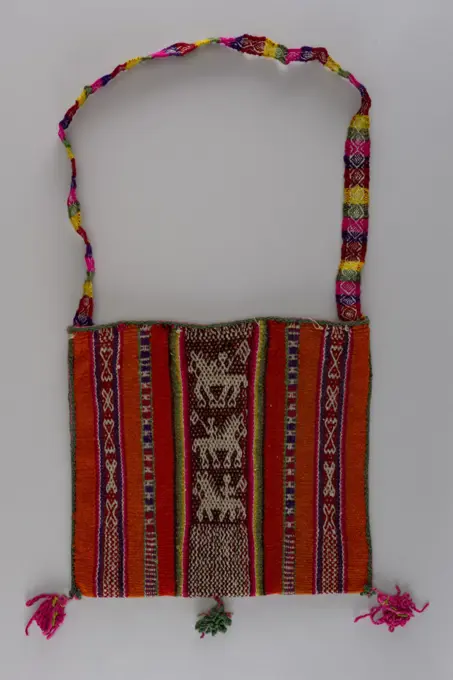
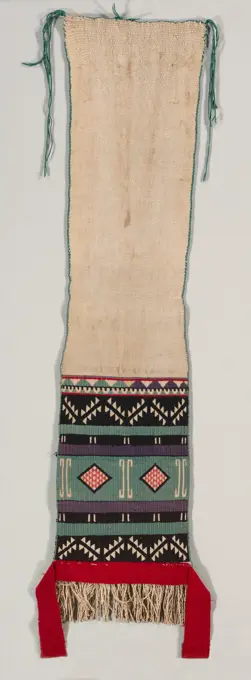
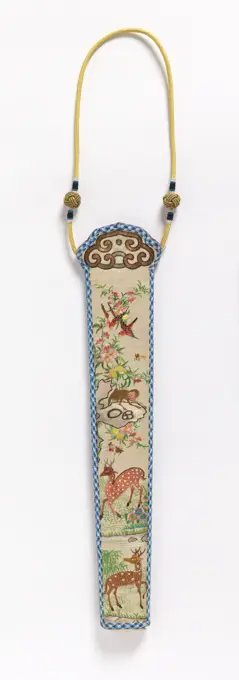
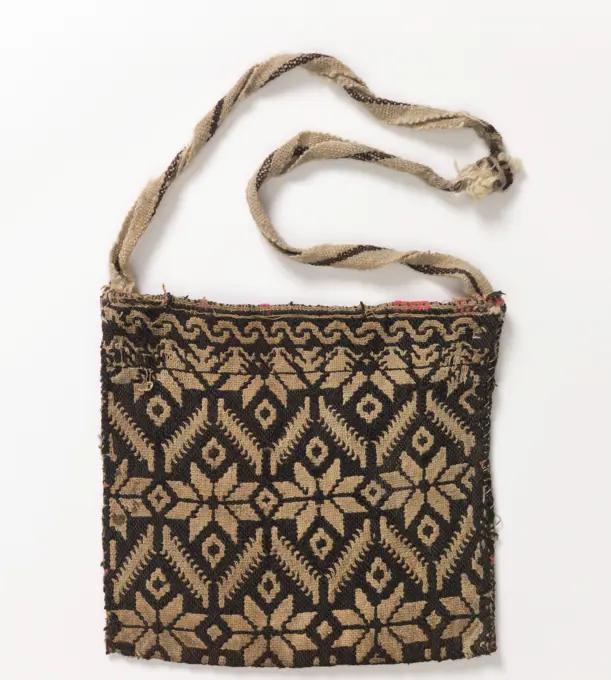
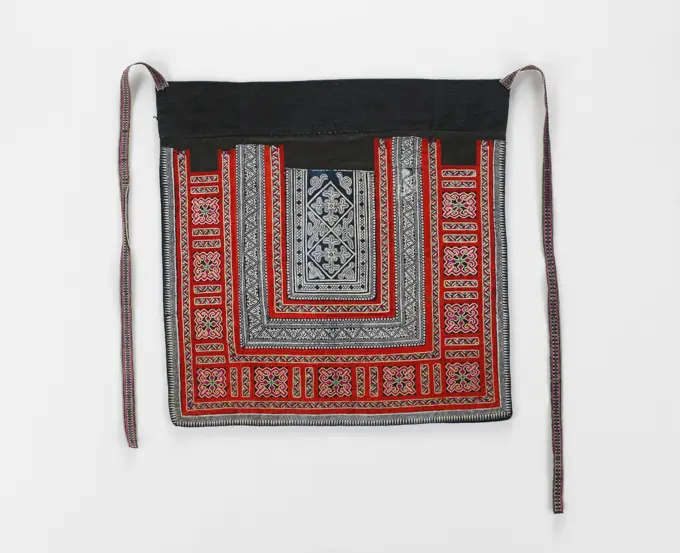
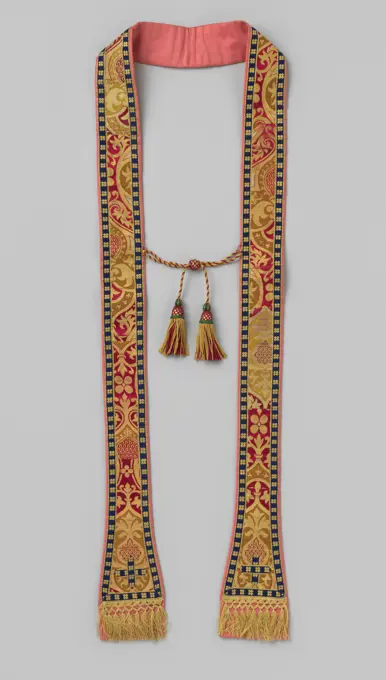
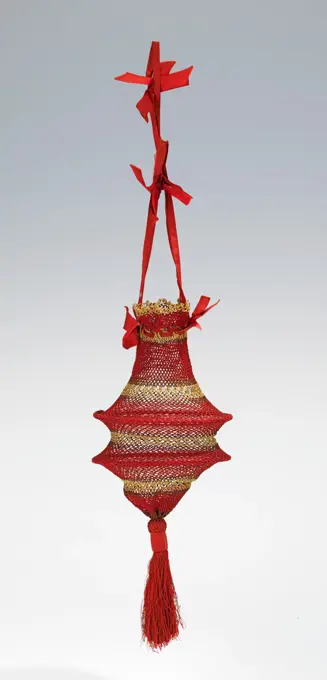
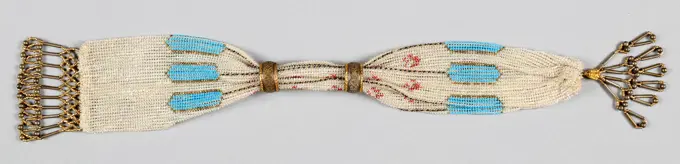
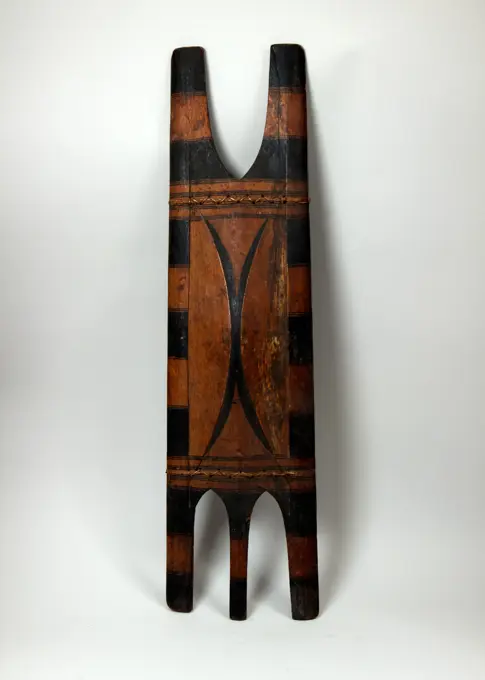
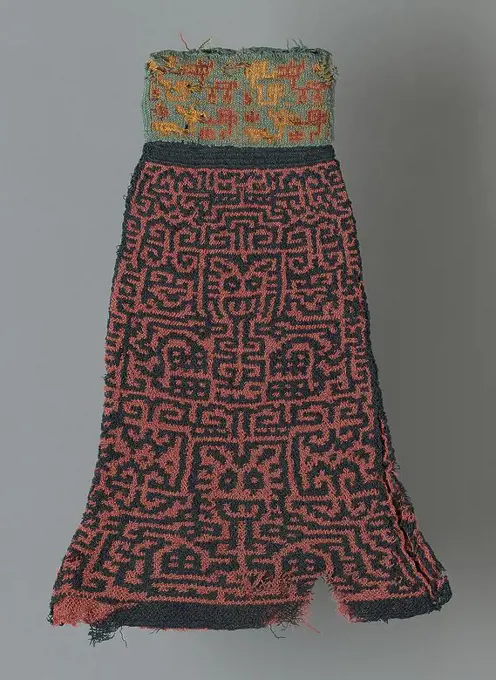
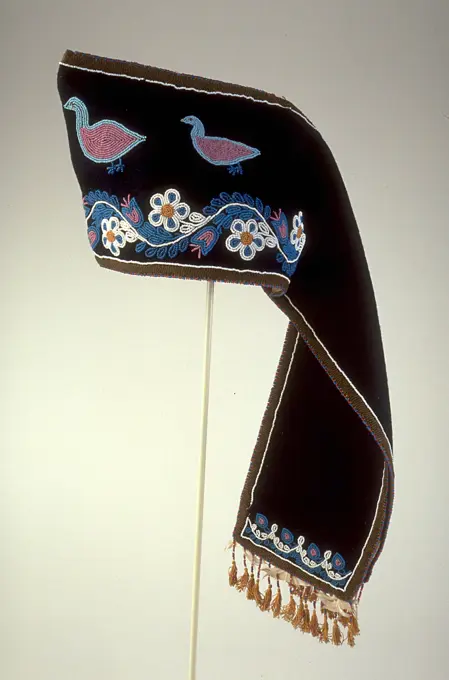
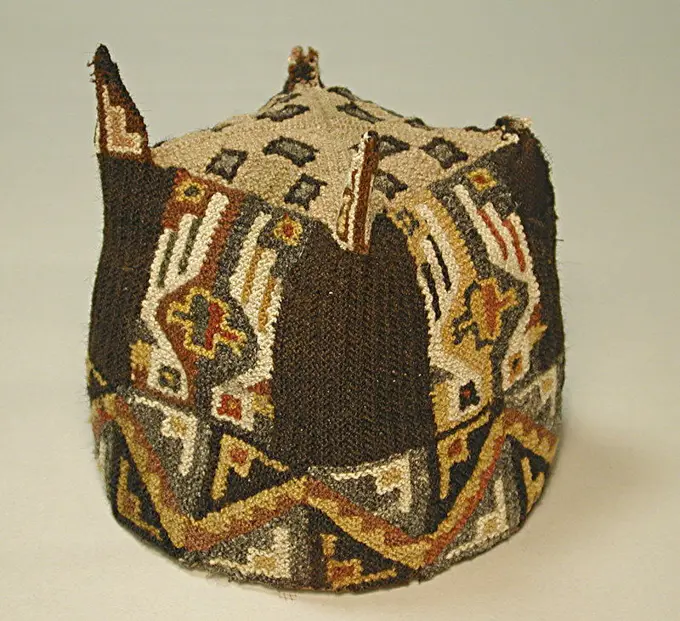
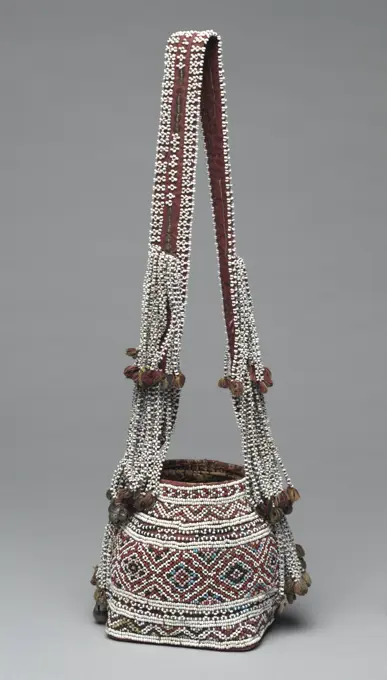
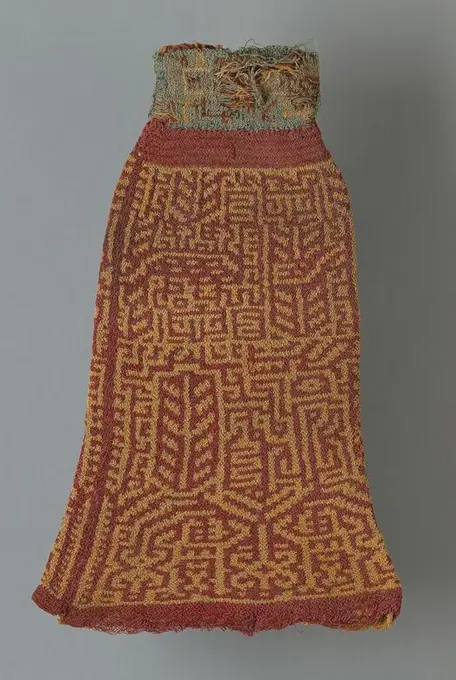
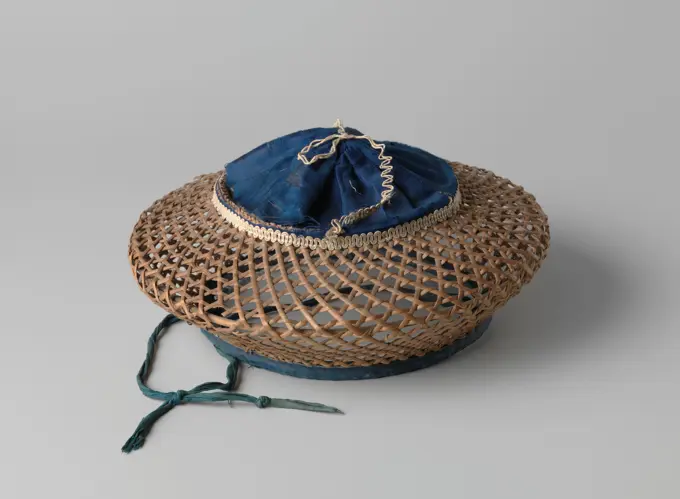
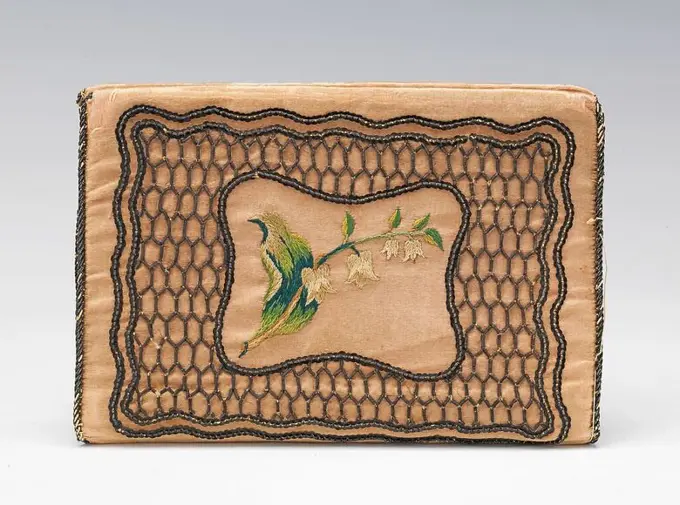
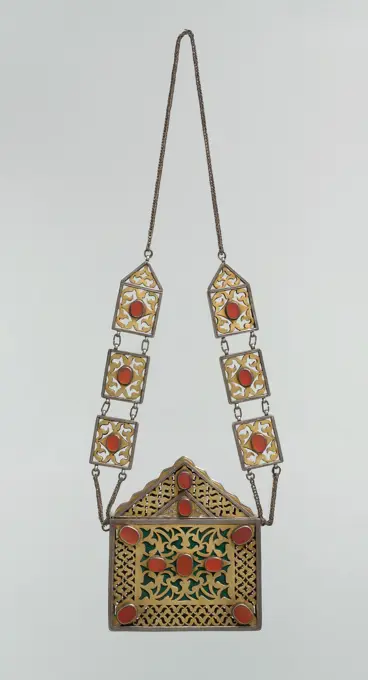
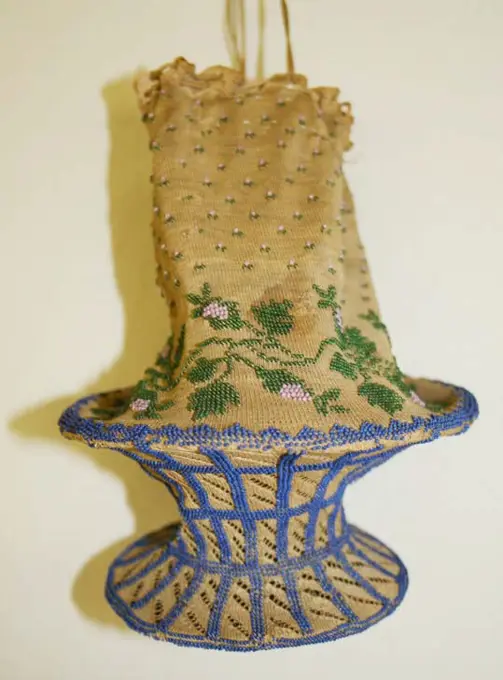
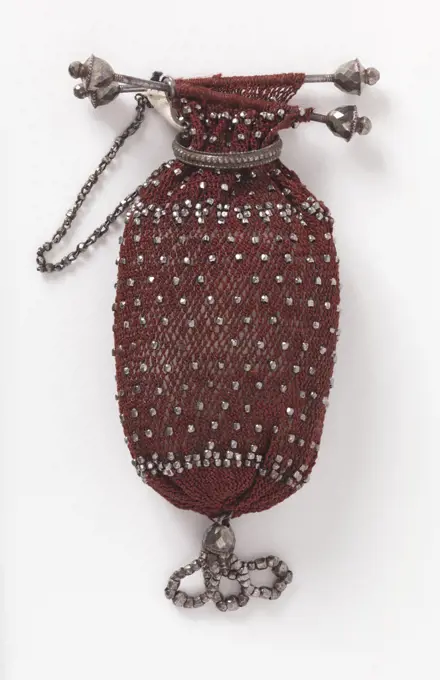
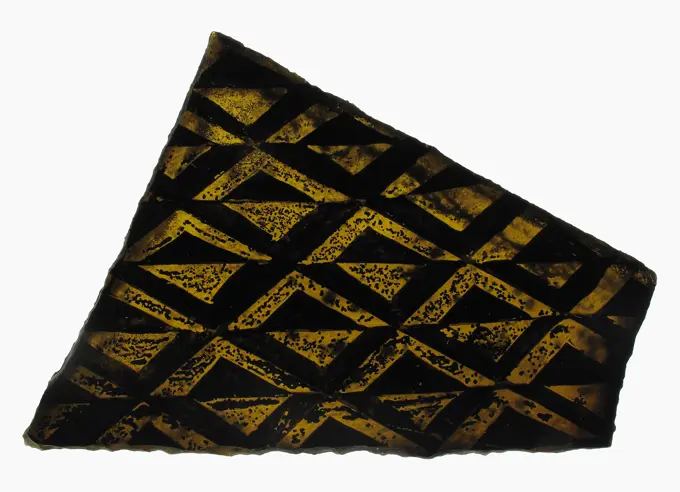
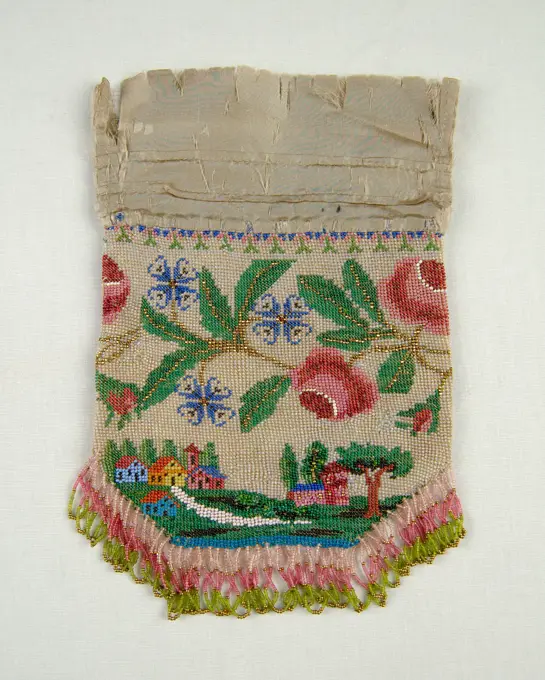
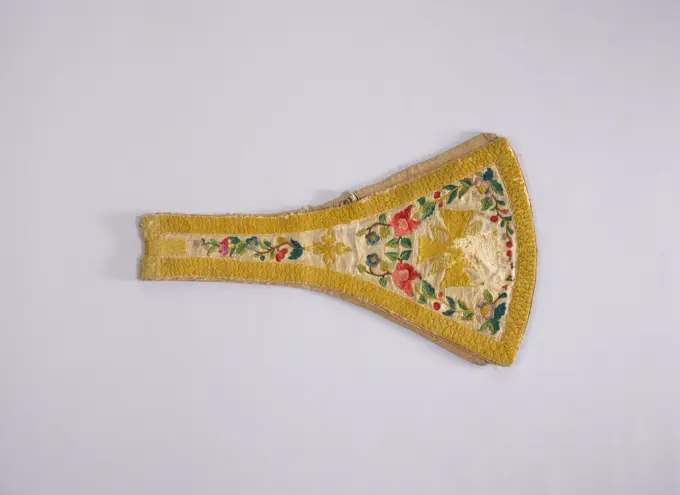
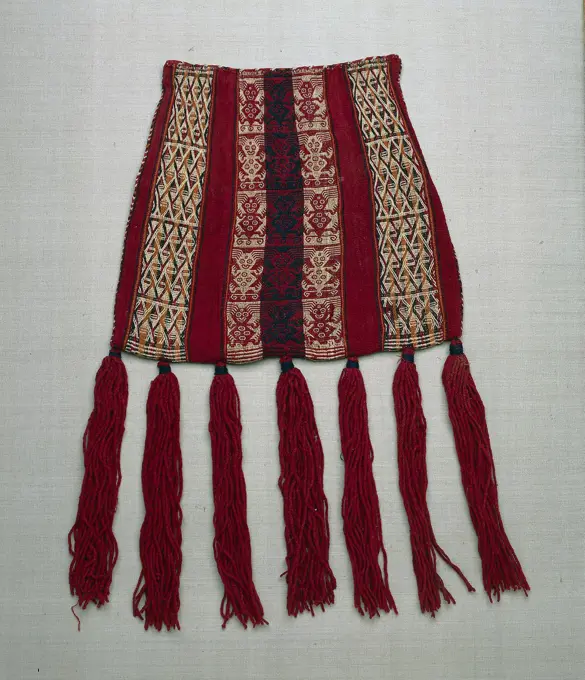
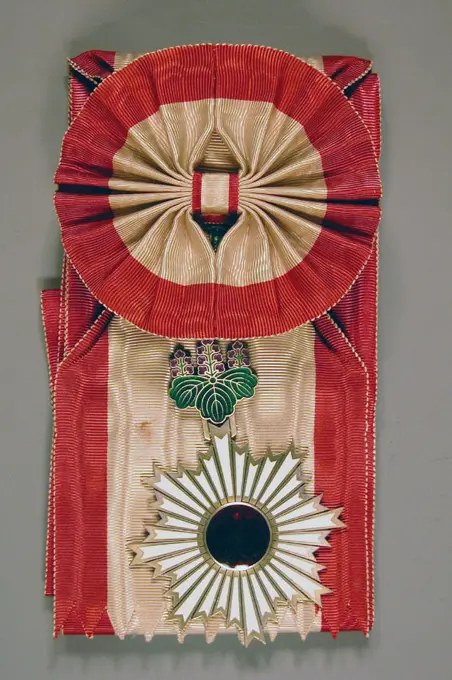
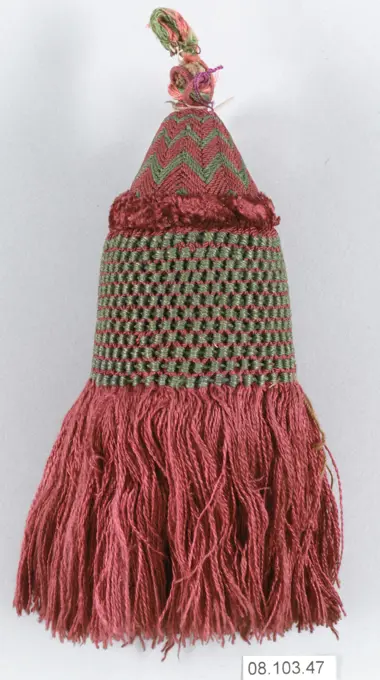
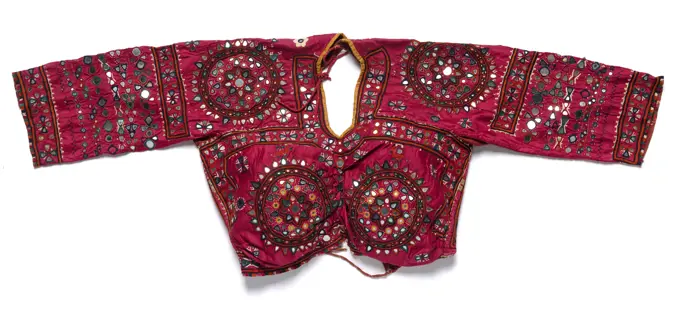
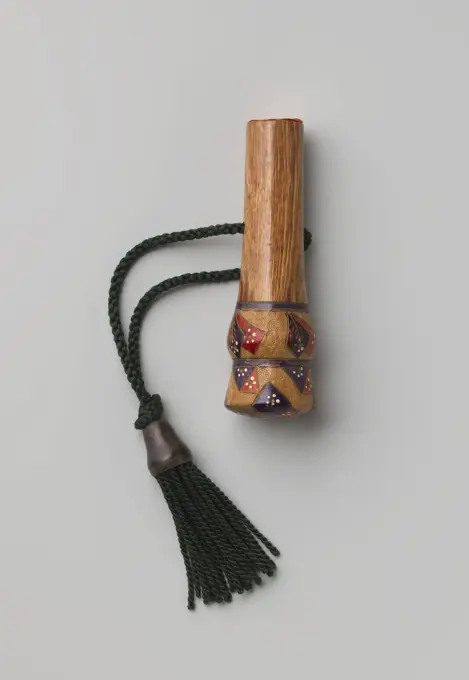
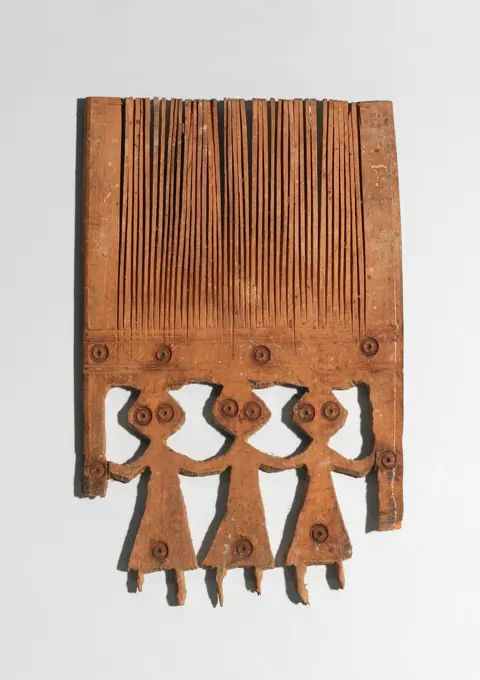
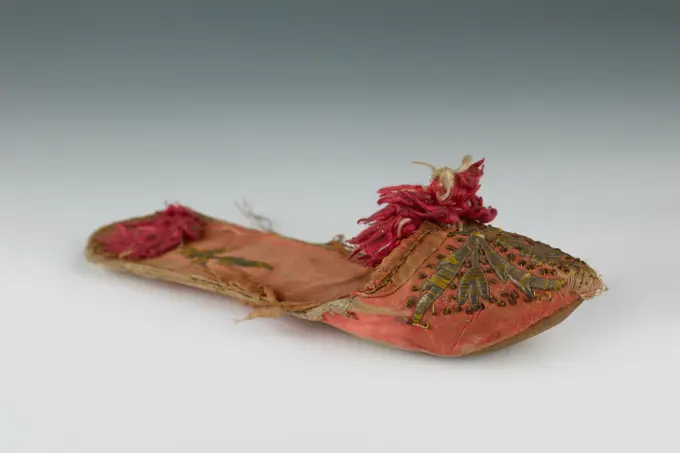
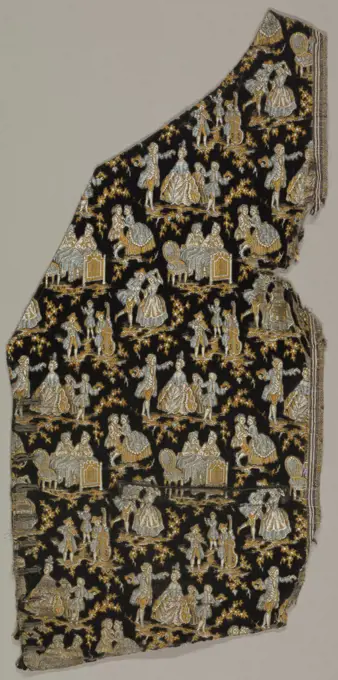
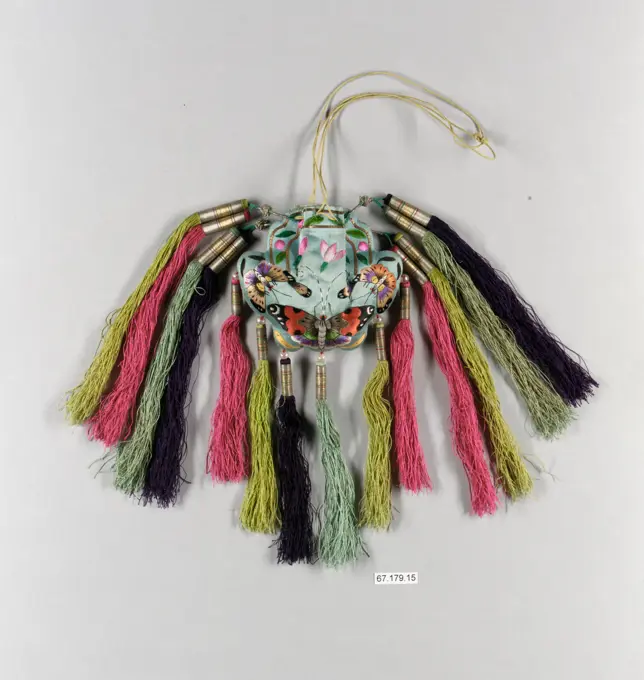
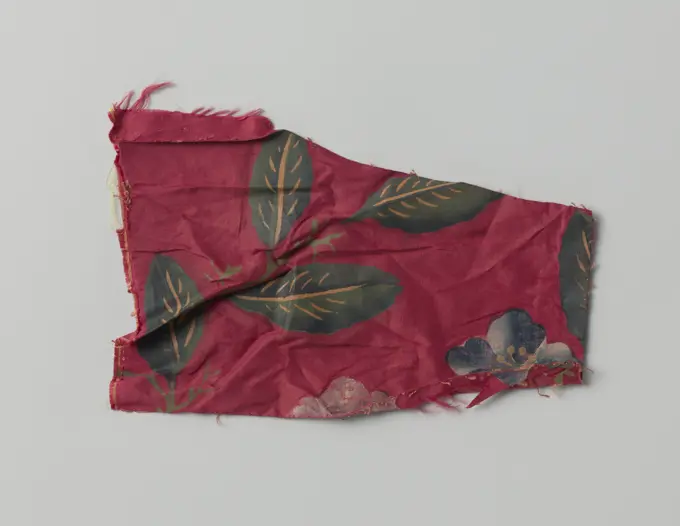
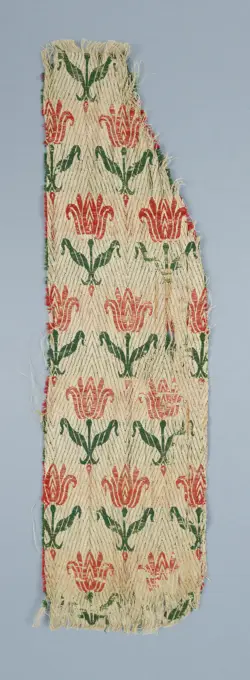
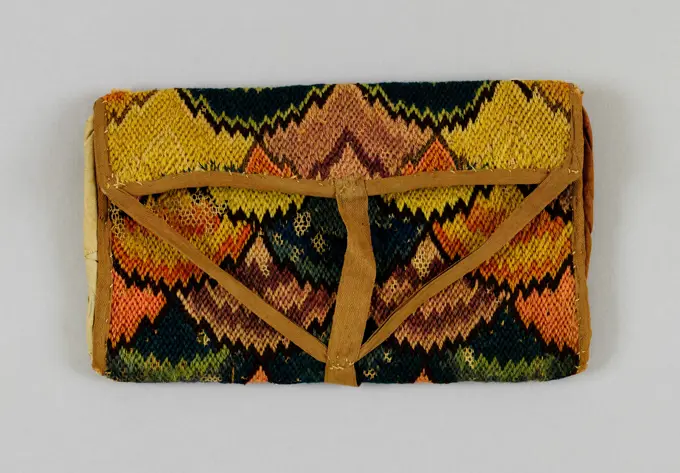
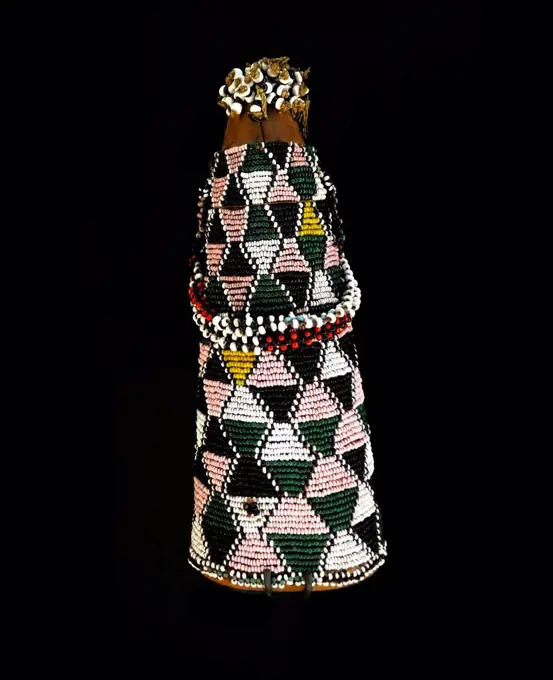
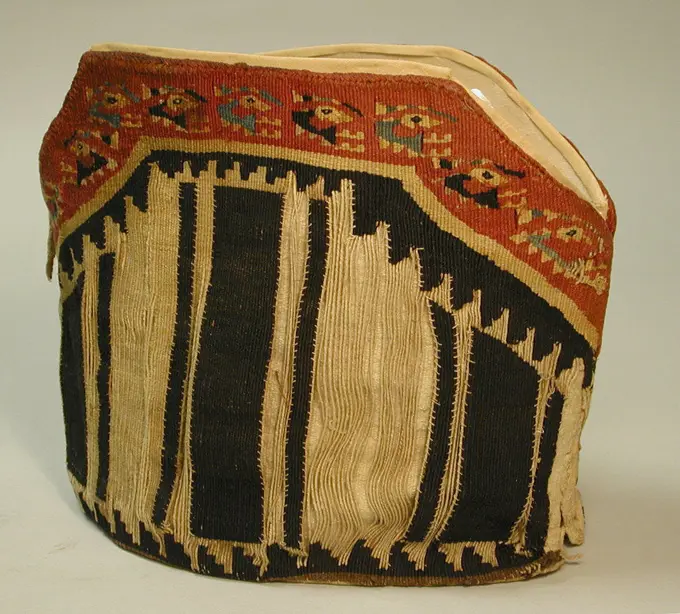
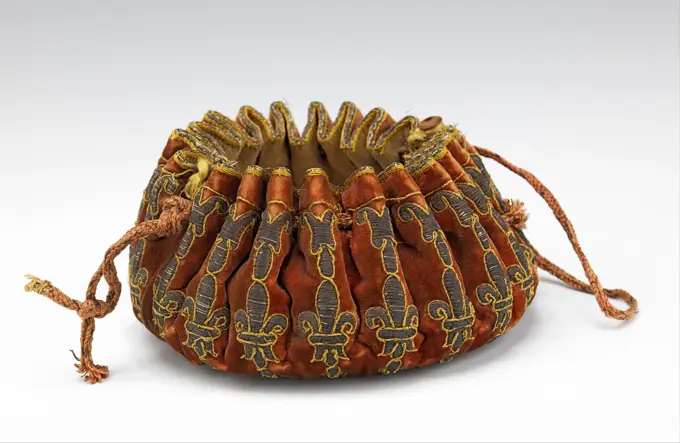
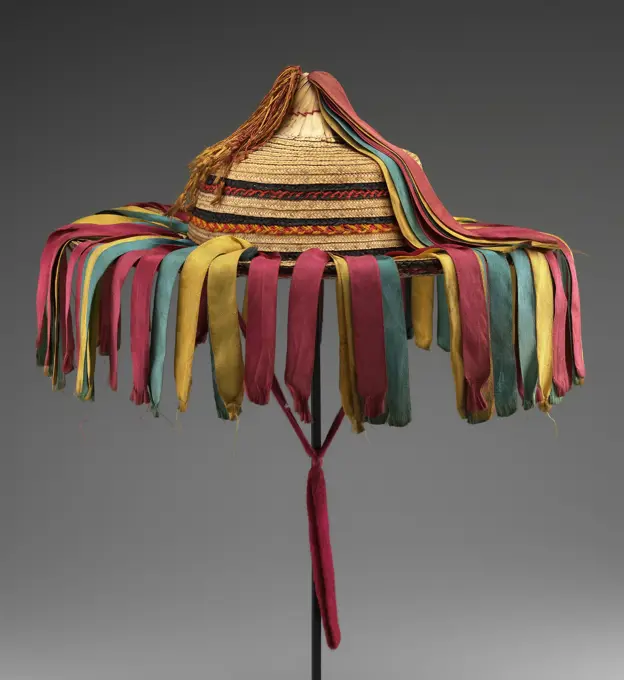
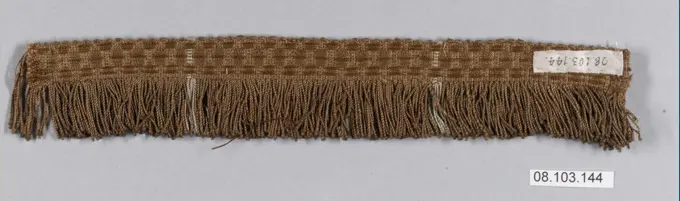
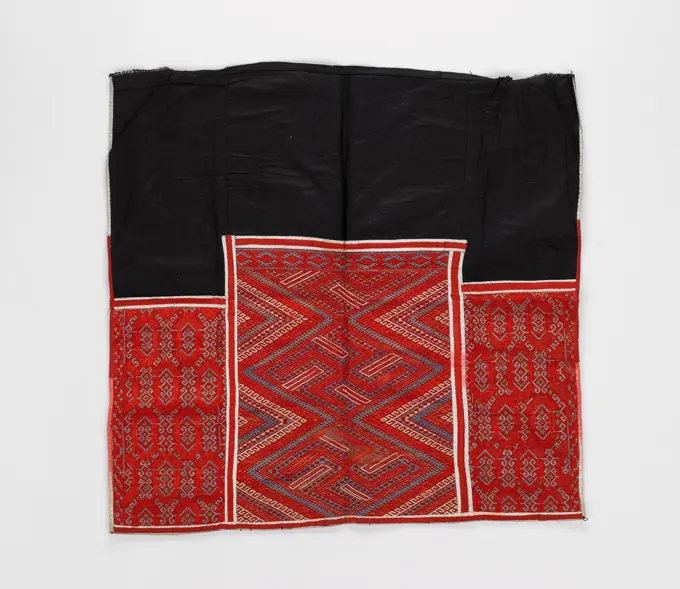
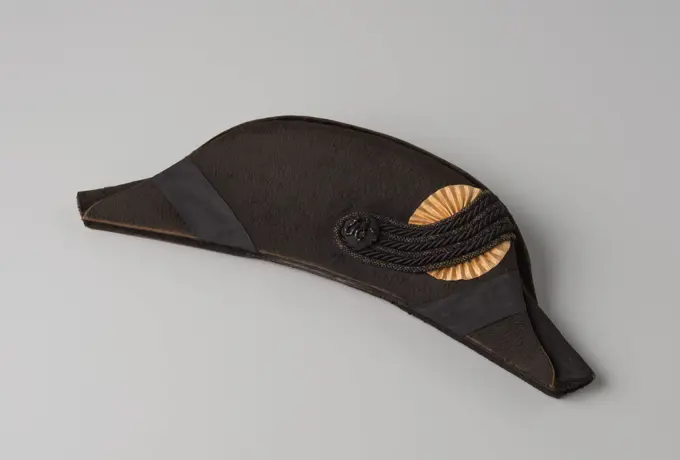
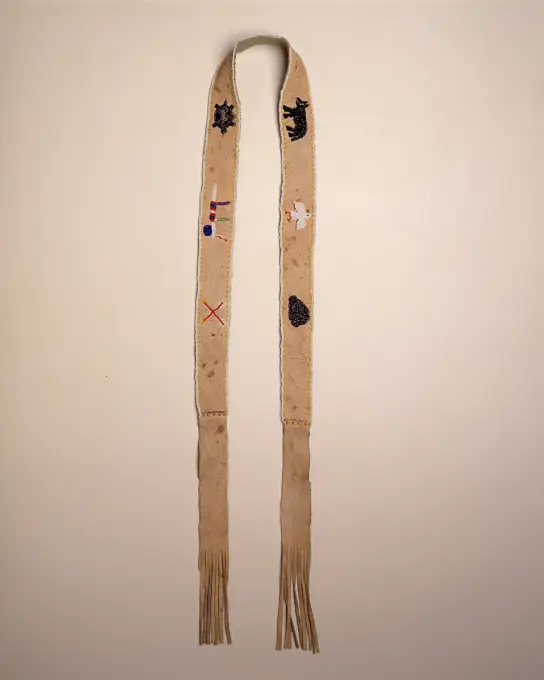
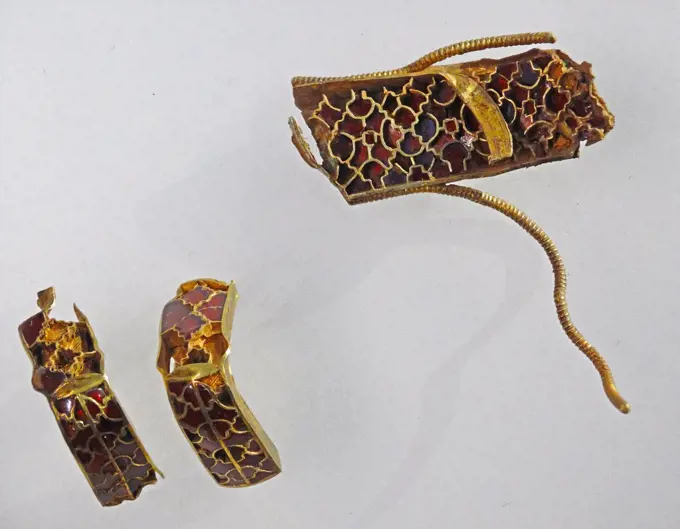
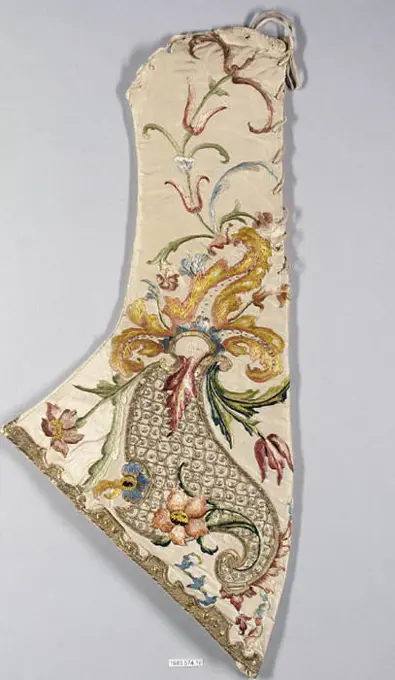
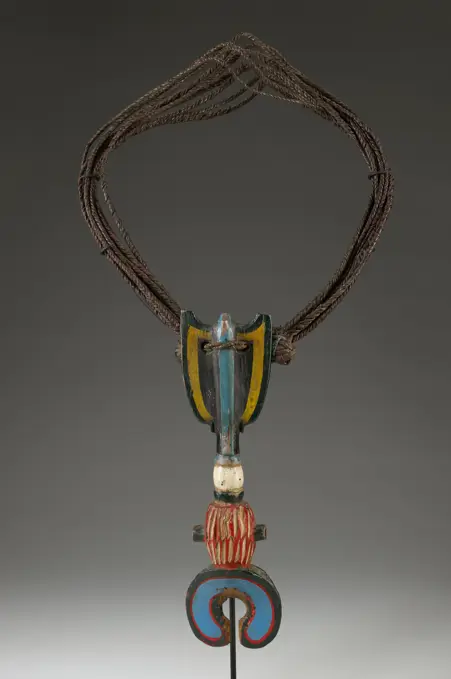
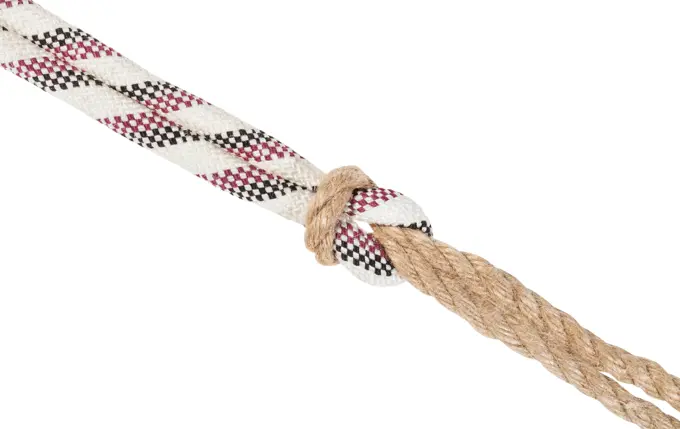
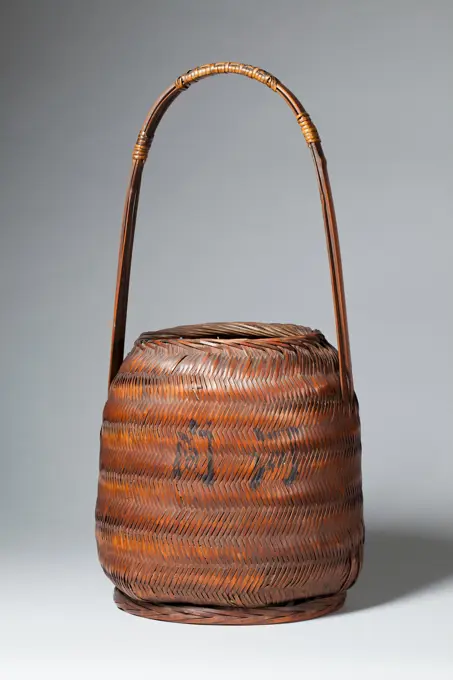
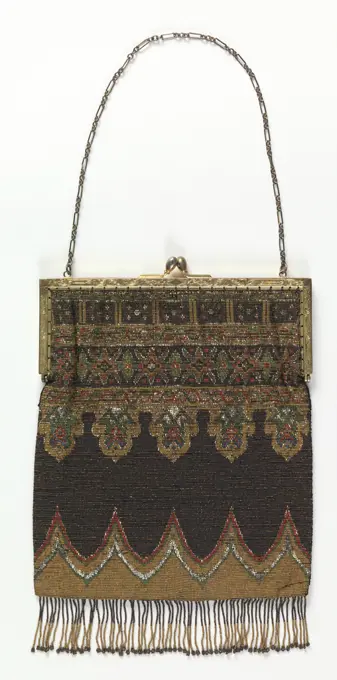
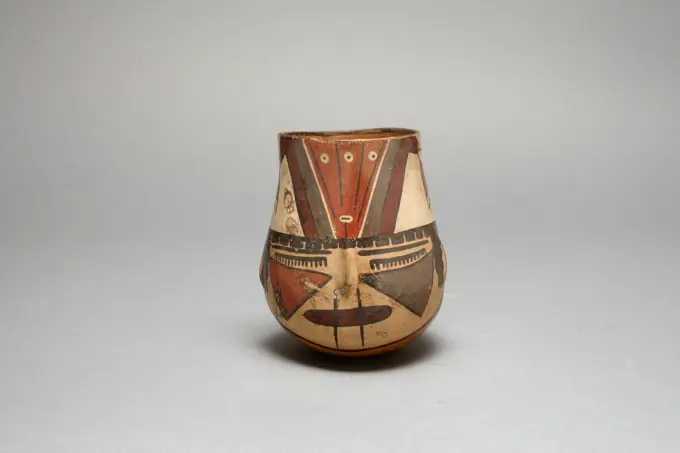
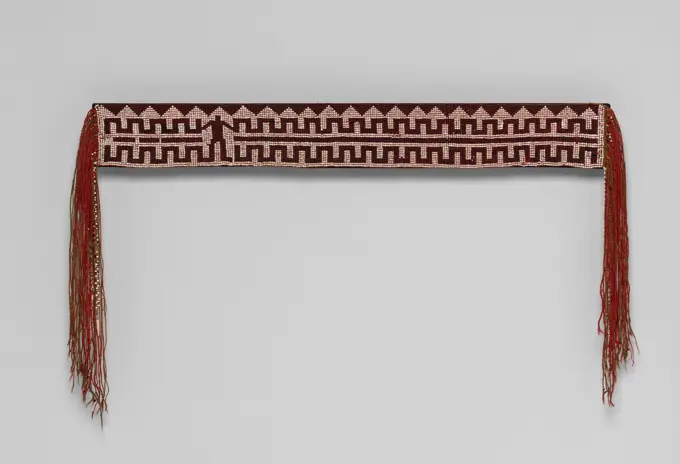
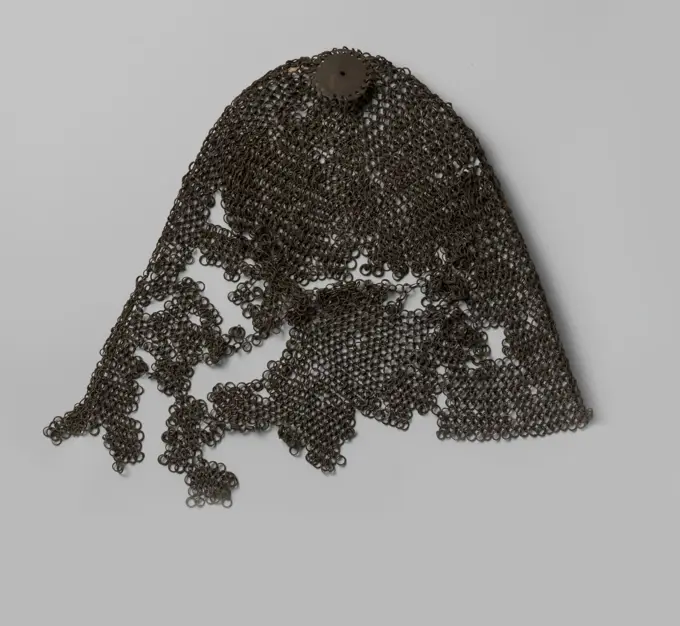
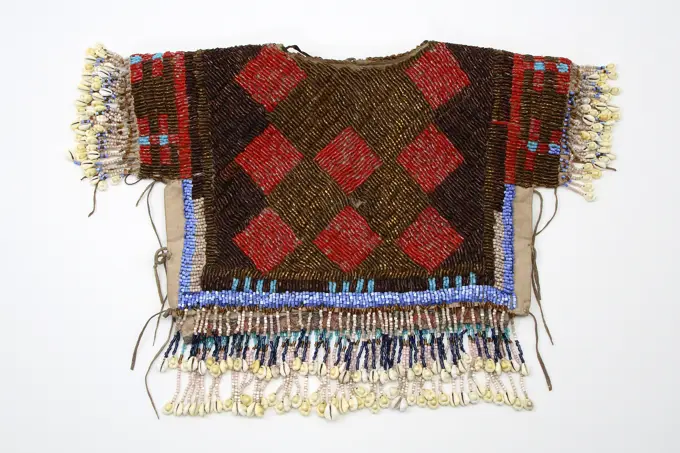
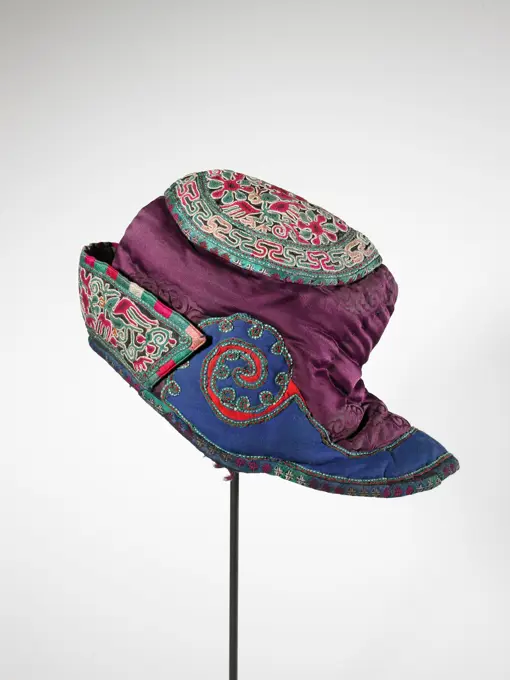
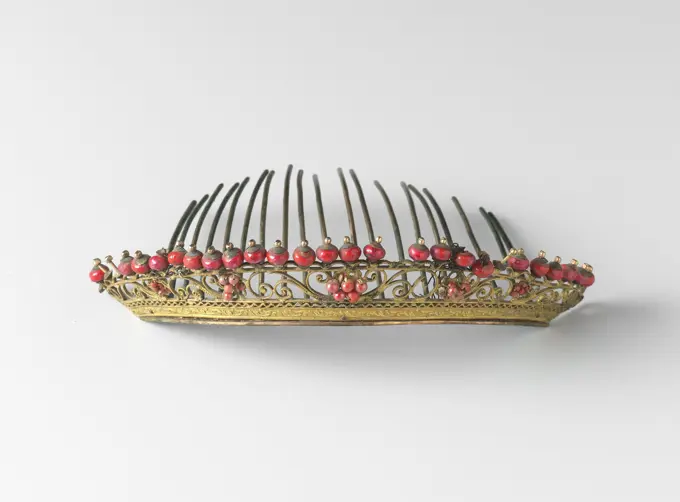
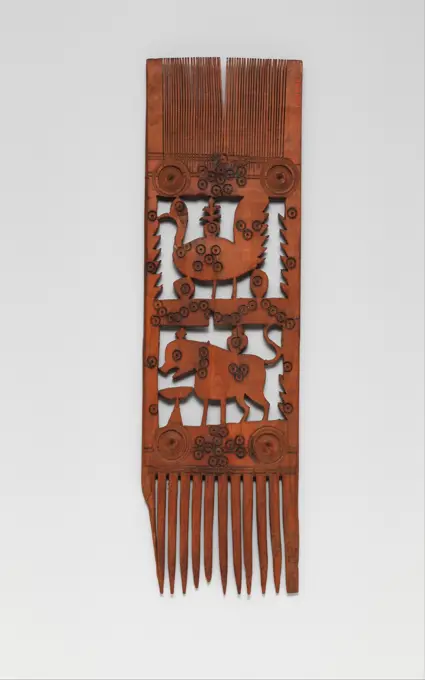
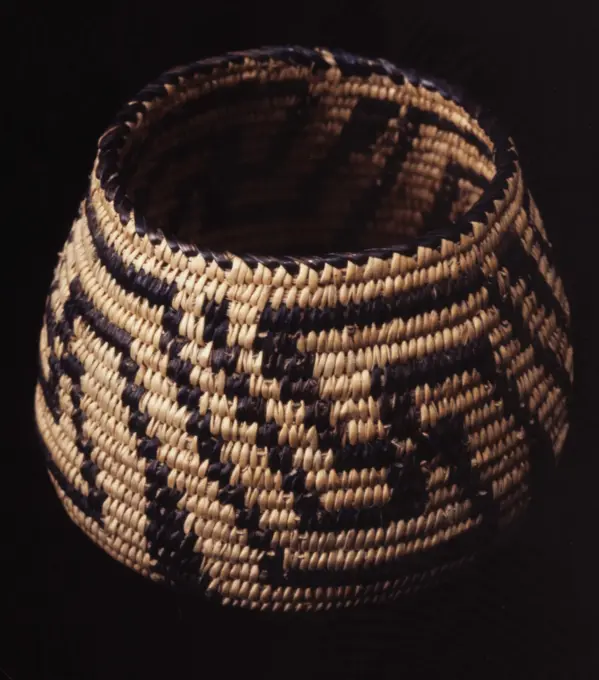
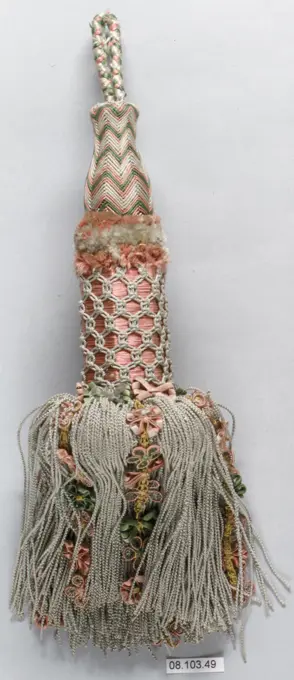
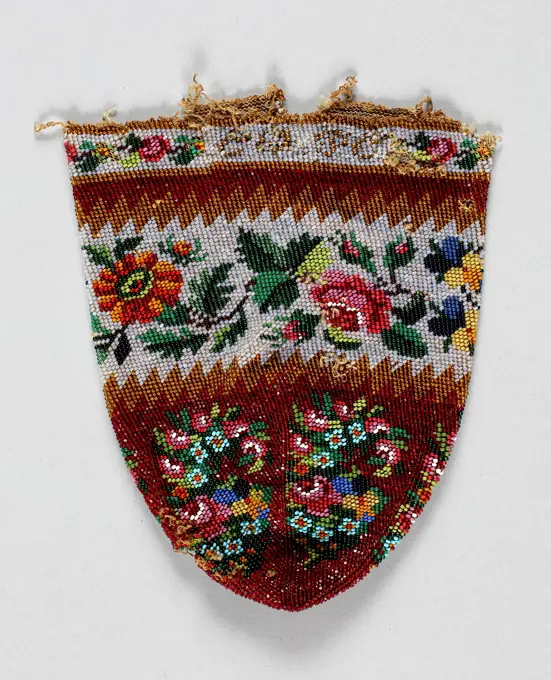
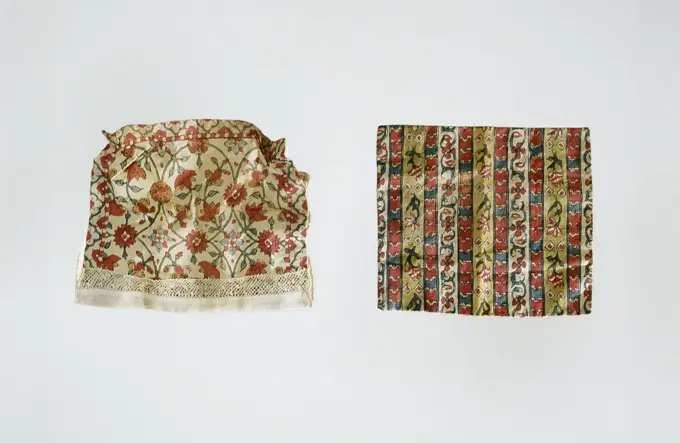
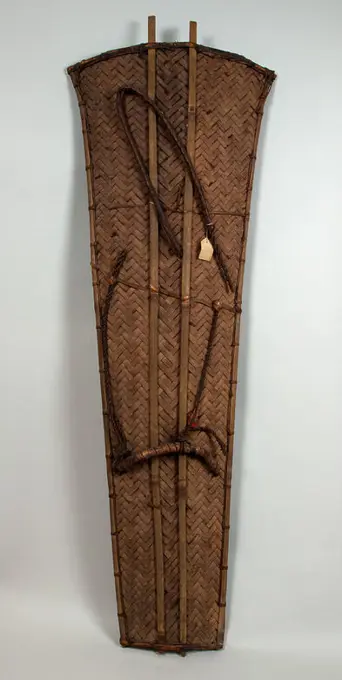
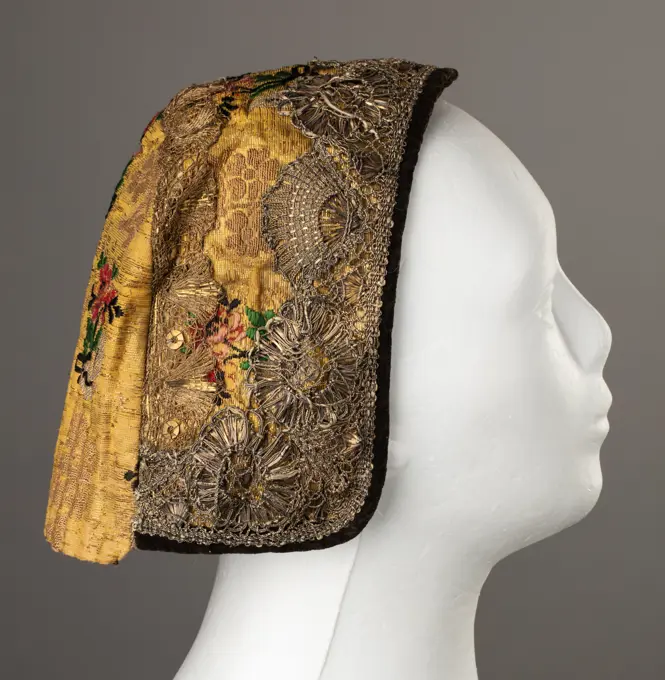
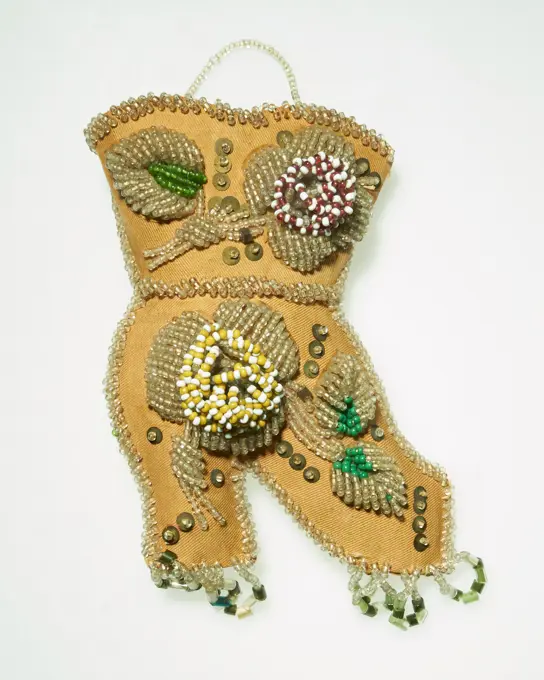
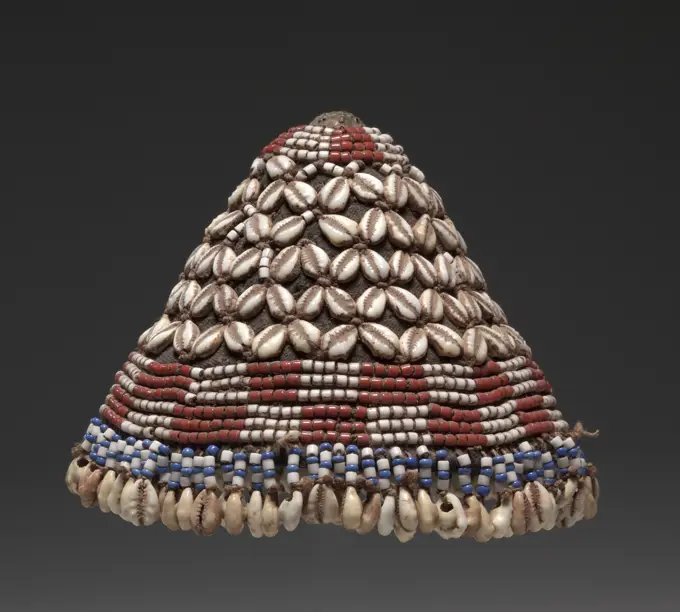
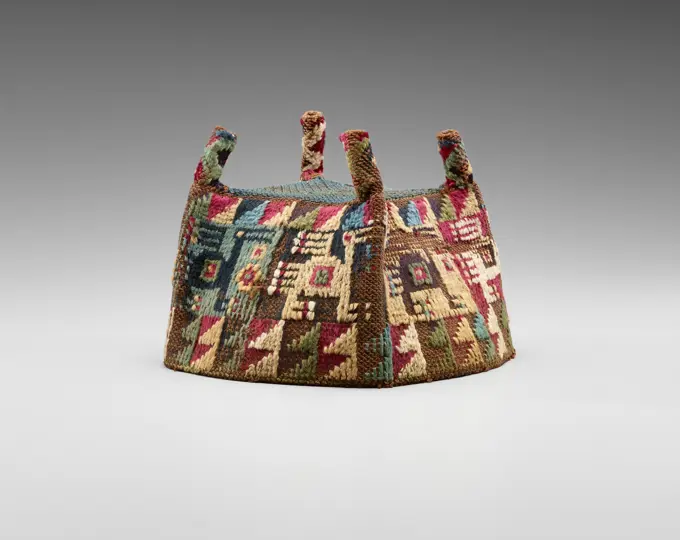
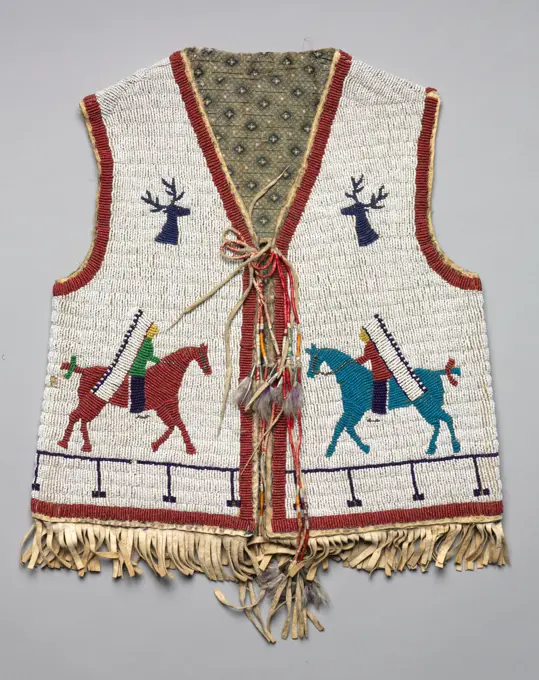
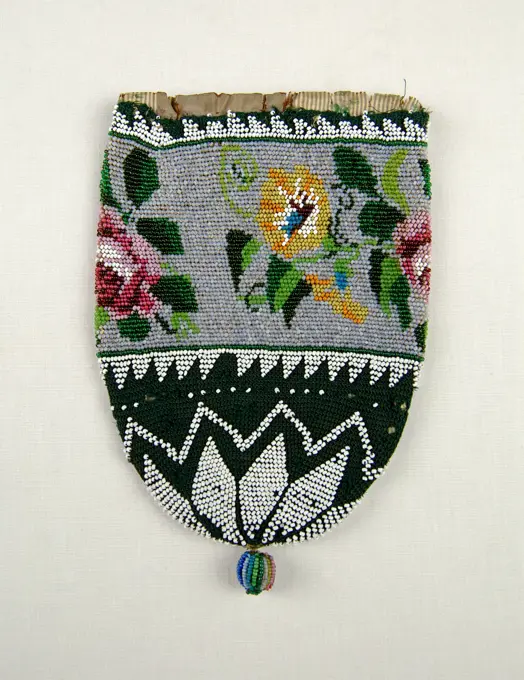
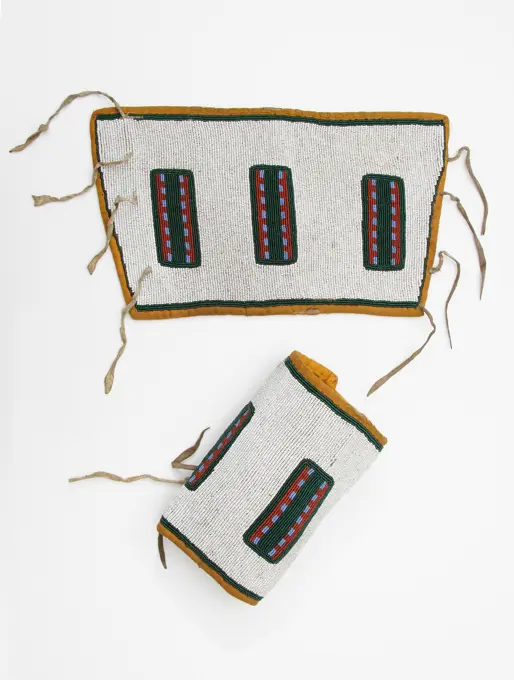
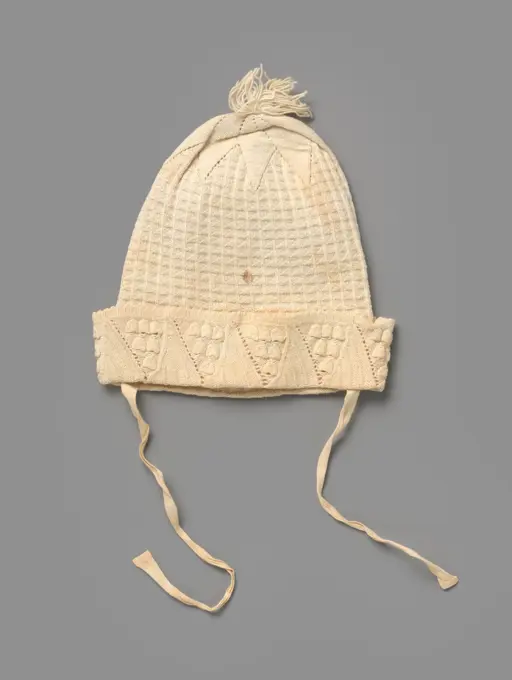
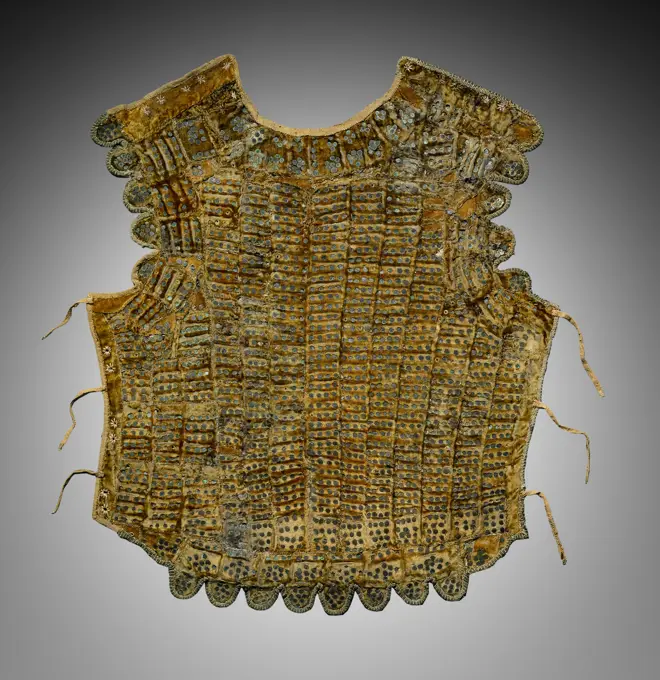
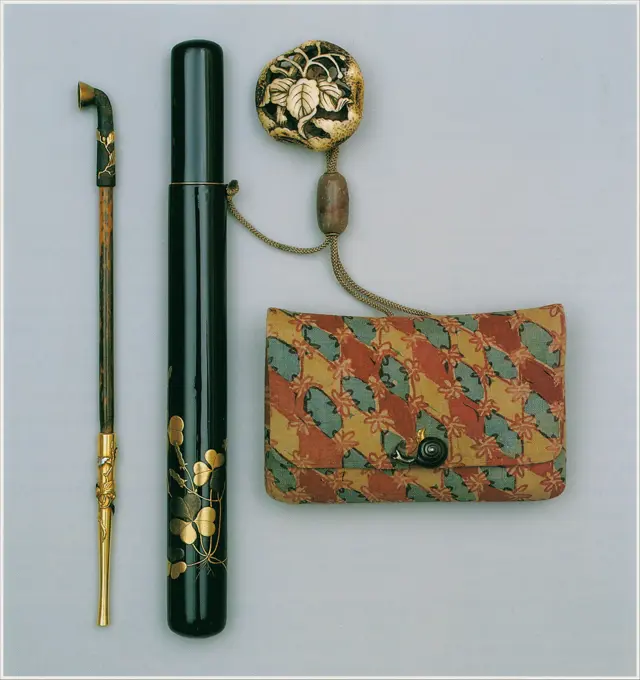
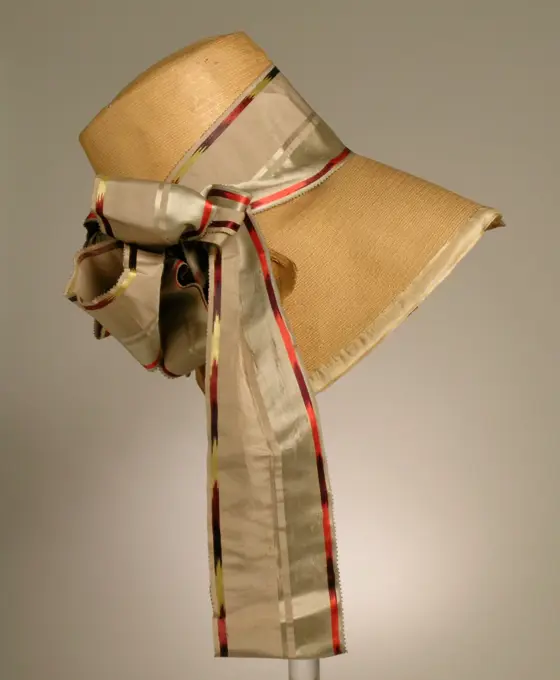
Woman's Bonnet. England or Italy, circa 1825. Costumes; Accessories. Leghorn straw, silk ribbonTent Band, 1910-1920, 58 x 12 1/2 in. (147.3 x 31.8 cm), Wool, cotton (), Uzbekistan, 20th centuryHeaddress, c. 1970, 29 1/4 x 11 1/8 in. (74.3 x 28.26 cm) (without ties), Cotton, China, 20th centuryBag. Culture: Mexican. Date: 1800-1820.This crocheted bag with its fancy weave ribbon, unusual for the time, is part of the Mexican beadwork collection of over 600 pieces assembled by Elizabeth Morrow (1873-1955), mother of writer Anne Morrow Lindbergh, the wife of renowned aviator Charles Lindbergh. Morrow collected the objects between 1927 and 1930, when her husband, Dwight Morrow, Sr., served as U.S. ambassador to Mexico. She lent the collection to the Brooklyn Museum in 1938 and upon her death, her children donated it. A collection of 155 pieces of Mexican ceramics and other decorative arts were given to Amherst College, her husband's alma mater. Mrs. Morrow collected Mexican beadwork, along with other examples of colonial and native arts, to decorate their country home in Cuernavaca in order to promote a more peaceful image of that country through its works. The Morrows sought to overturn the perception of post-revolutionary Mexico as a violent and unstable nation by highlightinBelt. unknown, authorCeremonial Uniform: Groin Apron, 1644-1911. China, Qing dynasty (1644-1911). Satin weave silk with gold metal thread embroidery; supplementary weft; black velvet; metal (brass); lined in blue silk; overall: 69.8 x 30.2 cm (27 1/2 x 11 7/8 in.).Coca Bag (chuspa) (Peru); wool; Bequest of Marian Hague; 1971-50-552"Hopi Brocade" style Dance Sash, c. 1880-1900. America, Native North American, Southwest, Pueblo (Hopi), Post-Contact, Transitional Period. Plain weave with supplementary weft wrap: cotton and wool (handspun, Germantown, and bayeta); overall: 149 x 63 cm (58 11/16 x 24 13/16 in.)."Hopi Brocade" style Dance Sash, c. 1880-1900. America, Native North American, Southwest, Pueblo (Hopi), Post-Contact, Transitional Period. Plain weave with supplementary weft wrap: cotton and wool (handspun, Germantown, and bayeta); overall: 149 x 63 cm (58 11/16 x 24 13/16 in.).Bag. End XIXth. Gal1959.83.7Fan Case (China); silk, metallic yarnsBag (Mexico); woolWoman's Festival Apron, 20th century, 16 1/4 x 16in. (41.3 x 40.6cm), Cotton, indigo, China, 20th centuryImmorte ". Porcelainment. Ere Kangxi (1662-1723). Paris, Museum Cernusks. Il s'Agit de l'IMMORTEL lü dongbin Lu DongbinSilk Stola with a pattern of four passes within oval fields ,, 1850 - 1900 Silk stola with a pattern of four passes within oval. With two brushes. Neo-gothic. Roermond (Possible) silk Silk stola with a pattern of four passes within oval. With two brushes. Neo-gothic. Roermond (Possible) silkReticule first quarter 19th century British Small mesh bags known as reticules were the must-have "it bags" of 1800-1825. Too small for carrying much more than a few coins, reticules were often shown in satirical prints as a fashionable foible of women's attire. Knit into an elegant lantern-like shape, this example survives with its original ribbon trim making it a particularly lovely and rare example of a short-lived fashion trend.. Reticule. British. first quarter 19th century. silk, cotton, metalSotck exchange. Mid -19th. GAL1985.56.2Shield 18th-19th century Philippine, Igorot. Shield. Philippine, Igorot. 18th-19th century. Wood, rattan, polychromy. Cordillera Administrative Region. ShieldsTassel. Nazca; Peru, south coast, Probably Nazca Valley. Date: 500 AD-900 AD. Dimensions: 32.7 x 21.6 cm (12 7/8 x 8 1/2 in.). Origin: Peru. Museum: The Chicago Art Institute, Chicago, USA. Author: NAZCA.Cap -Four-Cornered Hat 7th-9th century Tiwanaku Finely woven, brightly colored hats, customarily featuring a square crown, four sides, and four pointed tips, are most frequently associated with two ancient cultures of the Andes: the Wari and the Tiwanaku. The Wari Empire dominated the south-central highlands and the west coastal regions of what is now Peru from 500-1000 A.D. The Tiwanaku occupied the altiplano (high plain) directly south of Wari-populated areas around the same time, including territory now part of the modern country of Bolivia. The cultures not only developed and flourished as contemporaries, but also occupied adjacent lands for nearly four centuries. A Wari ceremonial center called Cerro Baúl was located a mere five miles from Tiwanaku-settled fields in the Moquegua Valley of Peru. The two cultures likely encountered each other at Cerro Baúl and elsewhere, but the nature of these interactions remains largely unknown. Four-cornered hats from both the Wari and the Tiwanaku wBasket , c 1875- 1917. Phillipines, Mininao, Bagobo people, Late 19th- Early 20th century. Natural fibers, cloth, glass beads, metal; overall: 11.8 x 7.9 cm (4 5/8 x 3 1/8 in.).Child's Hat, late 20th century, 8 1/8 x 8 1/2 in. (20.6 x 21.6 cm), Cotton, satin, China, 20th centuryTassels. Nazca; Peru, south coast, Possibly Nazca Valley. Date: 500 AD-900 AD. Dimensions: 37.5 x 23.5 cm (14 5/8 x 9 1/4 in.). Origin: Peru. Museum: The Chicago Art Institute, Chicago, USA.Hat van Riet, Anonymous, 1900 - 1950 Hat of braided reeds and blue silk ball. Baret model. China silk Hat of braided reeds and blue silk ball. Baret model. China silkCape, 19th-20th century, 29 x 15 3/4 in. (73.7 x 40.0 cm), Cotton, glass beads, fur, metal, mirrors, United States, 19th-20th century, This spectacularly decorated man's cape would have have been part of an ensemble of beaded clothing, made by an Anishinabe woman for a male relative to wear on special occasions such as social and religious events. Anishinabe women were known for their skill at beadwork and textile ornamentation. The floral designs here are typical of their work, while the mirrors add an extra element of shine and color. The rich and extensive decoration added to the value of the cape and prestige of its wearer.War Charm. Admiralty Islands, circa 1880. Jewelry and Adornments; worn ornaments. Wood, feathers, fiber, glass beads, dog teeth, and pigmentPrzeszo Przyszoci unknownPurse. Culture: British. Date: 1815. Museum: Metropolitan Museum of Art, New York, USA.Qur'an Holder late 19th-early 20th century Group of Turkman Ornaments, nos. 2018.922.1-.6a, .6bThese bold silver ornaments come from the world of the Turkman tribes of Central Asia. Some of the forms such as the lozenge shaped amulet holder or Quran box relate to the styles of jeweled arts of the courts and urban centers. But most of these large and vibrant ornaments are a final expression of the unique sensibility of the Turkman people as their nomadic life gives way to modernity.. Qur'an Holder. late 19th-early 20th century. Silver, fire gilded with openwork and stamped decoration, silver beads and table cut carnelians. Attributed to Central Asia or Iran. JewelryPurse 1800-1820 Dutch. Purse 116952Purse, Medium: silk, steel Technique: beaded crochet, Crocheted red silk purse with cut steel beads, fitted with steel bars at top and steel ring to close; steel pendant at bottom., France, 1830-60, costume & accessories, PurseGlass Fragment 14th-15th century European. Glass Fragment. European. 14th-15th century. Pot metal glass. Glass-StainedPouch 1840-60 American. Pouch 168414Maniple;  18th century (1701-00-00-1800-00-00);Trapezoidal Bag, 1200-1400. Peru, South Coast, Arica culture, or Chile, North Coast, 13th-15th century. Alpaca wool; overall: 52.2 x 35 cm (20 9/16 x 13 3/4 in.).Insignia, Medal and Button late 19th century Japan. Insignia, Medal and Button 60248Tassel late 16th-early 17th century French. Tassel 213543Hoes for seat sitting, printed side. Three covers for seat seats. The covers are made of printed side. Multicolored flower branches are printed on a red soil. The covers have a linen lining.Bodice or Choli, 1800s. India, Cutch or Sind, 19th century. Embroidery; silk on silk satin with mirror-glass inserts; overall: 33 x 91.4 cm (13 x 36 in.).Parasol button or umbrella button of painted wood; The button is decorated with noted motifs, Gustav Schnitzler, c. 1920 Parasol button or umbrella button of painted wood. There is a decorated button on the straight handle. The decorations consists of bred circles and diamond motifs. A green cord has been put through the handle. Nijmegen wood (plant material). koord: silk painting Parasol button or umbrella button of painted wood. There is a decorated button on the straight handle. The decorations consists of bred circles and diamond motifs. A green cord has been put through the handle. Nijmegen wood (plant material). koord: silk paintingComb Decorated with Three Female Figurines. UnknownSIIpper unknownWaistcoat fragment, Medium: silk Technique: cut supplementary warp pile (velvet) in a woven foundation, Fragment of black velvet with a brocaded pattern of couples, dancing and seated, with musicians performing., France, 1800-1850, woven textiles, Waistcoat fragmentPurse 19th Century China. Purse 65683Fragment of a seat for seat session, from printed silk, 1770 - 1780 Three covers for seat sessions. The covers are made of printed silk. Multicolored flower branches are printed on a red soil. The covers have a linen lining. maker: NetherlandsFrance silk. linen (material) printing / painting Three covers for seat sessions. The covers are made of printed silk. Multicolored flower branches are printed on a red soil. The covers have a linen lining. maker: NetherlandsFrance silk. linen (material) printing / paintingBag (tobacco Pouch) (USA); glass beads, metal frameFragment of fabric unknownPocketbook ca. 1760 Mary White. Pocketbook 17798Fan Case with Flowers and Insects on a Brown Background mid-19th century China Shown here is an embroidered fan casean accessory worn at the waist for holding folding fans when they were not in use. It features an unusual techniqueraised-work embroidery, which produces a three-dimensional effect (note the insect motifs).. Fan Case with Flowers and Insects on a Brown Background 70480Robe for a Statue, 19th century, 8 1/2 x 15 1/4in. (21.6 x 38.7cm), Silk, China, 19th centuryNorth African decorative corn. Dated 18th CenturyHorse Headstall 1870-1880 New Mexico. During the 1860s and early 1870s, Navajos (DinÈ) learned silversmithing from Hispanic artisans in New Mexico, and Plains Indian craftsmen whose own metalwork stemmed from Colonial sources in the eastern United States. Mexican pesos, U.S. American dollars, and ingot silver were melted down and recast in molds carved from soft volcanic tufa. Navajo silversmiths employed steel tools and punches to develop decorative patterns. Early concho belts, bow guards, bracelets, necklaces, horse headstalls, and other items of silver jewelry display massive forms and simple ornamentation. By the 1890s turquoise was increasingly used; although most turquoise was obtained from Southwestern sources, some was imported from China and Iran. Navajo silversmiths rapidly established a distinctive elegant style that has become one of the classic hallmarks of Native American art in the greater Southwest. Today, Navajo jewelry, like that of their neighboring Pueblo neighborsMitre Shaped Cap 11th-early 14th century Peruvian. Mitre Shaped Cap 316951Sharf of a white -baking earthenware, with a blue printing set on the inside ,, c. 1500 - c. 1899 fragment   earthenware. glazeBaby Carrier, 42 x 21 3/4 in. (106.68 x 55.25 cm), Cotton, metallic tape, sequins; needlework, ChinaGaming purse late 17th century French A new level of card game mania swept Europe during the 17th century. Gambling with cards or "gaming" was a favored pastime for both men and women of all ages and classes. Several examples of luxury gaming purses in the Brooklyn Museum collection reflect the fashion for a specific type of bag in which to hold one's coins or counters won in games like "Put" or "La Bête." Made of velvet or brocade, the bags are often heavily embroidered with silver and gold metallic threads. This example has a band of embroidered fleur-de-lis motifs, an indication of a French origin. Like others of the type, it has a round flat bottom and closes by means of a drawstring at the top edge. A pouch bag like this allowed even the unlucky to appear fashionable at the gaming table.. Gaming purse 156850Hat, 5 11/16 x 14 x 14 in. (14.45 x 35.56 x 35.56 cm), Plant fibers, wool, silk, Mexico, The sombrero, or wide-brimmed straw hat, is recognized by its high, pinched crown. While dyed palm leaves are often woven into colorful stripes around a sombrero's crown, this particular example has been further decorated with numerous imported ribbons of silk and wool. These ribbons would shimmer and sway to the movement of the wearer. An attention-grabbing hat like this is an apt headpiece for a village leader who would have worn it to a community-wide celebration.Fringe probably European 19th centuryApron, ChinaFelt mourning stitch; Model Chapeau Bras, Isaäc Johannes Froger (Possible), After 1781 - Before 1843 Felt mourning stitch; Chapeau Bras Model. The decoration consists of braided and twisted satin cords that have been laid over an orange chef; On the cords a knot of black rips side on which the letter W is embroidered in gitten beads. Black mourning tires at both ends of the stitch. The lining of the ball consists of wine red satin. A card is stuck on the lining: 'P. Van Eeghen '. Amsterdam Stitch: Felt (textile). cord; Lining: Satin. Button: Silk. button:. Decoration Button: Jet (Coal) Felt mourning stitch; Chapeau Bras Model. The decoration consists of braided and twisted satin cords that have been laid over an orange chef; On the cords a knot of black rips side on which the letter W is embroidered in gitten beads. Black mourning tires at both ends of the stitch. The lining of the ball consists of wine red satin. A card is stuck on the lining: 'P. Van Eeghen '. Amsterdam Stitch: Felt Belt -Anglo-Saxon metalwork object, with cloisonné and garnet decoration, from the Staffordshire Hoard. The Staffordshire Hoard is a collection of Anglo-Saxon. Discovered in a field near the village of Hammerwich, near Lichfield, in Staffordshire, England, in 2009. it consists of over 3, 500 items, dated to the 7th or 8th centuries, placing the origin of the items in the time of the Anglo-Saxon kingdom of Mercia.Statue robe 18th century Austrian. Statue robe 229781Whistle, 1940s, 23 1/2 x 5 x 2 1/2 in. (59.69 x 12.7 x 6.35 cm), Wood, glass beads, leather, Cameroon, 20th century, The eerie cry of a single whistle is one thing, but an orchestra of dozens of whistles played at a funeral evokes the Otherworld. This whistle is in the stylized shape of a persona common form among the Bamileke peoplewearing a prestige cap that is popular in the Cameroonian Grasslands. A whistle can also be played individually to invoke personal protection. The beads covering the whistle were often used as a sign of wealth among the Bamileke people, who entertained extensive trading networks.double knot joining two ropes isolated on white double knot joining two ropes isolated on white background Copyright: xZoonar.com/ValeryxVoennyyx 13966630Hat with a pin, Early 1900s. Africa, Democratic Republic of Congo, Kuba peoples, Early 20th century. Raffia, metal, and dye; overall: 10.8 x 16.8 cm (4 1/4 x 6 5/8 in.).Basket, 19th-20th century, Unknown Japanese, 21 1/4 × 10 1/16 × 9 7/8 in. (53.98 × 25.56 × 25.08 cm), Bamboo, Japan, 19th-20th centuryPurse (France); silk, metal, glass beadsBeaker in the Form of a Trophy Head with Bound Lips 180 BCE-500 CE Peru. Ceramic and pigment . NazcaAntique decorative coal BSash ca. 1800 Western Great Lakes, Native American The image of a single human figure and the asymmetric pattern of repeated geometric motifs on this beaded sash are unique. While likely religious, their exact meaning is unknown. The artist used a hand-weaving tool called a heddle to make the band. The glass beads came from trade and the yarn either from trade or an unraveled blanket. The subtle, underlying color of the red wool yarn warps enhances the wefts of bold beadwork.. Sash. Western Great Lakes, Native American. ca. 1800. Wool yarn and glass beads. Possibly made in Michigan, United States; Possibly made in Wisconsin, United States; Possibly made in Ontario, CanadaPendant: Addorsed Females. UnknownA maliënap, anonymous, c. 1400 - c. 1500  A mali -hood  iron (metal)Pouch 18th century European. Pouch 104792Cape -Miao Hat, 20th century, 6 x 7 3/4 x 12 3/4in. (15.2 x 19.7 x 32.4cm), Cotton, silk, China, 20th centuryComb or diadem, anonymous, c. 1820 - c. 1825 Hair comb, diadem or tiara partly of gilded copper with back of filigre with red beads, twenty teeth. Model: A back of gilded copper has been applied to a bracket with 20 teeth of copper. Decoration: On the bracket is a bond for seeing of a meandering leaf motif. Above a narrow, open wavy edge above which a more striking openwork border with symmetrical built -up curly garlands. The whole is crowned by a scumulated, openwork edge with raised pins on which red beads that are fixed by a round metal plate and a gilded copper pearl. A number of beads are missing. Five 'bunches' red beads hang on the middle openwork edge at the same distance from each other. France (possibly) beugel: copper (metal). pen: copper (metal). coral (material) forging / filing / polishing / filigree Hair comb, diadem or tiara partly of gilded copper with back of filigre with red beads, twenty teeth. Model: A back of gilded copper has been applied to a bracket with 20 teComb 7th century, possibly. Comb 453630Basket, 1900-1942, 1 15/16 x 1 7/8 x 1 7/8 in. (4.9 x 4.8 x 4.8 cm), Plant fibers, United States, 20th century, These various sized baskets, all made exclusively for the tourist market, share similar fret designs. The Akimel Oothom and Tohono Oodham often employ the same designs in their basketry because they intermarried, traded, and shared many aspects of each others traditions and language.Tassel French 19th century View more. Tassel. French. 19th century. Silk. Textiles-TrimmingsBaby Carrier, Cotton, silk; needlework, ChinaNougat and chocolate goods from MallorcaGlass Fragment. Culture: European. Dimensions: Overall: 3 3/4 x 3 in. (9.5 x 7.5 cm). Date: 15th century. Museum: Metropolitan Museum of Art, New York, USA.Scholarship. GAL1985.119.5Spread of painted cotton (sits), lined with light yellow silk., Anonymous, c. 1690 - c. 1710 Spread of painted cotton (sits), lined with light yellow side, without an intermediate layer; Dessin striped with stylized motifs of flowers, cubes and scales, in blue, red, yellow, dark red. India cotton (textile). silk Spread of painted cotton (sits), lined with light yellow side, without an intermediate layer; Dessin striped with stylized motifs of flowers, cubes and scales, in blue, red, yellow, dark red. India cotton (textile). silkShield (Dhàl). Culture: Indian, Assam, Naga Hills. Dimensions: H. 59 1/2 in. (151.1 cm); W. 20 in. (50.8 cm); D. 4 1/2 in. (10.8 cm); Wt. 4 lb. 10.4 oz. (2109.2 g). Date: 19th century. Museum: Metropolitan Museum of Art, New York, USA.Bliżej Kultury unknownContainer, 20th century, 6 13/16 x 4 15/16 x 2 1/16 in. (17.3 x 12.54 x 5.24 cm) (without dangles or hanger), Beads, cotton, sequins, paper, United States, 20th centurySmall bag in an envelope model, completely woven from fine green-gray beads, with a pearl knot as a closure. Small bag in an envelope model, folding double with a seam along the two sides. The bag is completely woven from fine green-gray beads, with a golden yellow basket with pink flowers as a motif on the front and back, inside a golden-yellow beads. In the unlined valve a narrow notch, where the pearl knot can be inserted to close the bag. Lining of ecru-colored moire linen. In the bag a double-folded powder cushion of wodening satin and velvet, which still powder (see B).Inrō with Dragonflies second half of the 18th century Kōami Nagataka Japanese. Inrō with Dragonflies 58569Cap, early 1900s. Central Africa, Democratic Republic of the Congo, Kuba, early 20th century. Plant fibers, cloth, glass beads, cowrie shells, and copper alloy; diameter: 17.8 cm (7 in.); overall: 13 cm (5 1/8 in.).Wool PileCap.  Artist: UnknownBowl, 1890. California, Pomo, Late 19th- Early 20th century. Undyed Bulrush, Sedge; Coiled (3 rods); overall: 4 x 9.5 cm (1 9/16 x 3 3/4 in.).Beaded Child's Vest, c 1890-1900. America, Native North American, Plains, Lakota(Sioux), Post-Contact. Beaded leather; cotton lining; overall: 43.2 x 40.6 cm (17 x 16 in.).Pouch 1850-60 European. Pouch 168392Legging strip  -Knitted hat of white cotton with vertical ribbed edges, between which an ornamental motif, flower shape, brush and sliced rim with triangles with ornamental motif, anonymous, c. 1800 - c. 1900 Knitted hat made of white cotton with vertical ribbed edges, between which an ornamental motif, flower shape, brush and sliced rim with triangles with ornamental motif. Europe cotton (textile) knitting Knitted hat made of white cotton with vertical ribbed edges, between which an ornamental motif, flower shape, brush and sliced rim with triangles with ornamental motif. Europe cotton (textile) knittingBody Guard (Brigandine), c. 1500-1525. Italy (), early 16th Century. Linen; gold velvet; steel; brass ; overall: 56.5 x 47.6 cm (22 1/4 x 18 3/4 in.). The brigandine is a light, vest-like body defense popular with both knights and infantry from the 1400s through about 1550. It is constructed of multiple small plates attached to a cloth covering. Finer examples, like this one, are faced in velvet or fabric made of gold thread. The lightweight brigandine provided protection from the weather, and was extremely flexible.Pipe and Pipe Case with Tobacco Pouch early 19th century Shibata Zeshin This elegant lacquer pipe case once hung from its owners obi sash, kept in place by the attached netsuke. A fashionable man would have carried a pipe (kiseru), for smoking small servings of finely cut tobacco, in a stylish case (kiseruzutsu) with a matching tobacco pouch (tabako-ire). They served as contemporary fashion accessories and conversation subjects. This two-part case features a maki-e design of wood sorrel, a wildflower similar to clover.. Pipe and Pipe Case with Tobacco Pouch 40493