Cultural Textiles and Patterns

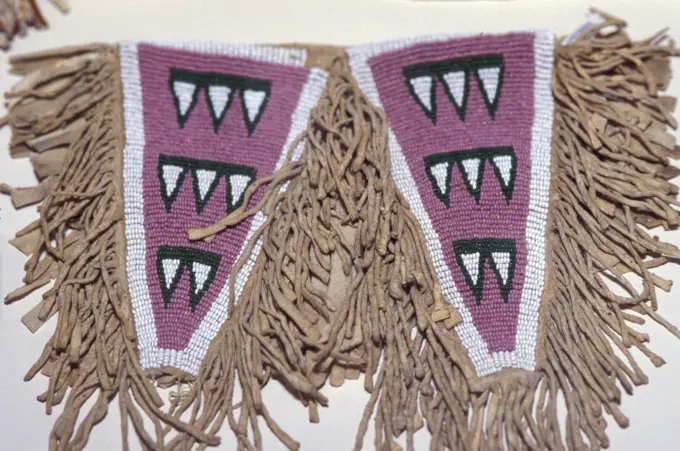
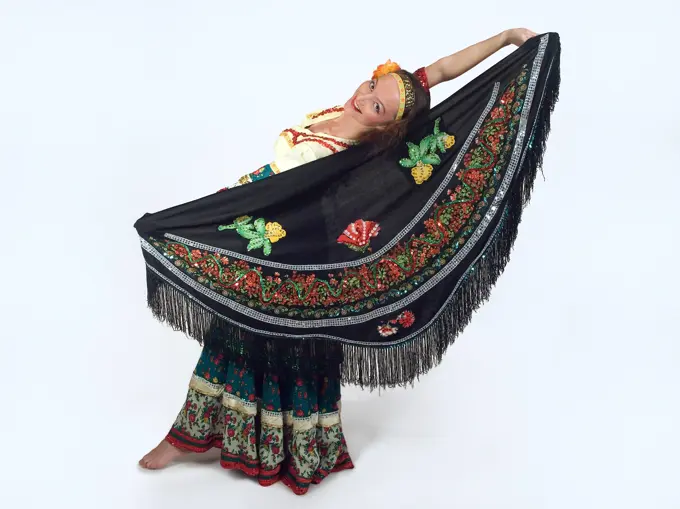
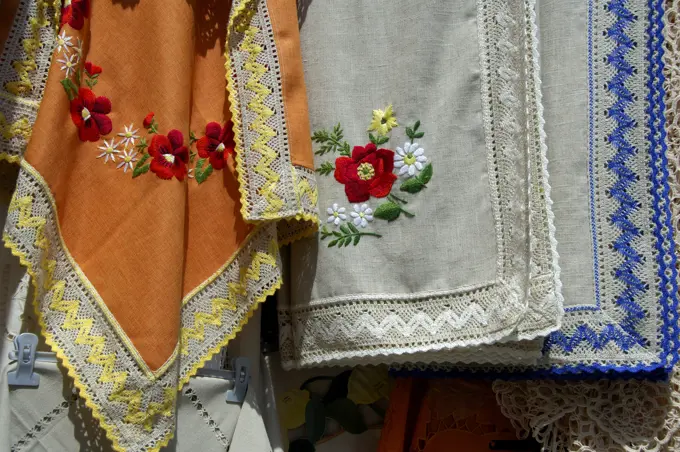
Diverse range of textiles featuring intricate designs, including carpets and skirts, highlighting traditional craftsmanship and vibrant colors.

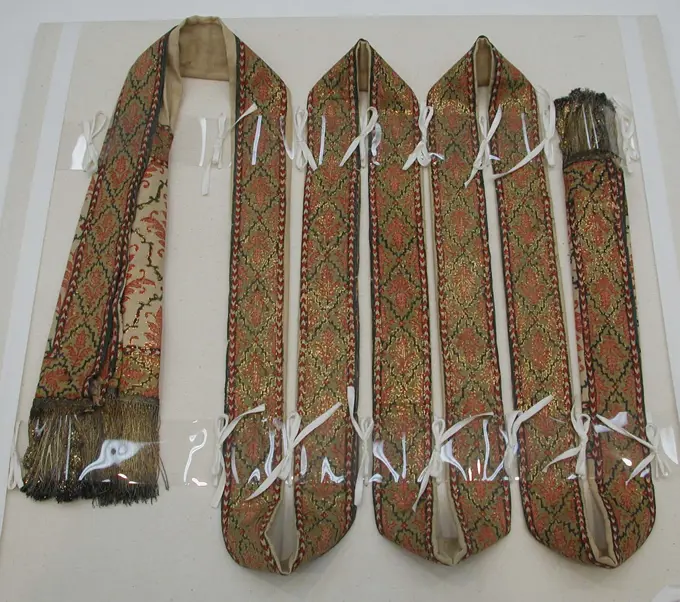
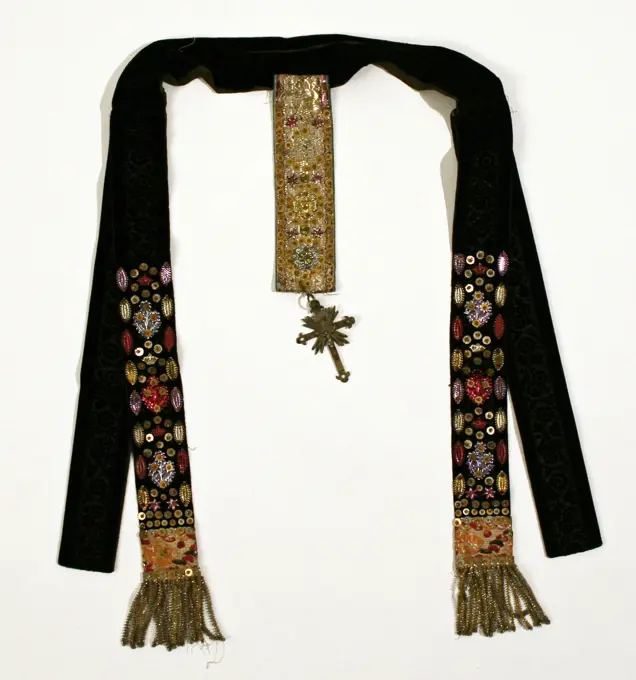
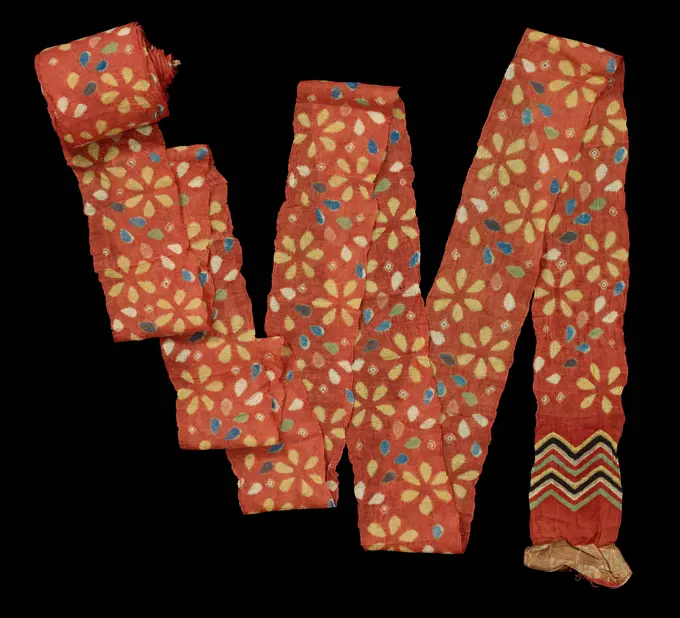
Sash, China
Sash, China
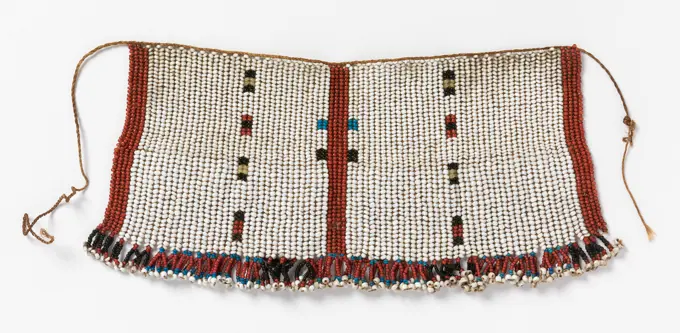
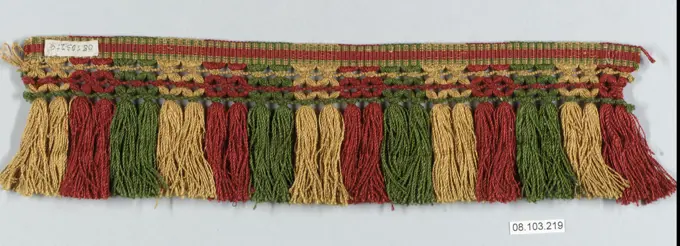
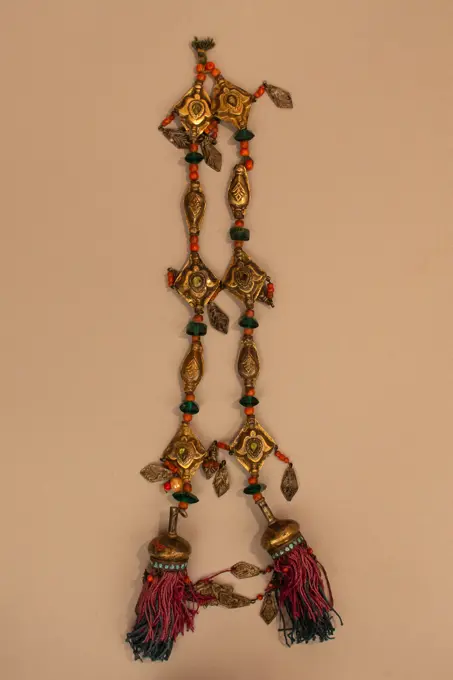
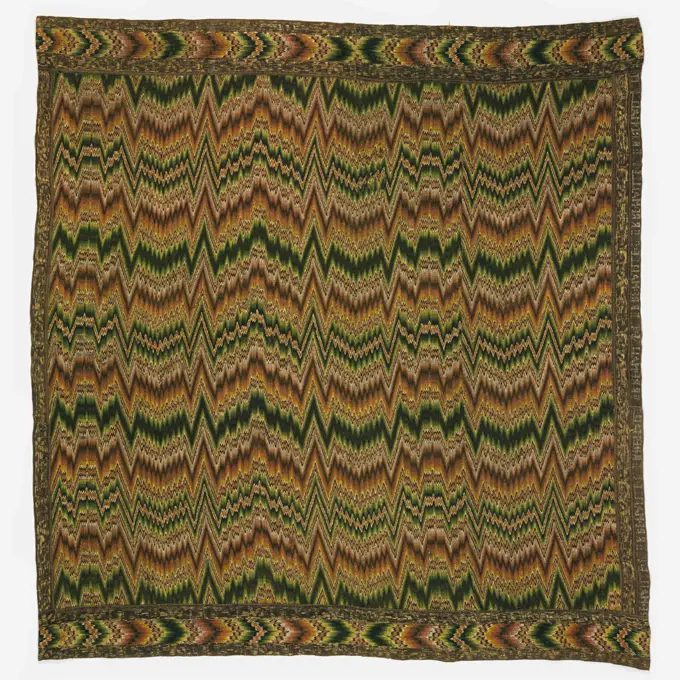
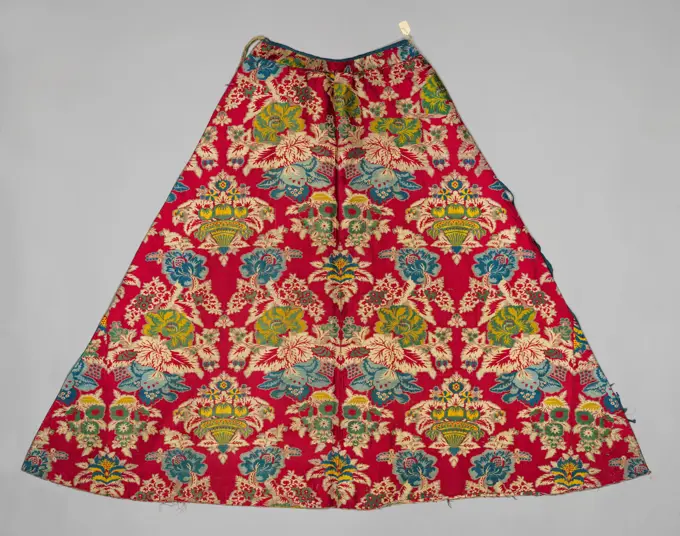
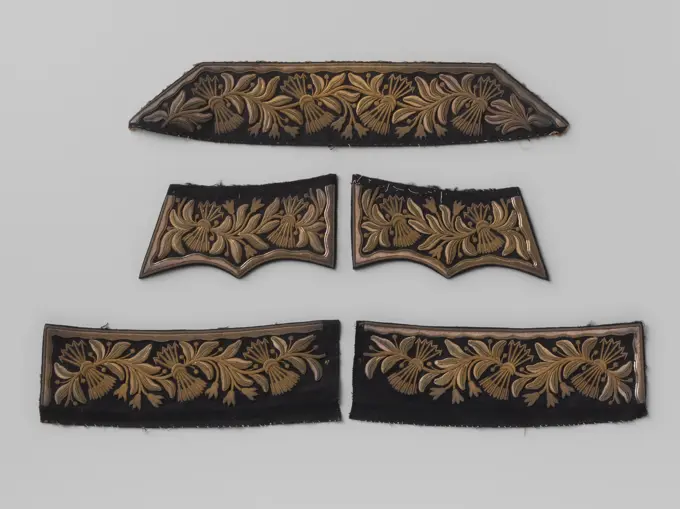
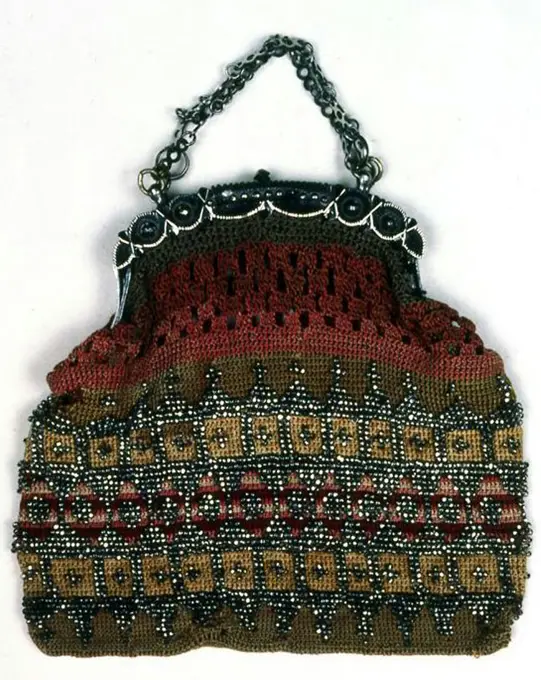
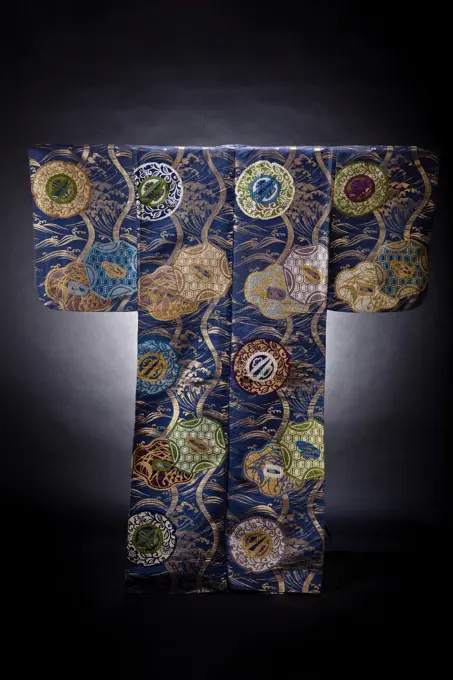
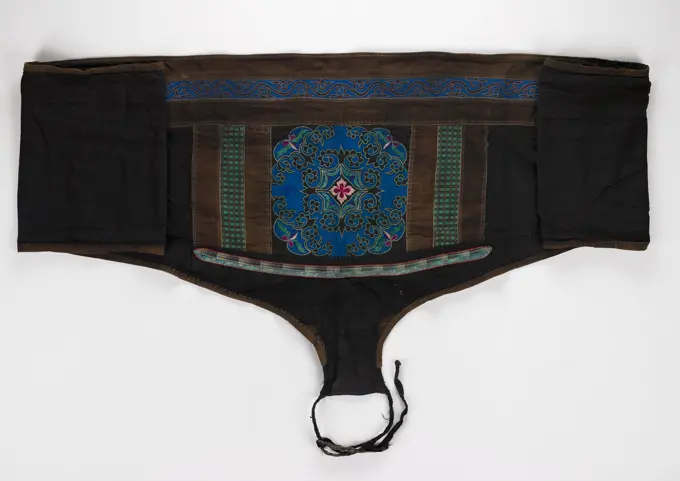
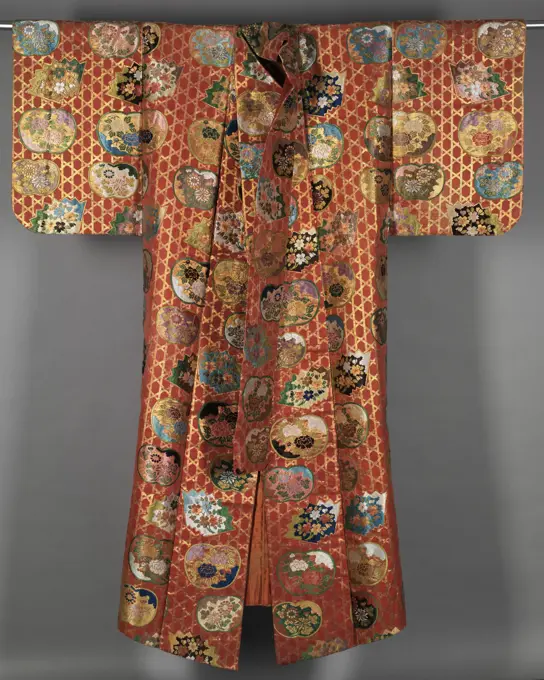
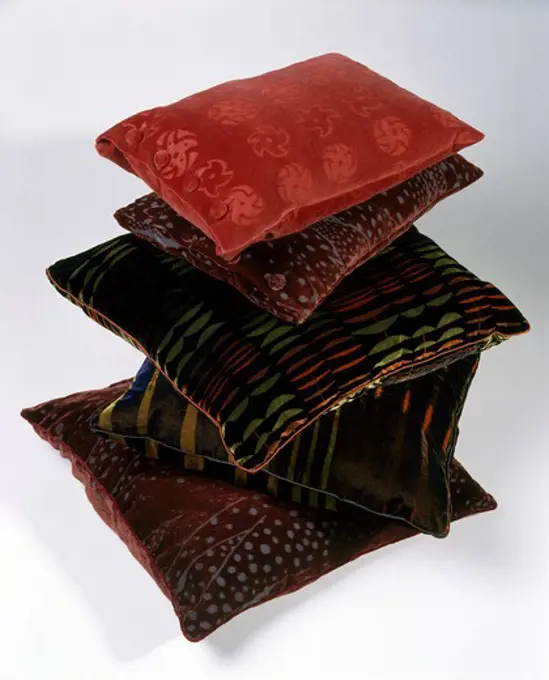
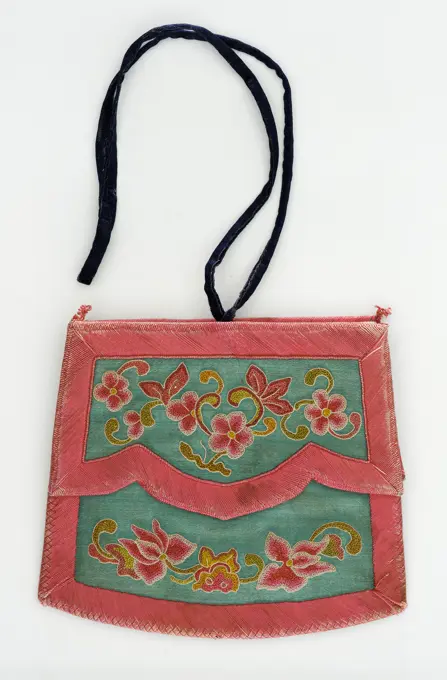
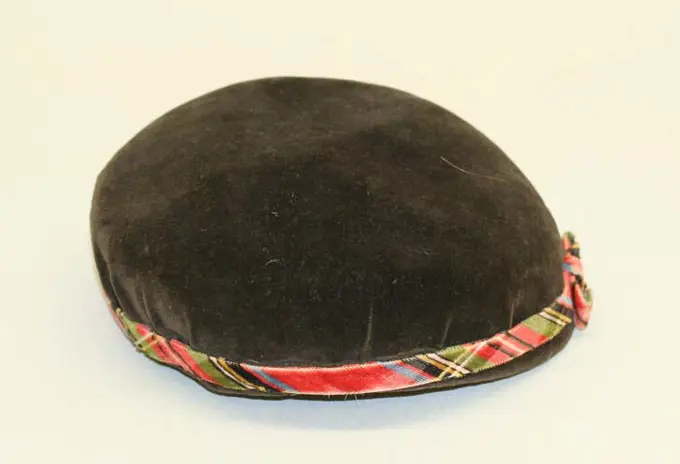
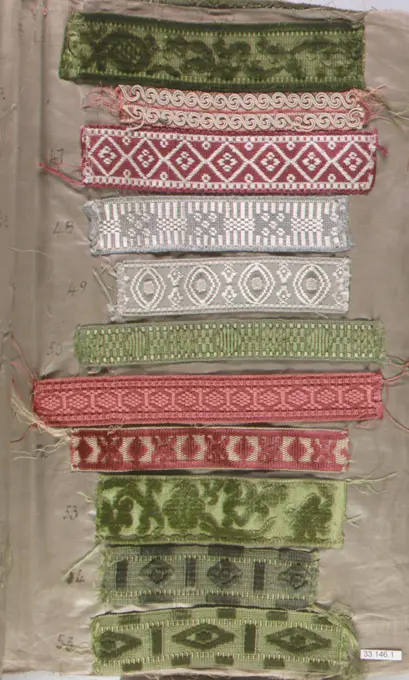
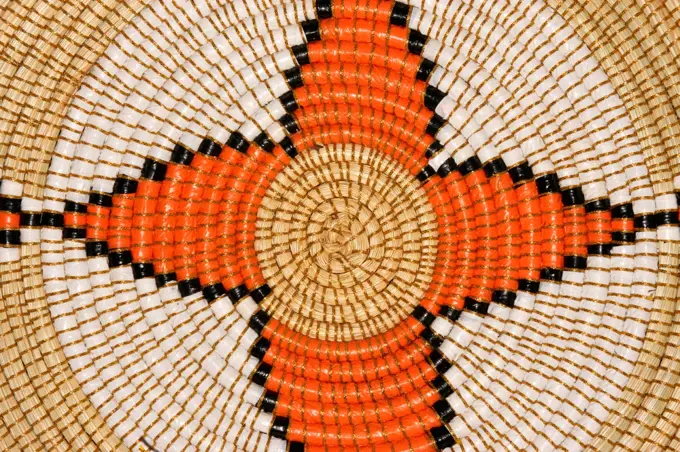
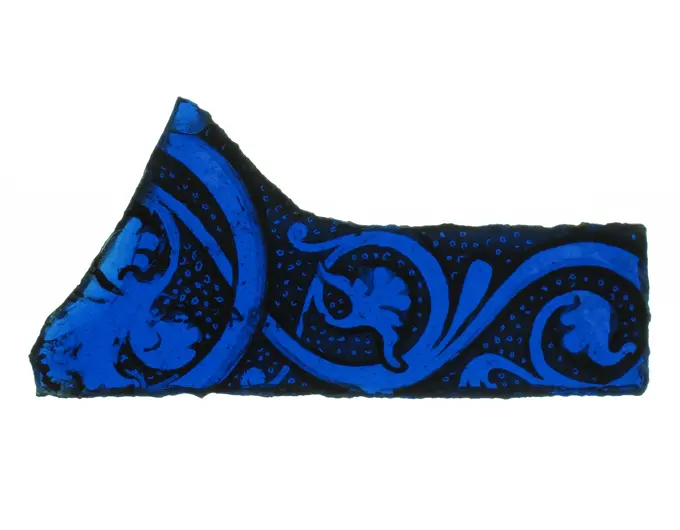
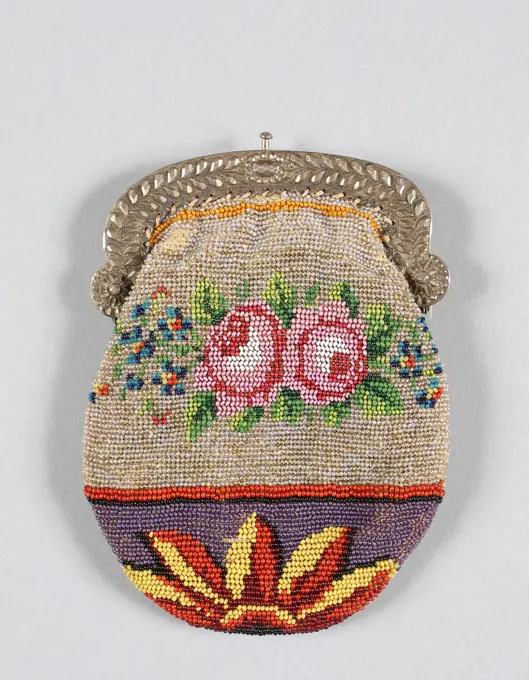
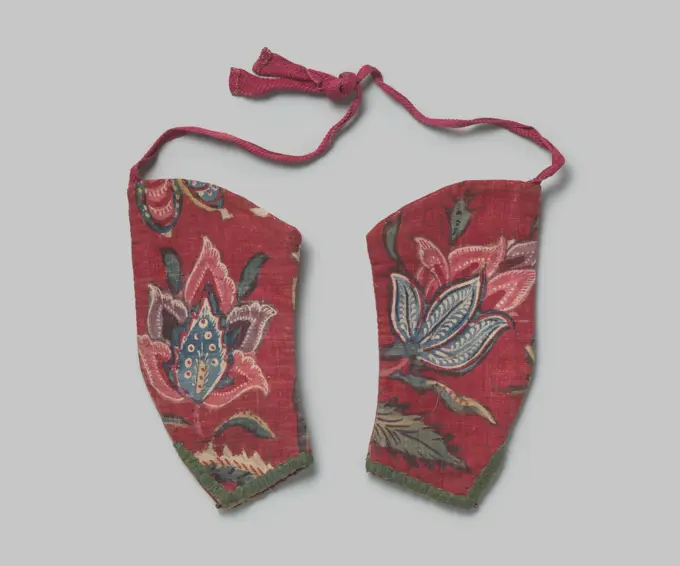
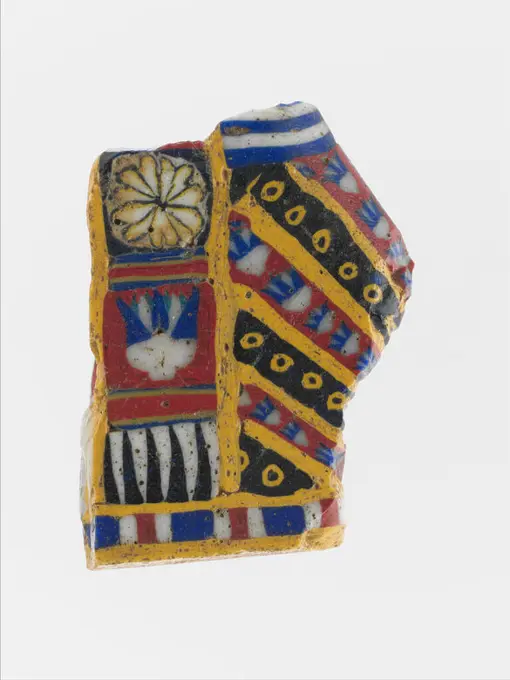
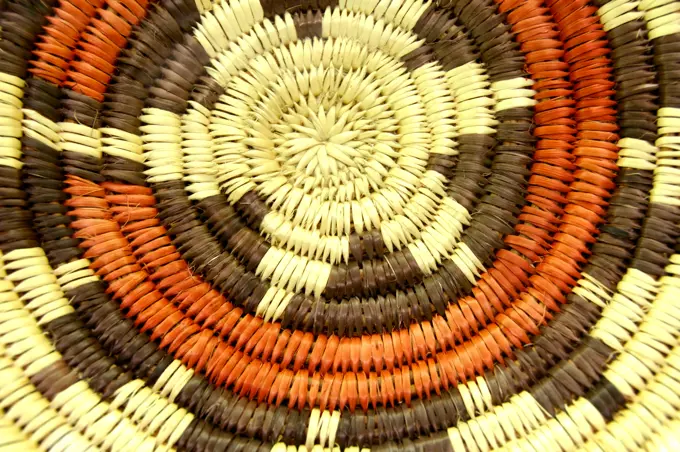
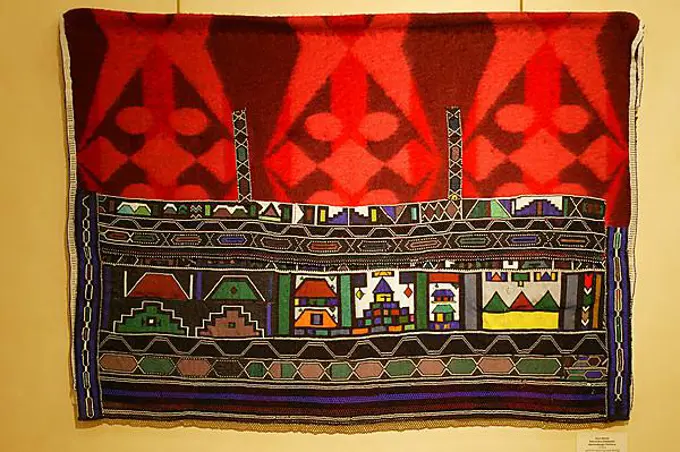
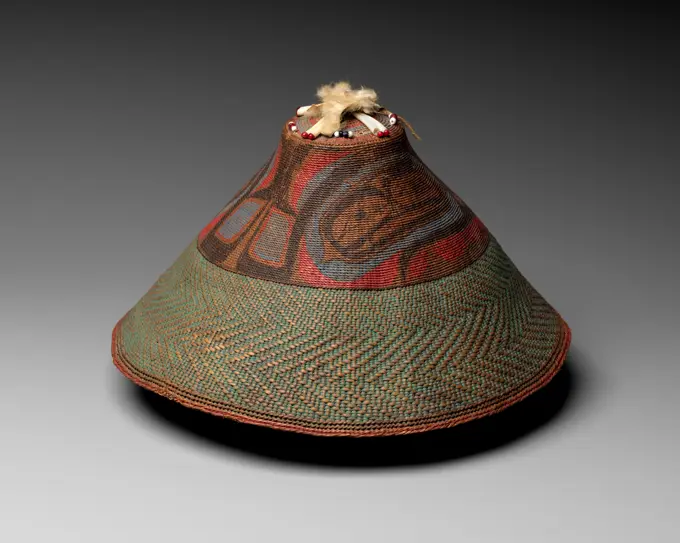
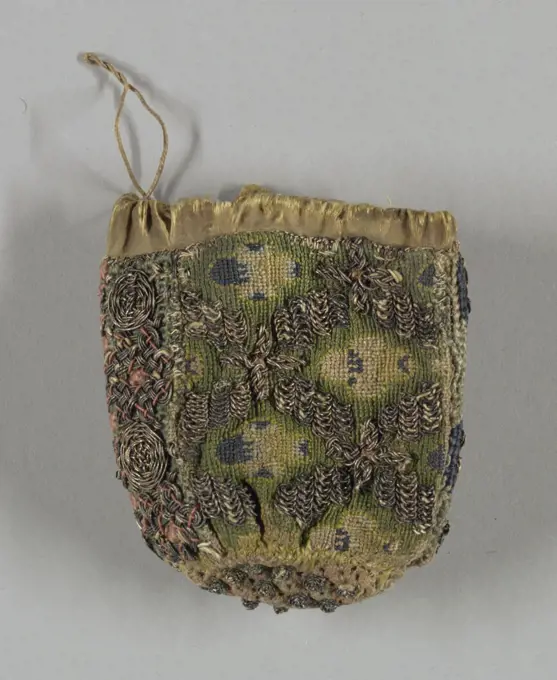
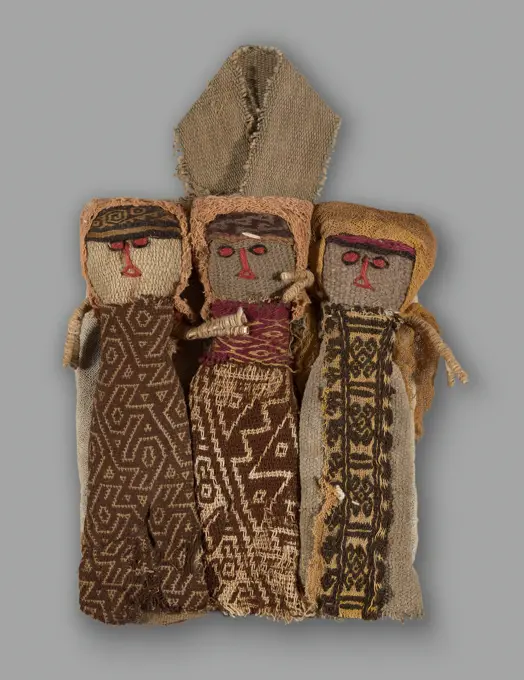
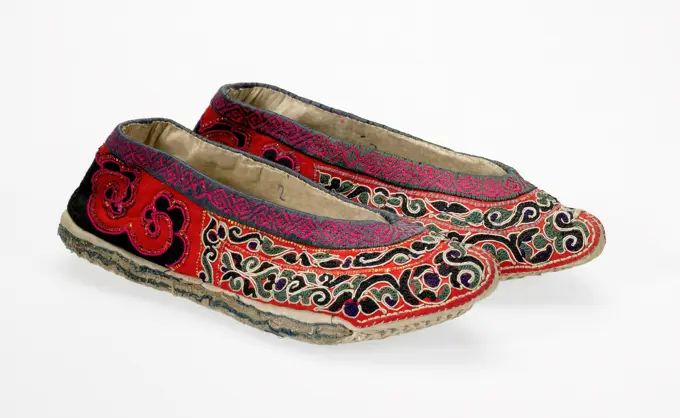
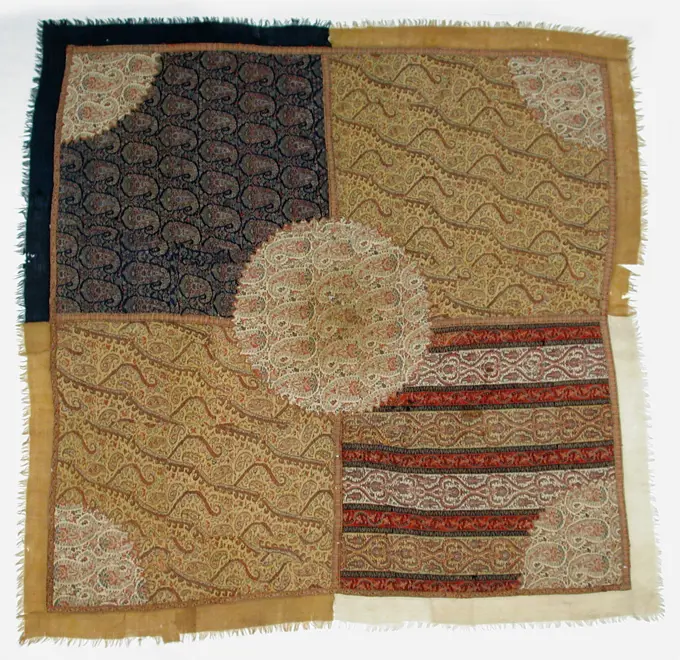
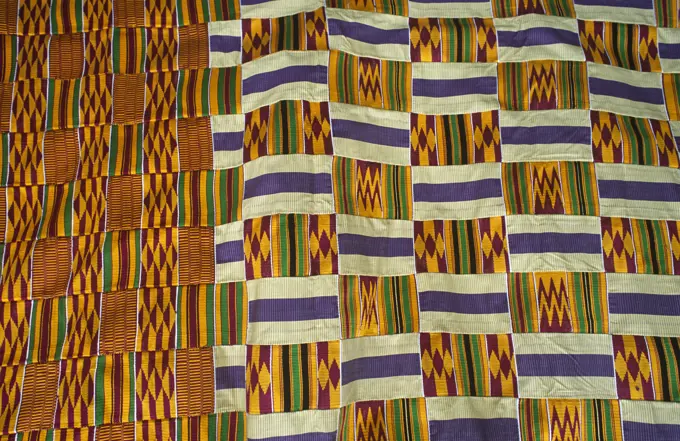
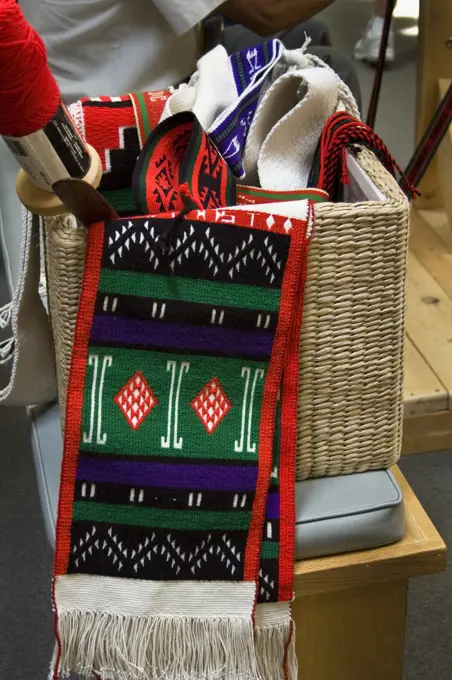
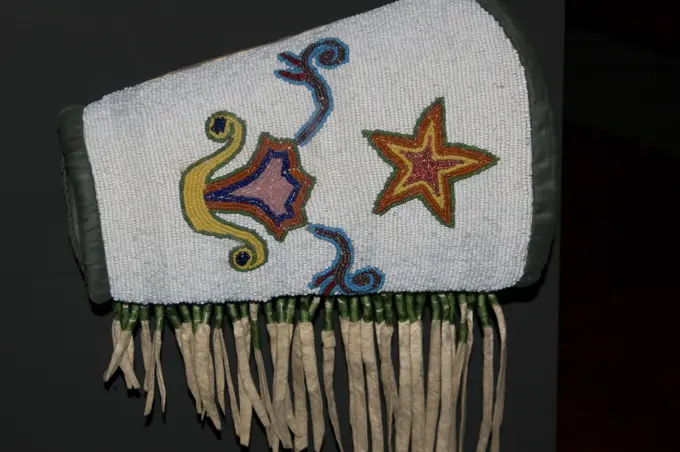
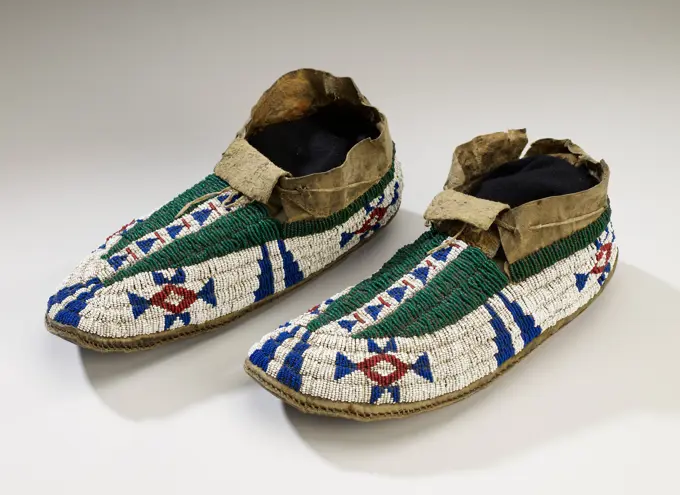
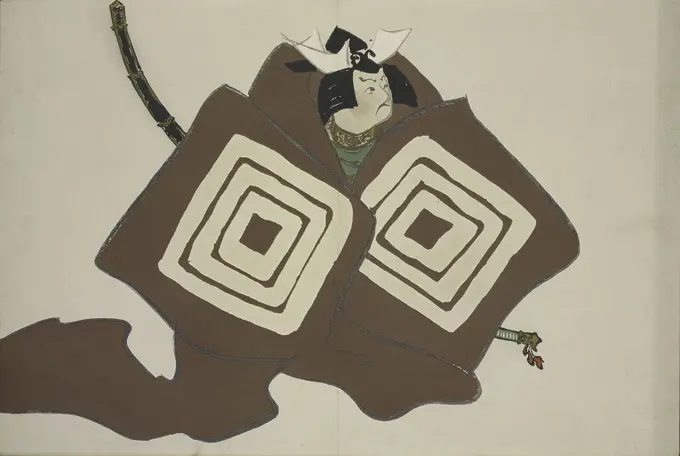
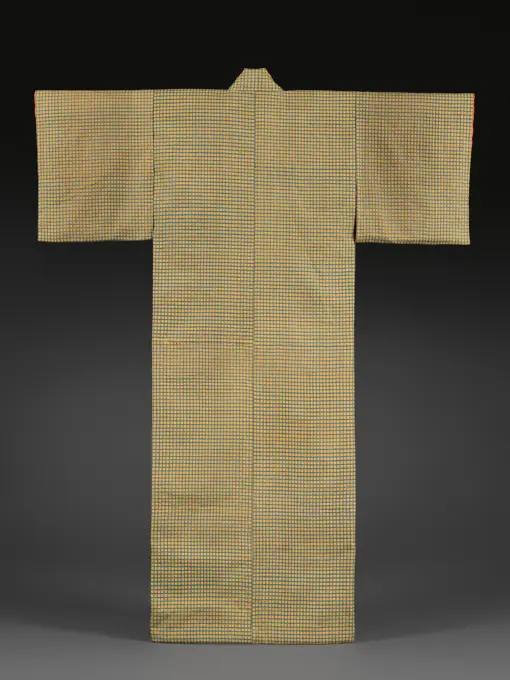
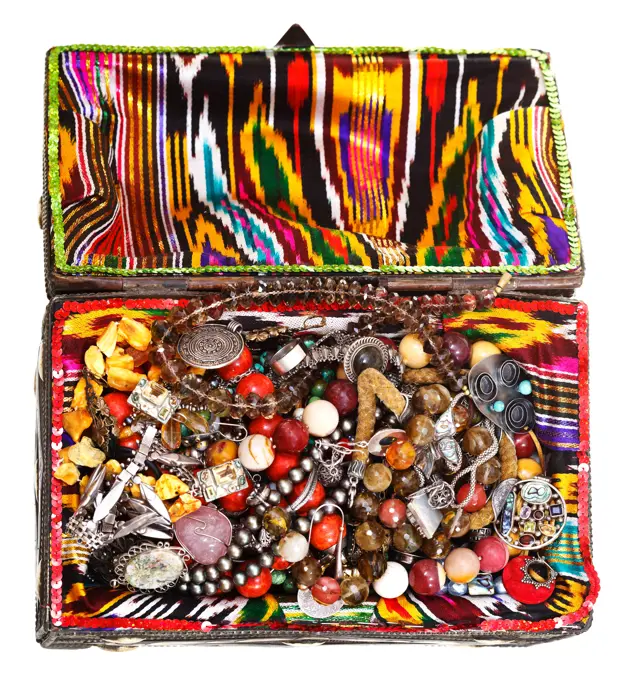
Cabas. 1845. verse. Gal1952.5.99_2Apron (South Africa); beads, hideFragment (USA)Purse early 19th century French. Purse. French. early 19th century. Silk and cut steel, embroidered net. Textiles-LacesInsignia, Medal, Button late 19th century Japan. Insignia, Medal, Button 60256Toran, 20th century, 18 1/8 x 38 1/4 in. (46.04 x 97.16 cm) (without tassels), Cotton, mirror disk; needlework, India, 20th centuryStrip 16th-17th century Italian. Strip 215409BagFringe 17th century probably European. Fringe 213715Headband (Mexico); woolHair Ornament or Plait Ornament 19th century Among the many beautiful adornments worn by Uzbek women were jewels to adorn their hair. This ornament would have attached to a womans plait, or braid and embellished her long tresses. A variety of materials make up this object including silk, gilt-silver pendants, coral, turquoise, and pieces of green glass. These individual components were not all locally sourced and illustrate the strategic location of Uzbekistan along the silk road. The regions of Bukhara, Khiva, Samarkand, and Kokand were important centers for the trade of jewels, textiles, and other luxury goods. View more. Hair Ornament or Plait Ornament. 19th century. Gold, glass, coral, turquoise, silver, and silk. Attributed to probably Uzbekistan. JewelryPanel, Pierre Maille, Medium: bast, wool, cotton, silk foundation warp and weft are unrefined bast fiber Technique: Brocaded to imitate the effect of a type of counted embroidery called 'flame stitch.', Bergamo Panel woven to imitate the effect of counted embroidery of the type often called 'flame stitch' because of the zig-zag nature of the pattern and the use of color tone and value contrast. The borders are woven seperately. One border has the name of the producer repeatedly woven in, but woven in mirror image., Elbeuf, France, 1732-40, woven textiles, PanelBand; cotton, linenCAPE of brOOCHED SIDE with pattern of a bowl with fruits and flowers, c. 1730 - c. 1740 Cape of brOOCHED SIDE. Design: Scale Fruits and flowers in yellow, green, red and blue, contained in a pattern of leaves in white and red, framed by mirror-symmetrically displayed packages of naturalistic flowers in two shades of blue, red, yellow and green and ditto leaves In white and red on a ceris -colored stock. The fabric consists of two lanes over the full width and two narrow lanes and may have been entertained to a cape for a statue of Mary (). Lining: écressliglig linen and remains of blue silk. Right below stands with pen on the lining: 6295. Label with: French and co. inc. 6295. Painted letter (ca. 1978-1998) with the letter N. France silk Cape of brOOCHED SIDE. Design: Scale Fruits and flowers in yellow, green, red and blue, contained in a pattern of leaves in white and red, framed by mirror-symmetrically displayed packages of naturalistic flowers in two shades of blue, red, yellow and Embroidery for Ja.r. Thorbecke (valve), c. 1850  Embroidery for jacket belonging to the office of J.R. Thorbecke as a member of the States General. Netherlands textile materials.Sash with TabEnds.  Artist: UnknownPearl scholarship. GAL1956.33.1Widows Hood (Pote)Bag; woolBaby carrier, ChinaMOROCCO, Dades Valley, DADES GORGE: Colorful Shop WallTunic 1400-1530 Inca. Tunic 319574Bag Made 1830-1850 United States. Silk, double crochet stitch with metal beads and areas of openwork formed by double and treble crochet stitch combination; sewn to metal clasp and chain with silk thread .A Western Apache Twined Burden Basket Native American Art Headband 19th century. Headband. 19th century. Silk, metal thread; wrapped and braided. Possibly made in Saudi Arabia. Textiles-CostumesNoh costume (atsuita), late 19th century, Unknown Japanese, 64 3/4 × 52 in. (164.47 × 132.08 cm), Silk, Japan, 19th centuryEurope, France, Provence-Alpes-Cote d'Azur, Bouches-du-Rhone. Aix-en-Provence. Textiles with sunflower and olive designs, La Victoire, Place Richelme.Baby carrier, ChinaNoh Robe (Karaori), 1800-1850. Japan, Edo period (1615-1868). Twill weave with supplementary weft, brocaded; silk and gold thread; overall: 160.1 x 139.7 cm (63 1/16 x 55 in.).red currant berries in the corner of sacking. red currant berries in the corner of sacking on the wooden backgroundDecorative fabric created from cotton and Glass beads. Created by the Wayana people of from the Guiana highlands. Dated 19th CenturyCA, Guatemala.Intricately beaded Potawatomi bandolier bag with floral designs and decorated on bottom with tassel fringe, OklahomaNeedlework sampler unknownSash ca. 1628-58 Mens sashes, called patkas, were wrapped two or three times around the wearers waist and tied with their ends hanging down in the front. Worn over jamas, the long robes typical of Mughal India, they allowed men to display their wealth by tucking daggers, pen cases, and other precious objects into the fabric. After being exported to Europe in the colonial period, a modified version of the patka became part of tuxedo sets, taking its name from the Hindustani and Persian term kamarband, which means ‘waist bound up. Individual stitches running the length of this patka create pleating in the fabric, indicating that it was worn folded over with the ends splayed out.. Sash. ca. 1628-58. Cotton. Attributed to India. Textiles-CostumesClose-up of a pile of velvet cushionsEgg With Pattern Sketch vector element for spring Easter design. Copyright: xChuhailxFragment of a Bowl 9th-10th century. Fragment of a Bowl. 9th-10th century. Earthenware; slip covered with polychrome slip decoration under colorless glaze. Excavated in Iran, Nishapur. CeramicsWoman's Clutch Bag. China, circa 1830s. Costumes; Accessories. Silk embroidery, silk satinBlanket, 20th century, 63 x 122 in. (160 x 309.9 cm), Cotton; stripwoven, Mali, 20th centuryHat 1865-70 American. Hat 113253Textile Sample Book 18th-19th century Morant and Co.. Textile Sample Book. British, London. 18th-19th century. Textiles-Sample BooksTraditional Berber carpets, MoroccoSkirt, mid 20th century, 58 1/2 x 46 1/2 in. (148.59 x 118.11 cm) (including fringe), Cotton, Myanmar (Burma), 20th centuryColorful pattern on a hand woven African basketRibbon late 19th-early 20th century French (Breton). Ribbon 105151Bowl, c 1900-1910. Great Basin, Timbisha Shoshone (Panamint). Willow, devil's claw, yucca root; coiled (3 rods); overall: 11.3 x 20.4 cm (4 7/16 x 8 1/16 in.).Fringe (Italy); silkBand (Peru); wool, cottonCap 1850-60 Naskapi. Cap 319155Skirt, 19th century, L.35-1/2 in., silk, China, 19th centuryBasket, 1900-1942, 1 3/8 x 2 1/16 x 2 1/16 in. (3.5 x 5.2 x 5.2 cm), Plant fibers, United States, 20th centuryVestido de danza, M.A.I.T.P.Glass Fragment 12th-14th century French. Glass Fragment. French. 12th-14th century. Pot-metal glass, vitreous paint. Glass-StainedWallet. Restoration. Recto. GAL1965.58.9Close-up of a stack of jewelry boxesChildren's sleeve of sits with a red stock and a white linen lining; At the top a red linen bow tire and pissed off with green passion, anonymous Sleeve, red with colored flowers and green band (part of a Frisian children's costume). Coming from Schiermonnikoog.  cotton (textile). linen (material). chintz chintz Sleeve, red with colored flowers and green band (part of a Frisian children's costume). Coming from Schiermonnikoog.  cotton (textile). linen (material). chintz chintz100 years old Chettinad cotton sari, Tamil Nadu, South India, India, AsiaGlass mosaic relief fragment. Culture: Egyptian, Ptolemaic. Dimensions: Other: 1 3/16 in. (3 cm). Date: late 4th to 3rd century B.C..Opaque sealing wax red ground; decoration in opaque white, yellow, and red, and translucent blue, light blue and deep purple, appearing black.Thick block, with slightly convex side edge at bottom and another edge with rounded upper lip at top right.Decoration all set in yellow frames; narrow horizontal stripe along bottom in blue, white, and red; vertical panel comprising three squares divided by horizontal bands in blue, yellow, and red; at top, blue and white horizontal stripes; at right, radiating stripes in two alternating designs, one of hollow yellow circles on a purple ground, the other of lotus buds in white and blue.Broken edges at top, left, and lower right; slight pitting but very little weathering.This fragment can be identified from its similarity to other pieces as part of the ornate patterned dress of a figure, probably a god or a pharAragon typical blanket arab heritageNorth America, USA, Arizona, Navajo Indian Reservation, Chinle, Canyon de Chelly National Monument. South Rim road, Visitor Center. Detail of traditional Navajo basket. (Editorial Usage Only)Ceremonial loincloth, leather embroidered with pearls, National-Culture-Museum, Pretoria, South AficaHat, 12 1/2 x 15 3/4 x 6 3/4 in. (31.75 x 40.01 x 17.15 cm), Beads, plant fibers (); needlework, Democratic Republic of CongoHat Chugach, Native American ca. 1830 Northwest Coast peoples traveling on land and at sea wore basketry hats to shield themselves from the Arctic sun. With their minimal form and maximal functionality, such hats were also made for trade to outside consumers. A female artist decorated this hat with dentalium shells and glass trade beads. The small fragments of fur are the remnants of ermine pelts that once adorned the sides of the cap, reinforcing its wearers social status. The abstracted painted forms held symbolic meaning relating to the ancestors of the wearer and his clan. View more. Hat. Chugach, Native American. ca. 1830. Spruce root, shell, ermine, glass beads, pigment, cotton cloth, and tanned leather. Made in Alaska, United StatesBag, Medium: silk and metal-wrapped silk on linen Technique: embroidery using cross, half-cross, back and eyelet stitches in silk; buttonhole, plaited braid, looping and knotted stitches using metal-wrapped silk on plain weave, Three panels plus base, each with a different pattern, sewn together. Extended dark yellow silk lining functions with a drawstring as a closure., England, early 17th century, costume & accessories, BagBlackfeet beadwork on display at the Museum of the Rockies in Montana (PR)Embroidery Sample (USA); Made by Madame Sabo, Inc. (New York, NY, USA); silk, metallic ribbon, metallic thread, glass and metallic beadsBrazil, Amazon, Rio Tapajos. A tributary of the Rio Tapajos which is itself a tributary of the Amazon. In the village of Jamaraqua, a community co-operative has been established to promote sustainable traditional basket weaving for sale to Eco Tourists.Dolls Made 1950-1984 Peru. Contemporary assemblage of materials from a variety of past cultures. Cotton and wool, variety of weaves; embroidered with wool in satin and back stitches; cotton wrapped twigs . ChancayAntique wooden red bottle box, Jodhpur, Rajasthan, India Copyright: xSafatxAli/DinodiaxPhotoxAfrica, South Africa, Mpumalanga Province, Ndebele tribe, Loopsruit cultural village, Ndebele Museum, Ndebele dollPair of Shoes, 3 x 3 1/2 x 10 1/2 in. (7.62 x 8.89 x 26.67 cm) (a)3 1/4 x 3 3/4 x 10 3/16 in. (8.26 x 9.53 x 25.88 cm) (b), Cotton, metallic strips, Chinaz.b KONICA MINOLTA DIGITAL CAMERA LicenseRF ,model released, Symbolfoto Copyright: xZoonar.com/MilanxVasicekx 677284 ,model released, Symbolfoto ,property releasedShawl first half 19th century. Shawl. first half 19th century. Wool. Attributed to India, Kashmir. Textiles-CostumesGhana, Volta region, Tafi Abuipe. Fine Kente cloth. The Ashantis and Ewes both lay claim to having invented it.Pouch, 19th century, 15 1/2 x 9 1/2 in. (39.4 x 24.1 cm), Silk, mirrors; embroidery, India, 19th centurySmoking cap -Rattle, 20 × 2 × 2 in. (50.8 × 5.08 × 5.08 cm), Gourd, beads, leather, wood, horsehair (), United StatesCanada, Manitoba, Churchill. Details of Inuit art pieces.Man's turban (Pagri), c. 1900, 483 3/16 x 4 5/8 in. (1227.3 x 11.75 cm) (approximate), Cotton, metallic threads; stitched resist, tied resist, wrapped resist; dyed, India, 19th-20th centuryEcuador, Peguche, village of weavers near Otavalo, spindle on weaving loomBed screen (arkilla kerka), 19th century, 44 3/8 x 169 in. (112.71 x 429.26 cm), Wool, Mali, 19th centuryBasket, 20th century, 4 3/8 x 4 1/4 x 4 1/4 in. (11.1 x 10.8 x 10.8 cm), Plant fibers, United States, 20th centuryHat, 20th century, 3 1/4 x 7 x 5 7/8 in. (8.26 x 17.78 x 14.92 cm), Cotton, metallic threads, Afghanistan or Uzbekistan, 20th centuryHopi cotton belts and sashes are made with just plain white for a Hopi wedding or decorated with colorful patterns for ceremonies and dance regalia. Made by Hopi weaver Marvin Pooyovma from Hotevilla, AZ.Europe, Italy, Sicily, Taormina. Traditional Italian linen textiles.Child's Hat, 10 x 4 x 6 in. (25.4 x 10.16 x 15.24 cm), Cotton, metal, ChinaMandan women decorated dance items such as these wrist cuffs with beadwork during long winter months in the DakotasMandala pattern paper sleeve templatePair of high shoes unknownPoncho patch. Traditional native american people costume. Simple latino woolen wear with geometric ornament. Peruvian ethnic clothes. RGB color printable sticker. Vector isolated illustrationRentier, Nahaufnahme Fell eines Rentiers mit traditionellem, buntem Gurt zum Ziehen des Schlittens, Polarkreis, Lappland, Finnland Fur of a reindeer with colorful belt, close-up, Lapland, Finland Copyright: xZoonar.com/MartinaxI.xMeyerx 314509Moccasins, c. 1880-1890, 3 1/2 x 10 3/8 x 4 in. (8.89 x 26.35 x 10.16 cm), Animal hide, beads, United States, 19th centuryKiowa cradle board, circa 1930, made from wood backing, soft deer hide to protect the bundled infant and fully decorated with intricate beadwork of geometric and floral designs.Momoyogusa = Flowers of a Hundred Generations., Kamisaka, Sekka, (Artist), Date Issued: 1909.Kimono with Checked Pattern 19th century Japan This informal women's kimono was formerly in the collection of Edward C. Moore (1827-1891), head designer at Tiffany & Co. from 1868 until his death in 1891. Keenly interested in exotic cultures, Moore collected art and won international awards for his silver designs, including pieces inspired by Japanese art.Notice the subtle in-and-out texture of the cloth of the kimono: the yellow checks seem to be indented while their blue and black borders appear raised. This textured effect permits the fabric to be classified as shijira, one among several types of striped or lattice-patterned textiles sometimes associated with the tea ceremony.. Kimono with Checked Pattern. Japan. 19th century. Extended plain-weave silk. Edo (1615-1868) or Meiji period (1868-1912). Costumesancient decorated treasure chest with antique jewelry ancient decorated treasure chest with antique jewelry isolated on white background Copyright: xZoonar.com/ValeryxVoennyyx 5528819Embroidered Bag or Purse 1620.Vintage style scuba flag. Diver down flag. Brush stroke